
Located about a 30-minute drive from Suzhou, at the southernmost tip of Jinxi Town, lies Shangmingdian—a charming village exemplifying the classic Jiangnan water town style. The river weaves through the village, dividing it into several distinct sections.
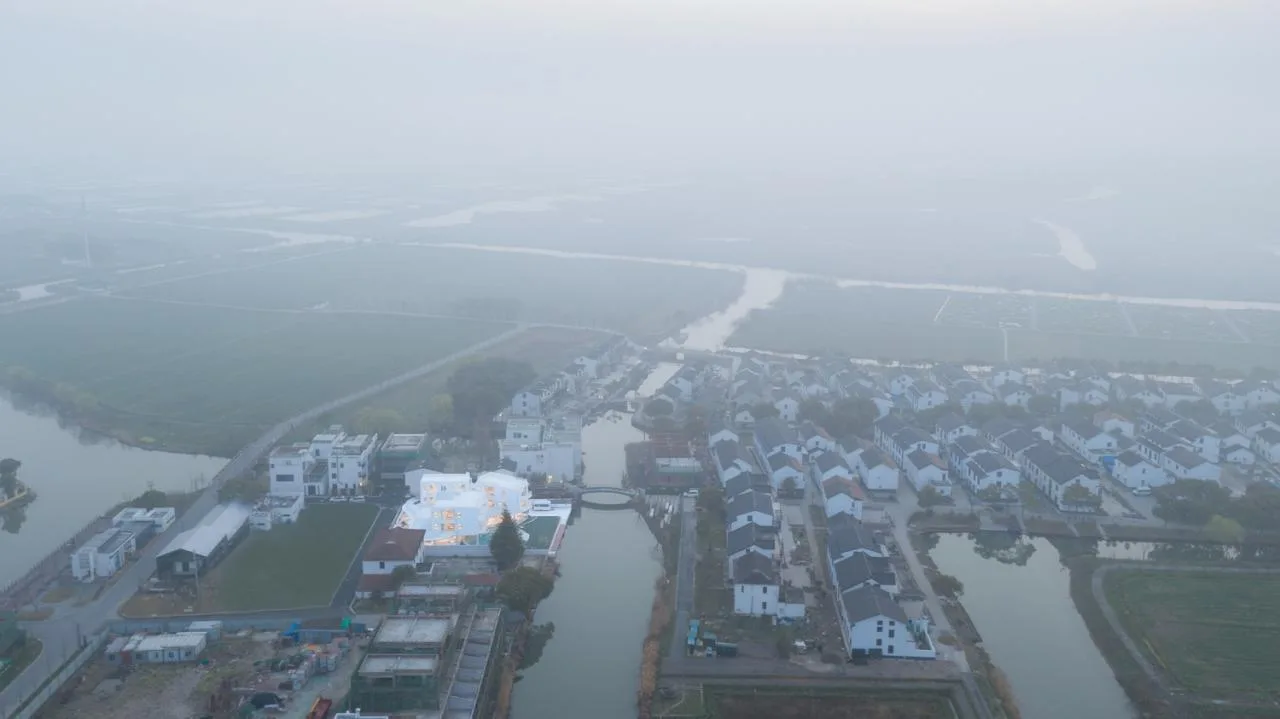
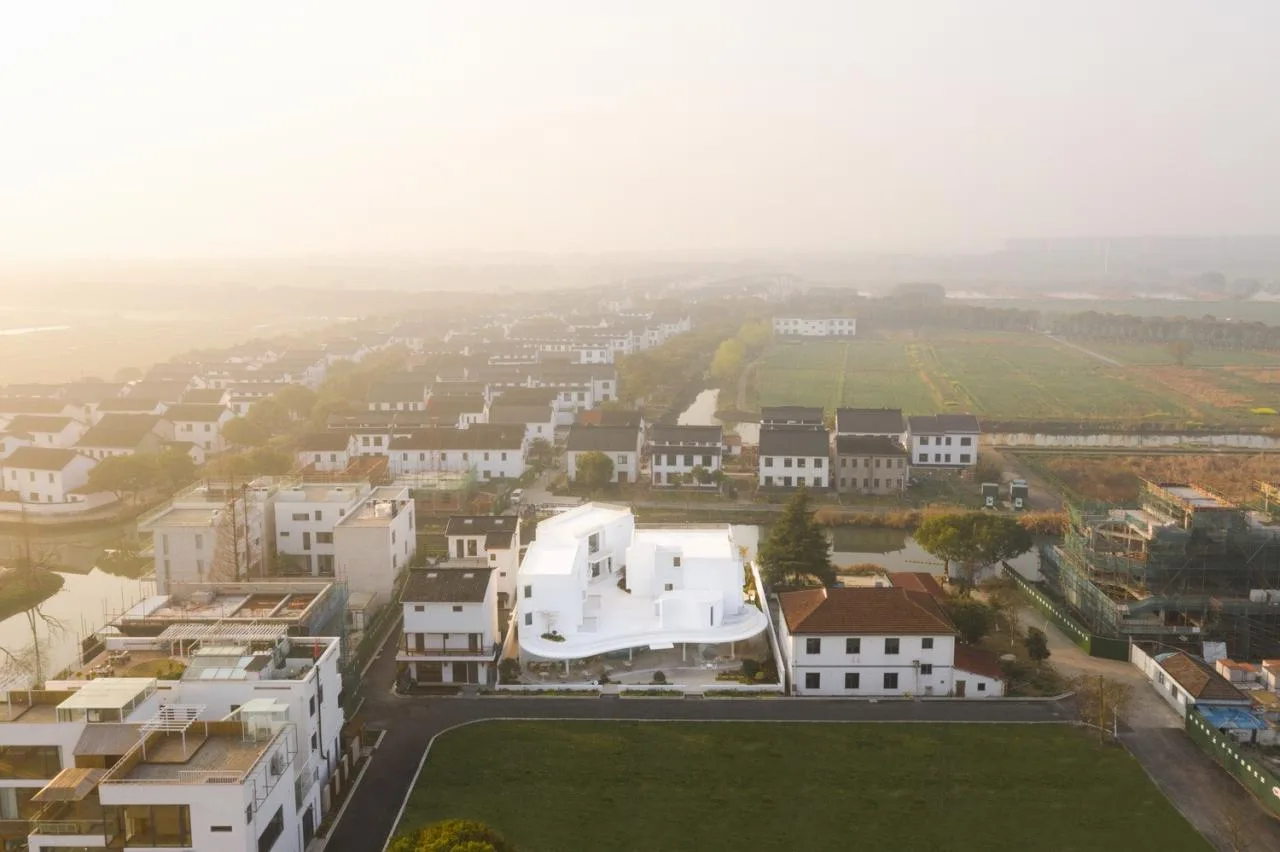
△ Aerial view of the project
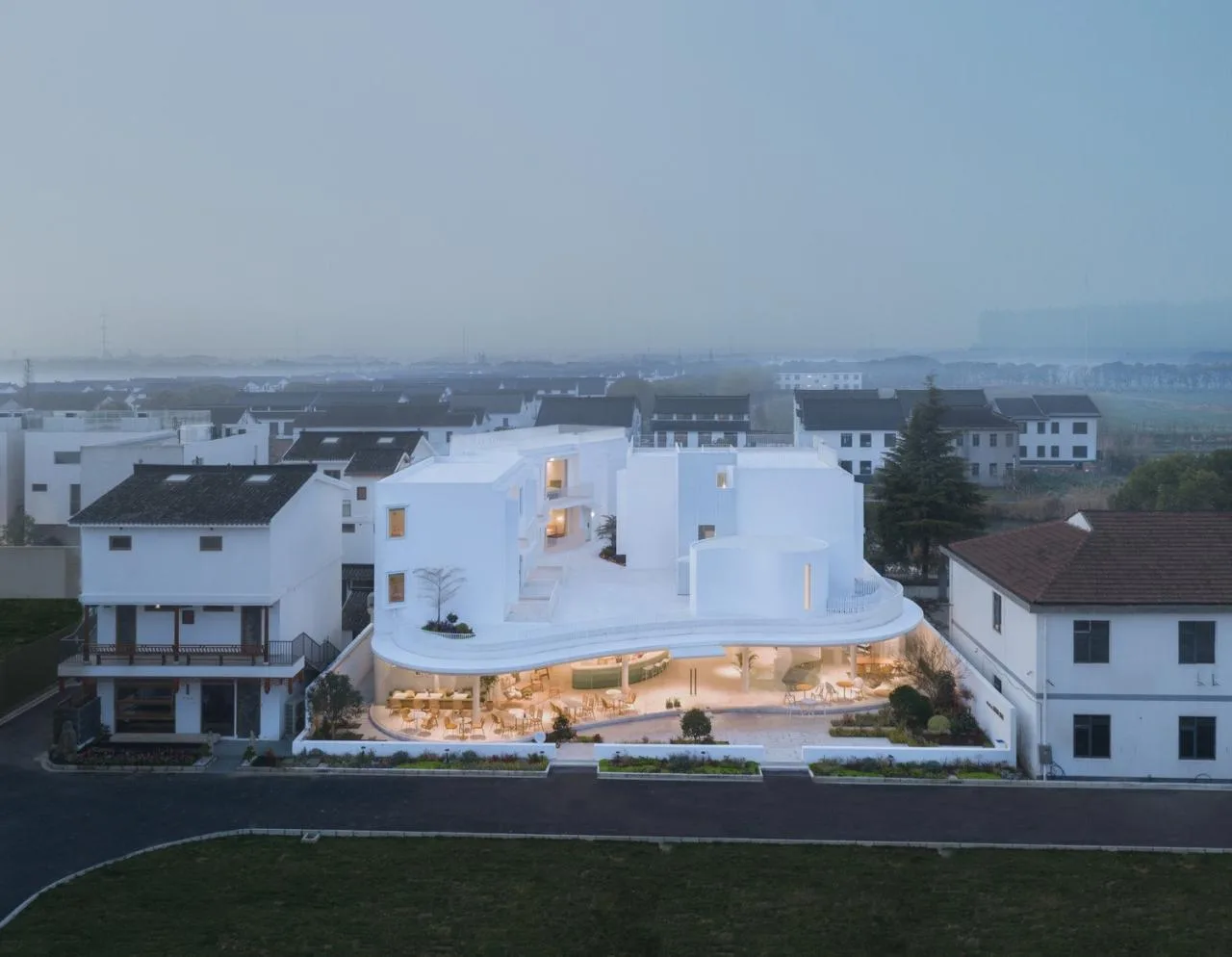
△ Aerial view of the project
Our project is situated on the northwest side of the site, which was once an abandoned factory block. The plot is surrounded by residential buildings on three sides and bordered by a river to the south.
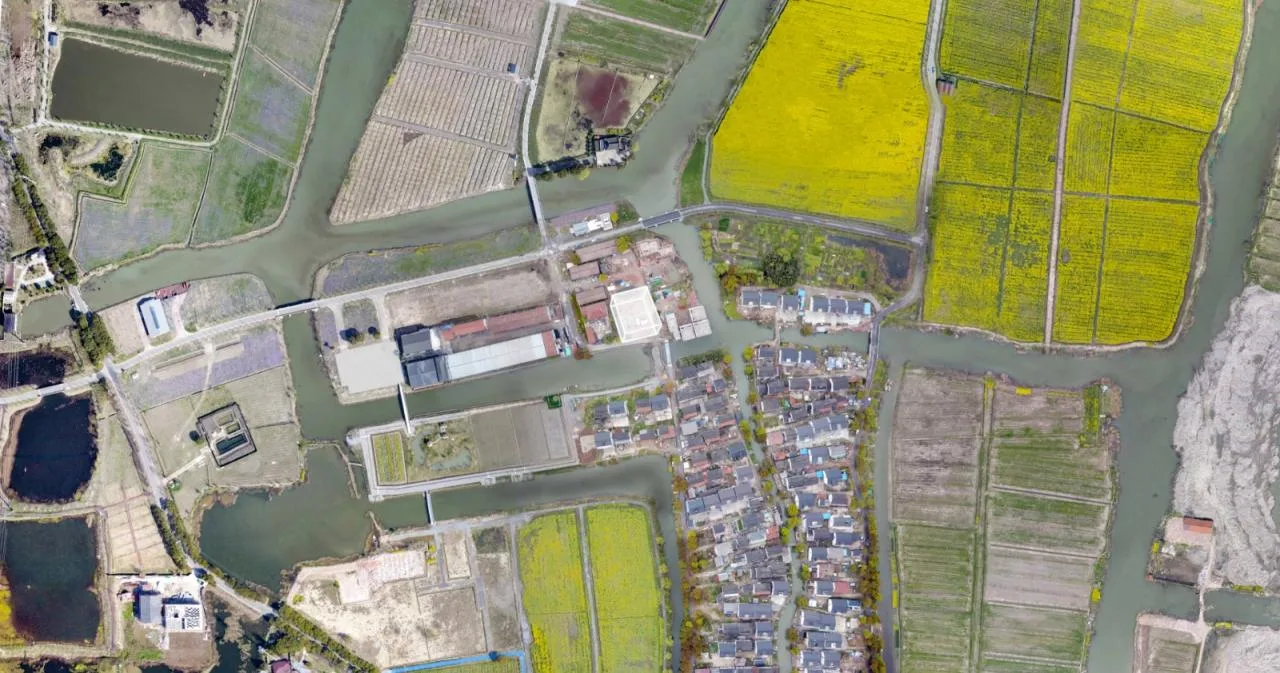
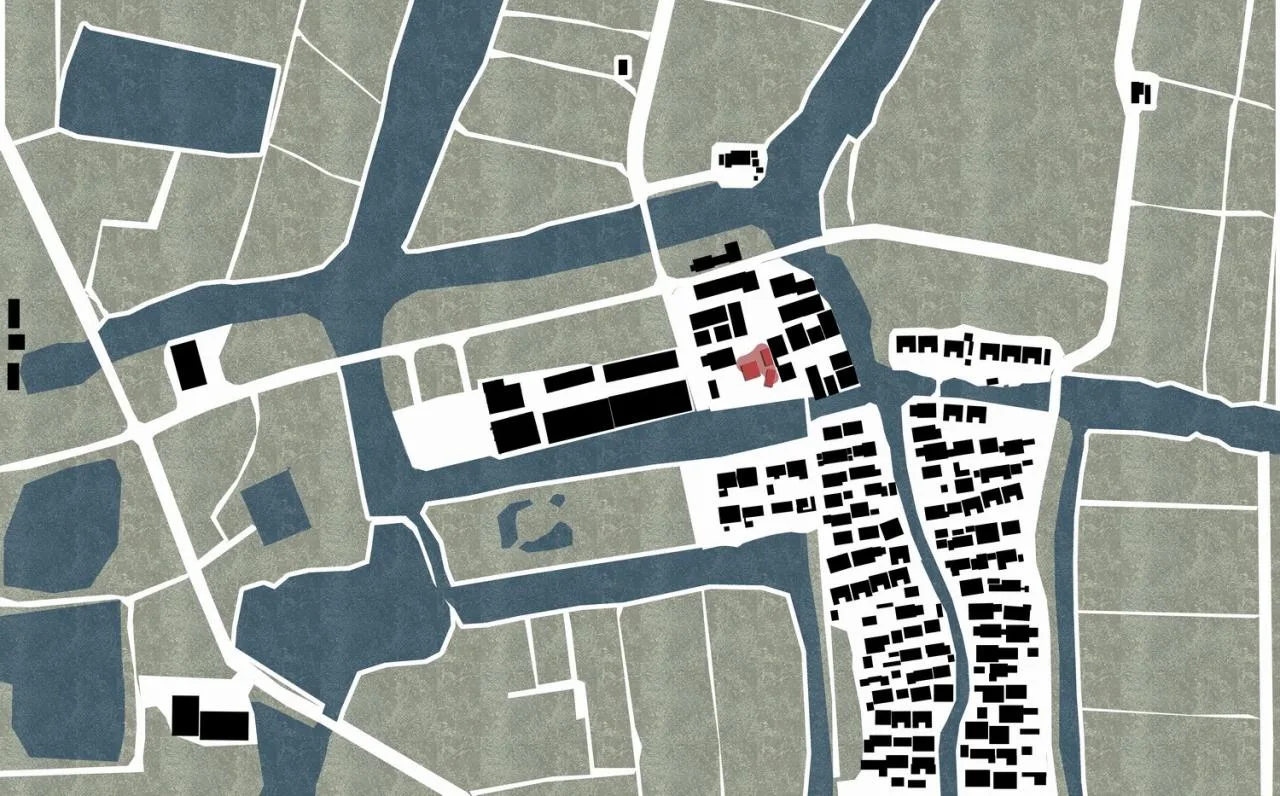
△ Project site
The project owner, who has long operated a shelter restaurant in Shanghai, fell in love with the village’s tranquil natural environment during a chance visit. They wished to create a retreat here for family and friends to reconnect with village memories during their free time. Additionally, they aimed to explore transforming urban dining concepts into rural settings. With China’s ongoing rural development, the goal is not only to enhance appearances but also to integrate urban culinary culture into rural areas, establishing a fresh new model.
01 Venue Strategy
The design began with a close study of the site. Surrounded on three sides by buildings and with only a narrow village passage to the north, the entrance area was cramped. To optimize the layout, we disrupted the original rigid residential grid by setting back the entrance area to create a small front yard. This transitional space distances the project from neighboring structures, establishing a comfortable scale and enhancing the sense of openness.
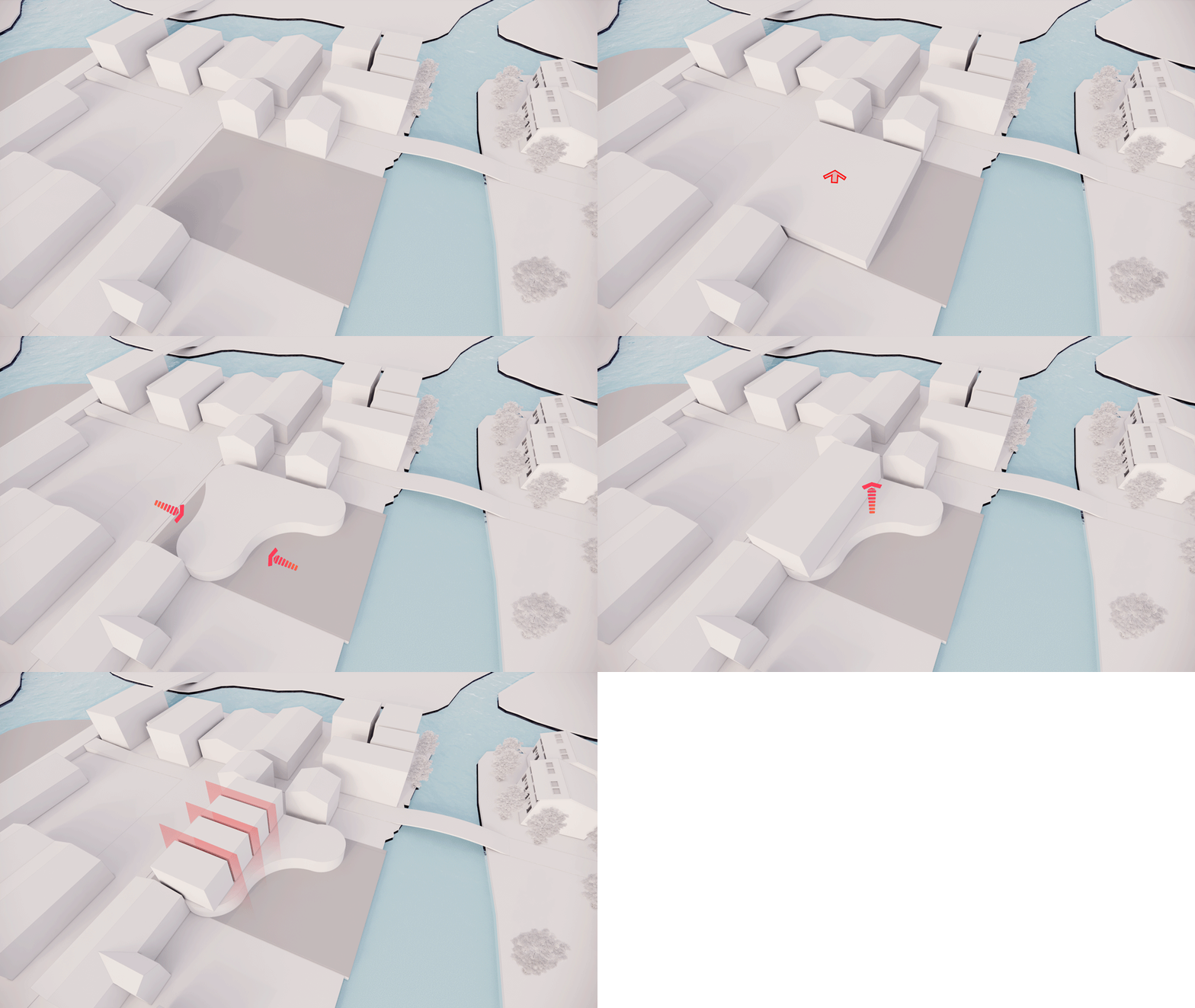
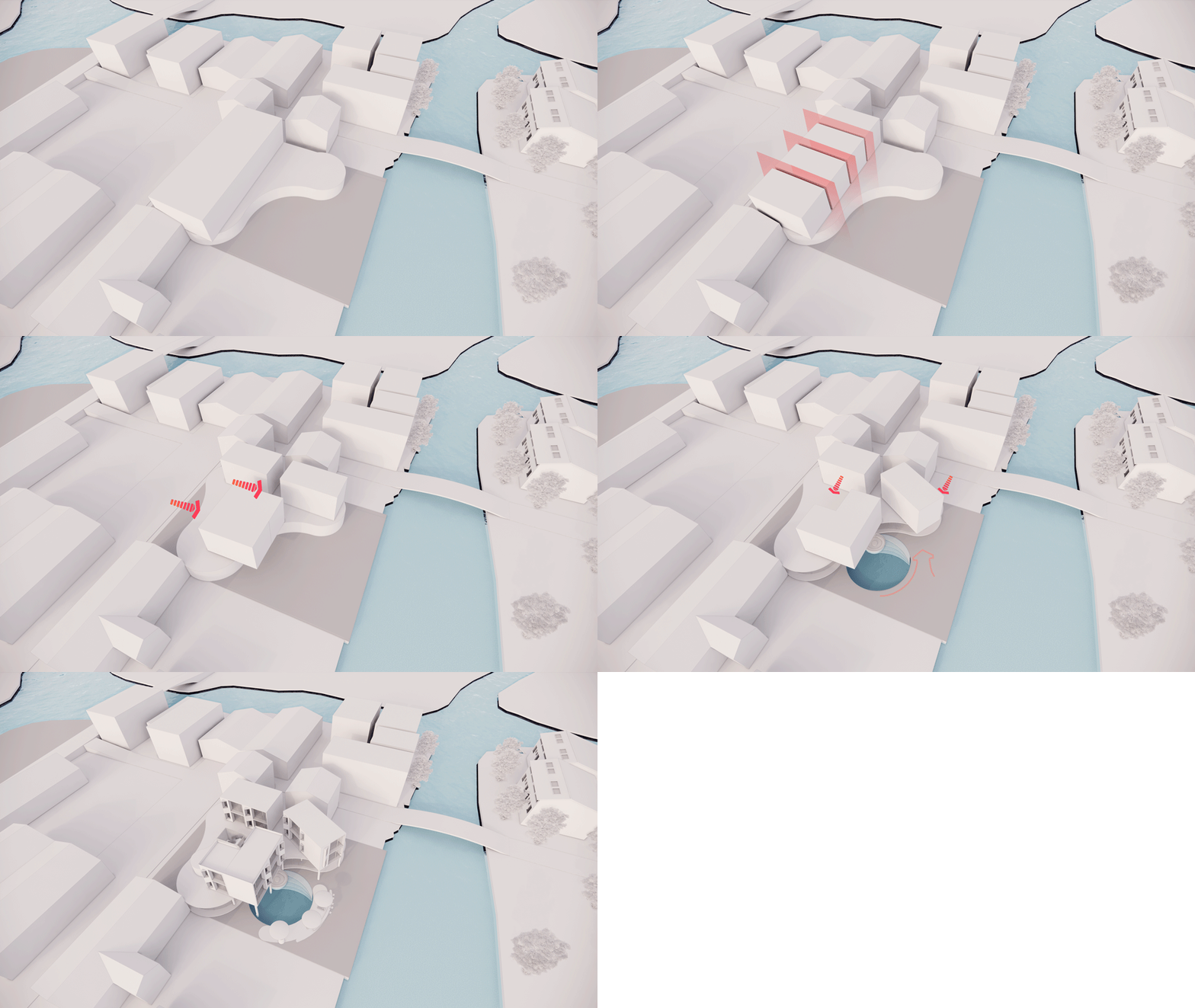
△ Shape generation analysis chart
We aimed for the architecture to resonate with the village’s texture. The village’s charm stems from buildings that adapt freely to the natural features of the site—rotating to accommodate rivers, trees, or scenic views. Accordingly, the second-floor accommodation is divided into three independent, small-scale buildings, each oriented towards the best water vistas. By analyzing rural elements such as lighting, ventilation, and sightlines, we established a new spatial order that straightforwardly echoes traditional village layouts.
△ North entrance
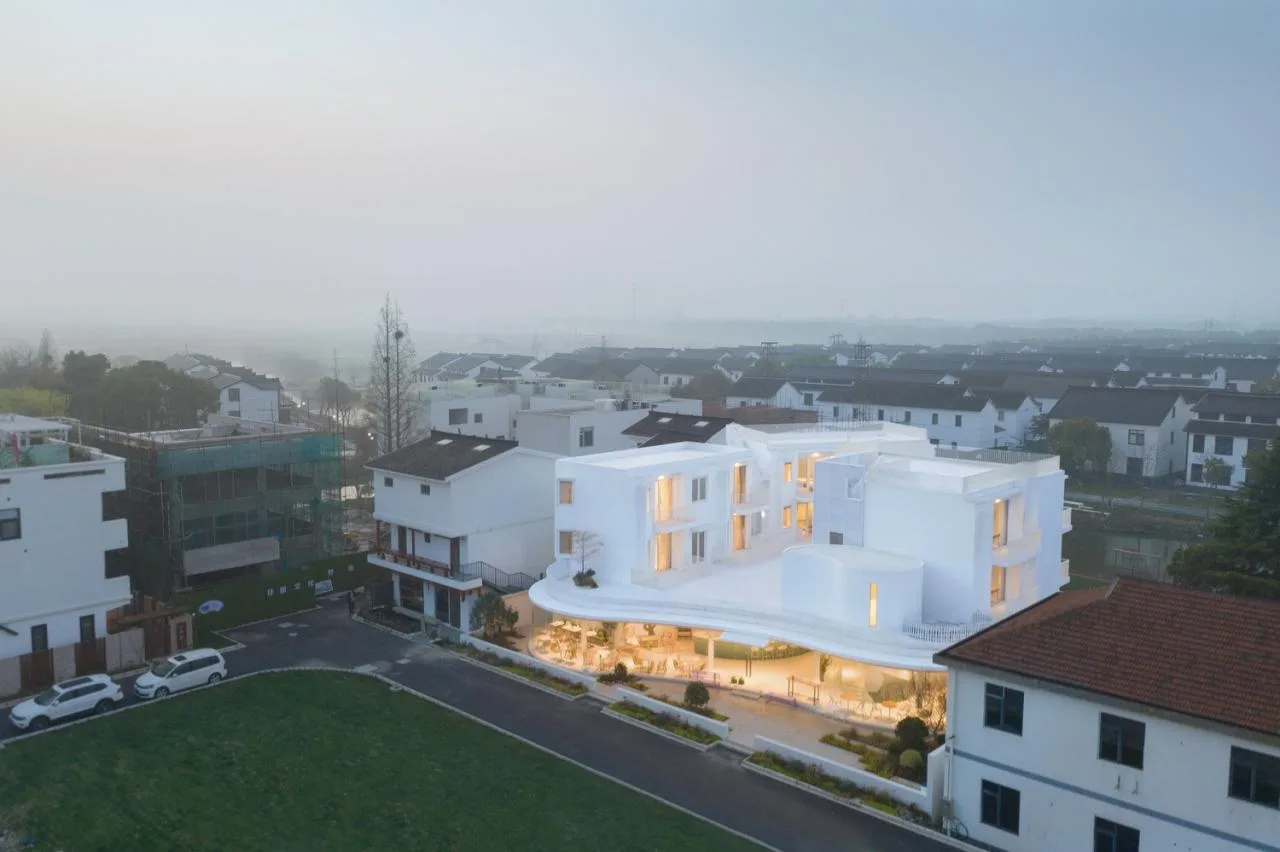
△ South-facing landscape
02 Monologue – Floating House
To achieve a lighter architectural presence, the first-floor structural columns are recessed inward. A ring of cantilevered panels supported by reverse beams further slim down the first-floor facade. Expansive floor-to-ceiling glass walls and the inward sloping structure create a seamless facade that visually floats, softening the scale contrast between the building and its human occupants.
The building is functionally divided into two parts by a layered board resembling a skirt: the open activity areas occupy the first floor, while private guest rooms are located upstairs.
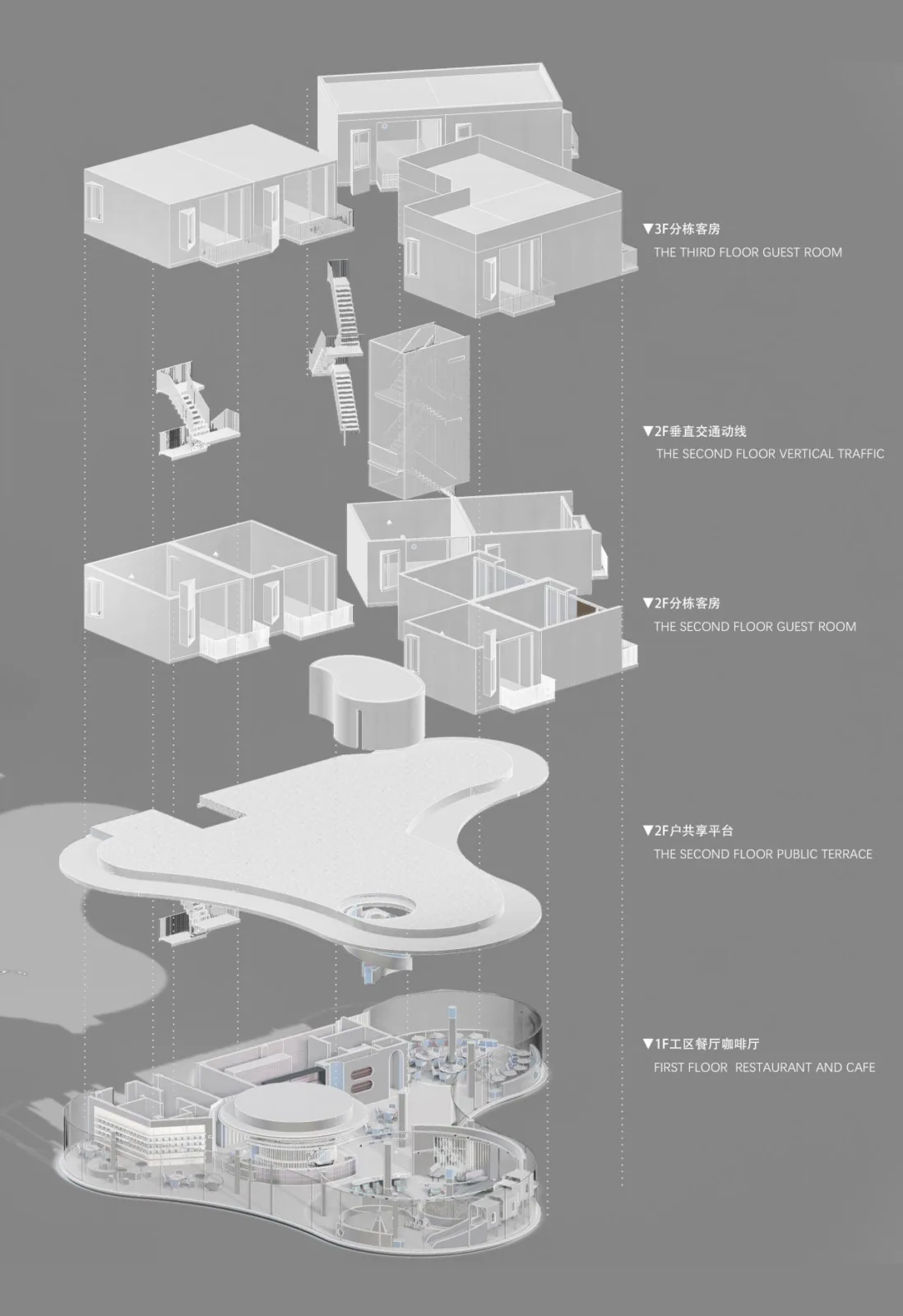
△ Project analysis diagram
The main activity spaces are on the first floor. Some structural columns extend outdoors, falling inside the swimming pool, creating a seamless flow between inside and outside. Floor-to-ceiling glass dissolves boundaries, integrating the lawn, resting platforms, sunken pool area, restaurant, and other spaces into a cohesive whole. Rounded columns emphasize a sense of freedom beneath the village’s trees, eaves, and pavilions.
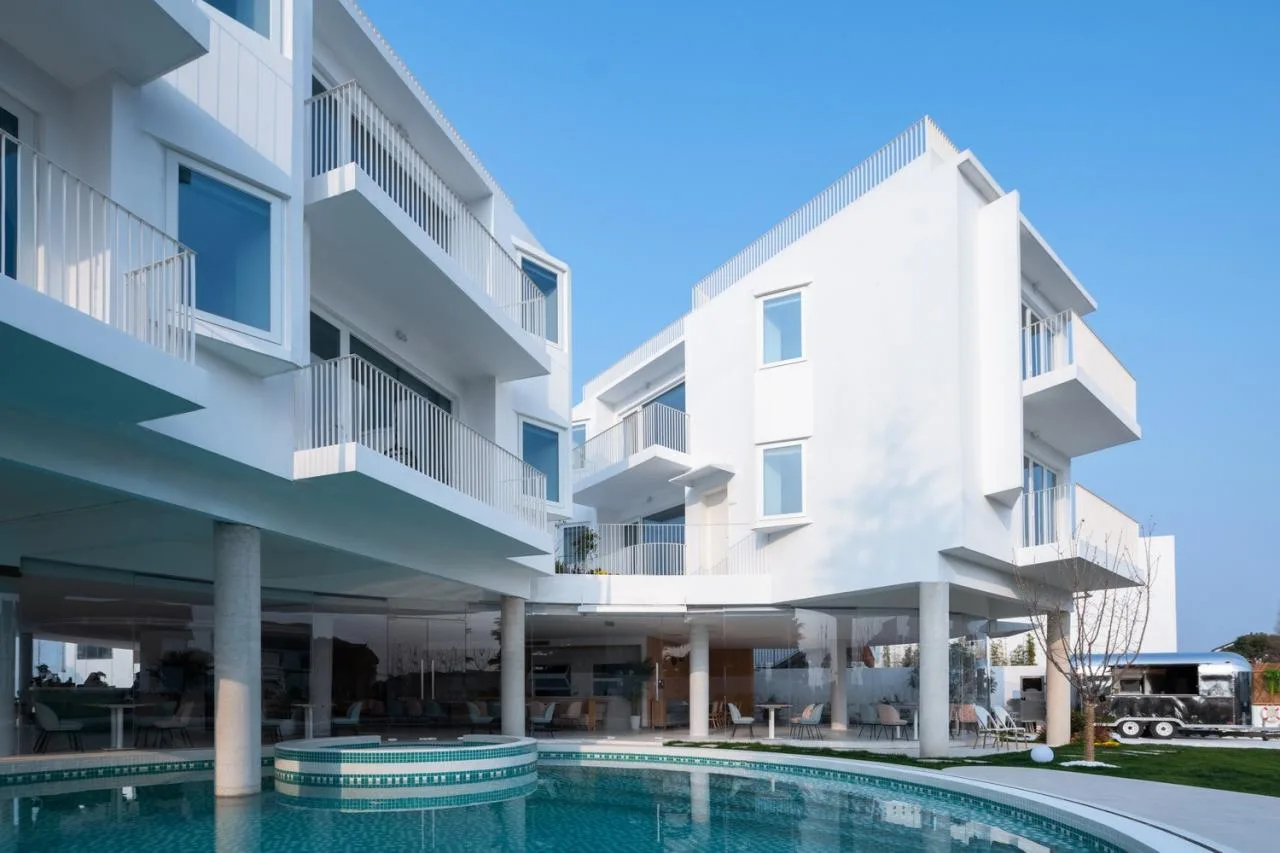
△ Elevated structure on the south side
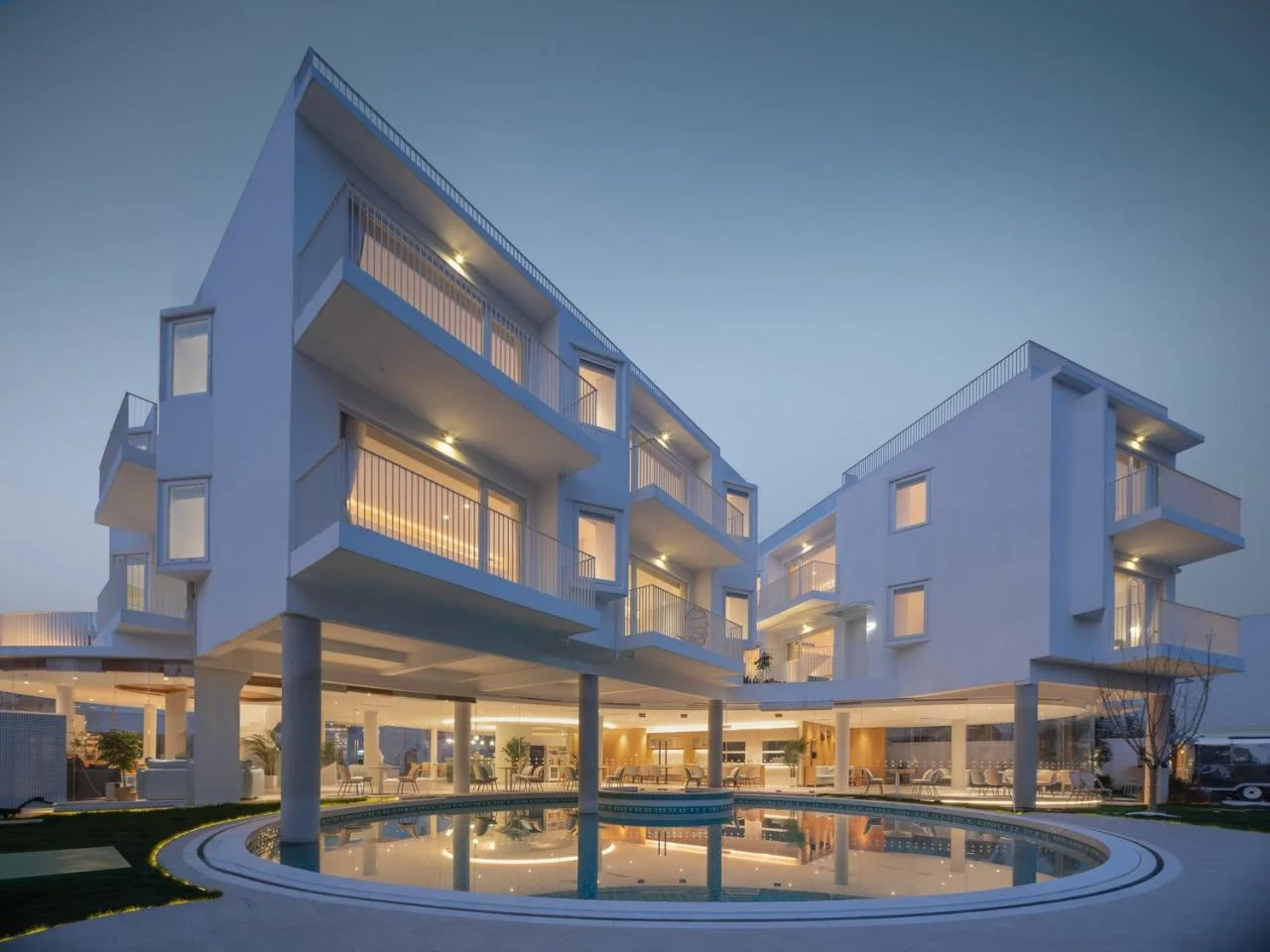
△ South facade at night
03 Architecture Blending with Nature
Growing up in the village, the joy of wandering through halls, hiding in alleys, climbing walls, exploring courtyards, and collecting roof tiles was unforgettable. We sought to recreate this texture and layout while adding new opportunities for exploration. The building’s circulation includes multiple connecting paths, with a spiral staircase as the main flow. A transitional stair space on the second floor encourages a continuous shift between indoor and outdoor environments during movement.
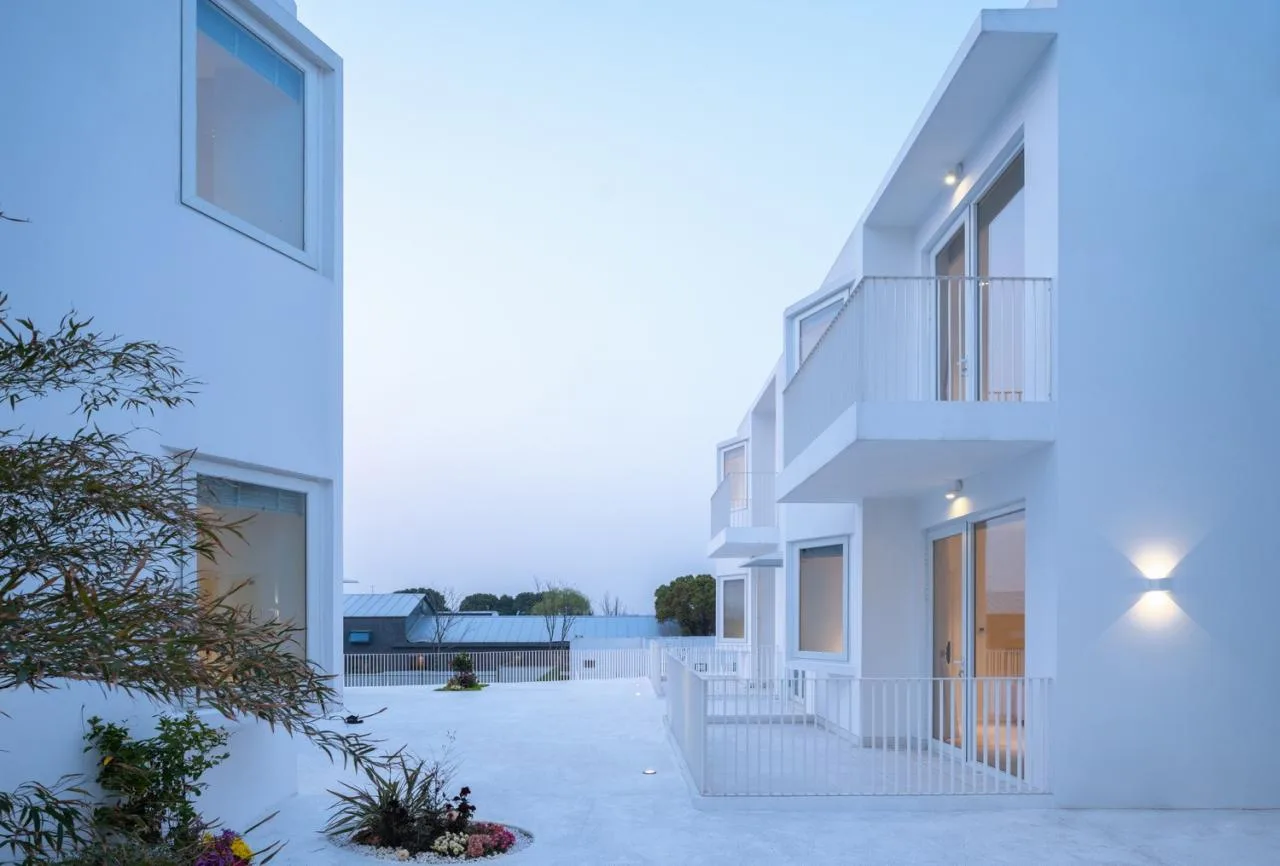
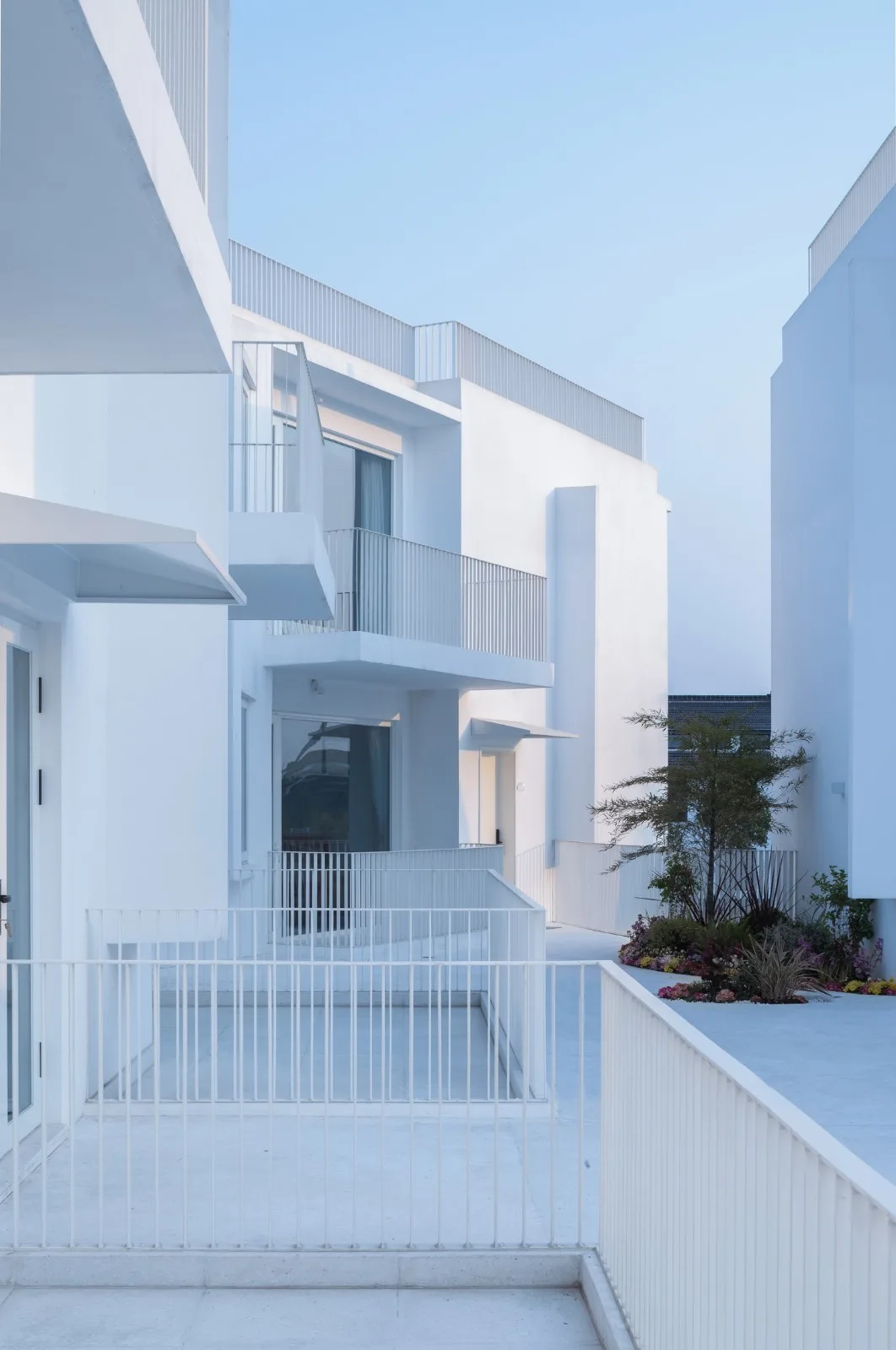
△ Second floor terrace
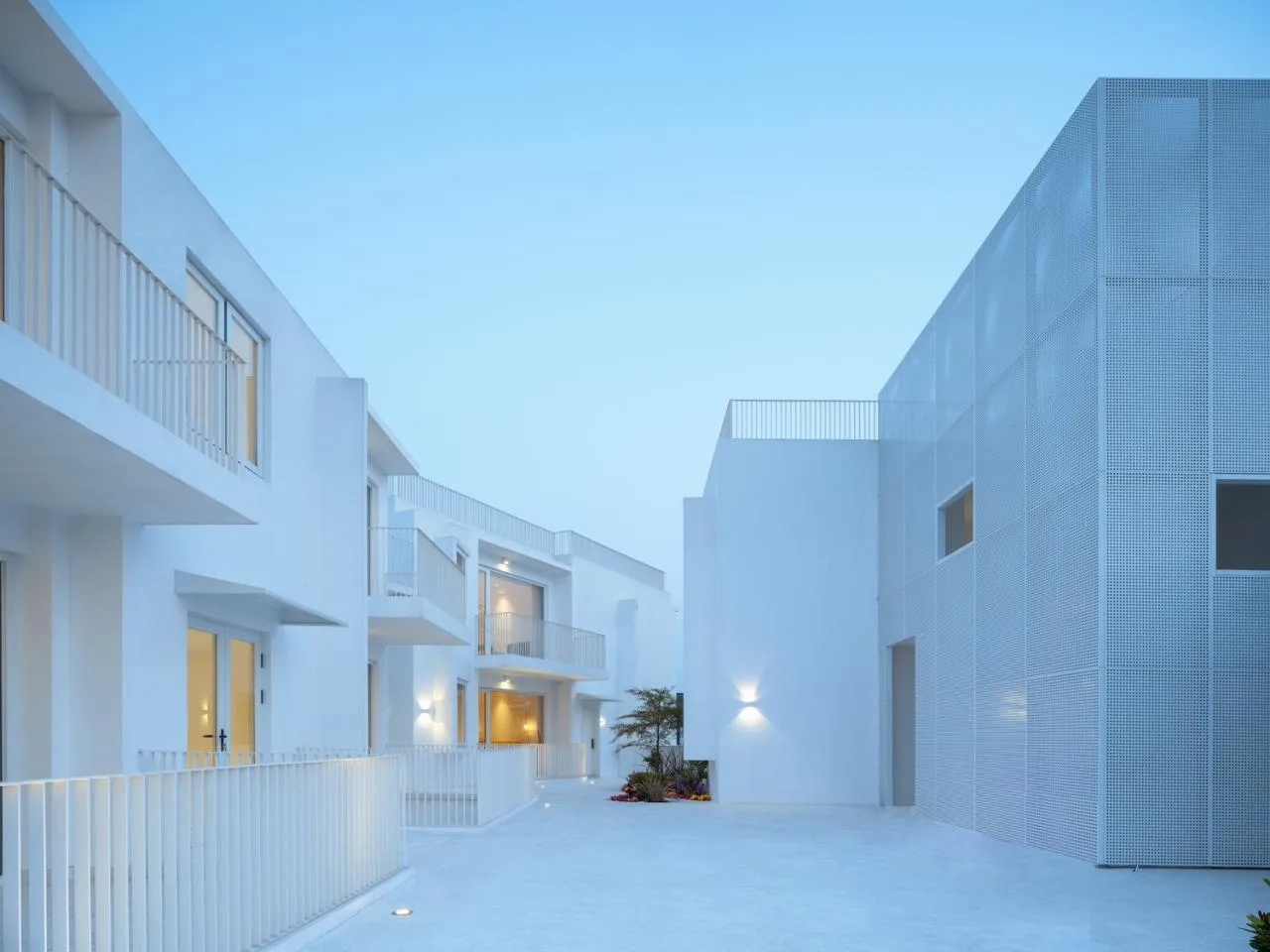
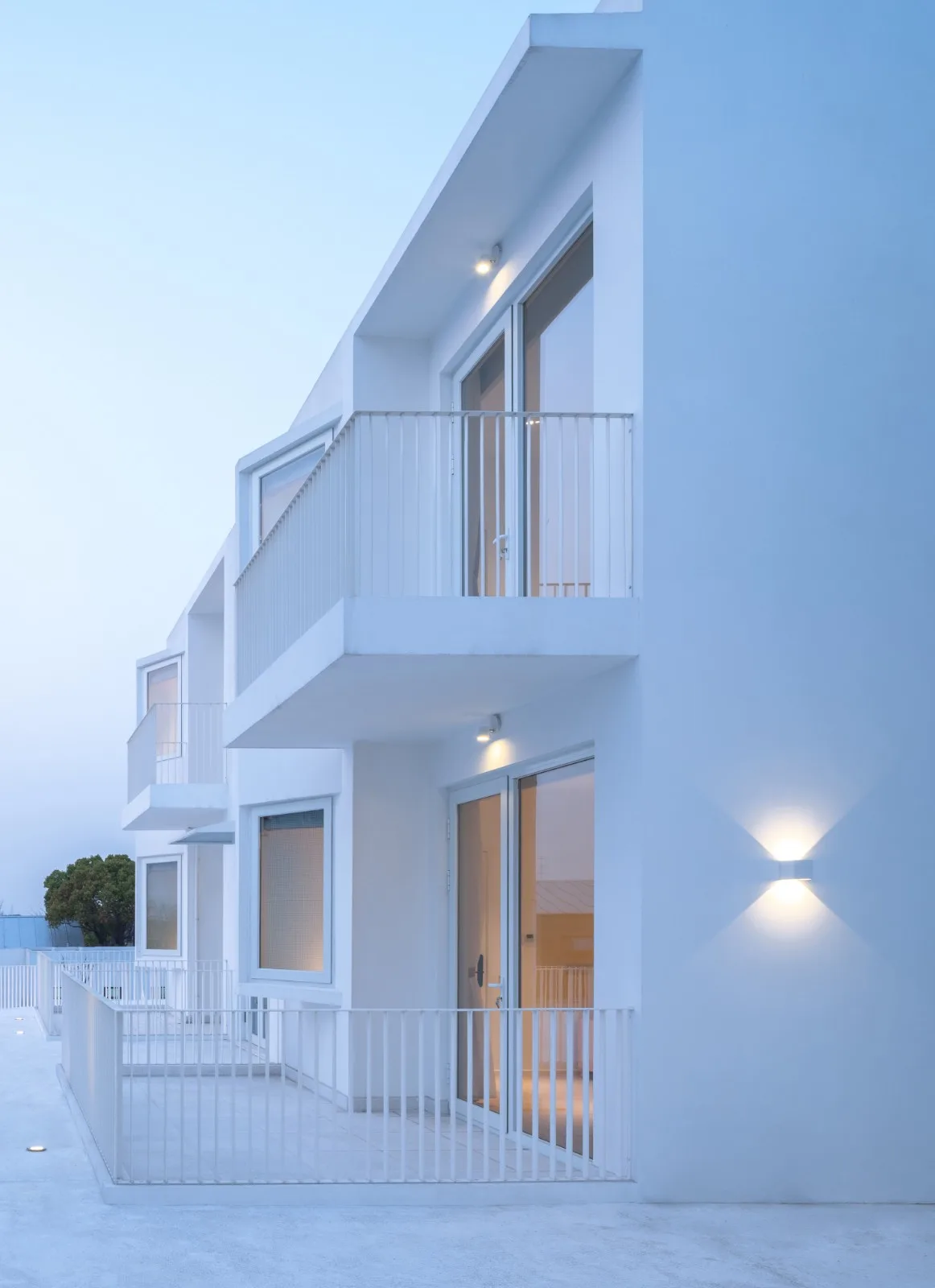
△ Second floor terrace
Our goal is to harmonize architecture, nature, and daily life through design, creating a comfortable and liberating environment. We also aimed to inject some playfulness into everyday living.
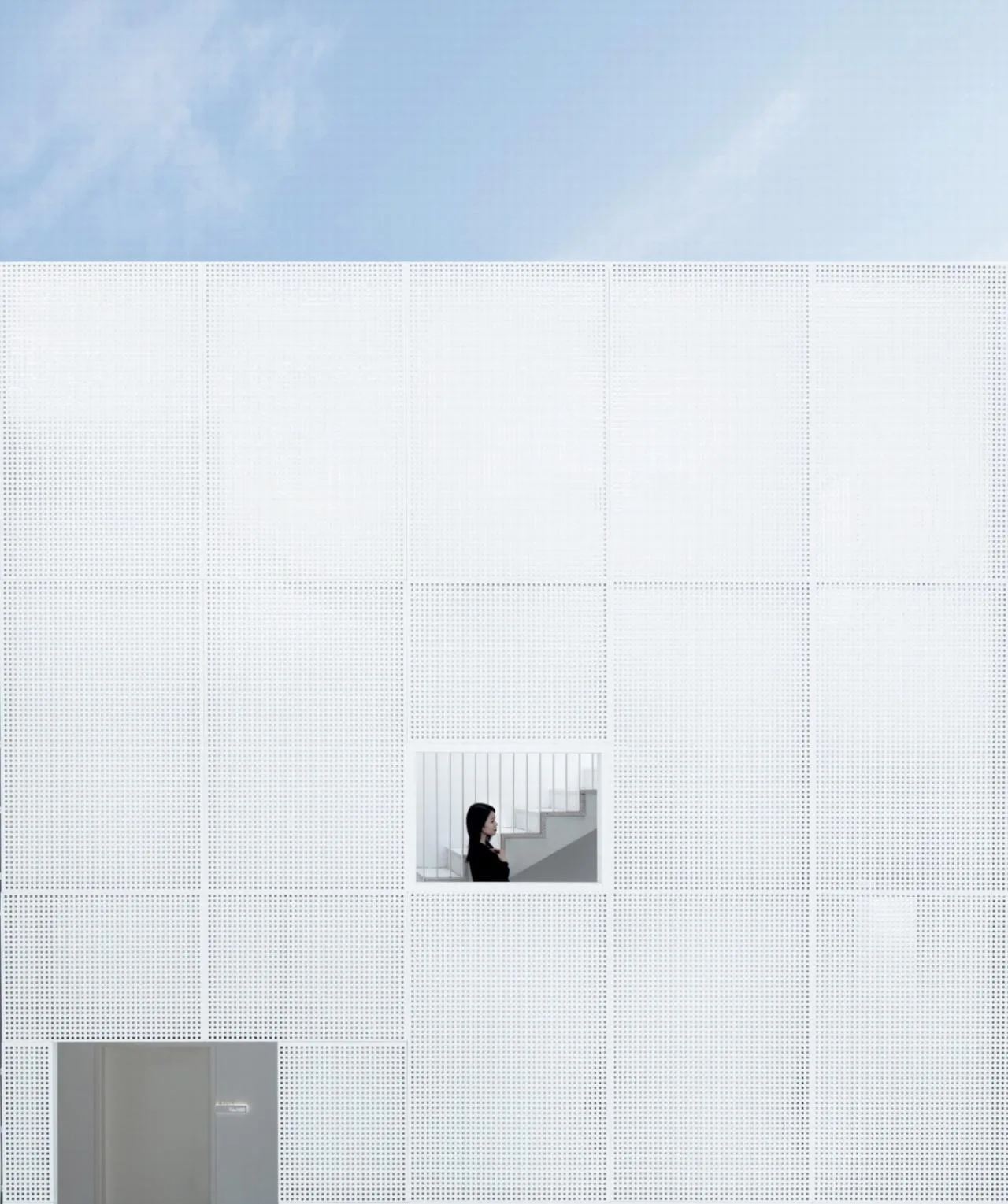
△ Semi-outdoor staircase
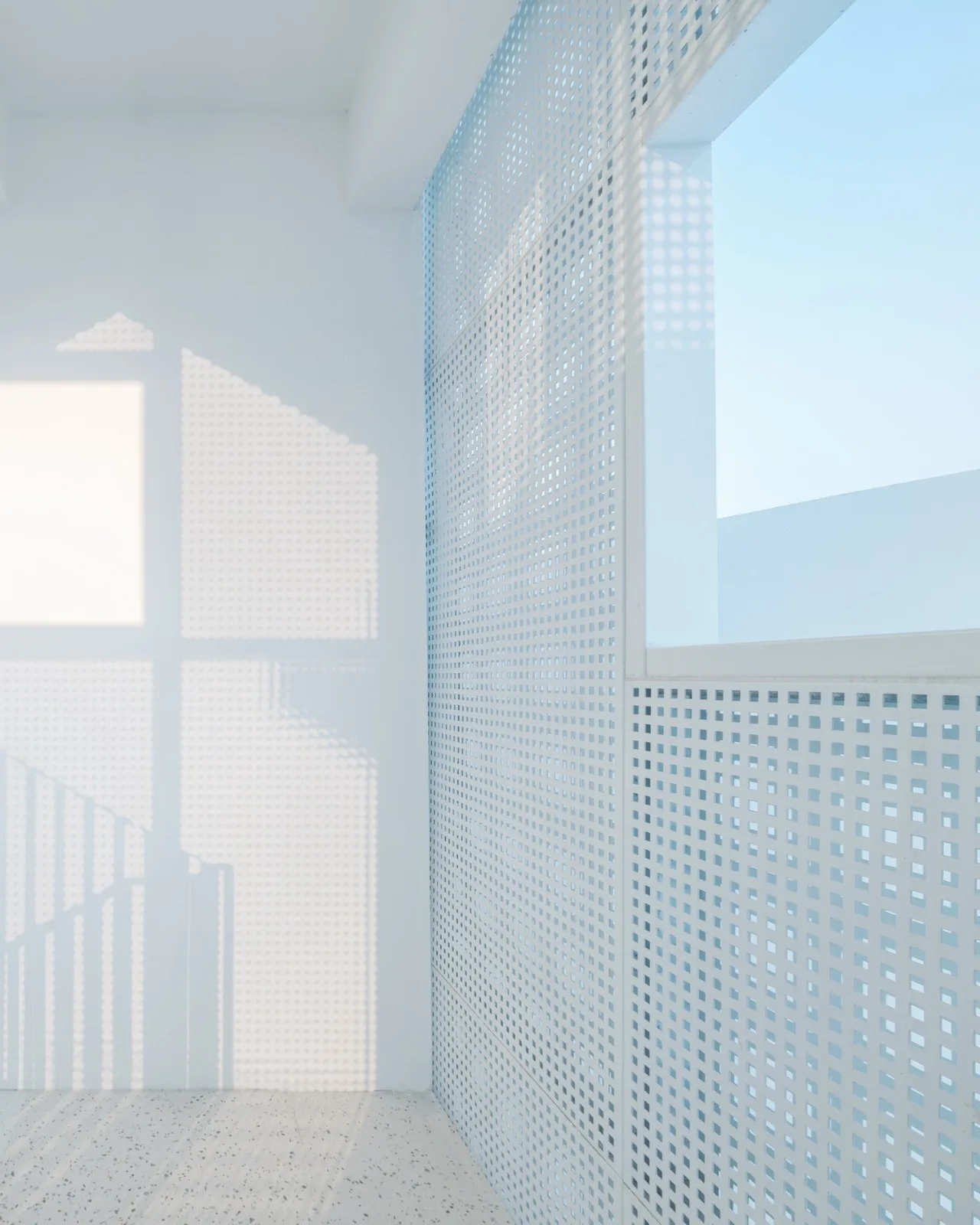
△ Staircase light and shadow
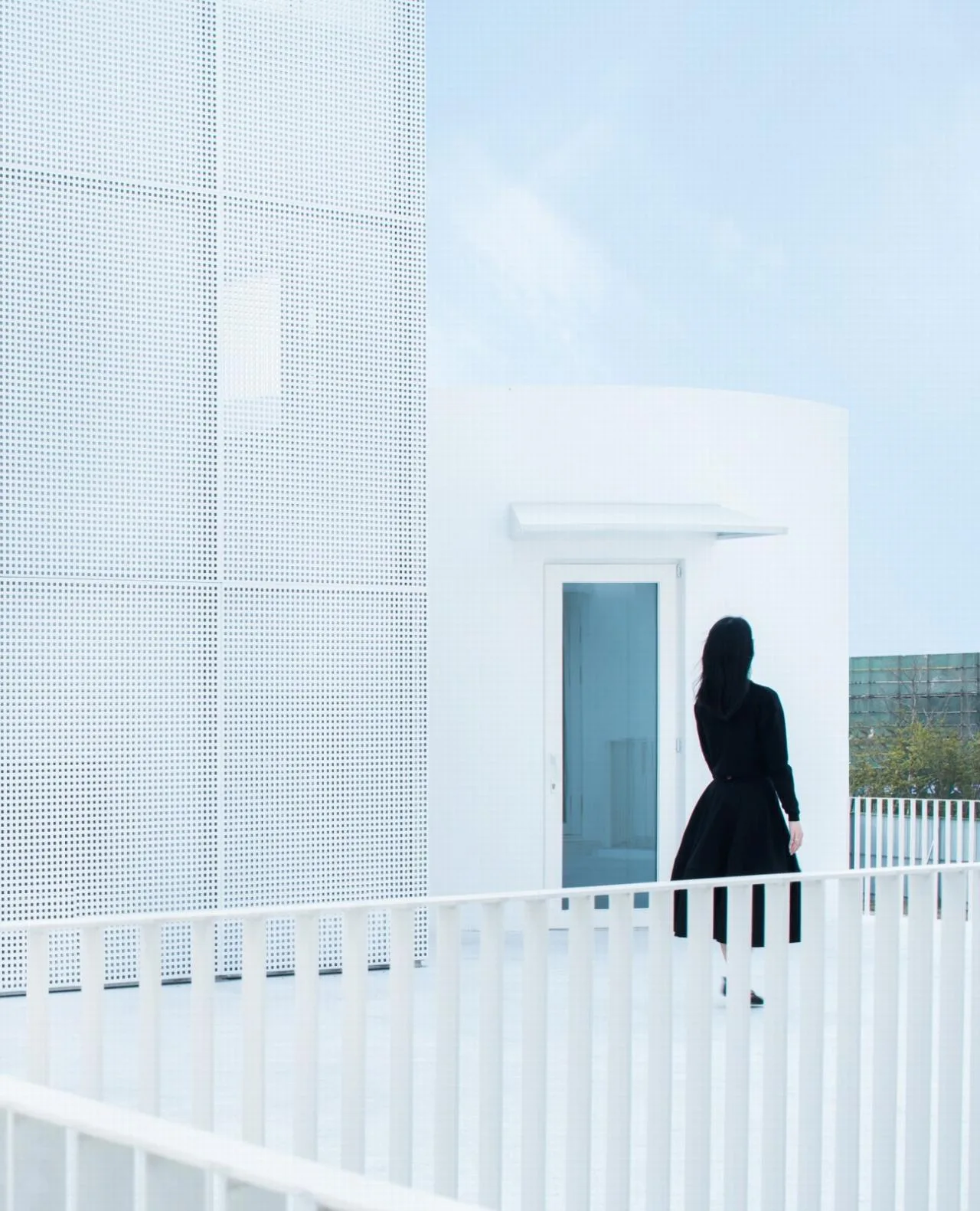
△ Second floor terrace
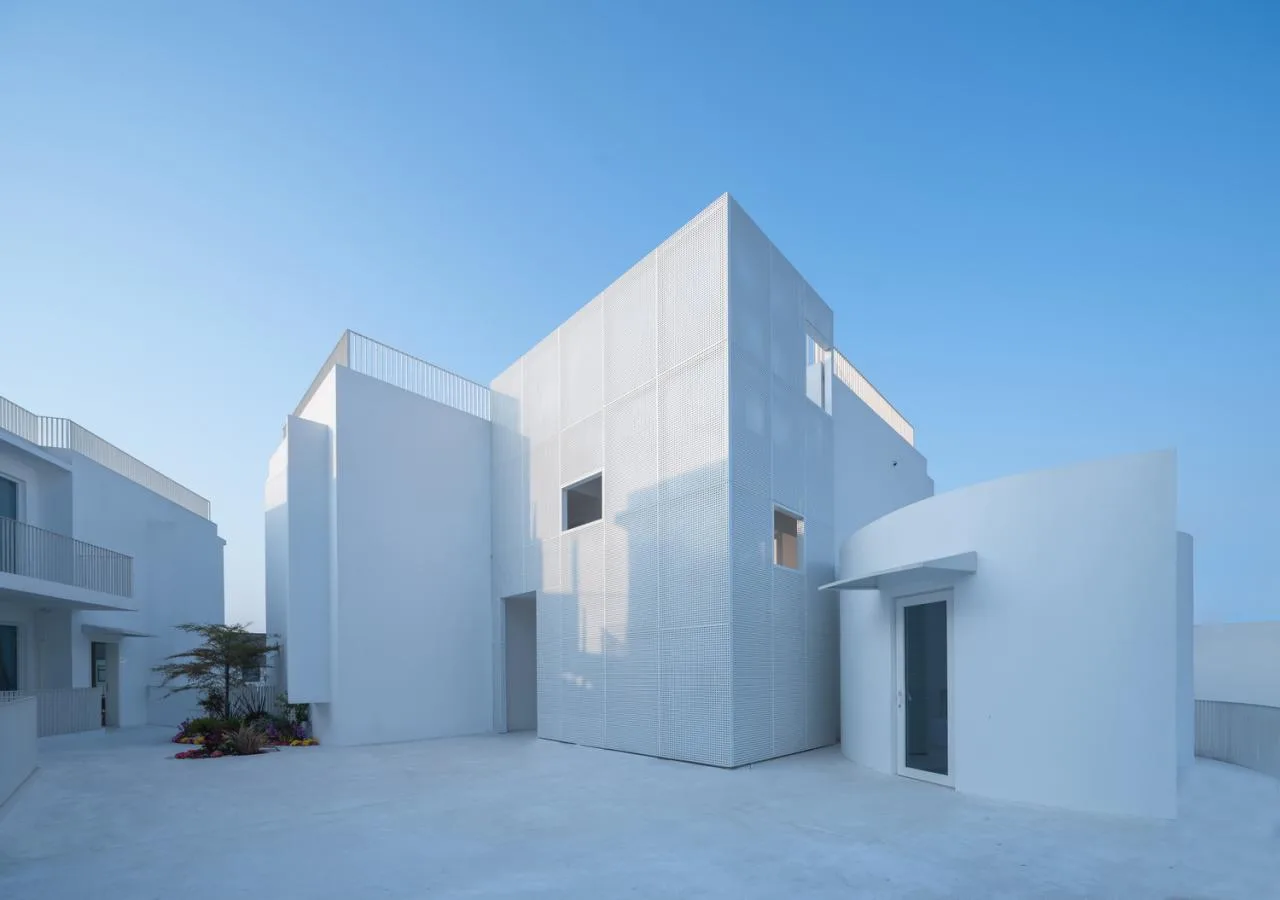
Space of Column 04
The pillars define the rhythm of the first floor, eliminating the need for partition walls. Scattered columns divide the floor into three functional zones: coffee reception, children’s activities, and dining. Each area is enclosed by columns, creating relatively independent spaces while maintaining openness.
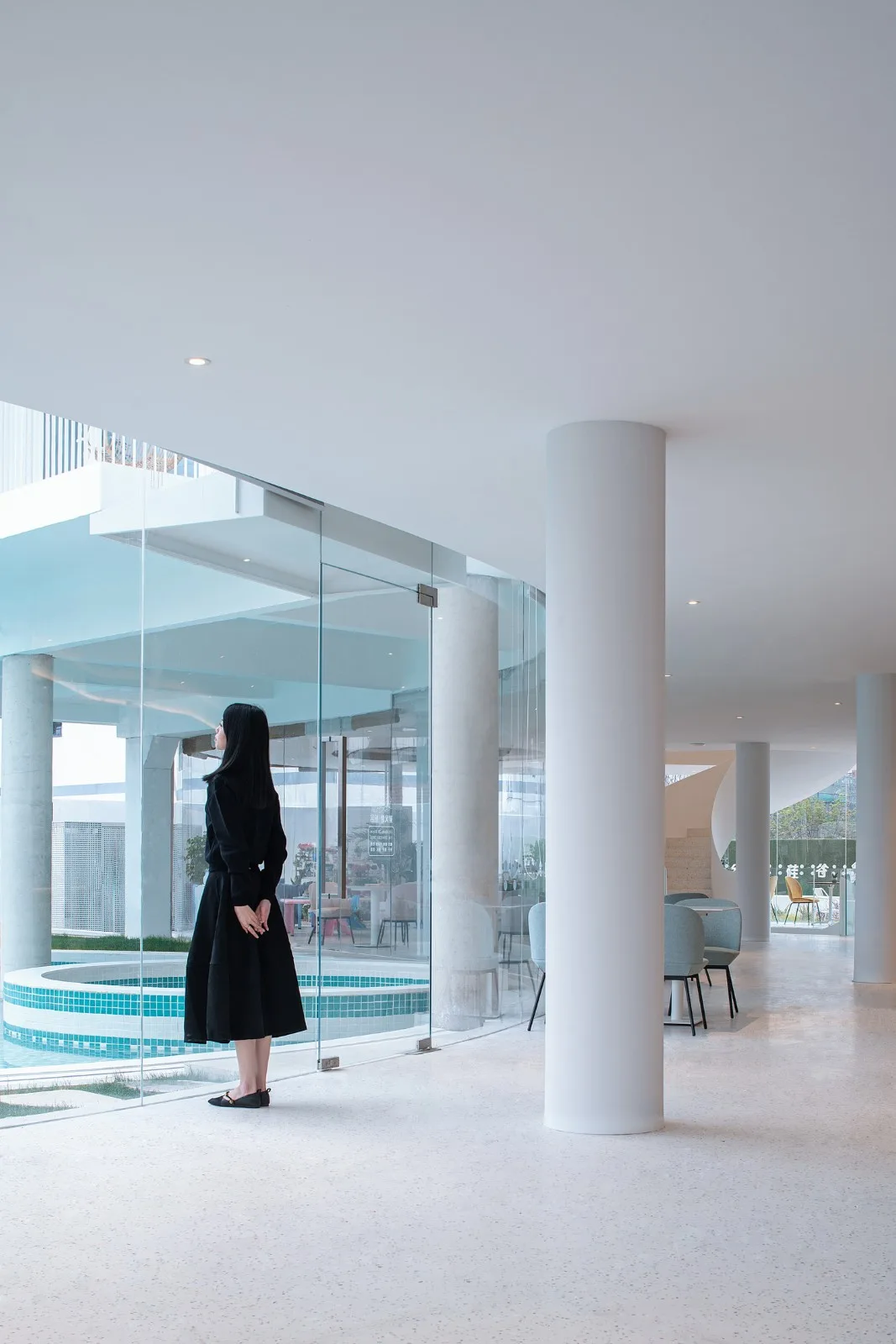
△ First floor restaurant area
05 Roaming Experience
We aimed to blur the boundaries between indoors and outdoors on the first floor. The restaurant’s glass walls naturally connect interior spaces with the surrounding scenery, welcoming abundant natural light. Visitors can always enjoy views of the front courtyard and the natural lake beyond. A circular bar guides guests along a non-linear path, while the curved glass walls continuously reshape the flow.
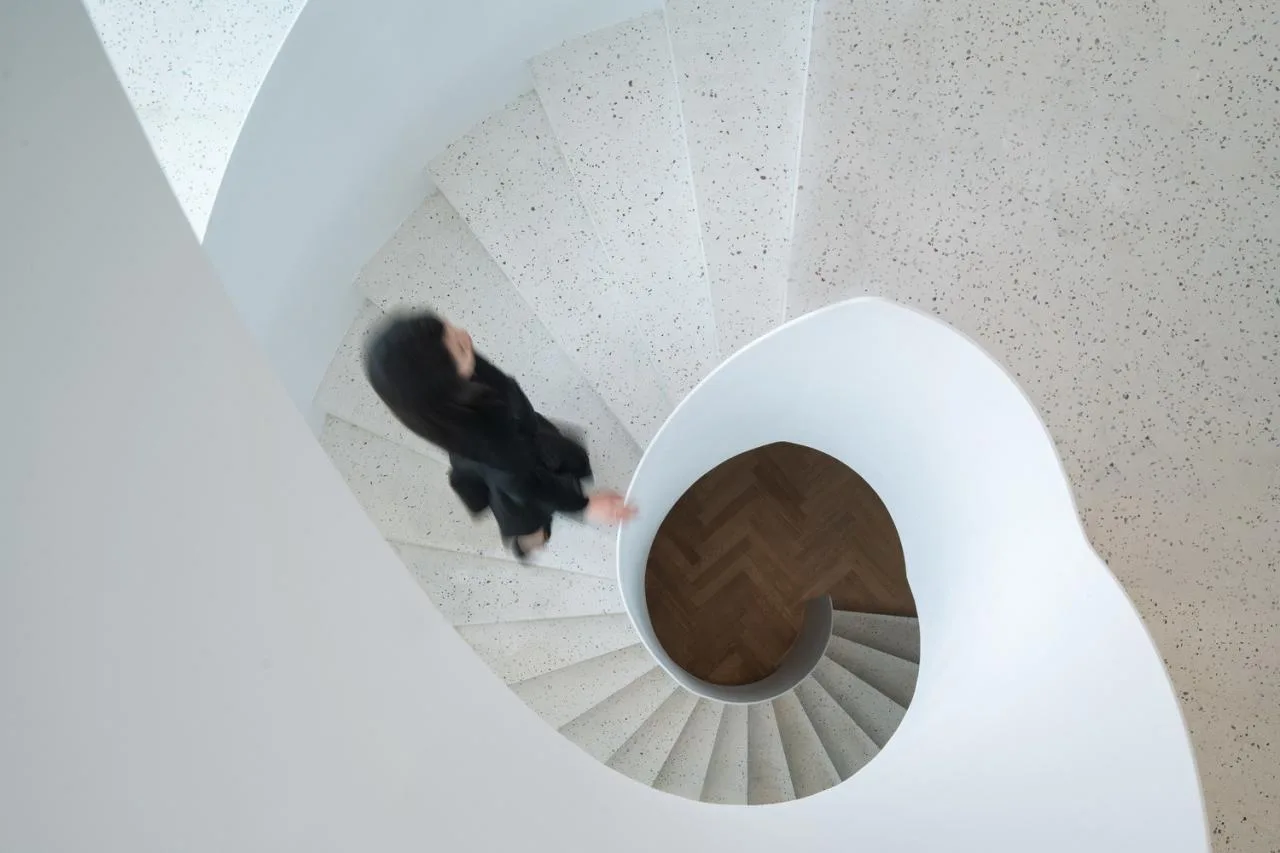
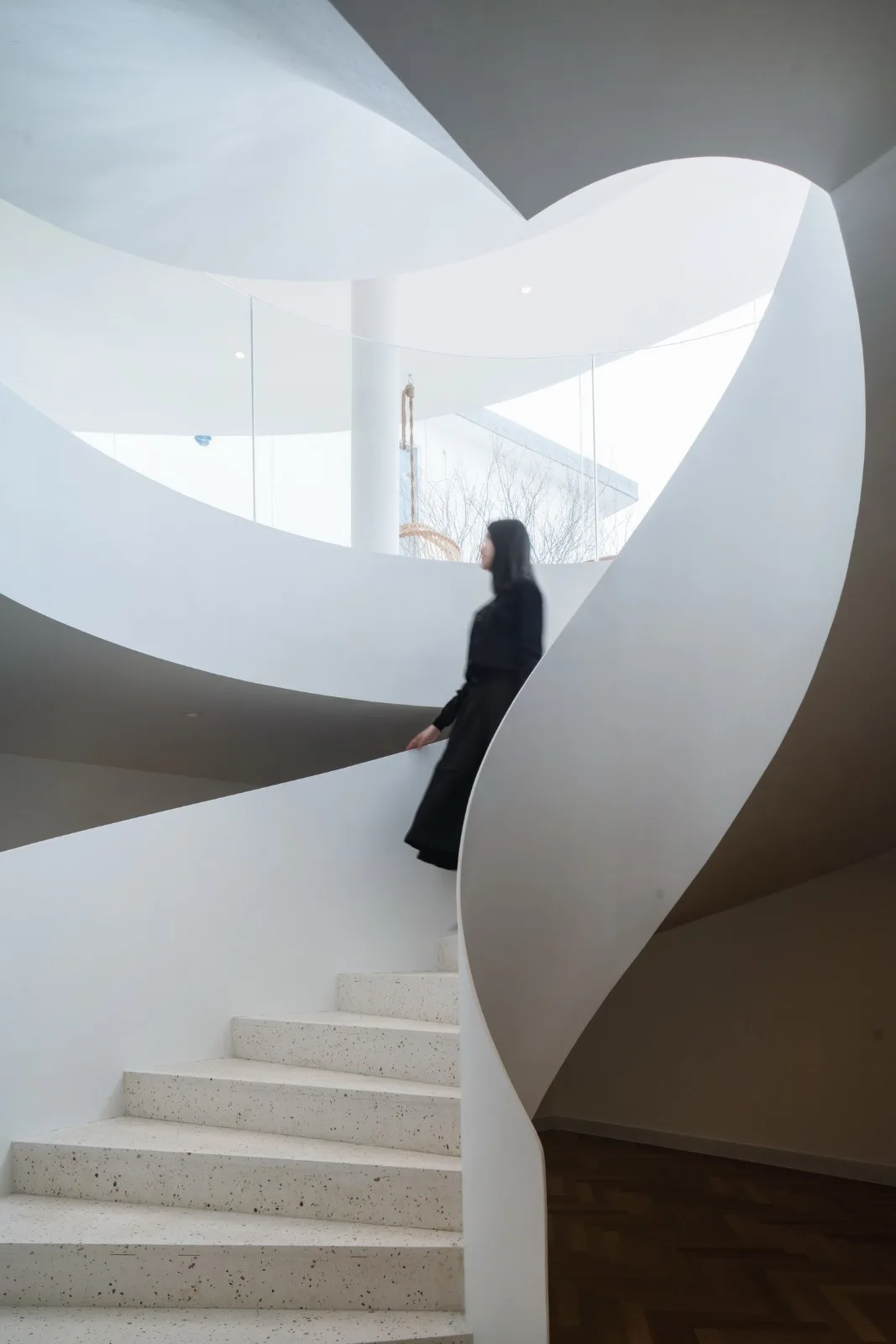
△ Rotating staircase
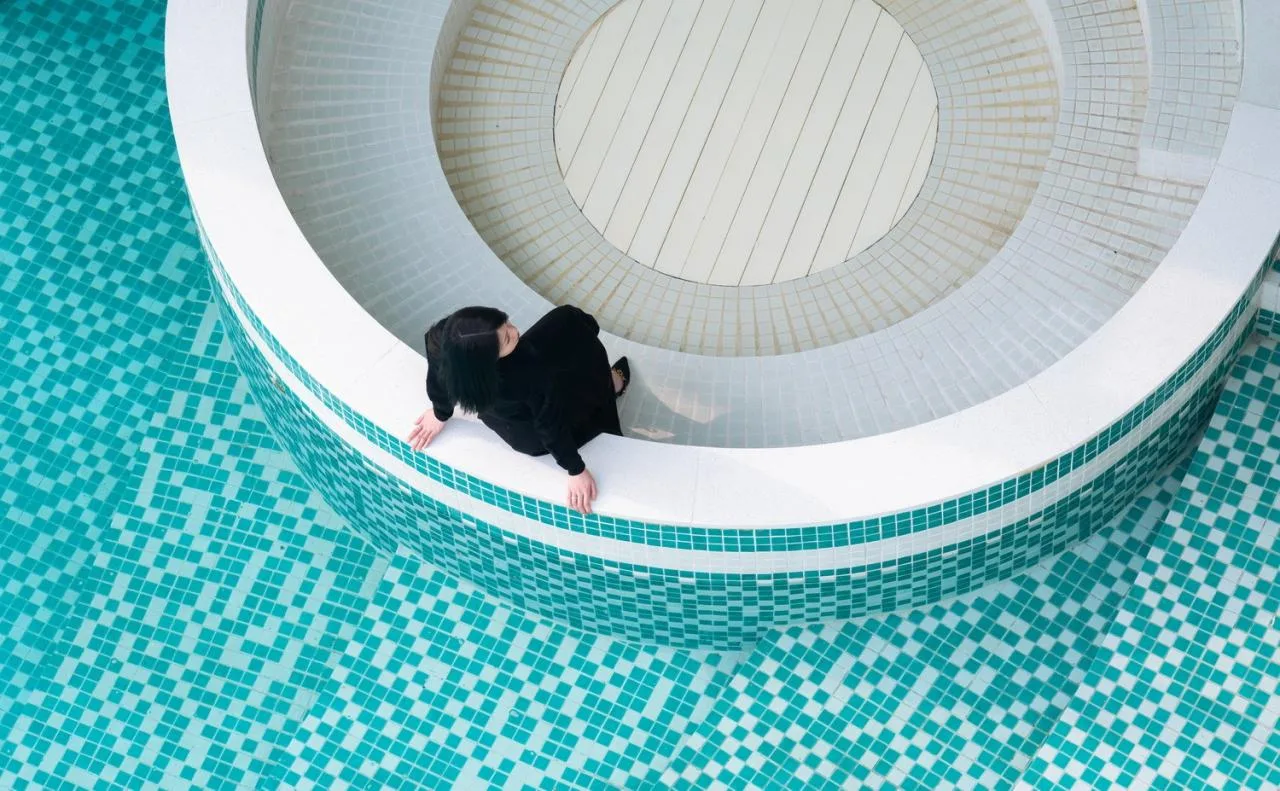
Outdoor swimming pool
Utopia
As Mr. Mu Xin once said, “The best state of life is the cold and desolate wind and fire.” Our exterior may appear simple, but our hearts remain rich and vibrant. Diverse materials, forms, and textures embody distinct lifestyles, while the casual rural life calms inner restlessness, welcoming the dawn with leisure and ease.
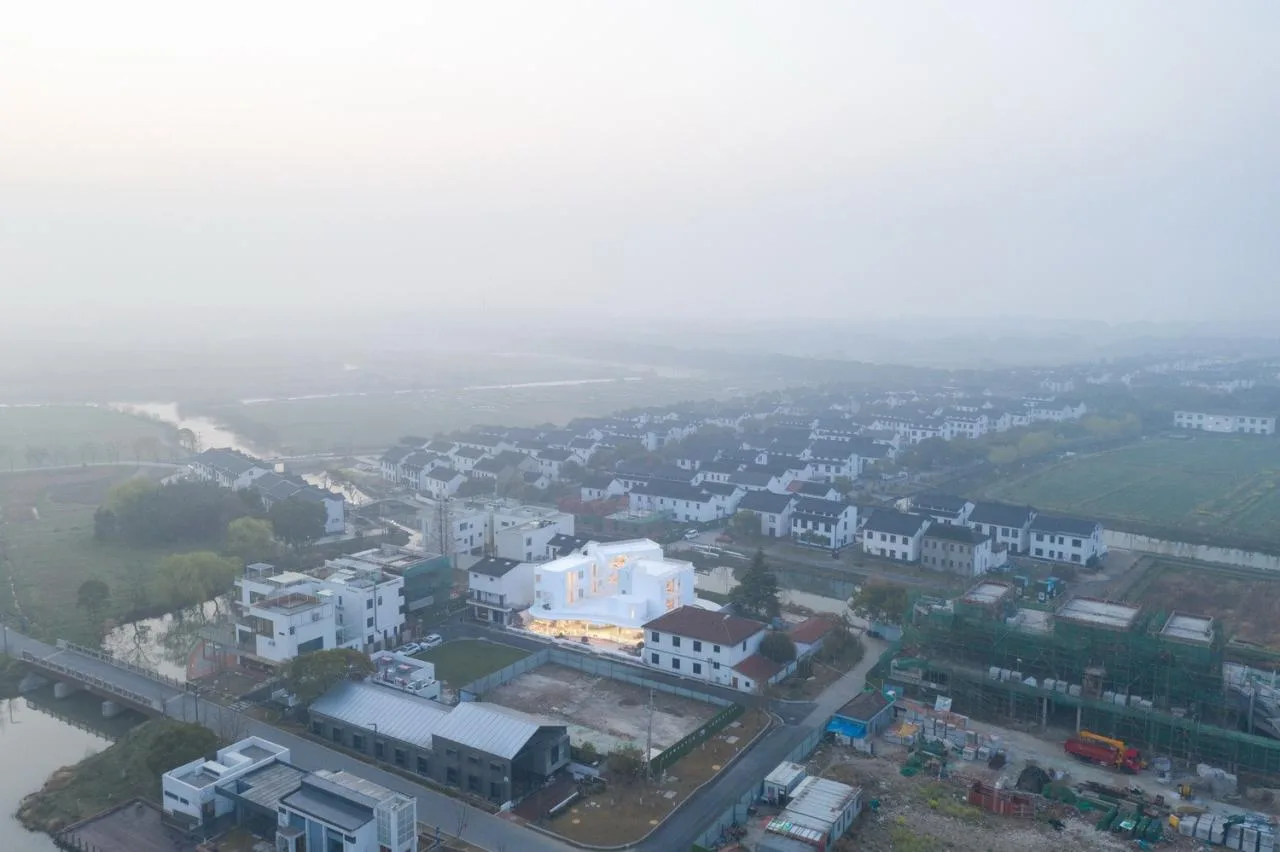
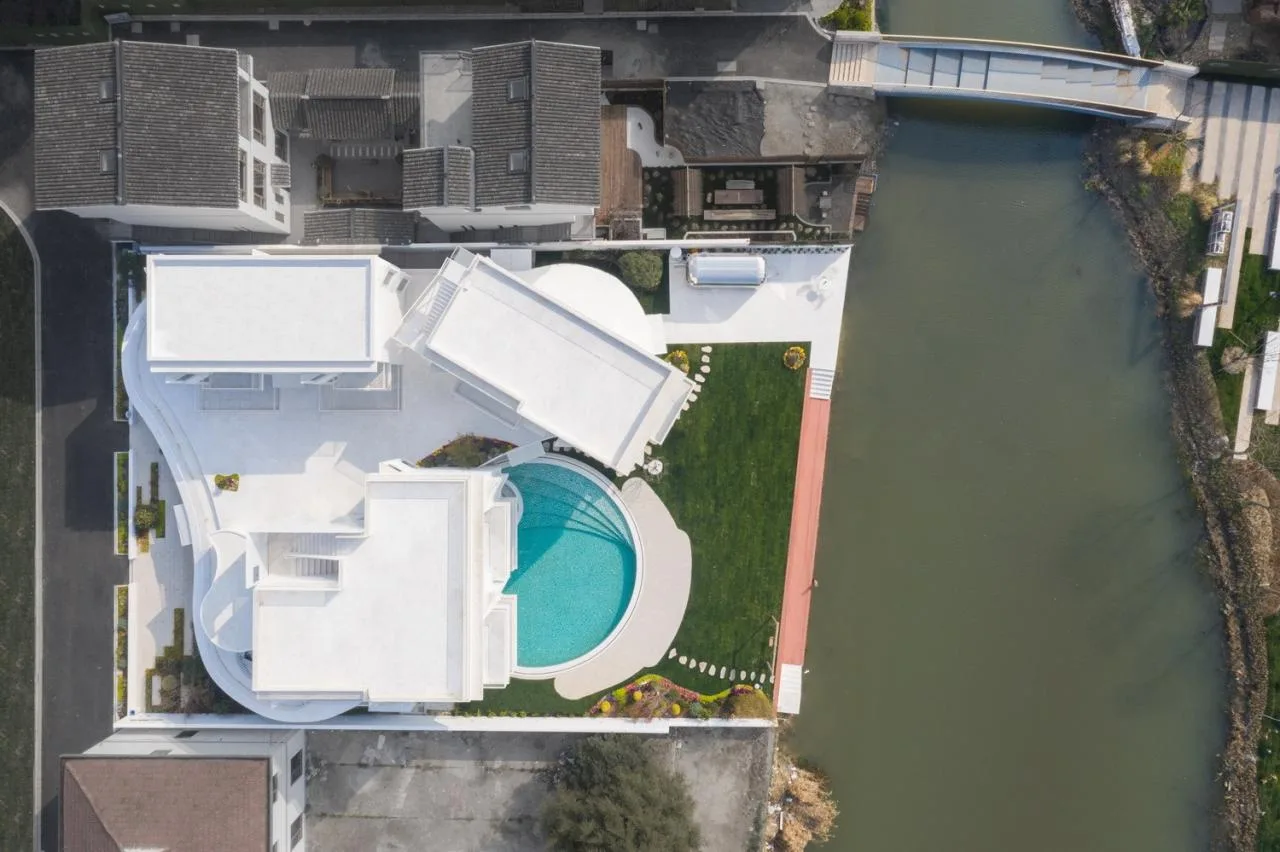
△ Aerial view of the project
Project Drawings
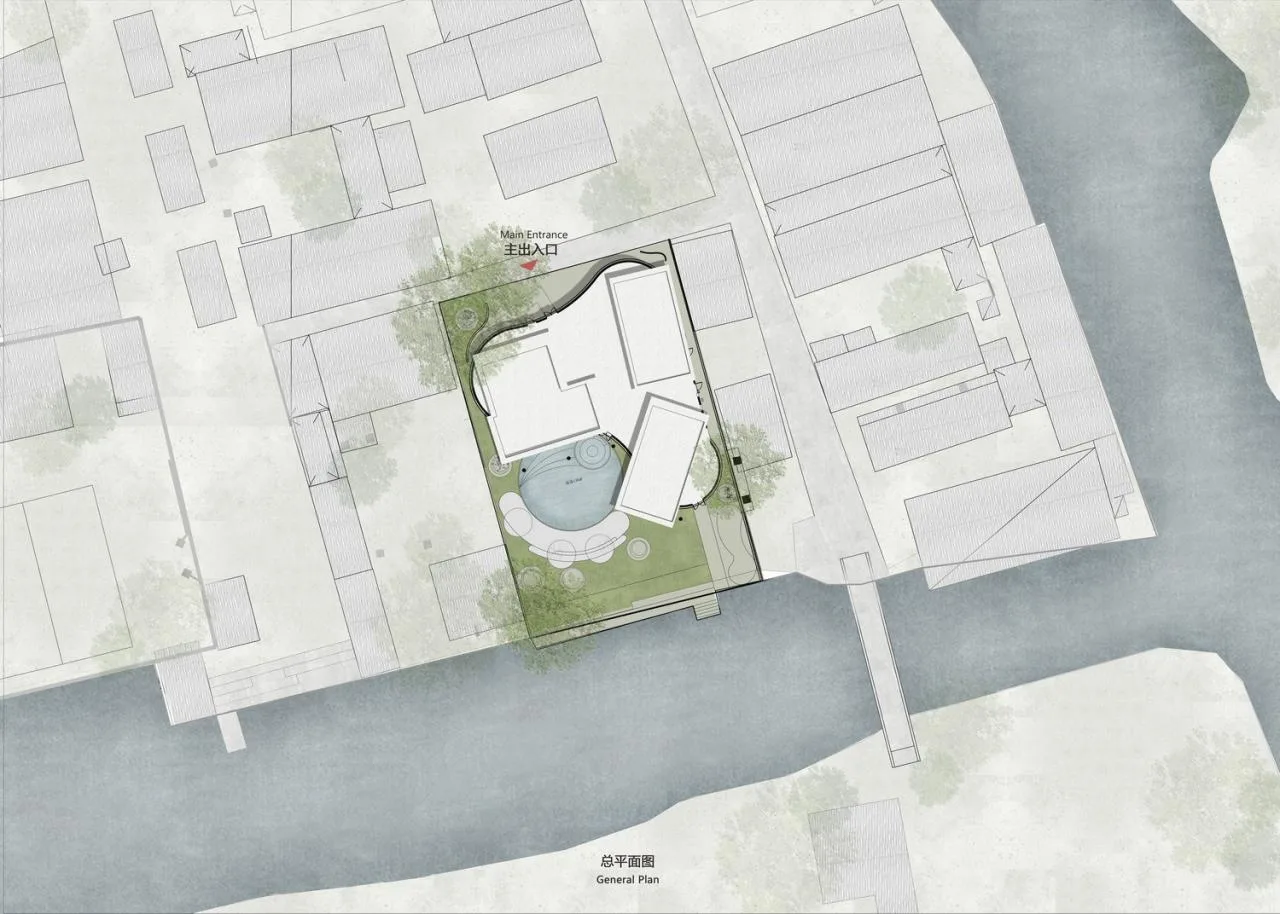
△ General layout plan
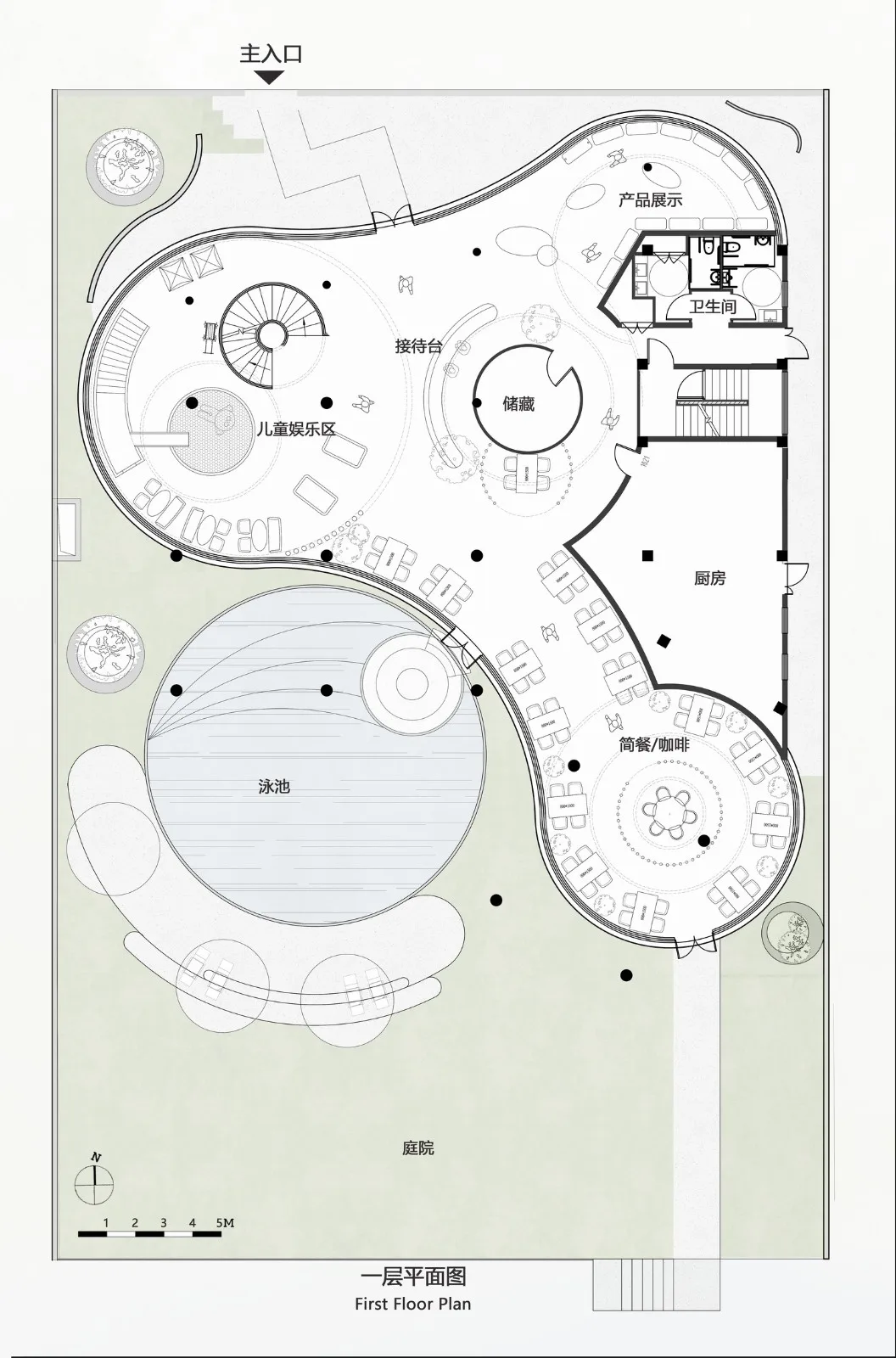
△ First floor plan
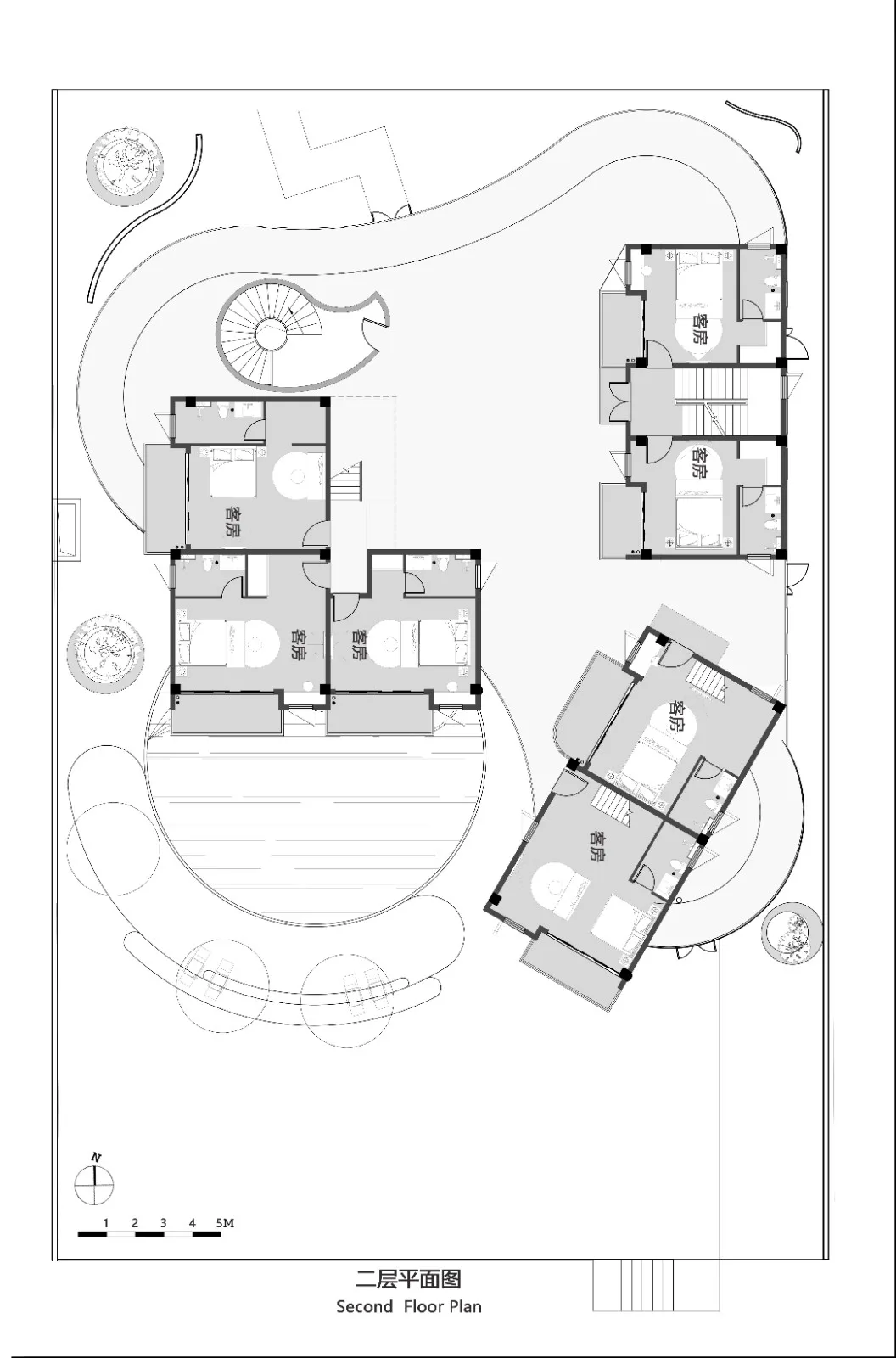
△ Second floor plan
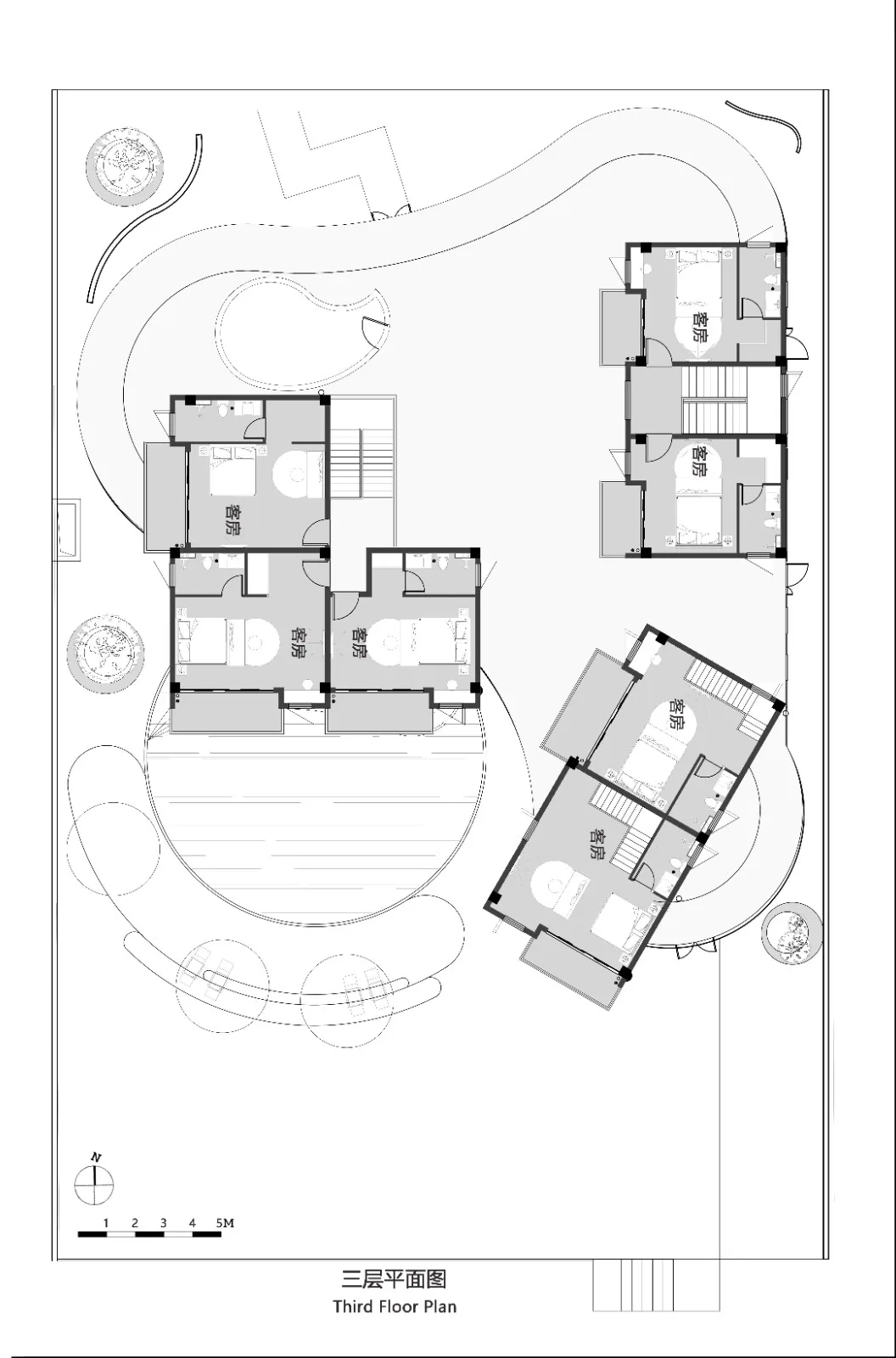
△ Third floor plan
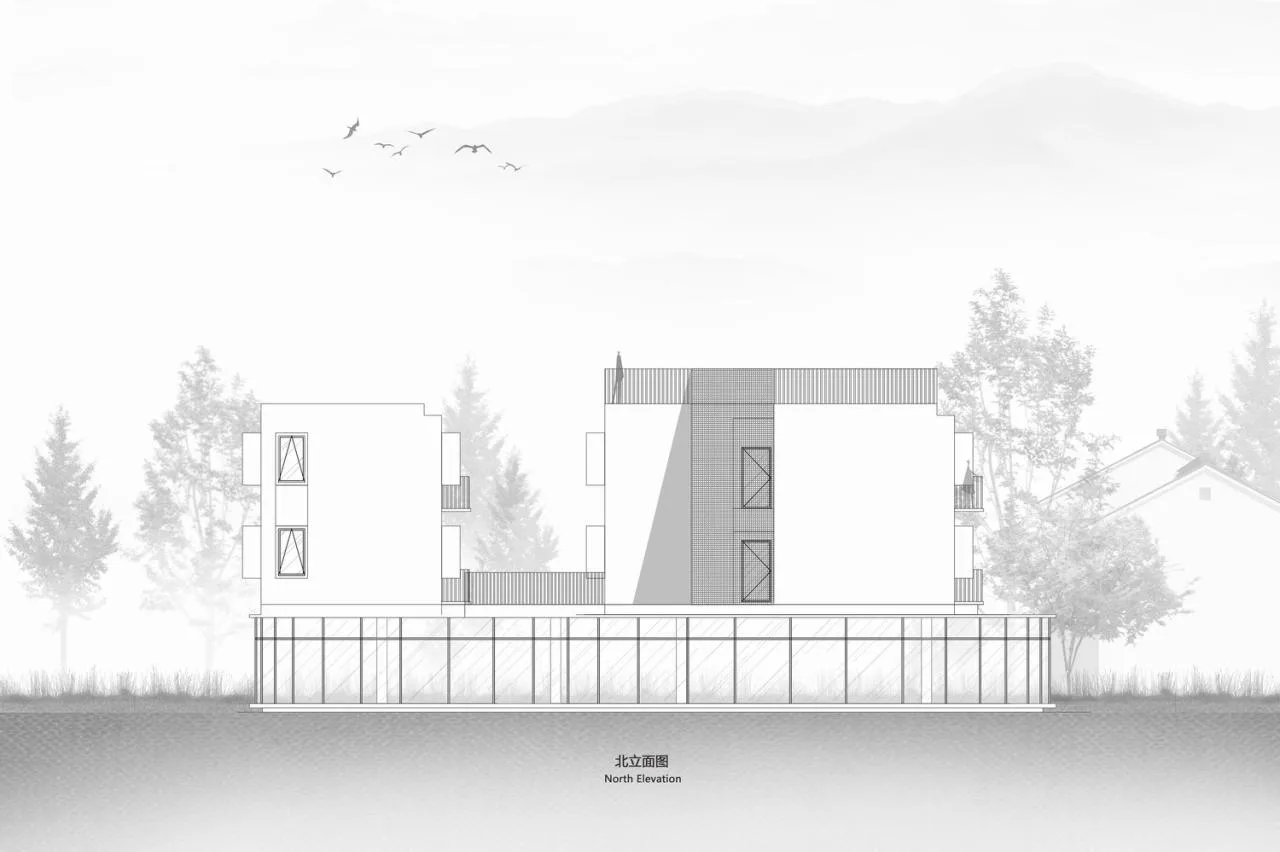
△ Elevation drawing
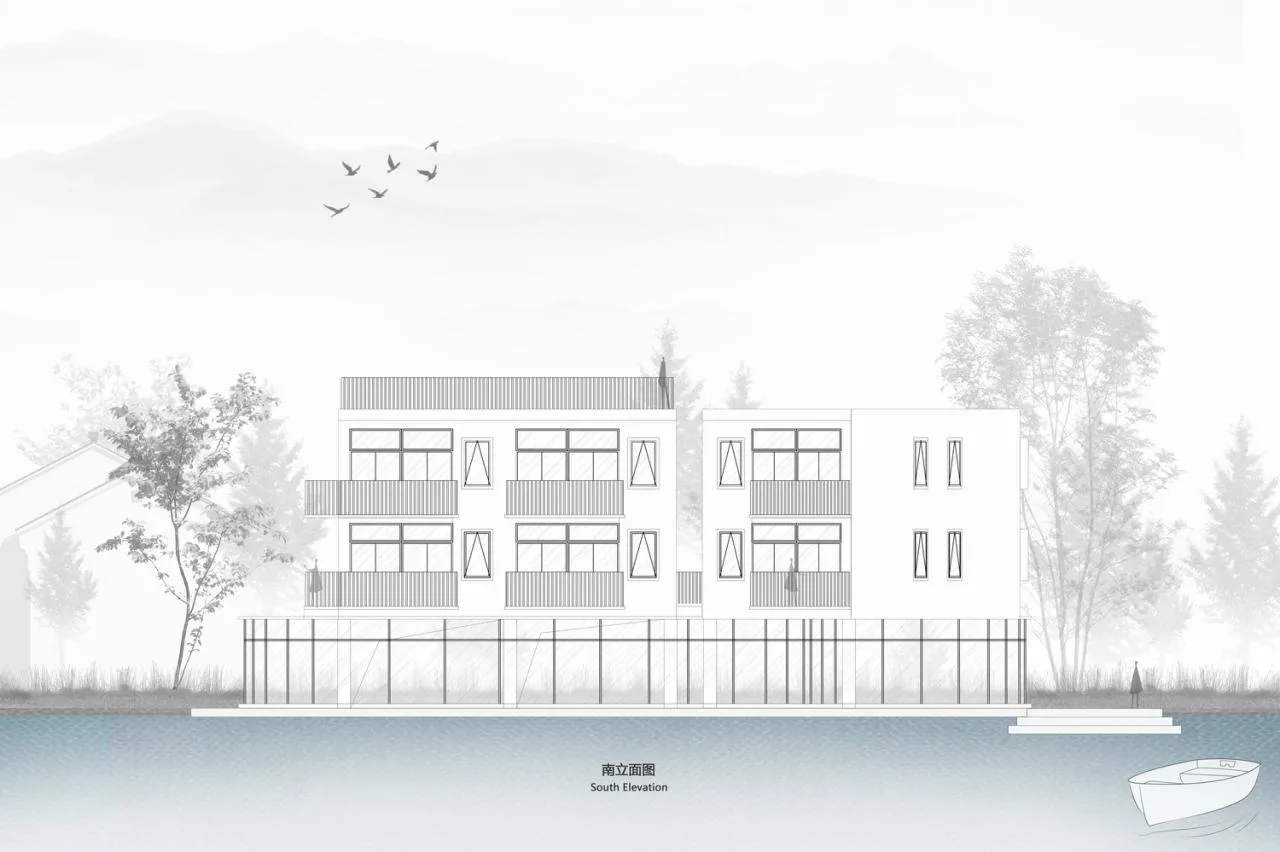
△ Elevation drawing
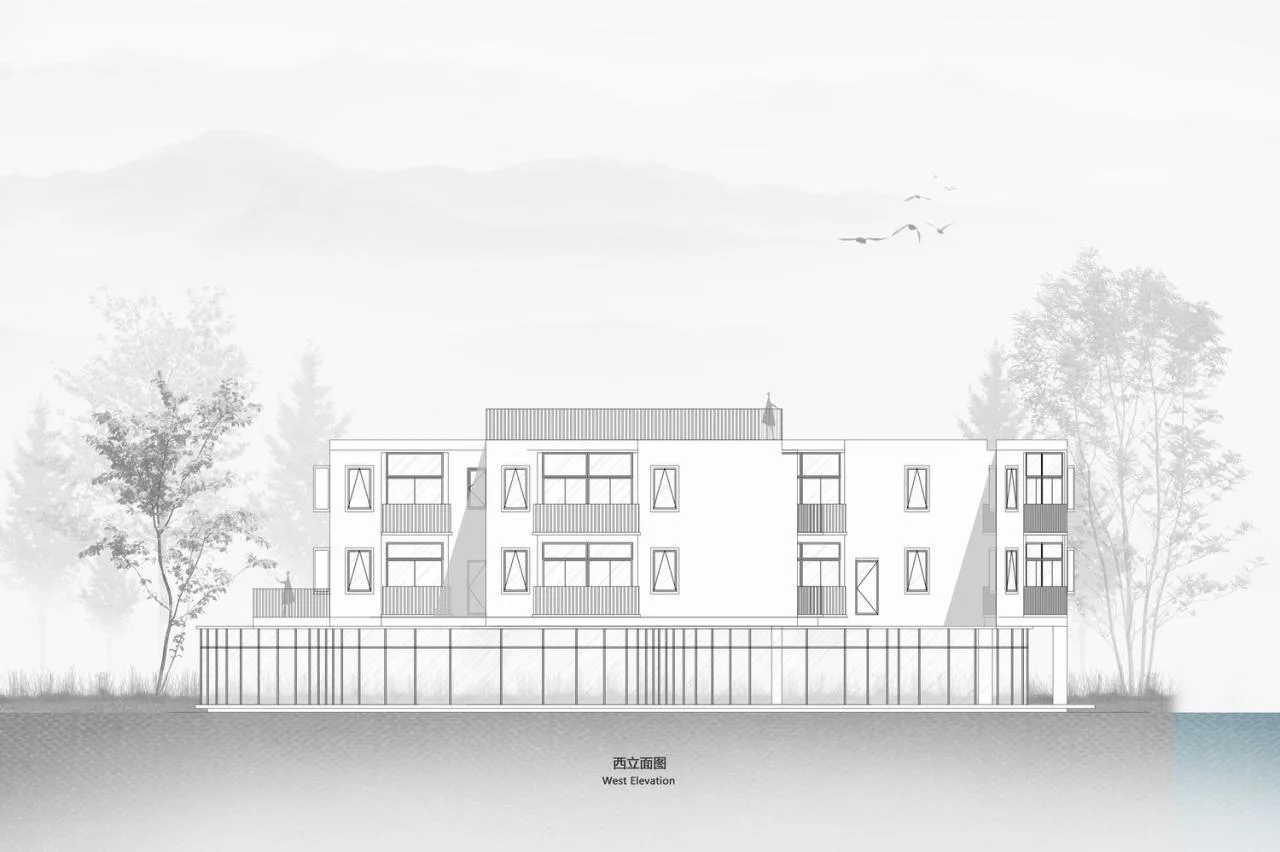
△ Elevation drawing
Project Information
Architectural Design: Chao Yu Architectural Design Firm
Lead Designers: Wang Xing & Liang Fei
Design Team: Wu Taokai, Yi Hangfei, Zhou Jie, Lin Qingxia
Interior Design: Chao Yu Architectural Design Firm
Design Team: Wu Taokai, Chen Jin’ao, Bian Taochuan, Xiao Wenhui, Hua Yiying
Structural Design: Tang Yinchuan
Soft Decoration Design: Chen Wei
Owner: Chen Wei, Shanghai Typhoon Shelter Food Co., Ltd
Location: Shangmingdian Village, Kunshan, Suzhou City, Jiangsu Province
Area: 1,000 square meters
Construction Start: February 2022
Materials: Exterior wall coatings, perforated aluminum panels, microcement, terrazzo, and more
Photography: Zhao Yilong, architectural photographer















Must log in before commenting!
Sign Up