
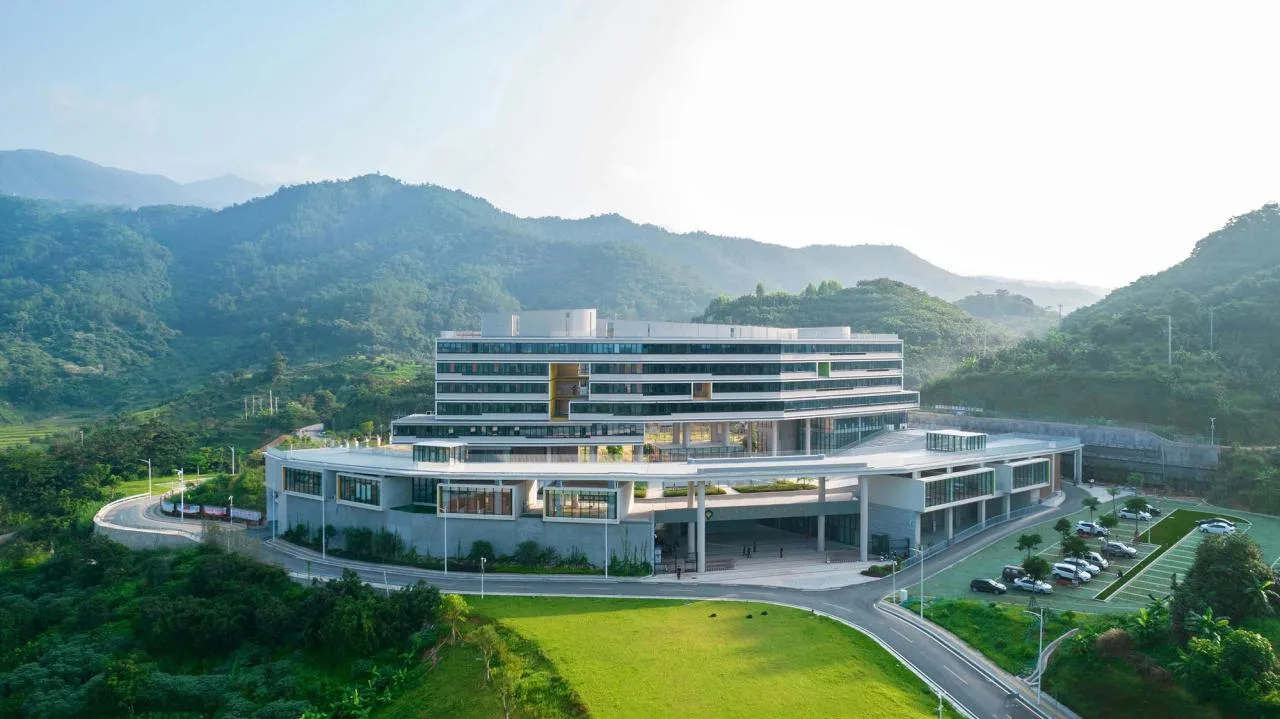
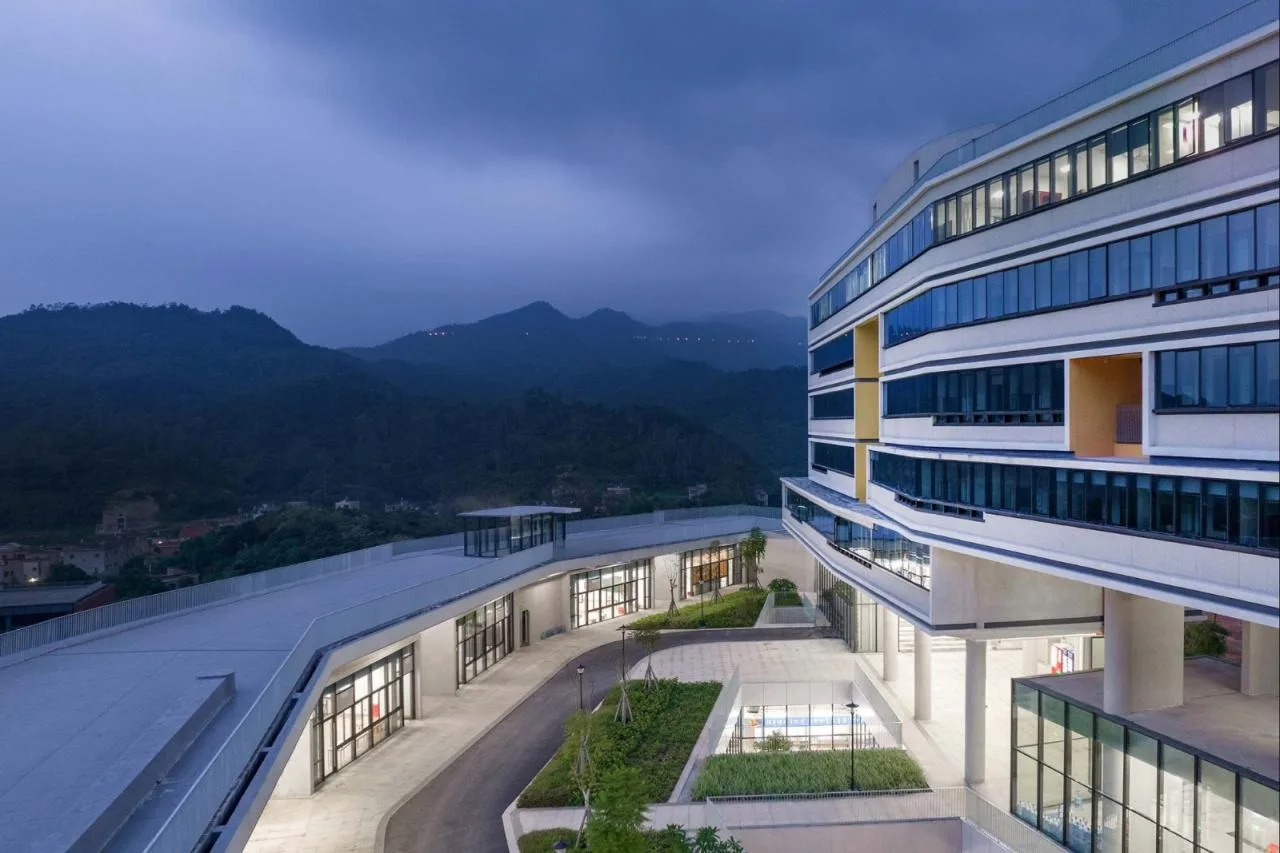
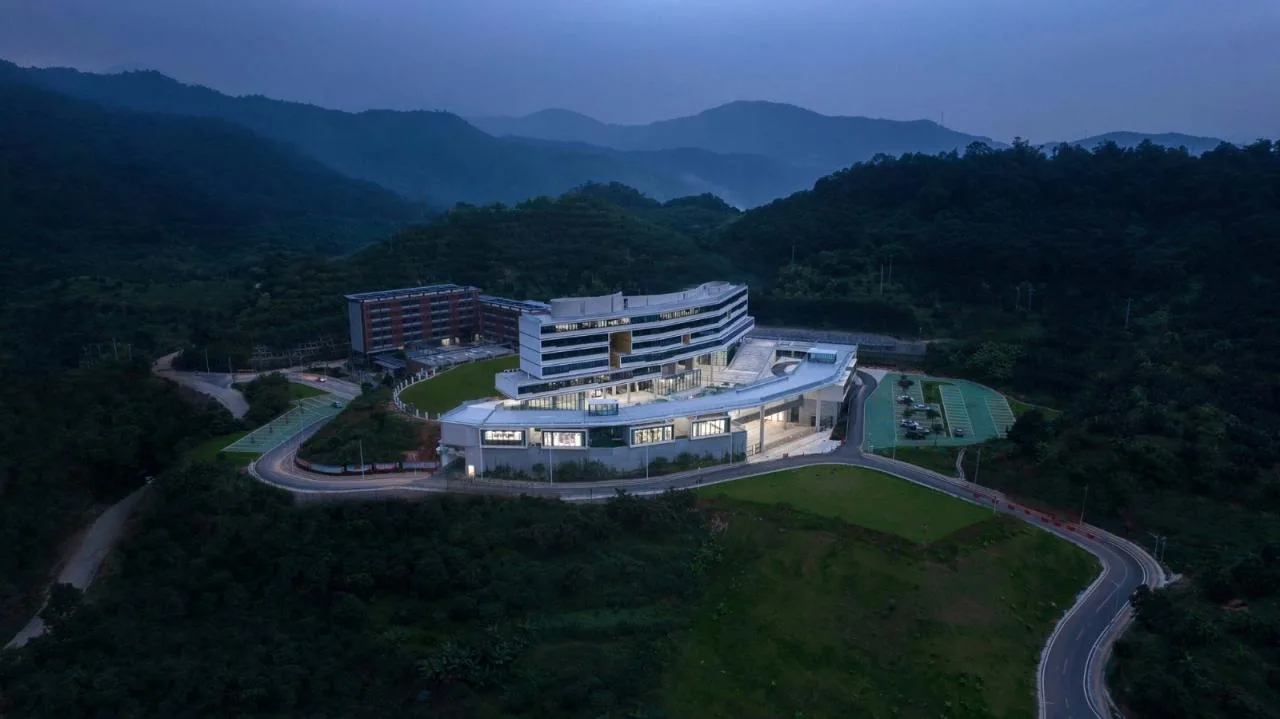
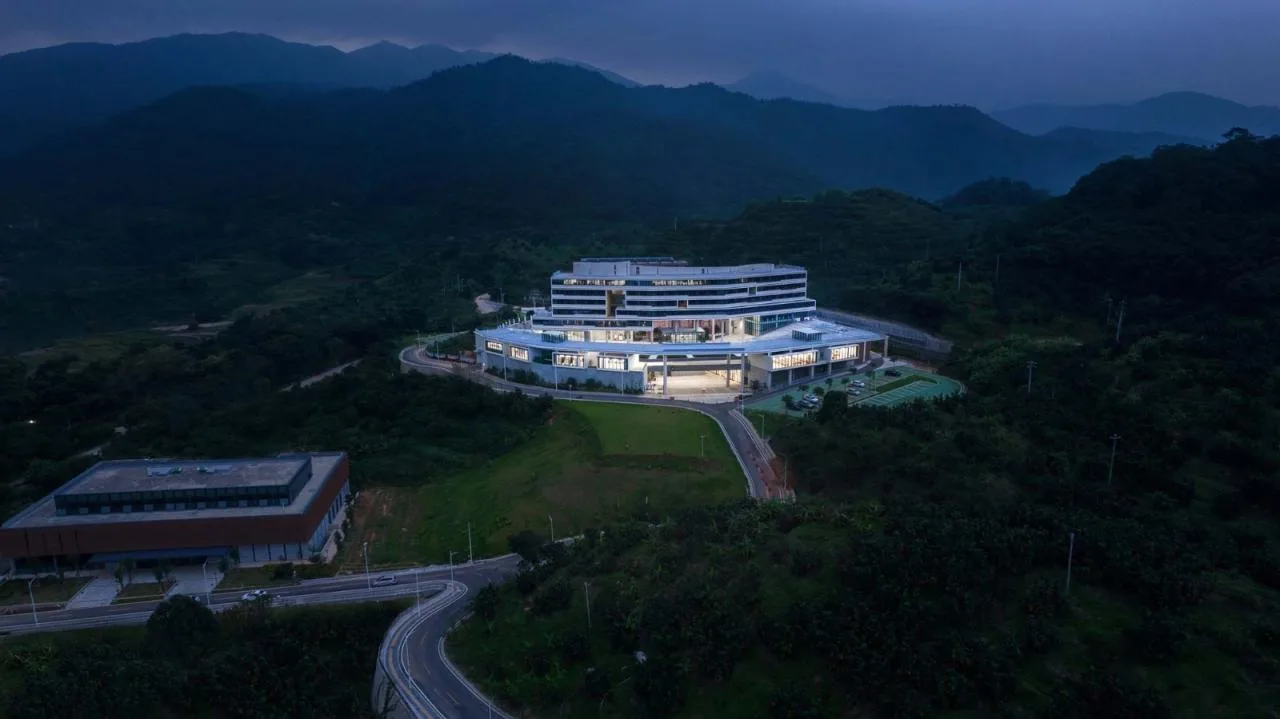
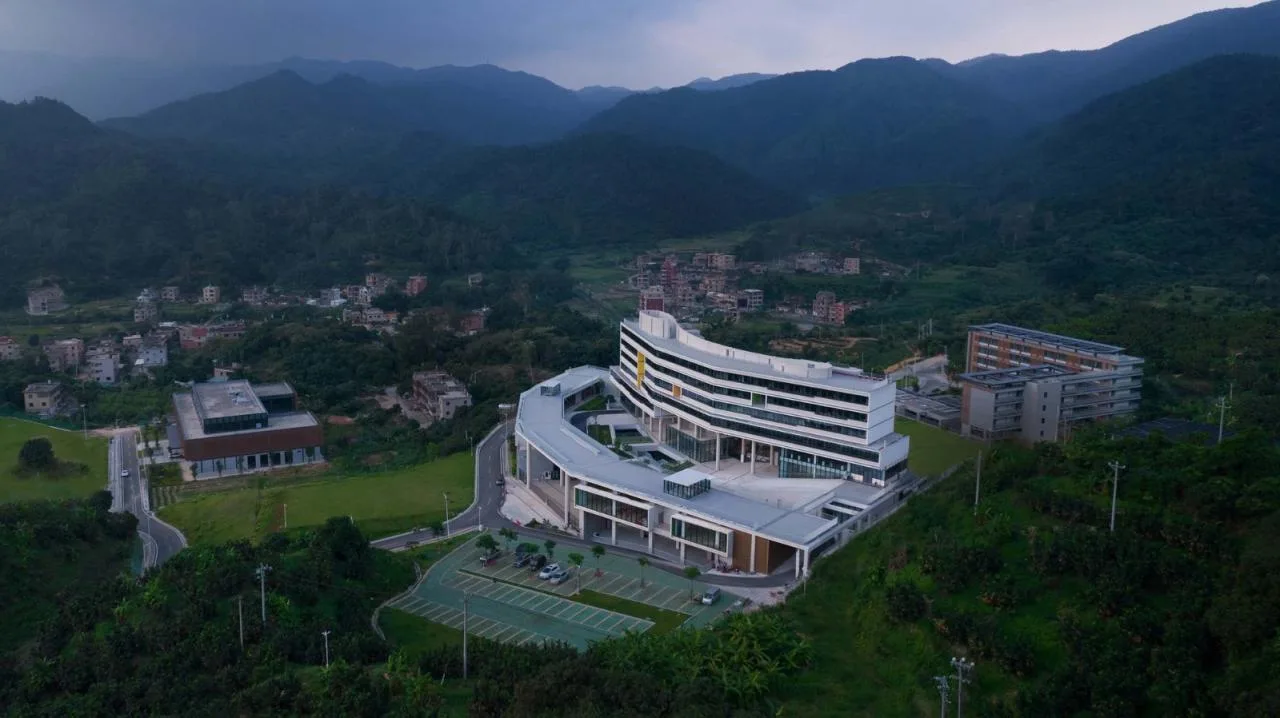
This project is situated near Yishu Village in the Tong’an District of Xiamen City. The site is surrounded by mountains on three sides, currently protected by steep slope reinforcements. The natural mountain slope, which should extend to the ground, has been interrupted by these slope protections. On the opposite side, the site faces expansive farmland with wide open views. Covering 6,788 square meters, the project has a plot ratio of up to 1.7 and includes facilities such as a cafeteria, auditorium, classrooms, library, covered playground, and dormitory. Additionally, the client requested that the design provide ample activity spaces to accommodate various youth programs.
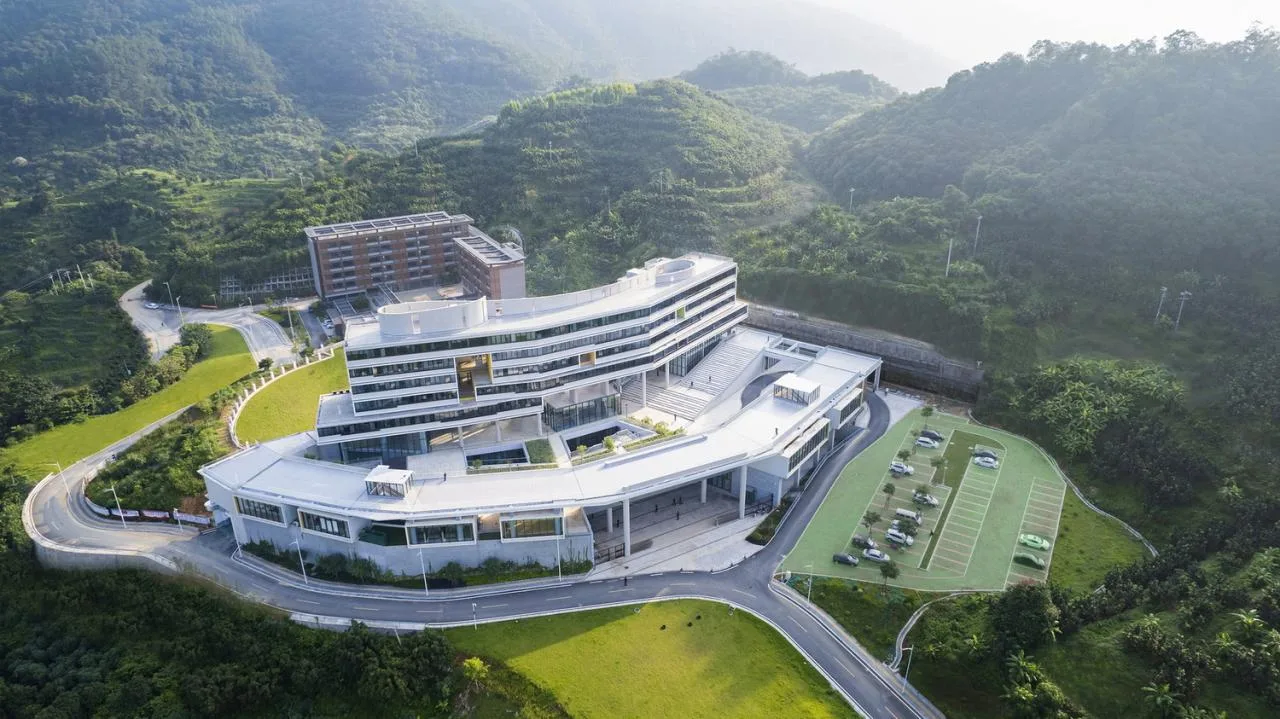
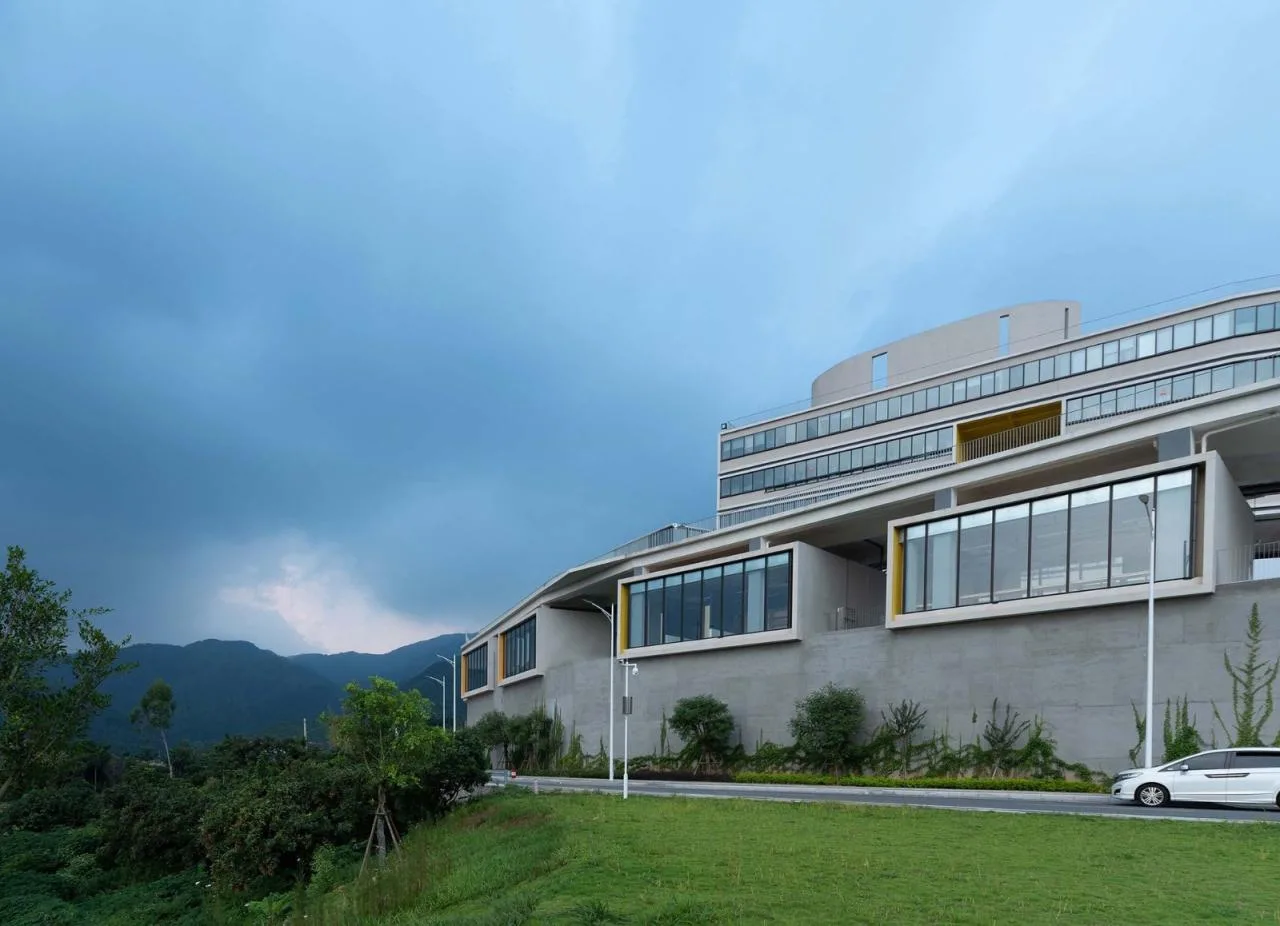
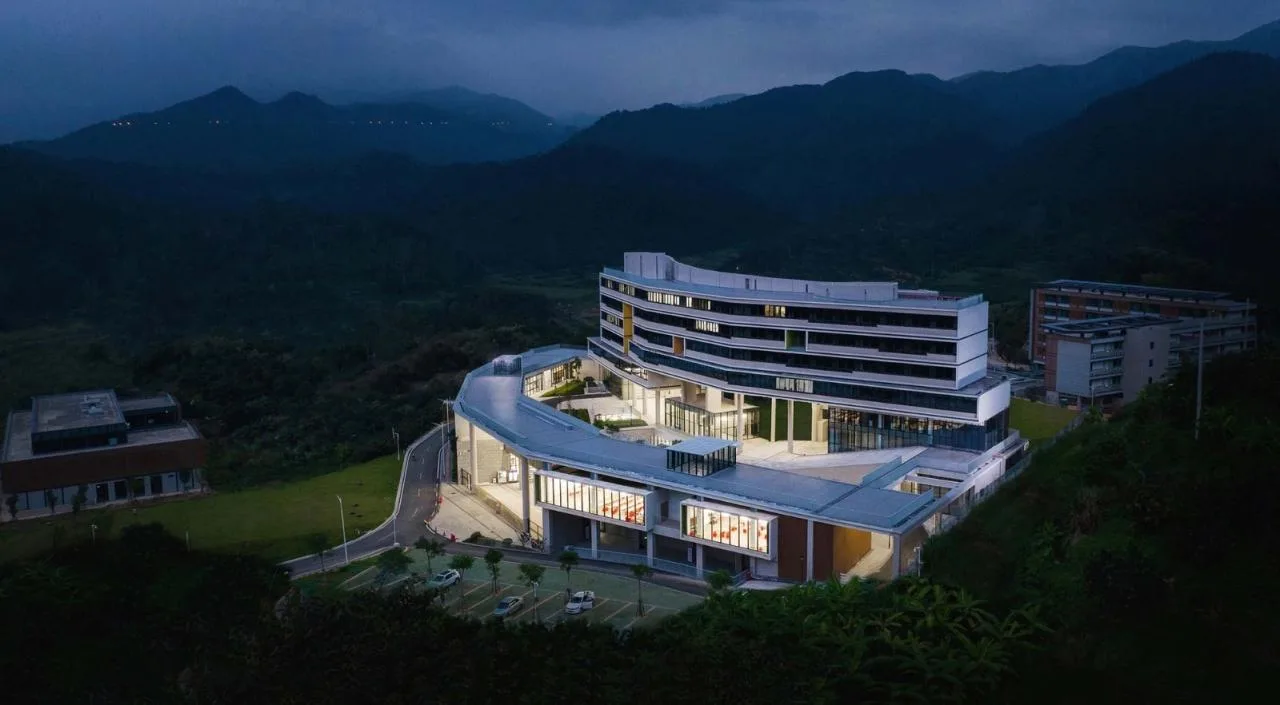
The challenge of this design lies in balancing the natural features of the site with the high plot ratio requirements on this narrow land. The resulting building mass tends to be either very tall or very wide, which can appear disconnected from the surrounding environment. Due to functional demands, fully integrating landscape architecture with nature was not feasible. Instead, we embraced the concept of “restoring the natural interruption of the mountain terrain,” incorporating parts of the building to recreate the mountain’s natural form while allowing other volumes to blend organically into the landscape.
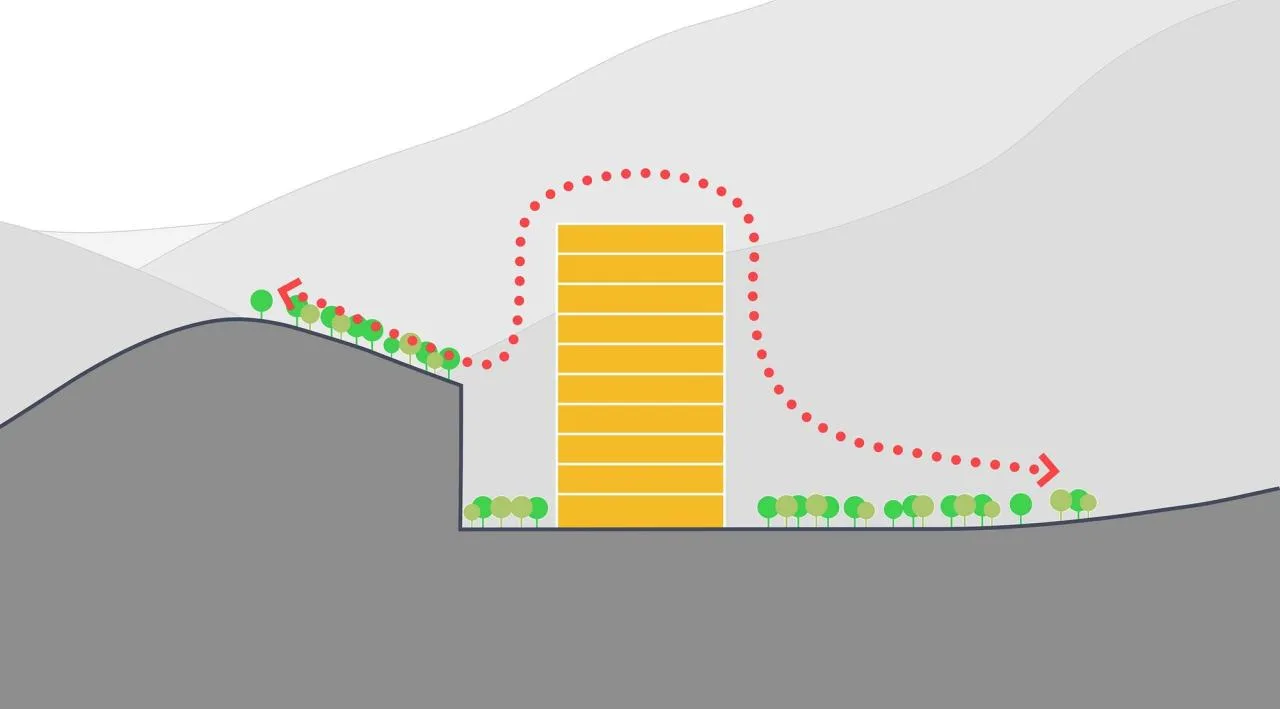
The natural character of the site is disrupted when building volumes appear disconnected from the landscape.
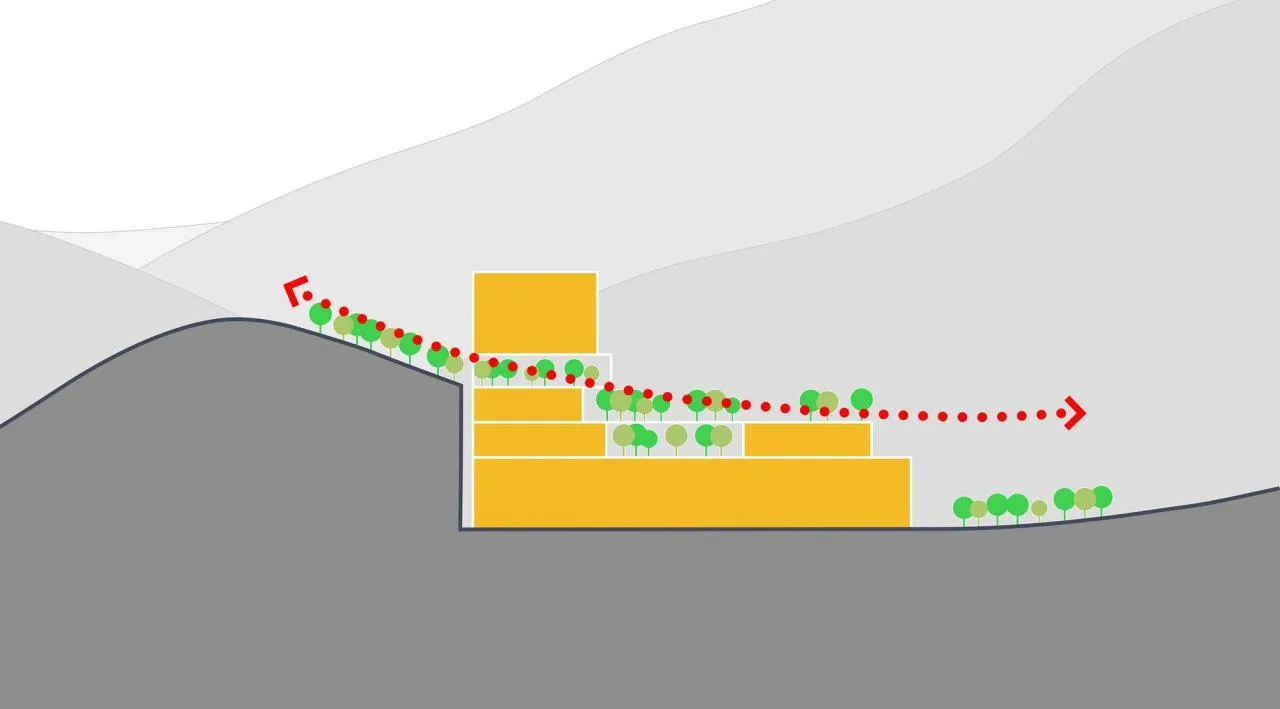
Restoring the natural mountain terrain through thoughtful architectural intervention reconnects the building with its environment.
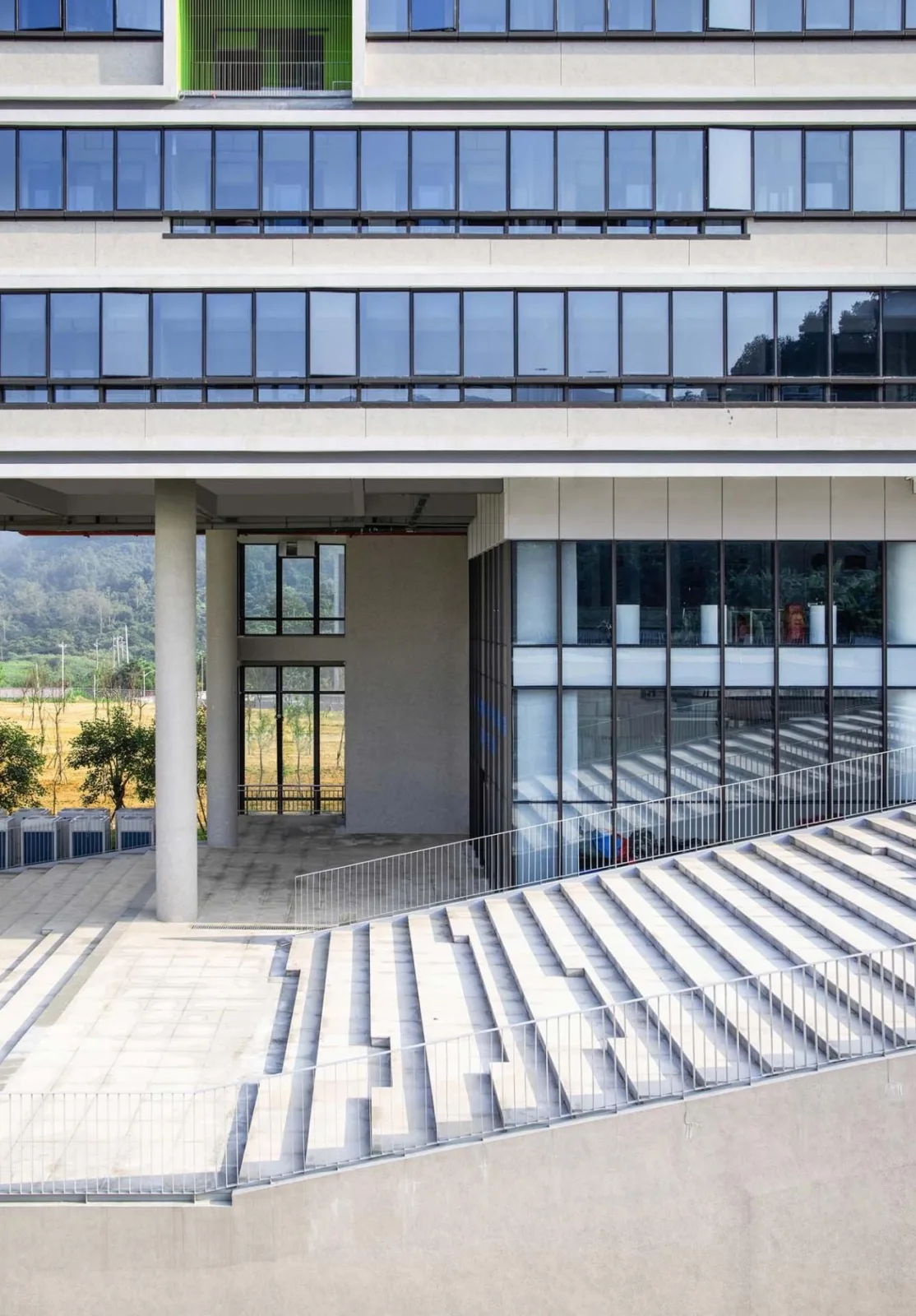
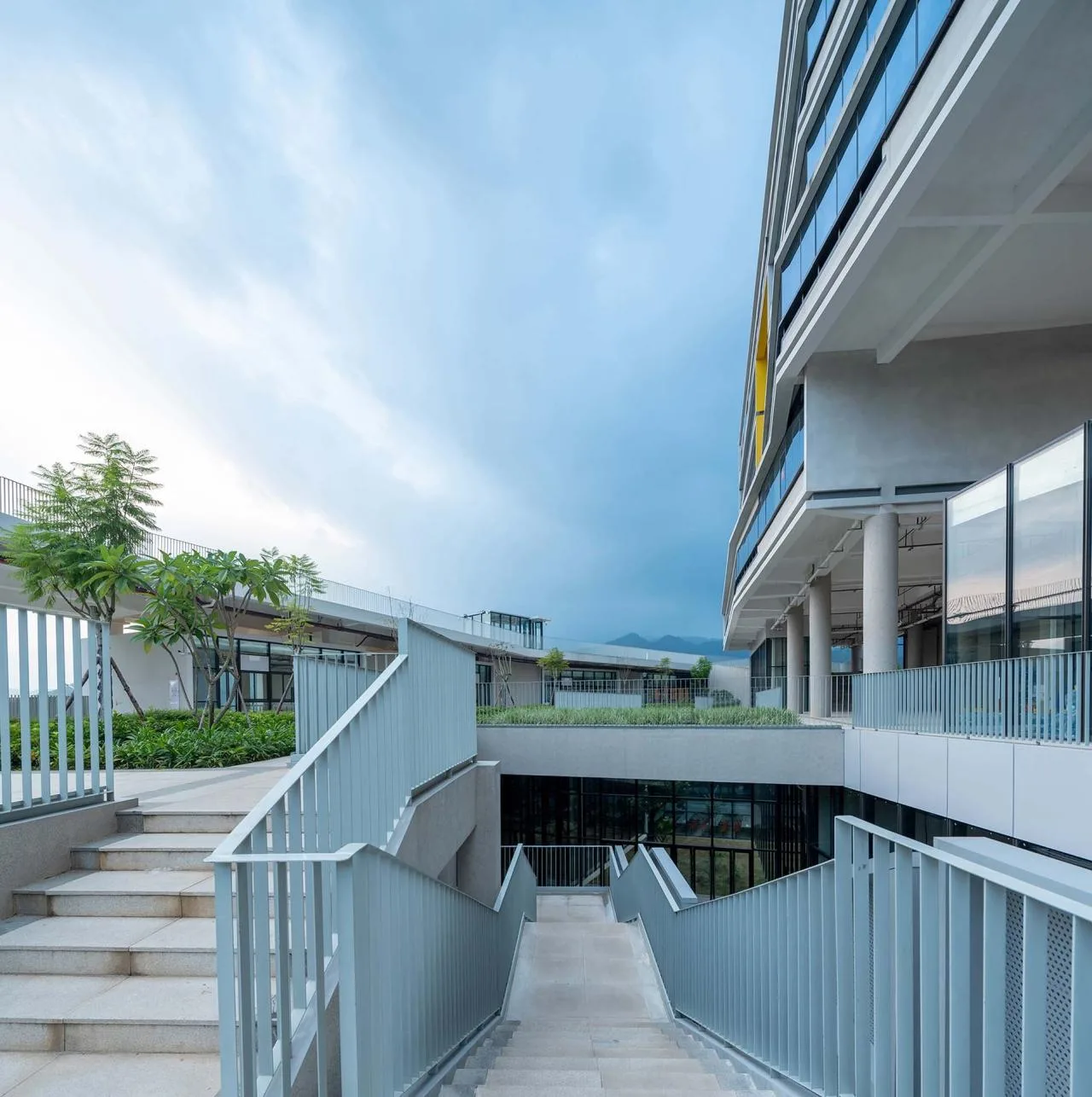
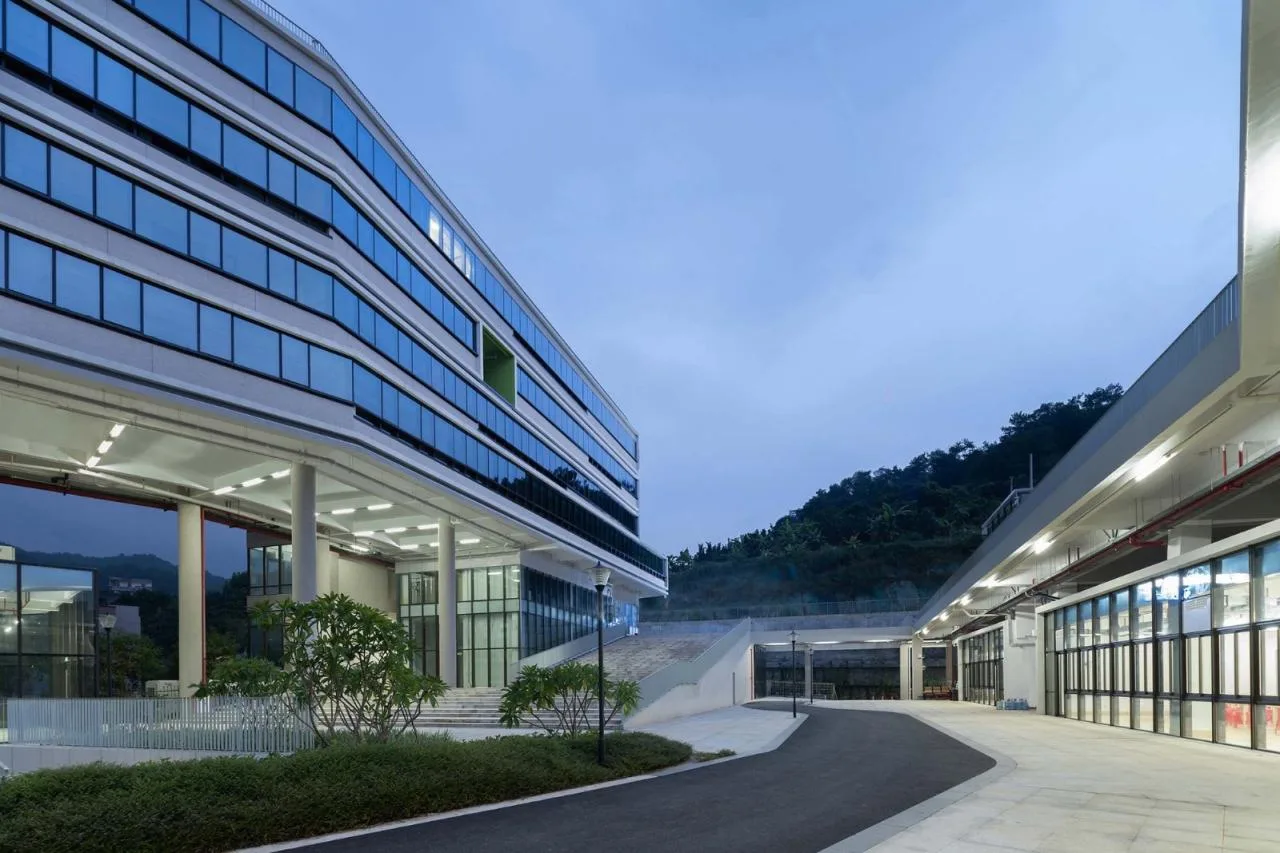
To address the height difference between the mountain slope protection and the base elevation, larger public spaces with less frequent use are located on the first floor. Meanwhile, the main activity and teaching areas for children are elevated to the second floor, aligning their height with the mountain slope protection to create a harmonious relationship—a “mountain supplement” effect. To reduce the imposing mass of the building, functional blocks such as classrooms, library, and medical rooms are divided into smaller, separate volumes. These volumes are arranged with open spaces in between, allowing views of the farmland to penetrate through the building. The dormitory partially rises above the base, its form twisting along contour lines. At each end, setbacks echo the mountain terrain, while a central opening increases transparency and invites nature inside.
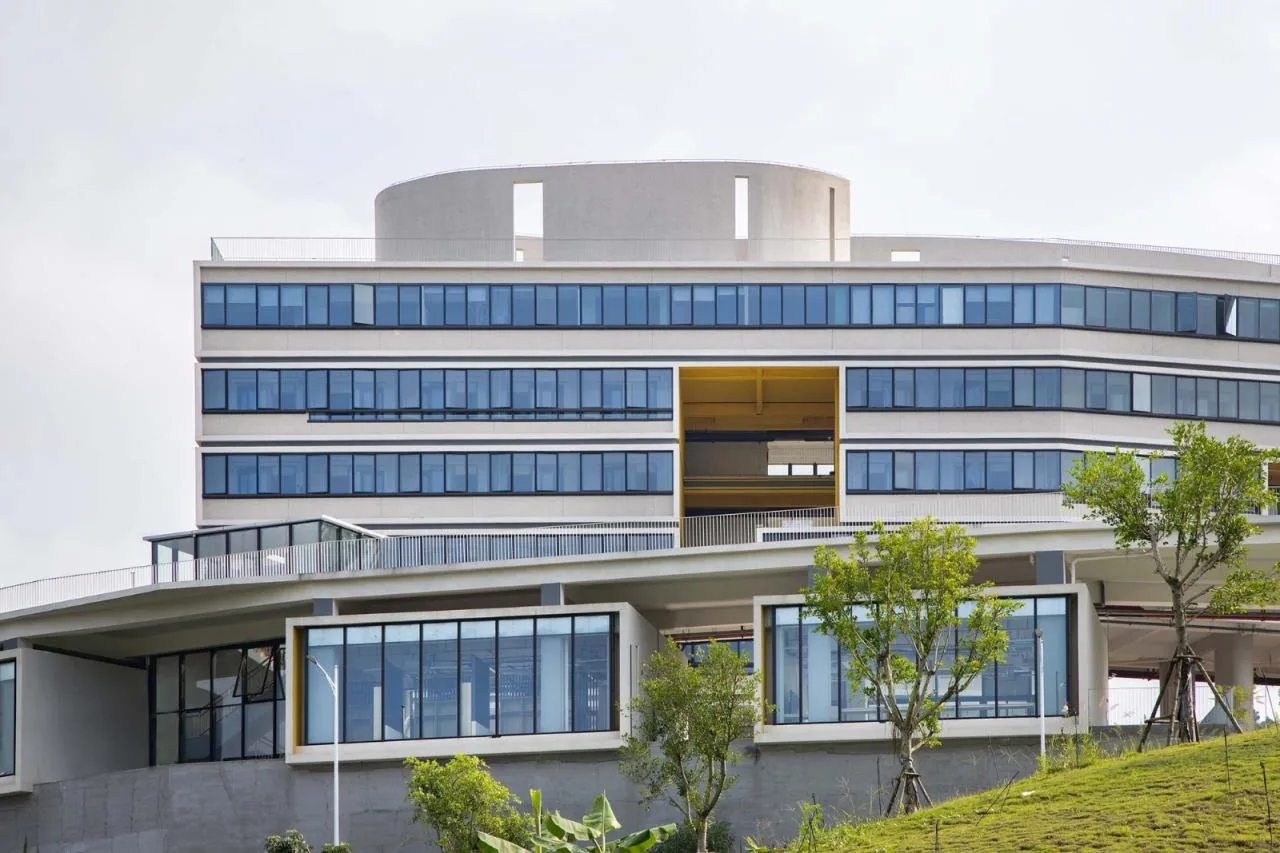
The youth practice base functions like a small society hosting diverse activities. To connect these activities and foster vitality, we linked the elevated second floor to the classroom roofs via a 10-meter-wide circular ramp called the “Vitality Ring.” This ring integrates exhibition spaces, libraries, outdoor theaters, public lobbies, and running tracks, creating varied activity zones and seamless spatial experiences for young people.
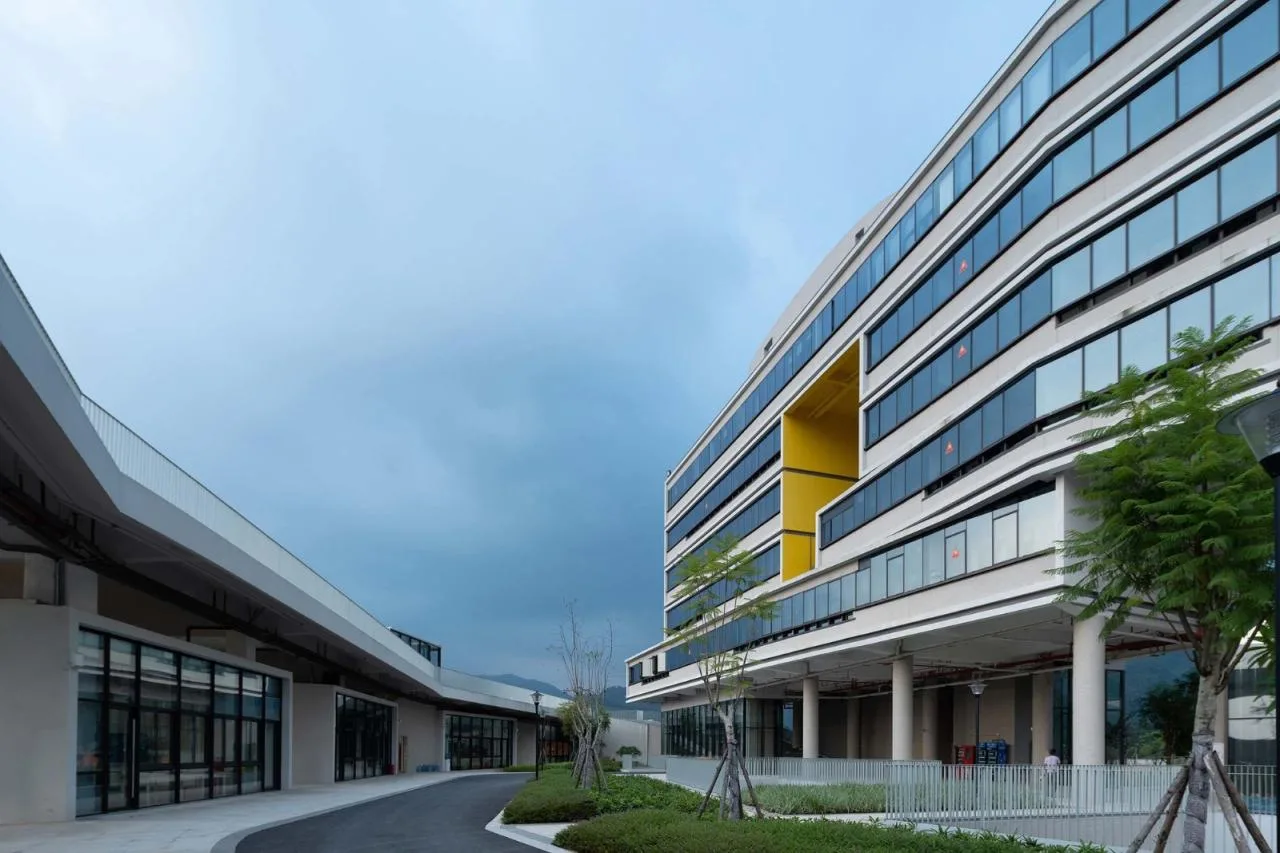
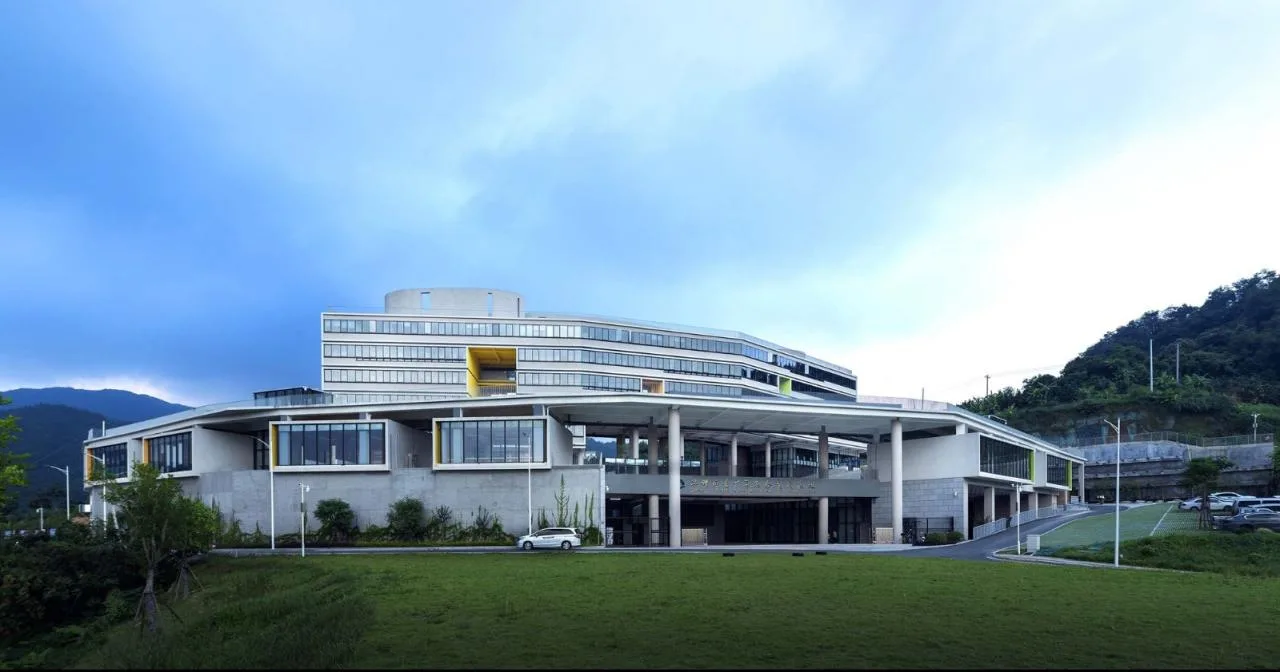
The space diversity includes:
- Gathering Space: A large elevated area at the main entrance on the first floor can hold up to 800 people for flag-raising ceremonies. A roof shelter ensures activities continue uninterrupted by weather.
- Social Space: On the second floor, dormitories and classrooms surround an internal courtyard dotted with greenery, sculptures, and playful elements. These spaces encourage spontaneous activities, exploration, and inspiration.
- Leisure and Entertainment: Exhibition halls, small theaters, and libraries located on the second-floor elevated level provide enriching extracurricular opportunities for youth.
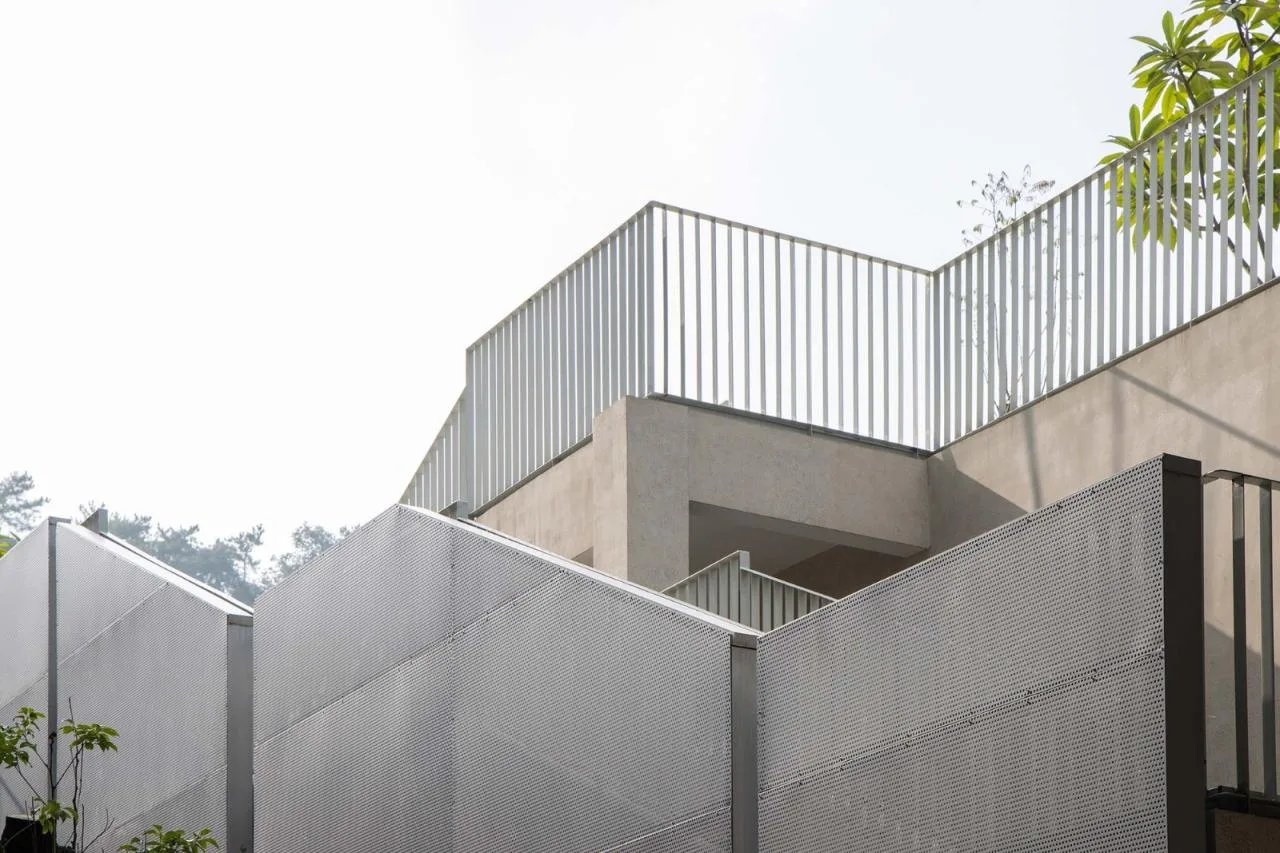
- Characterful Experience Space: The dormitory roof offers panoramic views, featuring high and low curved walls that create distinct play corners. The perforated middle-floor space brings natural scenery inside and serves as a social hub for interaction.
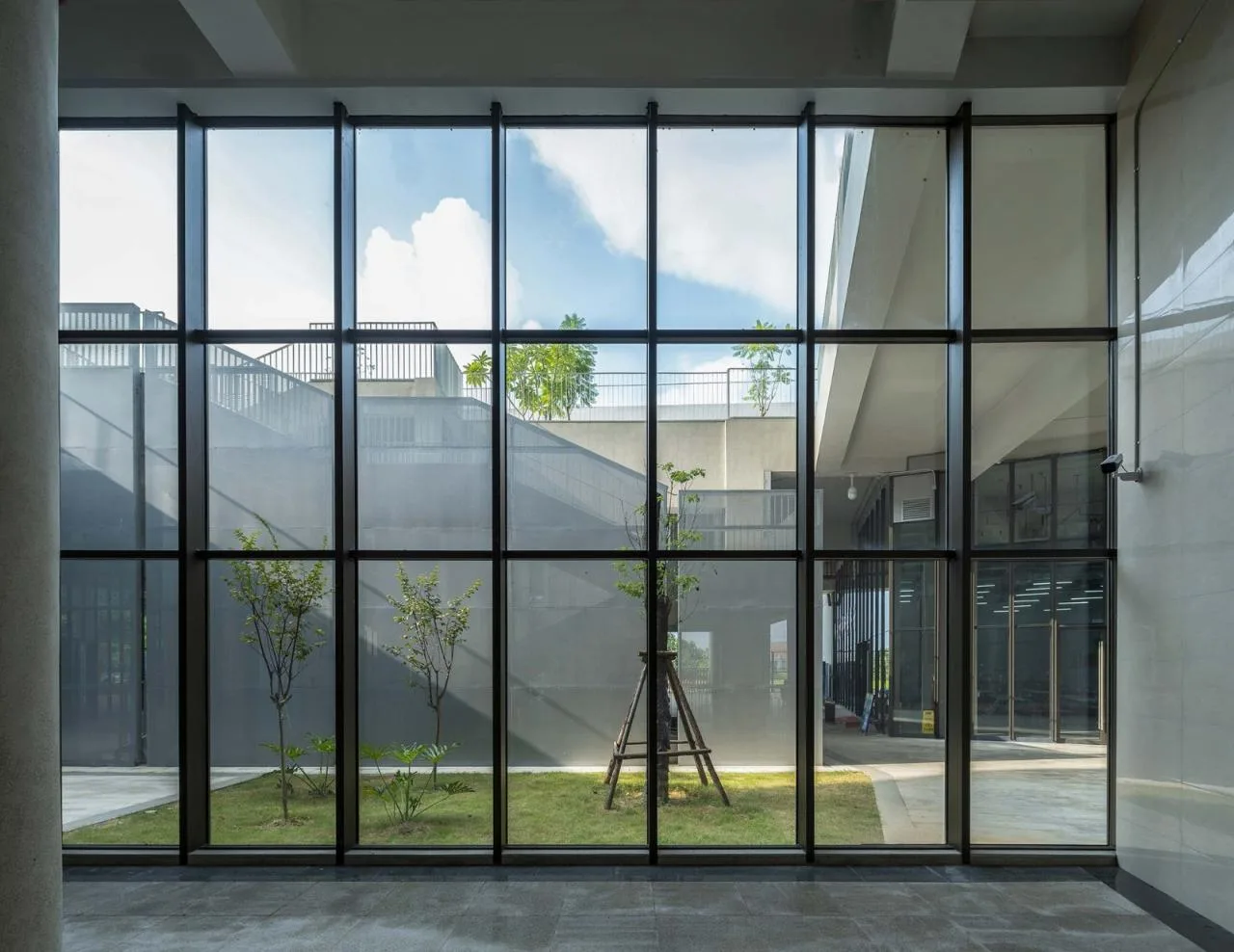
Conclusion: Approaching from multiple perspectives—education, practice, expansion, and daily life—we aimed to create a youth practice base that fosters communication and exploration while blending seamlessly with nature. This environment encourages young people to enrich their knowledge, interact with others, and connect with the natural world through both learning and play.
Project Drawings
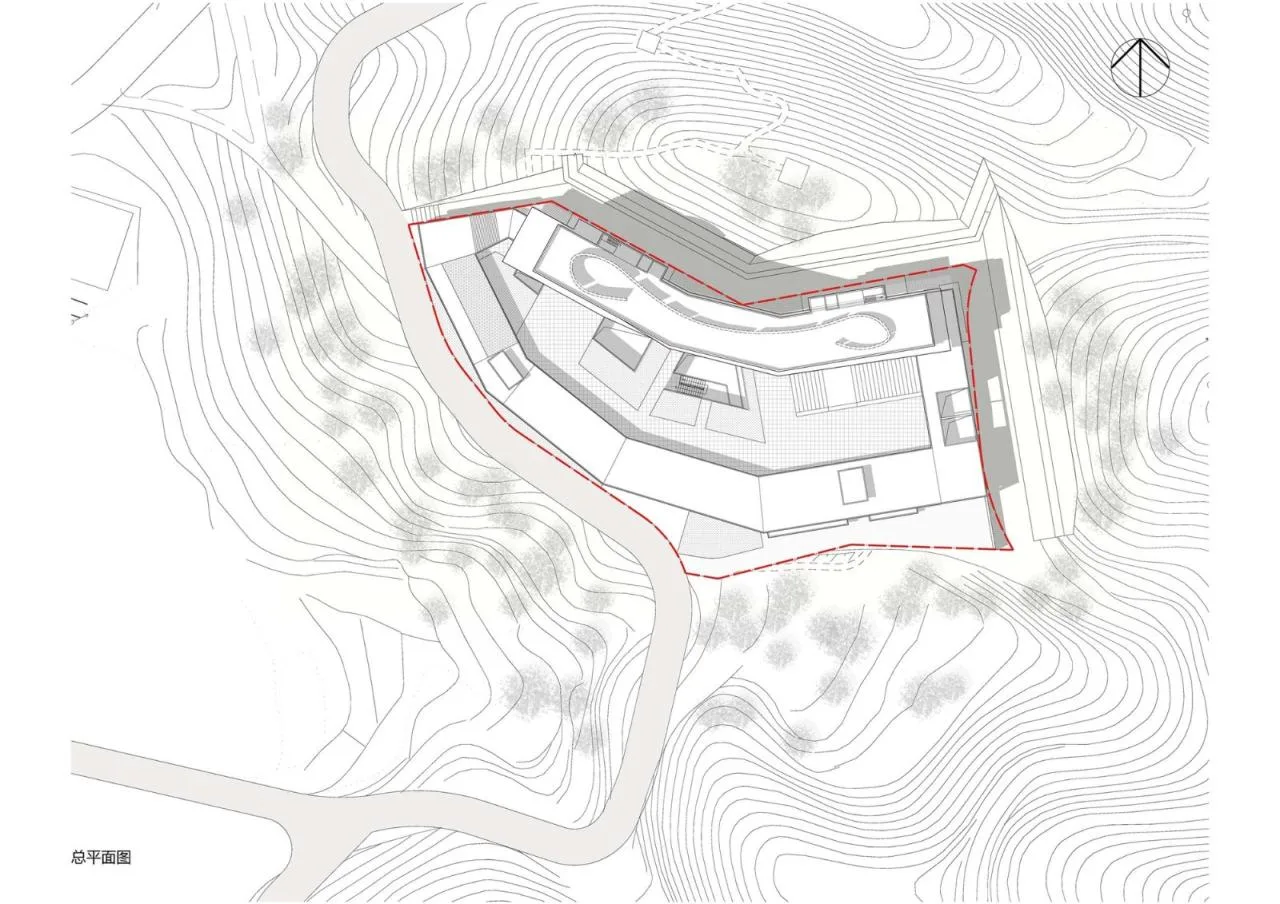
△ General layout plan
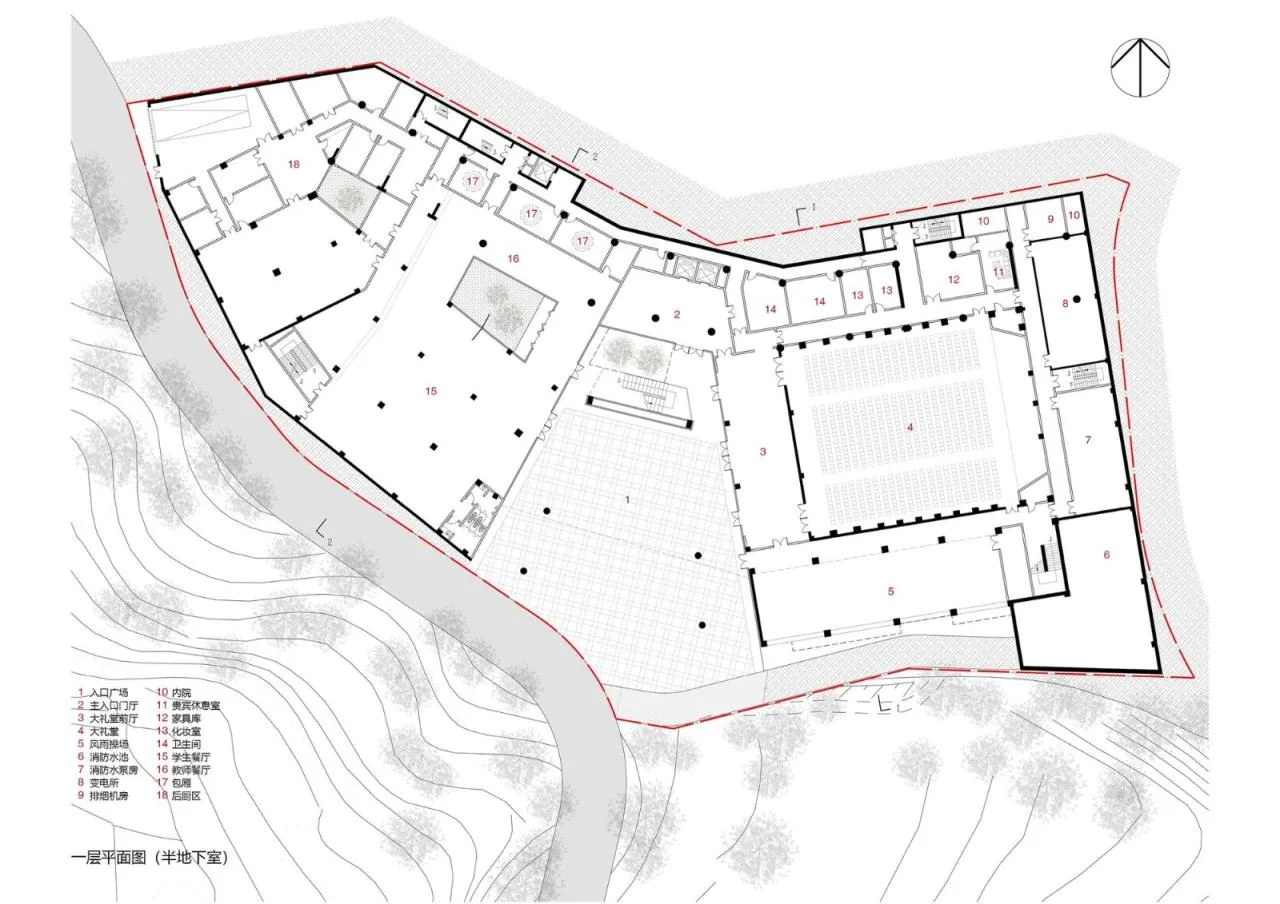
△ First floor plan
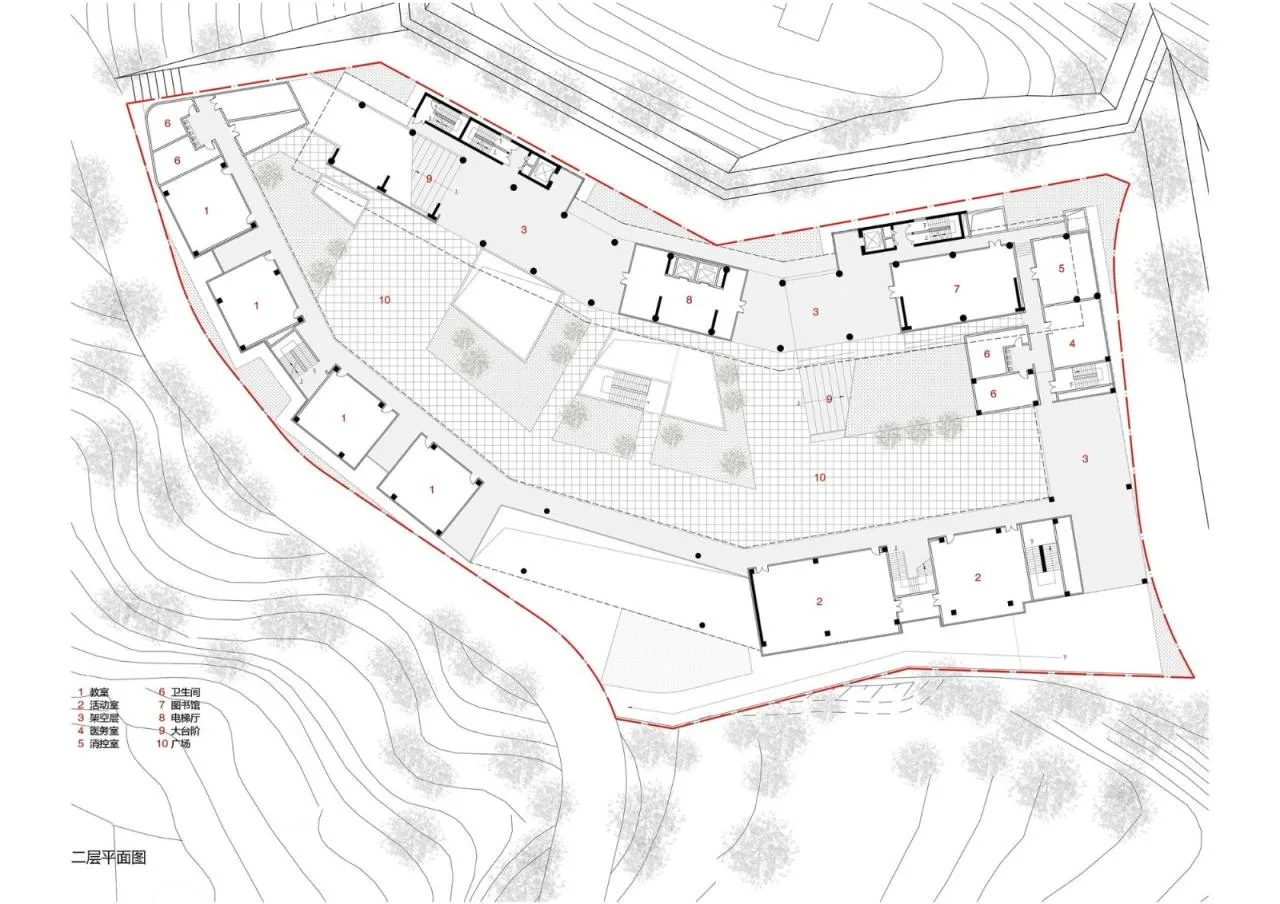
△ Second floor plan
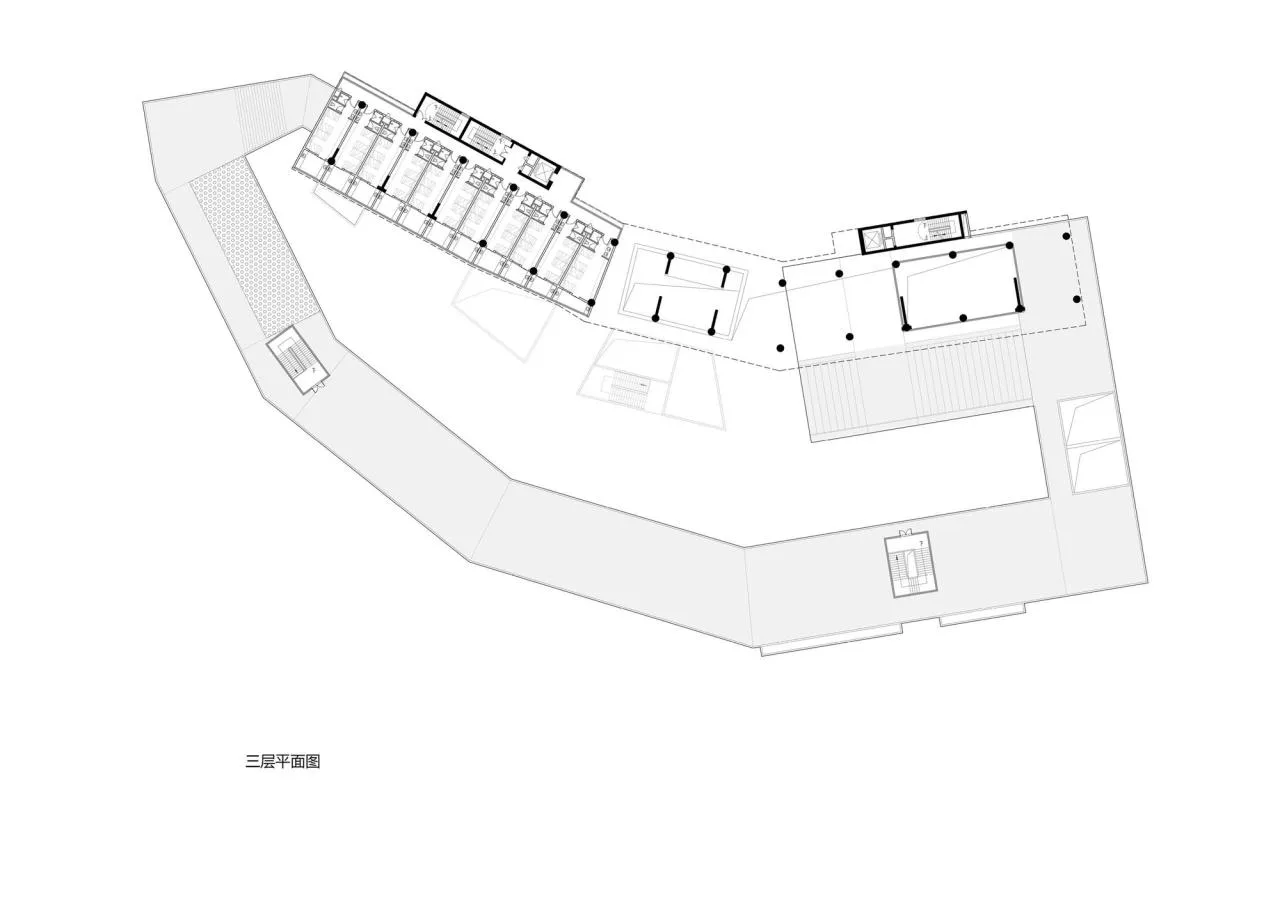
△ Third floor plan
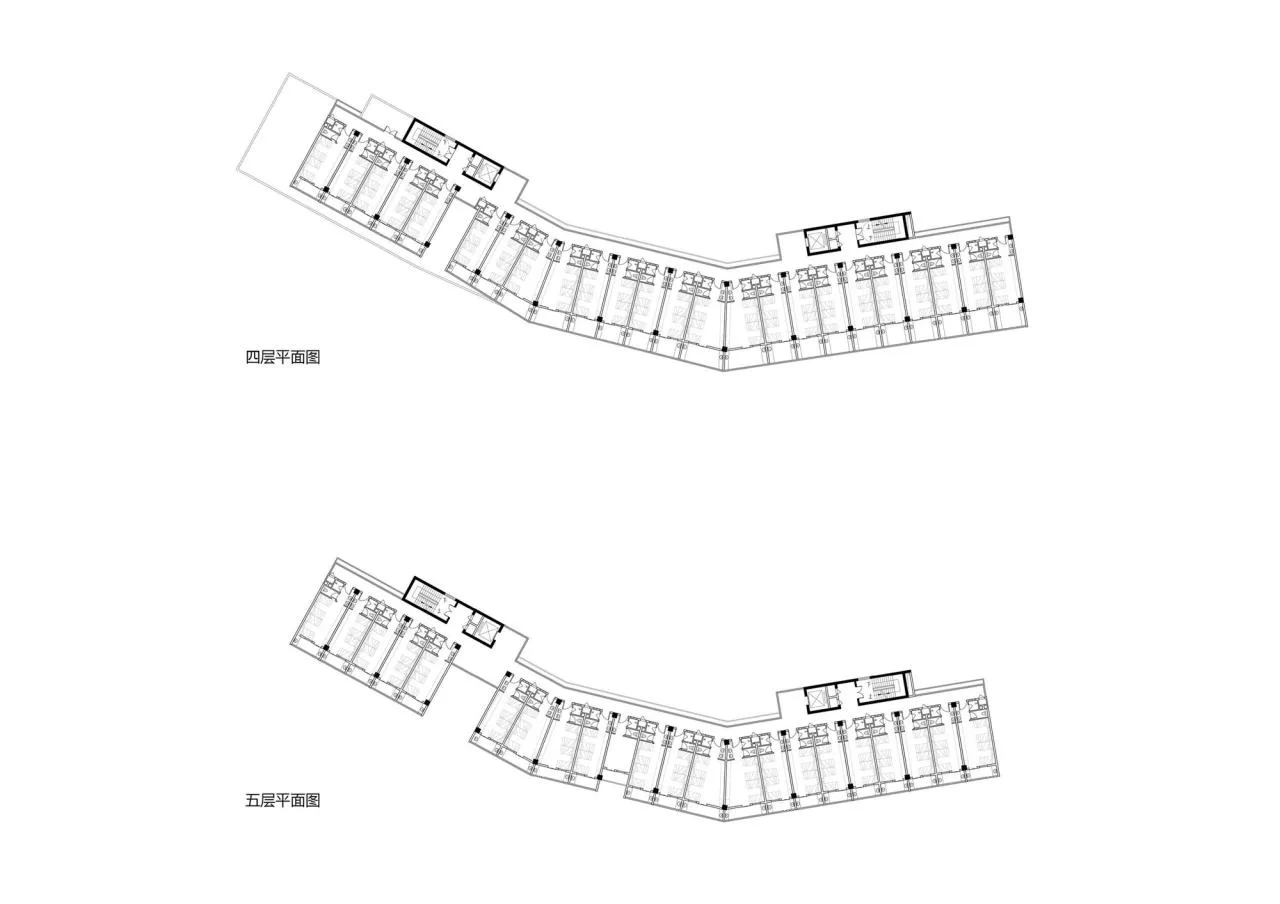
△ Fourth and fifth floor plans
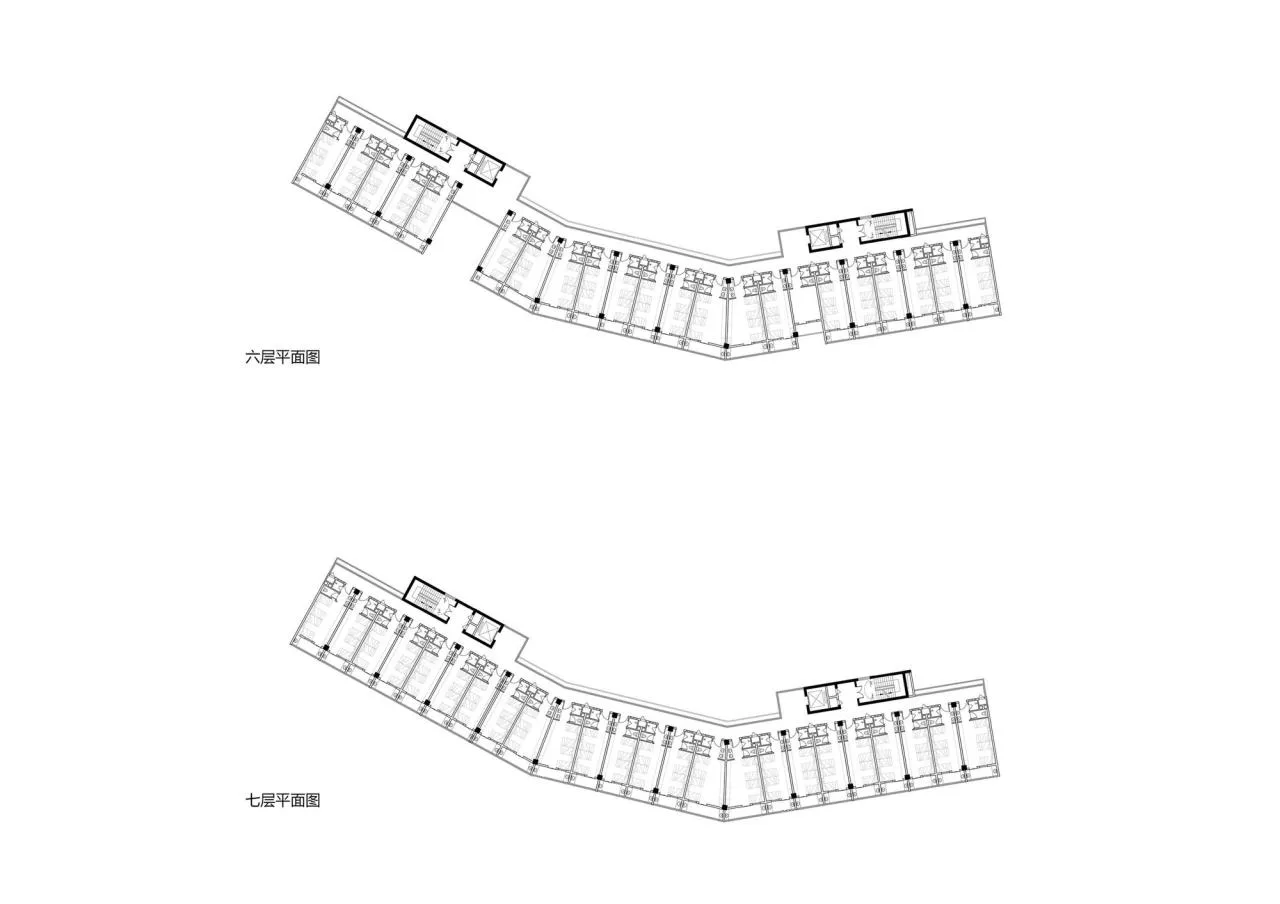
△ Sixth and seventh floor plans
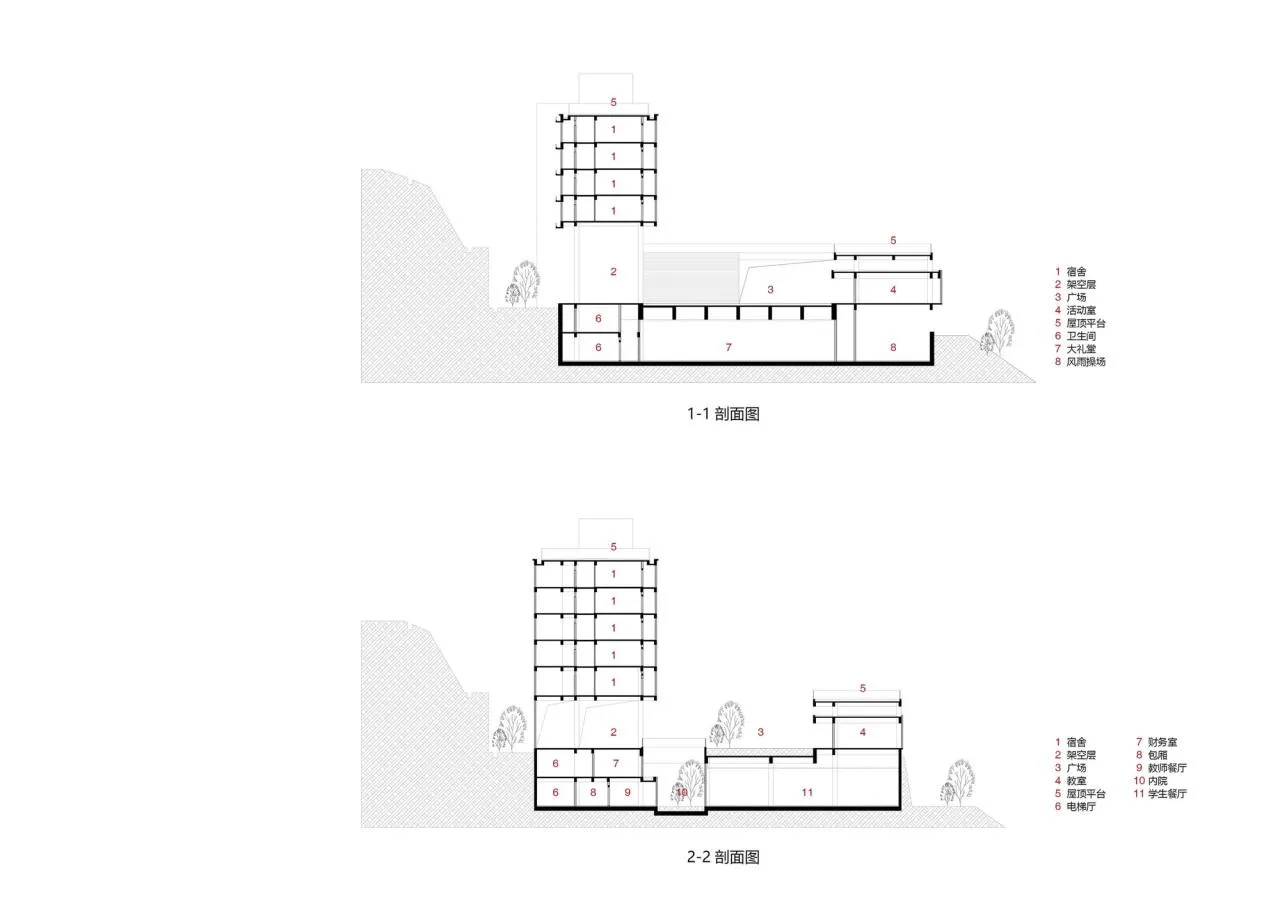
△ Section diagram
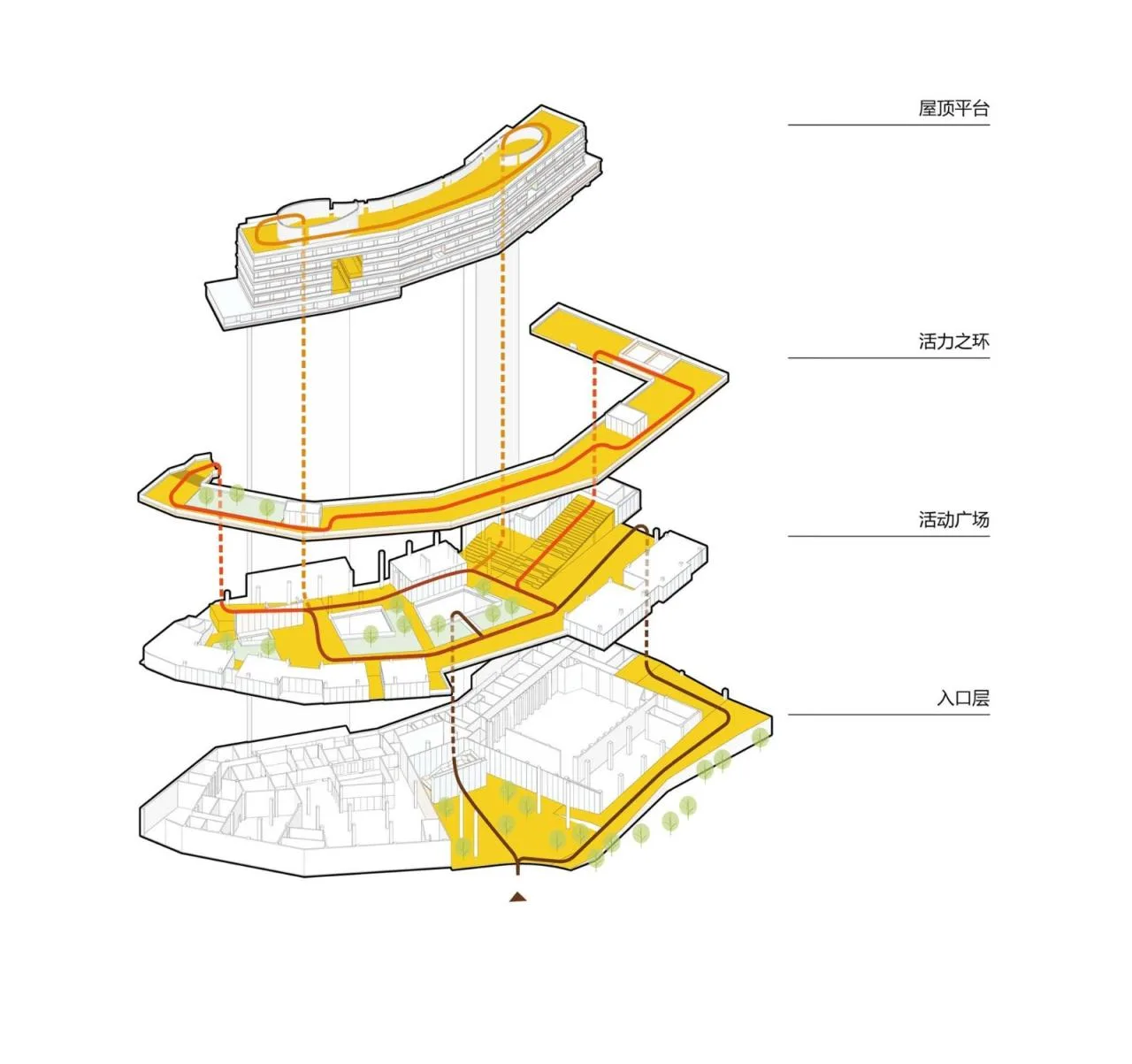
△ Analysis chart
Project Information
Architectural Design & Landscape Design
Area: 14,364 m²
Year: 2020
Photographer: Linhai Huang
Manufacturer: Three Trees, Kyle City, Simon
Lead Architects: Yin Jiandong, Zhu Zhenyi
Project Leader (Hangzhou Team): Wu Nina
Architectural and Landscape Design Team (Hangzhou): Min Jie, Liu Xianghua, Ni Fangwen, Zheng Guohuo, Zhang Wentao
Project Leader (Xiamen Team): Huang Binyi, Sha Feng
Architectural and Landscape Design Team (Xiamen): Zheng Qilong, Luo Qingquan
Structural and Architectural Environment Design (Xiamen): Wu Zhenjiang, Hu Zezeng
Electrical Design (Xiamen): Hong Jiecong, Li Fufu
Water Supply and Drainage Design: Wang Xin, Zhou Xiaotong, Chen Mingliu
HVAC Design (Xiamen): Feng Xuecheng
Client: Xiamen Wanfeng Fruit Industry Co., Ltd
Location: Xiamen, China















Must log in before commenting!
Sign Up