
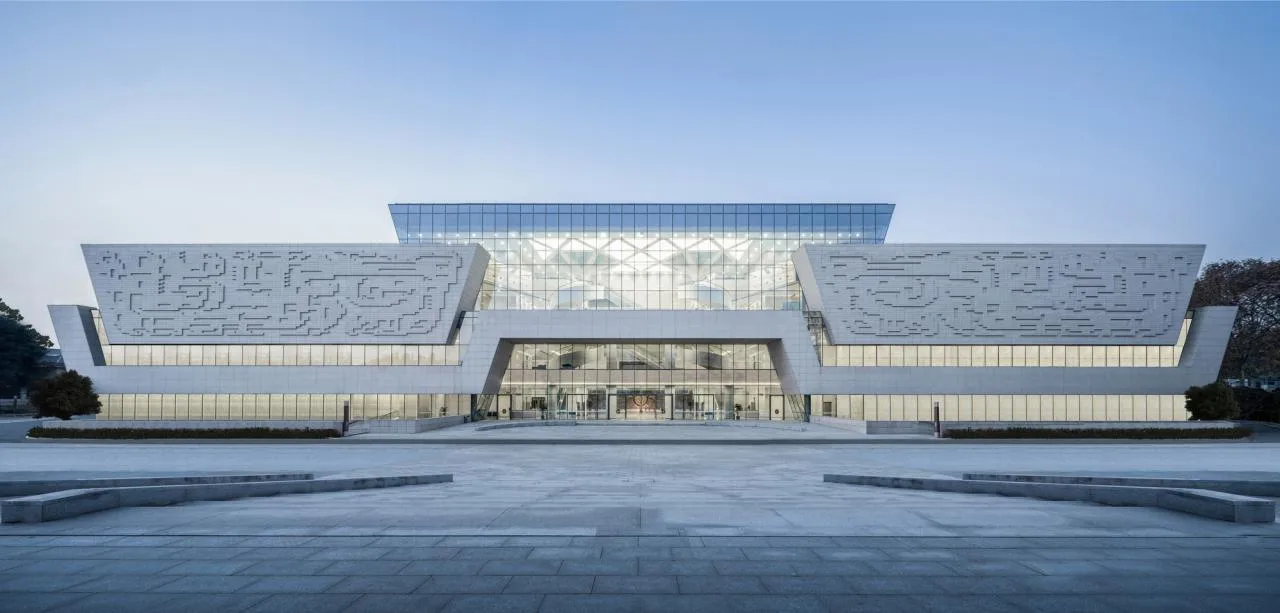
The completion of the third phase of the Hubei Provincial Museum (referred to here as the new museum) marks not only the emergence of a new cultural landmark but also serves as a vital vessel for Jingchu culture. This expansion holds great significance in the historical development of the city.
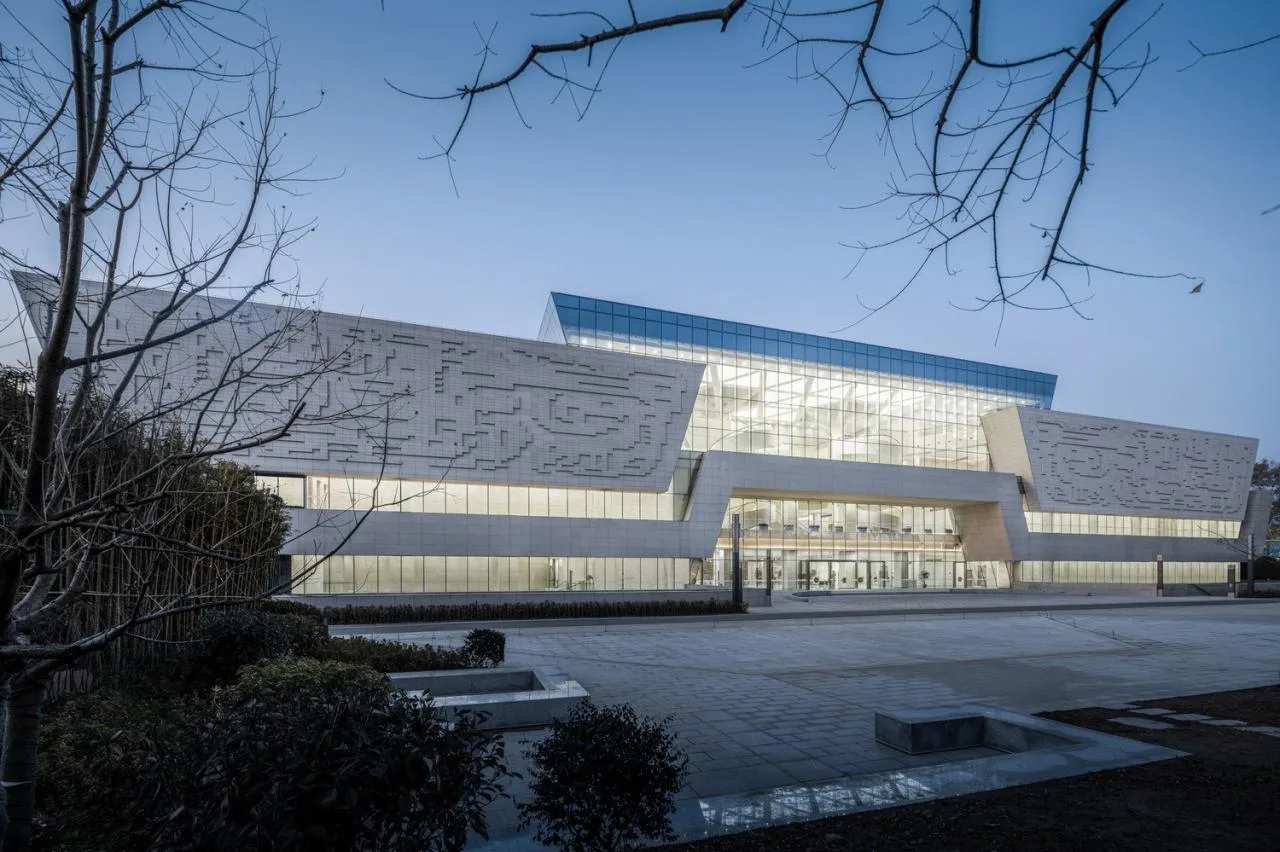
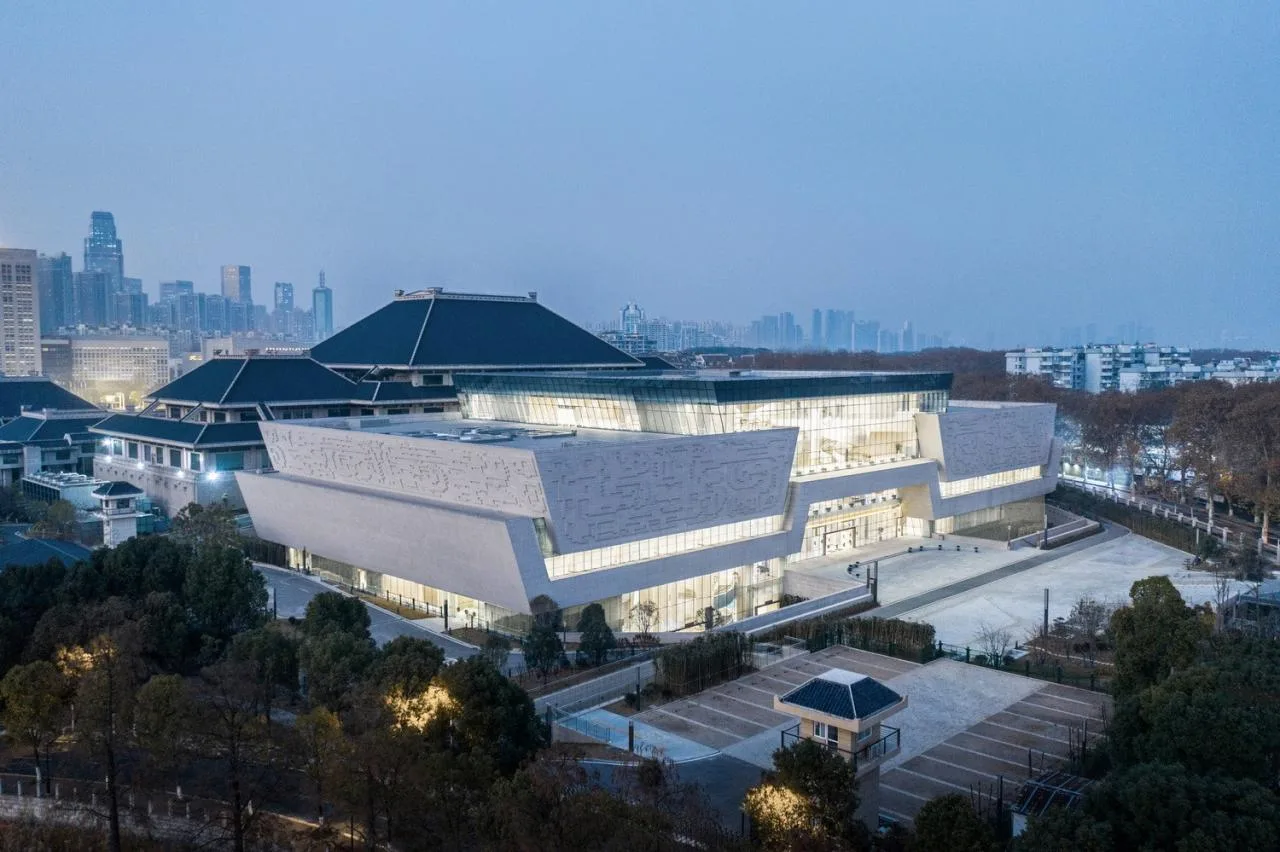
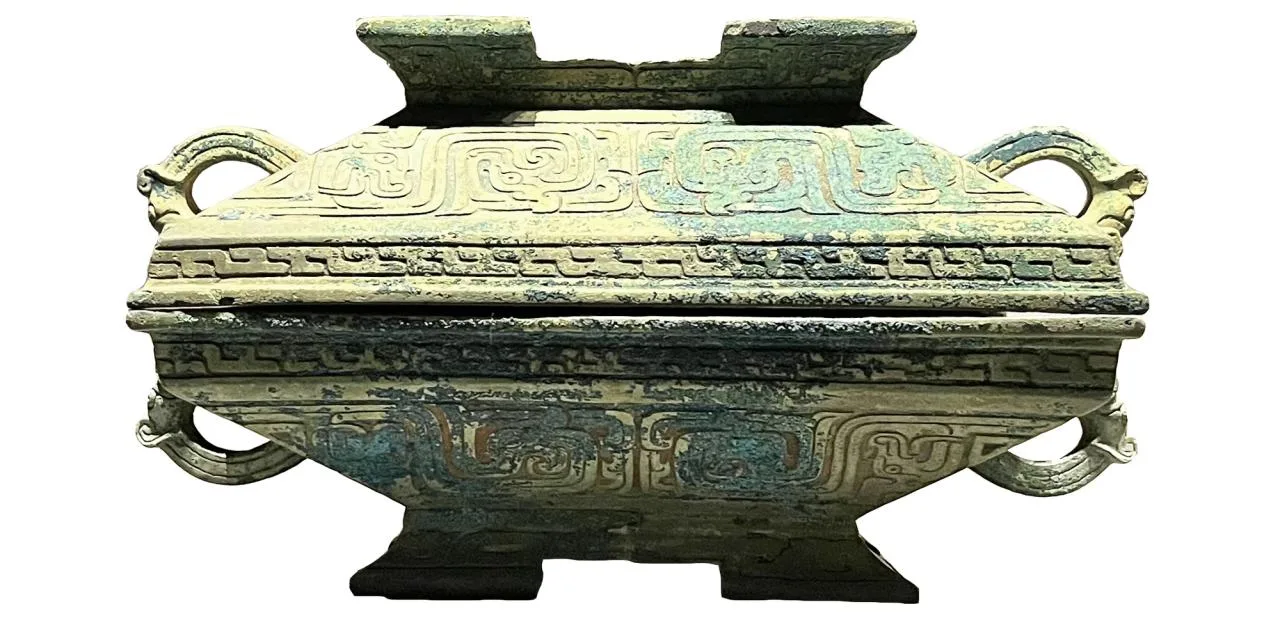
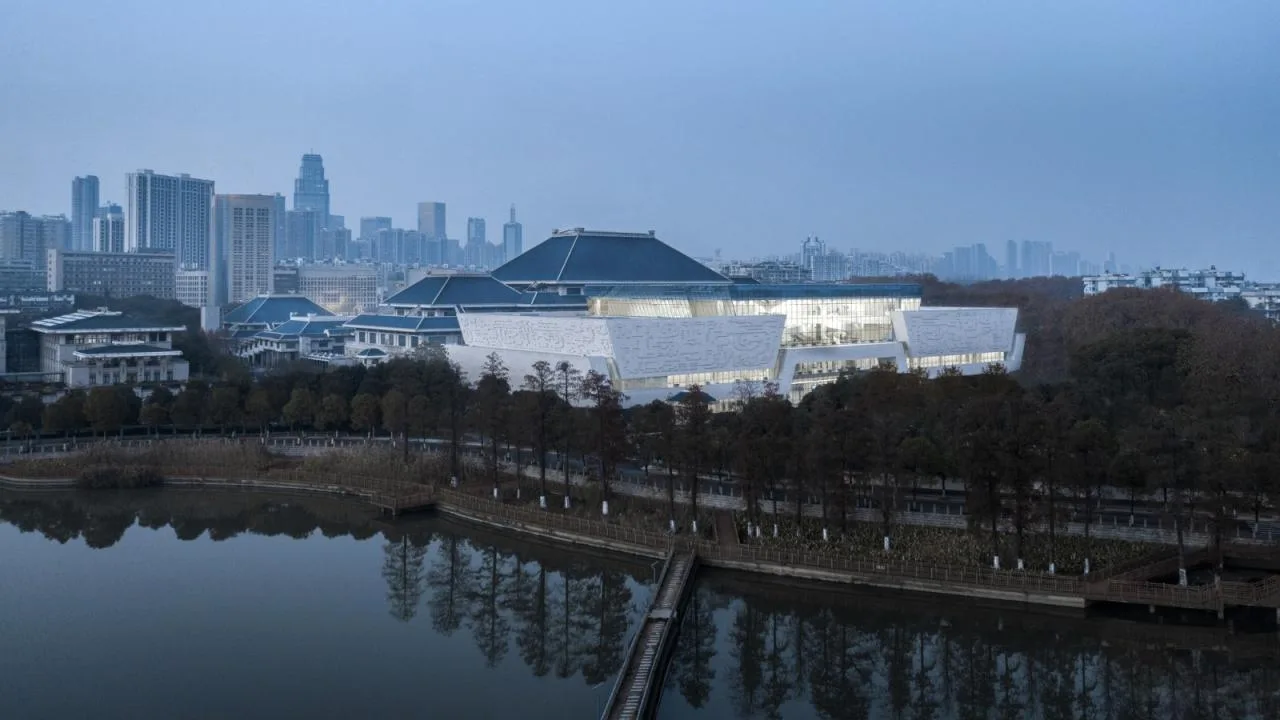
As an extension project, a key design challenge was managing the physical relationship between the new and existing structures. Inspired by the museum’s collection of bronze ware—specifically the “Gui” vessel—the original building’s trapezoidal roof form is complemented by the new building’s inverted trapezoidal geometry. This pairing creates a harmonious balance in proportion, scale, facade, and form, reflecting the principle of “unity in oneness, division in twoness.” Functionally, this design elegantly embodies the concept of “gui.”
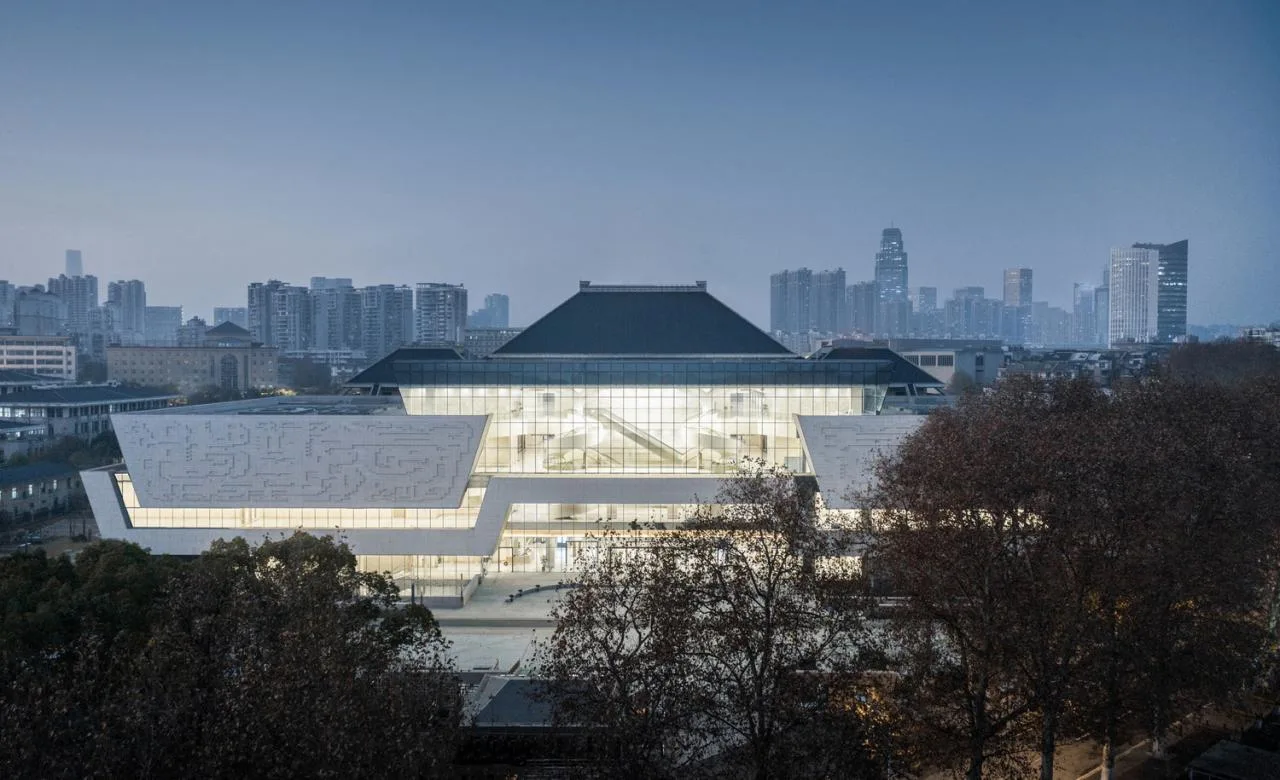
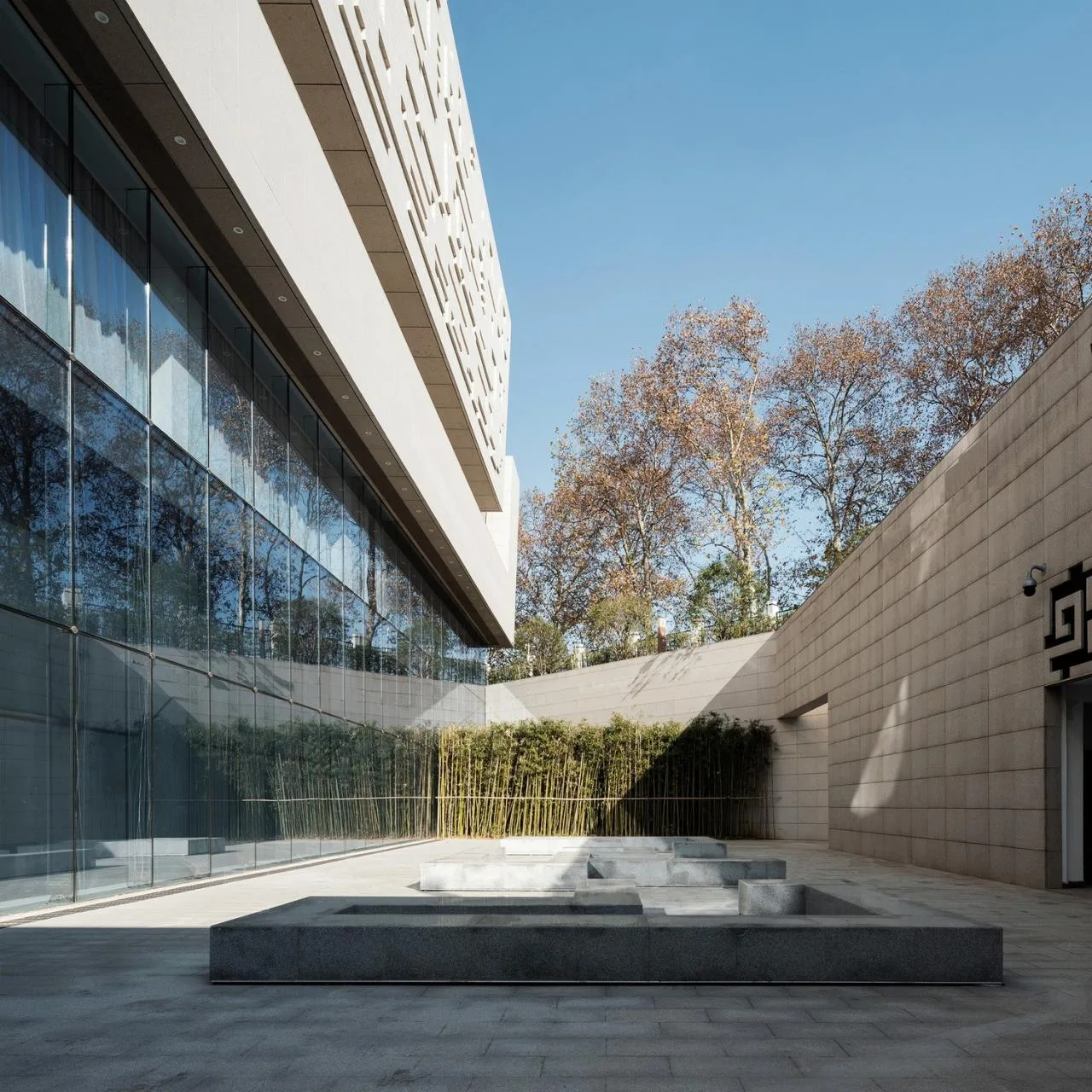
The new building sits adjacent to the Donghu Scenic Area, offering a panoramic 270° view. Taking the urban environment into account, the architectural forms integrate landscape resources while minimizing environmental impact. The upper portion of the new structure features a glass façade, which both conceals the building’s volume and contrasts with the original building. This design maximizes the visual connection between indoor spaces and the surrounding outdoor landscape, establishing a dialogue between architecture, environment, and space through compositional form.
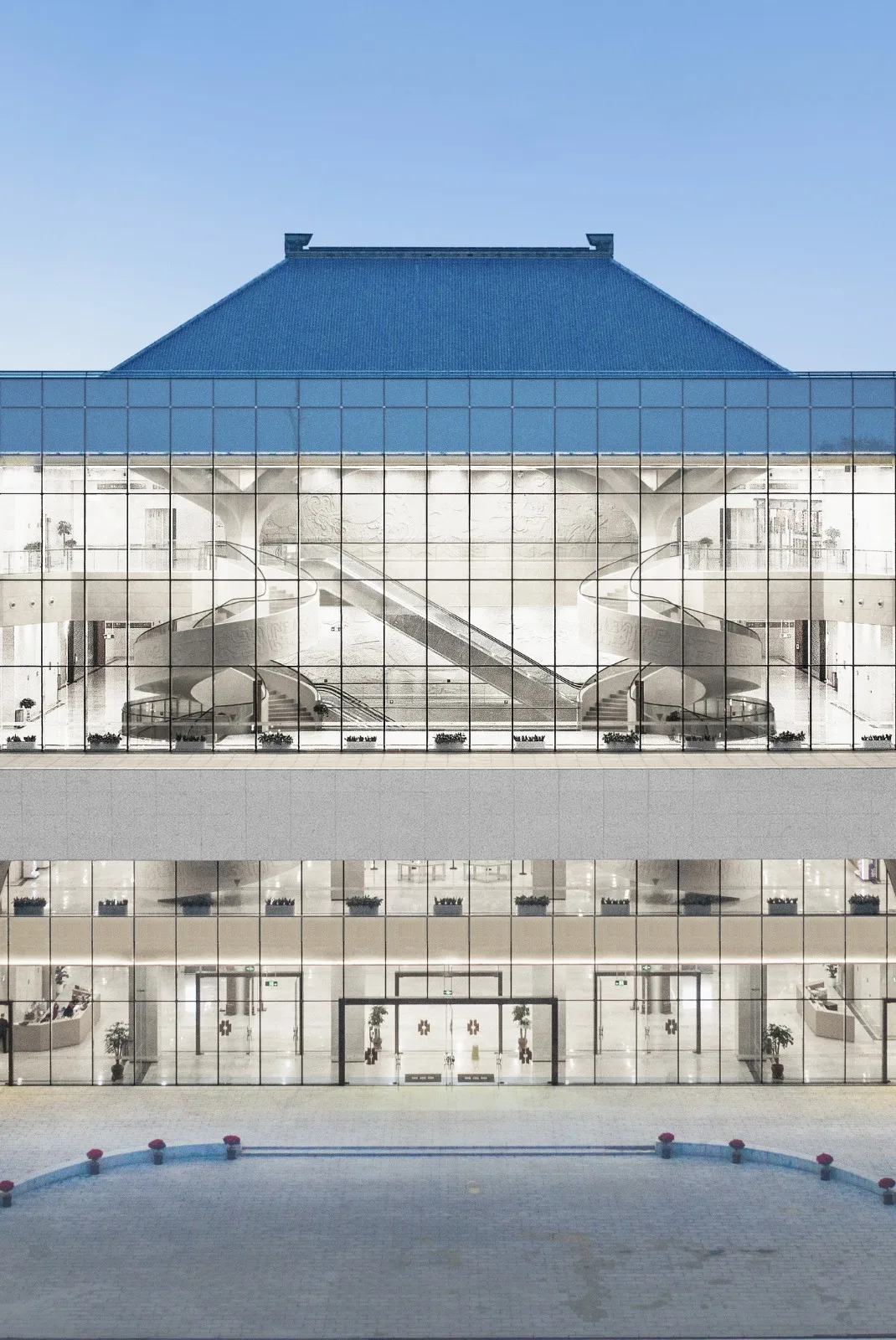
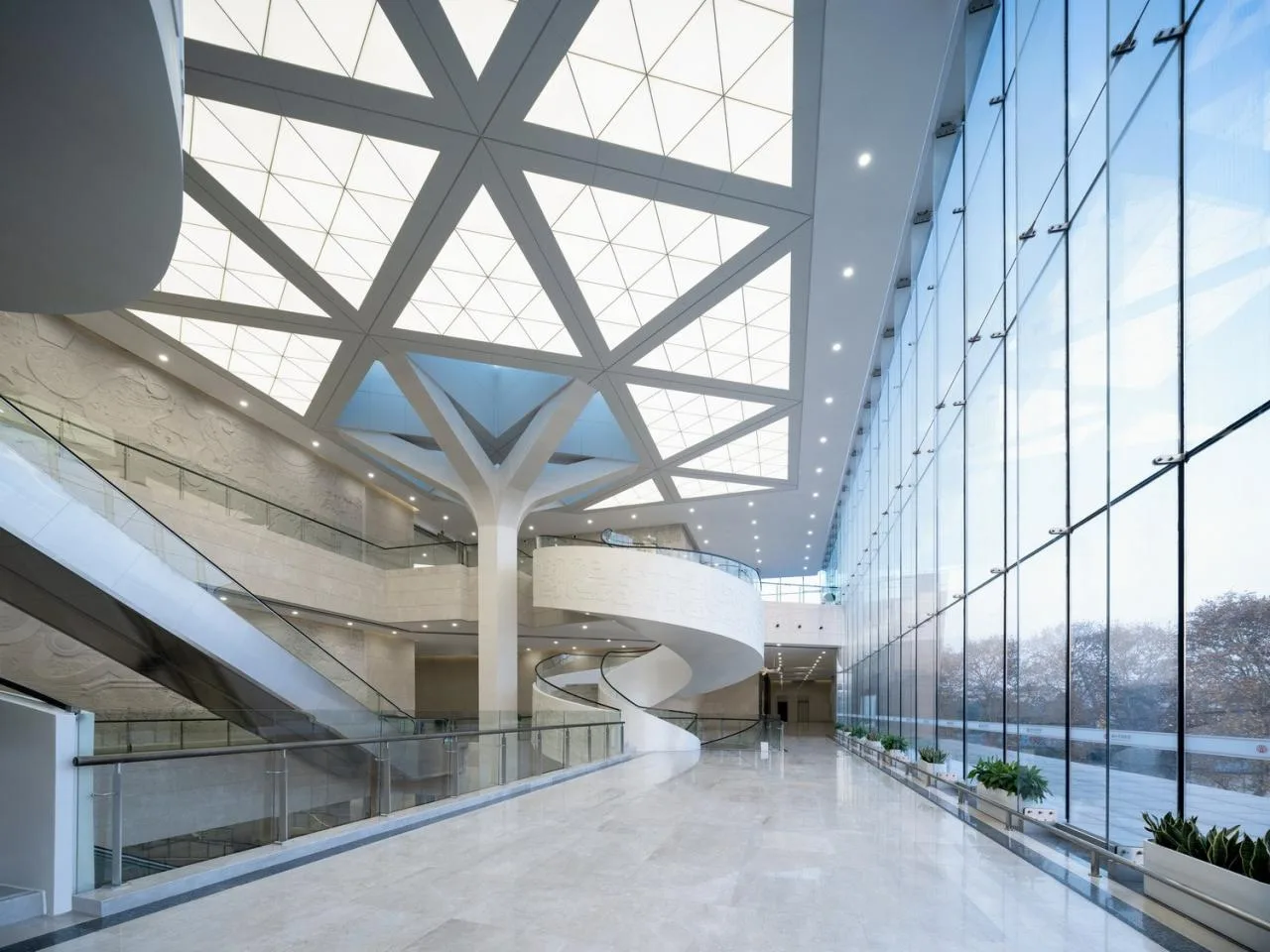
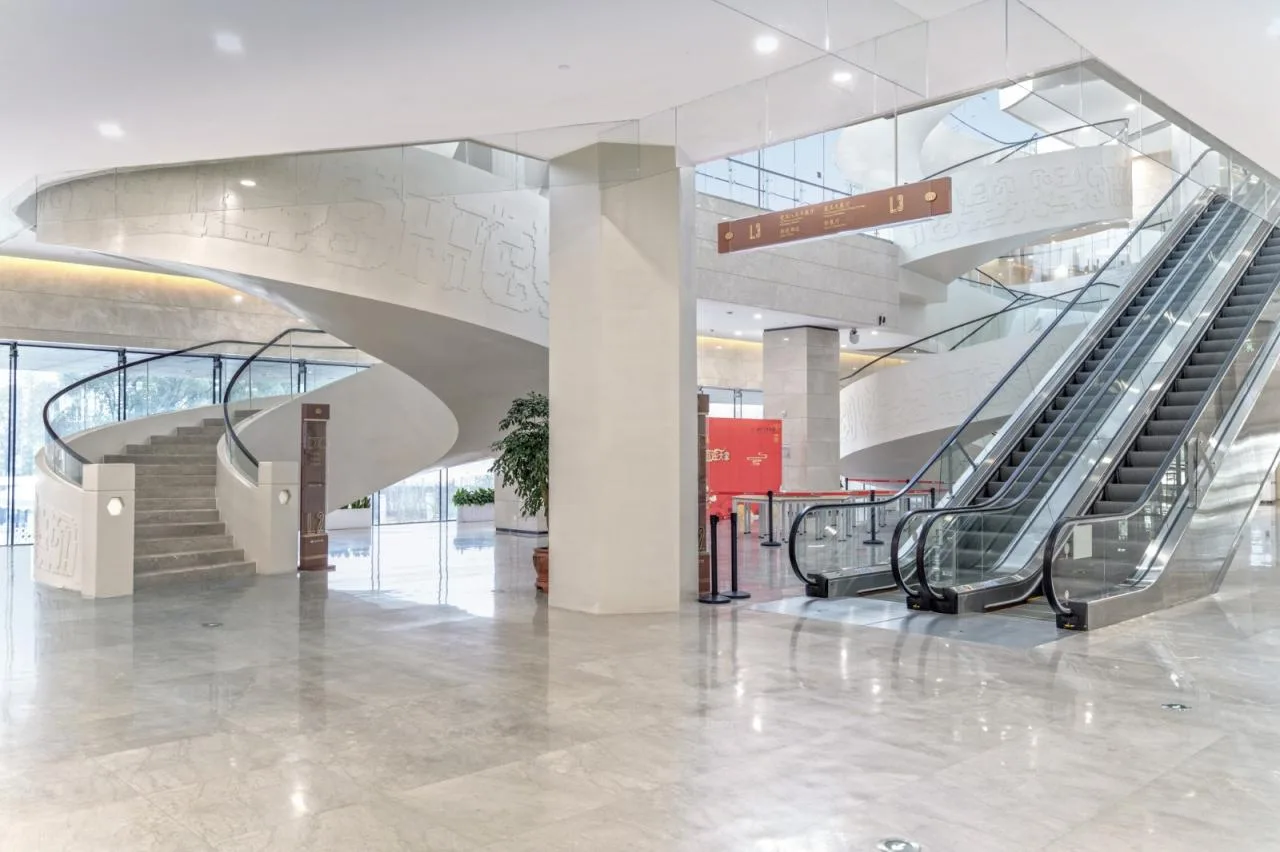
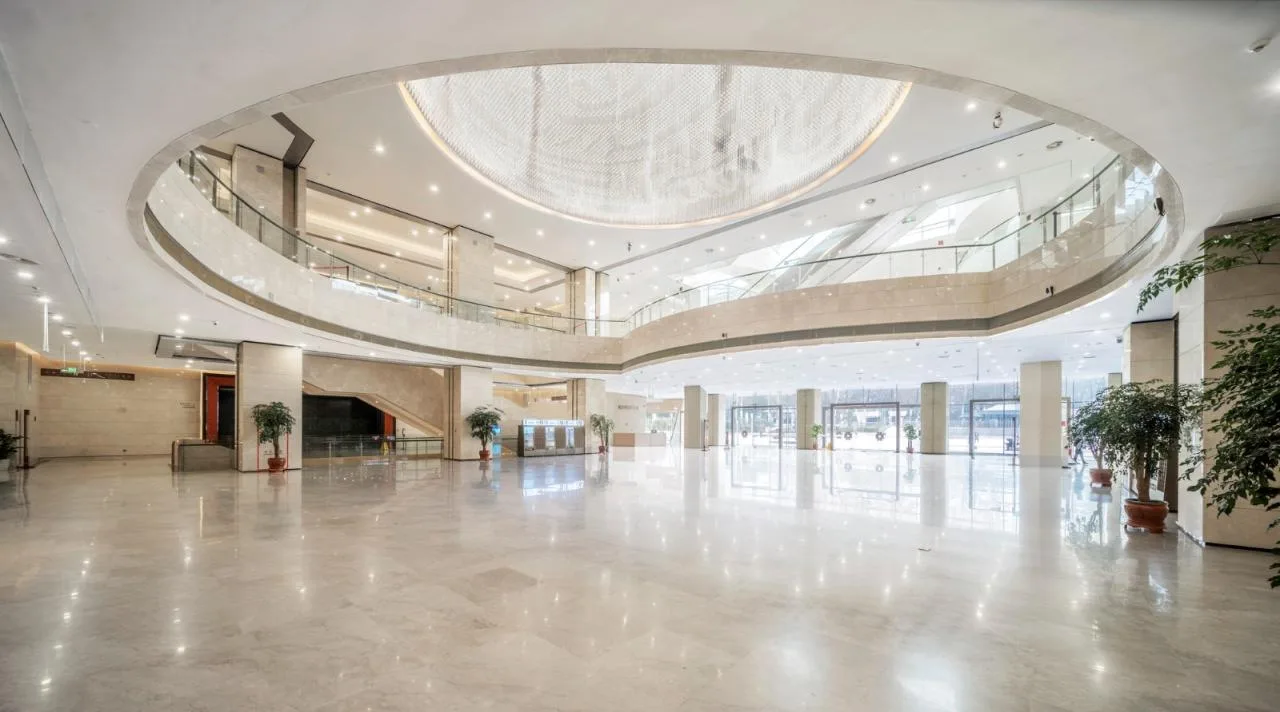
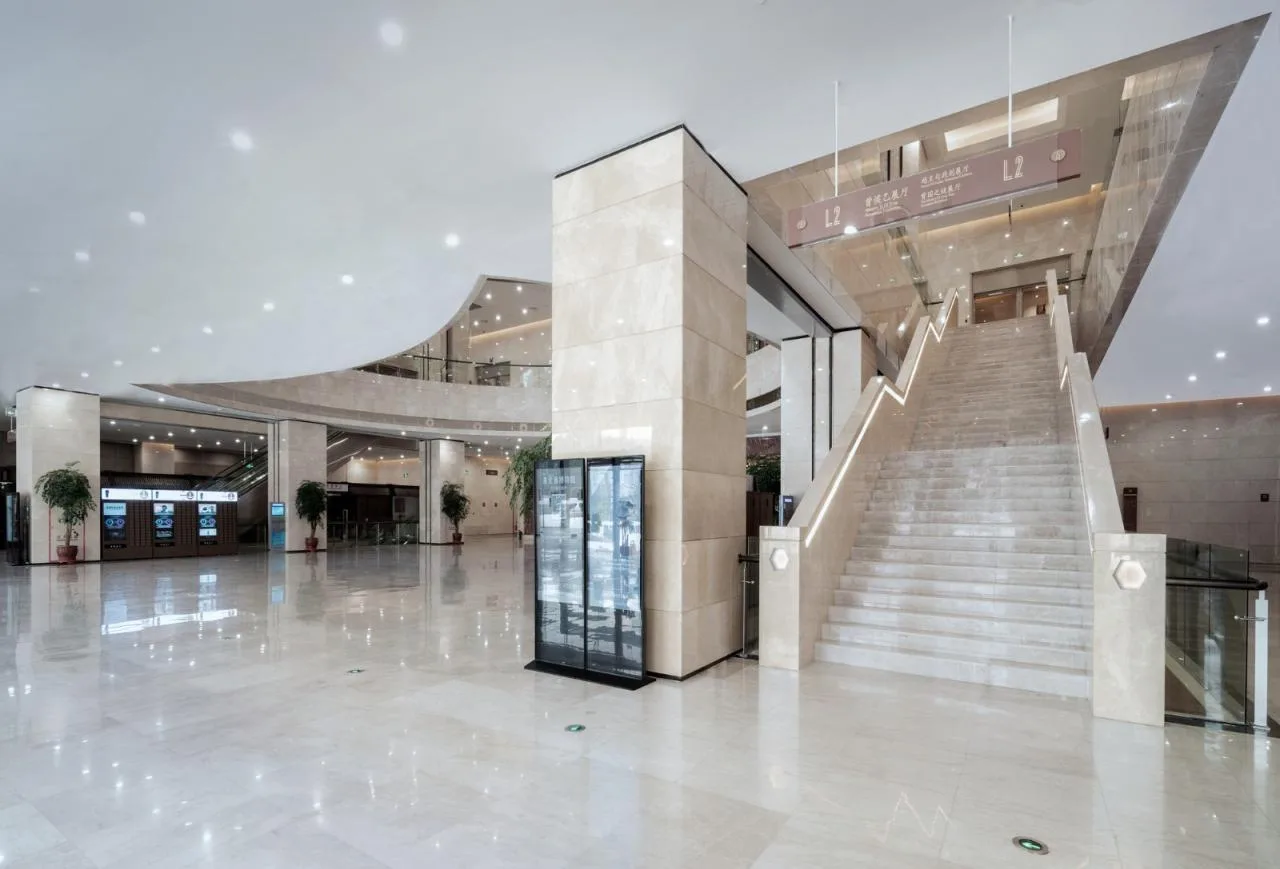
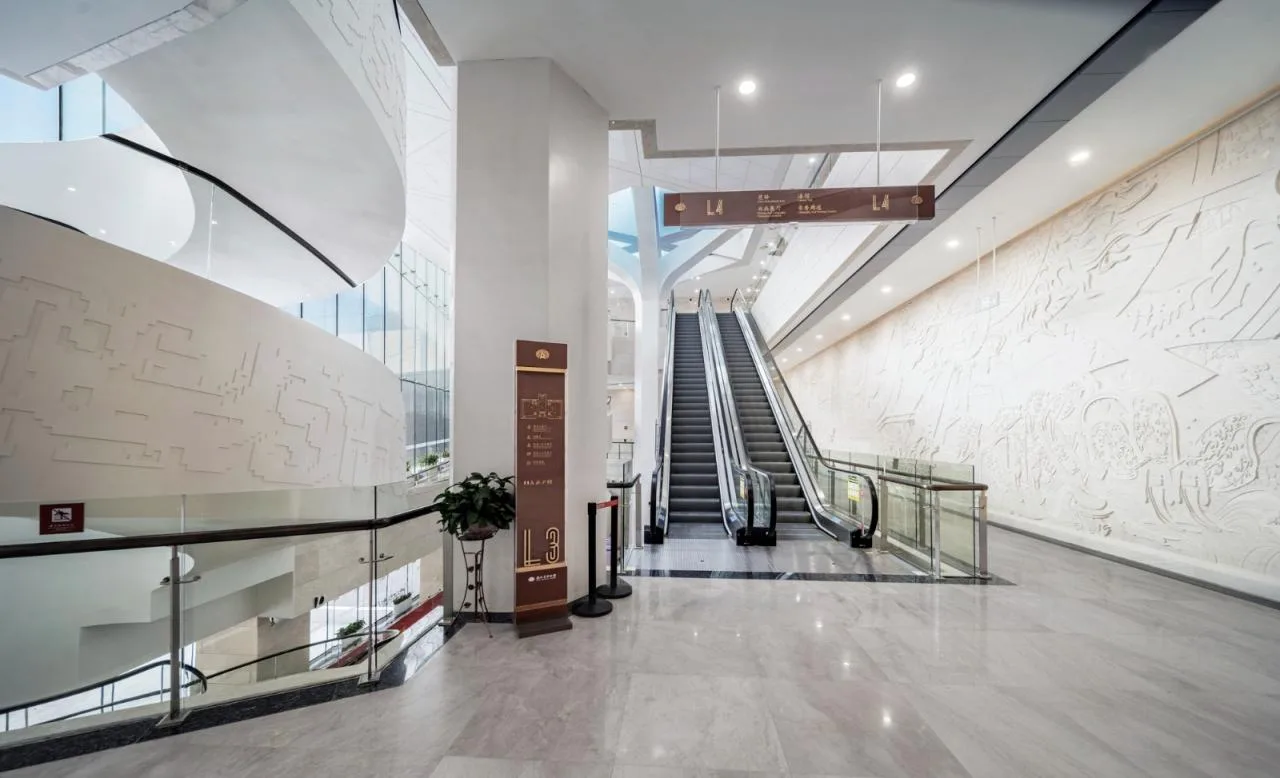
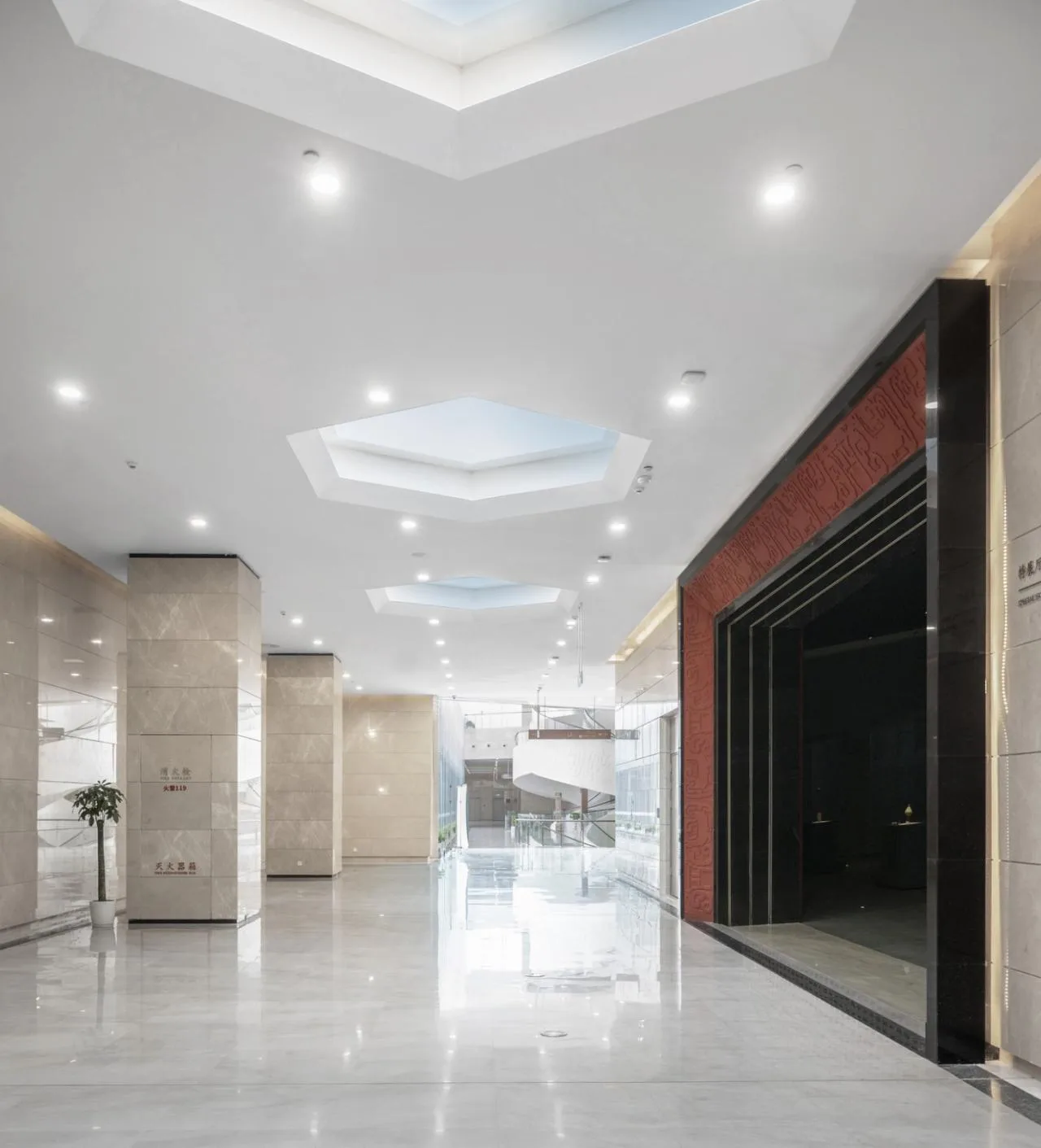
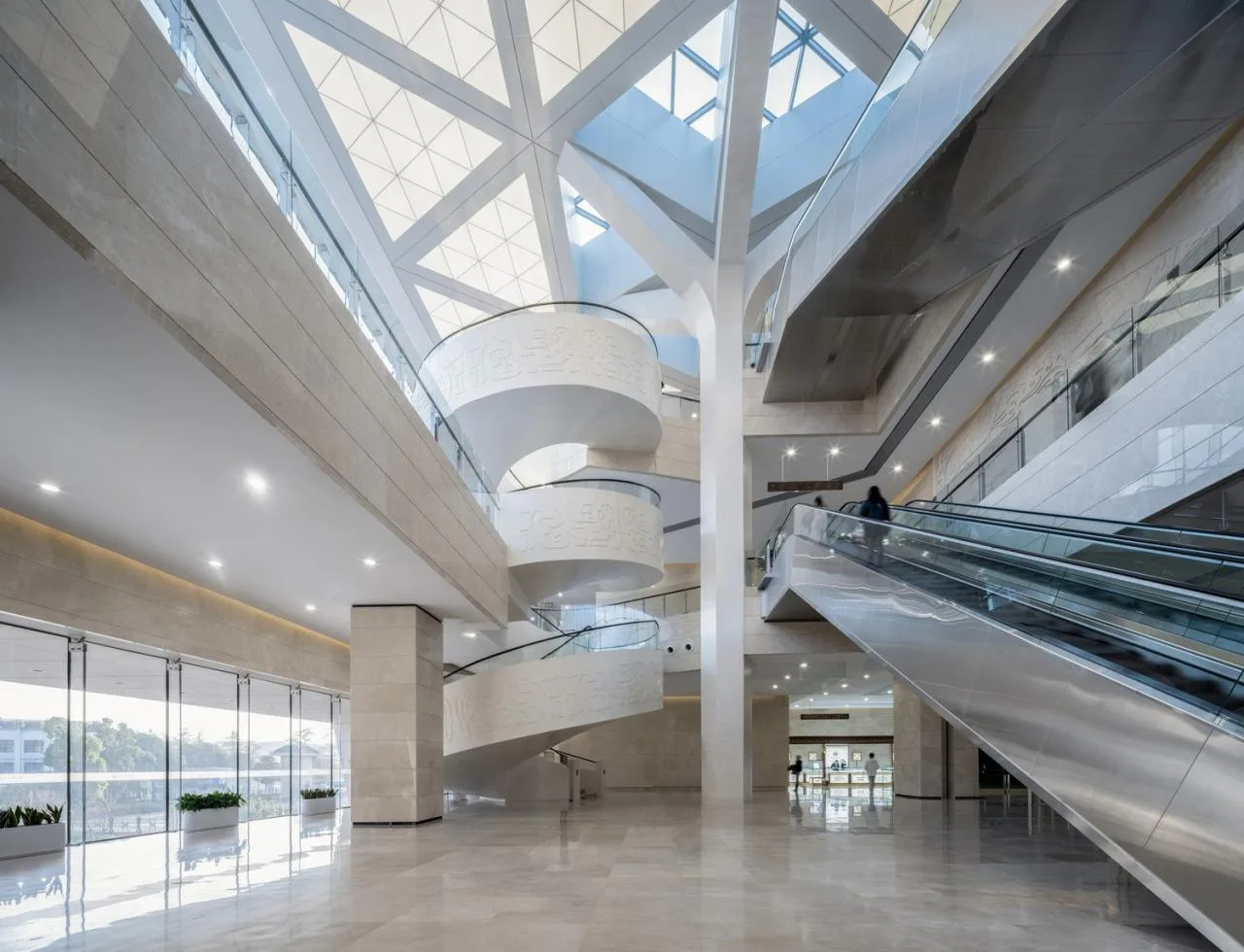
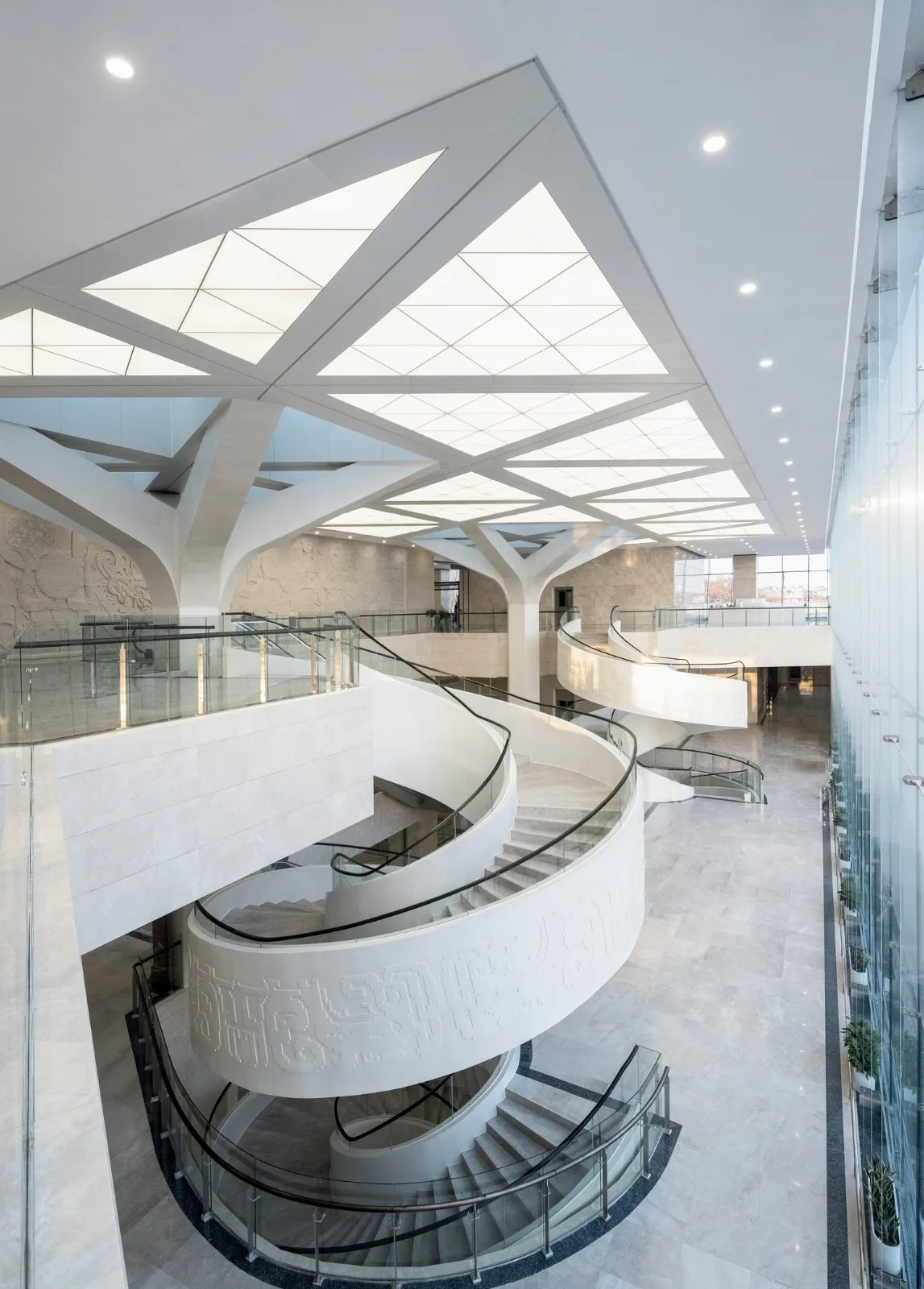
Inside, the new building’s design continues the trapezoidal geometric elements seen on the exterior. Through repetition, extension, and topological techniques, these forms are integrated seamlessly into the spatial design, maintaining perfect proportions and scale. The trapezoidal courtyard by the lake extends the lakeside interface, enhancing the visual experience within a limited space. Additionally, hexagonal elements—formed from trapezoidal combinations—are featured in skylights, tree supports, stair handrails, and ceiling partitions, creating a harmonious and cohesive visual language throughout the interior and exterior.
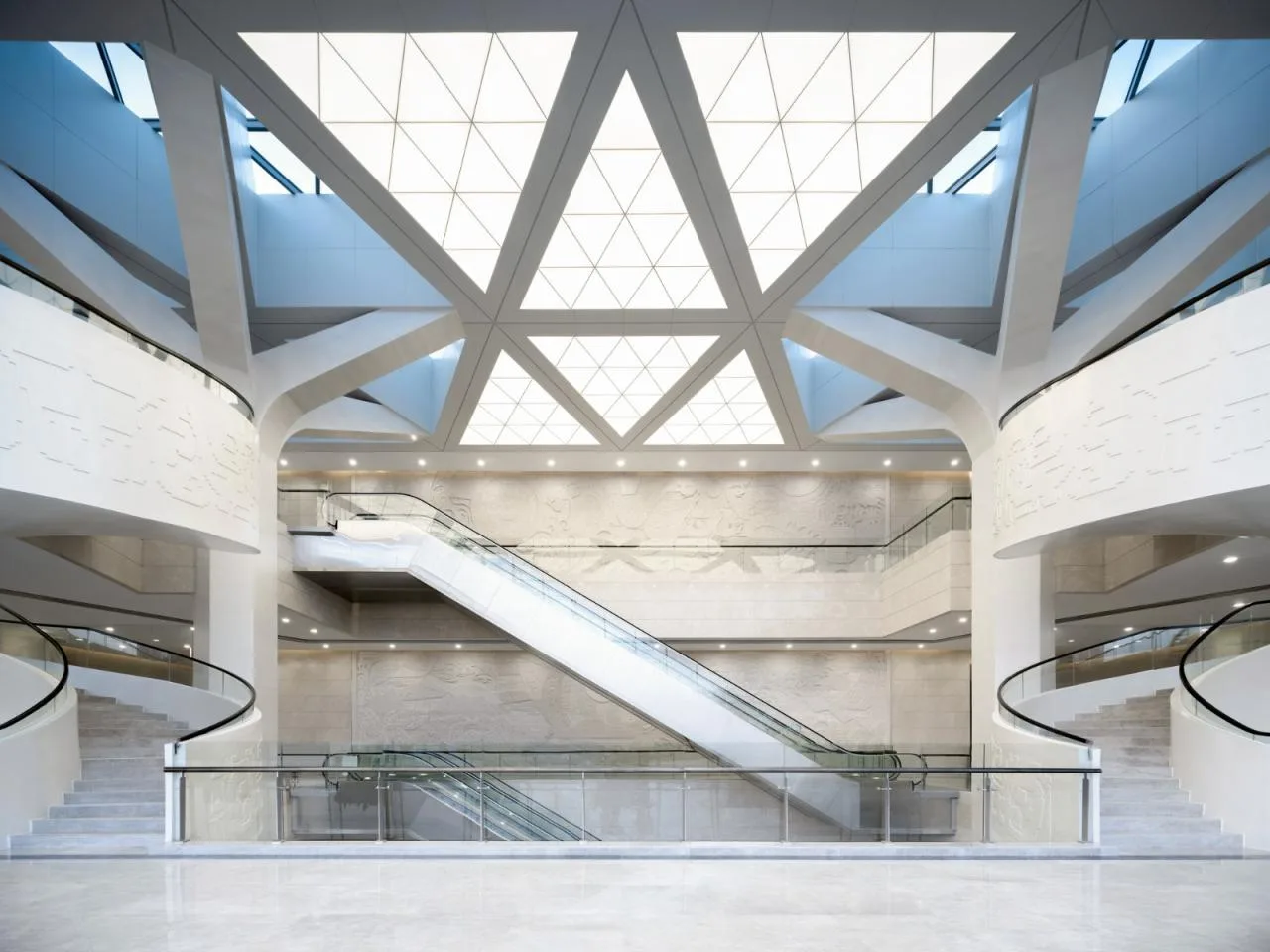
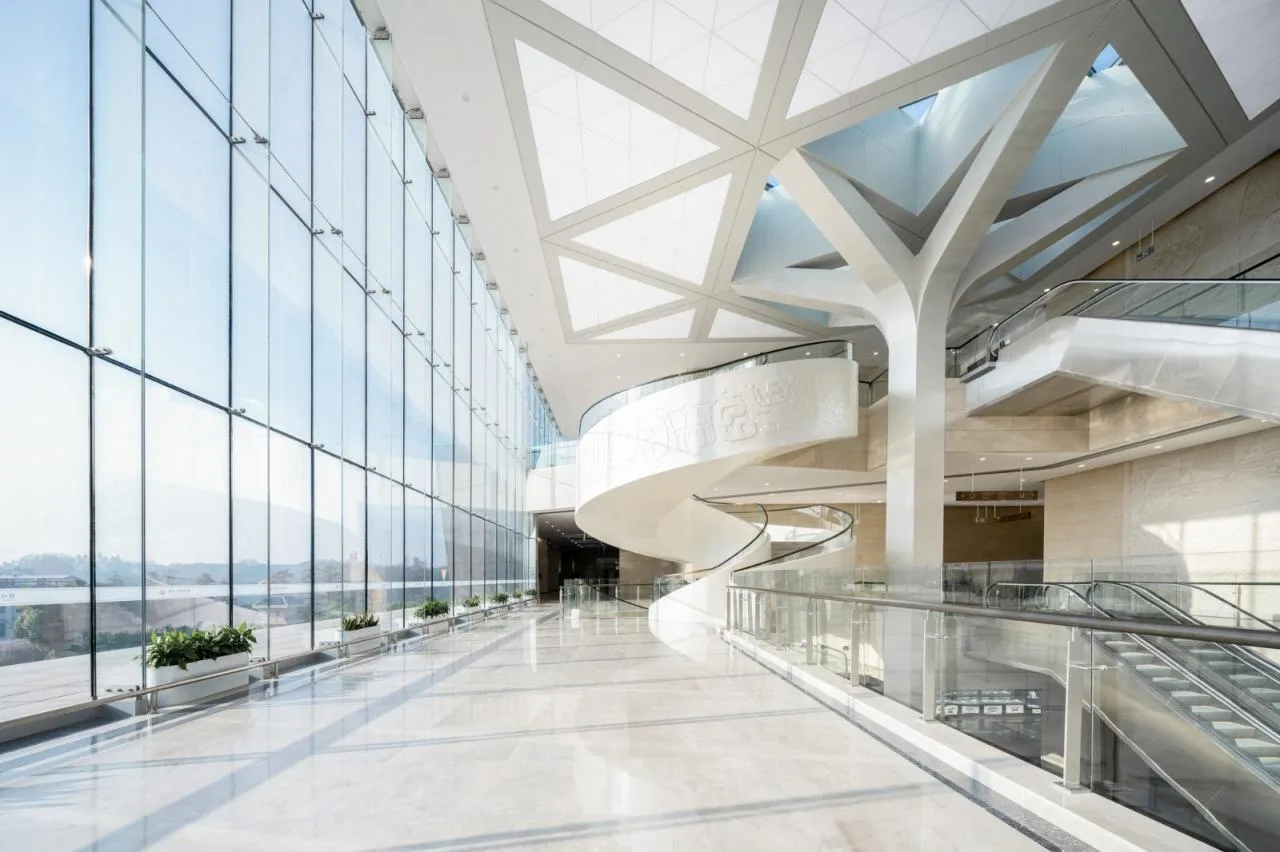
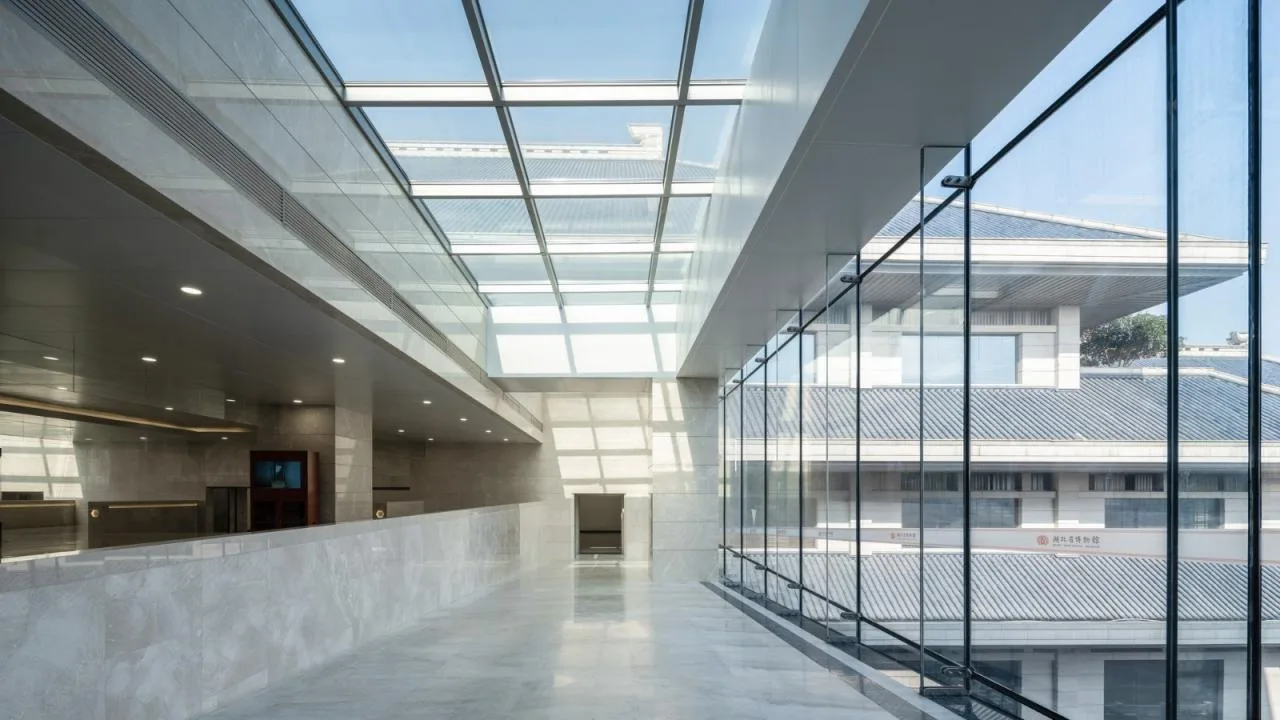
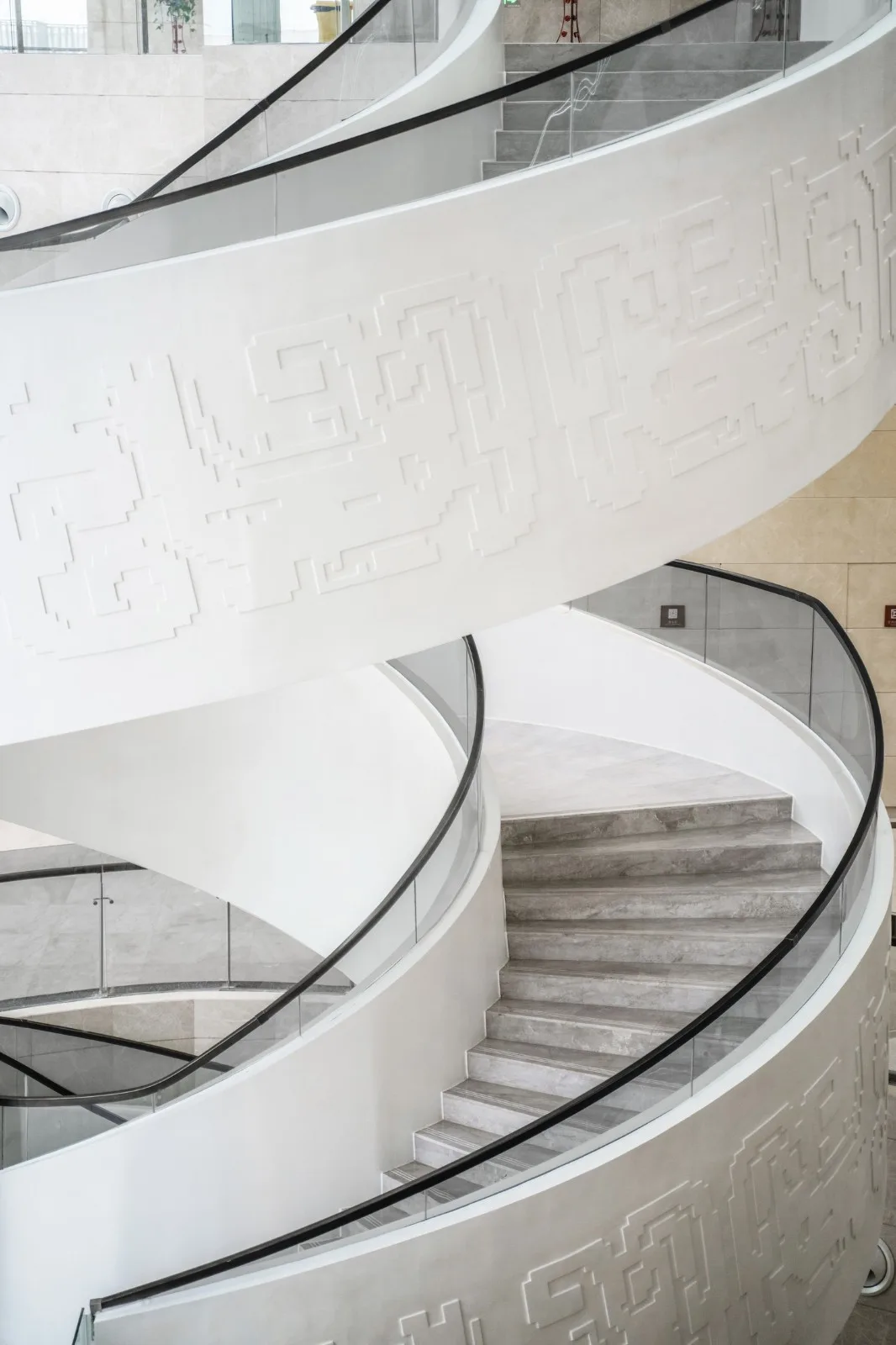
Natural light plays a crucial role in blurring the boundaries between indoor and outdoor spaces, enlivening the interiors and enhancing the visitor experience by integrating movement flow with garden-like qualities. The skylight design in the exhibition hall’s front porch offers a fresh ambiance and playful interaction. The atrium’s natural lighting, combined with biomimetic structures and translucent films, fosters a closer connection to nature. Architects carefully incorporated traditional motifs such as Taotie and Kui patterns, abstracting and refining them using pixelation techniques to meet contemporary aesthetic standards.
Project Drawings
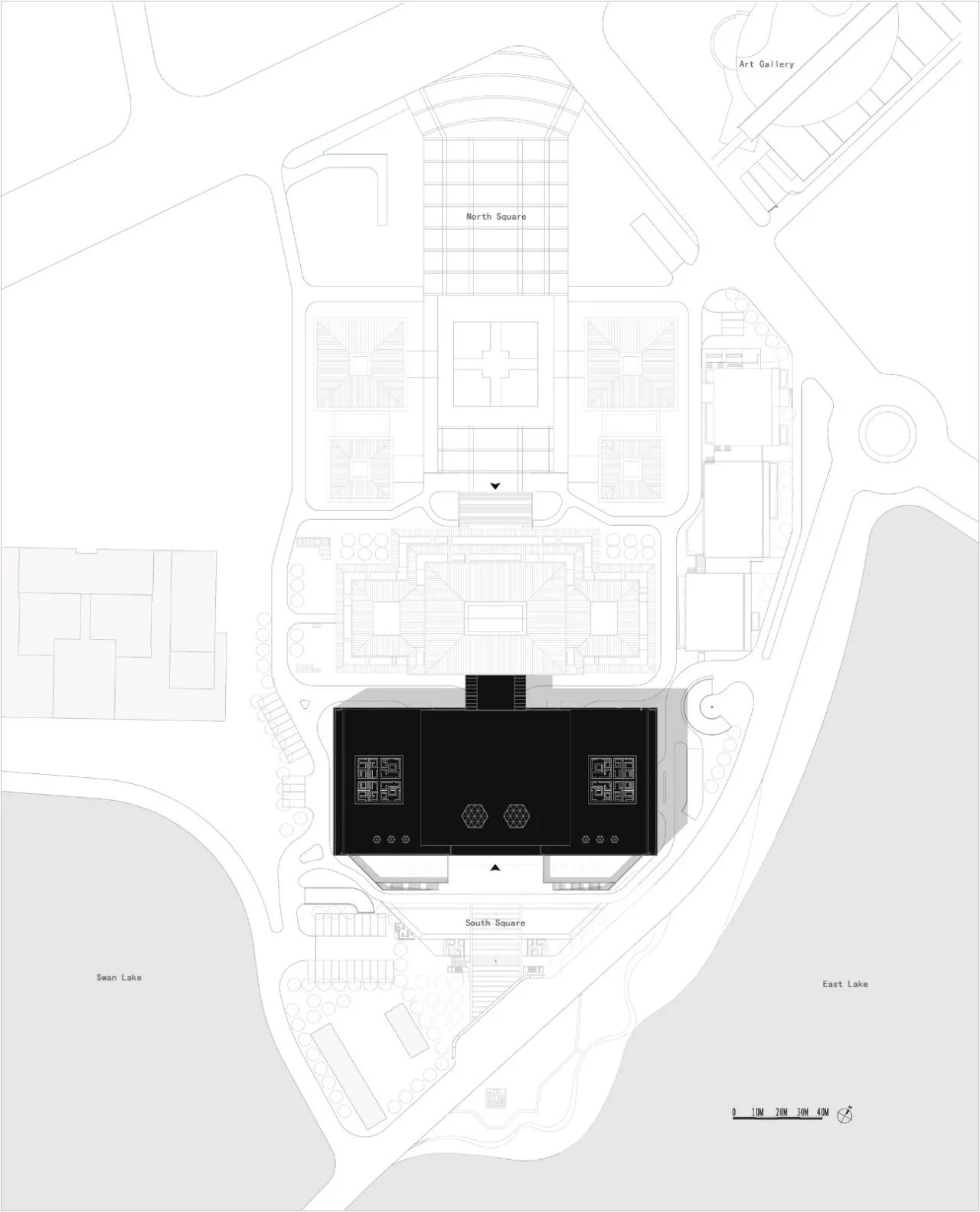
△ General Layout Plan
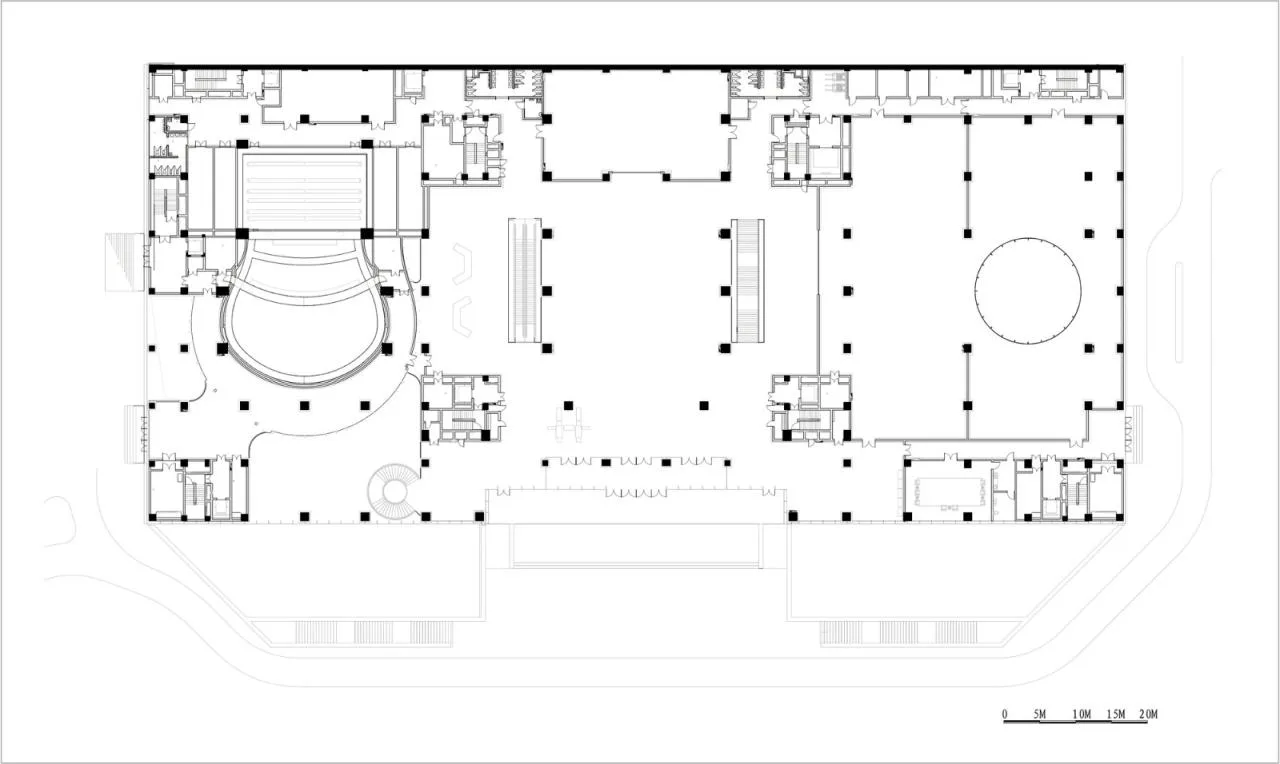
△ First Floor Plan
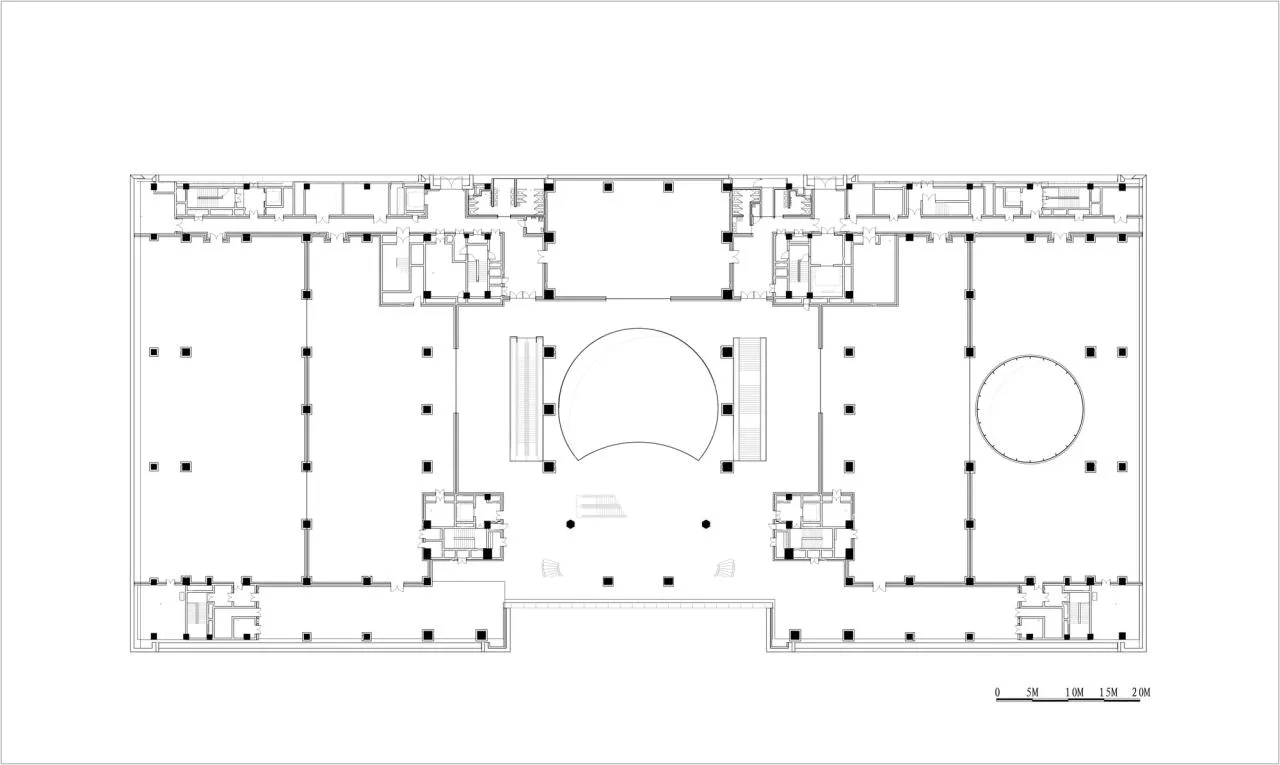
△ Second Floor Plan
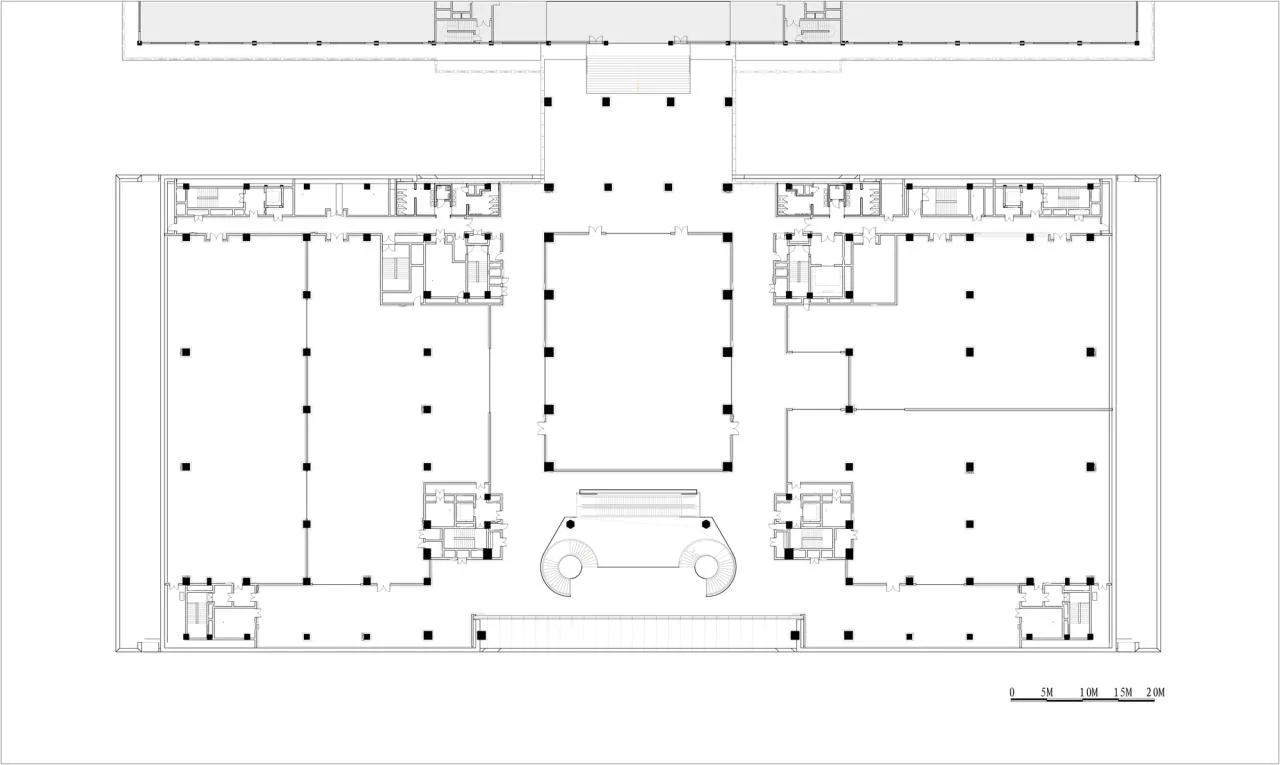
△ Third Floor Plan
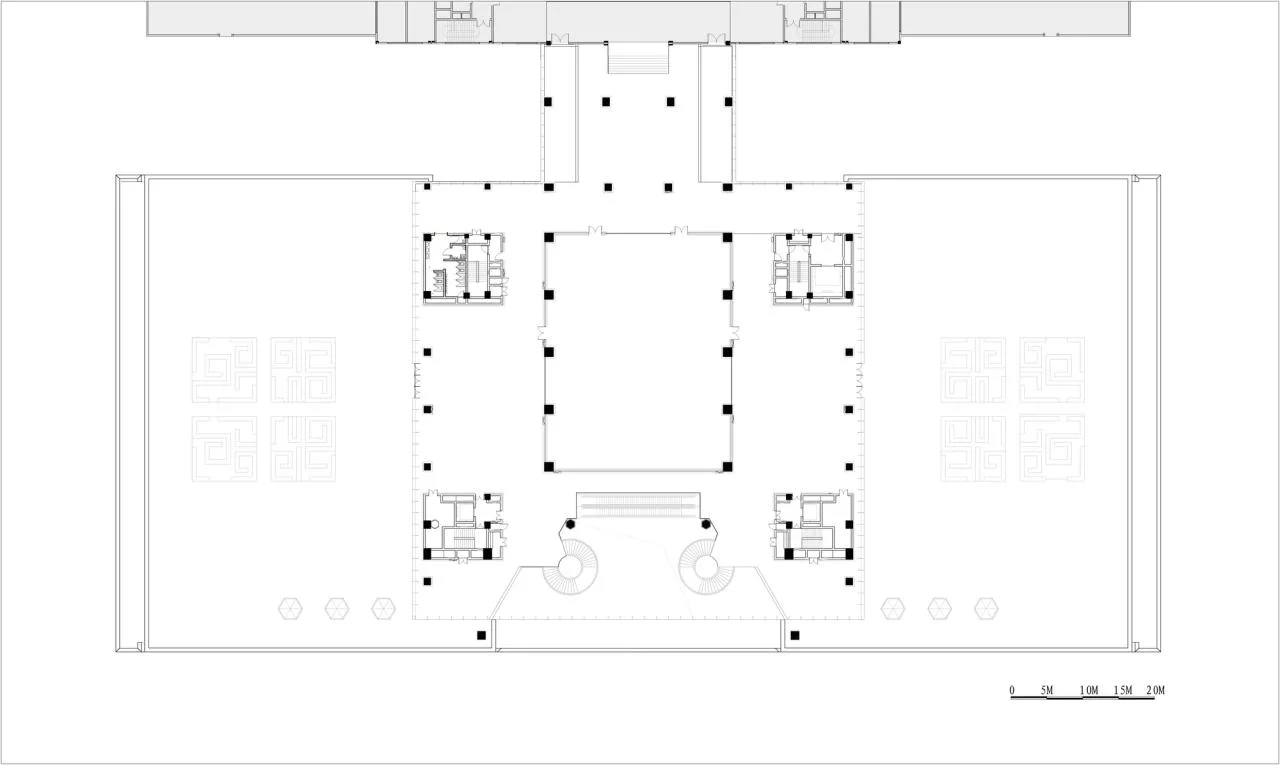
△ Fourth Floor Plan
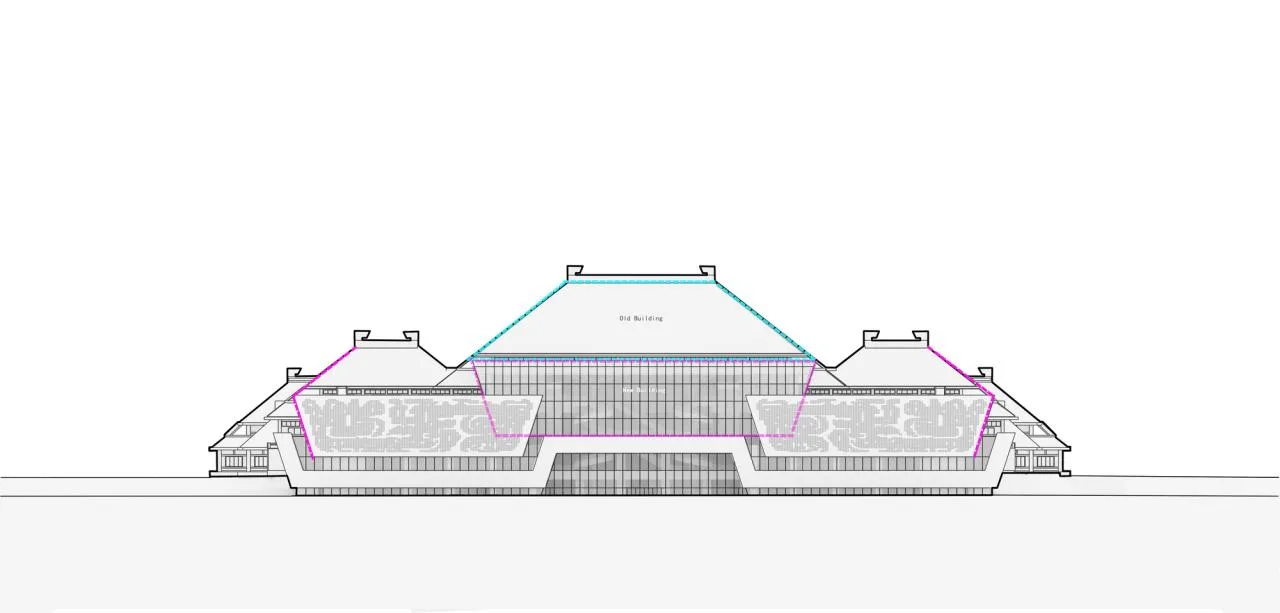
△ Elevation Drawing
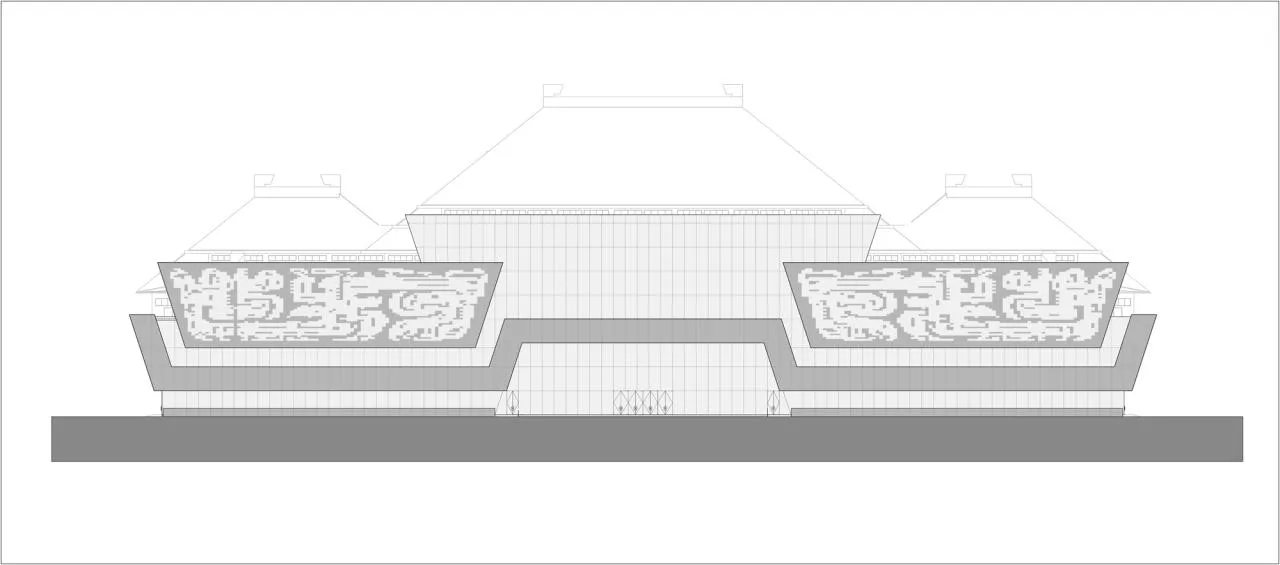
△ Elevation Drawing
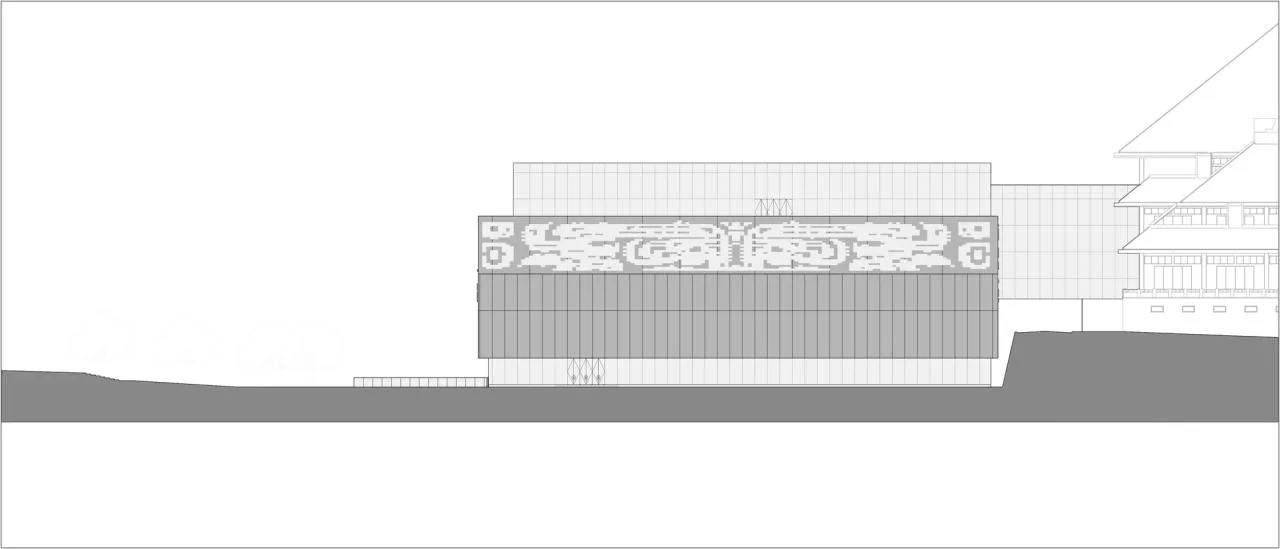
△ Elevation Drawing
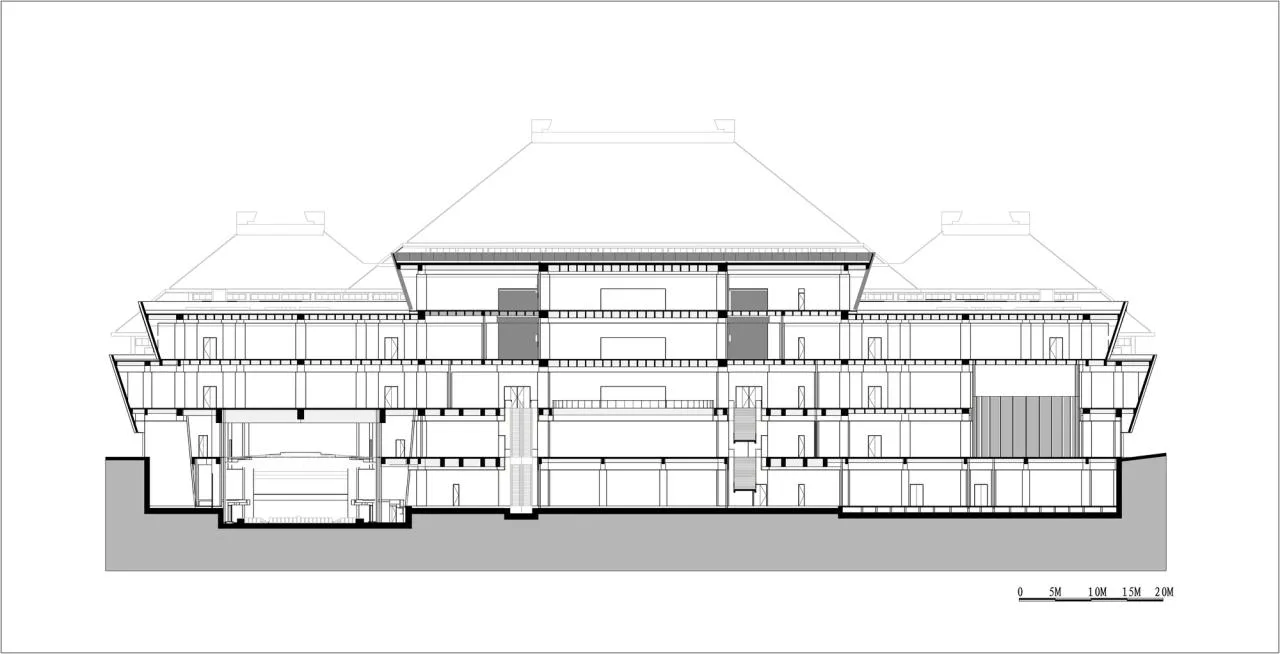
△ Section Diagram
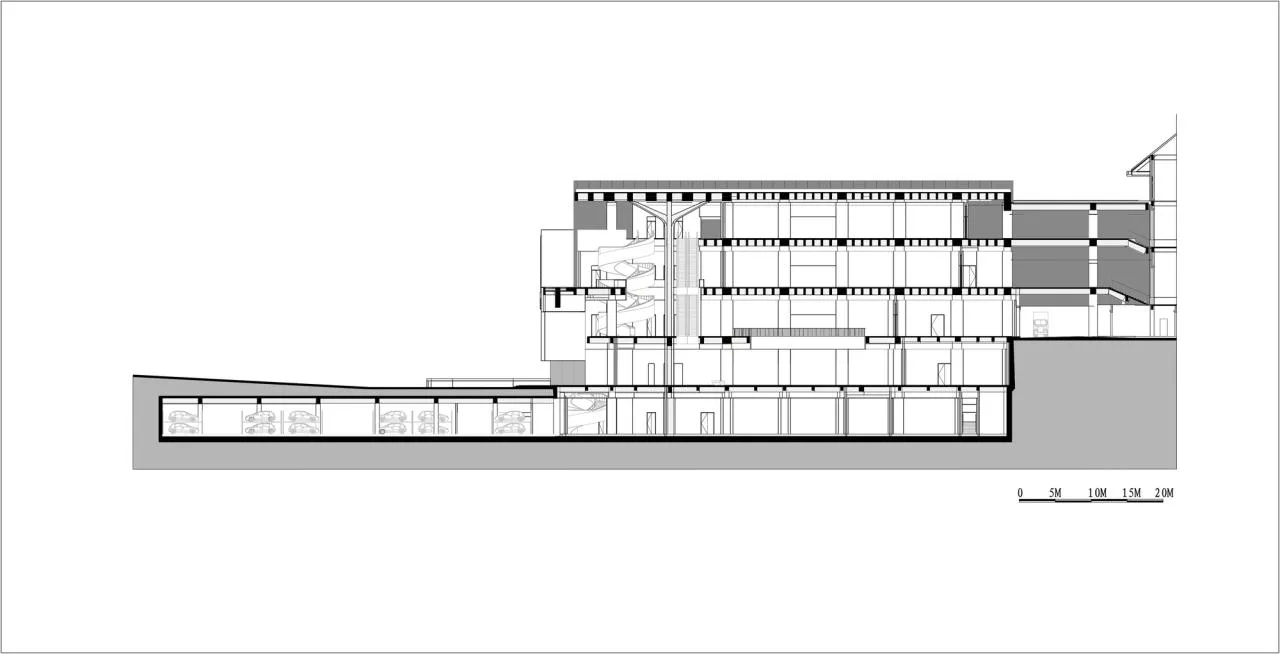
△ Section Diagram
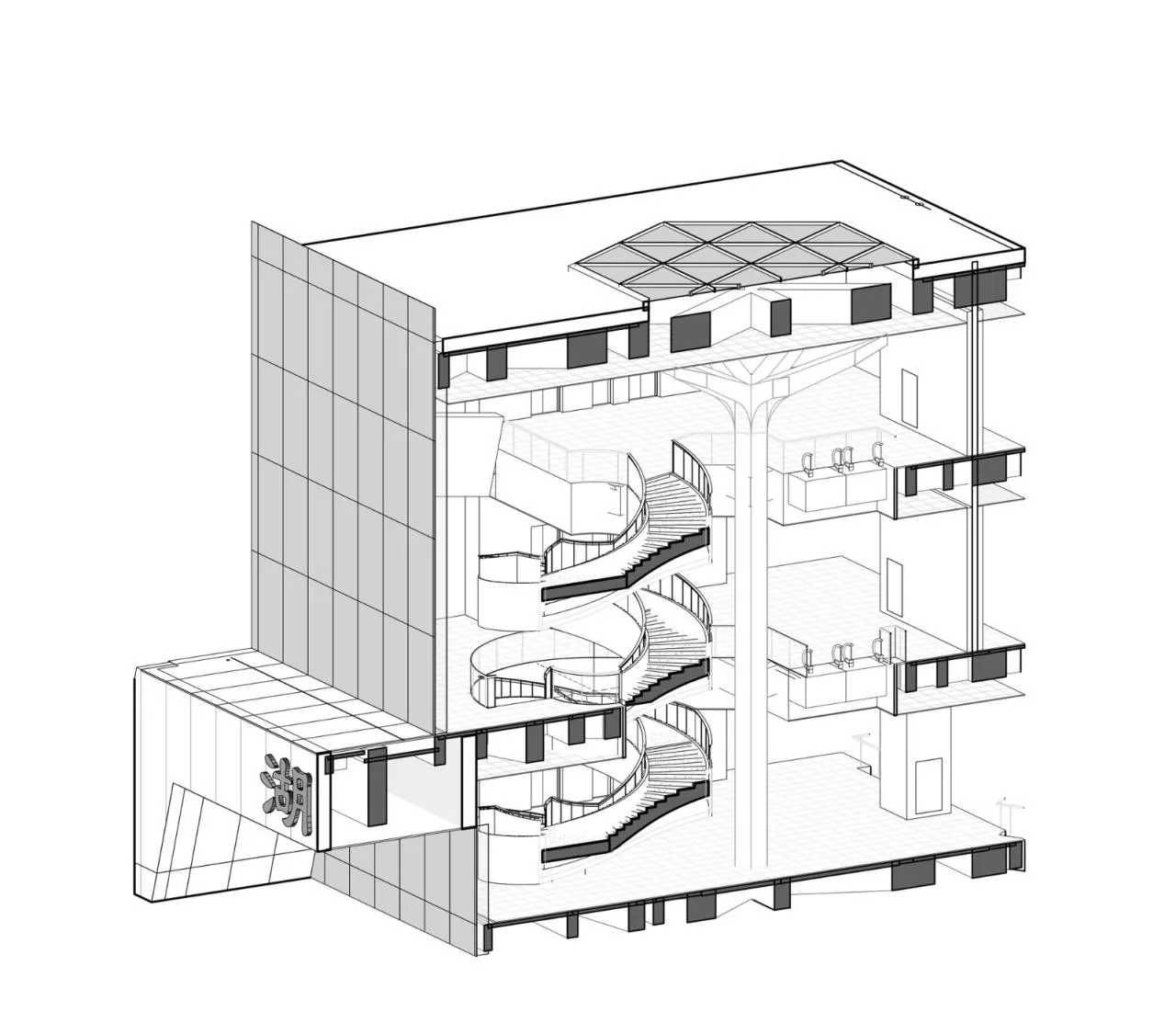
△ Sectional Perspective
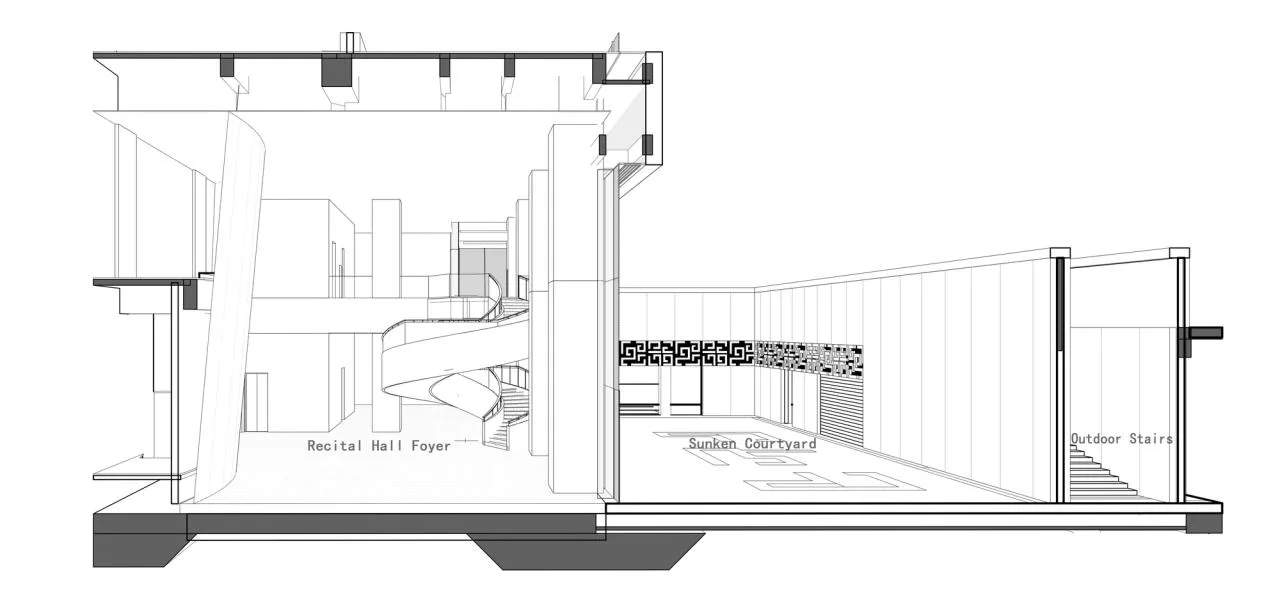
△ Sectional Perspective
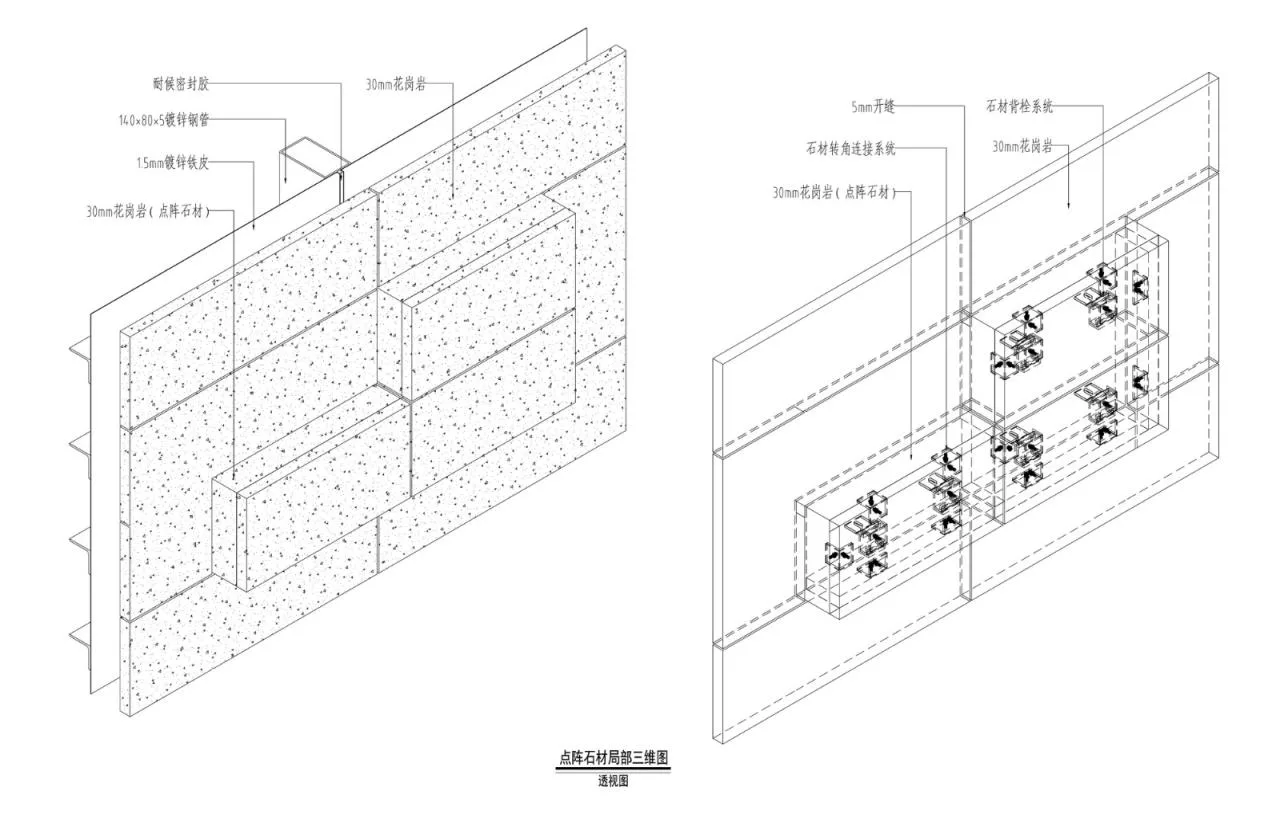
△ Partial 3D Diagram of Lattice Stone
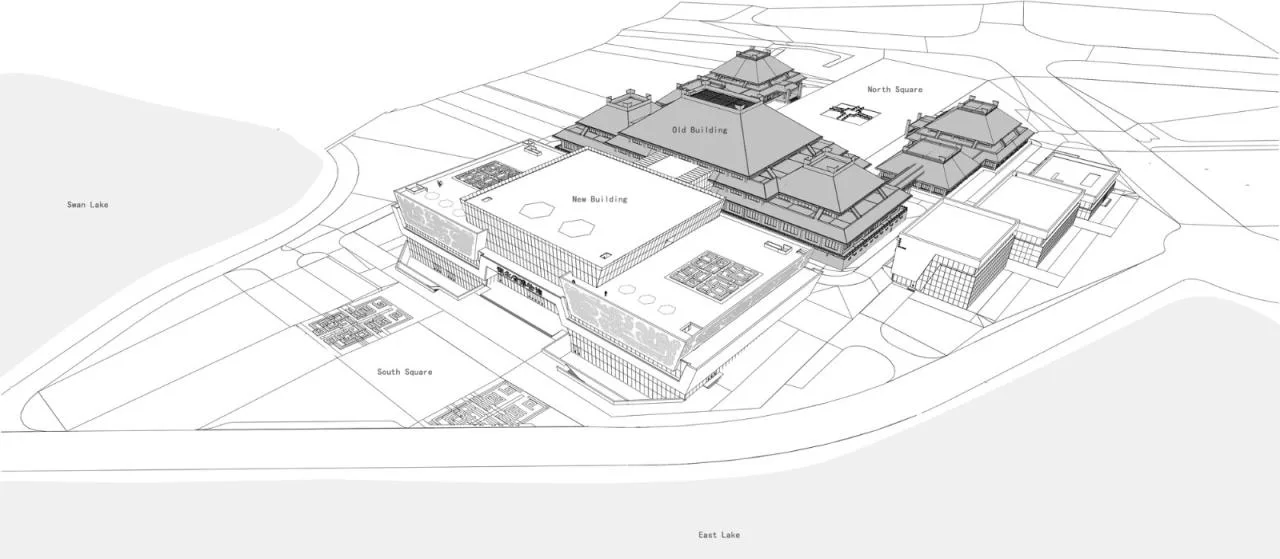
△ Model Diagram
Project Information
Architectural Design: CITIC Design
Area: 68,099 m²
Year: 2021
Photographers: He Lian, Li Yang
Lead Architect: Lu Xiaoming
Design Team: Lu Xiaoming, Guo Lei, Yang Kunpeng, Yang Yan, Li Mingyu, Gao Ting, Yang Xianda, Zhu Liang
Structural Engineers: Wen Siqing, Qiu Jian, Tan Bo, Yu Jian, Yu Hong, Long Hao, Zuo Huan, He Jing, Liao Gen
Water Supply and Drainage: Li Chuanzhi, Zhang Zhonglin, Li Weiwu, Li Yunzuo, Chen Qi, Yuan Hai, Li Wenkun
HVAC Design: Xie Daopeng, Chen Yanhua, Yin Chuanjun, Hu Yong, Chen Yaonan
Electrical Design: Li Wei, Liu Bing, Bai Jianguang, Li Wei, Gan Wenbin, Peng Wei
Acoustic Design: Wang Fan, Chen Qing, Rao Ziyun
Client: Department of Culture of Hubei Province, China
Location: Wuhan, China















Must log in before commenting!
Sign Up