
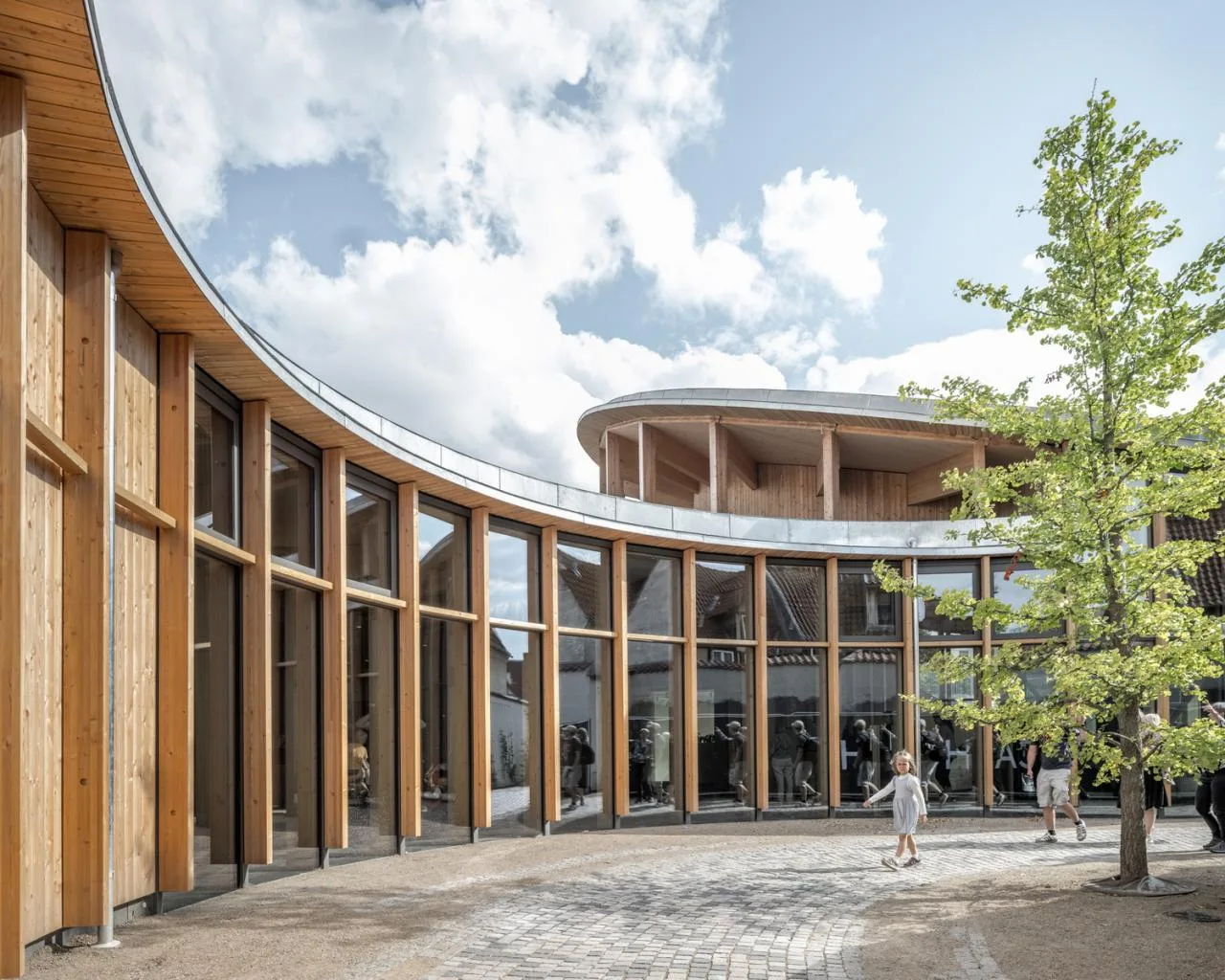
This project features a newly designed building for the Hans Christian Andersen Museum in Denmark. Located in the heart of Odense—Andersen’s birthplace—the garden and cultural center bridge the gap between the medieval wooden house residential district and the modern urban developments.
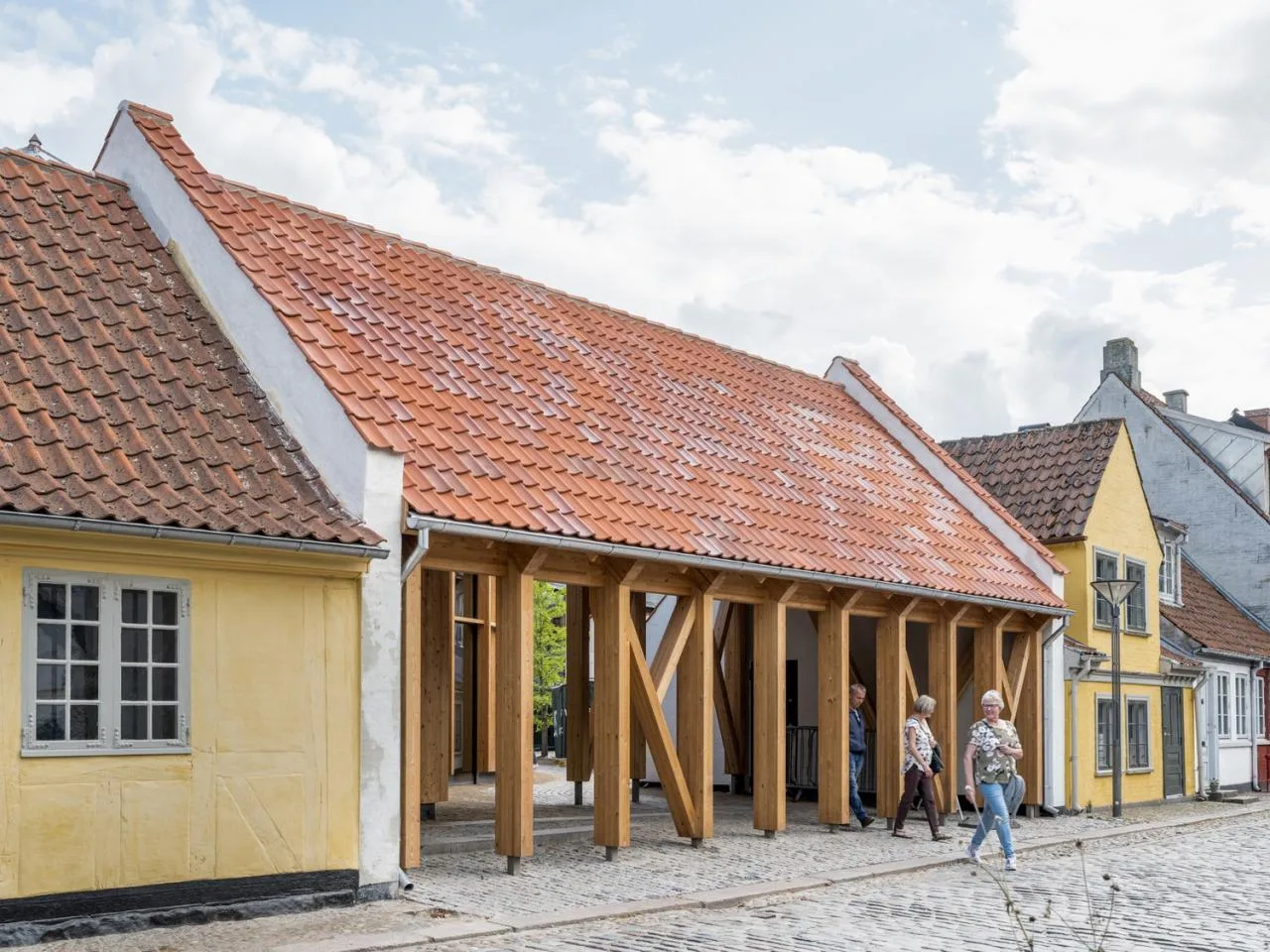
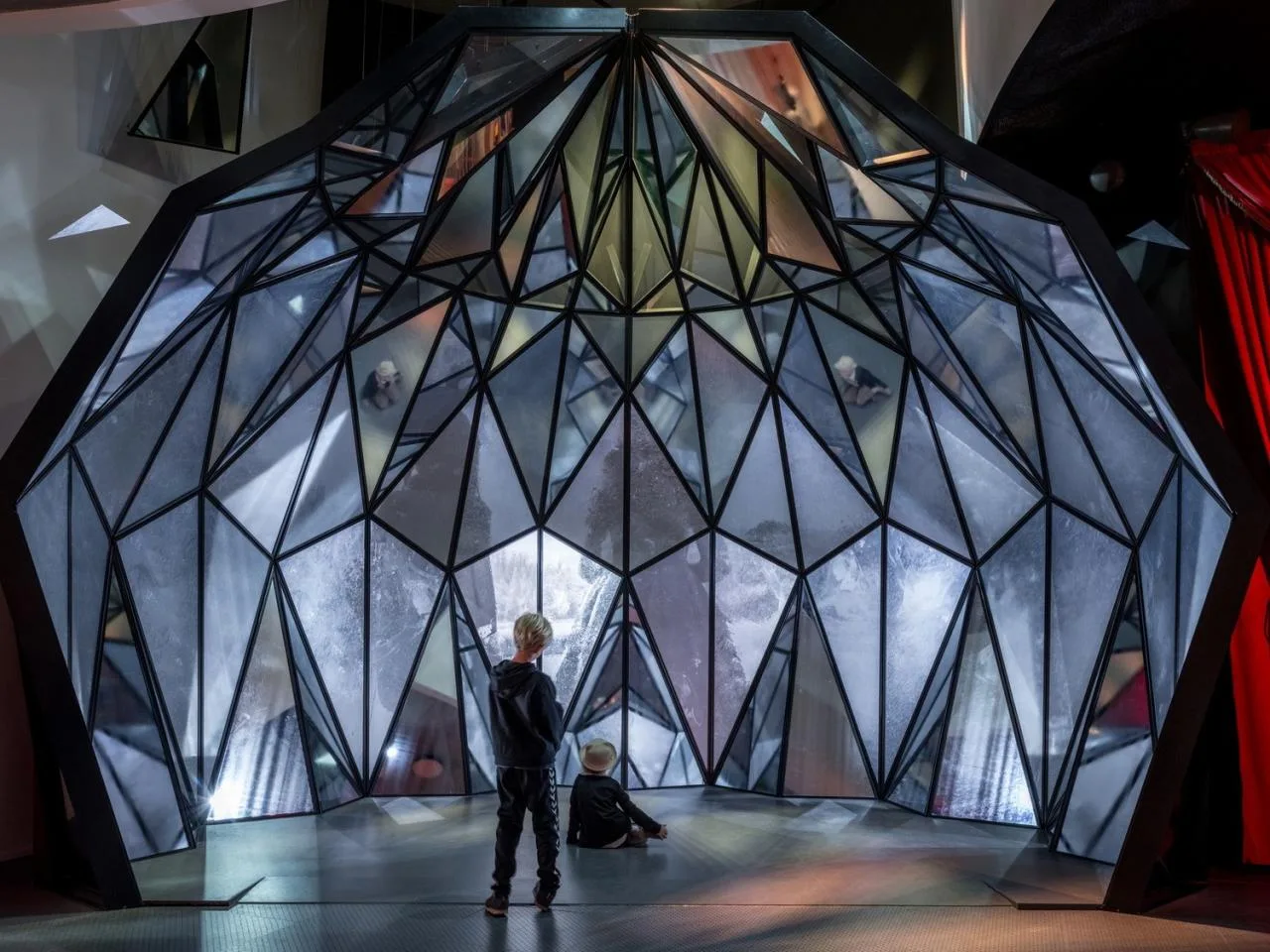
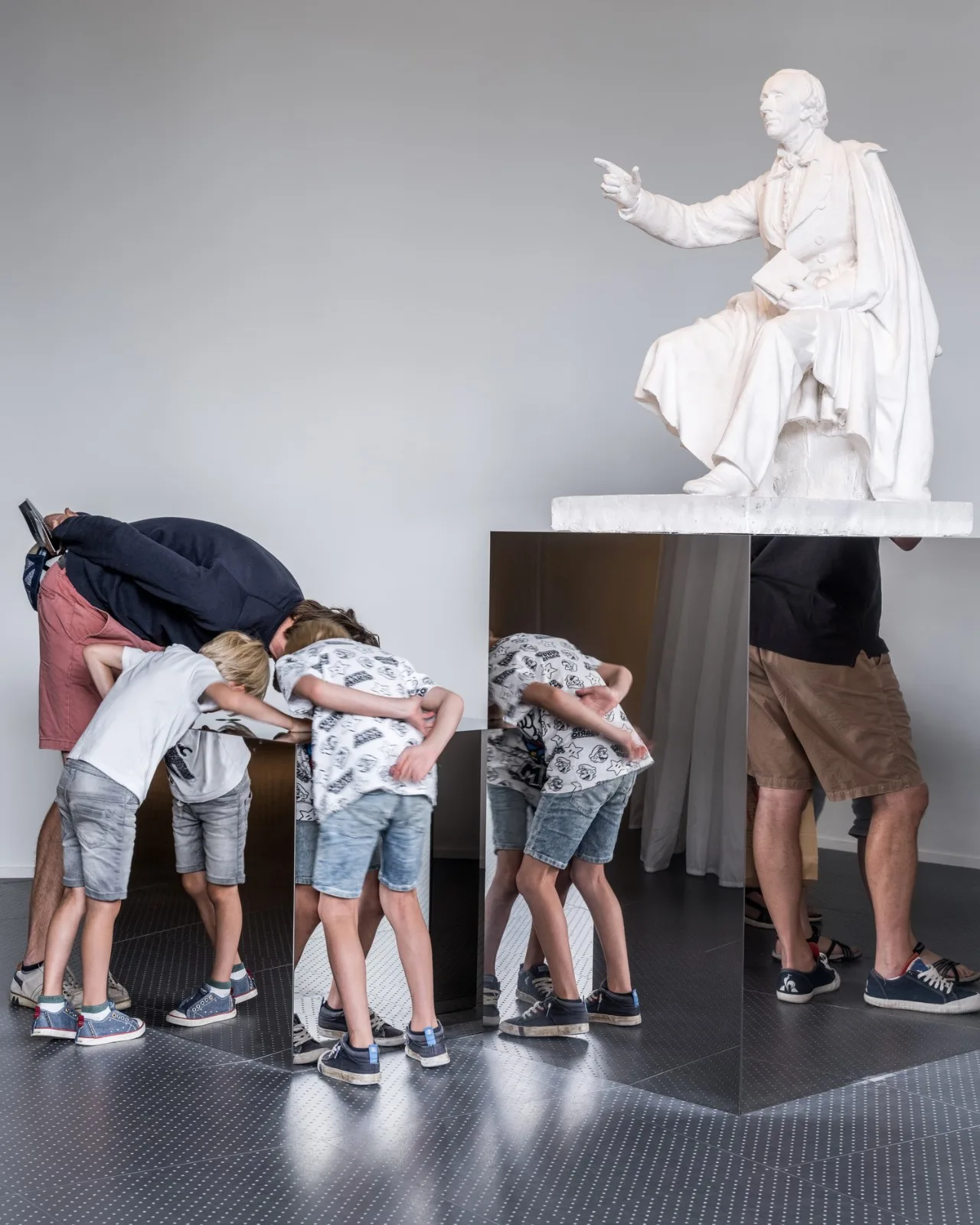
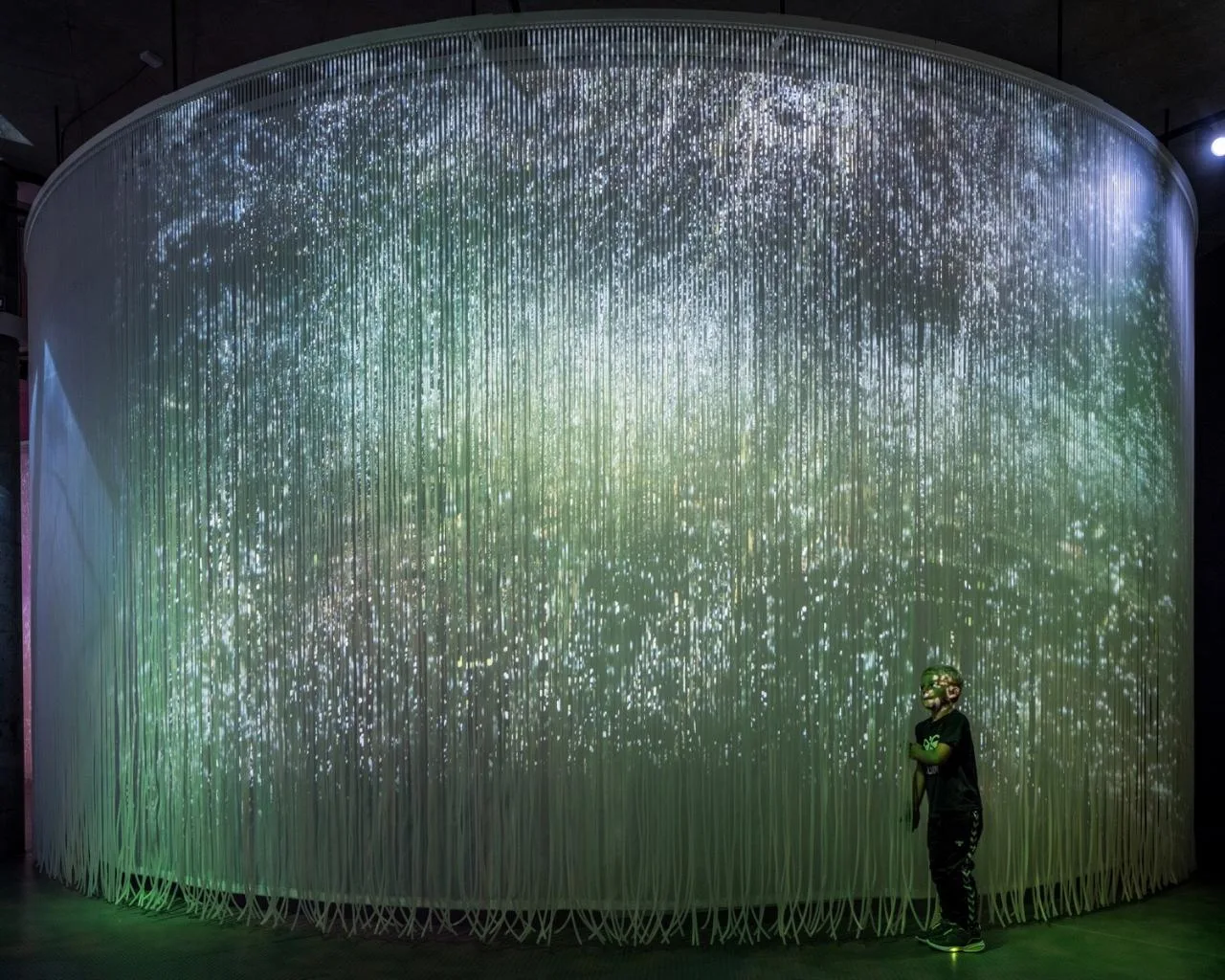
The architects present a spatial narrative that extends beyond paper, allowing visitors to experience and perceive it through the museum’s physical spaces and gardens. Andersen’s works deeply reflect on themes of life’s journey, emphasizing contrasting pairs such as reality and imagination, nature and artificiality, humanity and animals, light and darkness. Yet these opposites are not simply black and white—they often coexist. The architects have therefore sought to embody the essence of Andersen’s stories through both architecture and landscape design.
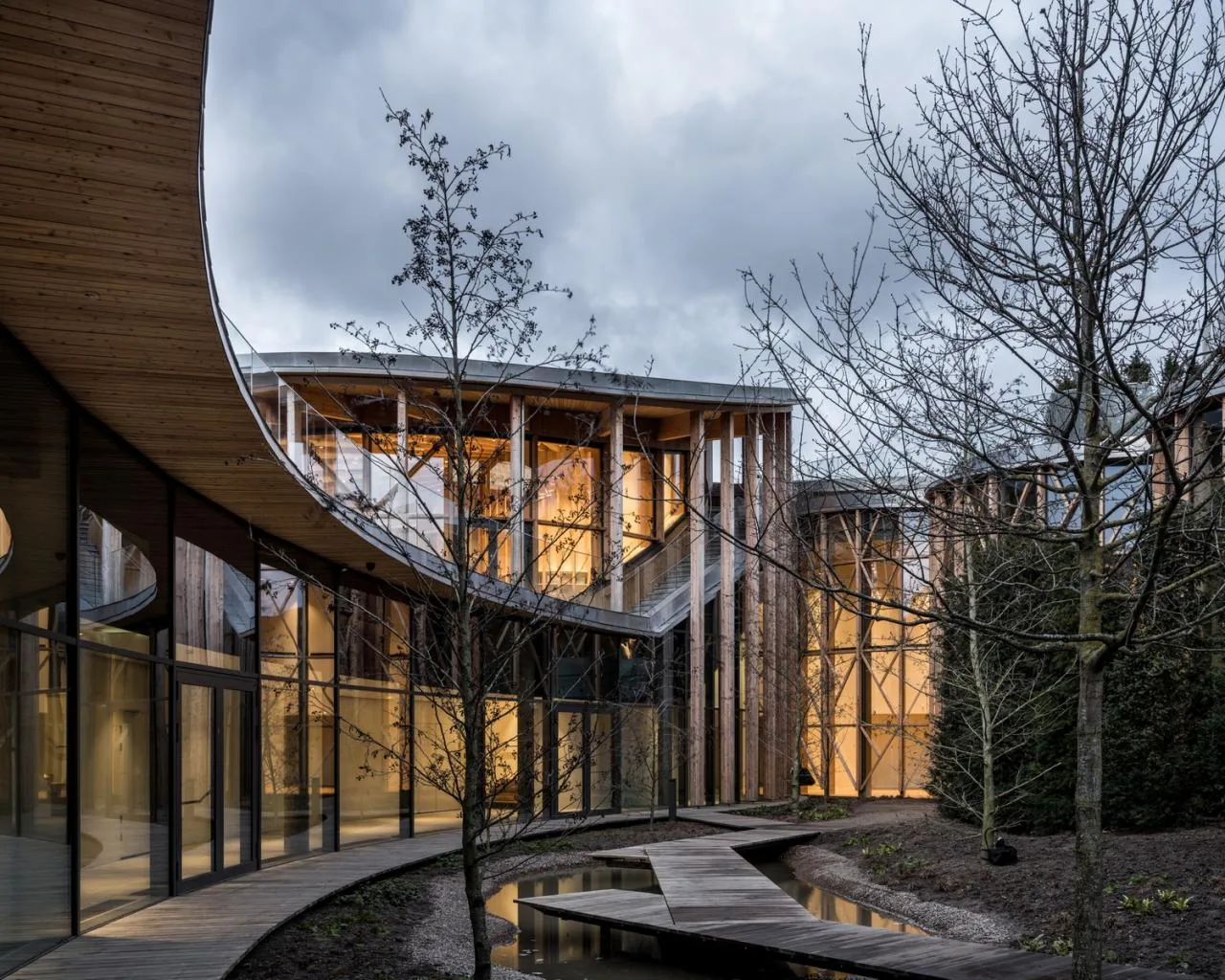
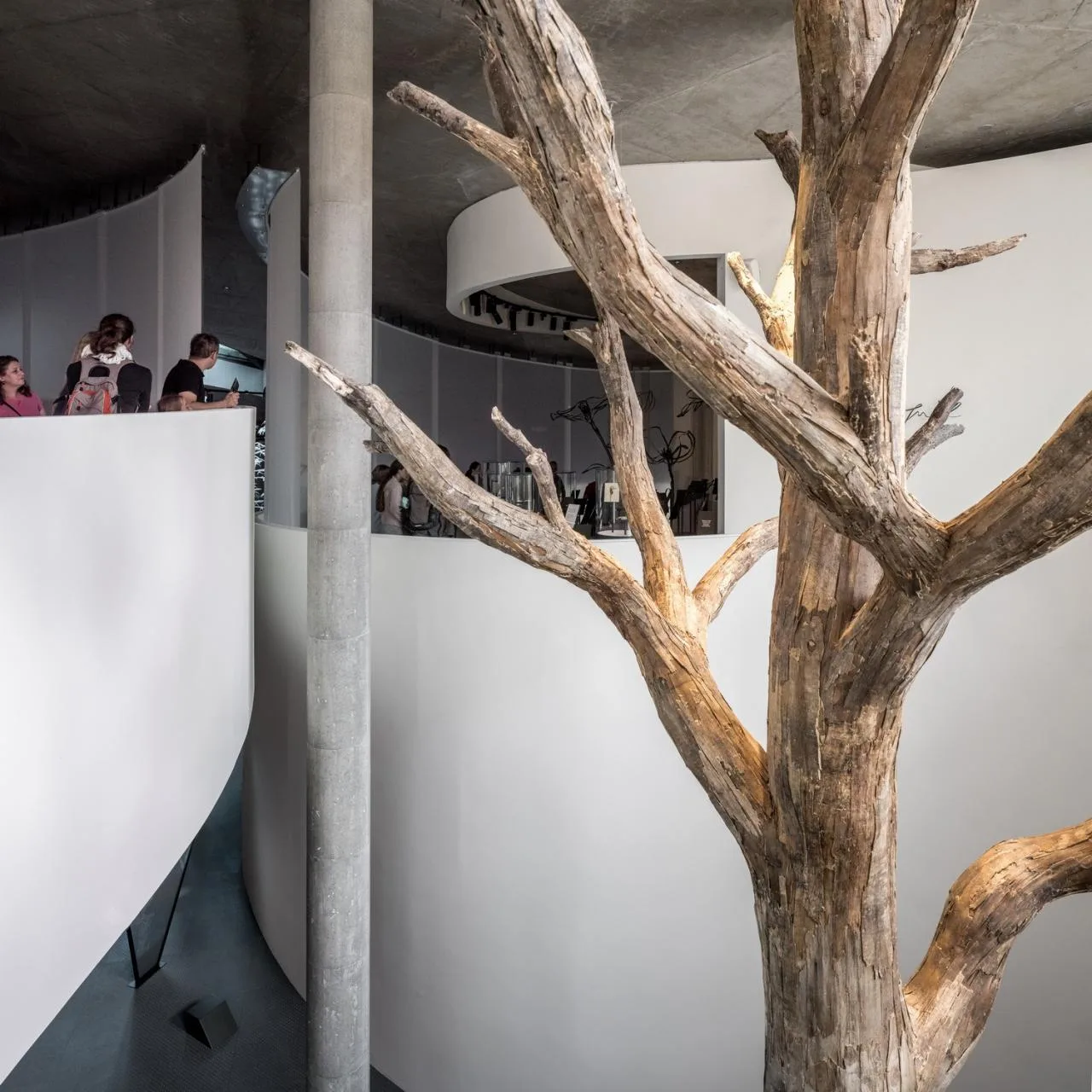
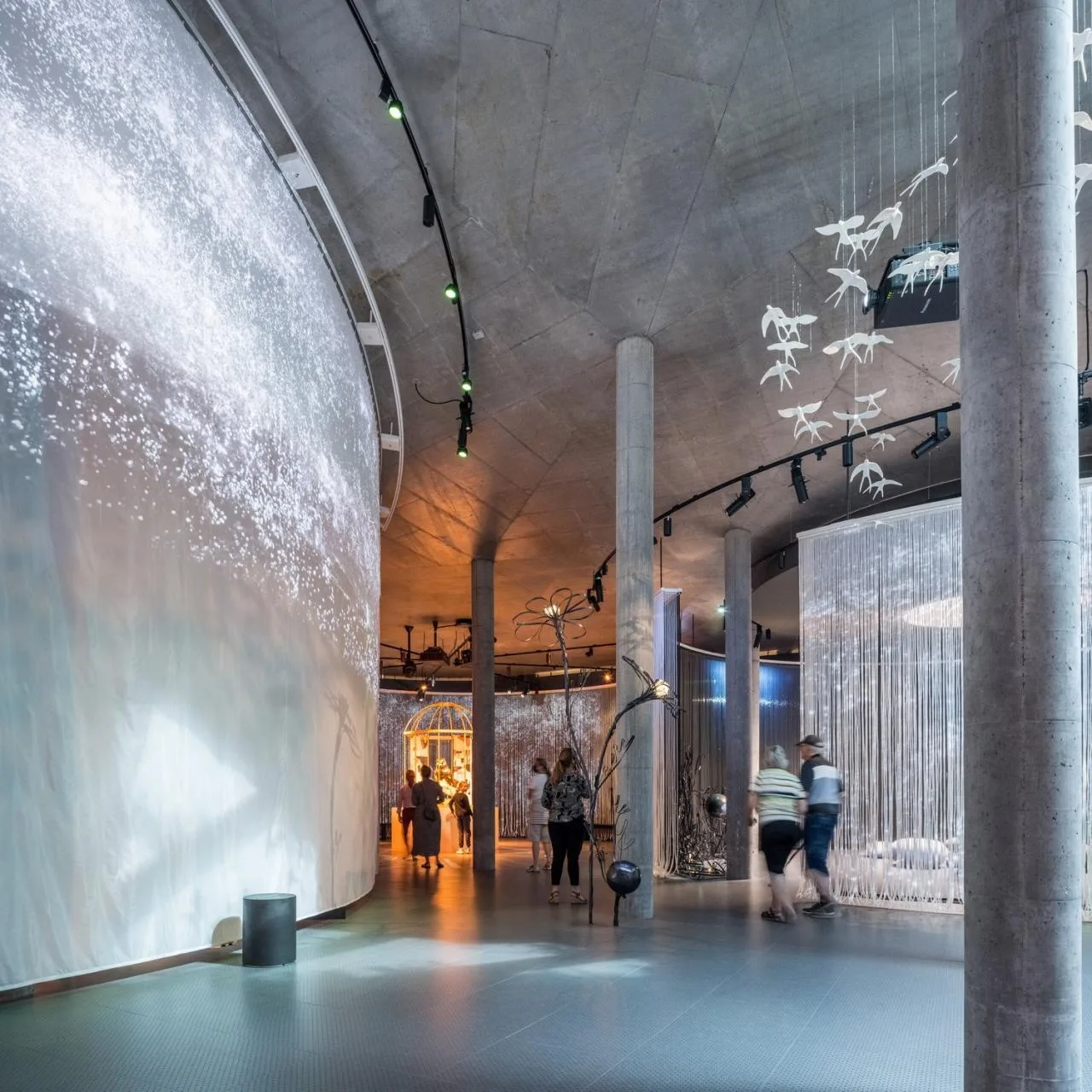
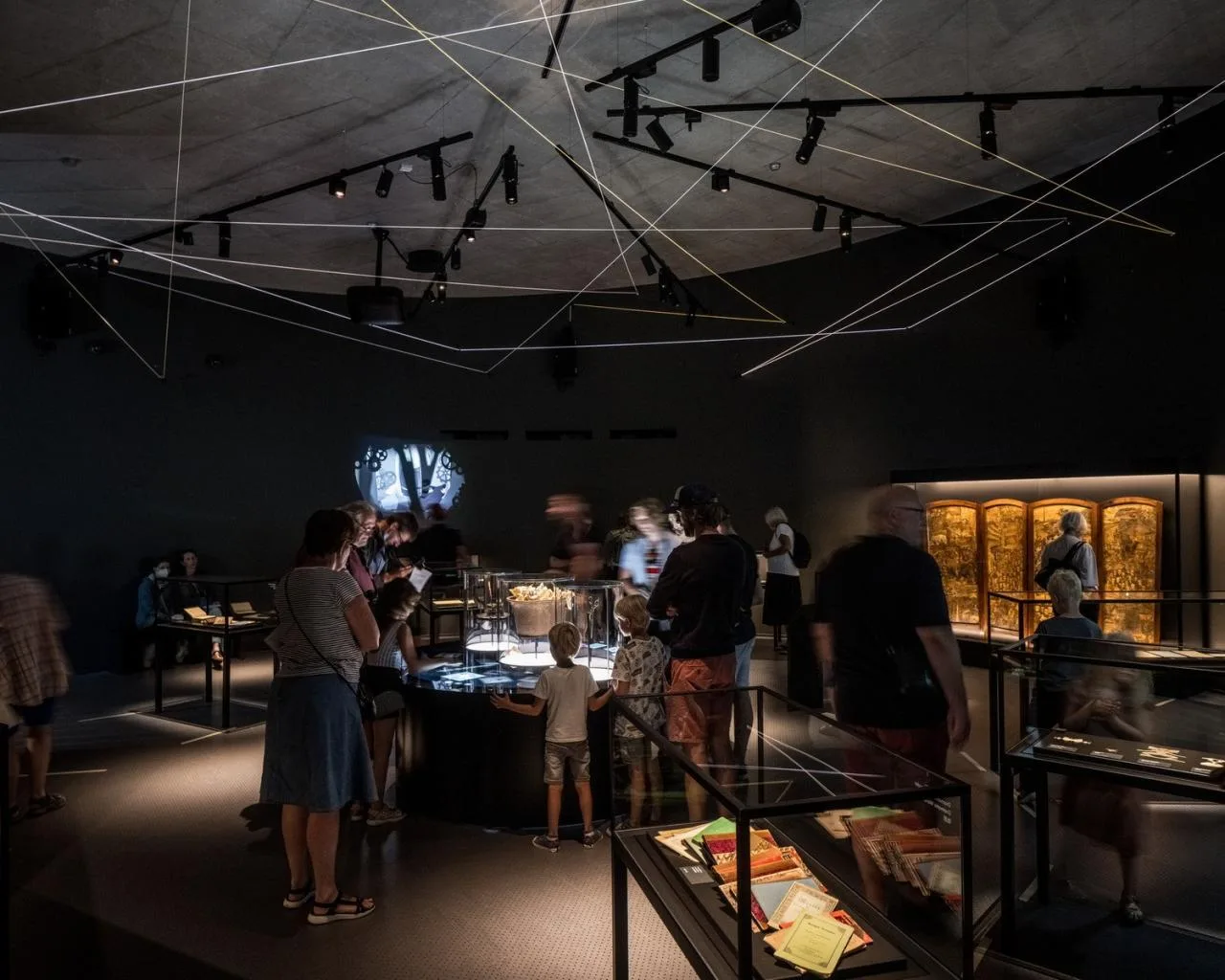
The museum’s layout consists of a series of interconnected circles arranged like a chain, with no hierarchical or central focus. A continuous curved green wall extends along the underground structure, defining the garden and paths above ground. This wall weaves through the site, both above and below ground, creating a fluid spatial sequence. Visitors experience shifting boundaries as the green wall appears and disappears, moving between interior and exterior spaces. Inspired by Andersen’s themes, the design explores the duality of opposites, blurring boundaries through ambiguous spatial compositions.
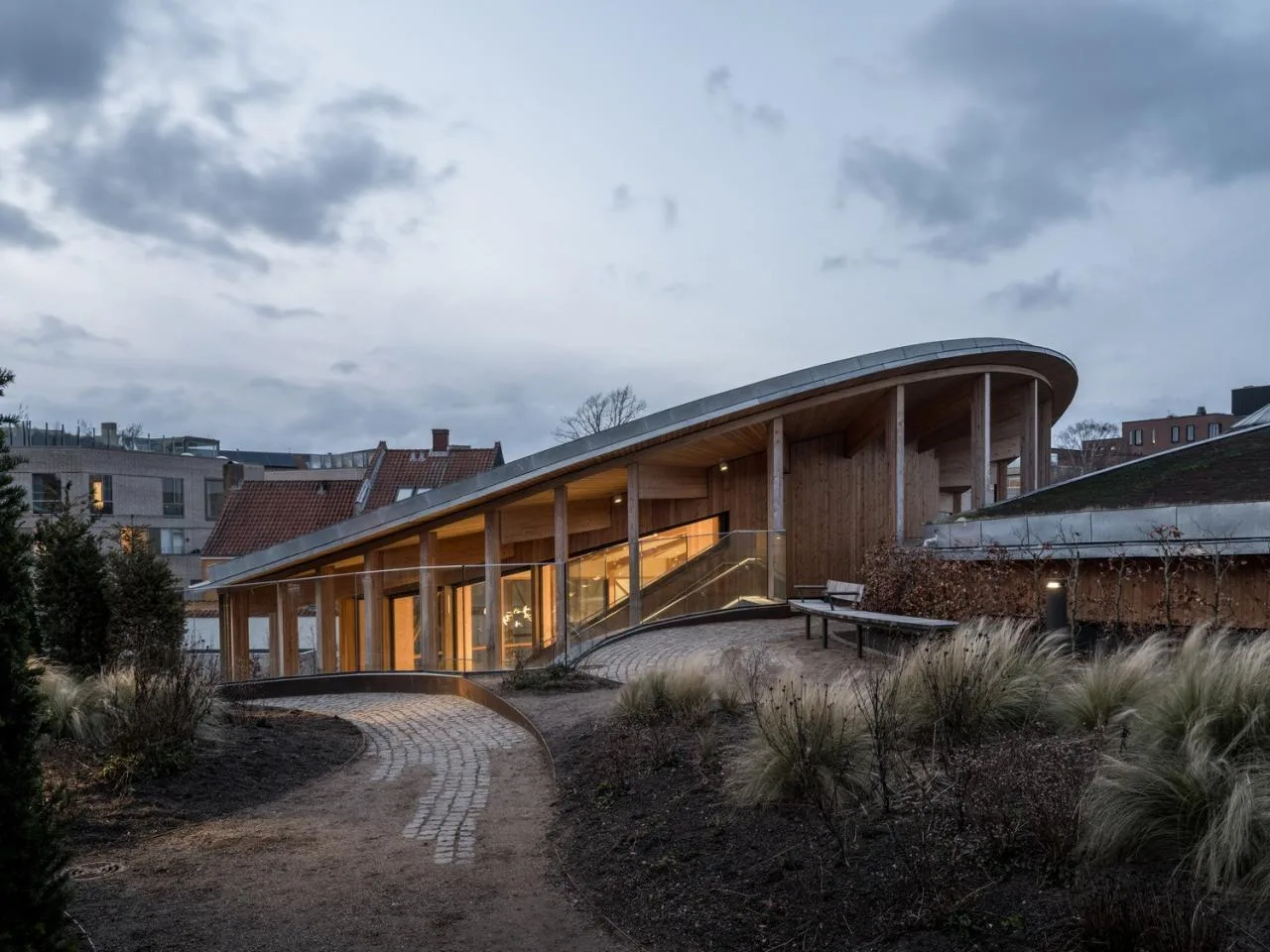
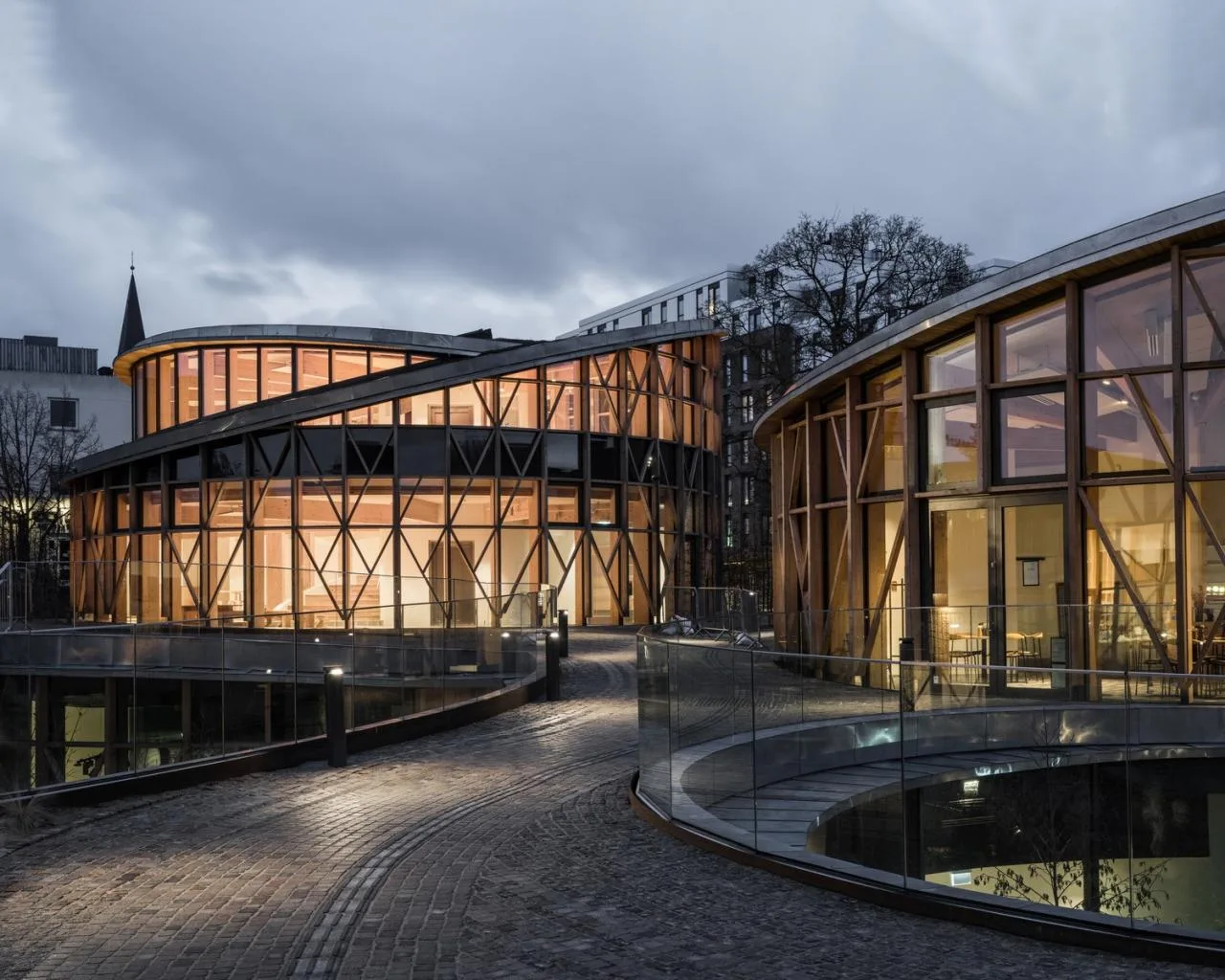
The exhibition spaces are situated underground, while the charming garden above features curved hedgerows that echo the subterranean layout. The winding garden paths extend the museum experience into the outdoors, softening the architectural form and guiding visitors through a leafy “maze.” Sunken gardens connect the underground areas to the surface, acting as “portals” between the fairy tale world inside and the outside world. This integration of natural elements with architecture offers visitors a unique and immersive spatial journey.
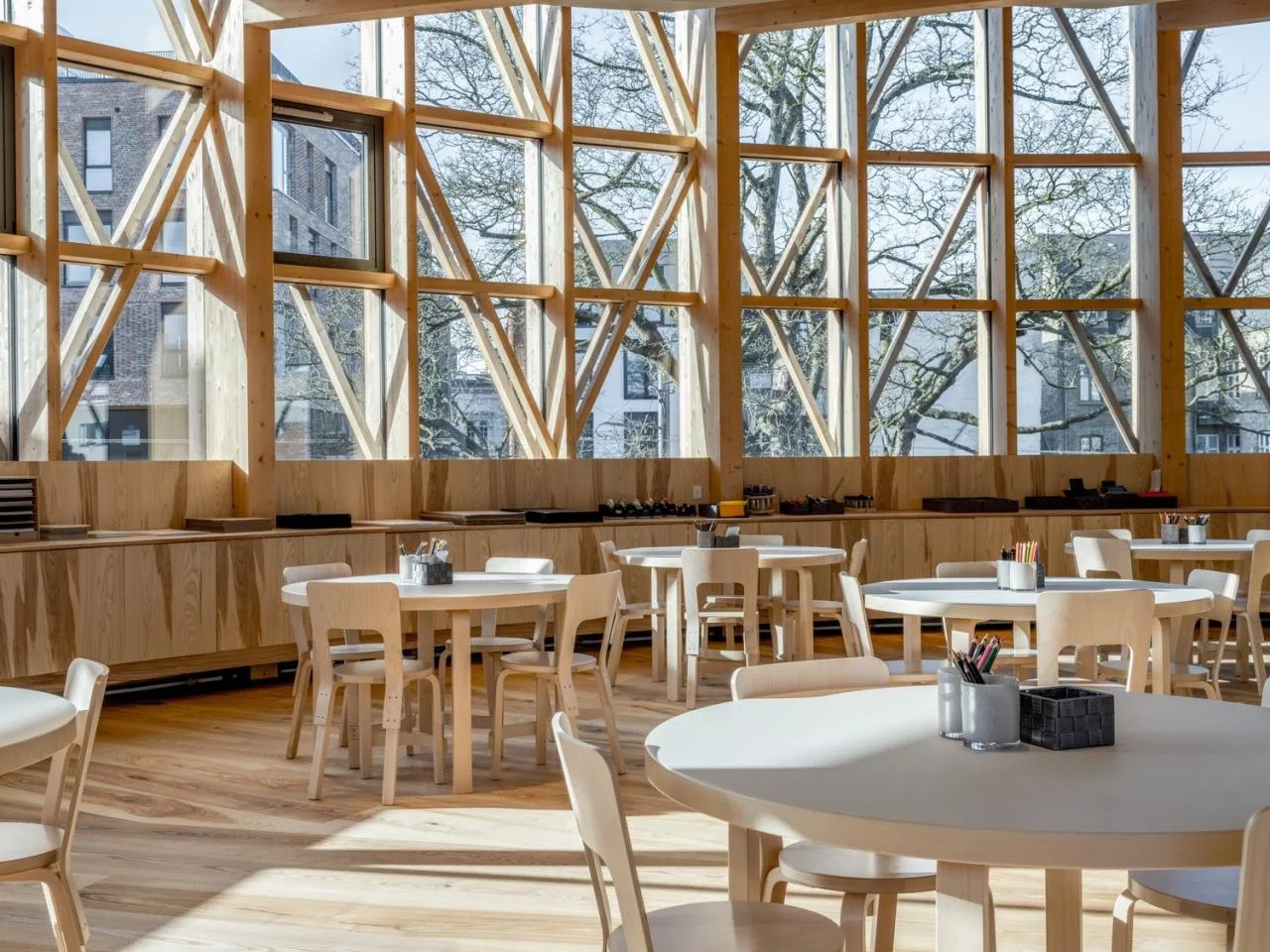
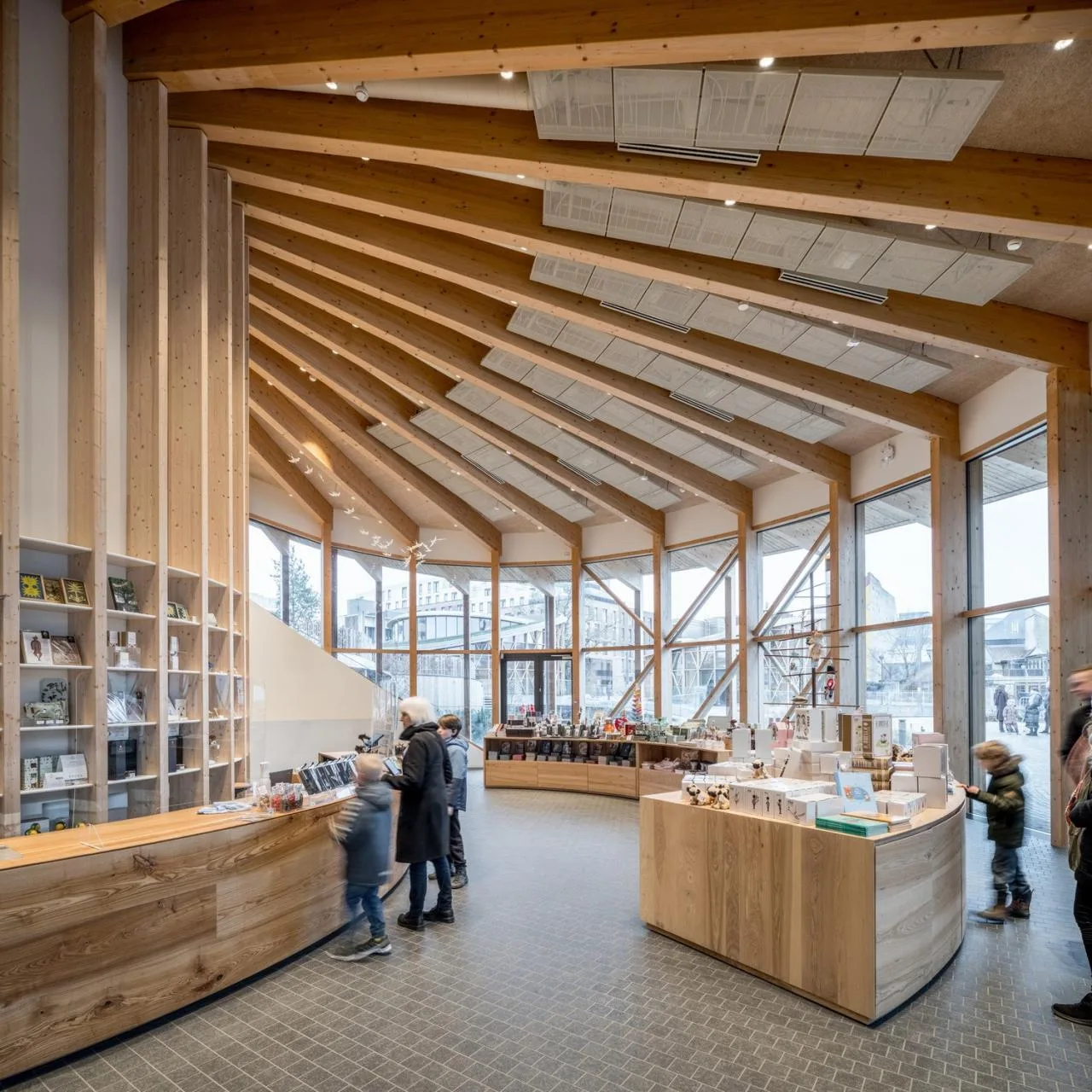
Completing the architectural structure marks the beginning of the garden’s life cycle. The architects hope it will continue to grow and root itself here. Over time, the garden will mature and enrich visitors’ and the local community’s experience of nature and the seasons—through changes in color, scent, density, permeability, and scenery during growth. The Andersen Museum is poised to become a vital part of Odense’s urban landscape.
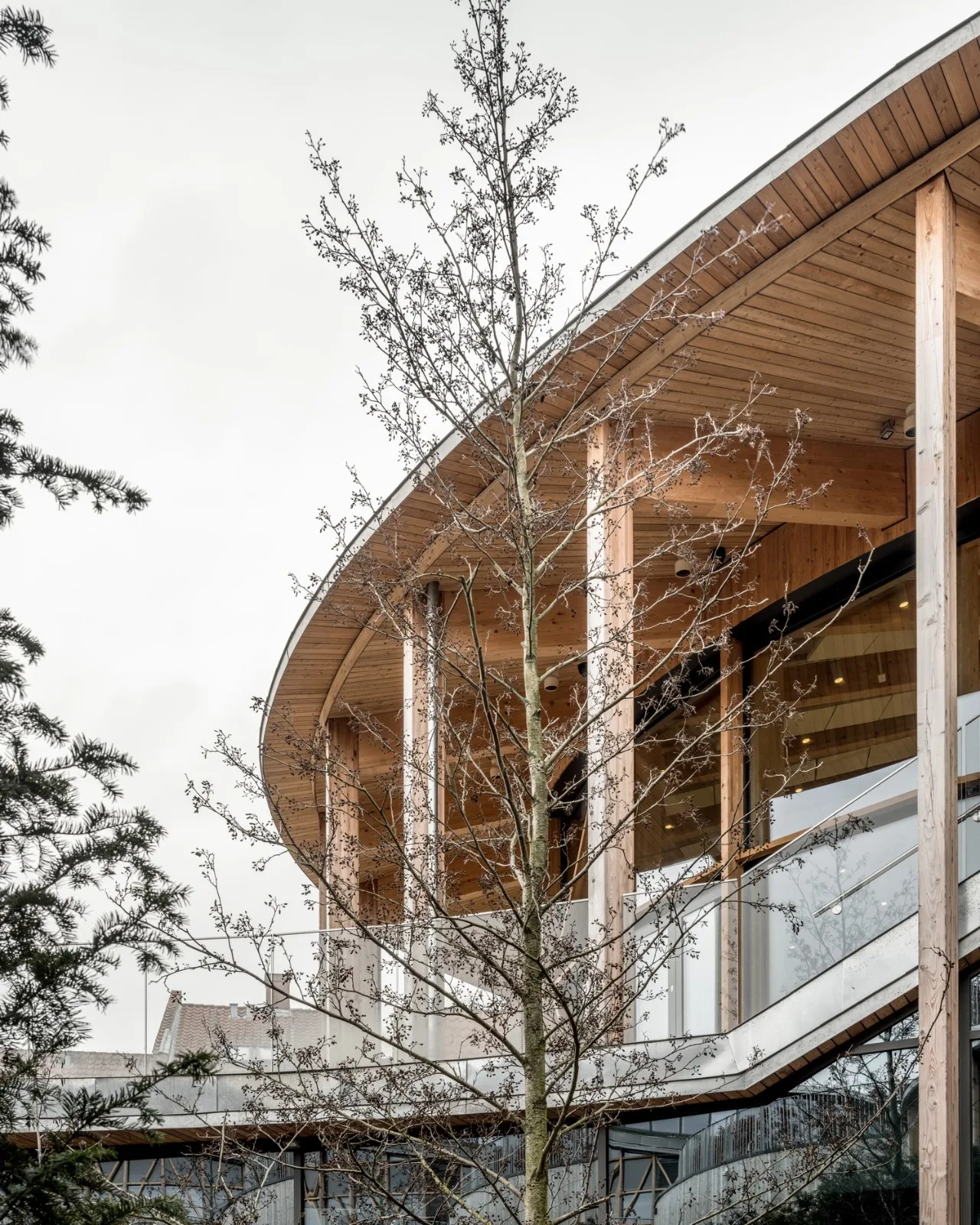
The project’s development plan includes closing a major road to reconnect Odense’s historic and modern districts, which have long been separated. The museum’s gardens introduce a new, high-quality public space that revitalizes this transitional zone. Andersen’s former residence area retains its medieval character with narrow, winding streets, contrasting the wide, straight thoroughfares of the modern city. The hedge gardens and serpentine paths restore a human scale and create a gentle connection within the urban fabric.
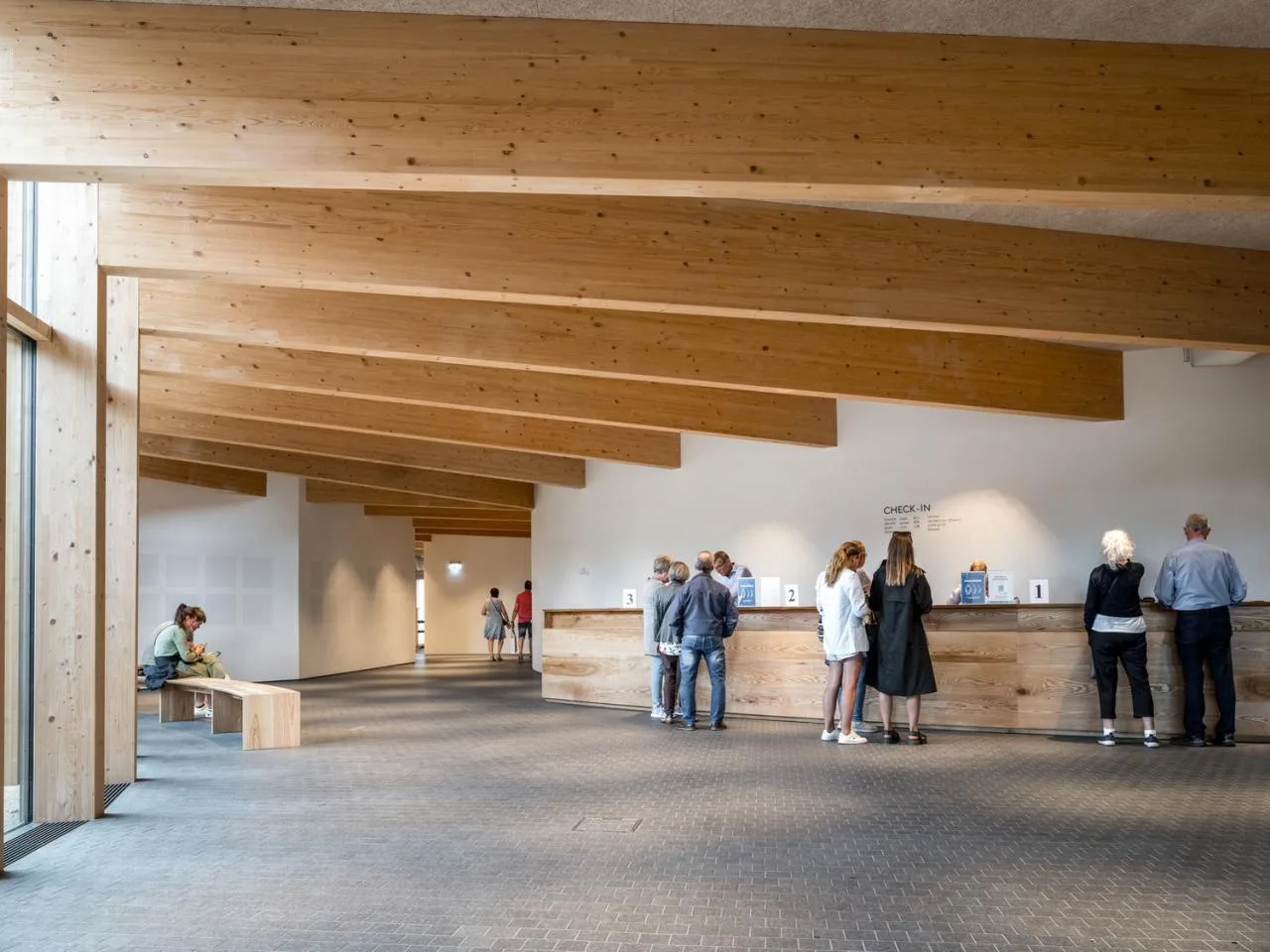
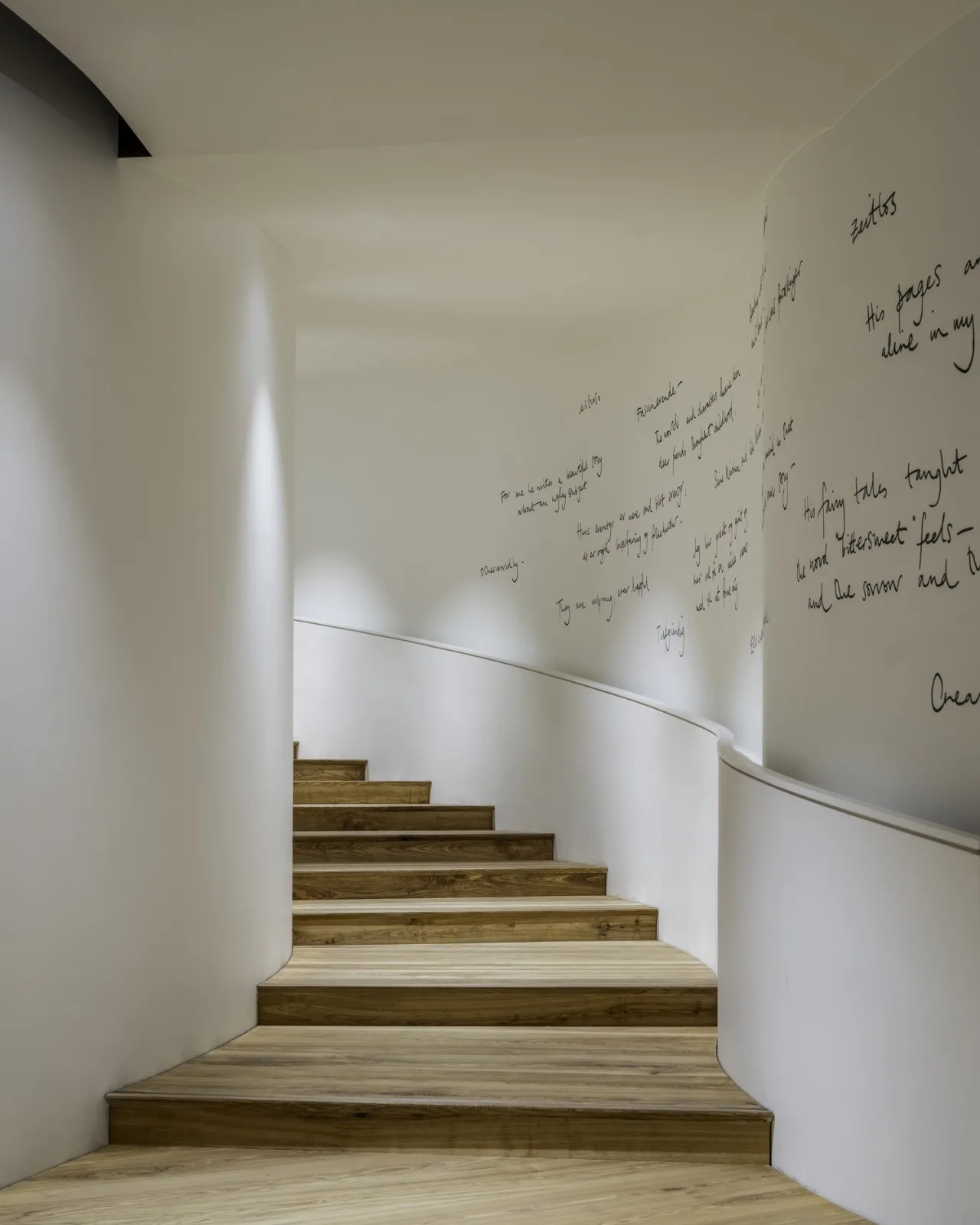
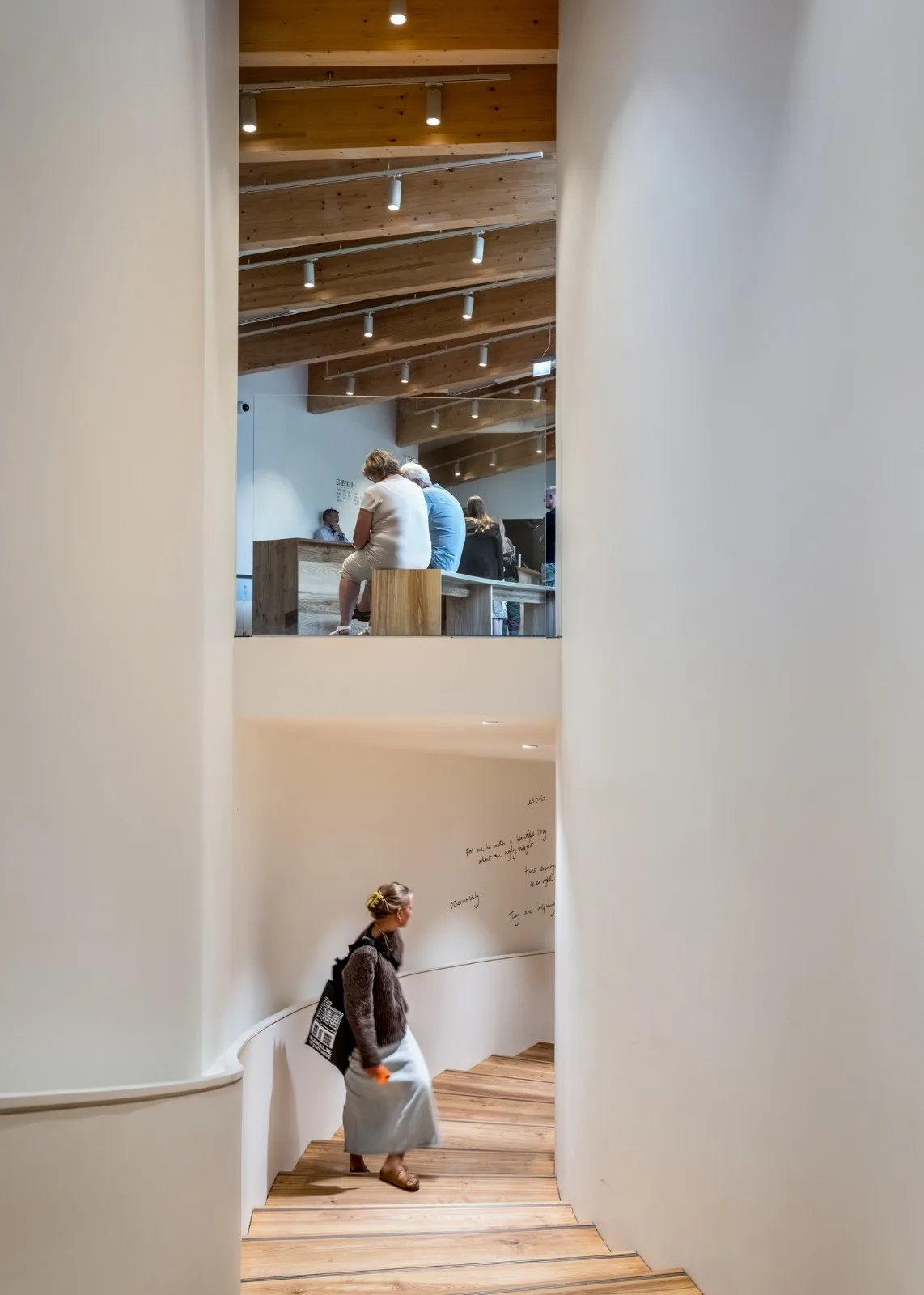
The construction phase faced unique challenges due to the COVID-19 pandemic, which affected implementation, scheduling, planning, and procurement. This disruption questioned many everyday norms and routines. The architects aimed to craft an experience that reflects Andersen’s fairy tale world—a place to escape the unseen pressures of reality and learn to adapt to the unknown, just as Andersen’s stories continue to inspire us today.
Project Drawings
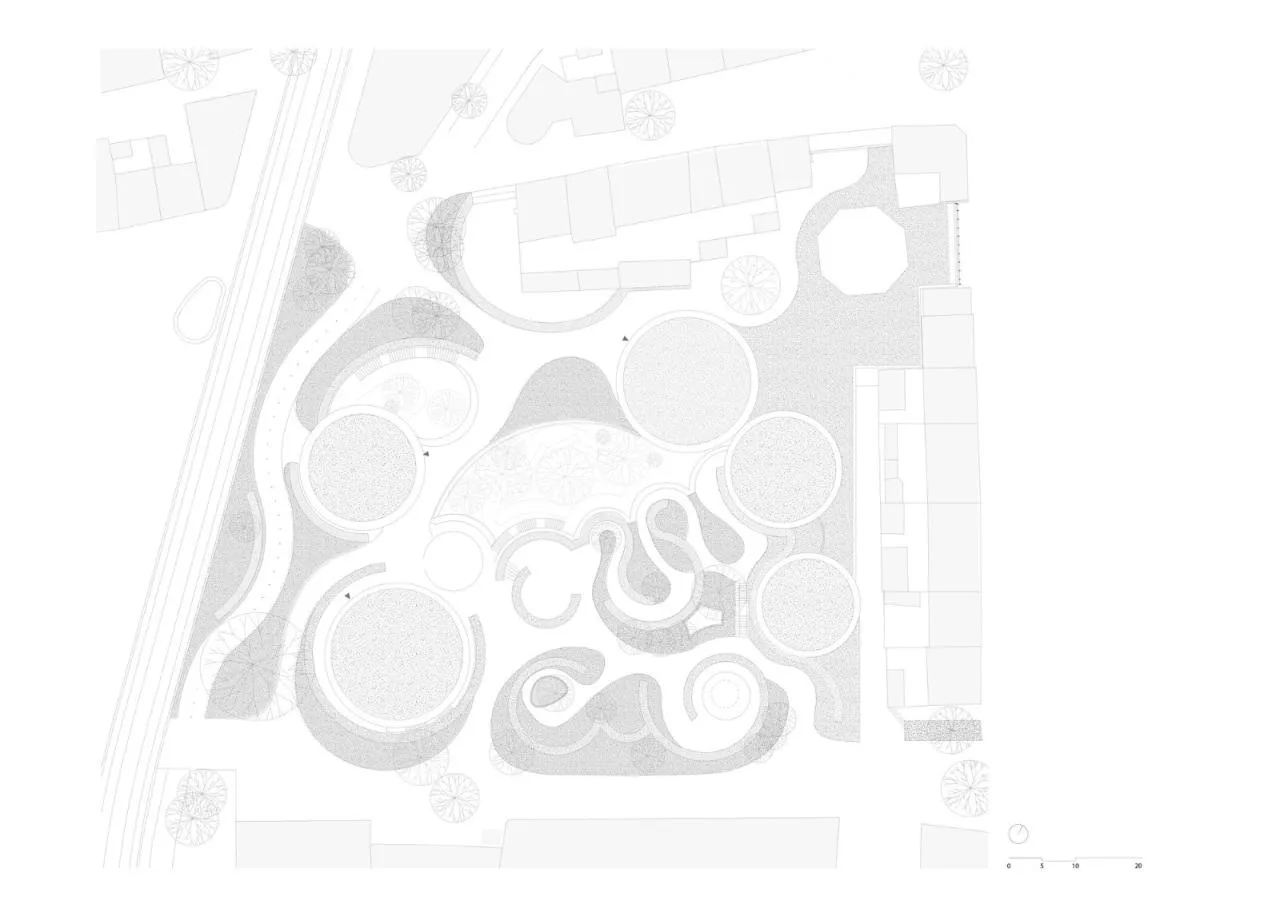
△ Plan View
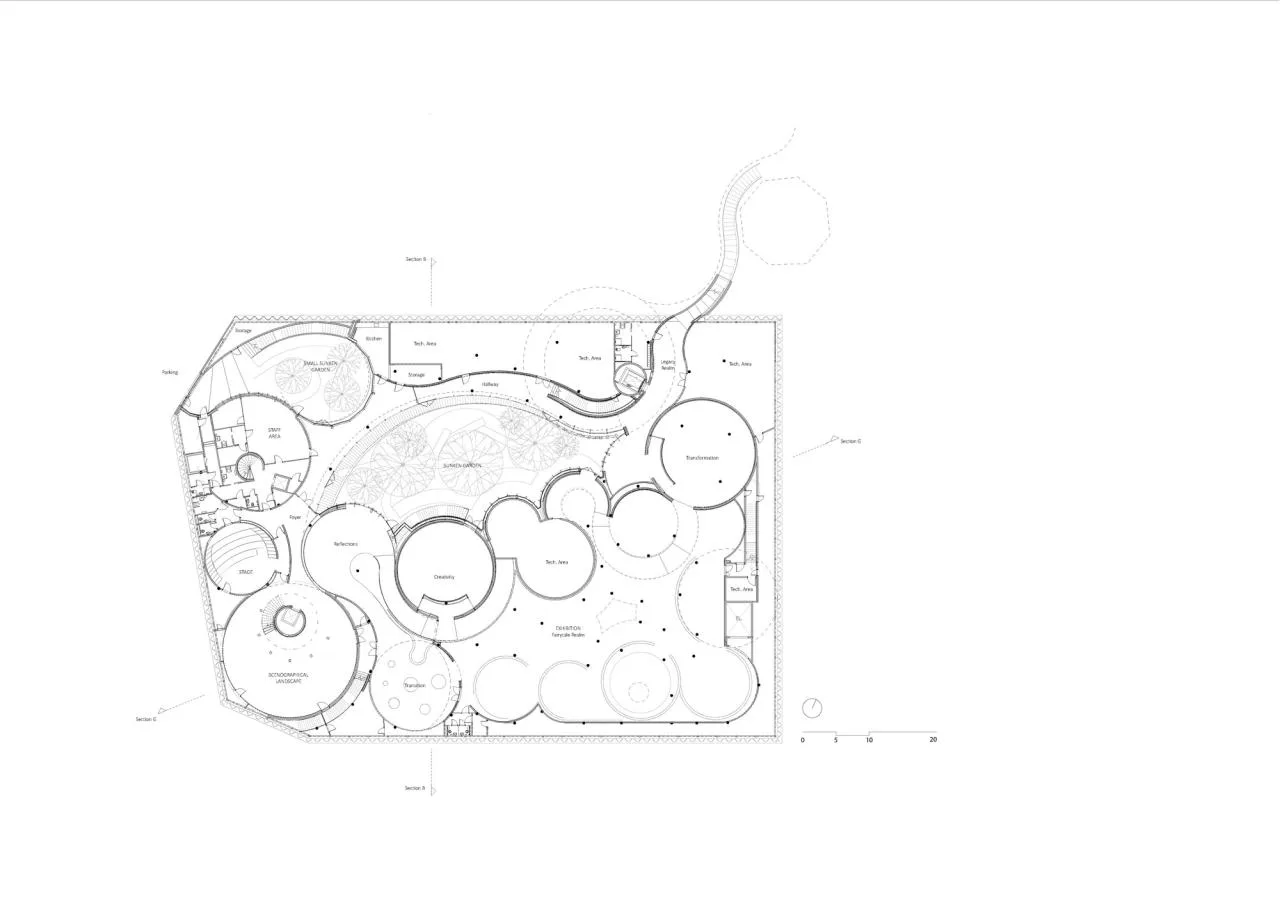
△ Underground Floor Plan
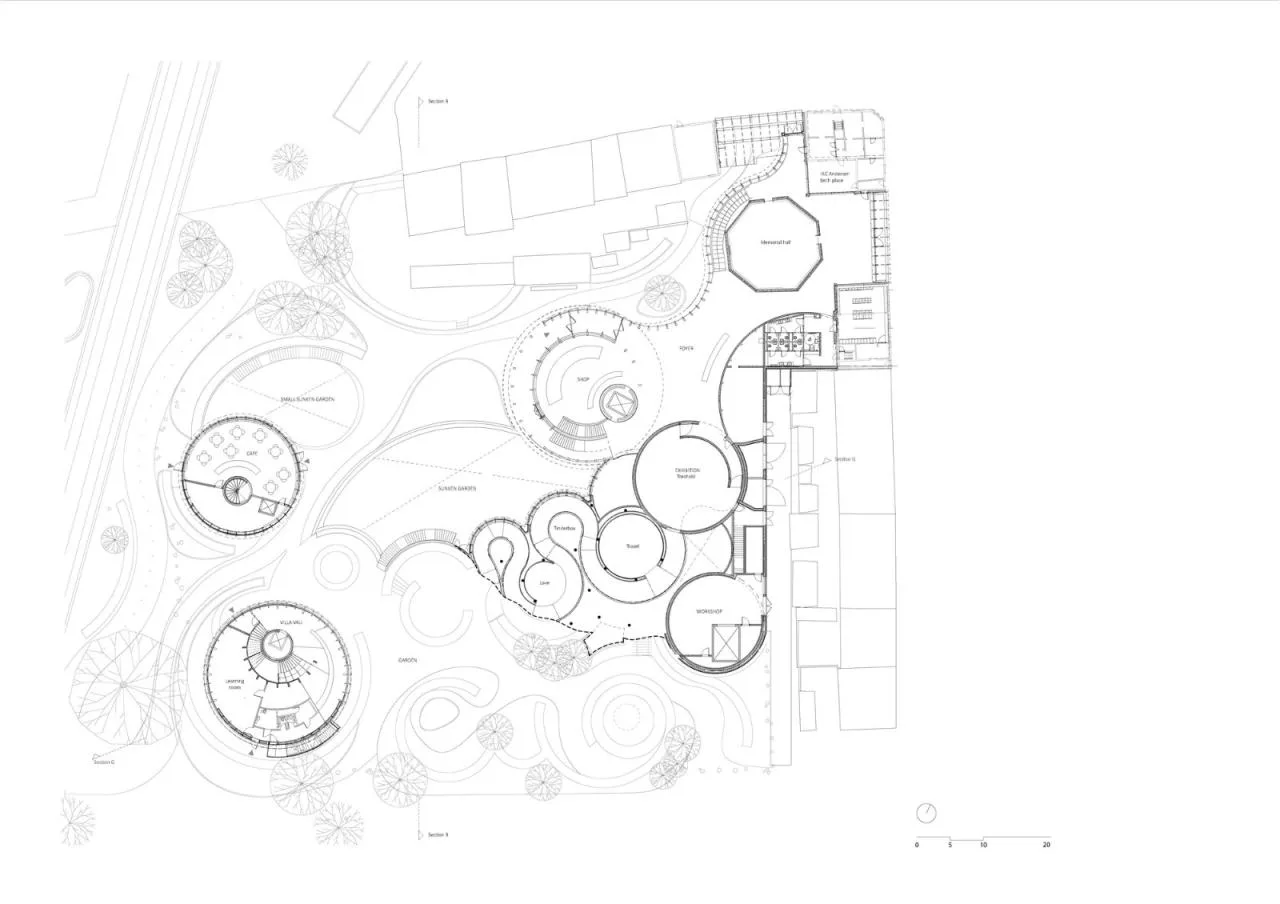
△ First Floor Plan
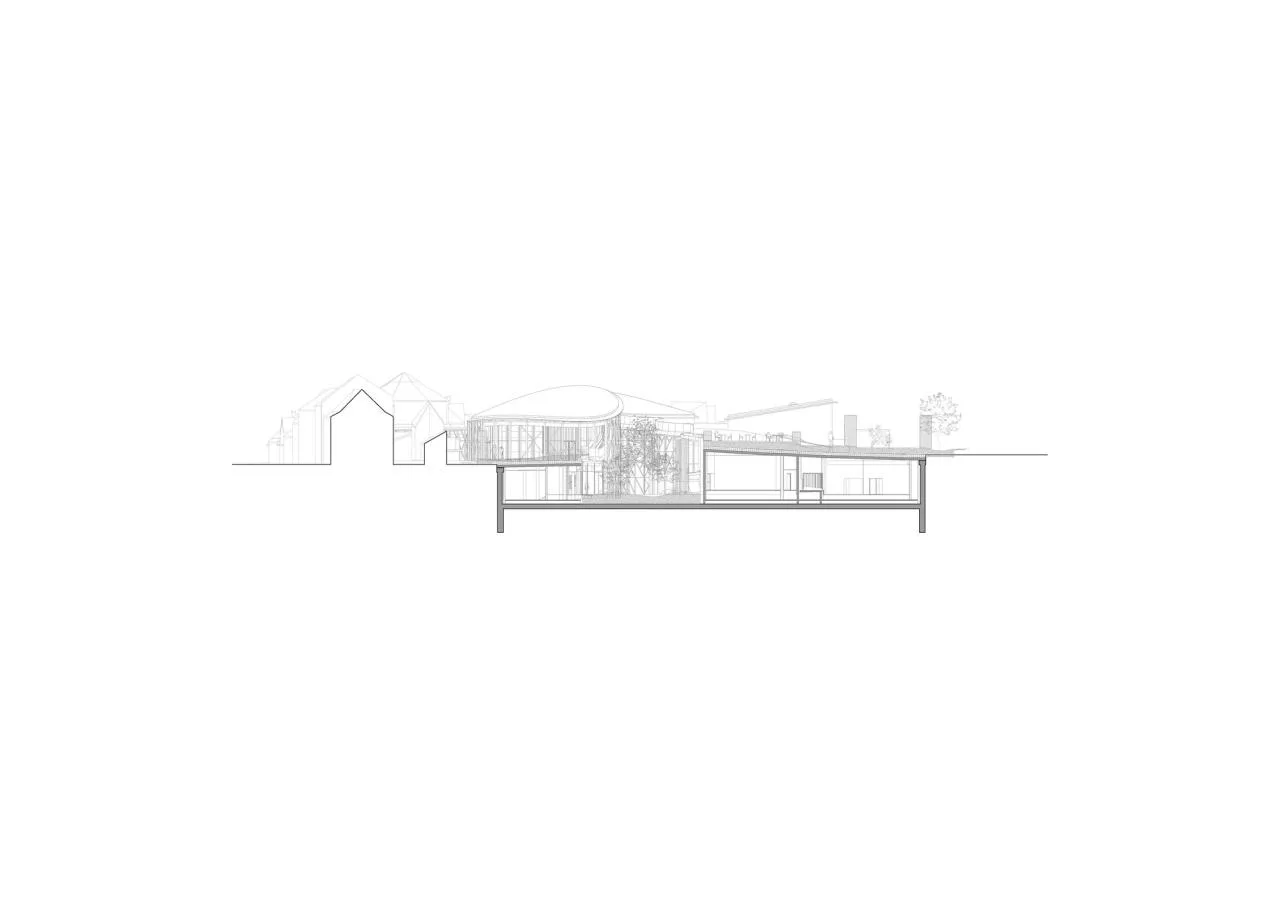
△ Section Diagram
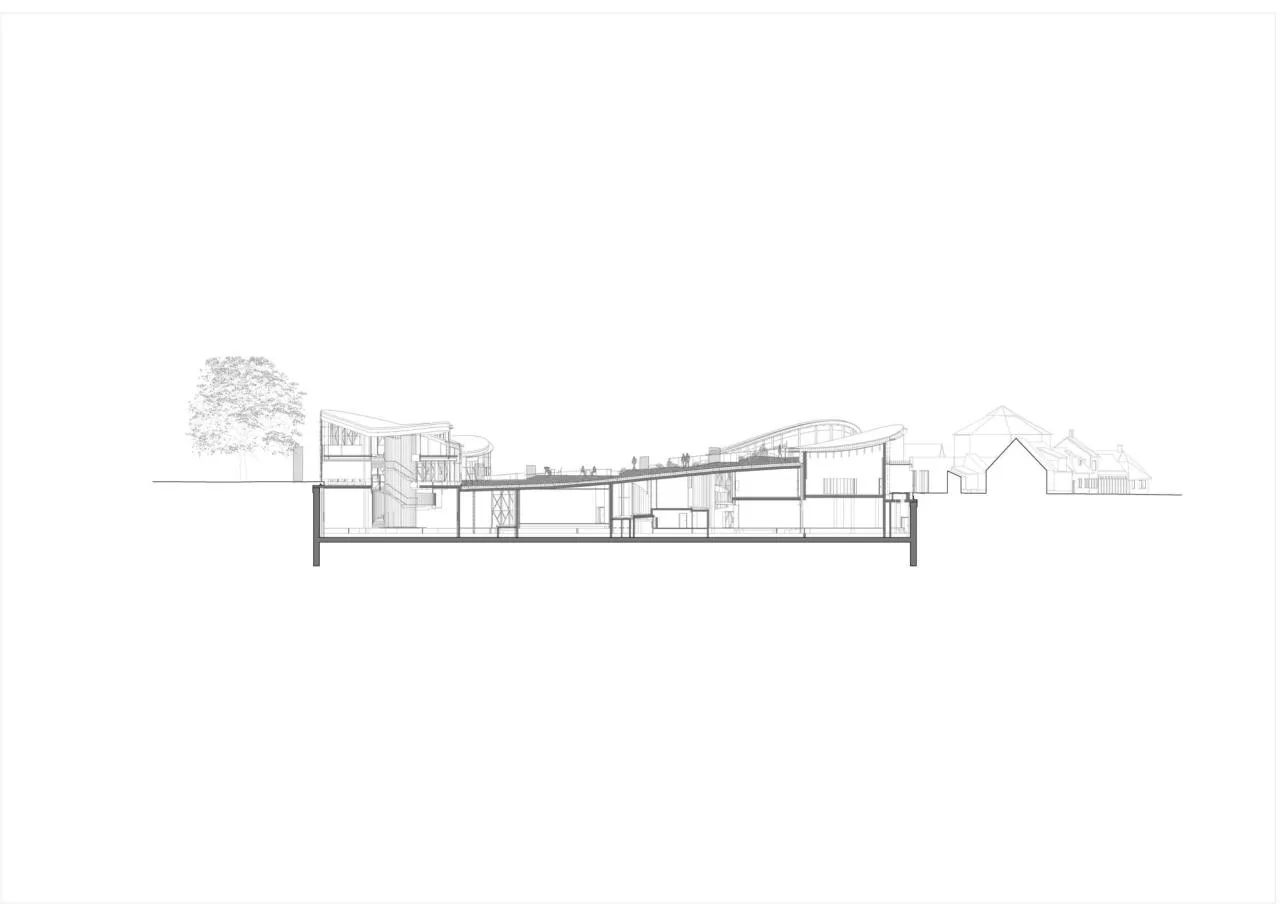
△ Section Diagram
Project Information
Architectural Design: Kengo Kuma Architecture Urban Design Firm
Area: 5600 m²
Project Year: 2022
Photographer: Rasmus Hjortshøj – COAST
Principal Architect: Yuki Ikeguchi
Project Architect: Nicolas Guichard
Project Management: Miruna Constantinescu
Owner: Odense Kommune / Odense Bys Museer
Funding: A.P. Møller Foundation, Augustinus Foundation, Knud Højgaards Foundation, Nordea Foundation
Project Consultant: Cornelius Vöge
Executive Architect: C&W Architect
Engineer: Søren Jensen Engineering Consultants A/S
Landscape Architect: MASU Planning
Lighting Designer: Jesper Kongshaug













Must log in before commenting!
Sign Up