
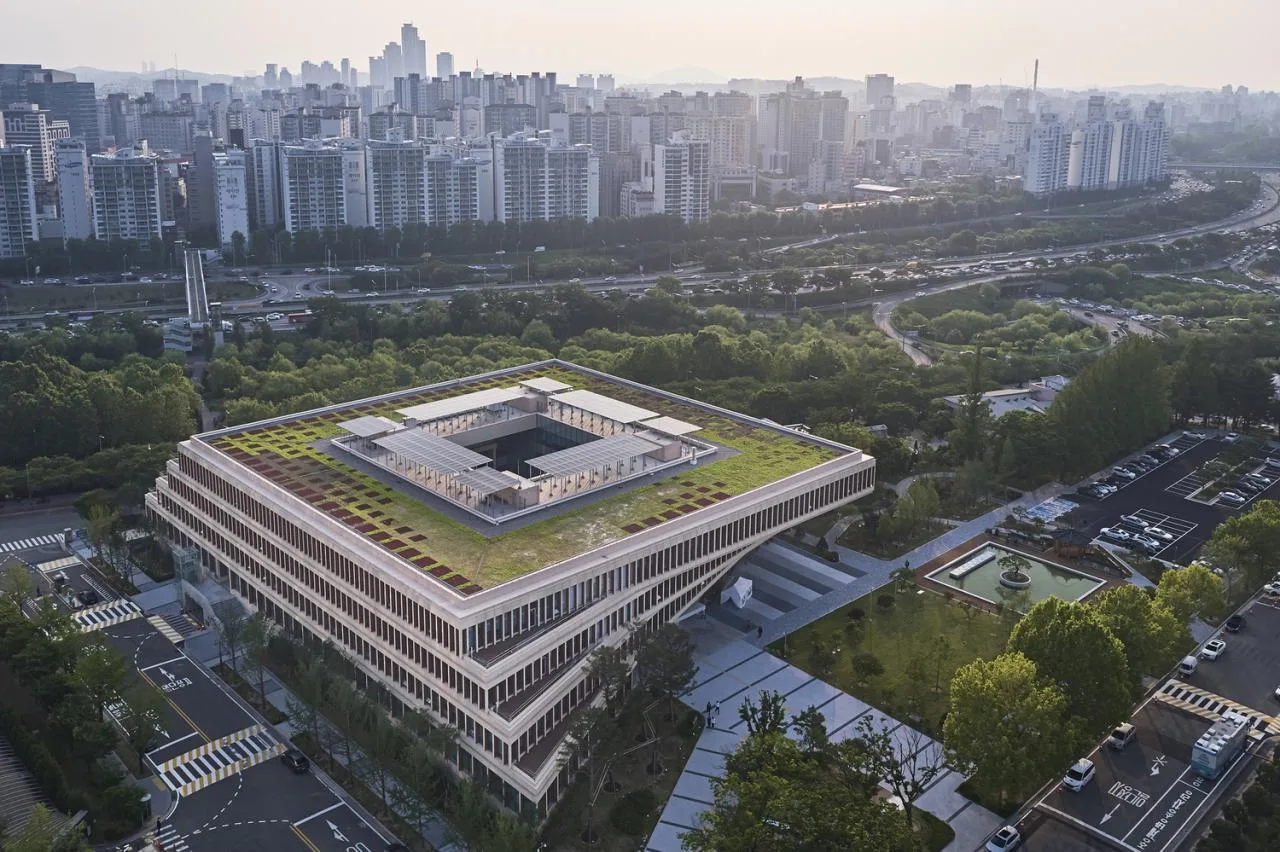
The National Assembly Communication Building, located within the South Korean National Assembly complex—the heart of South Korean democracy—is designed as an adaptive public venue. Its design reflects a commitment to openness, embracing diverse democratic ideas while respecting the existing site’s order. The building’s functions demand not only a robust security system but also spatial flexibility and scalability to accommodate various user needs.
Haeahn Architecture aims to create an adaptive structure that integrates open spaces, allowing everyday public life to unfold naturally alongside the formal and symbolic presence of the National Assembly district.
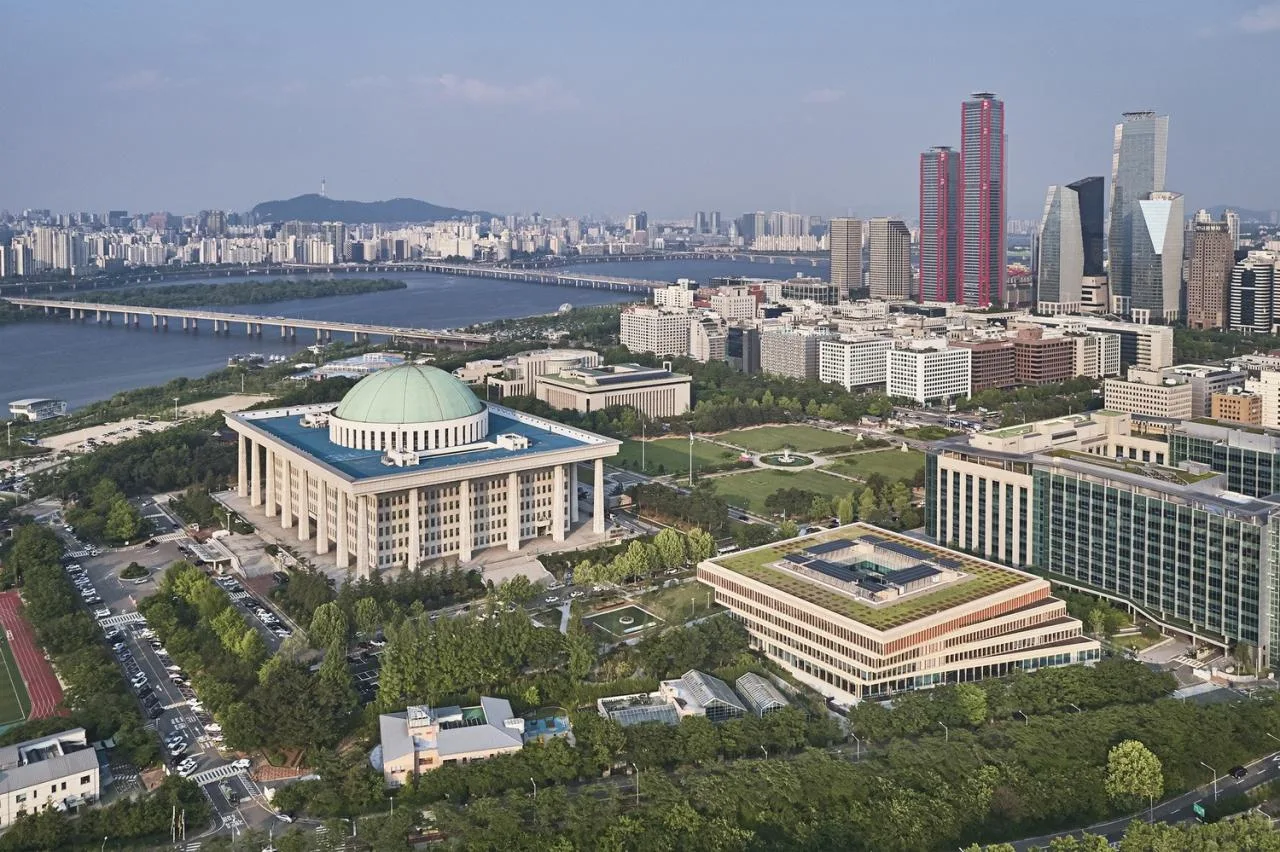
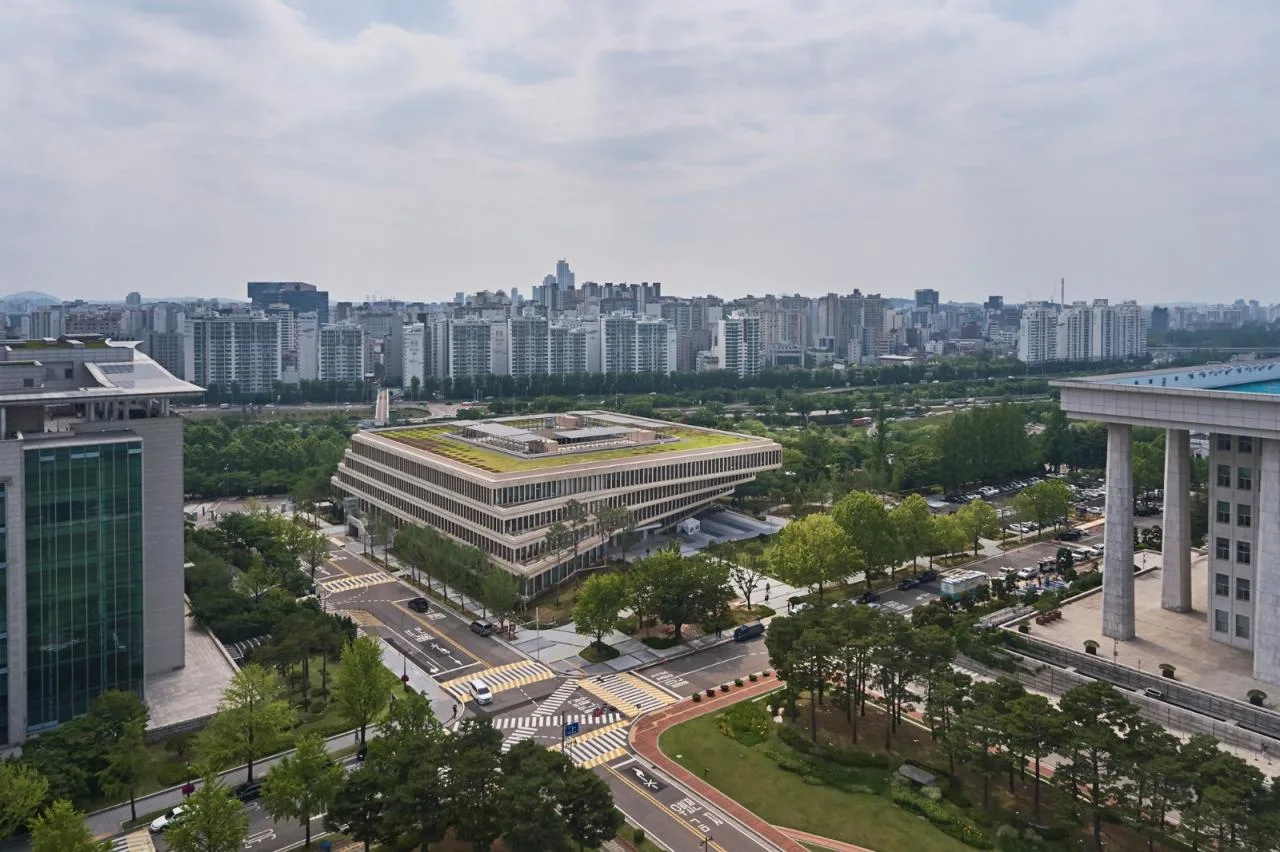
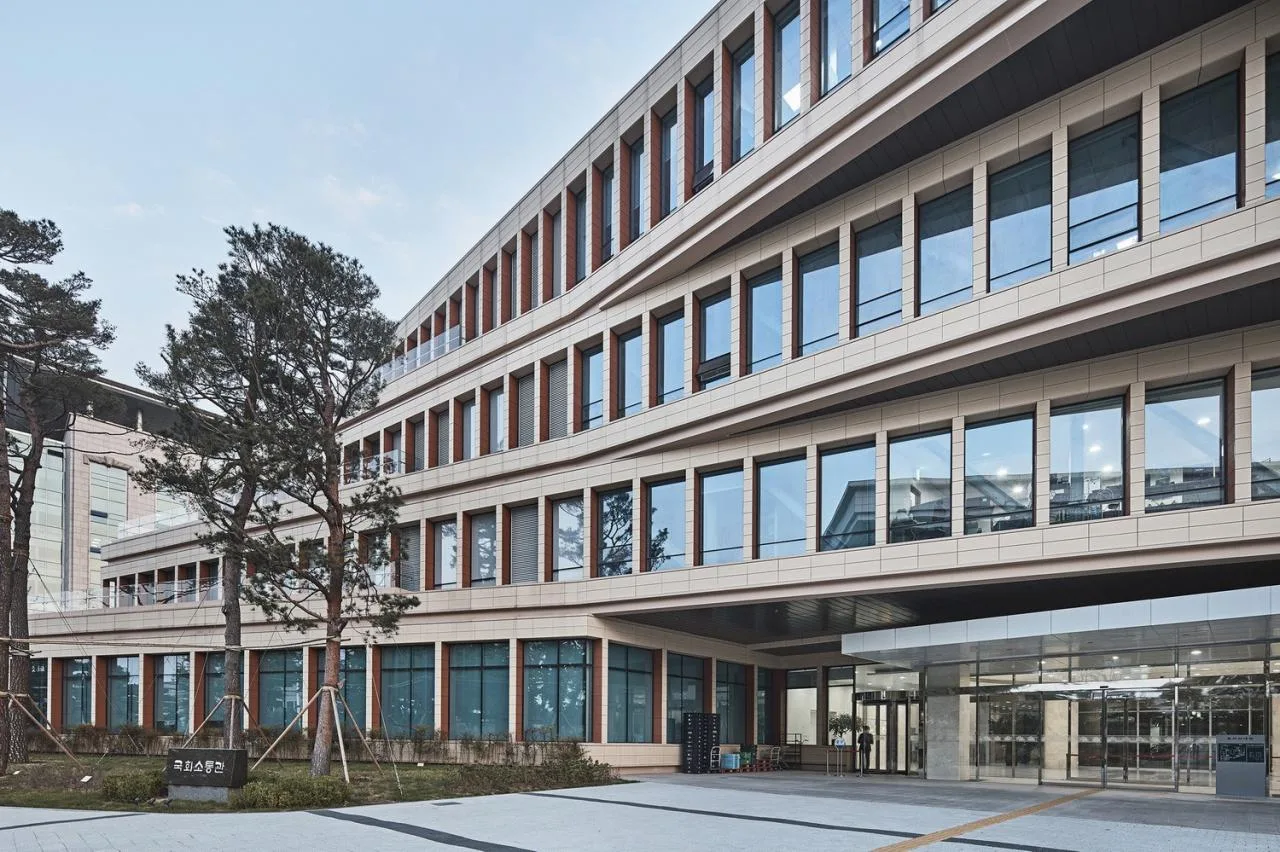
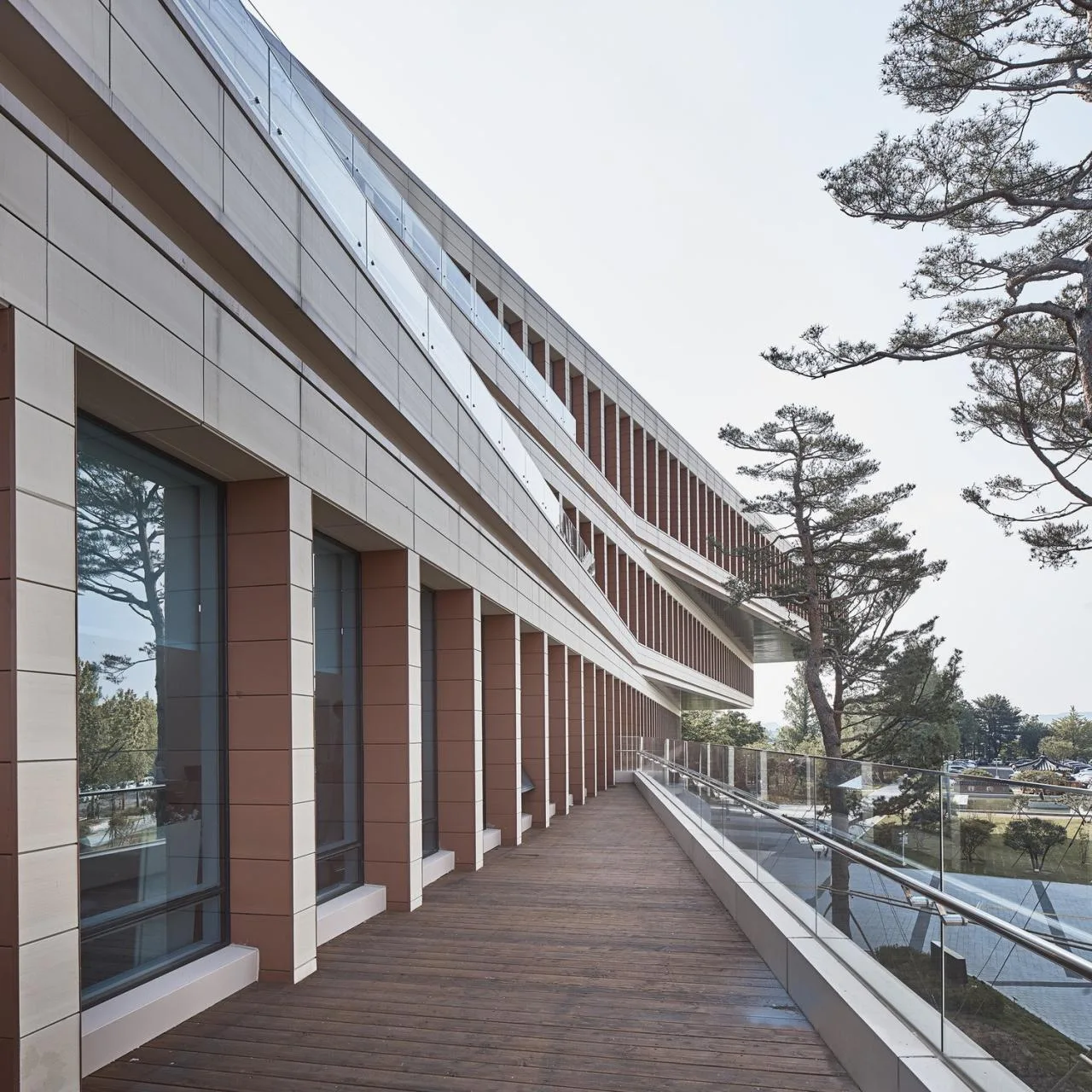
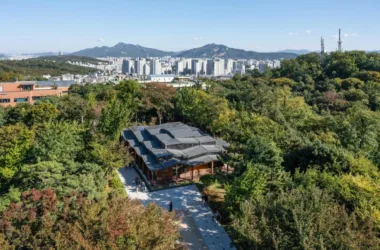
Situated amid lush greenery with trees averaging 10-12 meters tall, the project site is designed as a green space accessible to the public. Haeahn’s design ensures the building remains approachable and less imposing by limiting the height to no more than four floors, allowing it to blend seamlessly within the surrounding trees.
The rooftops of the low-rise sections will serve as green areas, creating the impression of nature flowing through the building. These “forest” traces honor the site’s history as a green belt, preserving the legacy of elm trees and protecting the commemorative landscape of the National Assembly district.
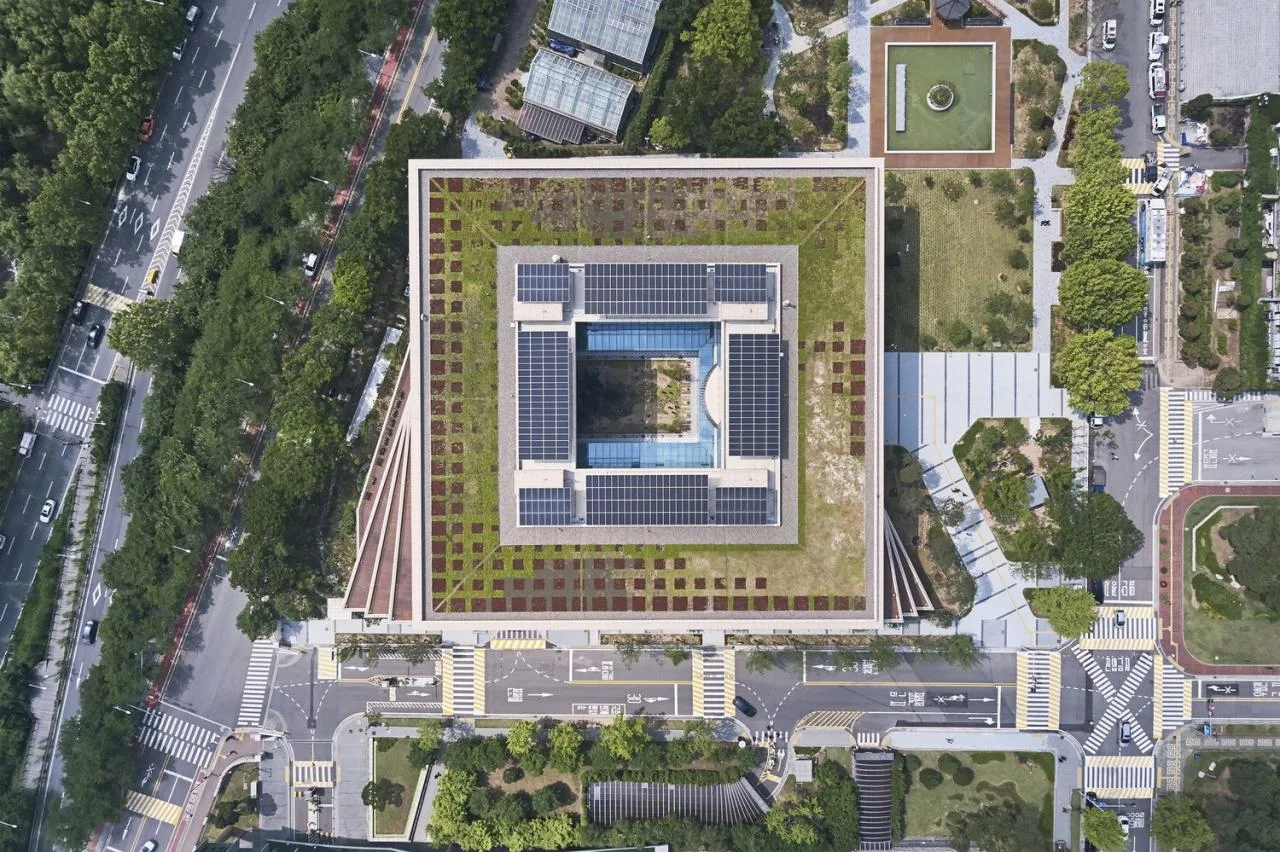
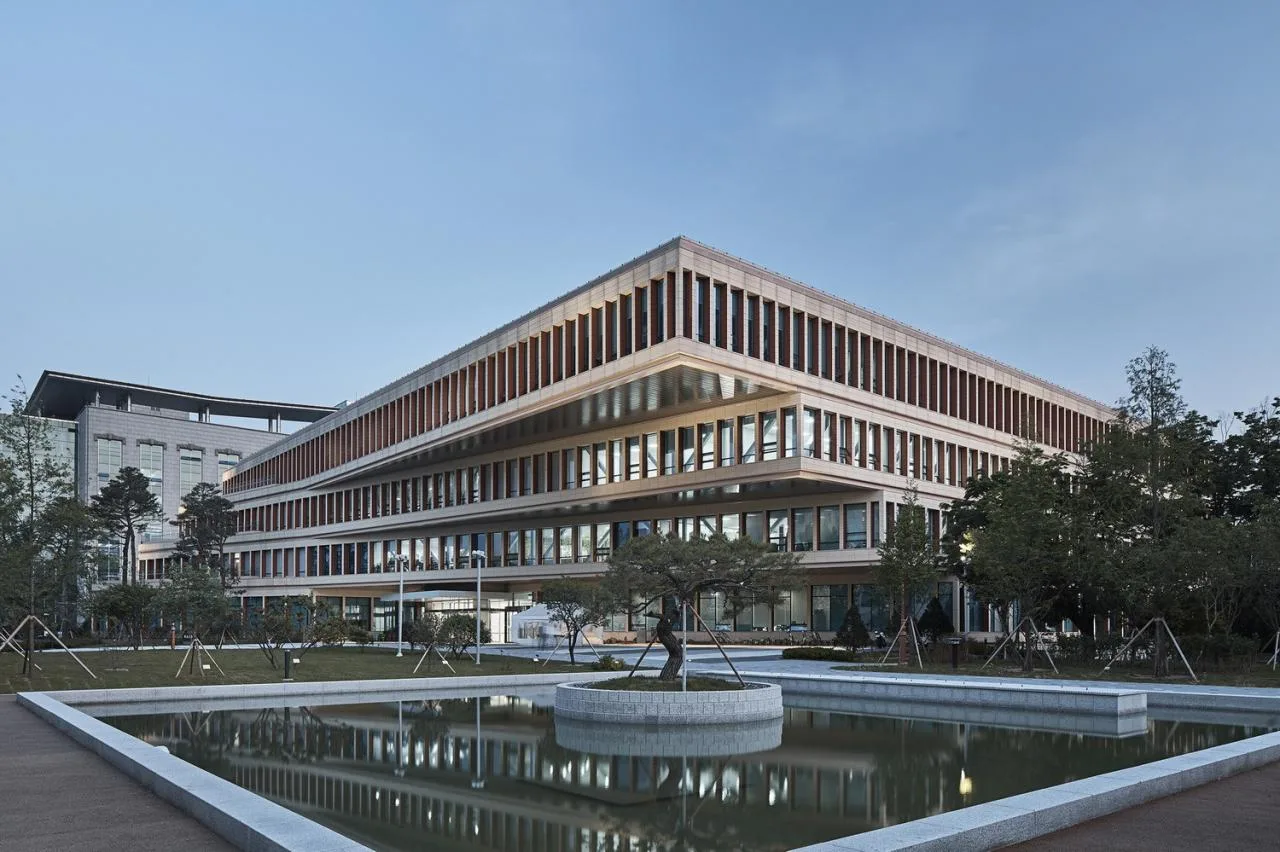
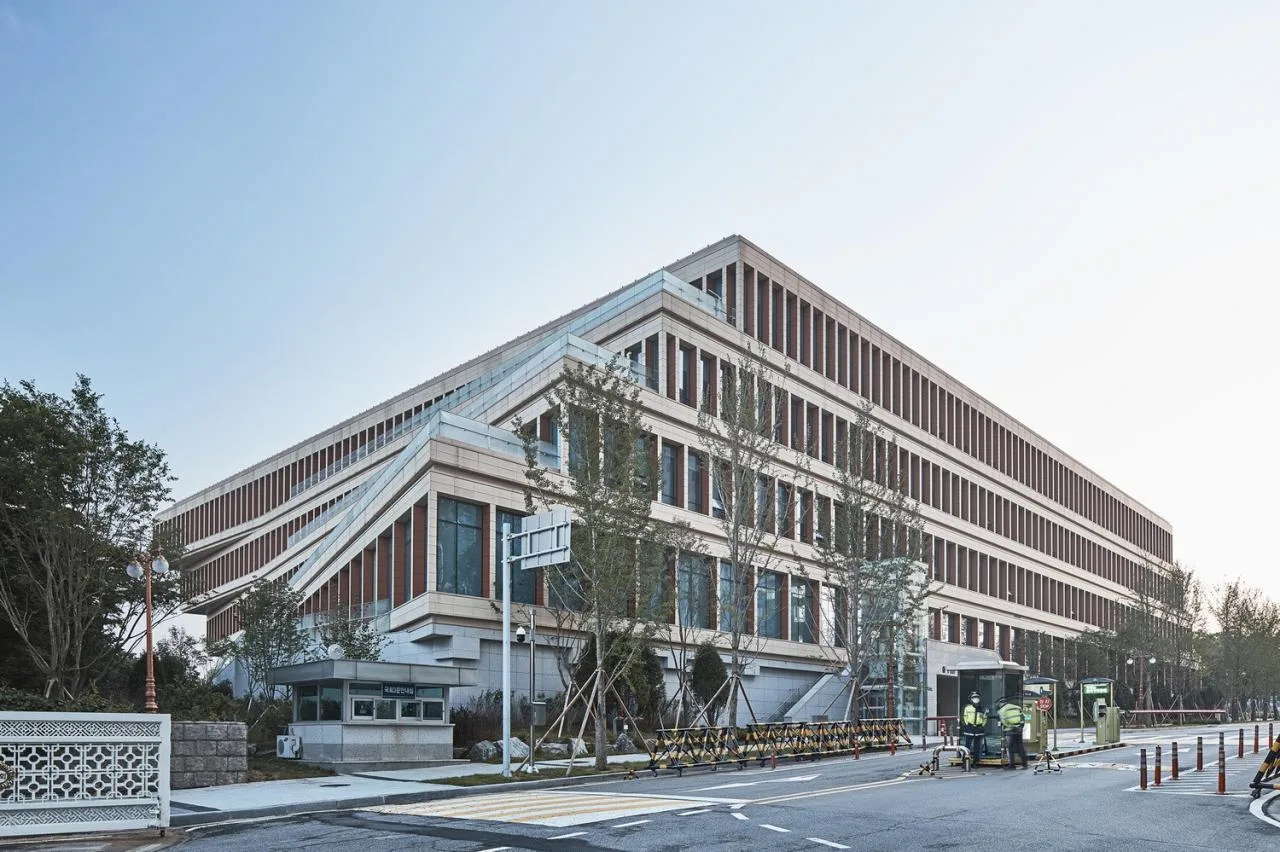
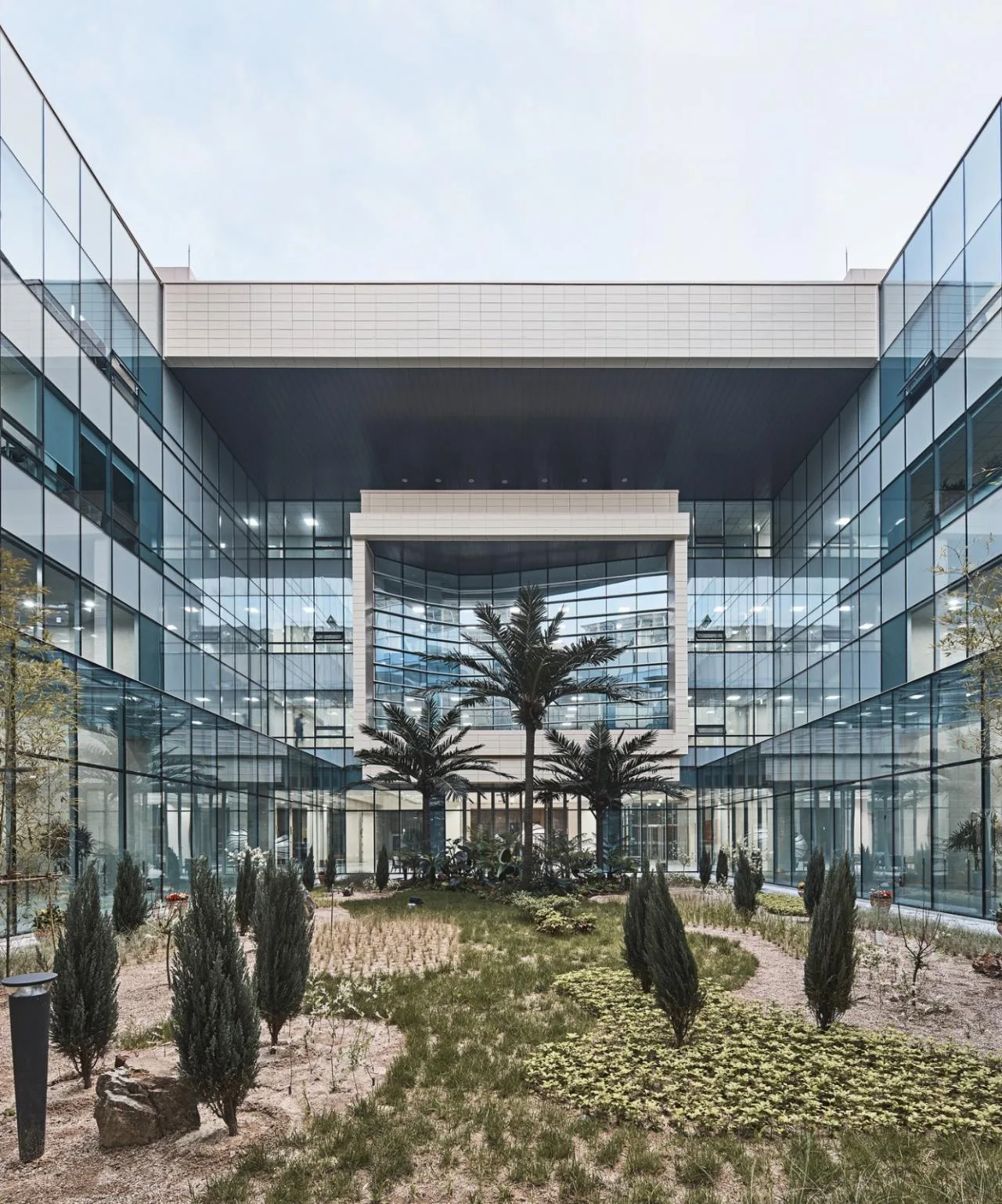
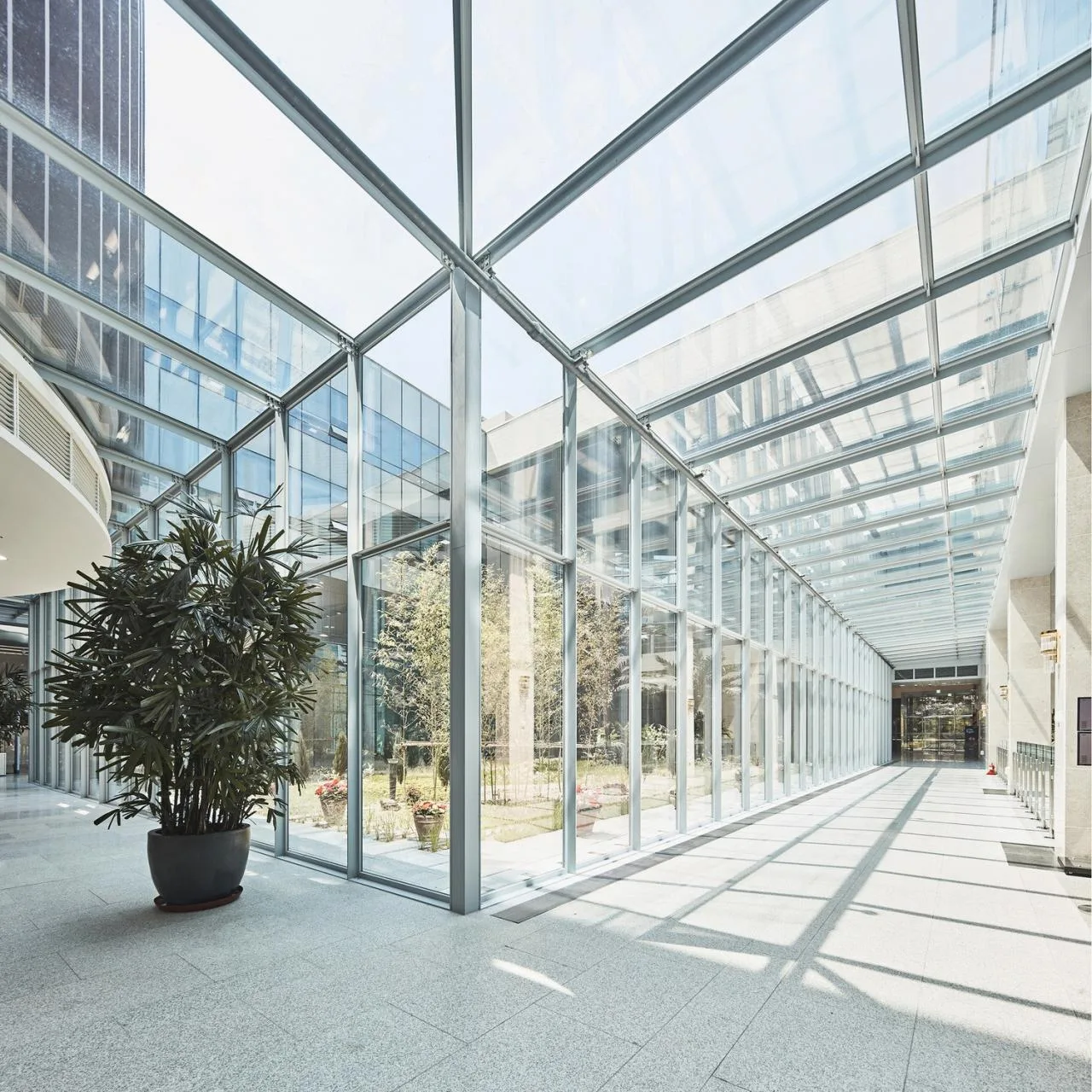
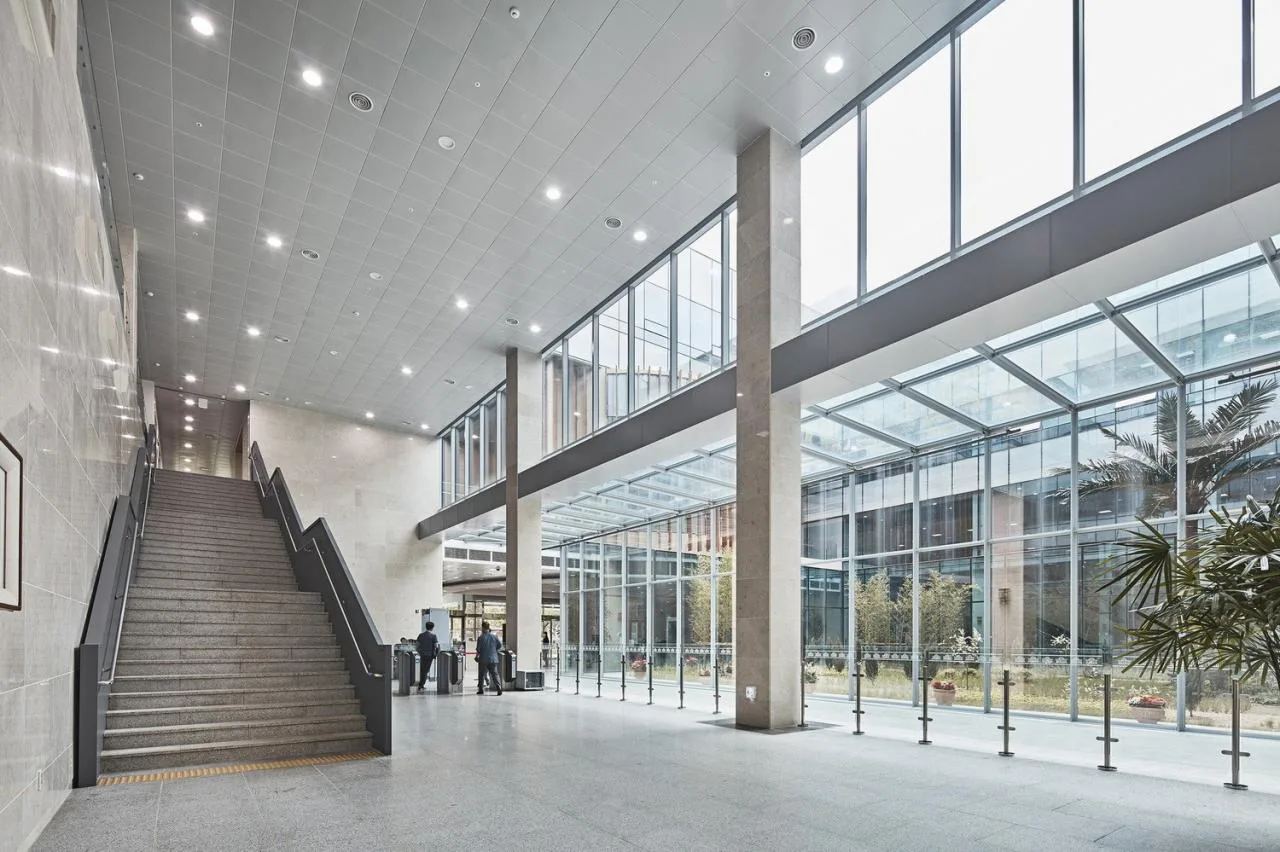
To accommodate diverse functions and users, Haeahn has developed a horizontally zoned floor plan that enhances spatial usability and work efficiency, while maintaining the independence of each area. The design features a traffic flow system segregated by user type and a security system organized around four atrium cores.
By applying an optimized structural module system, the integrated workspace is designed to respond flexibly to future changes in spatial requirements, ensuring the building can adapt to evolving needs.
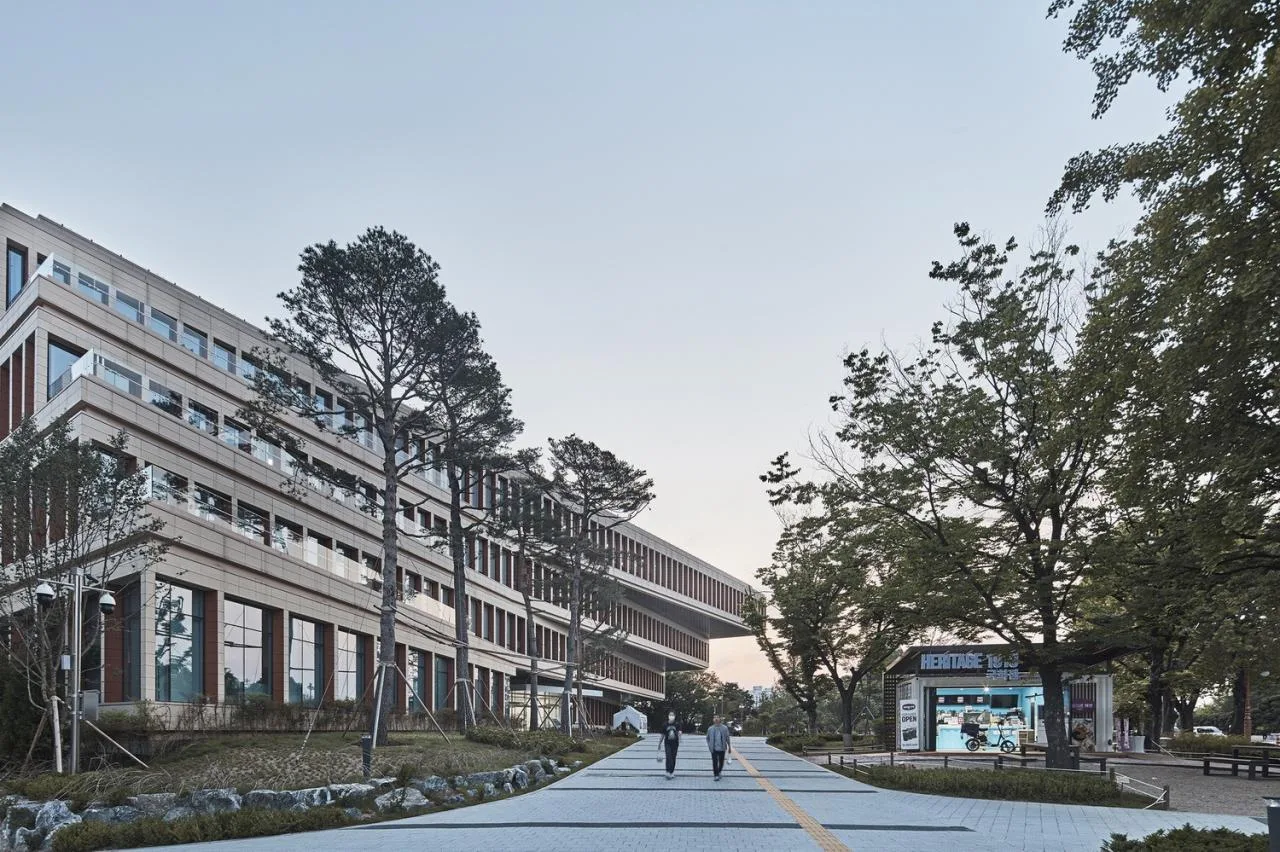
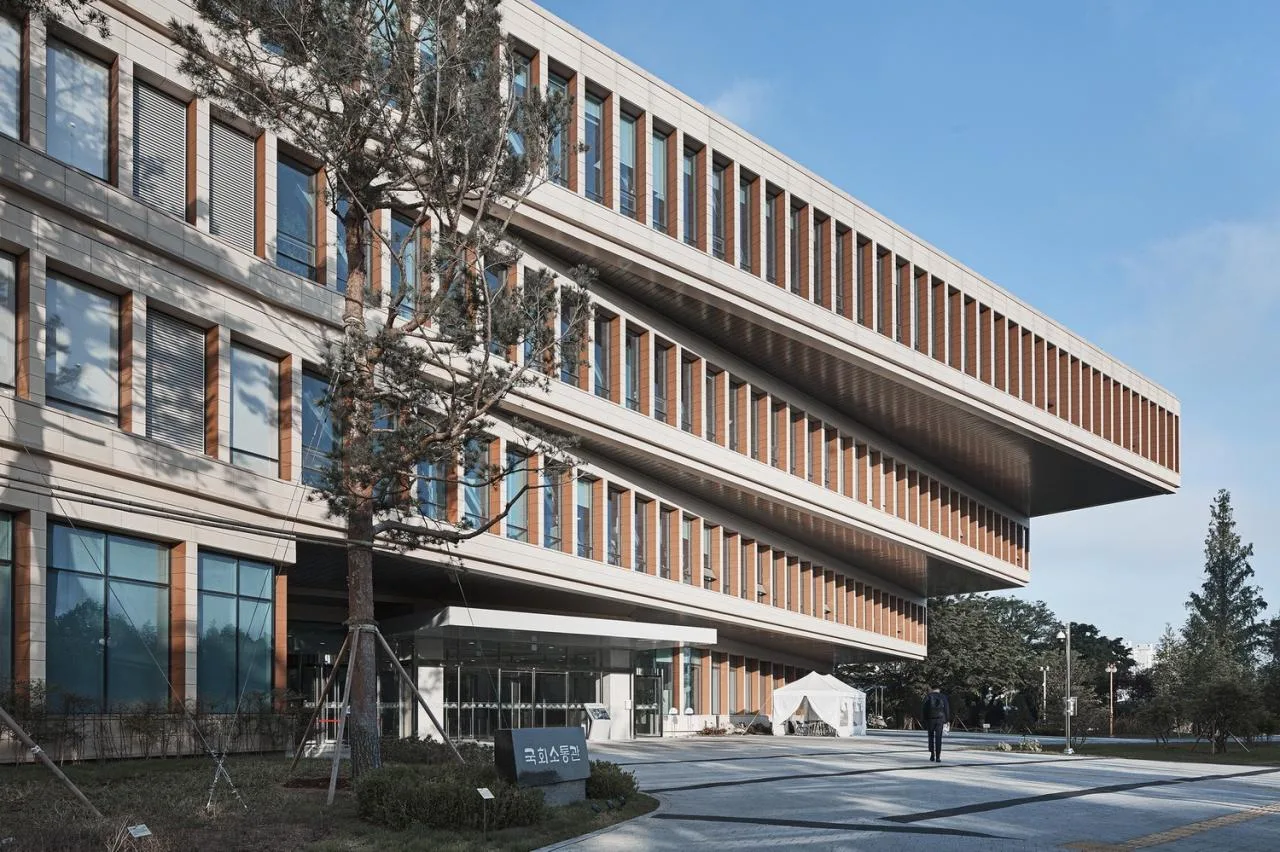
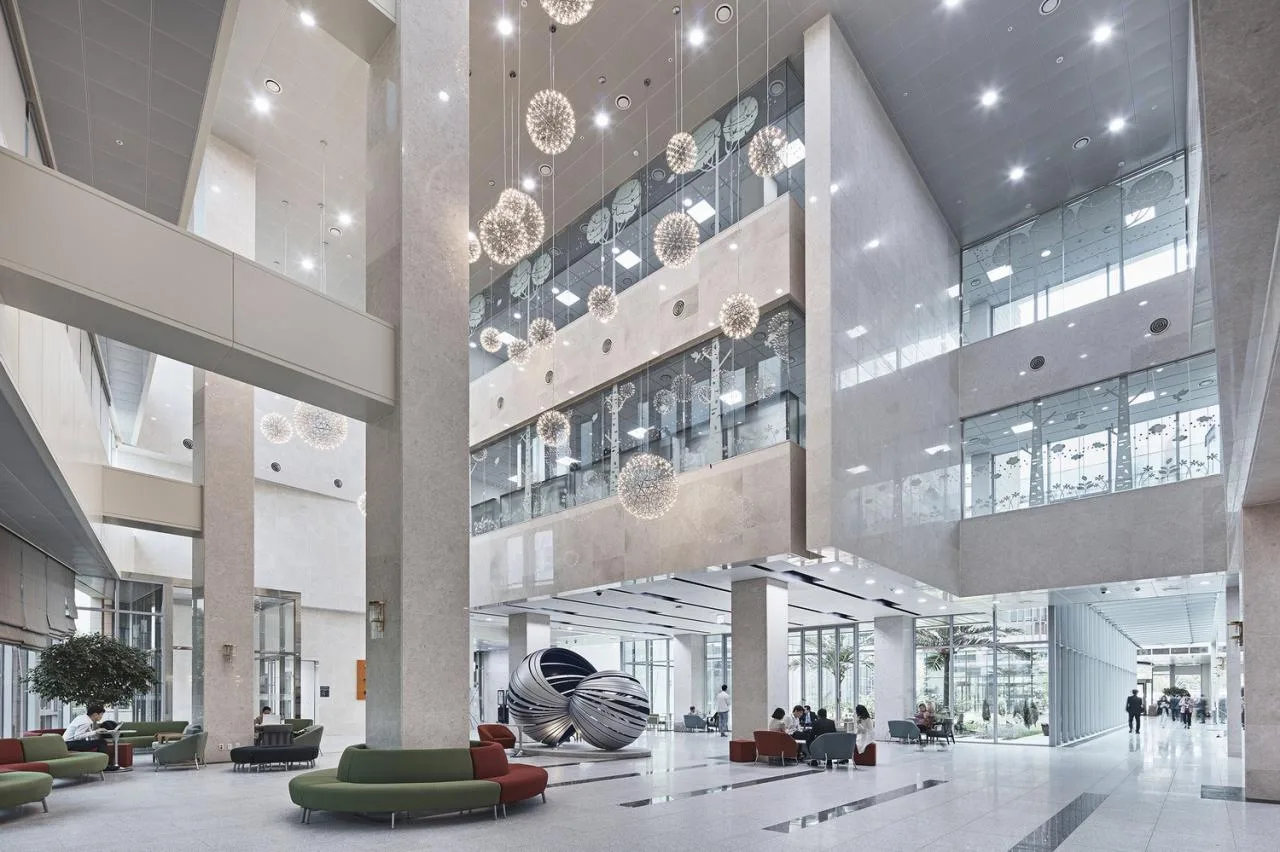
Embracing the theme of “Encounter and Communication,” Haeahn has created spaces that reflect the building’s diverse democratic spirit. Serving multiple purposes—including public engagement, news media, parliamentary politics, and administration—the design encourages dialogue and cooperation among user groups, fostering a robust democracy and national vision.
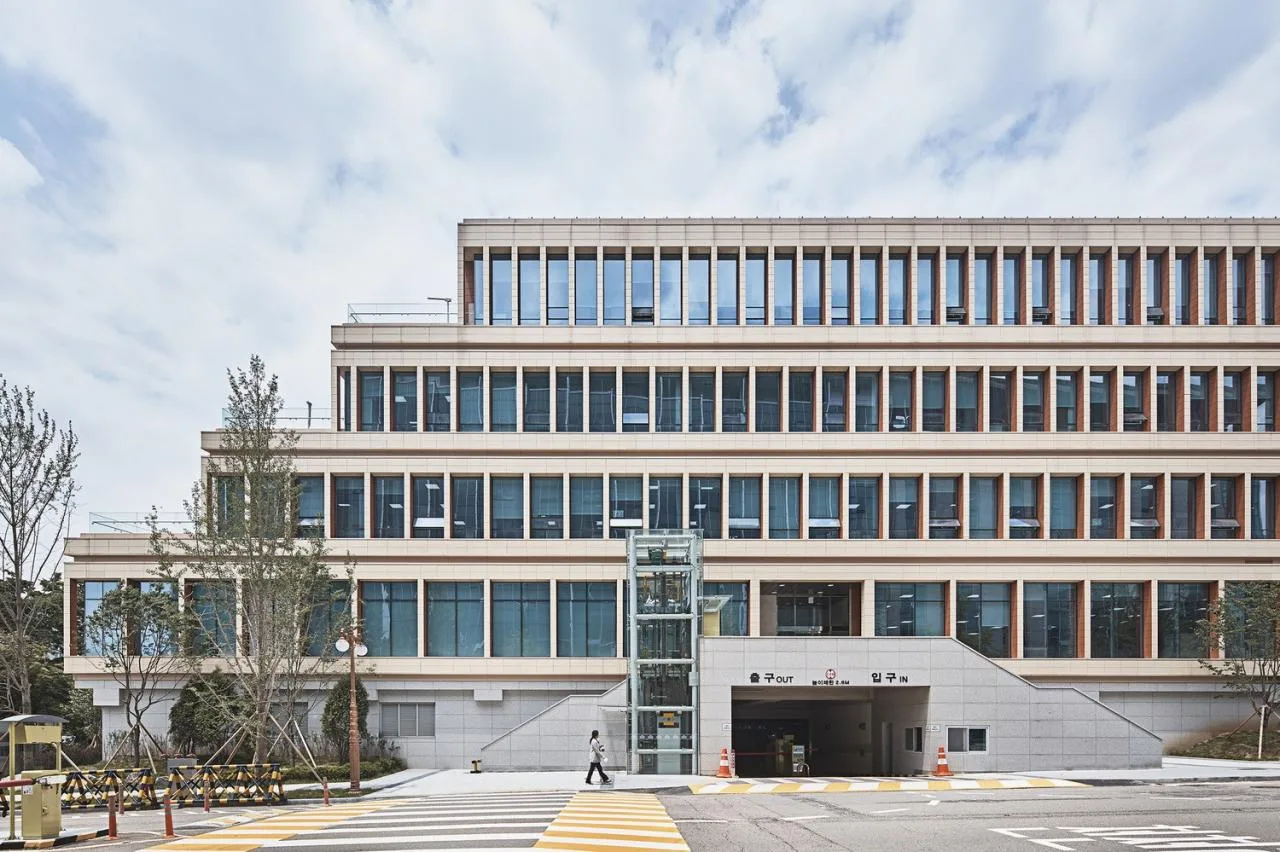
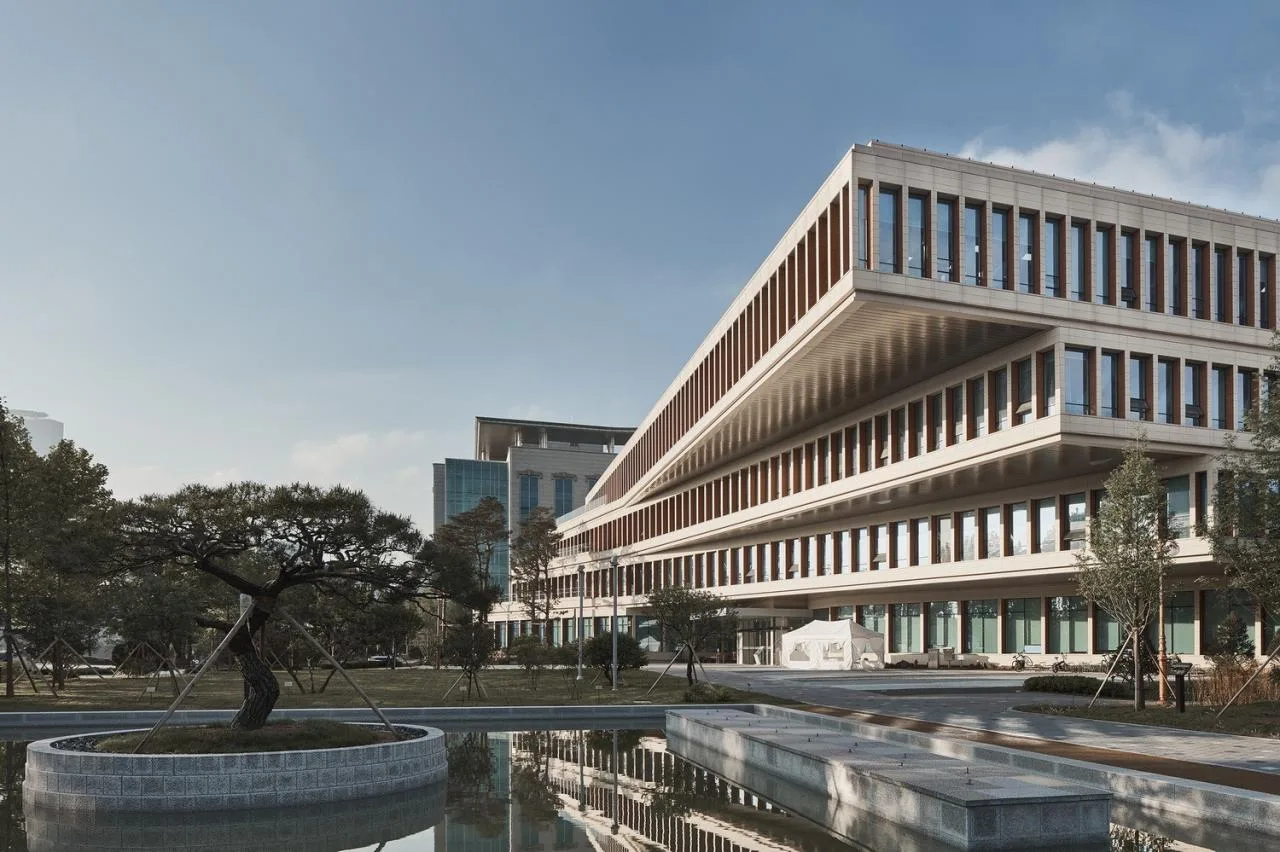
Throughout the building, various meeting and communication spaces are thoughtfully distributed. Public areas and rest zones link the interior with the outdoors, creating places for relaxation and social interaction. These spaces facilitate connections between people, environments, and the city, making the building an open, interactive venue at all times.
Project Drawings
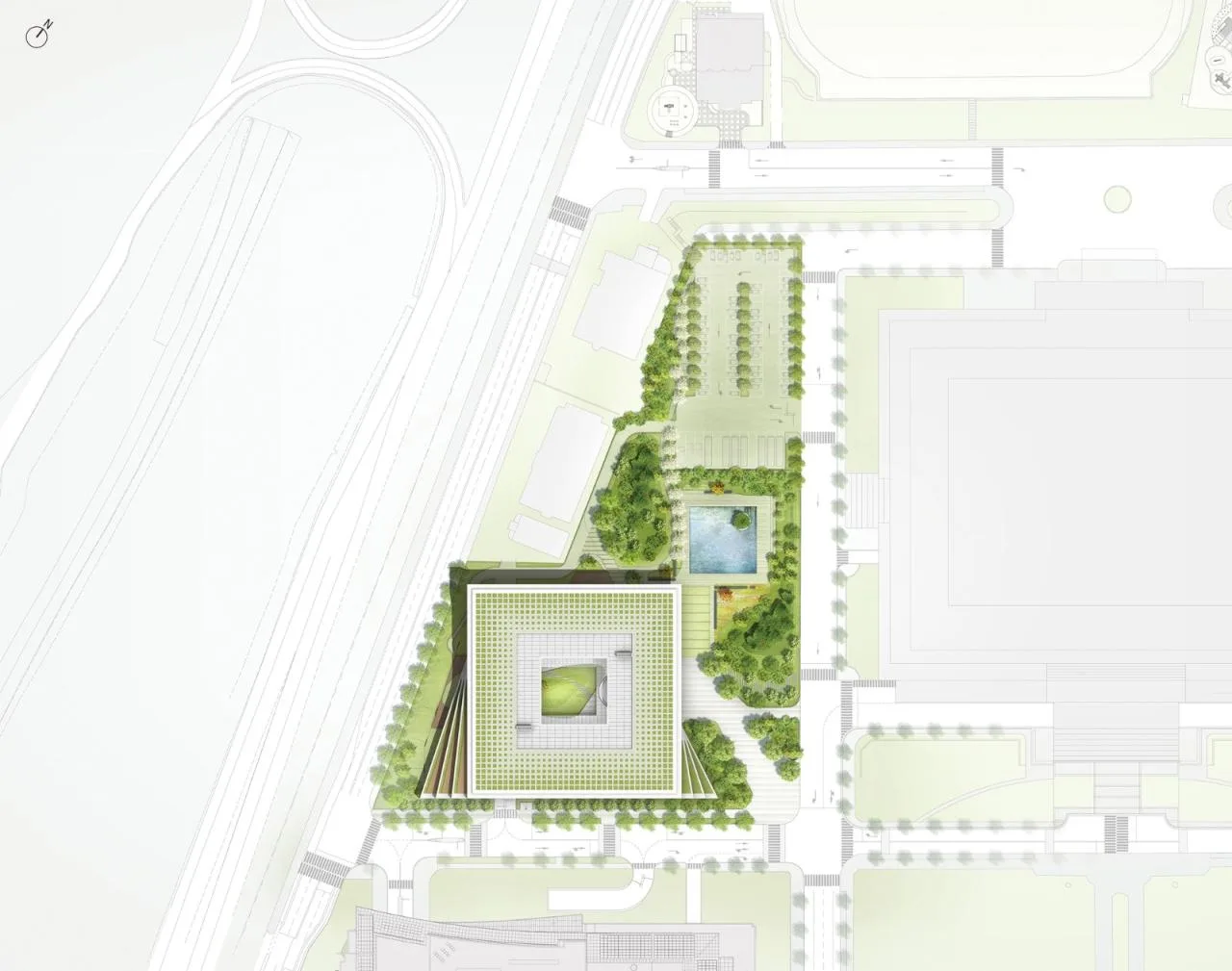
△ General Layout Plan
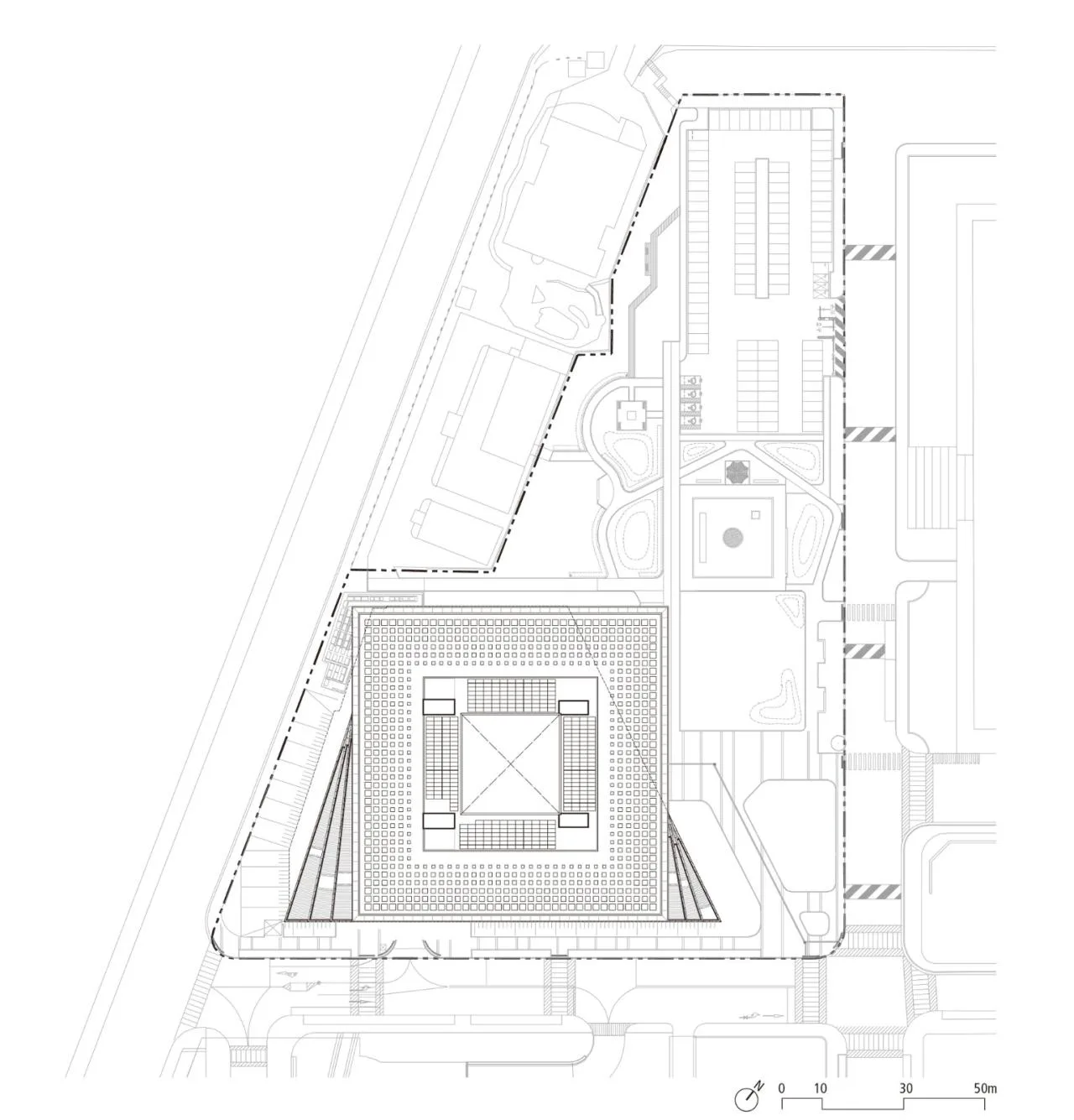
△ Plan View
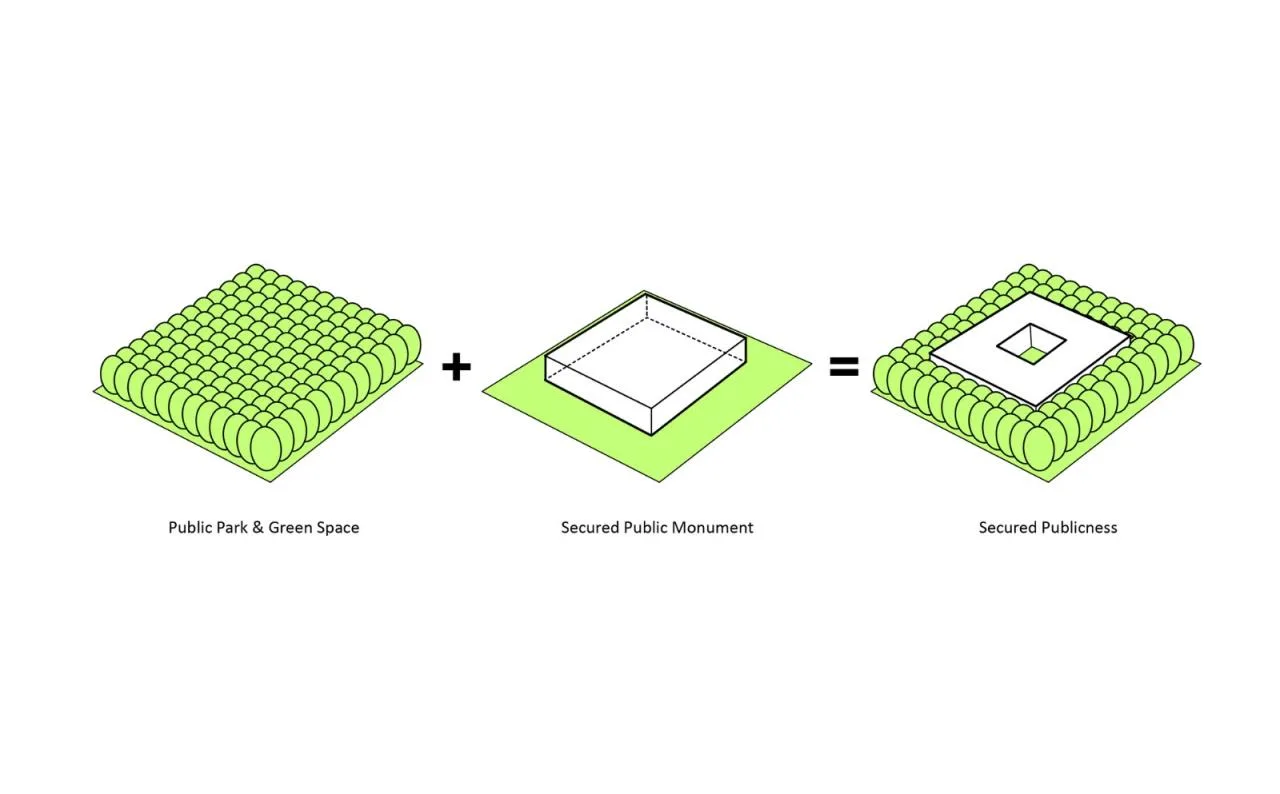
△ Diagram
Project Information
Architectural Design: Haeahn Architecture
Area: 2,475,324,753 square meters
Project Year: 2020
Photographer: Namsun Lee
Project Team: Hyunhwa Jung, Hyeonseok Oh, Seongho An, Hyeongwook Doh, Junyong Kim, Minkang Shin, Youngjun Shin, Jaewon Chang, Yohan Bahc, Jinyoung Bae, Haengsook Lee
Lead Architect: Taeman Kim
Structural Engineer: HANBIT Structural Engineering
Civil Engineer: OHJU Engineering
Location: Yeongdeungpo-gu, South Korea












Must log in before commenting!
Sign Up