
Low Cost, Modular, Batch Production
Bringing a Poetic Touch to the Countryside
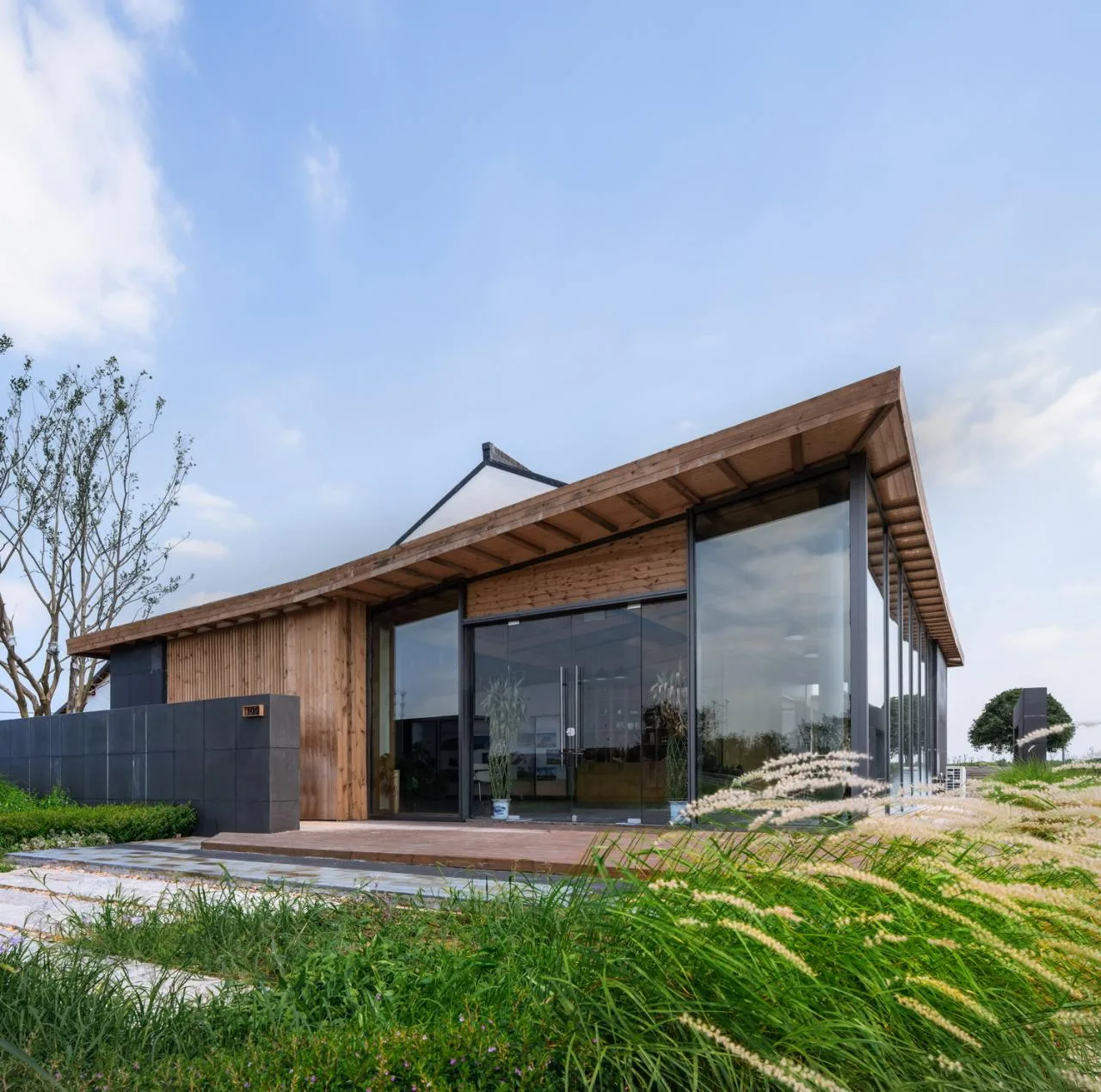
Over recent decades, China’s rapid urbanization and industrial growth have transformed cities and strengthened industries. Yet, this progress has also highlighted the growing imbalance and disconnect between urban and rural development. As a national strategy, rural revitalization is essential for achieving coordinated growth by supporting rural areas through urban resources and industries through agriculture.
The goal of rural revitalization is to restore the charm of the countryside, preserve and promote the rich cultural heritage embedded in rural areas, attract young talents and entrepreneurs back to their roots, boost local industries, increase farmers’ incomes, and enhance the beauty of rural life.
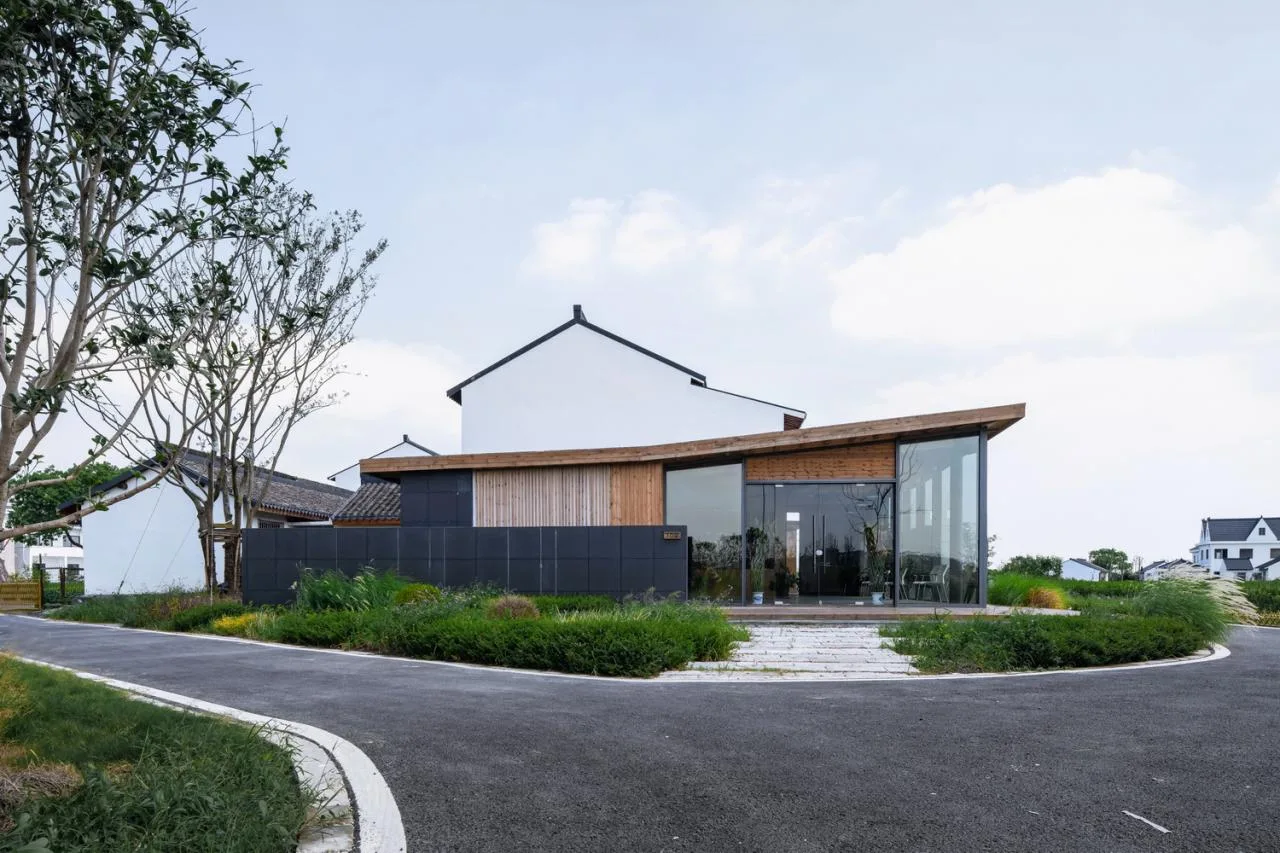
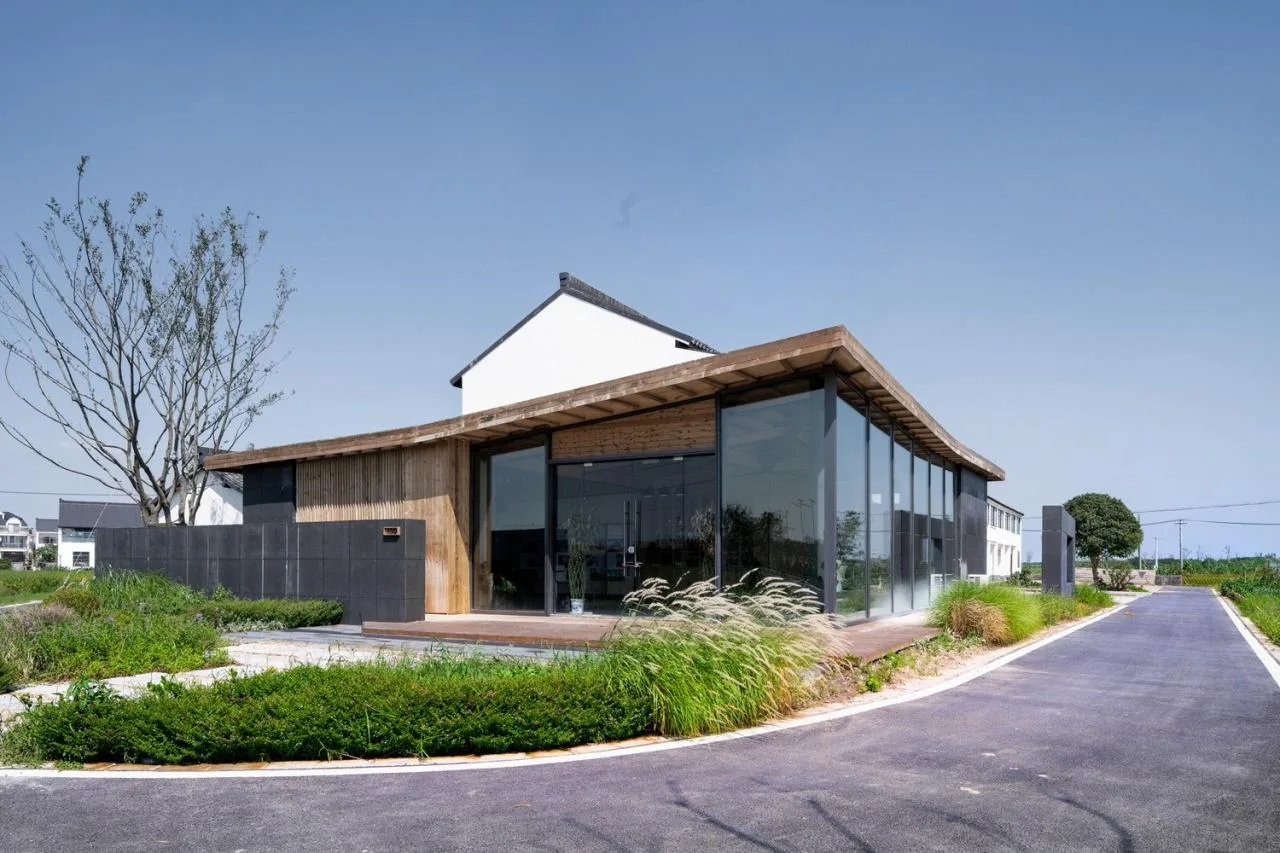
01 First Encounter with Li Kiln: A Beautiful Countryside Rich in Cultural Heritage
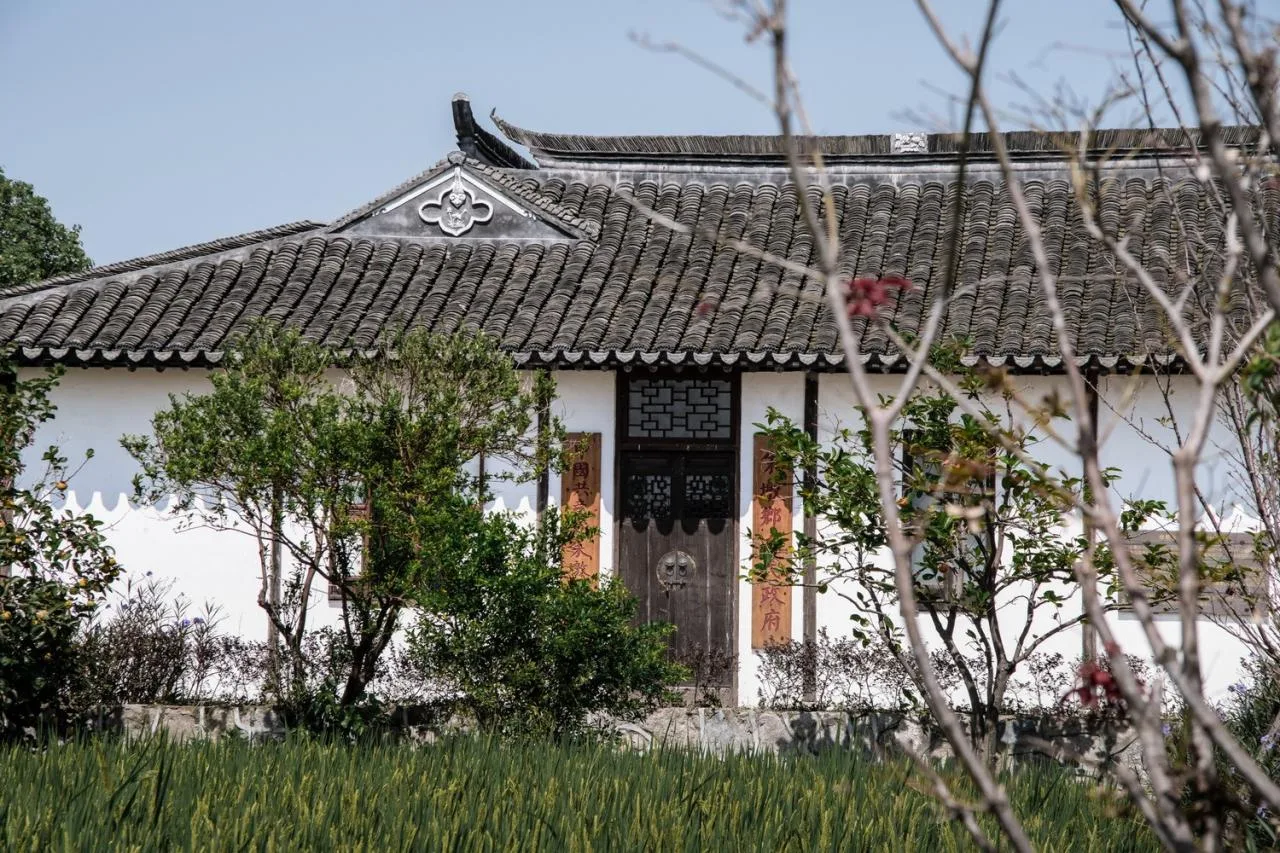
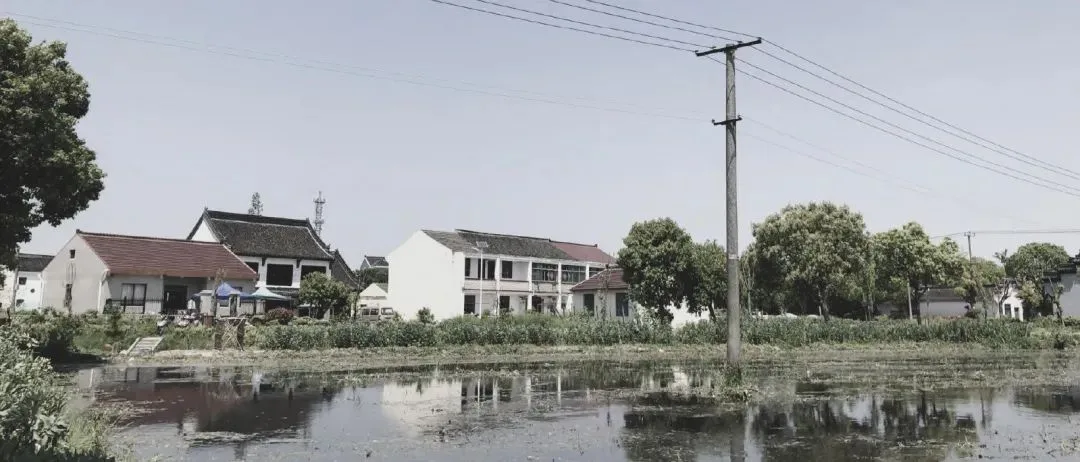
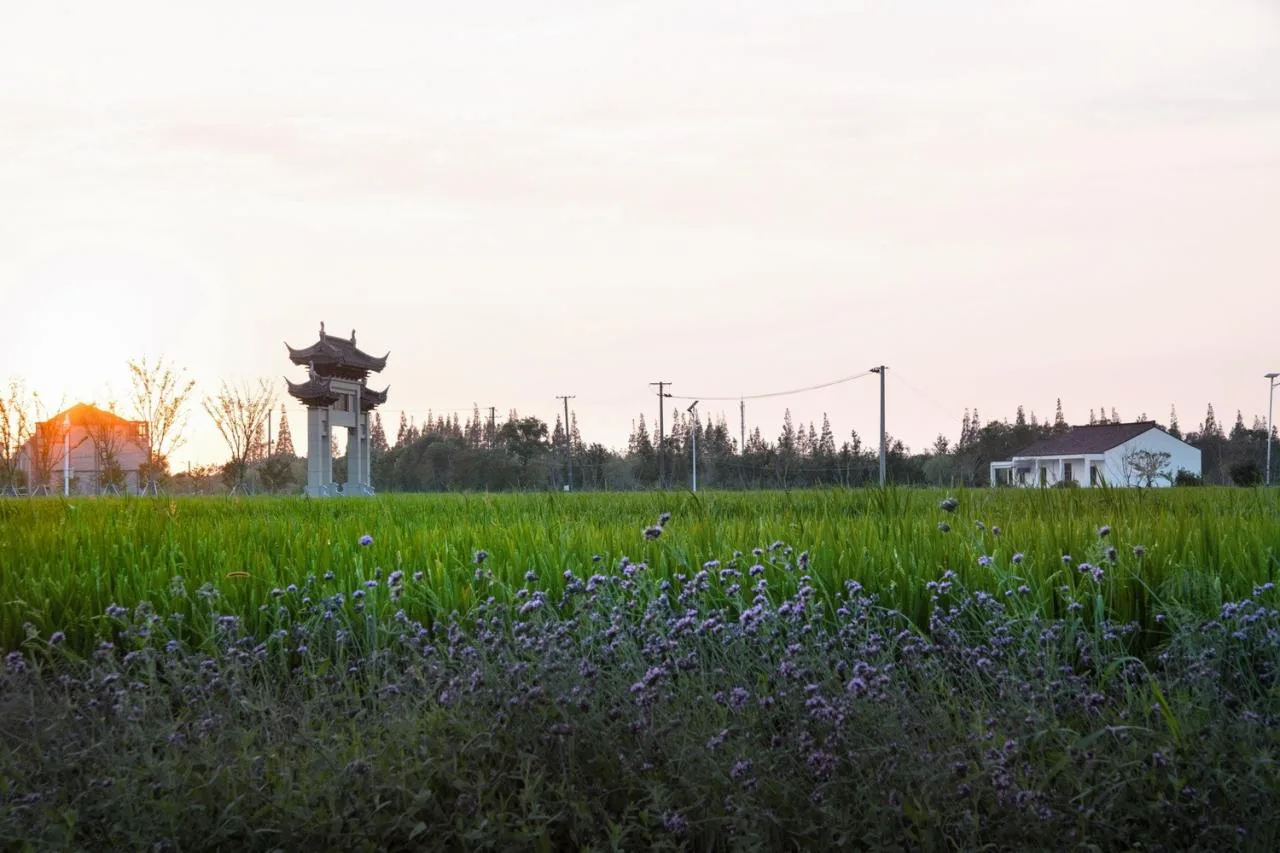
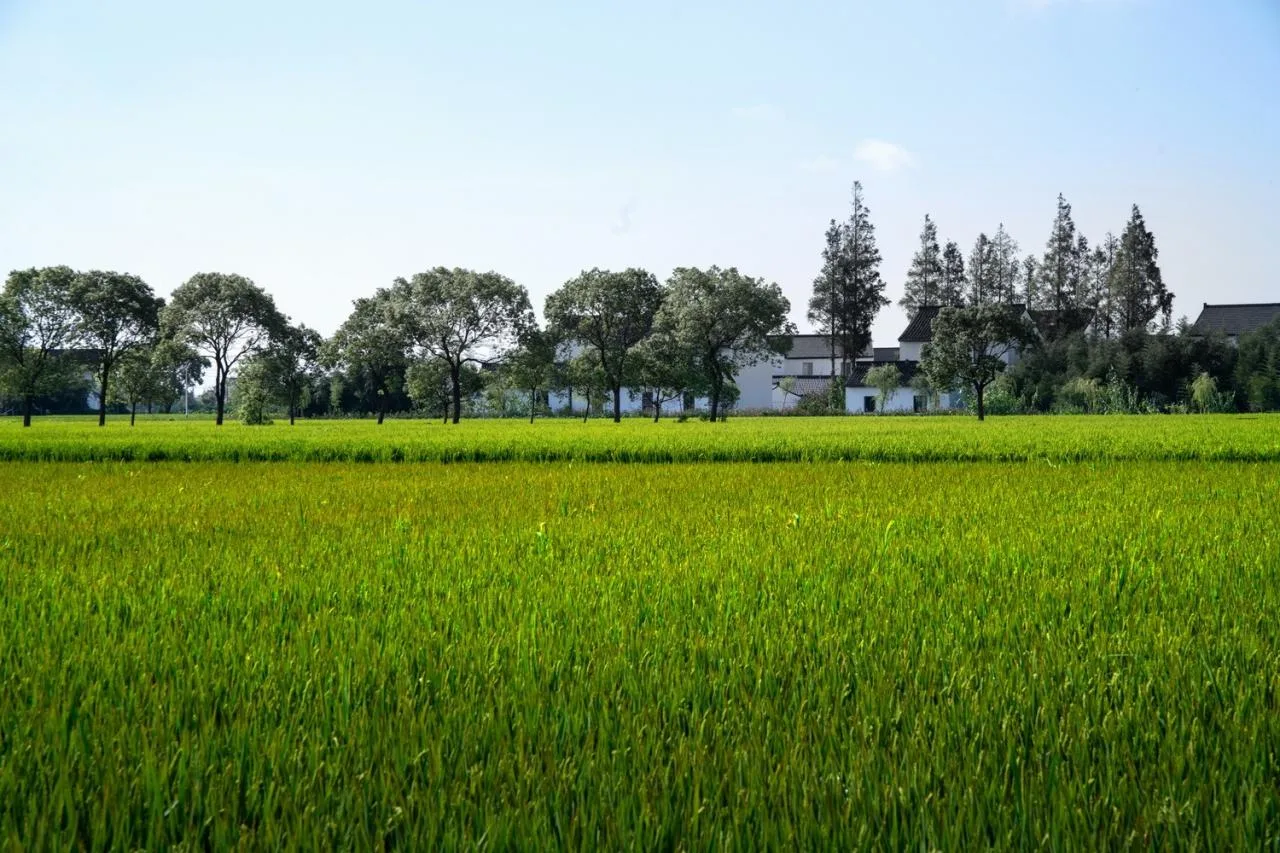
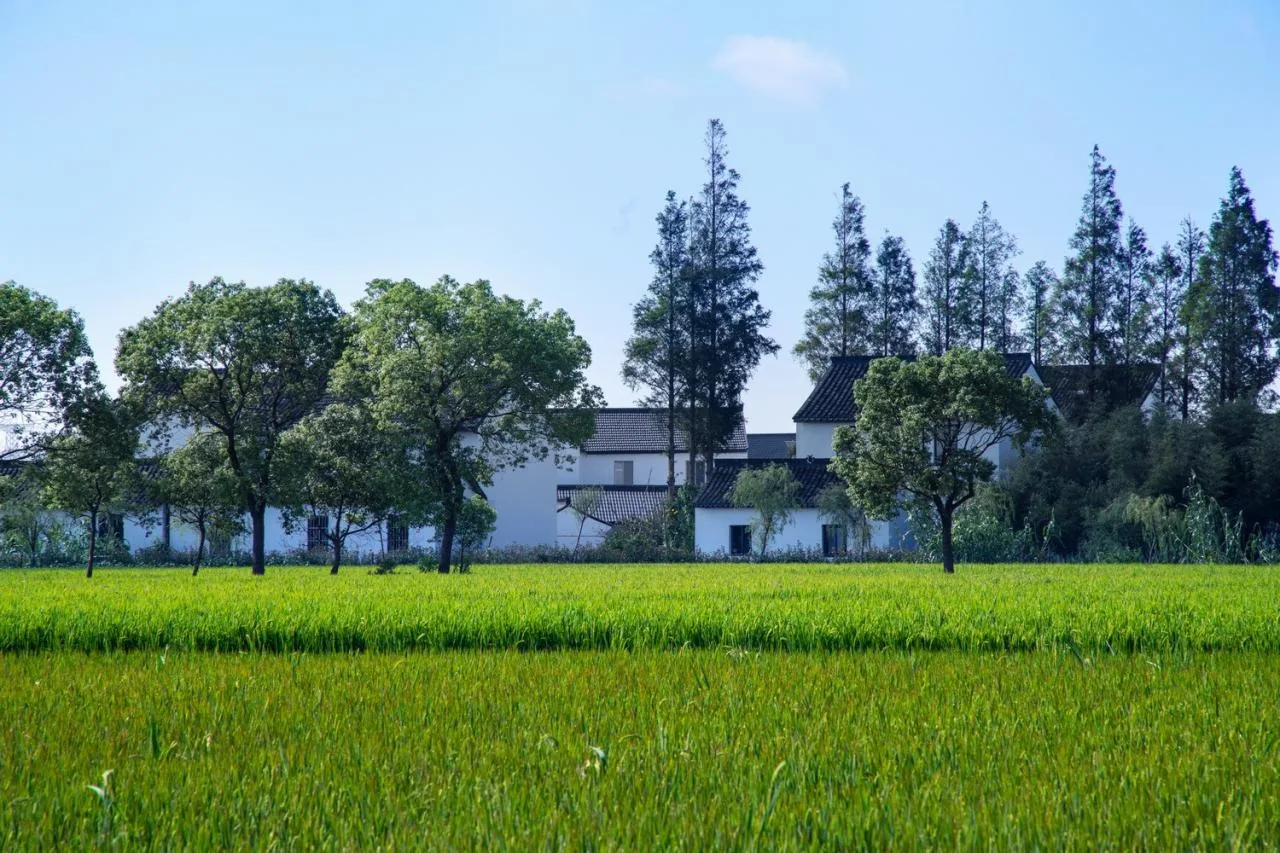
On a spring afternoon, the design team visited Liyao Village in Fengxian for the first time. Recognized as one of Shanghai’s third batch of rural revitalization demonstration villages, Liyao Village was selected in 2019 for its “Beautiful Countryside” status, boasting a strong foundation in rural texture and style. The village features expansive rice fields, a rich network of rivers, and well-established landscaping.
At the village entrance, the history museum introduced the legacy of Li Kiln. The Li family, who migrated south to the Qingxi region during the Ming and Qing dynasties, established farmland, homes, and several brick kilns. Renowned for producing large quantities of high-quality green bricks, Li Kiln Village gradually developed its distinctive cultural heritage around this craft.
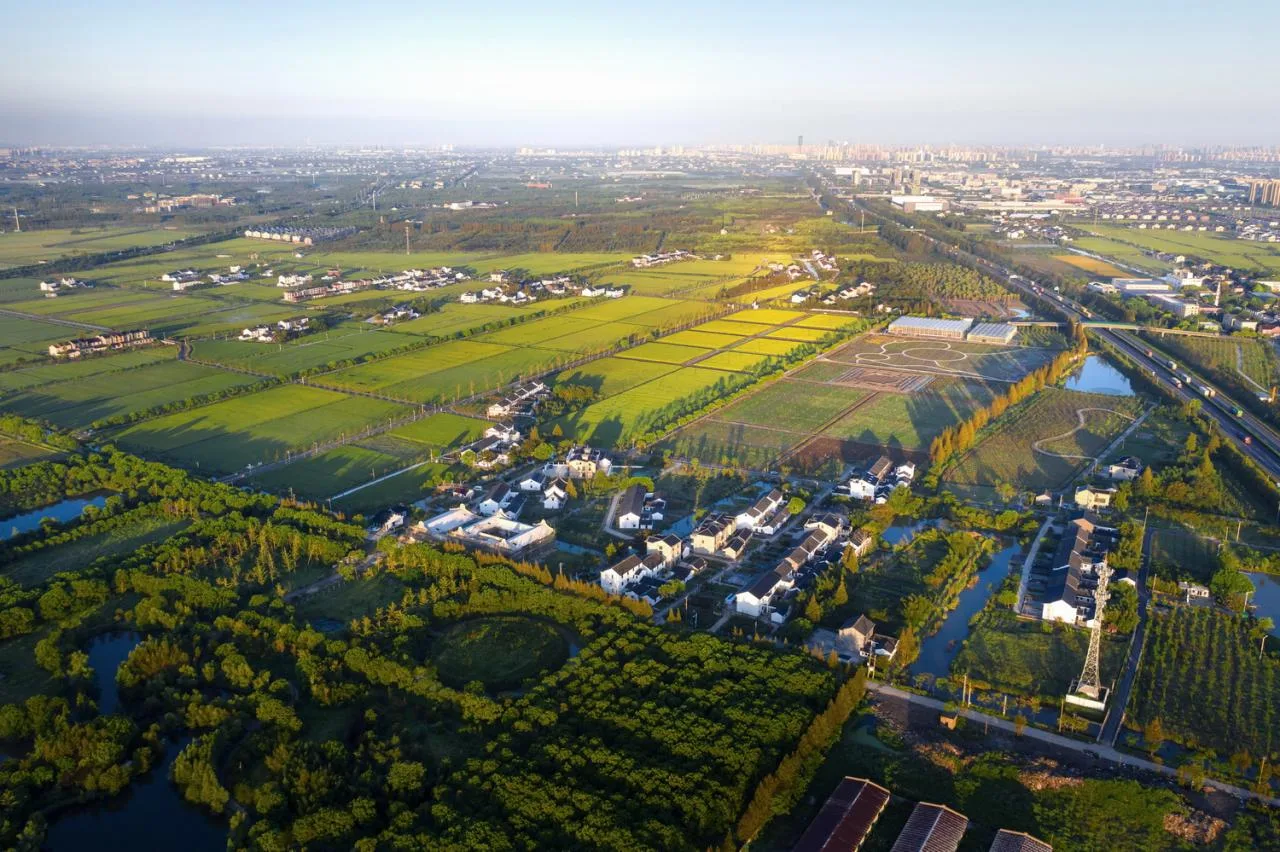
At that moment, the architects felt a profound sense of mission—pride mixed with anxiety, excitement alongside apprehension. They recalled how many beautiful villages in the past were destroyed by excessive redevelopment, severing nostalgic ties and erasing cultural roots, rather than revitalizing them.
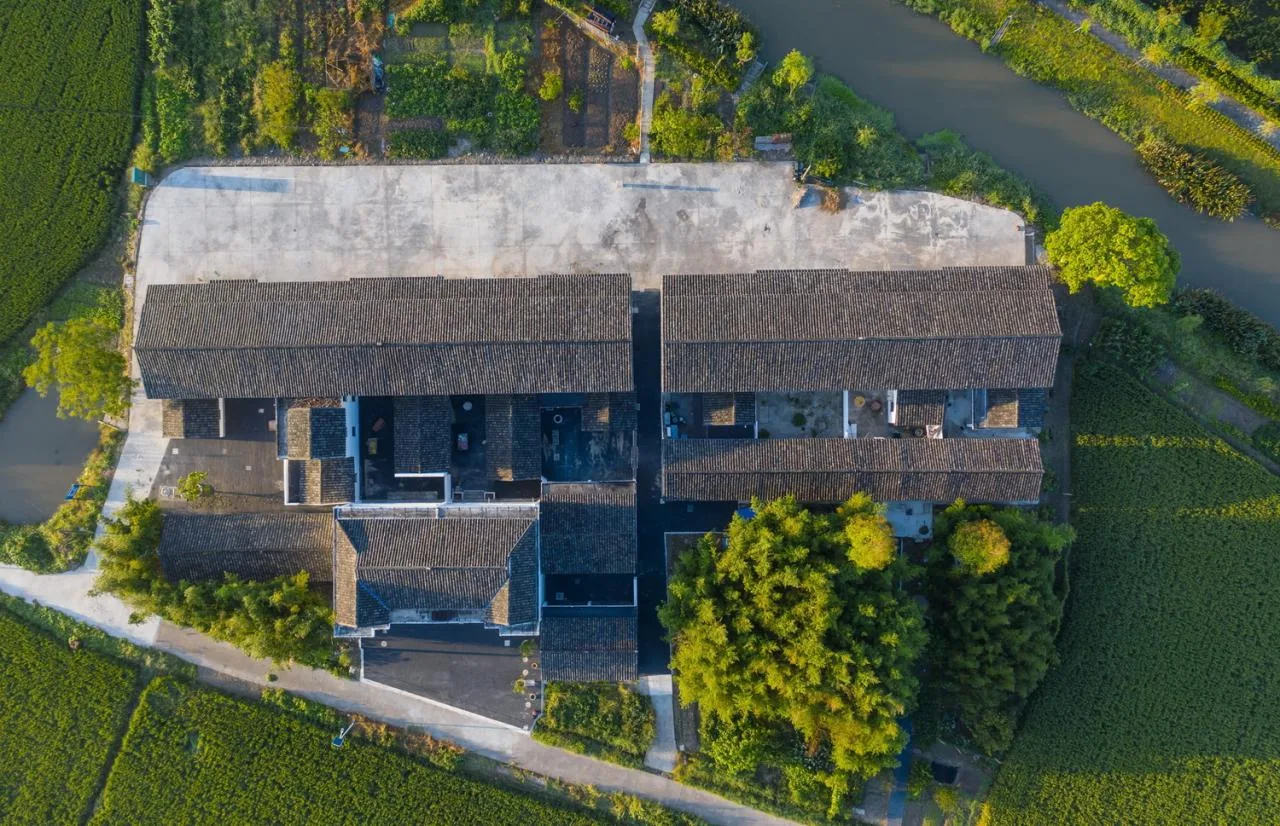
02 Industry Planning: Embracing Unique Local Industries, Avoiding One-Size-Fits-All
This rural revitalization project focuses on rebuilding the “agriculture, forestry, water fields, roads, bridges, and houses” of Liyao Village through comprehensive housing renovation, infrastructure upgrades, river dredging, landscaping, and public service facilities. A revenue model combining rent, stock capital, and employment income will be established by transferring vacant village houses, renovating the landscape, and introducing emerging industries that blend agriculture, commerce, culture, and tourism.
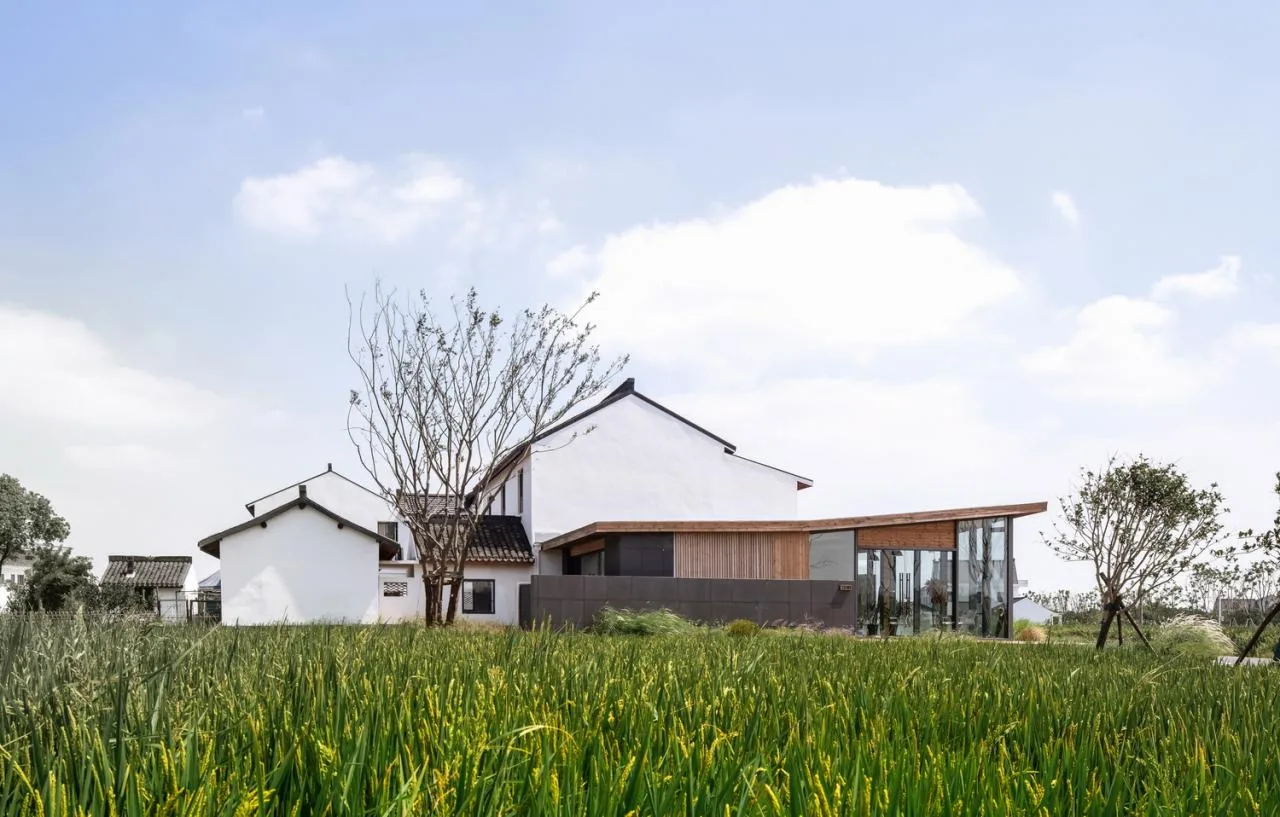
Aligned with this strategy, the design team explored Liyao Village’s industrial characteristics. Over 1,000 acres of rice fields will serve as the agricultural backdrop. The preliminary plan aims to amplify Liyao’s distinctive “kiln culture,” promote local folk arts and intangible cultural heritage, and nurture new industries that integrate modern technology and culture. Facilities for office work, leisure, sports, and accommodation will be developed to support these industries, enabling residents to live and work comfortably within the village.
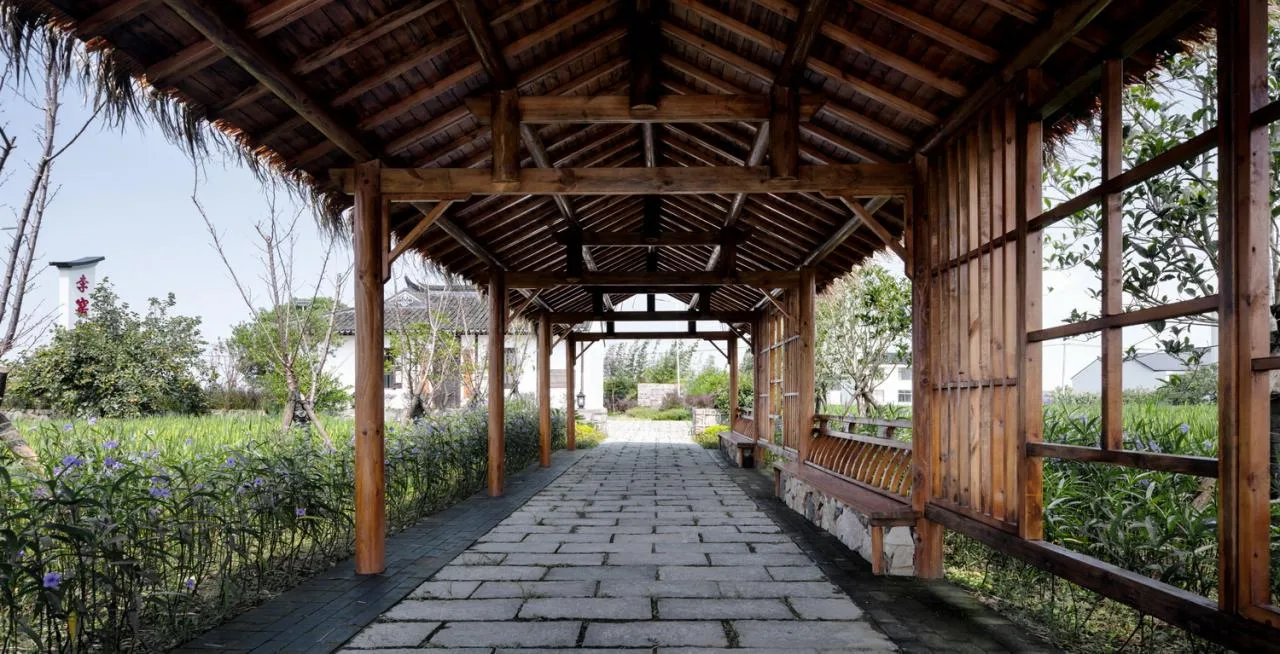
The village is divided into six key zones: the lead area, catering market, cultural and creative hub, new industry cultivation zone, health and wellness homestay area, and agricultural market. The goal is to build a distinctive industrial chain integrating agriculture, tourism, culture, e-commerce, and homestay services. This will create an ideal rural lifestyle, making Liyao Village a truly upgraded demonstration of rural revitalization—livable, business-friendly, and tourist-attractive.
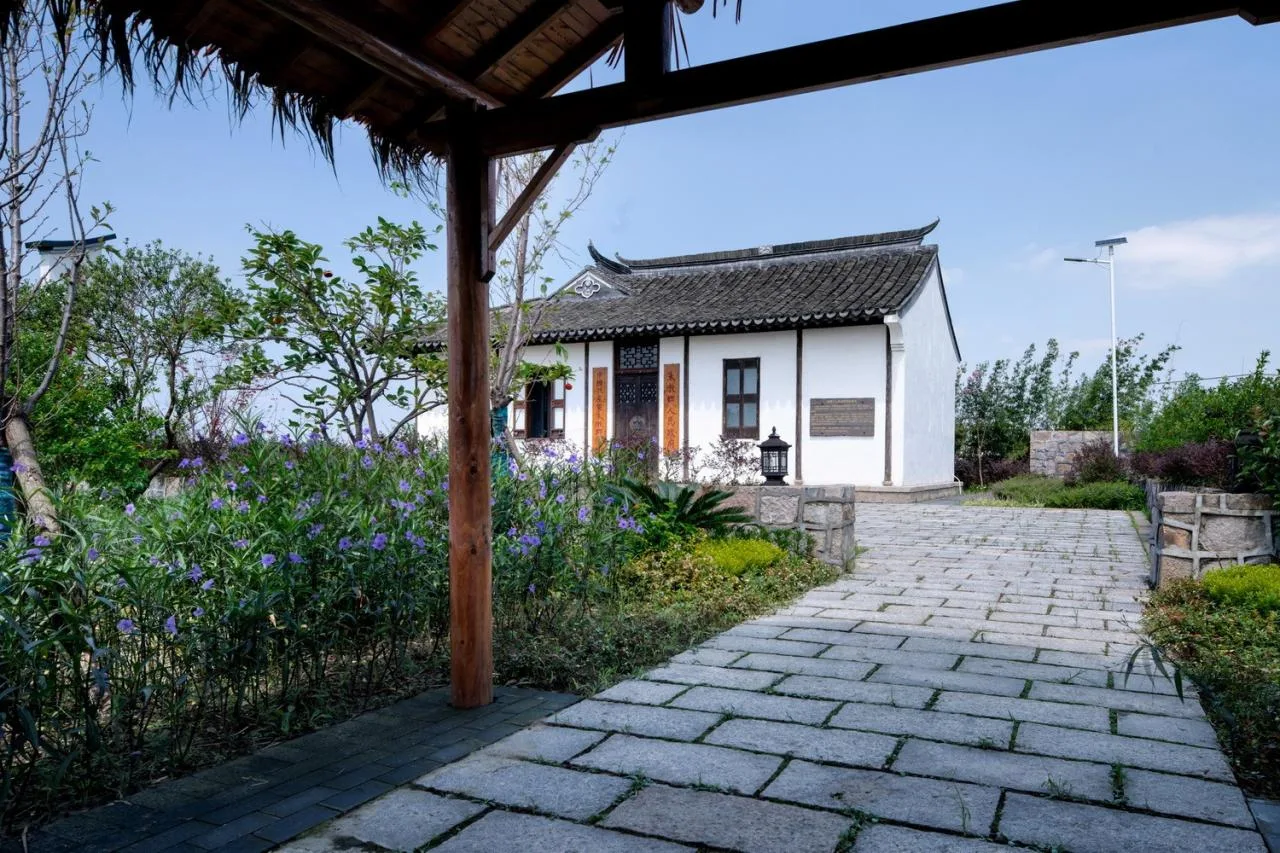
03 Design Approach: Low-Cost, Modular, Customized Renovation
The project has a modest budget of just over 51 million yuan, covering building and demolition work, road and bridge upgrades, ecological water management, landscaping, and more. Renovation costs alone amount to just over 22 million yuan, averaging a low 650 yuan per square meter, ruling out new construction. While the design team was committed to avoiding large-scale demolition and rebuilding, the tight budget presented significant challenges.
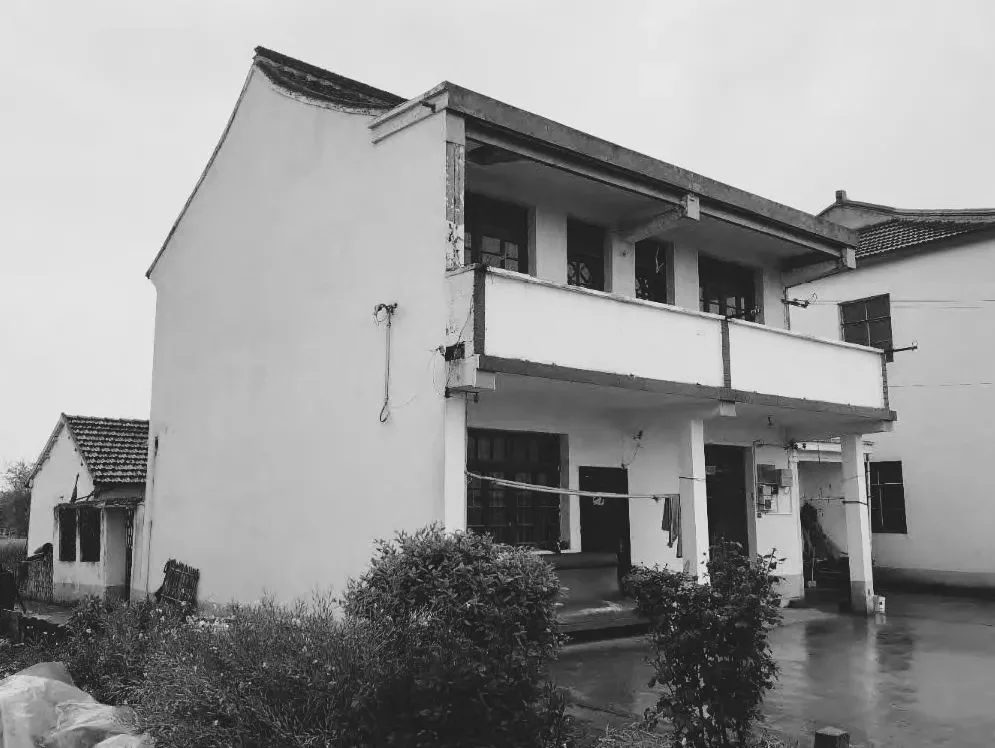
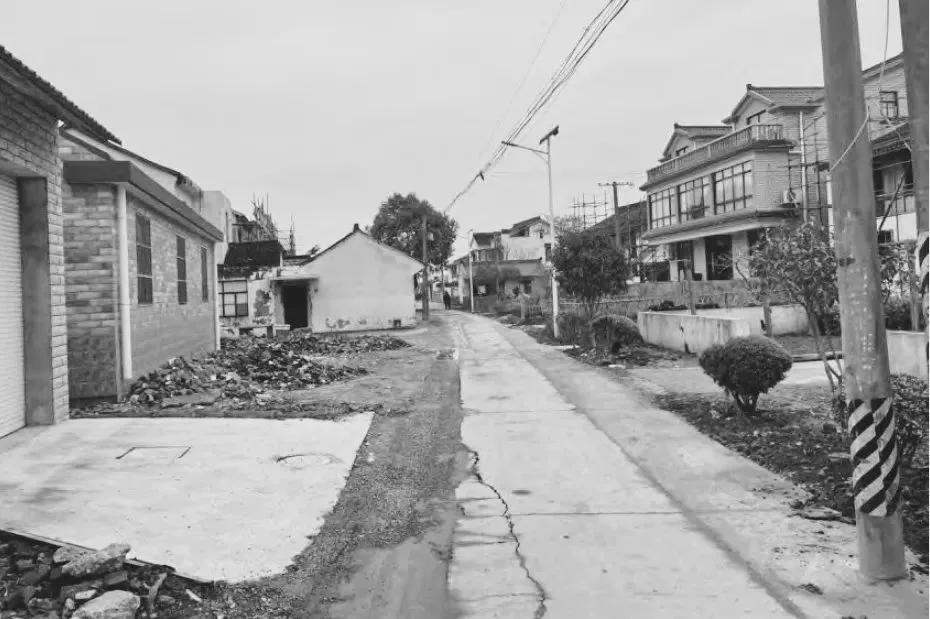
Before the renovation
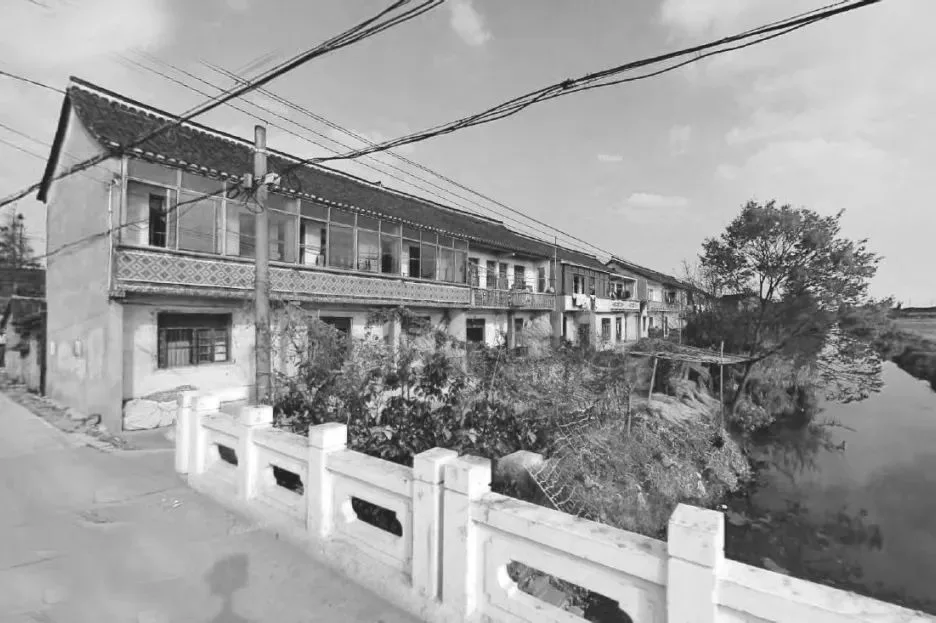
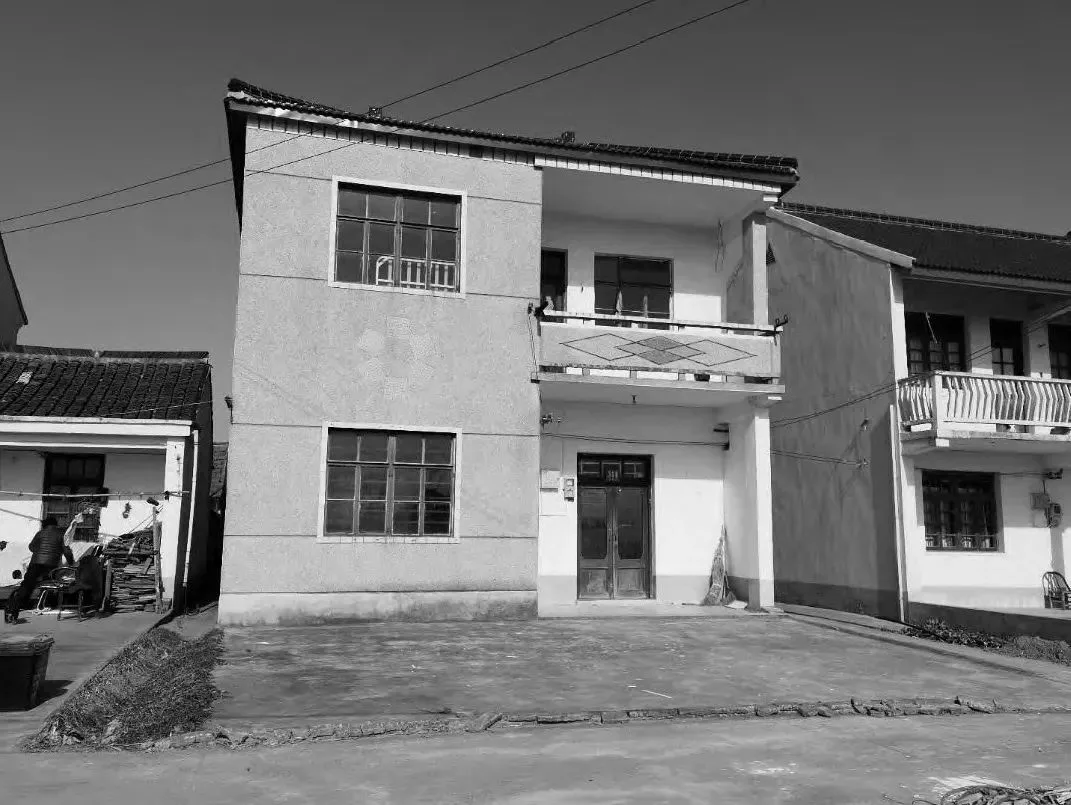
Before the renovation
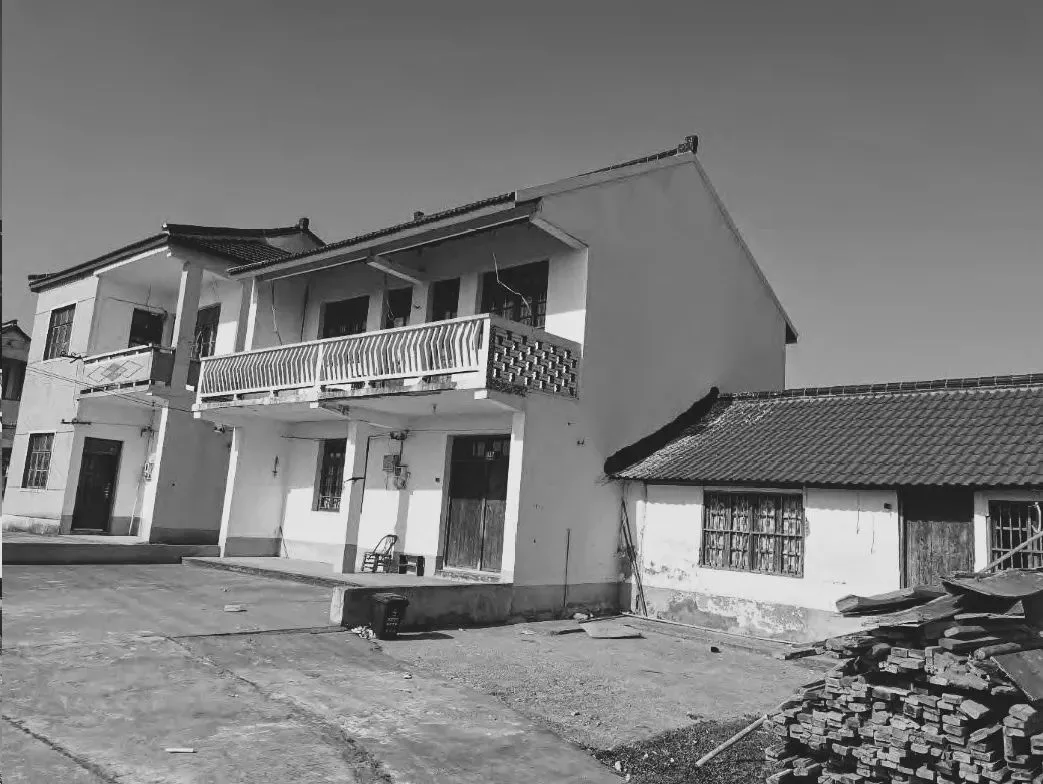
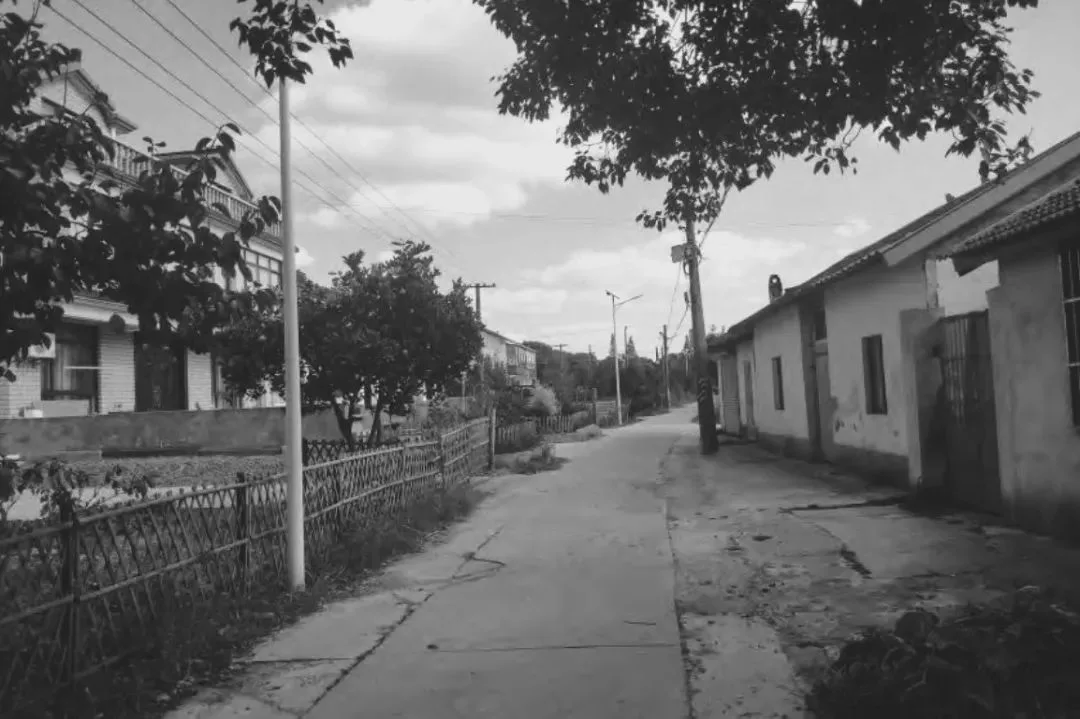
Before the renovation
Before the renovation
Before the renovation
Before the renovation
Before the renovation
The first phase targets the renovation of 133 residential buildings covering 33,000 square meters. The design team faced over a hundred self-built houses by villagers, lacking architectural drawings or standardization, including some that were dilapidated and structurally unsafe. This made comprehensive renovation a complex task.
The houses fall into two categories based on construction era: brick and concrete structures built around the 1990s, and small western-style houses or villas built after 2000. Renovation efforts focus mainly on the older 1990s buildings.
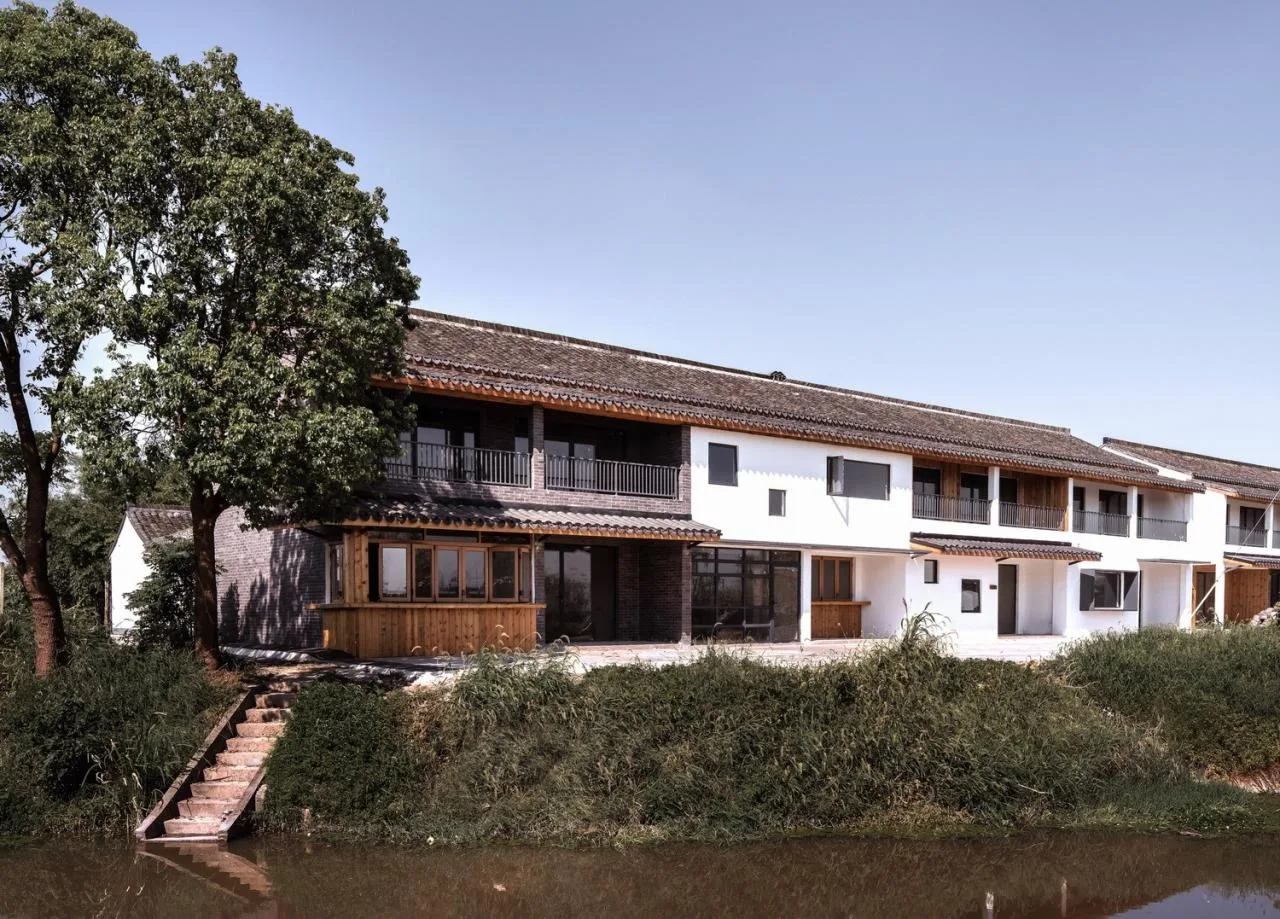
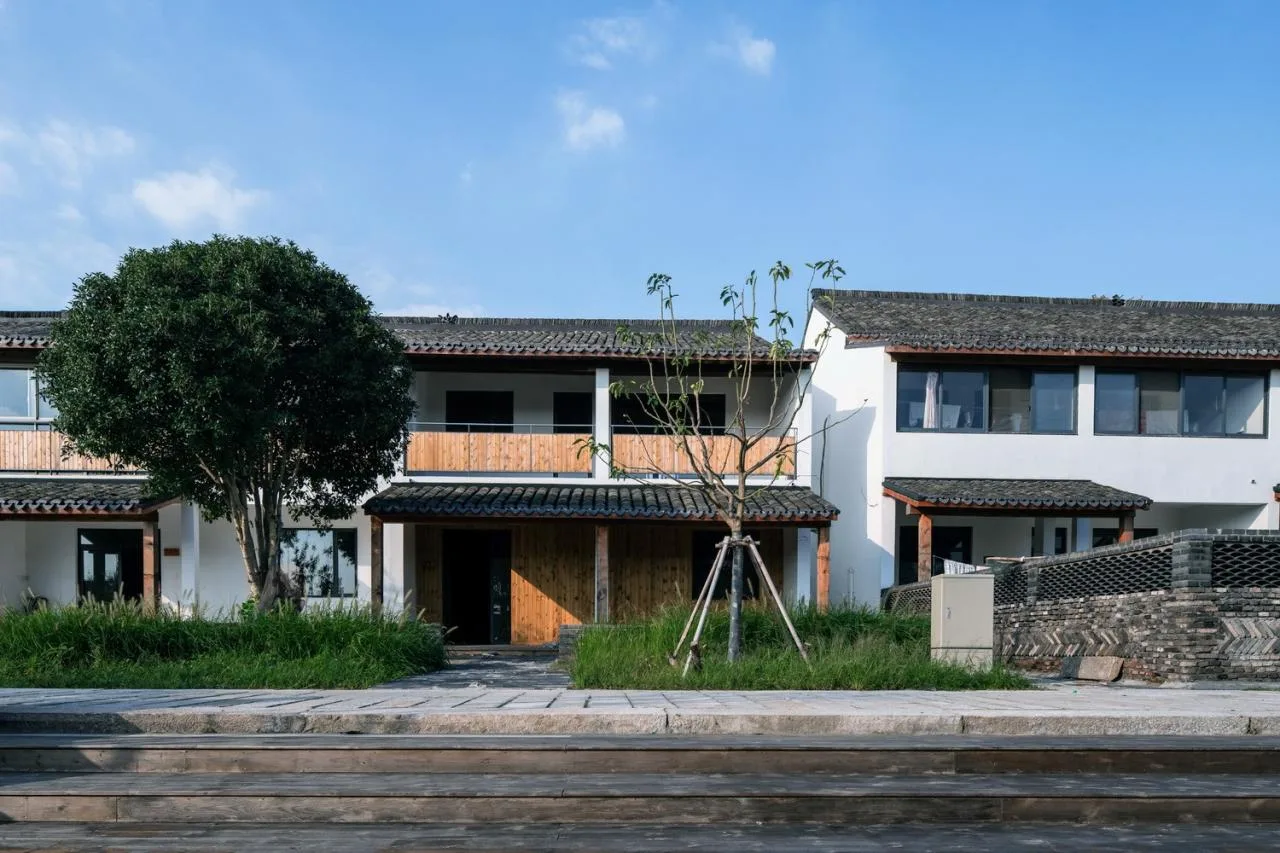
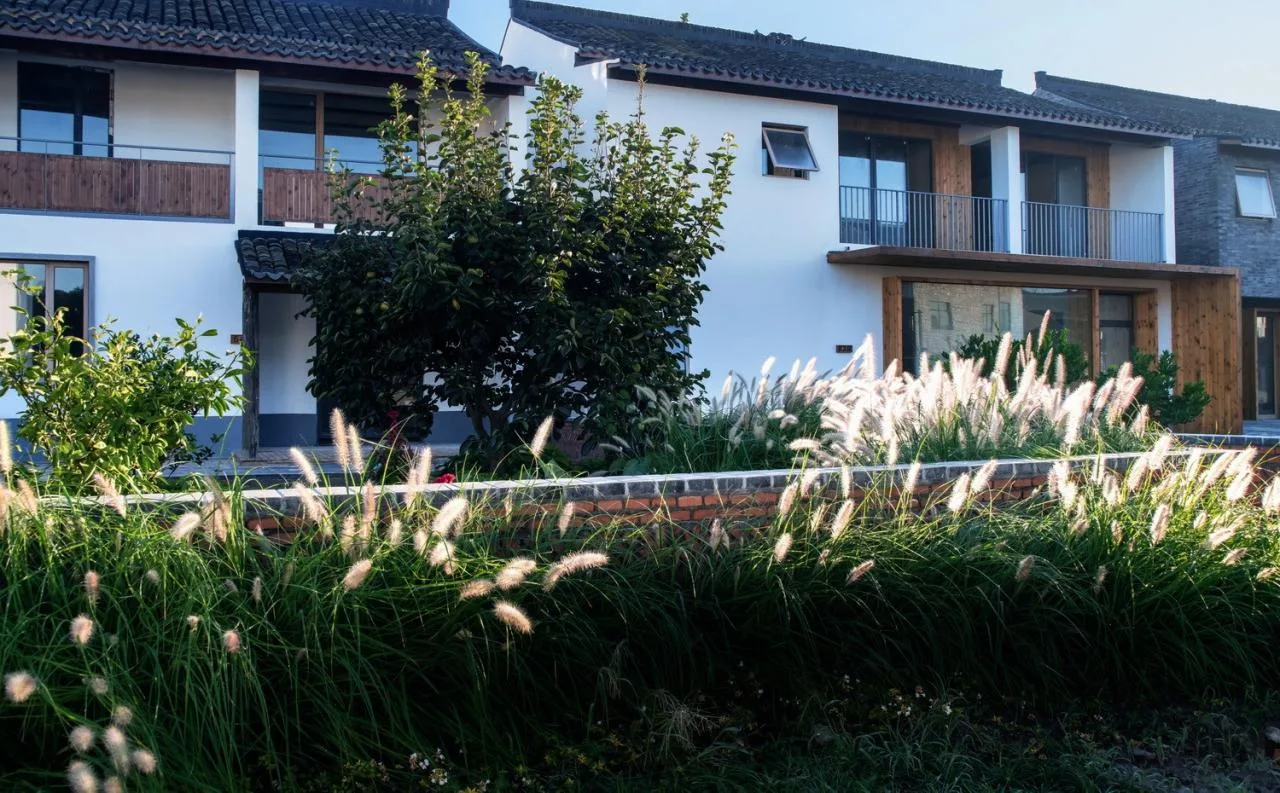
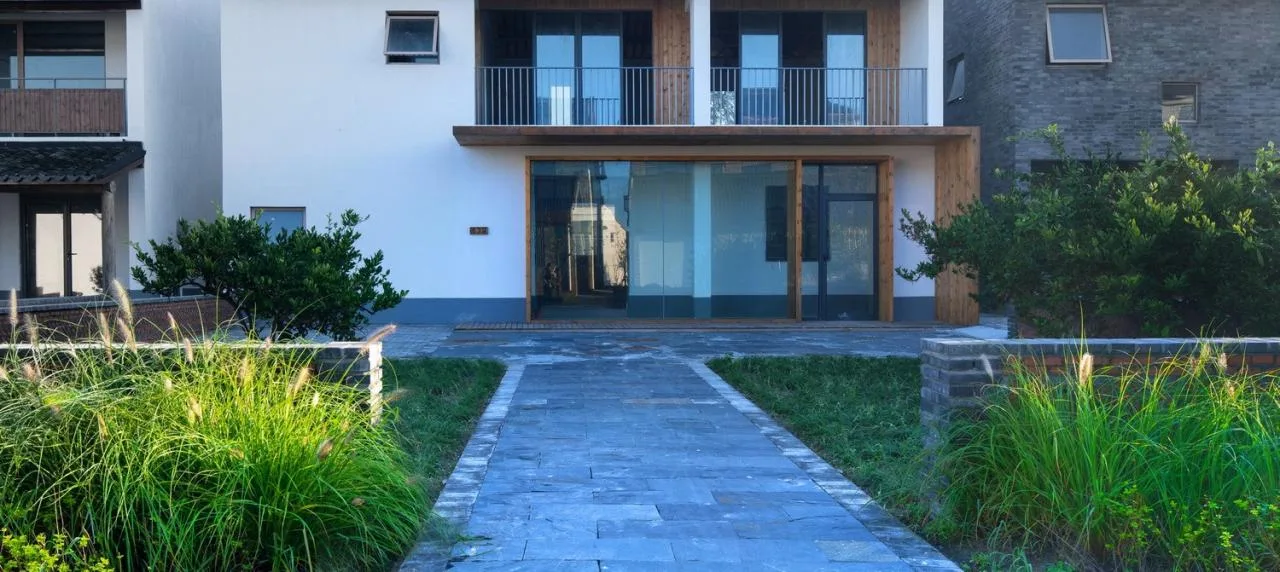
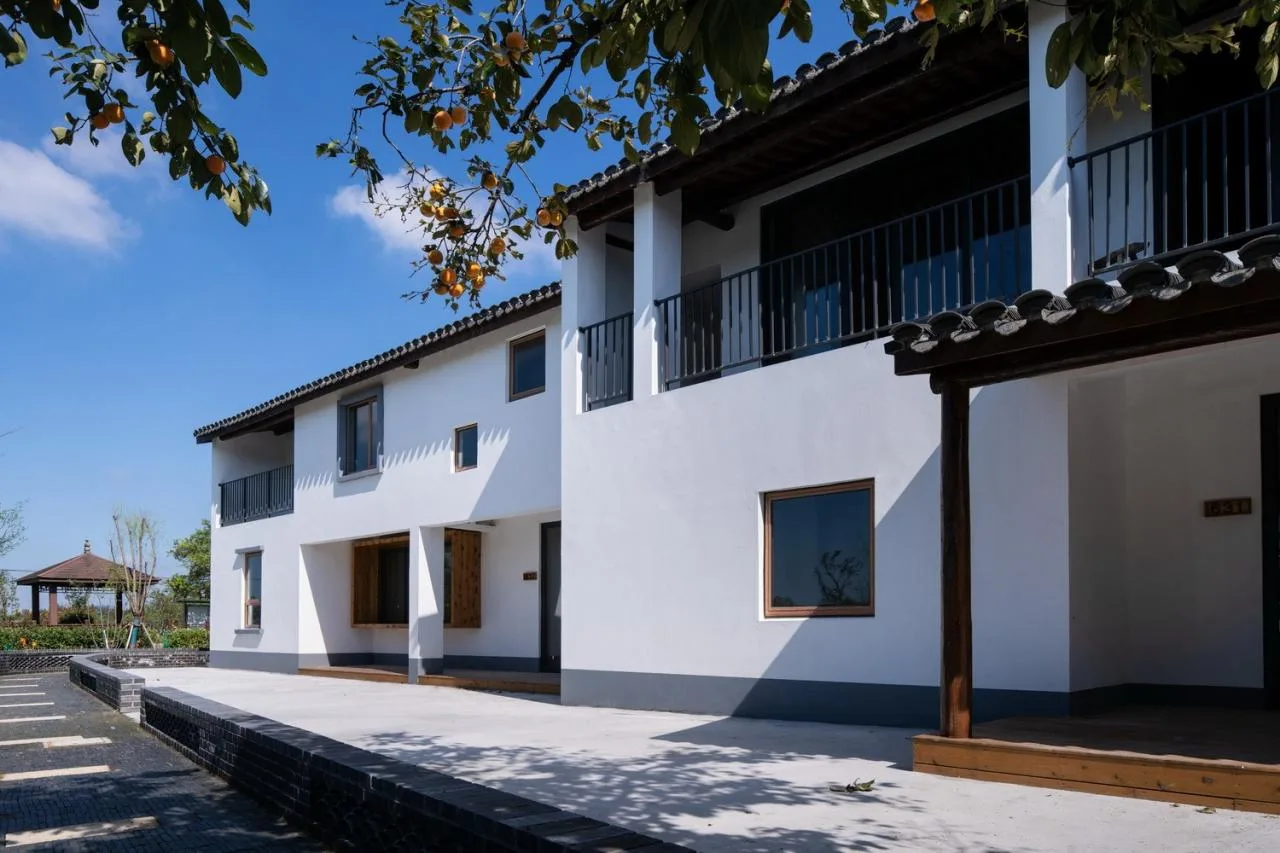
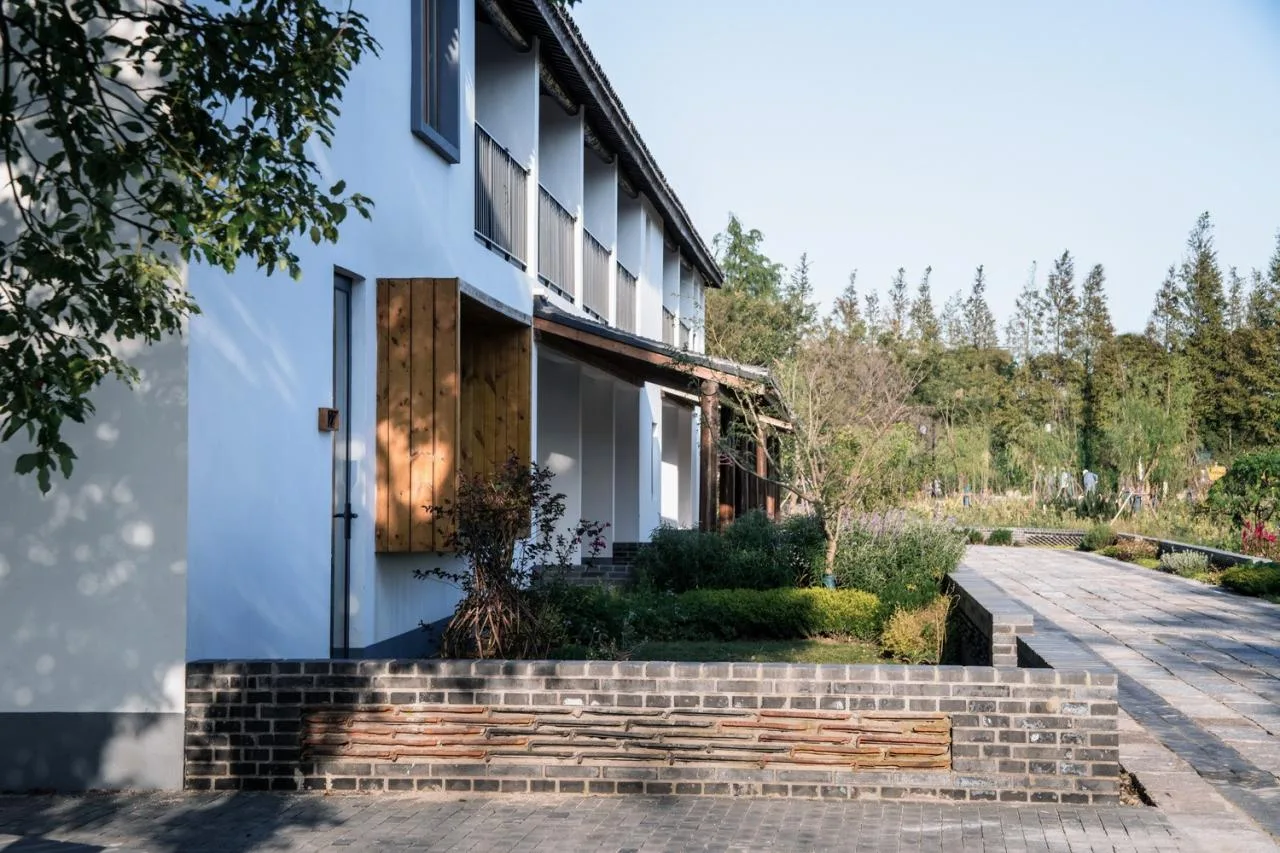
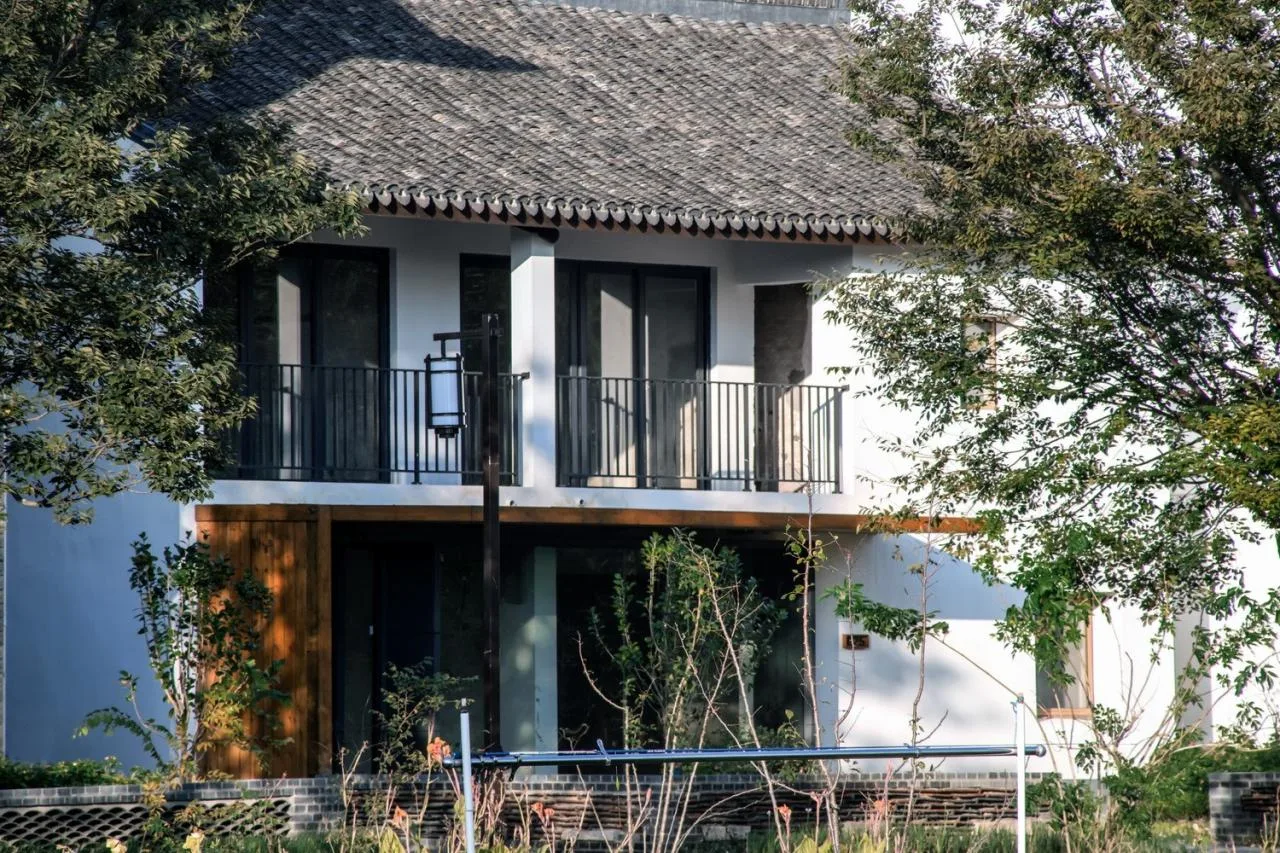
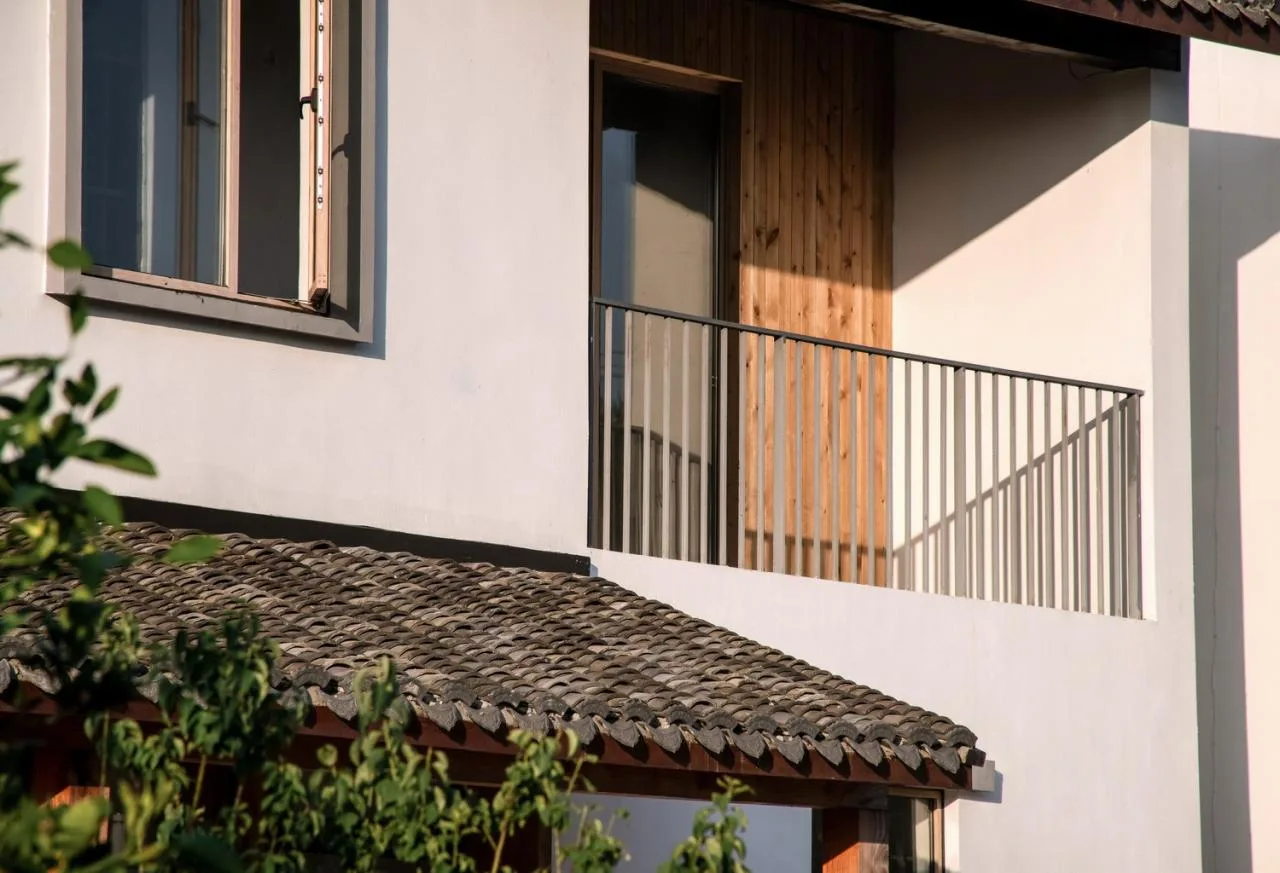
Most of these houses feature brick and concrete structures with hollow walls, three-bay layouts, two to three floors, and prefabricated slabs for floors and roofs. Their structural integrity often fails to meet the needs of modern living and operational functions. The renovation primarily targets the south-facing facades, with the relationship between roofs and balconies as a key challenge.
The design team undertook extensive documentation—numbering, photographing, visiting, and recording every house, creating individual files. Aerial drone BIM models provided by the general contractor, though only centimeter-accurate, proved invaluable for the project.
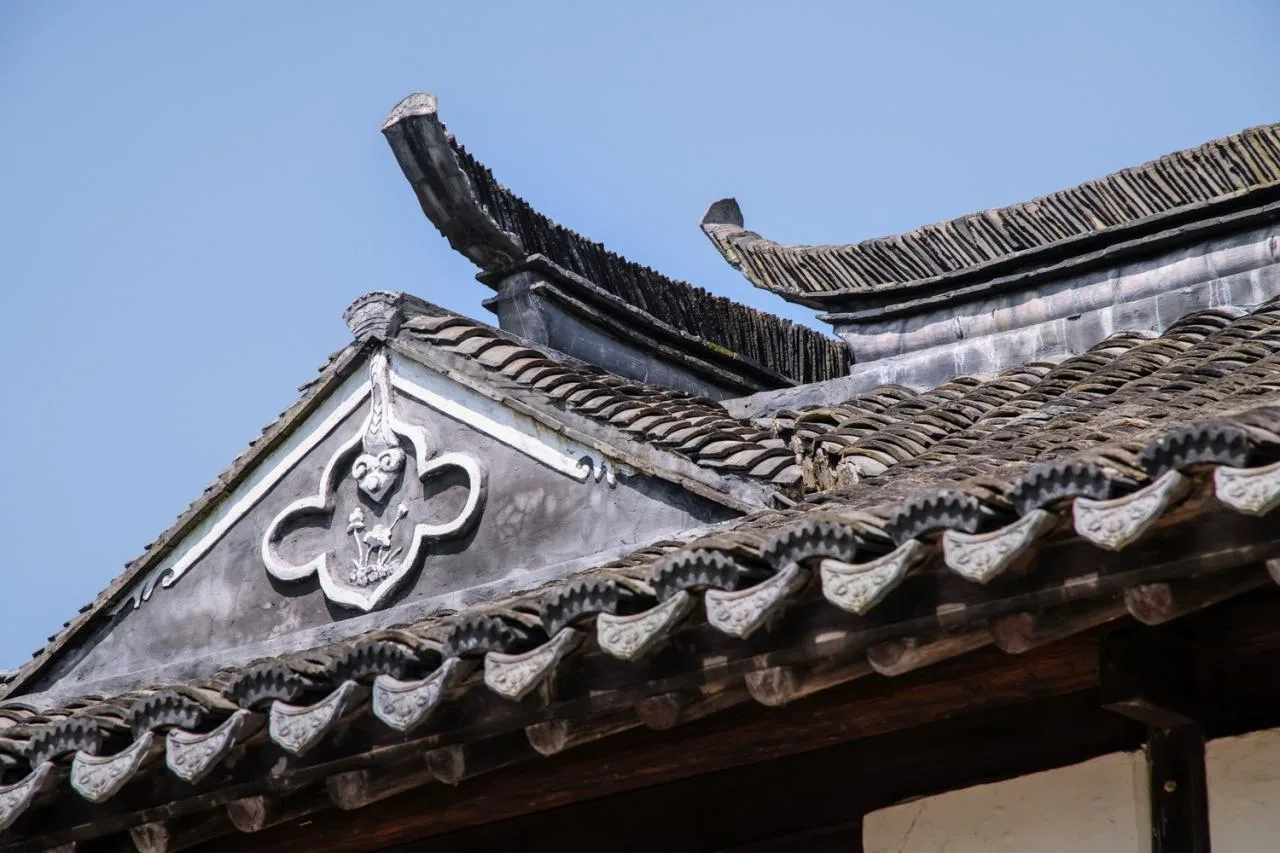
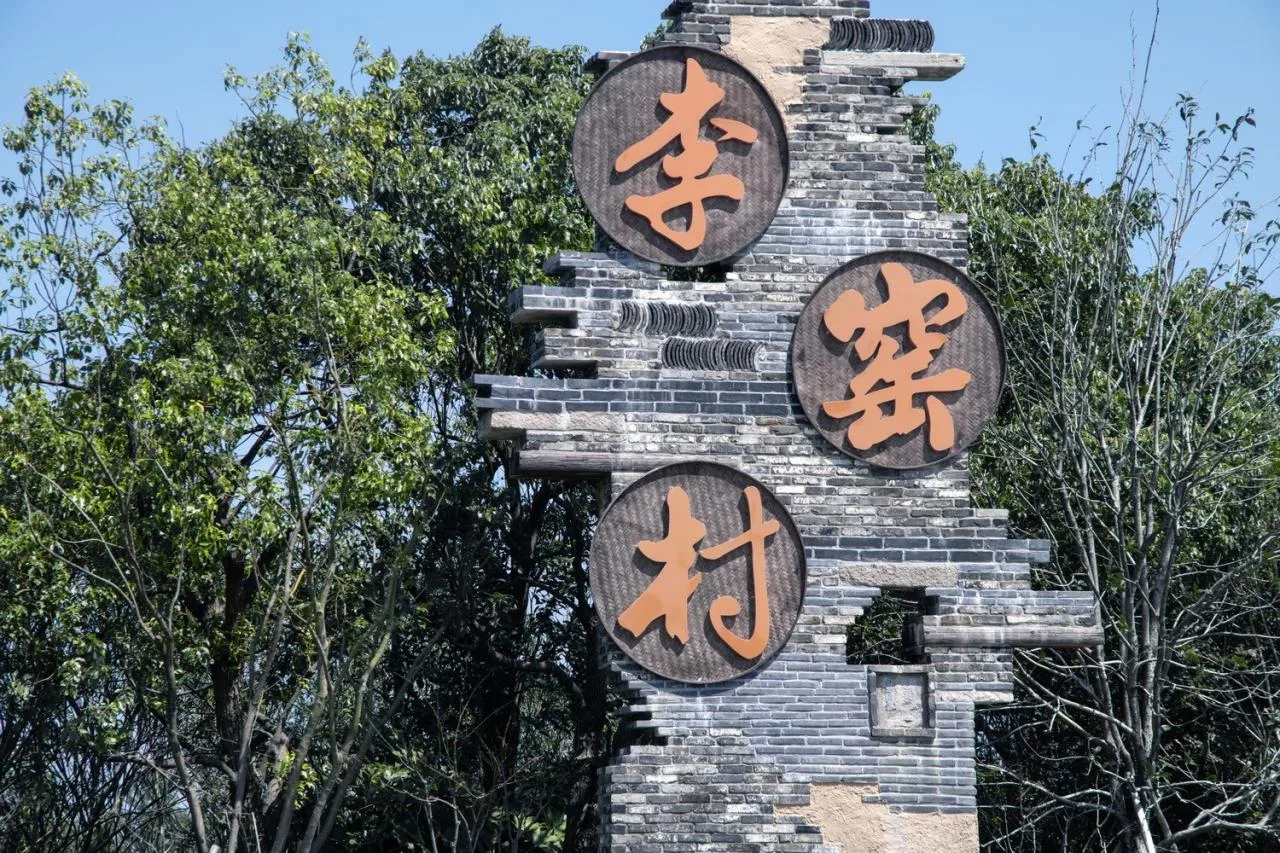
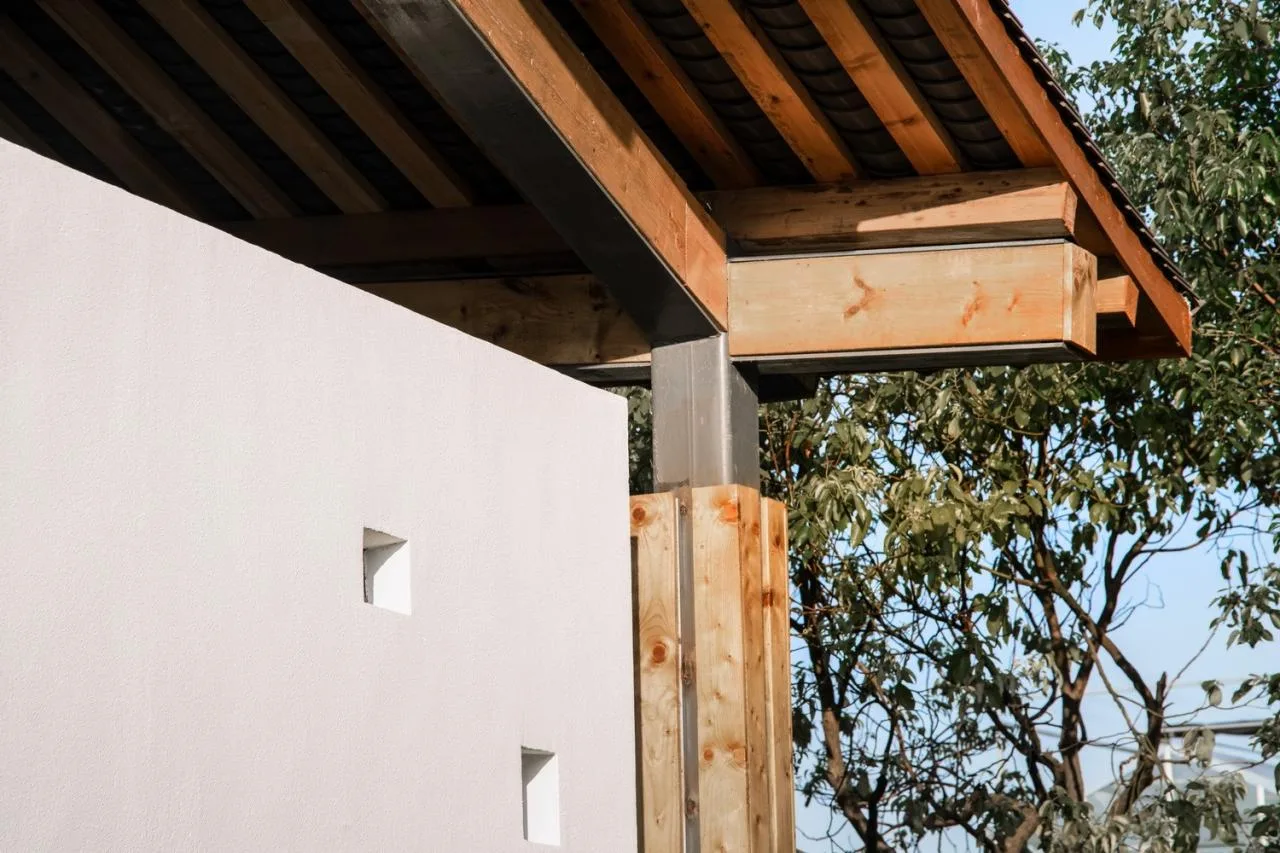
The team categorized the existing buildings into typical types and conducted targeted research on model styles, covering roof construction, eave design, structural reinforcement, door and window configurations, and material combinations. Simultaneously, cost assessments ensured all approaches fit within budget constraints, leading to a set of basic building modules.
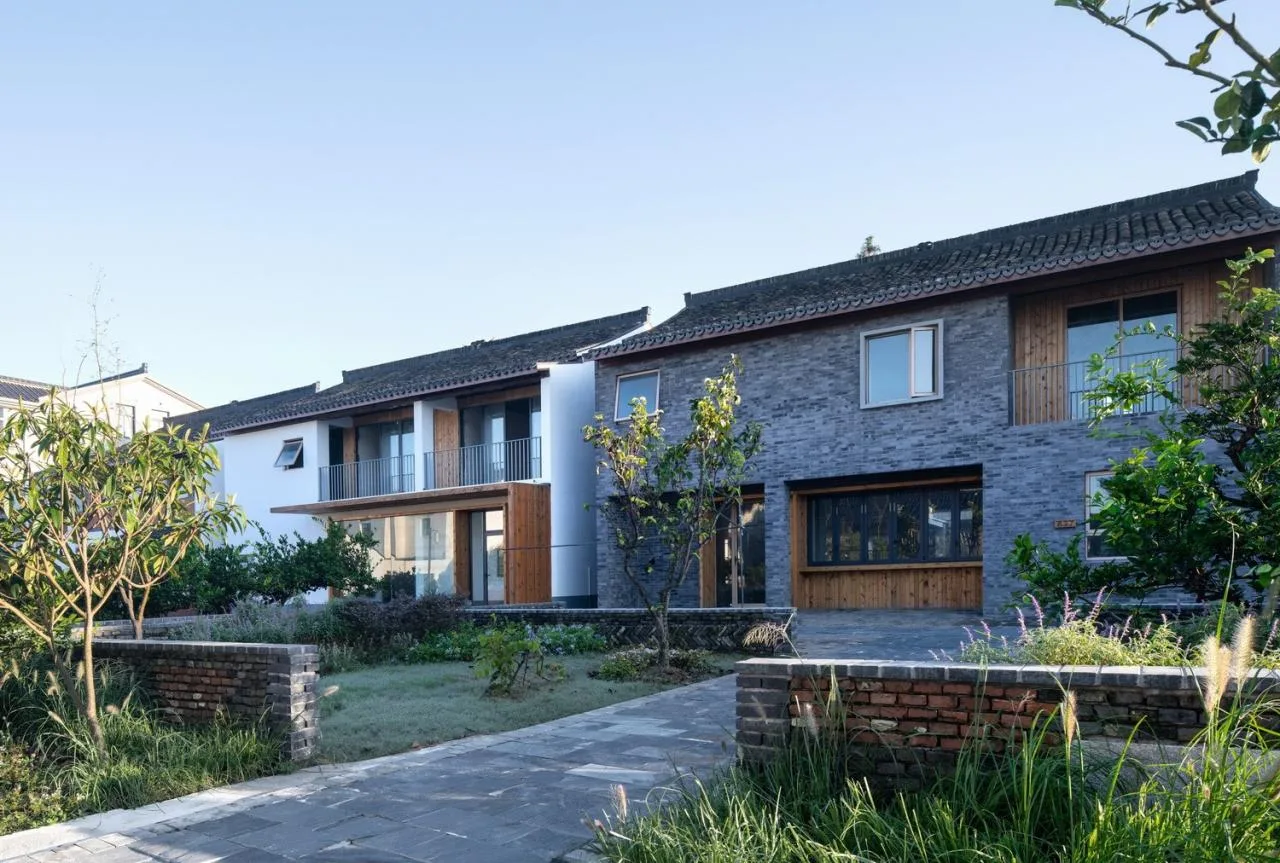
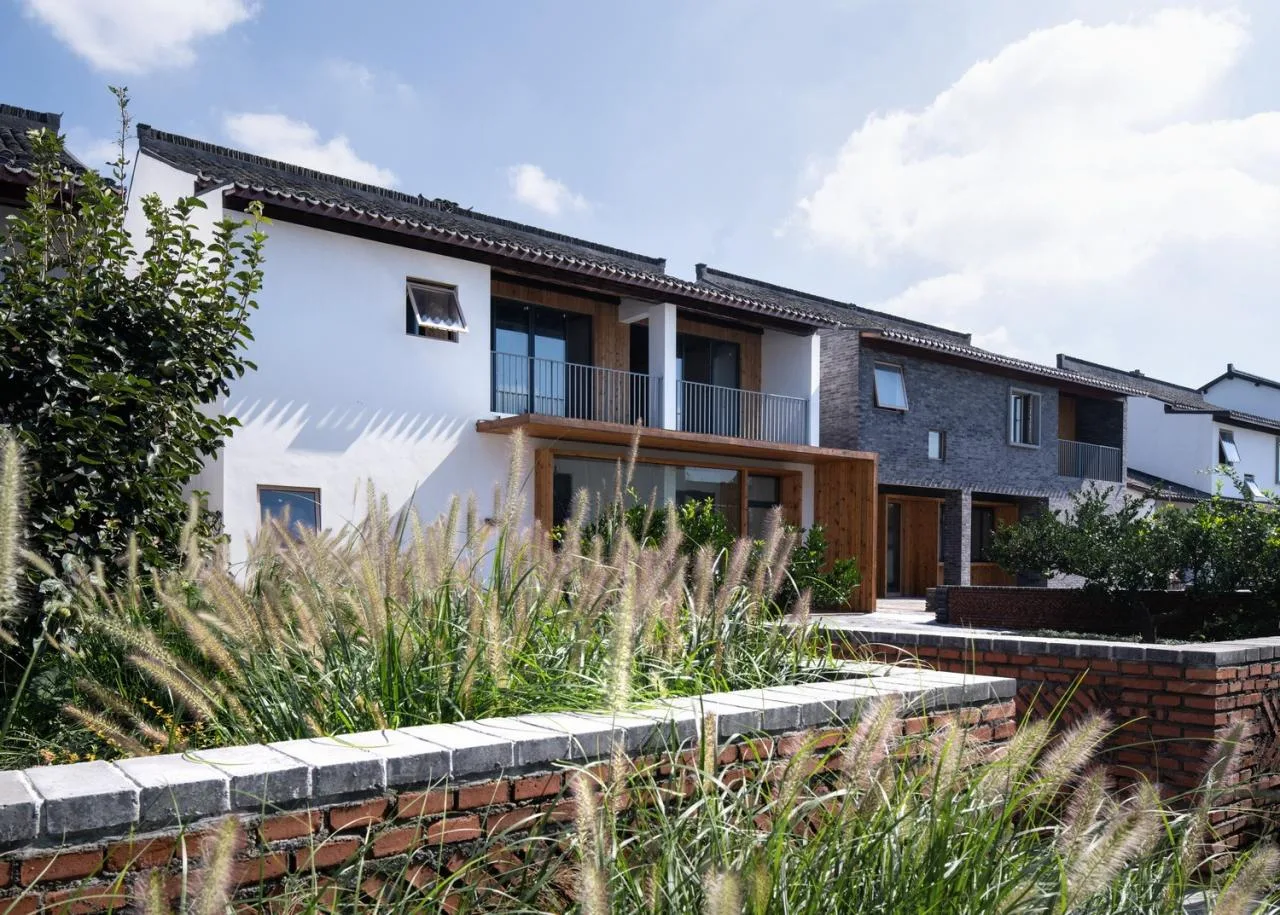
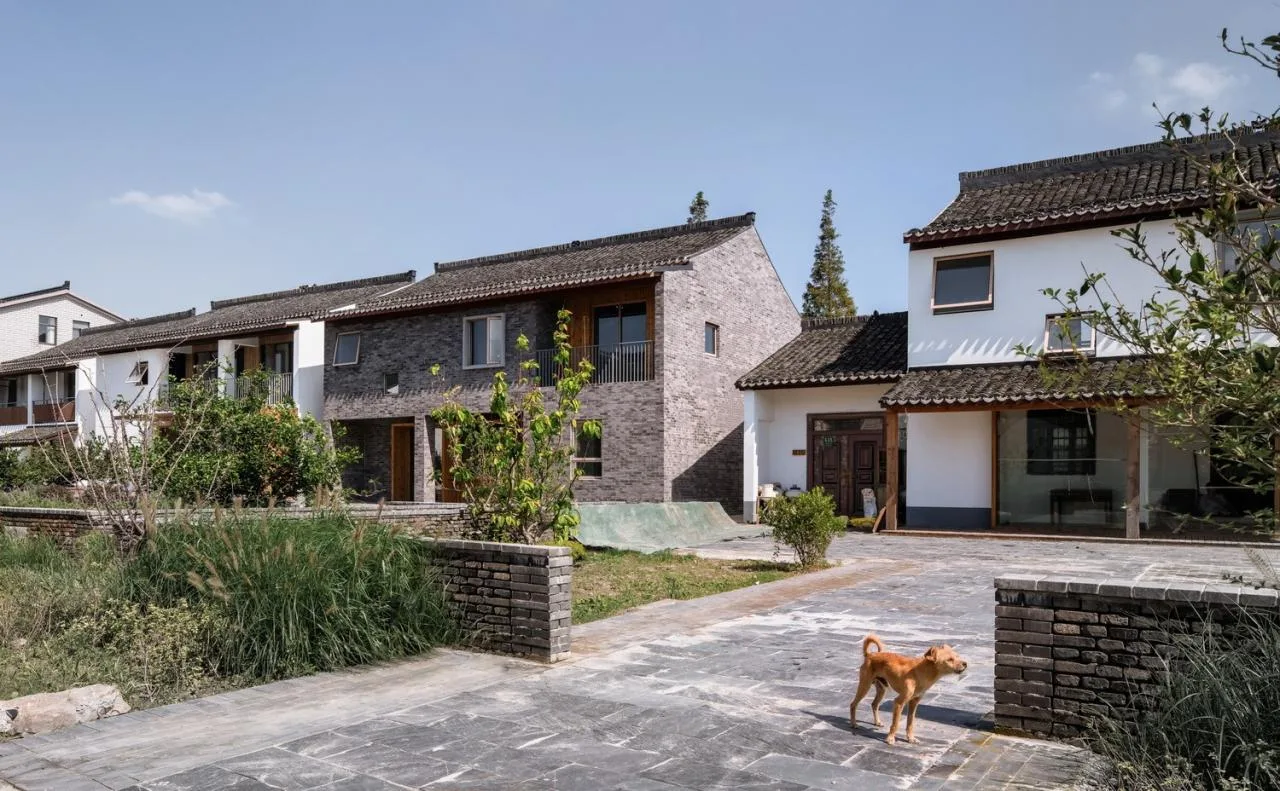
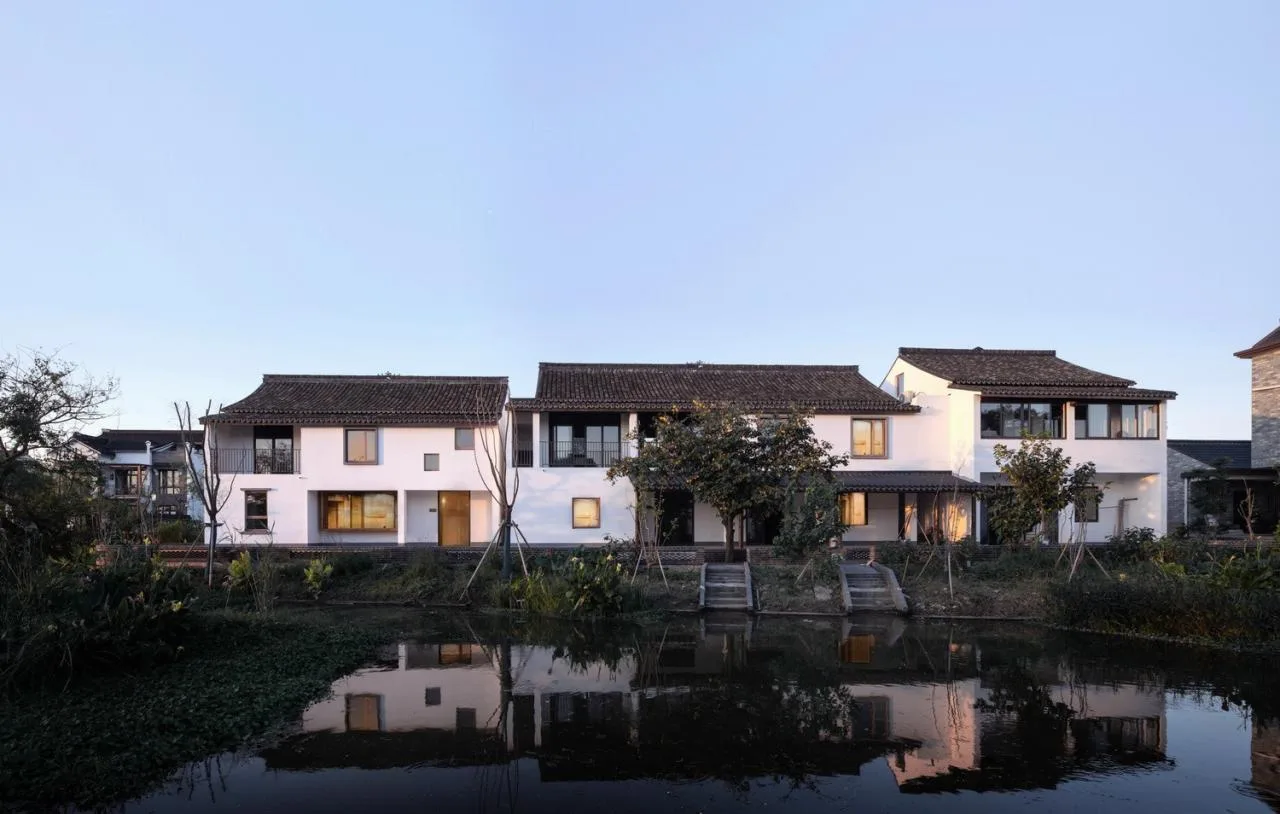
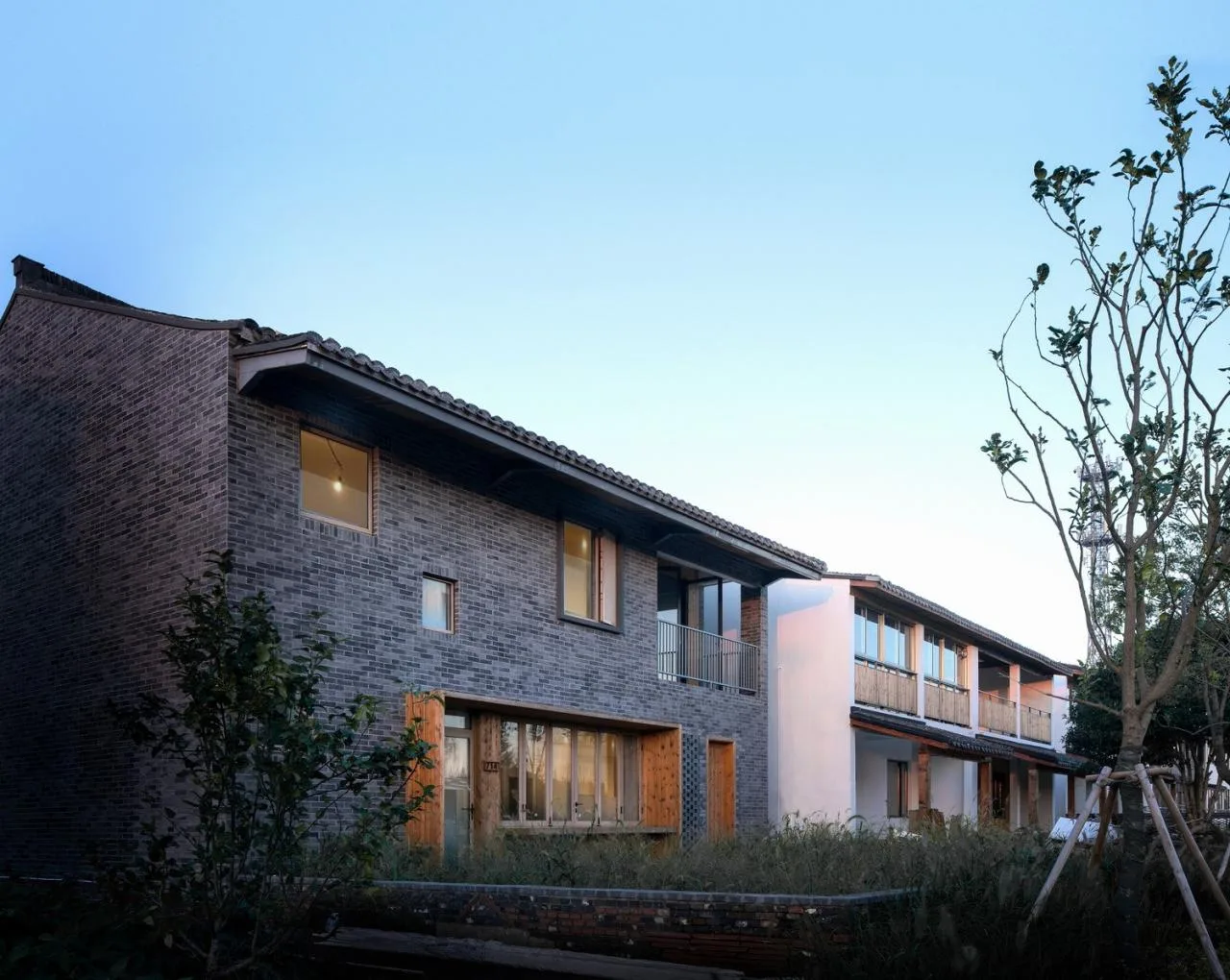
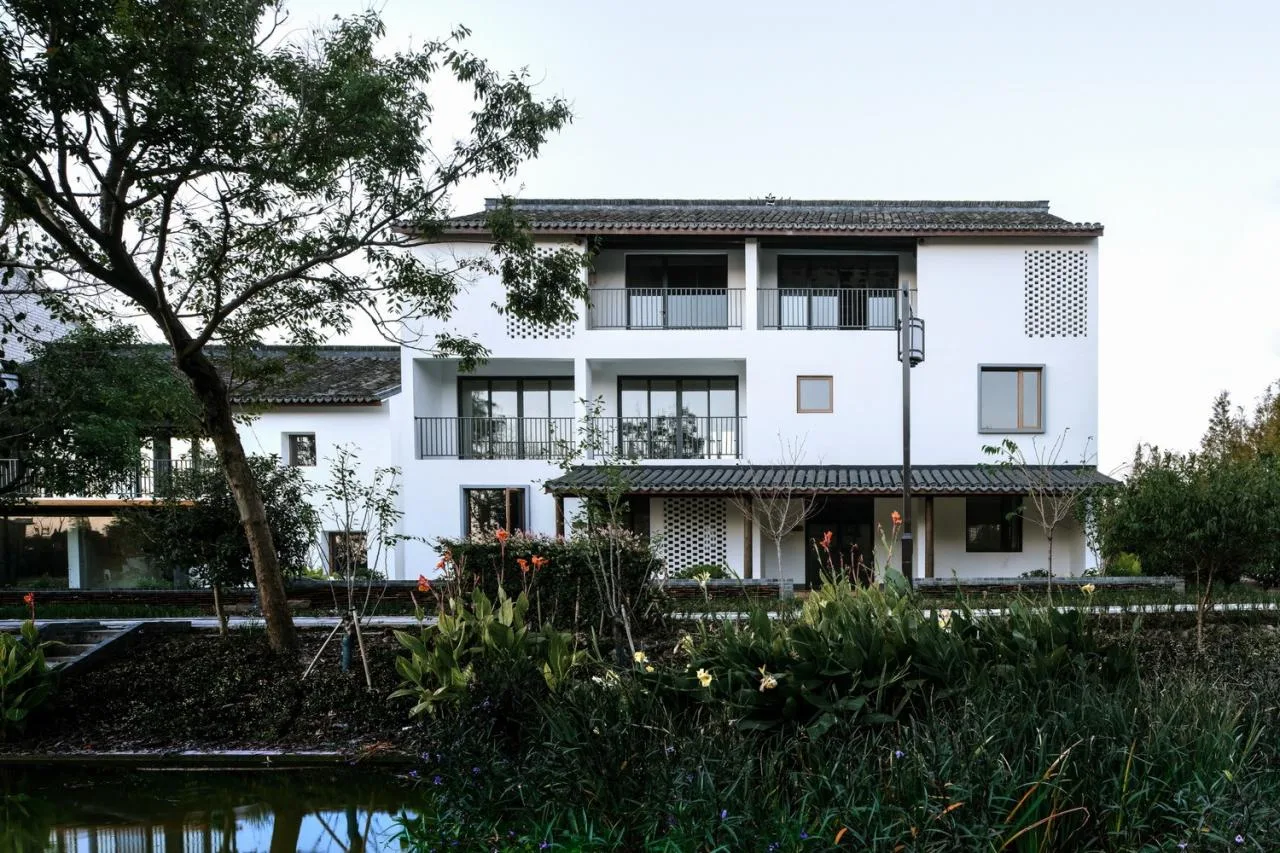
Several demonstration buildings were selected and combined with these modules. Despite modular assembly, no two houses are identical due to varying sizes and layouts, ensuring architectural diversity and feasibility in design and construction.
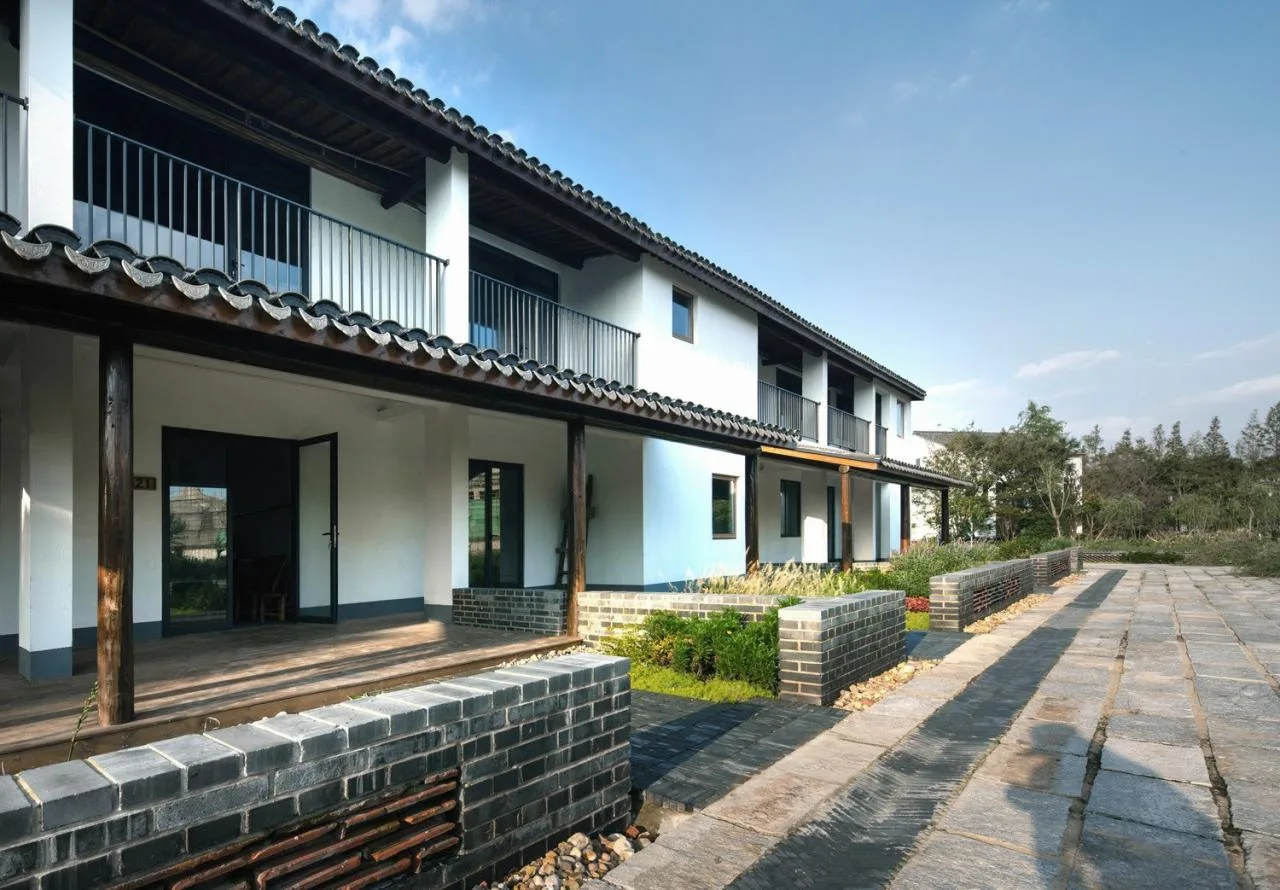
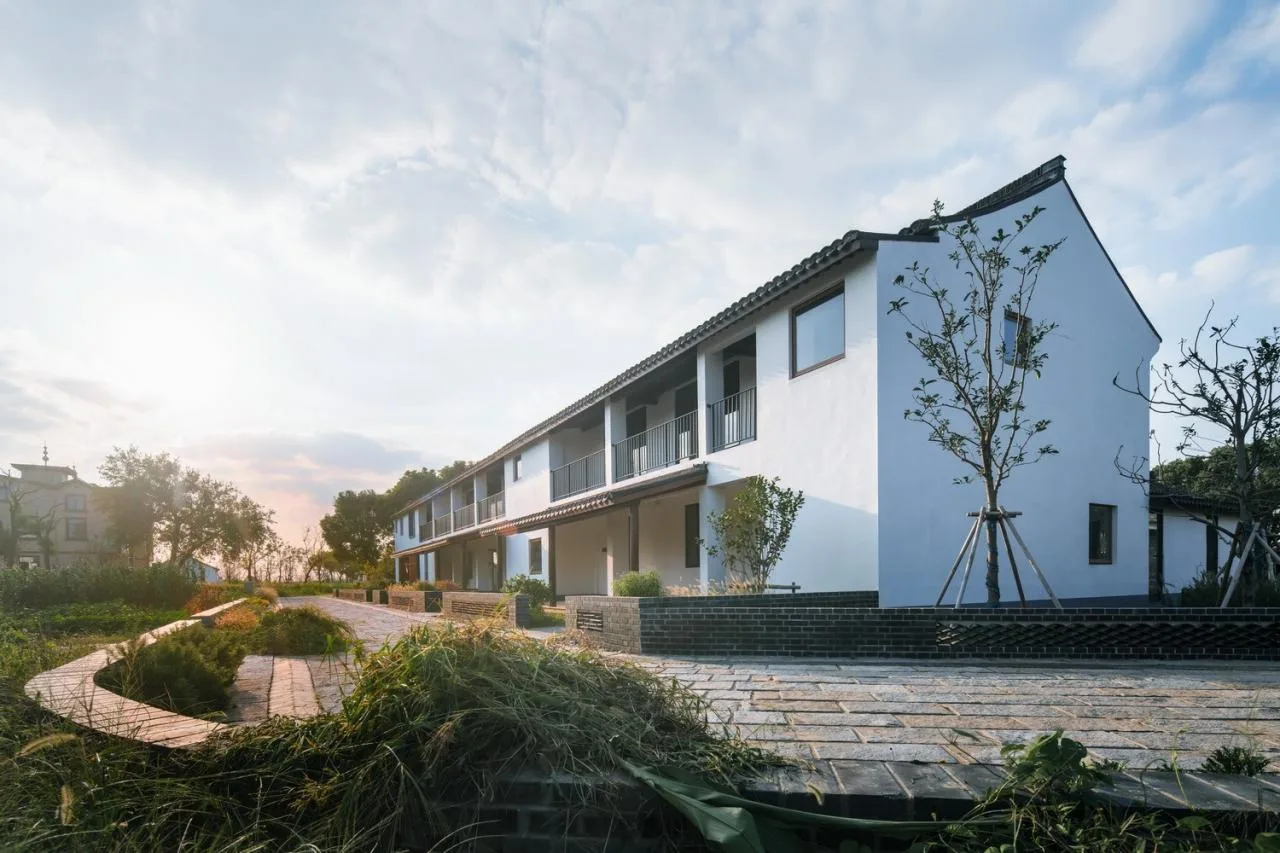
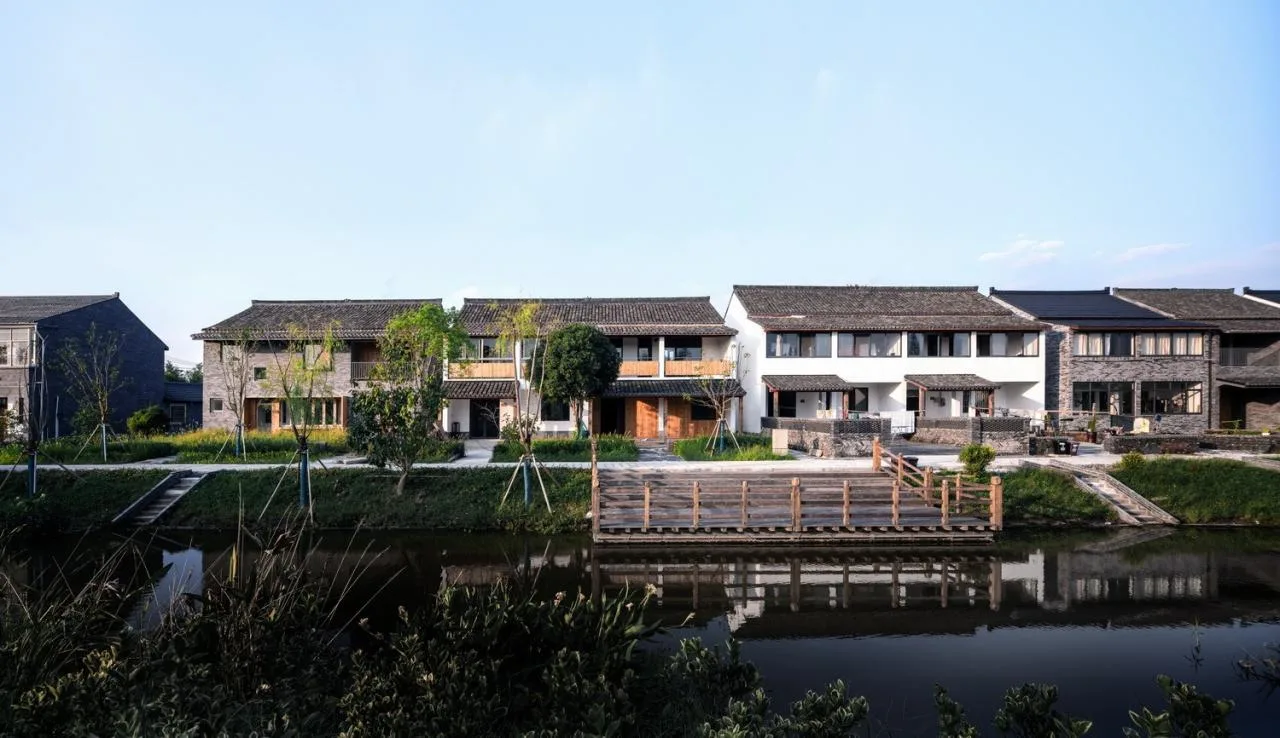
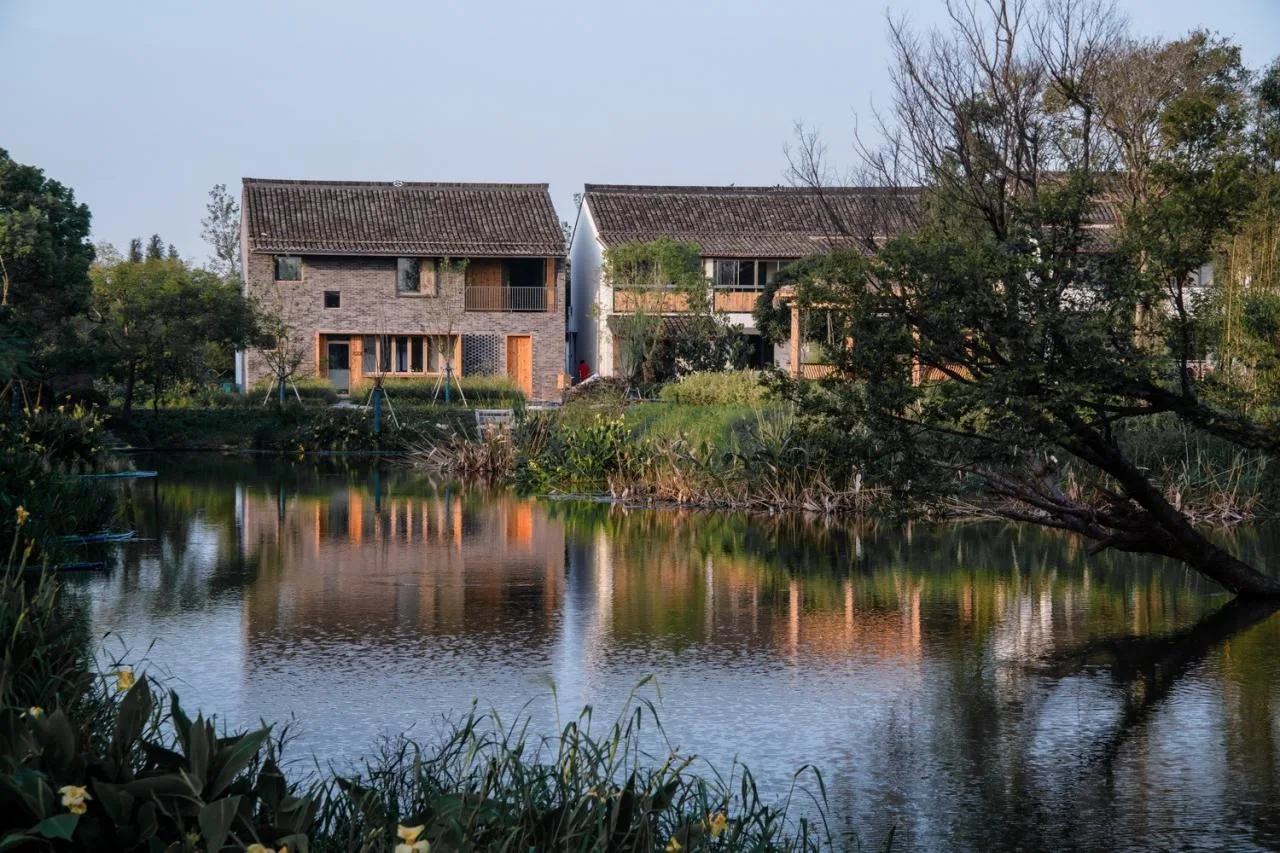
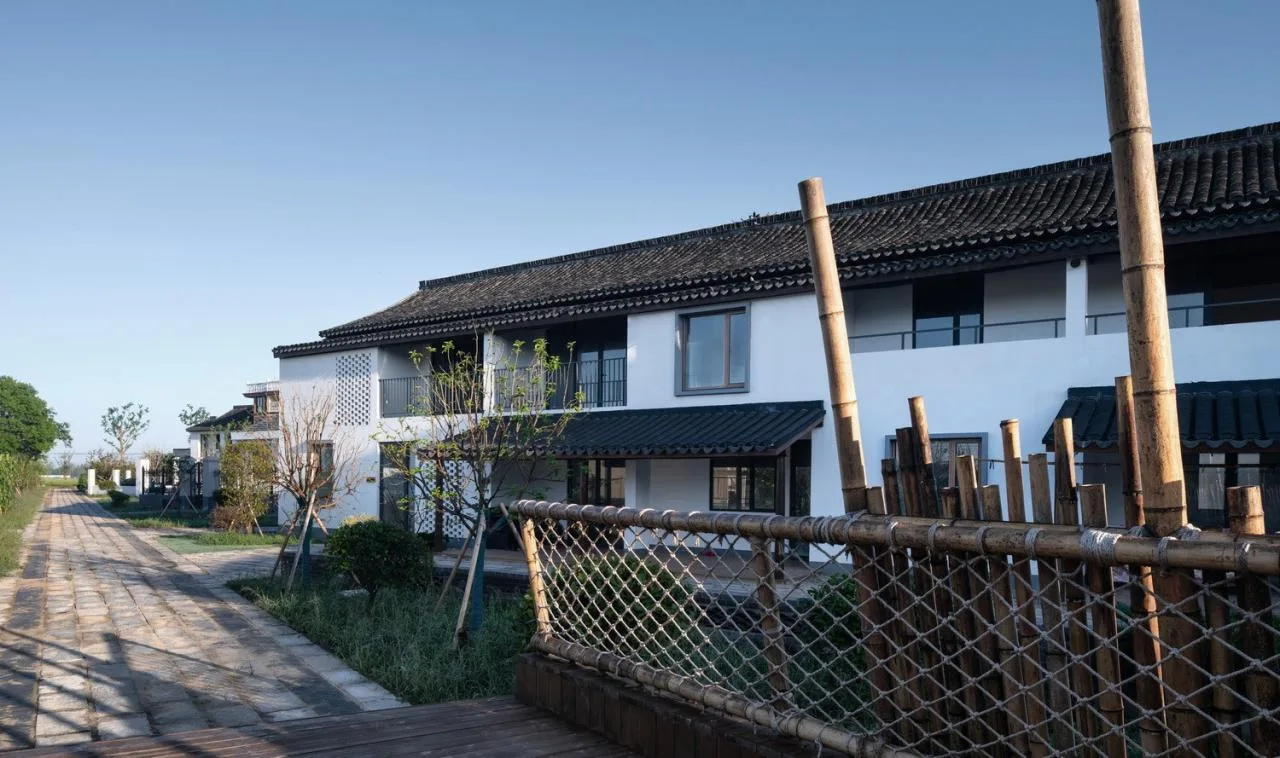
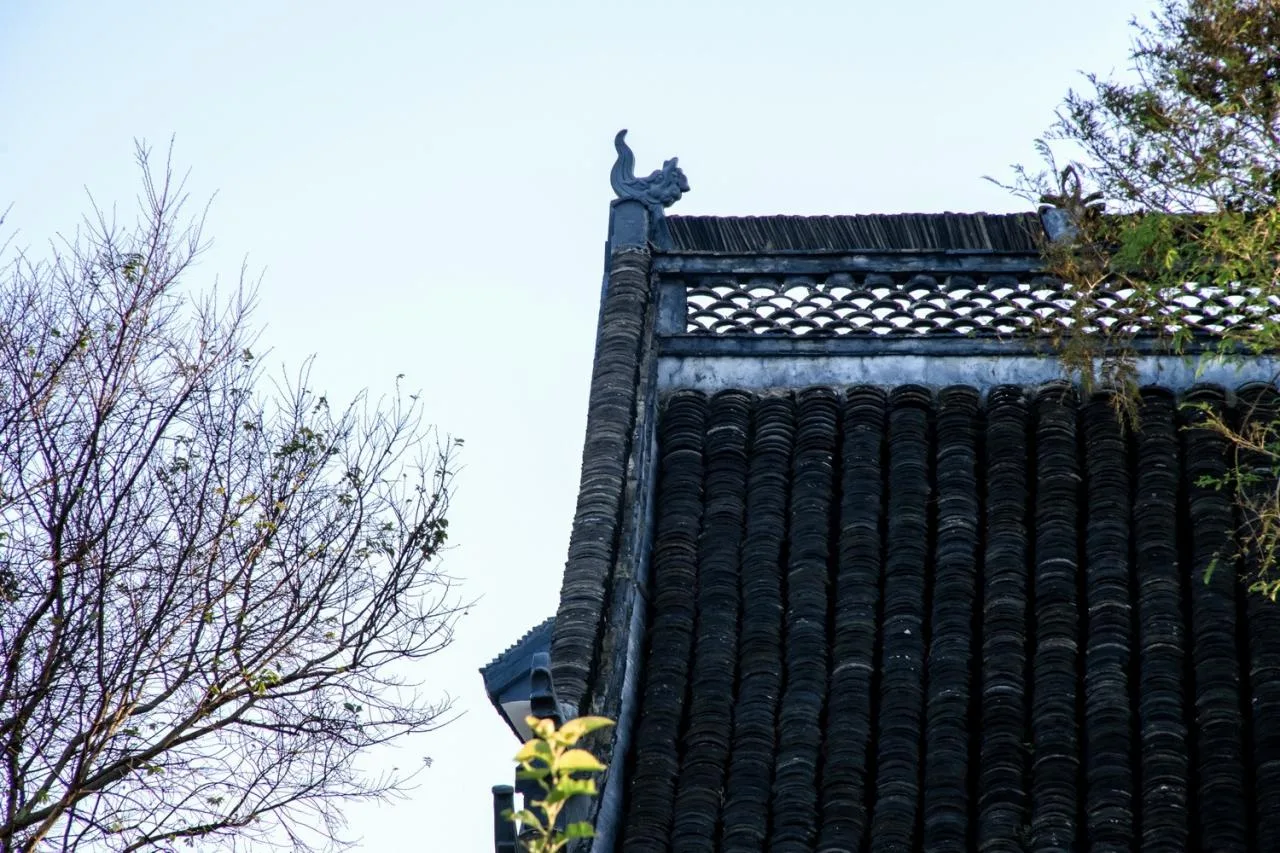
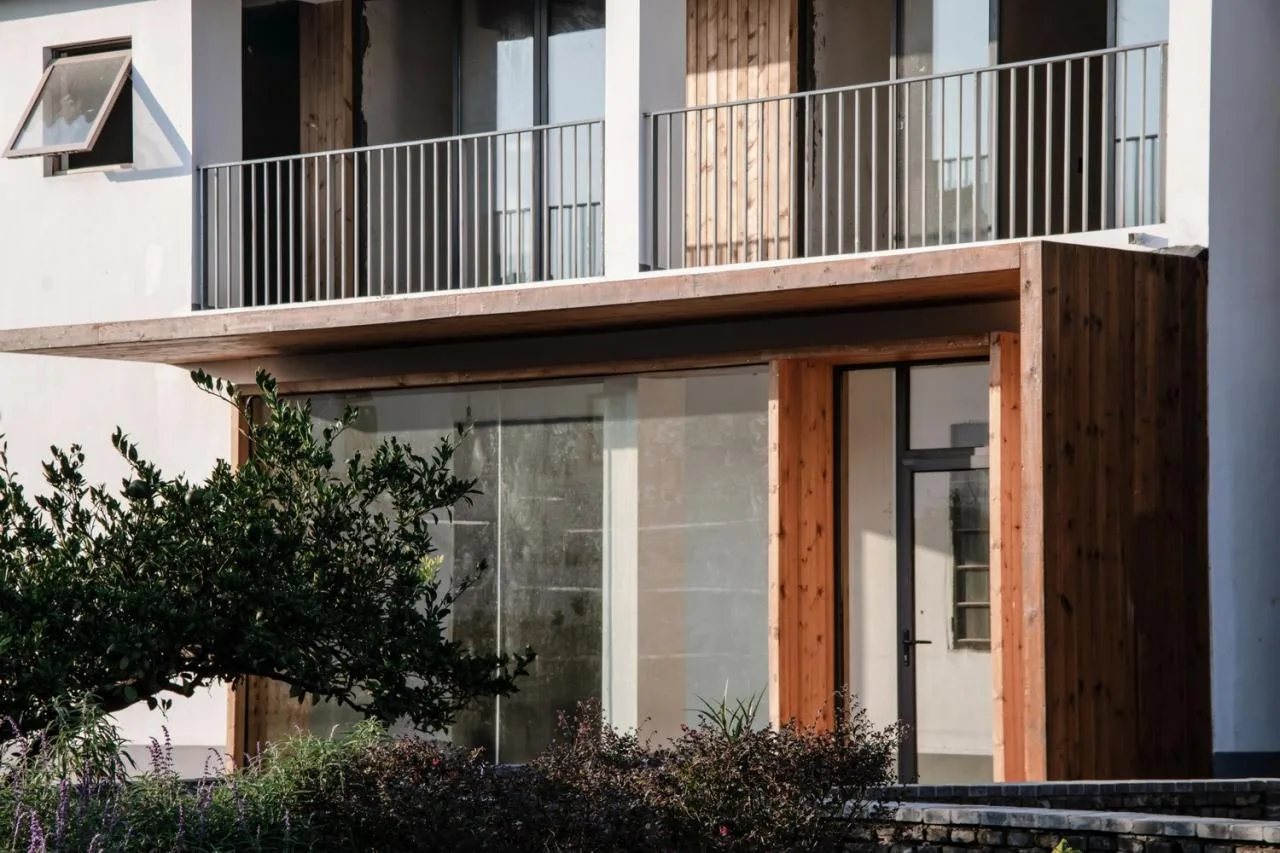
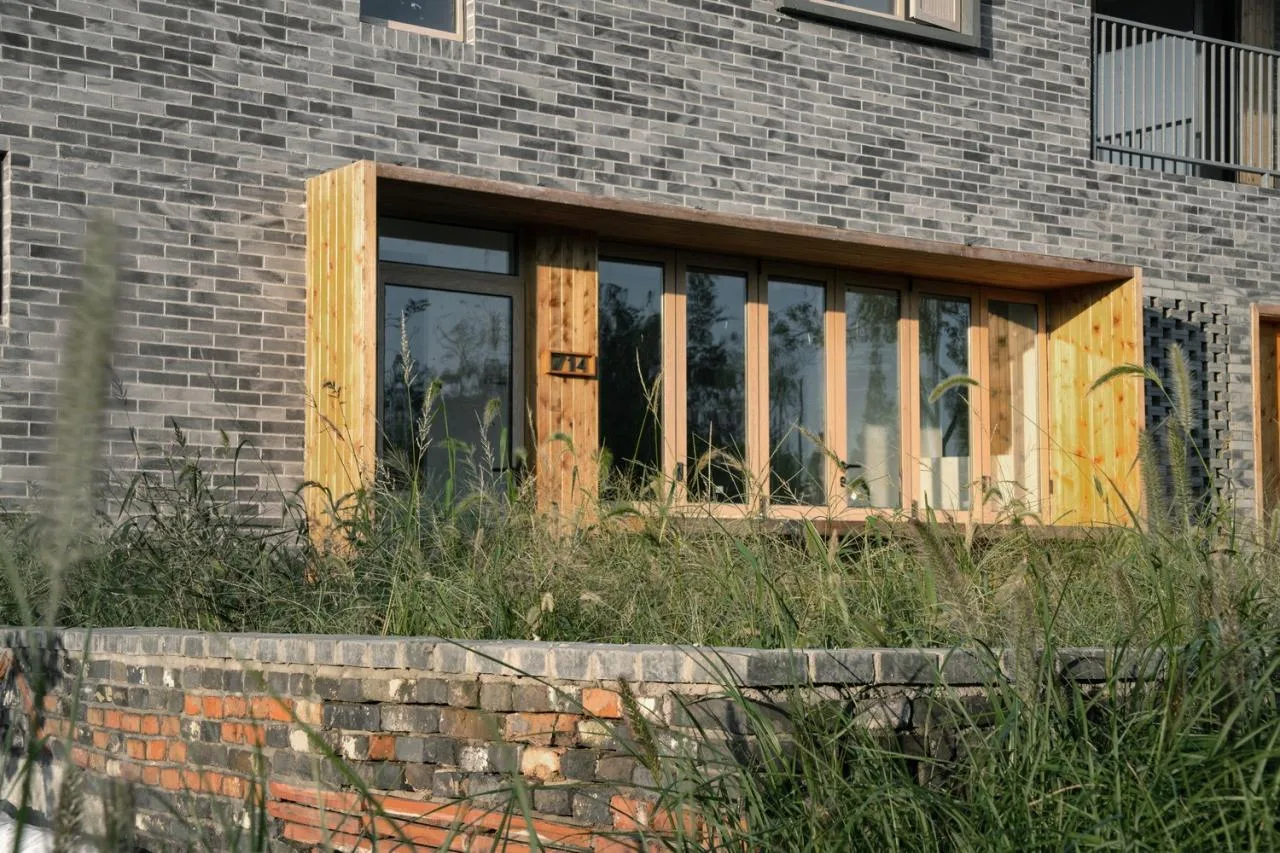
Drawing from Liyao Village’s cultural heritage, the design highlights green brick elements. Due to cost and structural limits, real green bricks are paired with imitation green brick veneers. In areas with weaker facades, the imitation materials maintain the aesthetic without overloading structures. This approach emphasizes Liyao’s kiln culture while avoiding the conventional Jiangnan style of pink walls and black tiles—achieving a unique, village-specific identity.
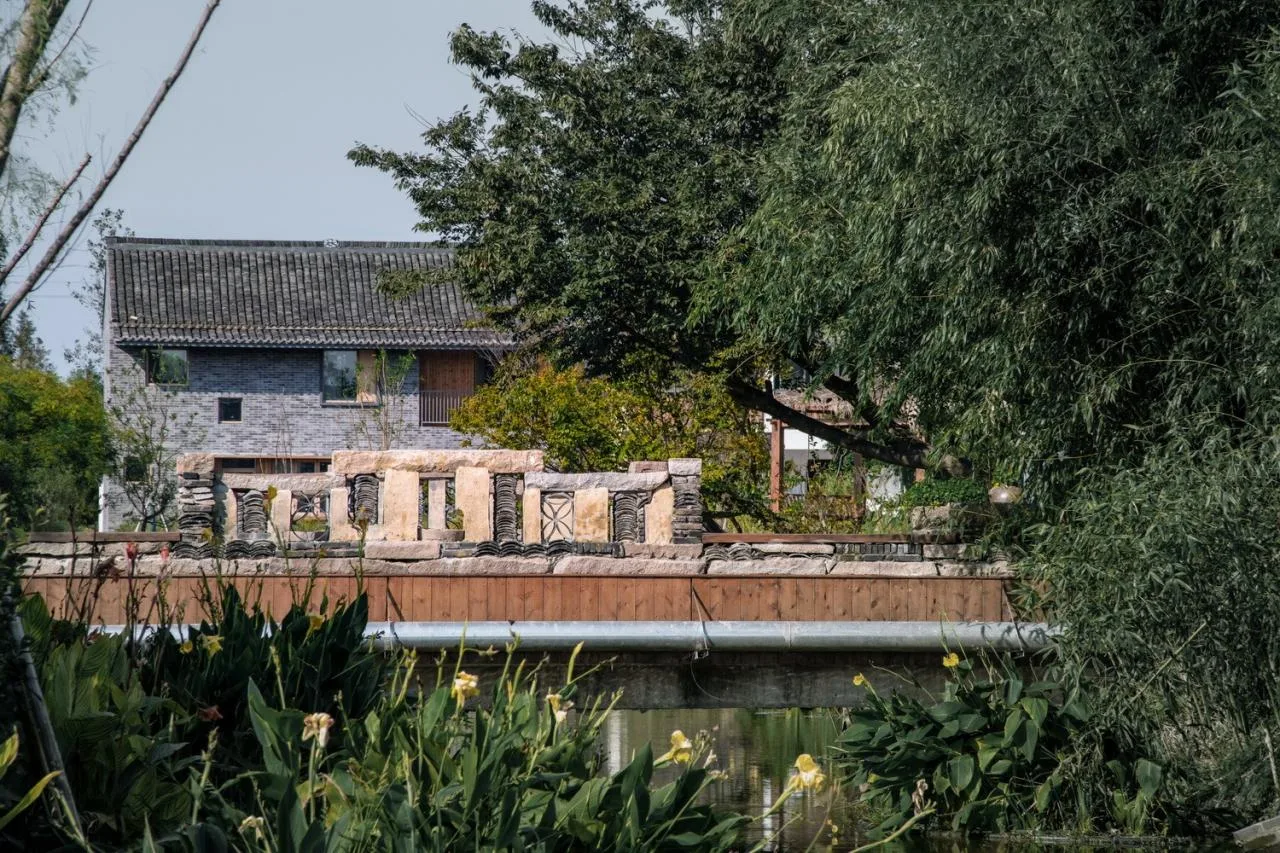
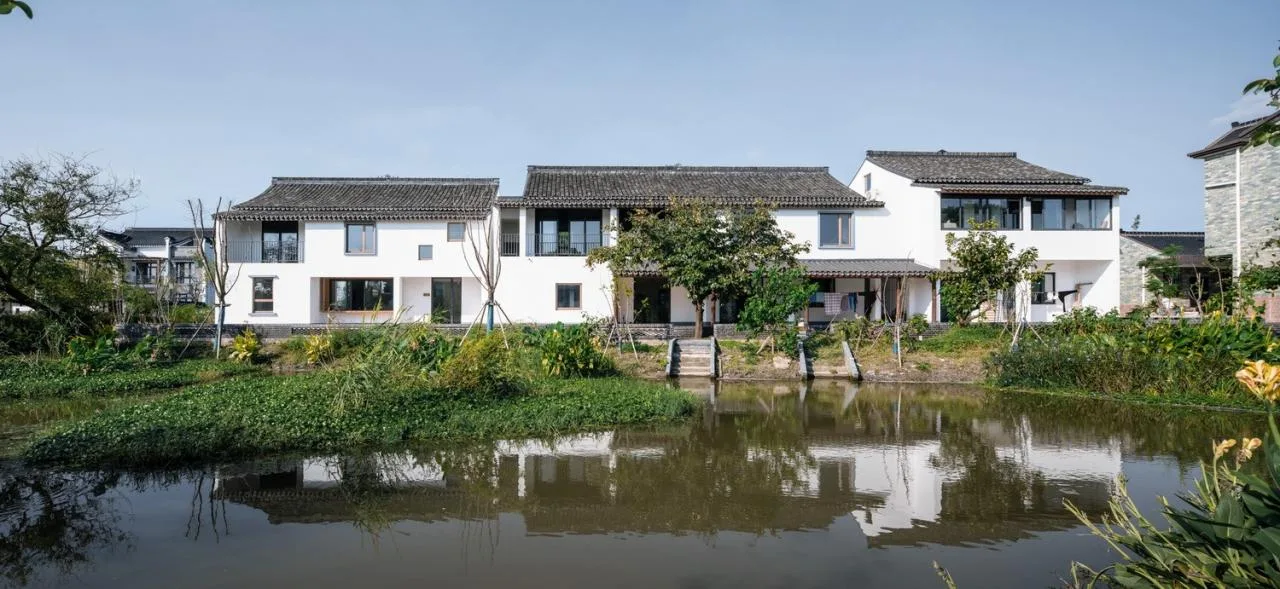
With confidence gained from demonstration models, large-scale scheme design commenced. Raw materials and basic modules were assigned to different teams, each combining modules according to functional requirements and specific building conditions. This included structural reinforcements, roof designs, and door and window openings, ensuring overall coordination within the village layout. Cost control remained a continuous focus to guarantee project feasibility.
04 Collaborative Efforts: Village Participation, Integrated Design, On-Site Coordination
While the conceptual plan showed promise, villagers were initially reluctant to transfer their properties, slowing the design’s implementation. With a tight deadline looming, the team adopted a phased approach: transferring one household at a time, immediately conducting precise structural surveys, and adapting construction drawings accordingly.
Construction drawings were produced directly from survey data and refined based on initial research into typical wall types and window and door details. As drawings were completed, they were promptly passed to contractors to start work. In some cases, demolition and structural reinforcements began based on experience even before survey data was fully available, creating an efficient assembly-line workflow.
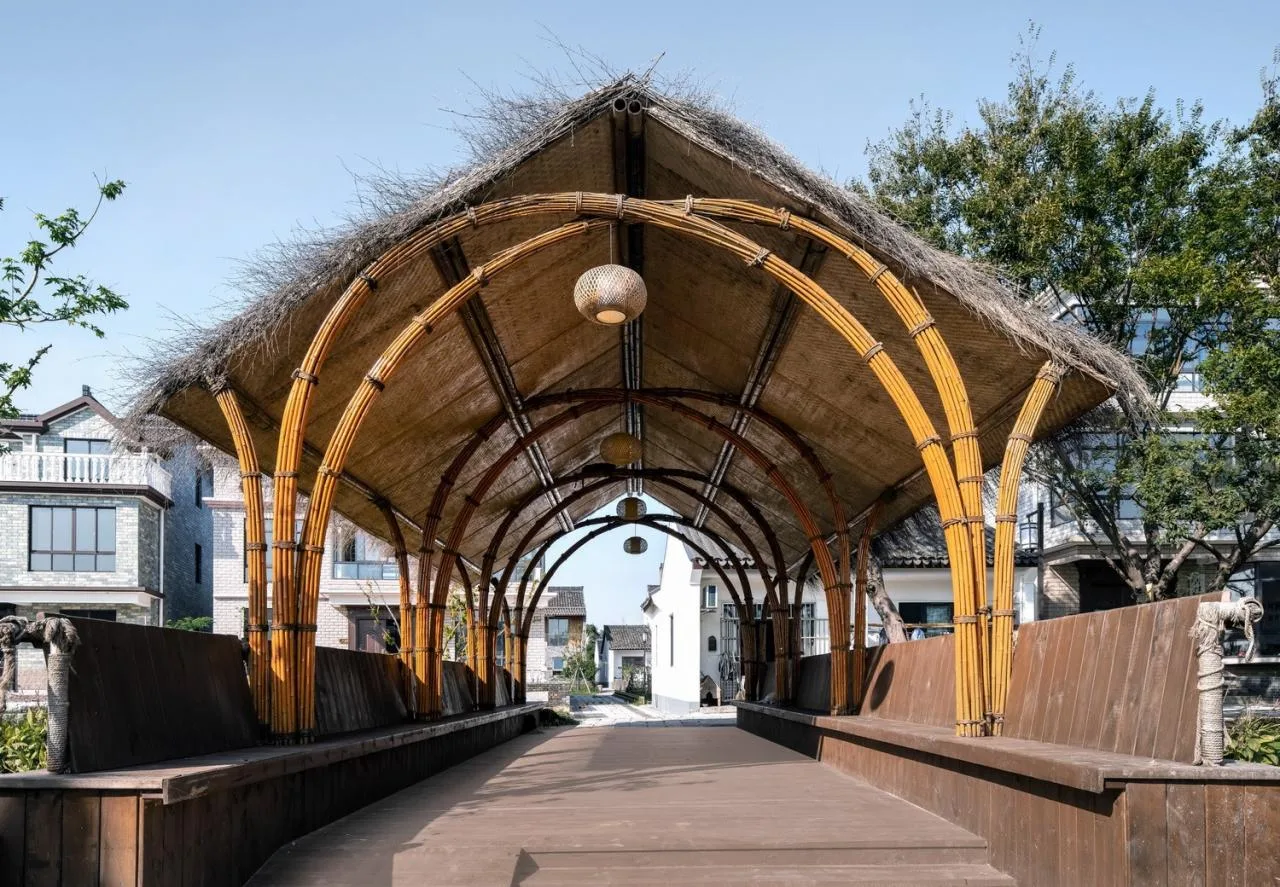
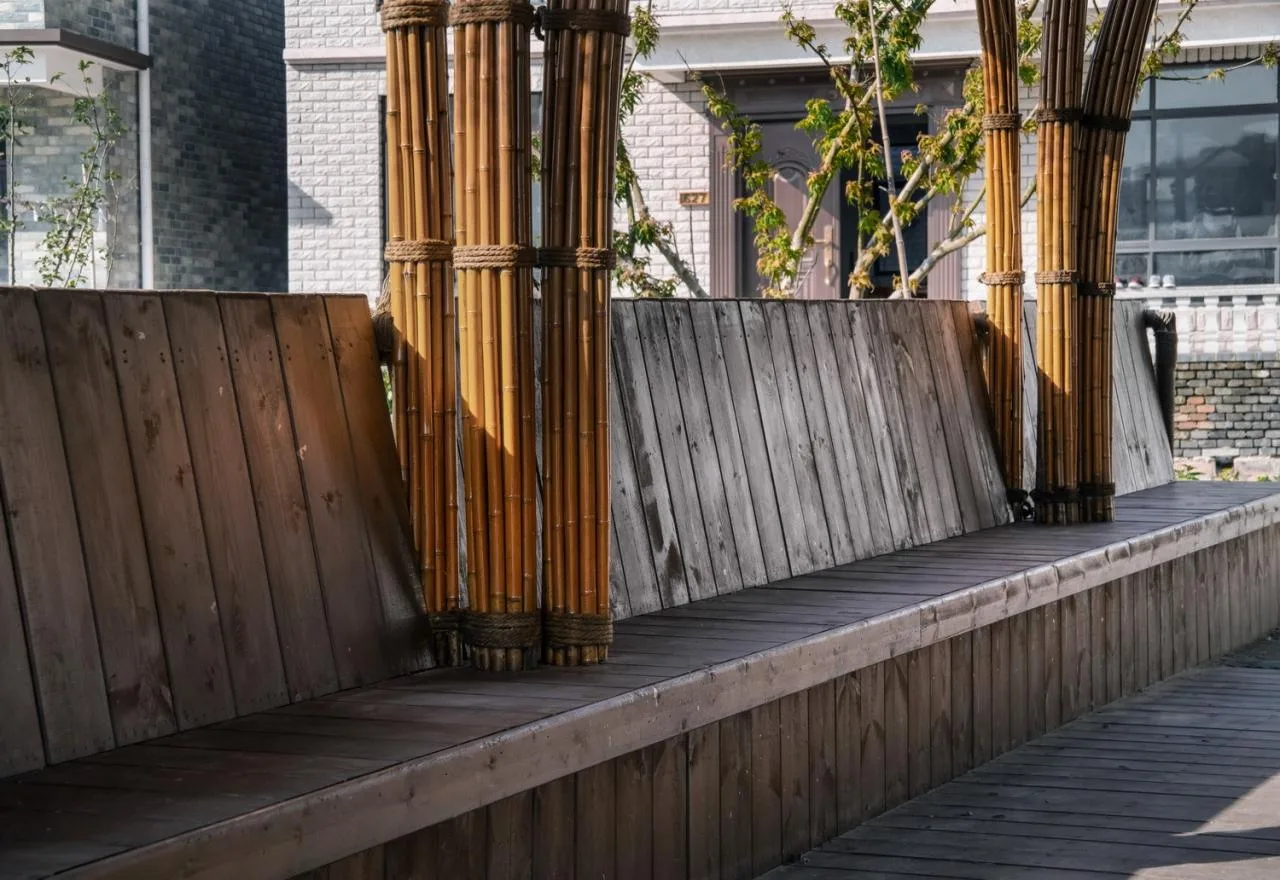
As several model courtyards were completed, villagers’ confidence grew, leading to increased participation—over 100 households eventually agreed to transfer and renovate their homes. Renovations have since spread throughout the village, with residents actively offering suggestions based on their lifestyles.
Architects in rural projects play multiple roles beyond traditional boundaries. Unlike urban projects with clearly defined responsibilities, rural design often requires flexible, interdisciplinary approaches, adapting to diverse scales and challenges.
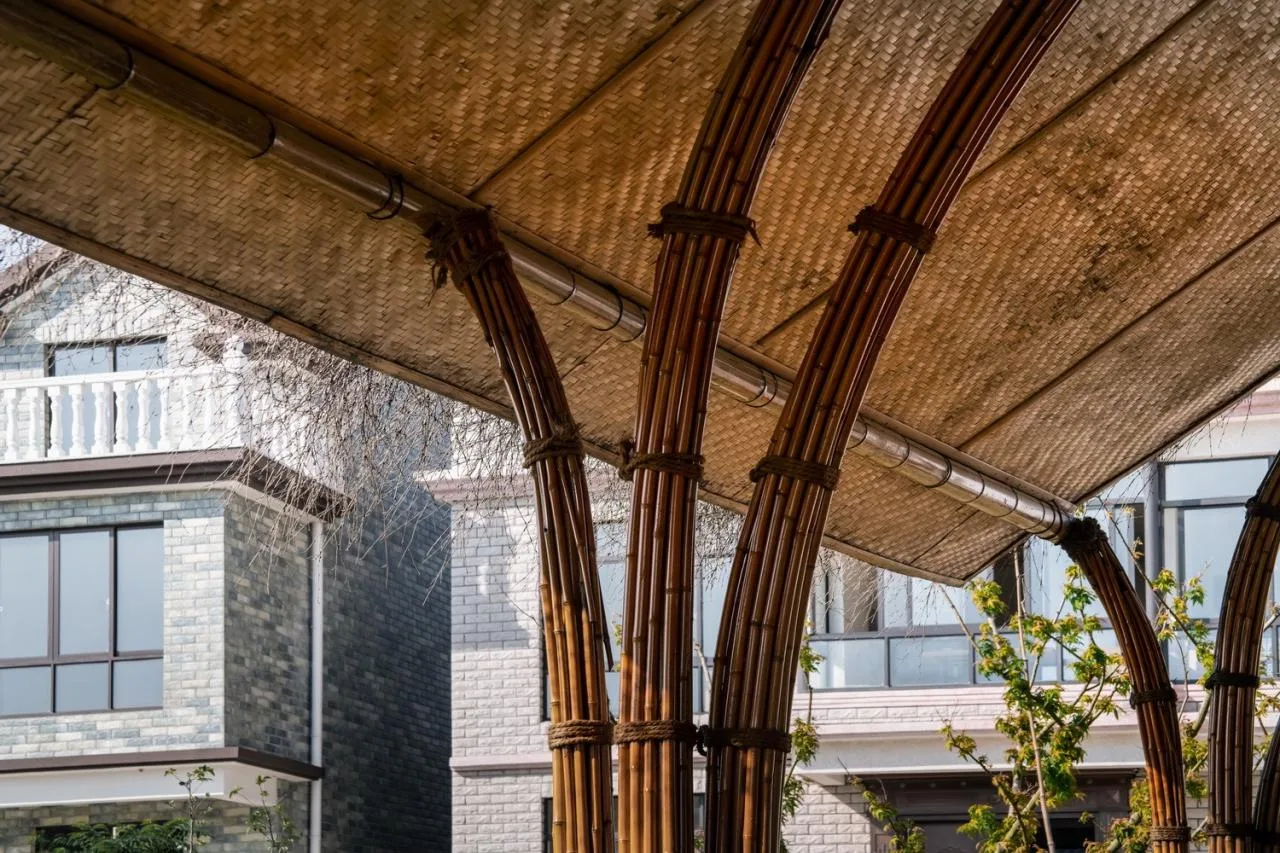
In practice, about 40% of the project’s success depends on drawings, 30% on on-site adjustments, and the remaining 30% on the performance of construction teams and villagers themselves. Architects act as both guides and learners, balancing professional expertise and aesthetic vision with deep understanding of local perspectives and realities.
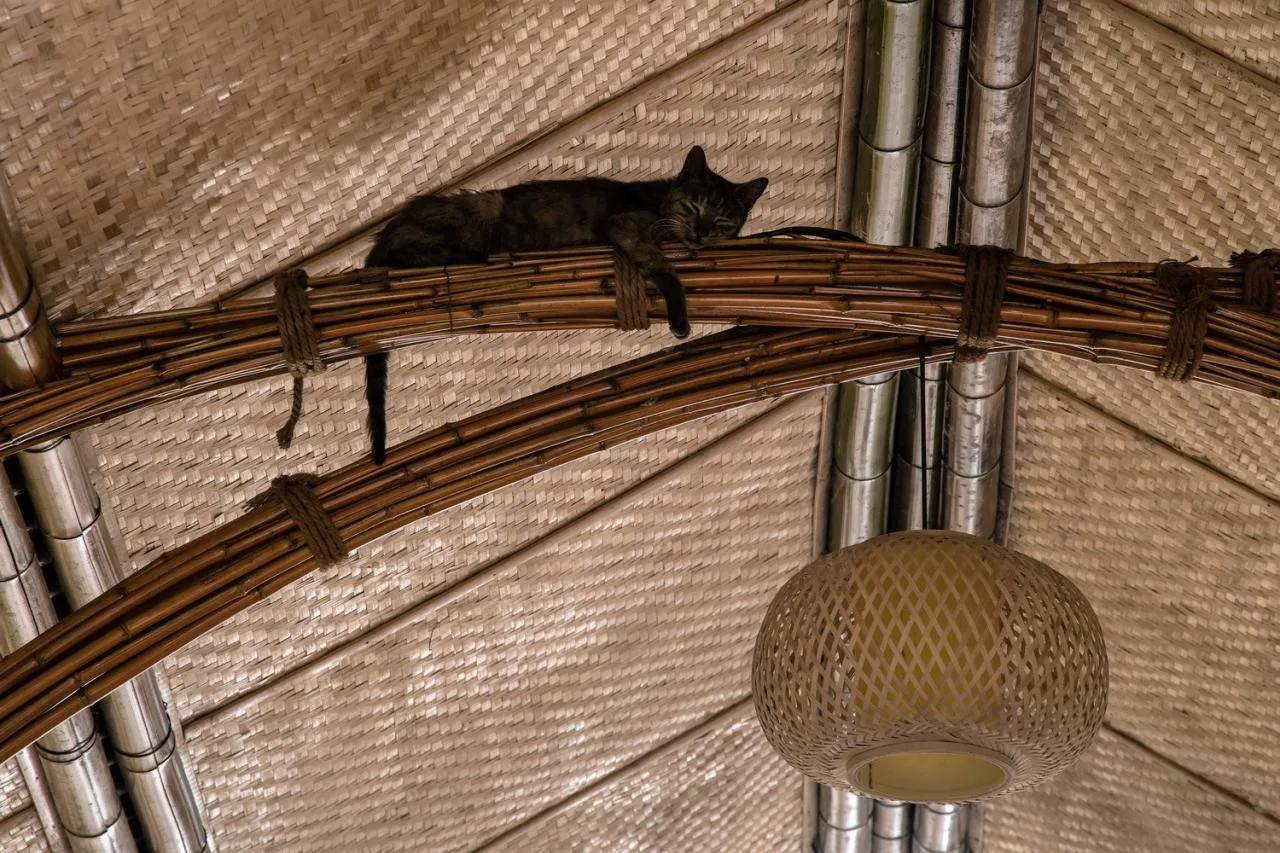
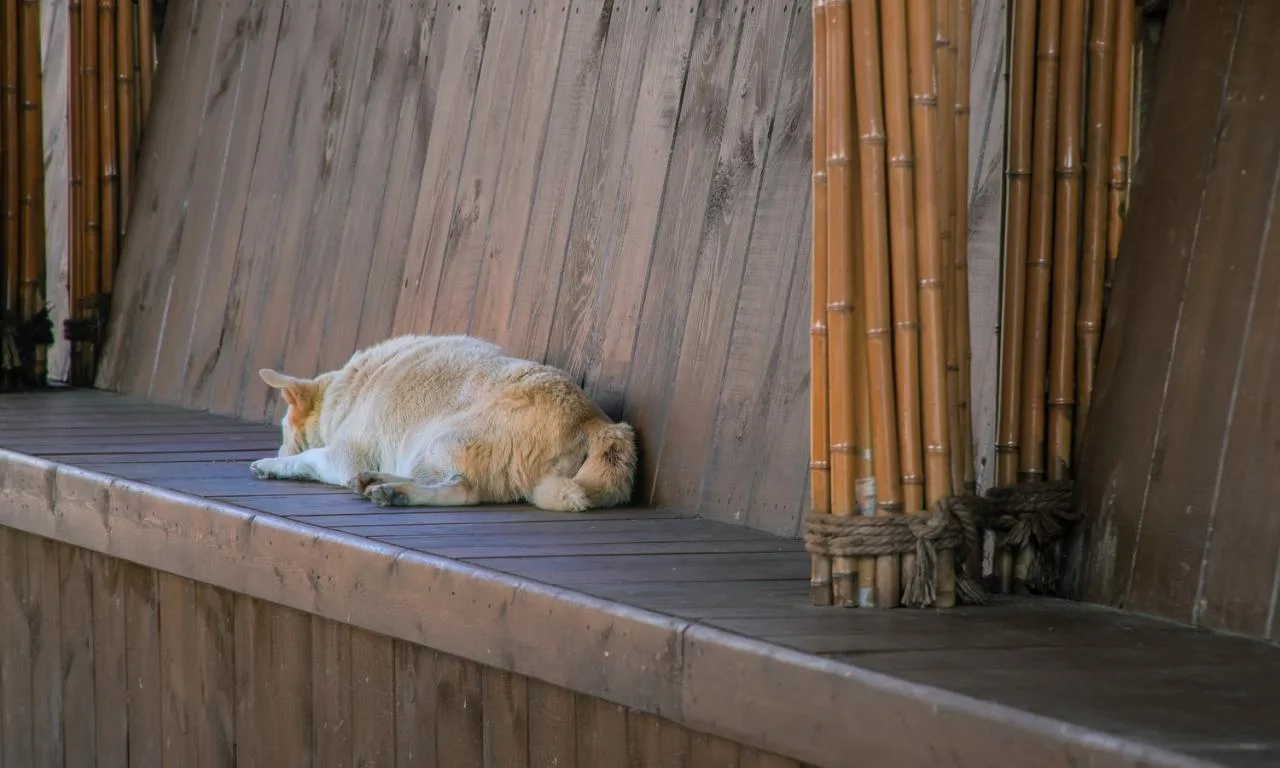
05 Hometown Aesthetics: Between Untamed Countryside and Lush Peach Orchards
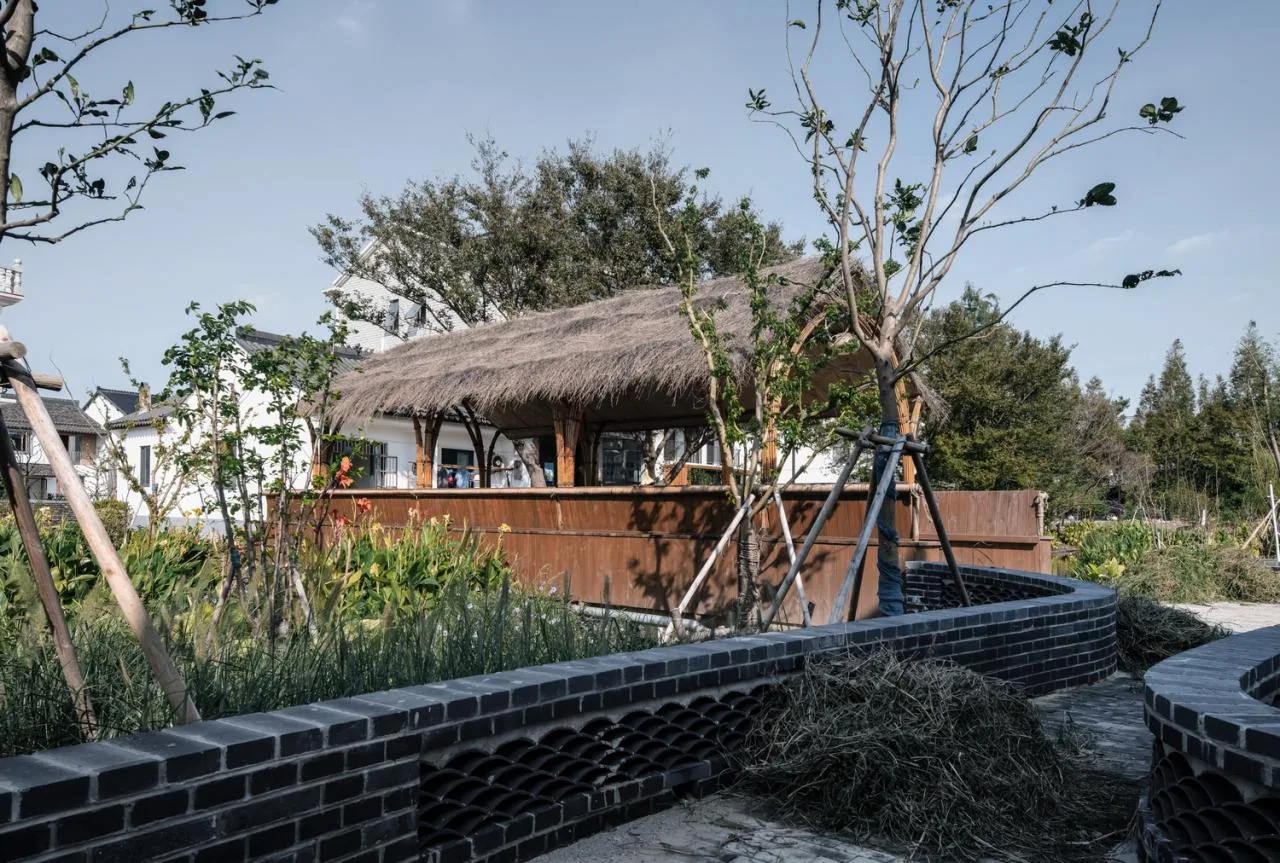
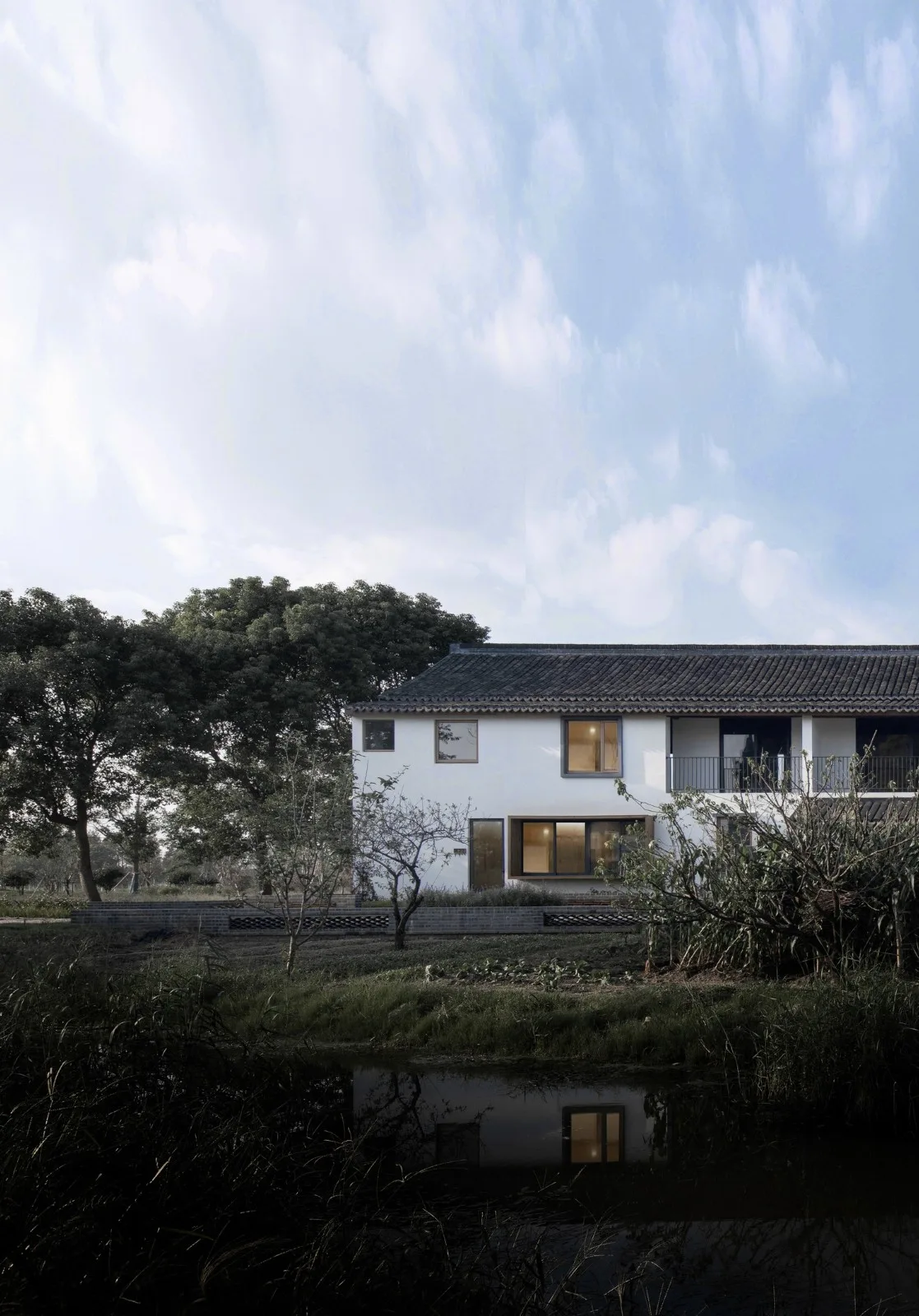
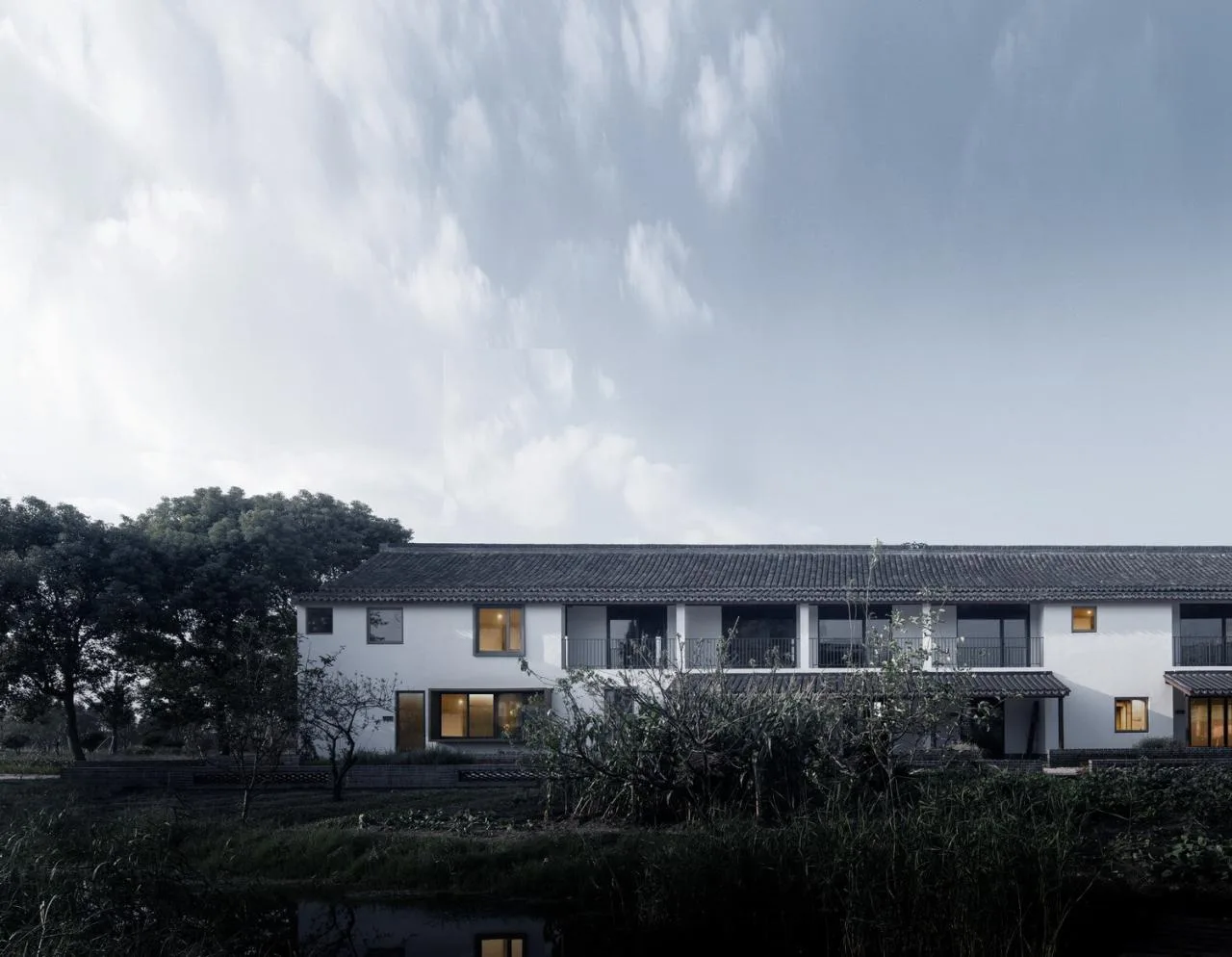
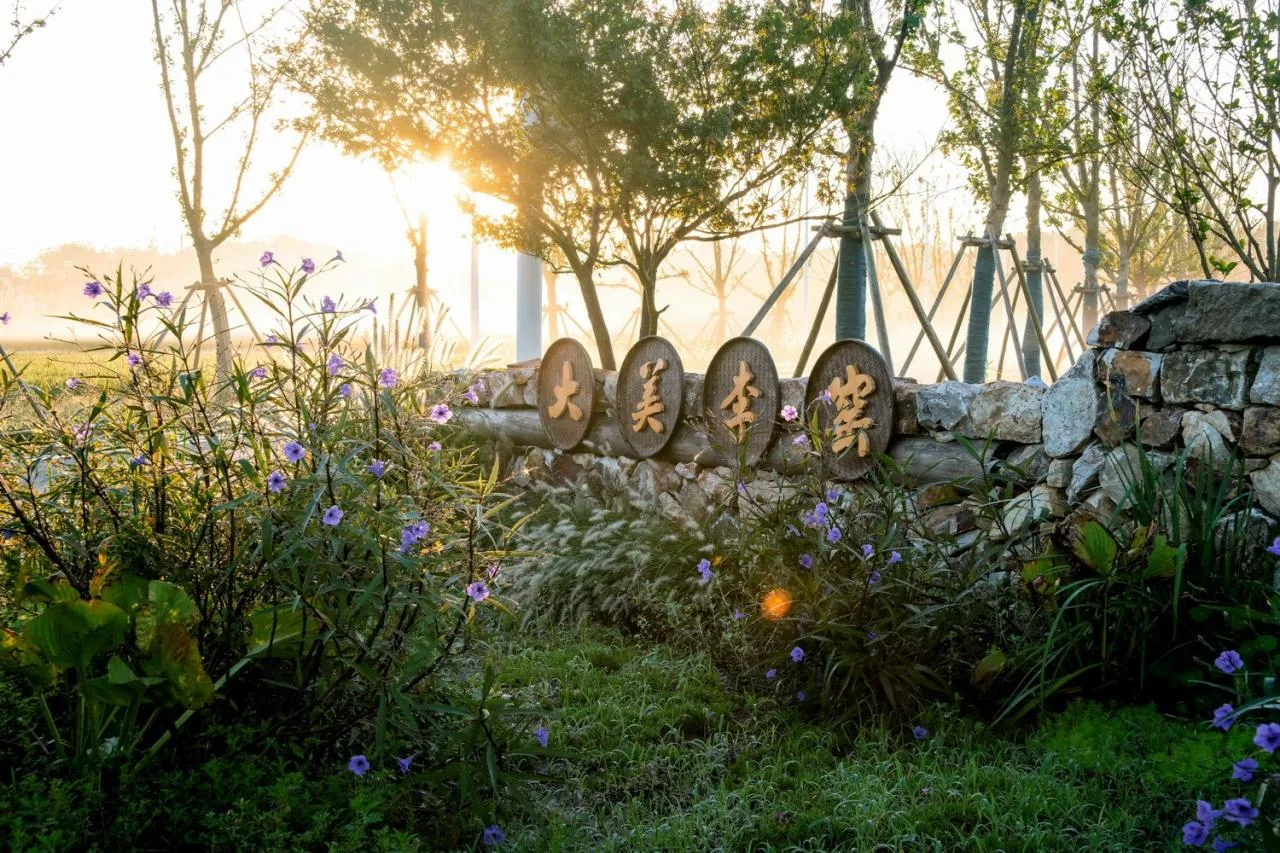
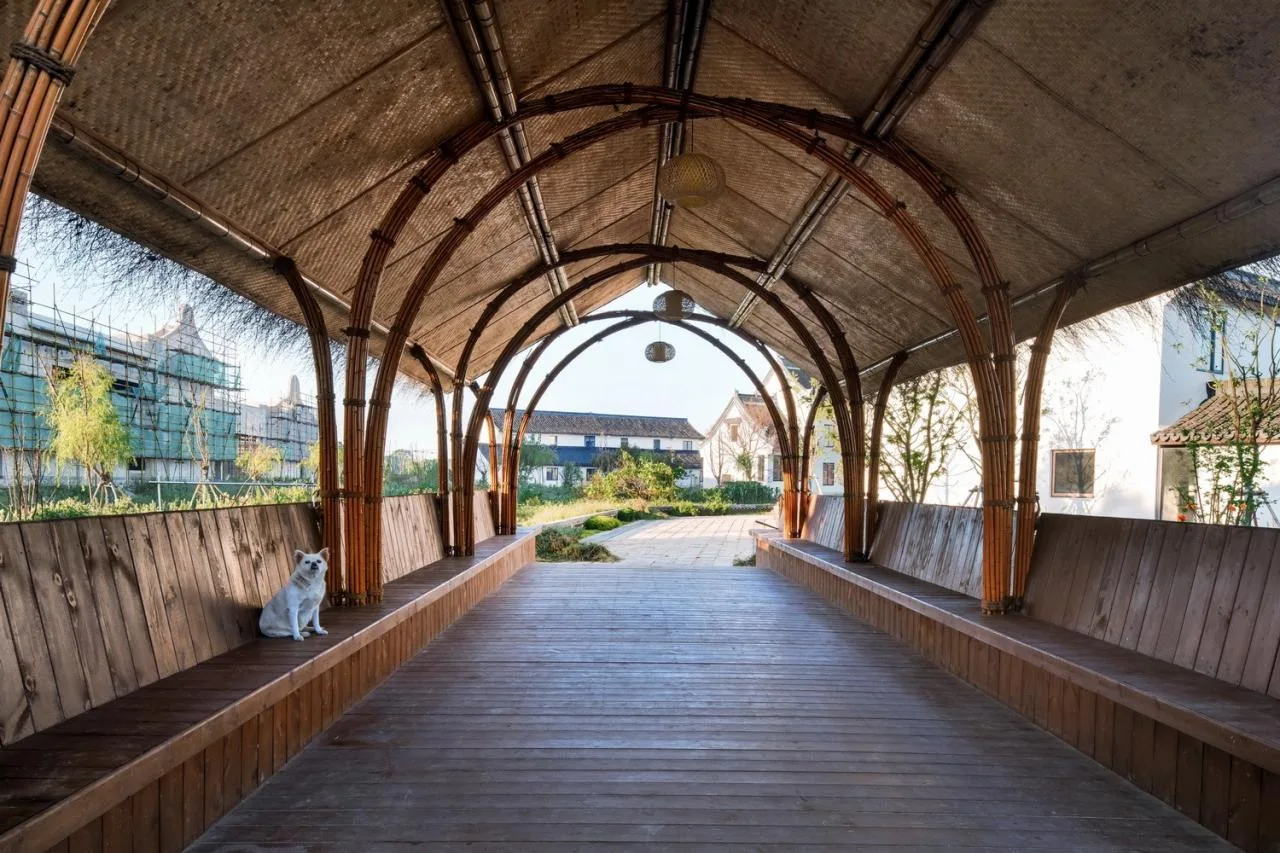
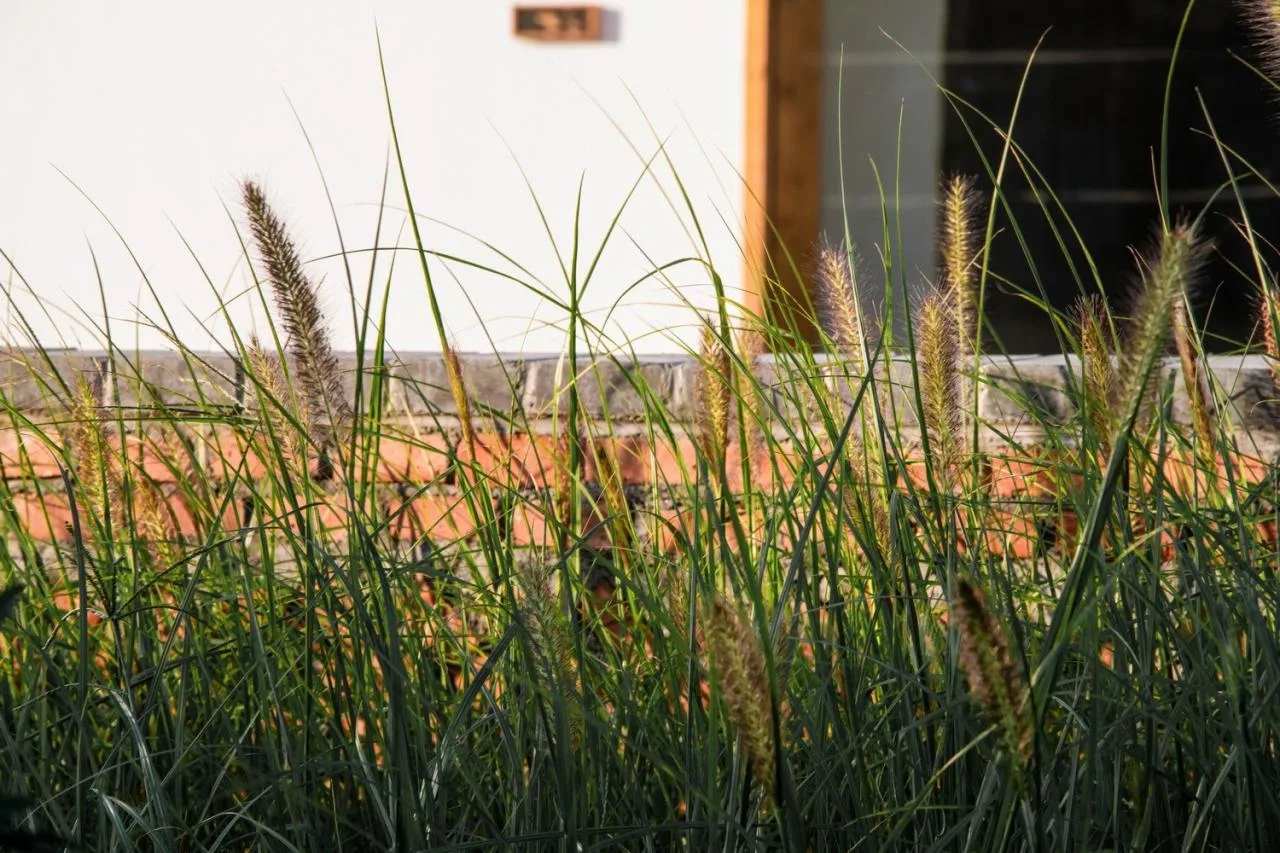
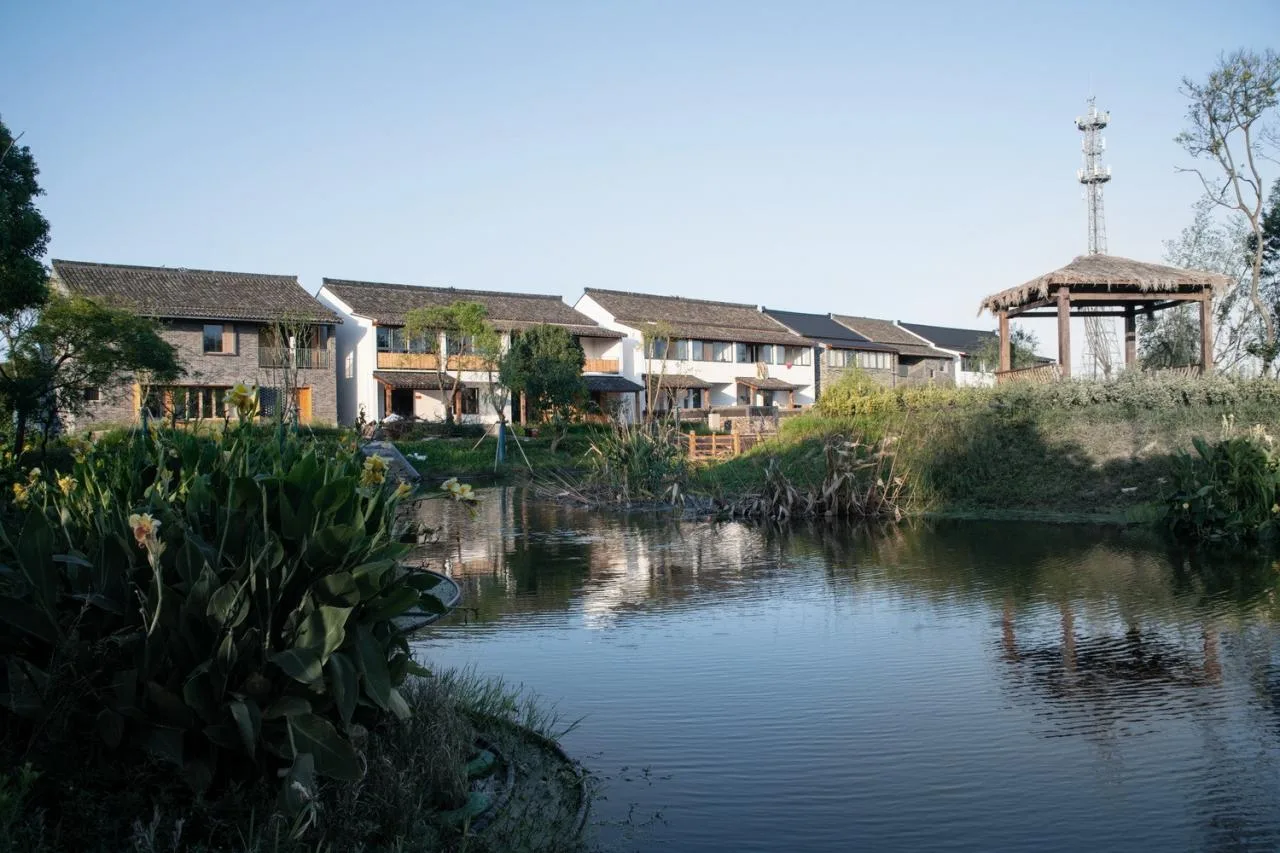
In landscape design, the team embraced the natural texture of the traditional village, carefully reorganizing spaces to soften and transition the scenery. By integrating existing resources, they reshaped a native rural landscape pattern centered on “river, field, and homestay.”
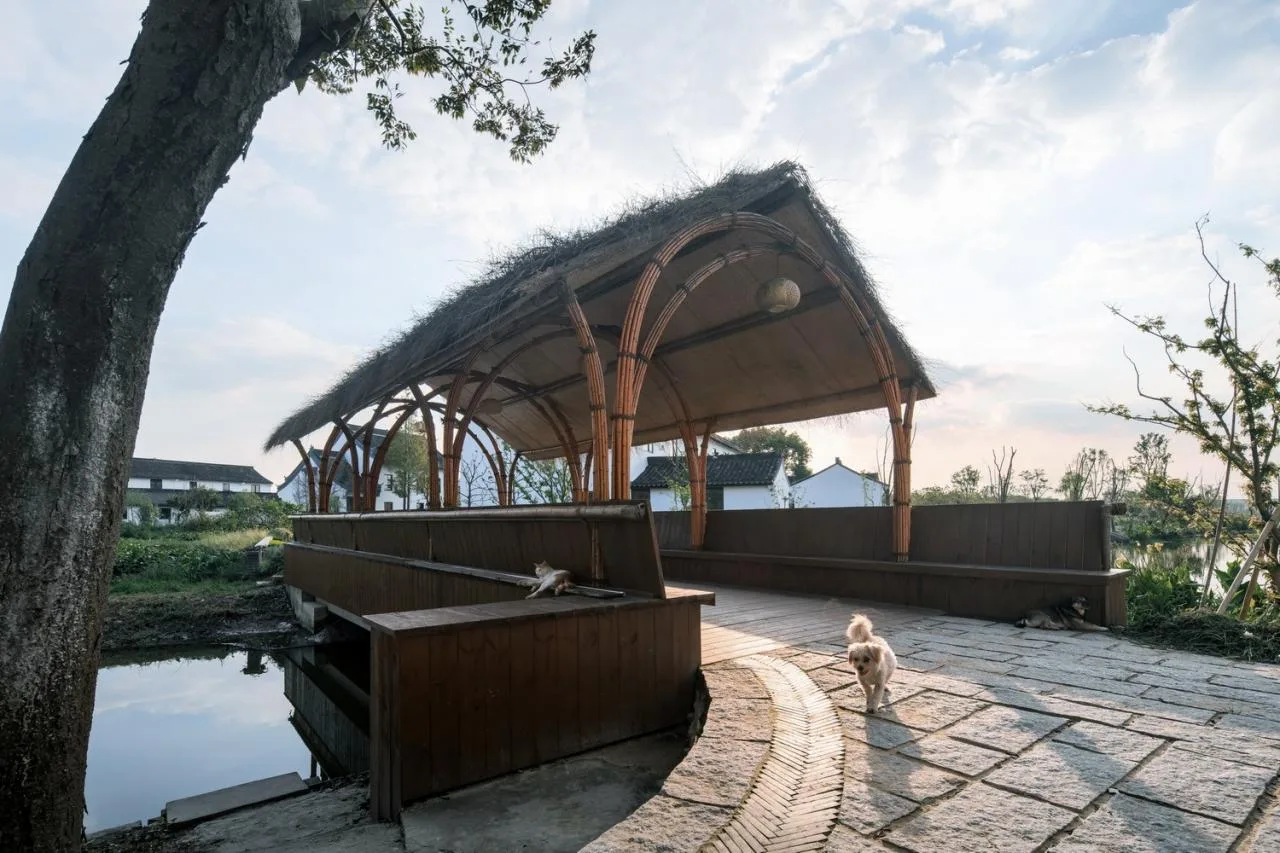
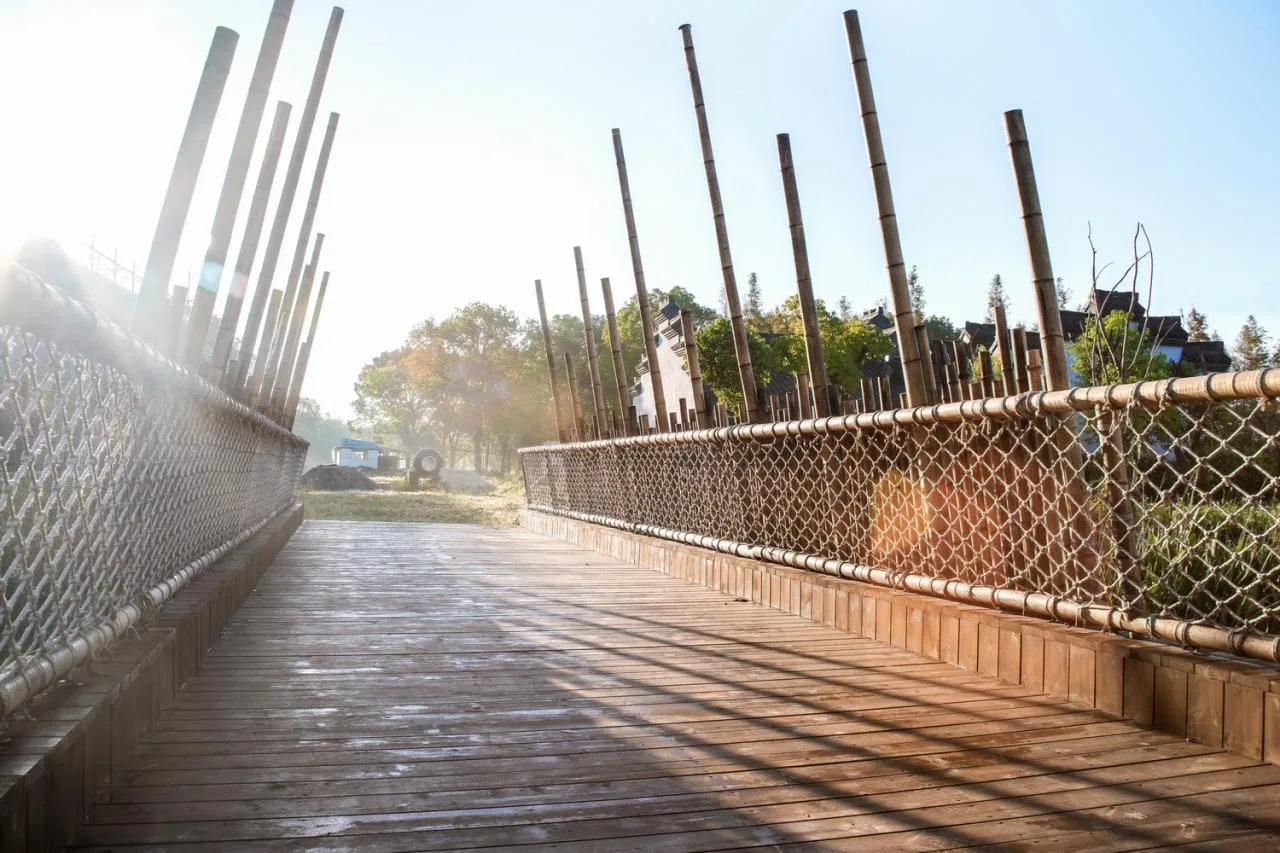
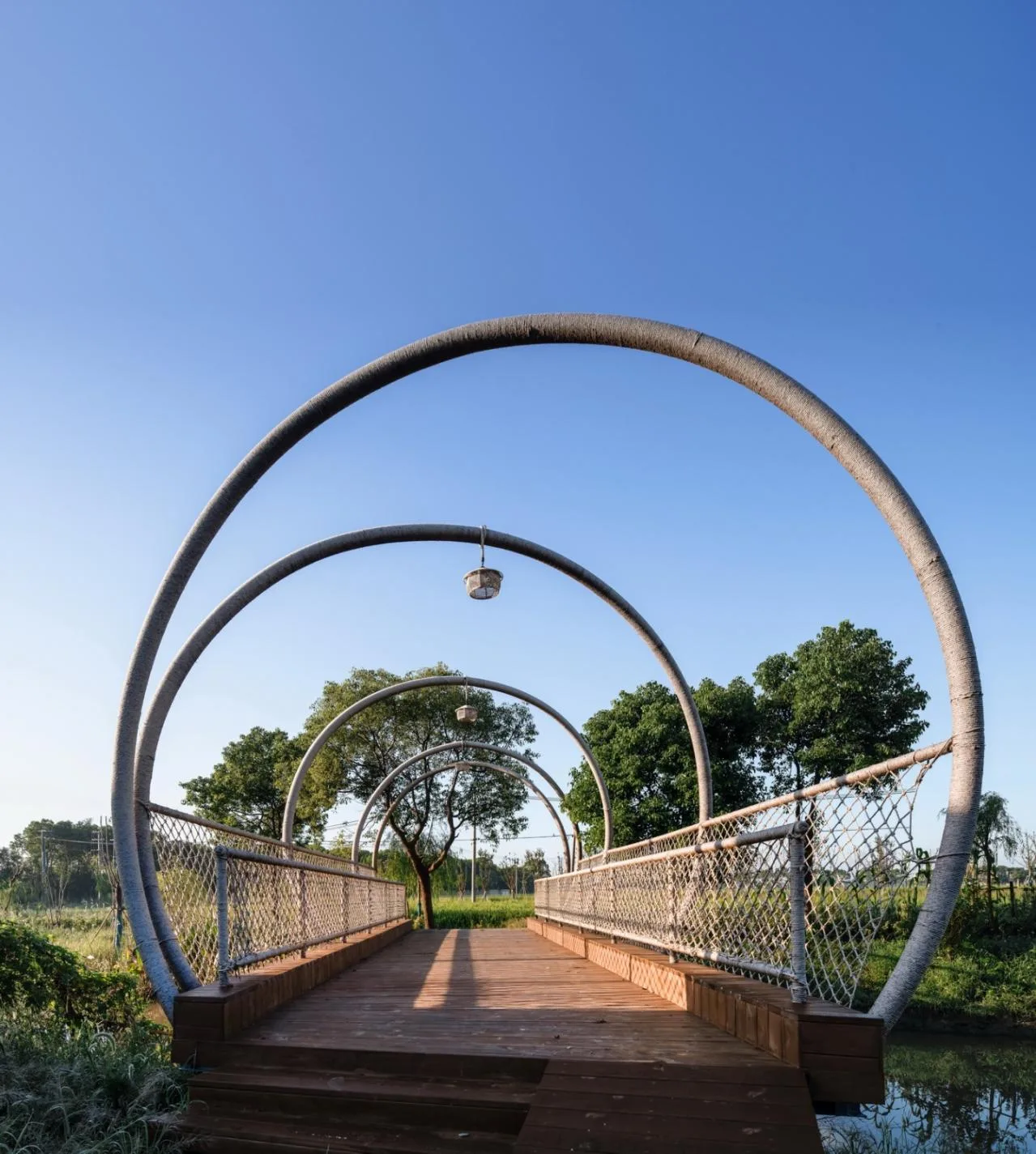
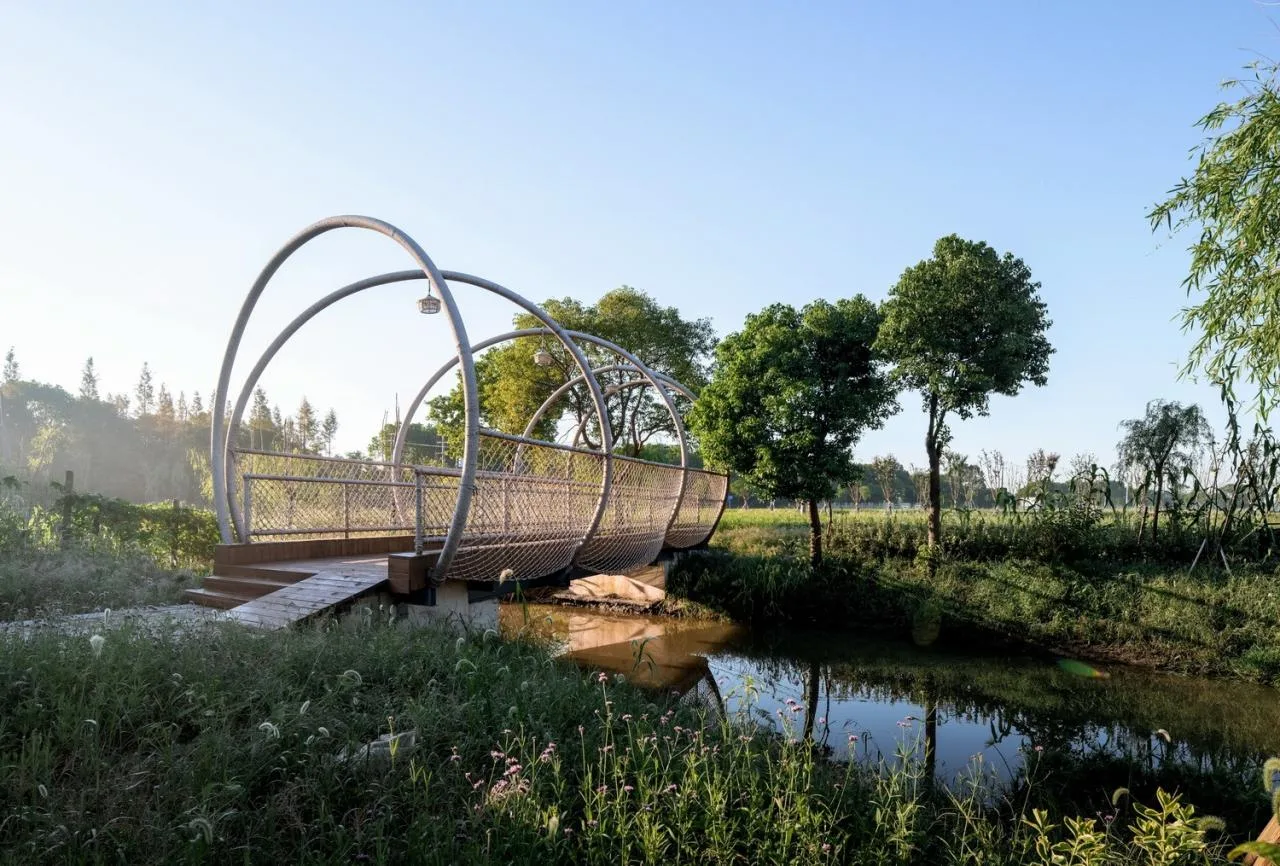
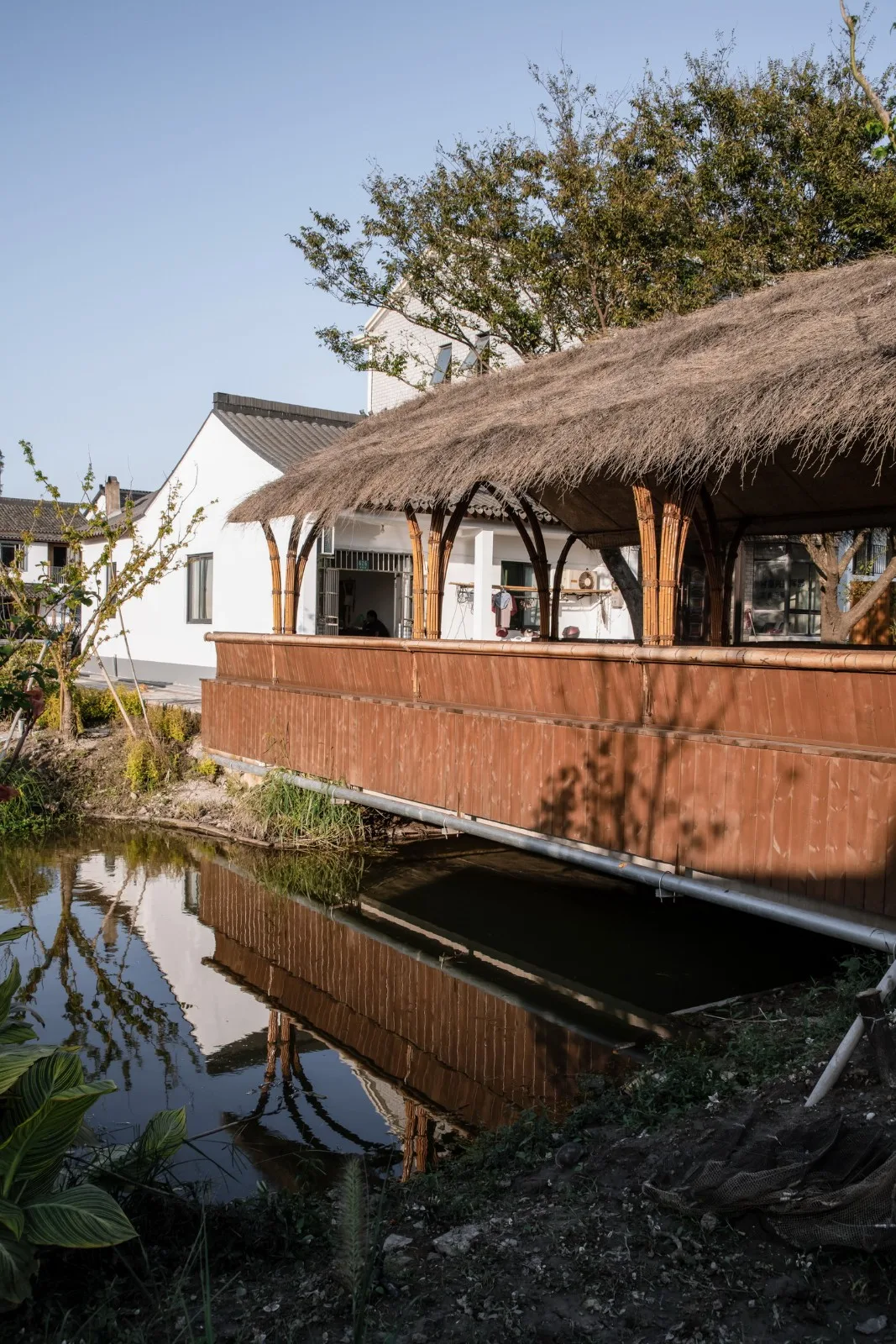
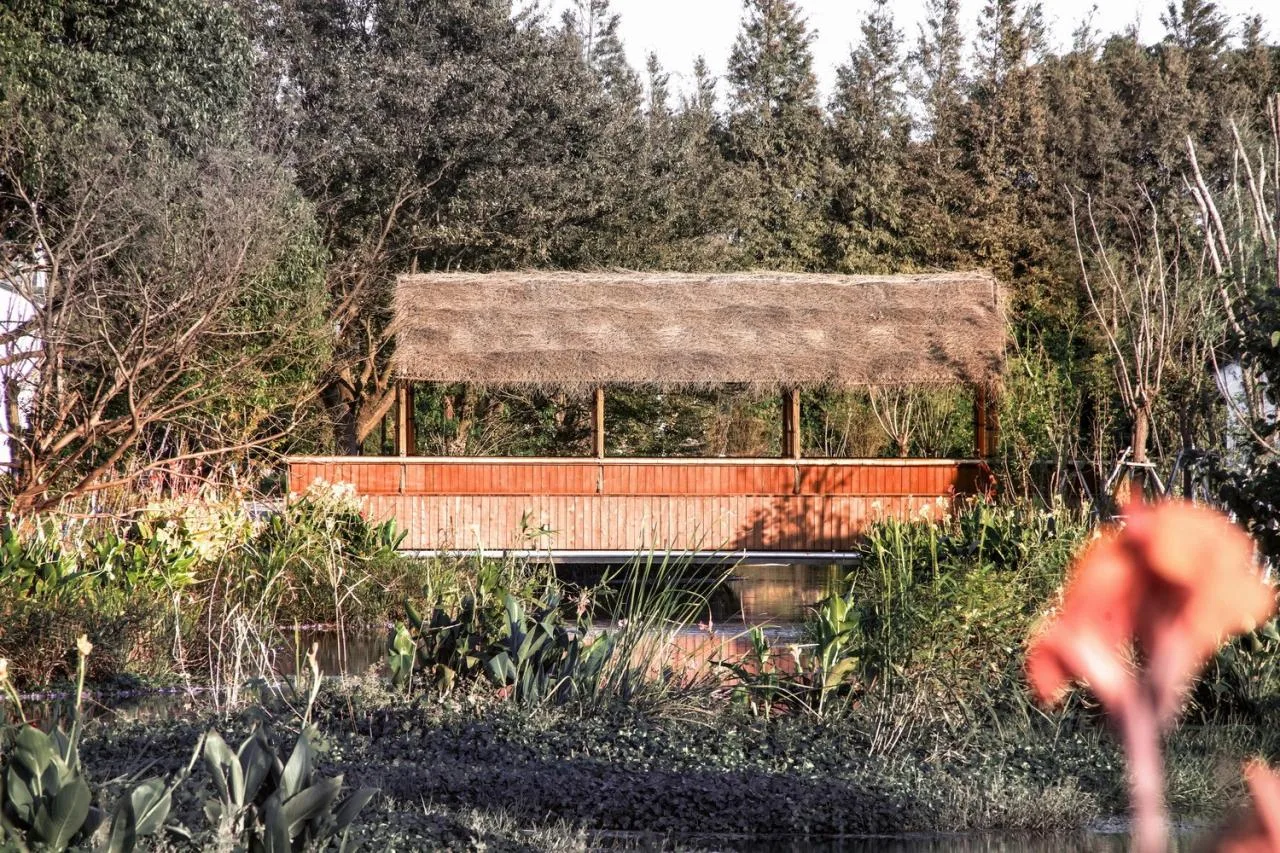
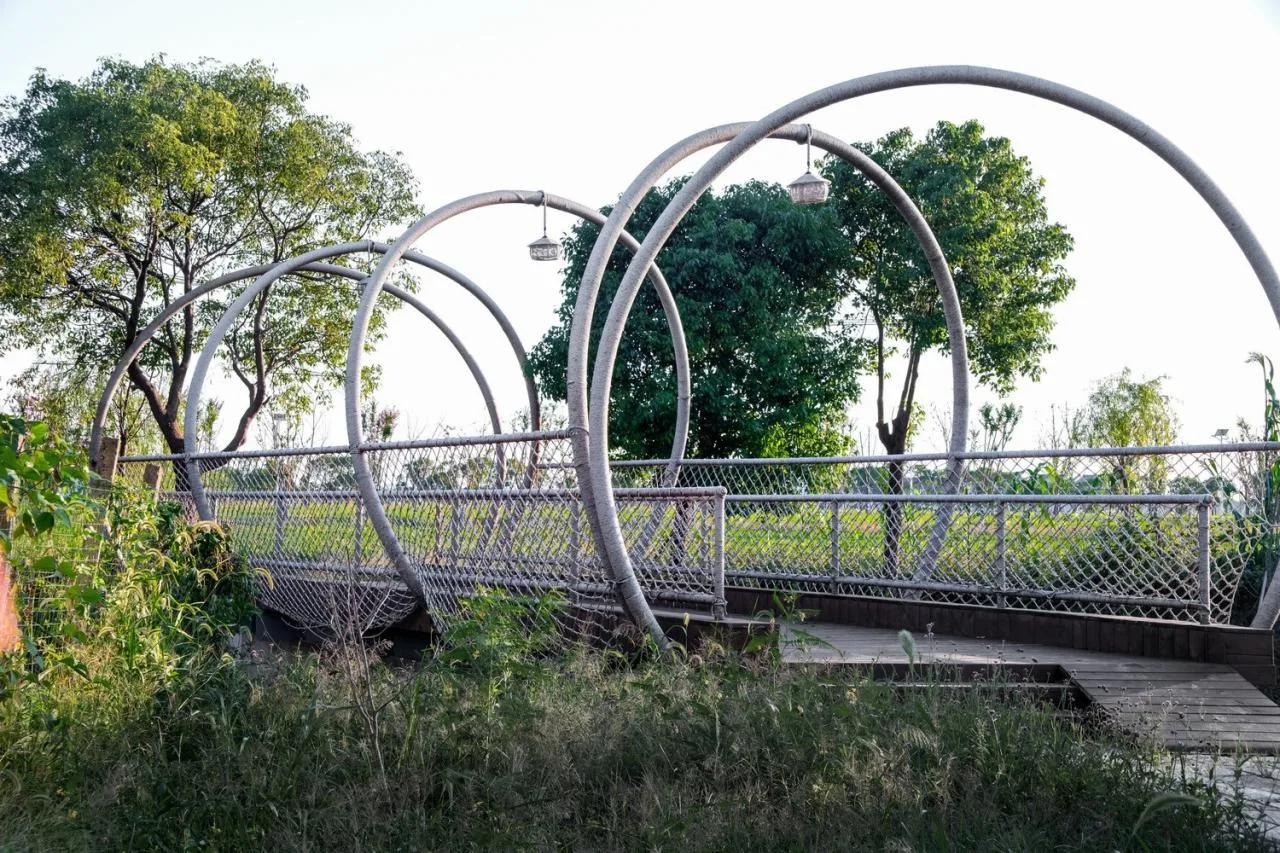
Bridges connect previously isolated, lifeless spaces, while service points linked to industries offer villagers opportunities to engage in construction and management.
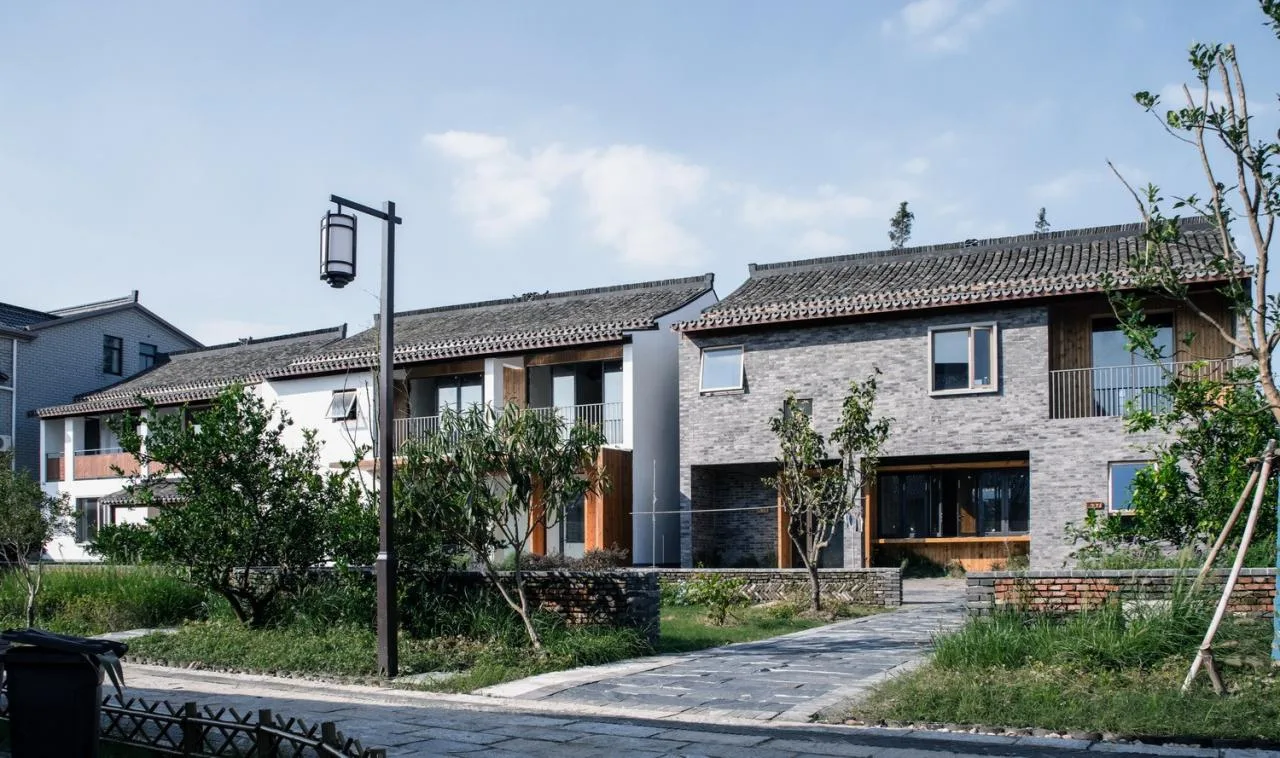
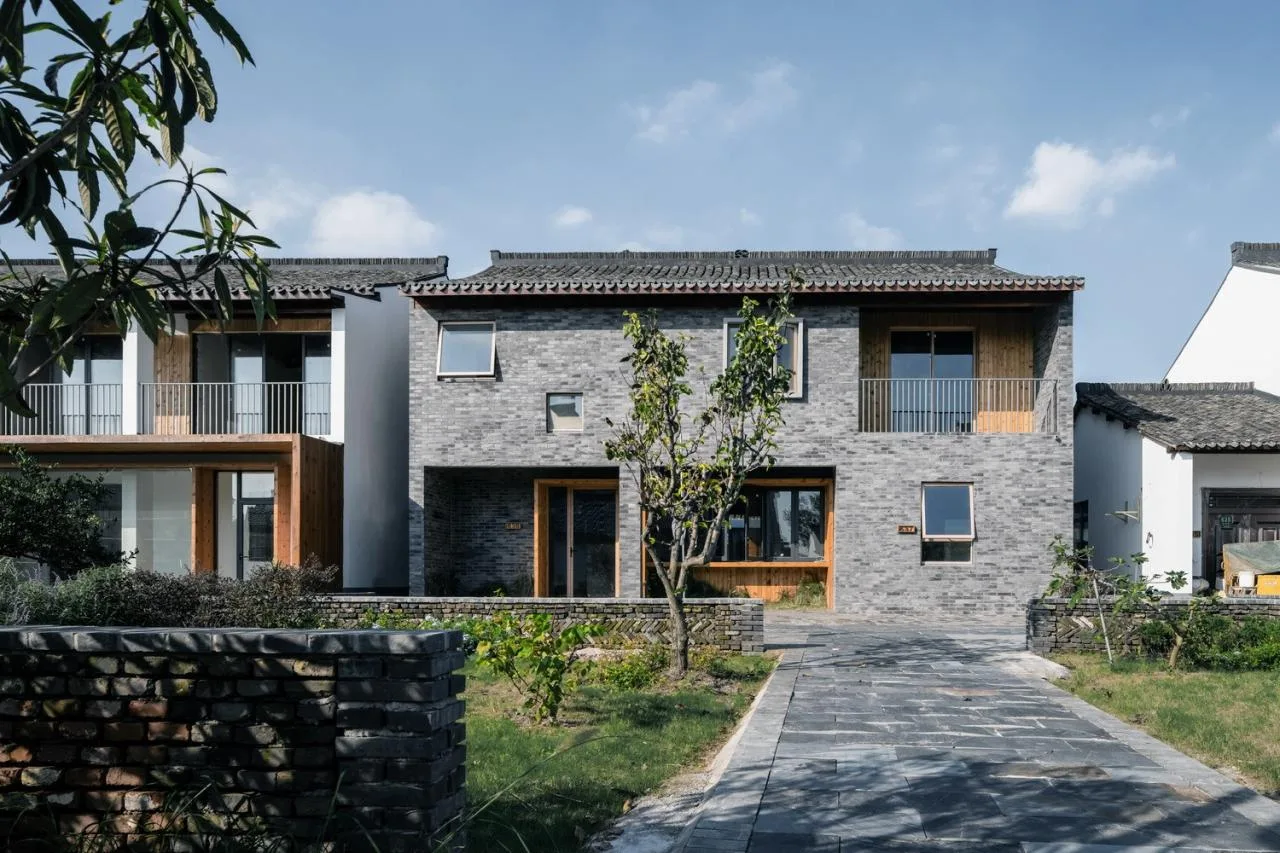
Historically, the team sought to excavate, inherit, and promote the outstanding culture, folk art, and intangible heritage of Li Kiln, enriching the “Li Kiln homeland.” Cultural exhibitions are concentrated in the Village History Museum, featuring Liyao’s green bricks, Qingcun engraved paper, and Dalianxiang.
Culturally, the main cluster of entrance and exit businesses offers diverse experiences—dining, resting, strolling, shopping—while showcasing the scenic rice paddies and rural lifestyle, allowing visitors to enjoy a beautiful, comfortable countryside.
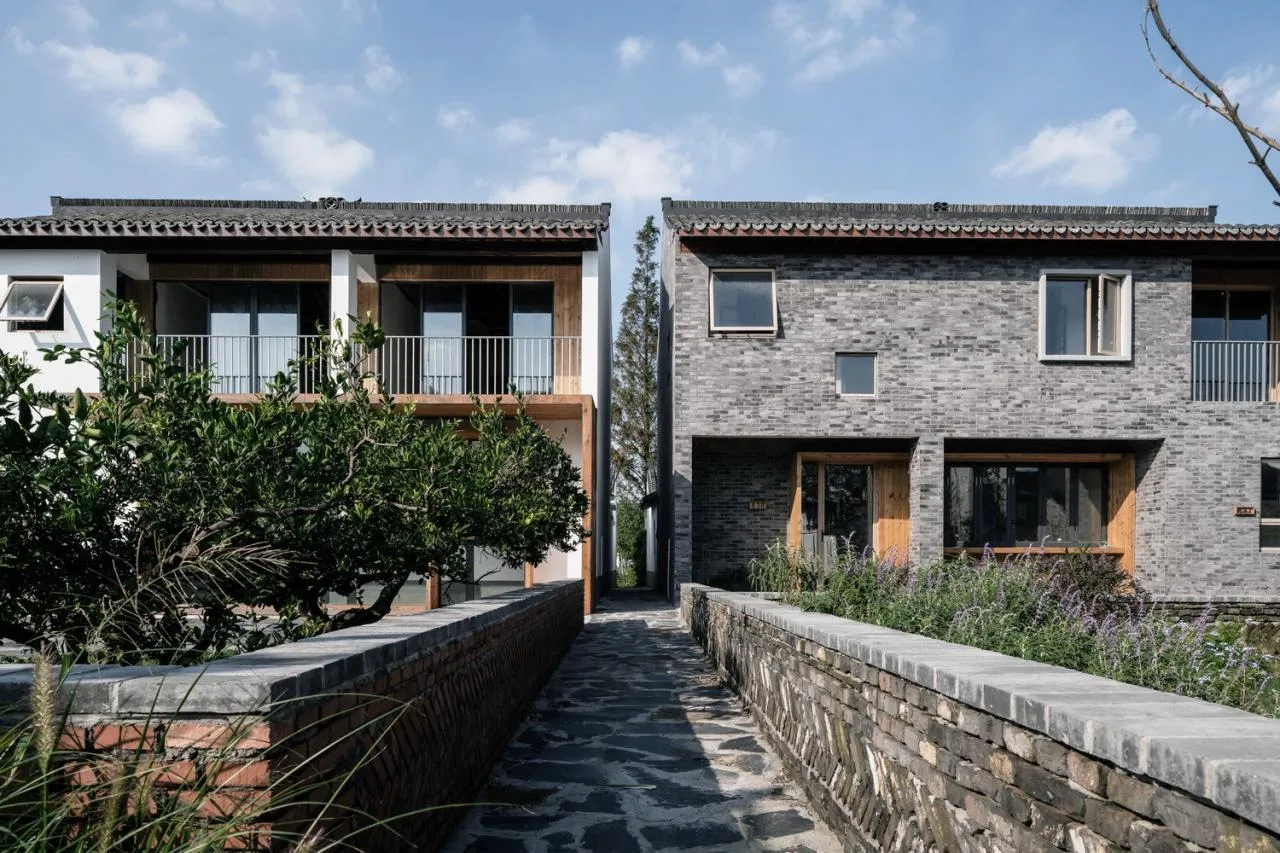
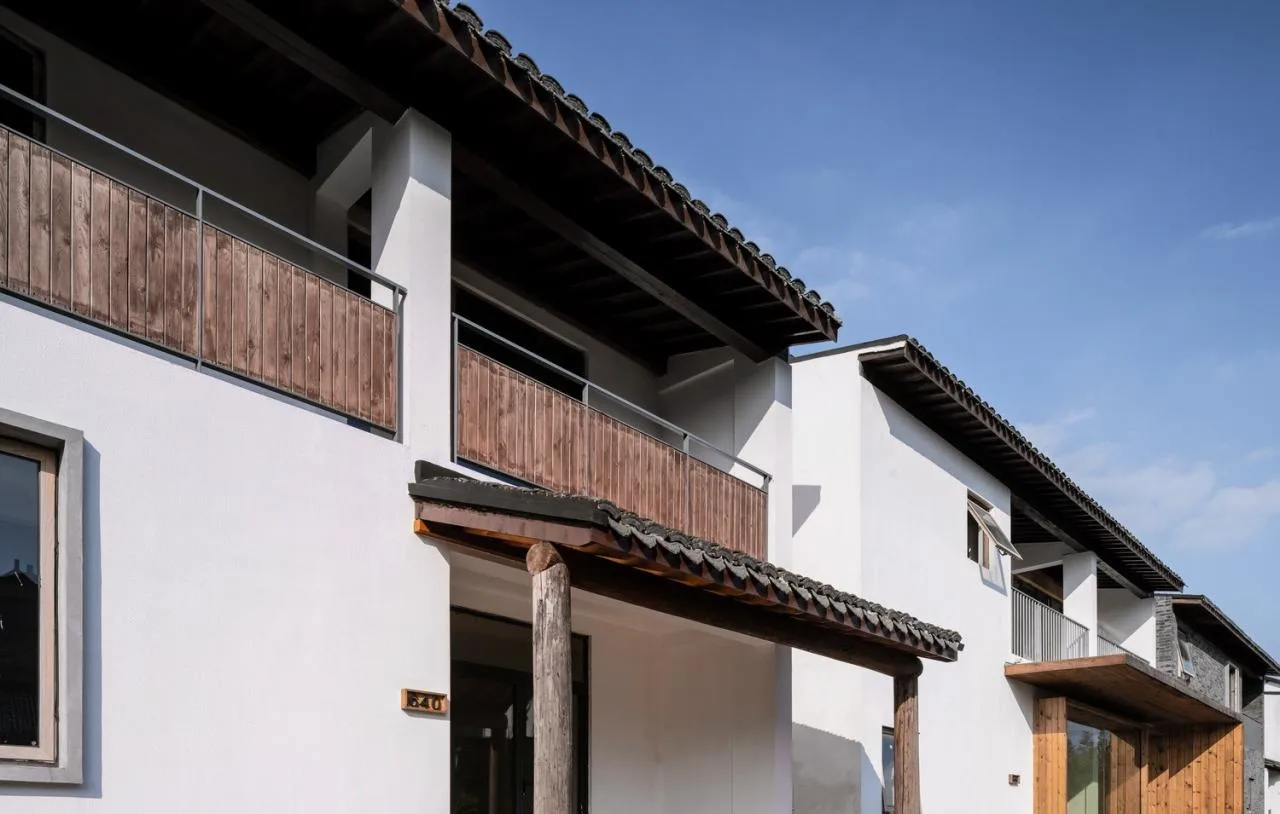
The design team aimed to develop a style deeply rooted in regional identity and local scenes. While contemporary lifestyles favor urban comforts, people also seek the vastness and authenticity of nature. The project strives to preserve nostalgic memories and craft a natural, rustic hometown aesthetic, creating a beautiful, livable countryside.
The vision is to transform Liyao Village into a vibrant rural community and a center for leisure tourism, establishing a rural revitalization demonstration village that seamlessly integrates function, regional culture, and aesthetics.
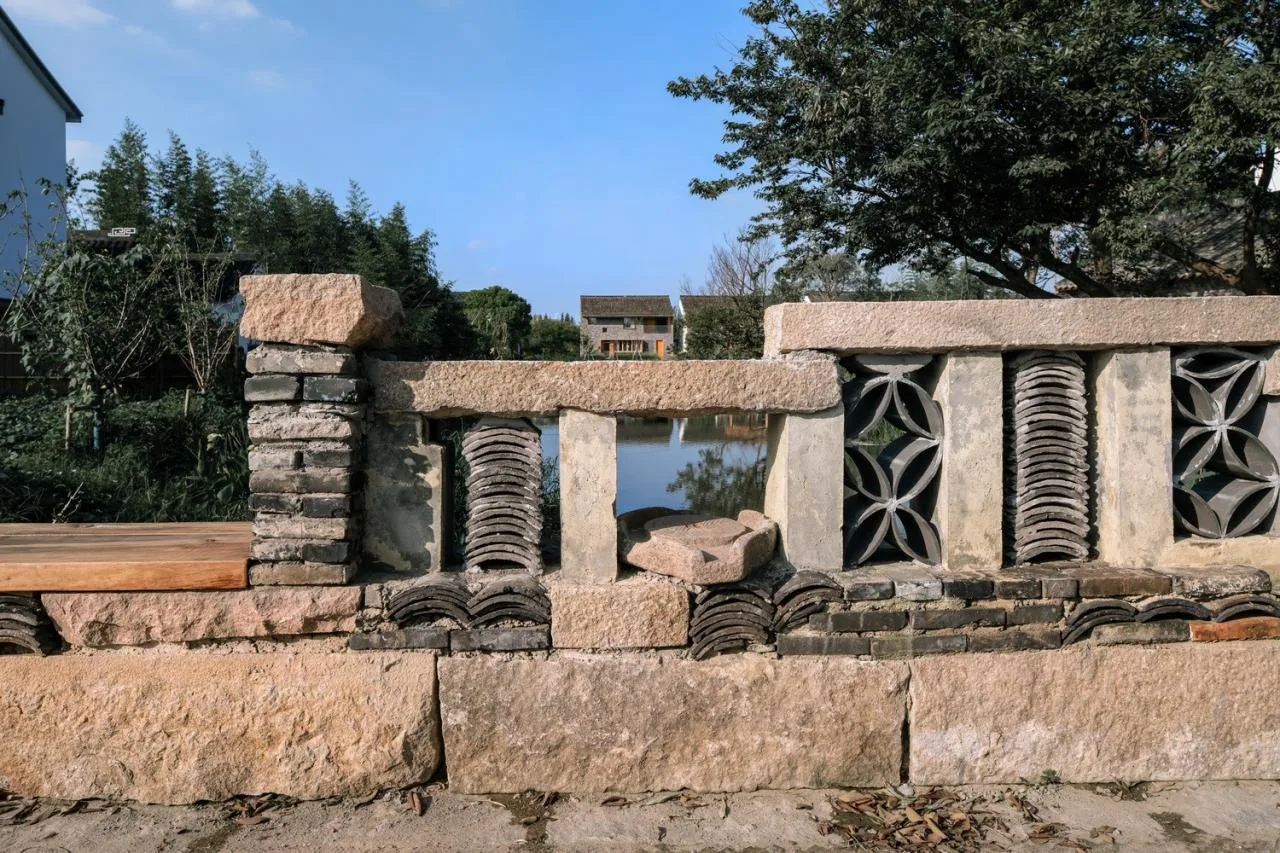
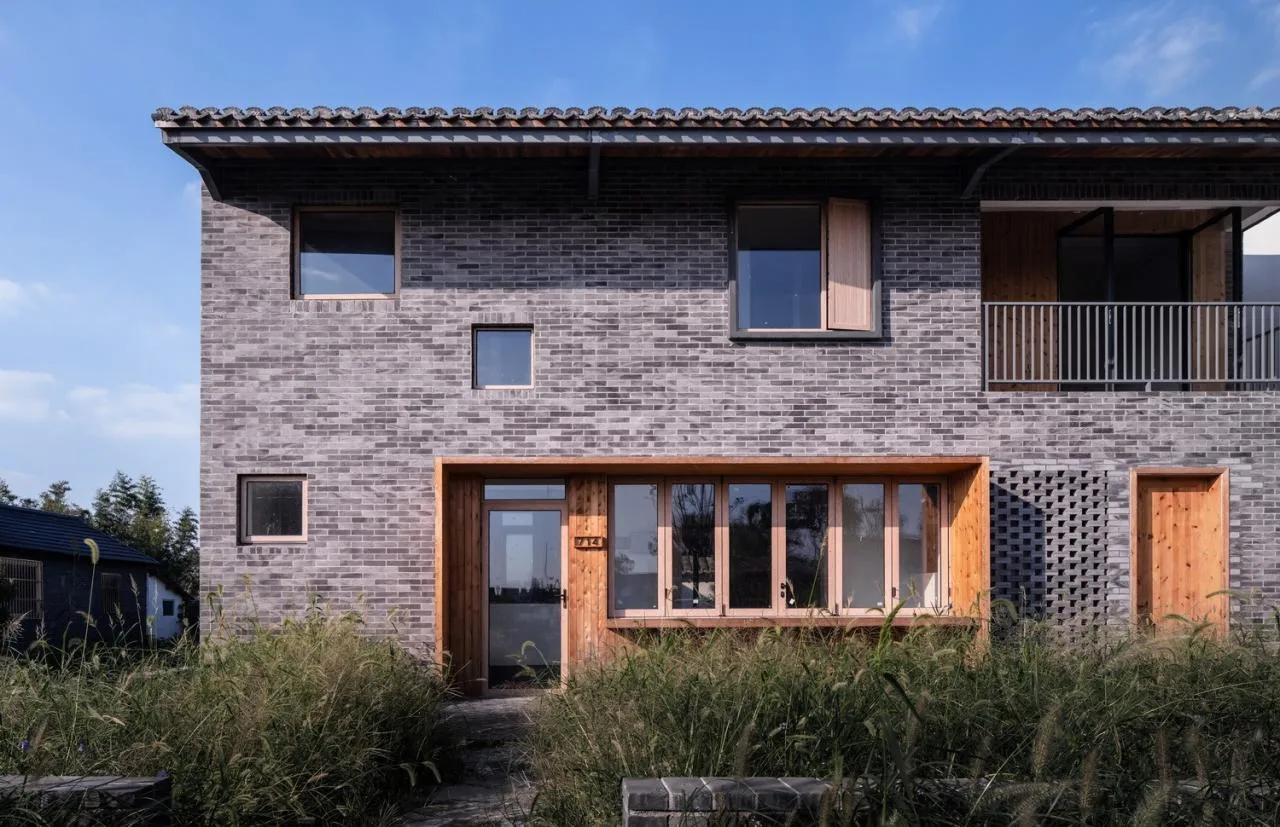
06 A New Chapter for Li Kiln: Tailored Solutions Honoring Local Culture
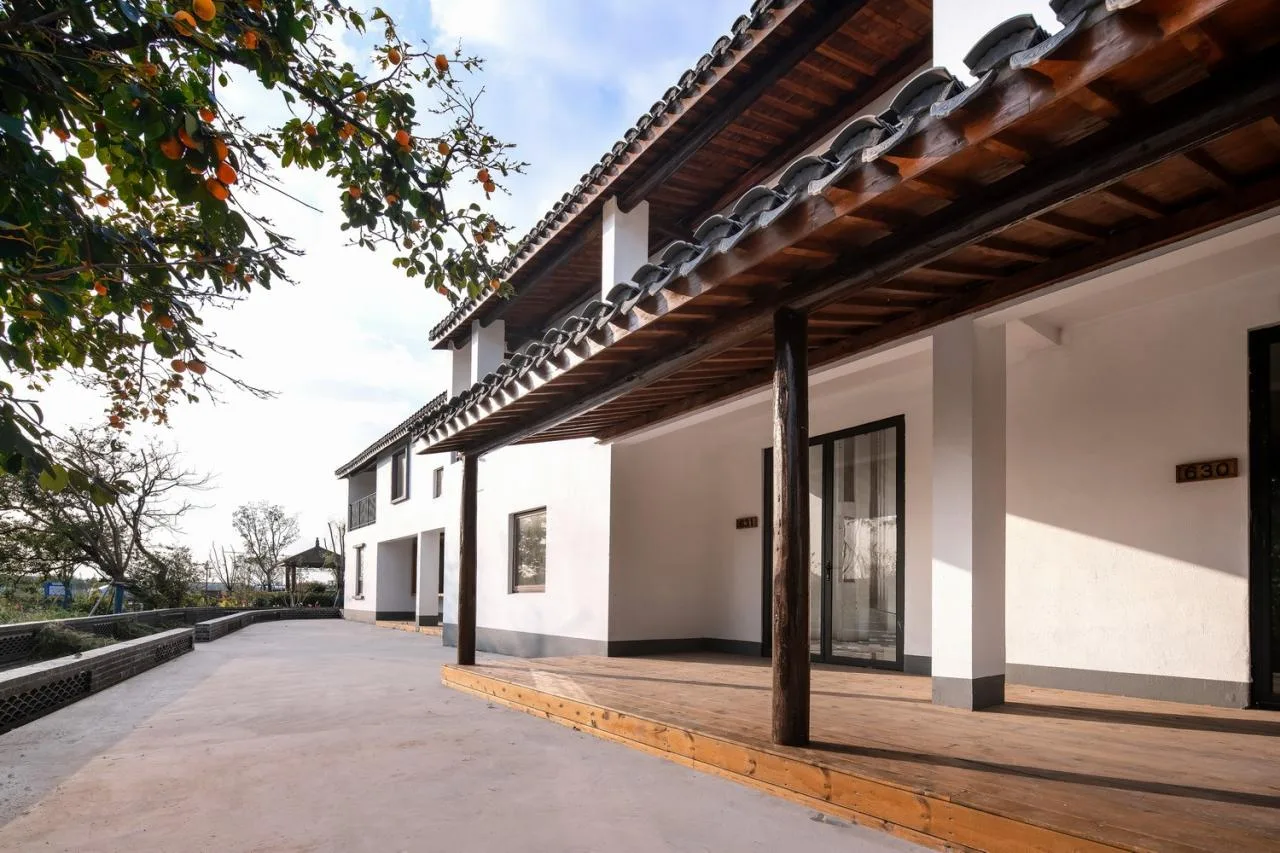
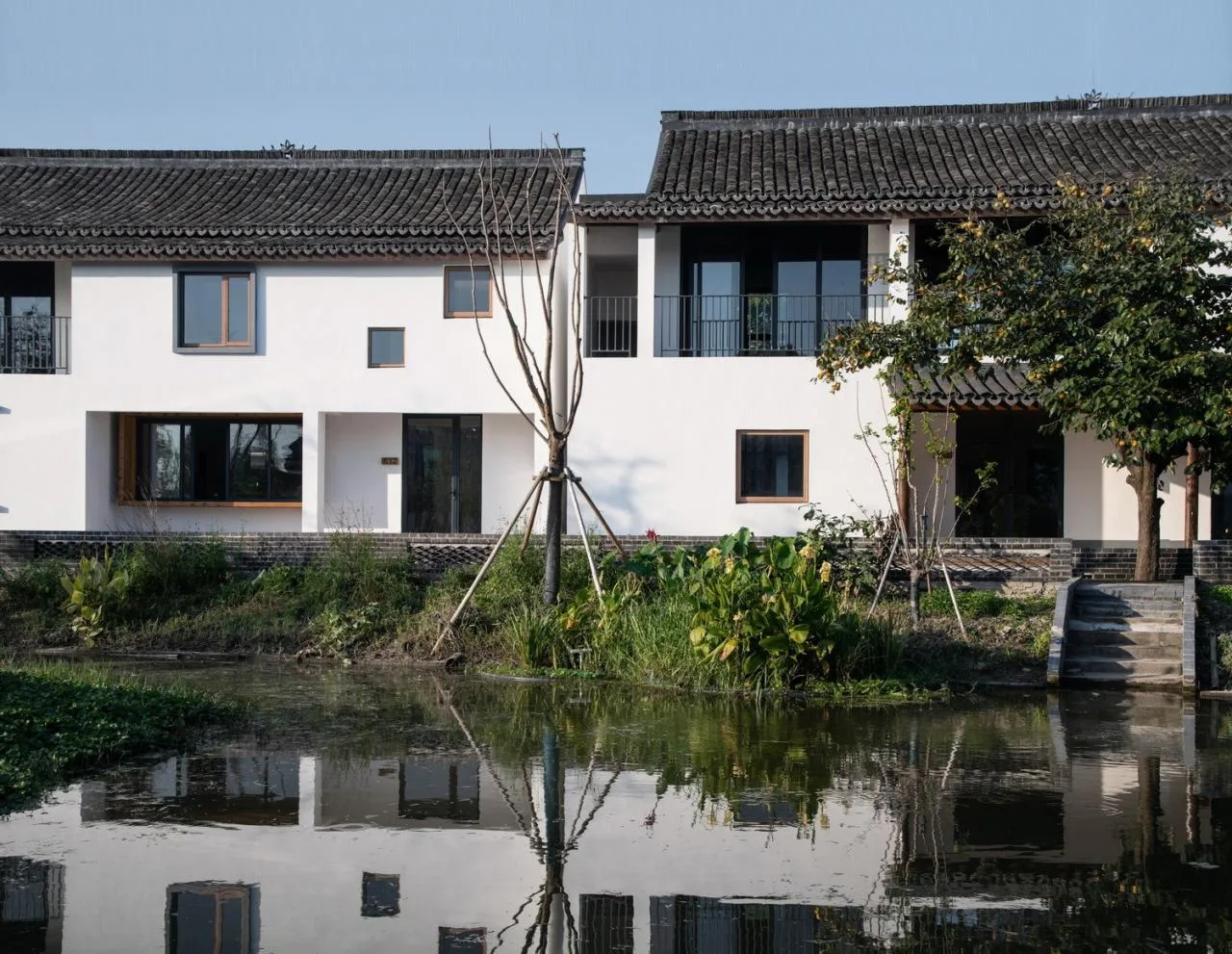
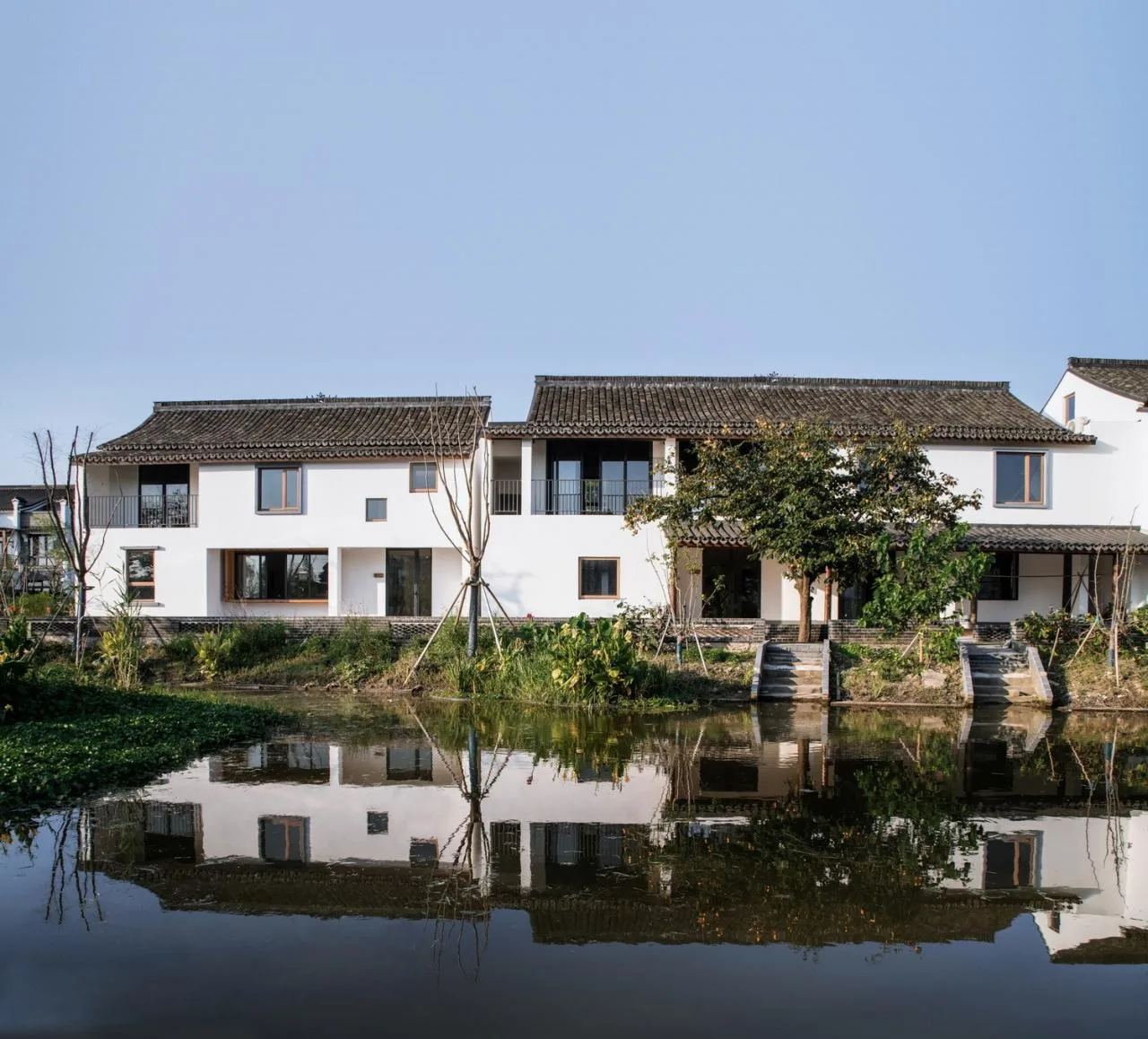
The renovation was completed within 160 days, covering house refurbishments, landscaping, road upgrades, and new construction, managed through overlapping projects. Throughout, the design and construction respected Liyao Village’s unique character, embracing a “tailored approach.”
Customizing renovations for each household demanded more time and effort than demolition and rebuilding but honored residents’ emotional ties to their homes and preserved the village’s original appearance as much as possible.
The team hopes that villagers and new residents will live and work peacefully in this renewed environment, where the spirit of kiln culture continues through a fresh spatial setting.
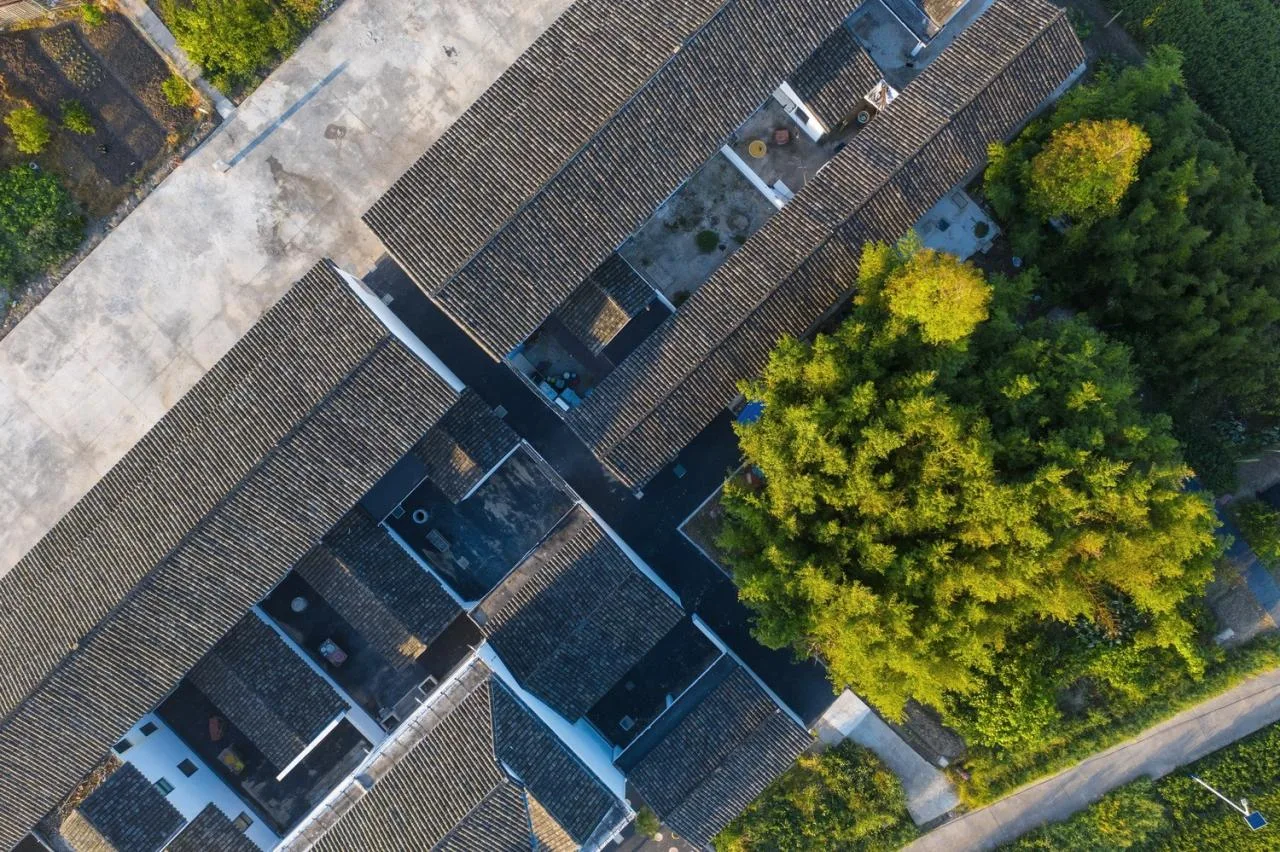
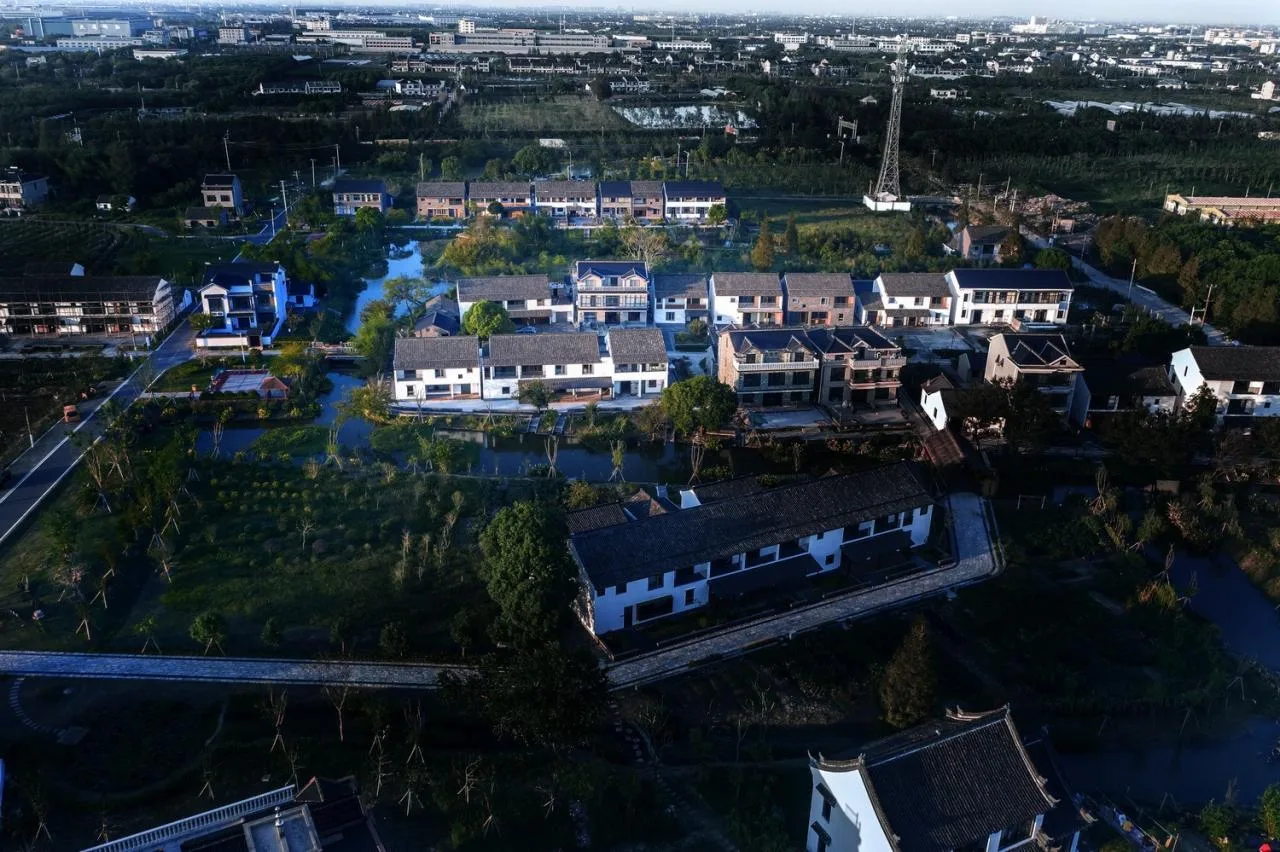
Drawing Information
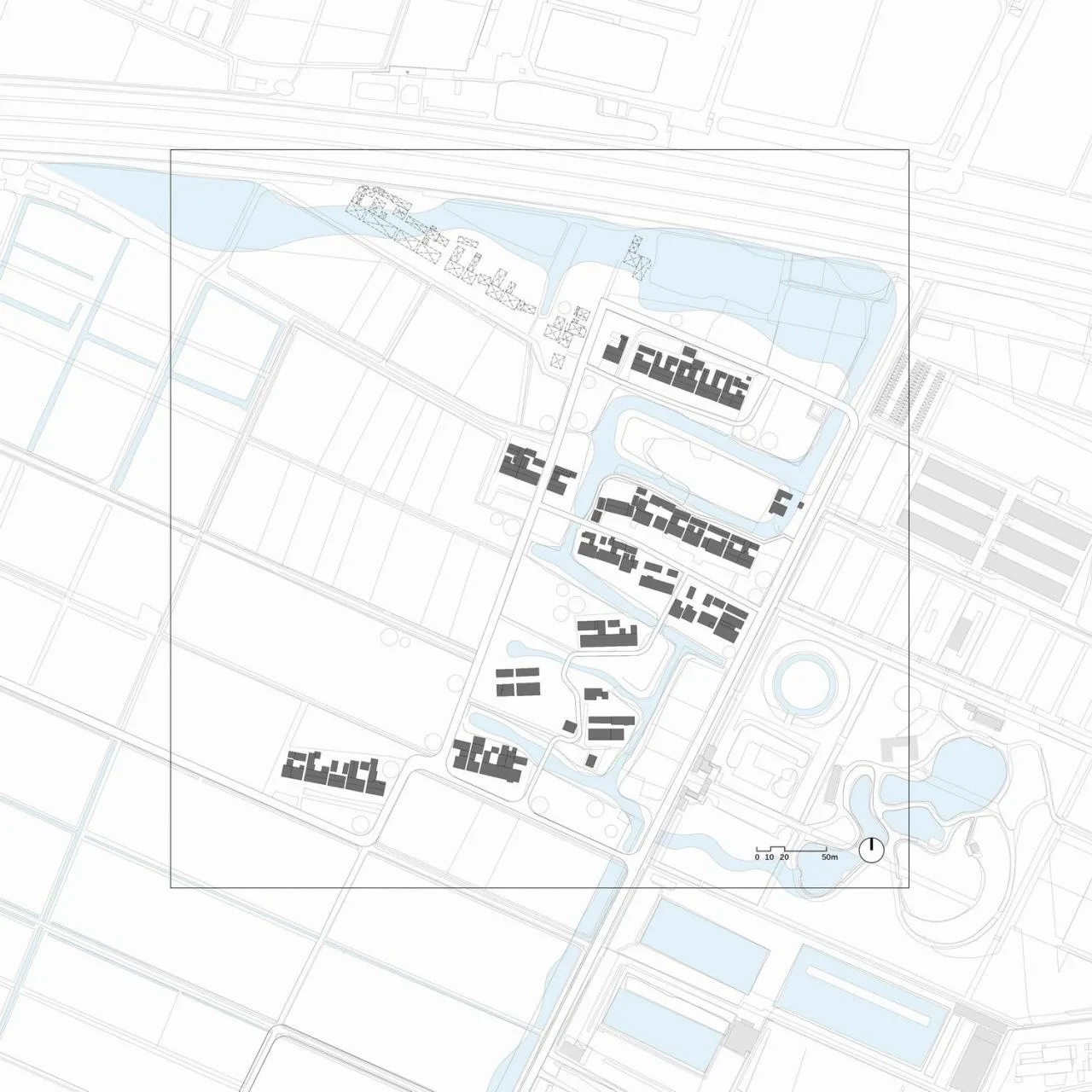
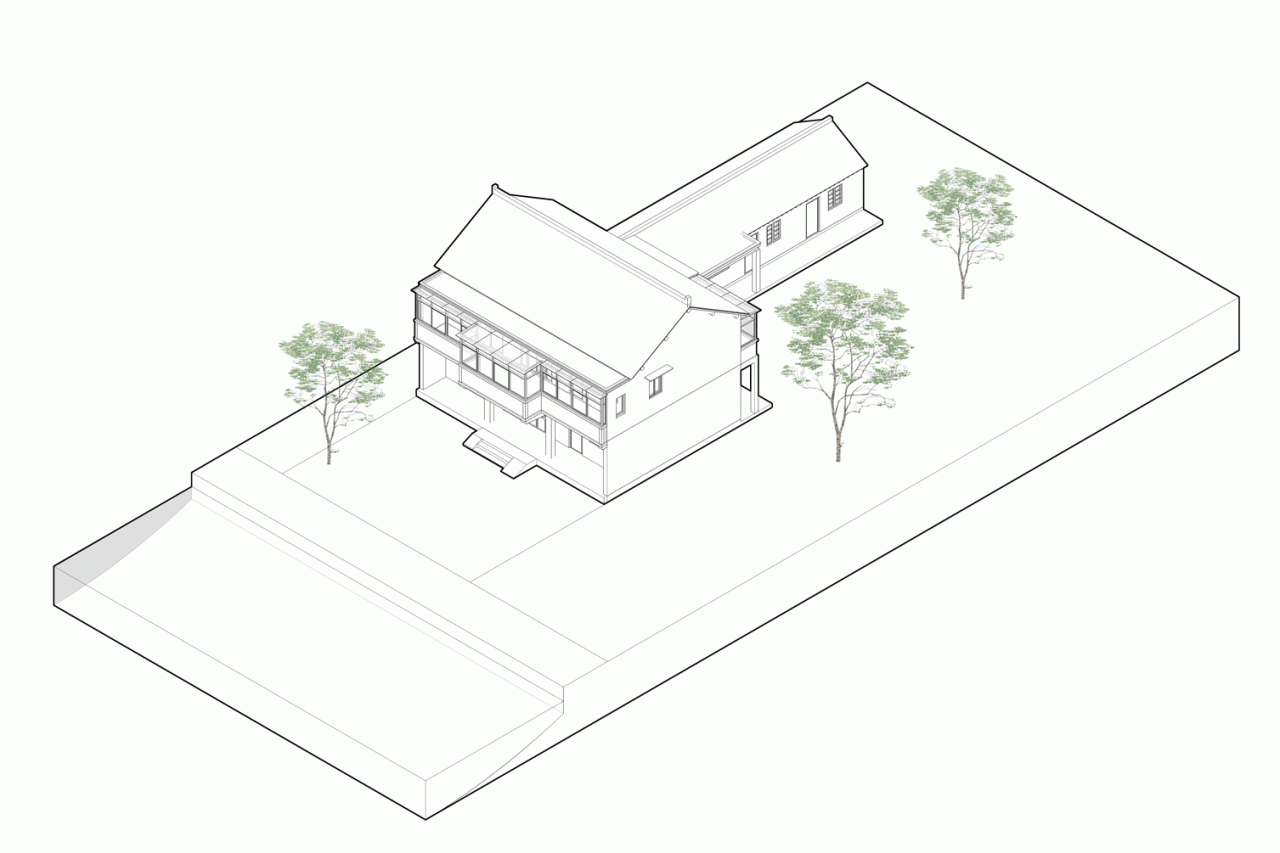
△ General Map of Liyao Village Core Area
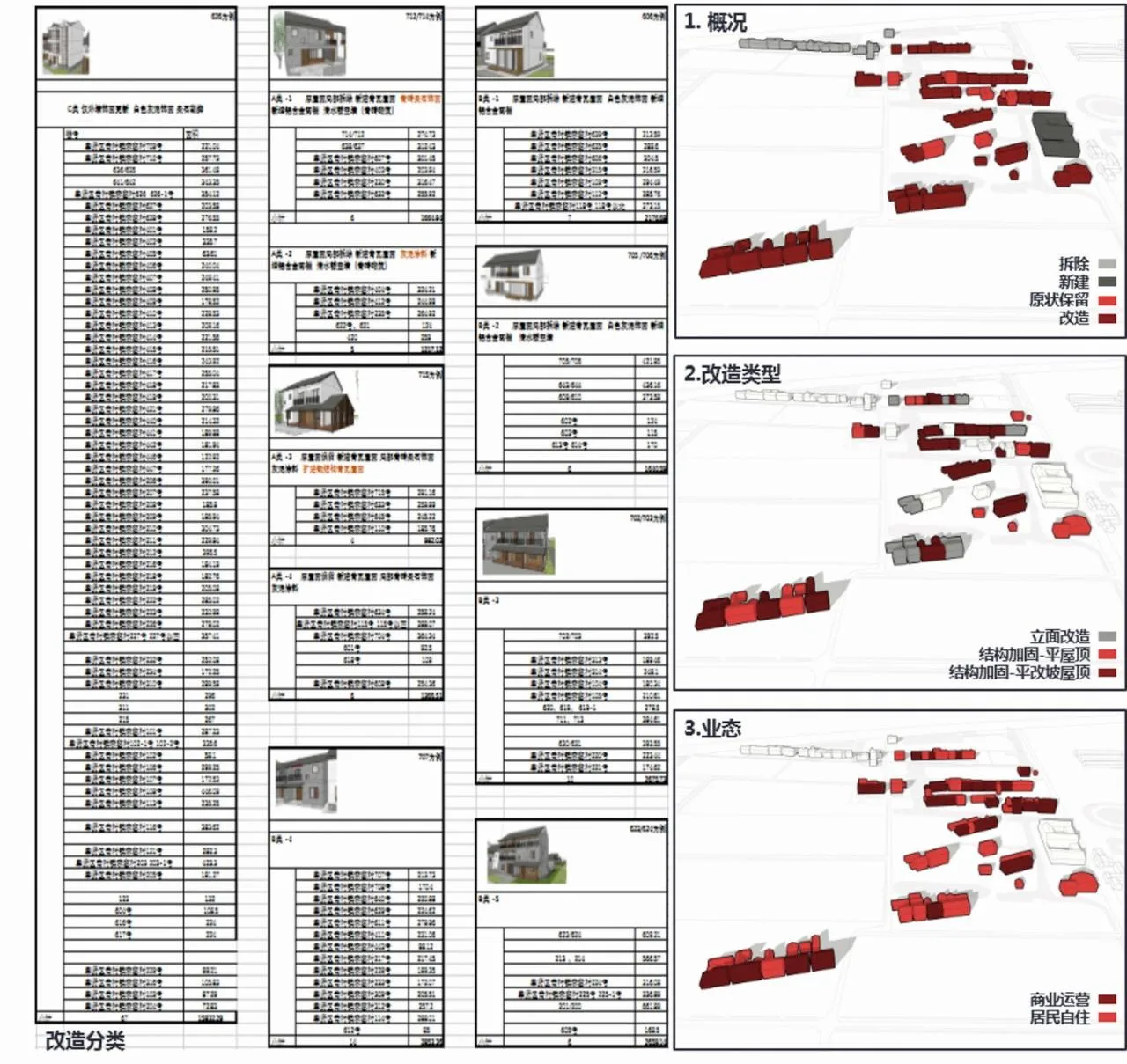
△ Renovation Classification and Statistics
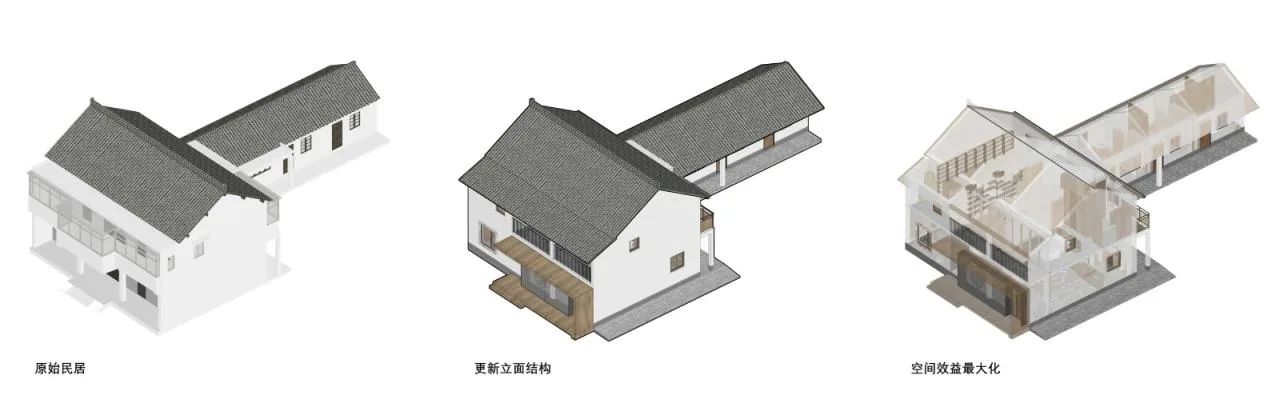
Comparison of Standard Single Unit Renovation
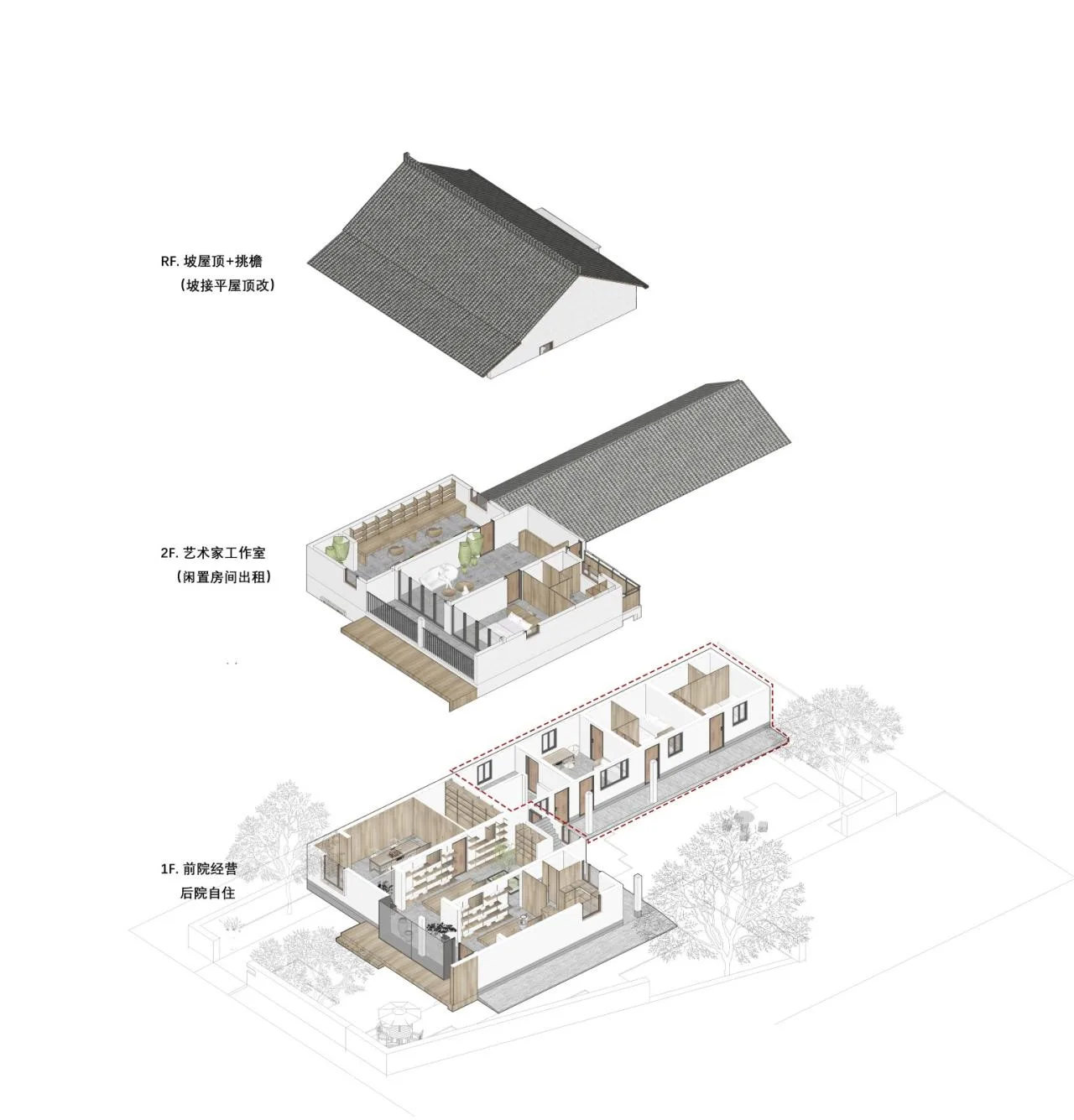
Example of Standard Unit
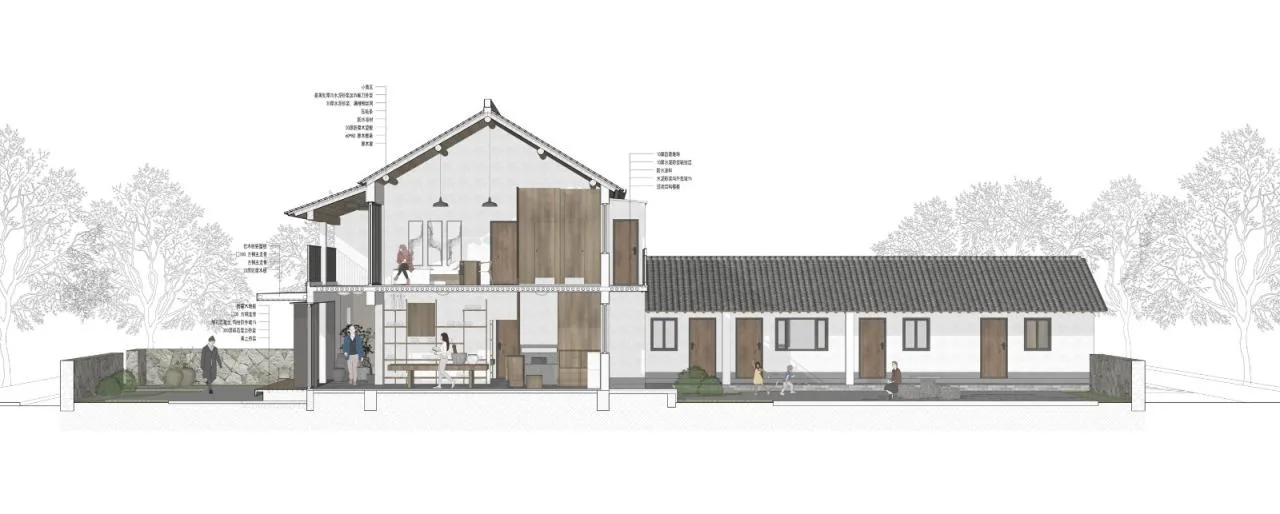
Sectional View of Standard Unit
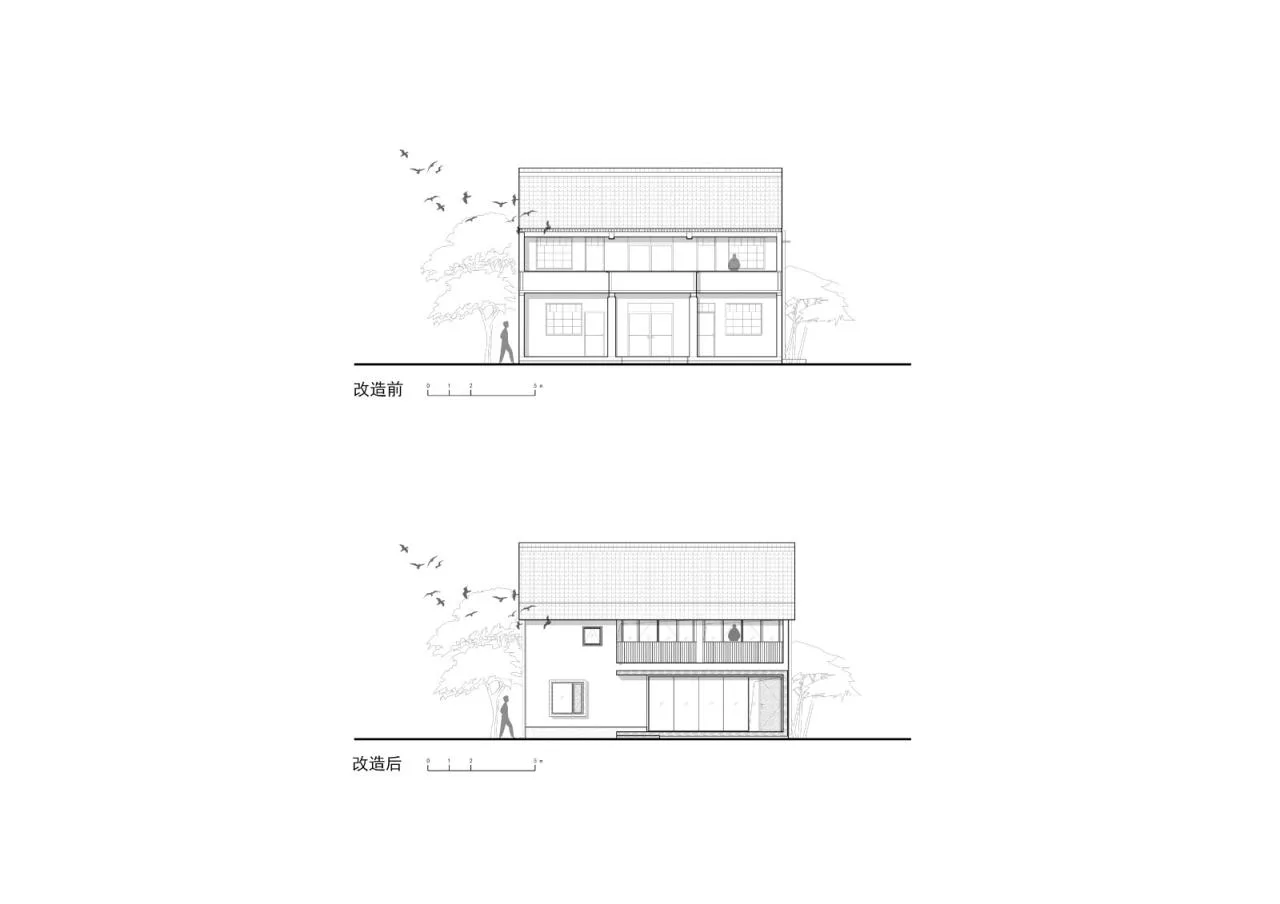
△ Standard Unit Facade Before and After Renovation
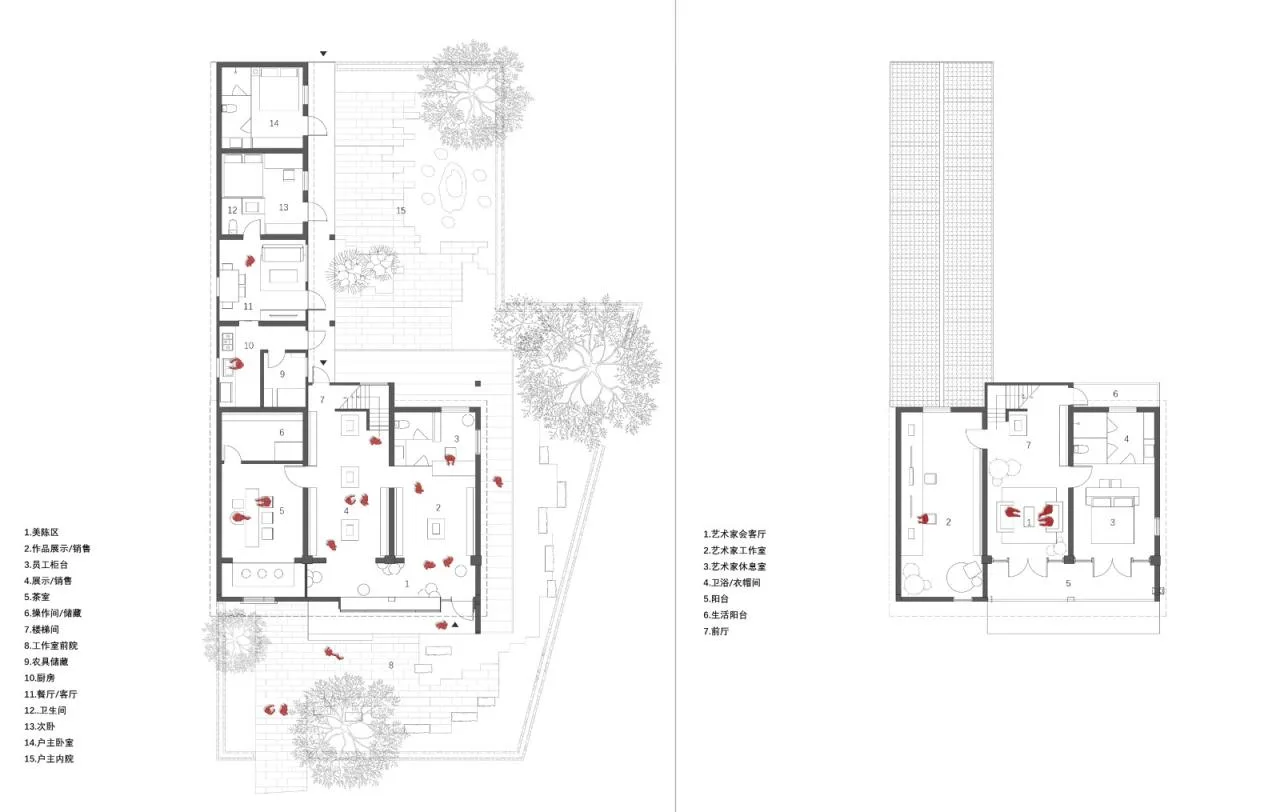
△ Standard Unit Floor Plan
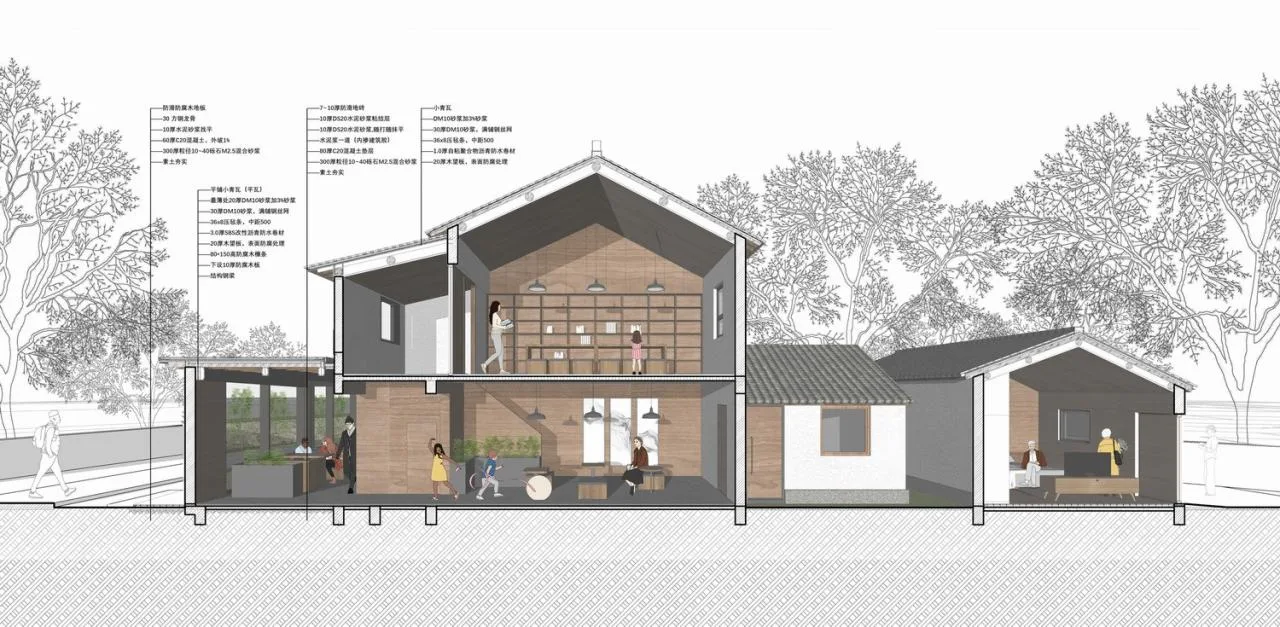
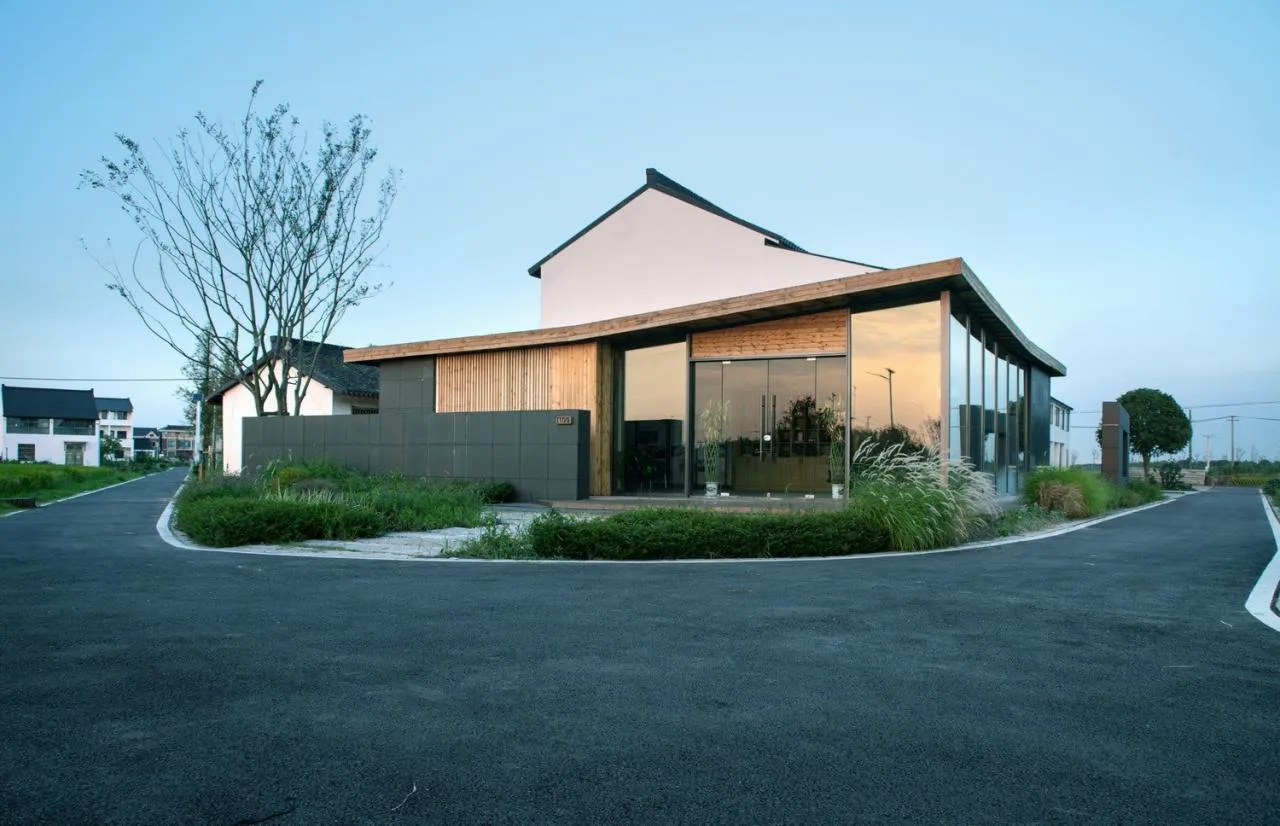
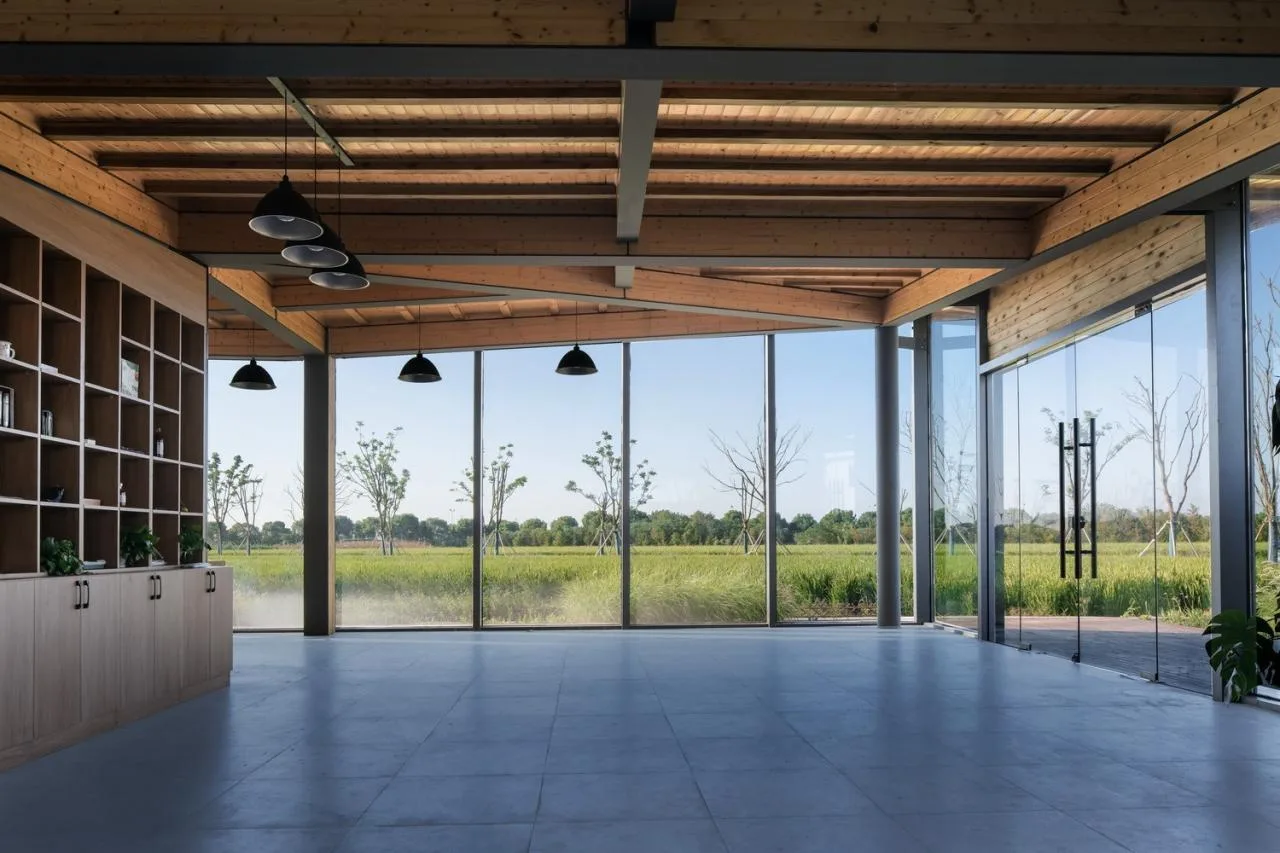
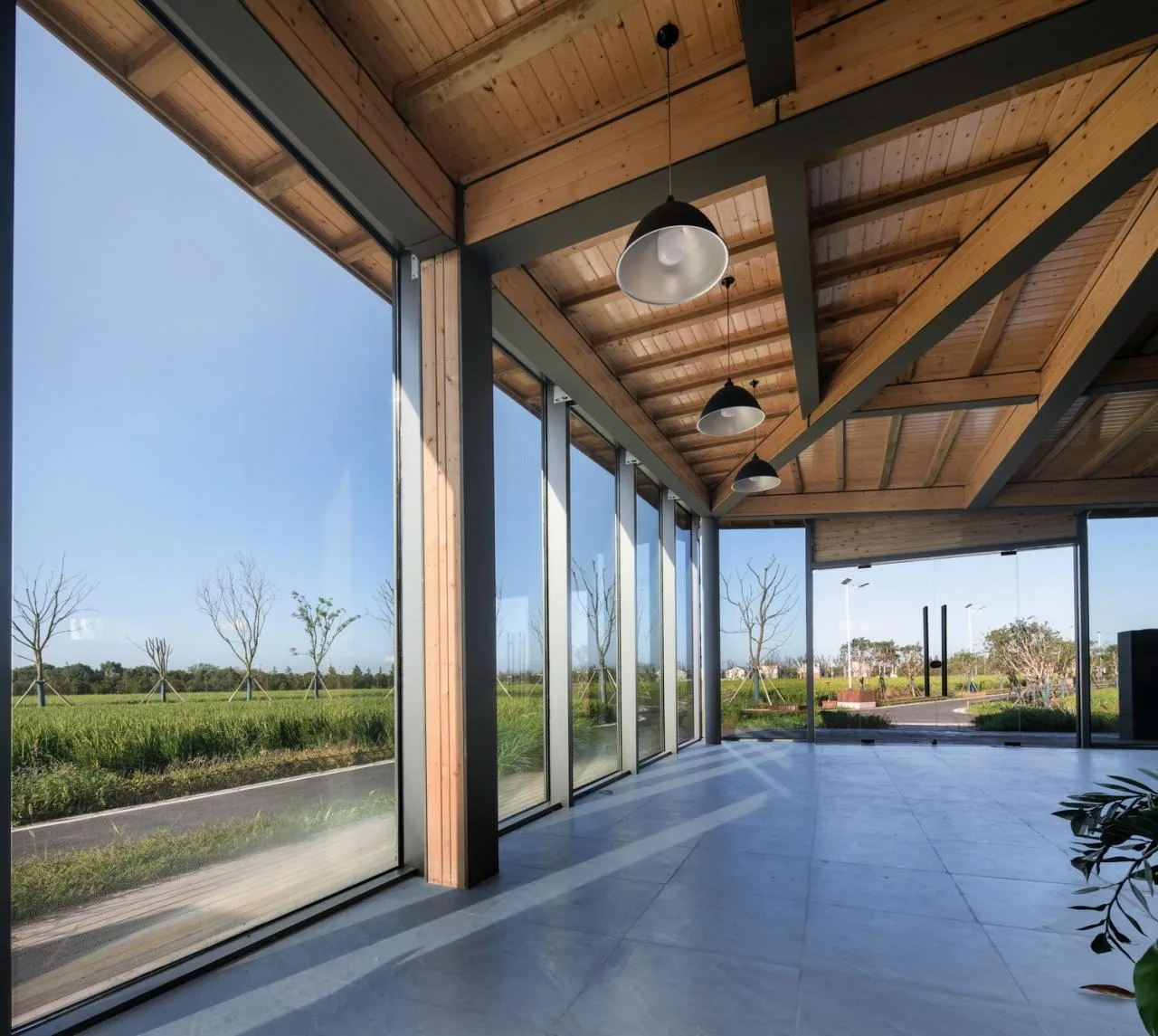
△ Reception Center Section
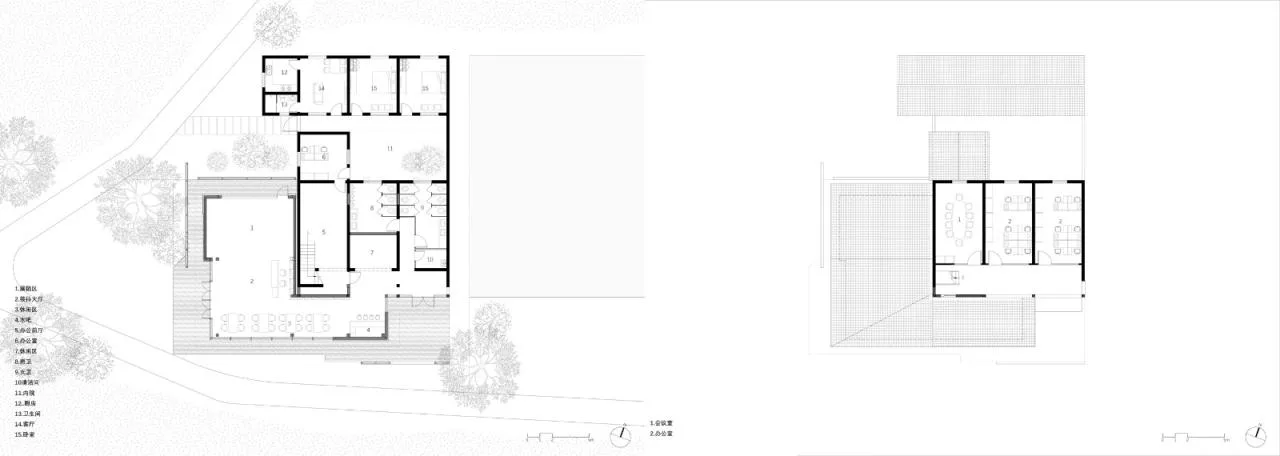
△ Reception Center Floor Plan
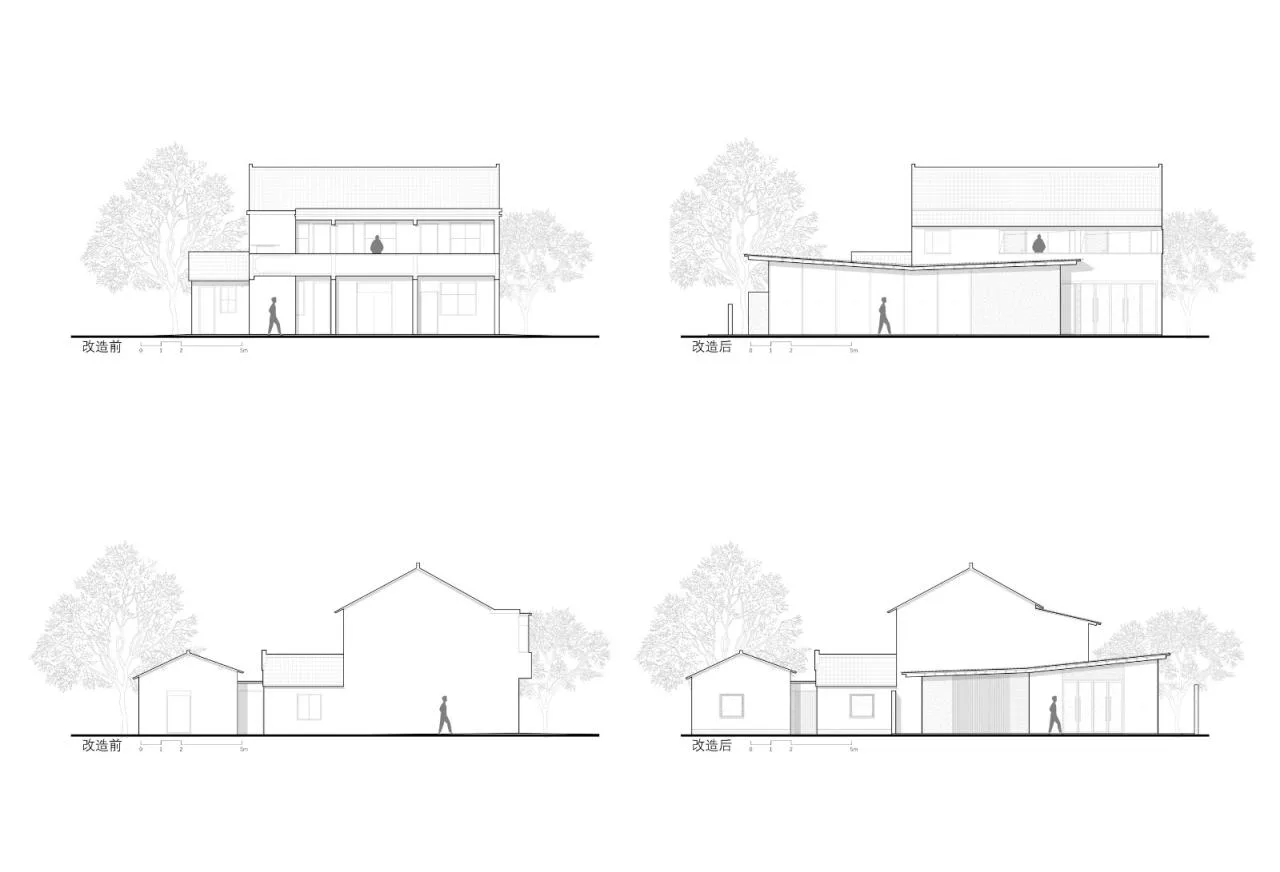
Facade Renovation Comparison of Reception Center
Project Information
Project Name: Rural Revitalization of Liyao Village, Fengxian, Shanghai
Owner: Shanghai Oriental Taoyuan Industrial Development Group Co., Ltd
General Contractor: CCCC Shanghai Airlines
Location: Liyao Village, Fengxian District, Shanghai
Building Area: 33,620 square meters
Design Year: 2020
Completion Year: 2021
Design Firm: Water Stone Design
Responsibilities: Multidisciplinary Integrated Design
Architectural Design: Mizuki Design – Mikawa Studio
Lead Architect: Xu Jinwei
Technical Director & Resident Chief Architect: Li Wenwen
Team Members: Liu Fengxiang, Sun Yuying, Hu Bowei, Zheng Xi, Hai Tian, Xiao Bin, Yang Heming, Wang Meng, Lin Yichong, Cai Shangzhi, Jiang Xiadan, Zhang Jun, Xu Kexin, Guo Shuangji, Chen Han, Wang Youwen, Zhang Shuai
Construction Drawing Design: Water Stone Engineering
Architectural Team: Jin Jiangcheng, Hu Bo, Xiao Bin, Liu Fengxiang, Sun Yuying, Chen Chao, Wang Liyao
Structural Team: Niu Jie, Cao Faheng, Chen Shujia
Mechanical and Electrical Team: Wei Qi, Li Jinqi, Zhao Zhou, Chen Lei
Landscape Design: Water Stone Landscape
Landscape Team: Landscape Business Unit 7, Landscape Technology Research and Development Department
Construction Drawing Team: Landscape Business Department 7, Landscape Technology R&D Department
Ecological Water Conservancy Design: CCCC Shanghai Academy of Engineering
Landscape Beautification Design: China Academy of Fine Arts Landscape Architecture Design Institute
Project Photography: Hu Yijie















Must log in before commenting!
Sign Up