
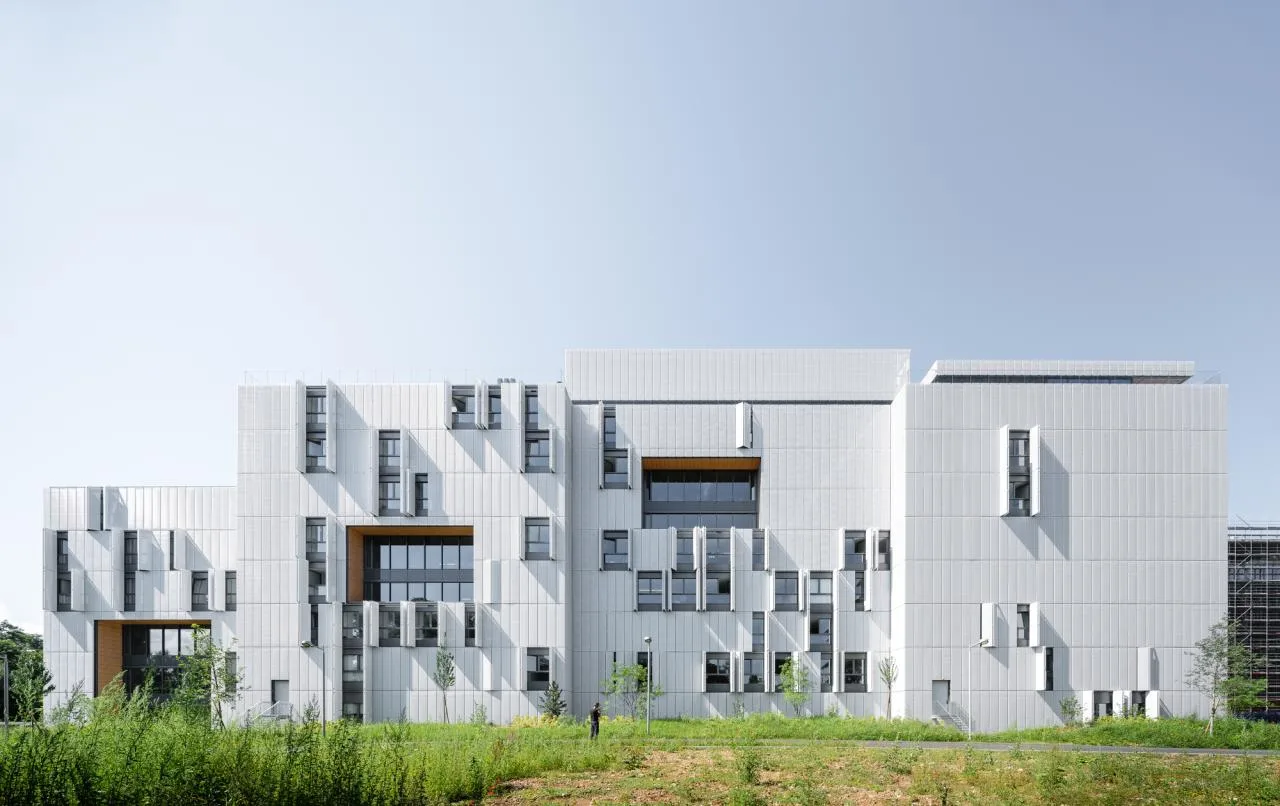
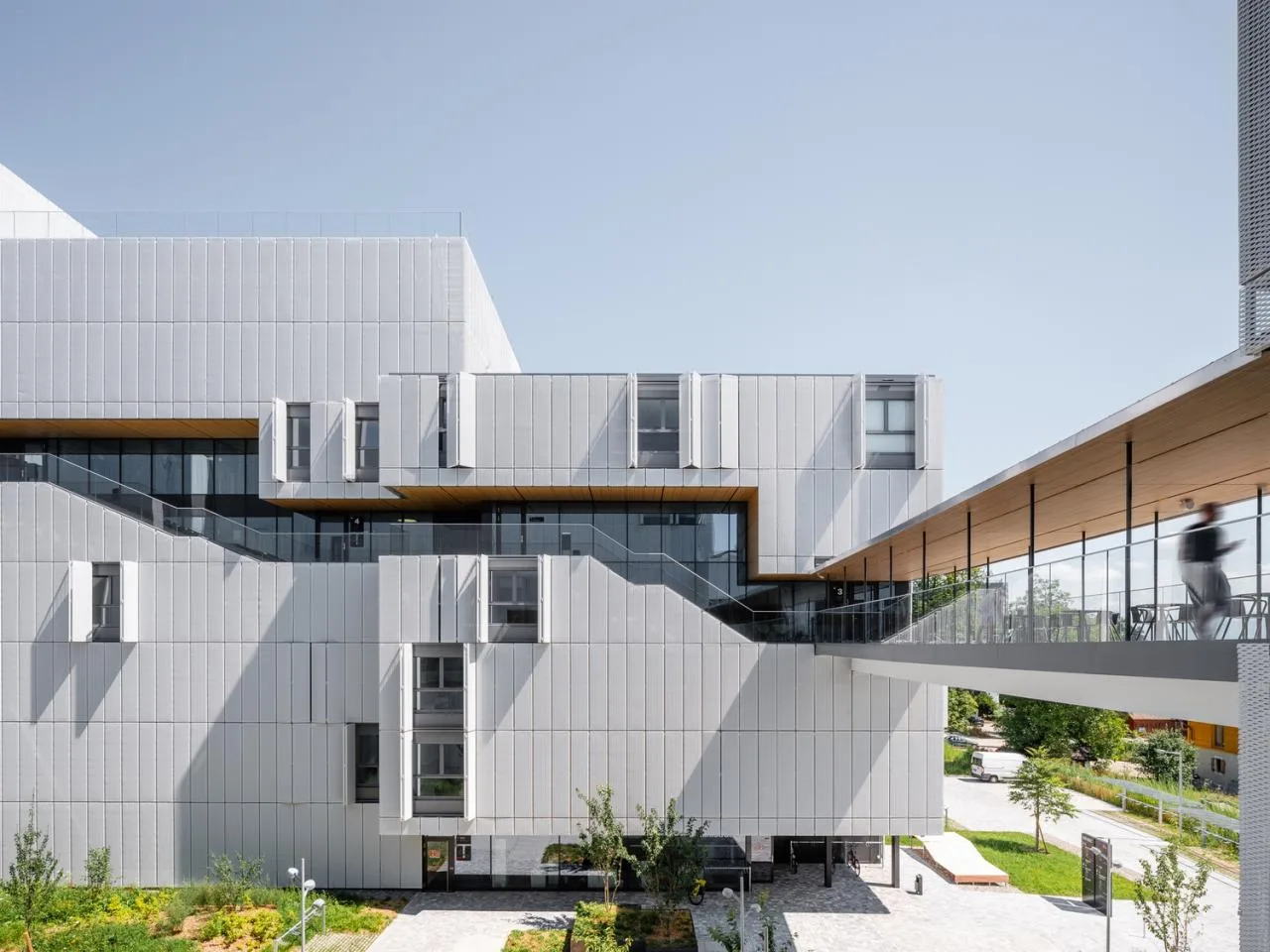
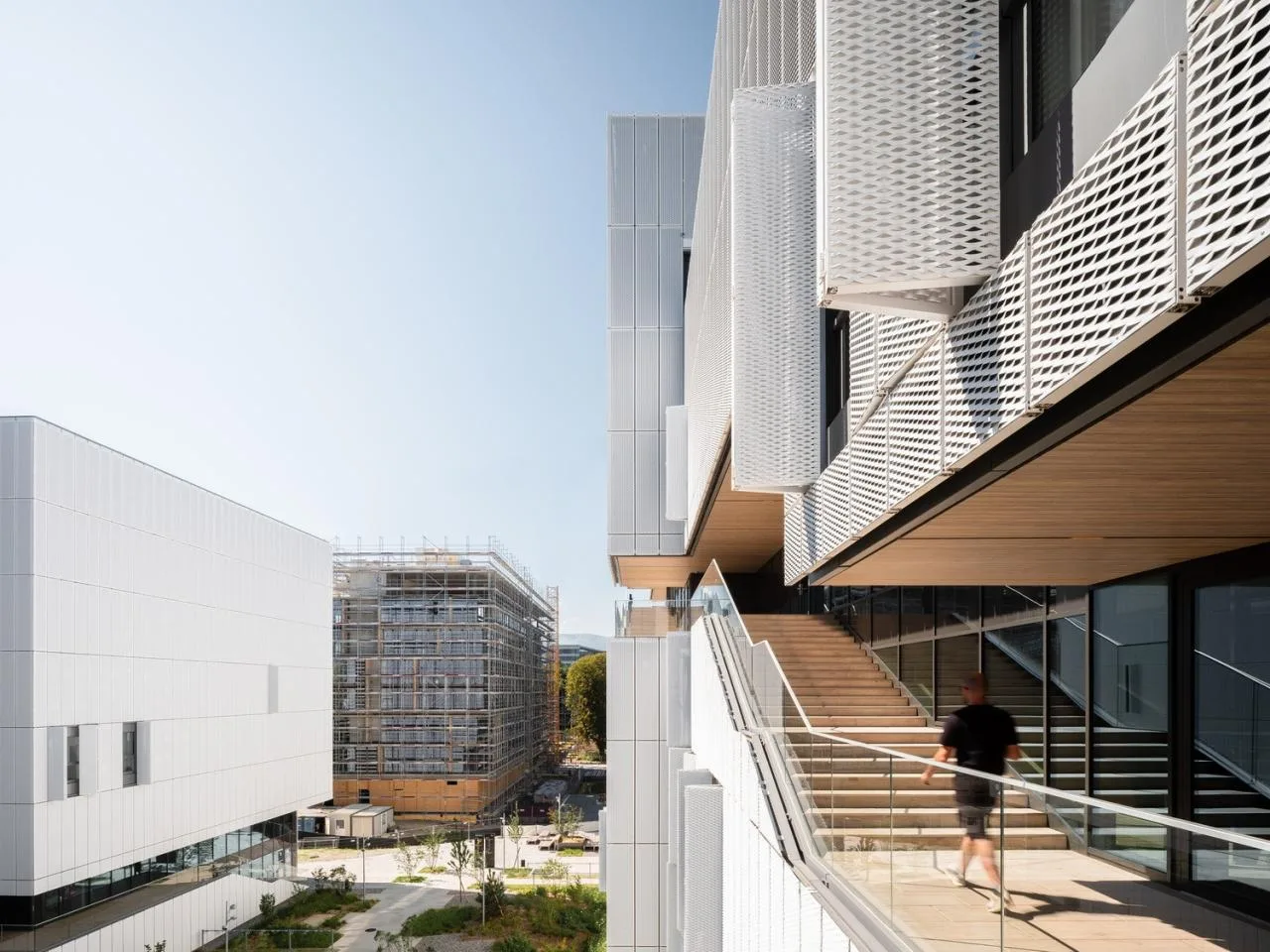
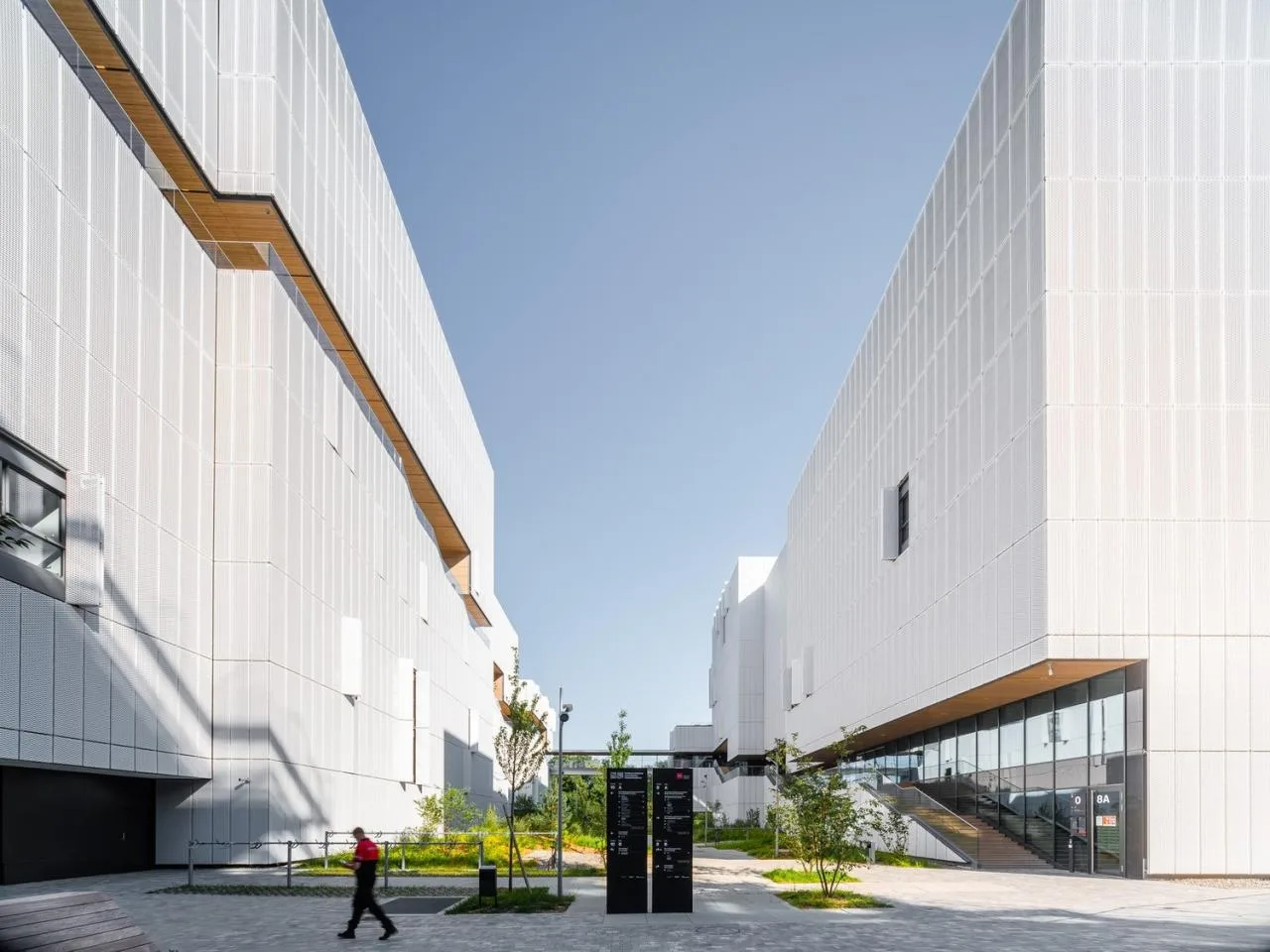
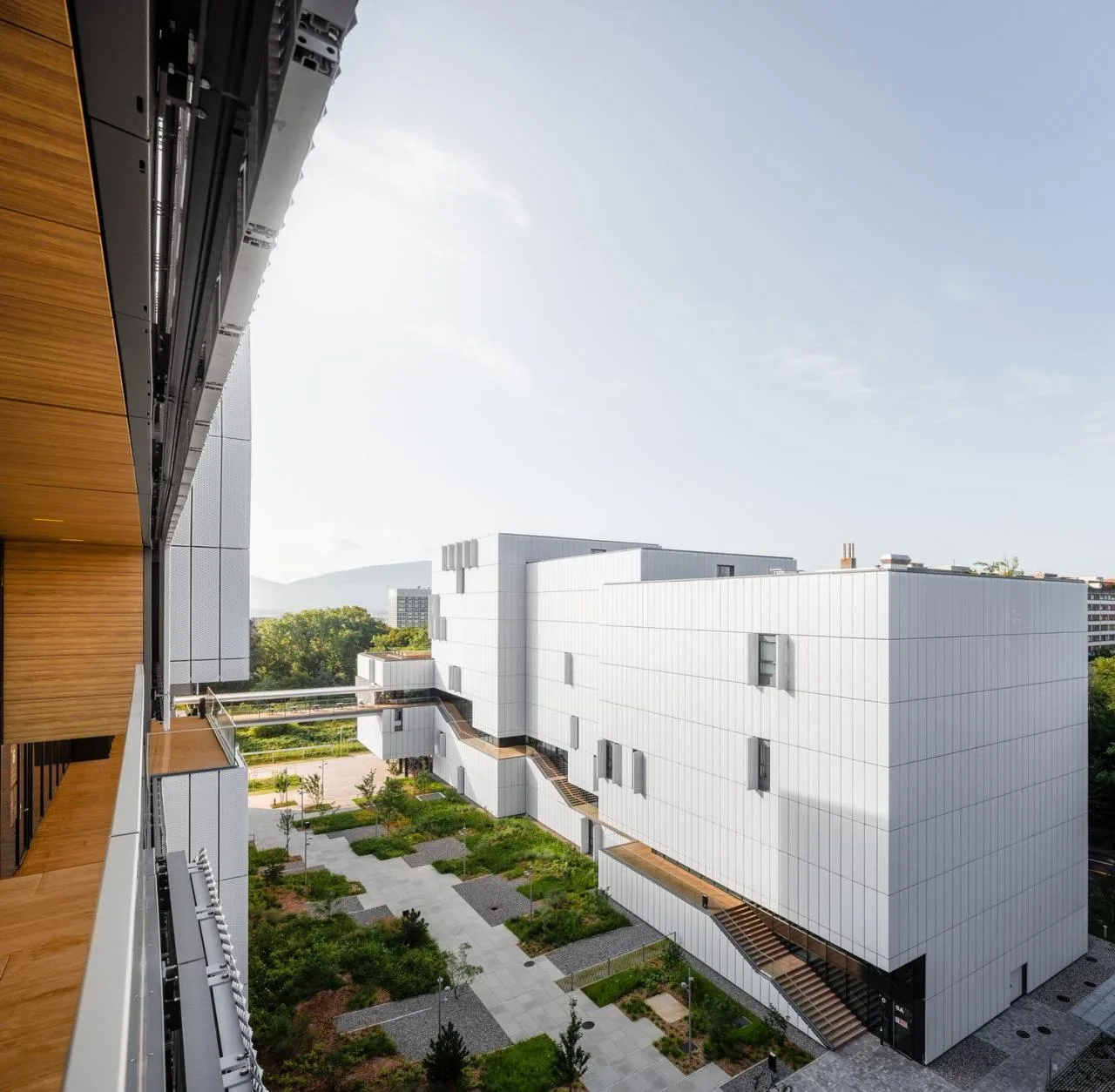
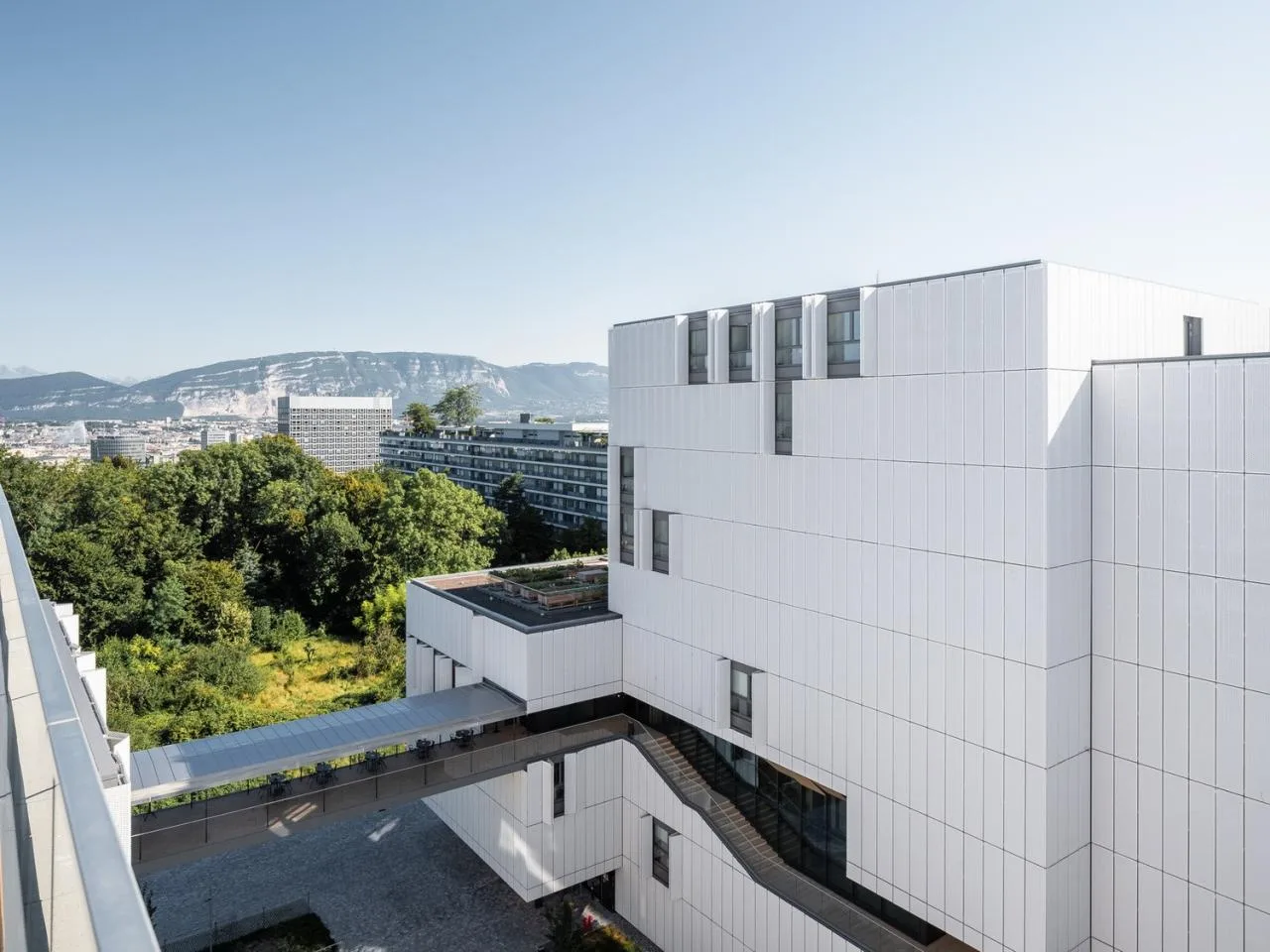
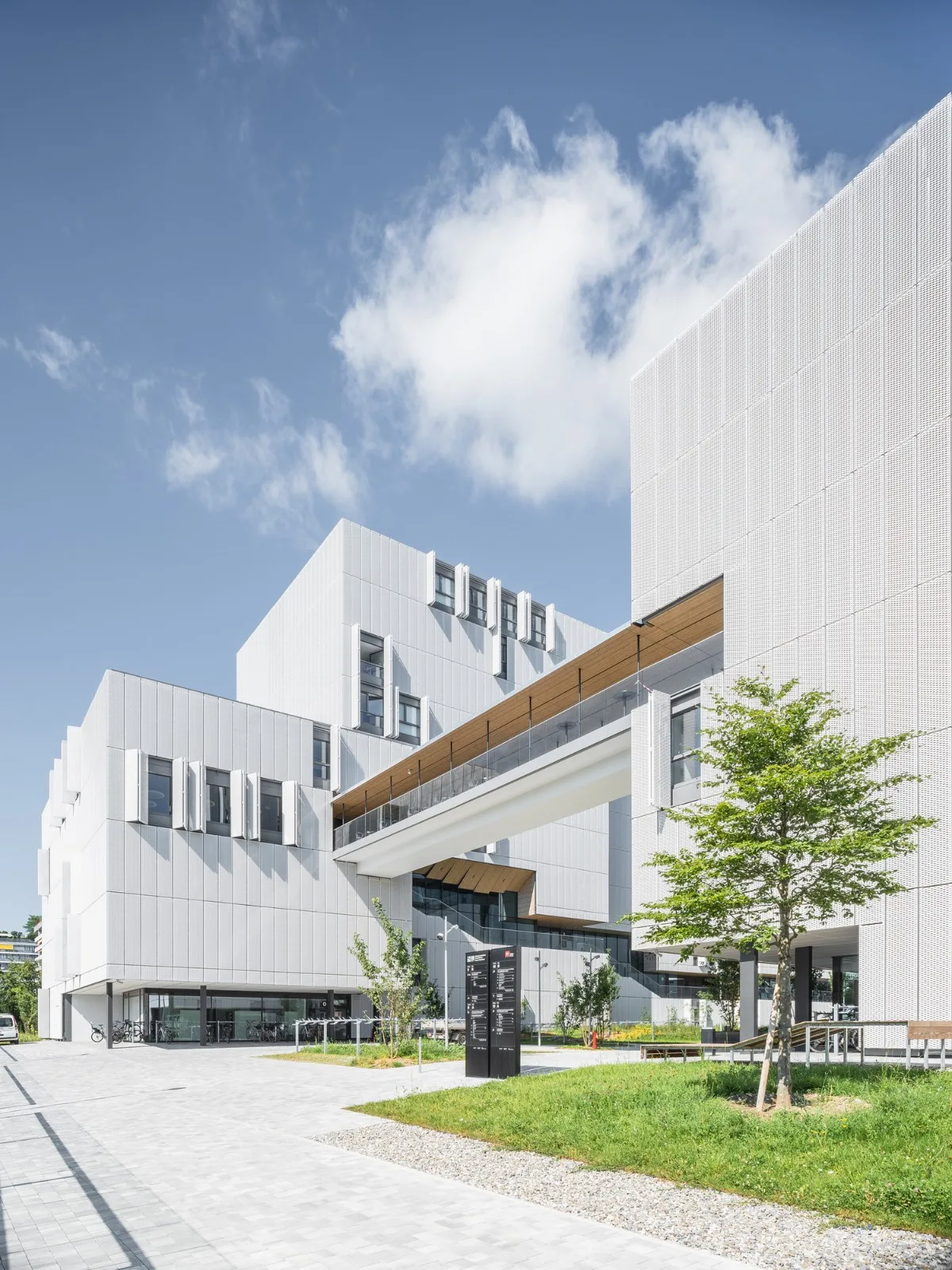
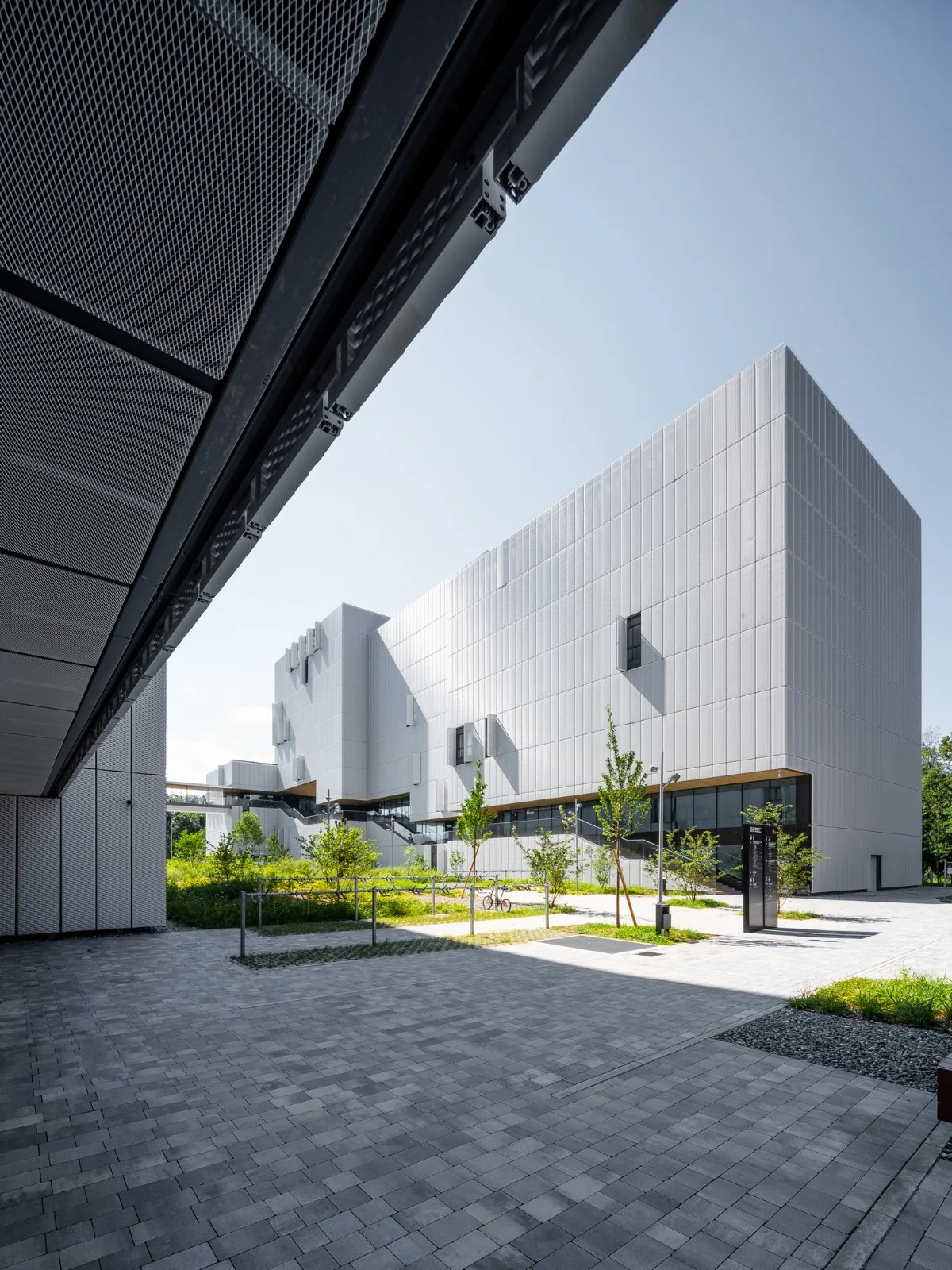
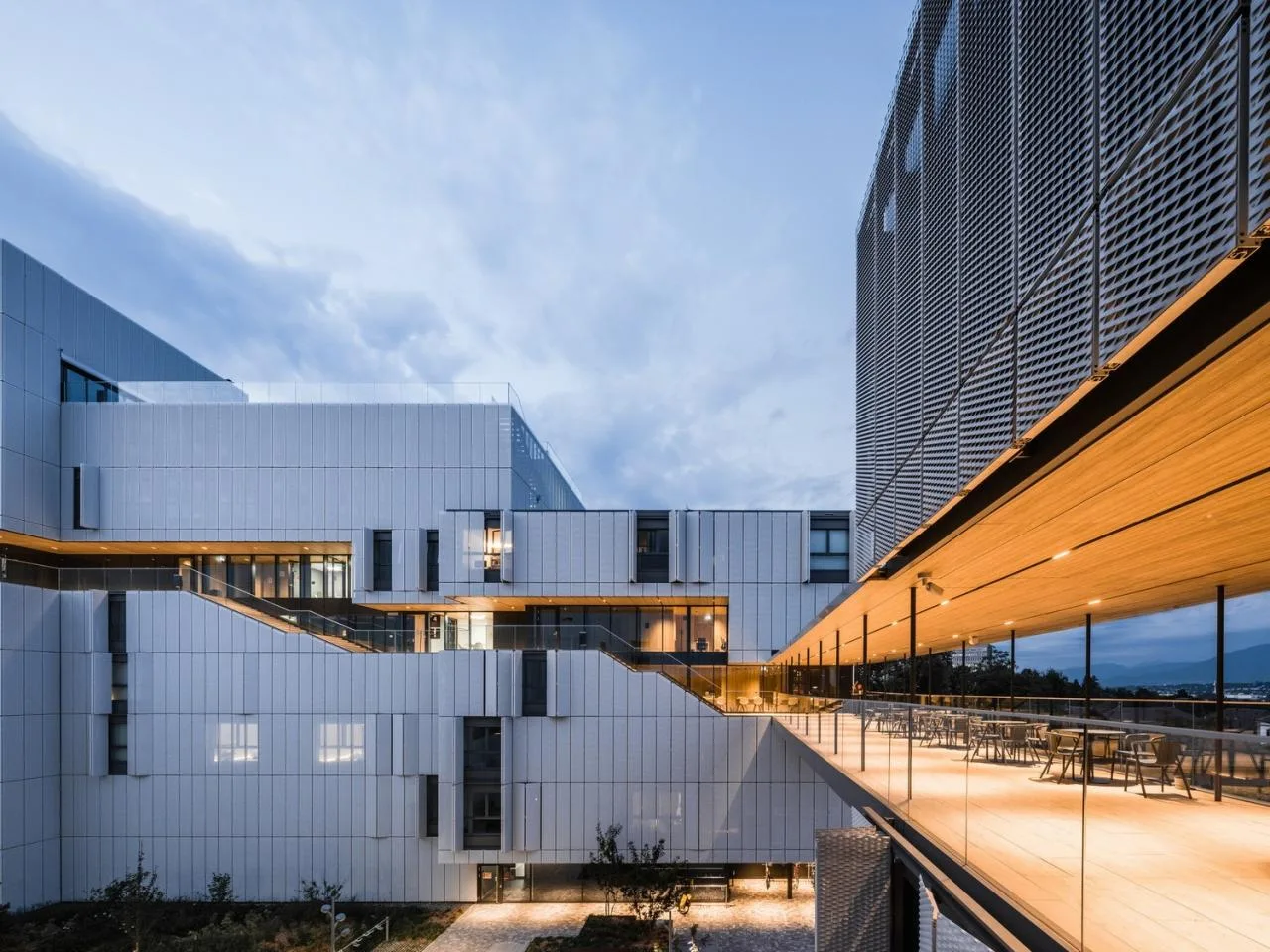
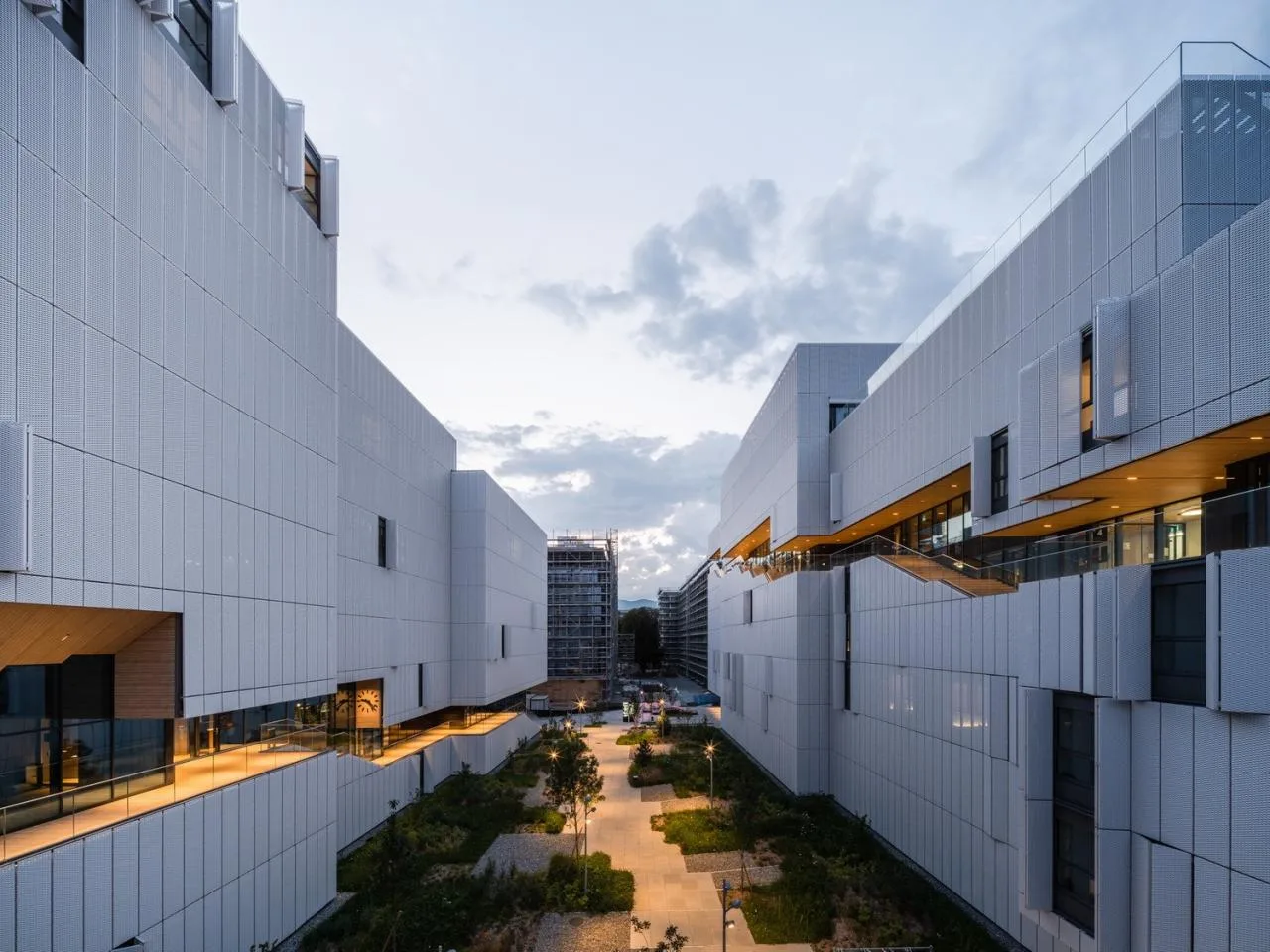
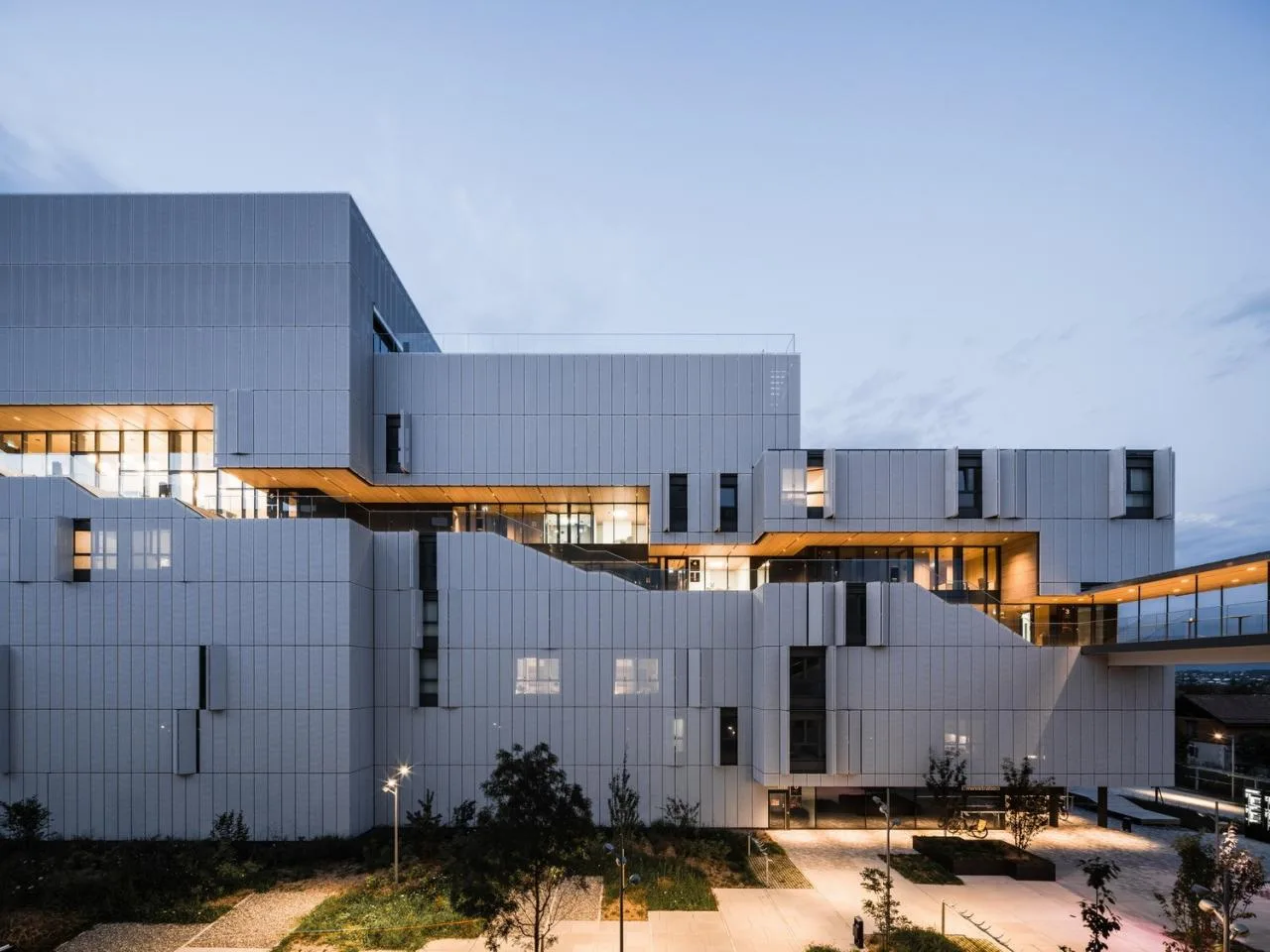
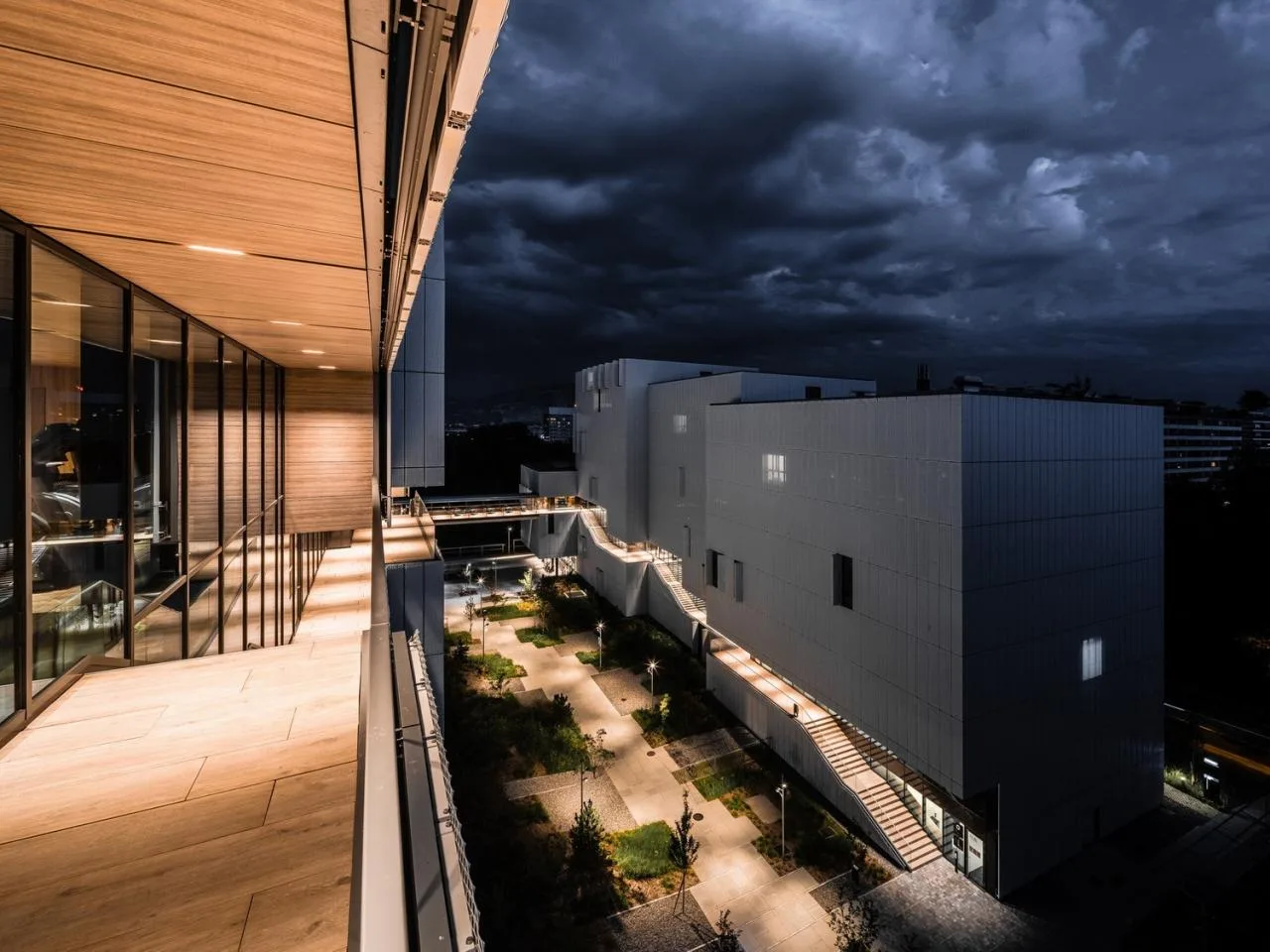
The Morillon Student Dormitory is designed to accommodate future students of the Geneva Institute of International Relations and Development (IHEID). This project features two international dormitory buildings linked by pedestrian overpasses, offering a total of 670 beds alongside a variety of public spaces and activity venues.
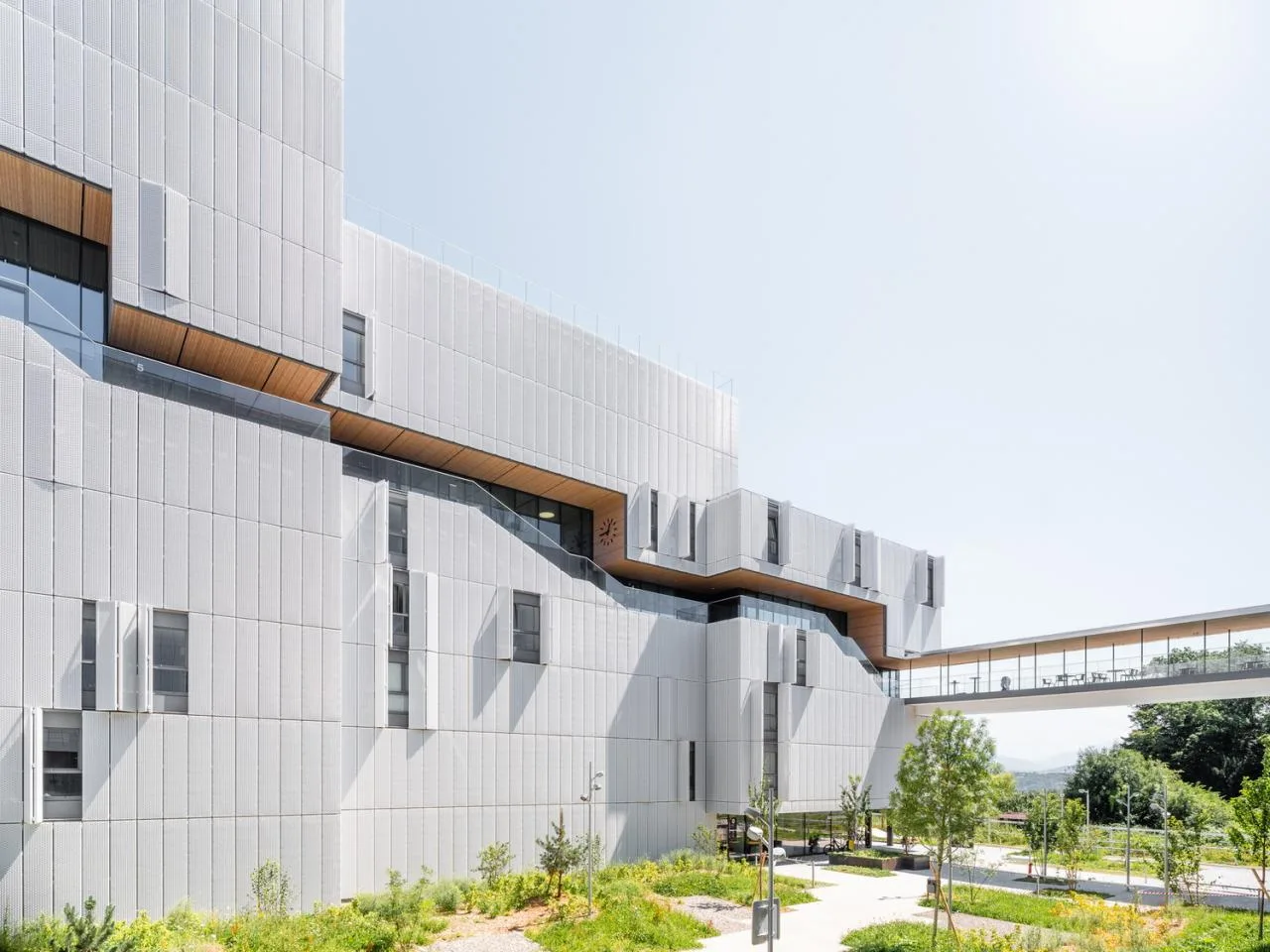
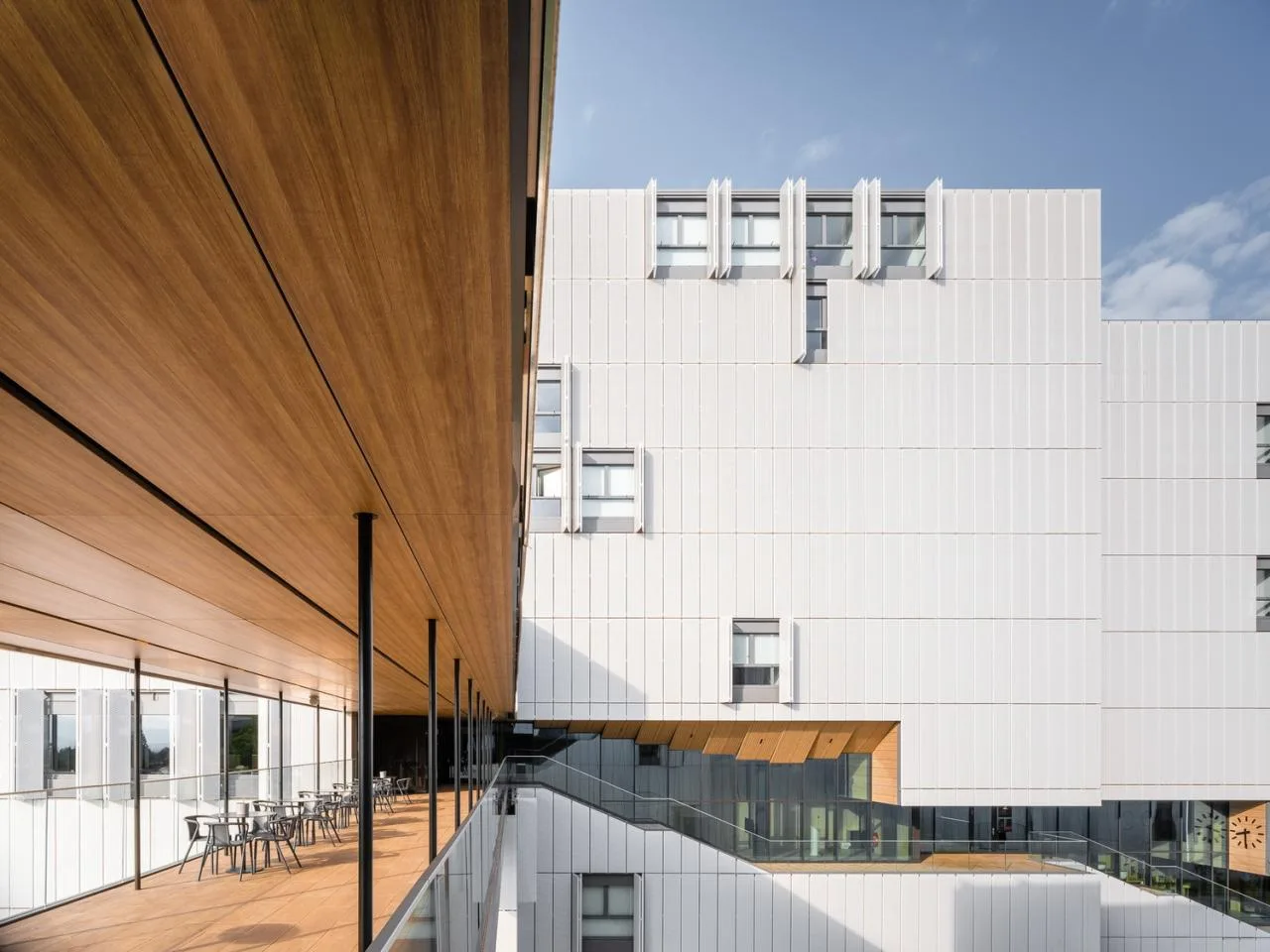
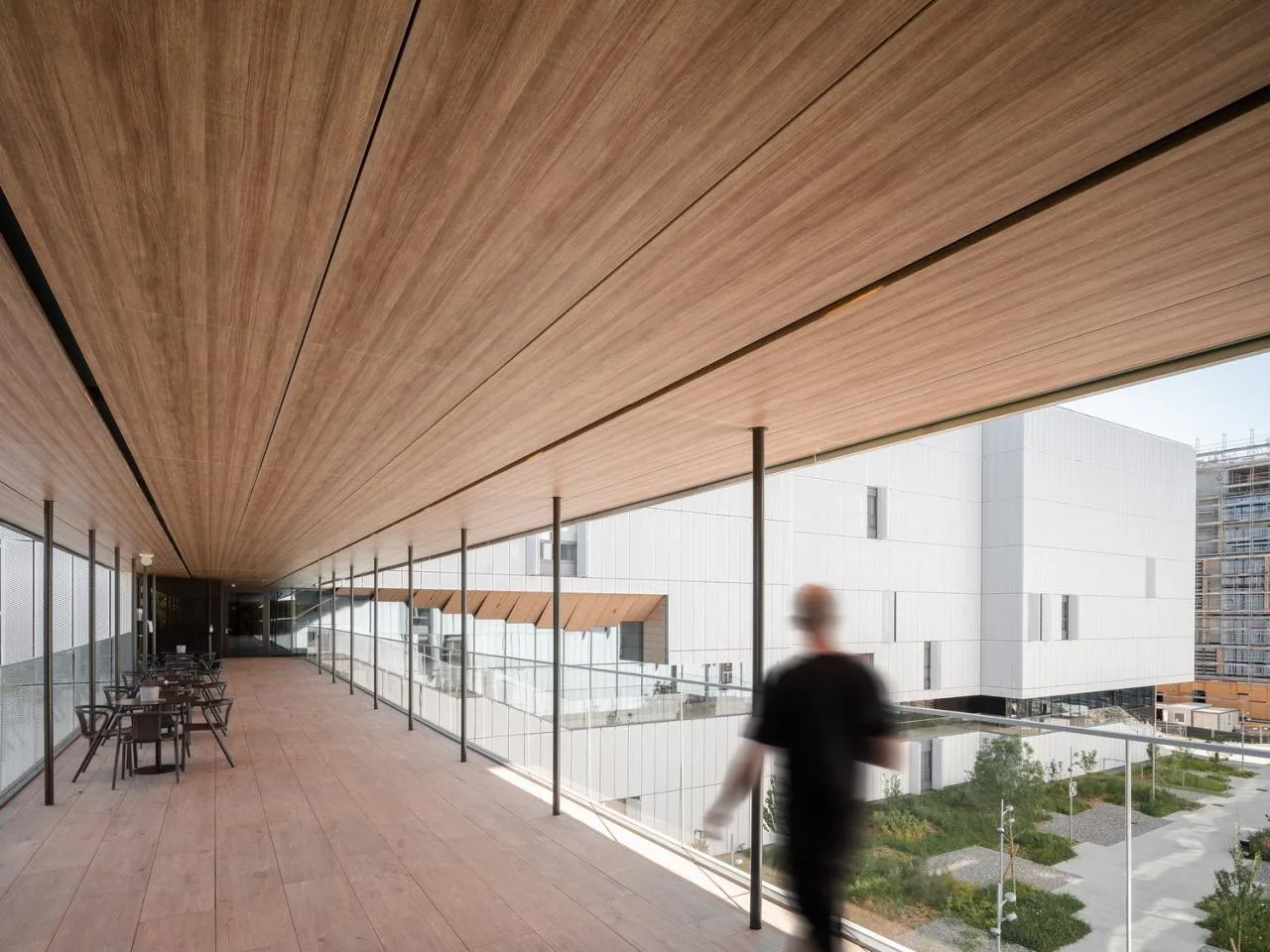
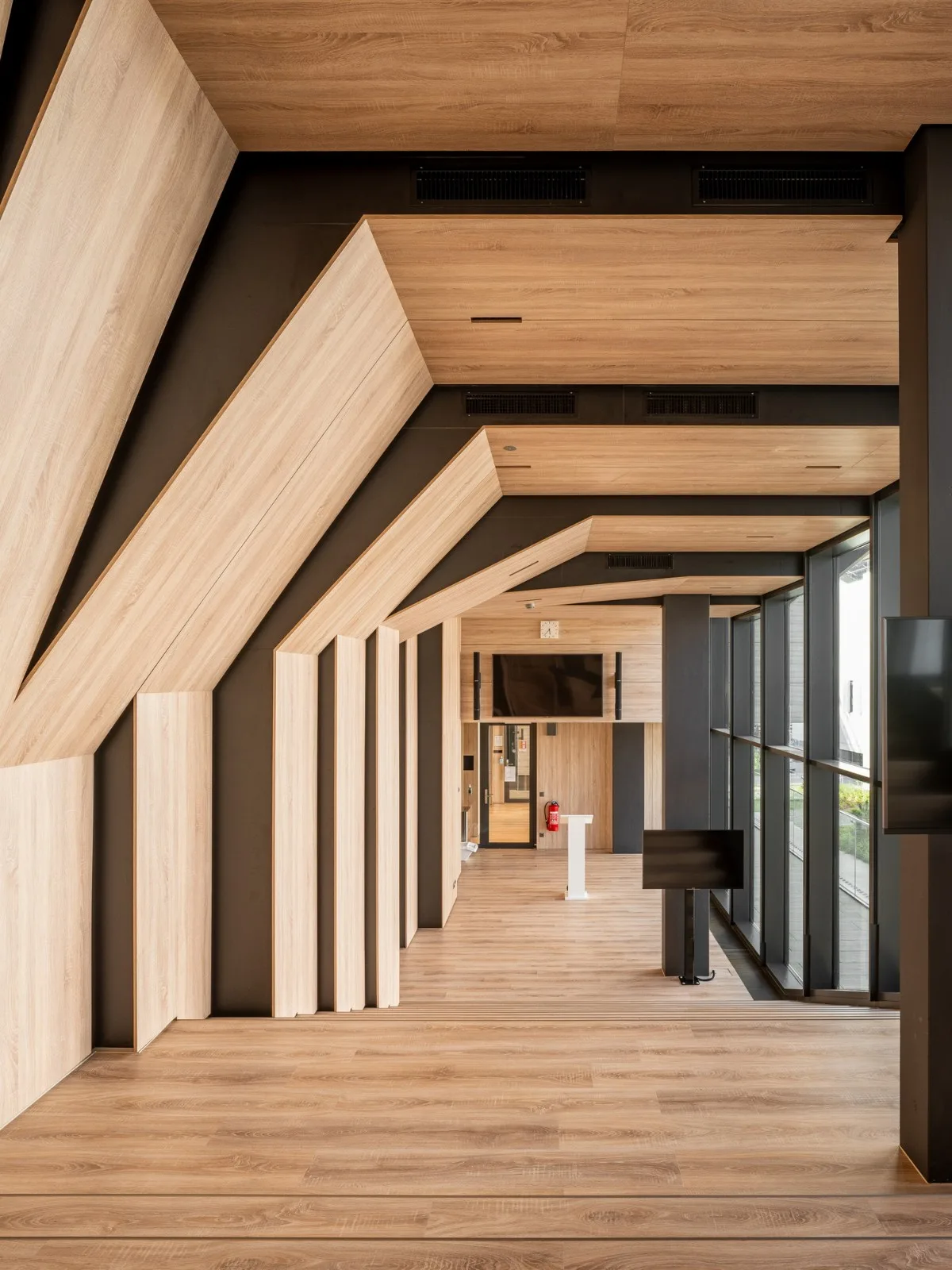
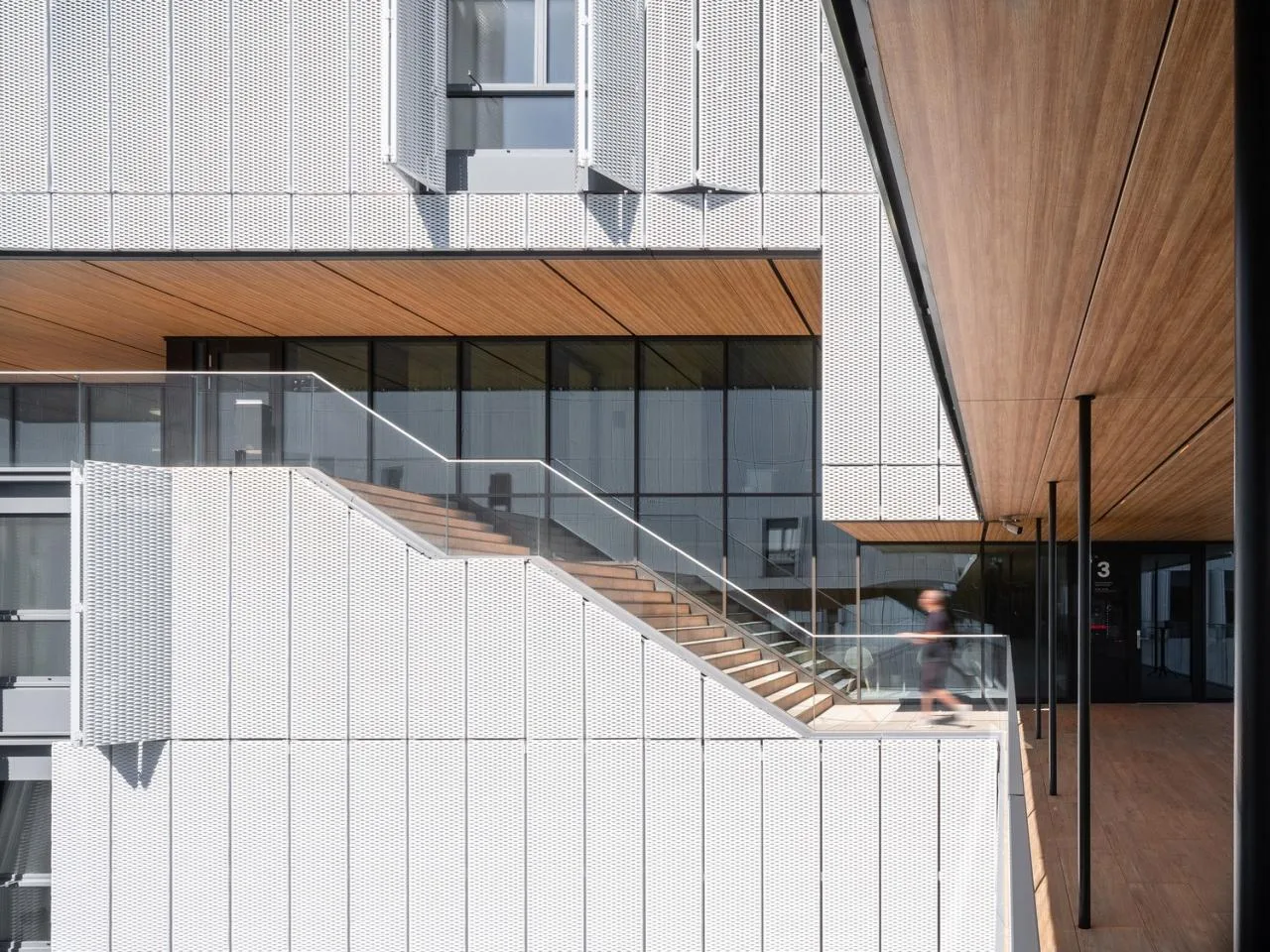
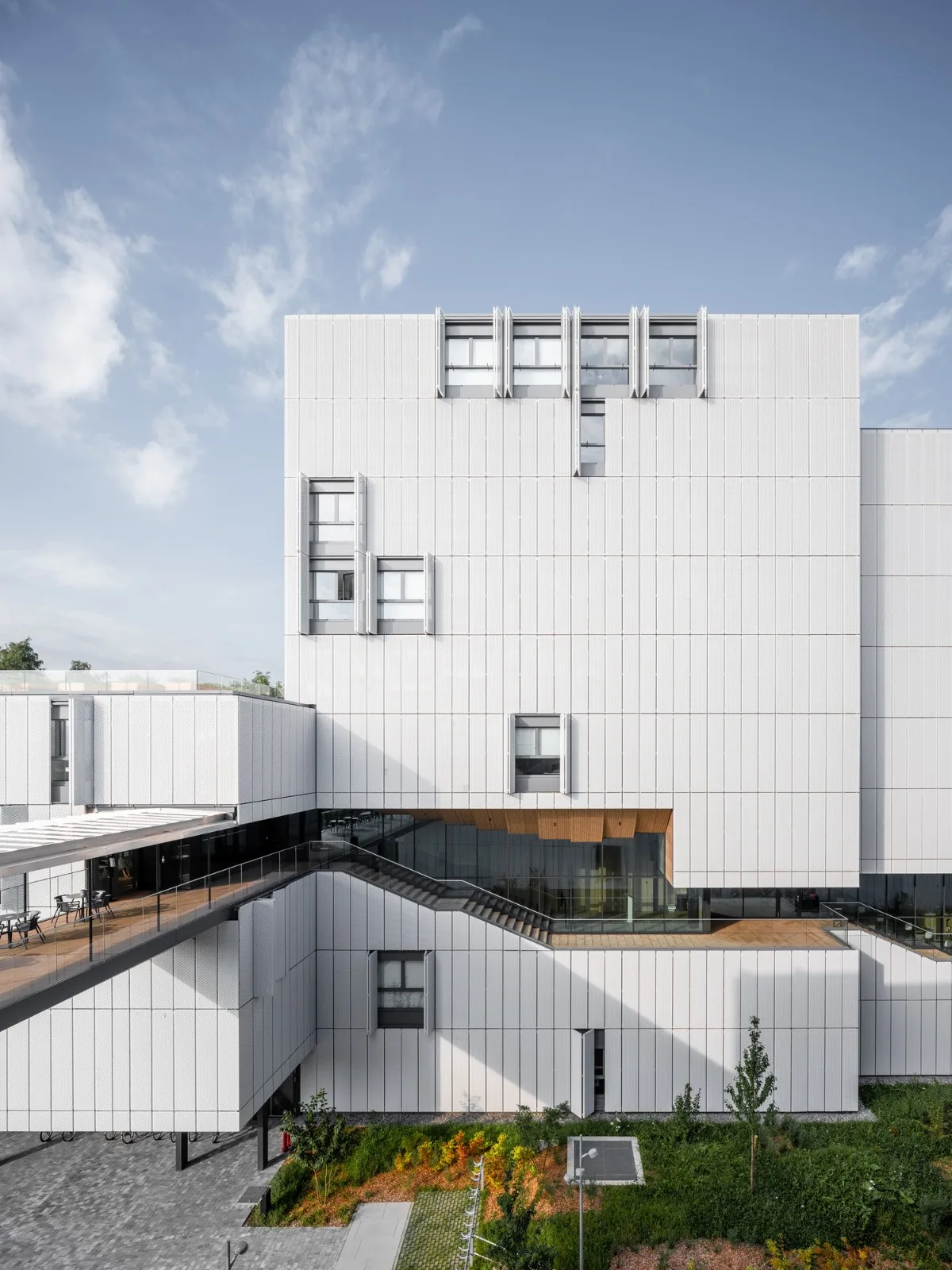
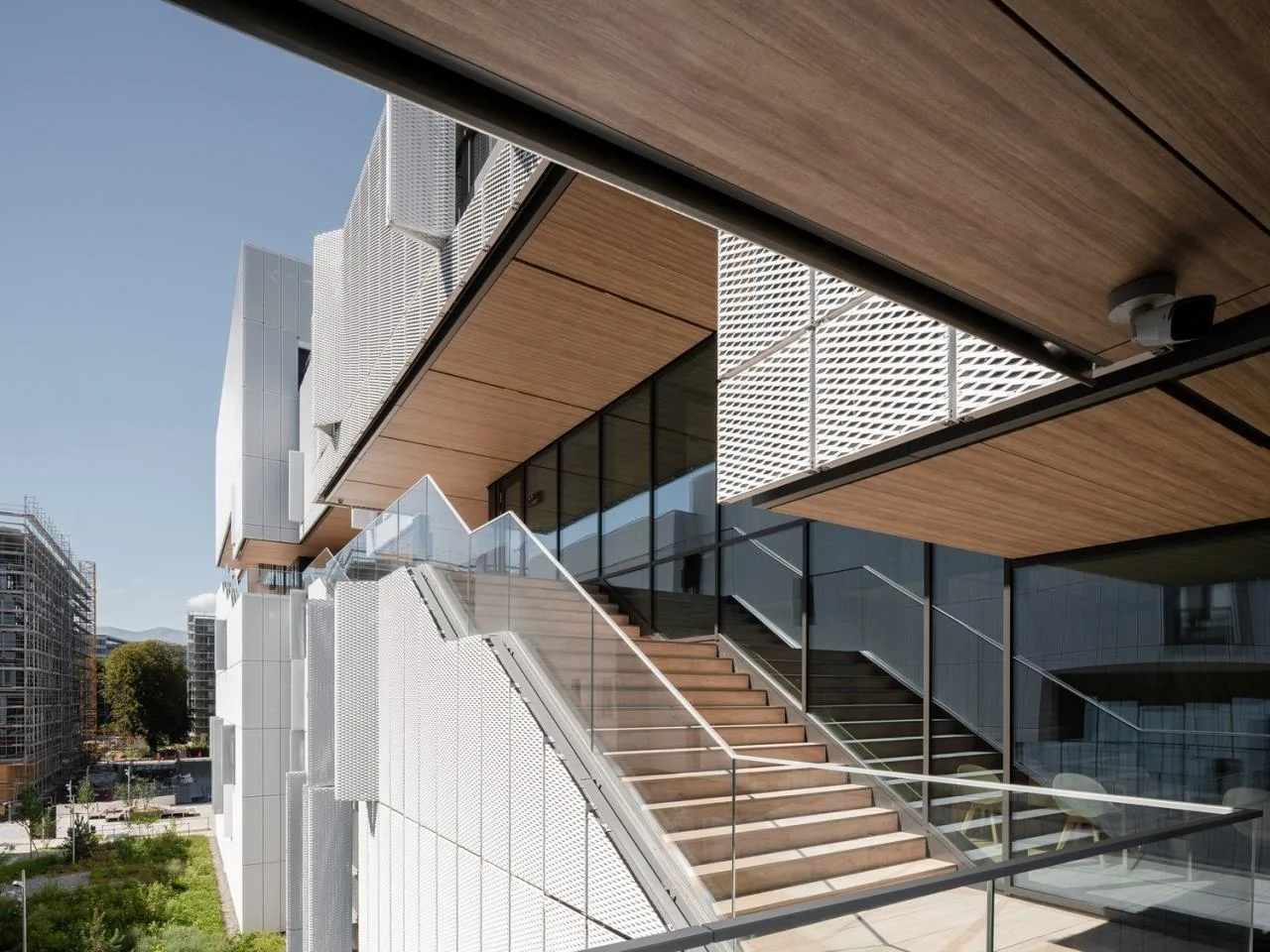
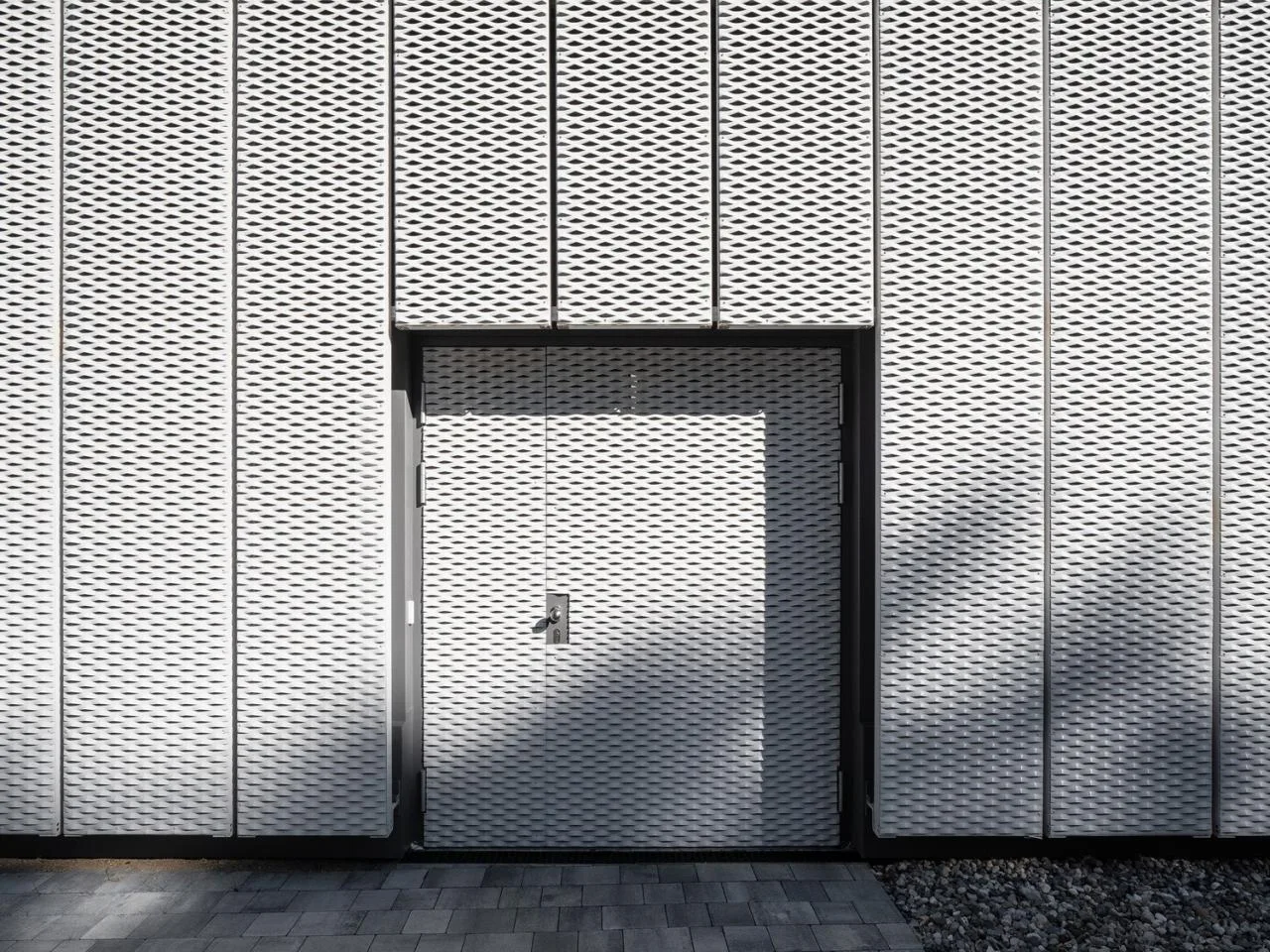
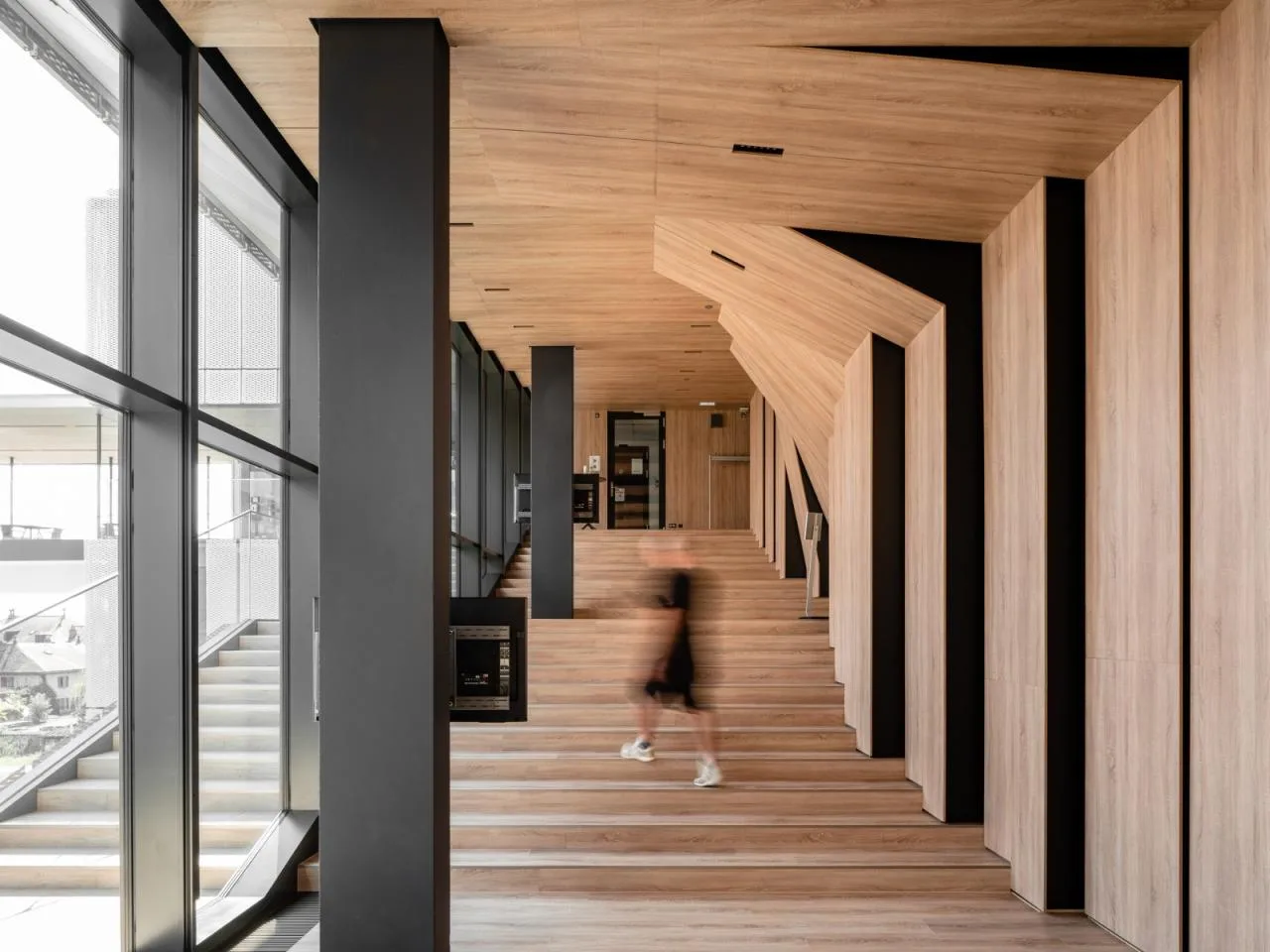
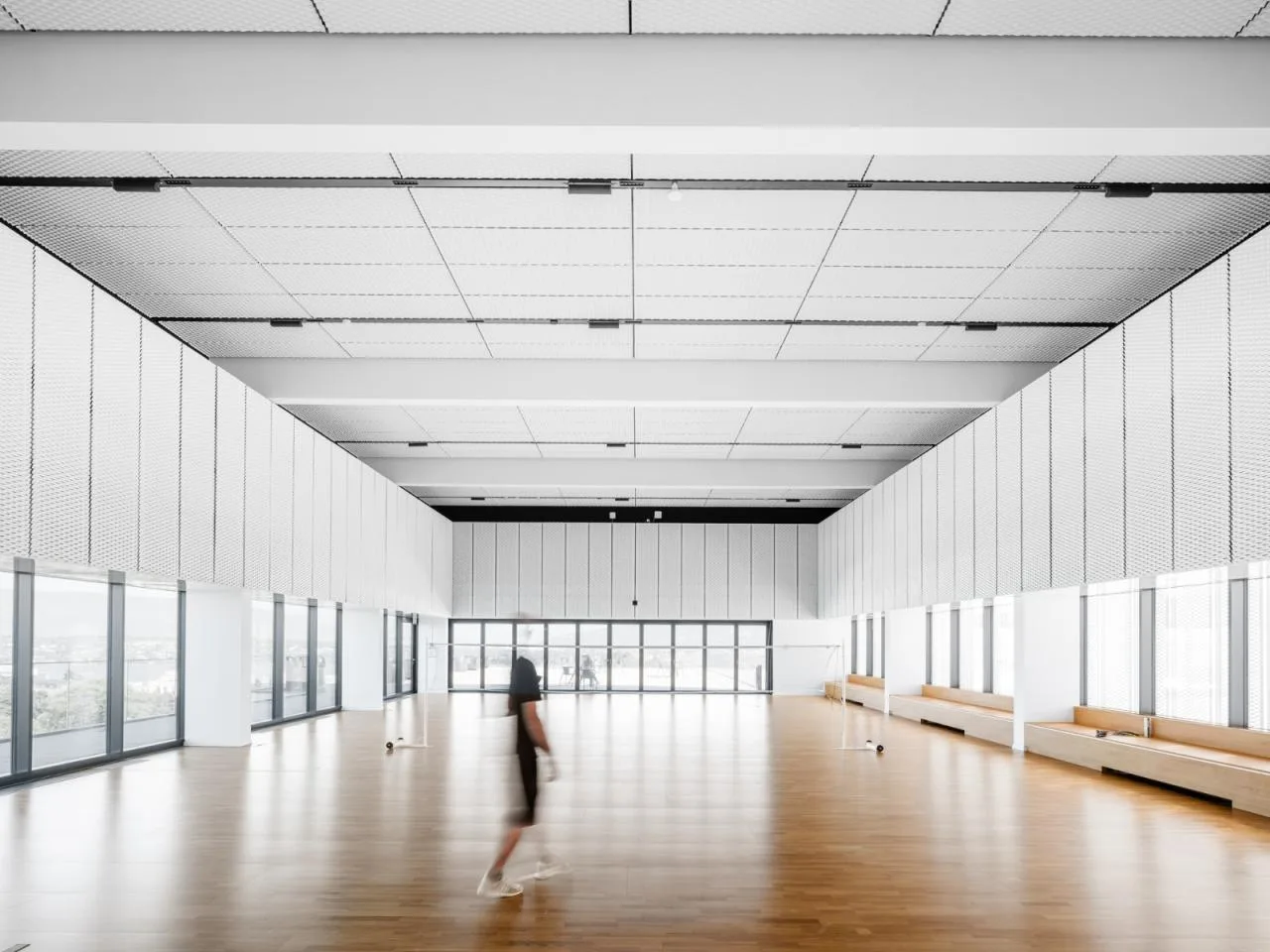
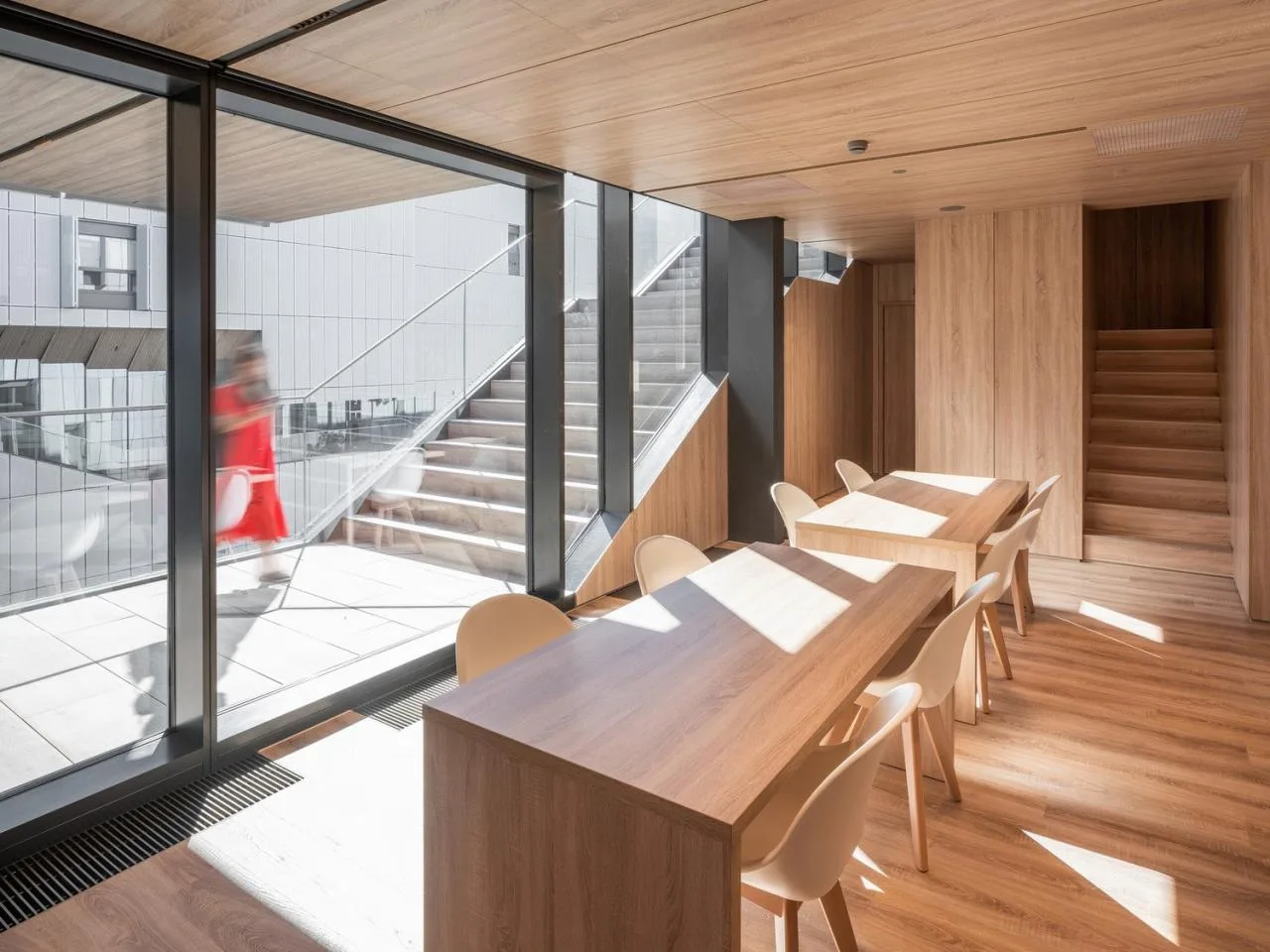
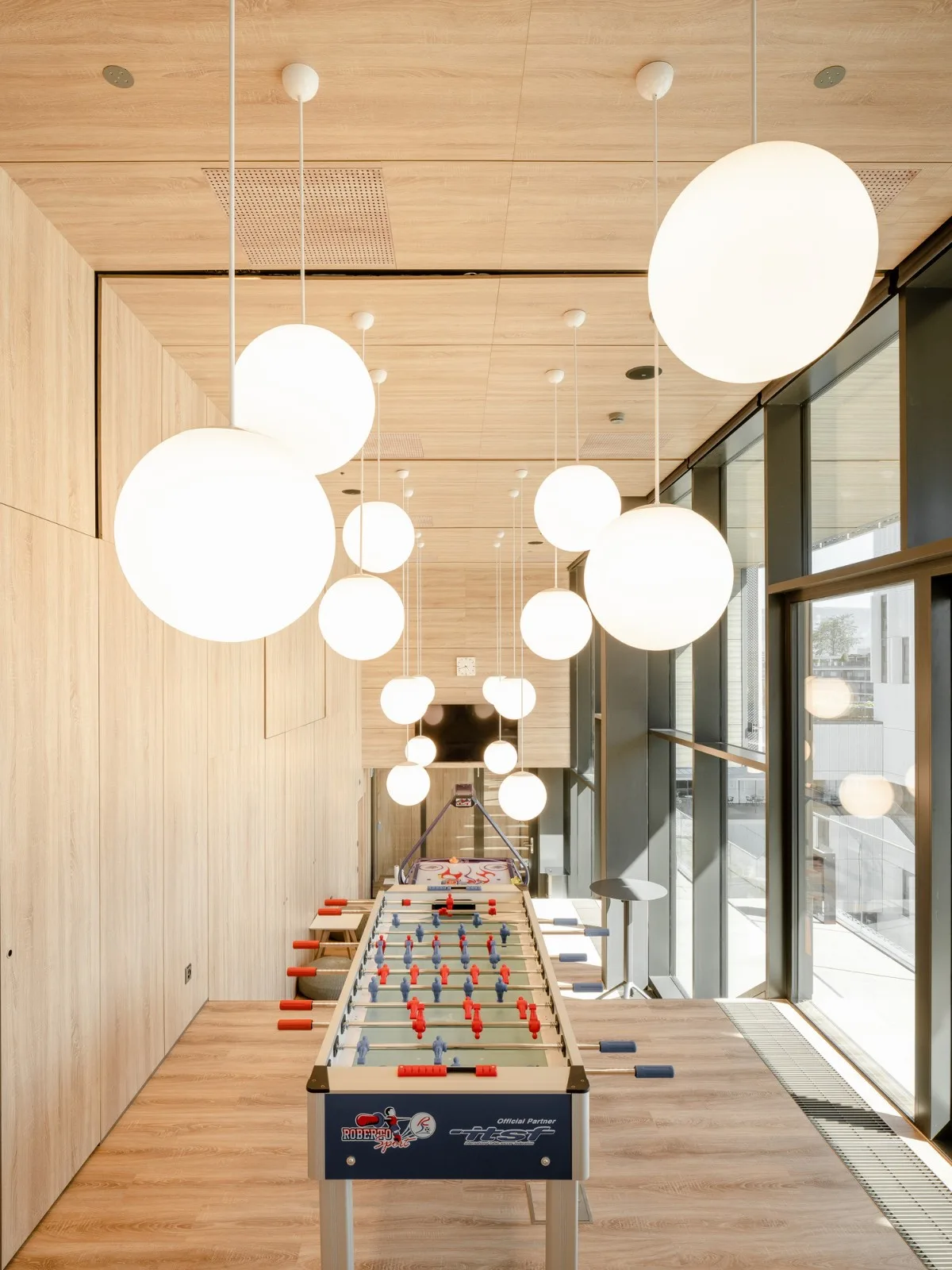
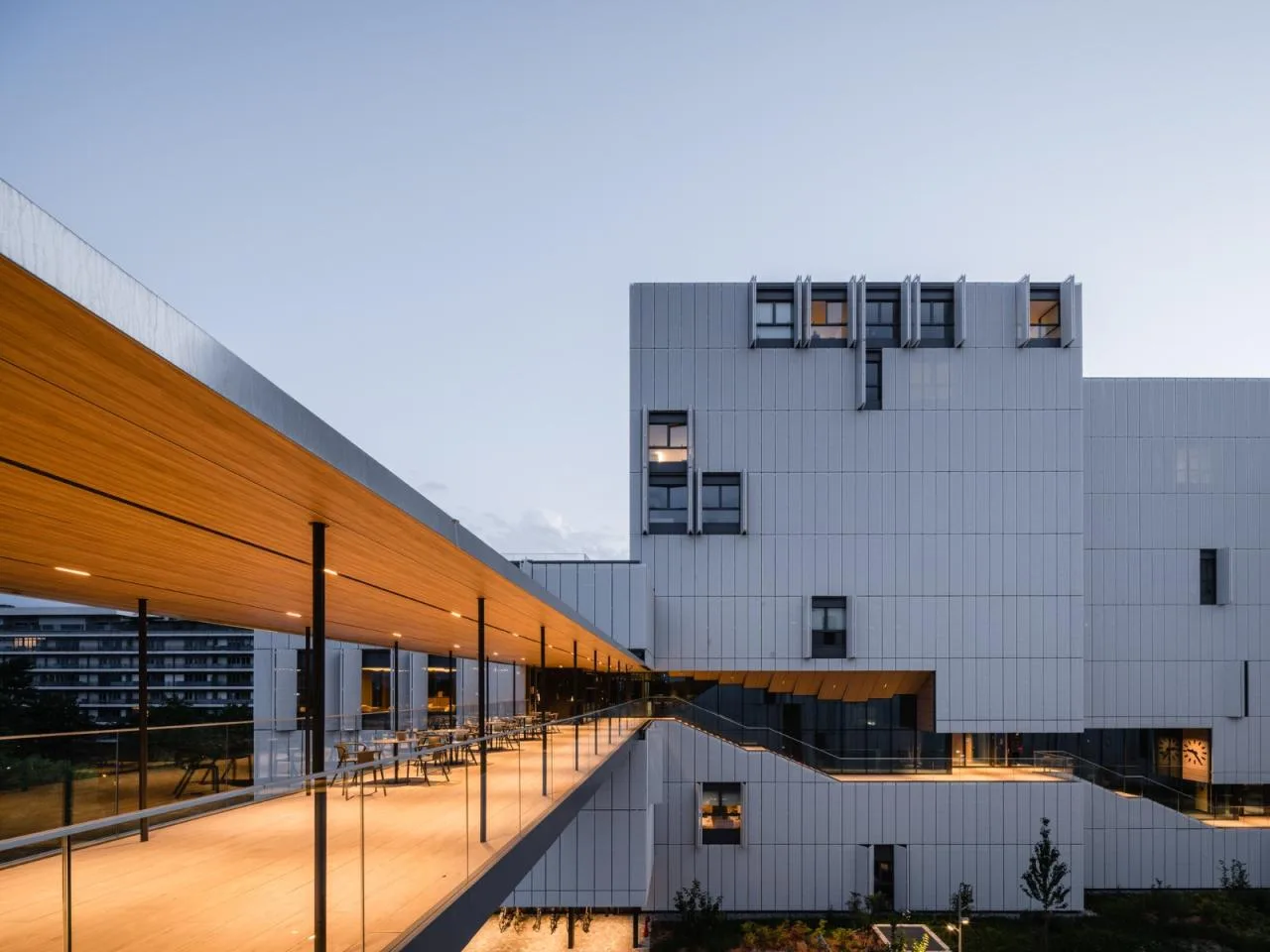
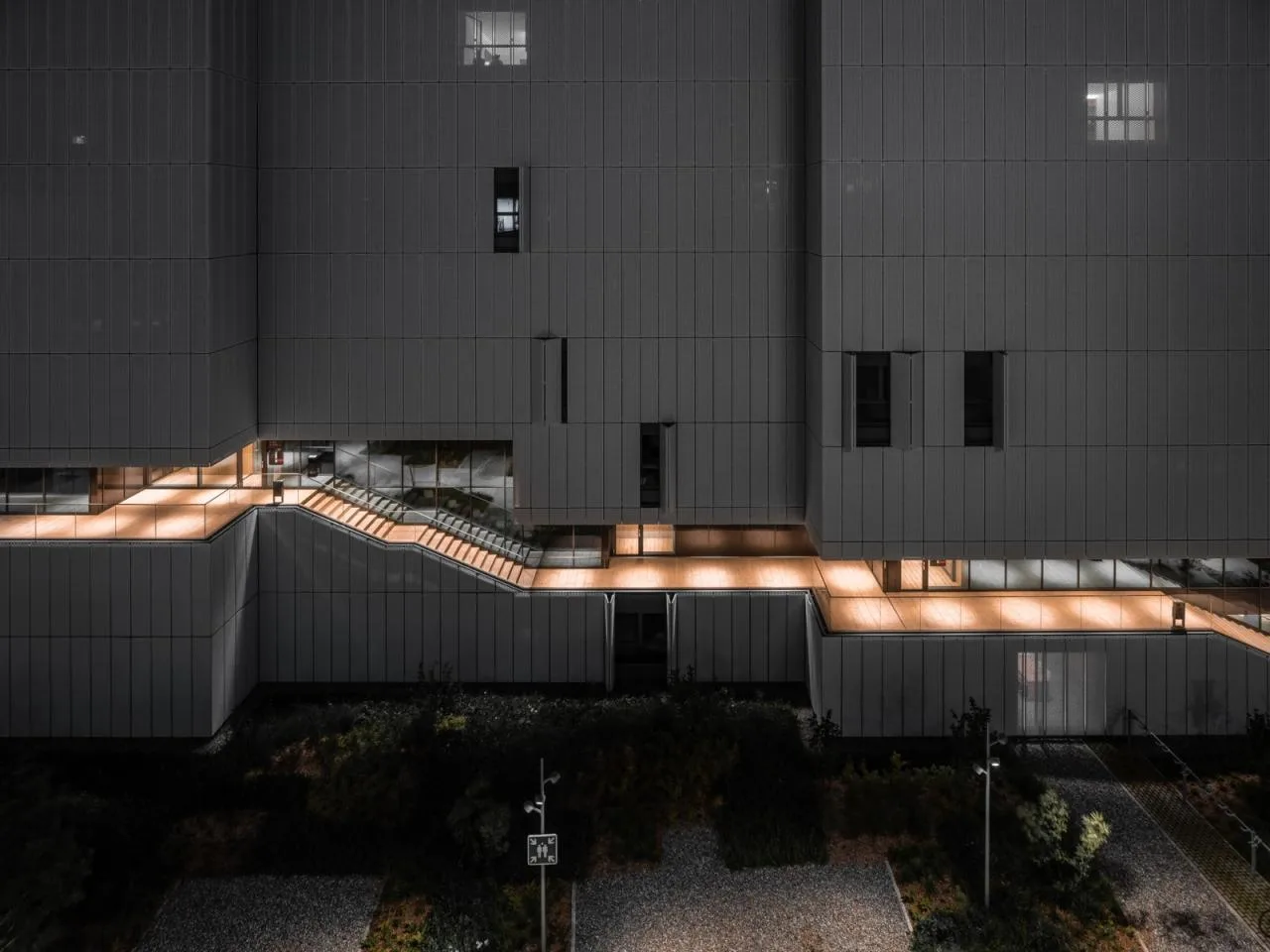
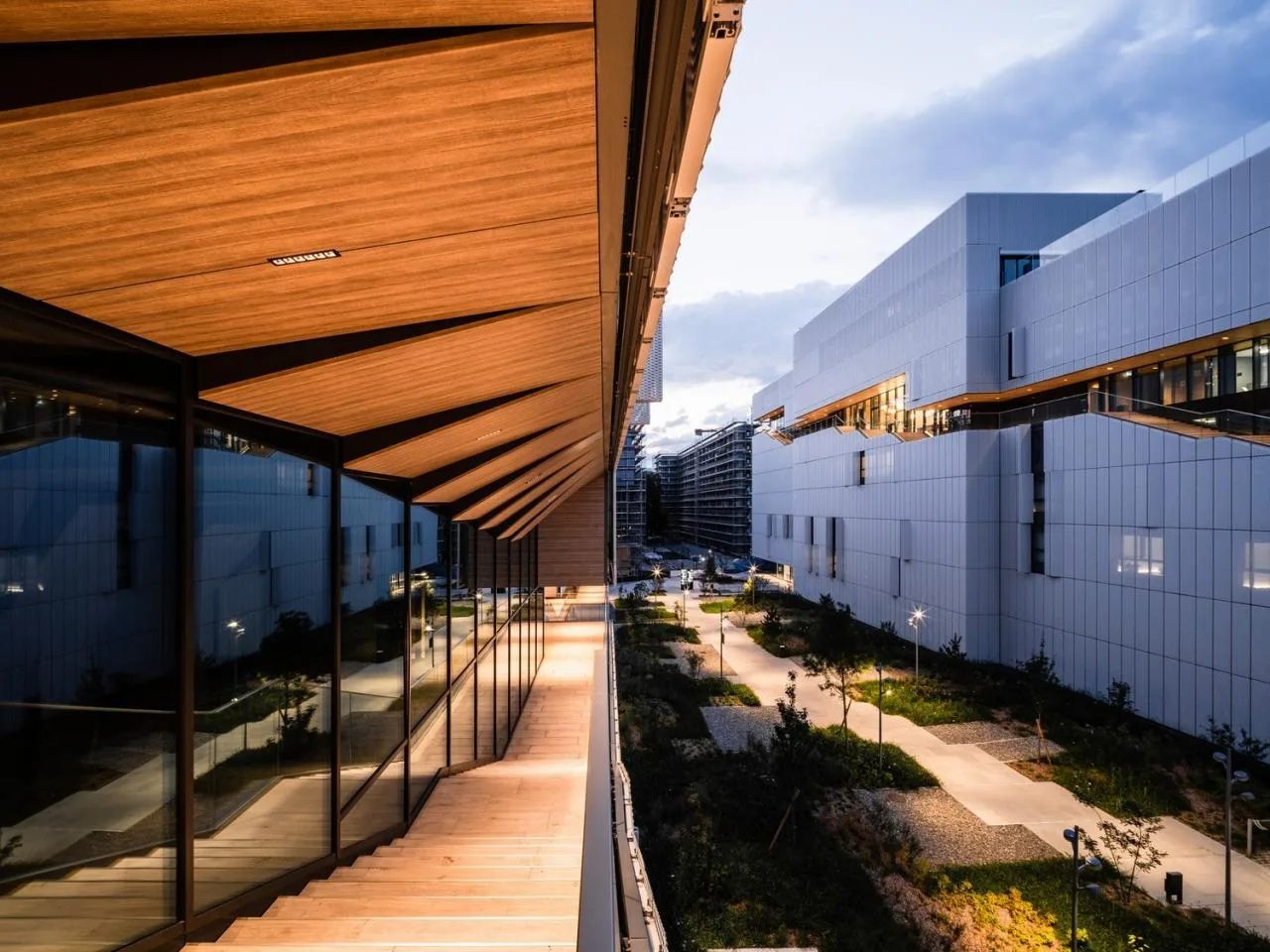
A gently ascending sidewalk cuts into the façade, connecting the buildings from the ground level up to the top. This design element creates a true gathering place for residents. The warm wooden walkway stands in striking contrast to the exterior walls, which are fully clad in aluminum panels and glass. Along these public corridors, you will find shops, studios, auditoriums, restaurants, fitness centers, and leisure rooms, all designed to enrich the community experience.
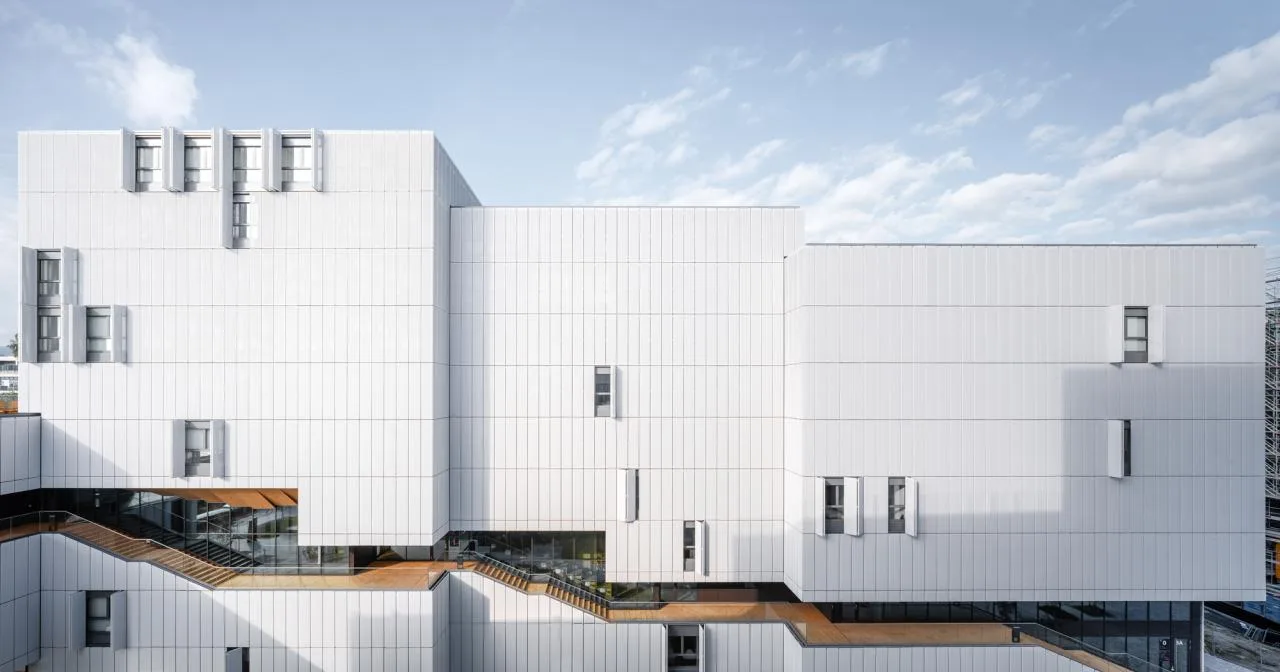
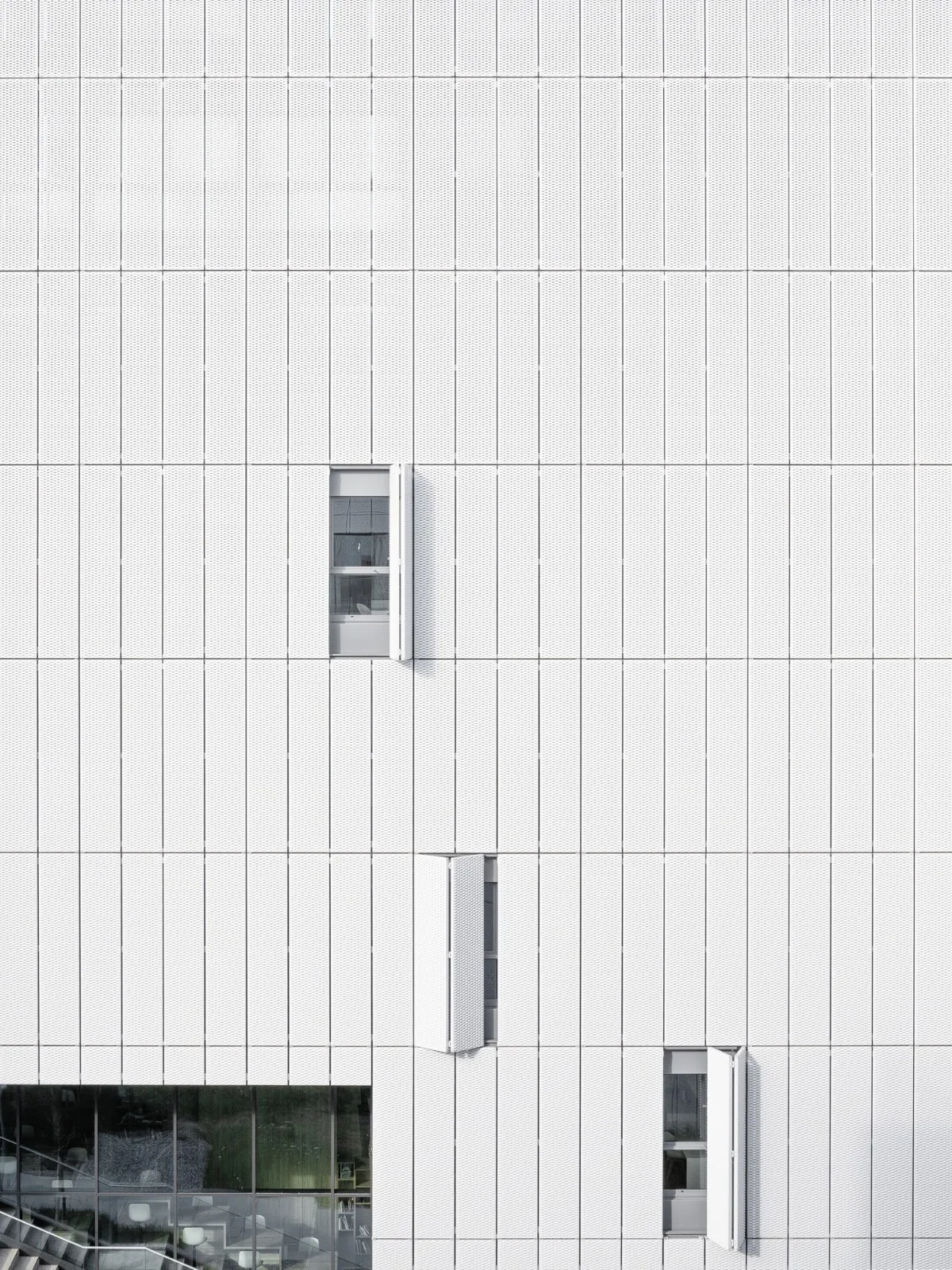
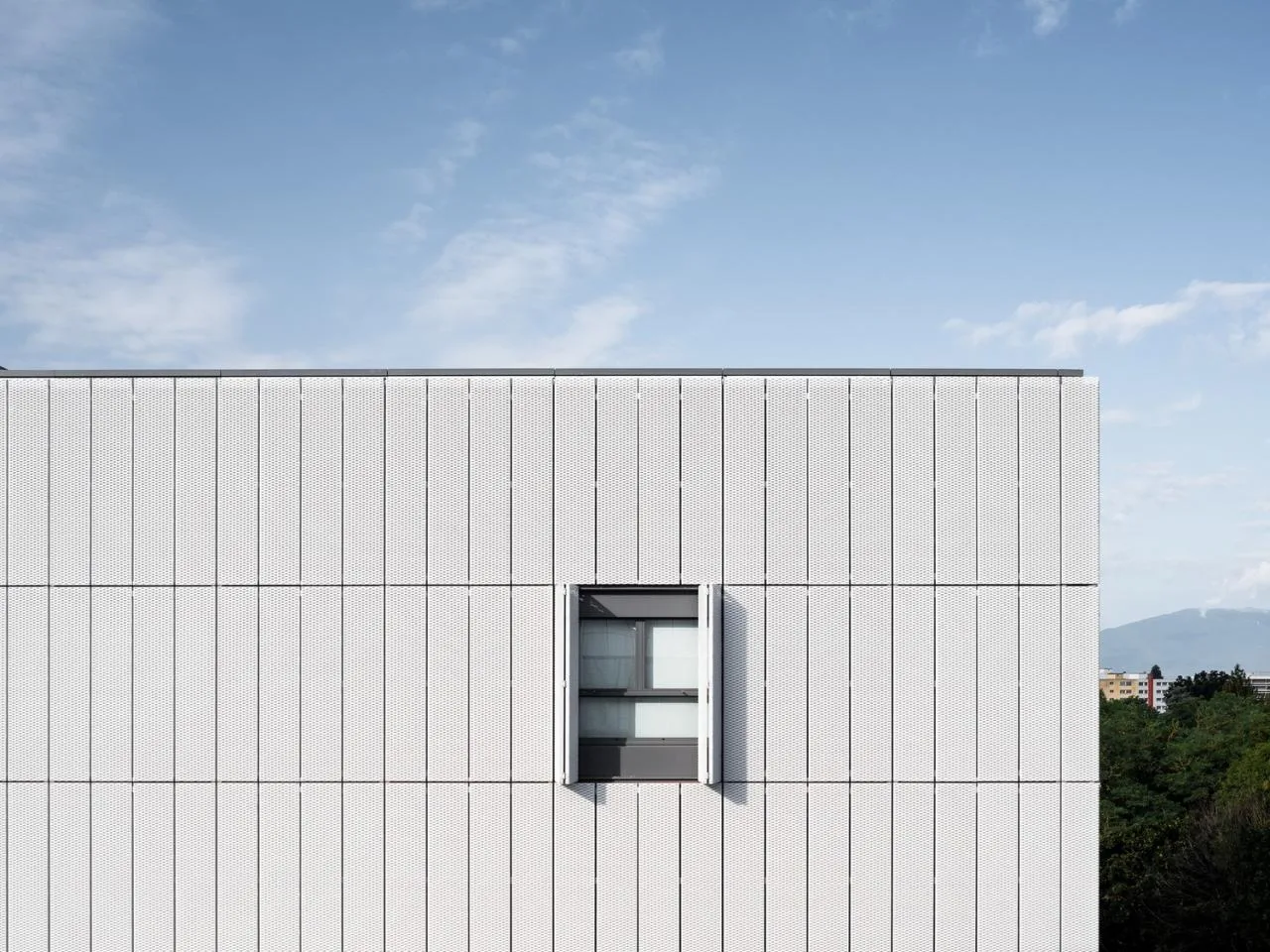
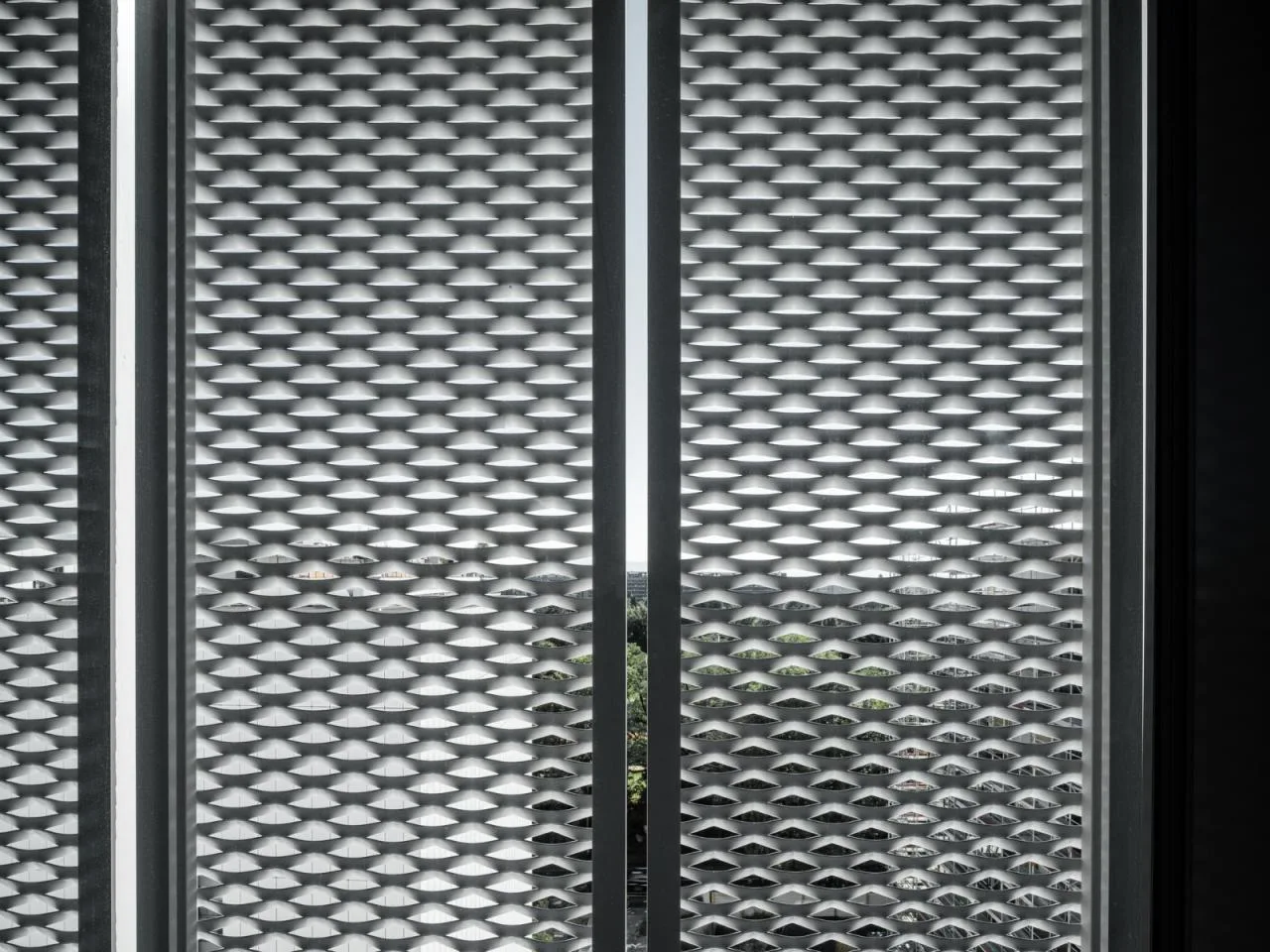
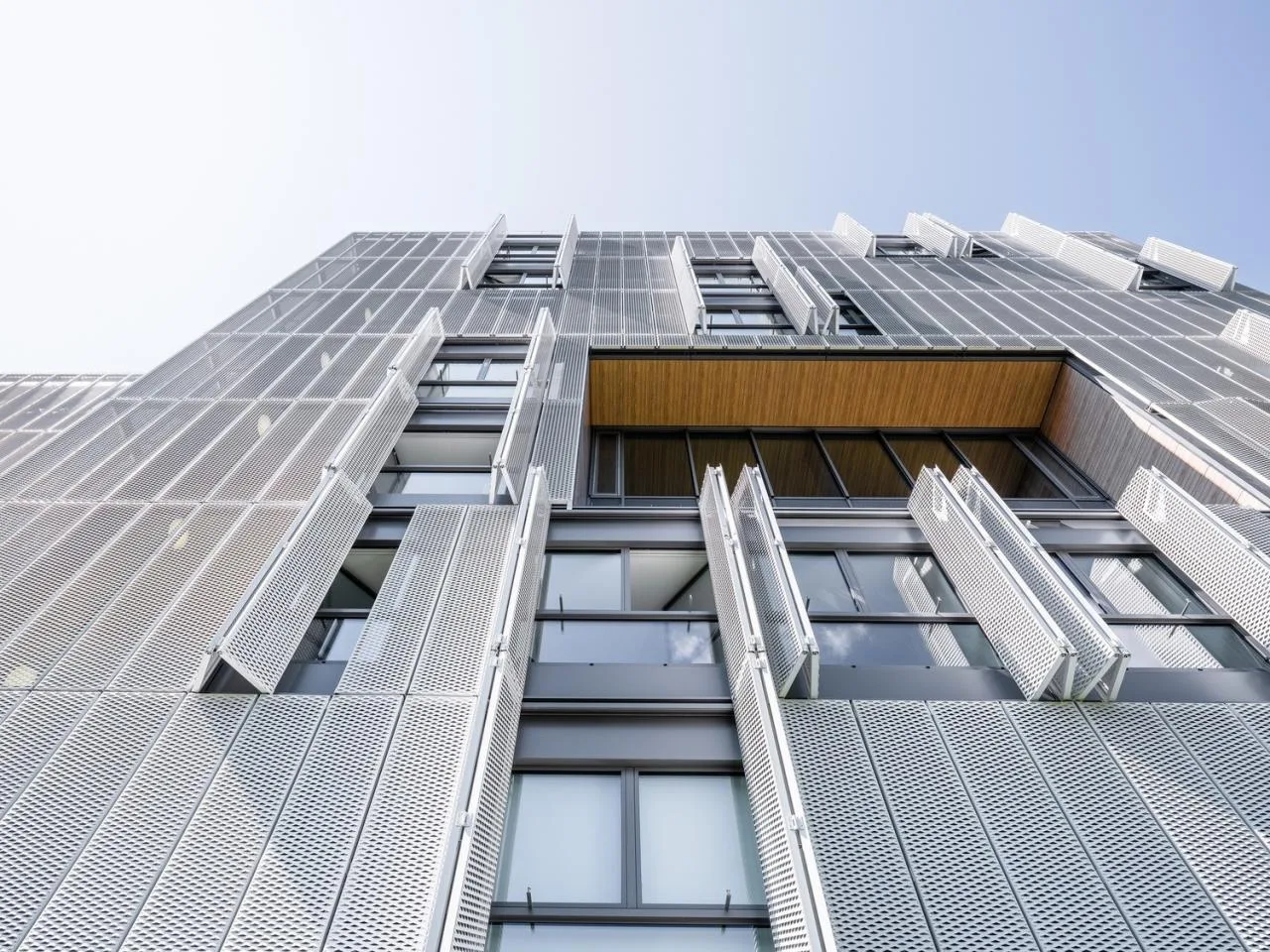
The building’s 3.6-meter-wide sliding louvers seamlessly integrate with the metal façade, allowing occupants to freely adjust light and privacy levels. Throughout the day, as student activities unfold, the opening and closing of these blinds create a dynamic visual rhythm across the architectural complex.
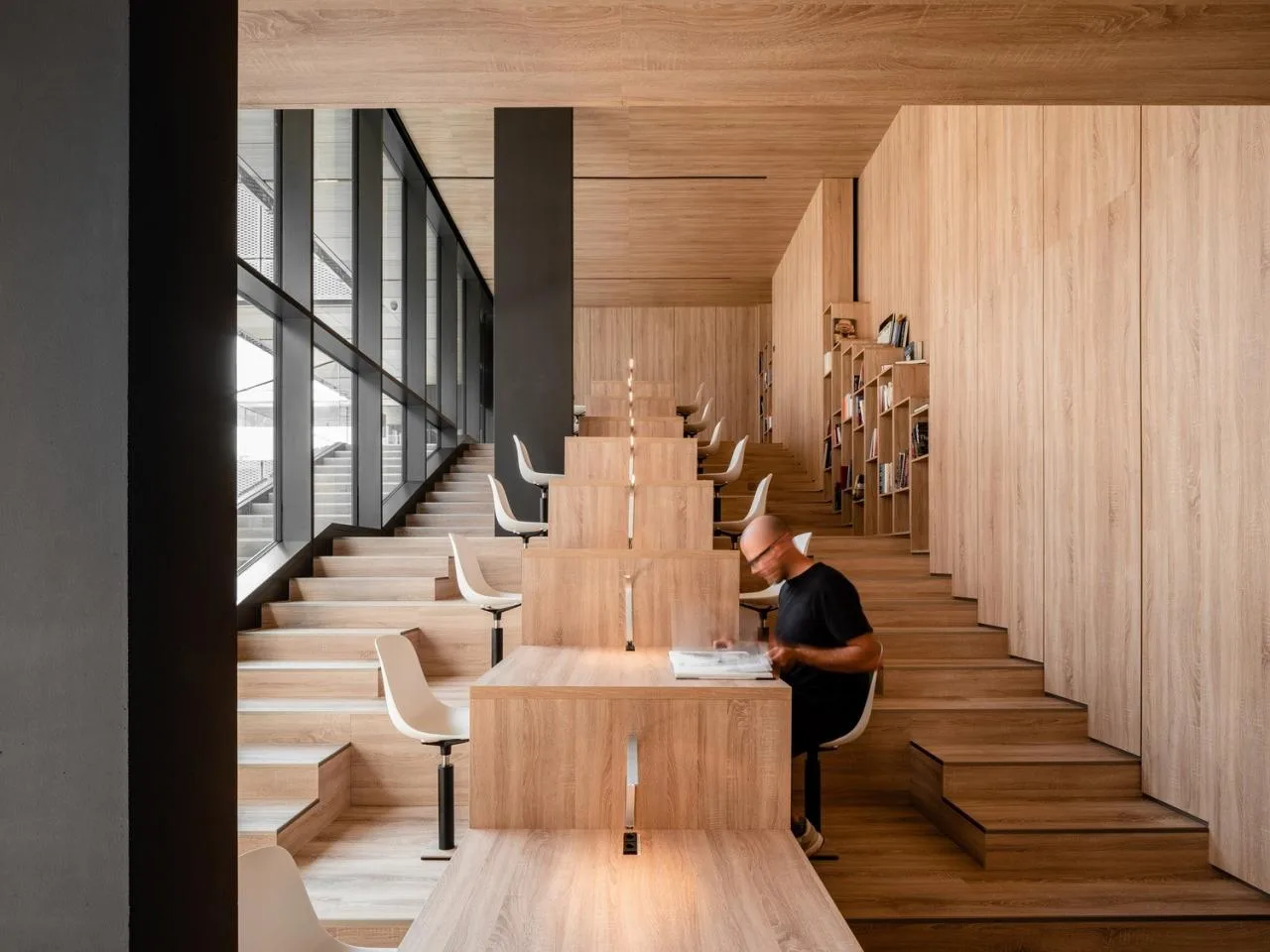
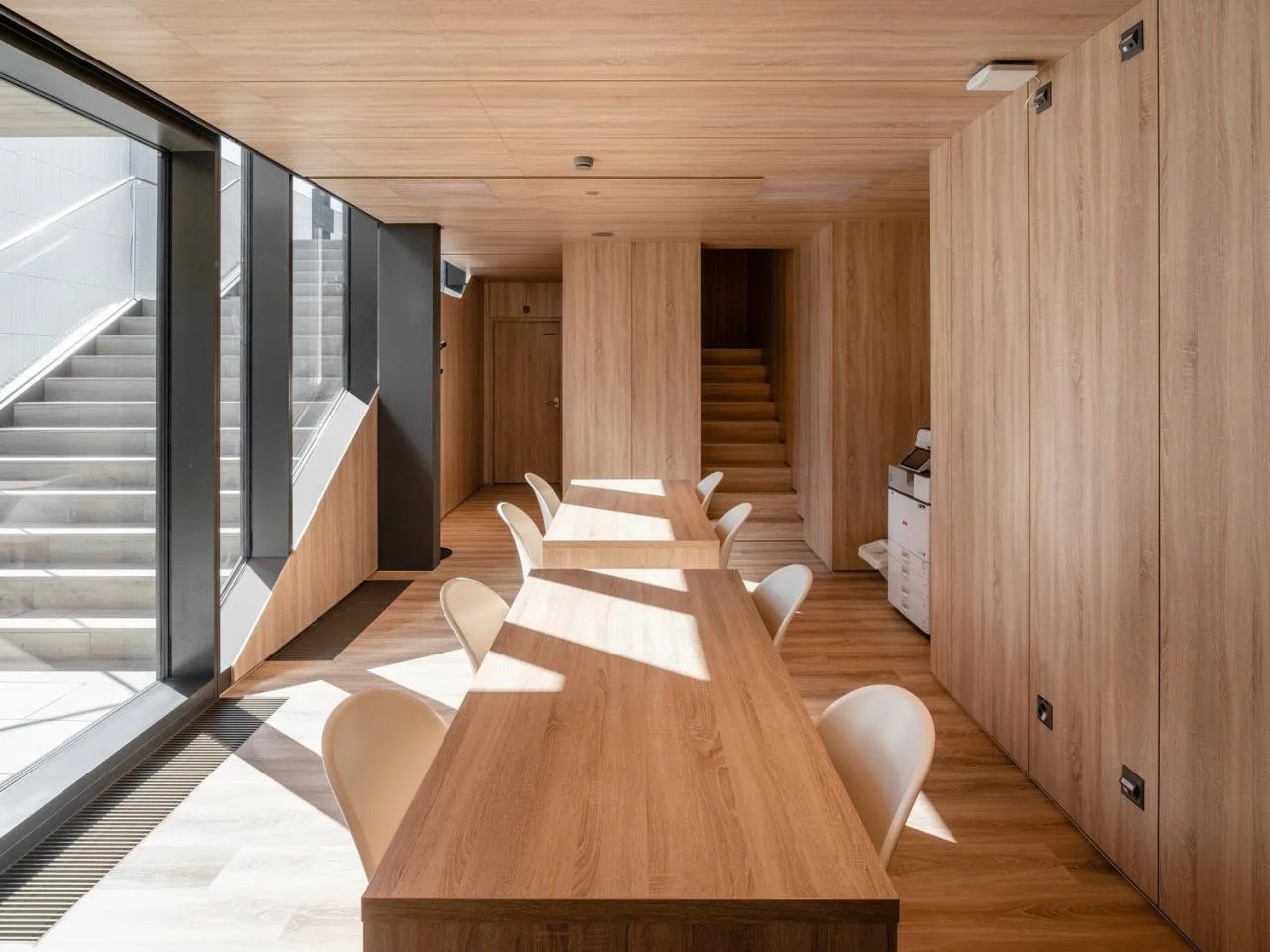
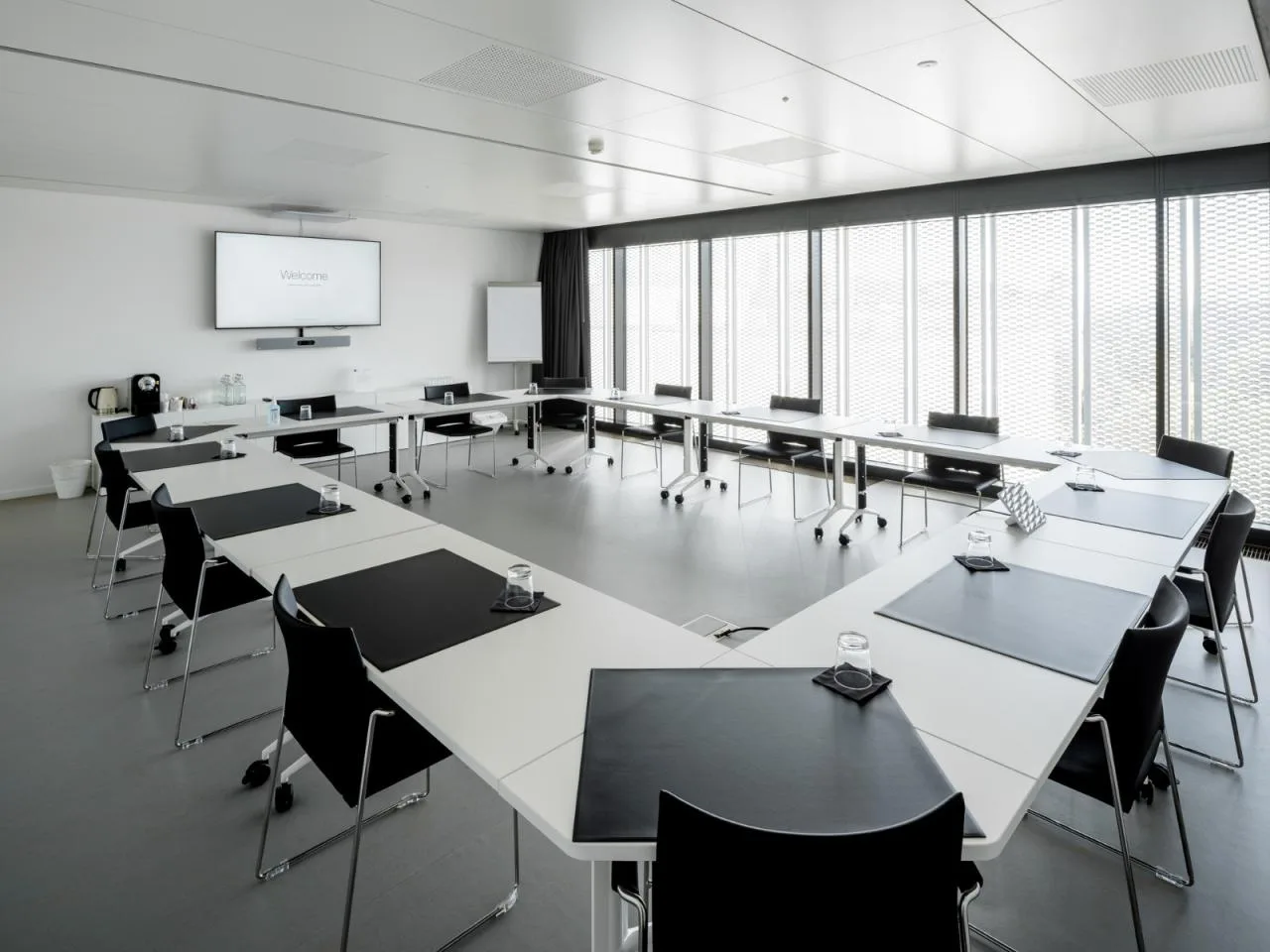
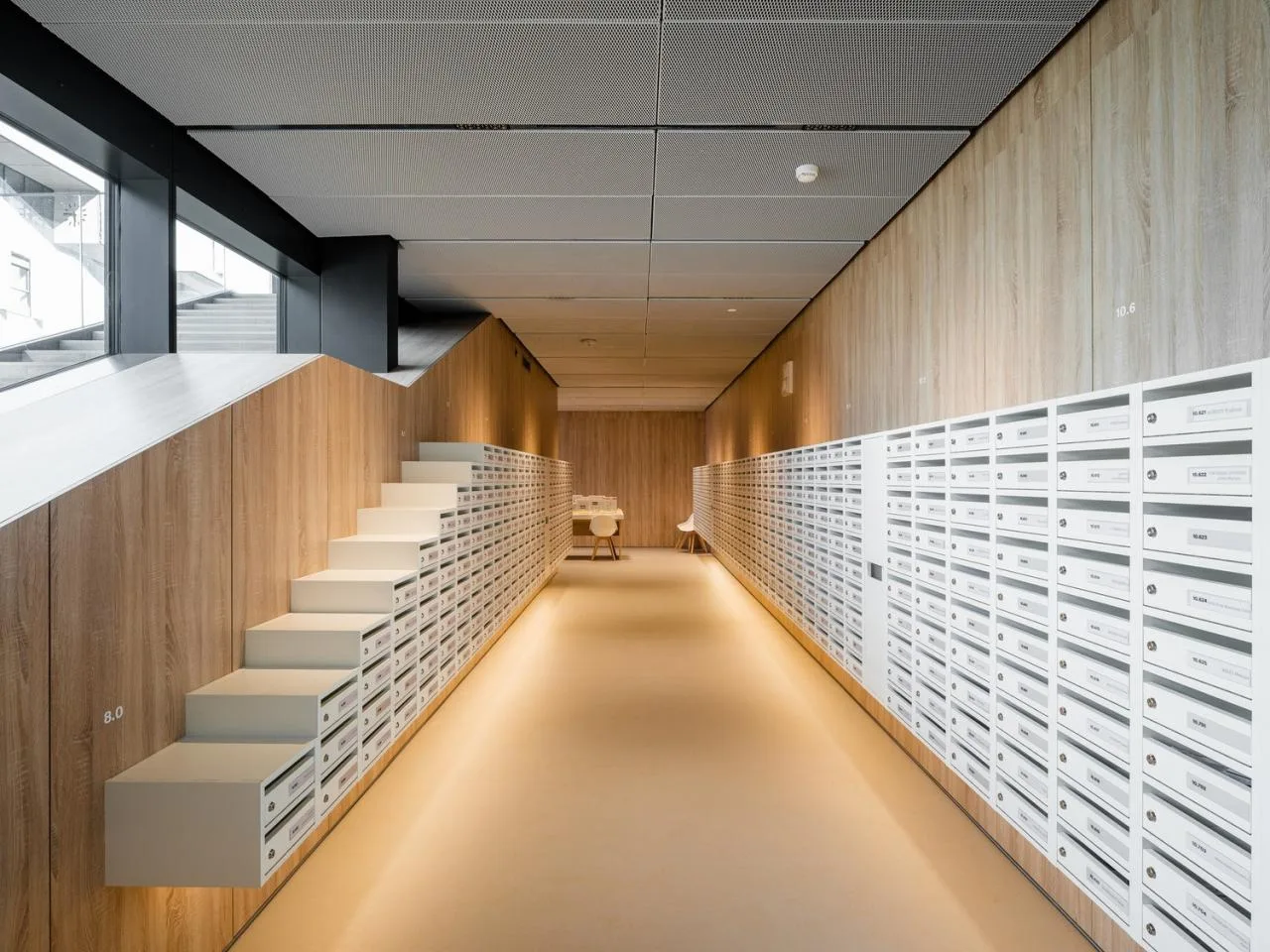
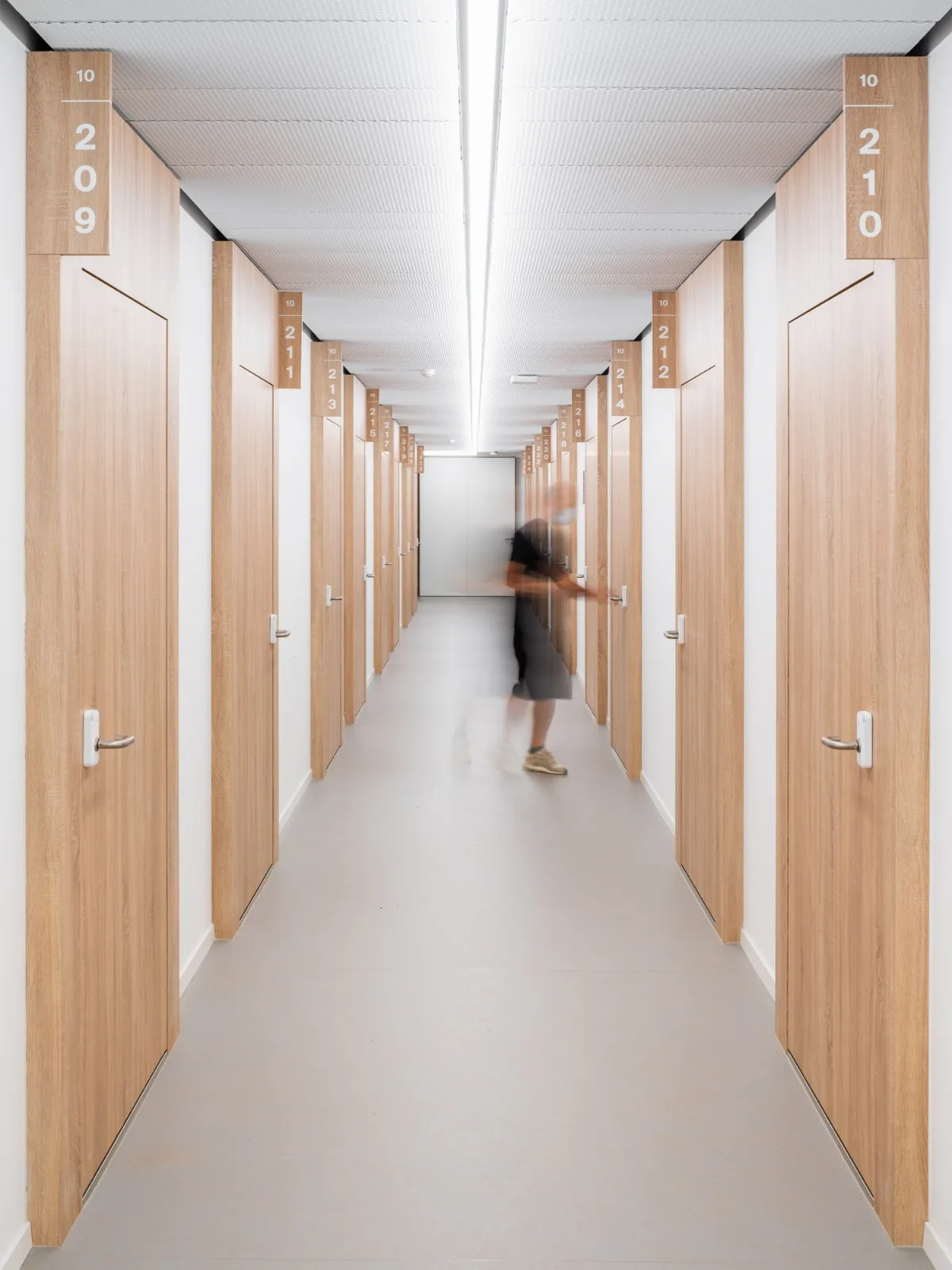
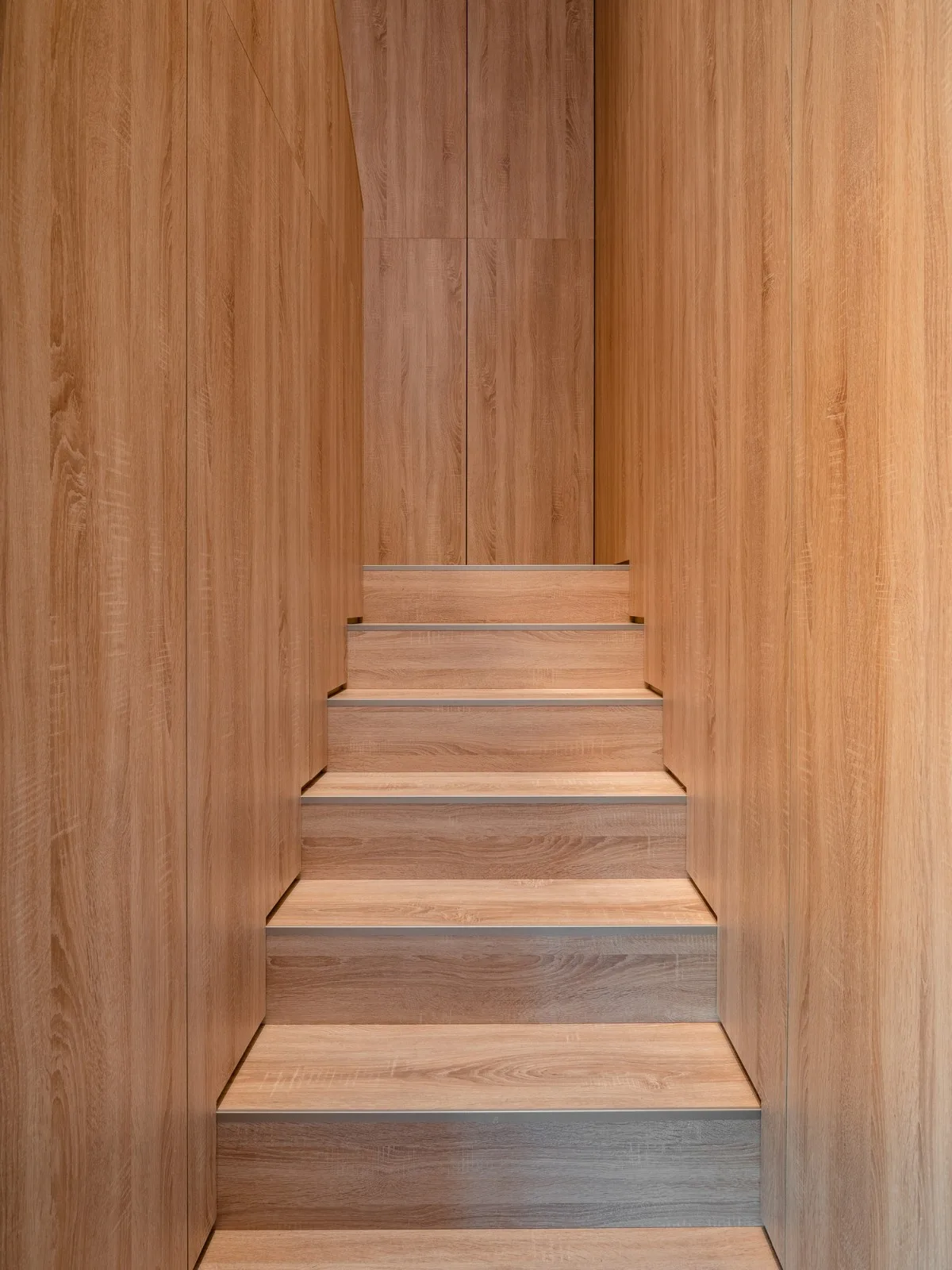
Inside, the warmth of wood contrasts with the cool gray and white tones of the exterior. The 630 dormitory rooms are thoughtfully arranged to flow effortlessly into the public spaces, embodying the architectural vision of harmonious coexistence.
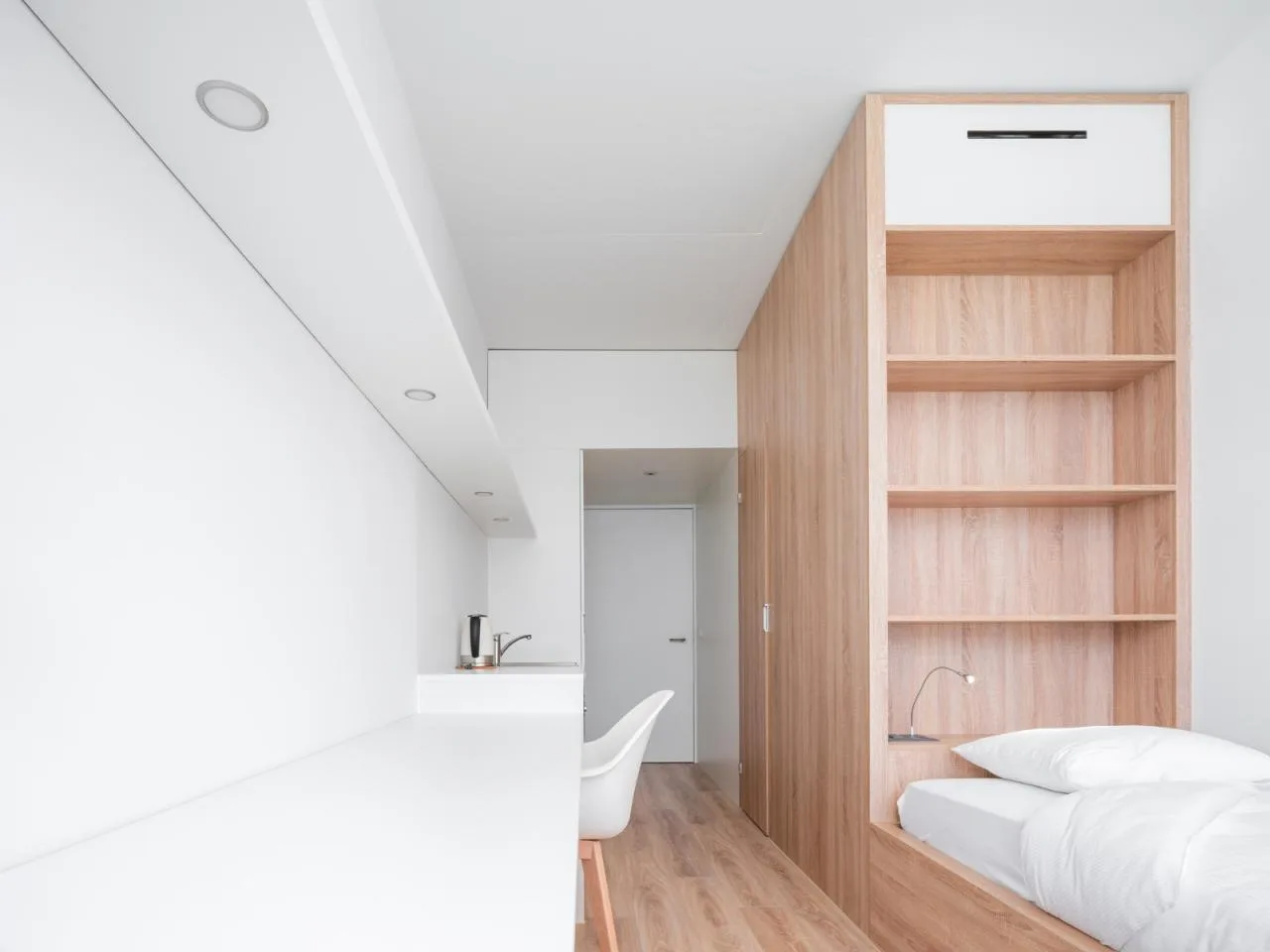
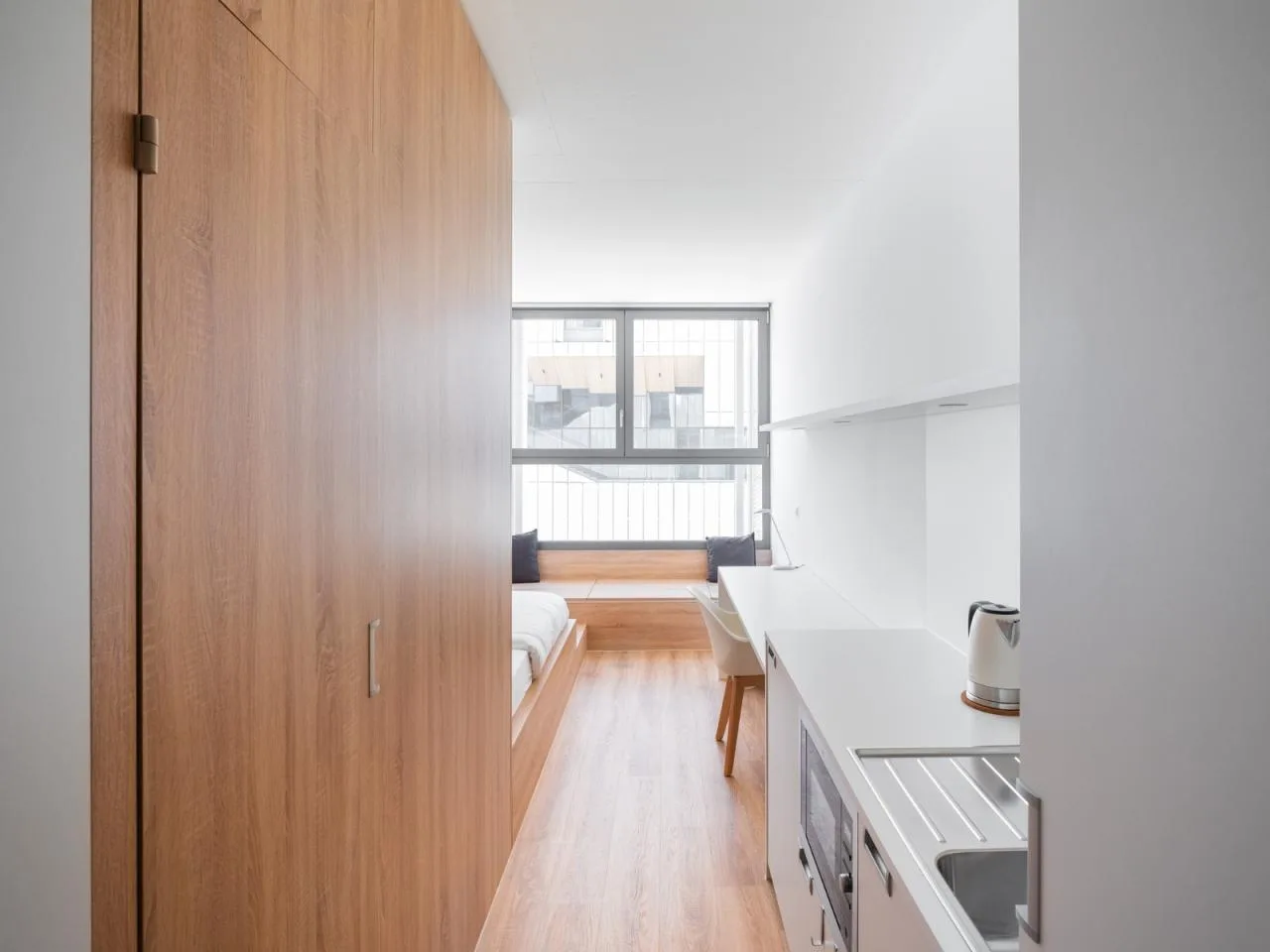
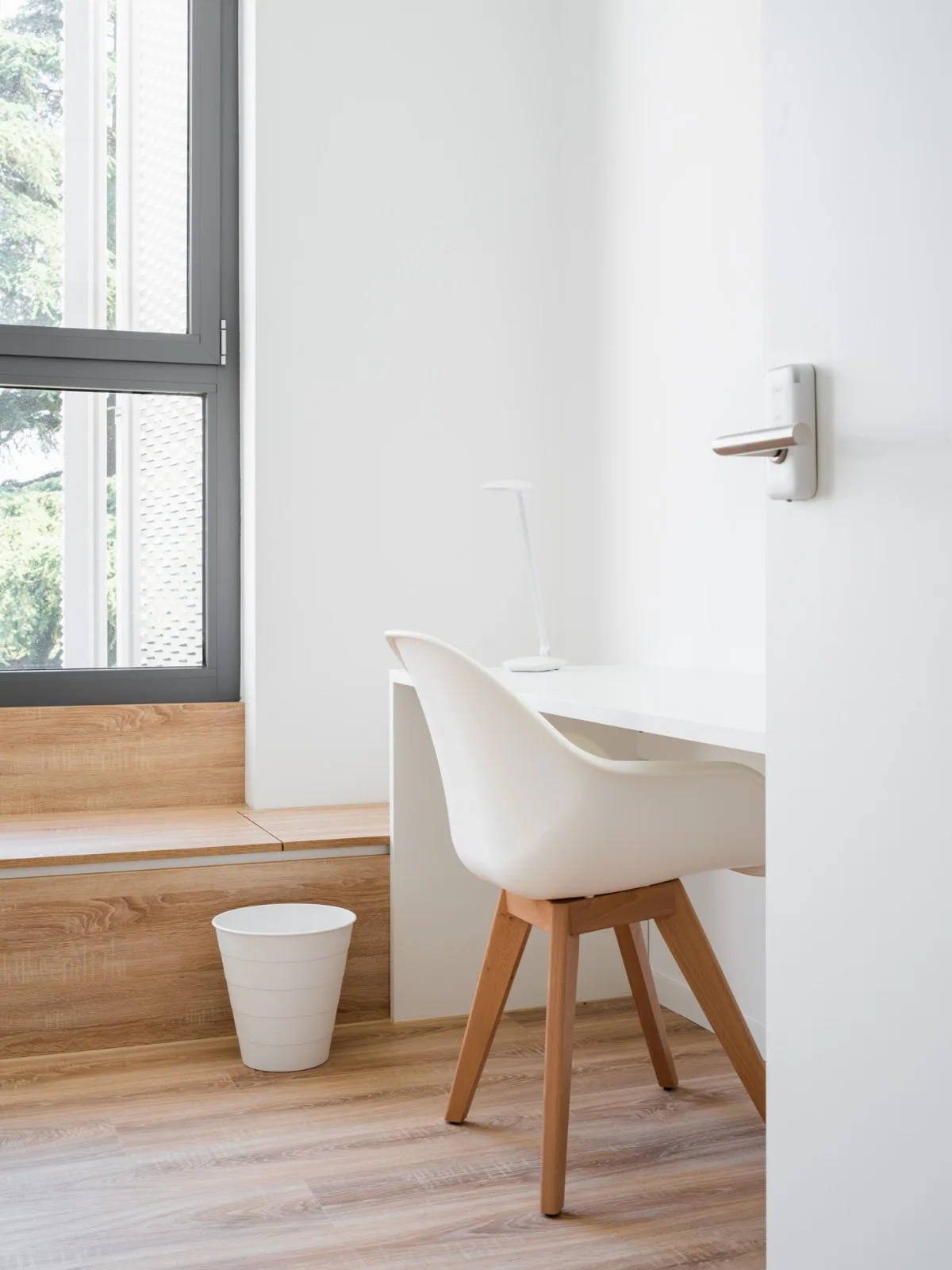
The living spaces within Morillon Student Dormitory exhibit a blend of wood and white finishes, reflecting the aesthetics of Japanese architectural design. Sustainability is a core principle, with every detail enhancing spatial efficiency.
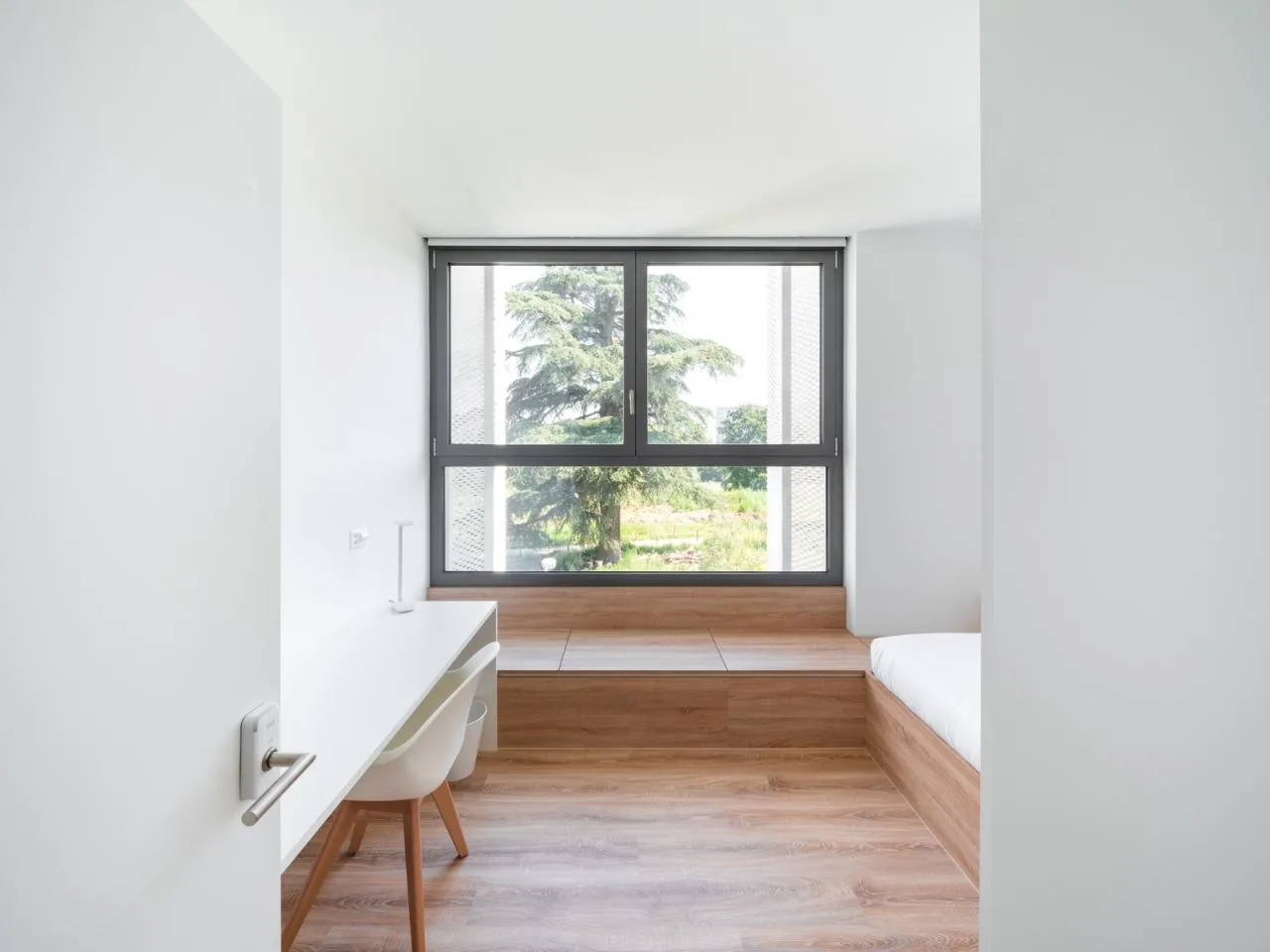
For instance, the bench by the window is multi-functional—it serves as a dining table, a comfortable sofa, storage, and a convenient spot for operating the large windows and blinds.
The dormitory offers various room types tailored to the diverse needs of its residents. The basic unit is the “single room,” designed to help students adapt to and embrace community living. Each single room connects directly to a shared kitchen, which serves clusters of 15 to 20 rooms.
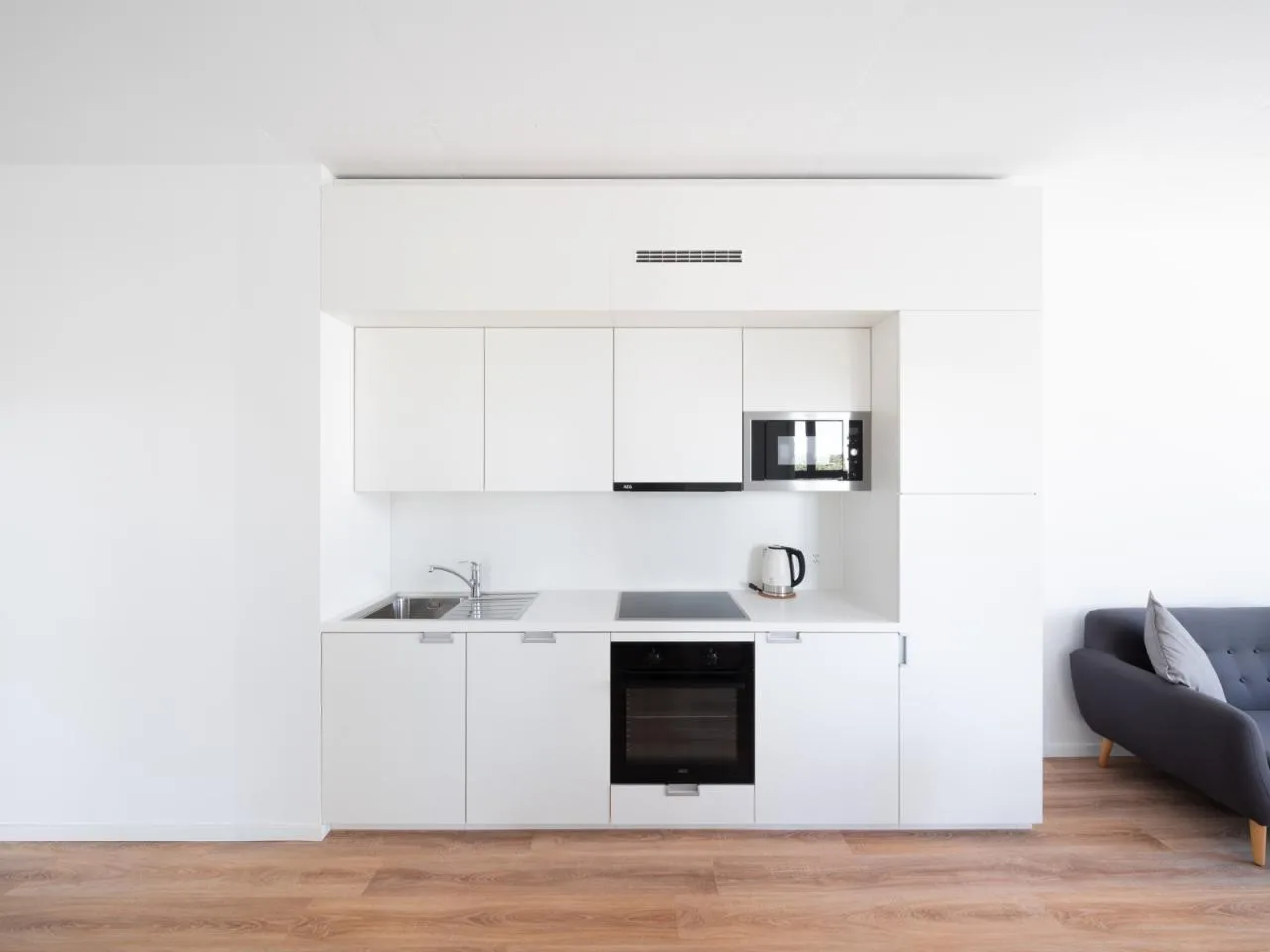
For those seeking more independence, the “deluxe single room” includes a private kitchenette. Additionally, the “paired apartment” combines two units with a separate living area, ideal for students with mobility challenges.
For families and students preferring shared living spaces, the “two-bedroom” and “three-bedroom” apartments provide spacious accommodations. Each unit is meticulously designed to maximize space efficiency.
Every accommodation features a bench by the balcony window, serving as a transitional space between indoors and outdoors, while also providing versatile storage options.
Visual Identity and Character
The design team aimed to establish a respectful and integrated visual identity that resonates with the building’s site. This identity ensures that user needs are met with quality and predictability.
The architectural visual system is founded on the owner’s insight into the project’s operational requirements and their understanding of the location. It reflects the designer’s discoveries and interpretations, delivering clear and concise architectural expression.
Project Drawings
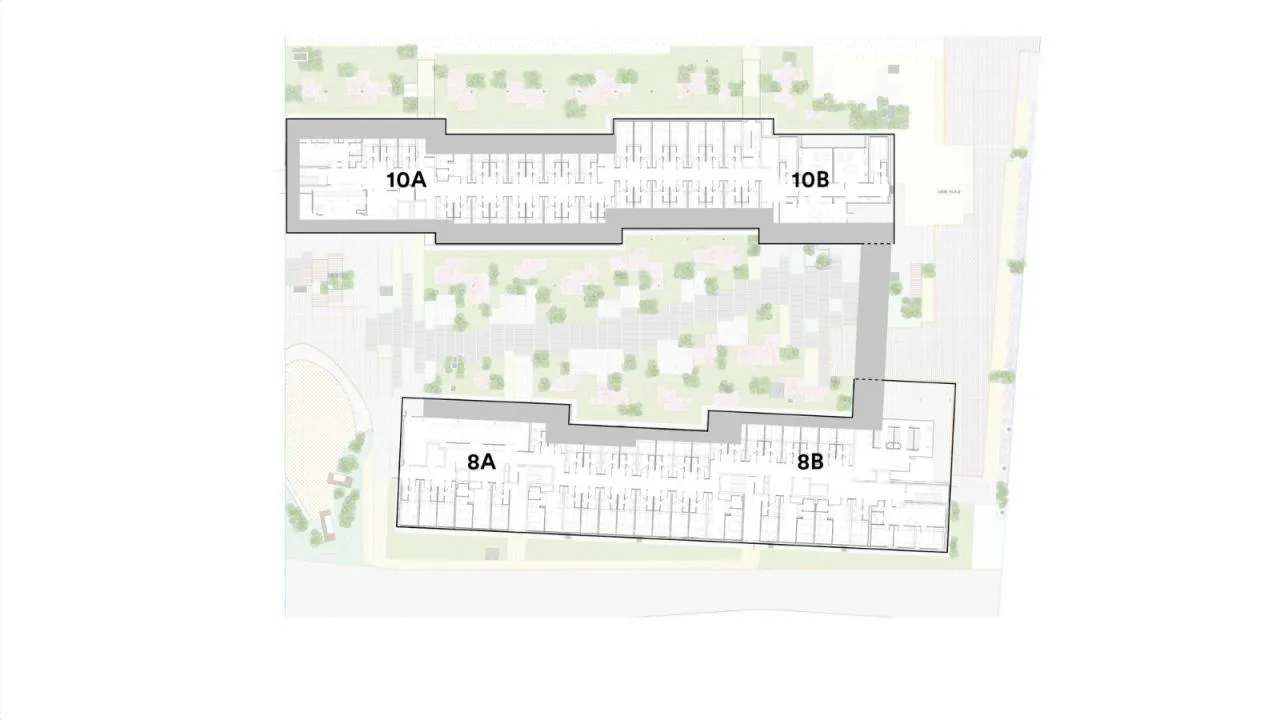
△ First floor plan
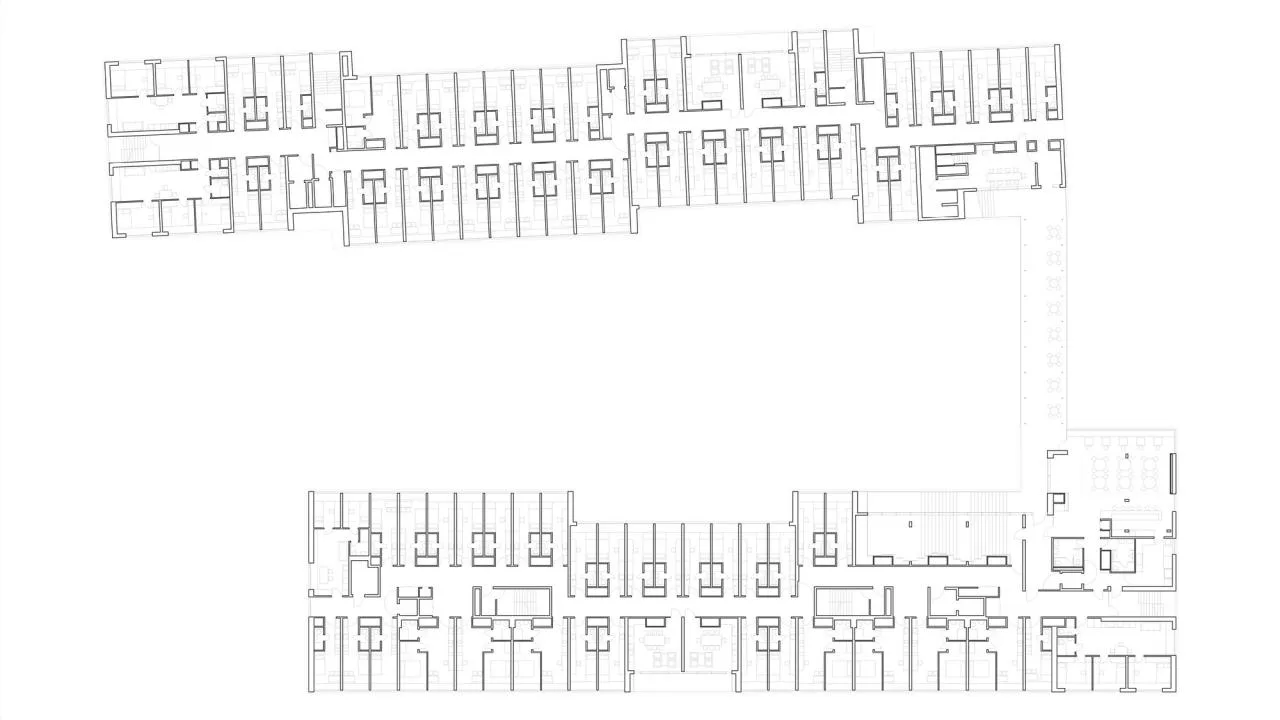
△ Second floor plan
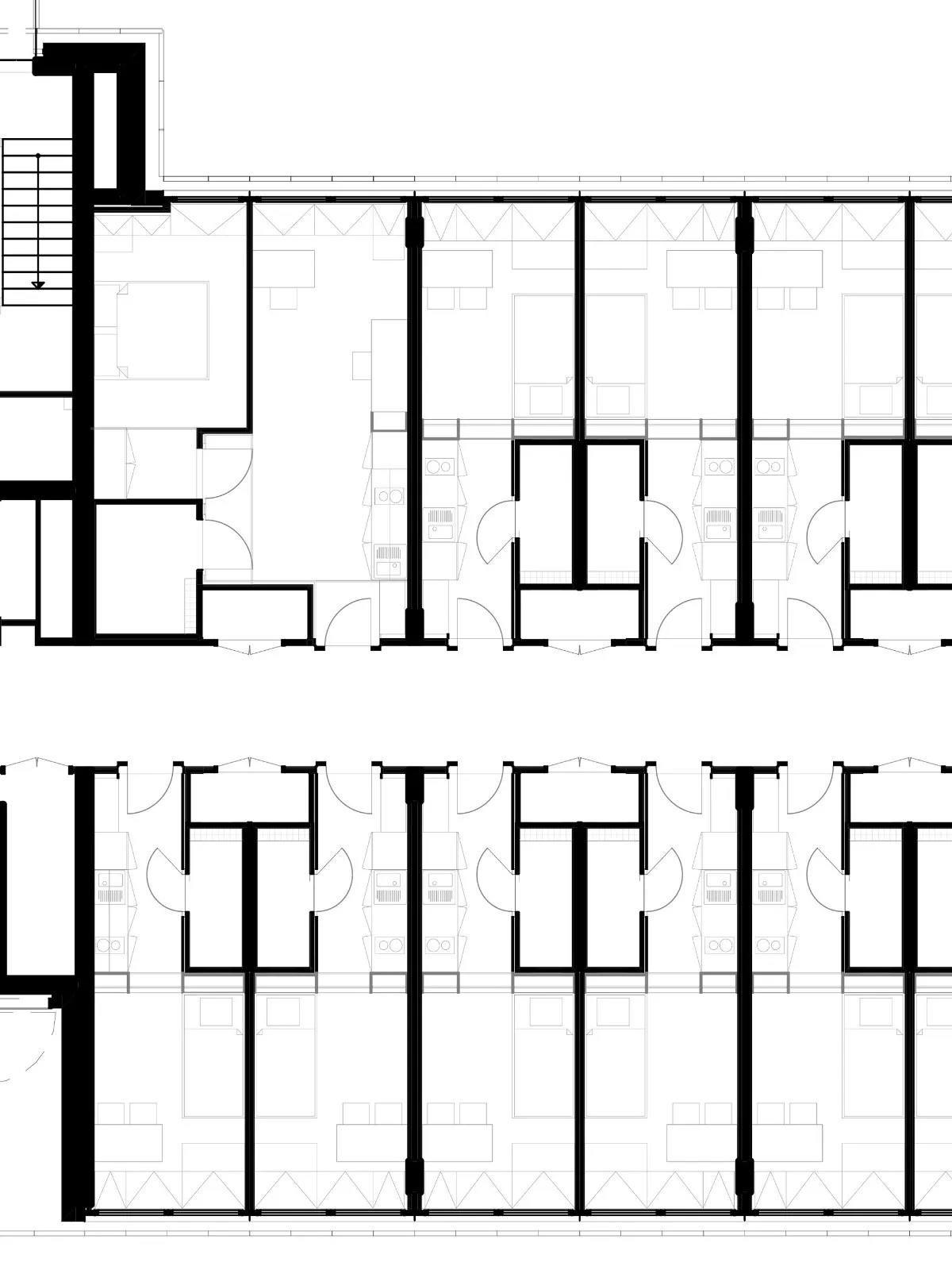
△ Unit plan
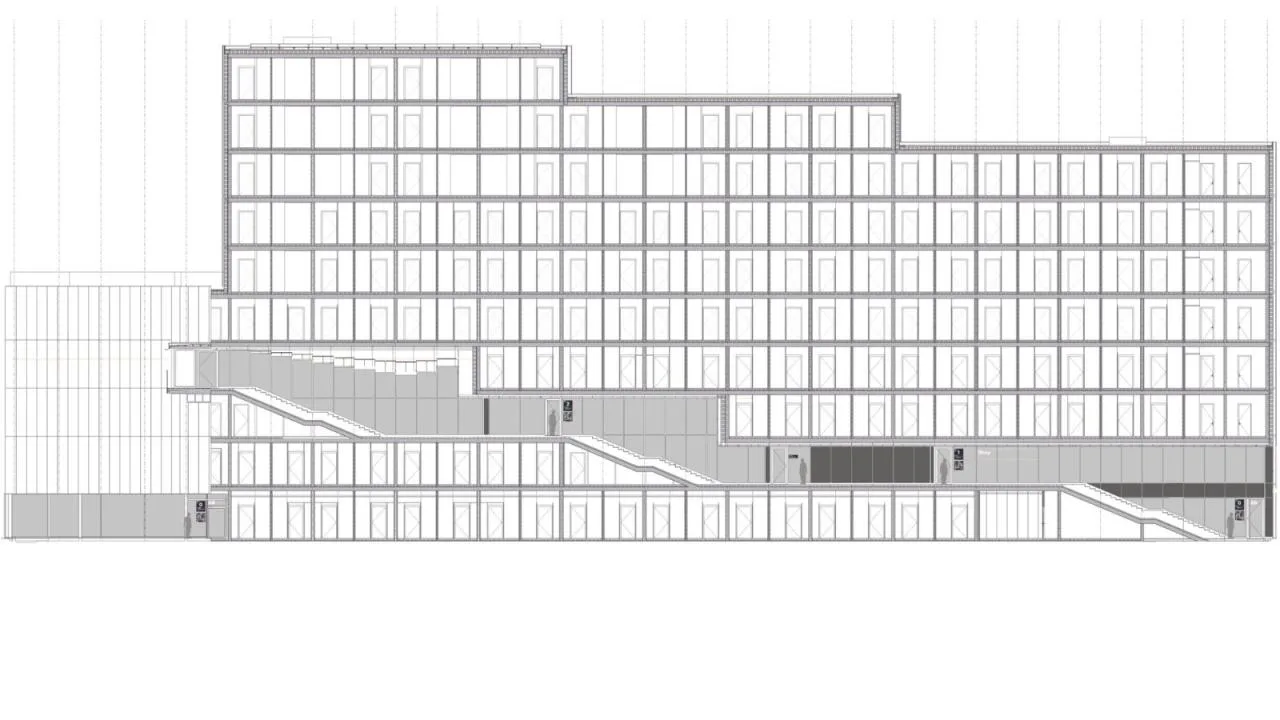
△ Elevation drawing
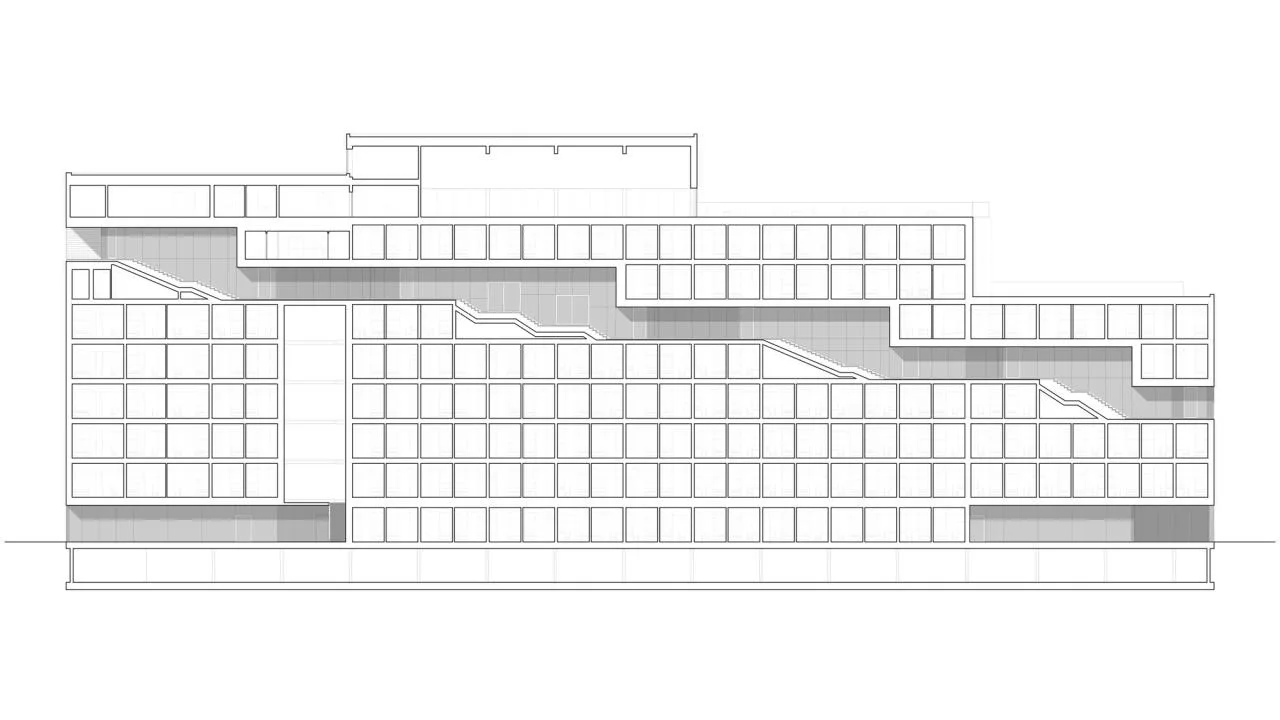
△ Plan view
Project Information
Architectural Design: CCHE, Kengo Kuma Architectural Urban Design Firm
Area: 24,000 square meters
Year of Completion: 2021
Photographer: Sacha Di Poi
Manufacturers: Joux SA, Mazzoli SA, Regent, Roethlisberger, SOTTAS
Location: Geneva, Switzerland













Must log in before commenting!
Sign Up