
There are two primary methods for collaboration in Revit: working set mode and model linking mode. Below is a comparison of the advantages and disadvantages of each approach:
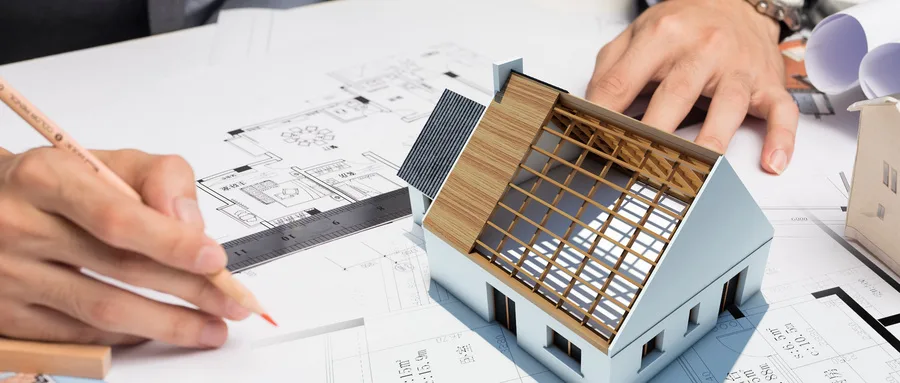
(1) Advantages and Disadvantages of Working Set Mode
Convenient Model Editing: Projects are divided into distinct worksets, allowing authorized users to edit all building information. This approach supports collaborative design by enabling multiple designers to work simultaneously on the same model. Worksets can be flexibly divided based on the project’s specific needs, maximizing concurrent design efforts and enhancing collaboration. Designers can upload updates to the central file in real time, ensuring information is shared instantly, improving efficiency, and reducing design costs.
Complex Operations: Unlike CAD, Revit does not use layers and offers more setting options, which can lead to errors or omissions during the project. For example, incomplete display issues often arise due to incorrect view depth or elevation settings, causing newly added building components to be partially or fully hidden within the view range.
Workset Management Challenges: Each designer is responsible for their own workspace. When tasks overlap, others must borrow workset permissions after they are released. Holding onto permissions too tightly can cause delays as borrowers wait, while releasing permissions fully risks accidental modifications or deletions by others.
Long Waiting Times: Synchronizing files in working set mode can be slow, as Revit model files are large and put significant pressure on the central file server. Local machines may experience long waits when syncing, especially when multiple users save simultaneously. Additionally, this mode demands high hardware performance, often causing software crashes due to insufficient memory.

(2) Advantages and Disadvantages of Model Linking Mode
Stable Performance: Model linking offers more stability during the process of linking models and project segmentation compared to working set mode.
Improved Computer Efficiency: Model linking works like importing an external reference—a large “block”—which significantly boosts computer efficiency compared to working set mode.
Easy Information Exchange: Simply copying the linked model’s file folder without changing the link path facilitates quick data transfer and sharing.
User-Friendly: Since model linking does not require workset permissions, any designer with access to the local network files can collaborate easily, making it convenient for project teams.
High Team Coordination Requirements: Linked models cannot be modified directly. To make changes, the link must be bound, which is resource-intensive, time-consuming, and prone to errors. Binding can cause discrepancies between bound and ungrouped models or sometimes fail entirely. Additionally, inconsistent or duplicated component naming within the team can lead to errors or missing elements.
Element Connection Issues: Linked models cannot directly connect elements to those in the main model. When generating 2D drawings, detail errors often occur that must be manually fixed in Revit’s 2D mode, increasing workload and complexity. For example, walls connected within the main model automatically link, but walls in the linked model remain independent. This results in visible gaps at interfaces in 2D views that need to be patched using the “Annotation Region” tool.













Must log in before commenting!
Sign Up