
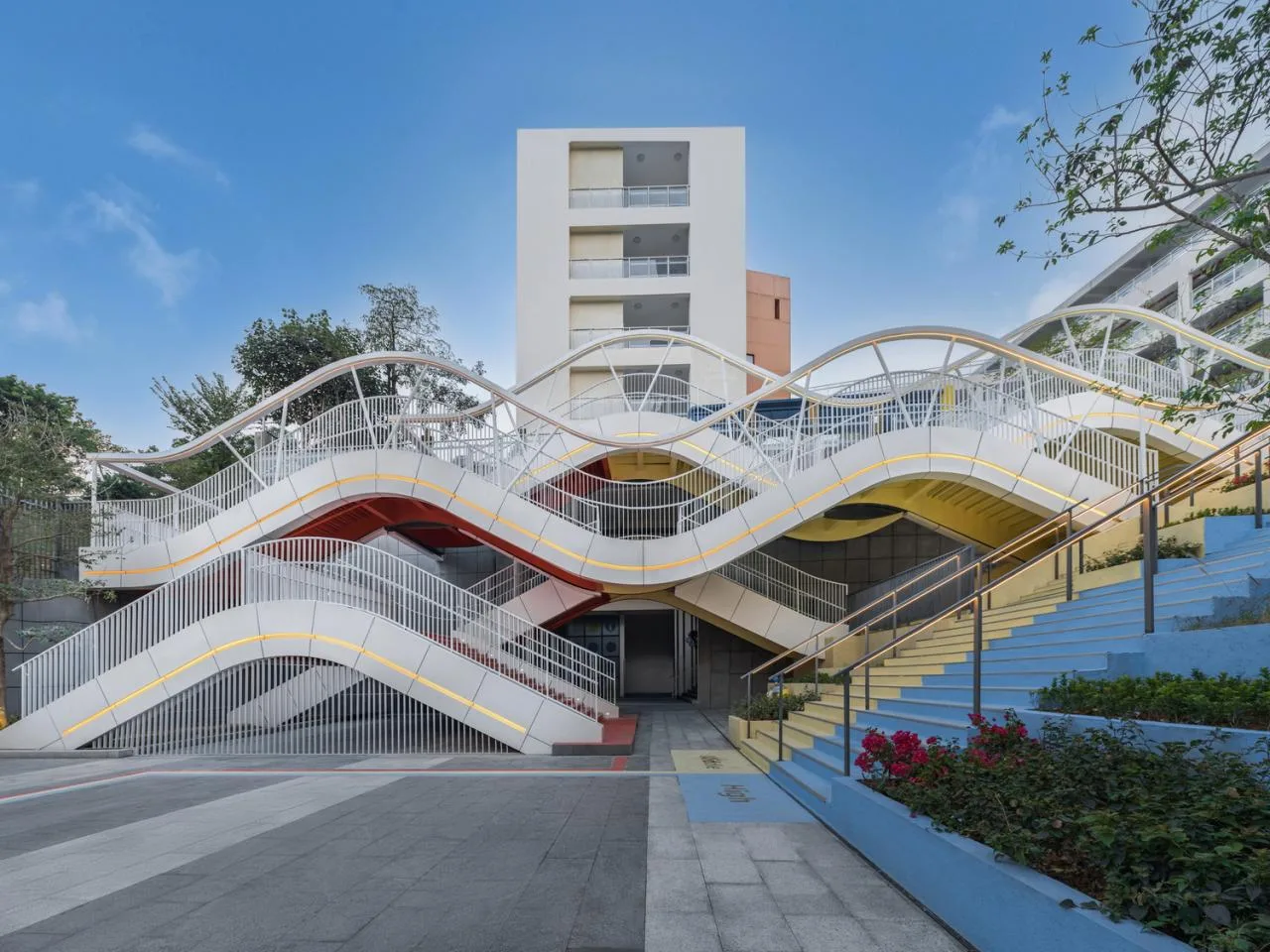
High-quality development is the core driving force behind today’s social progress. Educational reform increasingly focuses on how students can grow healthier and more holistically. Within this context, Shenzhen Tongji Ren Architectural Design Co., Ltd. was honored to lead the spatial renovation of Phoenix School in Guangming District. The total investment for this project was kept under 10 million yuan, a modest scale that isn’t driven by output value objectives. However, this smaller, more focused project allowed management, owners, designers, and builders to concentrate fully on the design itself. This focus enabled the team to address challenges directly and rediscover the joy of staying true to their original vision throughout the design and construction process.
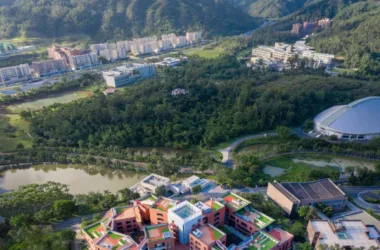
Phoenix School in Guangming District, Shenzhen, is a modern, integrated nine-year school featuring spacious and distinctive environments. As educational philosophies evolve, conflicts have emerged between the use of existing campus spaces and students’ behavior patterns. Additionally, significant height differences across the site have led to safety concerns, including cracking in several tall retaining walls. To address these issues, a campus safety hazard rectification project was launched, focusing on upgrading the east and west school gates, enhancing the quality of internal campus spaces, and improving overall safety.
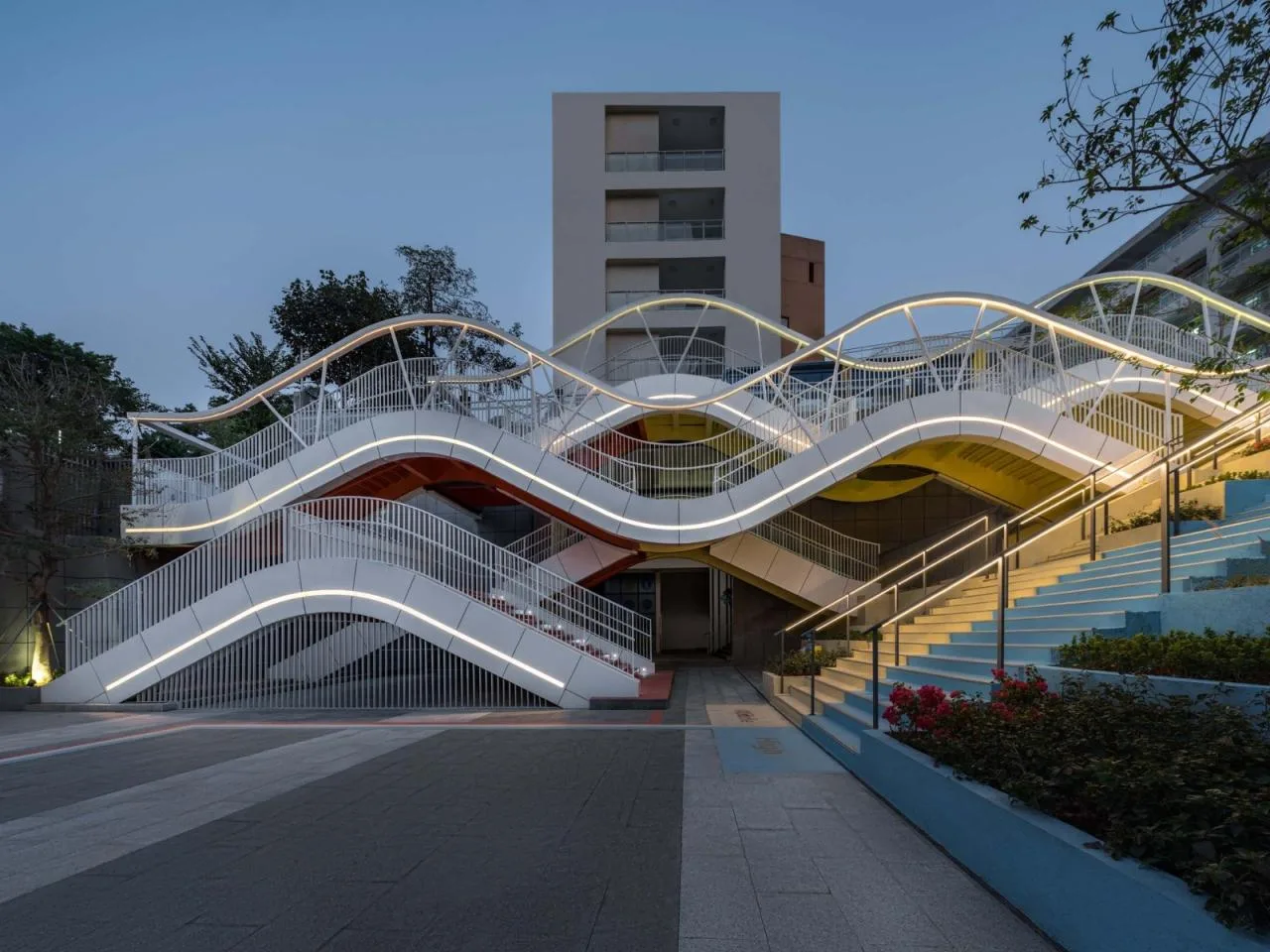
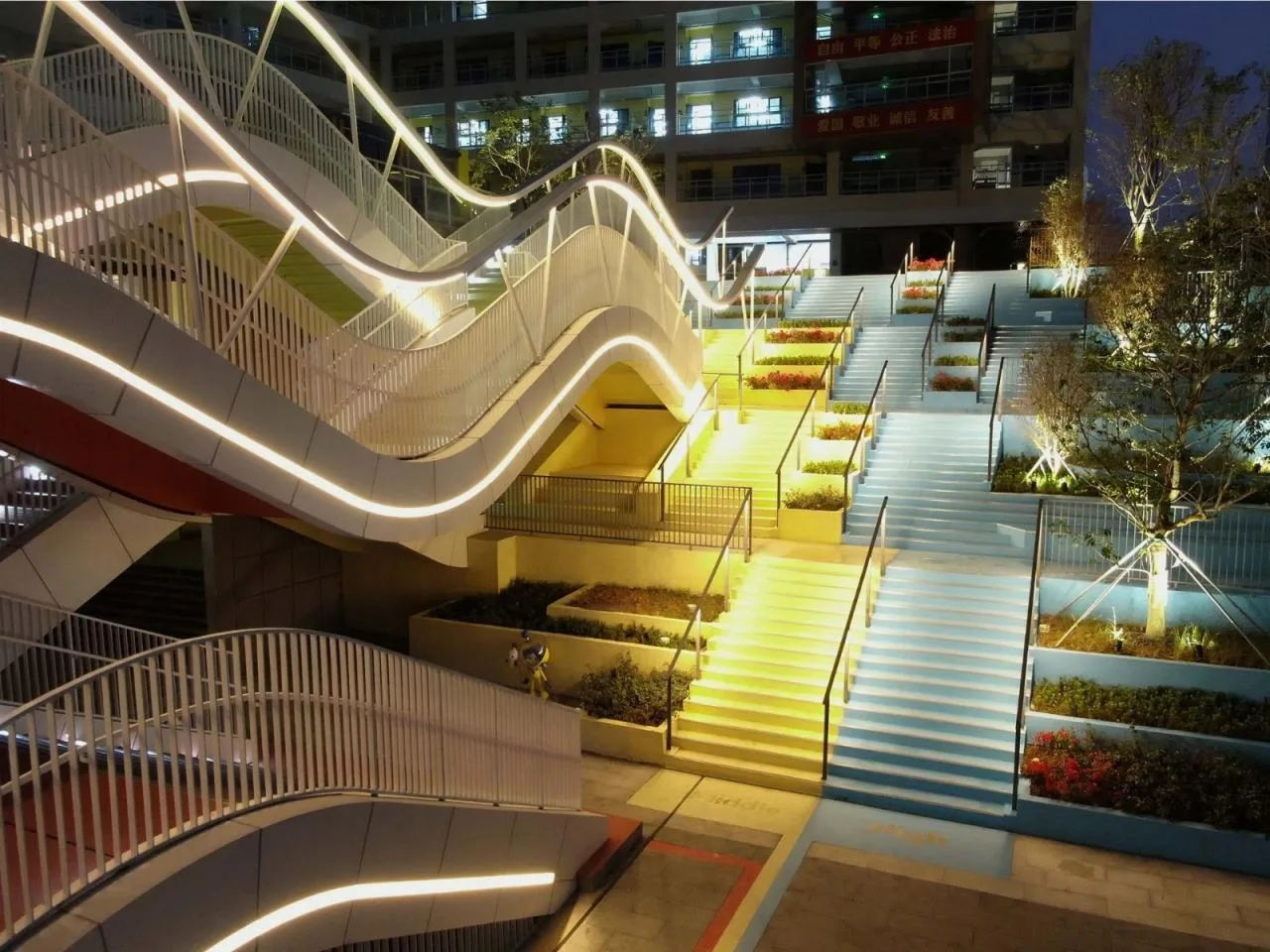
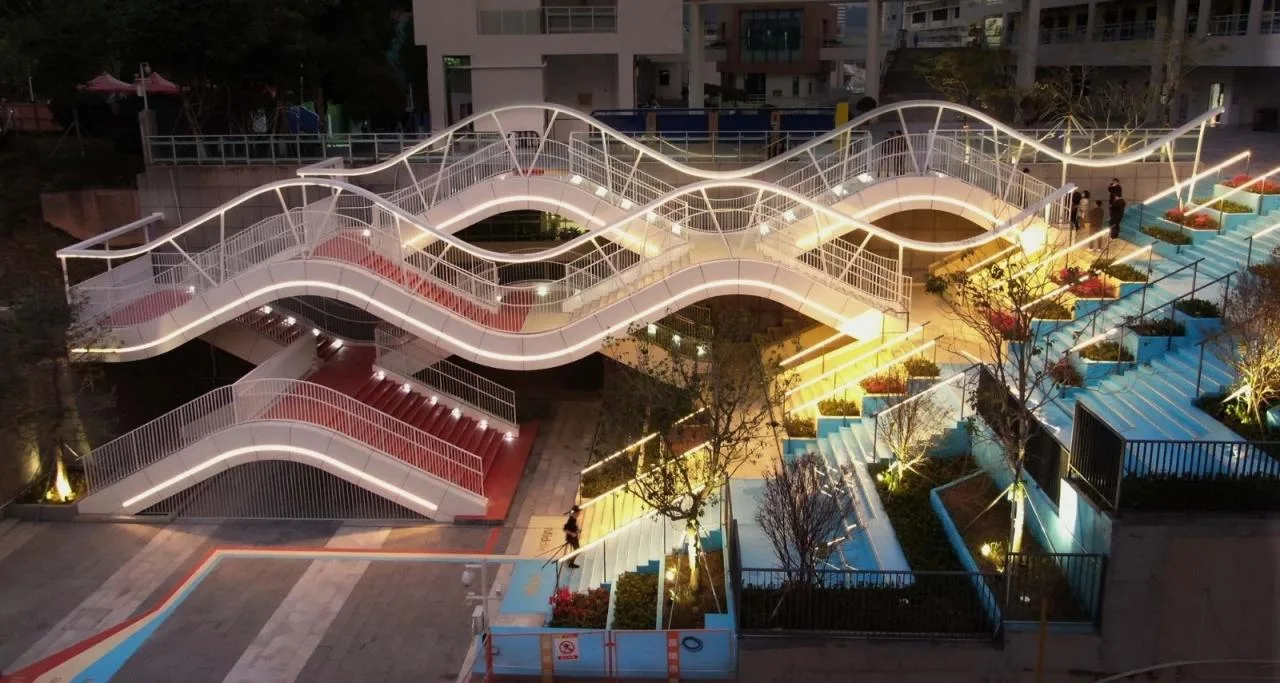
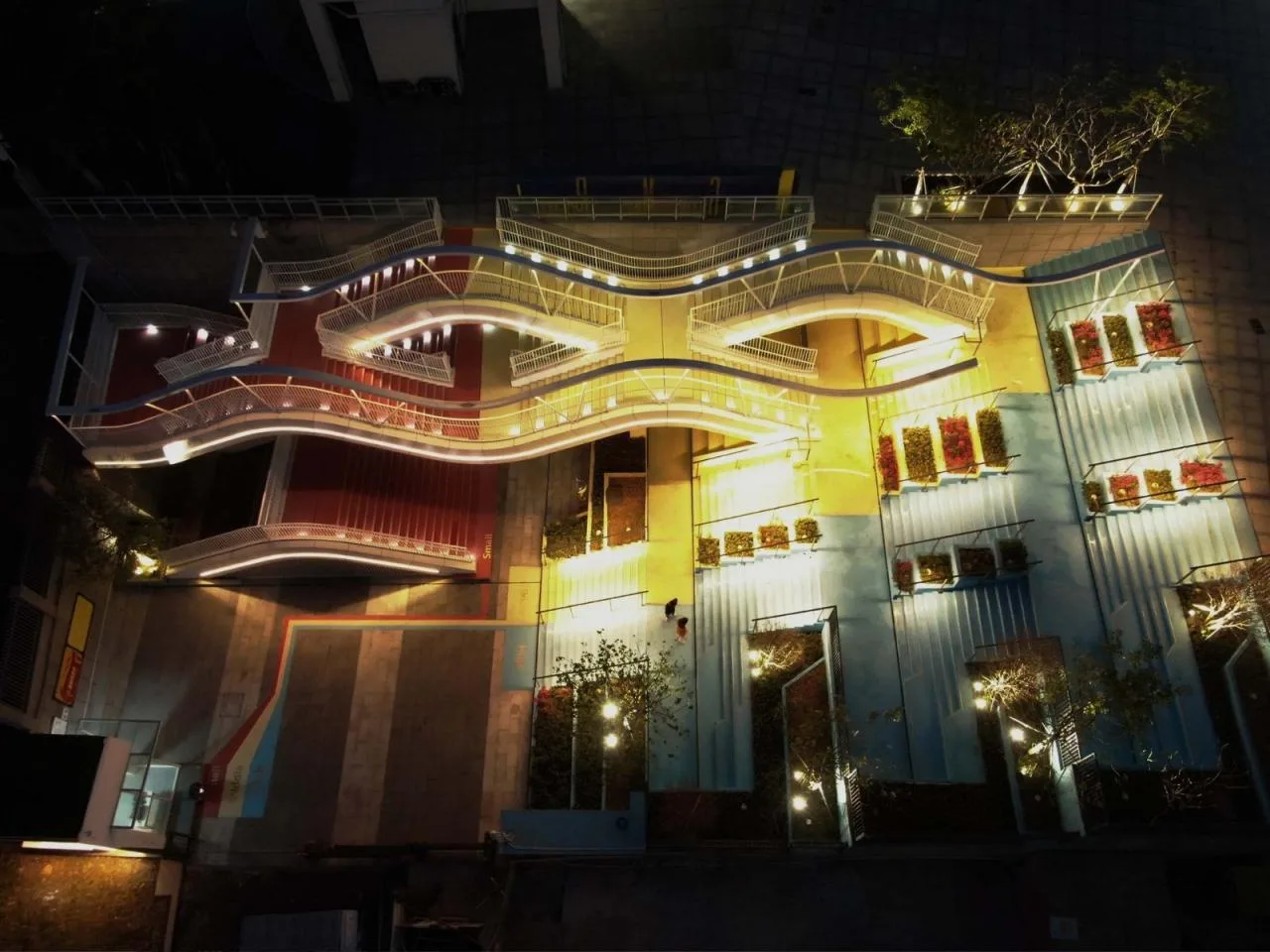
Ximen Corridor Bridge – “Playful Climbing, Learning Through Fun”
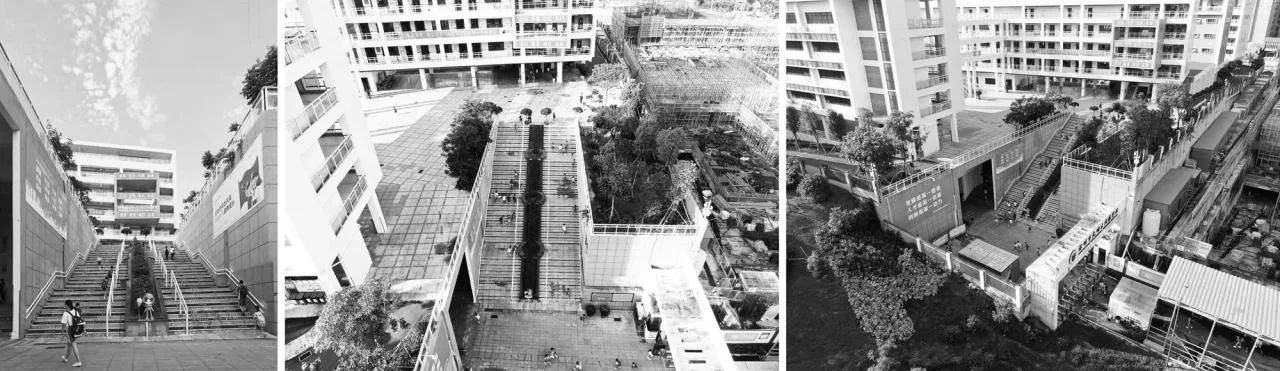
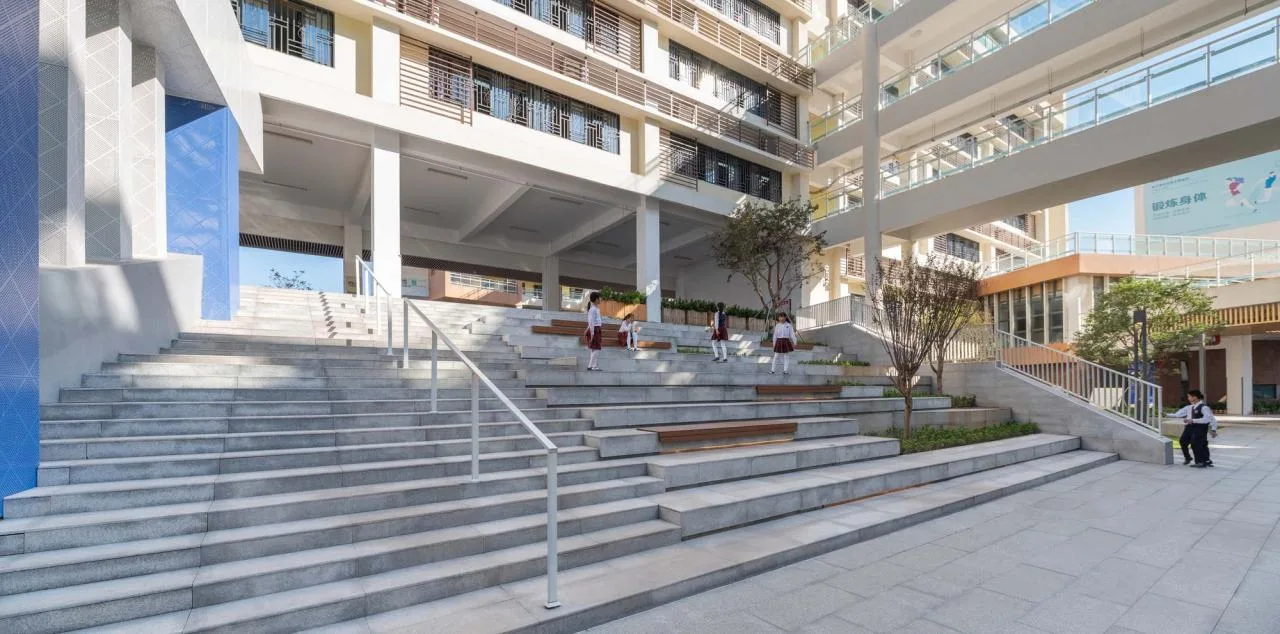
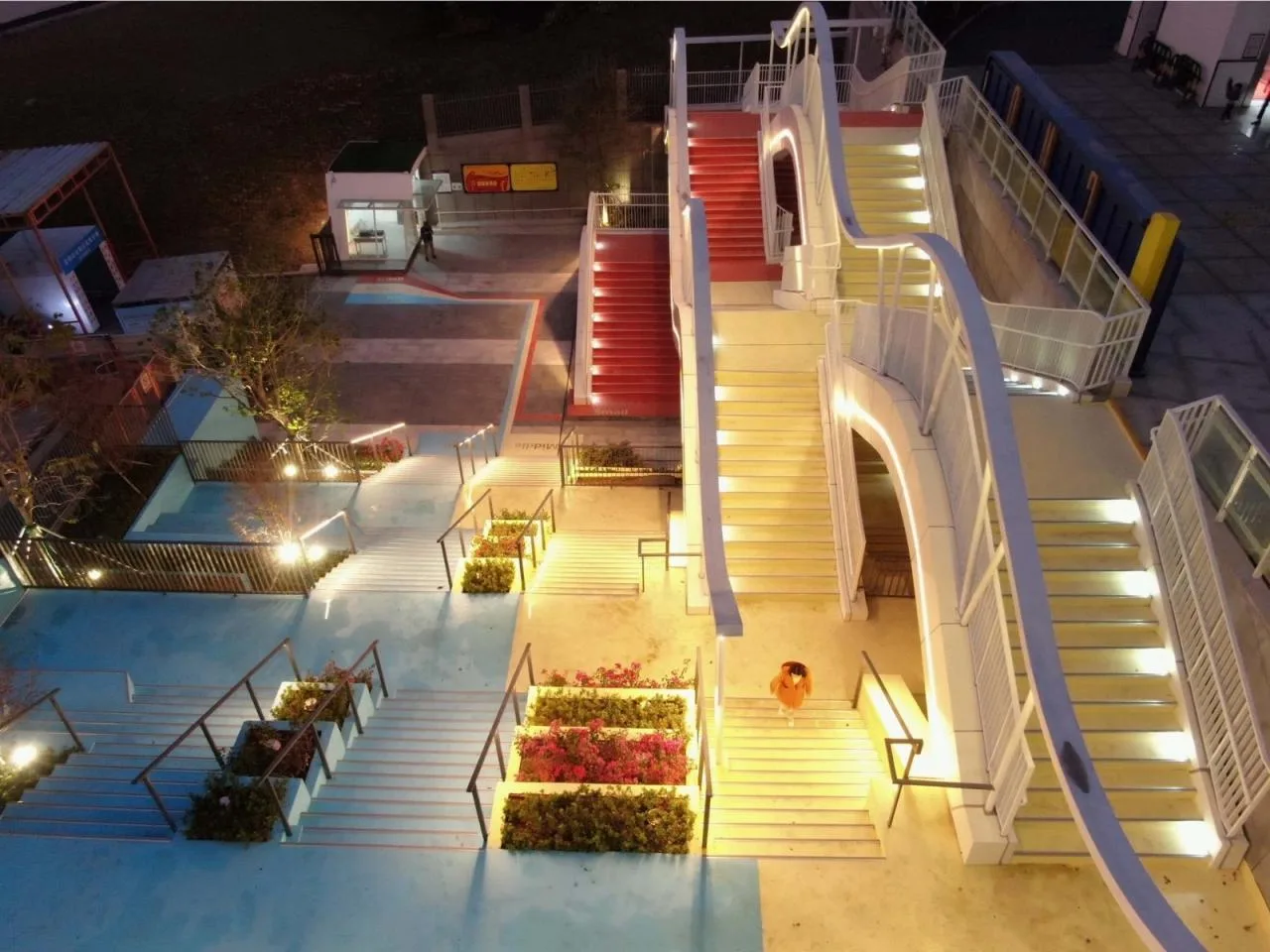
Several residential communities are located west of the Phoenix Dance campus, with the west entrance serving as the main access point for students. However, site constraints create a height difference of over 9 meters between this entrance and the campus square. The limited land area neither accommodates vehicular traffic effectively nor provides a safe, manageable route for children. While designers often favor climbing steps inspired by the ancient saying, “where there is a road, there is a path,” elementary school students often find these large staircases intimidating. In fact, at the start of the 2020 school year, the school had to employ a 12-person safety team to monitor students navigating the steep steps — a clear indication of the safety challenges.
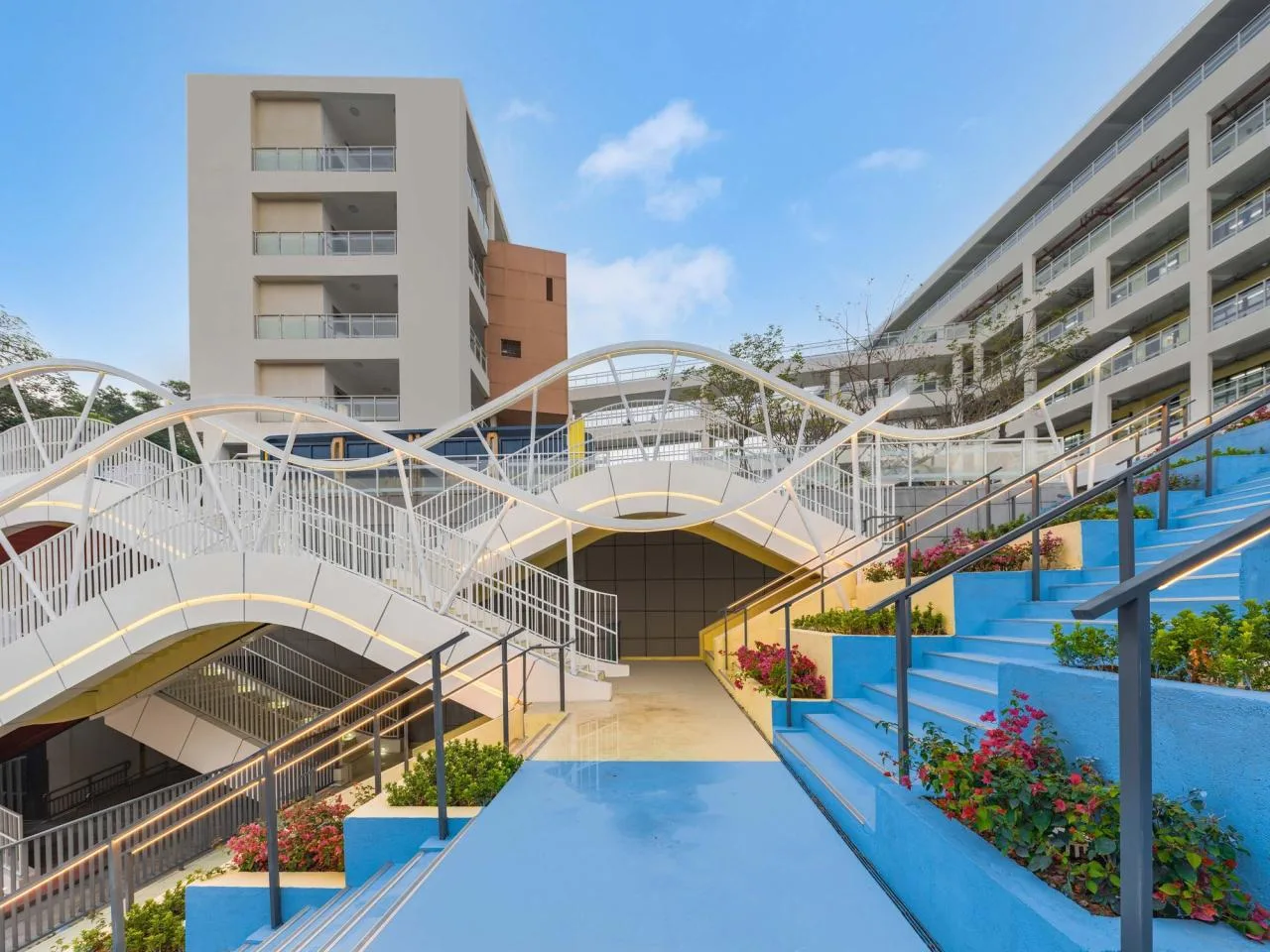
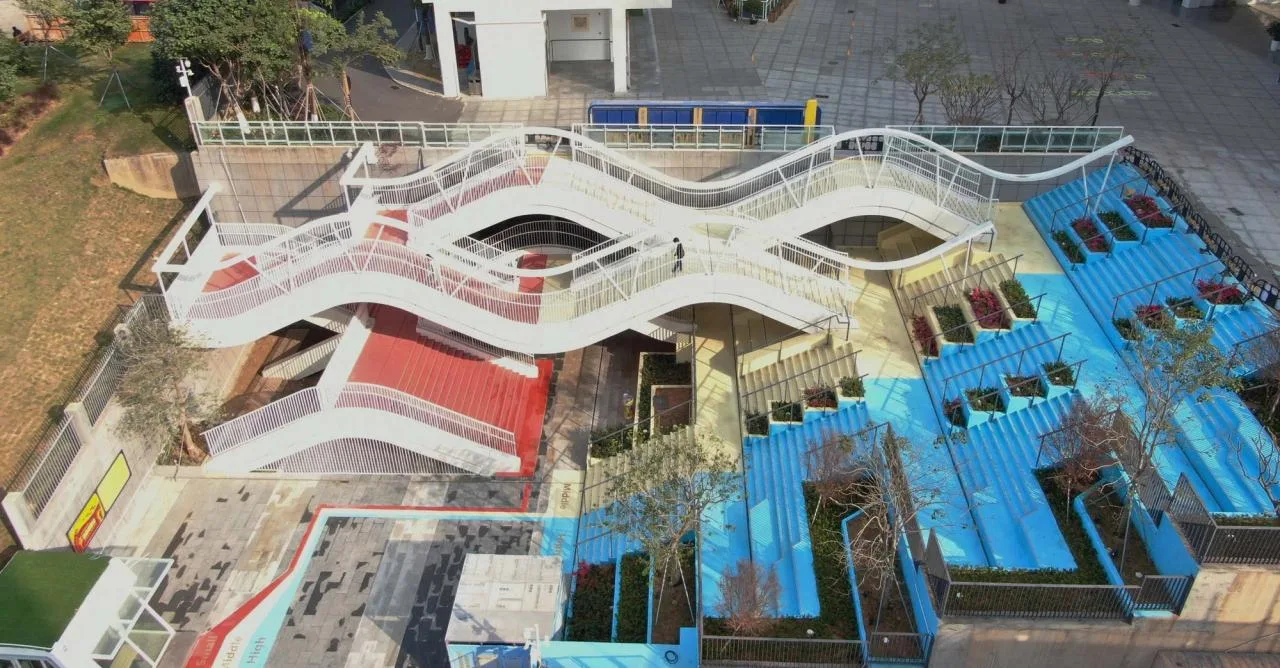
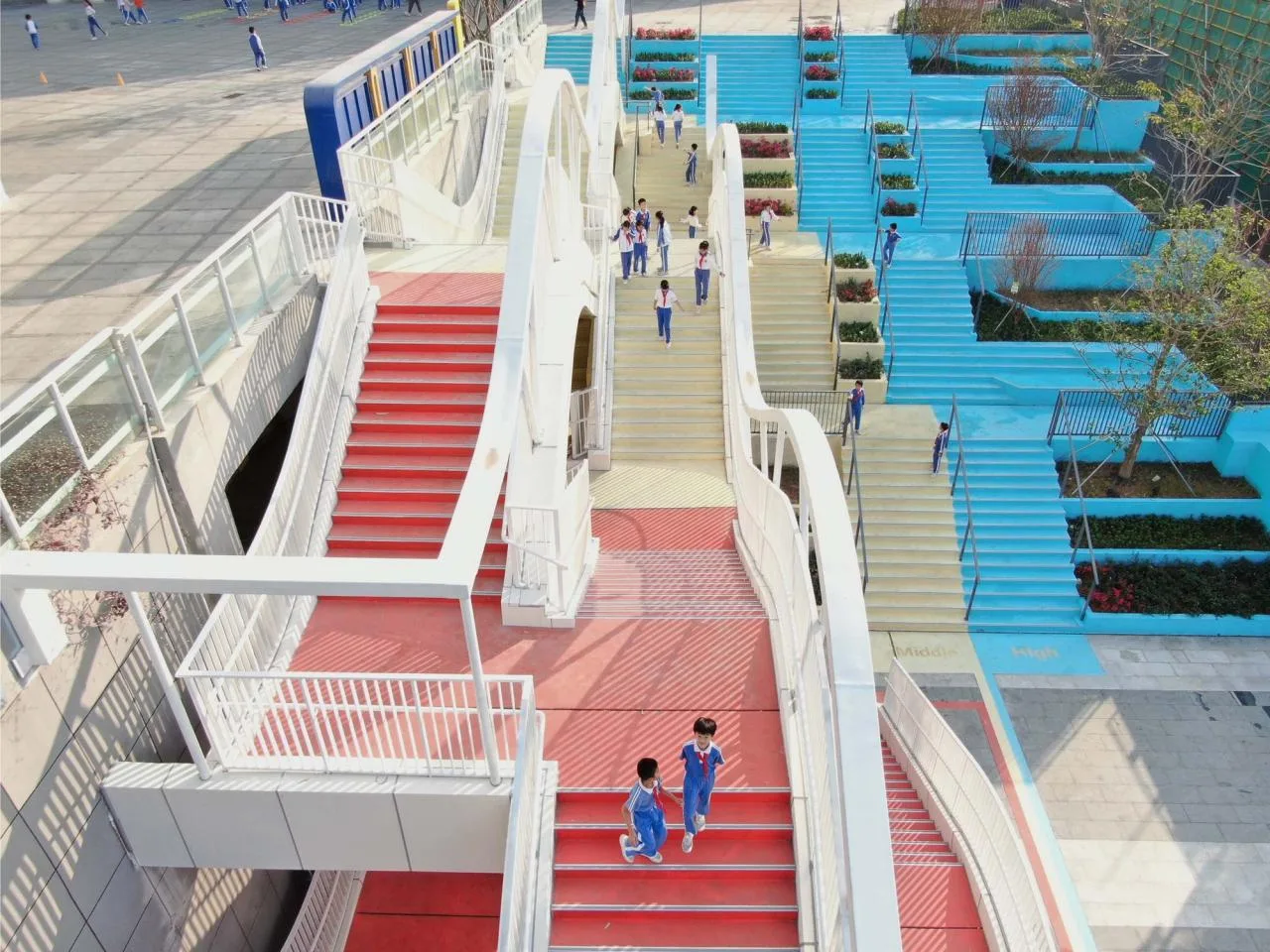
Our design objective was to create a safe, convenient, and enjoyable passage by thoughtfully addressing the site’s height differences. The concept focused on softening the steepness, reducing children’s fear of heights, and encouraging exploration. The original straight, steep stairs were not only unsafe but also daunting to climb. To improve this, we removed the restrictive green retaining wall, opening up the cramped space. The two straight staircases were broken down and a central green zone was introduced, forming a staggered pathway. This design enriches circulation space and significantly enhances safety for children.
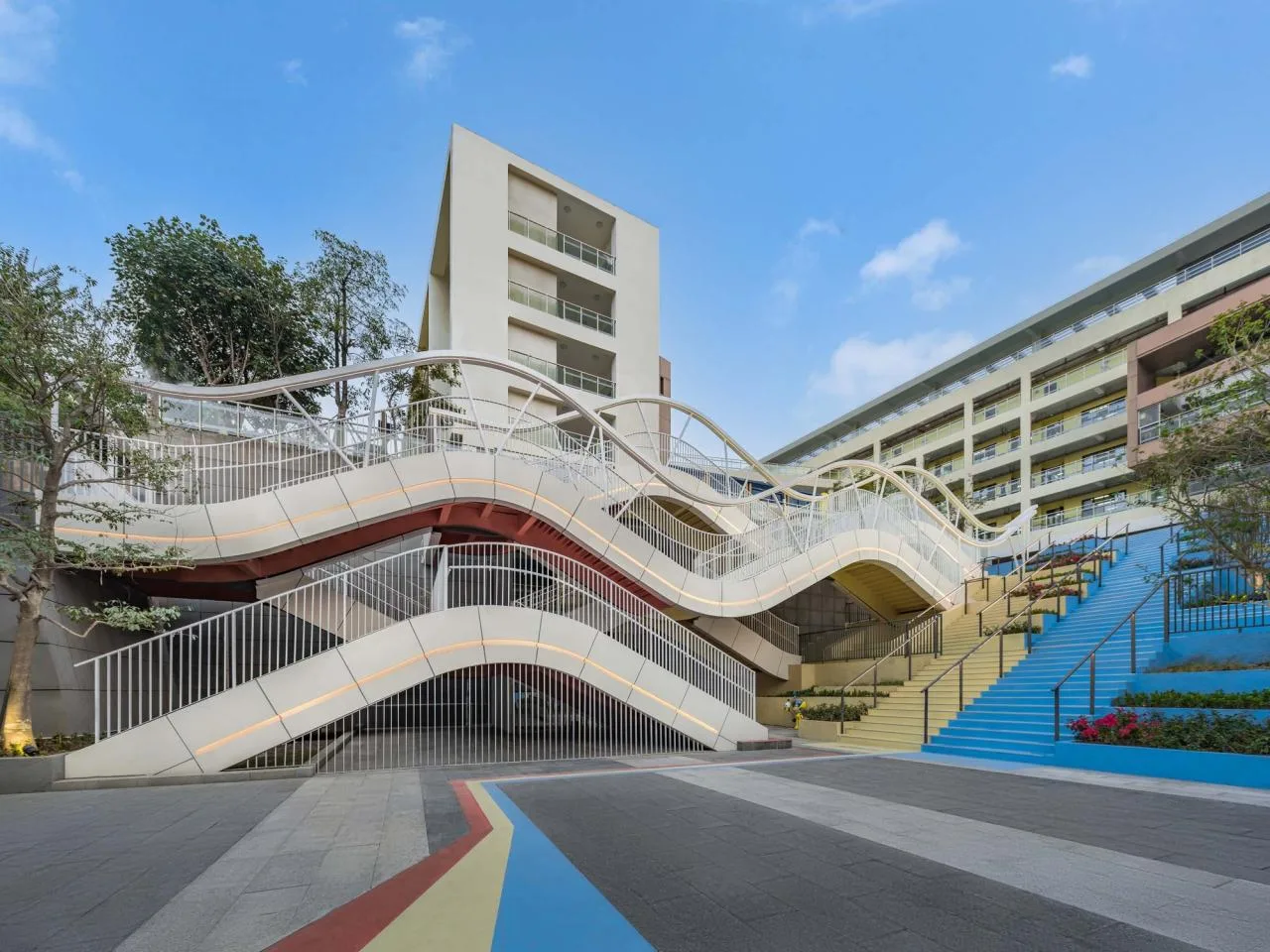
The standout feature is the introduction of a continuous, undulating steel staircase that weaves alongside the renovated landscape steps, creating a dynamic and varied path. This design offers children multiple engaging route choices. The flowing, expansive structure challenges traditional perceptions of stairs, resembling rolling hills, drifting clouds, or surging waves, evoking vivid imagery. This multidimensional space inspires curiosity and playfulness, allowing children to start their school day through fun and exploration, truly integrating education with entertainment.
Dongdaemun Entrance
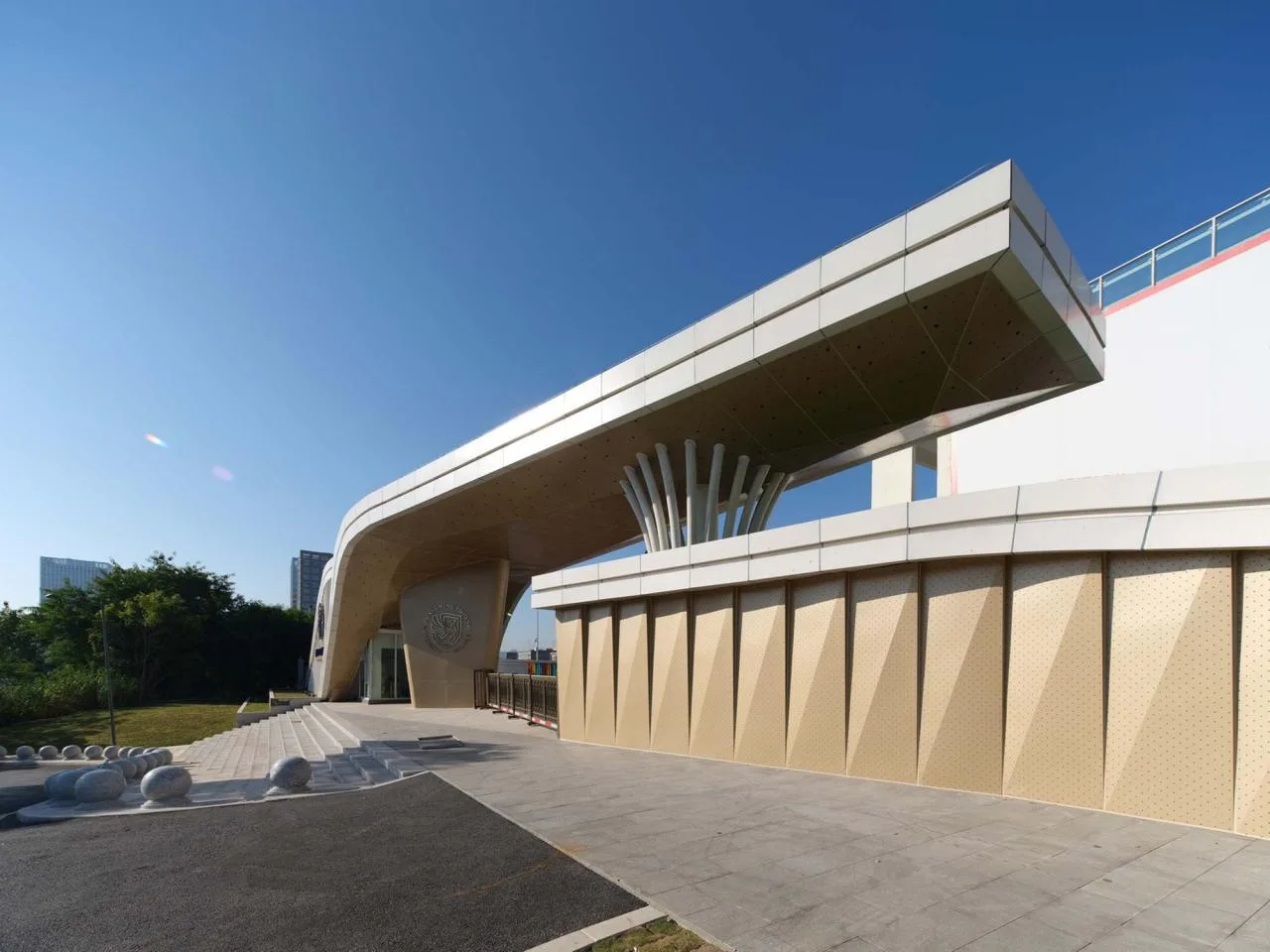
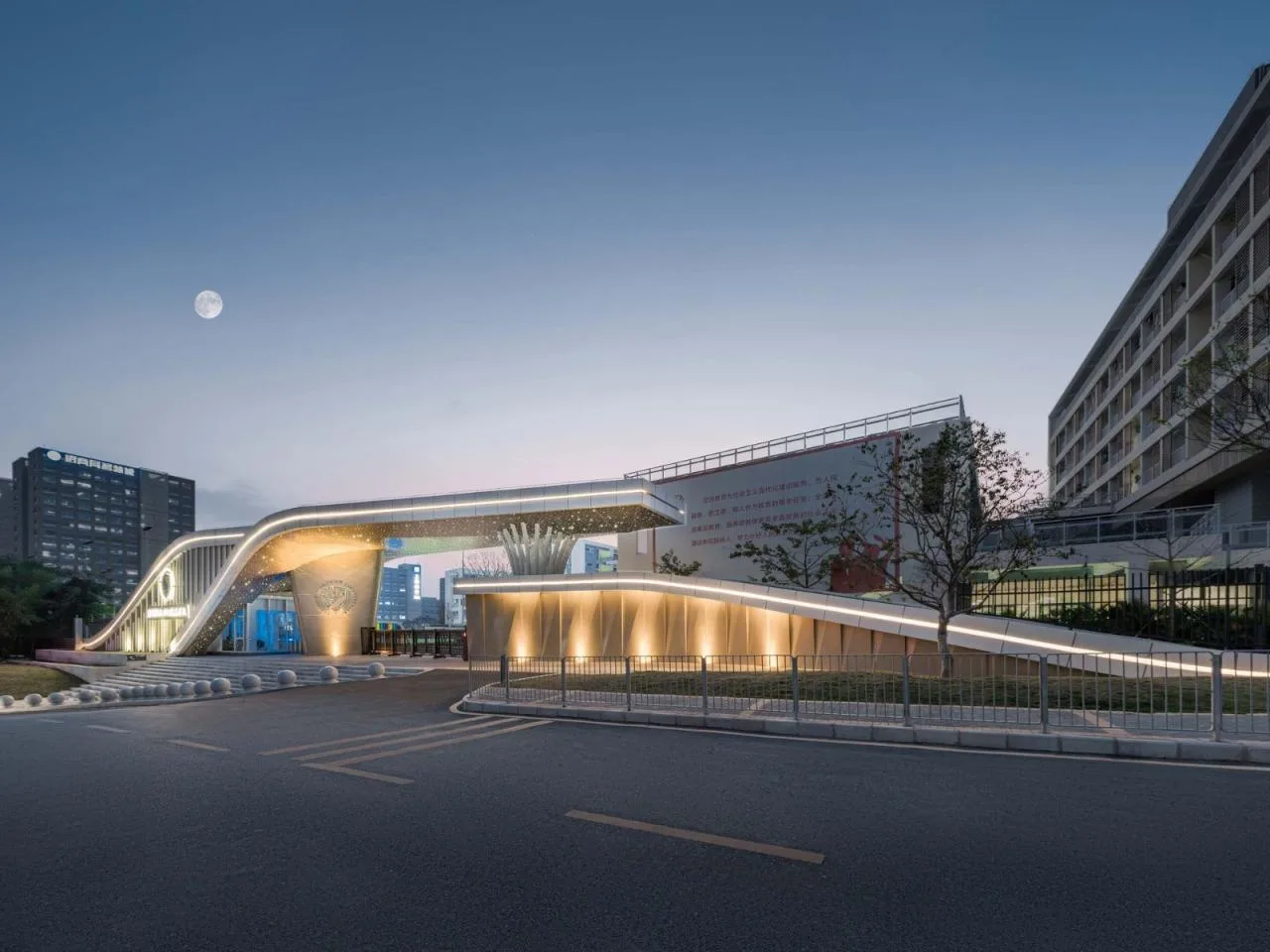
With the metaphor of “Fenglaiyi spreading its wings and soaring,” the original south-facing main entrance was compromised by subway construction occupying the land in front of the steps. The significant height differences in this area led to abandonment. The school sought to reopen its main entrance on the east side, facing Guangqiao Road, to better serve car drop-offs and ceremonial events. Facing limited space and budget, we collaborated closely with the construction team, conducting repeated site surveys throughout the build to adjust the design and cleverly avoid underground pipelines and shafts. This resulted in a practical and efficient site plan.
The slender school gate design incorporates a buffer zone between the gate and city road, created by the left and right stacked wing forms. The broad main wing naturally forms the entrance space. The wings feature white aluminum panels along the edges, producing dynamic, undulating shapes. Under the main wing, golden perforated aluminum panels with lighting simulate a starry night, creating a spectacular evening effect. The folded metal walls on the side wings cast deep shadows, resembling partially unfurled feathers. The entire gate mimics a phoenix spreading its wings, its light and graceful form reminiscent of a dancer, symbolizing the hopeful meaning of “the arrival of the phoenix, spreading its wings and soaring.”
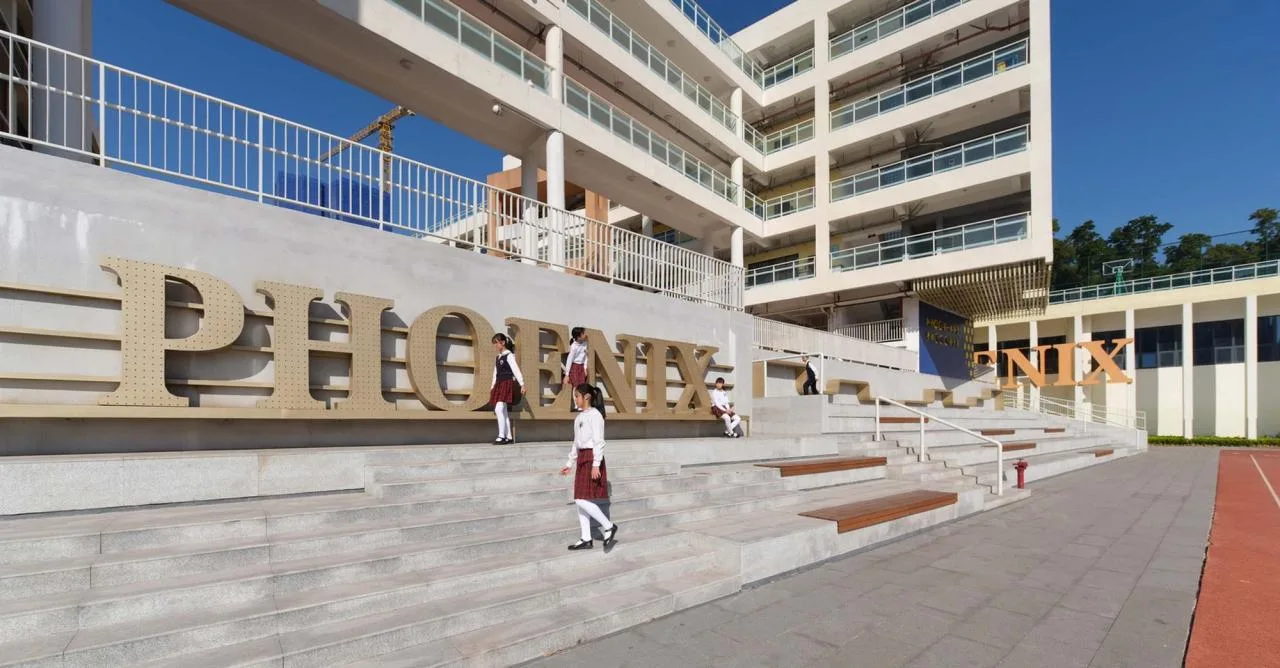
The interior playground space was raised, with original steps that were narrow and tiled in glazed ceramic. We expanded outward from the original steps, lowering and widening the bench steps, and added wooden benches in some areas to improve comfort. The addition of phoenix motifs and flowing ribbons on the backrests enhances the sporty atmosphere and complements the venue’s spirit.
Rhythm Square
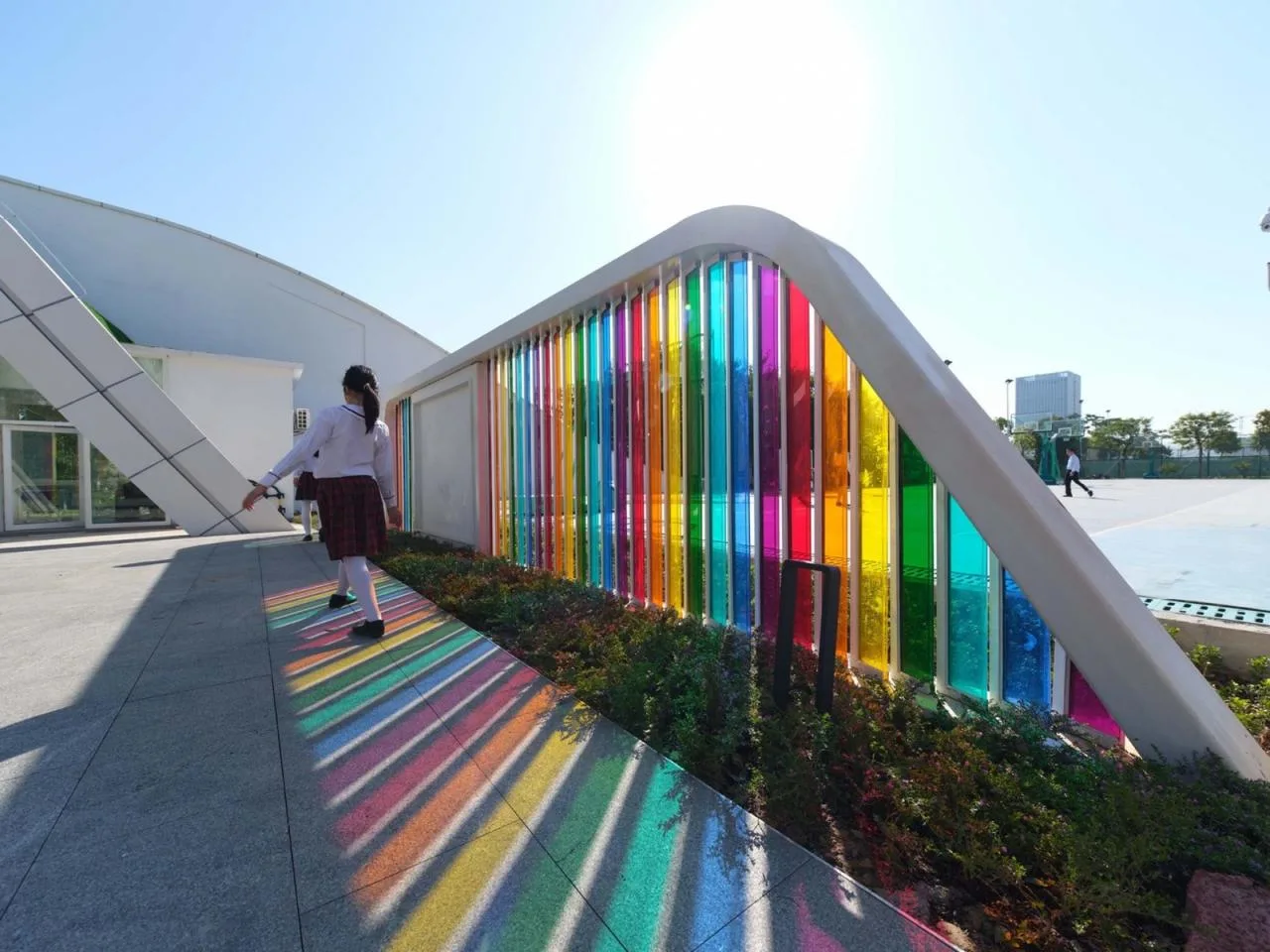
Memorable venues leave lasting impressions. To achieve this, we optimized the original steps and benches, transforming a corner space into a small ecological playground. Opposite the steps, a staircase was converted into a wind chime wall curtain, creating subtle yet impactful changes. This new space offers students a platform to showcase their talents, turning Rhythm Square into a vibrant hub where artistic expression flows freely.
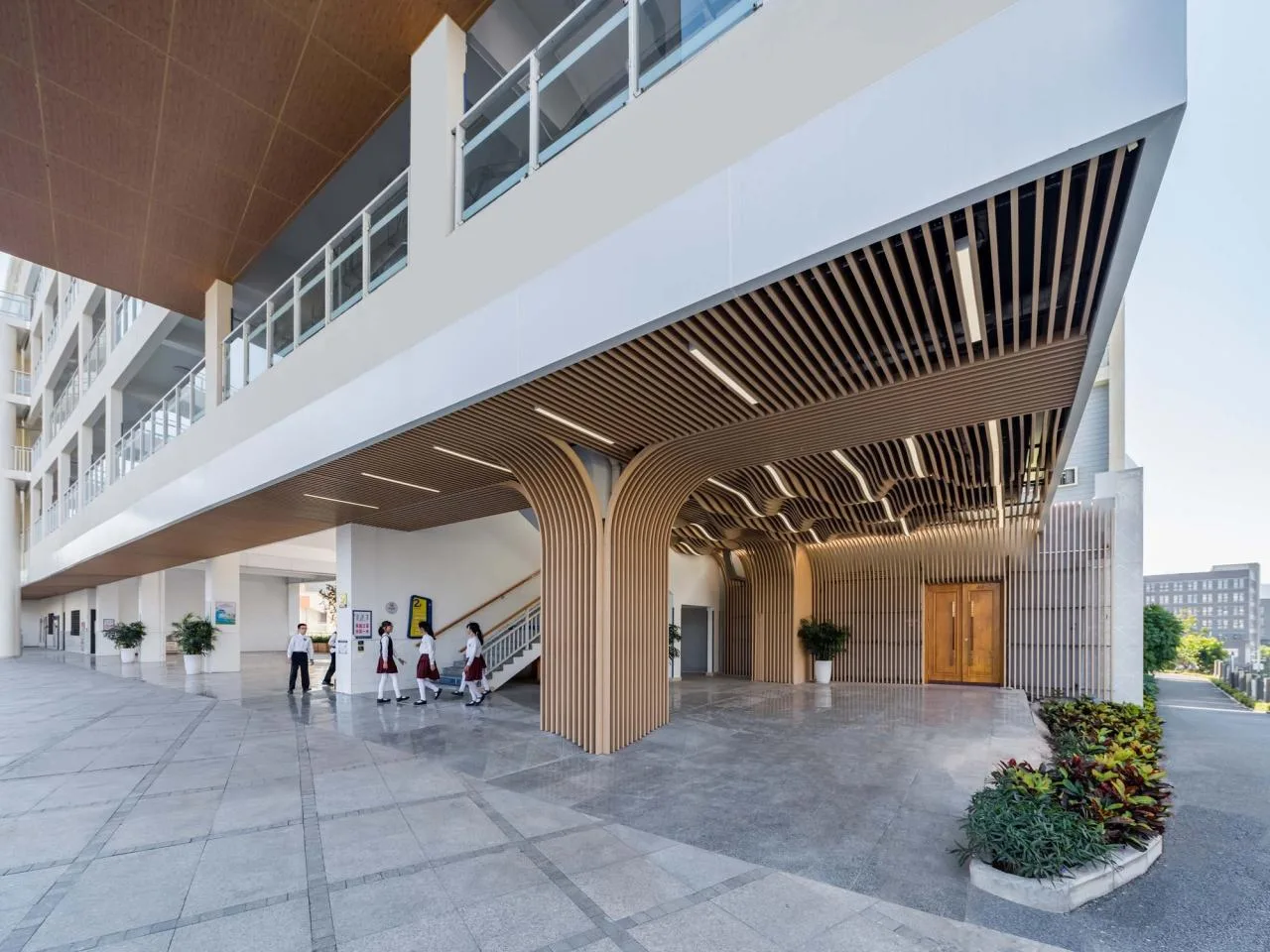
The lecture hall entrance was cluttered with exposed pipes on the ceiling. We unified the lobby with undulating wave-shaped grilles, turning an overlooked corner into a welcoming, playful space where students can relax and linger.
The renovation of Phoenix School was completed rapidly, from project inception to operation. To minimize disruption to teaching, most construction took place during the two-month summer vacation of 2021. Throughout the process, management, school administrators, and designers engaged in intensive communication, refining plans and improving details continuously. Thanks to the full cooperation of the construction team, the project achieved a highly satisfactory outcome.
Conclusion
While we have designed many large-scale urban projects, including numerous updated and newly built building complexes, we also prioritize the quality of everyday life in smaller spaces. By carefully observing people’s behavior and considering how emotions influence actions, we believe that innovation begins with attention to detail. Starting with small-scale interventions, we strive to be innovators and enhancers of micro-environments.
Project Drawings
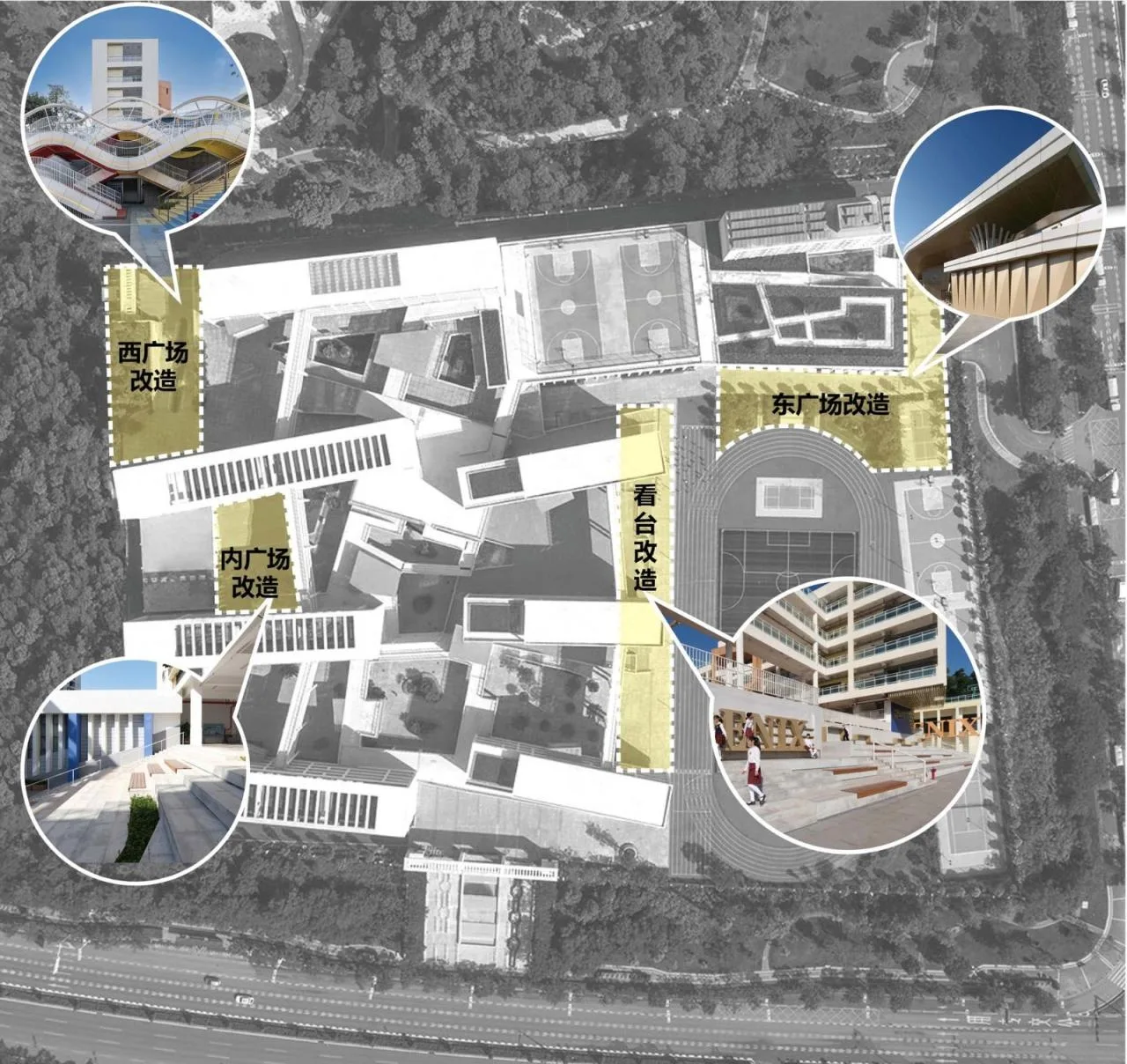
△ Renovation zoning map
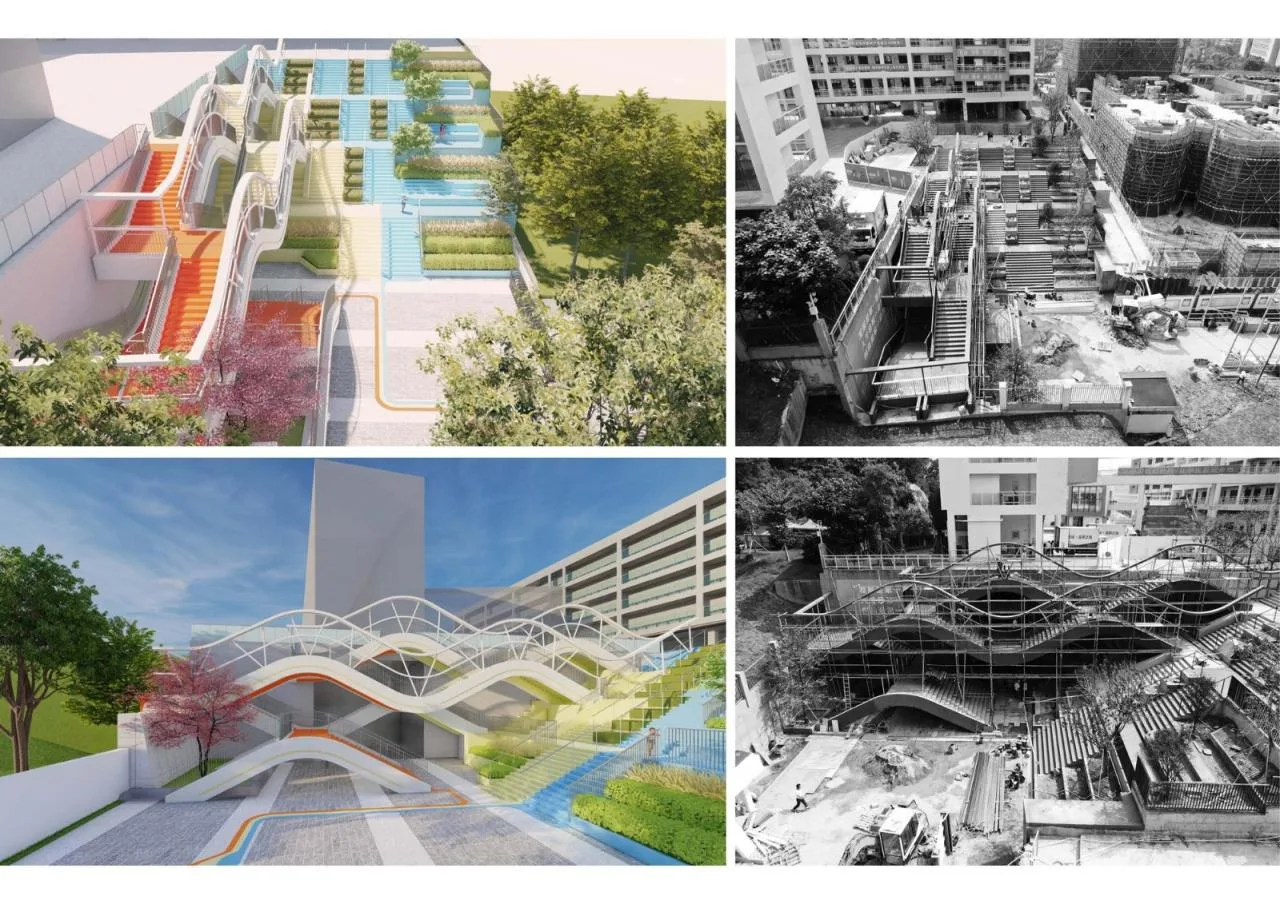
△ Transformation and process diagram
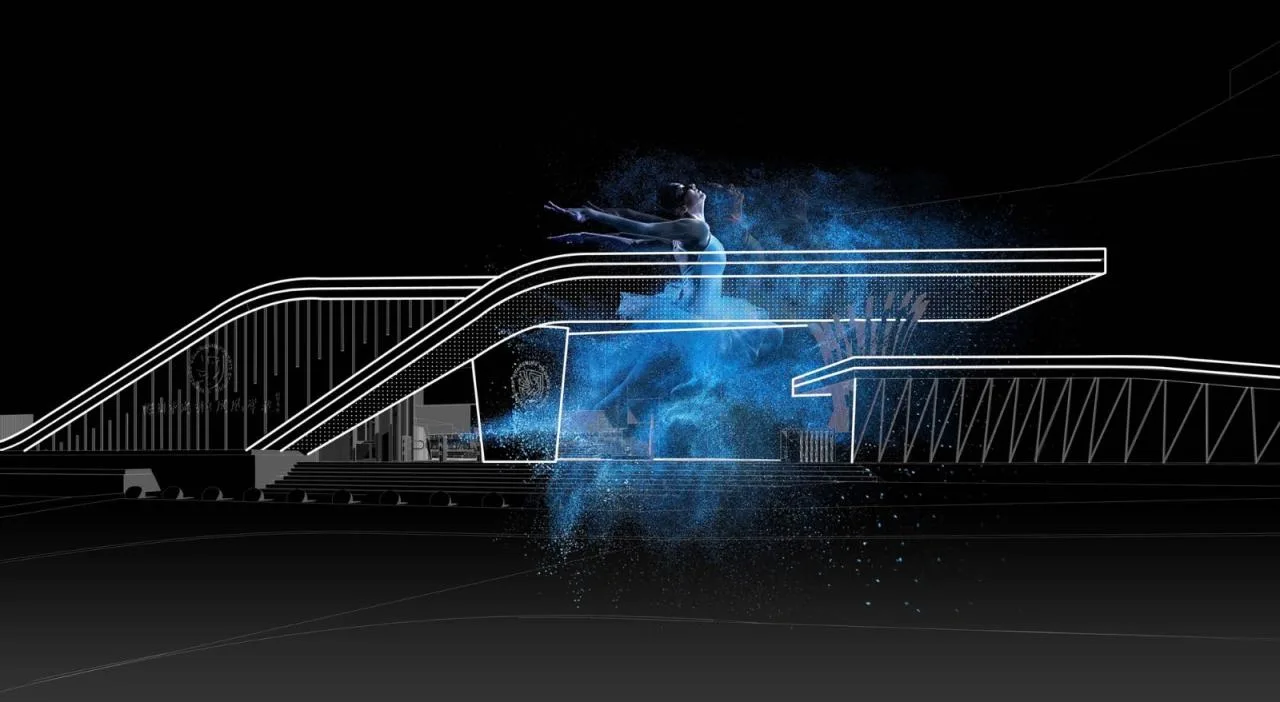
△ Concept analysis chart
Project Information
Architectural Design: Tongji Architecture Design, Shenzhen
Project Year: 2021
Photographer: Chen Guanhong
Principal Architects: Ye Yutong, Wu Shijie, Zou Chunxia, Chen Kunxin
Structural Design: Wang Wenyu, Li Xiang, He Wankang, Xu Jing
Landscape Design: Bao Zhipeng, Hou Rui, Tan Guifang, Zhao Xiaoting, Liu Peng
Water Supply and Drainage Design: Huang Jinzeng
Electrical Design: Wu Yiwu, Tang Ding
Cost Estimation: Yan Tao
Client: Phoenix School, Guangming District, Shenzhen
Location: Shenzhen, China















Must log in before commenting!
Sign Up