
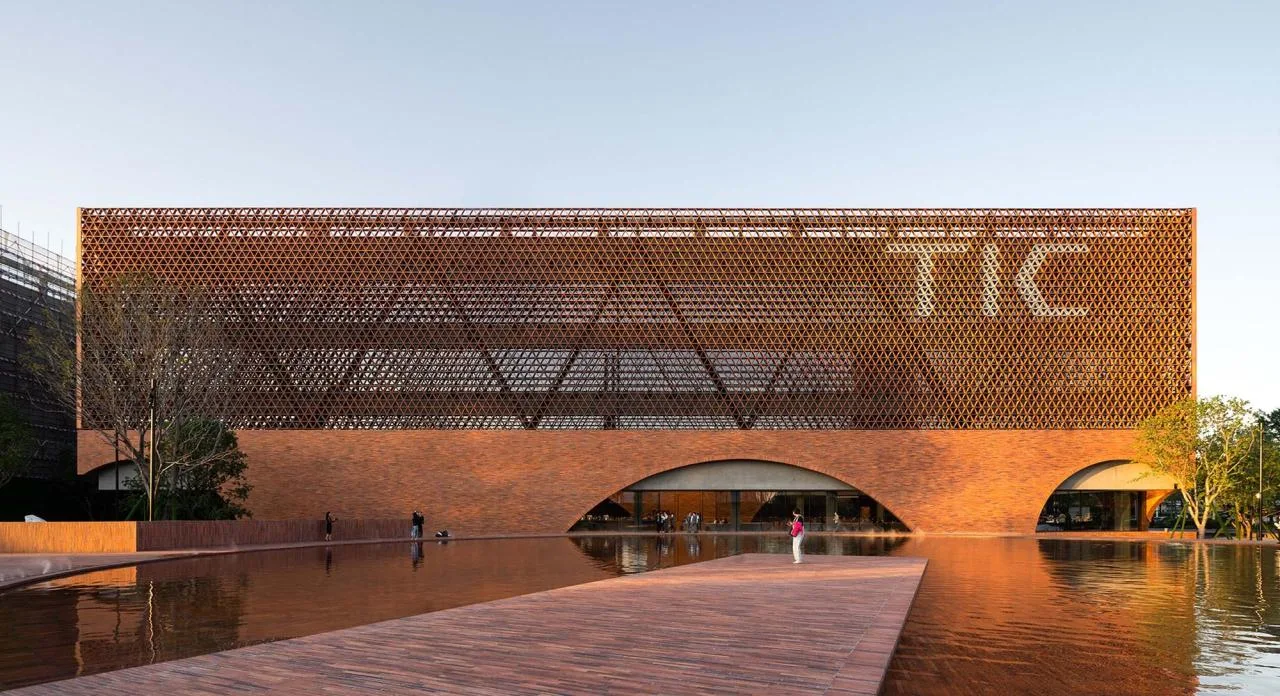
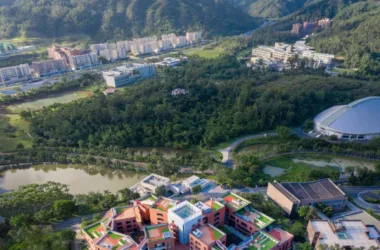
The TIC Art Center, the flagship project of Times Maker Town, represents a significant investment of approximately 180 million yuan. Times China has once again entrusted the acclaimed Chinese design firm DOMANI Dongchang Construction with the full scope of this project, encompassing landscape, architecture, interior, and product design. Collaborating with top-tier industry experts, they have created a rare, high-quality development characterized by exceptional integrity, construction standards, academic and commercial value, and urban significance. The successful completion of this project marks Era China’s official entry into a long-term phase of product evolution focused on premium developments.
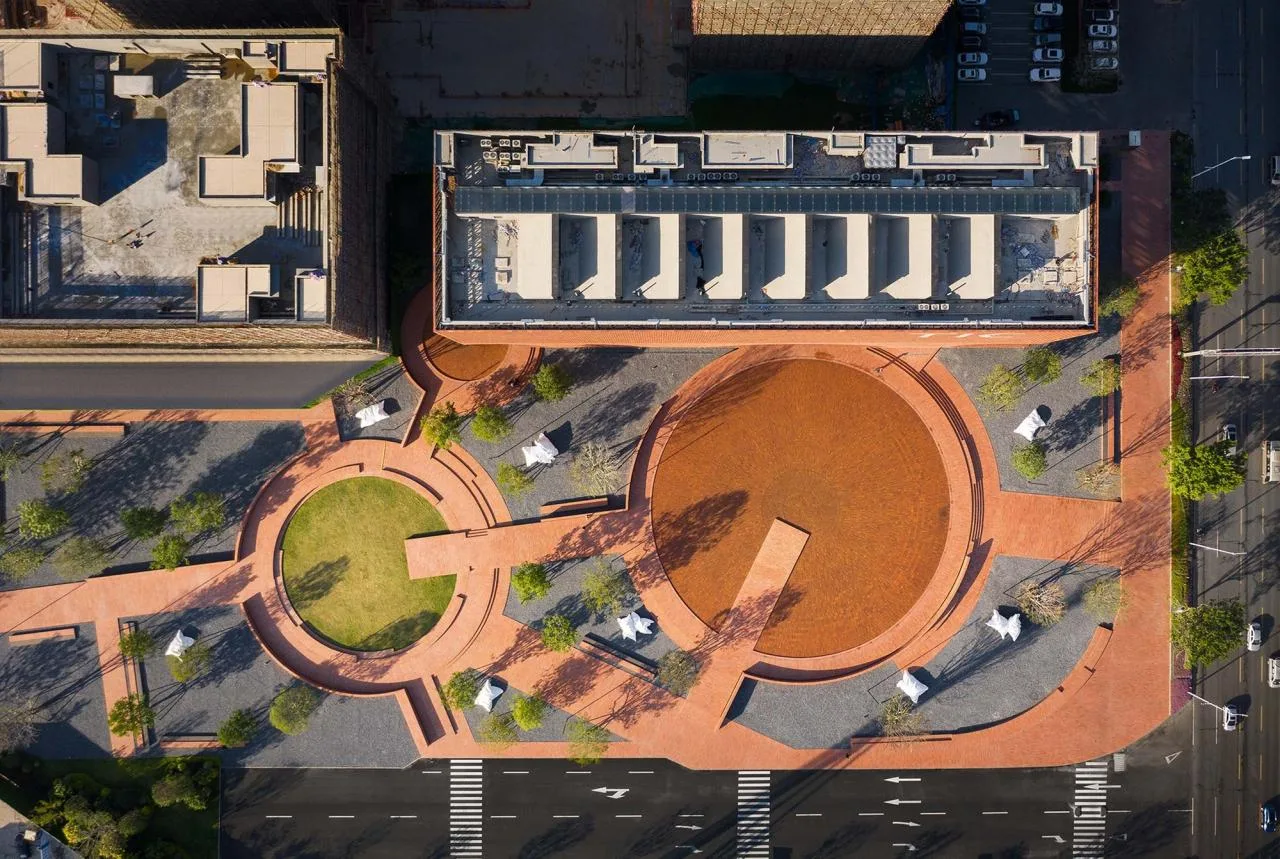
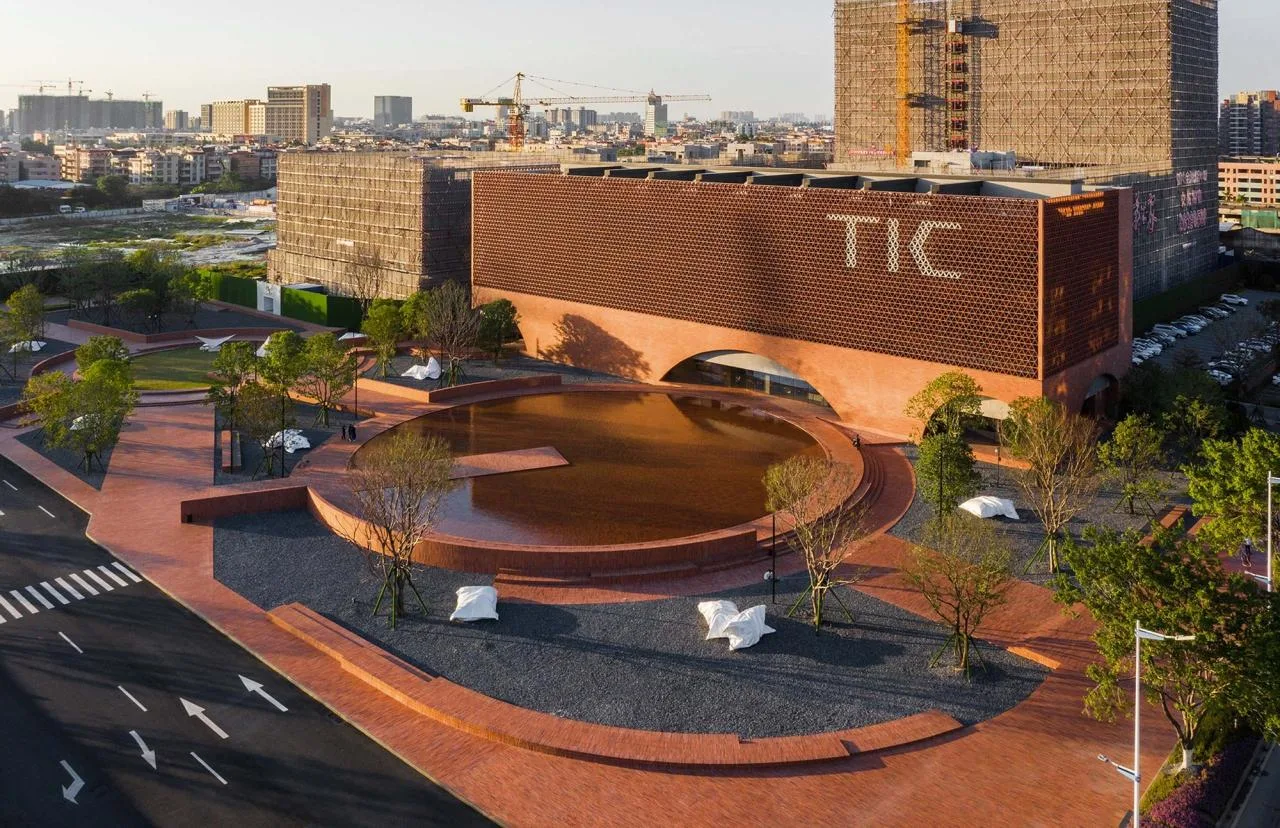
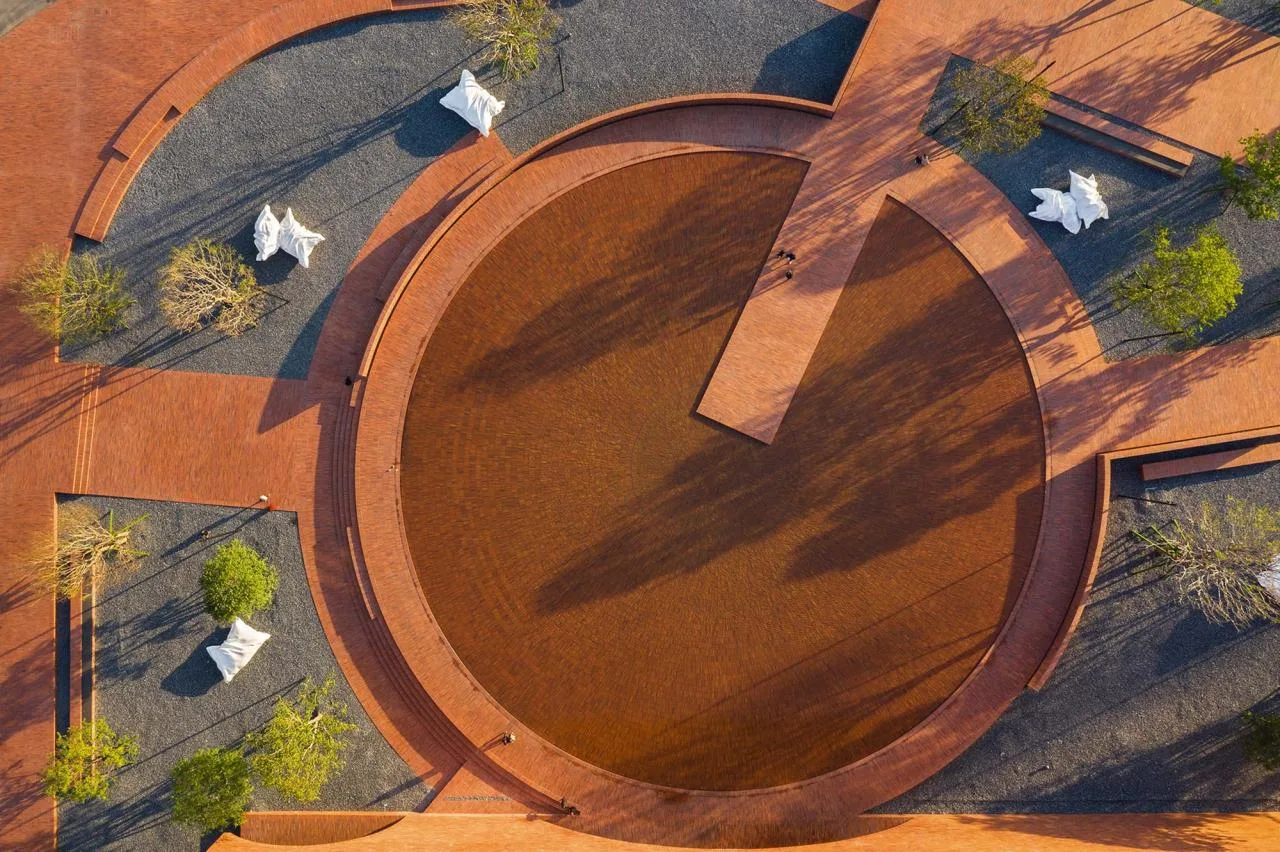
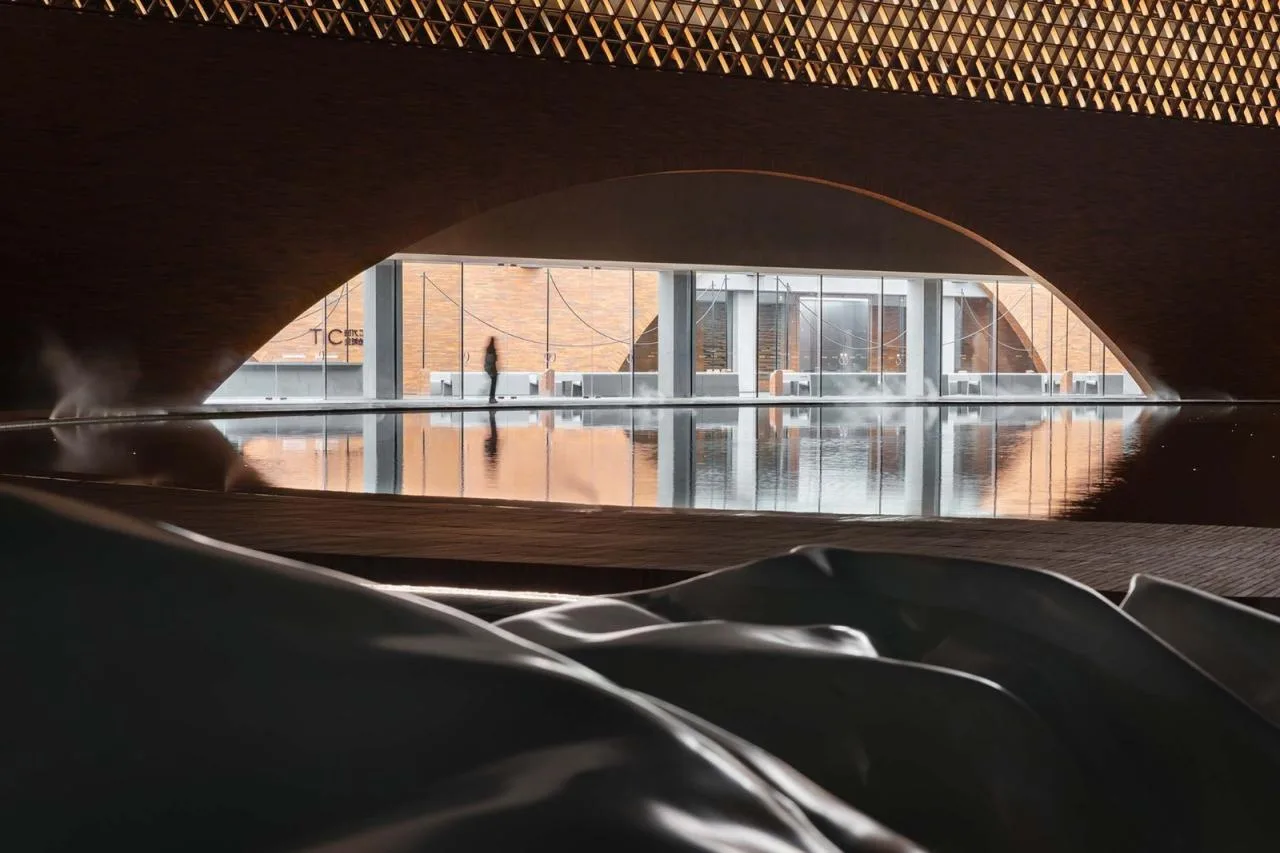
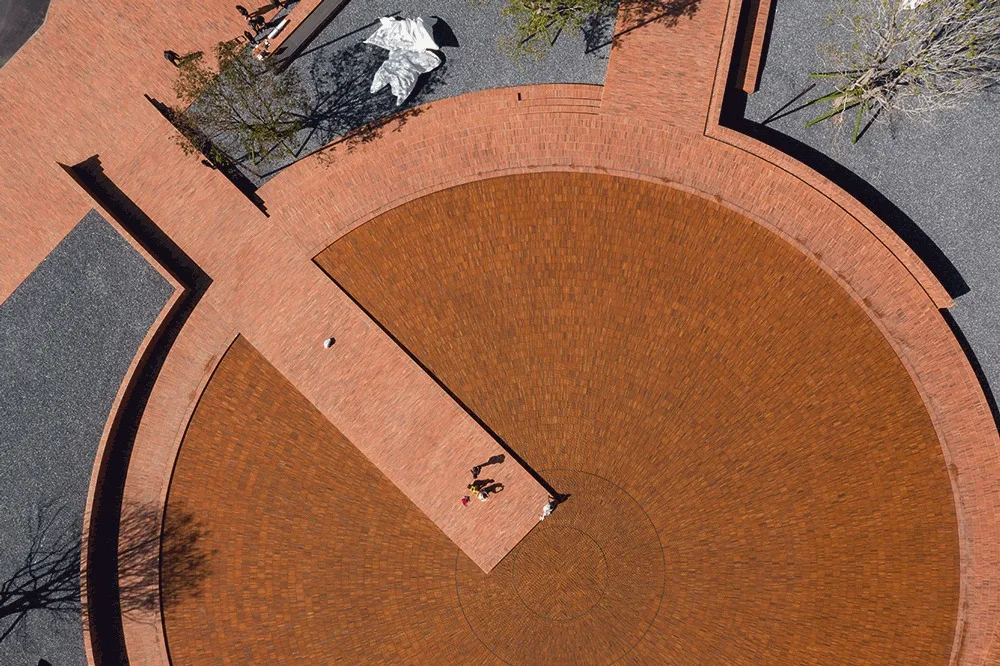
The landscape serves as the project’s grand introduction, offering a vibrant and dynamic entrance. The design divides the landscape into upper and lower layers: a red ceramic brick pathway imparts a ceremonial atmosphere and clearly guides visitors to each entrance, while a geometric garden area paved with black gravel offers an open, flexible space for rest and play. These two spatial layers intertwine through a three-ring connection, creating a rich, multi-directional flow. The centerpiece is an iconic large circular pool, a popular check-in spot for visitors and one of the largest man-made shallow water features in Guangzhou.
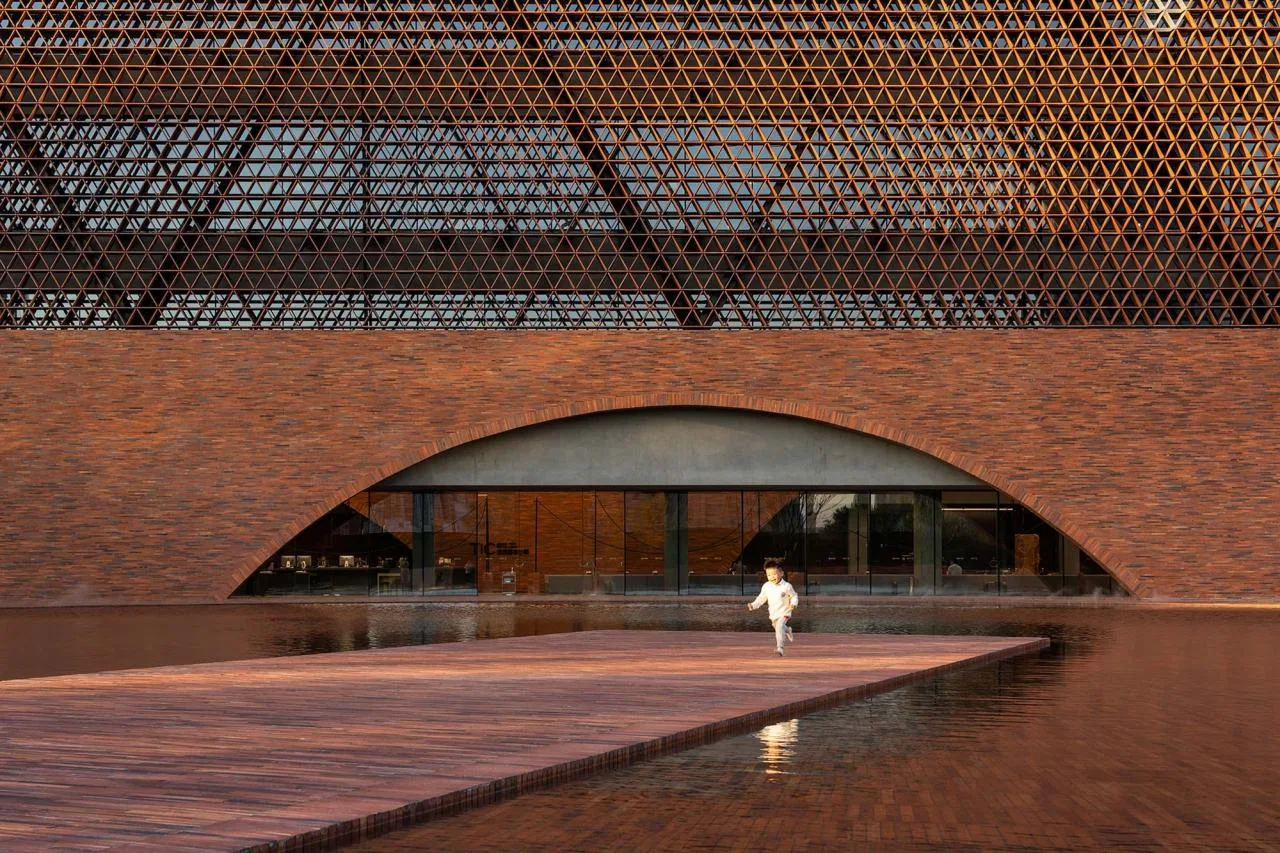
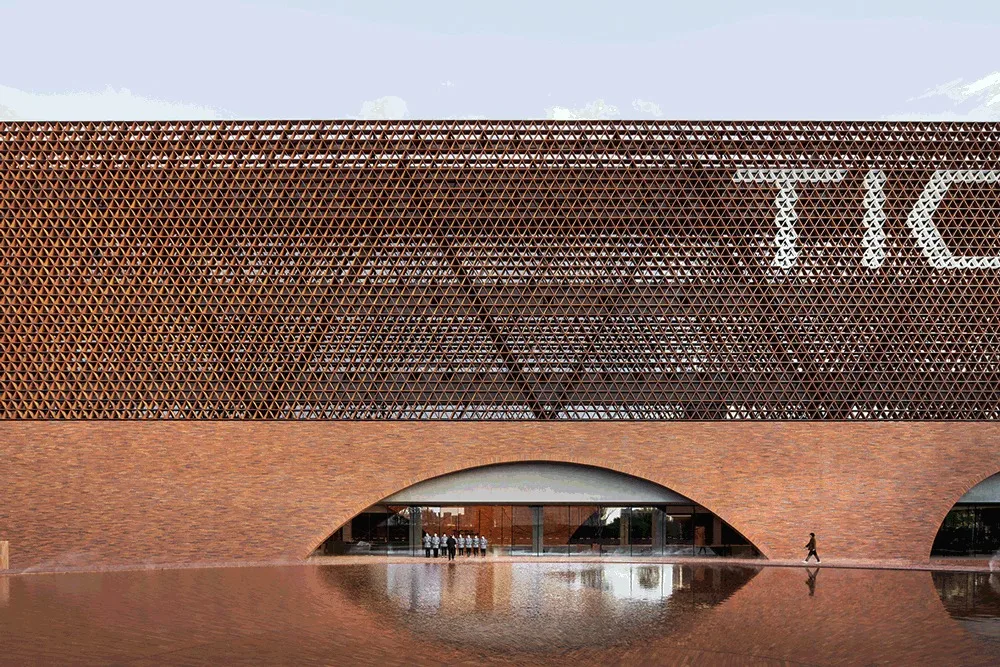
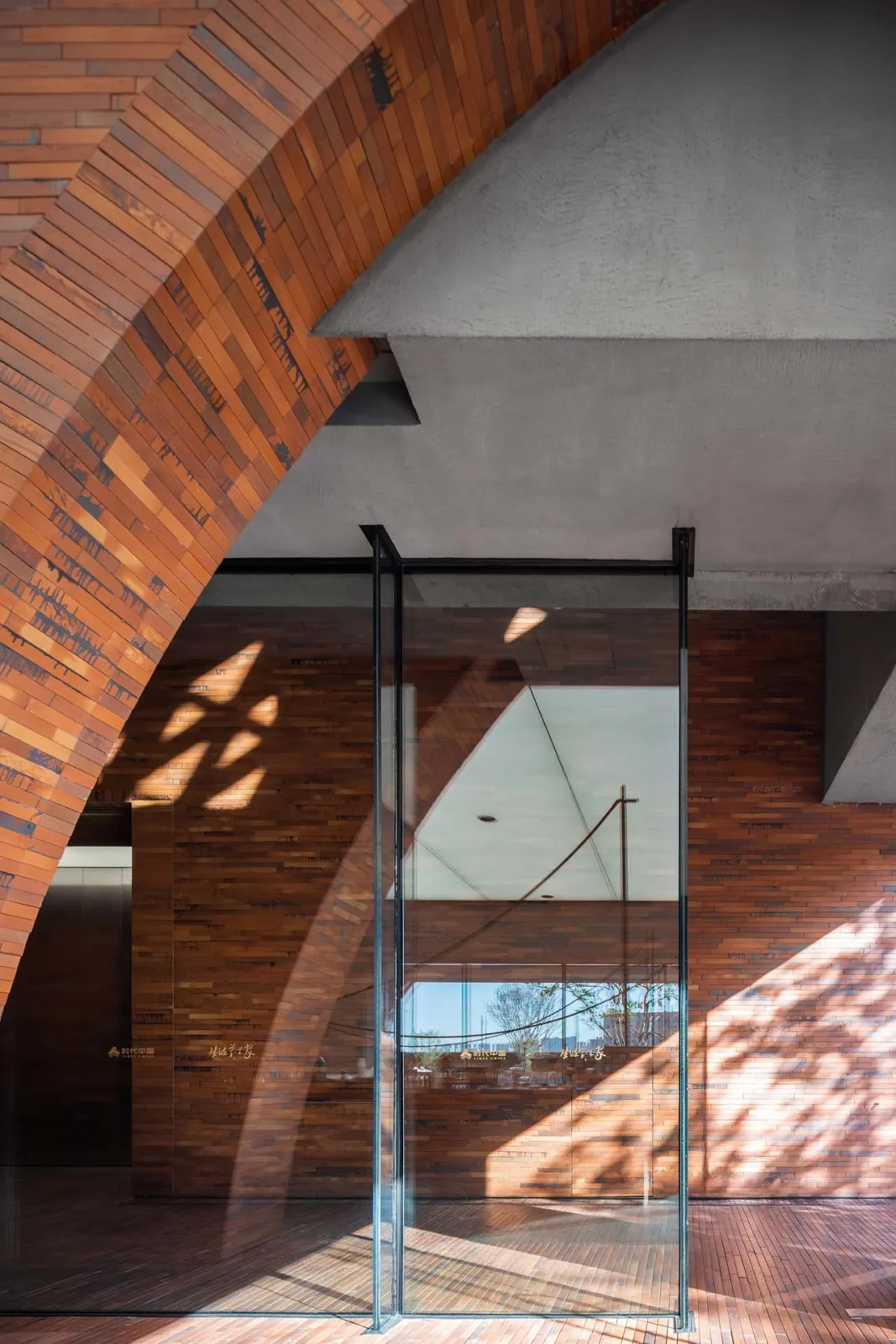
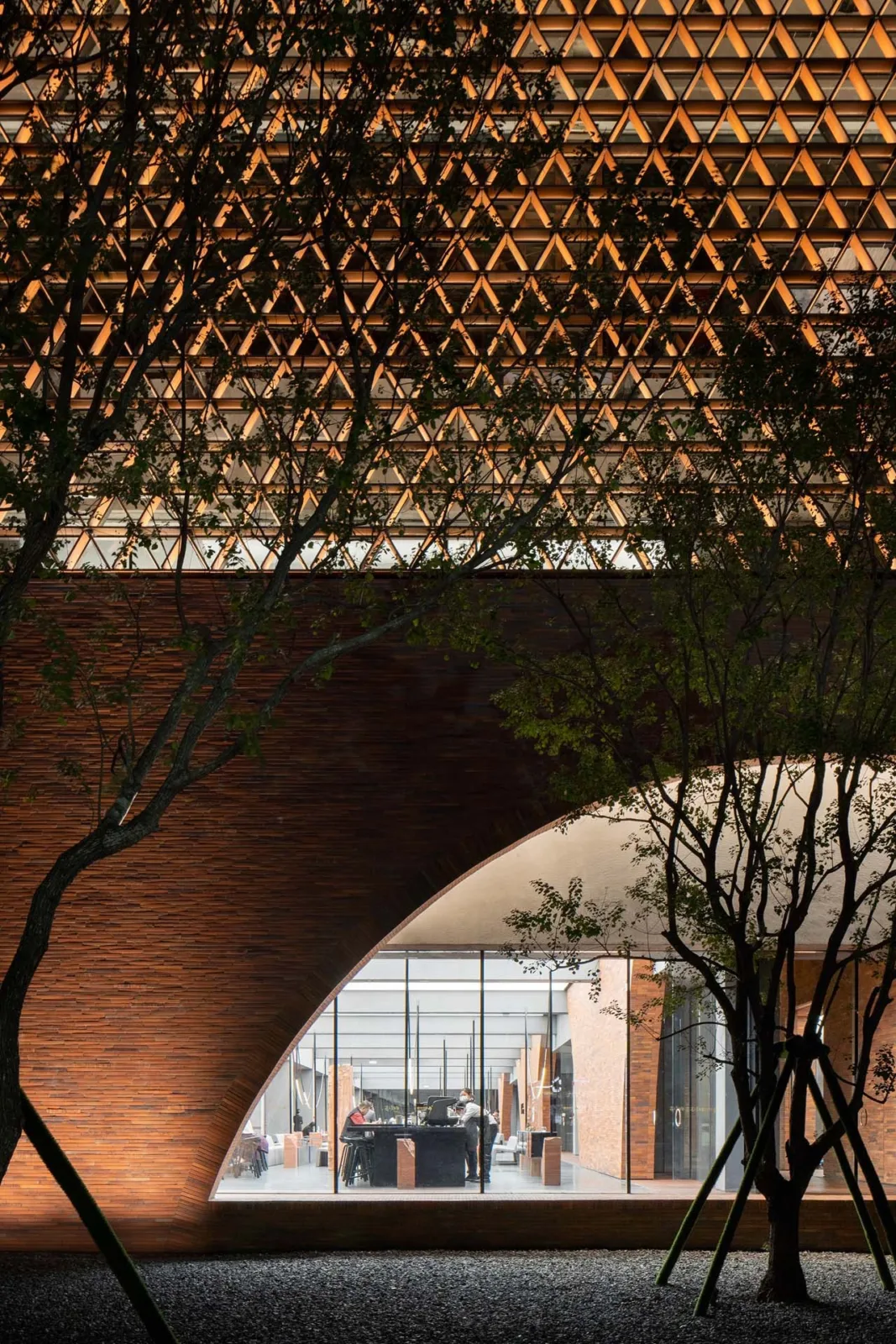
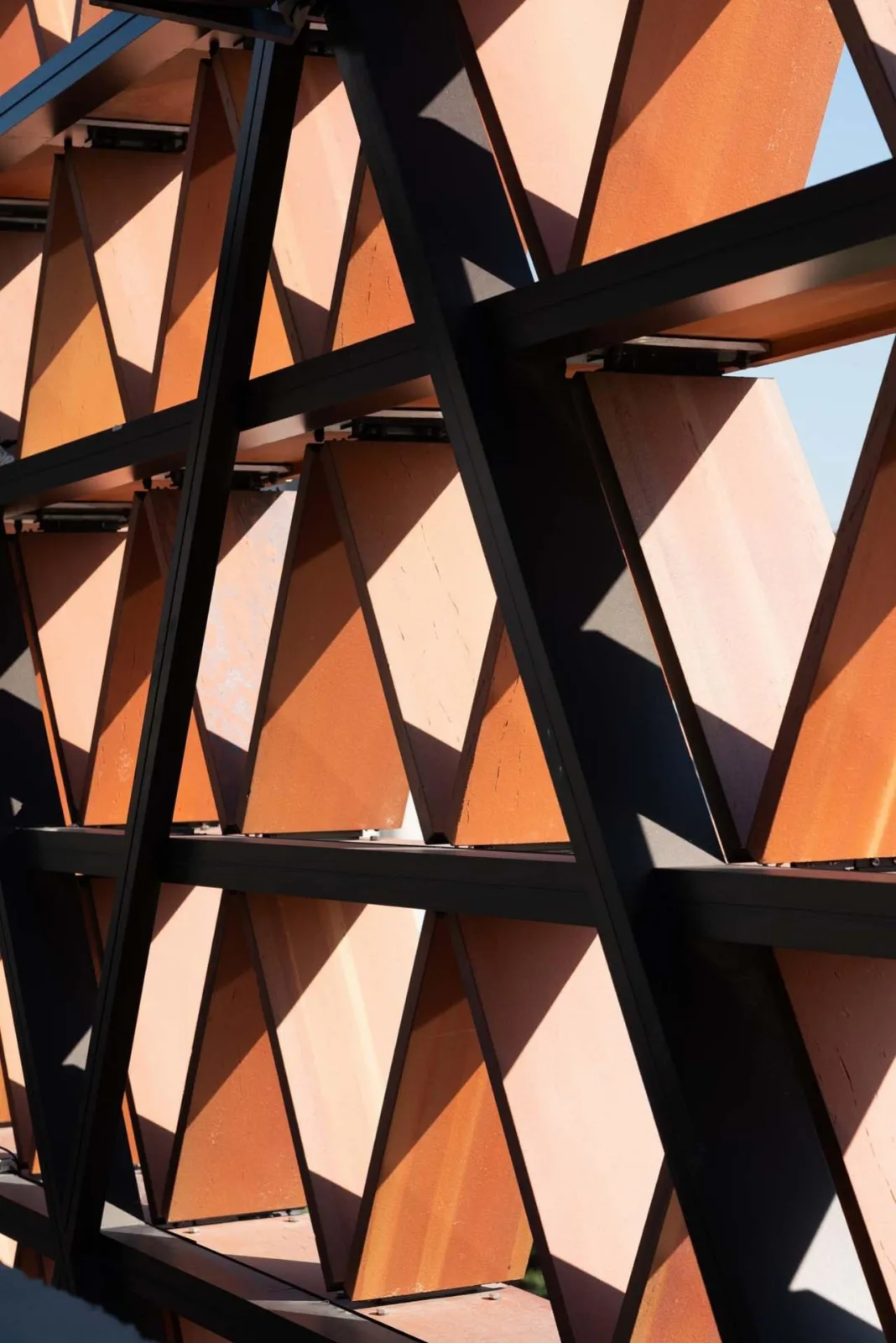
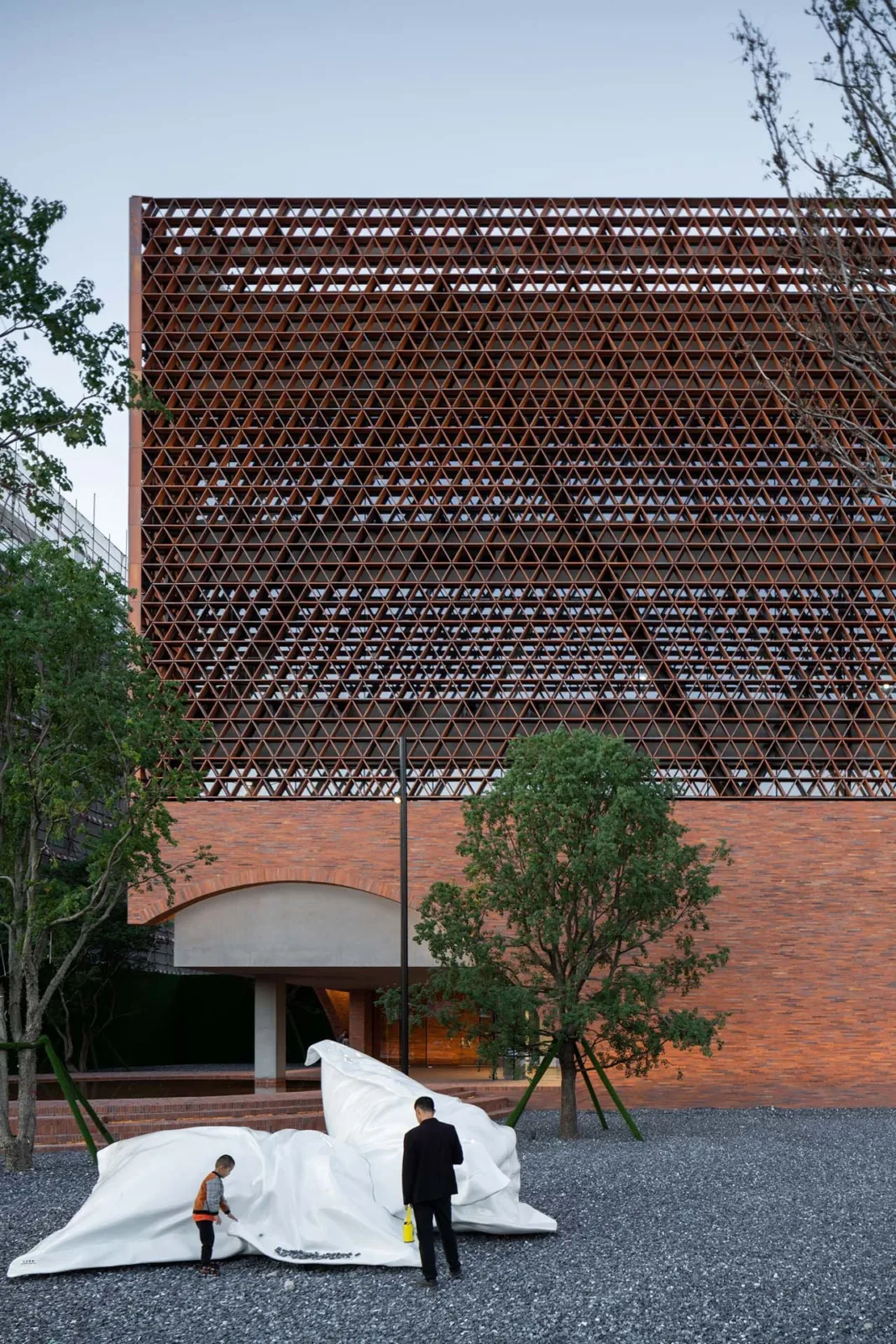
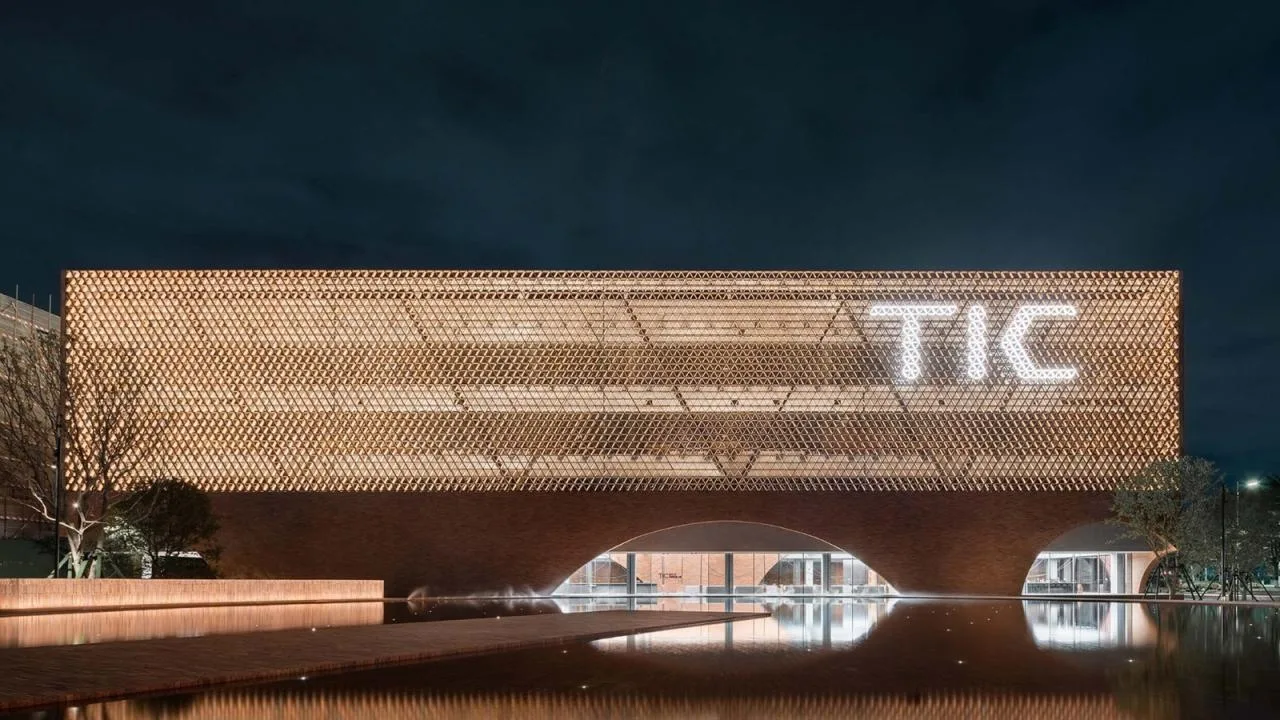
The central observation deck overlooking the landscaped pool offers a frontal view of the main building, whose curtain wall is a standout feature and technical highlight: a mesh double-layer curtain wall system. This design combines traditional ceramic bricks with modern curtain wall engineering to create a unique hollow masonry effect. Equilateral triangular mesh modules form structural nodes and installation units integrated into the façade. Concealed anti-detachment nodes protect the ceramic panels, preserving the aesthetic of hollow masonry without risking damage. The use of concealed aluminum alloy frames in the mesh curtain wall enhances material precision through industrial fabrication, significantly speeding up installation.
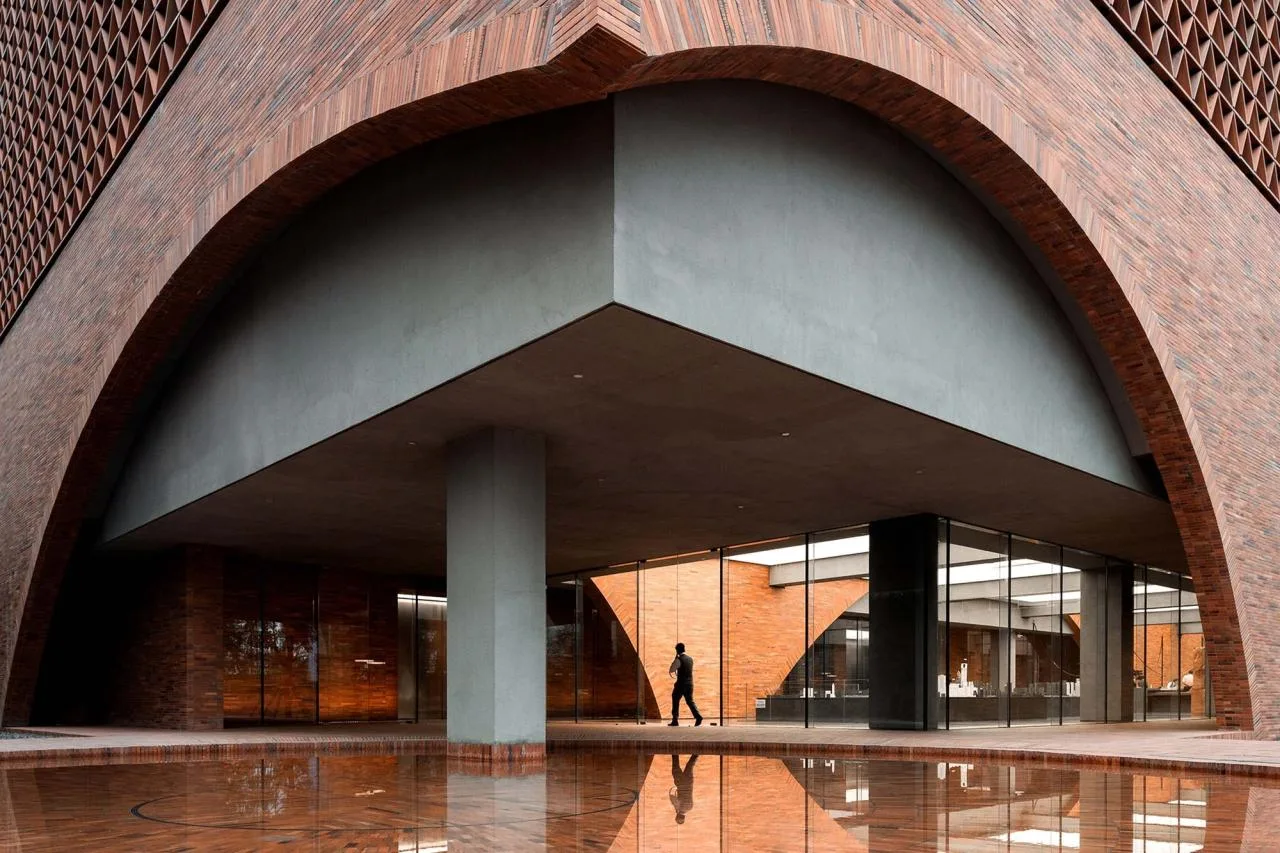
Inside, ultra-clear glass walls maximize the efficiency of standard ultra-white glass, with large 2200mm glass panels expanding the interior views and facilitating rapid processing. Thick laminated glass ribs minimize exposed framing and reduce rib width, increasing usable indoor space. This design enhances the transparency and subtlety of the glass curtain walls, complementing the external mesh triangular ceramic panel system.
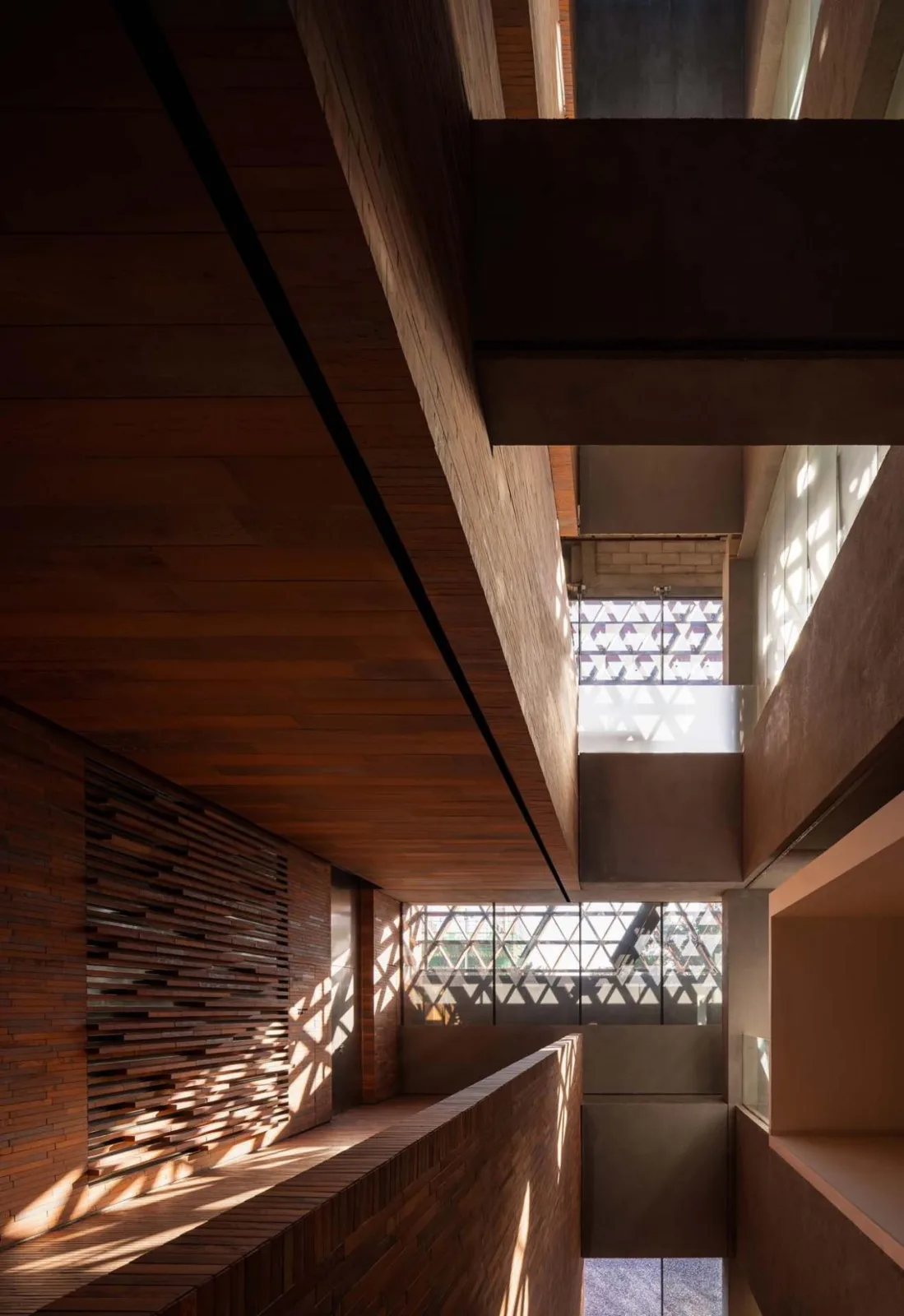
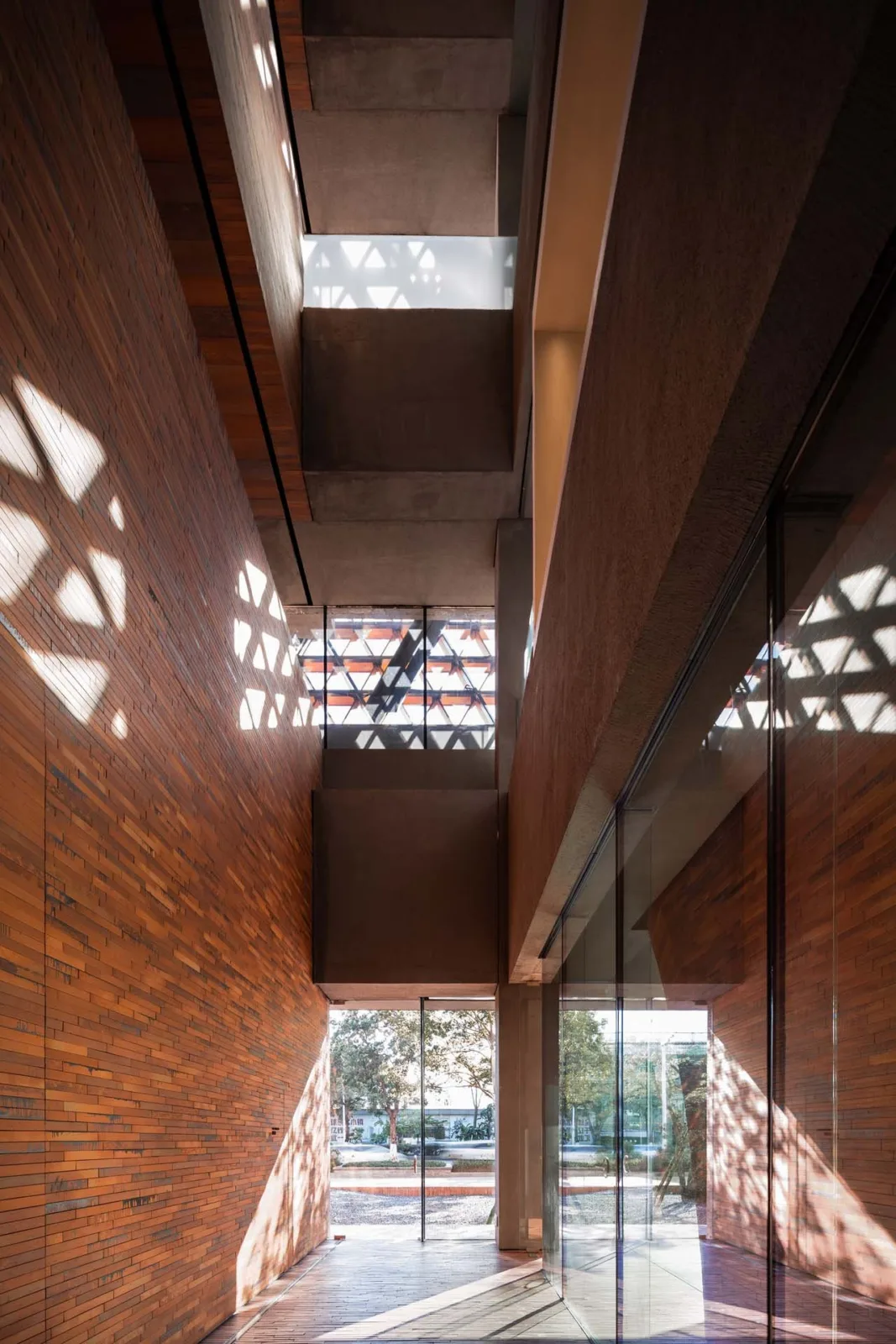
The building employs a passive design strategy with a double-layered curtain wall on the east, south, and west facades (ceramic brick grid + cavity + low-emissivity tempered glass). This system reduces heat transfer by about 30% compared to conventional curtain walls, cutting cooling energy consumption by the same margin and improving insulation. The 240mm thick hollow ceramic brick curtain wall filters sunlight to prevent glare while softening the light through refraction and reflection.
The building façade features a maximum arch span of 29 meters. The arch’s apex is formed by a cantilever beam combined with a flip-up cantilever folded plate (secondary cantilever), creating an elevated arch crown above the interlayer beam. Cantilever beams and suspension columns shape a wide range of arch forms, while overhanging beams and brick walls outside the arch produce non-arched sections.
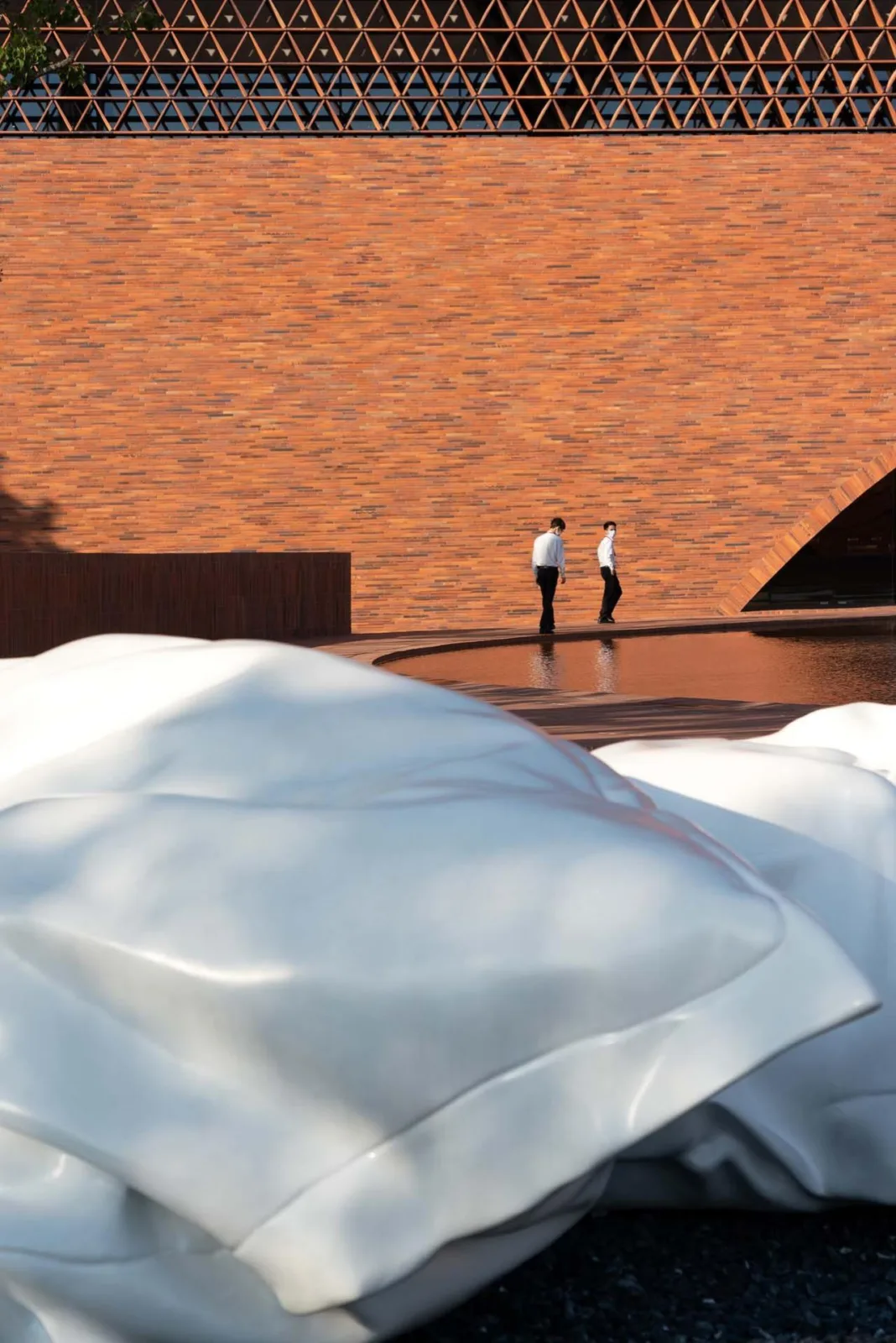
“Da Meng” is a large outdoor independent art installation created by A&V and produced by V. Inspired by earth art and fantasy, it evokes images of invisible dream giants or vast, relaxed dream metaphors. Set within the TIC’s grand circular plaza, it radiates a brilliant fusion of rationality and artistic sensibility. This installation is especially popular with children and is designed with structural and material reinforcements to provide safe, climbable forms.

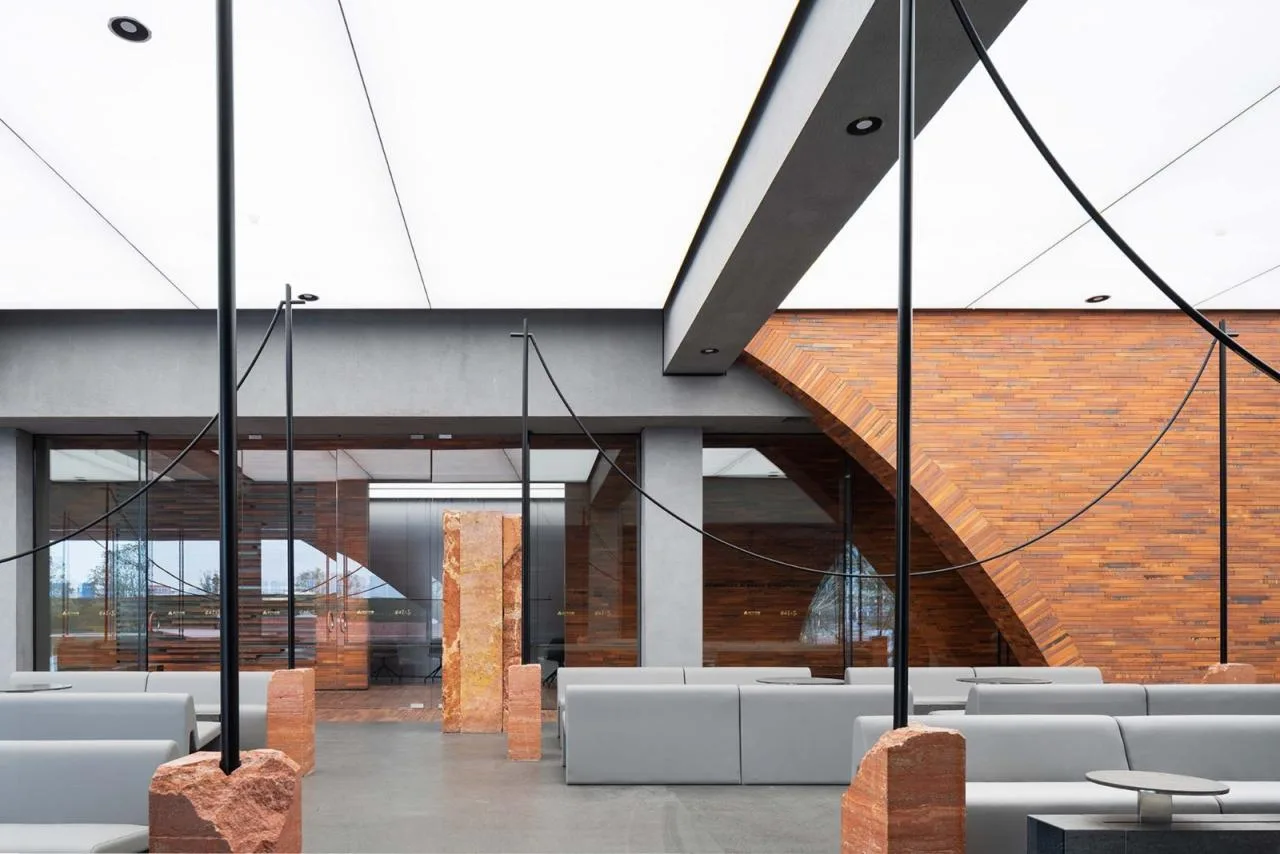
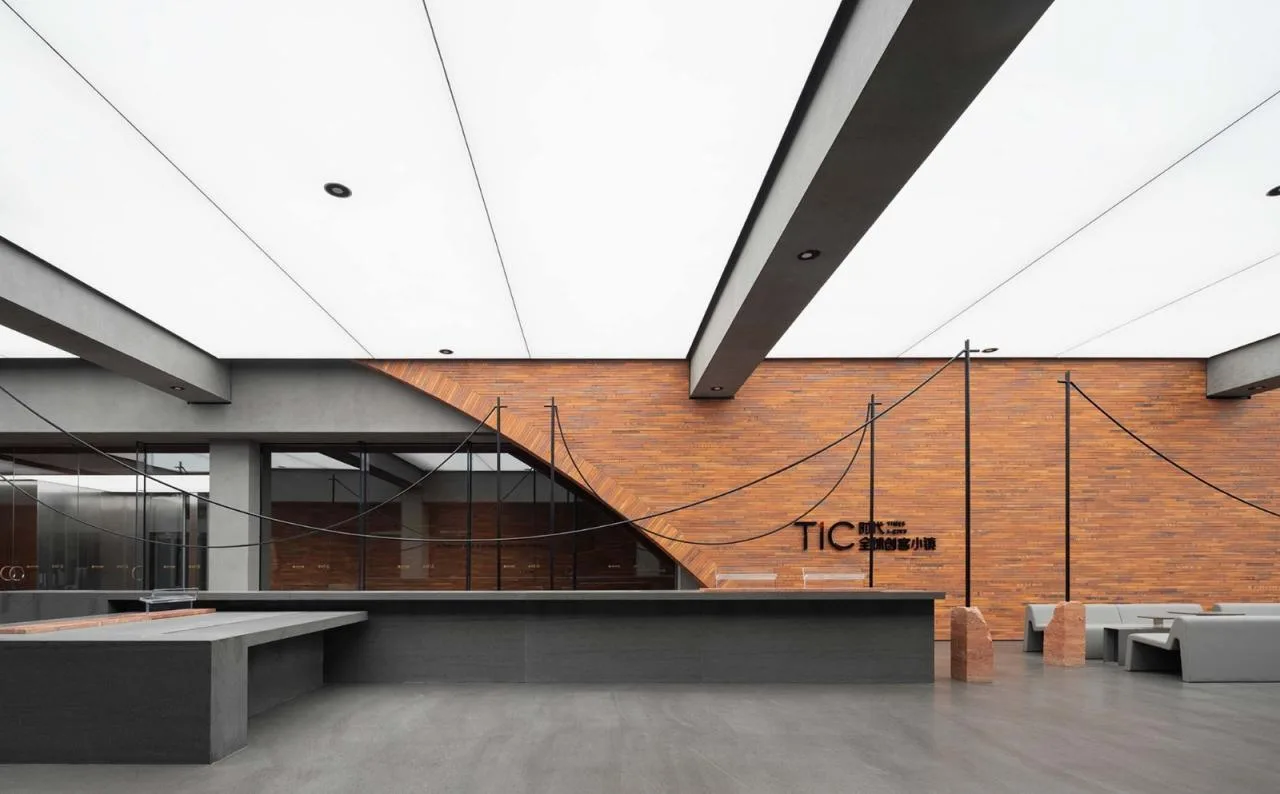
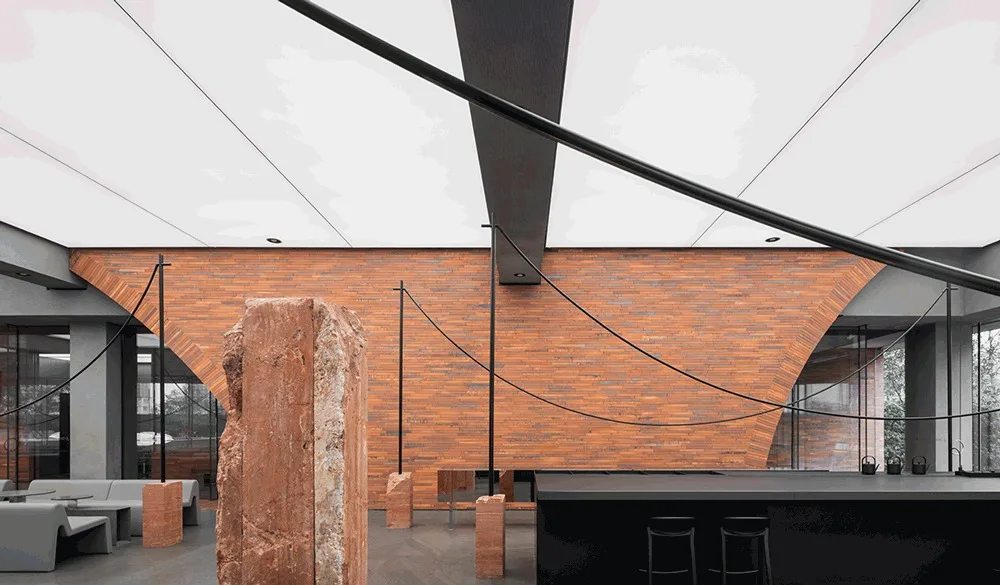
Inside, the design prioritizes vertical spatial organization to accommodate diverse future operational needs by integrating concealed engineering and structural systems. The reception area on the ground floor emphasizes a transparent connection to the architectural landscape. A key interior technology is the use of a large intelligent dimmable film ceiling, balancing indoor lighting with natural sunlight, akin to photographic lighting techniques that balance top and side light, creating a spacious, macro interior feel.
Additionally, the building’s structural logic extends to the mechanical, electrical, and fire protection systems, which are integrated into the beam and column spatial network. Material simplification and extension of existing building elements reduce costs and enhance the indoor-outdoor relationship.
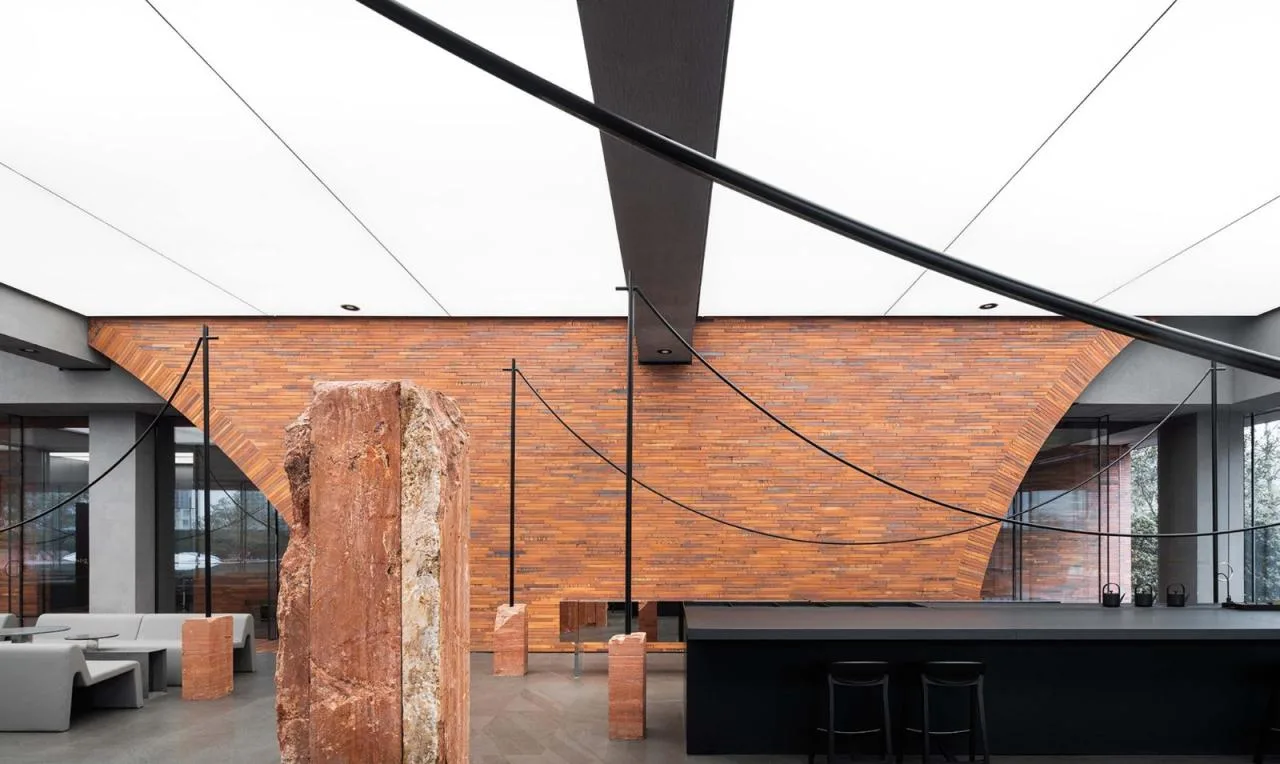
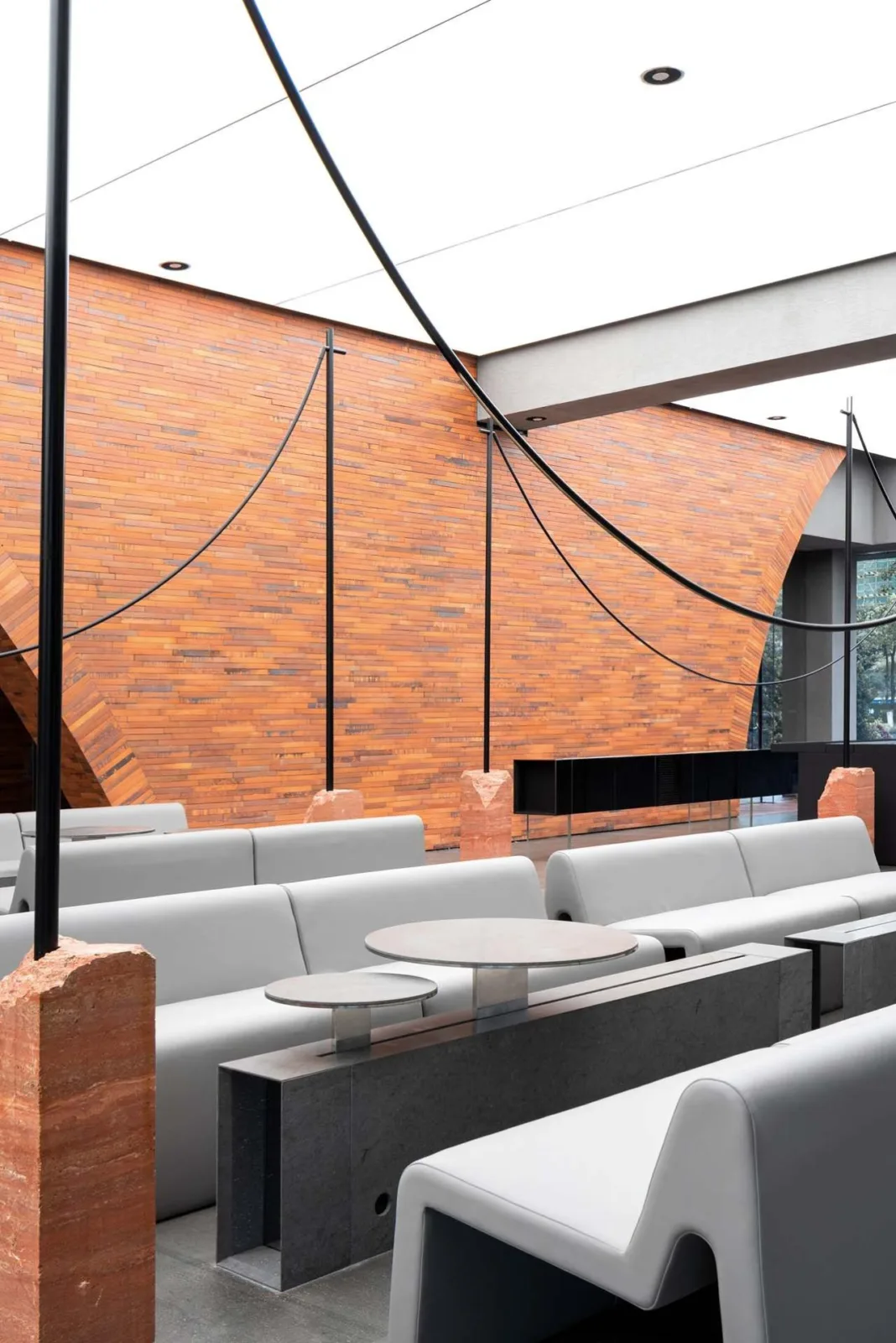
To create an immersive spatial experience, the lighting system draws inspiration from traditional residential clotheslines and serves as the primary indoor lighting feature, supplemented by auxiliary lighting in guest areas. The intersecting arcs formed by this setup provide soft architectural strokes, harmonizing with the circular and arc motifs found throughout the architecture and landscape.
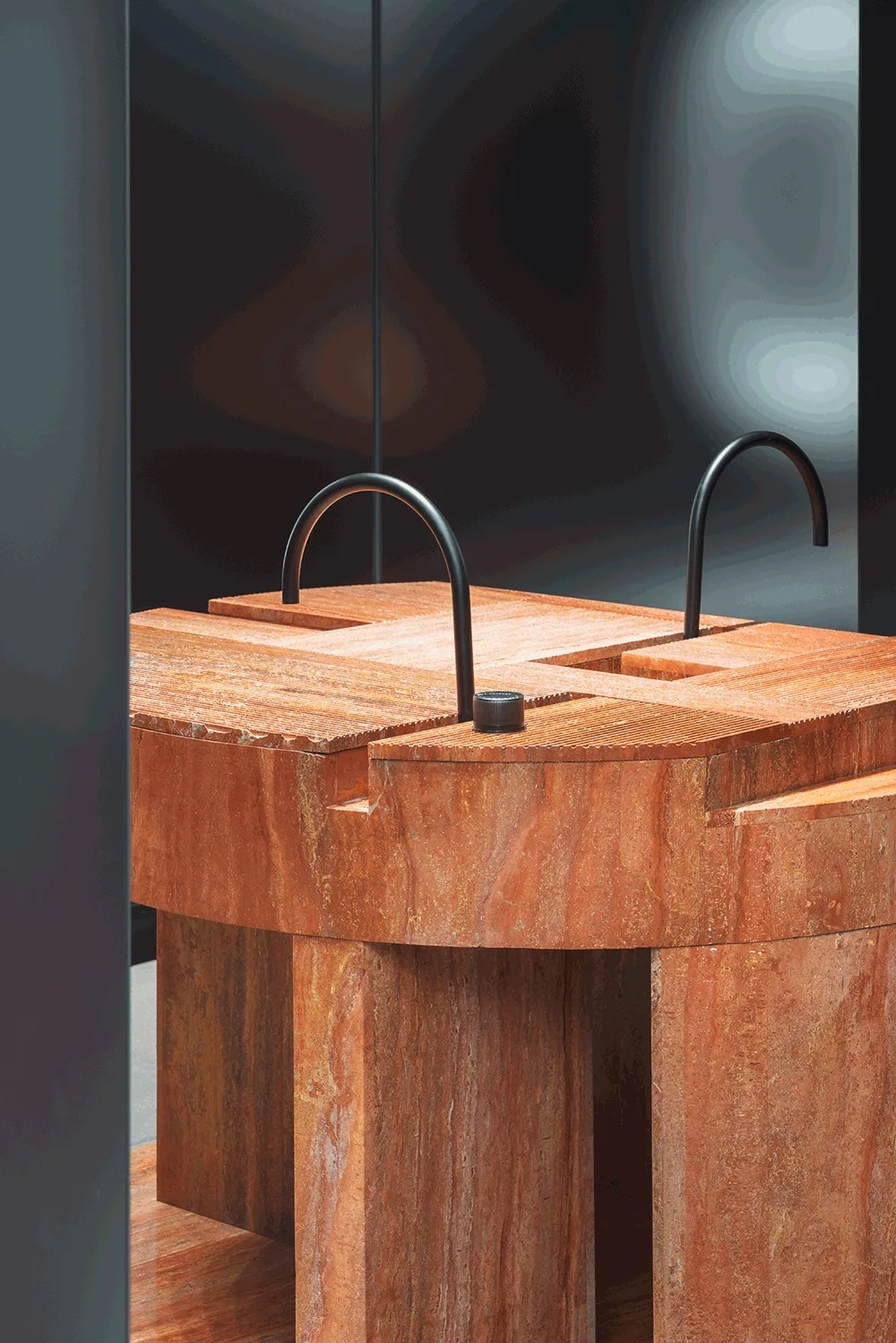
The furniture design explores a middle ground between traditional tables and desks, featuring embedded sliding rails and adjustable height platforms that facilitate flexible interactions among different users. The refined stone craftsmanship highlights attention to detail. A large open bar counter eliminates barriers between service staff and visitors, creating an integrated workspace. In this diverse setting, the furniture balances freedom and order with subtlety.
The central canyon space within the building is designed based on the front and rear fire zone planning. It creates a highly transparent, interactive cavity that functionally separates the main commercial display building from its auxiliary annex. This design provides a flexible exhibition space, allowing operational adjustments throughout the building’s lifecycle. The two structures are connected by a hollow, staggered beam bridge, offering unexpected overhead views and a dynamic interplay of vertical space and light.
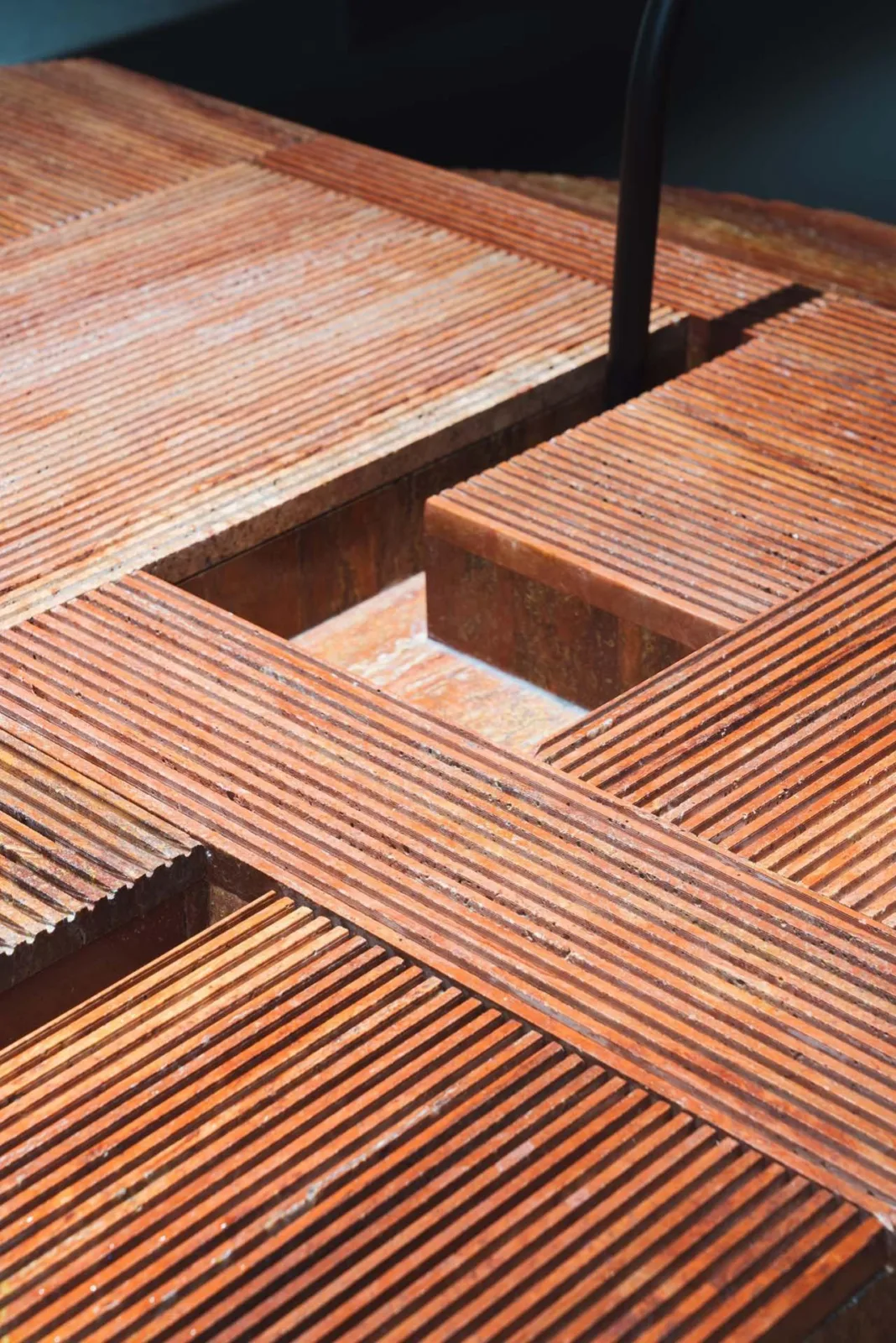
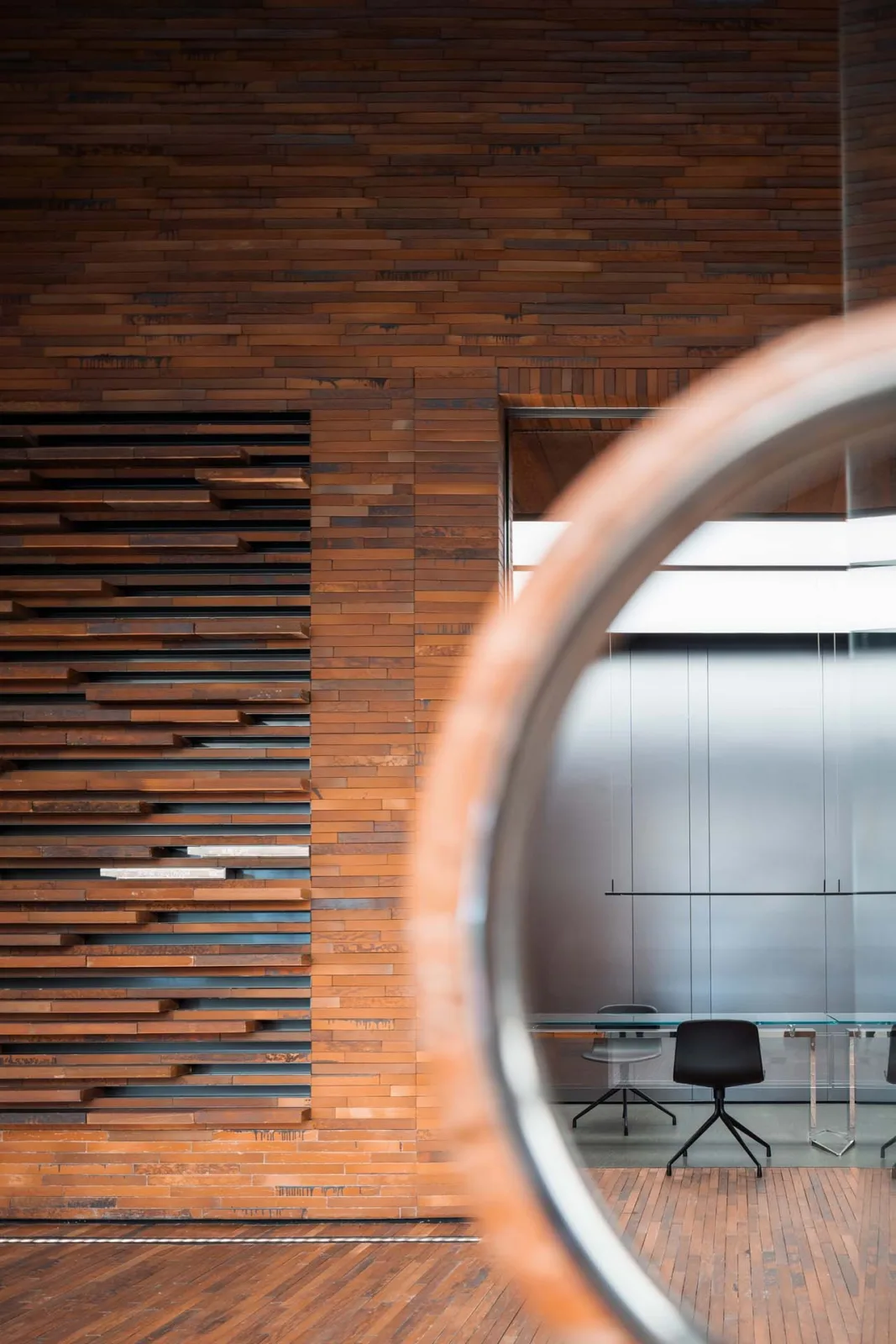
Across China, the color of traditional ceramic bricks varies from dark to light moving from north to south. Historically, bricks were made by extracting surface humus soil, which caused significant loss of farmland and deforestation. Nowadays, large-scale mechanized soil/clay brick production continues the legacy of “brick” and “masonry” in Chinese folk architecture. Red bricks remain especially popular due to their low cost. However, traditional materials and masonry techniques no longer meet current standards for large public buildings.
Rather than simply nostalgically celebrating fading craftsmanship, this project reflects on the balance between traditional materials and techniques. Maker Red Brick uses 25 mold sets to produce a diverse range of sizes and configurations. It modernizes the proportions of bricks in the “handle brick” category and has undergone extensive research focusing on kiln variation control, material properties, structural application, process stability, and production cost.
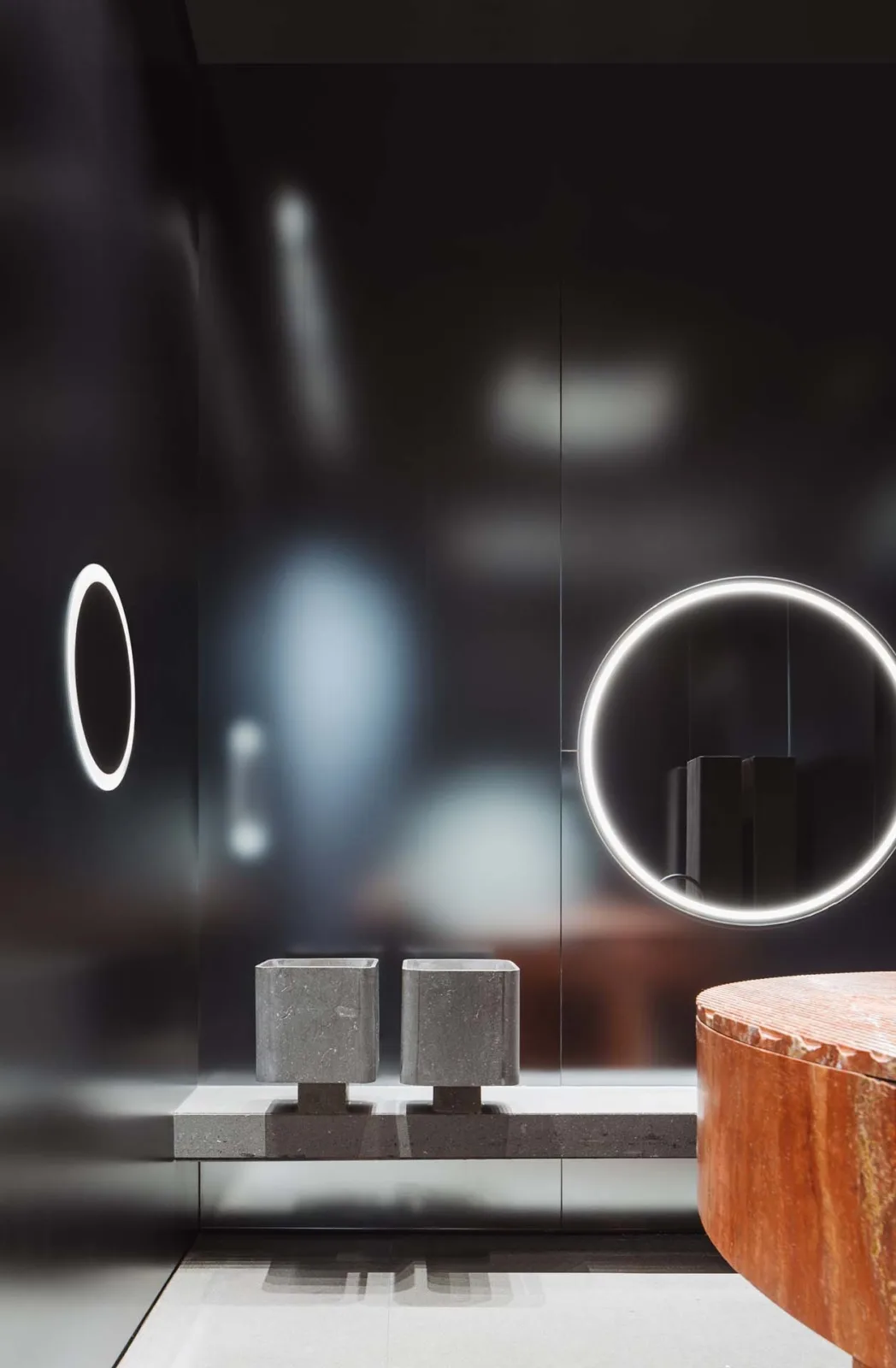
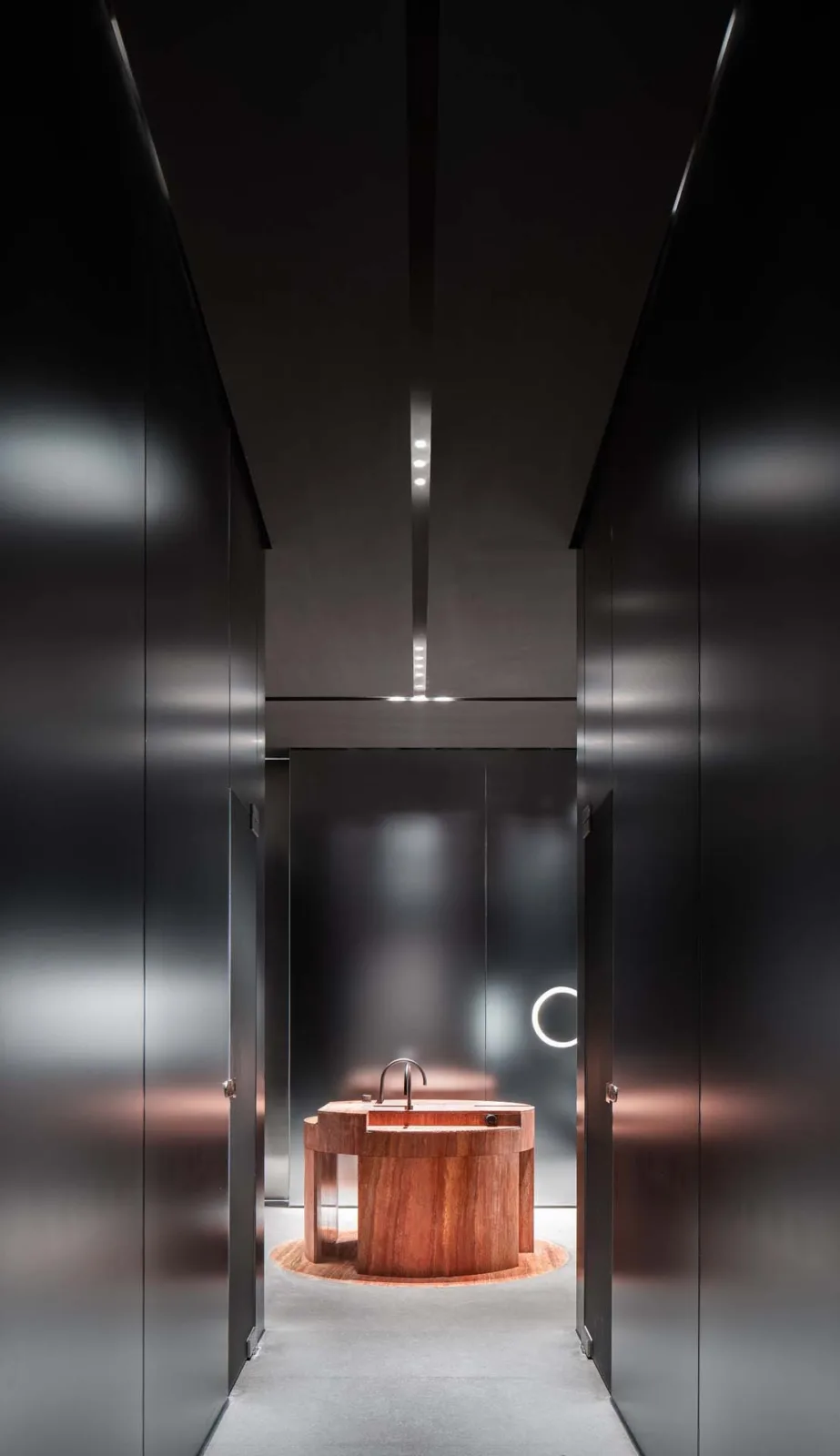
All original products, art installations, and copyrights displayed in this space are owned by A&V Eucalyptus and Weisen. You are welcome to reference these works but please do not plagiarize. Legal accountability will be pursued if infringements occur.
Project Drawings
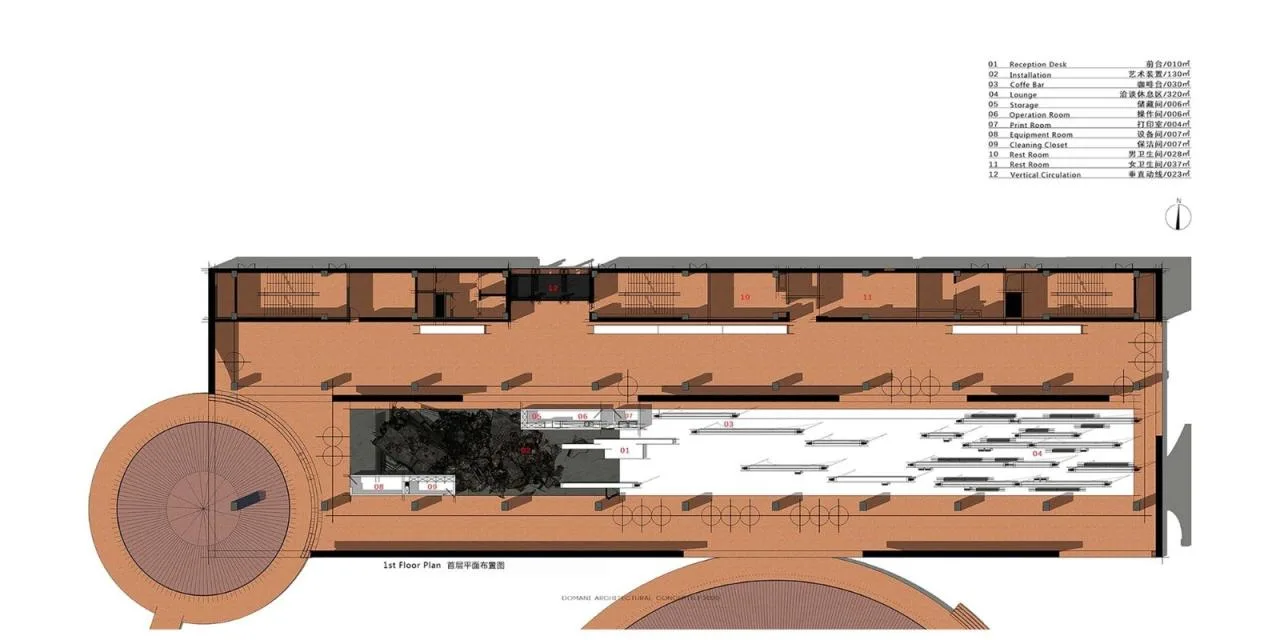
△ First Floor Plan
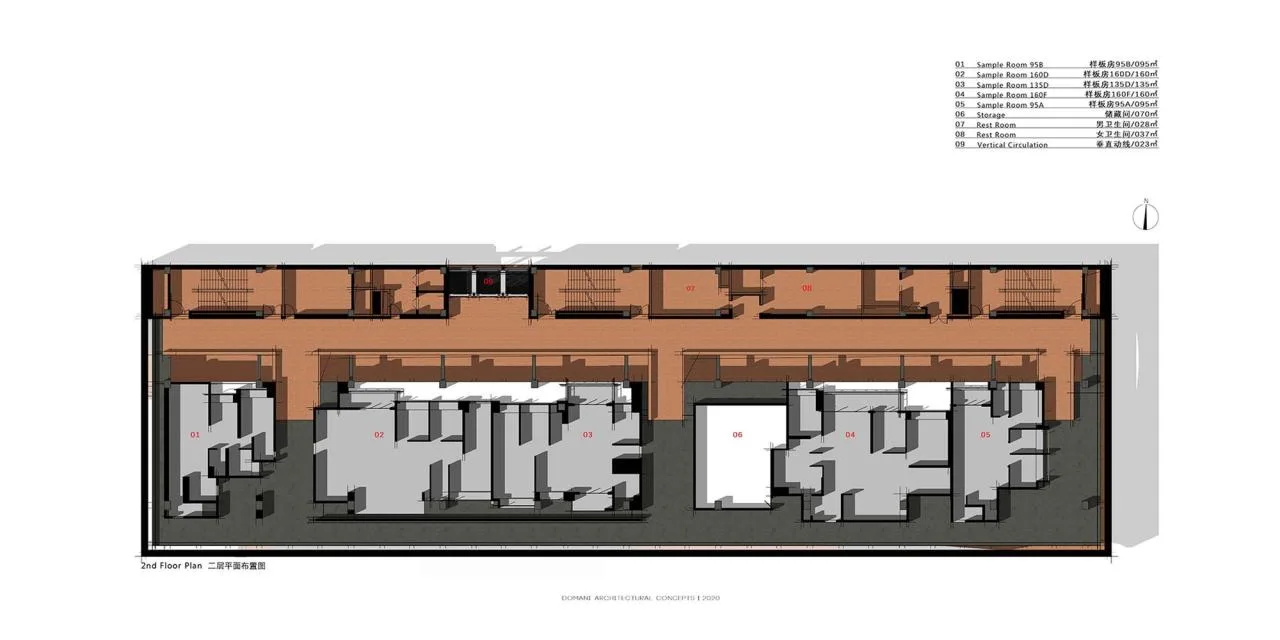
△ Second Floor Plan
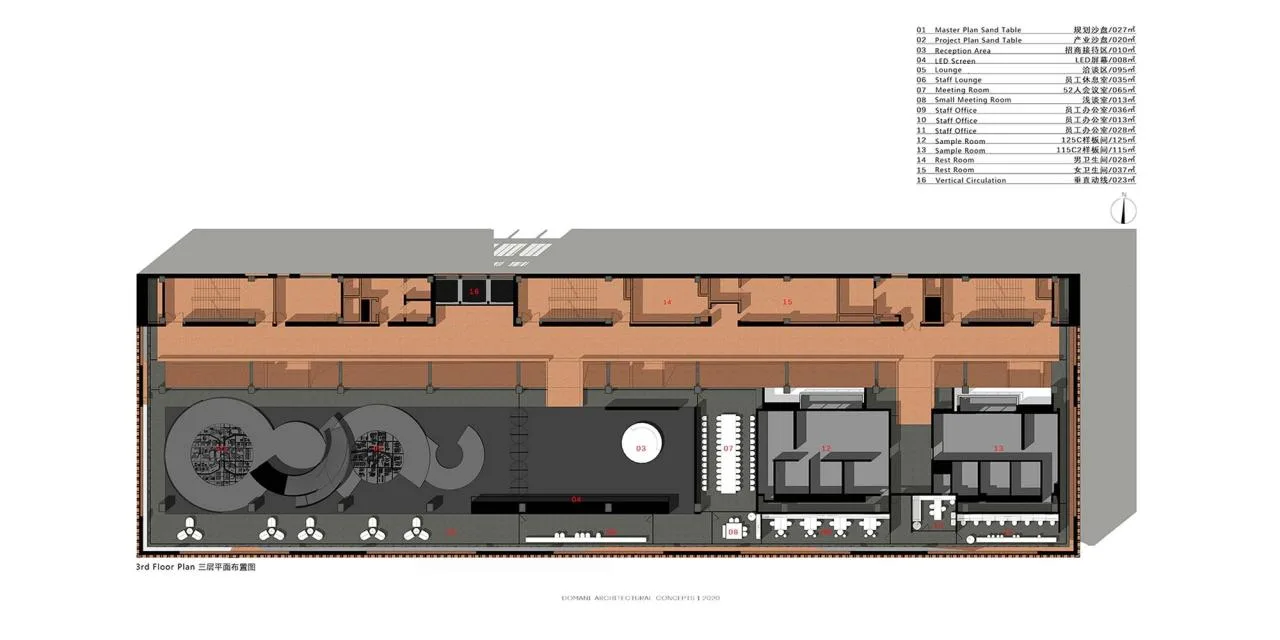
△ Third Floor Plan
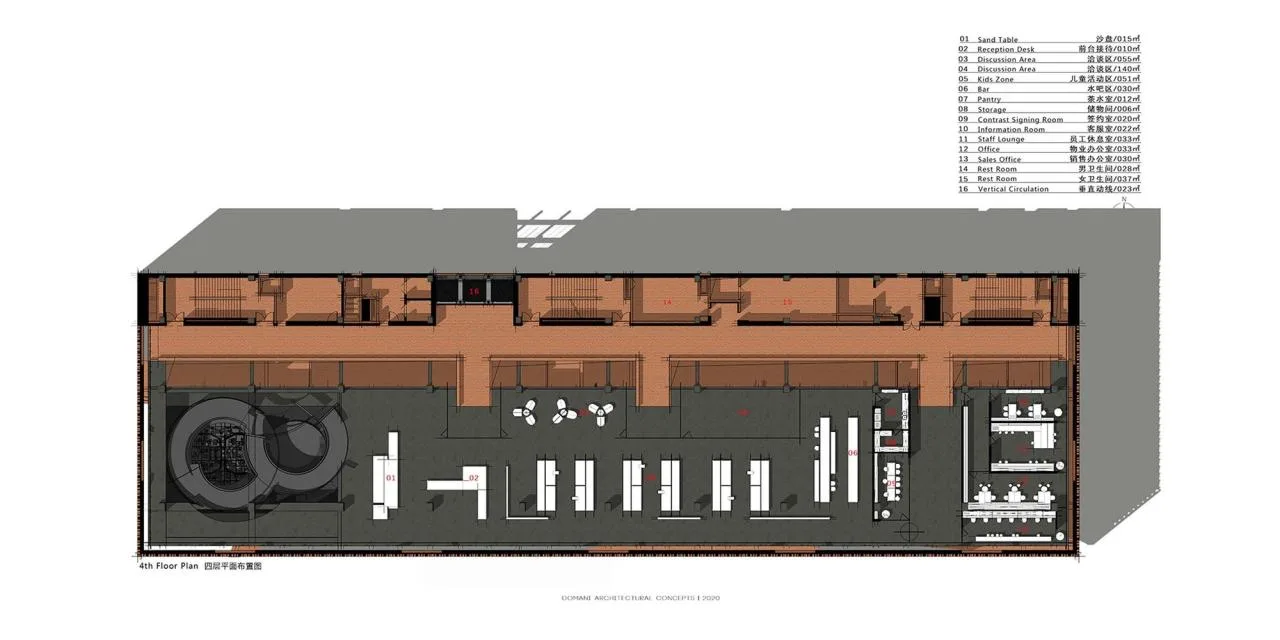
△ Fourth Floor Plan
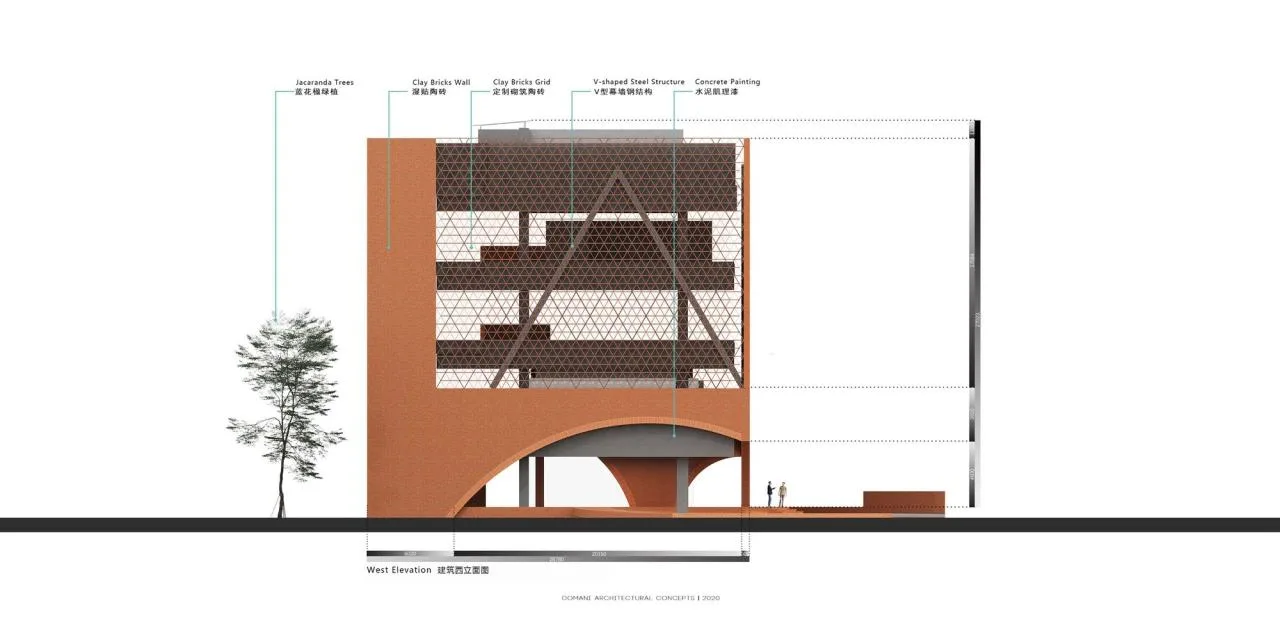
△ West Elevation View
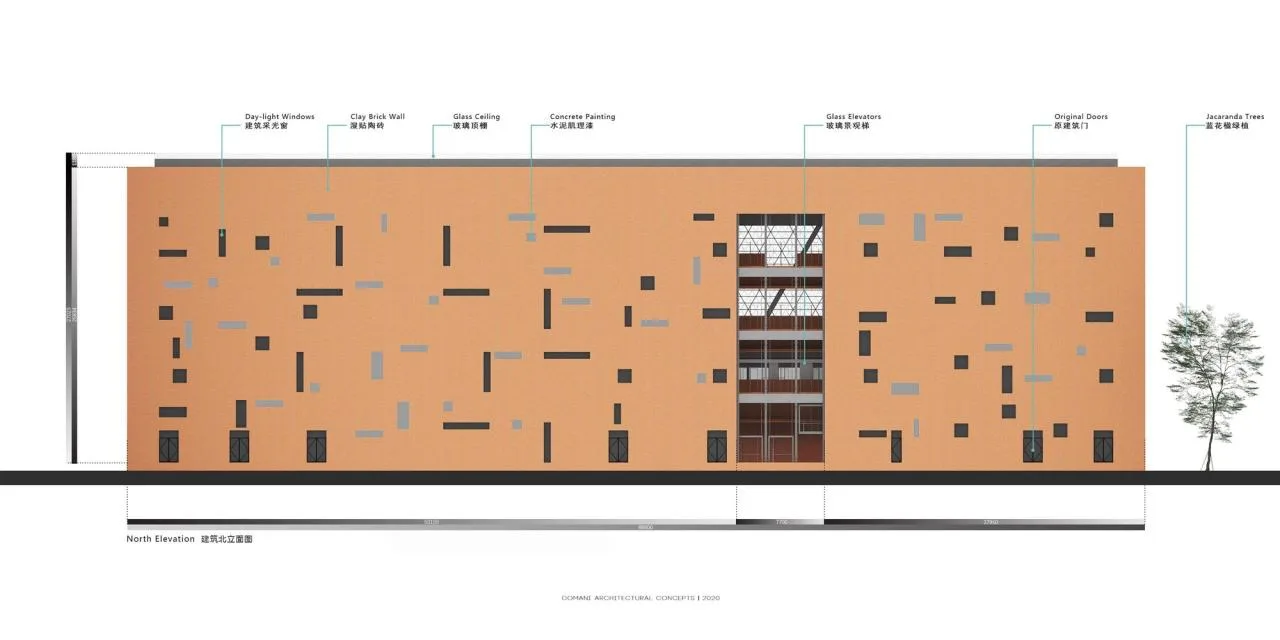
△ North Elevation View
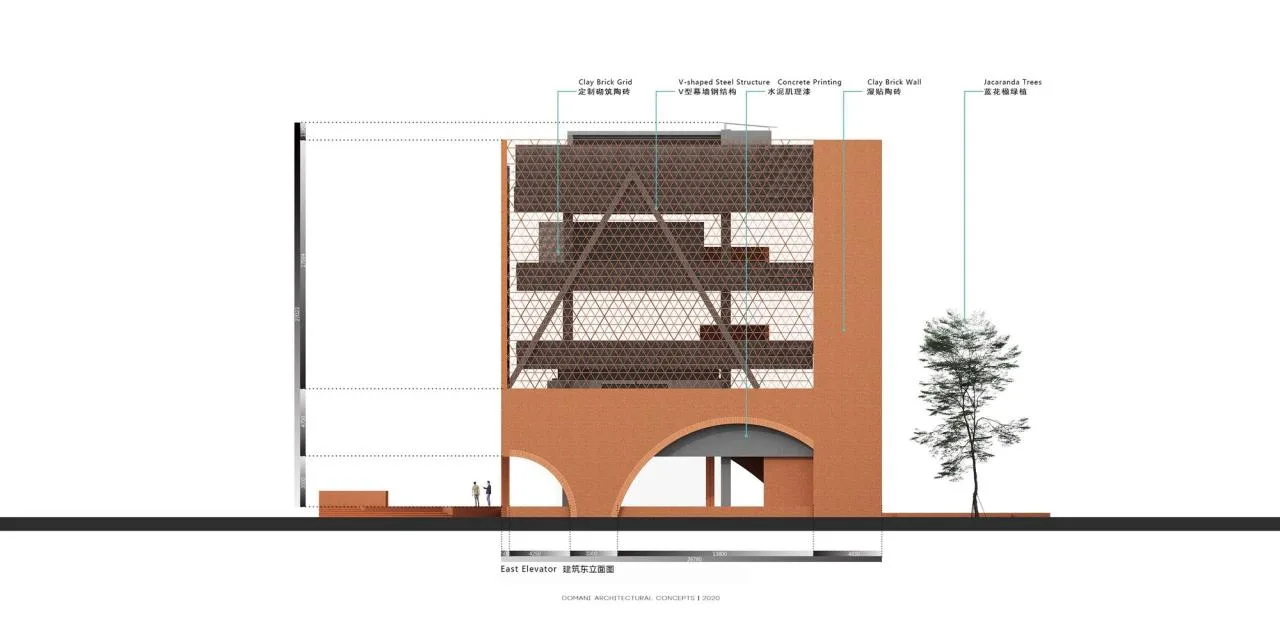
△ East Elevation View
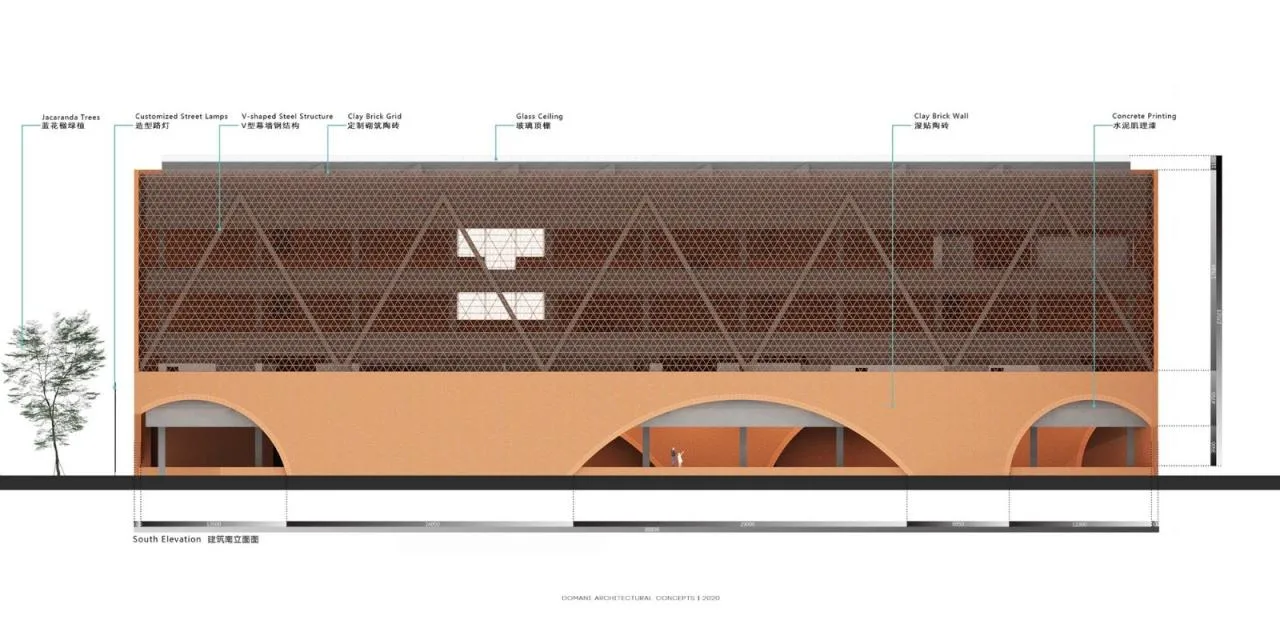
△ South Elevation View
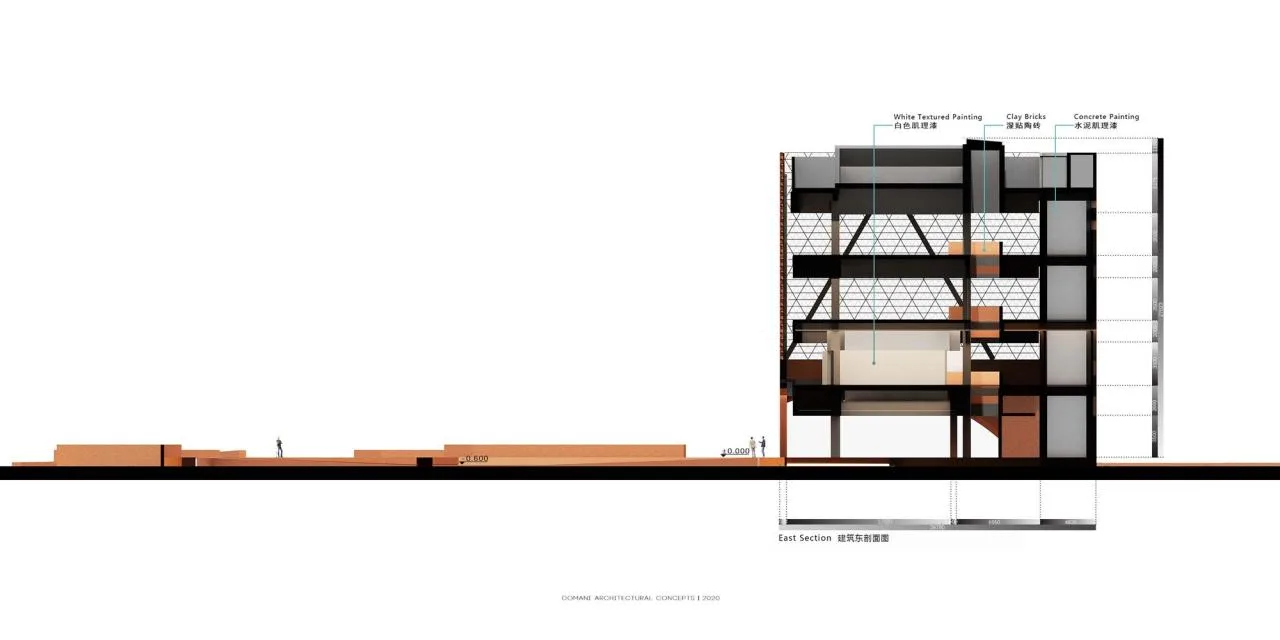
△ Section Diagram
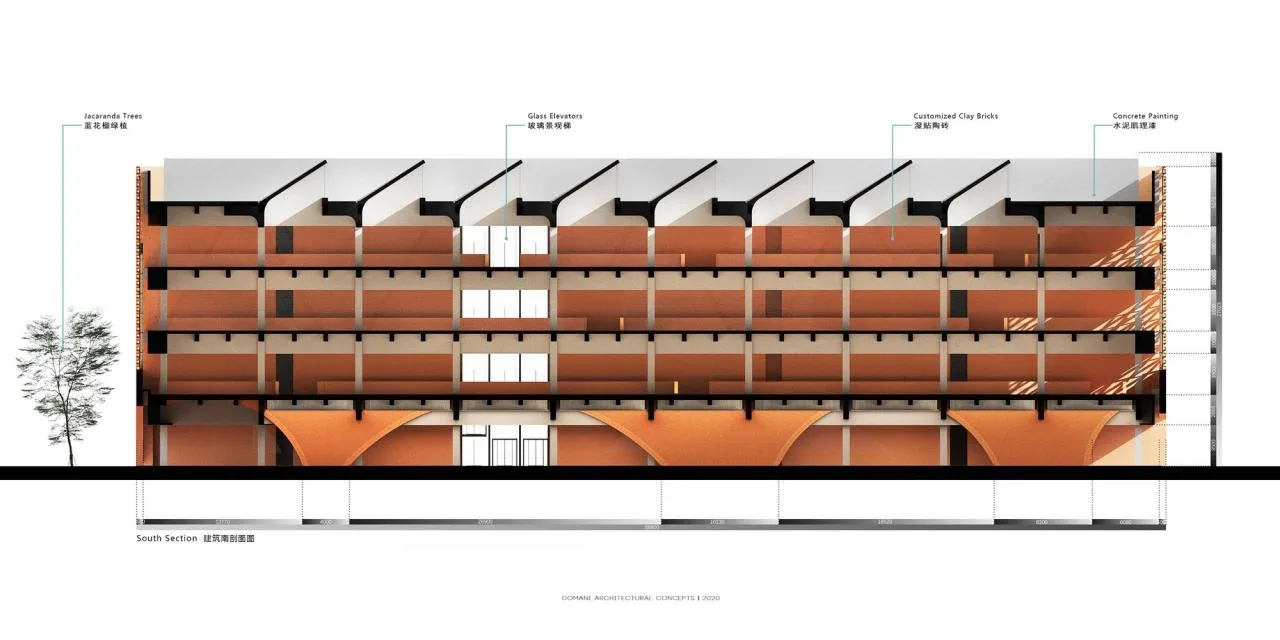
△ Section Diagram
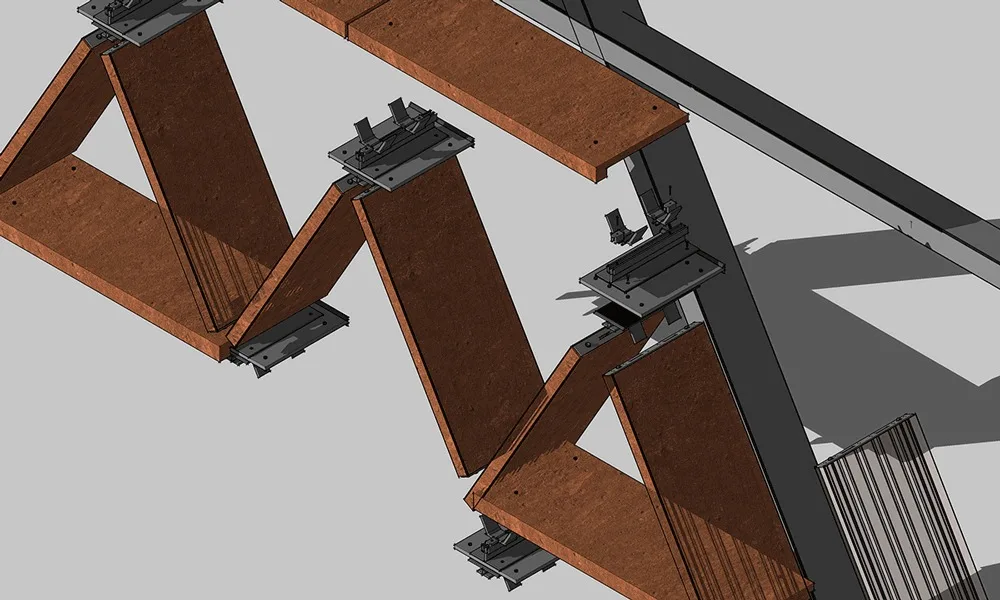
△ Node Construction Diagram
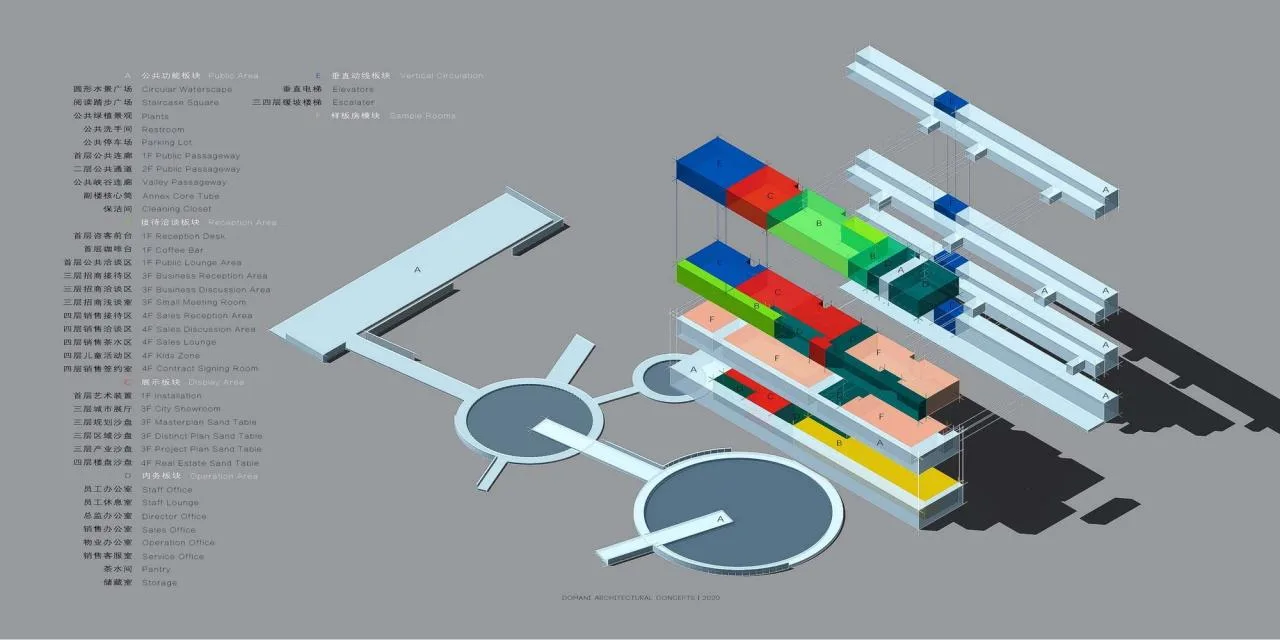
△ Functional Zoning Diagram
Project Information
Architectural Design: Dongchang Construction
Area: 18,000 m²
Project Year: 2021
Photographer: Vincent Wu
Lead Architect: Yu Lin
Design Team: Ye Ruiquan, Wang Xiaojun, Huang Yinyi, Tang Zhiquan, Tang Wenxi, Ye Qiannan
Media Management: Yang Shaowei / Times China
Architectural Development: Xu Chenghan, Lin Buhuan, Lin Huadong, Lian Mingyu, Li Qinghong, Huang Shiming, Shao Yuncong
Curtain Wall Design: Wuhan Lingyun Curtain Wall Design and Research Institute – Liu Yun, Pi Baibo, Huang Baoqian, Yang Wanghui
Landscape Development Team: Ji Fengtao, Lin Junjian, Tian Kun, Luo Yu
Lighting Design Team: Wu Xinxing, Zeng Xianping, Chen Yangsen, Yu Jinsong
Owner: Era China
Architectural Deepening: Guangdong Provincial Architectural Design and Research Institute Co., Ltd.
Landscape Deepening: Boxlin Landscape Office
Art Installation: Eucalyptus and Wesson
Curtain Wall Contractor: Jianghe Curtain Wall
Construction Contractor: Yidexing Engineering Construction Co., Ltd.
Interior Contractor: Qianlima Decoration Engineering Co., Ltd.
Landscape Contractor: Nongfang Garden Construction Co., Ltd.
Lighting Contractor: Tianjiang Lighting Engineering Co., Ltd.
Landscape Construction: Yuanyu Garden Co., Ltd.
Suppliers: Lepu Art Ceramics Co., Ltd., Kedian Building Materials (Shanghai) Co., Ltd.
Project Management: Era China
Location: Foshan, China














Must log in before commenting!
Sign Up