
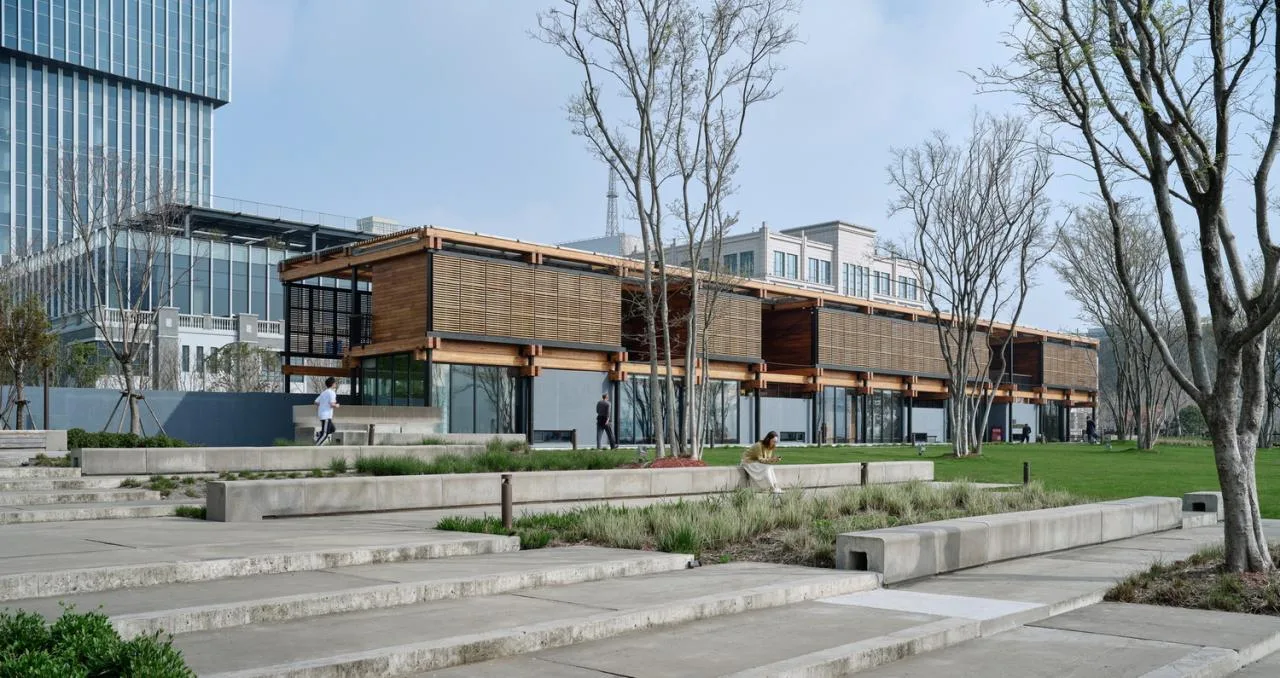
Renrenguan serves as the supporting service building for Yangpu Binjiang Public Space Phase II and the Yangpu Binjiang People’s City Construction Exhibition Hall. It is situated northwest of Renrenwu in Yangshupu Port on the Huangpu River, on the historical site of Xiangtai Muxing, originally built in 1902. The building has a total construction area of 1,410 square meters, featuring two floors above ground and one underground floor. The underground and first floors above ground are constructed with concrete, while the second floor above ground is built with wood. The building covers 755 square meters above ground and 655 square meters underground, with a total height of 8 meters.
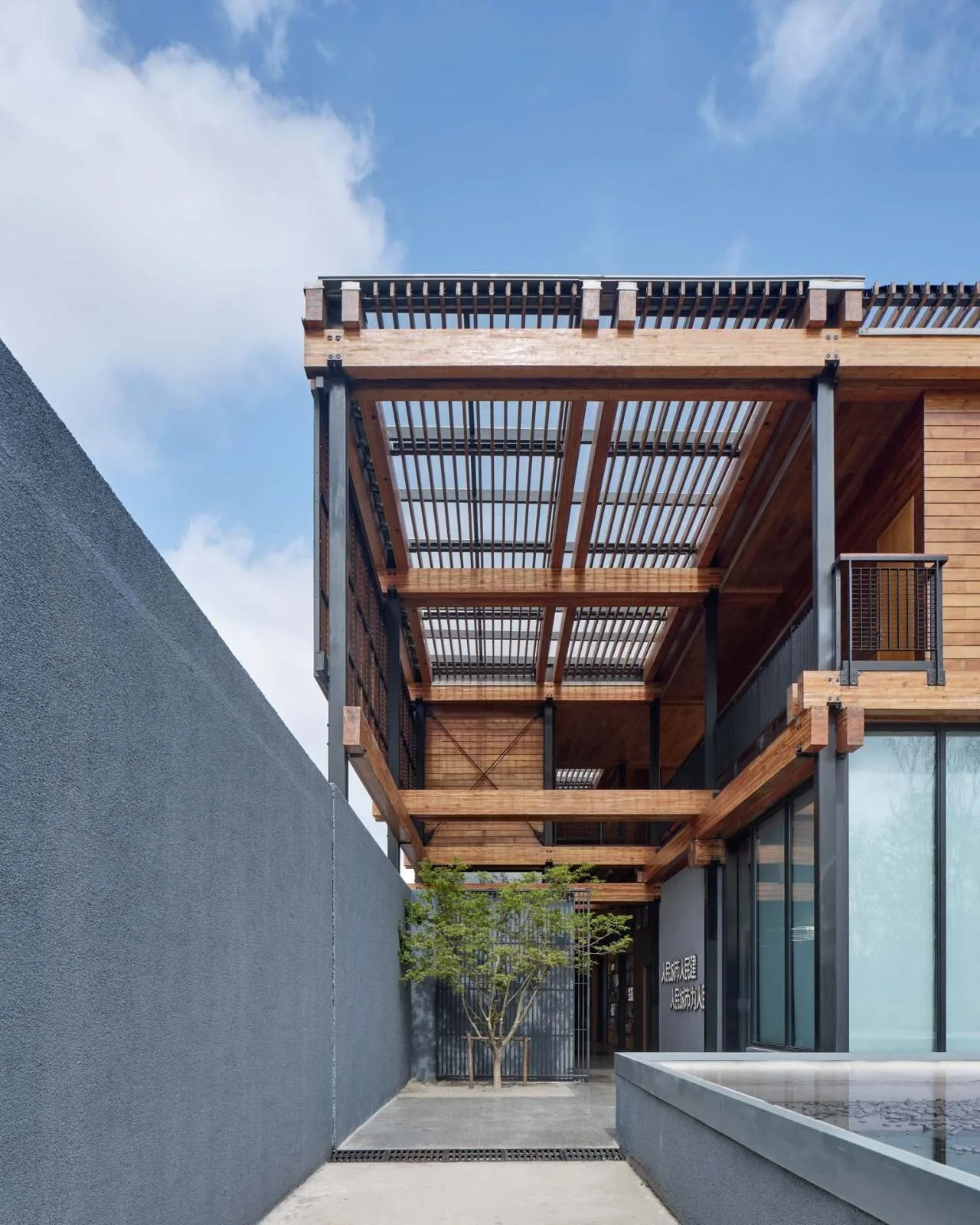
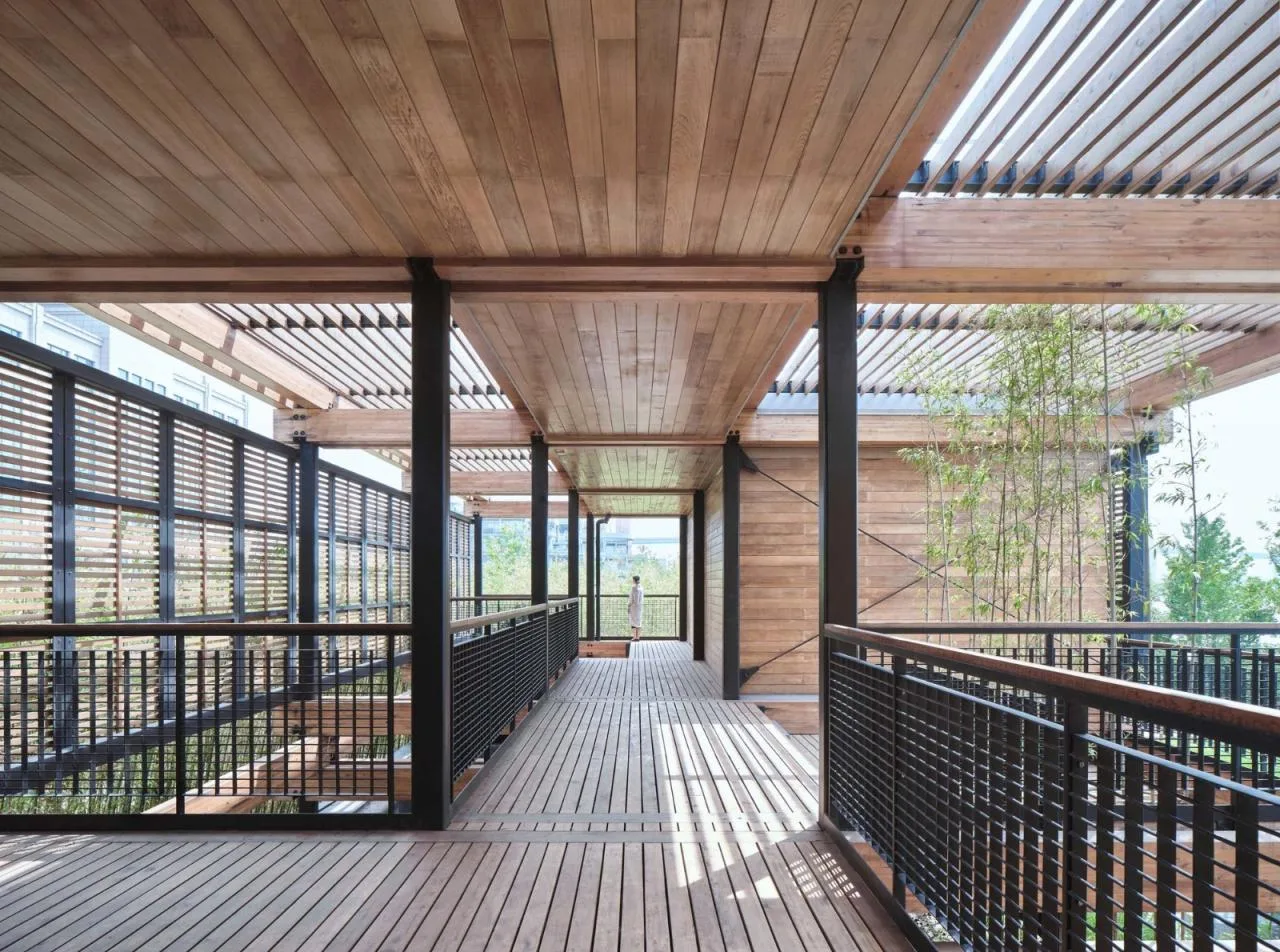
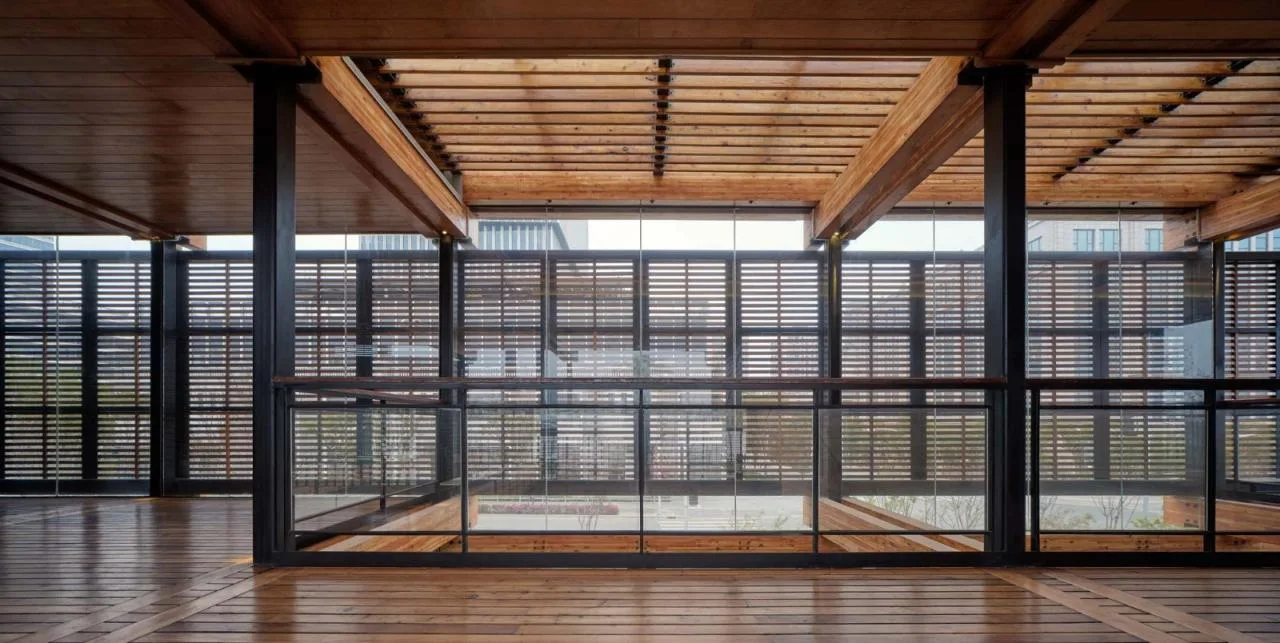
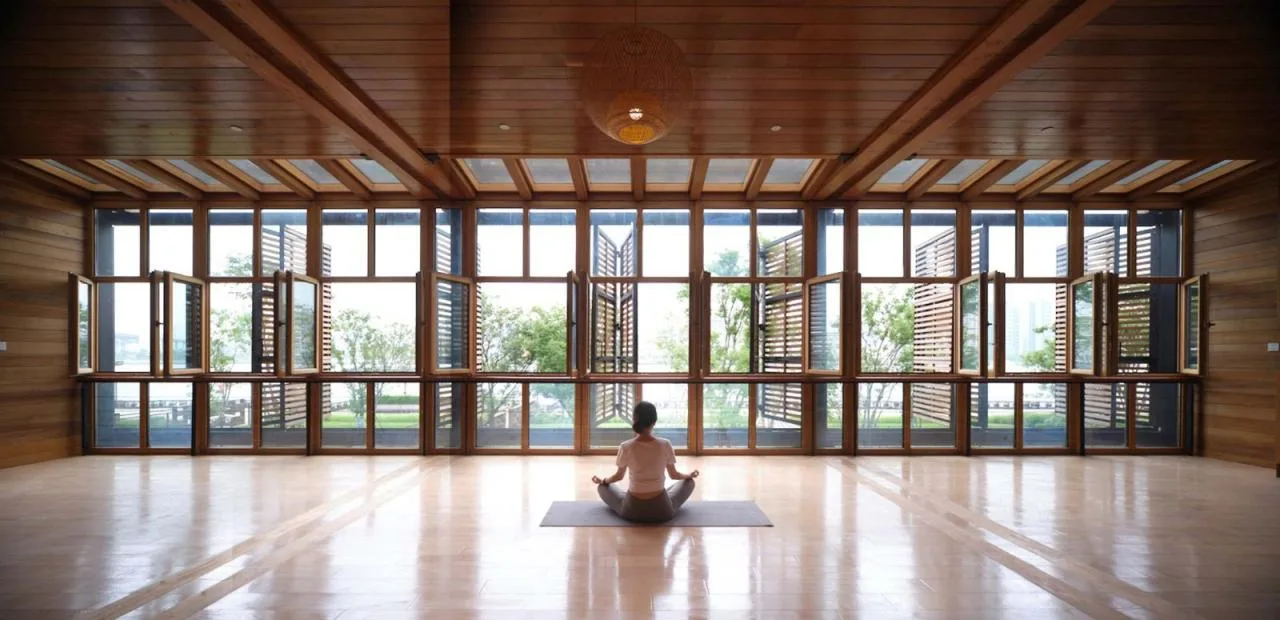
The building’s design features a transparent middle layer embedded within a regular rectangular form, dividing the 60-meter-long volume into two sections. The upper section is crafted from lightweight, warm wood, while the lower section is constructed from thick, stable concrete. Parts of the upper structure extend downward, and sections of the lower structure expand upward, creating a harmonious blend and permeability between the two materials. Due to its vertical segmentation and excellent vantage point, Renren Pavilion is often referred to as “Sitting on a Stone to Observe Clouds.”
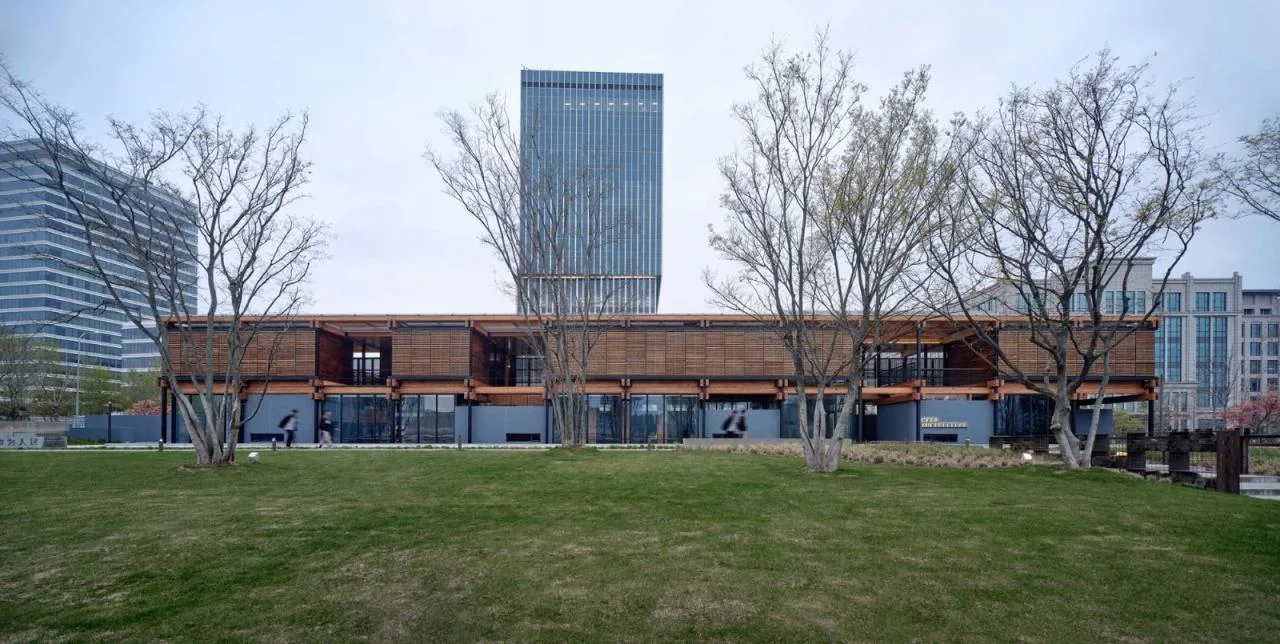
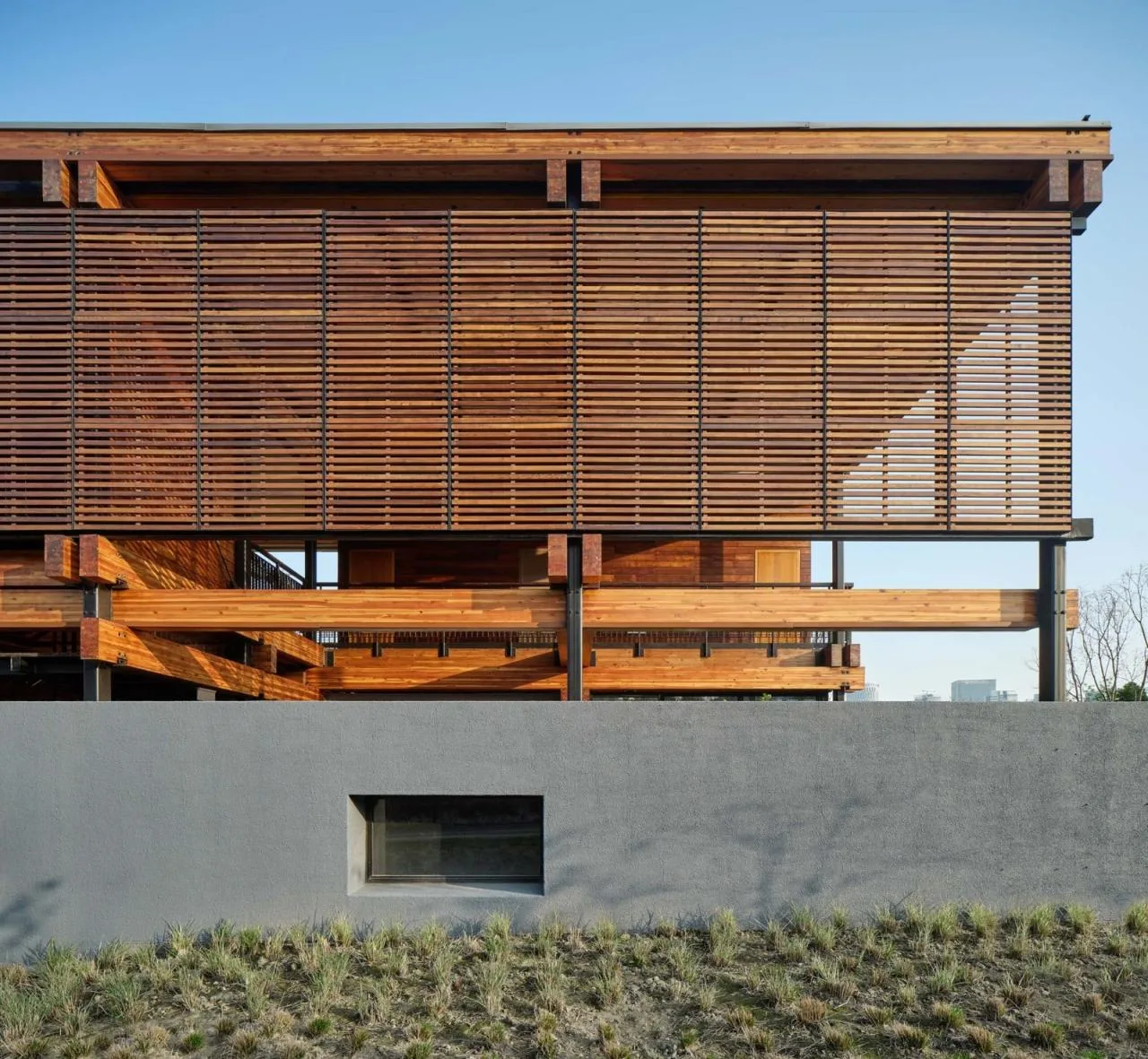
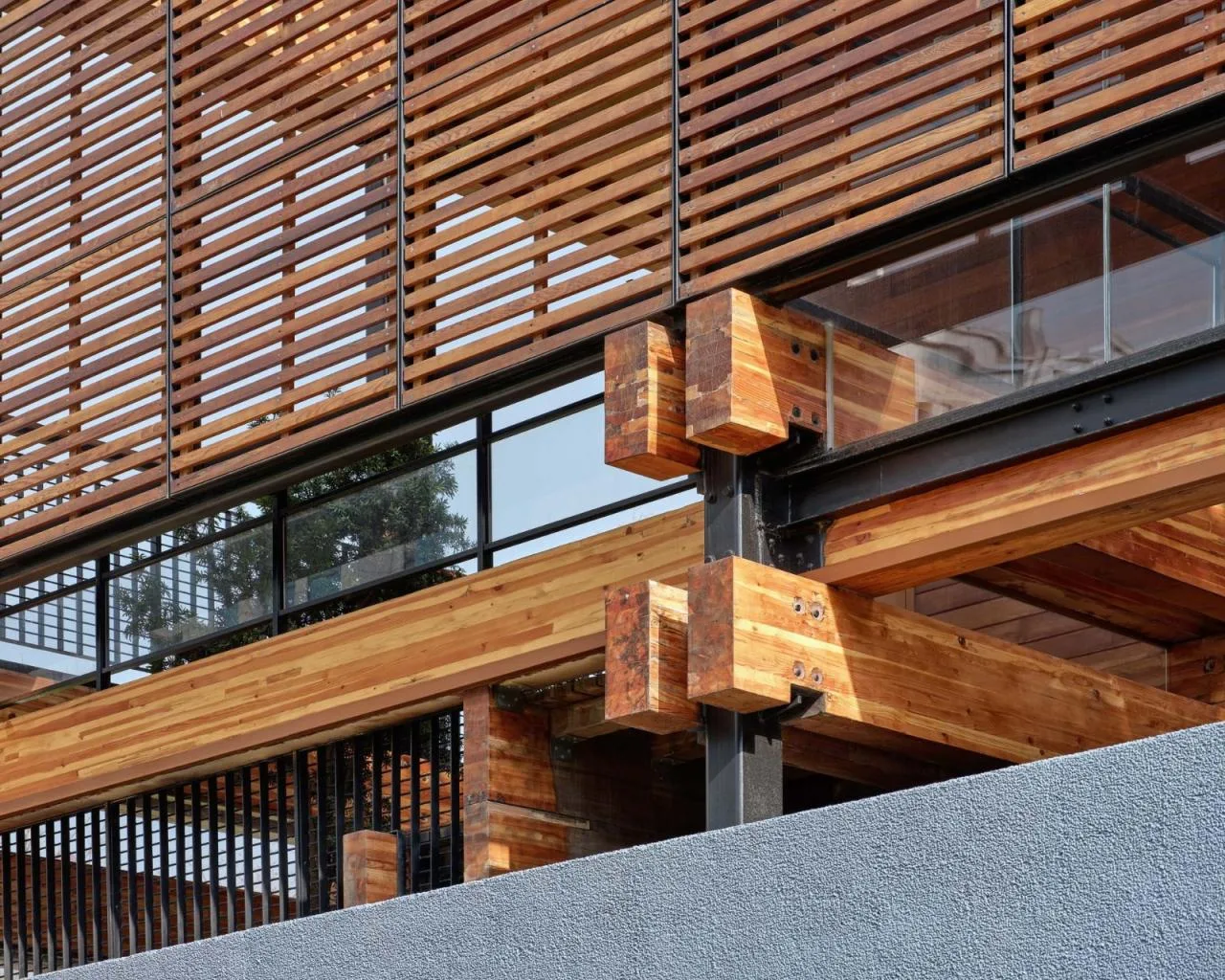
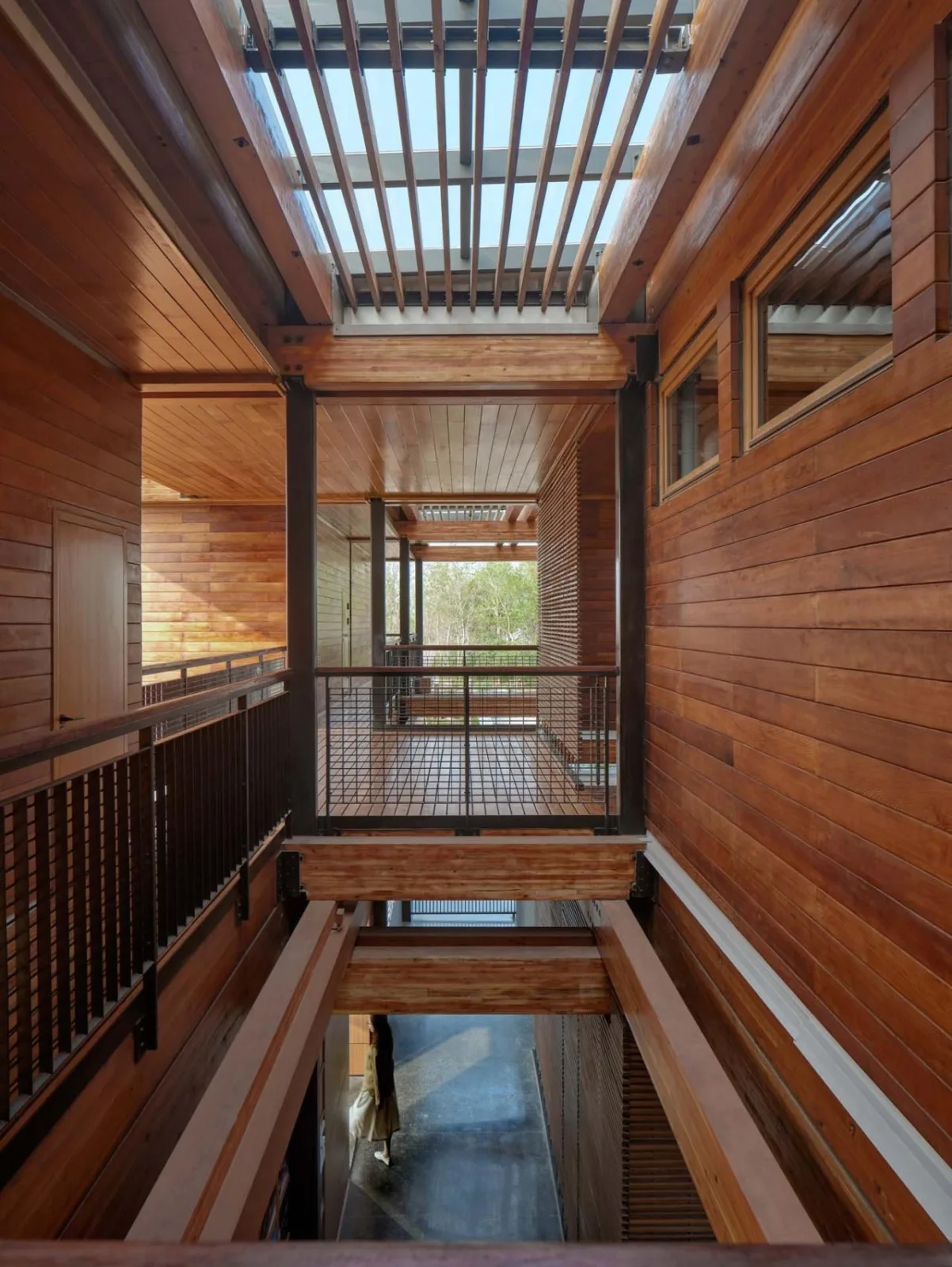
The building’s above-ground portion employs a steel-wood composite structure, featuring vertically and horizontally stacked wooden beams supported by hinged connections. The underground foundation pit and basement exterior walls are made of concrete. The underground level and the first floor above ground utilize a steel frame structure, while the second floor above ground incorporates a mixed steel-wood structure. The upper framework consists of steel columns measuring 150 x 200 mm and wooden beams sized at 180 x 400 mm. The wooden beams envelop the steel columns in a double-beam formation, arranged both vertically and horizontally. Steel cow legs support the wooden beams and steel columns, with slotted wooden beams along the x-axis and anchor bolts securing the y-axis beams. This design effectively addresses the connection challenges between different material components.
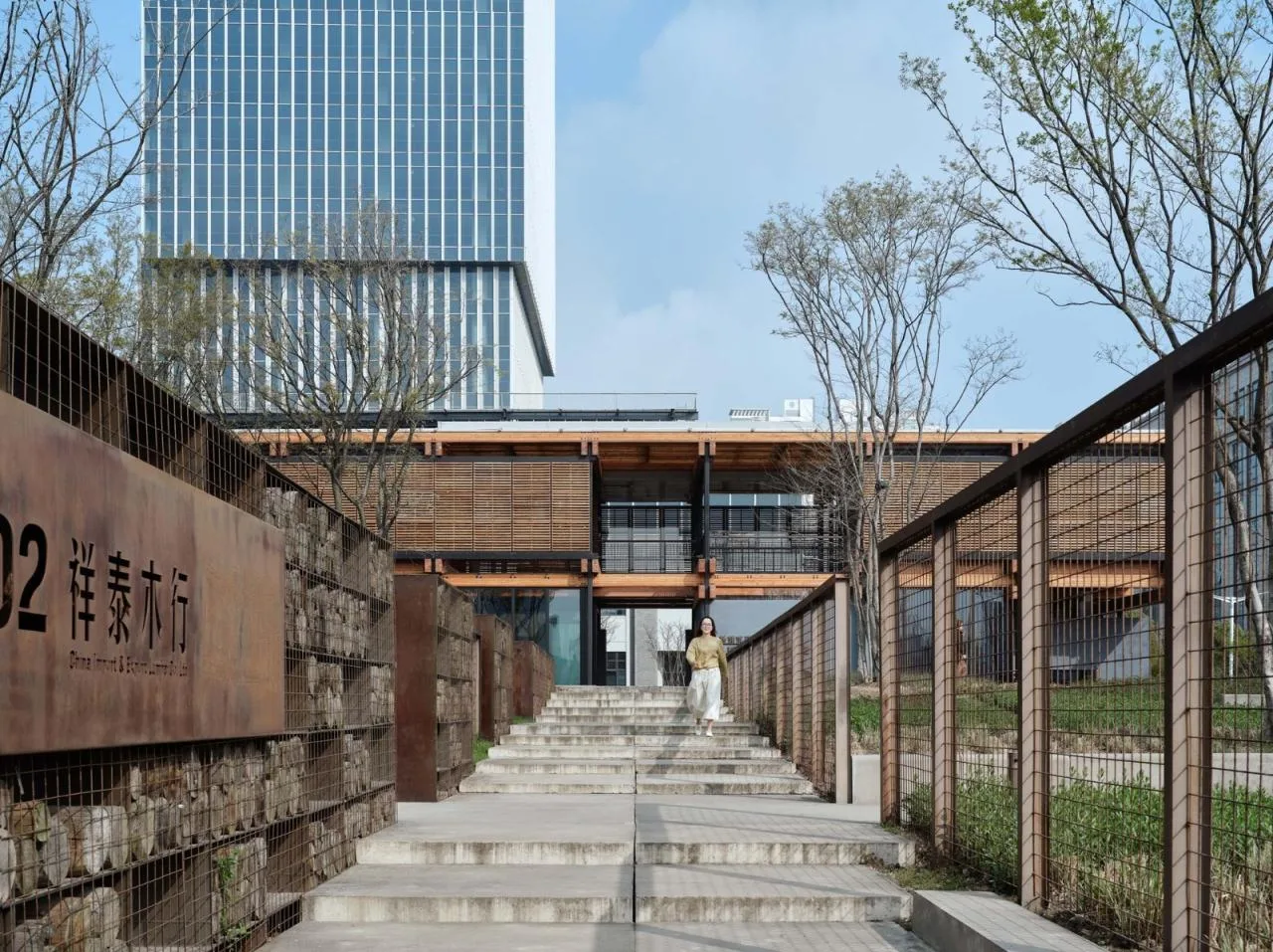
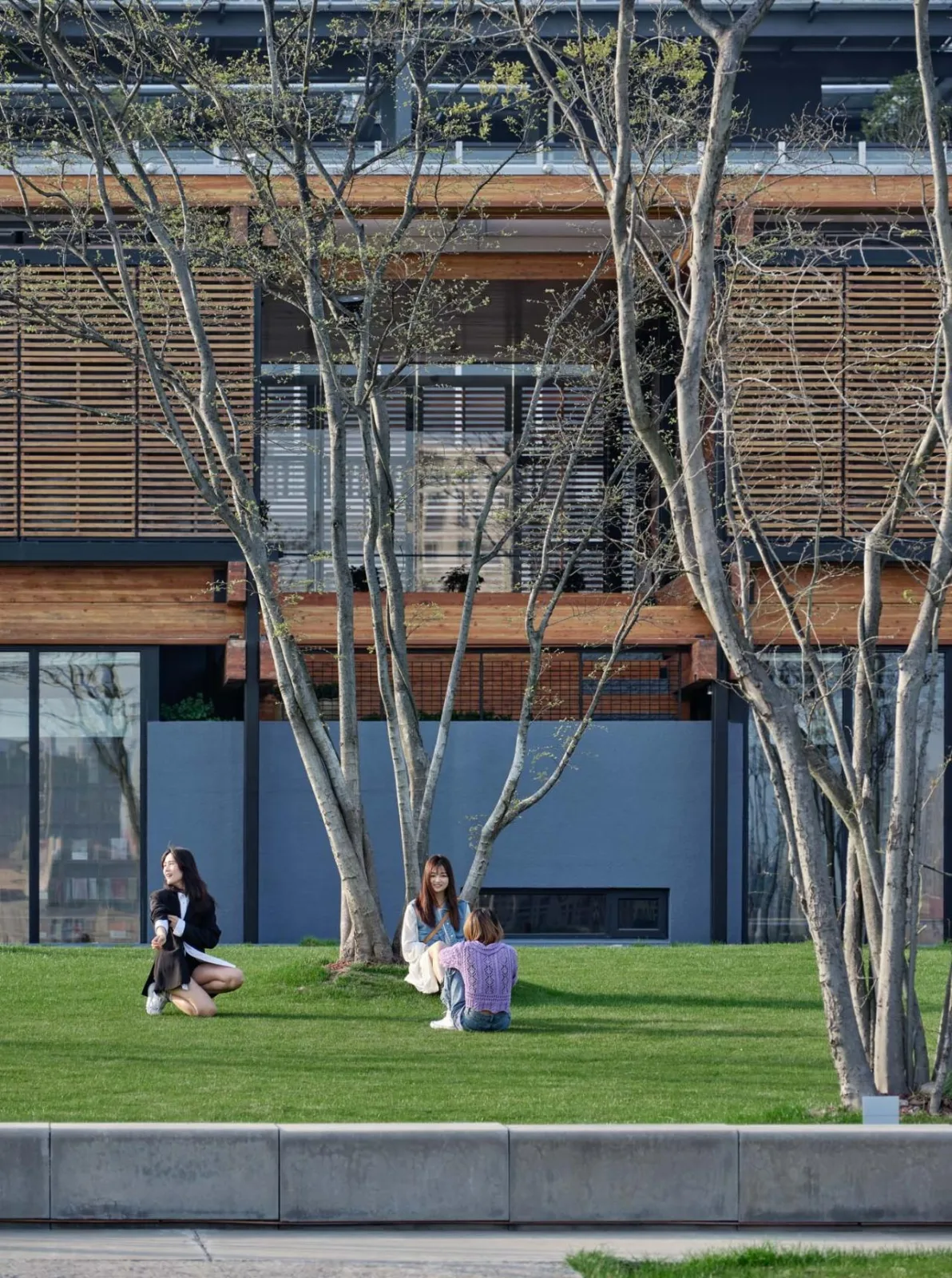
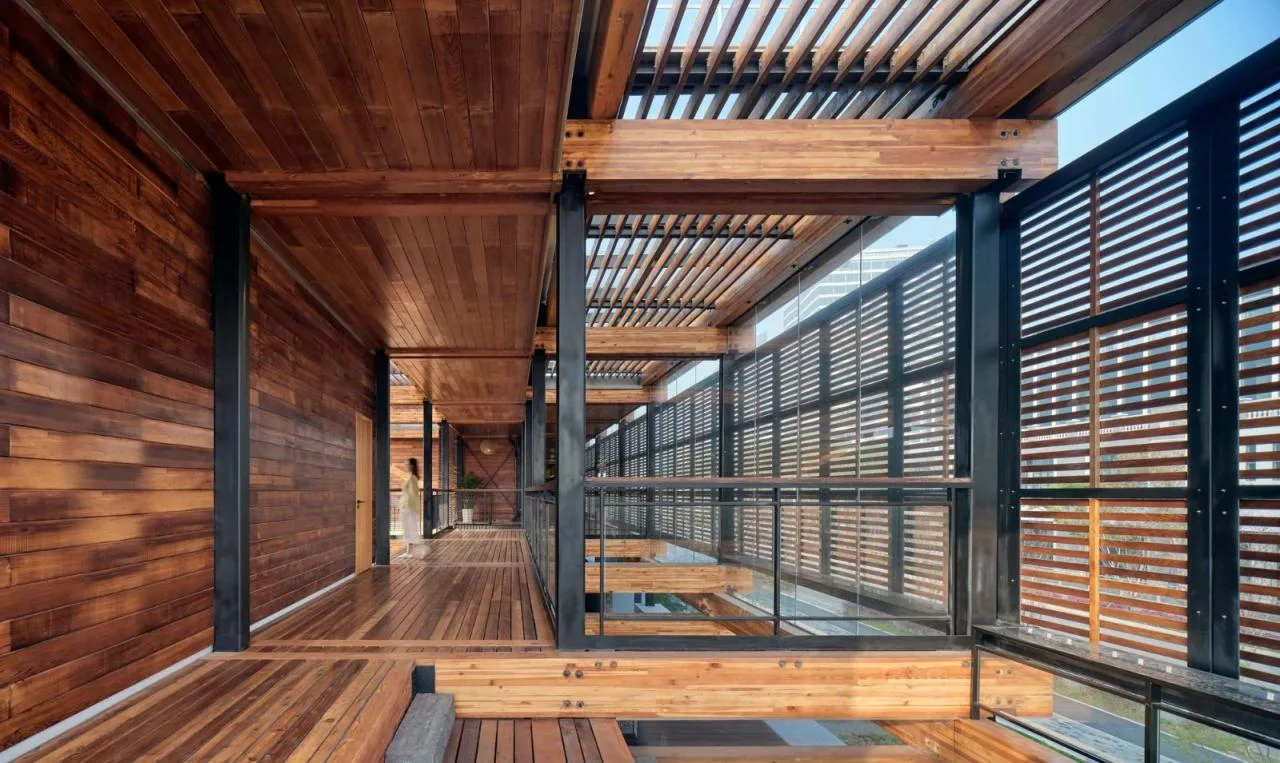
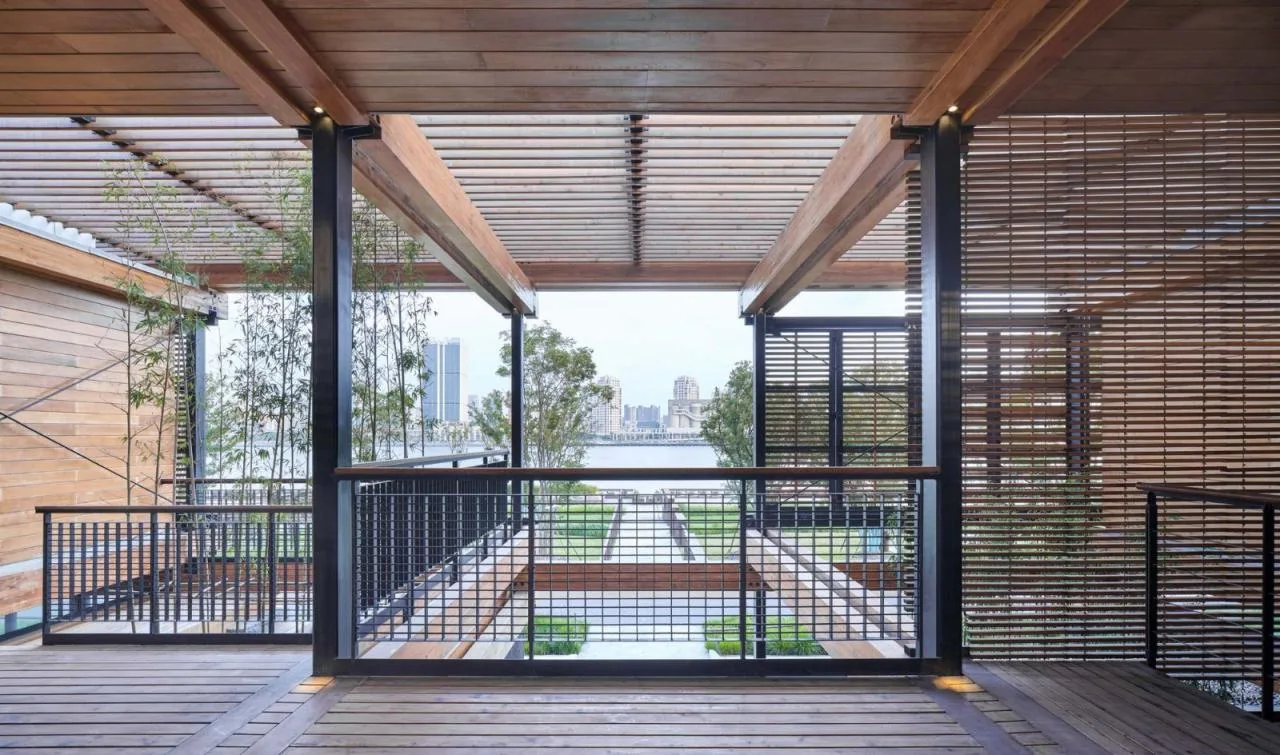
The vertically and horizontally stacked wooden beam design not only echoes the traditional Chinese wooden beam lifting system but also reinforces the components by separating them, effectively solving the connection issues between different materials. This construction method creates a “thick” structural space, lending the middle layer a more three-dimensional and open feel, which enhances its natural integration with the surrounding landscape.
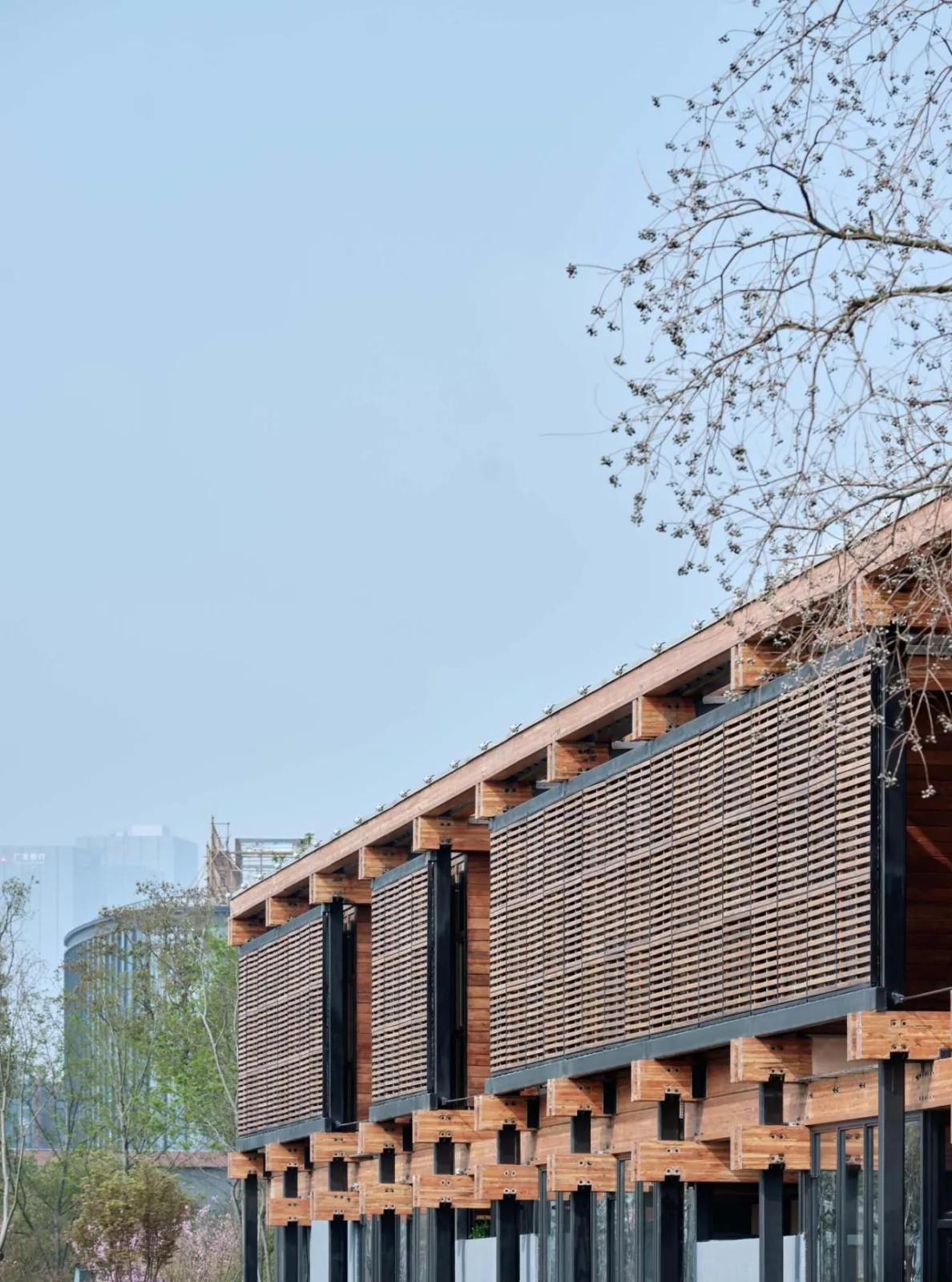
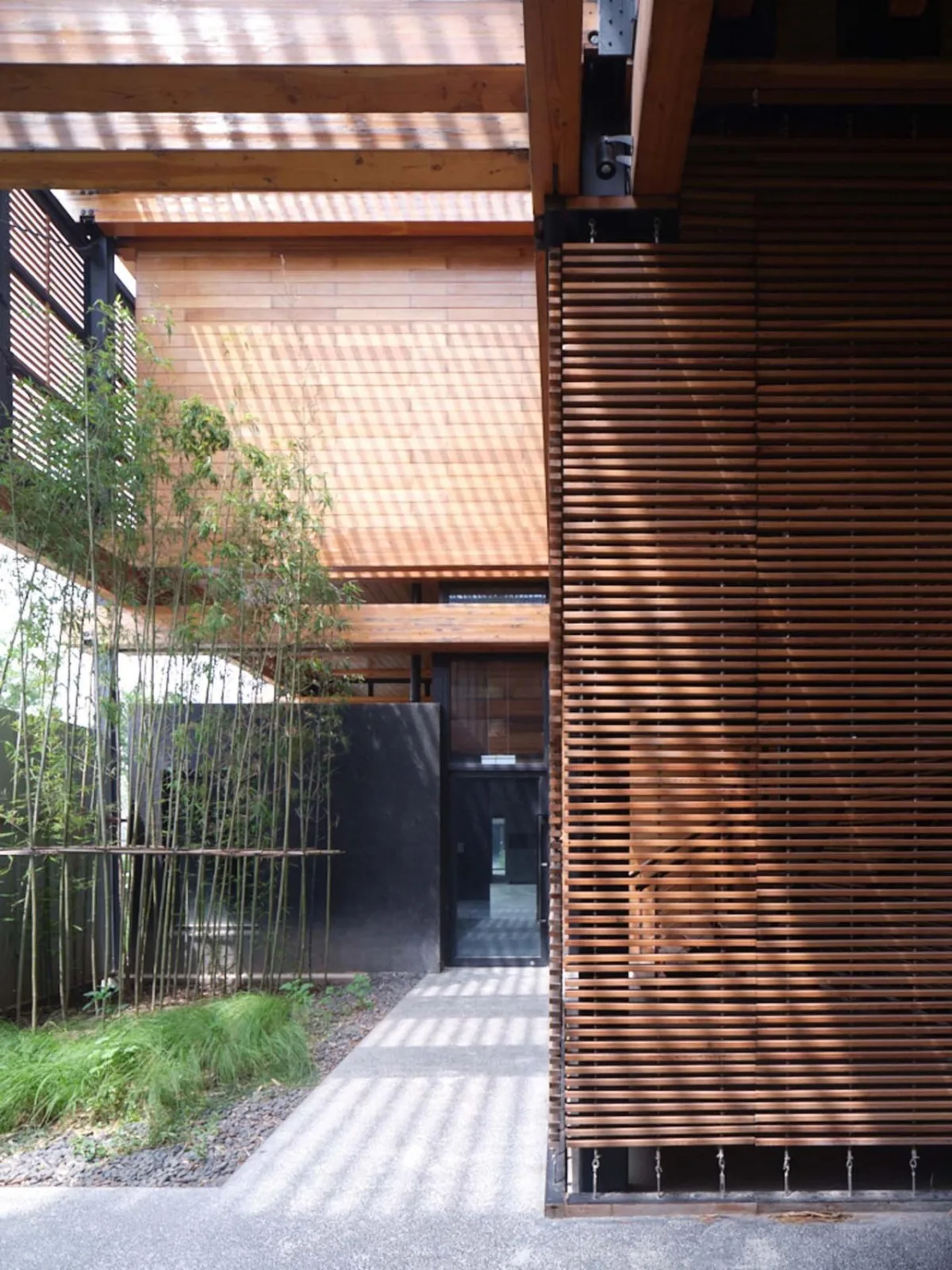
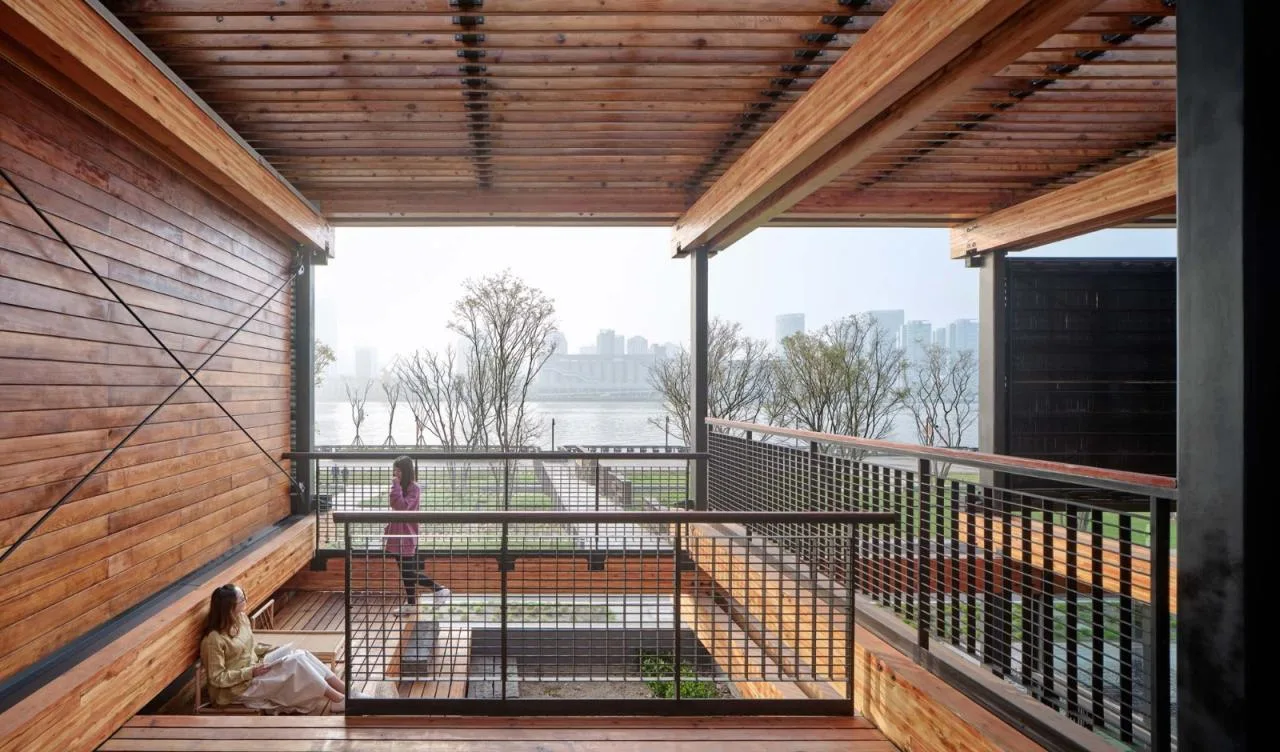
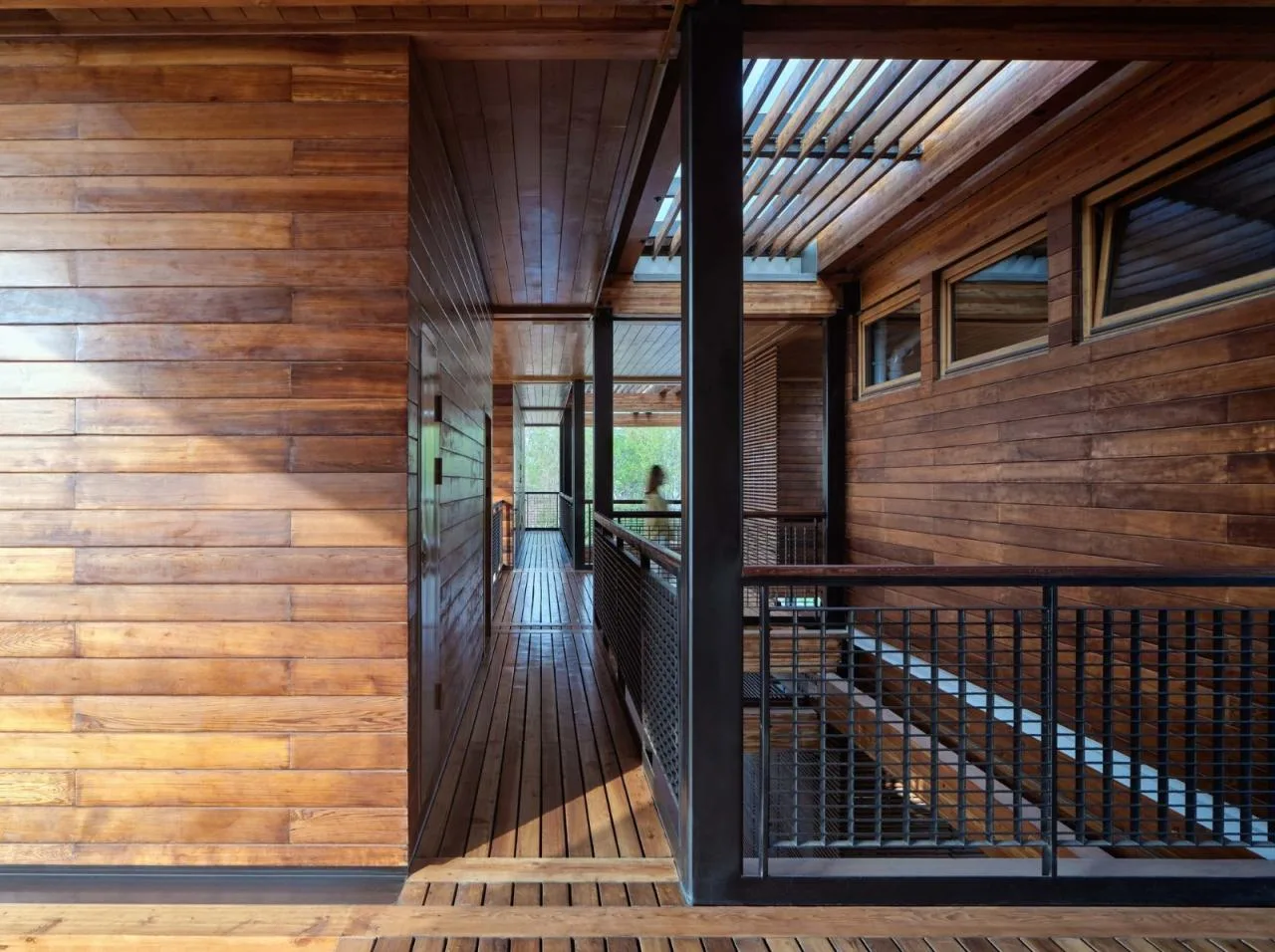
The interior spaces are arranged in a dispersed manner, seamlessly integrating the external landscape with the interior environment. This layout creates a harmonious relationship between the building, the surrounding landscape, and the urban context.
Project Drawings
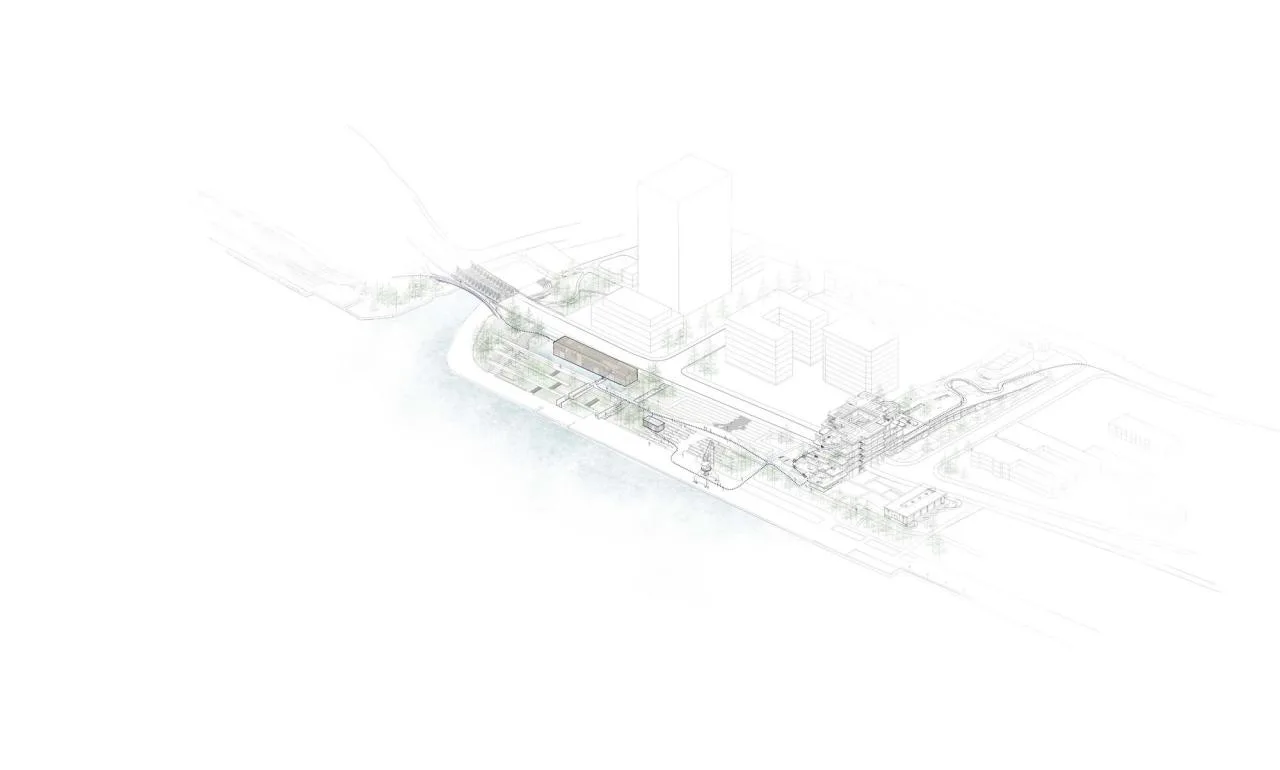
△ Axonometric Diagram
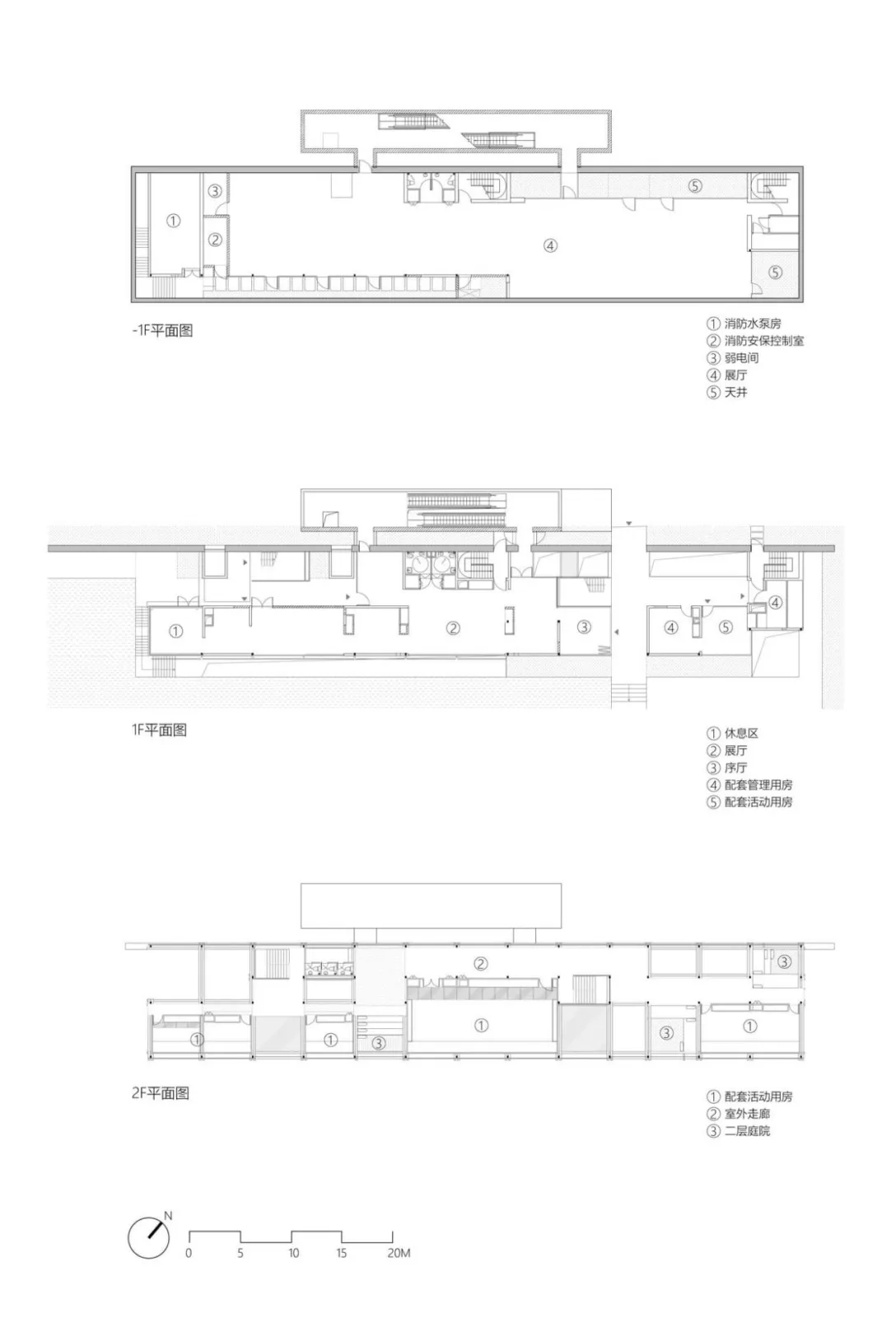
△ Plan View
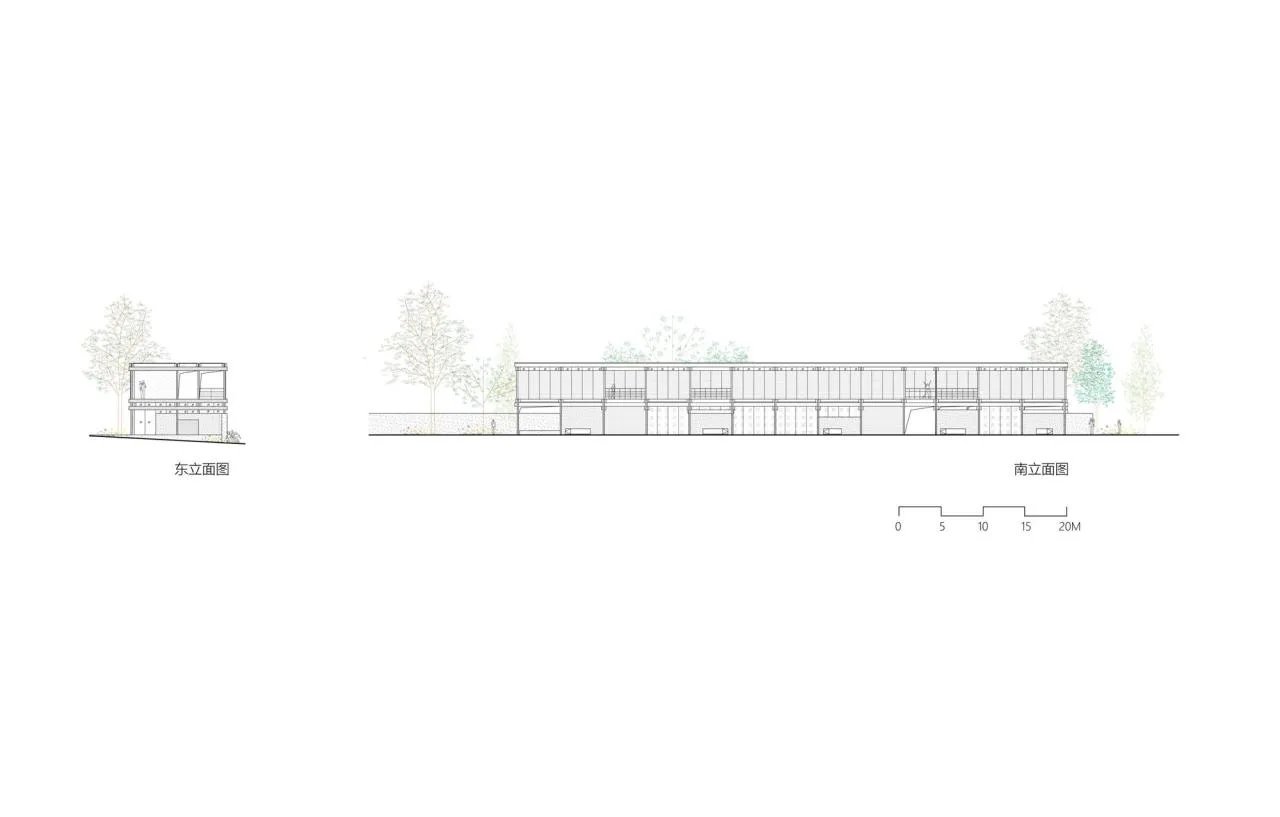
△ Elevation Drawing
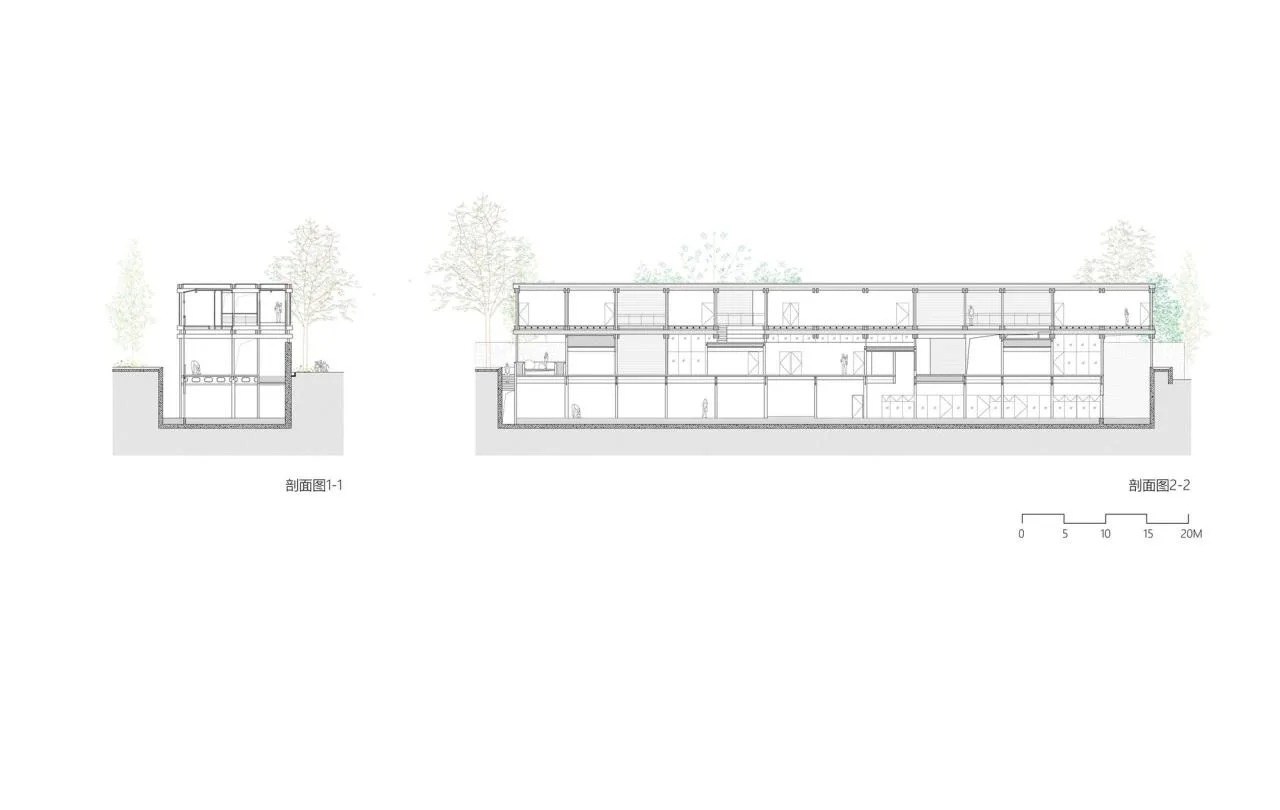
△ Section Diagram
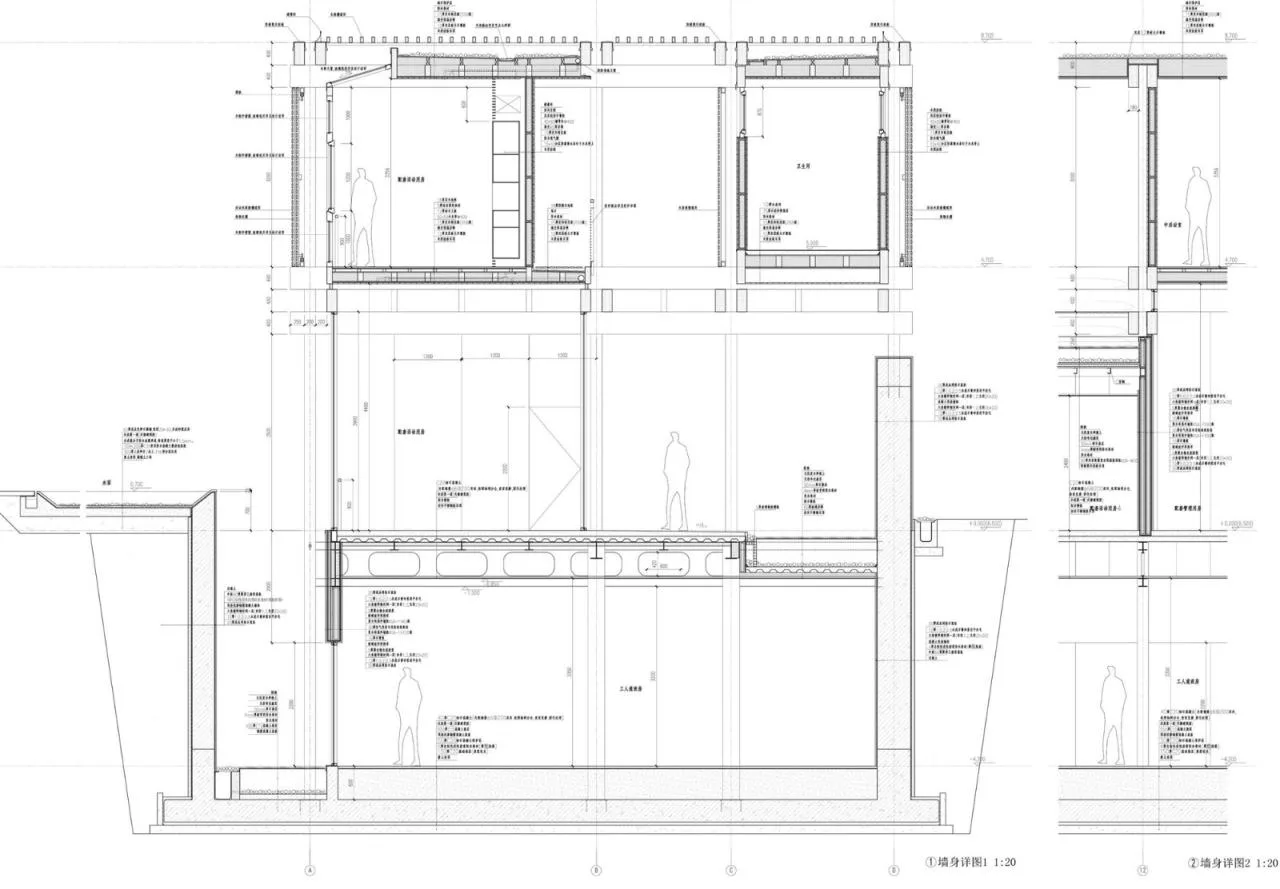
△ Wall Detail Drawing
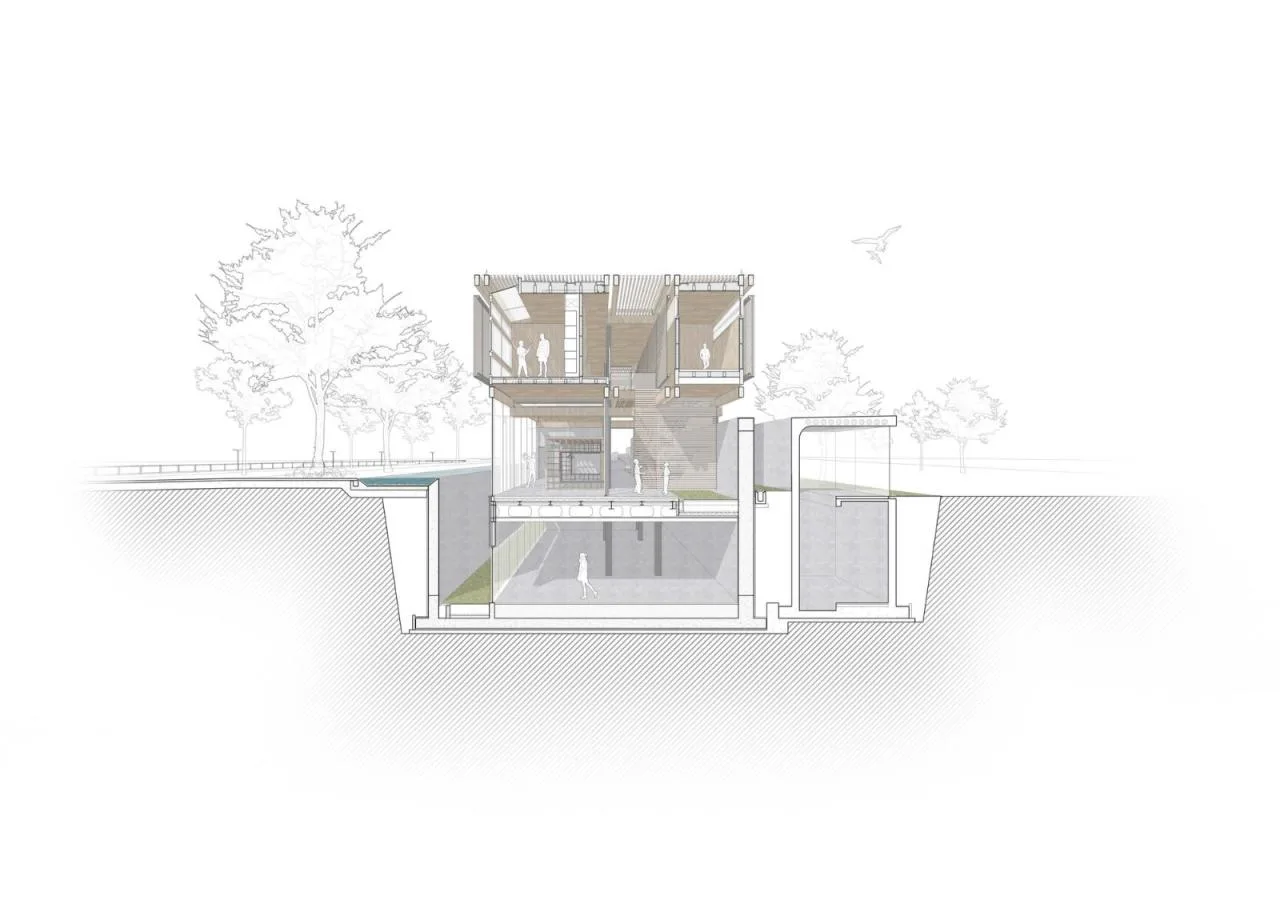
△ Sectional Perspective
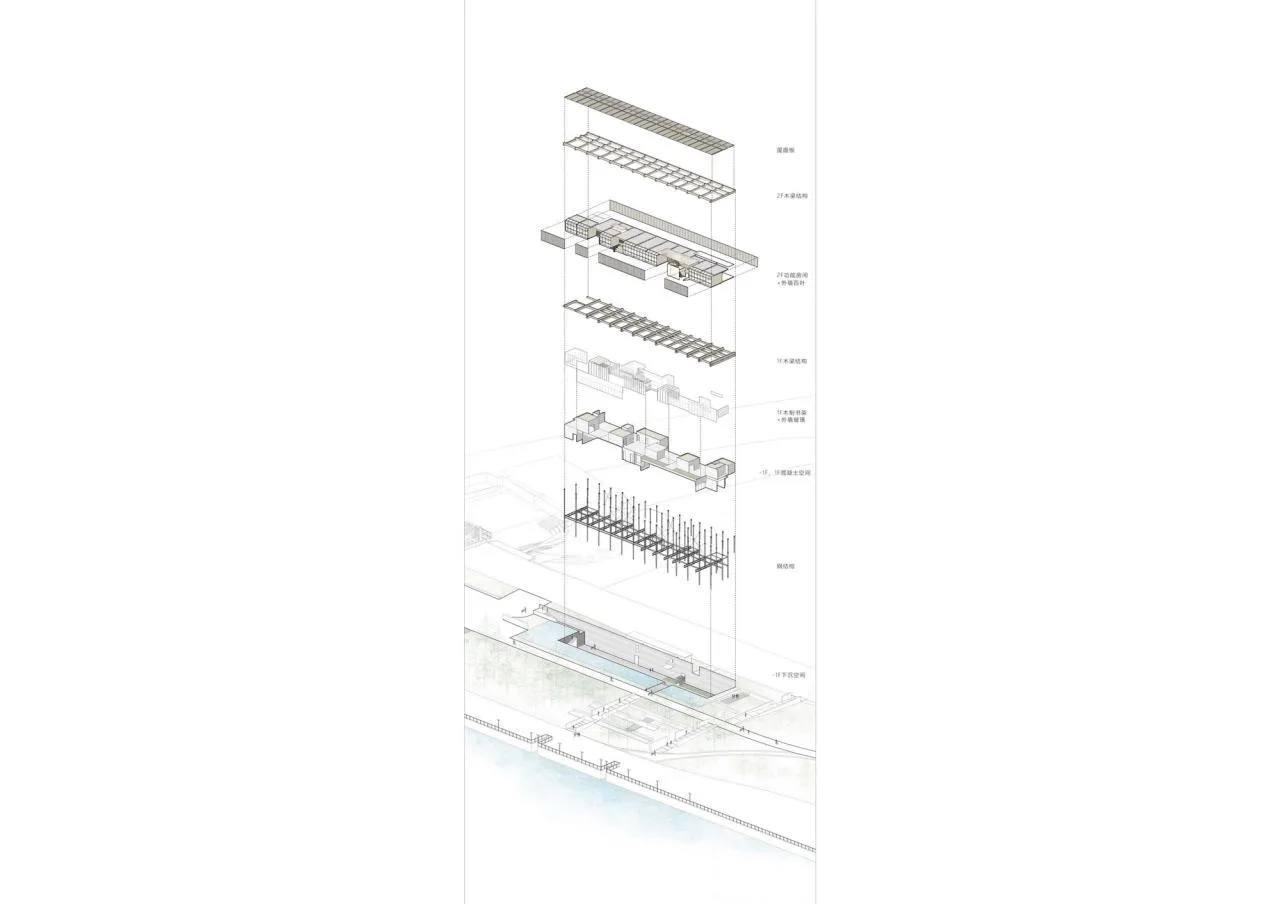
△ Disassembly and Analysis Diagram
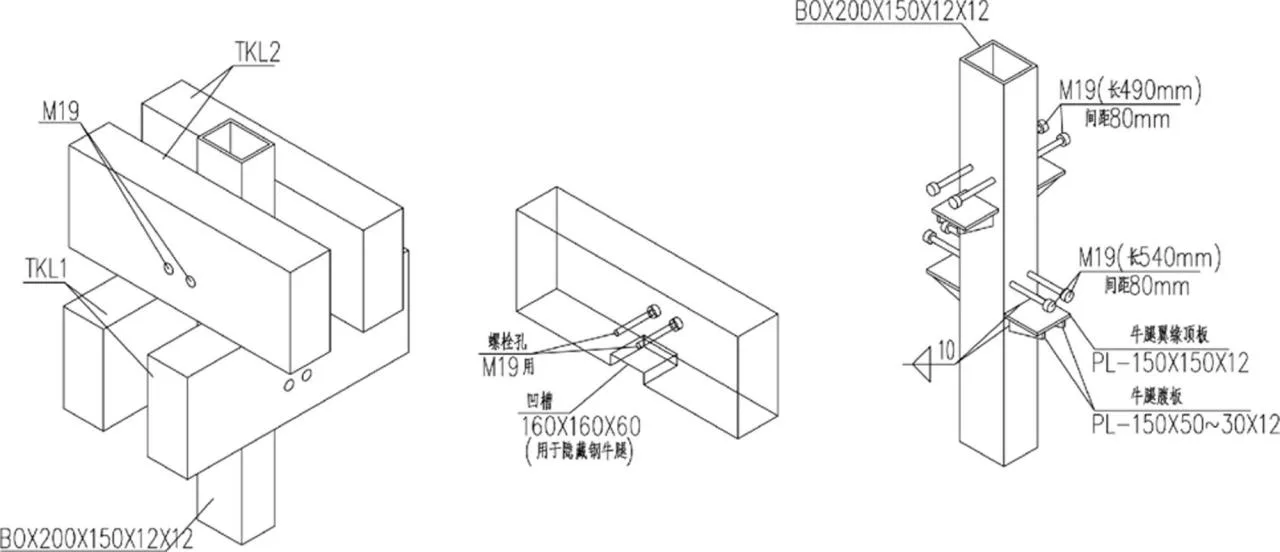
△ Node Diagram
Project Information
Architectural Design: Tongji Original Design Studio
Area: 1,410 m²
Project Year: 2020
Photographer: Octopus Seeks Architecture
Lead Architects: Zhang Ming, Zhang Zi, Qin Shu
Design Team: Li Xuefeng, Yang Qingyuan, Zhang Yichen (intern), Yu Dian (intern), Liu Jingyi (intern)
Owner: Yangpu Binjiang Investment Development Co., Ltd
Location: Shanghai, China
















Must log in before commenting!
Sign Up