
The eagerly awaited Tian’an Qianshu Phase I Shopping Mall has recently opened its doors in Shanghai. With its diverse retail offerings and artistic ambiance, the project delivers a fresh, all-in-one retail and leisure experience, quickly establishing itself as a new landmark along the Suzhou riverside.
Situated on Moganshan Road in Putuo District, Shanghai, Tian’an Qianshu borders the Suzhou River to the north and the M50 Art Industry Park to the east. The site was formerly a national industrial relic—the old Rong’s Fufeng Flour Mill. The entire development spans two plots, east and west, covering approximately 300,000 square meters, and was designed by the renowned British designer Thomas Heatherwick.
The newly opened Phase I shopping mall occupies the western section of the site. It integrates nature, culture, art, and innovative commerce to create an immersive living and leisure environment. Arup has been involved in the project since 2012, providing structural design, preliminary consulting, and construction drawing reviews.
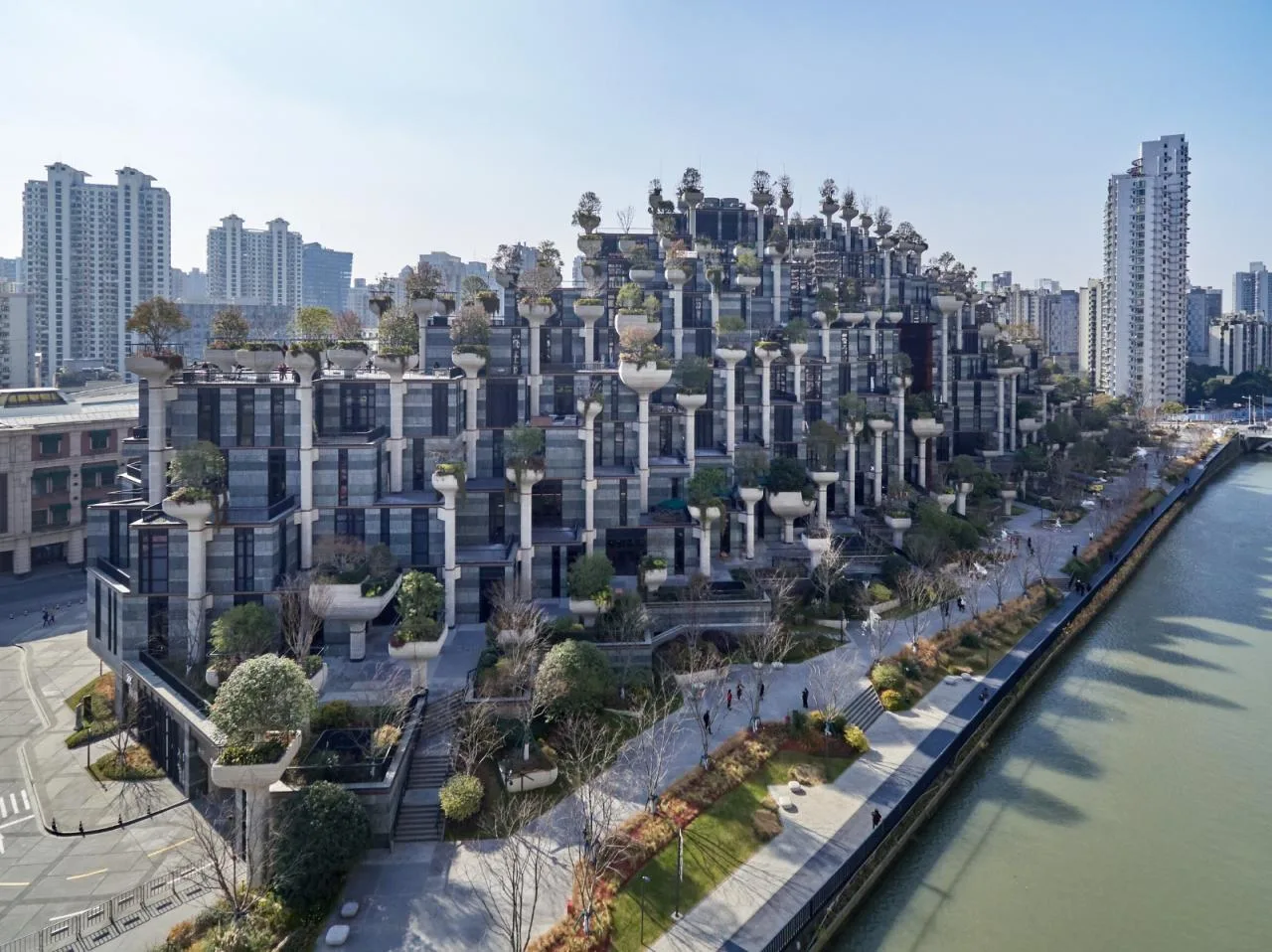
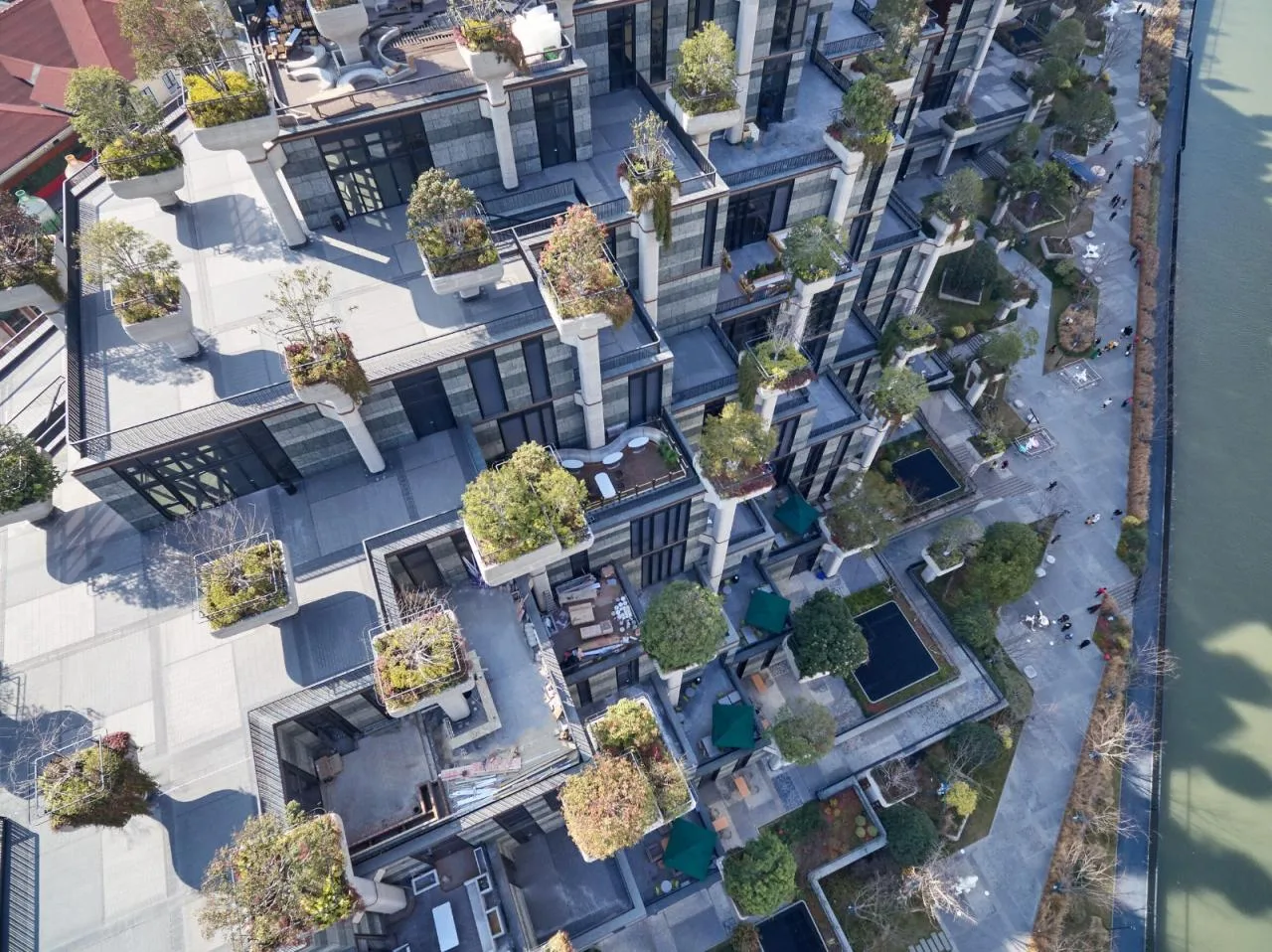
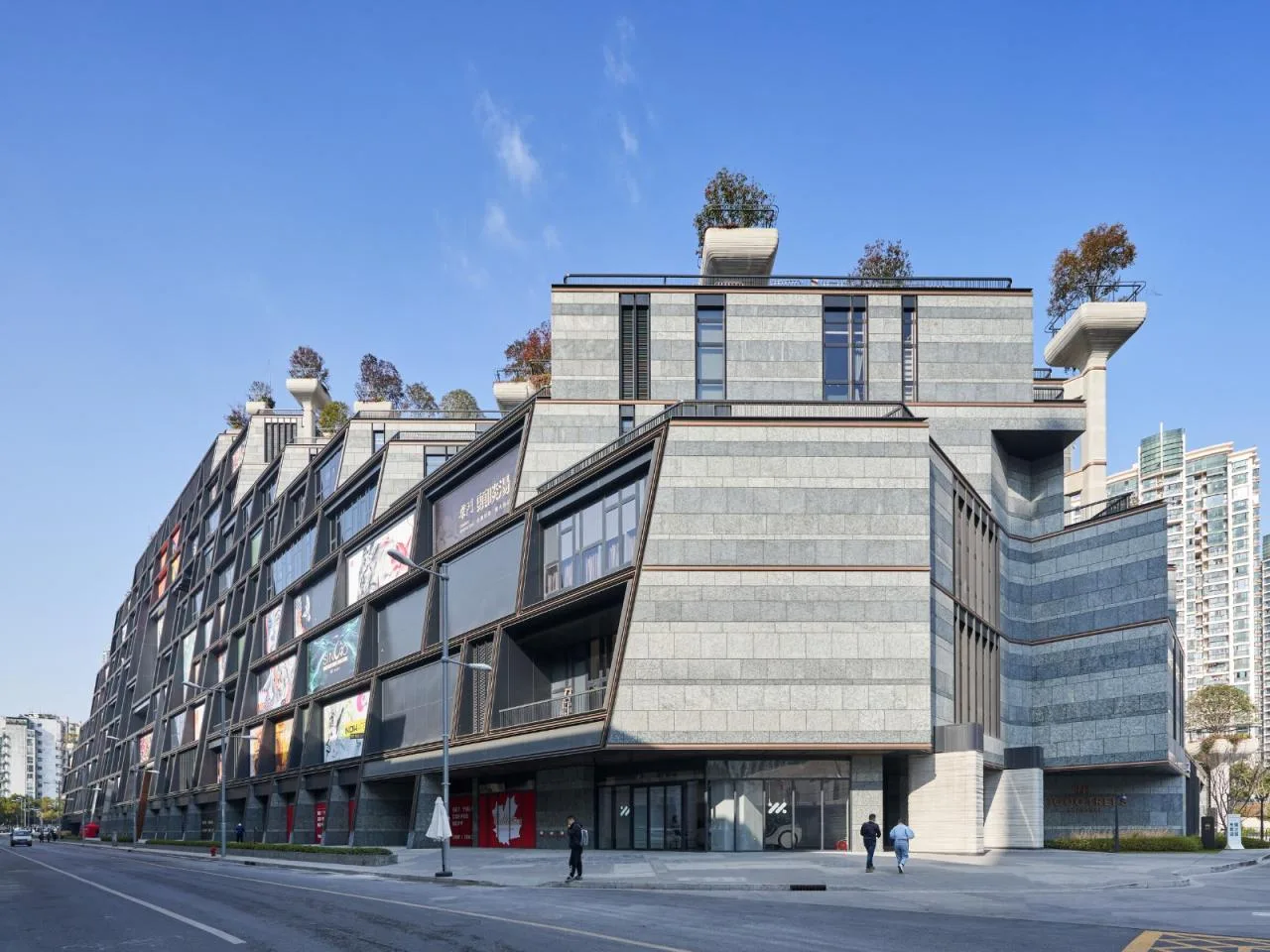
© Kingkay Architectural Photography
Structural Logic Behind a Unique Landmark
This expansive commercial complex stands approximately 60 meters tall, featuring nine floors above ground and three basement levels. Nearly 1,000 plain concrete “flowerpot columns” rise continuously from ground level to the roof, creating a distinctive architectural style. The building’s facade gradually steps back in layers, resembling two green-covered mountains, visually forming a “green island” that blends seamlessly with its surroundings.

© Tian’an Qianshu
Unlike typical mixed-use buildings that often feature square layouts, glass facades, and steel or steel-concrete structures, Tian’an Qianshu introduces a distinctive new topology for its structural system.
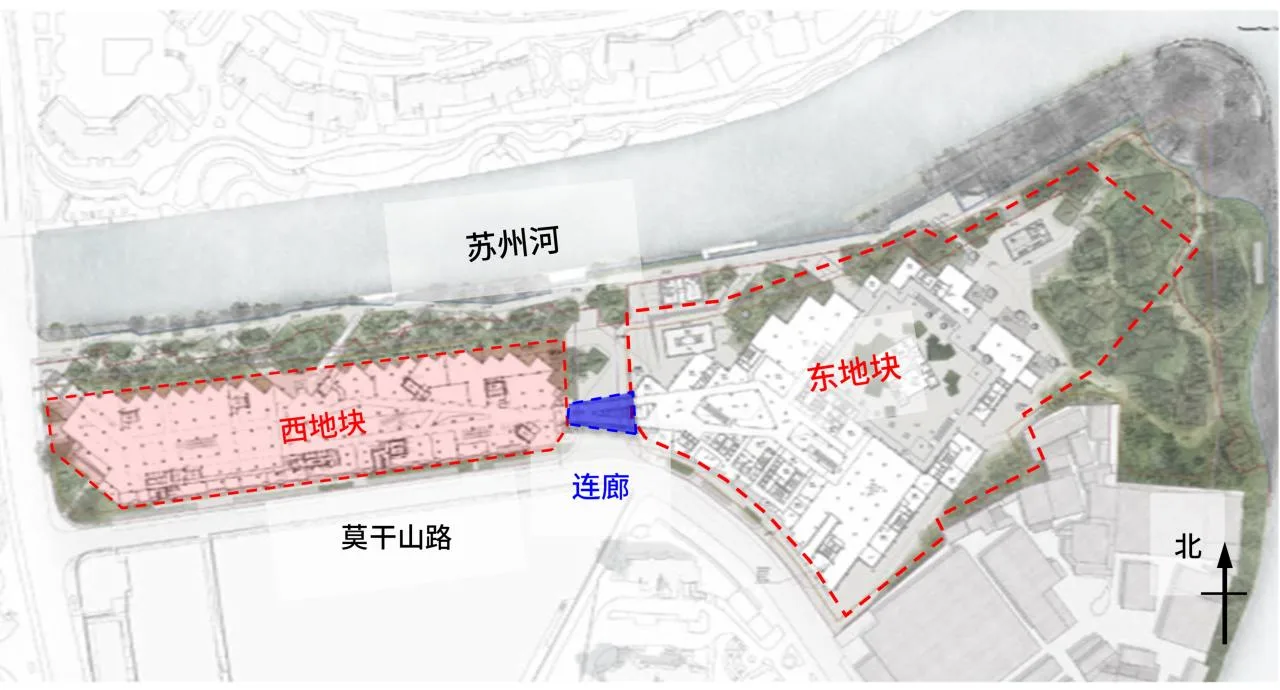
Base Plan © Heatherwick Studio
At the project’s outset, Thomas Heatherwick envisioned using a standard 9-meter by 9-meter column grid to support the architectural concept, aiming to minimize structural costs and allocate more budget toward construction and greenery.
However, the complex form of the building posed structural and construction challenges. The shopping mall’s interior includes irregular elements such as flow paths, courtyards, activity areas, and variously sized shops, meaning not all columns could conform strictly to the 9-meter grid.
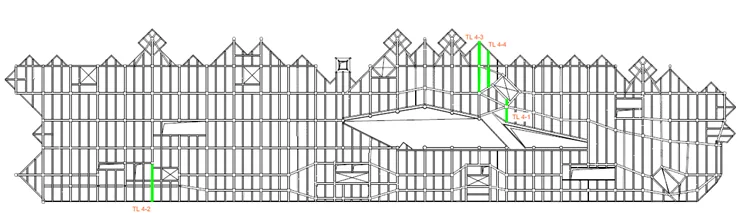
Large Overhang – Structural System © Arup
After detailed design and coordination, Arup proposed removing some columns from the 9-meter grid and addressing spatial needs by incorporating inclined columns, transition columns, large-span cantilever frames, and suspension columns. Although walls were considered, the project’s shape and wall locations led to the selection of a concrete frame structure.
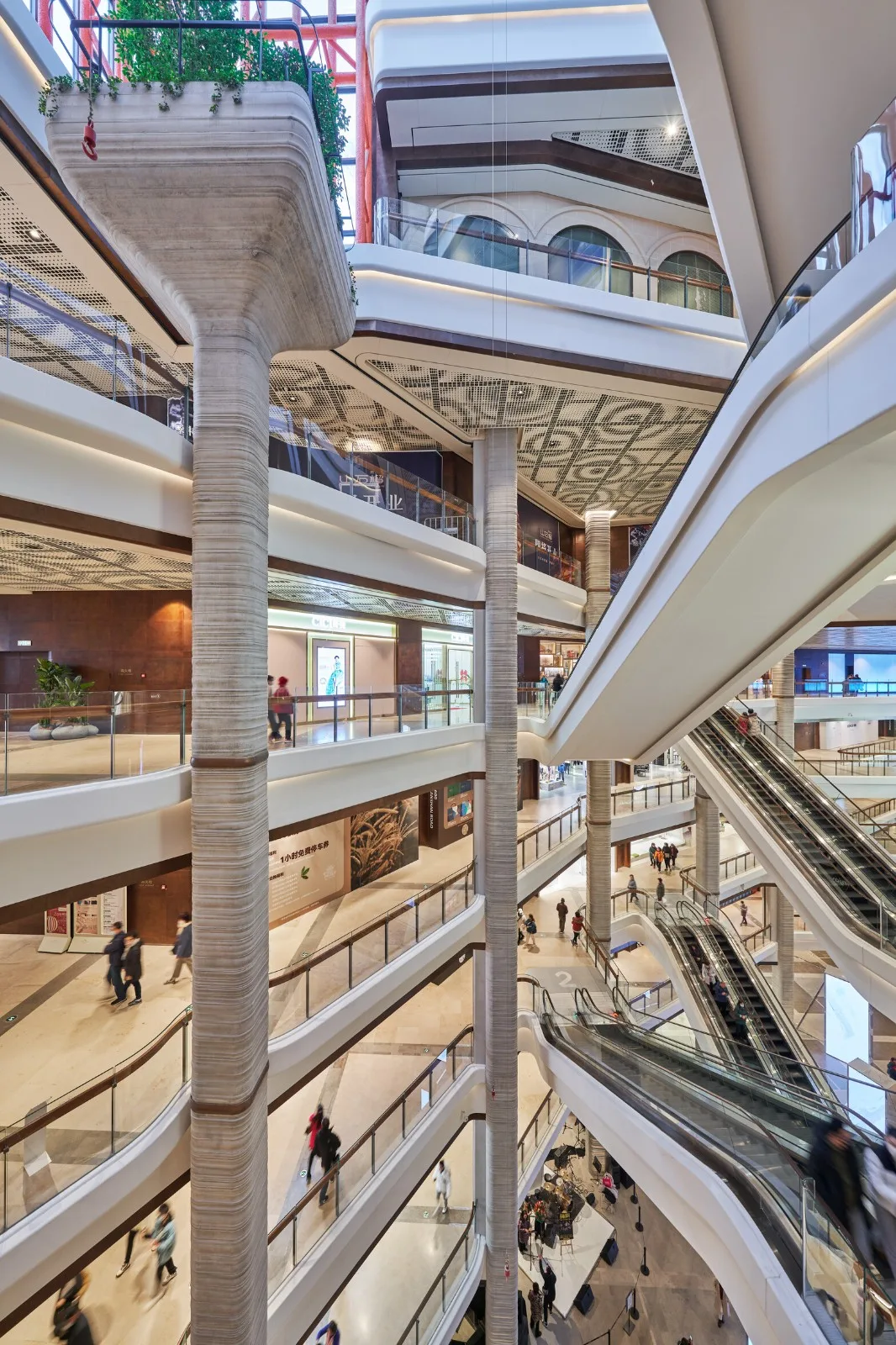
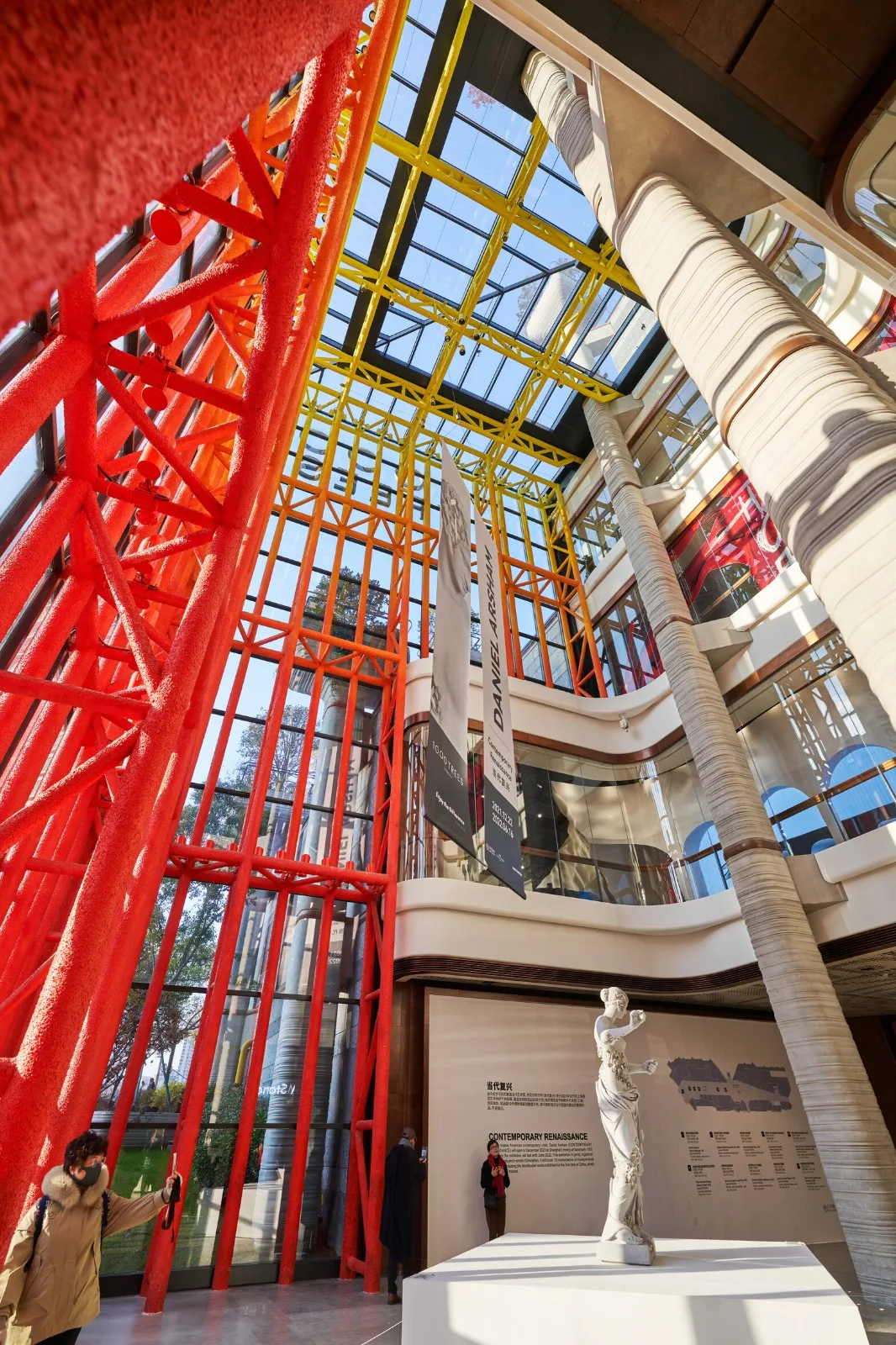
© Kingkay Architectural Photography
Seamless Design of an Ultra-Long Structure
The project’s plan is narrow and elongated, stretching up to 260 meters long and only 60 meters wide. At its narrowest, the eighth floor measures just 153 meters by 12 meters, with an aspect ratio of 12:1. Traditionally, floor shrinkage in such structures is addressed with at least one expansion joint. However, considering functional and aesthetic factors, the team conducted detailed analyses of weak areas and applied targeted local reinforcements. This approach eliminated the need for expansion joints, preserving the building’s facade integrity.
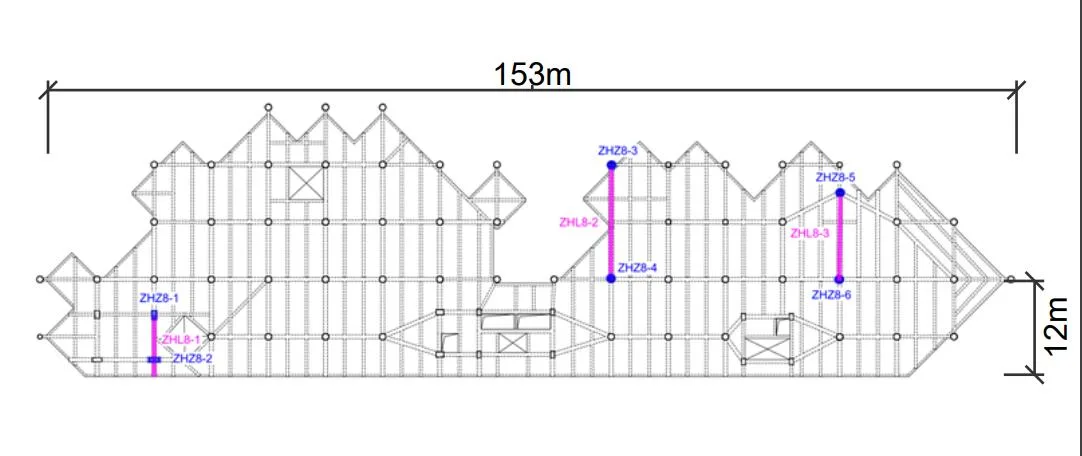
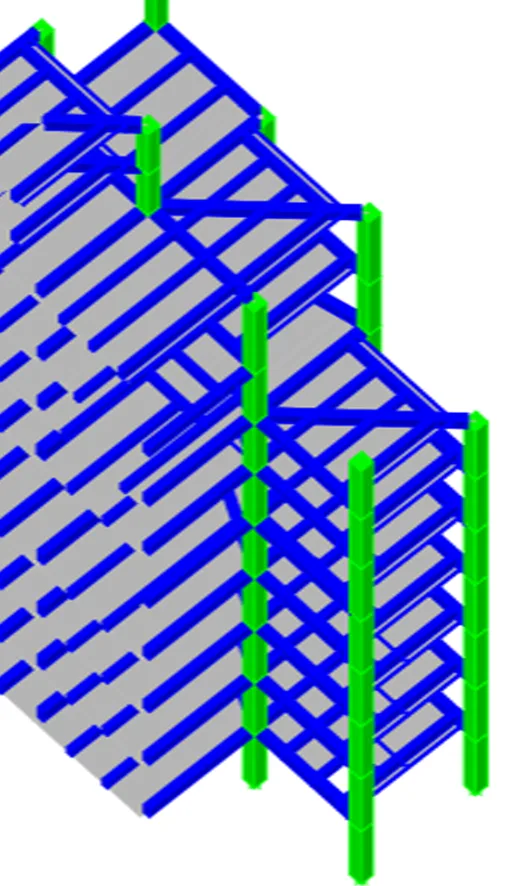
Schematic Diagram of 8th Floor Conversion Components © Arup
Due to building setbacks, partial single-span frames form at various floors, resulting in less structural redundancy and reduced seismic resistance. To address this, local reinforcements were applied to single-span trusses. Nonlinear time history analyses simulated seismic responses to ensure their strength and performance.
Innovative Component Optimization for Seismic Performance
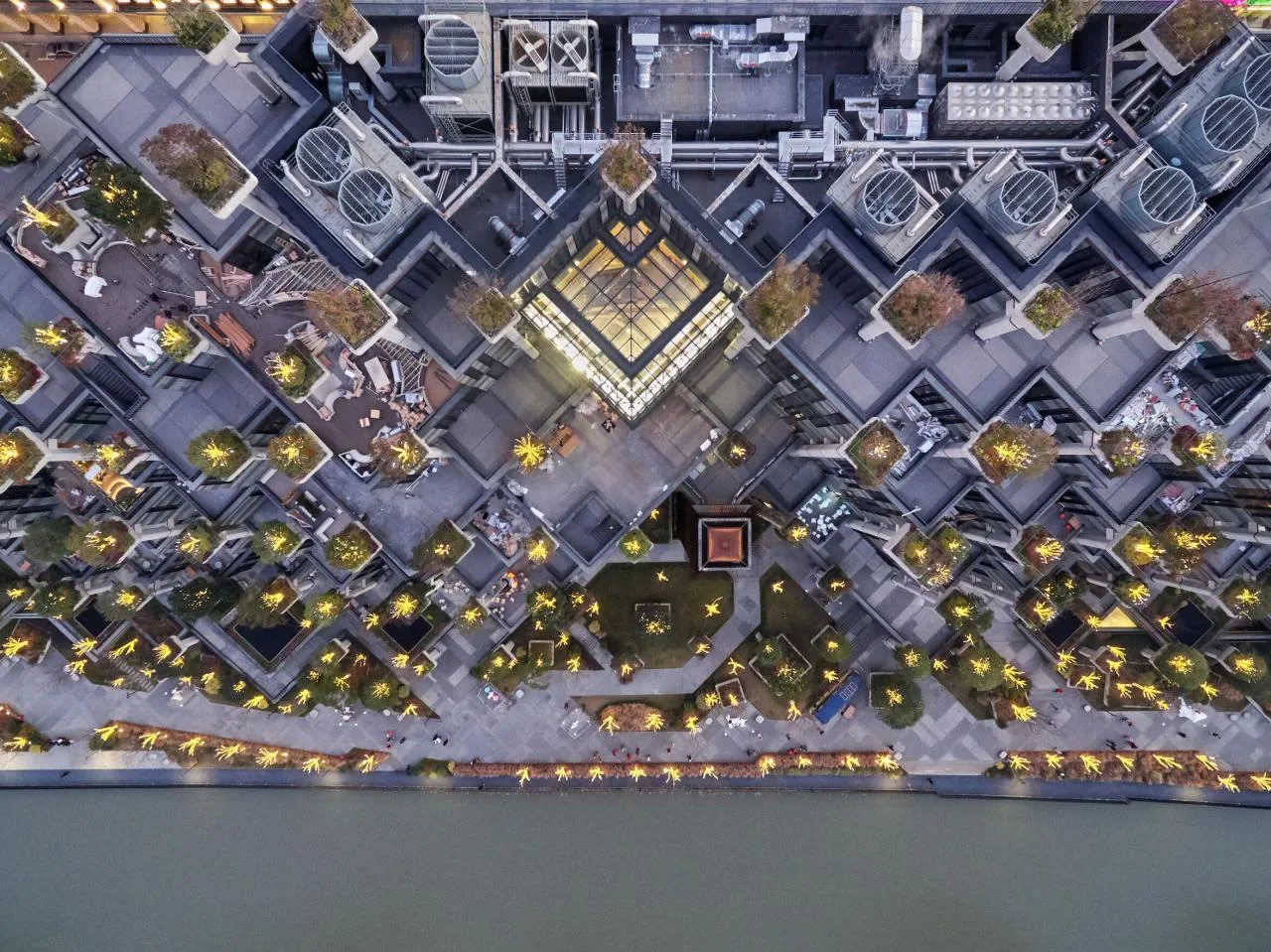
The narrow, elongated site and stepped facade introduced challenges in adjusting seismic design elements like displacement and rotational stiffness. The building’s tiered edges create 45-degree inclined, corrugated terraces with exposed columns handling indoor and outdoor drainage, varying finishes, and a 45-degree rotated structure—posing significant design challenges for floor frames and clearance spaces.
Heatherwick Studio, known for its architectural innovation, emphasized research and building functionality throughout the design. The Tian’an Qianshu project features numerous components of varying sizes, presenting both challenges and opportunities for structural engineering.
© Kingkay Architectural Photography
The distinctive architectural expression of the structural columns inspired further structural innovation. The architect intended to expose all protruding frame columns around the perimeter and those at the atrium entrance, extending them continuously from ground level to the top, creating a mountain-like terrace effect.
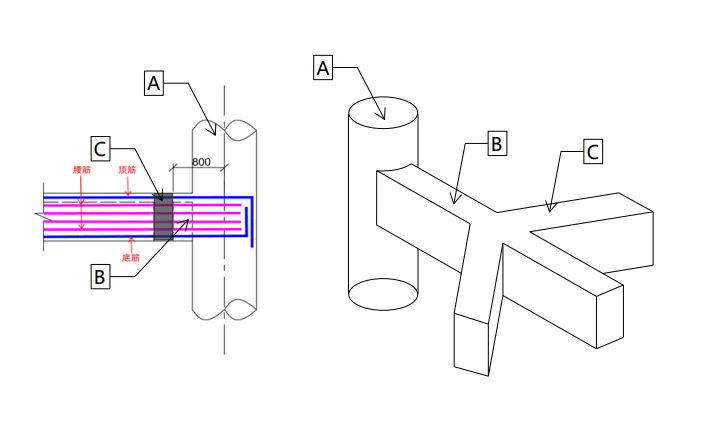
Typical Connection Between Exposed Columns and Frame Beams © Arup
Introducing frame beam-column eccentricity and shear connectors increased the complexity of seismic design. Arup’s team used computational analysis to simulate buckling modes of exposed frame columns, determining the effective length coefficients along the east-west direction and optimizing shear connector sizes.
Moreover, the exposed columns form a 45° angle with the orthogonal beam grid, leading to dense reinforcement at beam-column joints. To address this, circular structural columns were employed, simplifying construction while achieving the desired 45-degree visual effect with special exterior detailing.
Verification of Frame Beams Connected to Exposed Columns © Arup
Detailed Design for Vertical Greening
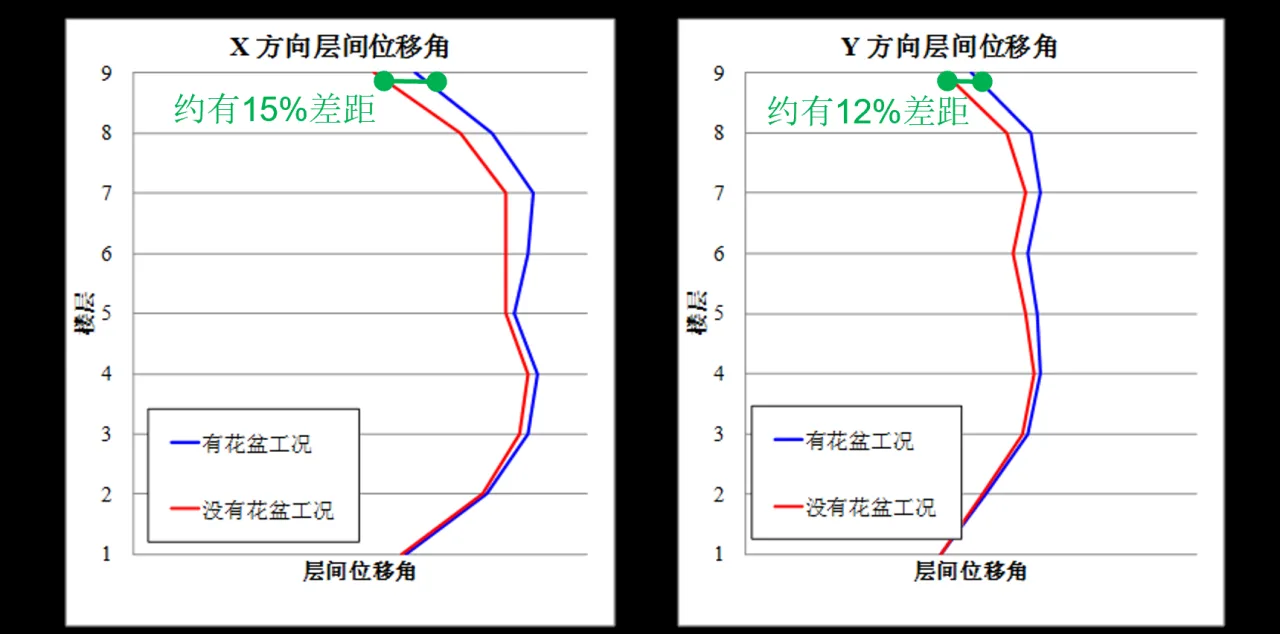
The project’s most striking feature is the nearly 1,000 green plants adorning the open terraces. While these lush planters are not part of the structural lateral system, their volume and weight account for about 4% of the building’s total weight, making them a critical element in architectural and detail design.
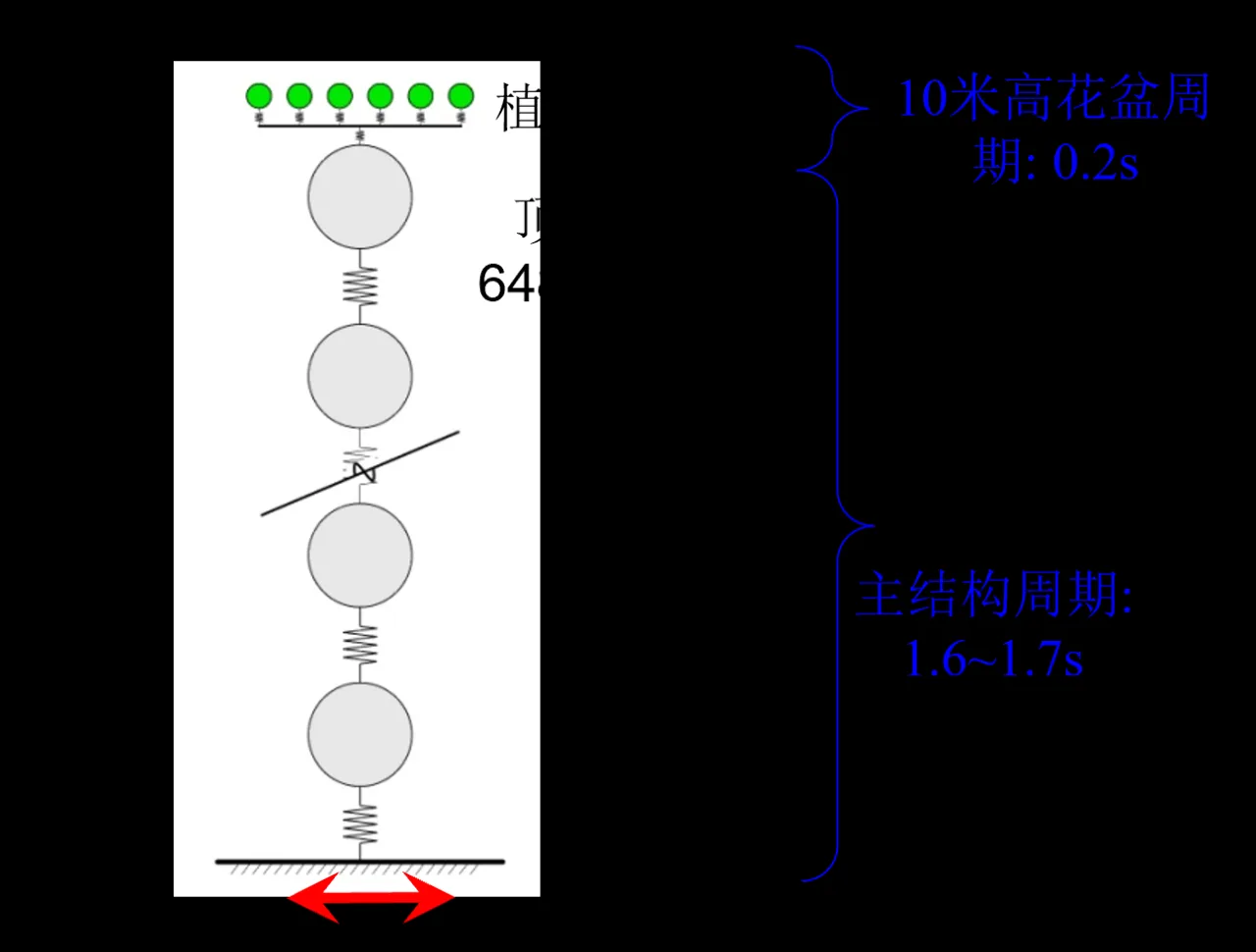
The Impact of Vertical Greening on Structure © Arup
Throughout the design process, Arup conducted thorough analysis of the large-scale vertical greenery to ensure structural safety and compliance with seismic standards.
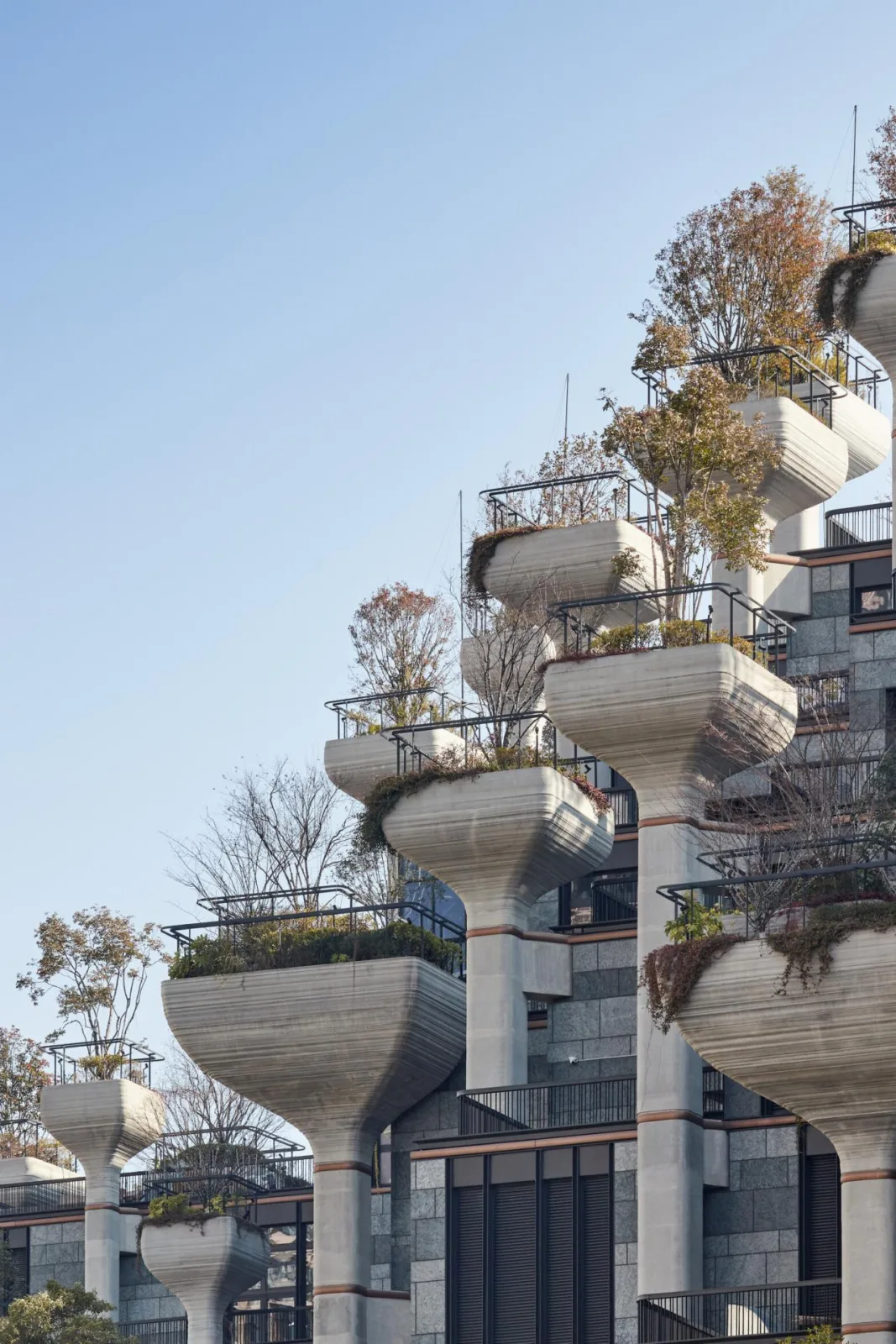
Clear Water Concrete “Flowerpot Column” © Kingkay Architectural Photography
The architectural plan includes five different sizes of planters. The largest independent planter is a square measuring 3.6 meters on each side with 2 meters of soil depth. The largest non-independent planter, partially supported by beams, measures up to 6 by 6 meters.
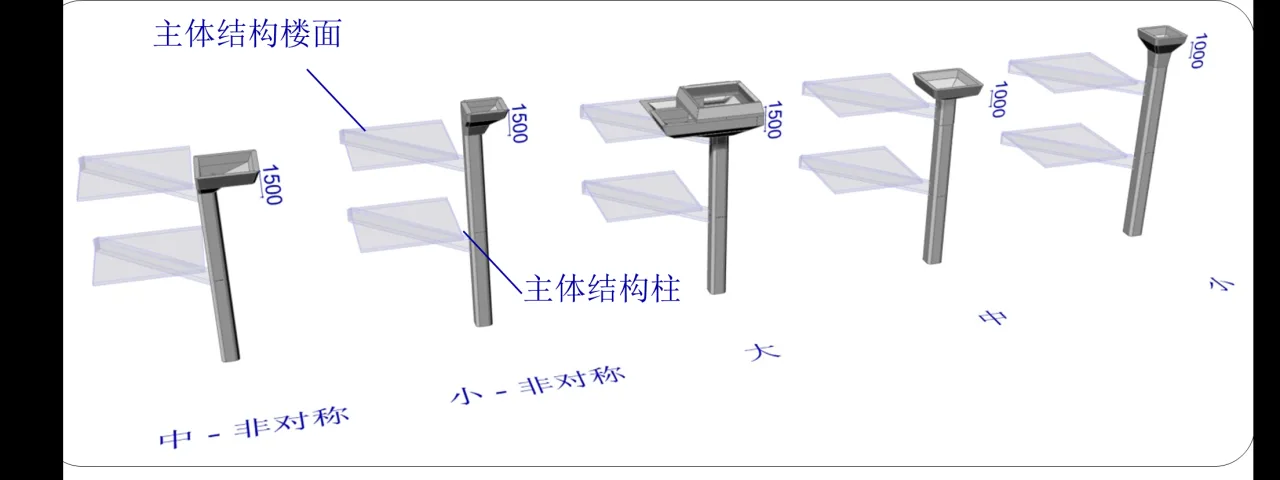
Types of Flowerpots (3D Schematic) © Arup
The flowerpots demanded more design effort than any other structural component. Arup’s team researched various materials including standard steel, castings, and GFRC. After evaluating compatibility, durability, construction feasibility, and cost, reinforced concrete was selected as the primary structural material.
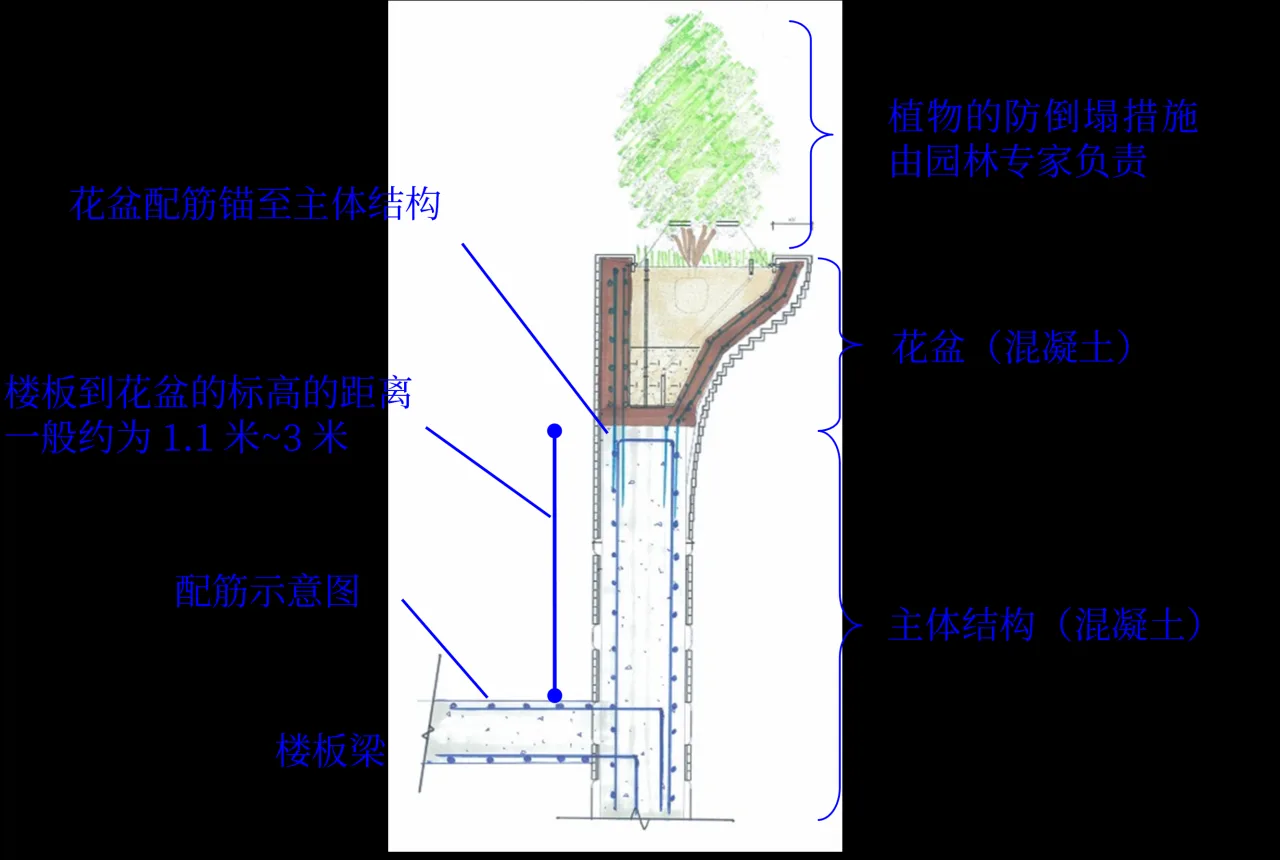
Flowerpot and Structural Relationship (Section View) © Arup
For modular construction efficiency, flowerpots were divided into different prototypes. Reusable formwork was designed with up to eight castings, significantly controlling construction time and costs.
Tian’an Qianshu East District is currently under construction. Compared to Phase I, the East District will house commercial spaces, hotels, and offices on a larger scale with more diverse design elements. Its structural design will also be more complex and challenging.
The eastern buildings feature a similar setback facade design with spacious interior overhangs, accommodating diverse functions. A 50-meter large-span glass roof will enclose a historically protected building on the original site, with basement design and construction carefully avoiding this heritage structure. Additionally, a double-deck steel pedestrian bridge with a 50-meter span will connect the western and eastern plots.
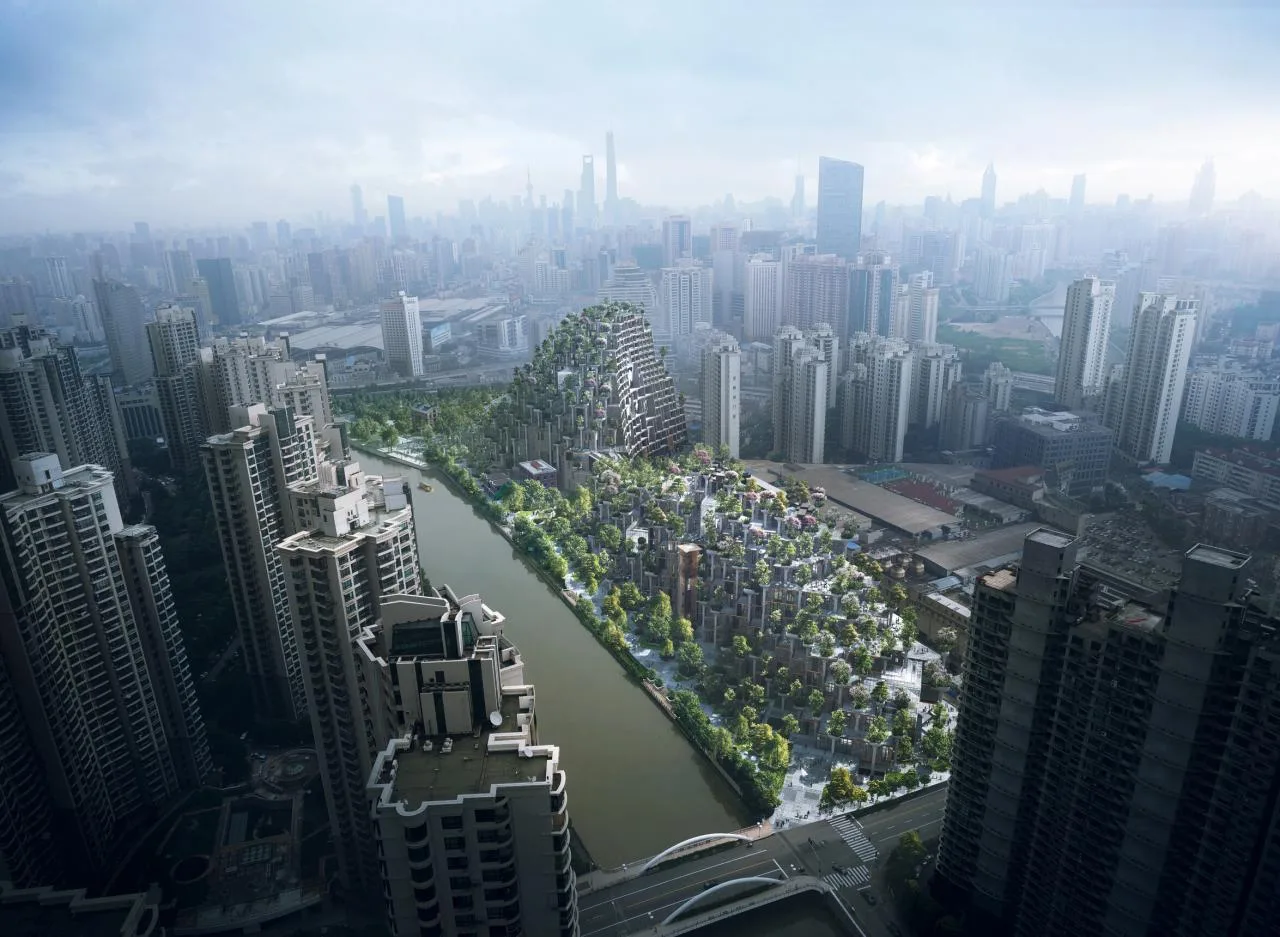
Overall Project Rendering © Heatherwick Studio
We eagerly anticipate the completion of Tian’an Qianshu Phase II, which will further illuminate the Suzhou River area, harmonizing with Phase I and radiating green vitality and energy.
Project Information
Developer: Shanghai Triumphal Arch Enterprise Development Co., Ltd
Architectural Design: Heatherwick Studio / Ma Liang Architectural Design Consultant (Shanghai) Co., Ltd
Structural Consultant: Arup Engineering Consultants (Shanghai) Co., Ltd
Mechanical & Electrical Consultant: Bamatana Architectural Design Consulting (Shanghai) Co., Ltd
Design Institute: Shanghai Architectural Design and Research Institute Co., Ltd
Project Managers: Liang Jintong, Andrew Luong
Team Members: Francis Archer, Dan Birch, Charlotte Briggs, Robin Ching, Ed Clarke, Peter Cooper, Dai Dan, Gary Dodds, Dong Shao, Double Feng, Cindy Gou, Hu Shu-Hui, Huang Yan-Mei, Paul Jeffries, Cherry Lam, WaiKong Lam, Francois Lancelot, Li Jin, Li Qing-Ping, Li Zhi-Cai, Benjamin Liu, Liu Di, Liu Tian-Yi, Lu Ling, Andrew Robertson, Eric Sturel, Sun Lu, Joseph Swan, Tracy Tao, Wang Ying, Wang Ze-Xing, Wu Chang-Song, Wu Shi-Chao, Wu Shuang-Lan, Xu Ya-Hui, Kevin Zhang, Zhang Kui-Wu, Zhao Jing-Hui, Zhou Cheng, Zhou Liang, Zou Jin-Lin














Must log in before commenting!
Sign Up