
In recent years, the rapid pace of urban renewal in first- and second-tier cities, combined with shifts in consumer behavior, has driven a transformation in urban complexes. As consumer demands evolve, there is a growing emphasis on the holistic offline shopping experience, leading to the emergence of diverse urban complex projects with varied functions.
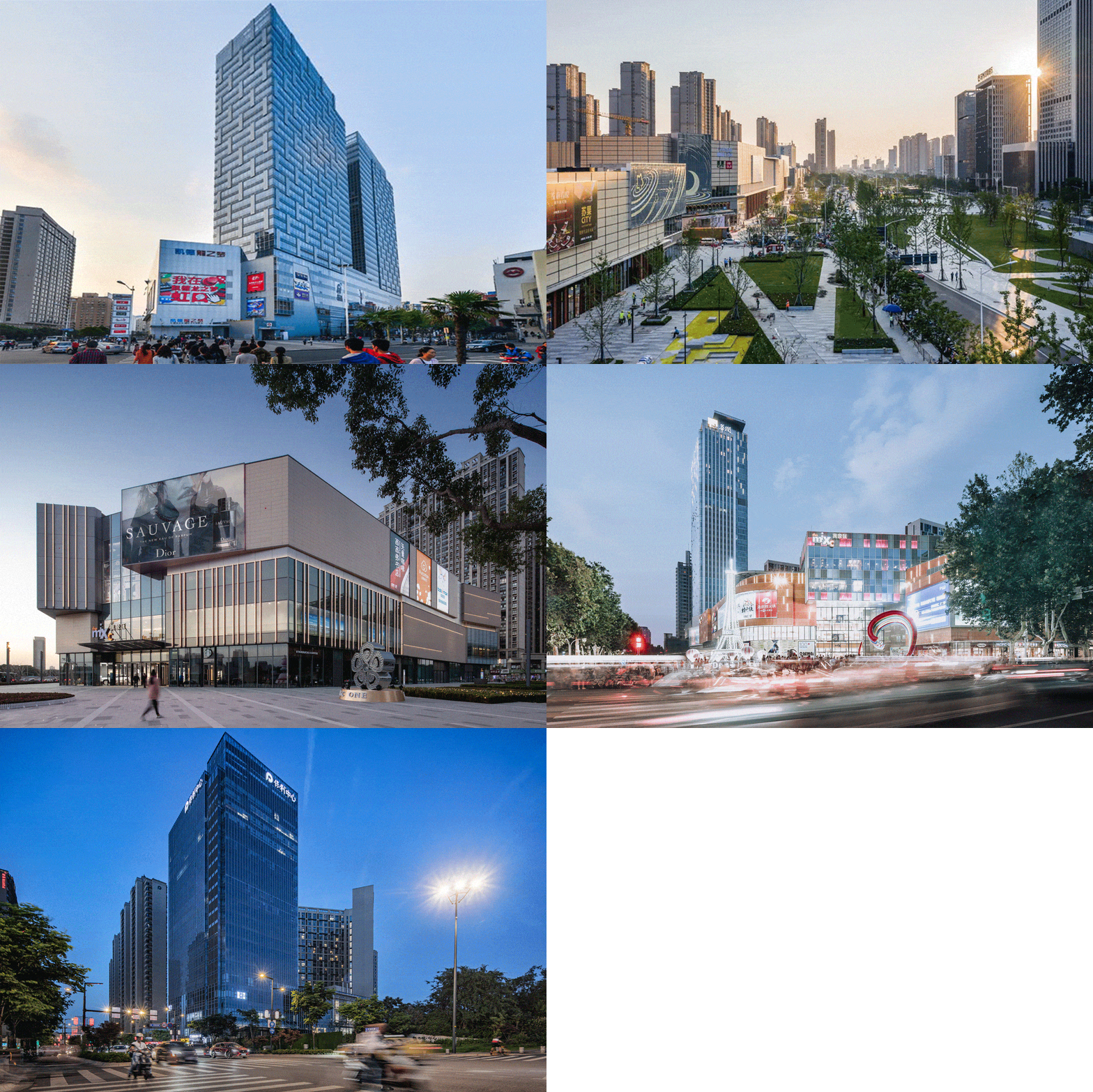
Within the context of urban renewal, key challenges include planning and developing urban sub-centers, upgrading and integrating commercial formats, boosting customer loyalty through experiential business trends, and exploring innovative approaches for urban renewal amidst shifting city dynamics. These issues are central to the future of urban complex development.
As a seasoned architectural design firm, Sanyi has been engaged in the development and construction of urban complexes since 2006. Transitioning from a “beginner” to an industry “leader,” Sanyi has witnessed and contributed to the rapid growth of Chinese urban complexes. Its extensive design experience, sharp commercial architecture insights, problem-solving expertise, and strategic responsiveness have earned widespread industry recognition.
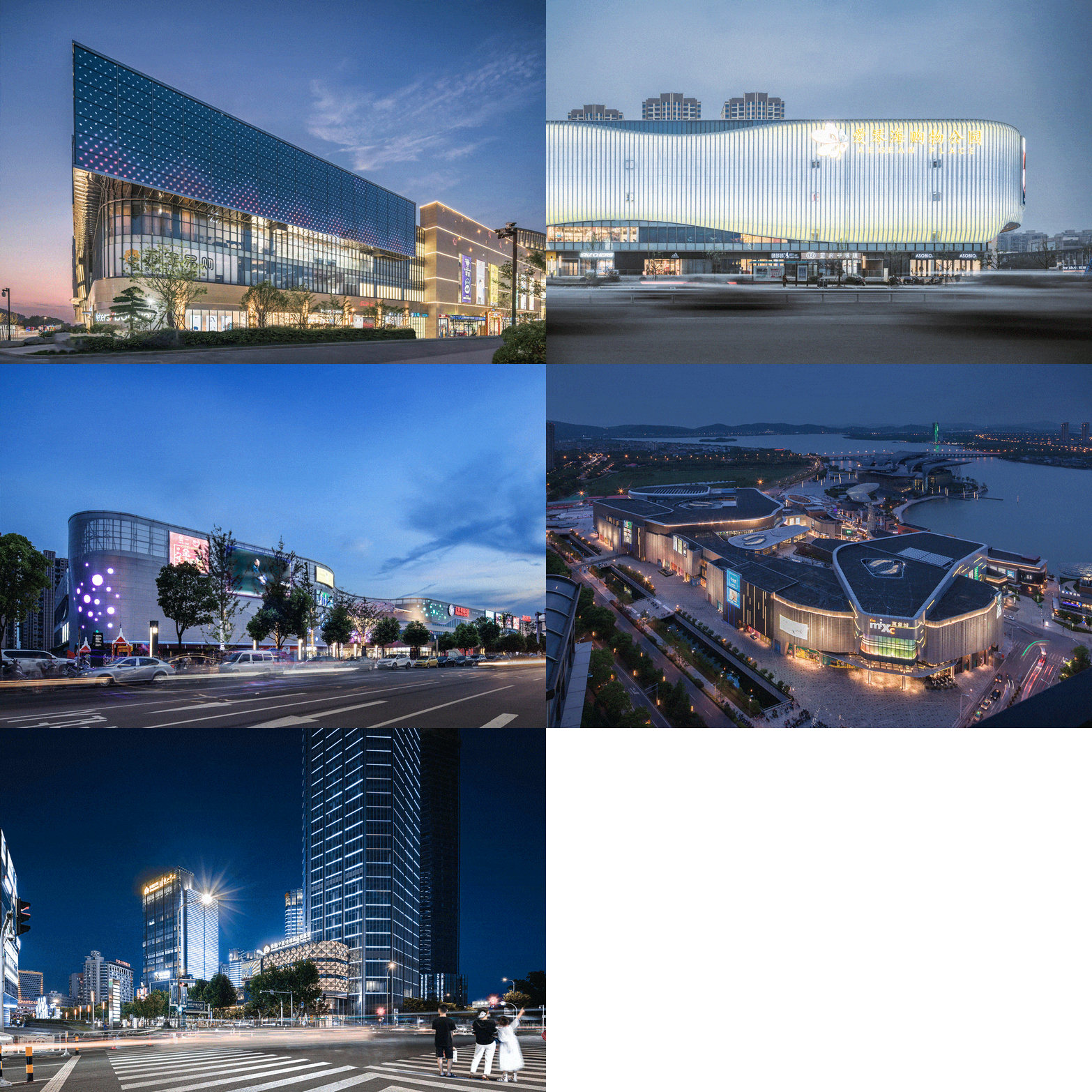
Over the past 15 years, Sanyi has contributed to the design of numerous influential urban complex projects. Below, we highlight selected projects from different eras to illustrate the evolving characteristics of urban complexes and to explore future development strategies under new market conditions.
Early Beginnings: The Initial Prototype of Urban Complexes
Since the 1980s, following China’s reform and opening-up, many cities experienced rapid growth, especially major metropolises like Beijing and Shanghai. The development of their core districts created opportunities for urban complexes to emerge, exemplified by projects such as the Beijing International Trade Center and Shanghai Mall.
During this phase, urban complexes were mainly concentrated in cities like Beijing and Shanghai, typically located in city centers. These complexes were relatively small in scale and offered limited commercial variety.
Emerging Growth: Foreign Investment Spurs Rapid Change
From the late 1990s into the early 2000s, China’s urbanization accelerated dramatically. The populations of first-tier cities surged, intensifying demand for urban land. Simultaneously, rising living standards increased expectations for both material and cultural quality of life, fueling early urban complex development.
Most urban complexes during this period followed foreign-funded business models from Hong Kong and Singapore, expanding from city centers to sub-centers.
As one of China’s earliest design firms involved in urban complexes, Sanyi established a strategic approach to explore this emerging sector. As a “beginner,” Sanyi quickly integrated advanced foreign design techniques and systems.
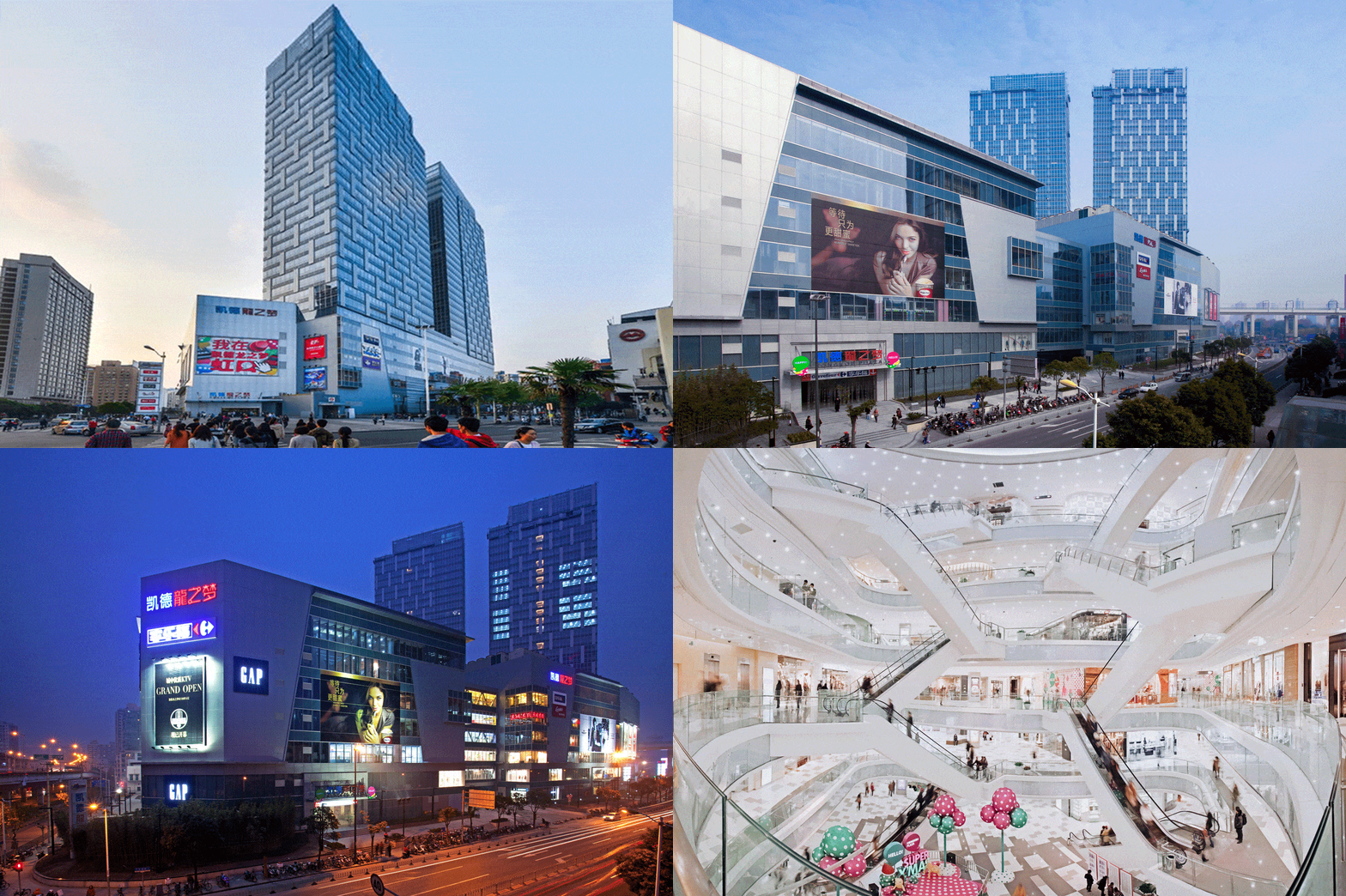
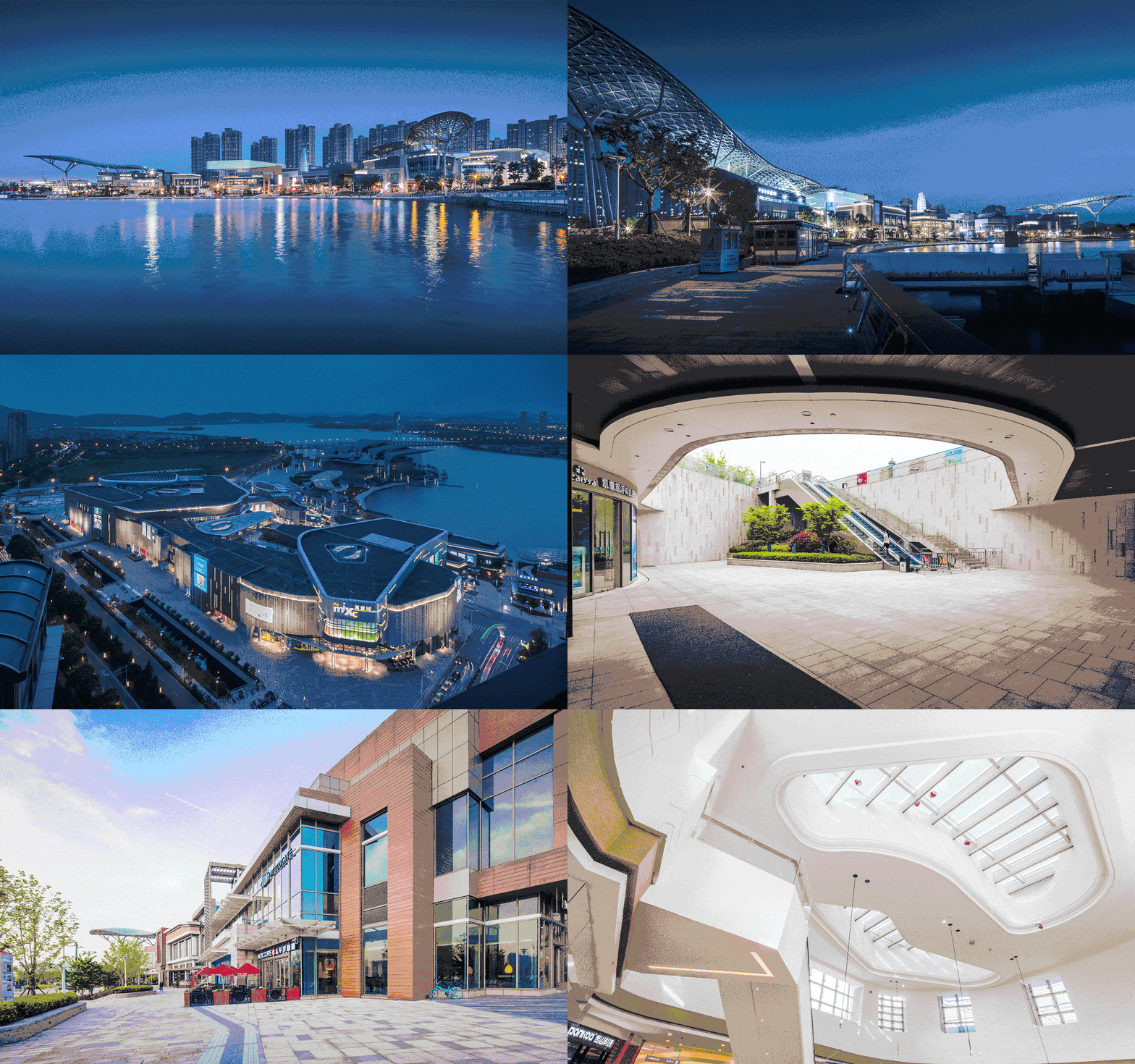
Notable projects include the Shanghai Hongkou Kaidelong Dream Shopping Center—a hub-type urban complex that seamlessly combines transportation and commerce. On its first weekend, it recorded an average daily footfall of 100,000. Sanyi also contributed to Shanghai Greenland Zhengda Colorful City and Wuxi CR Wanda Plaza.
Shanghai Hongkou Kaidelong Dream
Wuxi CR Wanda Plaza
The Boom: Real Estate Drives Urban Economic Growth
By around 2010, rapid urbanization and city expansion disrupted the “one city, one center” model, shifting urban commercial centers from single to multi-core structures. Supported by the national “expand domestic demand” strategy, urban complexes accelerated their growth.
These complexes became vibrant, 24-hour hubs integrating commerce, residential spaces, entertainment, leisure, and exhibition functions. They emerged as new economic drivers, key to shaping urban identity and supporting internationalization efforts nationwide.
During this era, urban complexes expanded from first-tier cities into second- and third-tier cities, fueling growth in emerging districts. The scale and complexity of business offerings grew explosively.
Major real estate developers responded to consumer demand changes by diversifying commercial product lines. They tailored spaces and services to different land types and consumer segments, enhancing customer satisfaction and competitive differentiation.
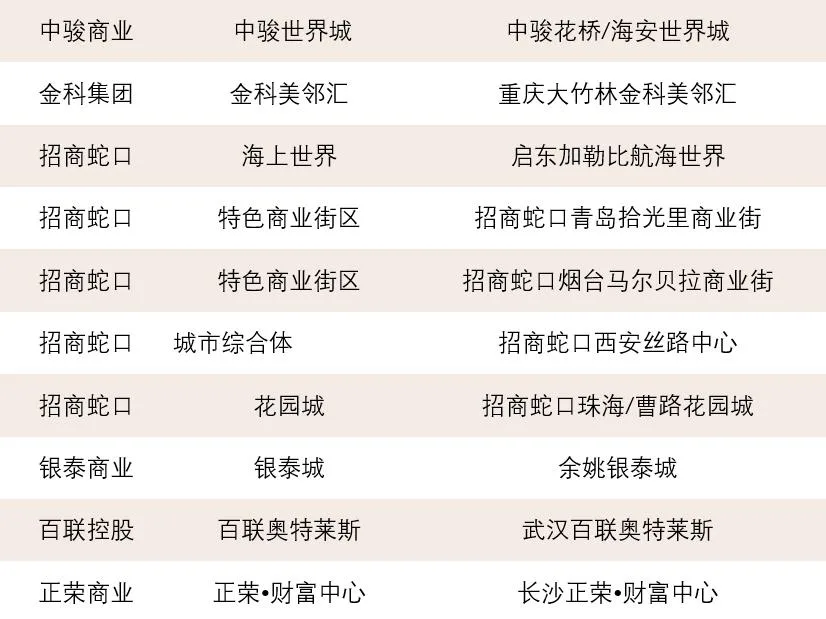
In the past decade, Sanyi has designed numerous flagship projects for leading domestic brands, including China Resources MixC, Wanda Plaza, Greenland Center, Poly Ruobin, Aegean Shopping Park, Yintai City, Suning Plaza, Zhengrong Wealth Center, Bailian Outlets, and more. Through hands-on experience with these projects, Sanyi has rapidly grown to become a leading force in urban complex design.
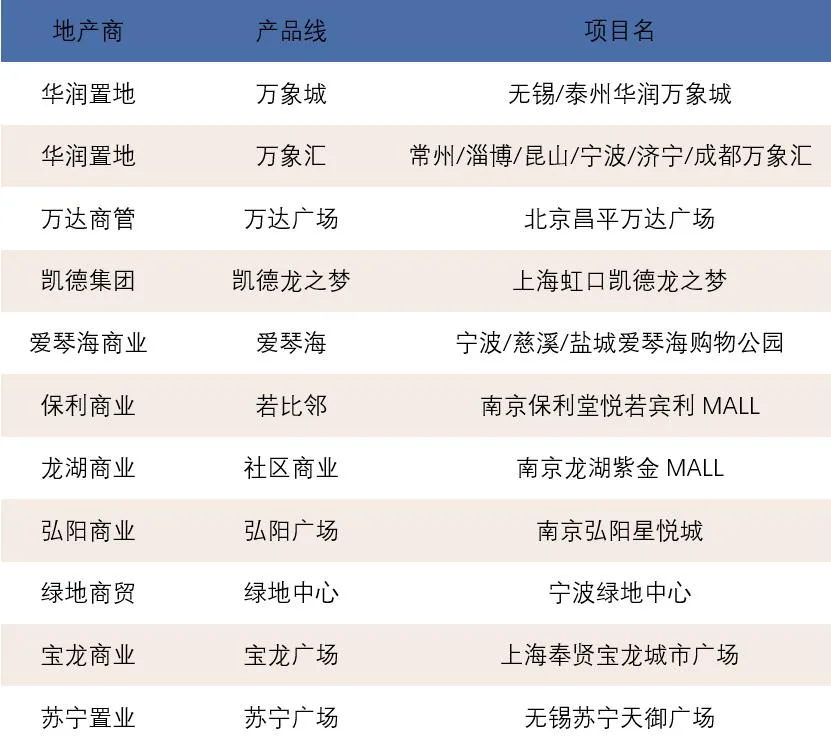
Bohua Run Wanxiang Hui
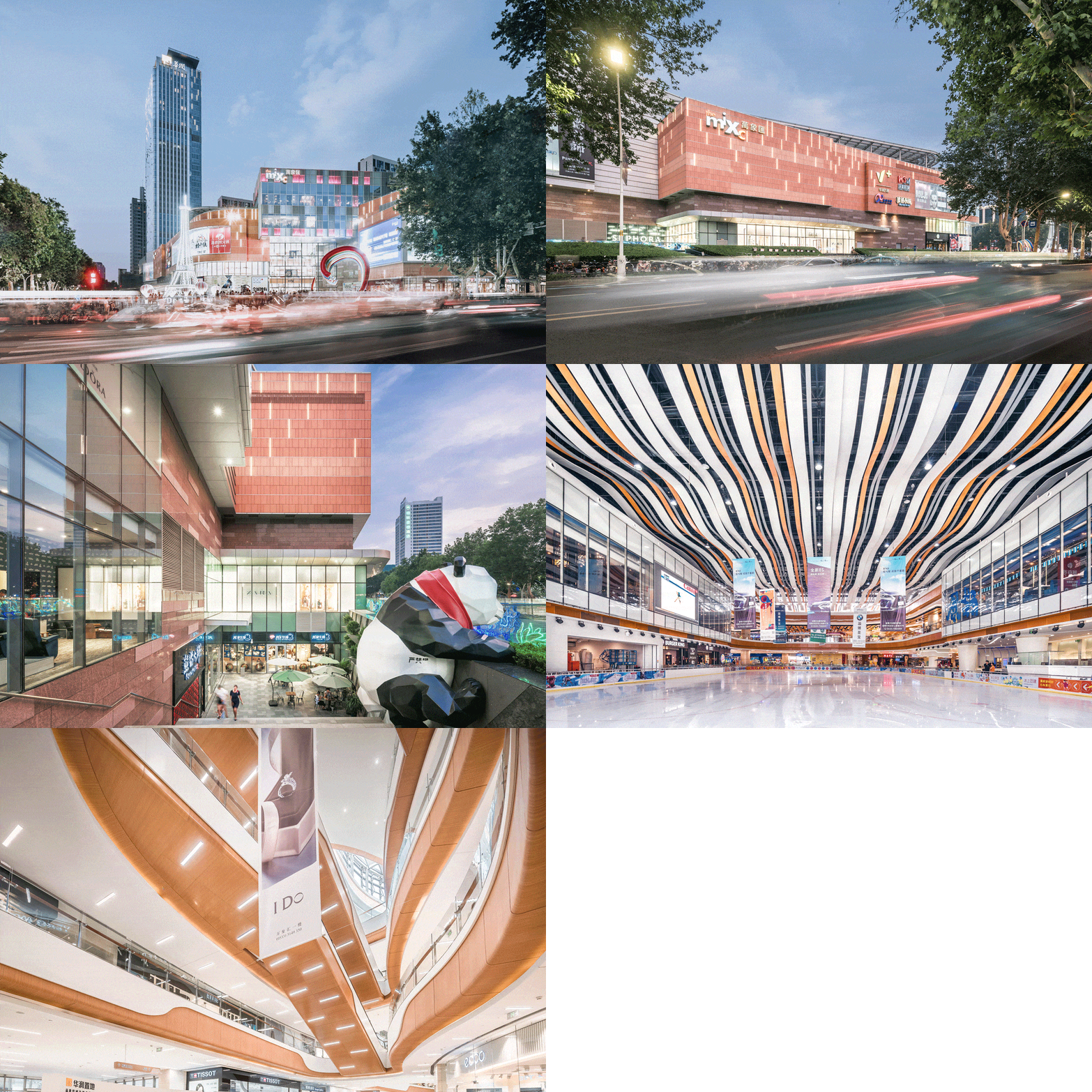
Kunshan CR Wanda Plaza
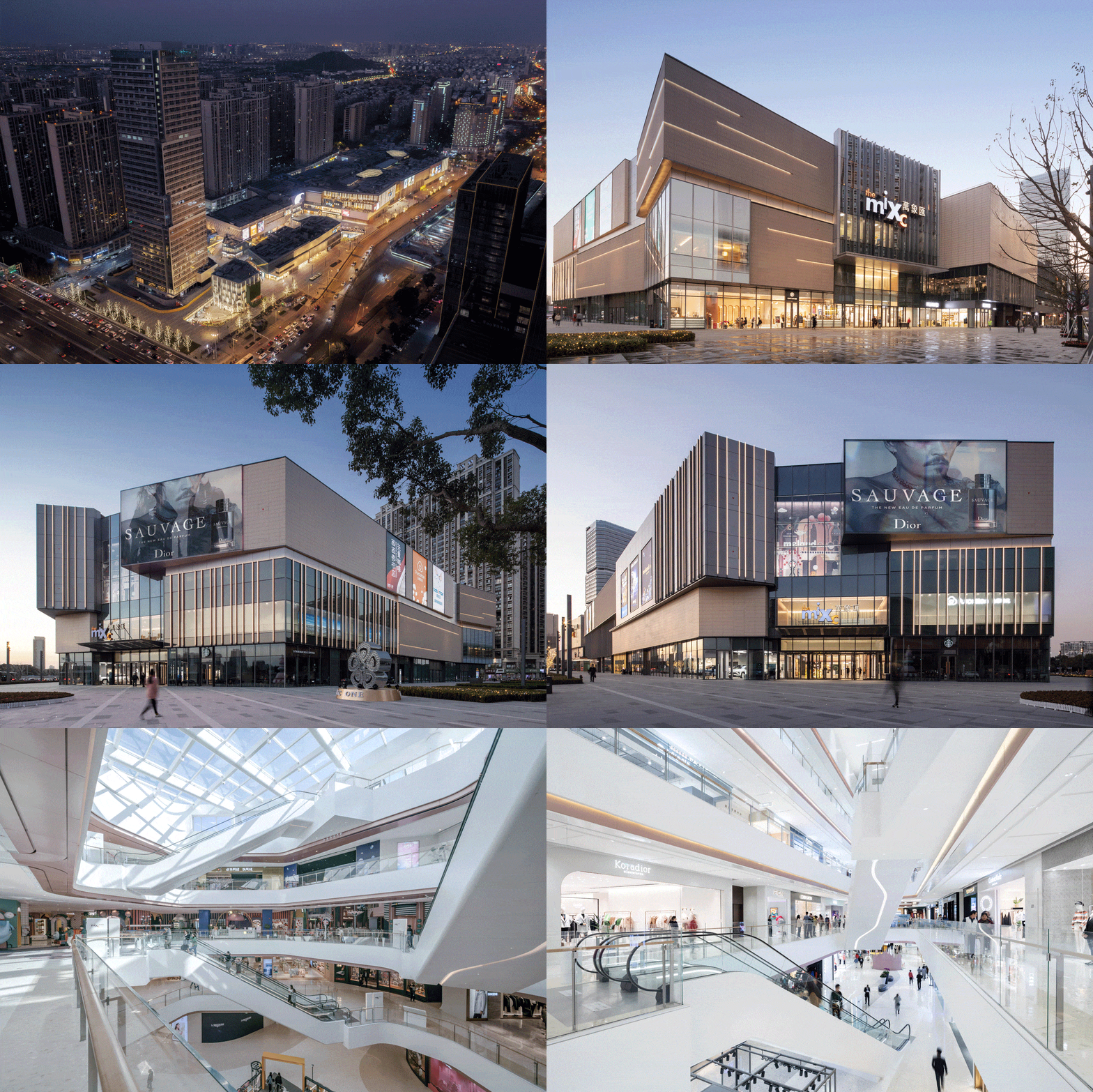
Ningbo CR Wanda Plaza
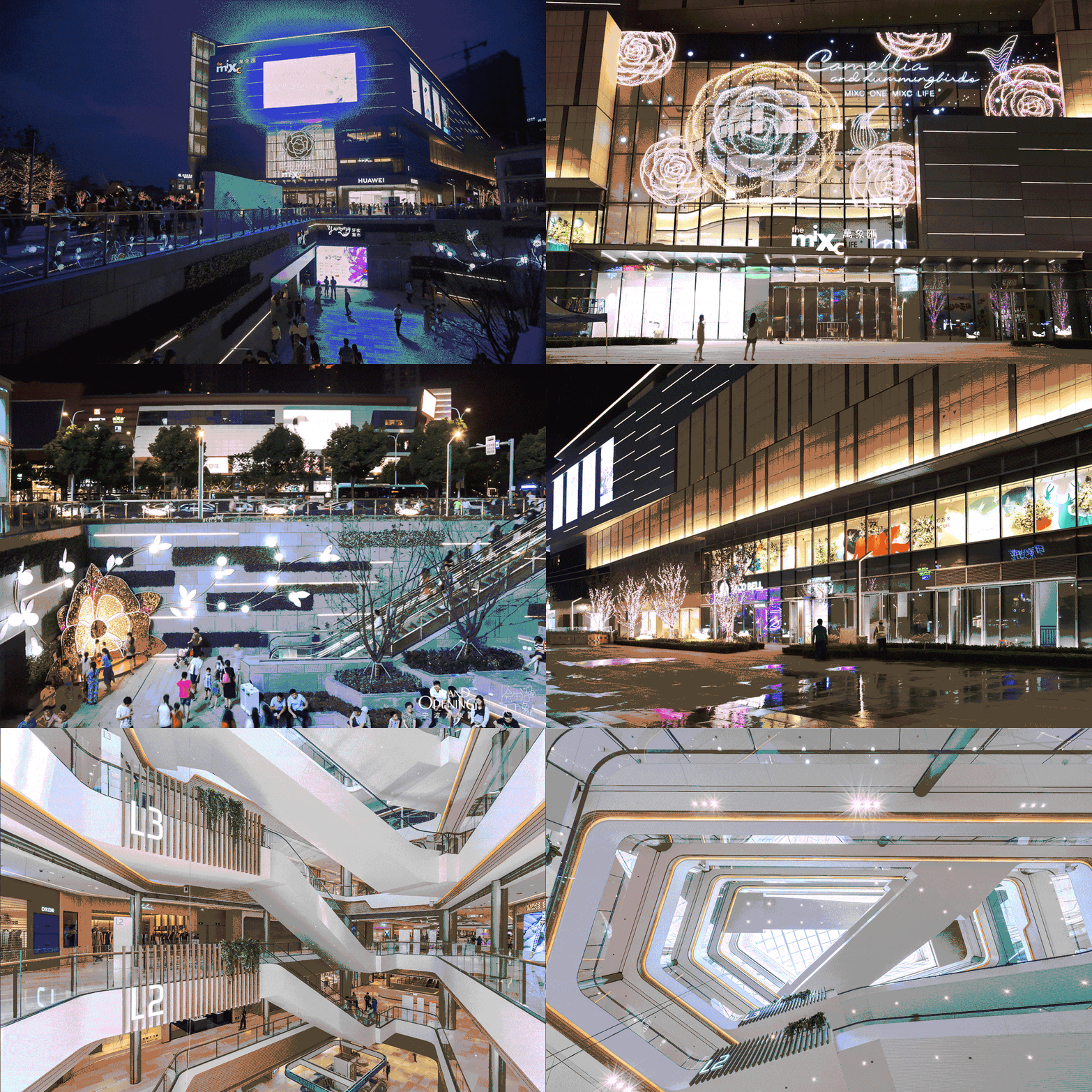
Taizhou CR Wanda Plaza
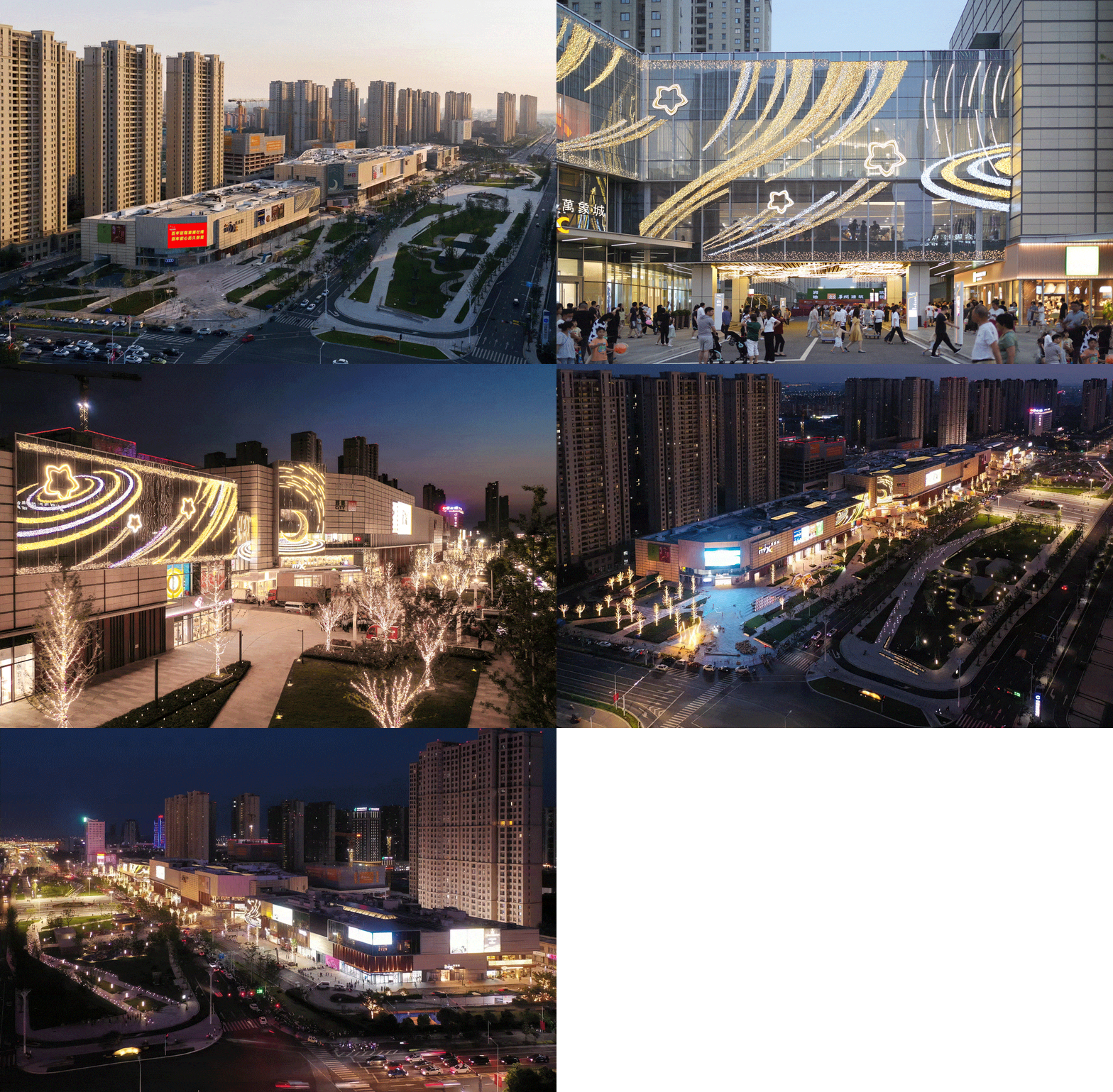
Ningbo Red Star Aegean Shopping Park
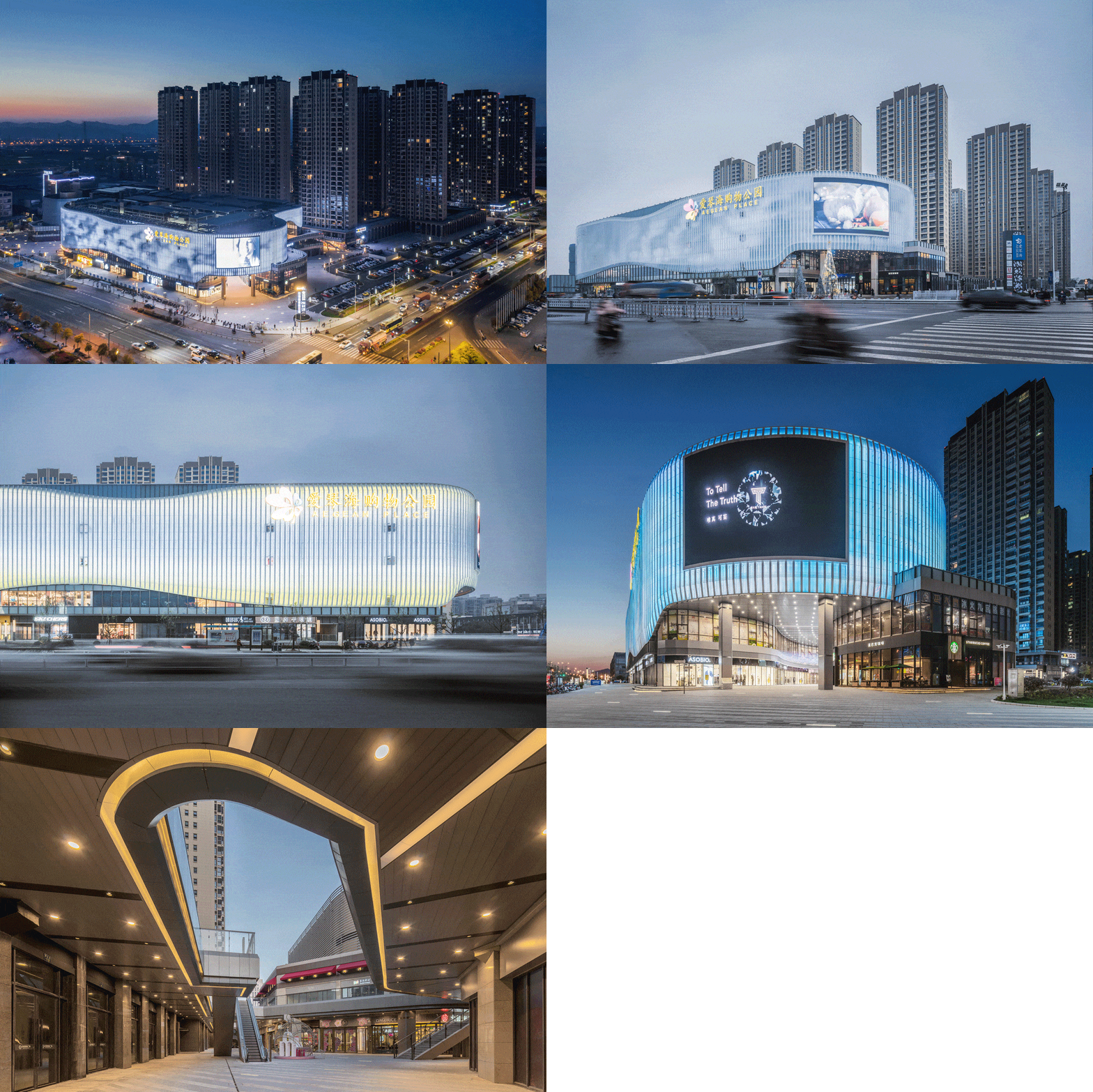
Yancheng Red Star Aegean Shopping Park
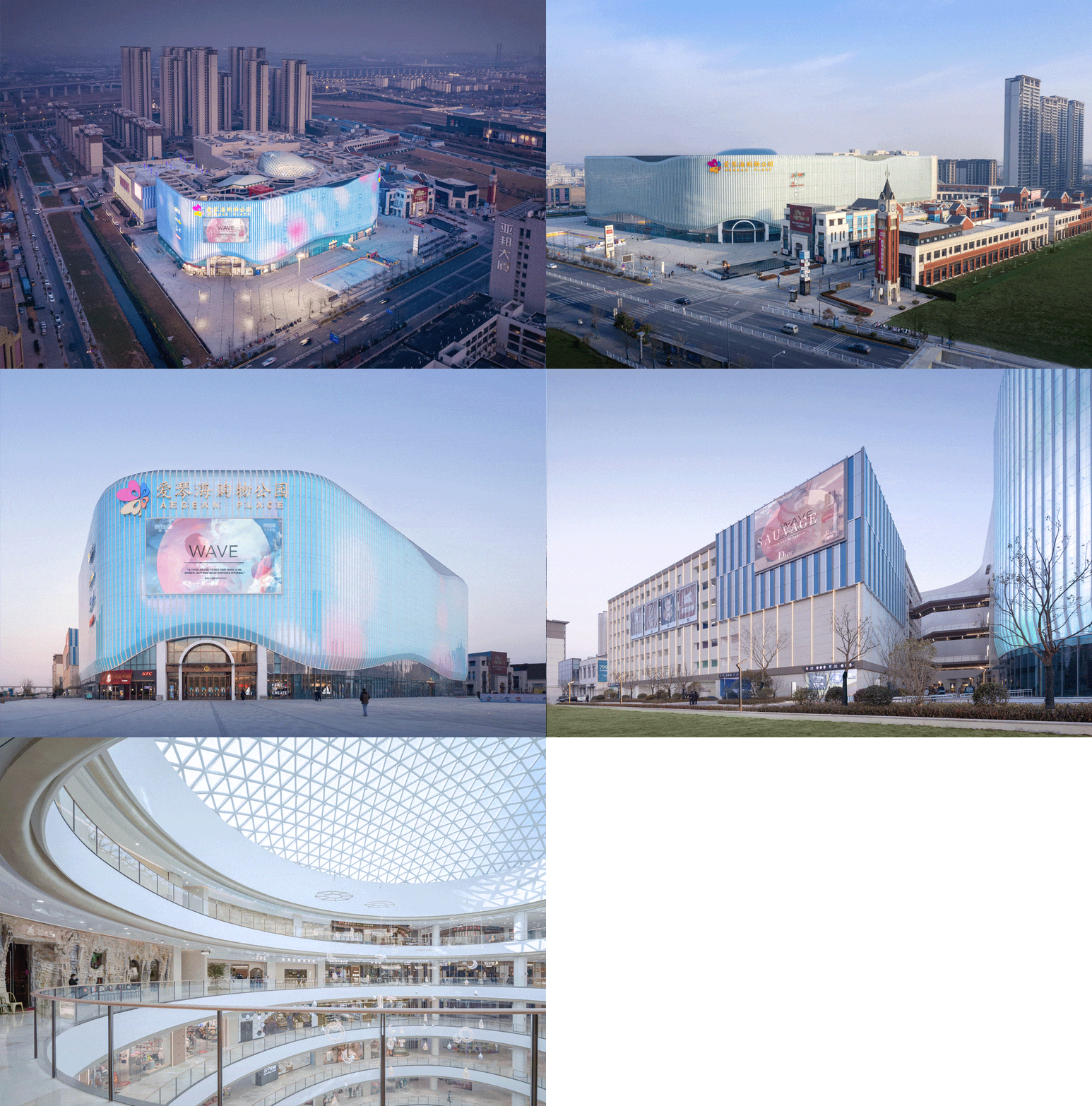
Ningbo Greenland Center
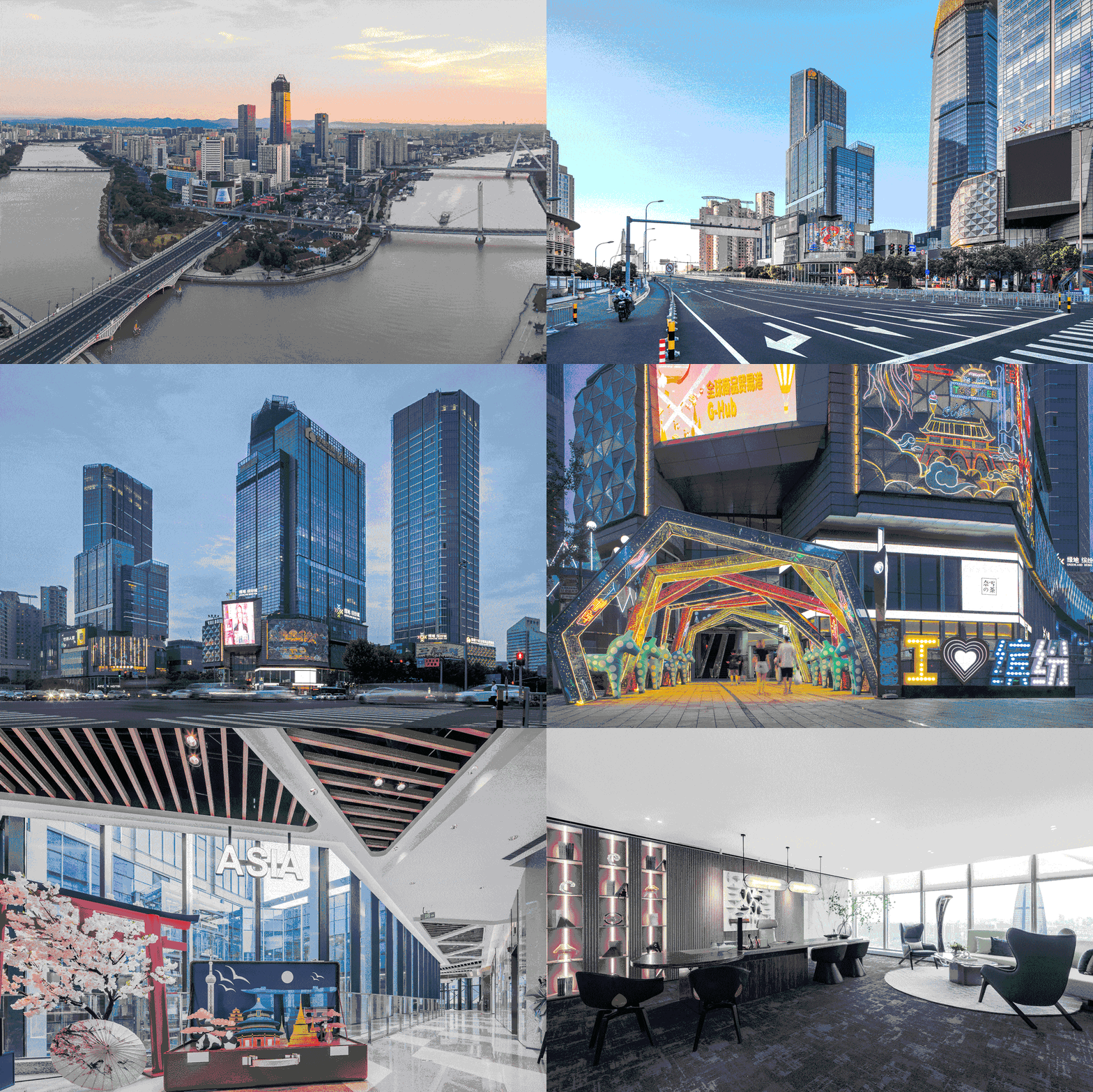
Beijing Changping Wanda Plaza
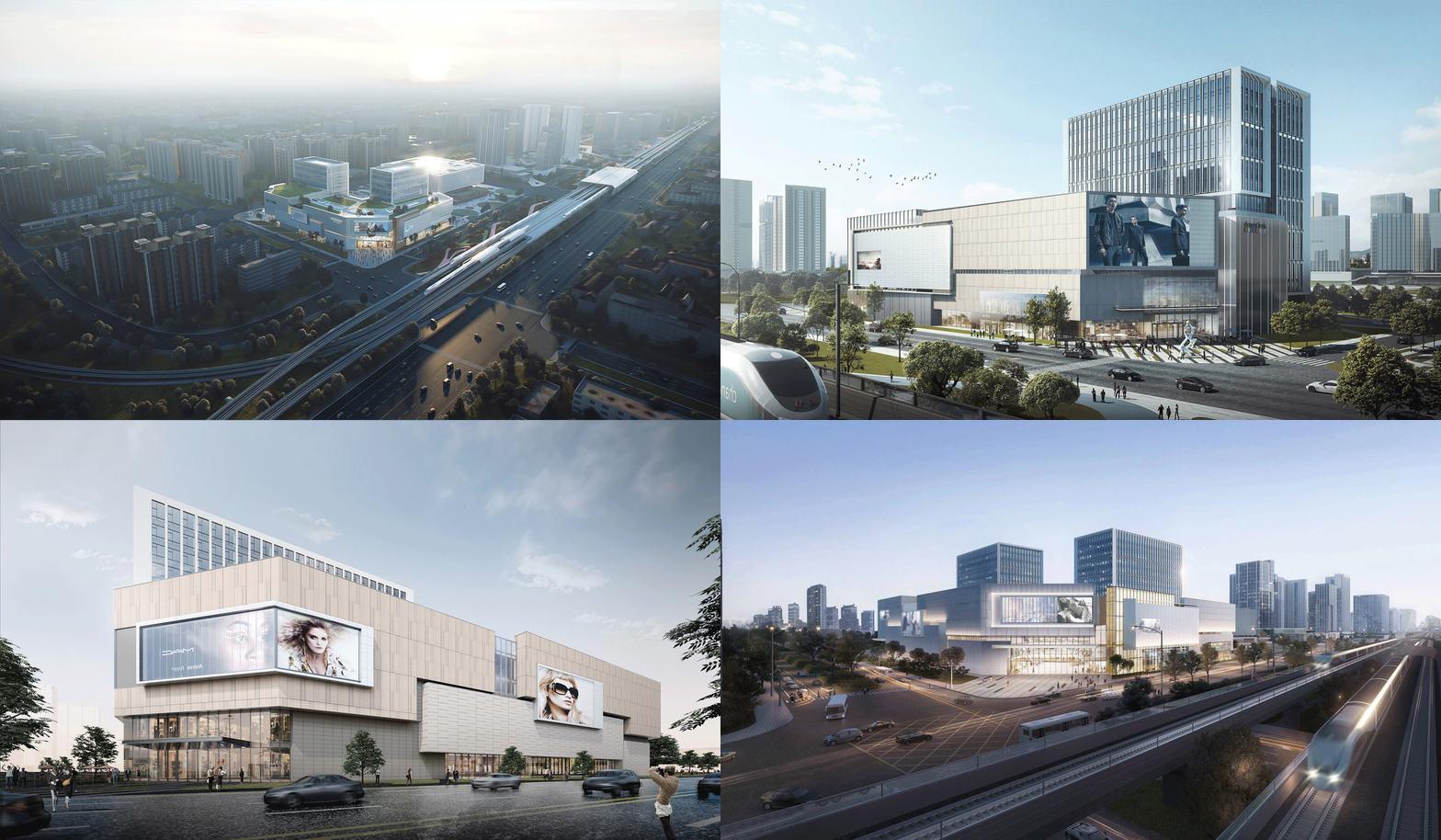
Changsha Zhengrong Wealth Center
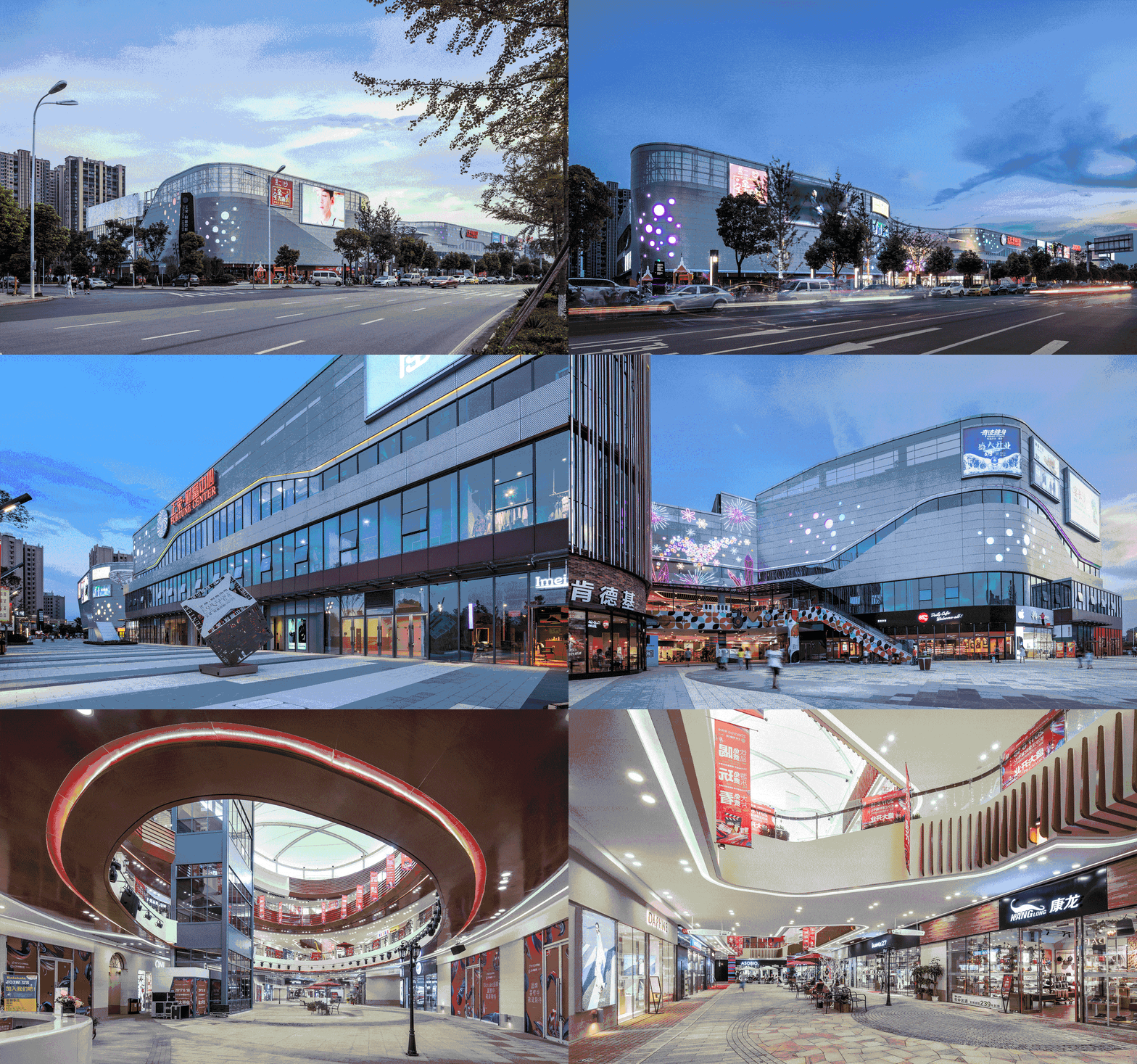
Nanjing Poly Hall Yueruo Next to MALL
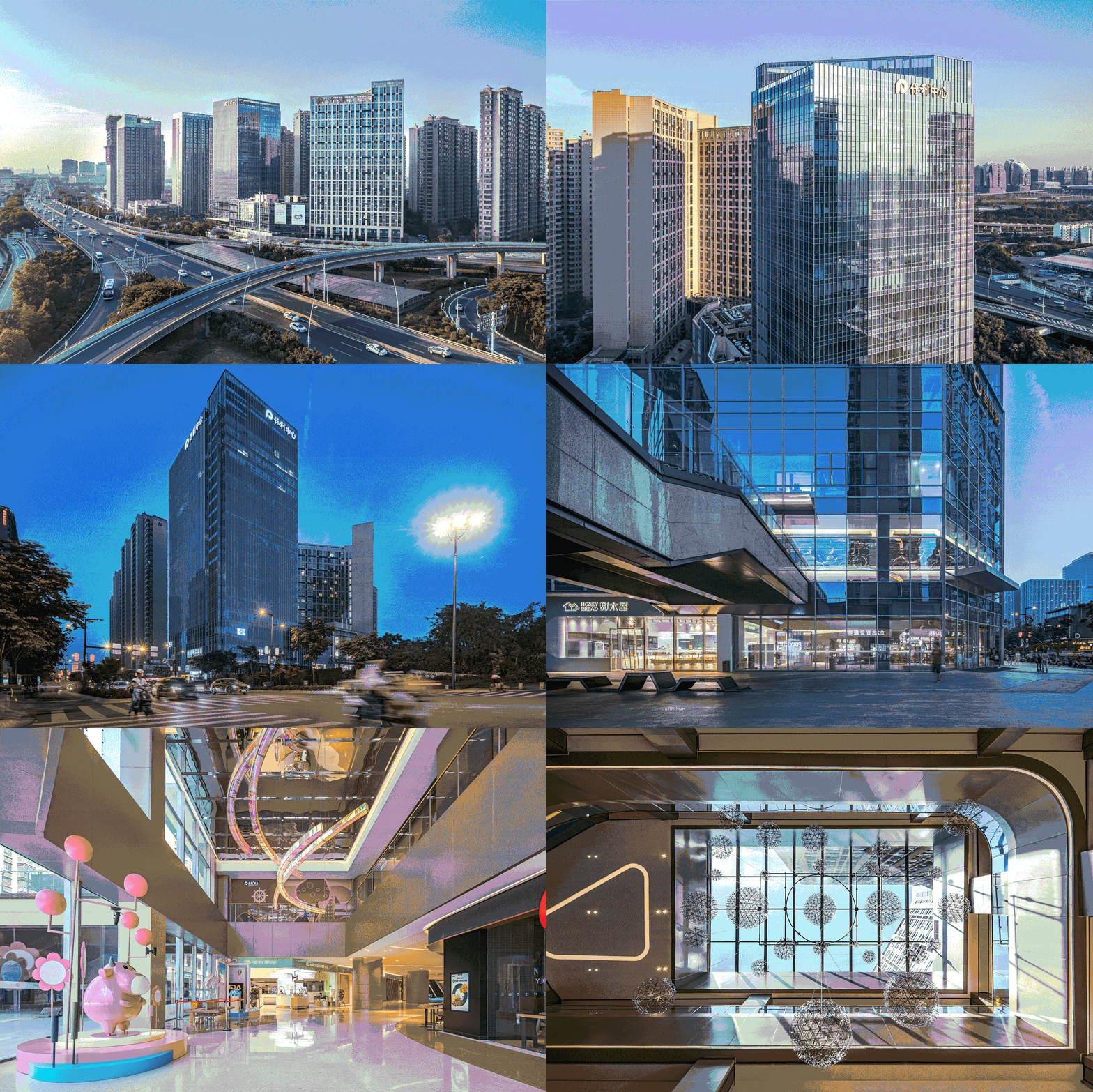
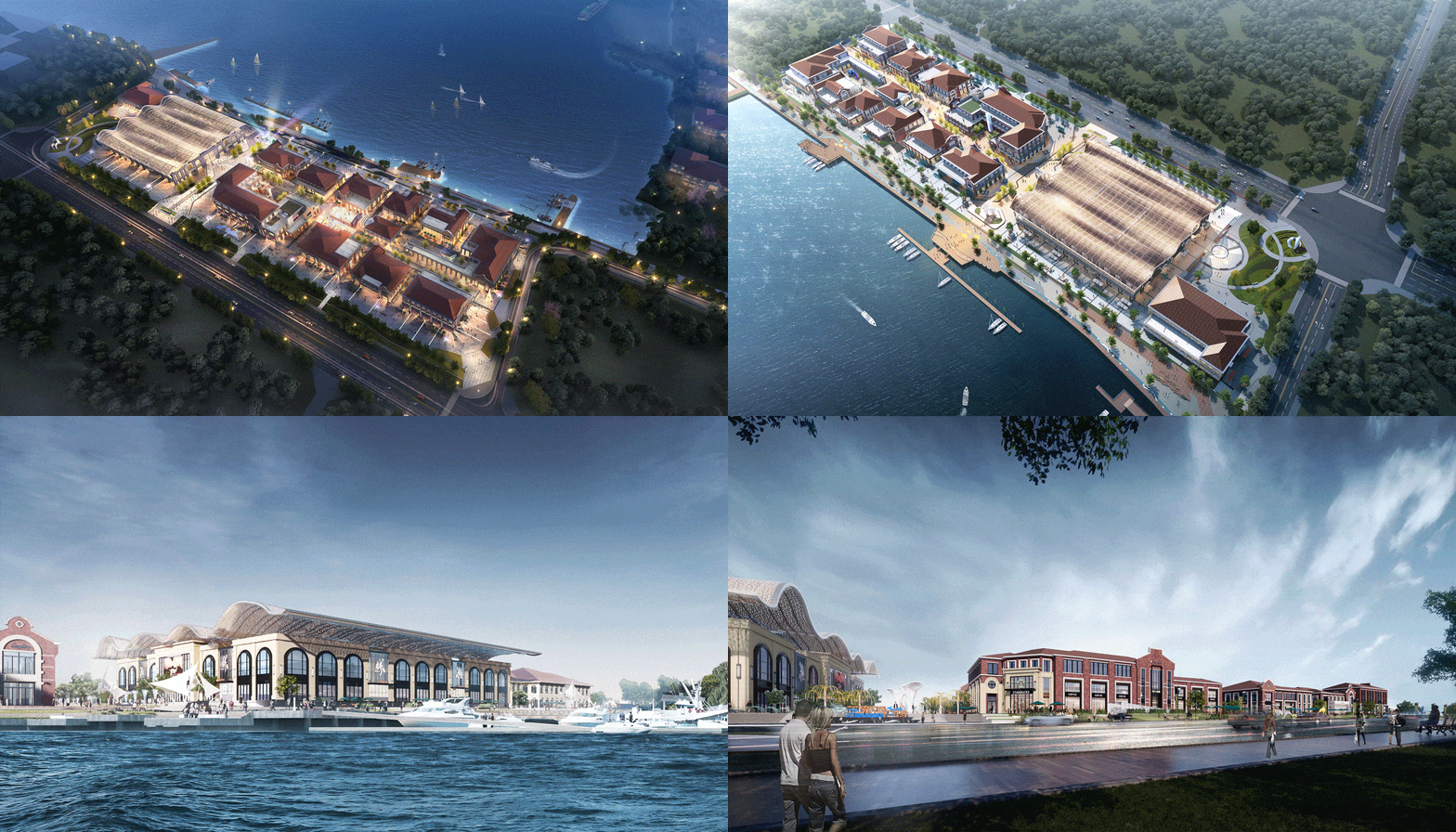
Merchants Yantai Sea World Zhifu Bay Plaza
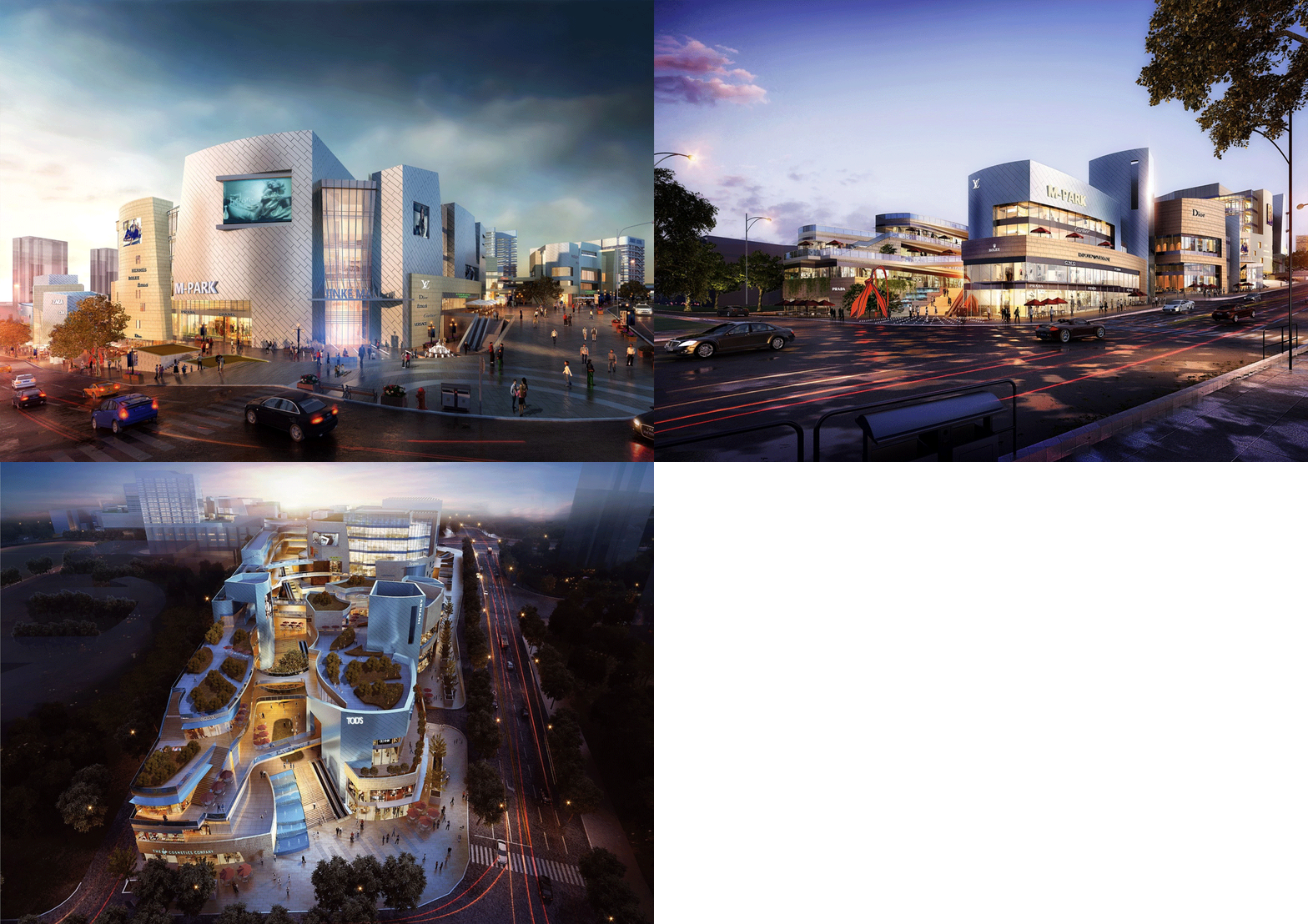
Chongqing Jinke Meilin Hui
Cross-Border Expansion: Creating Consumer Experience Spaces that Integrate Culture, Commerce, and Tourism
Recently, new consumption trends in China have brought more diverse preferences. Shopping centers are no longer visited solely for shopping; the focus has shifted to immersive and comfortable experiences. Consequently, urban complexes have undergone significant transformations.
Today, experience, theme, and participation have become defining features. Innovative consumption modes appeal to visual, tactile, gustatory senses and cultural atmosphere alike. Urban complexes now integrate urban leisure, business networking, arts and culture, social life, and community, becoming comprehensive urban living hubs.
Sanyi’s designers, equipped with sharp design instincts and extensive experience, have pioneered new urban complex concepts. By blending material and spiritual consumption, personalized experiences, and diverse cultural, artistic, industrial, and historical elements, they have created innovative cross-sector consumer experience complexes.
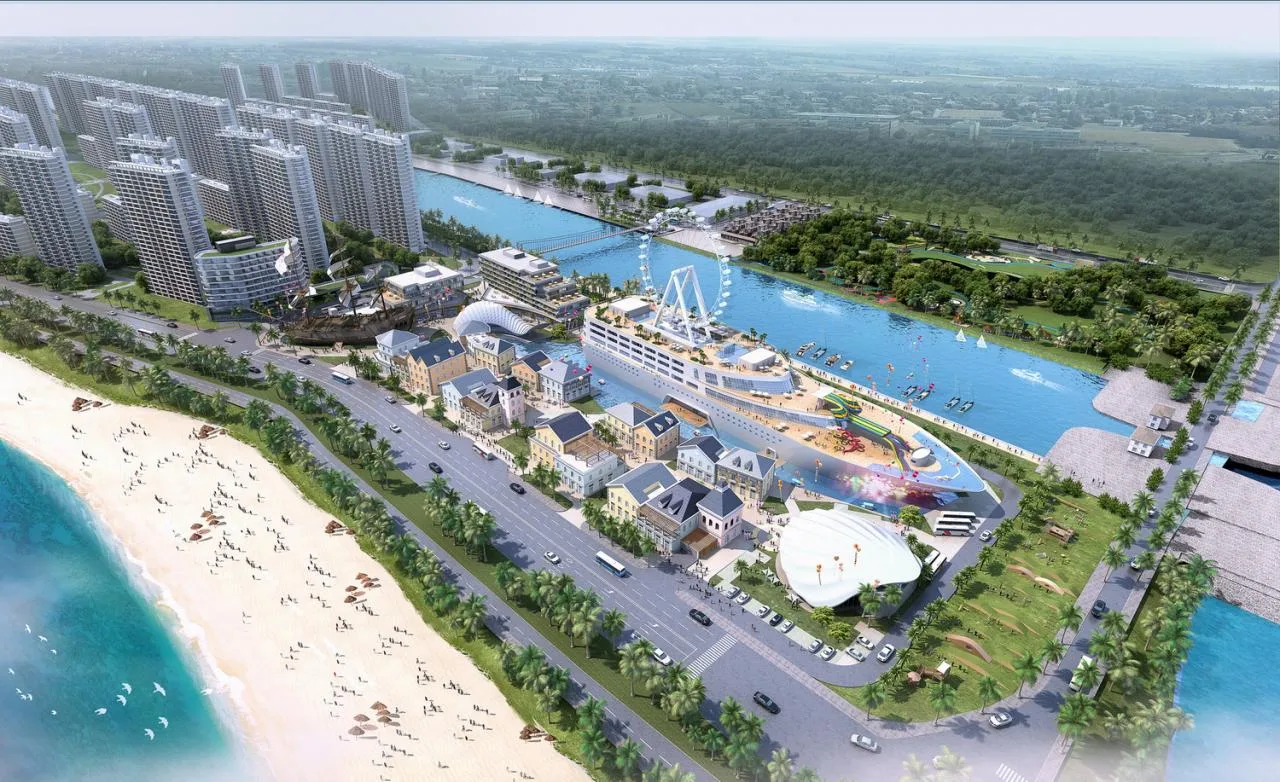
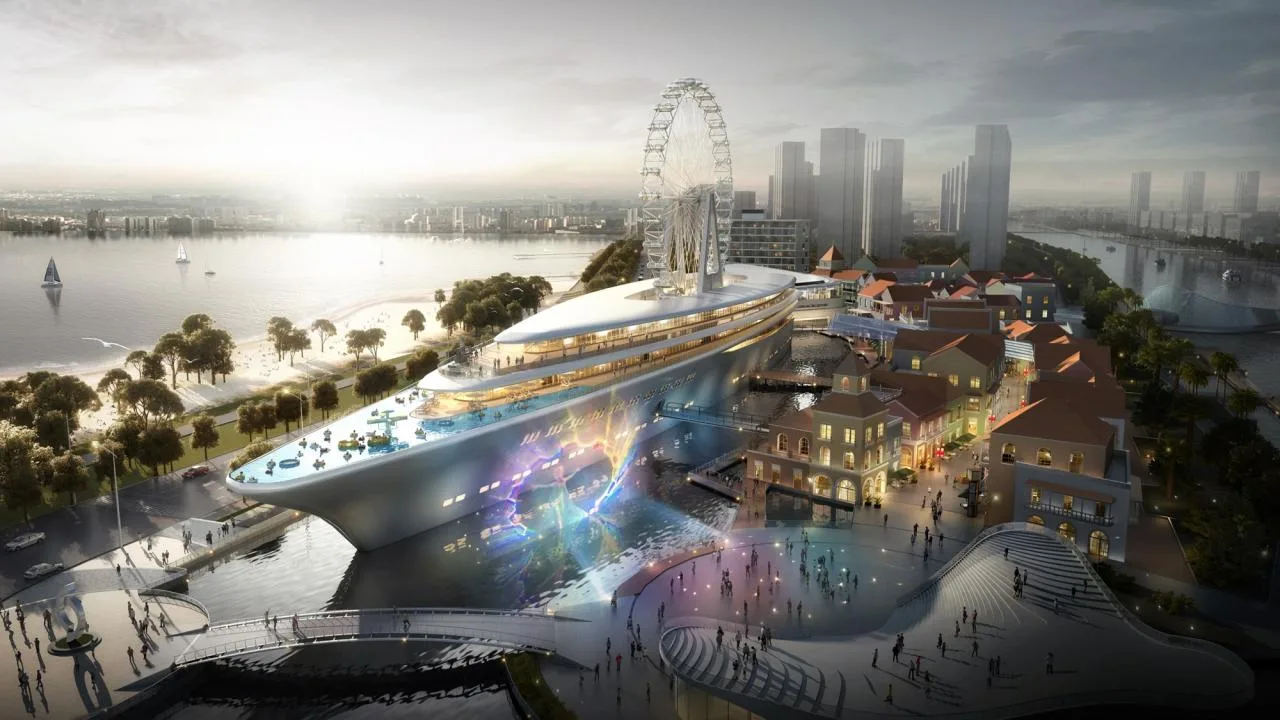
China Merchants Shekou Qidong Caribbean Navigation World Core Cultural and Tourism Commercial Zone
#China’s first Caribbean-themed vacation town
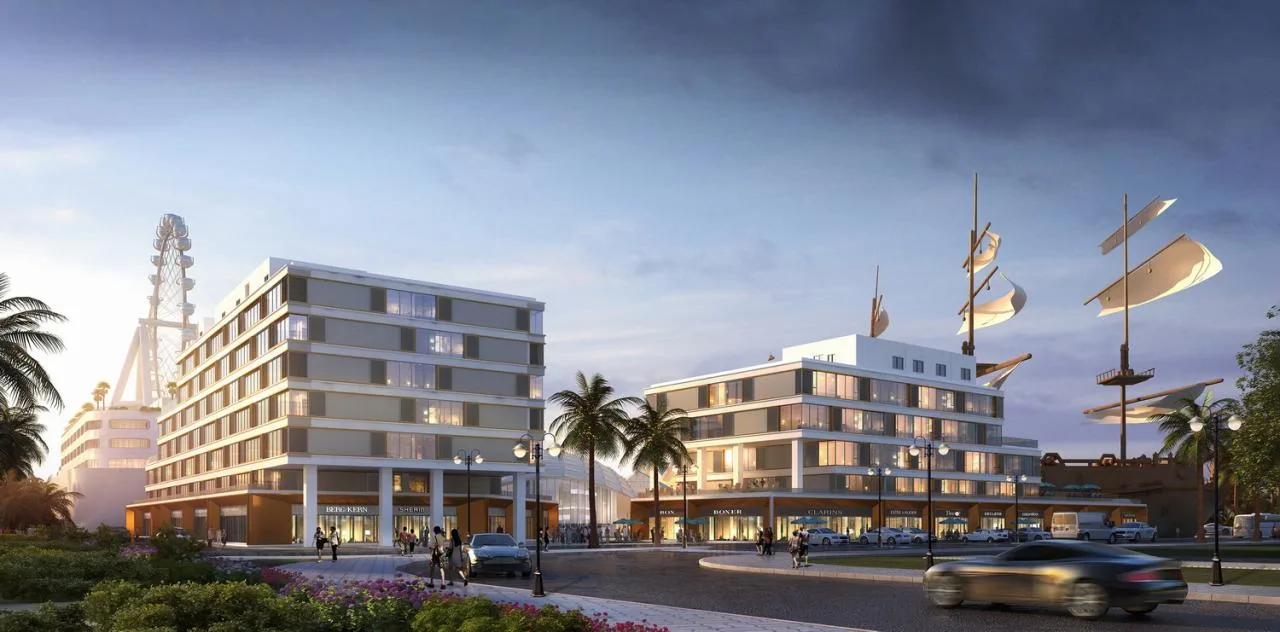
China Merchants Shekou Qingdao Shiguangli Commercial Street
#The first historical, cultural, and commercial street on the national fishing coast
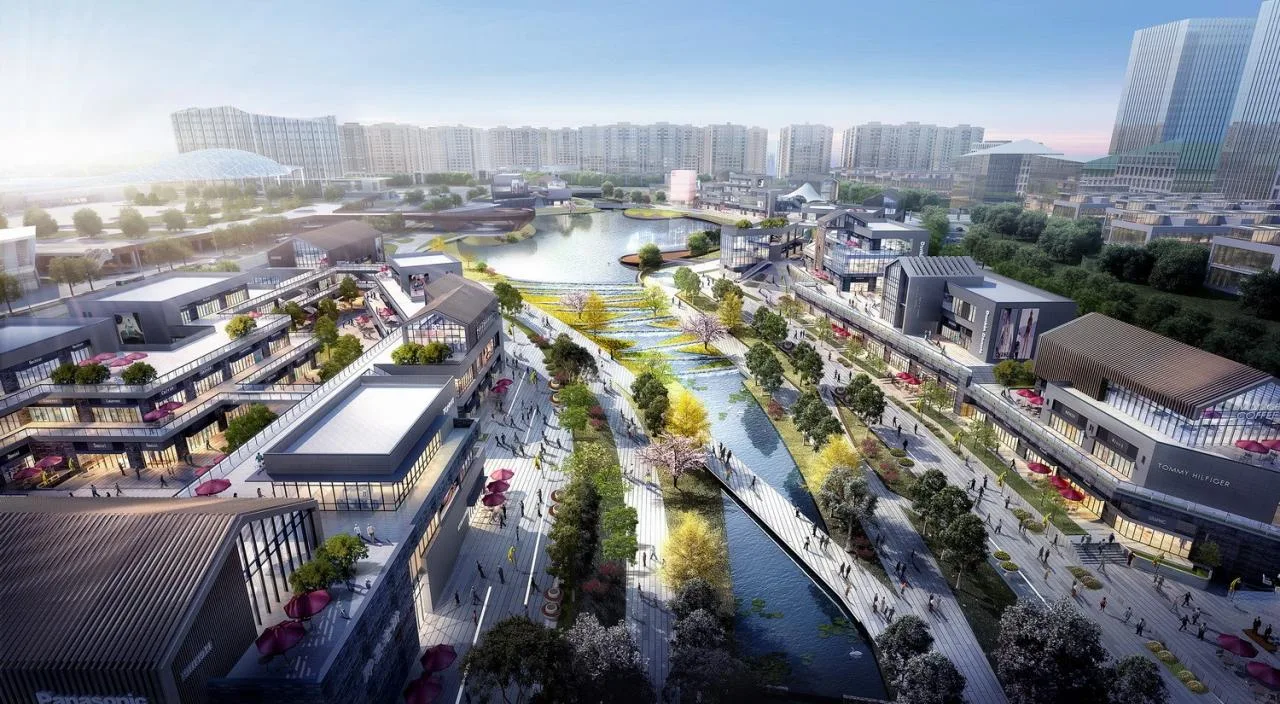
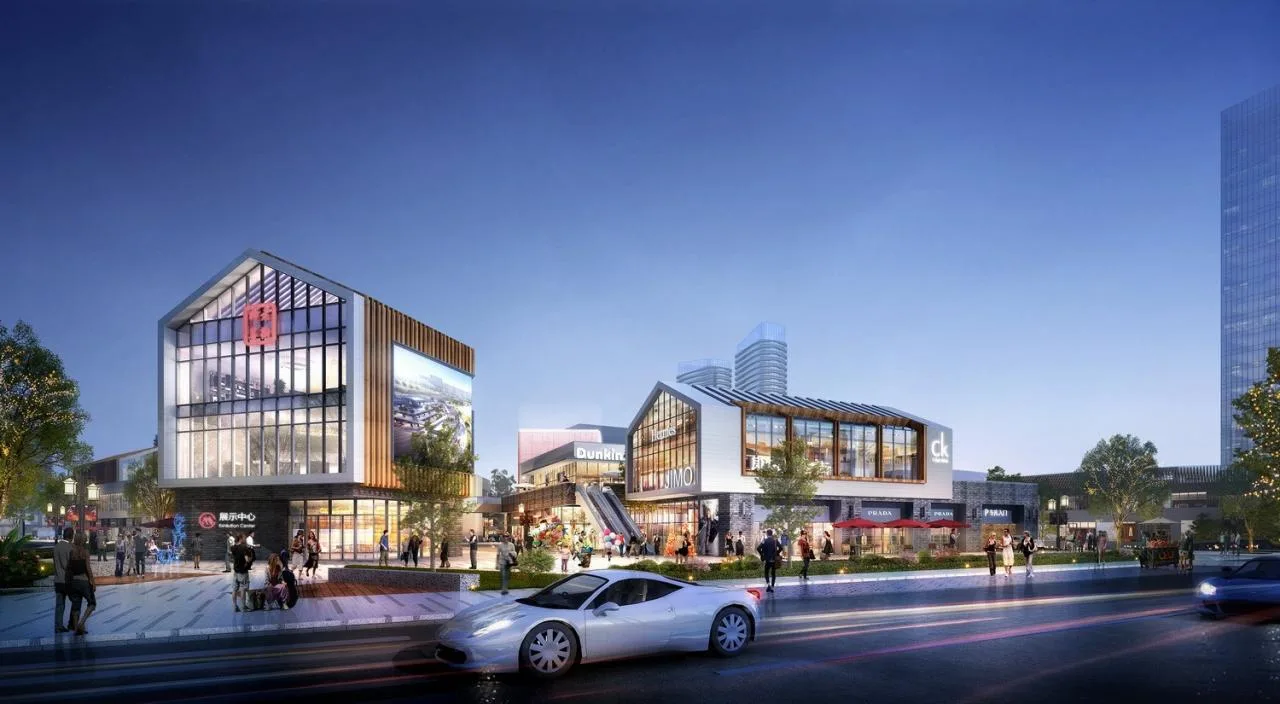
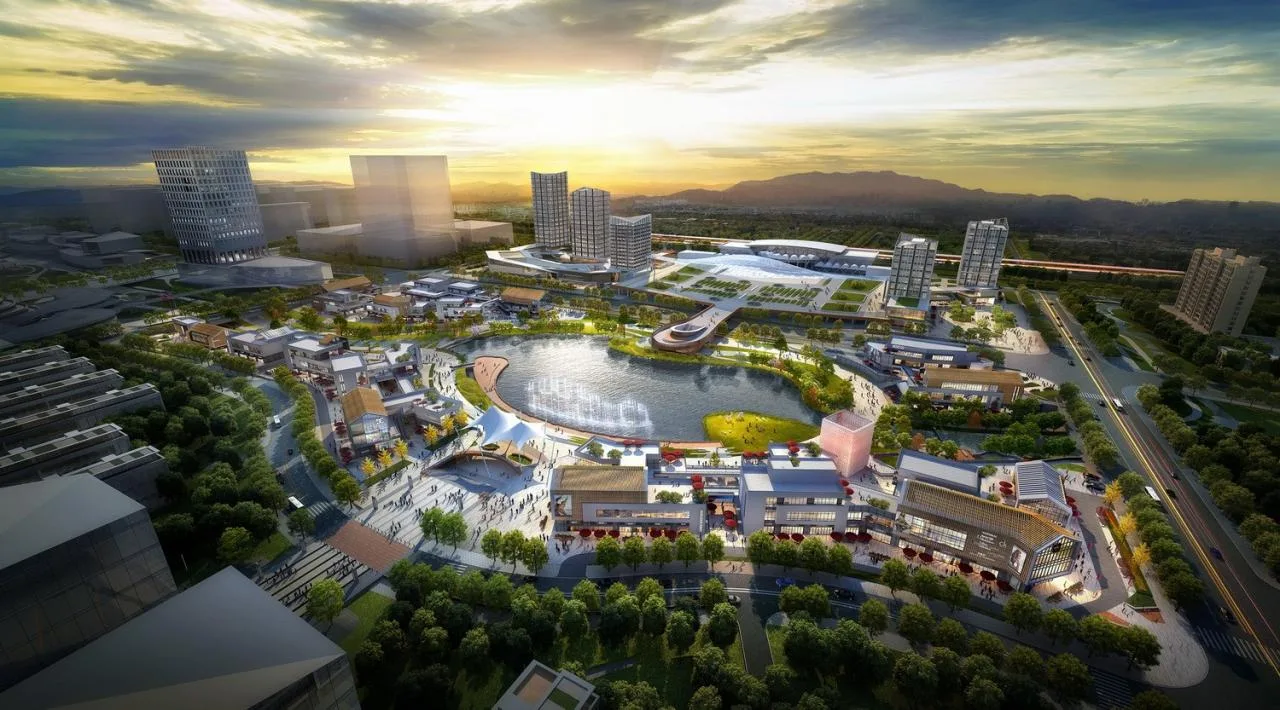
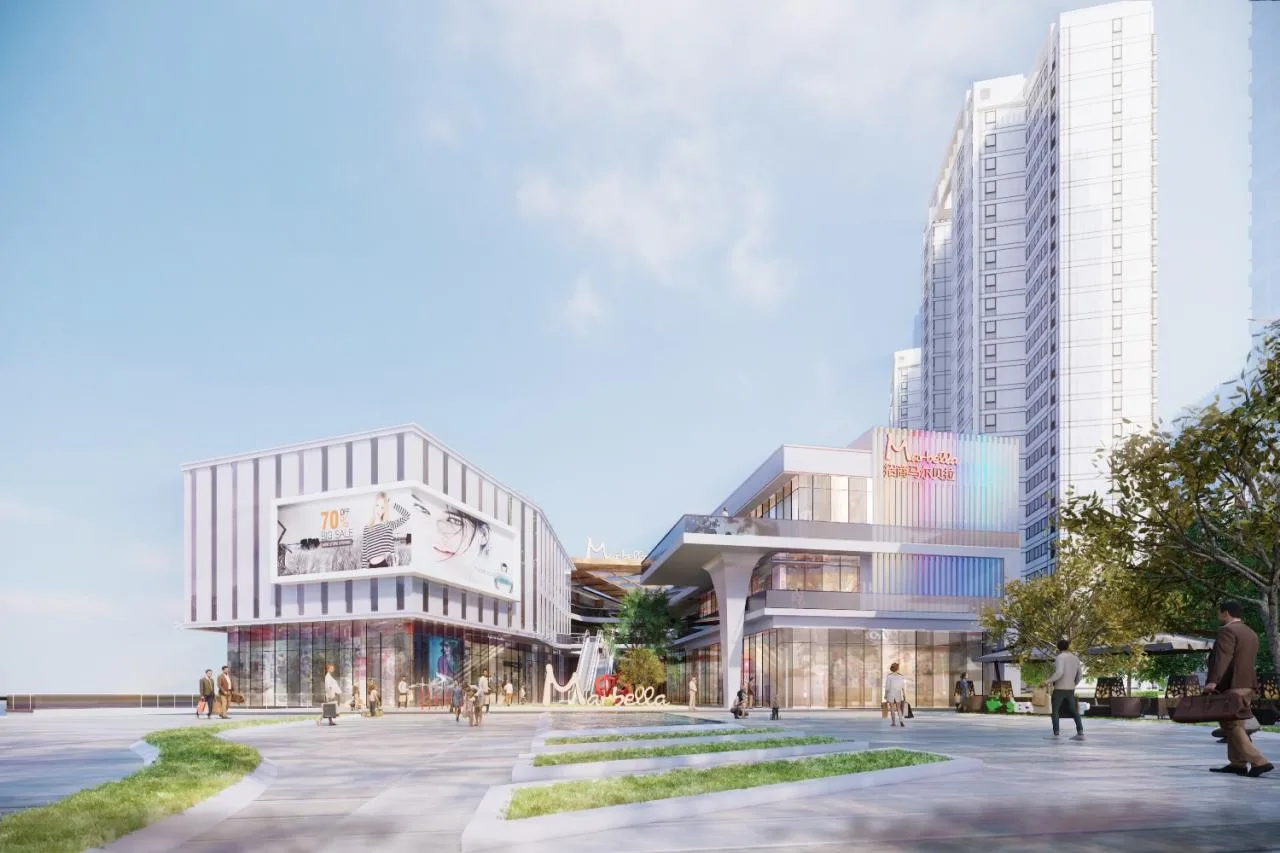
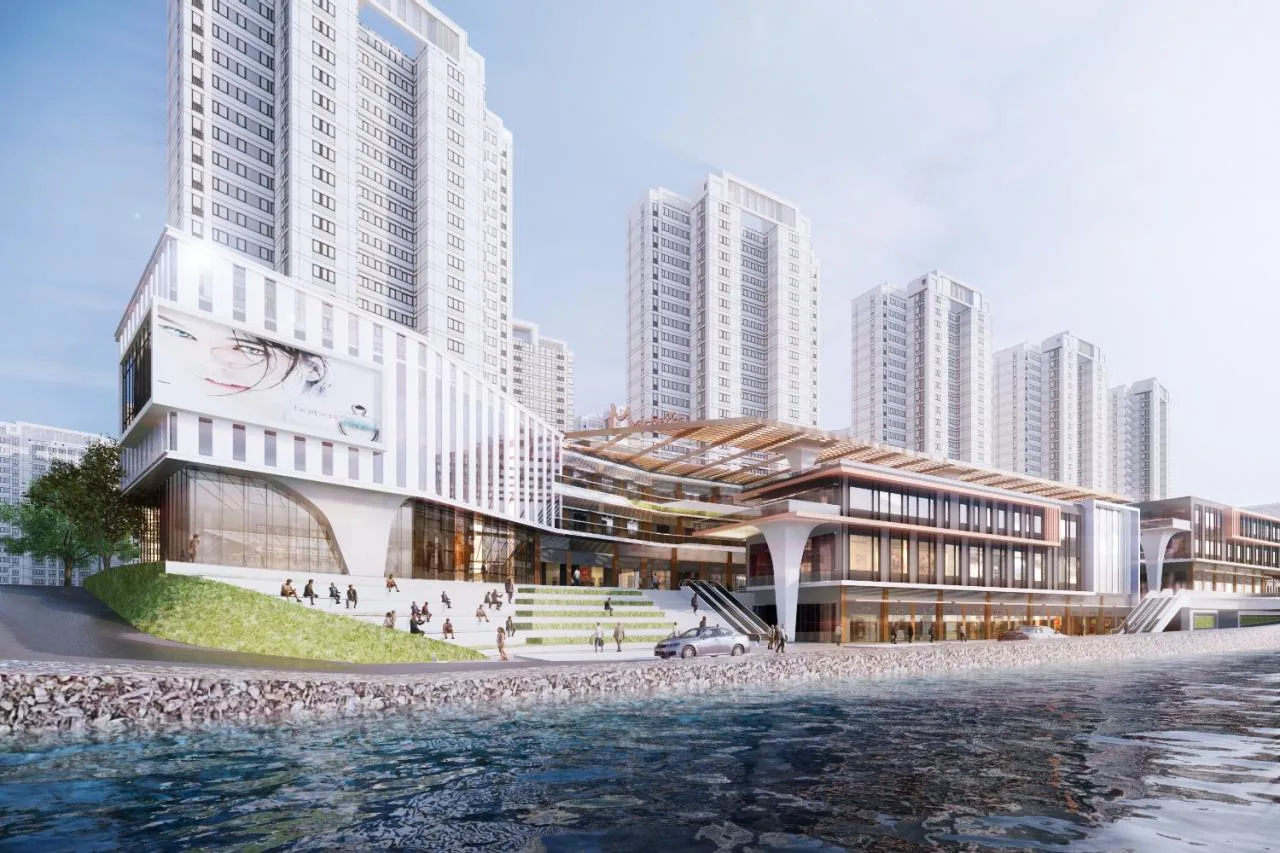
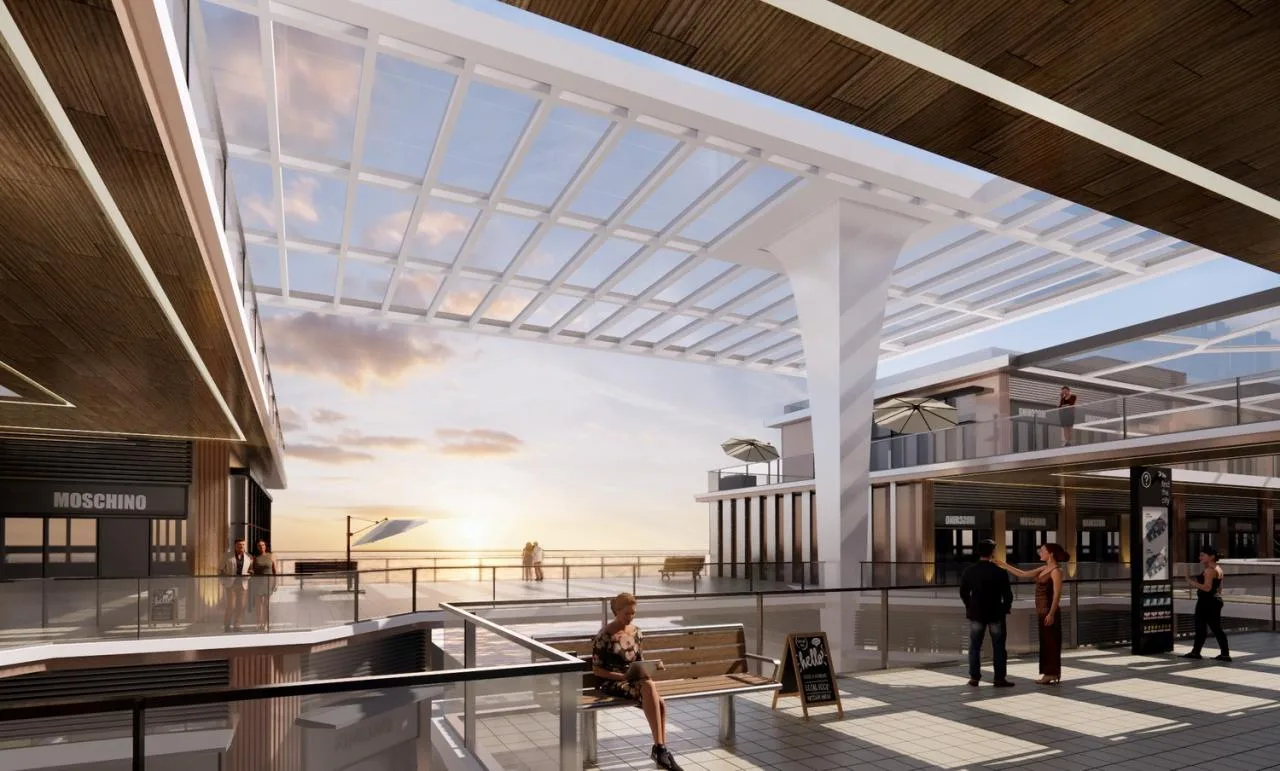
China Merchants Shekou Yantai Marbella Commercial Street
#A trendy “seaside living experience center” nestled between mountains and sea
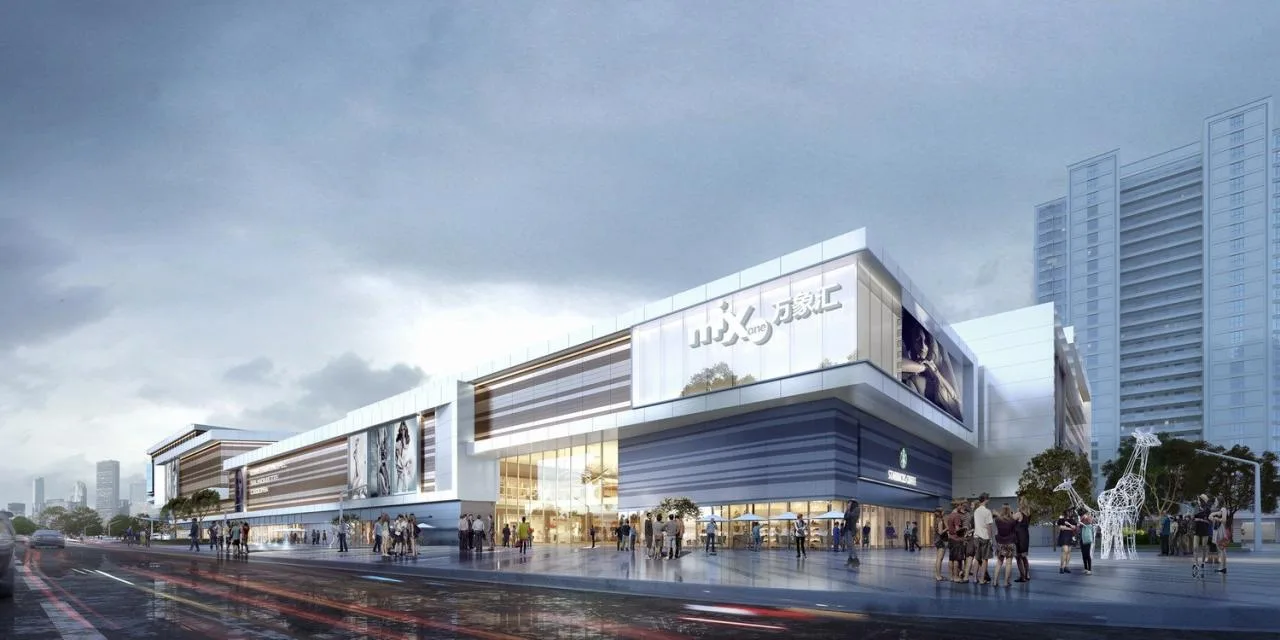
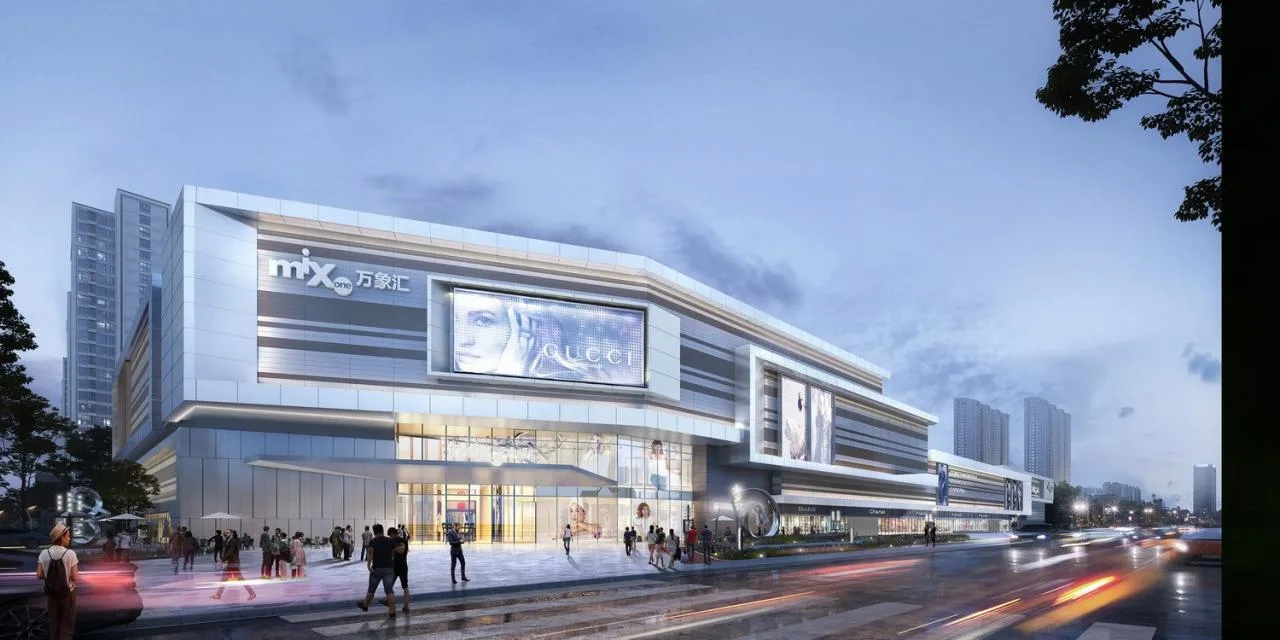
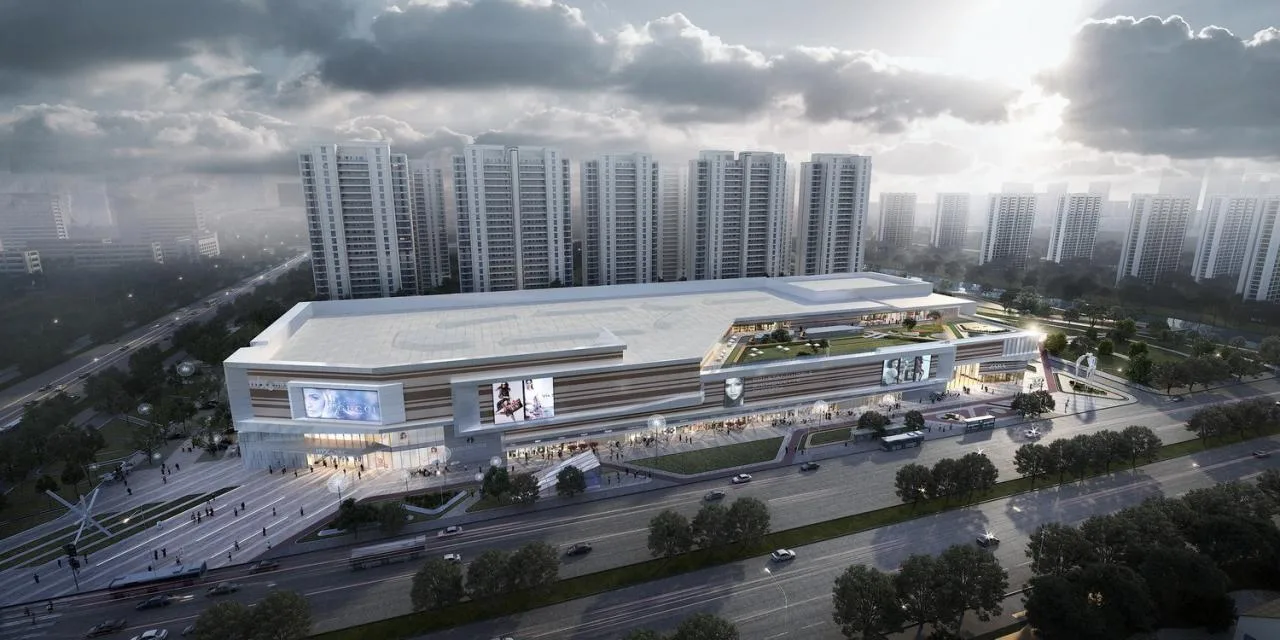
Jining Huarun Wanxiang Hui
#A circular double-street urban living room blending old and new styles
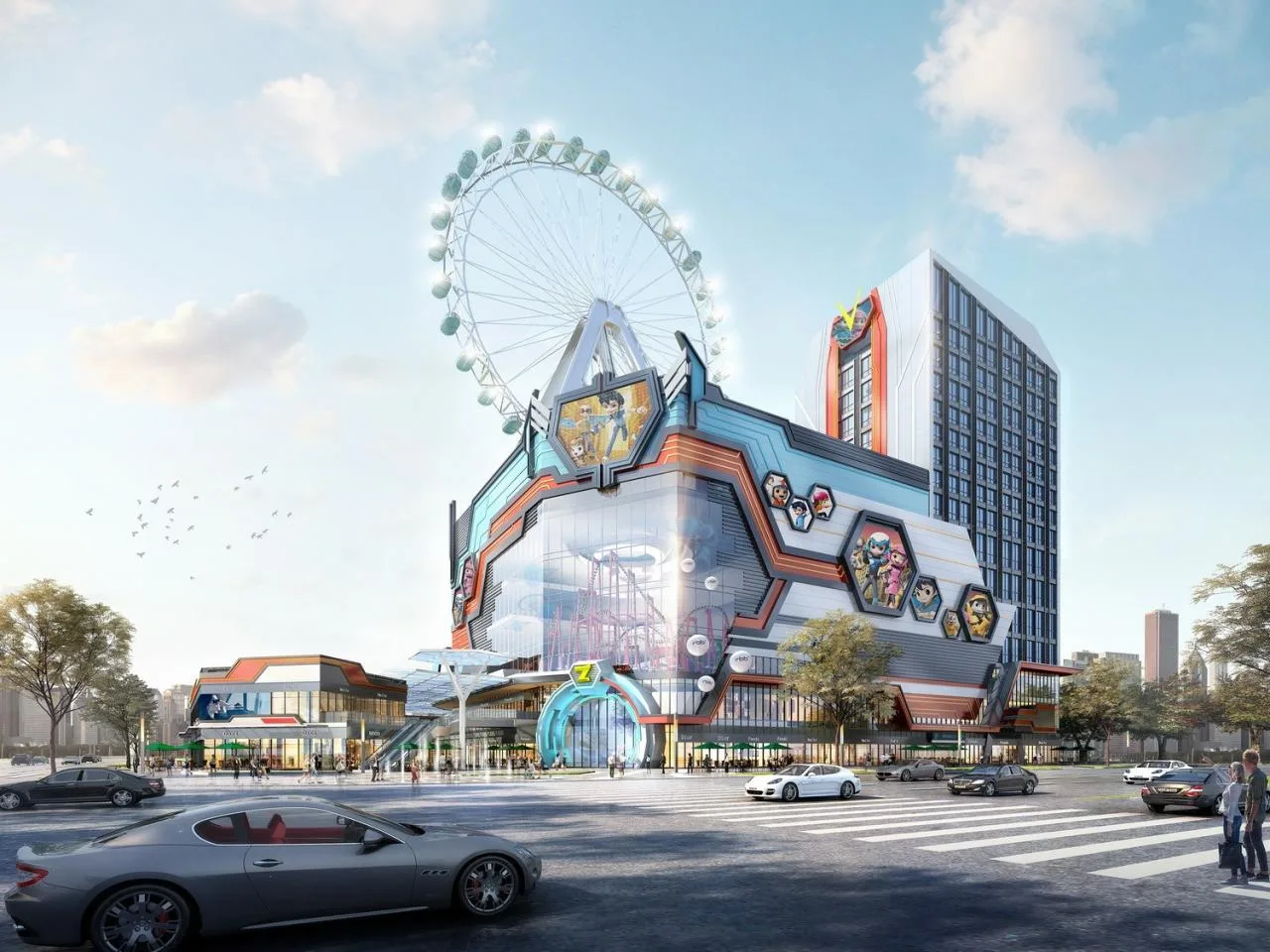
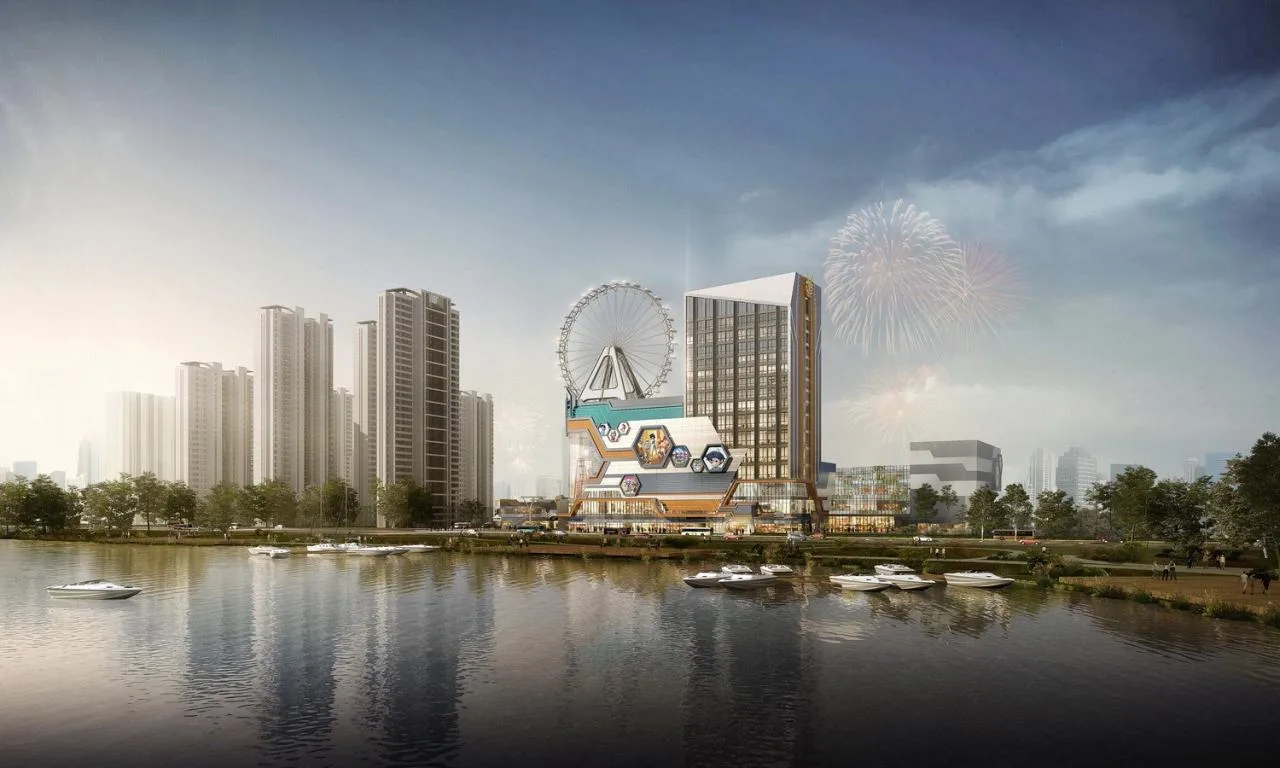
Jiangxi Jiujiang New Tourism Cultural Tourism City
#China’s first “Indoor Theme IP Park” complex
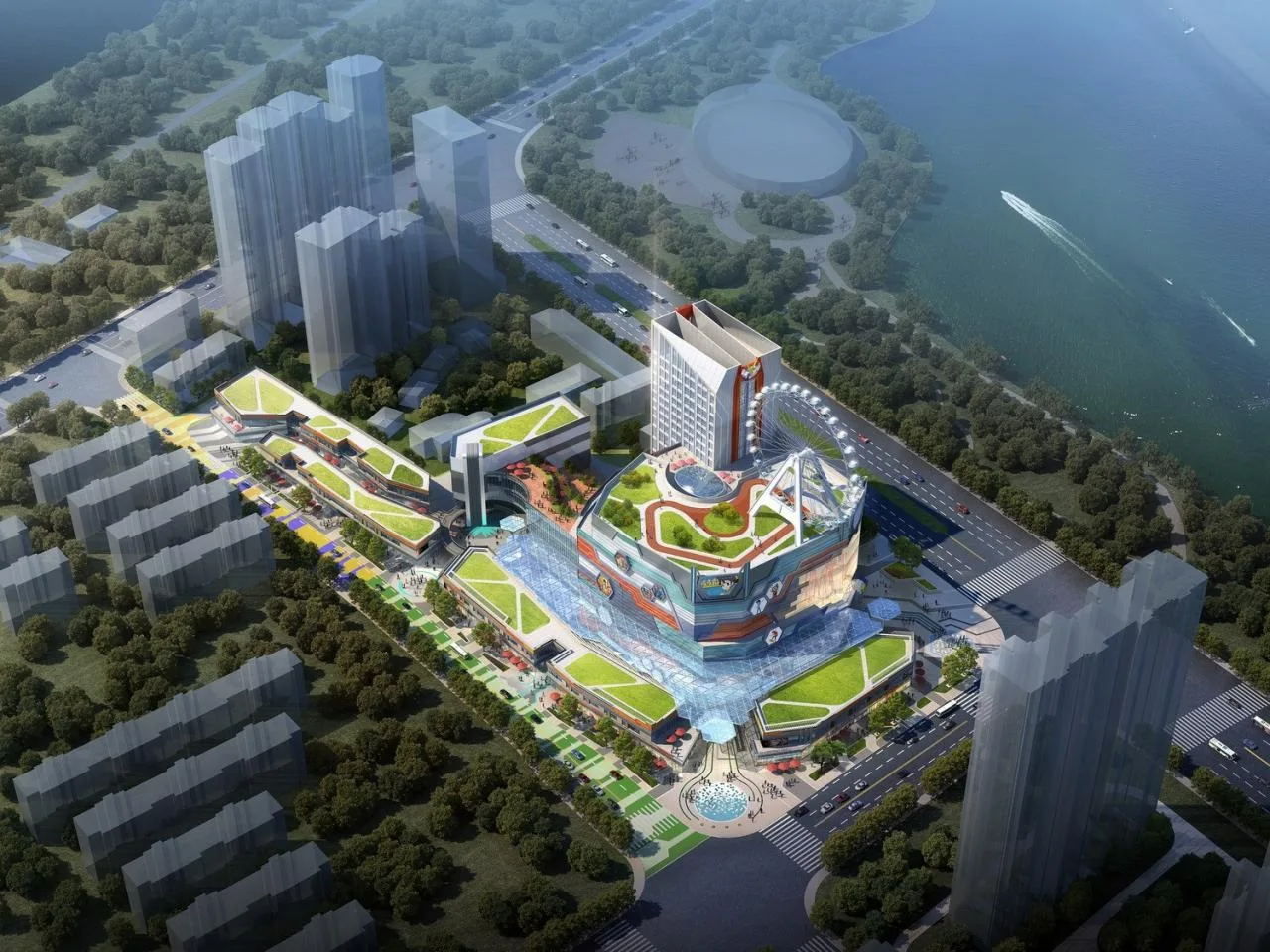
Embracing Change: Adapting to Lead the Future
In this rapidly evolving era, the transformation of urban complexes is ongoing. Beyond buzzwords like sharing economy, new business models, big data, smart environments, communities, super IP, ultimate experiences, and premium consumption, the reinvention of physical retail continues to unfold.
With nearly two decades of experience designing urban complexes, Sanyi has grown alongside China’s urban development. However, only by staying attuned to contemporary trends, embracing innovation, and evolving can its designs fulfill the demands of future urban lifestyles. Facing new opportunities and challenges ahead, Sanyi stands well-prepared. The future is here, and the path lies before us—let’s witness what comes next together.















Must log in before commenting!
Sign Up