
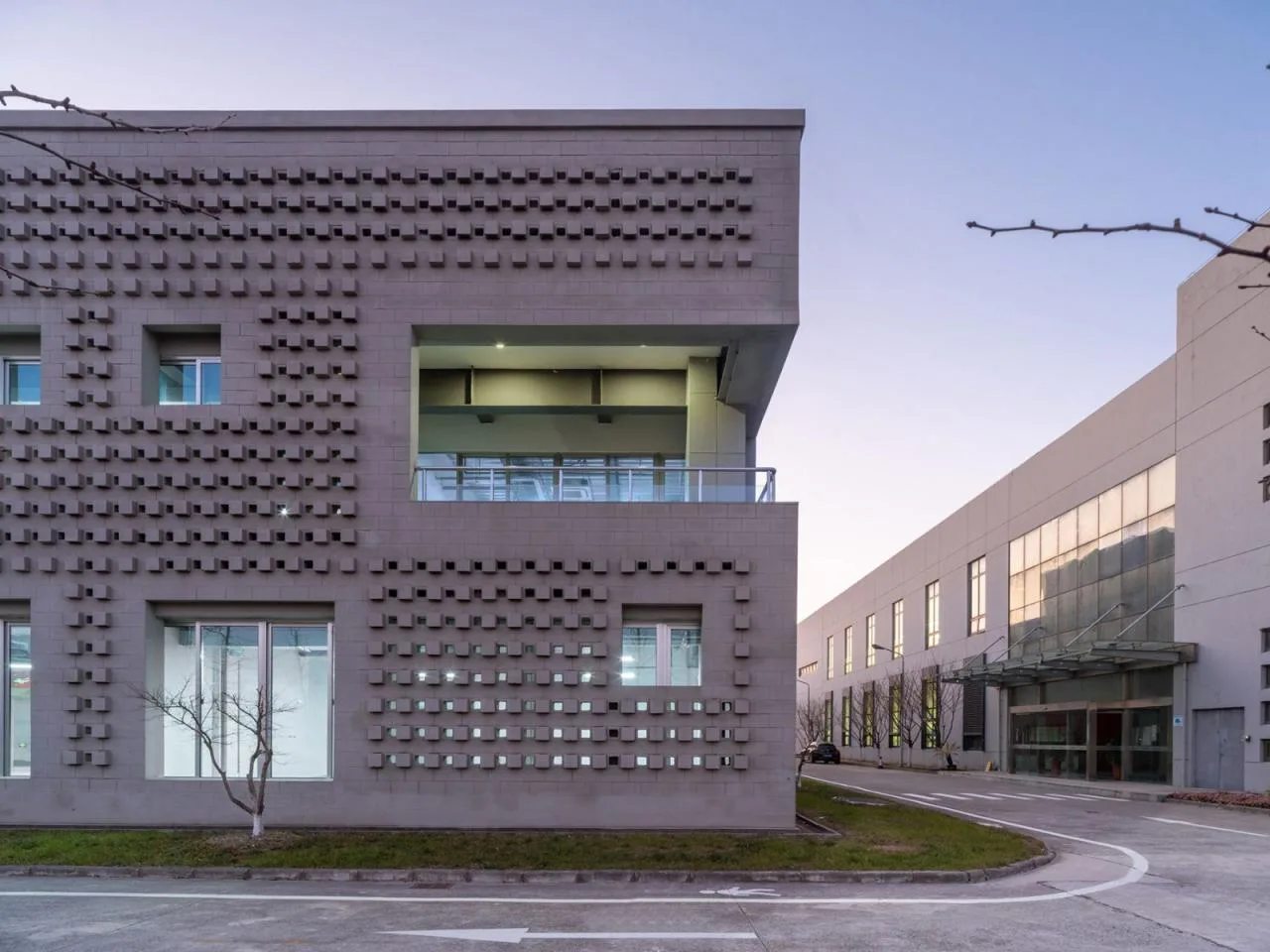
Kunshan City is widely recognized as a hub for Taiwanese manufacturing industries, often associated with traditional, outdated, and environmentally unfriendly practices. This project, however, breaks that stereotype by embracing a strong green philosophy, showcasing a unique and forward-thinking identity.
The owner, HeChun Technology, has long been dedicated to innovation and environmental protection. In the automation sector, they continually develop eco-friendly products that help reduce carbon emissions and promote sustainable concepts, including their proprietary Eco Color ecological paint. Their product line features energy-saving sunshade louvers integrated with sensory technology.
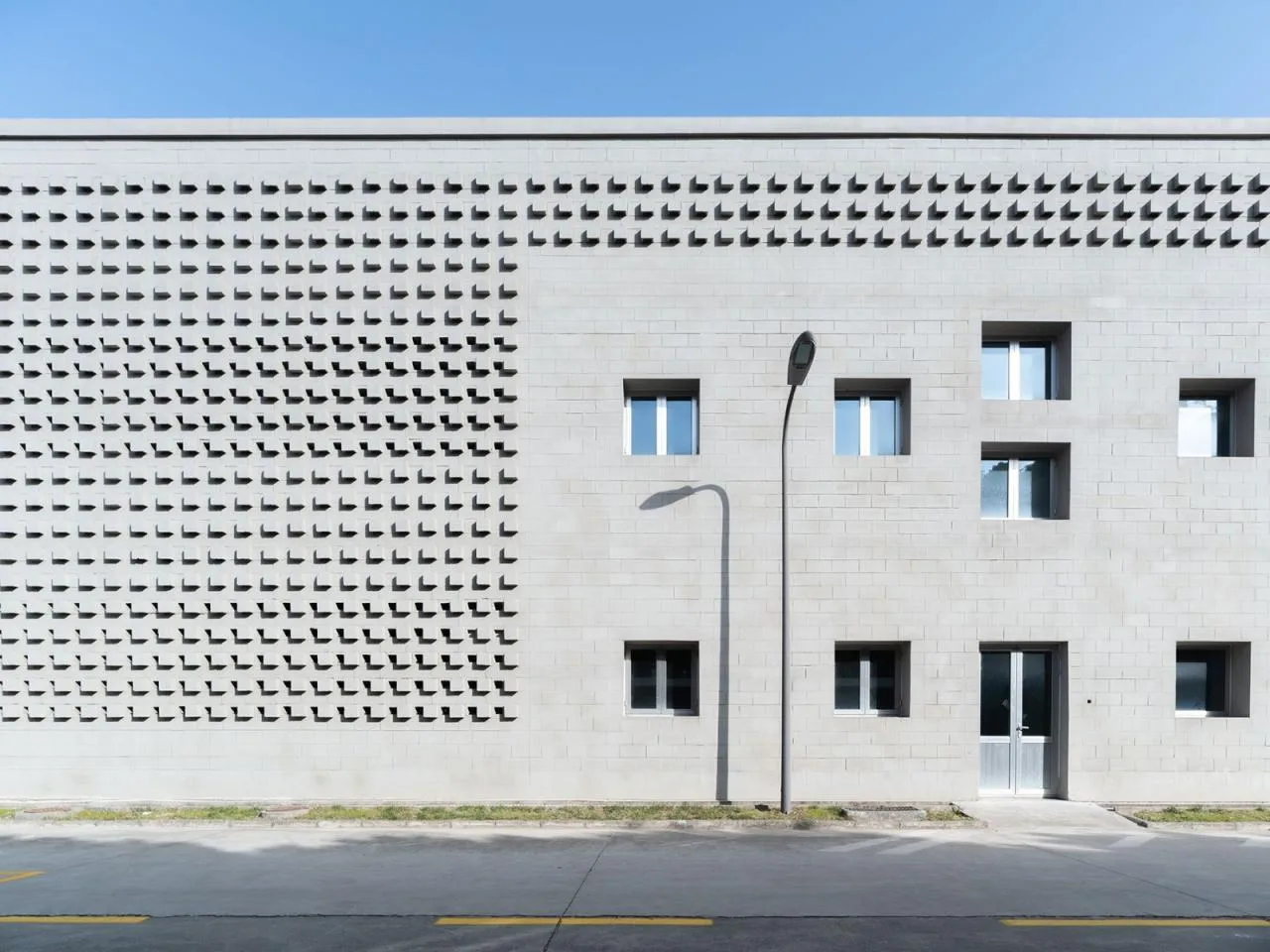
Architect Zhang Pengqian and his firm incorporate natural light, ventilation, and sun-shading features inspired by HeChun Technology’s products. They utilize locally common, cost-effective, and eco-friendly materials such as concrete hollow bricks and glass. By thoughtfully arranging these materials, the architects created a breathable building envelope that combines natural lighting with self-shading, minimizing the need for post-construction decoration and embedding environmental consciousness throughout the project. This approach allows the factory itself to express the company’s green ethos: the fusion of technology and ecology.
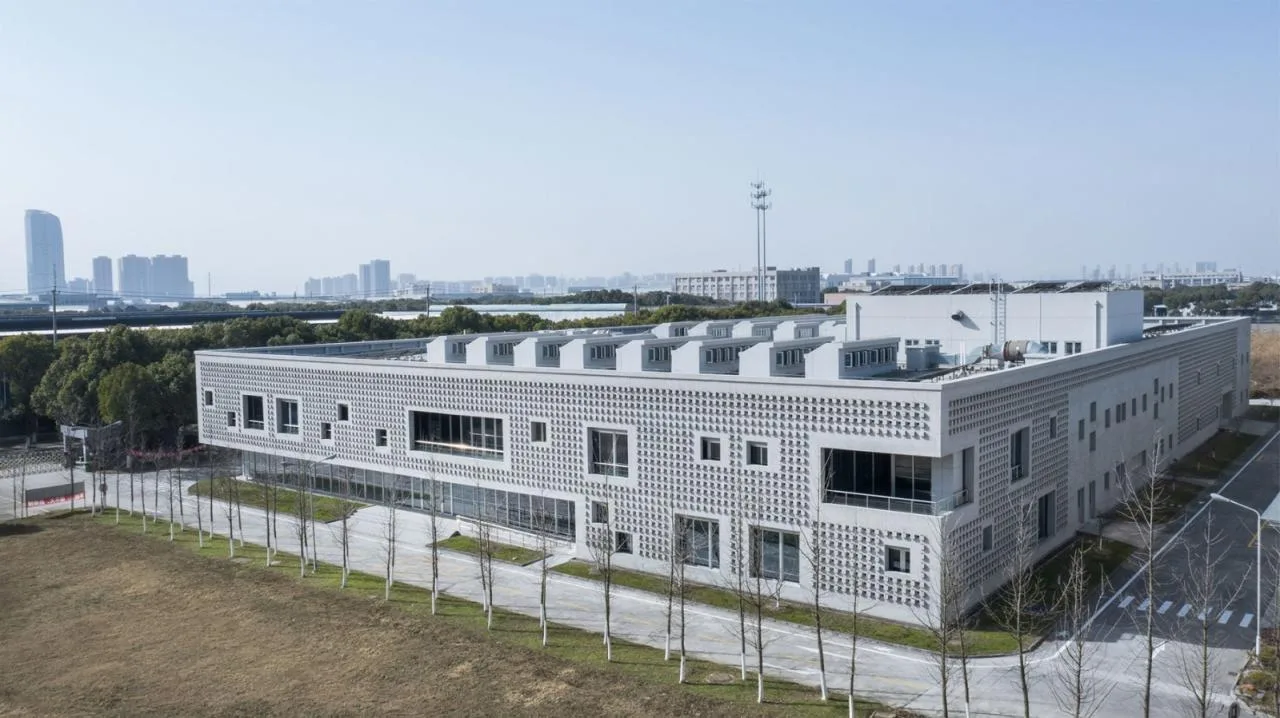
The project carefully addresses the owner’s primary requirements: a mechanical assembly factory primarily composed of a large, open workshop space supplemented by a small office area. The workshop benefits from ample natural lighting and ventilation, while the office space includes a photoelectric clean room and supporting facilities.
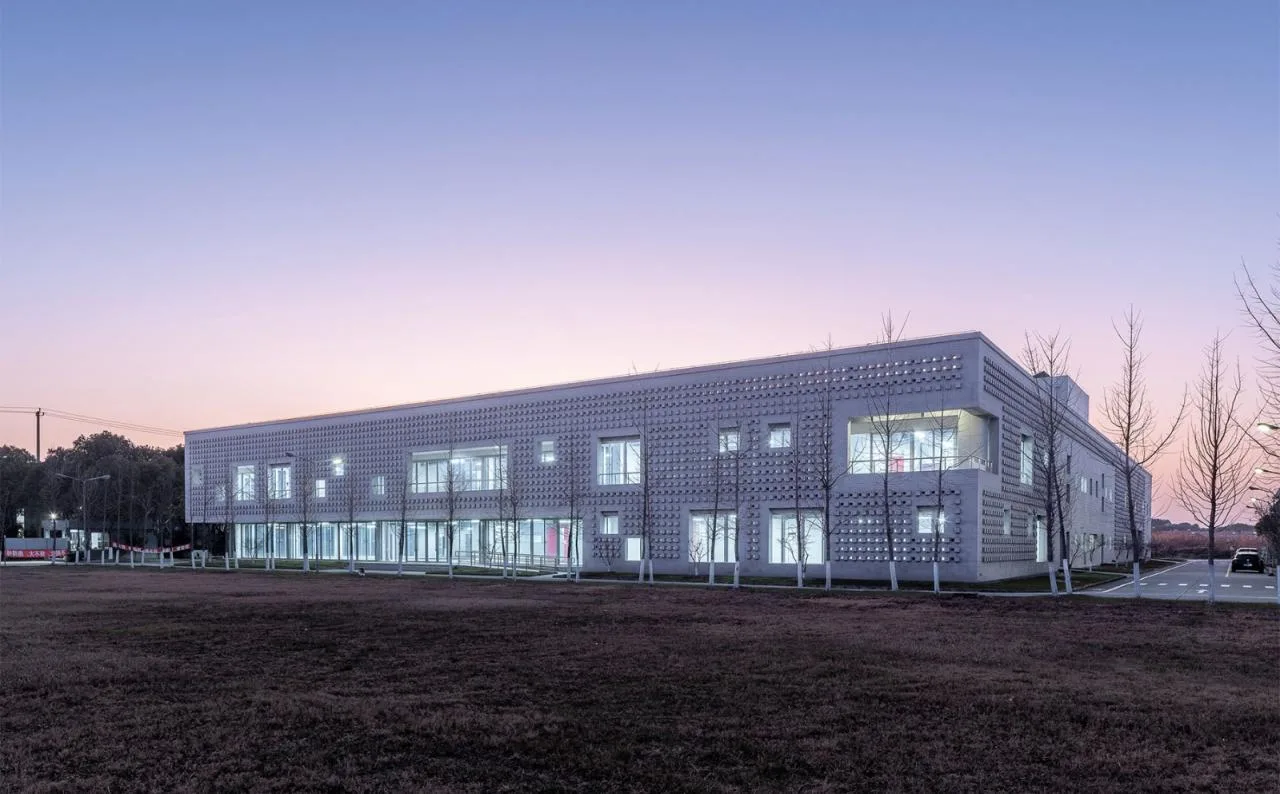
Guided by principles of energy conservation and carbon reduction, the design aims to make the factory a model green building. Following the 2014 edition of the “Green Building Evaluation Standards” and China’s Three Star Green Building certification criteria, the team implemented strategies such as hollow building skins and buoyancy-driven ventilation windows. These features maximize natural light and facilitate indoor-outdoor air convection.
Computational Fluid Dynamics (CFD) was used to simulate ventilation flow and indoor temperature, determining optimal natural ventilation periods under various indoor loads. This ensured a comfortable thermal environment with balanced temperature and humidity throughout the building. Notably, green atriums were incorporated in both the workshop and office areas to help regulate the local microclimate. The southeast corner features floor-to-ceiling glass walls with HeChun’s own electric external sunshade louvers, showcasing the owner’s products in action.
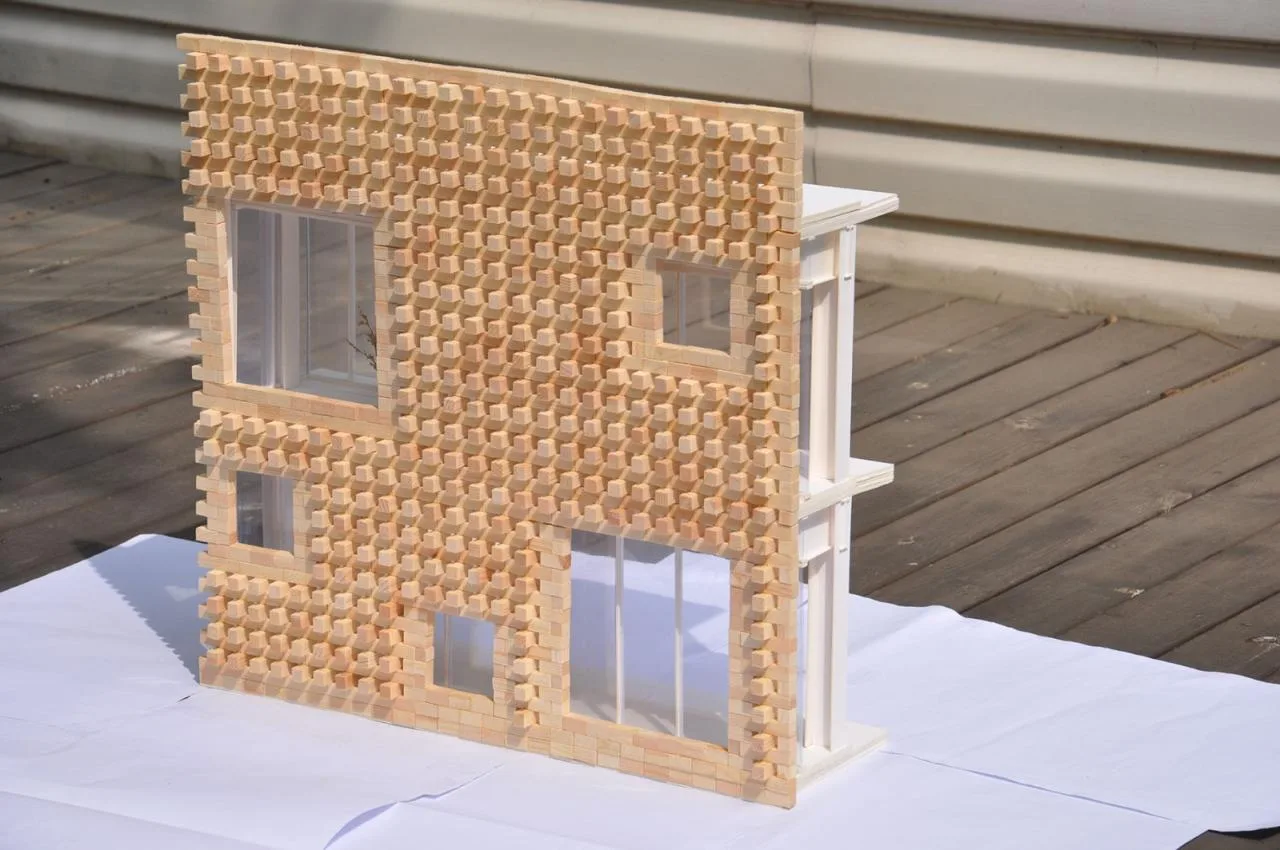
Model
This project serves as an Industry 4.0 production base, emphasizing resource and energy efficiency while driving digital transformation. It functions as the assembly site for HeChun Technology’s flagship robotic arm. The internal environment was carefully designed with attention to lighting and buoyancy-driven ventilation. Skylights over two courtyards enhance comfort and reinforce the green building concept.
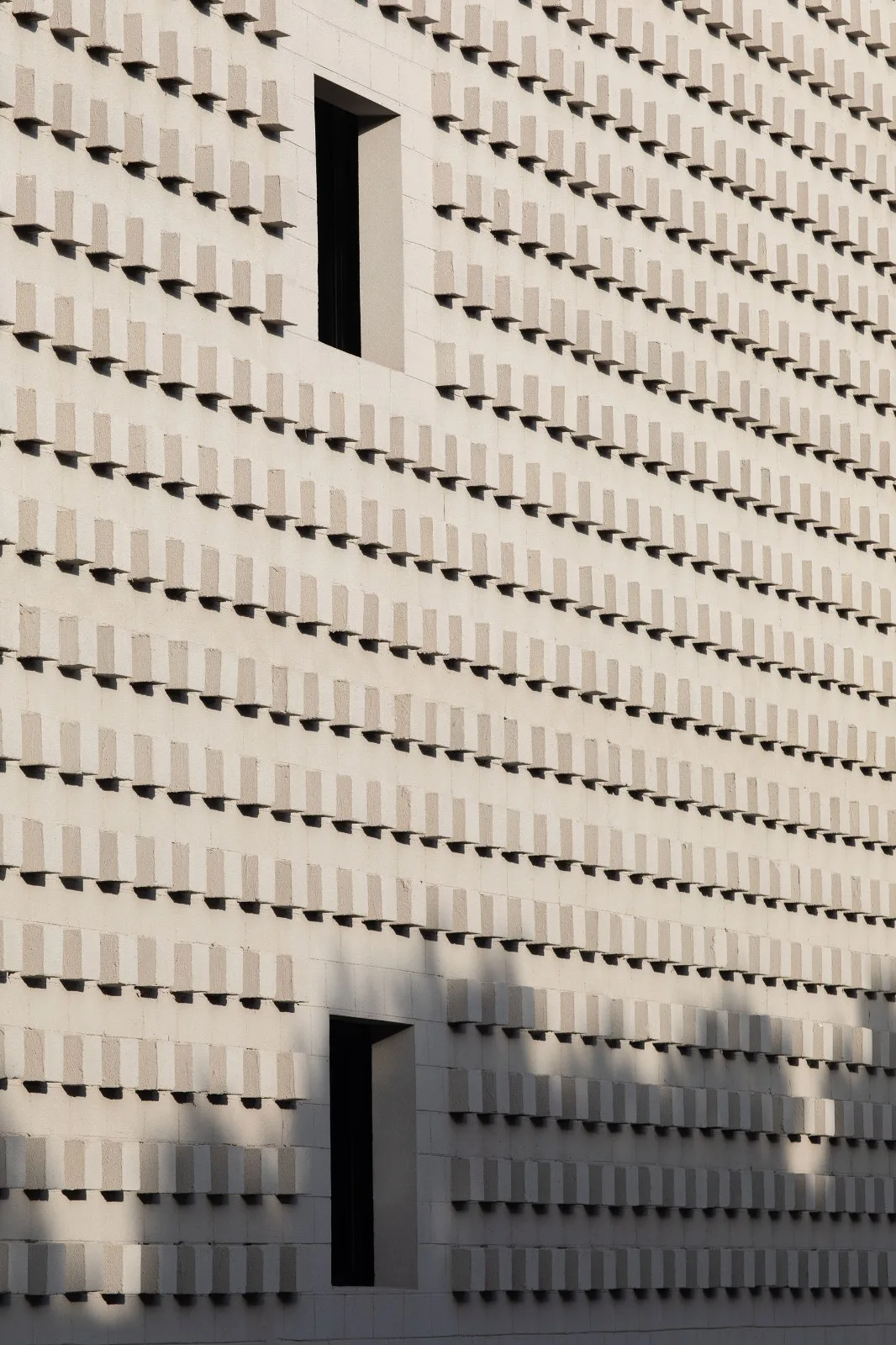
Interestingly, rather than opting for high-tech metallic materials, the exterior walls are constructed from locally sourced, economical, and eco-friendly hollow bricks. Their texture complements the existing concrete of the Phase I factory, and varied brick arrangements create facade patterns that address different lighting and ventilation needs within the factory spaces.
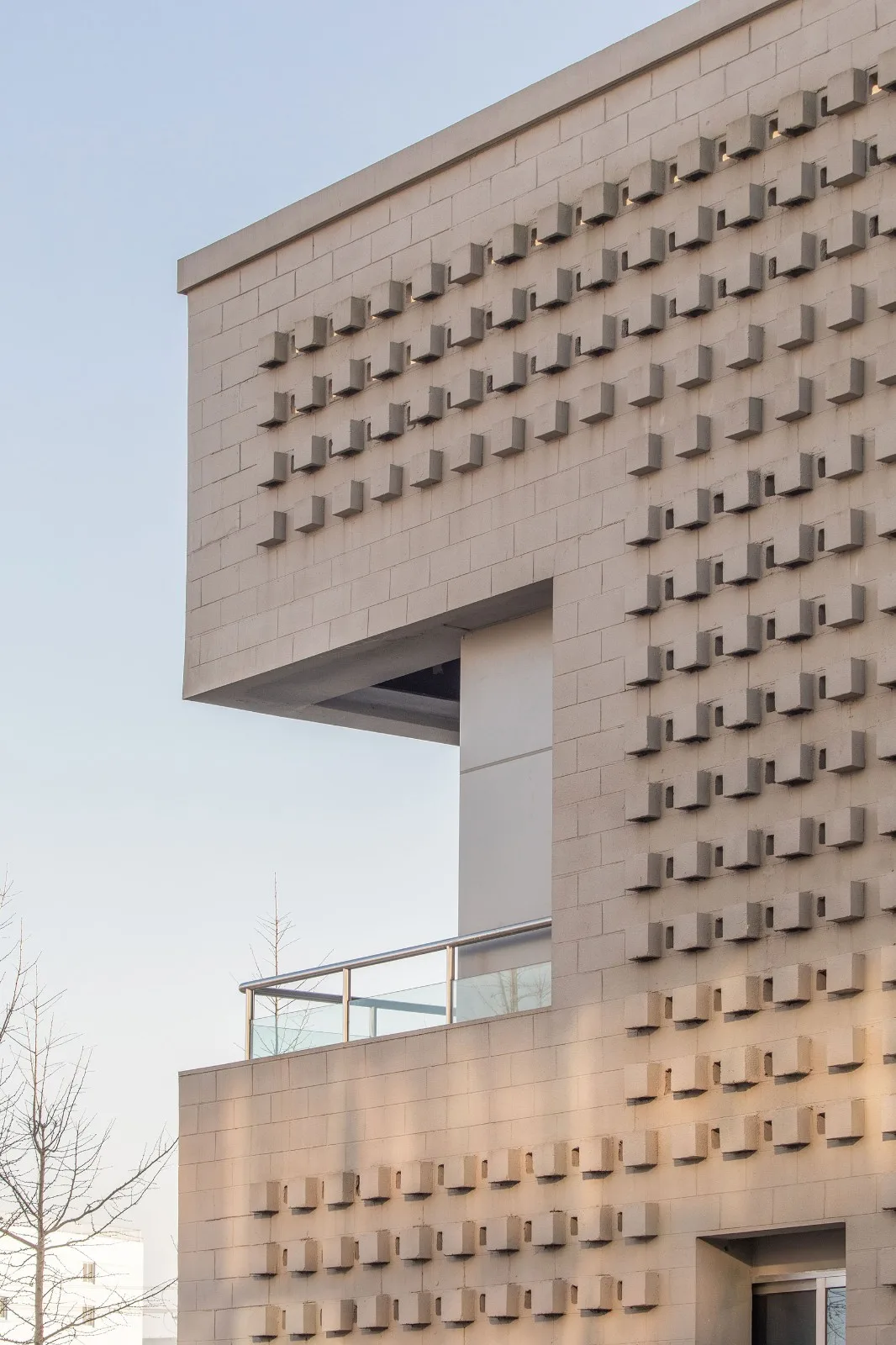
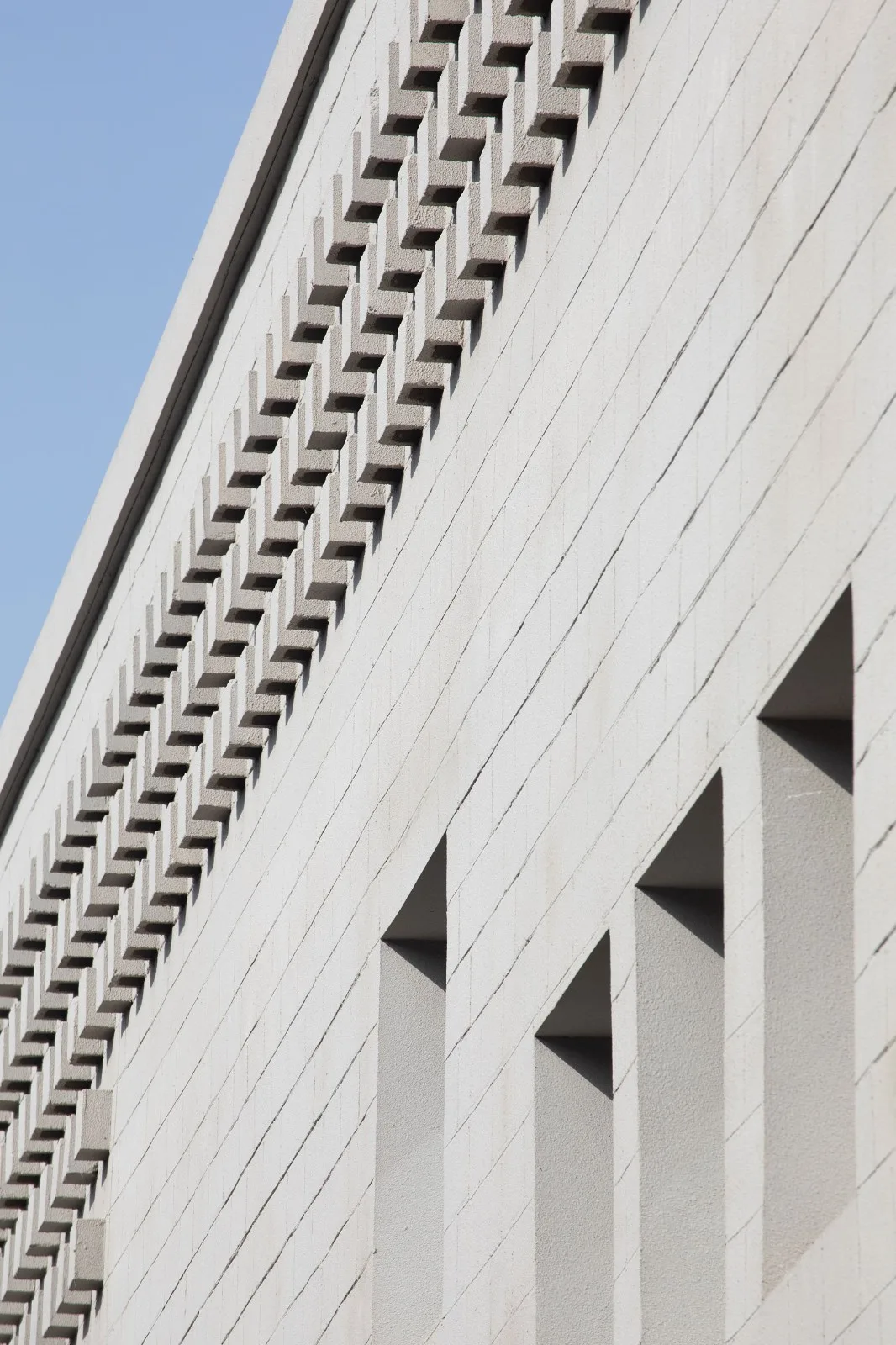
Heat loss through walls accounts for approximately 59% of total building heat dissipation. Improving wall insulation is crucial to enhancing overall building energy efficiency. Wall self-insulation technology is increasingly becoming an industry focus. Research indicates that the thermal resistance of hollow bricks depends heavily on hole shape, wall thickness, and hole arrangement.
In this project, the locally produced hollow bricks reduce transportation energy consumption and carbon dioxide emissions, supporting broader carbon peak goals.
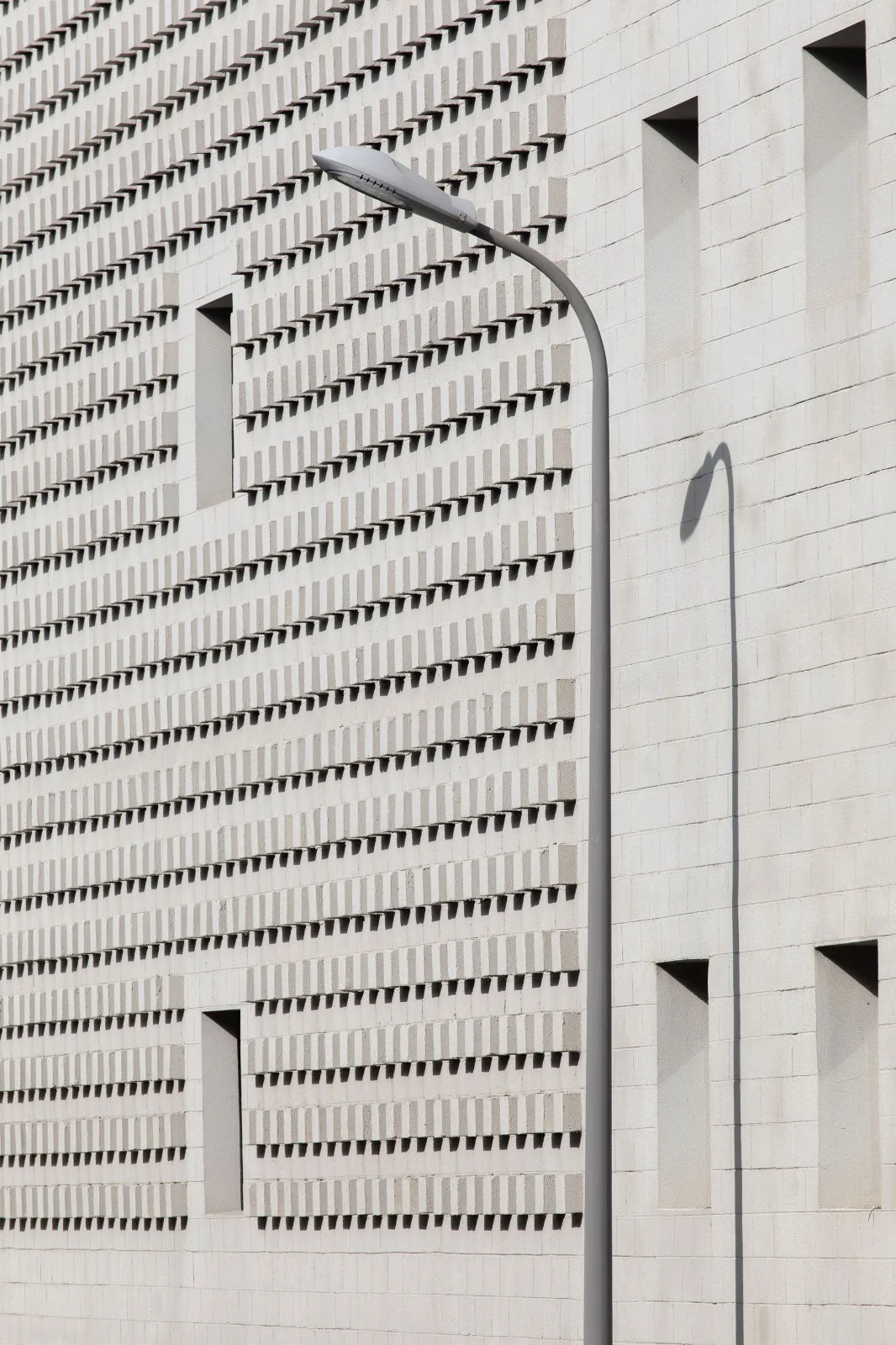
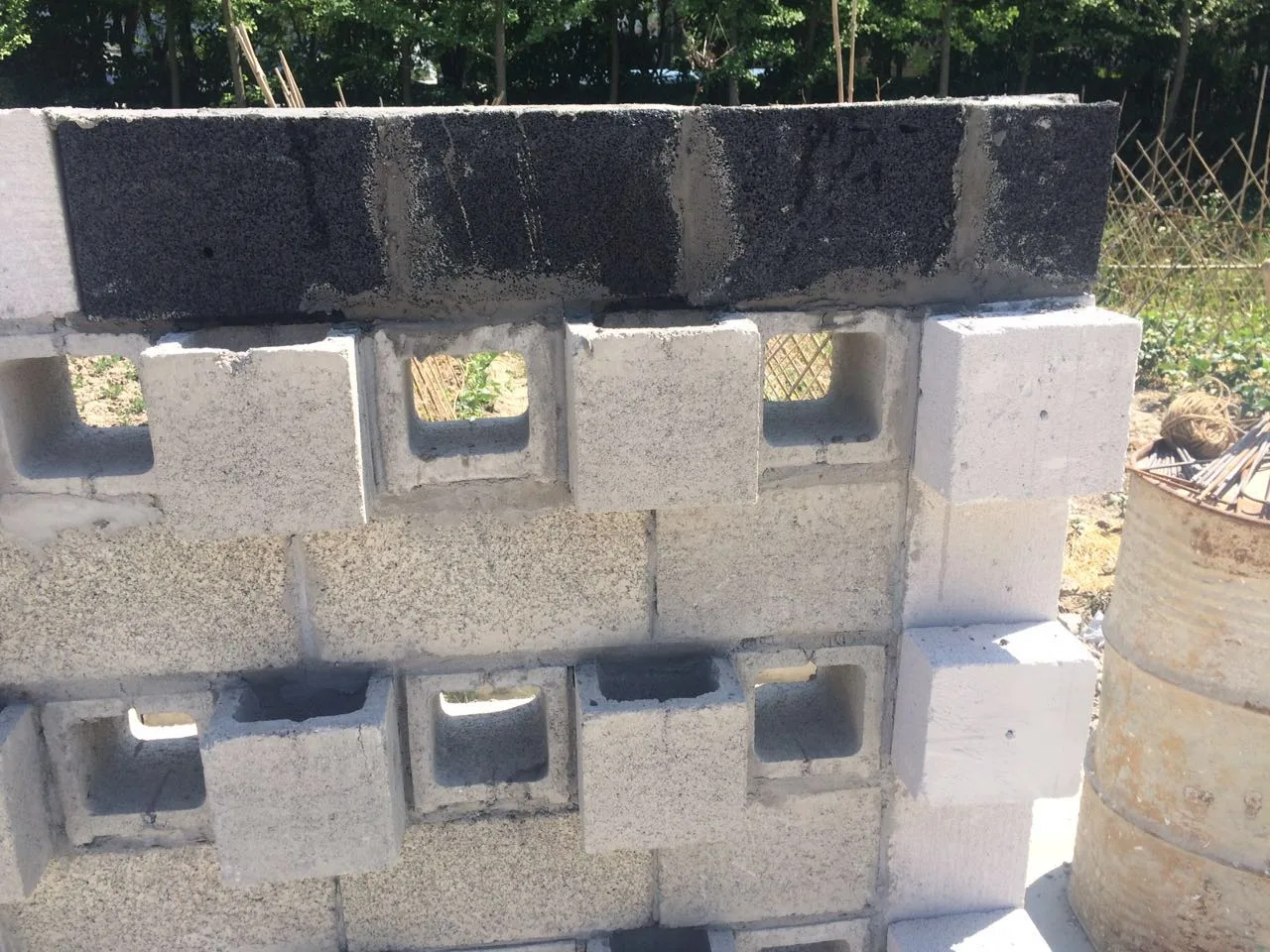
1:1 on-site brick wall layout testing
The hollow bricks for this project were carefully selected. The designer personally visited multiple manufacturers to study and compare products, ultimately choosing two types of hollow bricks tailored to different functional zones and orientations within the building.
In the office area, bricks with large openings maximize natural light, creating a bright, clear environment. The wall thickness provides thermal mass, absorbing heat during the day and releasing it at night or during cooler weather. A clever design detail involves laying the hollow bricks lengthwise, with some holes rotated 90 degrees outward, producing a natural rhythm of ventilation and light.
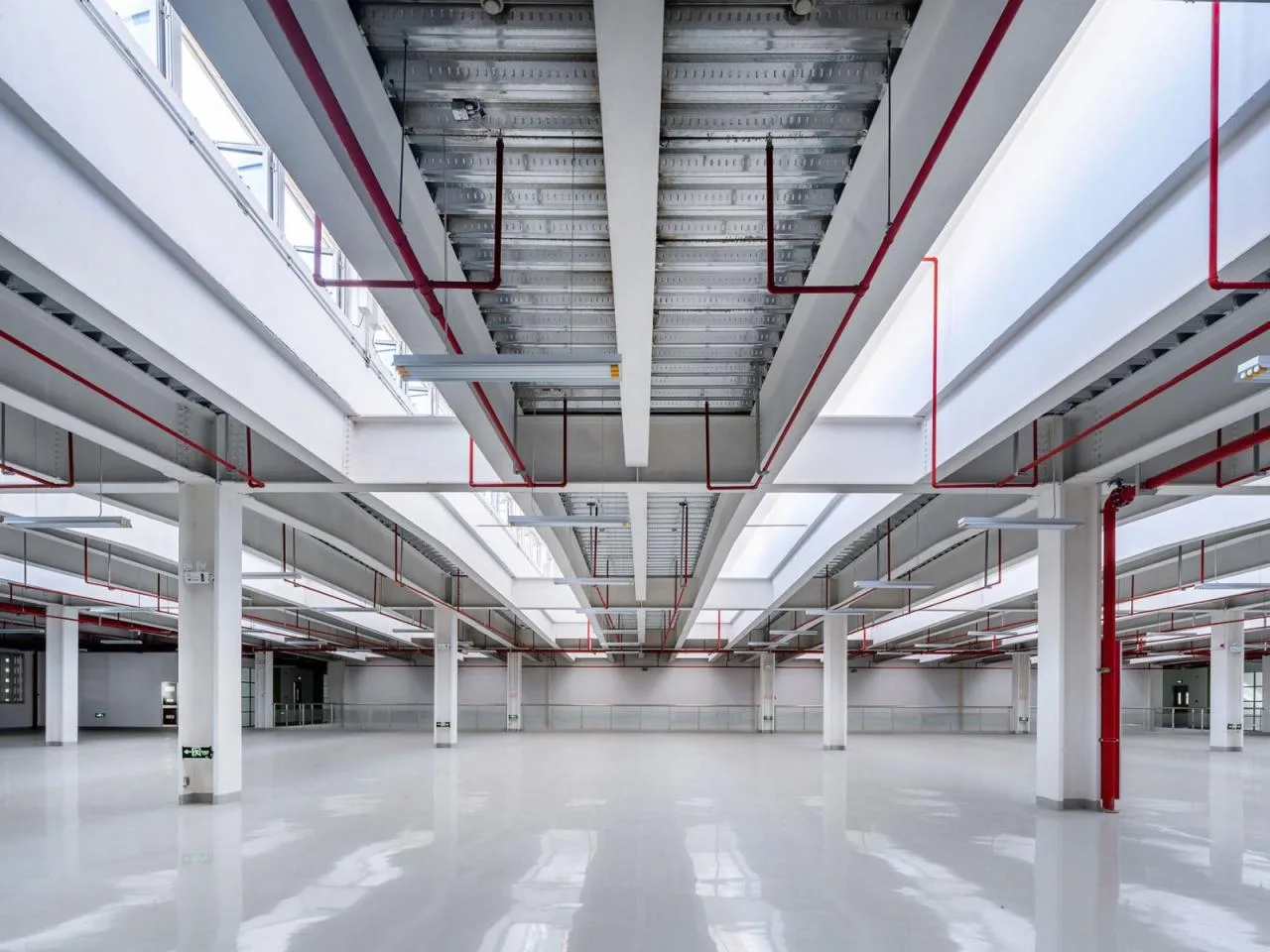
The atrium integrates this natural ventilation and lighting rhythm with landscape design, creating an inviting space for employee interaction. This thoughtful layout enriches sensory experience, enhances spatial interest, and fosters a seamless blend of work and relaxation—cultivating a close-knit, creatively inspiring atmosphere.
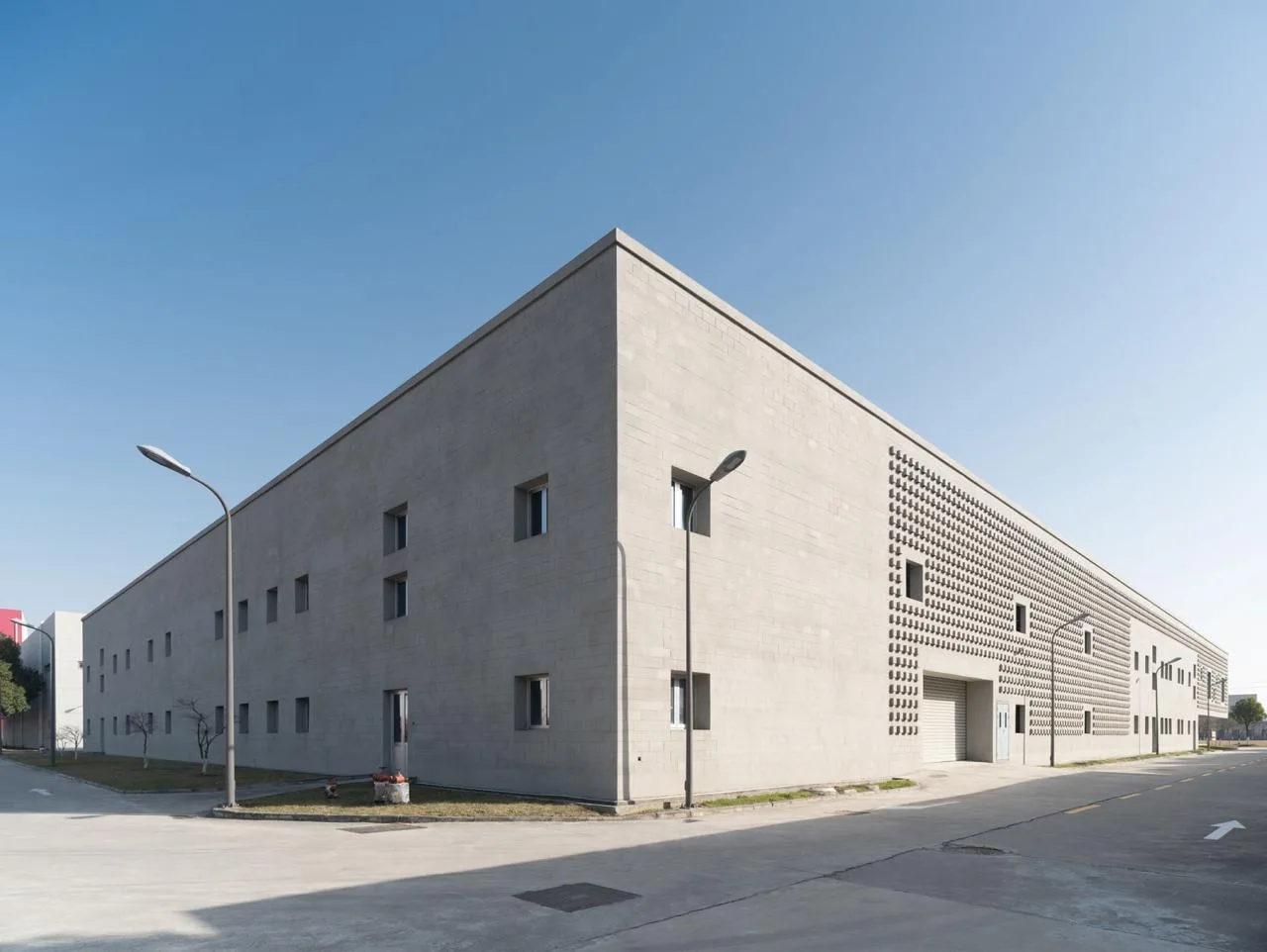
On the west side, the warehouse walls are mostly solid hollow bricks without perforations, providing shading and thermal protection to maintain stable temperature and humidity, preserving the quality of raw materials and finished products.
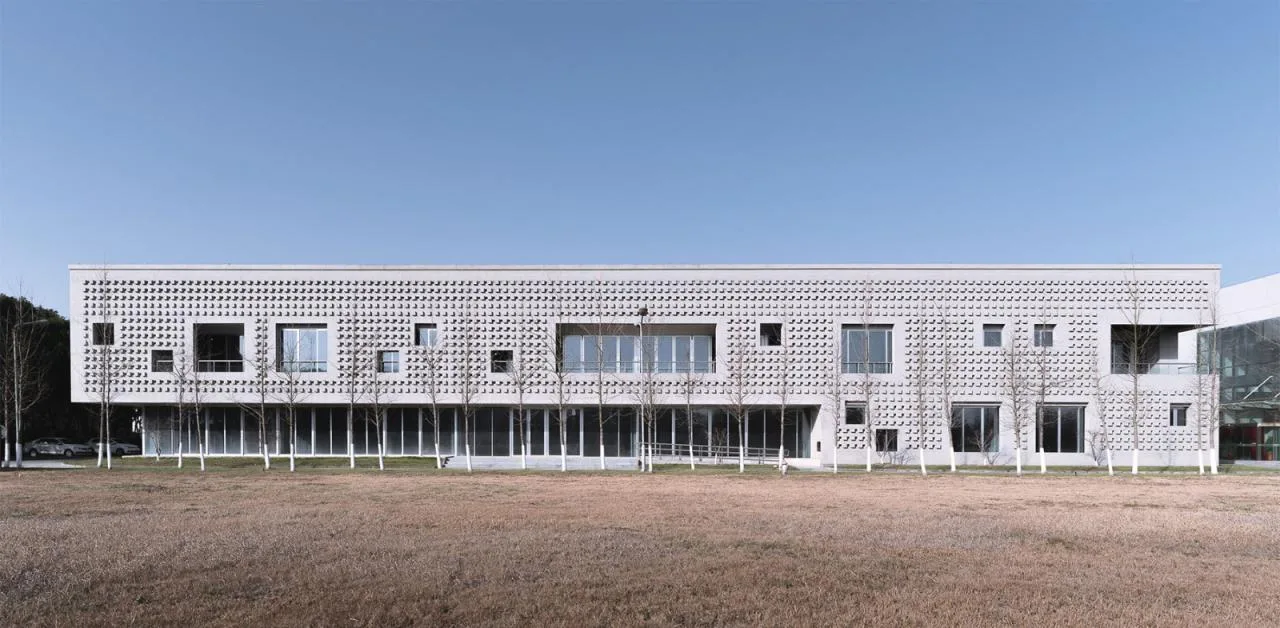
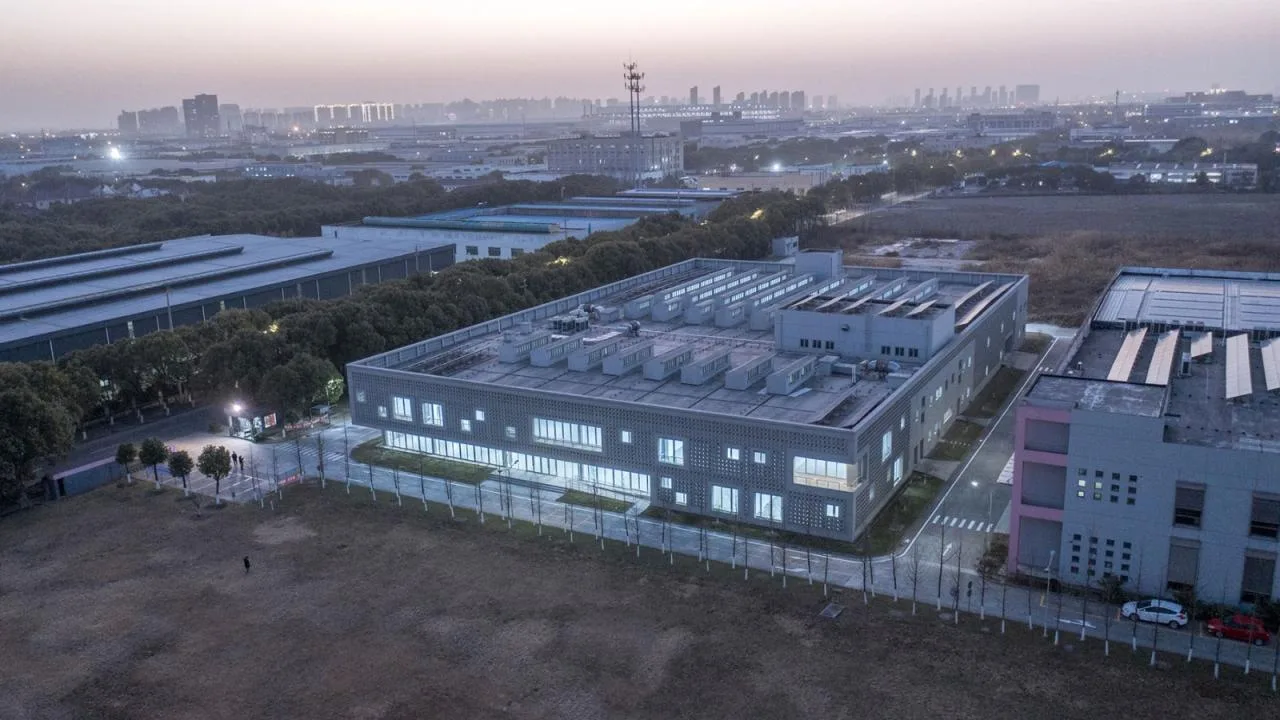
In summary, the “green building” philosophy has been central to Peng Architects’ approach, focusing on resource conservation, environmental protection, pollution reduction, and creating healthy, functional, and efficient spaces throughout their lifecycle. This project stands out for its craftsmanship and thoughtful response to client needs, earning it recognition as a key development project in Kunshan City. It also achieved the highest certification level under China’s green building evaluation system: the China Green 3-Star certification.
Project Drawings
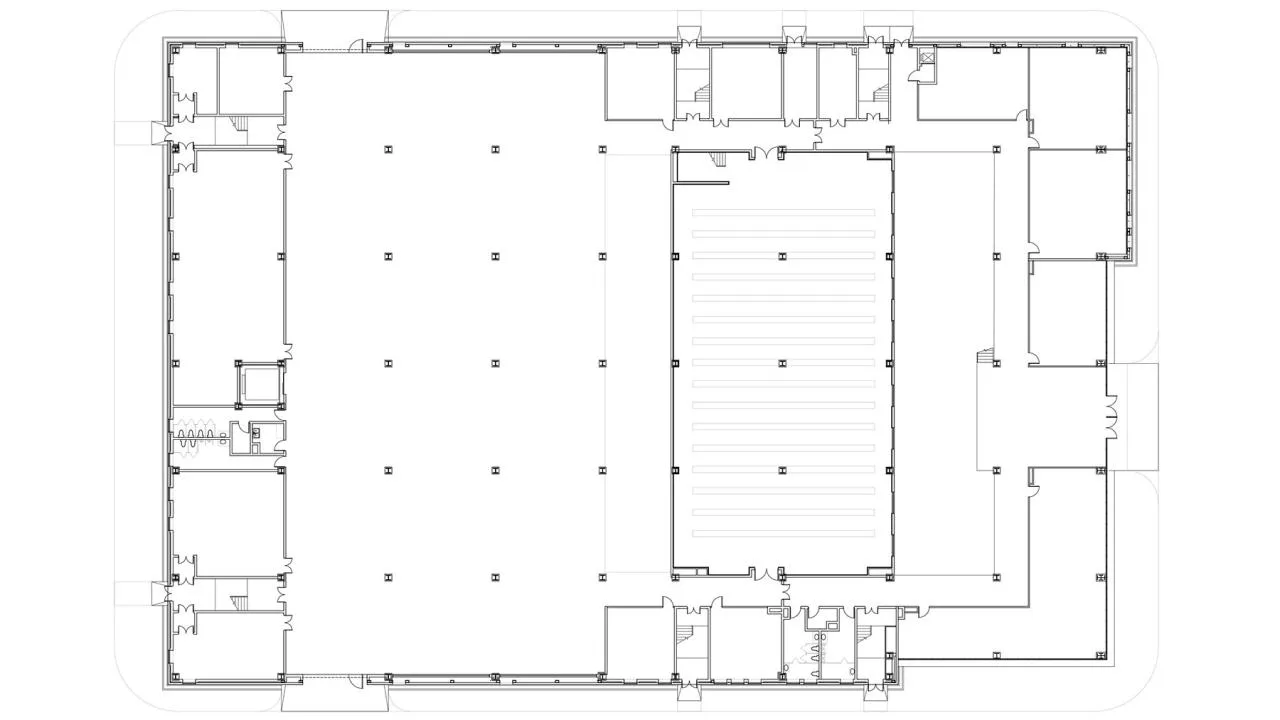
△ Plan view
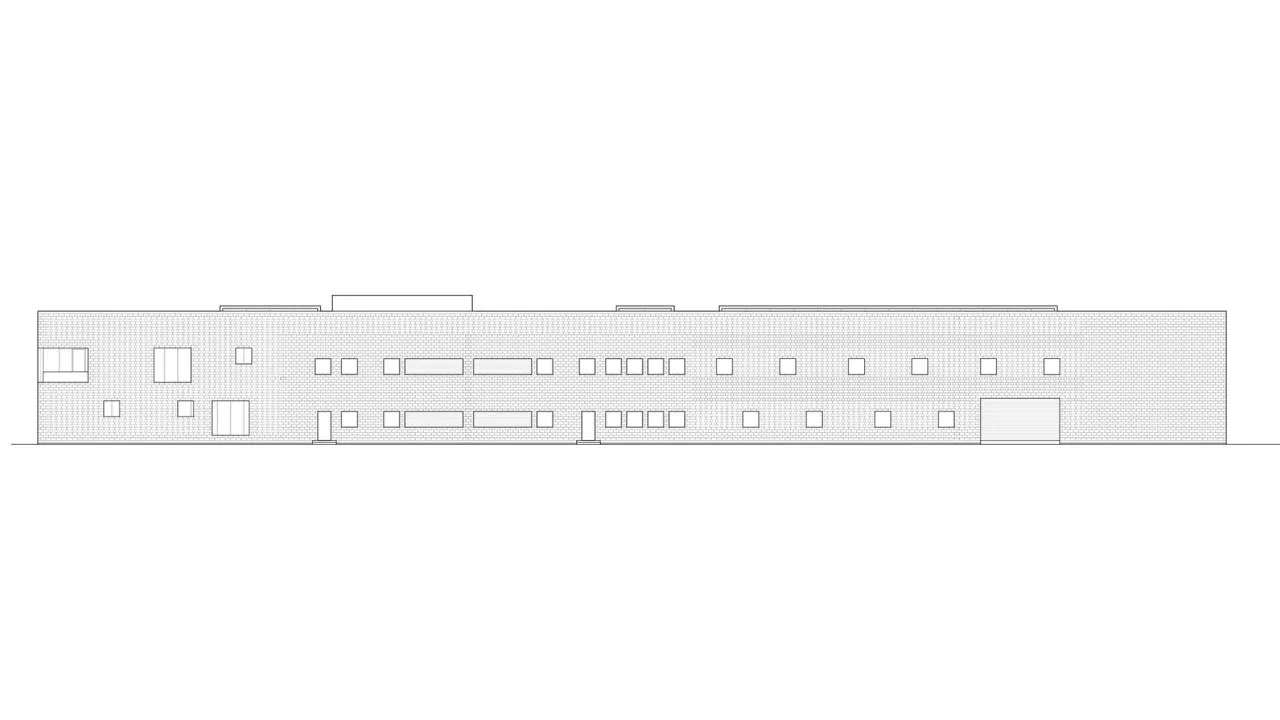
△ Elevation drawing
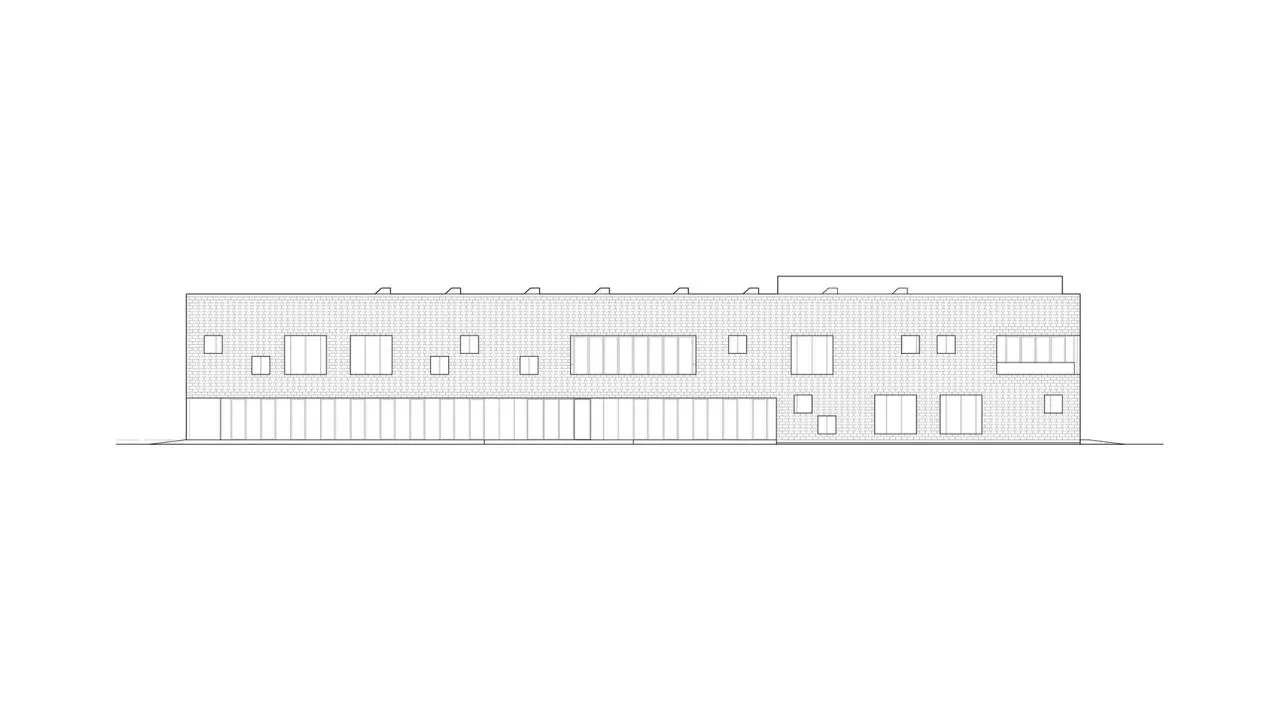
△ Elevation drawing
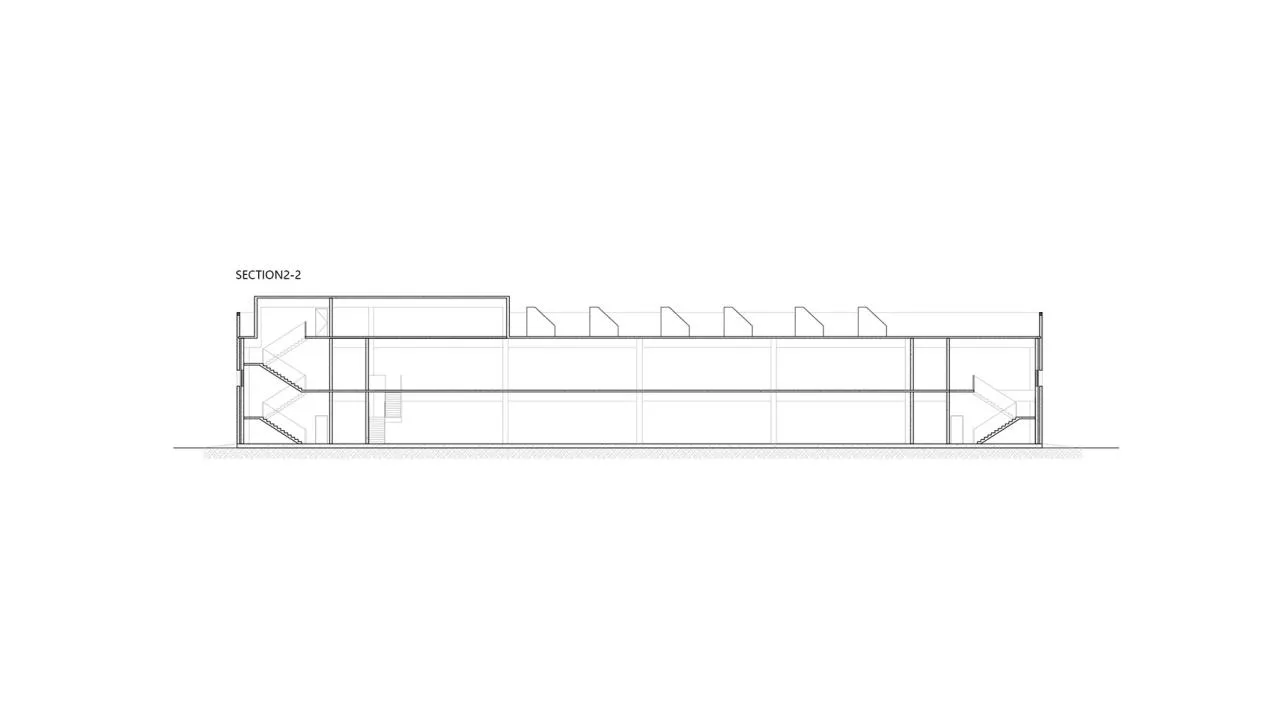
△ Section diagram
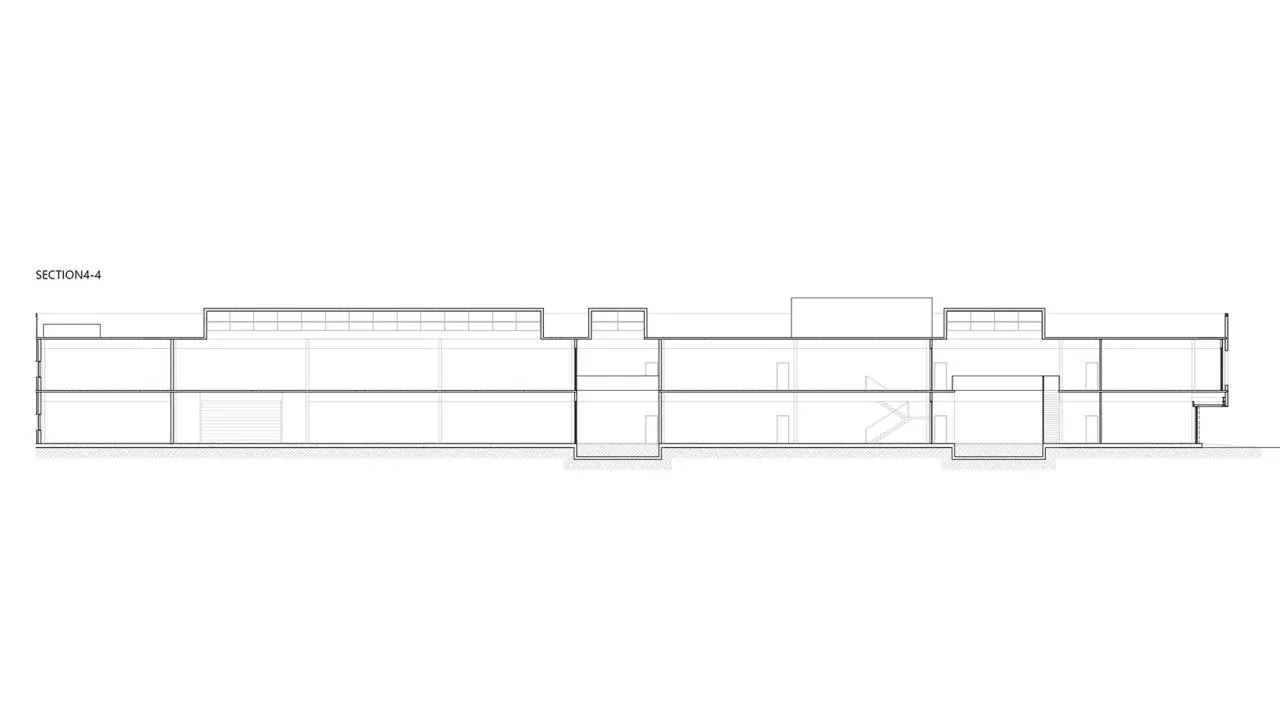
△ Section diagram
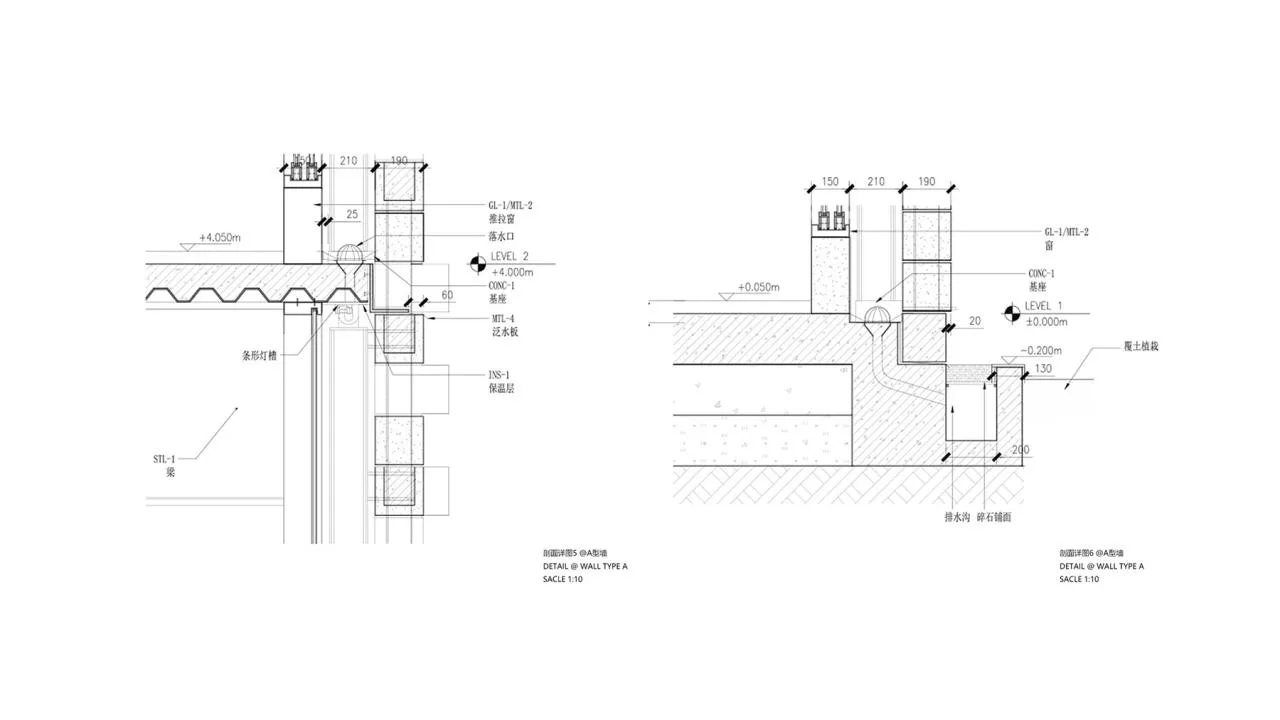
△ Detailed sectional drawing
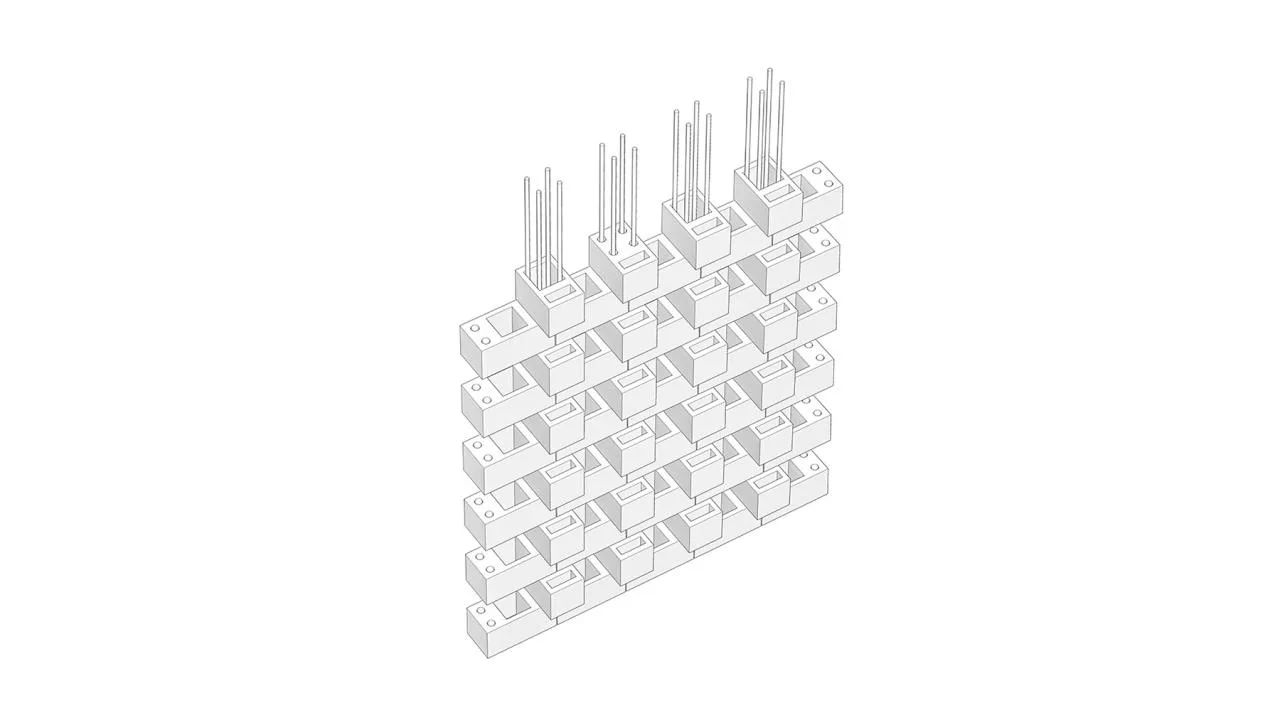
△ Brick Wall Arrangement Diagram
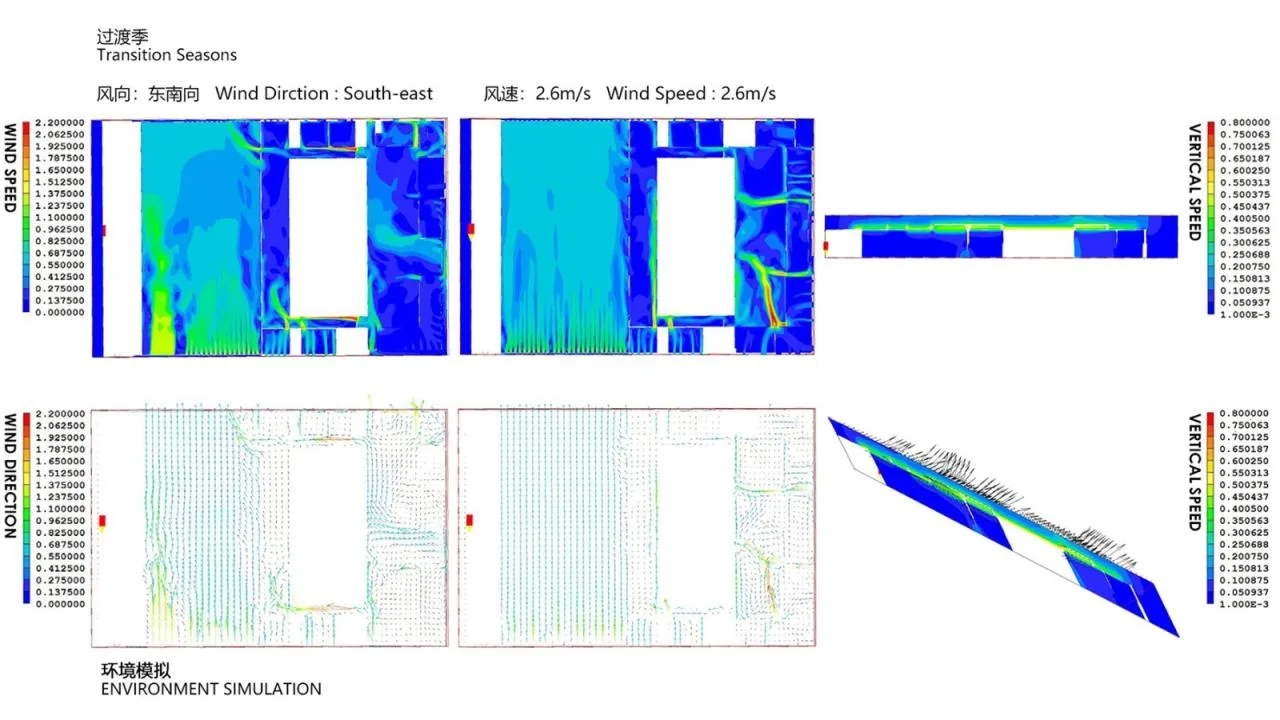
△ Environmental Simulation – Transition Season
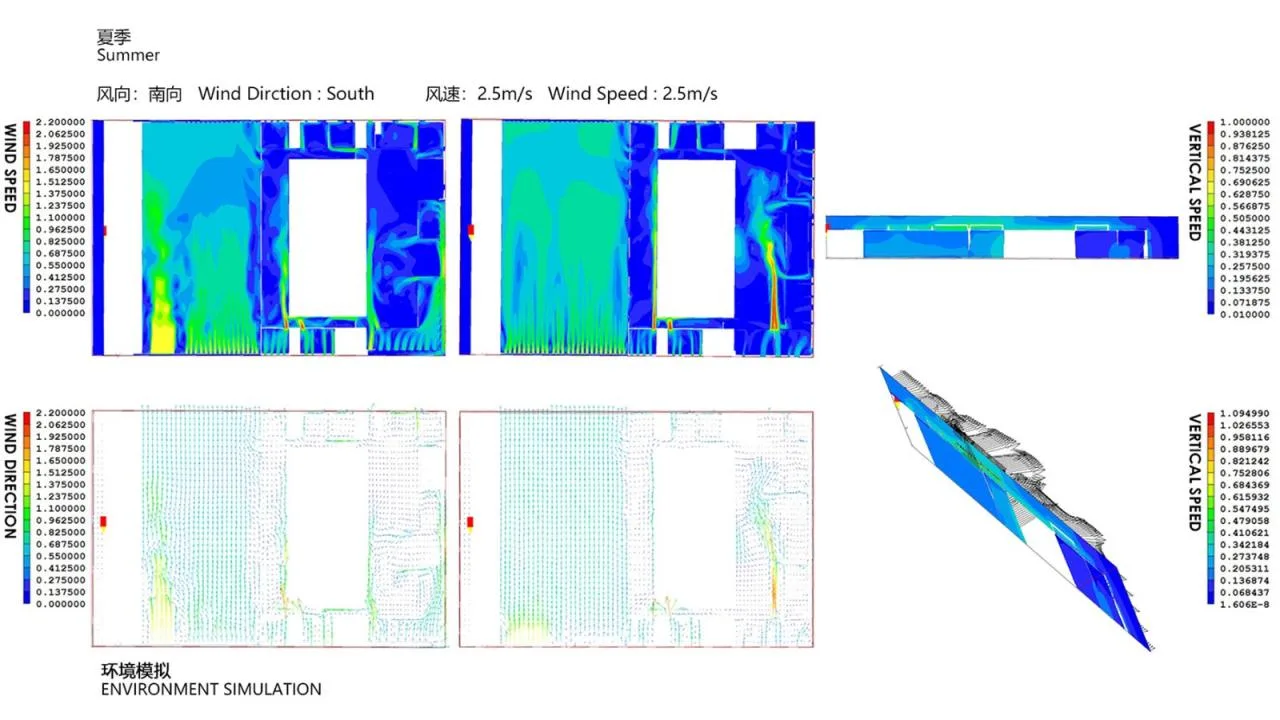
△ Environmental Simulation – Summer
Project Information
Architectural Design: Zhang Pengqian Architectural Firm
Location: Suzhou, China
Area: 10,344 m²
Chief Designer: Zhang Pengqian
Design Team: Huang Zixuan, Chen Peiru, Wang Kai















Must log in before commenting!
Sign Up