
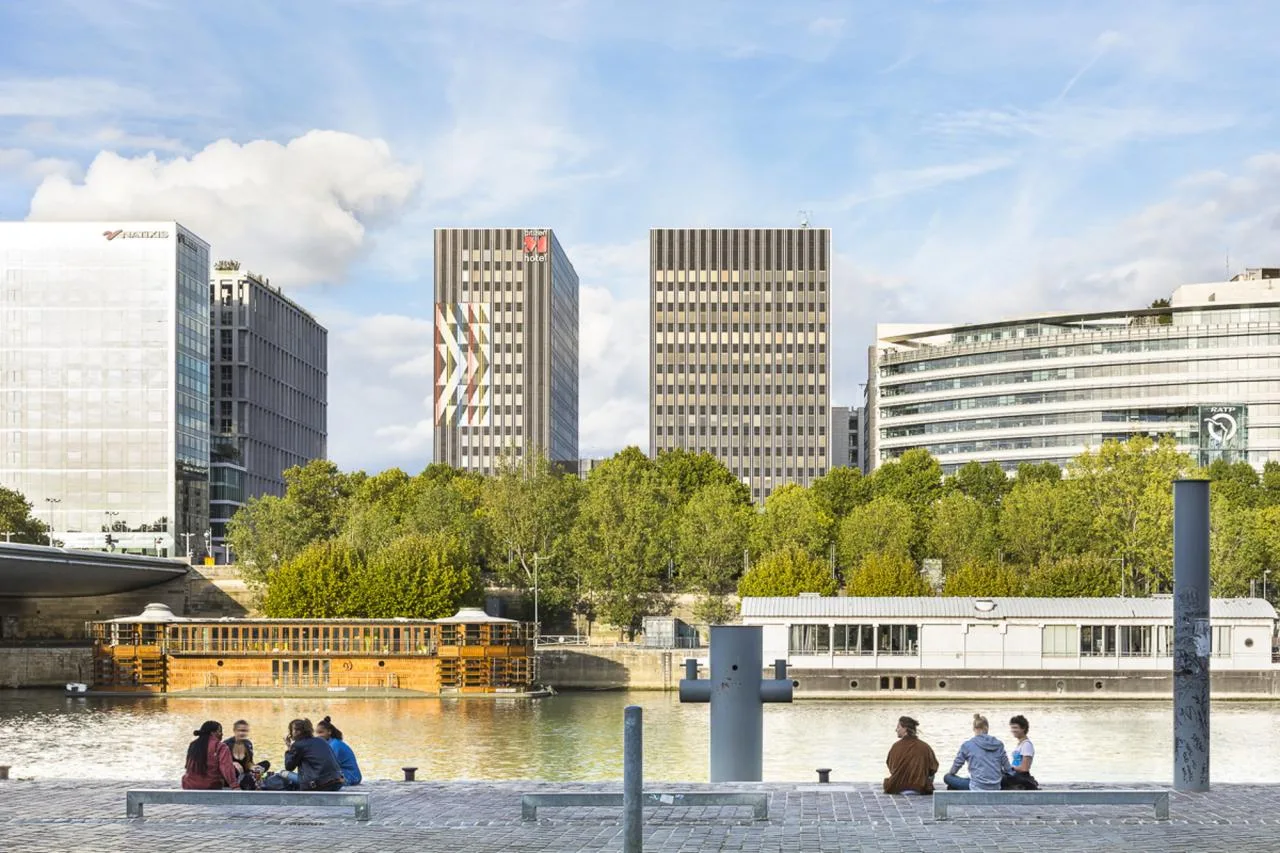
Located by the river in central Paris, ADAMANT Hospital is a psychiatric facility set apart from the city’s medical clusters. The architects designed the building to offer patients expansive landscape views through unique architectural elements, making the hospital resemble an art studio rather than a traditional medical center. From the outside, the hospital feels like a large home nestled beside the river.
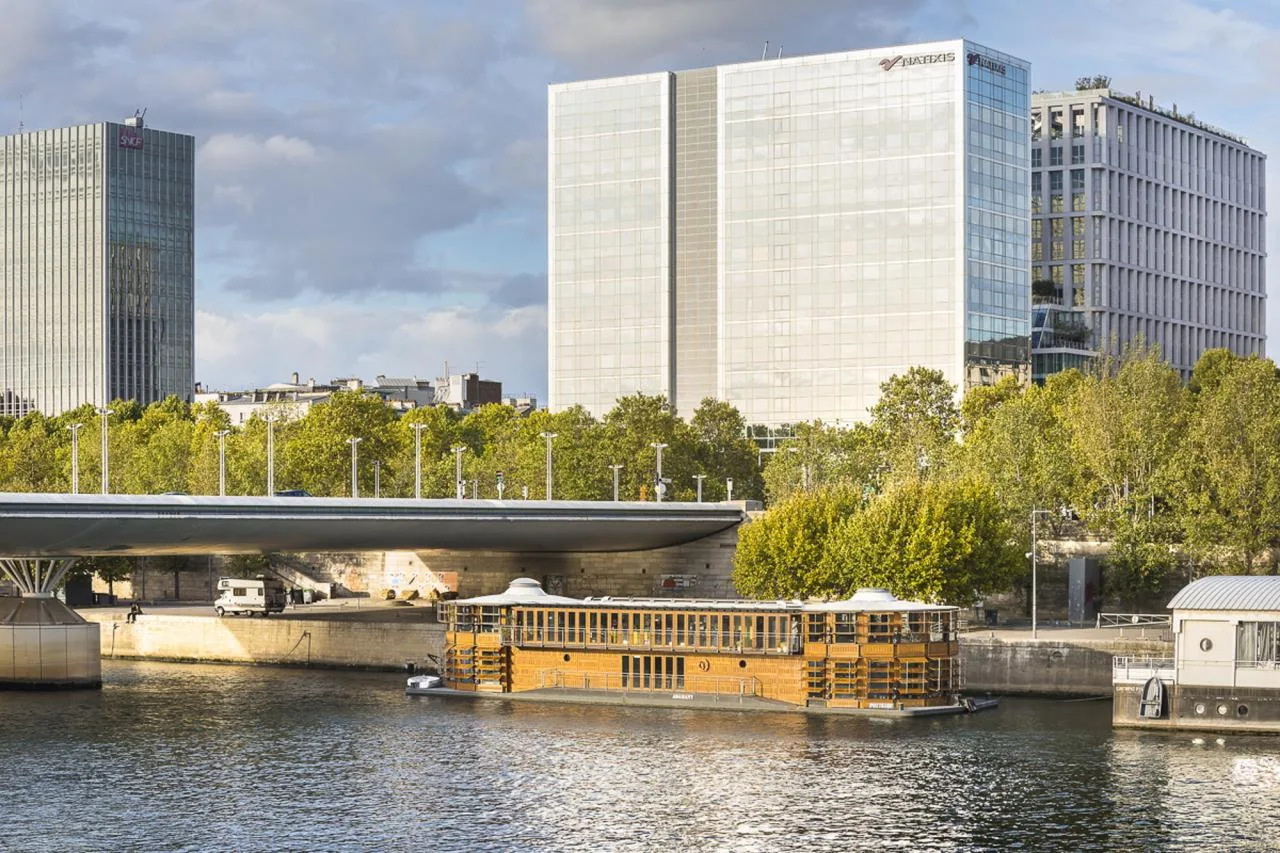
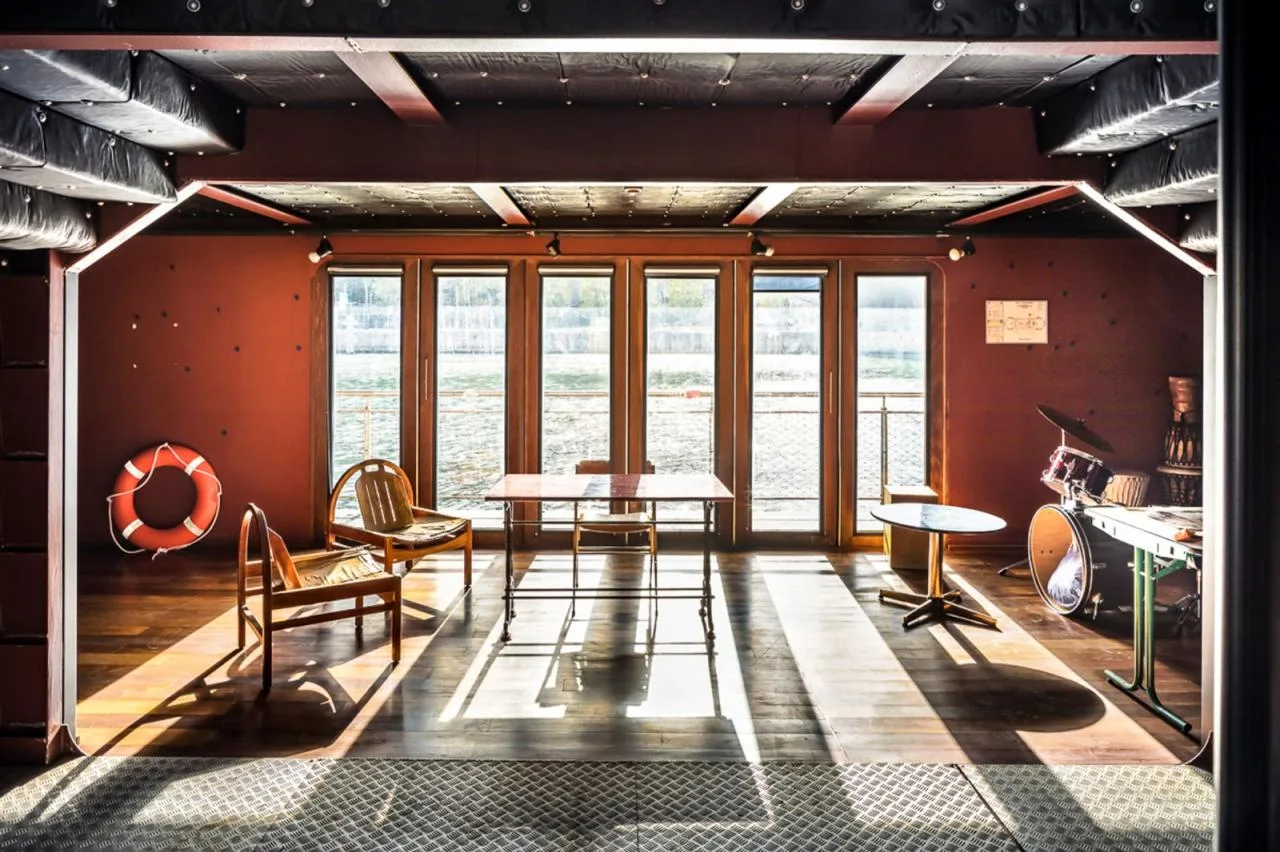
Functionally, the hospital includes various internal spaces designed for treatment seminars and workspaces for healthcare teams. A key principle of the hospital is to provide patients with a long-term living environment aimed at alleviating their diverse and varying conditions. To support this, the architects incorporated creative workshop areas within the hospital, including spaces for poetry, music, and painting. These spaces help foster patients’ trust and emotional connection to the hospital, which is vital for their reintegration into daily social life.
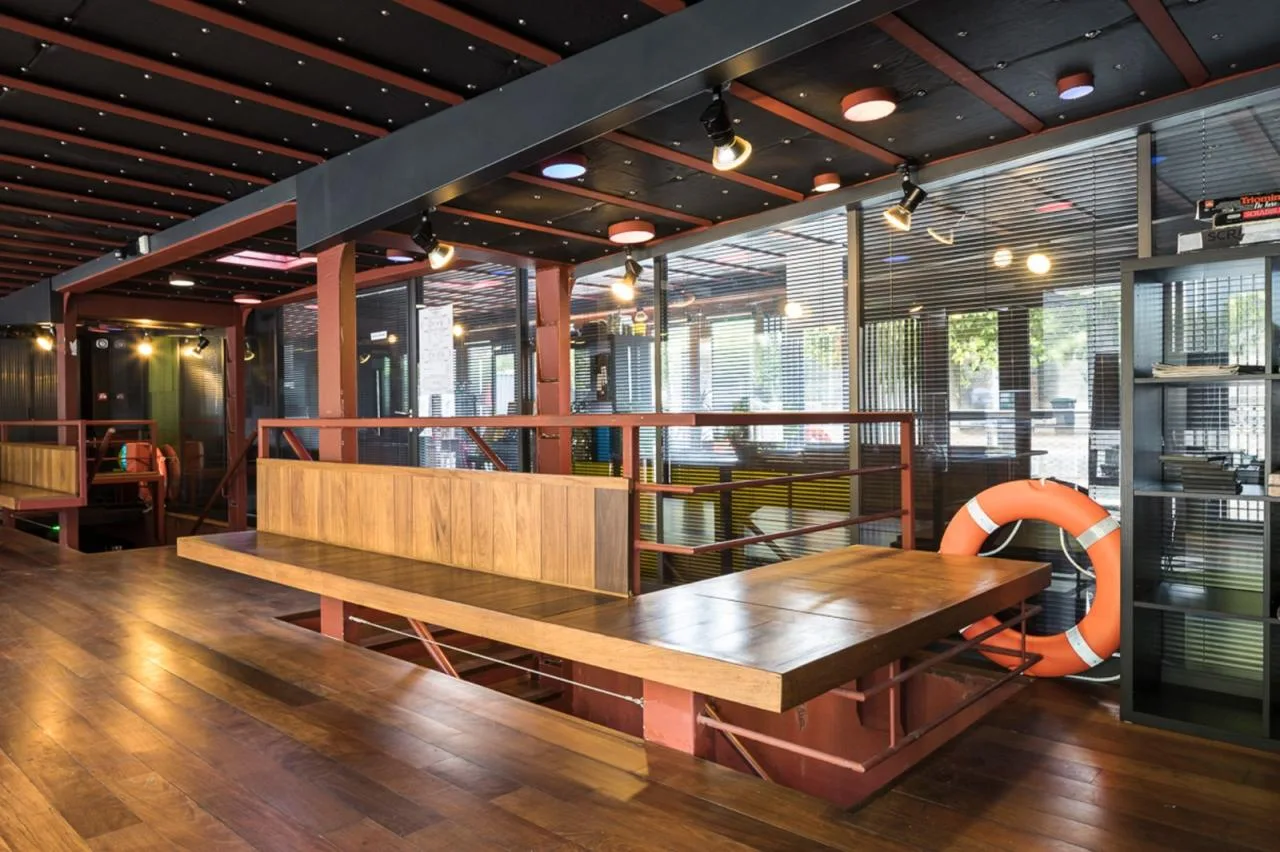
The architect aimed to create a sensory environment, transforming the hospital into a lively space for interaction. Welding marks were intentionally left visible on the steel walls to highlight the building process. Throughout construction, workers, patients, and medical staff regularly met to discuss progress and share ideas. These traces of construction not only document the building process but also add historical significance and continuity.
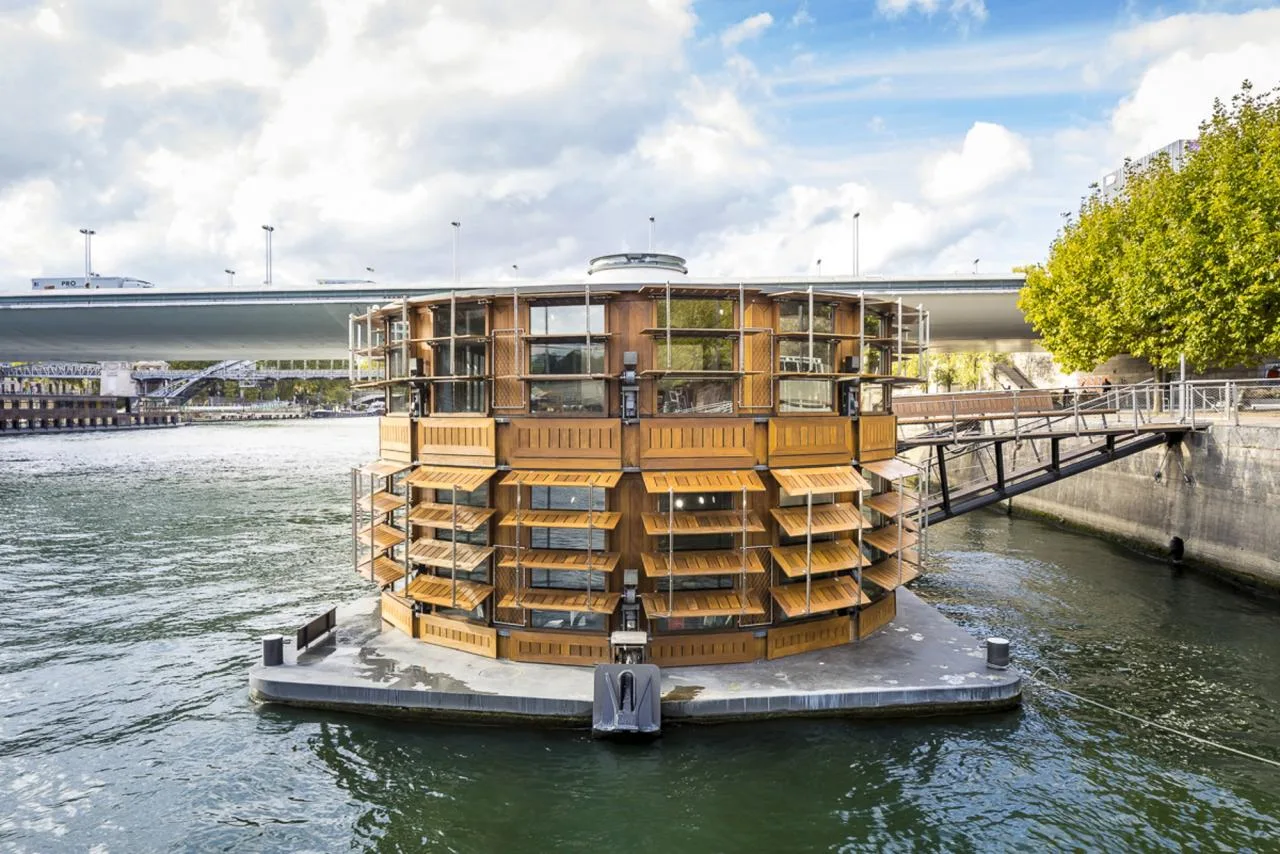
Another innovative approach was to design the hospital as a “weather building,” integrating natural elements into daily activities. Rain, breeze, and sunlight permeate the space from the building’s base, connecting the hospital to its natural surroundings. The architect also incorporated the shimmering reflection of sunlight on the nearby stream into the interior through light and shadow filtered by movable blinds, even recreating the gentle sway of boats within the building.
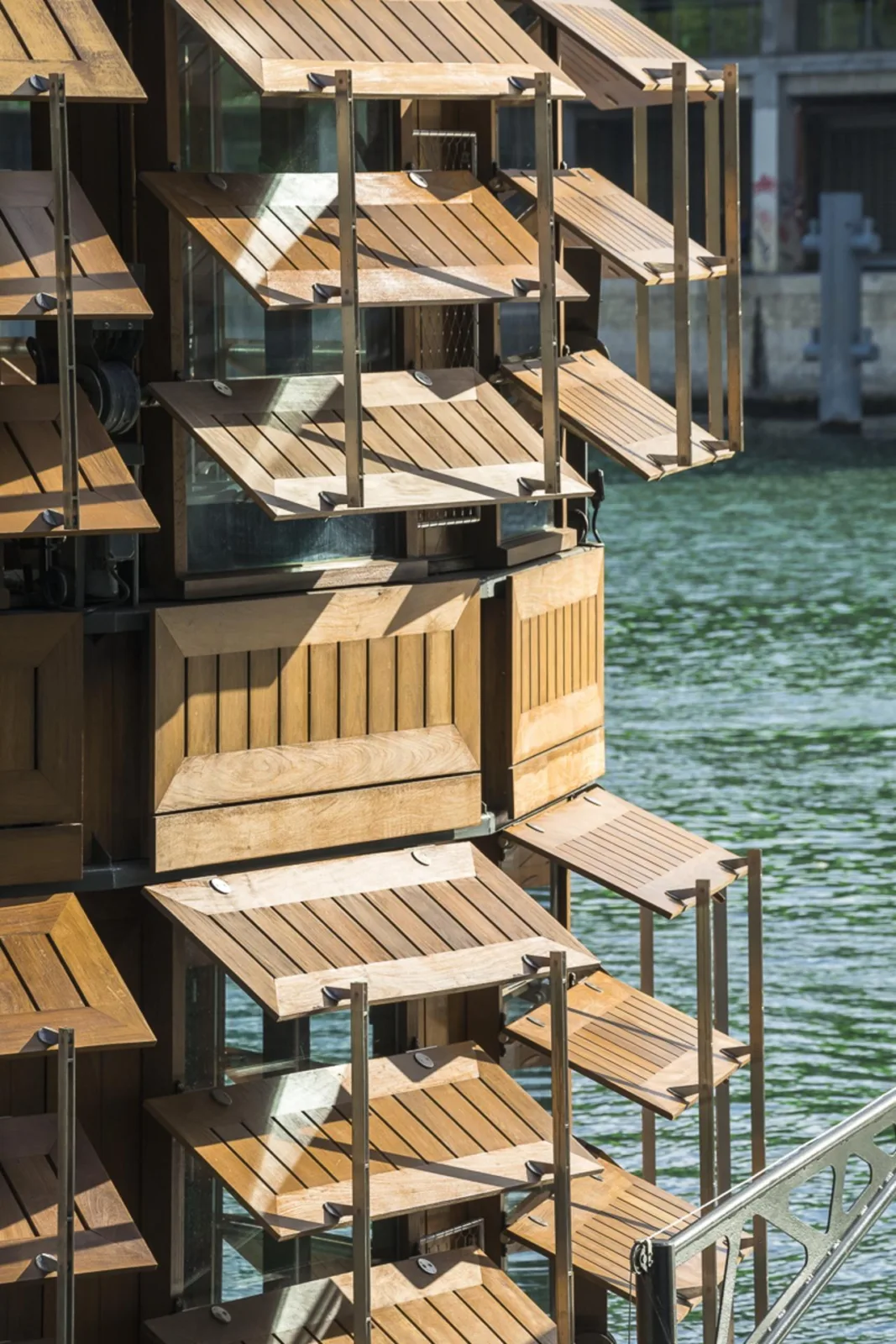
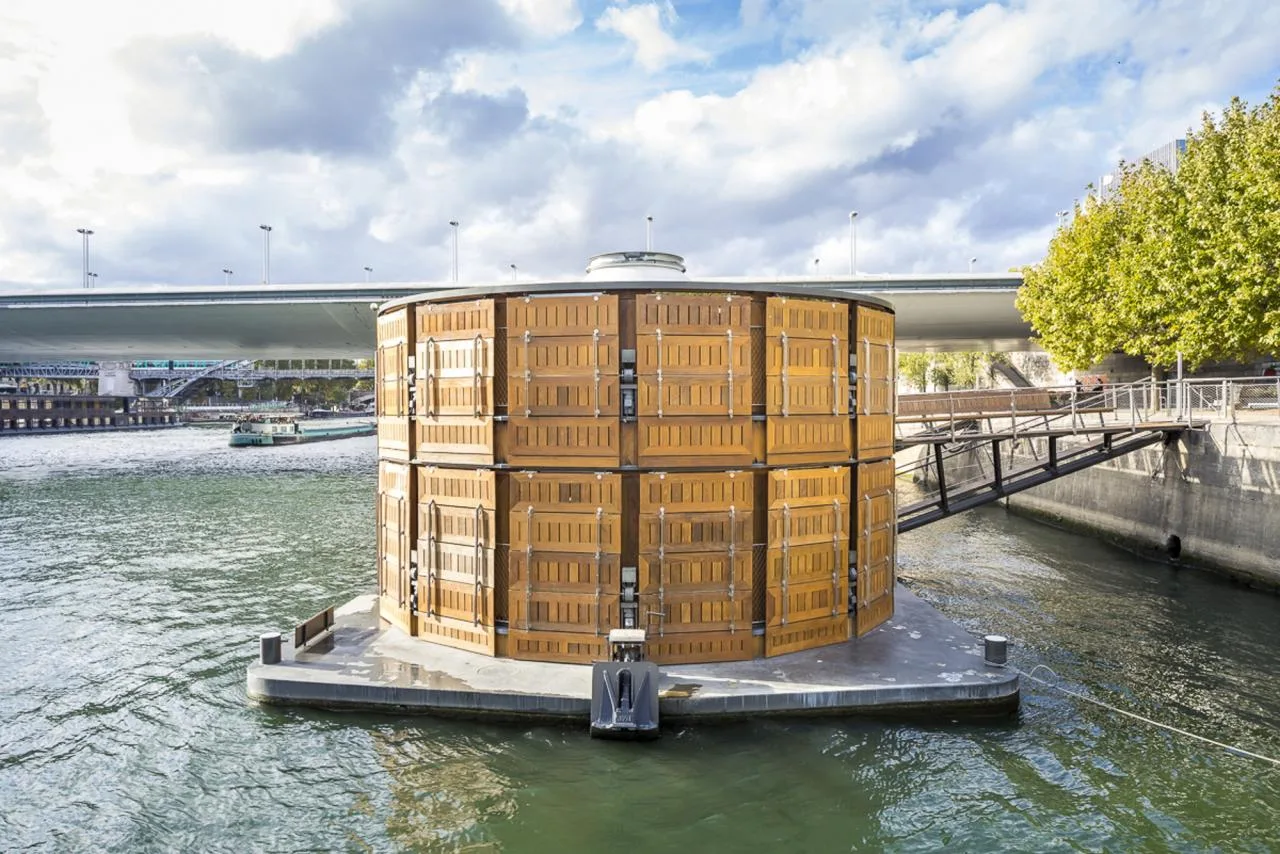
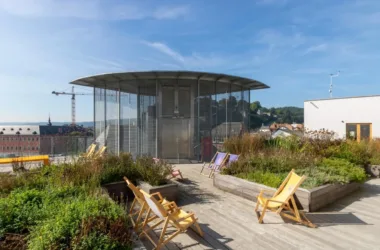
The connection between interior and exterior is further emphasized through the building’s façade and openings. A horizontal bridge extends from the external entrance, crossing over the terrace and enhancing the sense of openness alongside the building’s transparent circular hall. The curtain wall features a modular wooden frame with movable louver panels, allowing precise control of natural light throughout the day. The slightly inclined wooden frames also invite the shimmering water reflections inside.
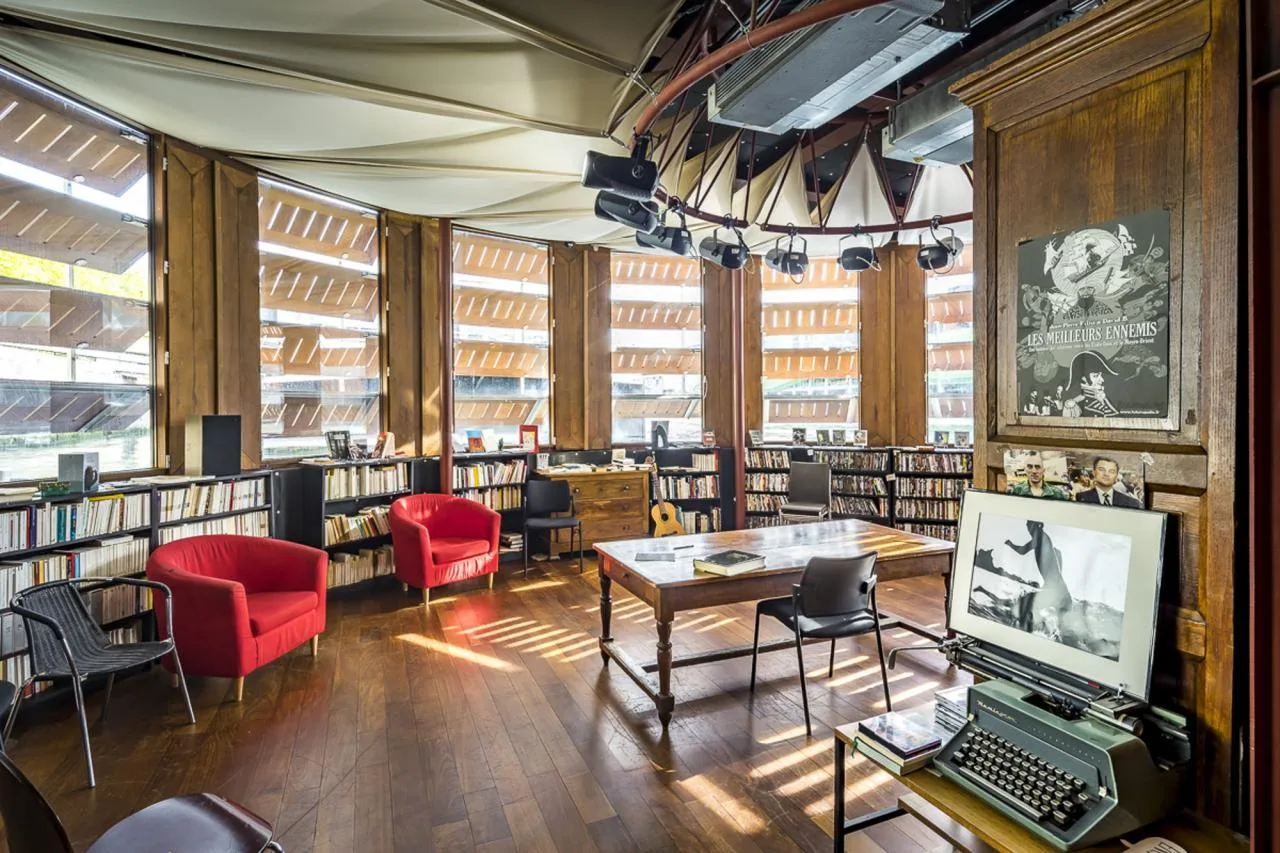
Understanding that the quality of the interior environment greatly influences patients’ willingness to stay, the architects designed the hospital interiors with a warm, homely atmosphere. Using natural materials such as metal and wood panels, the treatment seminar rooms evoke the feel of an artist’s studio. Wood surfaces contribute warmth and a familial ambiance, while carefully considered lighting enhances this welcoming environment. Additionally, the building’s symmetry promotes a sense of openness and public accessibility.
Project Drawings
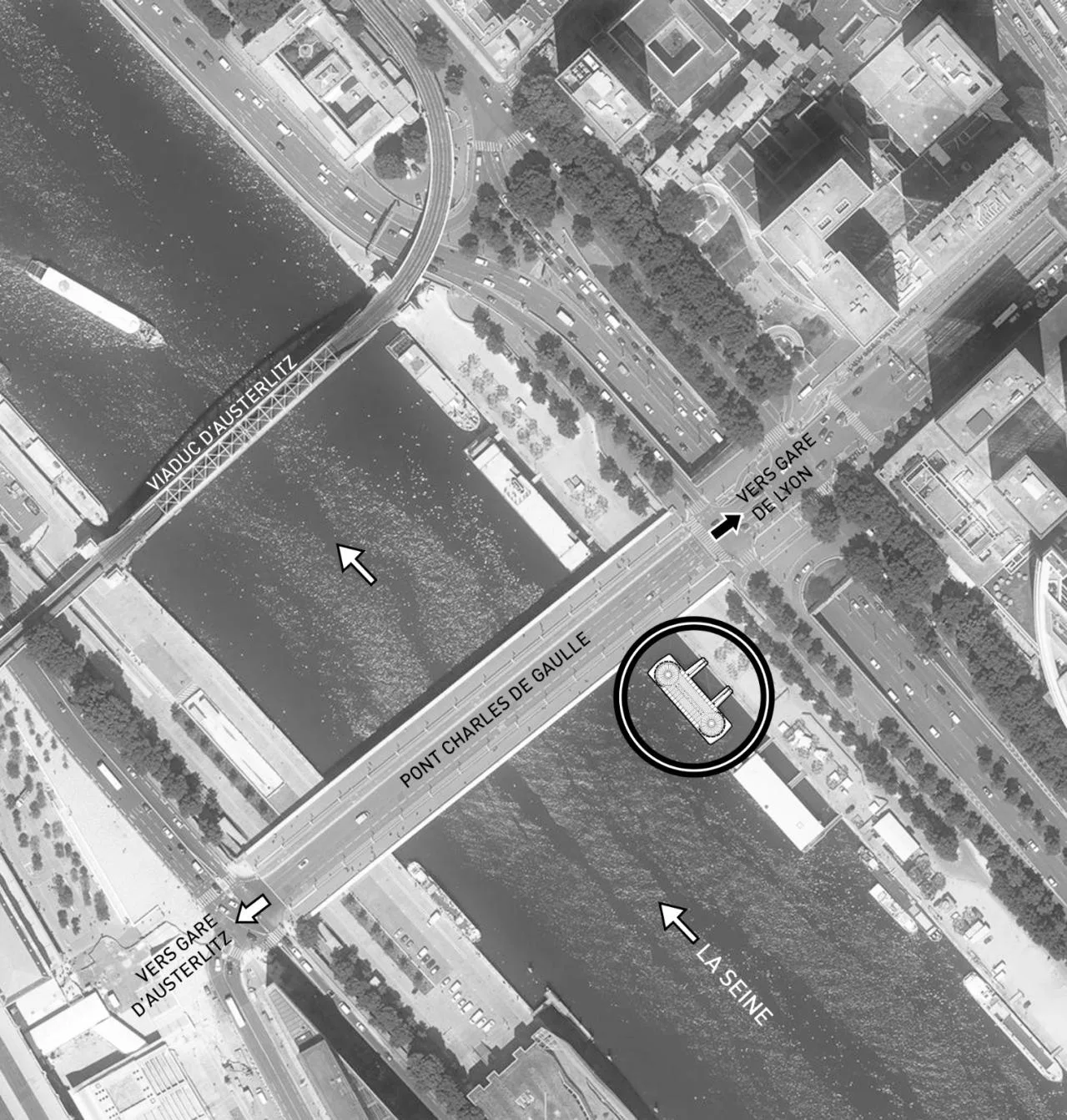
△ Base Schematic Diagram
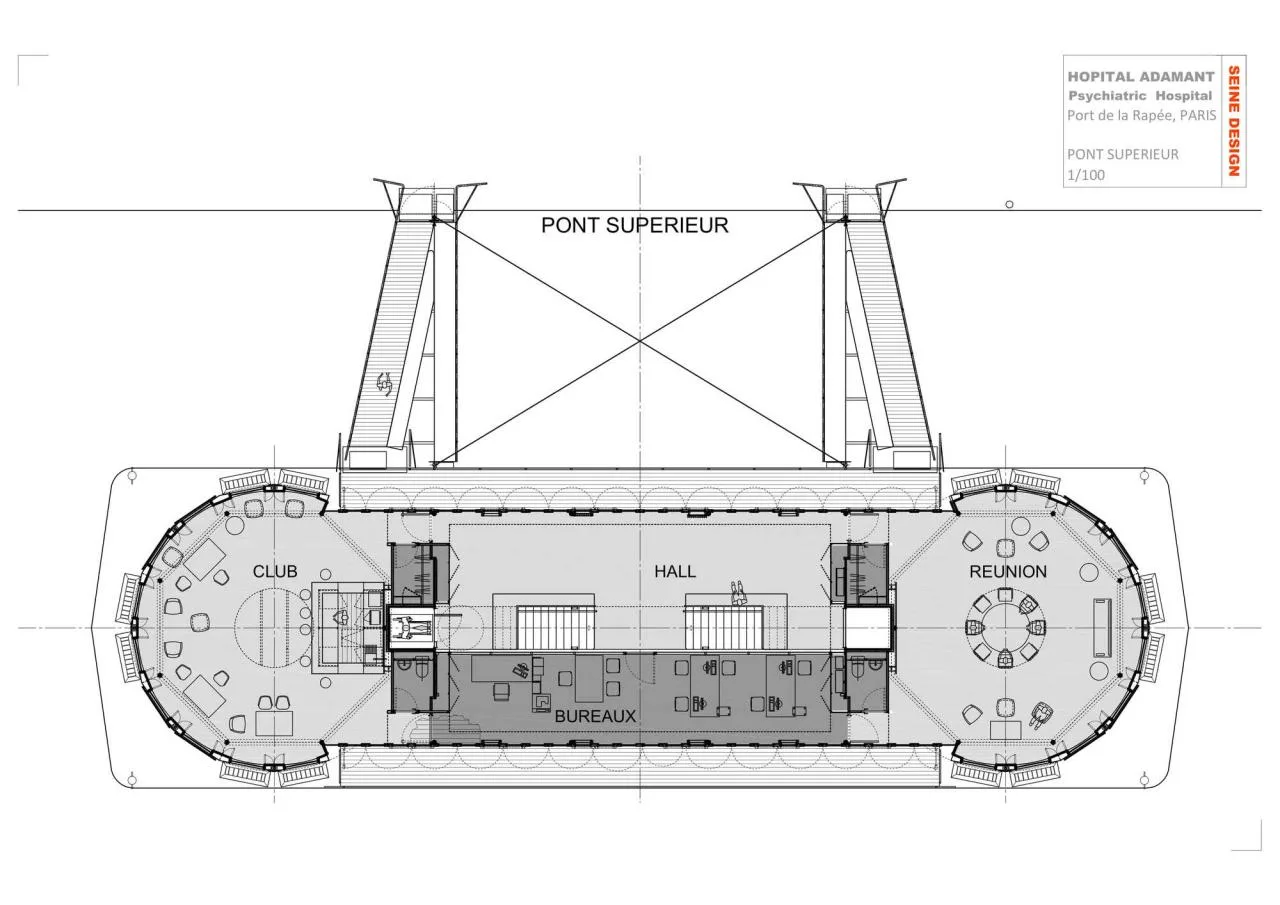
△ First Floor Plan
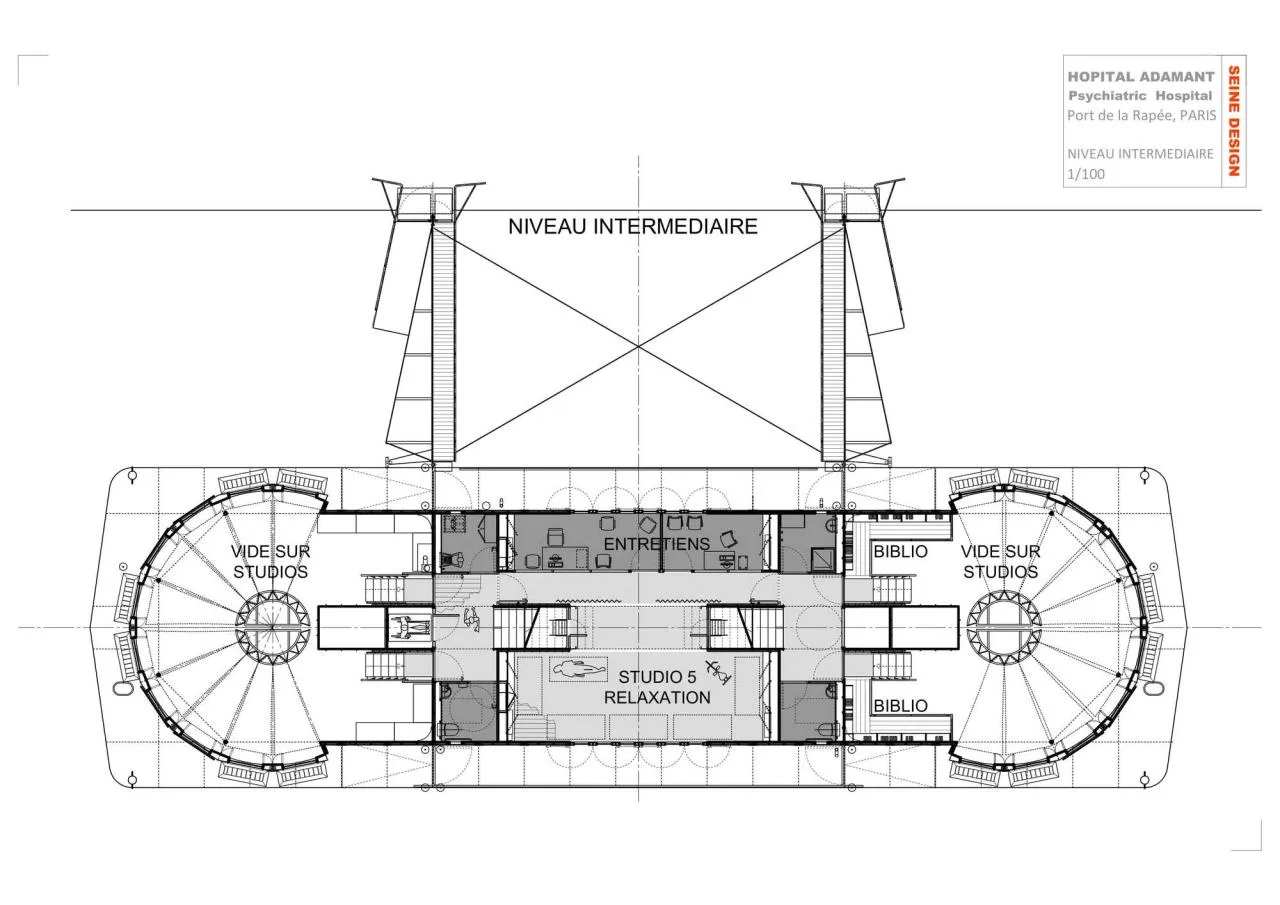
△ Second Floor Plan
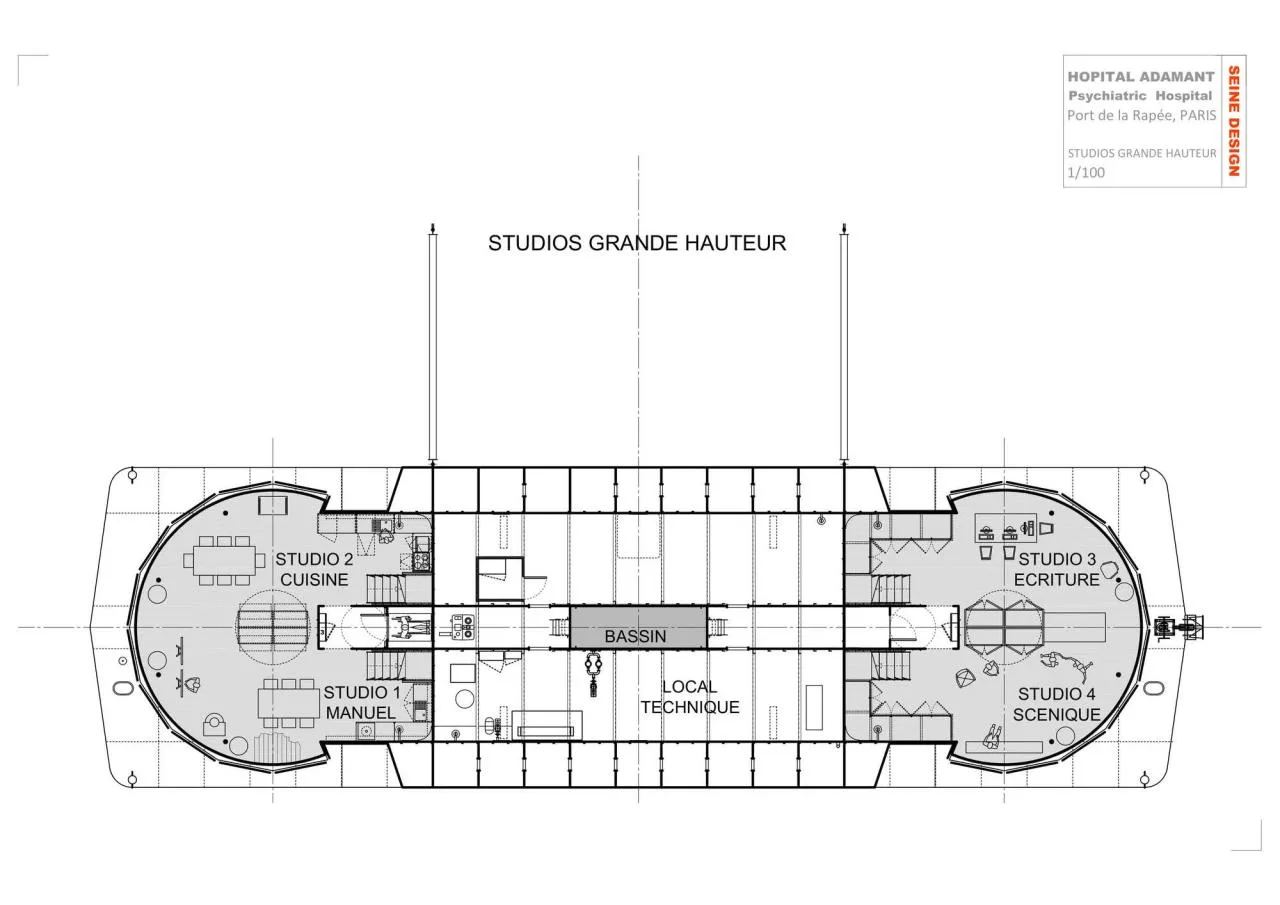
△ Third Floor Plan
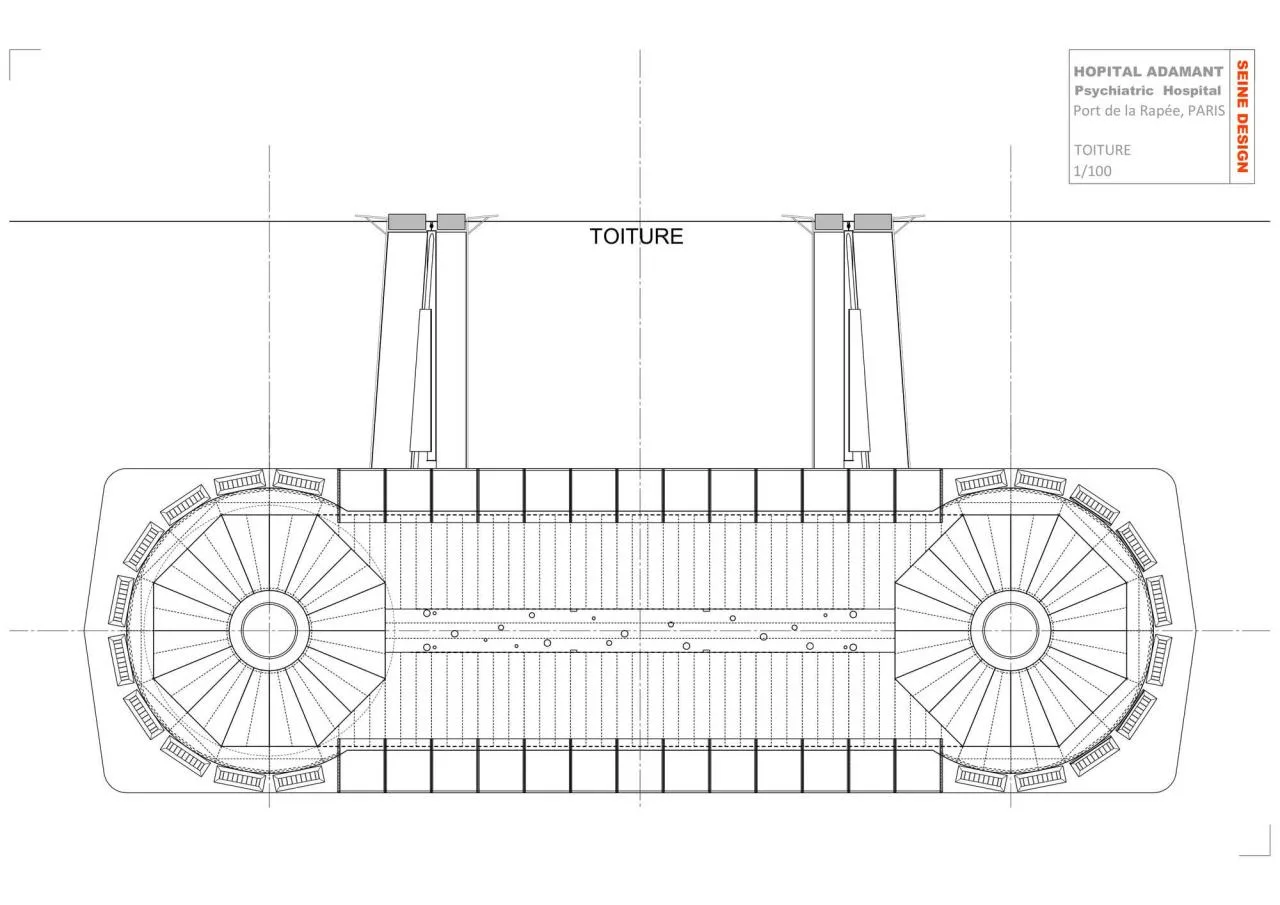
△ Roof Plan
Project Information
Architect: Seine Design
Project Year: 2019
Photographer: Sergio Grazia
Manufacturers: AutoDesk, E.R.M.H.E.S
Lead Architect: Seine Design
Owner: Hopital Esquirol, Paris
Location: Paris, France












Must log in before commenting!
Sign Up