
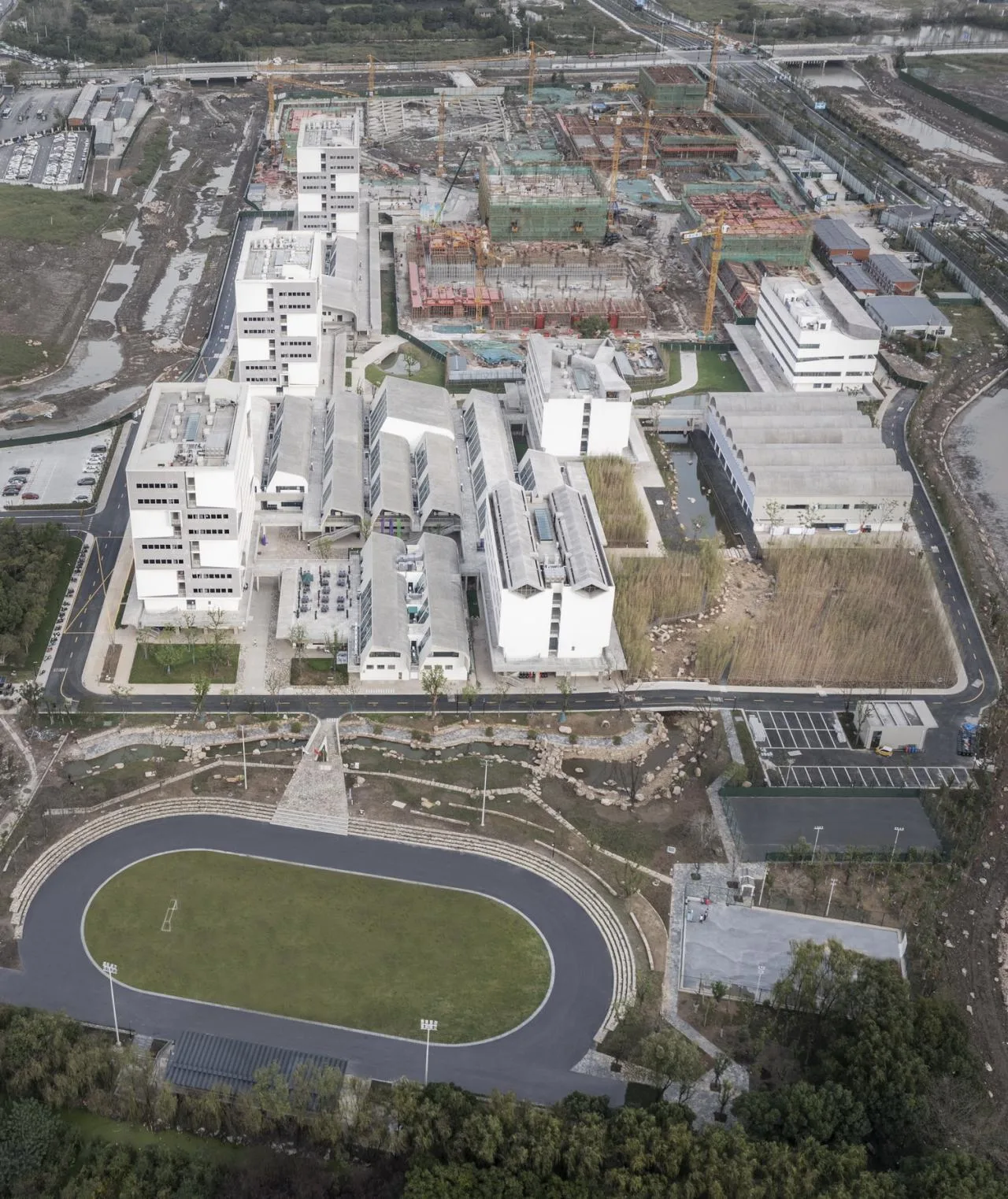
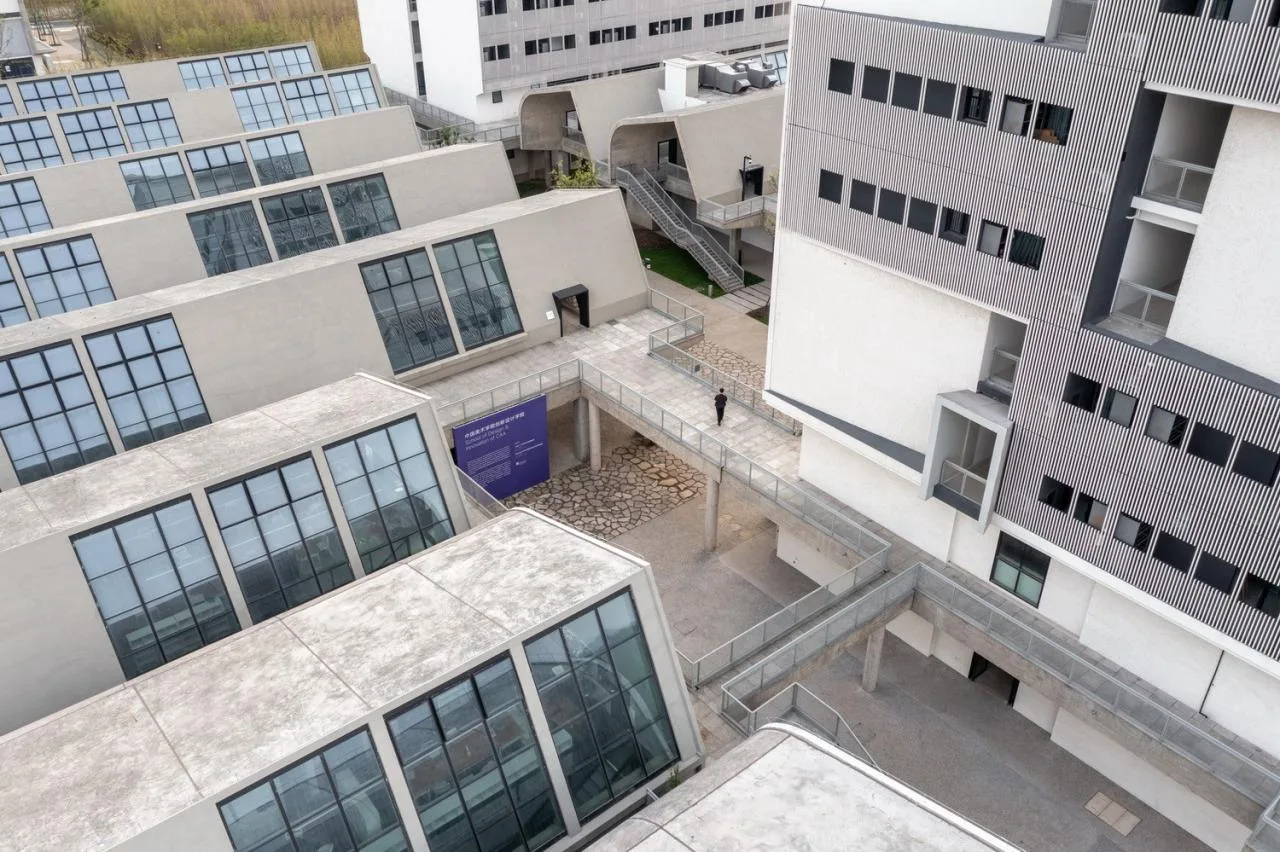
△ Aerial view © Tian Fangfang
New Education System
The new campus of the China Academy of Art (GOME) is located in Liangzhu, a district within Hangzhou city. As a comprehensive university focused on the arts, GOME has established four colleges at the Liangzhu campus: the School of Creative Design, the School of Art Management, the School of Basic Education, and the School of Continuing Education.
The campus is designed to accommodate 3,000 full-time students and 1,000 continuing education students. It aims to develop four key teaching and research directions: cultivating interdisciplinary innovative talents, promoting design and information economy, integrating artificial intelligence technology, and setting a new standard for contemporary design education.
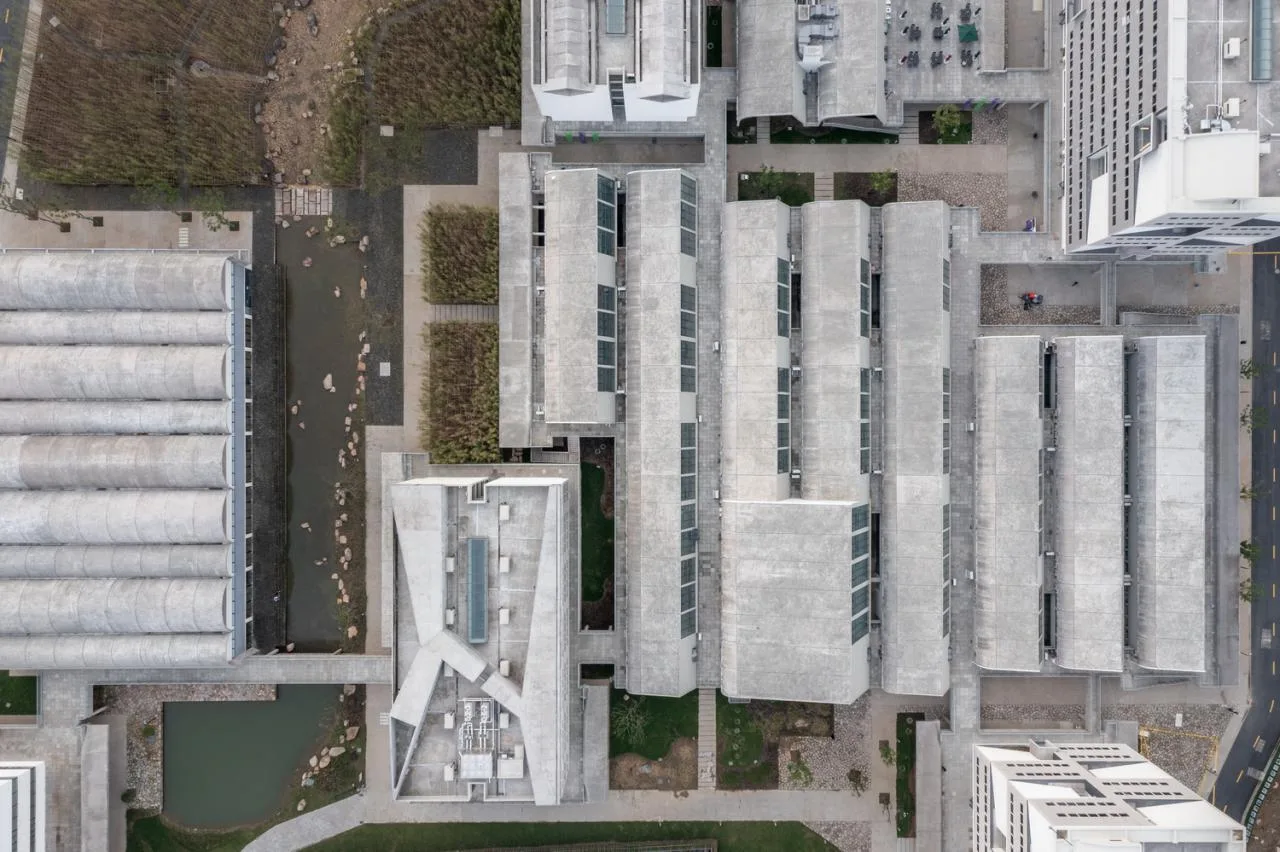
Overlooking the campus texture © Tian Fangfang
During the campus design competition, GOME challenged architects to envision an educational system aligned with these goals. Recognizing that students choosing their major upon enrollment no longer fits modern higher education’s spirit, a new teaching framework was proposed with three key principles:
- Encourage hands-on and intellectual engagement. Every student, regardless of their future path, must complete foundational courses in production-related fields like painting, design, or architecture.
- Advance upper-level curricula driven by research projects to enhance students’ problem-solving skills and interdisciplinary collaboration.
- Eliminate rigid departmental divisions to promote integrated knowledge learning.
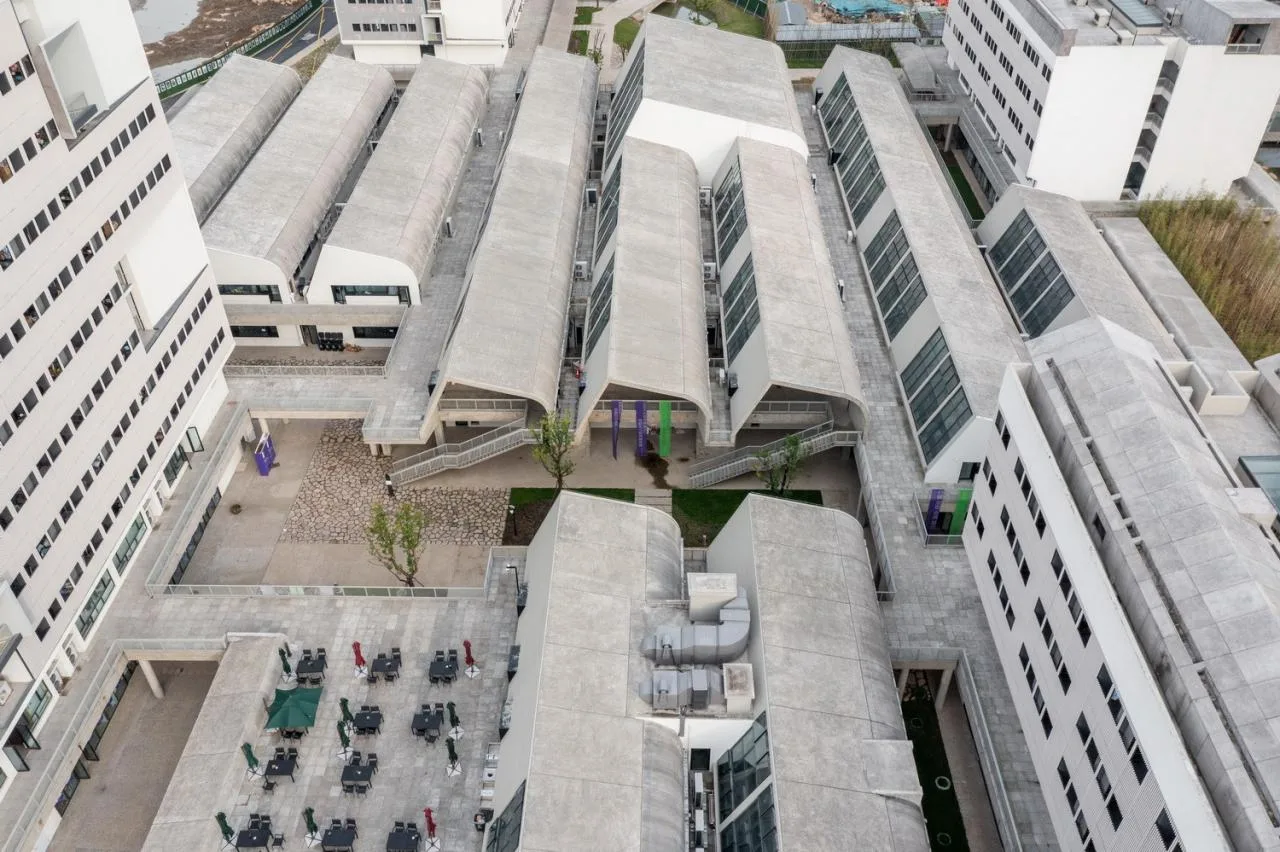
△ Second floor outdoor public space and workshop © Tian Fangfang
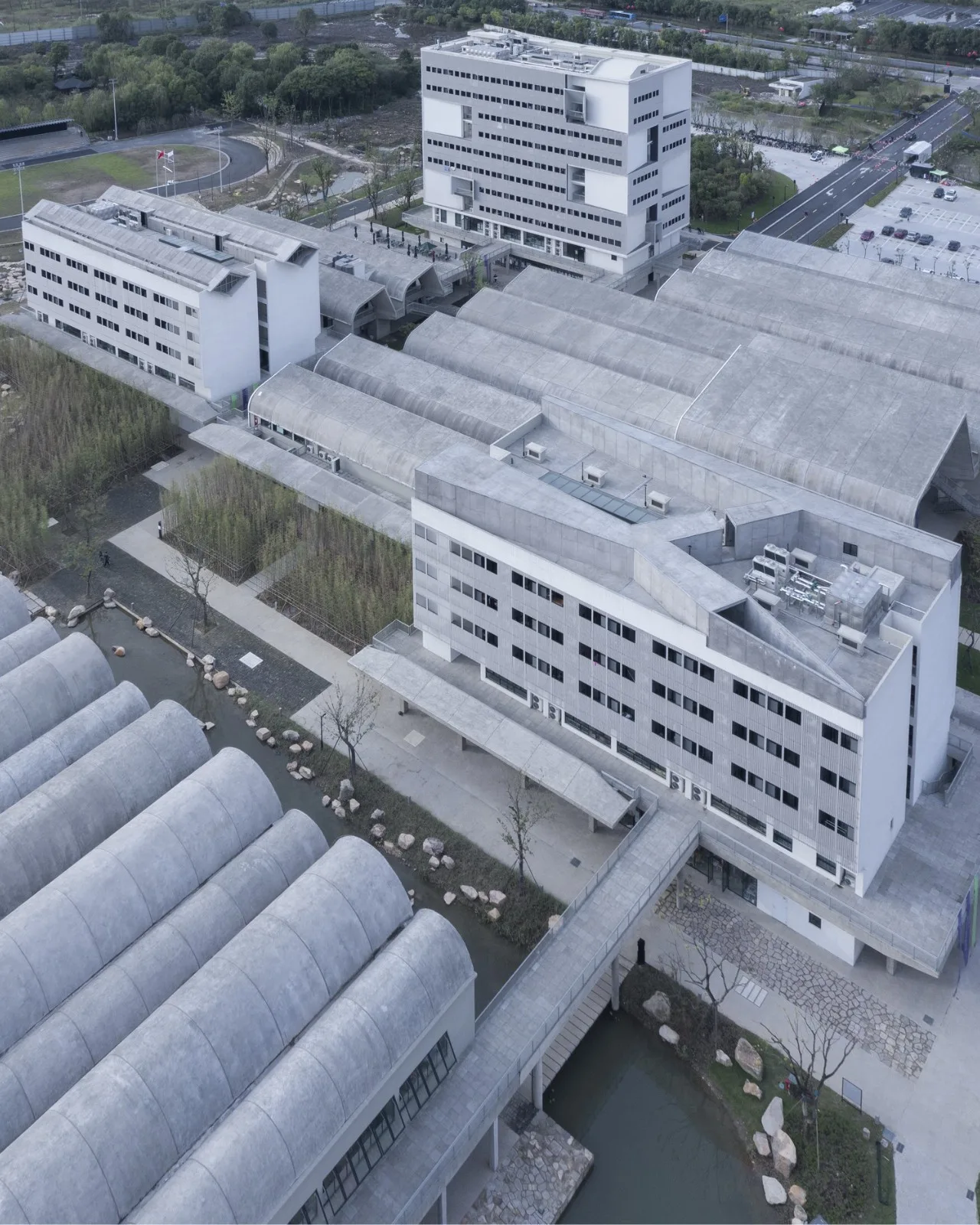
△ Aerial view of workshop dormitory © Tian Fangfang
Building Education
Based on the design and planning research, the project embraces the philosophy that architecture should be an integral part of the educational system. The question posed is: what kind of campus environment best supports hands-on and experimental learning, while fostering student interaction and collaboration both inside and outside of the classroom?
While traditional classrooms remain essential, Liangzhu campus redefines the primary teaching space as an open, continuous workshop. This versatile space accommodates regular classes and also serves as a place for individual or group reading, writing, and discussions.
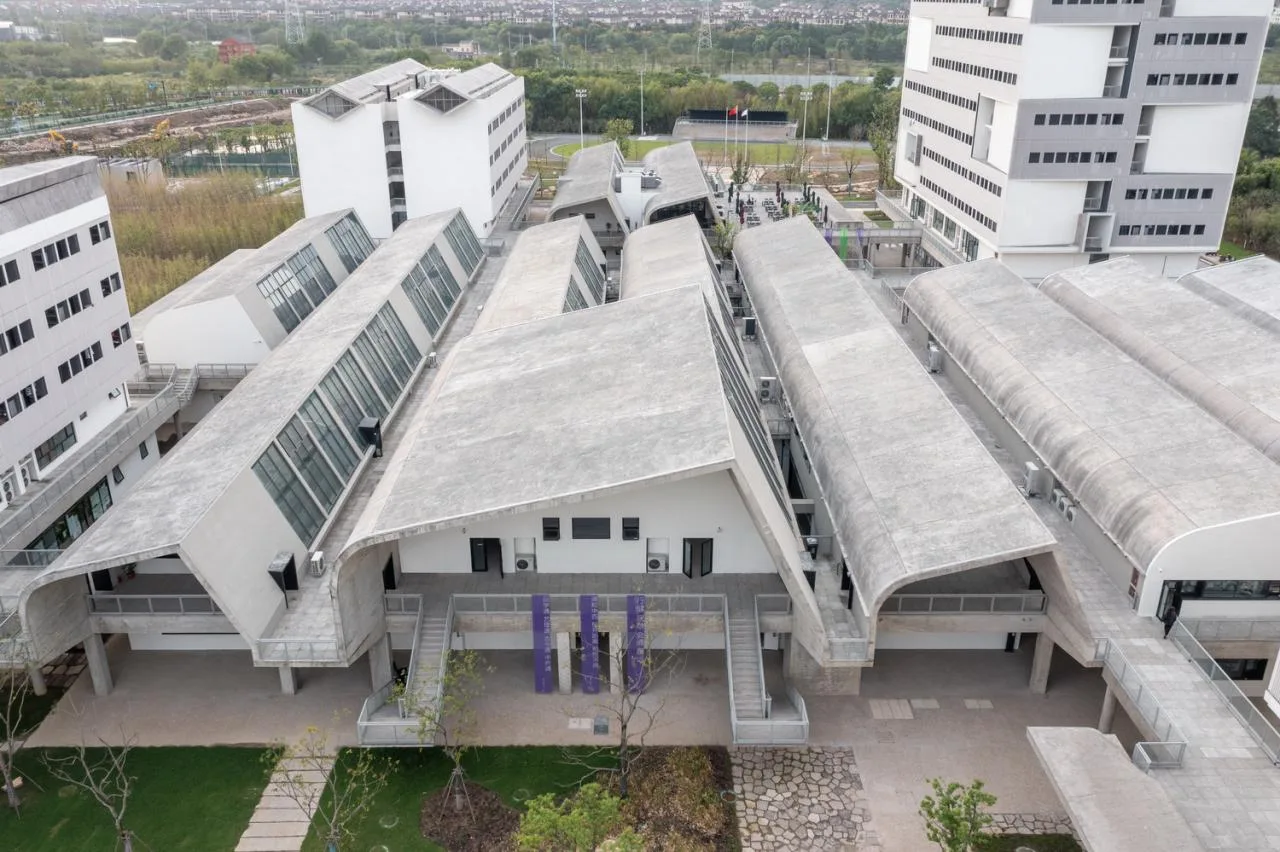
△ Workshop © Tian Fangfang
Within the workshop, all campus activities are visible at a glance, allowing students to pursue their interests while discovering the creative work of their peers. The design intentionally blurs the distinction between teaching and learning, research and practice. A towering dome floods the workshop with natural light and enables large-scale construction projects and events such as conferences and theater or dance performances.
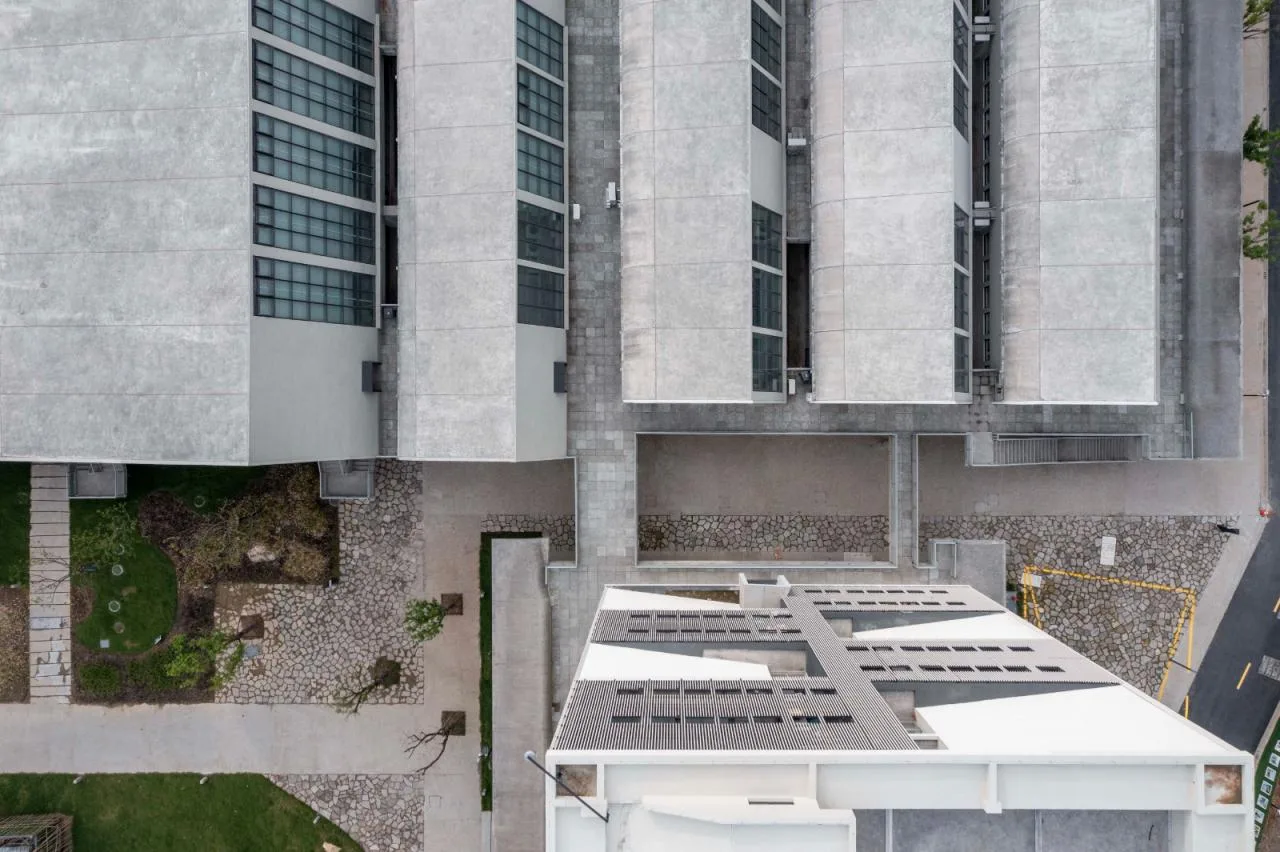
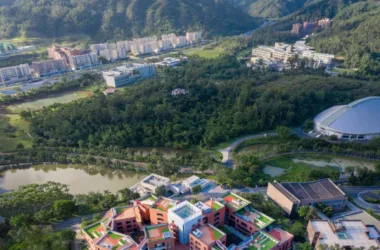
Overlooking part of the campus © Tian Fangfang
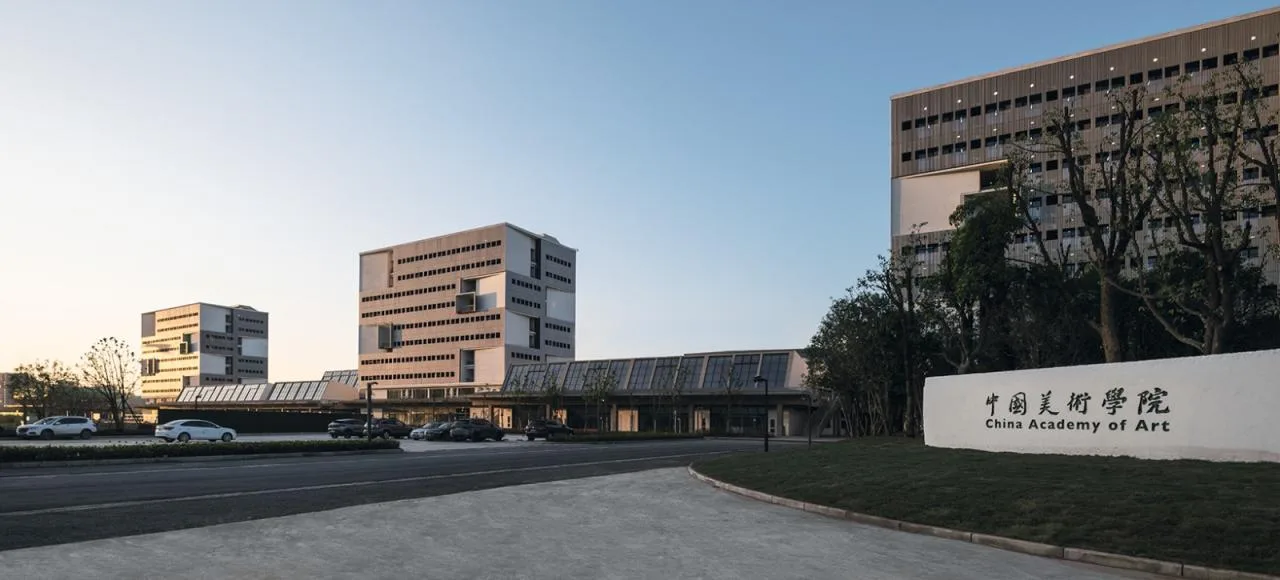
△ Campus main entrance © Lang Shuilong
Ju Xue
At Liangzhu, students live directly above the workshop. This vertical organization—with workshops, public spaces, and dormitories stacked from bottom to top—integrates daily living and learning, embodying the concept of “campus as community.”
The dormitories, referred to as “study halls,” provide dedicated spaces for students to form and manage spontaneous interest clubs. These clubs function as self-directed study groups.
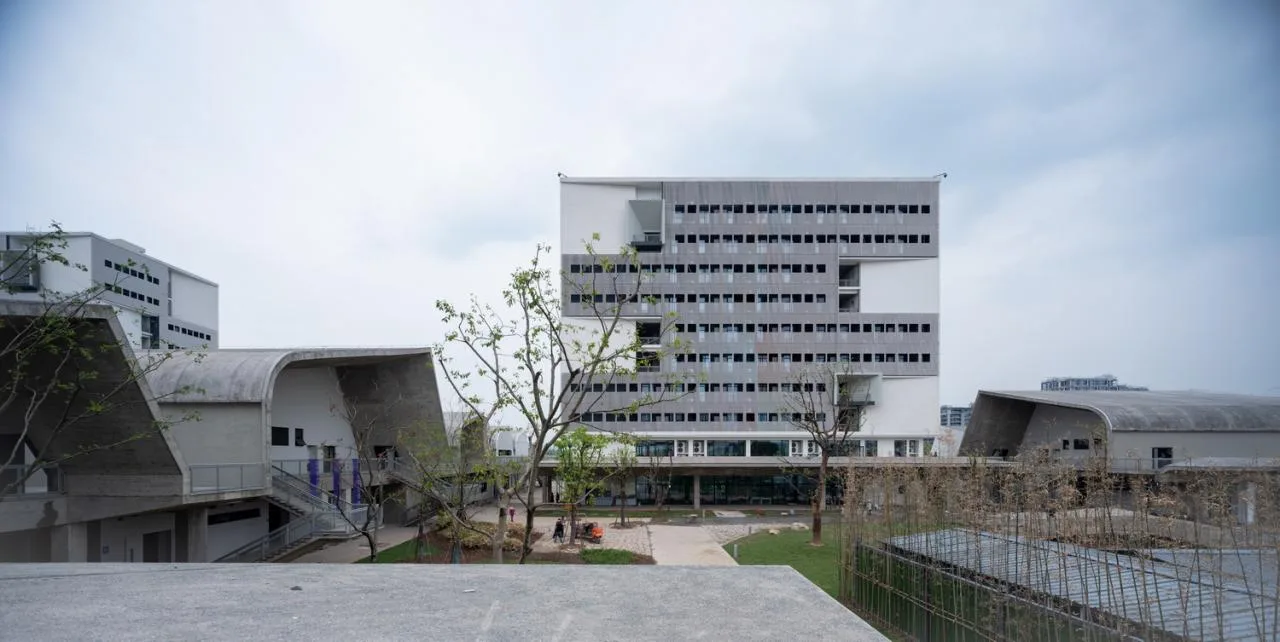
High-rise dormitories on campus © Wu Qingshan
The campus design promotes the idea that “life is education,” which serves as the guiding principle for the overall planning and workshop design at Liangzhu. The campus is also designed to be open and adaptable. Currently, GOME offers a course for freshmen where instructors encourage students to envision how they will use and take ownership of the campus space.
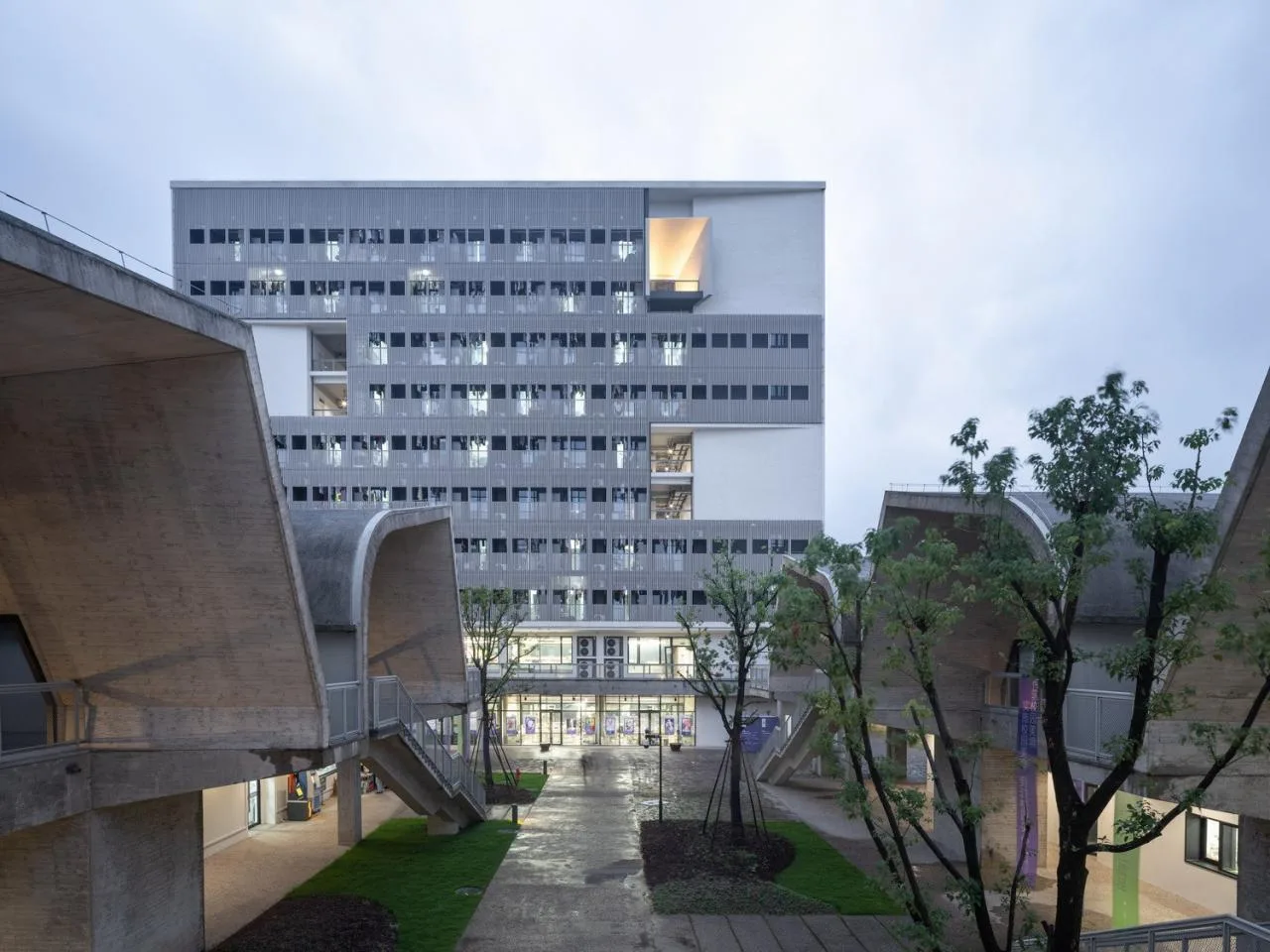
Campus layout showcasing ‘upper residence, lower education’ © Tian Fangfang
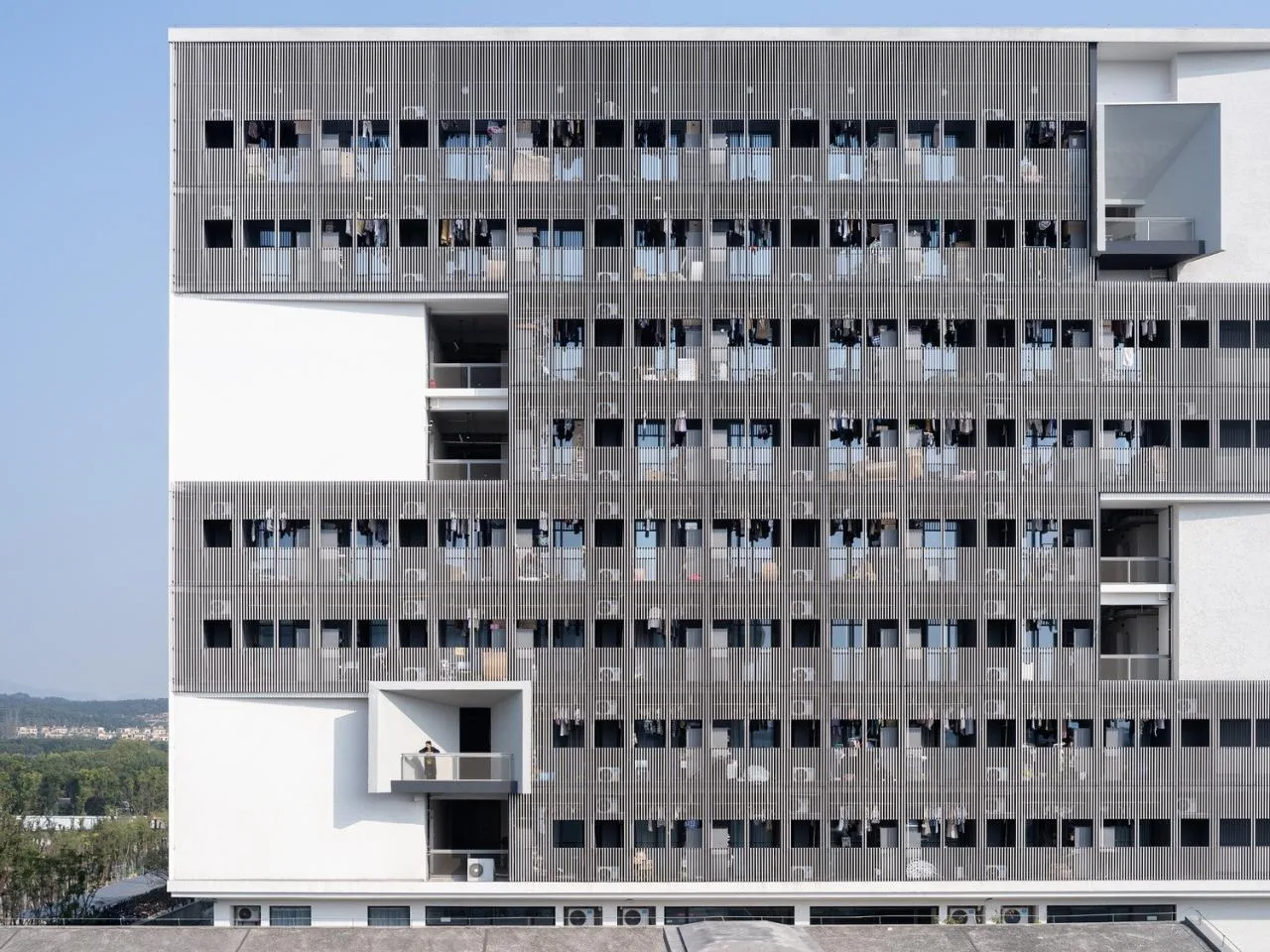
△ Partial facade of high-rise dormitory © Wu Qingshan
Single Family Campus
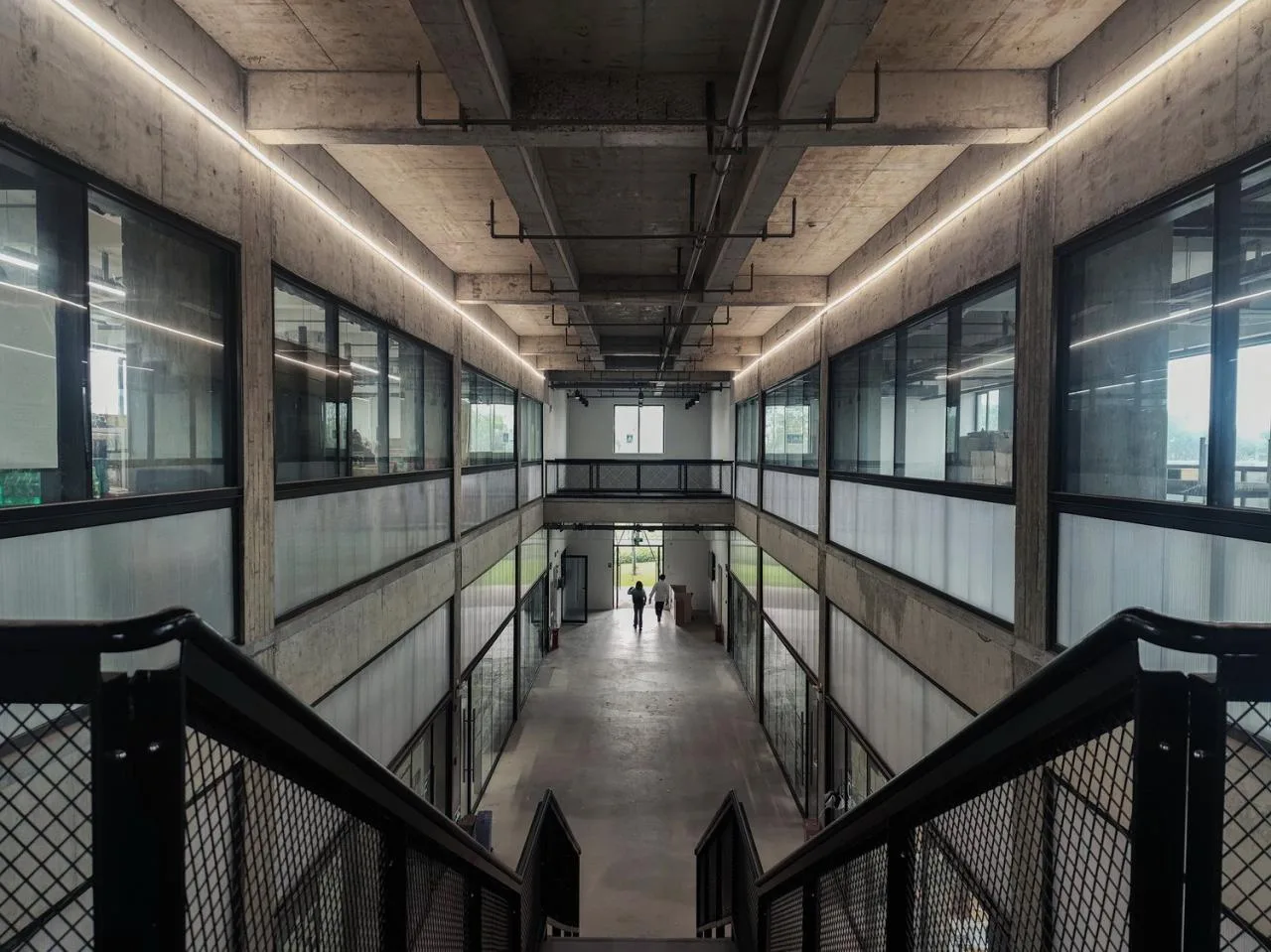
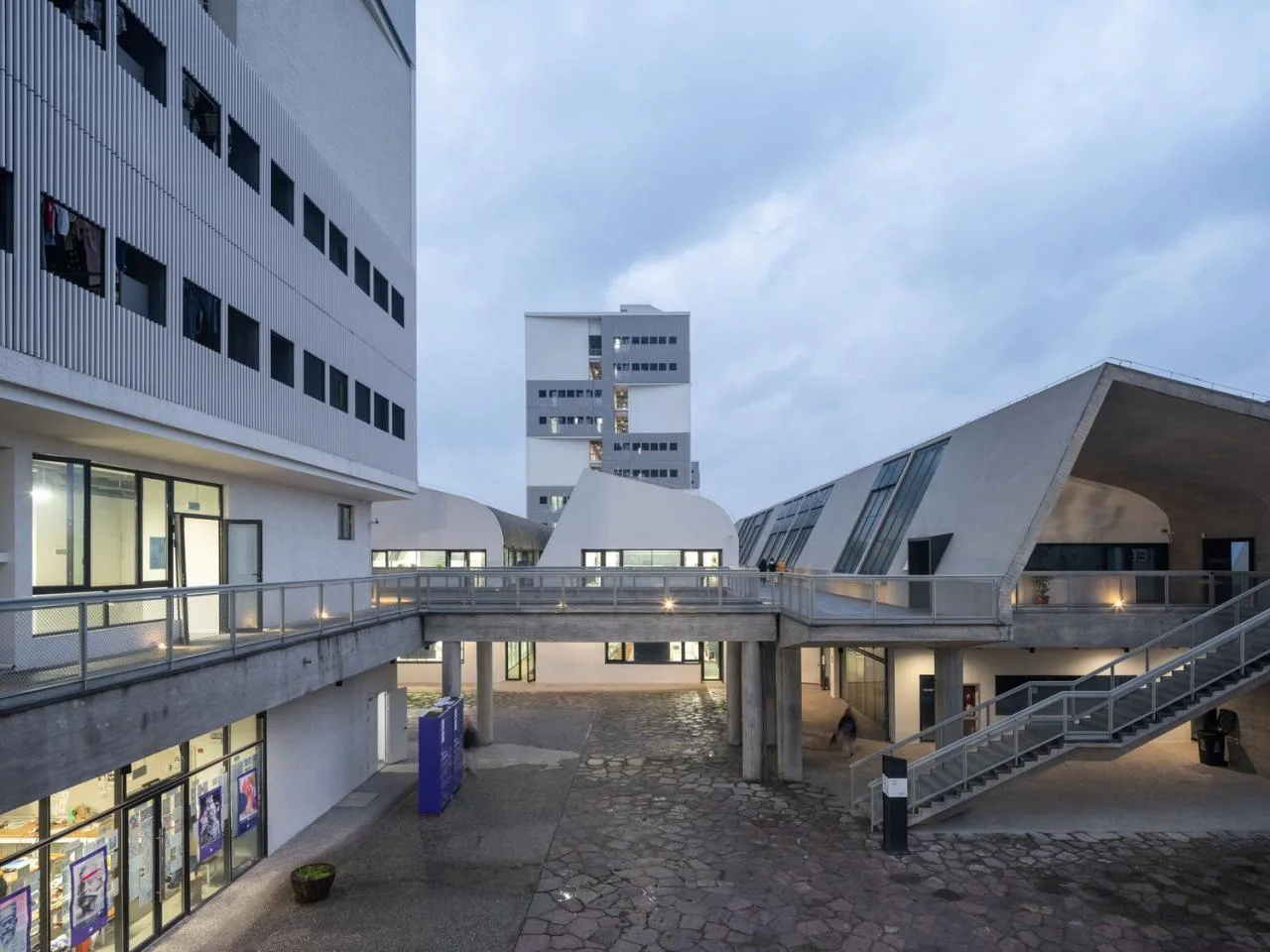
Liangzhu campus breaks down the traditional separation between teaching and living spaces. All buildings are connected by corridors, creating a unified campus housed within a single architectural complex.
To address students’ practical needs, such as drying clothes, without compromising the uniform aesthetic of mixed-use buildings, an integrated grille system was designed for dormitory balconies. This solution provides both cleanliness and shading.
Additionally, a series of semi-outdoor architectural spaces called “Explorers” are located on rooftops and other areas of the multi-story dormitories to enrich campus life.
First and second floors of the dormitory building; the second floor houses the Future Interest Society © Wang Yushan
△ Second floor corridor © Tian Fangfang
For construction management purposes, Liangzhu GOME was developed in two phases. The first phase was completed in time for the arrival of the first group of students in September 2021, with the entire campus scheduled for completion by 2023.
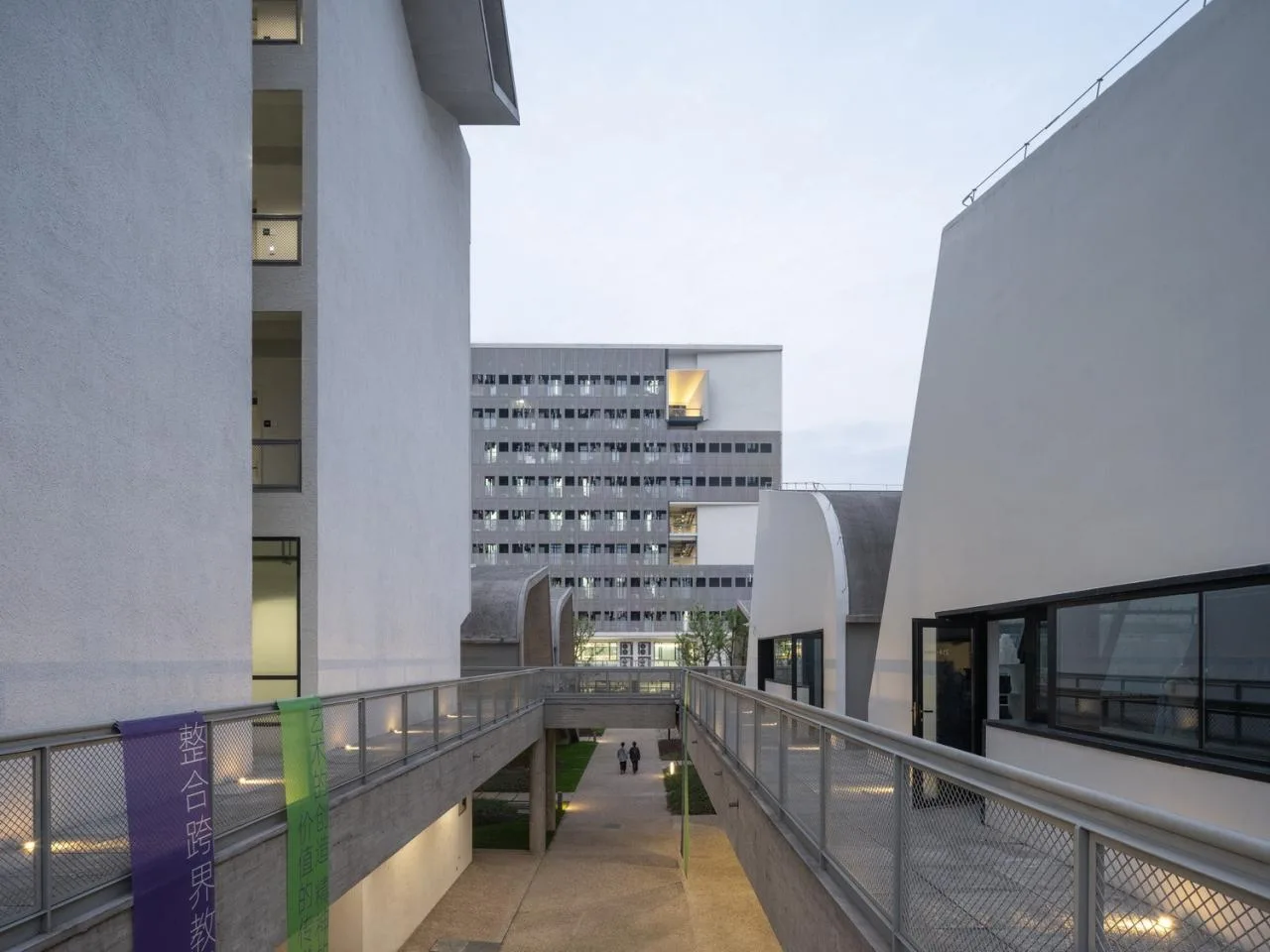
△ View of dormitory from second floor corridor © Tian Fangfang
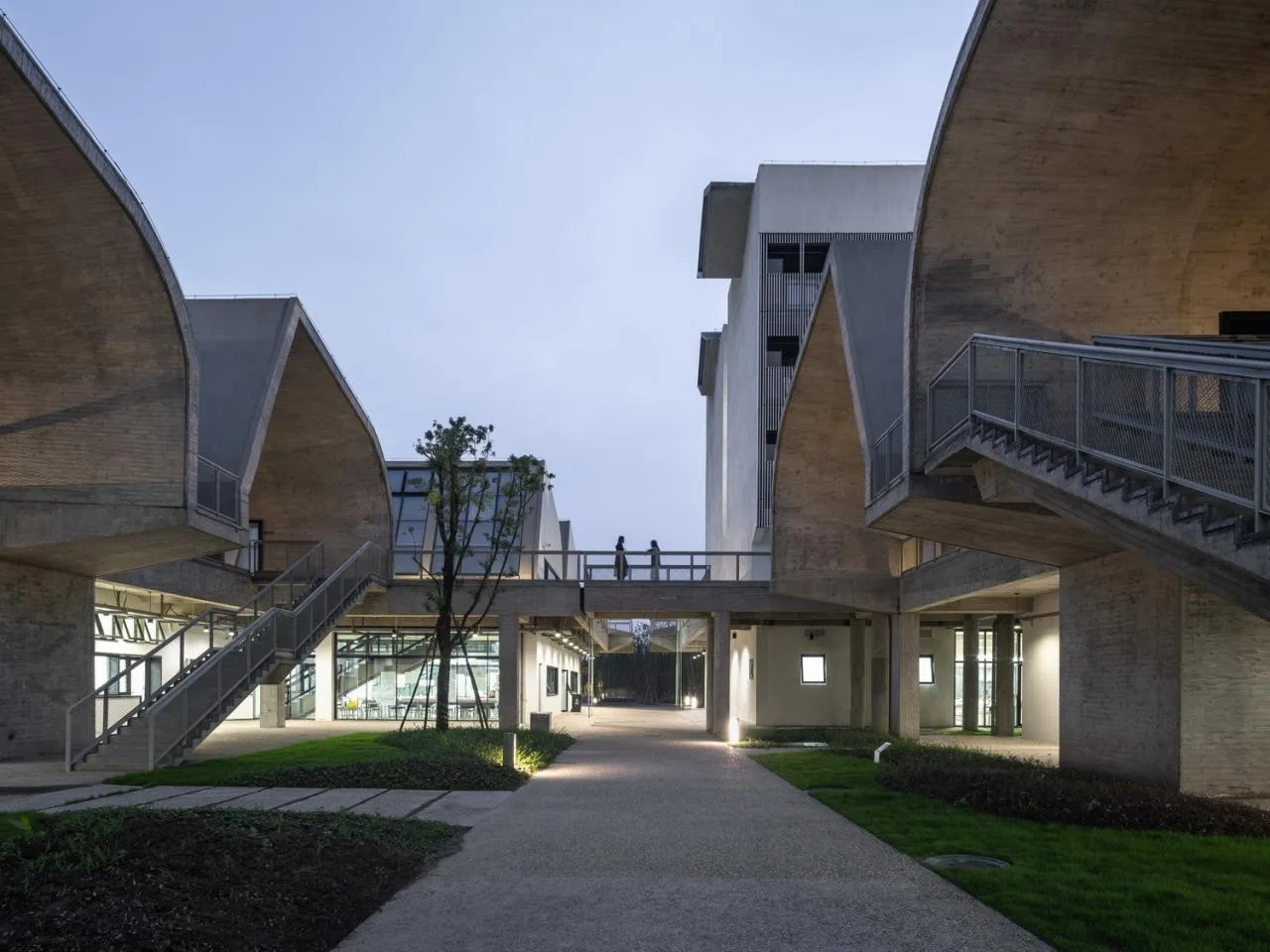
A workshop space featuring a fragmented and connected layout © Tian Fangfang
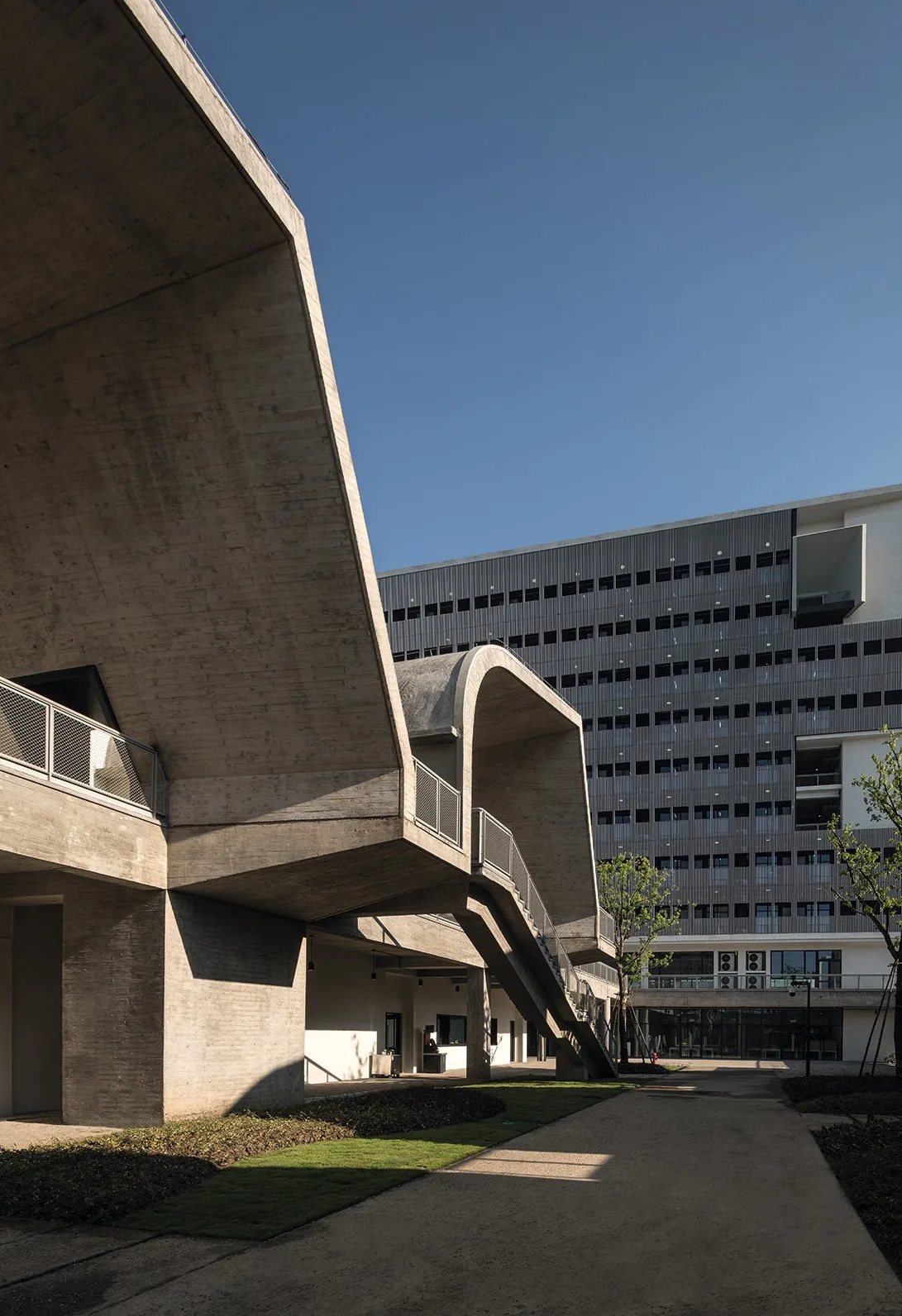
△ Workshop entrance © Lang Shuilong
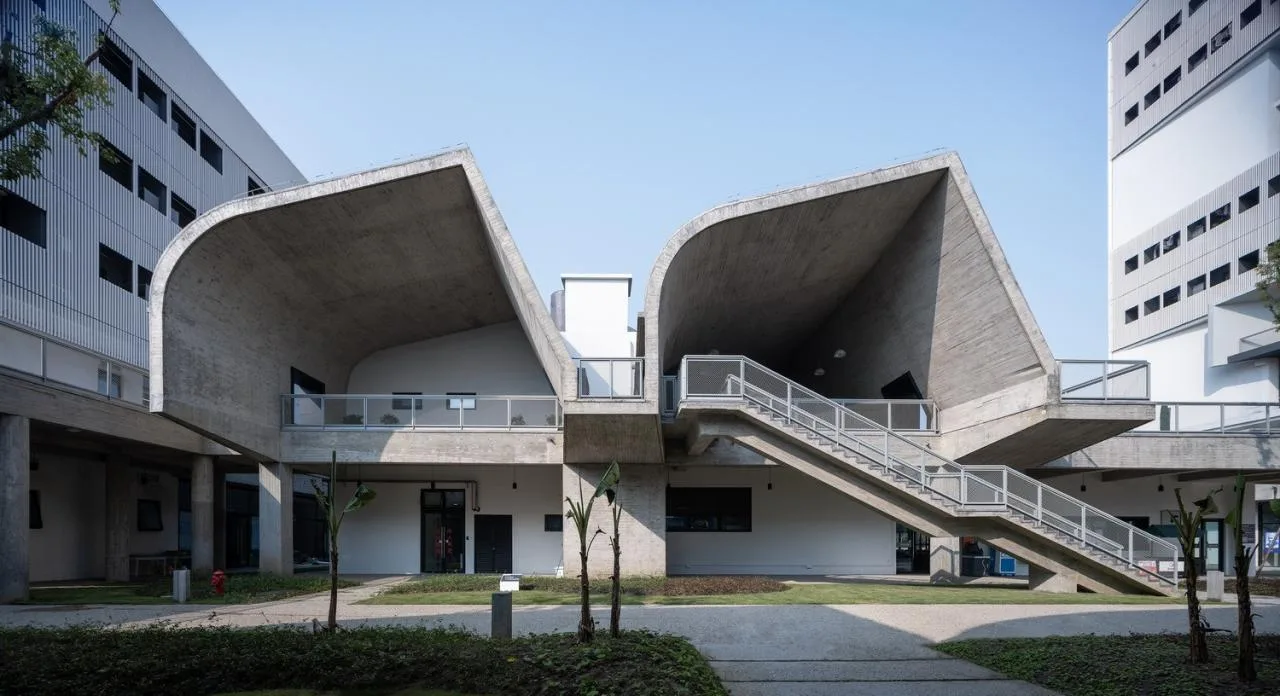
△ The workshop’s arched roof © Wu Qingshan
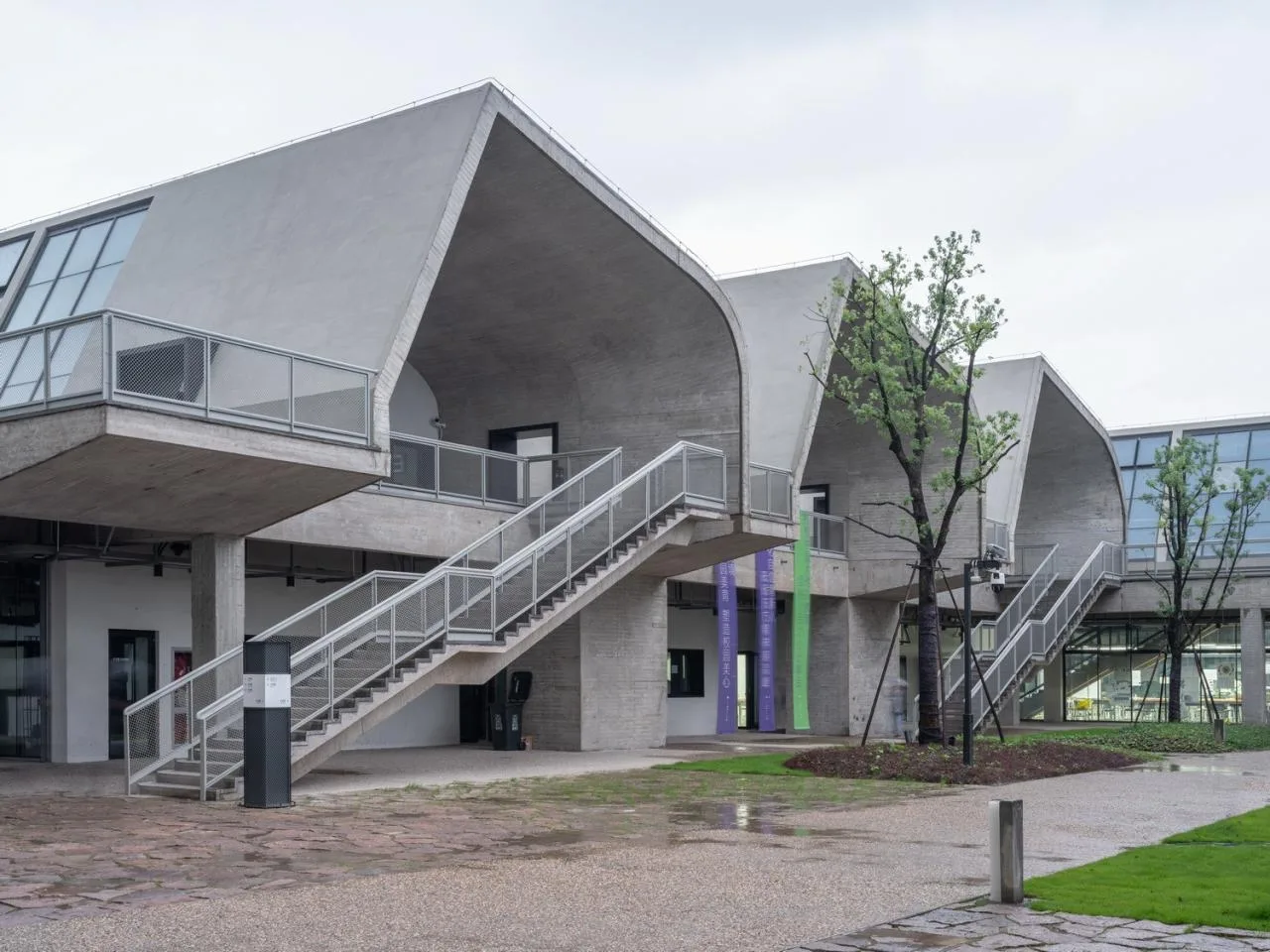
△ Corridors on the workshop’s first and second floors © Tian Fangfang
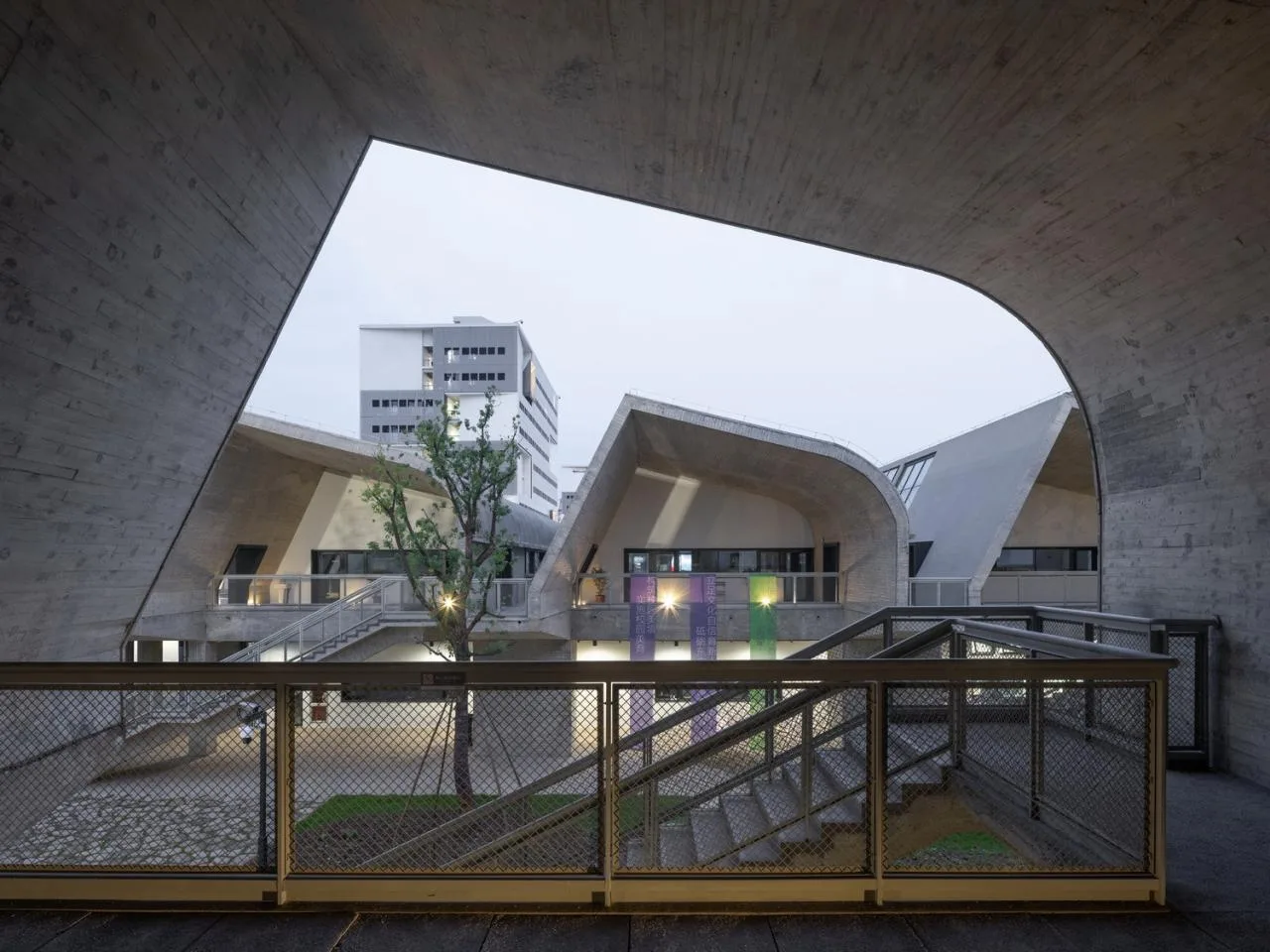
△ Space beneath the workshop’s arch © Tian Fangfang
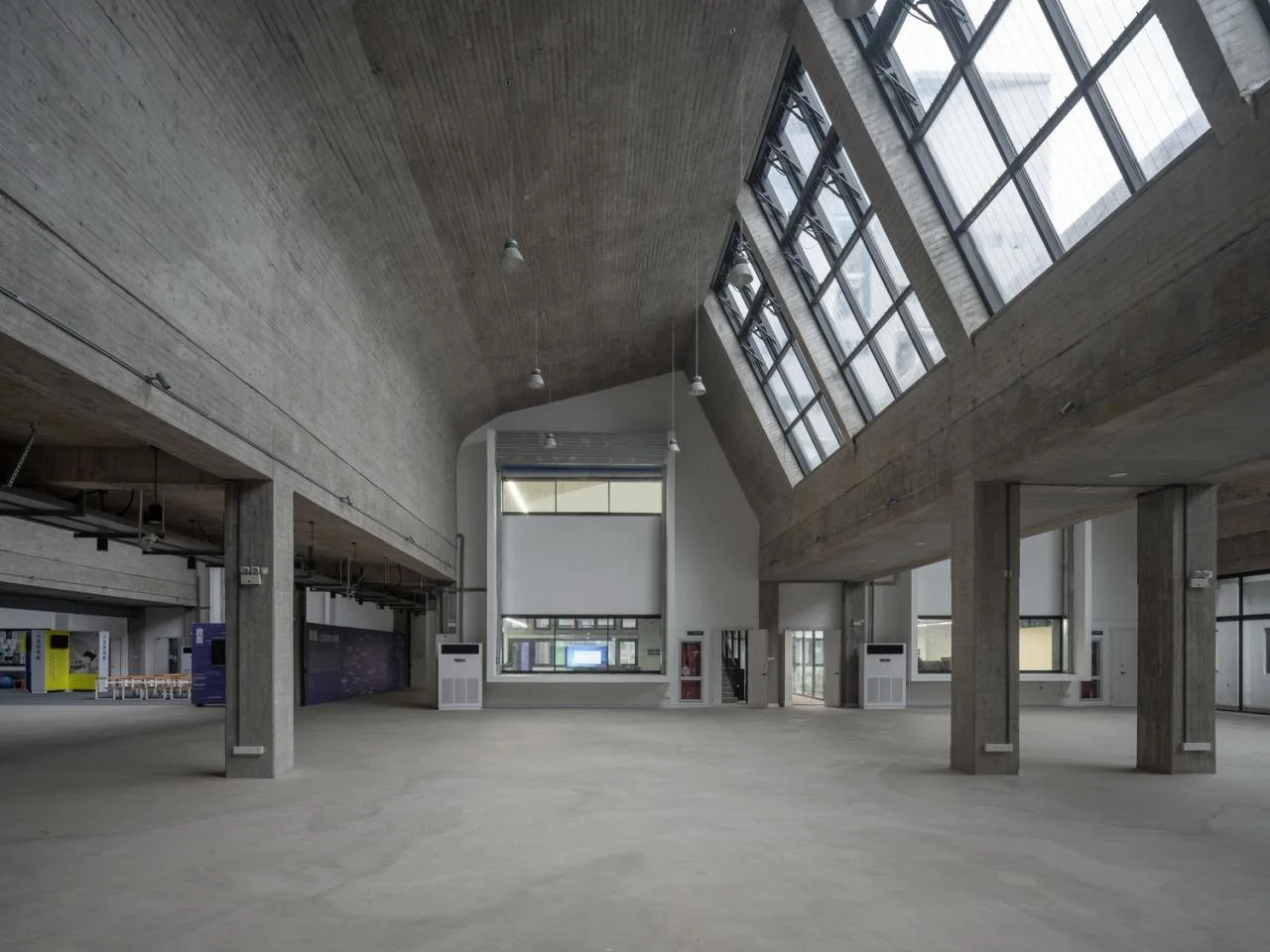
△ Interior of the workshop © Tian Fangfang
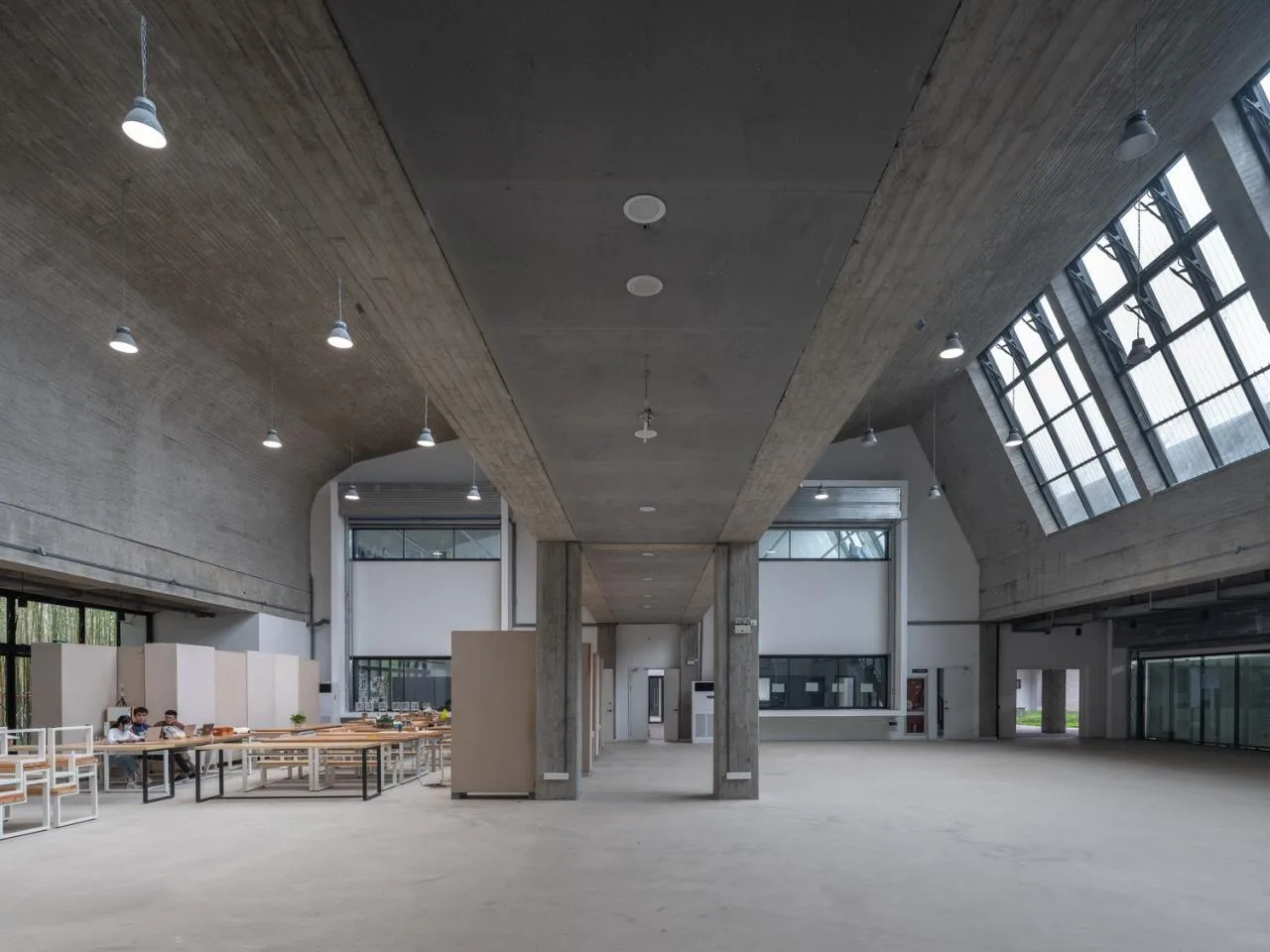
△ Workshop interior © Tian Fangfang
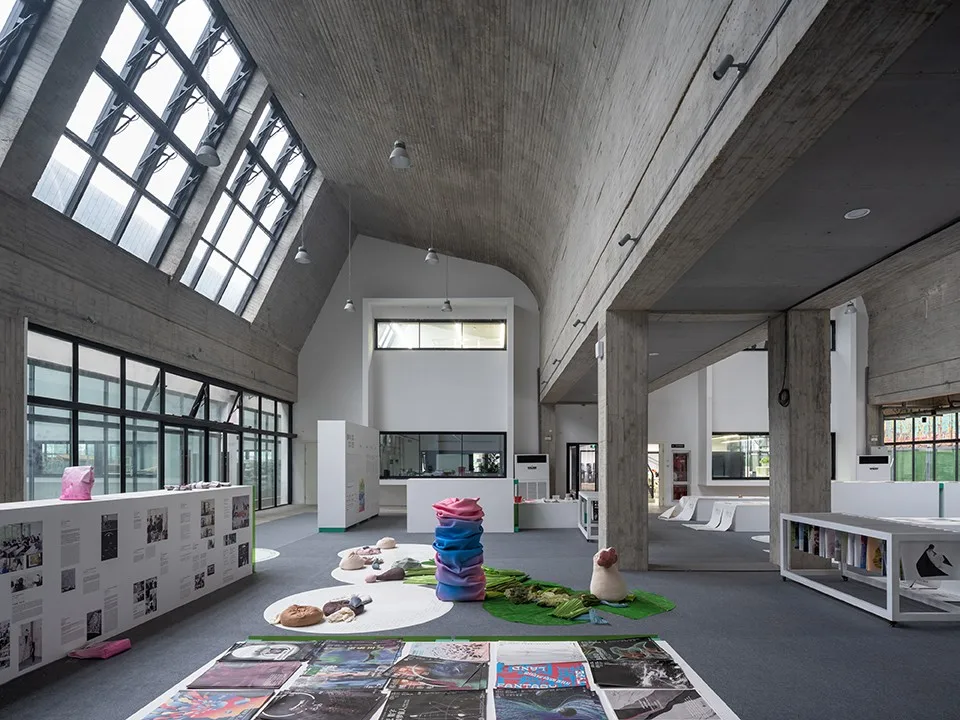
△ Workshop used as an exhibition space © Tian Fangfang
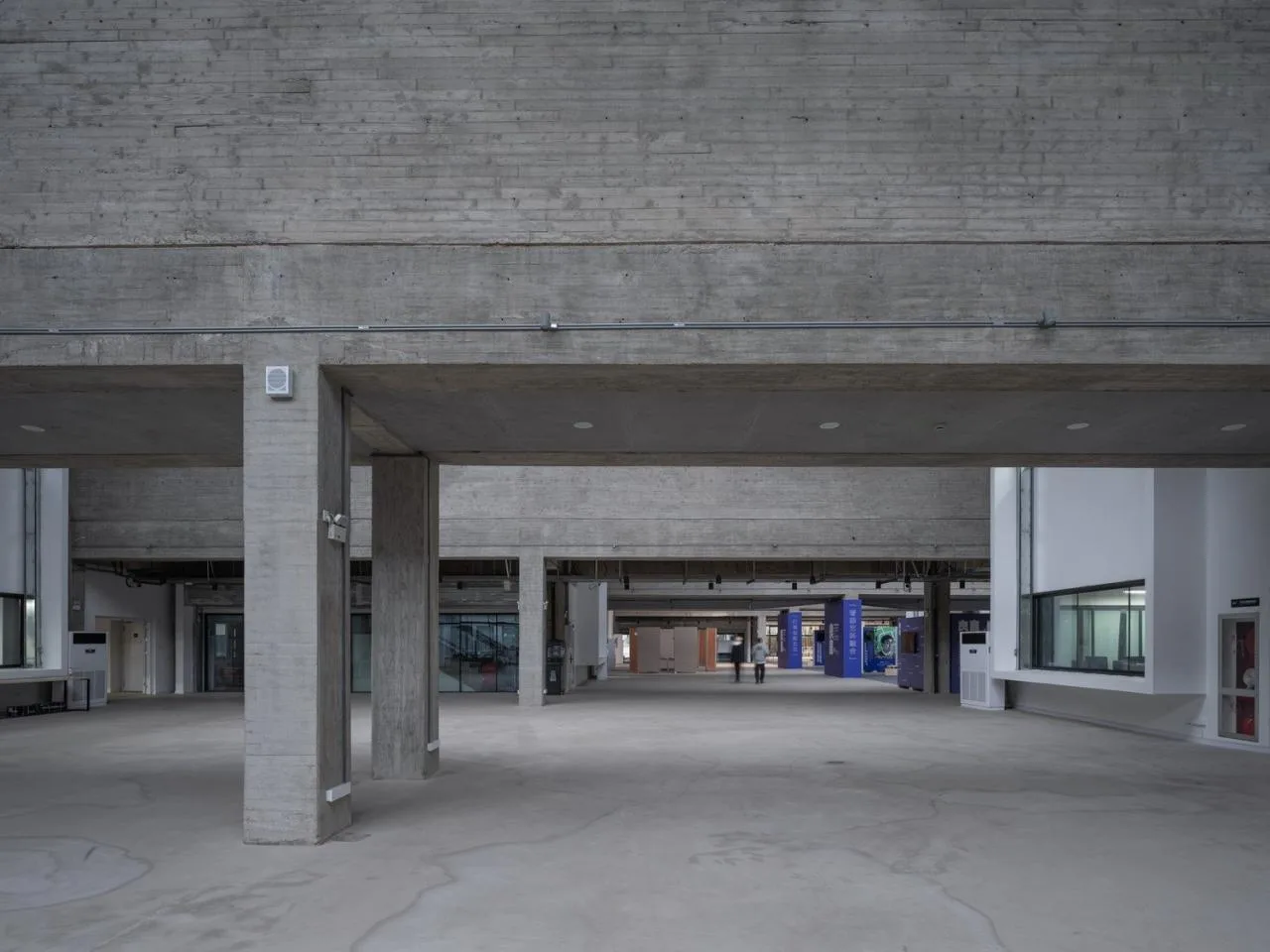
△ Extended indoor workshop space © Tian Fangfang
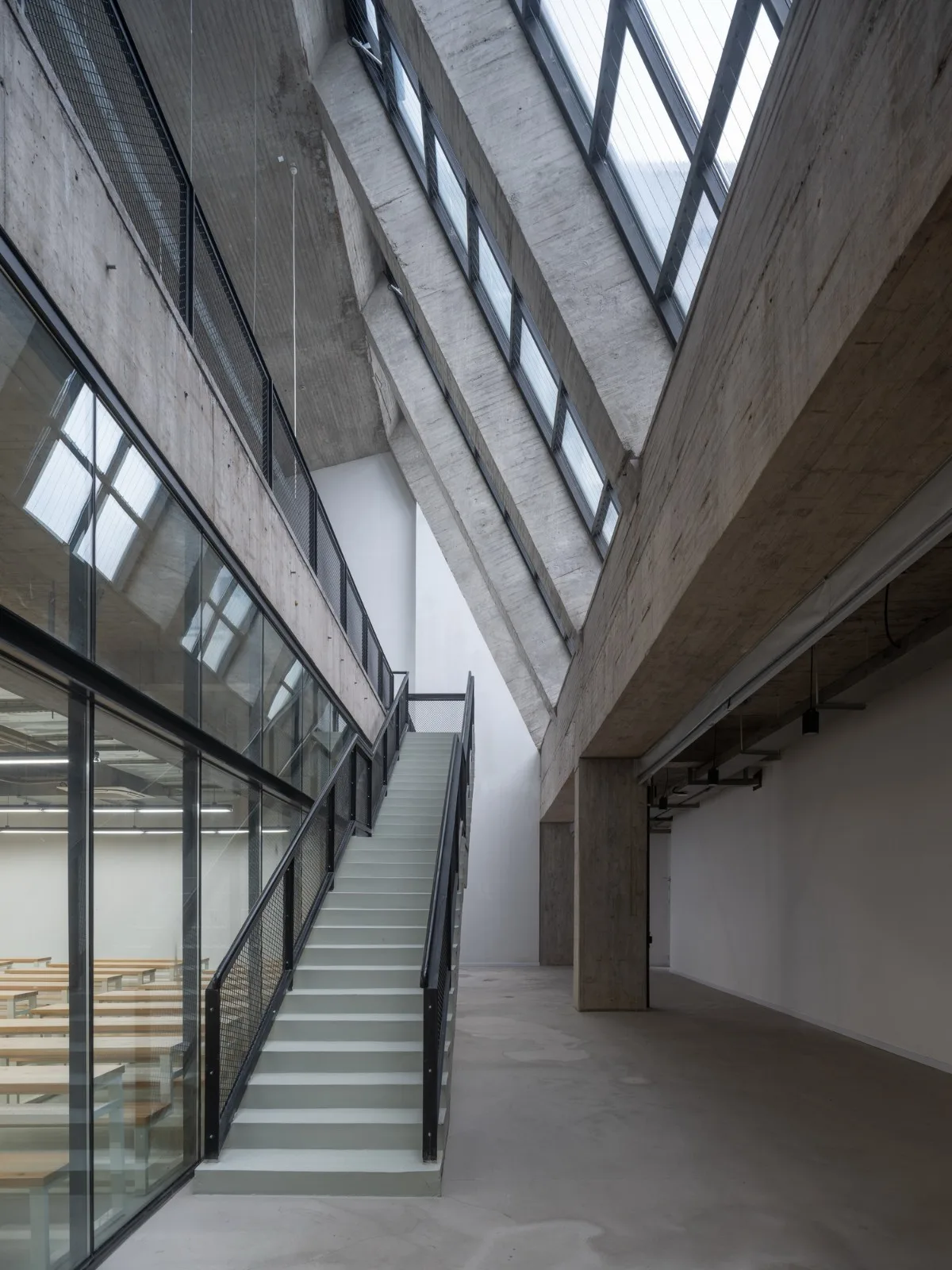
Staircase connecting the workshop’s first and second floors © Tian Fangfang
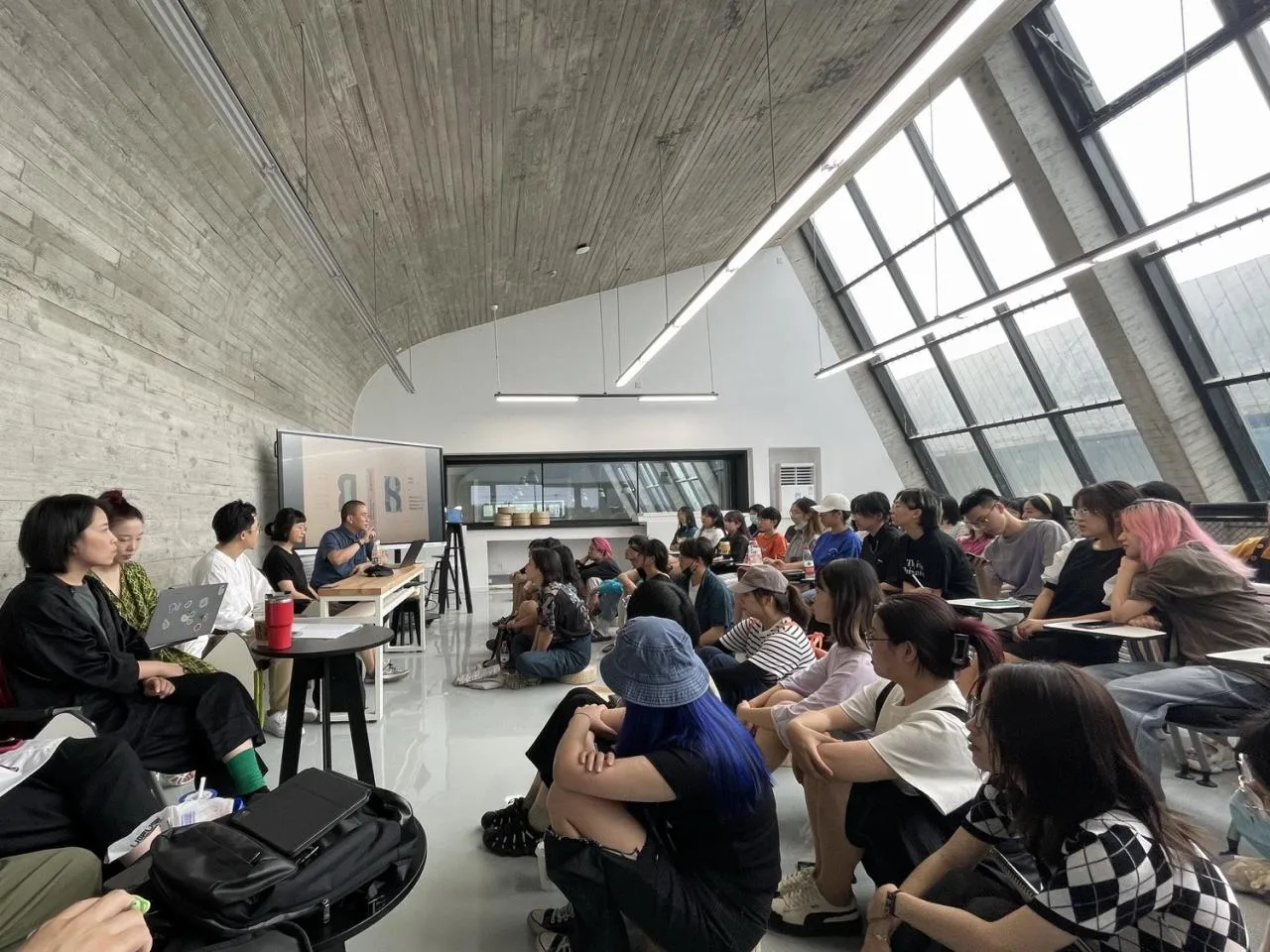
Teaching session in the workshop’s professional classroom on the second floor © Li Shiqi
Large windows bring abundant natural light into the workshop interior © Tian Fangfang
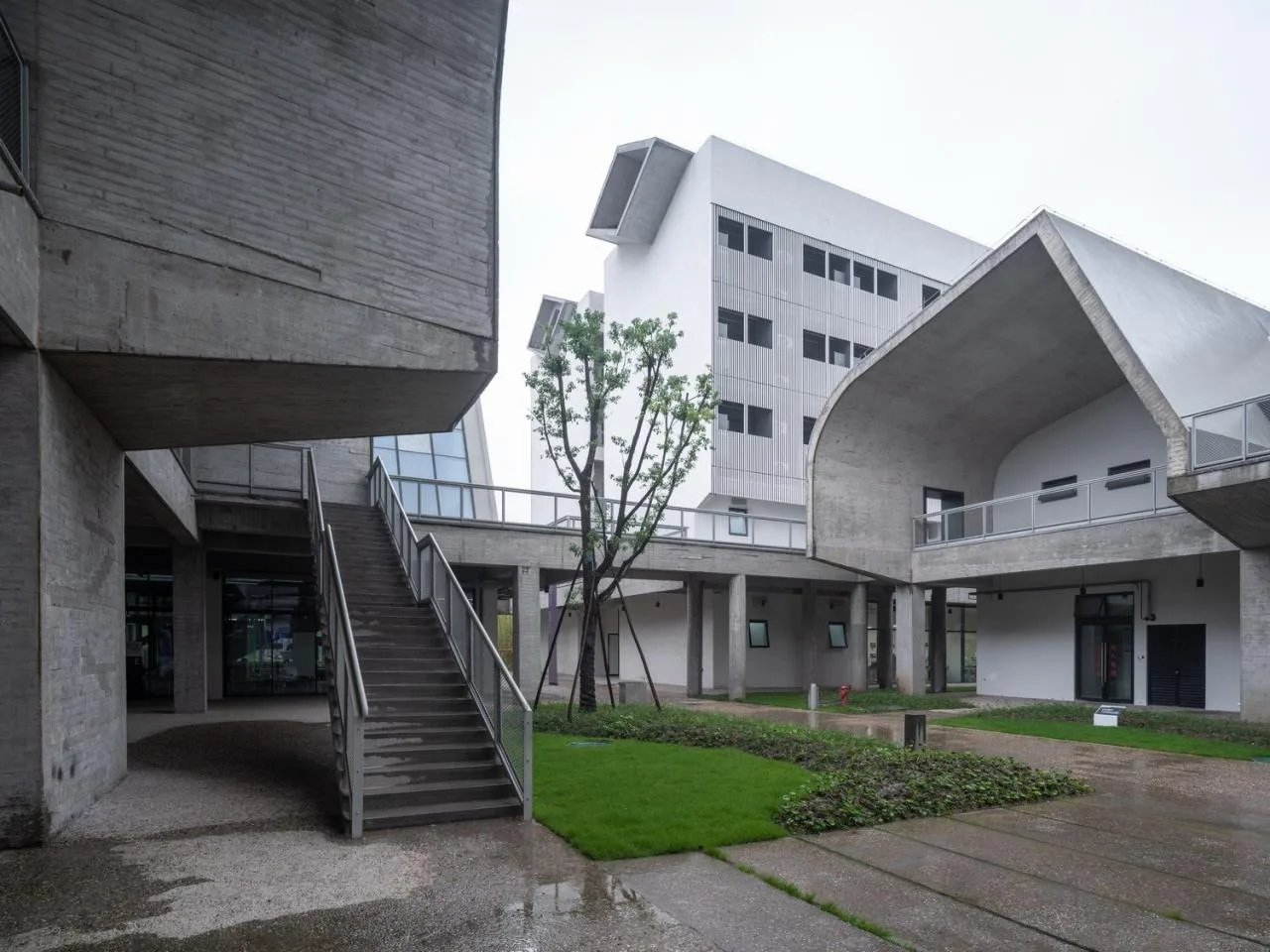
△ Canteen entrance and outdoor staircase © Tian Fangfang
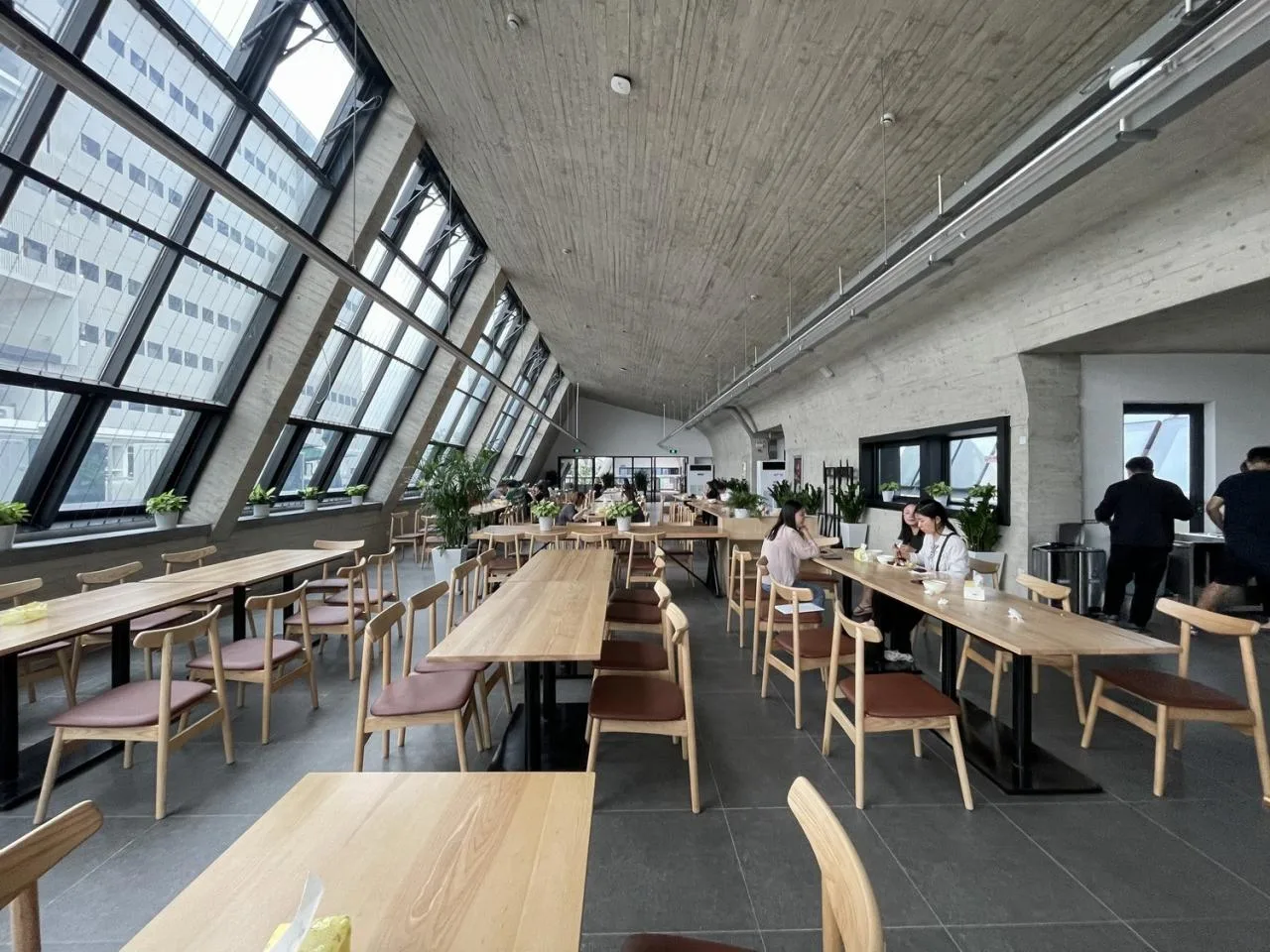
△ Indoor cafeteria © Li Shiqi
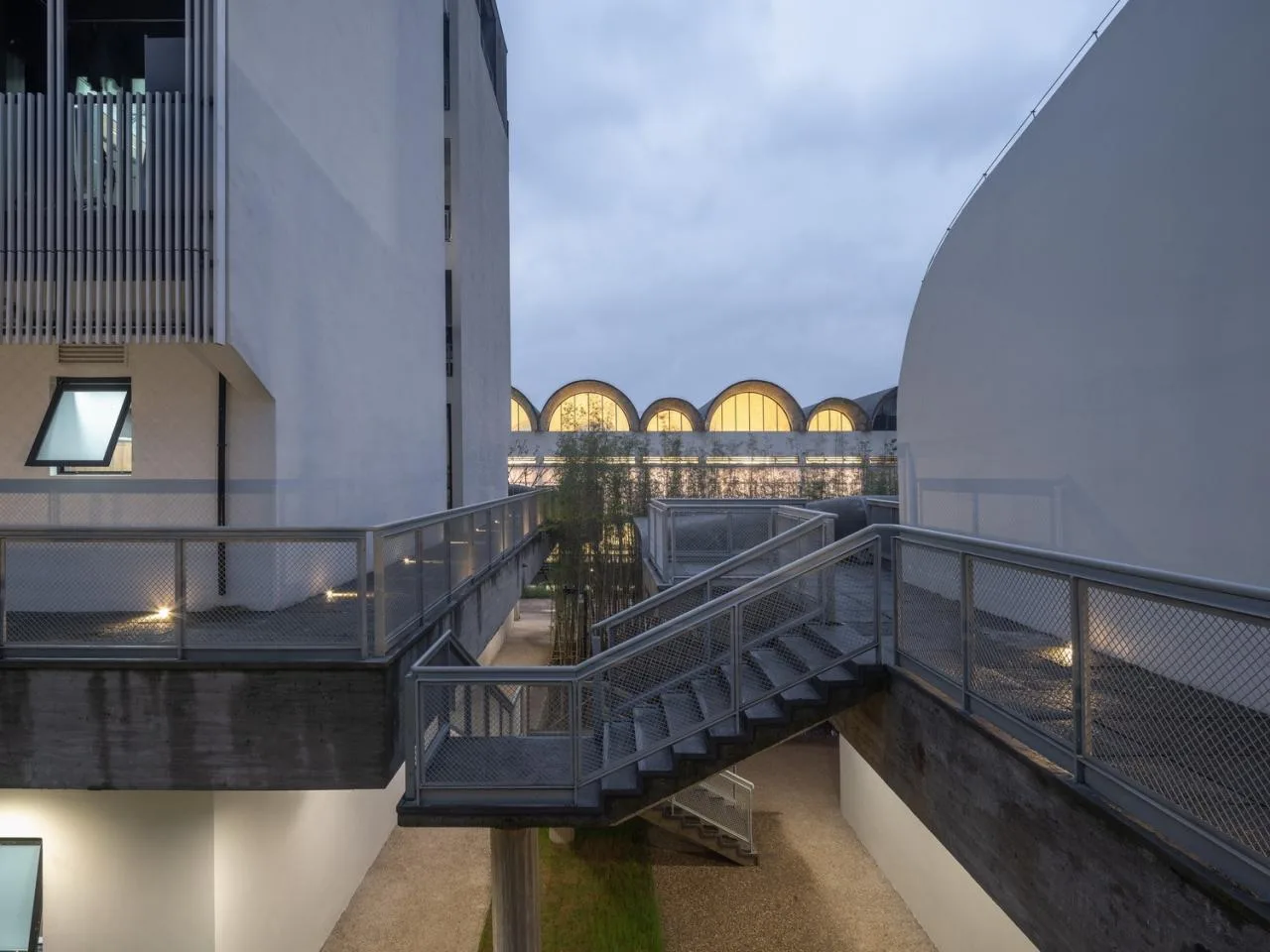
△ View of the Sports Center from Dormitory and Workshop © Tian Fangfang
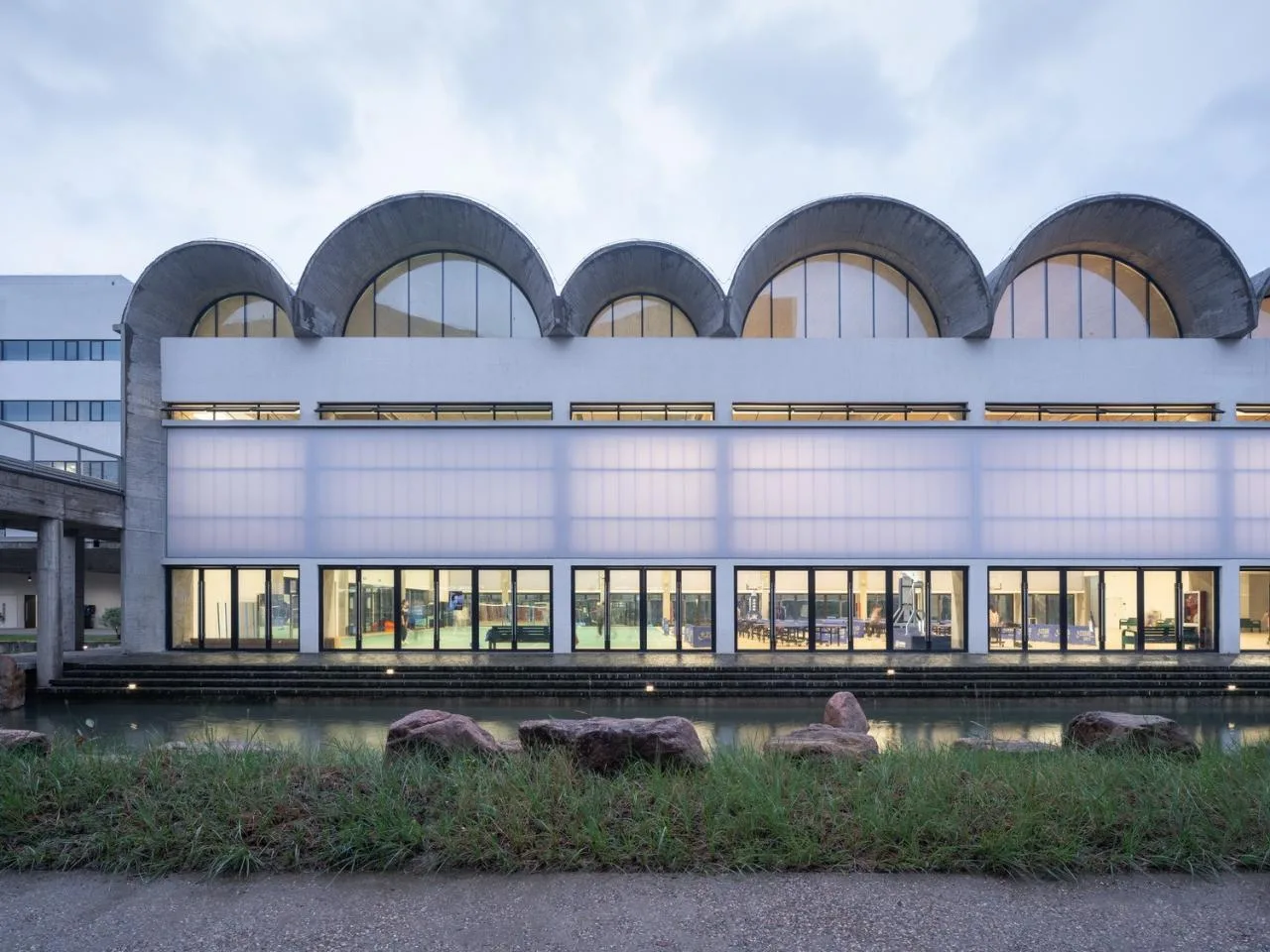
△ Sports Center © Tian Fangfang
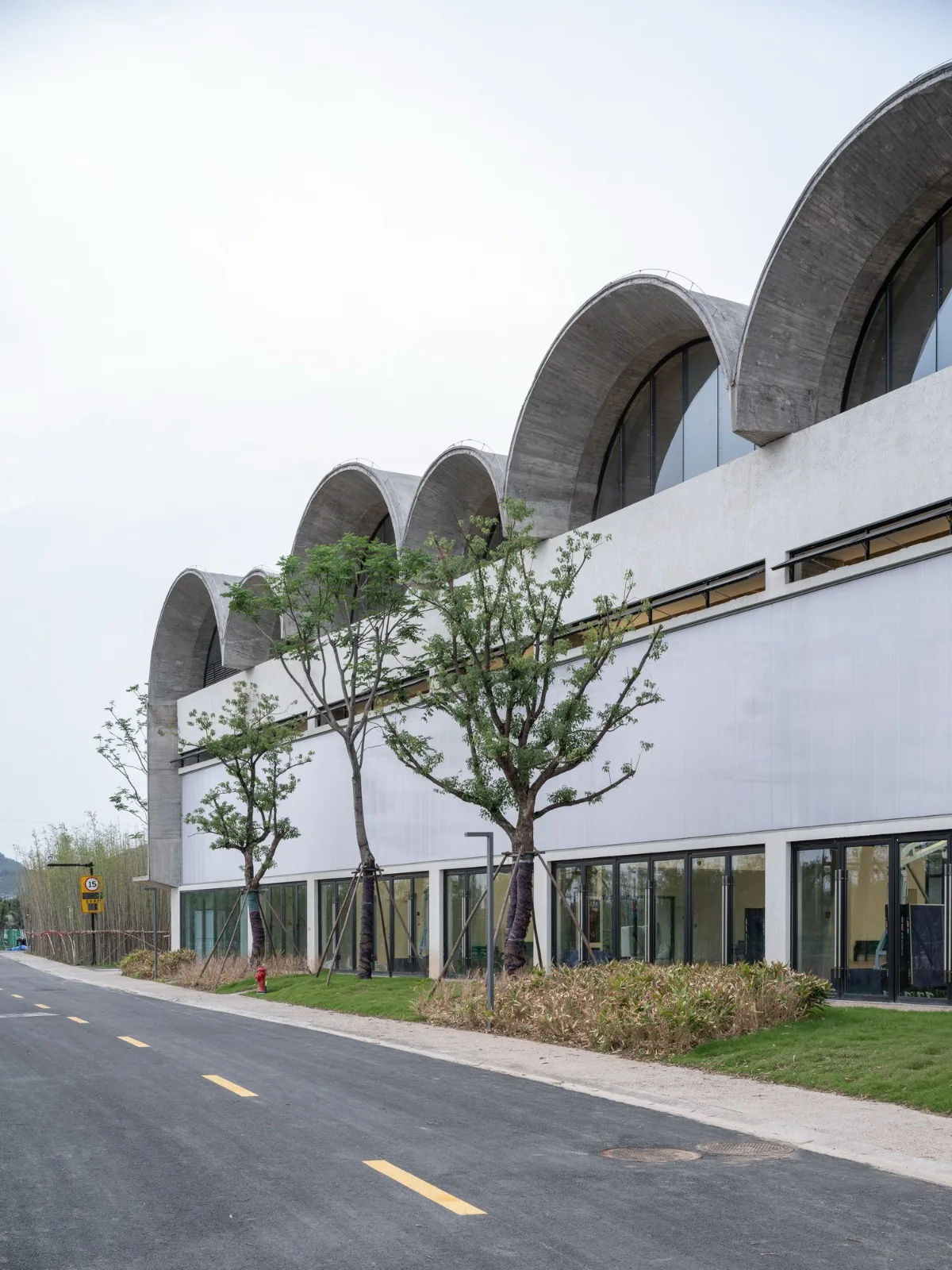
Concrete arch shell of the sports hall © Tian Fangfang
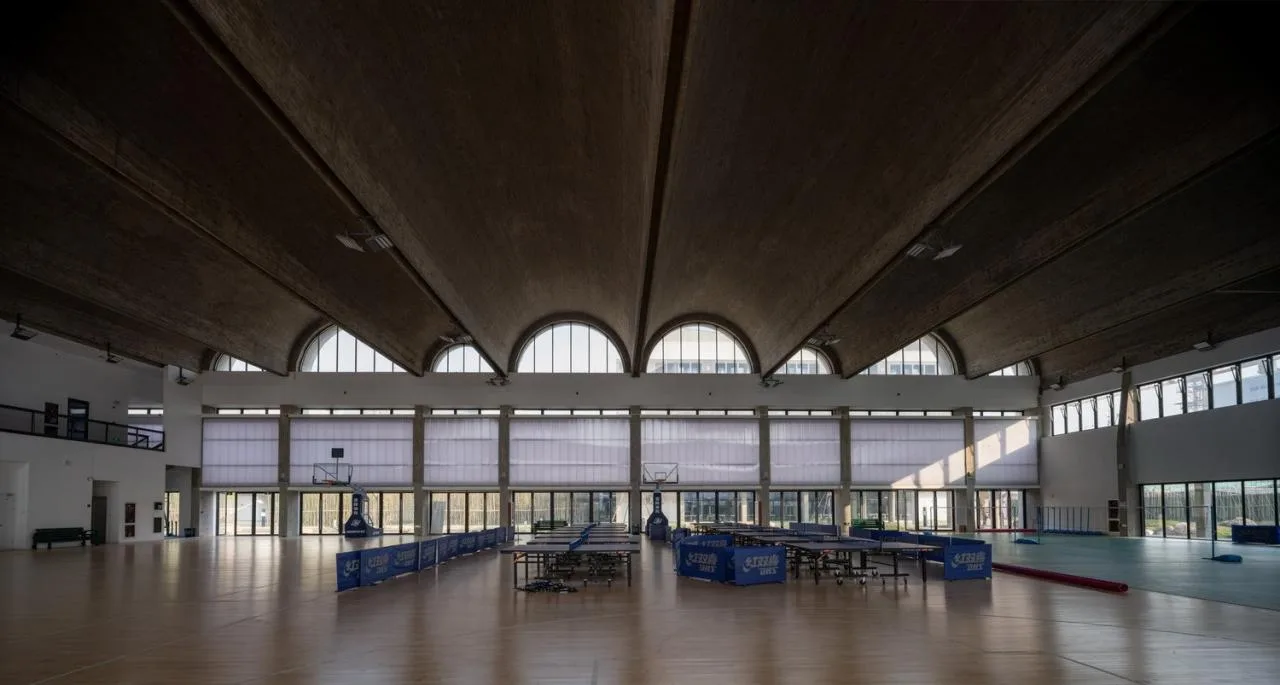
Indoor Sports Center © Wu Qingshan
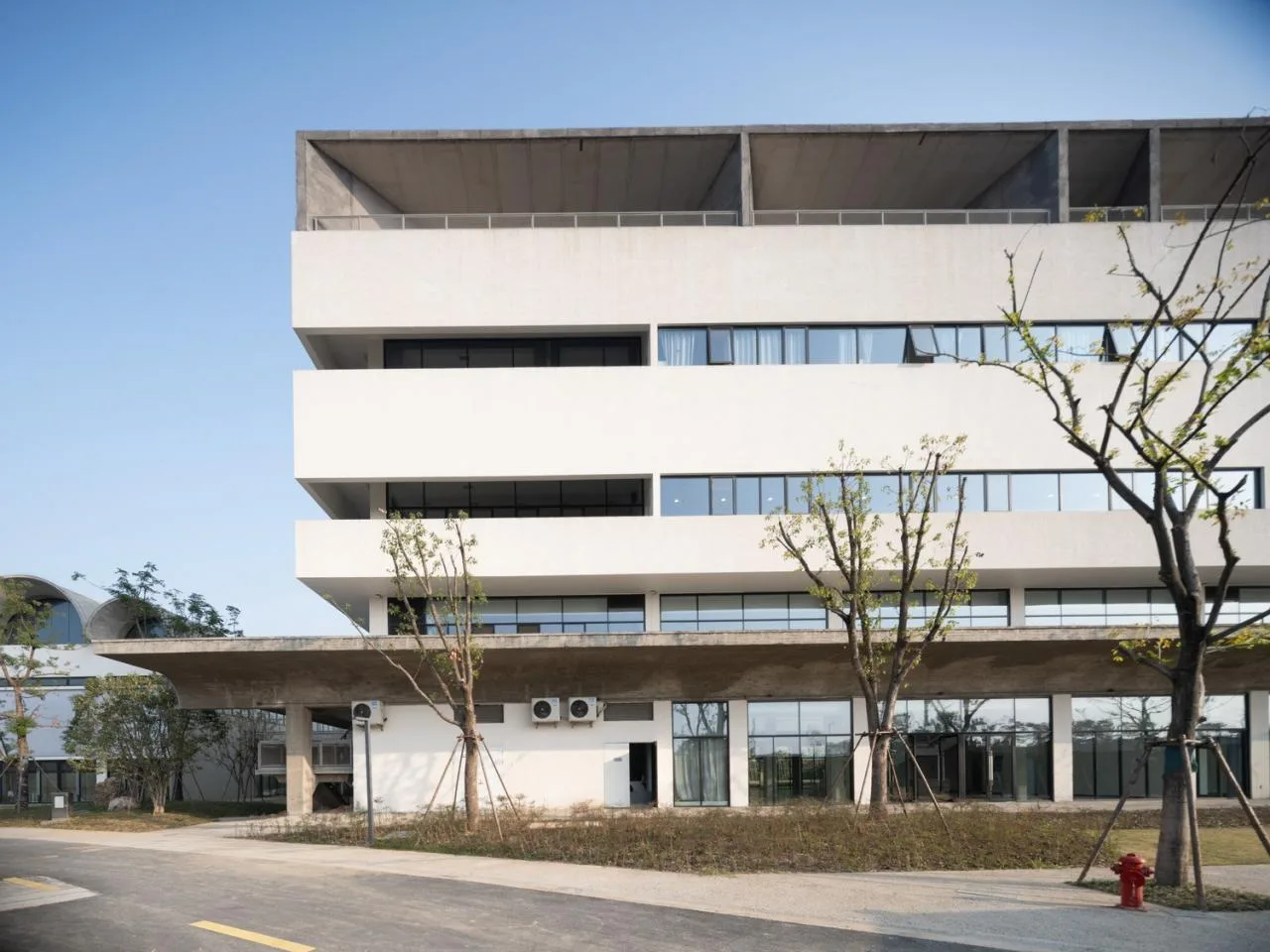
△ Administrative Building © Wu Qingshan
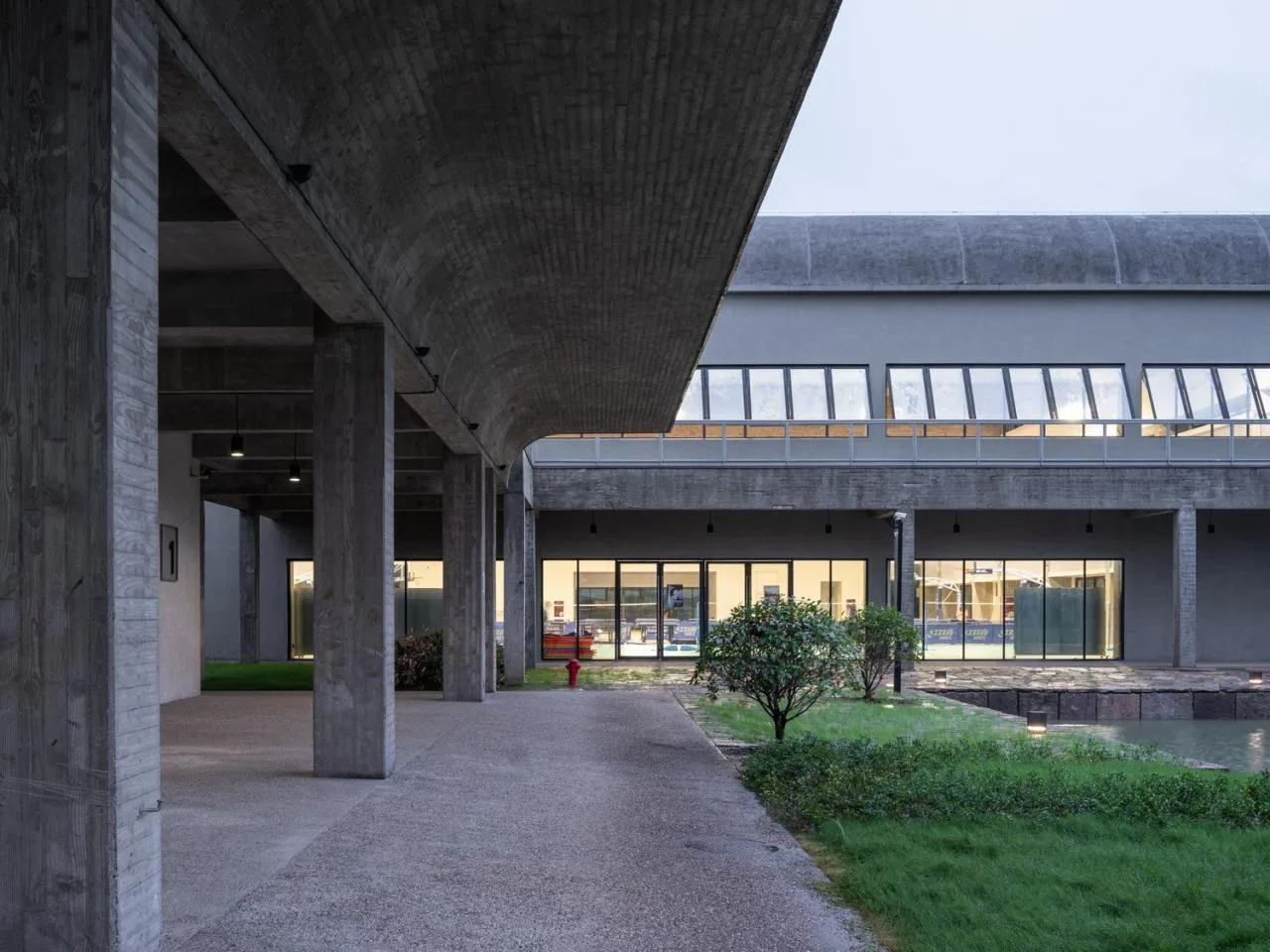
△ Multi-level gray space beneath the workshop eaves © Tian Fangfang
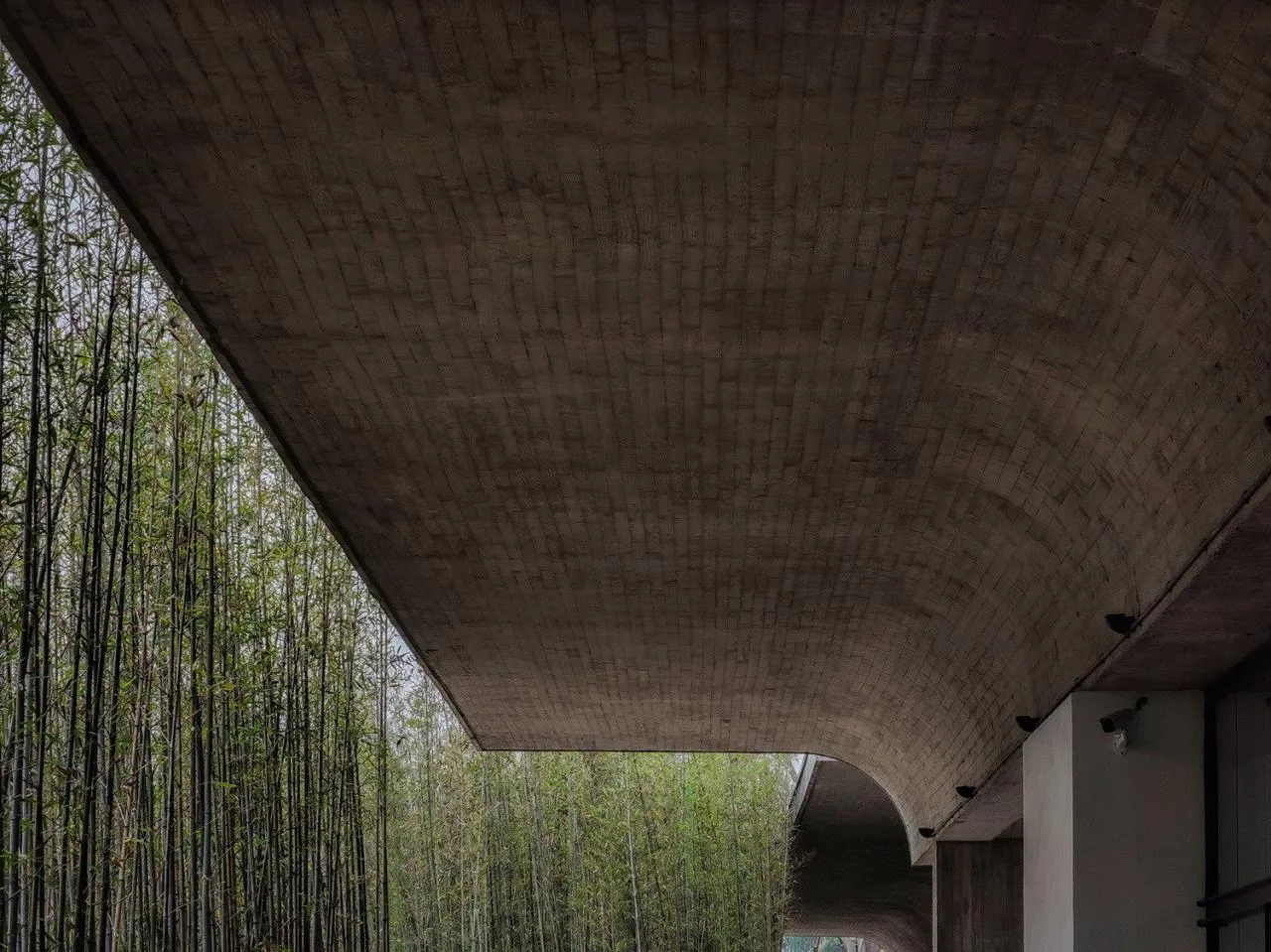
△ Partial eaves © Wang Yushan
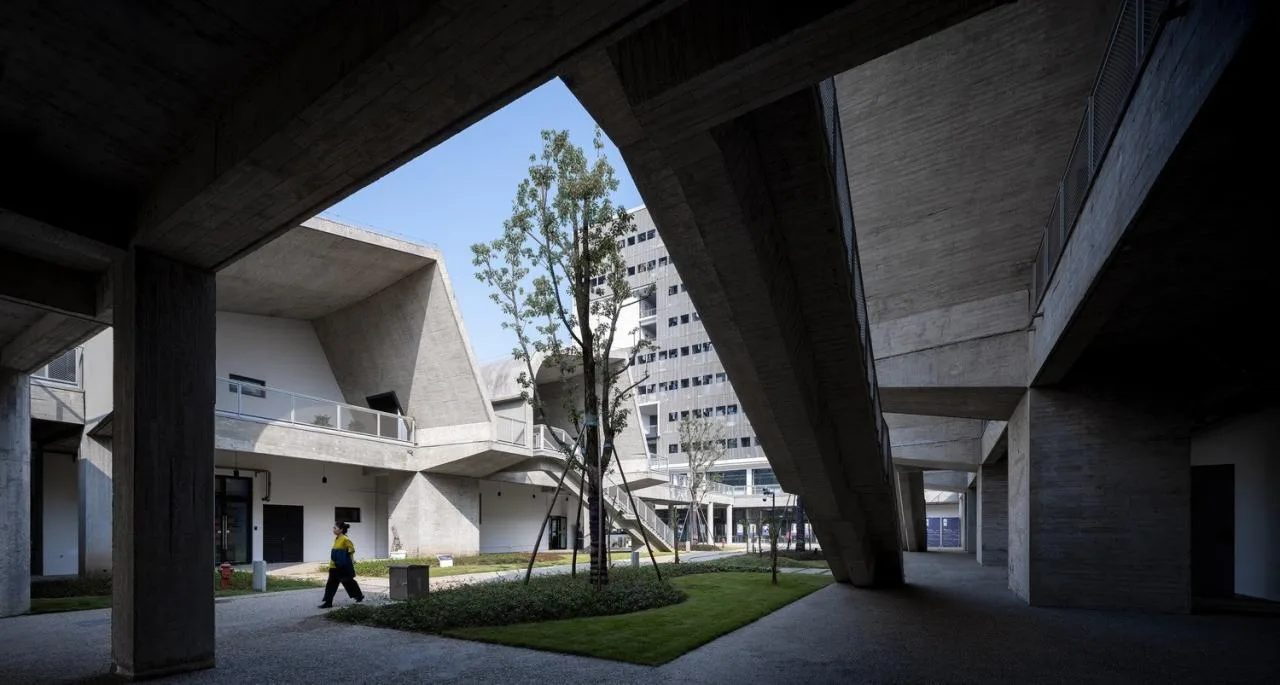
△ Workshop and courtyard © Wu Qingshan
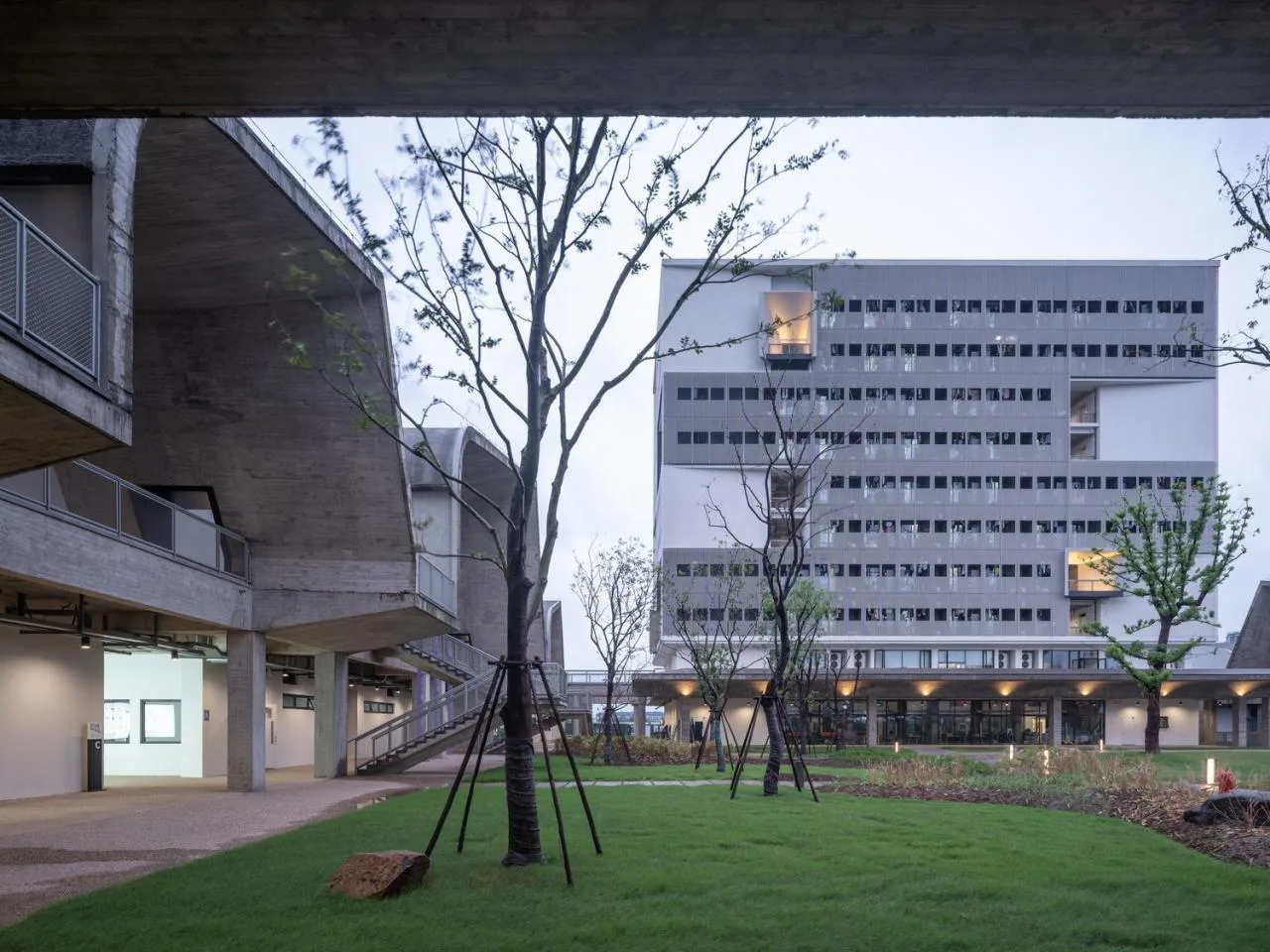
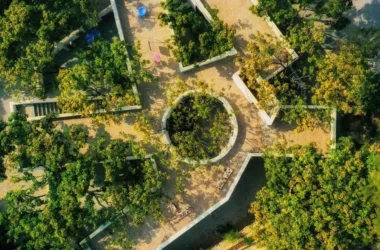
△ Campus landscaping © Tian Fangfang
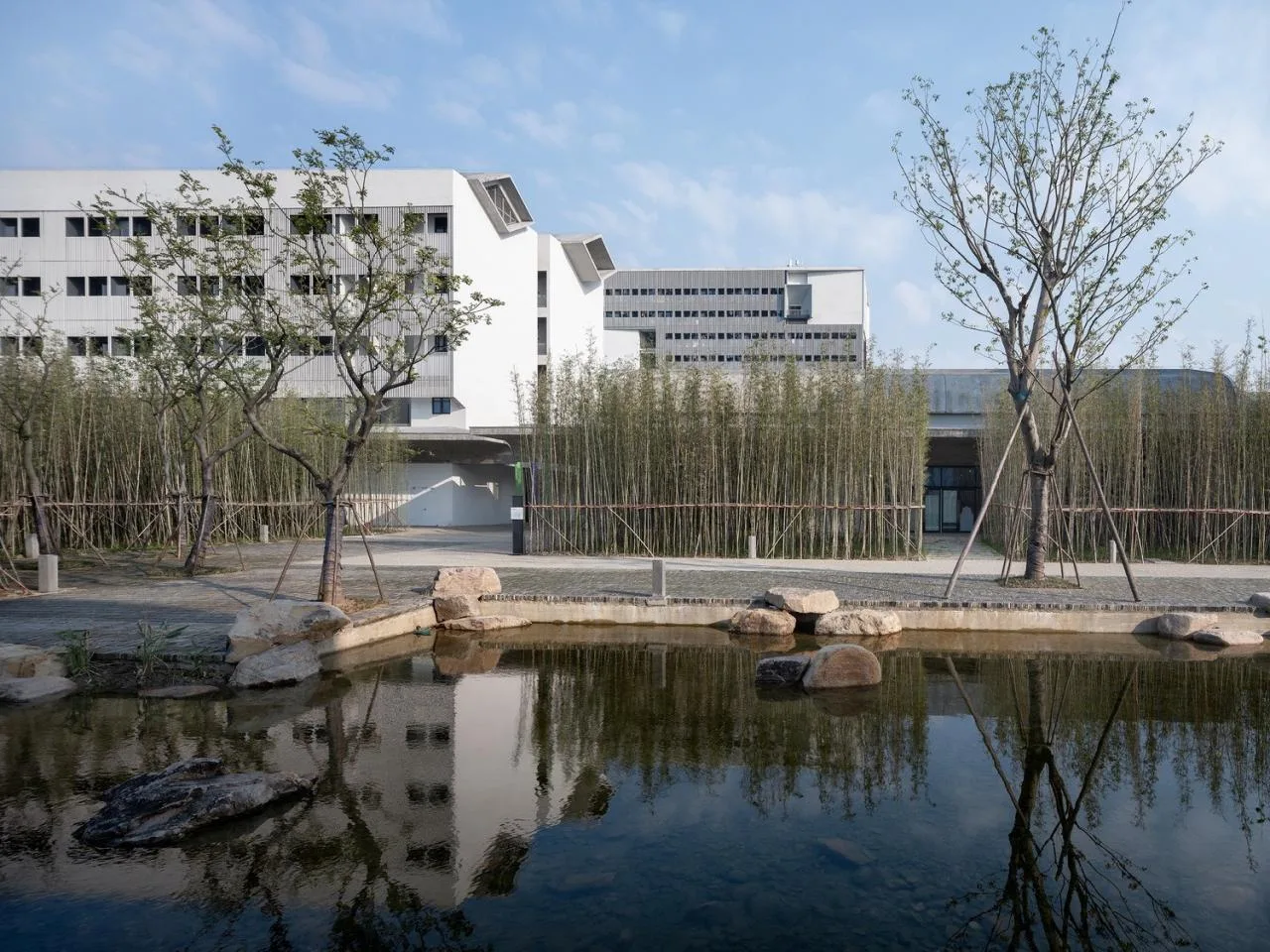
△ Campus landscape and water features © Wu Qingshan
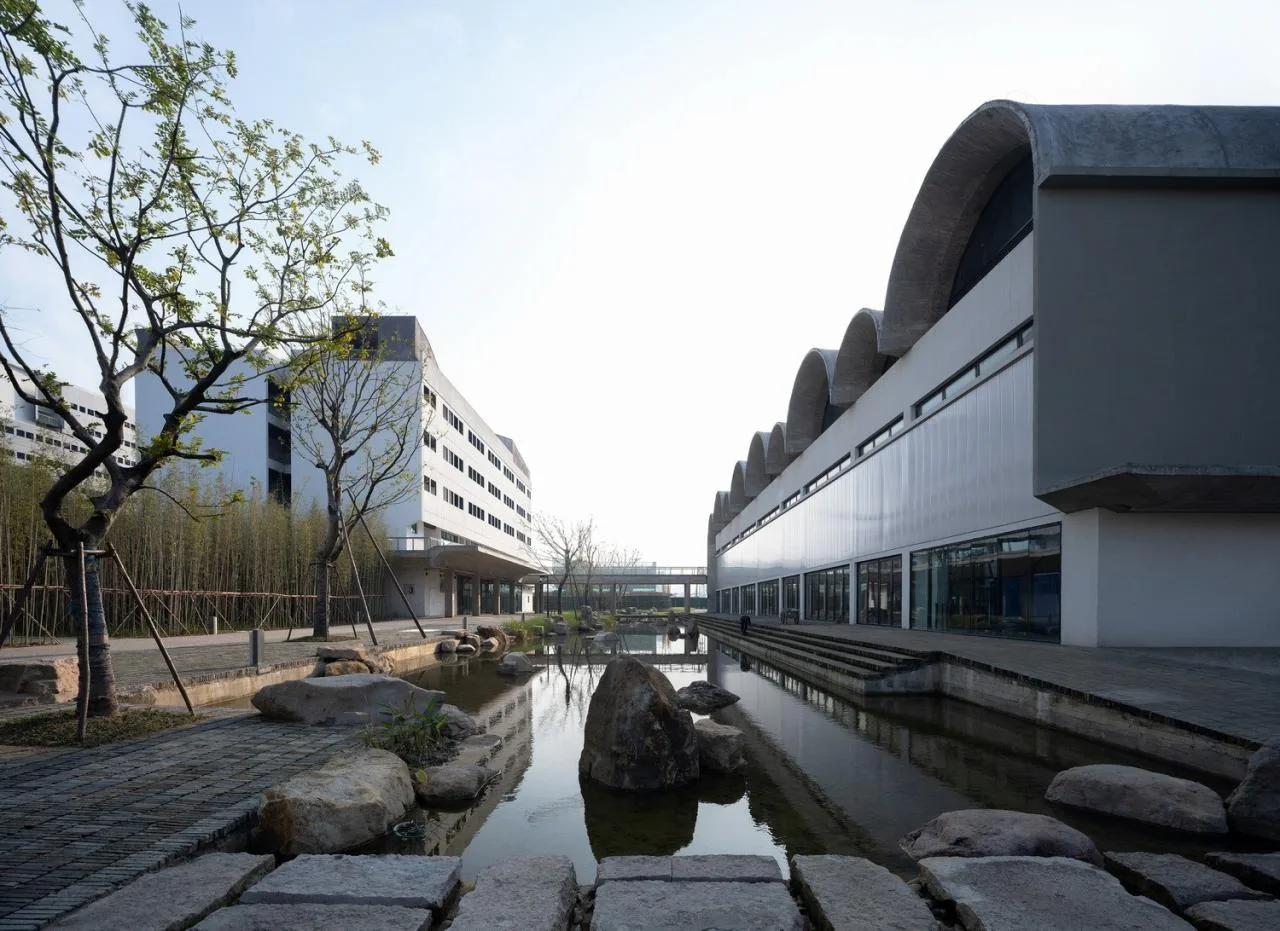
△ Water system landscaping outside the sports arena © Wu Qingshan
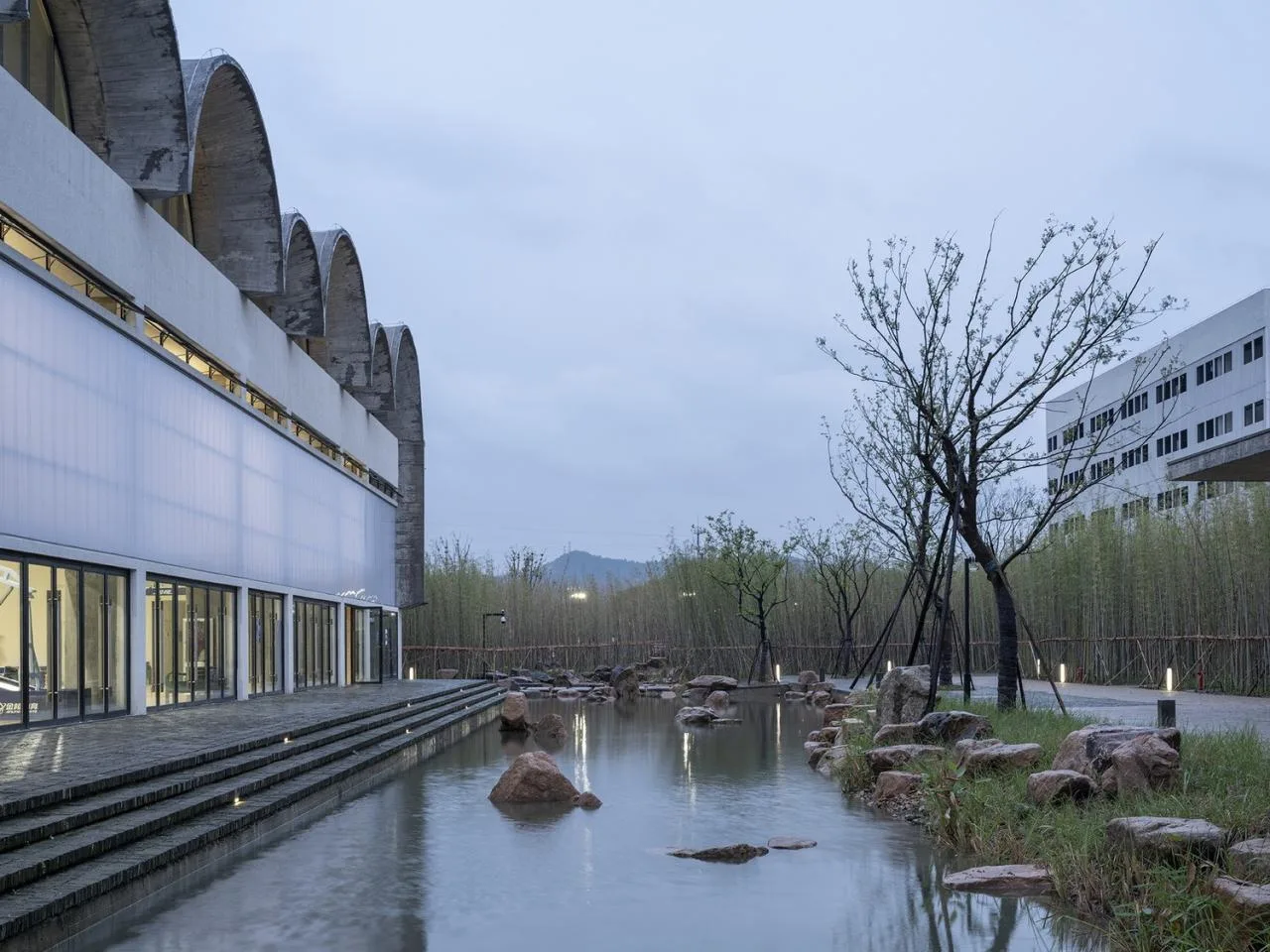
△ Water system landscaping outside the sports arena © Tian Fangfang
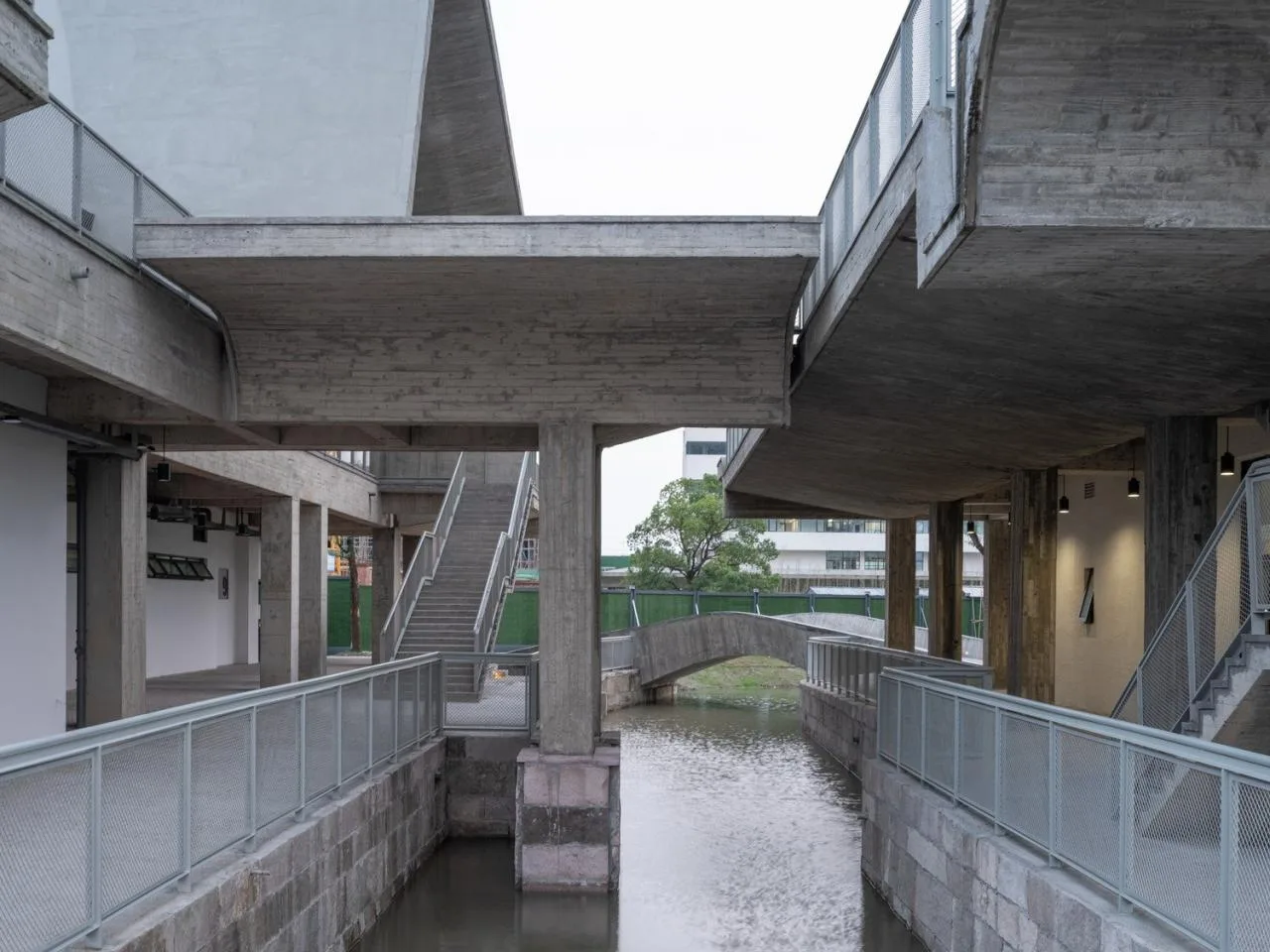
The ‘Sword Pool’ connecting natural waterways © Tian Fangfang
Project Drawings
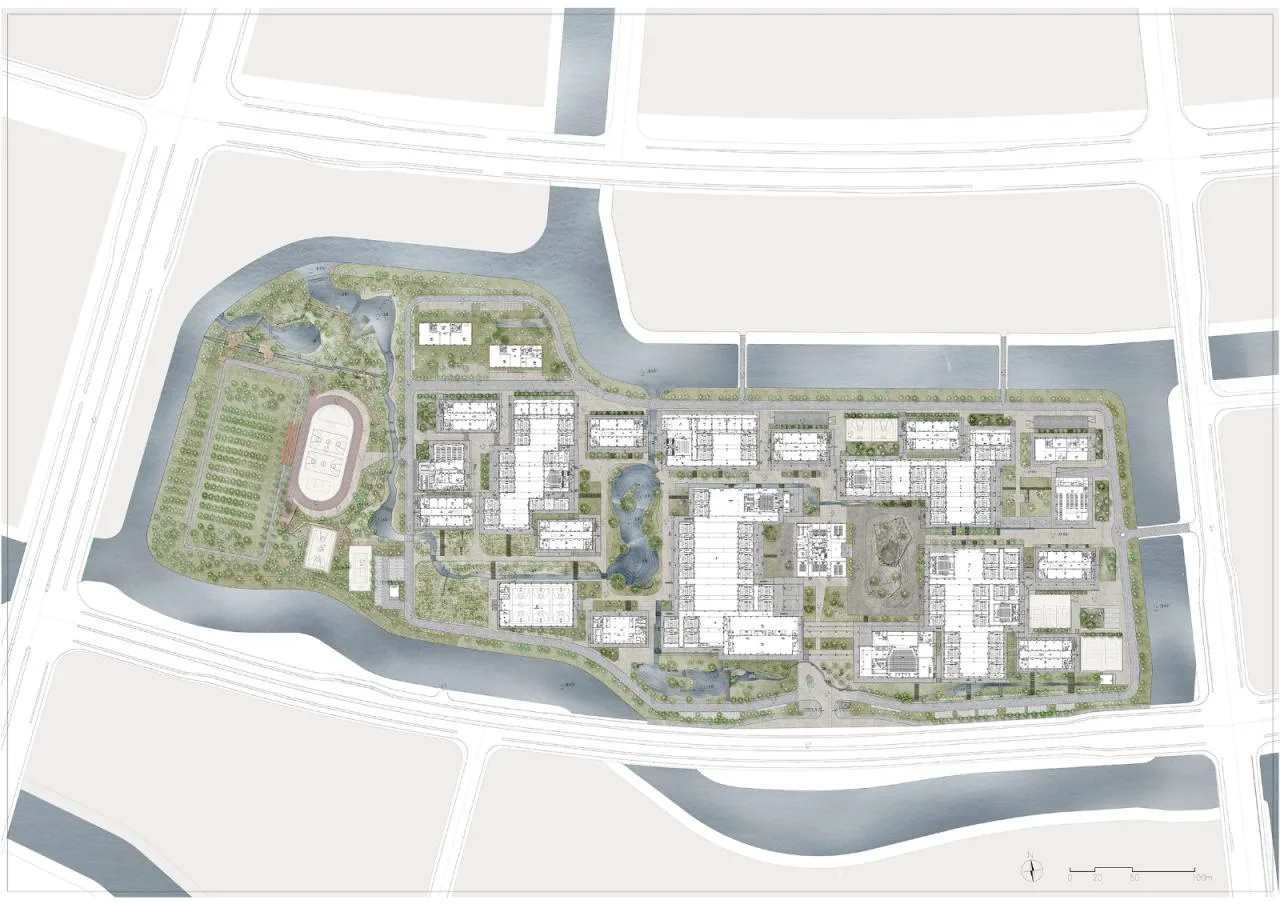
△ General layout plan © Very Architectural
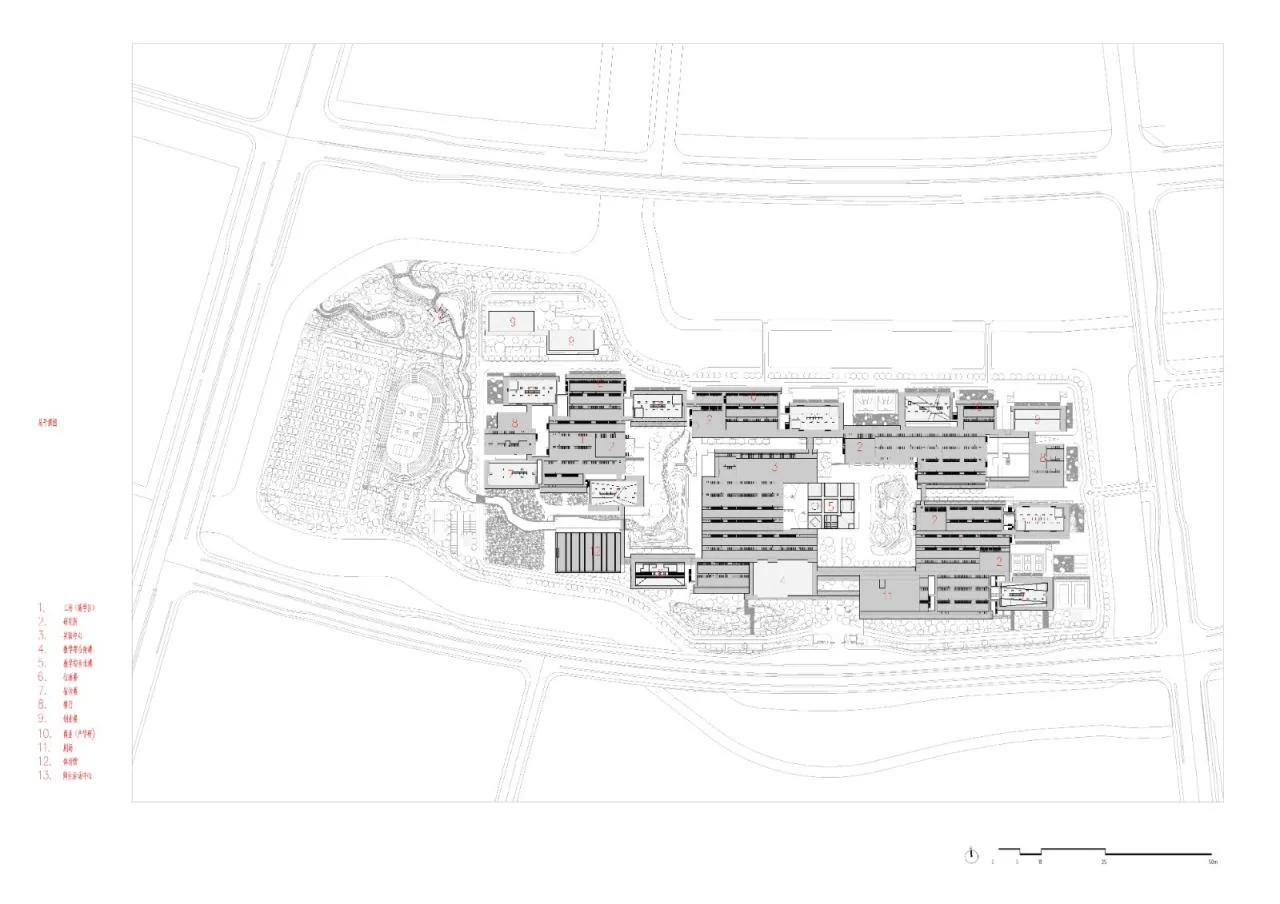
△ General layout plan
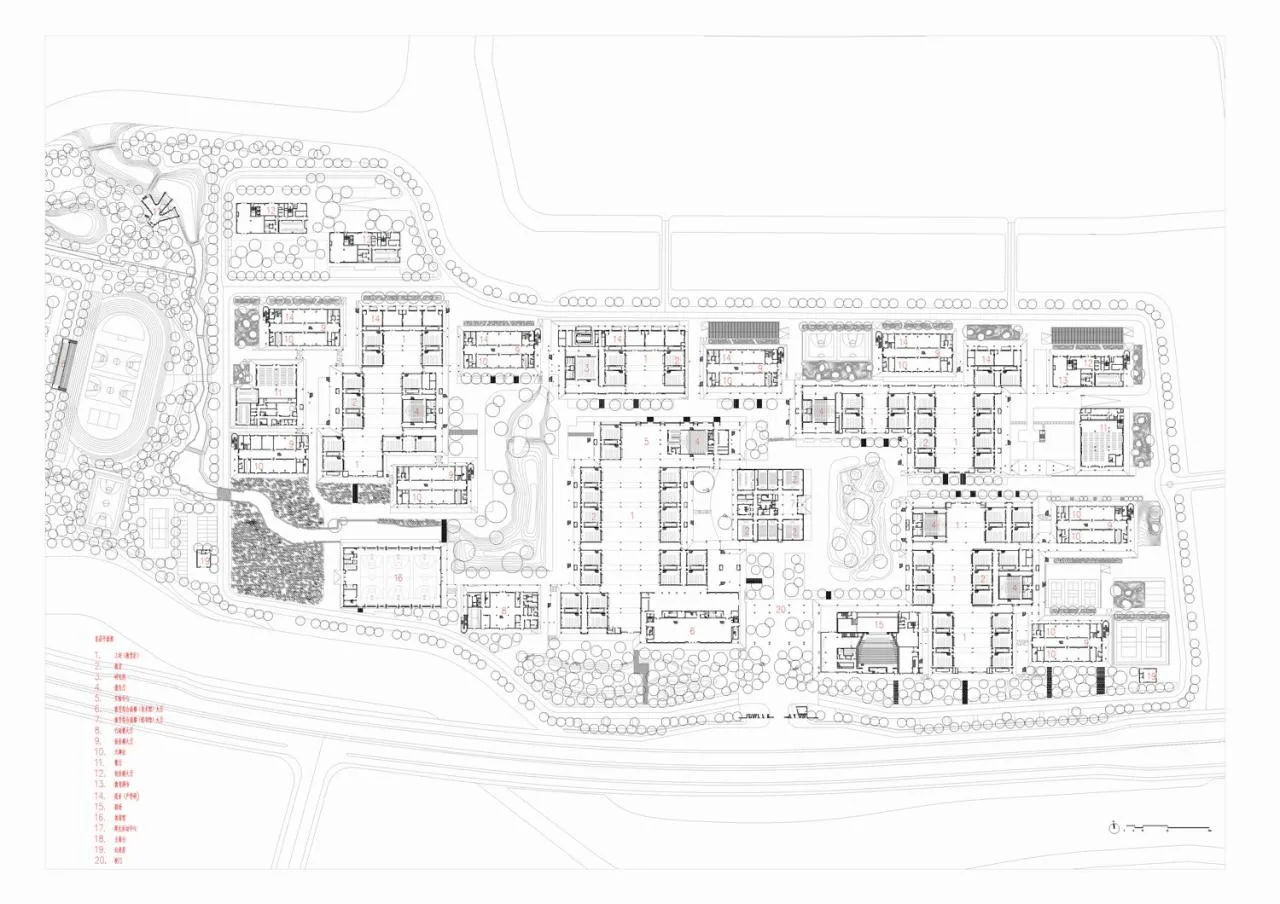
△ Campus first floor plan
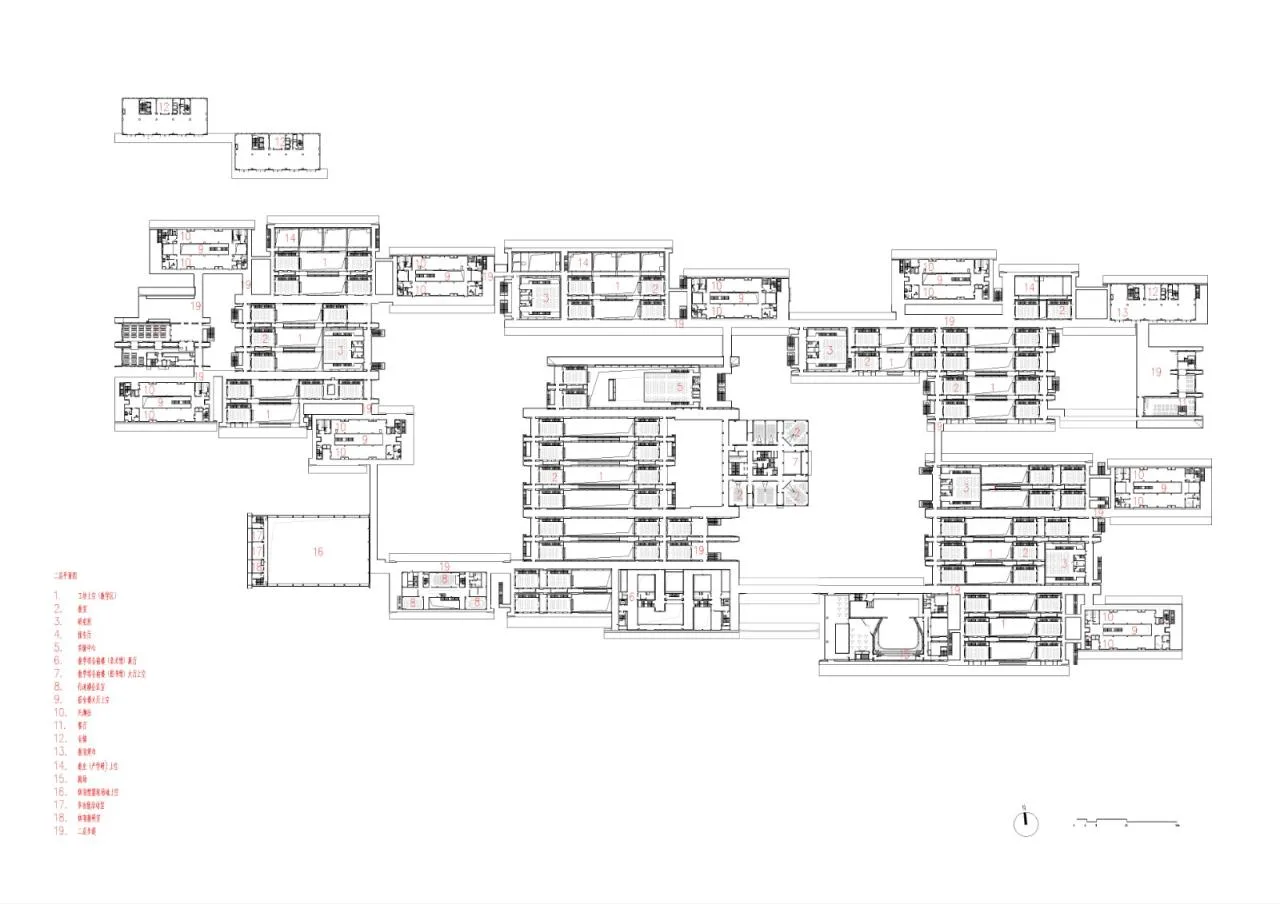
△ Campus second floor plan
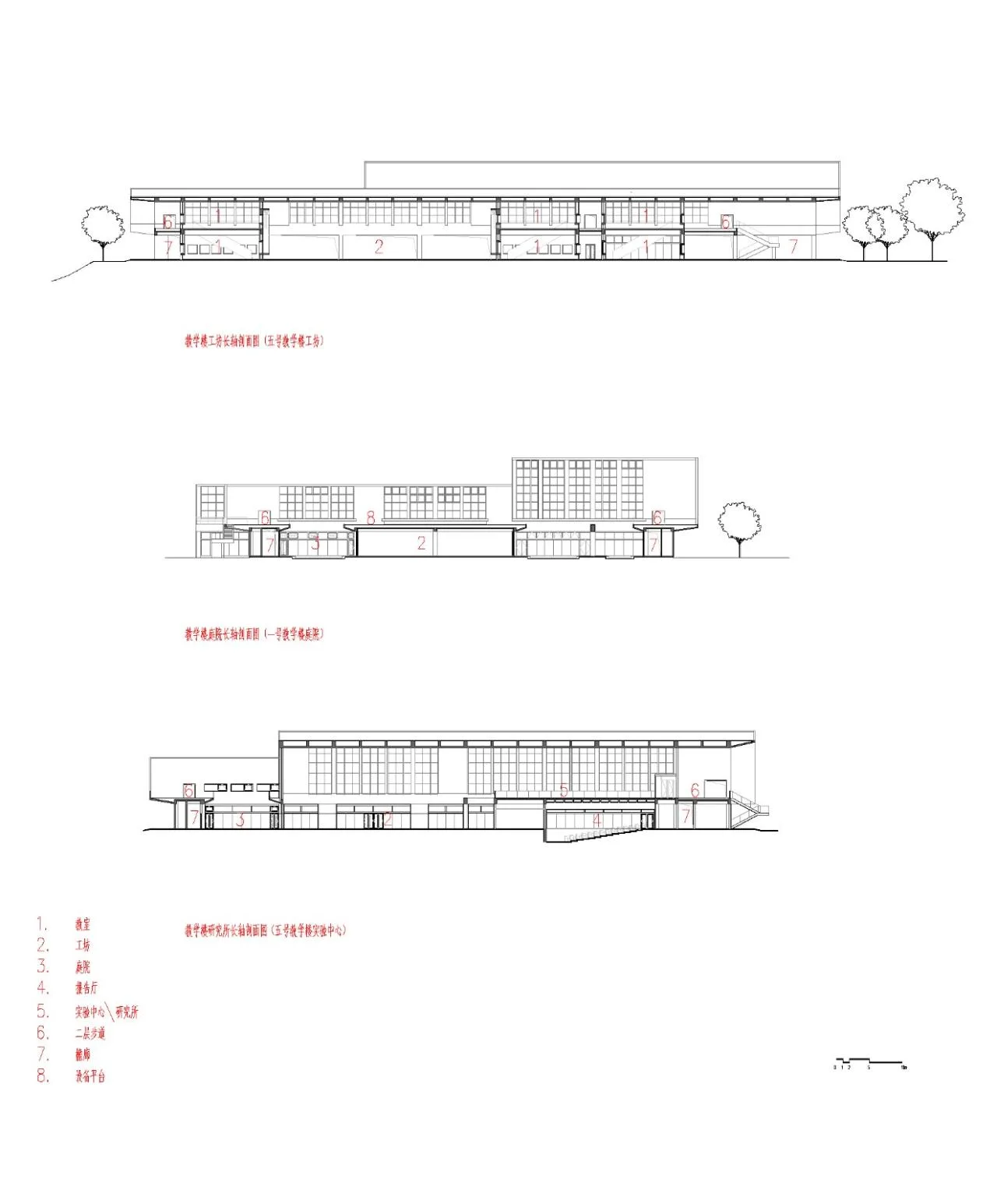
△ Long axis profile diagram
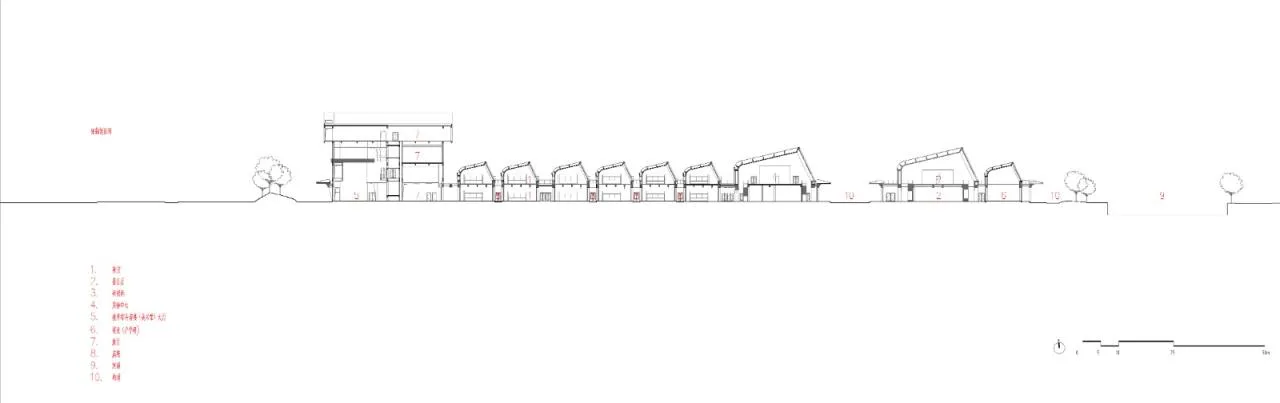
△ Short axis section diagram
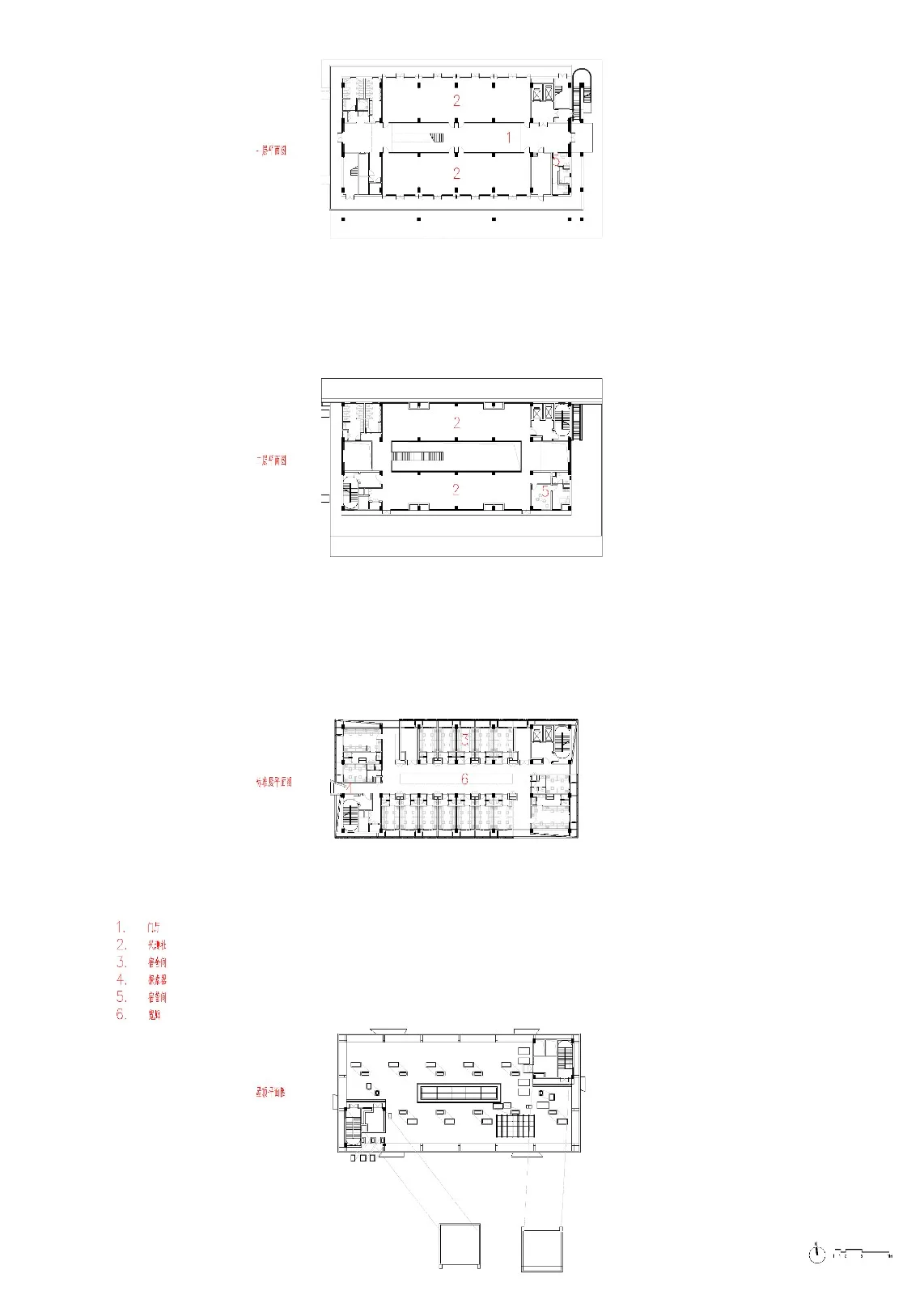
△ High-rise dormitory floor plan
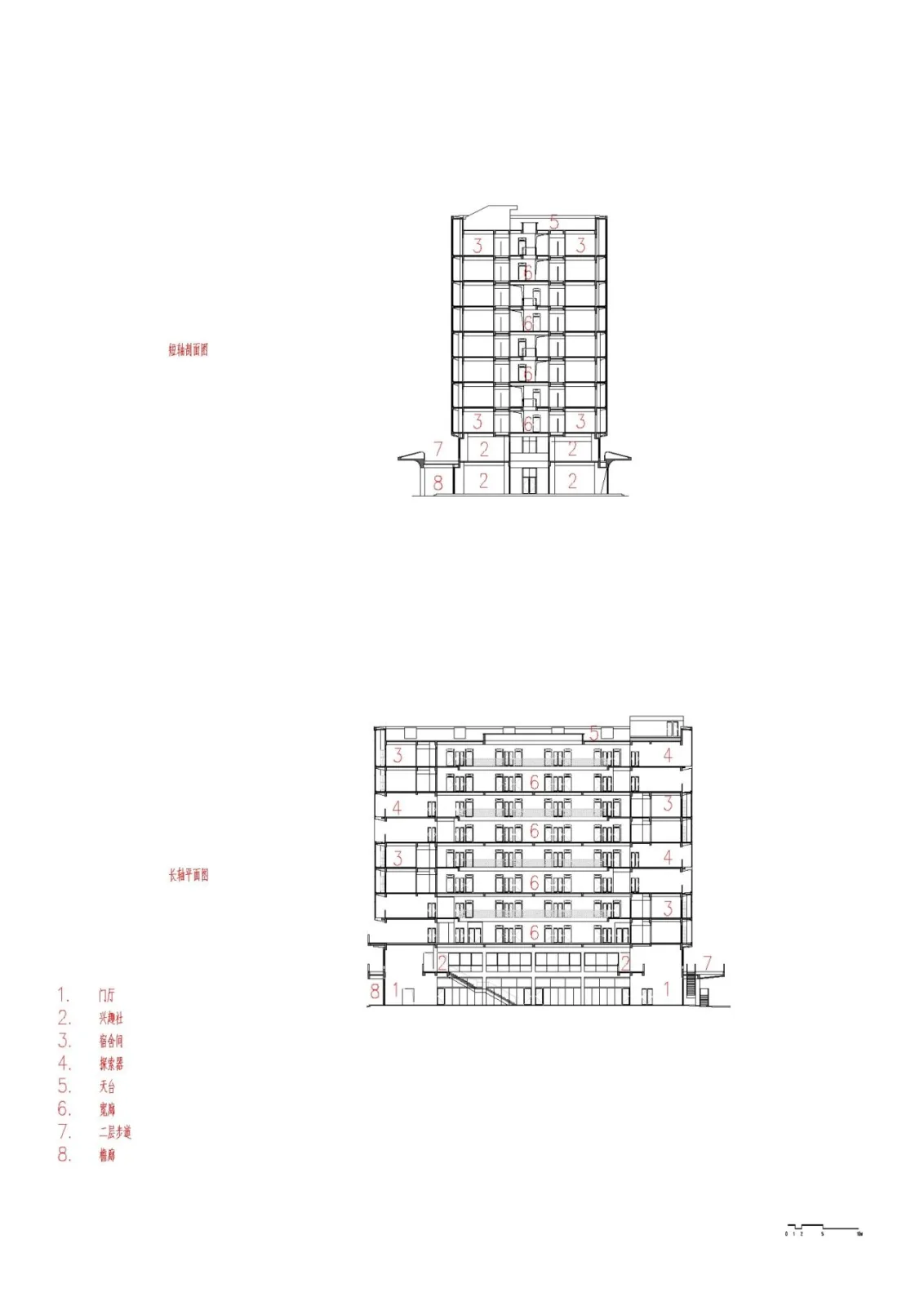
△ Sectional drawing of high-rise dormitory
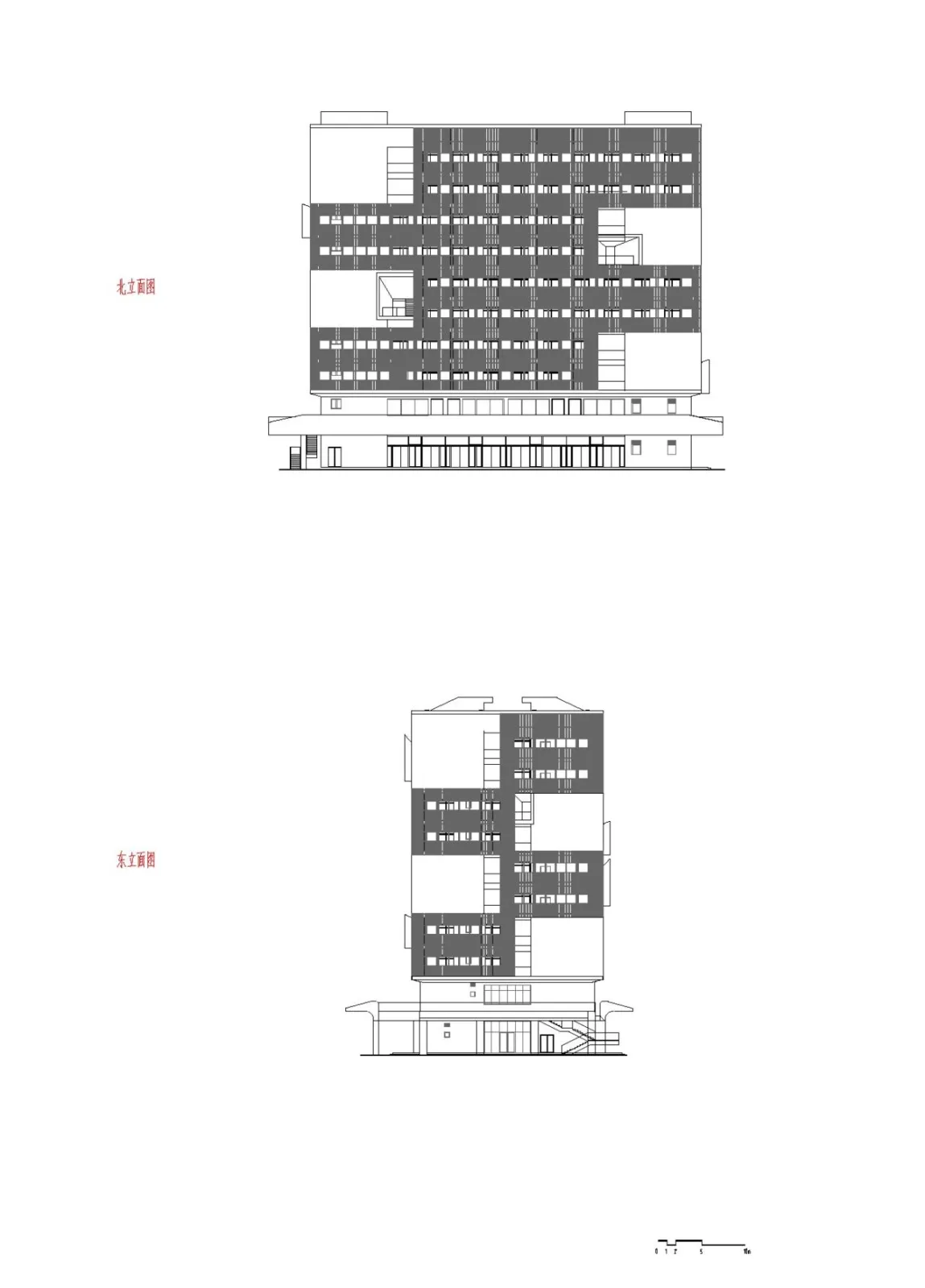
△ Front view of high-rise dormitory
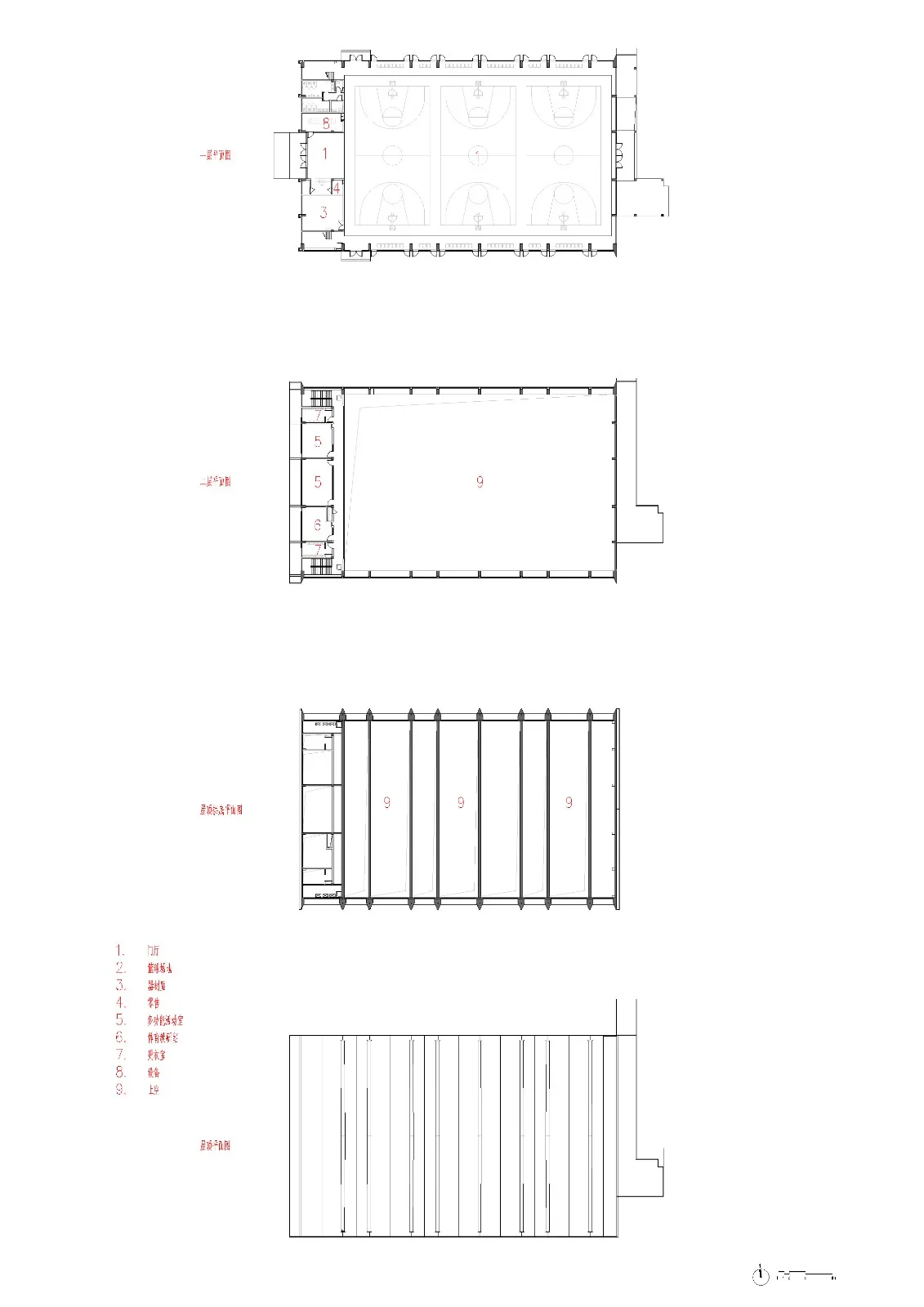
△ Sports Center floor plan
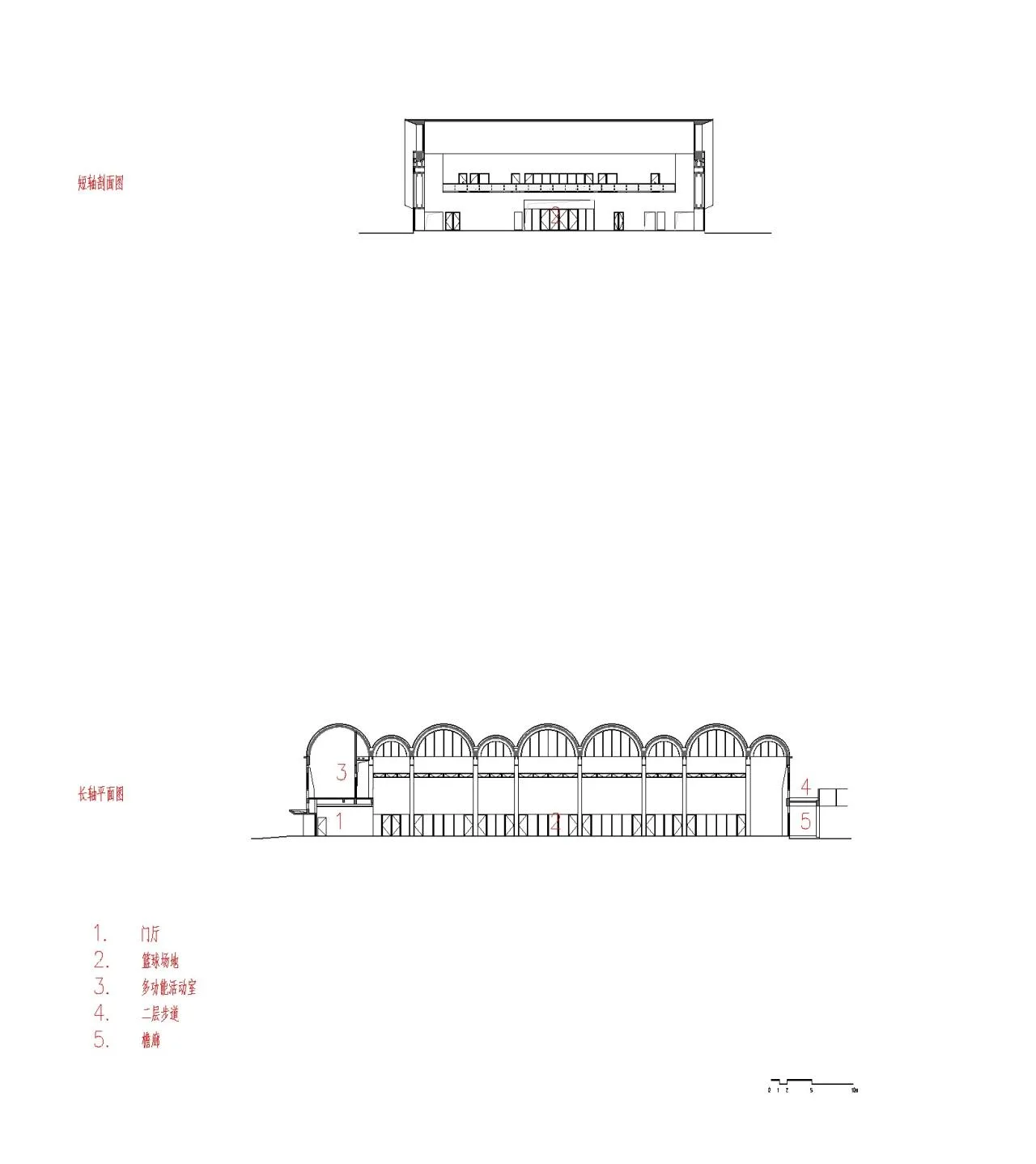
△ Section of Sports Center
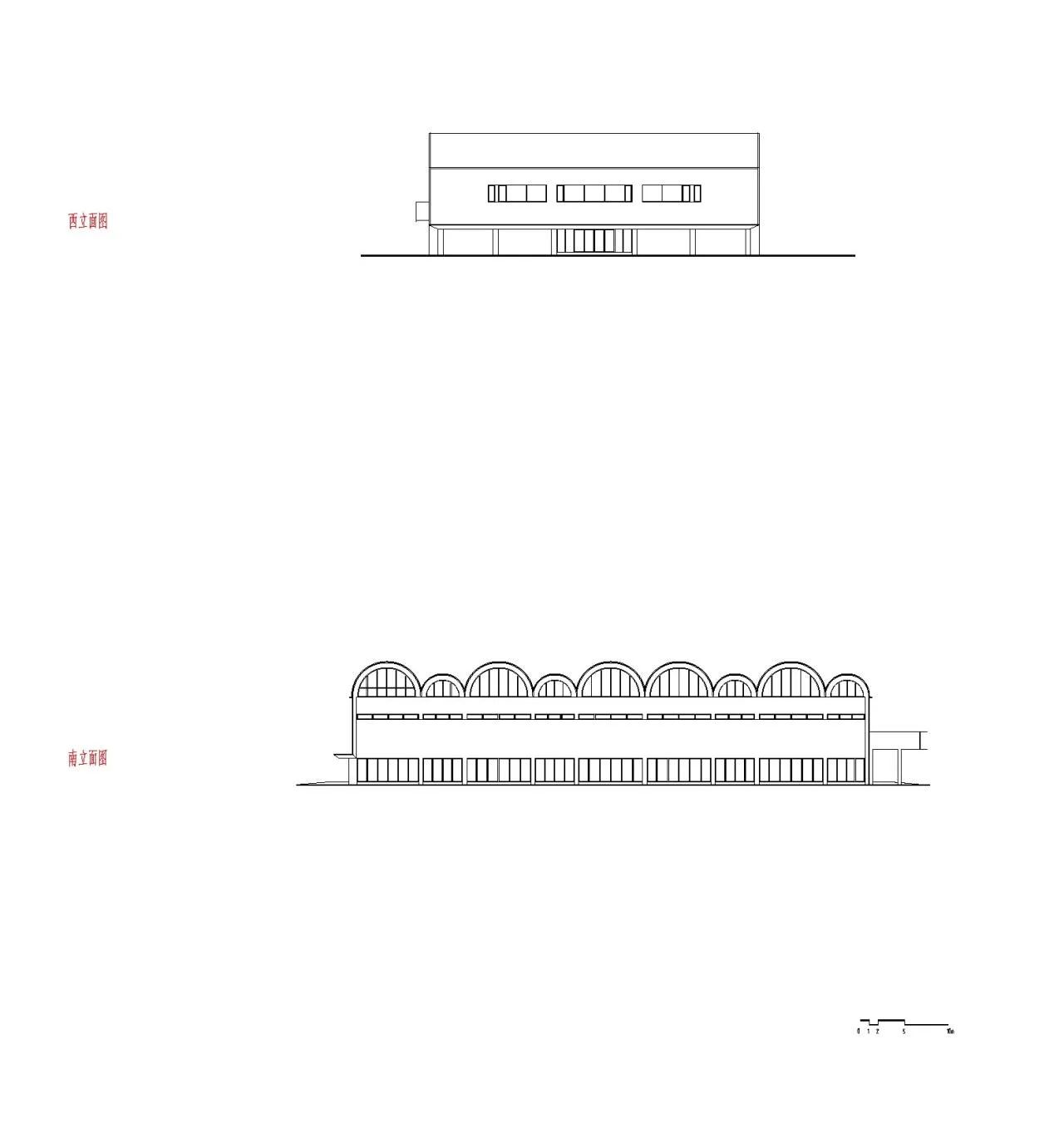
△ Elevation of Sports Center
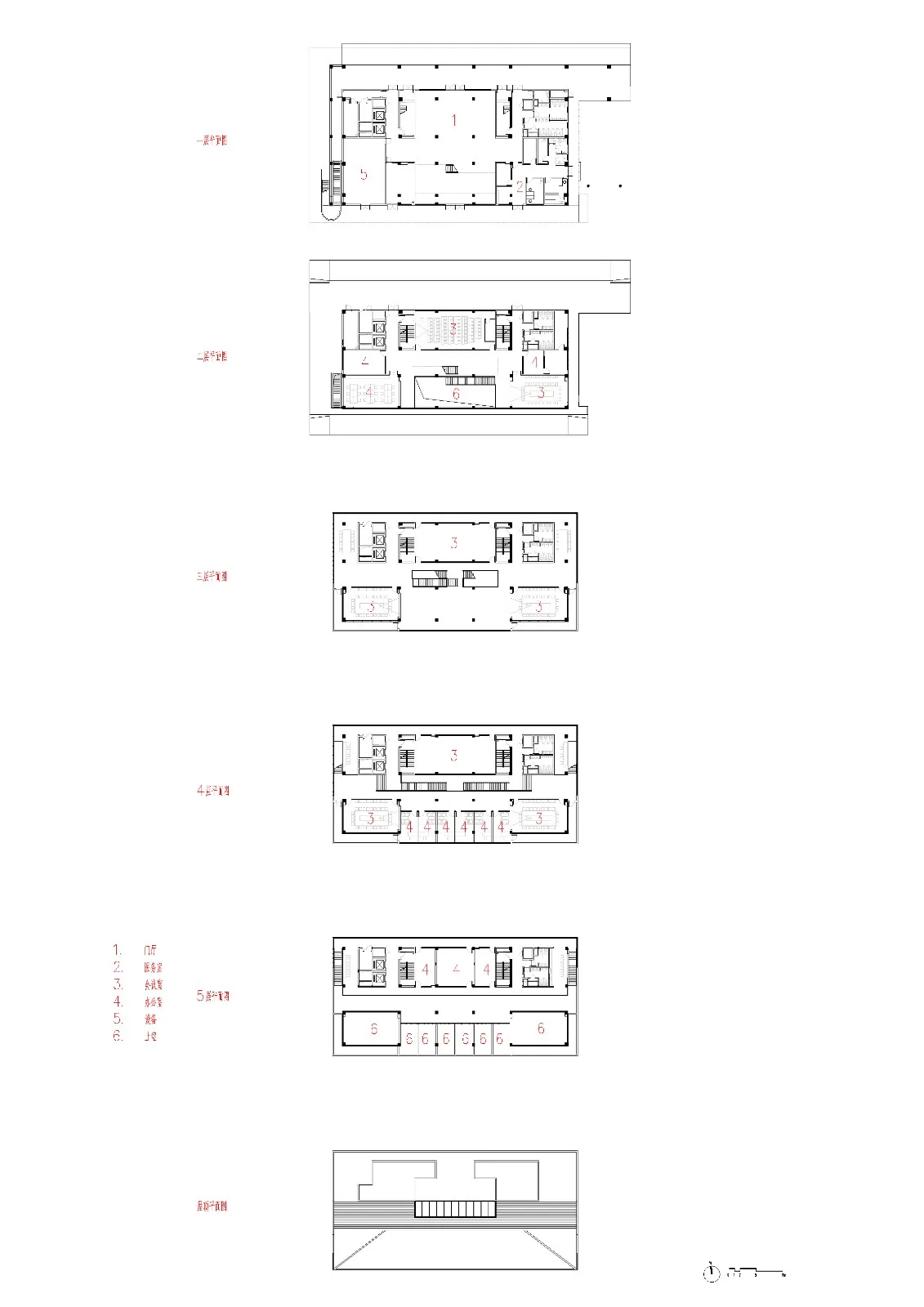
△ Administrative Building plan
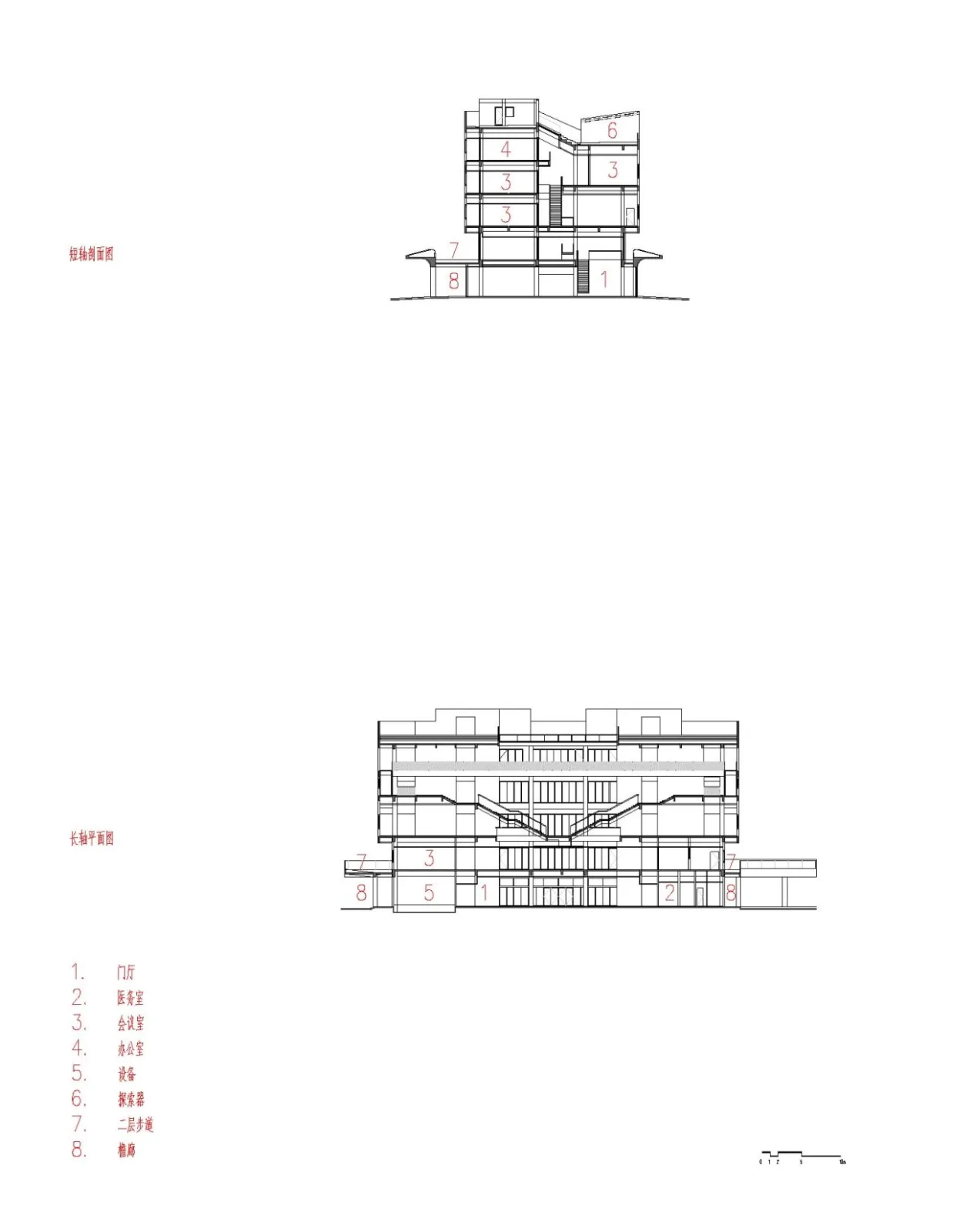
△ Sectional drawing of administrative building
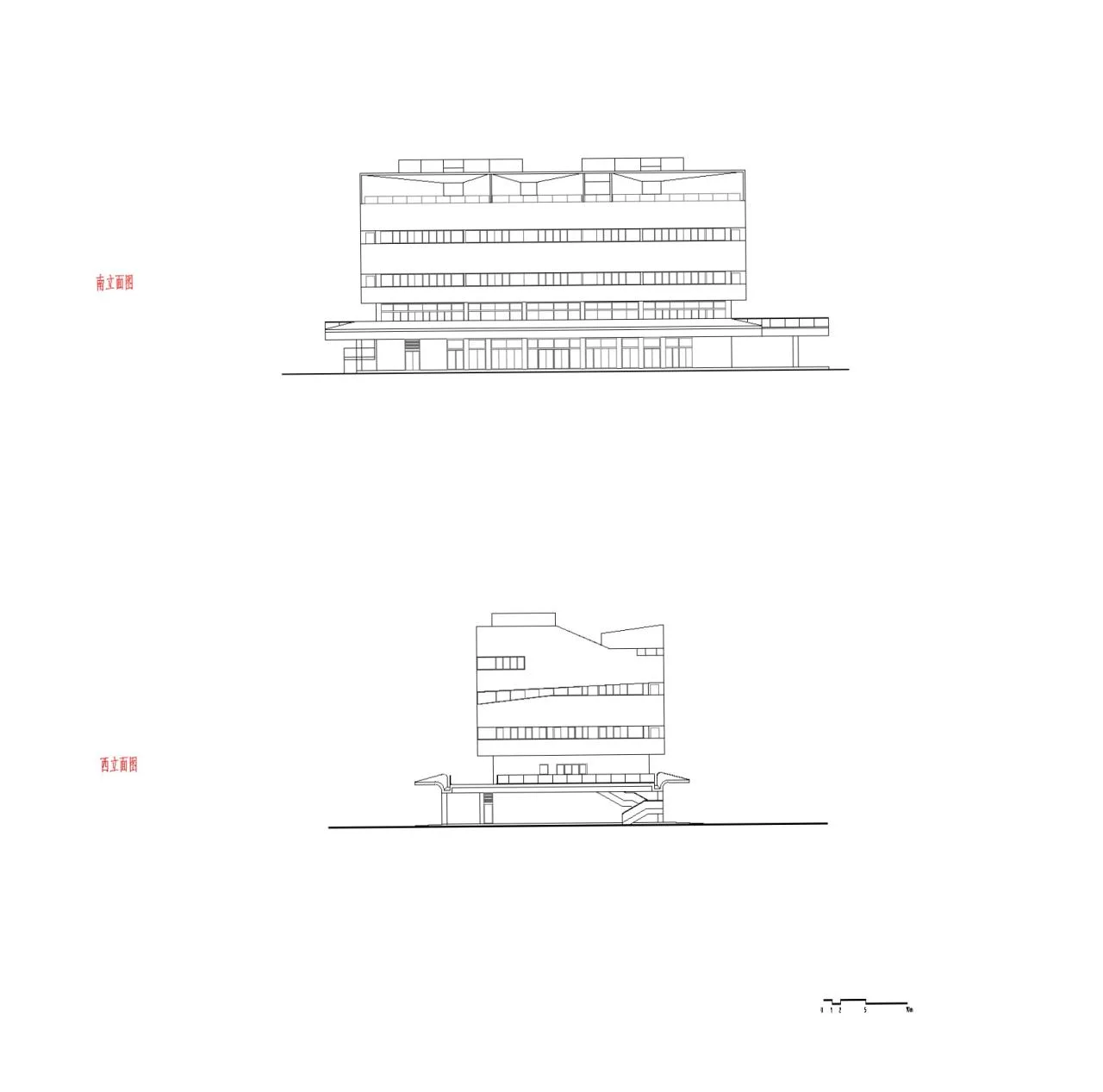
△ Elevation of Administrative Building
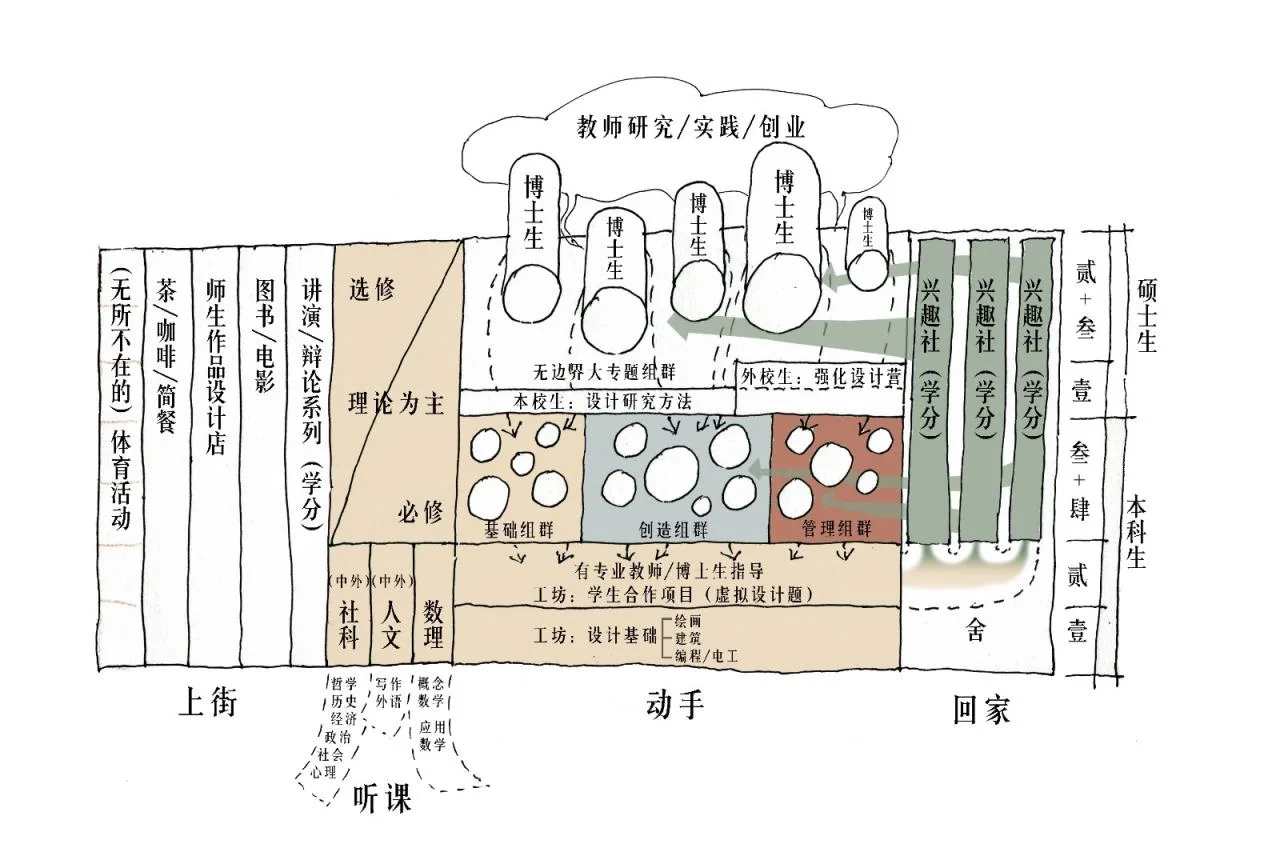
△ Education system diagram © Very Architectural
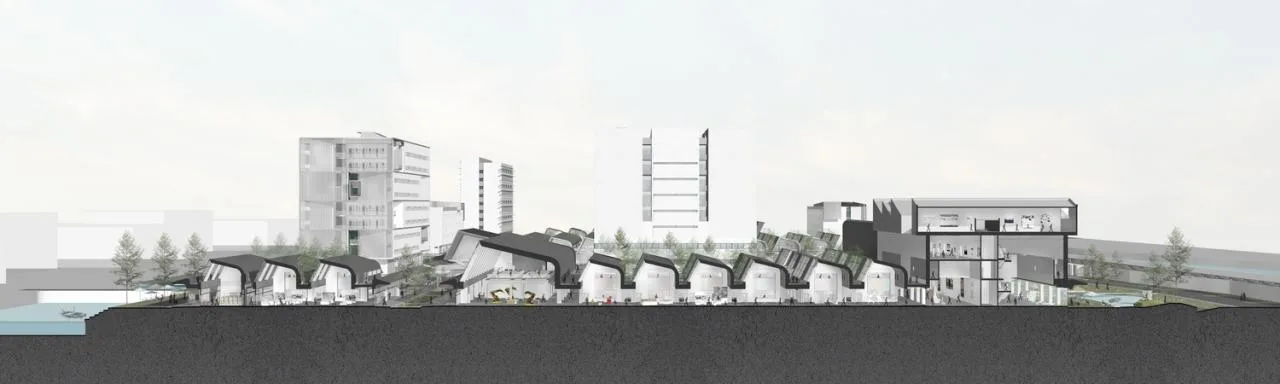
△ Section diagram © Very Architectural
Project Information
Client: China Academy of Art
Location: Liangzhu, Hangzhou, China
Lead Architects: Zhang Yonghe, Lu Lijia
Project Team: Architecture: Yin Shun, Wang Yue, Long Bin, Huang Shuyi, Wang Wenzhi, Liang Xiaoning, Liu Yang, Liu Chao, Zhang Bowen, Wang Shuo, Cheng Yishi, He Zelin, Shi Qi, Lin Shijie, Li Xiangting, Xie Yanxu, Jiao Huimin; Interior: Wang Yue, Zhang Min, Han Shukai, Li Shuai; Landscape: Shi Qi, Yin Shun, Lin Shijie; On-site Coordination: Li Shiqi
Construction Drawing Design: Tongji University Architectural Design and Research Institute (Group) Co., Ltd., Architectural Design Third Institute
Lighting Consultant: TJAD Architectural Lighting Institute
Building Area: 180,000 square meters
Structure and Materials: Reinforced Concrete Structure
Design Phase: March 2018 – June 2019
Completion: 2021 (Phase 1)














Must log in before commenting!
Sign Up