
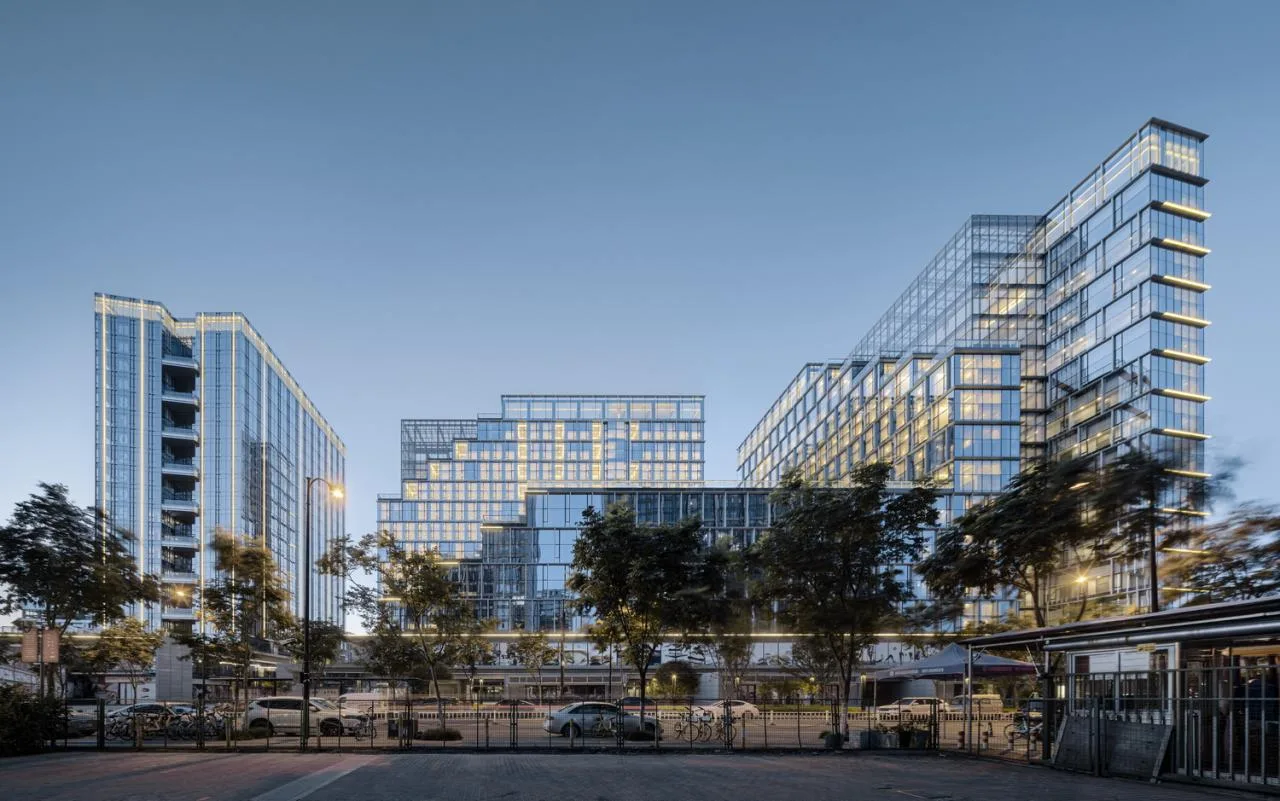
As urban areas expand and sustainable development concepts evolve, the diverse functions within cities increasingly demand organized vertical integration. In this fast-paced environment, where work and life intertwine seamlessly like the gears of a machine, it becomes essential to guide people toward reclaiming a richer daily experience in the future.
New Generation, New Ideas
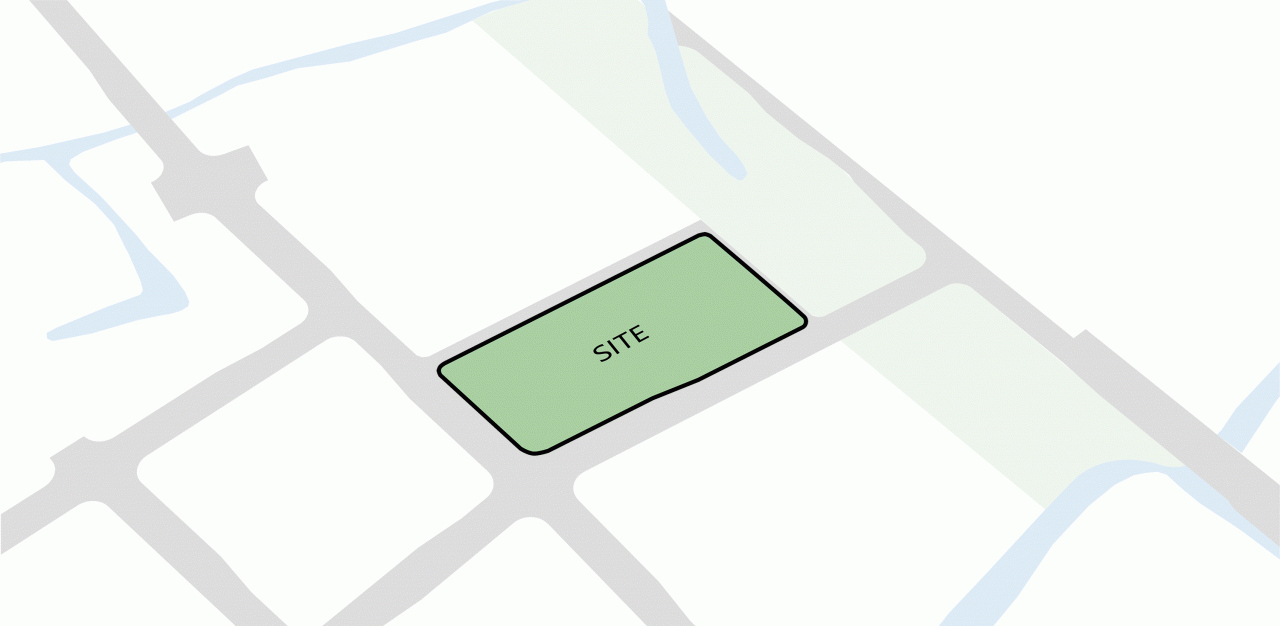
Located at the western starting point of the West Hangzhou Science and Technology Innovation Corridor, the site neighbors Alibaba Cloud Valley, Xihu District Science and Technology Park, Zijin Innovation Town to the west, Zhejiang University Zijingang Campus to the south, and established residential areas to the north. Thanks to the growth of specialized industries in Hangzhou, a large community of related professionals has gathered here, positioning this area as a nexus for industry, academia, and research collaboration.
This complex primarily targets the younger generation—professionals, creators, and international students—who are characterized by their openness to innovation, enthusiasm for social interaction, and lifestyles prioritizing efficiency, convenience, and quality. Given the current density of development and the urgent need to enhance commercial amenities, the design focuses on urban ideals and youth behavior patterns to cater to a new demand for comprehensive, one-stop experiences.
Seamless Integration of Interior and Exterior Spaces
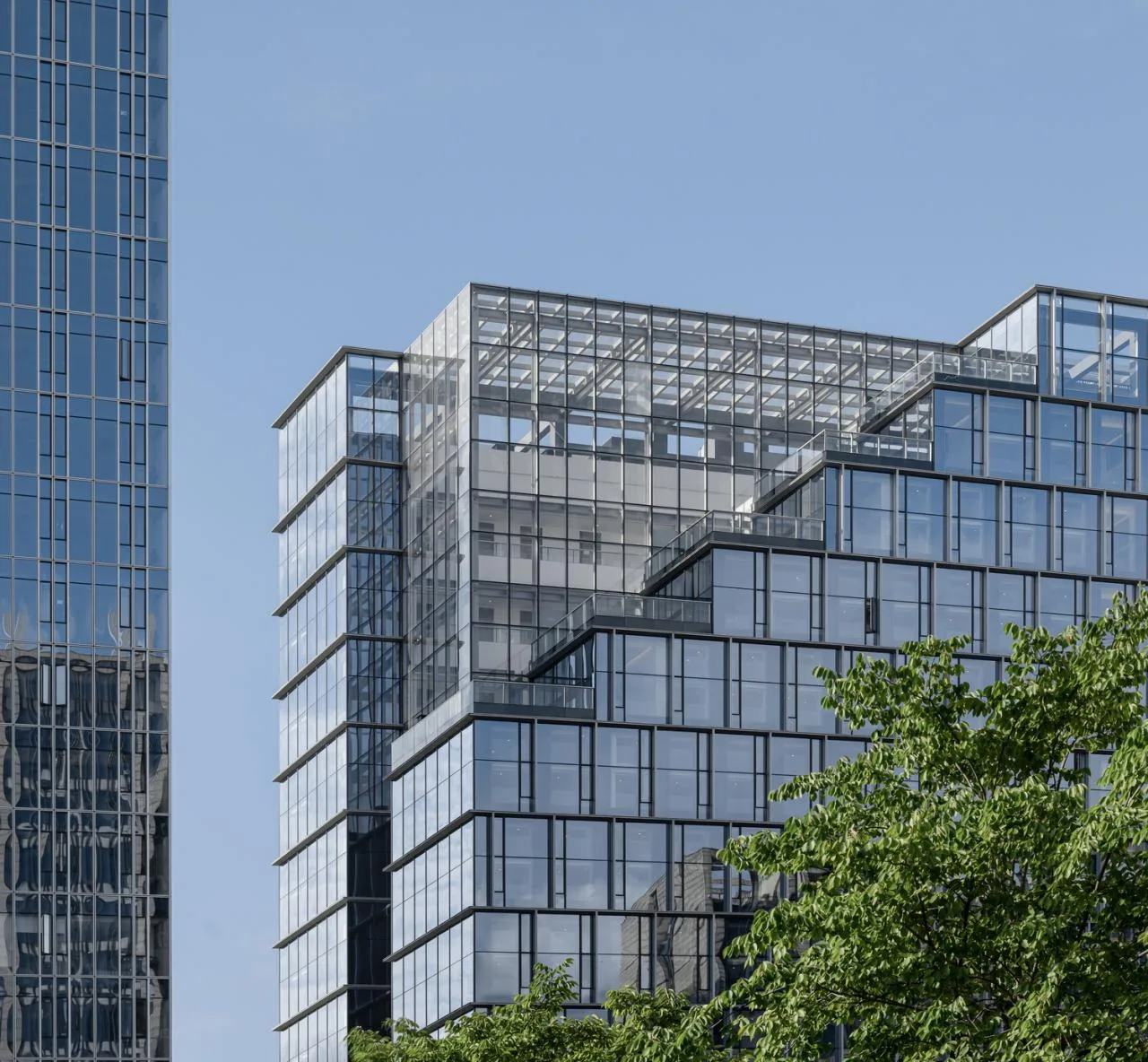
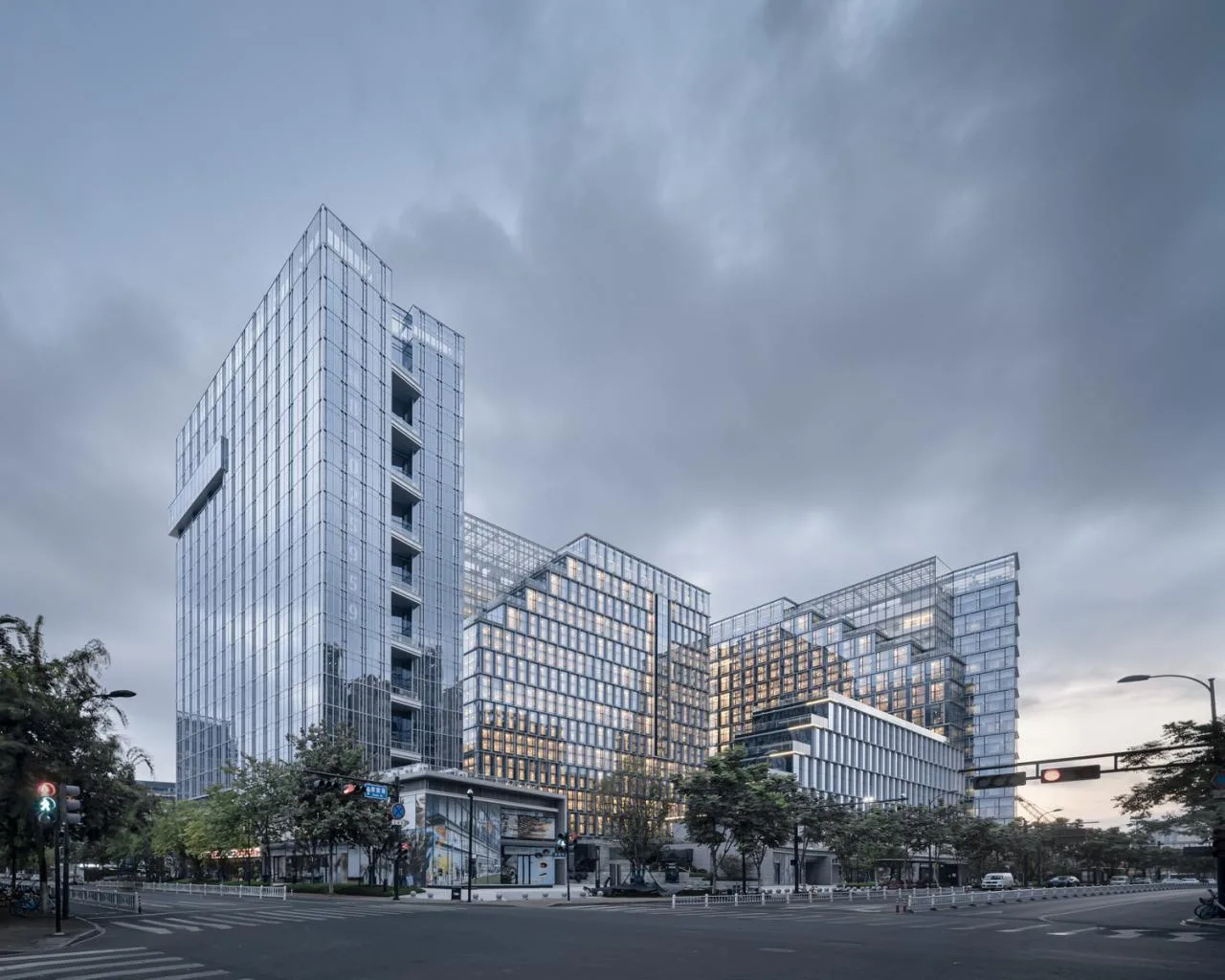
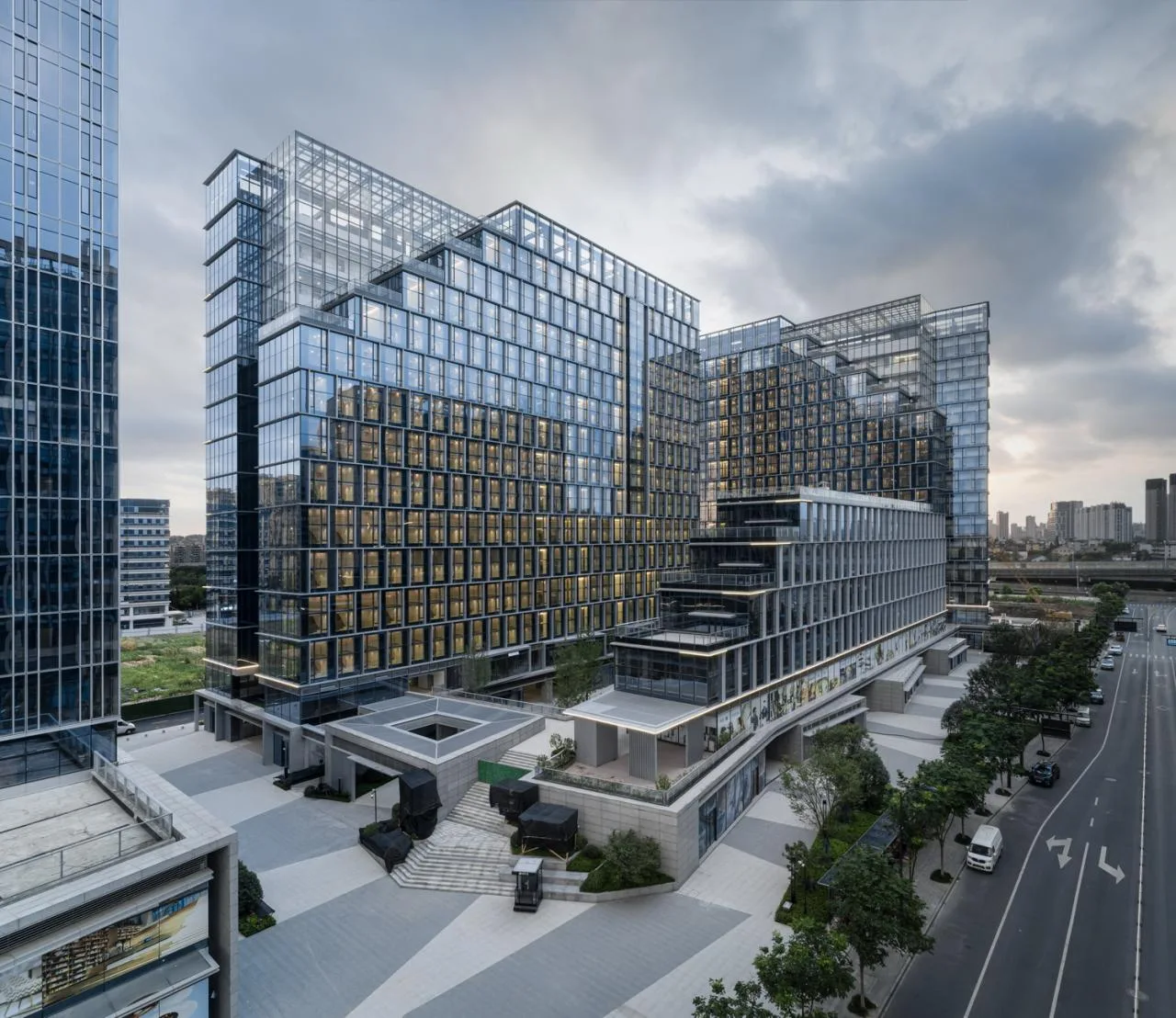
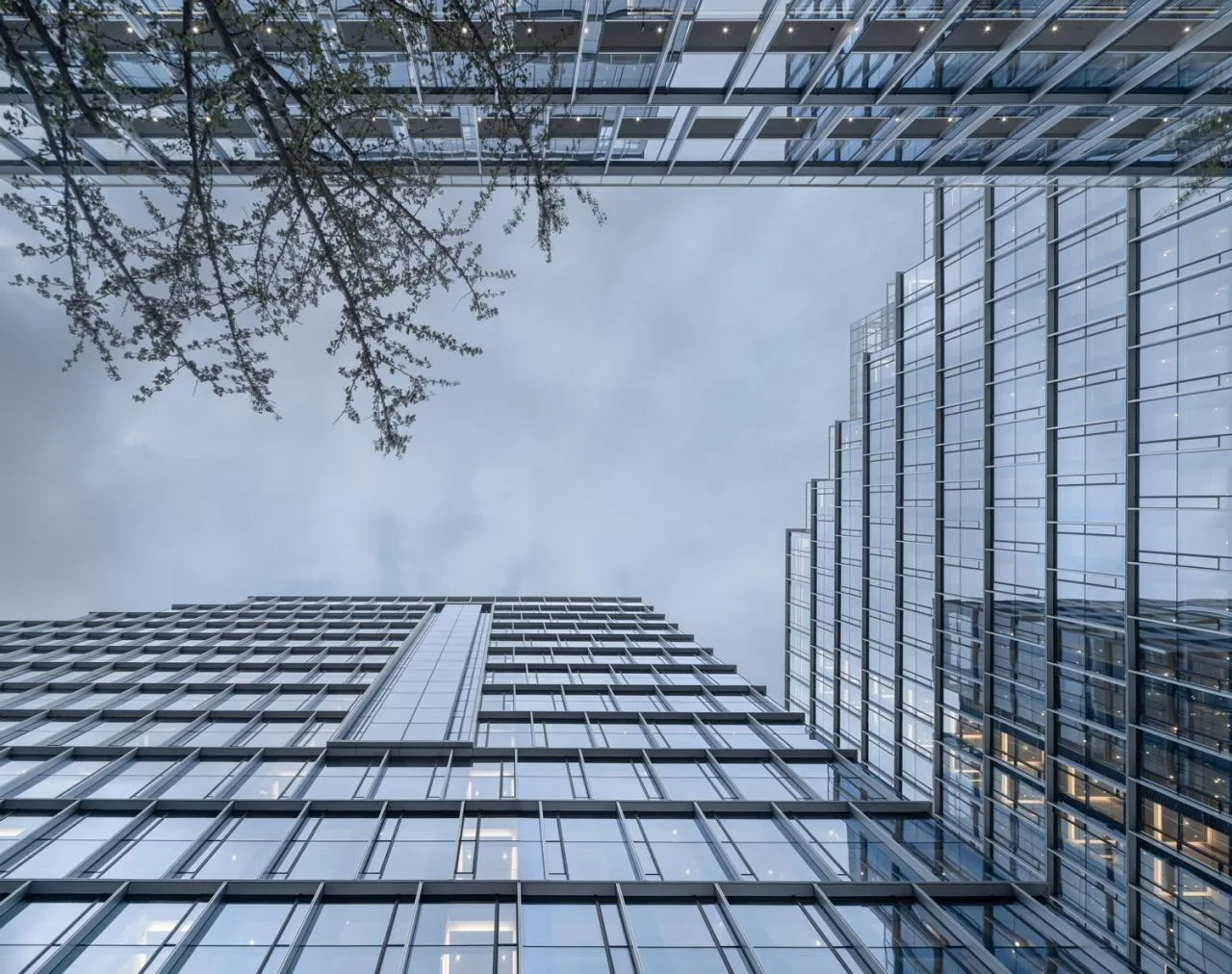
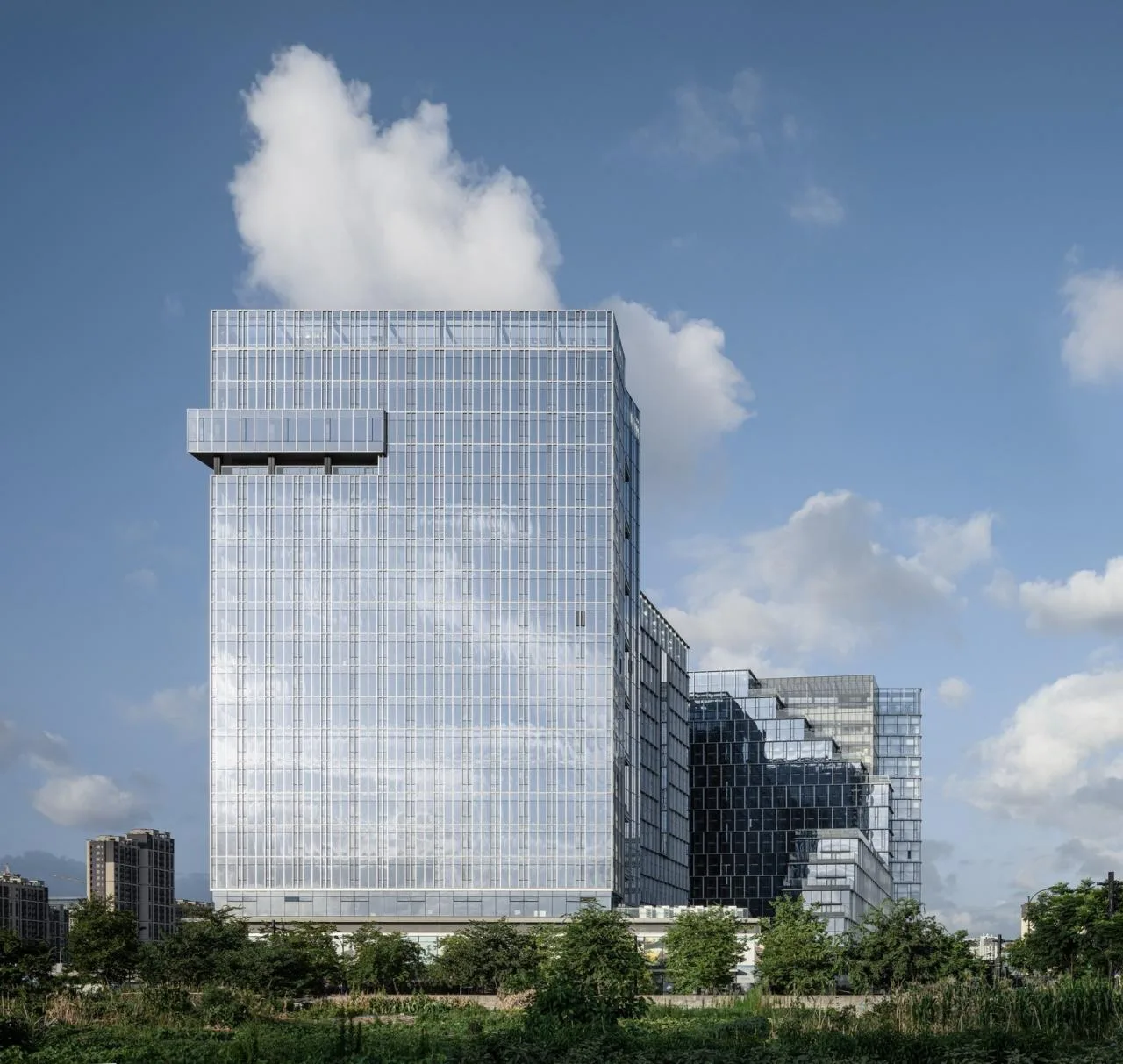
As the gateway connecting the park eastward to the Hangzhou Changsha Expressway and serving as a city showcase, the design addresses the site from an urban block perspective. Chunshu Yunzhu aligns with the site boundaries, stacking four primary buildings atop a circular commercial podium. The strategy of segmentation and setbacks creates a smooth, concise horizontal texture throughout the complex.
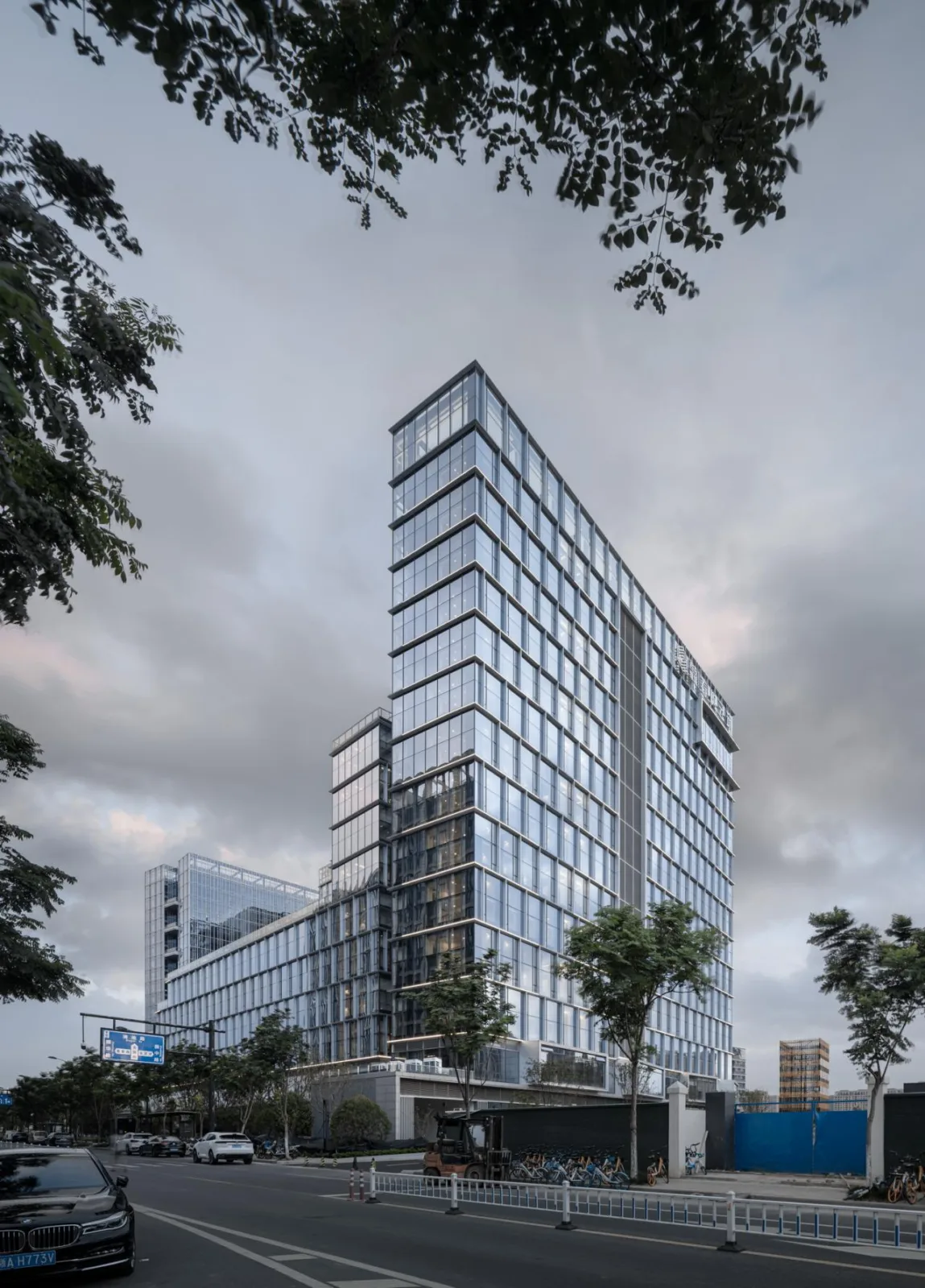
The building’s form integrates expansion and contraction to enclose a central, inward-facing park. The layout features lower buildings to the south and taller structures to the north, responding to pedestrian flow patterns. The main entrance is situated at the southwest corner, with multiple openings acting as breathing spaces that connect the park to the surrounding environment. These softened boundaries link the central green space with the city, creating a gathering place for ground-level businesses and a vibrant public area.
Connecting Scenes Through Layered Spaces
In the digital era, young people tend to favor social interactions through screens. This design focuses on fostering offline real-life experiences that emphasize openness, collaboration, and sharing, offering a fresh interpretation of future lifestyle needs. By intensively utilizing urban land, diverse functions—such as office, retail, leisure, and residential—are modularly embedded and interconnected to form a dynamic three-dimensional system.
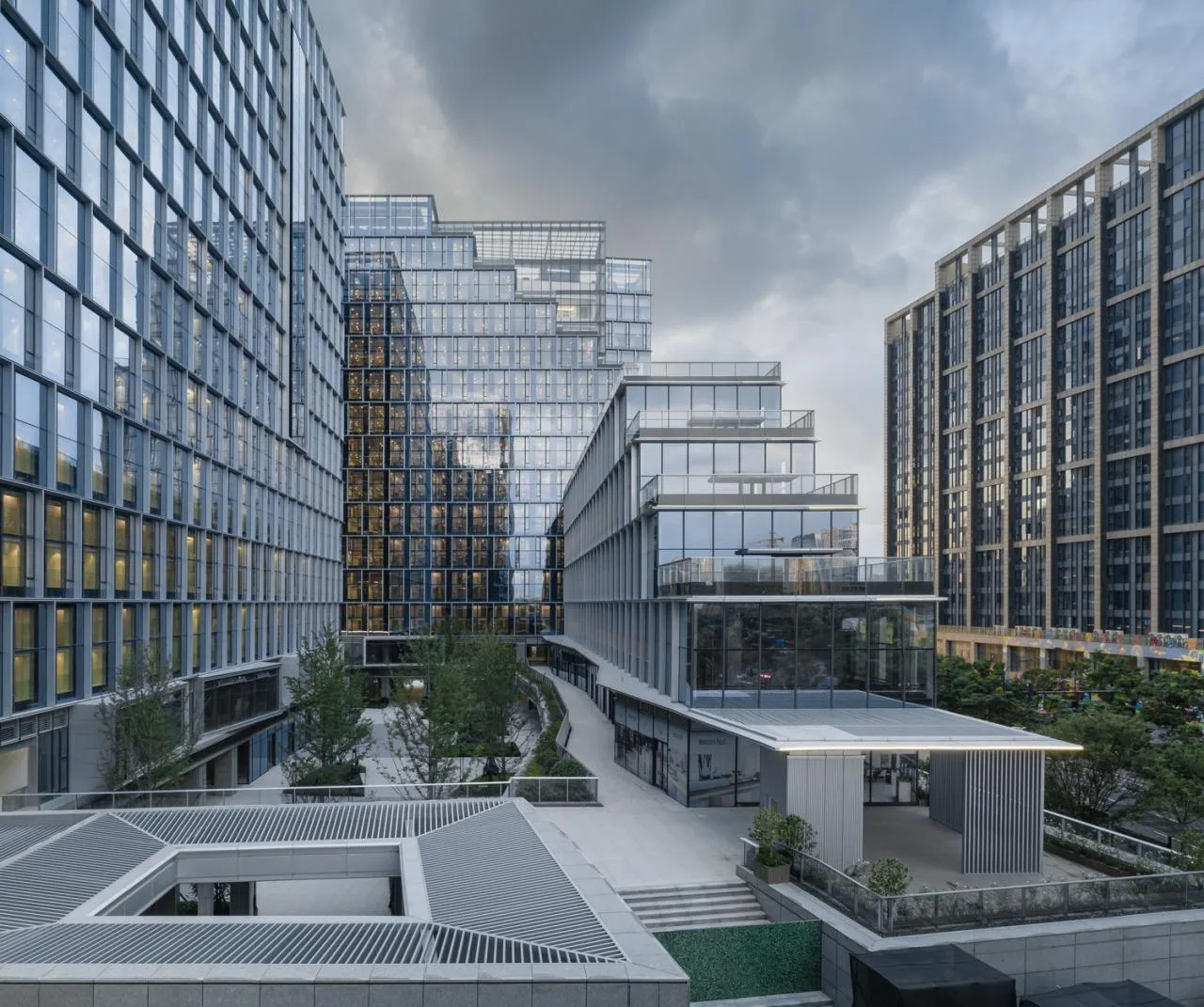
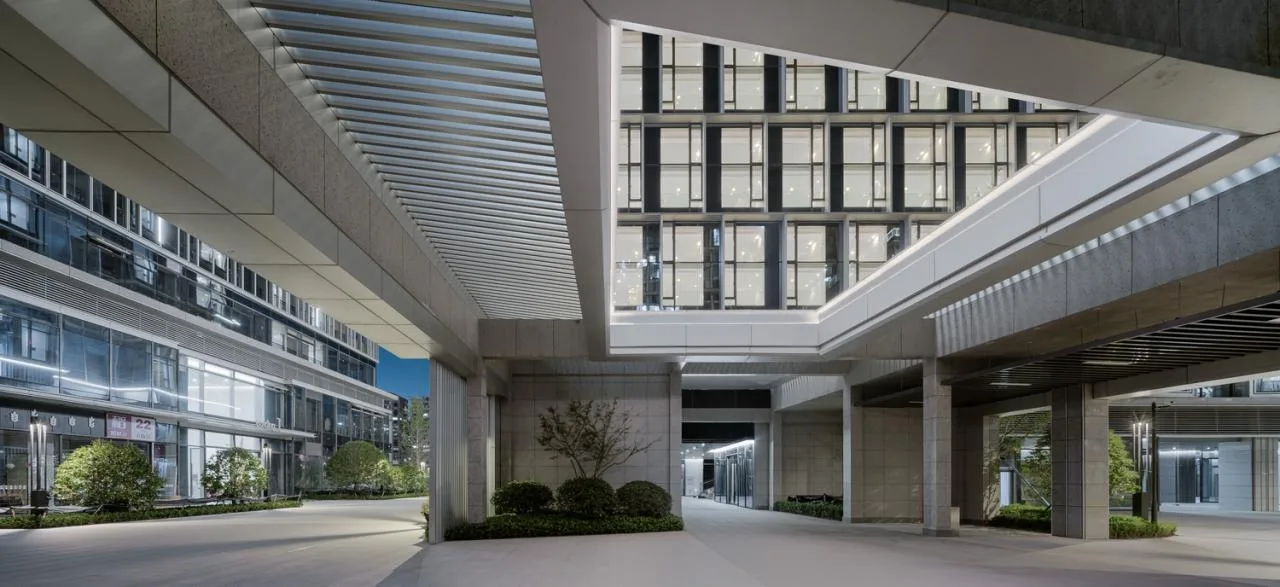
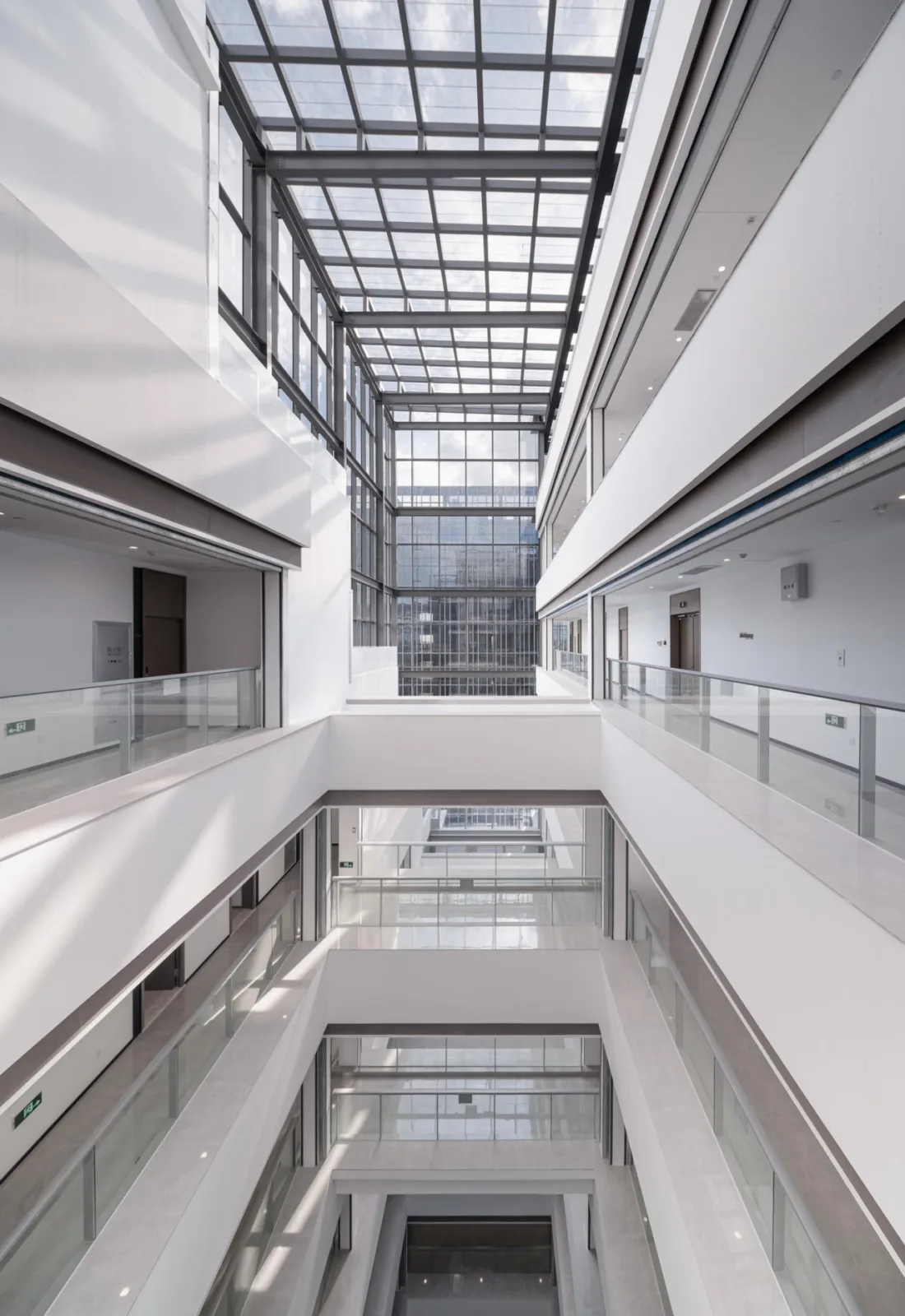
Within this park-like community, each spatial module is multifunctional and adaptable over time, catering to the younger generation’s flexible lifestyles. Whether in the expansive commercial courtyards or intimate courtyards within high-rise buildings, these spaces encourage cross-disciplinary collaboration and resource circulation throughout the park. The design employs elevated first floors, retains grey spaces as extensions of courtyard greenery, and layers landscaped terraces. This spatial arrangement dissolves the feeling of confinement, replacing it with a relaxing atmosphere of movement and changing views.
Conclusion
In response to the evolving urban and rural landscapes, Chunshu Yunzhu explores the concept of shared living through a vertical lens. By integrating varied spatial experiences within a multi-level, three-dimensional park, the project actively involves resident communities in operational and evidence-based design processes. This forward-thinking approach connects diverse individuals through architecture that supports emerging lifestyles and fosters the growth of the surrounding area.
Project Drawings
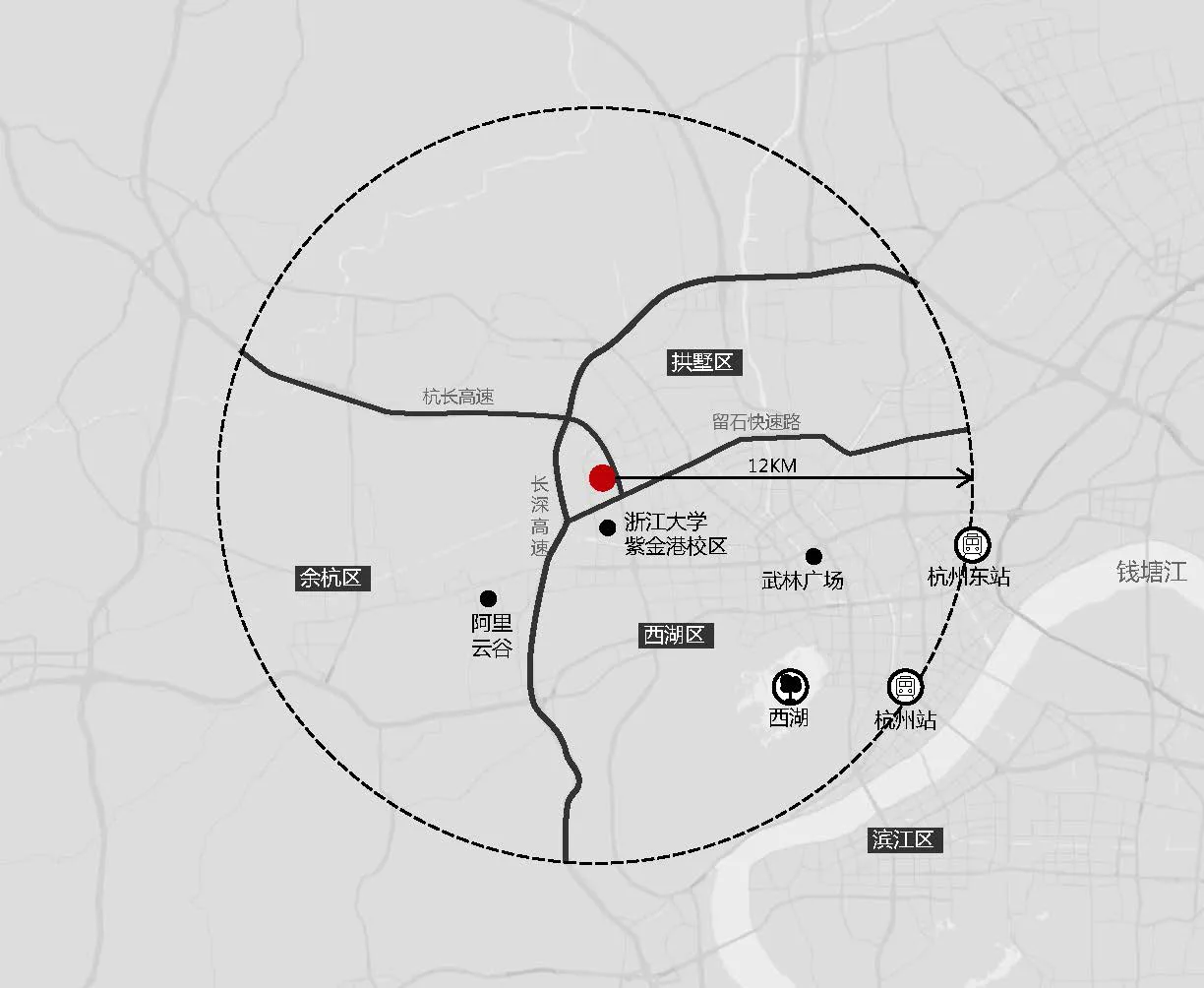
△ Location Diagram
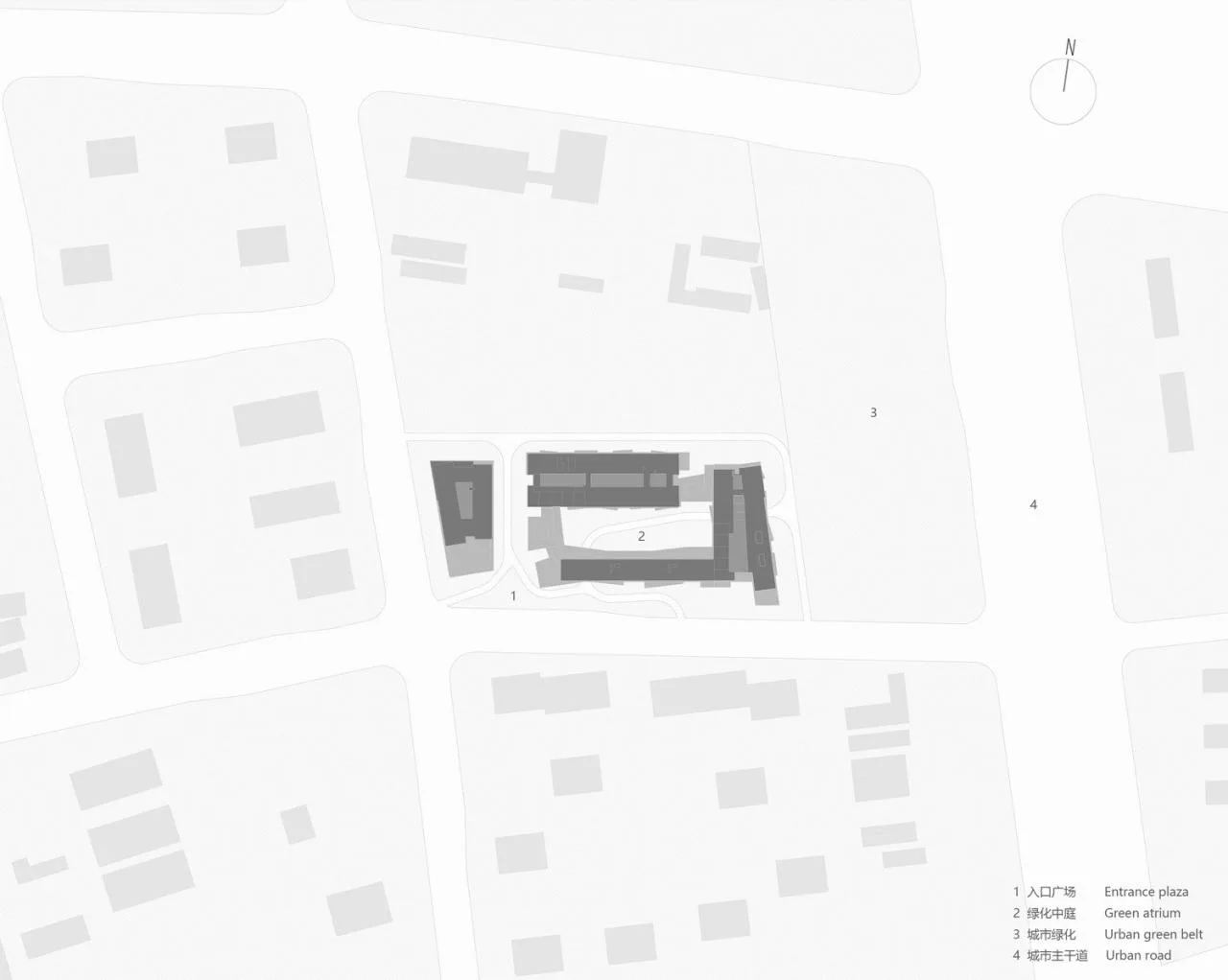
△ General Layout Plan
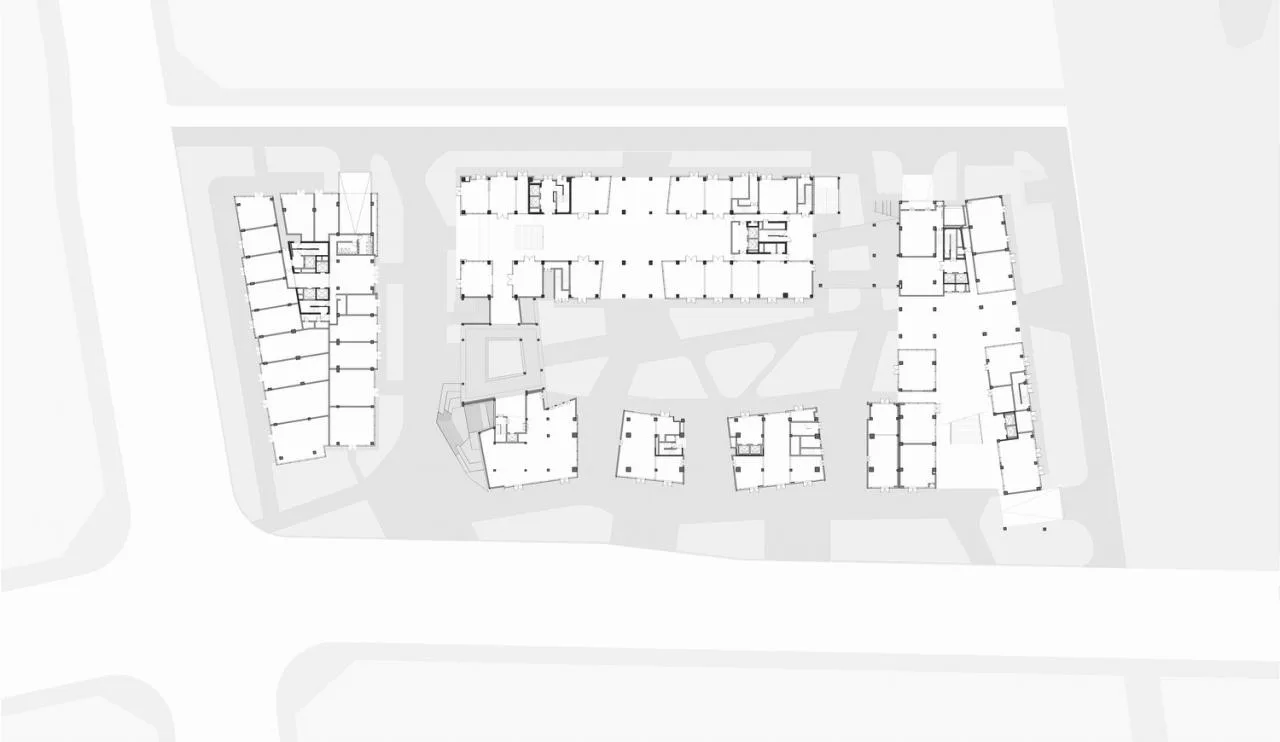
△ First Floor Plan
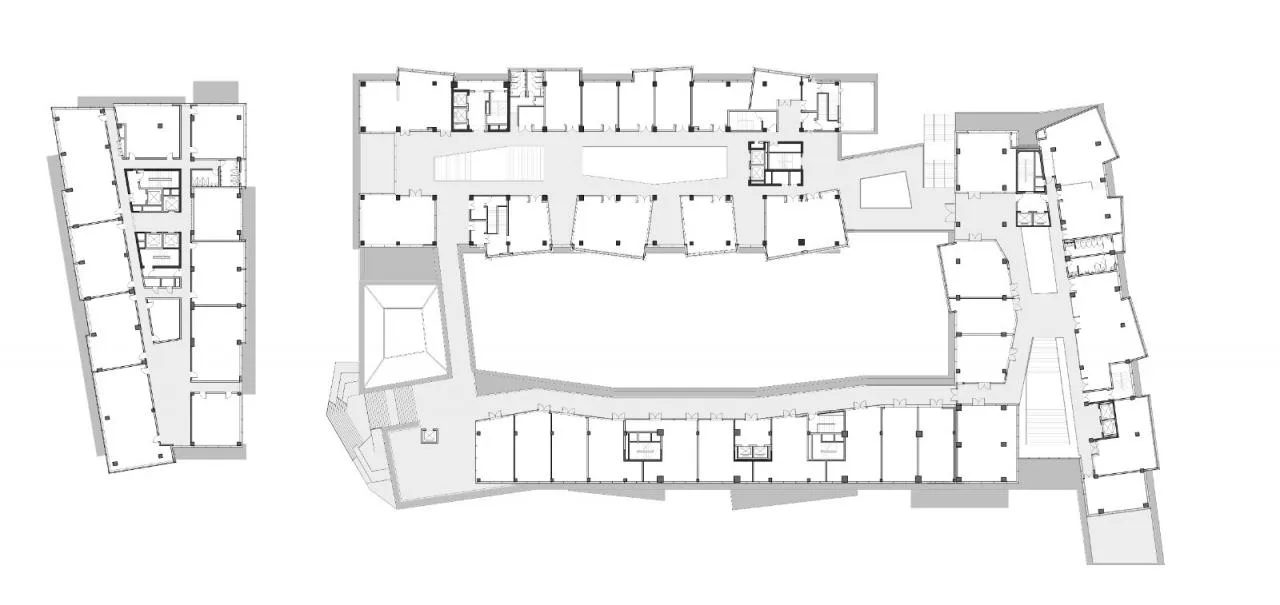
△ Second Floor Plan
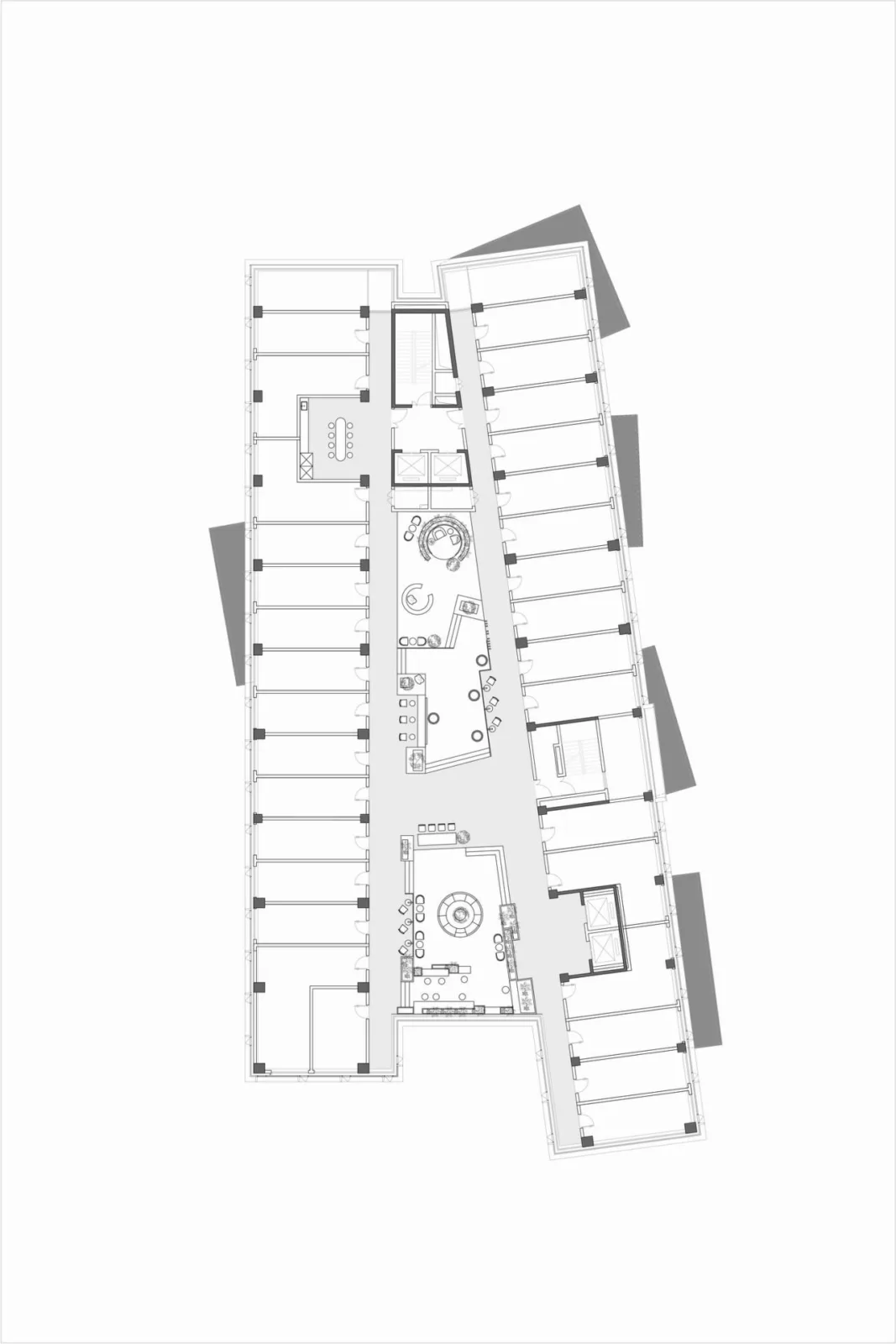
△ Third Floor Plan
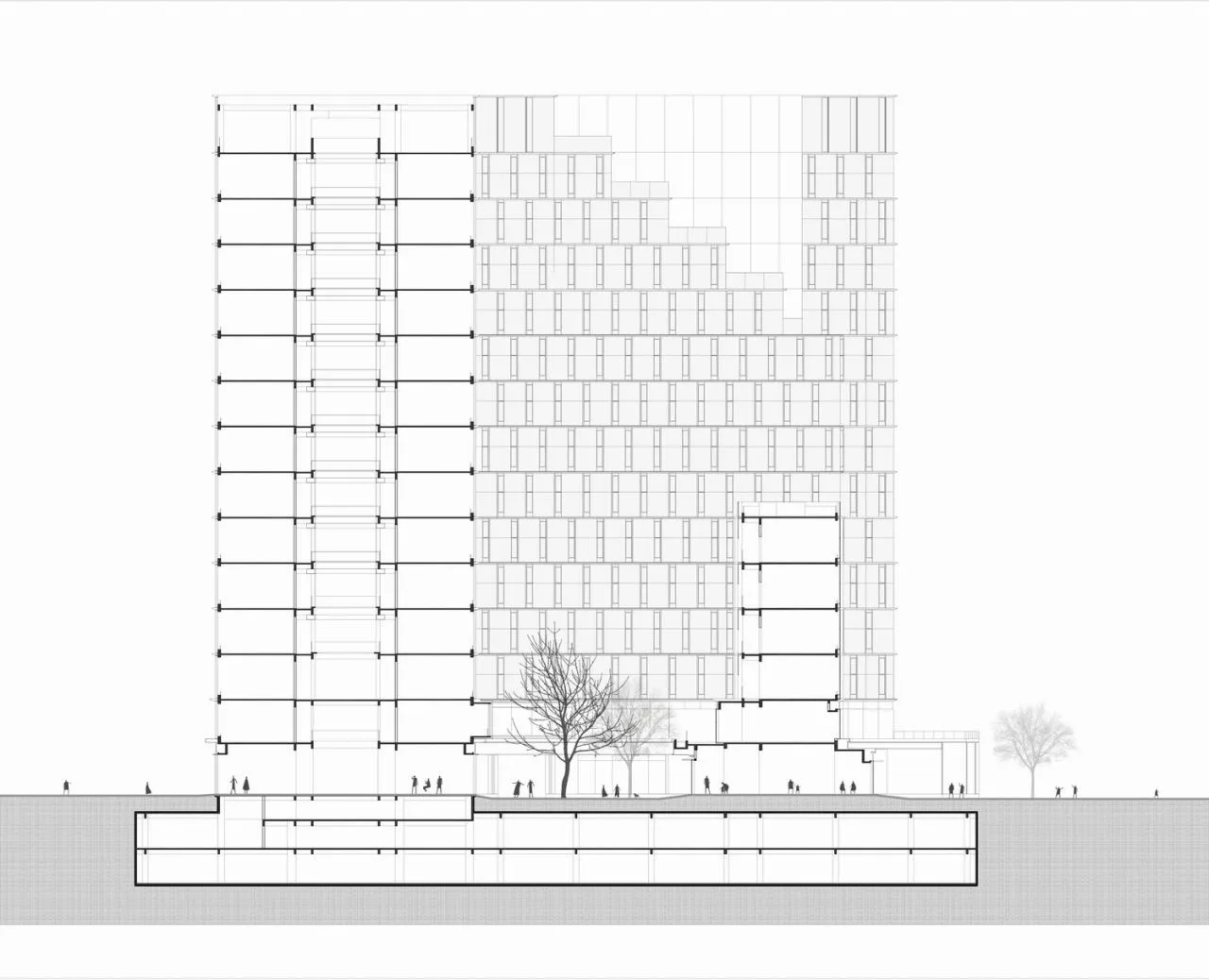
△ Section Diagram
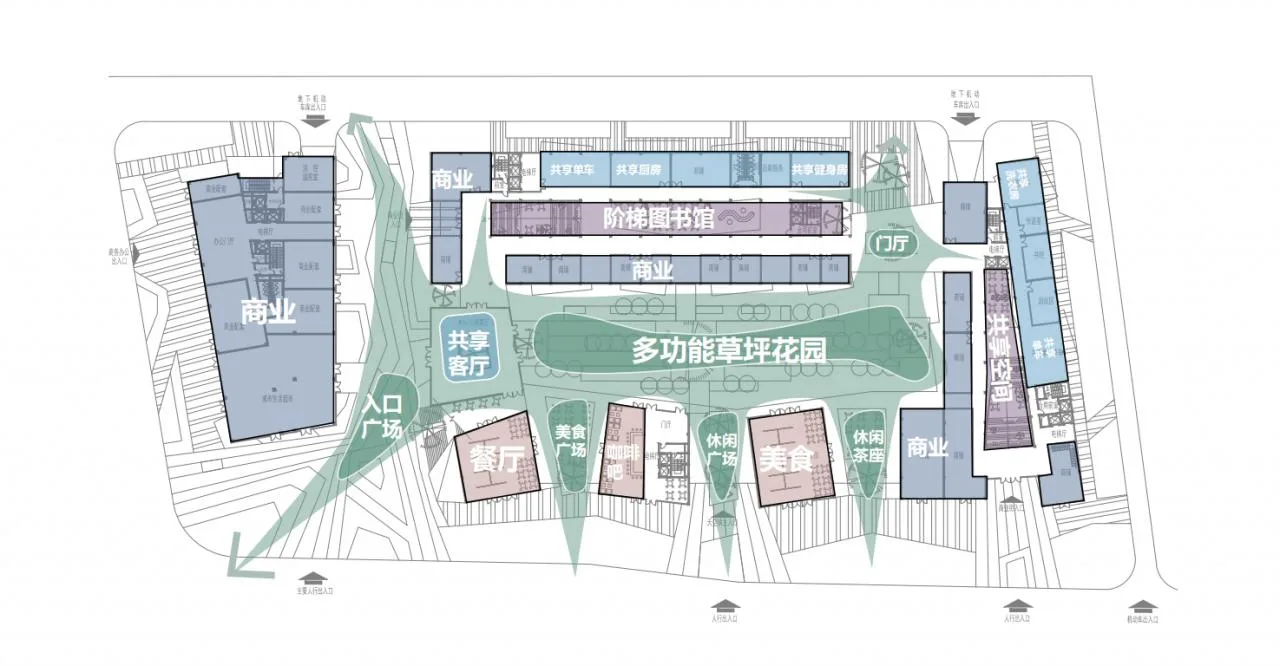
△ First Floor Spatial Structure Diagram
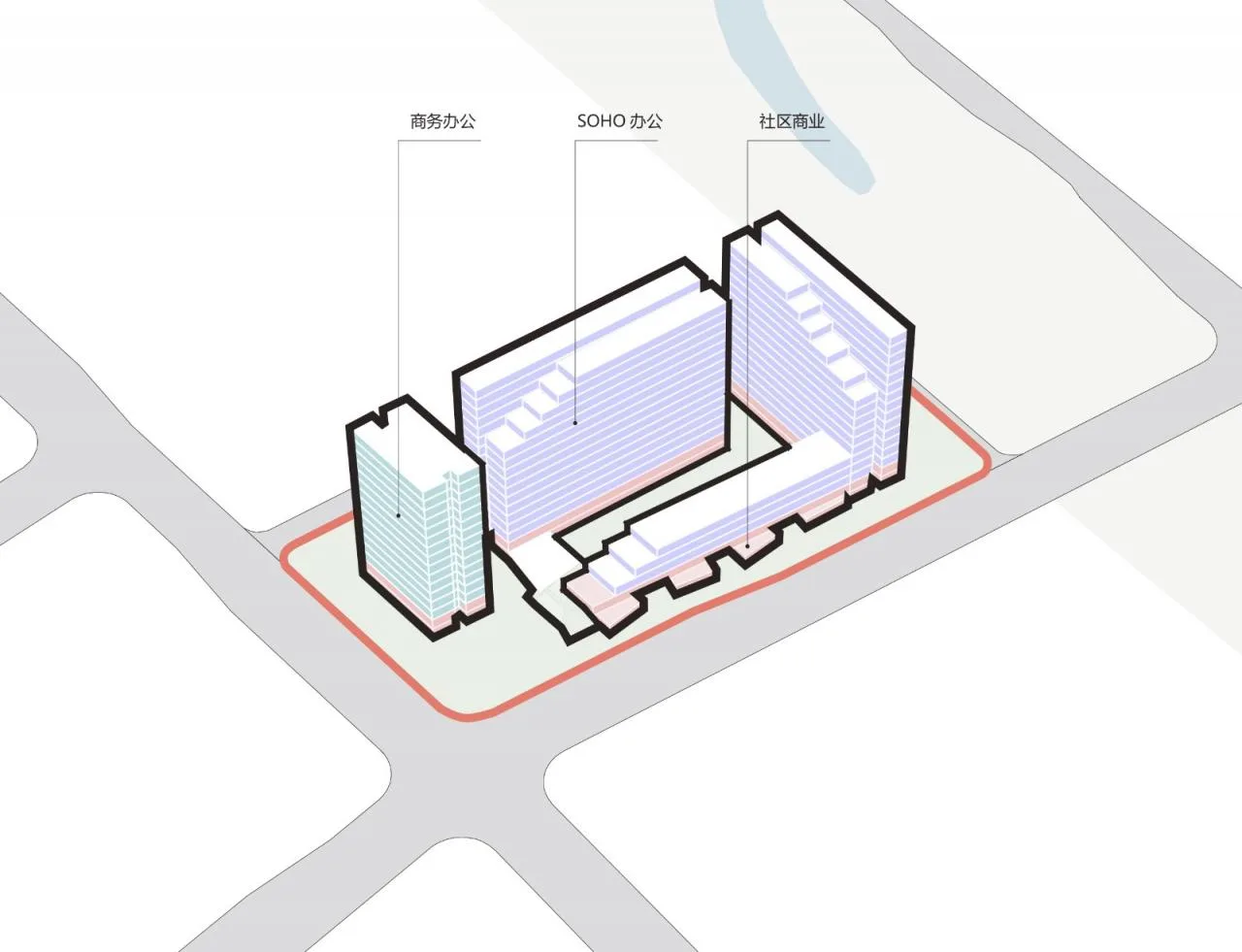
△ Function Diagram
△ Schematic Diagram of Structural Body
Project Information
Project Name: Spring Tree Cloud Building
Location: Hangzhou, Zhejiang Province, China
Address: Intersection of Zixuan Road and Jiyuan Street, Xihu District, Hangzhou
Project Type: Office & Commercial
Design Year: 2017
Construction Year: 2021
Project Area: 93,000 square meters
Design Firm: Gad
Project Director: Zhang Wei
Project Lead: He Zhen
Team Members
Architecture: Zhang Wei, He Zhen, Zheng Weijian, Wu Xiaodong
Structural Engineering: Zhang Bo, Kang Jianhong, Chen Peiran, Zeng Xianyuan, Liu Jun
Water Supply & Drainage: Lin Cuiying, Yang Hang
HVAC: Wu Meiyan
Electrical Engineering: Luo Jianjun, Lv Weili, Zhang Lei
Other Contributors:
Interior Design: Zhong Zhijun
Landscape Design: Zhang Yanyi, Zhang Mingyong
Owner: Hangzhou Xitou Greentown Real Estate Co., Ltd.
Photography: Yao Li Visual Studio
Structural System: Frame shear wall structure
Building Materials: Glass curtain wall and aluminum panels















Must log in before commenting!
Sign Up