
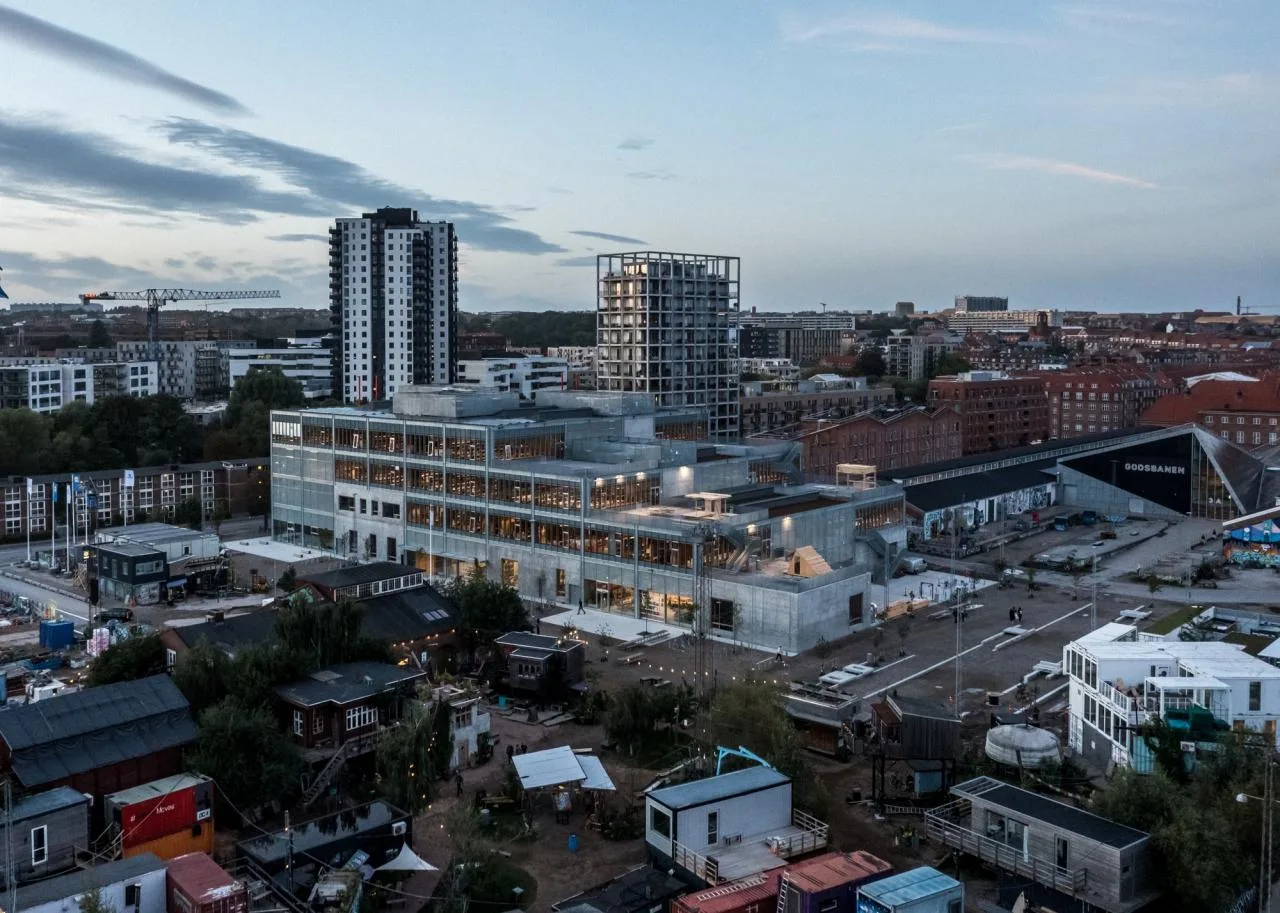
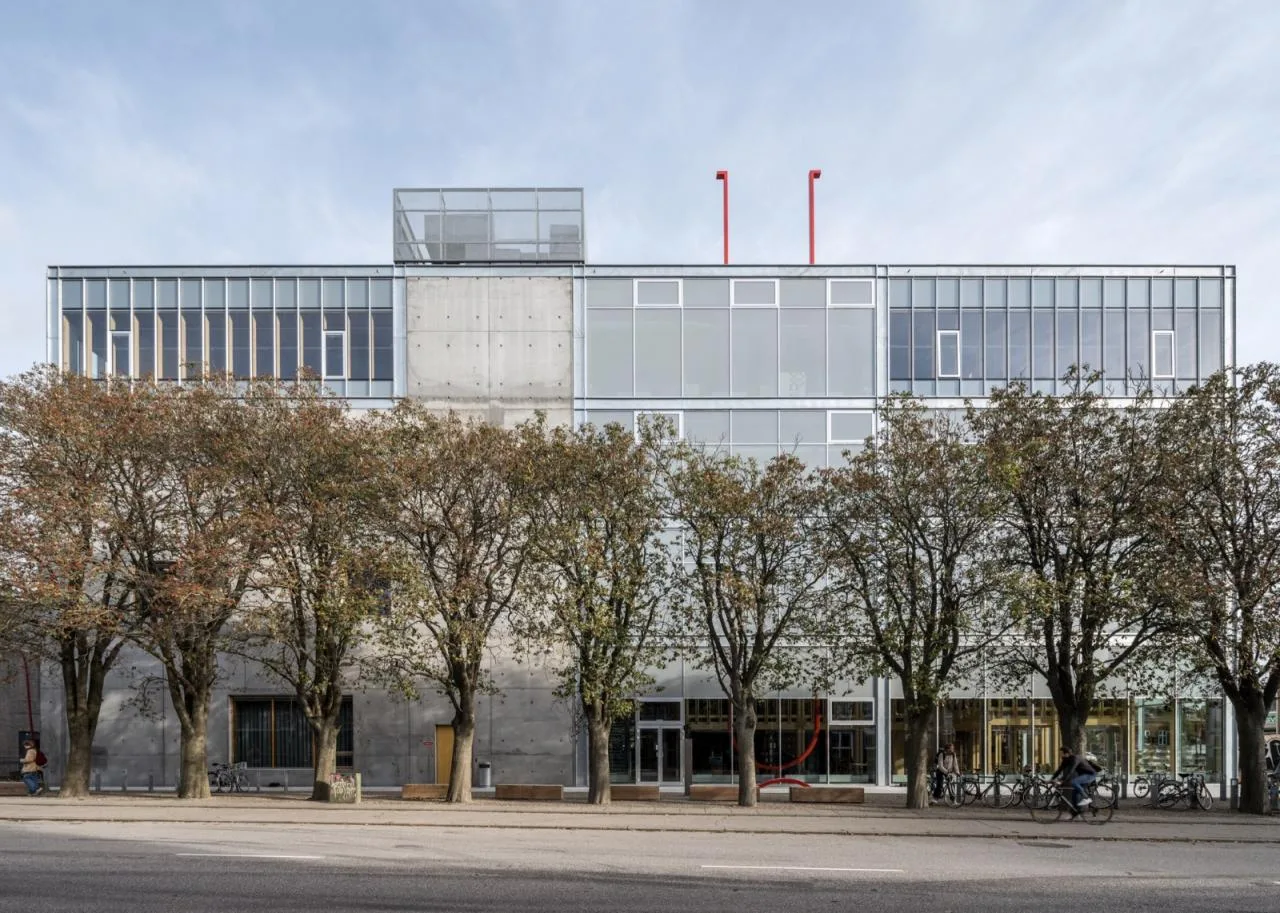
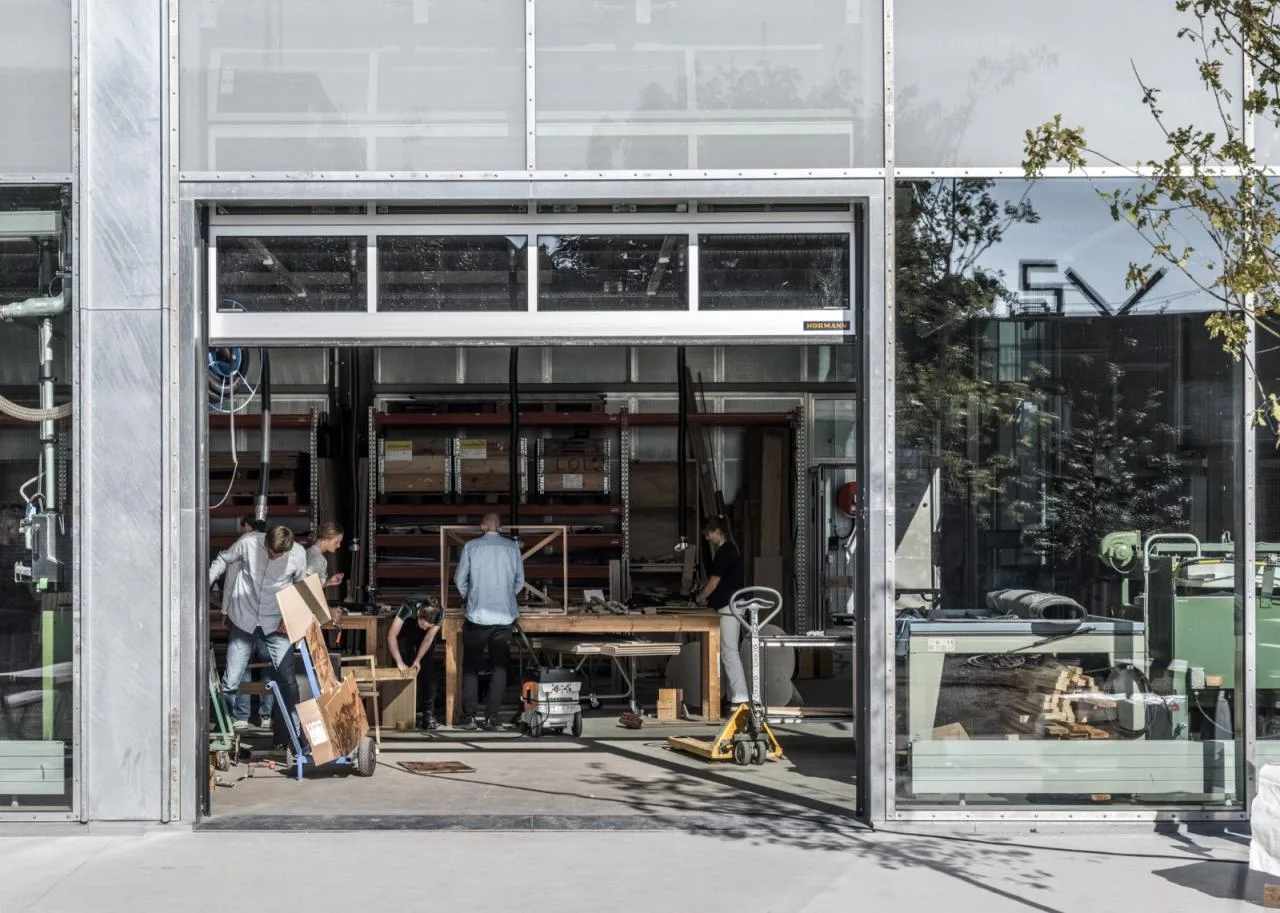
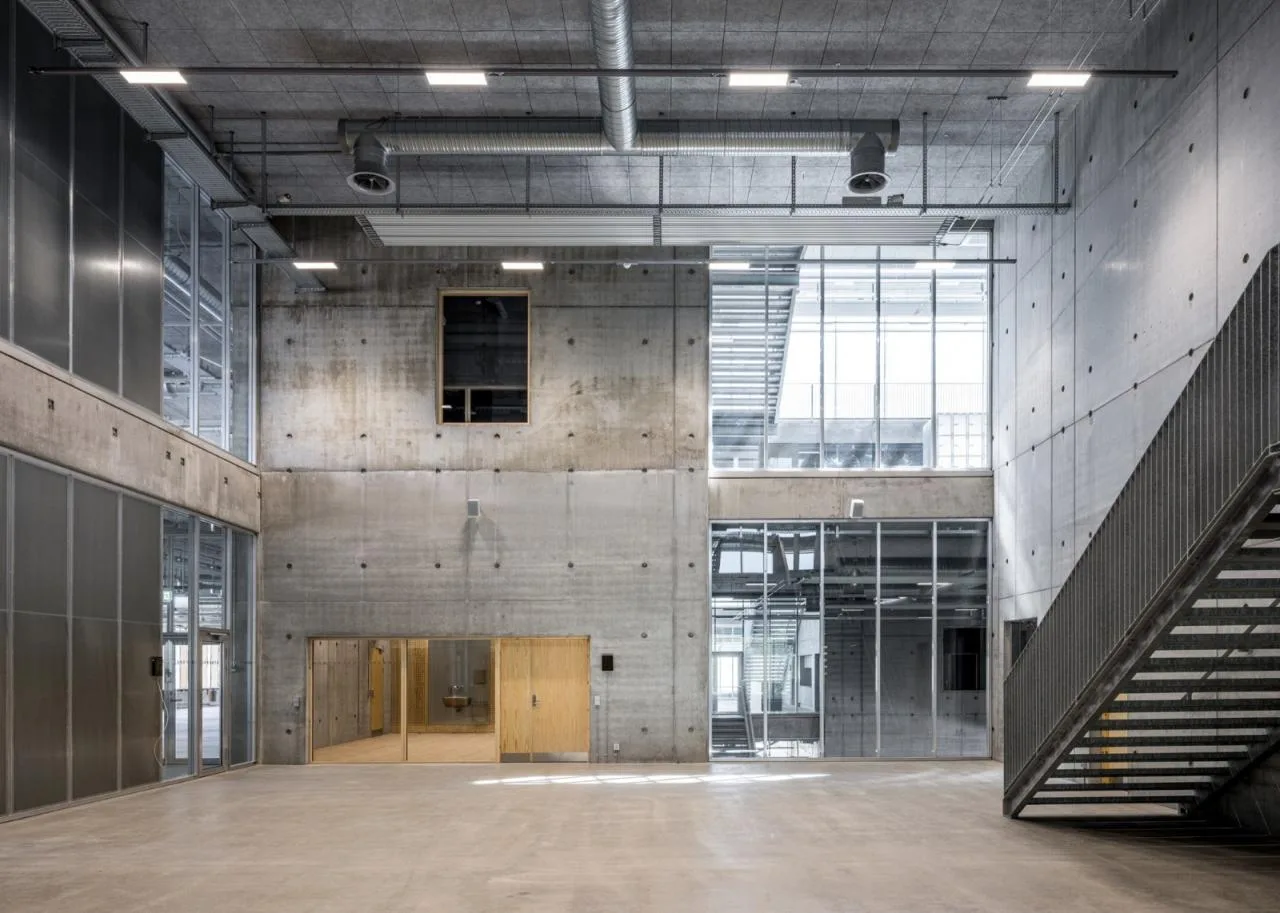
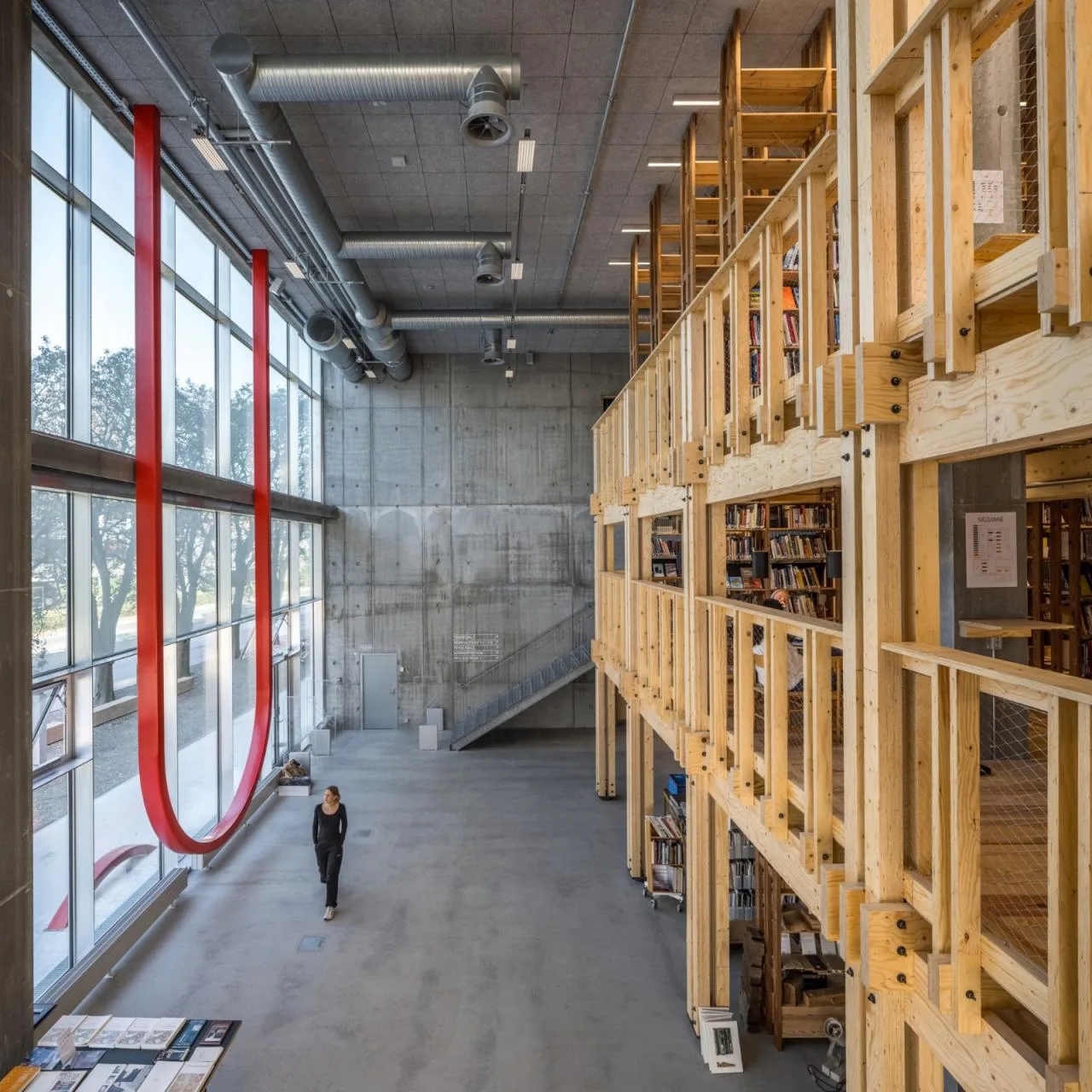
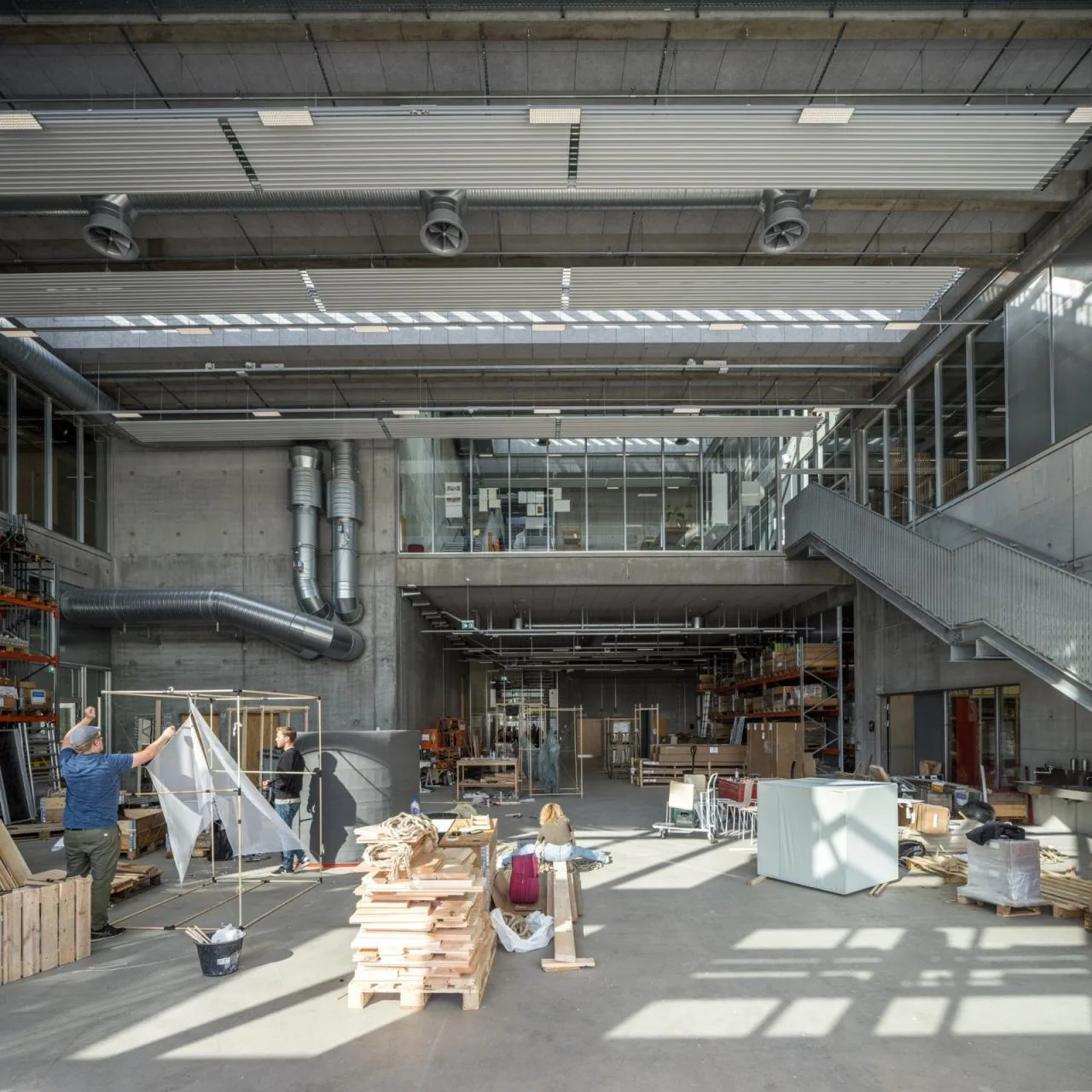
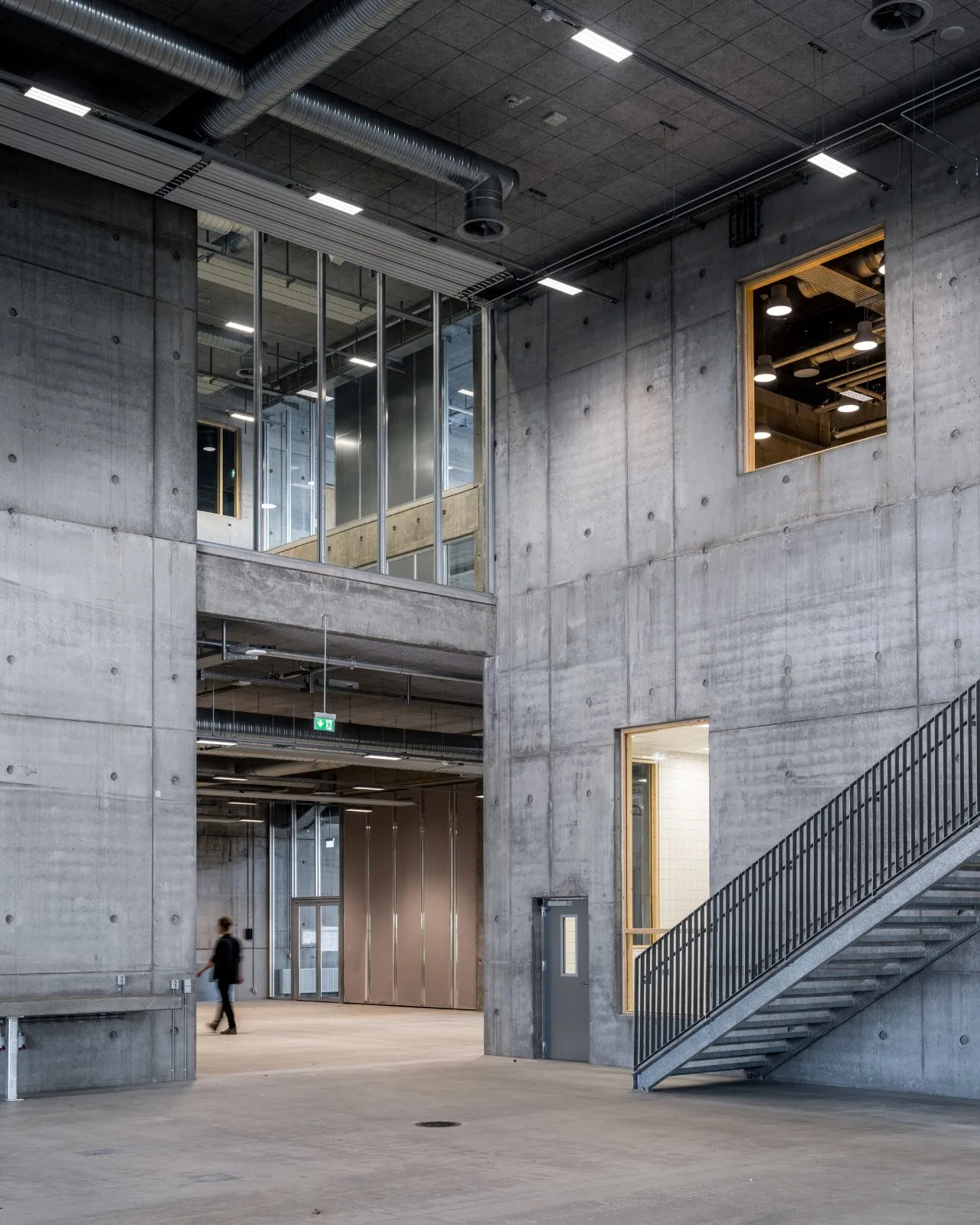
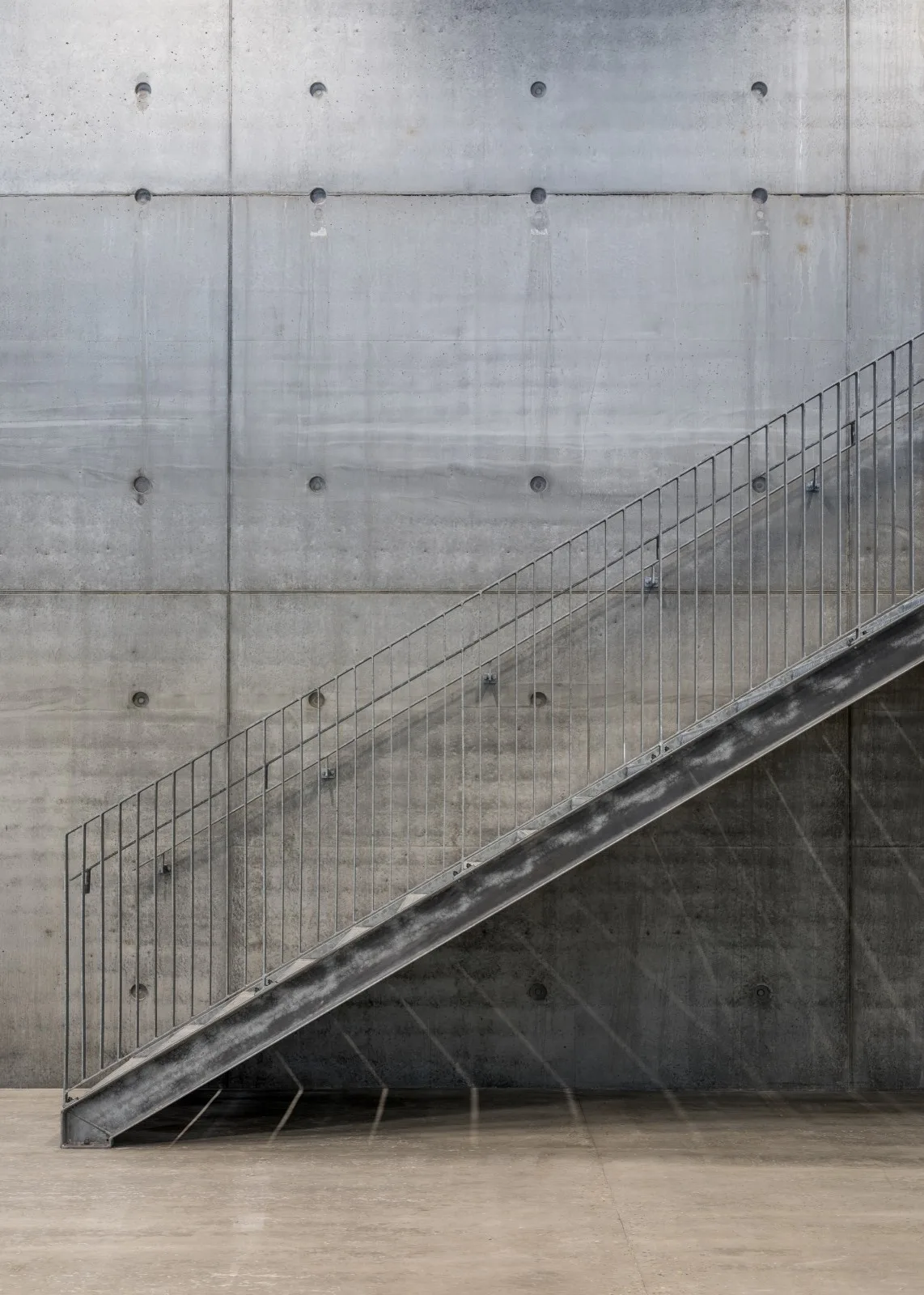
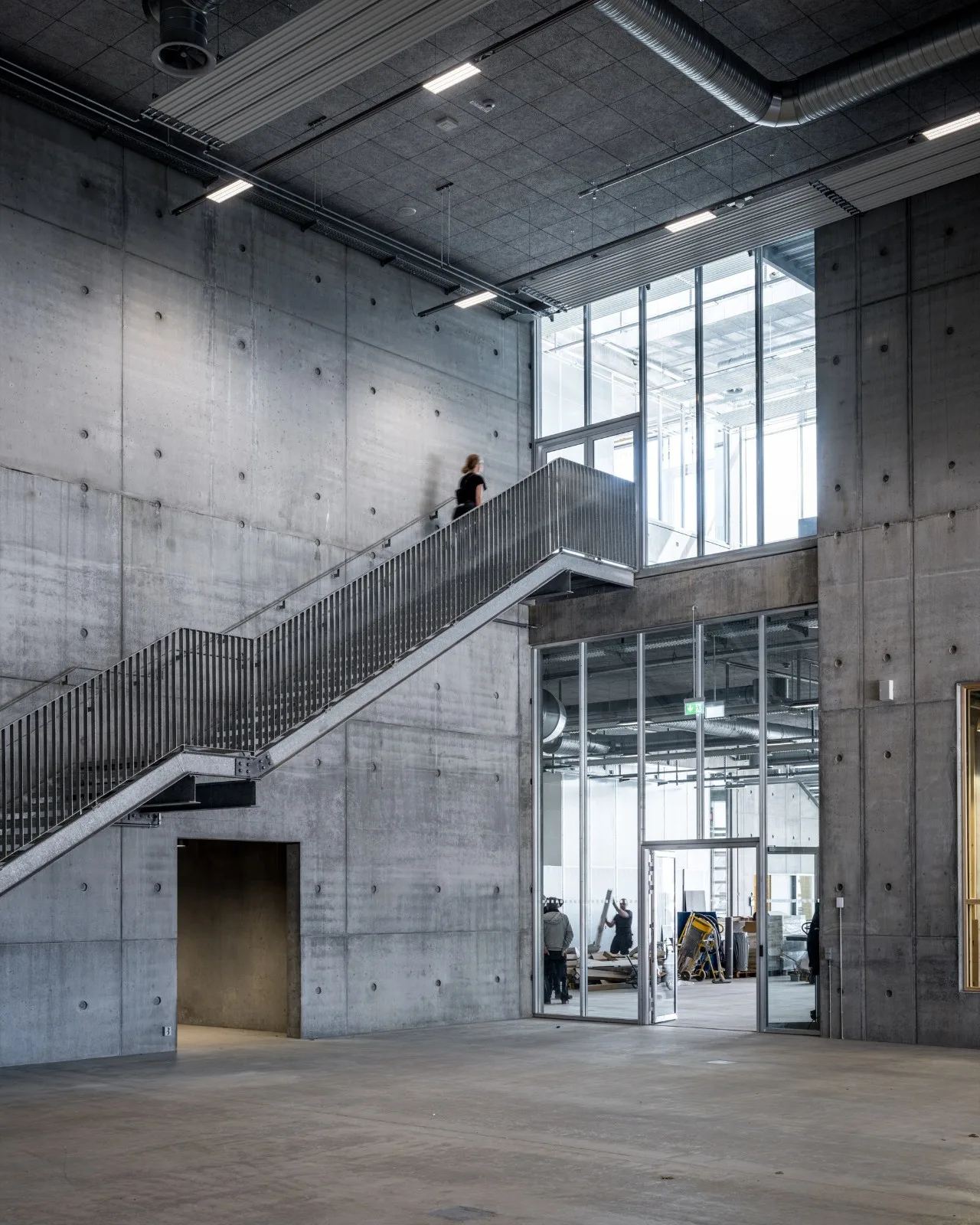
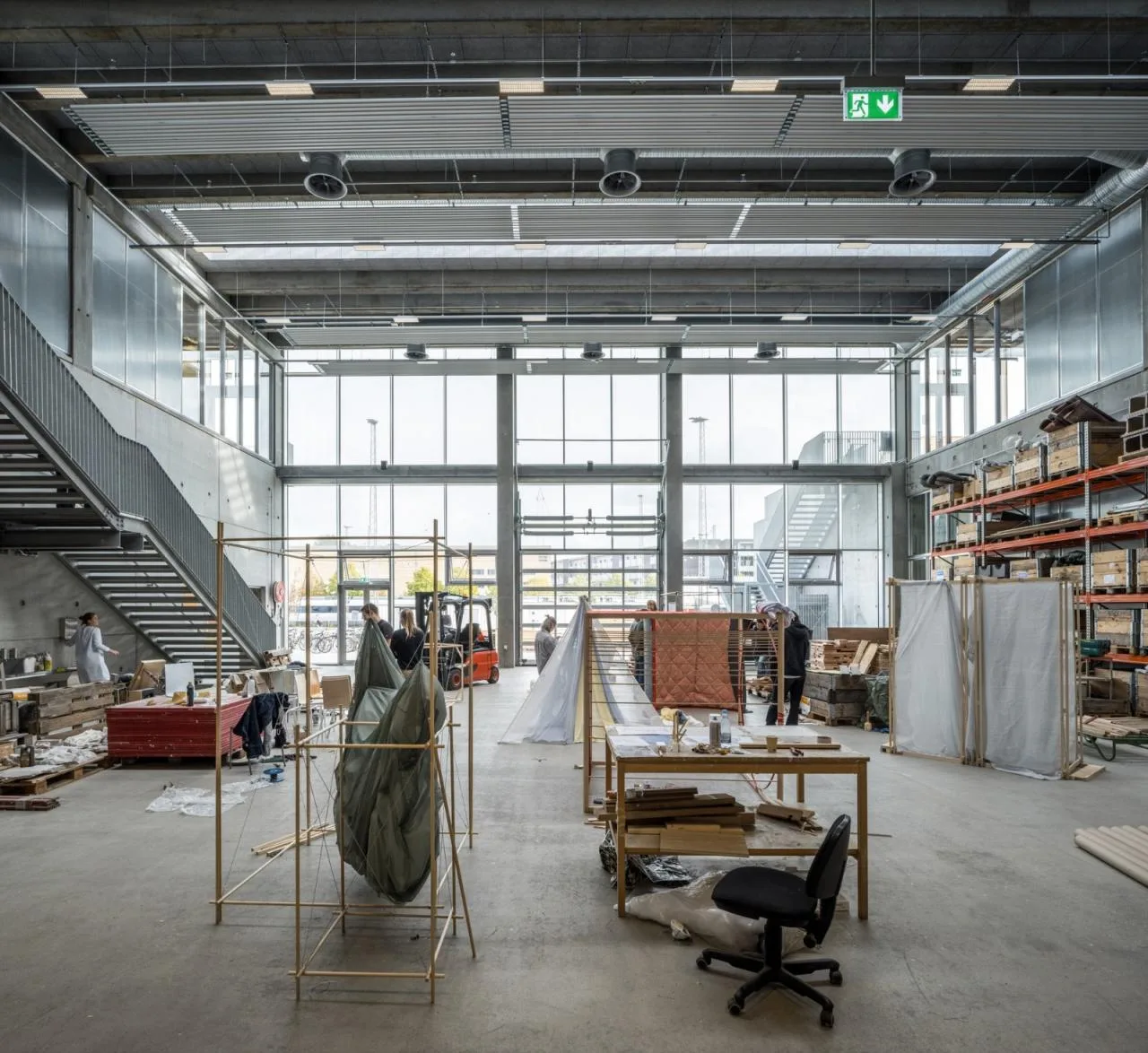
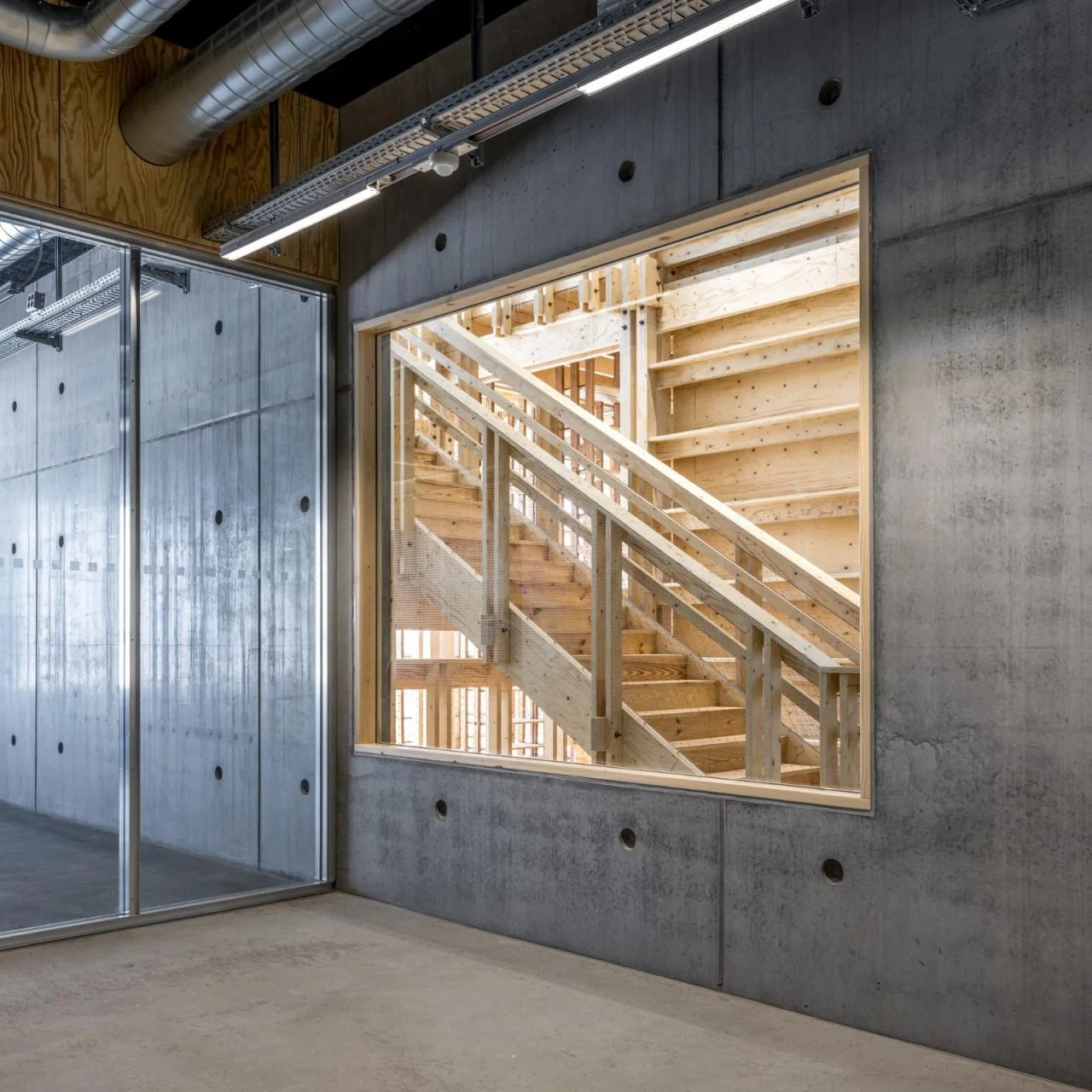
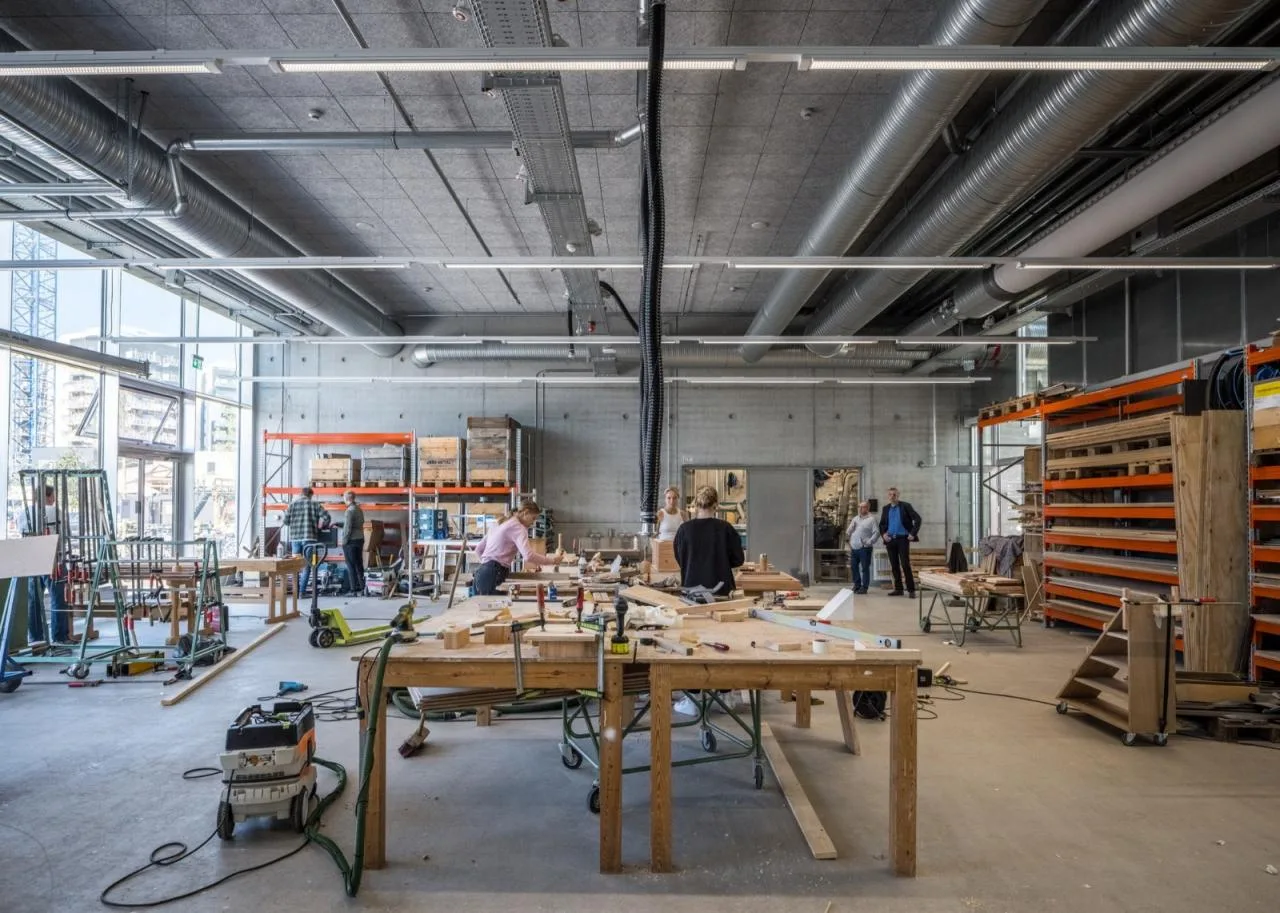
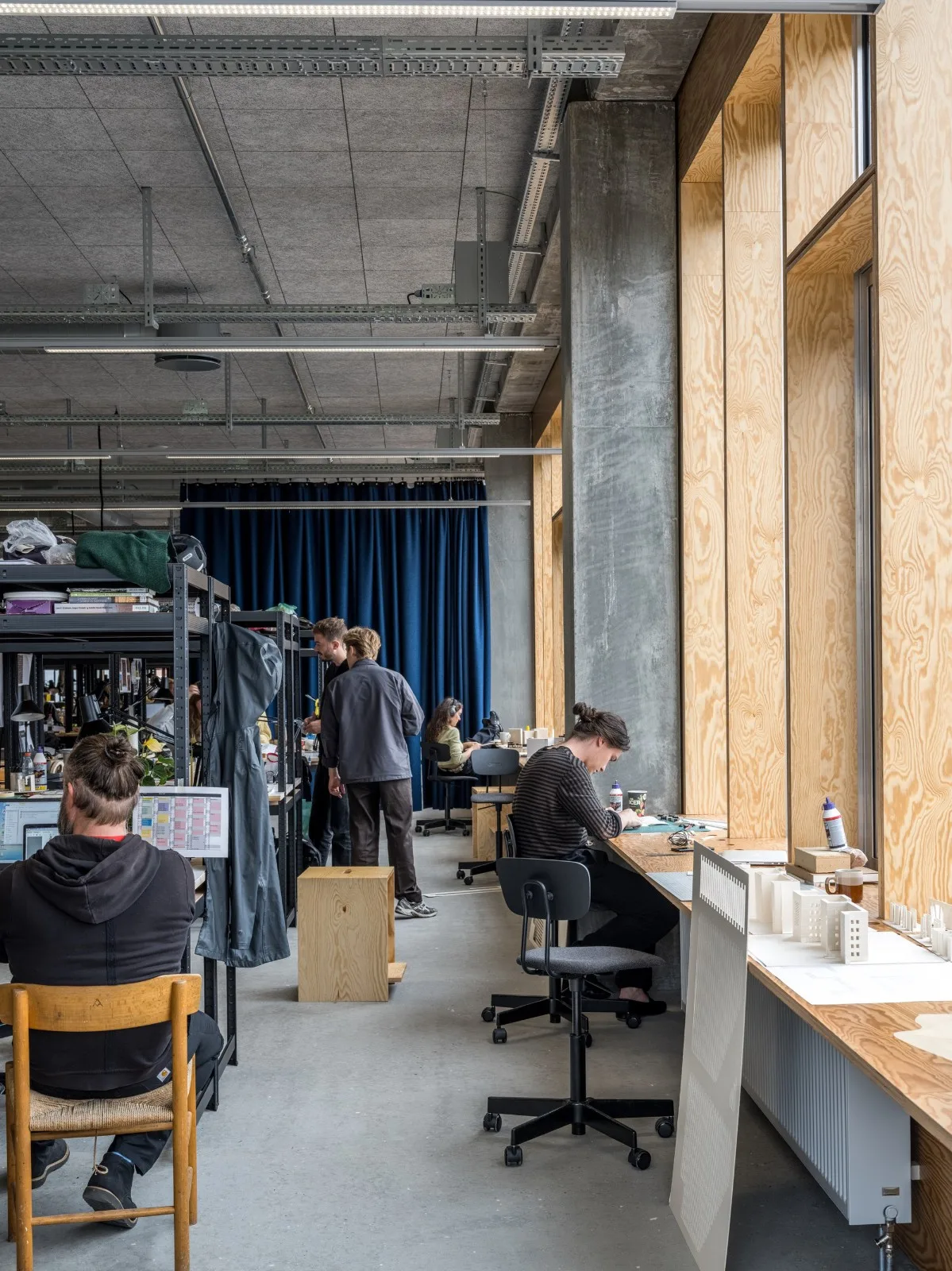
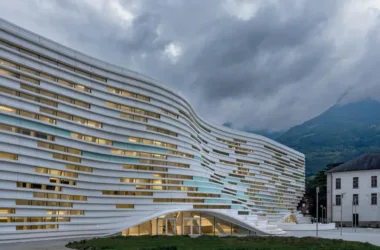
Inspired by 21st-century learning concepts, the new Aarhus School of Architecture is designed as a hub for architectural experimentation, collaborative education, and hands-on workshop learning. While the building’s exterior appears raw and industrial, a closer look reveals exquisite details and a sophisticated spatial organization that thoughtfully express the building’s construction methods. The design emphasizes integrating the structure as a flexible framework within its environment, including careful selection of building materials.
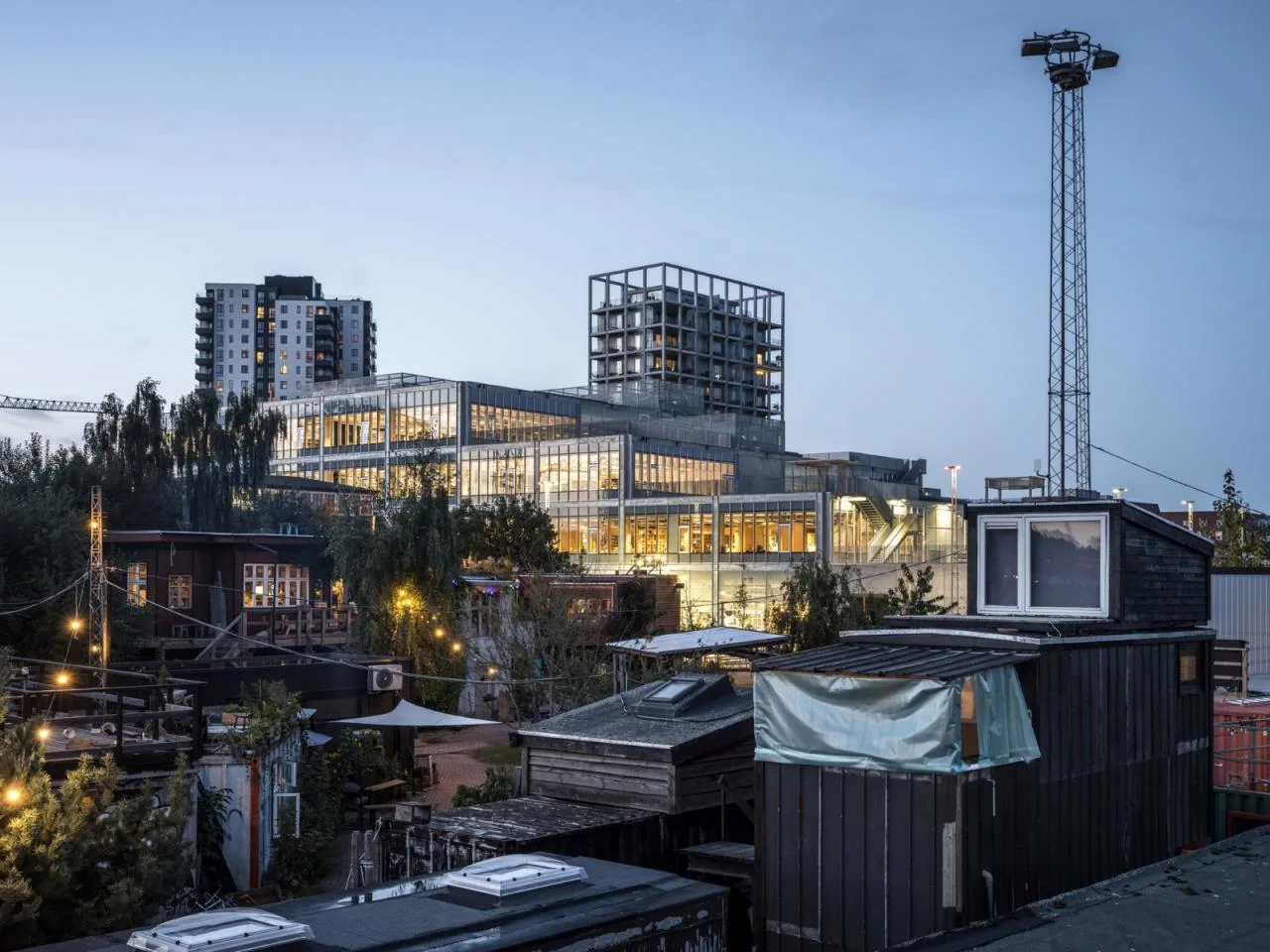
The Oshu School of Architecture was conceived from the inside out as a laboratory for architectural exploration and learning. Located on a former railway yard, the site’s industrial history shapes its identity. The design features exposed materials, low energy consumption, and industrial details, skillfully adapting to its dynamic surroundings. Adjacent to the school is a self-built cultural and entrepreneurial community.
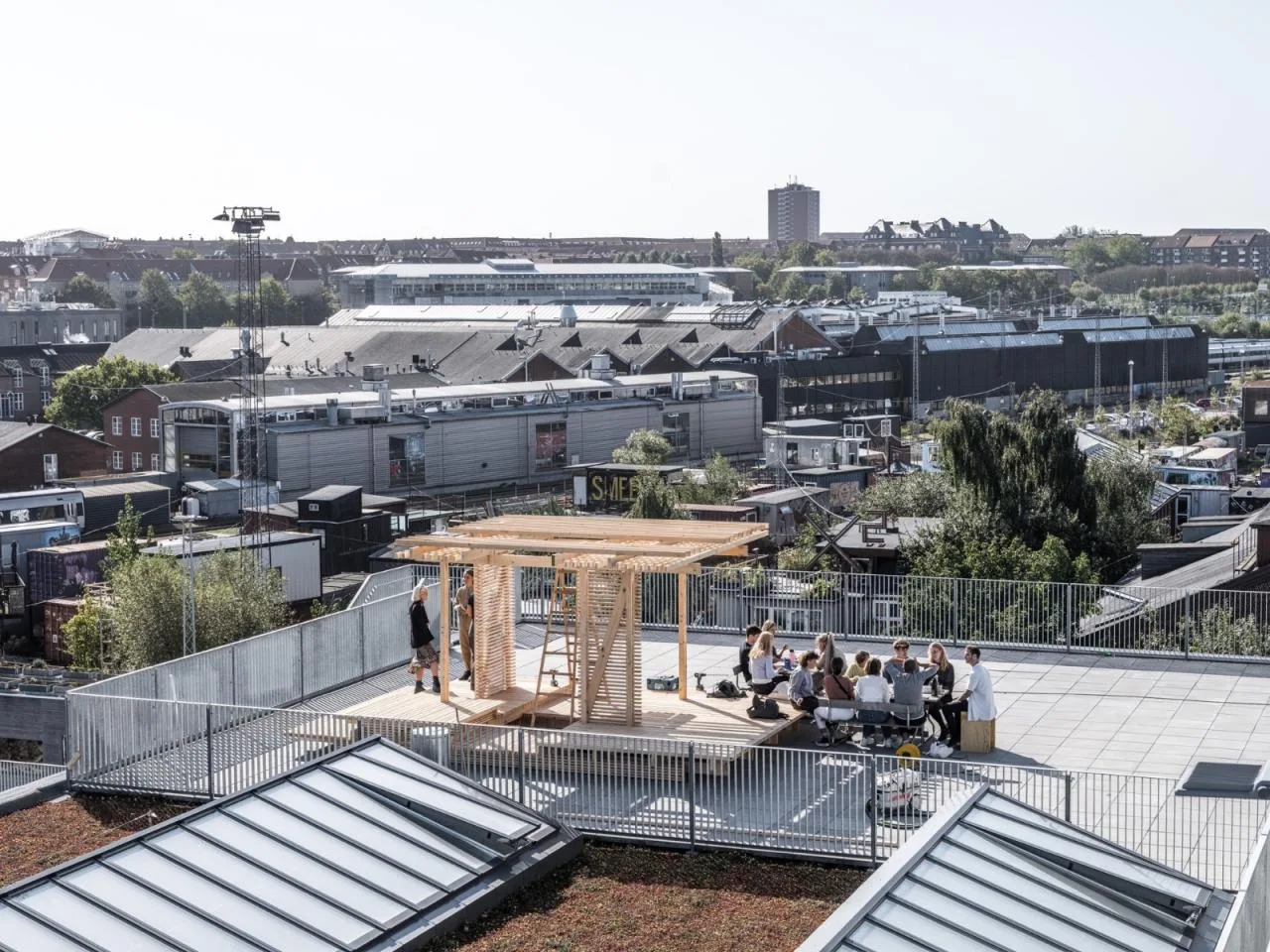
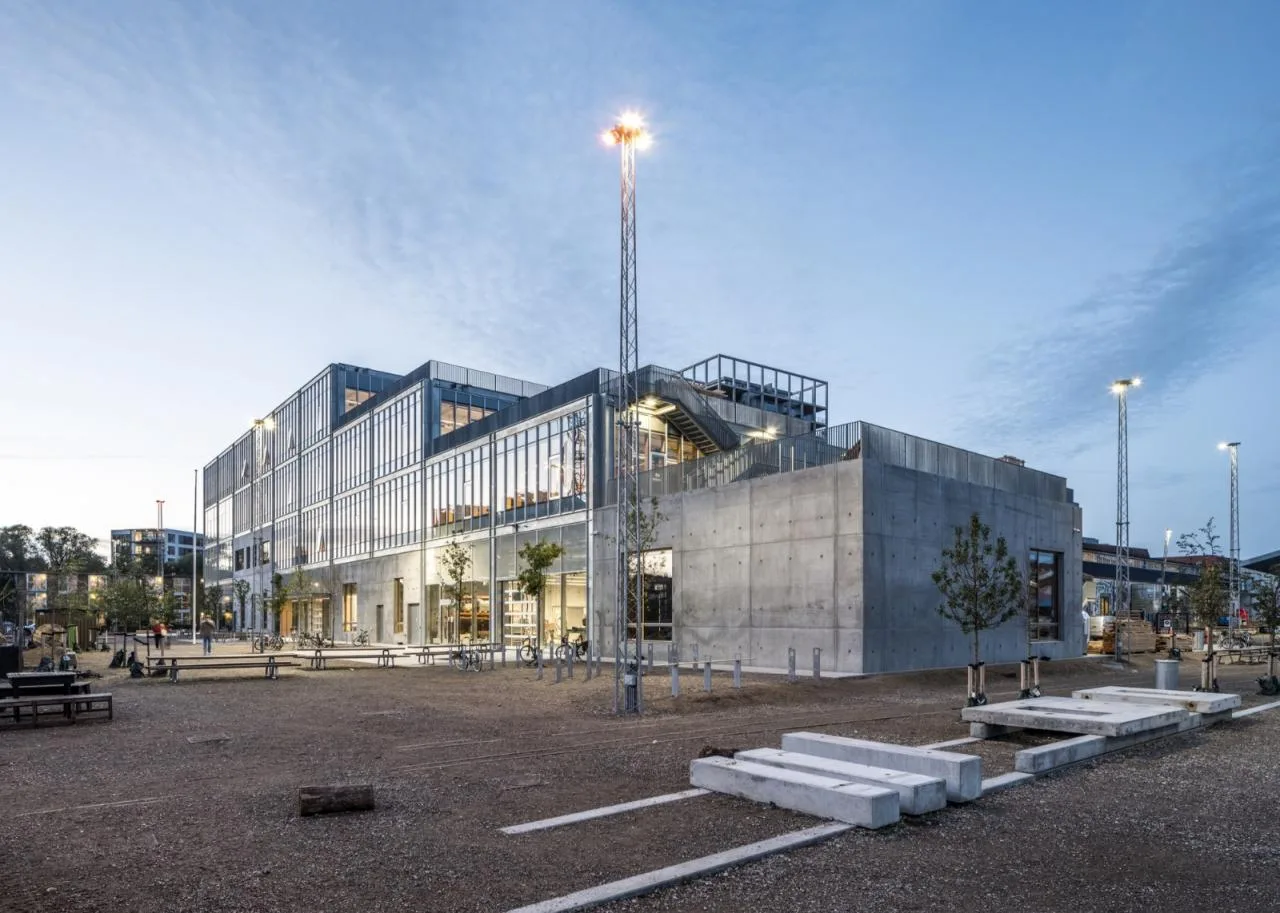
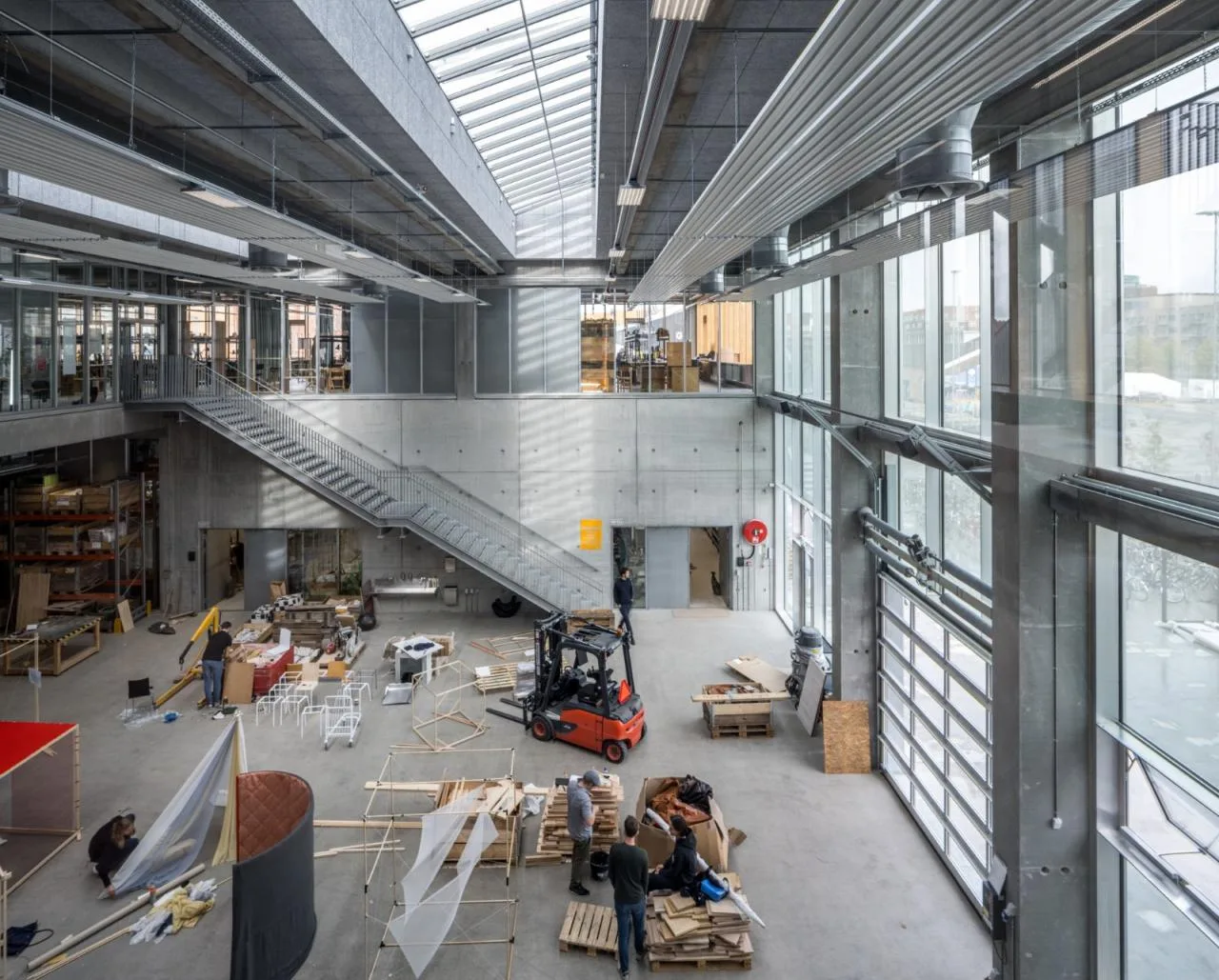
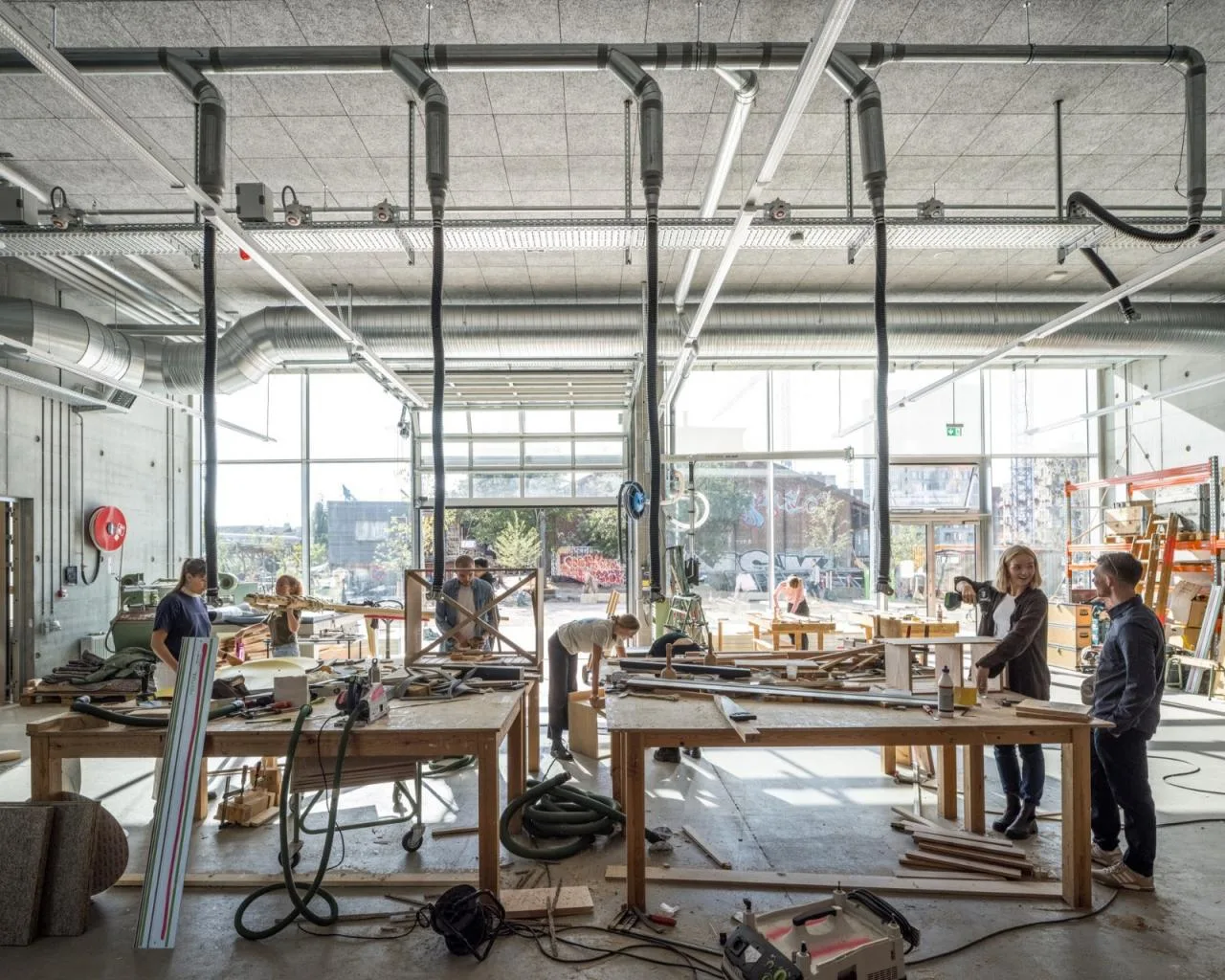
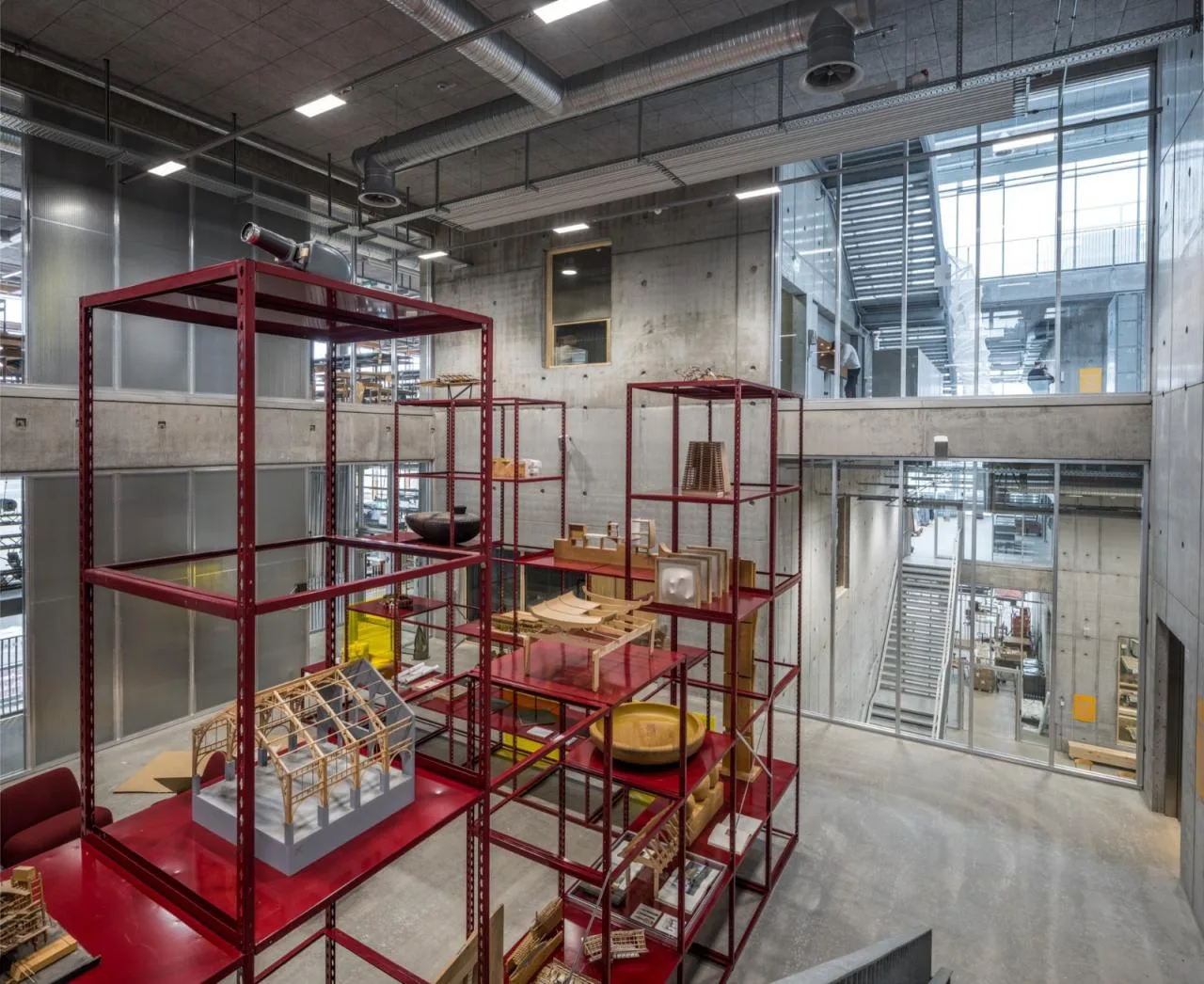
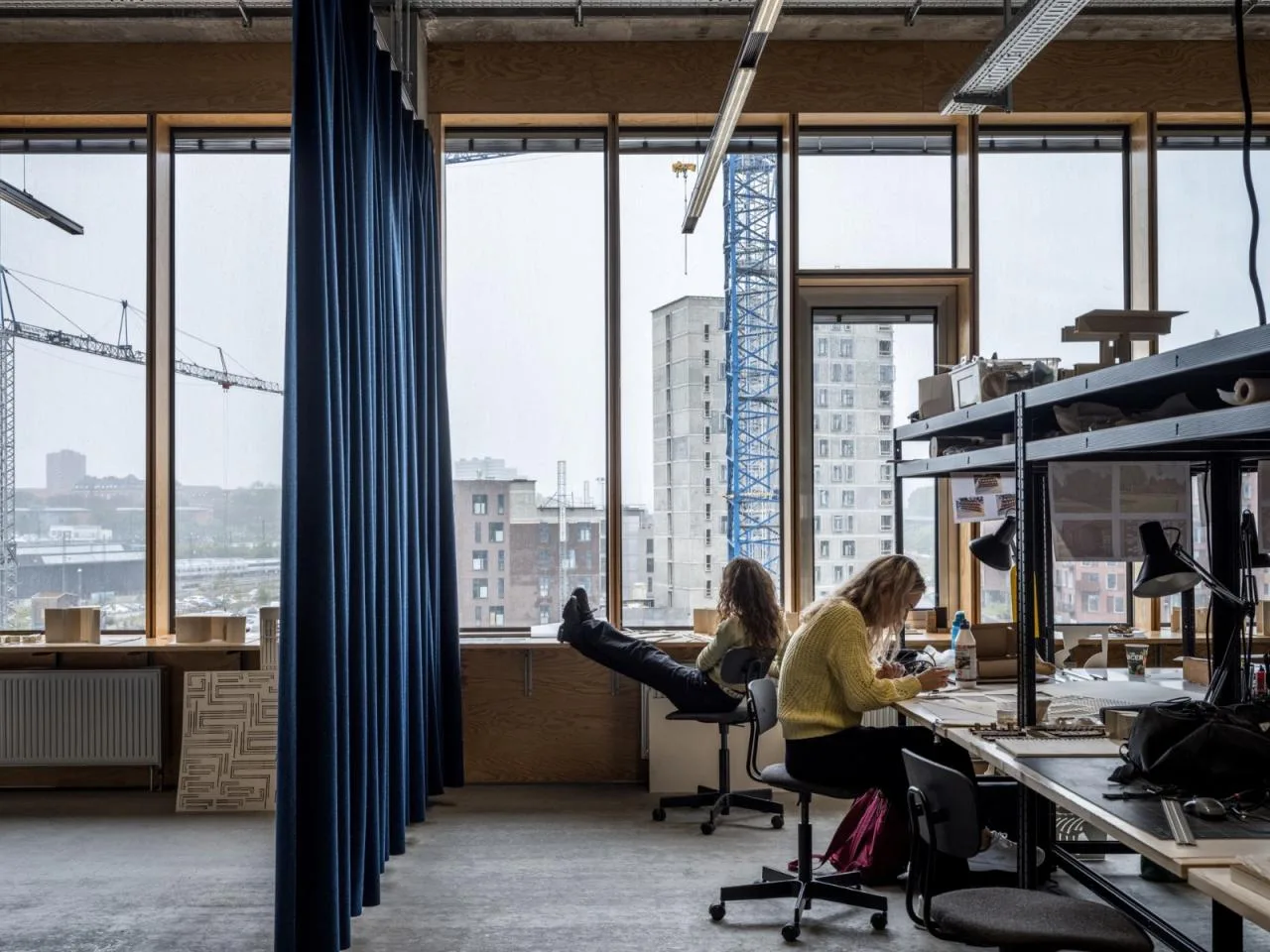
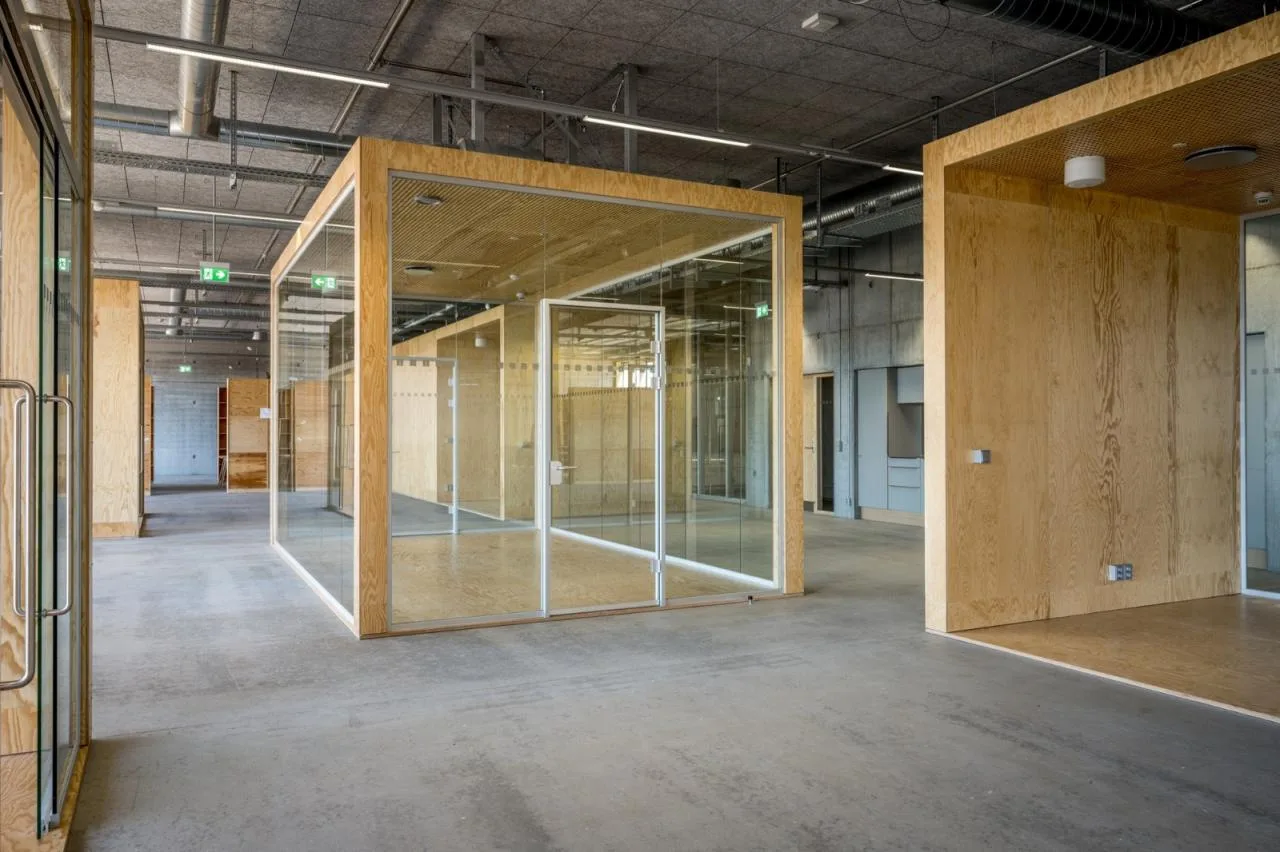
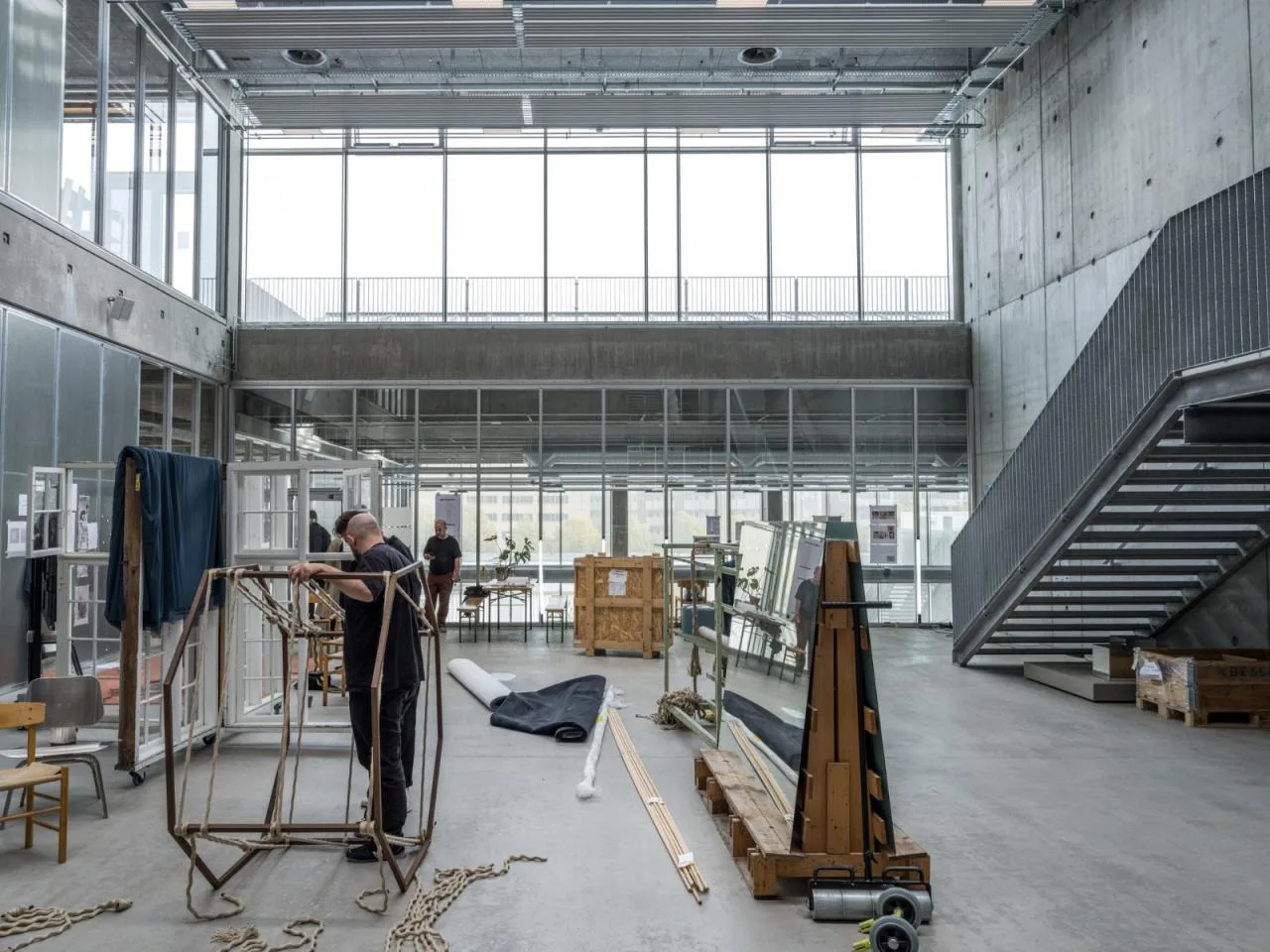
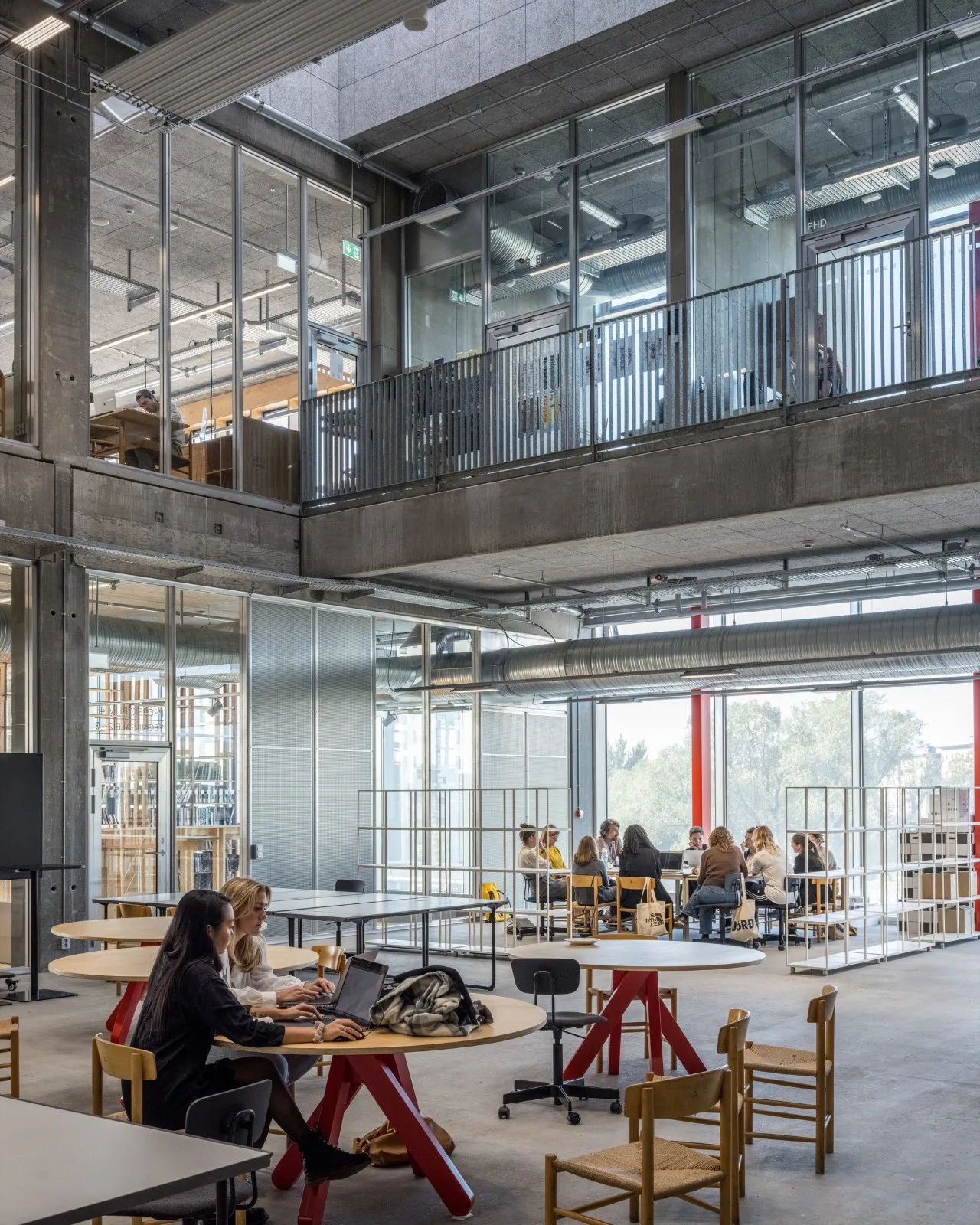
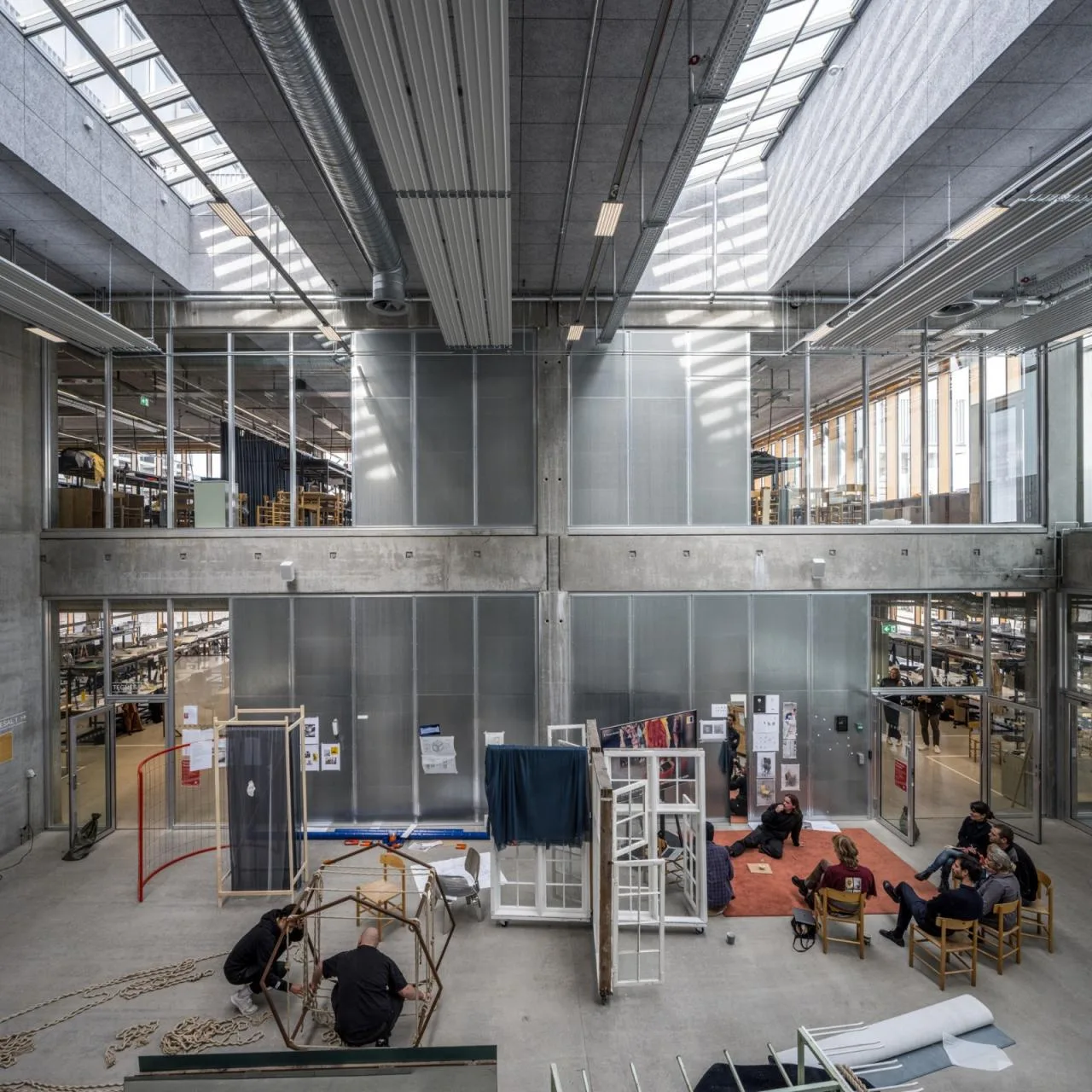
The deliberate simplicity of the design responds directly to the functional and robust spatial requirements of the school. The completed building enables mentors to explore modern approaches to architectural education while offering bold spatial qualities aligned with the school’s ambition to become one of Europe’s leading architecture institutions. The building serves as a showcase, inviting the public to observe the school’s activities. Its spatial layout and transparent interiors reveal studio work to all students, fostering a sense of community and collaboration.
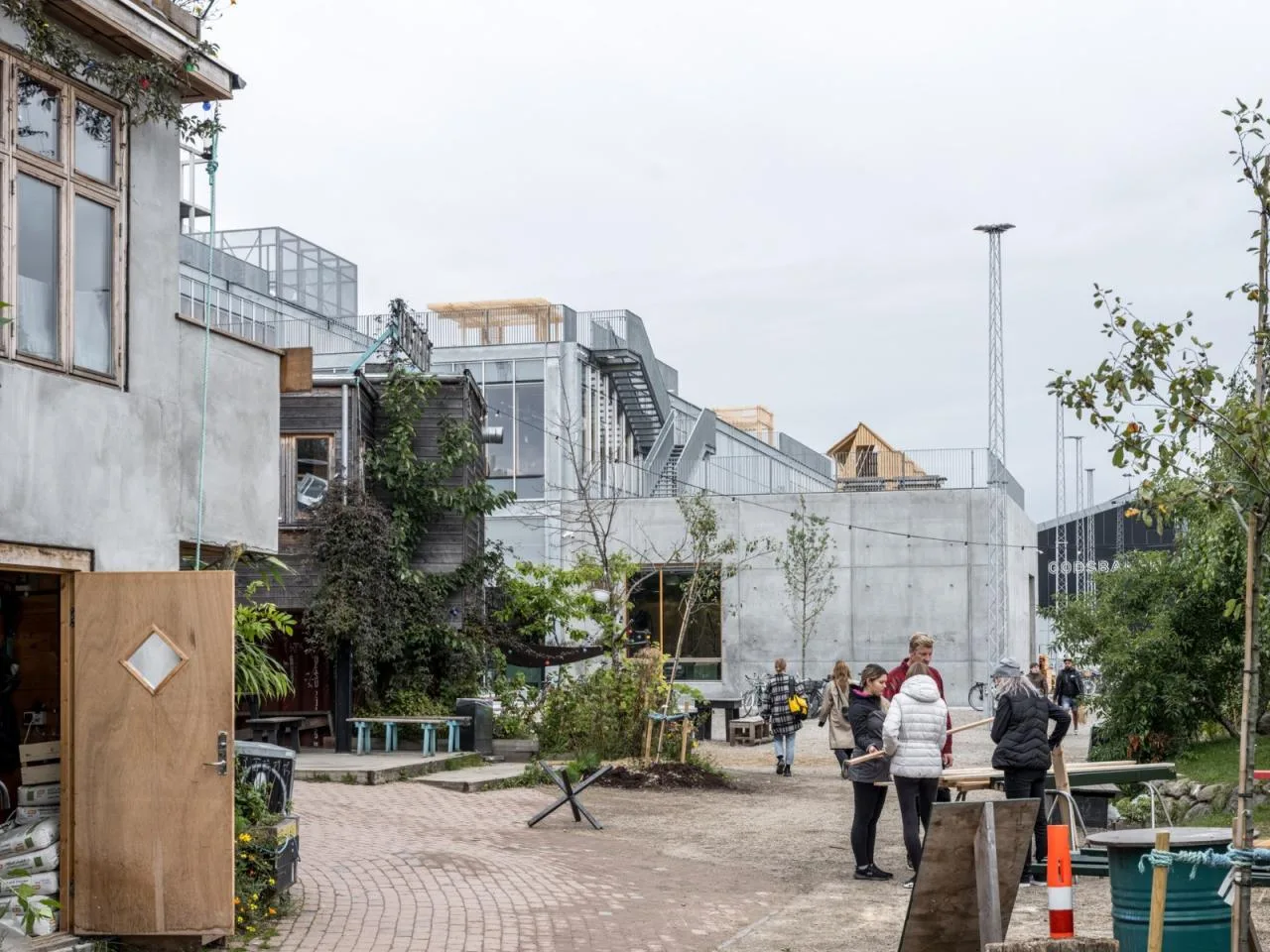
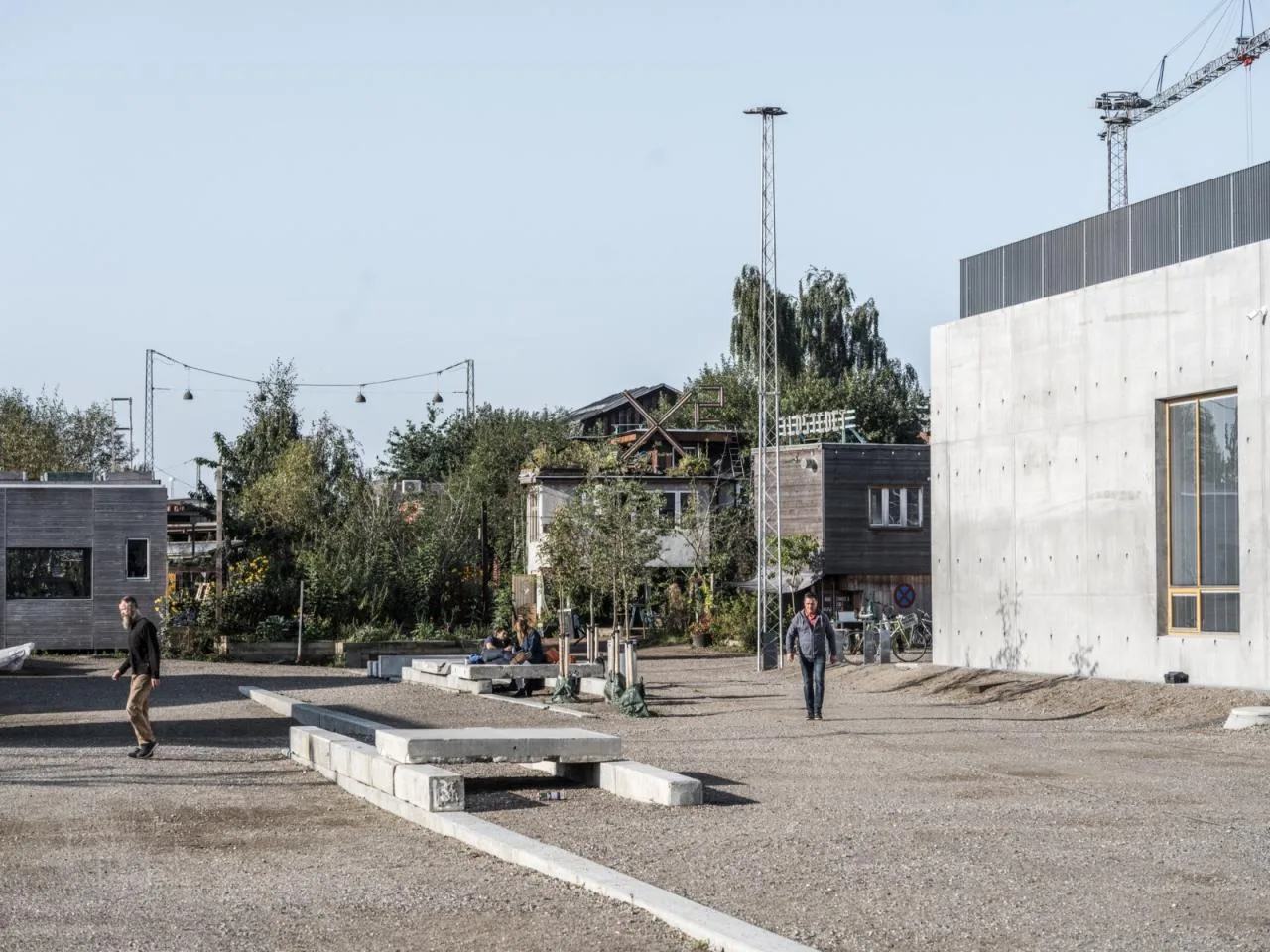
The new Aarhus School of Architecture consolidates ten previous locations into a single building, aiming to create a solid structure that functions as a vibrant architectural laboratory. Martin Krogh, a partner at ADEPT, explains that the building’s studio-like design acts as a blank canvas, inspiring creativity, ideas, and learning.
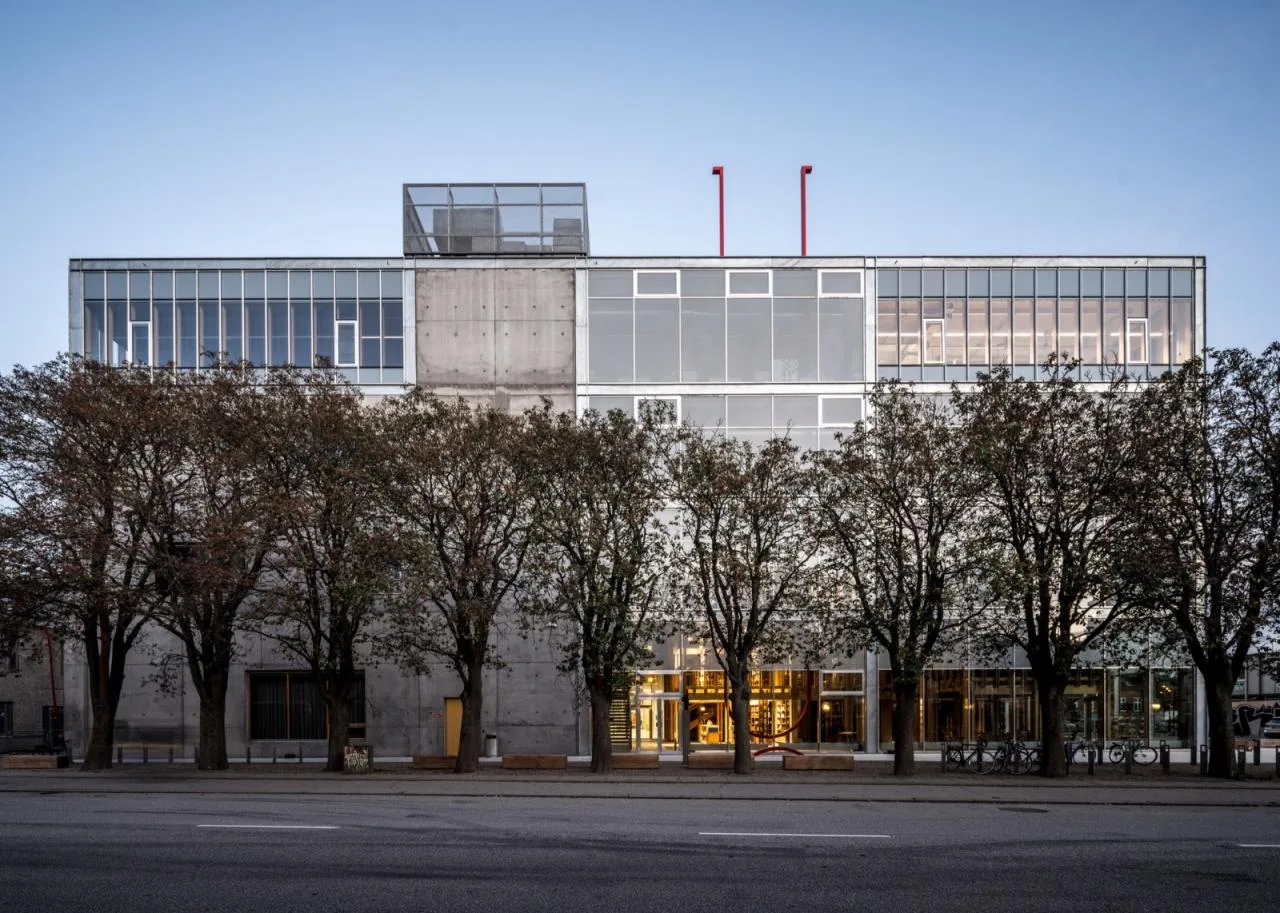
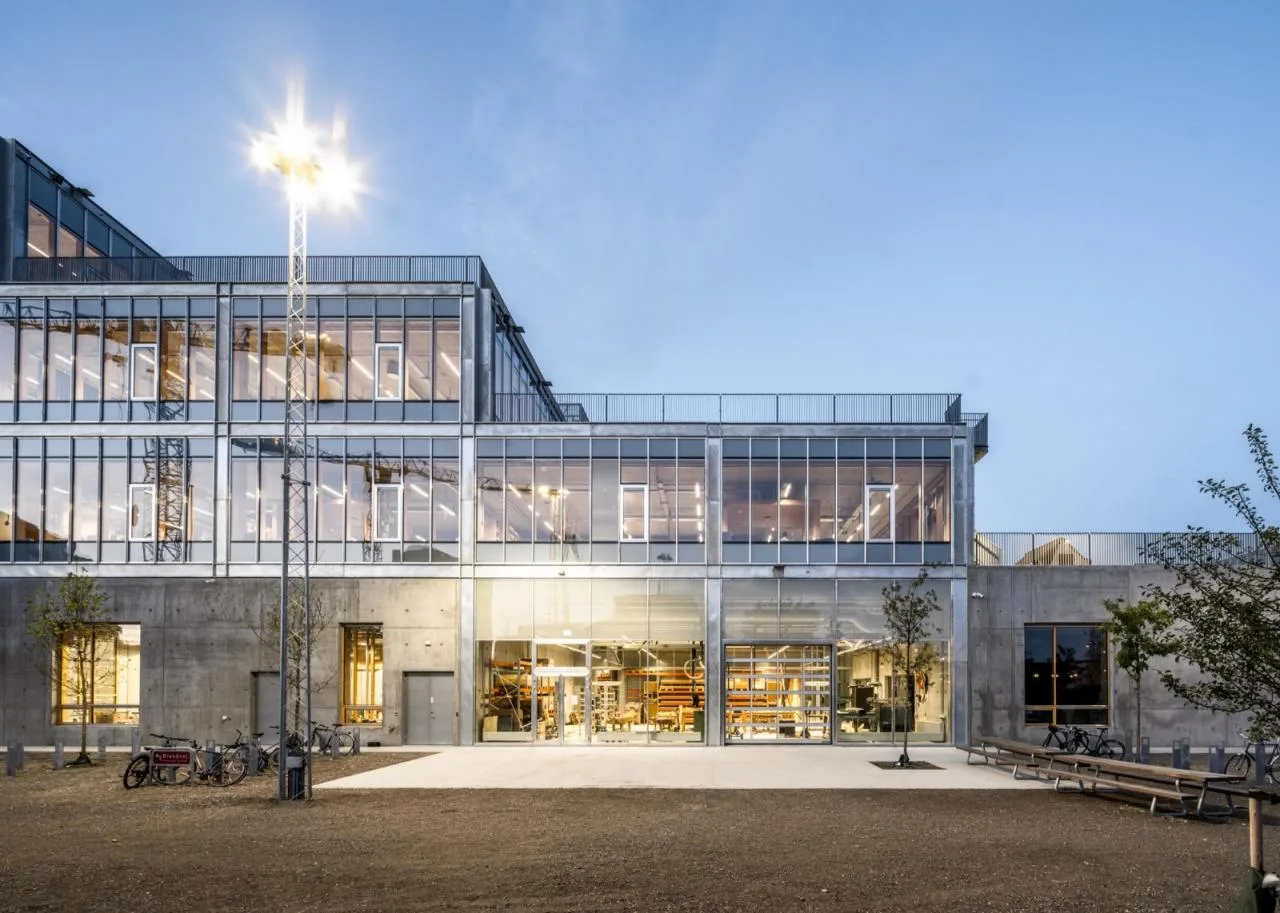
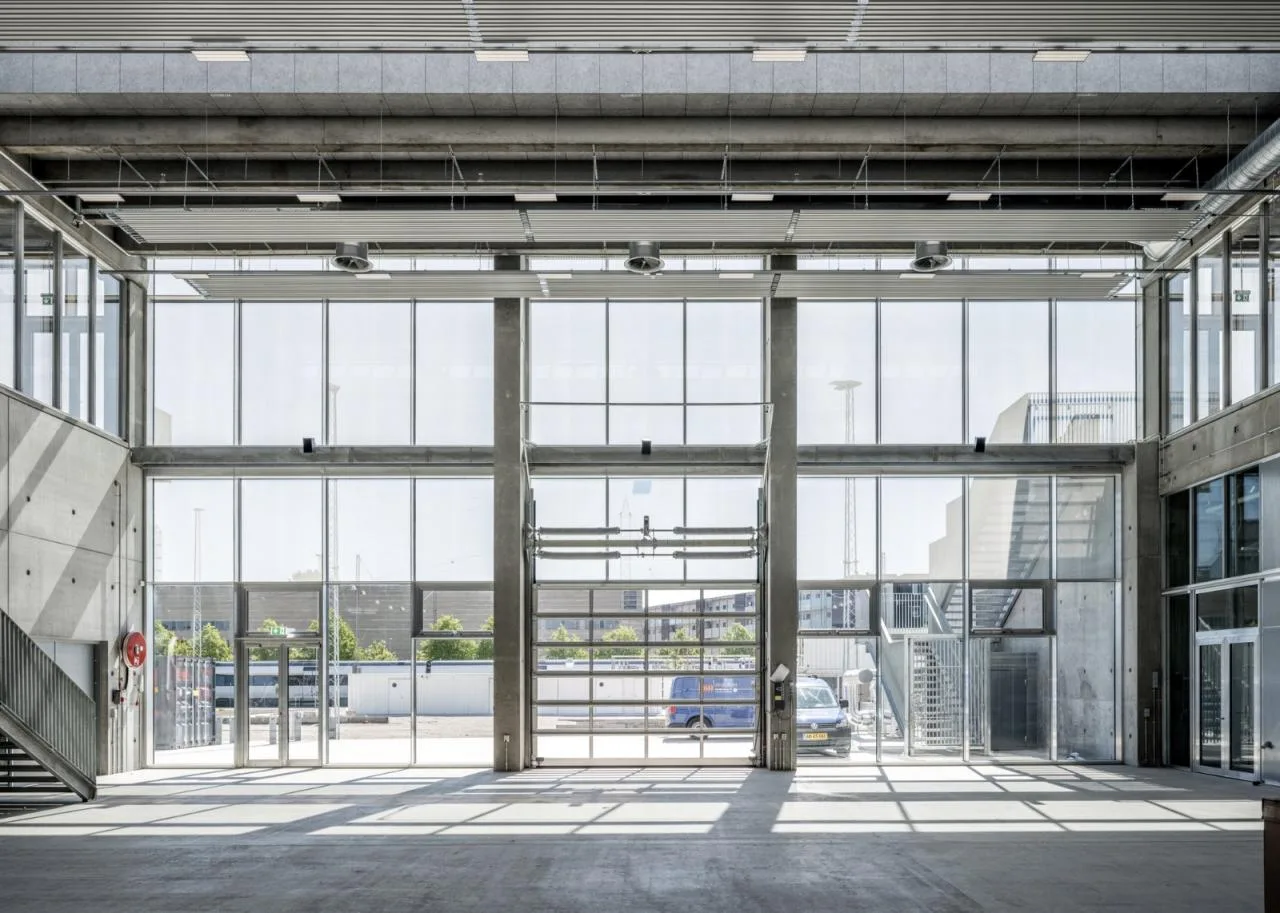
He adds, “This is not only an exploration of transparency in the literal sense but also an effort to integrate indoor and outdoor spaces by questioning the boundaries between school and urban environments. Consequently, the surrounding urban context and the curriculum’s activities will continue to shape the building’s form in the future. This is a structure that cannot be defined solely by its design — its full potential is realized only through its occupants.”
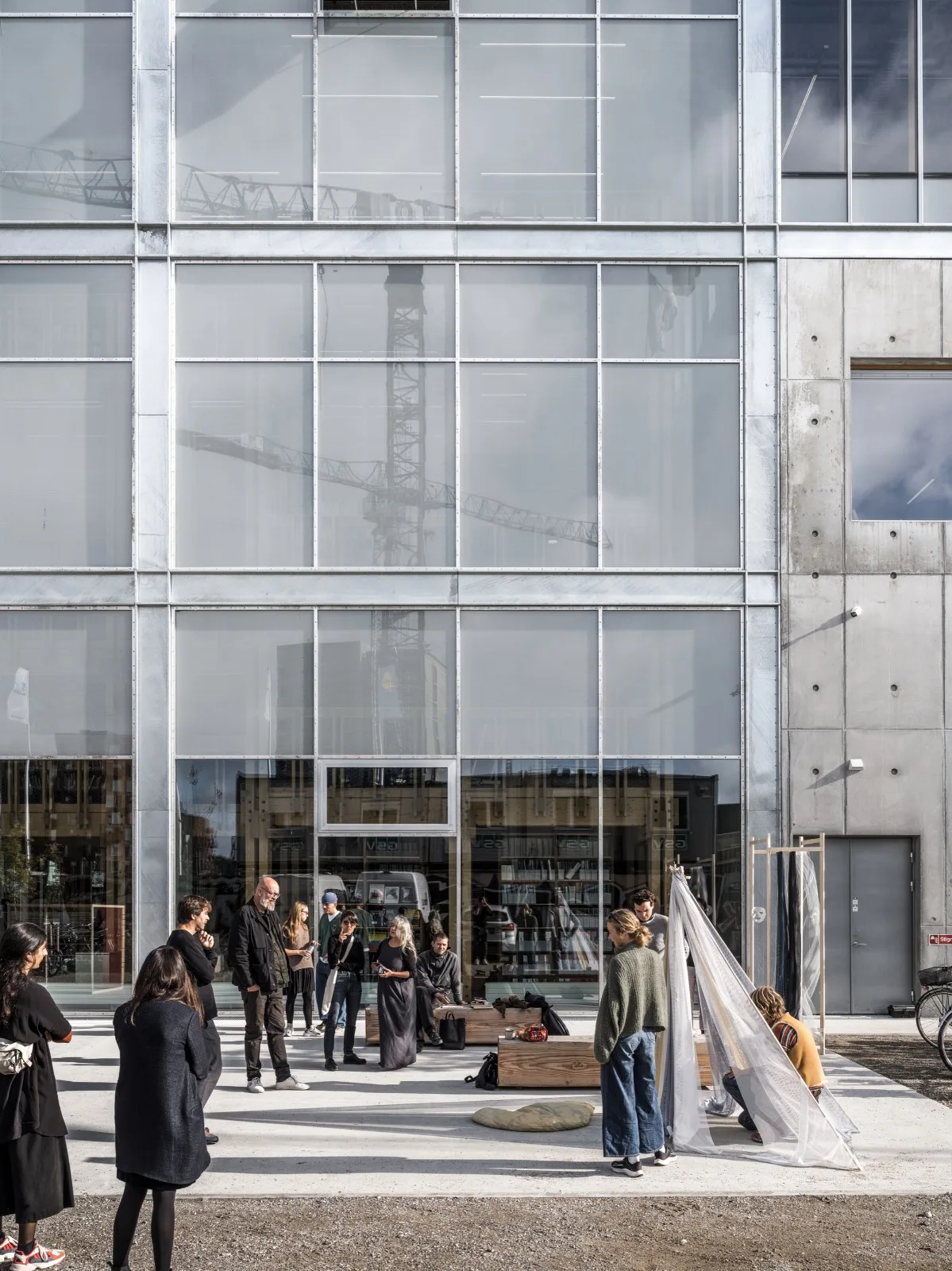
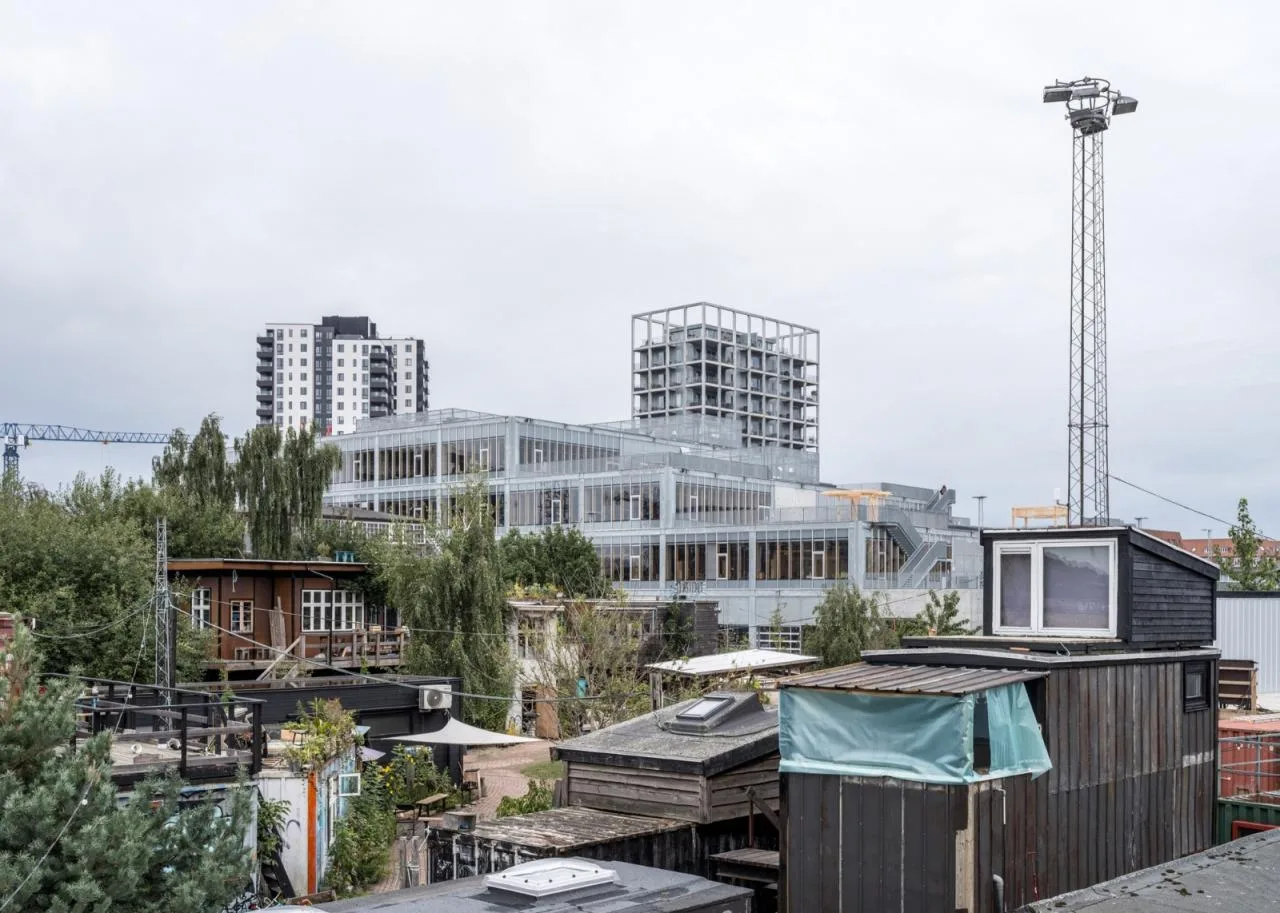
The building employs a comprehensive design strategy aimed at maximizing spatial flexibility. The limited color palette reduces building resource consumption and eases pressure on local production and transportation networks. To meet the need for large, flexible spaces, concrete was selected as the optimal material. The design team collaborated closely with manufacturers to minimize material use and maximize recycled content. Additionally, manufacturers are committed to sustainable production practices and zero-waste goals.
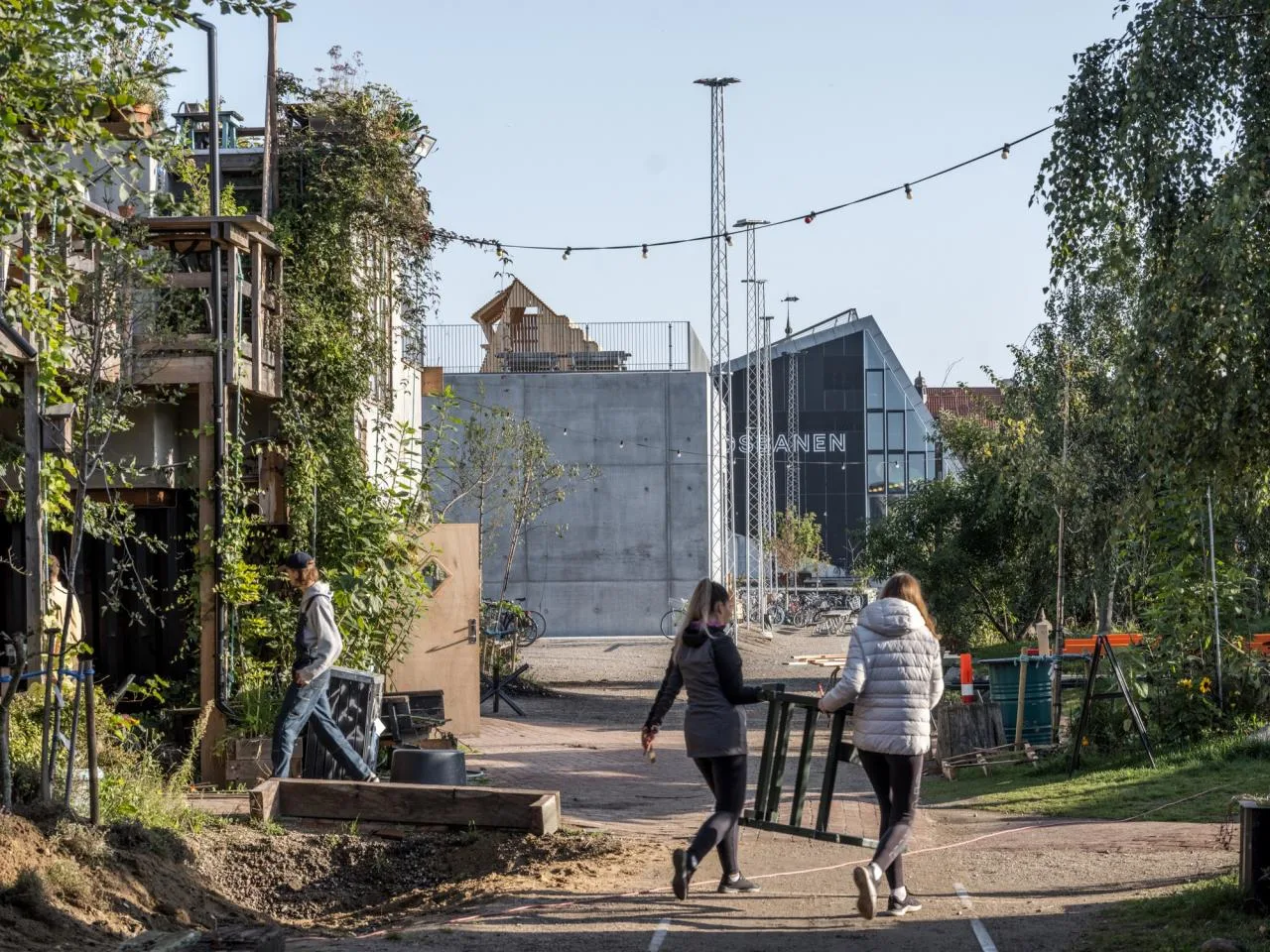
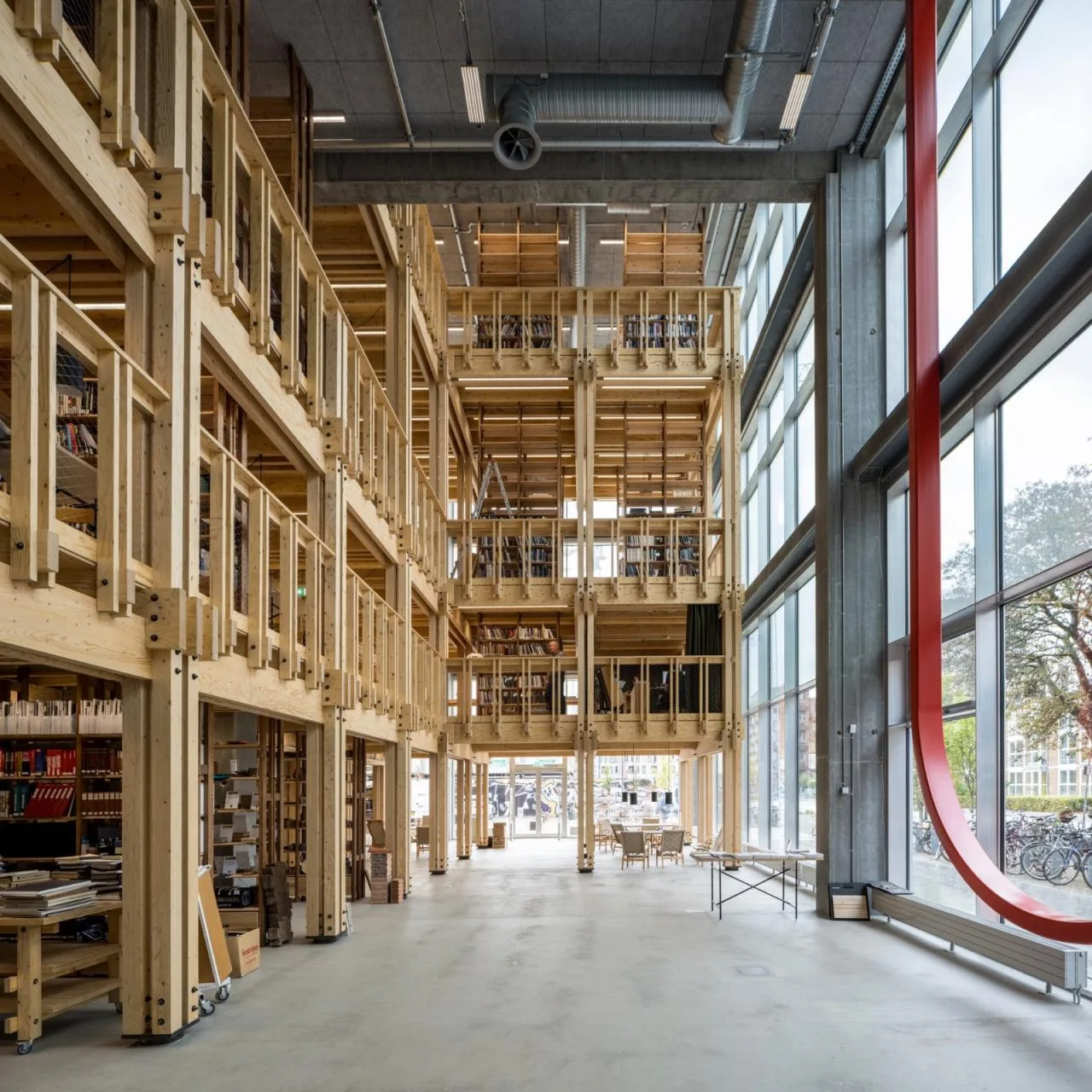
Other sustainable efforts include refurbishing wooden flooring and library structures using leftover materials from industrial window production. The library framework is adapted from a nearby historic building. The surrounding urban landscape is part of an ongoing research project that aims to repurpose leftover building materials into a climate-adaptive landscape. It also assesses the impact of relocating the community environment. Compared to previous total consumption in the area, the school expects to reduce energy usage by up to 50%.
The Aarhus School of Architecture embraces an innovative co-creation model, paving the way for interdisciplinary collaboration within the construction industry. This design, shaped by extensive user and community engagement, effectively removes internal hierarchies within project teams, fostering transparent development processes and strong ownership among all partners.
Project Drawings
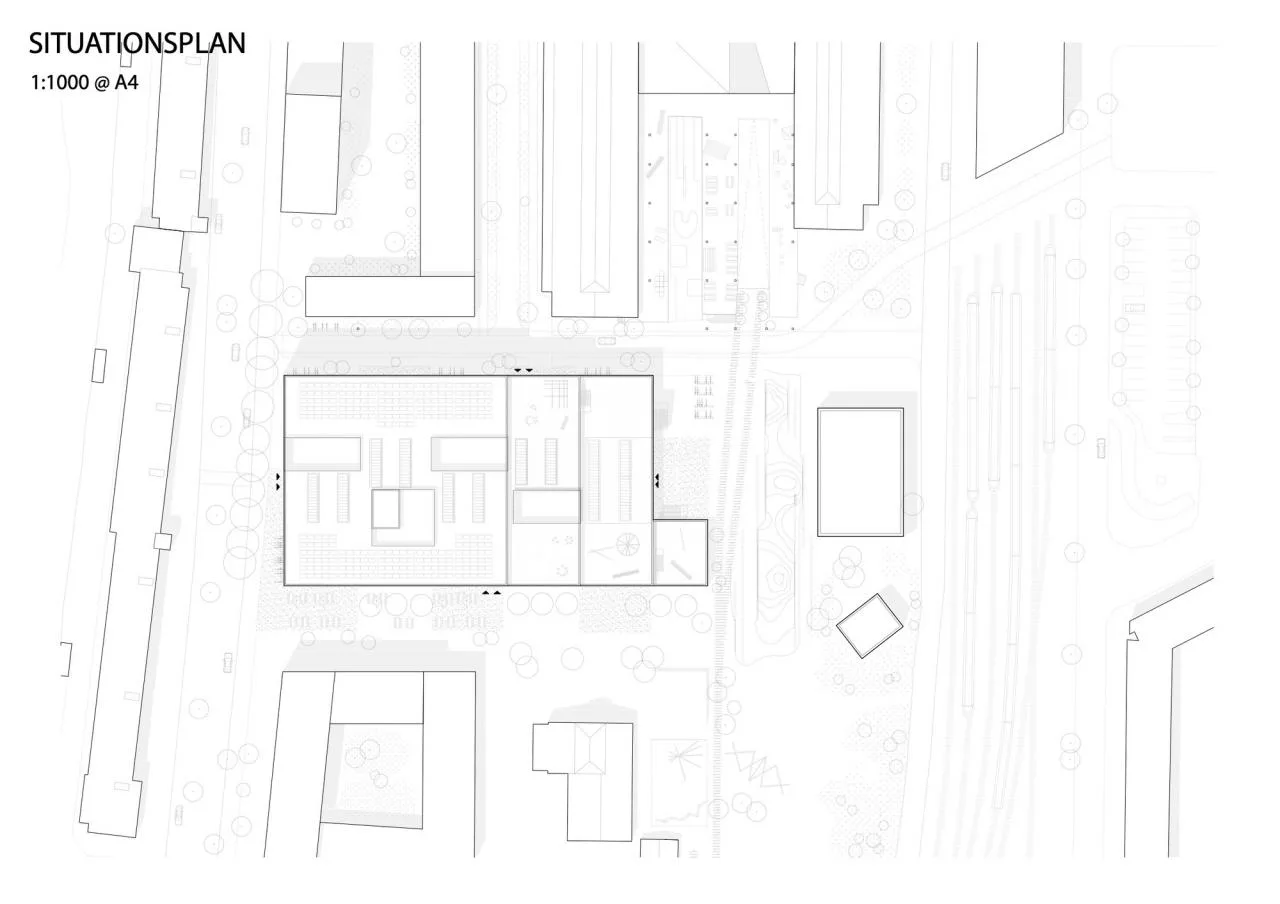
△ General layout plan
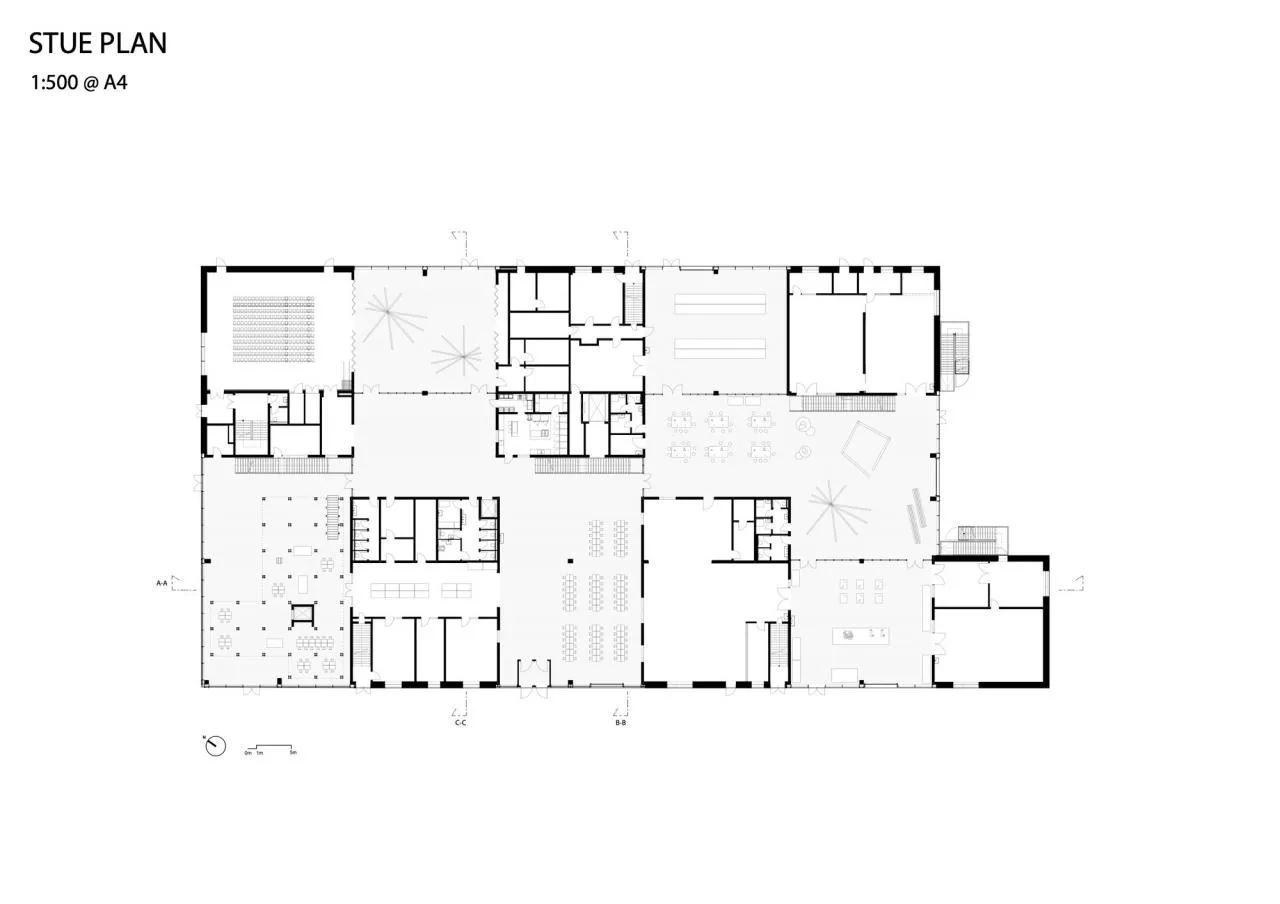
△ First floor plan
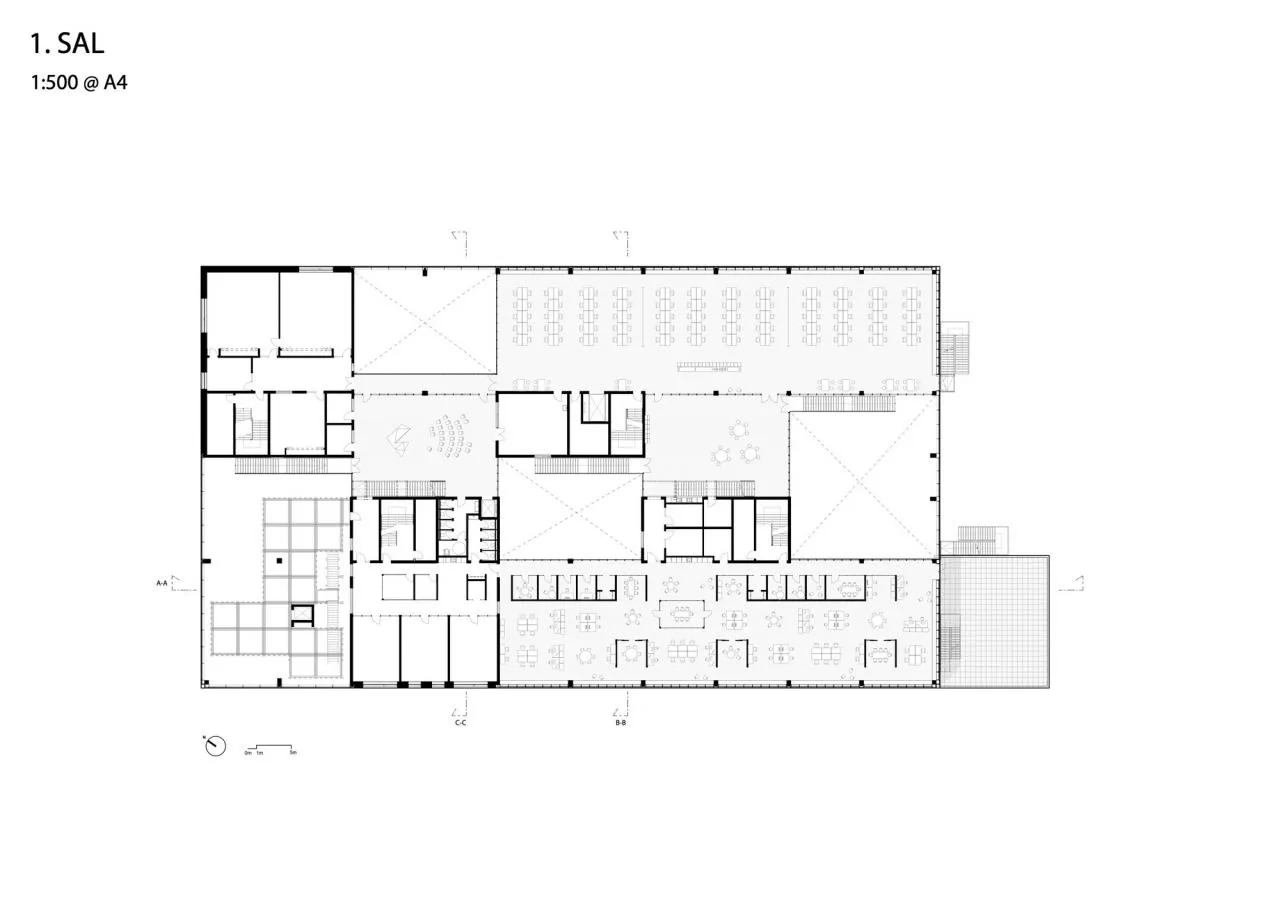
△ Second floor plan
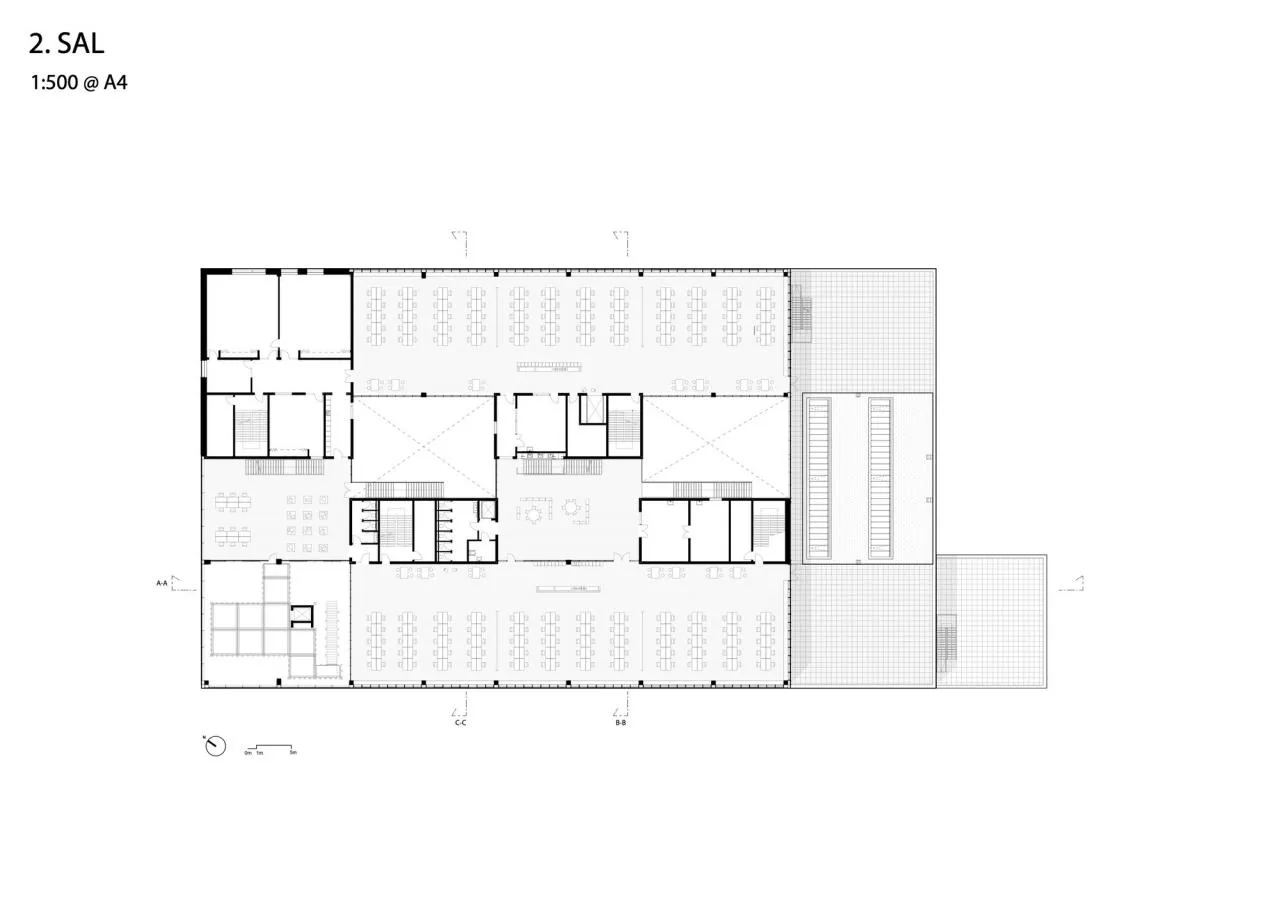
△ Third floor plan
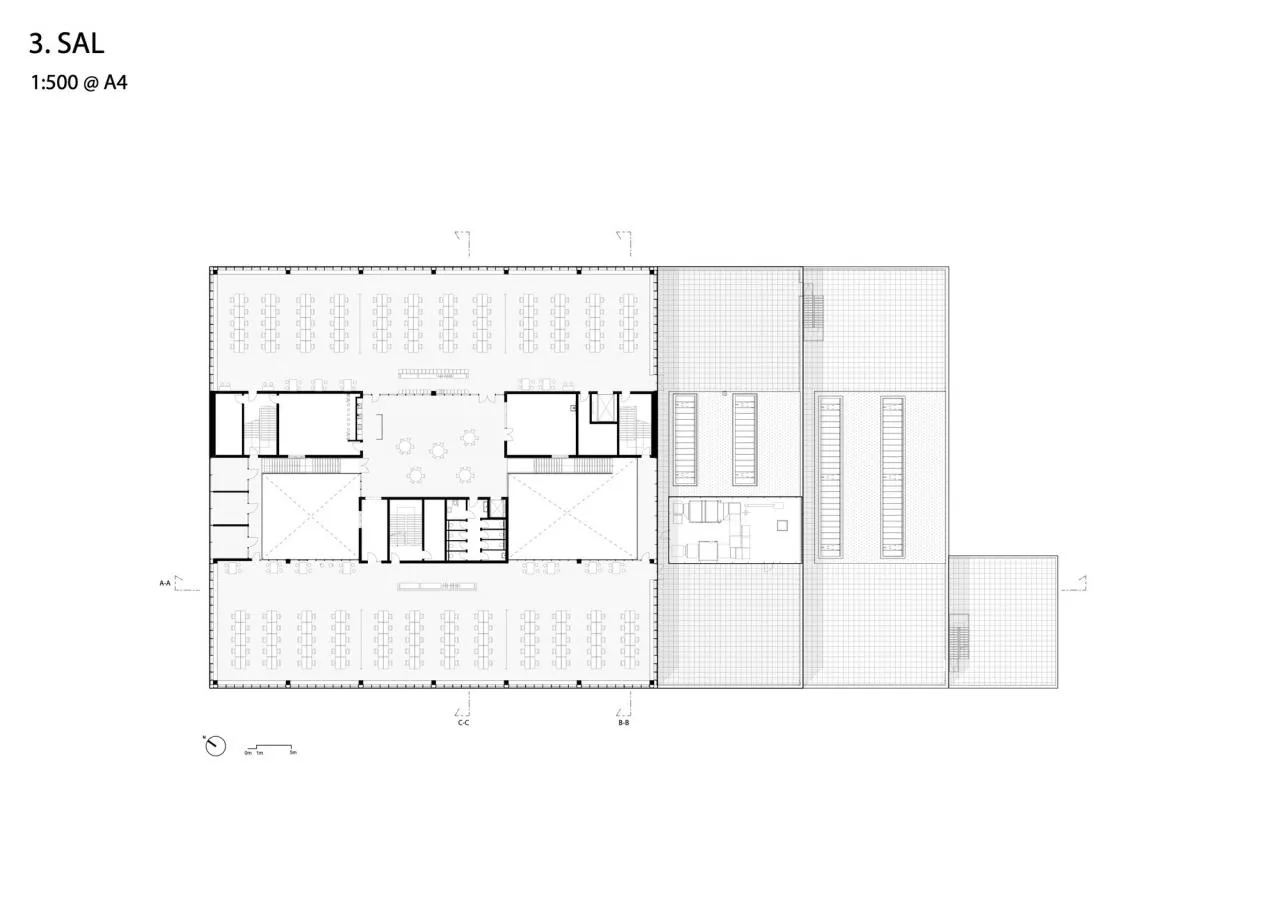
△ Fourth floor plan
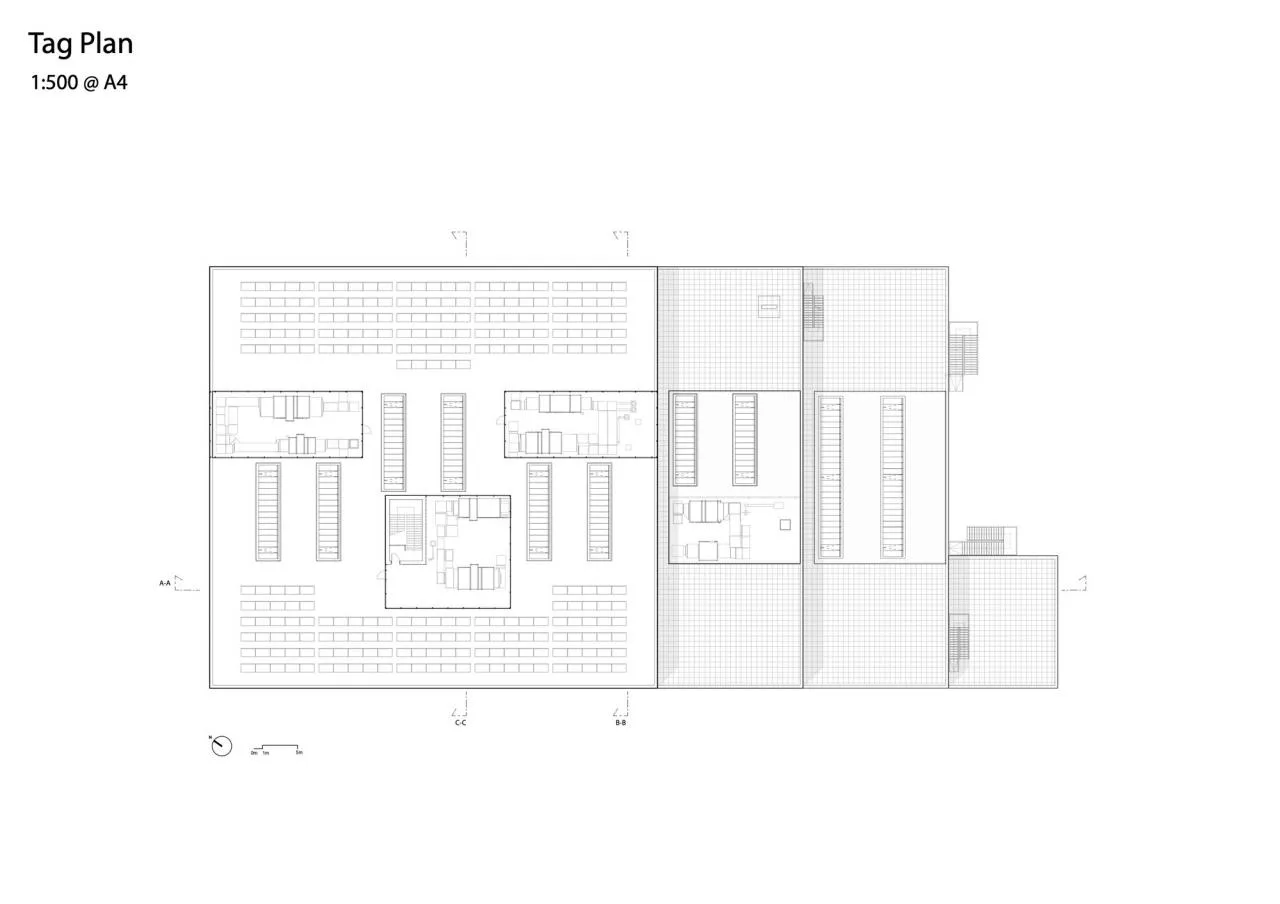
△ Roof plan
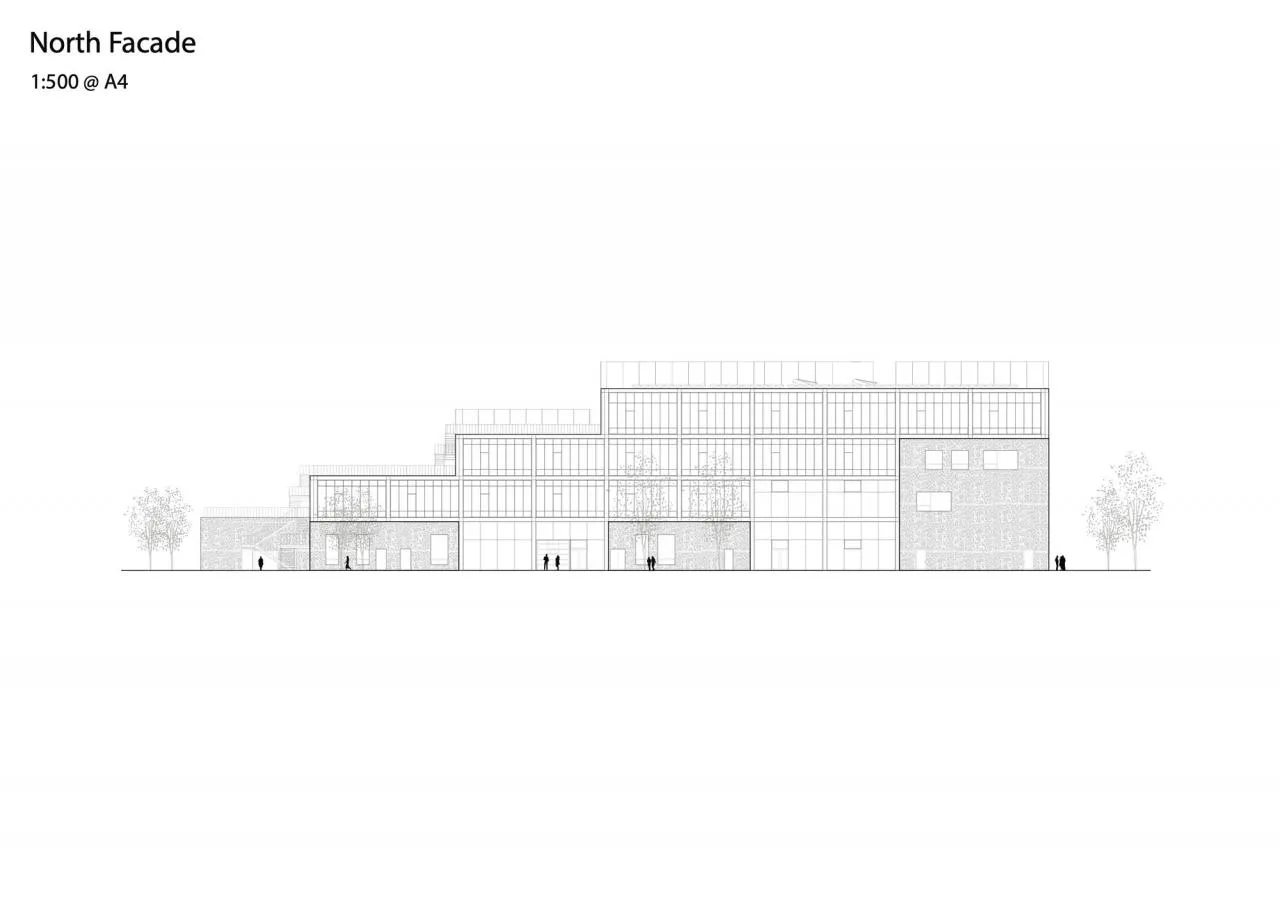
△ North elevation view
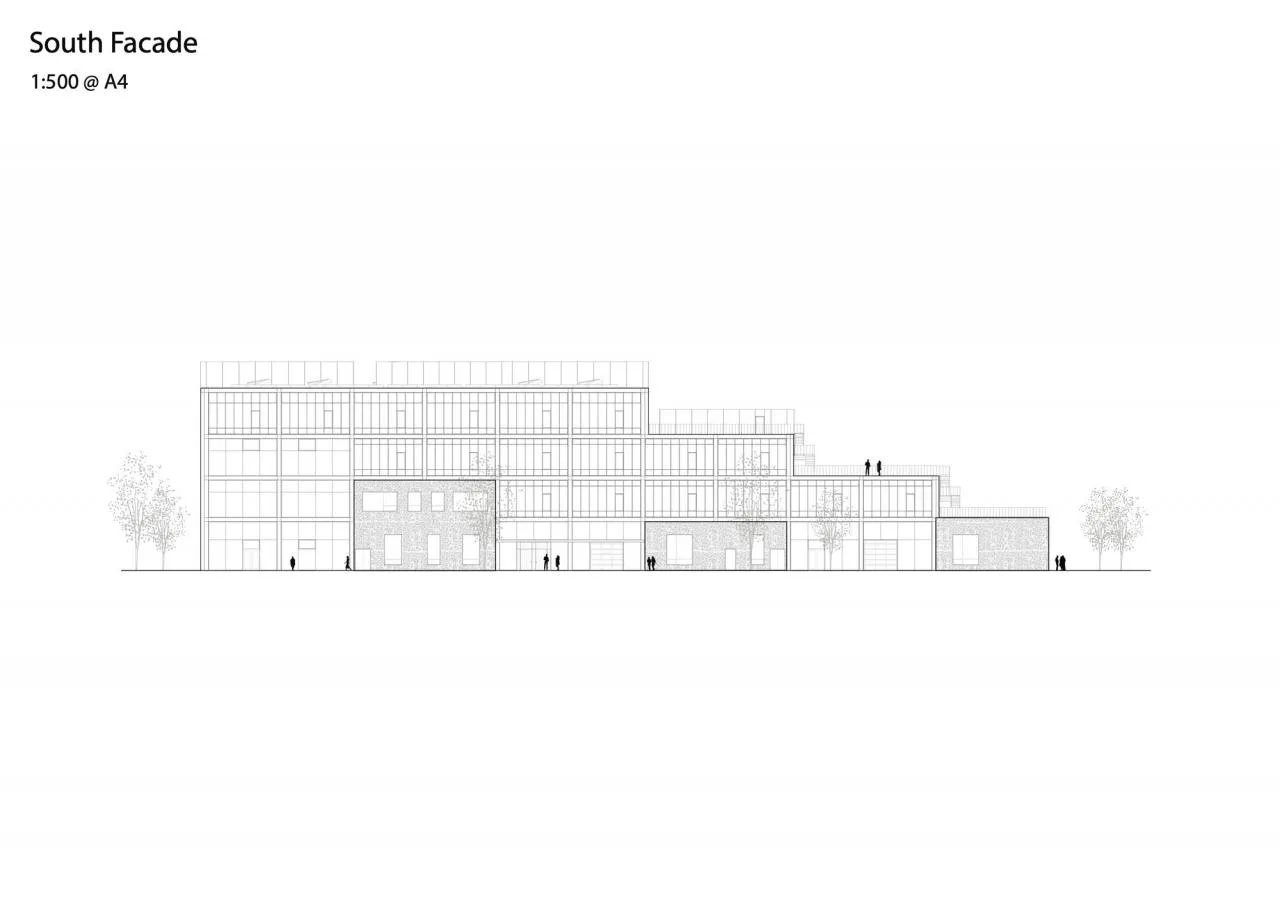
△ South elevation view
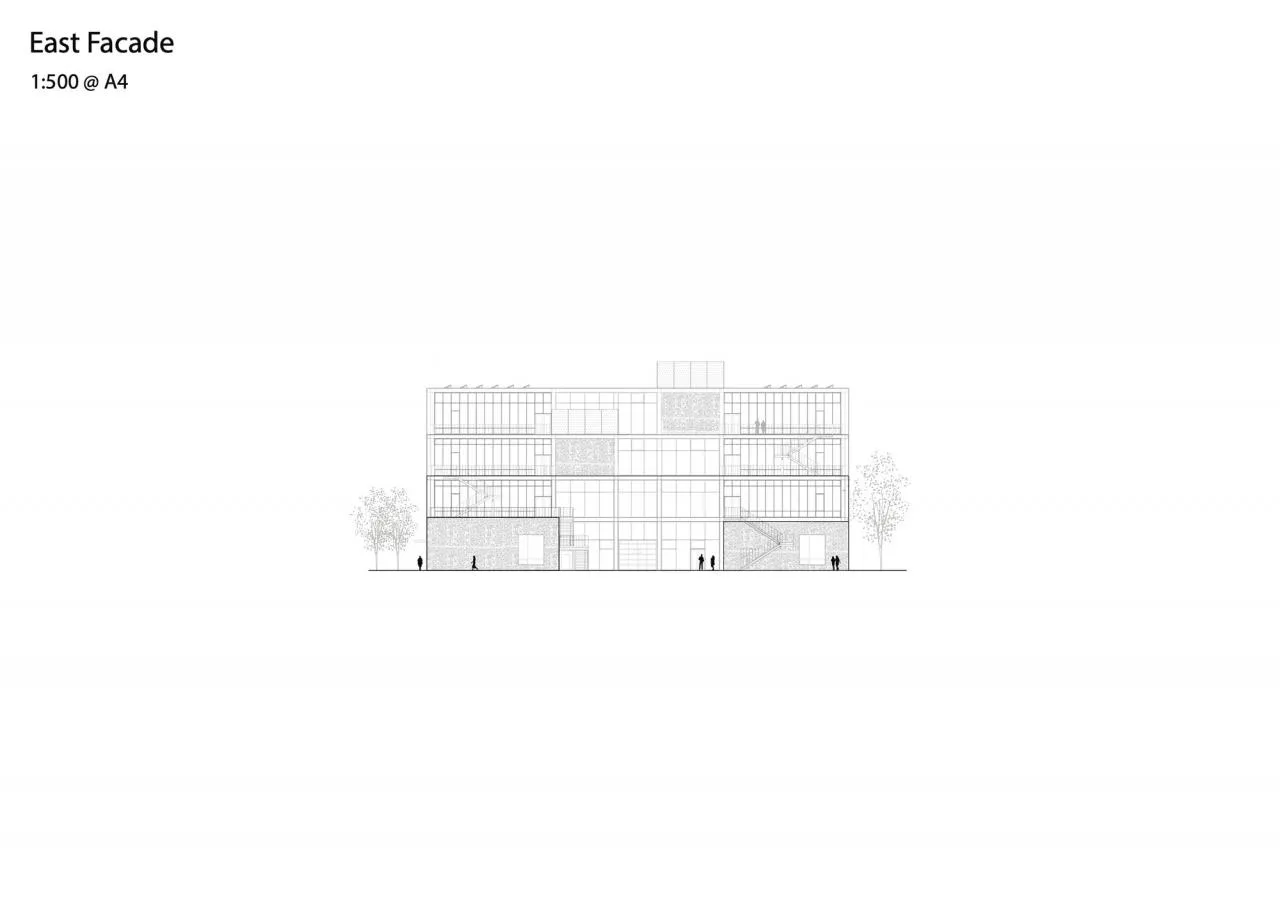
△ East elevation view
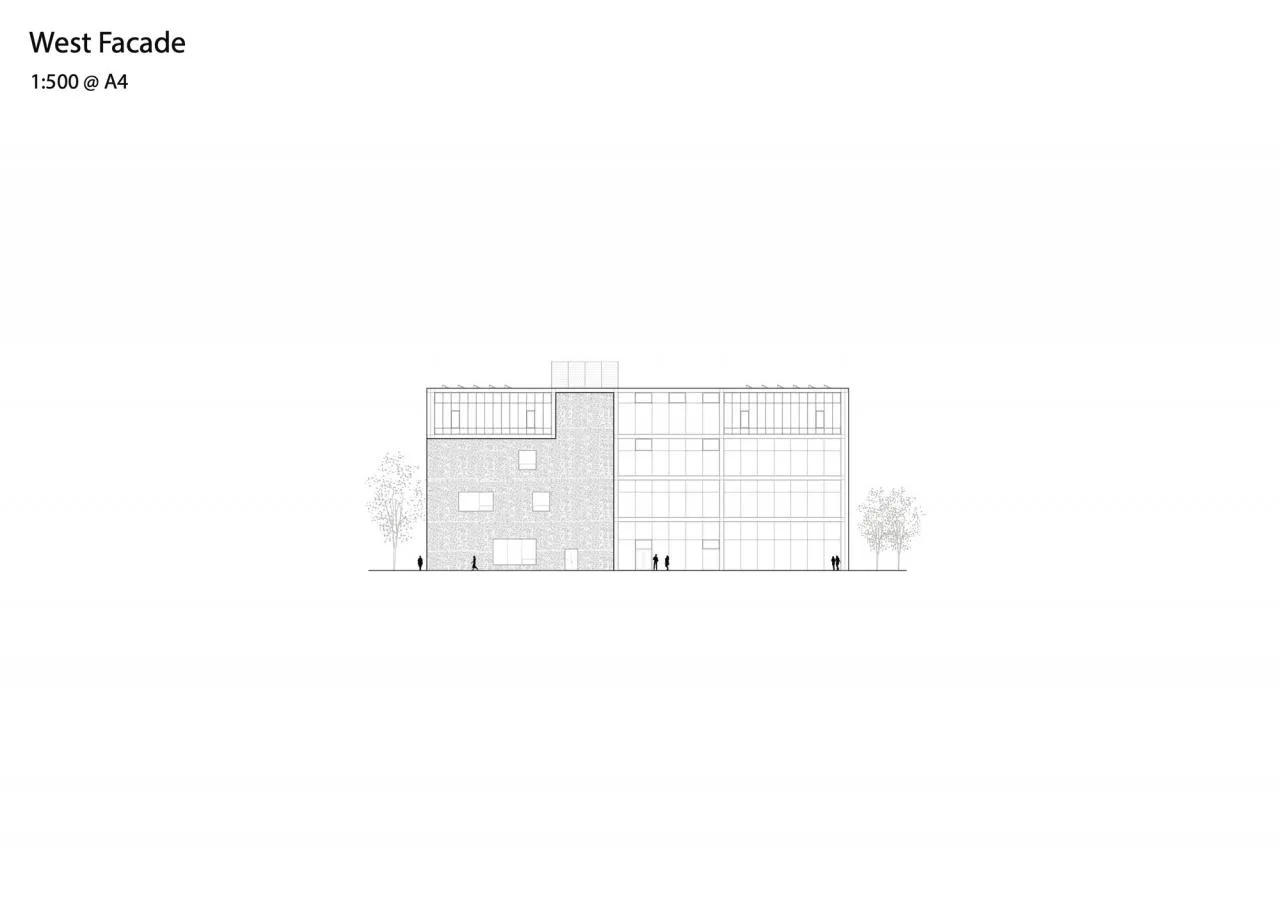
△ West elevation view
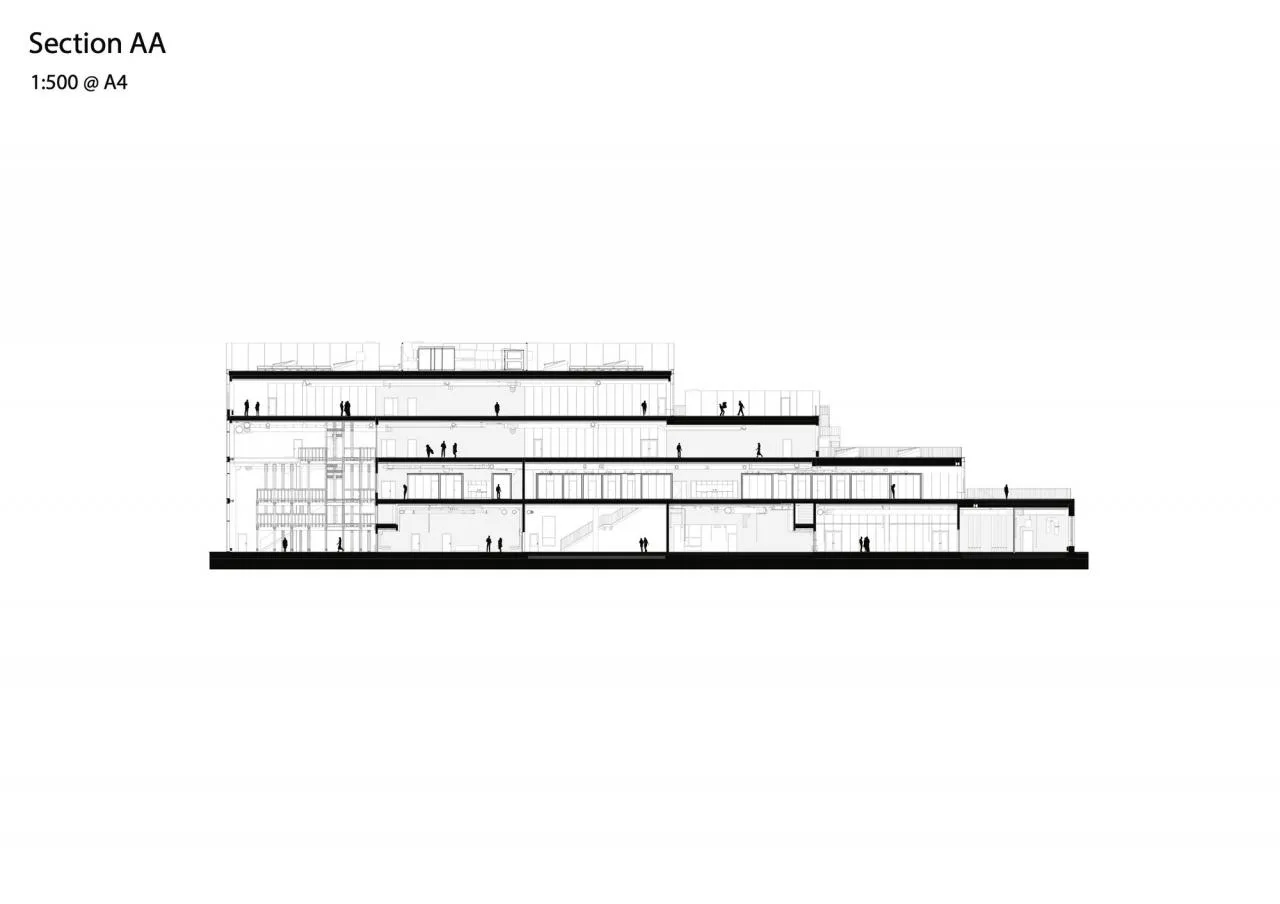
△ Section diagram
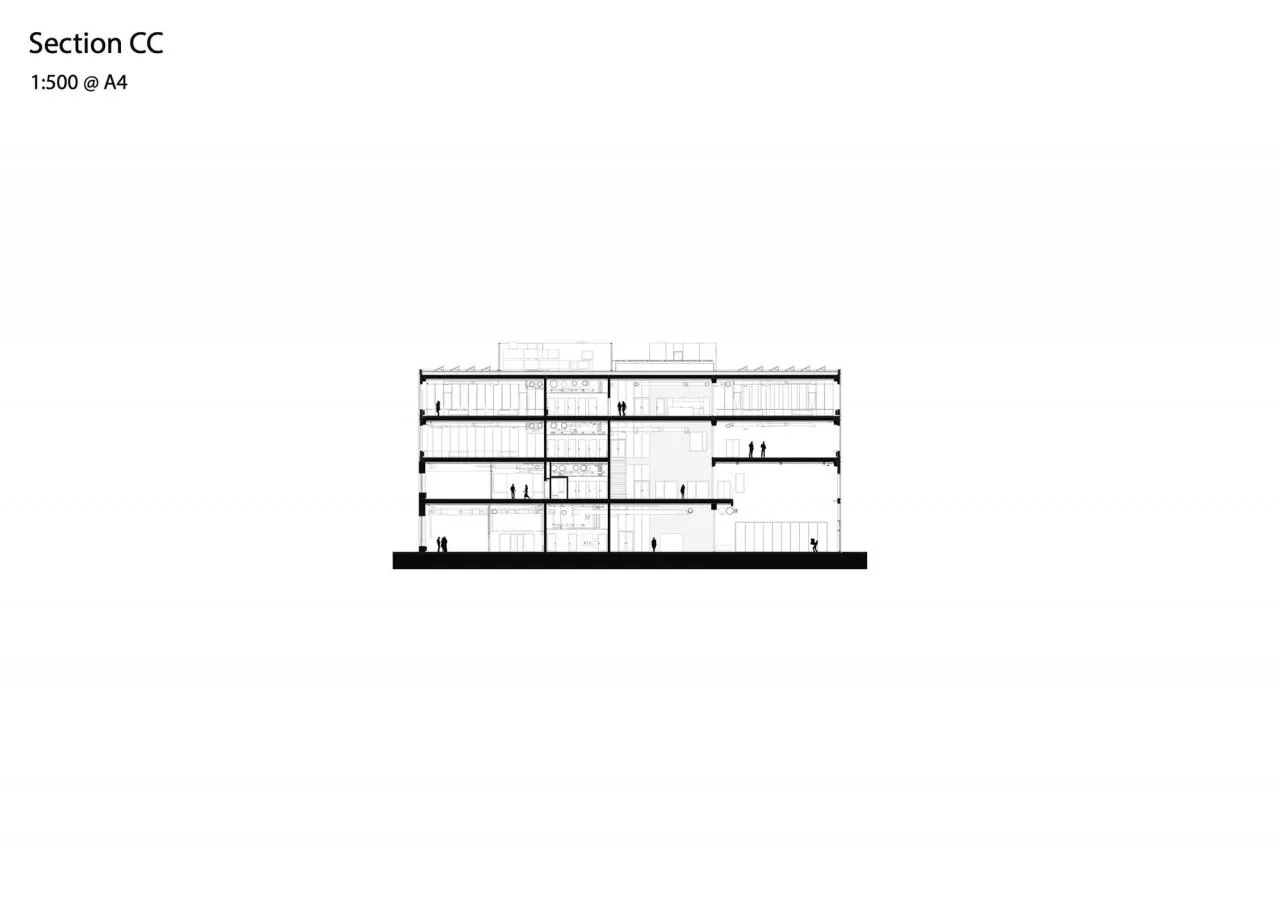
△ Section diagram
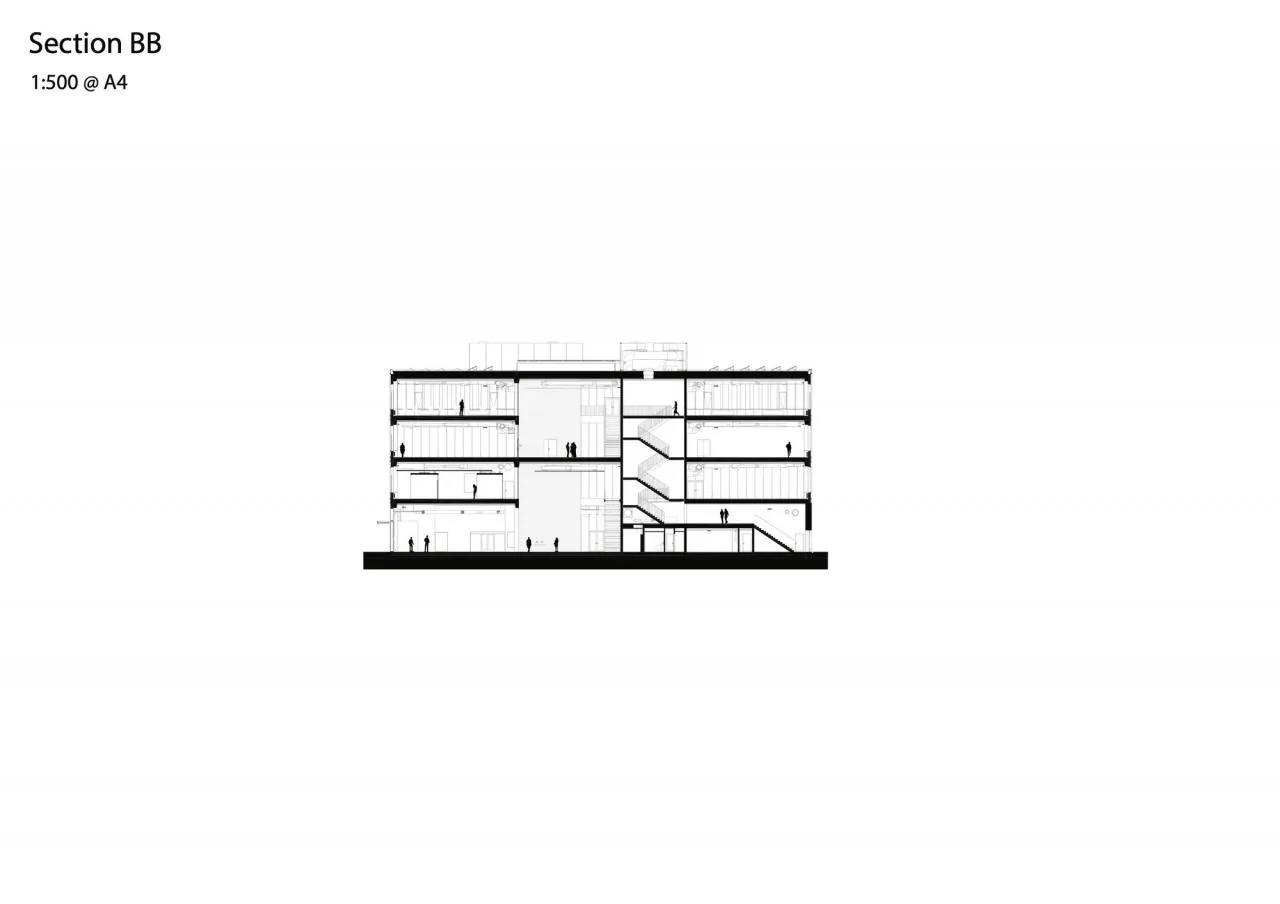
△ Section diagram
Project Information
Architectural Design: ADEPT, Vargo Nielsen Palle
Area: 12,500 m²
Project Year: 2021
Photographer: Ramus Hjortshøj
Collaborative Architect / Conceptual Design: Vargo Nielsen Palle
Other Consultants: Rolvung & Brøndsted Architects, Steensen Warming, Lendager Architects, Etos Engineers
Art: Lea Porsager
Library: Praksis Arkitekter
Location: Denmark













Must log in before commenting!
Sign Up