
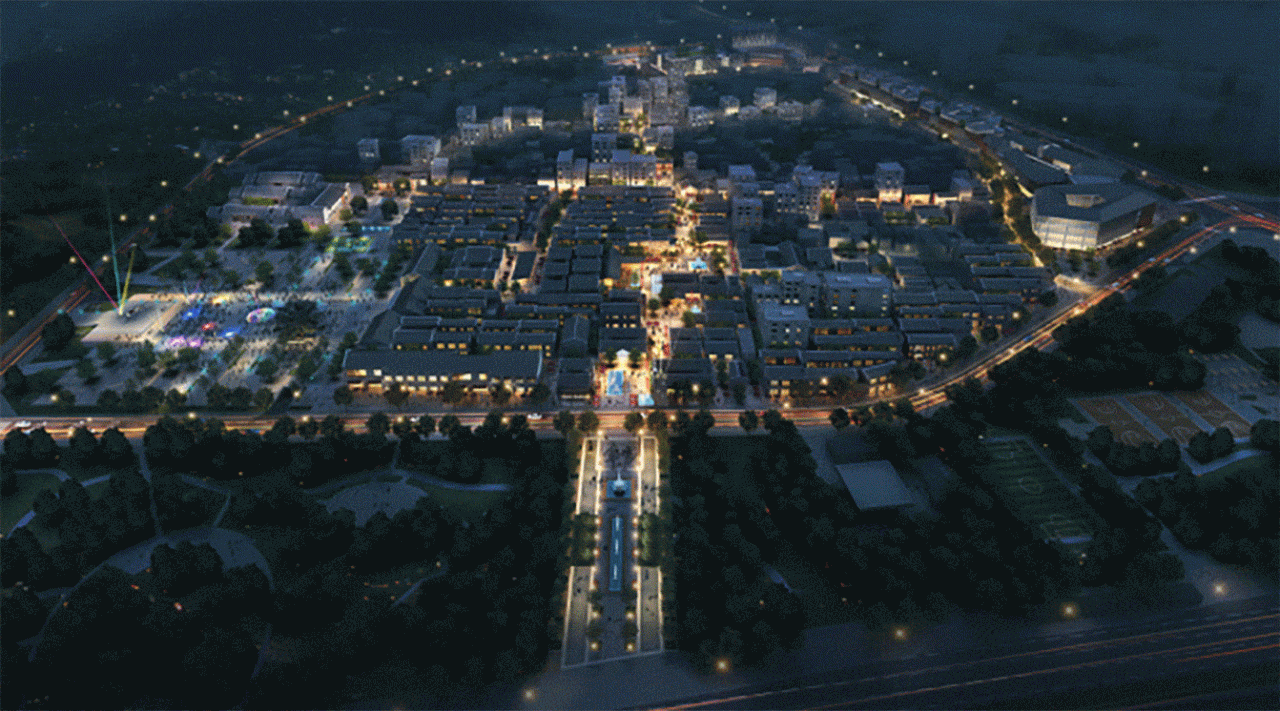
Preface
Over the past 40 years, rapid urbanization fueled by reform and opening up has brought China’s core cities to a pivotal moment, transitioning from incremental growth to stock development. Urbanization patterns are evolving, reshaping how people understand and build cities. The approach to reusing existing land and maximizing value now reflects diverse characteristics.
Years of experience in redeveloping and designing urban cores have led us to reflect on the delicate balance between government, society, and enterprises, as well as the value that design can generate, focusing on:
- The continuous evolution of land renewal models;
- Respect for local culture and indigenous lifestyles;
- Dynamic and flexible design systems to accommodate long development cycles.
Identifying unique design approaches tailored to each city’s specific period remains a guiding principle in our planning and design work.
Building Systematic Design Capabilities
Through extensive design practice, our team has developed a comprehensive and integrated design capability, which is especially critical in urban core redevelopment.
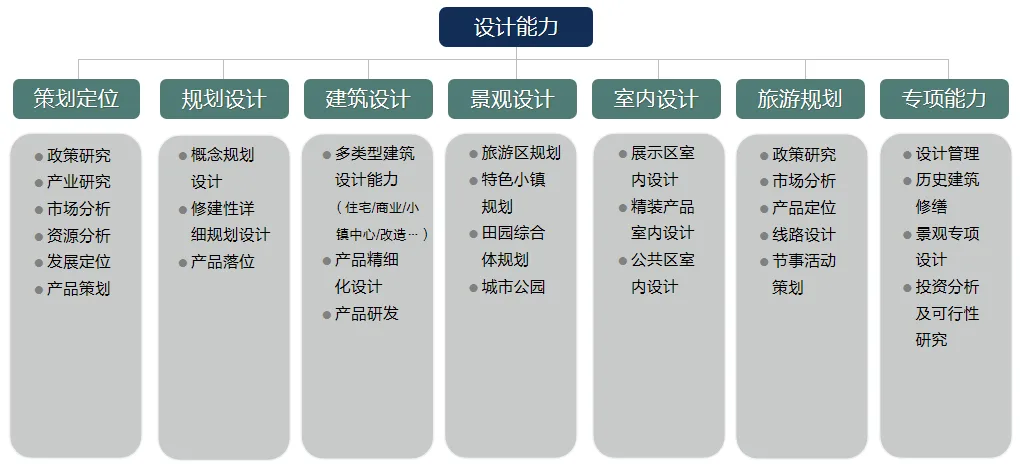
△ Design System
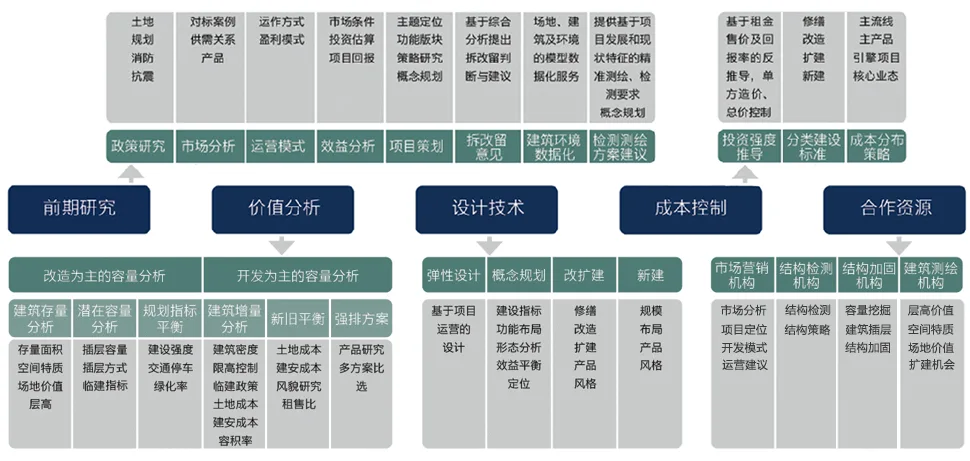
Design Capability for Existing Properties
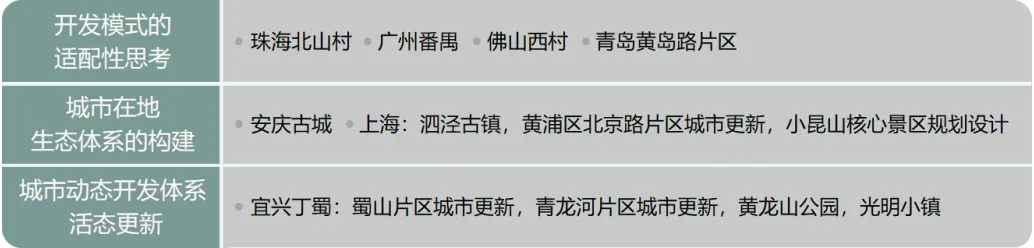
Summary of Design Thinking Based on Practice
1. Adapting Development Modes
01 Balancing Government, Society, and Enterprises Within Development Constraints
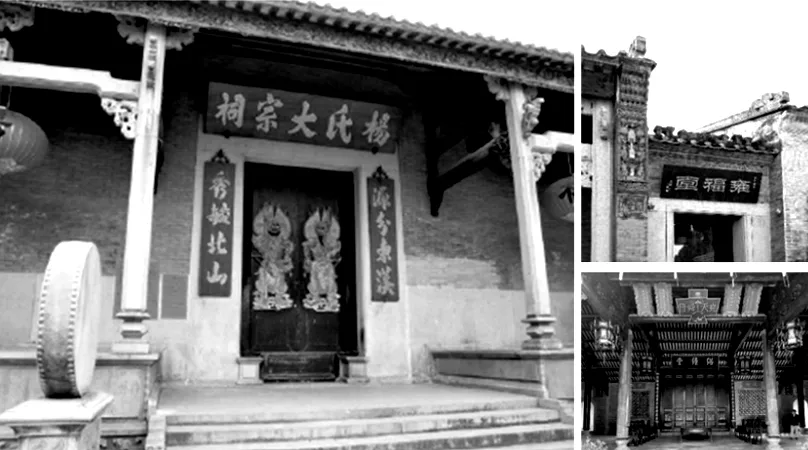
Beishan Village, Zhuhai
Beishan Village has been home to the Yang ethnic group since the Song Dynasty, accumulating over 800 years of history with numerous cultural relics and historic sites.
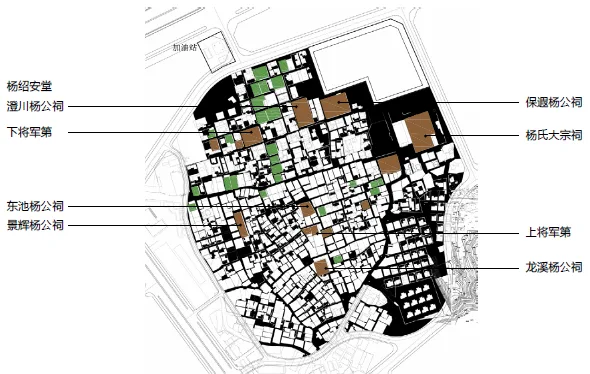
Traditional Lingnan villages preserved within the urban core
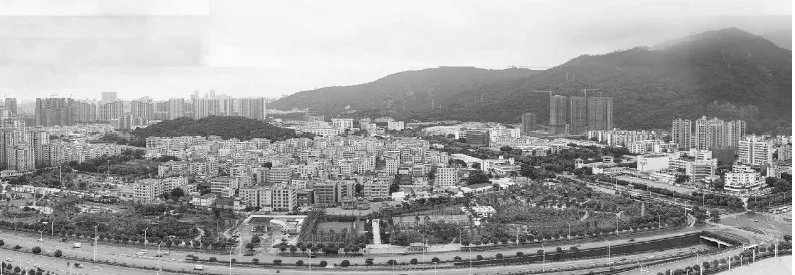
Typical Urban Villages in South China amid Urbanization Development (Source: Internet)
As a key destination for “pearl drifters” during reform and opening up, Beishan Village saw population density soar, triggering a vicious cycle of space and rental value pressures. Traditional double-slope residential buildings were demolished in favor of high-density, high-capacity structures. Bluestone slabs gave way to cement roads, and many murals and brick carvings were lost, diminishing the village’s cultural heritage.
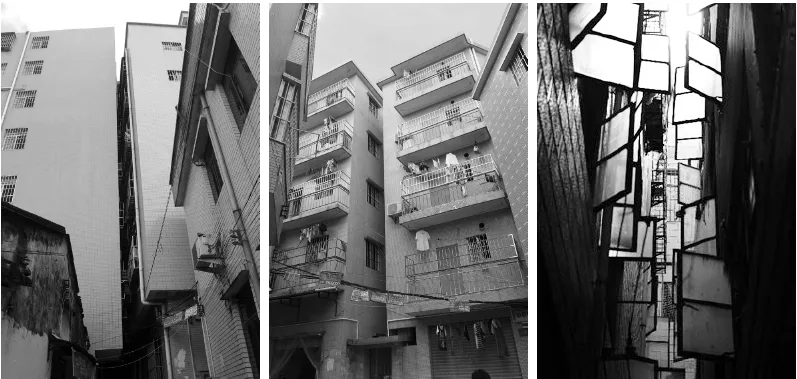
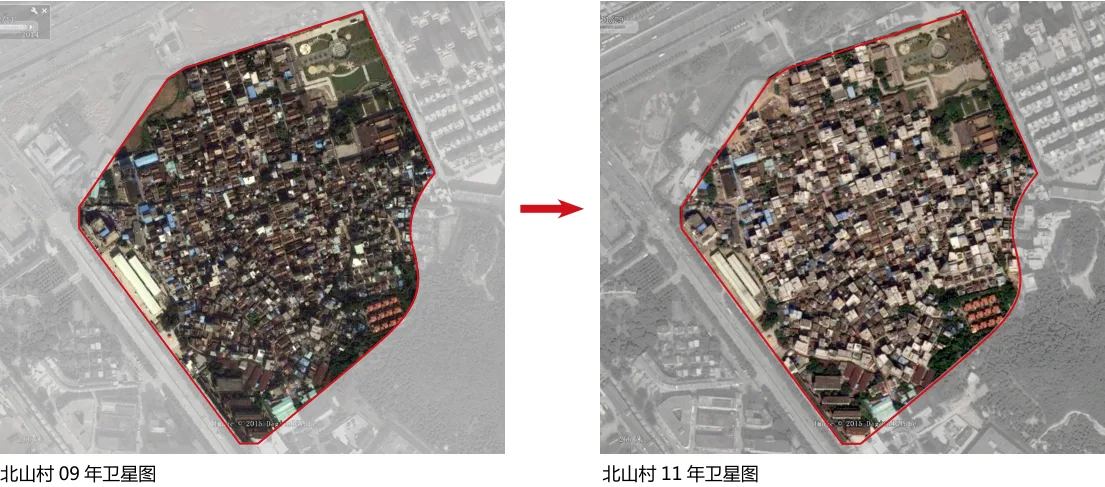
△ Image source: Internet
Total Demolition Limits Based on Value Assessment
Within a balanced financial and aesthetic framework, the first phase’s demolition volume was capped at 60,000 square meters. Guided by thorough research and values including historical significance, property rights, local needs, public space, and visual identity, a detailed plan balancing demolition and preservation was developed.
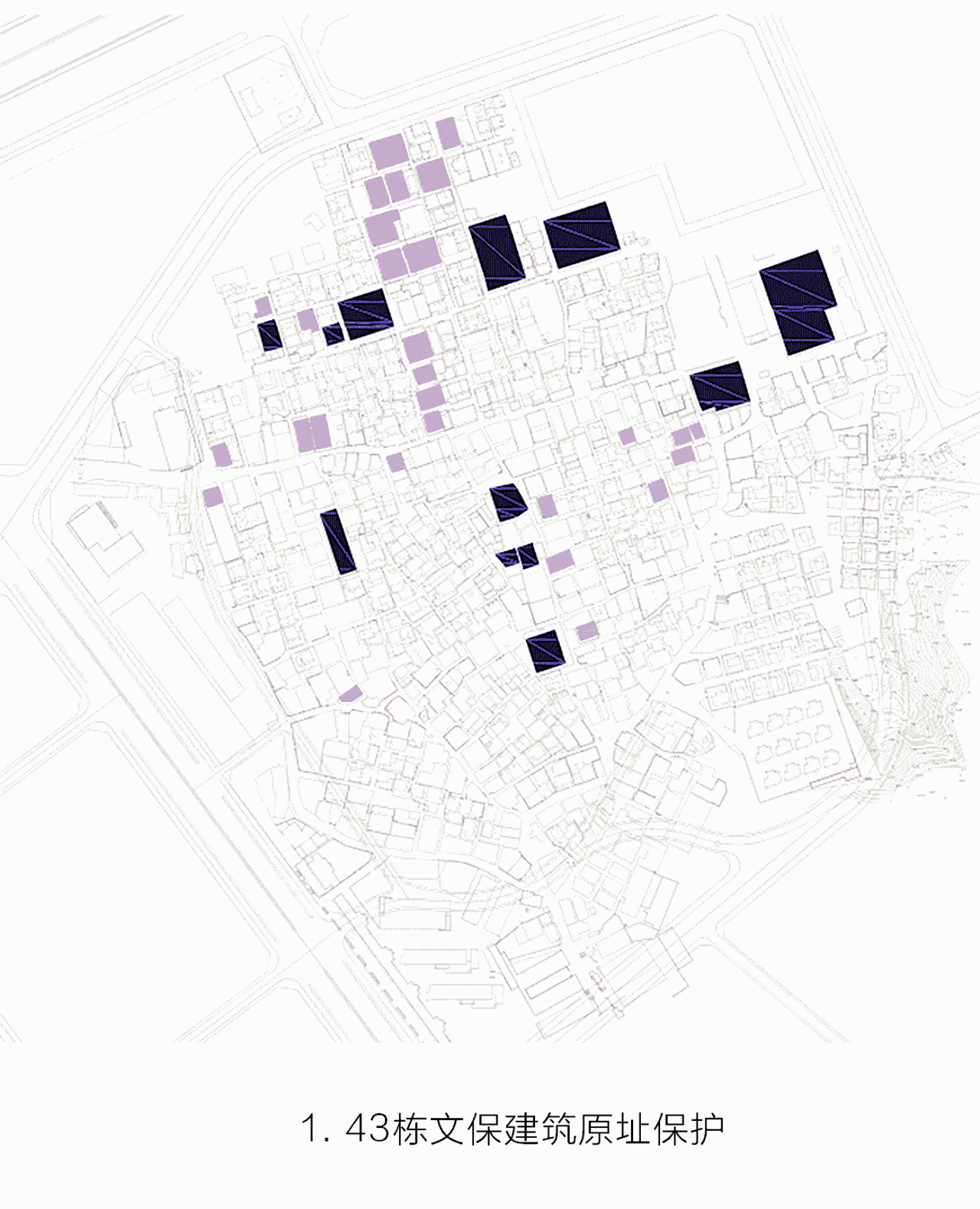
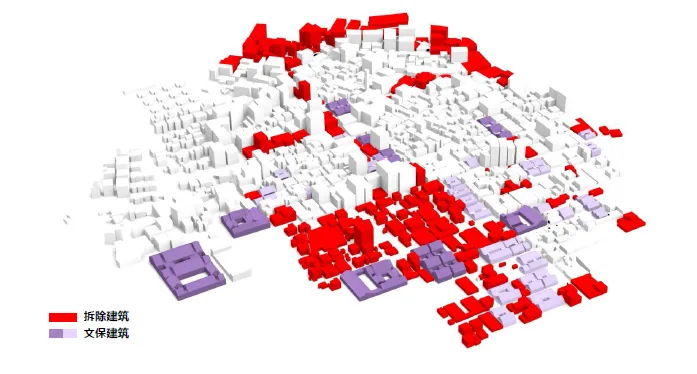
△ Reflection on demolition and retention strategies
Development Cycle-Based Pattern Adaptation
Balancing complex interests among government, developers, and local residents involves overall strategic thinking centered on freezing and organic renewal principles:
- Government: demands for urban aesthetics and industrial upgrading;
- Developers: requirements for high-density, high-capacity development amidst demolition challenges;
- Locals: expectations for improved living standards, property rights, and benefit sharing.
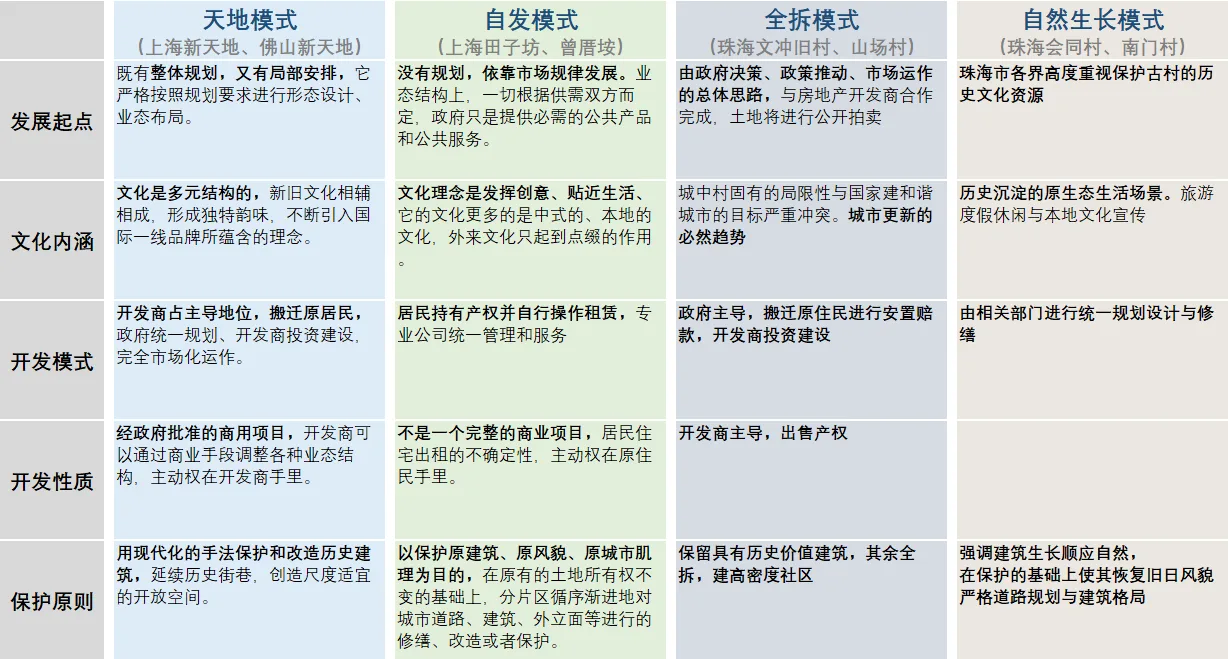
△ Mode research
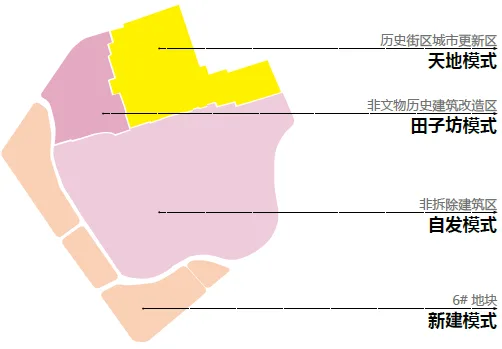
△ Mode selection
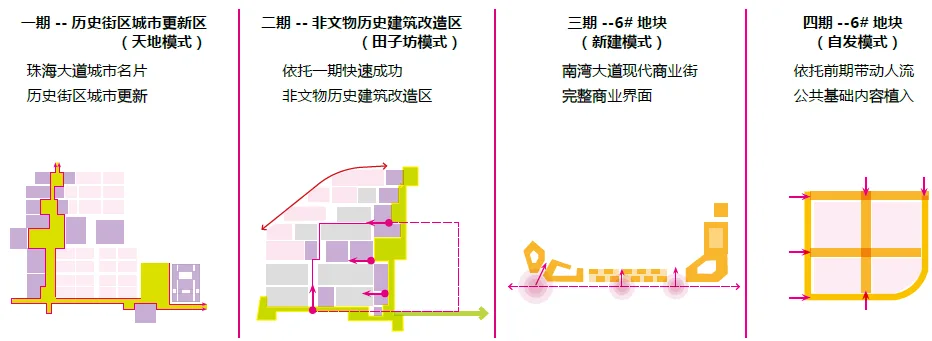
△ Interface and installment
Resilient Growth
By evaluating the value of buildings from different historical periods and respecting cultural heritage and styles, the design integrates customized products to reflect sustainable development for the future.
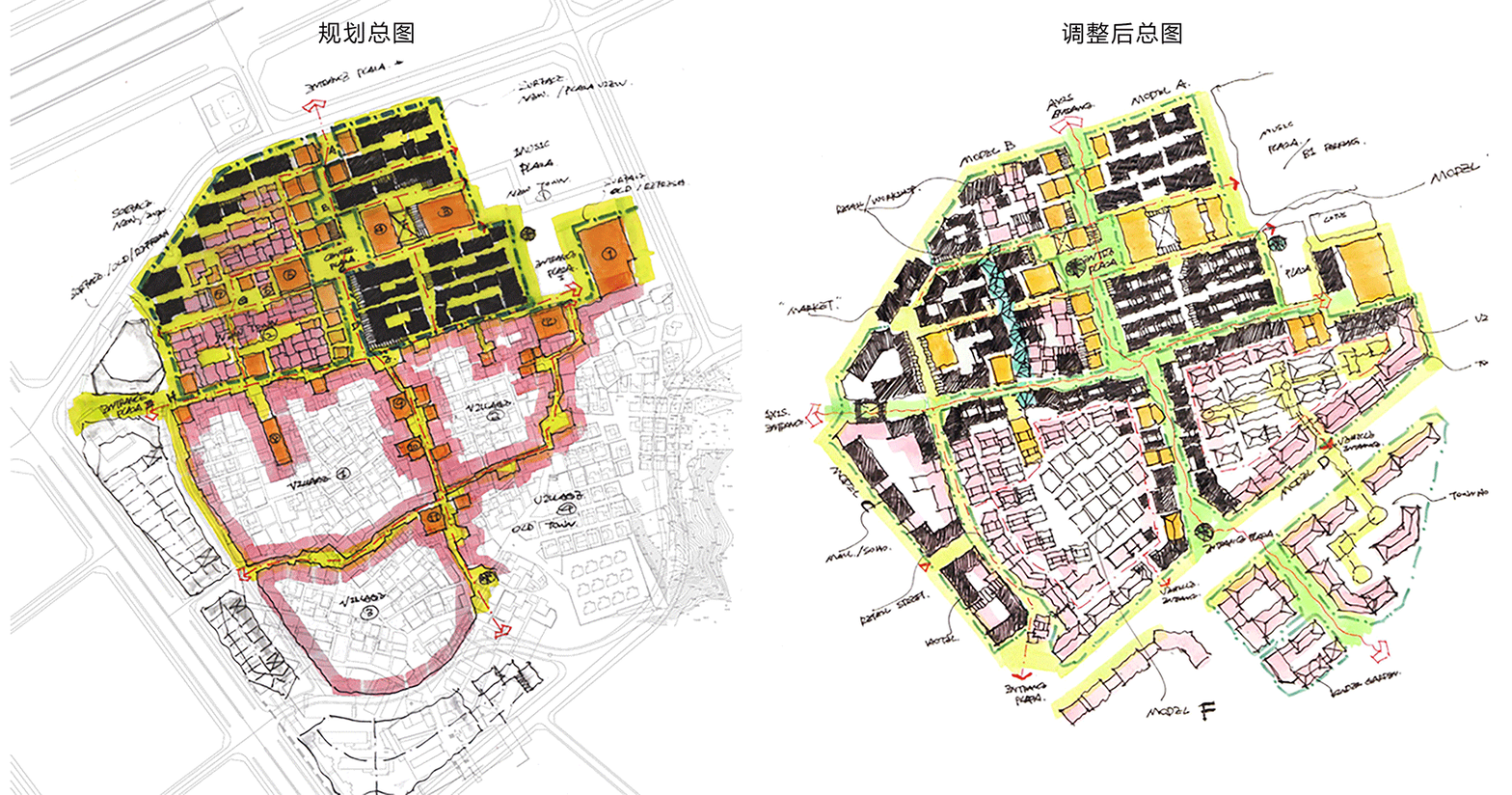
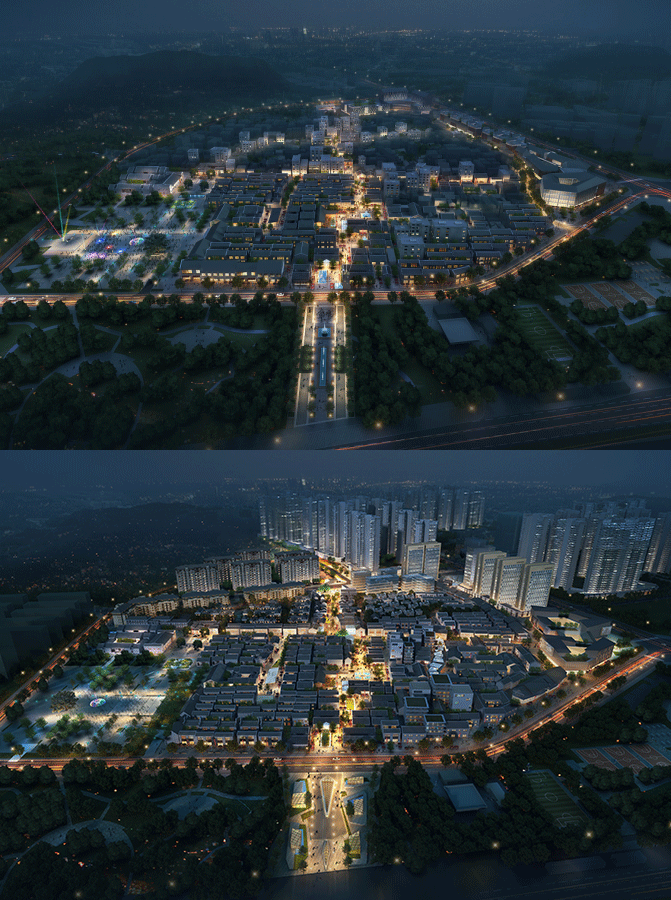
△ Space creation
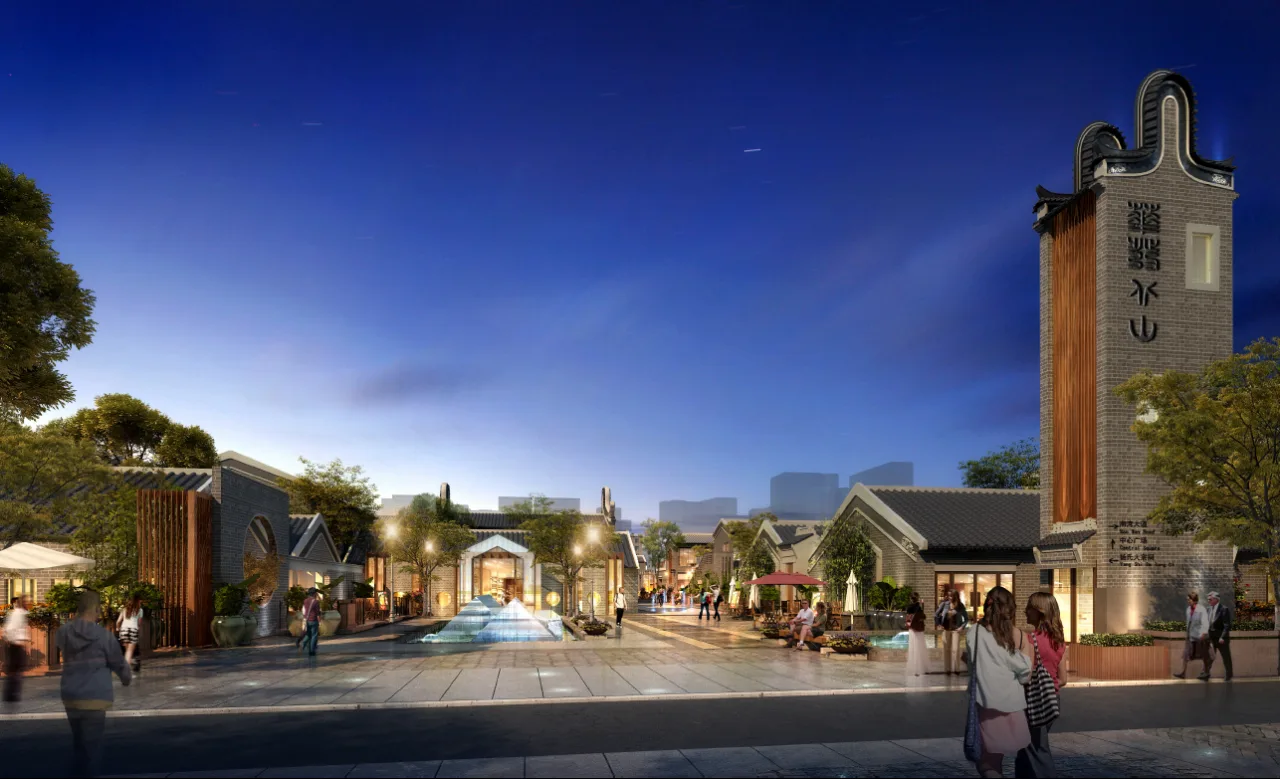
△ Main entrance space
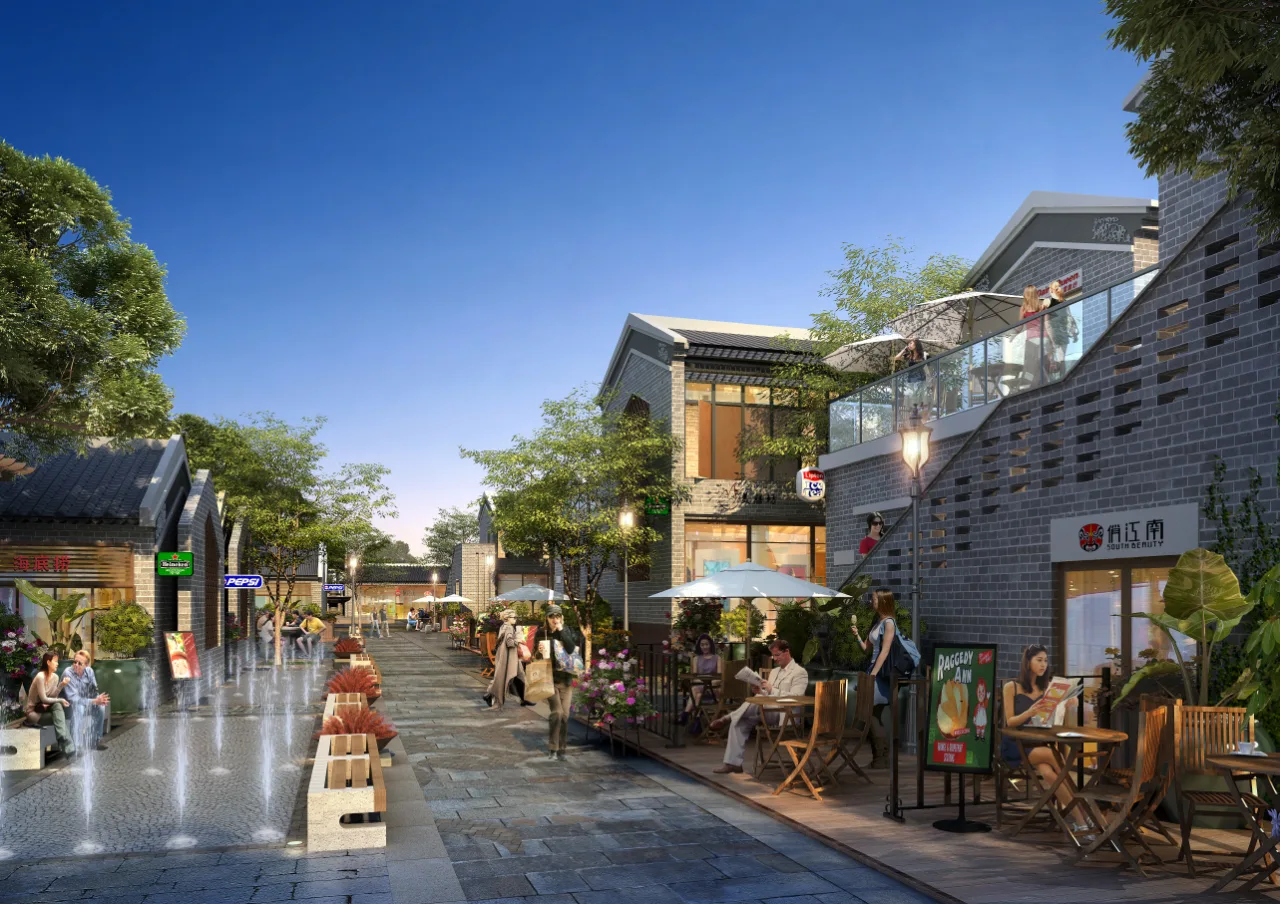
△ Cultural street space
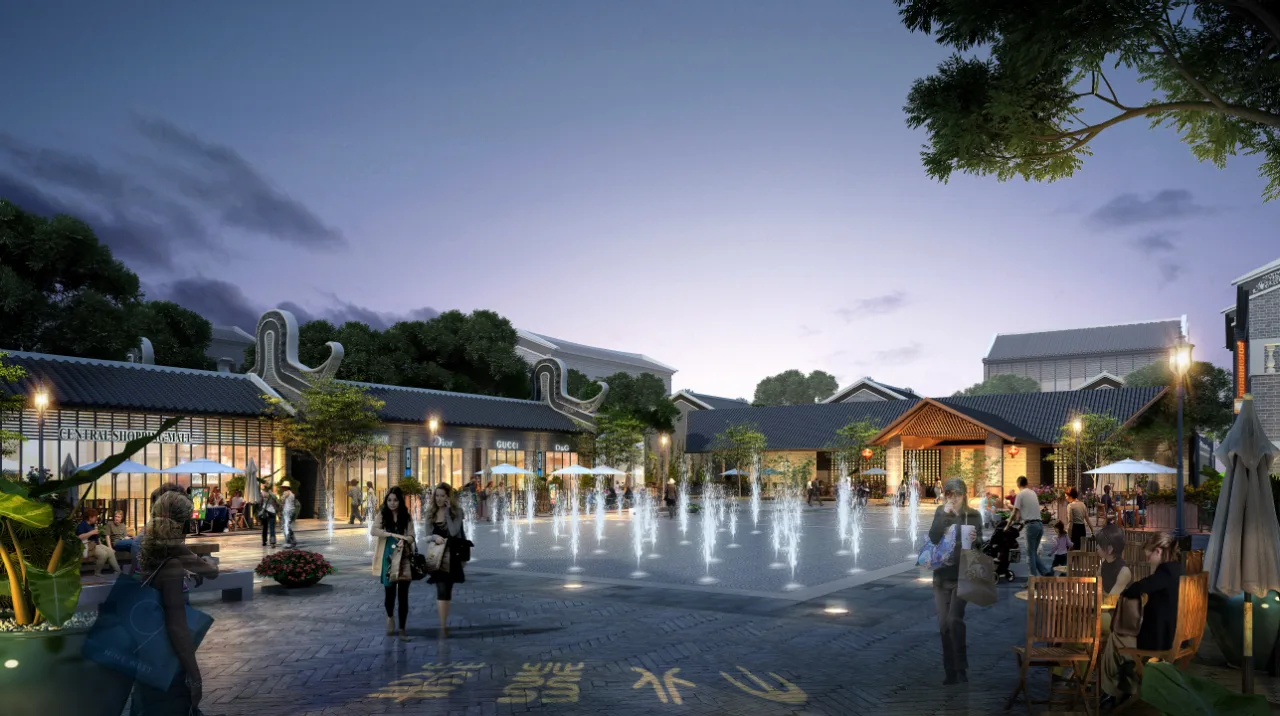
△ Lingnan village square space
02 Value Balance Centered on Urban Development
Guangzhou Panyu Shatou Street Area & Foshan Xicun Urban Renewal
The “Three Olds Renovation” is a distinctive model in Guangdong Province that targets the renewal of old towns, factories, and villages. It addresses the growing conflict between land supply and demand in core urban areas by expanding construction space. Various “Three Olds” renovation models have been applied region-wide.
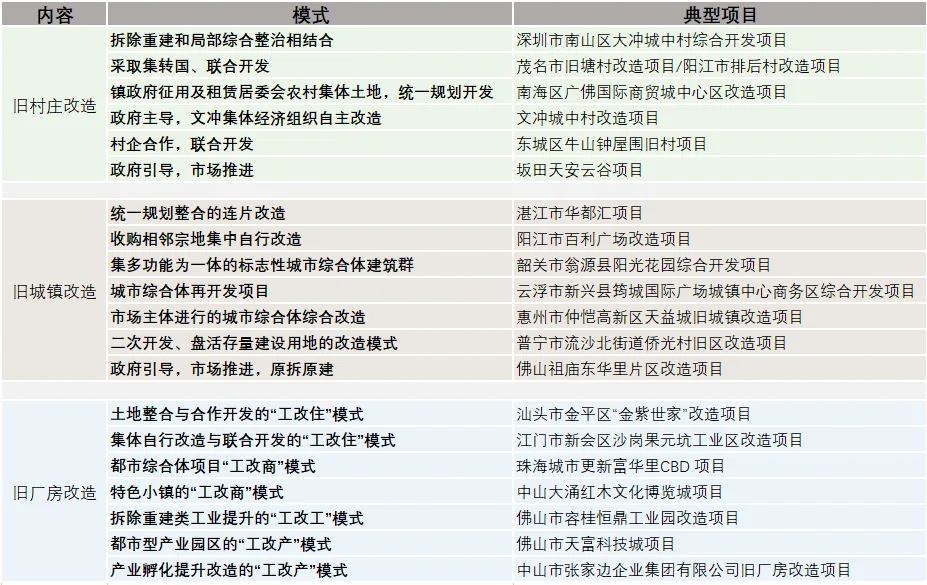
Mixed Land Renovation Model Reflections
In these two projects, the target “Three Olds” lands in urban cores include old villages, collective factories, and historic buildings. Faced with urban challenges such as traffic congestion, outdated structures, cramped spaces, and facility shortages, the design team needed to consider how to revitalize the urban core while balancing the interests of all stakeholders.
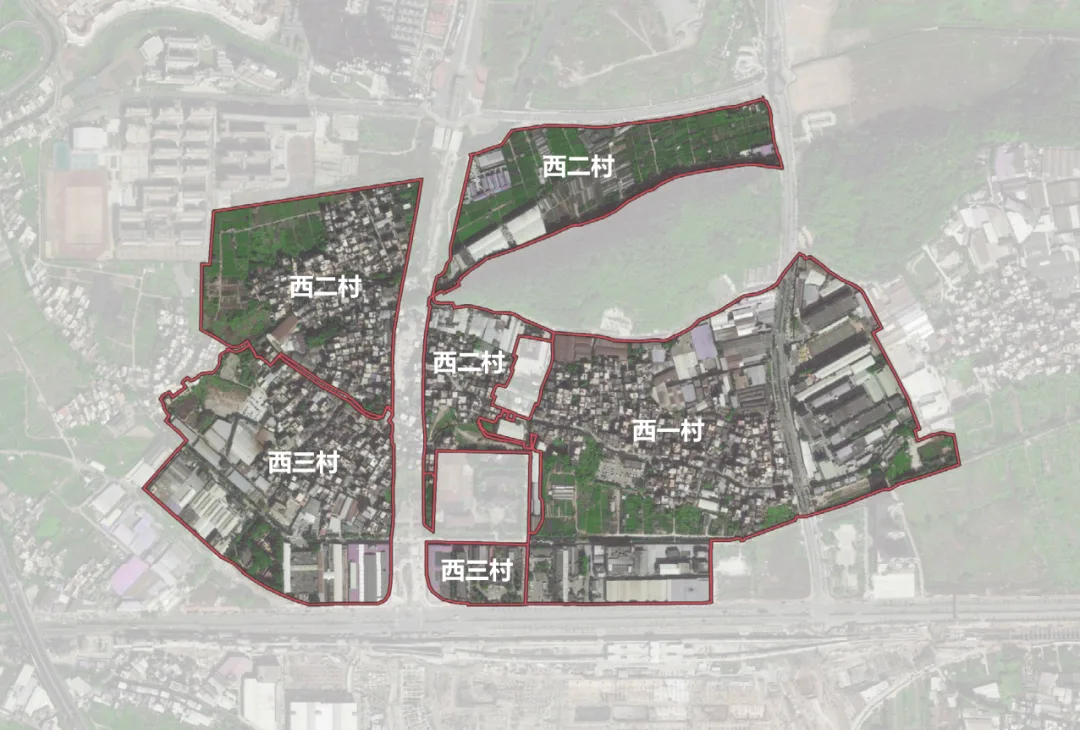
△ Mixed use map of old villages, factories, and towns in Xicun, Foshan (Source: Internet)
Based on comprehensive research and practical experience with the “Three Olds Renovation” projects in Guangdong, we adopted a multifaceted and targeted approach to implement flexible and innovative redevelopment tailored to each site’s realities.
Multiple renovation modes are combined, applying different strategies to different buildings:
- Restoration and enhancement of historically valuable buildings, led by government;
- Relocation and restoration for high-value historical buildings, led by government;
- Demolition and optimized redevelopment for poor-quality buildings, led and operated by developers.
Value-Driven Layout Strategy
Redeveloping old urban cores is complex, focusing primarily on land value. The renovation areas contain diverse properties—residential, commercial, service, and industrial. Guided by land value, we analyze social, economic, and spatial values to determine feasible planning directions.
Panyu Project
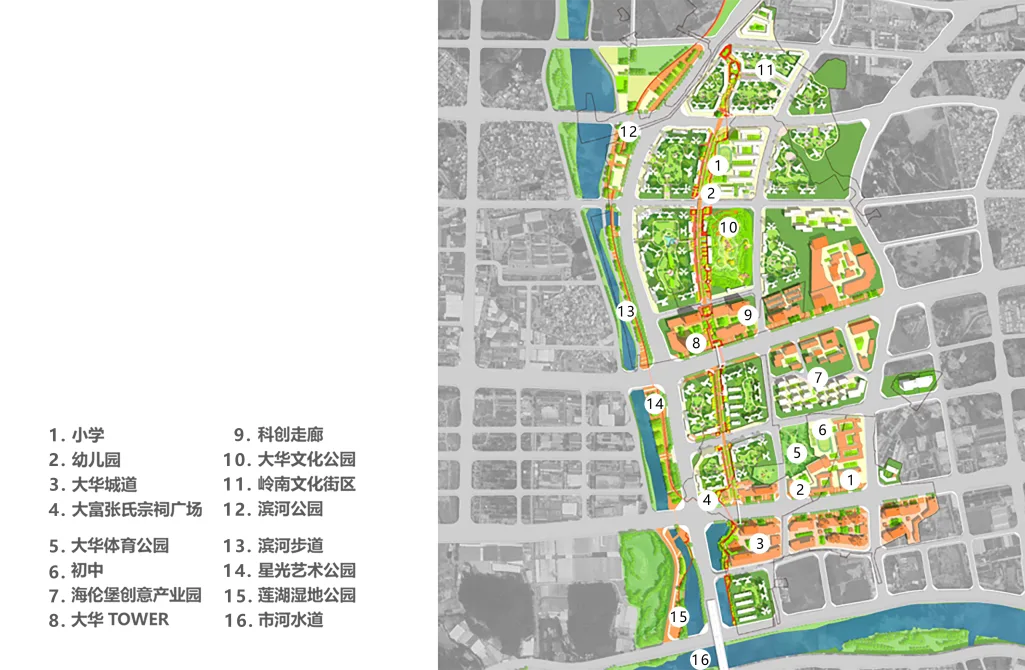
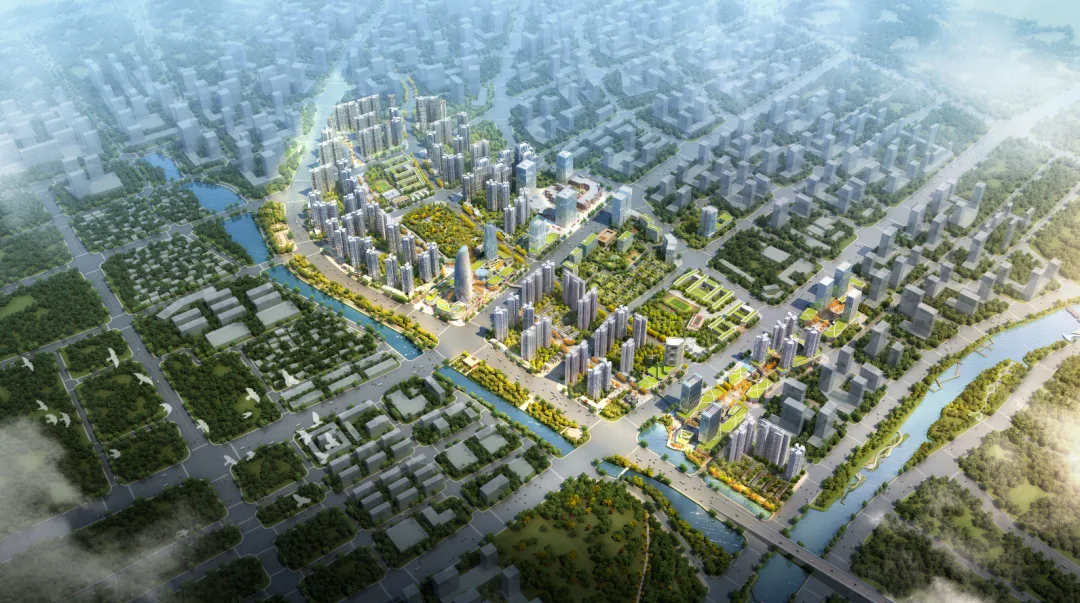
Overall plan and bird’s-eye view formed based on value assessment
Foshan Project
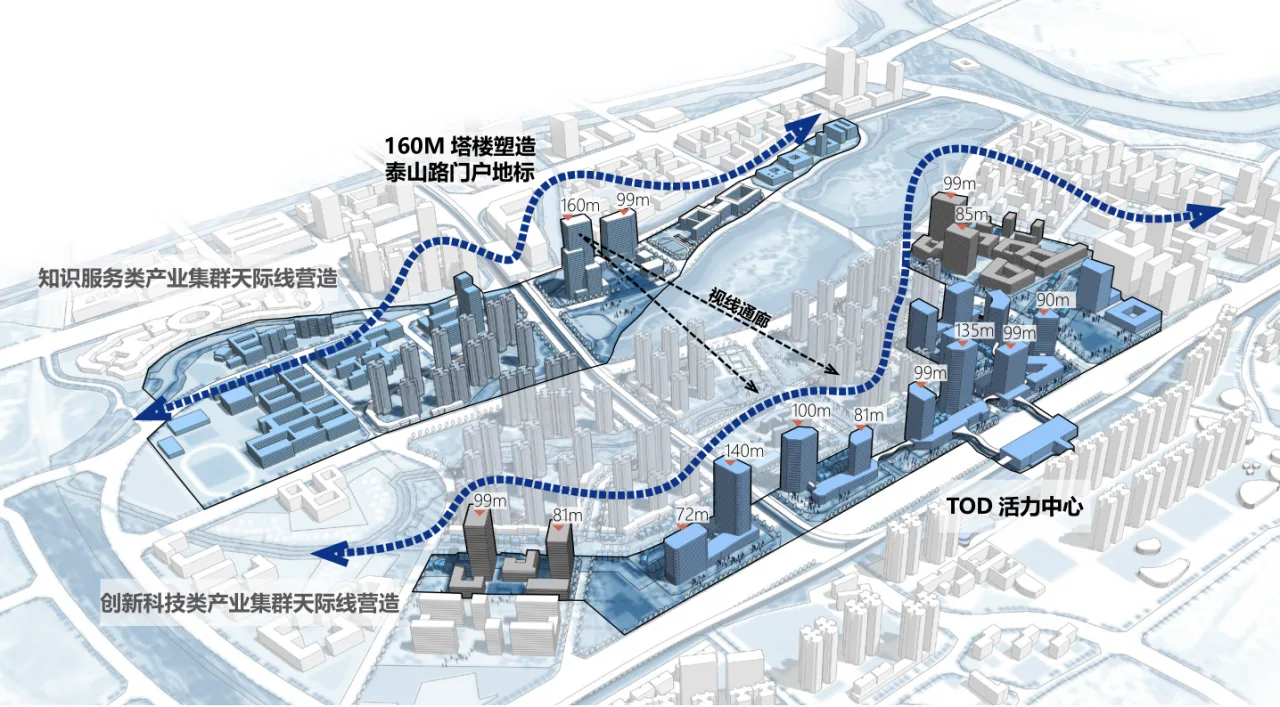
Development Demands of Transit-Oriented Development (TOD)
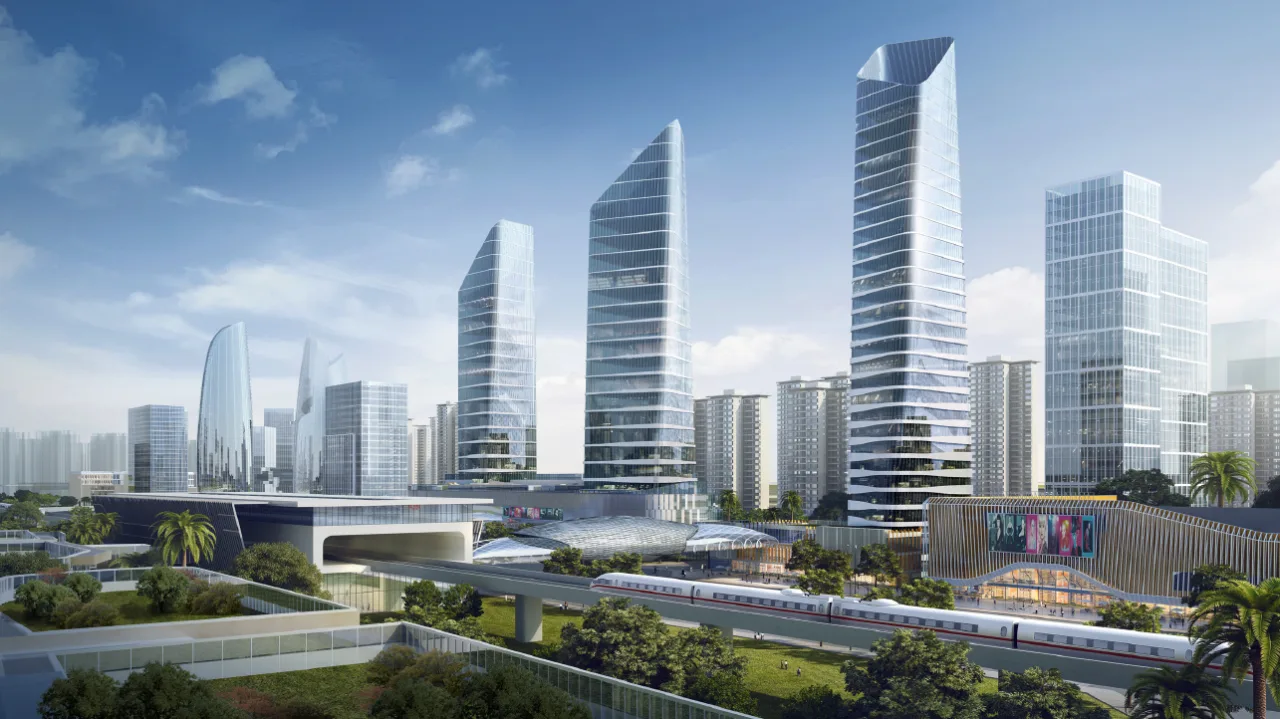
Urban Image Requirements
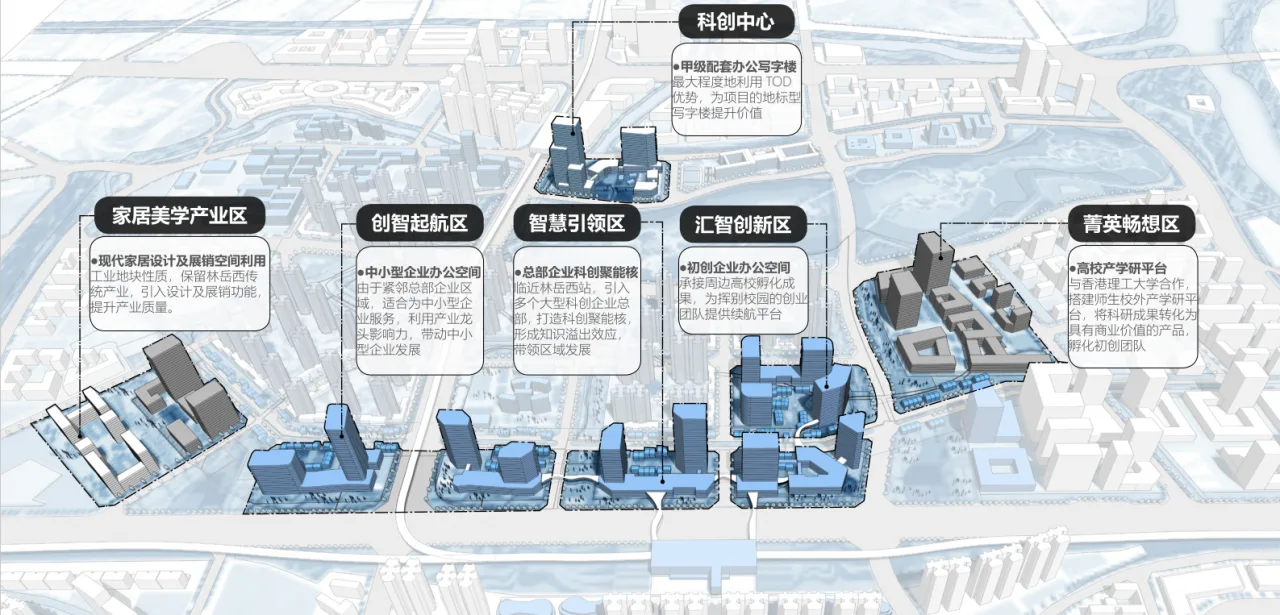
Industry and Service Demands
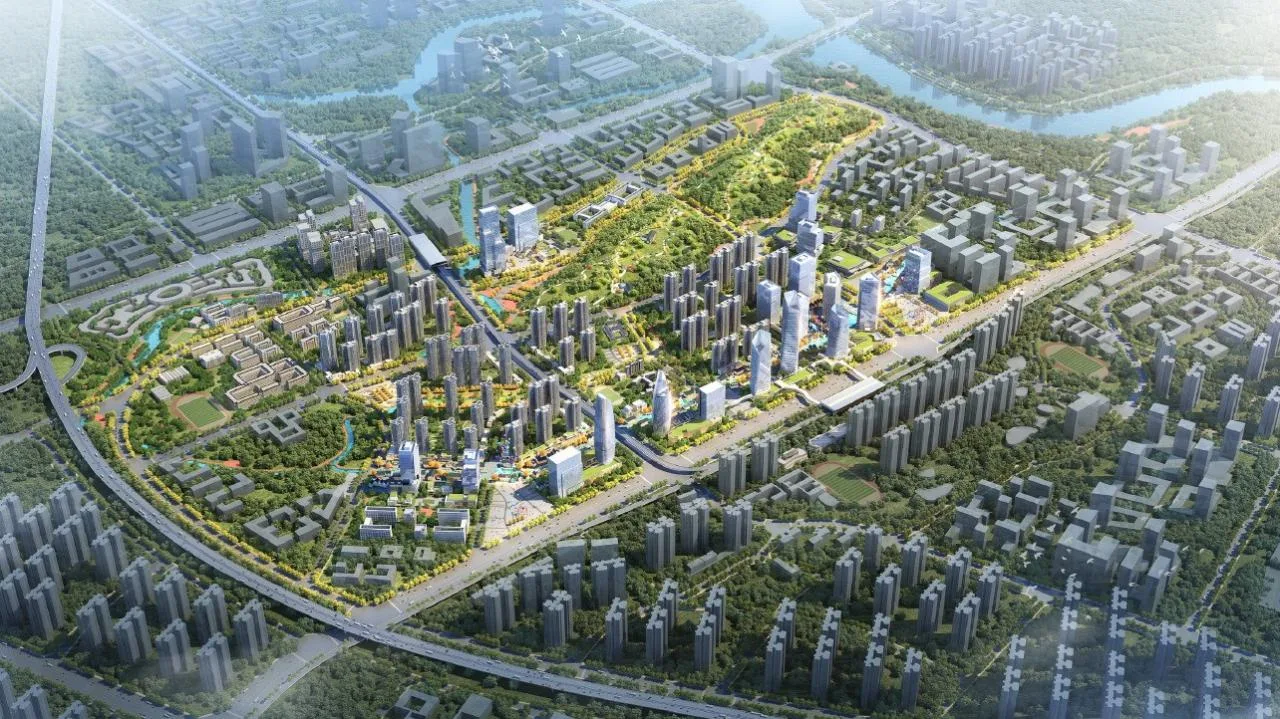
Bird’s-eye view illustrating the value proposition
03 Content Replacement Based on Stock Updates
Renewal of Huangdao Road Historical and Cultural Block, Qingdao
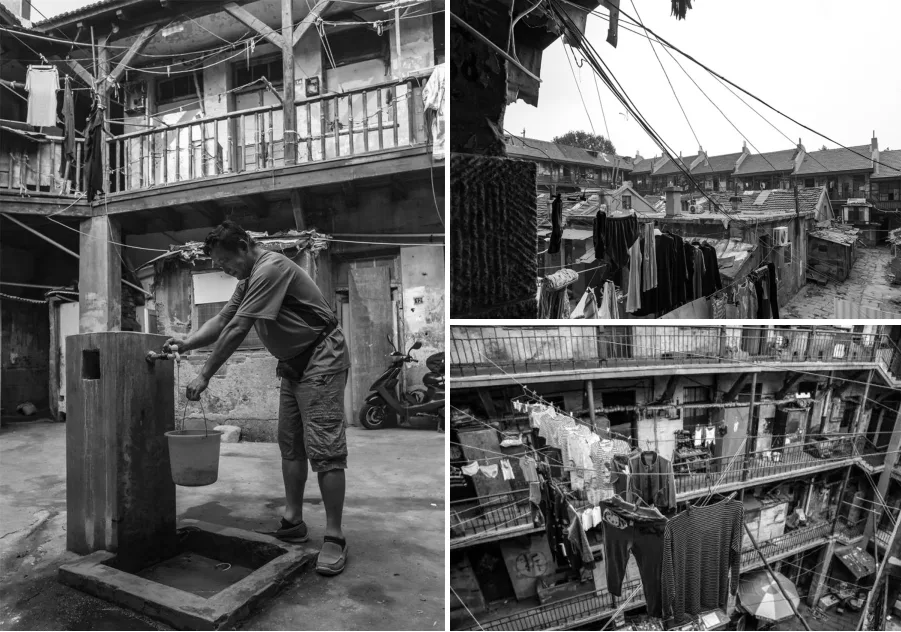
Located in Qingdao’s absolute urban core, Huangdao Road preserves various courtyard buildings of different sizes. These courtyards have sheltered generations of locals and witnessed the city’s history. However, many courtyards have become urban slums, with dilapidated buildings no longer compatible with modern life. As Qingdao’s tourists grow younger, an experiential and social consumption model emerges, transforming not only commercial formats but also architectural imagination.
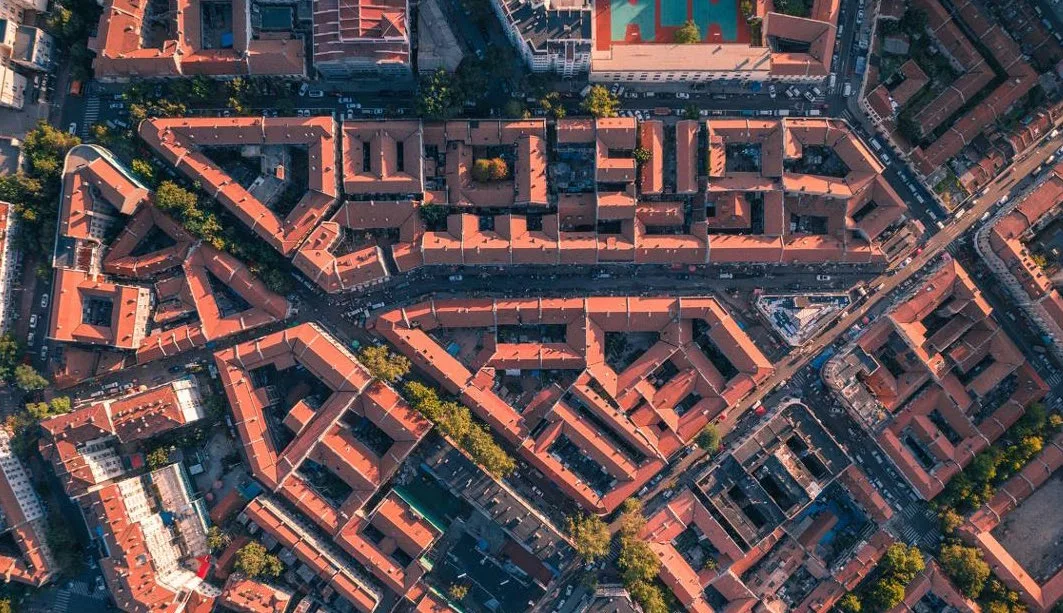
△ Image source: Internet
Renewal Model Focused on Cultural and Tourism Design
The design proposes a “string in” spatial organization, integrating traditional and modern lifestyles with updated content. The street façade emphasizes restoration and repair, complemented by stylized architectural elements. Urban design of entrances and key spaces aims to drive area-wide growth and renewal.
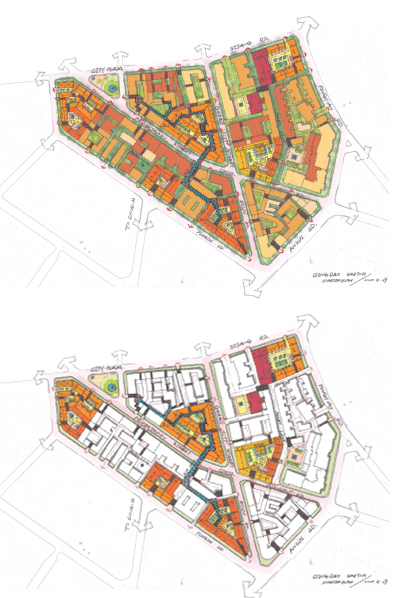
△ Design sketch
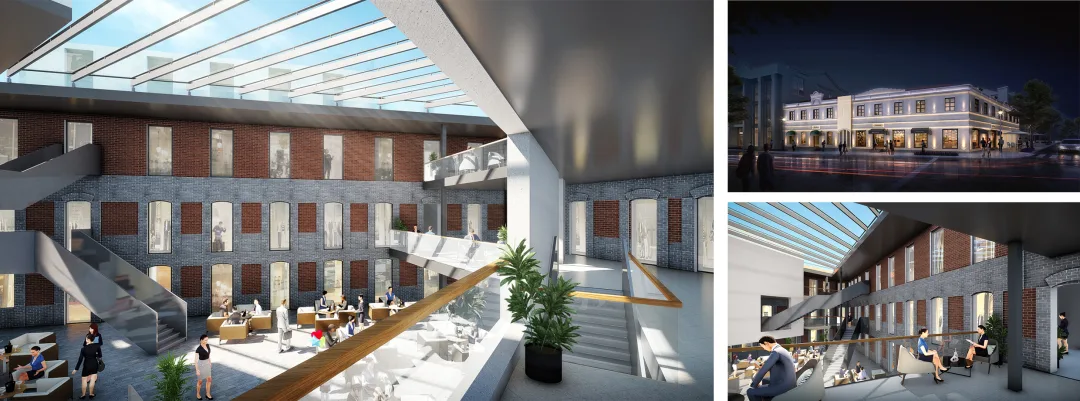
Transforming cages into renewed courtyards
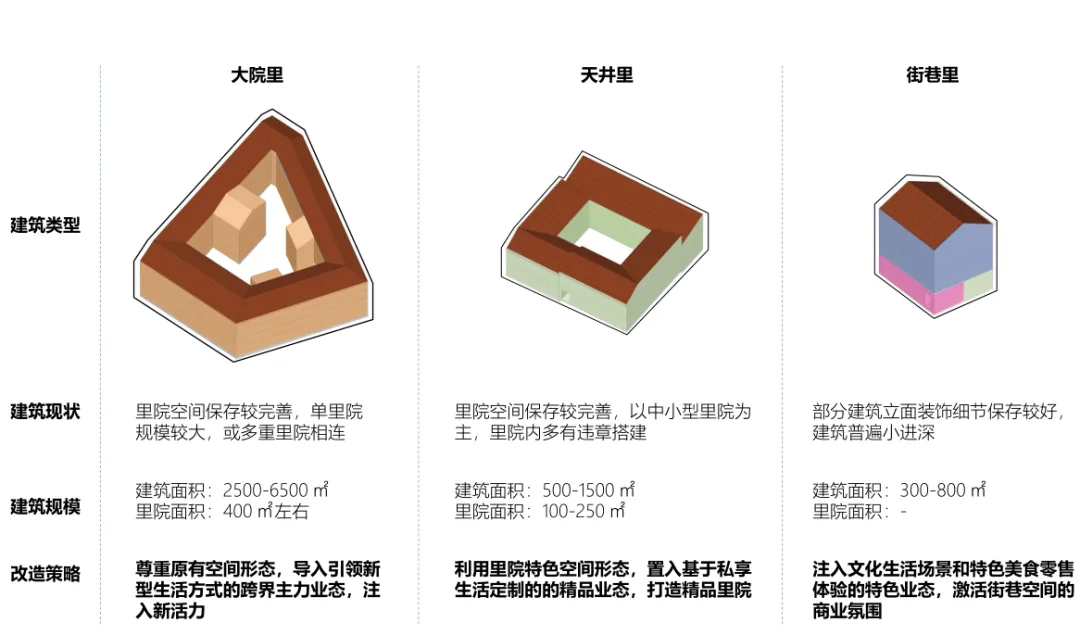
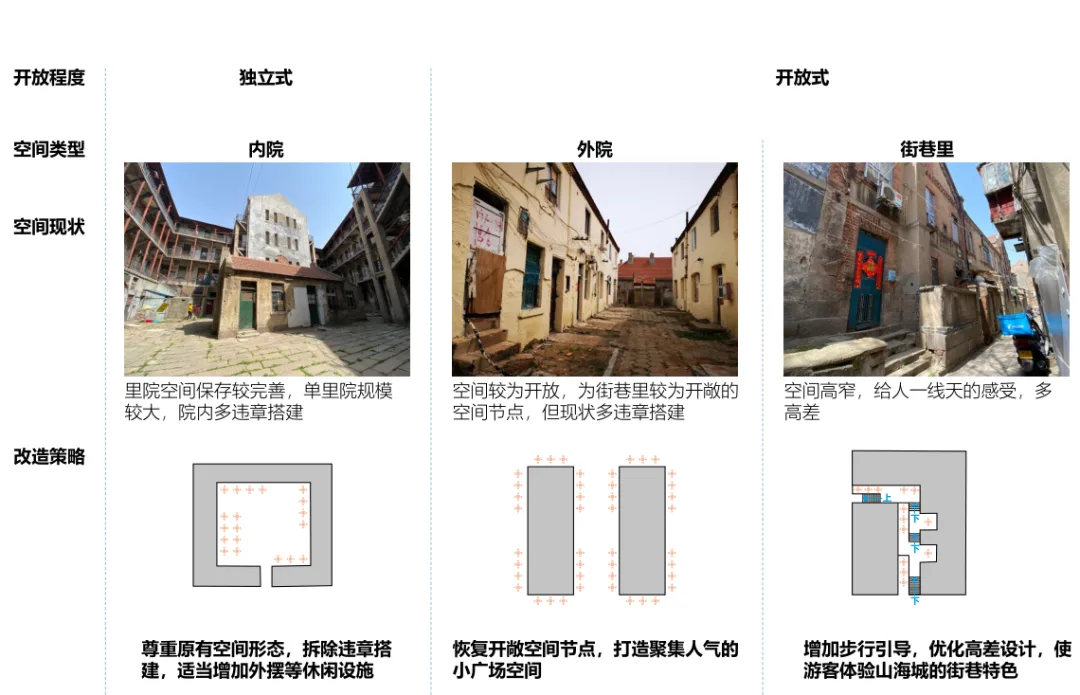
Revitalizing old buildings hinges on their core experiential content. By renewing business formats, historical sites are activated. We analyzed different courtyard spatial forms and accurately mapped their patterns, applying renovation strategies tailored to each. Courtyards of varying sizes and architecture correspond with specific commercial formats. Three courtyard renovation modes were proposed with detailed designs for key plots based on building size and spatial traits.
Summary of Design Thinking Based on Practice
2. Constructing an “Urban Local Ecological System”
01 Multicultural Historical Features & Rich Spatial Characteristics
Urban Core Renewal: Regeneration of Anqing Ancient City
Anqing, an ancient city in Anhui province, once served as the provincial capital and boasts a rich cultural heritage spanning 800 years. Streets such as Daoba Lion Street, National Goods Street, Sipailou Street, Dananmen Street, and Mozi Lane carry strong historical and cultural identities. While newer parts of Anqing have advanced, the old city in the core has lagged behind due to dense buildings, shifting demographics, and outdated infrastructure.
The challenge lies in transforming old buildings into new symbols for the city while preserving the diverse, open culture that defines Anqing.
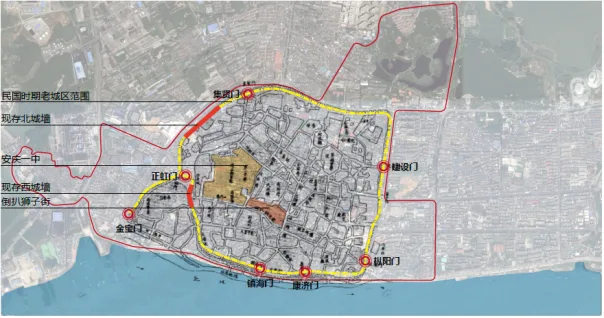
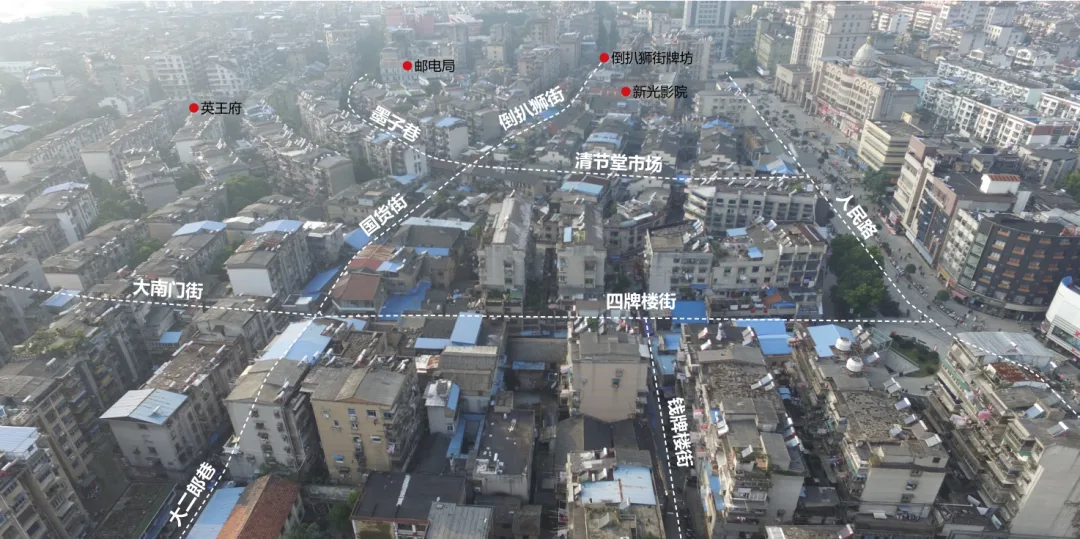
△ Image source: Internet
From Urban Design to Core Block General Contracting
Complex systems require a top-down approach, combining broad strategic thinking with focused, practical implementation.
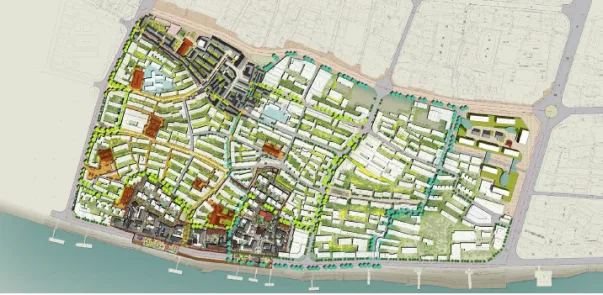
In Anqing Ancient City’s historic district, Republican-era and classical Chinese architectures coexist harmoniously. The Catholic Church and mosque share morning sunlight, and narrow alleys open unexpectedly to views of the Yangtze River. Anqing’s 800-year history reflects a melting pot of cultures, forming a unique local identity.
Starting with overall urban design, we undertook systematic planning to prepare for architectural development within the core area.
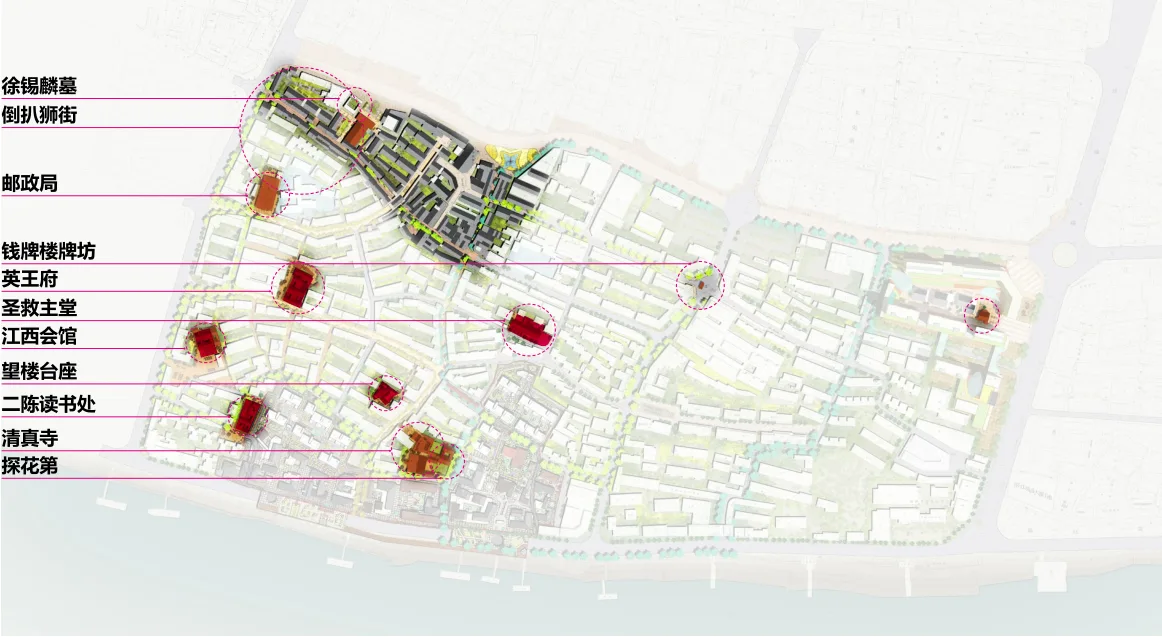
△ Historical buildings distribution in Anqing Ancient City’s core
Analyzing Anqing’s current challenges across livelihood, industry, and culture, the project proposes eight targeted design guidelines to guide a coherent transformation.
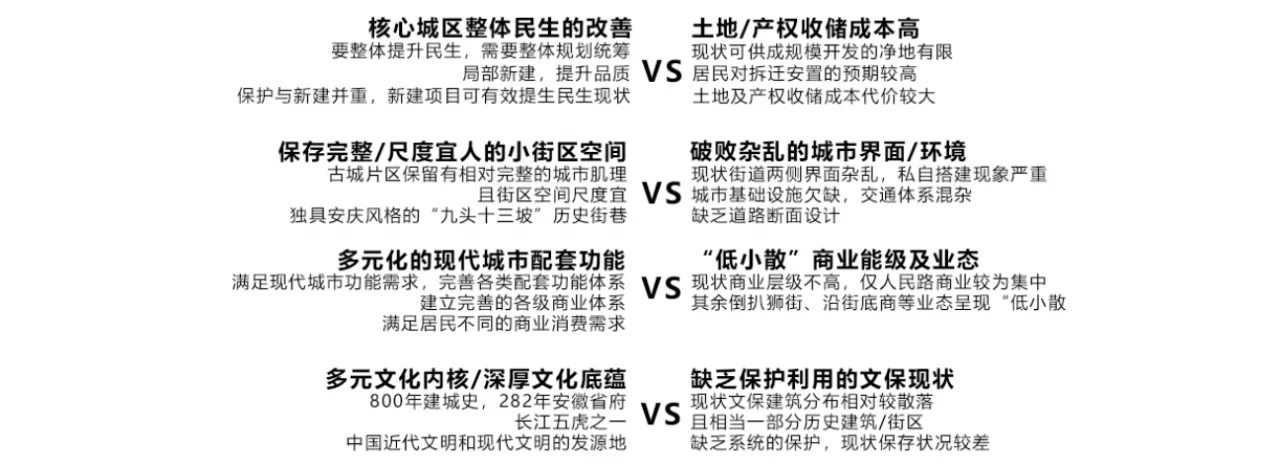
Four major current contradictions in Anqing Ancient City
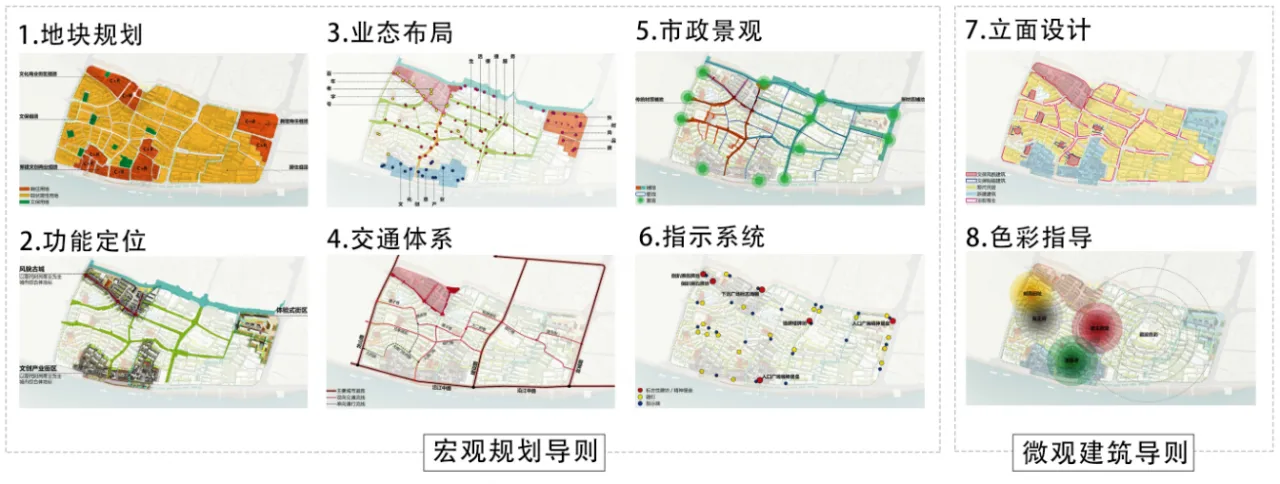
Guidelines for the eight major design systems
We subdivided the historic district’s spatial system and categorized different spatial types for detailed planning.
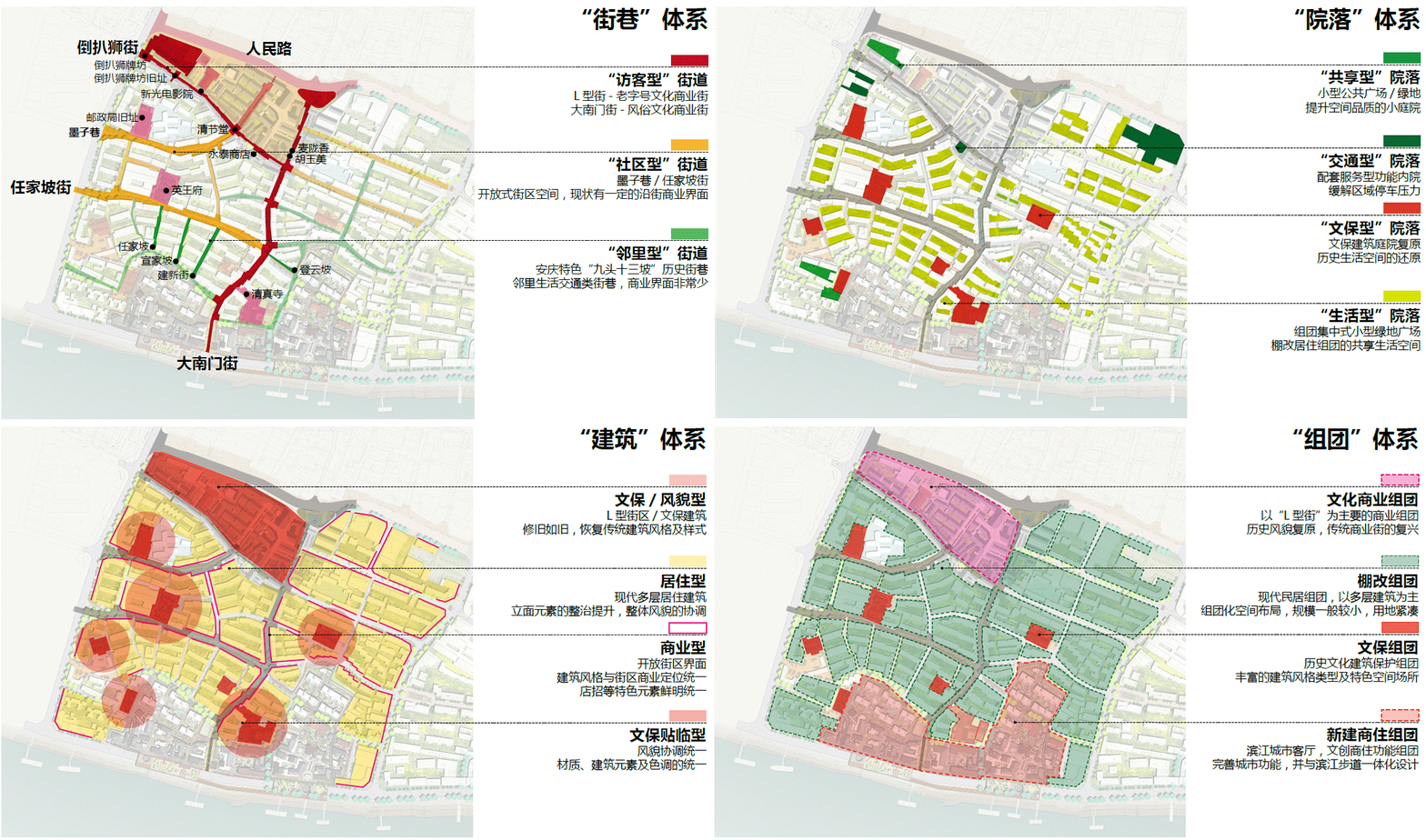
△ System design
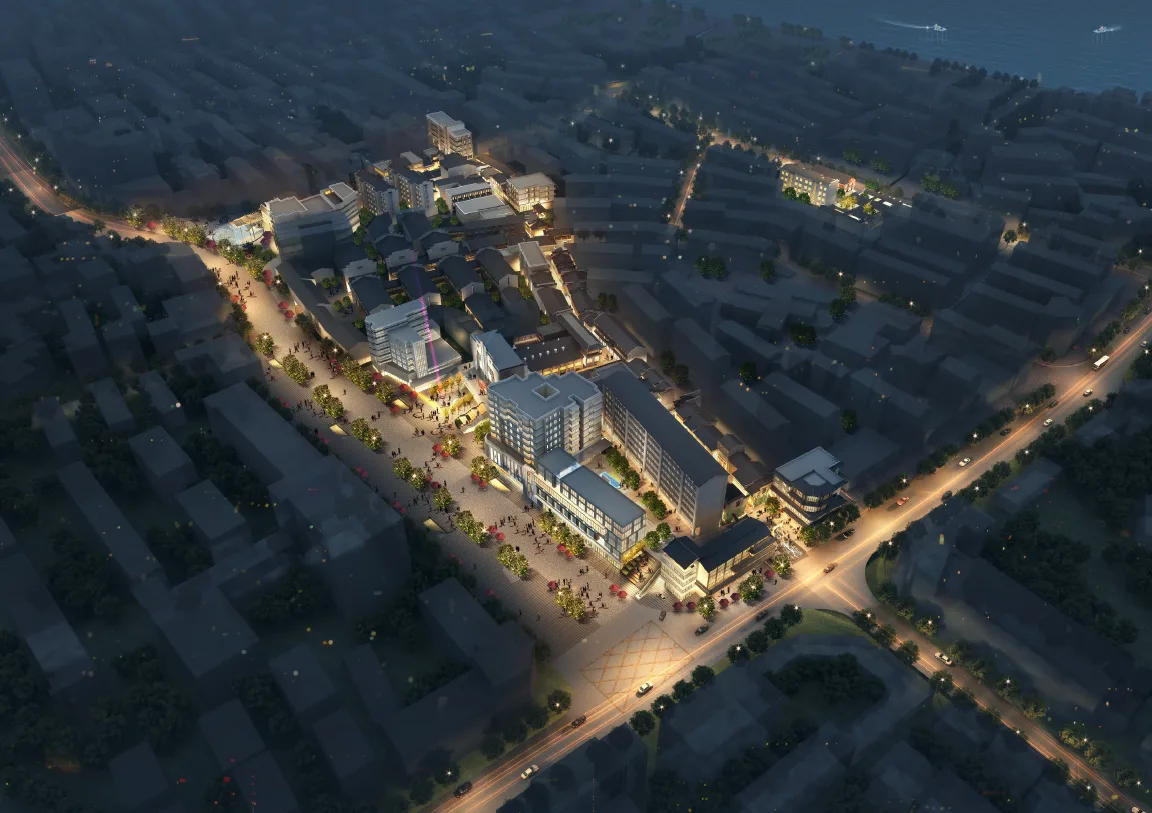
Design and Implementation of L-Shaped Historical Block
As a flagship area in Anqing Ancient City, the L-shaped block formed by Lion Street, National Goods Street, and Sipailou Street underwent a two-year comprehensive renewal process. This included ownership consolidation, illegal structure removal, infrastructure upgrades, building repairs, and commercial operations. Our team acted as the design general contractor, managing the entire urban renewal process.
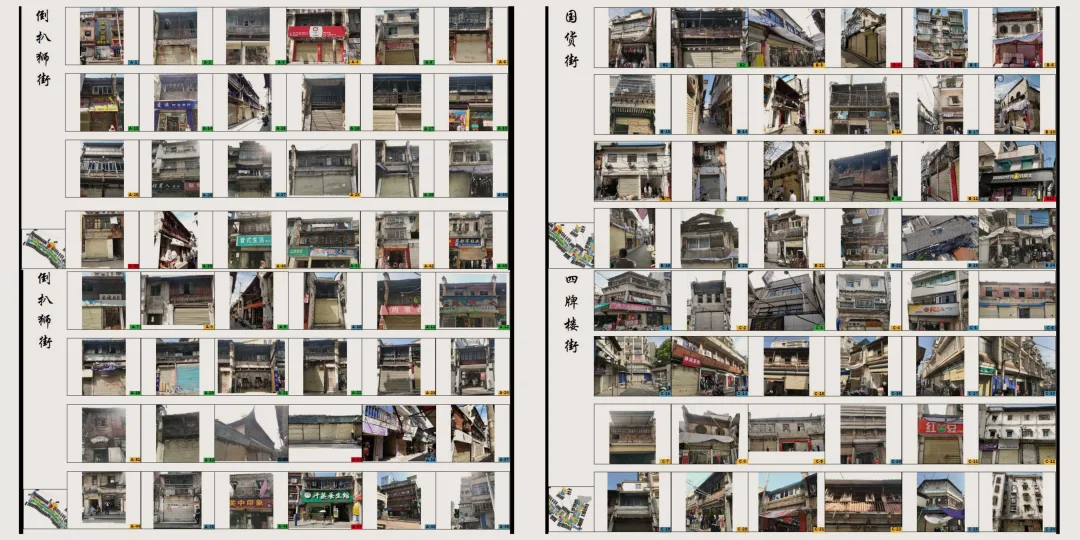
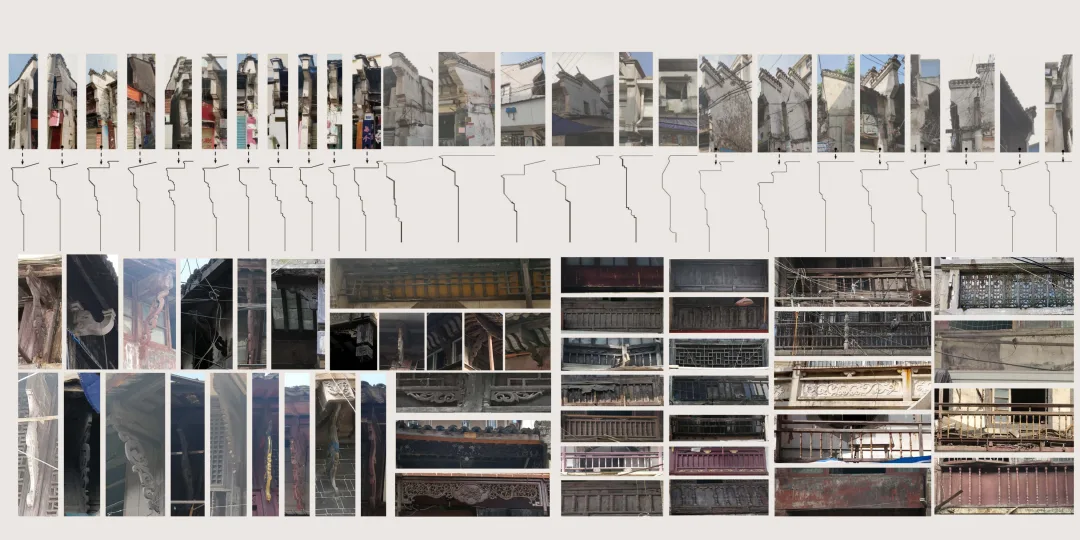
Cultural research, architectural survey, and mapping
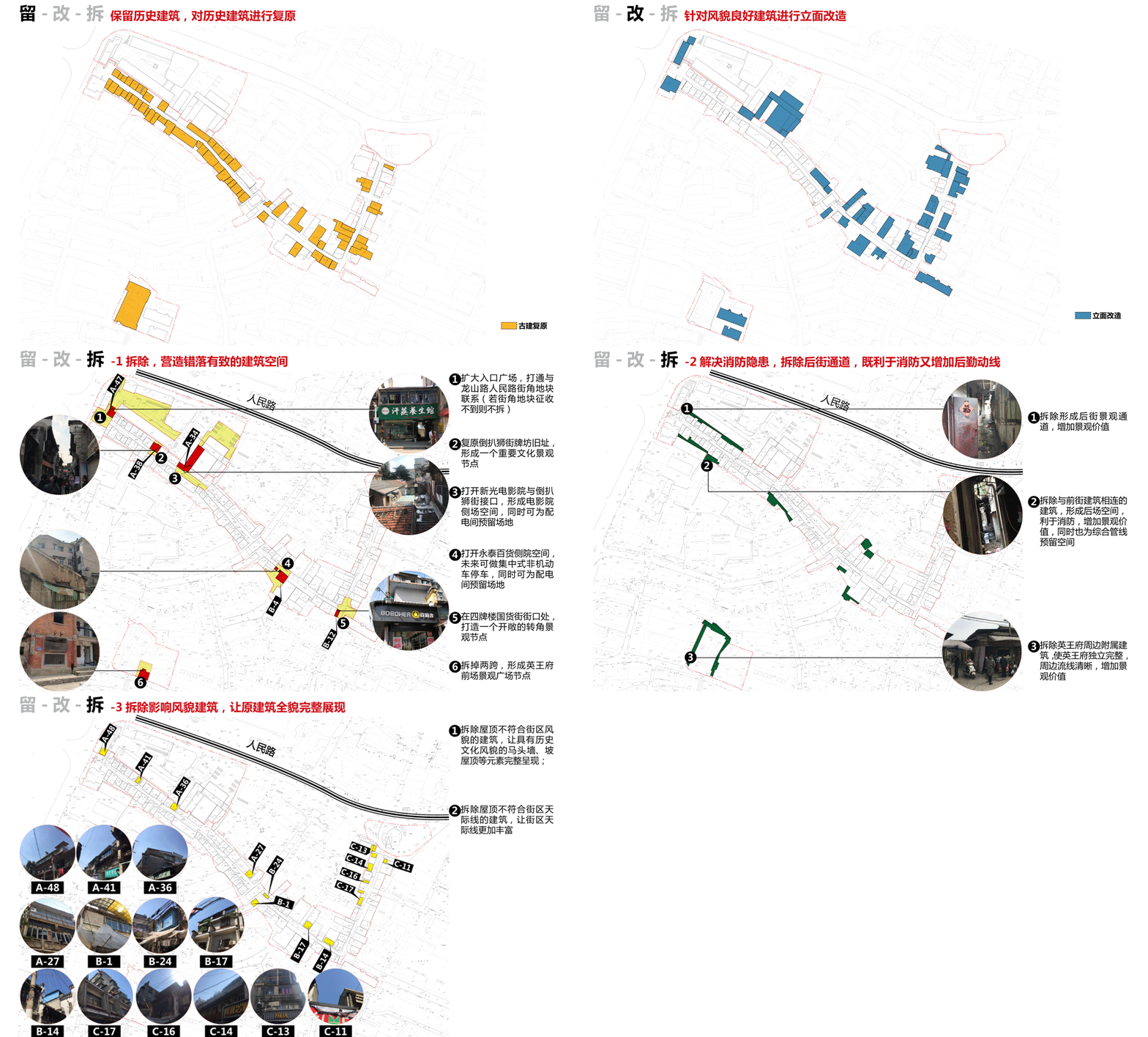
From “Demolition to Retention” to “Retention to Demolition”
Moving away from demolition-centric renovation towards an adaptive approach combining preservation, renovation, and selective demolition. Priority is given to protecting historically valuable buildings, restoring aesthetically pleasing facades, removing structures impacting space and image, and fine-tuning old city spaces.
Refined Design and Scene Creation
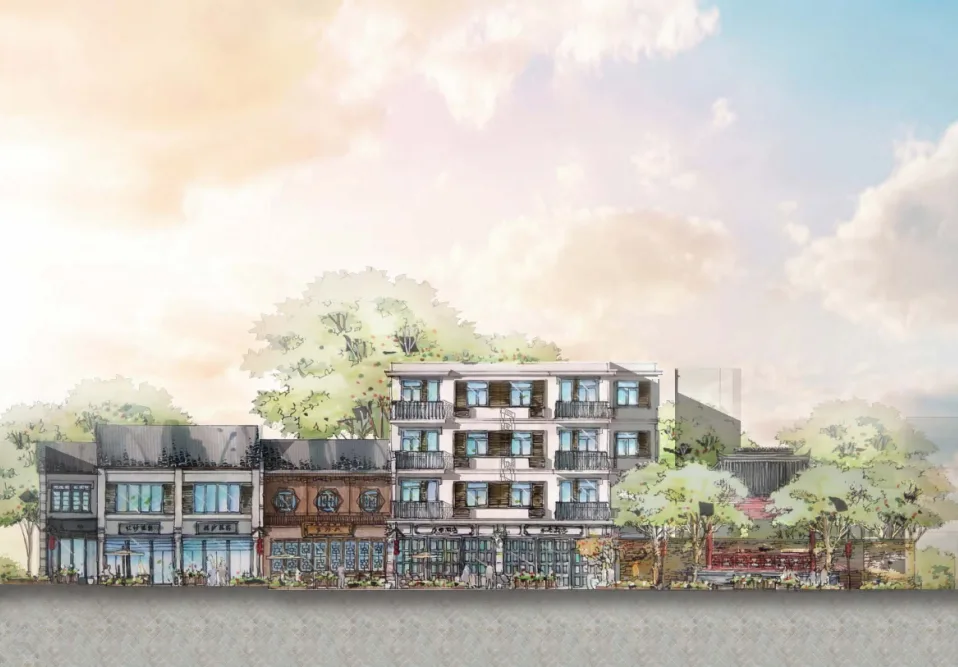
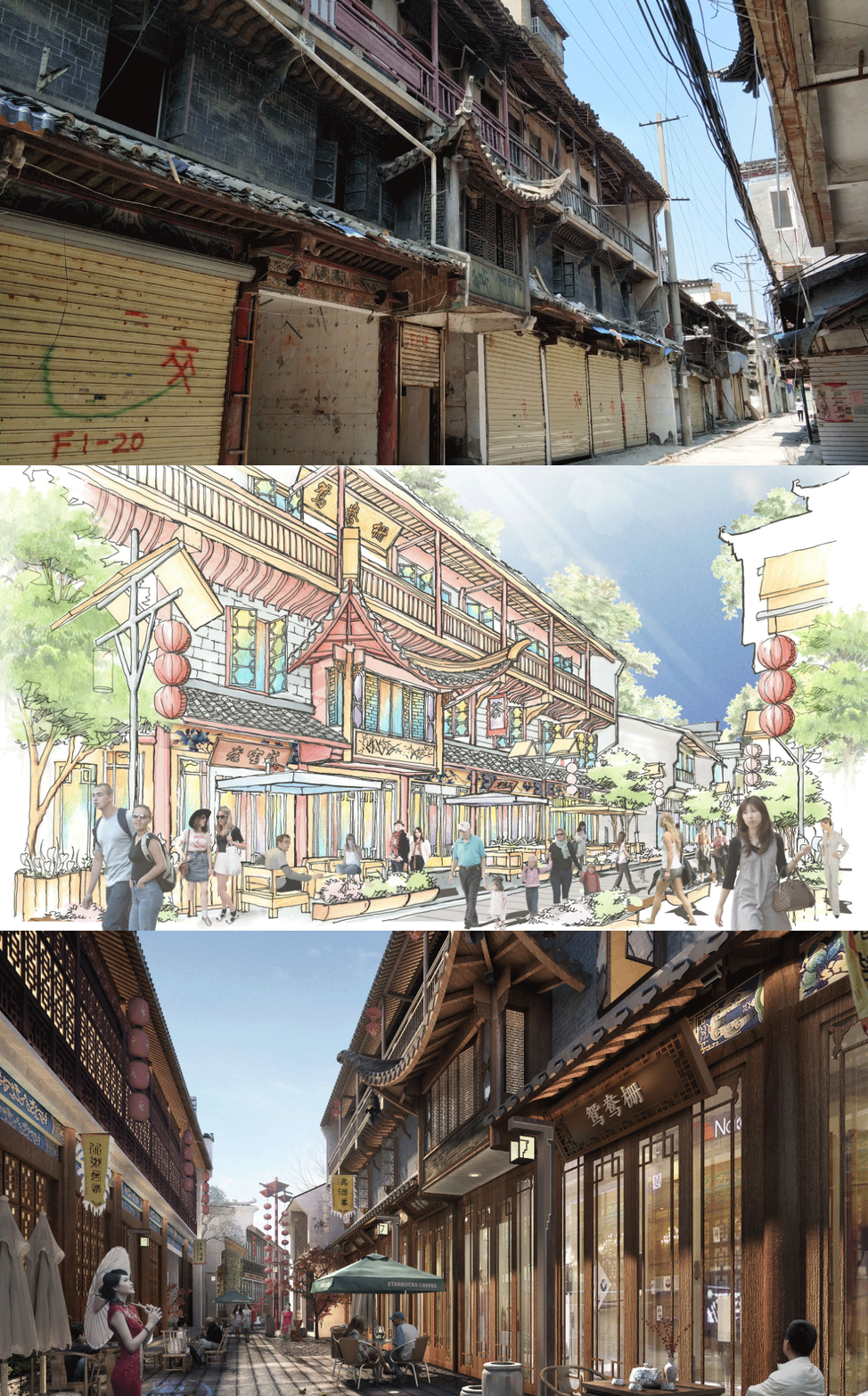
Spatial Scale
Our goal is for people to experience the richness of history alongside modern life by carefully protecting site features and shaping comfortable living environments. Respecting the original fabric, we partially demolish areas to create square courtyards of varying scales, dividing the formerly uniform space into rhythmic, human-scaled blocks.
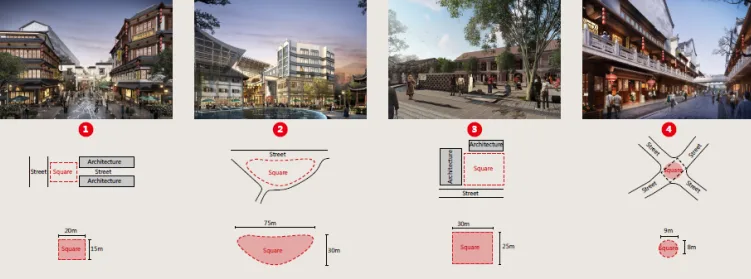
Analysis of square node scales in Anqing’s L-shaped historical block
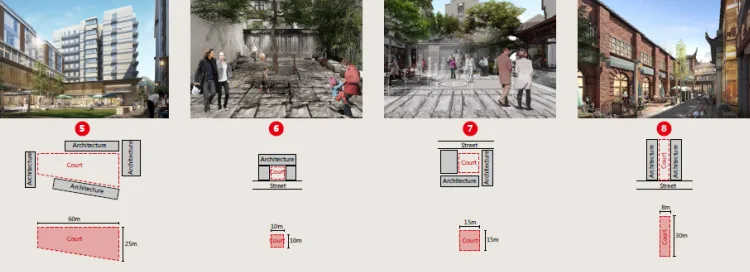
△ Courtyard node scale analysis in Anqing’s L-shaped historic block
Preserving the site’s original atmosphere is a core design value, complemented by thoughtful scene creation to maintain the ancient city’s memory in contemporary life.
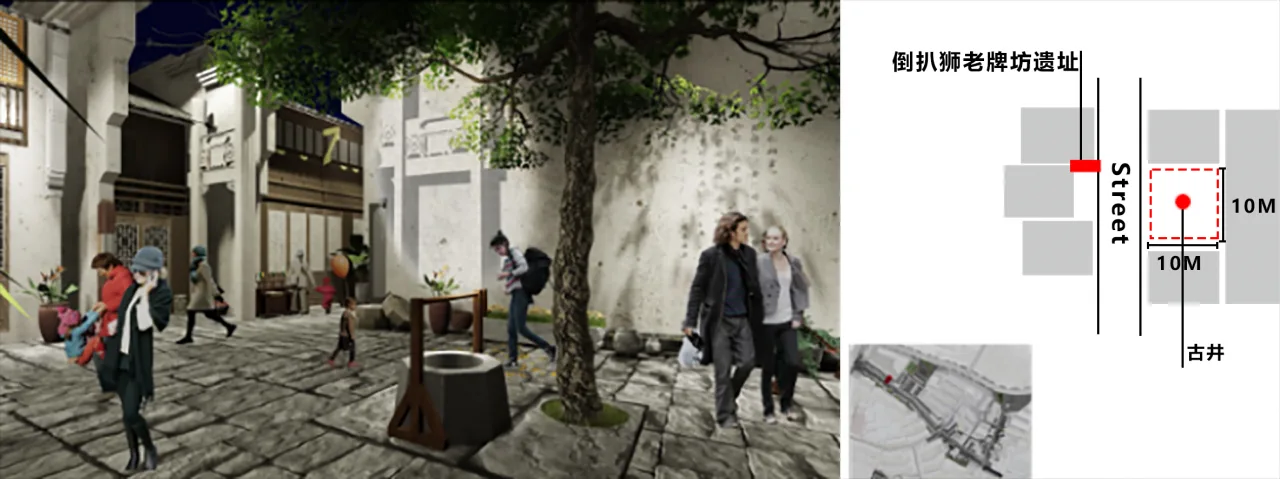
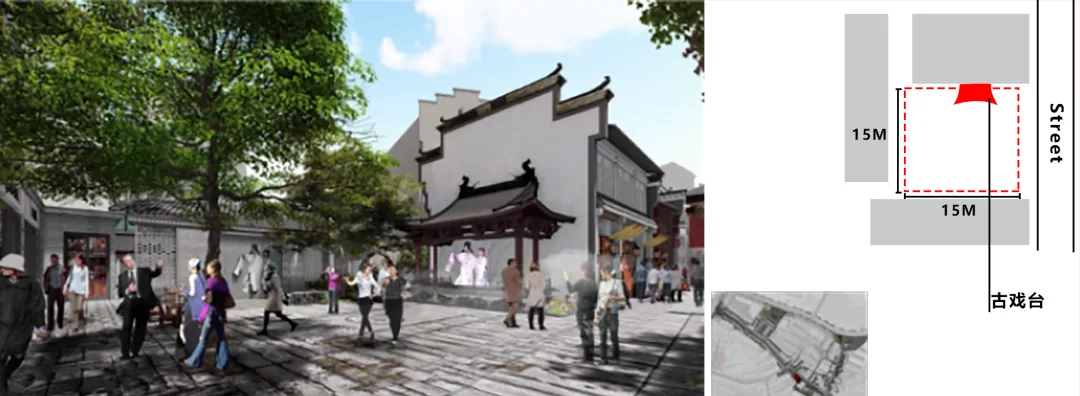
△ Source: Water Stone Landscape
Improving Livelihoods and Infrastructure
Urban renewal should fully respect indigenous ways of life and foster symbiotic relationships. The ultimate aim is to benefit the local community through urban regeneration.
The ancient city suffered from outdated infrastructure, worn drainage, fire hazards, and exposed pipelines that impacted residents’ lives. Through six major restructuring and system upgrades, infrastructure will be comprehensively improved, enhancing local quality of life.
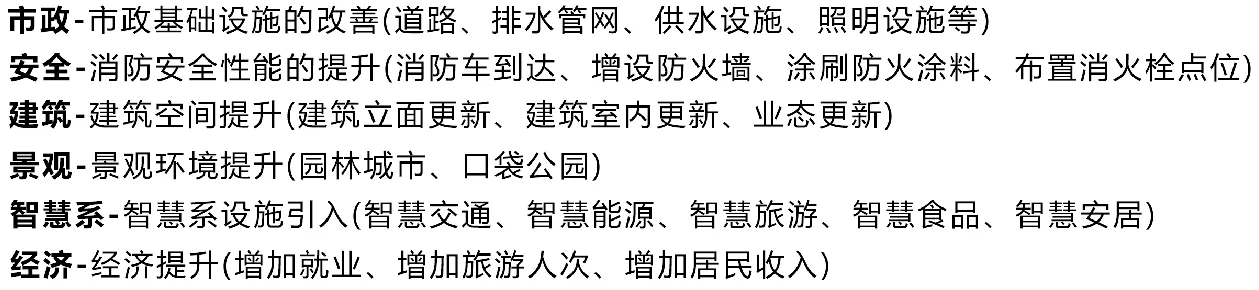
Six major system restructuring and upgrades
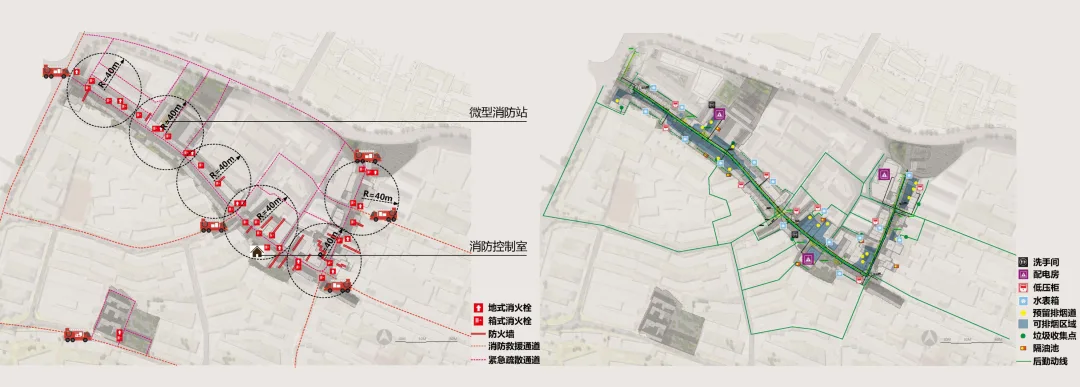
△ Fire protection design and integrated network management schematic
Business Operation Considerations
Integrating operational formats early in the design process is vital for project success.
Many century-old brands thrive in Anqing’s ancient city, carrying deep cultural significance. Architects aim to integrate with local life, preserving original shops and craftsmen, enabling them to live and work there. Early-stage research informed the functional planning of dominant business types across street sections, ensuring alignment between design and actual commercial operations.
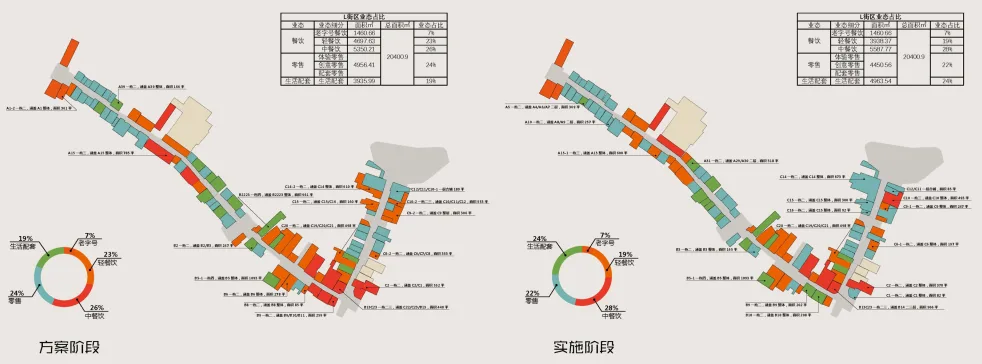
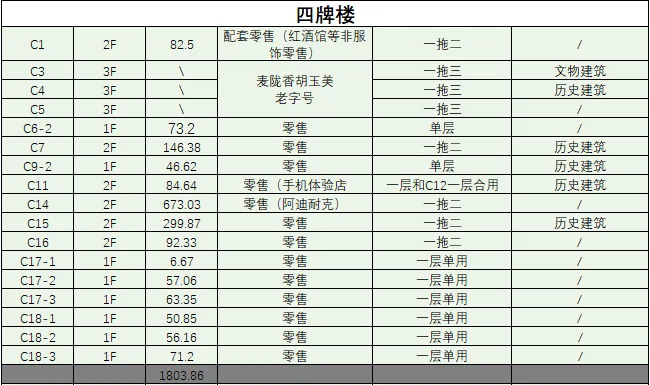
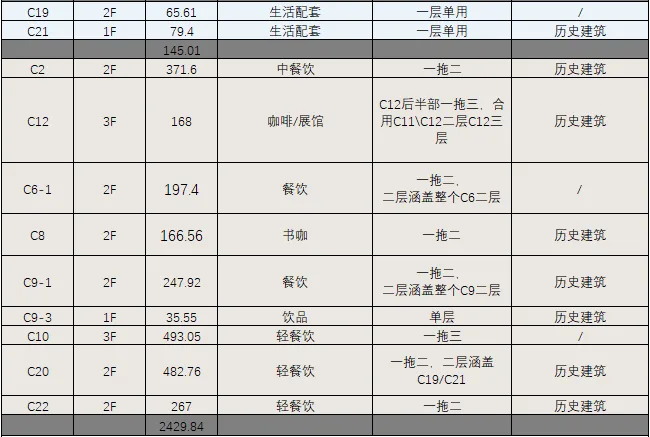
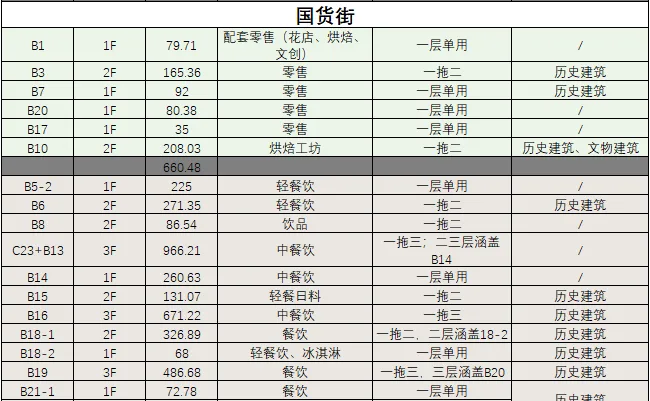
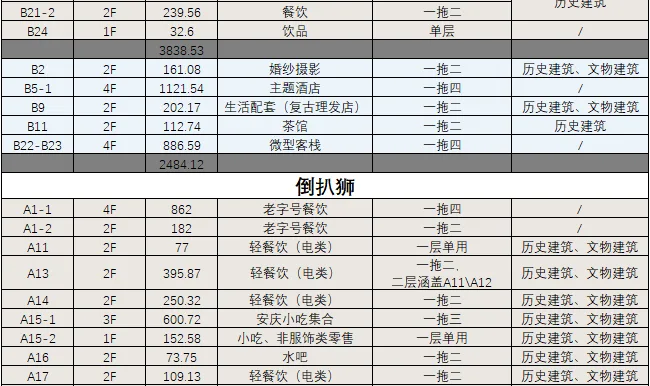
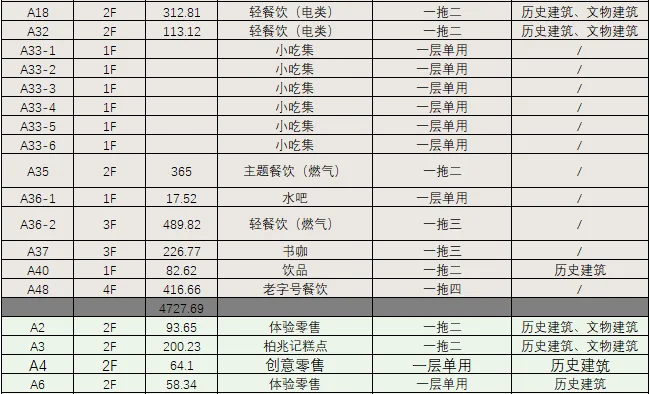
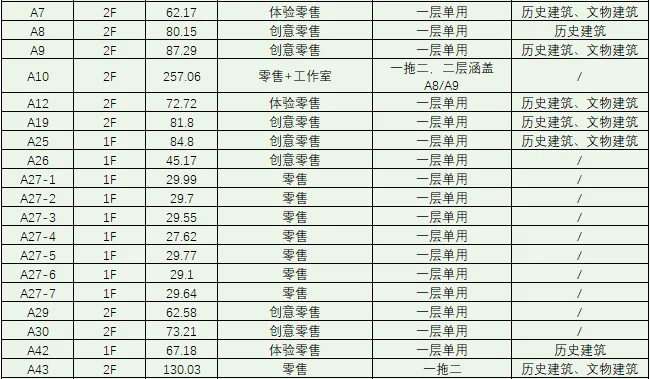
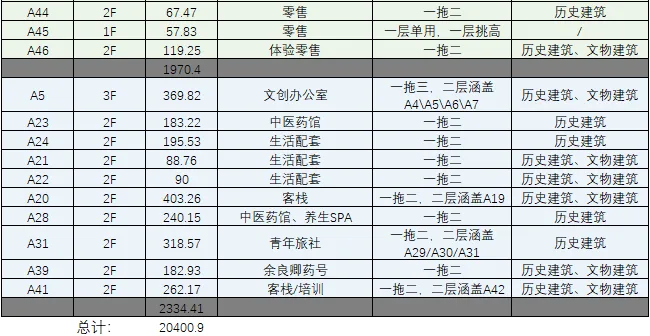
△ Business operation segmentation in Anqing’s L-shaped historic block
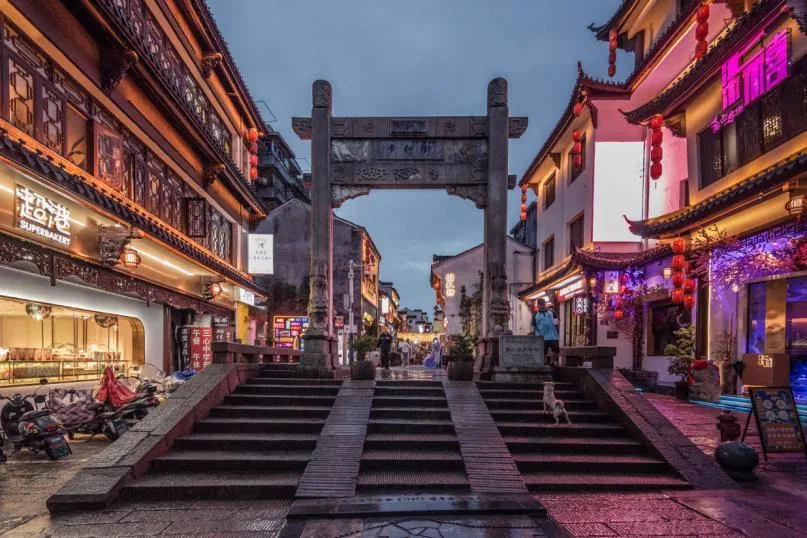
The L-shaped street now hosts a diverse mix of businesses including traditional restaurants, specialty snacks, traditional Chinese medicine shops, handicrafts, intangible cultural heritage projects, tea houses, theatres, cultural and creative stores, boutique homestays, fashion outlets, leisure clubs, and cafes. The aim is to restore cultural confidence, upscale tourism, and revitalize the city’s prosperity.
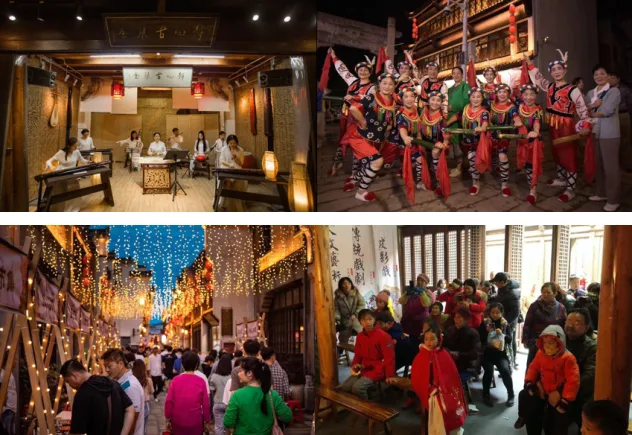
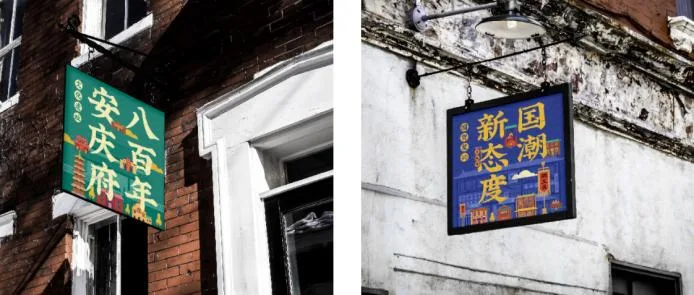
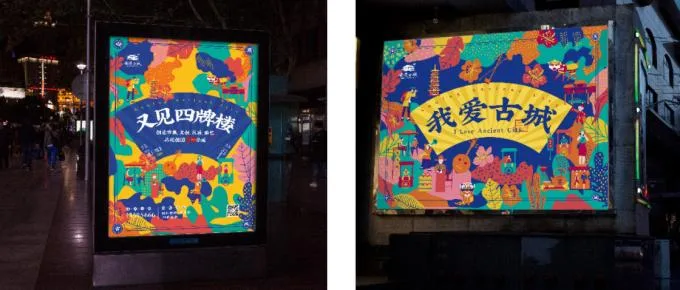
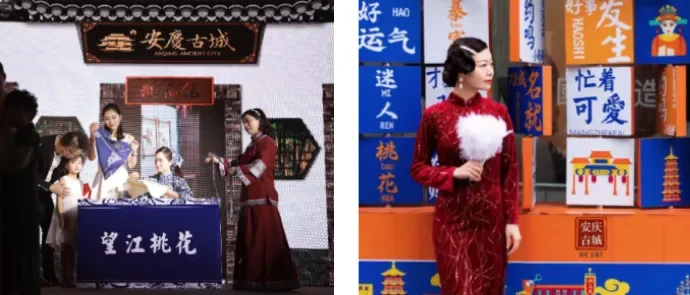
△ Source: Anqing Ancient City
The Architect’s Central Role
The L-shaped street project spanned nearly two years from construction to opening. Throughout, the architect served as the coordinator among government, partners, heritage teams, construction, infrastructure, and landscaping groups, creating a collaborative management framework.
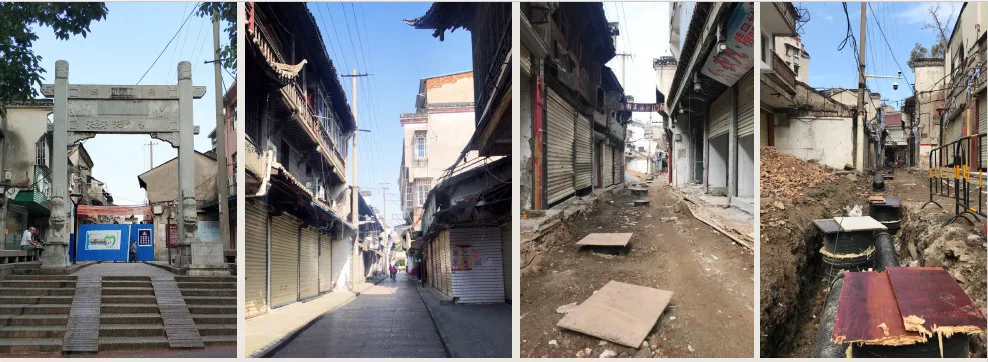
△ Site appearance and demolition record, August 2018
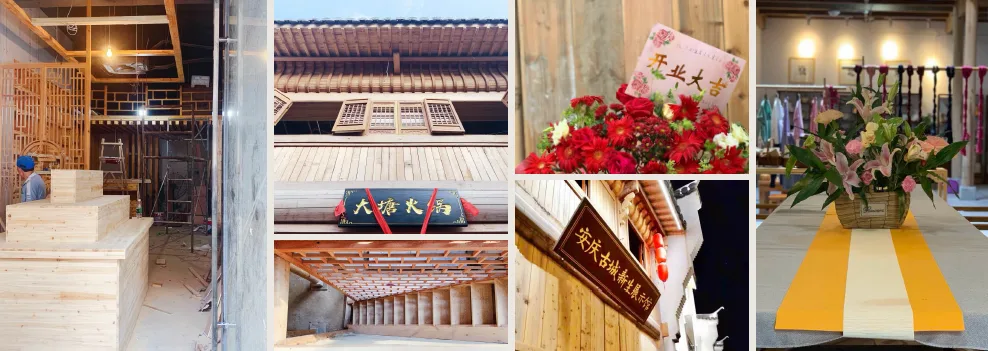
△ Store openings collection in selected neighborhoods, August 2019
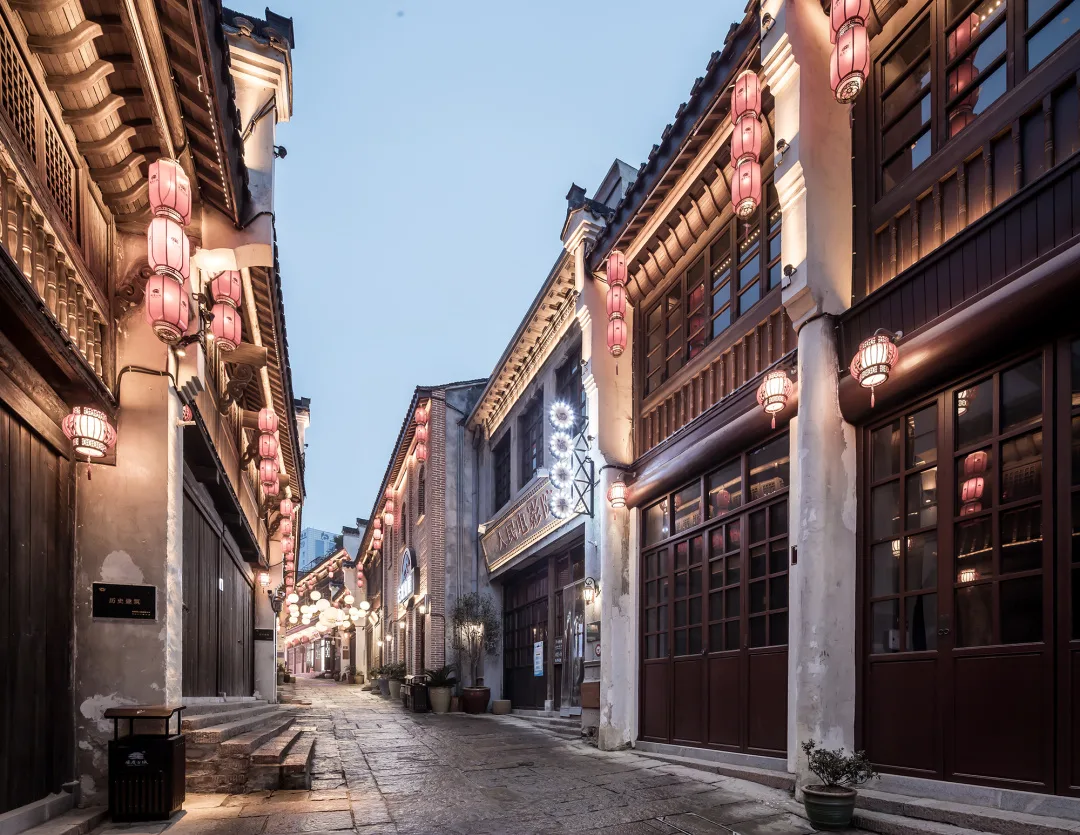
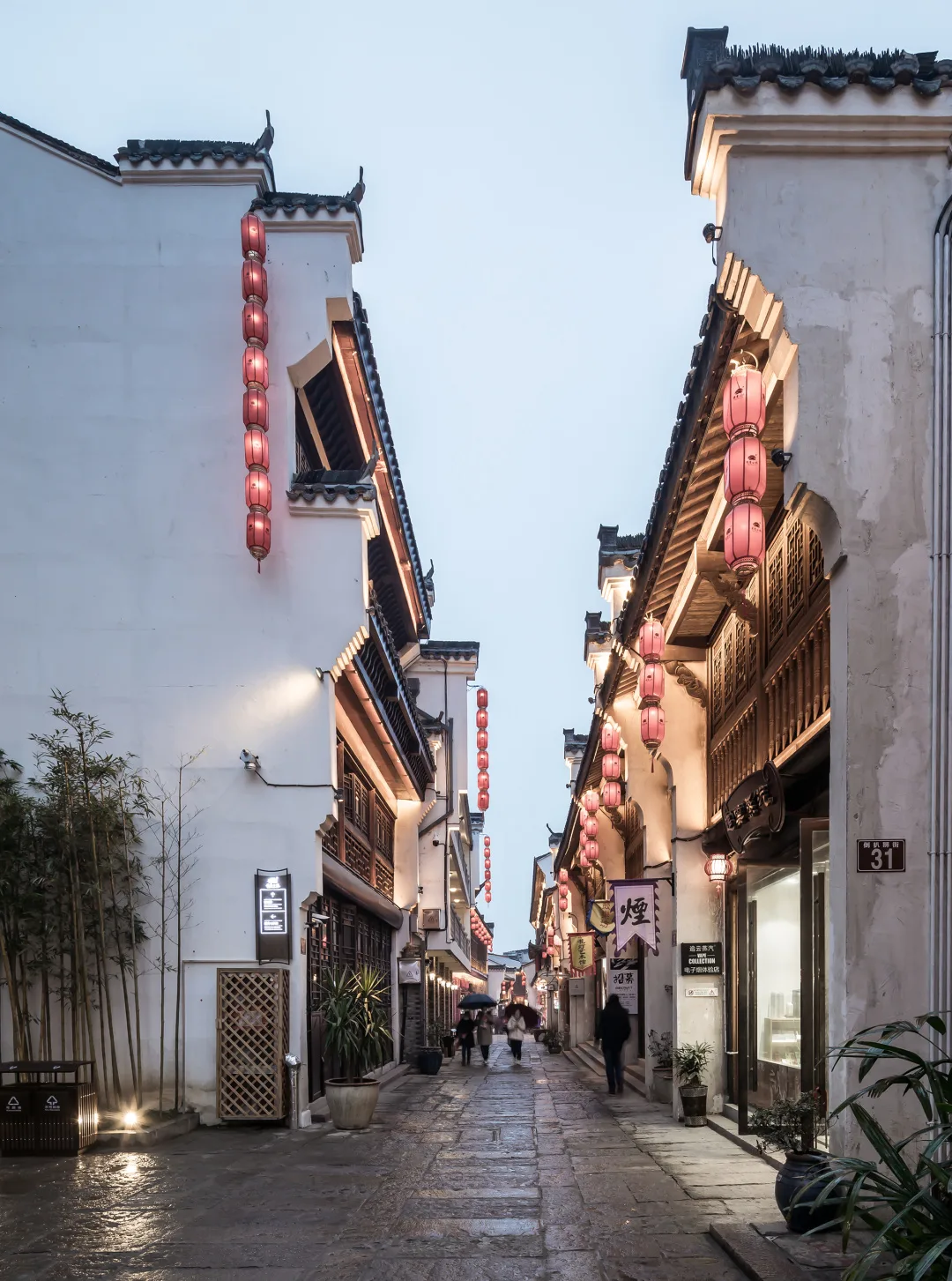
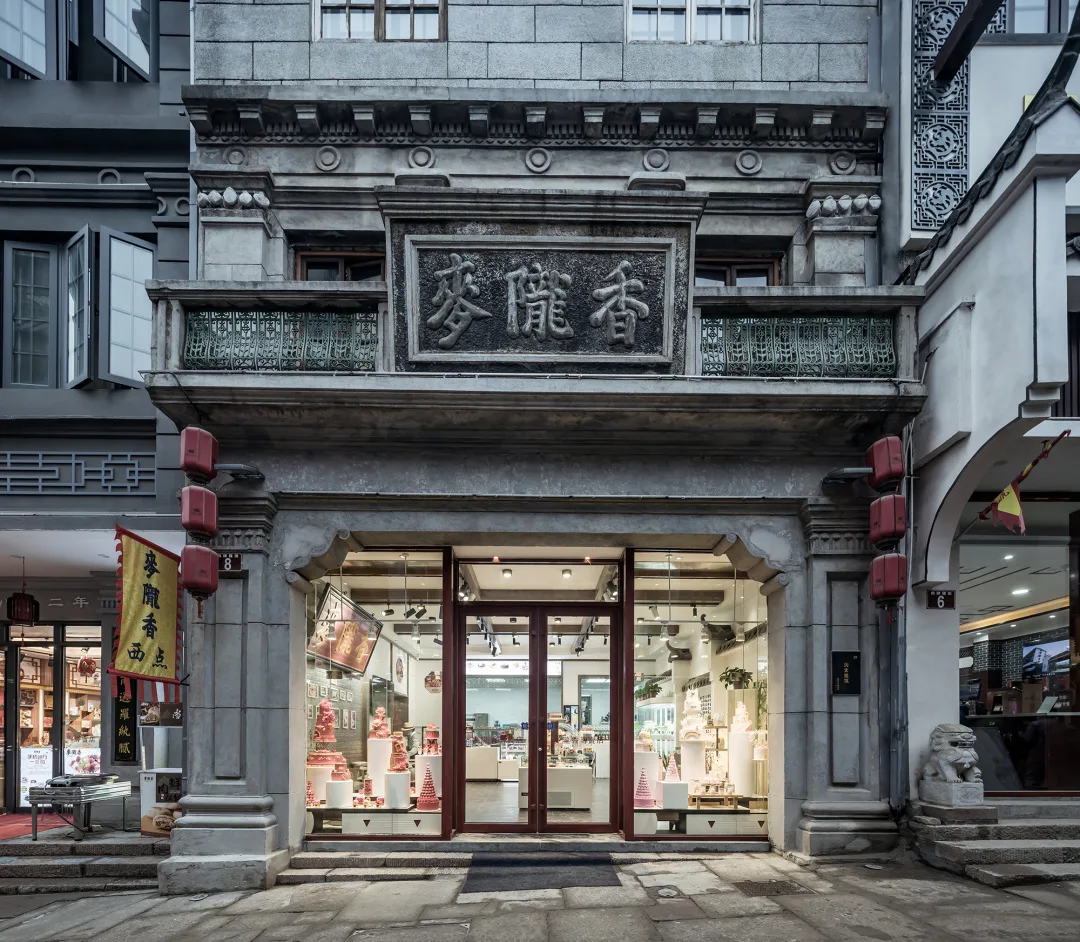
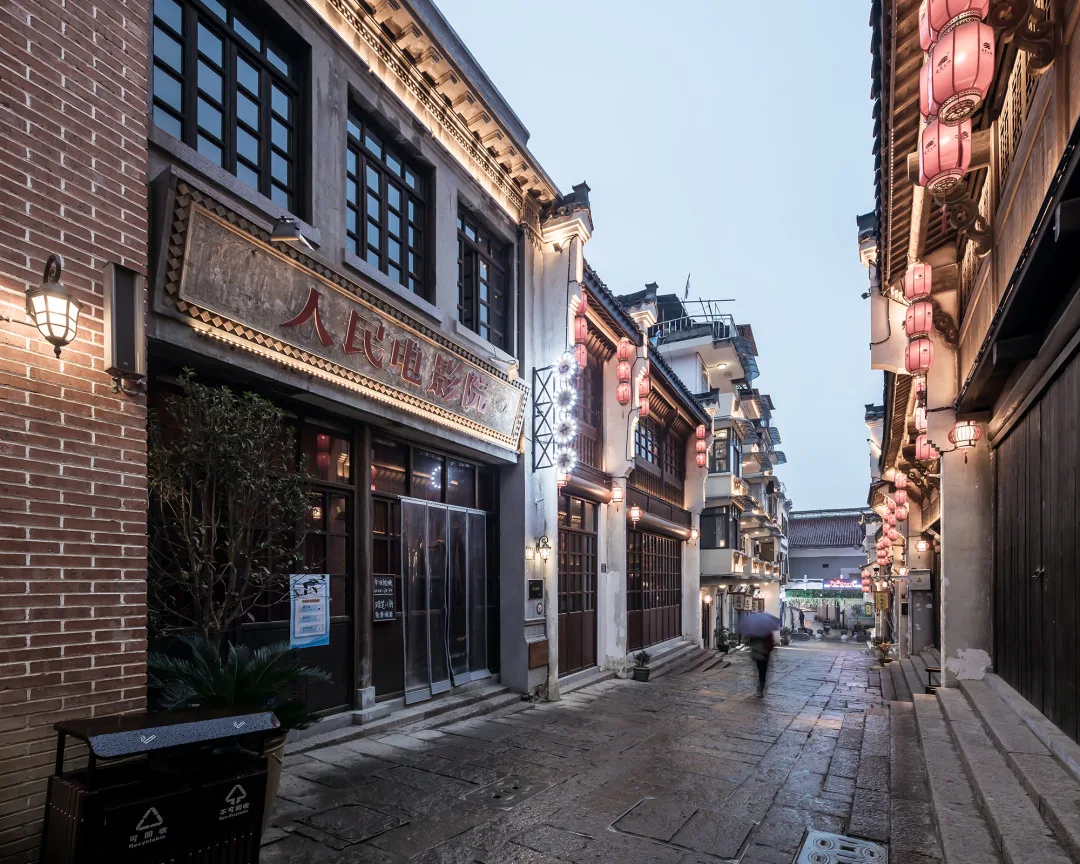
△ Image source: Pan Shuang
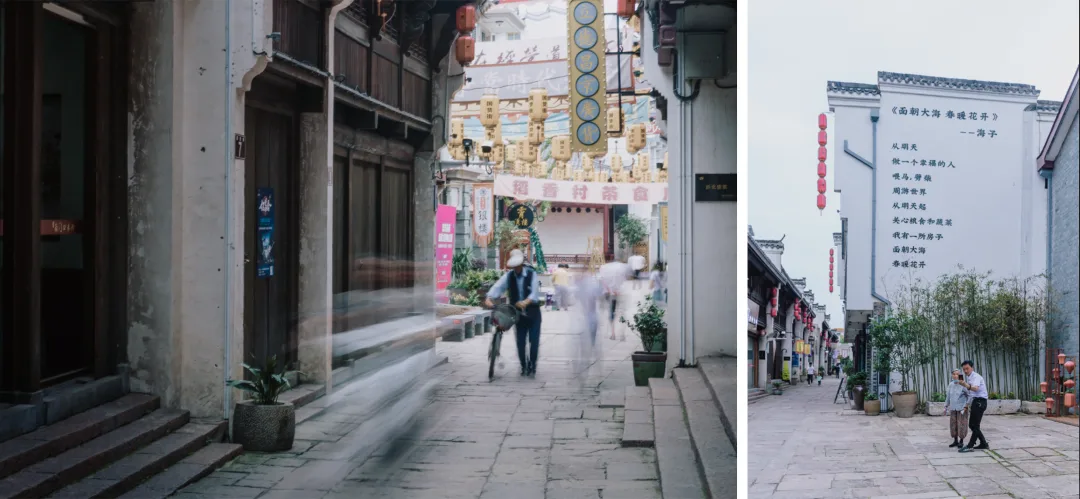
The elderly returning home walk the ancient streets and alleys, taking photos with “Haizi’s mother”. Source: Wang Xiu
02 Regeneration of Core Historical Blocks in First-Tier Cities
Urban Historic Block: Shanghai Sijing Ancient Town Regeneration
Songjiang, Shanghai’s earliest established county, is regarded as the “root of Shanghai”. Sijing Ancient Town preserves the cultural and architectural heritage of Songjiang but urgently requires protection and enhancement. Preservation means not only safeguarding heritage but also maintaining the ability to sustain and reproduce its built environment.
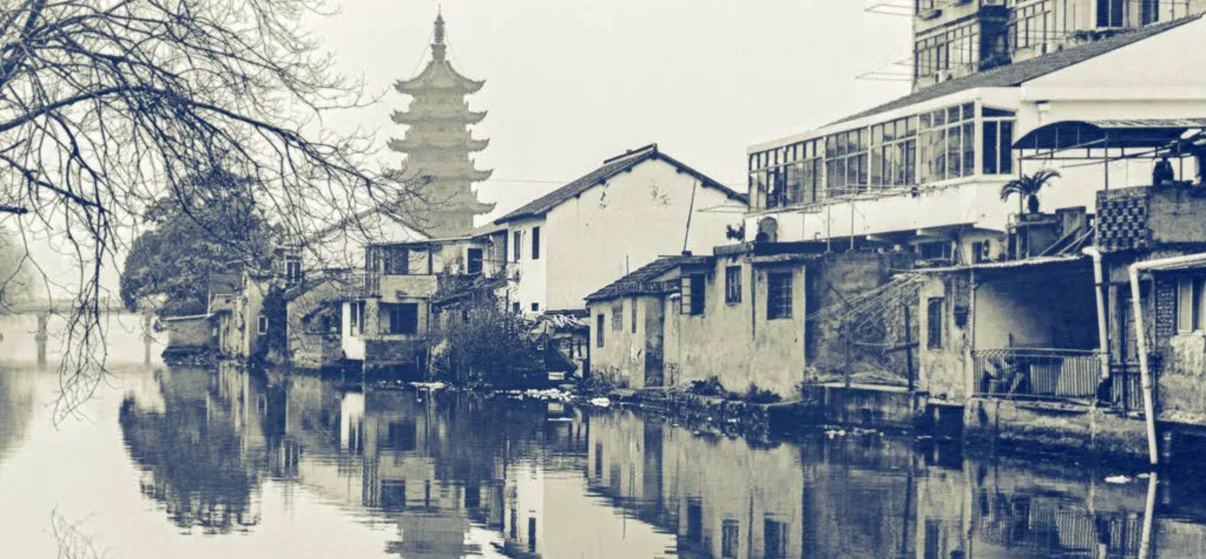
△ Image source: Internet
Architectural Space Reflecting Sijing Culture
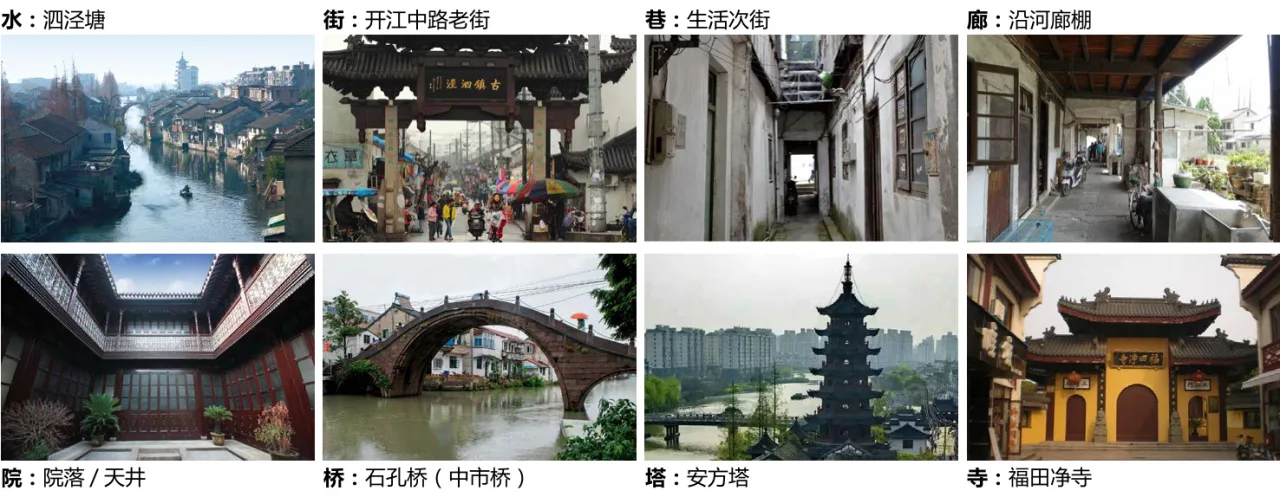
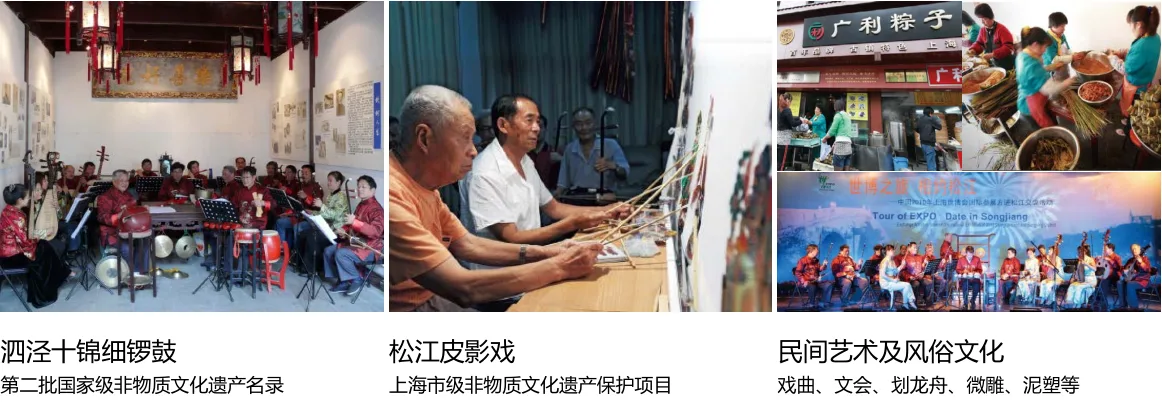
Designers distilled Sijing’s cultural essence from three aspects:
- Unique spatial elements—water, streets, alleys, corridors, courtyards, bridges, towers, temples;
- Traditional architectural forms and courtyard spaces;
- Cultural activity spaces reflecting indigenous lifestyle traditions in Sijing Xiatang.
Implementation Approach
A multi-party cooperation model was established, with guidelines formulated for ancient town protection and stepwise work processes to ensure the feasibility of updates.
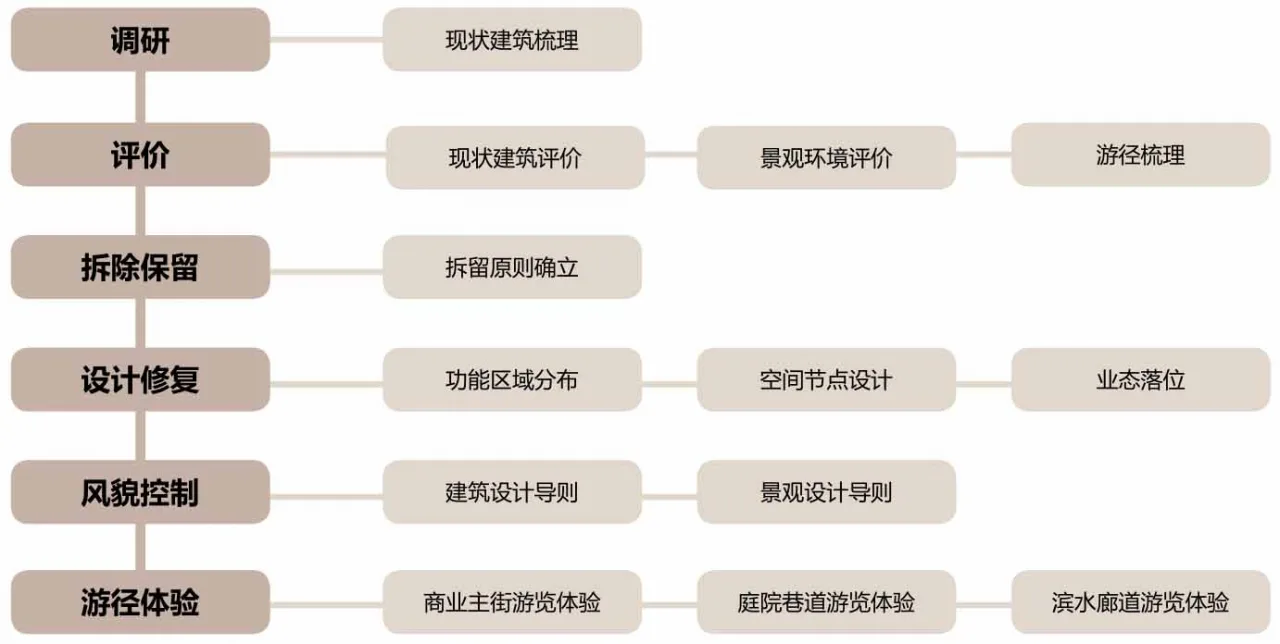
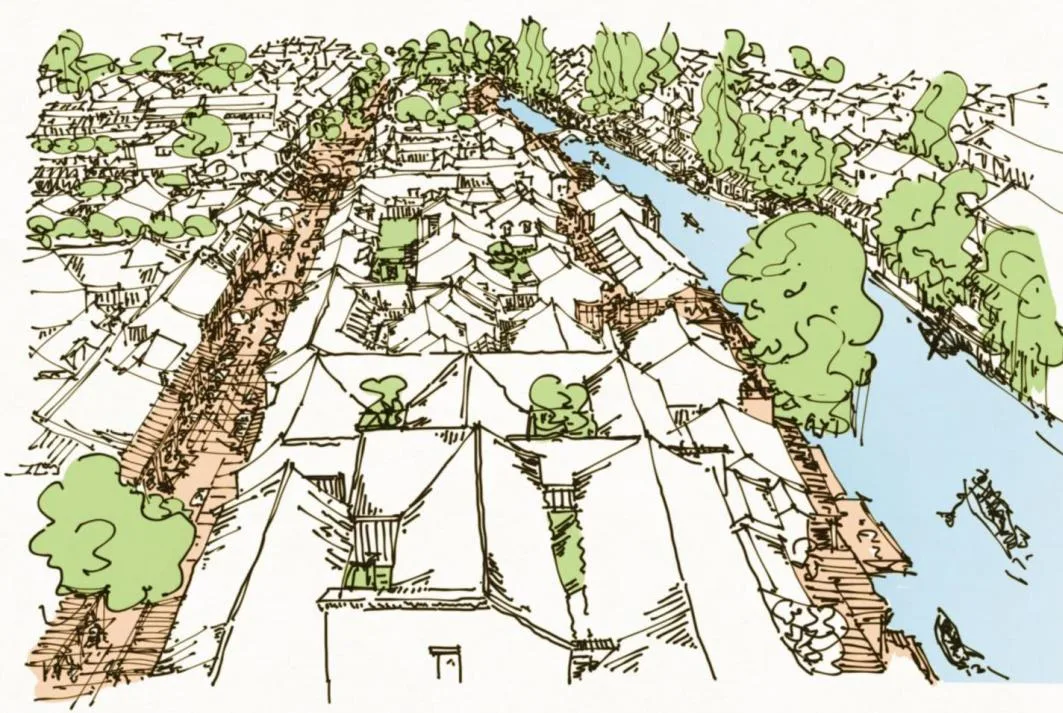
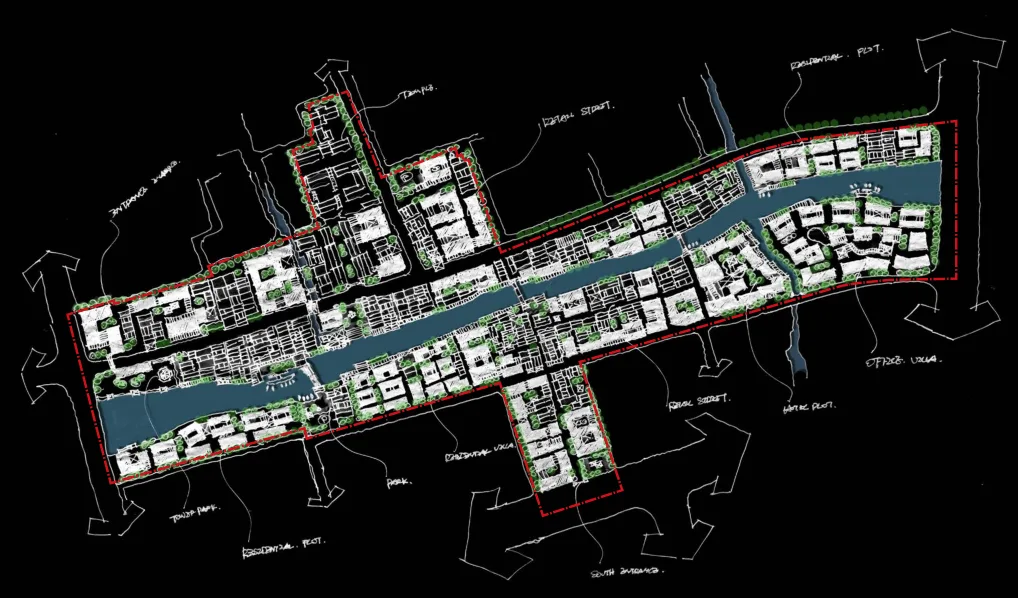
△ Design sketch
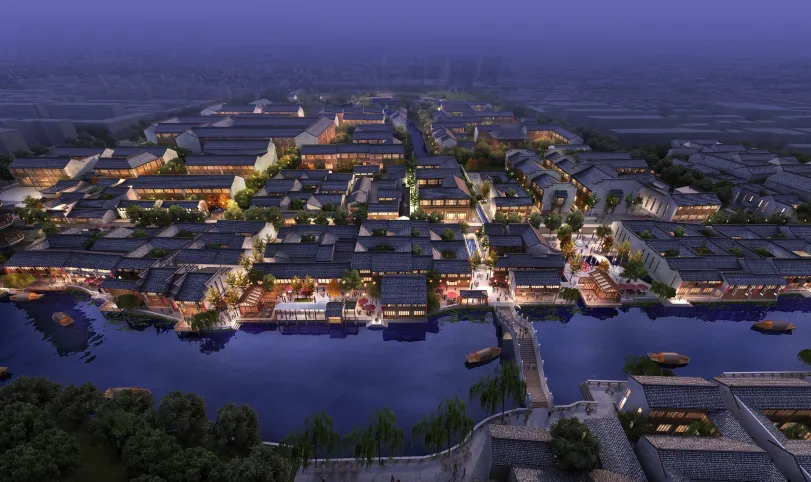
Renovation Practice: Demonstration Courtyard (Sijing Ancient Town Operation Center)
The renovation introduced a Chinese-style courtyard with Sijing cultural elements, enriching the spatial experience. Buildings became integral to courtyard elements, forming a cultural corridor embodying Sijing characteristics. Visitors can wander through varied scenes, experiencing the history, modernity, and future of Sijing Ancient Town.
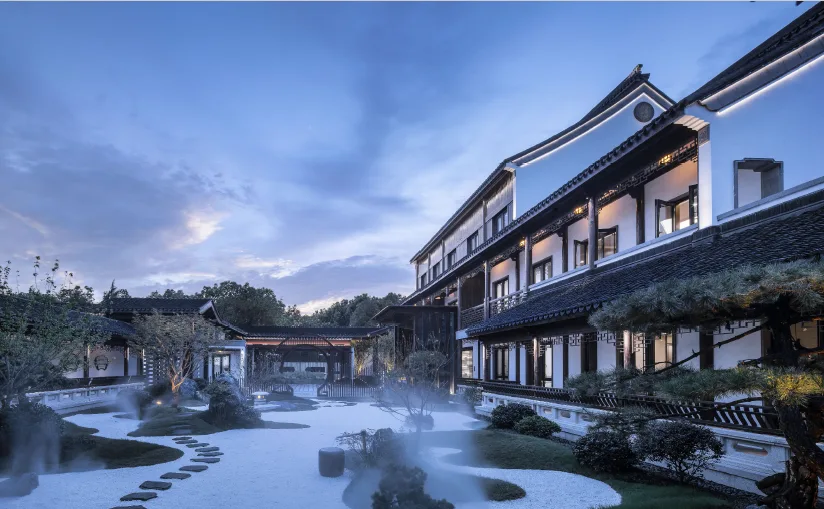
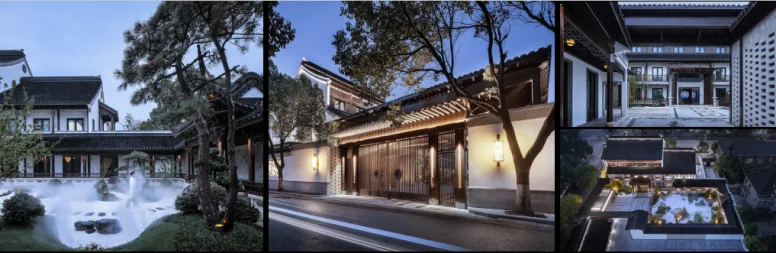
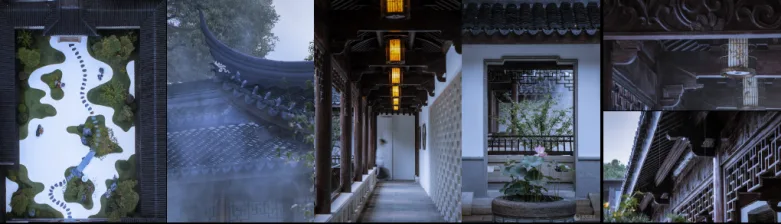
△ Image source: Hu Yijie
Urban Core Development: Beijing Road Area, Huangpu District, Shanghai
This project is located along Shanghai’s prime “golden line” at the nexus of Beijing Road, the Bund, Nanjing East Road, and Suzhou Creek. As the birthplace of Shanghai culture, the area has historically led the times, featuring styles like Shikumen, Financial Street, and Production Street. The area also includes dense urban fabric from rapid 20th-century real estate growth, now facing challenges in functionality, style, livelihood, and industry.
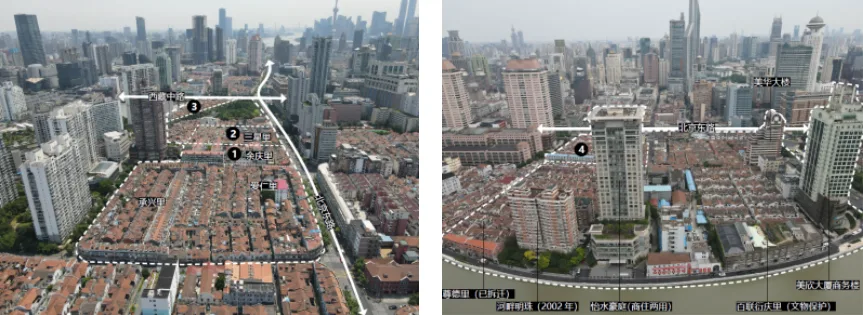
Integrated Renewal Model
Historically, urban development relied on scattered single-plot projects, which cannot quickly convey an overall image or balance storage costs here. Addressing government, developer, and public demands, we propose a comprehensive, scalable renewal model aimed at sustainable urban industry, vitality, and cultural development—exploring an international metropolis renewal model for Shanghai.
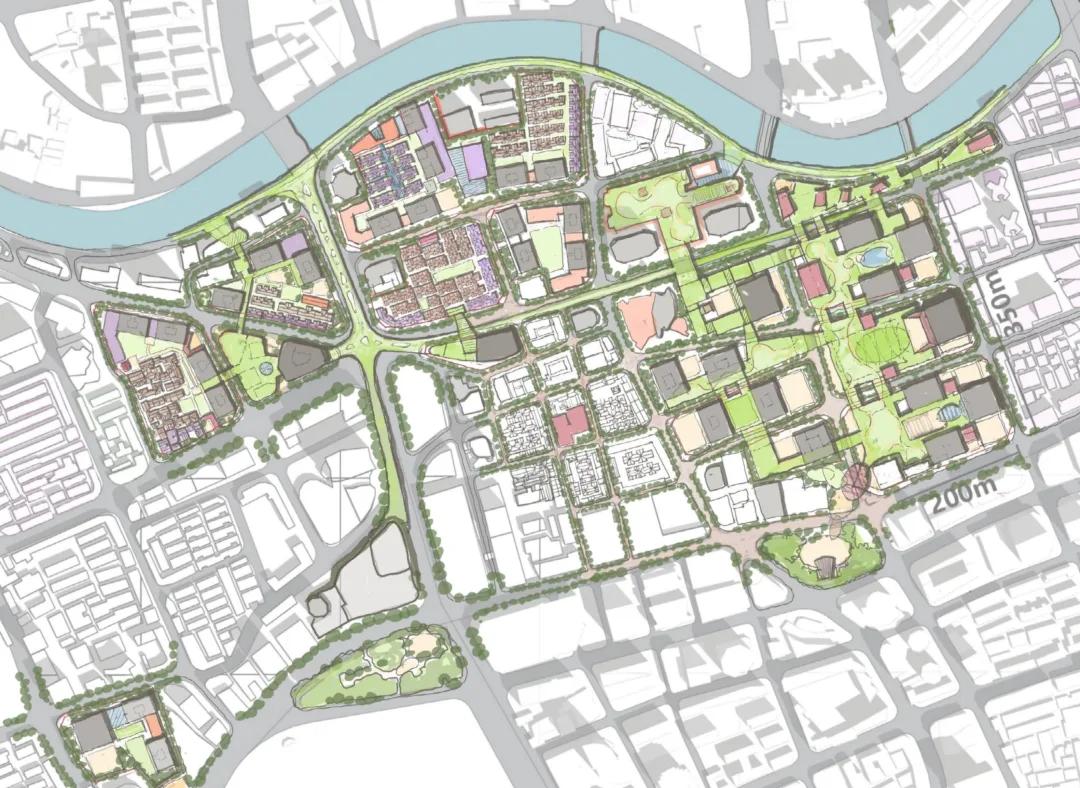
△ General layout plan
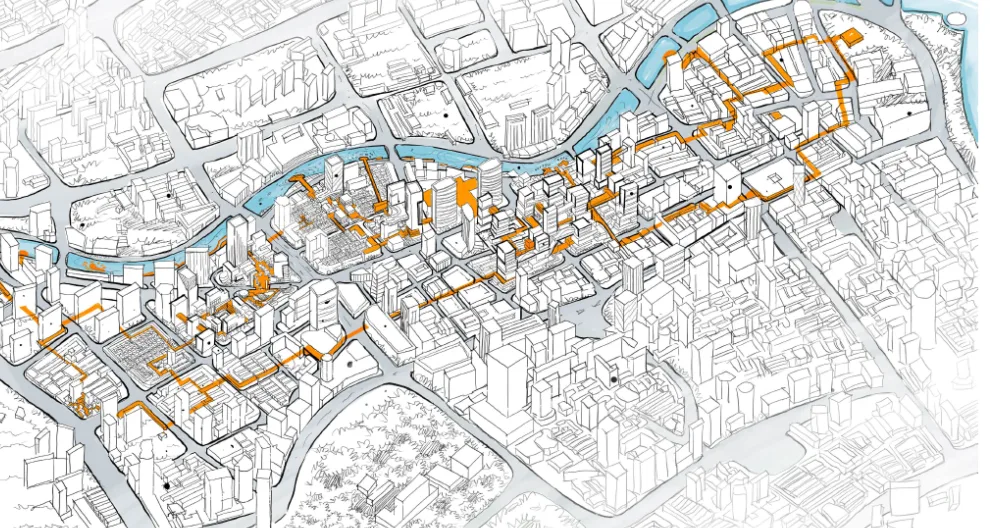
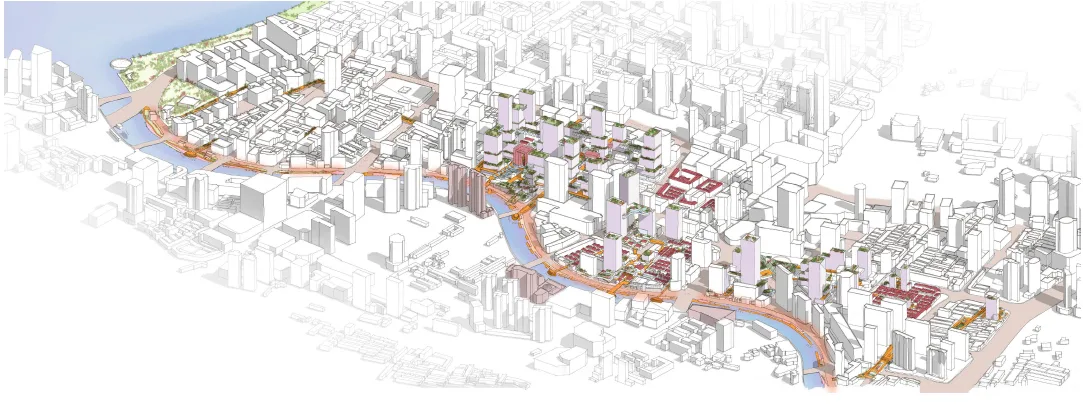
Hand-drawn bird’s-eye view
Dynamic Style Protection Mechanism
To address the tension between urban expansion and historic style preservation in first-tier city cores, we apply a dynamic style protection mechanism inspired by Tokyo’s Marunouchi renewal. This approach combines style preservation with capacity expansion, fully protecting significant historic buildings while assigning them new functions.
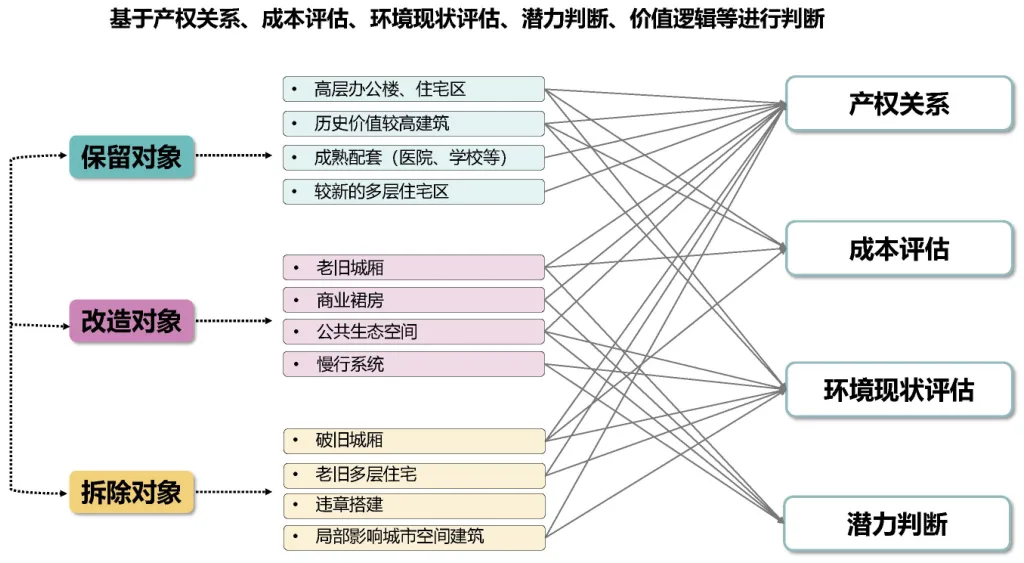
△ Principle of demolition and retention
Super Central Park + Floating City + Super Chassis
We establish a “super connection” between developable lands between Nanjing Road Pedestrian Walkway and Suzhou Creek, creating an extensive ecological platform and unleashing significant public space in Shanghai’s core, where land is scarce but capital abundant.
Human-scale public spaces are emphasized at lower elevations to meet cultural and communal needs. High-rise towers become suspended three-dimensional communities above the ecological platform, maximizing capacity vertically. The lower ground prioritizes motor vehicle traffic, alleviating congestion at street level. This multi-layered landscape and spatial connection creates an integrated urban whole.
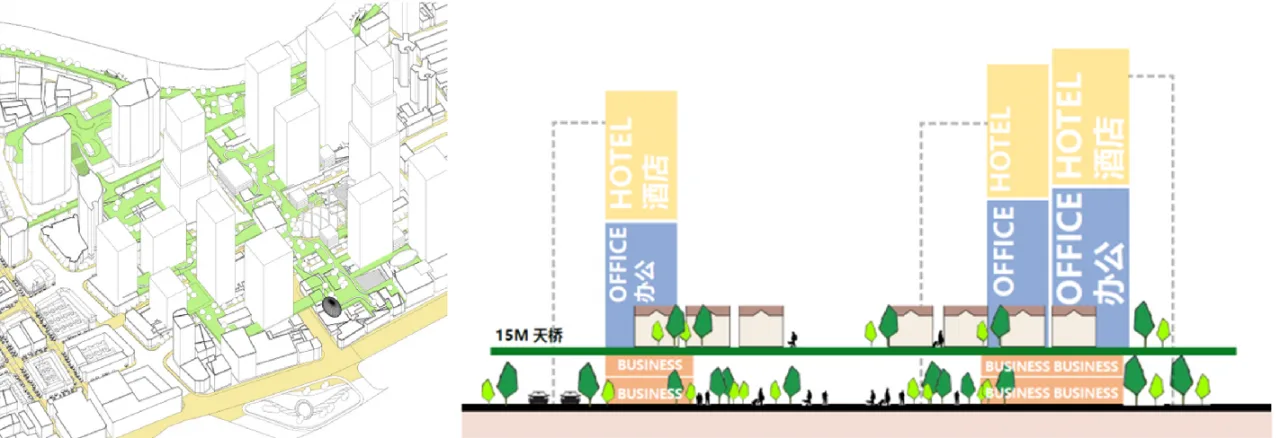
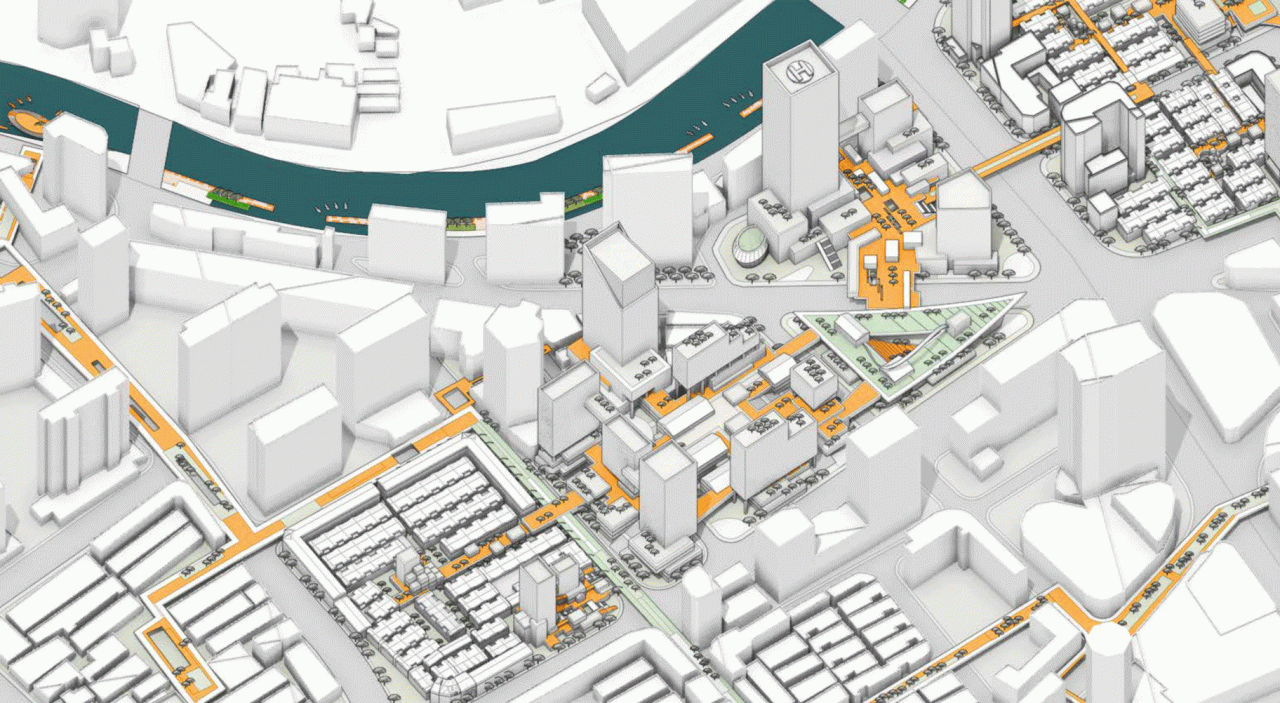
△ Local plot design
Core Cultural and Tourism Attractions
Shanghai Songjiang Xiaokunshan Comprehensive Renovation Project
Xiaokunshan, located northwest of Songjiang, Shanghai, boasts over 5,000 years of human civilization. It is a crucial birthplace of Shanghai’s history and culture and the hometown of renowned Western Jin literary figures Lu Ji and Lu Yun. Recognized as part of Sheshan National Tourism Resort since 1998, Xiaokunshan remains largely a primary product with deep culture but limited experiential depth.
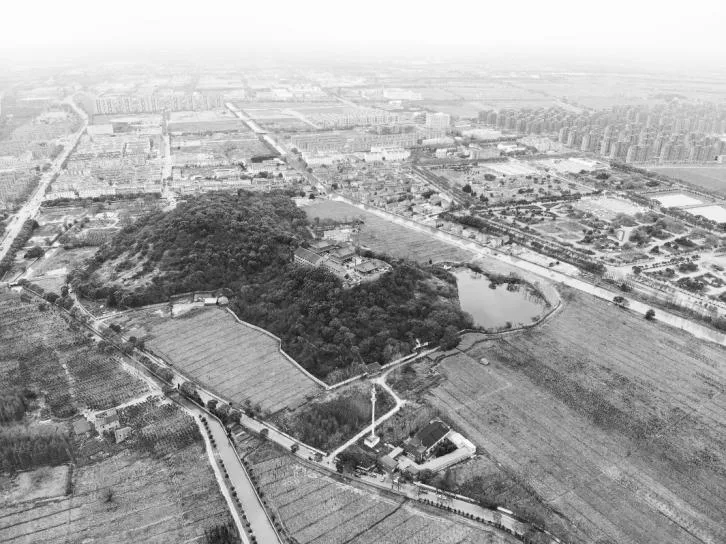
△ Image source: Internet
Reshaping Cultural Values with Traditional Culture as the Core
Focusing on “Humanistic Songjiang,” the design incorporates Erlu culture, Zen culture, and the hidden mountain and water culture of Xiaokunshan, enhancing site value through cultural tourism.
A cultural index is designed along the water belt to connect north and south functions thematically. On a broader scale, integration with surrounding tourism products fosters a unified tourism landscape in Dasheshan.
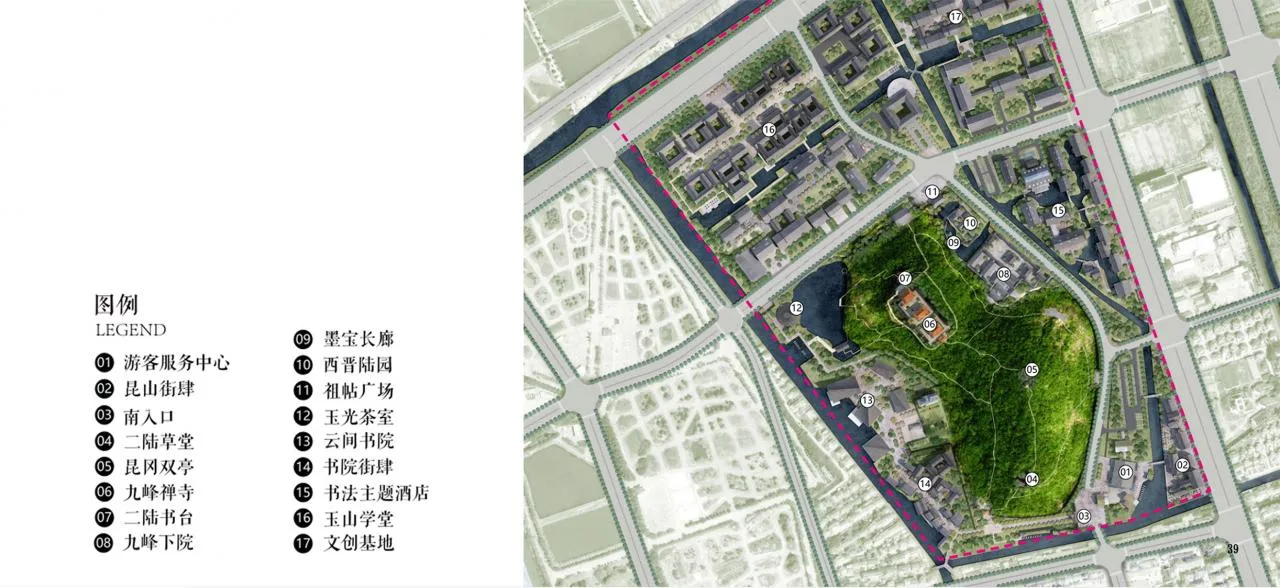
Scene Shaping to Enhance Cultural Memory
Cultural scene creation strengthens tourist experiences, meeting modern consumer demands while highlighting cultural features and enhancing visitor engagement.
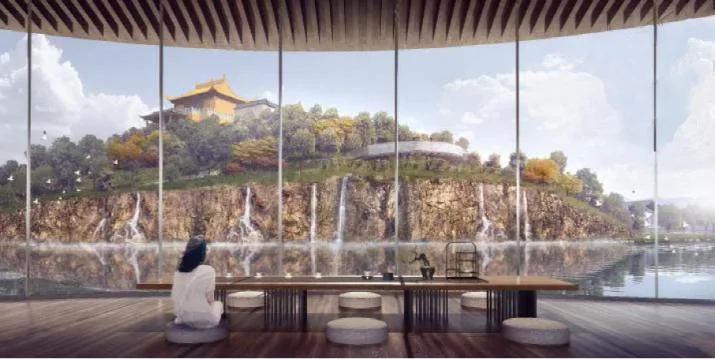
△ Yutan Flying Waterfall
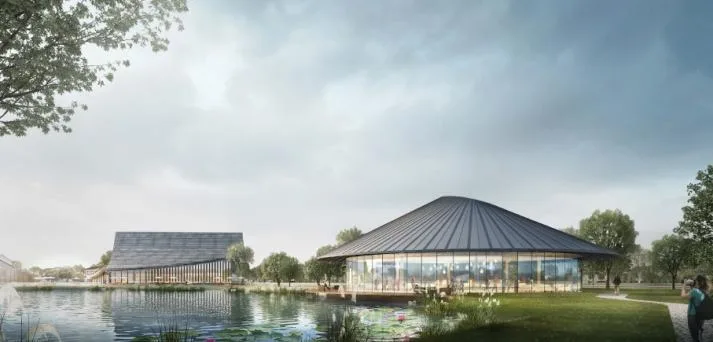
△ Yuguang Tea Room
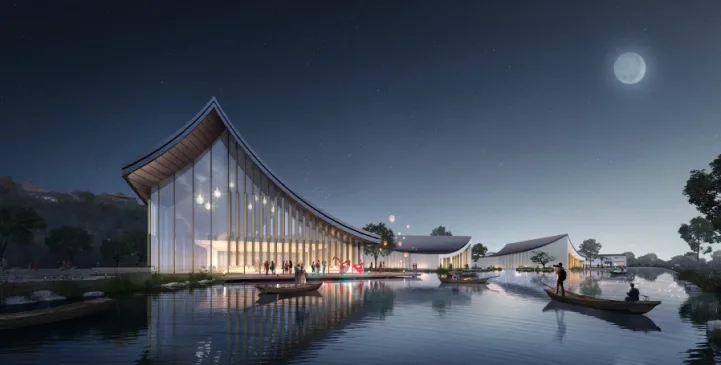
△ Yunjian Academy
Summary of Design Thinking Based on Practice
3. Dynamic Urban Development System Updates
01 Design Accompanying Urban Growth
Yixing Dingshu Characteristic Town
Dingshu Town, a historic “pottery capital” with 5,000 years of ceramic-making tradition, is the birthplace of Zisha culture. Its traditional purple clay industry shaped the town’s identity, supported by many kilns and chimneys that enriched generations.
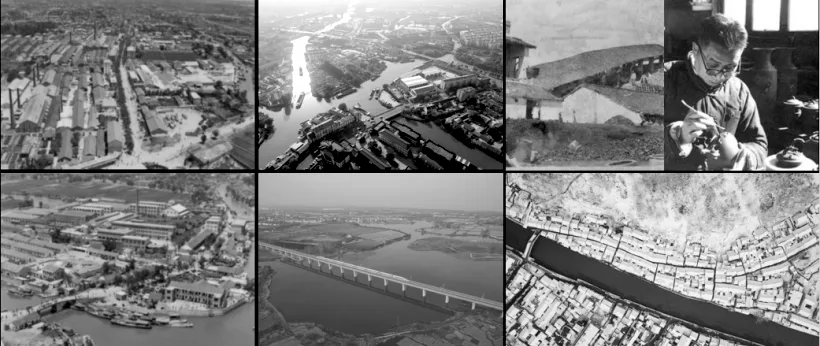
△ Image source: Internet
Integration of Traditional Industry and Modern Life
Preserving a Living Timeline
Traditional industries remain intertwined with social life, forming a unique cultural hallmark of Dingshu Town.
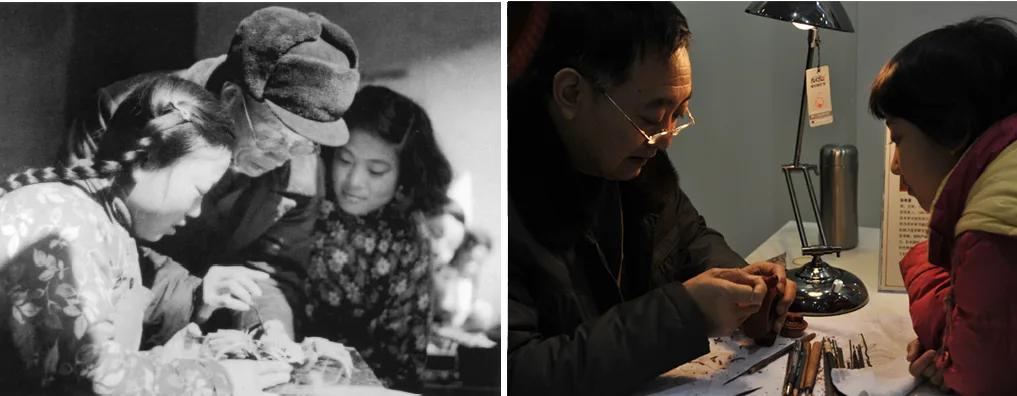
Industrial timeline: The master-apprentice spirit has continued for over 50 years. Source: Internet
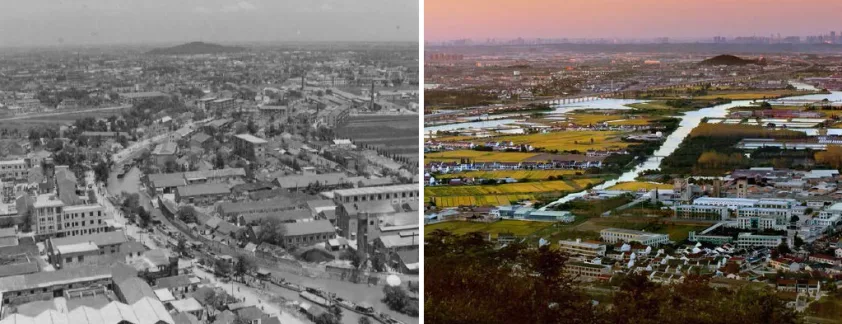
△ Ecological timeline: Past mining and transport of purple clay depended on mountains and rivers, shaping Dingshu’s settlement. Source: Internet
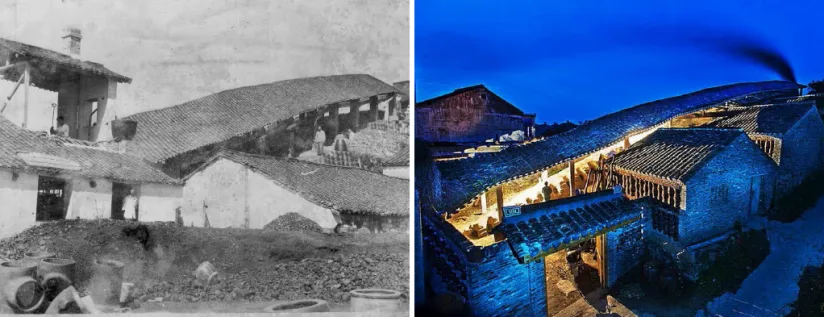
△ Cultural timeline: The 600-year-old Gulong Kiln villa remains vibrant. Source: Internet
Design Beginning: Urban Regeneration in Shushan District
The unique architectural texture of Dingshu Town is irreplaceable, with original buildings exhibiting vitality that transcends history.
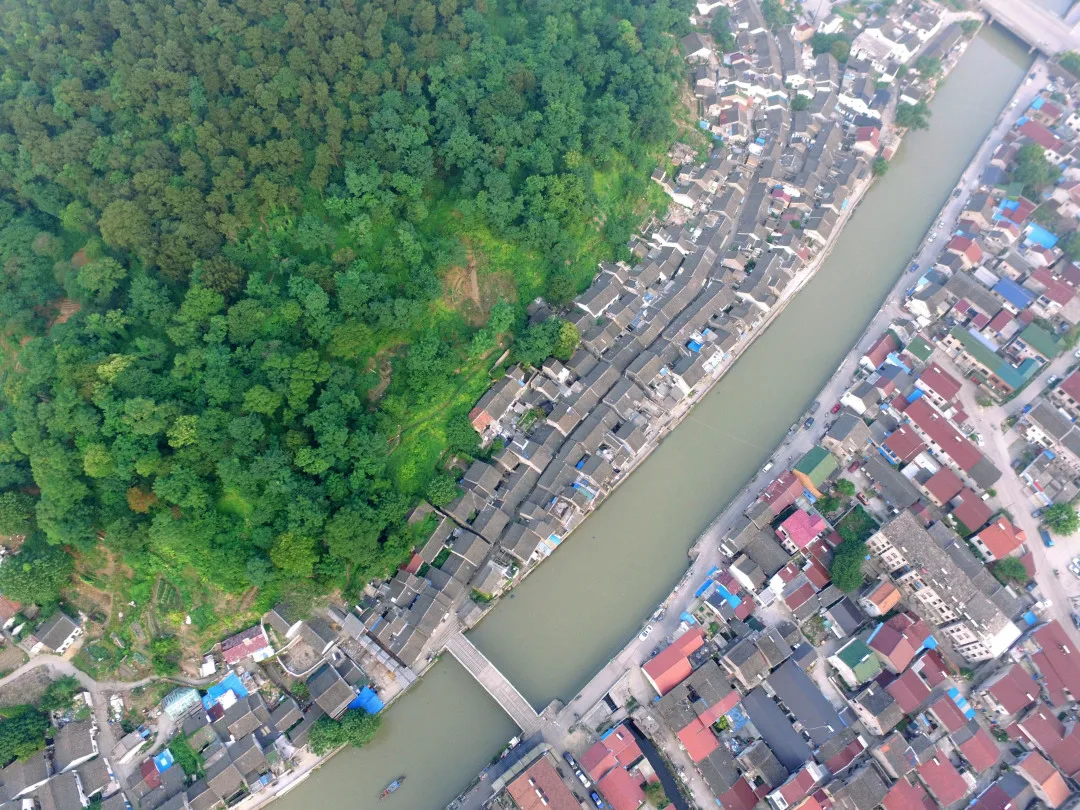
△ Naturally grown architectural texture (Source: Wang Xiu)
“Active Renewal” in Industrial Life
Zisha ceramics have supported generations of Dingshu residents. Demolition and resettlement threaten this industrial foundation. Instead, a dynamic update strategy—combining intervention, promotion, and growth styles—is proposed. This flexible planning approach explores value enhancement, encouraging industrial integration, upgrading, and urban cultural branding.
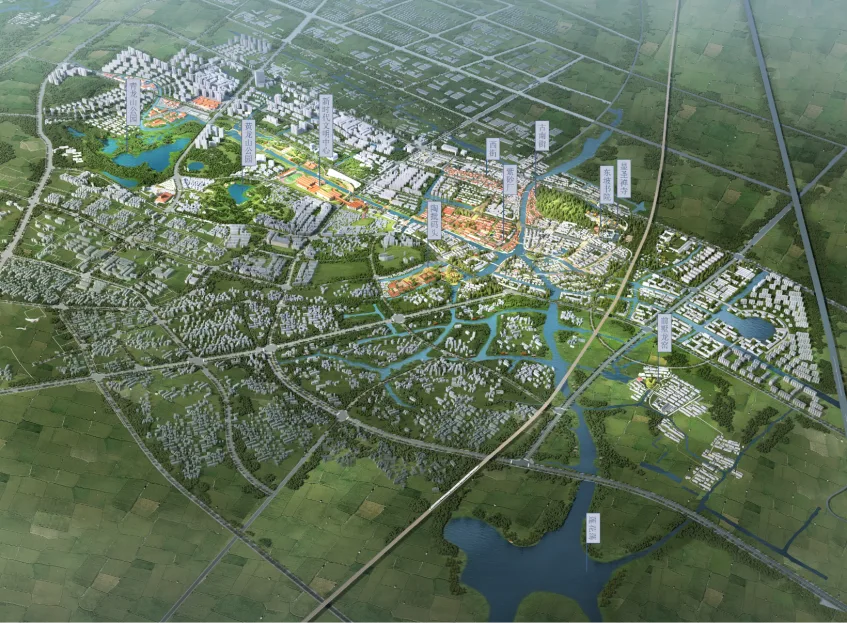
Addressing infrastructure deficiencies, fragmented urban space, and a mono-industrial base, a new plan organizes transportation, urban water networks, and public spaces into six zones: Shushan Scenic Area, Gunan Street Area, Purple Clay Craft Factory, Qianshulong Kiln, Ceramic Wholesale Station Terminal, and Historical Industrial Zone. Introducing cultural and ecological elements supports industrial upgrading and fosters a diverse, healthy industrial ecosystem.
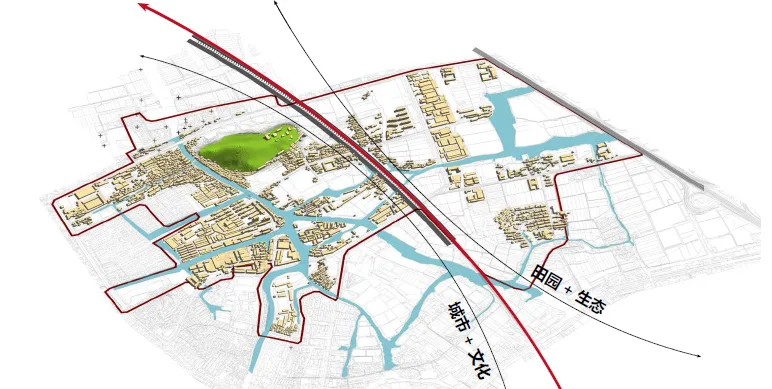
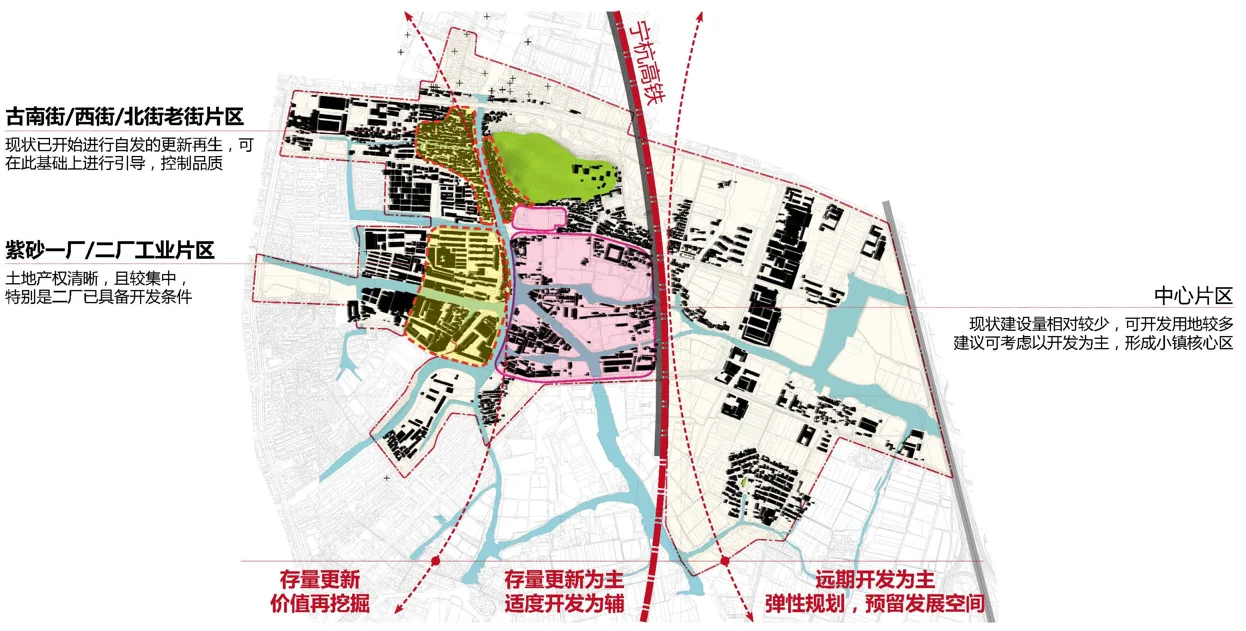
Considering diverse urban textures, we respect Shu Mountain’s ecological landscape and local lifestyles, updating in three segments:
- West of Li River: Preserve many existing buildings, focusing on upgrades;
- Central region: Rich in natural elements with fewer buildings, favor moderate development to create the town core;
- East of the high-speed railway: Currently farmland and factories, reserved for long-term, flexible development.
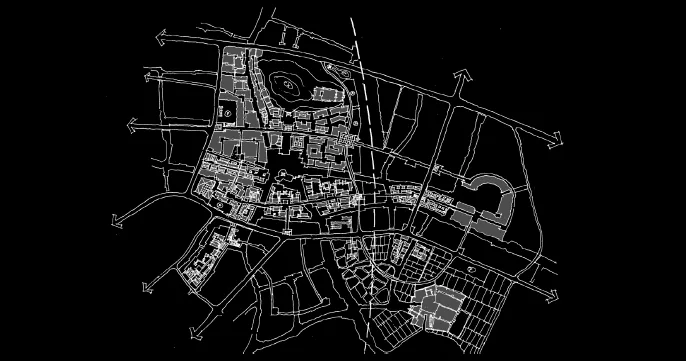
△ Hand-drawn plan overview
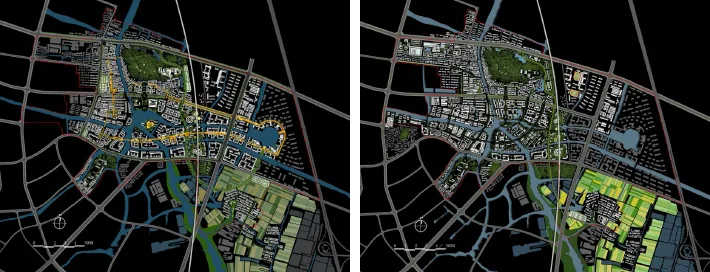
△ Relationship between first and fourth round plans
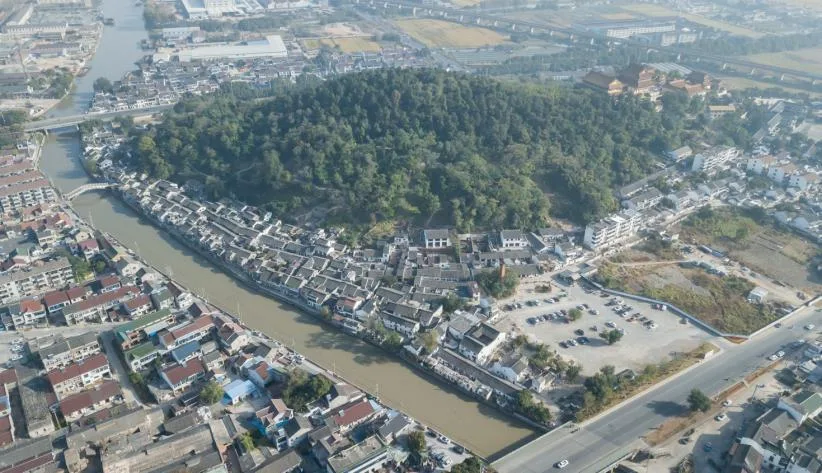
△ Aerial photo of renovated Gu Nan Street area (Source: Pan Shuang)
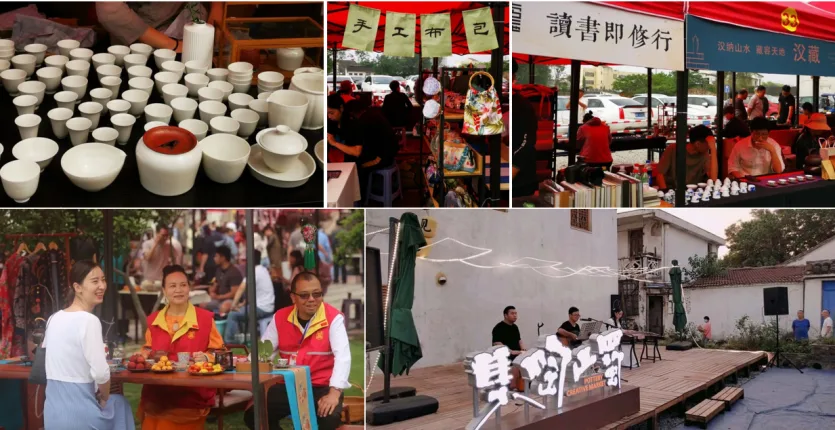
△ Gu Nan Street pottery collection after renovation (Source: Online)
Sustainable, Multi-Party Participation Model
Dingshu Town’s renewal embraces a collaborative mechanism involving government, enterprises, society, and designers. The government leads, enterprises take initiative, owners implement changes, and designers coordinate efforts.
The government prioritizes long-term cooperation over short-term gains, setting principles for future development, encouraging multi-party participation via design, and driving regional renewal through targeted interventions.
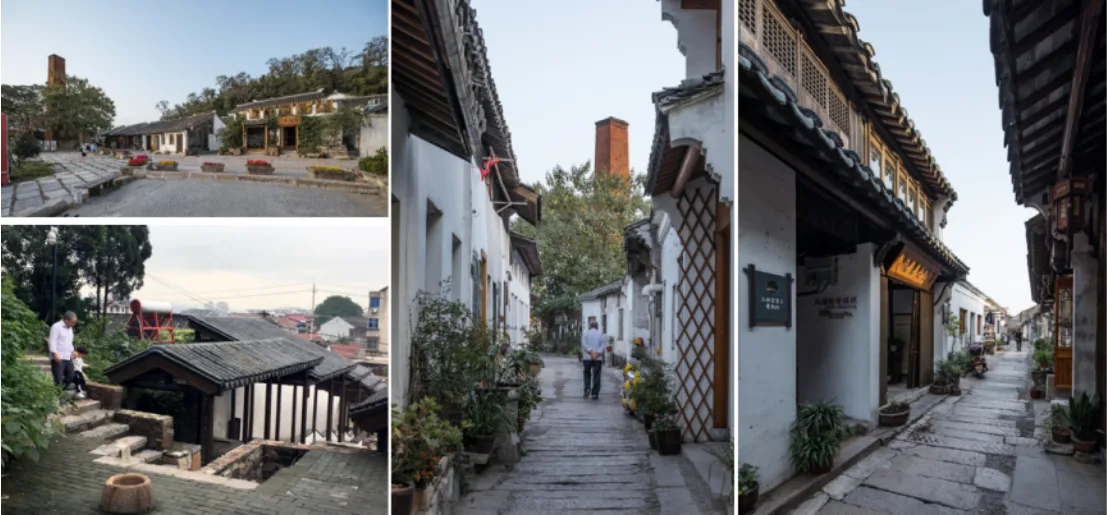
△ Image source: Pan Shuang
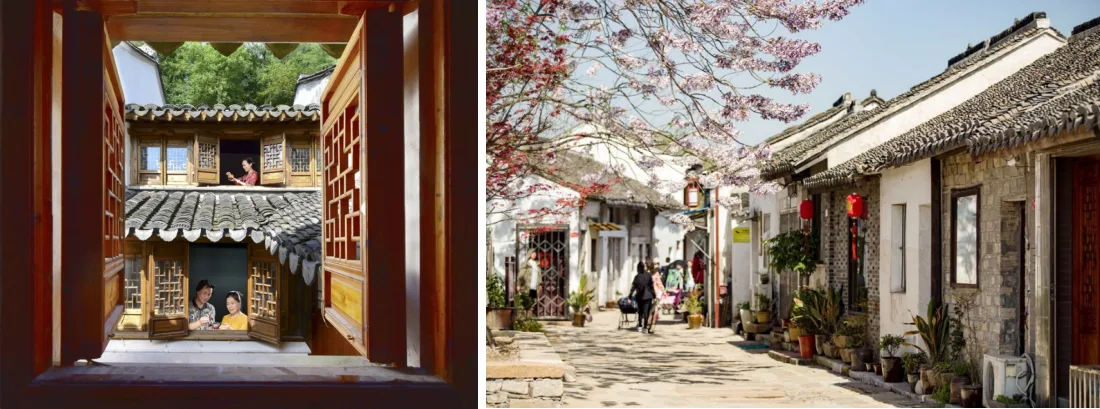
△ Gu Nan Street area renovated with participation from government, Southeast University, and design firms (Source: Dingshu Town Government)
Public engagement is key to Dingshu’s urban renewal. The government emphasizes social identity and participation, enhancing public recognition through landscape and building renovation, fostering community-driven regeneration.
Urban renewal has reignited local pride and brought traditional neighborhoods back into focus, inspiring spontaneous regeneration projects.
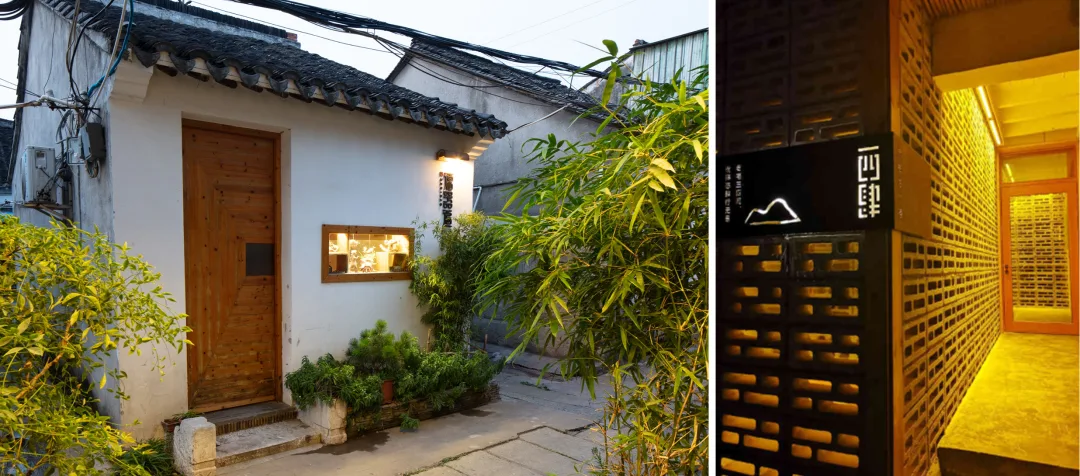
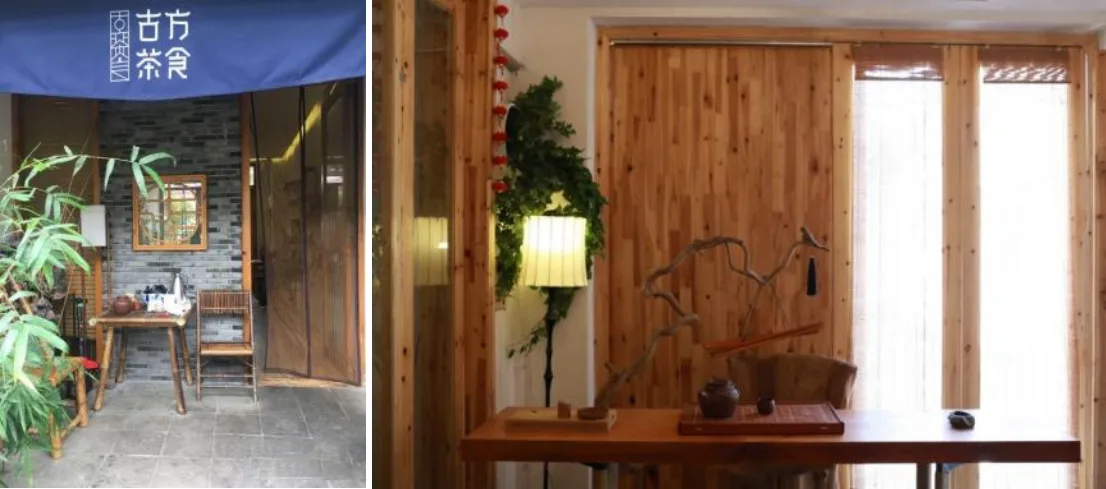
Source of West Street Map: Pan Shuang, Wang Xiu
Project Classification and Implementation Plan
The overall urban renewal is broken down into subprojects for data-driven management. Projects are classified into four categories: road traffic, waterway optimization, landscape environment, and deep renewal of key areas. Each project’s scope, workload, and methods are clarified to facilitate data-based renewal analysis.
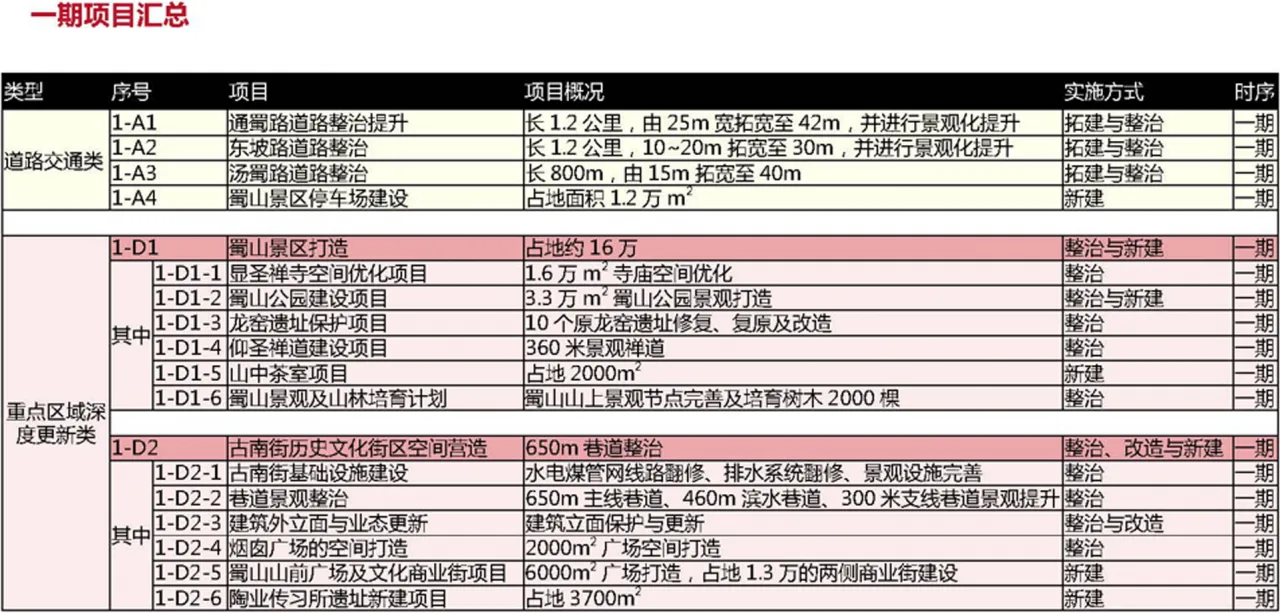
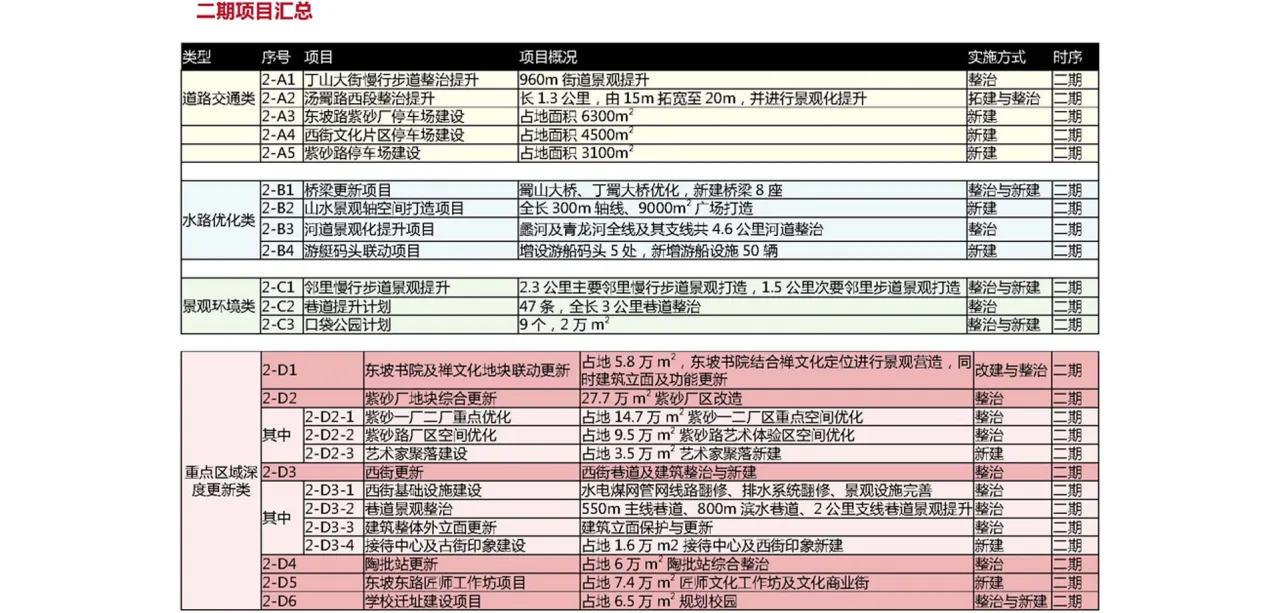
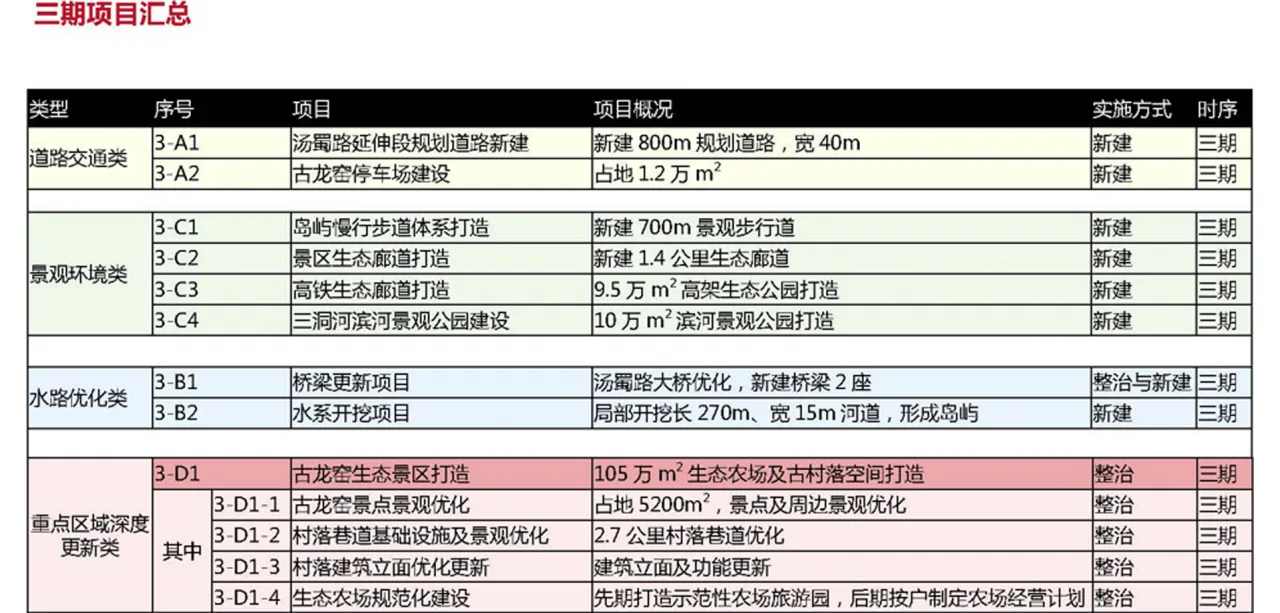
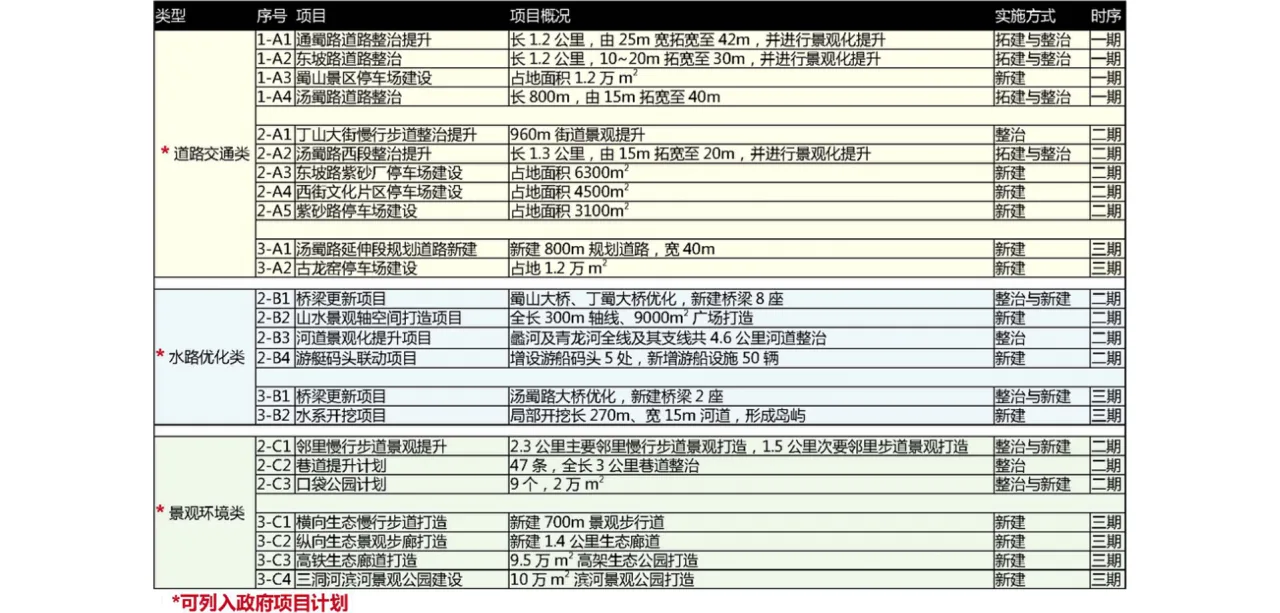
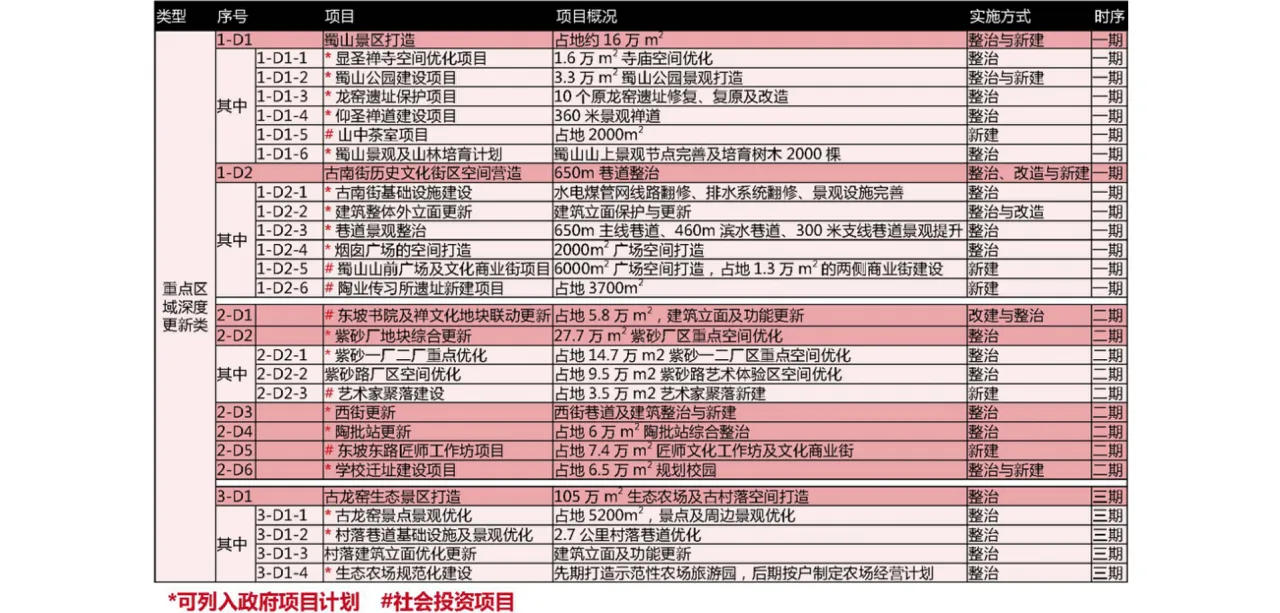
△ Project classification overview
The designer actively participated throughout the process, leveraging professional analysis to dissect social issues and propose operational models and urban development frameworks for government-led regeneration.
We are pleased that our design concepts have been incorporated into government top-level planning, enabling design to guide decision-making and foster gradual urban development.
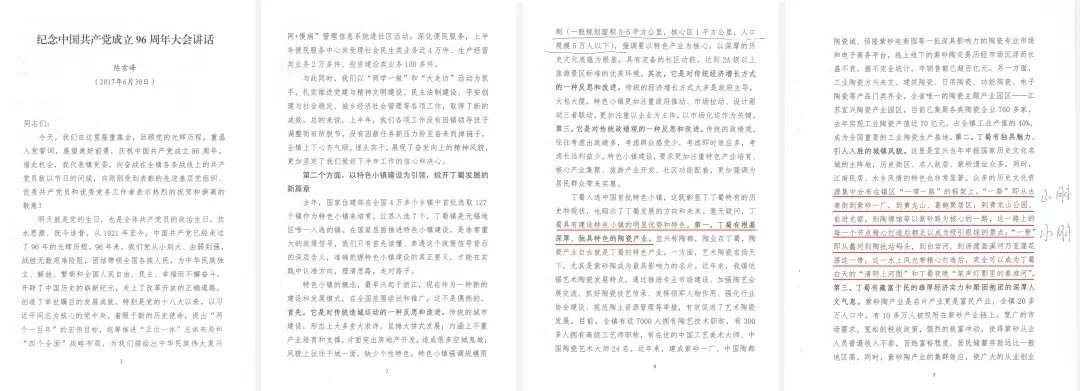
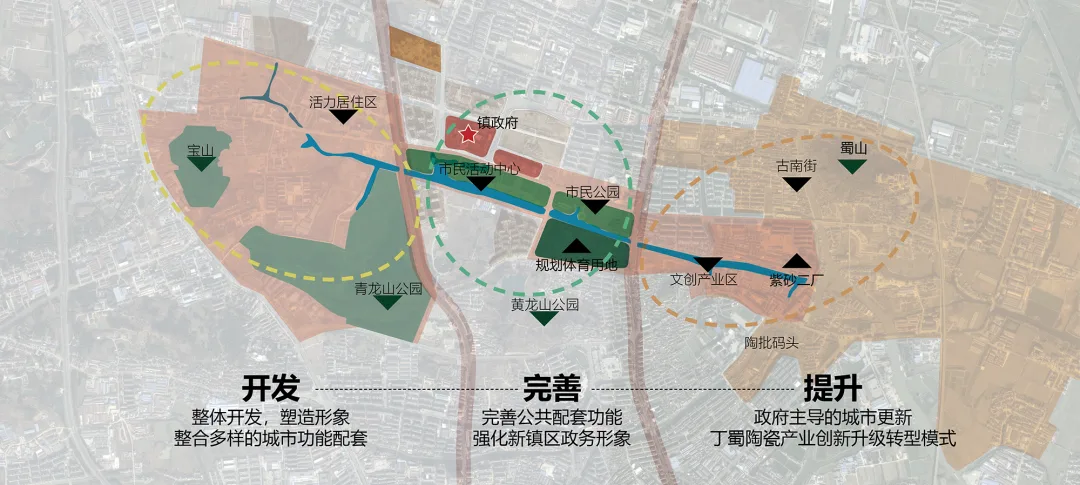
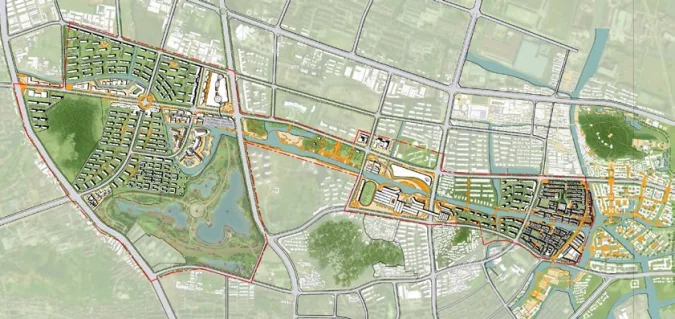
Continuing Design: Urban Design of Qinglonghe Area
The Qinglong River area extends the main spatial planning axis of Shushan, with the river as a unifying element. The “industry + culture + ecology” model fosters a comprehensive community blending ecology and residential life.
Design Practice: Huanglongshan Park
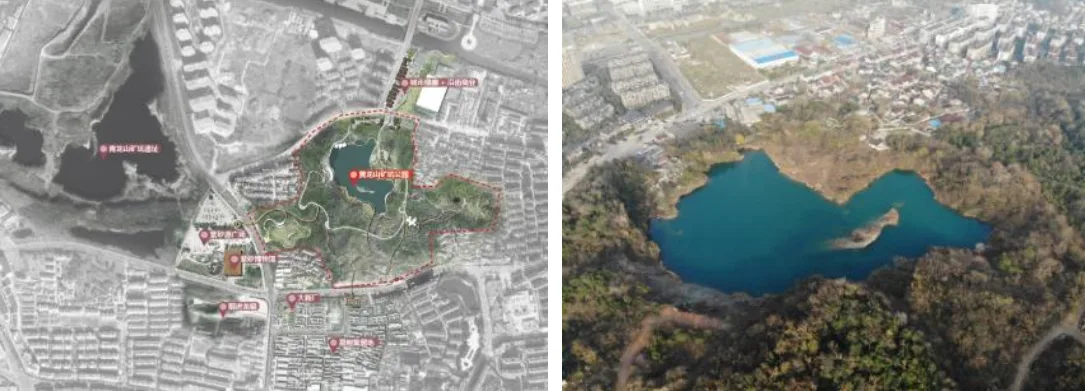
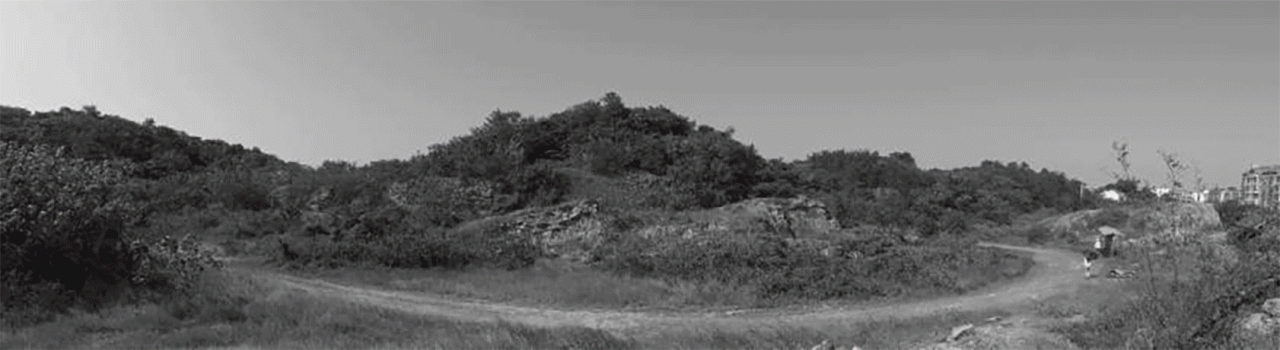
Huanglongshan, originally a purple clay mining site, is a non-renewable urban heritage park. Its regeneration transformed the fragmented area into an open urban ecological and cultural park connecting Shushan, Qinglonghe, Baidao, and surrounding areas, enhancing Dingshu’s cultural and tourism network.
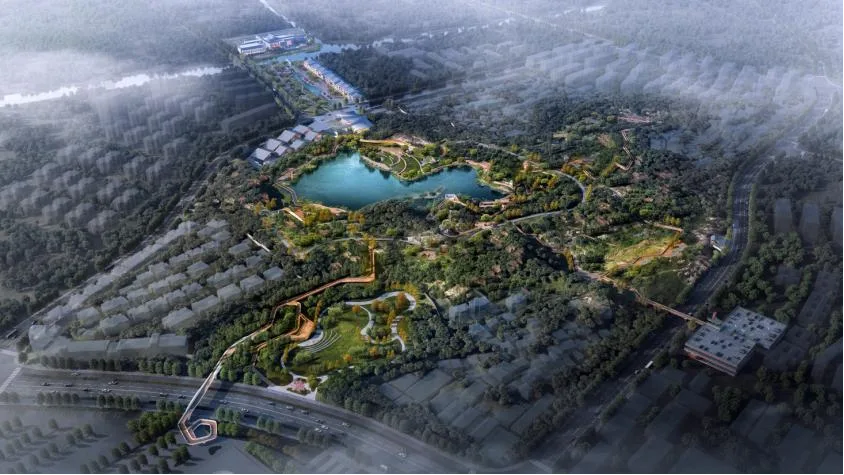
Collaborative Design: Water Stone Landscape
Design Practice: Qinglongshan Area
In collaboration with Southeast University and Shuishi Design teams, under government planning, Qinglongshan has delivered a series of landmark buildings reflecting urban culture and public functions, creating a vibrant cultural and social hub for Dingshu.
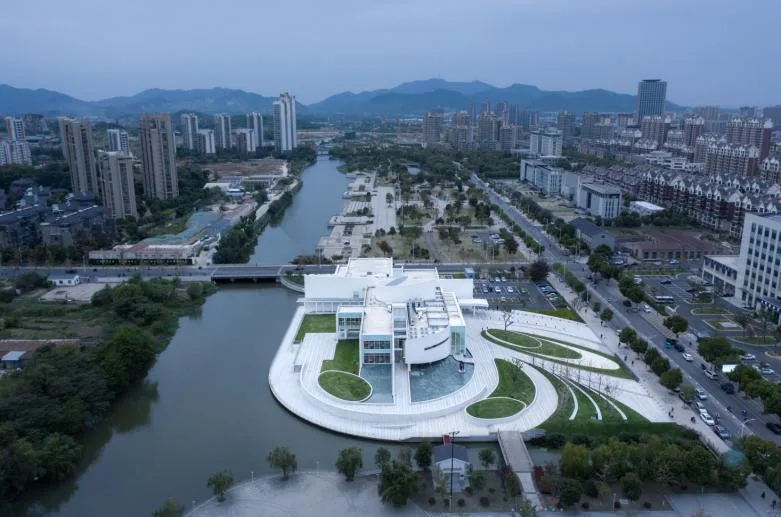
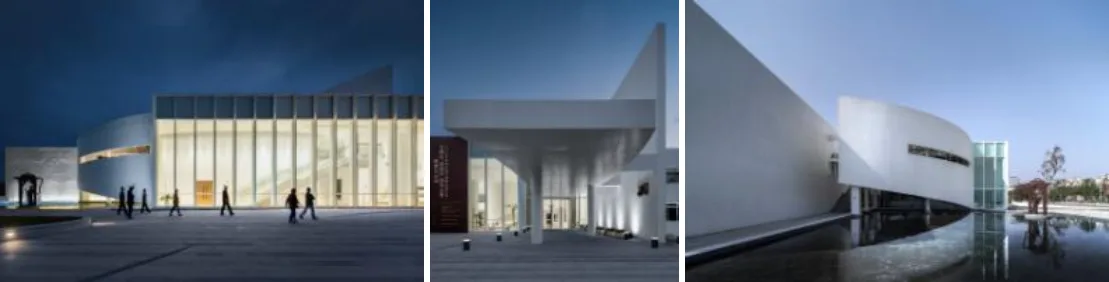
Design Unit of Dingshu New Era Civilization Center: Water Stone Design Department 1 (Image Source: Sensor Observation Image)
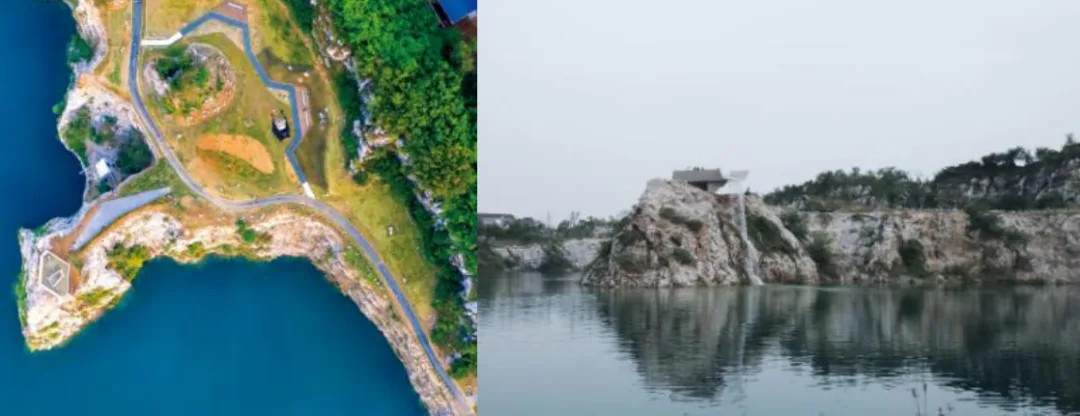
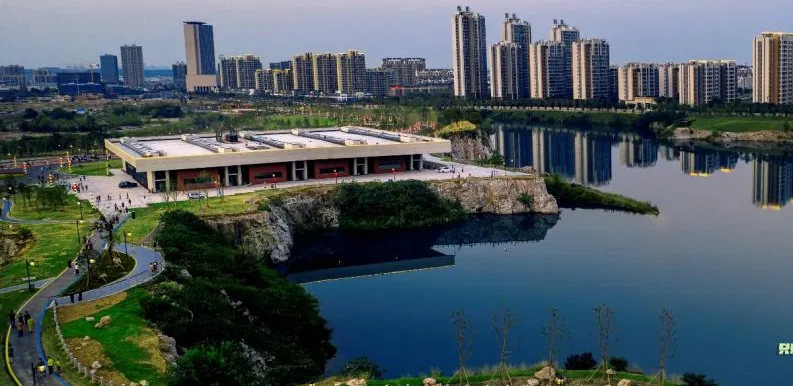
△ Qinglongshan Park Design Team: Xuke Architecture / Southeast University Design and Research Institute, Wuxi Municipal Design and Research Institute (Source: Dingshu Town Government, Zhang Xu)
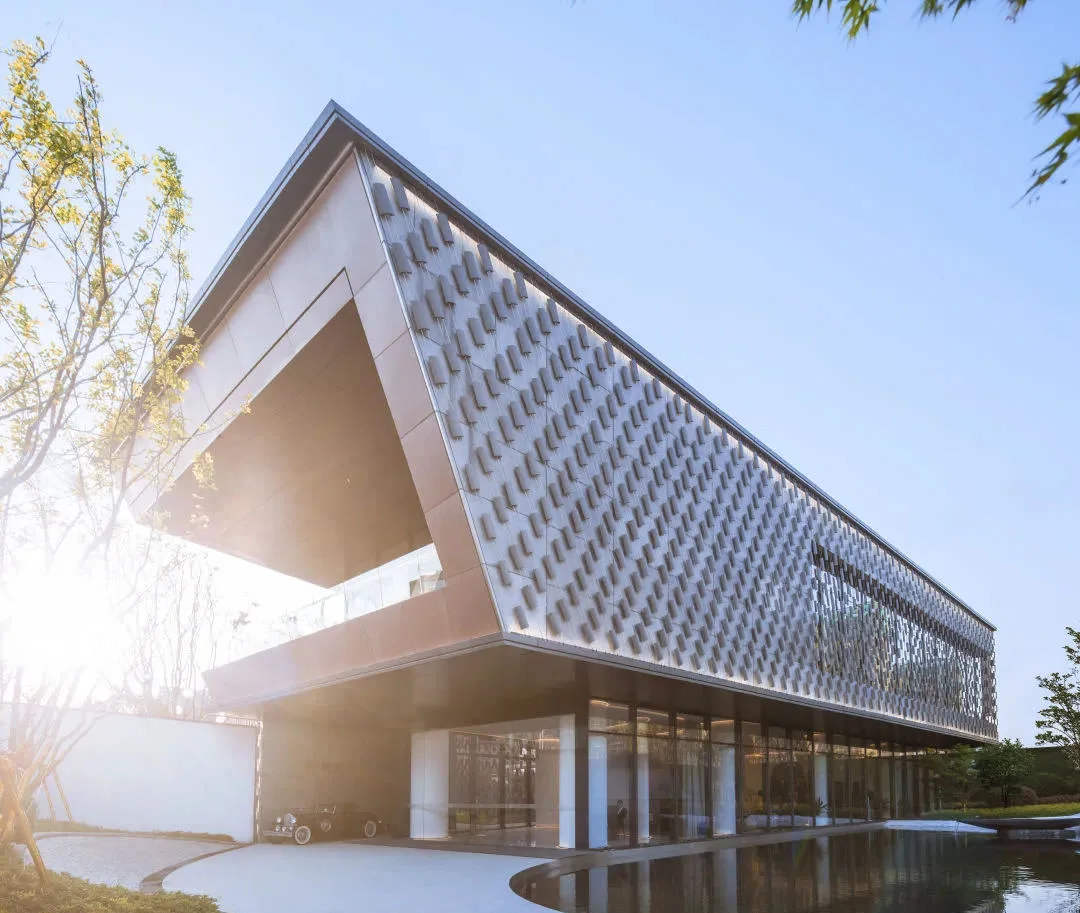
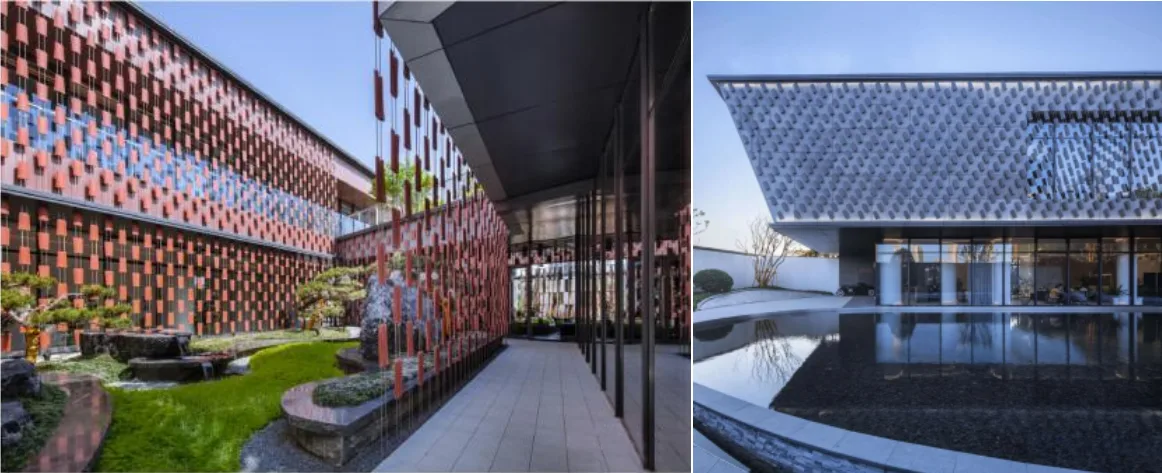
△ Qinglongshan Life Aesthetics Center (Source: Hu Yijie)
Design Practice: Guangming Town
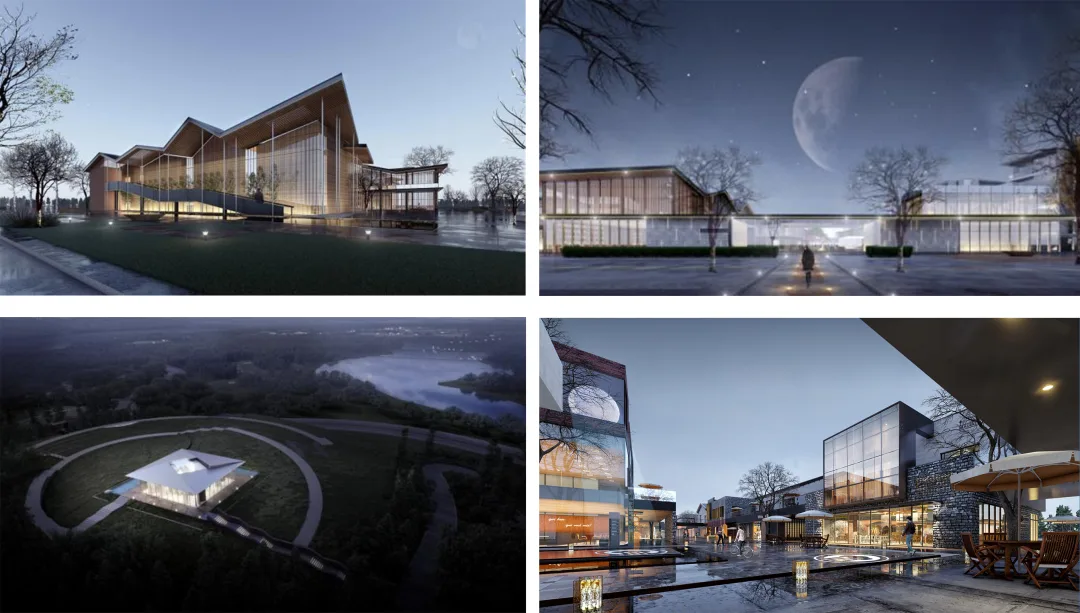
The Guangming Town project in Dingshu represents an important step in integrating the area into the Yangtze River Delta. This development reflects sustained urban growth, encompassing both internal improvement and external expansion. We are proud that our team has accompanied Guangming’s growth and continues to support its advancement.
Conclusion
Urban regeneration restores a city’s dignity and confidence. The design process is a collaborative journey involving urban designers, governments, and businesses.
To create truly “warm” designs, designers must deeply understand a city’s history, every street, and every historic building, embracing the stories that define the place.
As urbanization progresses, redevelopment of urban cores should continue to uphold the urban context and invigorate city vitality through joint efforts from designers, governments, enterprises, and society, discovering new contemporary values within this balance.















Must log in before commenting!
Sign Up