
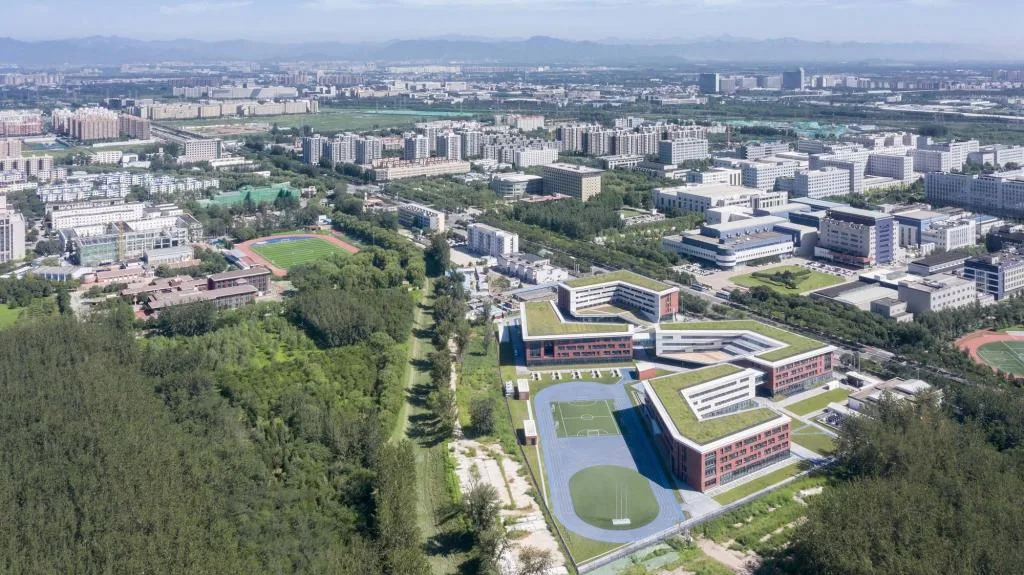
The Aerospace City School of Renmin University Affiliated Middle School is situated on the edge of urban and natural landscapes in northwest Beijing. This unique location, combined with the momentum of educational reform, has shaped a campus atmosphere that encourages dialogue and freedom. The school faces practical challenges related to scale and land availability, present conditions versus future needs, culture and technology integration, and the relationship between campus and community. Our goal is to create a cohesive environment that addresses these demands while expressing its own identity.
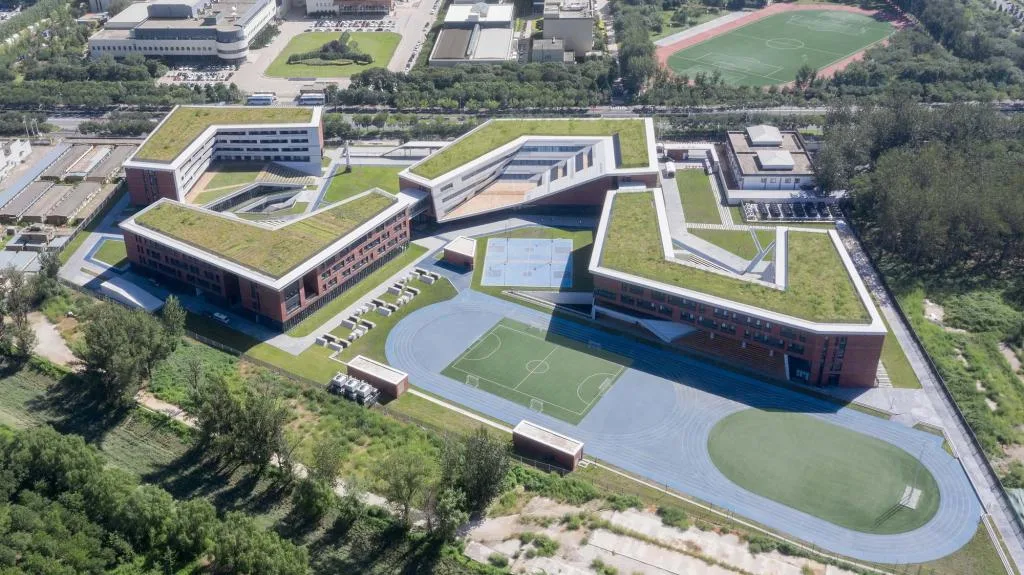
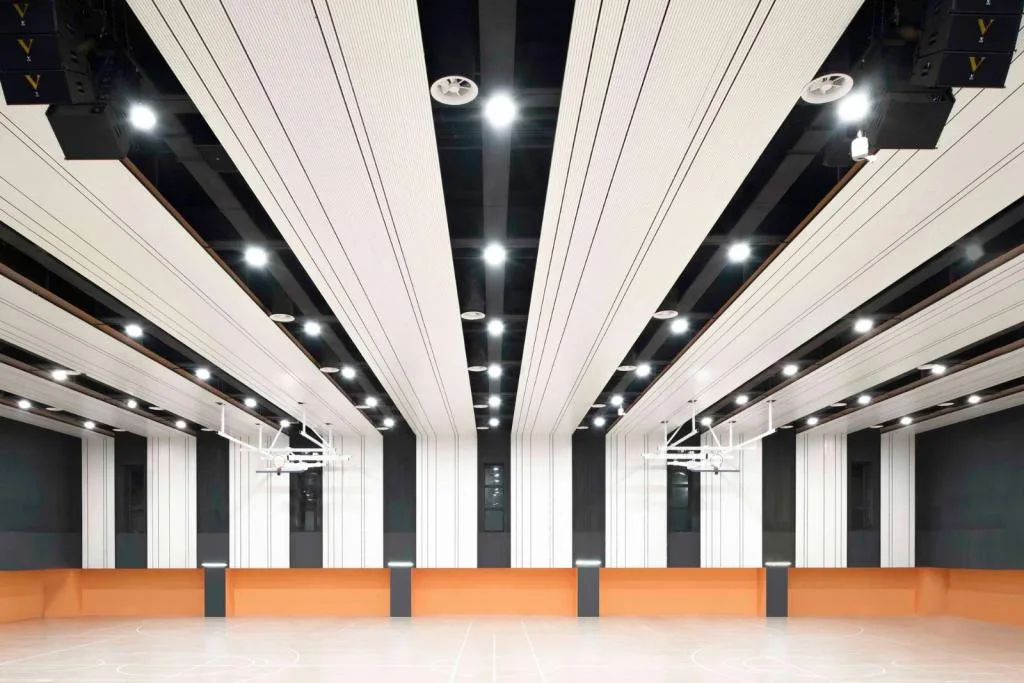
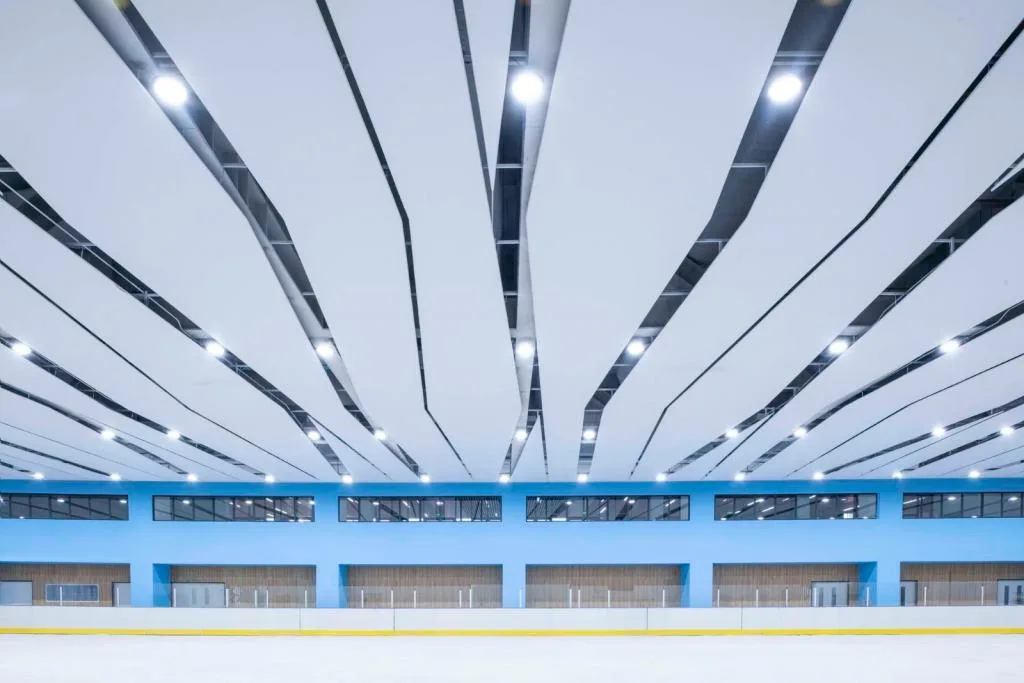
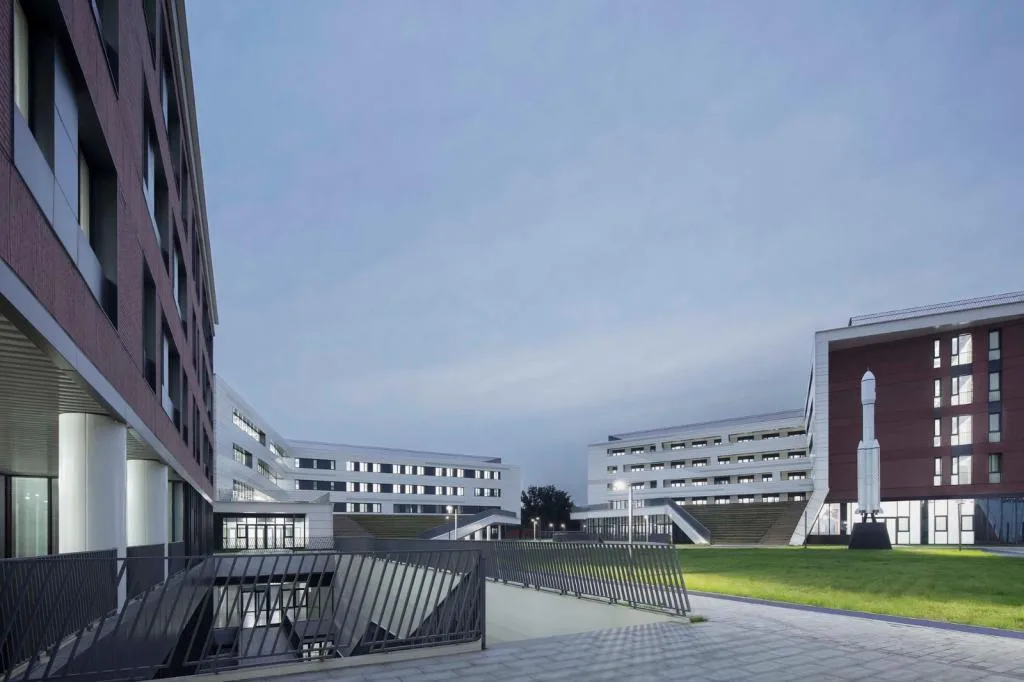
To address the tension between educational scale and limited land, we propose a vertical reorganization of the campus. This approach maximizes above-ground space while fully utilizing underground areas. Large venues that don’t require direct sunlight are placed below ground, and issues like ventilation and fire safety are managed through sunken courtyards. This design allows these venues to be independently accessible to the community without disrupting activities above ground. The upper levels primarily house classrooms, offices, and dormitories, creating a quiet environment that supports focused learning. Additionally, the underground spaces provide energy efficiency benefits, reducing the high energy consumption typically associated with large venues.
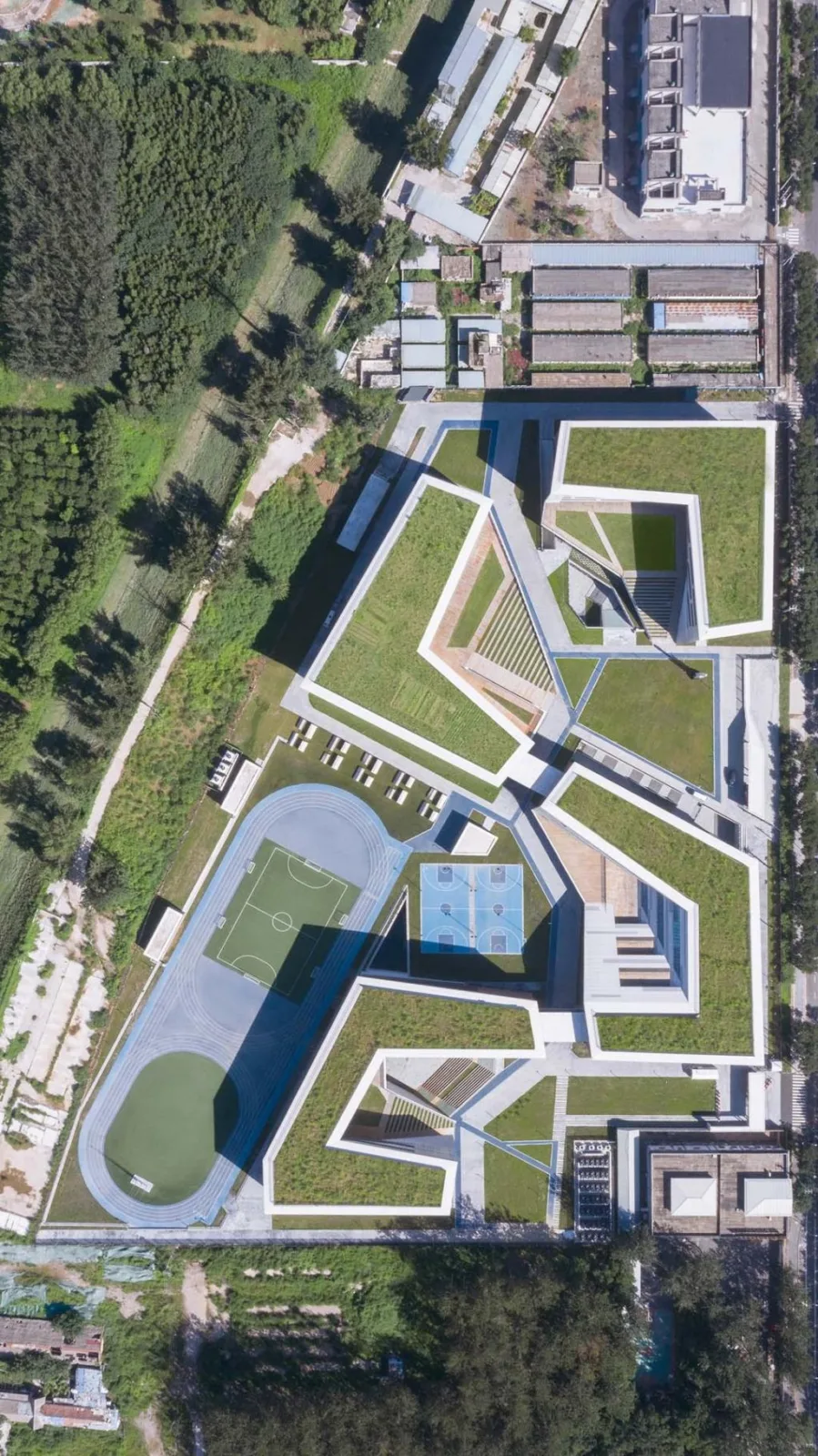
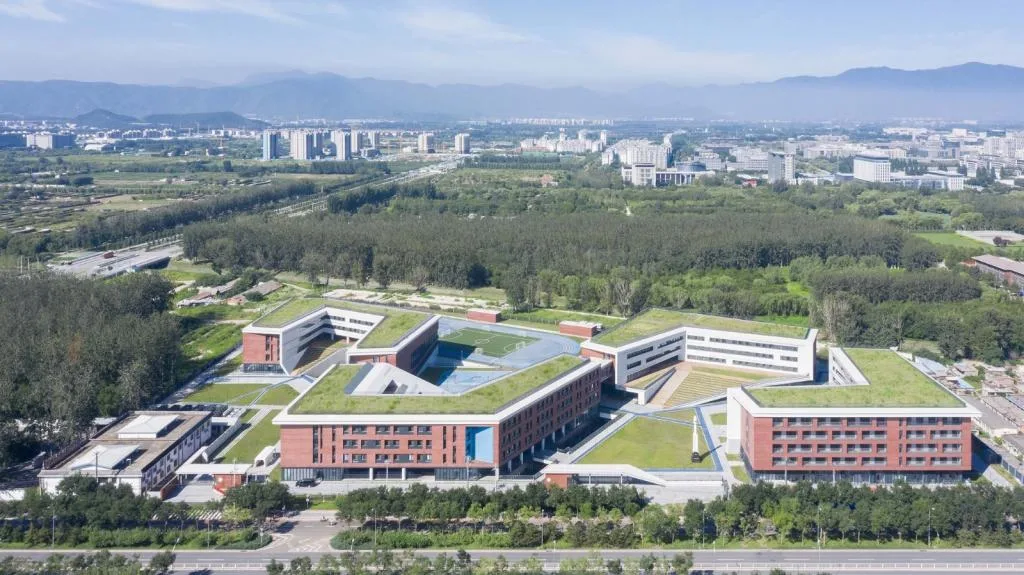
Tangible Cultural Expression
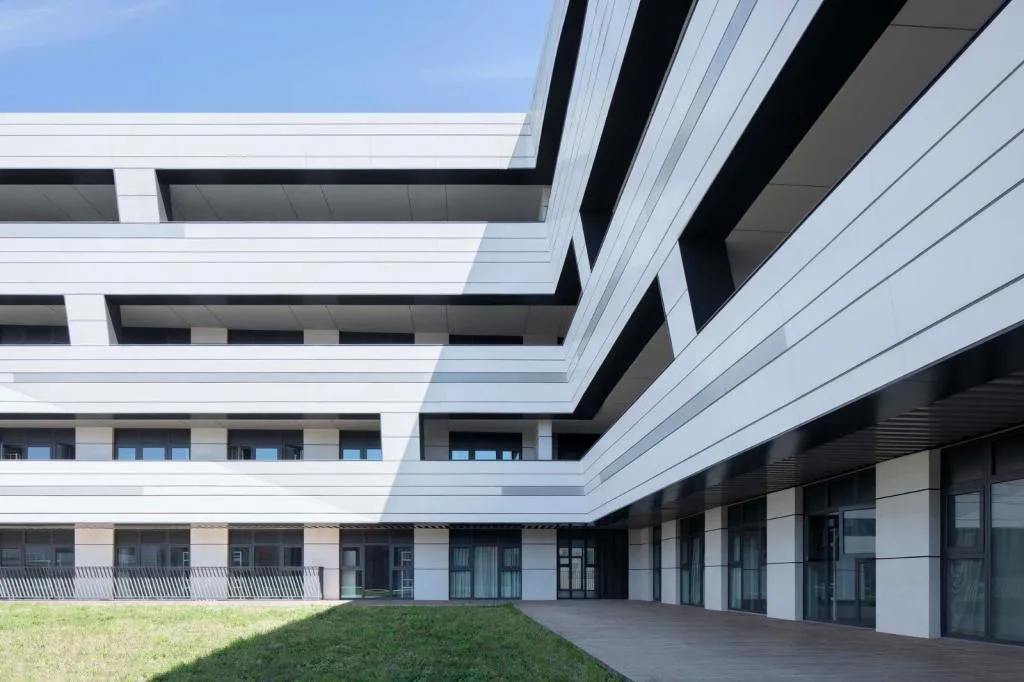
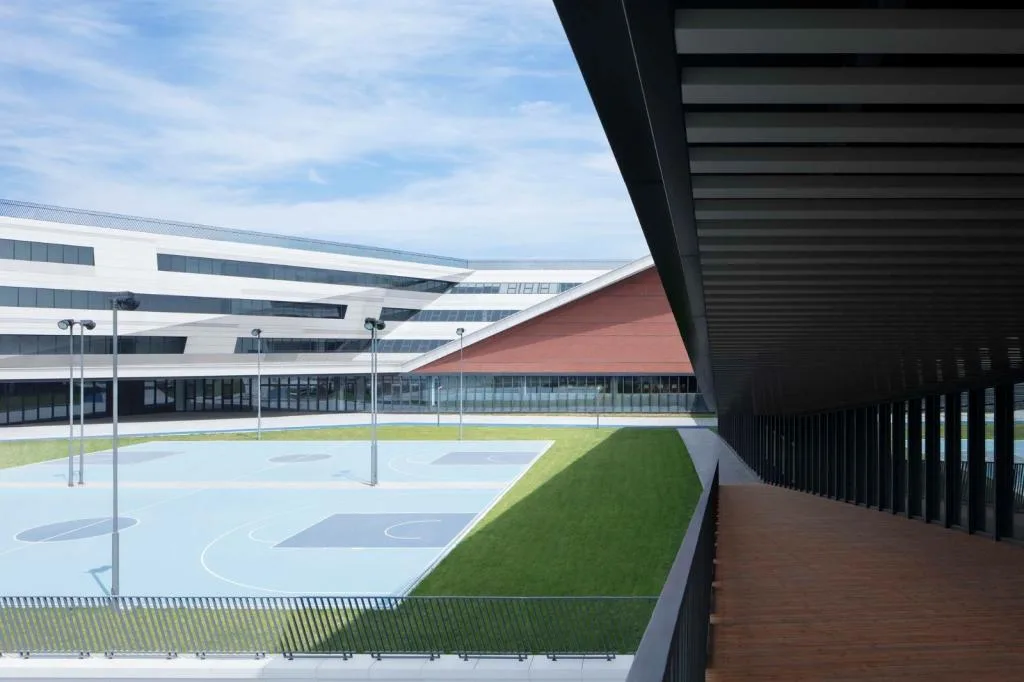
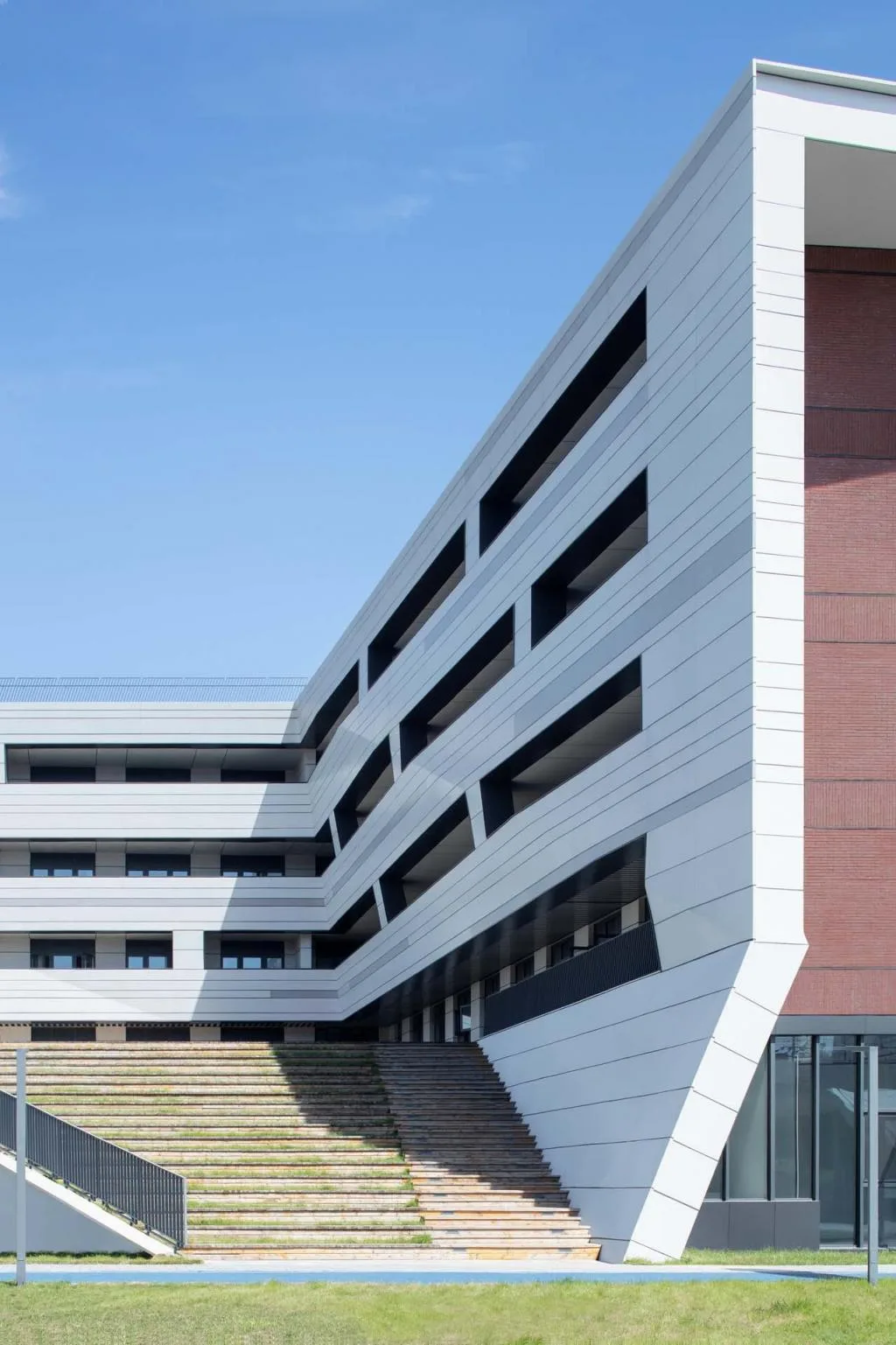
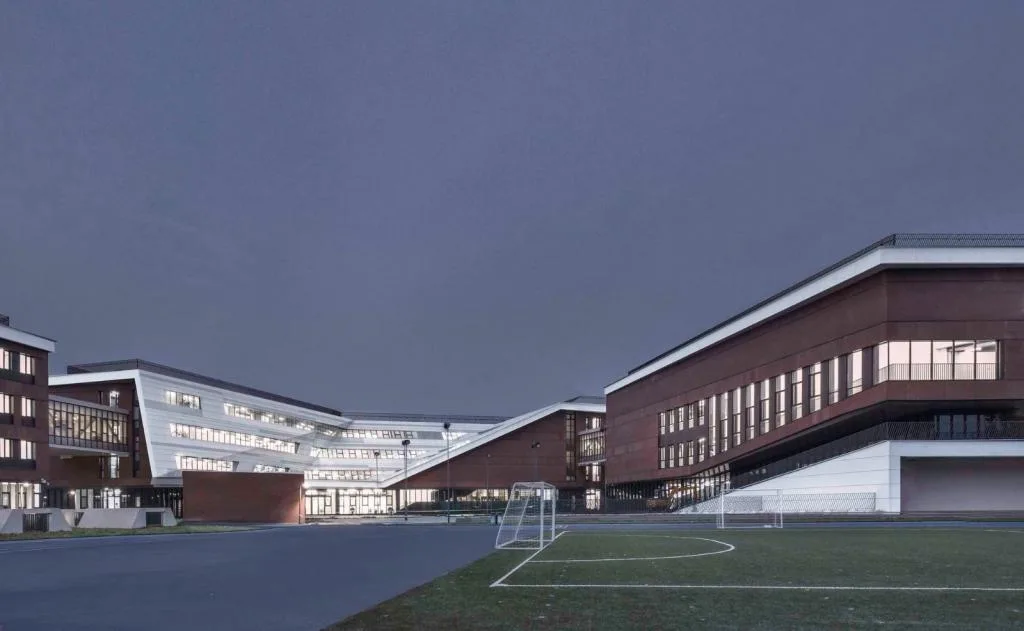
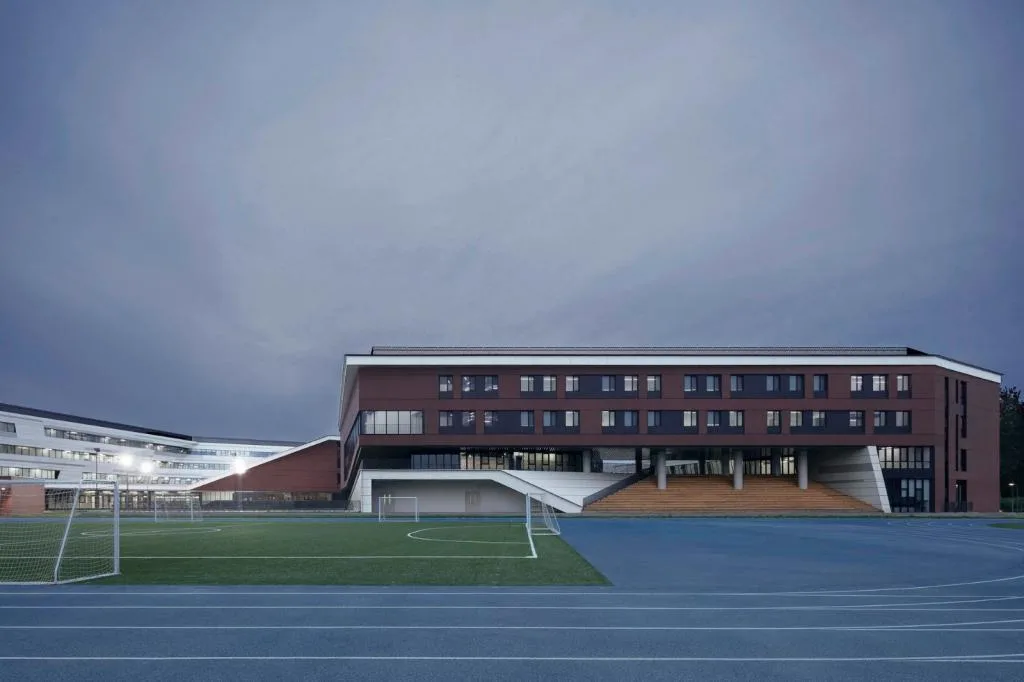
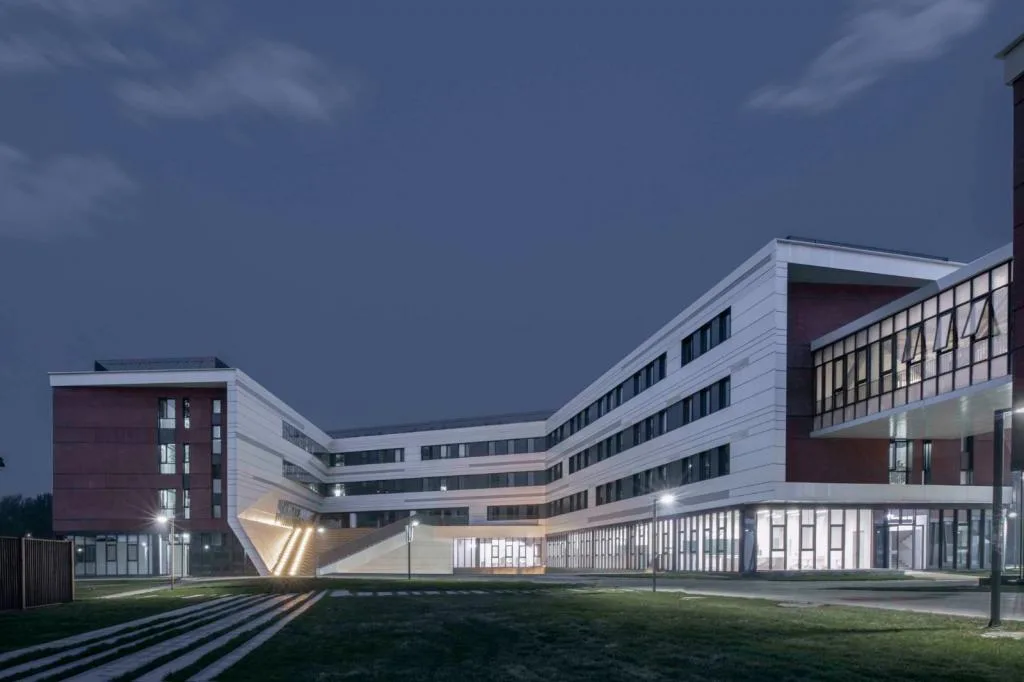
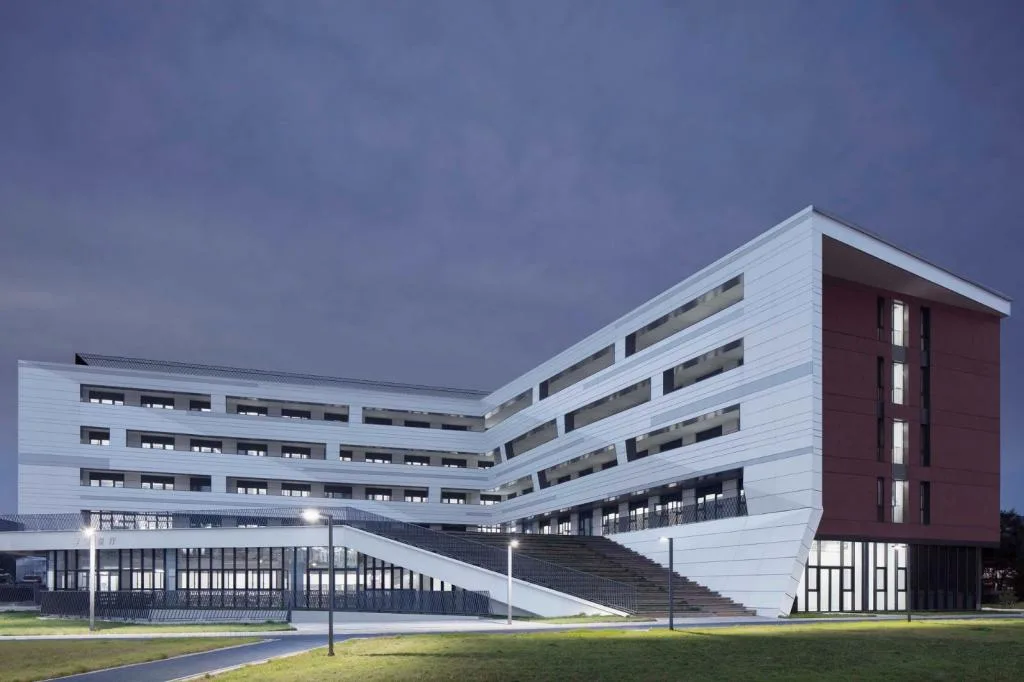
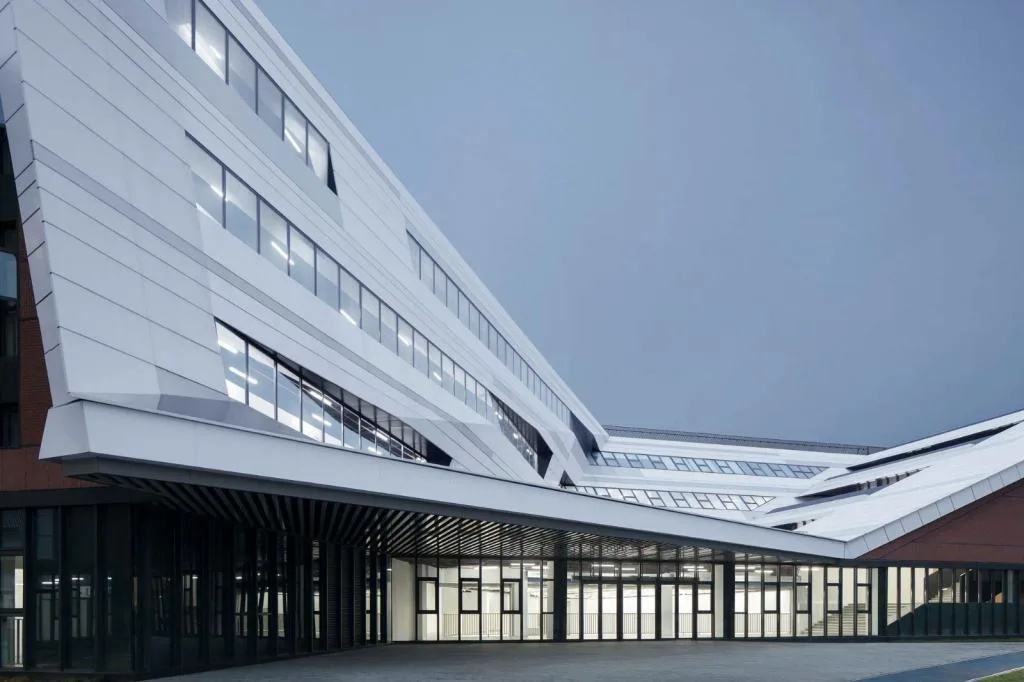
We aim to embody the campus’s two cultural themes—the Renmin University Affiliated Middle School and Beijing Aerospace City—through “architectural language.” The red brick blocks used as primary materials symbolize the heritage of Renmin University Affiliated Middle School, while the white aluminum folding panels represent advancements in aerospace technology. Between these contrasting elements, numerous transitional and unique spaces emerge, designed to foster innovative learning behaviors in the future.
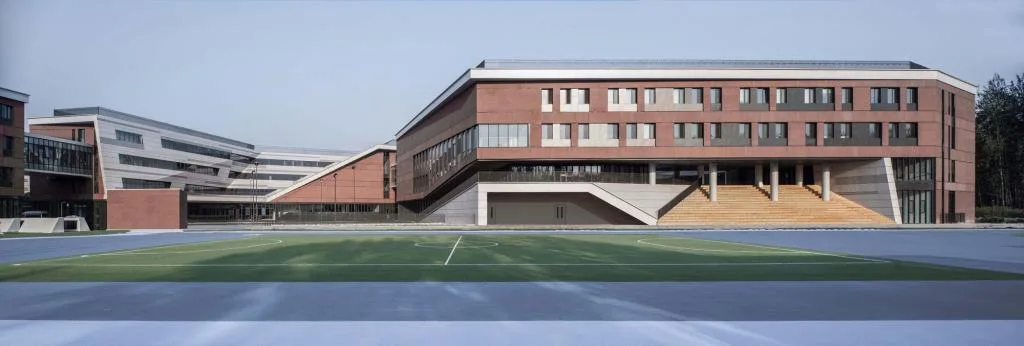
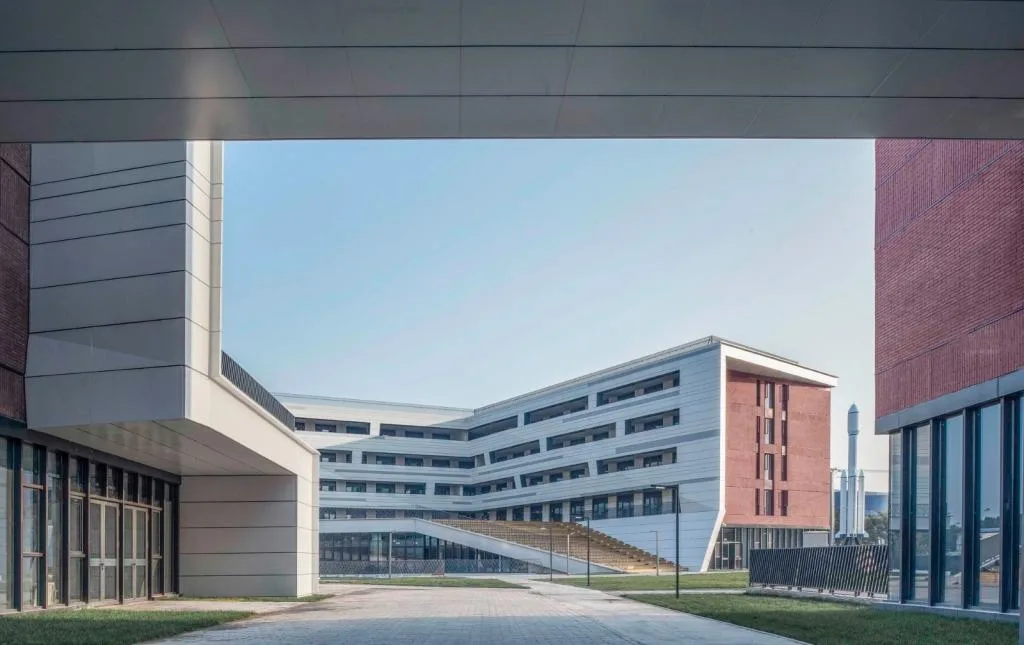
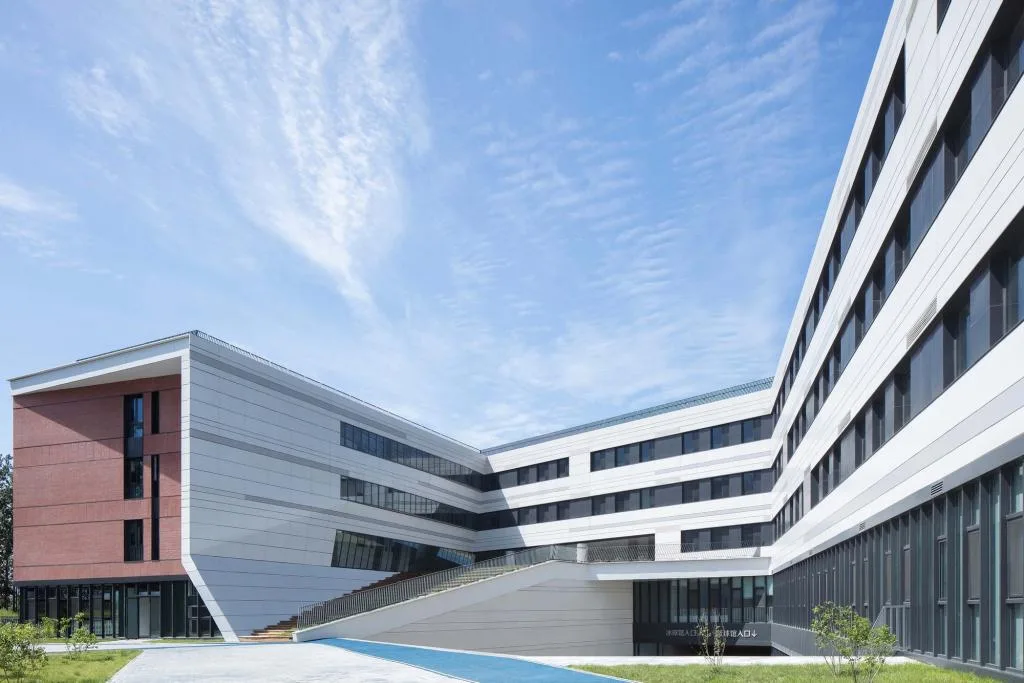
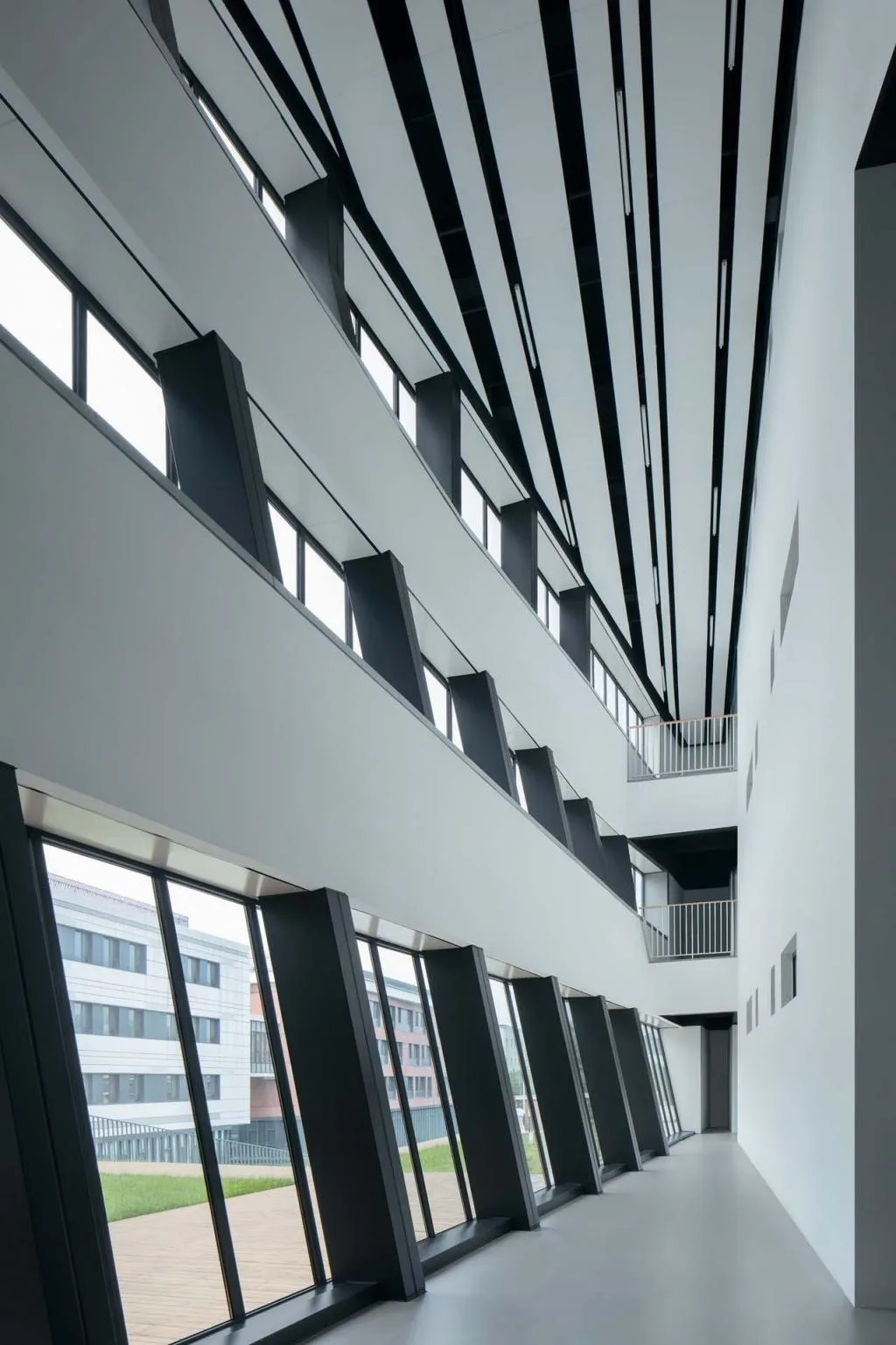
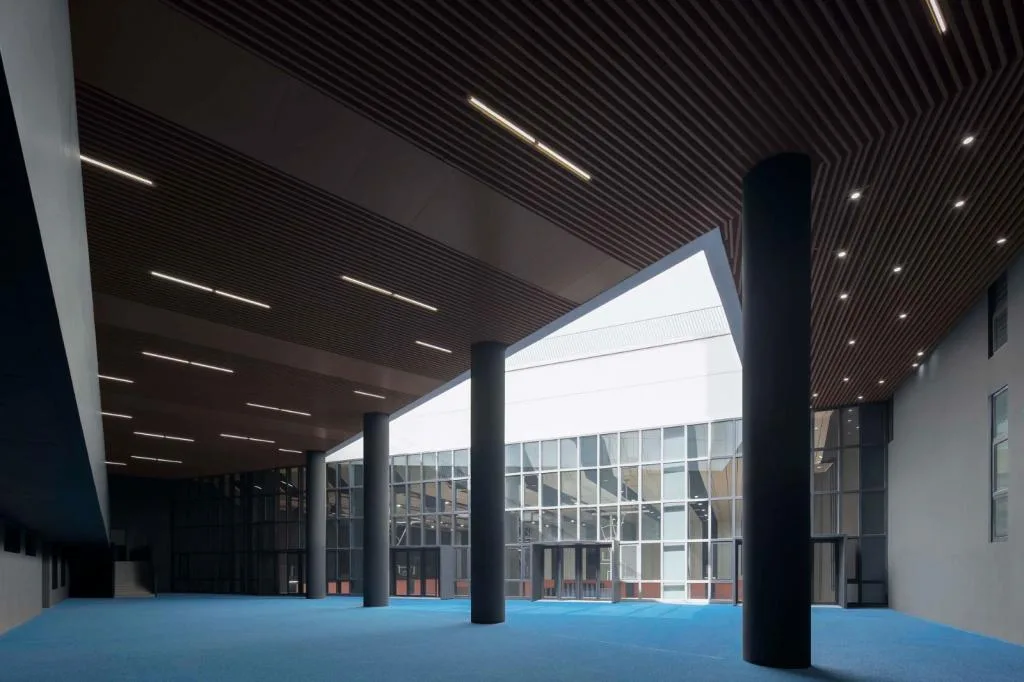
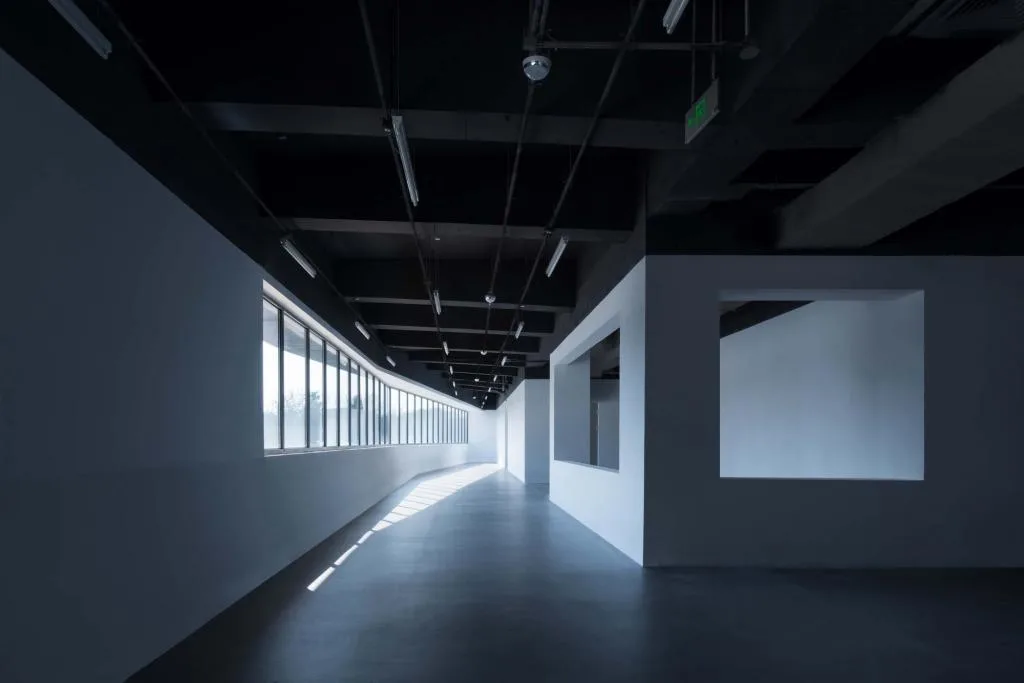
The campus is designed to blur boundaries and serve as a medium between learners and education, featuring multifunctional spaces. We favor a blend of uses over rigid definitions. By eliminating physical barriers like walls and doors, the space becomes more flexible and transparent, encouraging creativity, communication, collaboration, and sharing. This design returns greater control of the environment to its users, fostering a dynamic learning atmosphere.
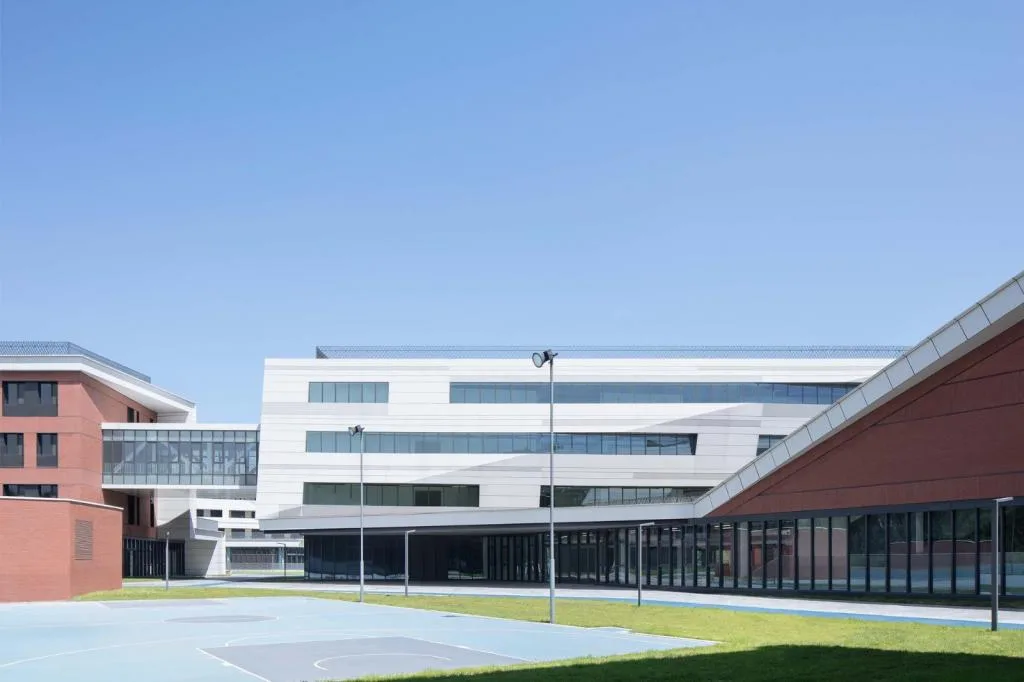
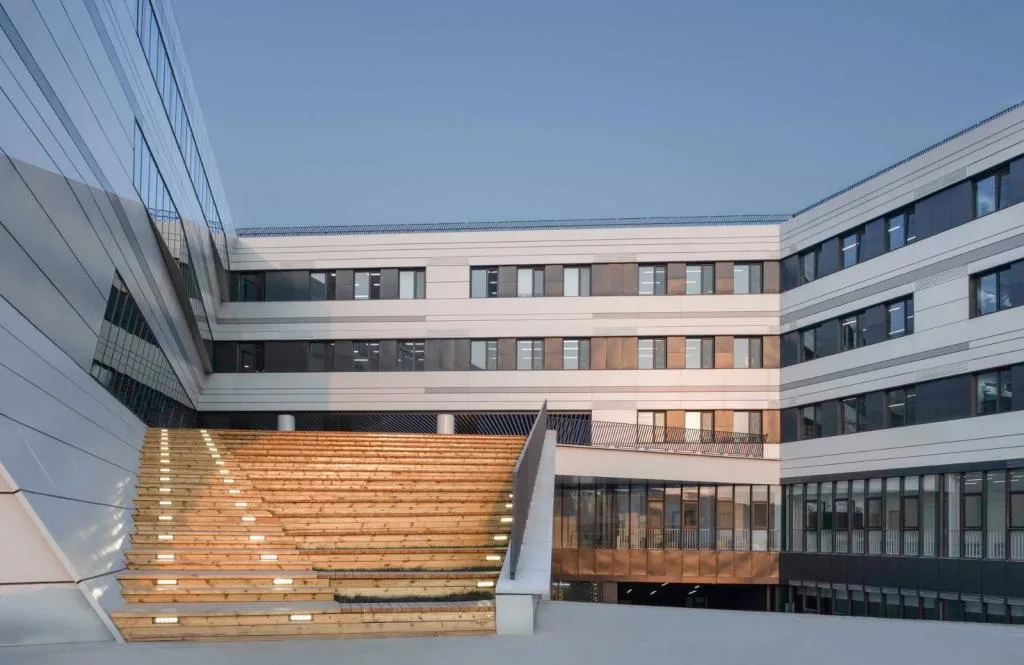
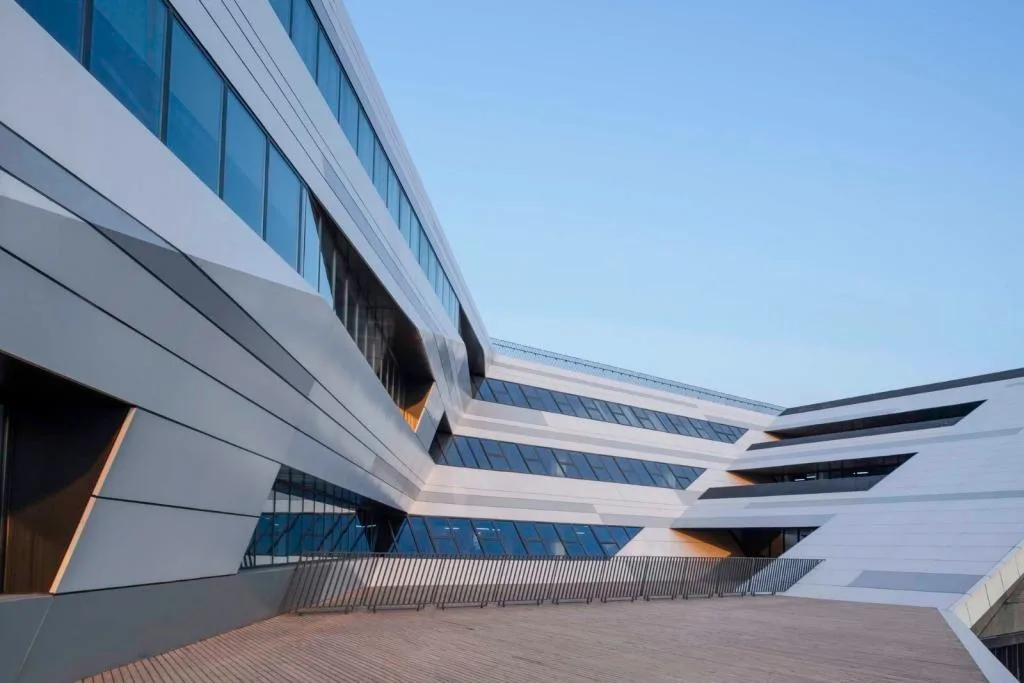
Outside, multiple landscape staircases connect the ground level, the rooftop of the ground floor, and the sunken courtyard, effectively dissolving the boundary between building and site. These staircases serve as “classrooms under the open sky,” allowing students to learn amid blue skies and fresh air.
Looking Ahead
We envision the campus as a living, integrated entity that fosters dialogue and collaboration. It features a clear organizational framework and diverse functional spaces designed to support education. Our hope is for the campus to transcend time and form, evolving continuously alongside learners, users, and the broader society.
Project Drawings
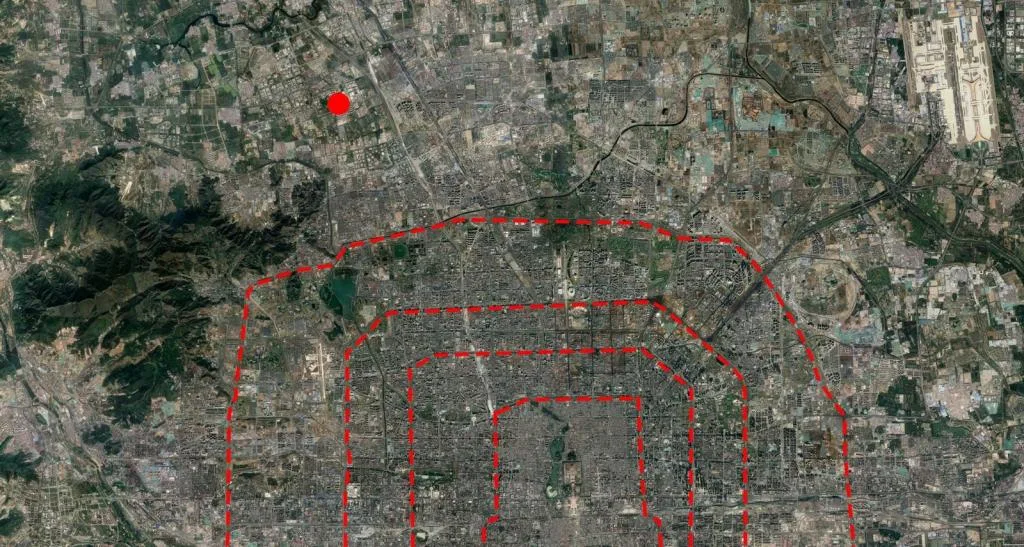
△ Regional Location Map
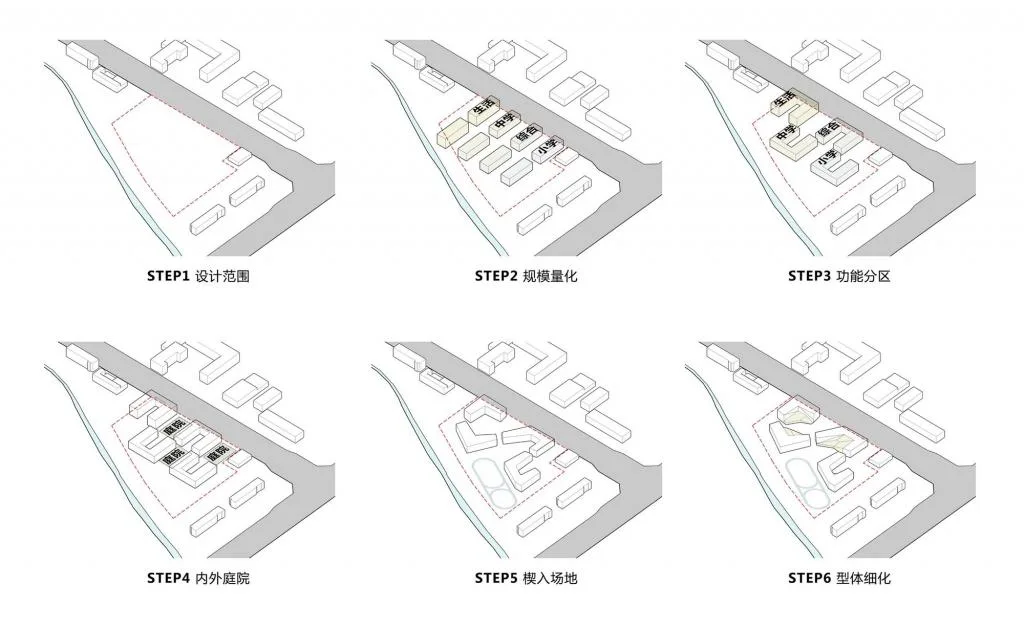
△ Design Generated Diagram
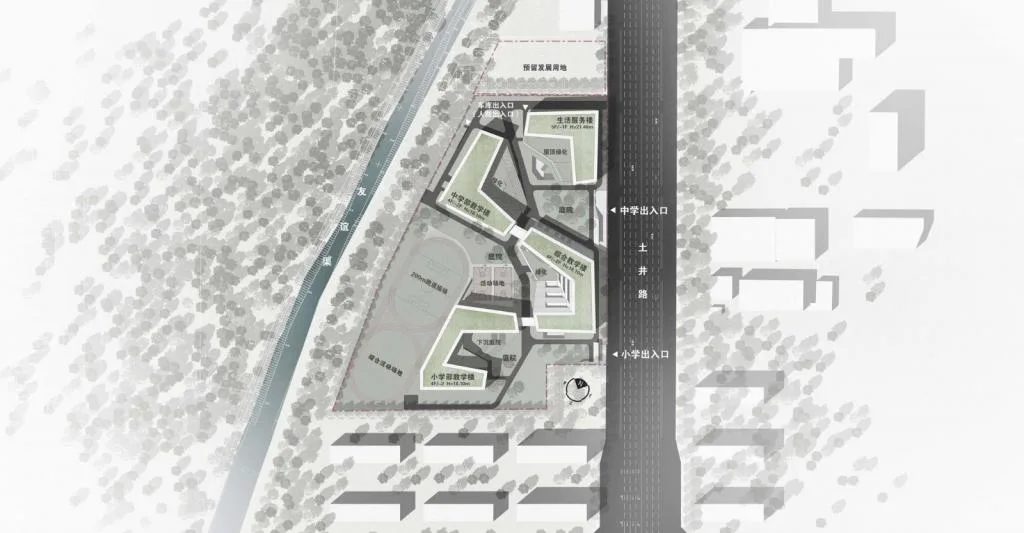
△ General Layout Plan
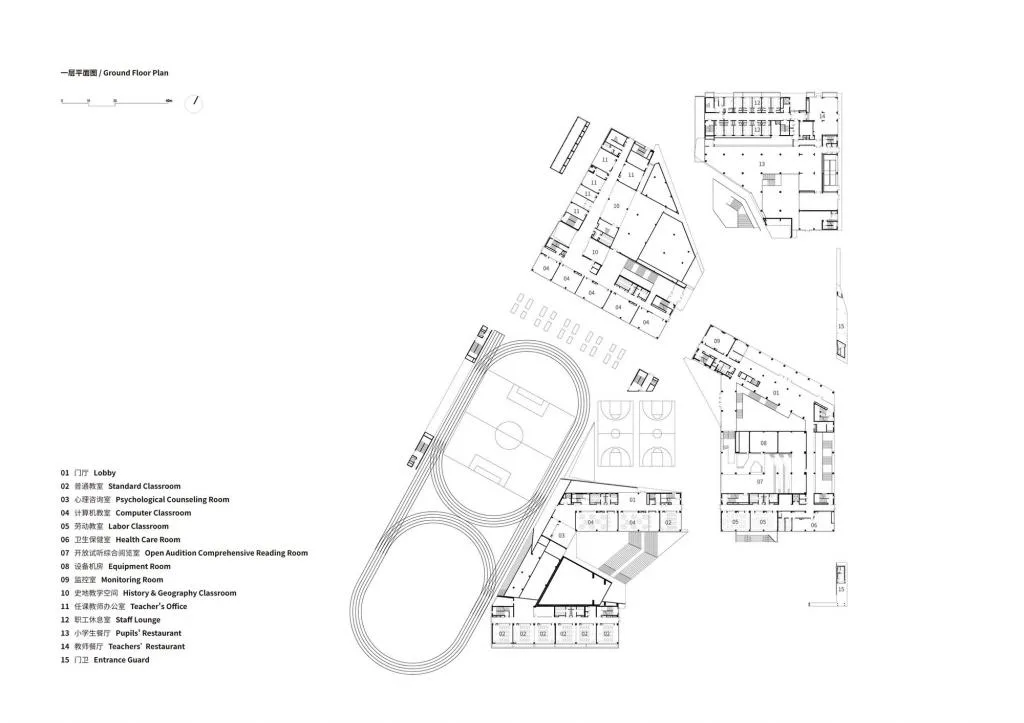
△ First Floor Plan
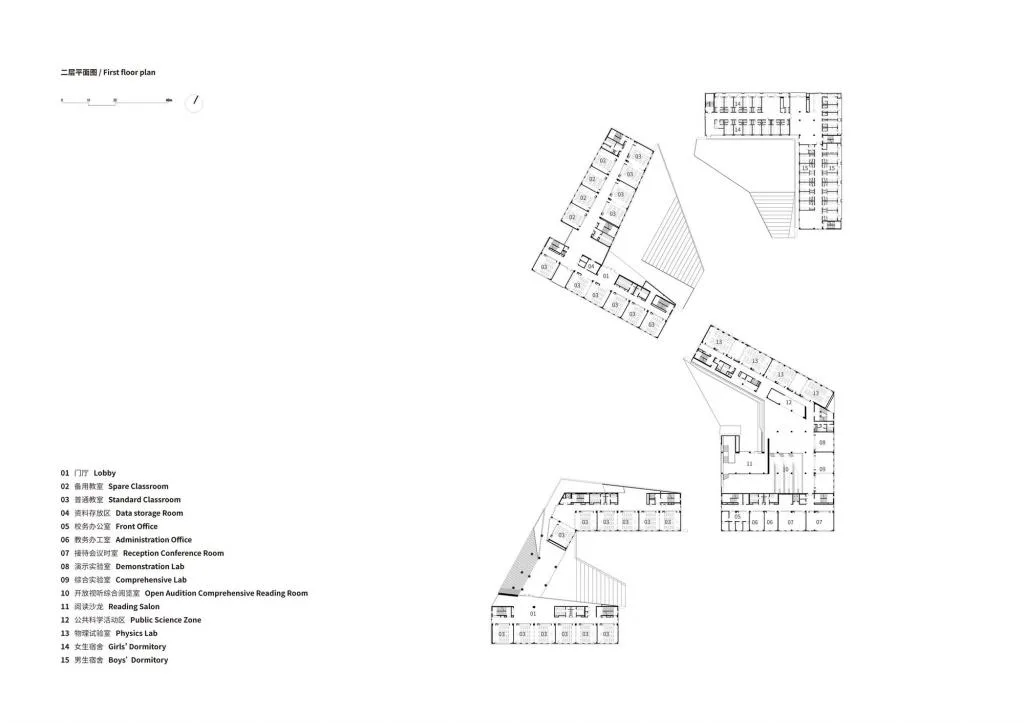
△ Second Floor Plan
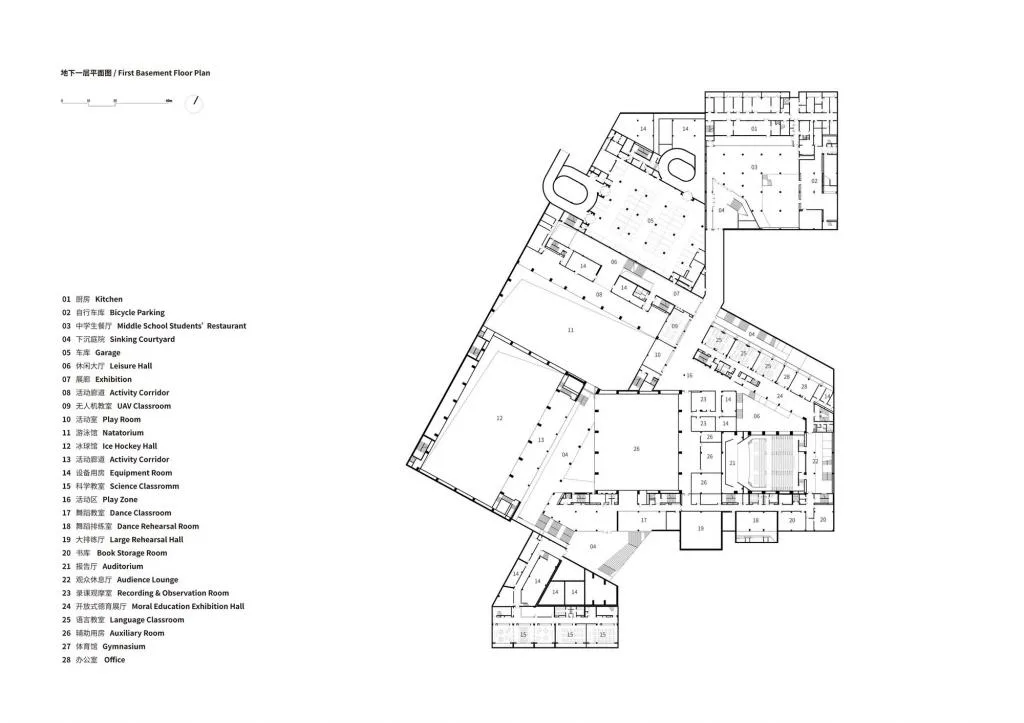
△ Underground Floor Plan
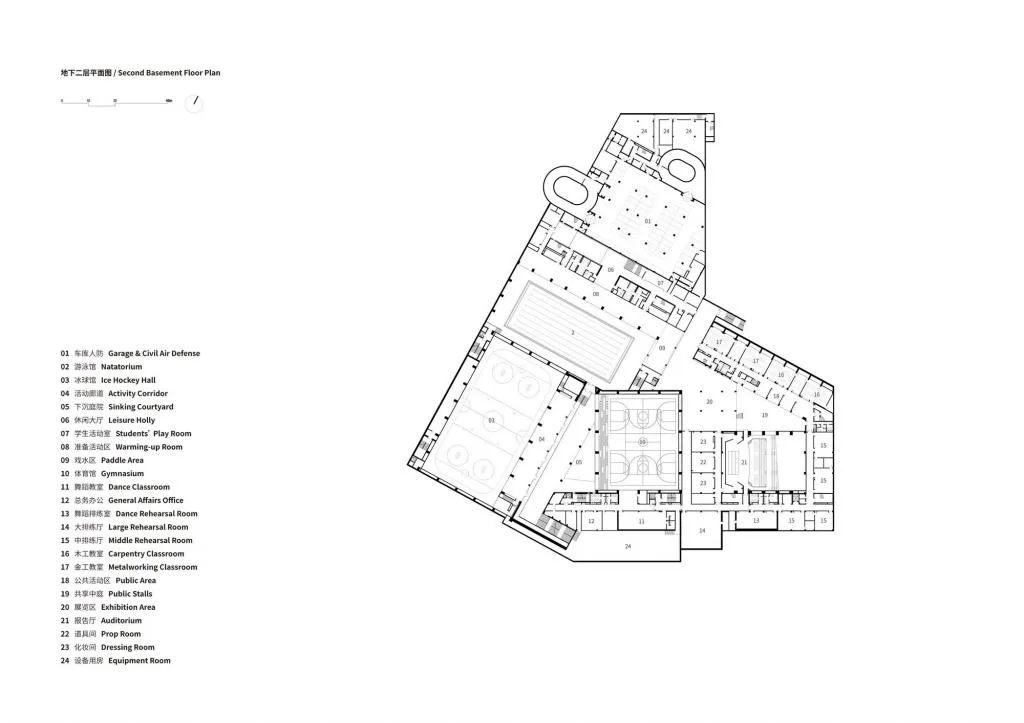
△ Underground Second Floor Plan
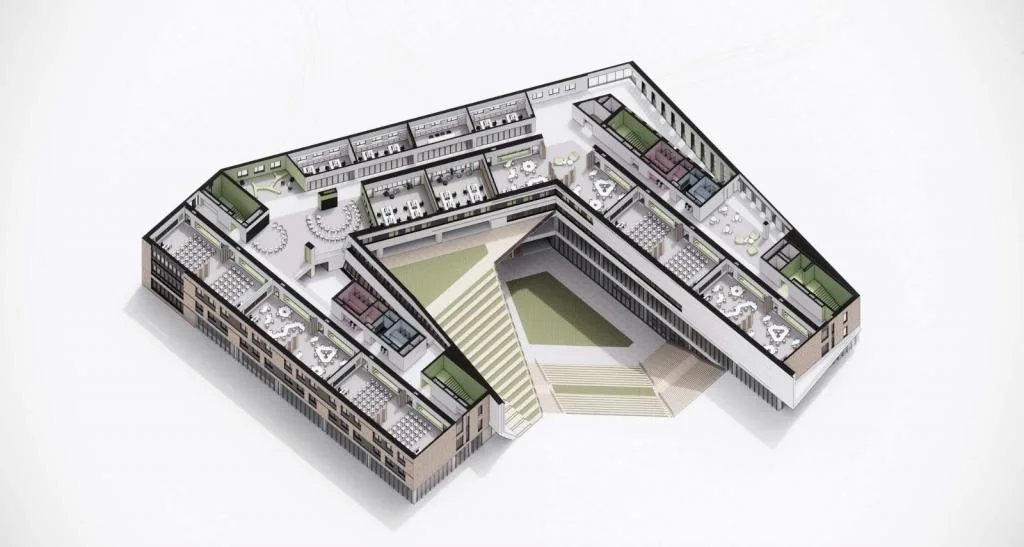
△ Elementary School Building Plan and Section
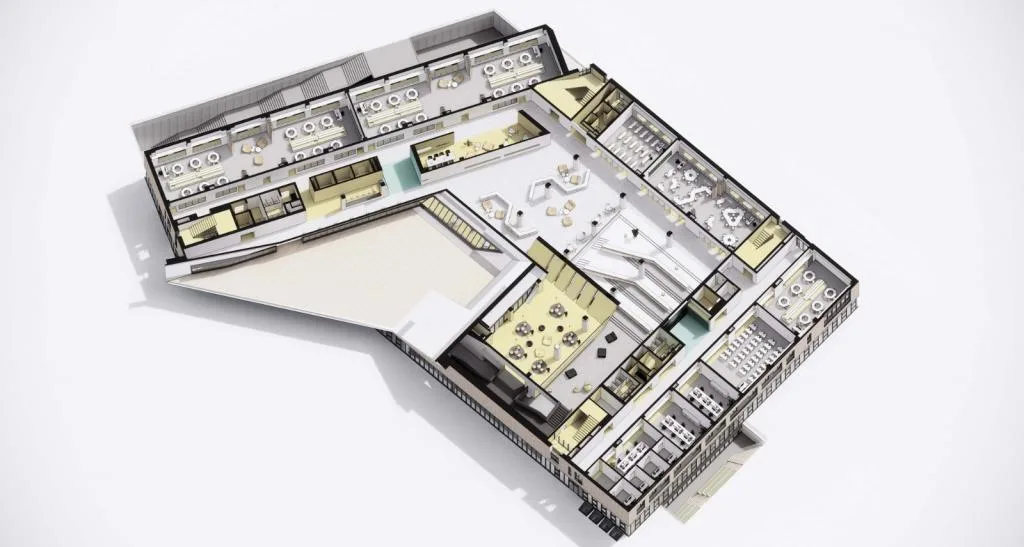
△ Comprehensive Building Plan and Section
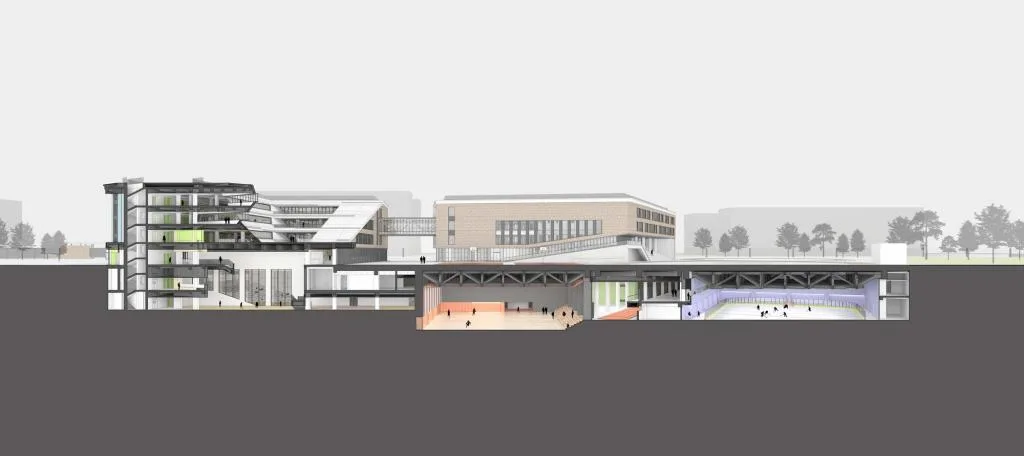
△ Perspective View of Comprehensive Building, Sports Center, and Ice Hockey Arena
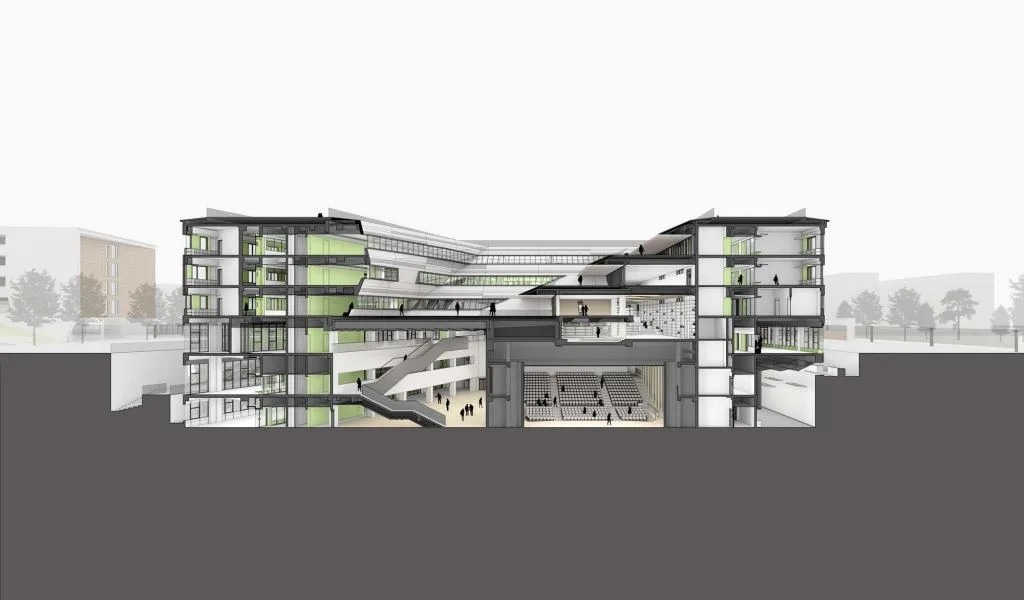
△ Perspective View of Comprehensive Building and Lecture Hall
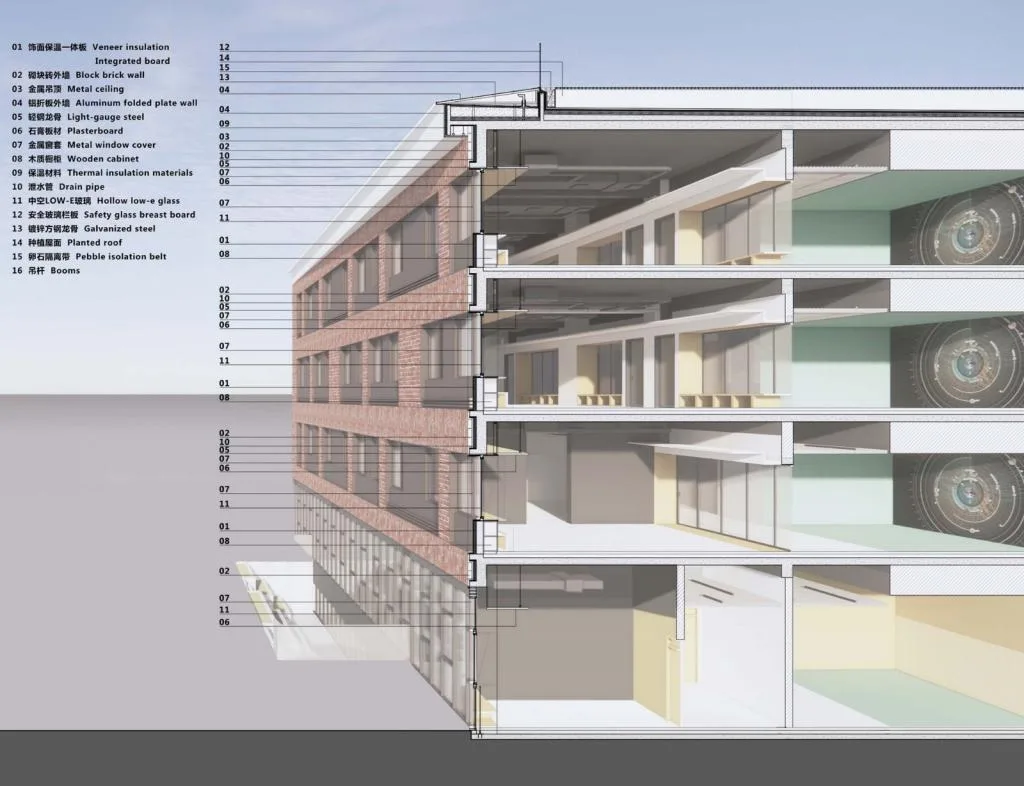
△ Detailed Perspective View of Block Brick Exterior Wall Section
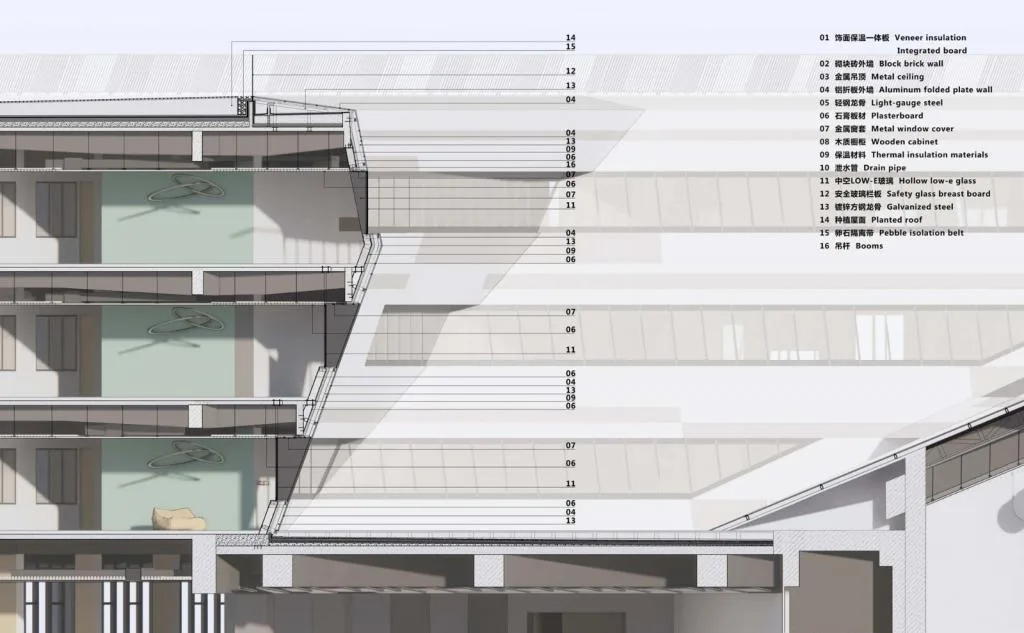
△ Aluminum Folded Plate Exterior Wall Section Detail
Project Information
Architectural Design: Beijing Institute of Architectural Design and Research
Area: 80,893 m²
Project Year: 2019
Photography: Summer Solstice, Zhou Meng
Principal Architects: Wang Xiaogong, Wang Zheng
Design Team: Jia Wenruo, Chen Kaiti, Zhang Danming, Gao Cheng, Ding Yang, He Yaqin, Lu Zhi, Hu Yingna, Yang Chen, Li Nan, Li Yifan, Gan Lu, Huai Kaifeng, Li Shaopeng, Yang Kai, Zhou Meng
Structural Design: Jiang Yang, Sun Ke, Li Ting, Kang Zhao
Equipment Design: Lu Dongyang, Fan Hua, Feng Yannan, Liu Ruichen, Li Man
Electrical Design: Zhao Yining, Song Lili, Jia Luyang, Xia Ziyan
Project Owner: Haidian District Education Commission of Beijing Municipality
Location: Beijing, China














Must log in before commenting!
Sign Up