
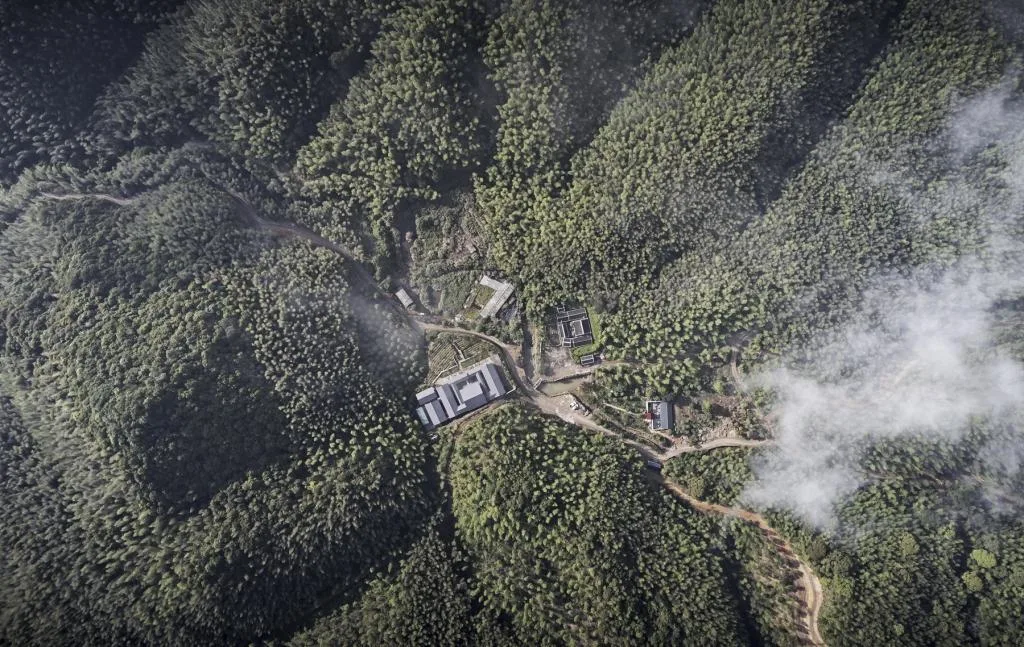
“The heart is like a painter, capable of painting the world.” – Fourth Grade of the Avatamsaka Sutra
Design Philosophy
Every person perceives the world differently, despite the world’s external appearance remaining the same.
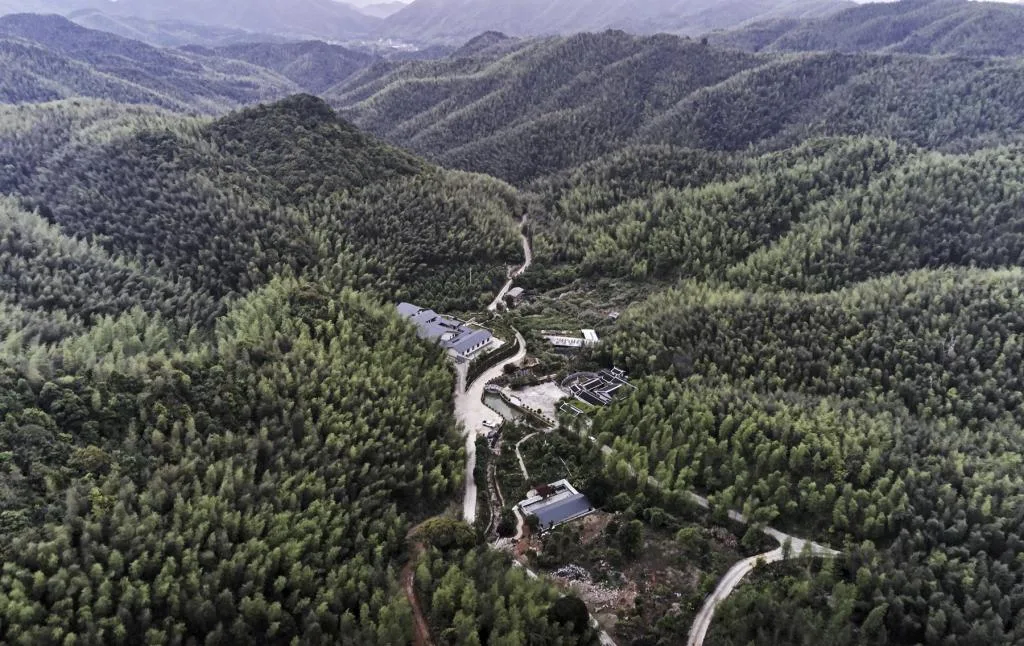
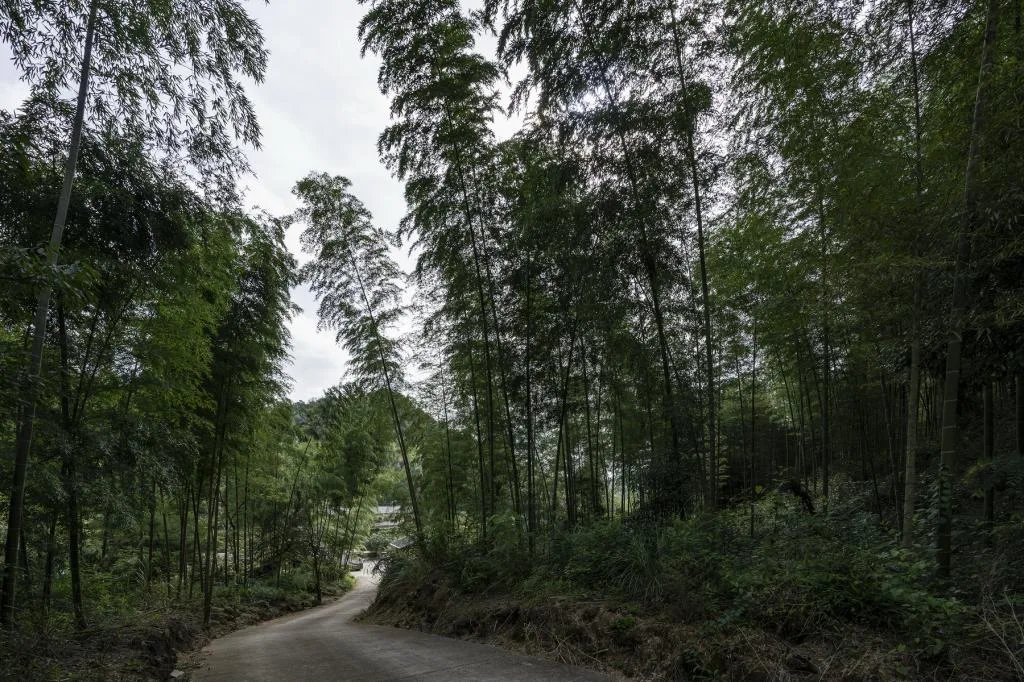
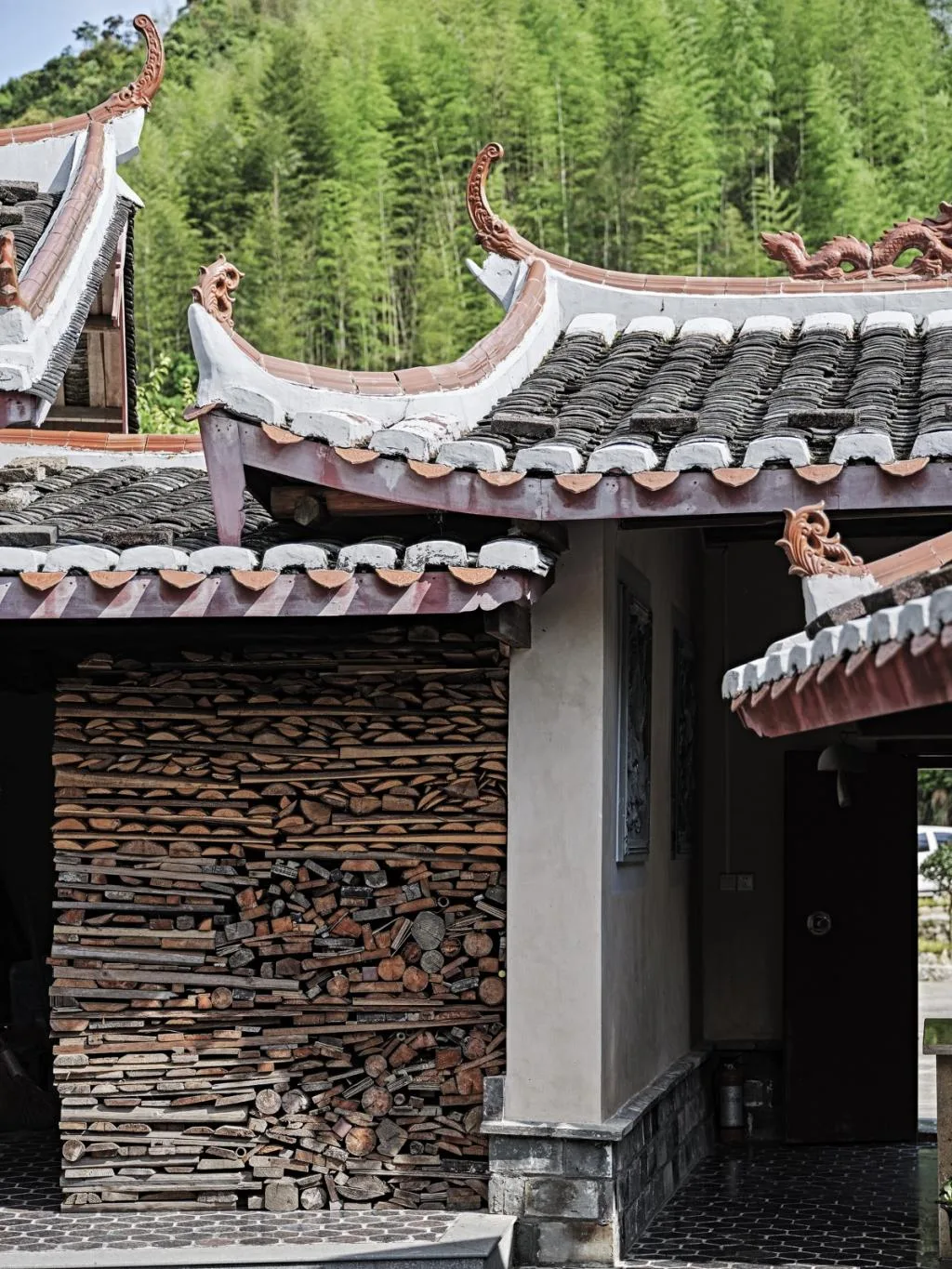
Dahe Temple, also known as Dahe An, was established during the Ming Dynasty. Nestled in a valley west of Dahe Village, Dachi Town, Xinluo District, Longyan City, Fujian Province, it sits on a gentle slope over 800 meters above sea level. The temple is accessed by a single winding mountain path through a bamboo forest with flowing streams. At the valley’s end, the temple opens into a serene space backed by Shuangji Mountain’s main peak. Surrounded by lush green mountains, the temple exudes tranquility and depth.
The original temple no longer exists; the current structure was rebuilt in the 1990s, covering over 300 square meters. It includes the gatehouse, Shakya Mani Hall, dining hall, kitchen, and several storage rooms. In regions where Hakka villages exist, ancestral halls are common, and Zen temples in these rural Hakka areas often resemble quadrangle courtyards, similar to local ancestral halls. Compared to large traditional temples, these smaller temples have a unique charm but are gradually decreasing in number due to changing times.
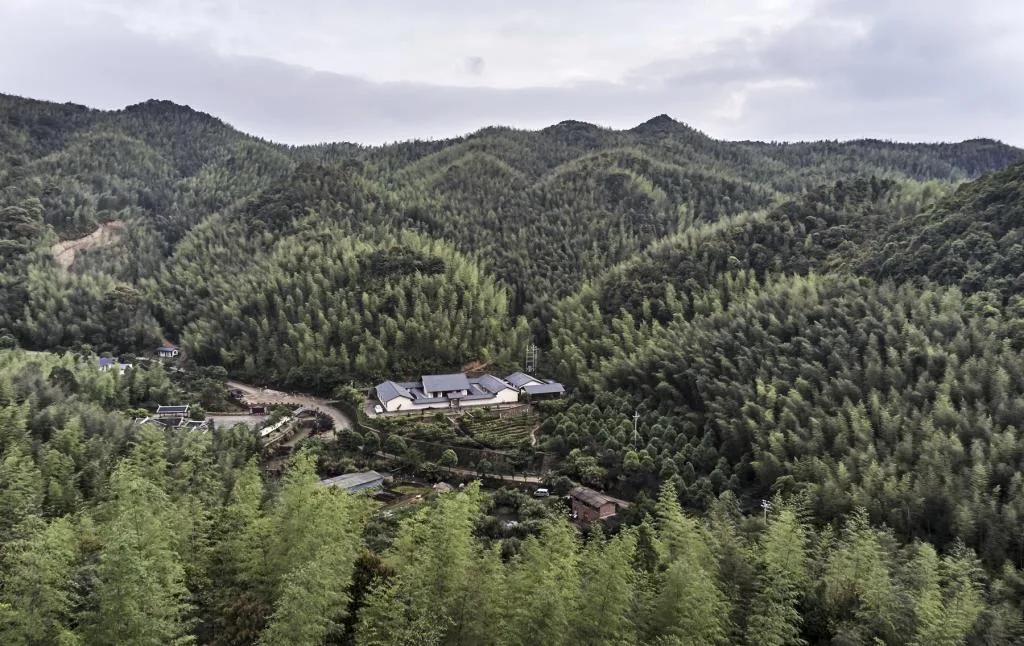
With increasing interest from people wishing to learn Buddhism and practice meditation at Yamato Zen Monastery, the original small temple became overcrowded. To better accommodate 40-50 students meditating simultaneously, the abbot decided to expand the facility.
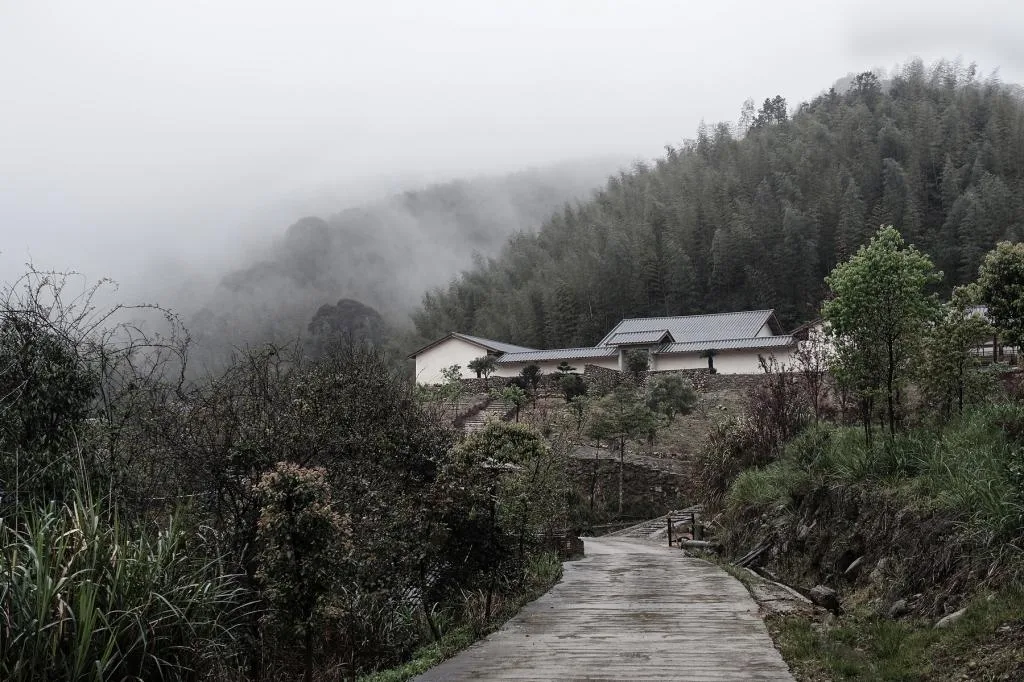
This expansion project includes three main components:
1. Meditation Center
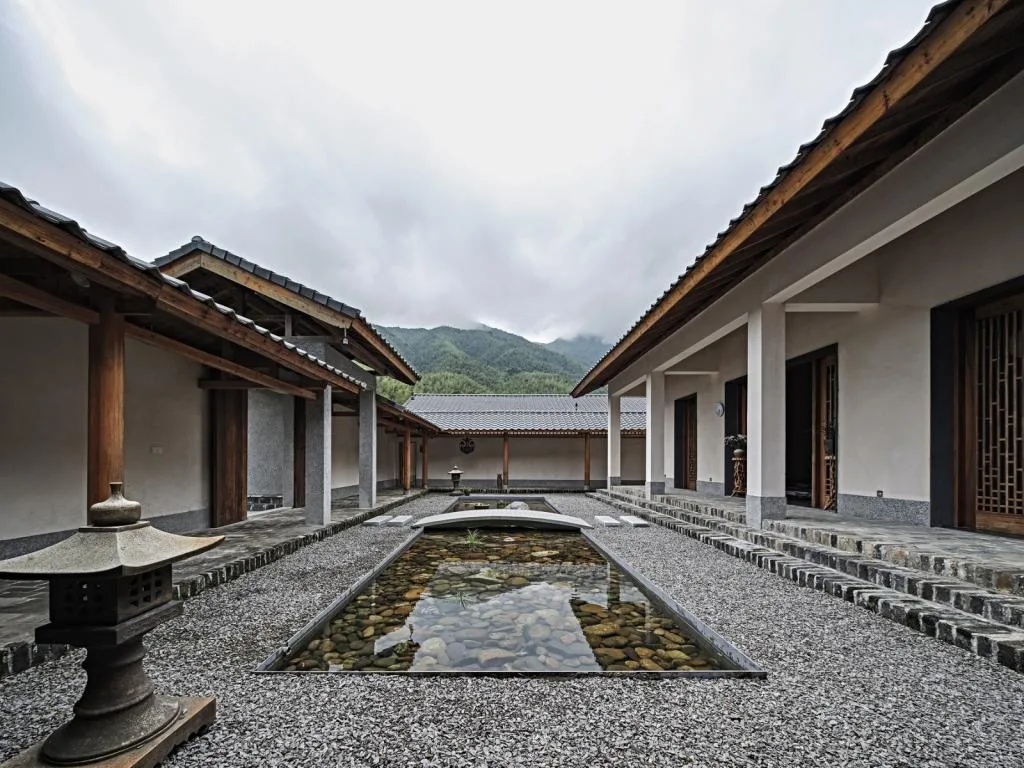
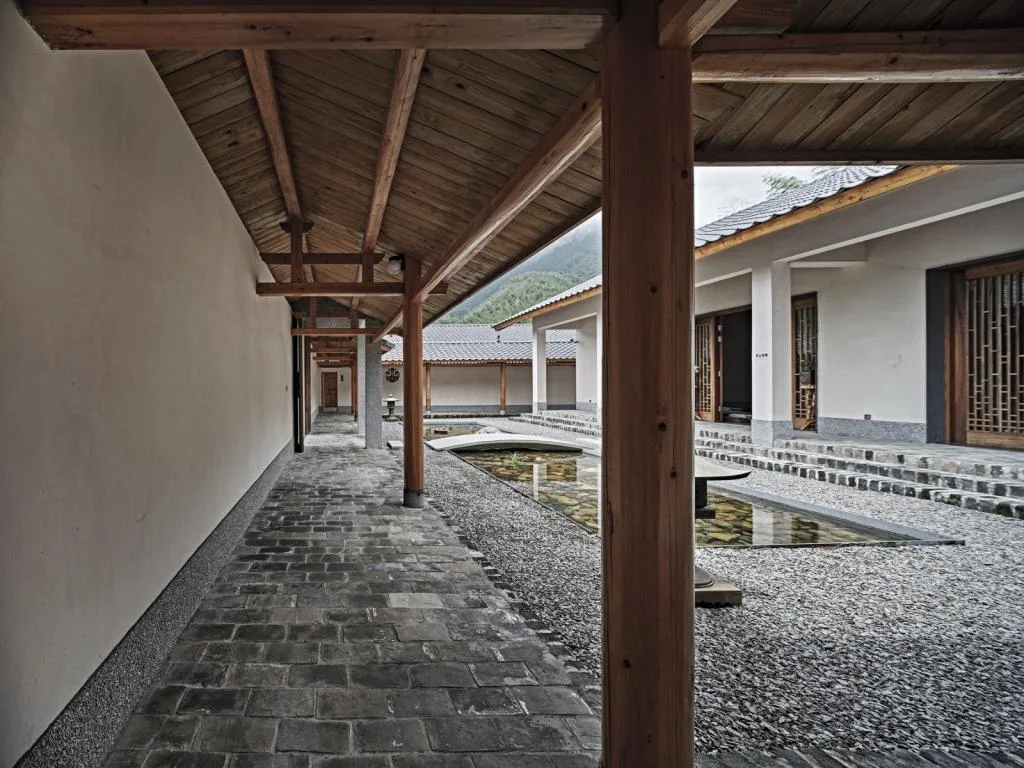
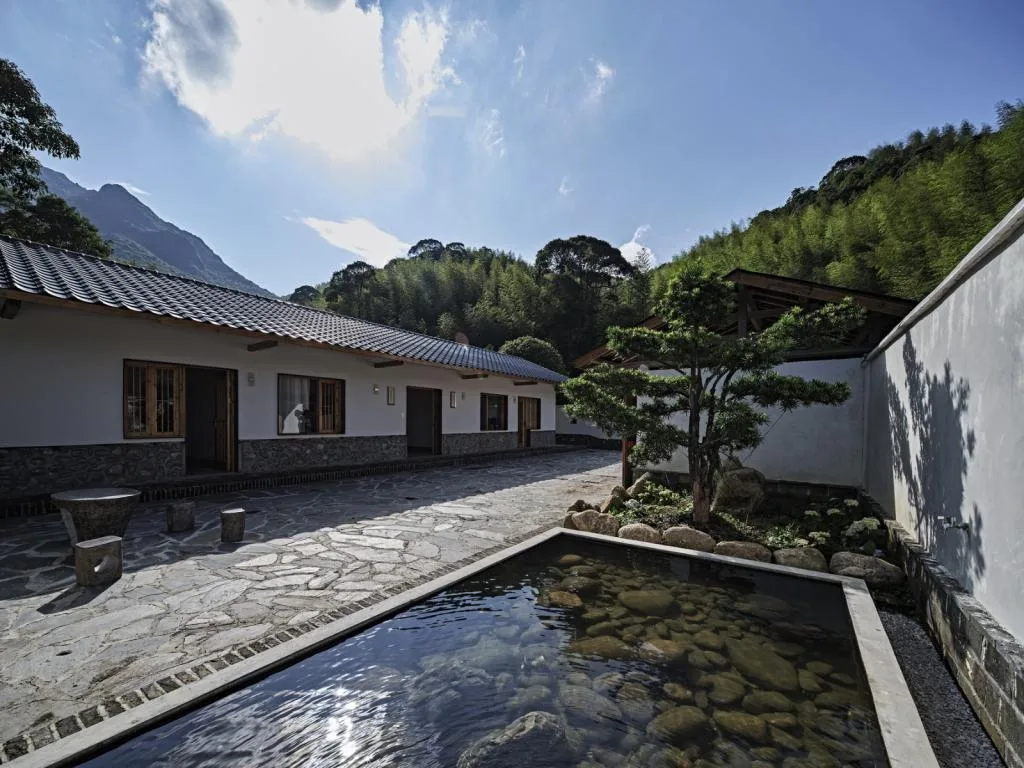
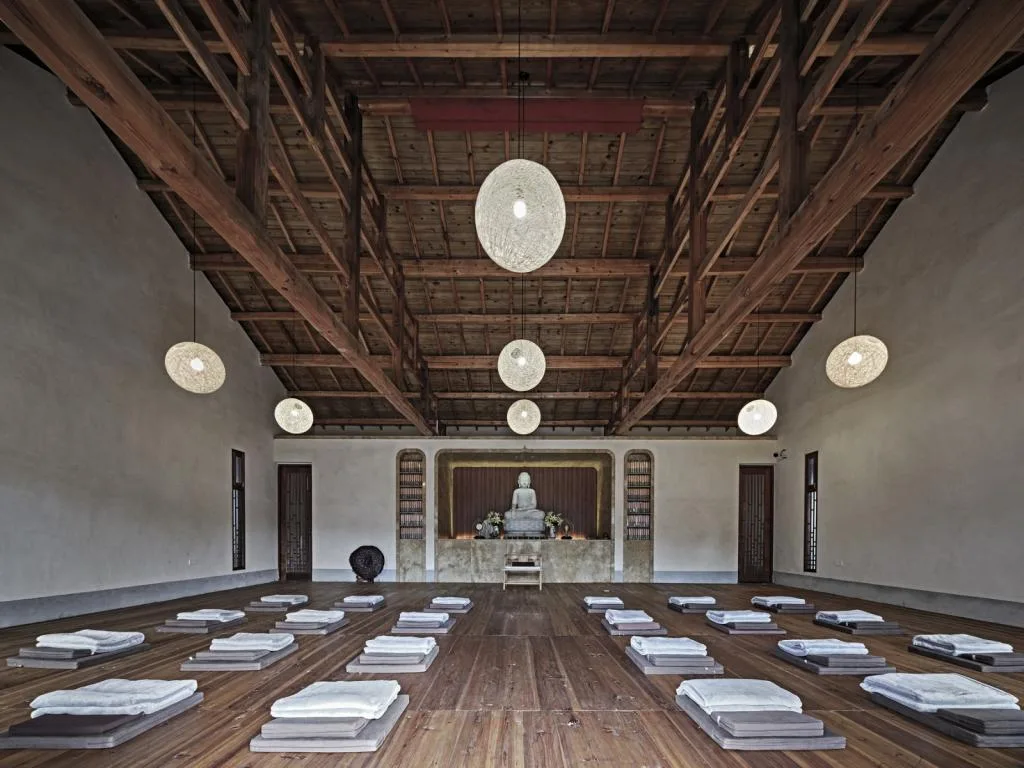
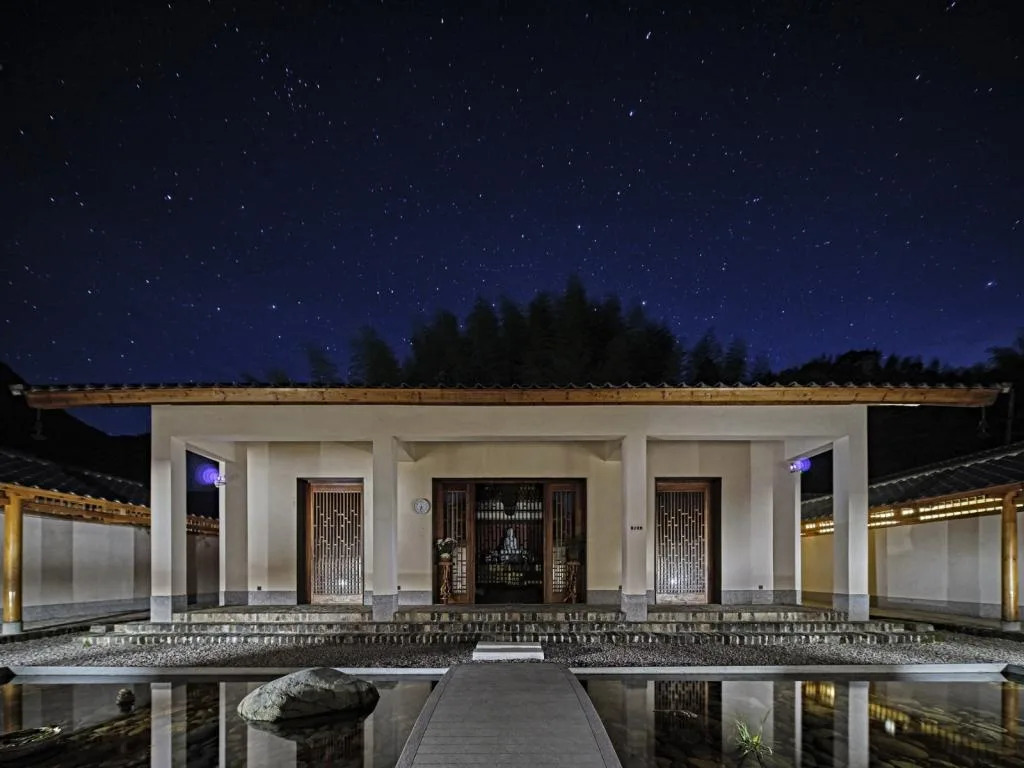
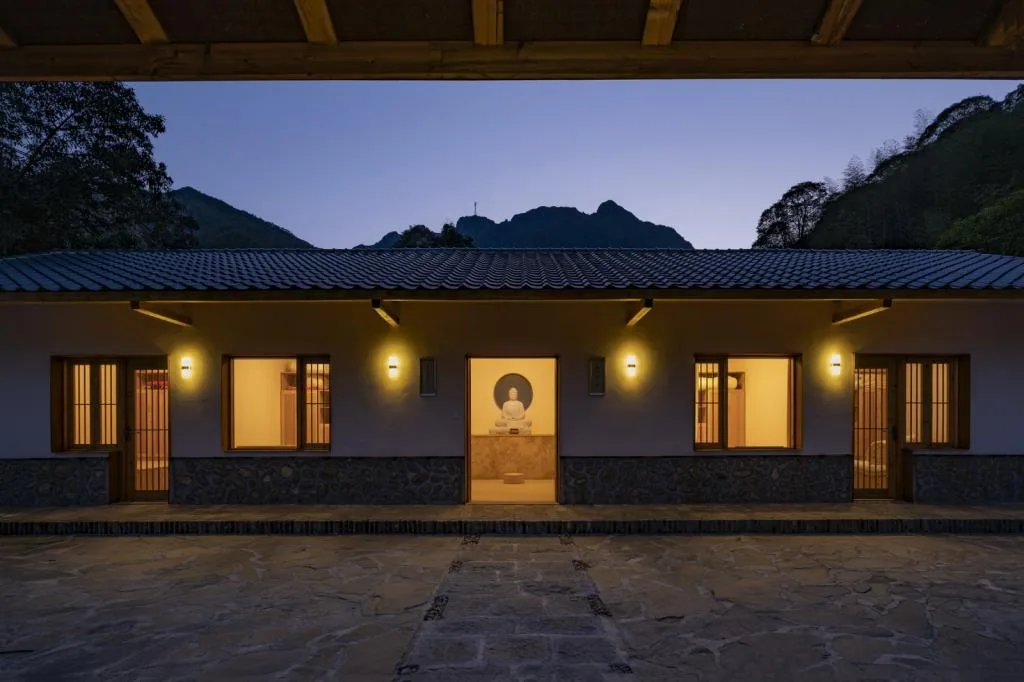
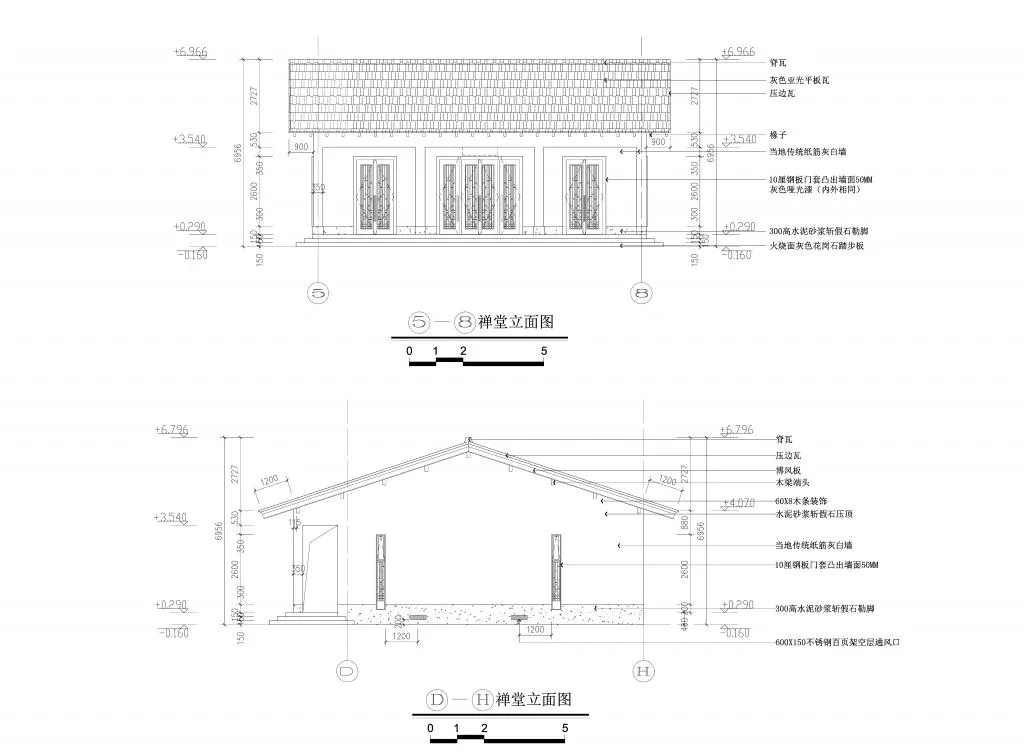
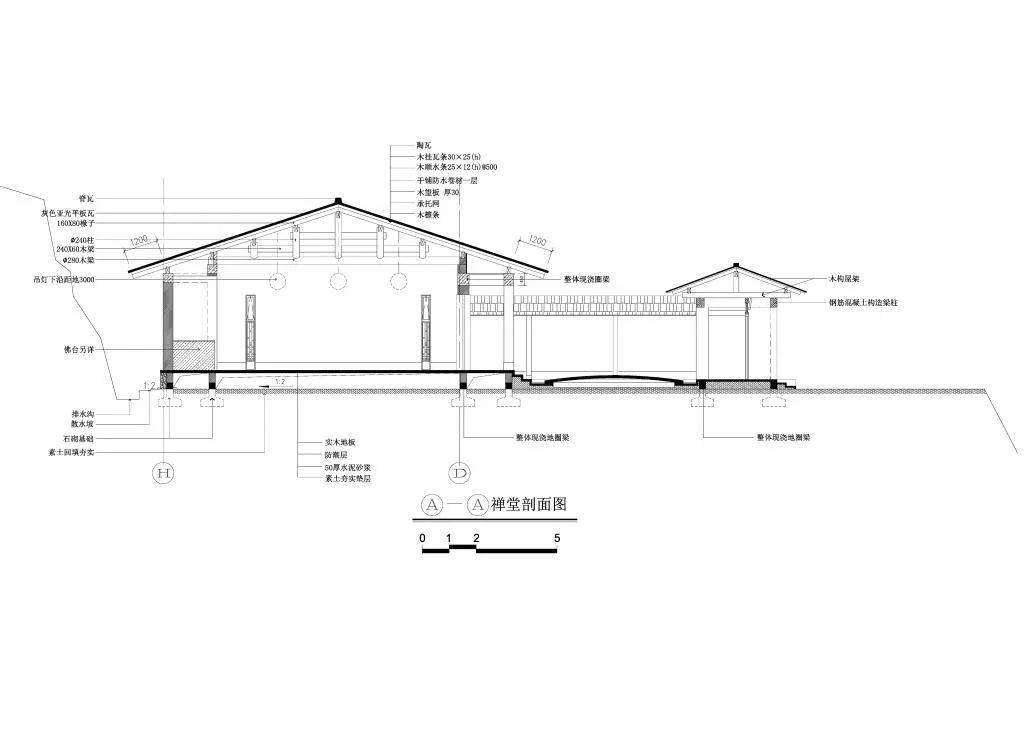
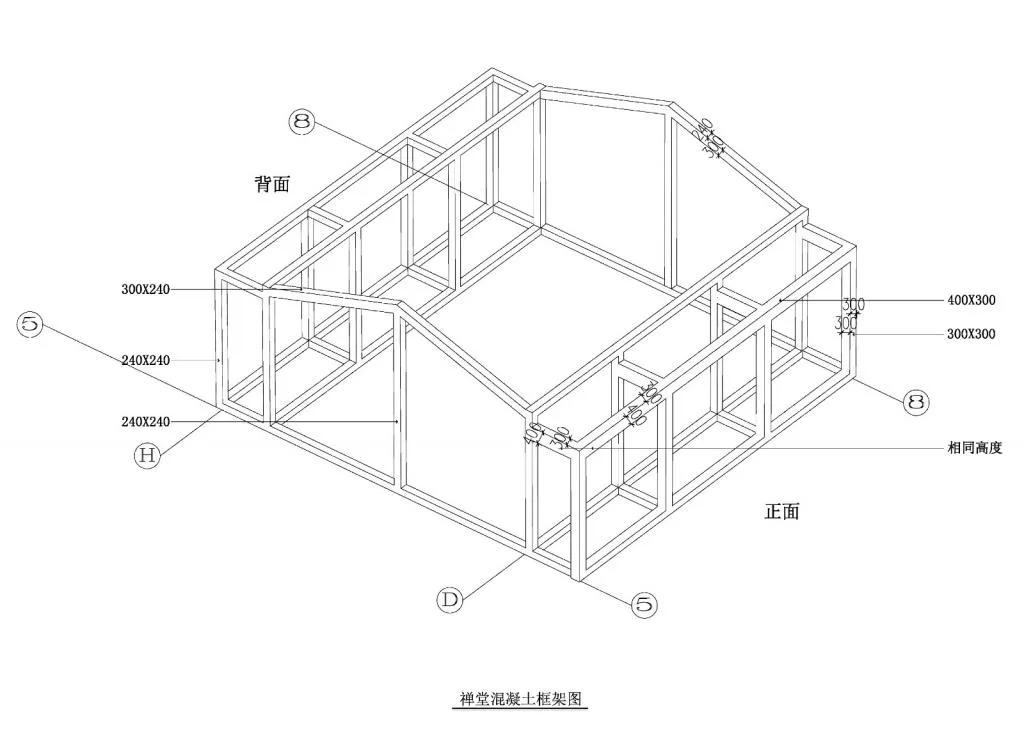
A new meditation center was constructed, featuring meditation halls, classrooms, student dormitories, and tea rooms. This space provides a place for spiritual learning and rest for practitioners. The design follows a traditional courtyard style, utilizing brick and concrete structures with wooden frame roof trusses, built by local village craftsmen.
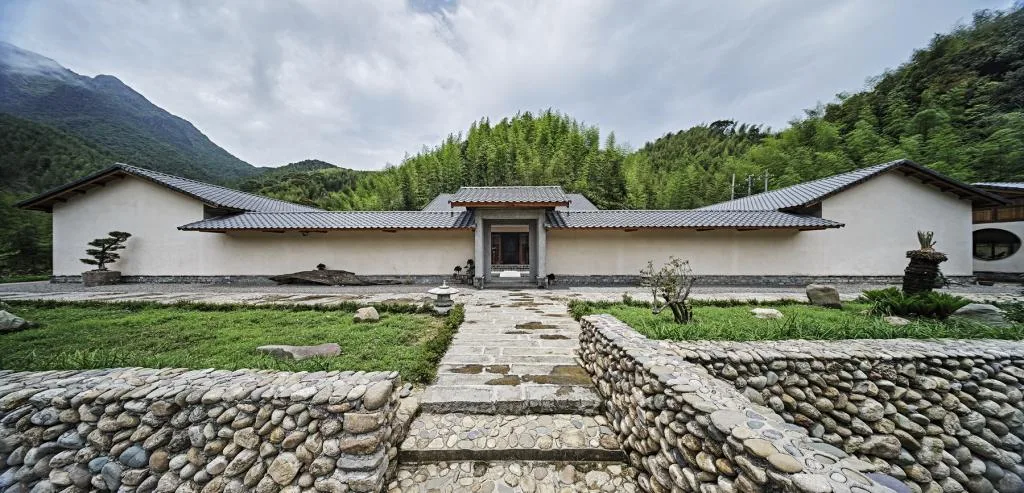
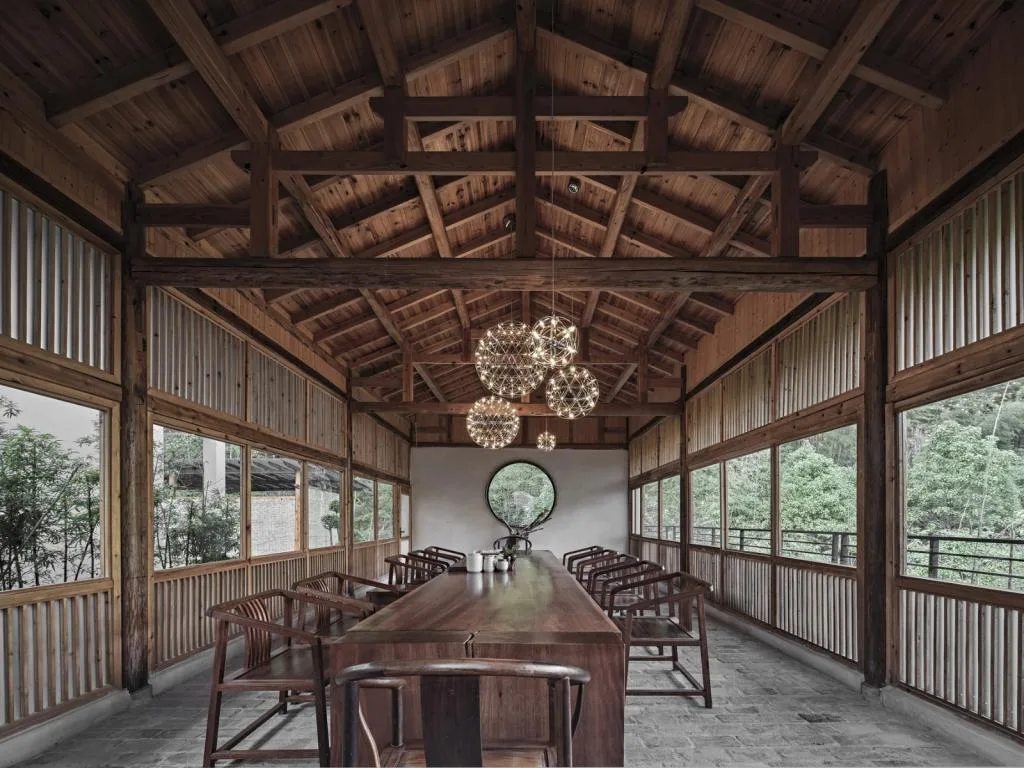
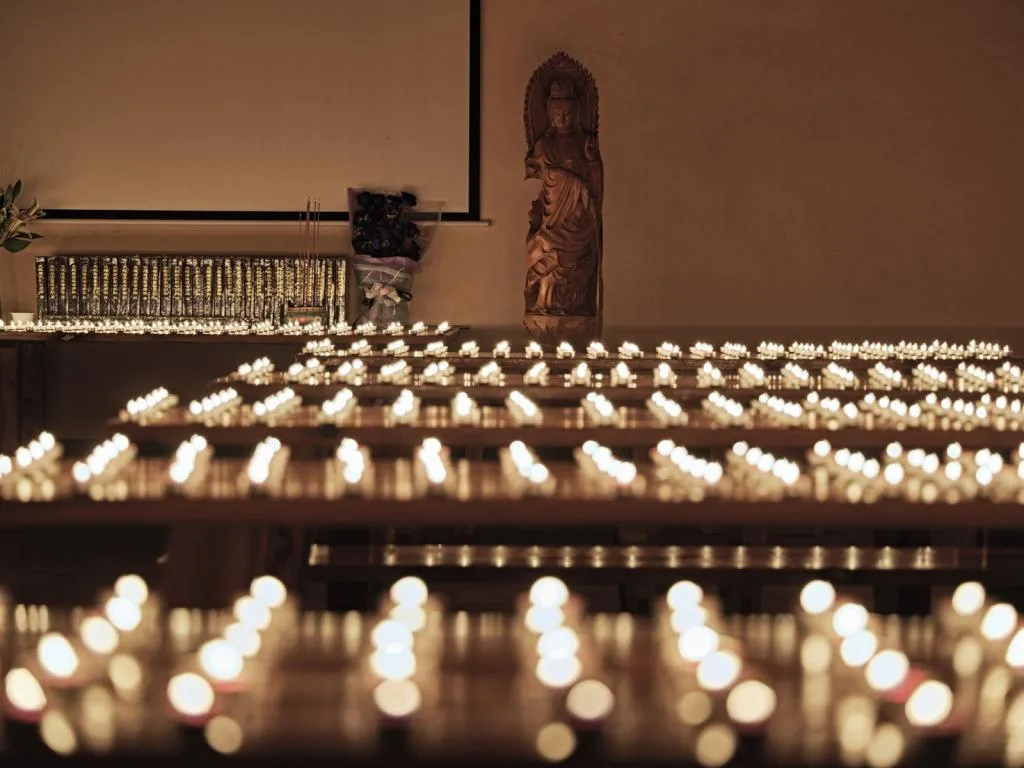
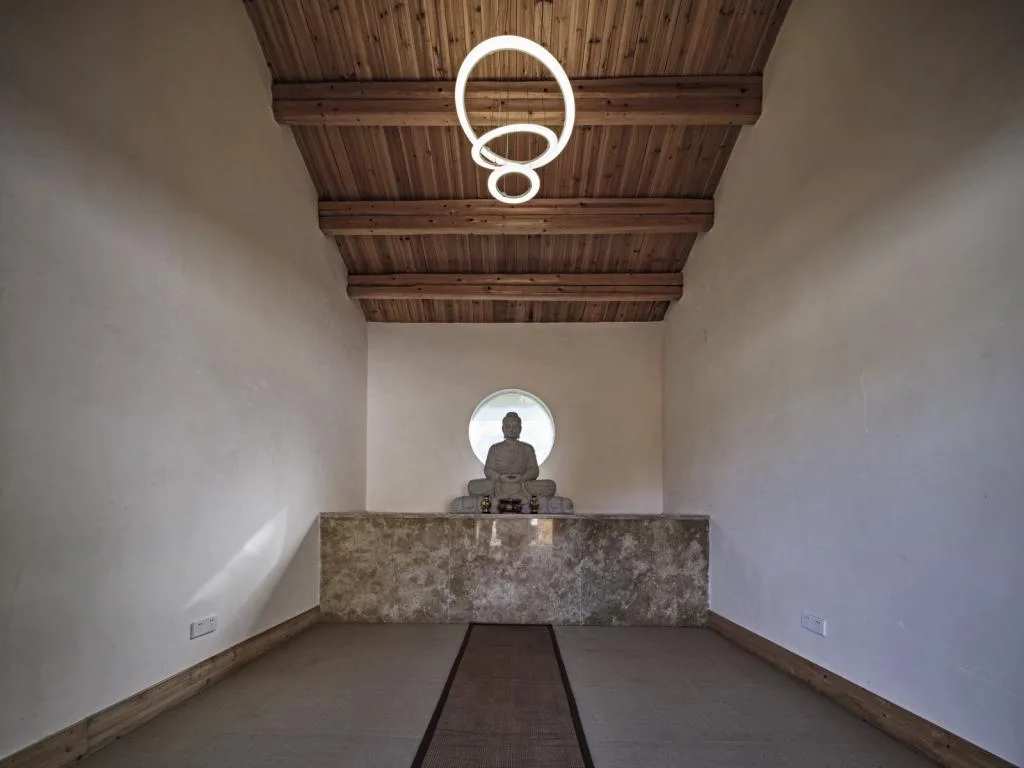
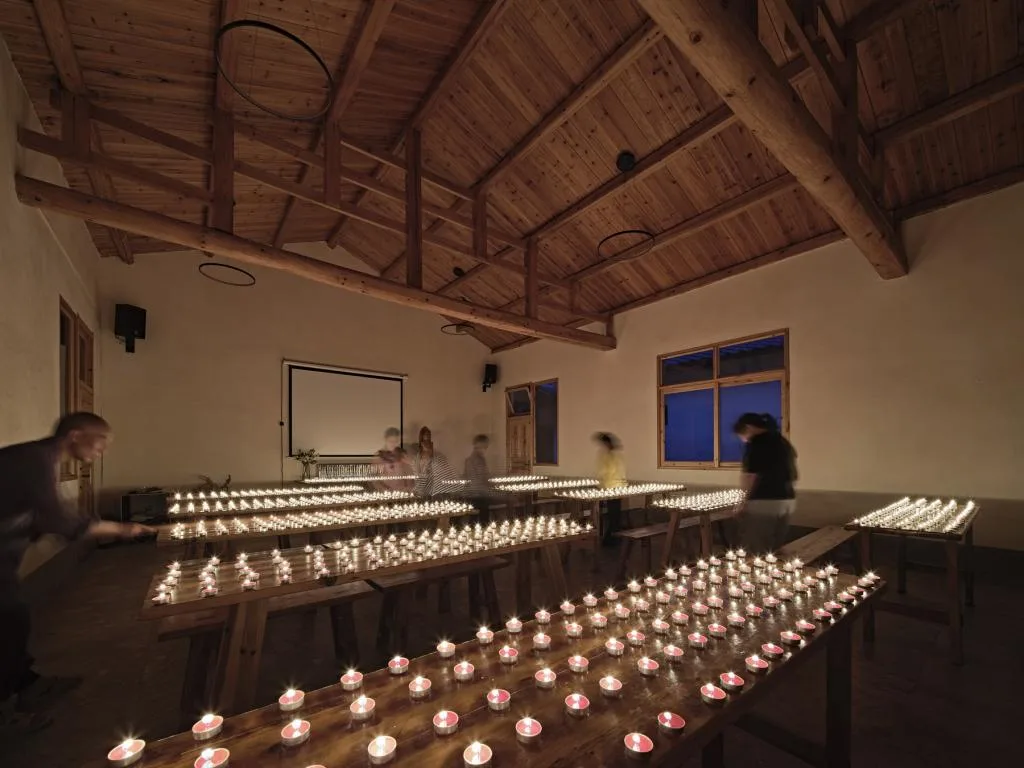
A villager generously donated two 11-meter-long wooden beams originally intended for new house construction. Since concrete has largely replaced traditional wood in local building, these beams were repurposed as roof trusses in the largest Zen hall. The meditation hall is a vital space where monks and lay practitioners engage in daily meditation, scripture copying, and lamp offerings.
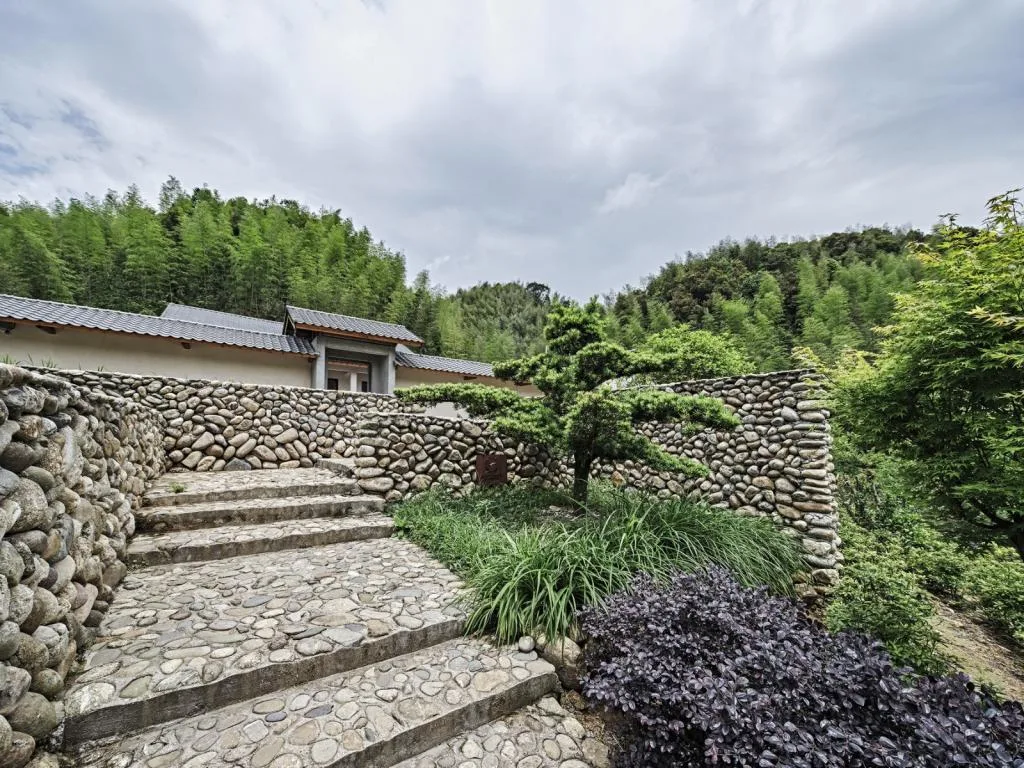
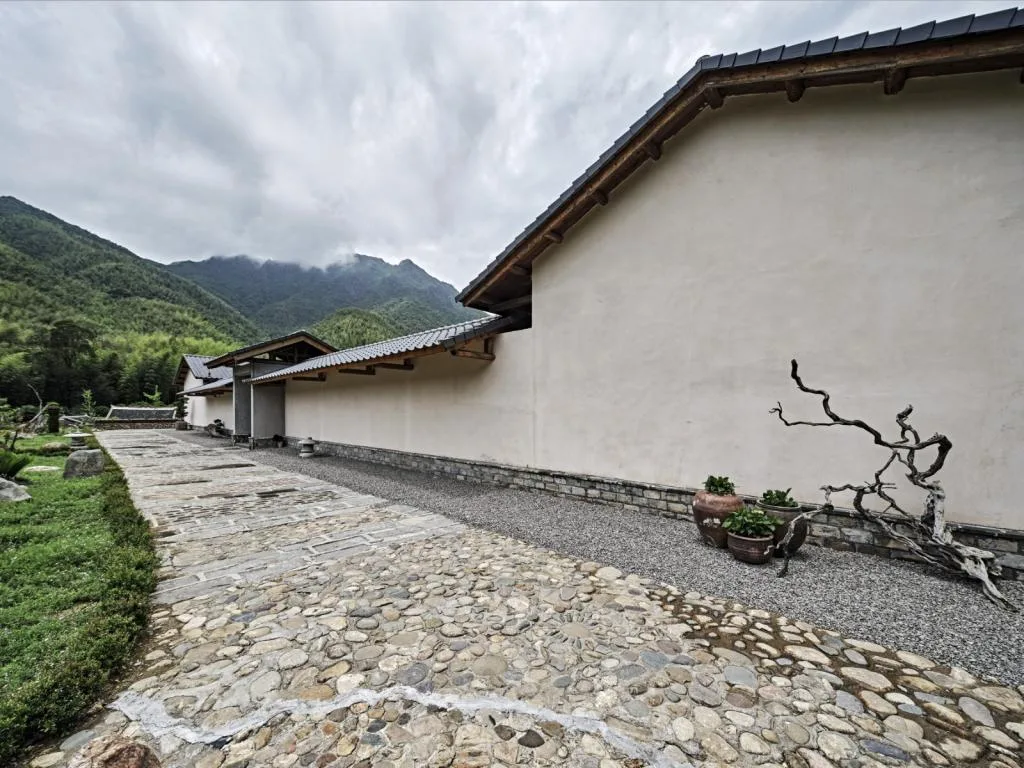
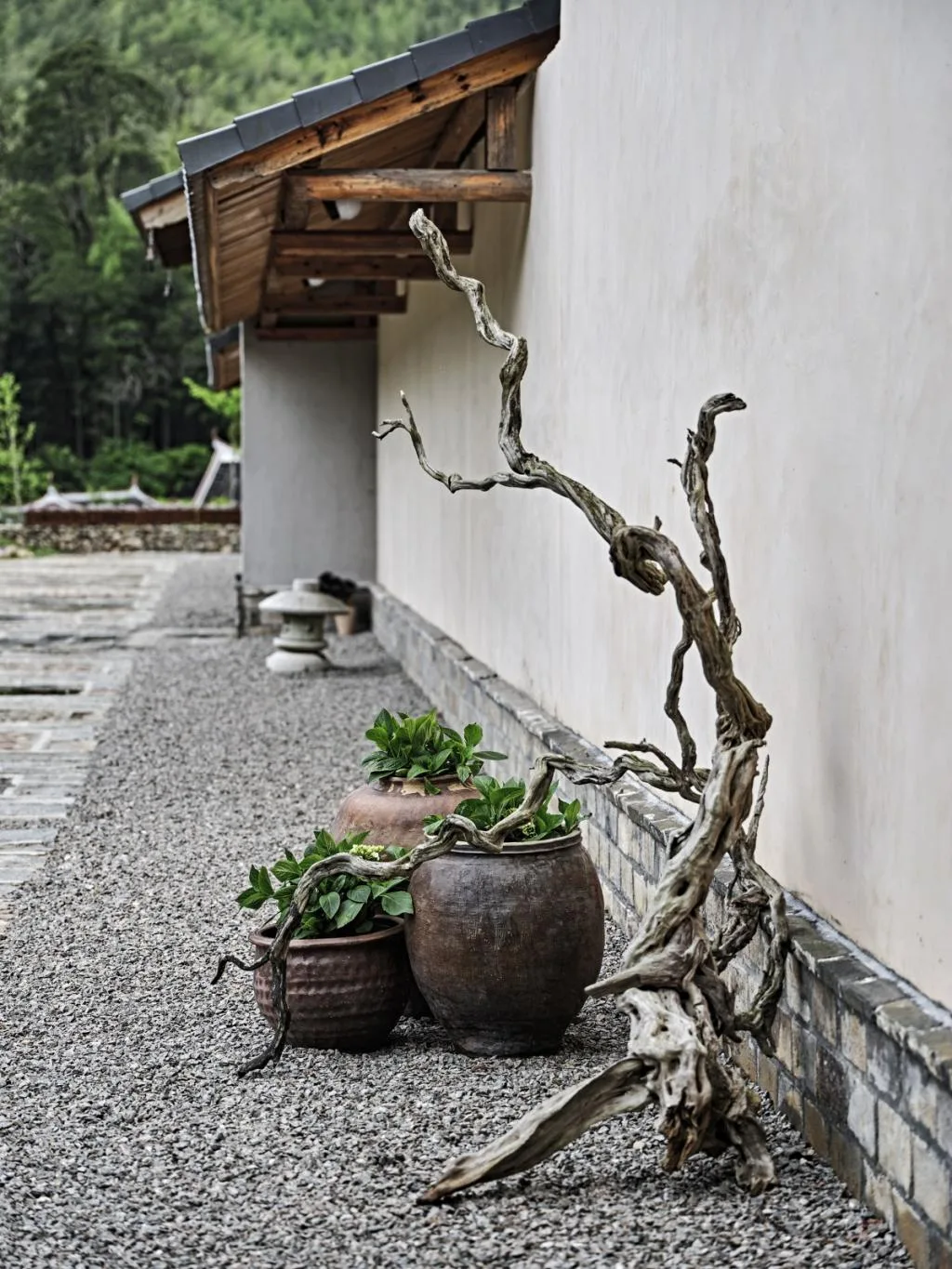
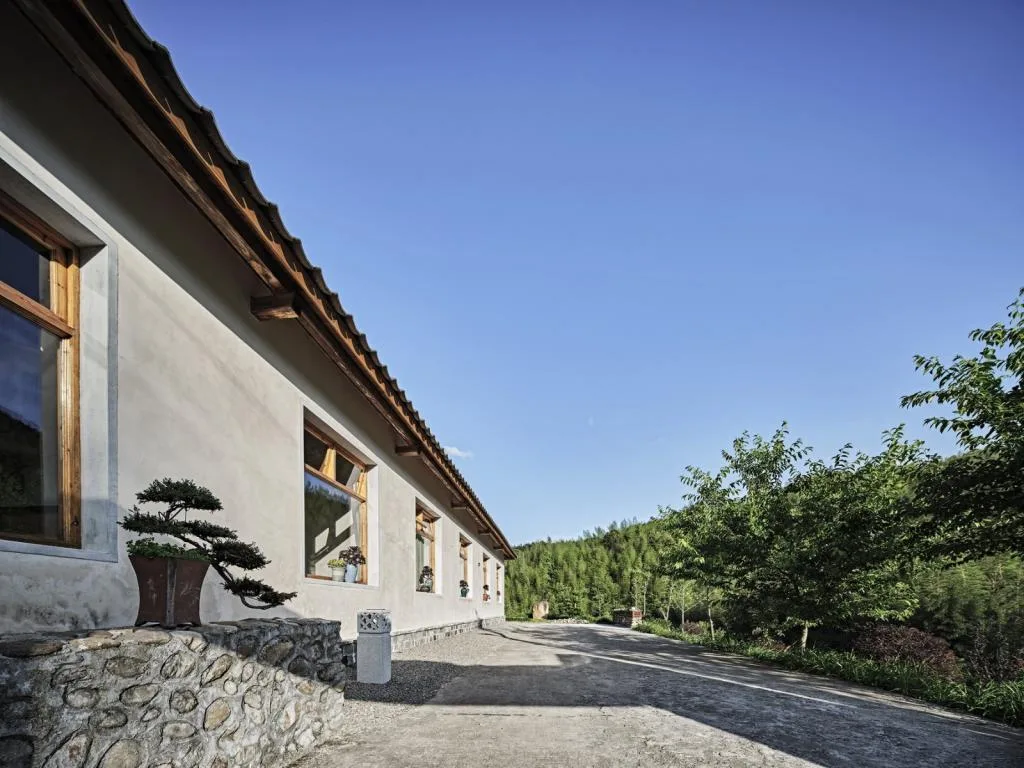
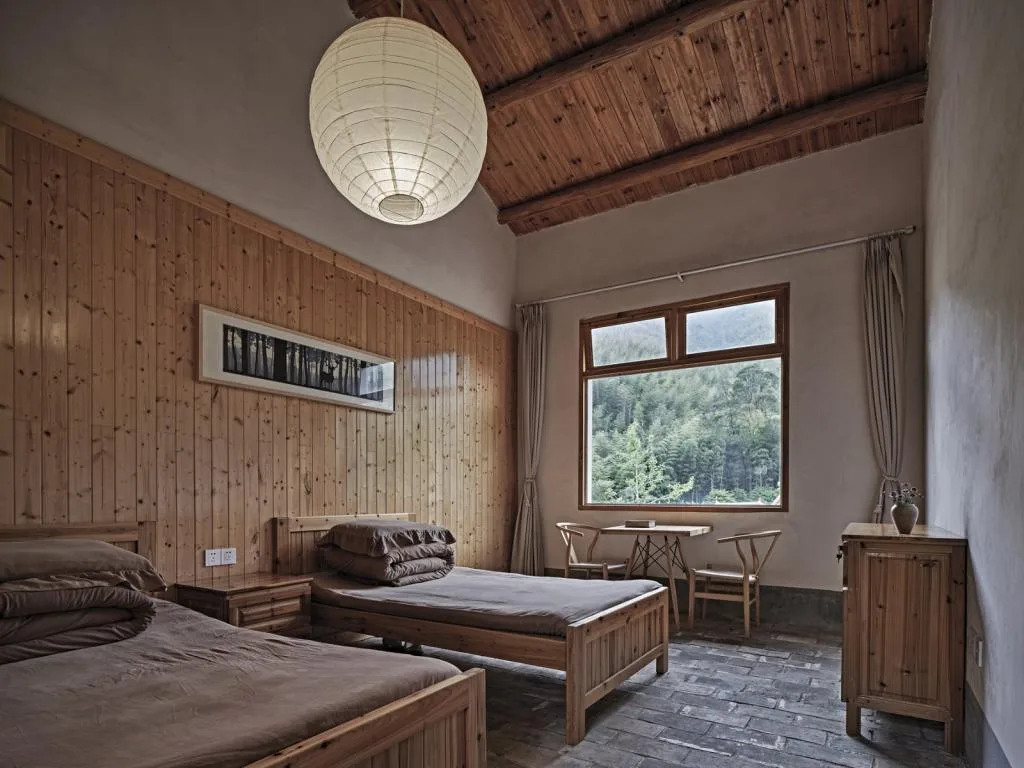
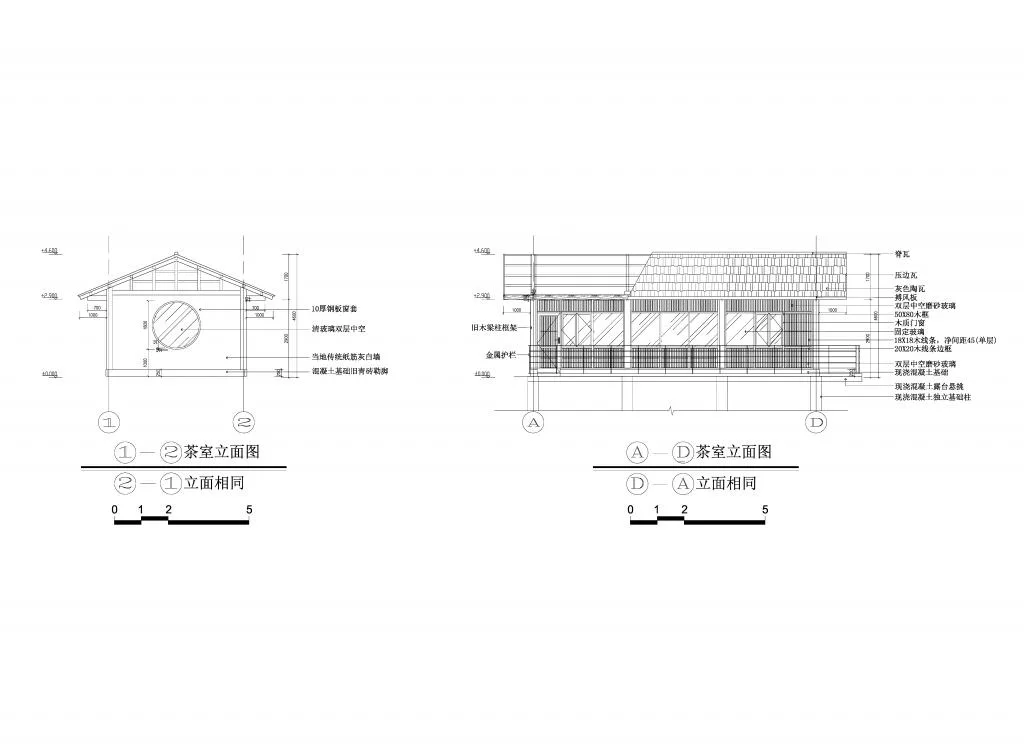
Additionally, some practitioners donated a 6.5-meter-long, over 1-meter-wide rosewood board, now used as a tea table in the tea room. The tea room’s wooden frame was sourced from an old building materials market, featuring varied tones and a charm that uniquely blends old and new. Beyond tea drinking and conversation, the tea room serves as a space for scripture recitation and Buddhist discussions. The meditation center integrates some modern techniques in details like water pools, doors, and windows, enhancing the meditation hall’s environment.
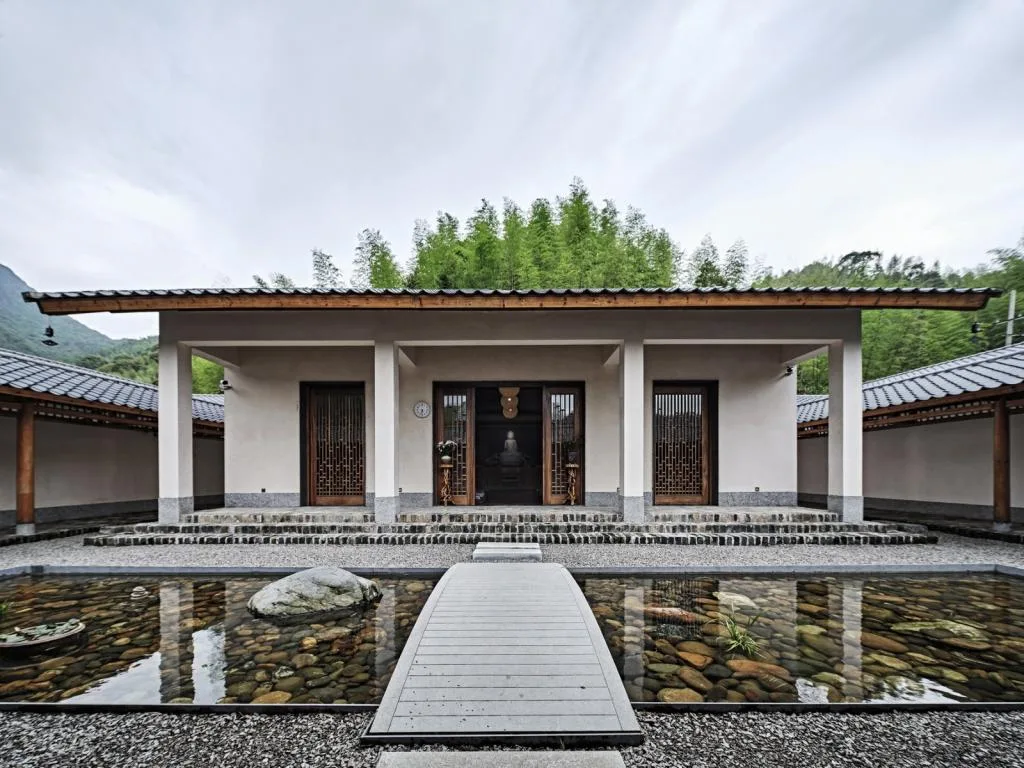
2. New Retreat Courtyard
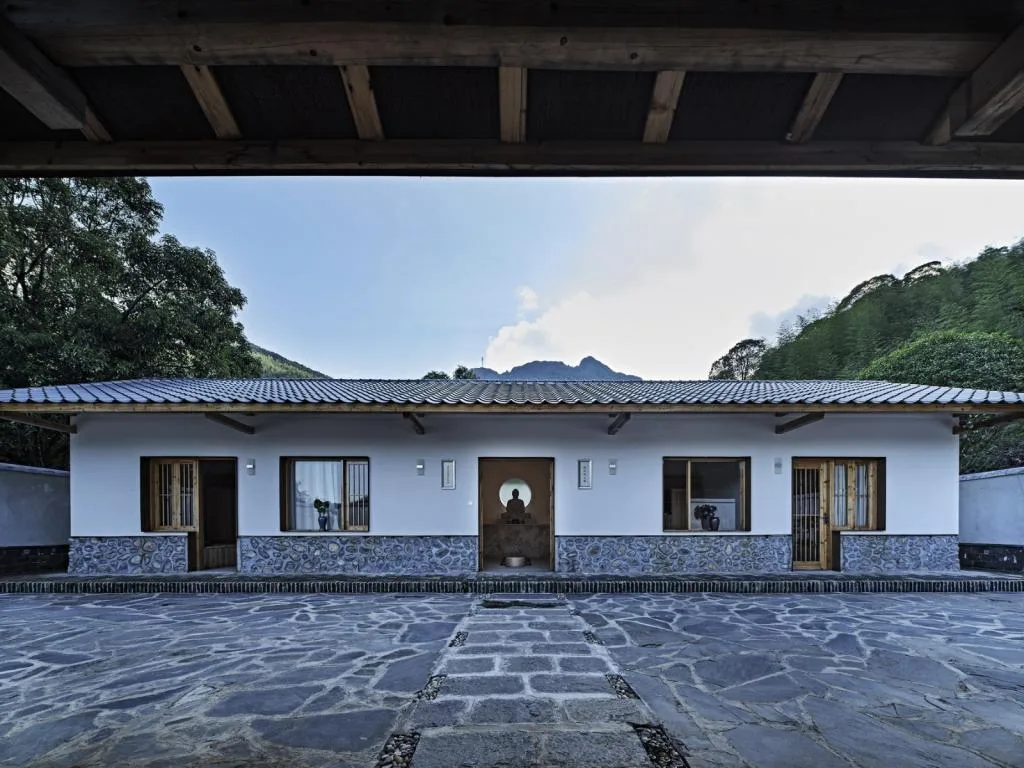
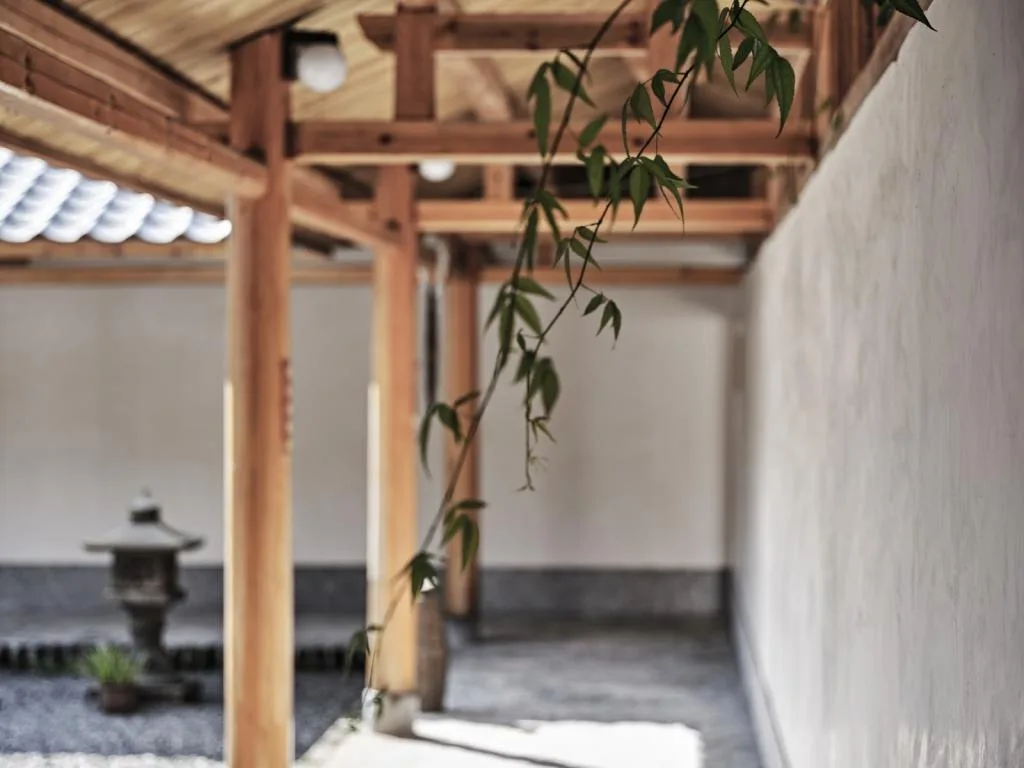
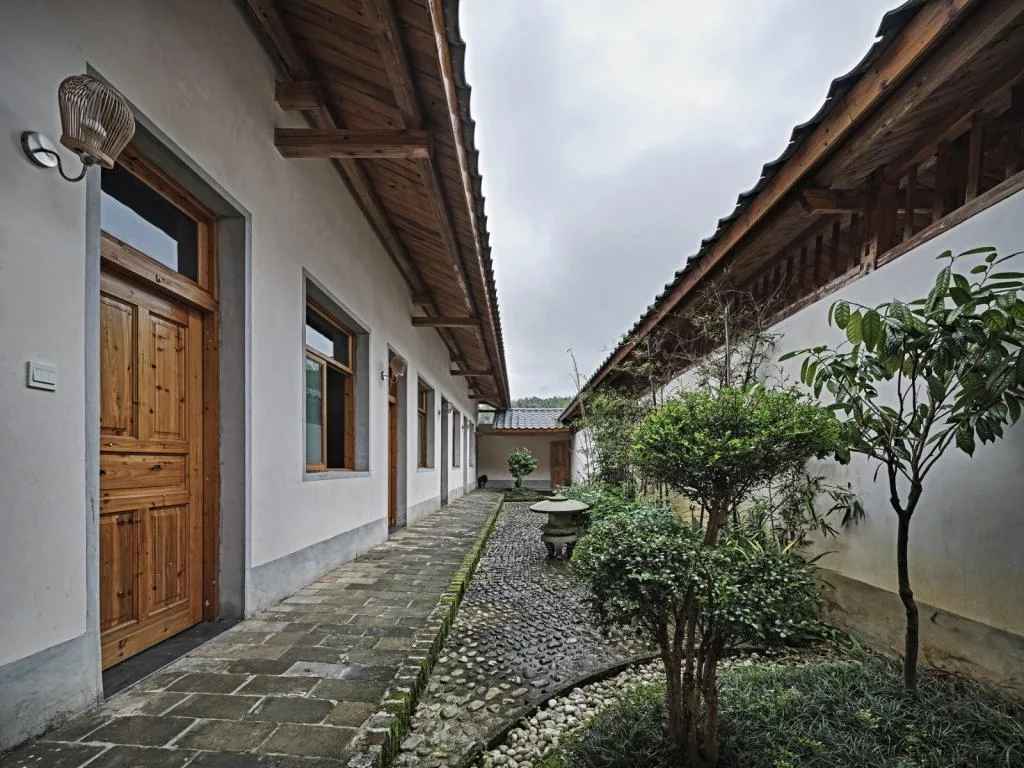
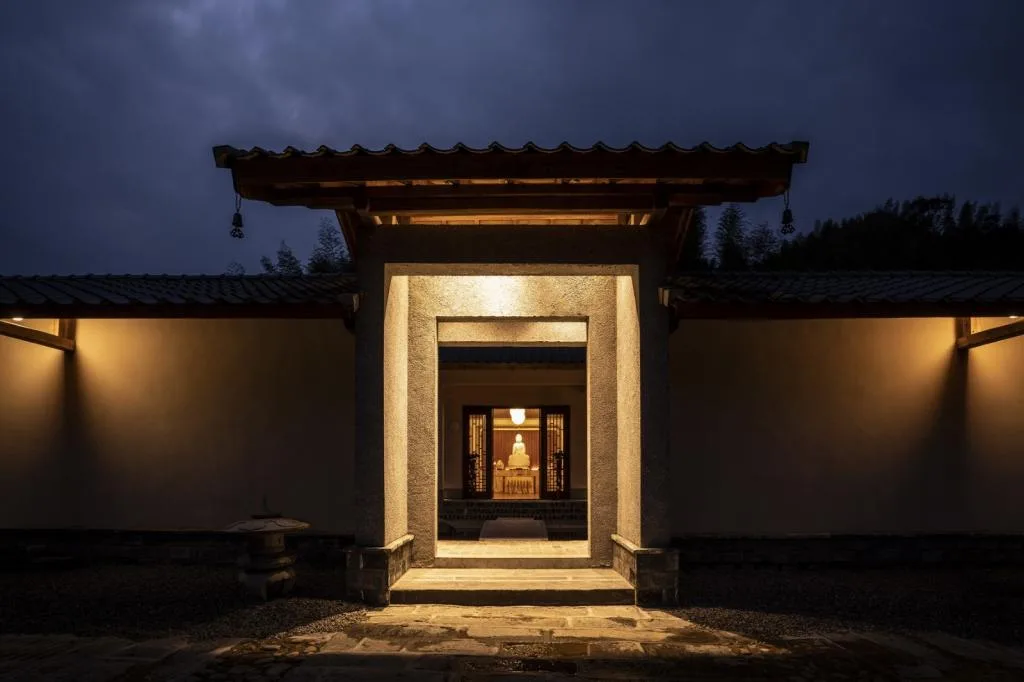
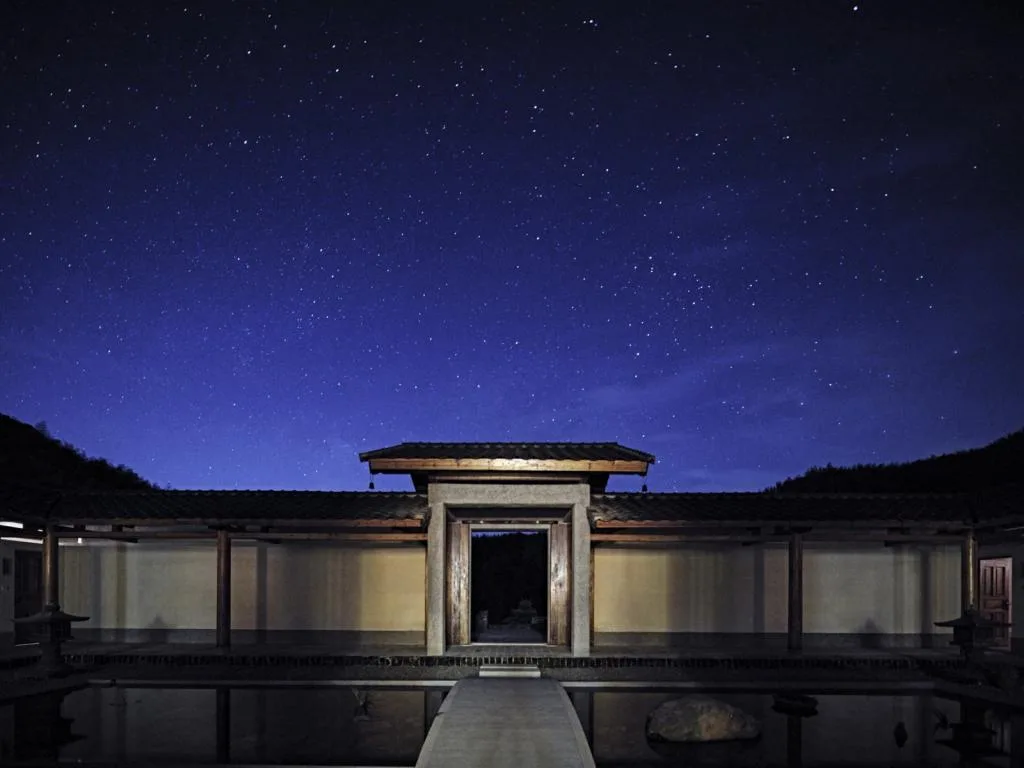
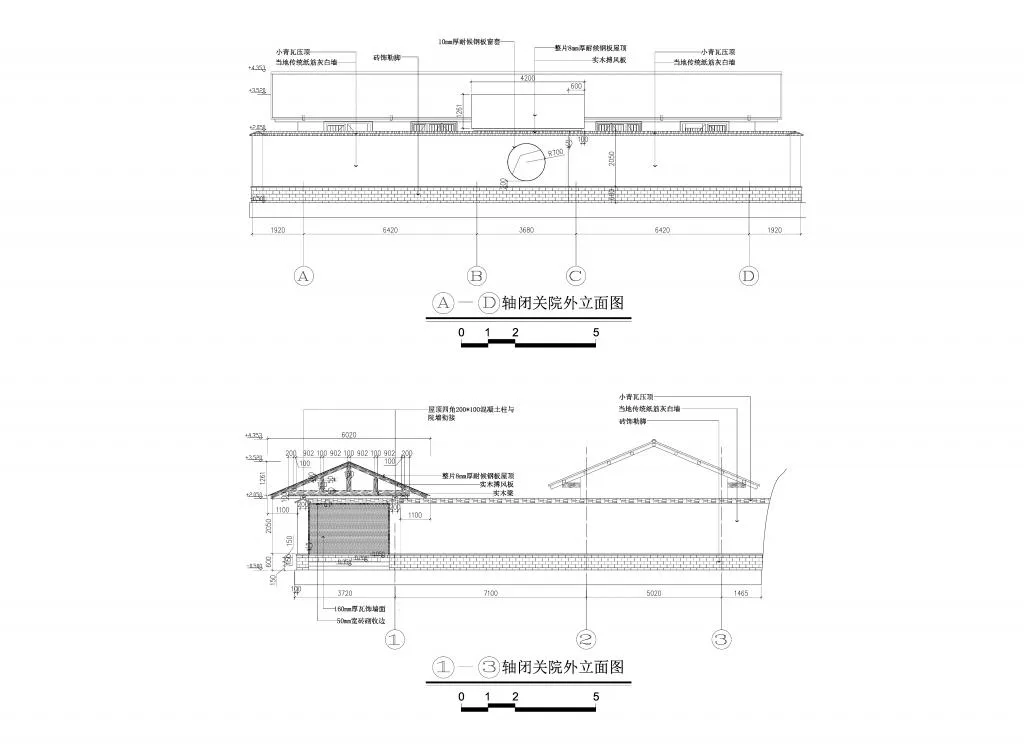
A small Buddhist temple and four retreat rooms were built, providing a secluded space for advanced meditators to practice in isolation. The internal courtyard is ideal for meditation, Tai Chi, and other activities. The design adapts to local conditions, with the entrance positioned on the side. Unlike the meditation center and old temple gatehouses, the retreat courtyard’s gatehouse roof is constructed with a wooden frame and weather-resistant steel plates. (Retreat refers to a practitioner living alone in meditation for an extended period, without social interaction, only emerging after a set time.)
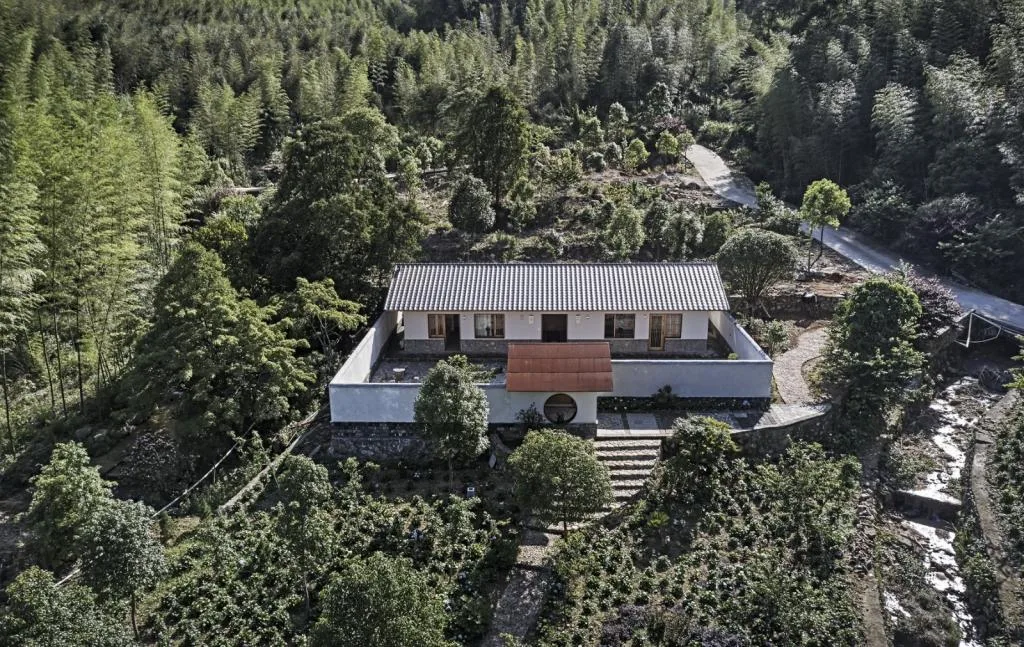
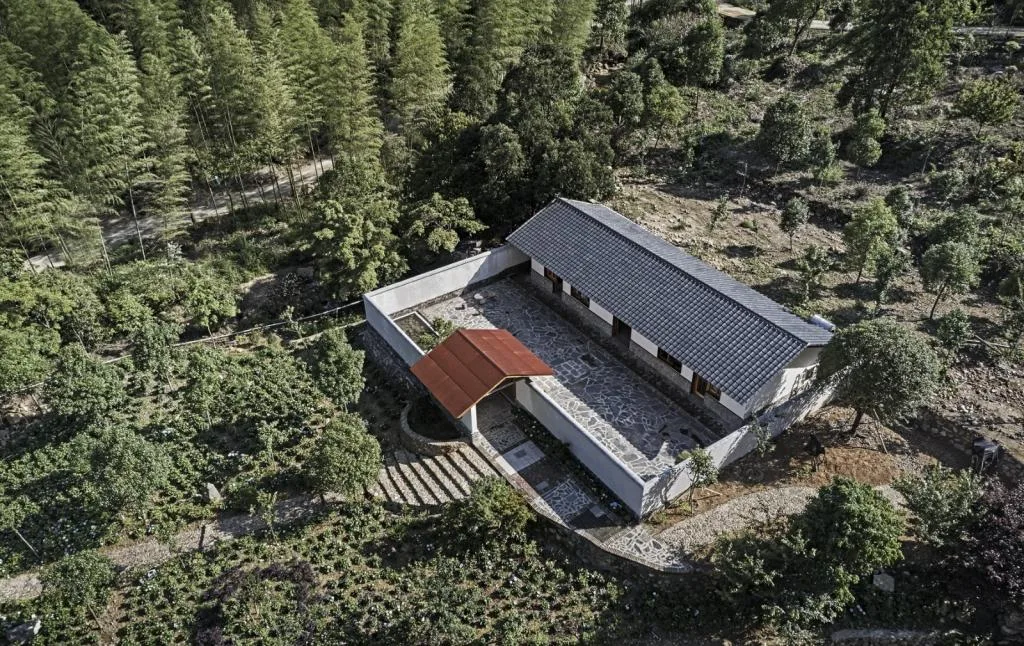
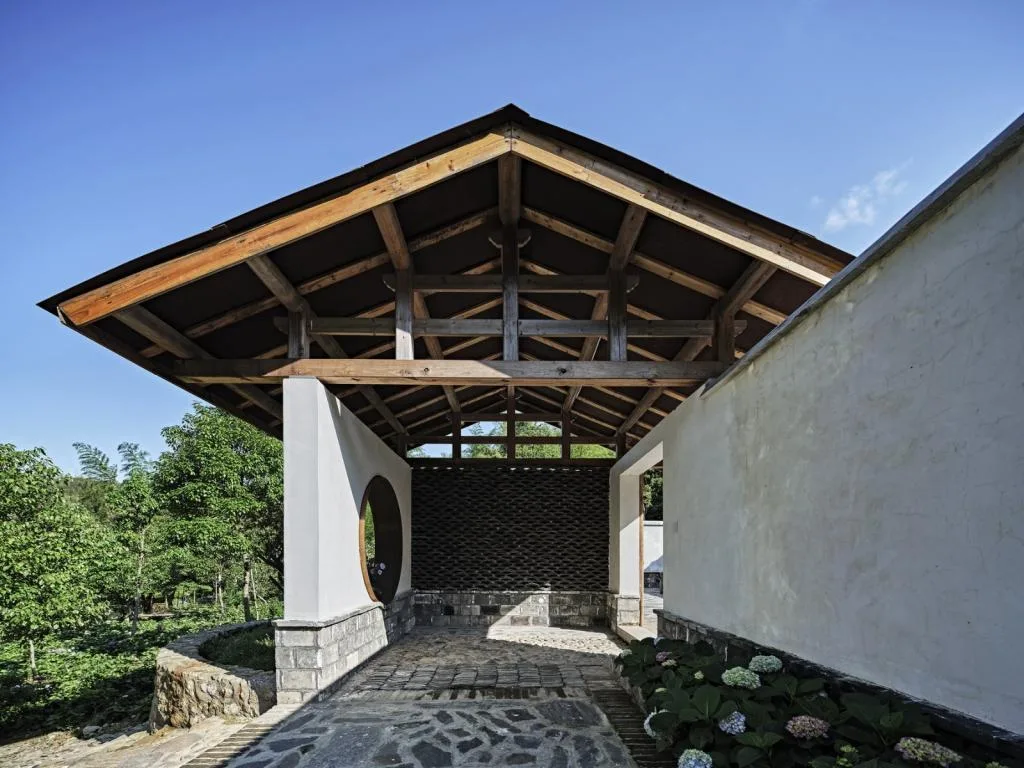
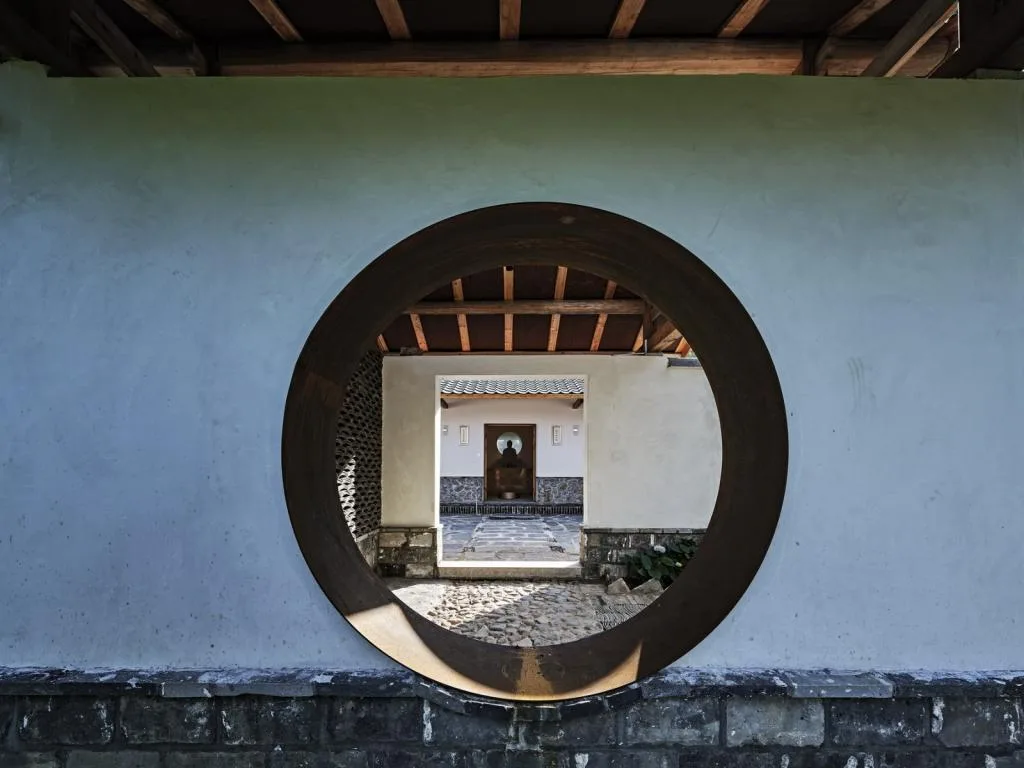
The retreat rooms and meditation center are inspired by the traditional form and scale of Hakka dwellings in Longyan.
3. Renovation of the Existing Old Temple
The old temple is situated on lower ground and was originally painted in a dark red tone, which made it appear somber. The renovation updated the exterior walls with a warm white color, brightening the overall appearance and harmonizing the courtyards. Numerous local elements such as courtyards, interiors, doors, windows, and eaves were refined and optimized to achieve a cleaner, more elegant look.
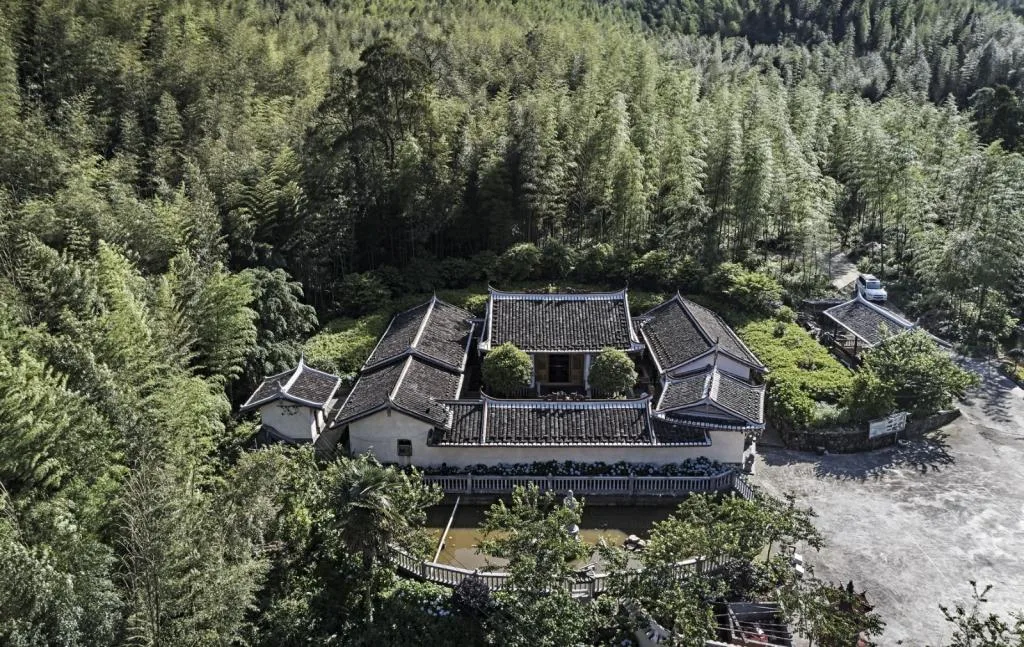
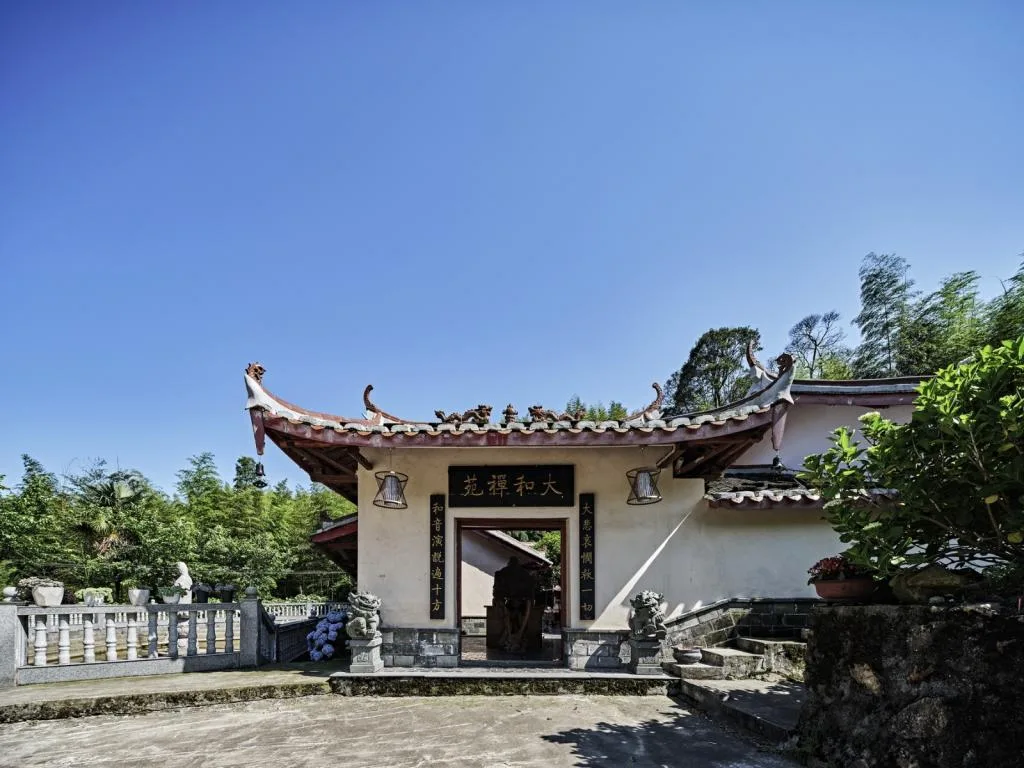
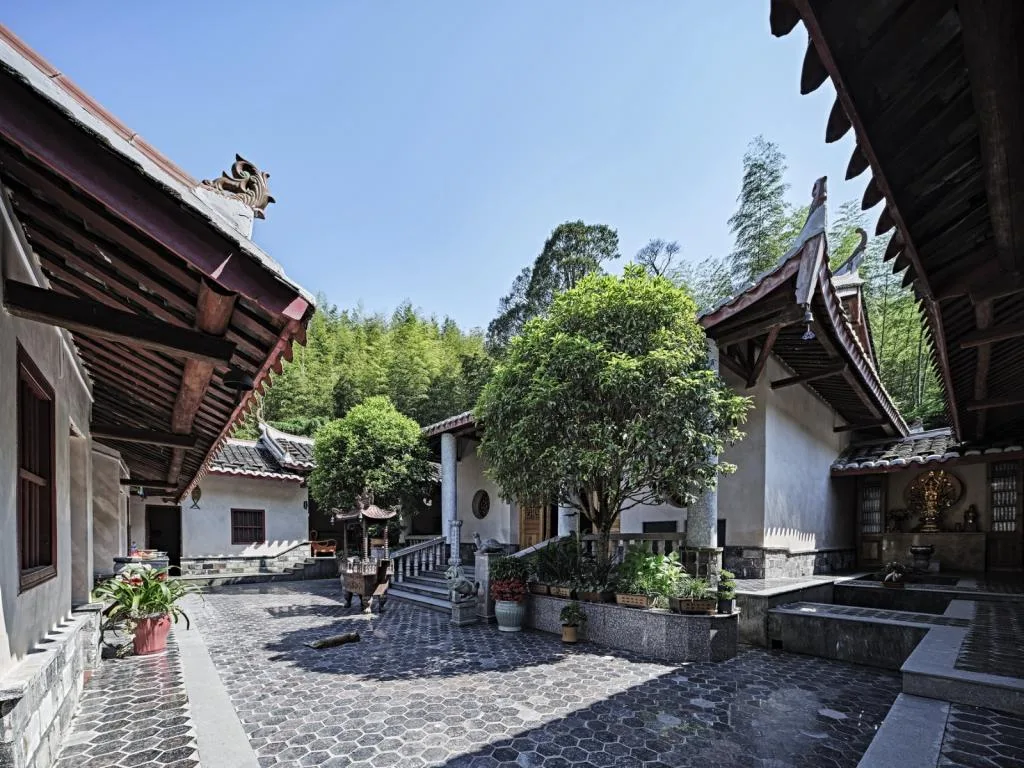
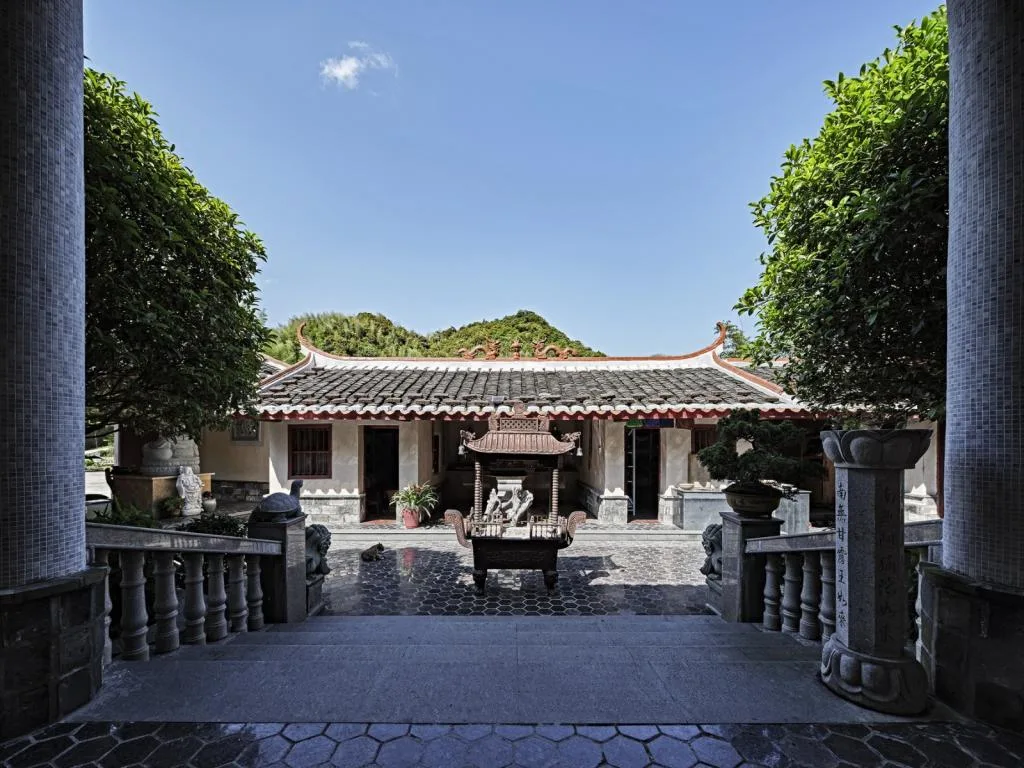
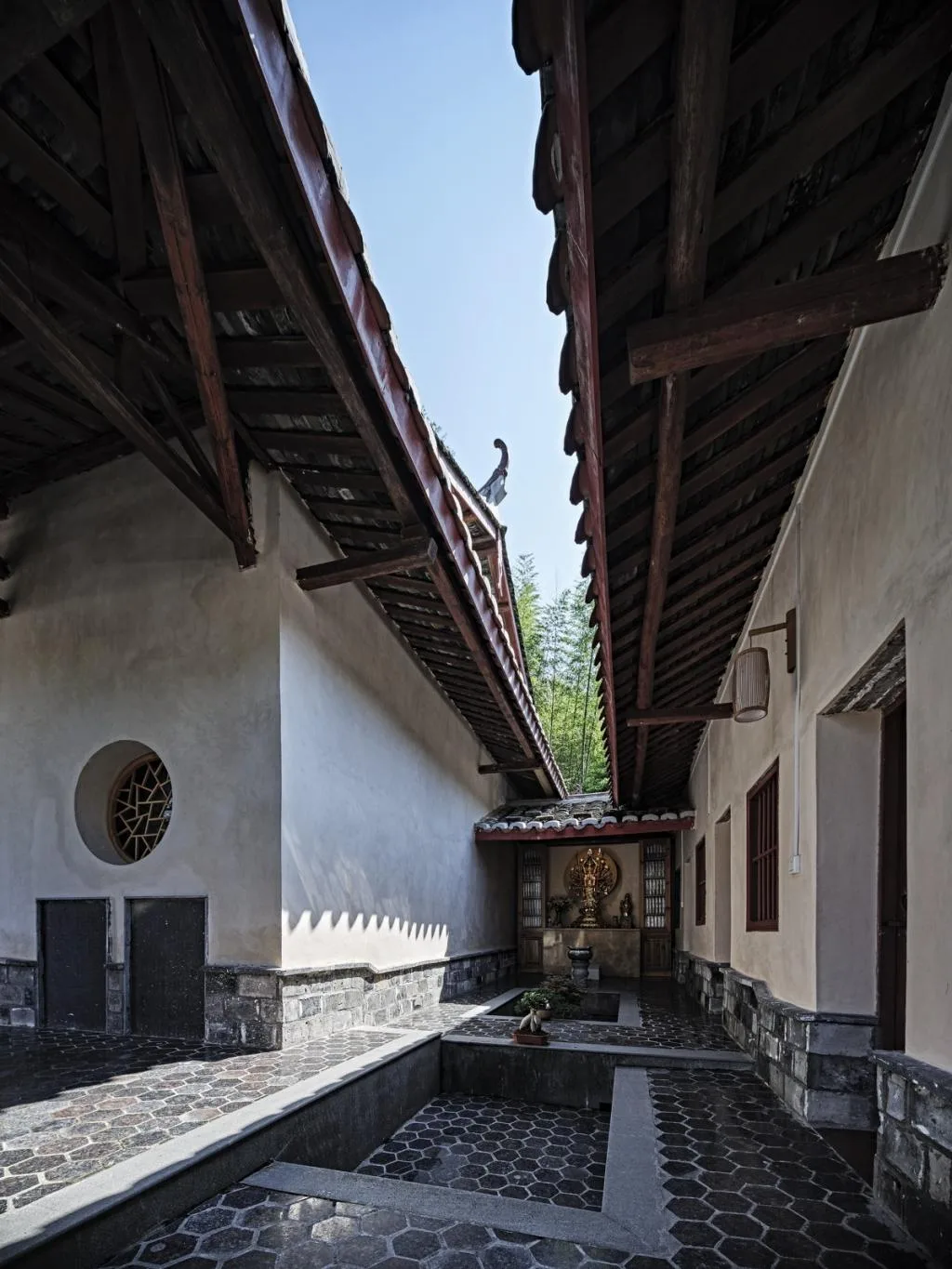
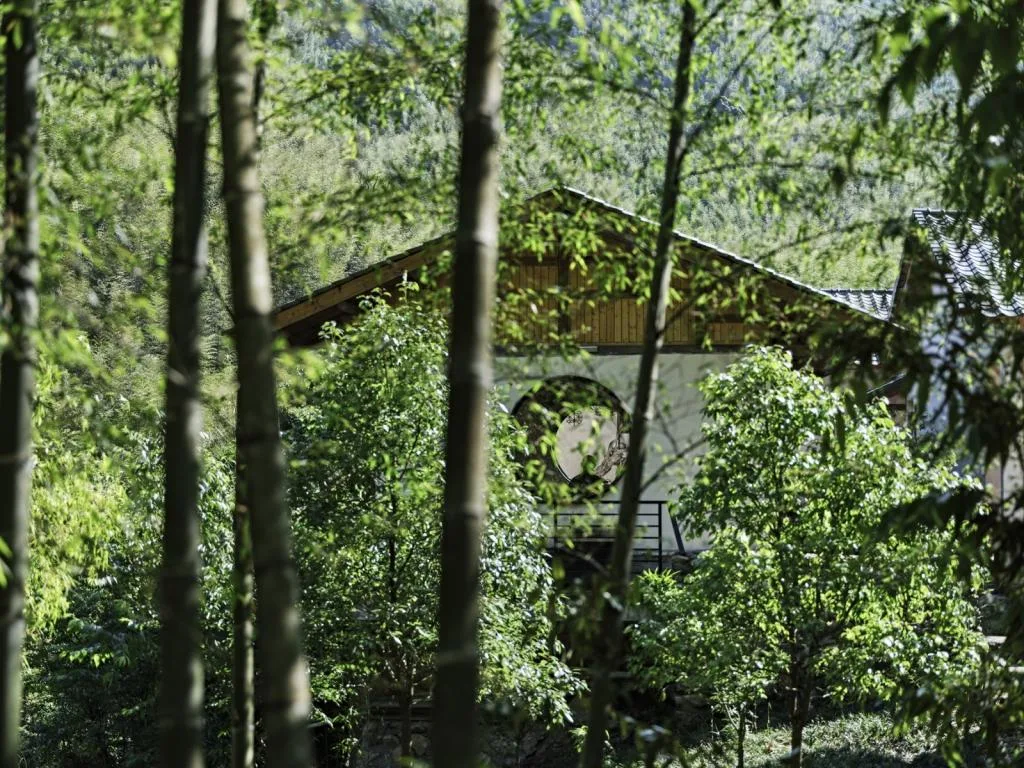
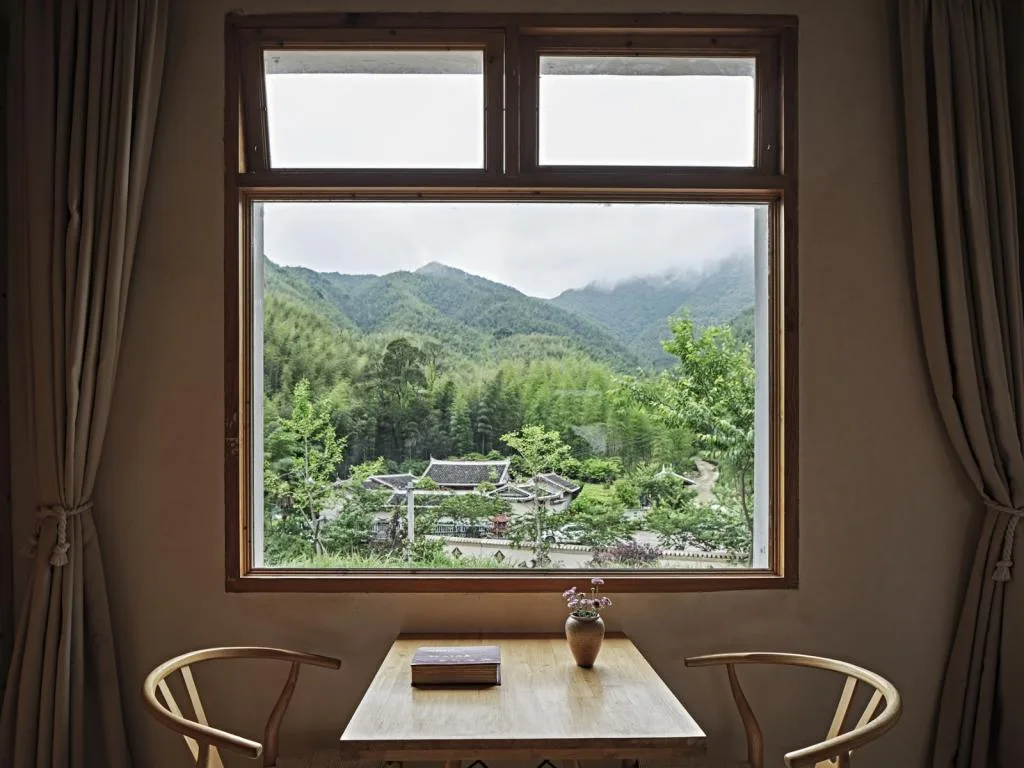
In addition to the buildings, the pathways connecting each courtyard and the surrounding landscape were carefully planned. The most striking feature of the landscape design is the seamless integration and borrowing of the surrounding green mountains and rivers.
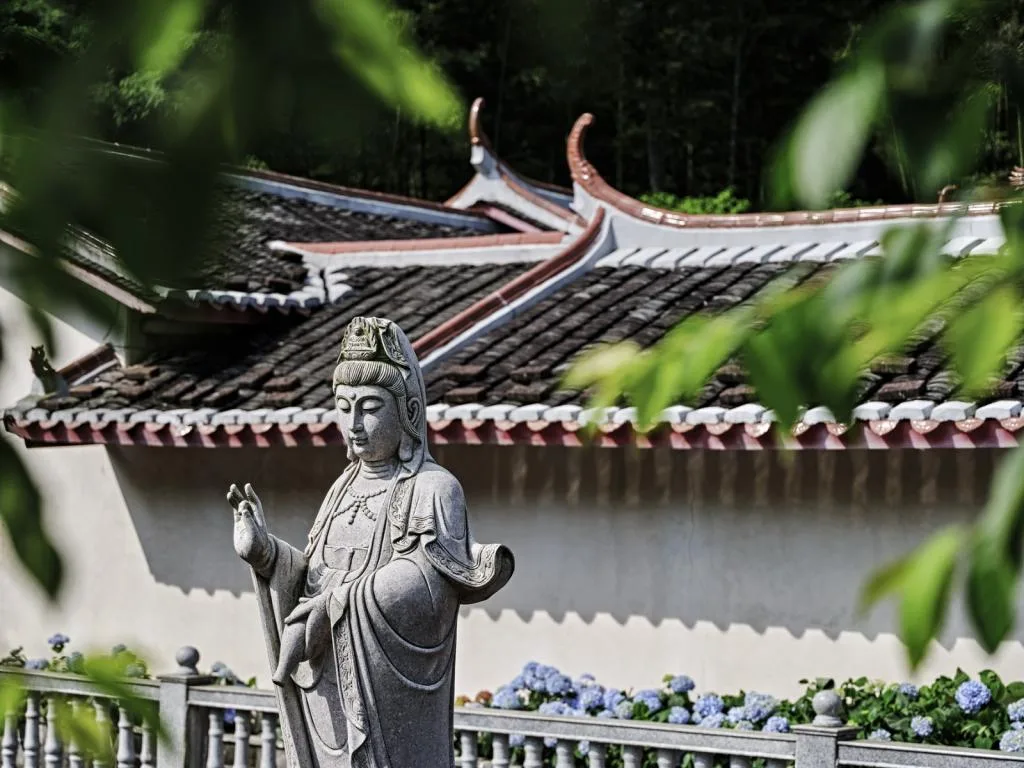
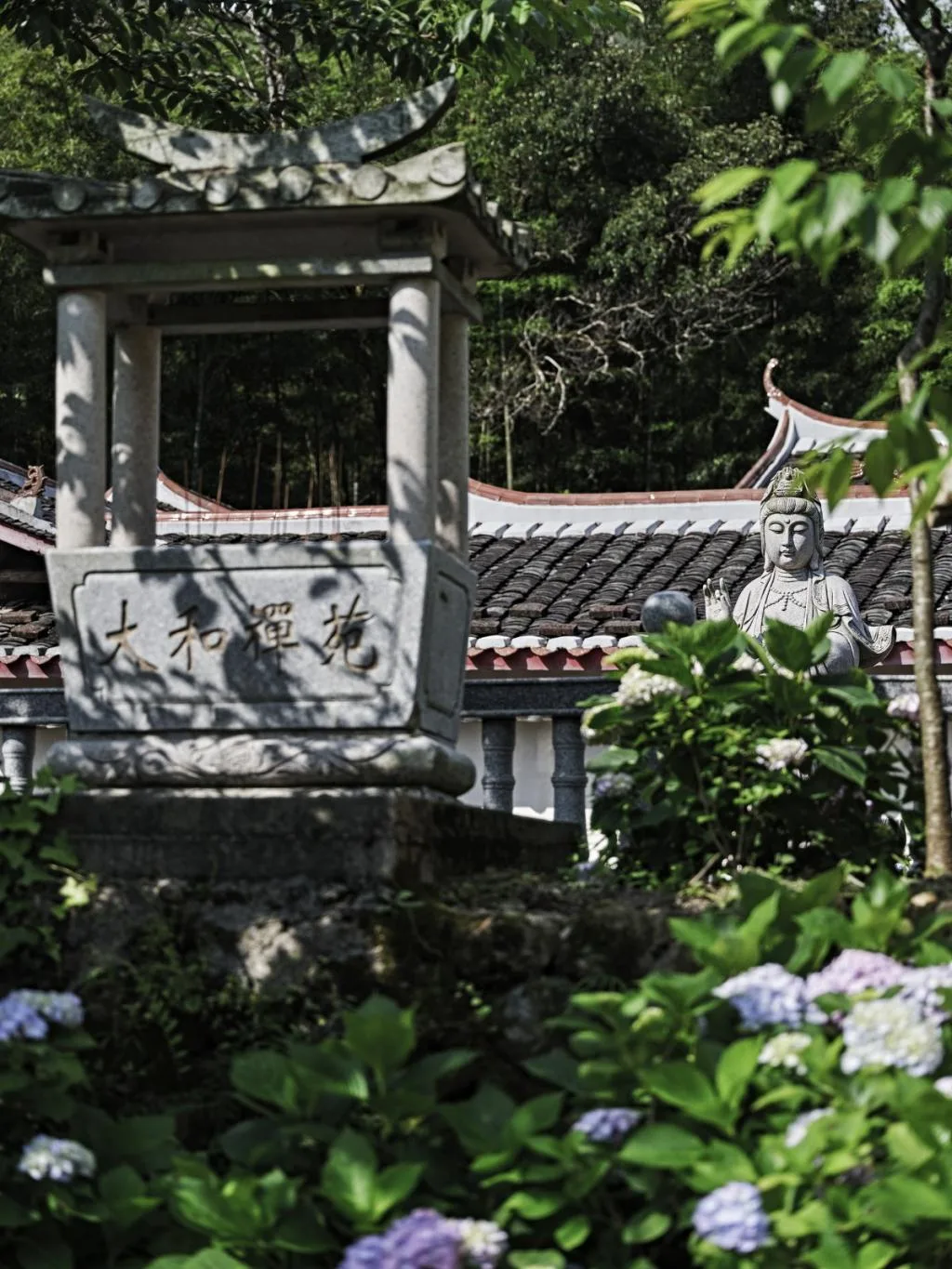
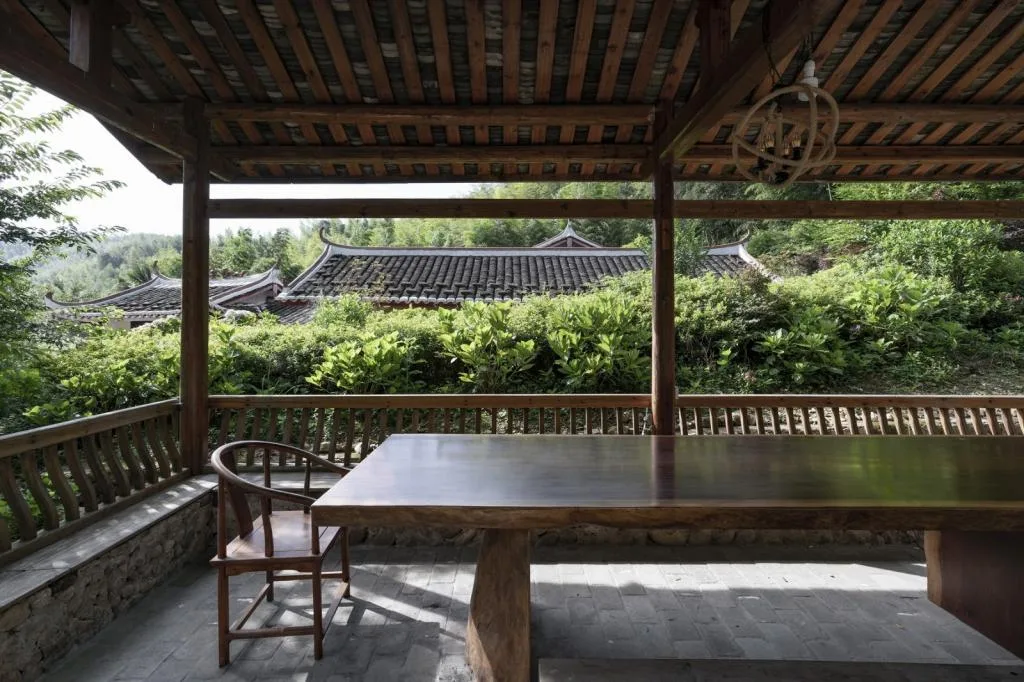
Visiting the ancient temple early in the morning, sunlight filters through the forest canopy. A winding path leads to a secluded meditation room surrounded by dense flowers and trees. The mountain light delights the birds, while the reflection in the pond calms the mind. Everything is silent, yet the gentle sound of bells and chimes lingers in the air.
At the start of this design, the architect recalled Tang Dynasty poet Chang Jian’s poem “Inscription on the Zen Temple Behind the Mountain Temple,” hoping that over time the temple would embody the poetic artistic spirit described in ancient verses.
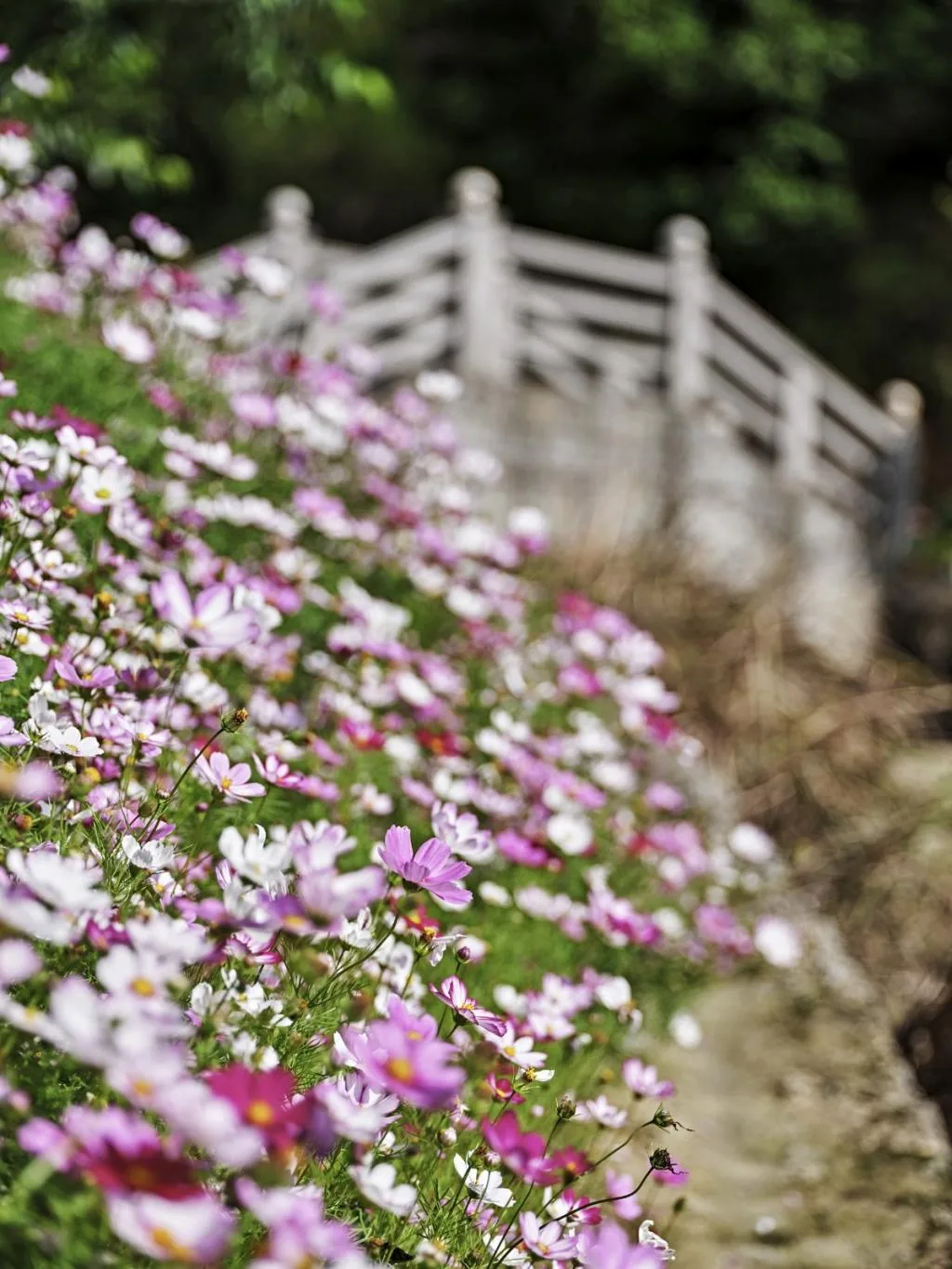
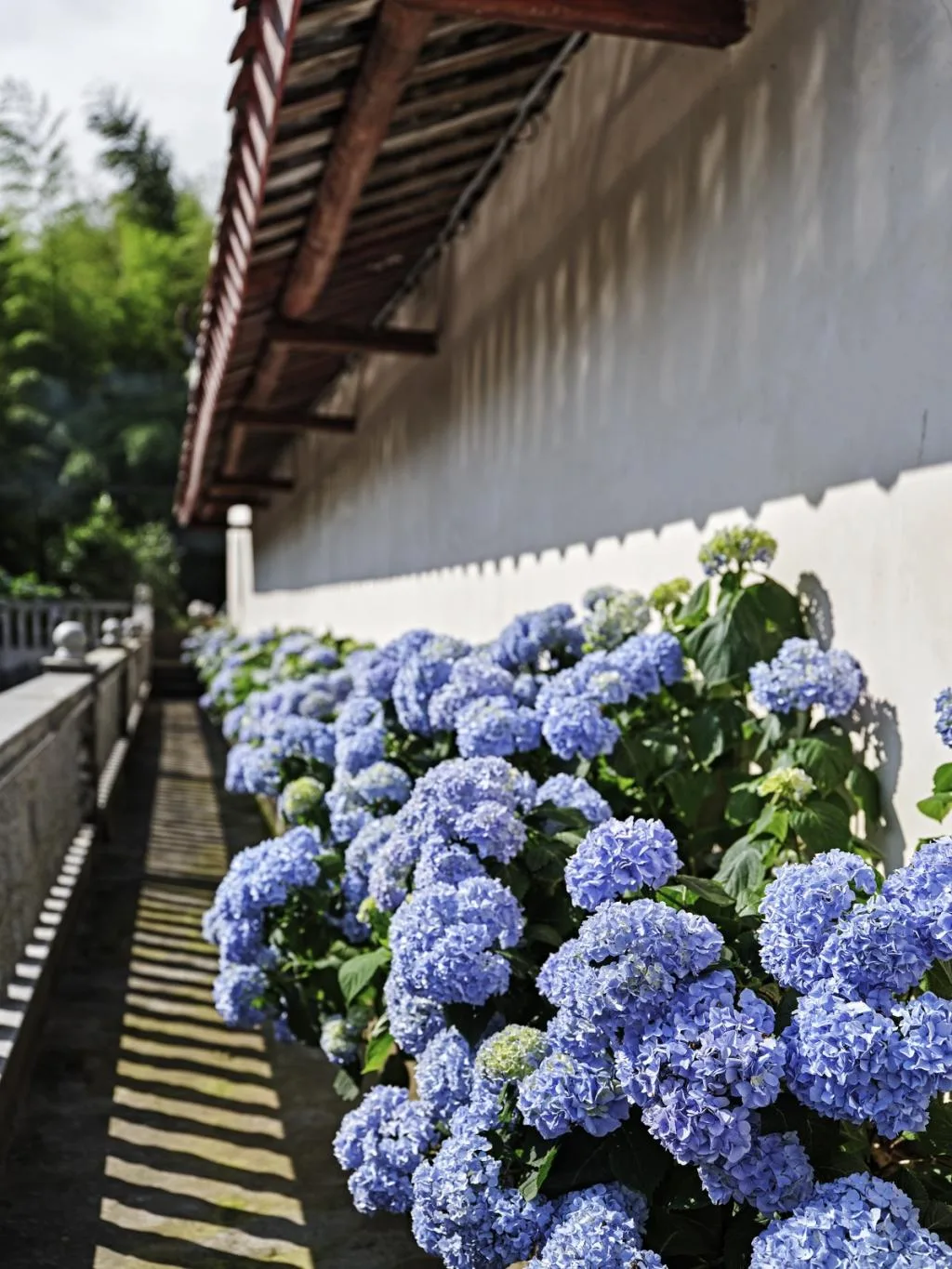
Natural landscapes are like paintings, enhanced only lightly by the designer’s touch. Locals often say Longyan is simply a mountainous region with mountains everywhere. Previously, they took it for granted, but after the Zen temple’s construction, they recognized the area’s beauty. The architecture has awakened many to appreciate the local landscape anew.
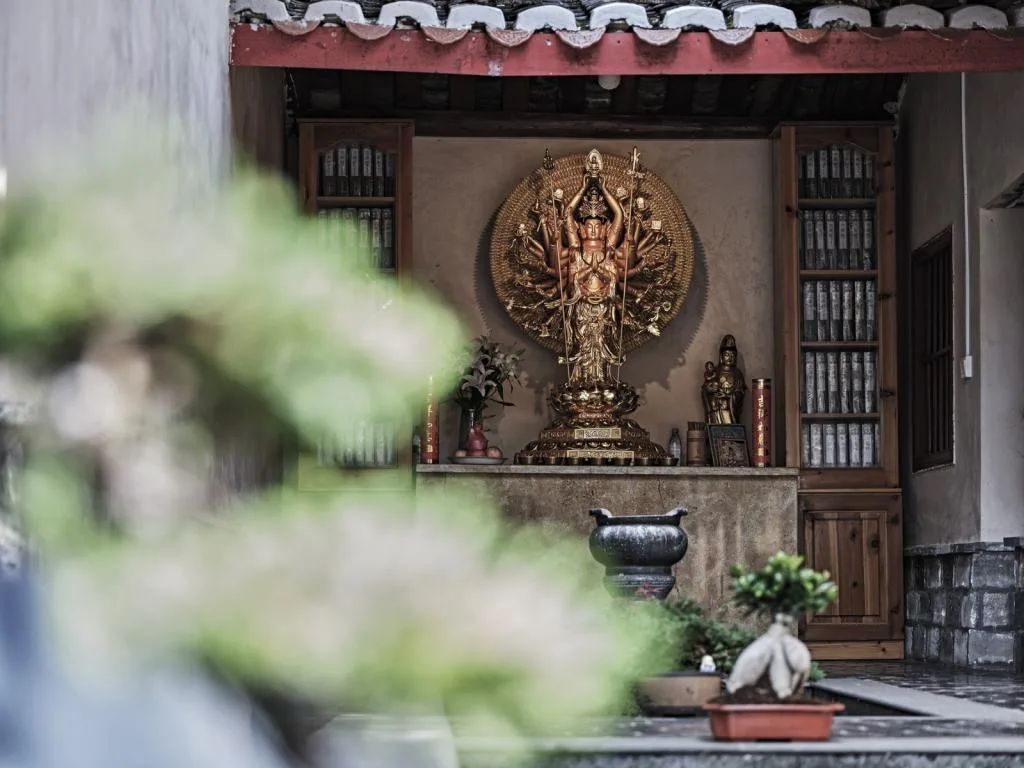
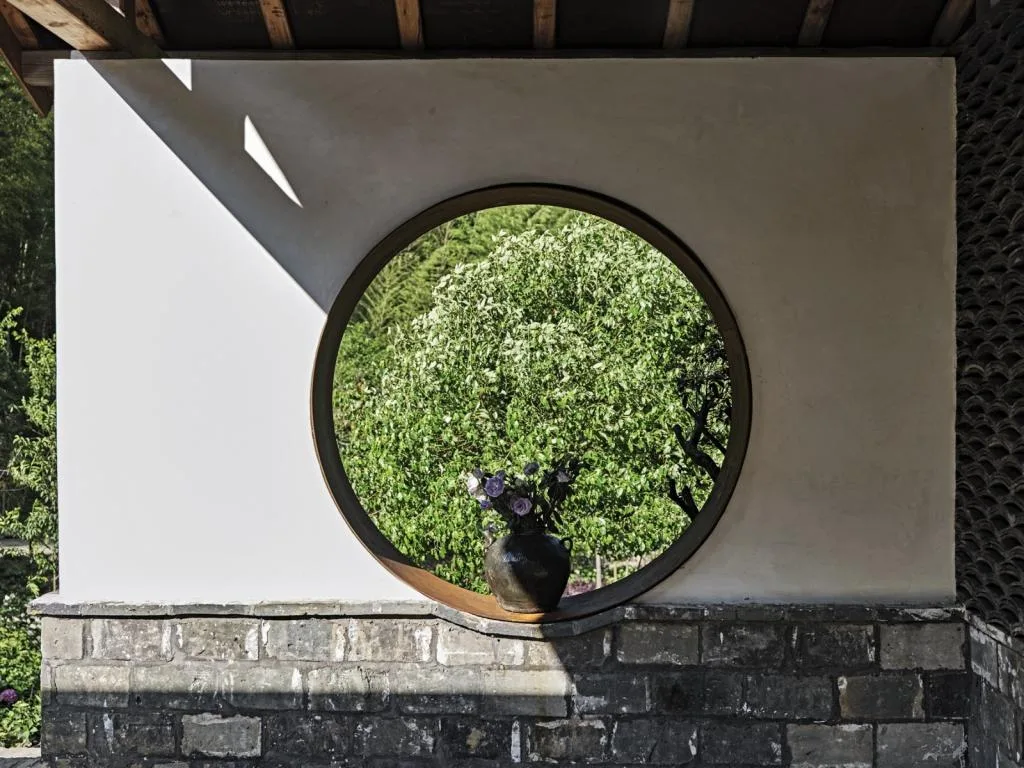
“Not born nor destroyed, not impure nor pure, not increasing nor decreasing.” – Heart Sutra
Natural Construction
Must temples be grand and opulent?
Is luxurious worship necessary to inspire faith?
Doesn’t this contradict the Buddha’s original teachings?
Can temple architecture learn from residential buildings?
Are houses without eaves, wooden arches, and carved dragons and phoenixes not more aligned with Buddhism’s values of moderation and modern environmental principles?
Today’s material abundance and obsession with wealth have led to excessive temple luxury, potentially diverting focus from Buddhism’s true meaning towards materialism.
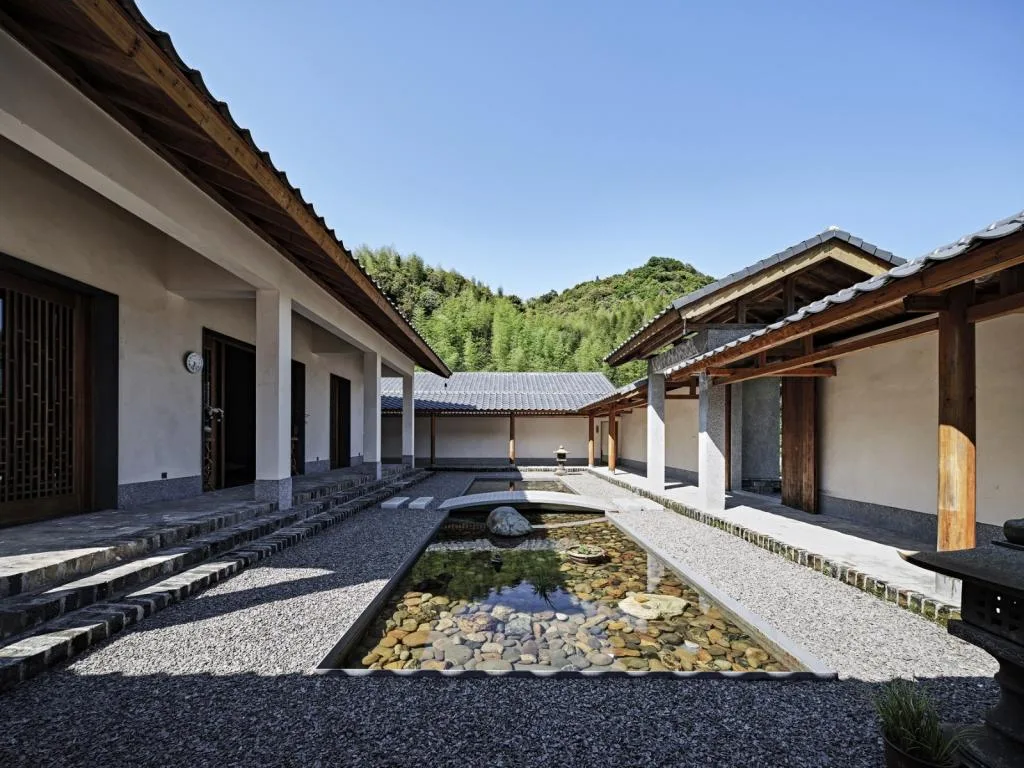
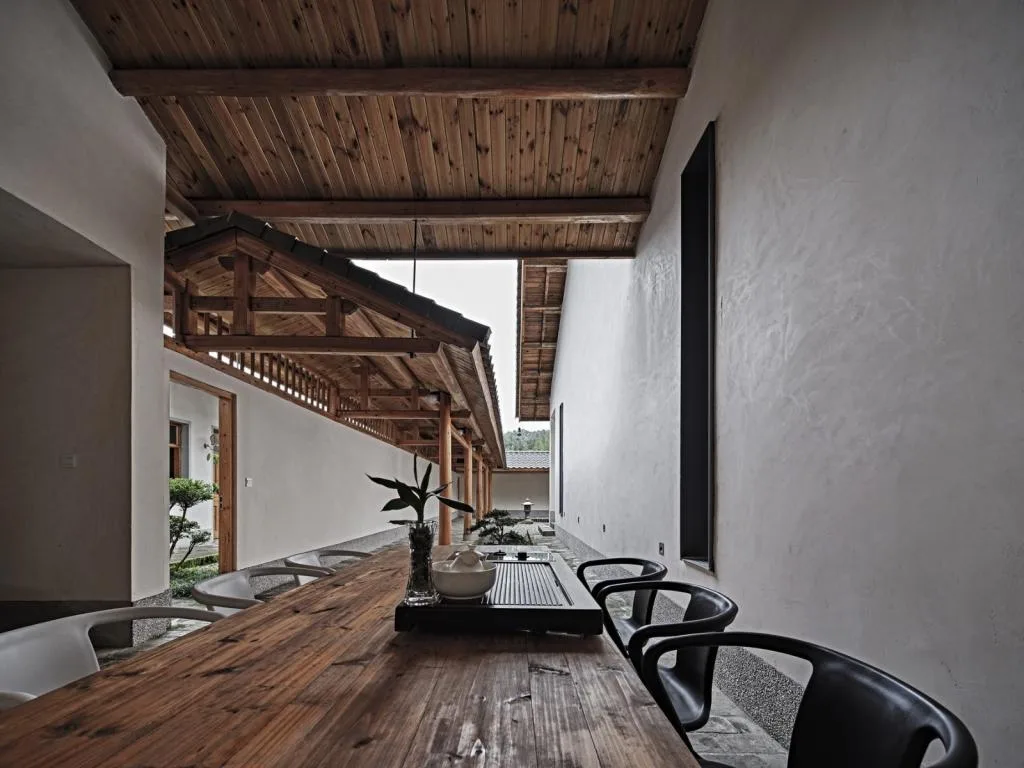
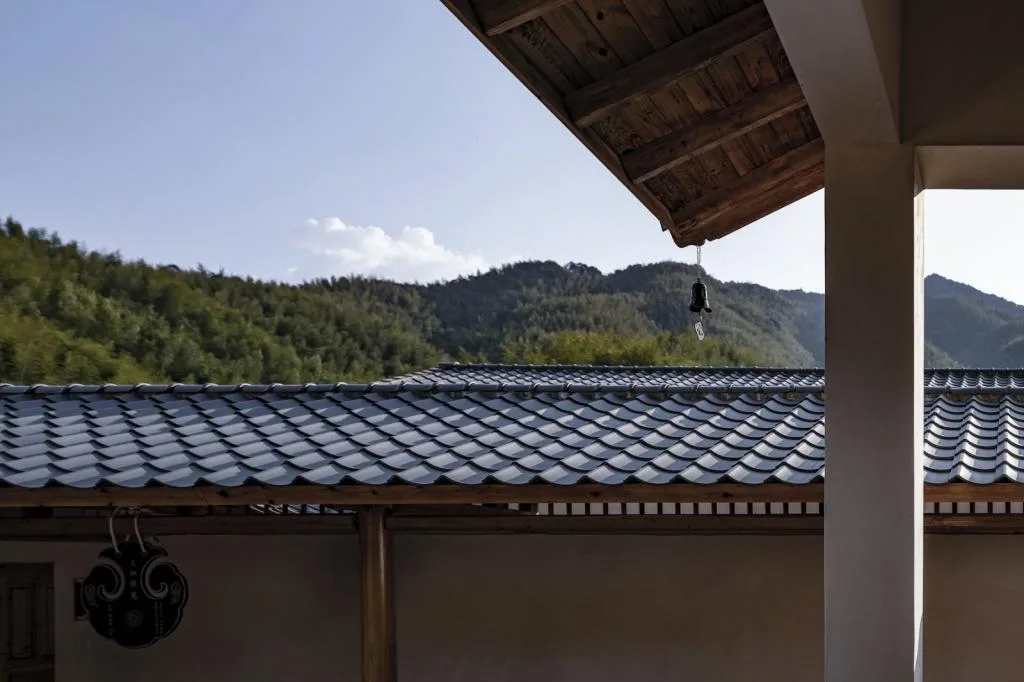
Nature encompasses the entire universe, city outskirts, and reflects an attitude toward human interaction with the world. Poorly built homes in natural mountain and water environments diminish the landscape’s beauty and feel out of place. Well-designed buildings enhance nature and feel naturally integrated, as expressed in the Southern Liang Dynasty Zen master Da Shi’s poem:
“Things come before heaven and earth, but the intangible is lonely. To be the master of all things, not to wither at any time.”
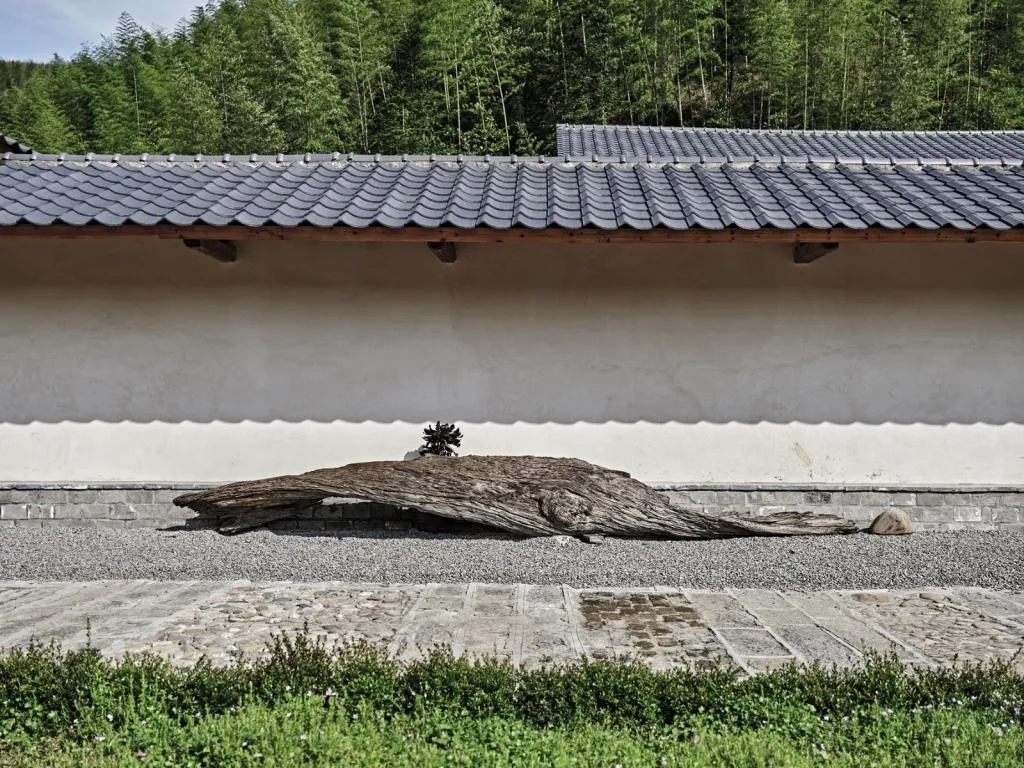
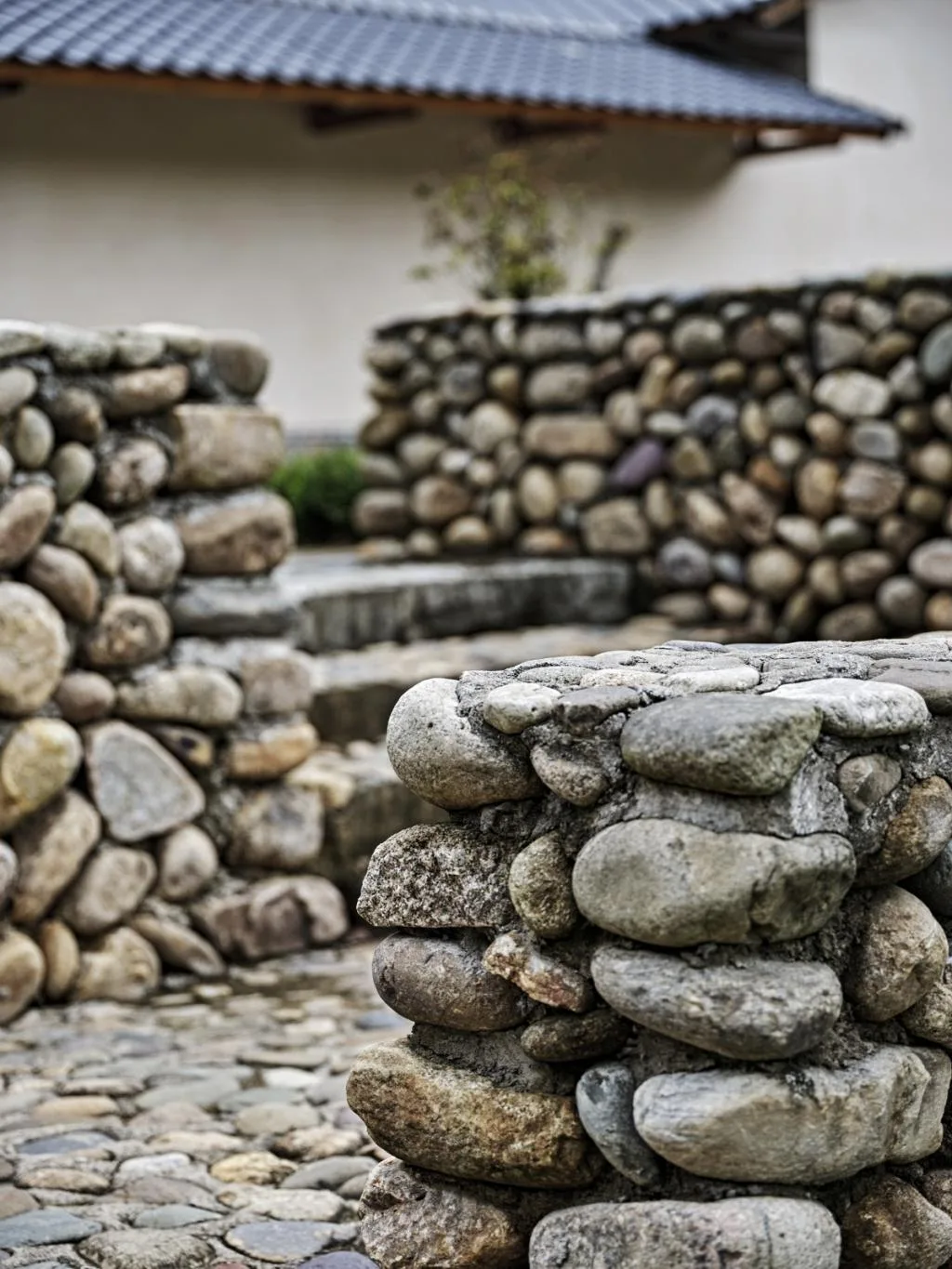
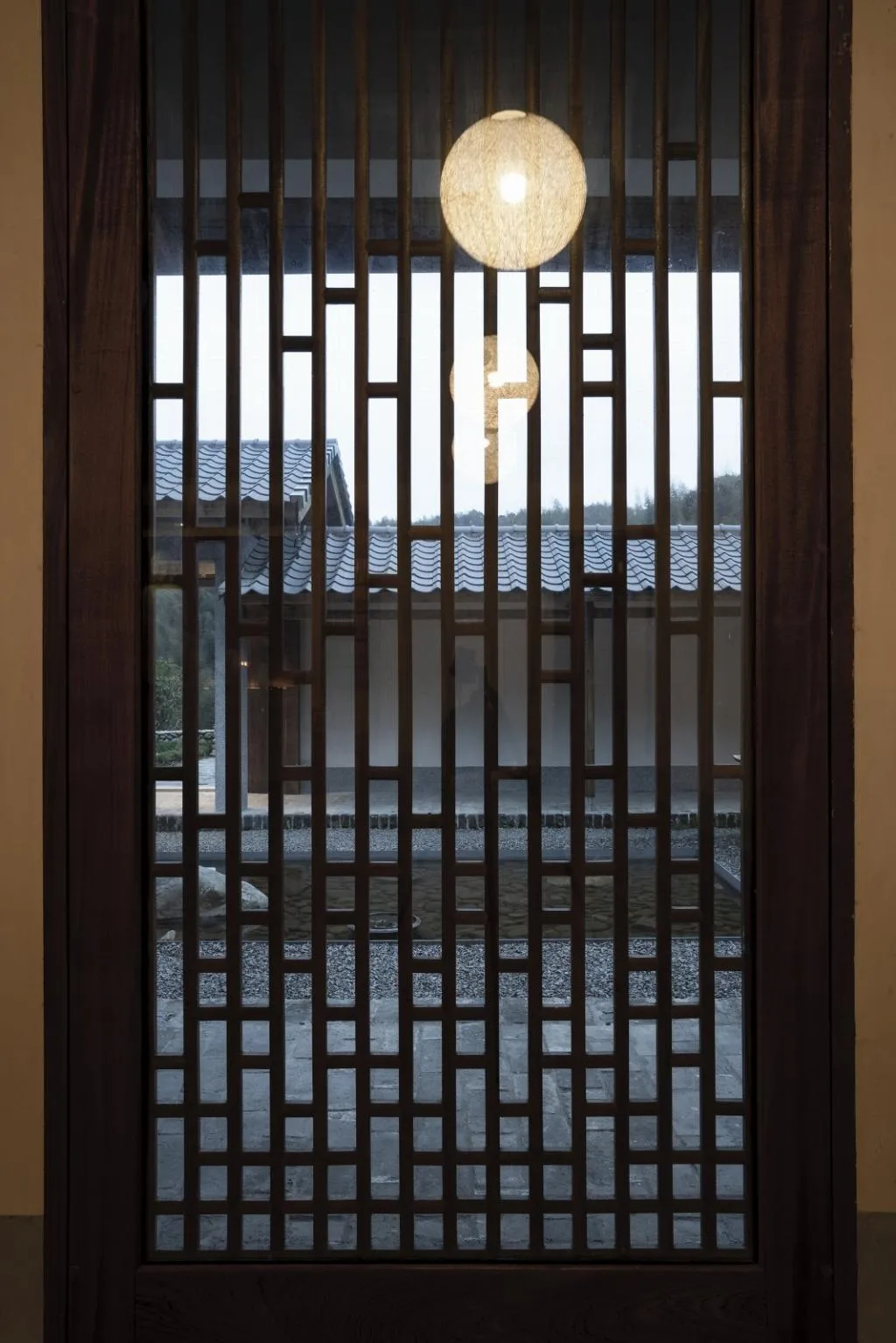
Since we are building, we strive to enhance the landscape environment. Knowing that some local construction workers may not fully understand modern architectural drawings, the design emphasizes simplicity and modest skill requirements rather than refinement or extravagance. This approach embraces a certain roughness and authenticity, similar to Chinese freehand landscape painting, which focuses on artistic conception over detail. Materials for the meditation center and retreat rooms showcase original textures and colors with minimal carving. During construction, old bricks, tiles, and wood were salvaged and reused, alongside flowers, dead wood, and stones to decorate the courtyards, adding a sense of age and vitality.
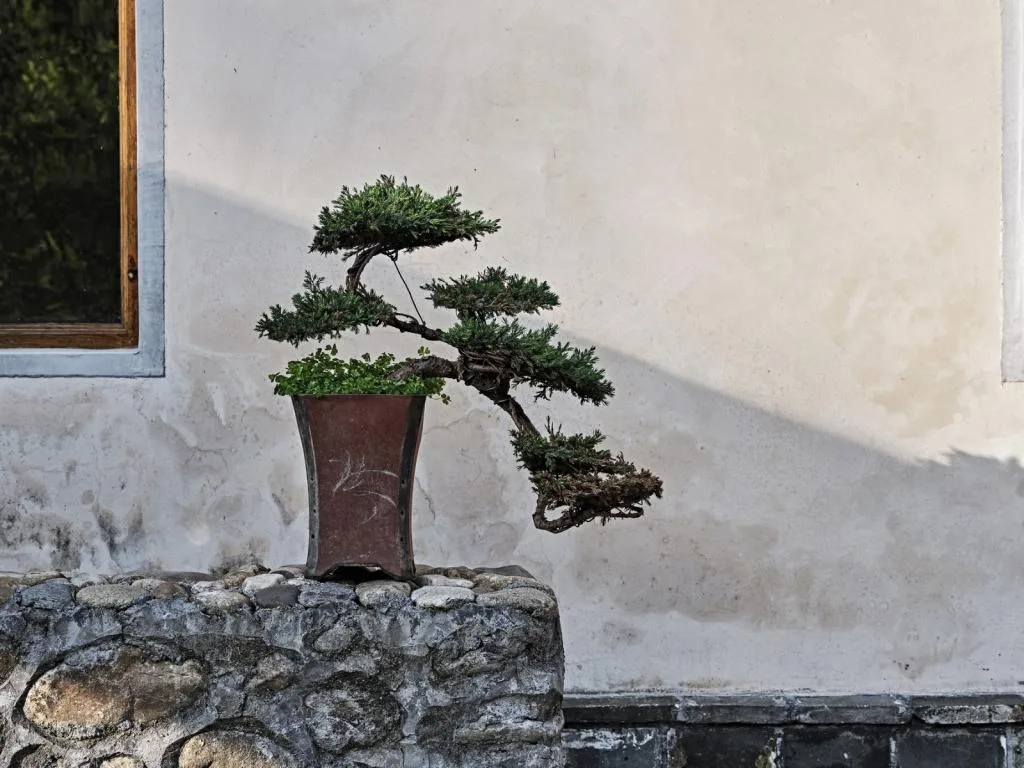
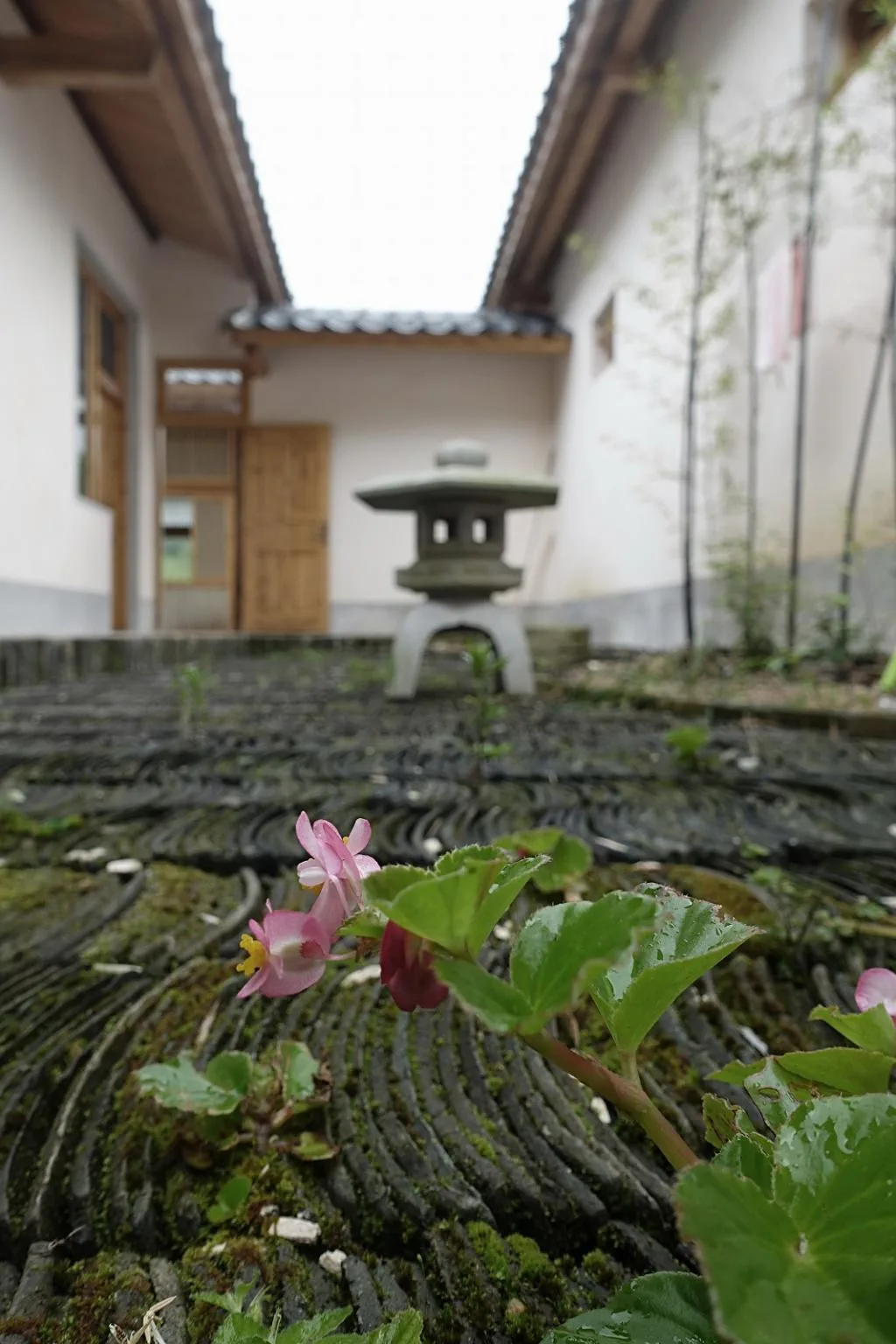
“Craving the taste of Zen is a bodhisattva’s bondage; seeking convenience in life is a bodhisattva’s liberation.” – Manjushri, Master Li Wen, Fifth Grade of Illness in the Vimalakirti Sutra
Traditional Cultural Context
Chinese Buddhist temple architecture originated from the Han Dynasty government offices called “Temple.” Starting with the White Horse Temple in Luoyang, temples evolved as Buddhist activity centers, their architecture modeled on government buildings. Today, Chinese Buddhist architectural styles are rigidly fixed, often imitating palaces, prime minister residences, and wooden structures with elaborate cornices, which feel outdated. Attempts at innovation are often dismissed as “unorthodox,” and a craving for antiques restricts progress.
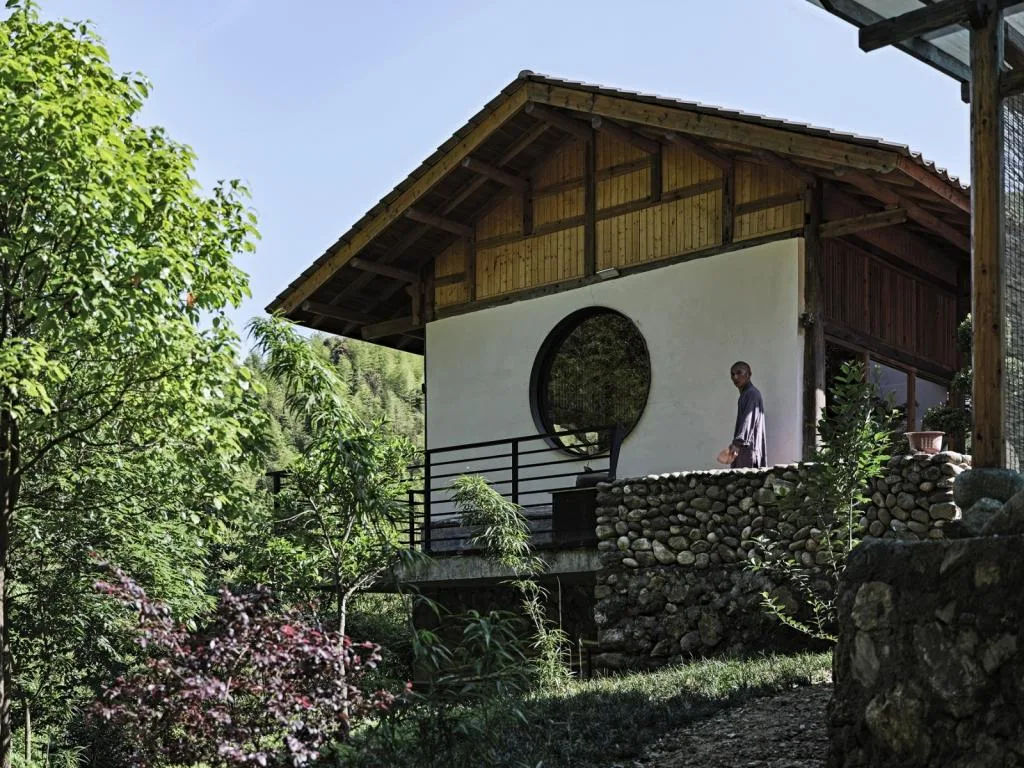
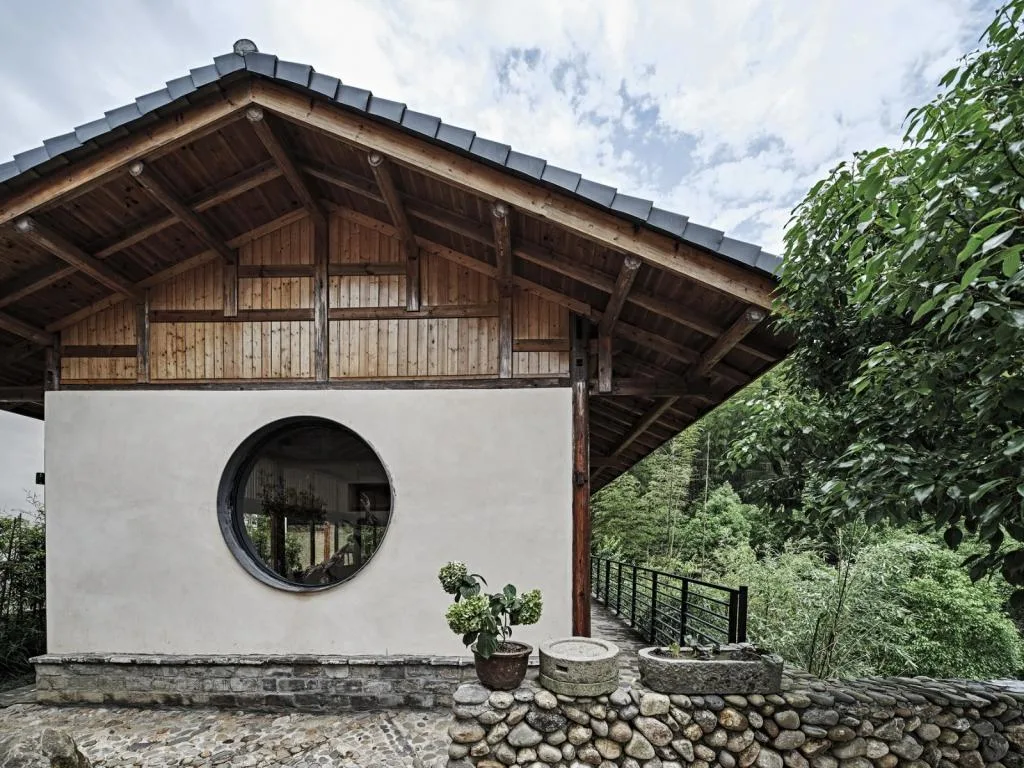
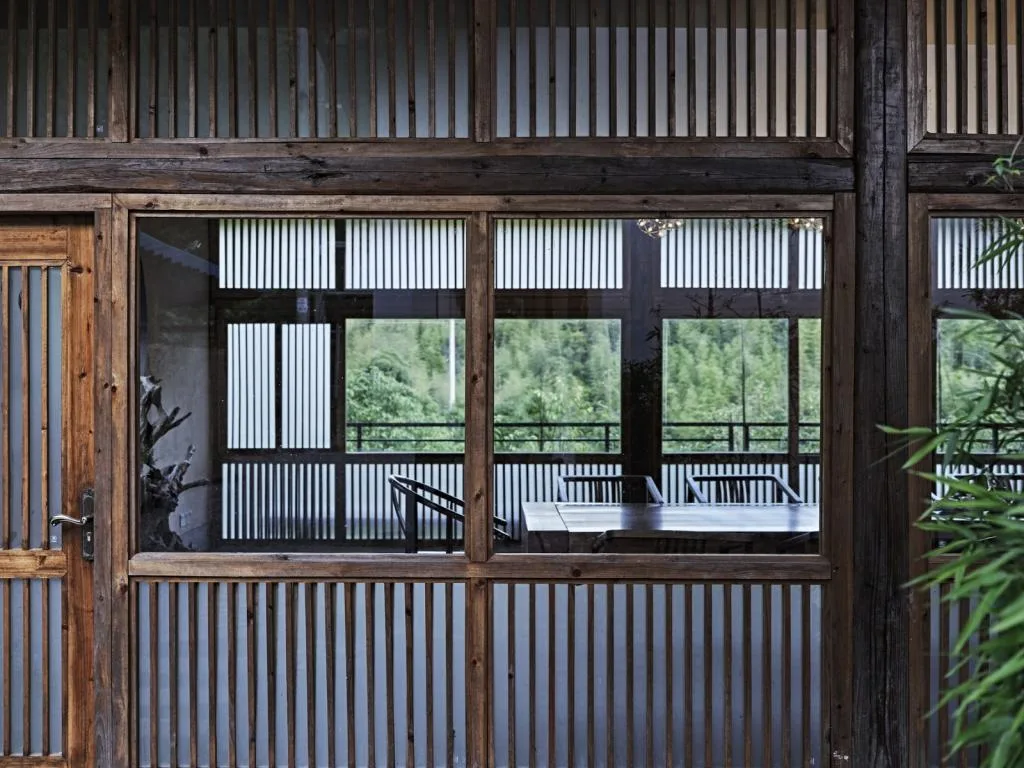
The Longyan region is a core area of Hakka culture in China, famous for the Tulou buildings in Yongding County and nearby Nanjing County, Zhangzhou. However, besides these grand Tulou, the most common remaining structures are simple rammed earth houses. Few are still inhabited, with many left vacant or dilapidated. Hakka houses inherit traditions from Central Plains dwellings dating back to the late Han Dynasty, designed mainly for protection from wind and rain, characterized by a grand yet simple style reminiscent of Han and Tang architecture. The new meditation center and retreat rooms draw on these local Hakka architectural traits, evoking calmness without mimicking the elaborate dragon and phoenix carvings typical of Ming and Qing temples.
“Yunhe Bodhisattva Enters the Unrivaled Dharma Gate” – Chapter Nine of the Vimalakirti Sutra
Between Choices
When discussing Buddhism, many associate it with “letting go.” However, it’s impossible to let go of everything or to hold onto everything.
Throughout this project, the design team maintained a subtle dialogue about what to retain and what to release. The design is neither deliberately traditional nor modern; it neither strives aggressively forward nor falls behind. The goal was to create a temple space that fits the present time and local context.
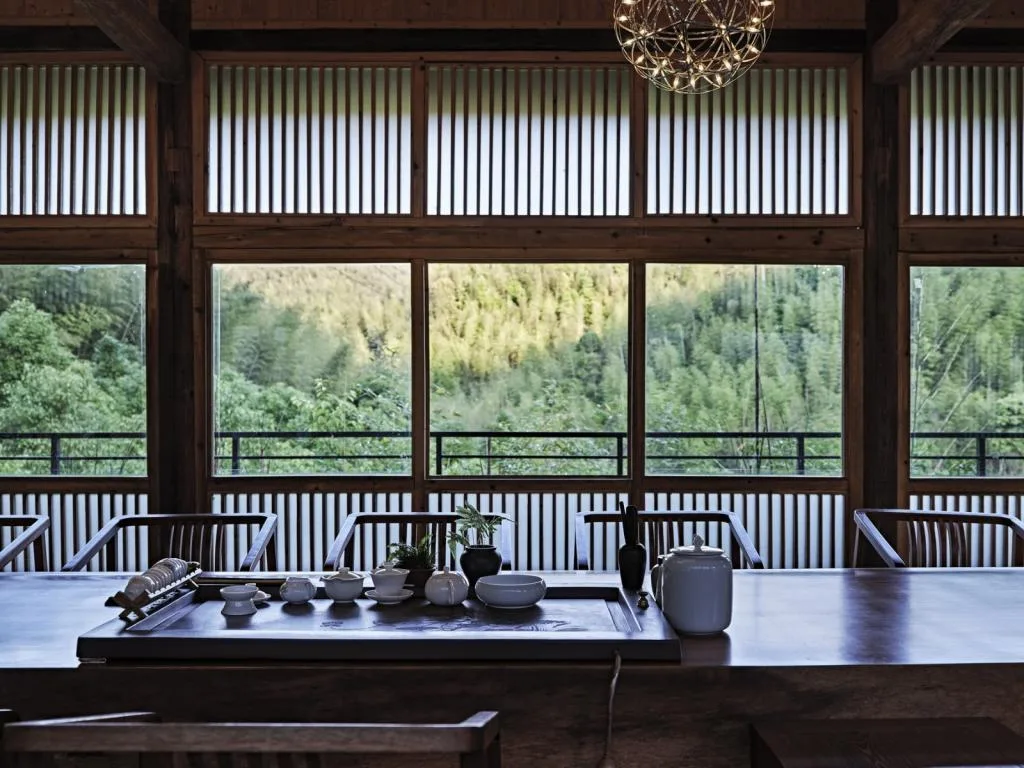
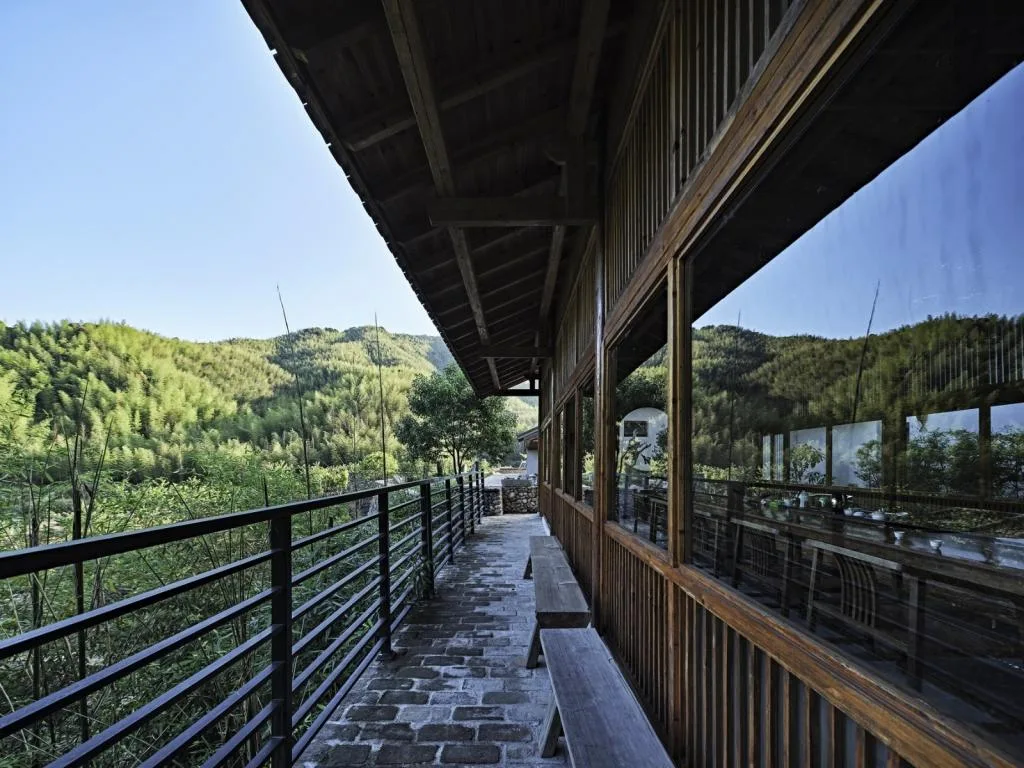
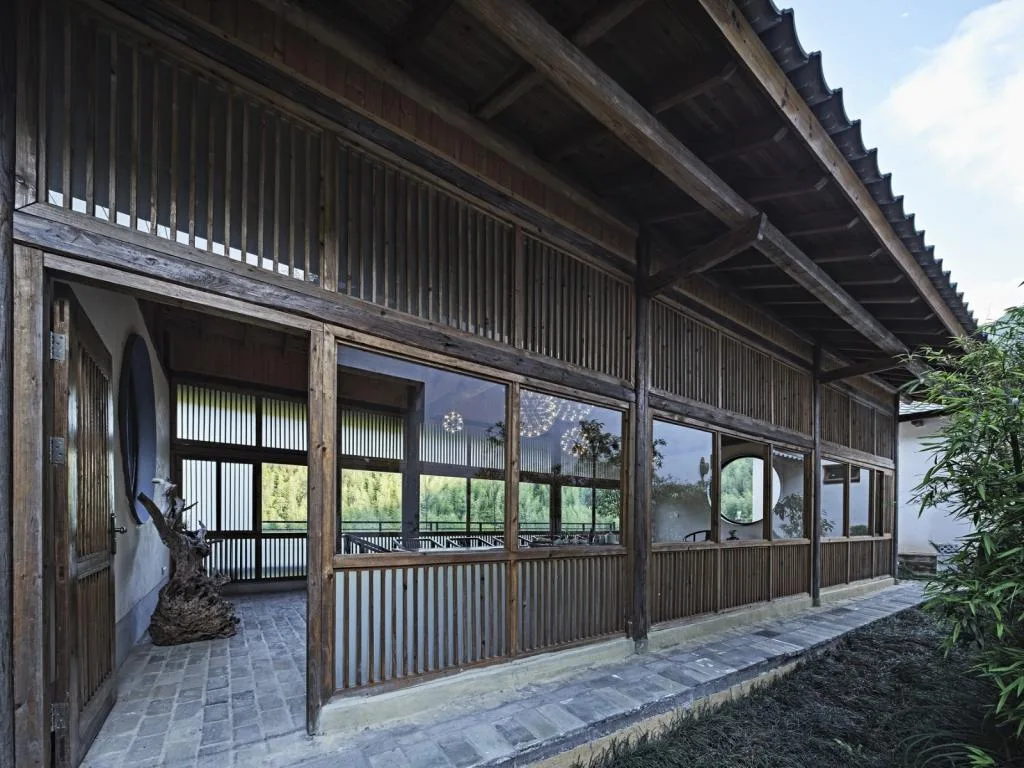
Integrating architectural space with the surrounding environment through large glass windows is common. But what if the space is enclosed and does not open up views? Can it still achieve integration? Meditation, after all, is a form of communication with the world—crossing legs, closing eyes, and entering stillness doesn’t mean disconnection. The three courtyards all embrace traditional inward-facing designs that foster spiritual practice, so opening views to the outside isn’t necessary like in modern architecture.
“If the three poisons are permanently eliminated, the six roots are constantly purified, the body and mind are clear, and the interior and exterior are pure, then it is called the cultivation of Garlan (temple).” – Damo Abhidharma
True Objective
Religion and spiritual practice are distinct: religion engages with the world, while spiritual practice seeks transcendence. Yet both rely on our physical body and material environment.
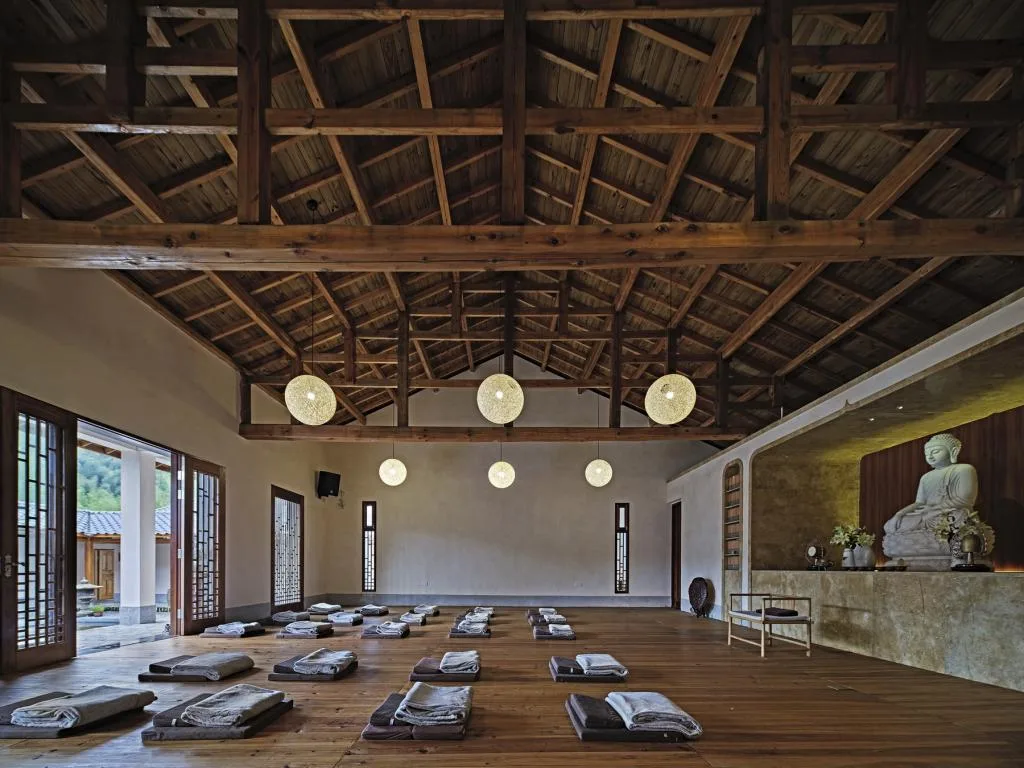
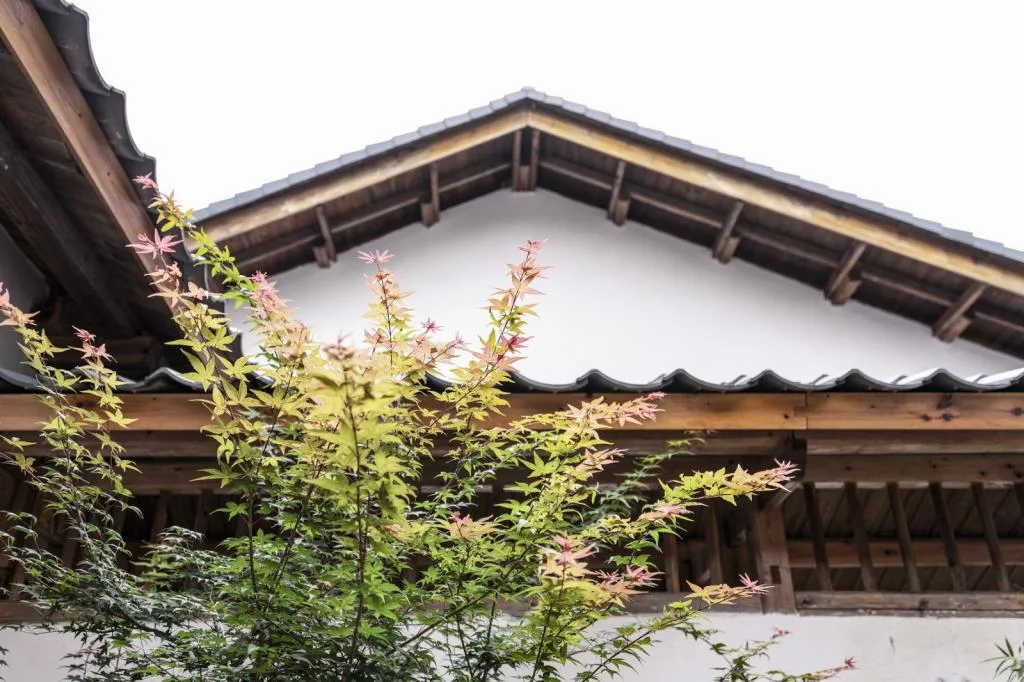
Buddhism teaches people to understand both the world and themselves. With authentic insight, one can adjust behavior to face life better. Buddhist art, including architecture, serves as a tool to aid understanding. Artistic beauty is a means, not the ultimate goal. This temple aims to provide a supportive space for studying Buddhism, where the beauty of art brings peace to body and mind, fostering higher spiritual states.
“All appearances are illusory, and if one sees appearances that are not appearances, one will see the Tathagata.” – Diamond Sutra, Fifth Grade, “See the Division of Truth and Reality”
Project Drawings
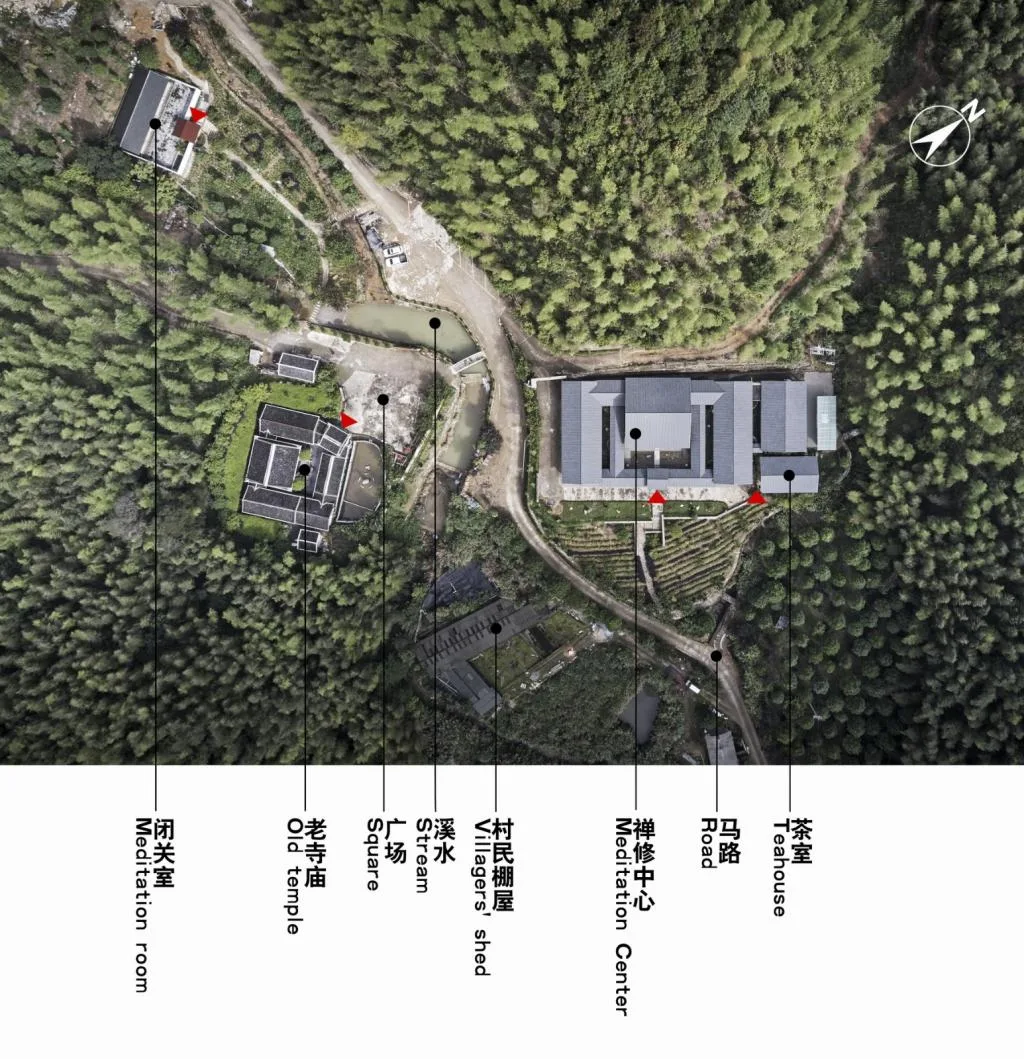
△ General Layout Plan
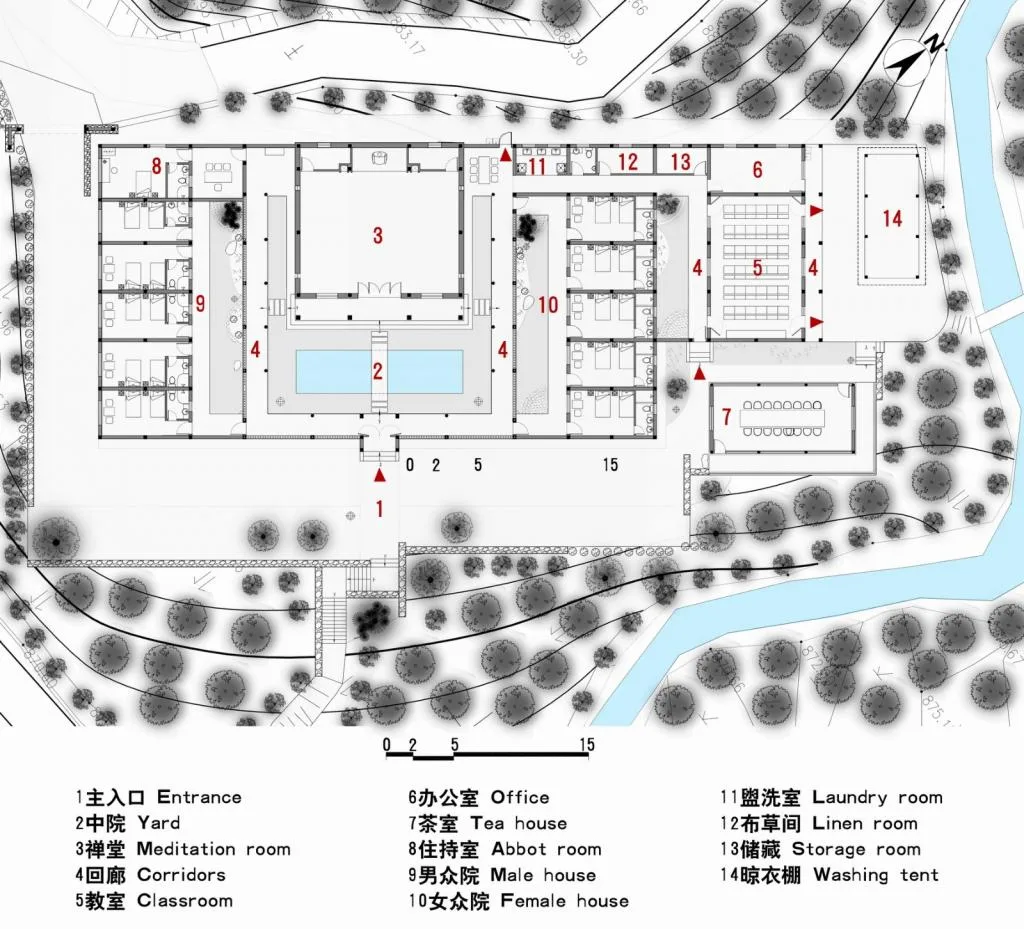
△ General Plan of Meditation Center
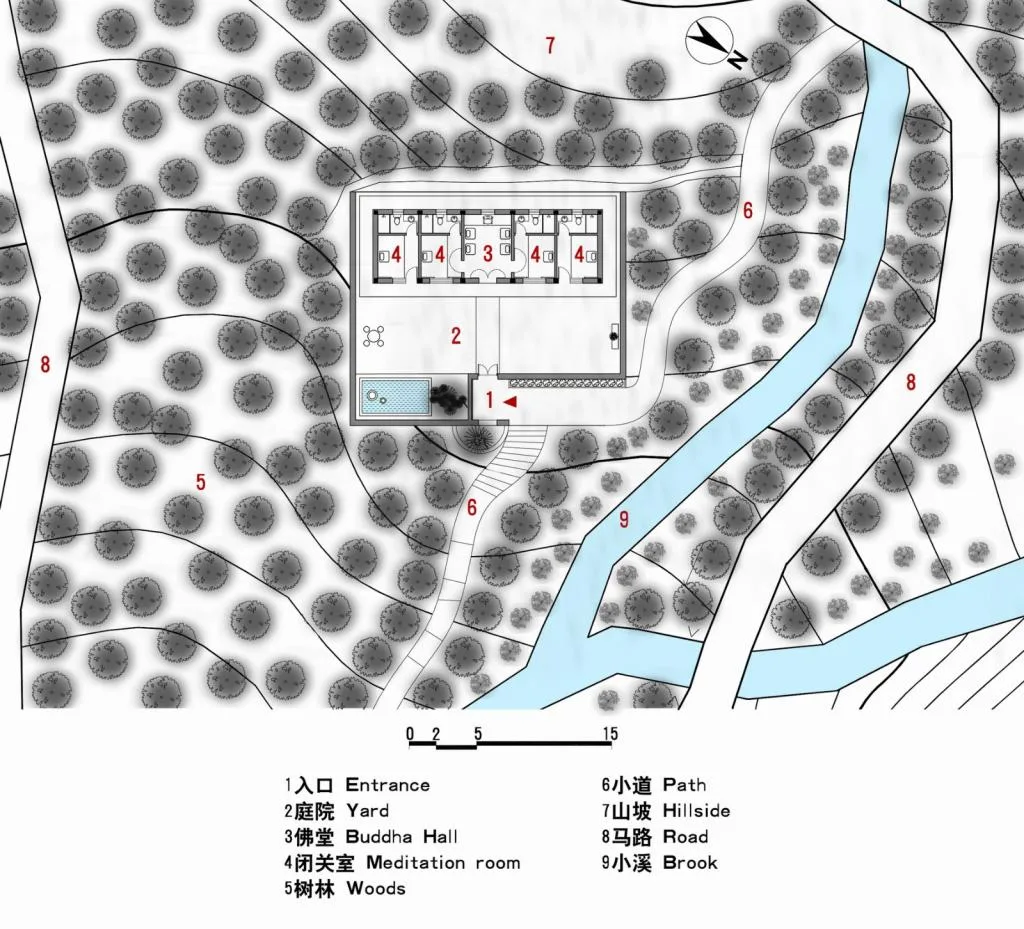
△ General Layout of the Retreat Rooms
Project Details
Project Name: Expansion Design of Fujian Longyan Dahe Zen Monastery
Location: West of Dahe Village, Dachi Town, Xinluo District, Longyan City, Fujian Province
Scope: Architecture, Interior, Landscape
Total Floor Area: Approximately 5,000 square meters
Building Areas: Newly built meditation center (910 sqm), newly built retreat rooms (95 sqm), renovated old temple (approx. 300 sqm)
Design Firm: Shanghai Shanxiang Architectural Design Company
Lead Designer: Wang Shanxiang
Design Team: Li Zhe, Gong Shuangyan, Wang Shanhui
Structural Systems: Brick and concrete (concrete beams and columns, brick walls, traditional wooden frame roof trusses)
Main Materials: Concrete, clay bricks, cedar wood, traditional paper-reinforced ash, old green bricks, cement mortar, ceramic tiles, stone
Photography: Hu Wenjie (with contributions by Wang Shanxiang)
Design Period: Began in 2015
Construction Period: 2016-2021
















Must log in before commenting!
Sign Up