
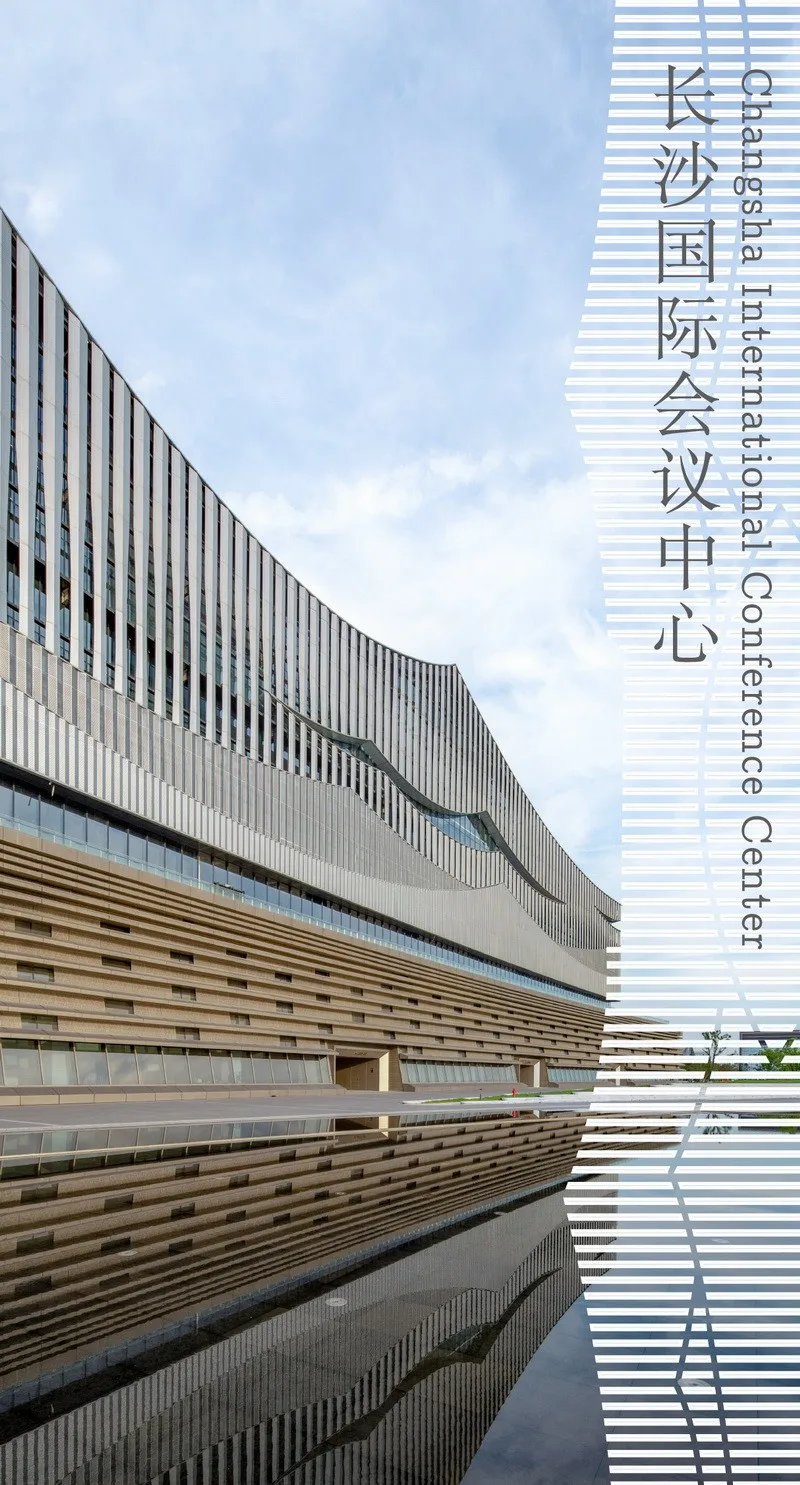
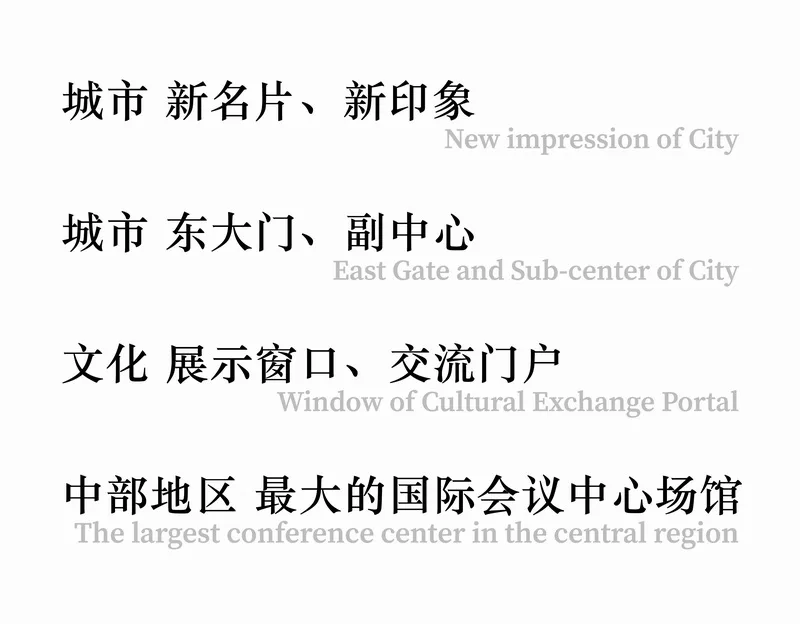
The Changsha International Convention Center covers a total planned land area of approximately 212,686 square meters, with a total construction area of around 168,056 square meters. The building’s chief designer is He Jingtang, an academician of the Chinese Academy of Engineering (CAE) and known as the “Father of the China Pavilion.” Bertolanson International Architectural Design Co., Ltd. served as the EPC design contractor and was responsible for the construction drawing design.

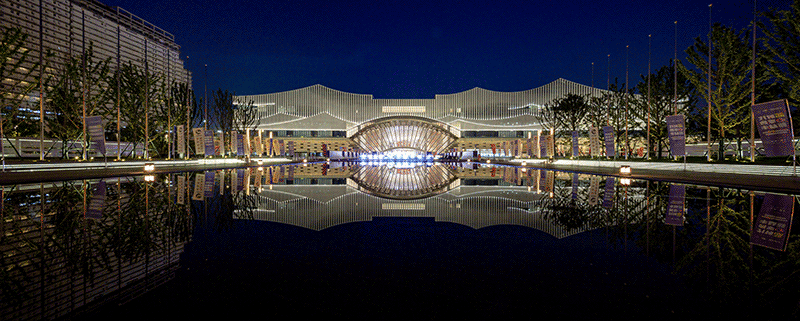

The design draws inspiration from traditional Chinese ink paintings, particularly the landscapes of mountains and water, which symbolize harmony between humanity and nature. This concept is expressed through the architectural forms known as “mountain and water houses,” reflecting the philosophy that “mountains and waters have boundaries, and heaven and man are in harmony.”

Farewell Picture of Jinchang
The concept “Shanshui Zhoucheng, Xiaoxiang Zhusi” highlights Changsha’s rich cultural heritage, composing a new narrative for the Xiaoxiang region. This vision creates a city brand for Changsha that embraces the world and the future.
The sky, adorned with clouds and shadows, and the water merging with the horizon evoke an expansive scene painted on a hundred-meter-long scroll, capturing subtle hues and a profound artistic atmosphere. The Liuyang River, nurturing the land and gathering spiritual energy, defines the riverside skyline, which harmonizes with the vibrant water culture of the region.
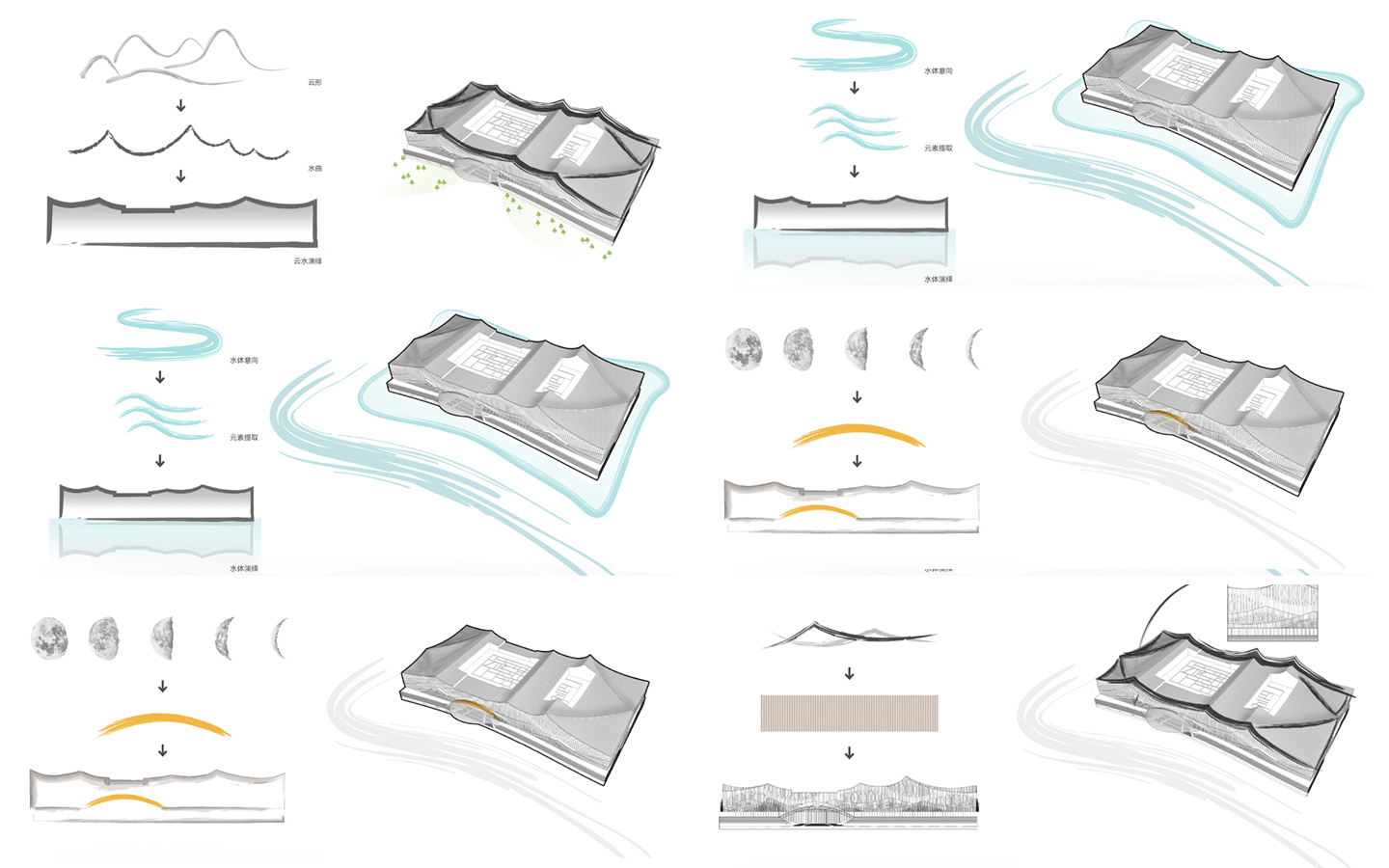
△ Conceptual derivation diagram © He Jingtang Studio
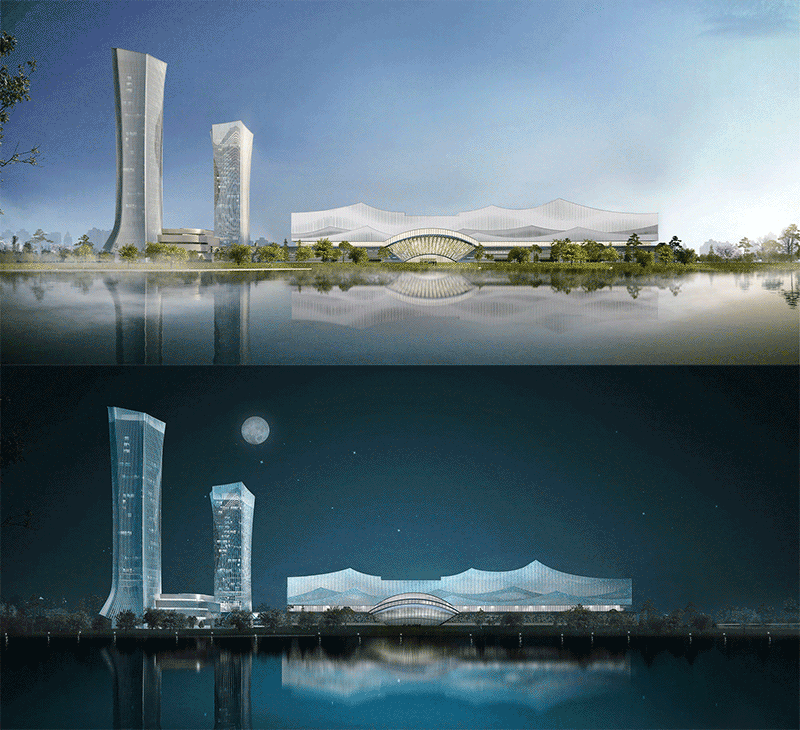
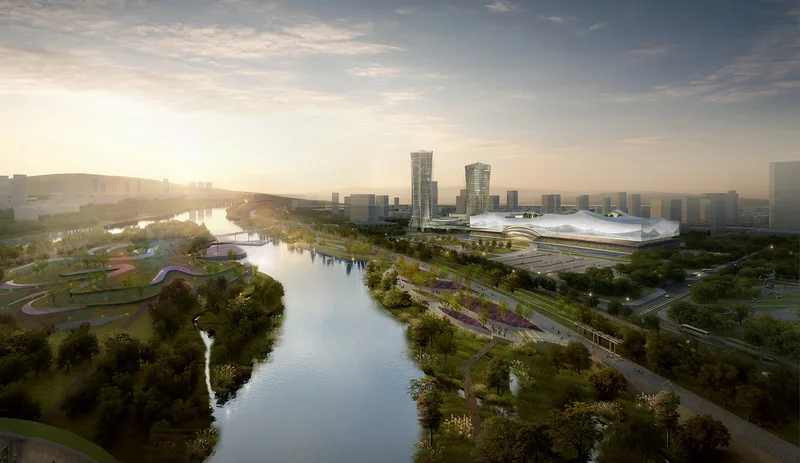
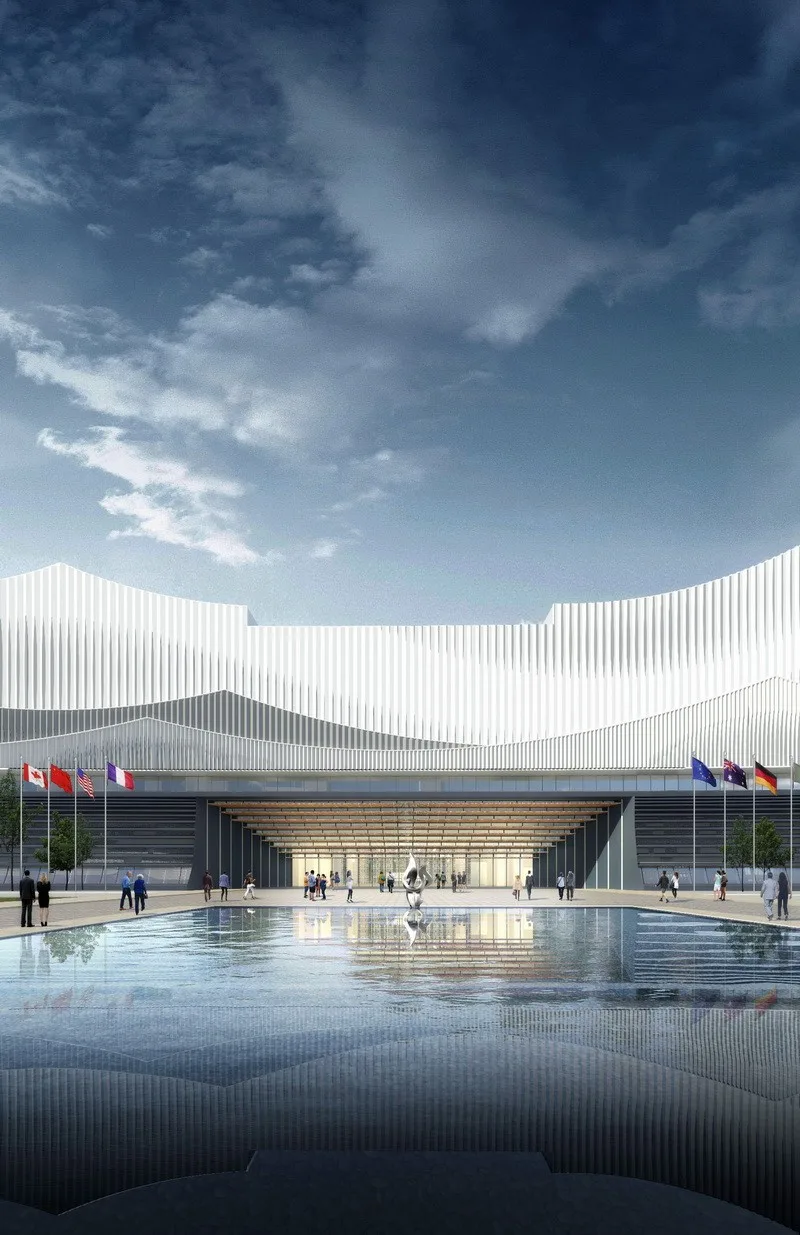
△ Rendering © He Jingtang Studio

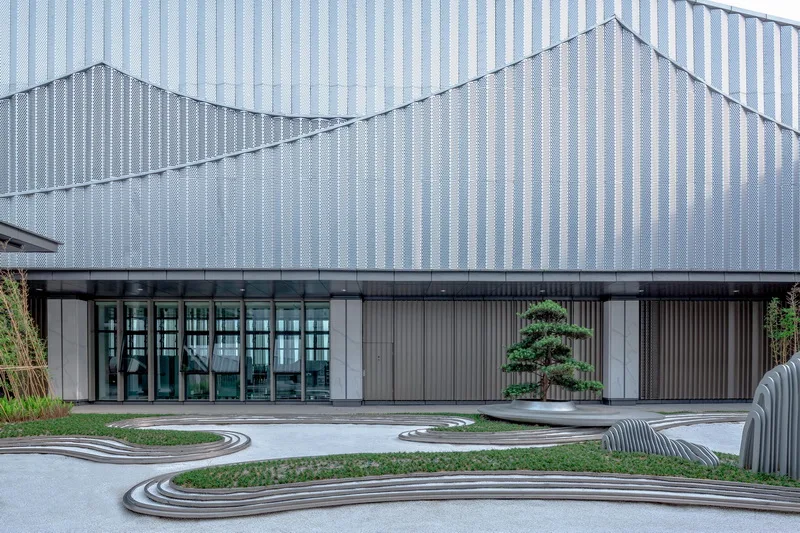
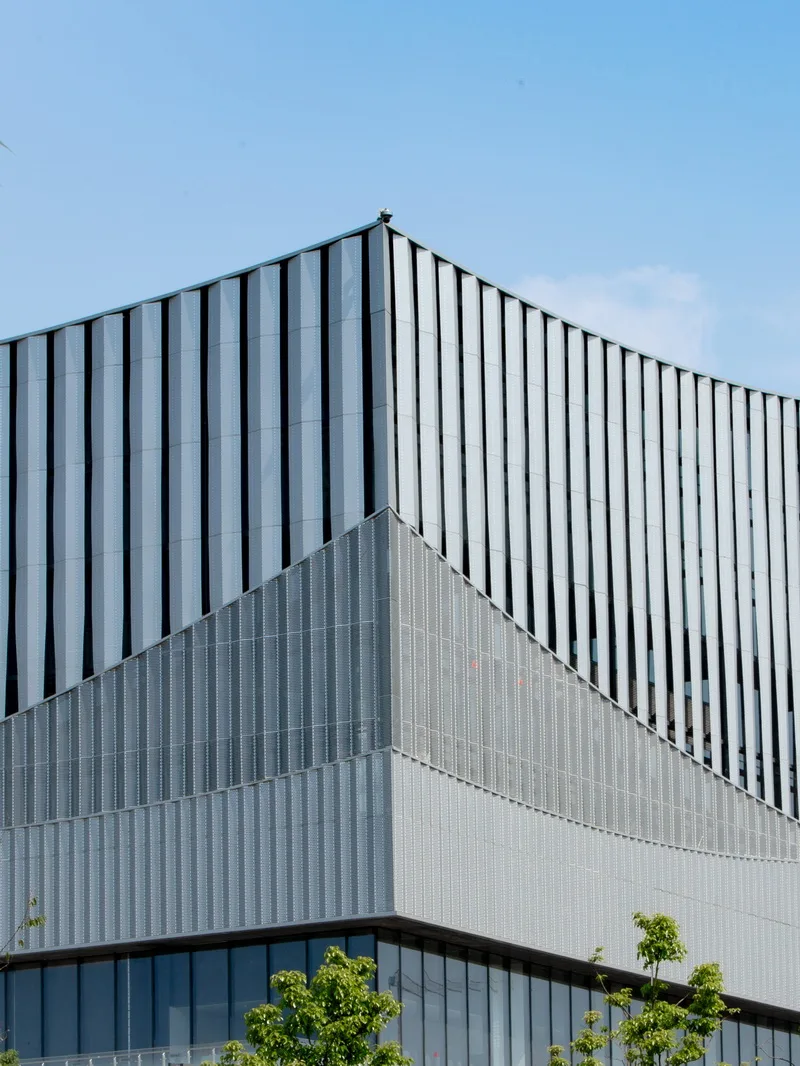
The design integrates the dynamic and romantic Jingchu culture with the abstract shapes of local houses, presenting a modern, elegant, and lightweight facade. The building’s exterior is divided into a solid, stable base and a light, graceful main body—symbolizing a blend of reality and illusion and a balance between movement and stillness.
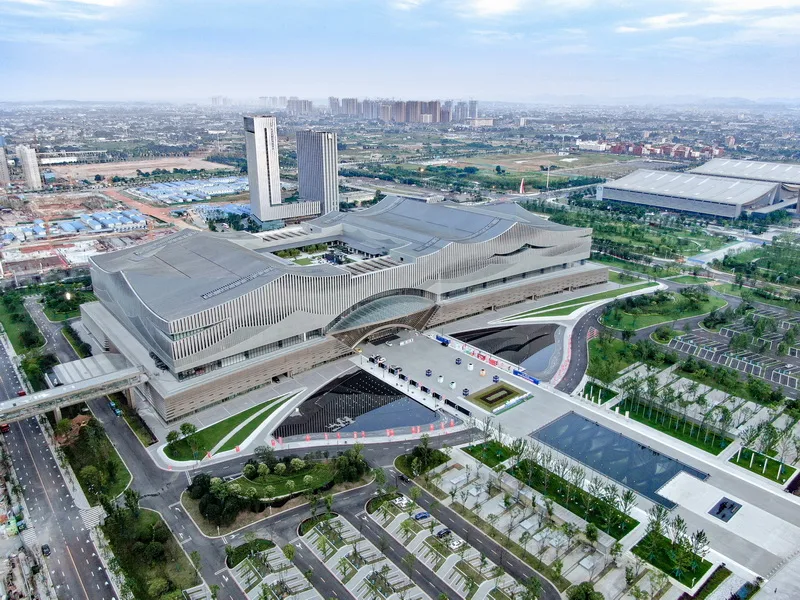
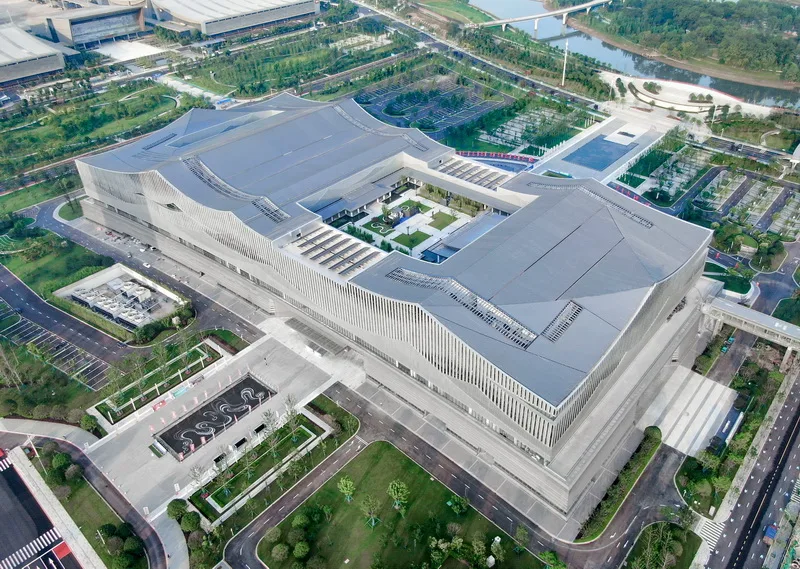
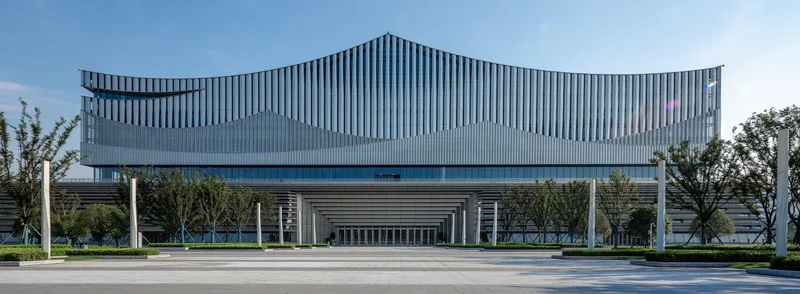
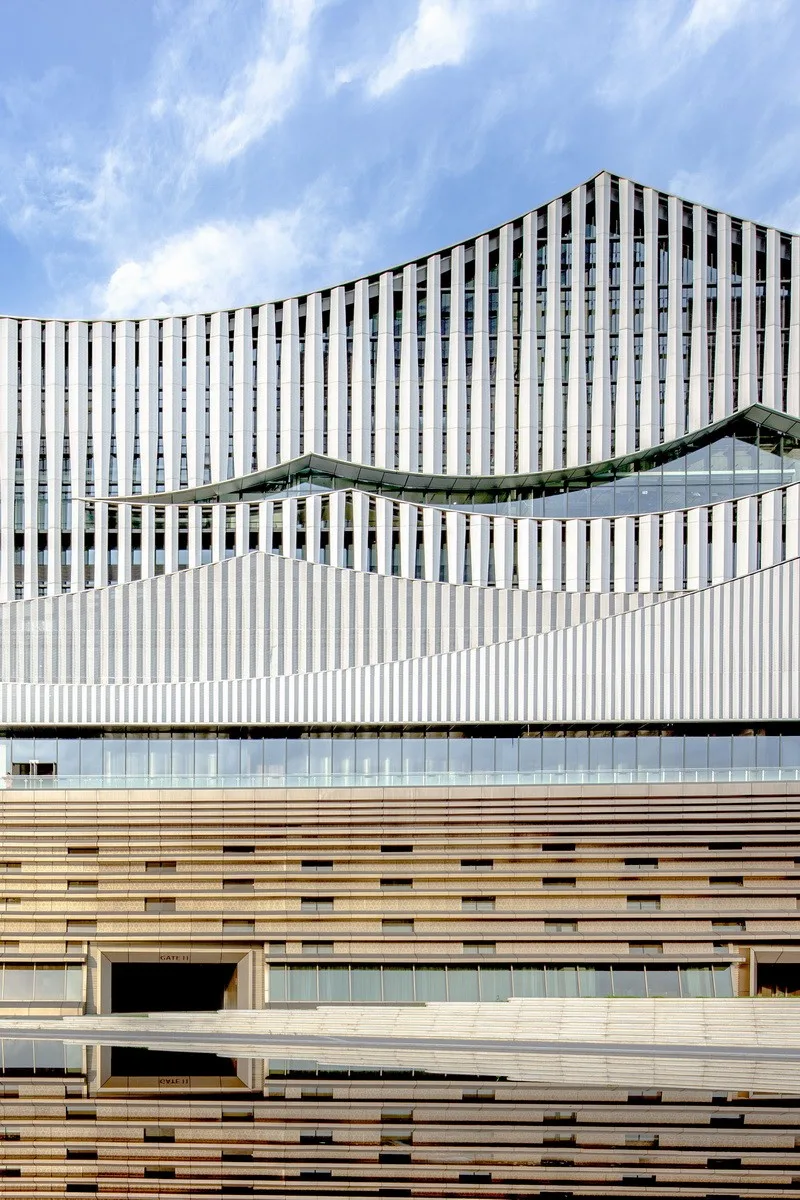

The passionate yet composed character of the local Xiaoxiang people is reflected in the architecture. From a distance, the building conveys grandeur and solemnity, while up close, one can appreciate the intricate craftsmanship of the facade. Each gate—southeast, northwest, and north—exudes its own charm, showcasing the warm and vibrant hospitality of Xiaoxiang’s residents.
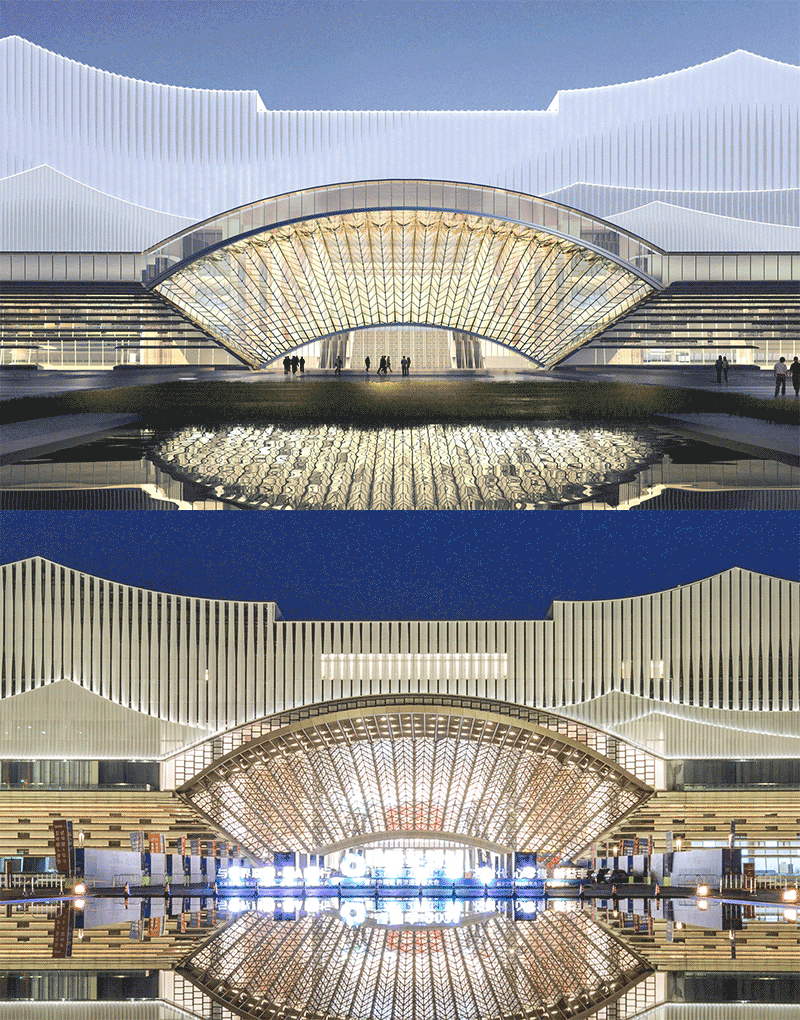
△ Realistic picture

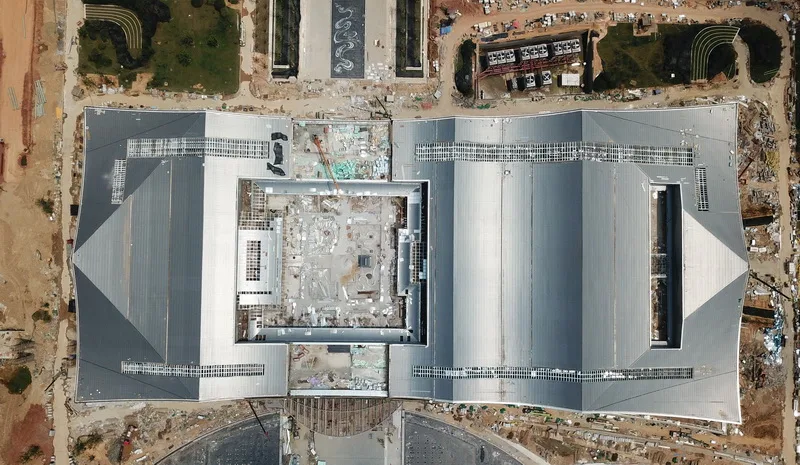
△ Structural construction photo © Online News
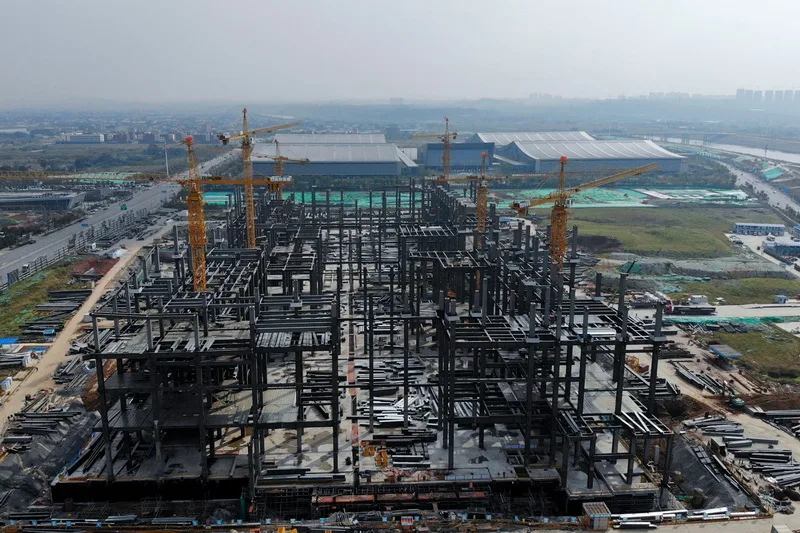
△ Structural construction process diagram © Online News

The building features three above-ground floors (including two partial mezzanines), one underground floor, and a sloping roof ranging from 40 to 53 meters in height, with a foundation pit depth of 6 meters. The first three floors are dedicated to conference facilities, while the mezzanines accommodate auxiliary and equipment rooms. The underground level includes kitchens, a staff restaurant, a garage, and logistics equipment rooms.
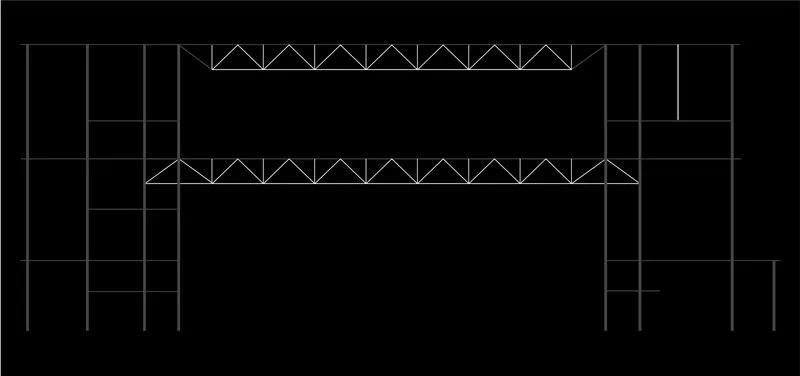
Typical east-west structural profile © Bai Tao Lansen
The upper structure stretches 310 meters north to south and approximately 156 meters east to west. To mitigate temperature effects and concrete floor shrinkage, a 400mm expansion joint divides the building into northern and southern sections from the basement ceiling upward. The structure uses a steel frame system, with square steel tube concrete columns, steel beams, and reinforced steel truss floor slabs.
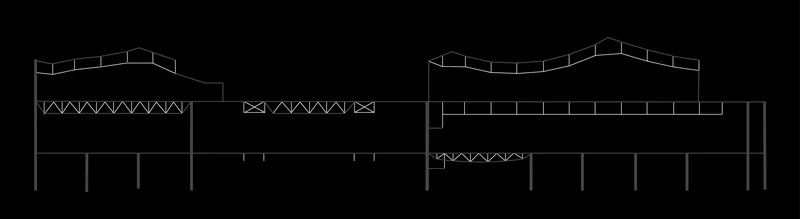
Typical north-south structural profile © Bai Tao Lansen
This project is classified as a key seismic fortification structure, with a Grade A foundation design and Grade I safety level.
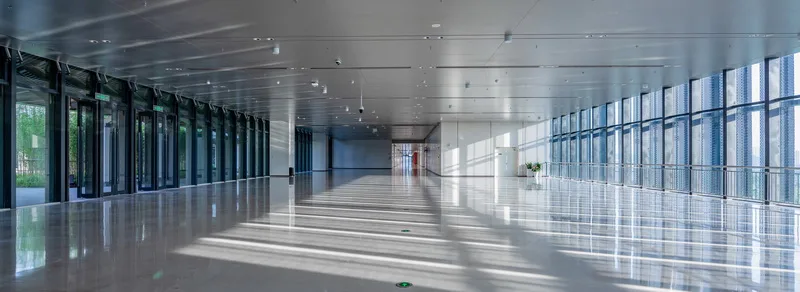
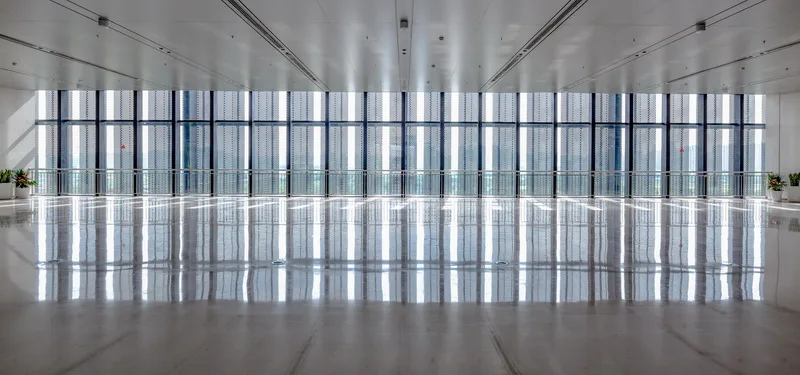
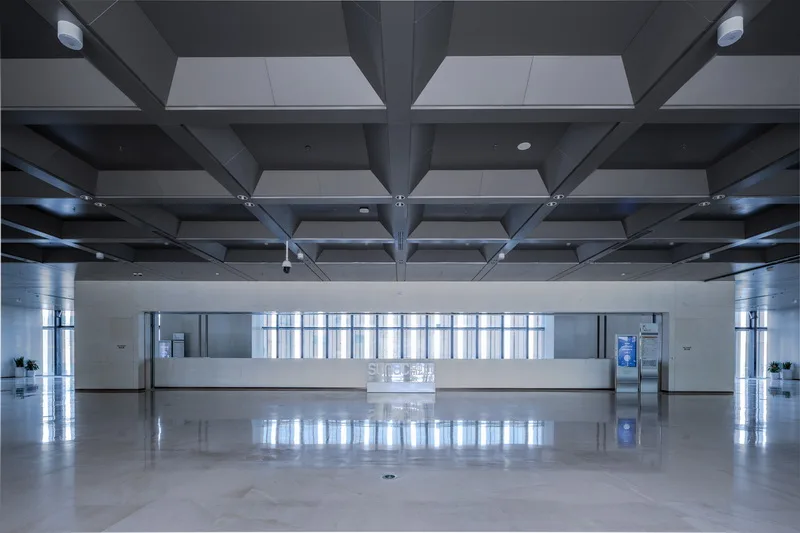
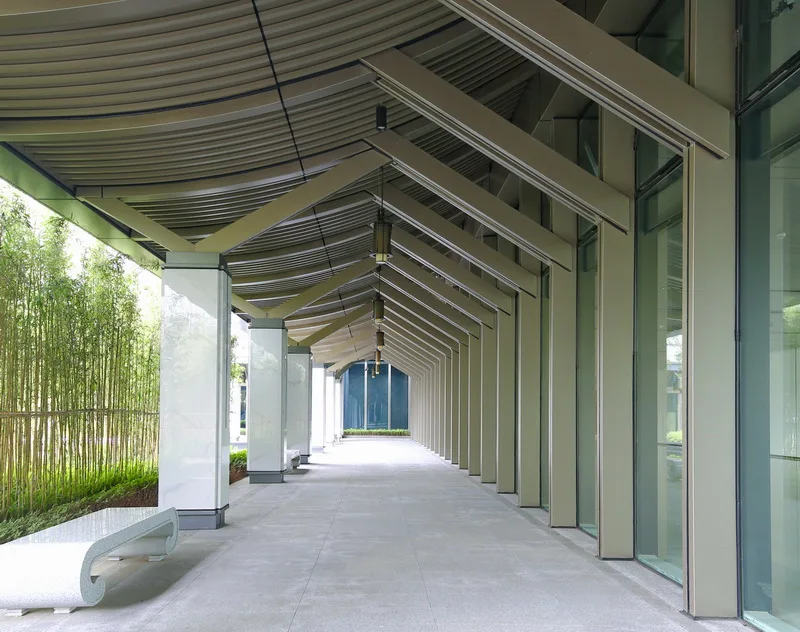
△ Viewing corridor

Given the project’s significance, extensive seismic performance design and reviews were conducted for small, medium, and large earthquakes. Additional assessments included evaluating layer impacts on seismic performance, multi-software comparisons of large-span trusses, comfort analyses of floor slabs, buckling analyses of through-story columns, and finite element studies of structural nodes to ensure safety, reliability, and occupant comfort.
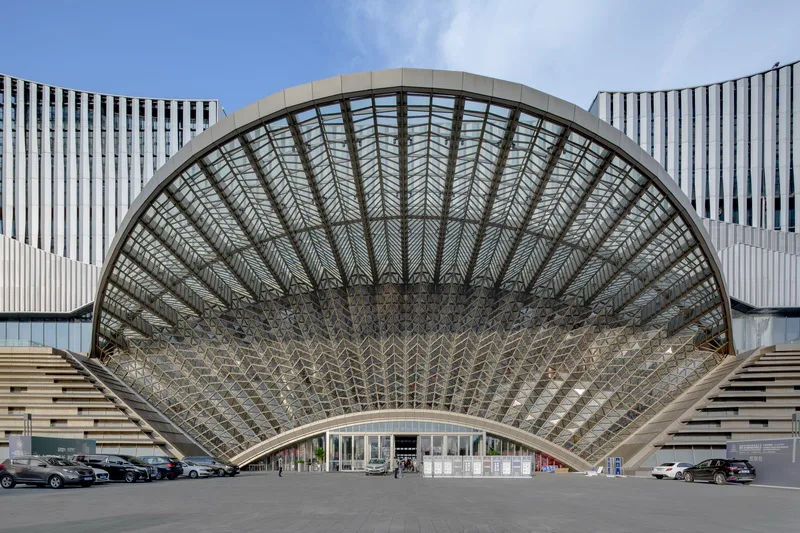
△ 80m large span
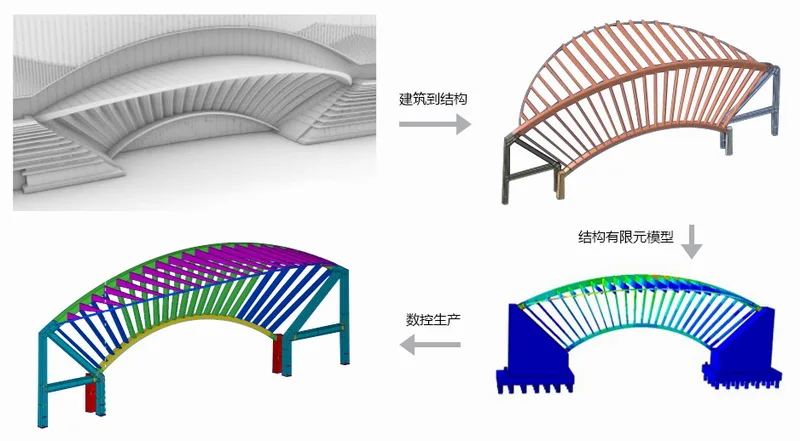
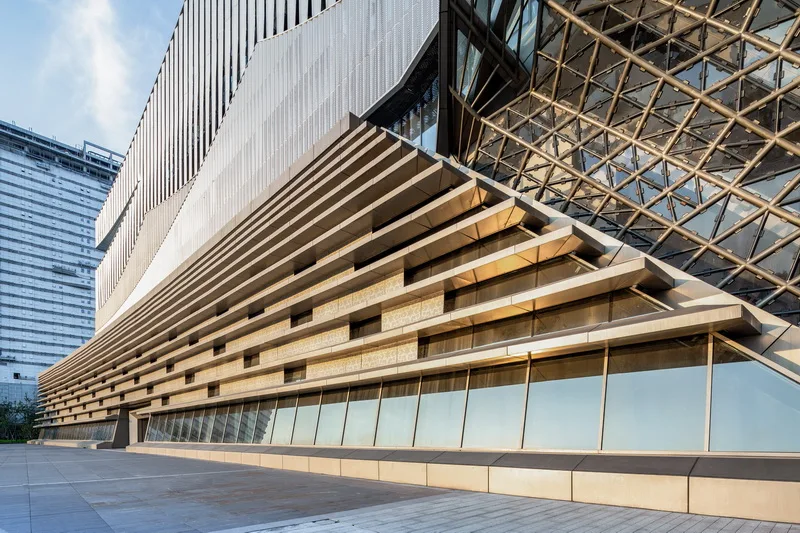
The large-span structures utilize trusses made from high-strength Q420GJ steel, optimizing material usage and minimizing the cross-sectional dimensions of components.
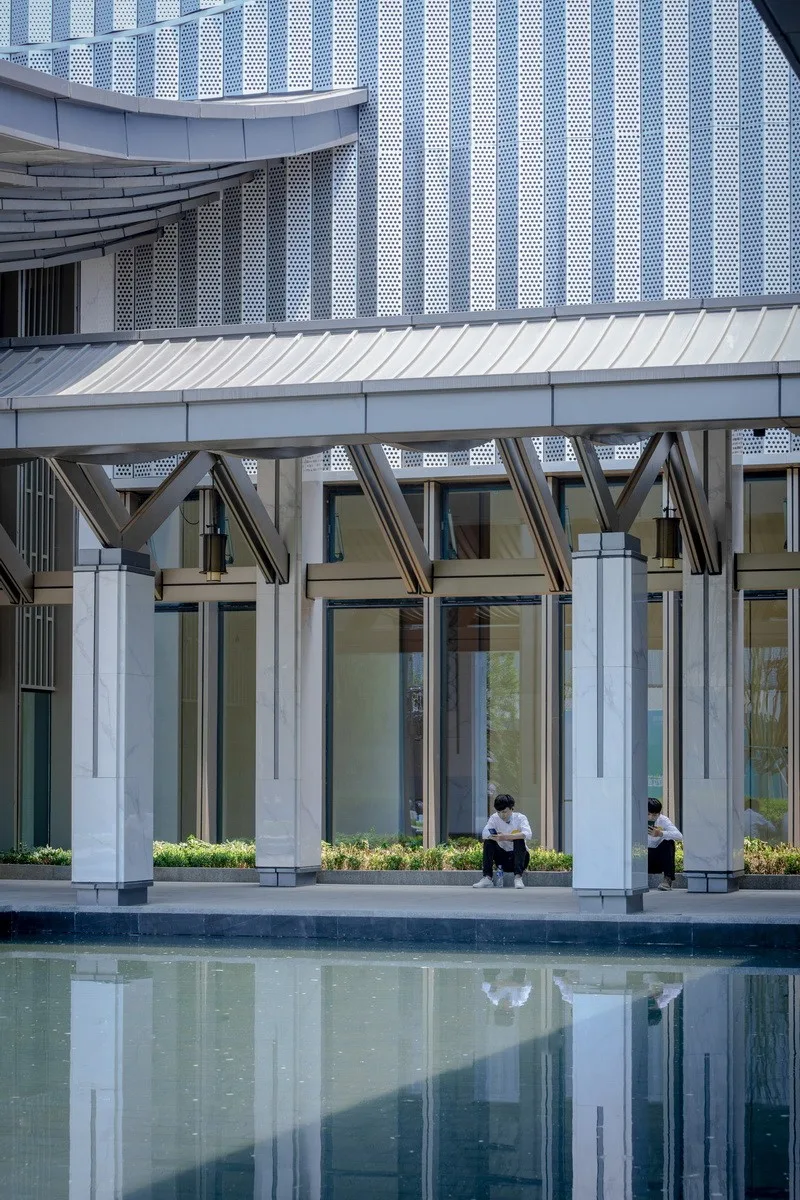
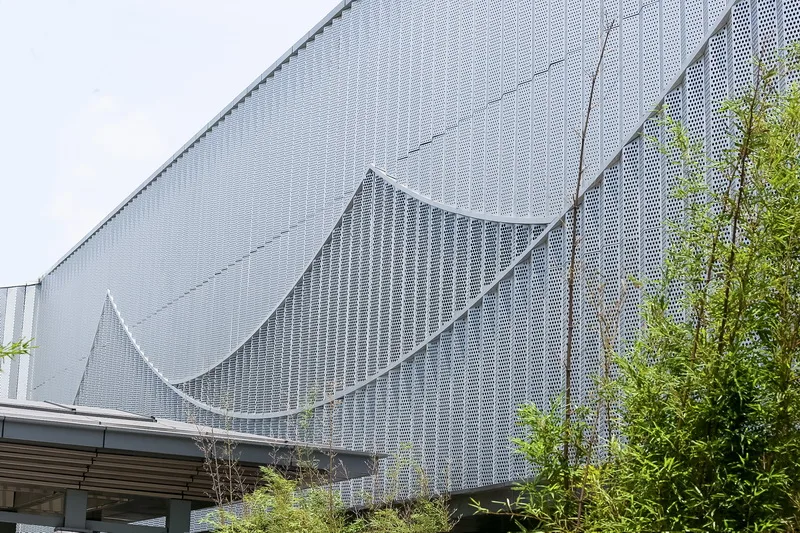
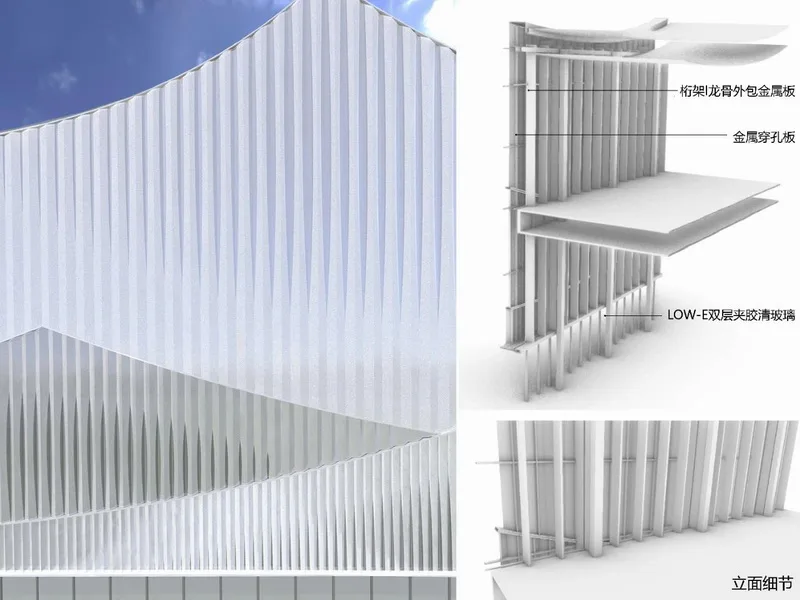
△ Facade materials © Jianghe Curtain Wall

The multifunctional hall on the first floor, the etiquette hall on the second floor, and the banquet hall and main venue with round table conference rooms on the third floor require multiple large-span, column-free spaces ranging from 36 to 75 meters.
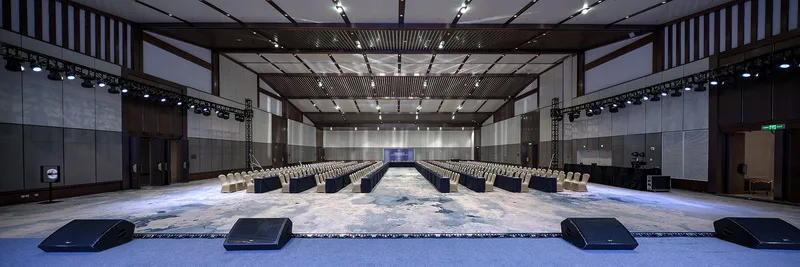
△ Conference Hall
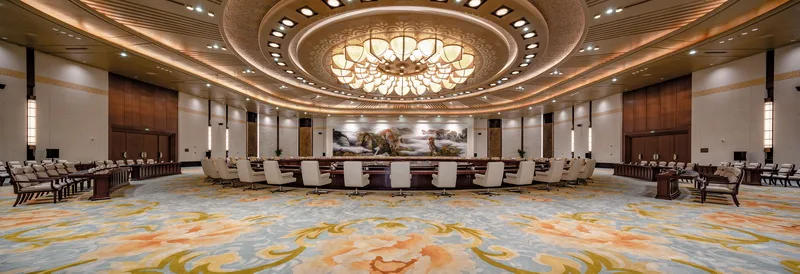
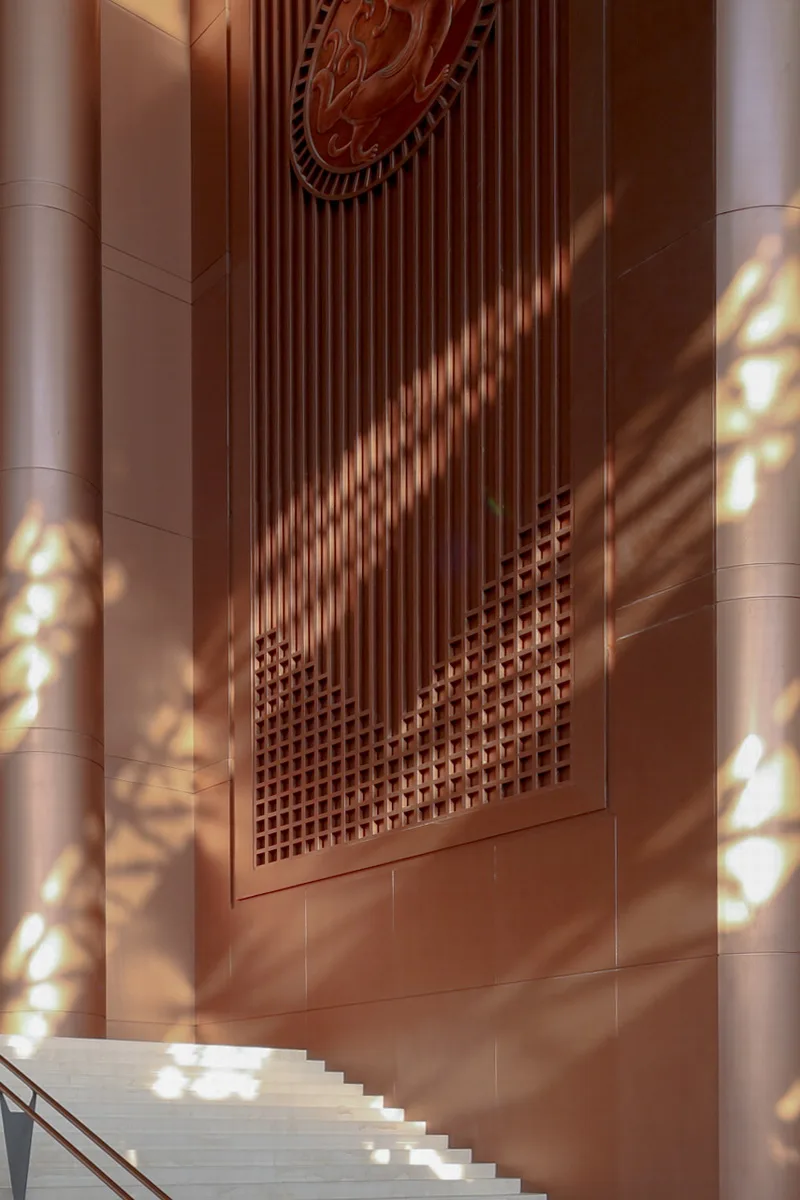
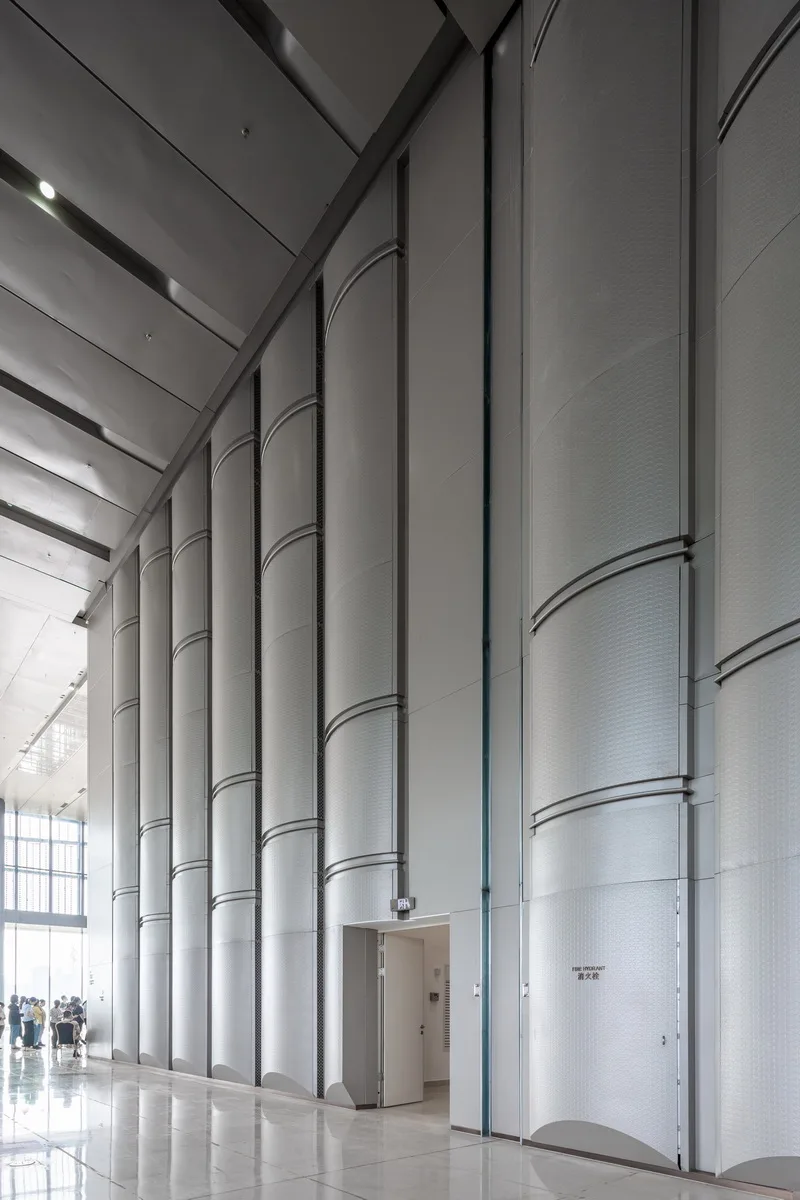
△ Changsha Hall

Officially opened on October 30, 2020, the Changsha International Convention Center is the largest conference center in Central China. It serves as the permanent main venue for the China-Africa Economic and Trade Expo and supports the Hunan Free Trade Zone’s efforts to build a pilot zone for deep economic and trade cooperation between China and Africa.
Looking ahead, the center will actively support Changsha’s goal of developing a national hub for conferences and exhibitions and will leverage the new high-speed rail exhibition district to lead and guide the region’s growth.
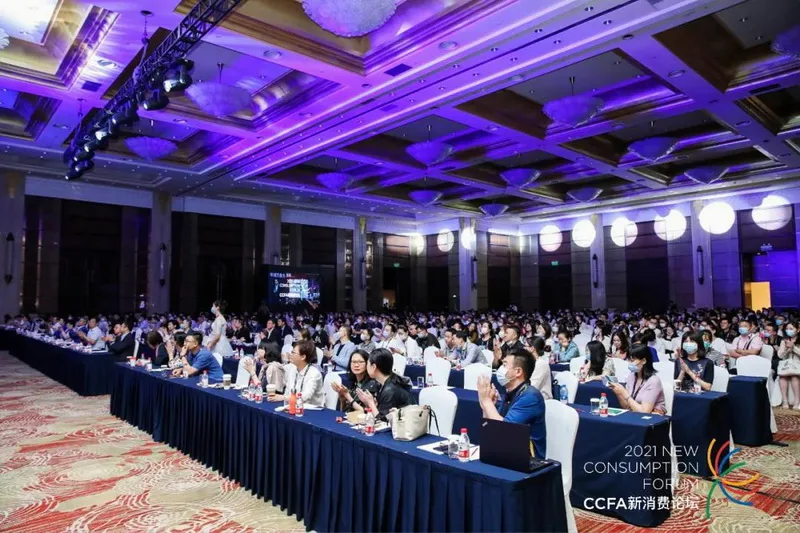
2021 CCFA New Consumer Forum © CCFA New Consumer Forum
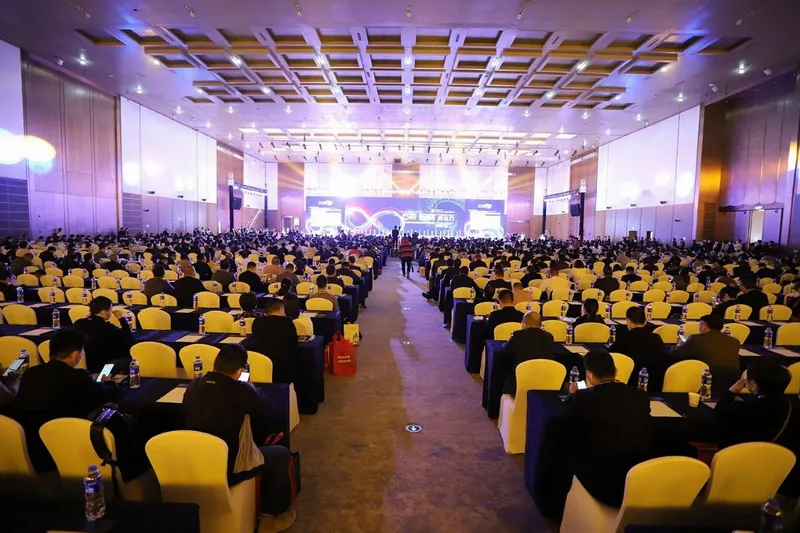
The 15th China Growth-Oriented Pharmaceutical Enterprise Development Forum © China Medical Supplies Association
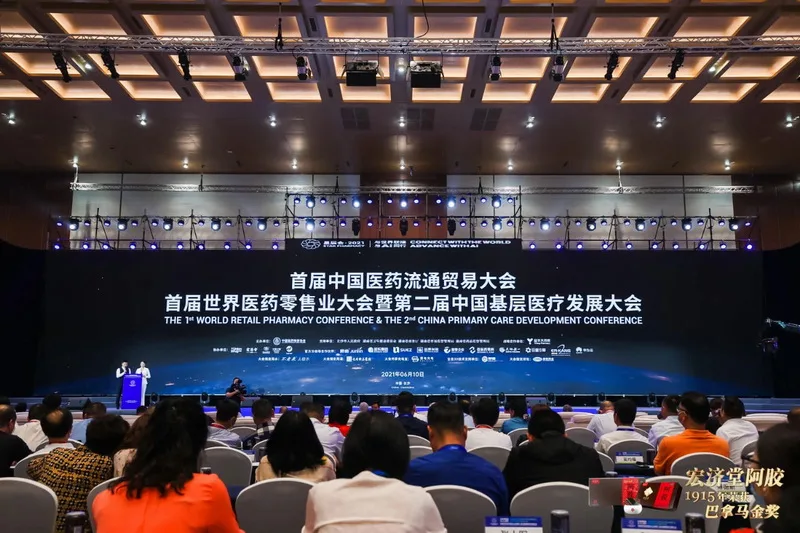
△ 2021 Star Conference © China Medical Supplies Association
Project Information
Project Name: Changsha International Convention Center
Project Type: Key construction project in Hunan Province; large-scale international conference center
Location: New High-Speed Railway District, Changsha City, east bank of Liuyang River
Total Land Area: 212,685.97 square meters
Total Construction Area: 169,464.25 square meters
Design Period: 2018–2020
Design Firm: Shenzhen Botao Lansen International Architectural Design Co., Ltd.
Project Leader: Wang Yajie
Architectural Designers: Fu Xiaolan, Ling Shenhong, Wei Jing, Liu Bingyun, Xiao Yuyuan, Zheng Jiaxi, Lei Zike
Structural Designers: Wang Xingfa, Lin Chao, Gao Yiqi, Liu Hongxing, Fang Feihu, Yu Zeyu, Tan Longbiao, Qiu Yumian
Electrical Designers: Nie Yingxin, Wen Bingji, Zhuang Zehui, Li Xiaoyu, Wang Linchun, He Zhibin
Water Supply and Drainage Designers: Liu Xiaohui, Huang Jinliang, Lv Chengxing, Tang Zifeng
HVAC Designers: Hu Yong, Wei Songbai, Ning Bo, Zeng Fanshun, Zhang Ziyang, Wang Huanjie, Lin Zengjie, Wang Ruojian, Liu Chenyang
General Drawing: Liang Hua and Jian Ying
Scheme Design: Architectural Design and Research Institute of South China University of Technology (Academician He Jingtang Studio)
Landscape Design: Shenzhen Sairui Landscape Engineering Design Co., Ltd.
Interior Design: Beijing Gangyuan Architectural Decoration Design and Research Institute Co., Ltd.
Curtain Wall Design: Beijing Jianghe Curtain Wall System Engineering Co., Ltd.
Lighting Design: Shenzhen Daguan United Lighting Design Co., Ltd.
Steel Structure Construction: Hangxiao Steel Structure (Jiangxi) Co., Ltd.














Must log in before commenting!
Sign Up