
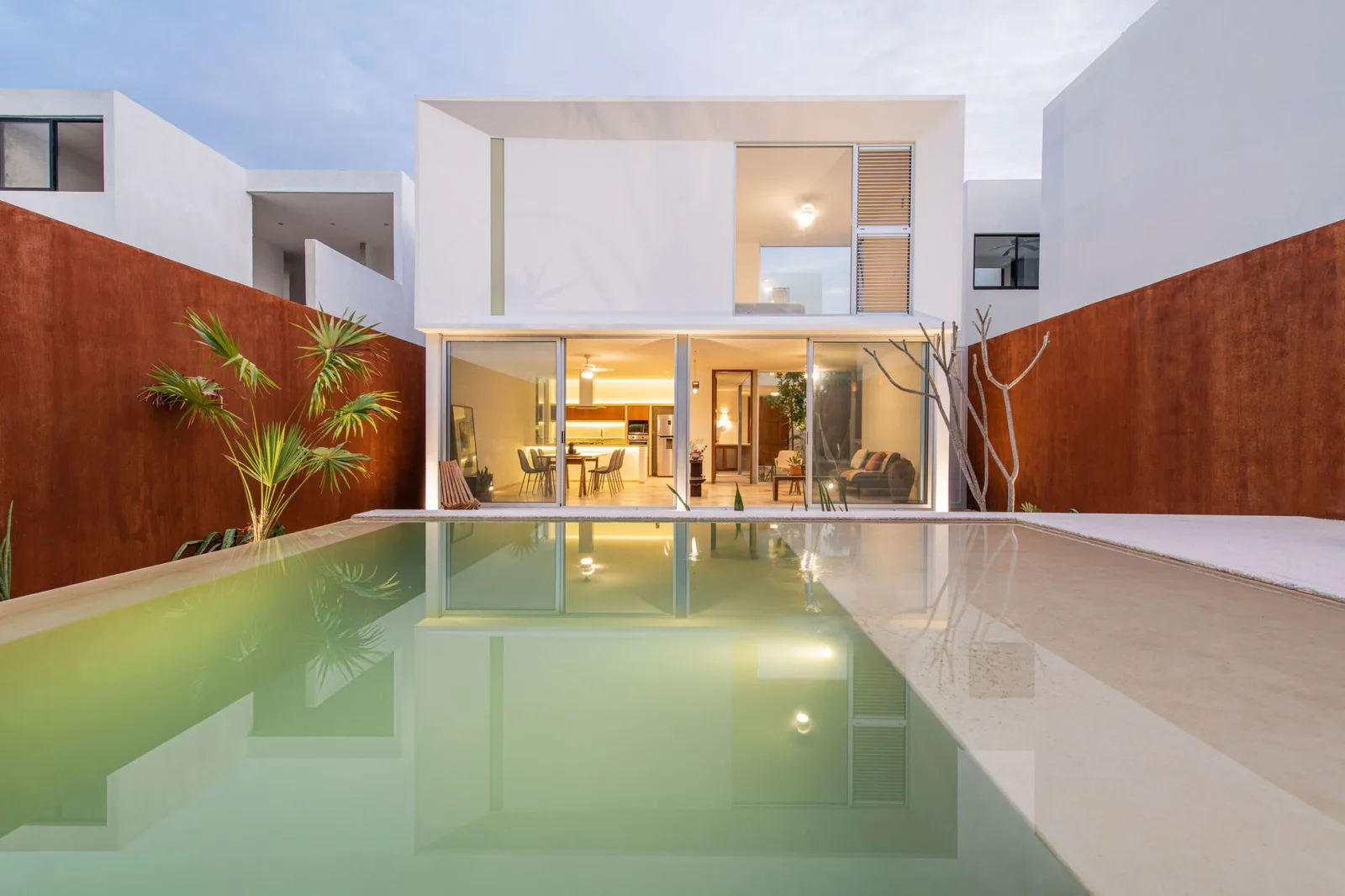
Nazac House is a family villa located in Concal, a city in the state of Merida, Mexico. The project aims to blend traditional architectural elements with contemporary affordable housing design. This approach fosters a stronger bond between future residents and their local surroundings.
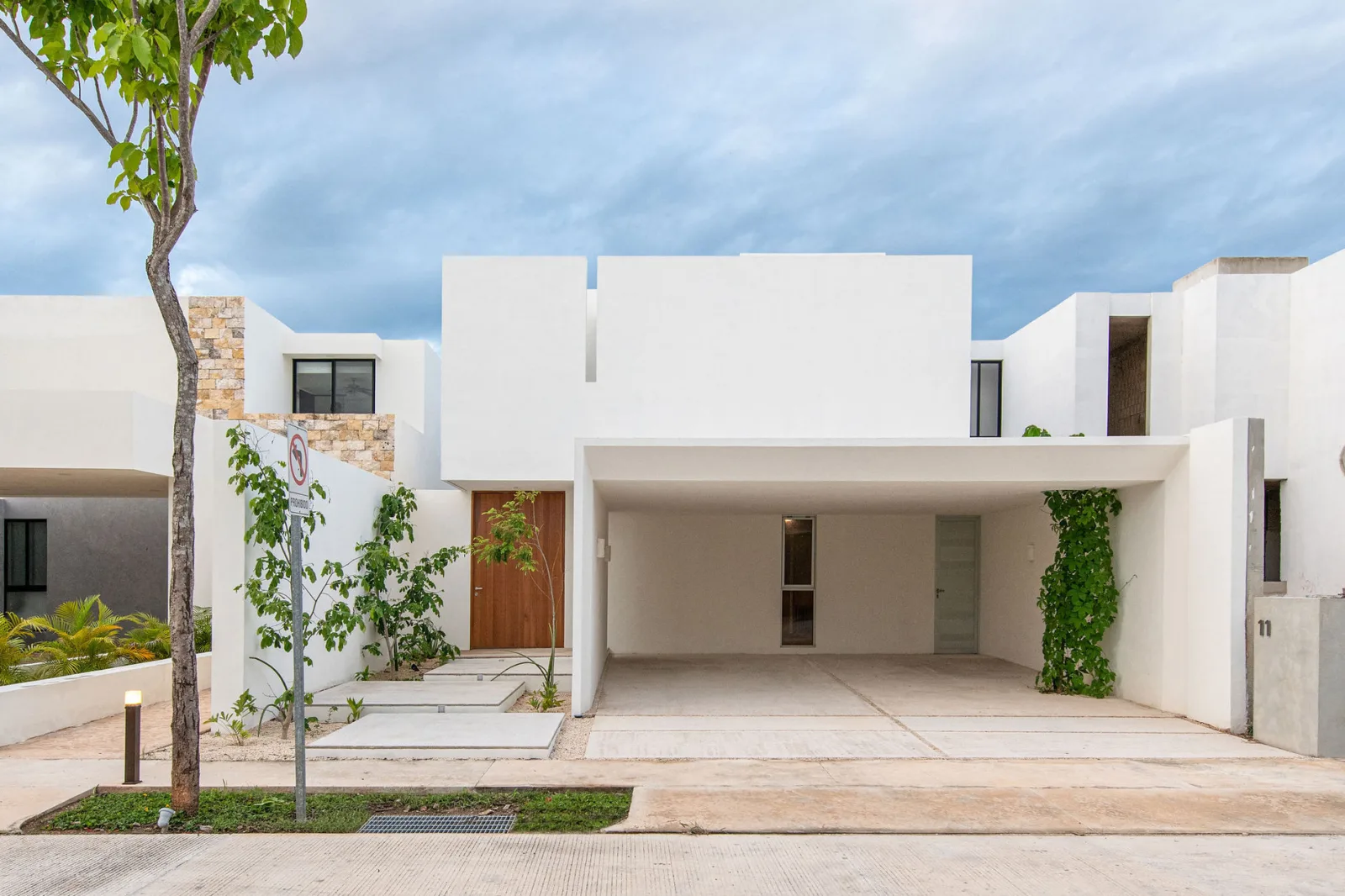
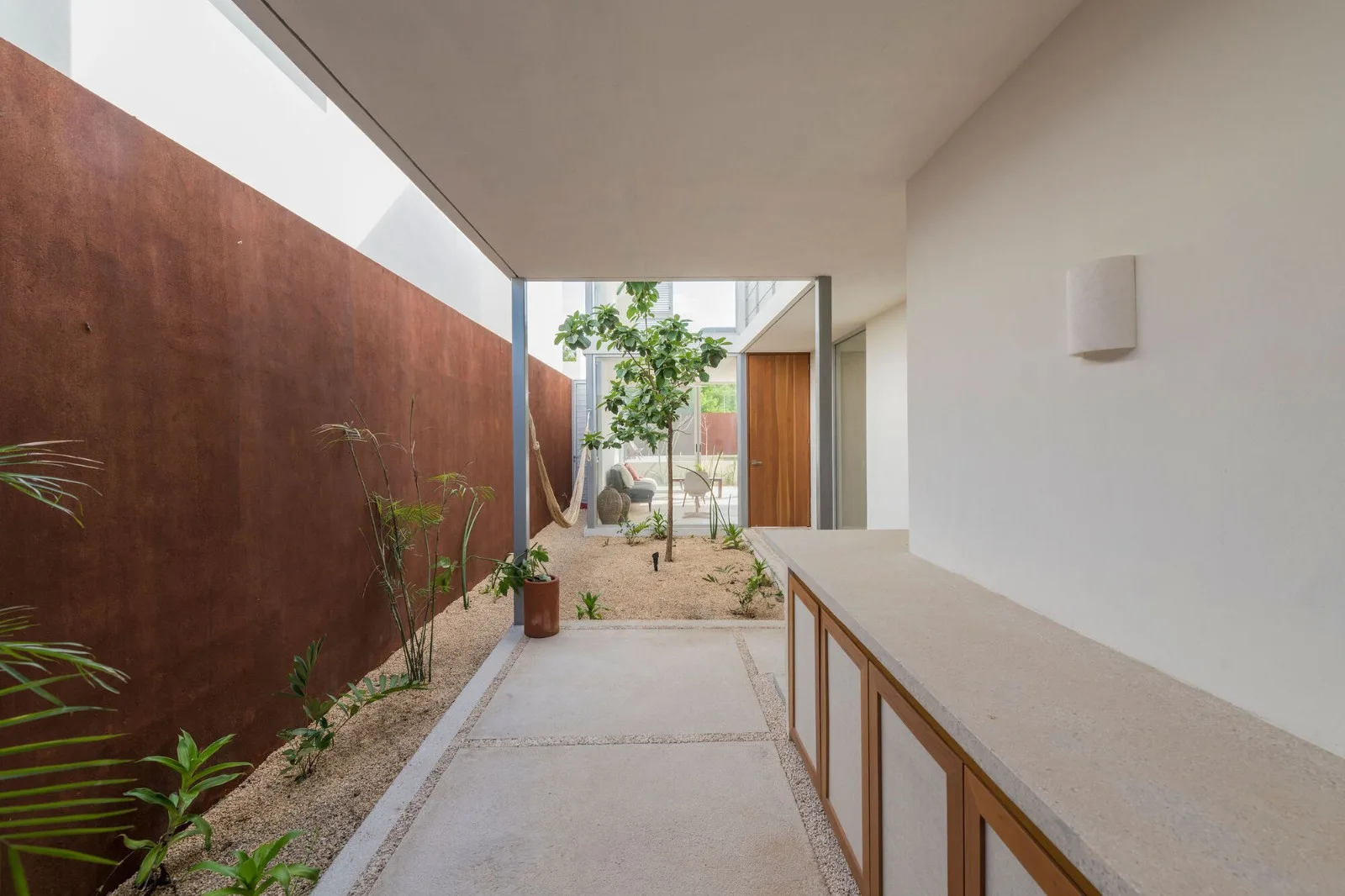
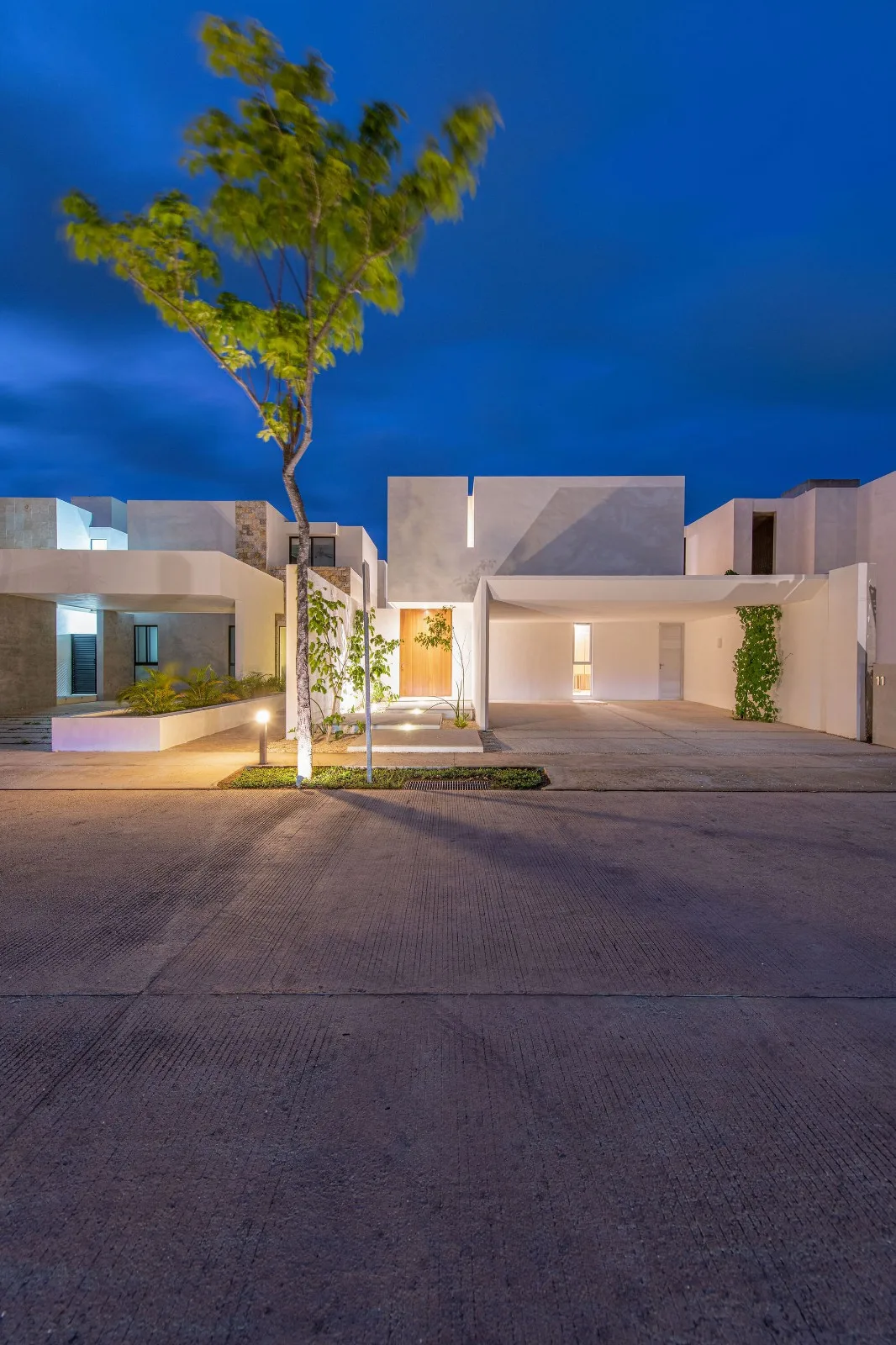
The main entrance is thoughtfully positioned between the ground floor and the surrounding trees, designed to protect against rain and sunlight. It connects directly to the villa’s garage and leads into a porch that separates private and public areas within the home.
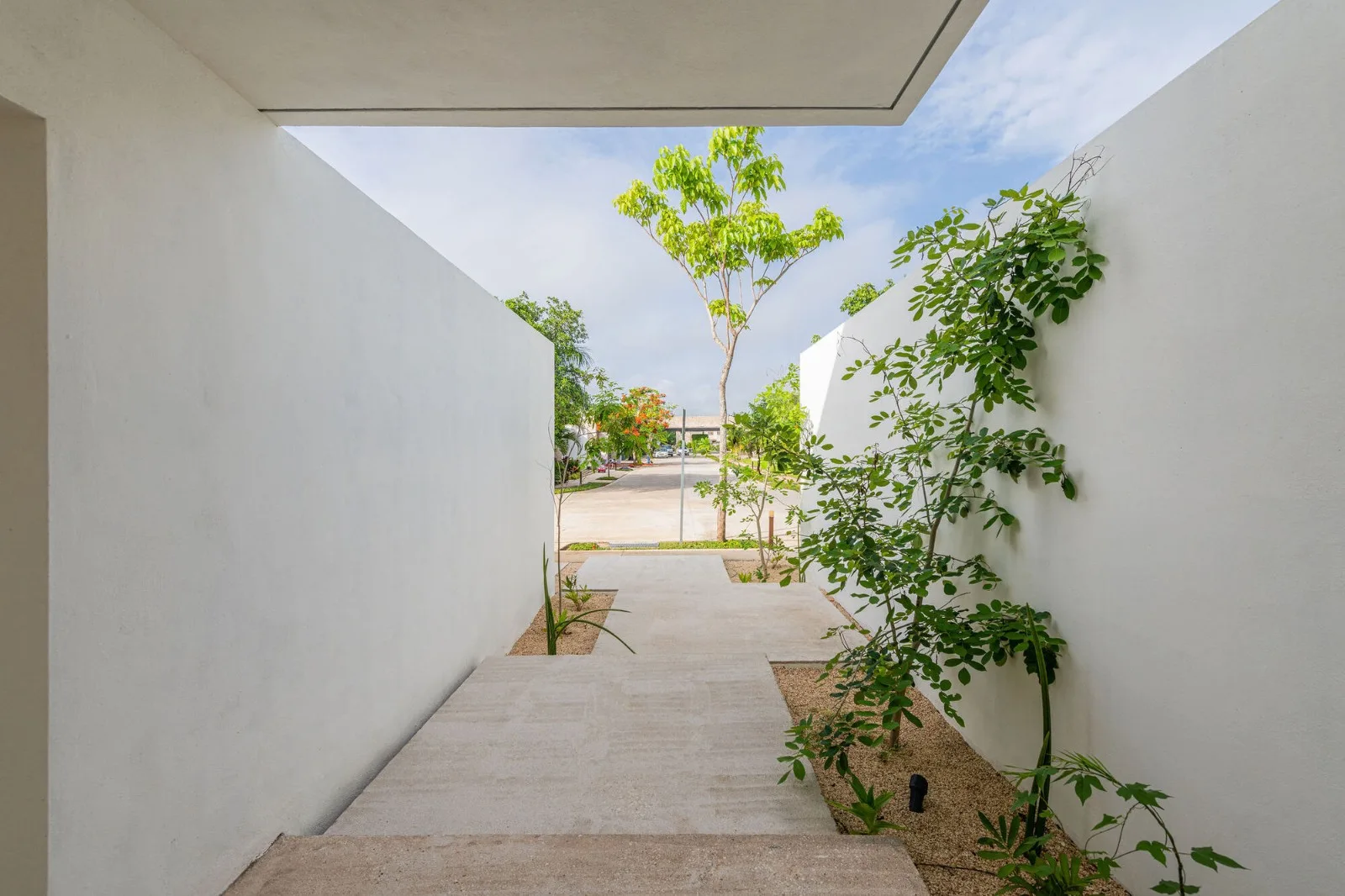
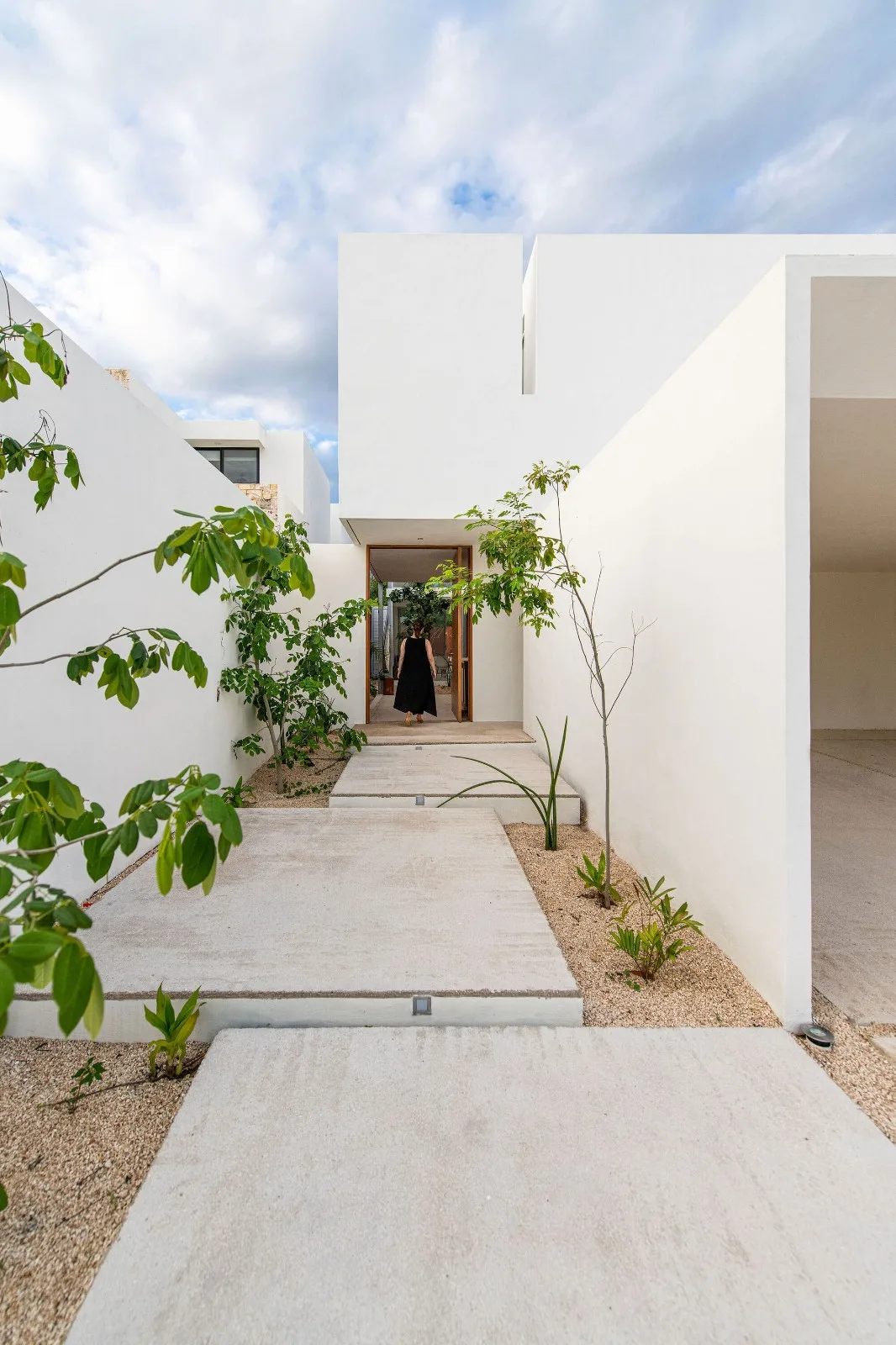
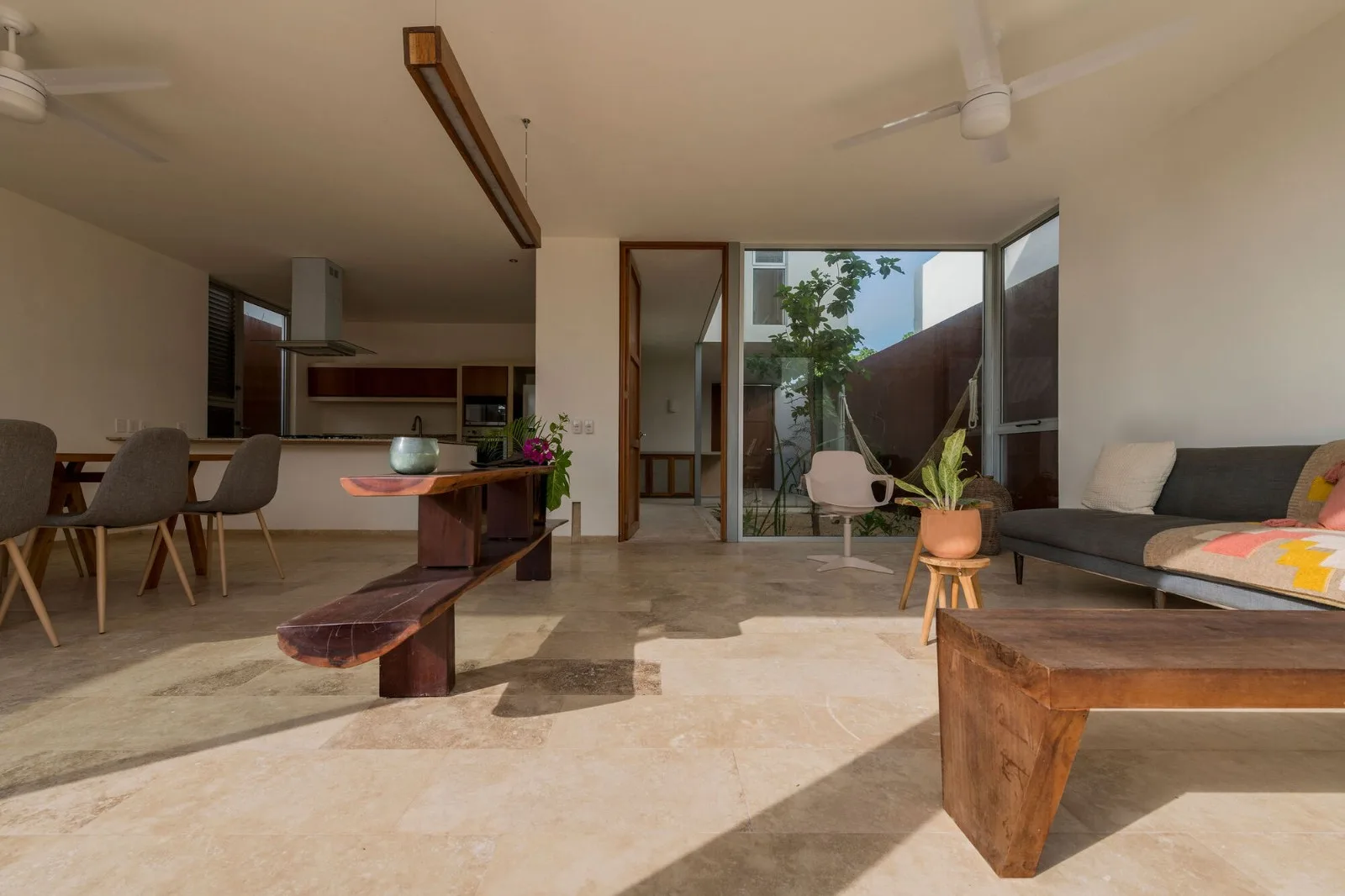
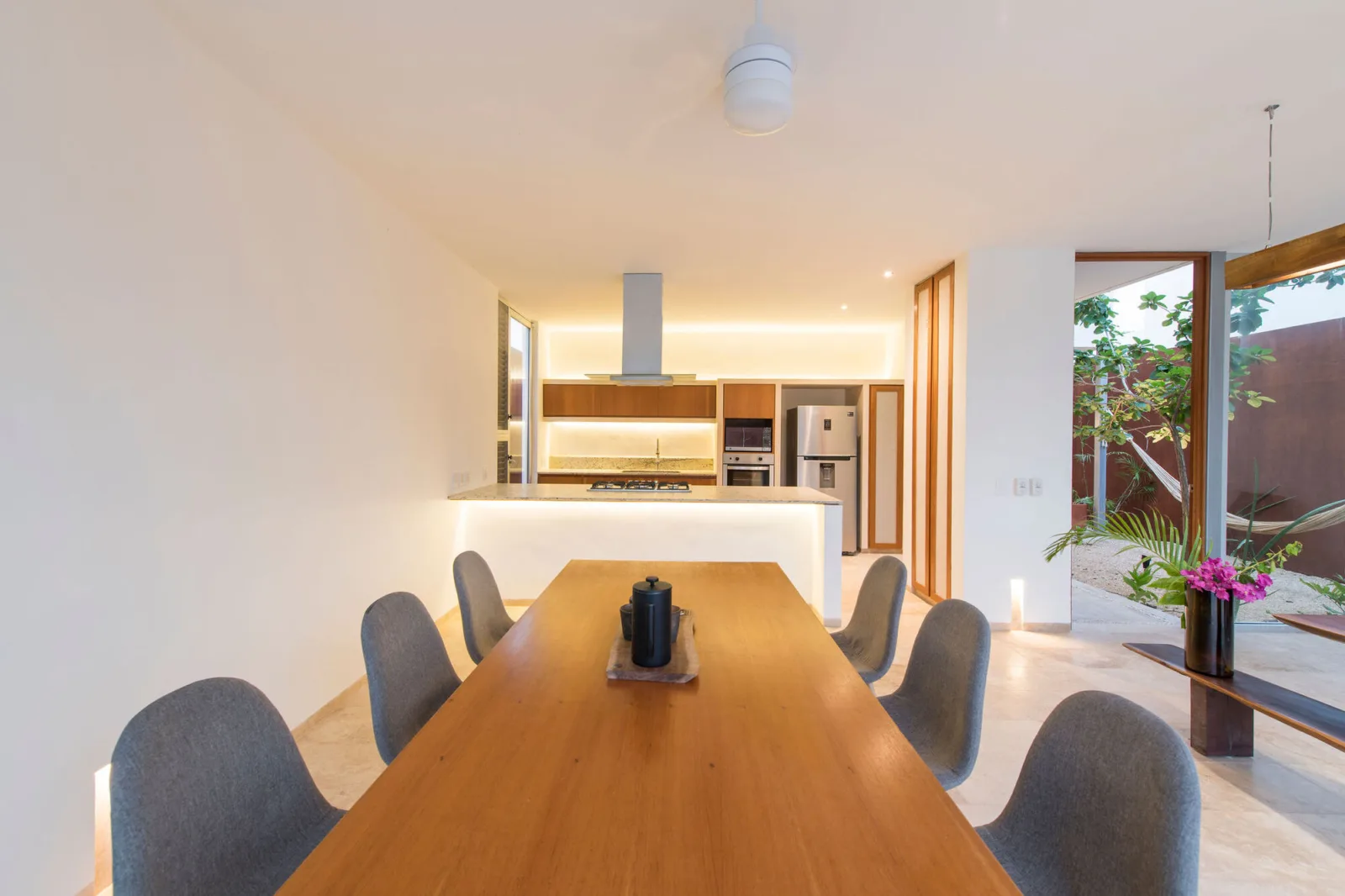
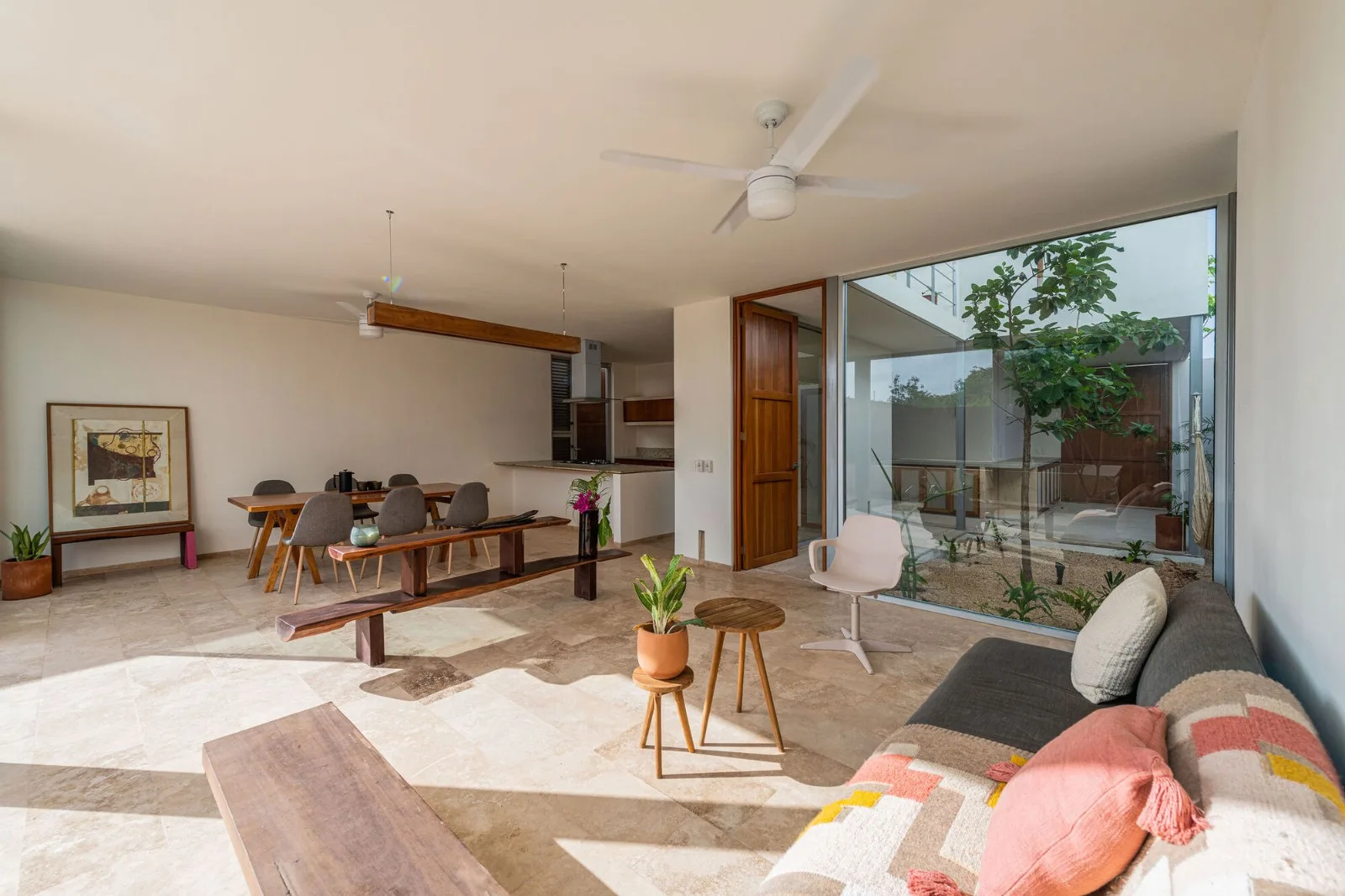
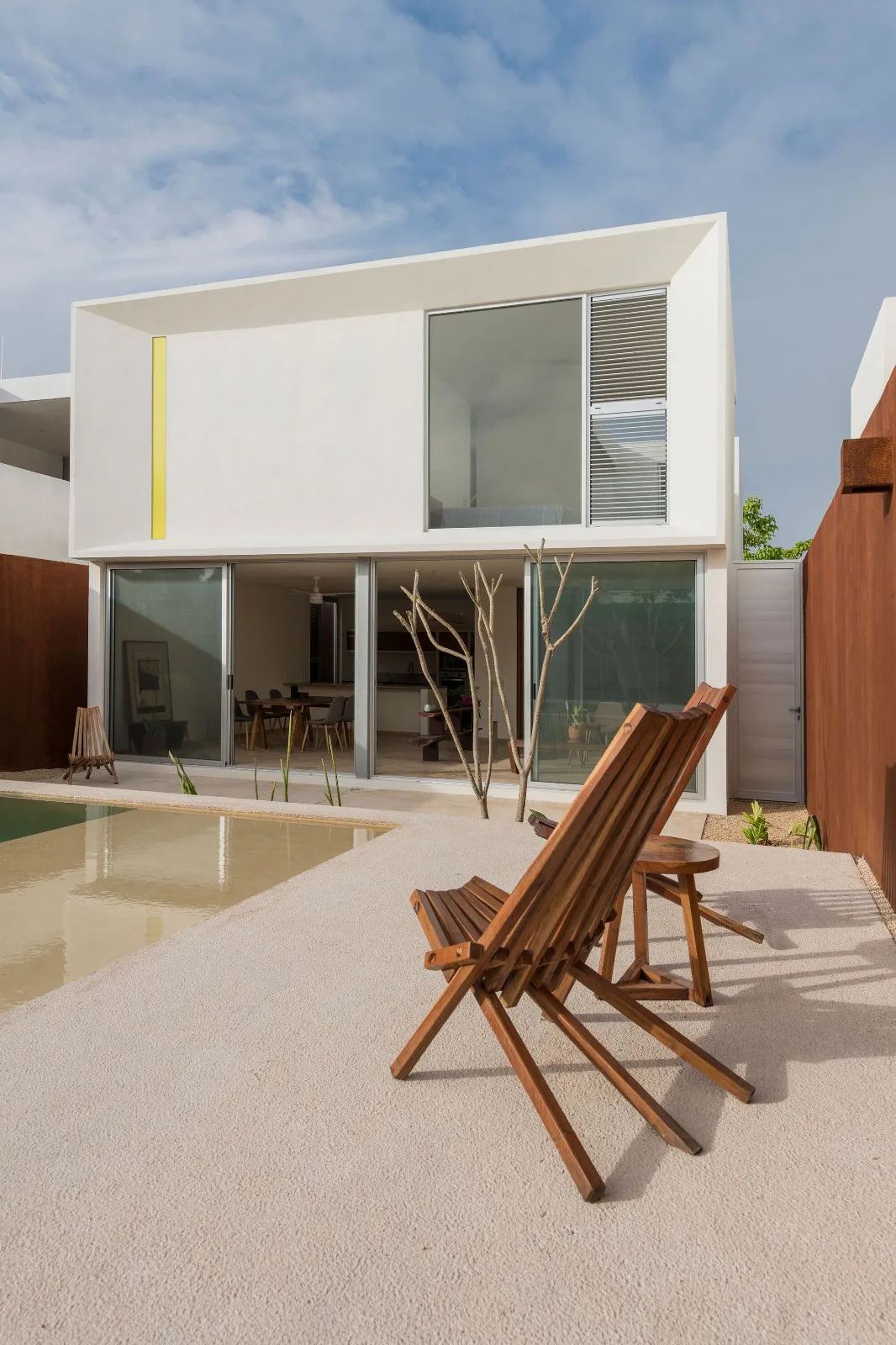
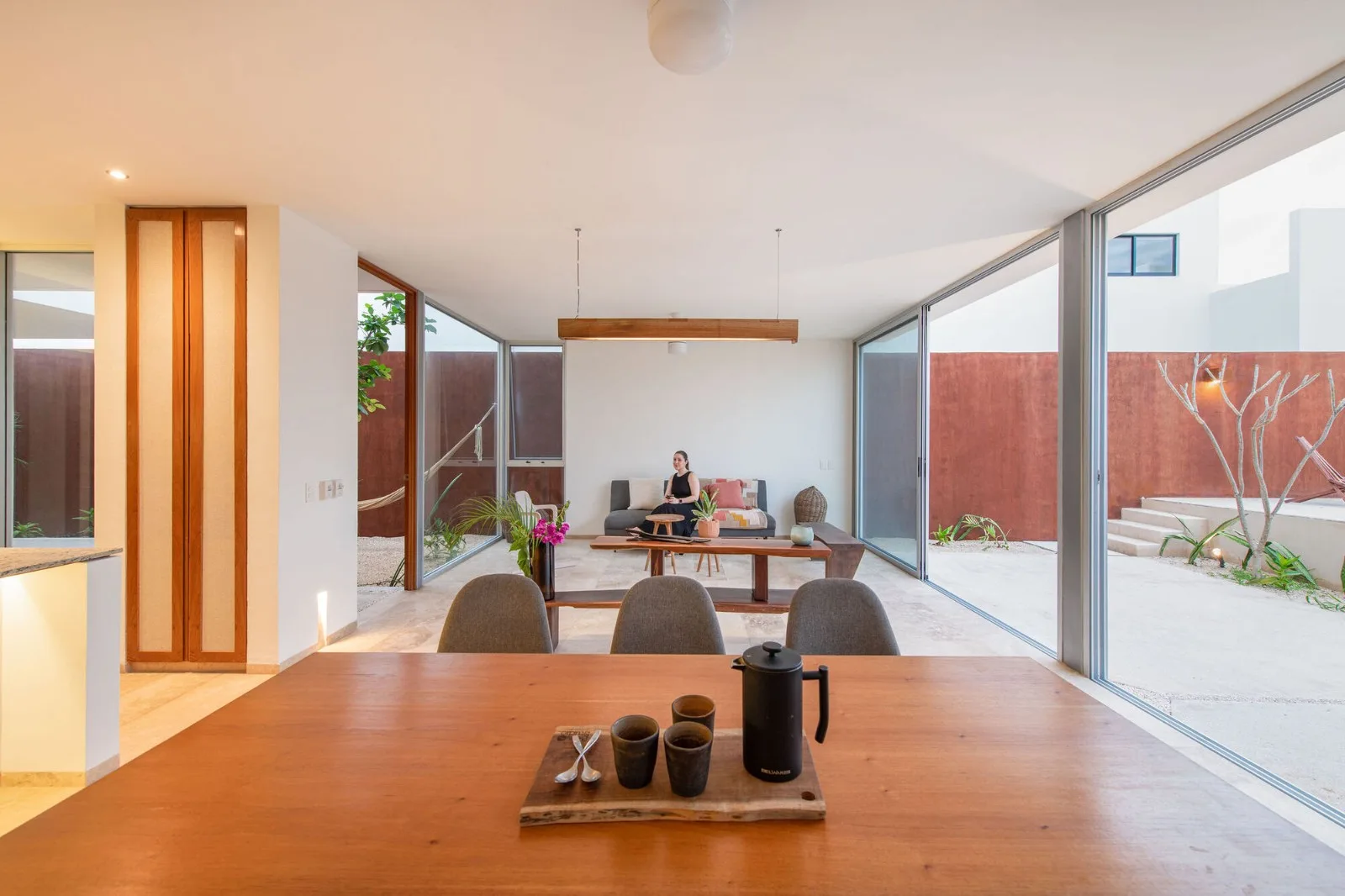
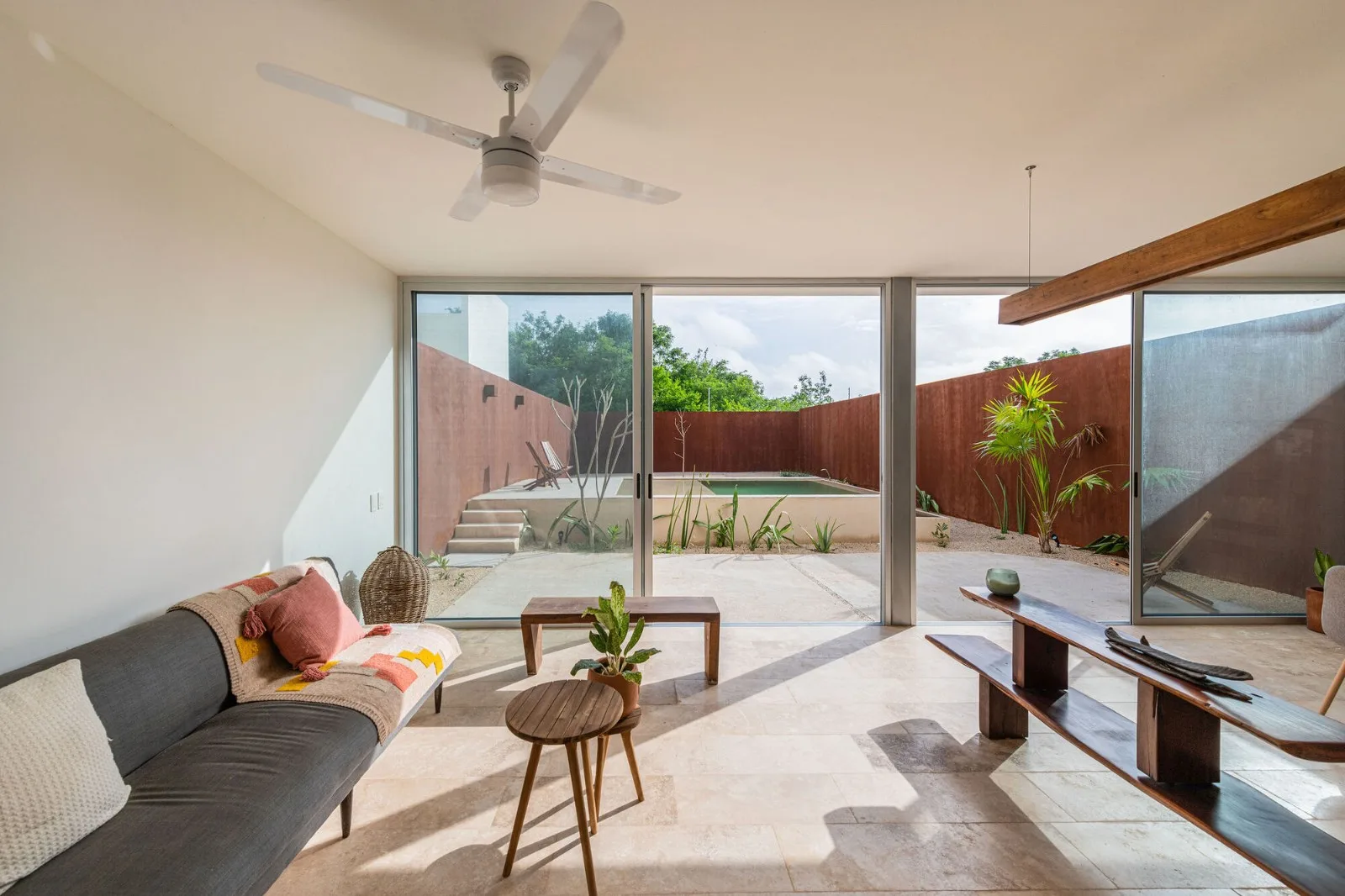
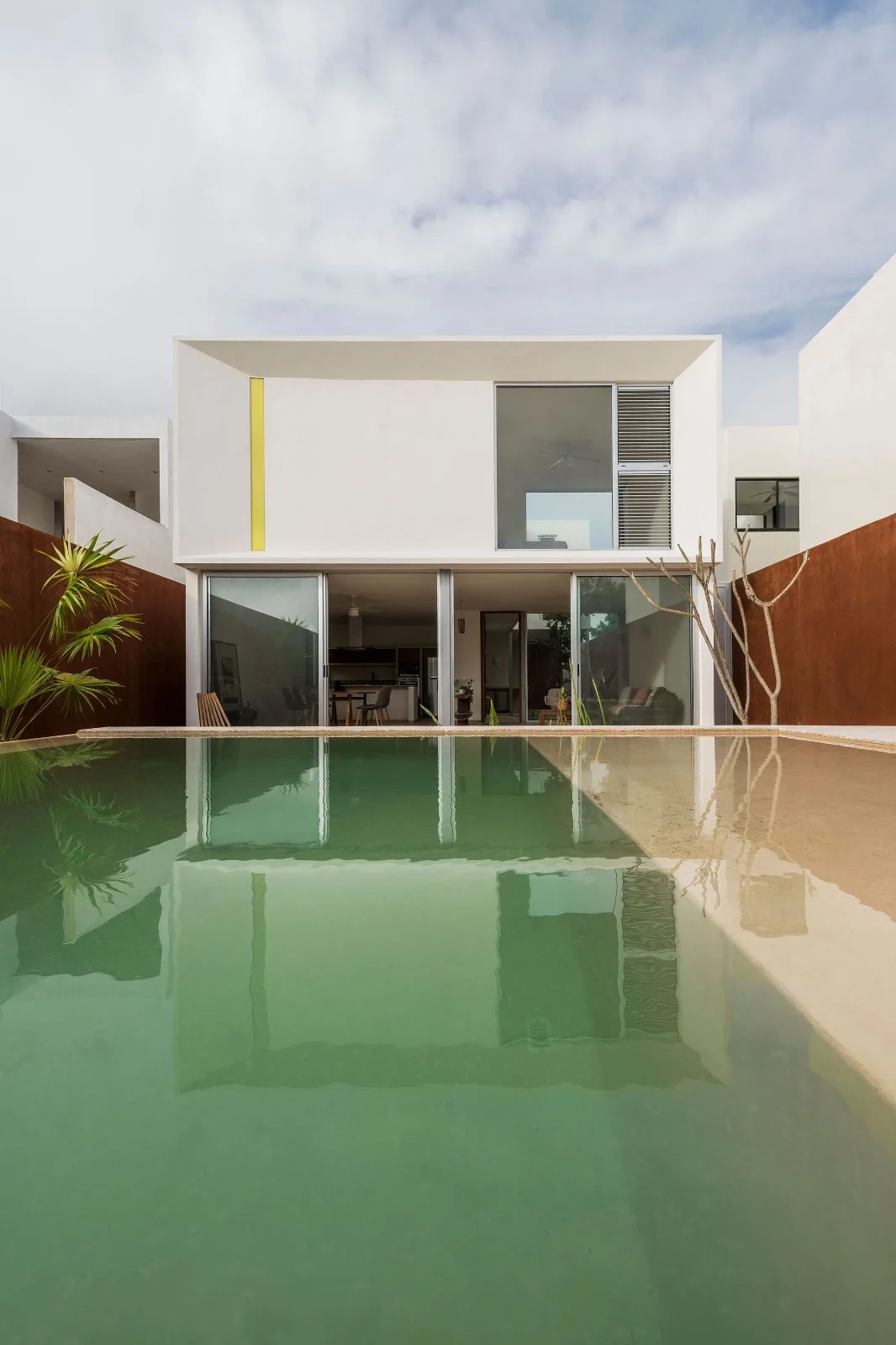
At the heart of the home lies a central courtyard featuring rolled trees, a type of Mayan fruit tree. This courtyard allows natural light to filter through the space and into the building via the ventilation system. The social areas—including the kitchen, dining room, and living room—are combined into one open space, enhanced by two north-facing windows that strengthen the connection to the backyard. The backyard itself includes an open corridor, pond, garden, and a designated area for future expansion.
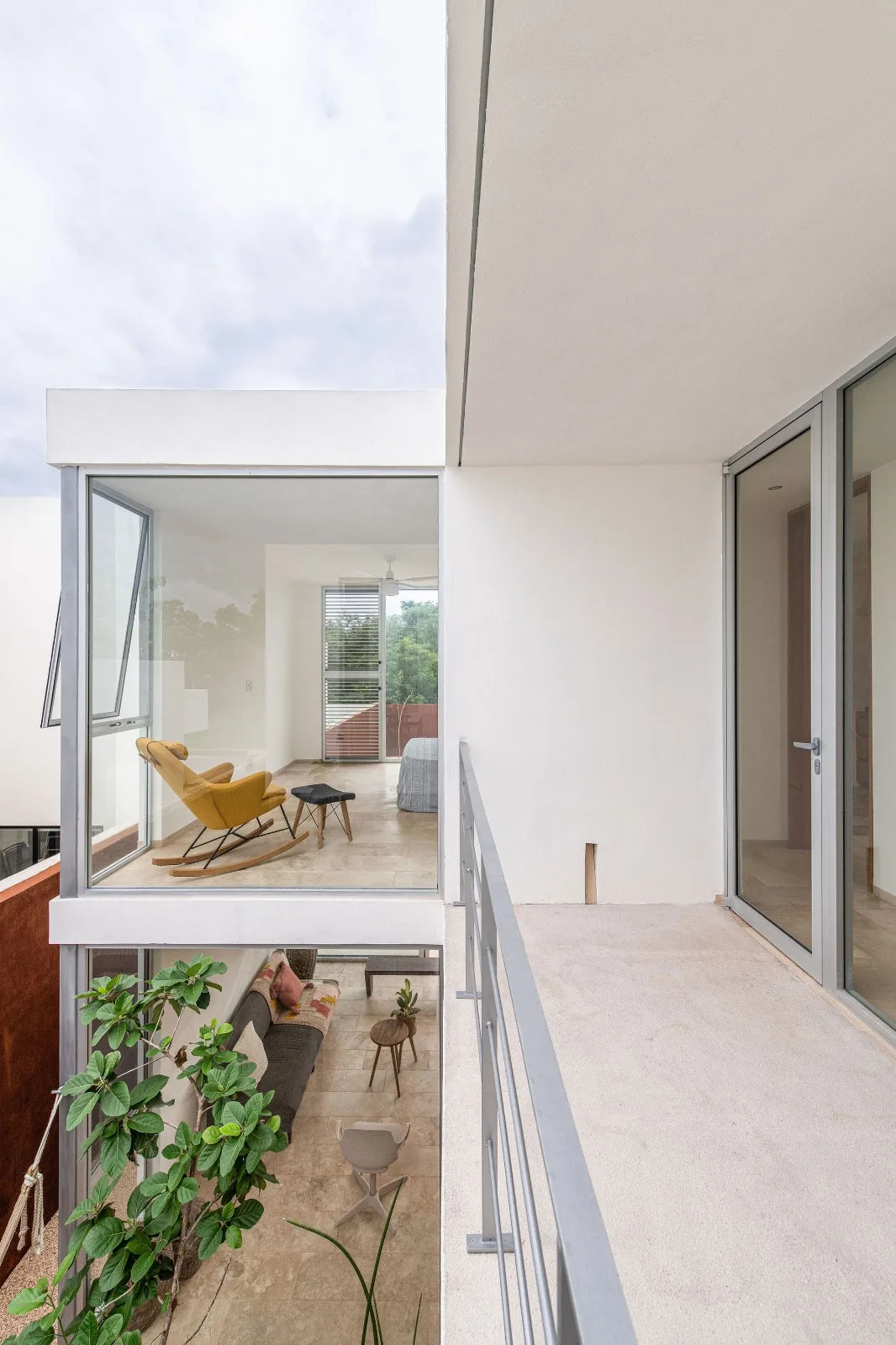
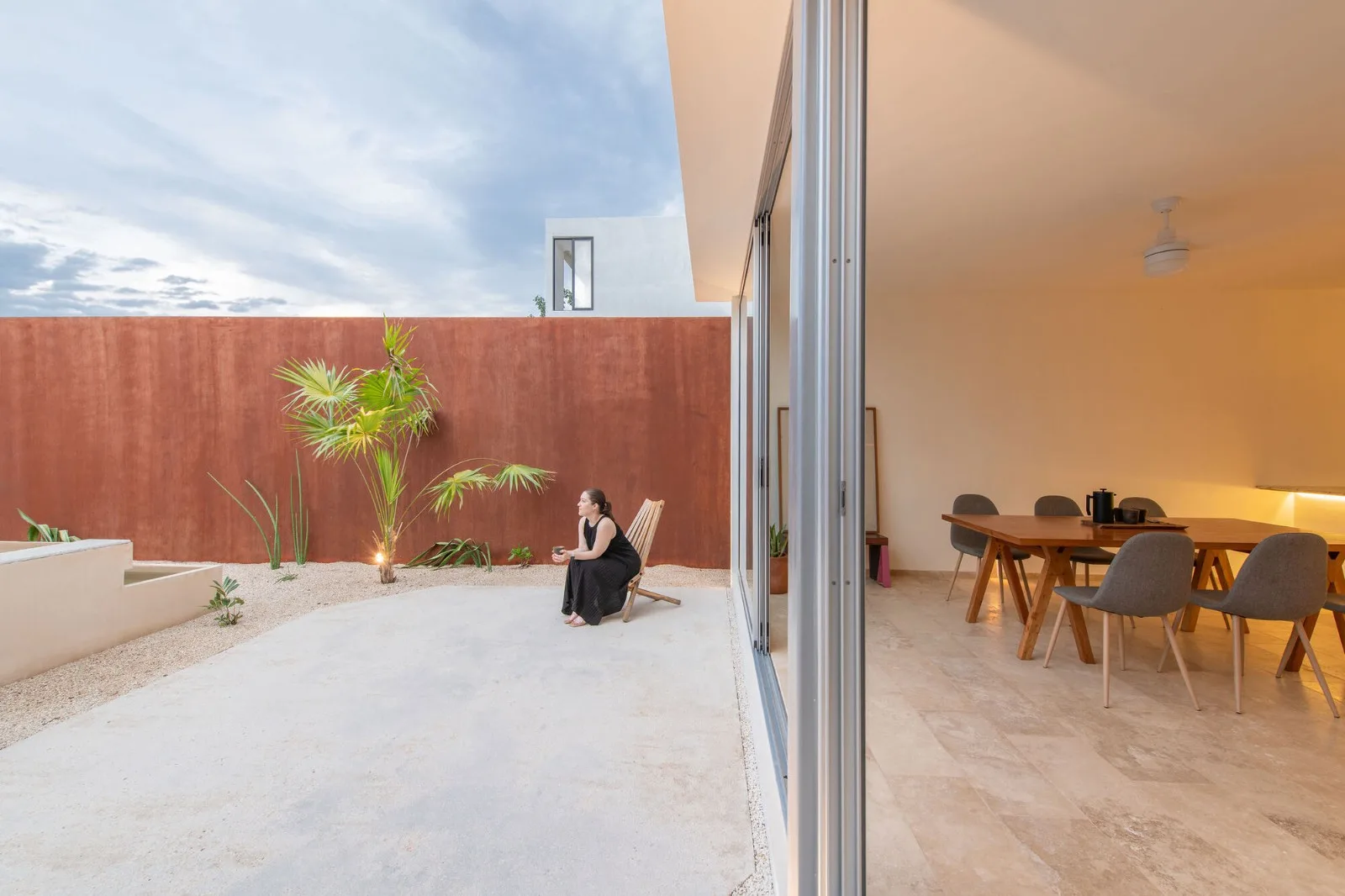
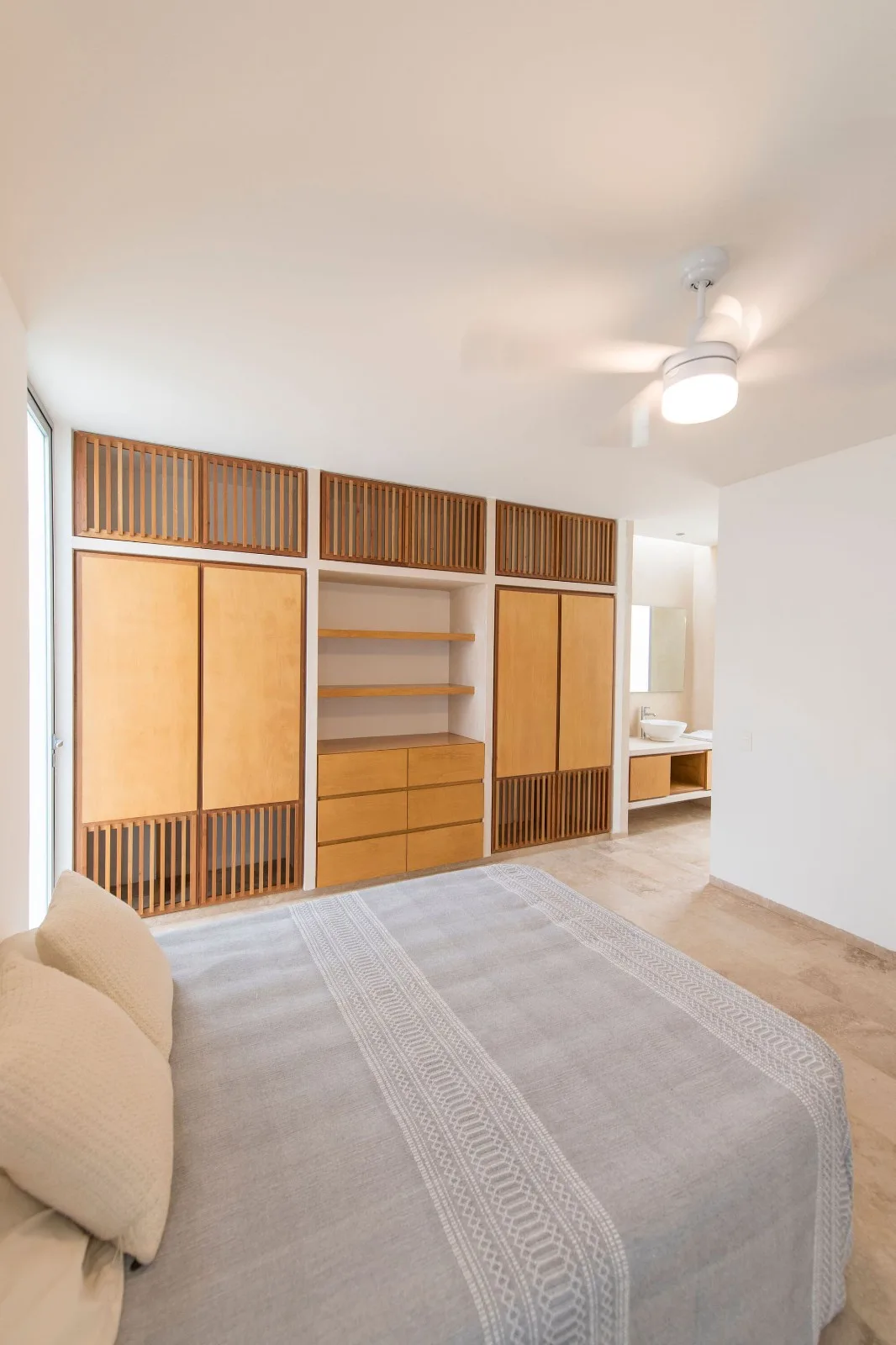
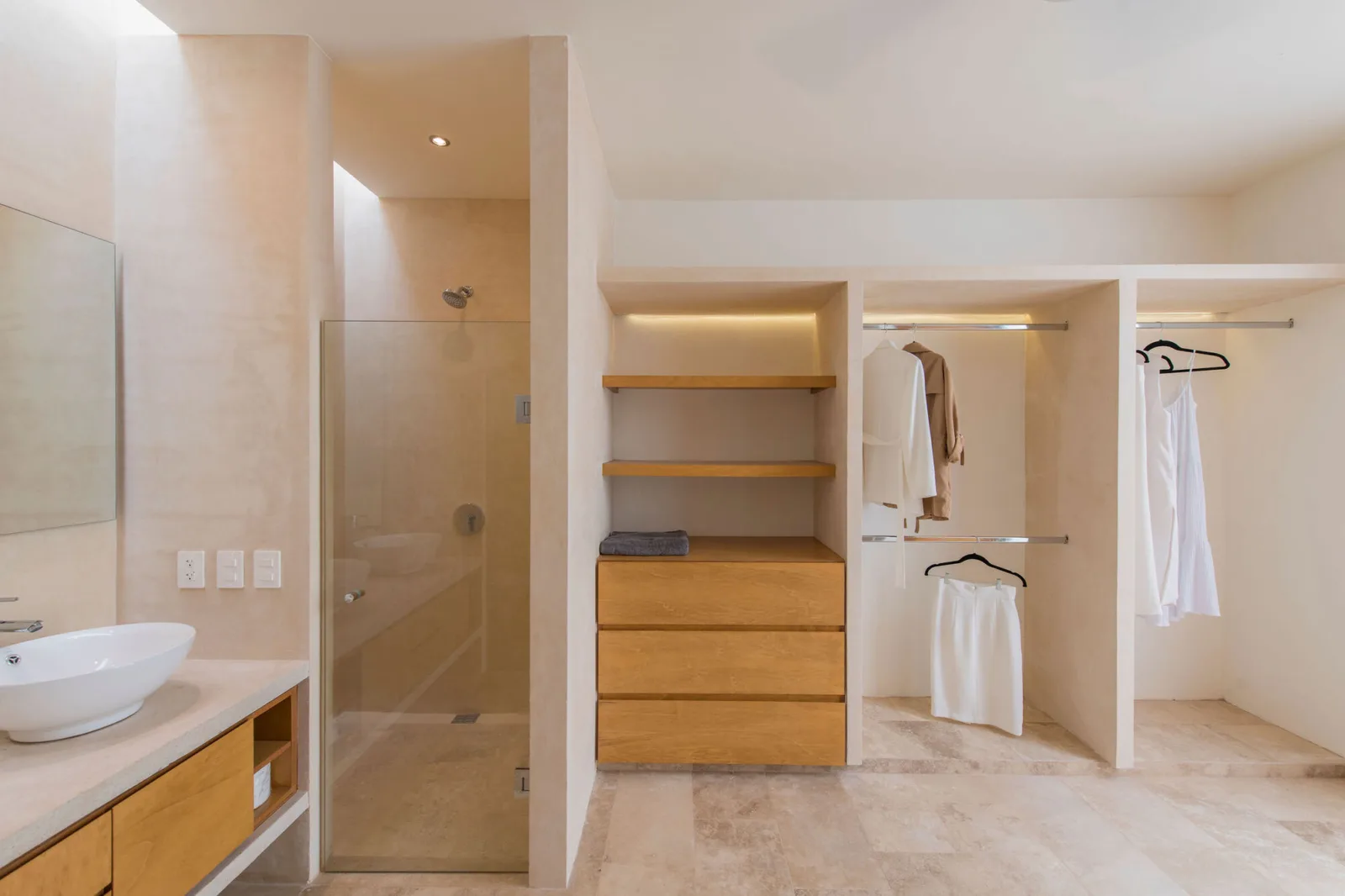
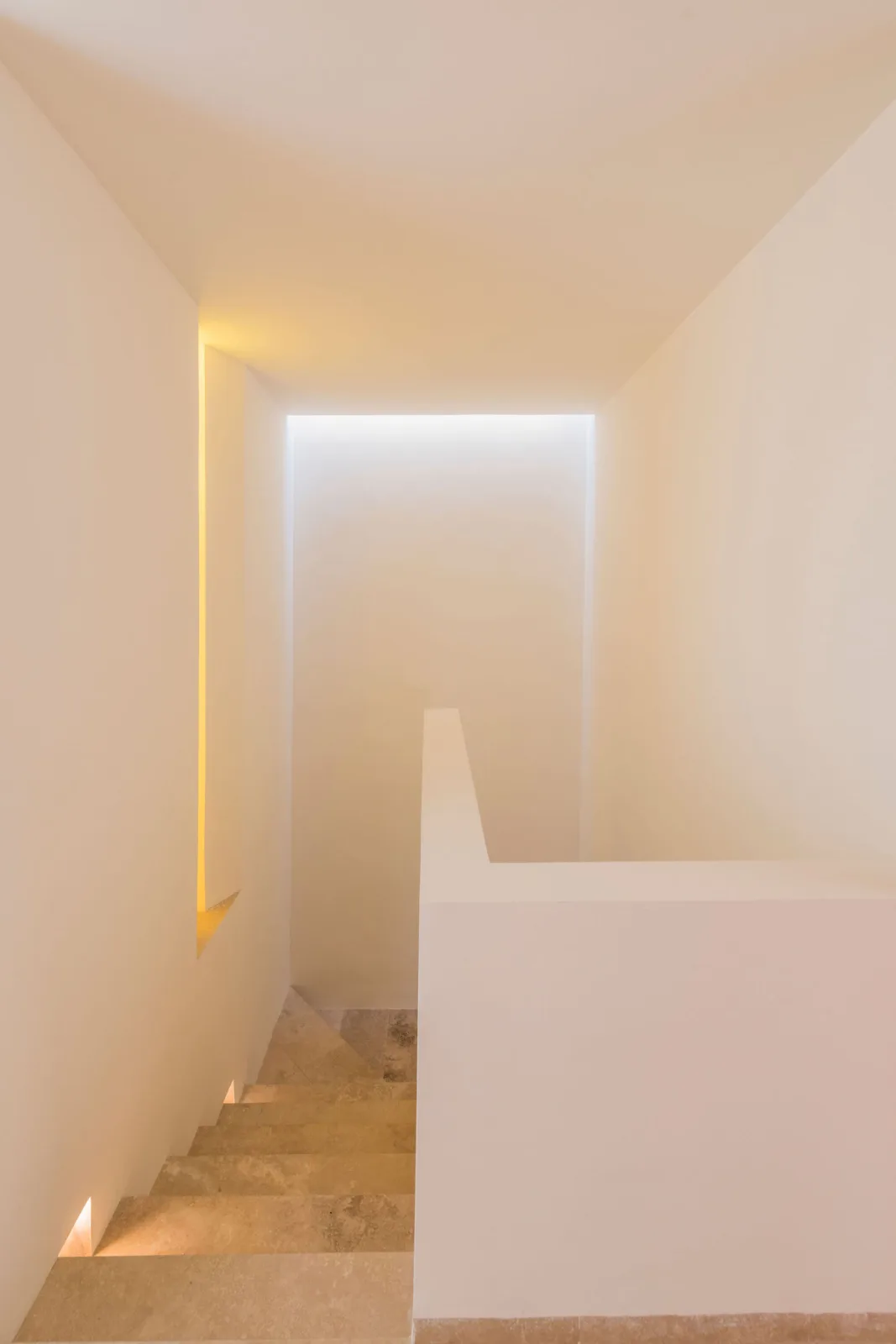
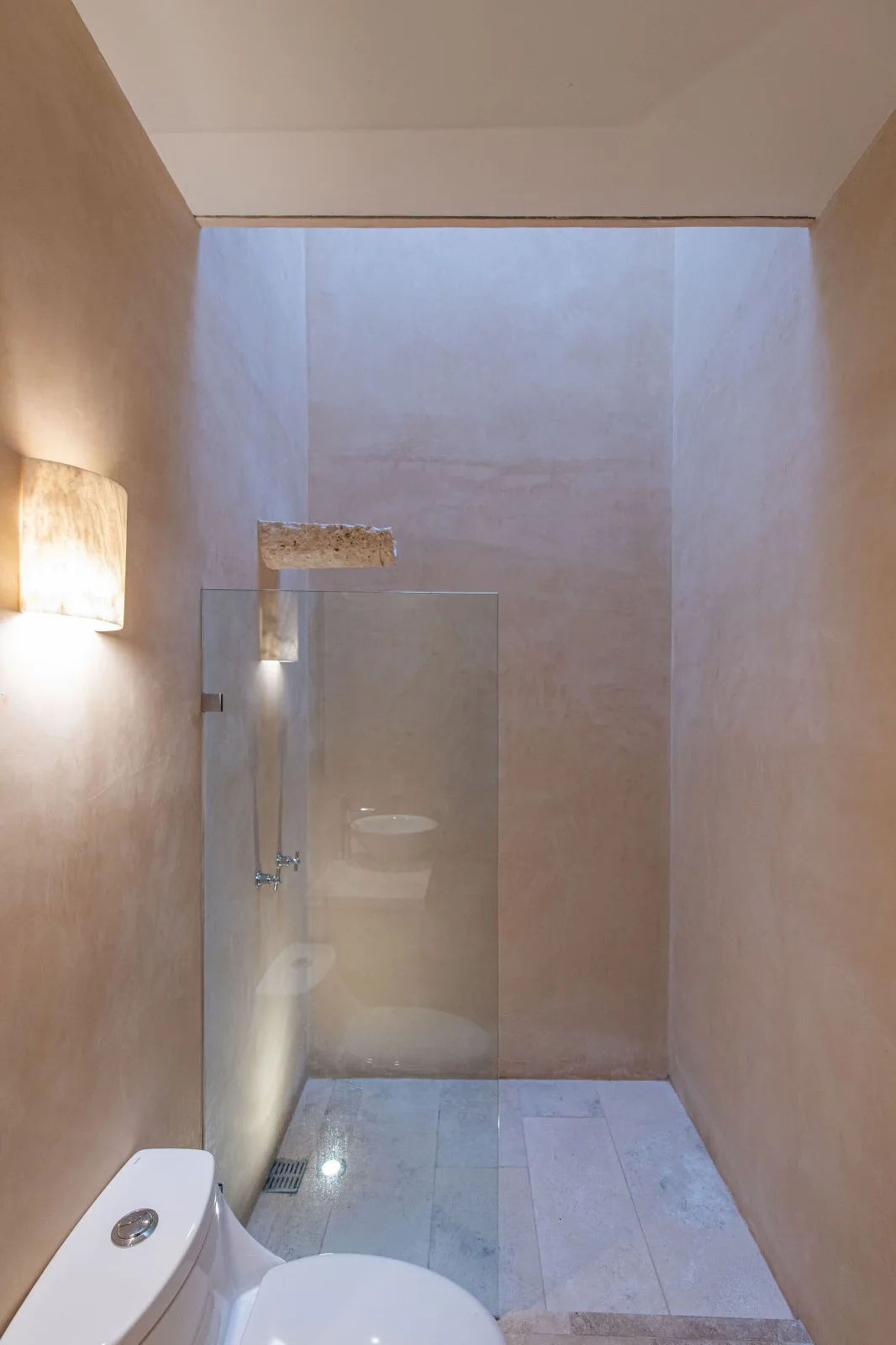
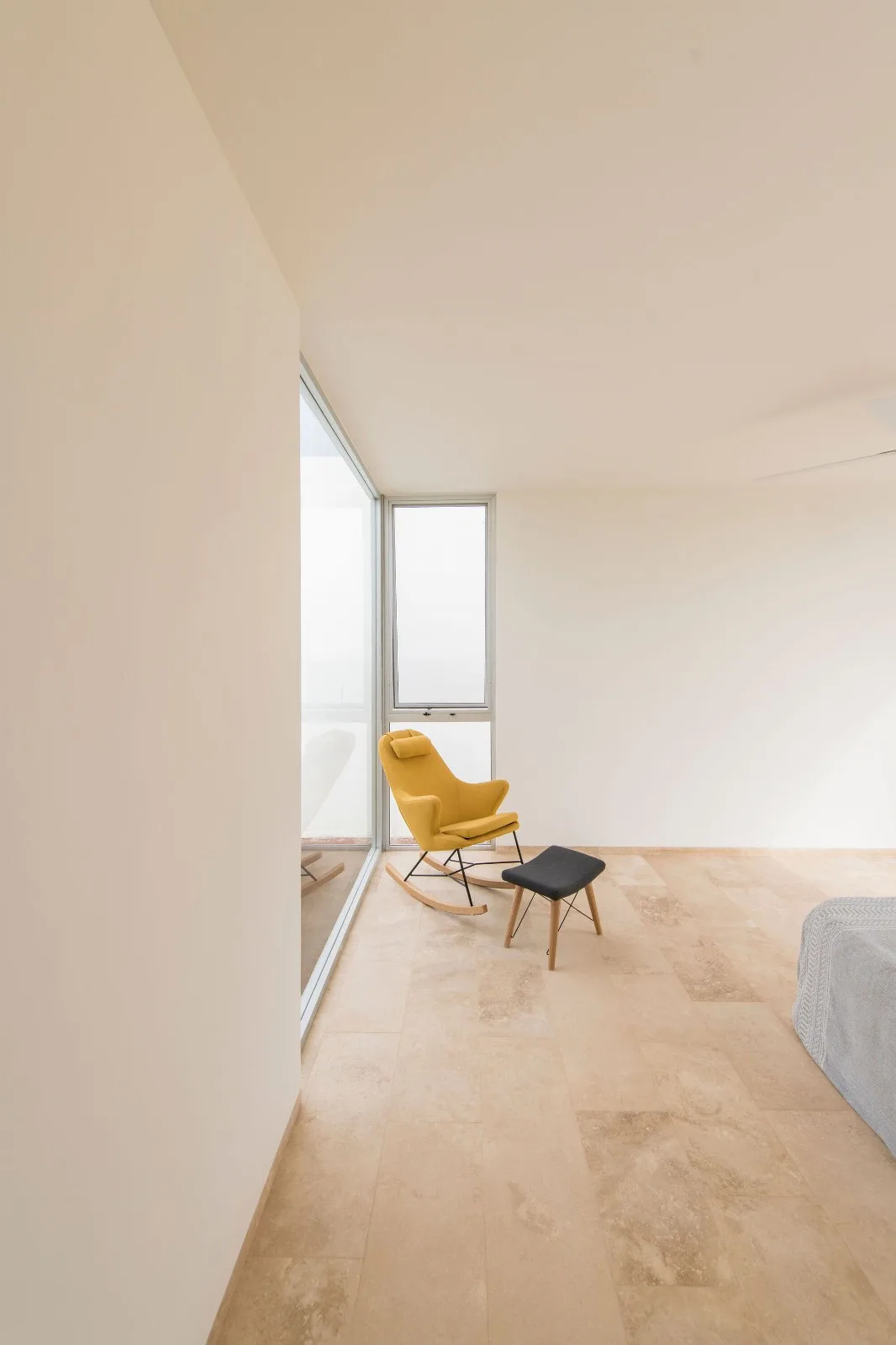
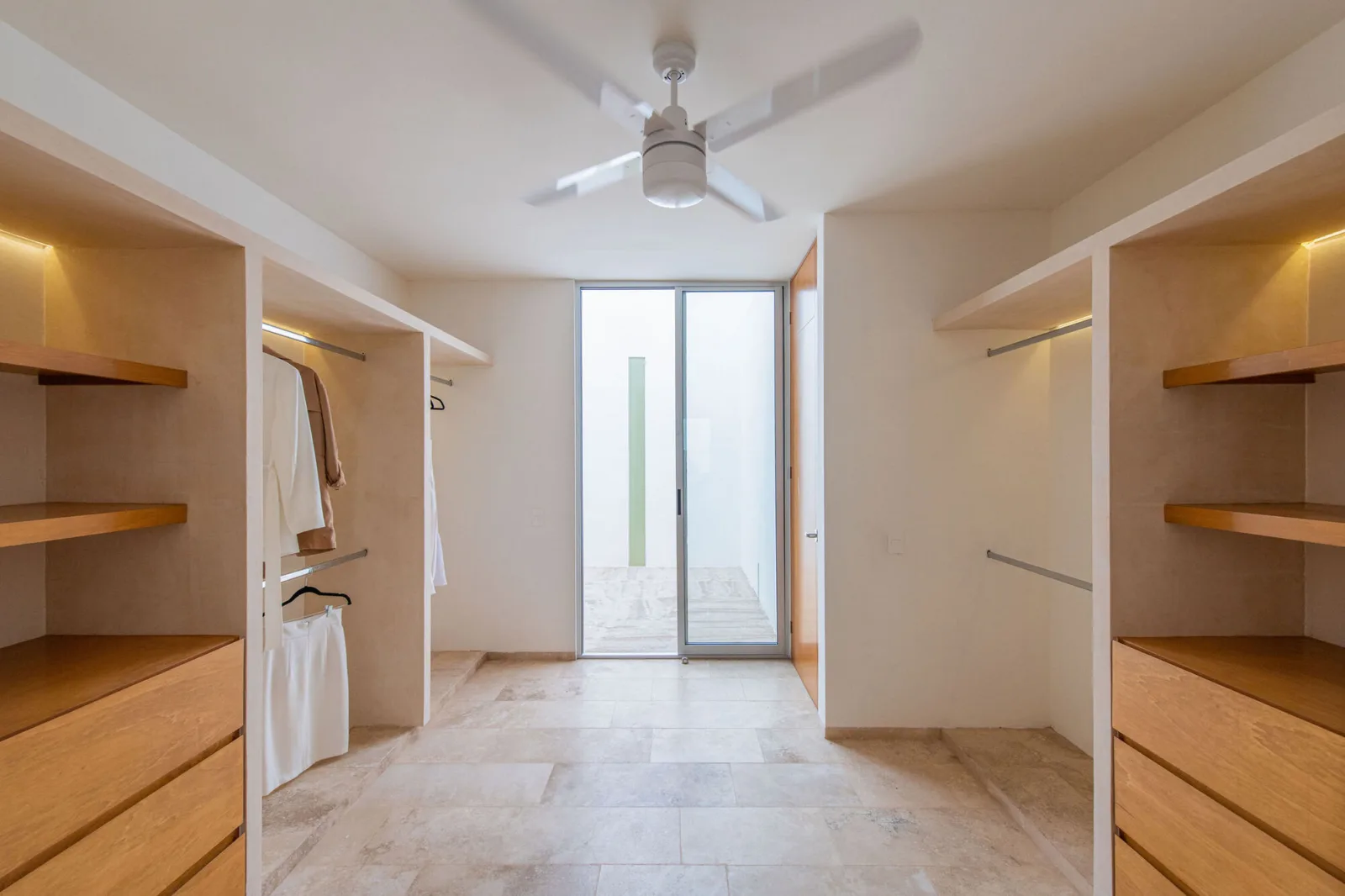
This section connects directly to the garage. The rest of the first floor features a versatile space comprising stairs, a shared bathroom, and a private bathroom. These areas can serve as bedrooms or study rooms, all linked by corridors. On the second floor, the master bedroom is situated between a hollow courtyard and the backyard. It includes a walk-in closet, a bathroom, a private balcony, and a secluded courtyard. The room also has a dedicated towel rack. The second bedroom features its own bathroom, private balcony, laundry room, and drying area.
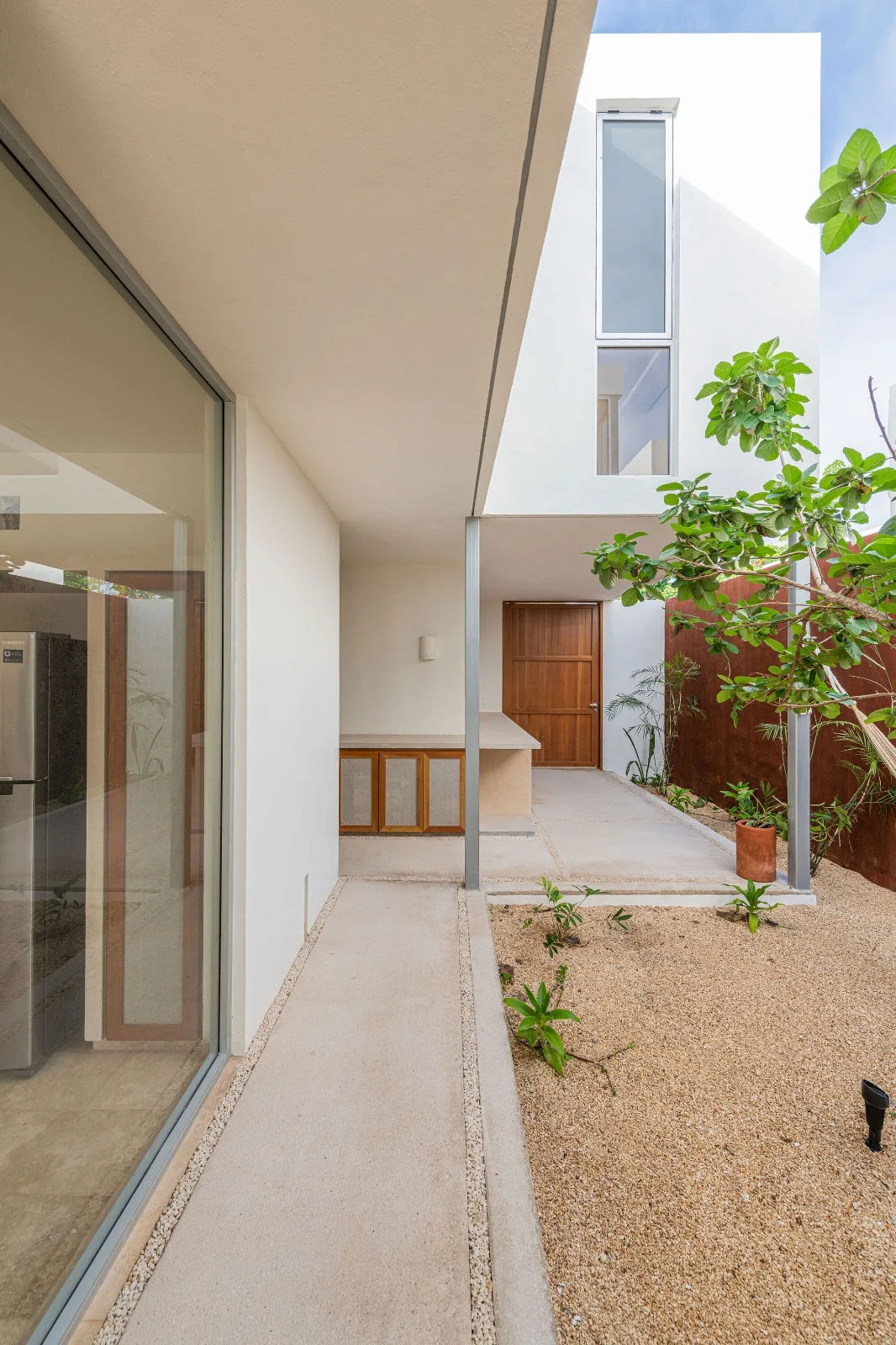
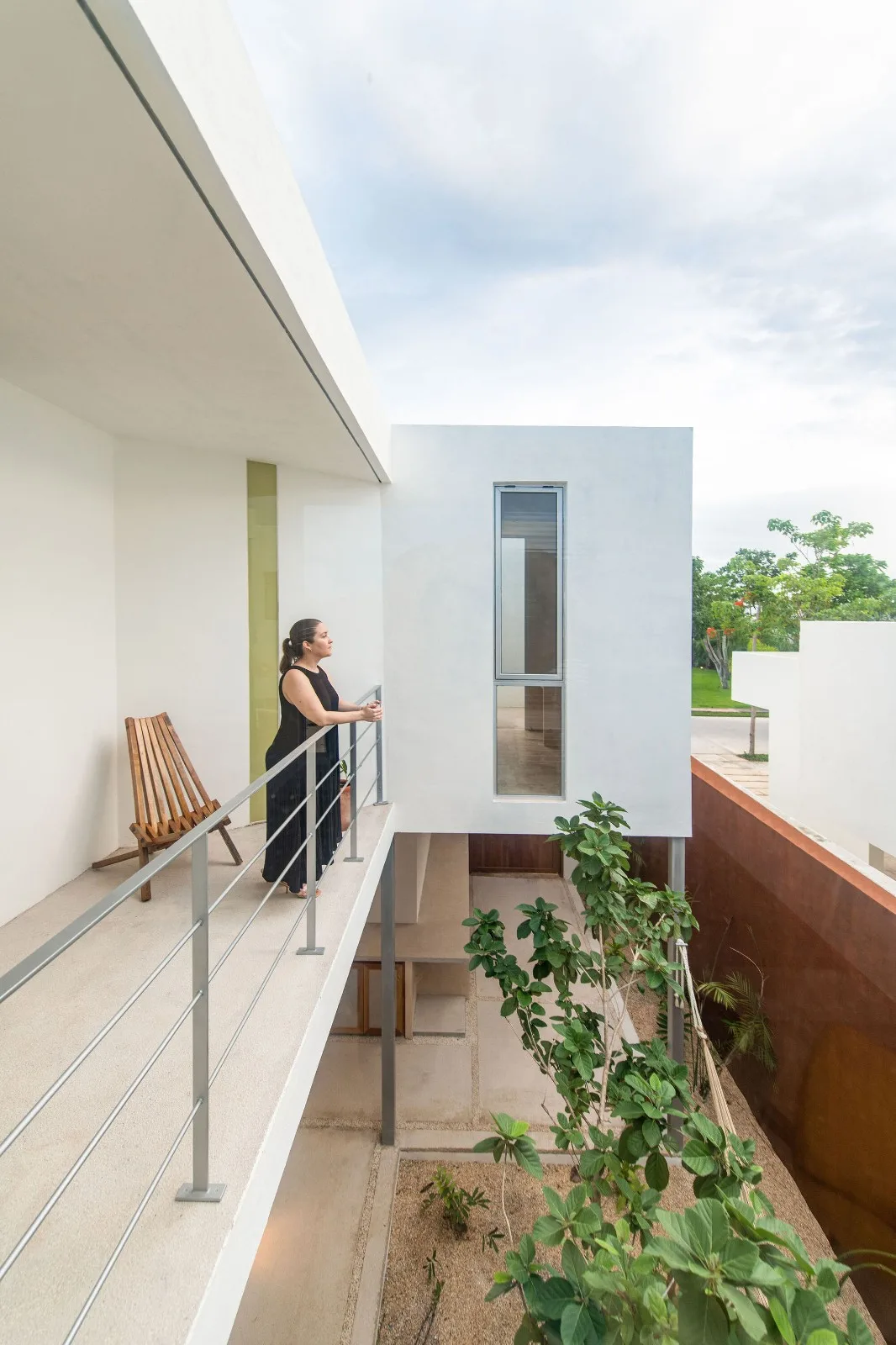
The house’s orientation significantly influences its value. The front façade faces south and is designed to be open rather than enclosed. Open corridors run along the east and west sides, respecting local architectural traditions while maintaining transparency inside the house. This design enhances both natural lighting and ventilation. The rear façade faces north and is the most transparent, maximizing light and air circulation. This complements the central courtyard and ventilation features, improving indoor air quality, insulation, and overall living comfort.
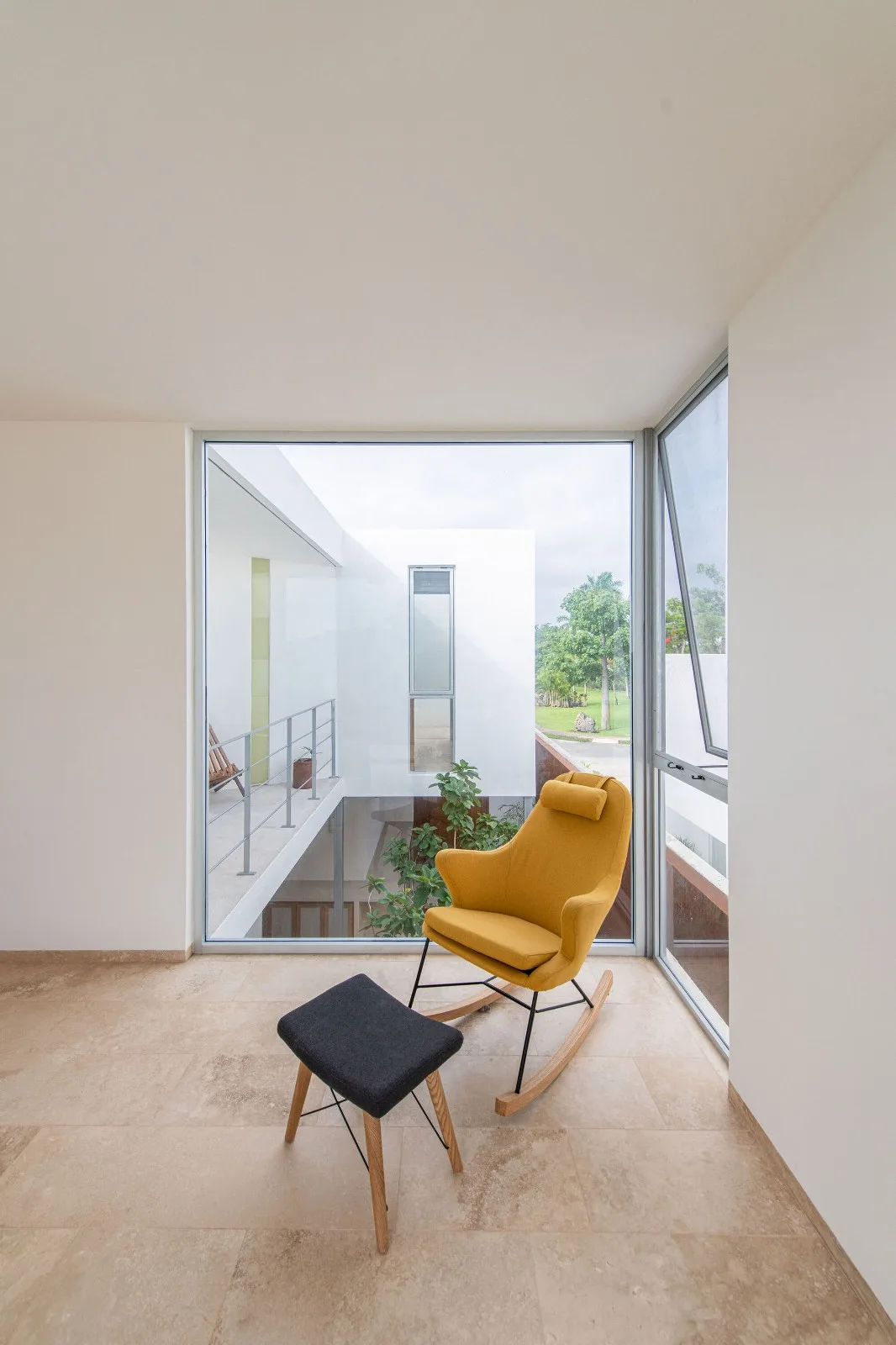
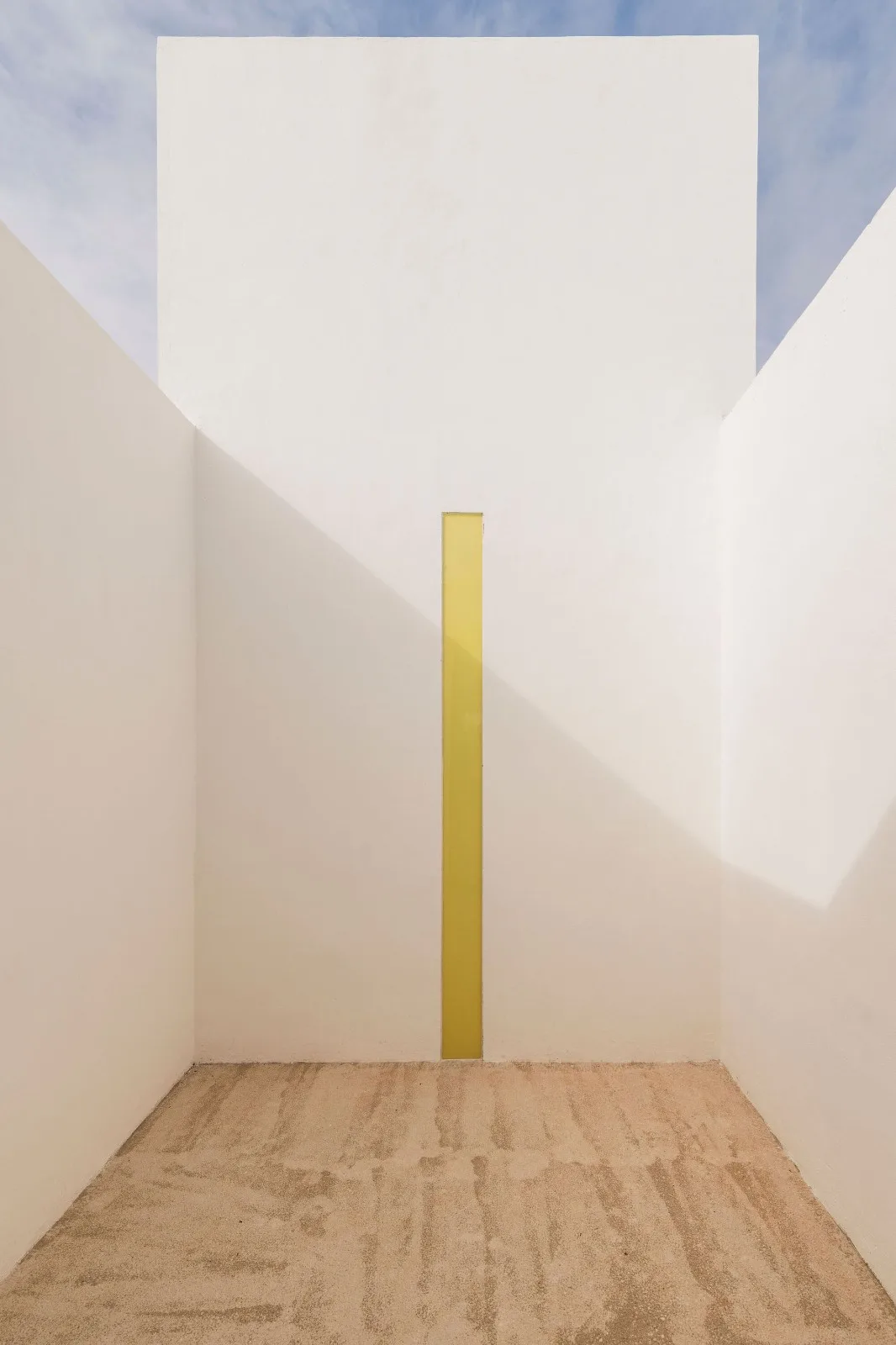
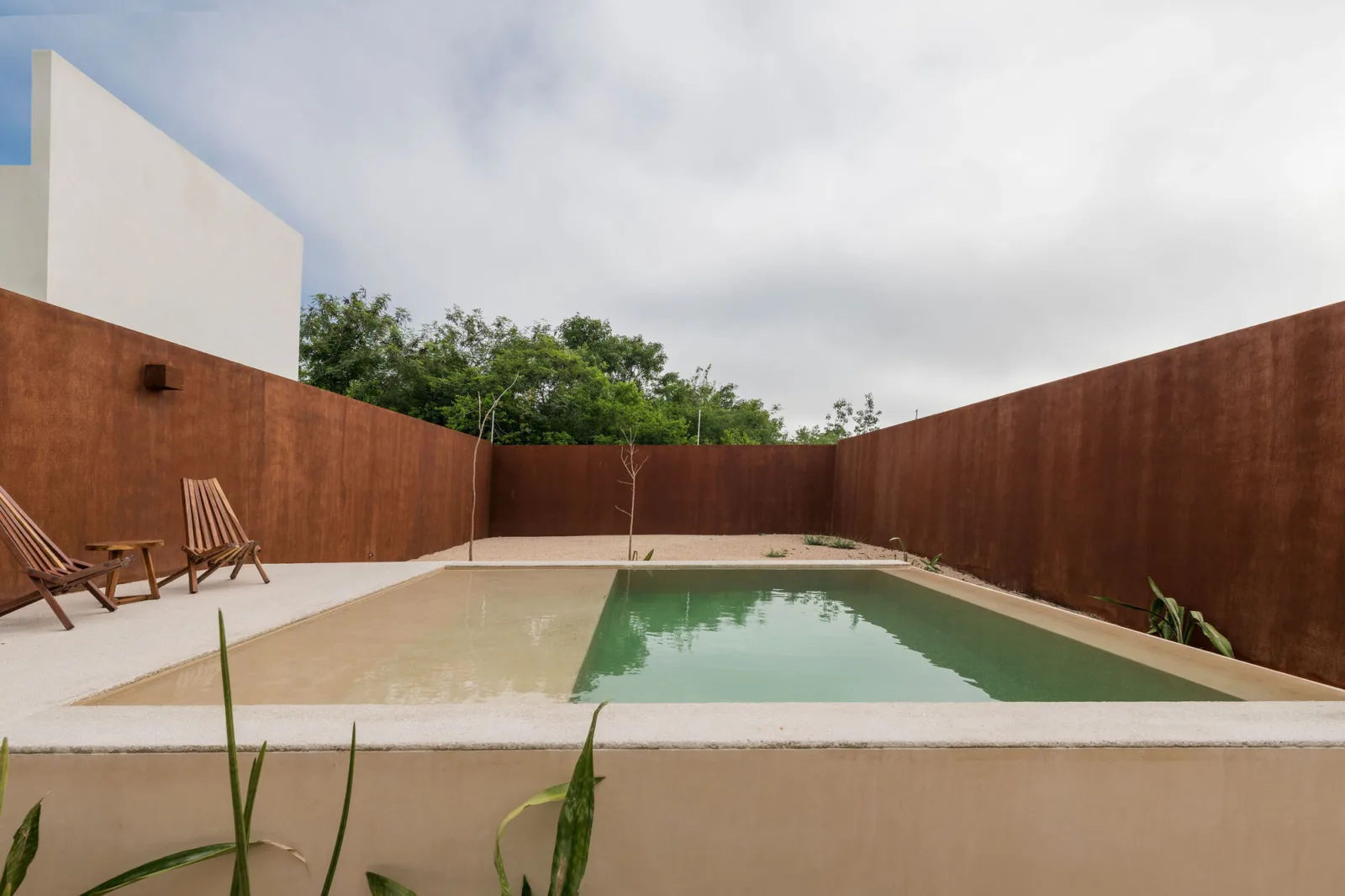
The renovation prioritizes the reuse of the original building’s structure, including cement blocks, beams, and floors, to minimize material waste.
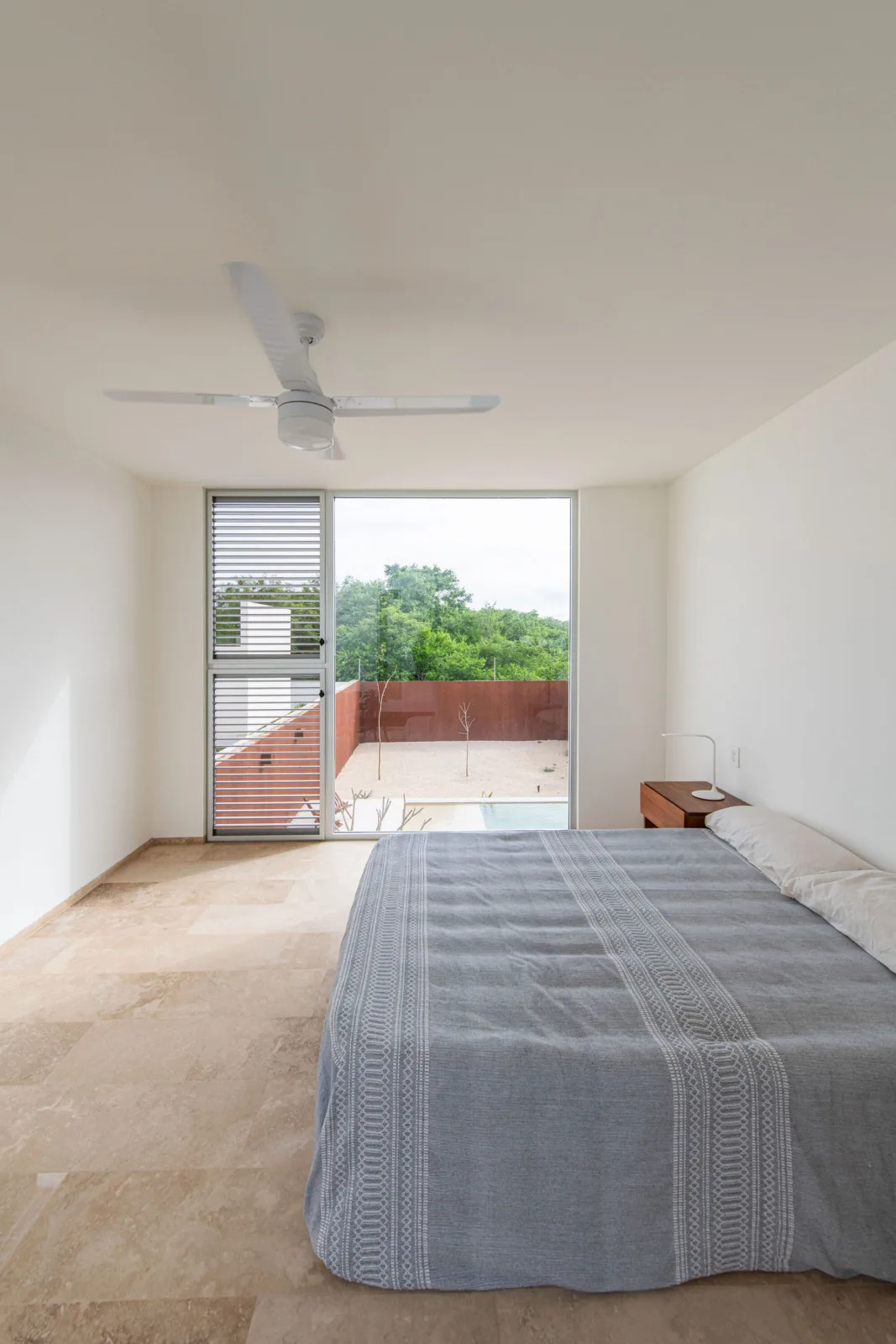
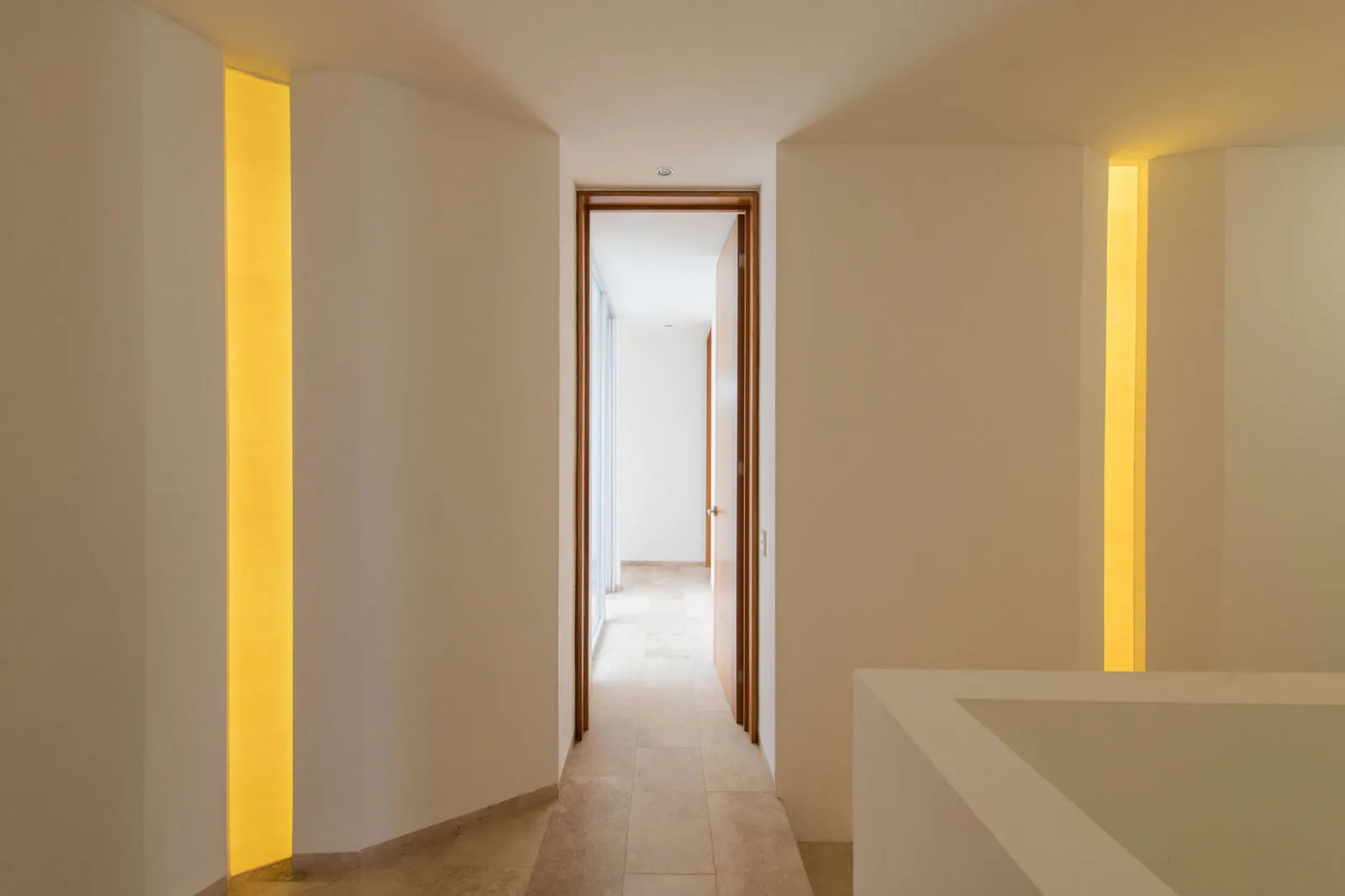
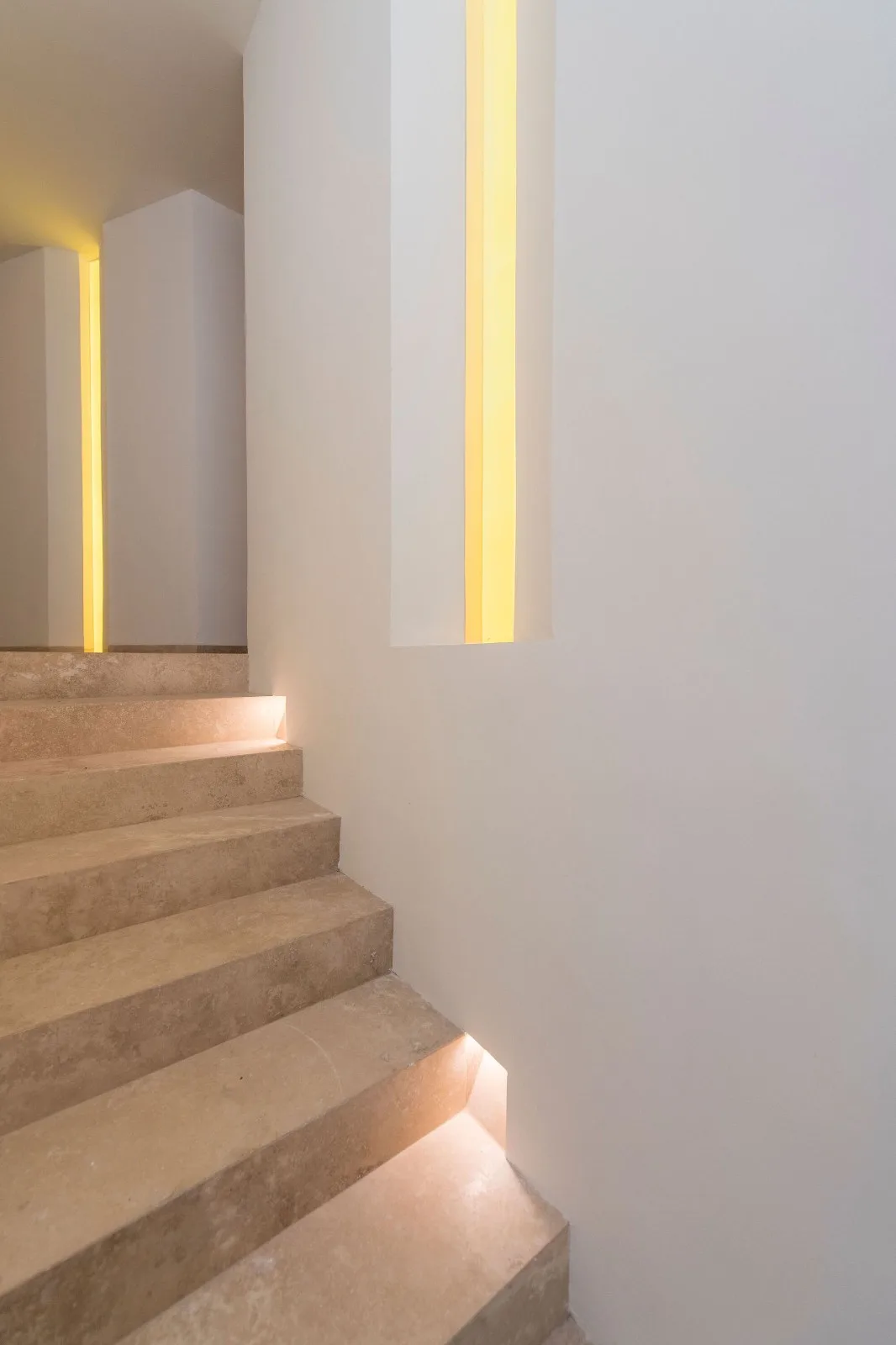
The design emphasizes warmth, cleanliness, and brightness. Both interior and exterior walls, as well as ceilings, are finished with an ivory-colored rubber material. Furniture and doors are crafted from cedar and other natural fibers. The house features matte marble flooring, aluminum furniture and hardware, a mix of clear and frosted glass, matte granite, yellow glass, stainless steel sinks, and door handles.
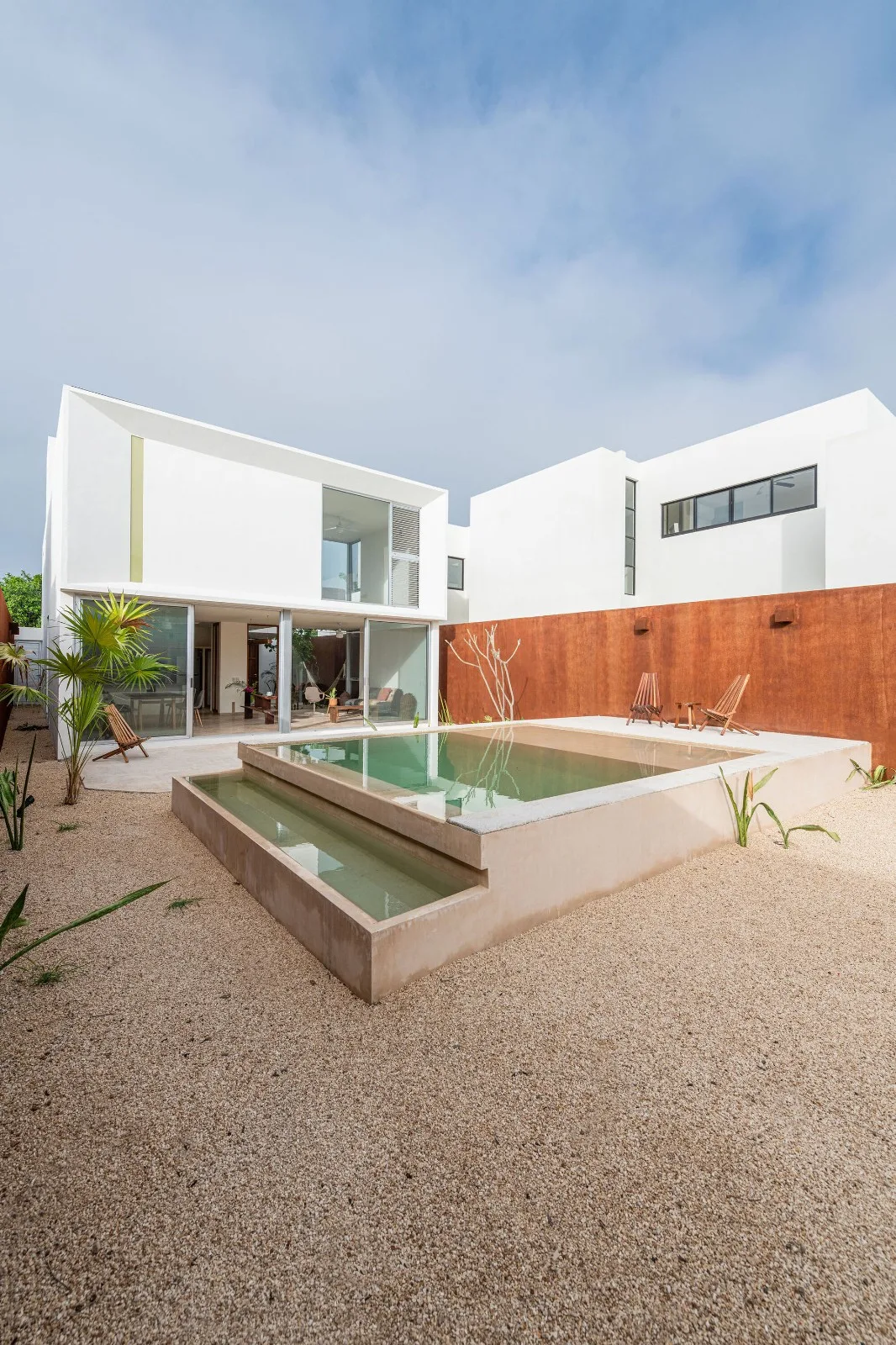
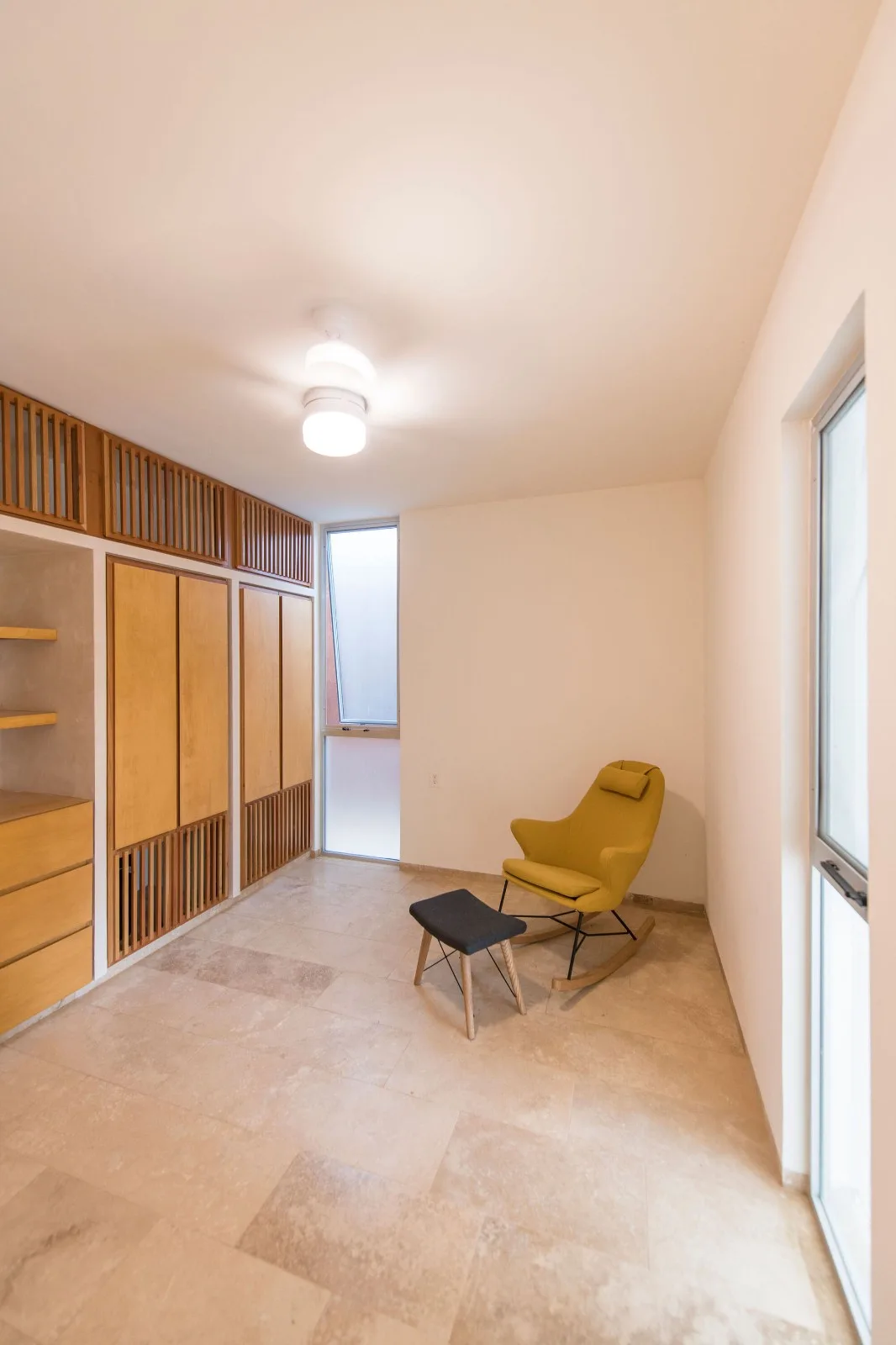
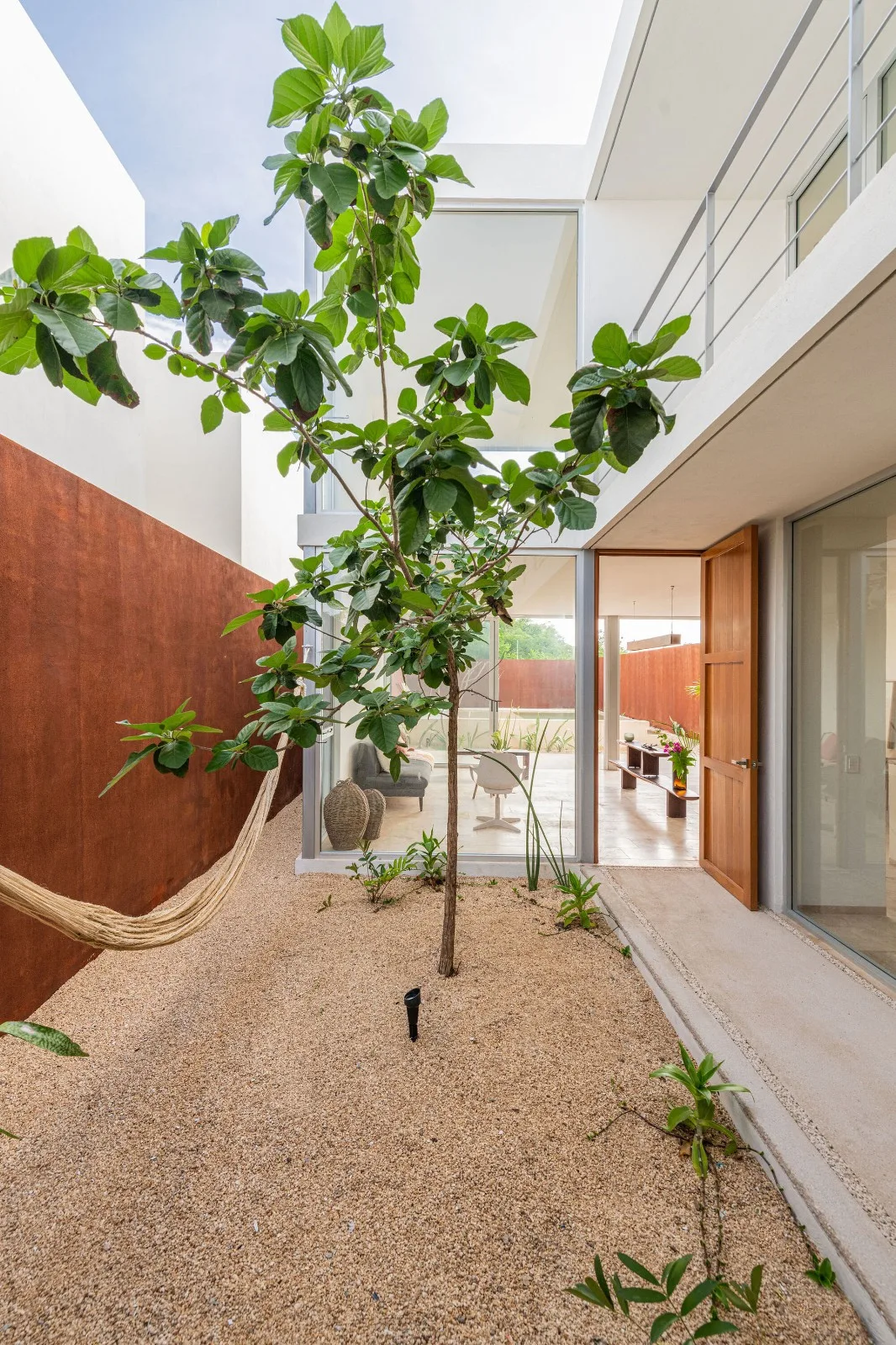
The interior design incorporates fixed furniture to seamlessly integrate with the building, based on practical considerations. The garden is planted with native species selected to provide food for local wildlife such as iguanas, bees, and birds.
Project Drawings
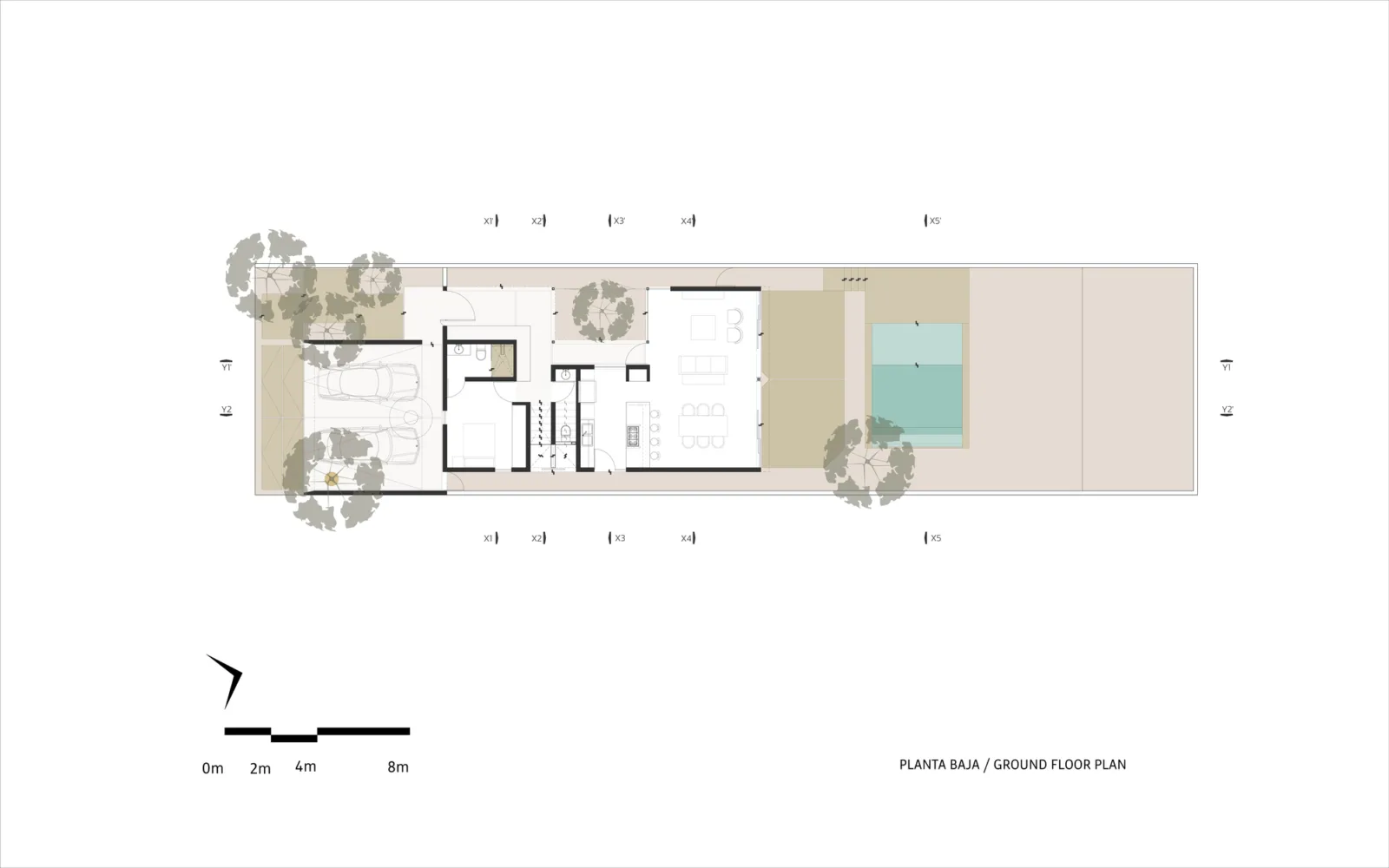
△ First Floor Plan
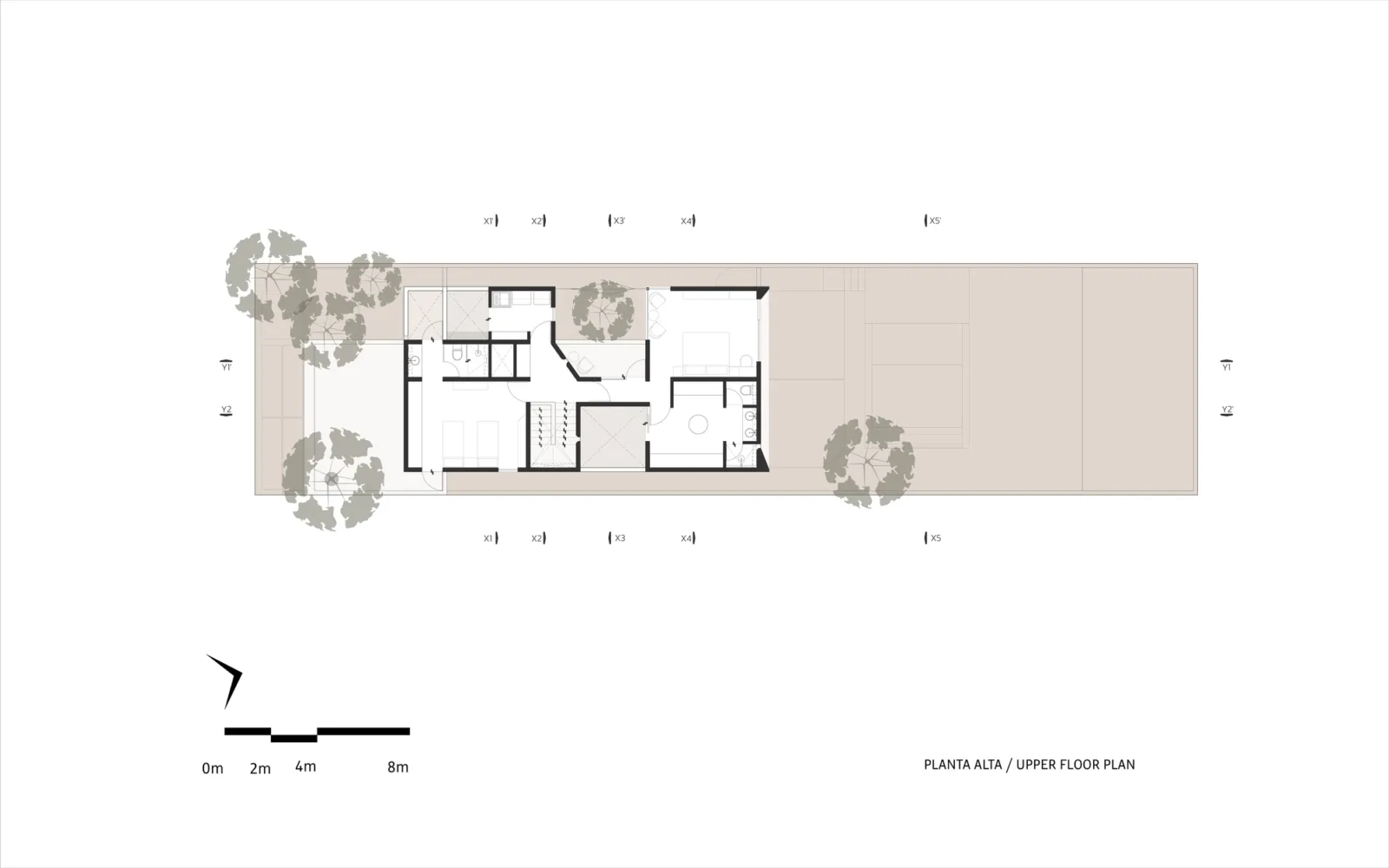
△ Second Floor Plan
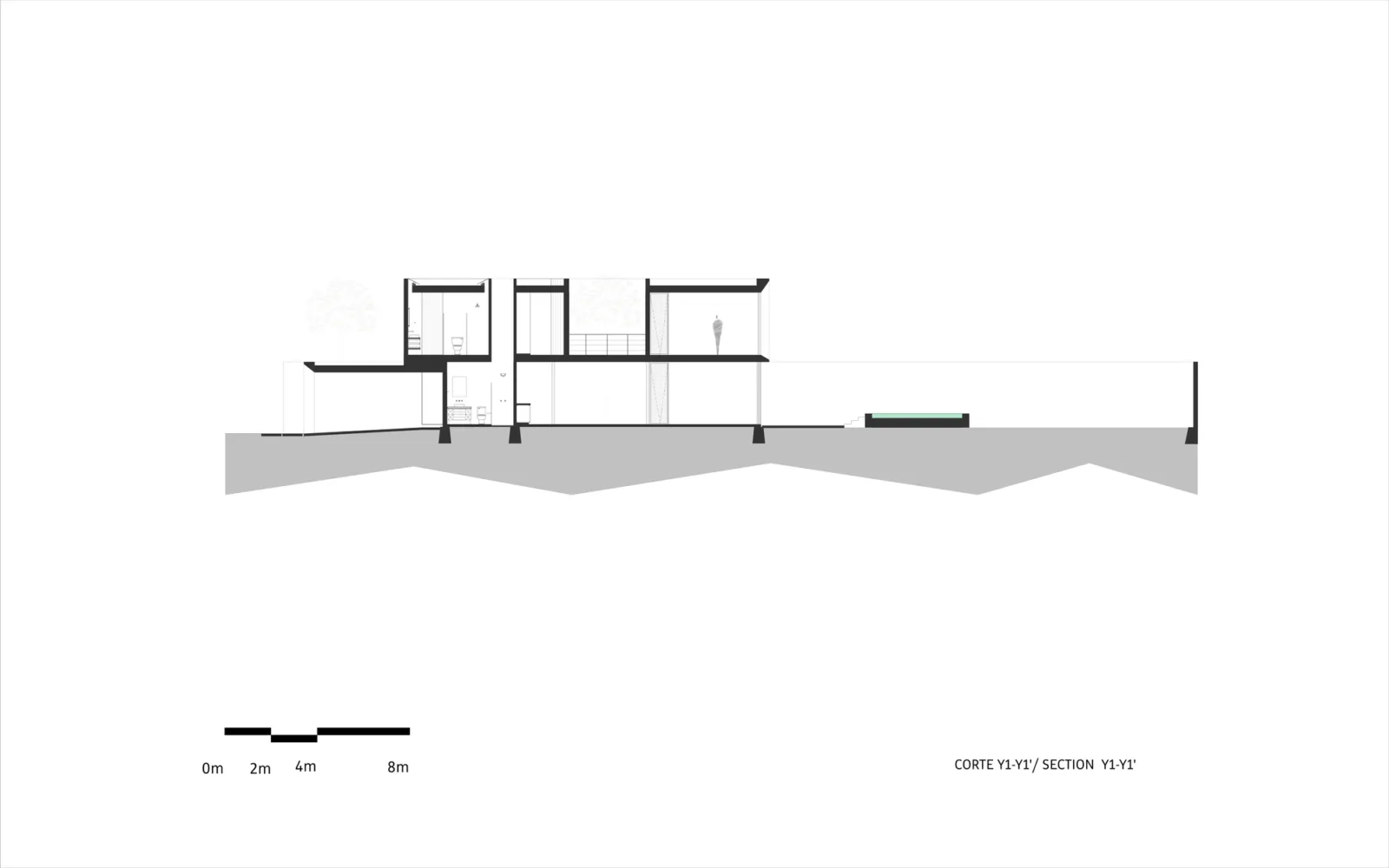
△ Section Y1
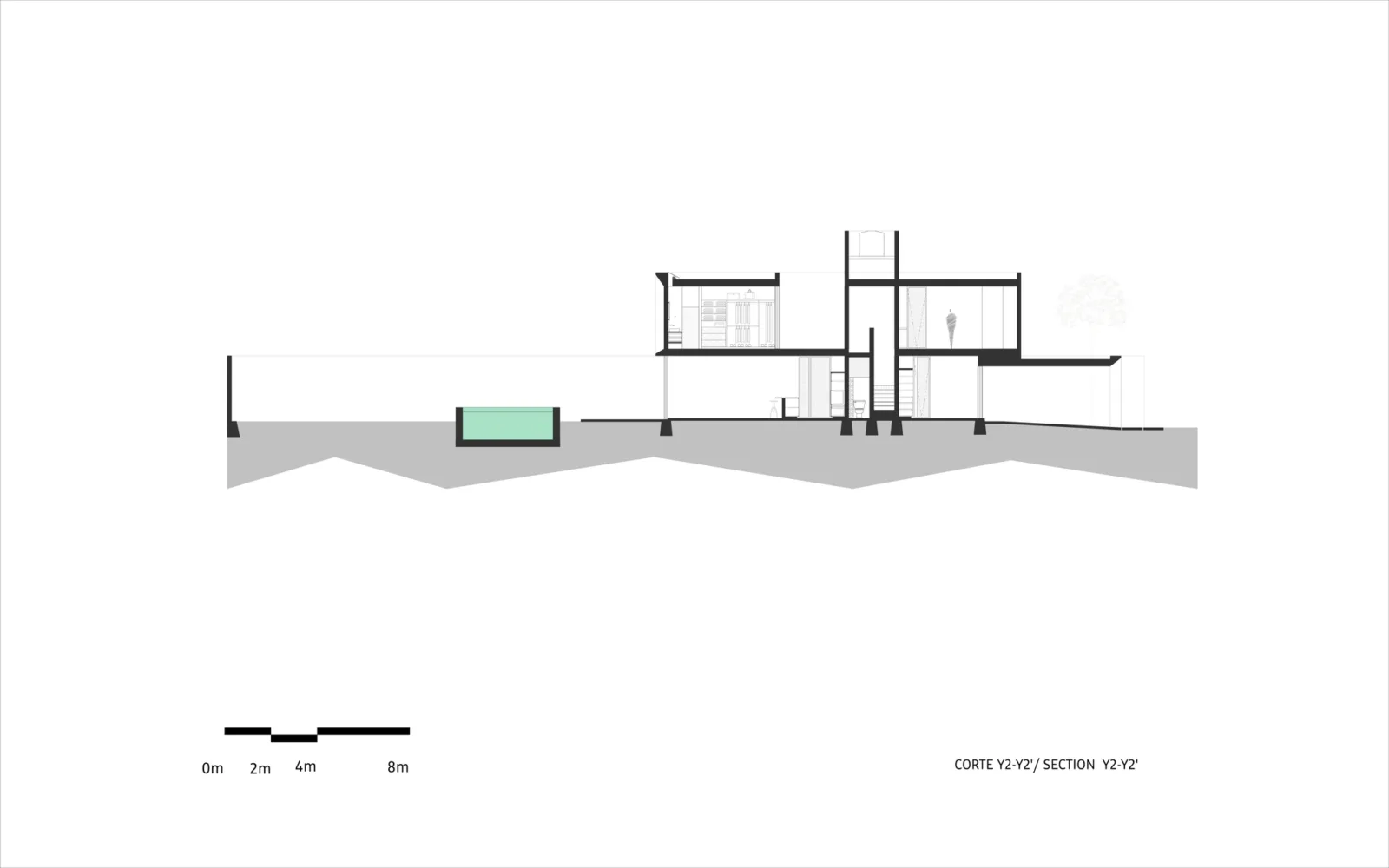
△ Section Y2
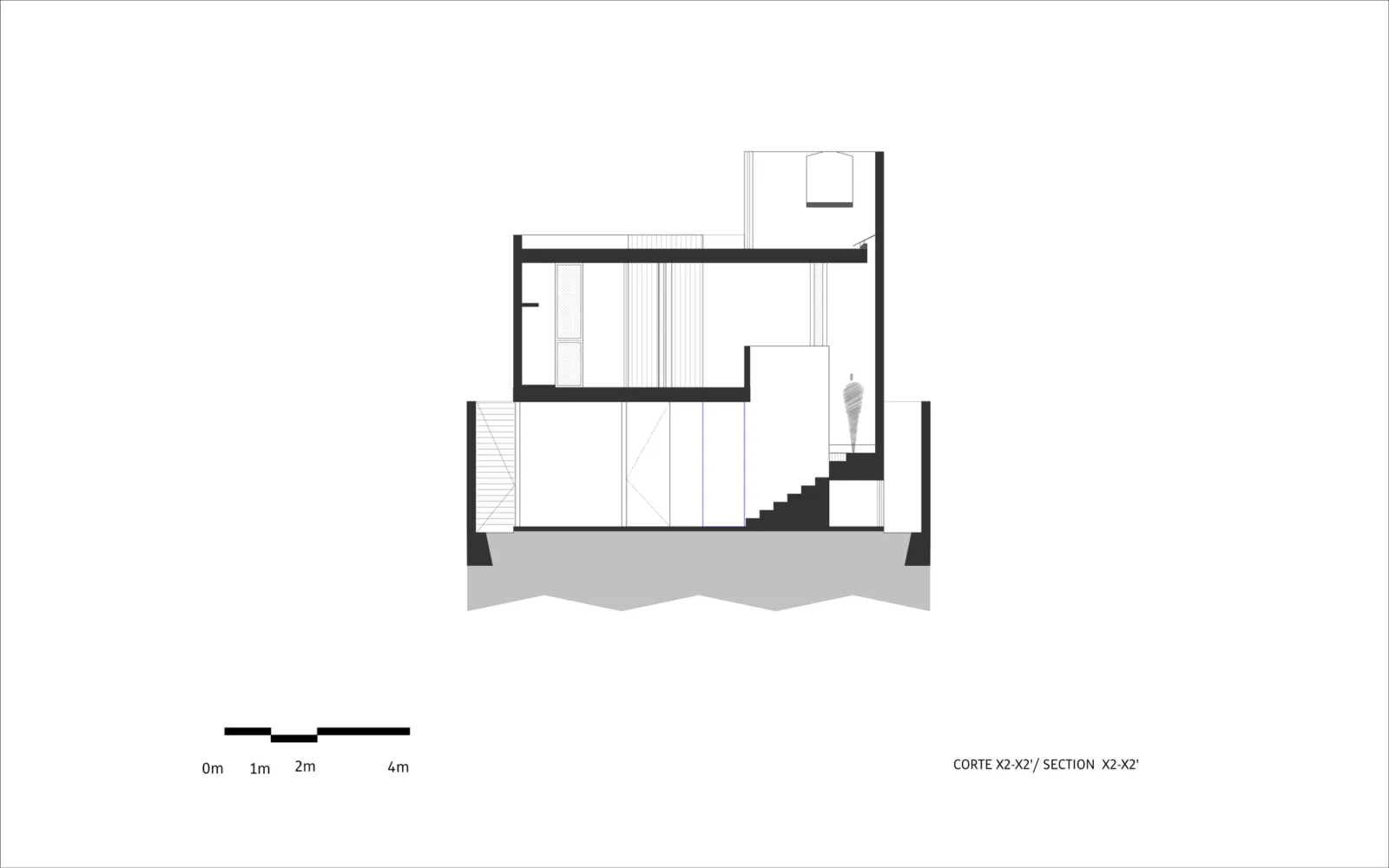
△ Profile X2
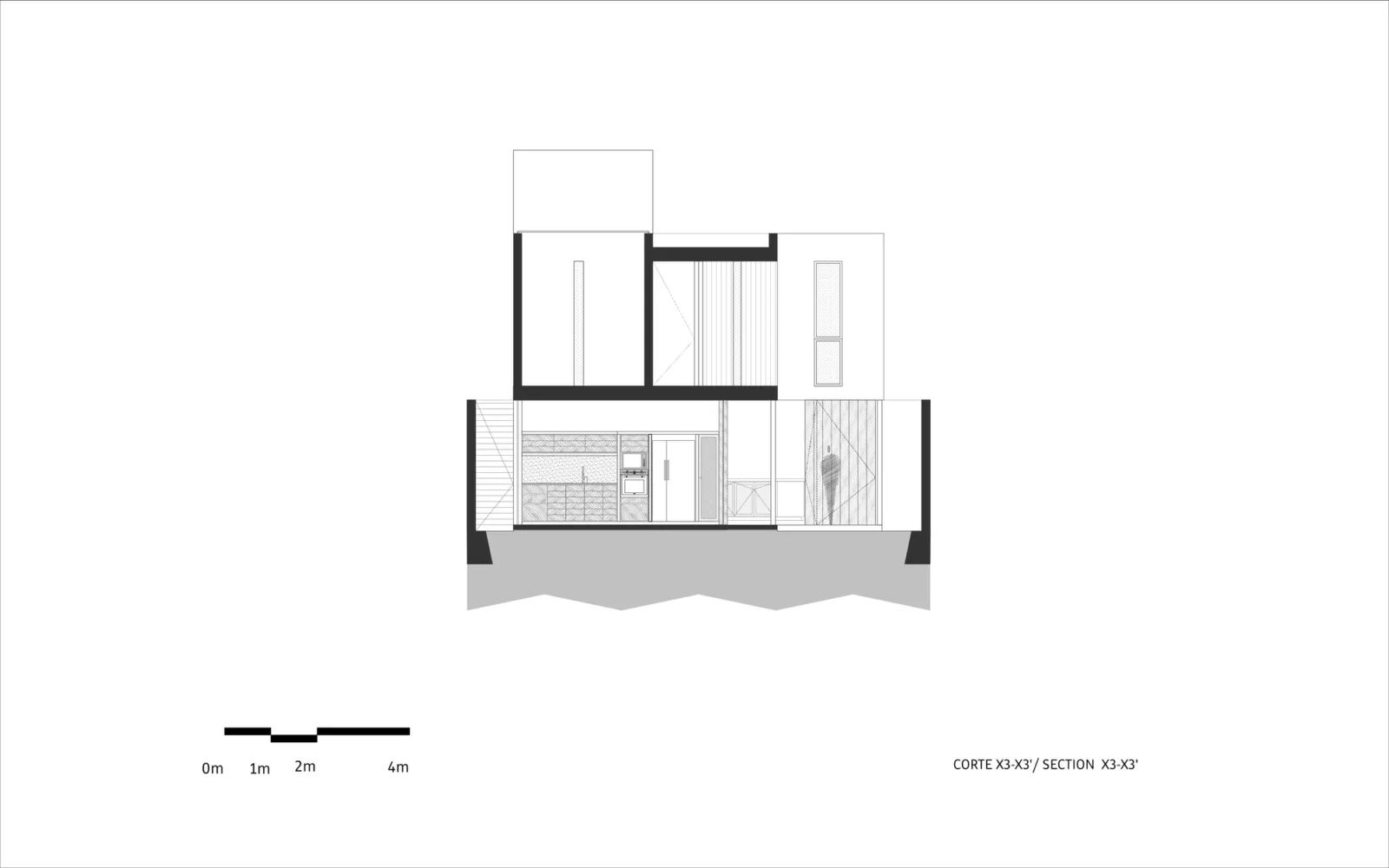
△ Section X3
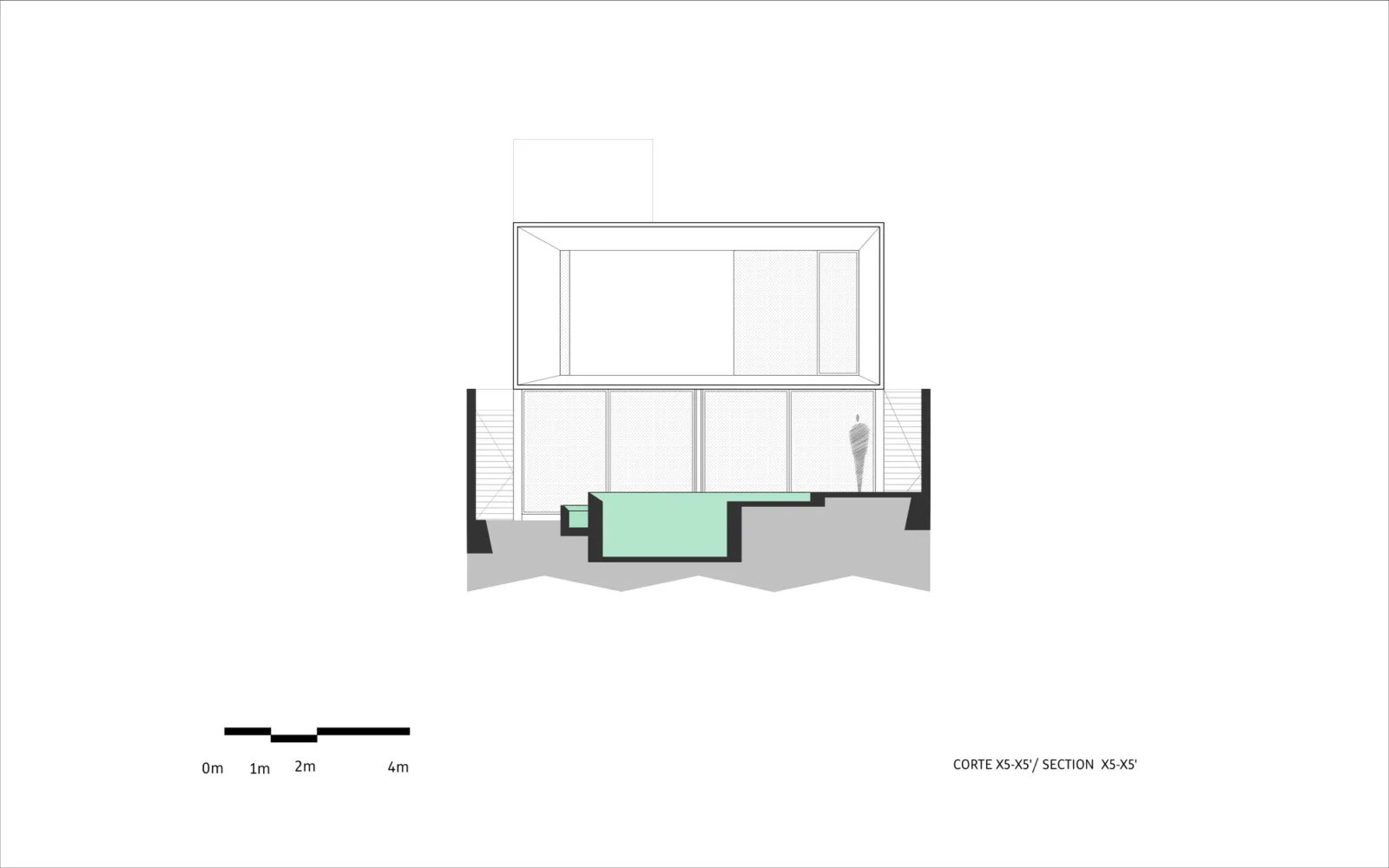
△ Section X5
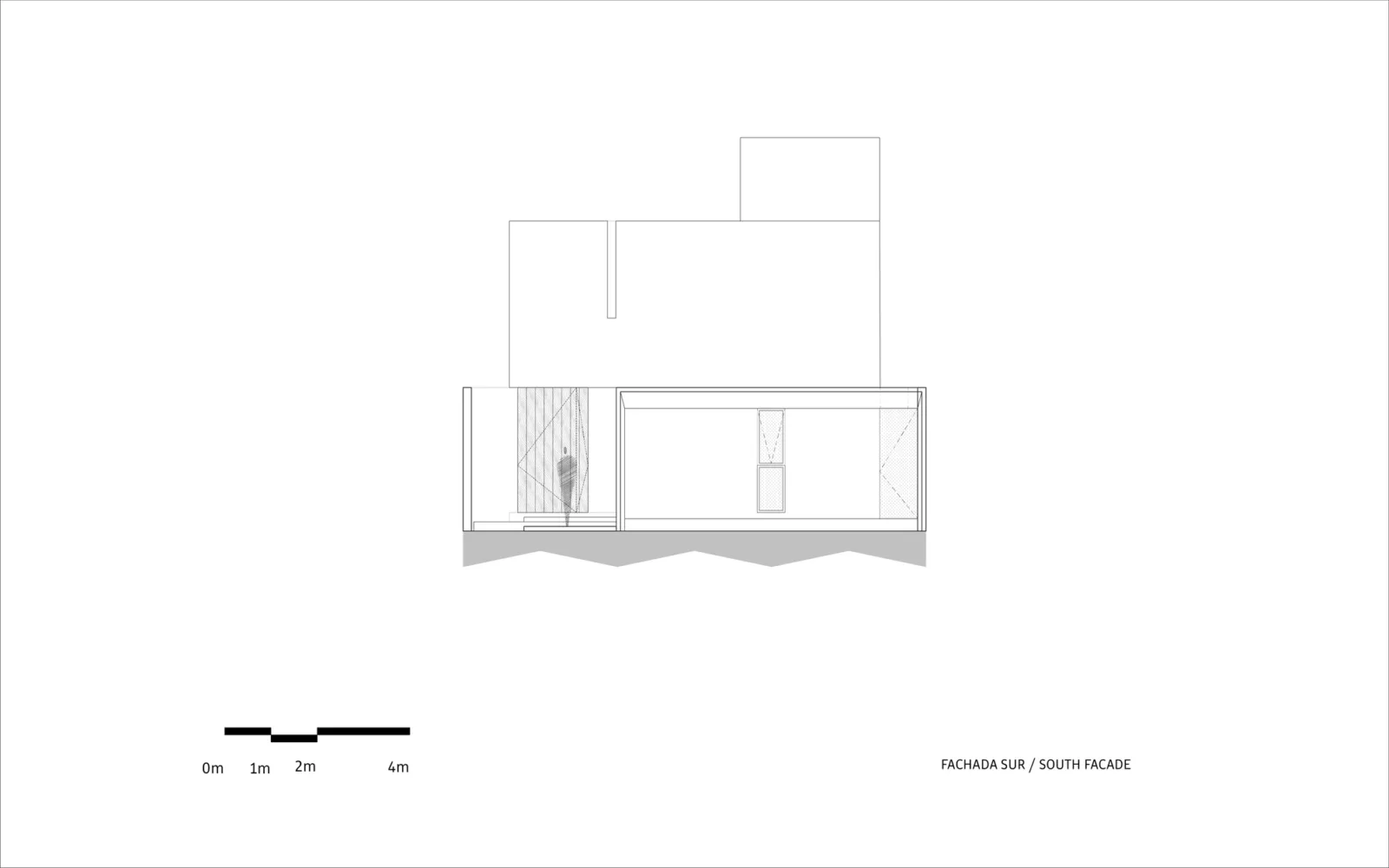
△ South Elevation View
Project Information
Architectural Design: TACO Taller de Arquitectura Contextual
Area: 246 square meters
Project Year: 2021
Photographer: Leo Espinosa
Team: Carlos Patrón Ibarra, Alejandro Patrón Sansor, Ana Patrón Ibarra, Karla Gómez Luna, Libya Aguilar
Project: TACO Contextual Architecture Workshop
Builder: TACO Taller de arquitectura contextual
Location: Conkal, Mexico













Must log in before commenting!
Sign Up