
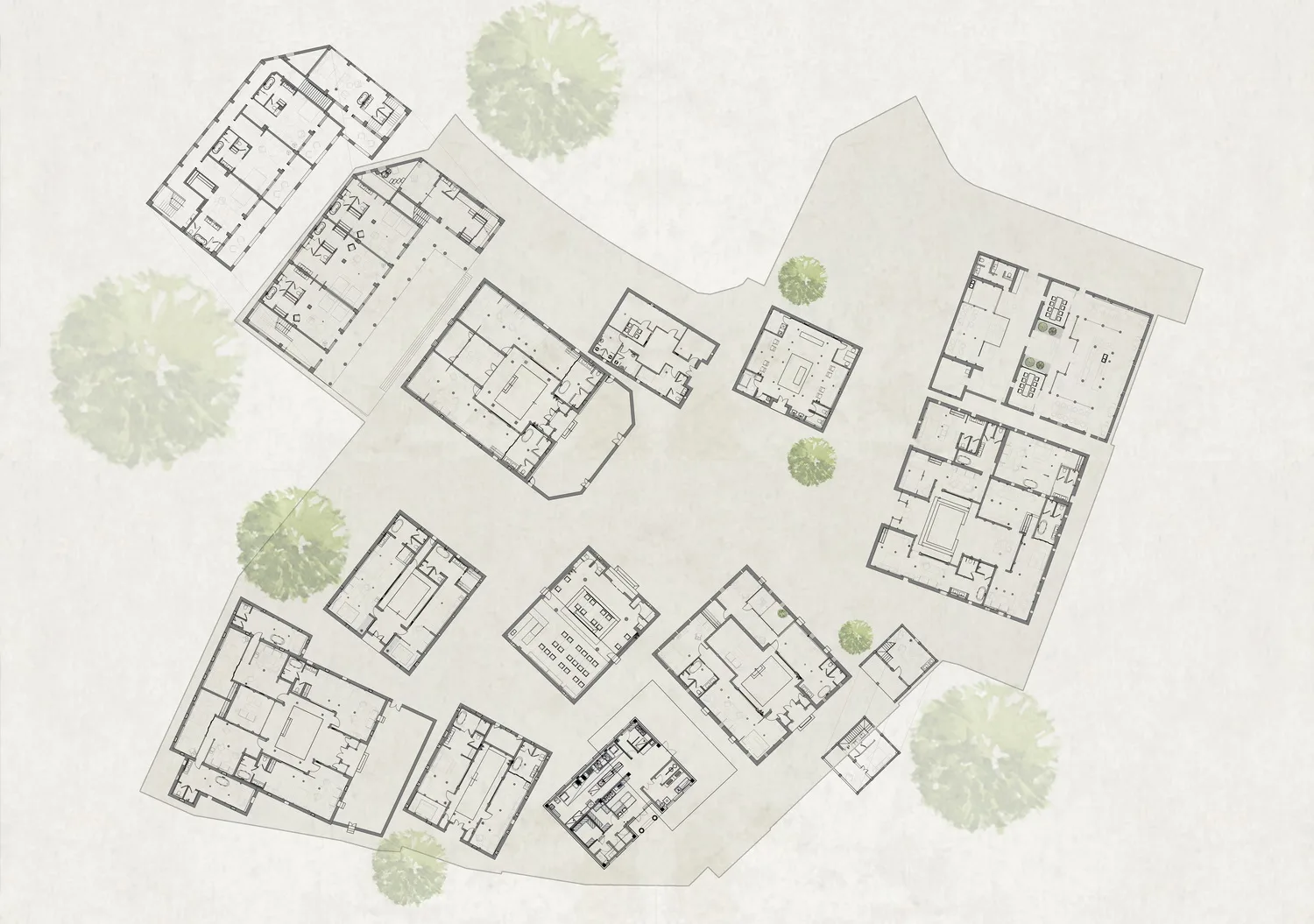
The Qingpu Wulin Cultural Museum is situated in Wulin Ancient Village, Jinjiang City, Fujian Province. Covering approximately 6,000 square meters, the site comprises 13 traditional Fujian residential buildings. The Mystery House Design Studio was commissioned by the renowned cultural vacation group Qingpu TSINGPU to transform this ancient architectural complex into a diverse cultural tourism and vacation destination. The site now features guest rooms, restaurants, tea houses, exhibitions, forums, and more.
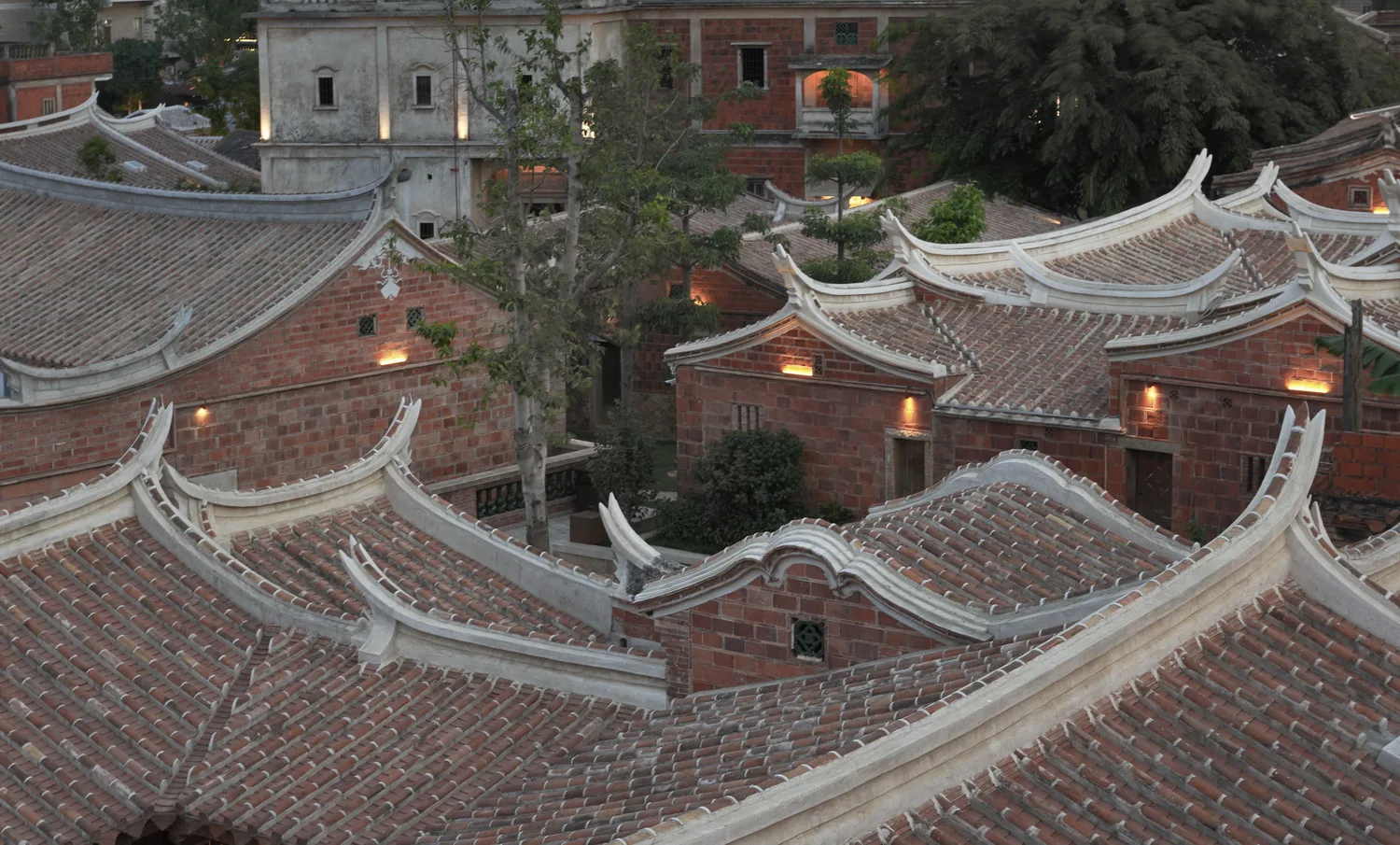
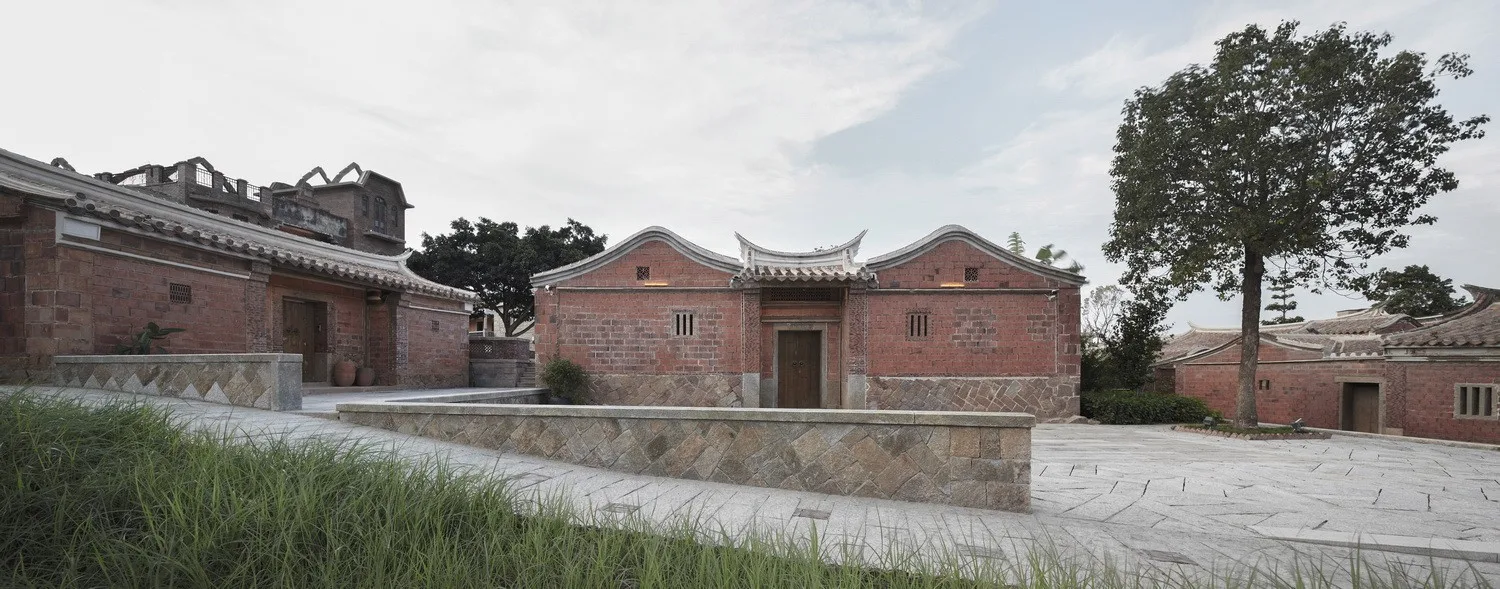
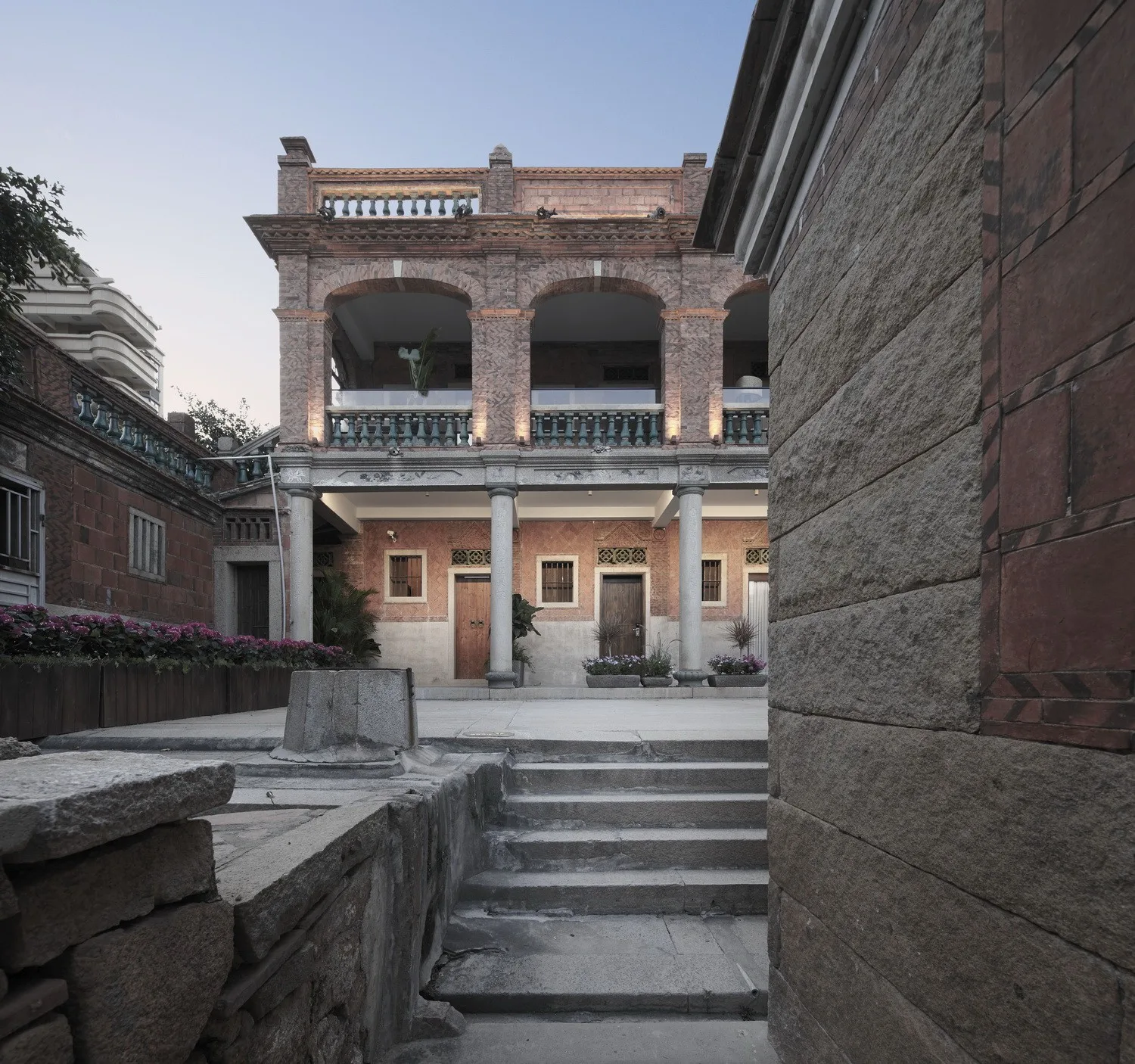
The architecture here is divided into two main styles: Minnan Red Brick Ancient Houses and Nanyang Buildings. The varied building shapes complement each other, creating a rich architectural experience. Our goal was to preserve the natural and original beauty of the site, approaching the spatial design with restraint to avoid excessive alterations. While honoring the regional architectural culture, we infused modern aesthetic language to create a “new Minnan spatial form” that offers a culturally rich and high-quality vacation atmosphere.
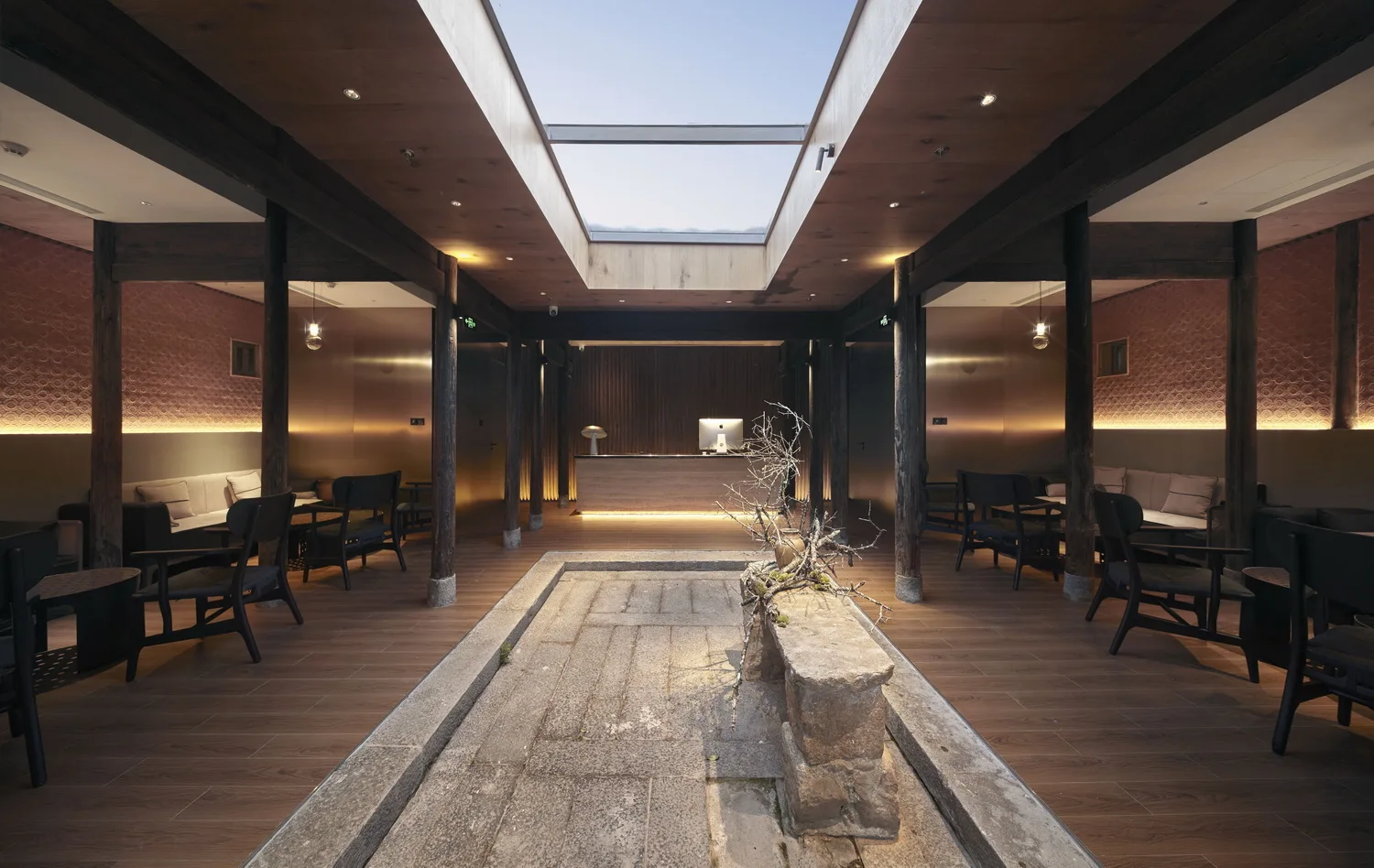
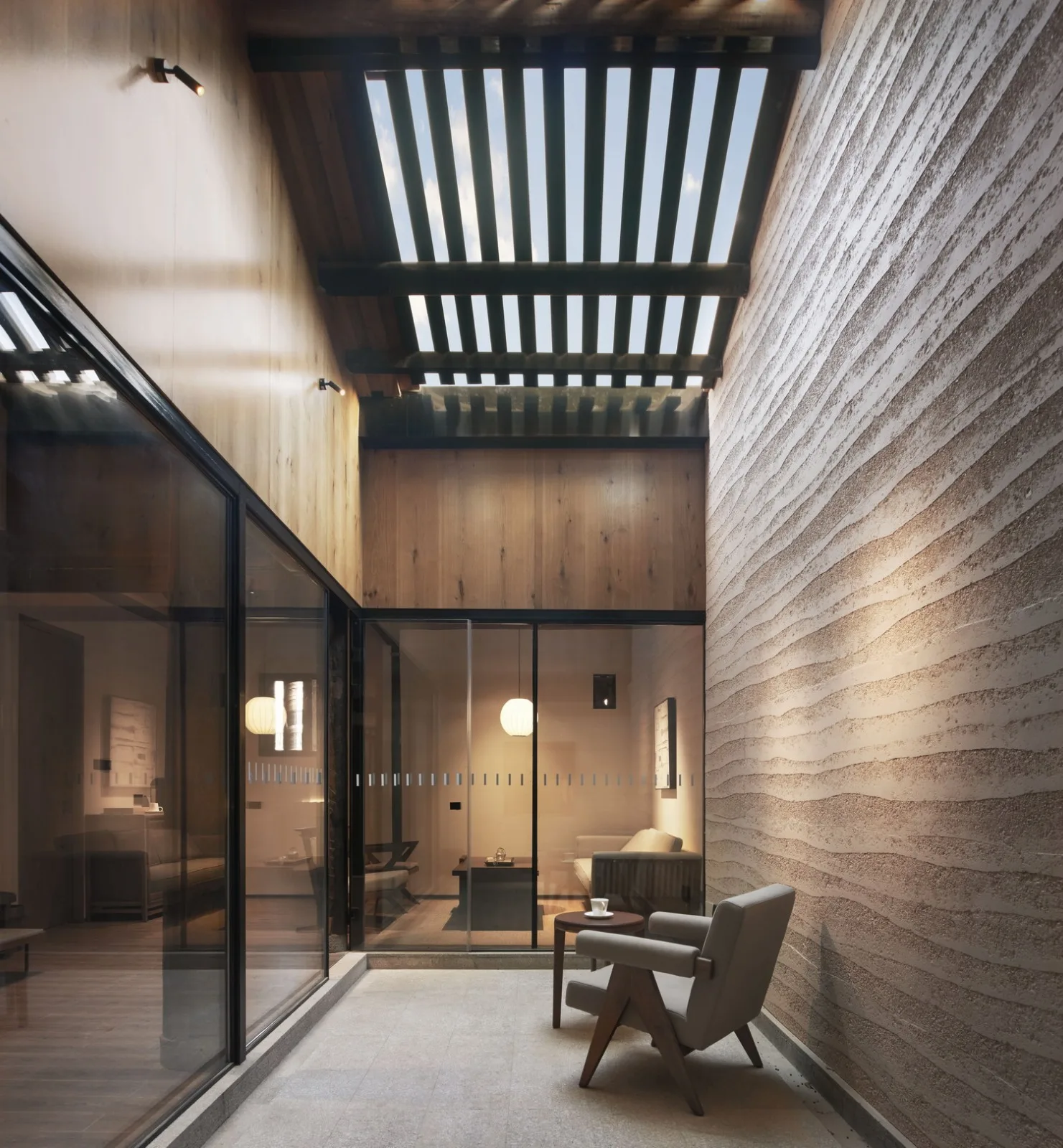
As the first encounter with the inn’s interior, we preserved the wooden structure of the buildings while removing the wooden partition walls that previously divided the rooms. By introducing glass skylights and concealed air conditioning, we created bright, transparent, and comfortable indoor spaces that reveal the charm and new possibilities of the Minnan ancient house design.
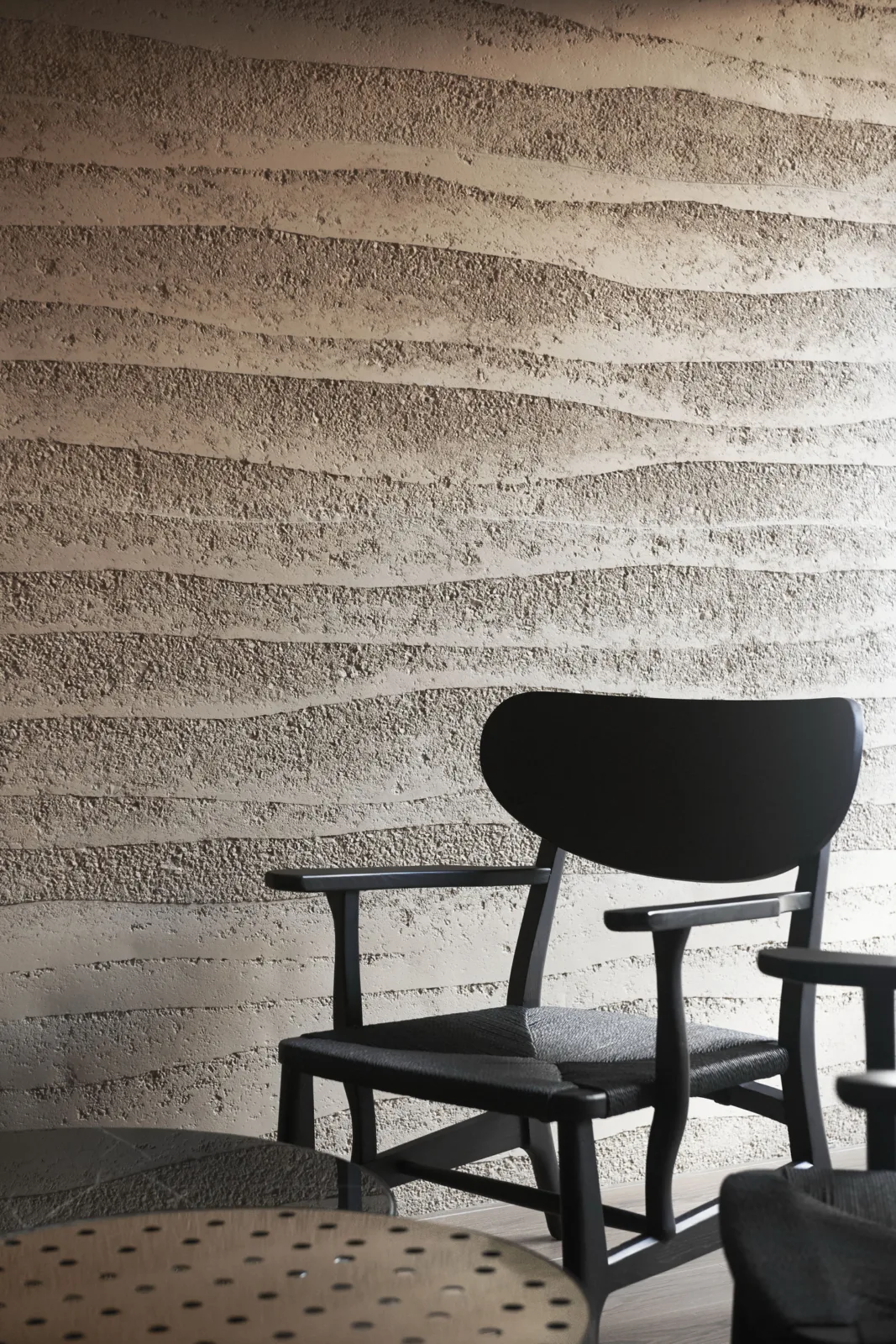
The use of rammed earth materials further enhances the historical feel of traditional architecture.
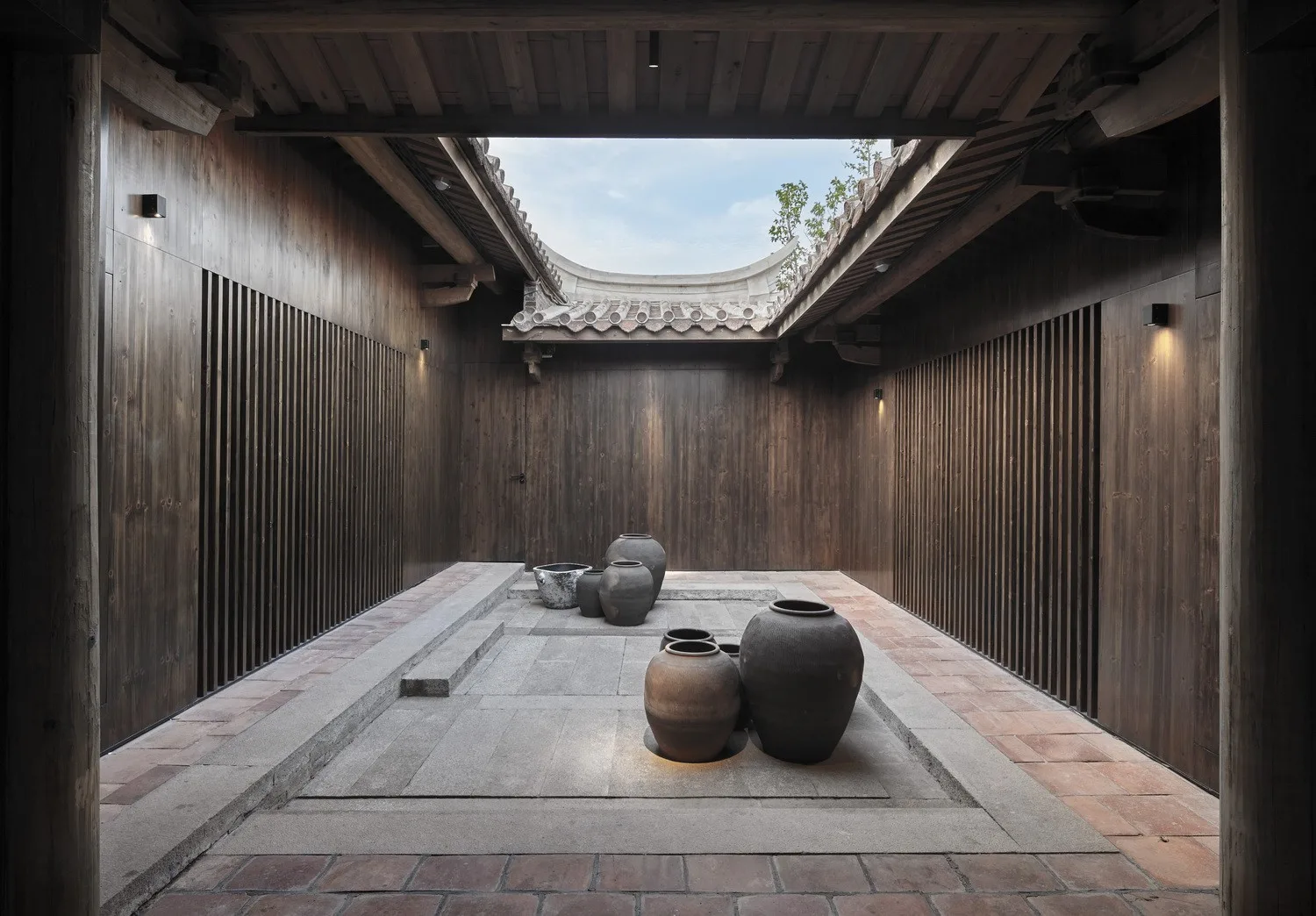
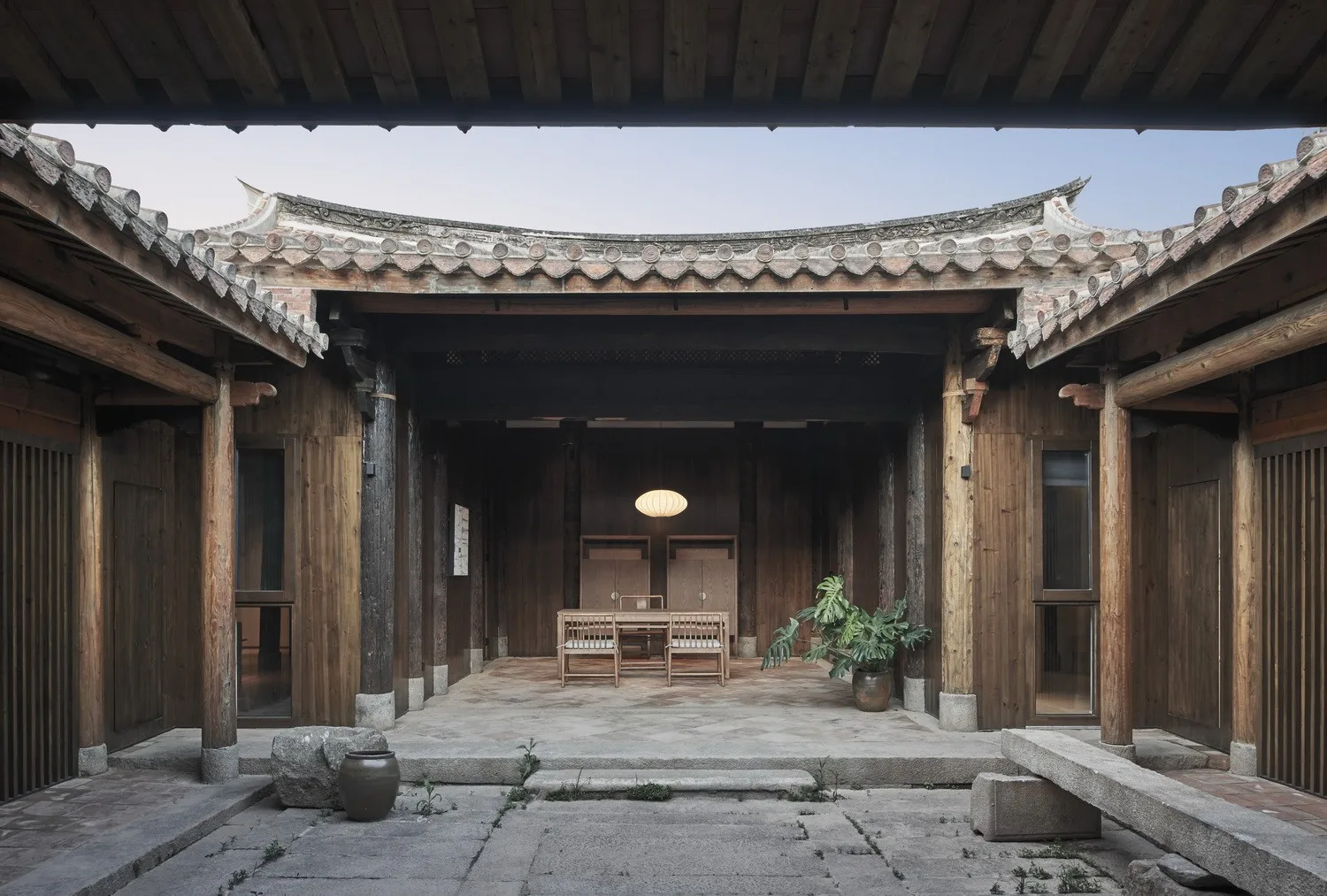
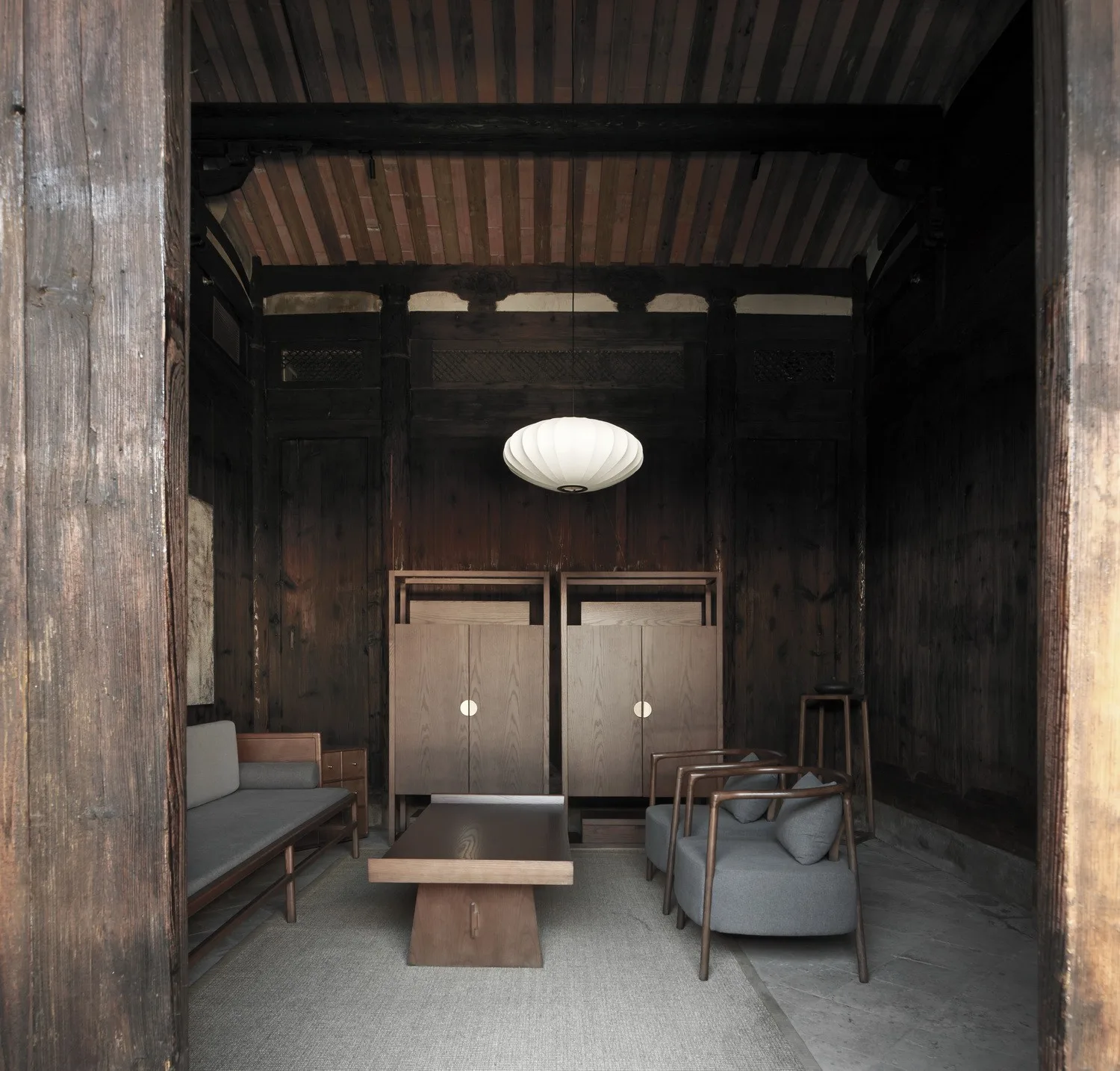
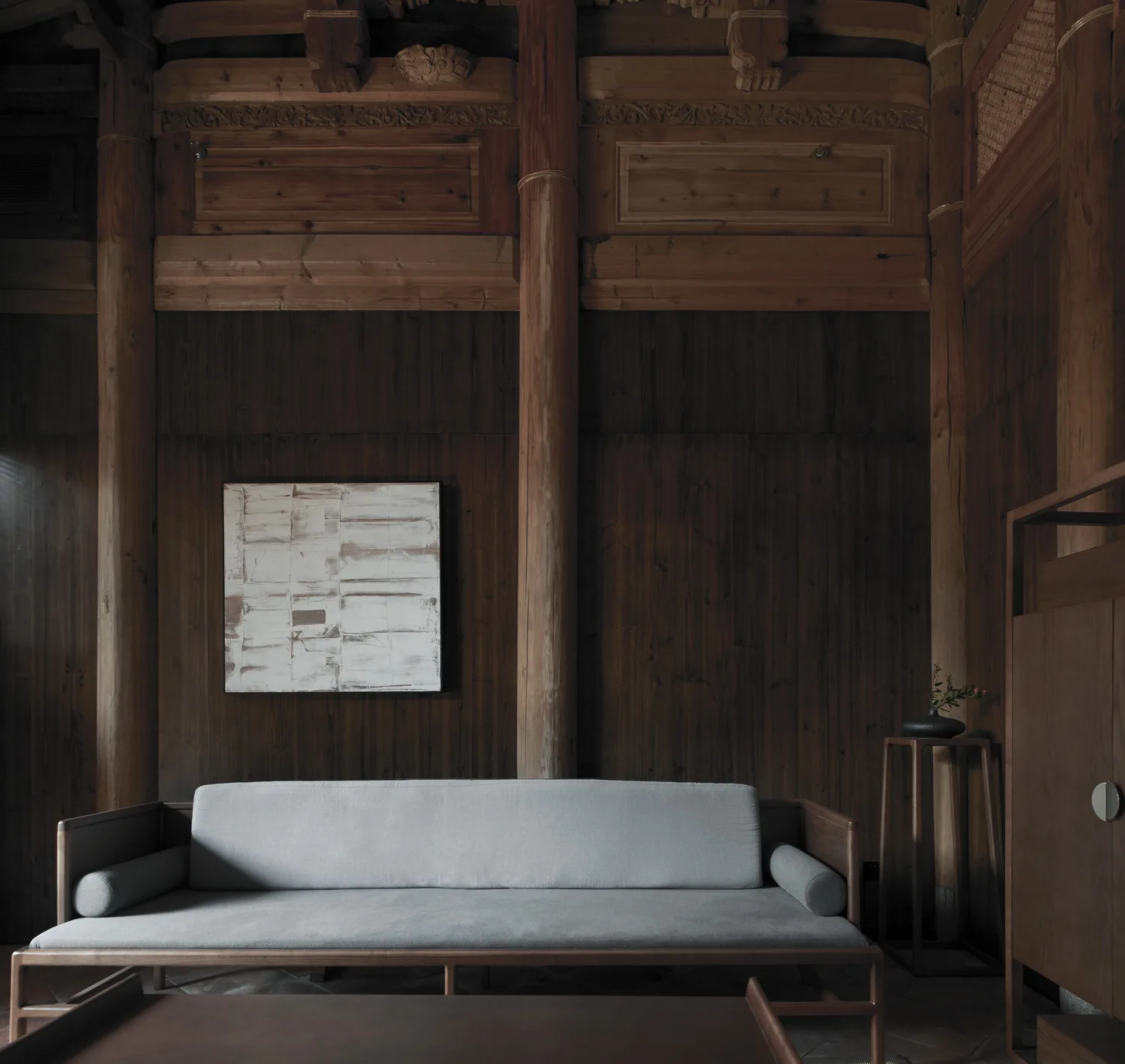
We reconfigured the internal layout of each Minnan ancient house to create a more relaxed and pleasant spatial flow. The facade facing the inner courtyard was opened up and fitted with wooden lattices, allowing natural light to flood the guest rooms while maintaining privacy.
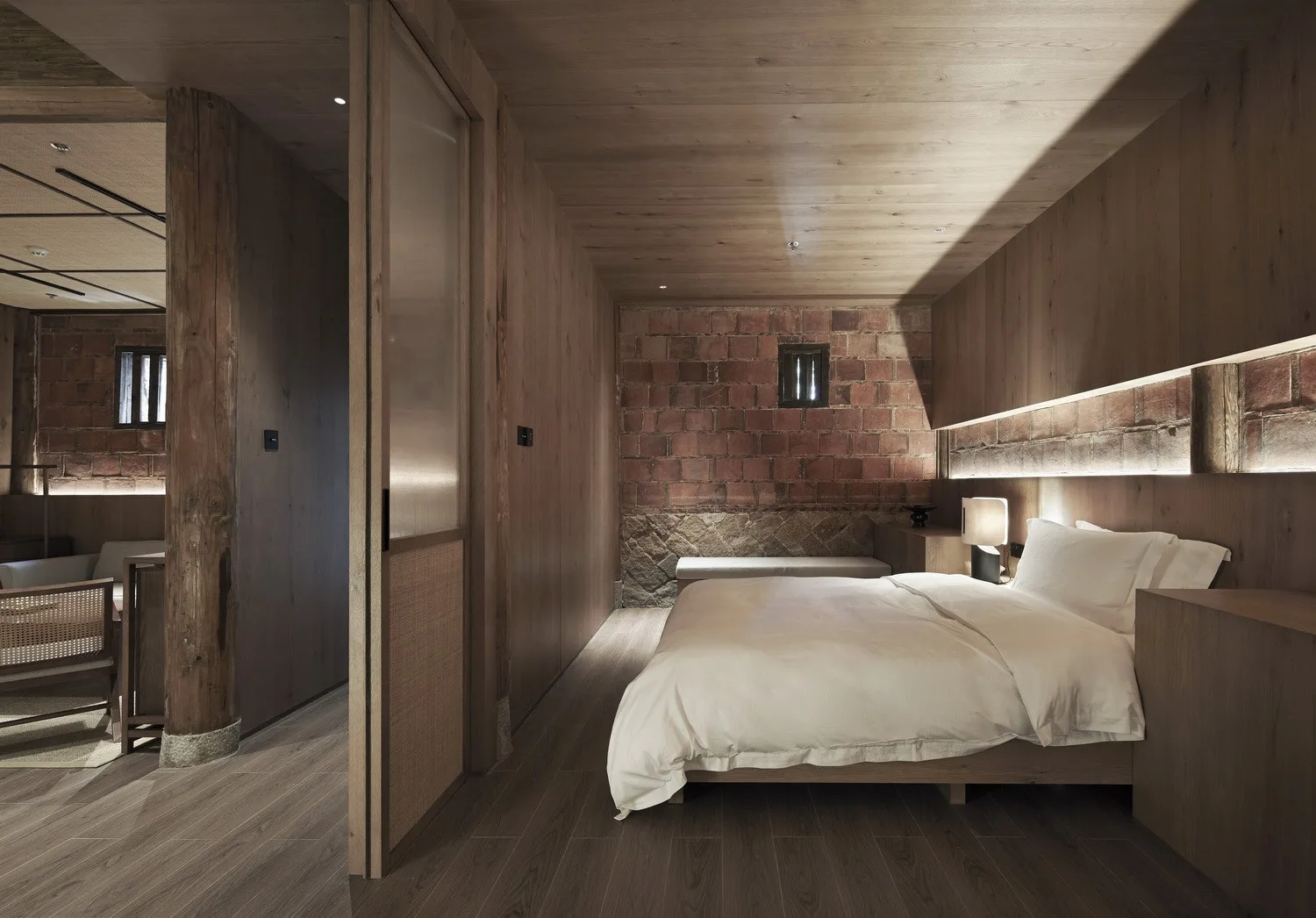
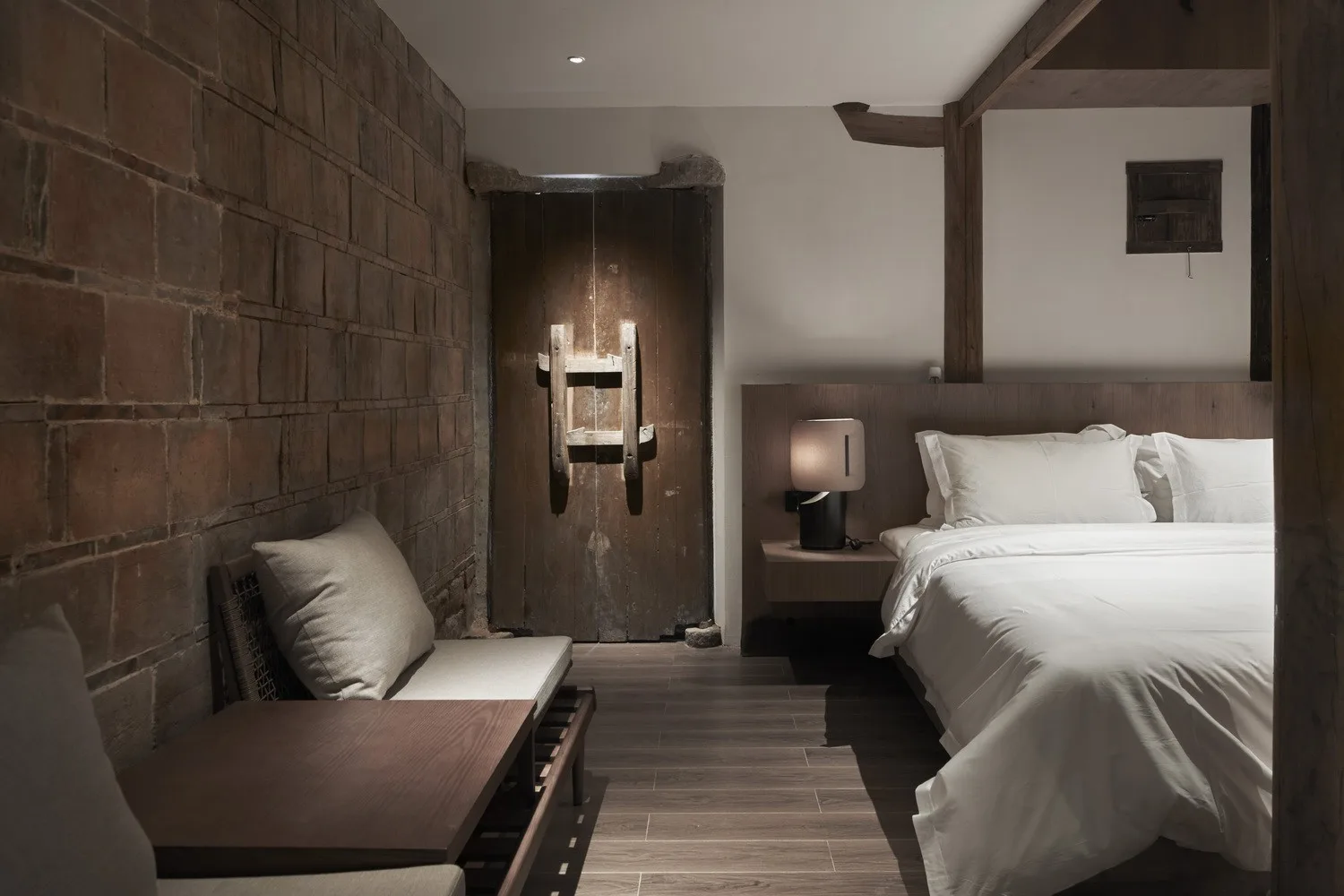
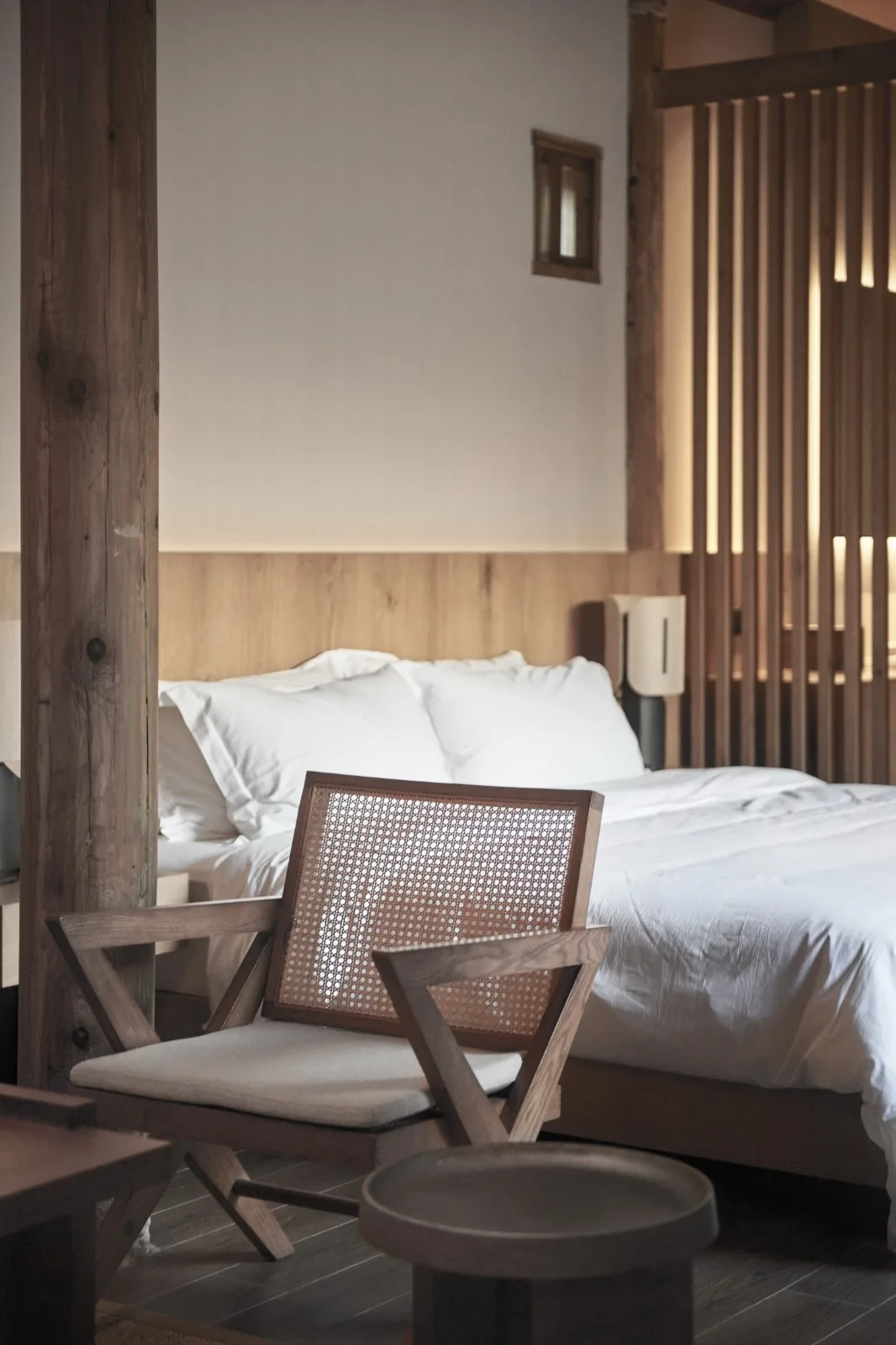
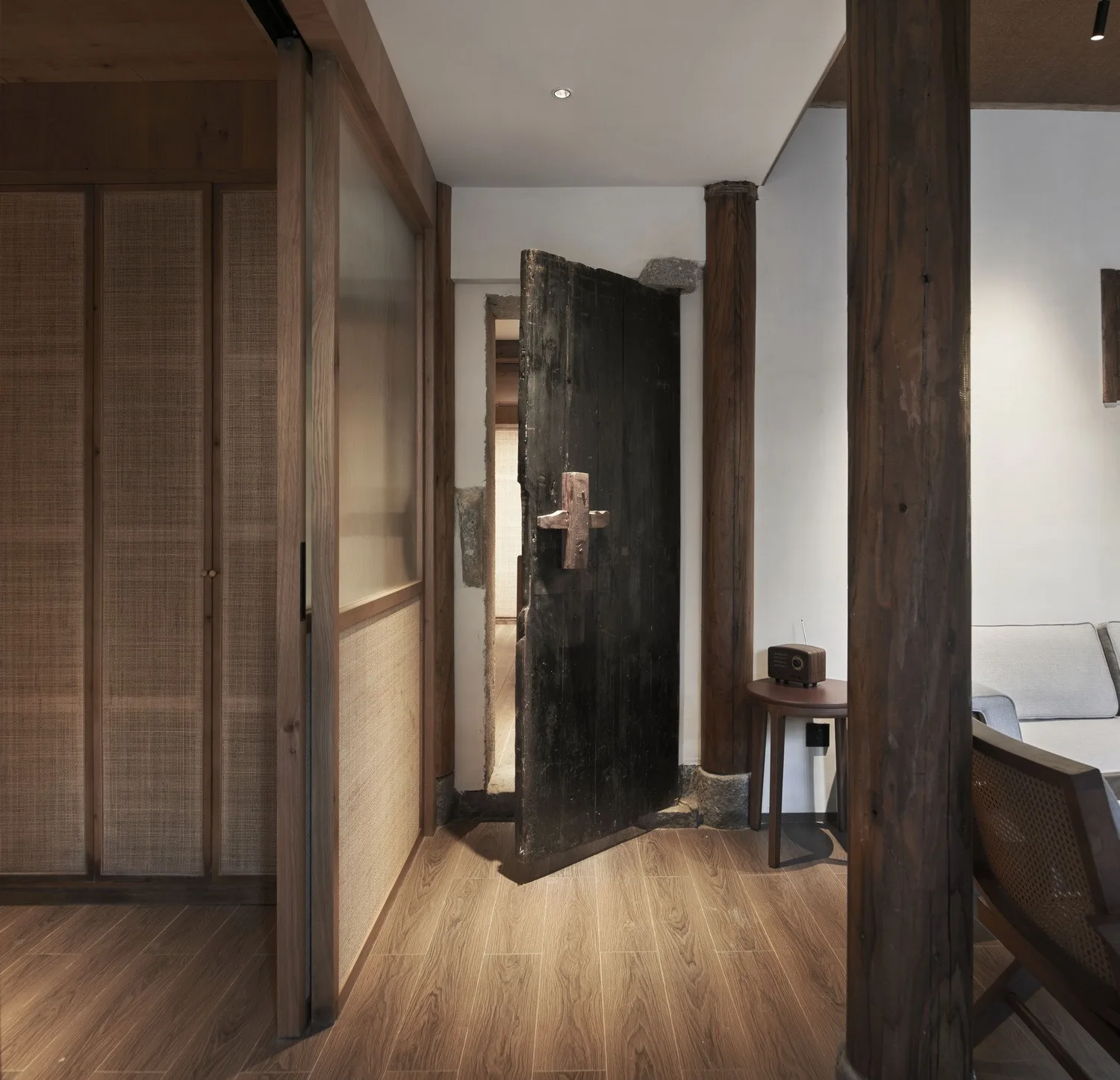
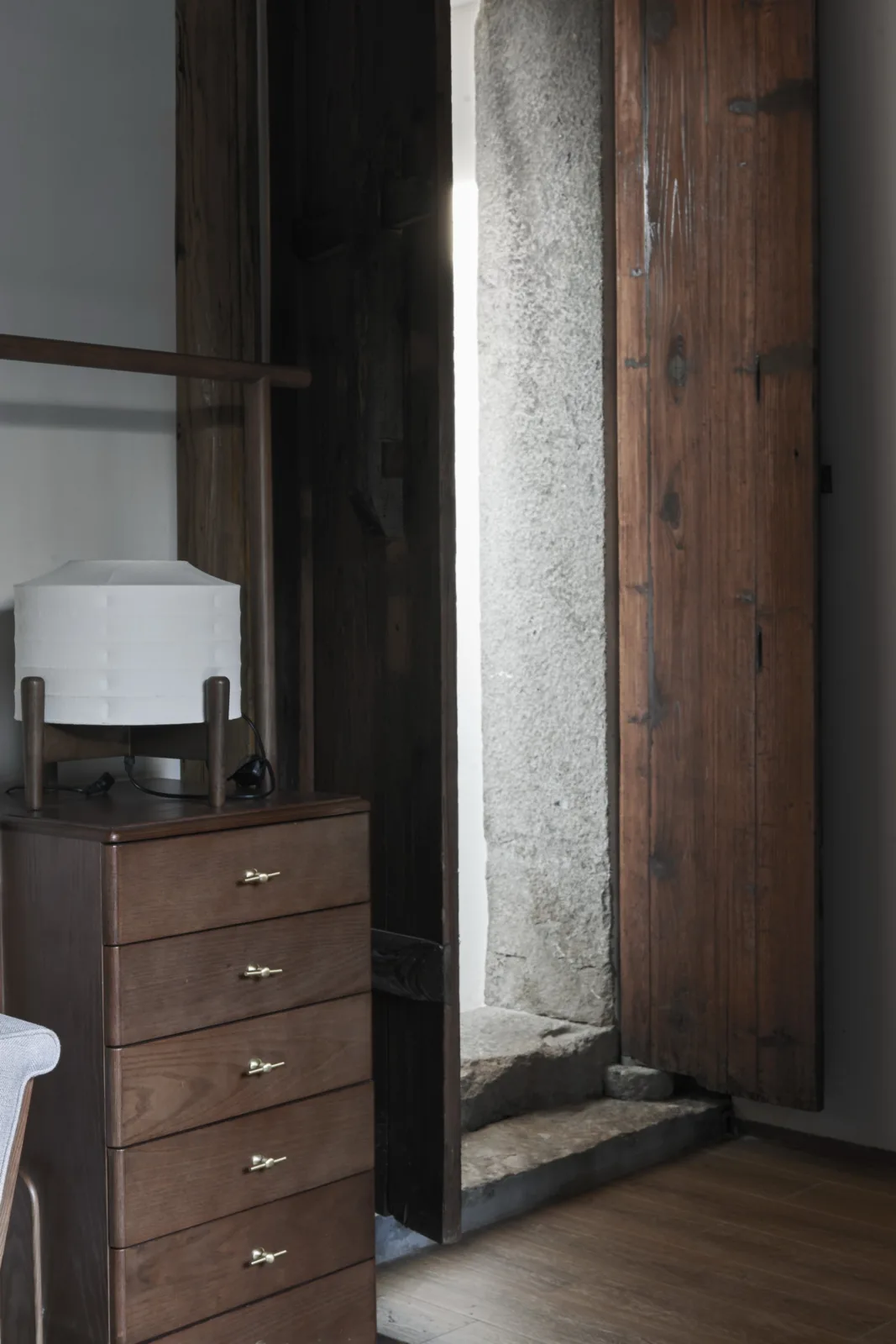
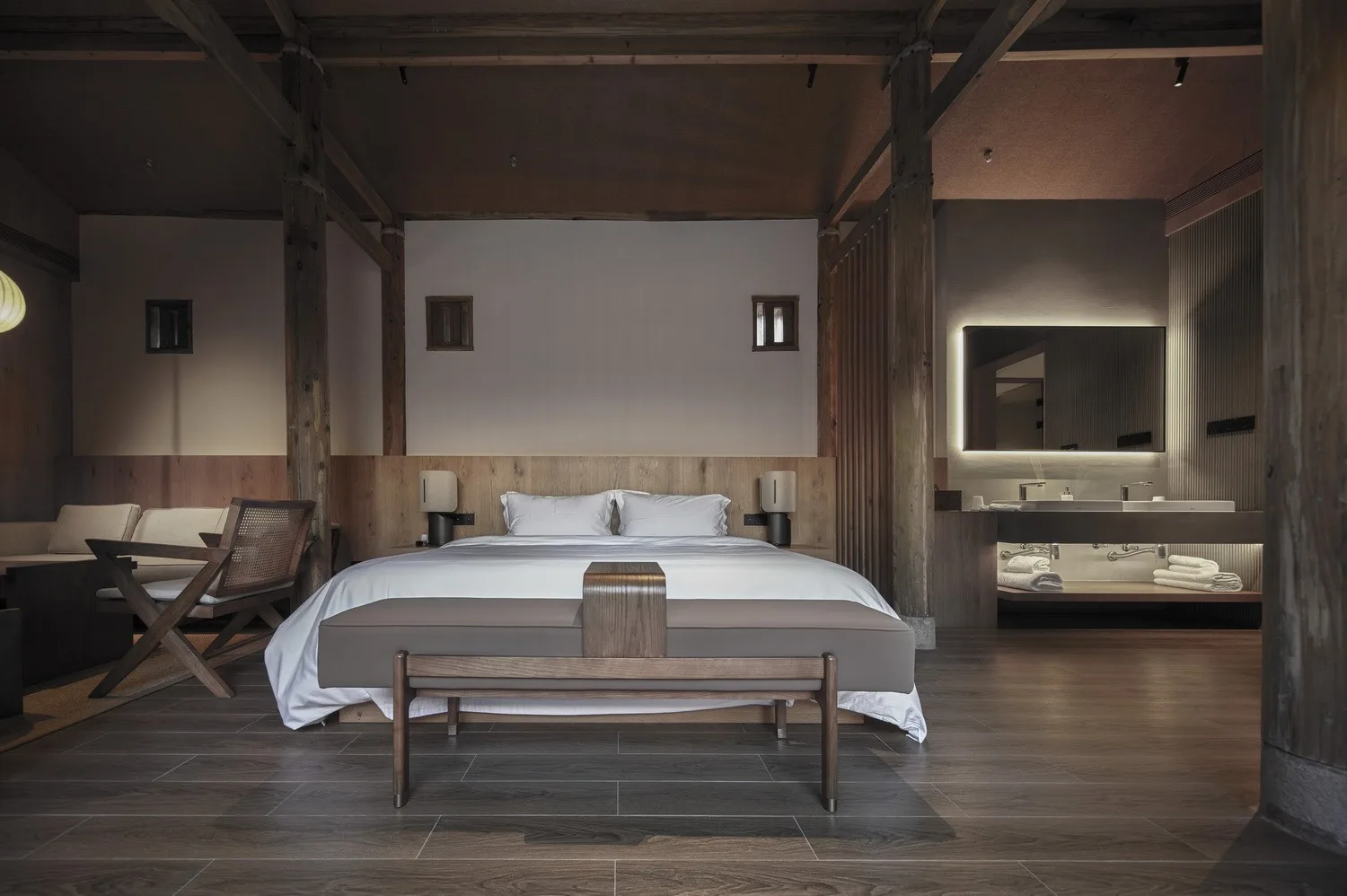
The guest rooms mainly feature natural materials such as wood, paint, and straw mats. We carefully preserved local architectural elements like Minnan red brick walls and old wooden doors, which carry a sense of age and history. These traditional features are thoughtfully contrasted with modern materials within the same space, greatly enhancing the guest experience and spatial dynamics.
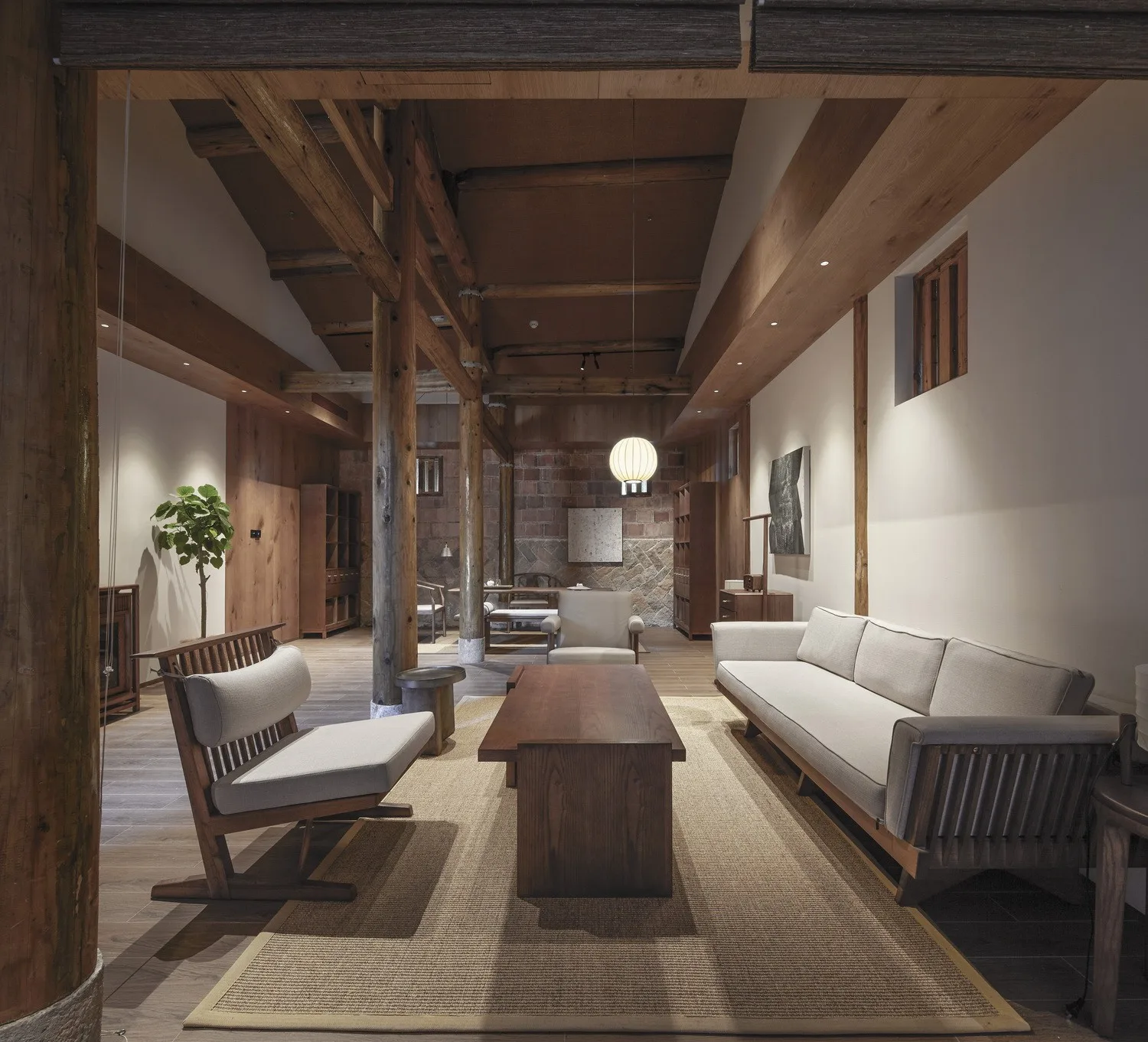
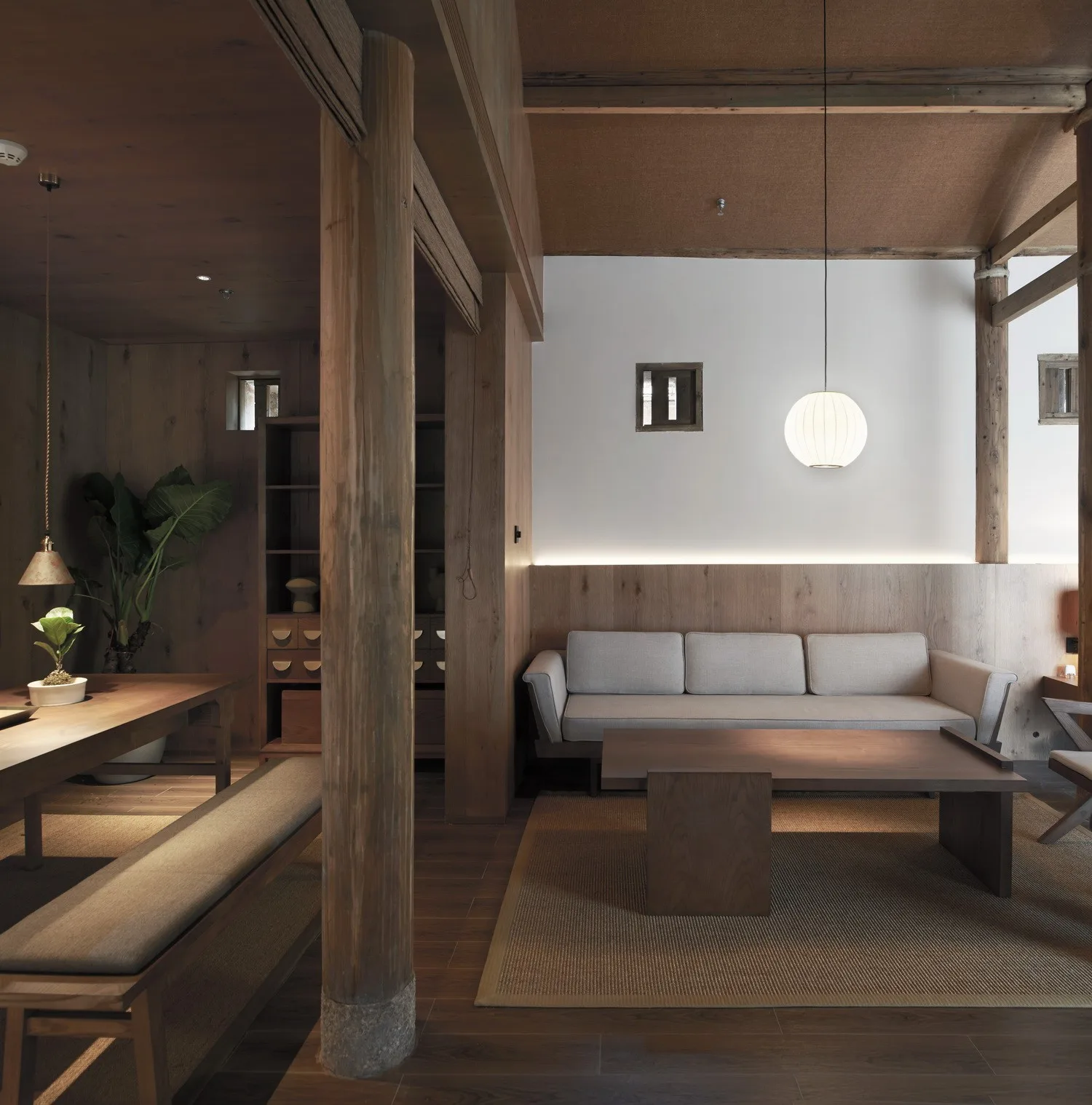
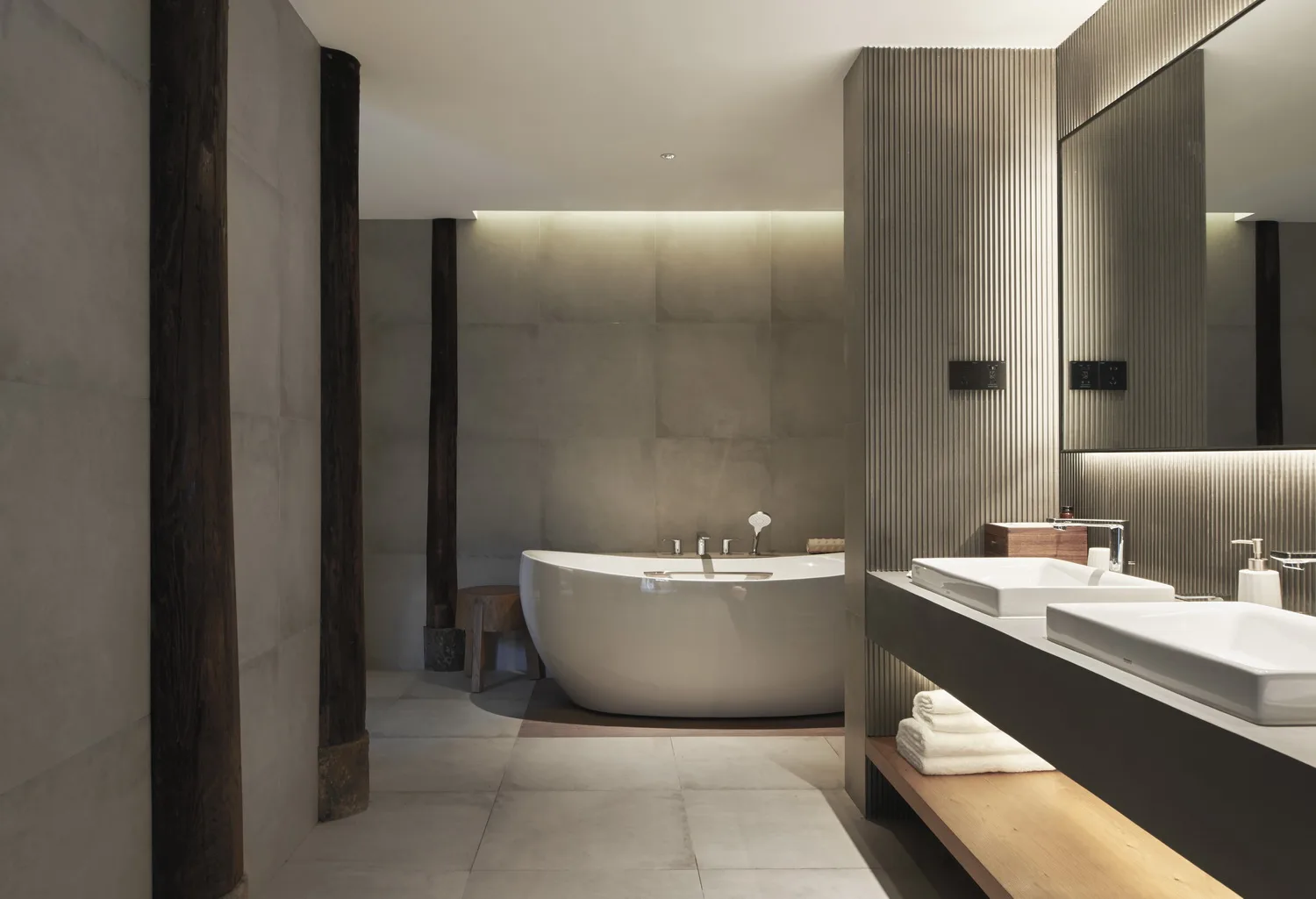
To ensure guest comfort in these historic buildings, each room is equipped with air conditioning and hot water. Through precise mechanical and electrical design, all equipment and piping are discreetly concealed within ceilings and walls, preserving the antique atmosphere of the guest rooms.
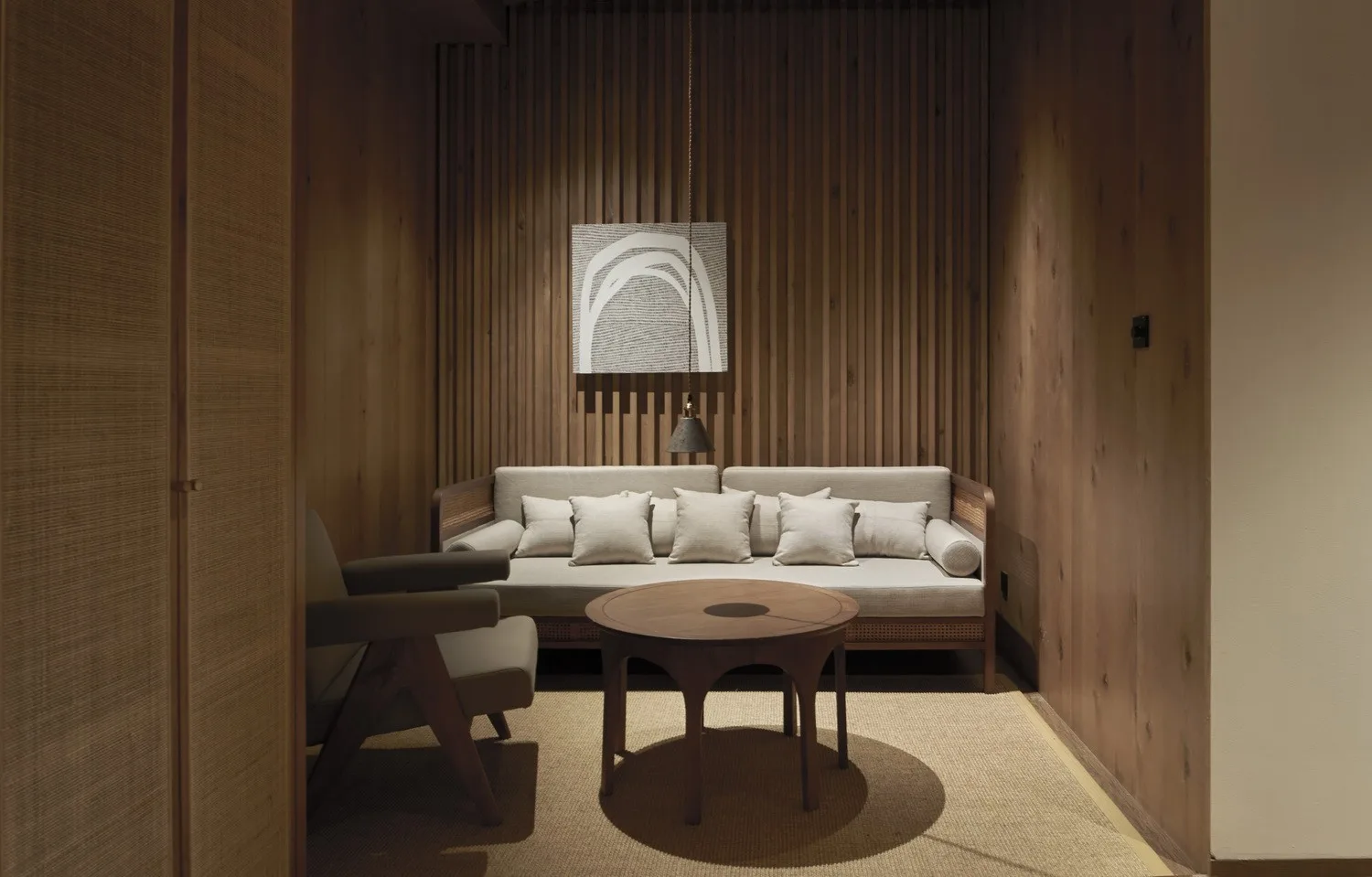
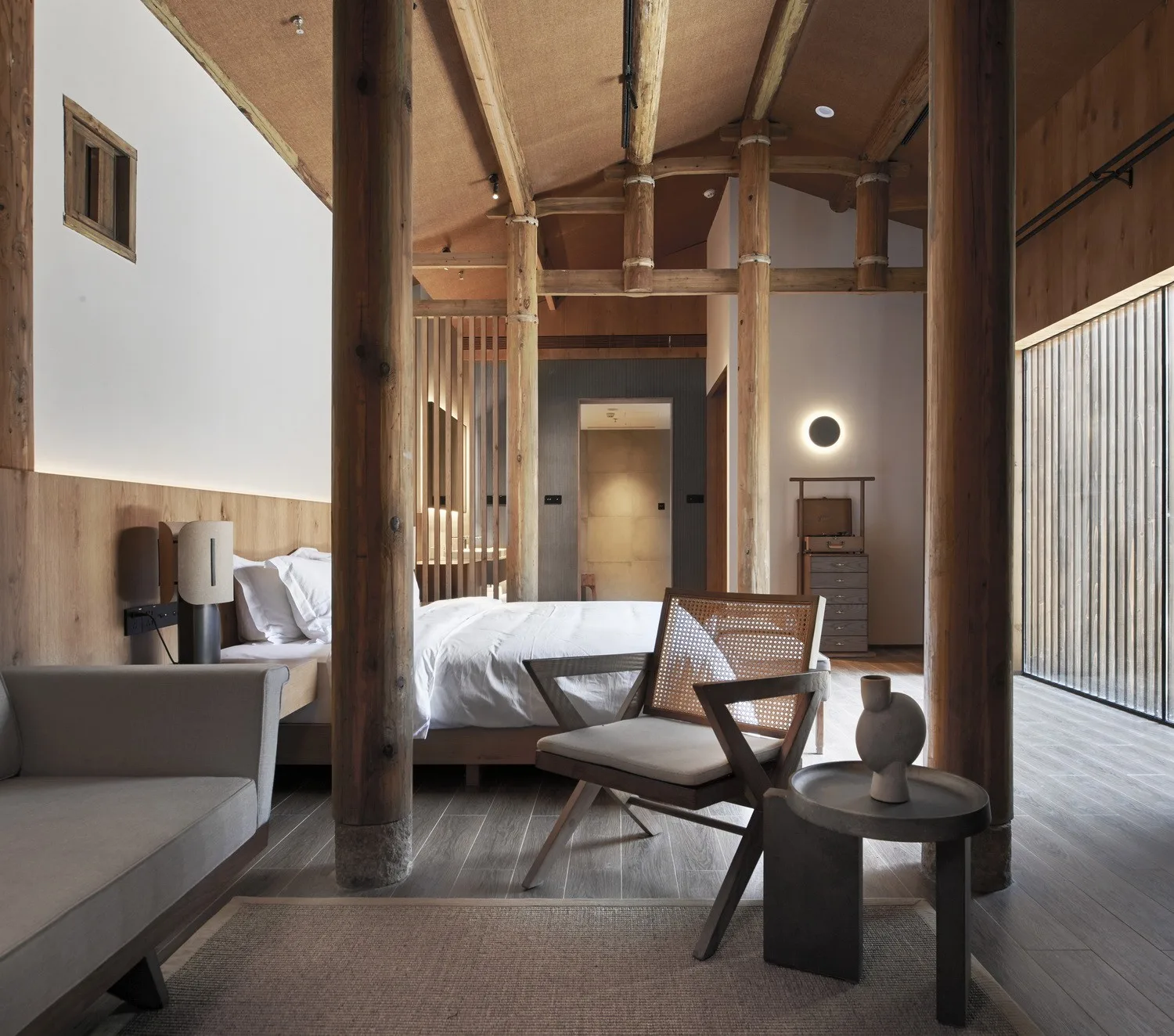
The room partition walls have been treated for sound insulation. We worked closely with on-site builders to carefully inspect hollow areas at beam and column junctions, ensuring that guest rooms maintain excellent soundproofing.
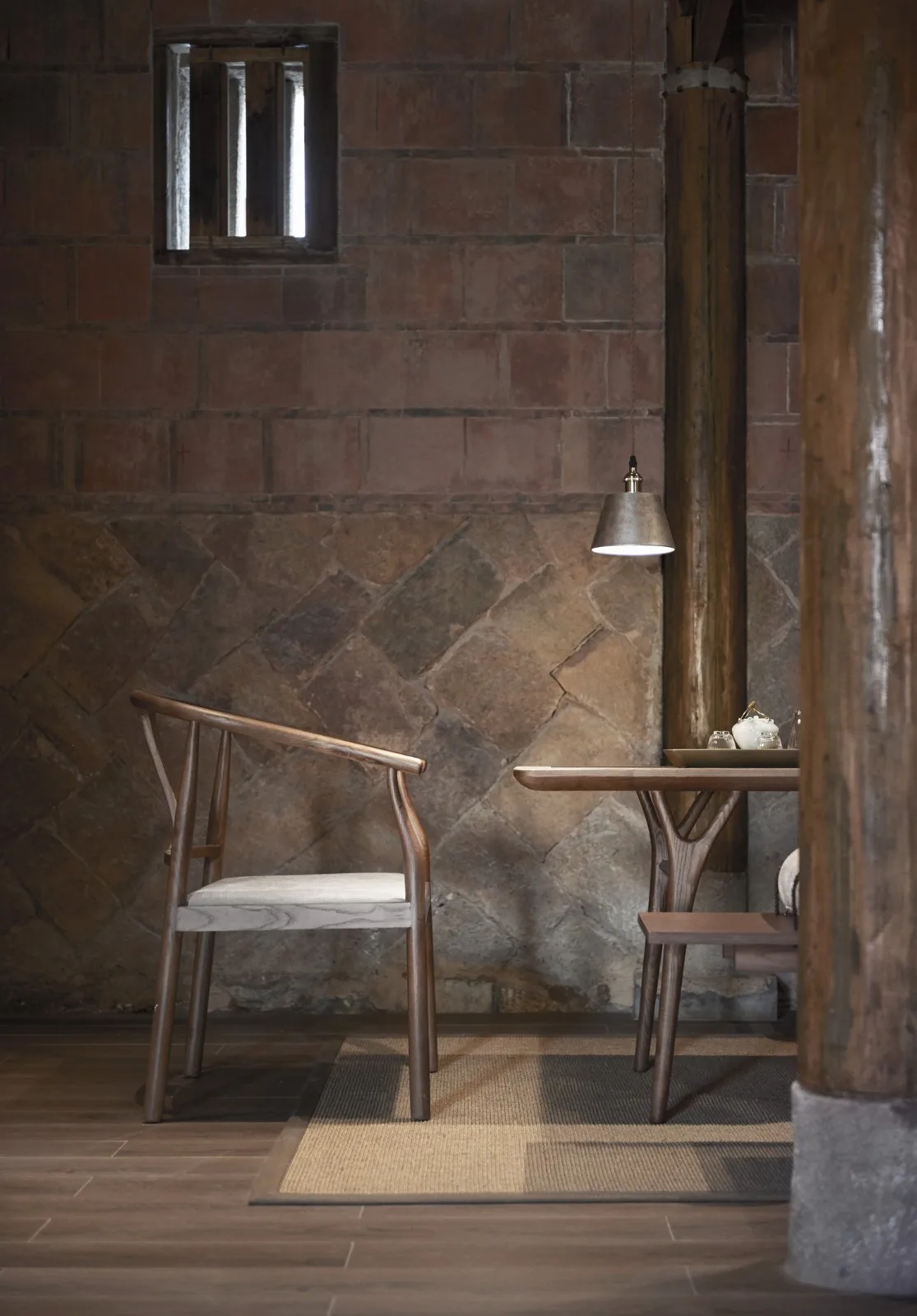
The wooden windows of the ancient houses have been freshly carved from solid wood, enhancing durability while restoring the traditional opening mechanisms unique to old windows.
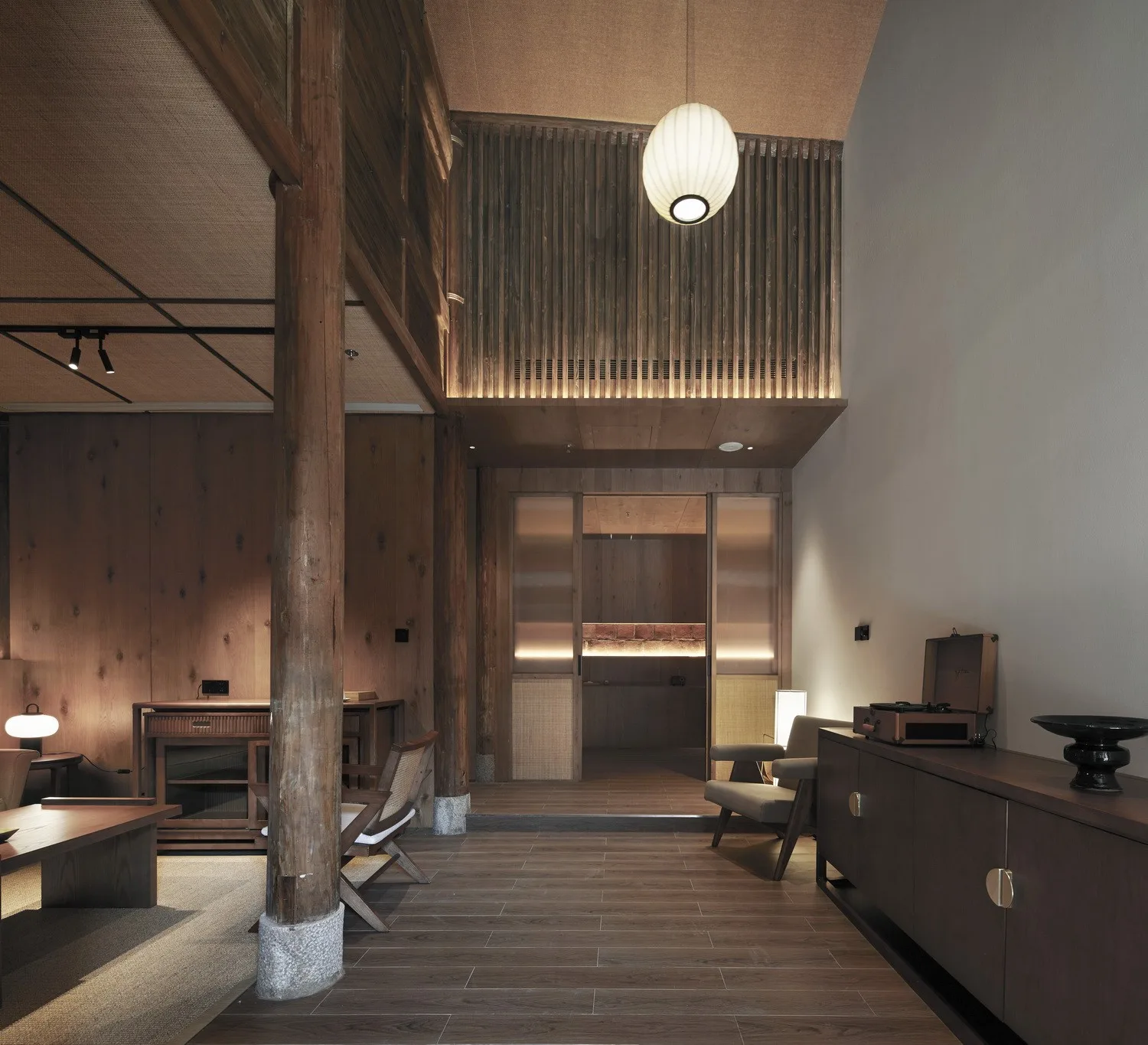
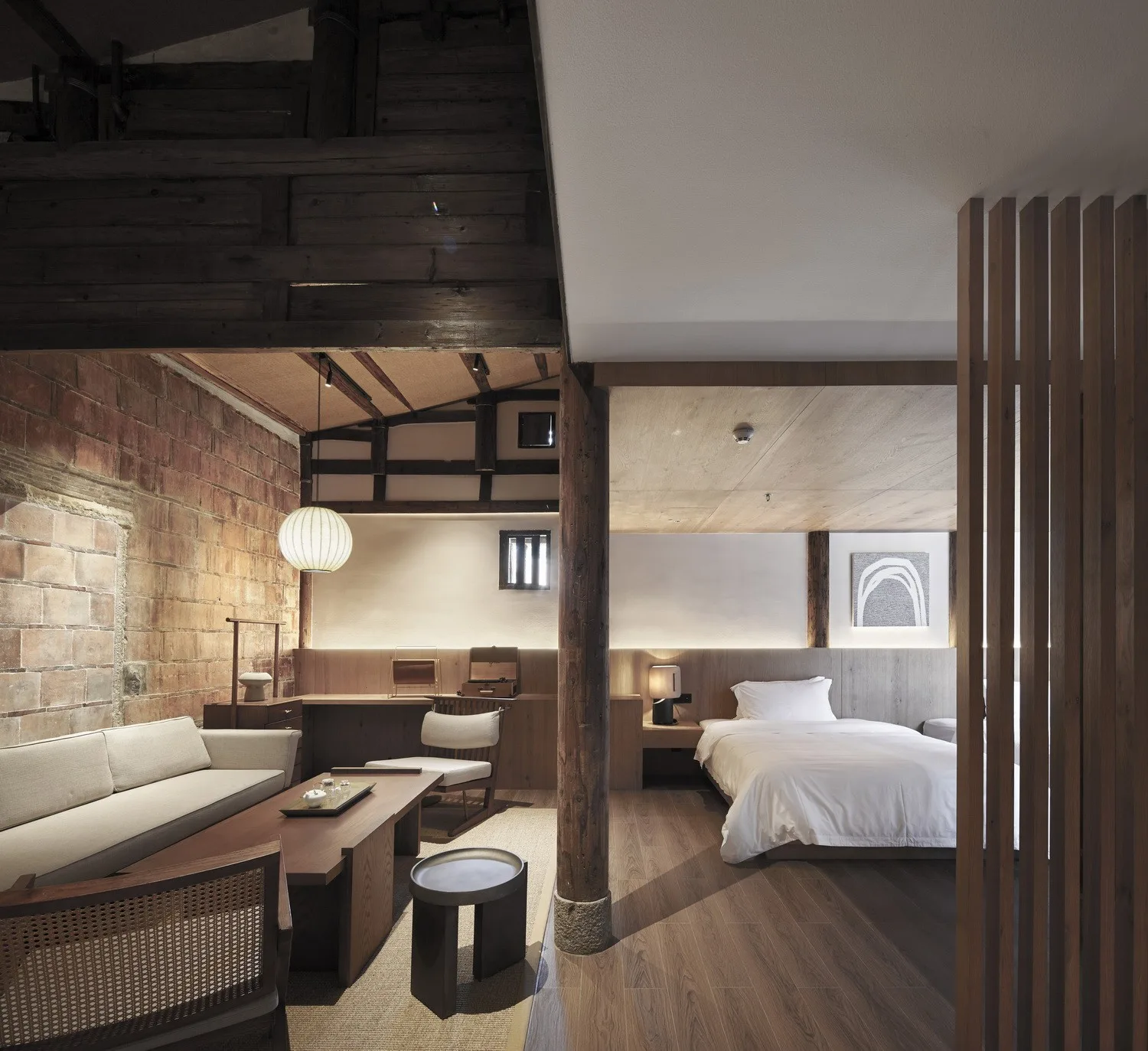
We pay close attention to the spatial scale when designing guest rooms within traditional architecture. Spaces that are too tall or too low can affect comfort, so we carefully manage the ceiling heights in different areas. Our aim is for guests to experience the grand architectural form of Minnan ancient houses without losing a sense of intimacy. Additionally, we recommended installing vinyl record players in each guest room, with music notes adorning beams and columns, enriching the historical ambiance of these traditional spaces.
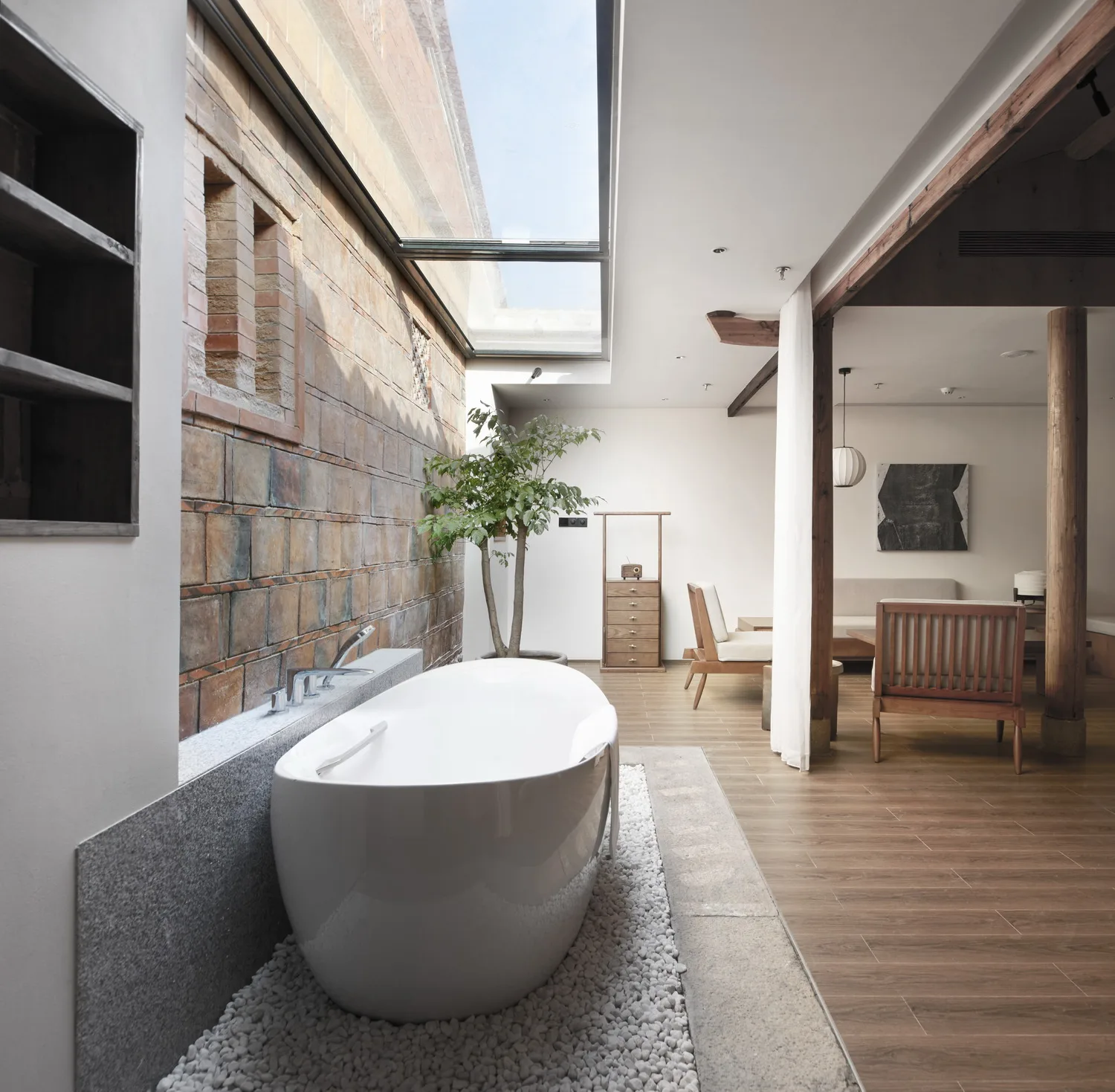
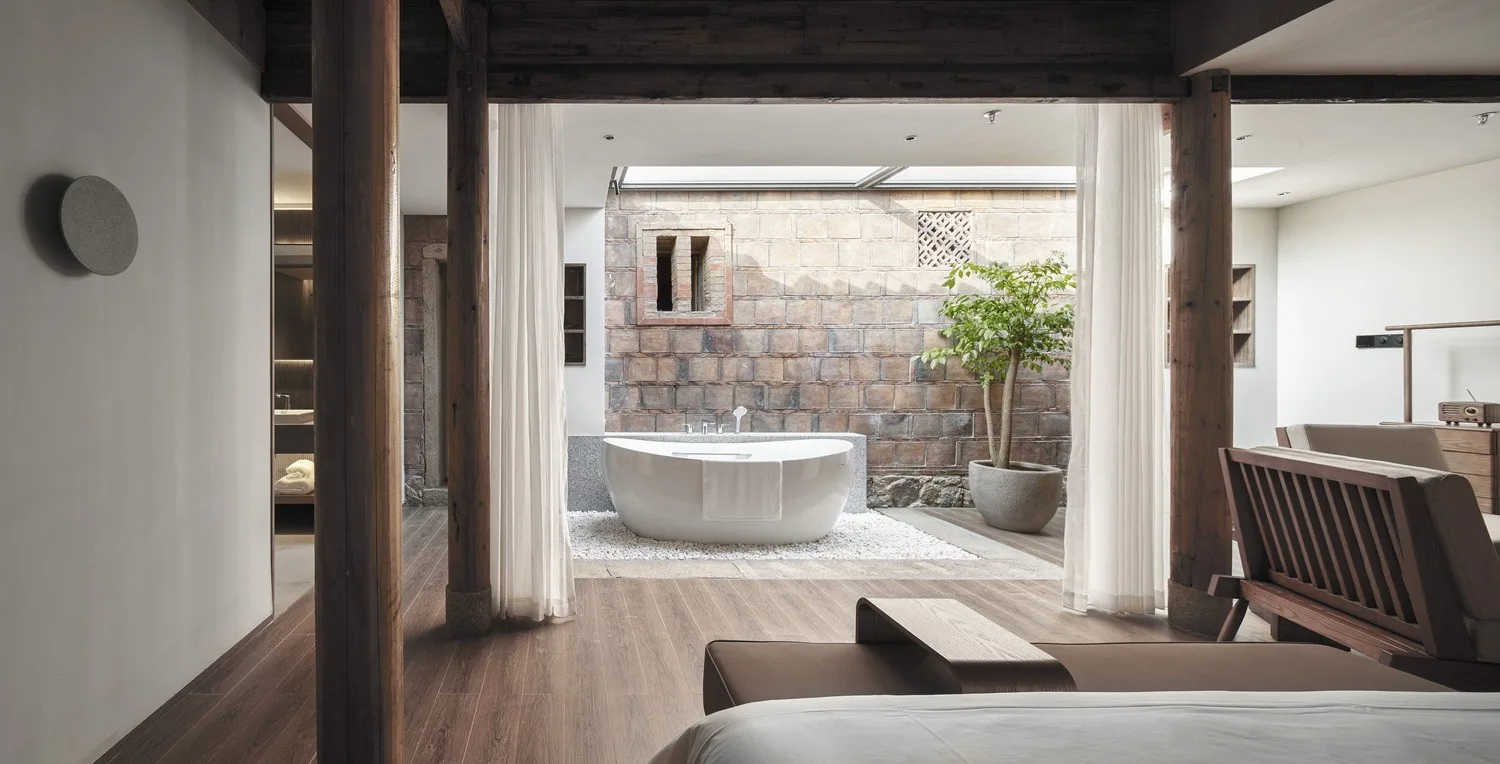
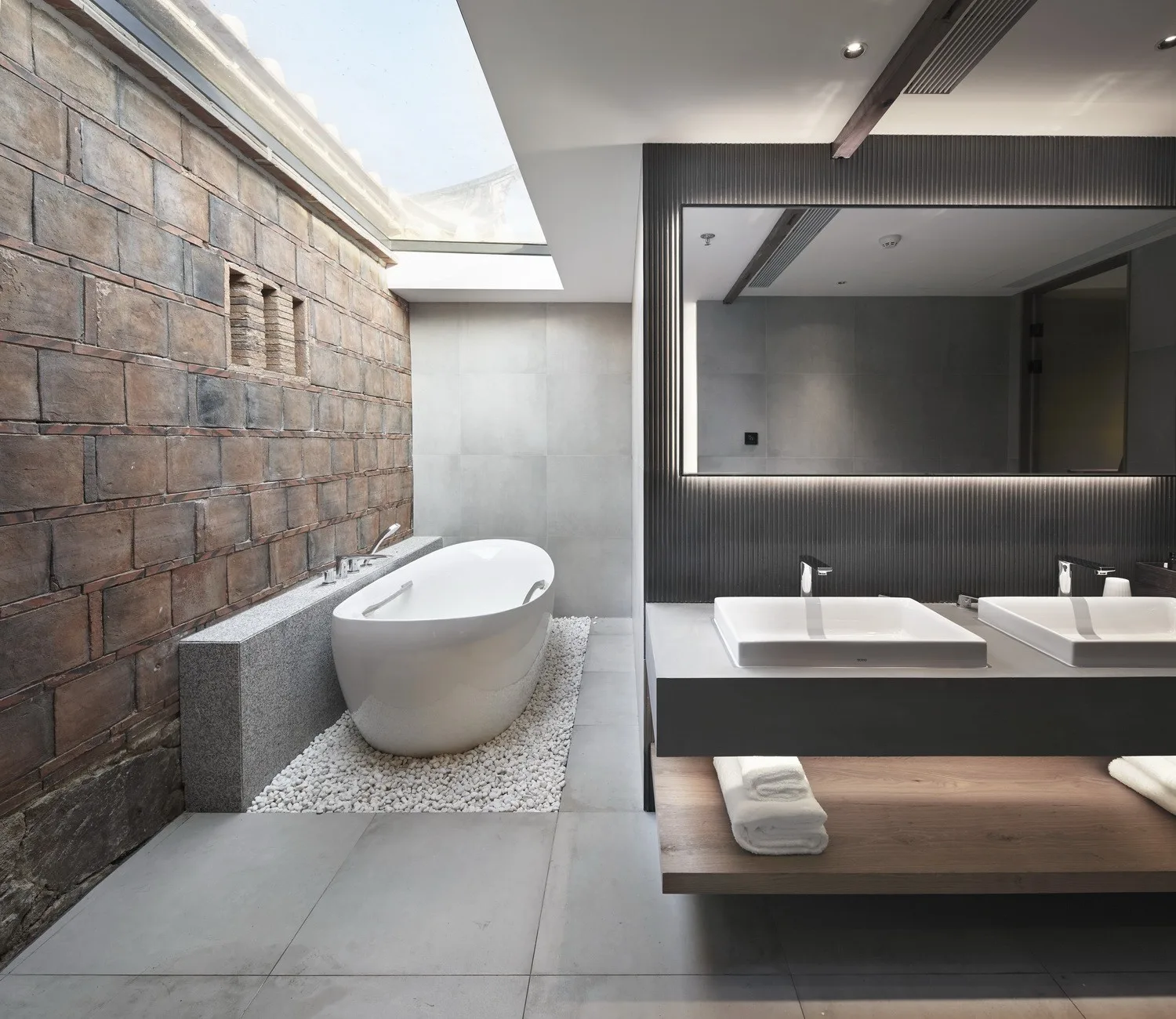
Some of the larger ancient houses feature protective structures on both sides. We enclosed the courtyards of these protective structures with glass skylights, creating naturally lit bathing areas within the inward-facing, enclosed Minnan ancient houses.
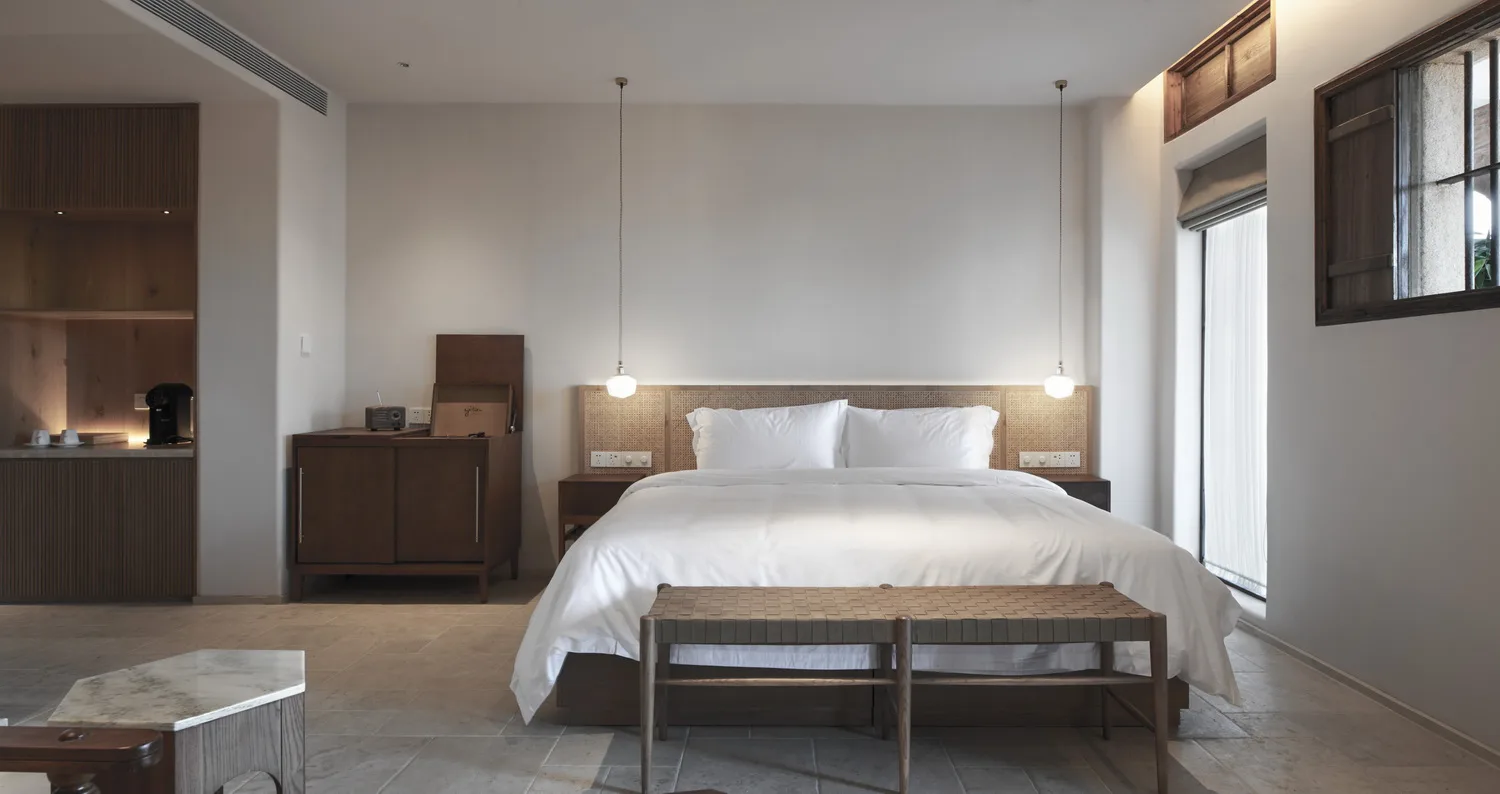
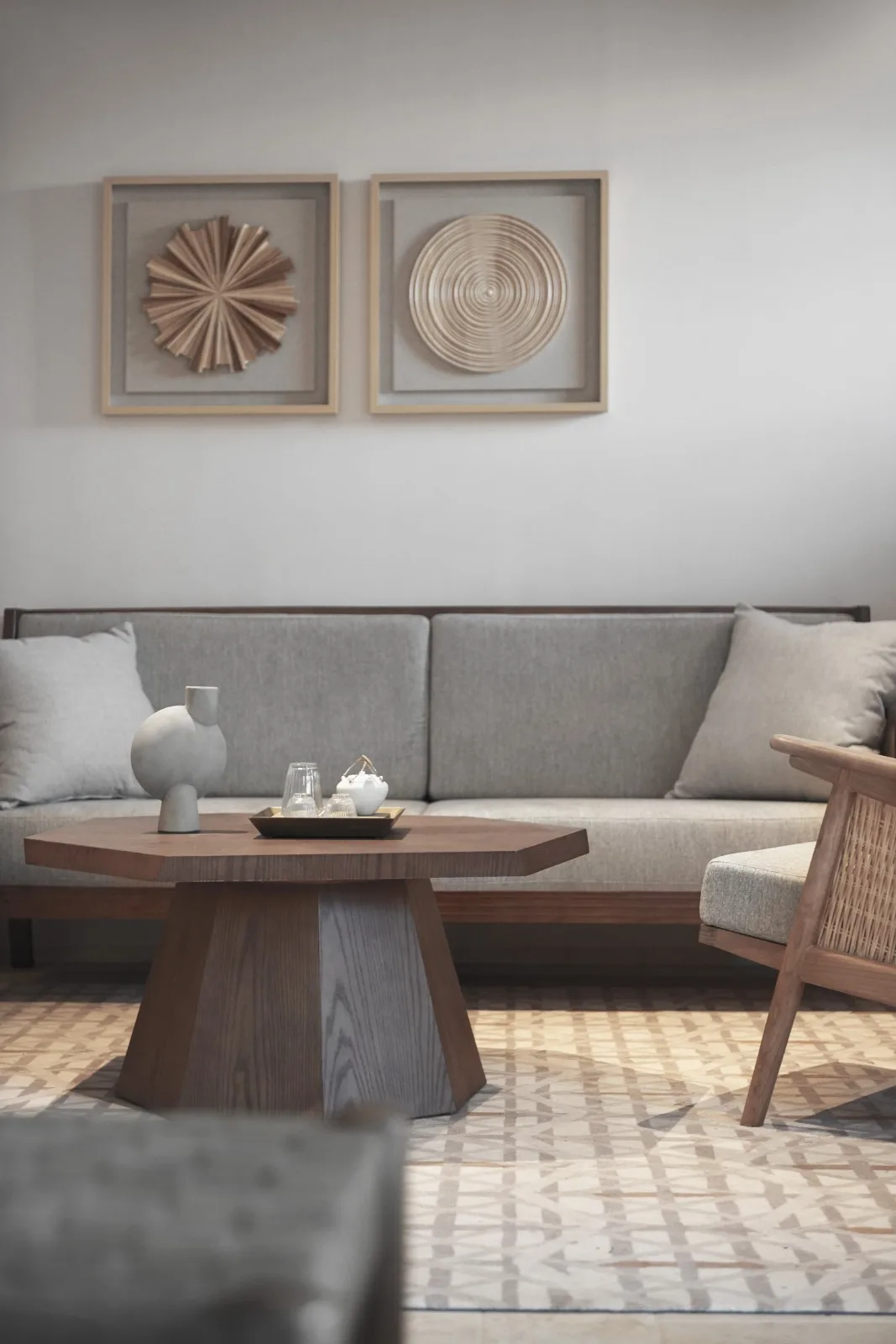
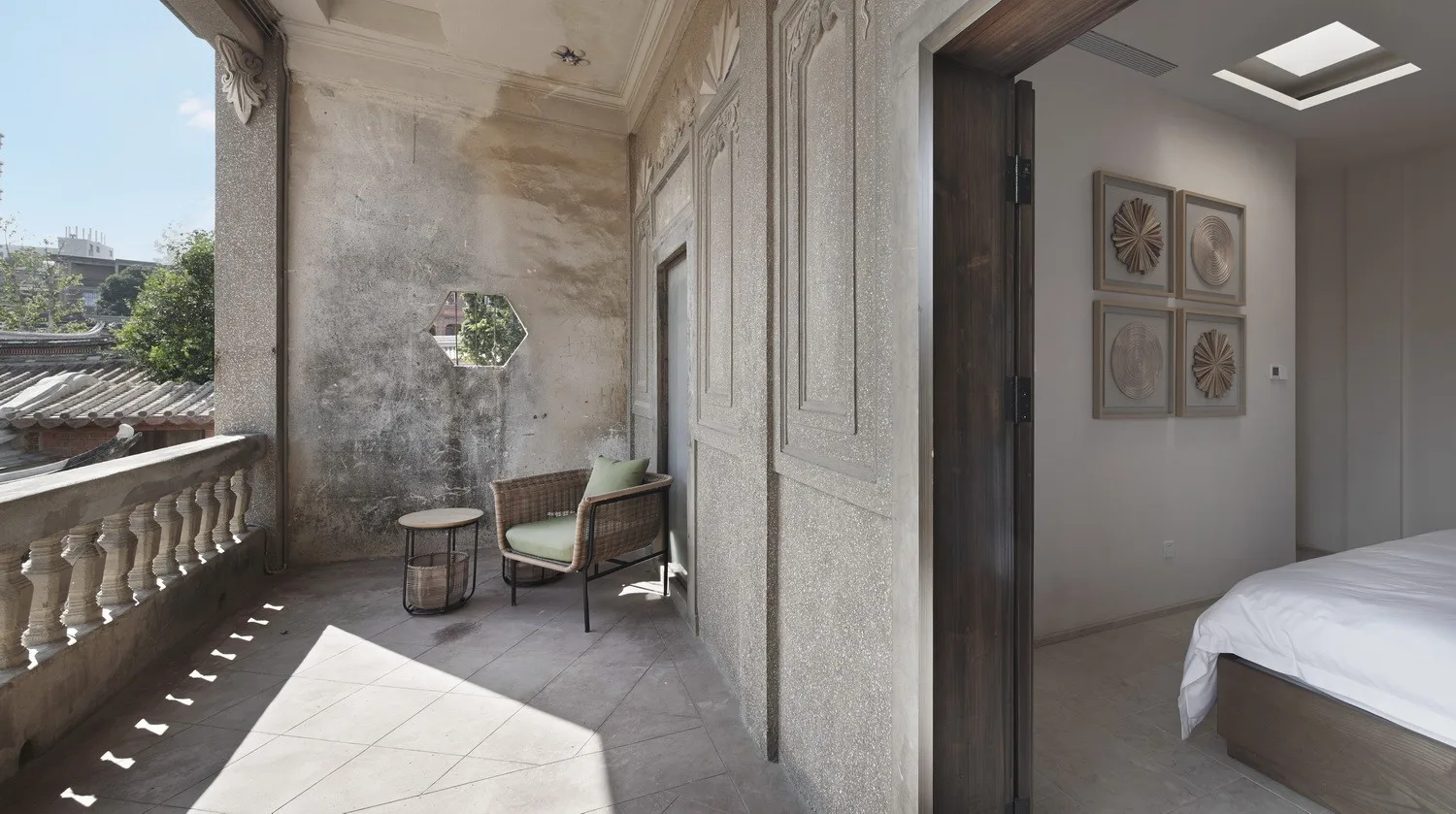
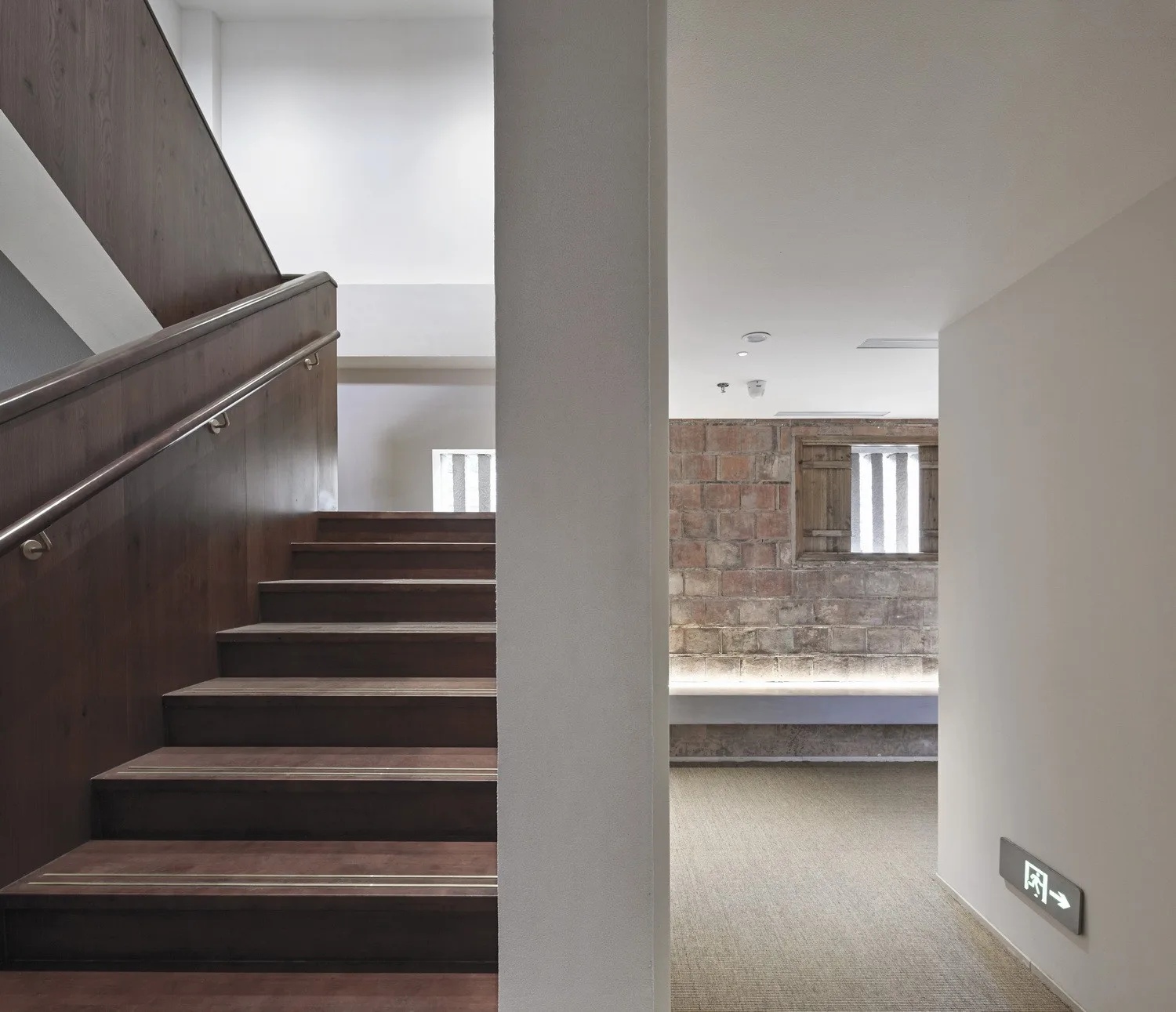
On the site, Nanyang-style architecture represents another facet of Minnan architecture. Our goal was to create guest rooms with a Nanyang style that distinctly differ from the Minnan style.
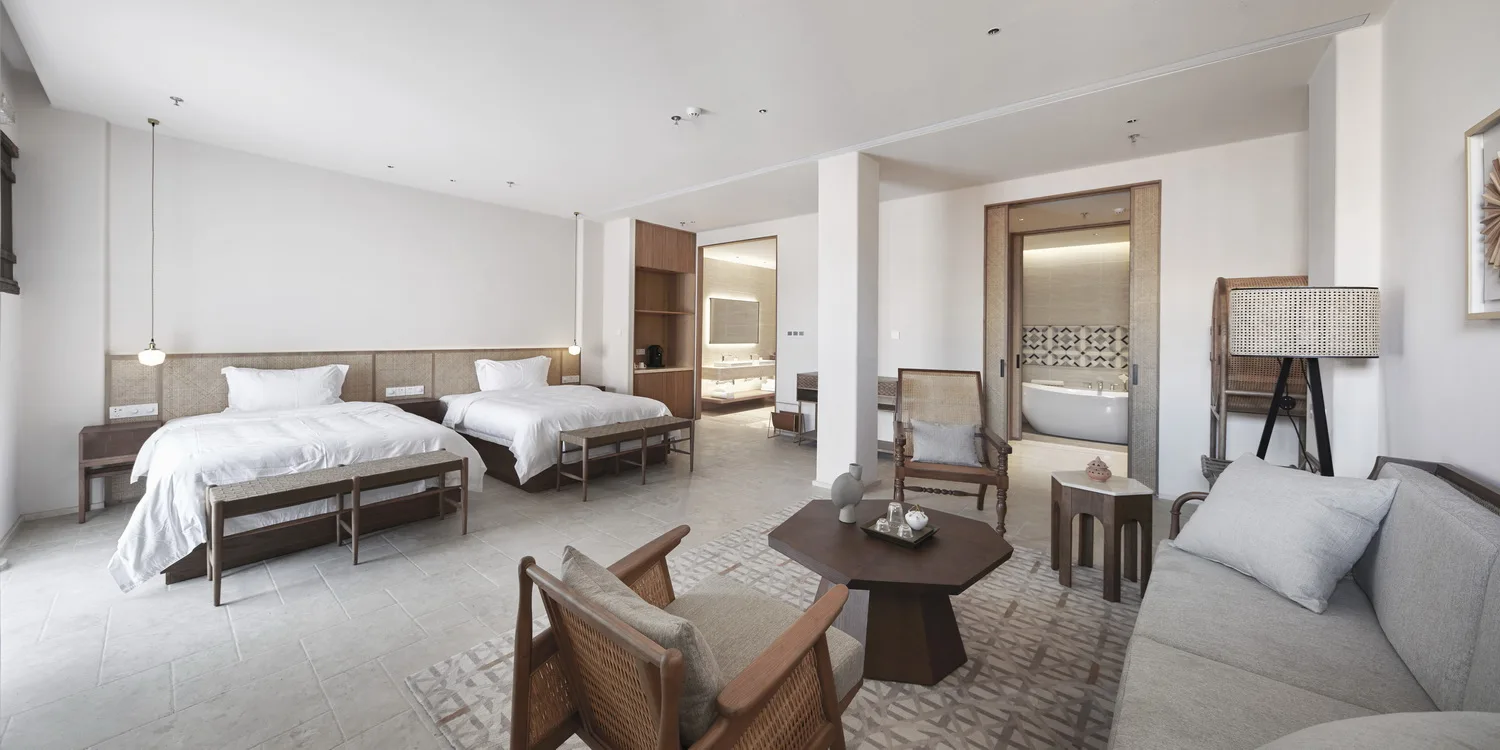
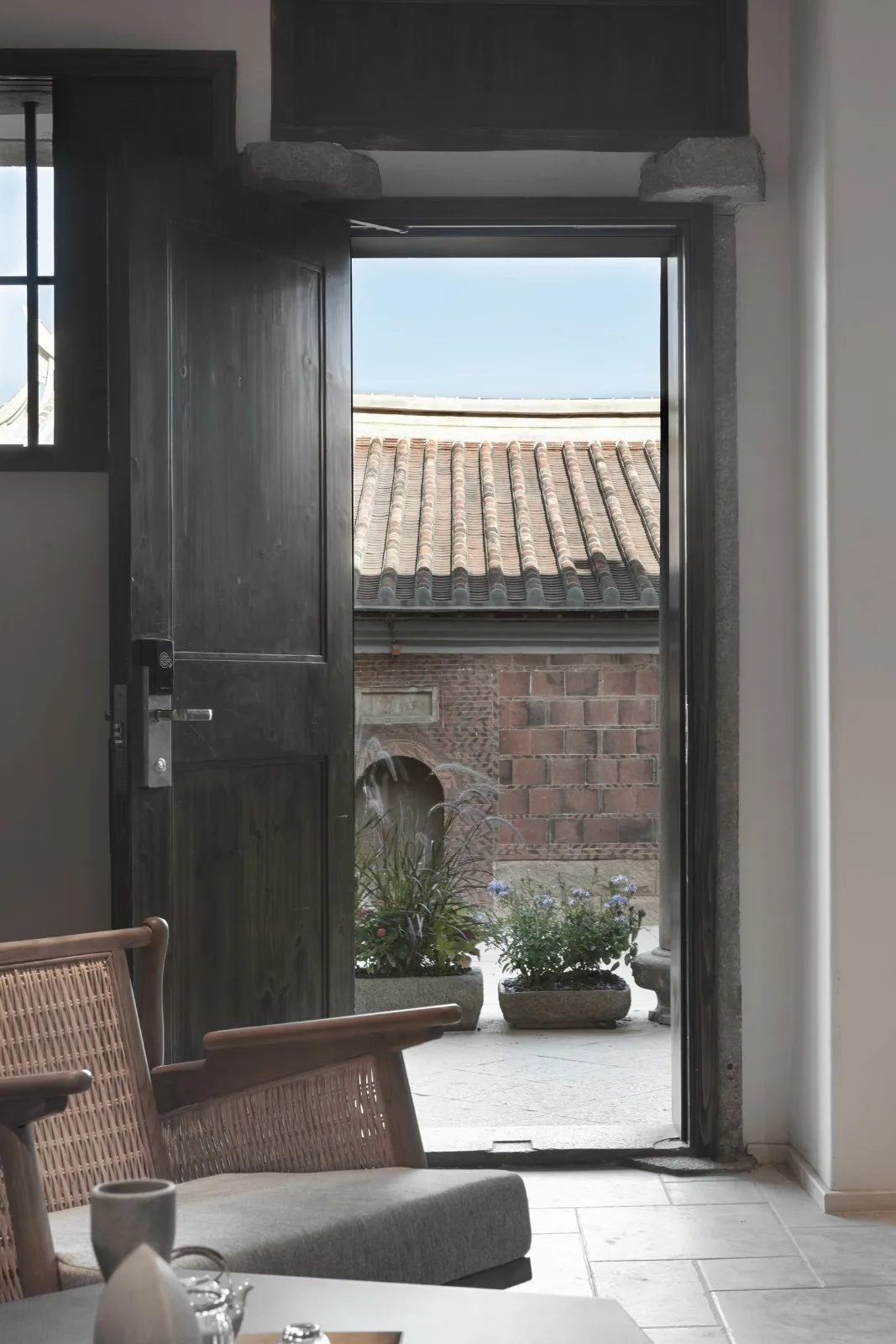
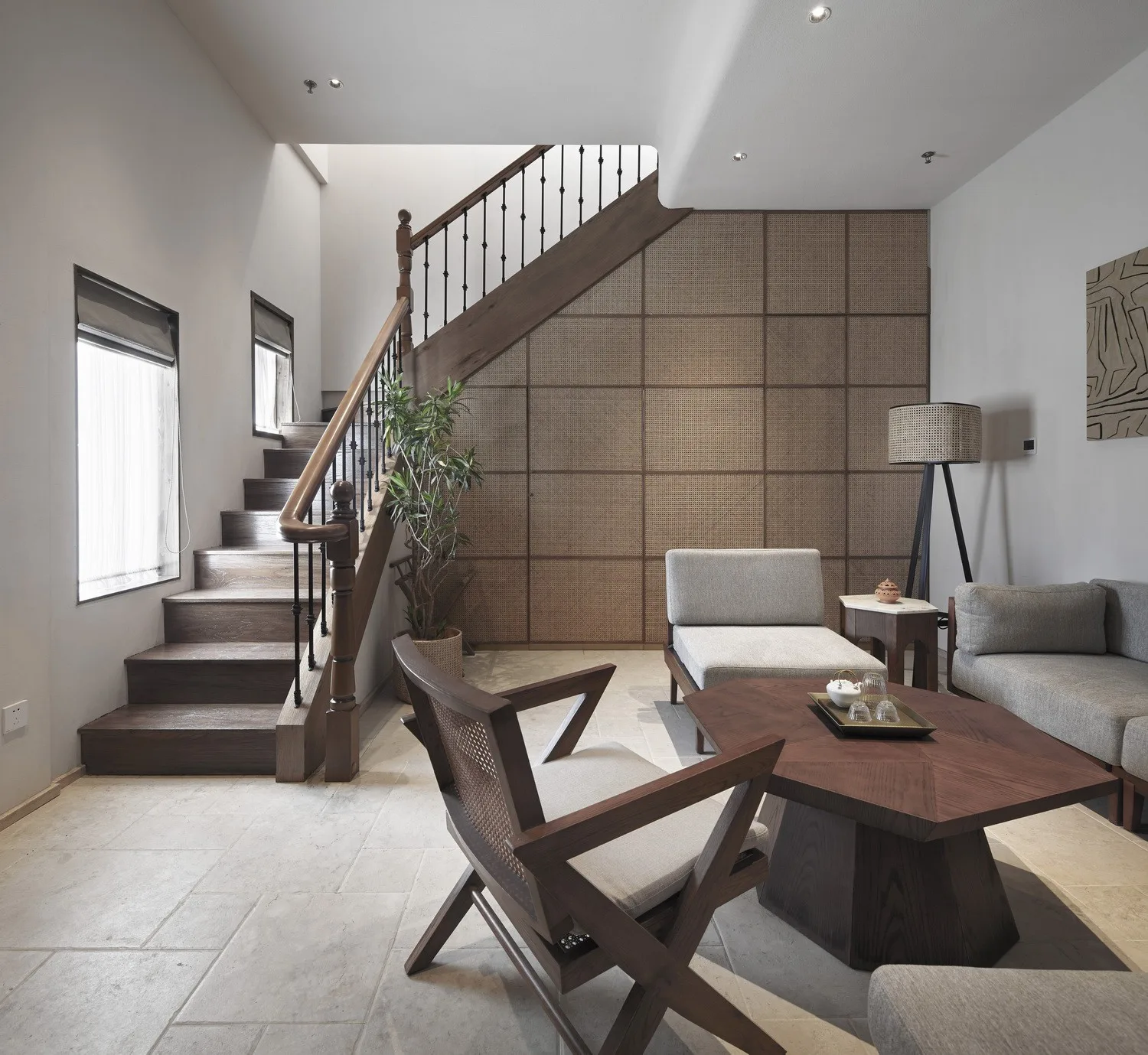
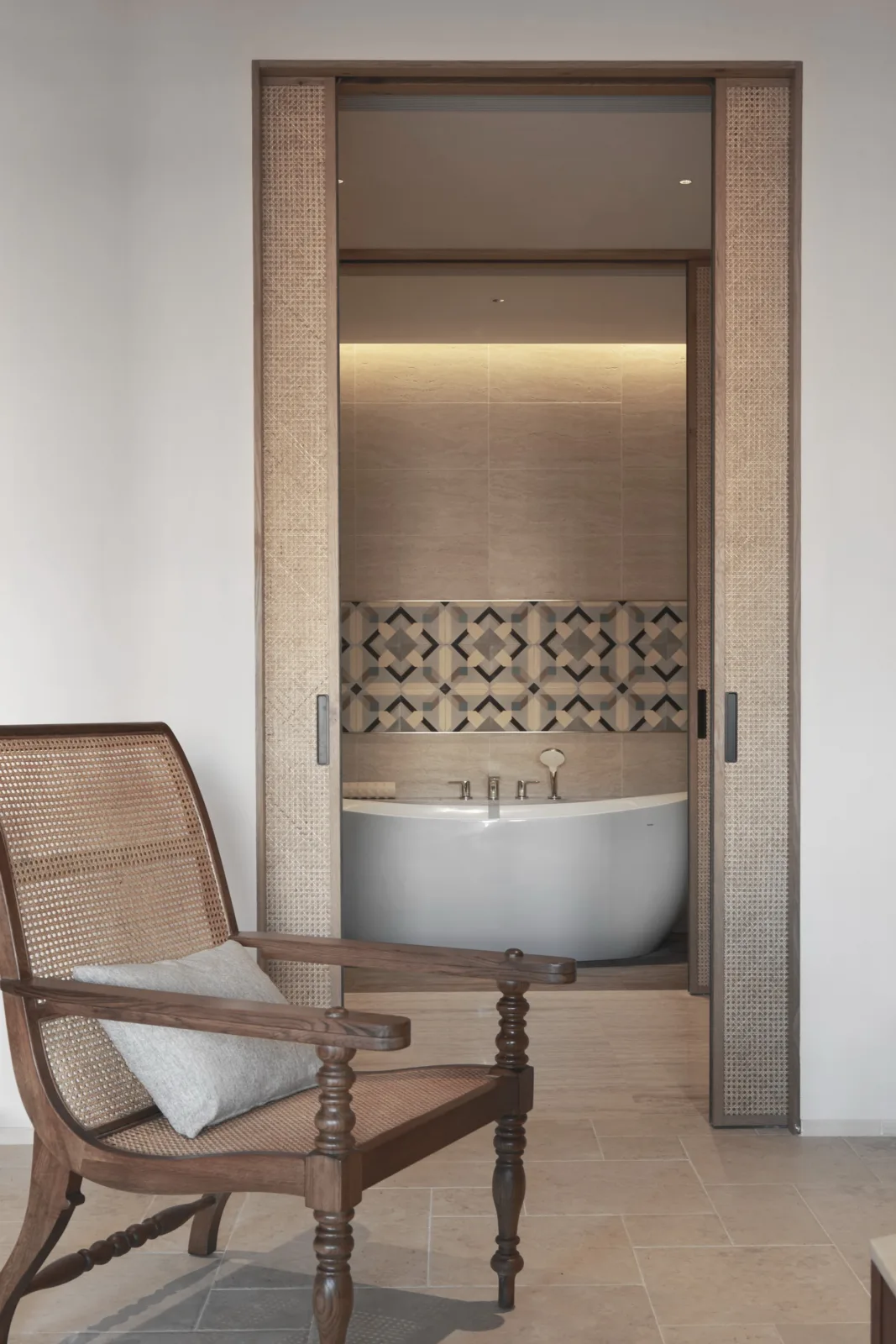
Nanyang culture is known for its inclusiveness and diversity. We aimed to reflect this characteristic through the design of the guest rooms. Spatially, we deliberately avoided typical traditional Nanyang grid motifs, opting instead for a simpler design with rounded details that create a cozy, enveloping atmosphere. The soft furnishings feature a rich mix of colors, patterns, and natural elements. This blend of soft and hard textures expresses our interpretation of Nanyang culture—welcoming, relaxed, and comfortable.
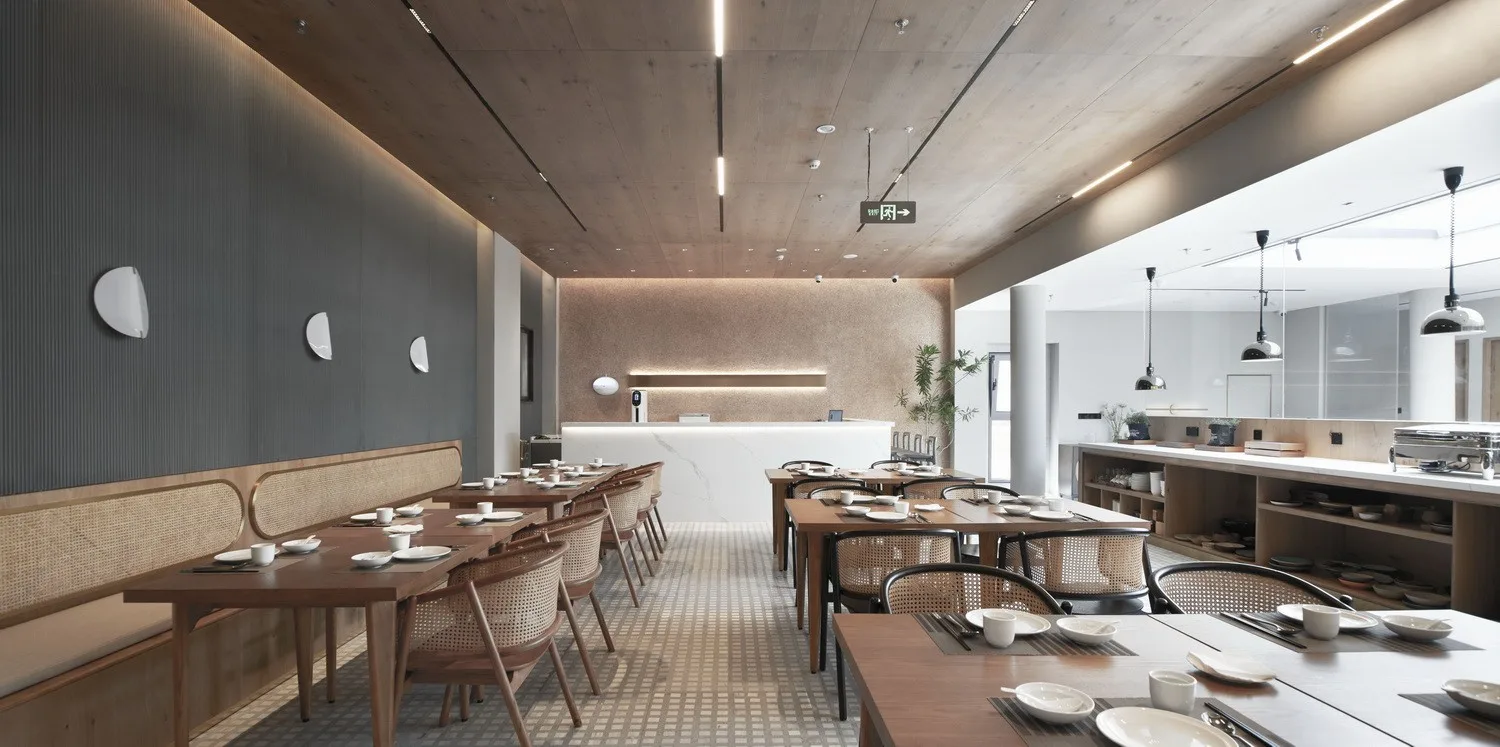
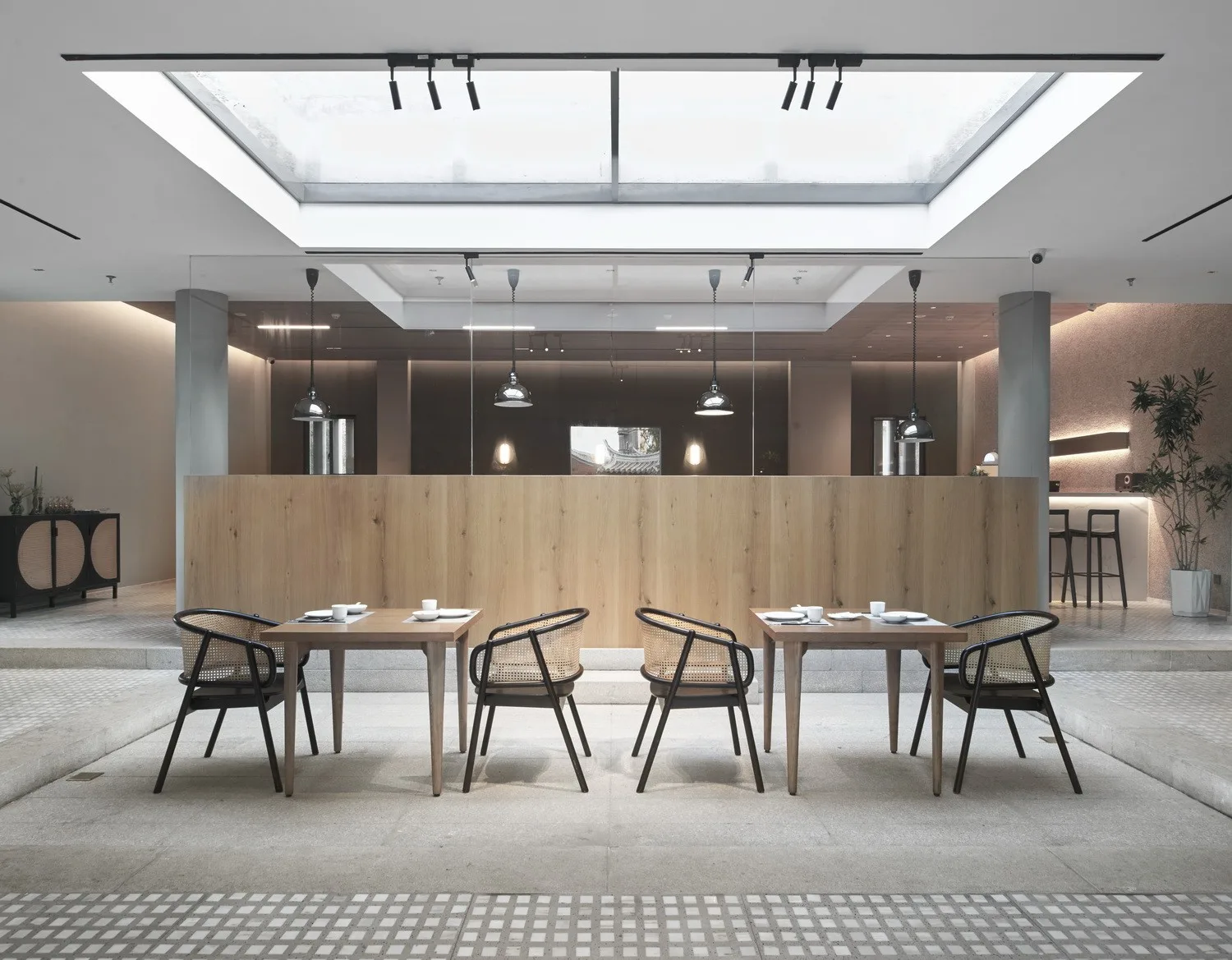
The restaurant serves as the most socially engaging public space. Here, we applied contemporary design techniques to reinterpret the structure and materials, creating a very open, bright, and modern Minnan ancient house atmosphere.
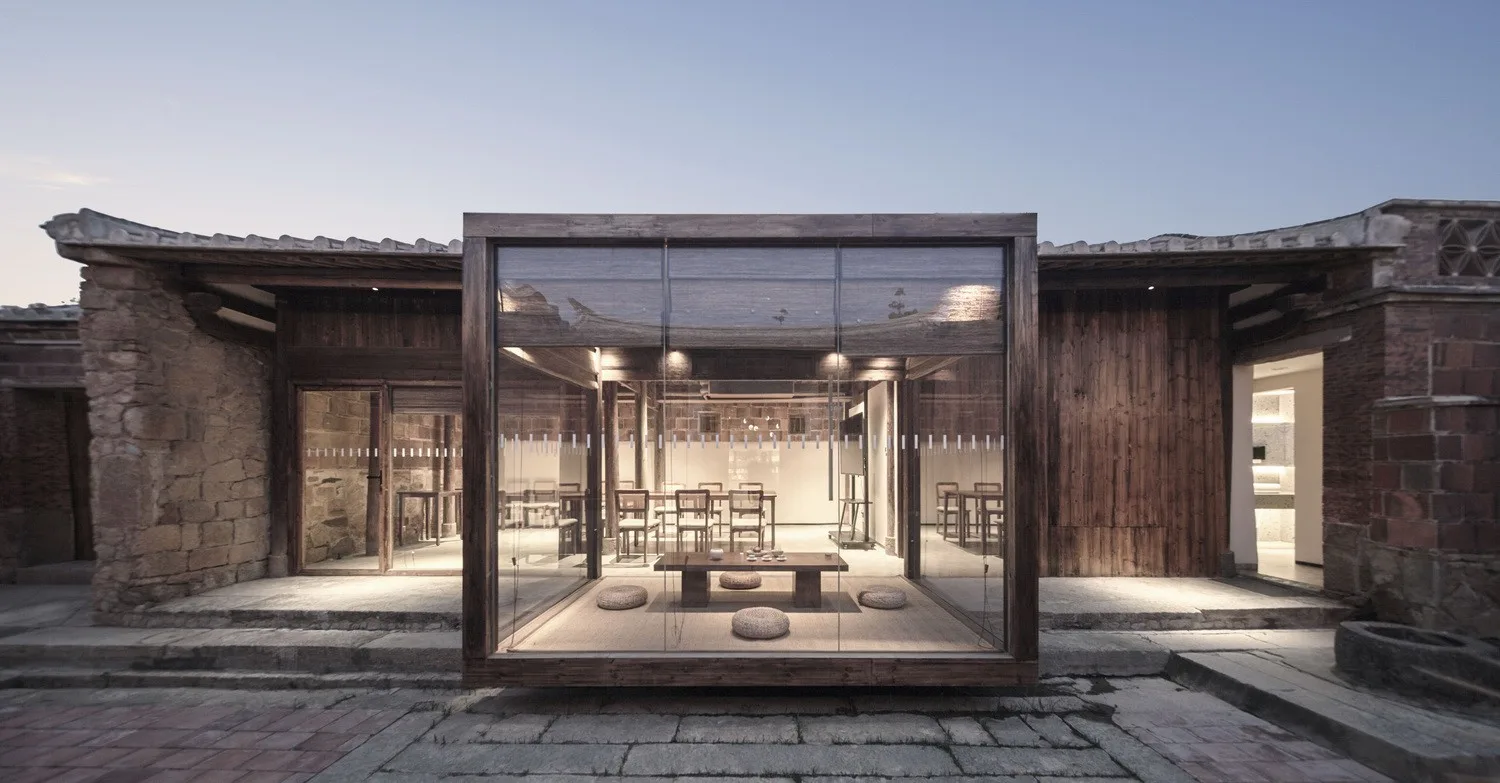
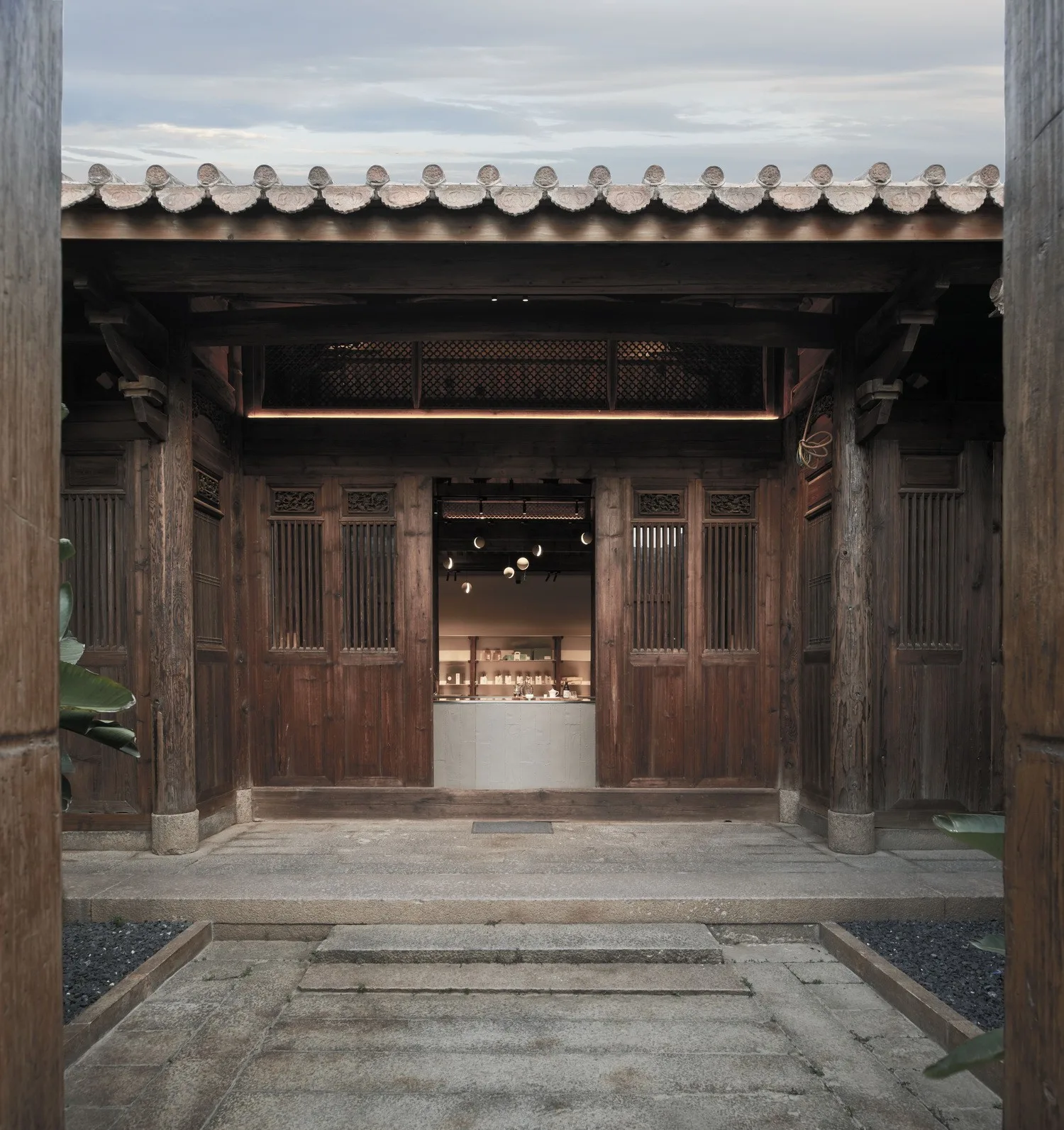
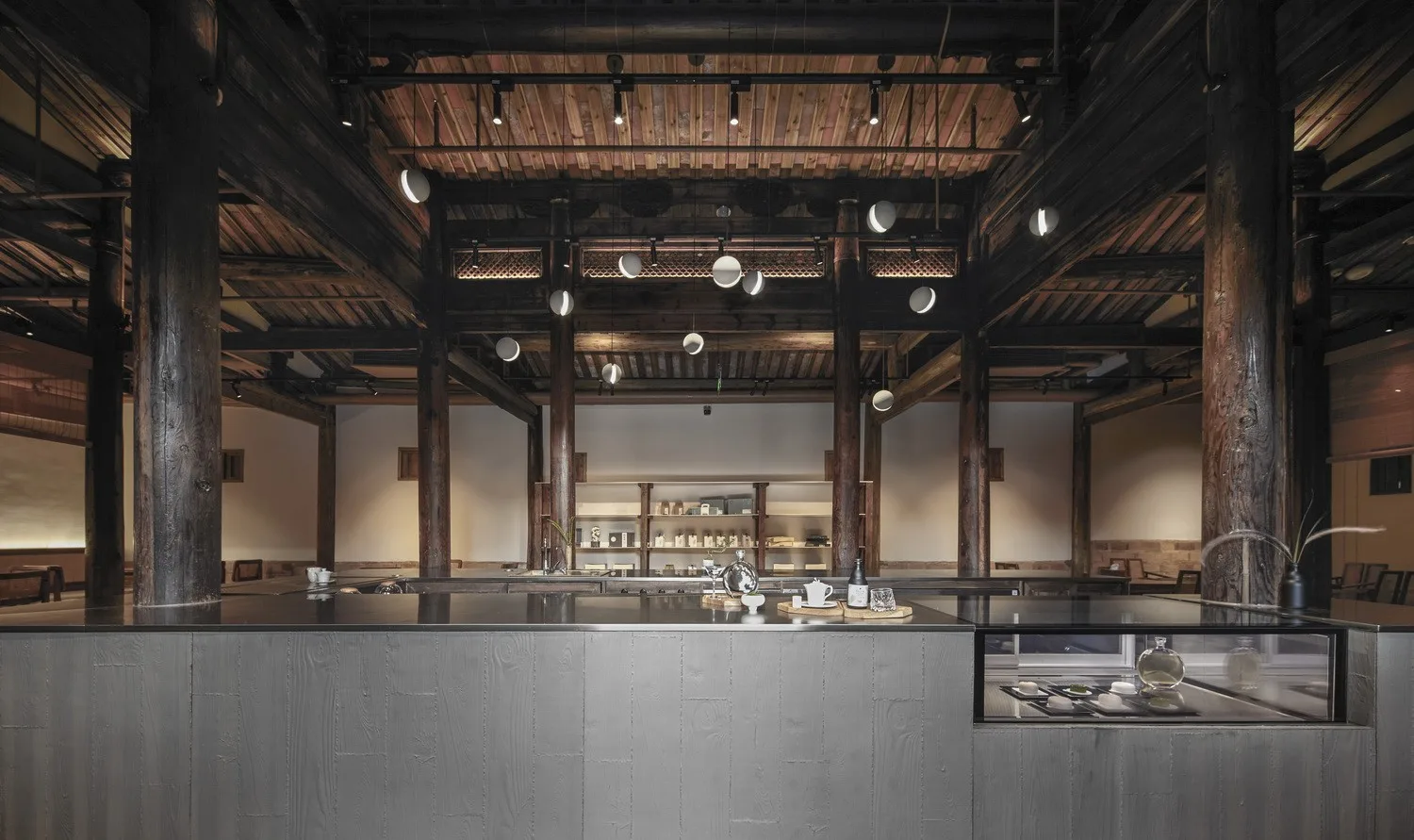
The tea house creates an experiential space linking the inn with the outdoors, designed to offer a richly layered atmosphere. We preserved the full courtyard layout and architectural form of the ancient houses, allowing visitors to appreciate their traditional charm. Simultaneously, we introduced a new tea-drinking experience featuring multiple scenes and immersive settings through facade openings and glass box installations.
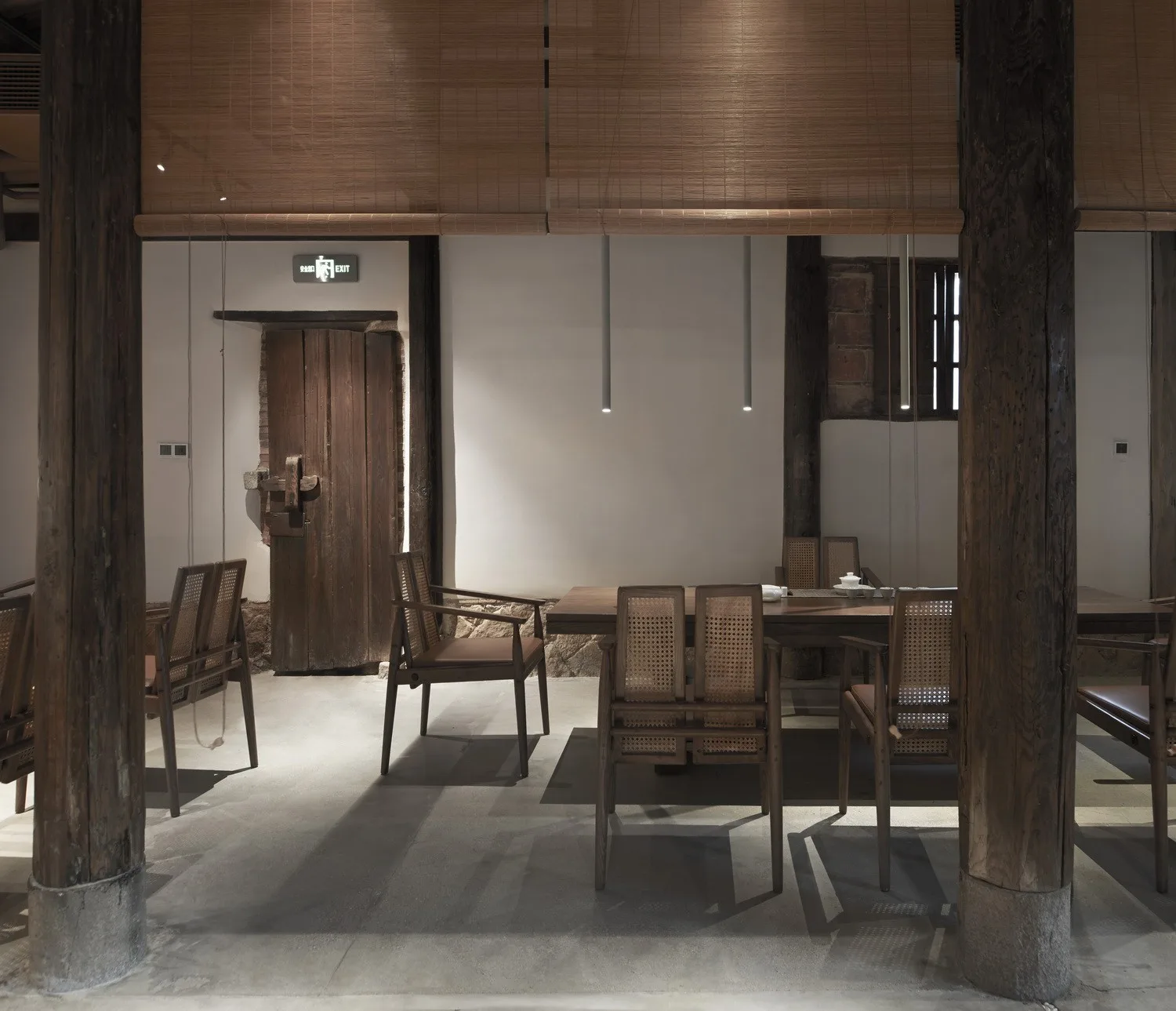
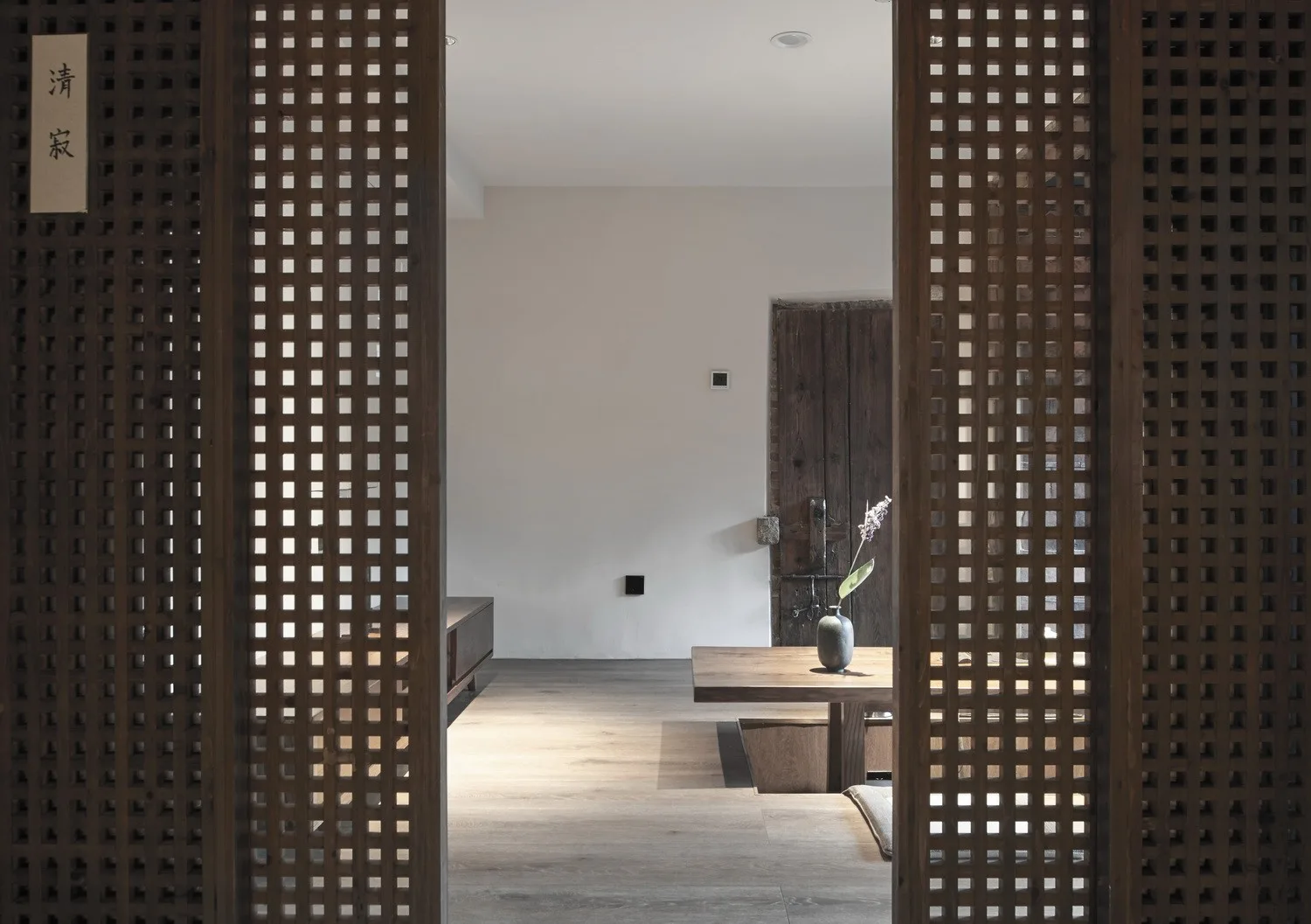
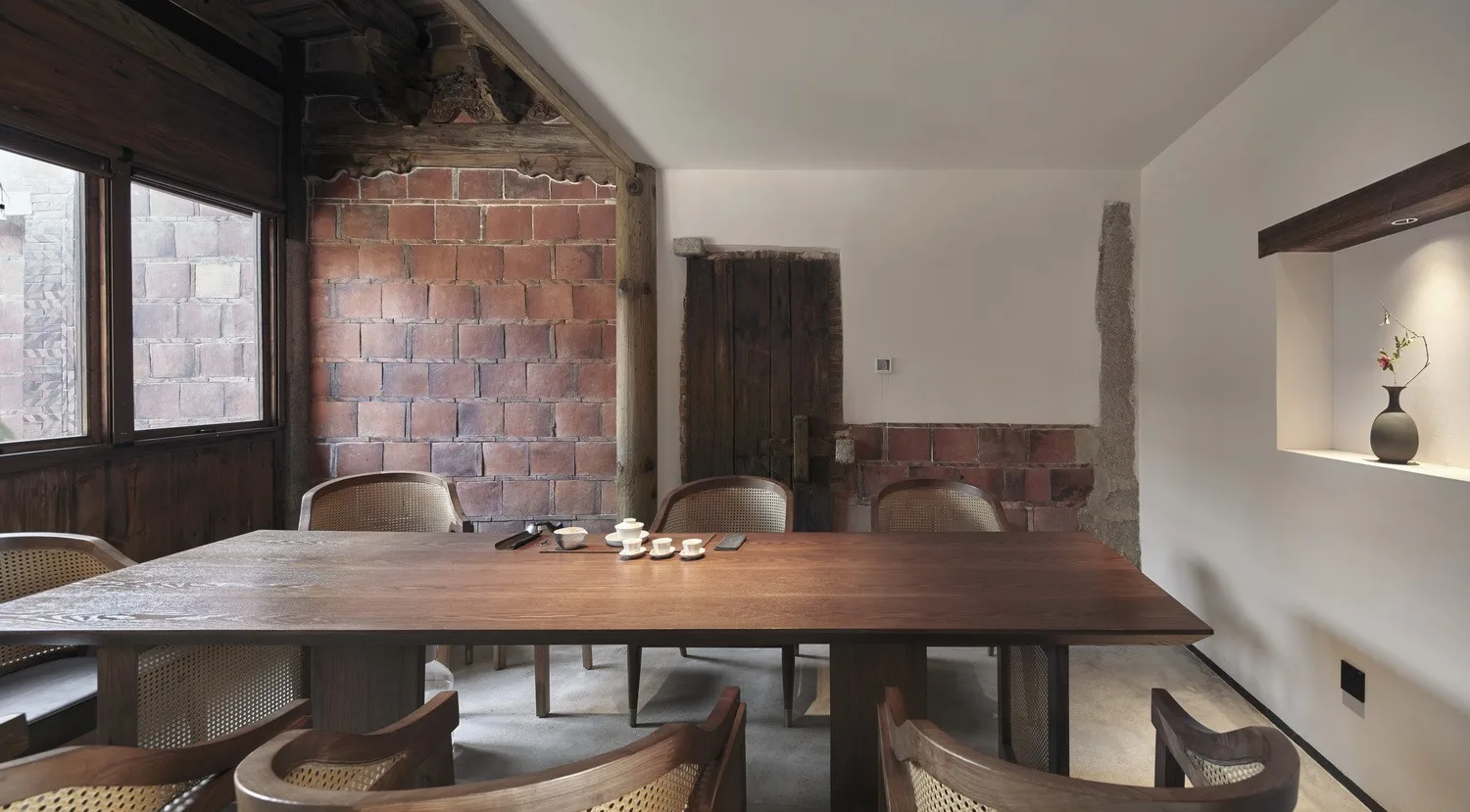
The overall color scheme of the tea house leans toward deep, earthy tones, complemented by medieval-style furniture that evokes a sense of history and reinforces the cultural weight of Minnan ancient houses.
Project Details
Project: Qingpu Wulin Cultural Museum
Project Planning by Client: Gong Linna, Tian Ming, Lin Weicheng, He Yadong
Area: 6,400 square meters
Completion Date: June 2021
Design Company: Mystery House Design Studio
Design Team: Tian Shaoyin, Zeng Yuxian, Li Ran, Wang Siyuan, Zhang Ruizhe, Zhang Qing
Soft Decoration Consultant: Zeng Yuting
Landscape Consultant: Lanyi Ecological Design Studio (Ma Yue)
Mechanical and Electrical Consultant: Beijing Jiuyi Design Consulting Co., Ltd. (Li Yong, Liu Mingyang, Xu Xiangyu)
Lighting Consultant: Ljus Design (Makiko Ishioka)
Main Materials and Brands: AICA coatings, Haro flooring, Ferona, locally sourced materials
Photography: Beijing Ruijing Photography (Guangsong Misaojiang, Song Yuming)
Contact: office@nazo-design.com
















Must log in before commenting!
Sign Up