
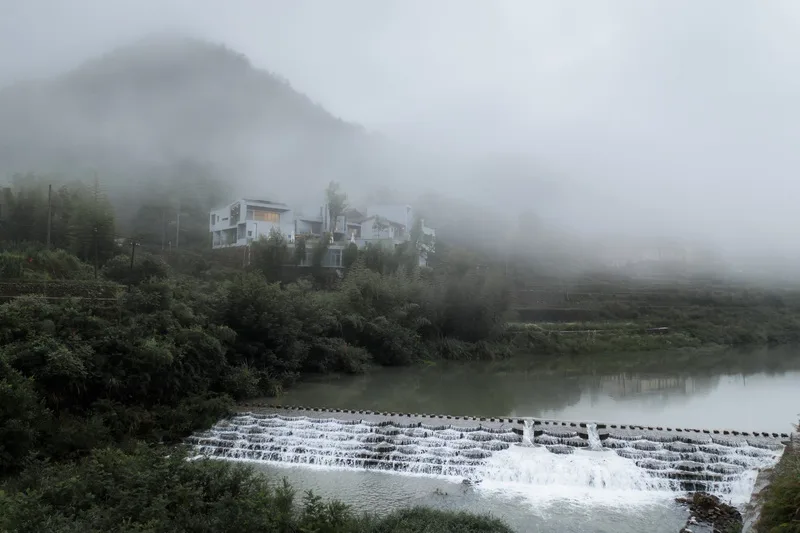
△ View from afar © Tang Xuguo
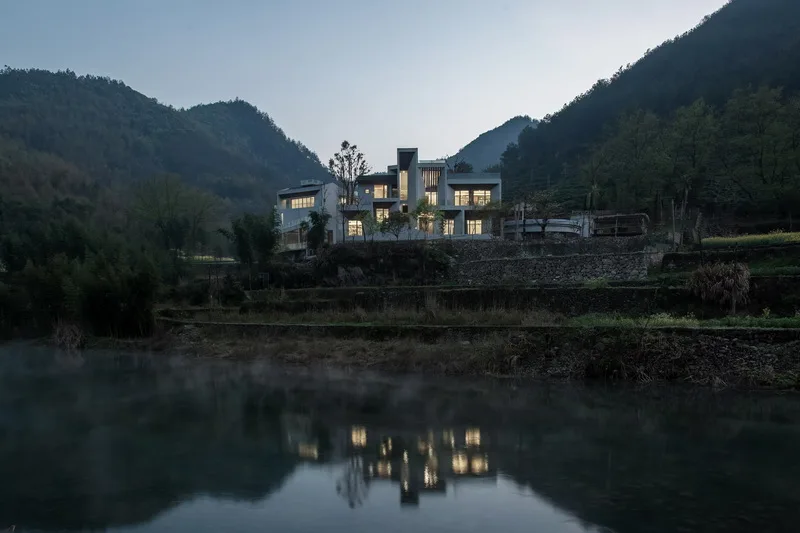
△ Distant view 1 © Su Shengliang
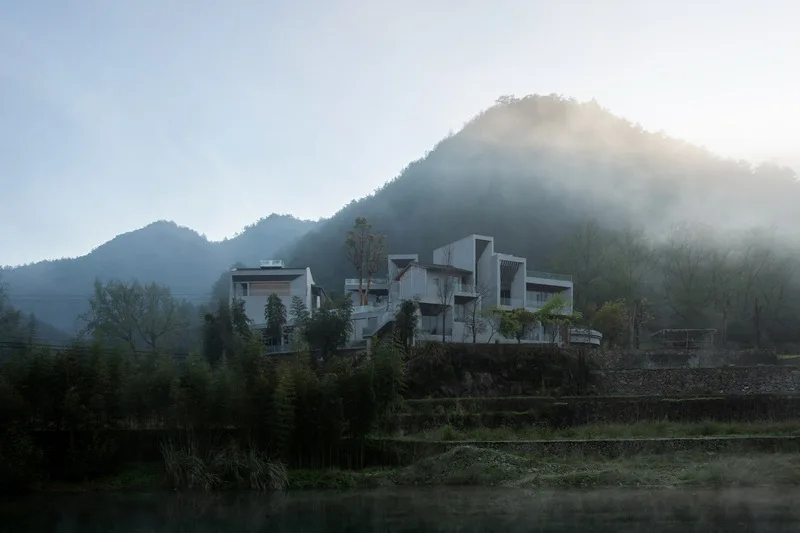
△ Distant view 2 © Su Shengliang
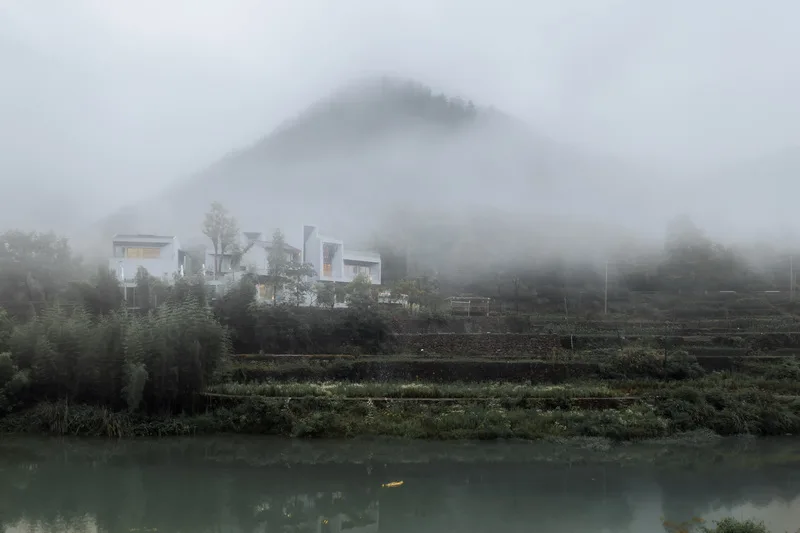
△ Distant view 2 © Tang Xuguo
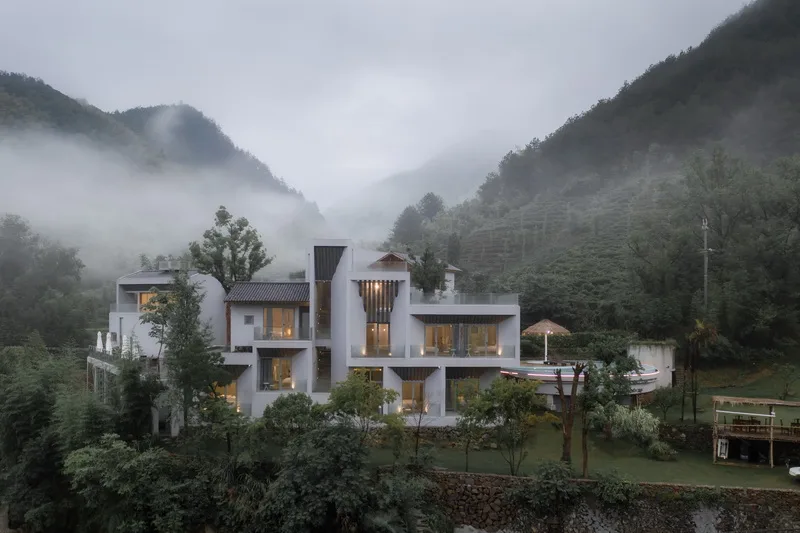
△ Distant view 3 © Tang Xuguo
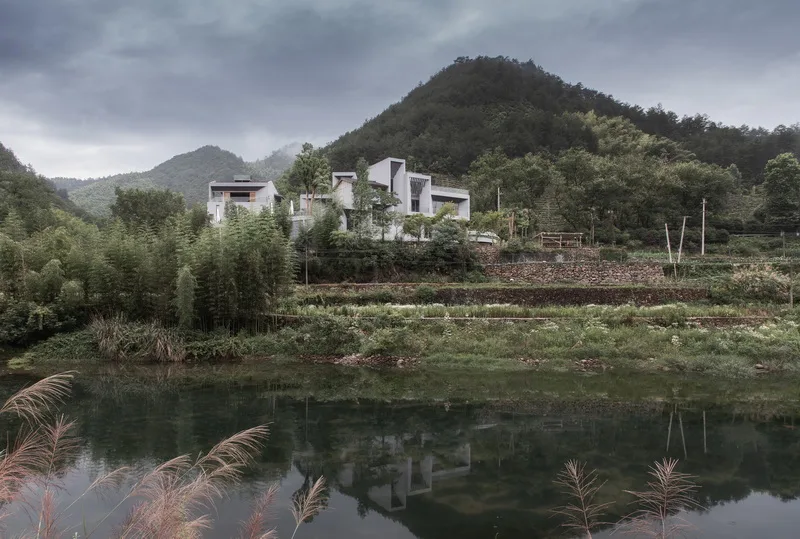
△ Looking at A from afar © Tang Xuguo
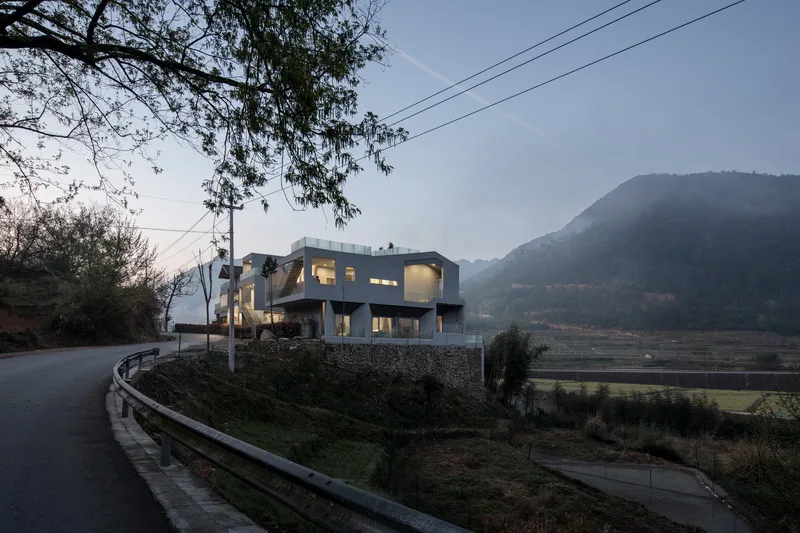
△ Looking at B from afar © Su Shengliang
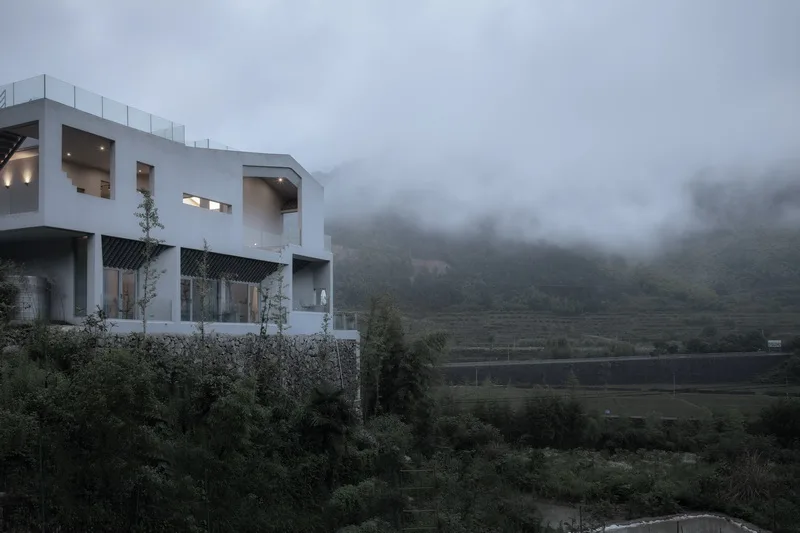
△ Looking at B from afar © Tang Xuguo
Form plays a crucial role in architecture as the most direct medium through which architects express their design concepts. The creation of architectural forms is influenced by numerous factors. In today’s era, where technological innovation in construction progresses slowly, cultural exploration and expression have become vital paths towards fostering cultural confidence within national strategies.
Describing Nature
In ancient China, scholars continuously imagined and explored their ideal world through various art forms—from literature and landscape painting to gardens, transitioning across text, images, and architectural spaces. The relationship between humans and nature is a central theme in traditional Chinese philosophy. This profound influence is deeply ingrained within us, fostering a sensitivity and appreciation for mountains, rocks, forests, and springs that differs from Western perspectives.
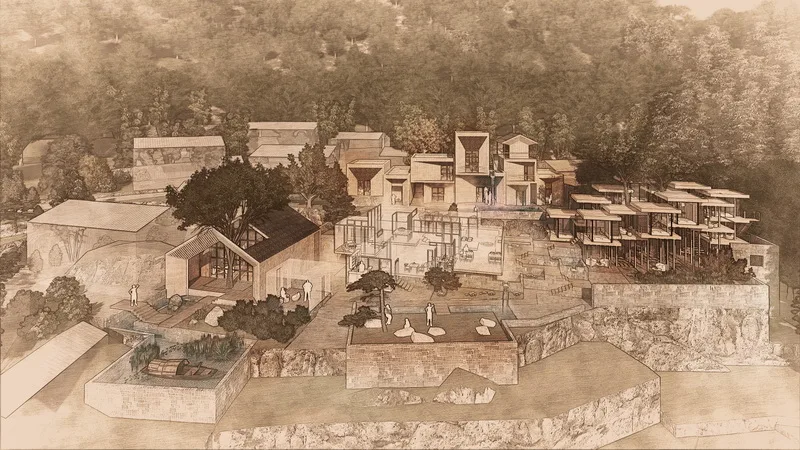
Research on the Design of “Mo Shan Fan Shui” © Tang Ming
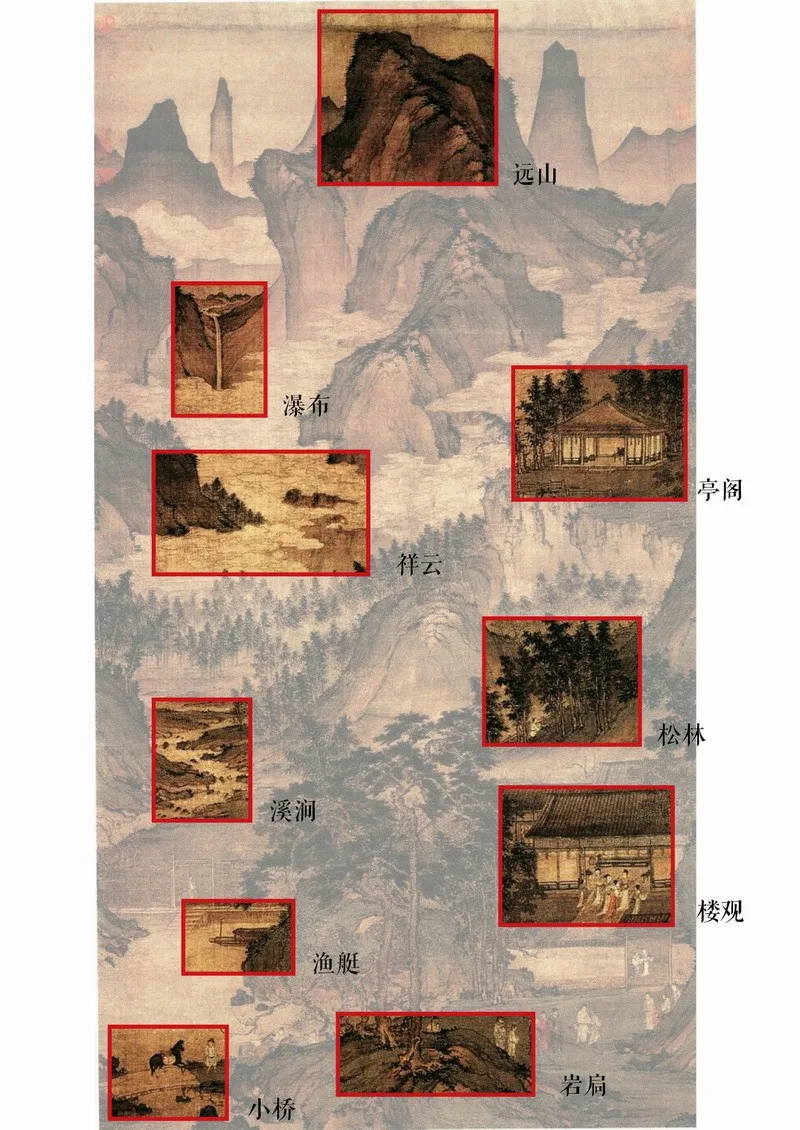
Extraction of Elements from the Dongshan Silk and Bamboo Map © Tang Ming
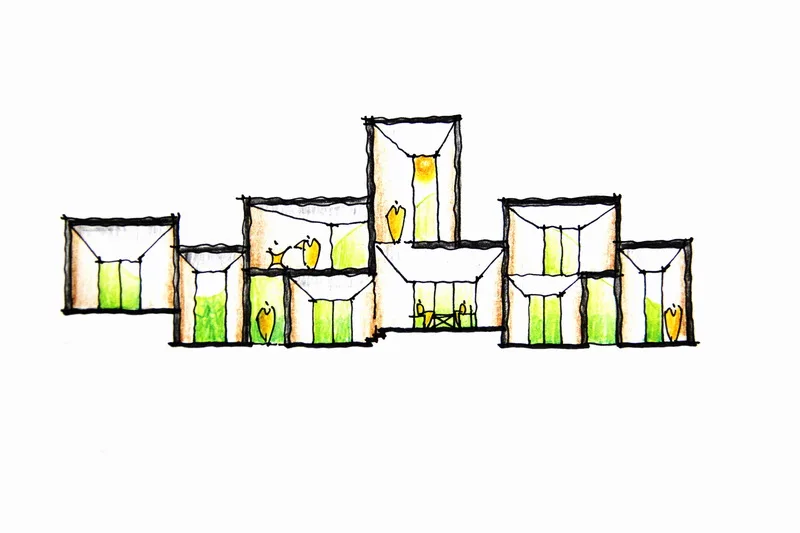
△ Sketch of the bridal chamber © Tang Ming
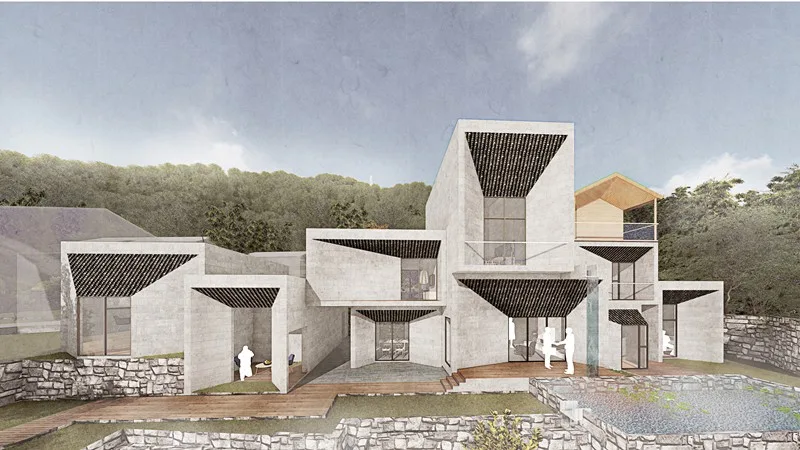
△ Cave rendering © Tang Ming
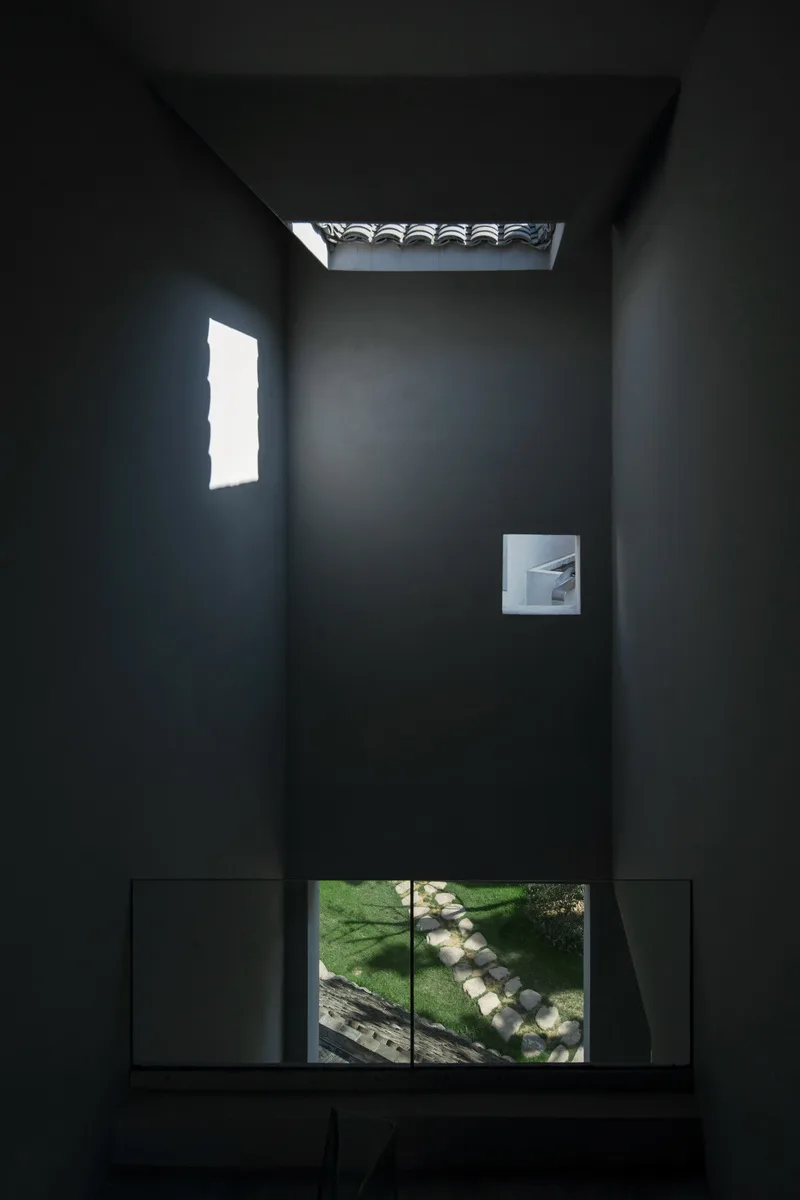
△ Entrance of the cave © Su Shengliang
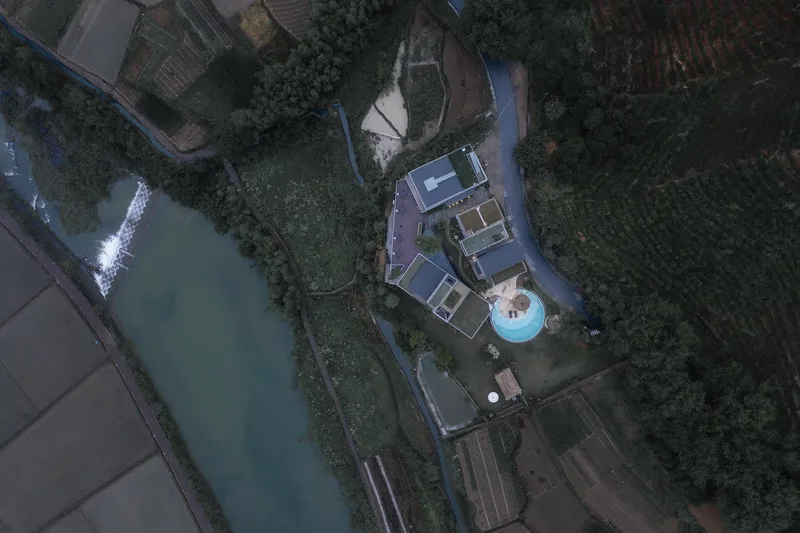
△ Overlooking © Tang Xuguo
The traditional art practice of ‘modeling mountains and rivers’ forms the foundation of this approach. The “Deep and Deep Residence,” built in 2015, marked my first realization of this concept’s subtlety. In 2016, while leading a university graduation project, I guided students through a design research titled “model mountain and model water,” inspired by landscape painting—the idealized world refined by art. Architects play a vital role in interpreting the formal principles of natural objects and translating them into tangible architectural forms.
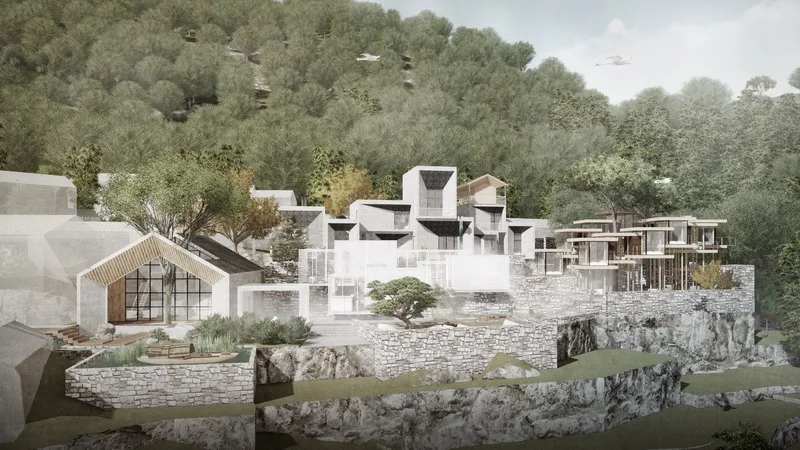
△ Reproduction © Tang Ming
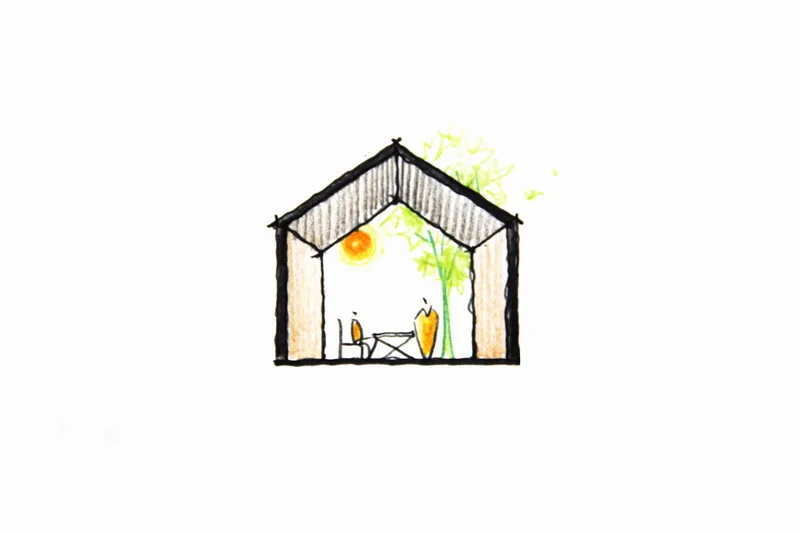
△ Pavilion sketch © Tang Ming
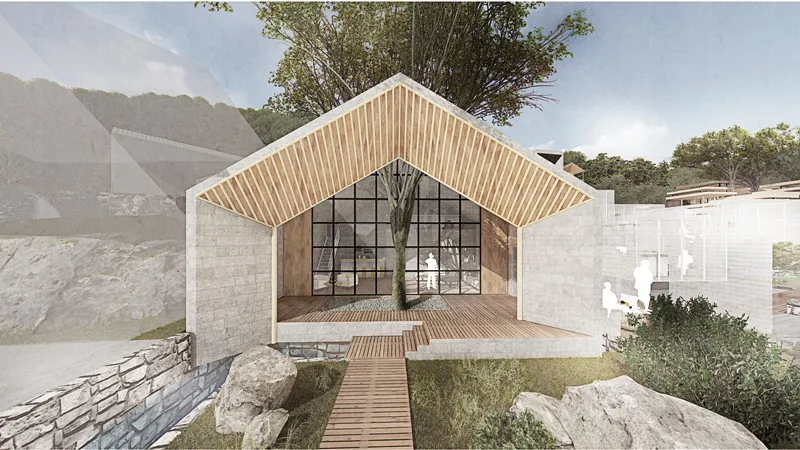
△ Pavilion rendering © Tang Ming
Mountain Stream House
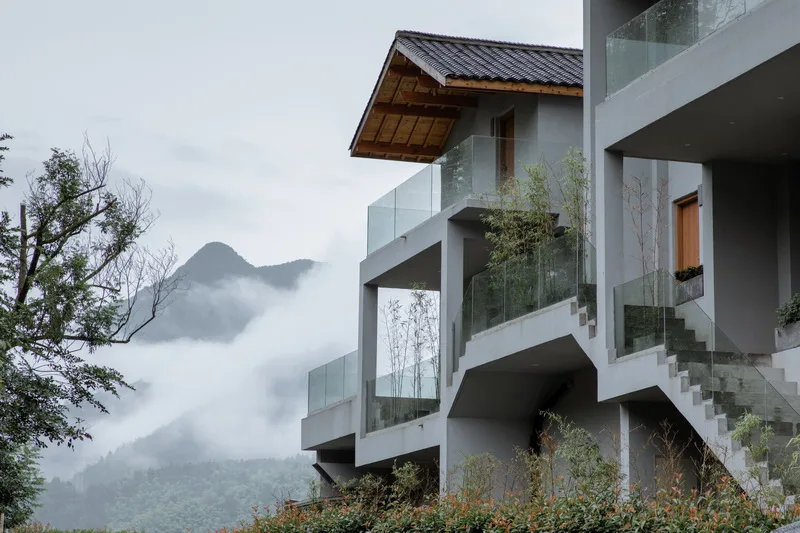
In 2018, the Shanjian House project presented an opportunity to bring this prototype research into reality. Situated in a mountain stream valley in Tonglu County, Zhejiang Province, the site is backed by a hillside and faces a stream. During the design process, beyond exploring how to mimic mountain forms, the focus was on the spatial meaning carried by the architectural form. Instead of emphasizing function, spatial organization, or circulation, the goal was to create a “mountain-like” building and shape living scenes resembling “caves.”
The choice of a reinforced concrete frame structure was ideal for on-site construction, resulting in staggered volumes of varying heights—a logical outcome of the prototype research.
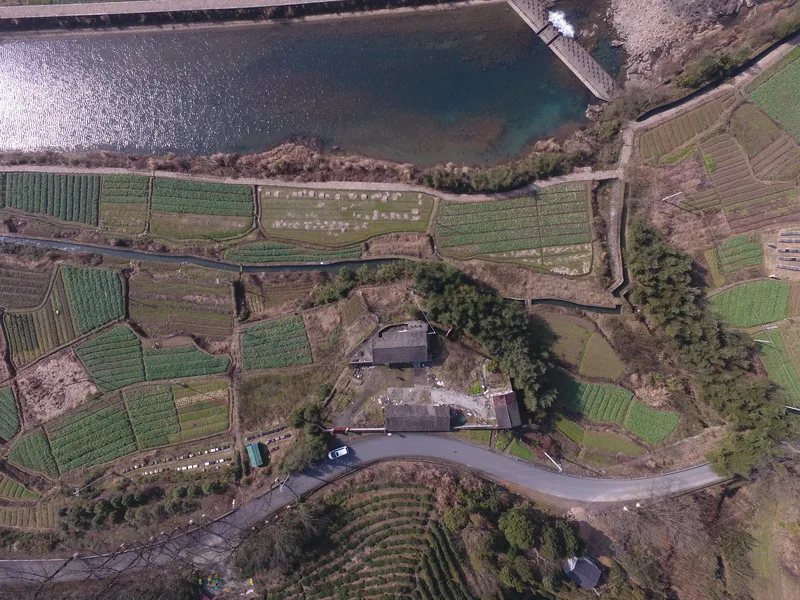
△ Aerial view of the site 1 © Come to the building
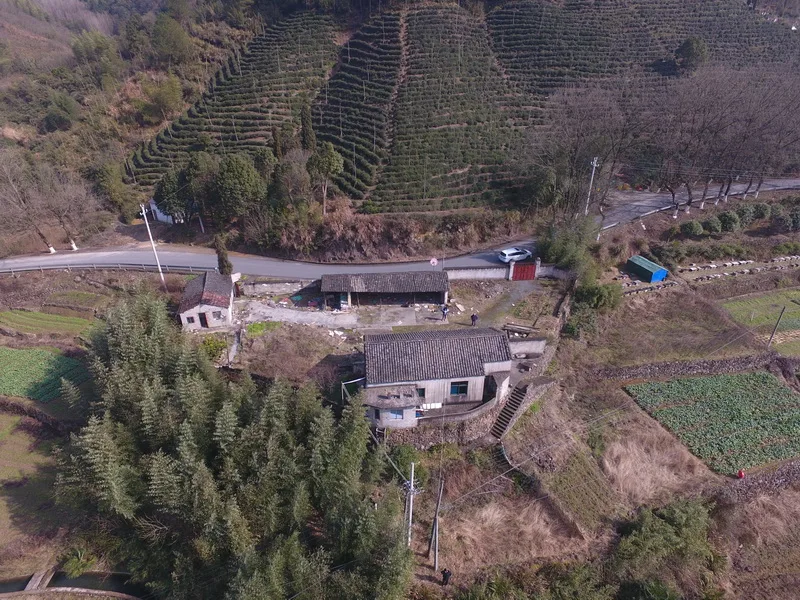
△ Aerial view of the site 2 © Come to the building
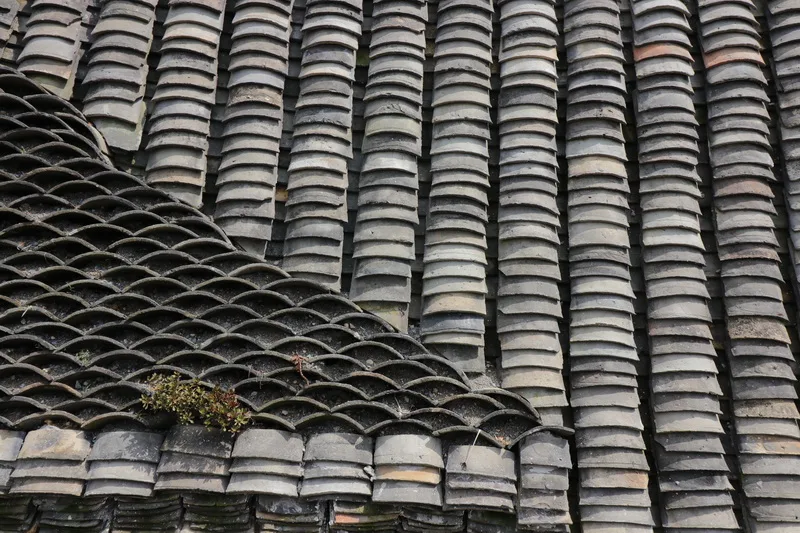
△ Local surroundings © Liao Qixian
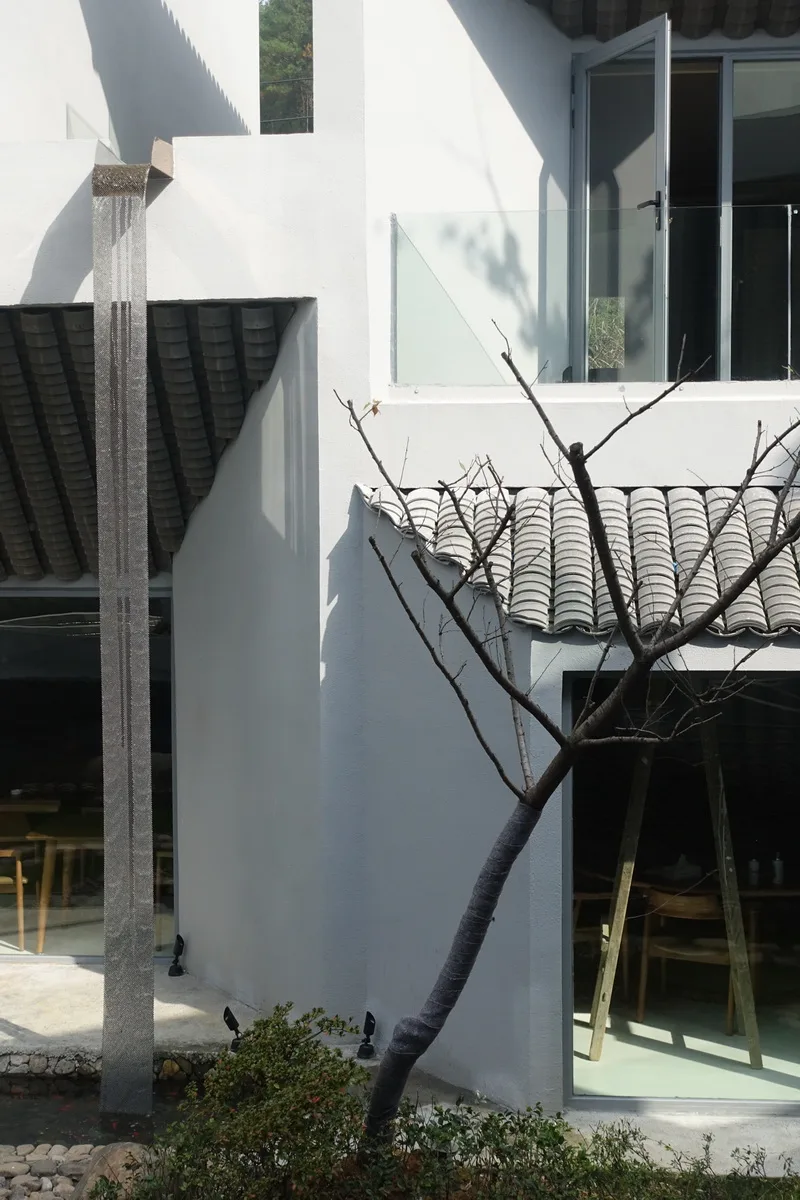
△ Local surroundings © Tang Ming
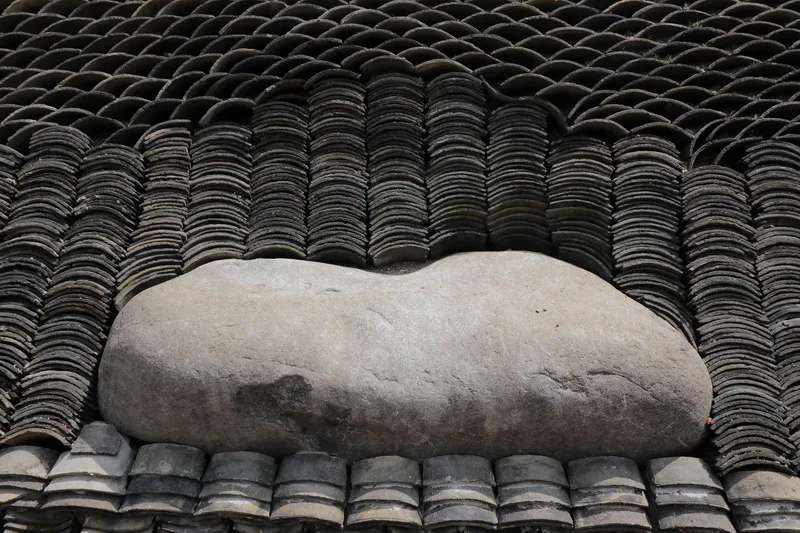
△ Local surroundings 2 © Liao Qixian
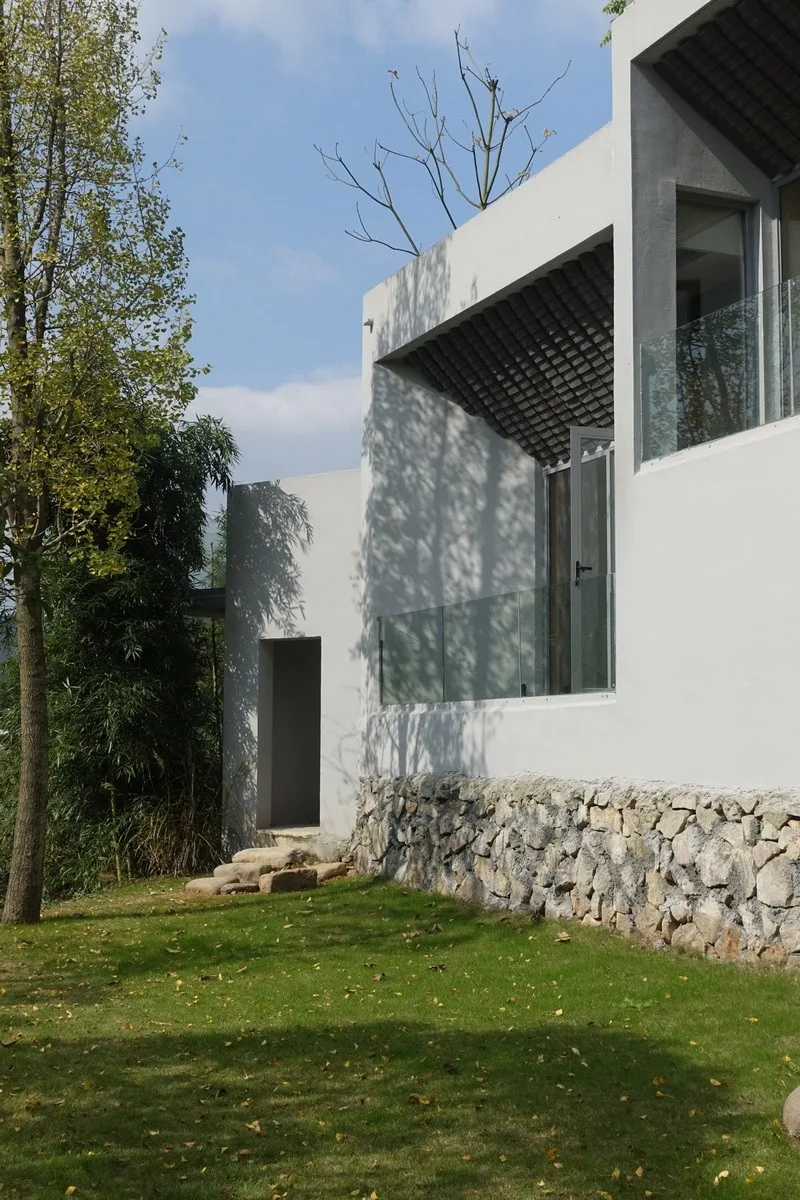
△ Local surroundings 2 © Tang Ming
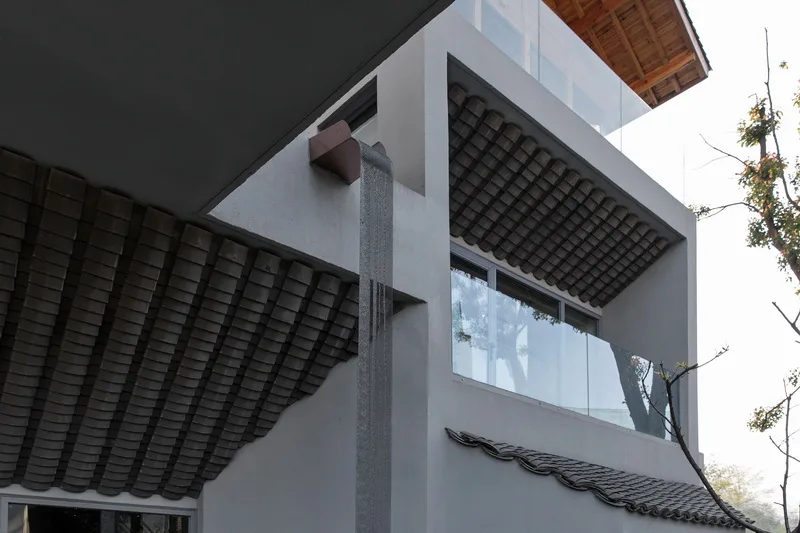
△ Local surroundings 3 © Su Shengliang
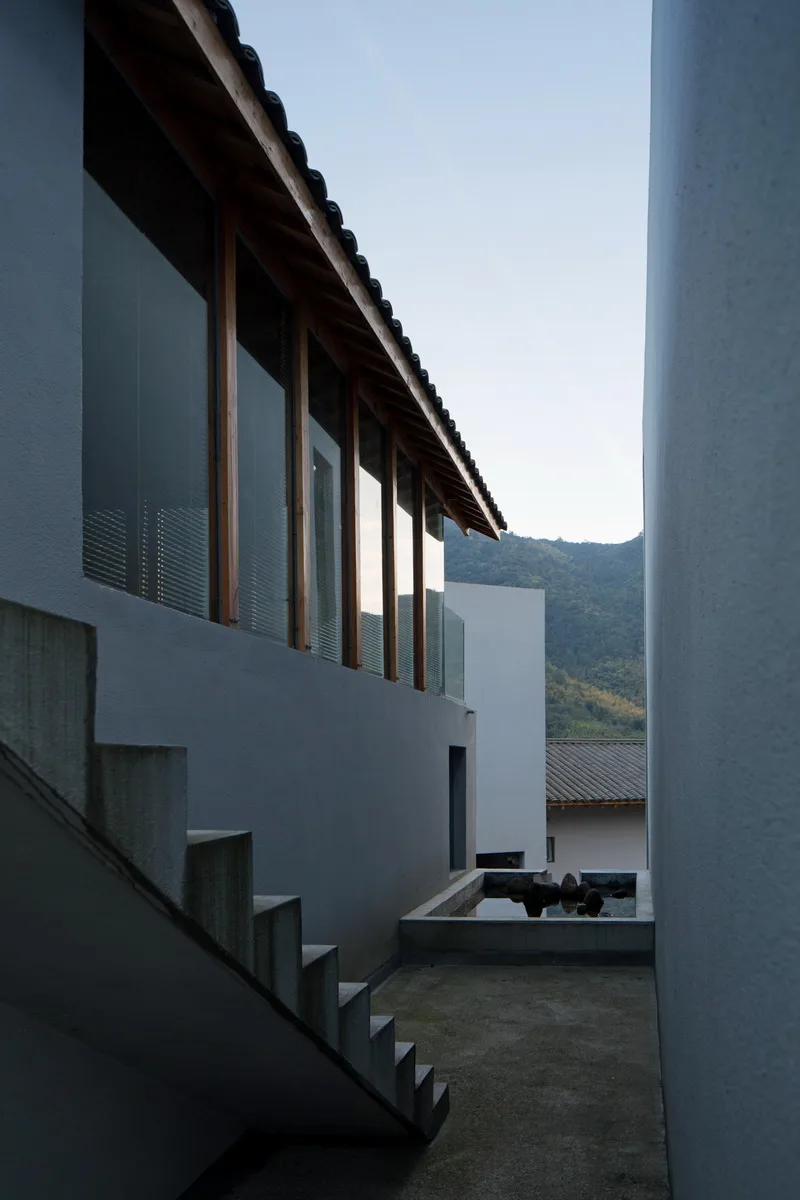
△ Local surroundings 9 © Su Shengliang
The Meaning of Three Distances
During the project’s implementation, three separate buildings were constructed on-site, each representing a different “mountain” with its own posture. The site’s boundaries led to a triangular layout. The front mountain is gentle and horizontally extended, the back mountain stands tall and imposing, and the side mountain rests quietly to one side. A circular “Moon Pond” in the corner serves as a functional swimming pool.
Viewed from across the river, the front and back mountains create a profound presence. From inside the courtyard, the back mountain appears lofty and distant, radiating an imposing momentum that overwhelms the terrain. The three constructed mountains, combined with the natural mountains beyond, form a layered scene of towering peaks, dense foliage, and deep streams—embodying the concepts of “flat and far.” Between these mountain streams, a wooden house sits surrounded by what looks like a waterfall cascading into the stream—adding the final touch to this picturesque setting.
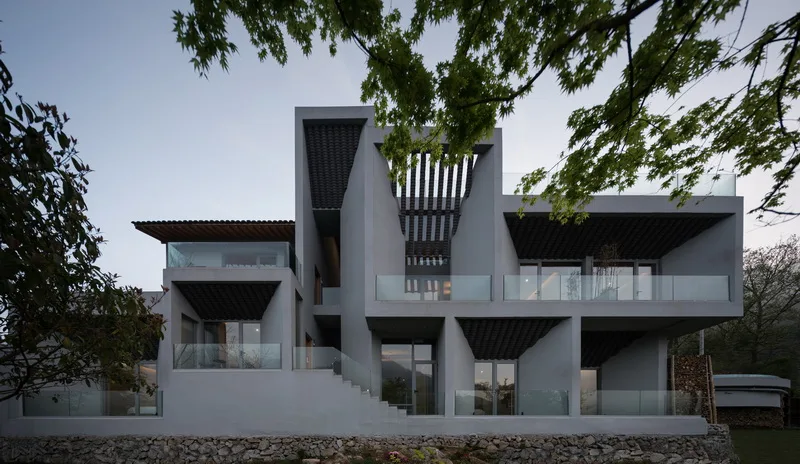
△ Facade A © Su Shengliang
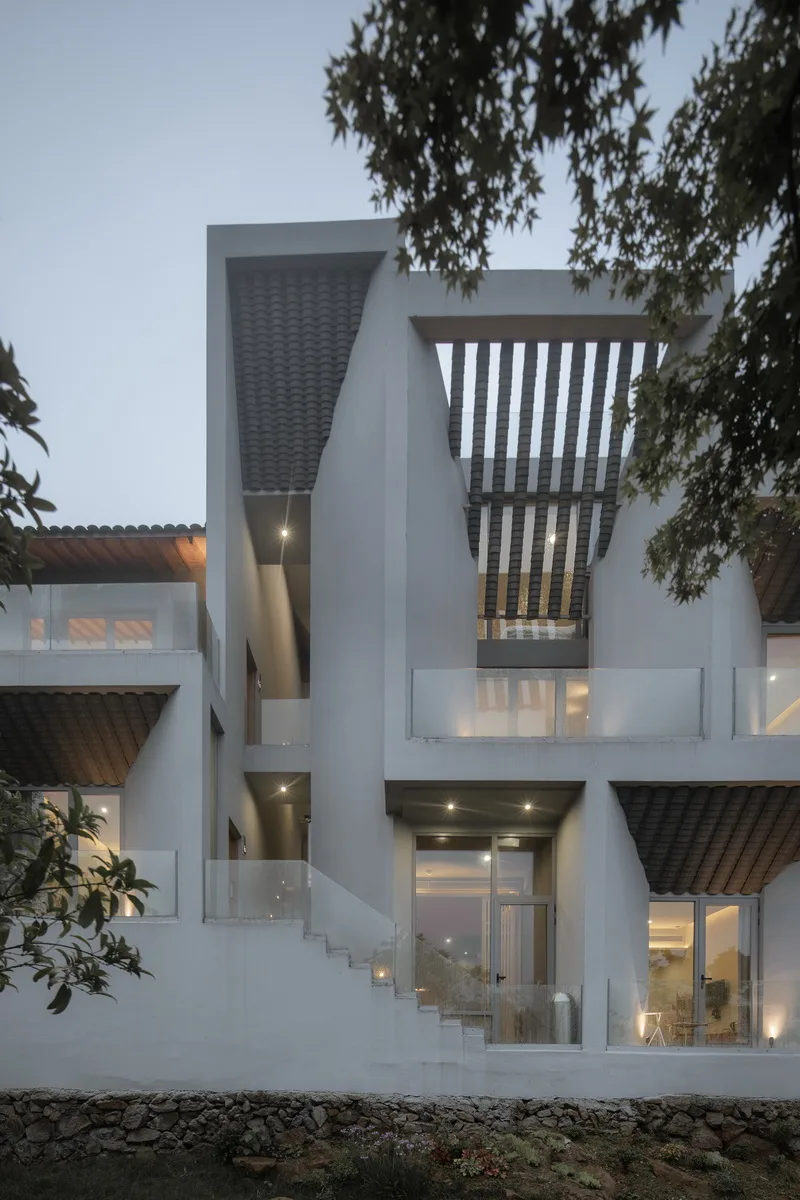
△ Facade A © Tang Xuguo
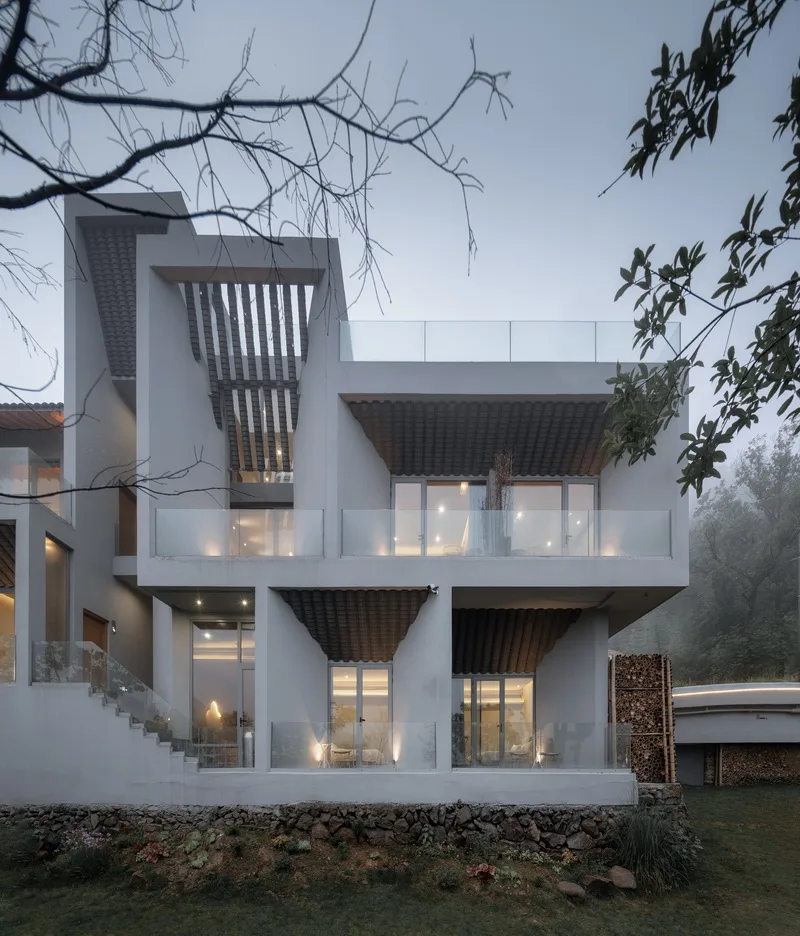
△ Facade A2 © Tang Xuguo
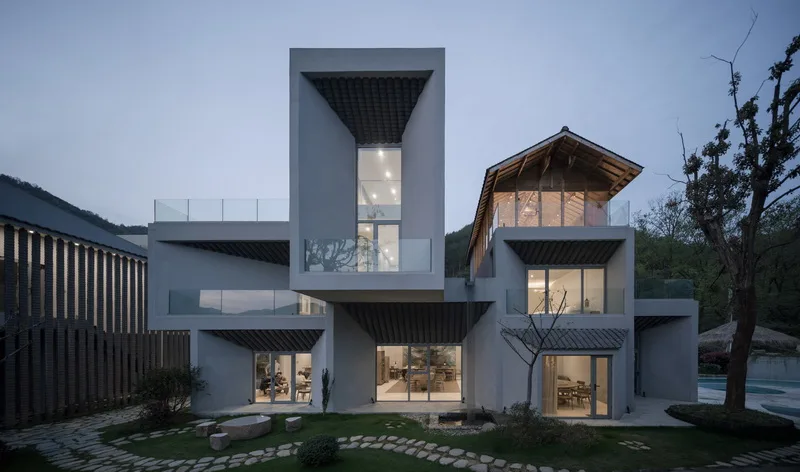
△ Facade C © Su Shengliang
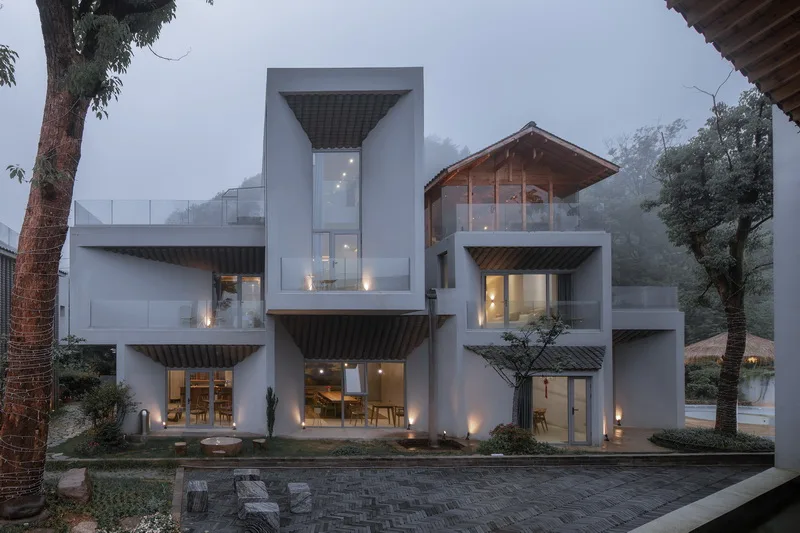
△ Facade C © Tang Xuguo
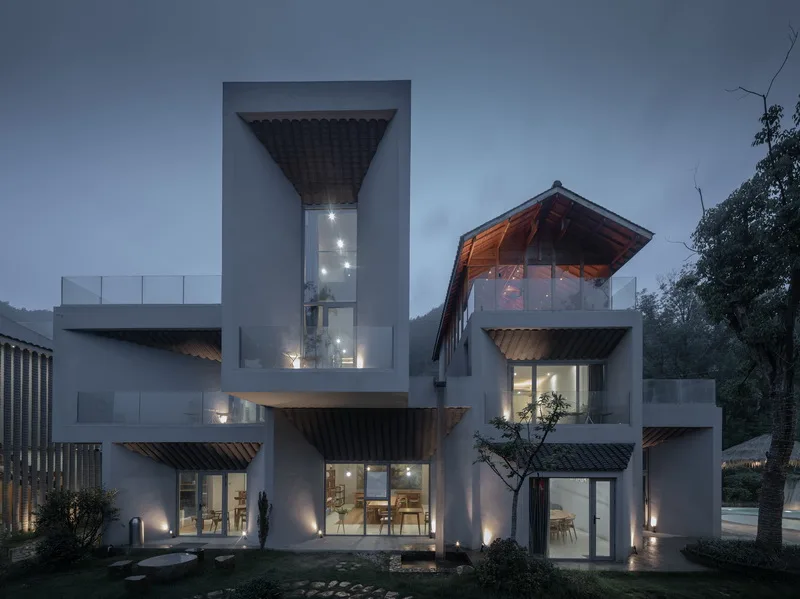
△ Facade C2 © Tang Xuguo
Living in a Cave
Mountains invite exploration, while caves provide shelter. Once the mountain form is established, its hollowed spaces serve as protective shelters for inhabitants—reflecting the idea of “living in a cave.” Tiles are used as symbolic elements to mark these living spaces. To enhance this concept, the tiles were inverted between interior and exterior surfaces at the elegant gathering place on the side mountain, allowing tree shadows to fall onto the ceiling and creating a subtle interplay between inside and outside. This blurs the boundary, evoking a feeling of disorientation between inner and outer realms.
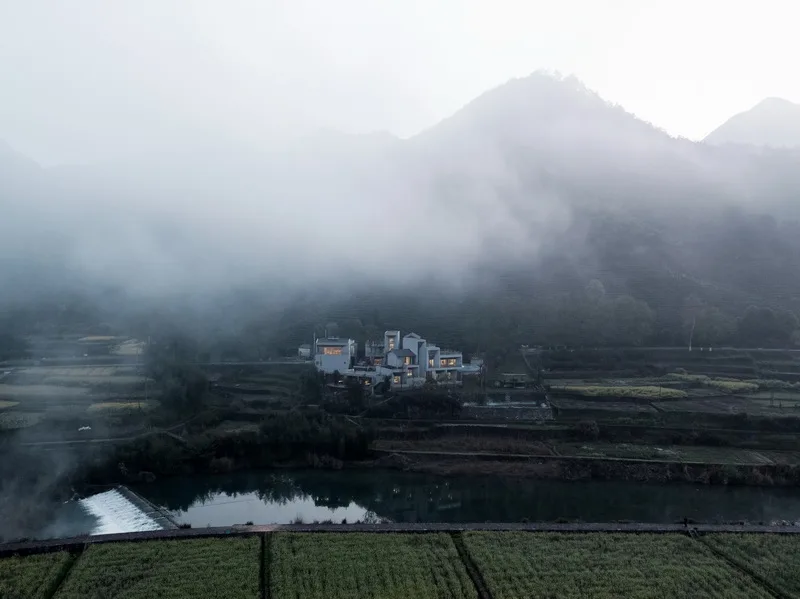
△ Aerial view 1 © Su Shengliang
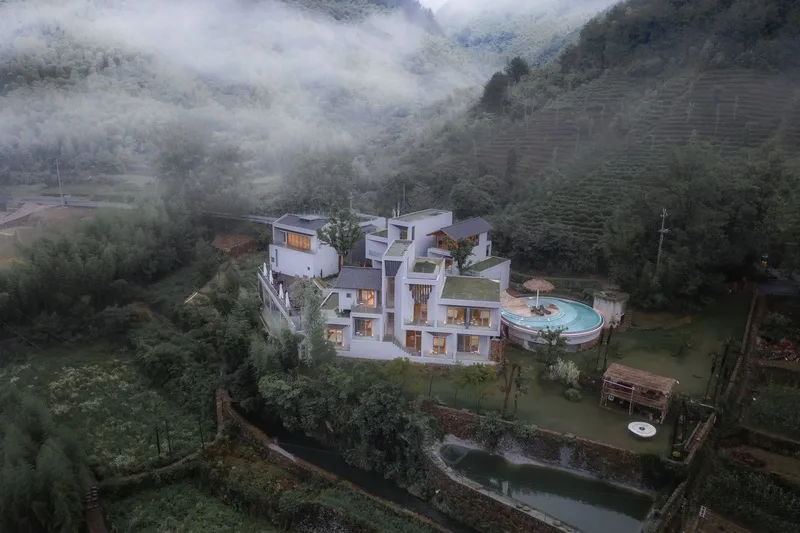
△ Aerial view 1 © Tang Xuguo
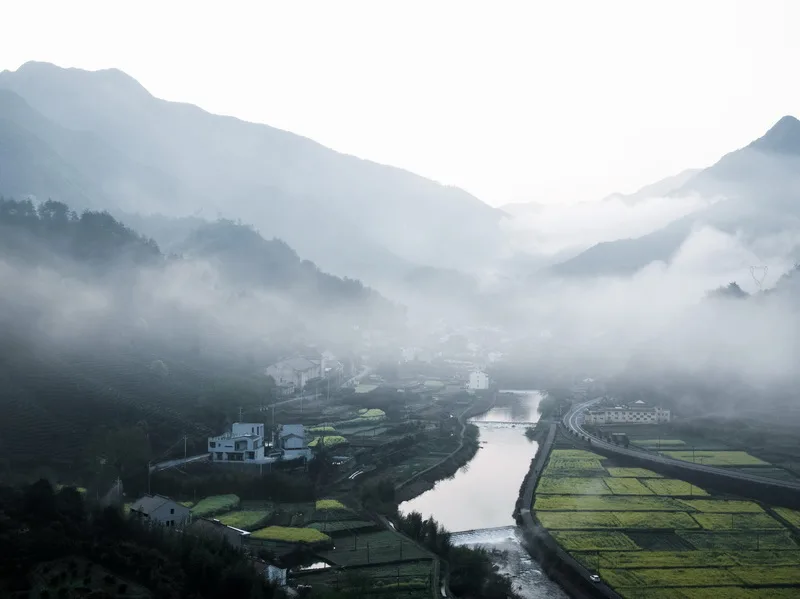
△ Aerial view 2 © Su Shengliang
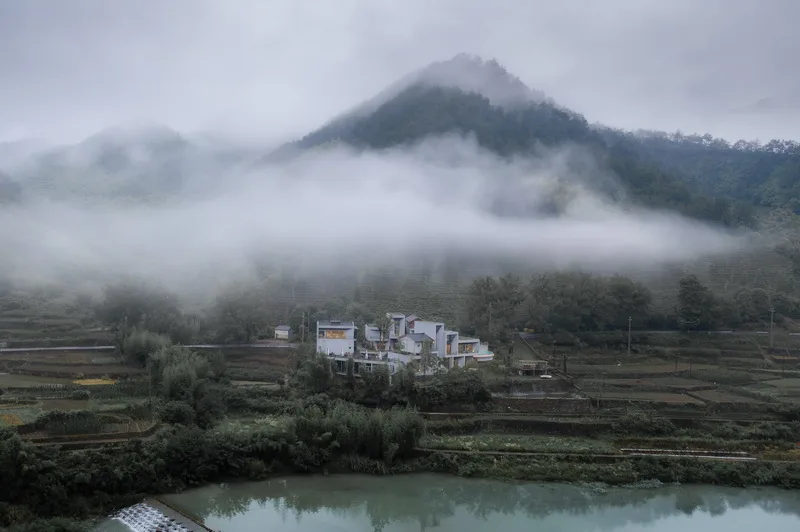
△ Aerial view 2 © Tang Xuguo
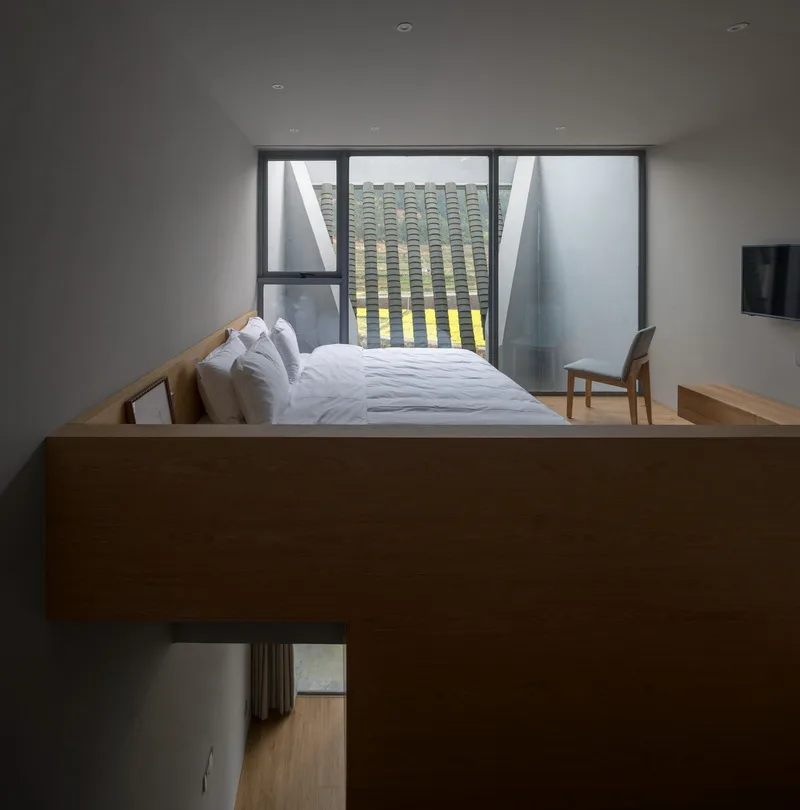
Interior of Building A © Su Shengliang
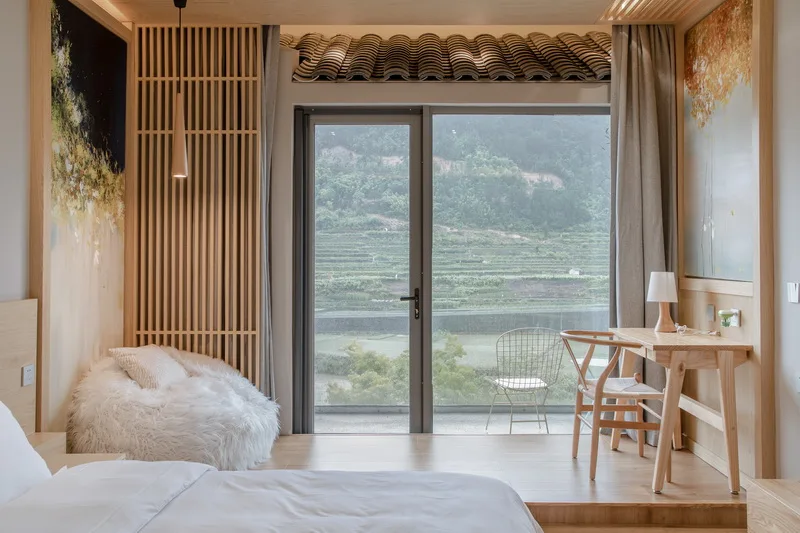
Interior of Building A1 © Tang Xuguo
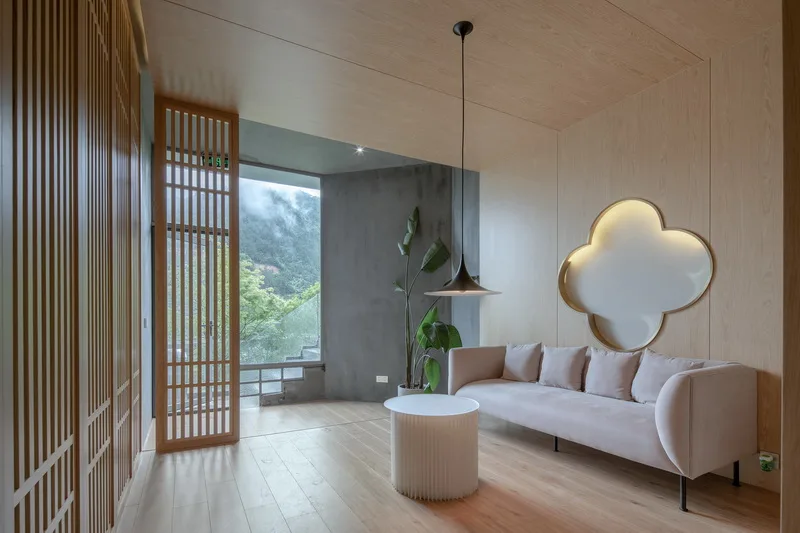
Interior of Building A2 © Tang Xuguo
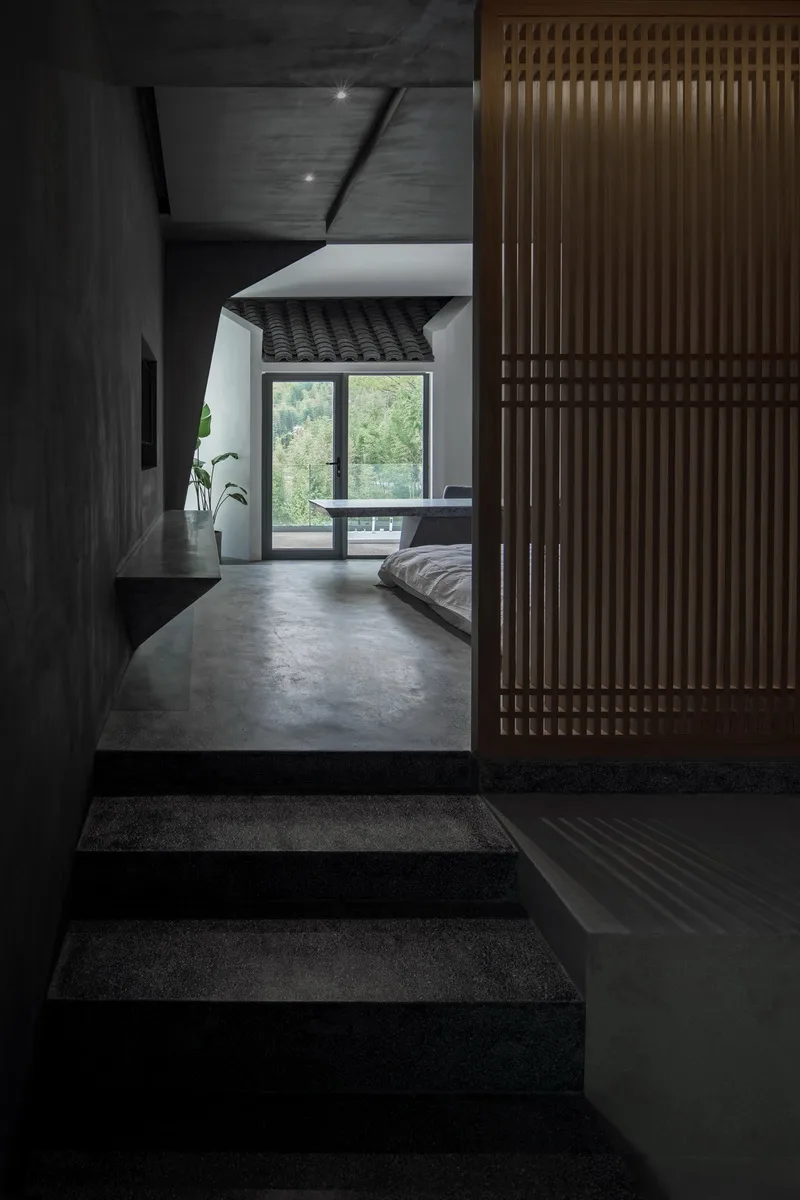
Interior of Building B © Su Shengliang
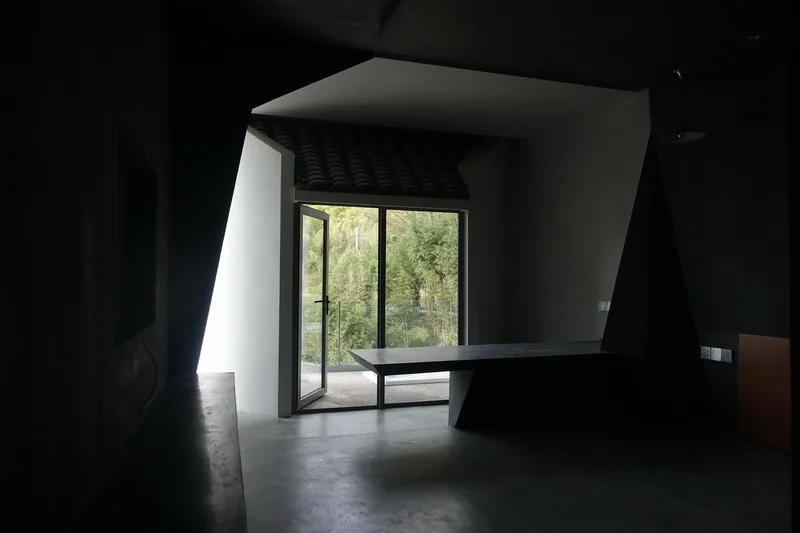
Interior of Building B © Tang Ming
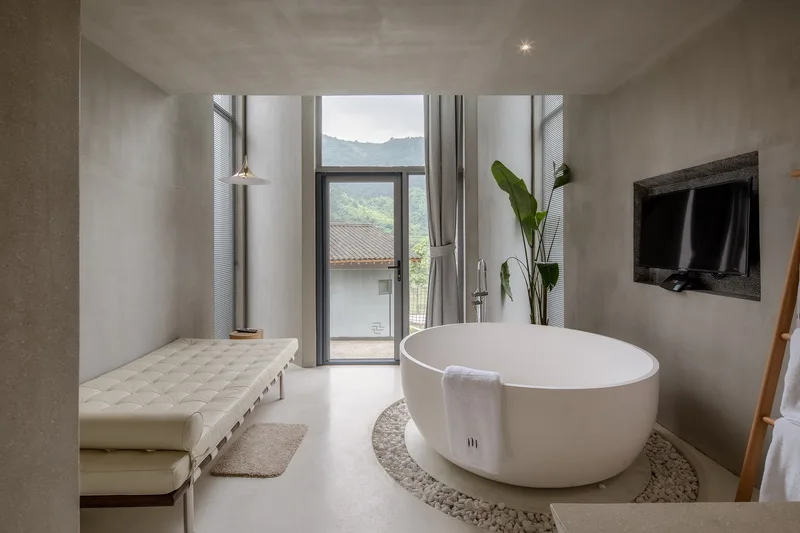
Interior of Building C1 © Tang Xuguo
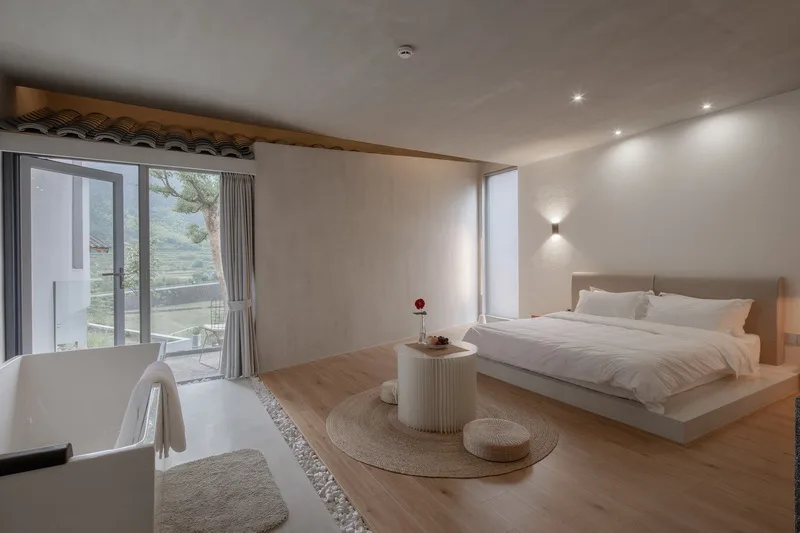
Interior of Building C2 © Tang Xuguo
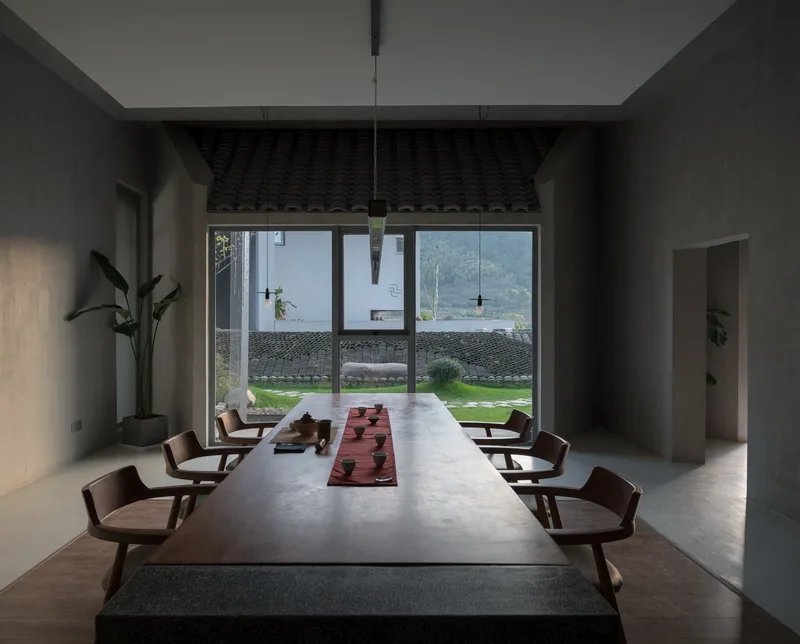
Interior restaurant © Su Shengliang
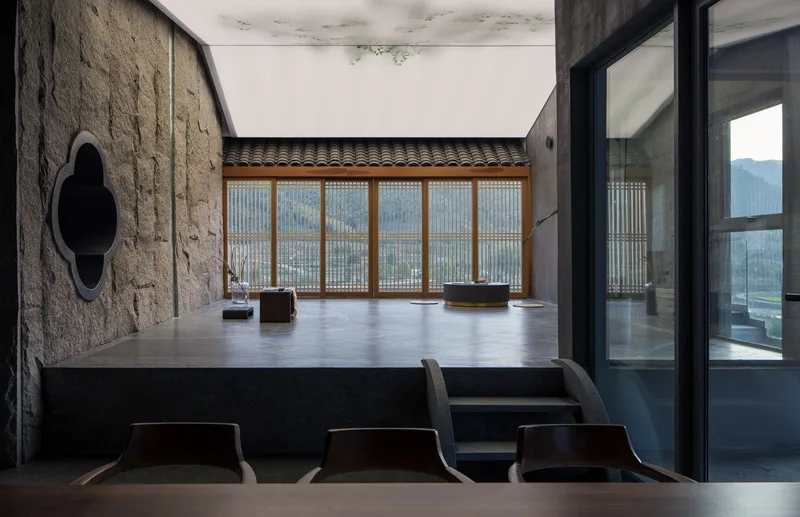
Interior Elegant Collection © Su Shengliang
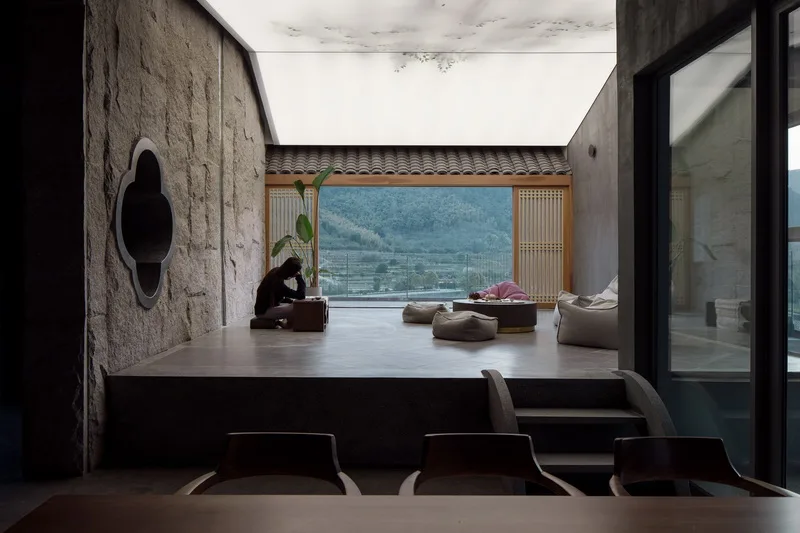
△ Interior Elegant Collection 2 © Su Shengliang
Epilogue
The Mountain Stream House has stood for several years. Mimicking and translating natural objects is often the most direct architectural expression. Yet, this approach can be overly formalistic. Beyond mere form, architecture requires rich artistic cultivation to embody refined artistic expression. The balance between restraint and passion offers a broader architectural language. Nonetheless, form remains the fundamental starting point for architects.
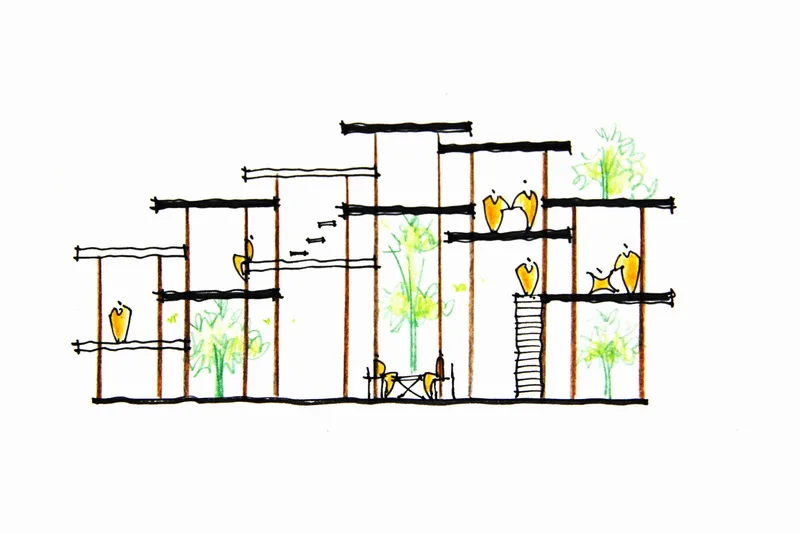
△ Tree house sketch © Tang Ming
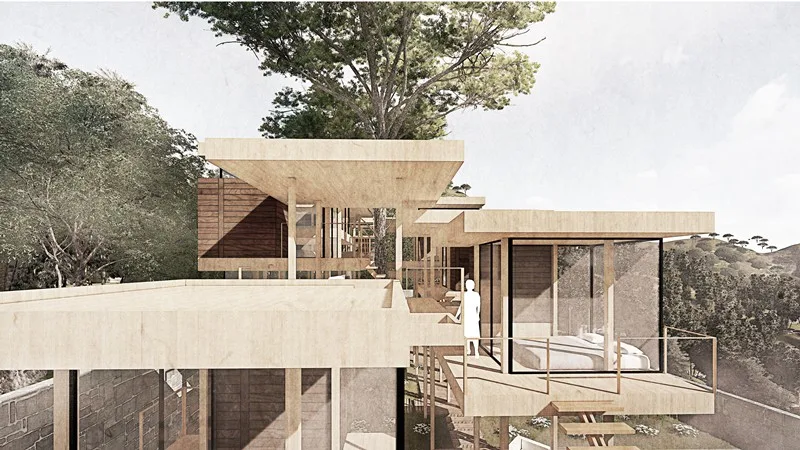
△ Tree house rendering © Tang Ming
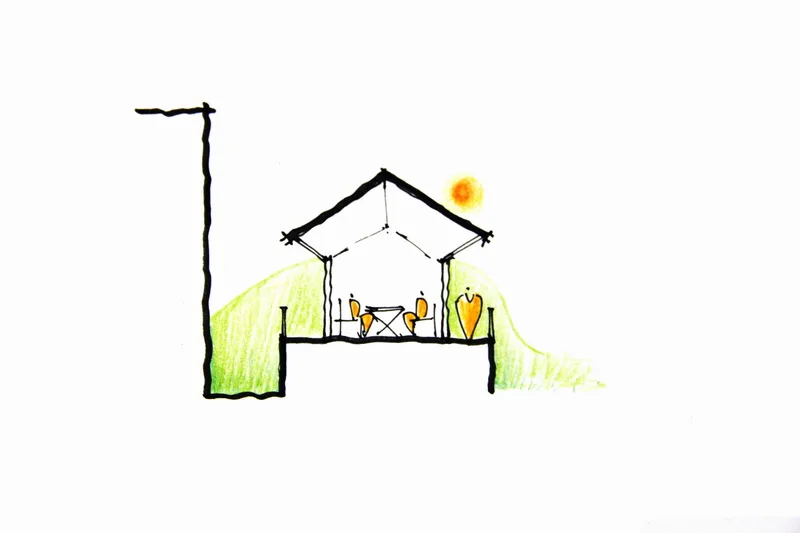
△ Pavilion building sketch © Tang Ming
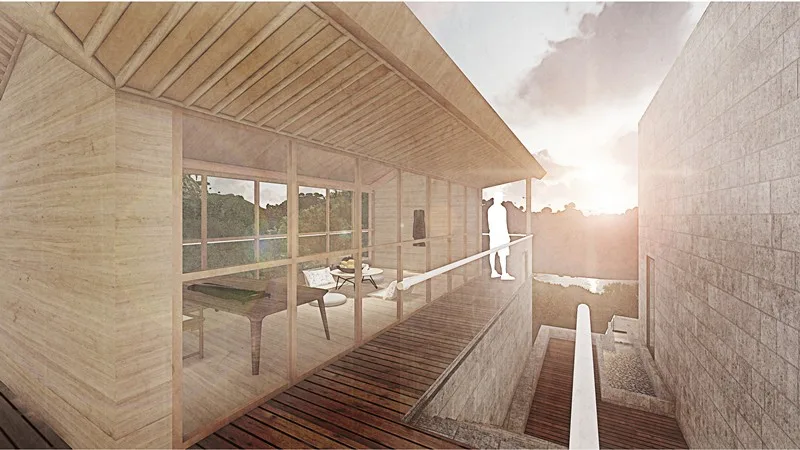
△ Pavilion rendering © Tang Ming
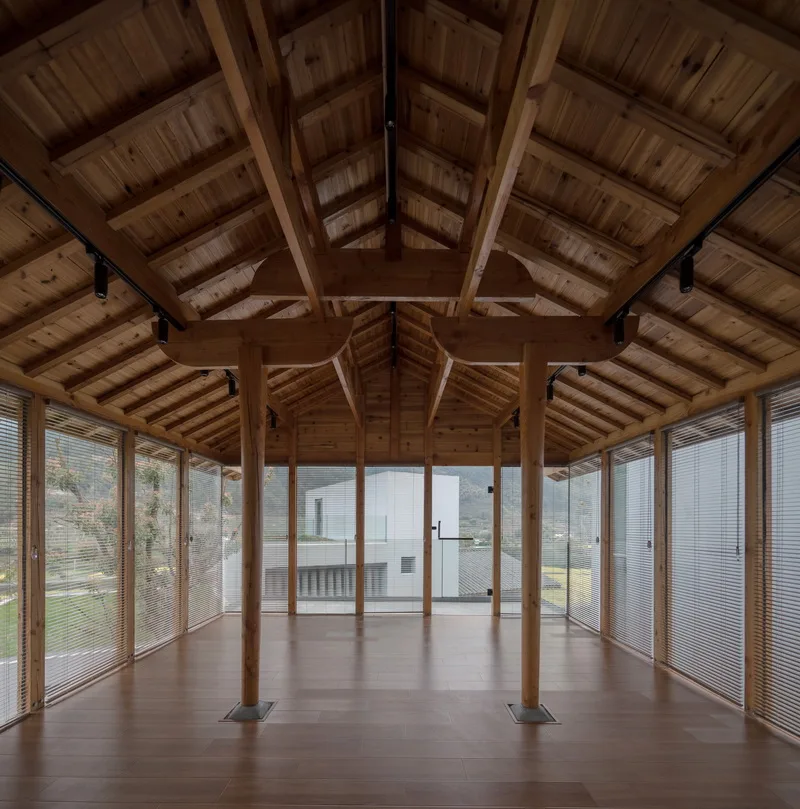
△ Inside the pavilion © Su Shengliang
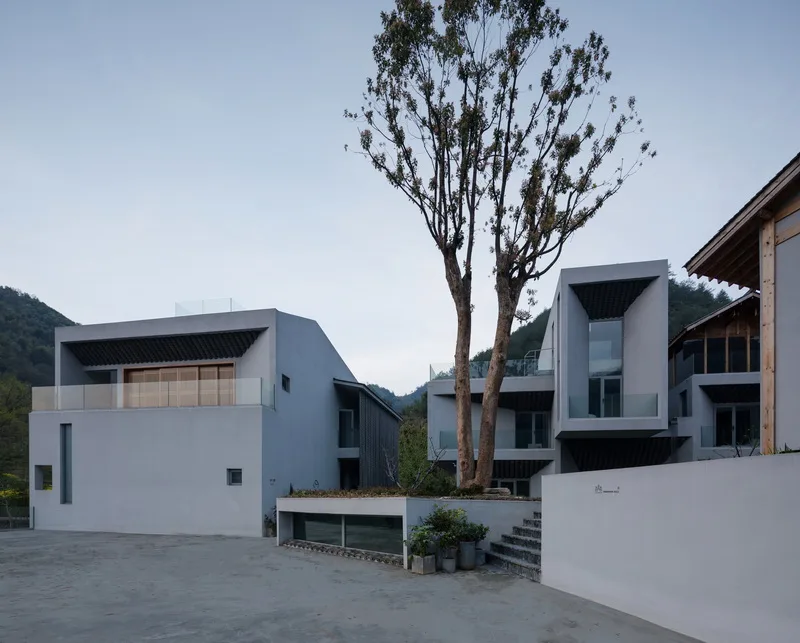
△ Courtyard 1 © Su Shengliang
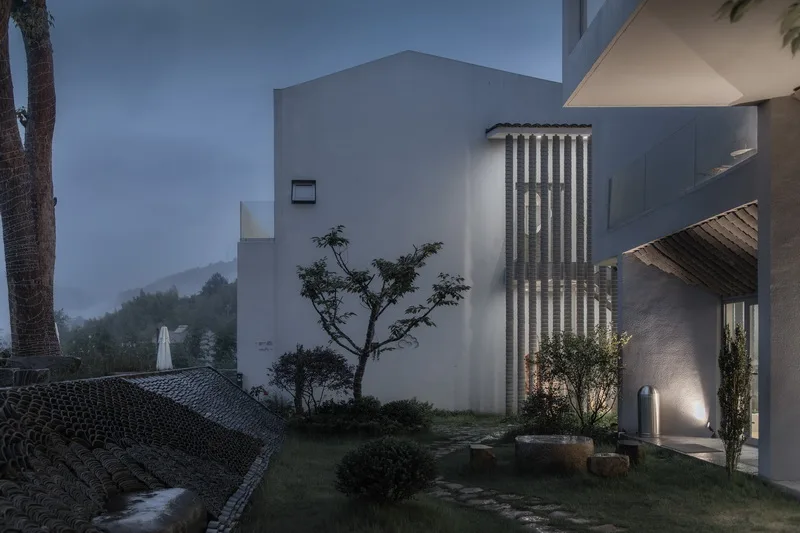
△ Courtyard 1 © Tang Xuguo
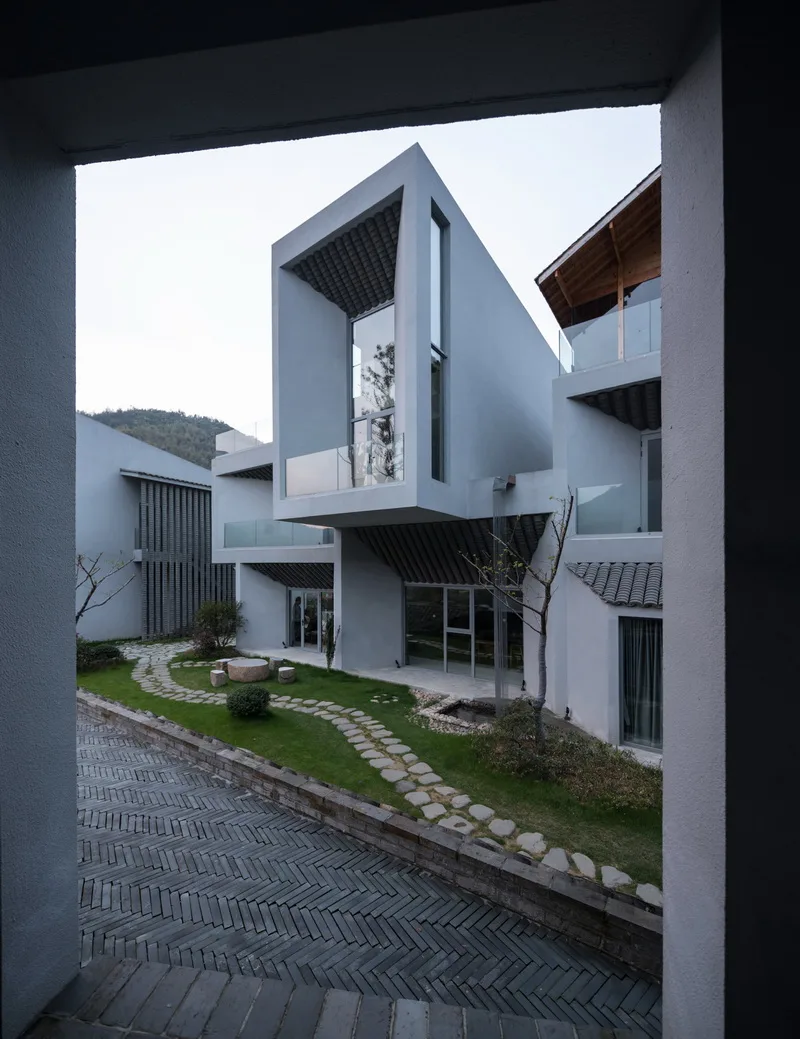
△ Courtyard 2 © Su Shengliang
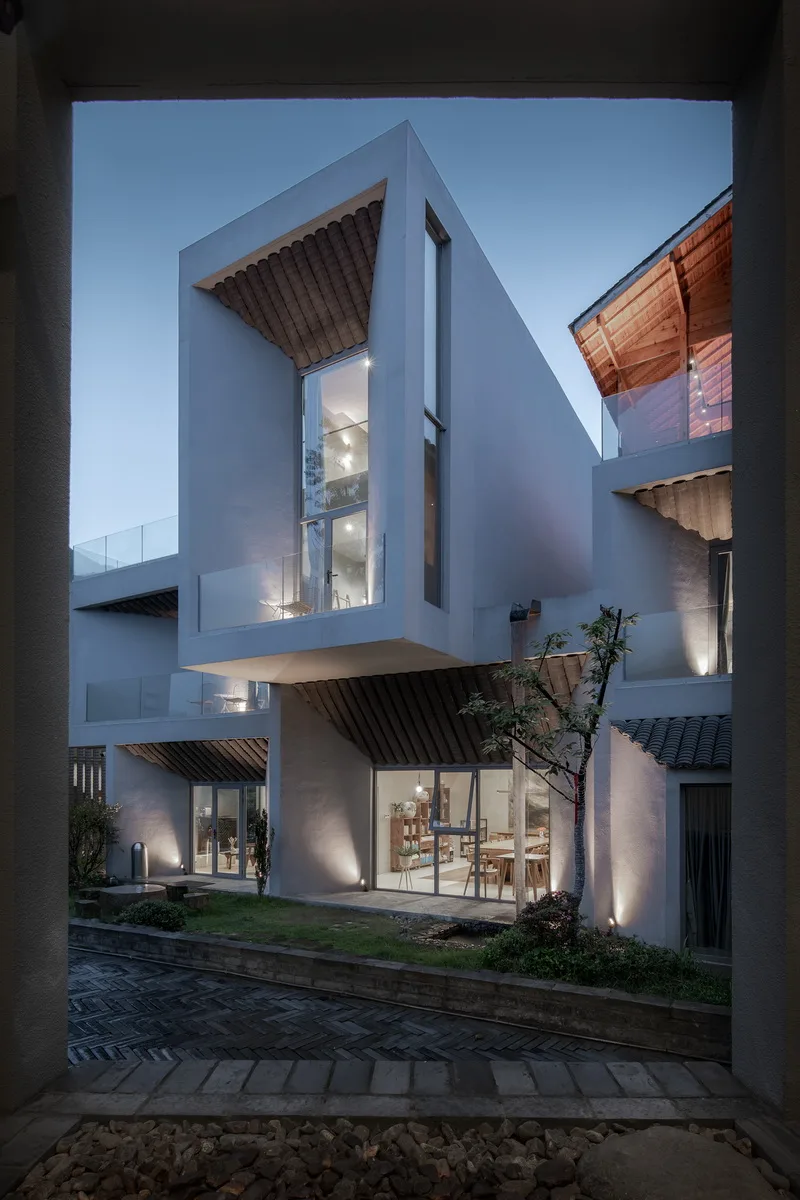
△ Courtyard 2 © Tang Xuguo
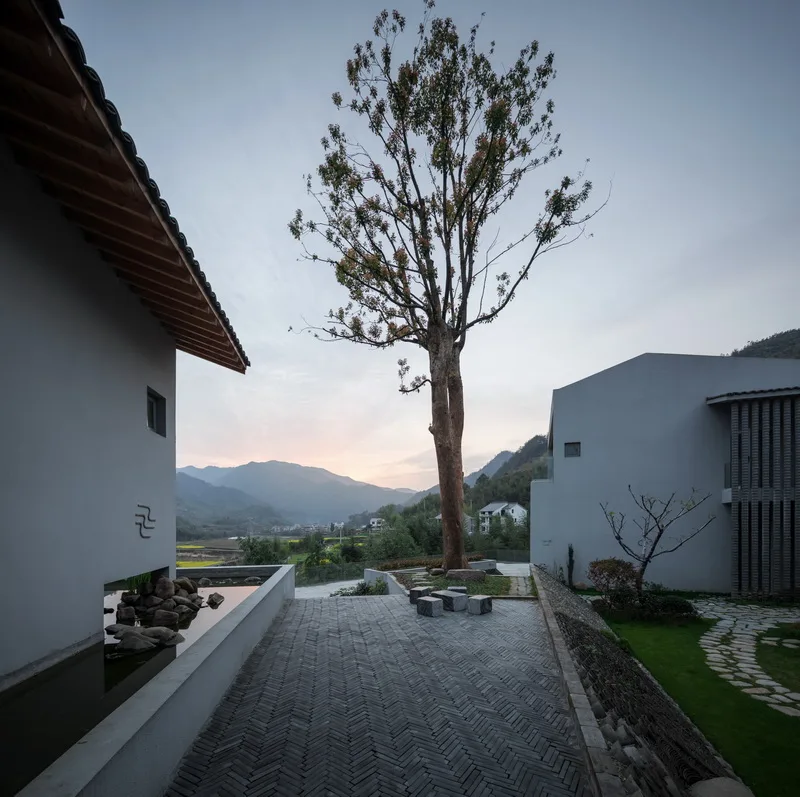
△ Courtyard 3 © Su Shengliang
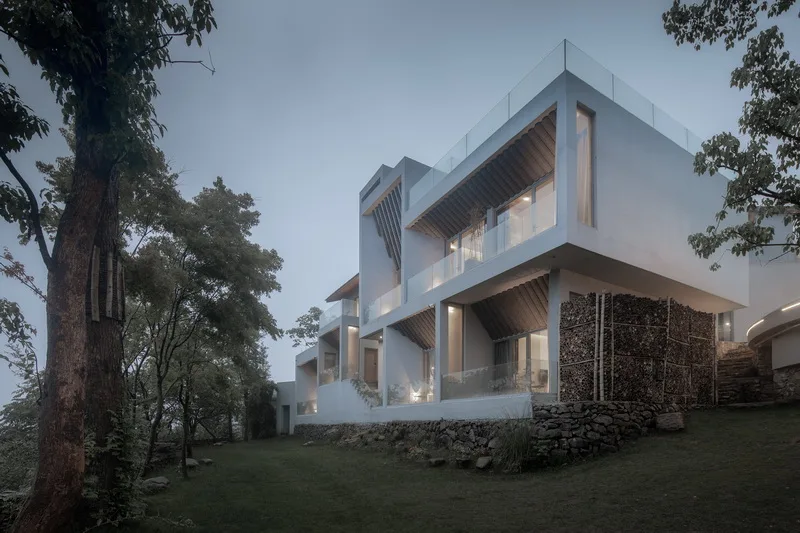
△ Courtyard 3 © Tang Xuguo
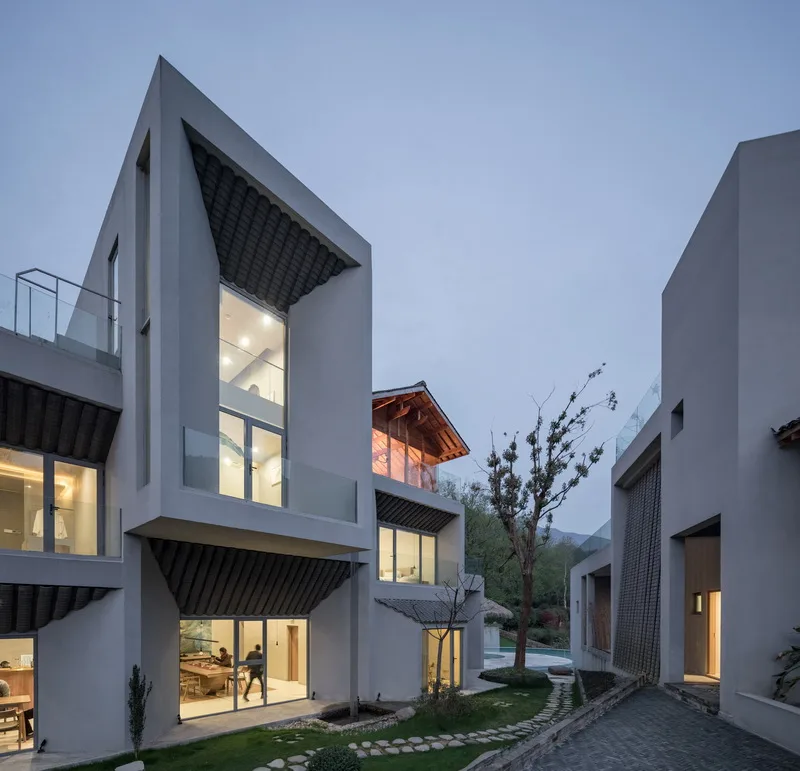
△ Courtyard 4 © Su Shengliang
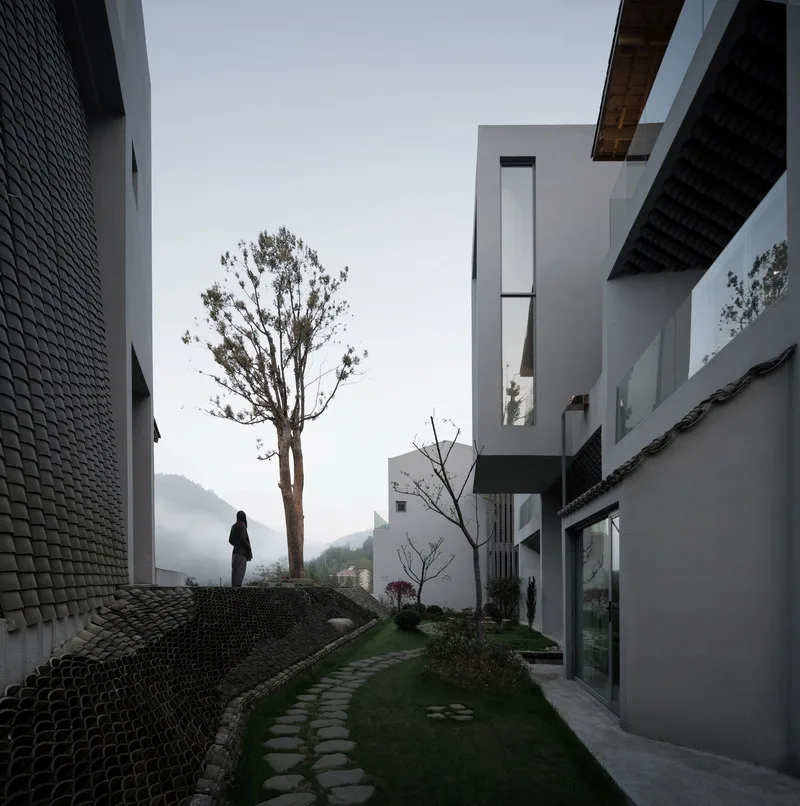
△ Courtyard 6 © Su Shengliang
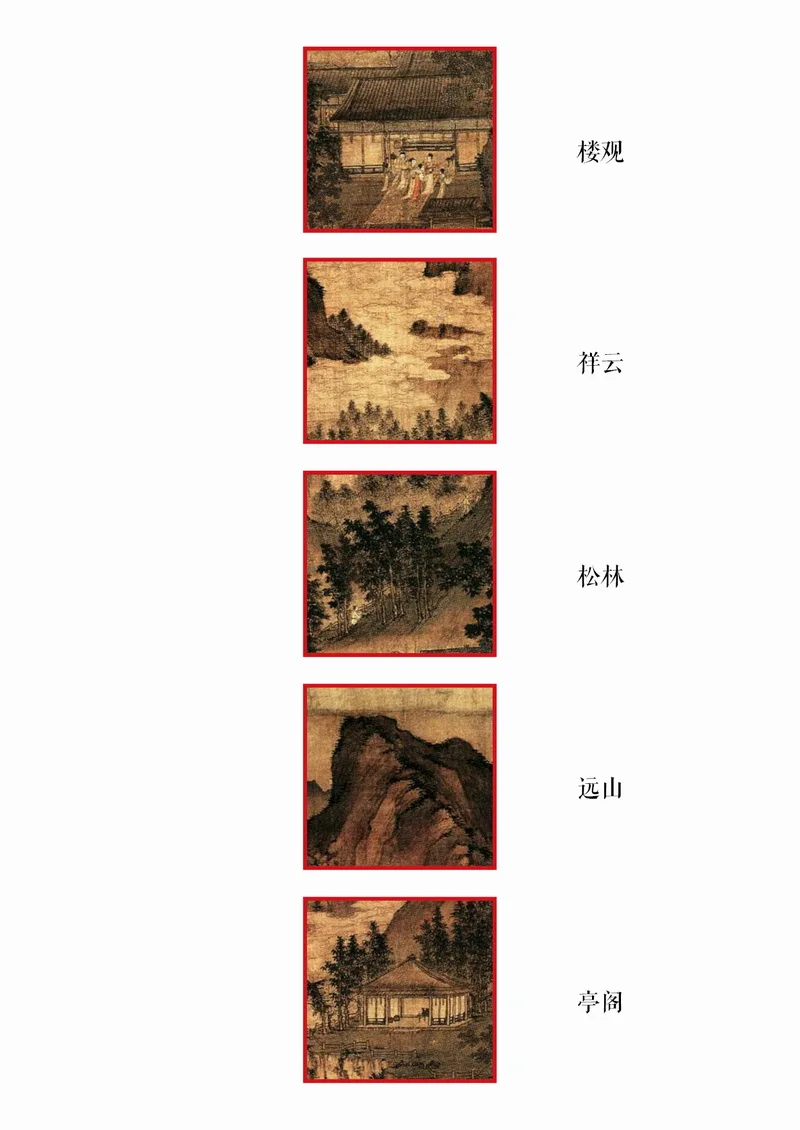
△ Extraction of Five Room Elements © Tang Ming
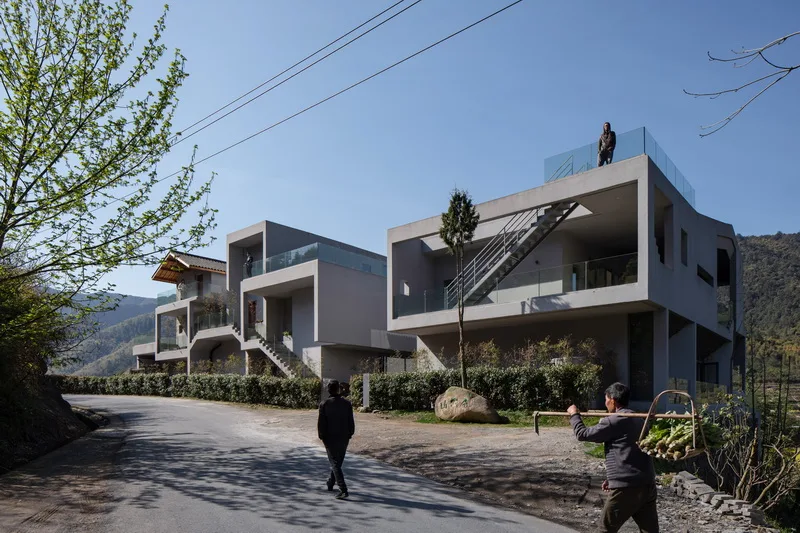
View along the path © Su Shengliang
△ View along the path 2 © Tang Xuguo
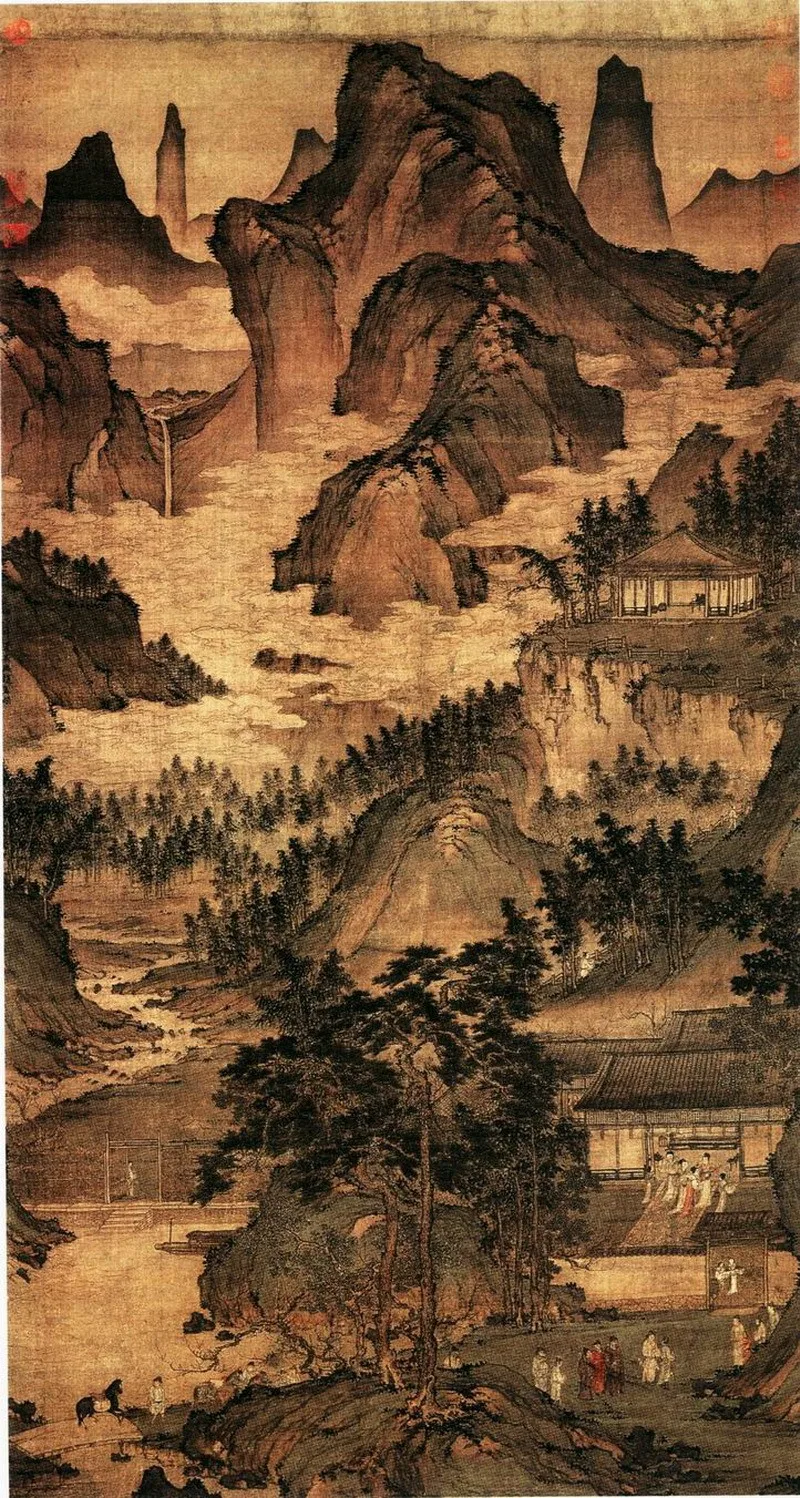
△ Yuan Dynasty’s “Dongshan Silk and Bamboo Painting”
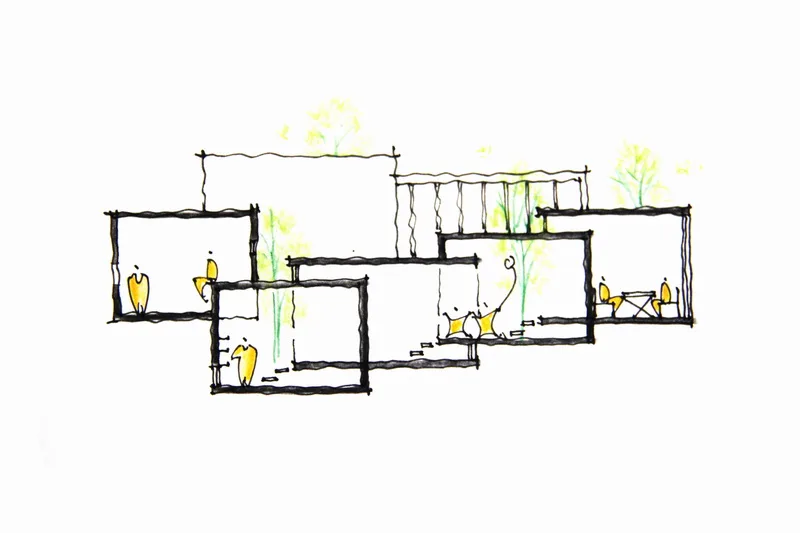
△ Cloud House Sketch © Tang Ming
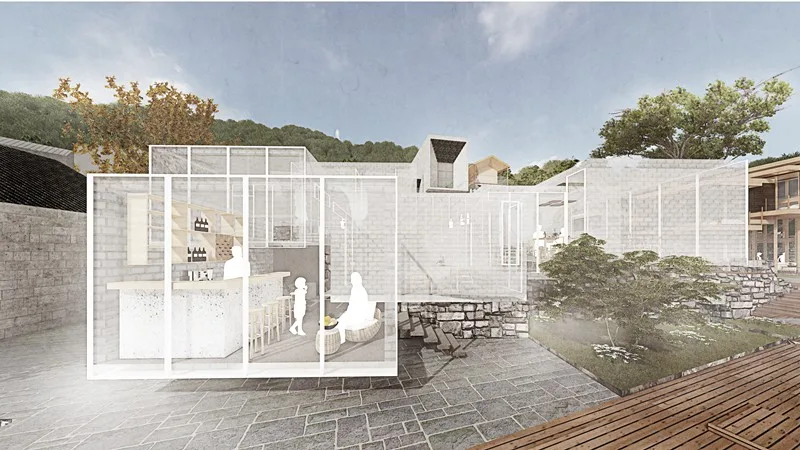
△ Cloud Room Rendering © Tang Ming
Technical Drawings
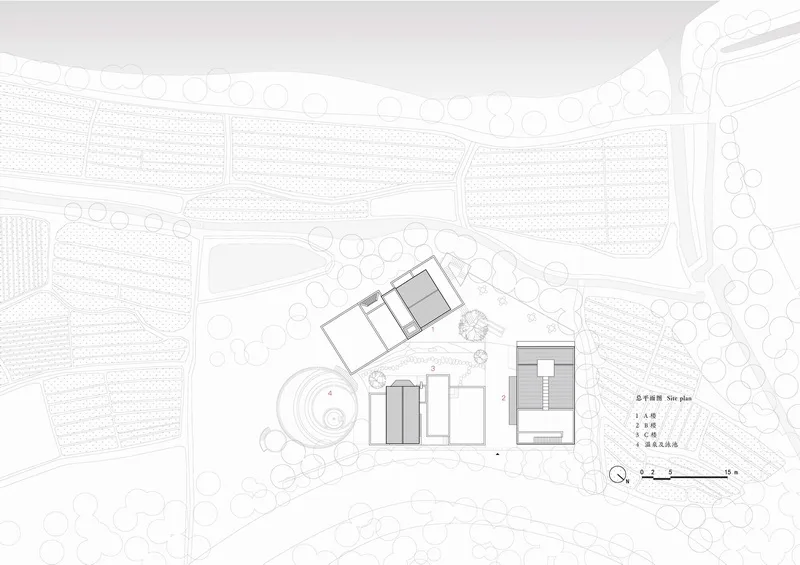
△ General layout plan
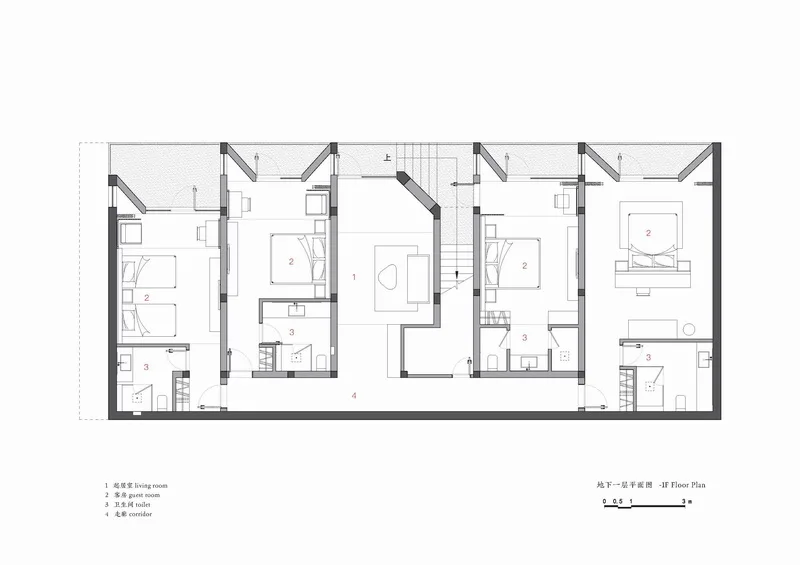
△ Front Mountain Underground Floor Plan
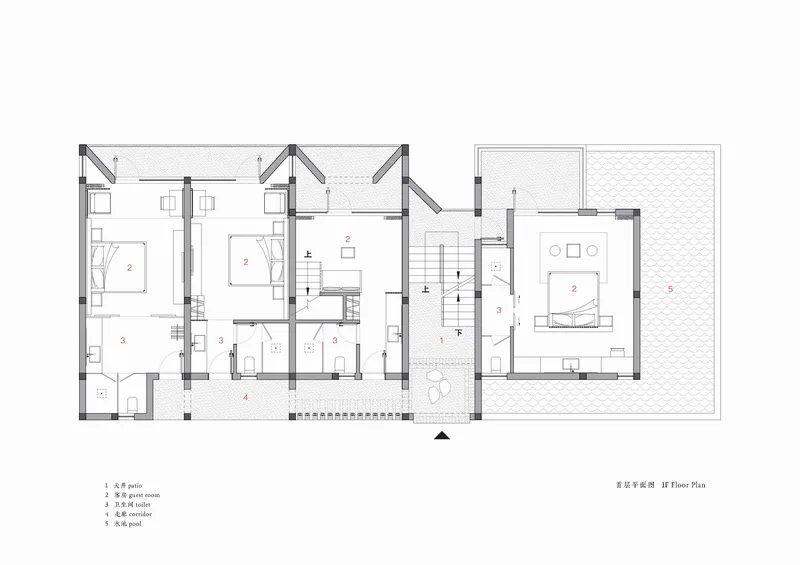
△ Front Mountain First Floor Plan
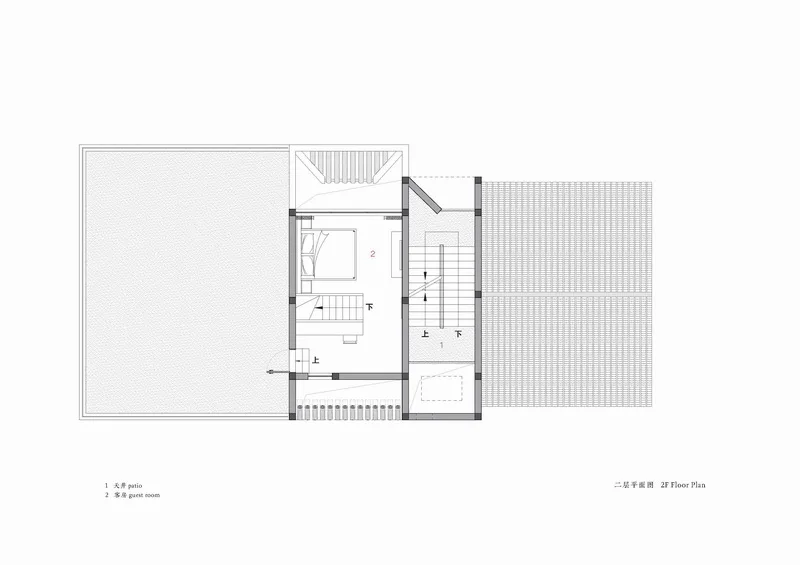
△ Front Mountain Second Floor Plan
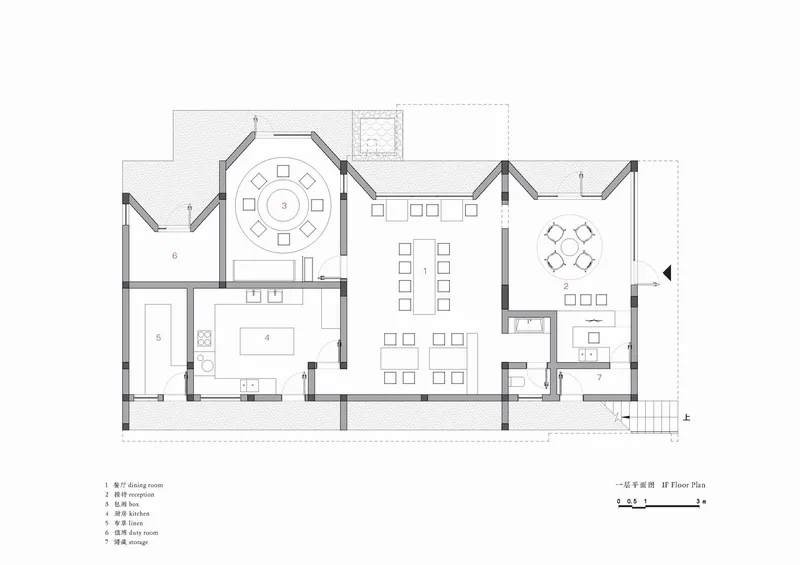
△ First Floor Plan of the Back Mountain
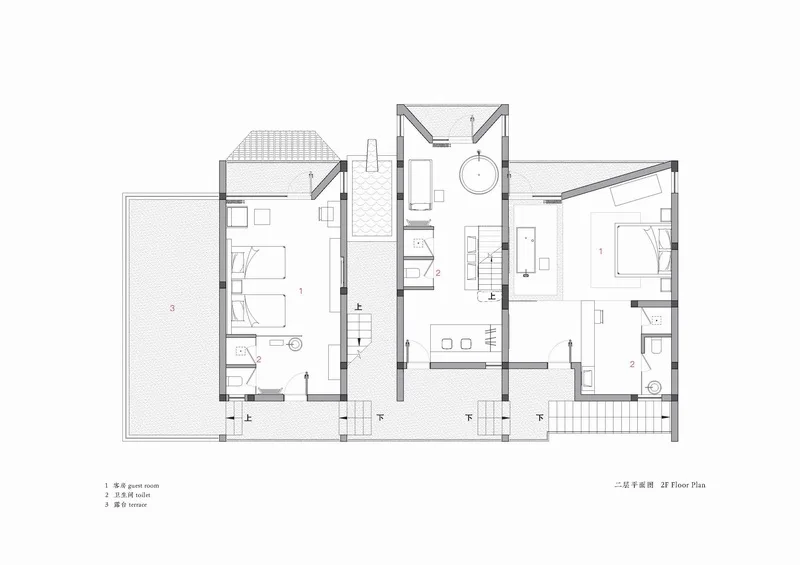
△ Back Mountain Second Floor Plan
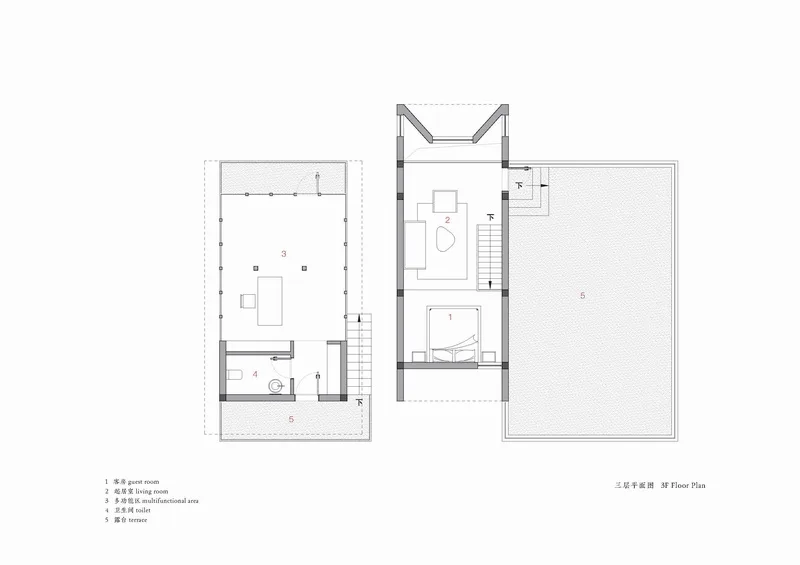
△ Back Mountain Third Floor Plan
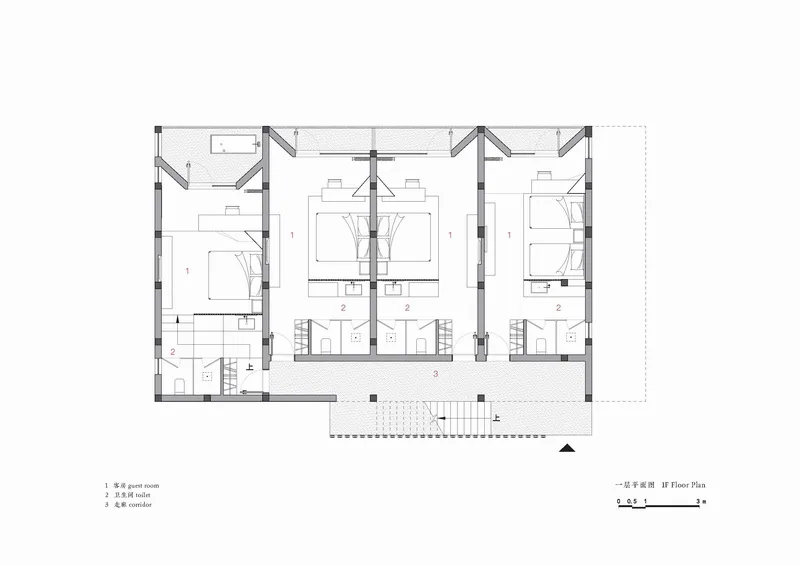
△ First Floor Plan of the Side Mountain
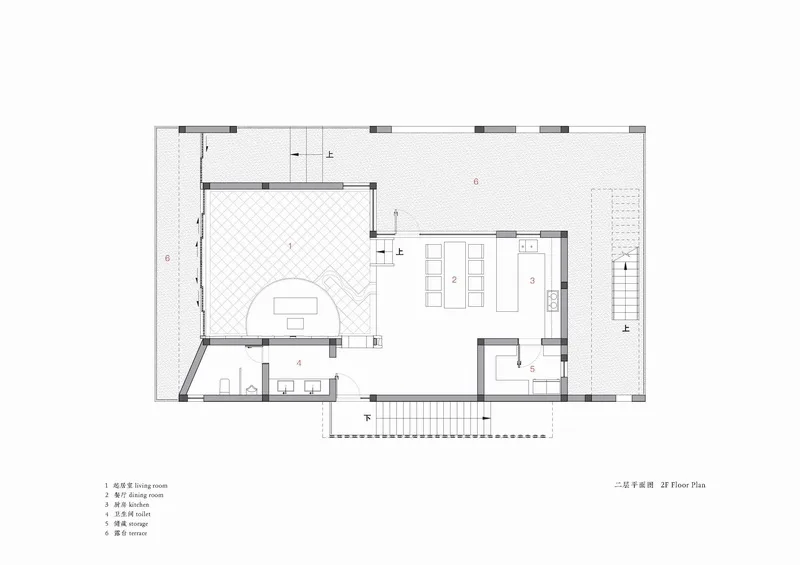
△ Side Mountain Second Floor Plan
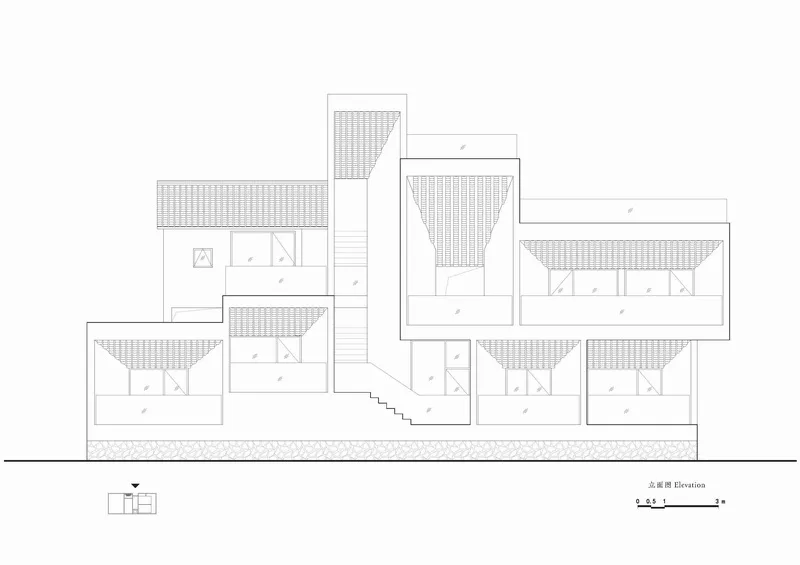
△ Front mountain elevation view
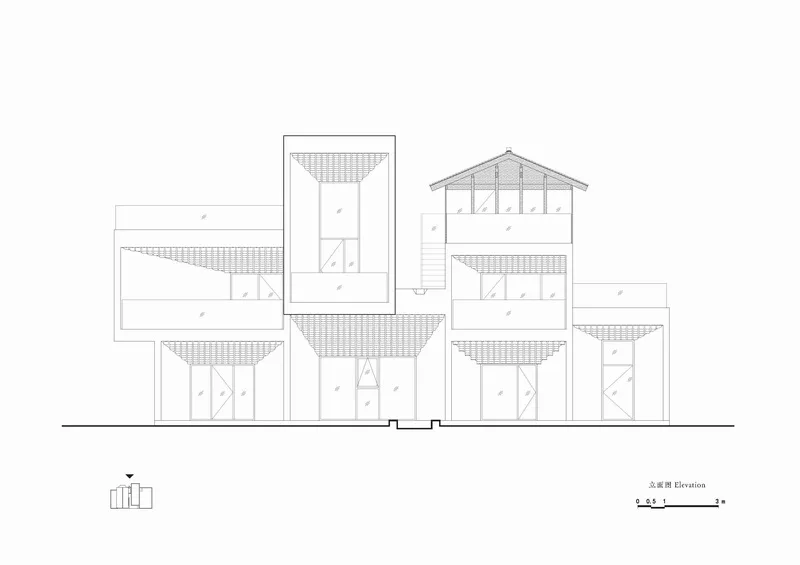
△ Rear mountain elevation view
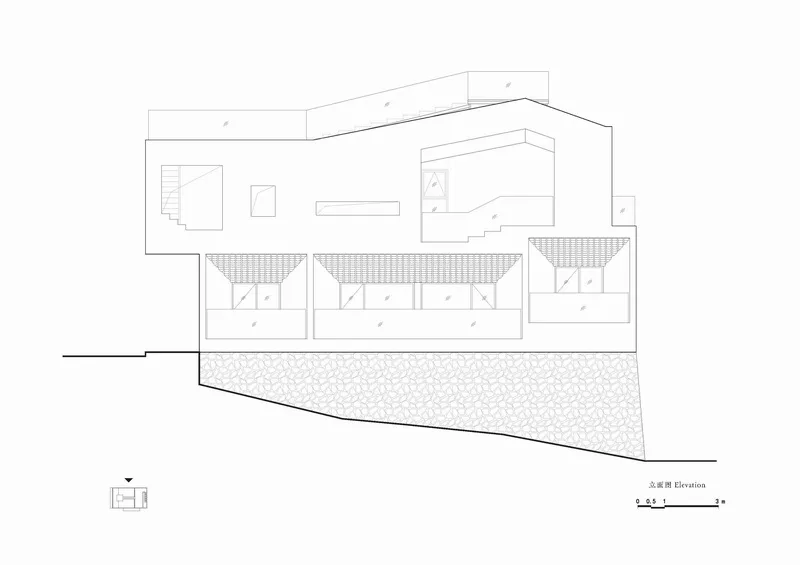
△ Side mountain elevation view
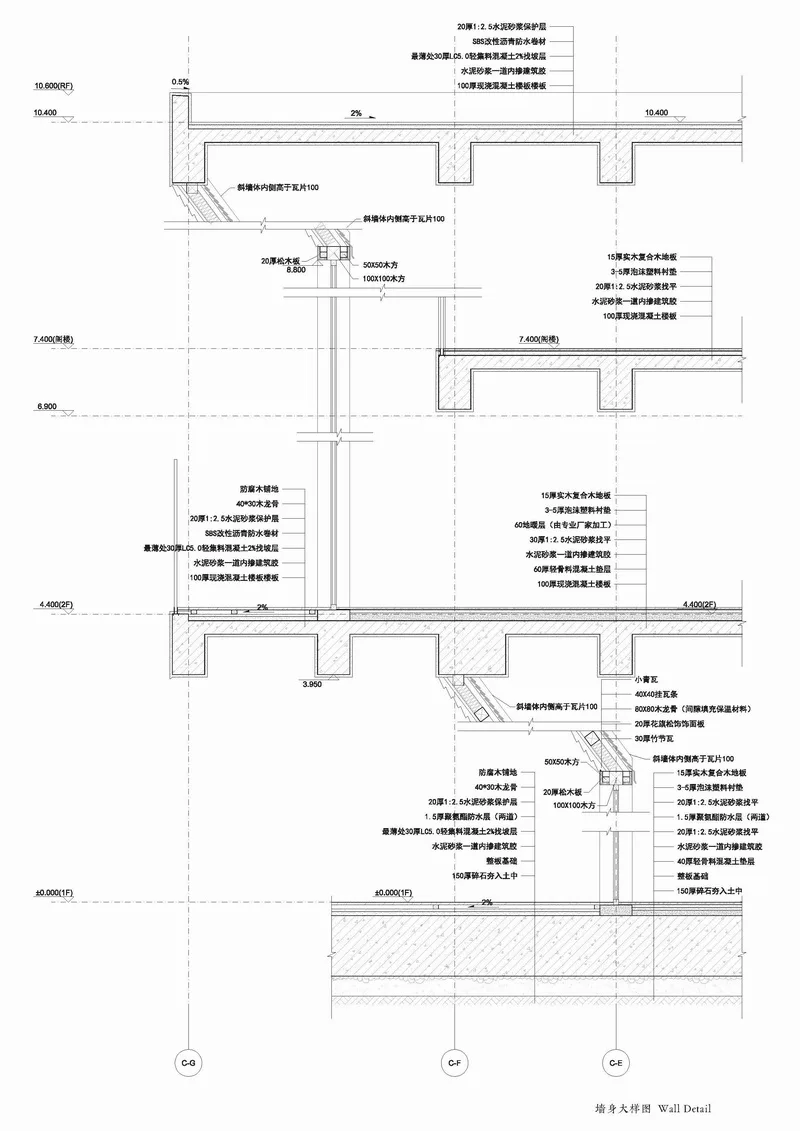
△ Detailed drawing of wall structure
Project Information
Project Name: Shanjian House
Owner: Shanjianfang Homestay, Fuchunjiang Town, Tonglu County
Designer: Lai Architecture Design Studio
Project Type: Homestay Hotel
Location: Fuchunjiang Town, Tonglu County, Hangzhou City, Zhejiang Province
Lead Architect: Ma Dao
Prototype Development: Tang Ming
Design Team: Tang Ming, Xie Jiachen, Kang Jin, Chen Jun, Zhu Song
Photography: Su Shengliang, Tang Xuguo
Structure: Reinforced Concrete Frame
Land Area: 1,541 square meters
Building Area: 1,256 square meters
Design Period: January 2017 – September 2018
Construction Period: October 2017 – January 2019














Must log in before commenting!
Sign Up