
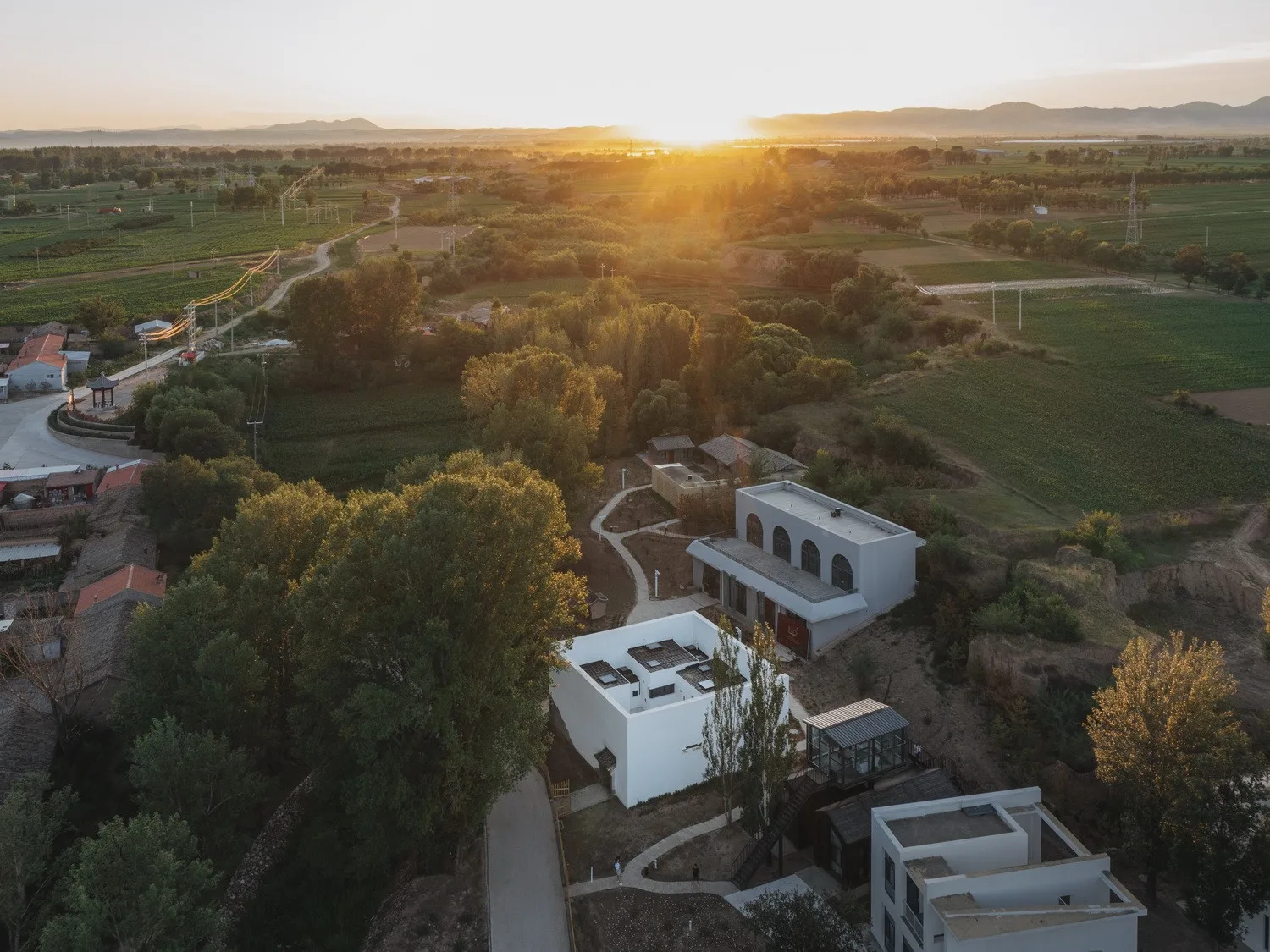
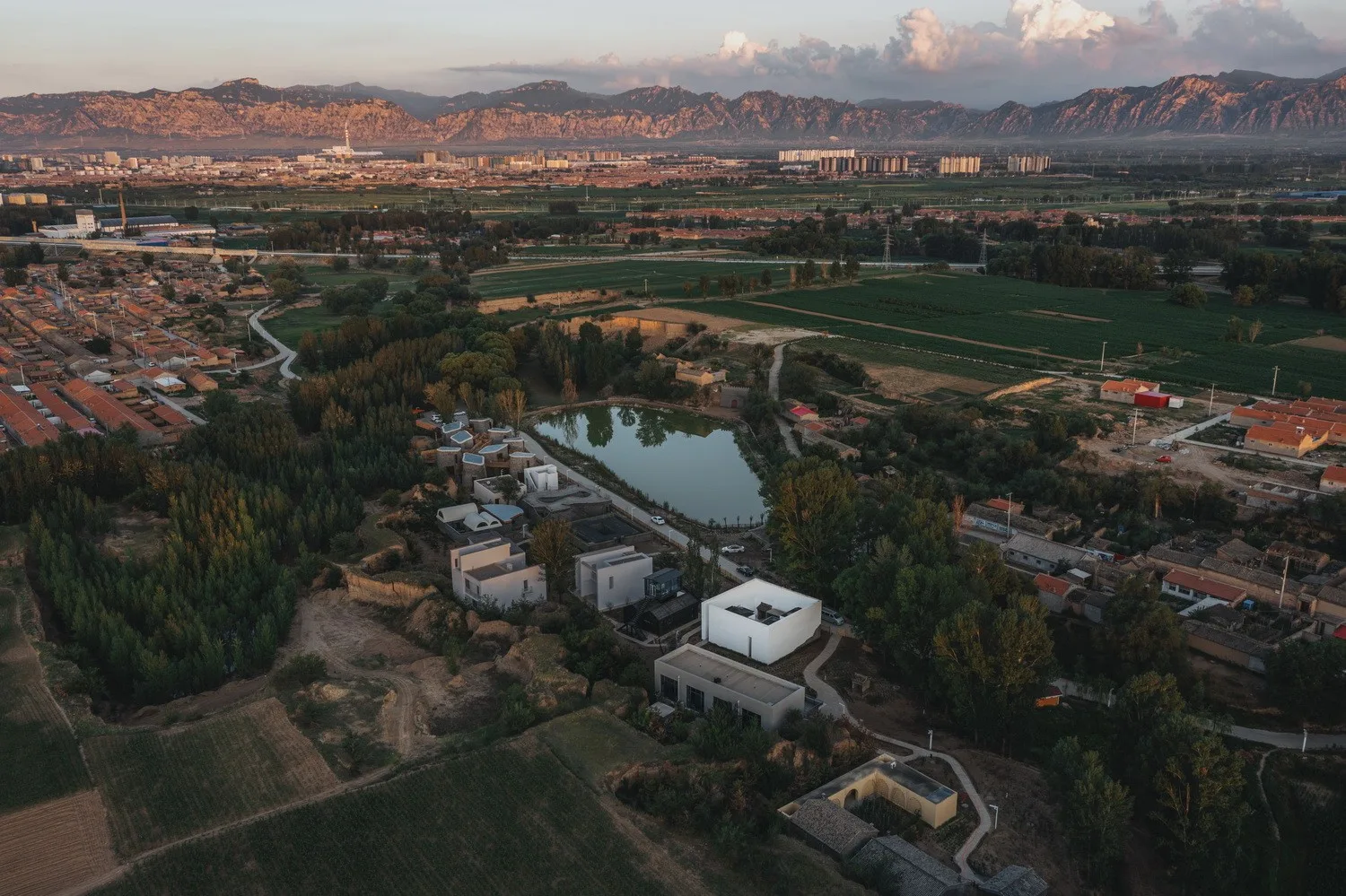
Wutopia Lab’s project is situated in Building 3 of the West Yaotou Village Dormitory Group in the FA Designer Commune. The “Rooms for Strangers Who Refuse Scenery” was completed and opened at the end of June 2021.
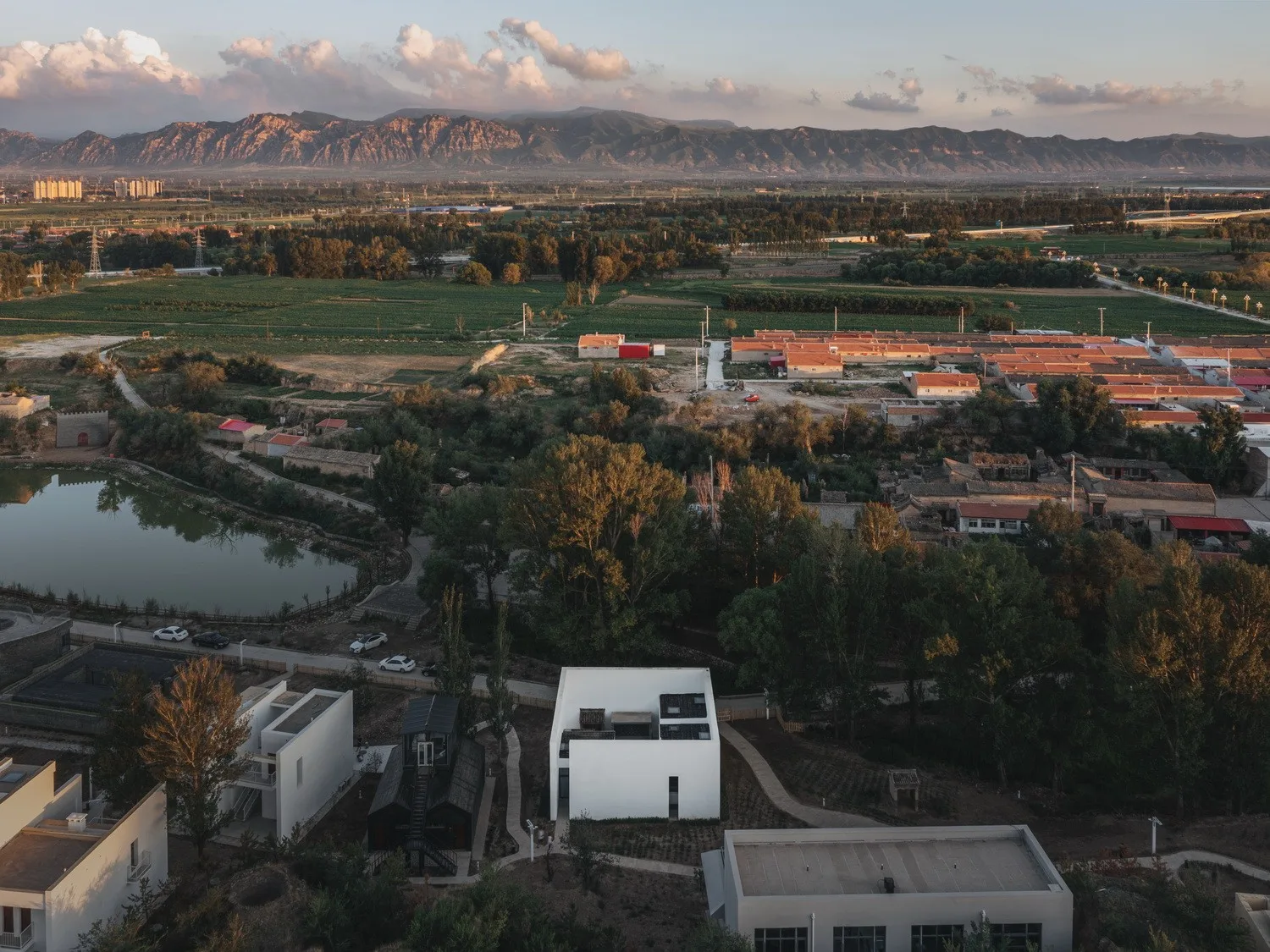
I have very limited experience with rural life. In my second year of high school, I spent a month studying agriculture at Chongming Farm, and during my sophomore summer vacation, I spent a month sketching on a farm in Mount Wutai. Beyond this, I have no direct connections to farming communities, nor do my relatives work as farmers. Based on this background, I consider myself a stranger to the countryside.
In the four to five years before designing Building 3, I received multiple invitations to work on rural projects, although none came to fruition for various reasons. These experiences shaped my thoughts about rural architecture. Reflecting on these projects, I realize I was still influenced by regionalism—trying to create architecture that appeared locally authentic through materials and structures such as wooden frames, rammed earth, bricks, concrete, and glass. Yet, these buildings were ultimately outsiders disguised as locals, which may come off as insincere to the community.
For the Xiyaotou Village project, I confronted my identity as a stranger in the countryside. I chose to express a straightforward attitude about how an outsider might understand, change, or activate local life and traditions. This approach may seem bold, but I aimed to treat locals and strangers equally. Hence, the homestay I designed is called “Stranger.”
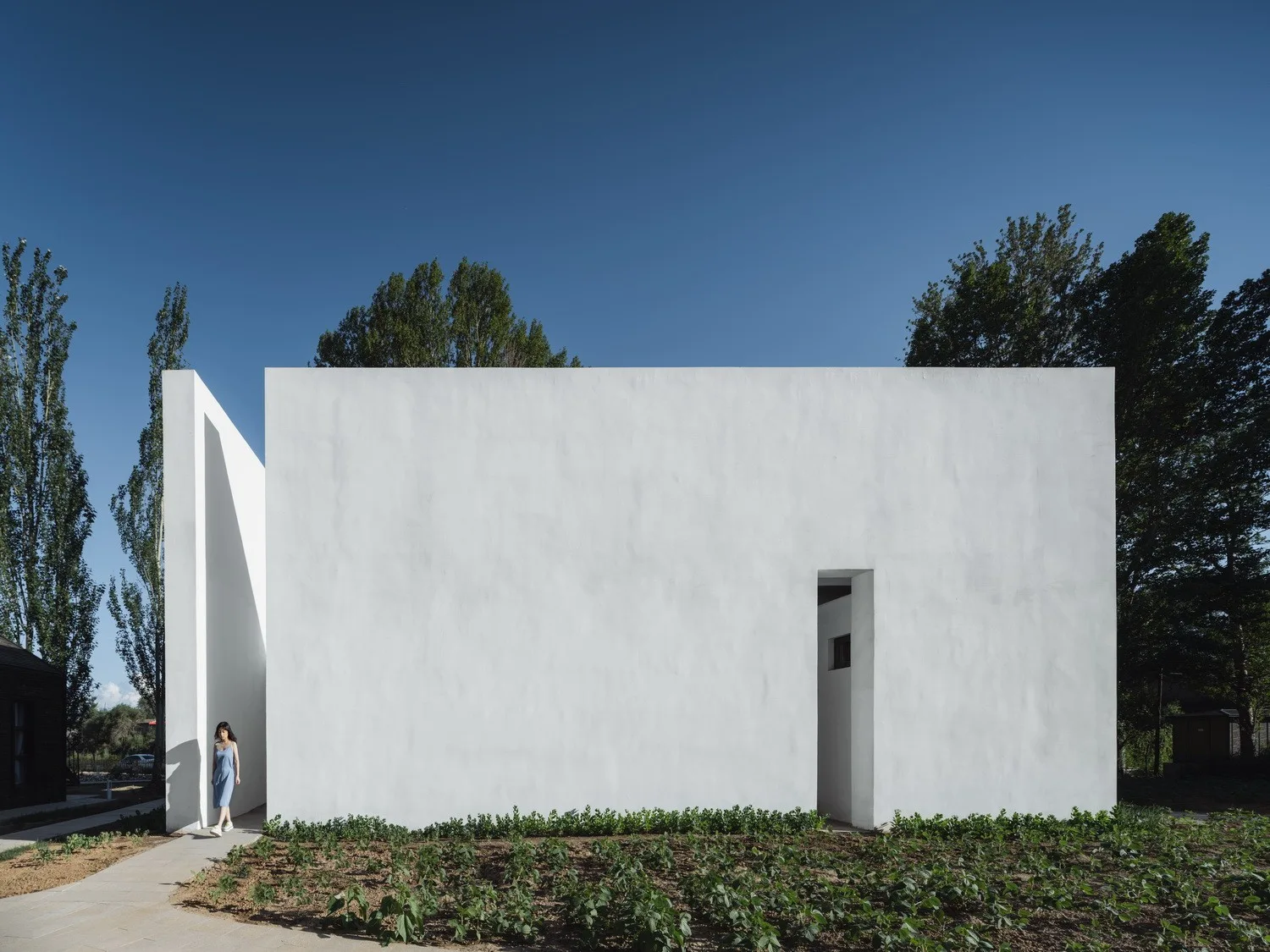
My first inspiration came from René Magritte’s surrealist painting Le Calcul Mental. The concept was to create a surreal environment within the local setting—one that transcends the familiar rural landscape and stands apart from urban environments.
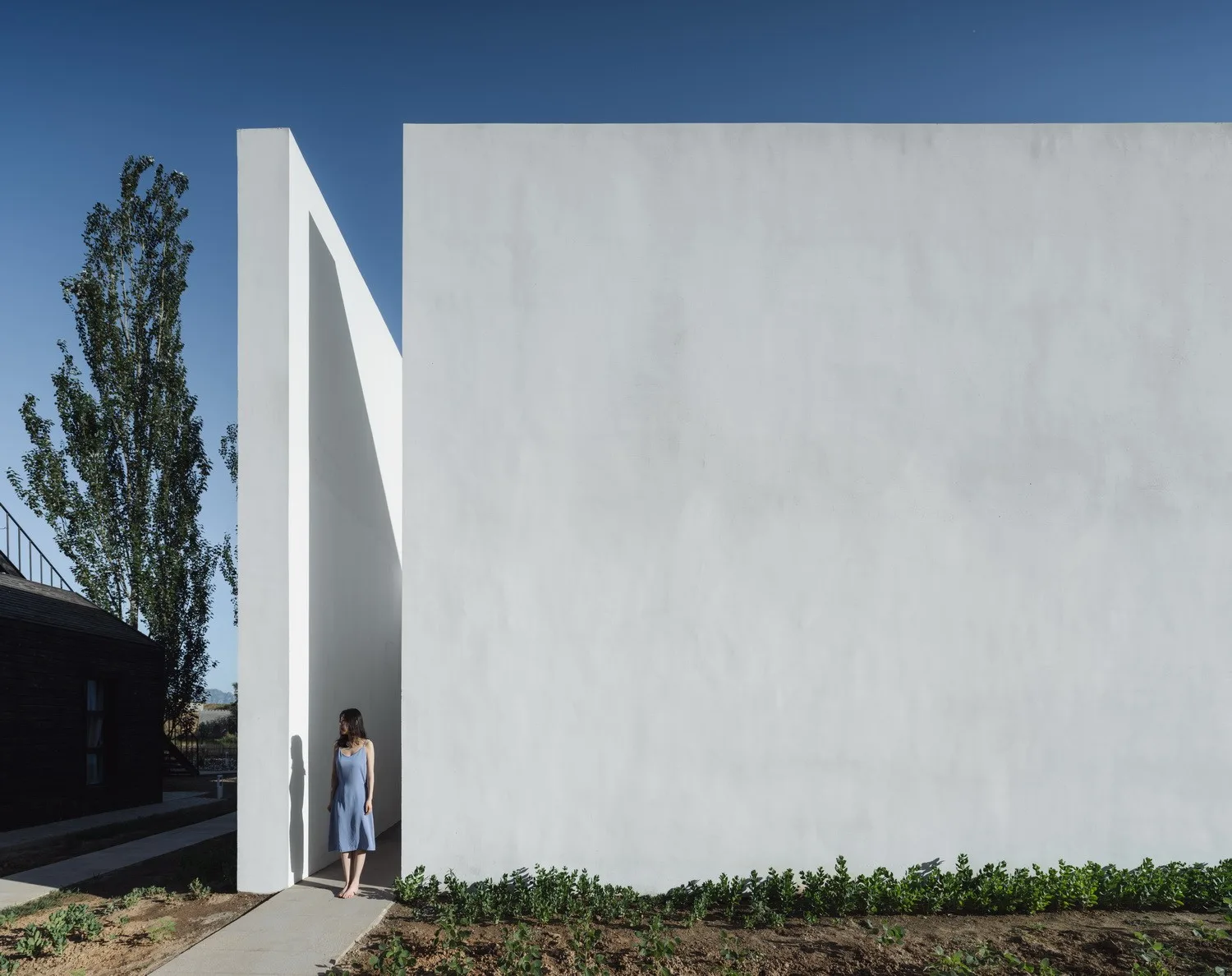
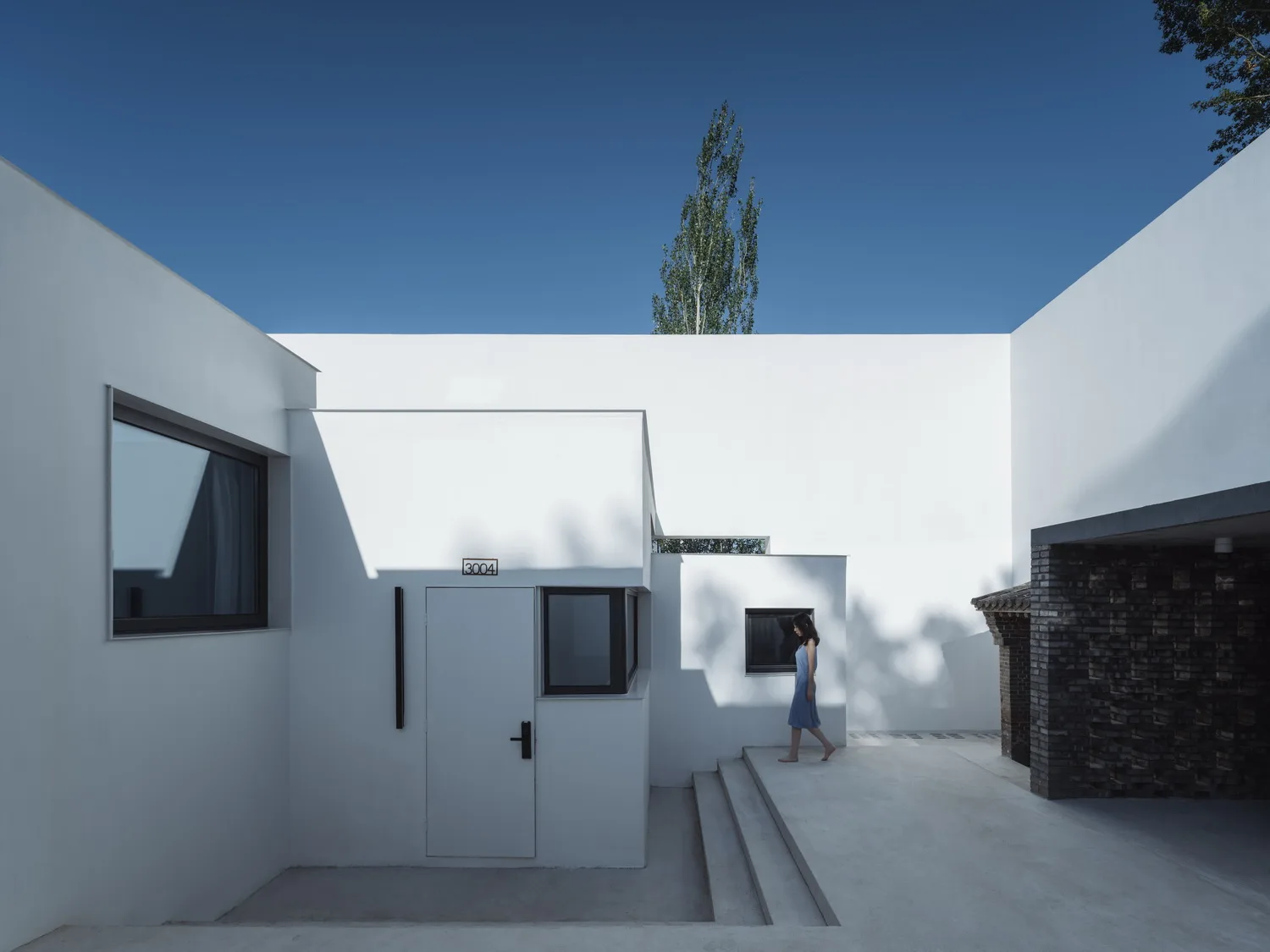
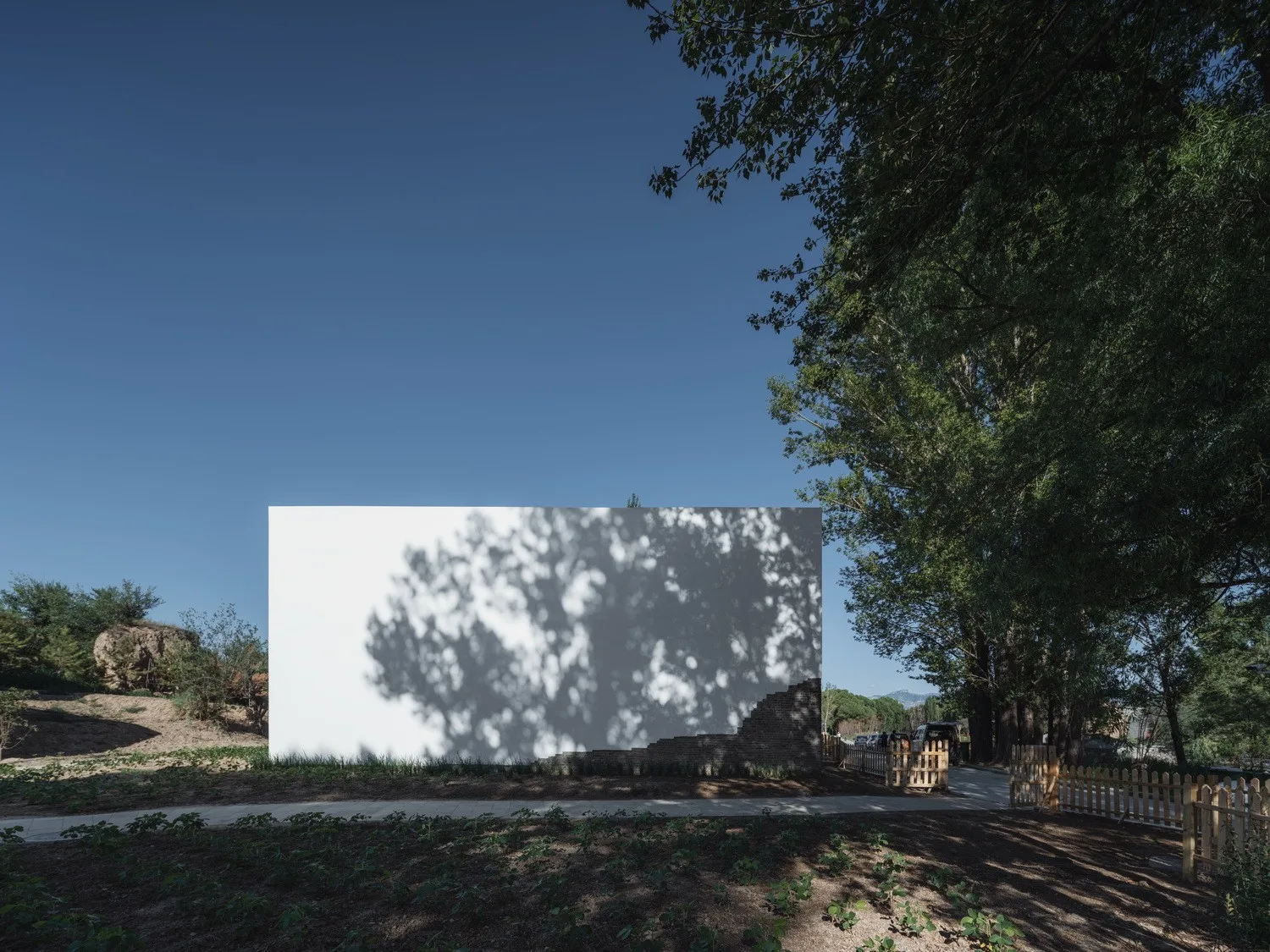
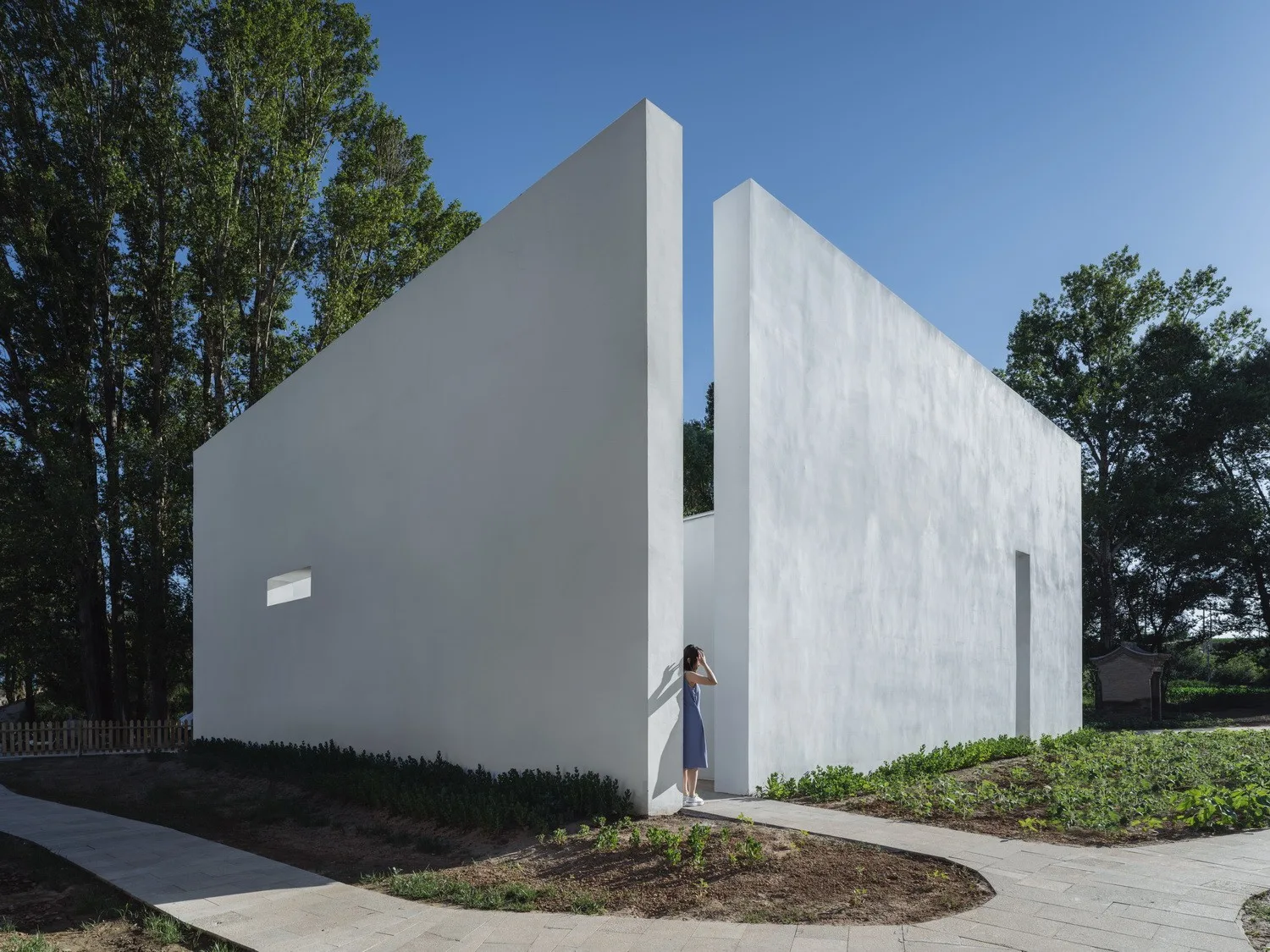
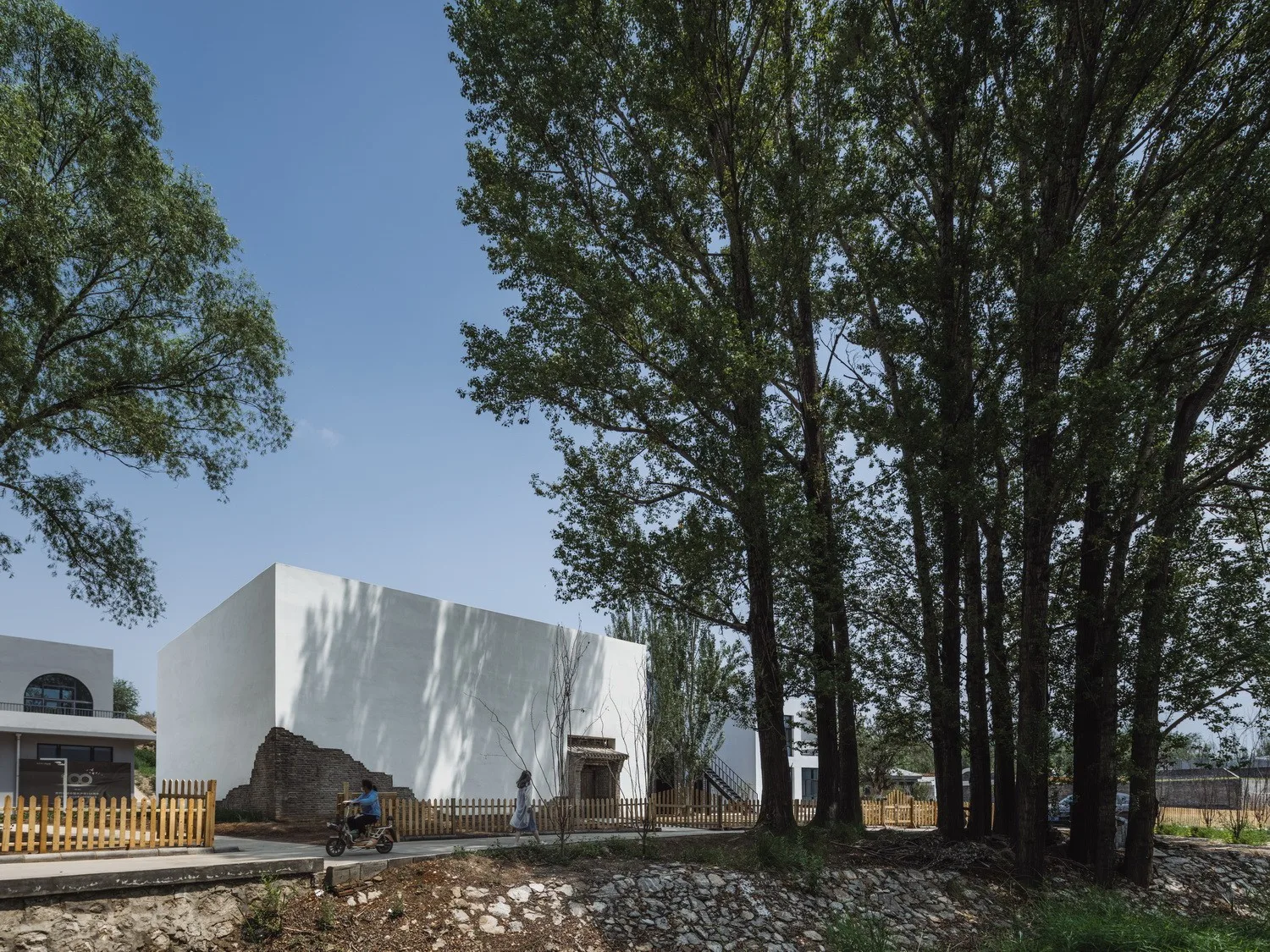
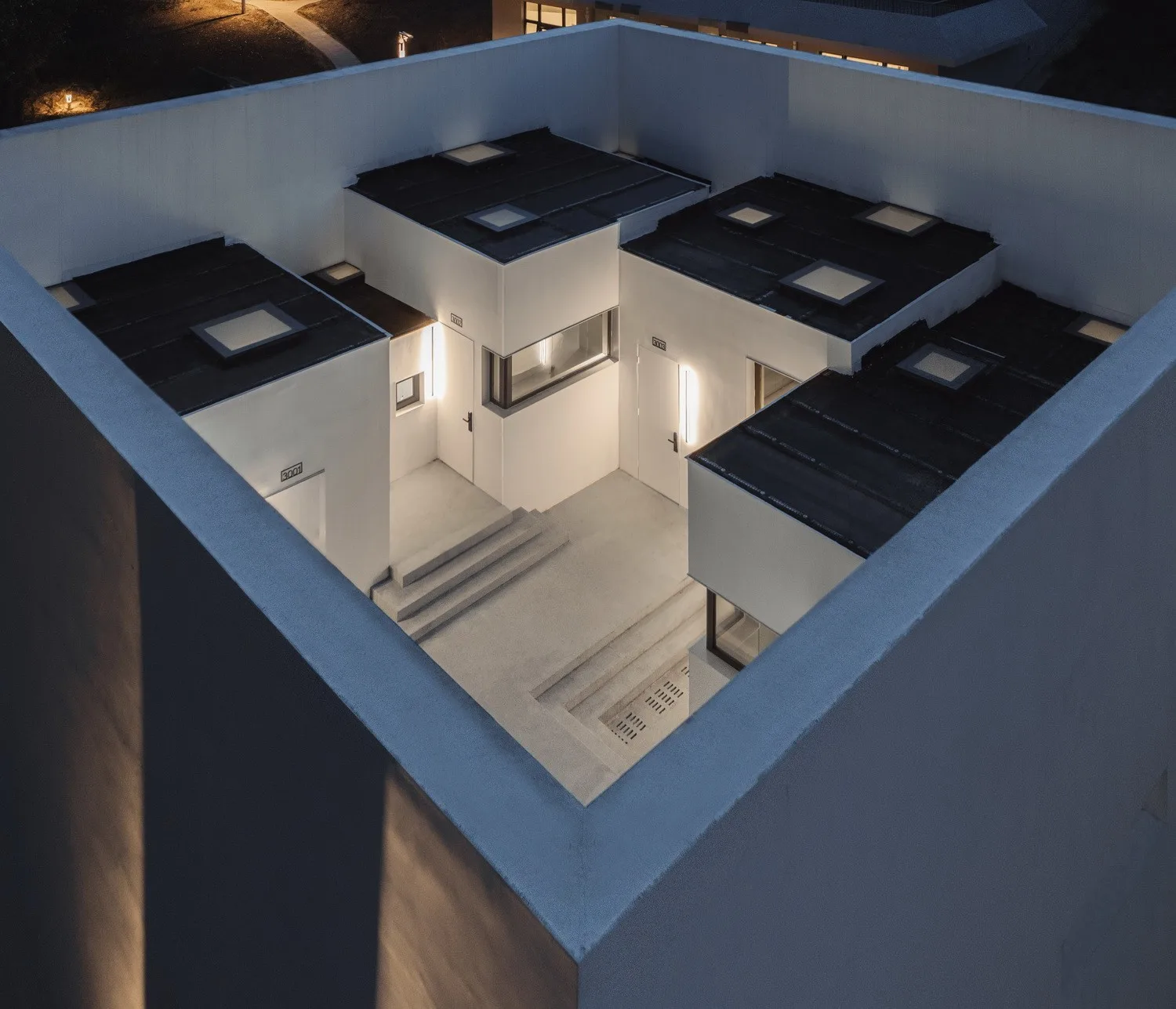
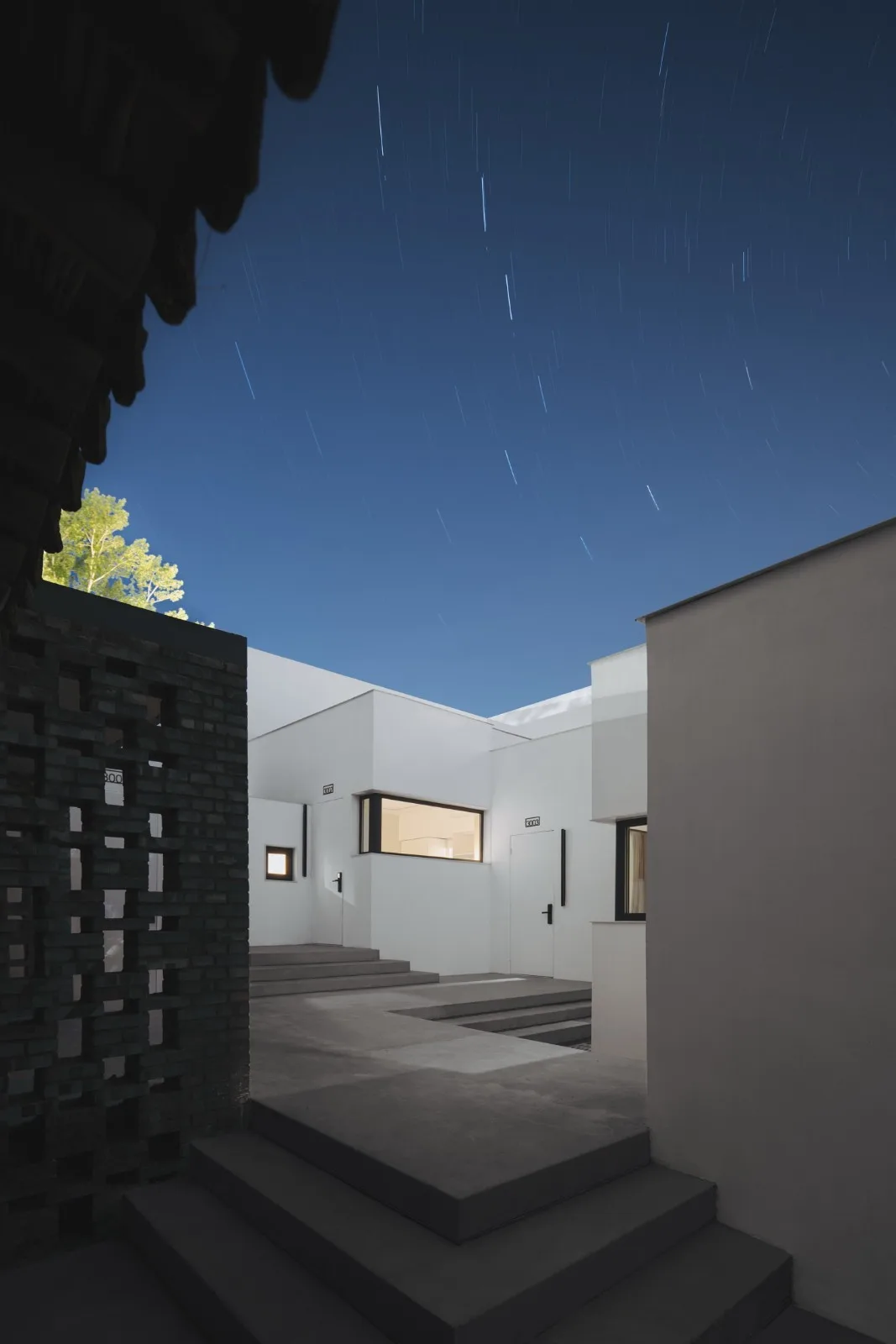
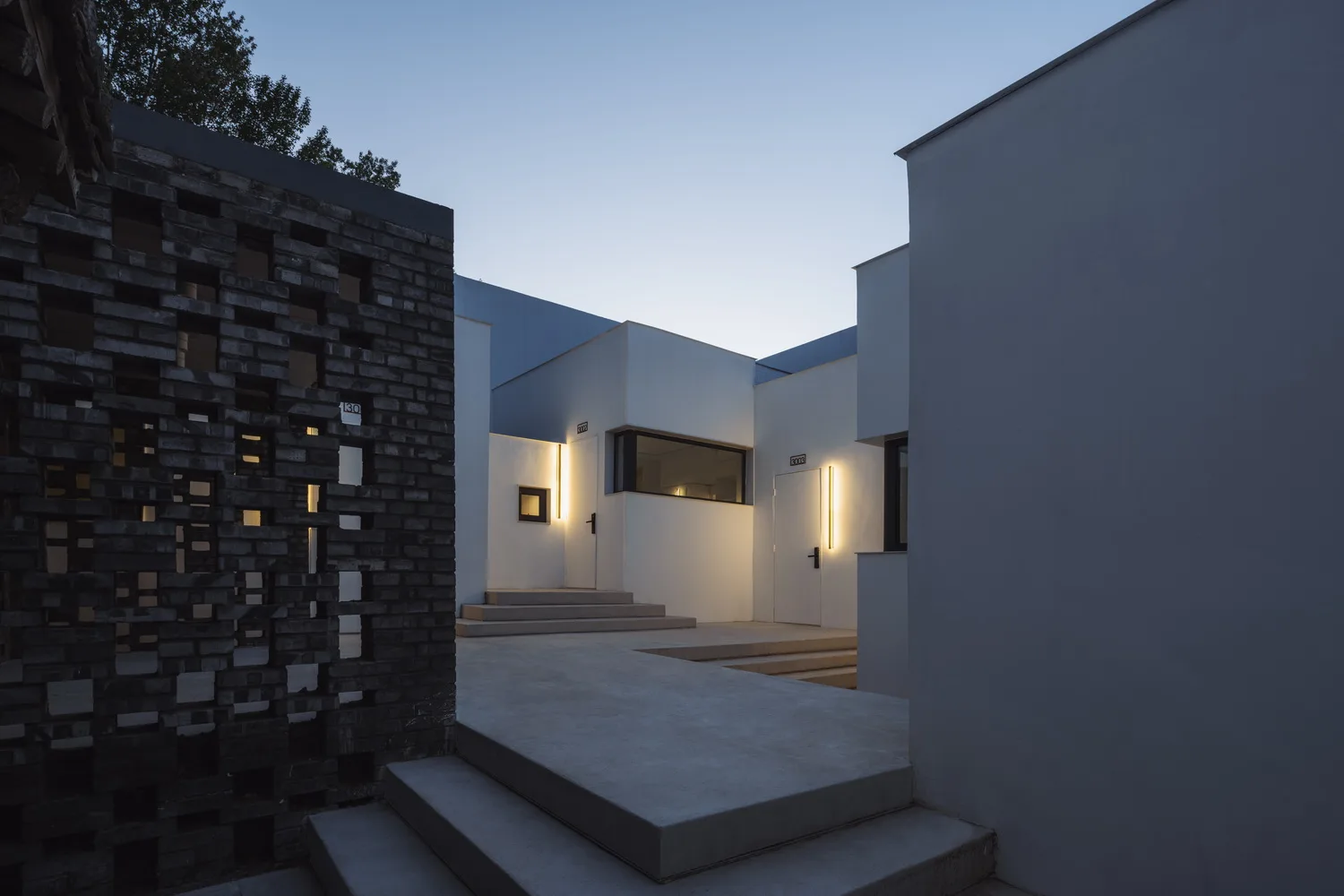
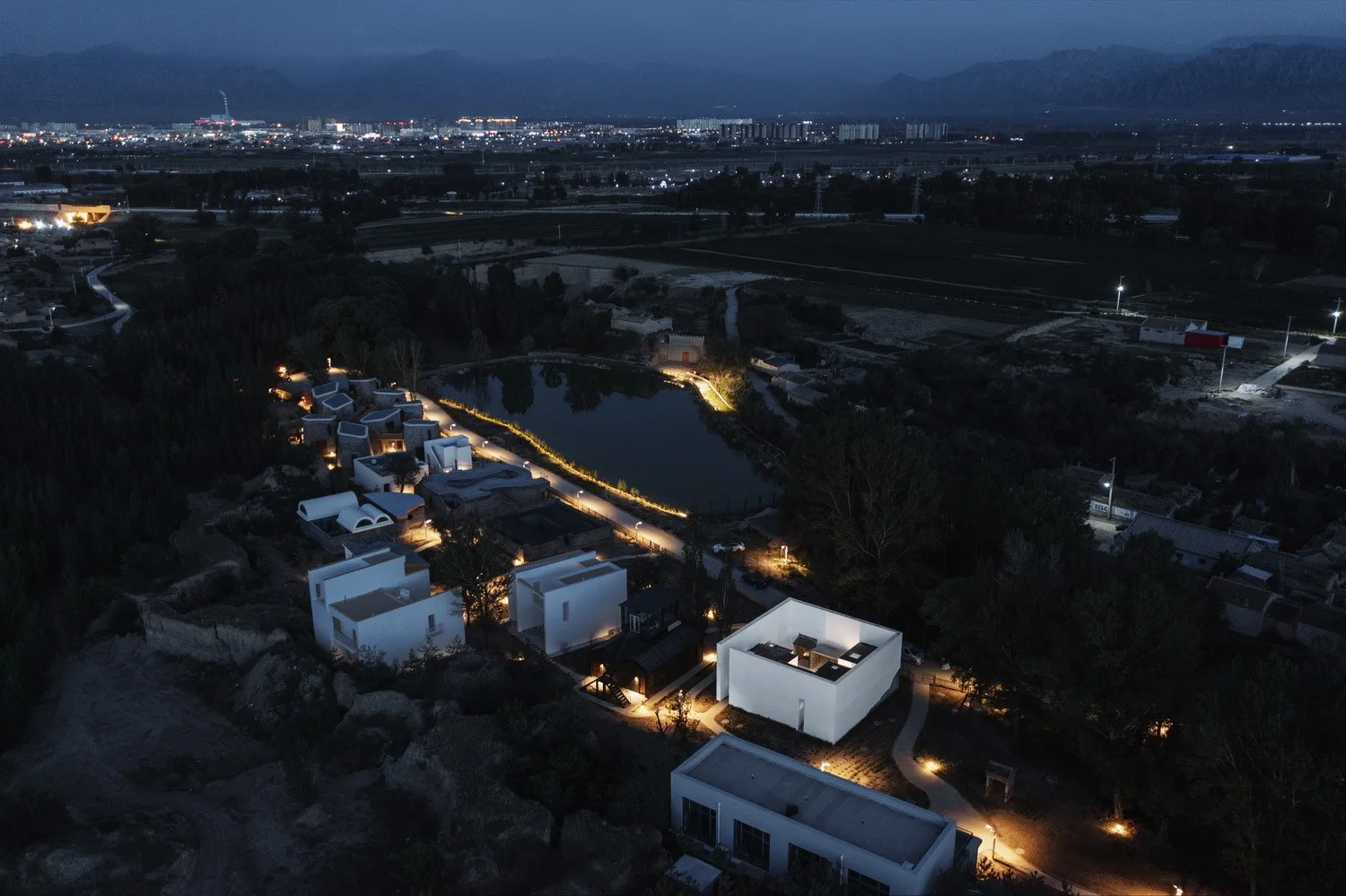
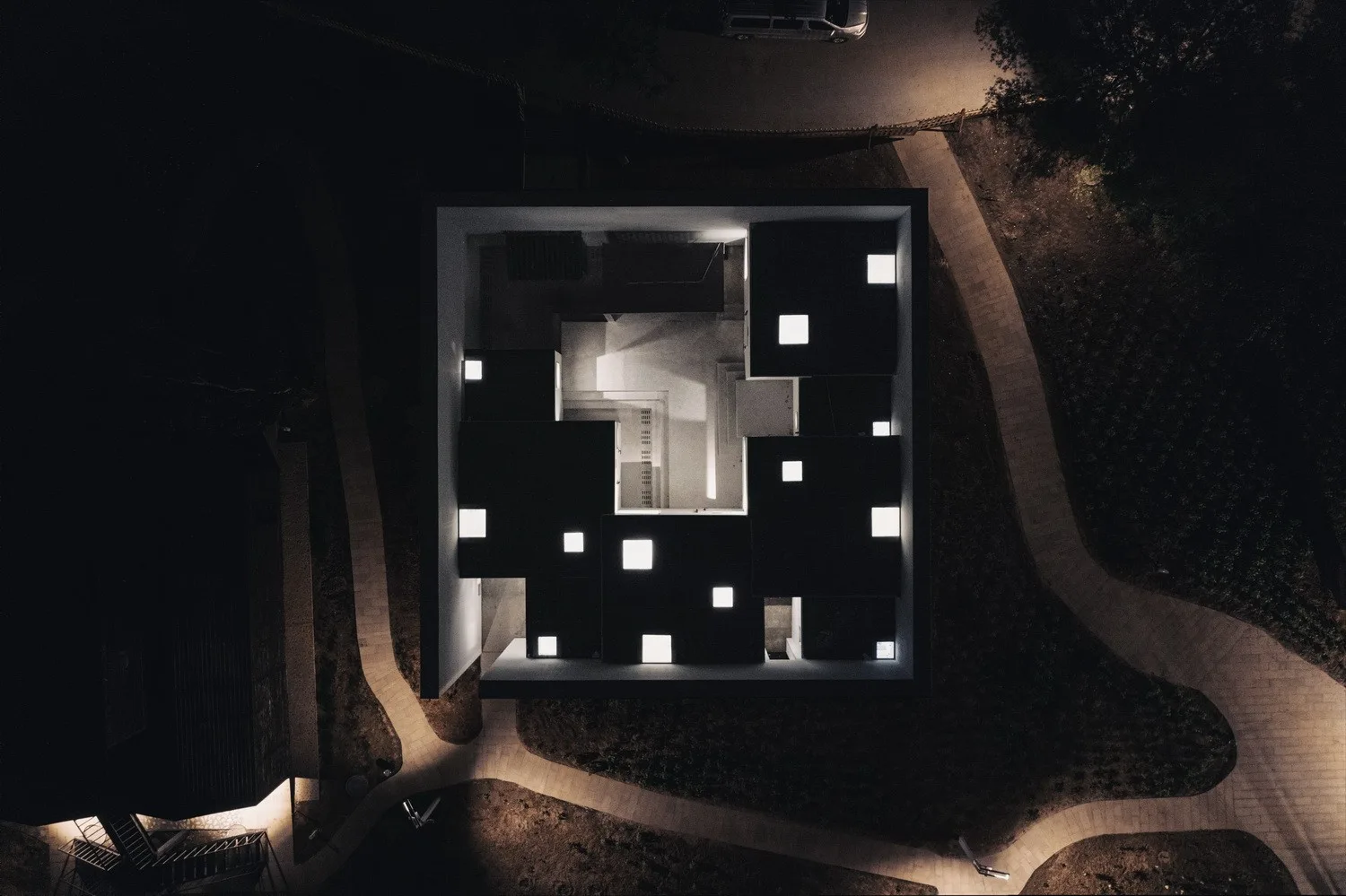
Drawing from basic anthropological observations, I noticed that traditional residences in Xiyaotou Village were enclosed by continuous walls, symbolizing territorial boundaries. My design reinforces this traditional element by raising the walls to seven meters, creating a fully independent image. Although rural communities are close-knit social networks where high walls don’t fully prevent peeking or gossip, for a homestay catering to outsiders, a sense of security must be established through a closed, protective environment.
This wall may be interpreted differently by locals and visitors, but it is a feature both parties accept. Ultimately, it serves as a defining symbol of the “stranger” identity I intended to express.
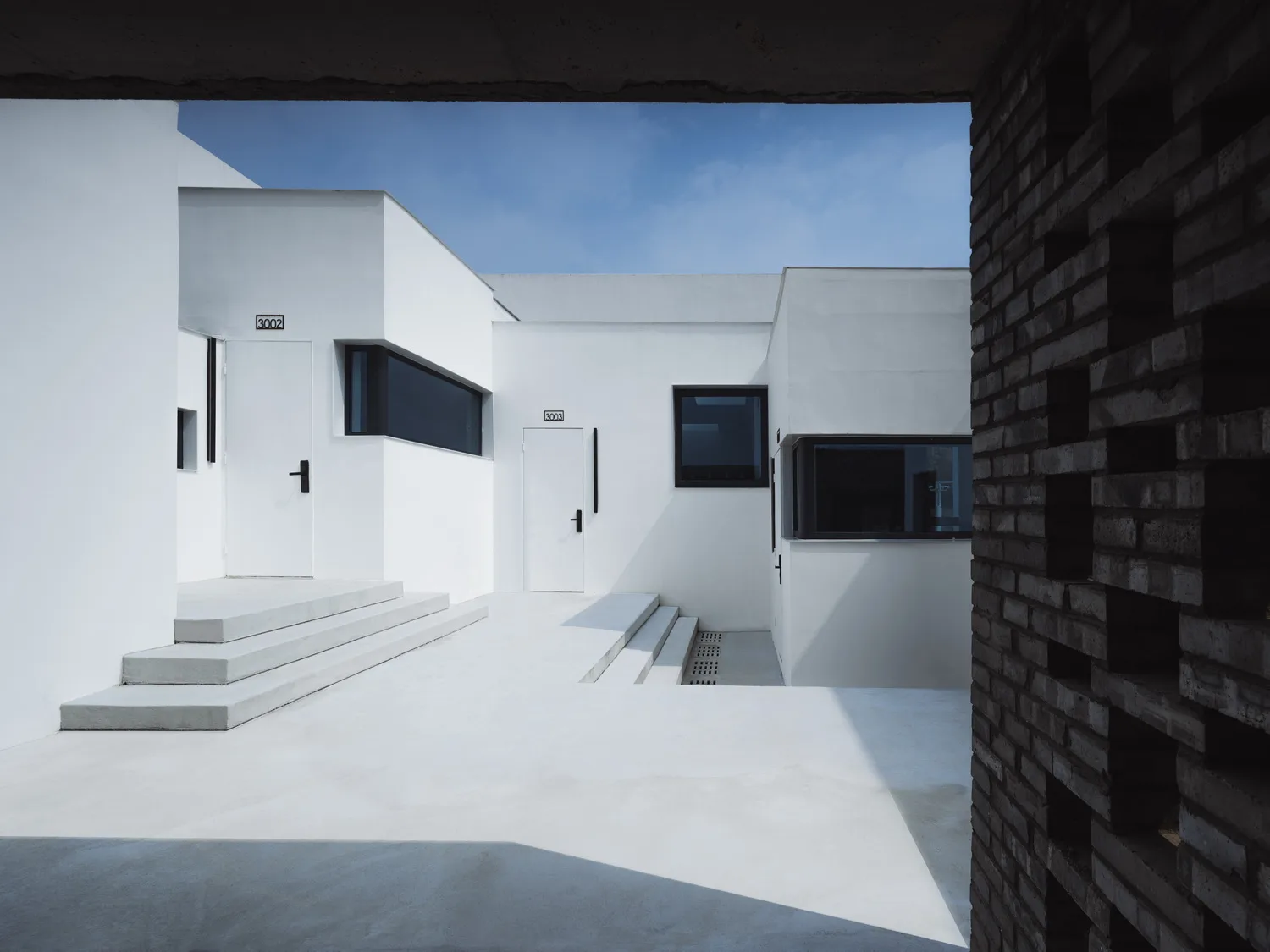
The architectural context here becomes a subtle conversation of materials, structures, and symbolic forms. This enclosed homestay rejects the typical vernacular language, and its tall, continuous walls also reject scenic views and casual social interaction.
The aim is to create a space that encourages introspection for strangers. Additionally, this enclosure has a practical purpose: having lived in northern climates, I considered local environmental factors like weather, which are often overlooked. Within a strict government budget, thick walls provide warmth in winter and coolness in summer, minimizing electricity consumption—a fact later confirmed by the villagers.
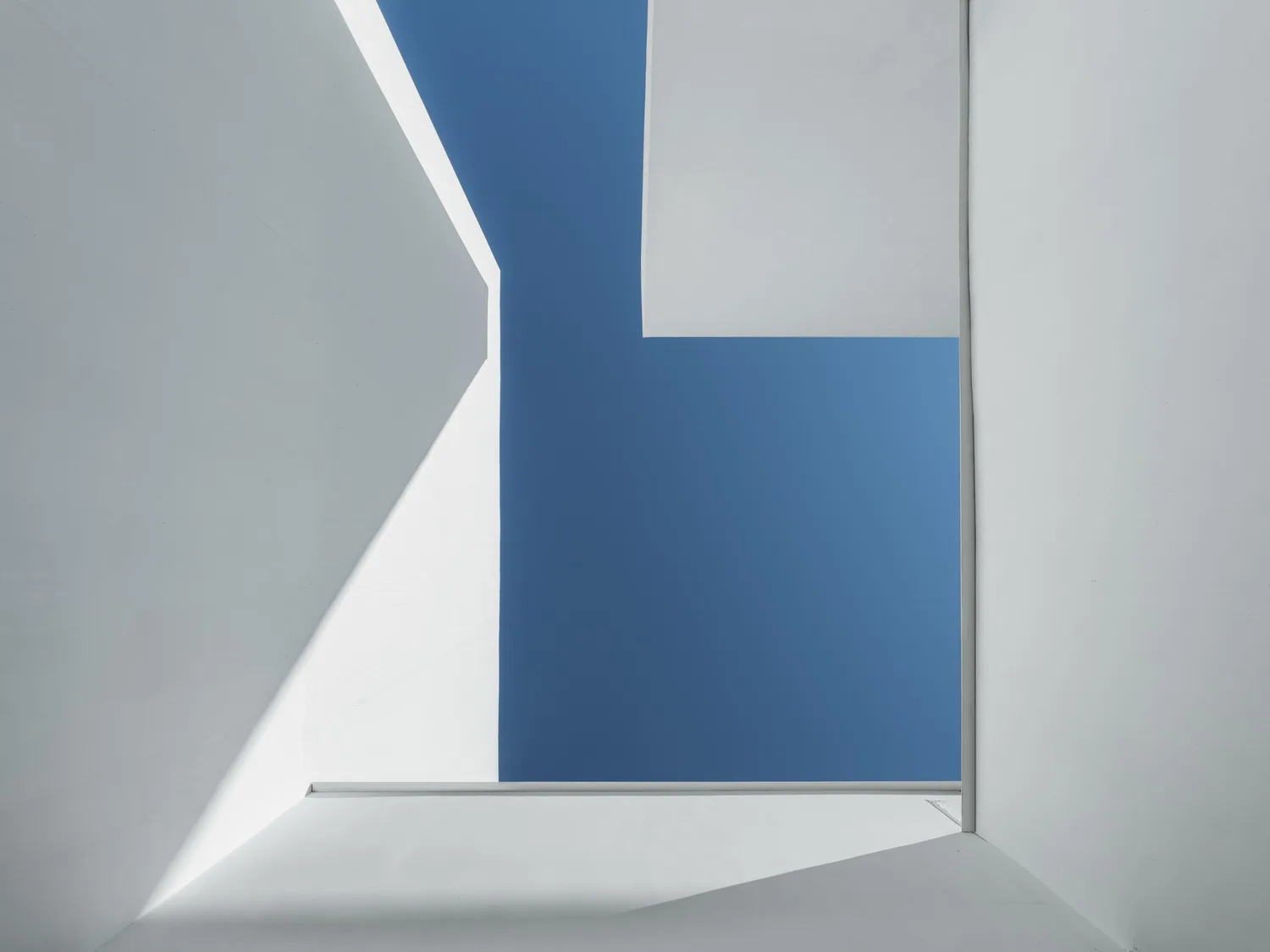
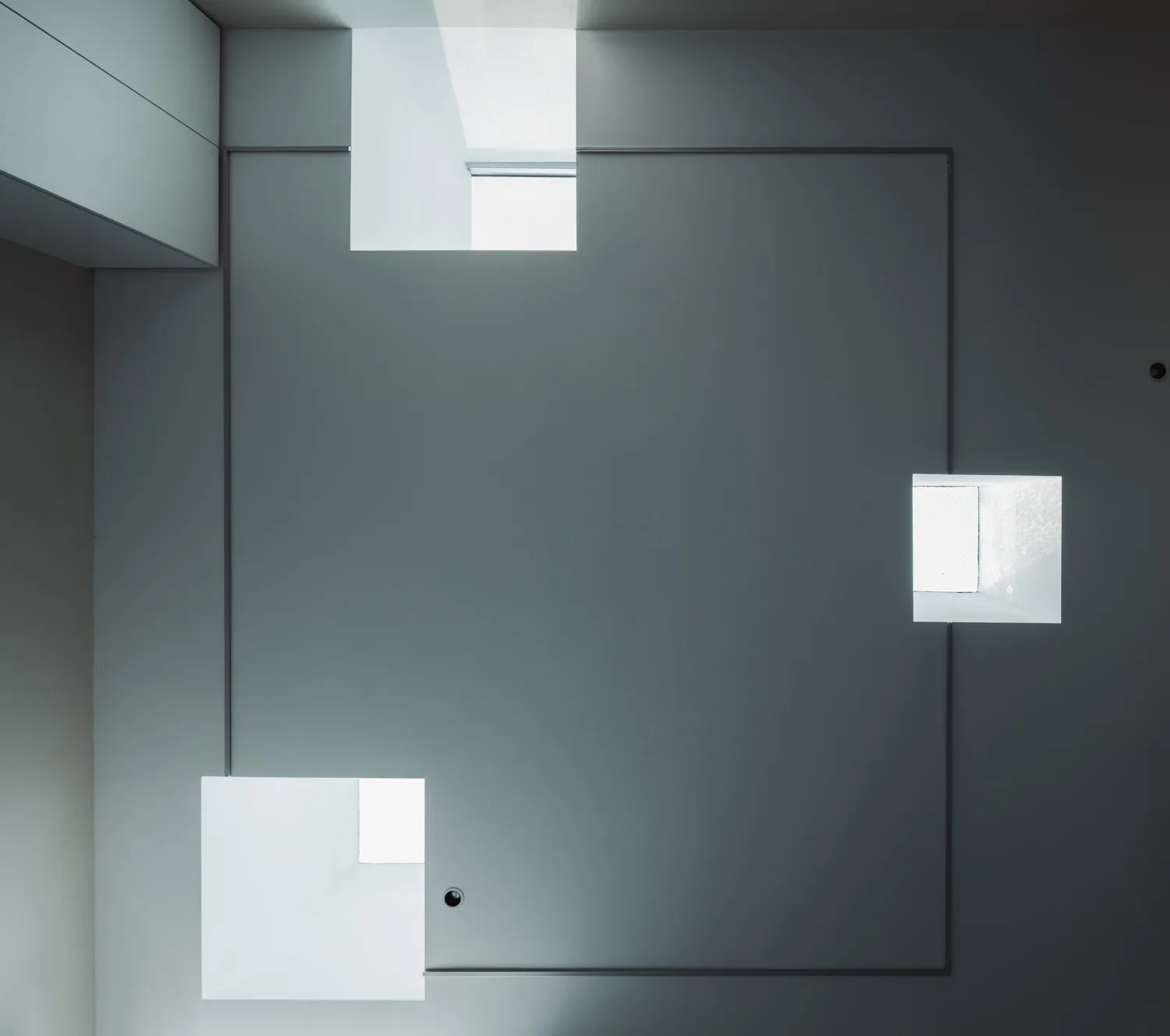
For most rural visitors, this space offers temporary relaxation—sometimes simply visual respite. The scenery of Xiyaotou Village is simple and unassuming, so I designed the homestay based on my personal experience. When facing hardship and emotional pain, closing off one’s vision and retreating into a shelter becomes a necessity.
Many historical figures, both in China and abroad, have undergone exile as a process of self-strengthening, whether by choice or circumstance. I aimed to remove external distractions and provide a place for strangers visiting the village to breathe and reflect. Within this “room refusing scenery,” deep inner relaxation is fostered through self-imposed exile, encouraging renewed confidence for the future.
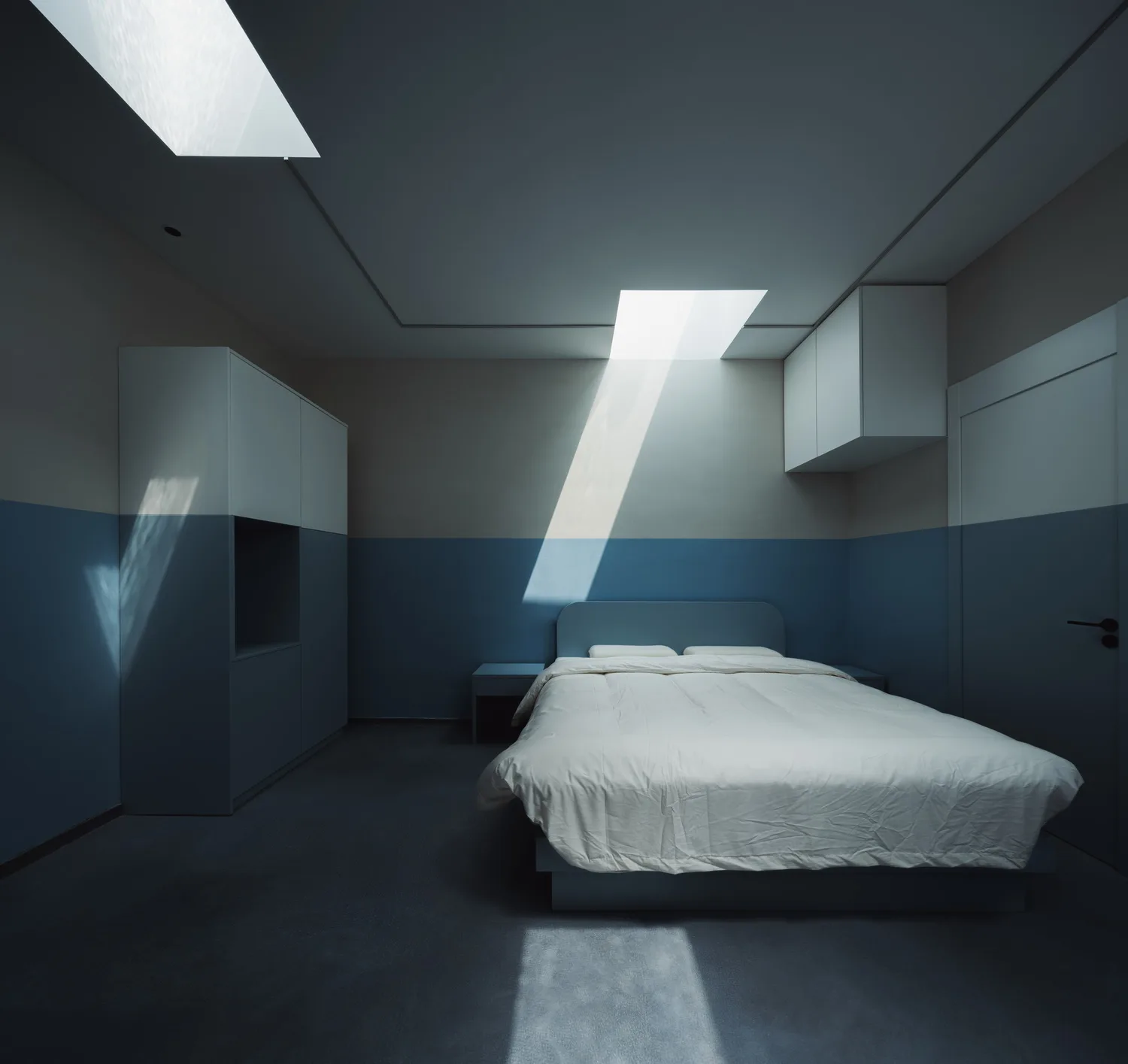
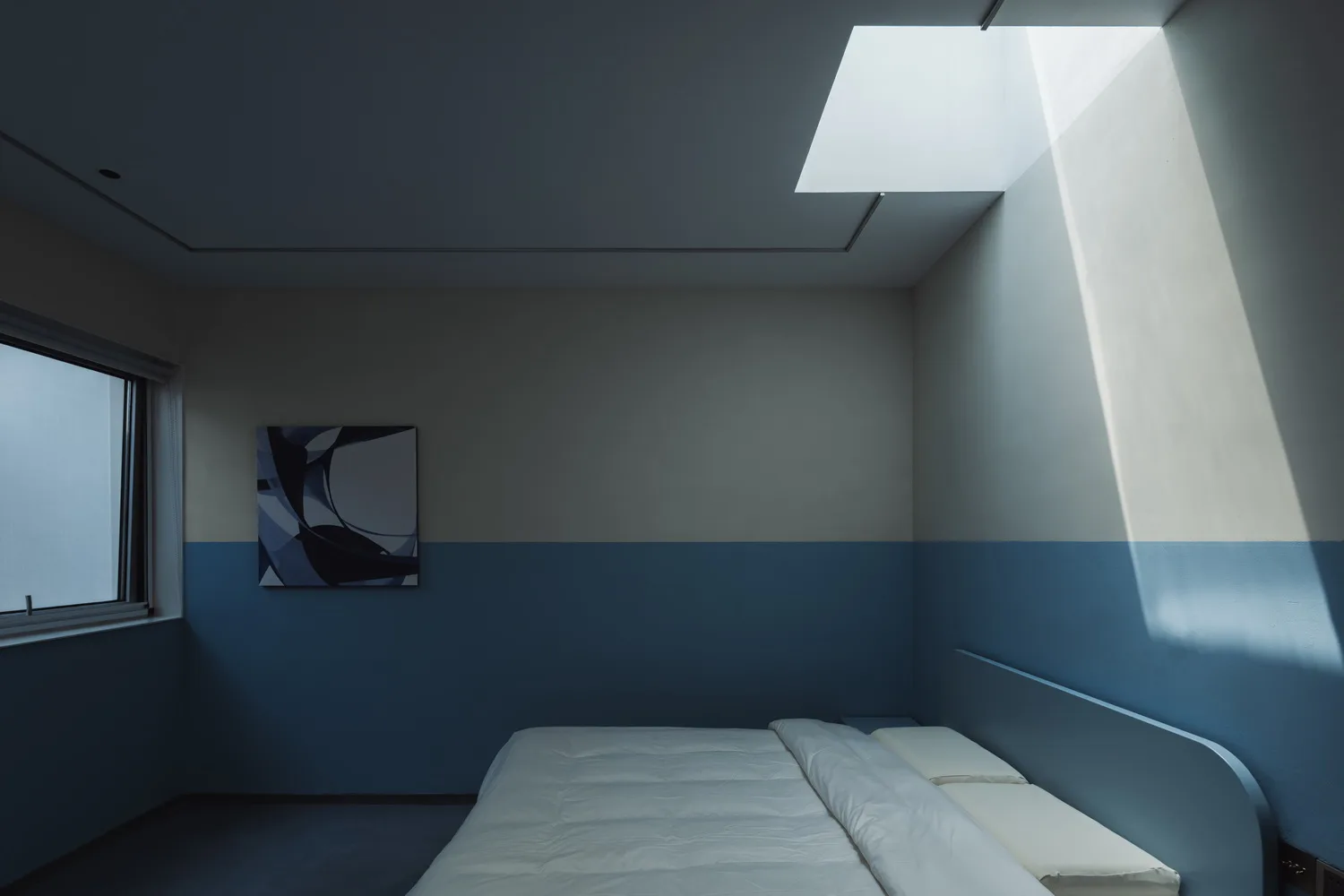
The interior design draws inspiration from numerous descriptions and paintings of monastery rooms—or perhaps “shelters” is a more fitting term. To evoke the experience of self-exile, the interior is intentionally minimal and silent. All decorative elements, including clocks, are omitted to avoid distractions.
This space offers a way to “relive time,” where occupants estimate the time of day only by natural light changes. This approach recalls life before the precise measurement of time by clocks—when days were marked by the sky rather than screens or devices. Morning light, especially, can evoke deep emotions and memories.
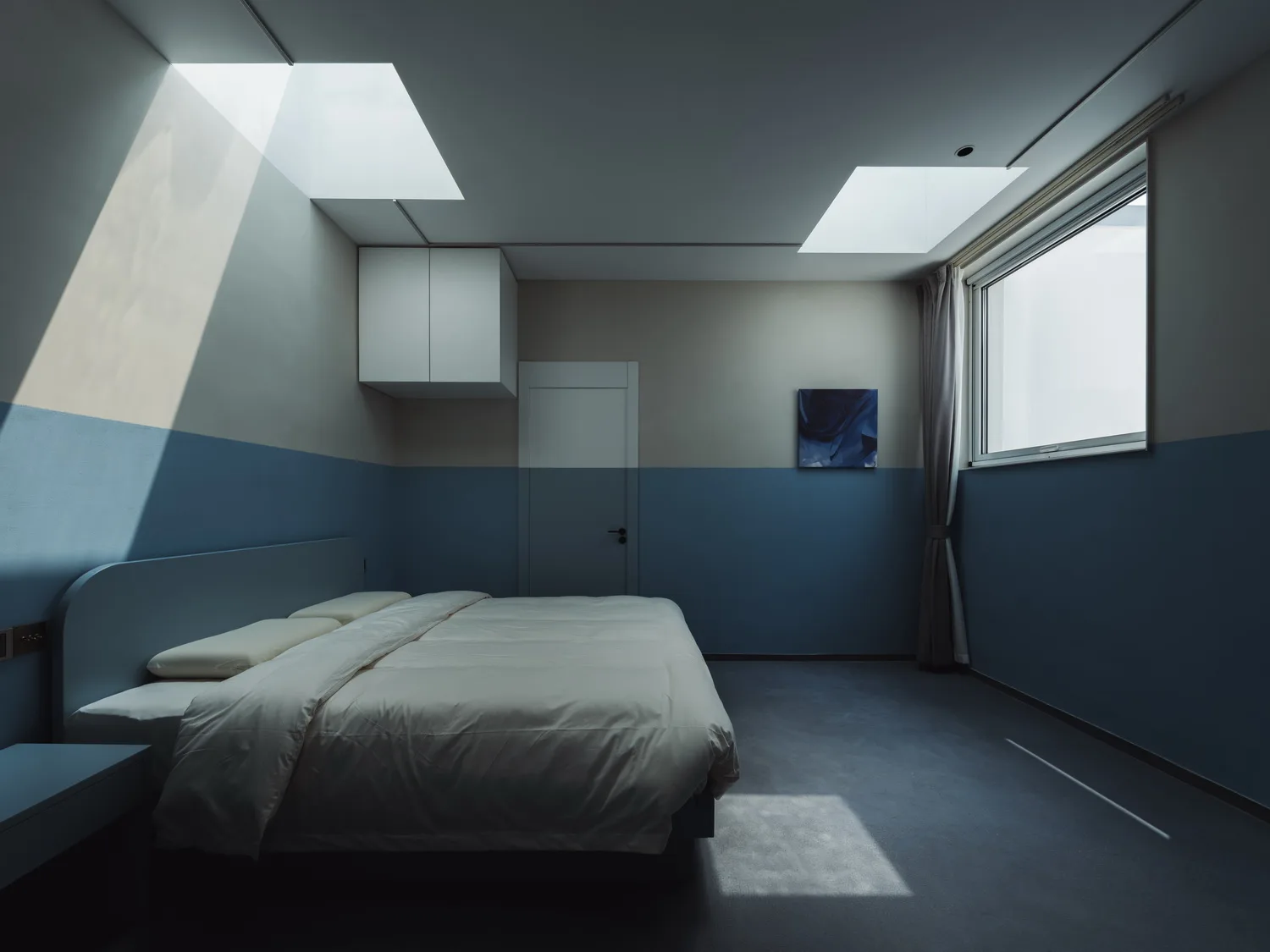
As an architect, I often resist the urge to paint spaces entirely white. Before the 1980s, home decoration commonly featured paint, such as lake green on wall skirts—for both protection and aesthetics. This particular wall color has stayed with me as an unforgettable memory.
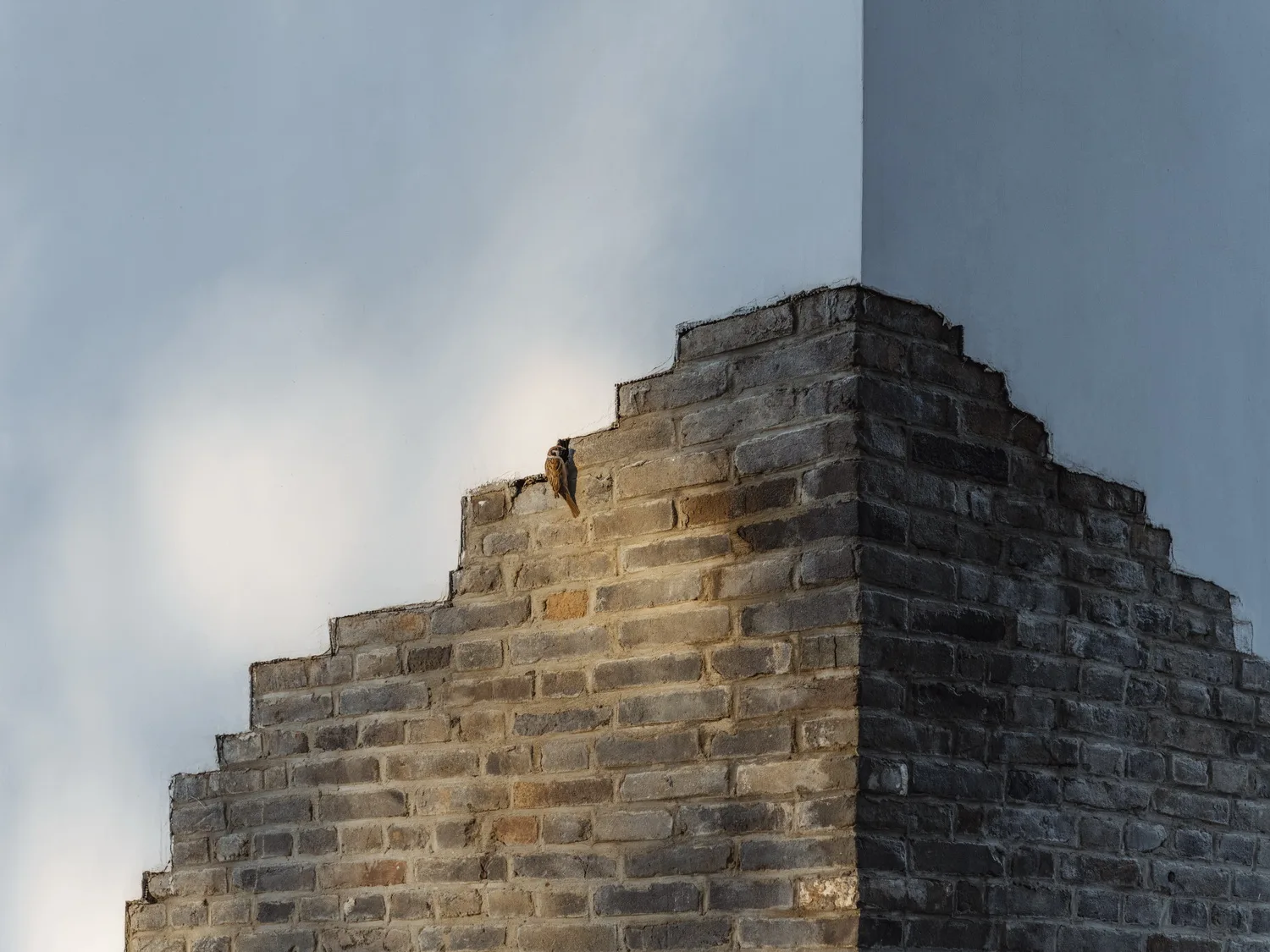
Later, a photography collection titled “Havana” deeply influenced me, showcasing the remarkable effects of paint’s varying gray tones and weathered textures under sunlight. These visuals created a tactile experience that transcended the photo itself, sparking curiosity about the history and transformation of the place.
I wanted to experiment with this effect and did so in my design. I once lamented to the photographer that the model should have been seated on the bed wearing gray-blue clothes, because when the sunlight hits her face against the gray-blue background, a sense of subtle melancholy emerges—reminiscent of an Edward Hopper painting.
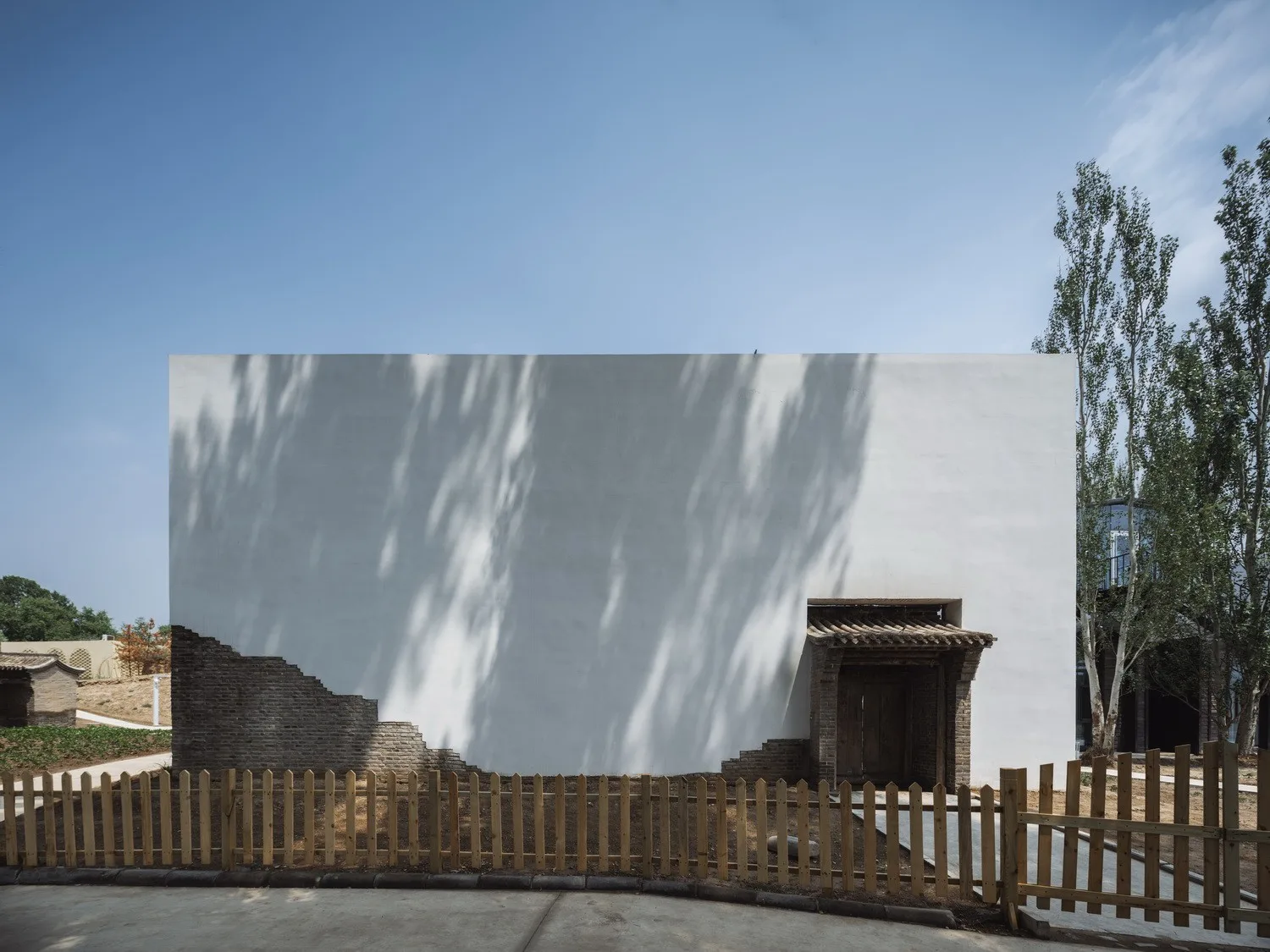
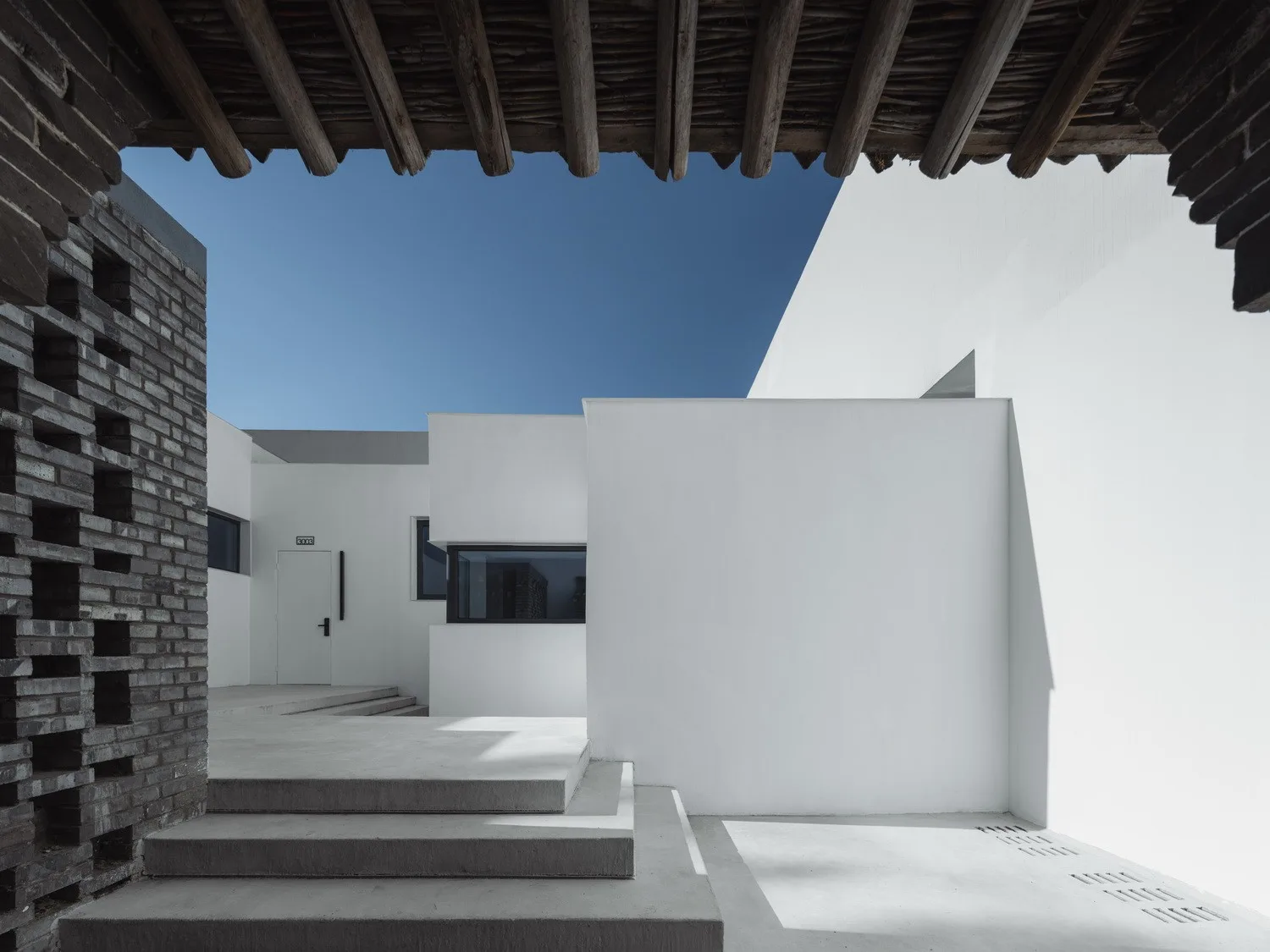
On the empty site, I preserved a section of broken wall and a doorway. I wanted to maintain a sense of place. This choice also aligns with my views on environmental protection: in many renovation projects, demolishing and disposing of construction waste is environmentally harmful. Reducing demolition is, therefore, a priority.
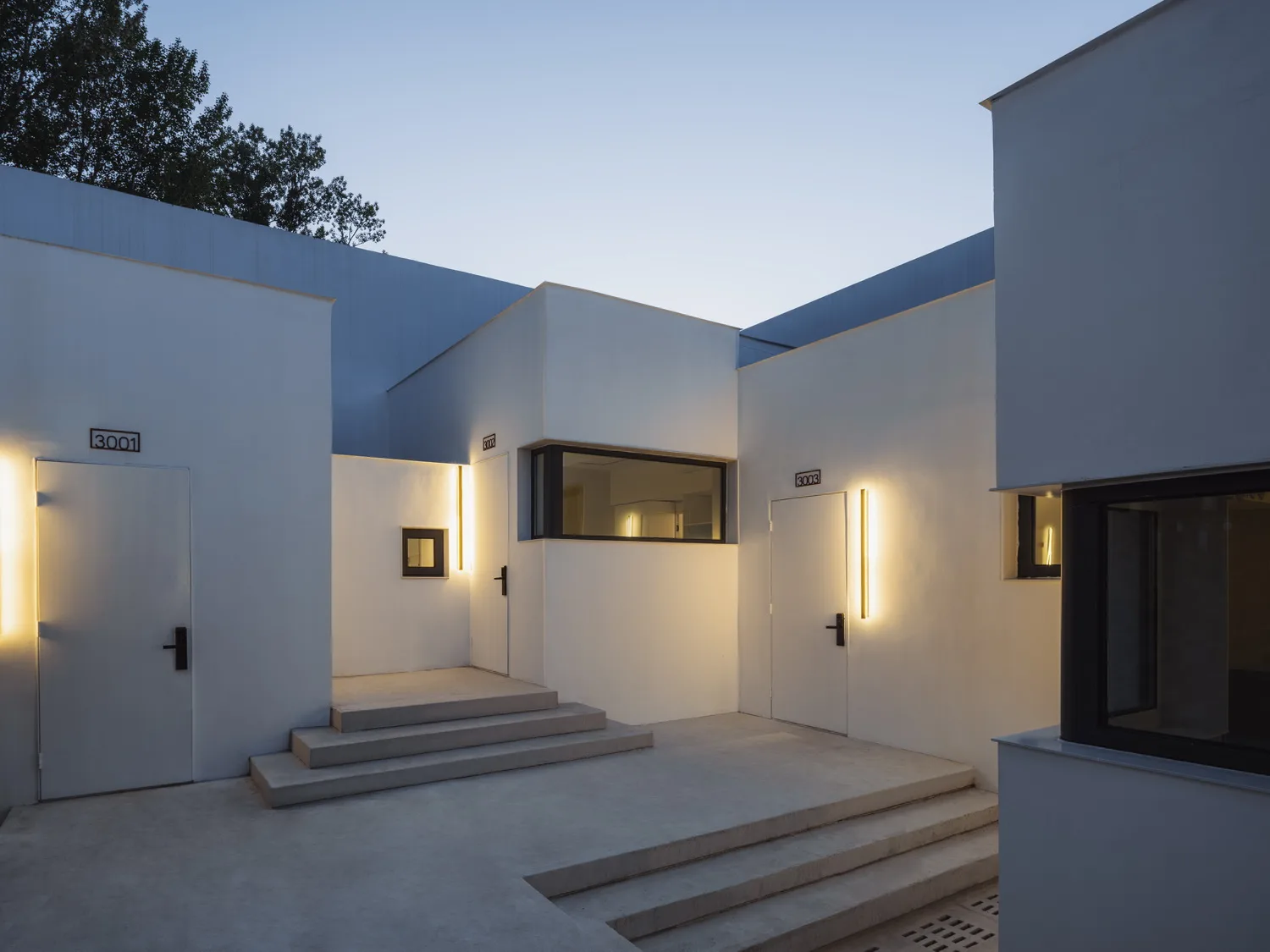
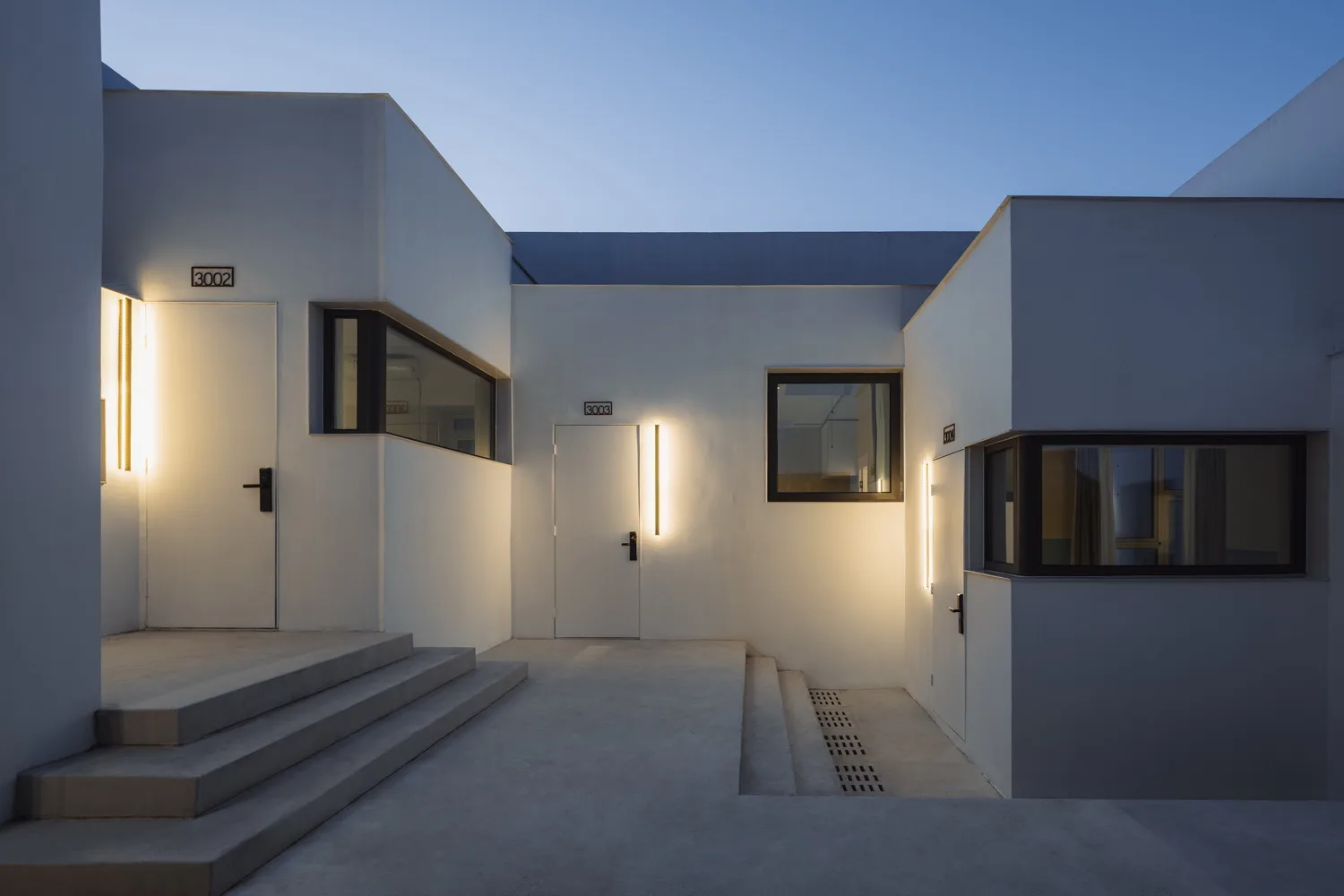
I designed each room as a separate building with no internal corridors, so exiting a room means going outdoors. This layout reflects traditional courtyard houses common in rural areas. The central courtyard remains the heart of the complex, although a fire pit planned for the center was removed due to fire safety regulations.
Historically, the fire pit served as a gathering point, but that role has diminished—even television has largely lost that function, replaced instead by smartphones which centralize home life digitally. I had hoped to create a fire pit to encourage social interaction among strangers, but it was ultimately not included. Nevertheless, socializing remains important in this homestay, where guests are strangers to each other.
Today, rural areas in China show great openness. According to my project architect, the local community not only accepted me as a “stranger,” but also welcomed architectural interventions by other designers. They embrace efforts to revitalize the appearance of hollowed-out villages. Strangers quickly become acquaintances.
Project Drawings
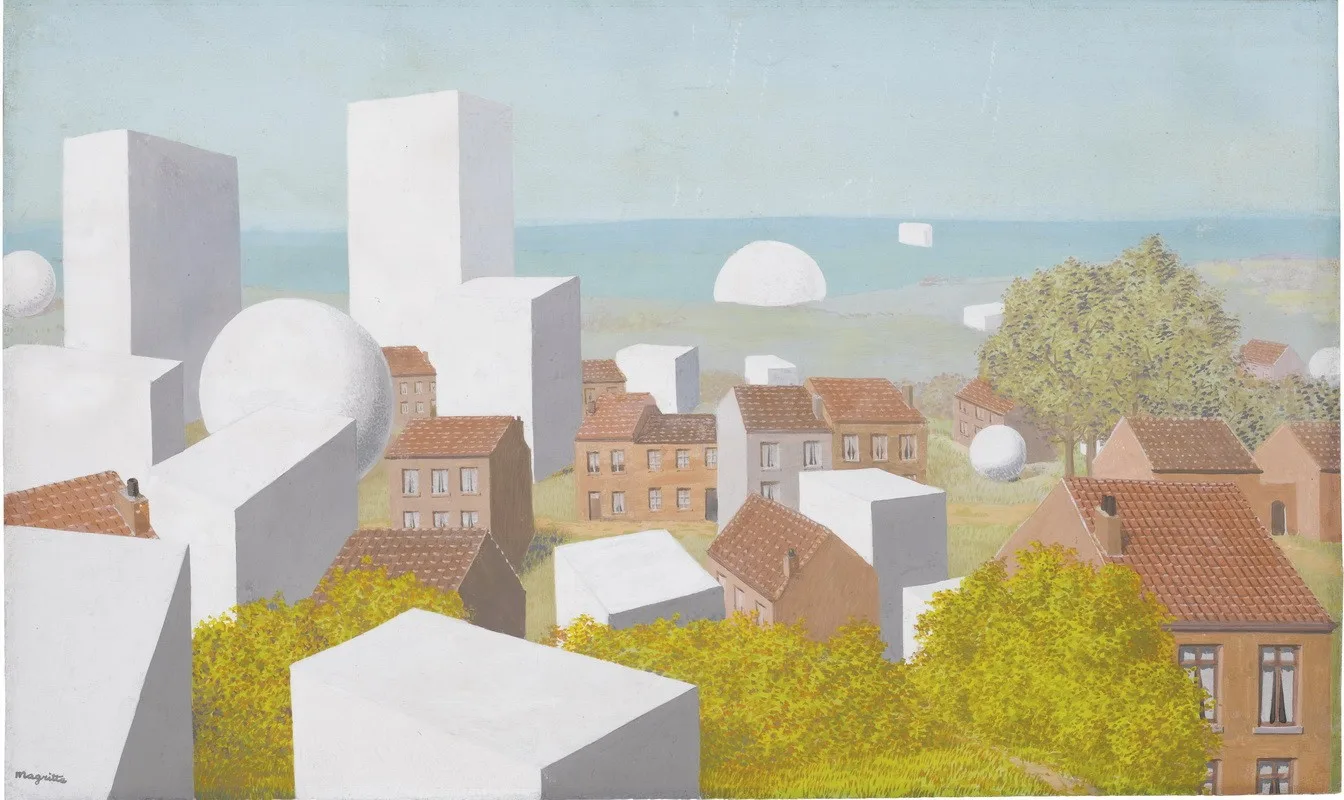
△ Illustration Diagram
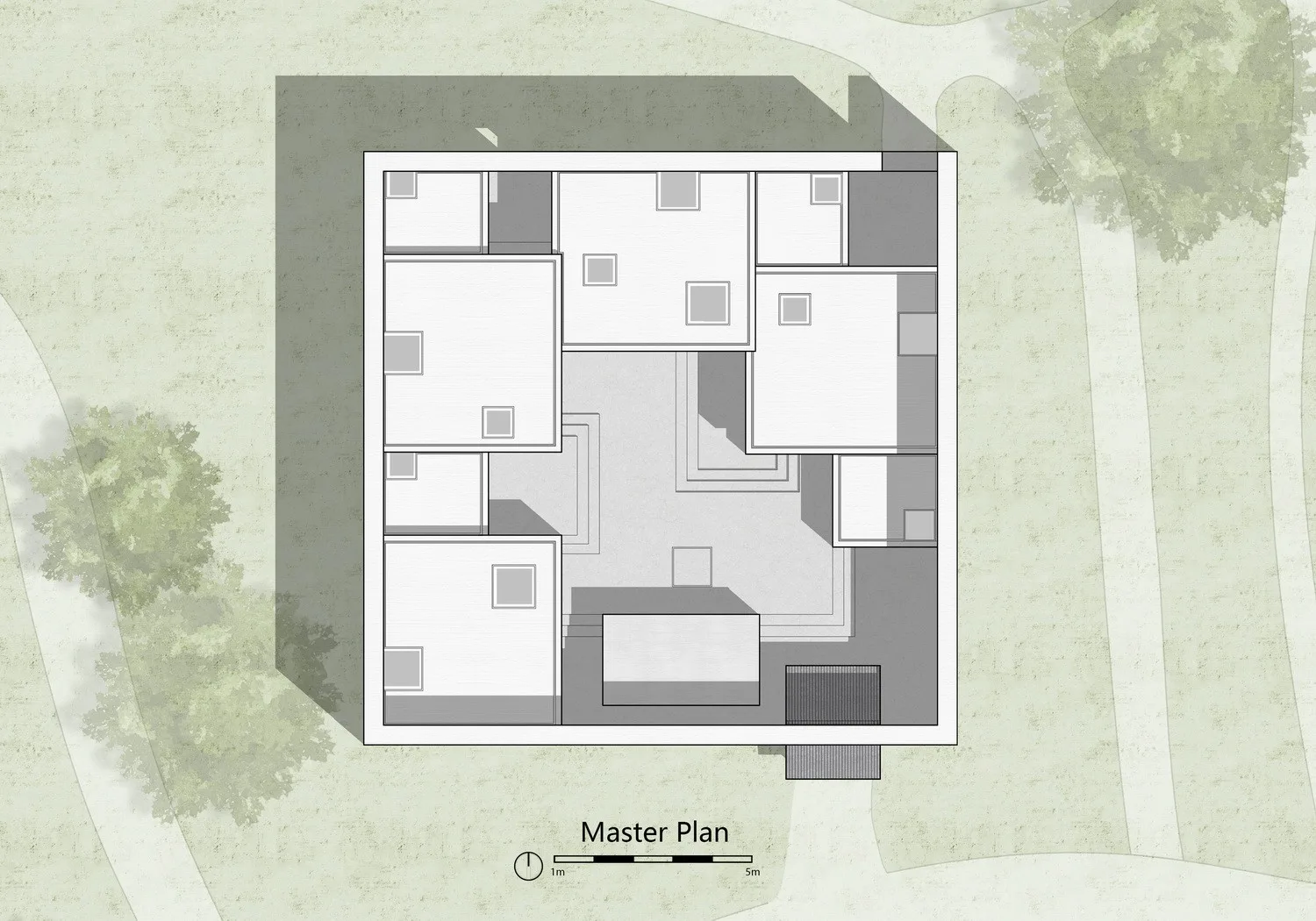
△ General Layout Plan
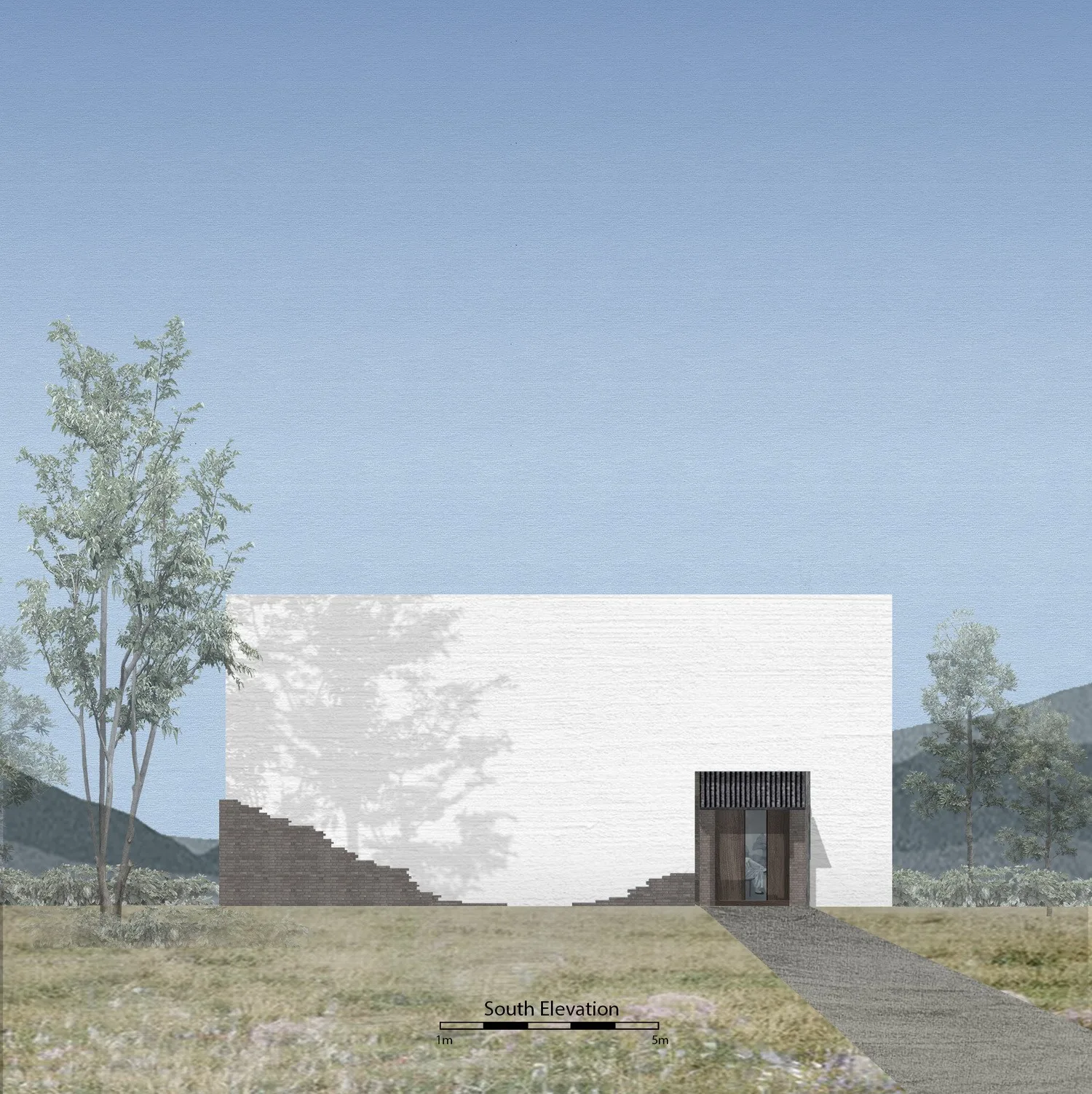
△ South Elevation View
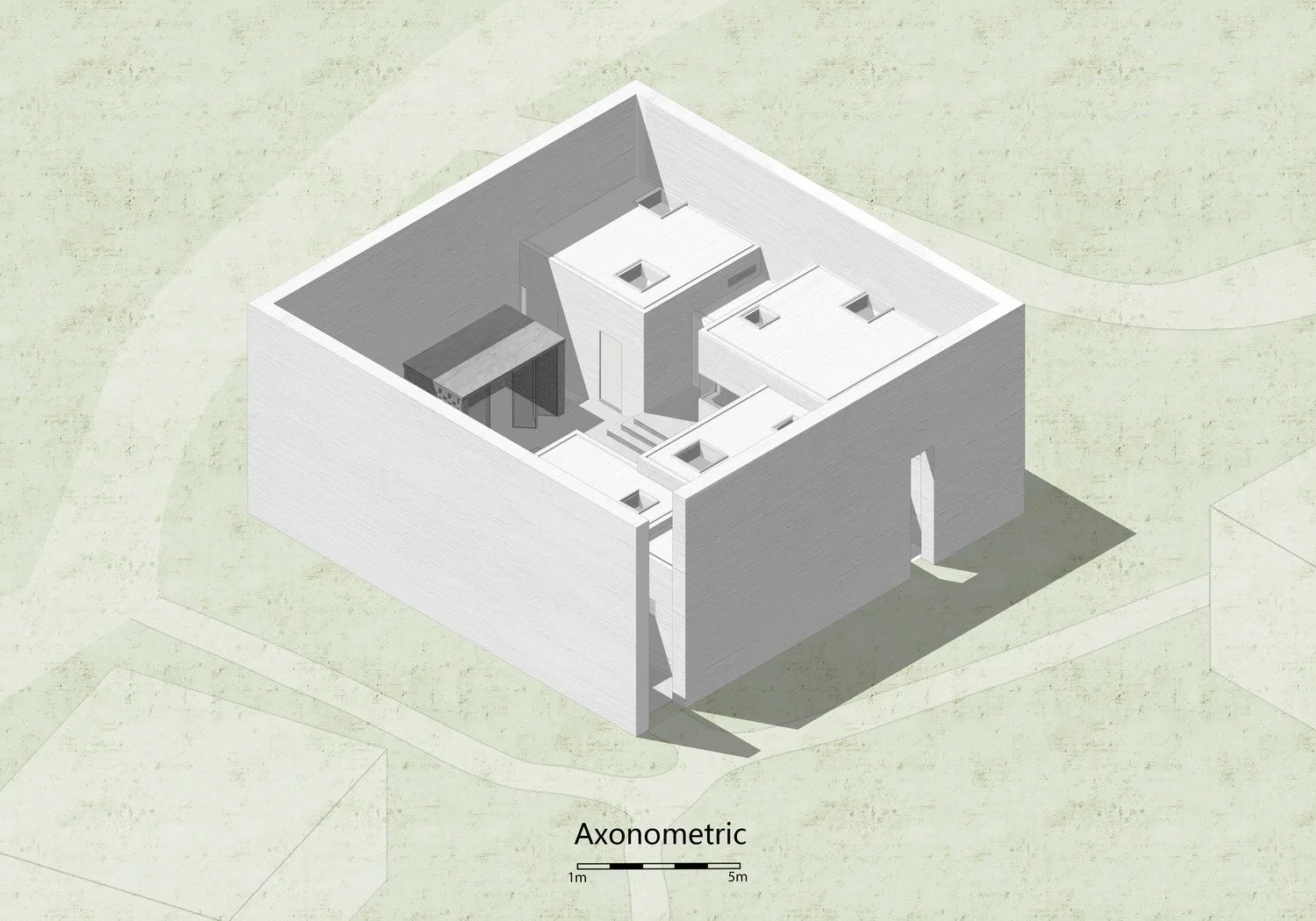
△ Axial Side View
Project Information
Project Name: Building 3, Xiyaotou Village, FA Designer Commune
Design Company: Wutopia Lab
Lead Architect: Yu Ting
Project Architect: Mu Zhilin
Design Team: Shi Difan (Intern), Mi Kejie
FA Designer Commune Project Chief Planner: Zhu Xudong, Co-founder of E-house
Photography: CreatAR Images
Location: Xiyaotou Village, Weixian County, Hebei Province, China
Duration: March 2019 – June 2021
Area: 225 square meters
Materials: Blue bricks, microcement, paint, glass, steel plate
















Must log in before commenting!
Sign Up