
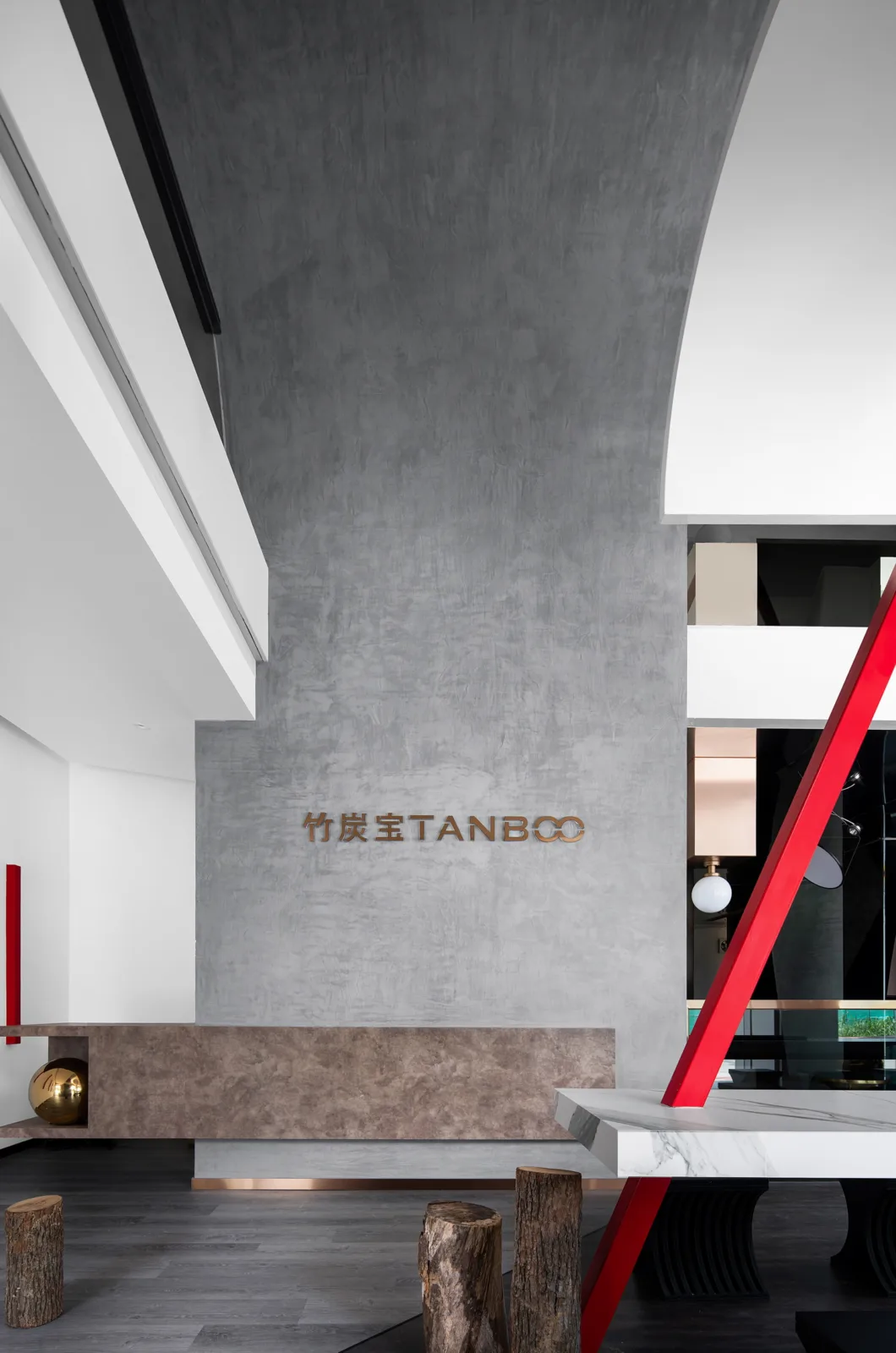
Located south of the lake, Zhuhai Technology stands as one of China’s primary bamboo origins. Leveraging its geographical advantages, Zhuhai Technology has established the world’s first full bamboo industry group, dedicated to the development, management, supply, R&D, production, and sales within the bamboo sector. Their focus on innovating “bamboo charcoal board” aims to gradually replace traditional boards with superior, environmentally friendly alternatives, marking an inevitable “environmental revolution.”
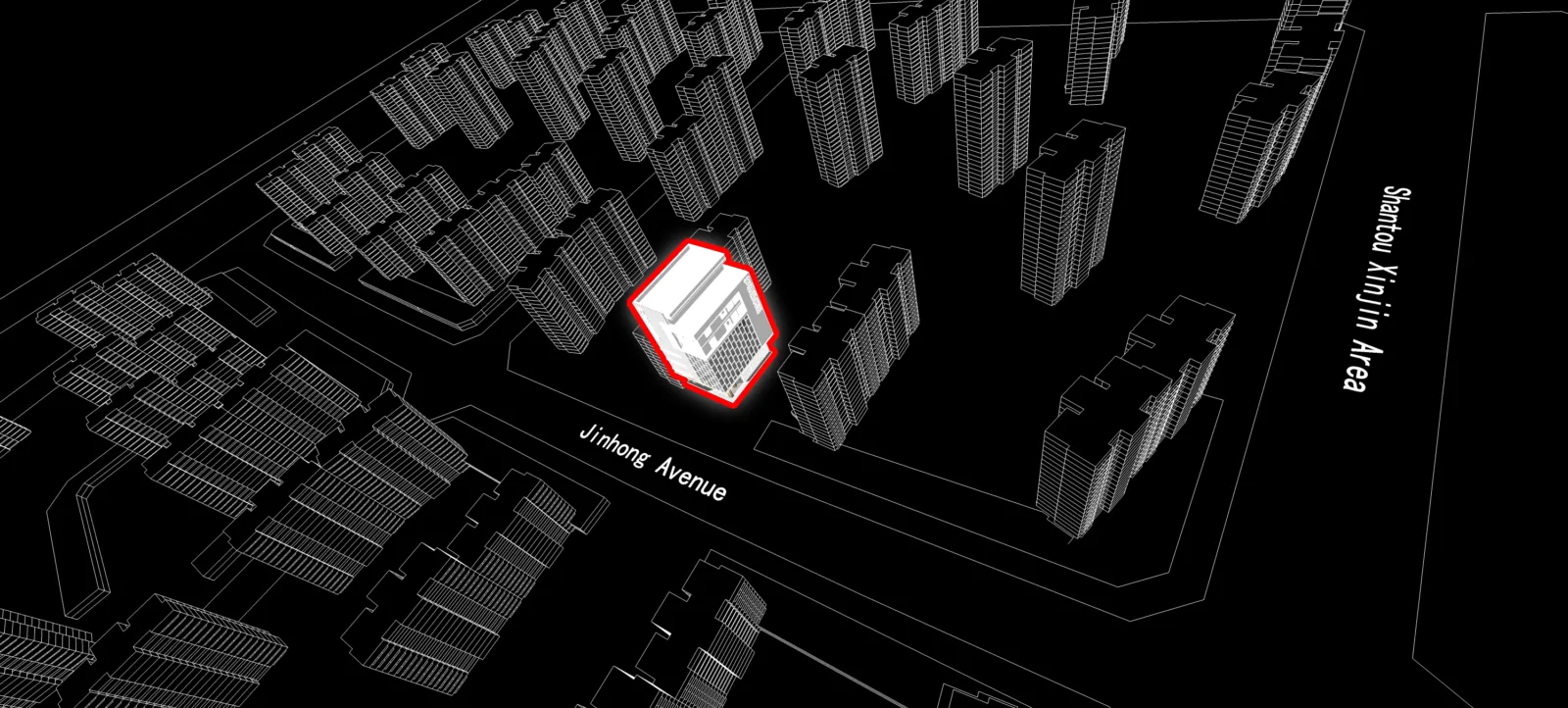
Back in 2019, Zhuhai launched its ambitious “Global Plan,” aiming to establish operational centers in key global locations. Despite the global pandemic outbreak in early 2020, their expansion remained on course. Shantou, positioned strategically as a core hub between the Guangdong-Hong Kong-Macao Greater Bay Area and Changsha-Taiwan-Fujian regions, offers excellent geographic advantages. Zhuhai chose this location to utilize eastern Guangdong as a gateway to the southeastern coastal areas.
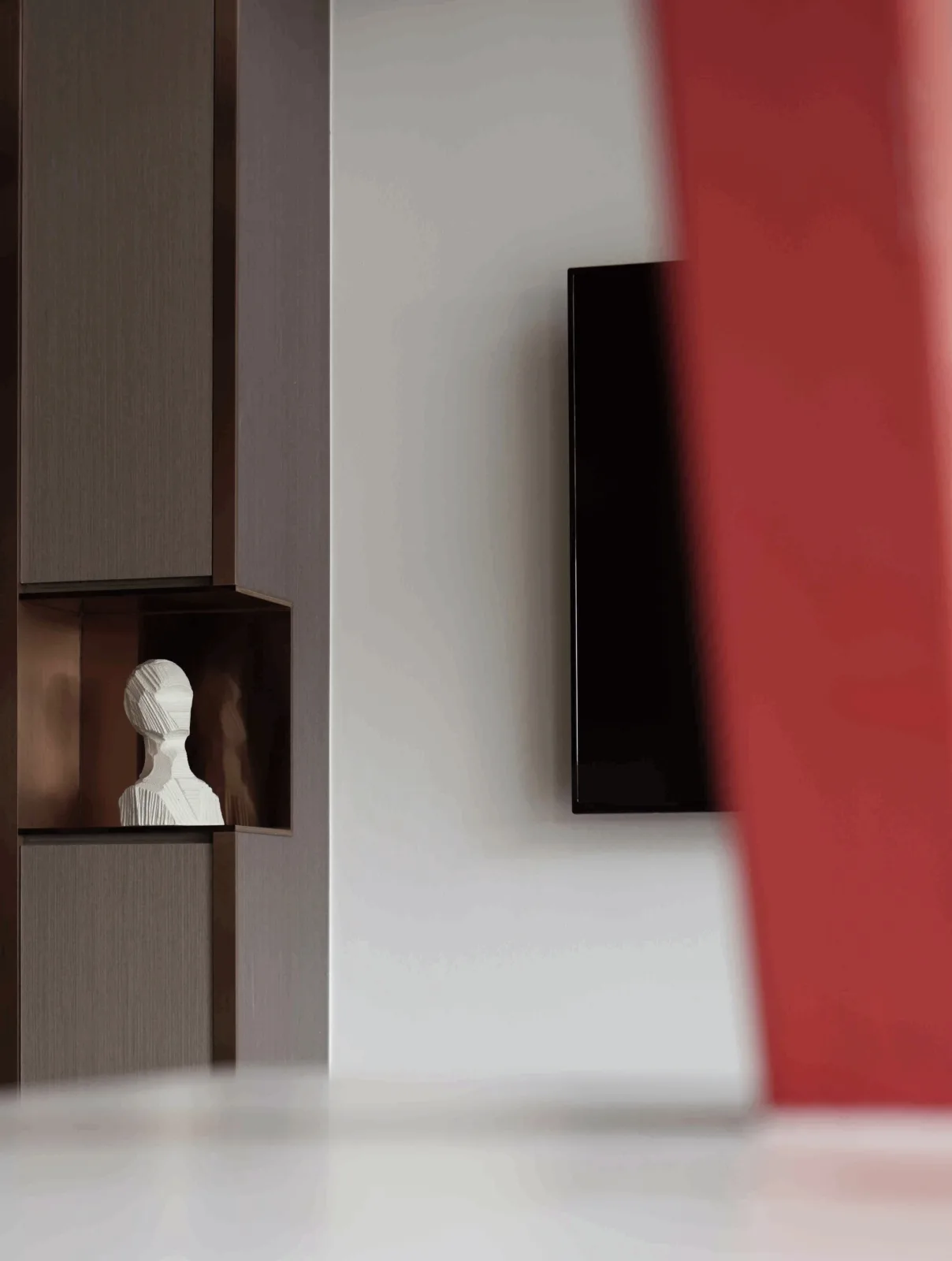
During a site inspection, Mr. Lin Yan, founder of GGD Design, and Mr. Wen Shaoxin, Zhuhai’s regional manager in Guangdong, envisioned creating a “de-commercialized” commercial art exhibition space. Their goal was to blend design and art to enhance sales through immersive experiences. Lin Yan’s extensive experience in commercial design allows him to quickly and accurately understand user profiles, ensuring the space uniquely resonates with its visitors.
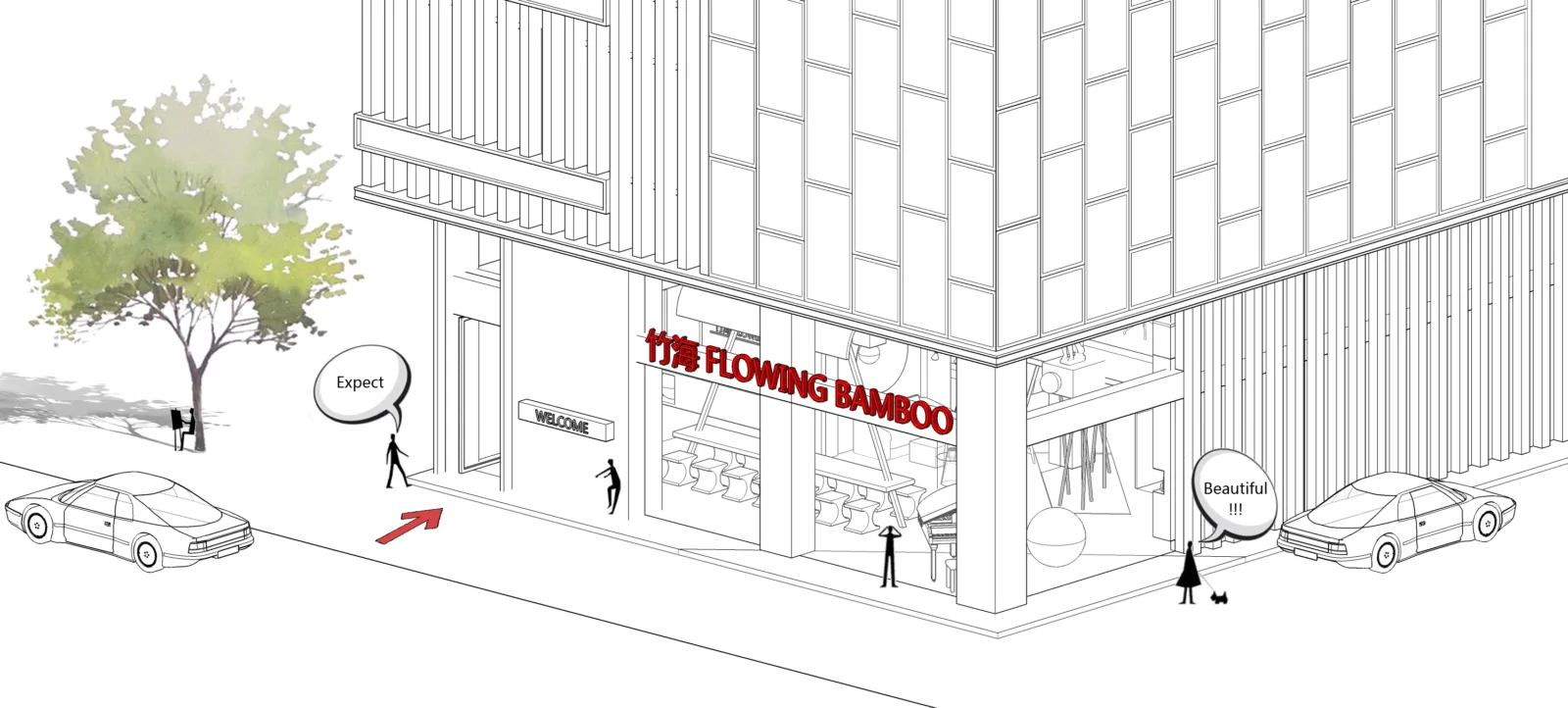
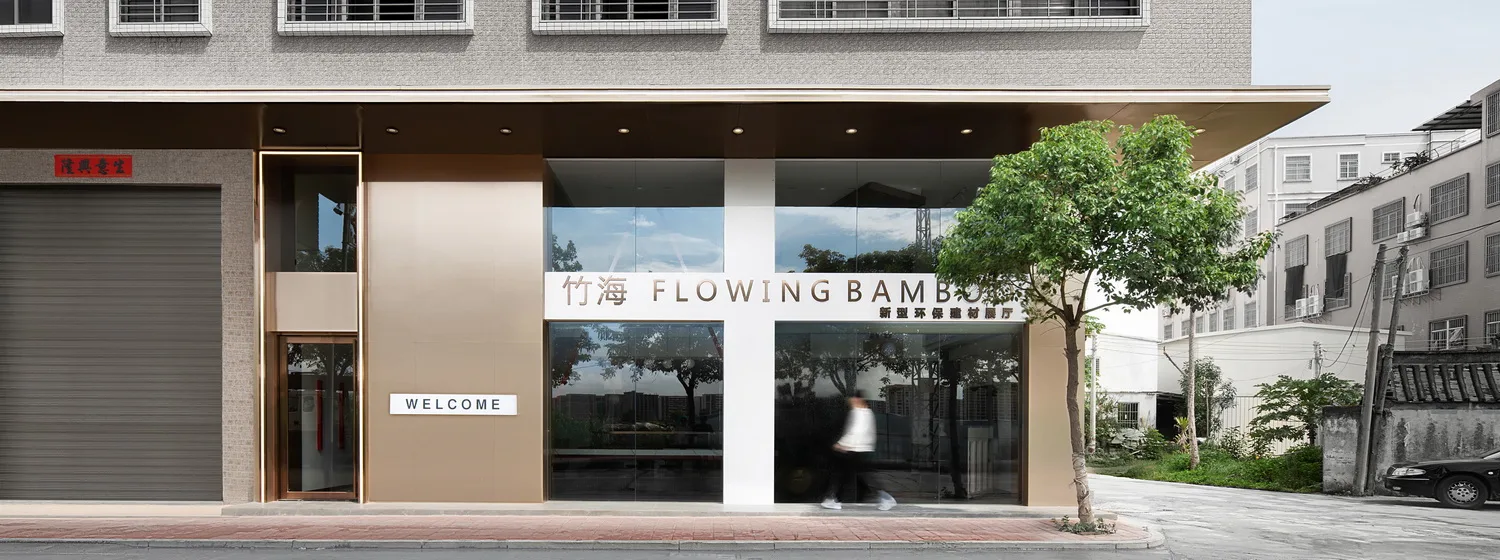
The new site is situated in Xinjin, an area formerly agricultural but recently transformed into a hub for building materials due to limited space in central urban areas. The juxtaposition of simple surroundings with emerging structures creates a striking and dynamic environment. This place, though wordless and seemingly chaotic, is vibrant with life and full of potential.
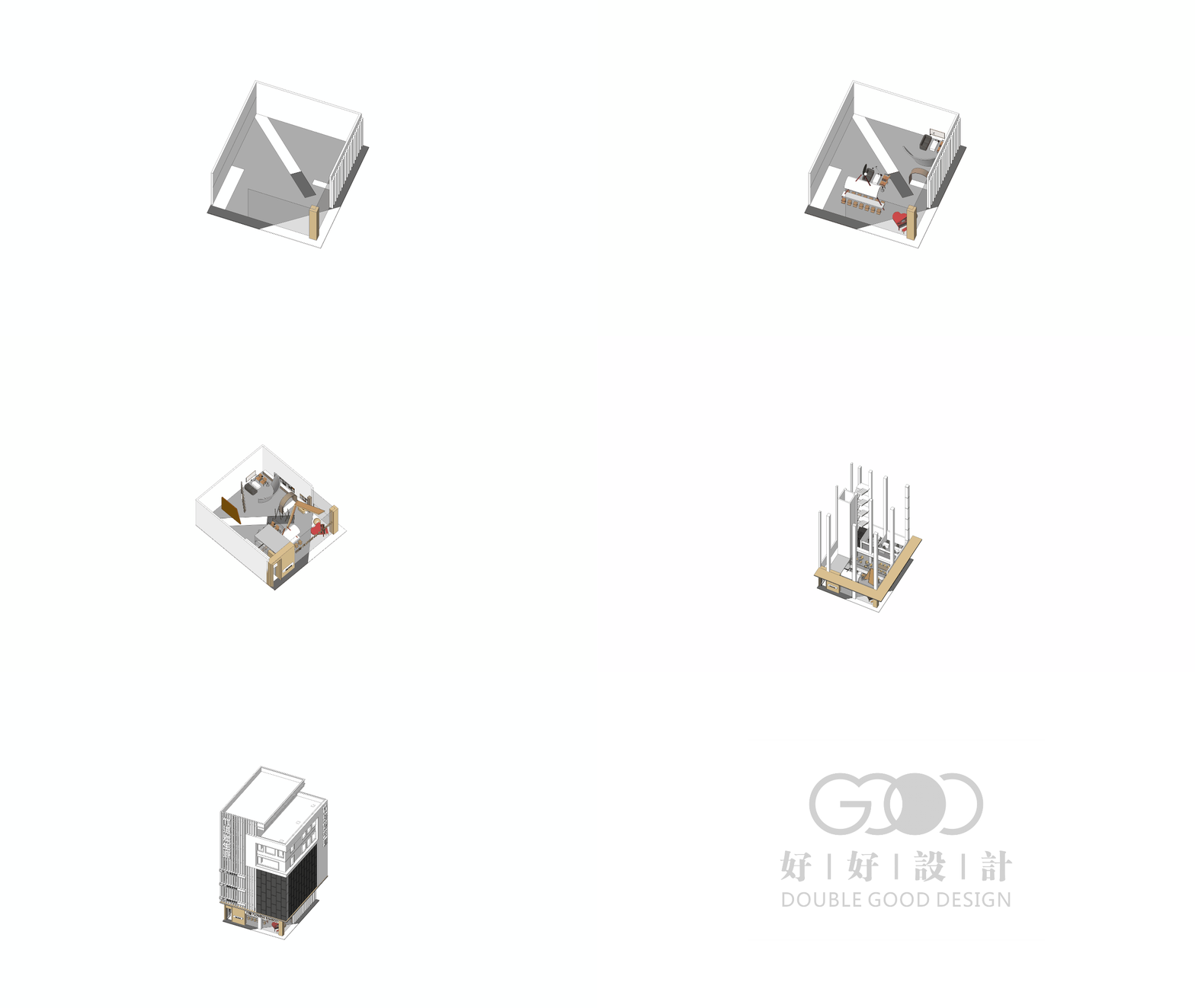
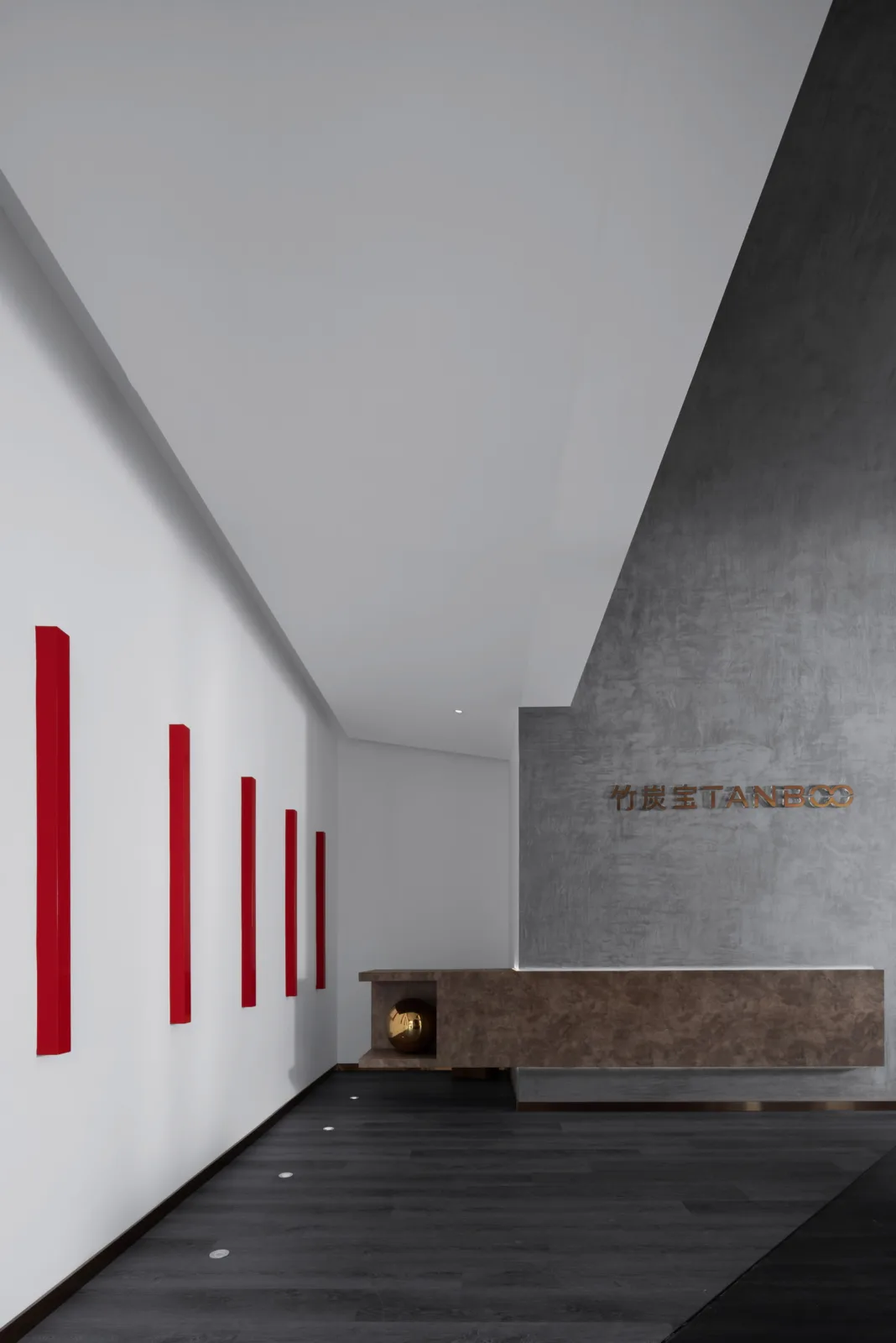
The first section of the site, starting at the entrance, intentionally guides visitors along a single, immersive path designed by Lin Yan. The entrance was repositioned to an unconventional spot, creating an independent gateway featuring a series of designed scenes that encourage visitors to fully engage with the space. Large glass panels invite abundant sunlight, casting dynamic shadows on the bamboo charcoal board walls and illuminating the textures of the materials, marking the passage of time.
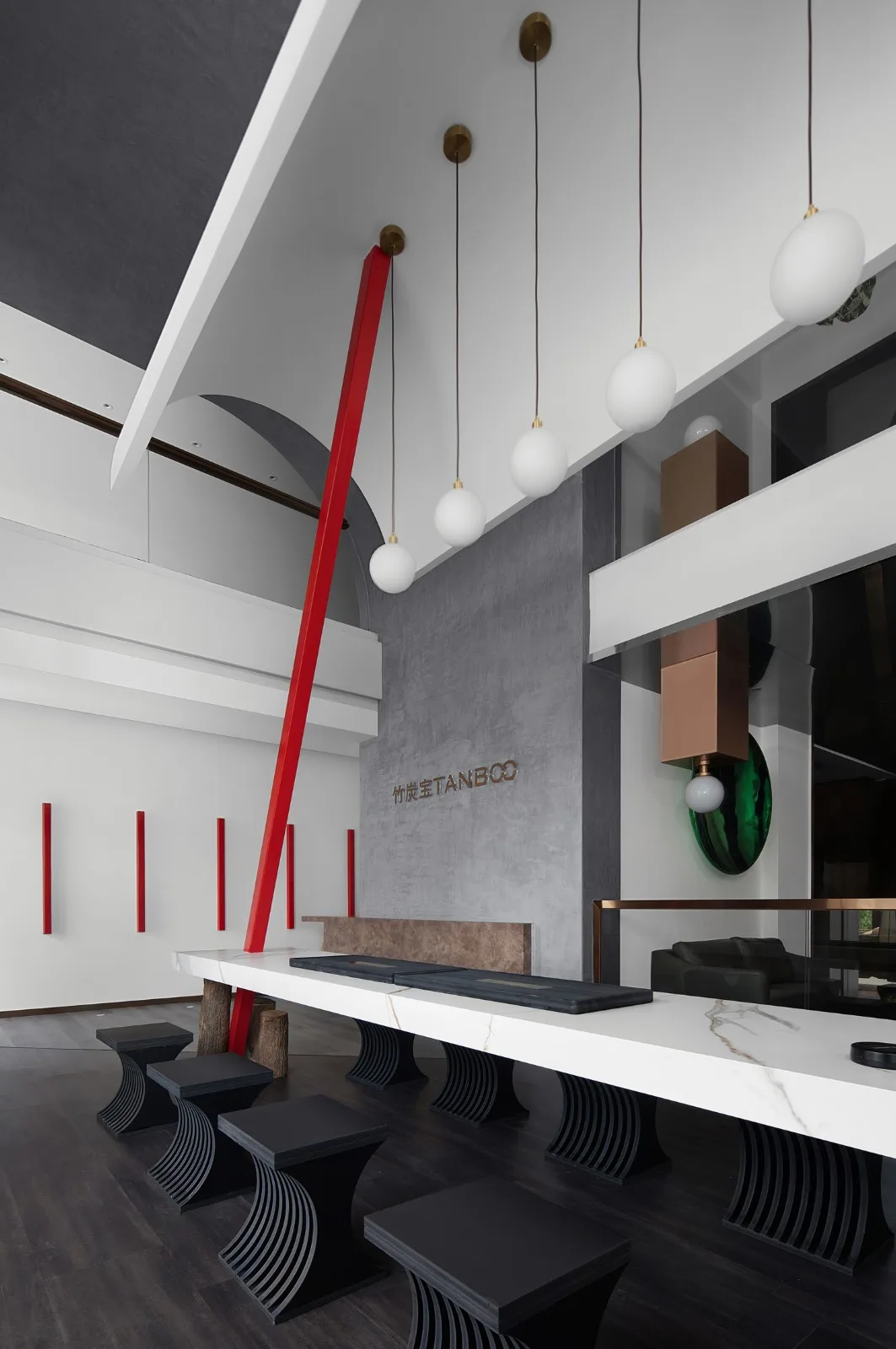
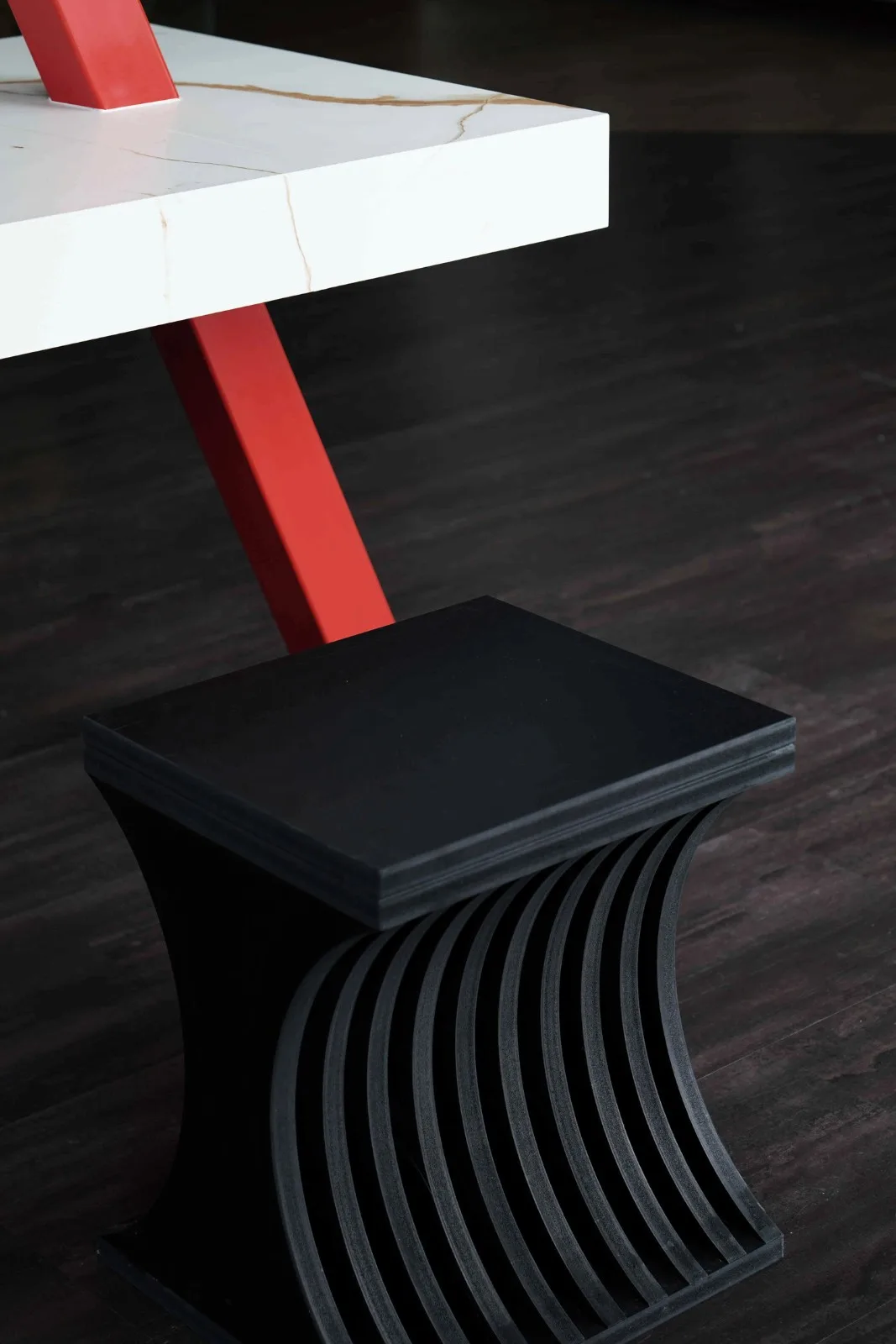
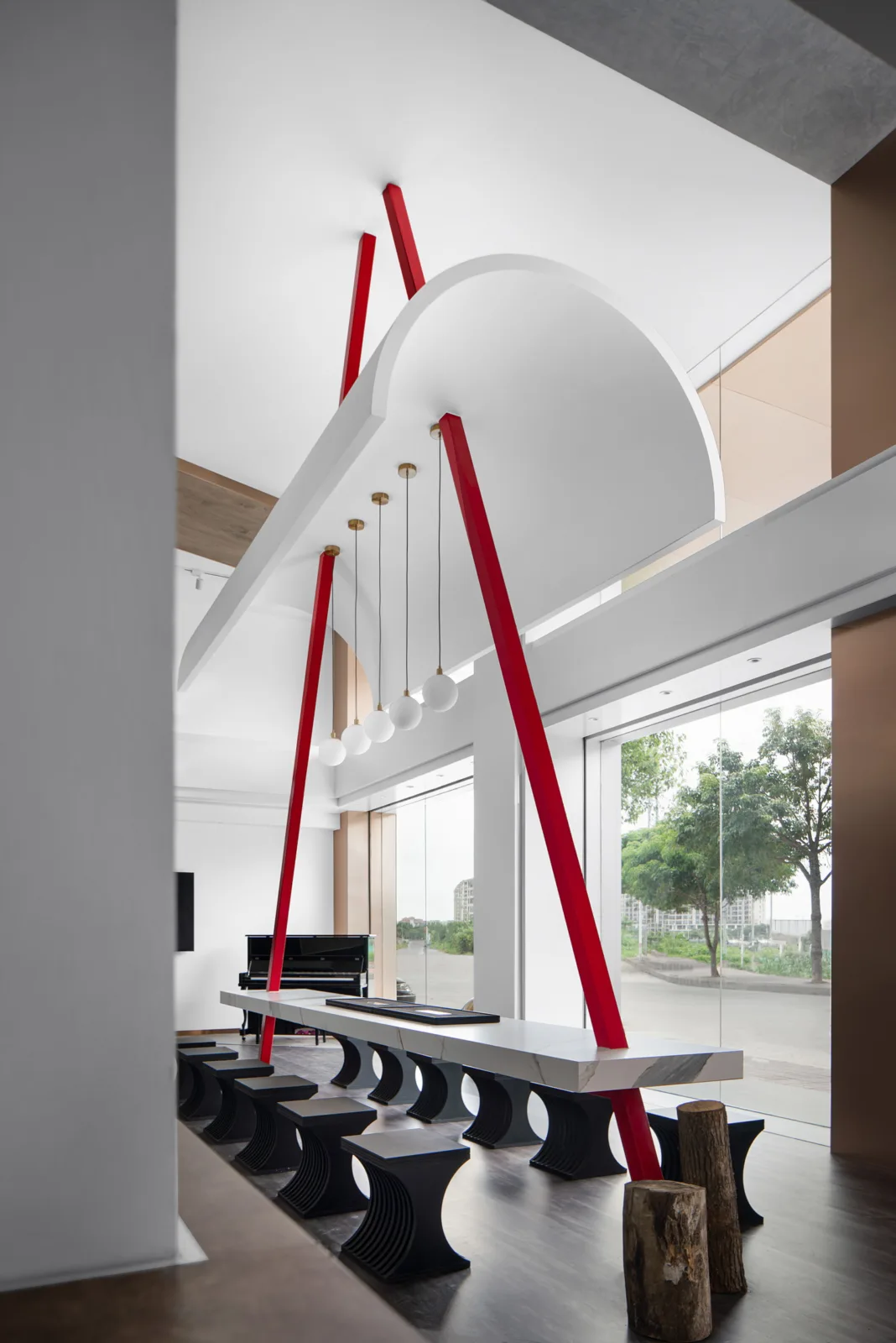
The relaxed atmosphere spreads throughout the thoughtfully designed salon area, inviting visitors to envision all kinds of daily activities beyond mere business functions. Lin Yan emphasizes breaking traditional design limits, exemplified by two square tubes supporting a solid marble piece. Before the days of “going underground,” this stone element symbolized the fusion of technology and art and serves as the defining motif of Bamboo Sea’s ultimate vision.
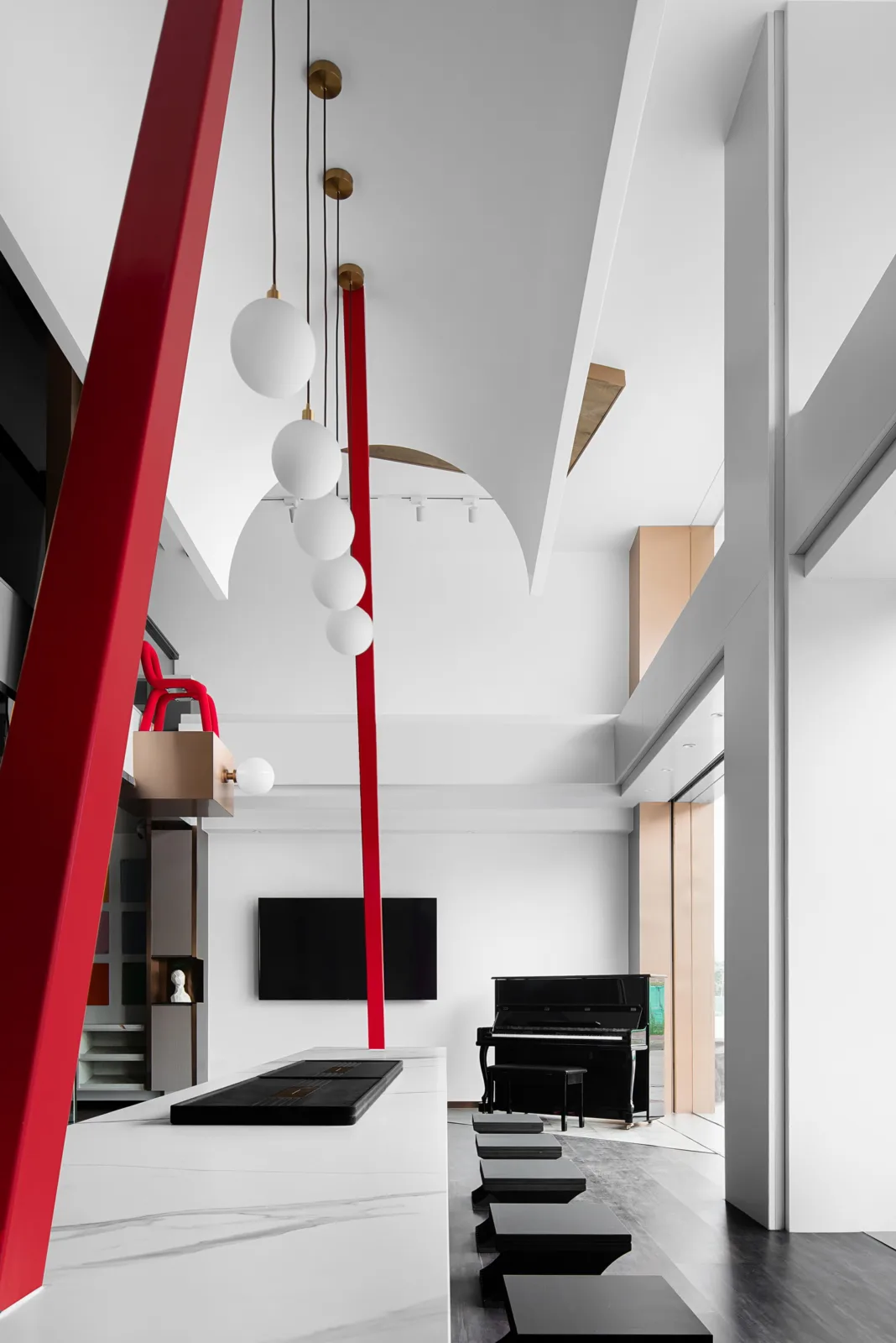
Everything presented here carries kinetic energy, yet at this moment, the space becomes a silent time capsule, allowing visitors to focus and appreciate the texture of the products. The world’s only bamboo charcoal piano plays the most touching moments of this era.
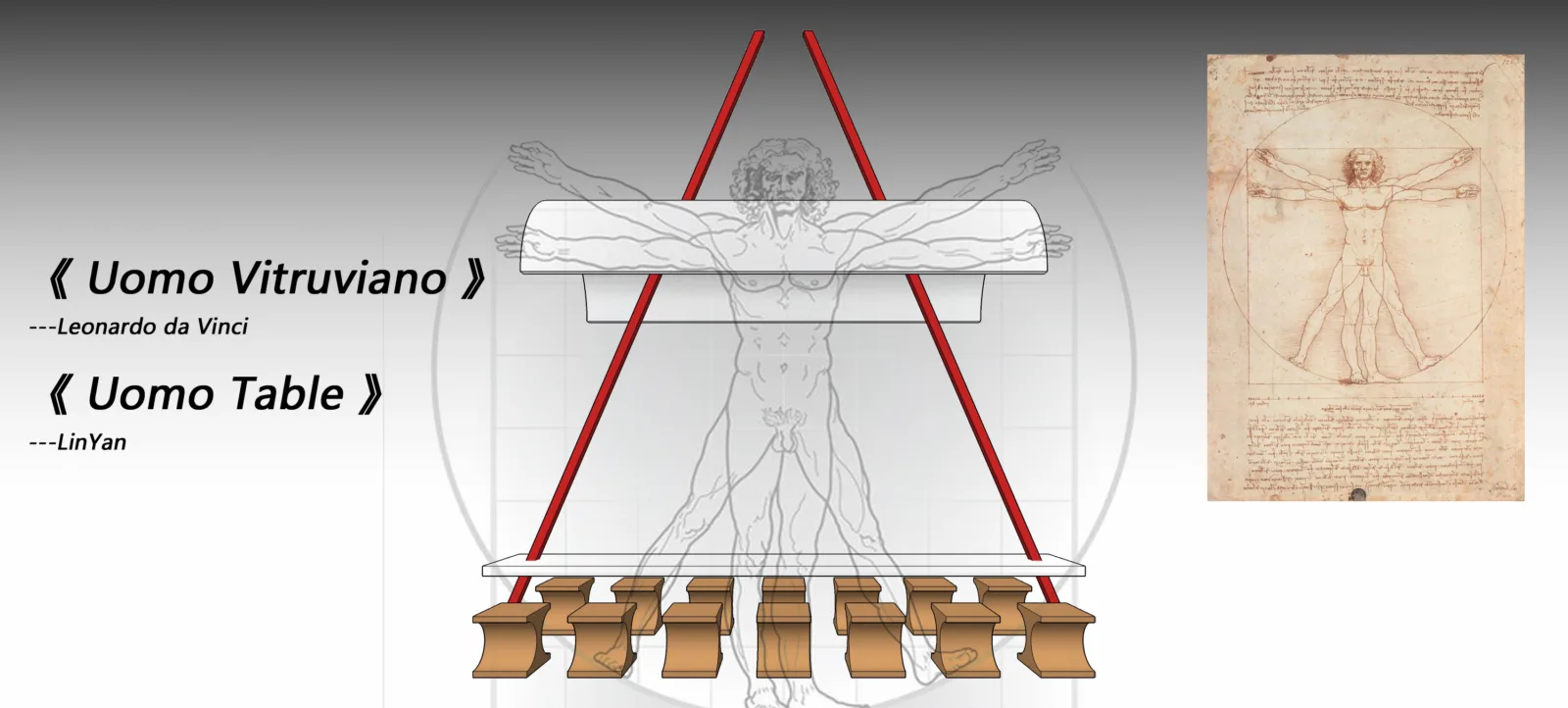
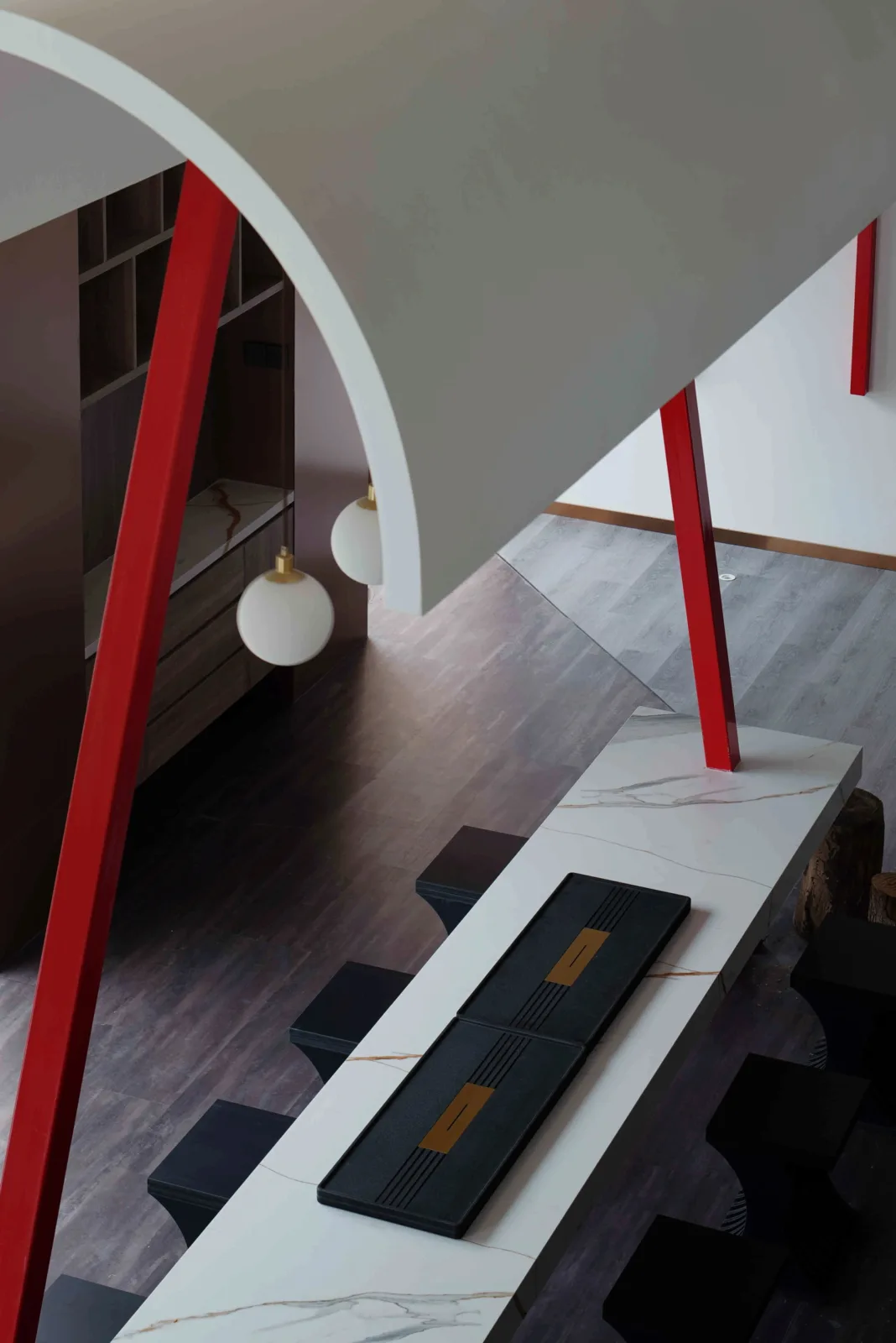
The multifunctional long platform draws inspiration from Leonardo da Vinci’s “Vitruvian Man,” which represents the ideal human proportions and is often cited as the epitome of perfect form.
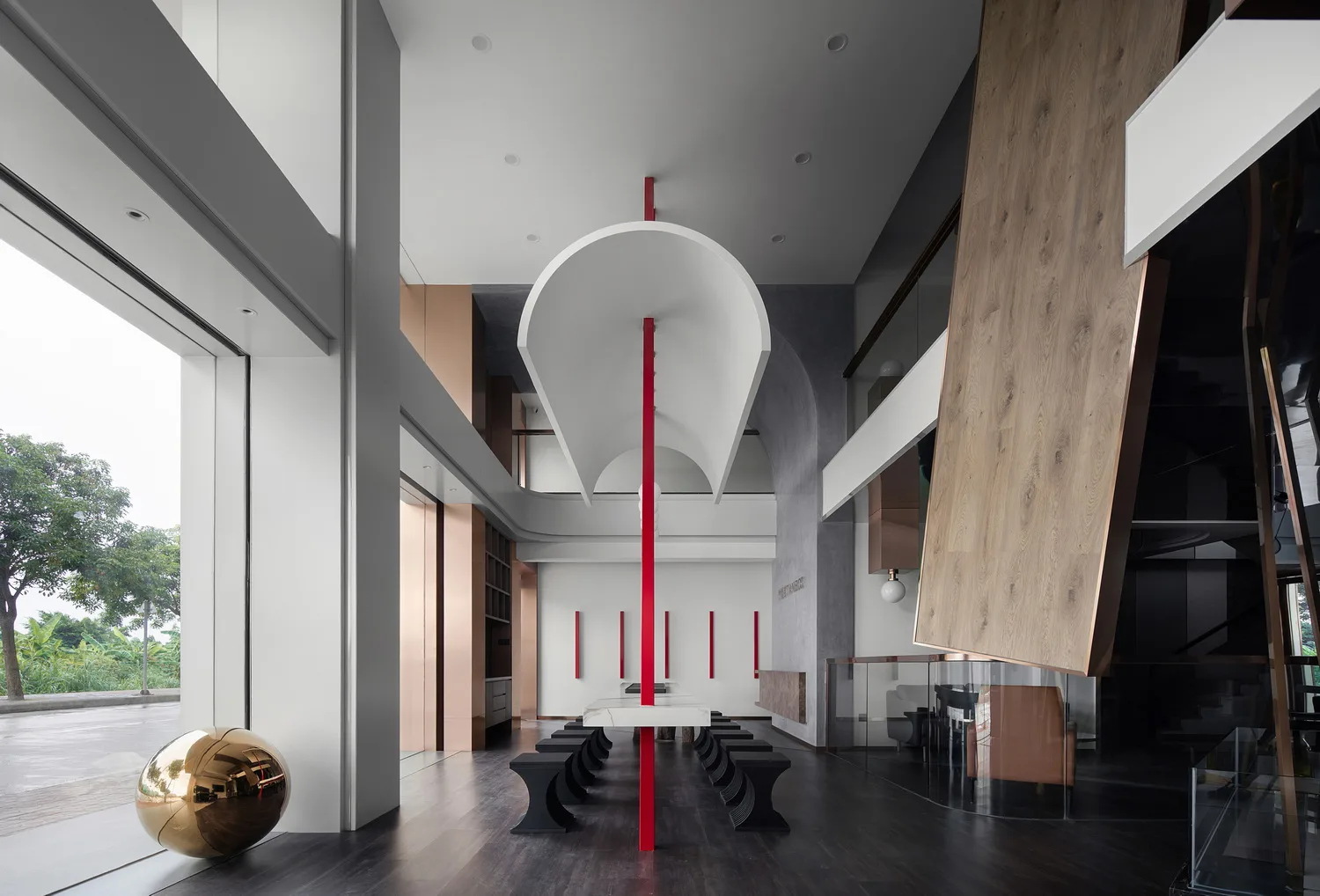
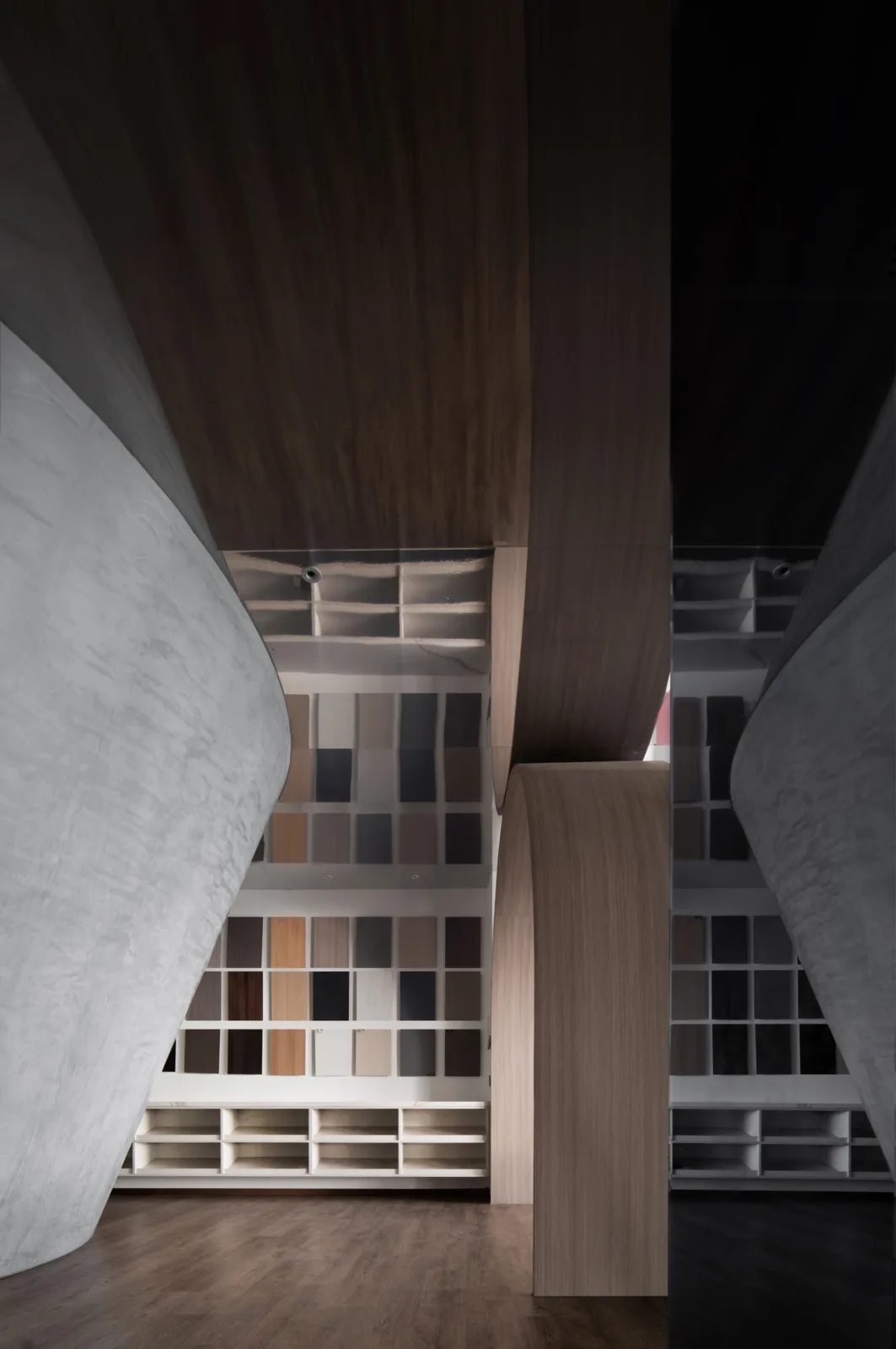
Bamboo Sea’s core mission is reflected in its surface displays. GGD Design carefully curated a diverse selection of media materials, presenting them directly and in various forms within the space. This approach allows visitors to engage physically, feel the warmth of the materials during meetings, and experience the product beyond vague marketing claims. Here, the product speaks for itself.
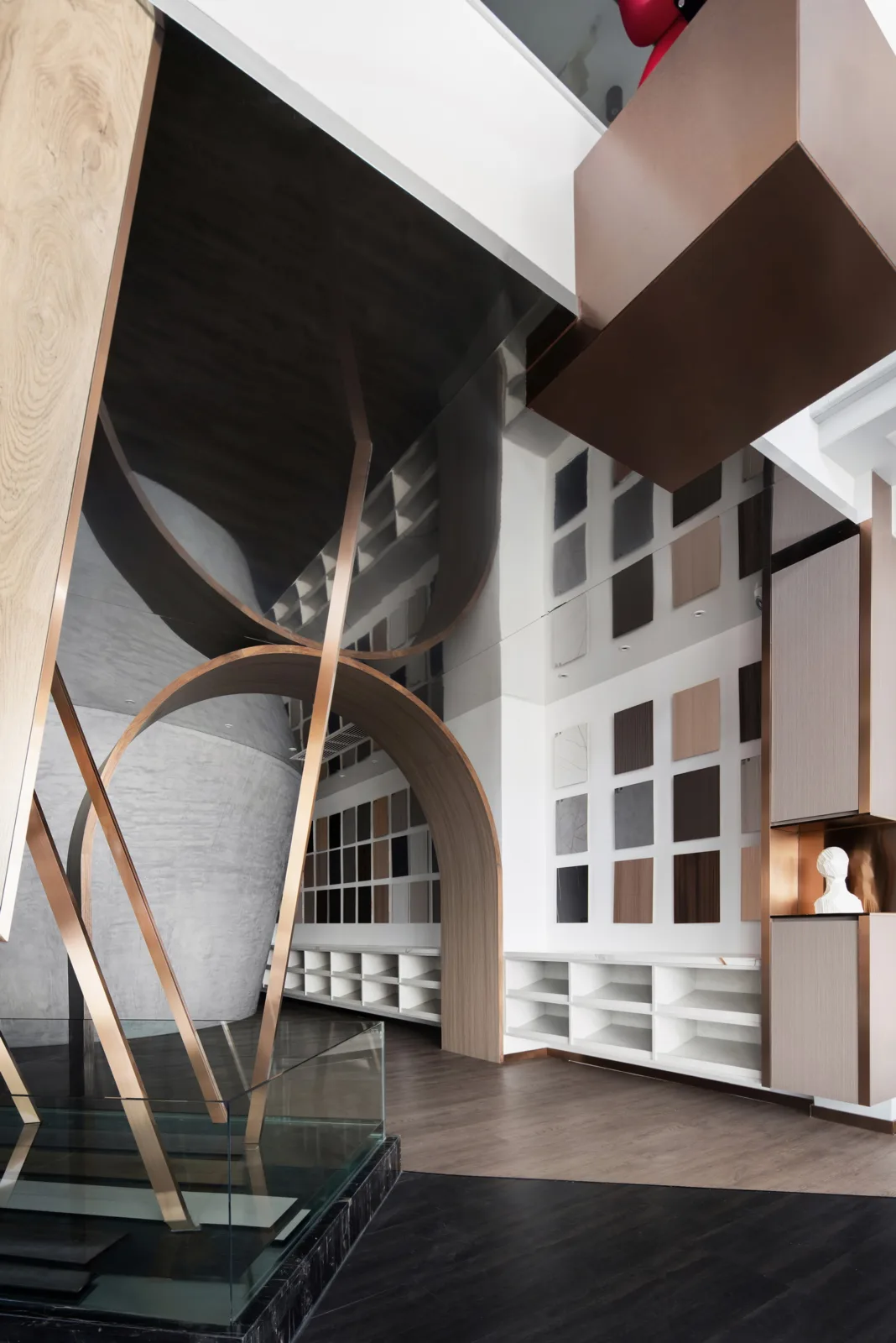
By integrating composite materials, bamboo charcoal board has evolved beyond its traditional carbon black appearance. This universal closing solution introduces visual rhythm and segmentation, enhancing the overall spatial aesthetics while highlighting the raw material’s eco-friendly qualities. From the outset, this has been an experimental journey in utilizing a single material innovatively.
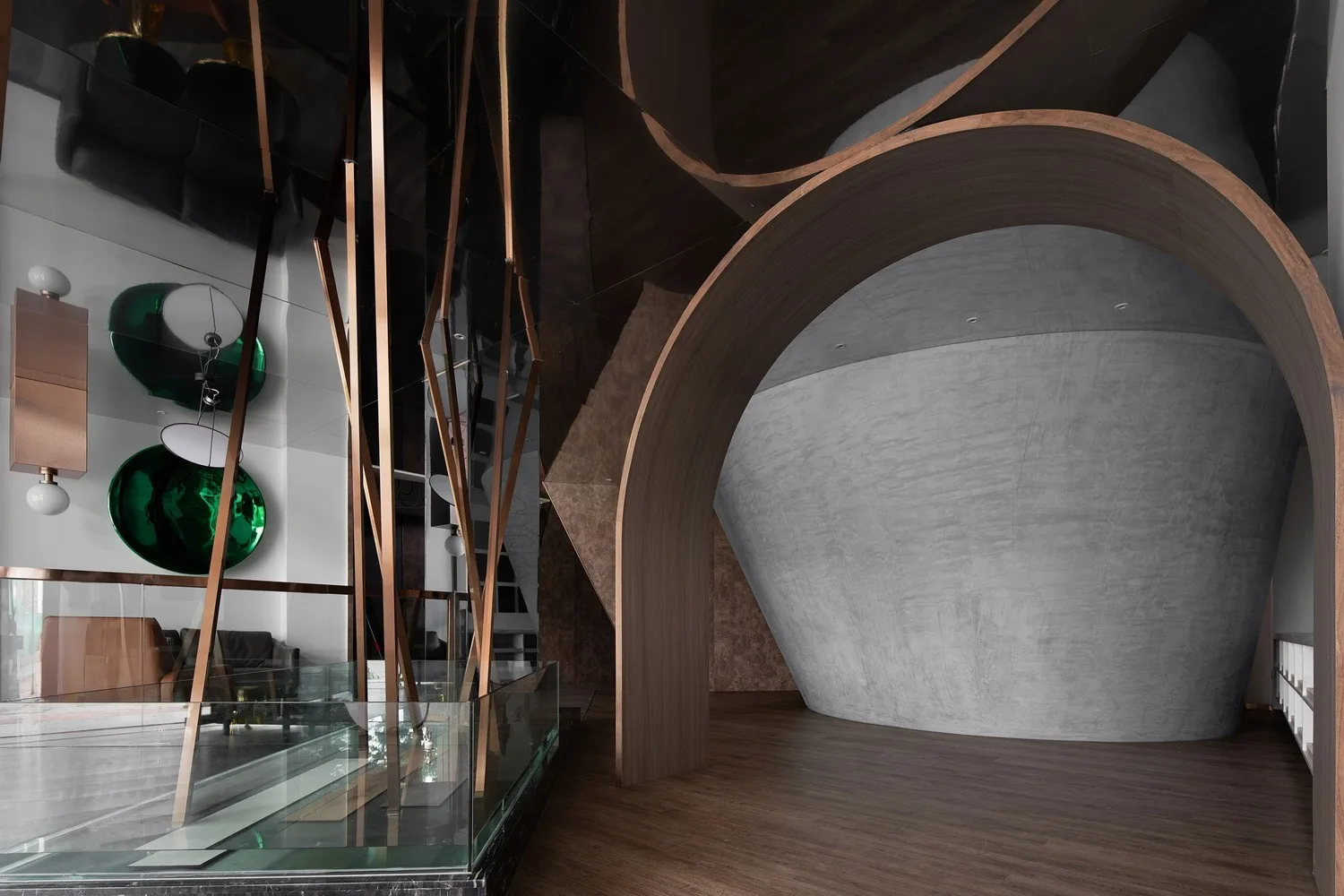
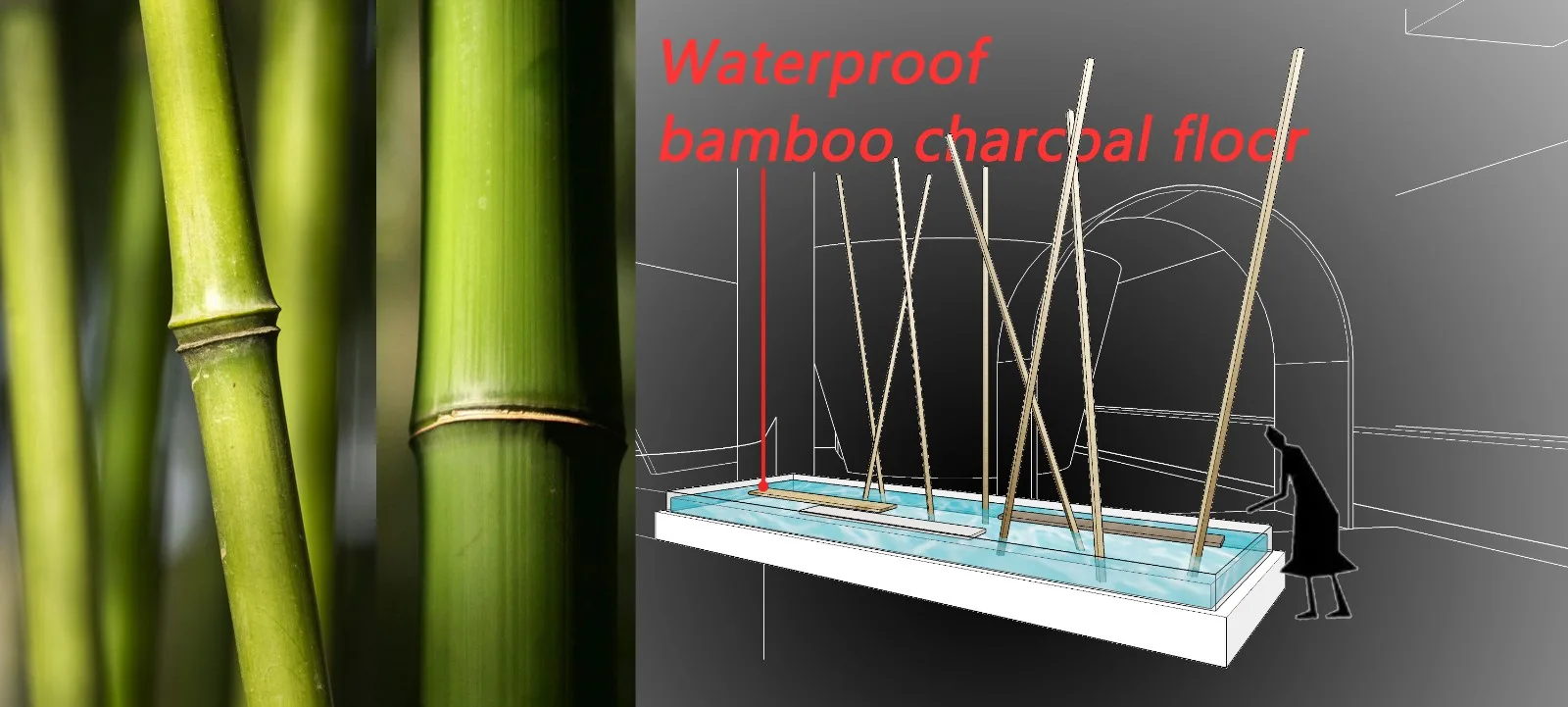
Lin Yan believes that spatial design should not be confined to a single function. The choice of materials is intentionally flexible, creating infinite possibilities to showcase the superior adaptability of bamboo charcoal board.
“Better to live without meat than without bamboo. No meat makes people thin, no bamboo makes people vulgar.”
— Su Shi, The Hidden Monk Green Cloud Pavilion
Bamboo has long been a natural building material gift to humanity. However, due to technological limitations, natural bamboo’s weather resistance is average, and few bamboo structures survive beyond a century. Bamboo Sea transforms bamboo by crushing and subjecting it to high-temperature carbonization, turning it into activated carbon powder and then pressing it into boards. This technological process alters bamboo’s physical properties, resulting in bamboo charcoal boards that are low in formaldehyde, highly durable, moisture-resistant, and purifying—perfectly meeting modern demands for “living bamboo.”
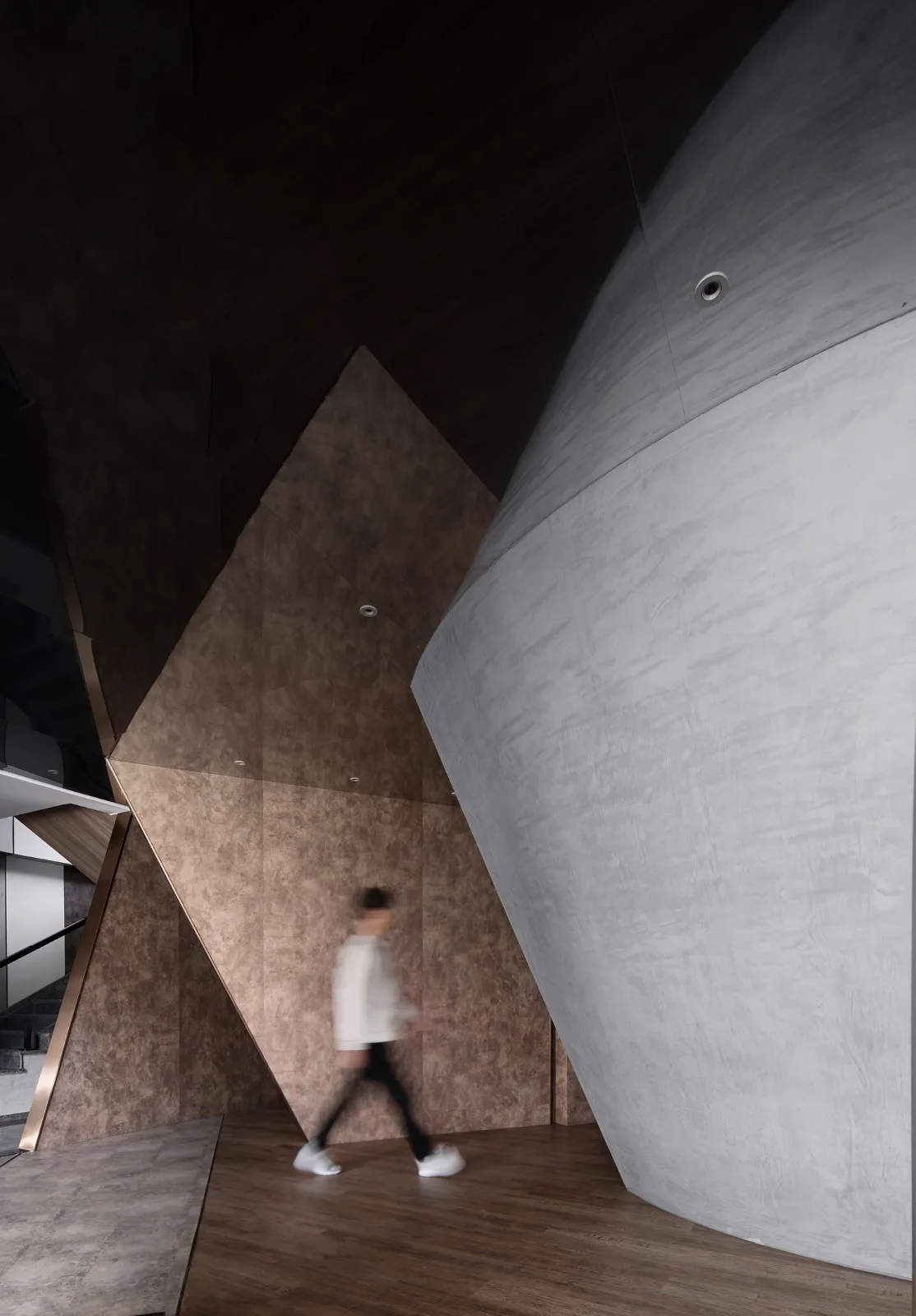
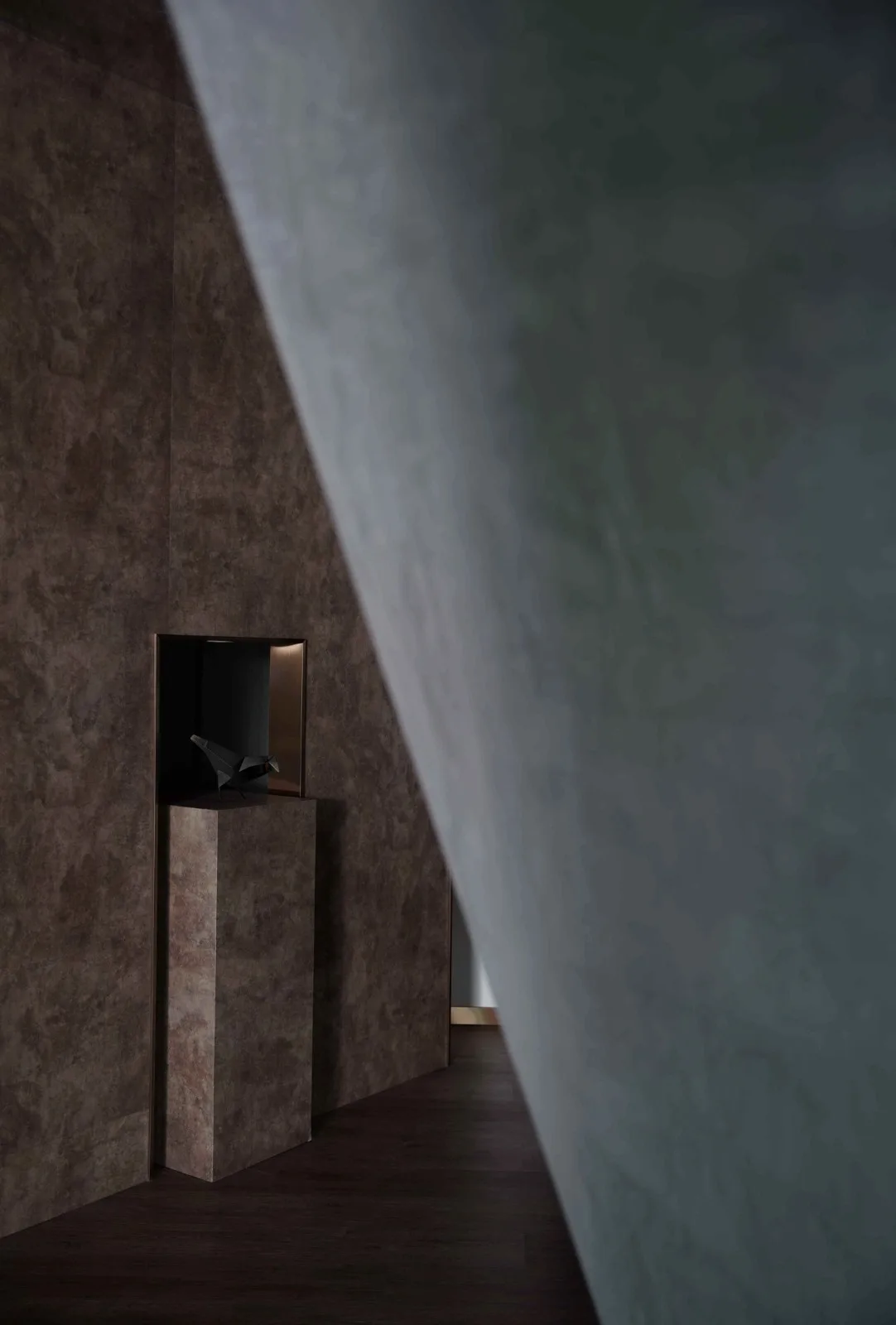
Shedding weak or irrelevant assumptions, the design embraces uncertainty through a novel understanding. With detours and concealments, the intelligent creation of the “unknown” gently guides visitors through a predesigned journey, like a bullet set on an unstoppable path.
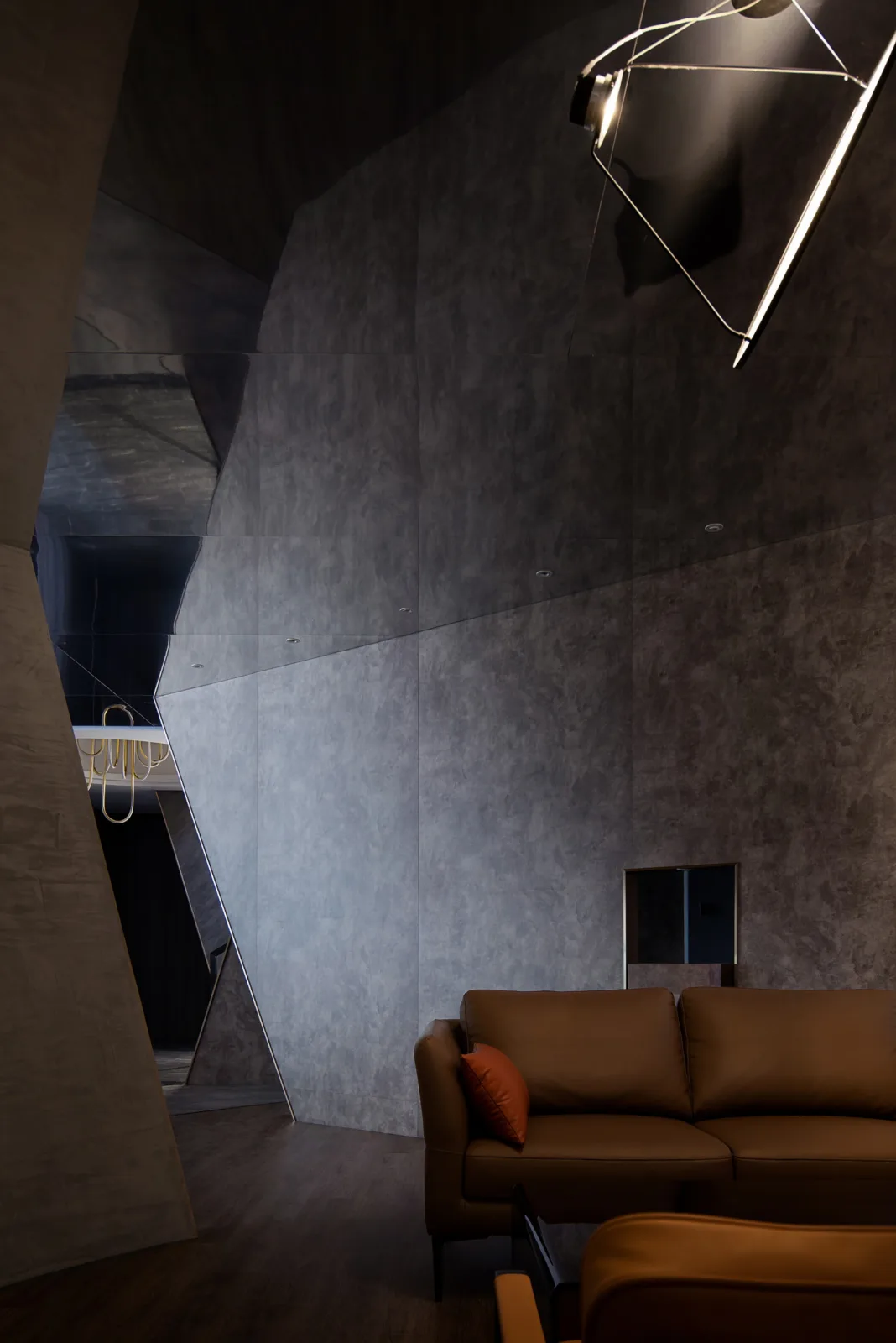
The negotiation space, clad in bamboo charcoal board, folds into a wormhole-like environment, reminiscent of Alice wandering through a wonderland. The crisscrossing paths blur boundaries and distort scale perception. This spatial experience reflects the real economy’s challenge to “hold candle talks” during the day while competing for users’ attention against the digital world.
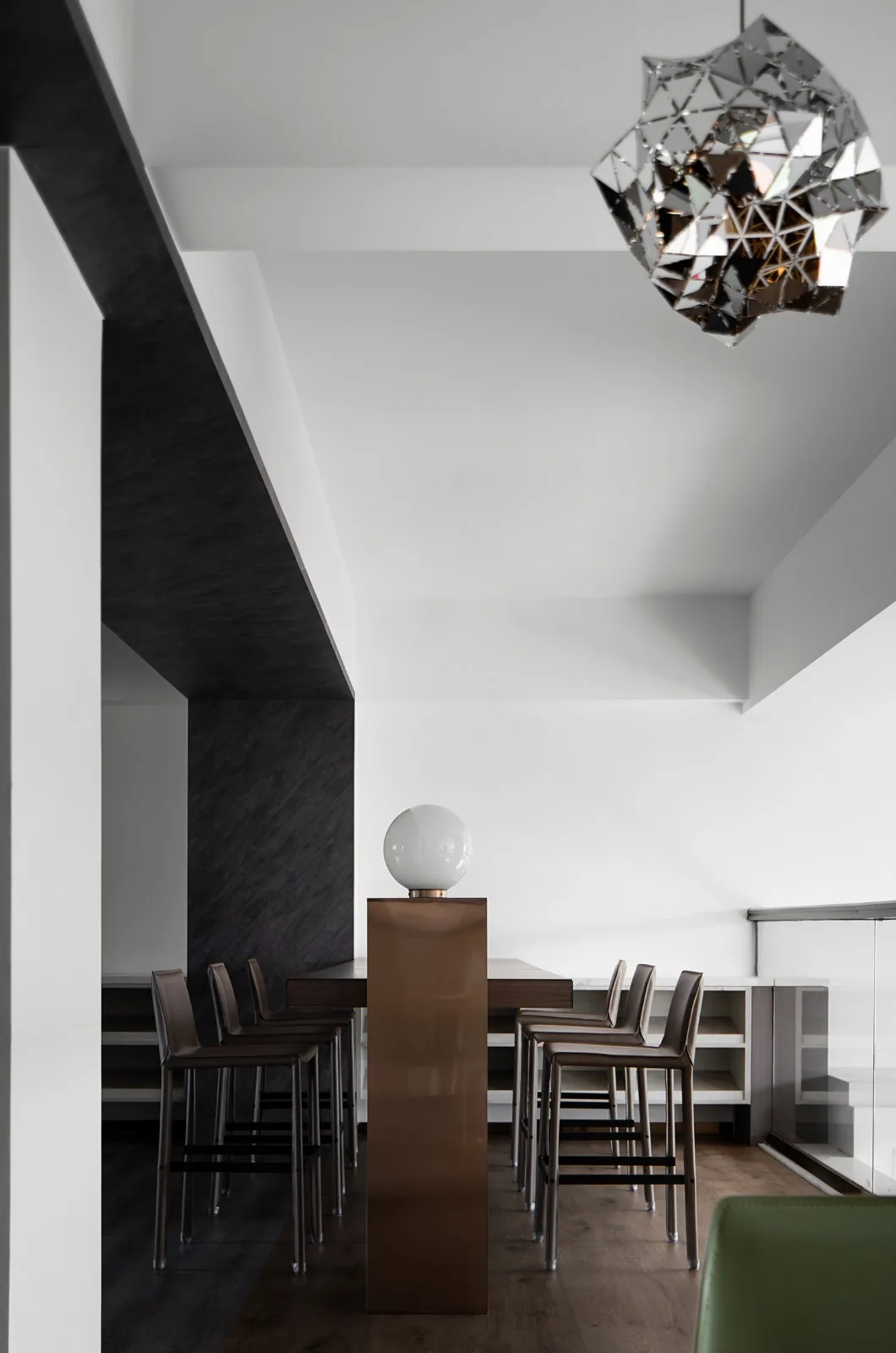
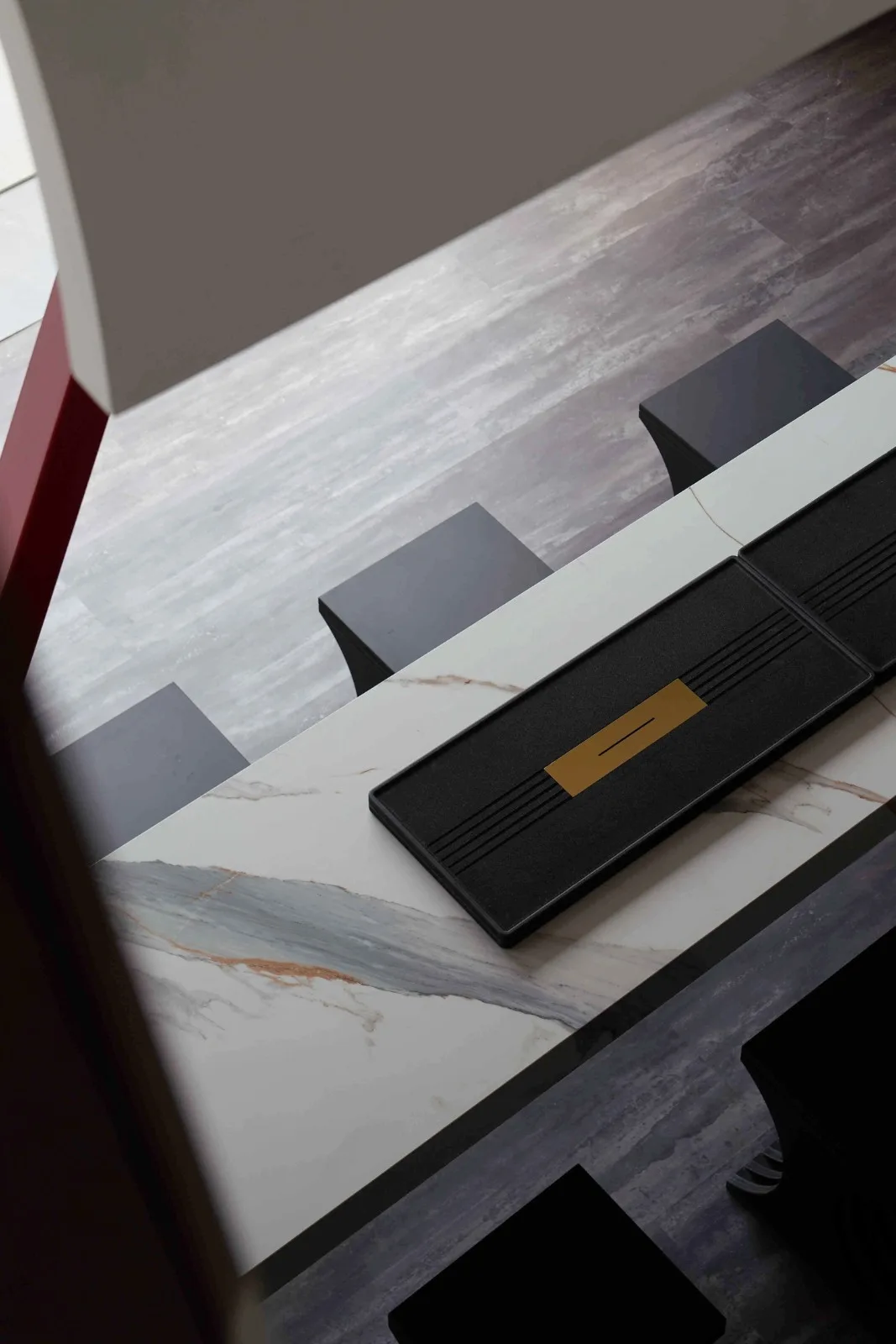
While excellent materials are essential, they require comprehensive solutions. The product R&D department focuses on challenging closing techniques and style iterations to ensure every project is perfectly executed.
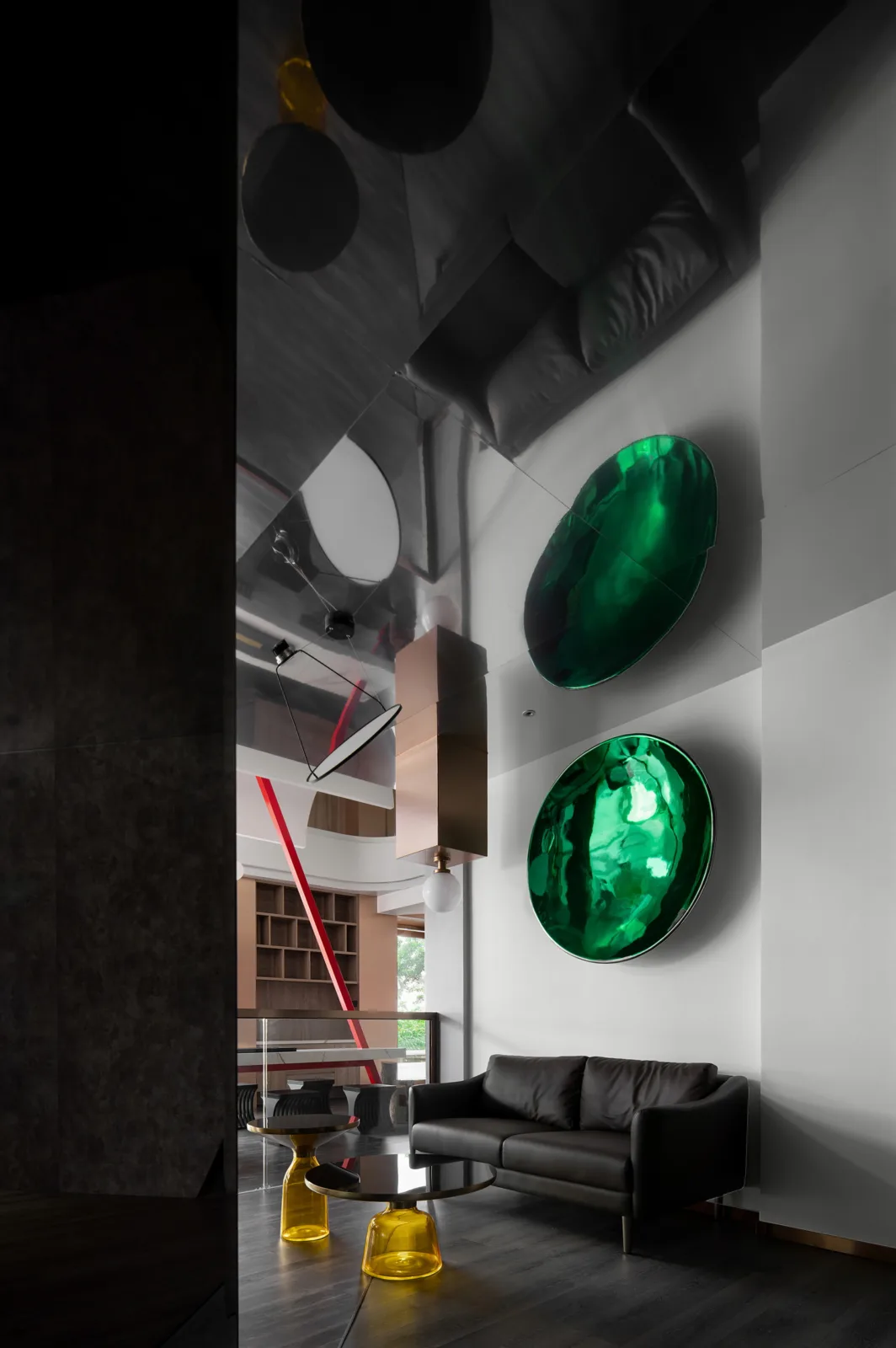
Designer Lin Yan pays close attention to the hidden logic within the space — its beginnings and endings, openings and closures. Space acts as a container for products and people alike. It always centers around a focal point, with countless subtle narratives unfolding between these elements. By enabling spontaneous pauses, visitors can spend more time and energy exploring the brand in depth.
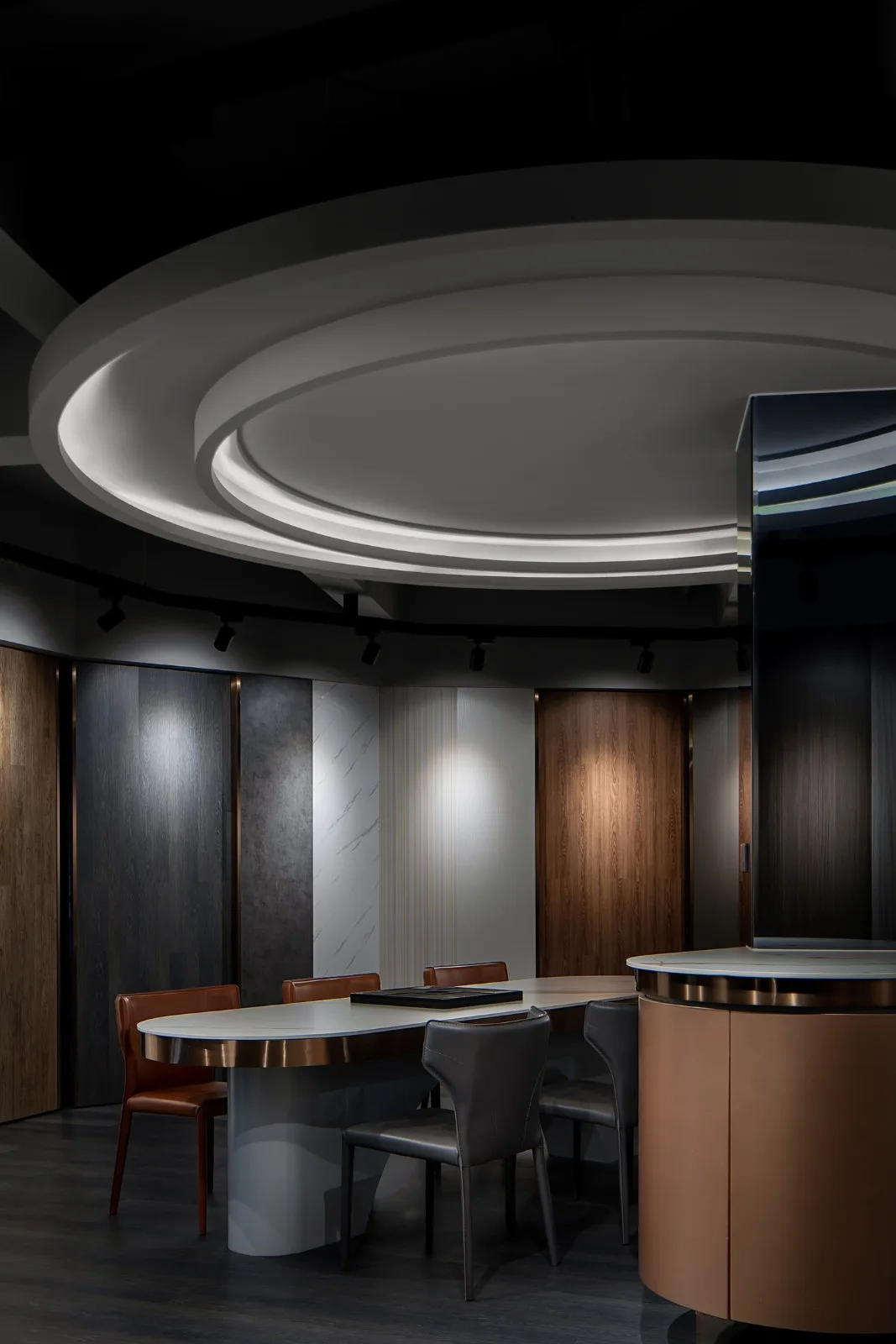
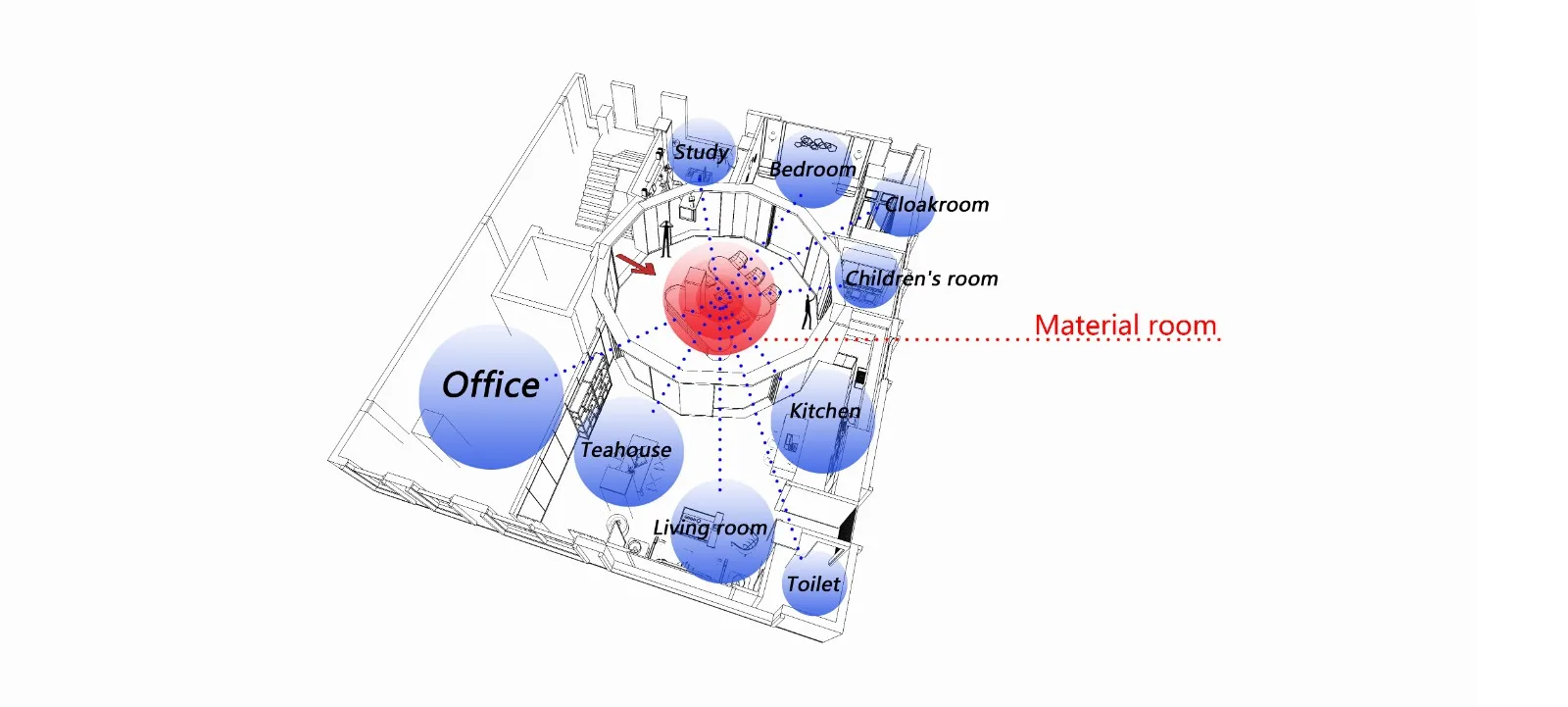
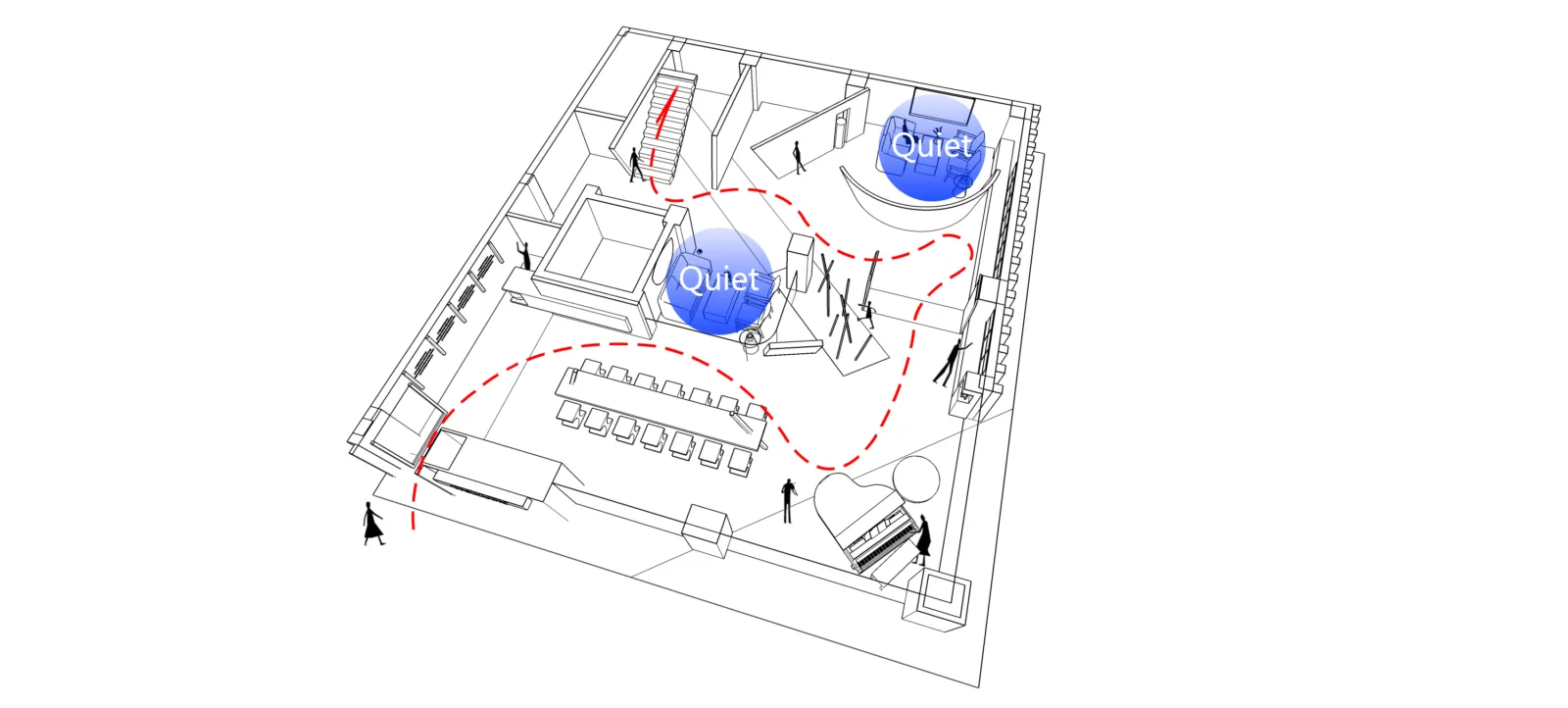
Around the circular center of the material selection room, functional areas are divided into various thematic scenes arranged clockwise. Thoughtful flow planning ensures these spaces interconnect seamlessly. Visual elements and spatial vocabulary guide visitors’ behavior subtly, enriching the spatial narrative like opening Pandora’s box. The corresponding application scenarios behind the material display boards further enhance immersion through augmented reality experiences.
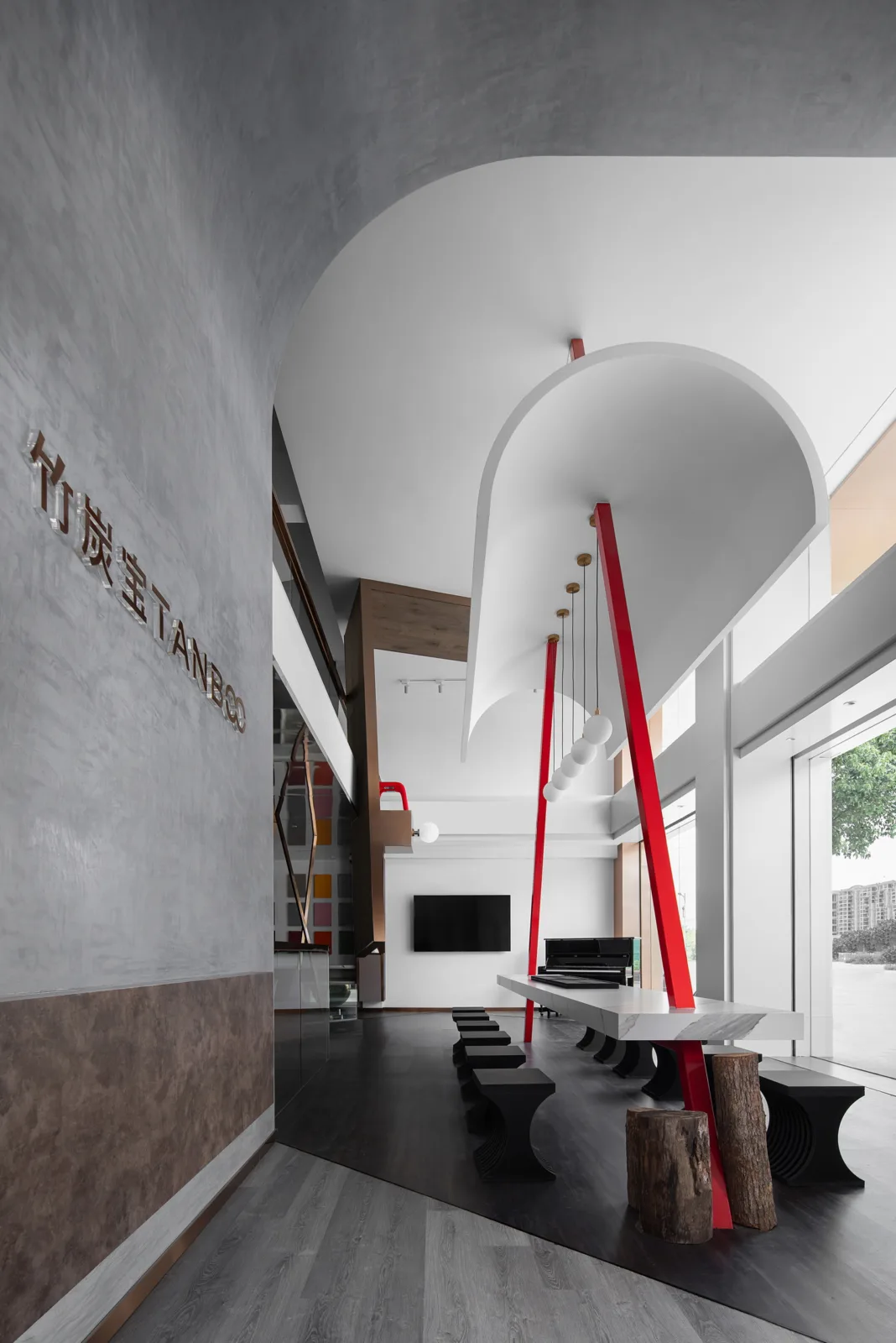
Creating exquisite and engaging scenes demands extensive research and meticulous attention to detail. The optimal spatial subdivision is derived from analyzing various functional associations, allowing Bamboo Sea to narrate its brand story uniquely. This space is not merely an exhibition hall but serves as an “Application Guide Manual” for bamboo charcoal board.
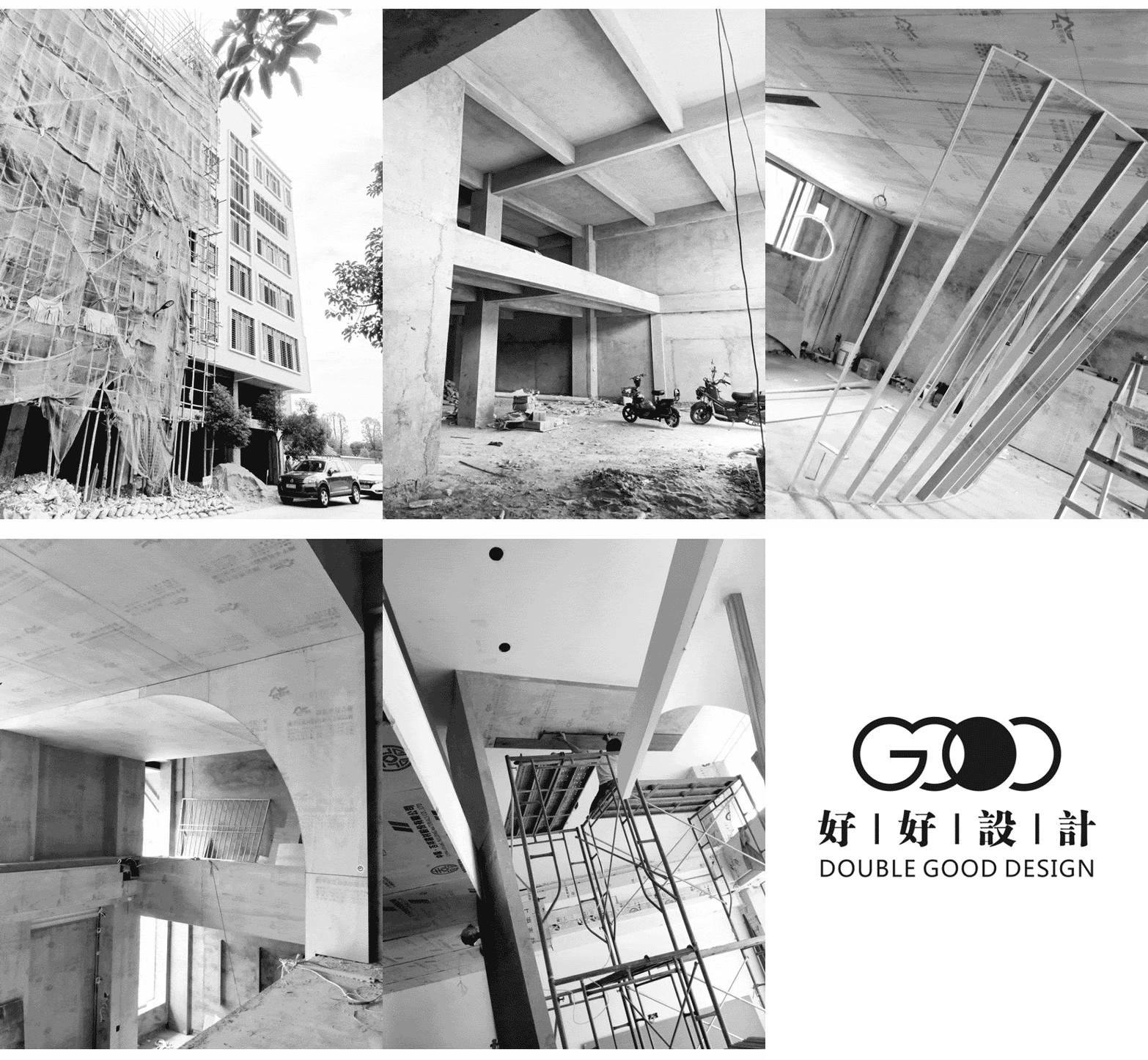
Project Drawings
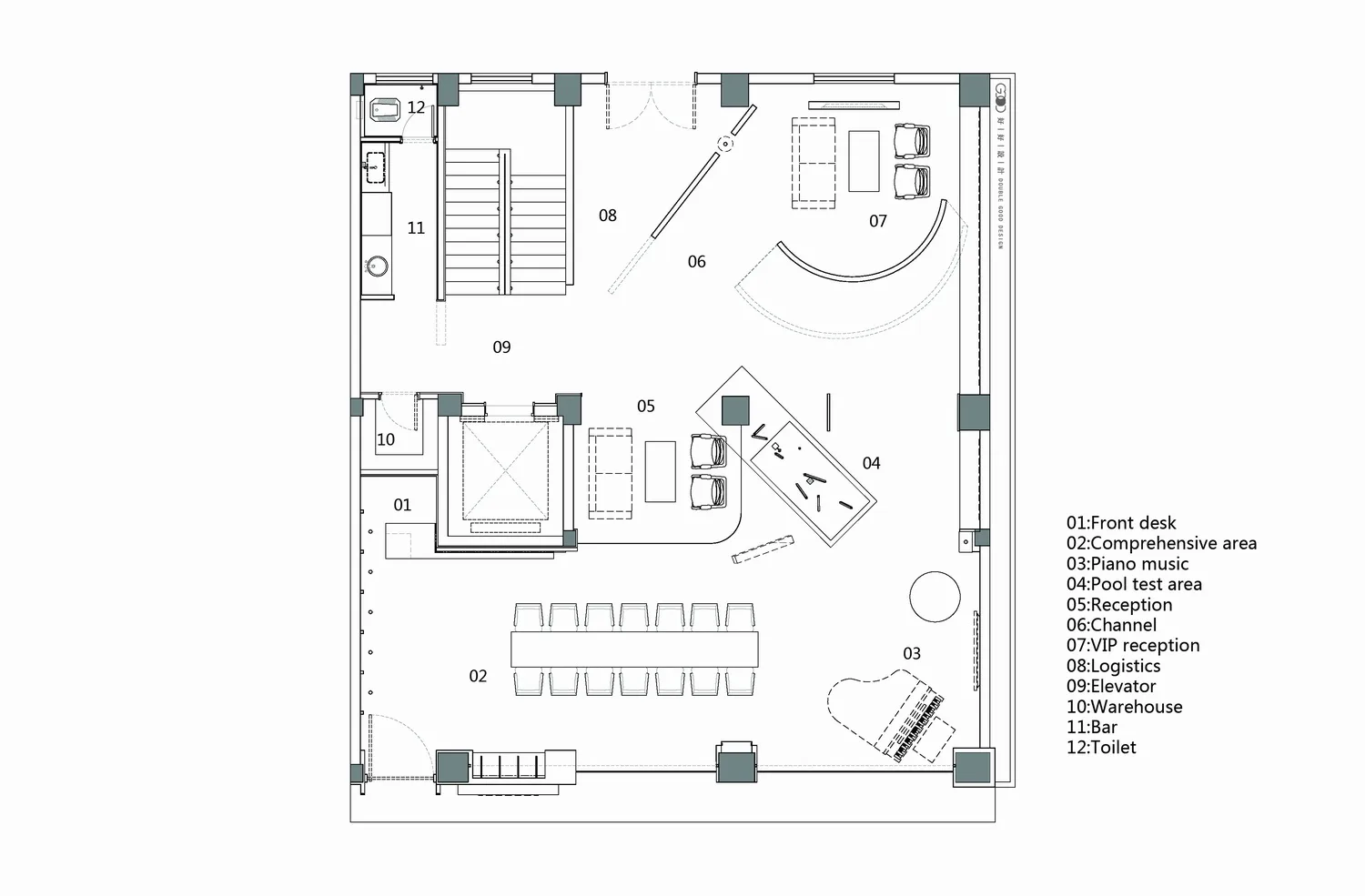
△ Plan View
Project Information
Project Name: Bamboo Sea
Designer: Design Well
Contact Email: 651502334@qq.com
WeChat: 651502334
Design & Completion Year: August 2020 (design start), March 2021 (completion)
Lead Creators and Design Team: Lin Yan & Dan Yi
Special Advisor: Mr. Wen Shaoxin, Zhuhai Guangdong Operations Team
Project Address: No.1 Jinying Road, Xiajiuhe, Longhu District, Shantou City, Guangdong Province, China
Gross Built Area: 1800 m²
Partners: Soft Decoration by Good Selection; Project Management by Wang Zenglin
Main Materials: Bamboo charcoal board (Bamboo Sea), marble, color steel plate, coating, linear lamps
Article: Validity















Must log in before commenting!
Sign Up