
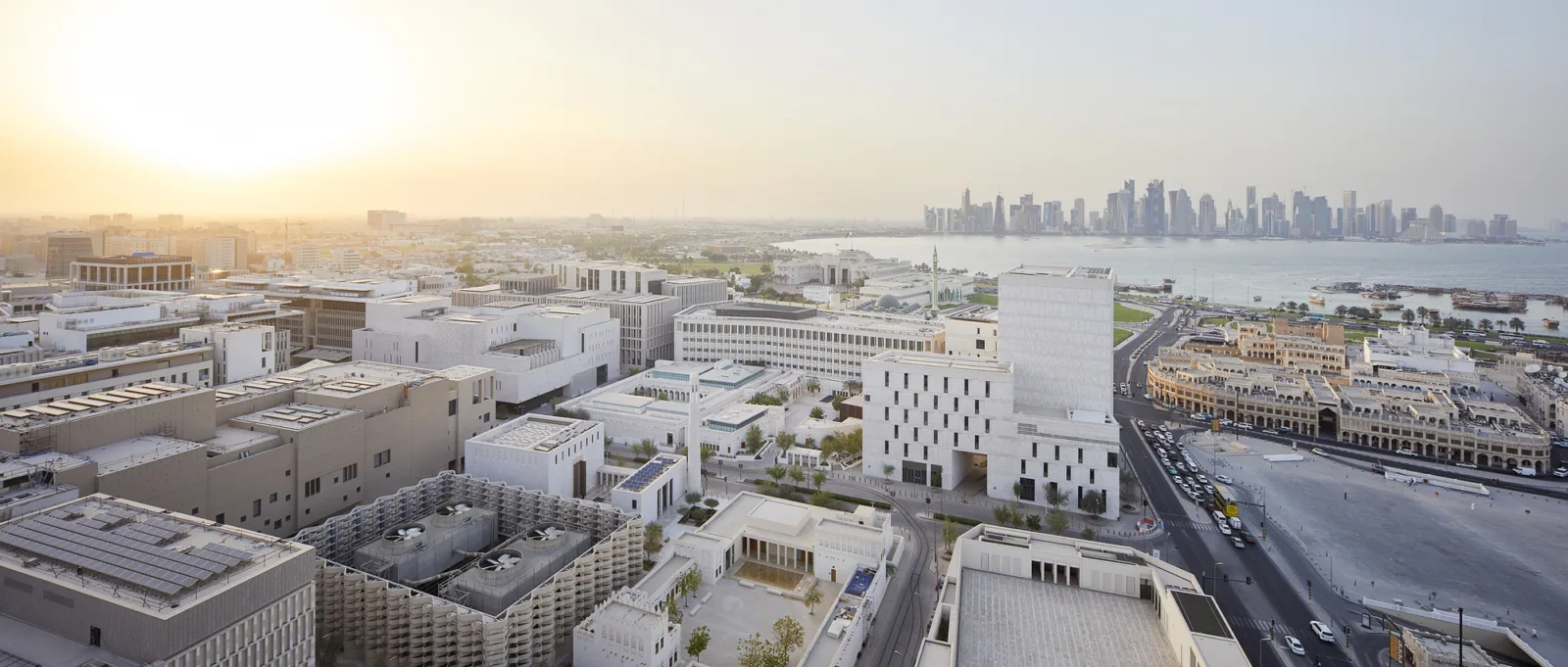
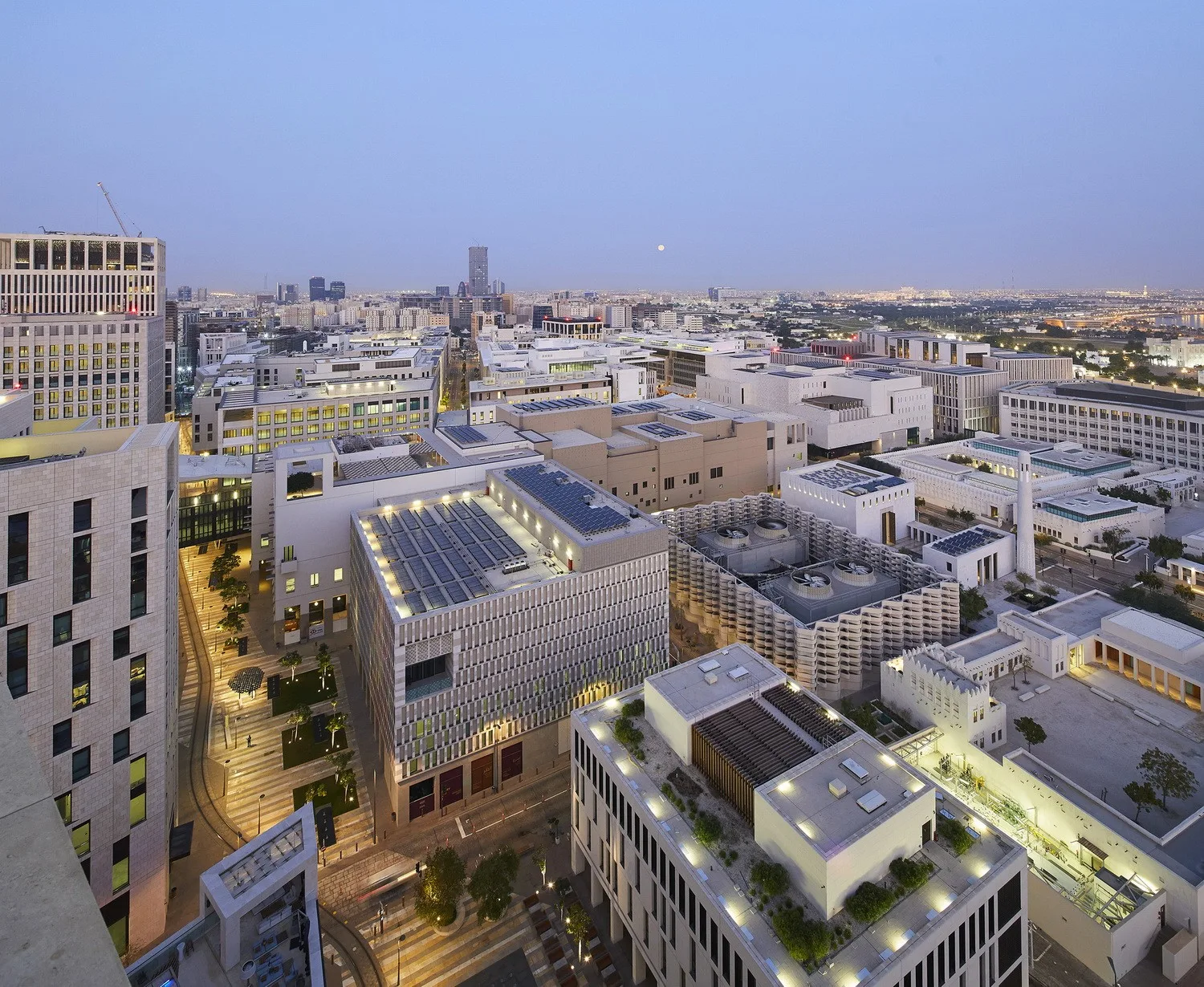
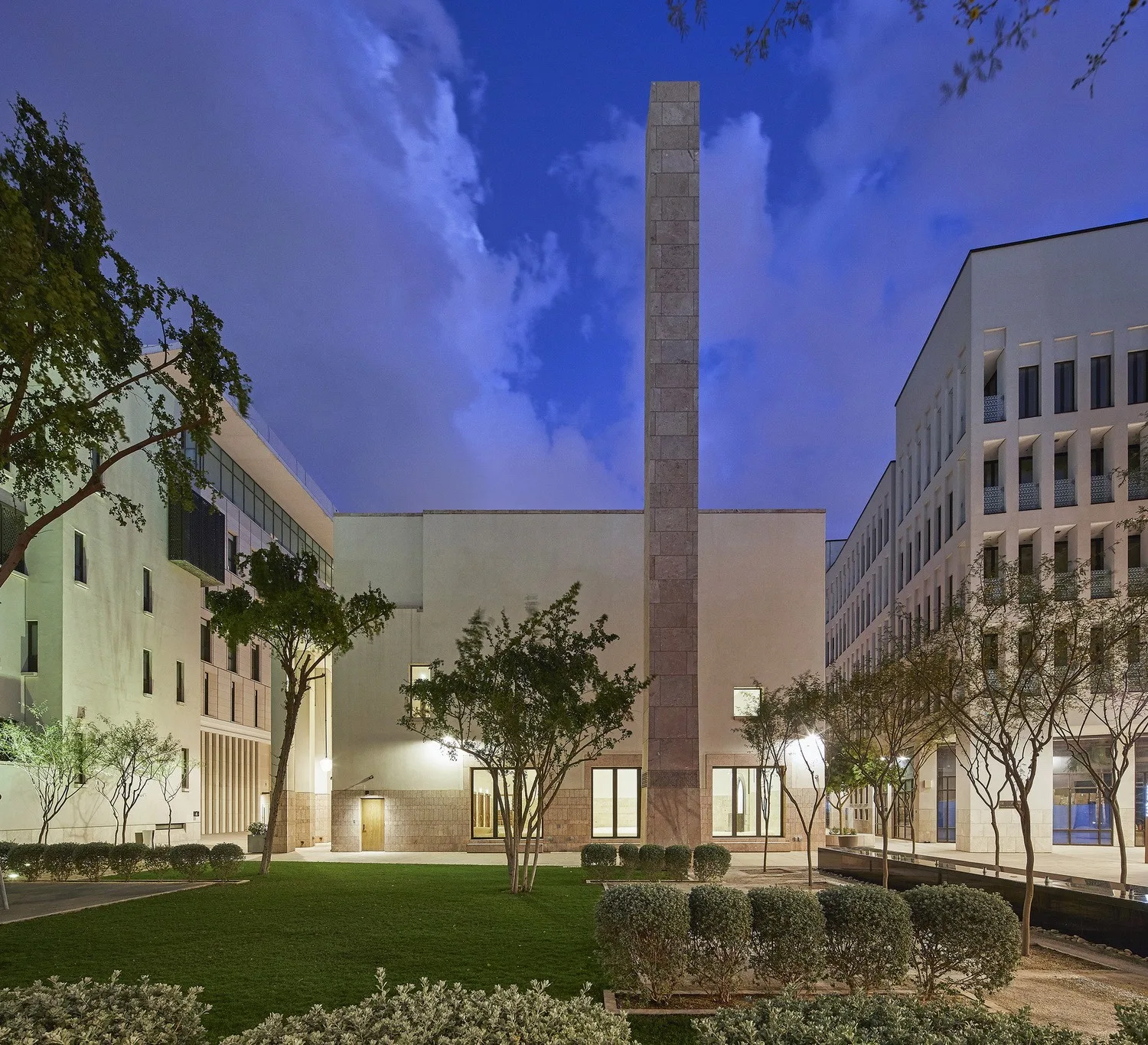
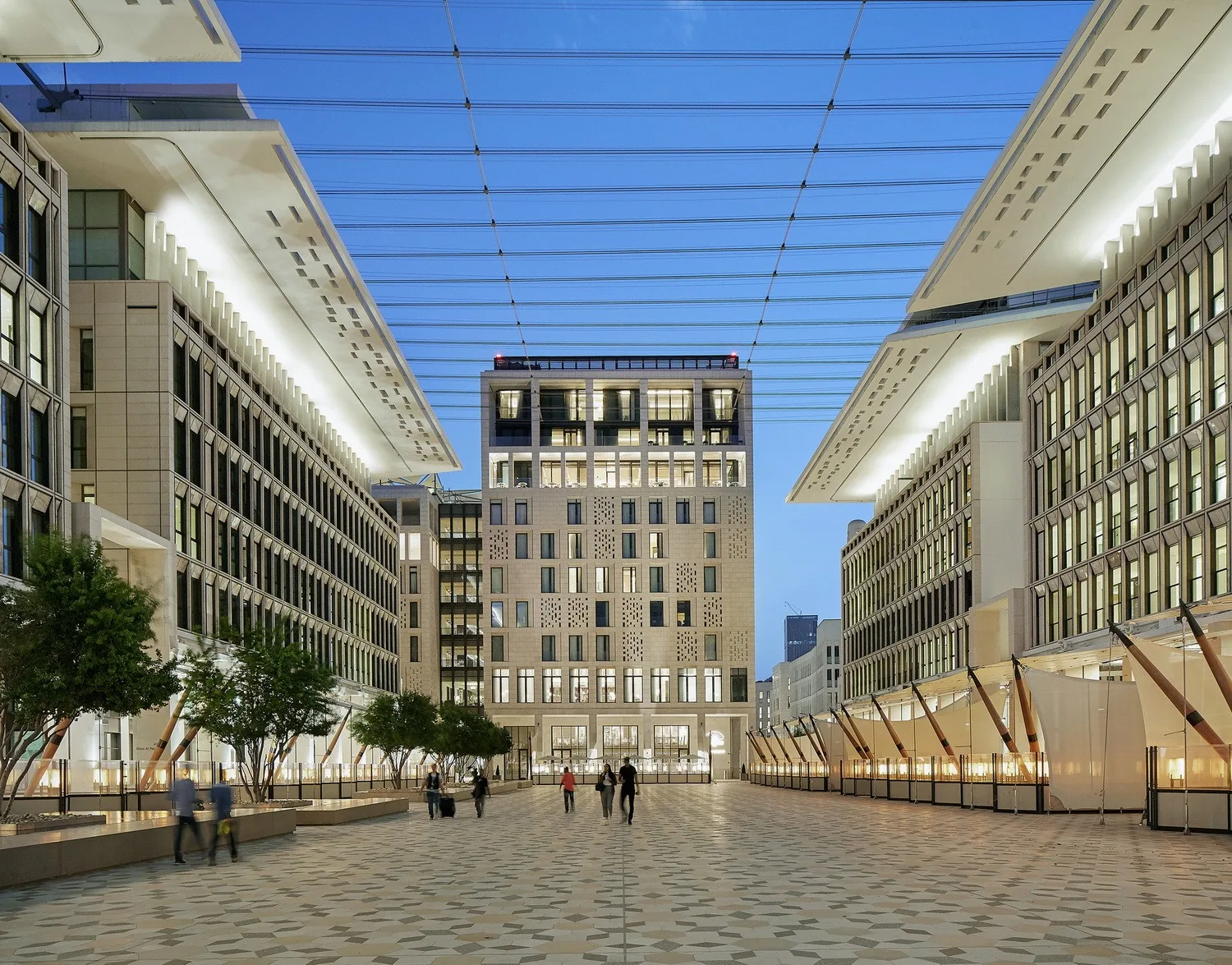
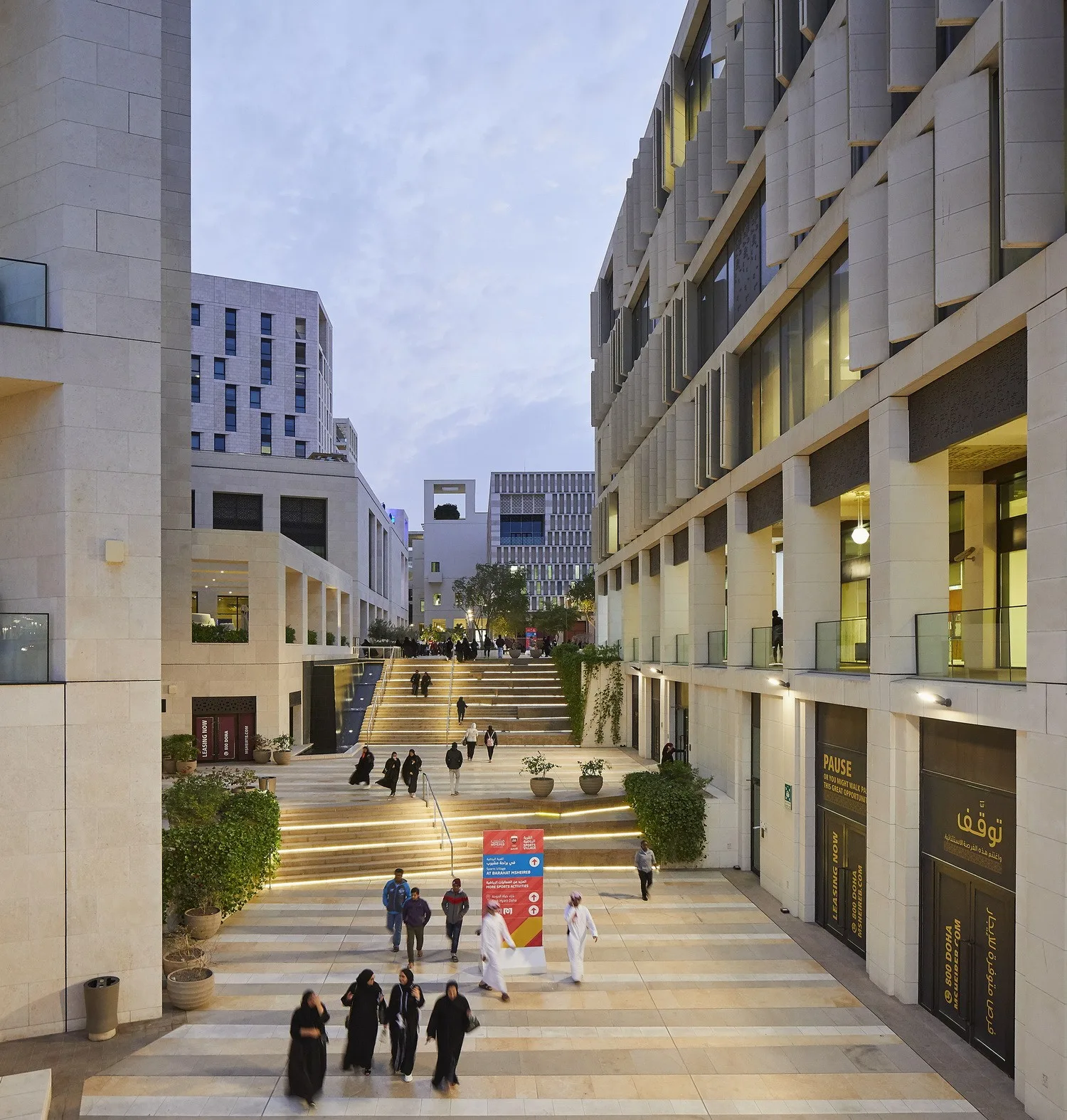
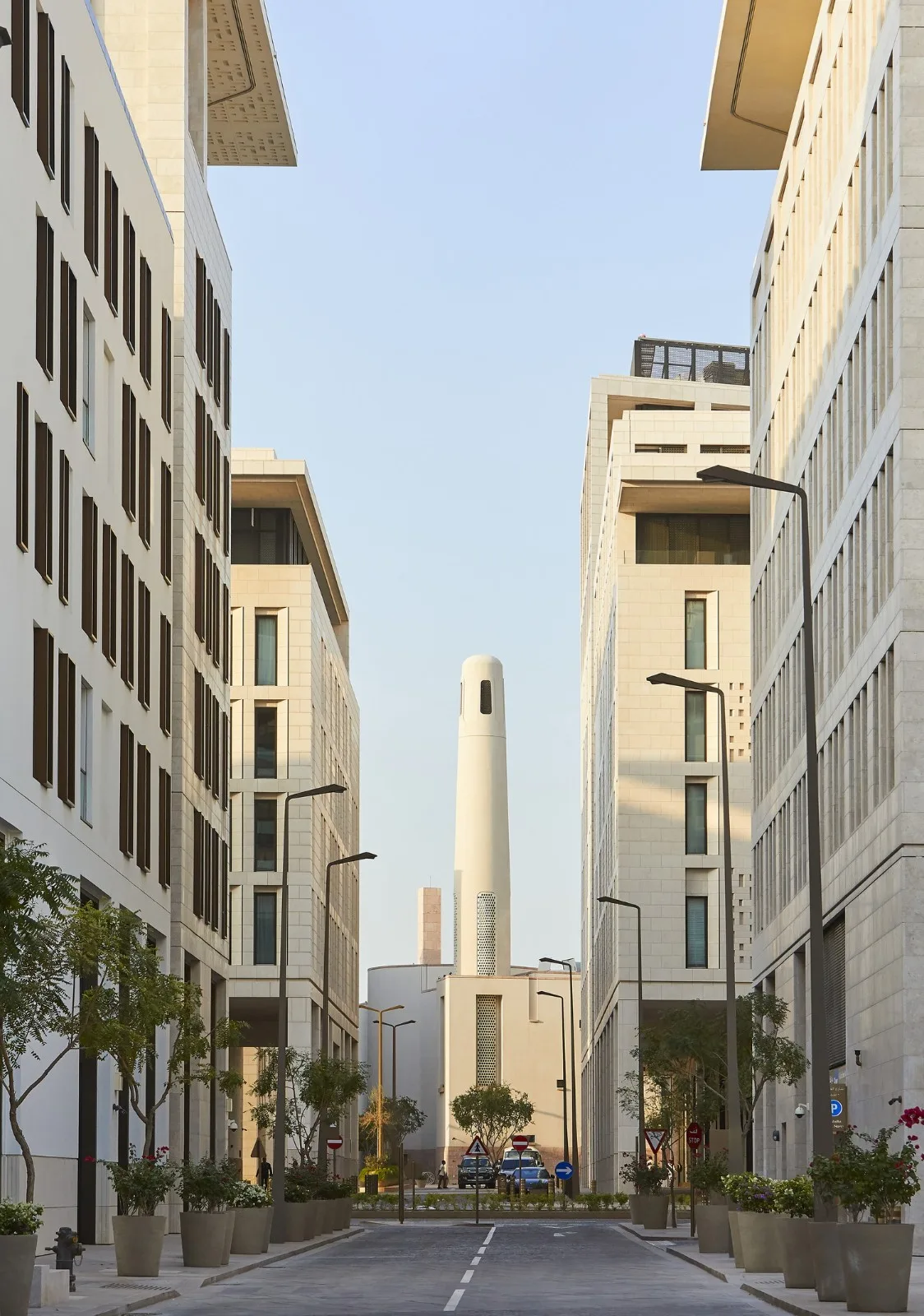
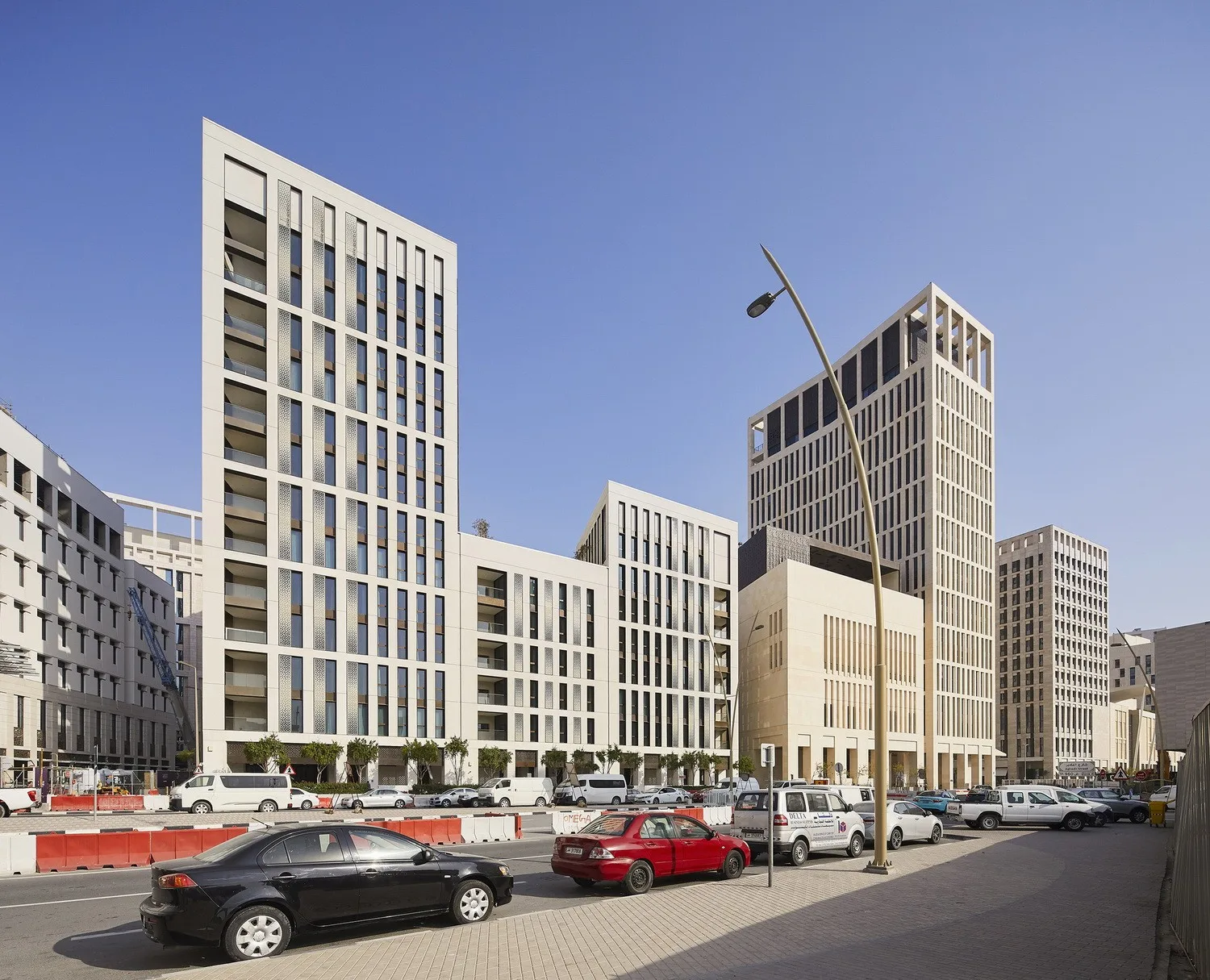
Like many cities in the Gulf region, Doha has experienced rapid growth in recent years, resulting in a sprawling, car-dependent urban environment. This innovative project aims to transform that model by creating interconnected, human-scale streets that naturally cool the area, fostering dense, walkable neighborhoods. Over 100 buildings in the city center each showcase unique features, yet all share a common architectural language inspired by local culture and climate.
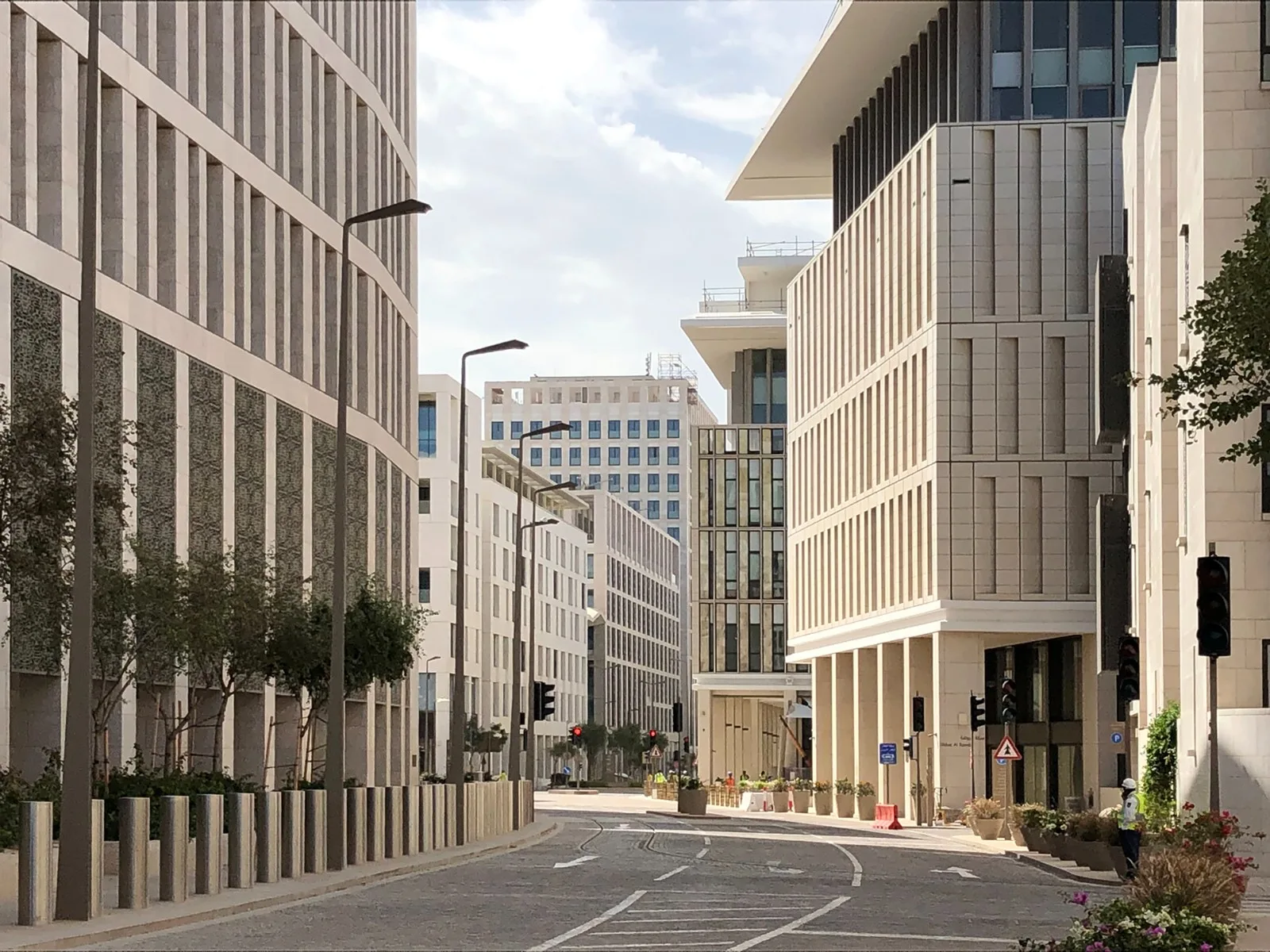
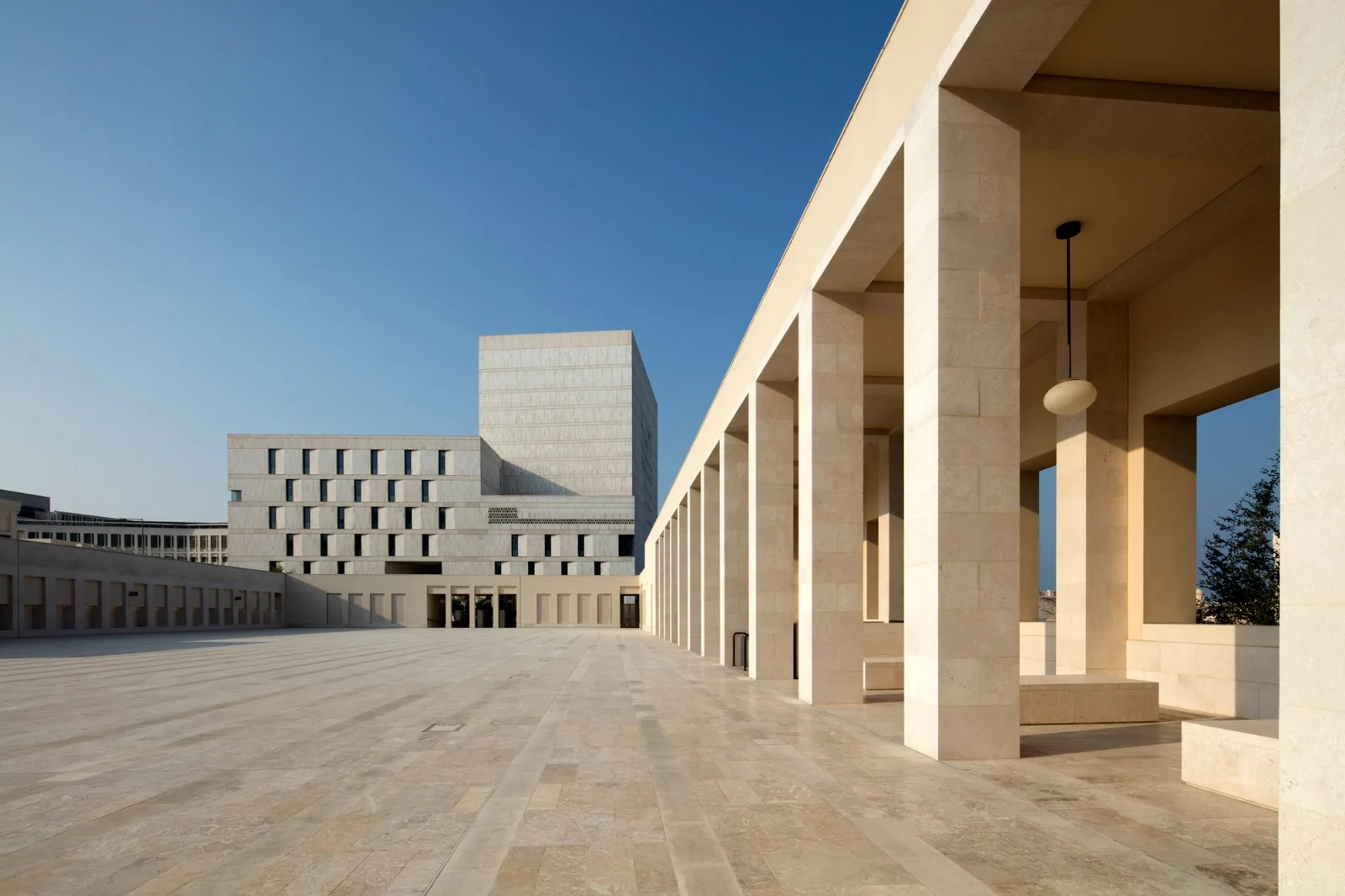
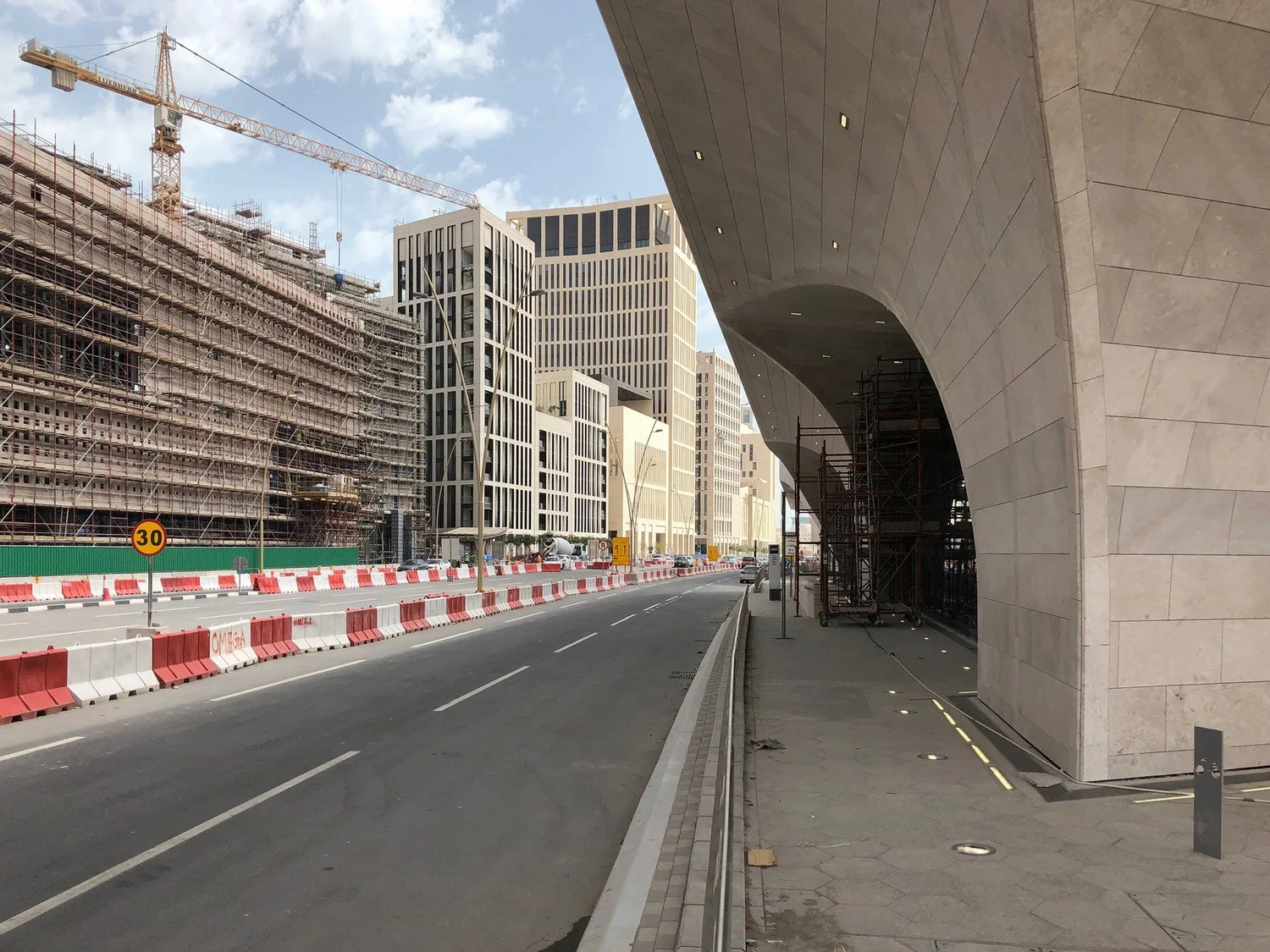
Located in the heart of Doha, Msheireb occupies a strategic position west of the historic market and south of Diwan, the seat of royal authority. Anchored by one of the largest stations in the new Doha metro system, it offers a car-free connection to other parts of the city and the airport. The urban fabric consists of compact, interconnected city blocks, while the contemporary Qatari architectural style defines the area’s distinct character.
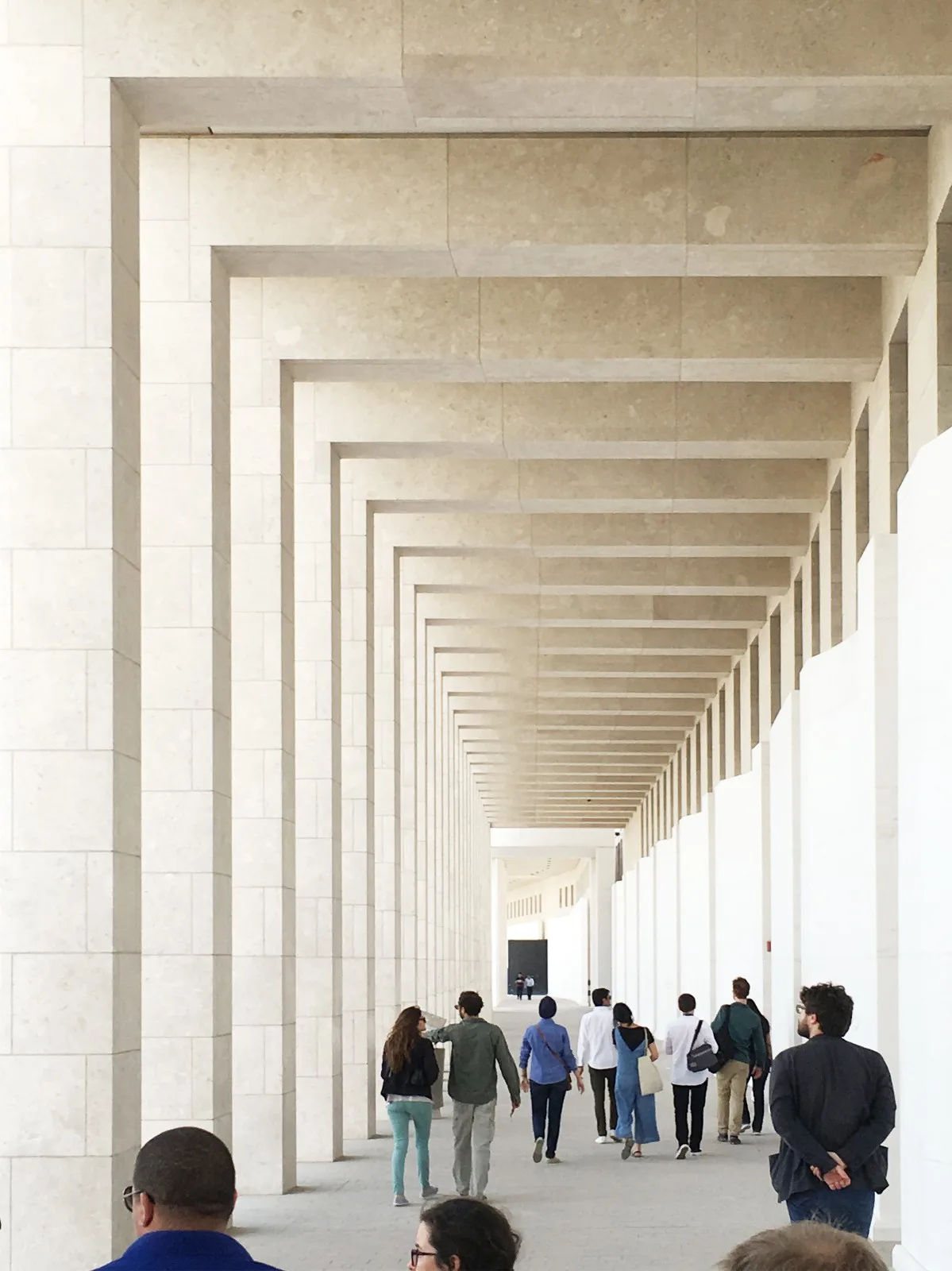
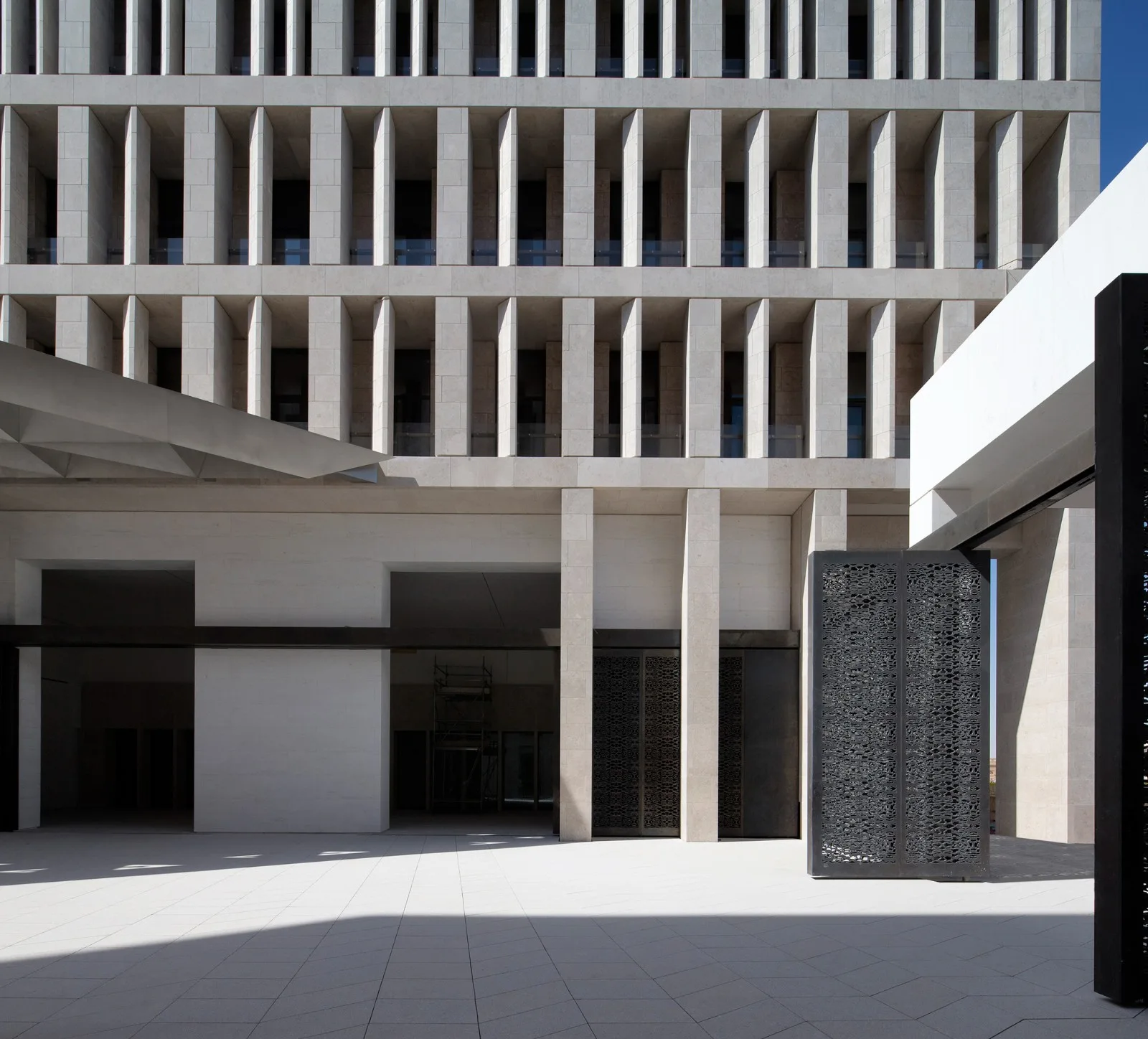
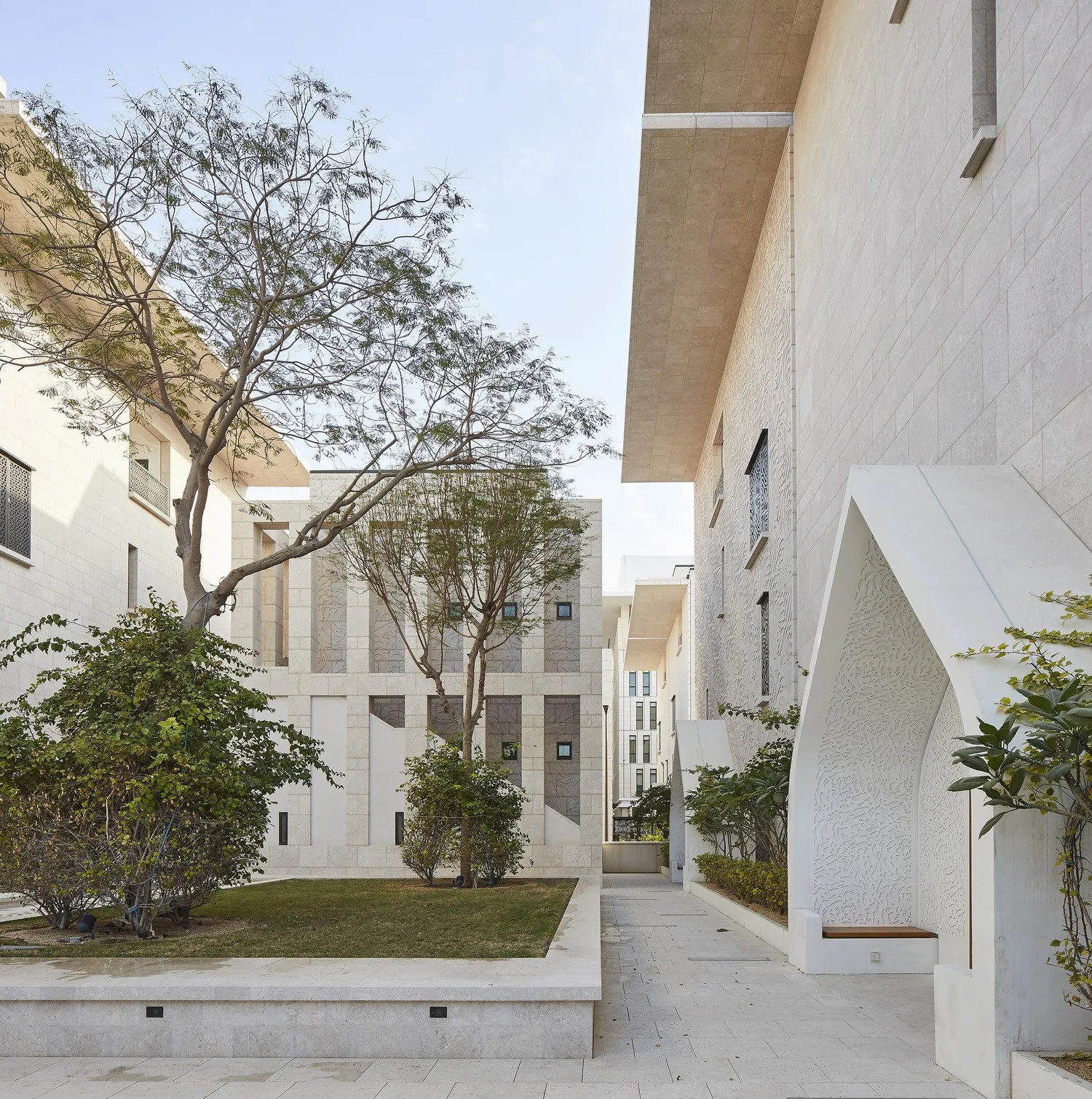
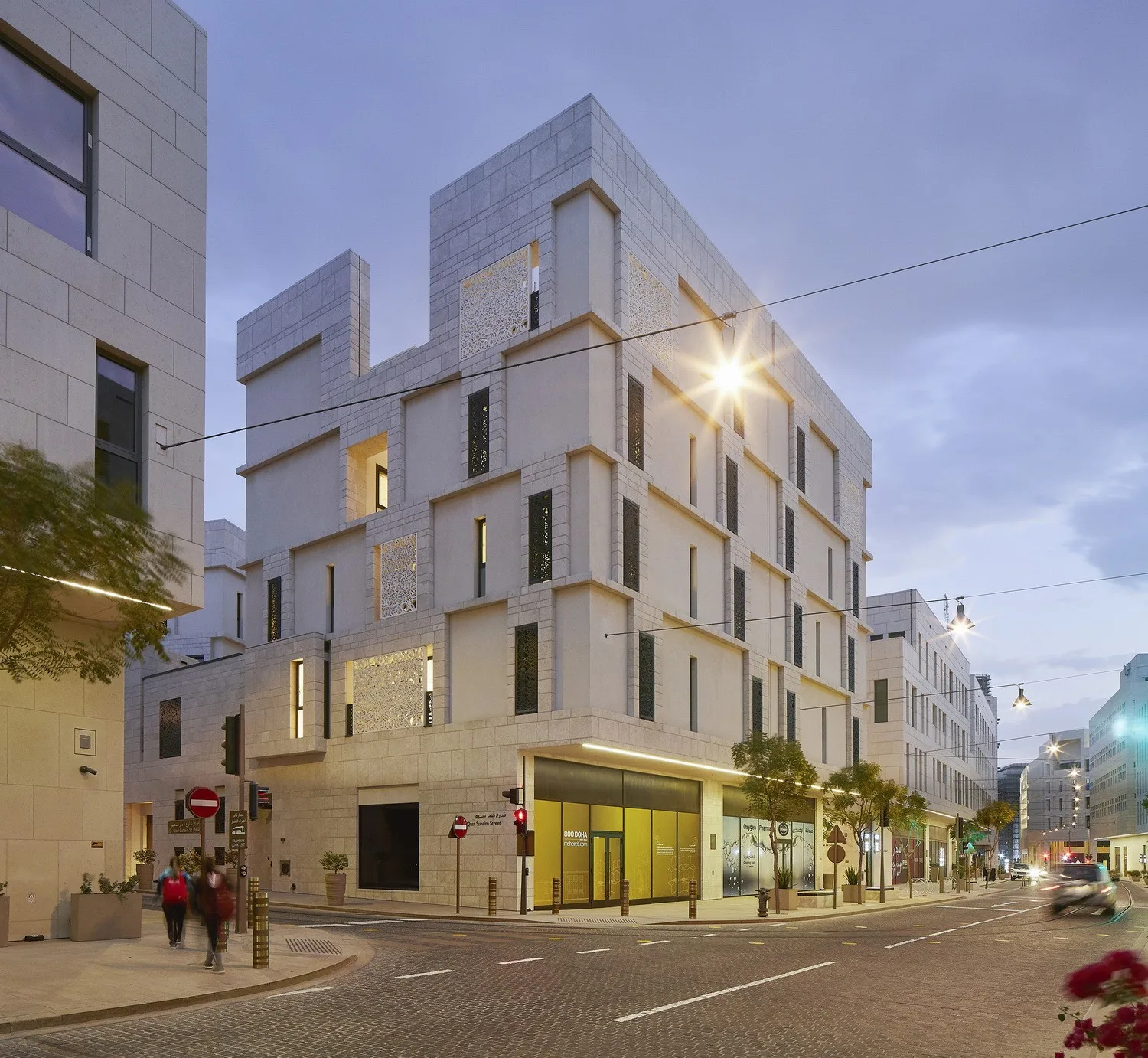
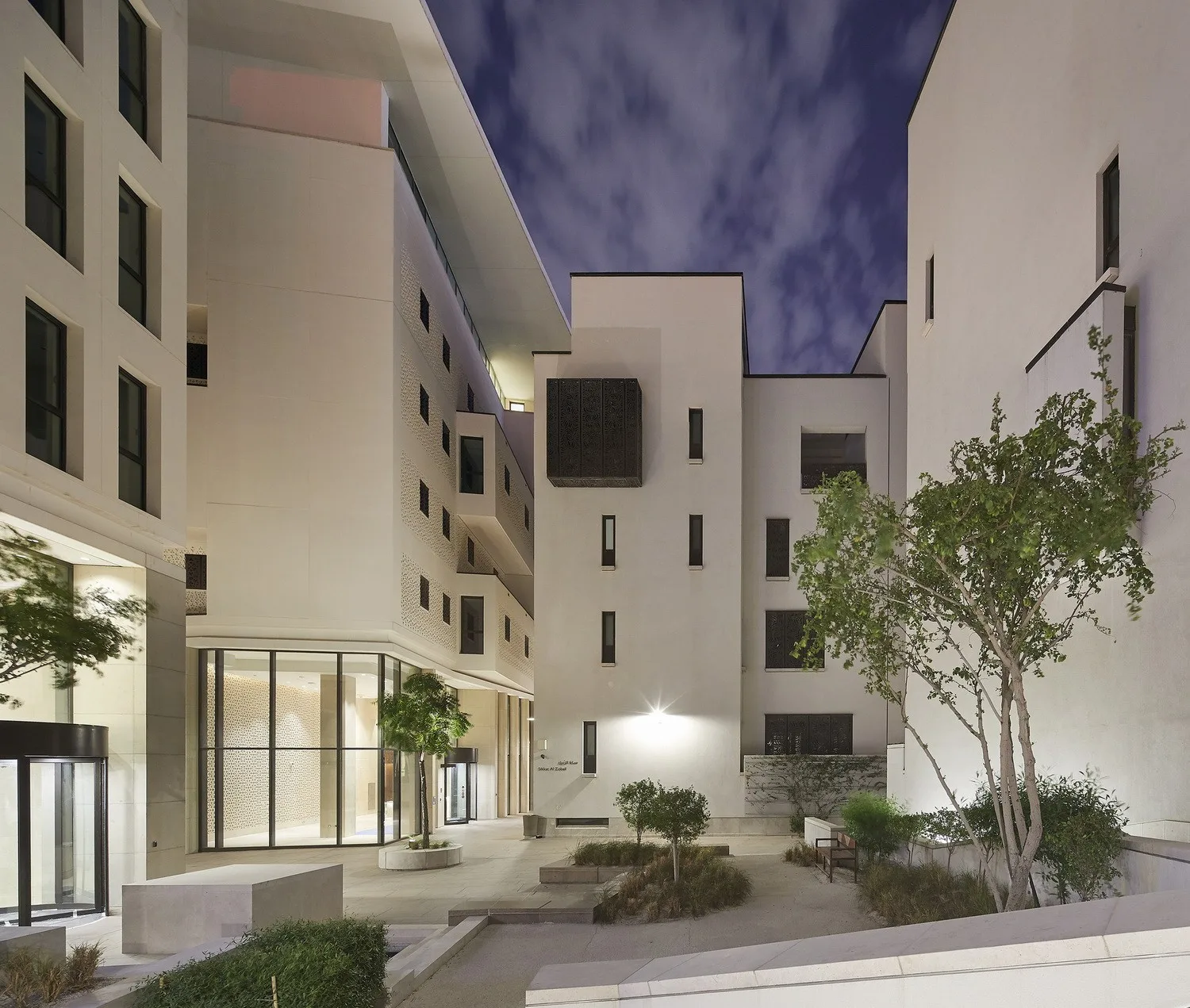
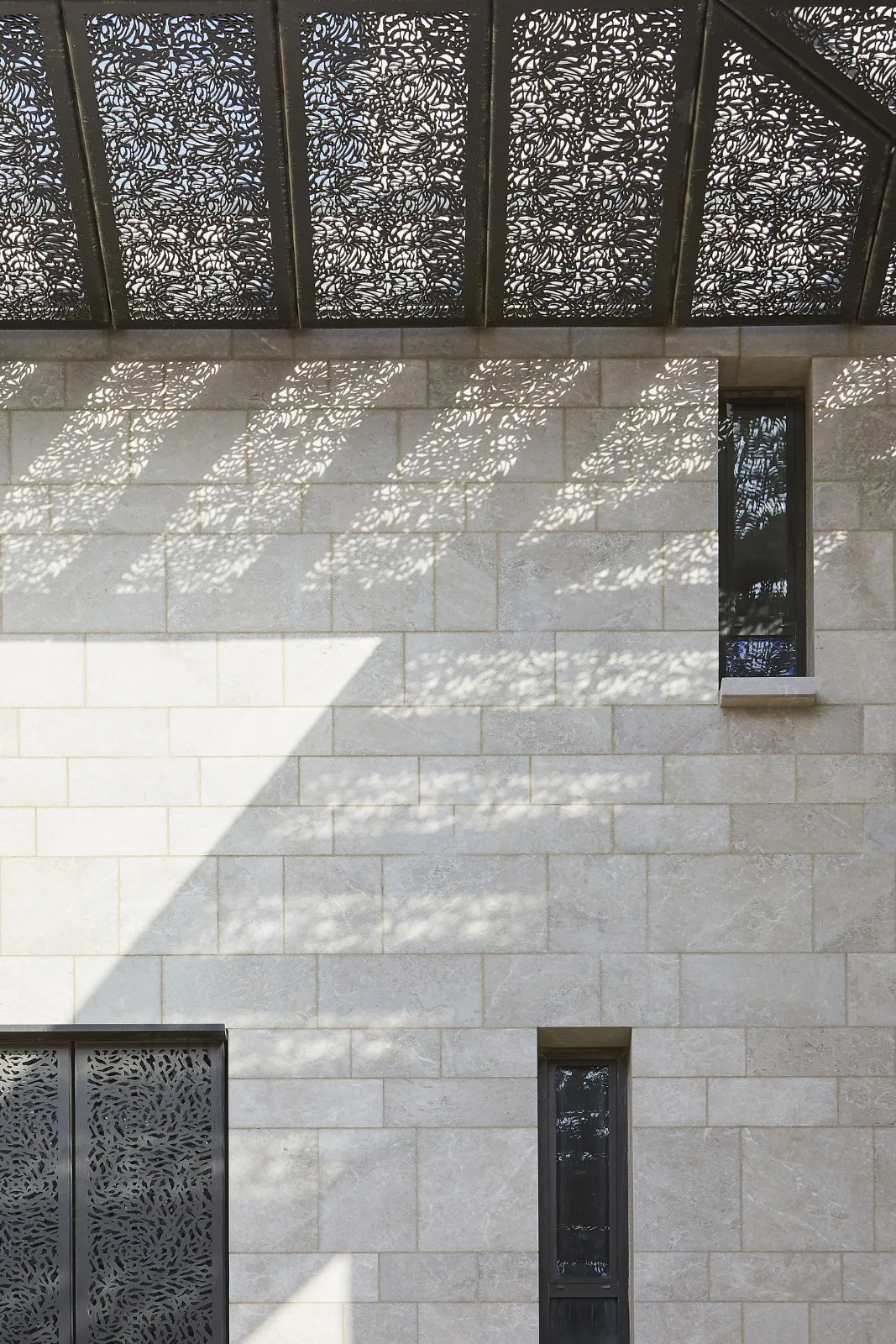
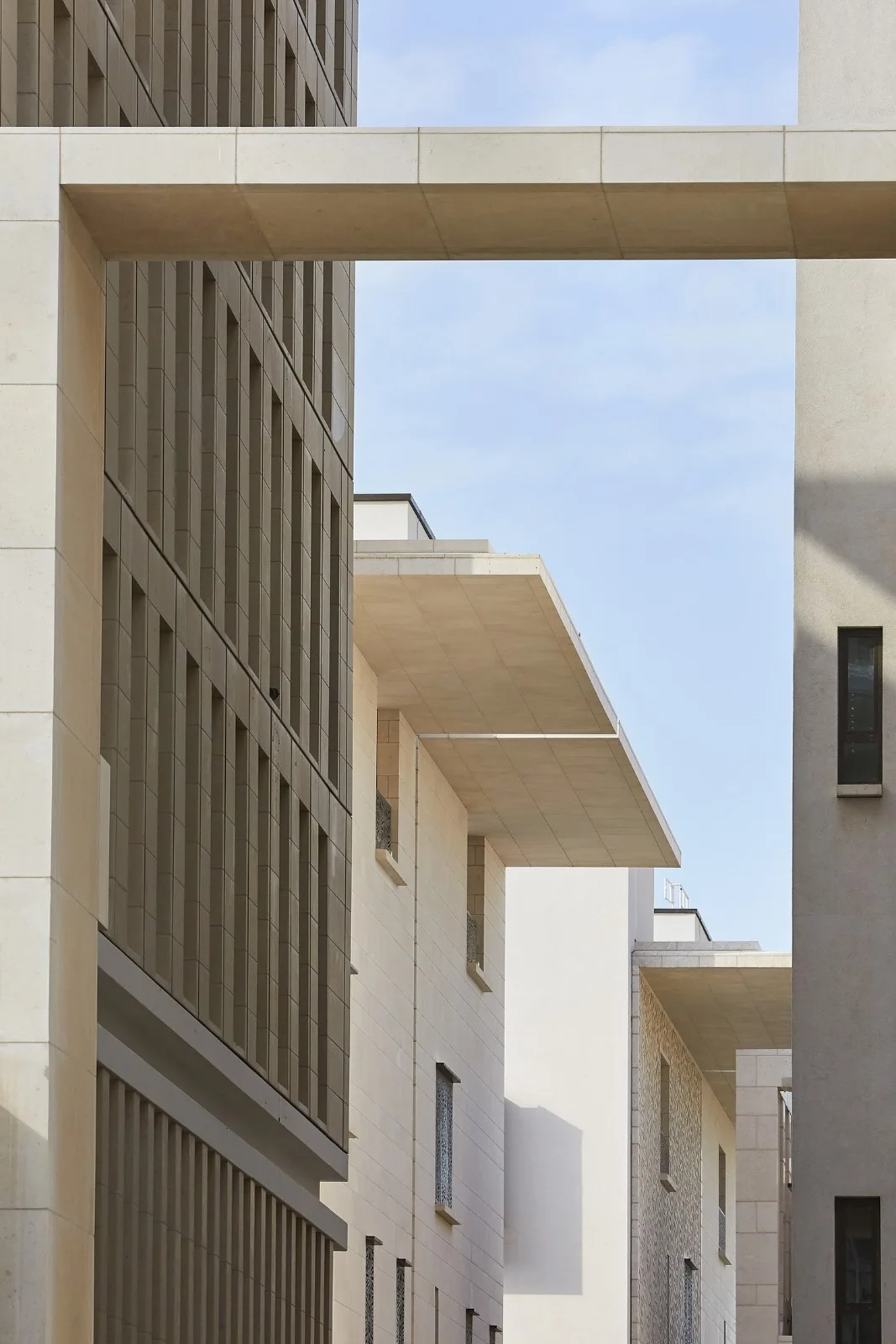
The design embraces a localized approach that gives each building a unique regional identity, creating a genuine sense of place. Buildings are arranged informally, echoing the layout of traditional Islamic cities. Architectural elements such as colonnades and overhanging features provide shade and comfort, enhancing the pedestrian experience in Doha’s hot climate.
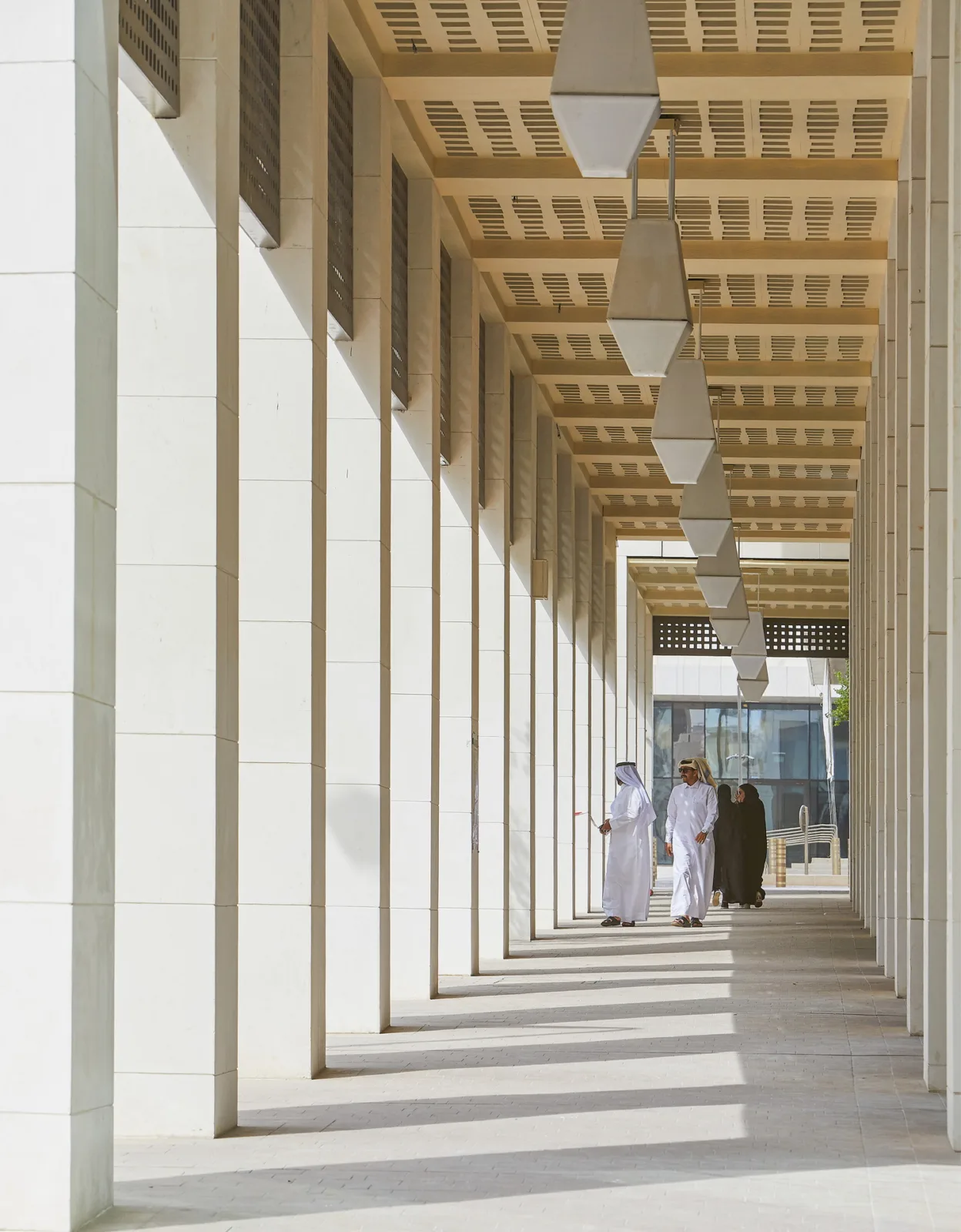
The compact urban form supports relatively high density while reducing reliance on cars. Features like shaded streets, rooftop terraces, courtyards, balconies, and layered deep facades minimize sun exposure. Combined with natural ventilation and efficient building systems, these elements ensure indoor comfort while lowering energy consumption. All buildings aim to achieve LEED Platinum or Gold certification, making Msheireb the site with the world’s highest concentration of such sustainable buildings. To date, 53 projects have achieved Platinum certification. The development includes four basement levels for deliveries, parking, and maintenance, along with a free light rail tram system running above ground.
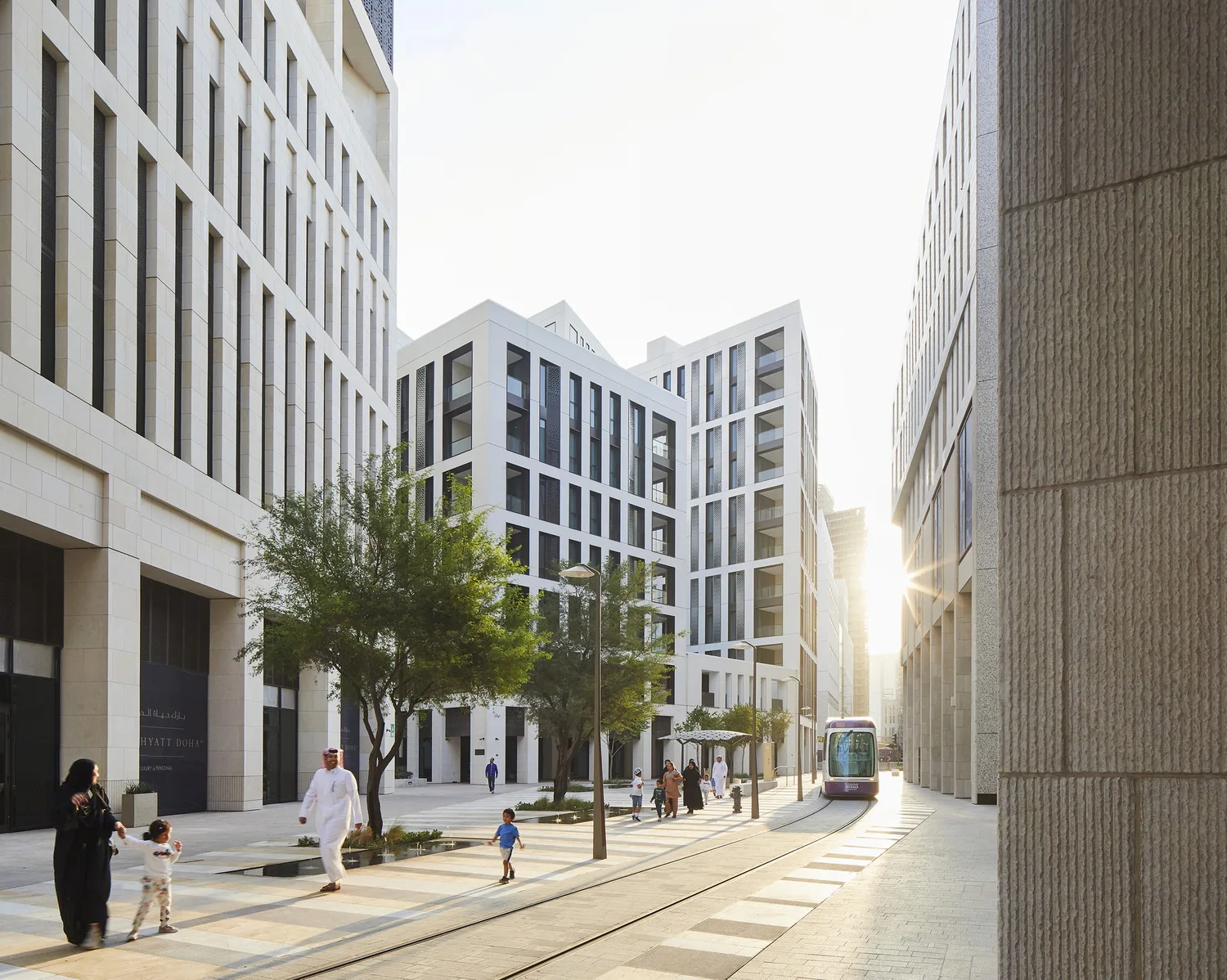
This project extends beyond individual buildings, clusters, or campuses—it is about creating a unified urban district. The goal is to learn from past experiences and develop a modern city center that stands the test of time. Msheireb supports Qatar’s transition to a post-oil economy by attracting locals, tourists, residents, and businesses alike. Large-scale architectural projects of this scope, from master planning to detailed execution, are rare in recent history. Led by Sheikha Moza bint Nasser, the project offers an alternative urban lifestyle to meet the needs of this rapidly growing region.
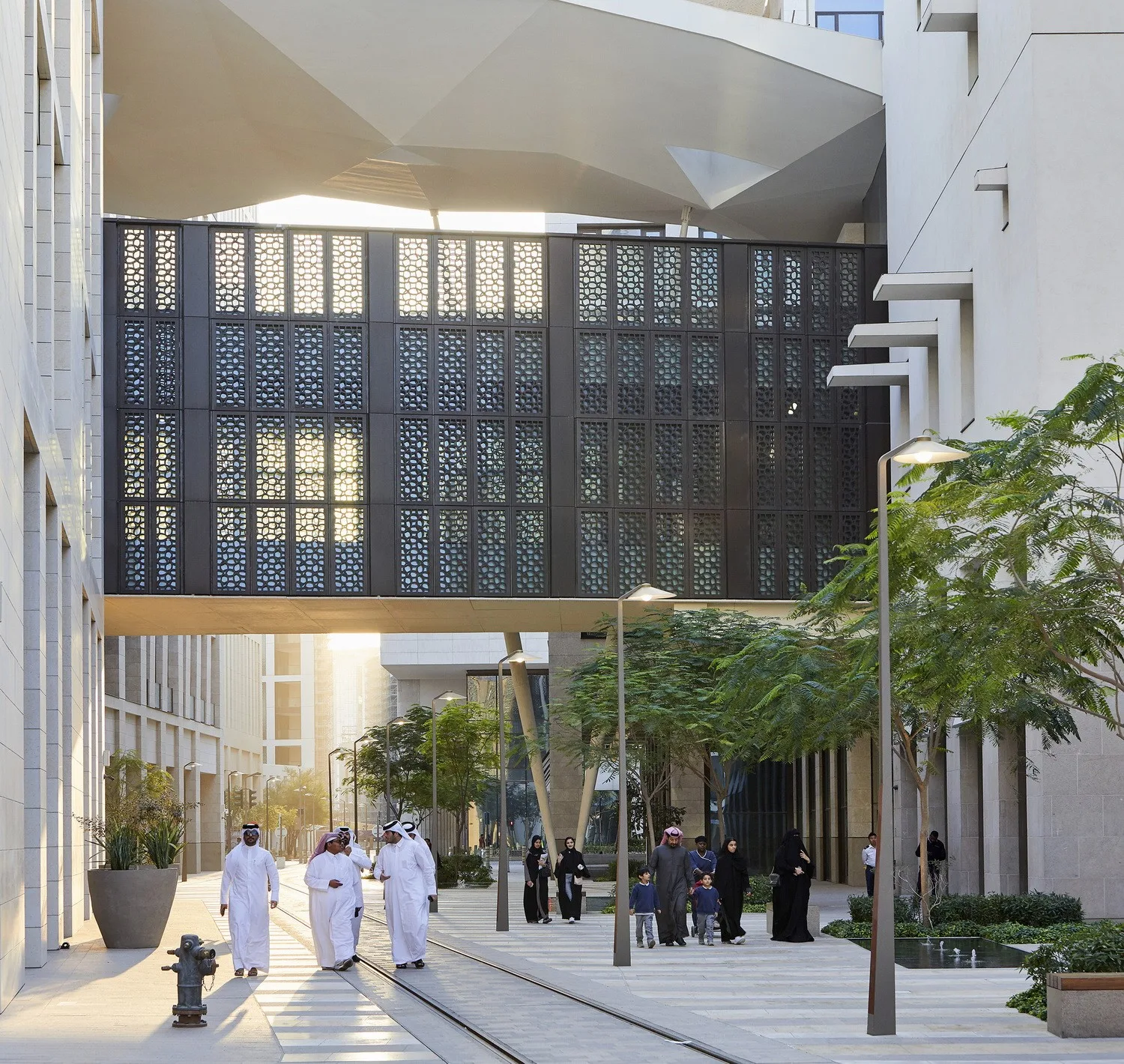
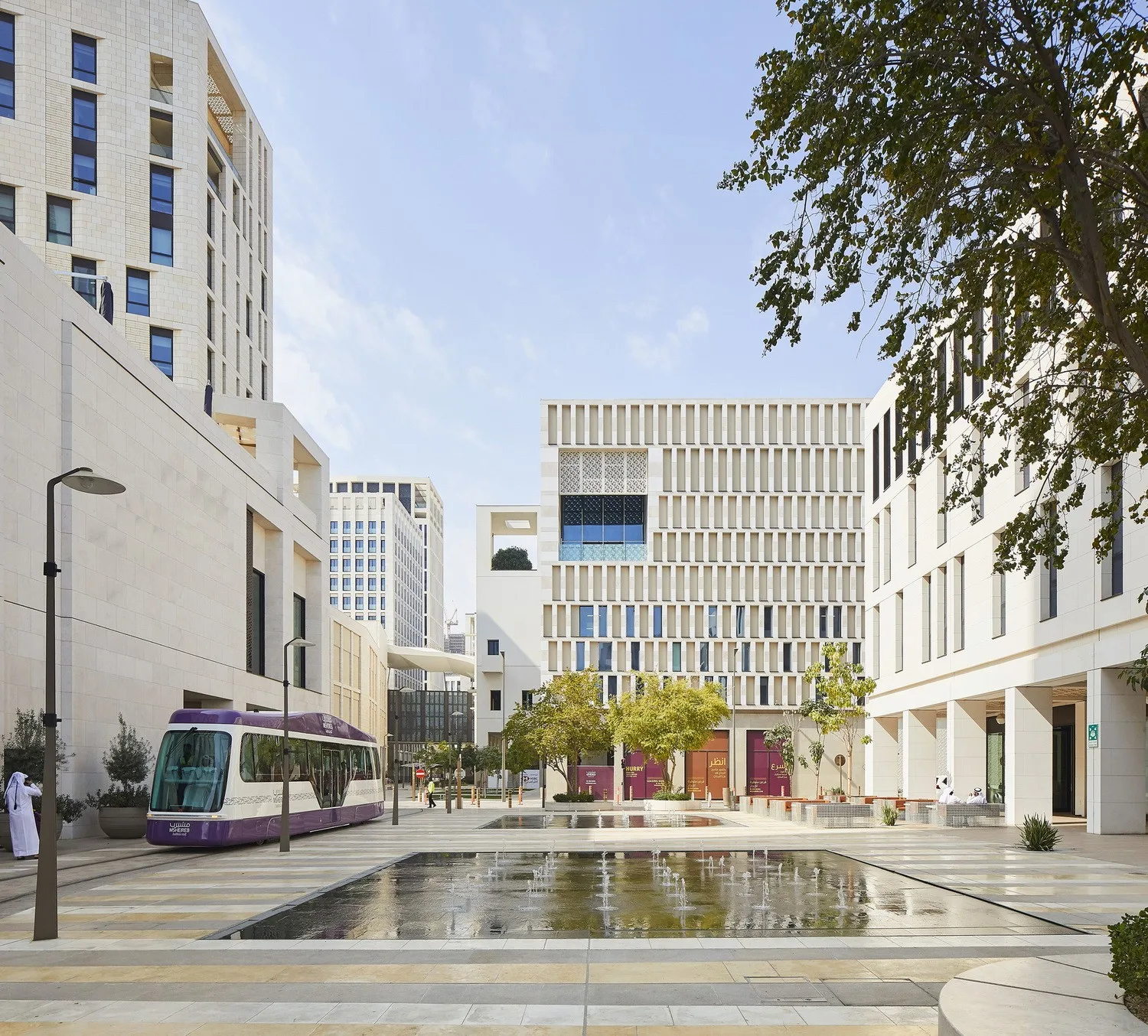
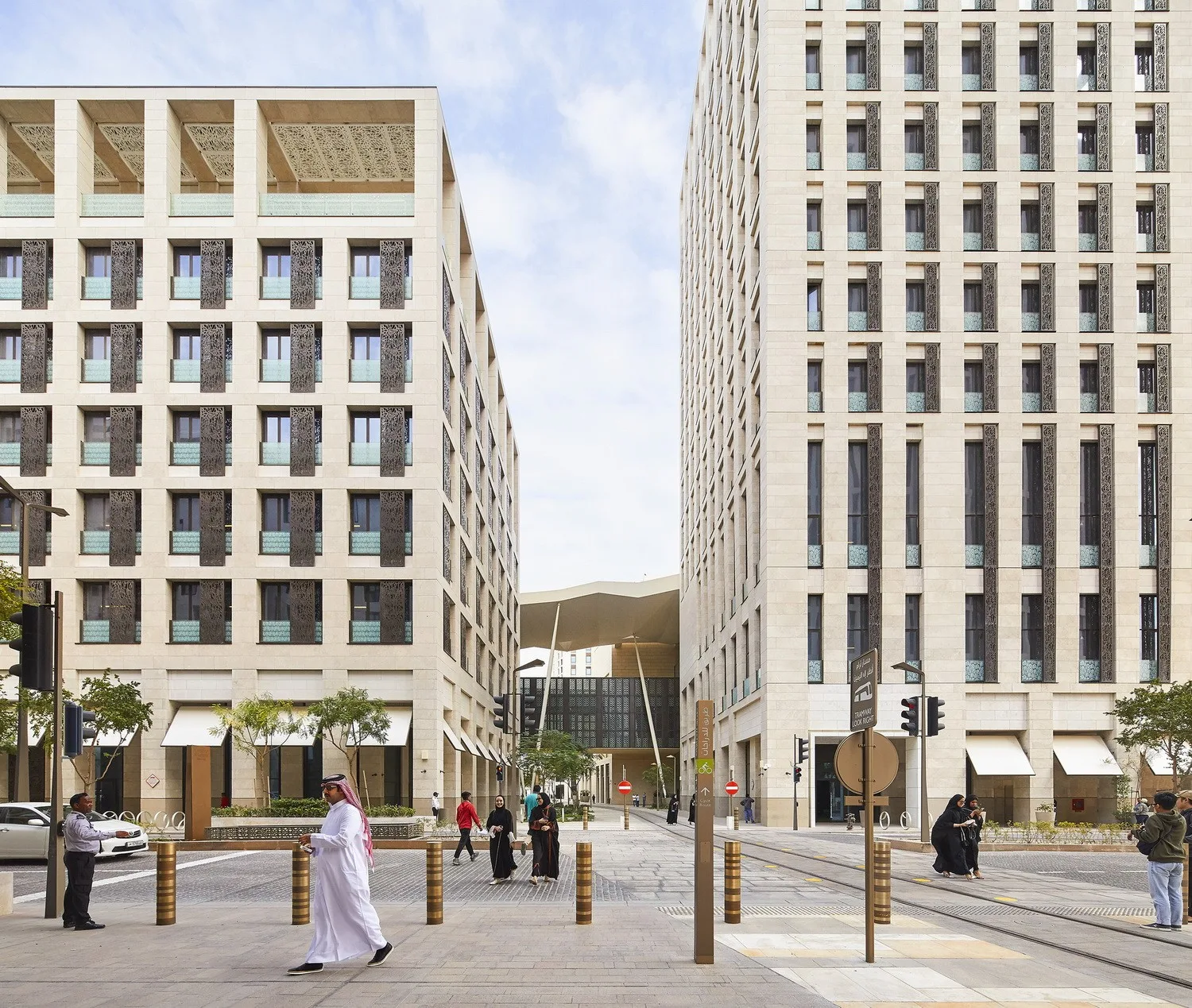
The master planning team consists of Arup (lead consultant) and AECOM, with Allies and Morrison guiding the architectural vision for the entire site and designing 30 individual buildings. The project also involved close collaboration with eight other architectural firms: Mossessian Architecture, John McAslan + Partners, Adjaye Associates, Squire & Partners, Gensler, Eric Parry Architects, HOK, and Mangera Yvars.
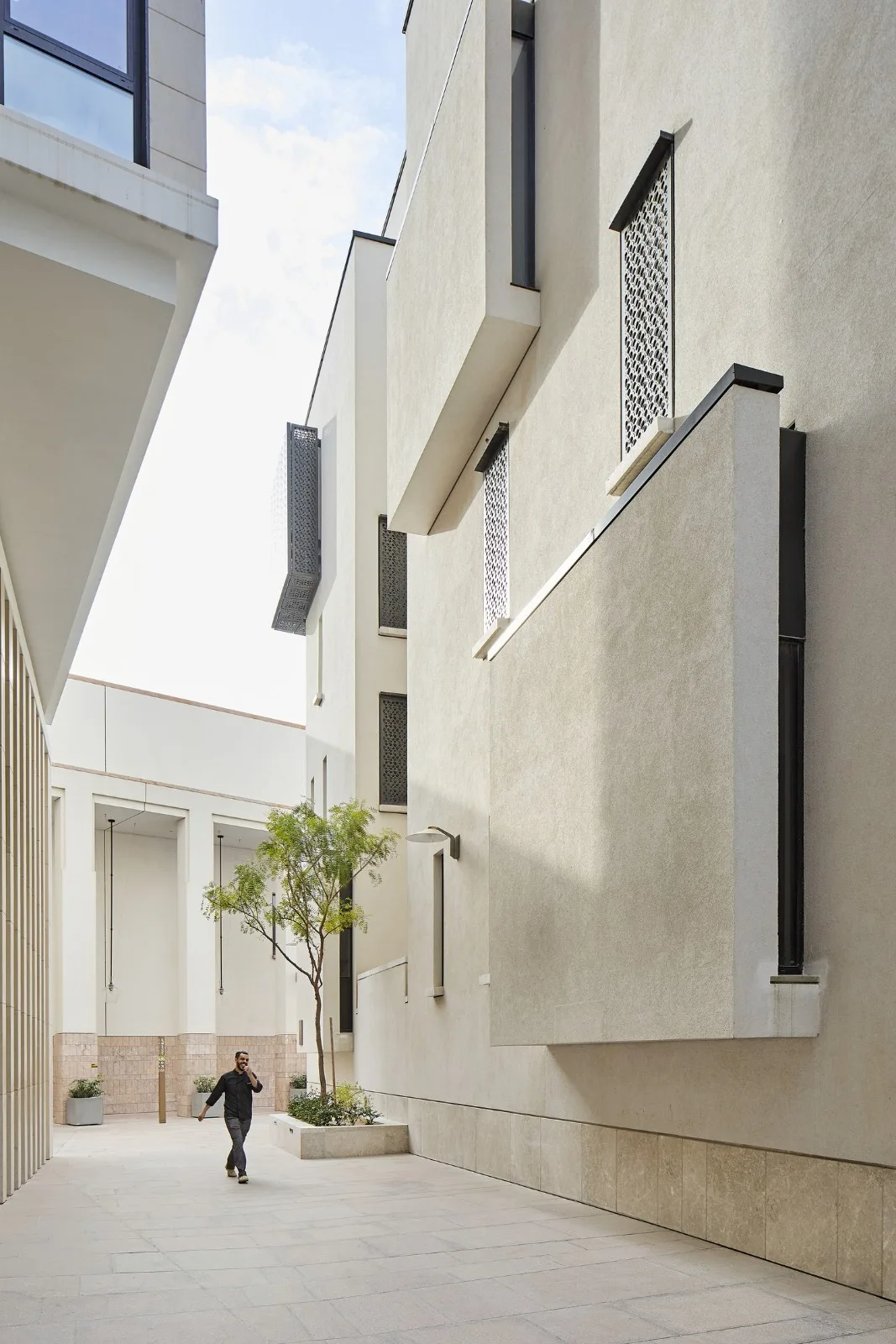
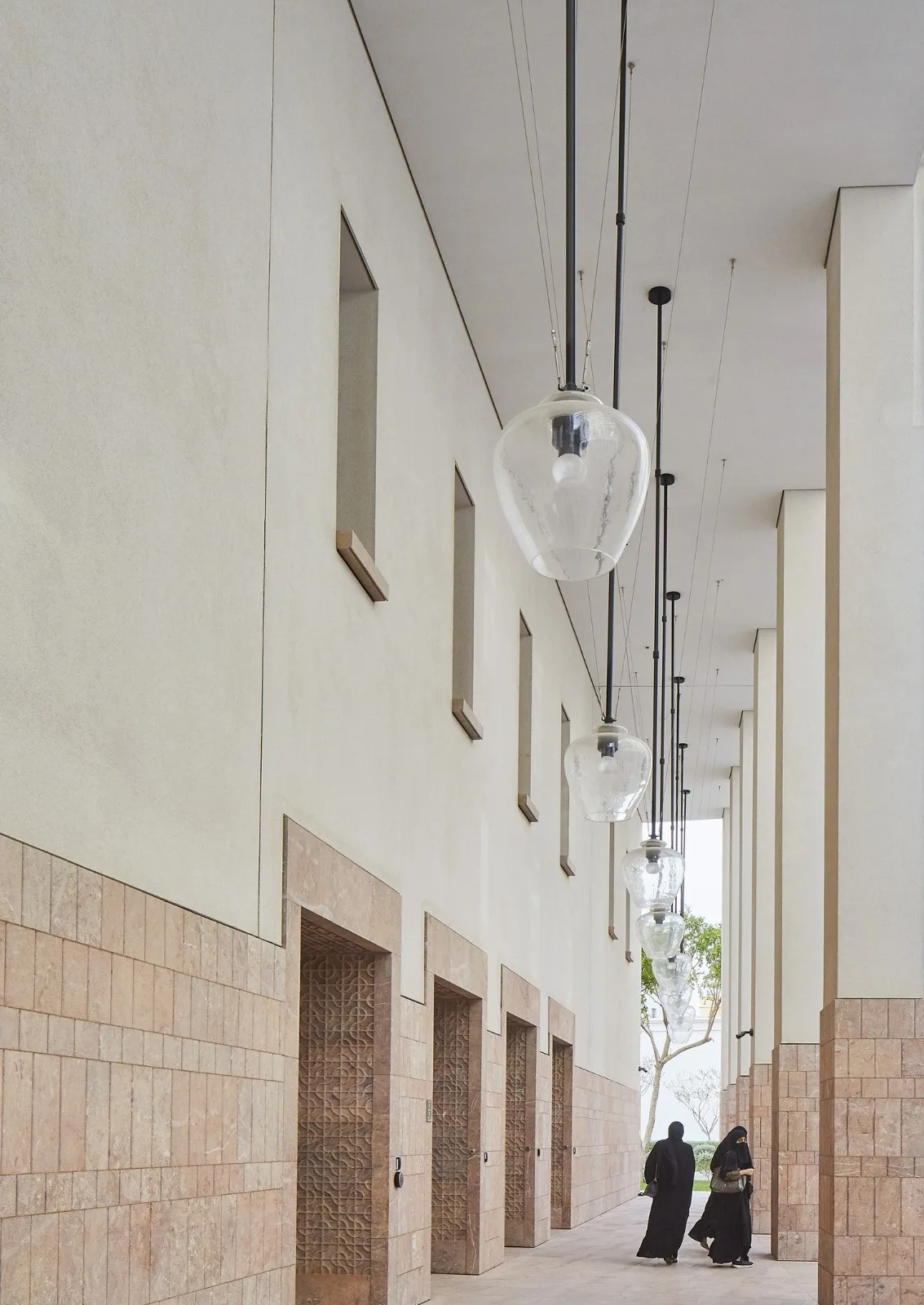
Project Drawings
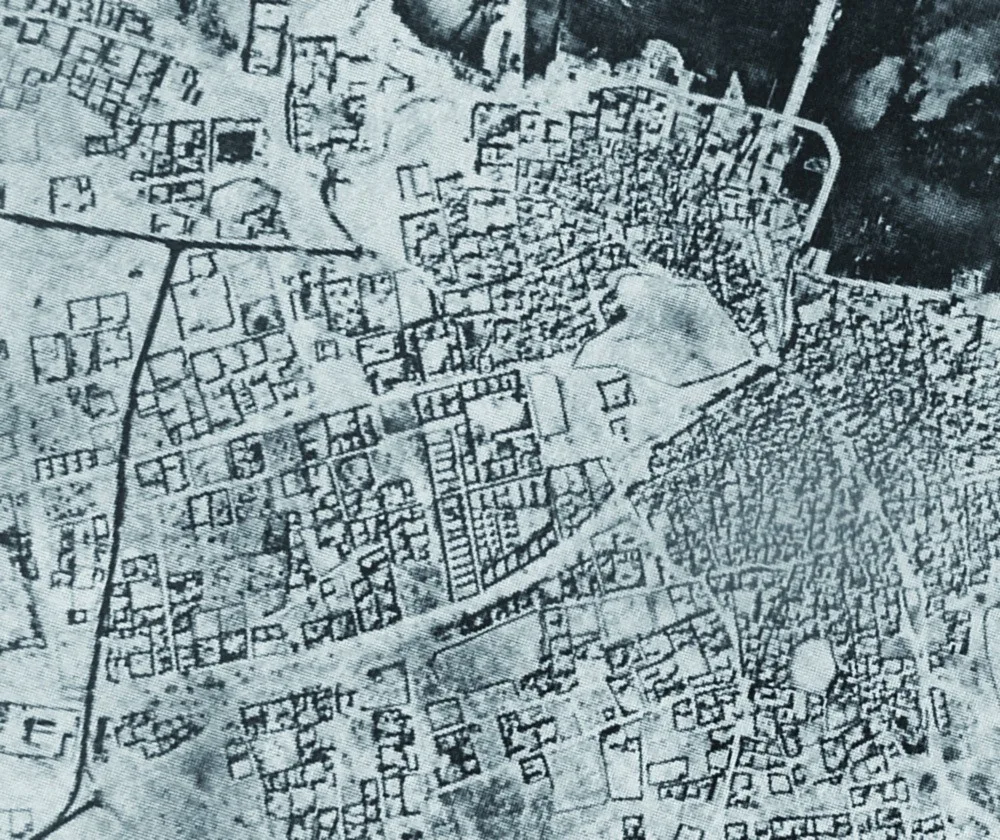
△ Satellite Image
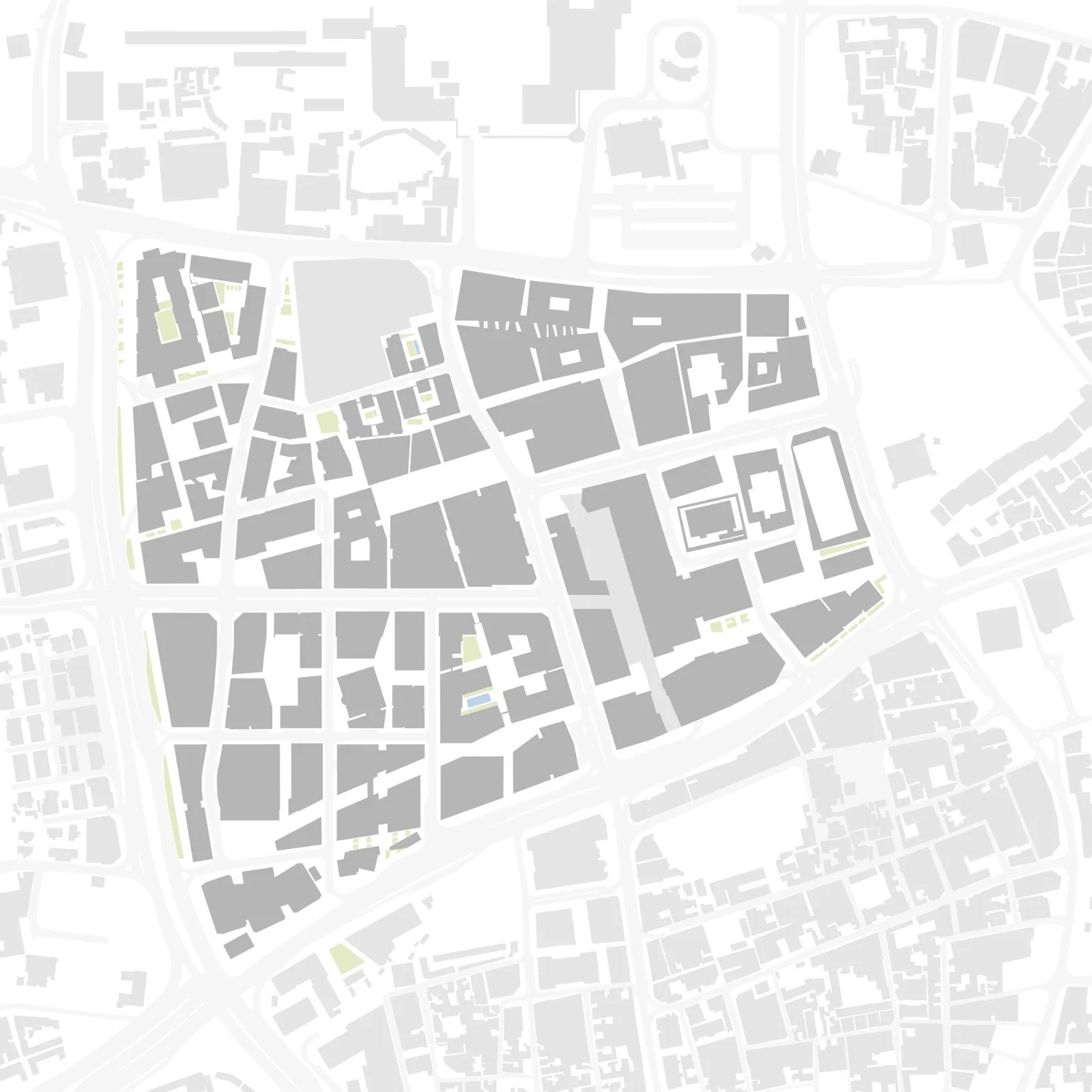
△ Topographic Background Map
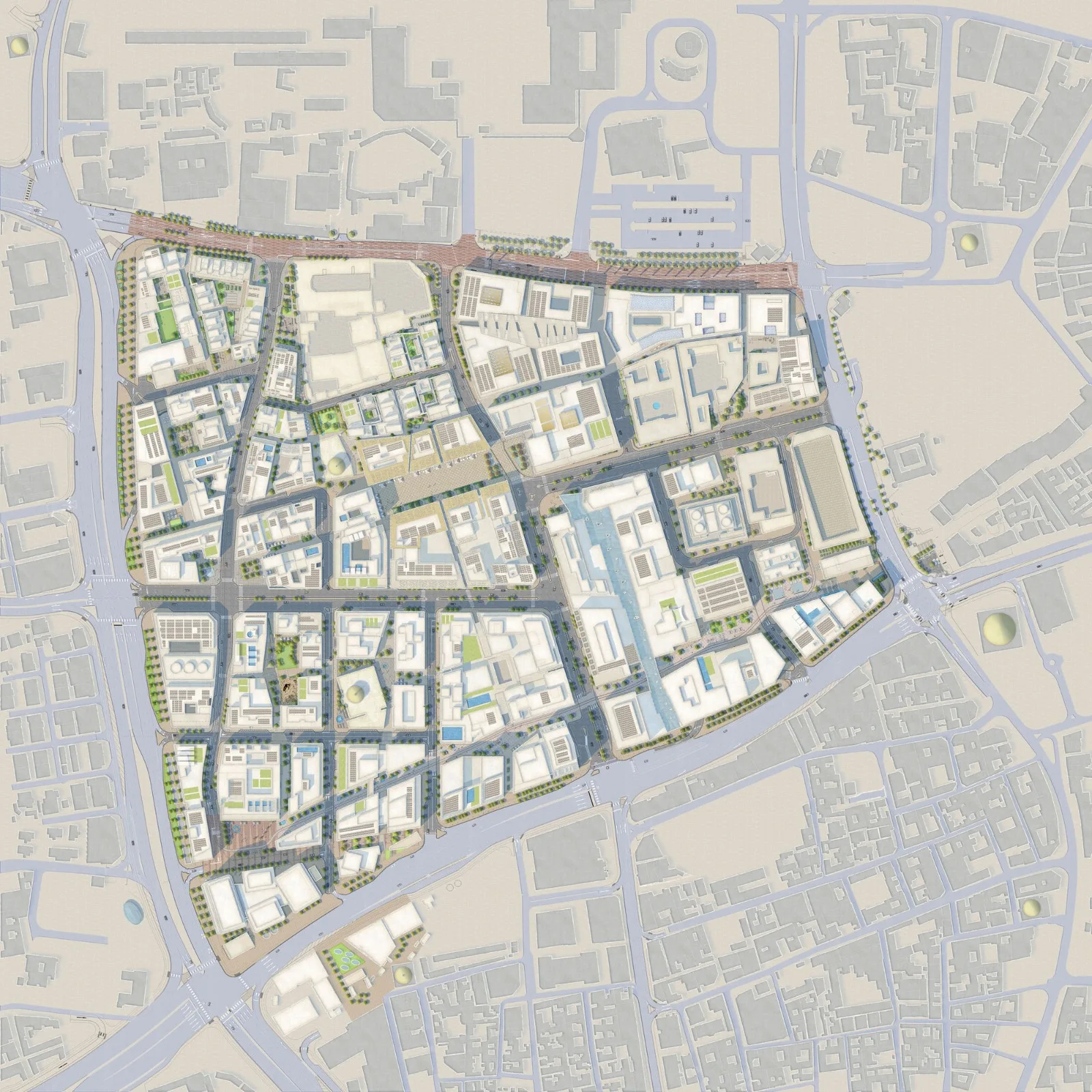
△ General Layout Plan
Project Information
Architectural Design: AECOM, Allies and Morrison
Structural Design: Arup
Area: 764,000 square meters
Project Year: 2021
Photographers: Hufton+Crow, Gerry O’Leary, Allies and Morrison
Master Plan: Arup, AECOM, Allies and Morrison
Phase 1A: Allies and Morrison, John McAslan + Partners
Phase 1B: Allies and Morrison, John McAslan + Partners, Mossessian Architecture, Adjaye Associates
Phase 1C: Allies and Morrison, John McAslan + Partners, Mossessian Architecture, Adjaye Associates
Stage 2: Allies and Morrison, Squire & Partners, Gensler
Stage 3: John McAslan + Partners, Mossessian Architecture, Squire & Partners, Eric Parry Architects, Mangera Yvars
Stage 4: Mossessian Architecture, HOK
Executive Architects: Burns + McDonnell, Gensler, HOK
Client: Msheireb Properties, a subsidiary of Qatar Foundation
Location: Doha, Qatar












Must log in before commenting!
Sign Up