
The Olympic Games strive to foster human harmony and equality through sports. For the host country, organizing the Olympics is a significant opportunity to enhance its international image. Japan, recognized for its achievements in modern design, has previously presented the Olympic logo, emblem, and mascot designs to the world.
The School of Architecture has compiled an overview of the Olympic competition venues. Following the schedule of the Chinese national team, we will introduce each venue where they will make their debut.

△ Logo design (left), Chinese team mascot (right) © Image source network
I. Basic Information
The Tokyo Olympics feature a total of 42 competition venues: 24 existing, 10 temporary, and 8 newly constructed permanent facilities built specifically for the Games.
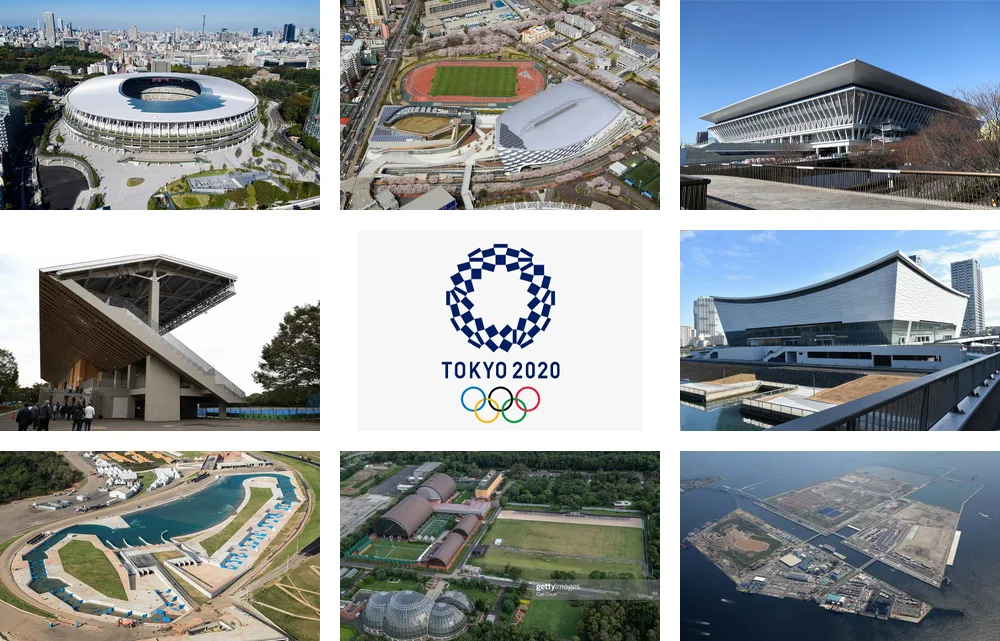
As the first Asian city to host the Summer Olympics twice, Tokyo has preserved three heritage venues from the 1964 Games.

From left to right: Nippon Budokan, Yoyogi National Stadium, and Enoshima Yacht Terminal.
[Notably, the 1940 Tokyo Olympics were cancelled due to war. The equestrian park, originally built in 1940 and renovated in 2019, can be considered a legacy venue from this ‘zero edition’ Tokyo Olympics.]
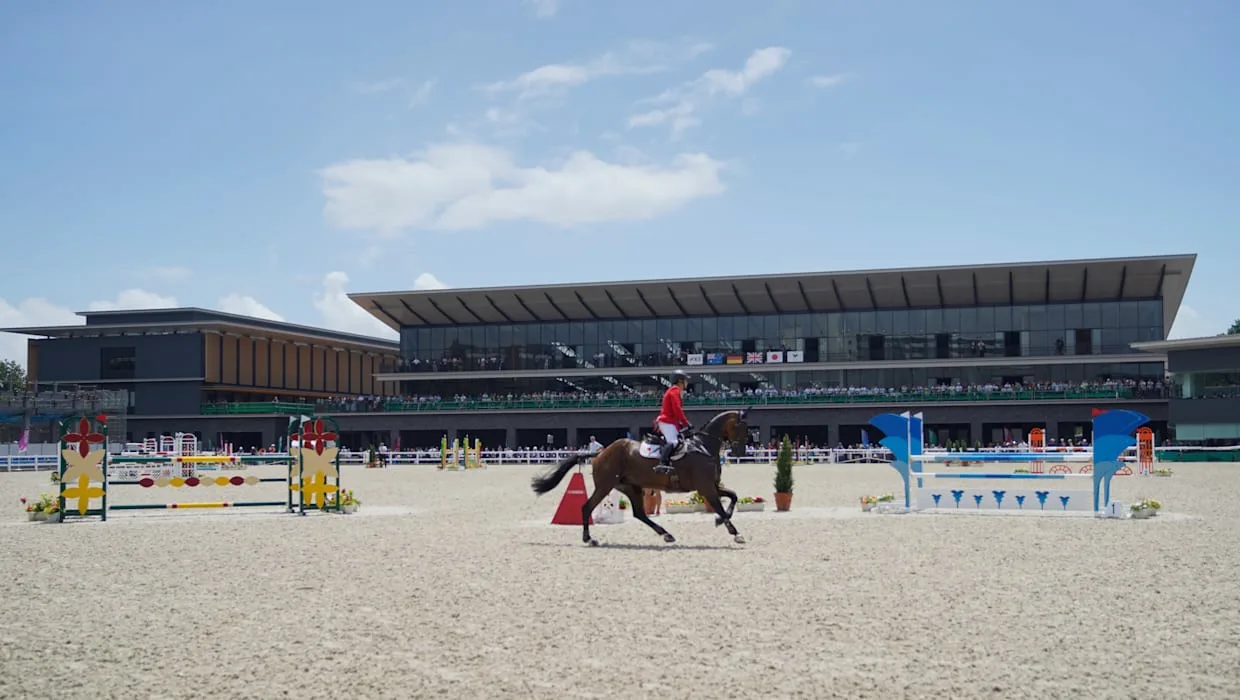
Ma Shi Gong Yuan © Image source network
The venues are primarily located in Tokyo, with others spread across Saitama Prefecture (3), Chiba Prefecture (2), Ibaraki Prefecture (1), Kanagawa Prefecture (3), Shizuoka Prefecture (3), Fukushima Prefecture (1), Miyagi Prefecture (1), and Sapporo City, Hokkaido (2). Marathon and race walking events will take place in Sapporo to mitigate the effects of Tokyo’s summer heat on athletes.
Many of these regions suffered from earthquakes, and the Olympics offer them a platform to showcase their recovery and resilience.
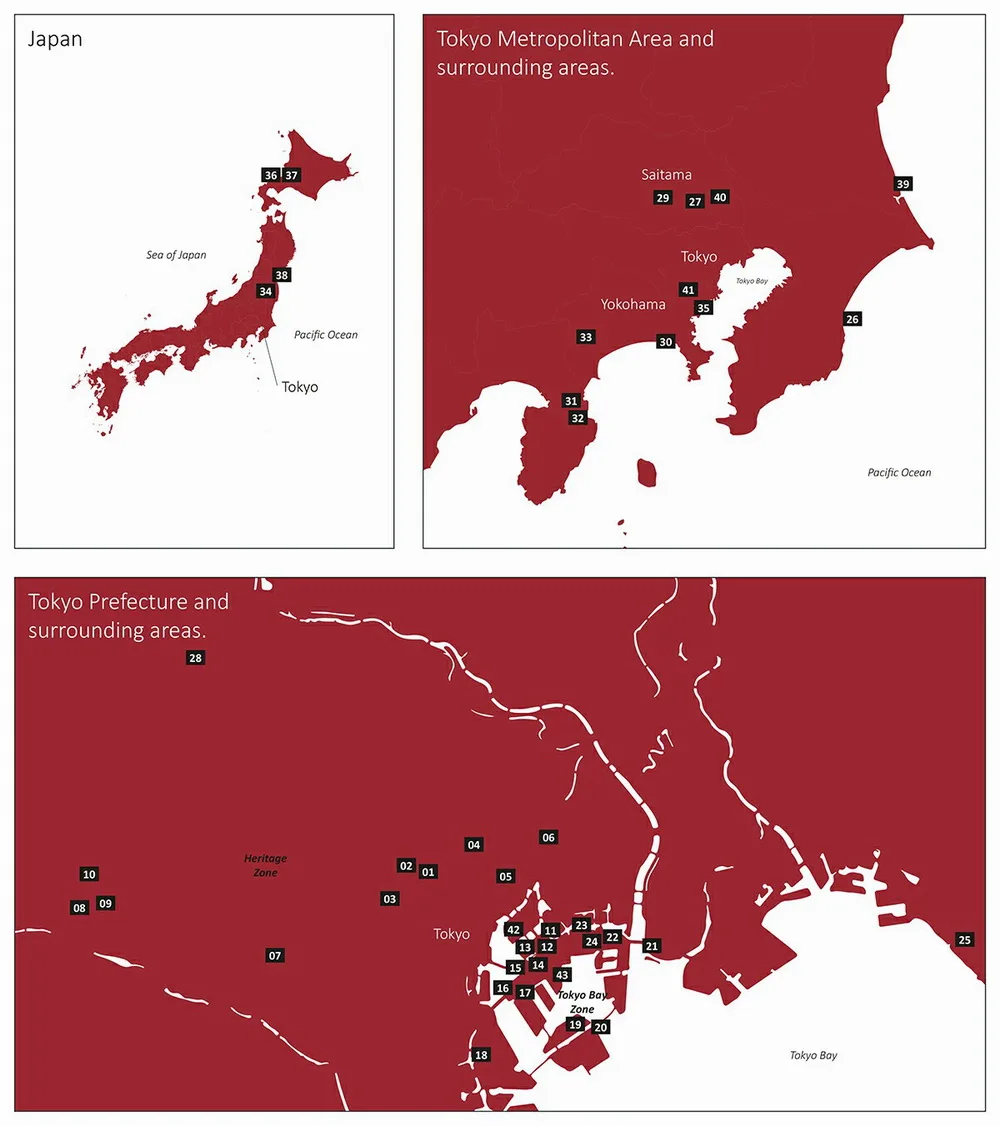
© 2013-2021 Architecture of the Games
II. Event Hosting
The Chinese women’s football team made their first appearance against Brazil on July 21st at Miyagi Stadium.
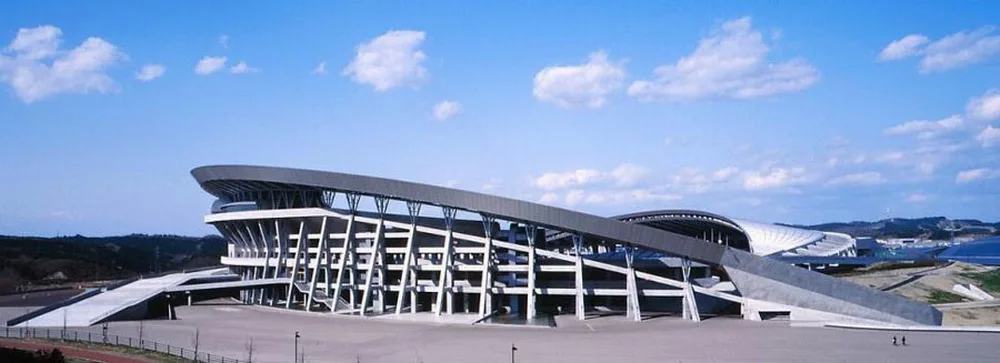
Completed in 2000, Miyagi Stadium seats 49,000 spectators and was designed by Miyagi architects Kenzo Seiichi and Abe Renshi. It was also a venue for the 2002 FIFA World Cup. On July 24th, the Chinese women’s team will face Zambia here as well.
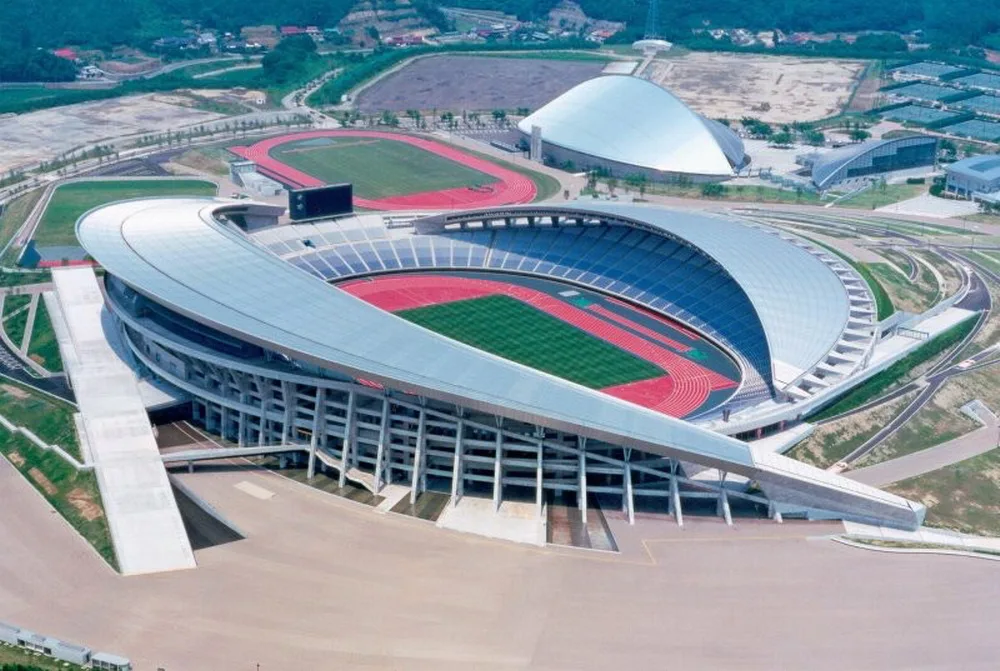
Miyagi Stadium © japantravel.com
Miyagi Stadium © struc.kke
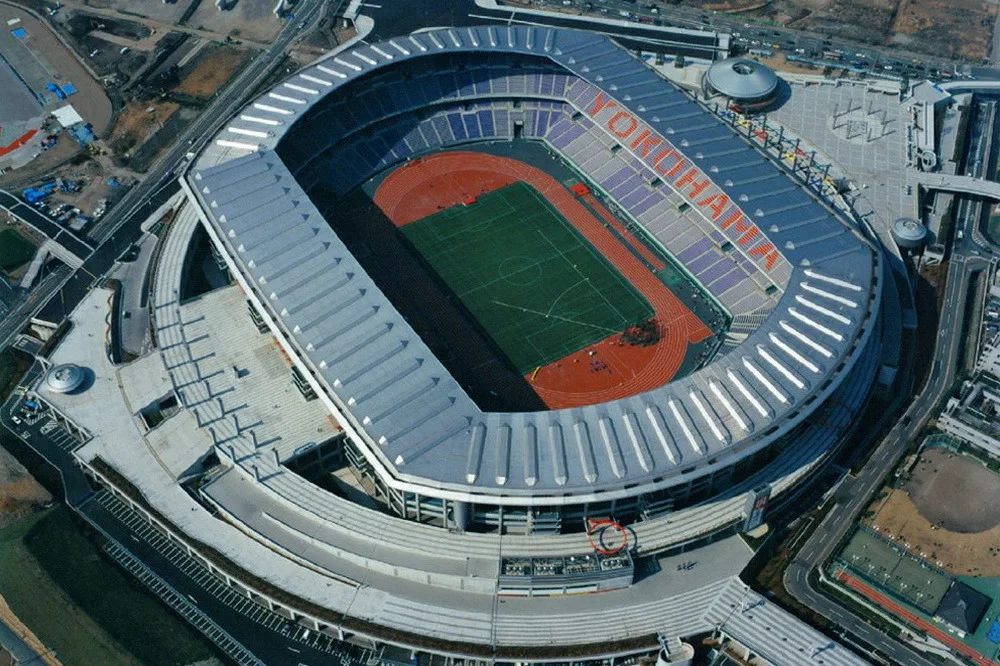
The women’s football team’s final group stage match will take place on July 27th against the Netherlands at Yokohama International Stadium.
Built in 1998 by MHS Architects and Tohata Architects, the stadium seats 72,000, making it the largest venue for this event.
Yokohama International Stadium © Image source network
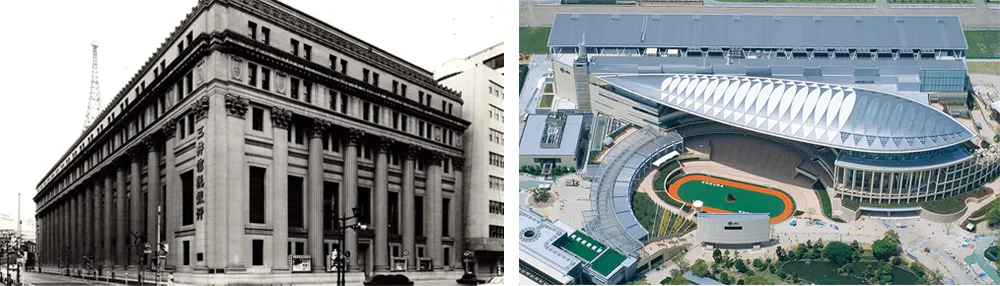
The MHS firm, also known as Matsuda Hirata Design, has been active since the 1930s and continues today. Tohata Architects, founded by Kenzo Tohata in 1932, is known for works such as the Kokura Racecourse.
Matsuda Hirata’s debut work, built in 1929 © MHS (left), Kokura Racecourse © Sankometal (right)
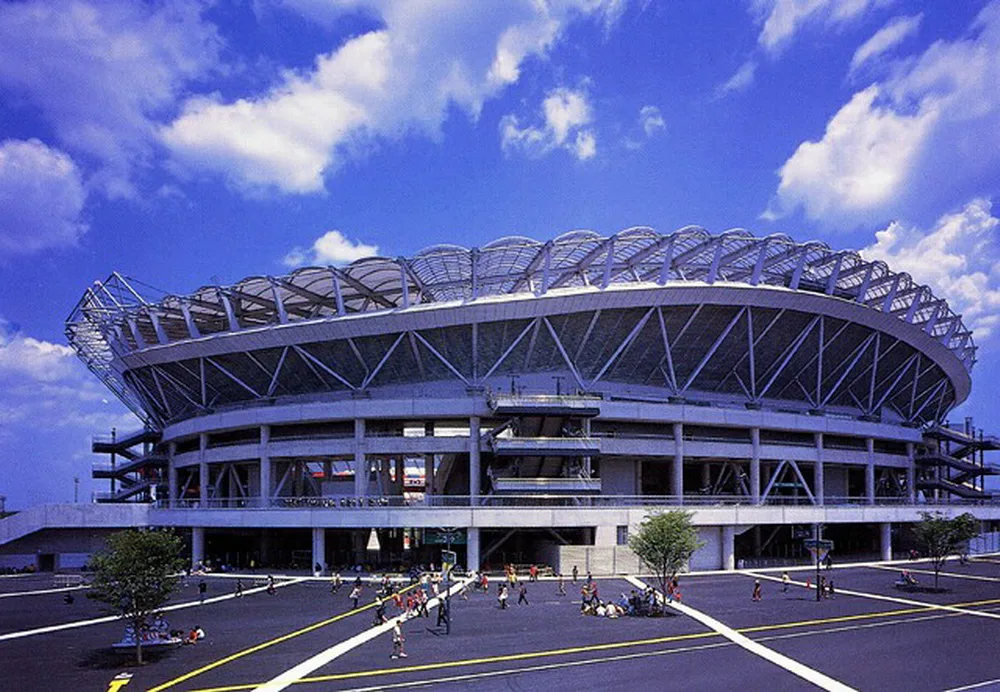
The women’s football bronze medal match will be held at the Ibaraki Prefectural Kashima Football Stadium, designed and built in 1993 by Nikken.
Ibaraki Prefectural Kashima Football Stadium © Suishin
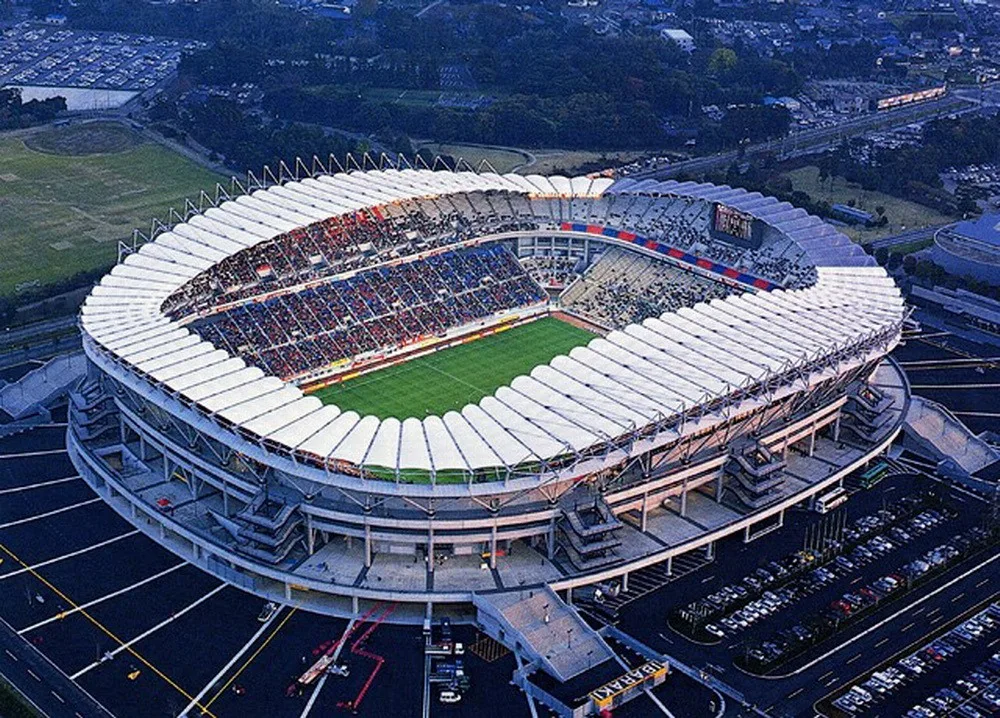
Ibaraki Prefectural Kashima Football Stadium © Suishin
The men’s football bronze medal match will be hosted at Saitama Stadium in Saitama City.

Teacher Saitama cheering for Olympic athletes (?)
Built in 2001, Saitama Stadium was among the new venues for the 2002 FIFA World Cup. It seats 64,000, ranking third in capacity for this tournament. It is Japan’s largest professional football stadium and home to the Urawa Red Diamonds.
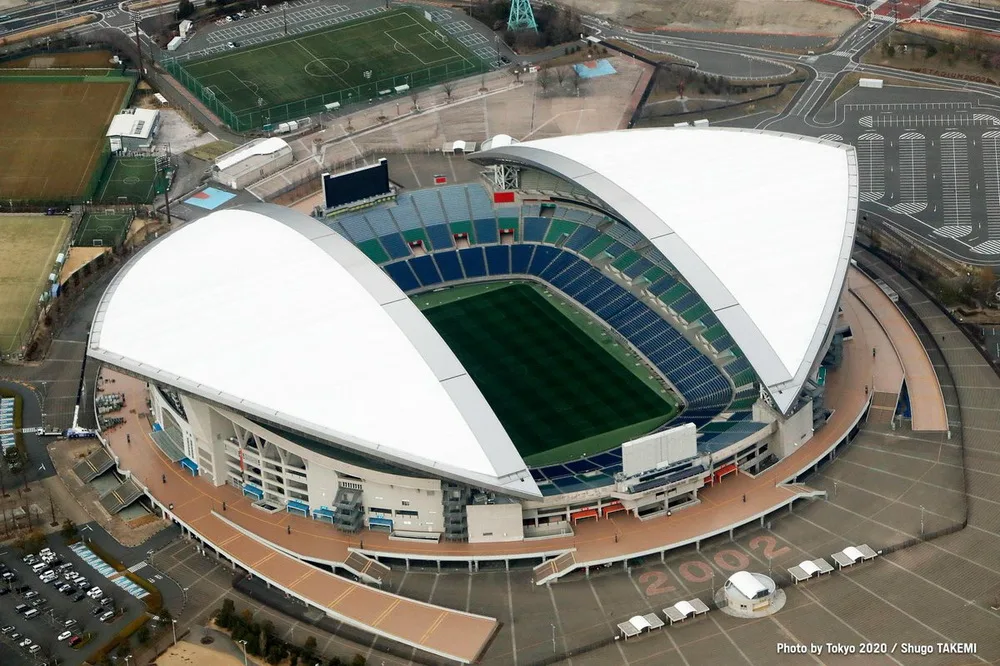
△ Saitama Stadium © Tokyo2020
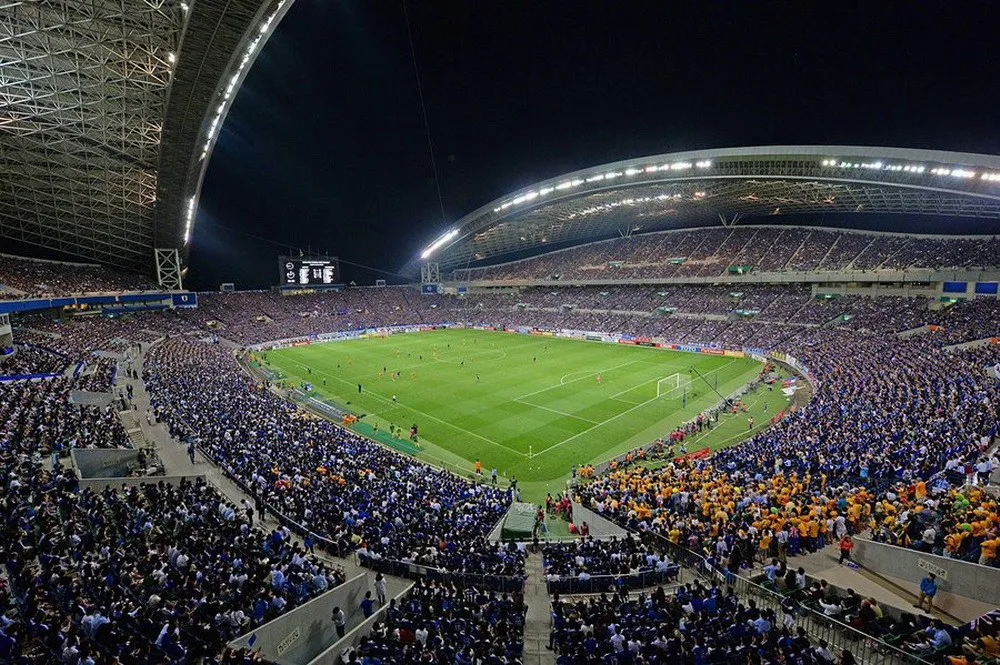
△ Saitama Stadium © AFC
The women’s football final will take place at the Tokyo Olympic Stadium, the main venue of the Games.
Originally, Zaha Hadid’s design was selected for the stadium, but the plan was abandoned in early 2015 due to public opposition and funding challenges.
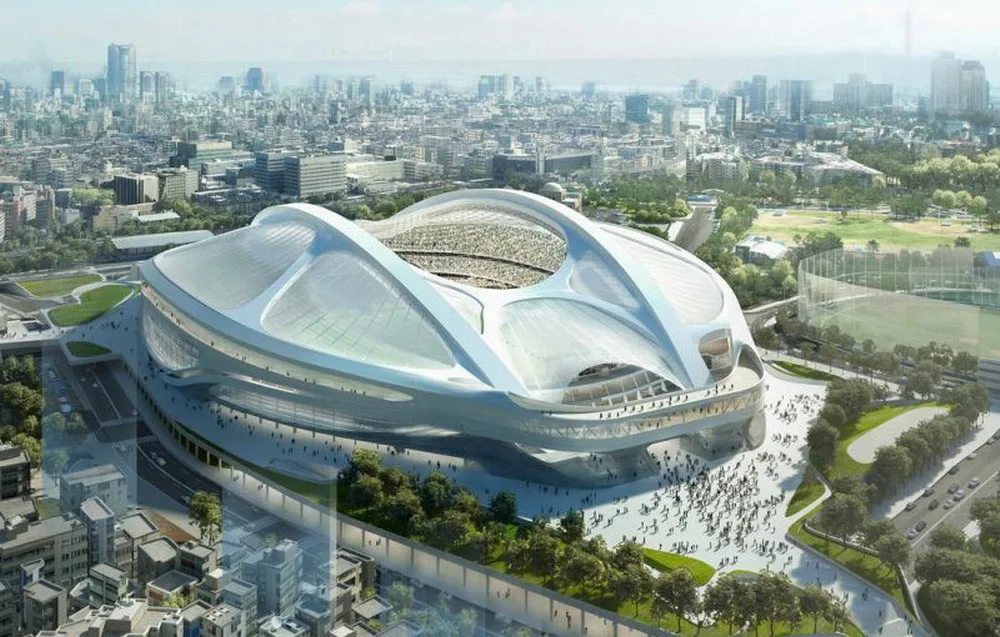
△ Zaha Hadid’s original plan © Zaha Hadid Architects
Later that year, Kengo Kuma and Toyo Ito presented designs, with Kuma ultimately awarded the project.
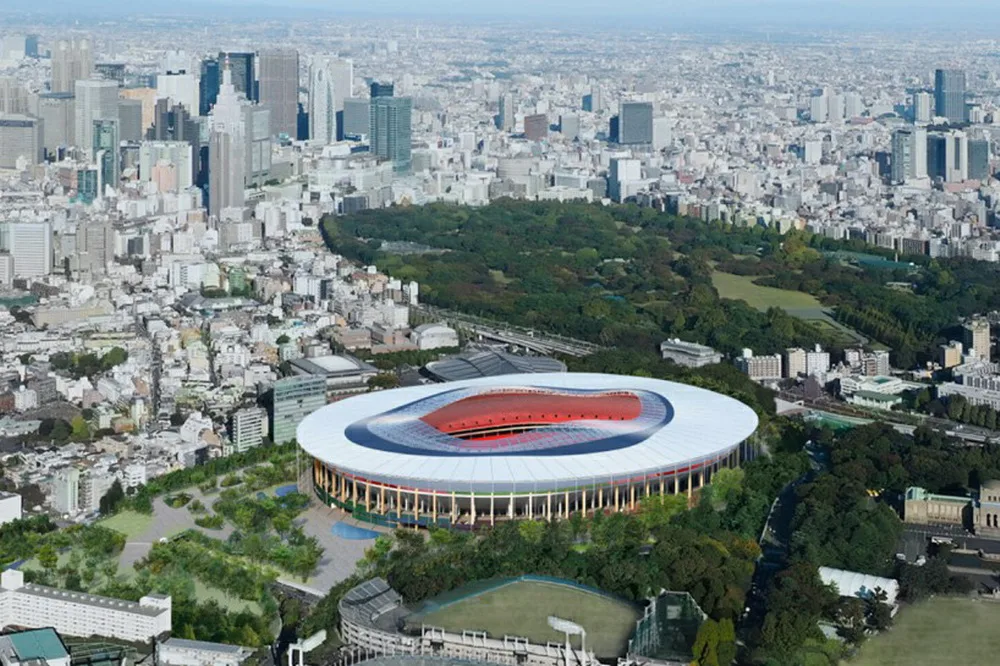
△ Toyo Ito’s design © Image source network
Ito’s design resembled a white porcelain bowl supported by 72 wooden pillars, symbolizing the revival of traditional Japanese architecture.
Kengo Kuma’s design was completed in 2019, with a seating capacity of 68,000. It hosts the opening and closing ceremonies, athletics, and some football matches.
The stadium’s concept, “trees and green stadium,” reflects Kuma’s expertise in wooden structures. At 50 meters tall, it is nearly 30 meters shorter than the previous proposals, allowing better integration with the urban landscape.
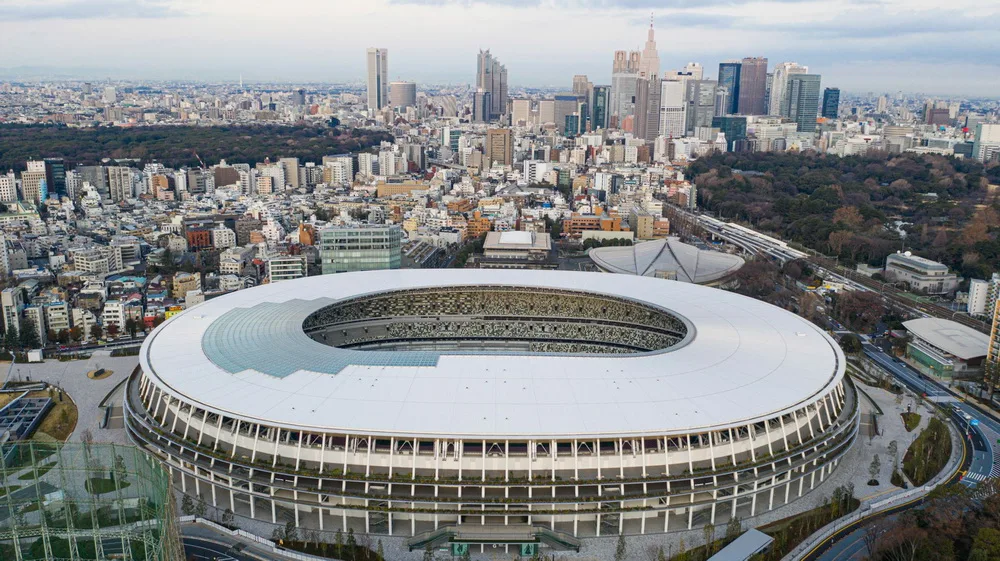
△ New National Stadium © Photo by Arne Müseler
The Tokyo Olympics officially began on July 24th, with traditional medal events such as fencing, weightlifting, and shooting kicking off for the Chinese team.
The fencing competitions are held at Makuhari Exhibition Hall, designed by Pulitzer Prize-winning architect Fumihiko Maki. Completed in 1989 and renovated in 1997, this venue also hosts taekwondo and wrestling. It doubles as a conference center outside the Olympic period. Notably, Makuhari was originally ocean reclaimed in the 1980s, marking Japan’s modernization ambitions of that era.
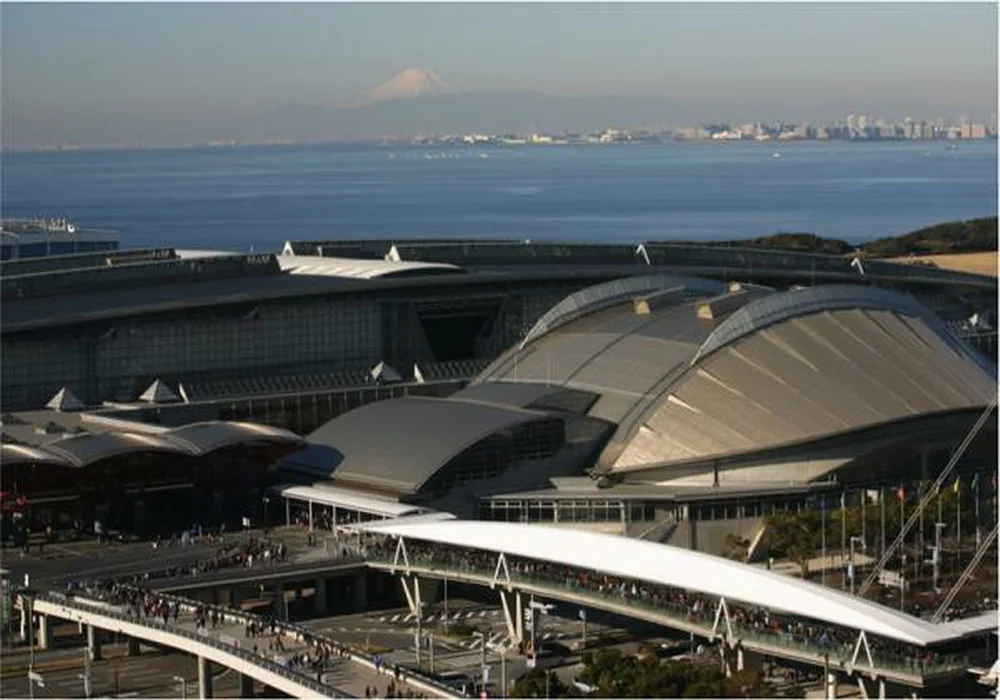
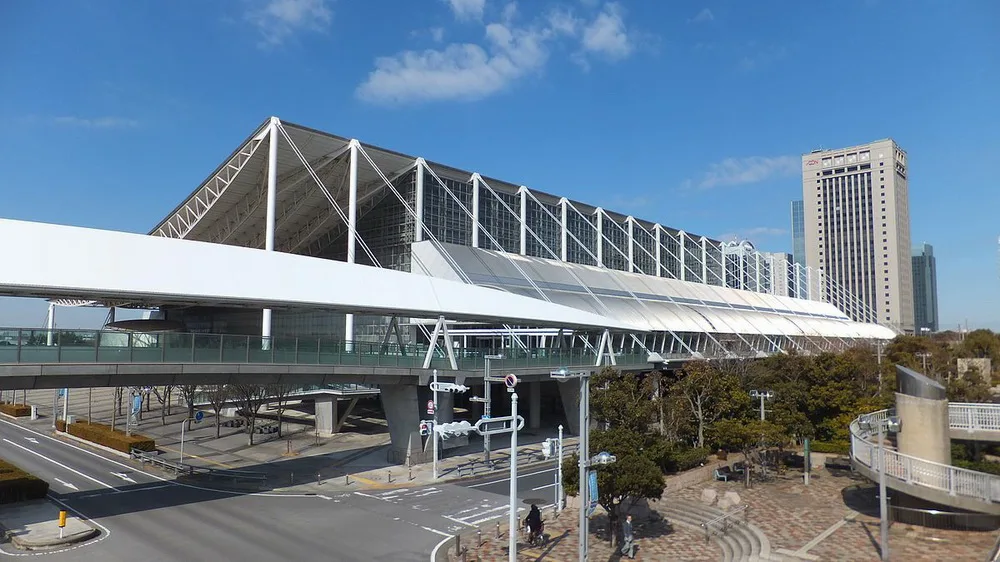
The Chiba Makuhari Exhibition Hall consists of three separate buildings: ABC Hall © Image source network
Weightlifting events take place at the Tokyo International Forum, designed by Uruguayan-American architect Rafael Vinoly in 1996. It is one of the few Olympic venues designed by a foreign architect.
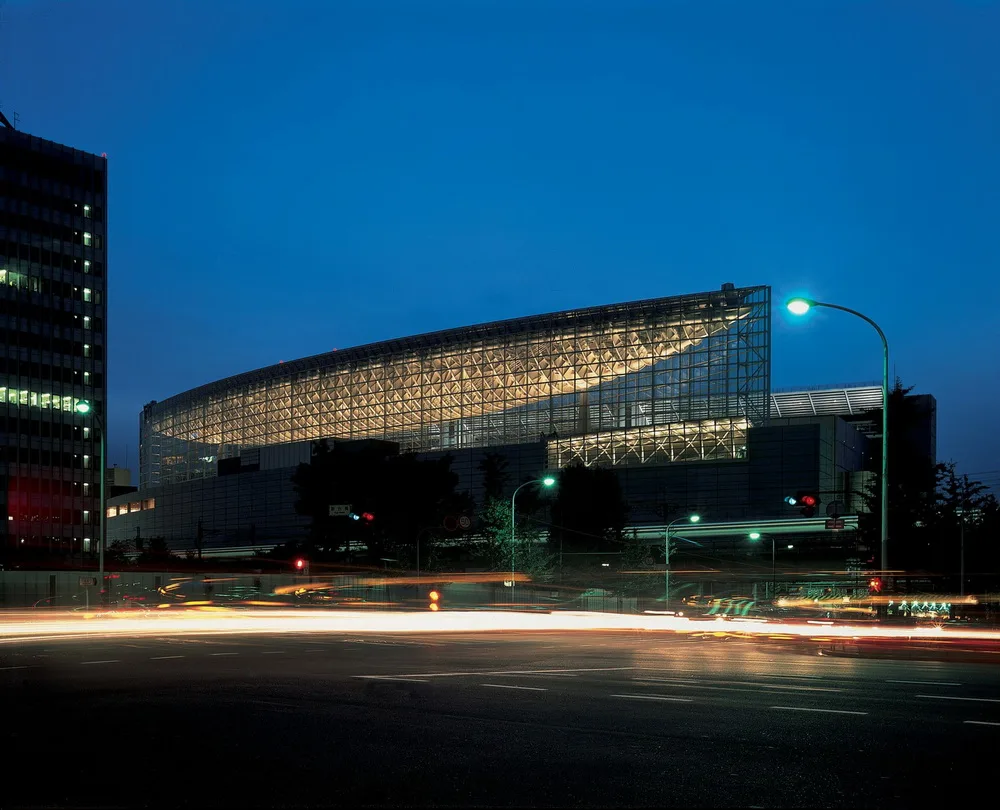
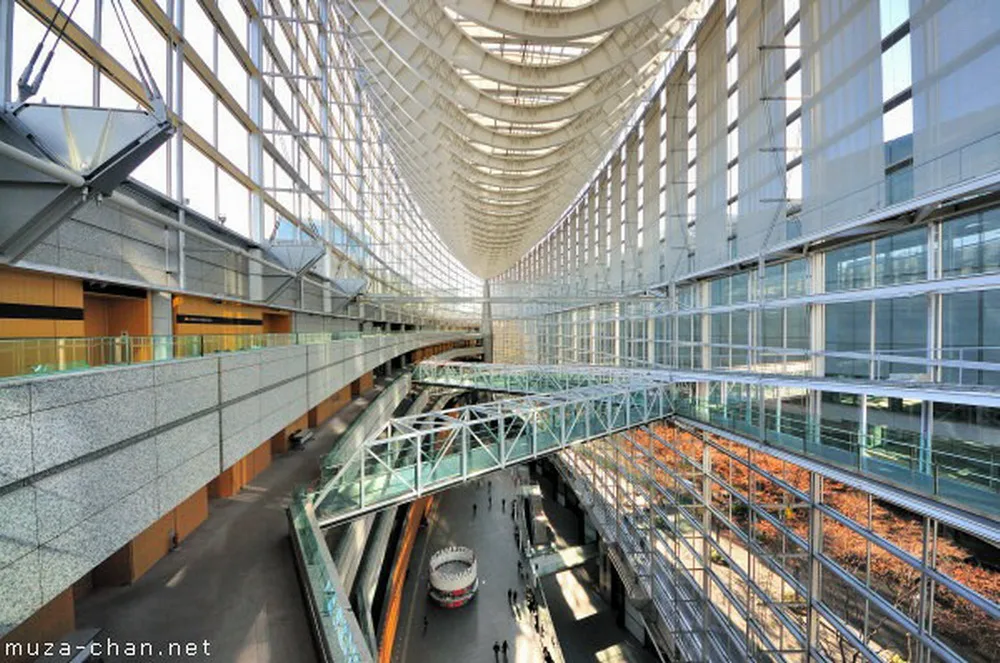
△ Tokyo International Forum Building © Image source network
The Nippon Budokan, a heritage venue from the 1964 Olympics, hosts the traditional sport of judo. Designed by Yamada Shou, its octagonal shape is inspired by the Falong Temple, while the main beam edges are modeled after Mount Fuji.
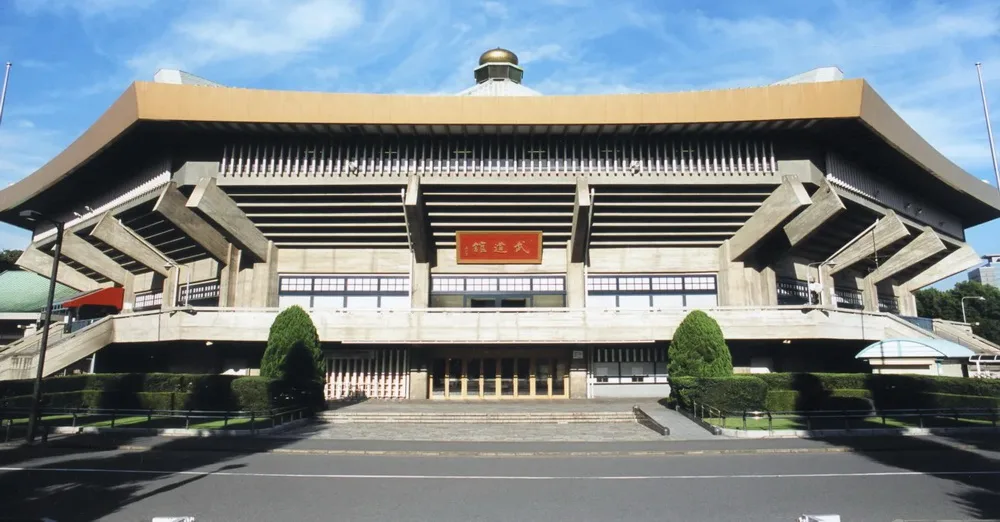
△ Nippon Budokan © Tokyo2020
At 10 am on the same day, Chinese tennis player Zheng Saisai faced Japanese star Naomi Osaka in the first round at the Central Court of Ariake Tennis Forest Park. Completed in 1987, this venue features a retractable roof.
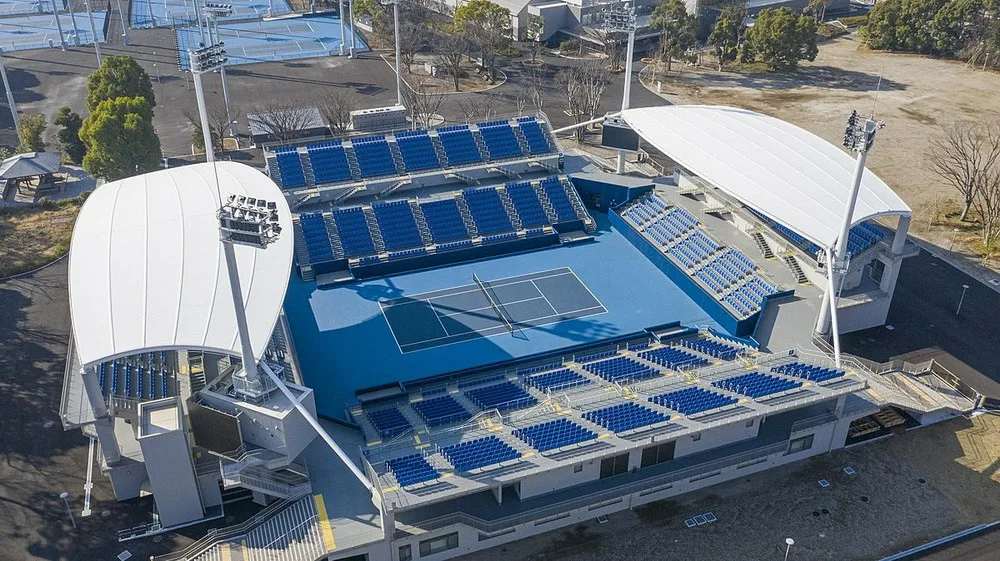
△ Ariake Tennis Forest Park Central Court © Image source network
Almost simultaneously, badminton mixed doubles group stage matches were held at Musashino Forest Sports Plaza. This newly constructed permanent venue, completed in 2017 under the leadership of Nihon Sekkei Inc., hosts both badminton and modern pentathlon fencing events during the Olympics and will be open to the public afterward.
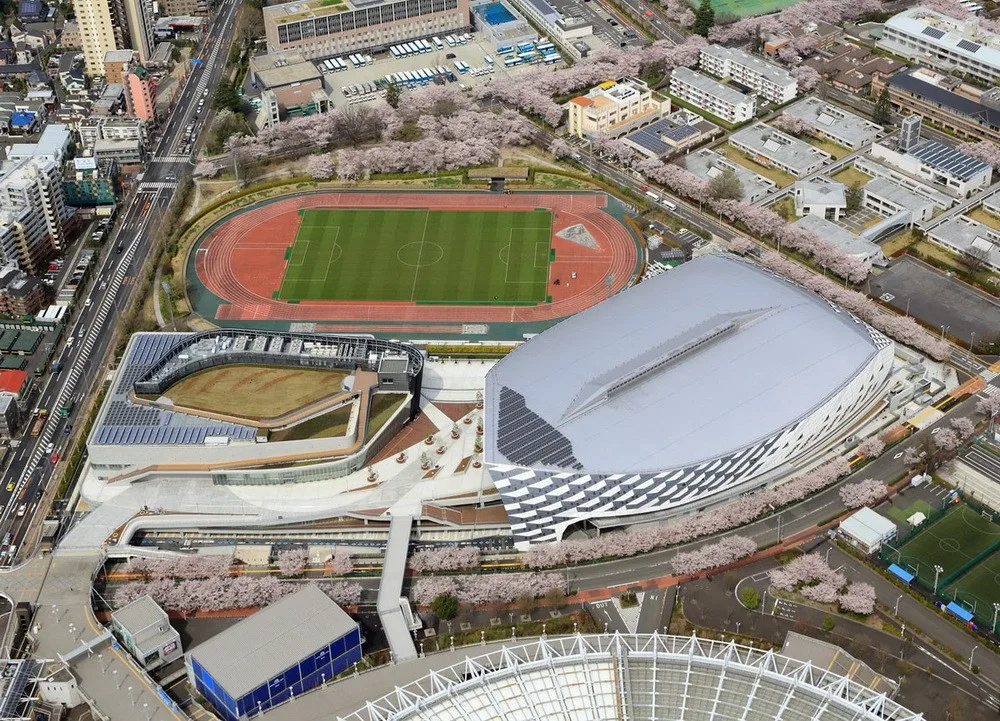
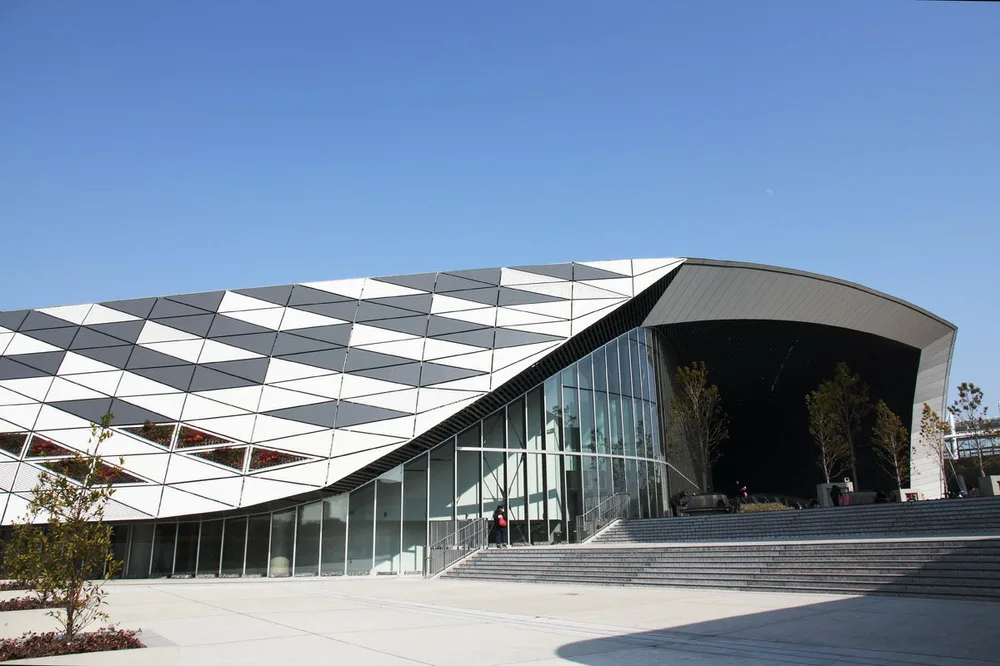
Musashino Forest Sports Plaza © 2013-2021 Architecture of the Games
The diving events began on July 25th, with all swimming and diving competitions held at the Tokyo Aquatics Center. Completed in 2020 and designed by Kenzo Danxia, son of the famous architect Kenzo Tange, the venue features tiered seating designed to ensure clear sightlines for wheelchair users. It is equipped with solar panels and a geothermal system to heat pool water, significantly reducing its carbon footprint.
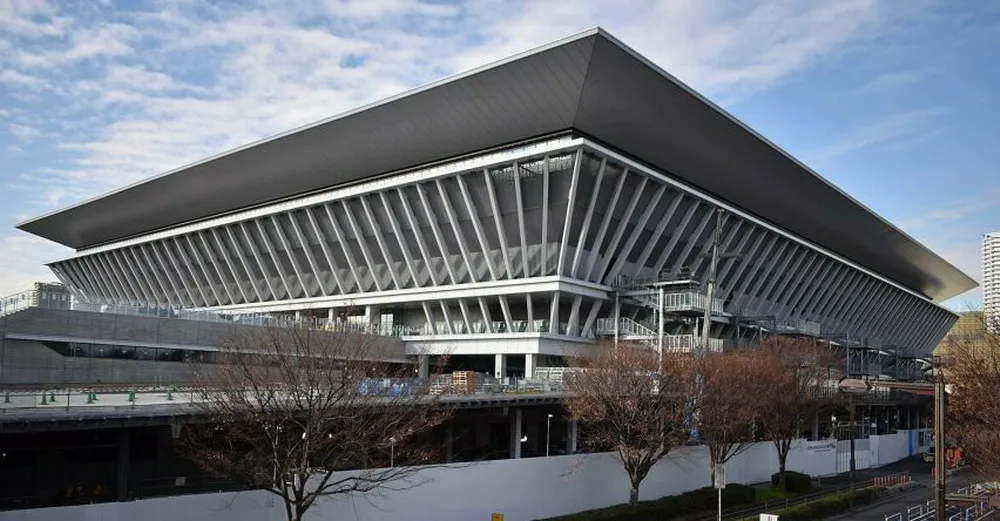
Tokyo Aquatics Center © Dezeen
It is worth noting that in the 1964 Tokyo Olympics, swimming and diving events were held at the National Yoyogi Stadium, designed by Kenzo Tange. Inspired by Le Corbusier’s Philips Pavilion and Eero Saarinen’s Yale hockey field, Yoyogi Stadium features a tensile rope structure forming a tent-like roof, with concrete bases providing seating space beneath. This stadium hosts handball events during the current Olympics.
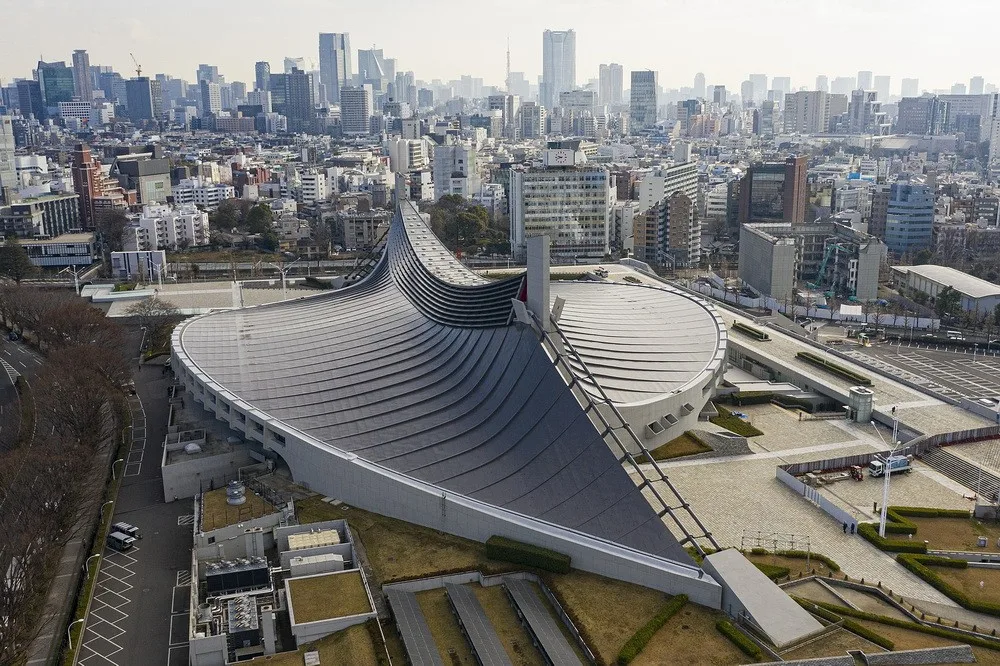
△ National Yoyogi Stadium © Image source network
On the second day of competition, the Chinese women’s volleyball team debuted against Türkiye at Ariake Arena in Tokyo’s Koto ward. Ariake Arena is one of eight newly built permanent venues, completed in 2019. The arena lacks air conditioning, with temperatures expected to reach around 30°C during matches.
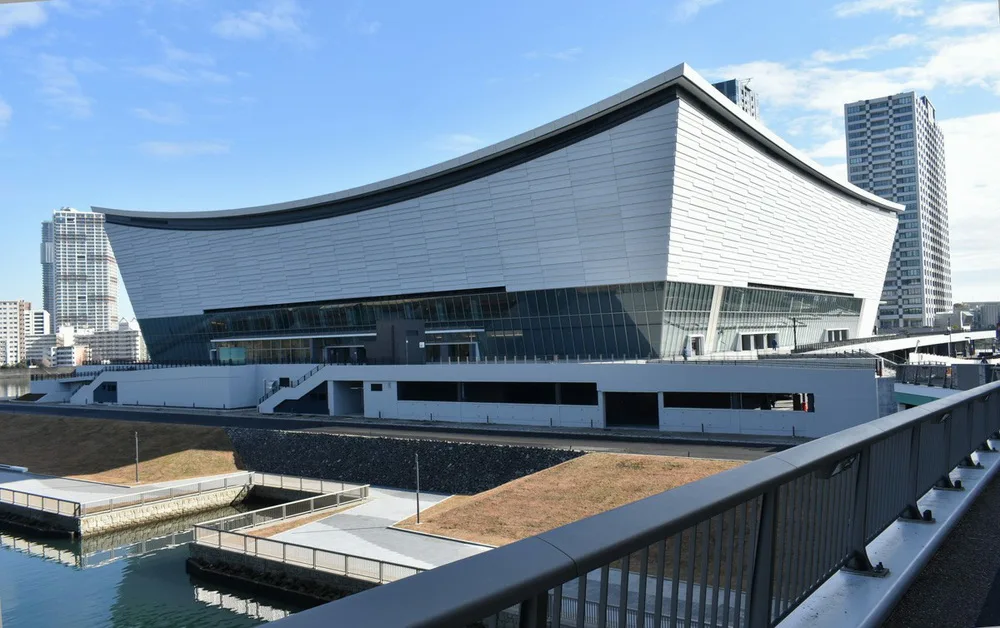
△ Ariake Arena © Tokyo2020
Table tennis medal competitions kicked off on July 26th at Tokyo Arena. Originally built in 1952 and renovated by Fumihiko Maki in 1990, the complex consists of a main arena, a sub-arena, and a swimming pool, connected by a two-story stone-paved plaza. The roof features two symmetrical, leaf-shaped aluminum structures spanning 150 meters in diameter. Tokyo Arena was used for gymnastics in the 1964 Olympics.
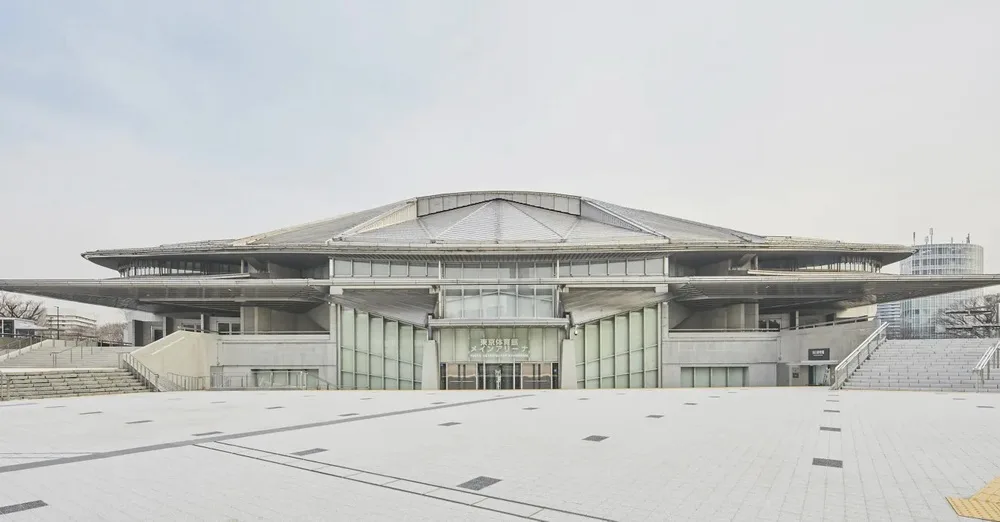
Tokyo Gymnasium © Tokyo2020
On the same day, gymnastics medal events began at Ariake Gymnastics Arena, a temporary venue completed in 2019 by Nichiren Design and Shimizu Construction. It features a massive wooden roof measuring 117 by 88 meters, constructed from Japanese larch trees sourced from Hokkaido and Nagano prefectures. After the Olympics, it will serve as a conference center until 2030.
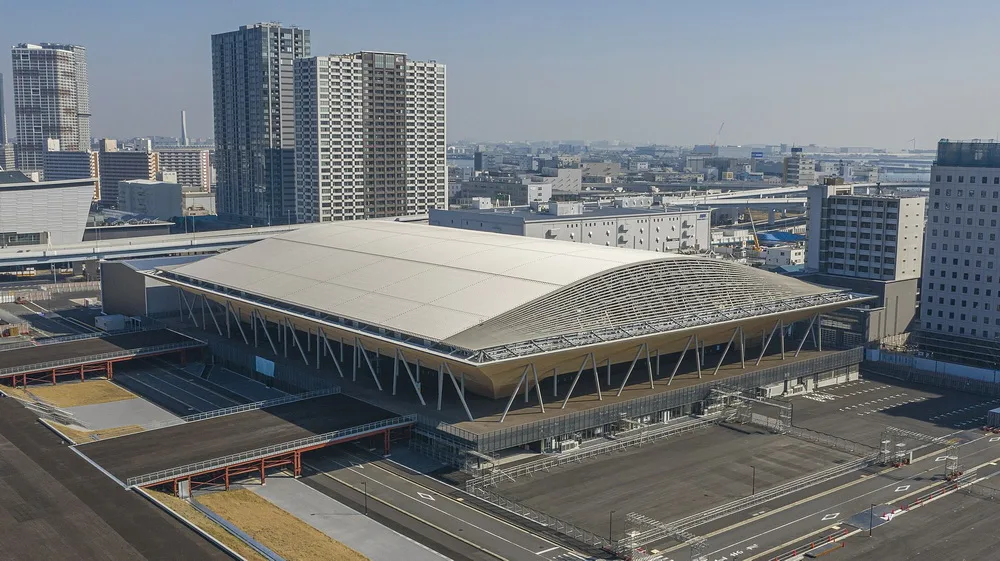
△ Ariake Gymnastics Arena © Image source network
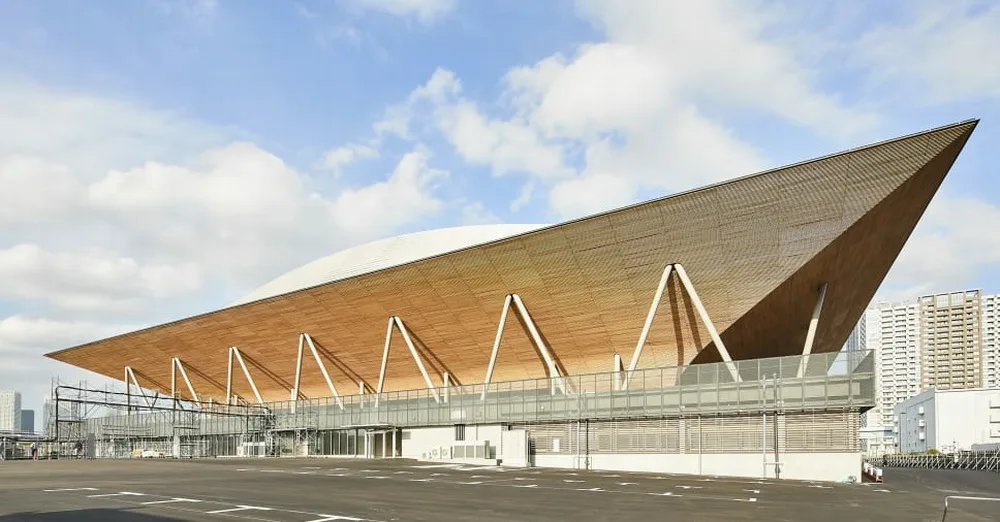
△ Ariake Gymnastics Arena © Tokyo2020
On July 27th, the Chinese women’s basketball team faces Puerto Rico at Saitama Super Arena. Costing $750 million, this arena is composed of 15,000 tons of movable structures, allowing it to transform between a 20,000-seat NBA-standard arena, a 35,000-seat stadium, or a concert venue within 20 minutes. Its advanced design earned it a spot among the world’s top 50 buildings in 2001.
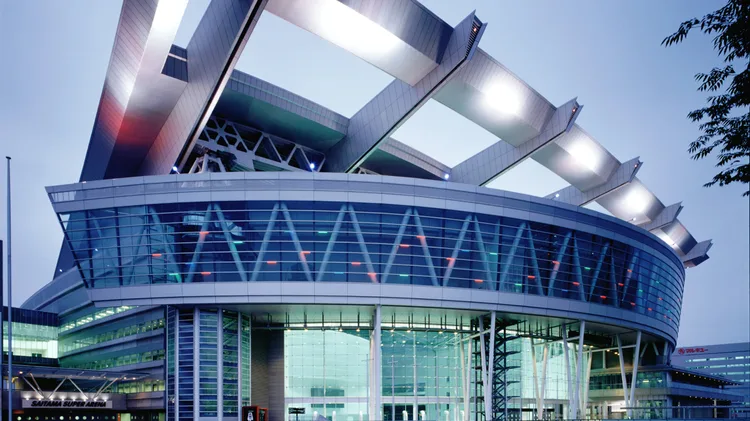
△ Saitama Super Arena © Meisstudio
III. Conclusion
Every Olympic Games profoundly impacts the host country’s construction industry. Japan experienced a construction boom before and after the 1964 Tokyo Olympics, while China saw similar growth around the 2008 Beijing Olympics.
Olympic venues serve not only as stages for athletes but also as showcases for contemporary architectural innovation. More importantly, we hope these buildings will host unforgettable moments over the coming month.












Must log in before commenting!
Sign Up