
Summary: The Spring Zhai Tea Stay offers a serene escape into a tranquil spiritual world amidst the bustling pace of modern life.
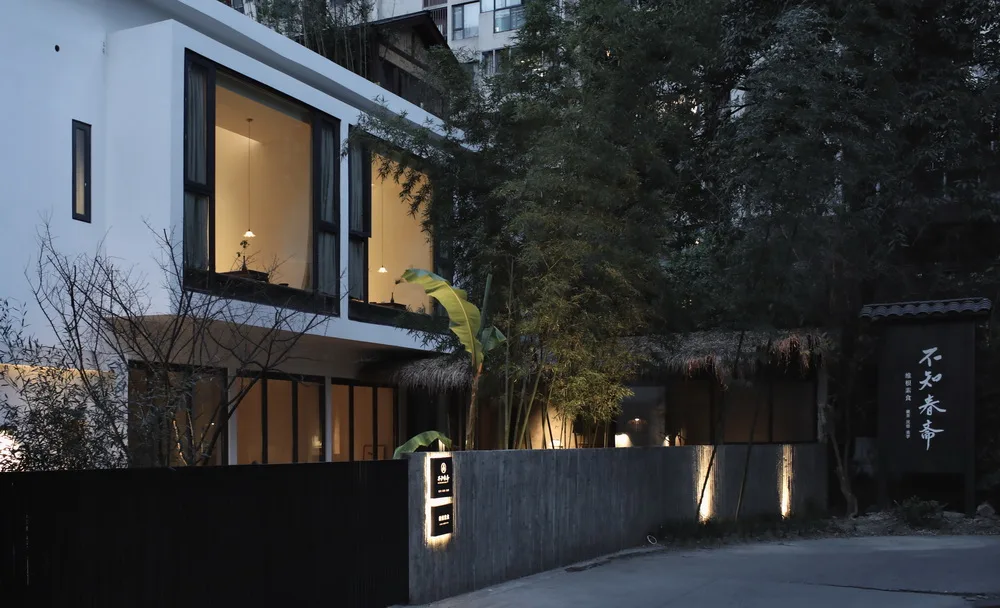
△ View from the main entrance of Chunzhai © Unknown
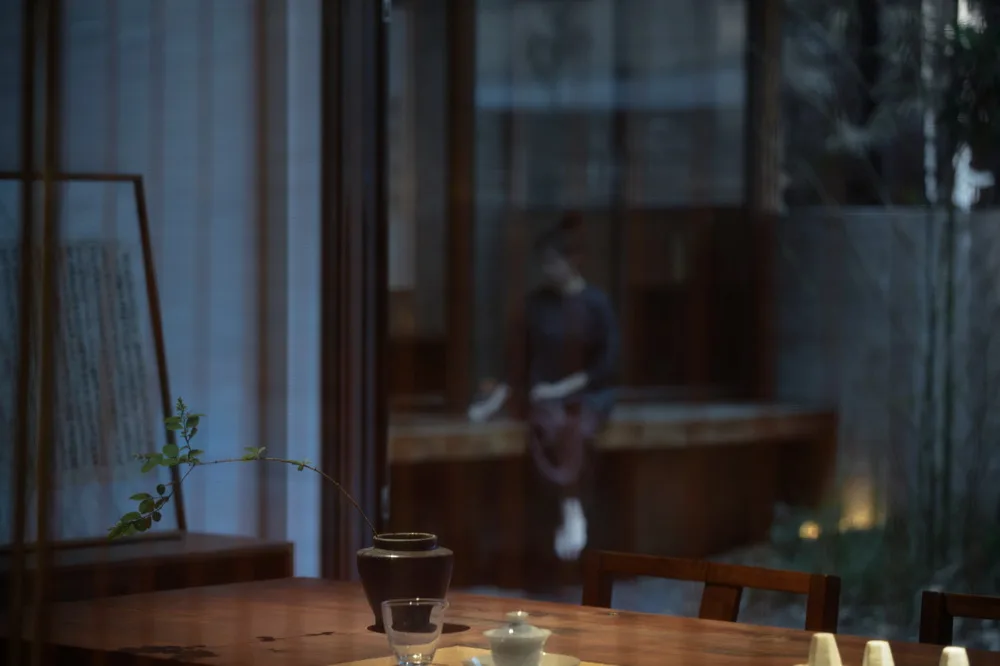
© Existence of Architecture – Architectural Photography
The Spring Zhai Tea Stay is a unique rock tea culture homestay that blends tea shops, accommodations, utensils, and design into a culturally rich and aesthetically pleasing space. The brand was founded by Cao Mujun, who hails from Mount Wuyi. Her lifelong love for mountain walks and leisurely reading has infused Chunzhai with the spirit of nature and tranquility. The name “Zhai Zhichun” comes from a tea tree that blooms only in summer, missing the spring season, symbolizing the hope that visitors find calmness and escape the hectic rhythm of everyday life within this space.
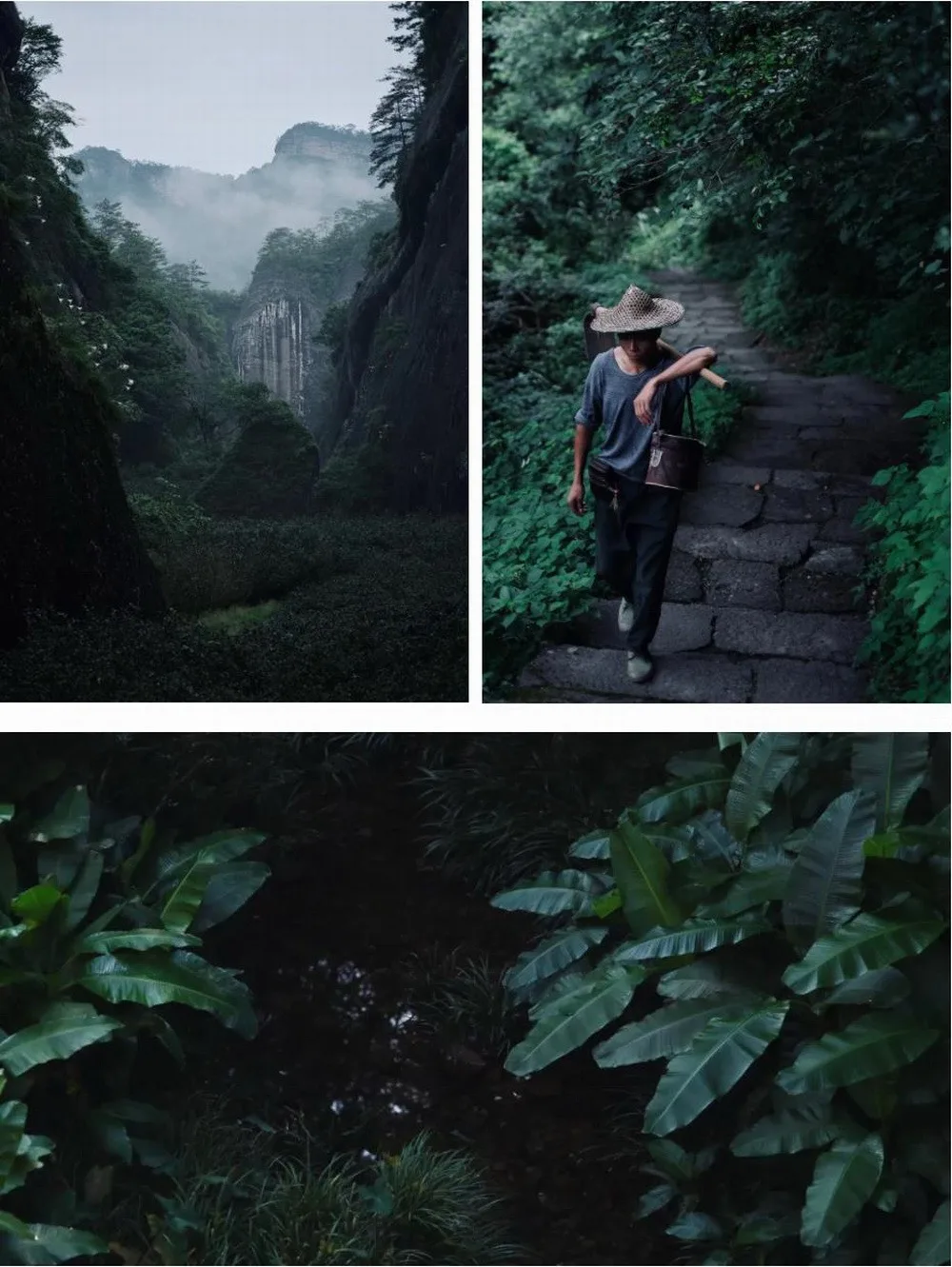
△ Scenic view of Mount Wuyi © Unknown
Due to family ties, we frequently travel between Chengdu and Wuyi. The home of Grass and Tree Lord in Wuyi sits at the foot of Dawang Peak, overlooking the clear waters of Qingfeng Peak and the slow-flowing Chongyang River. Mount Wuyi, weathered and majestic, conceals tea fields, ancient temples, and Taoist shrines dating back to the Song Dynasty within its rocky crevices and gullies. Exploring the mountain involves climbing cliffs and wandering among peaks, offering a deeply natural experience. The primary design challenge was to capture this reclusive and free-spirited essence within an urban setting.
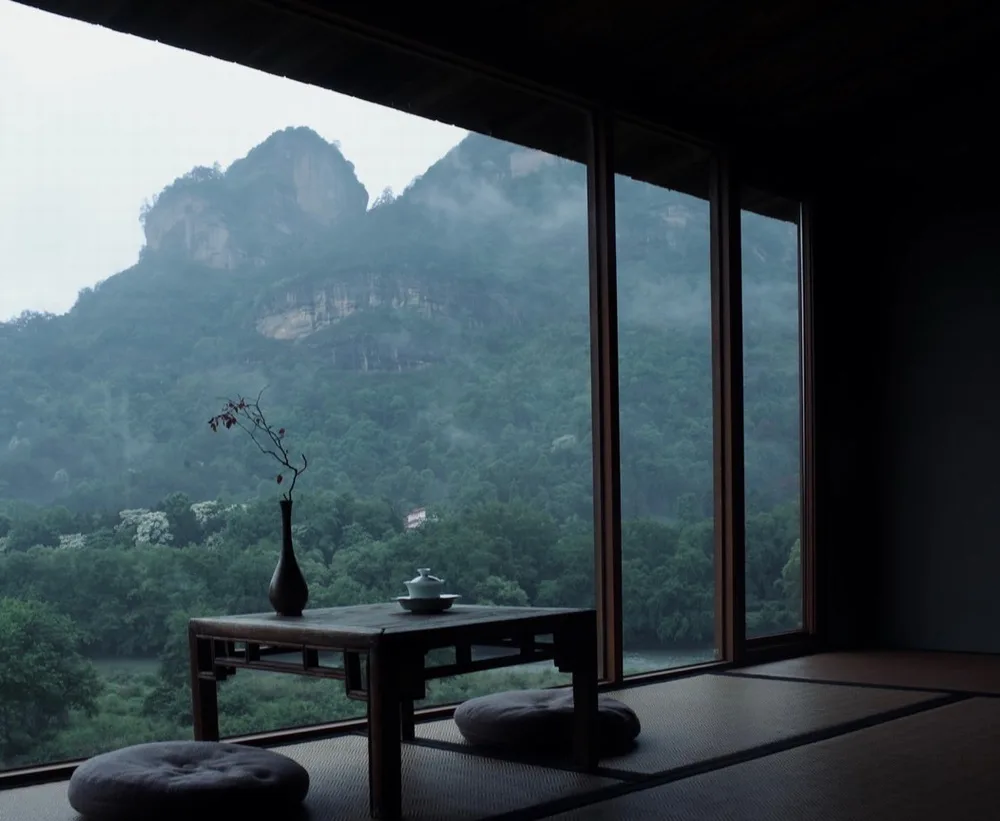
△ Cao Mu Jun’s Mount Wuyi Residence © Unknown
The site chosen for the design is a rare standalone building within the city, previously a well-known vegetarian restaurant. The building covers less than 800 square meters, with the courtyard and rooftop garden expanding the total area to over a thousand square meters. The first floor is dedicated to a professional rock tea shop showcasing tea products, utensils, and furniture. Upstairs, nine guest rooms themed around rock tea culture provide unique accommodations. The rooftop garden complements the courtyard below, creating a starting point for a journey through the space. A wooden pavilion originally in the courtyard was redesigned into a thatched tea house.
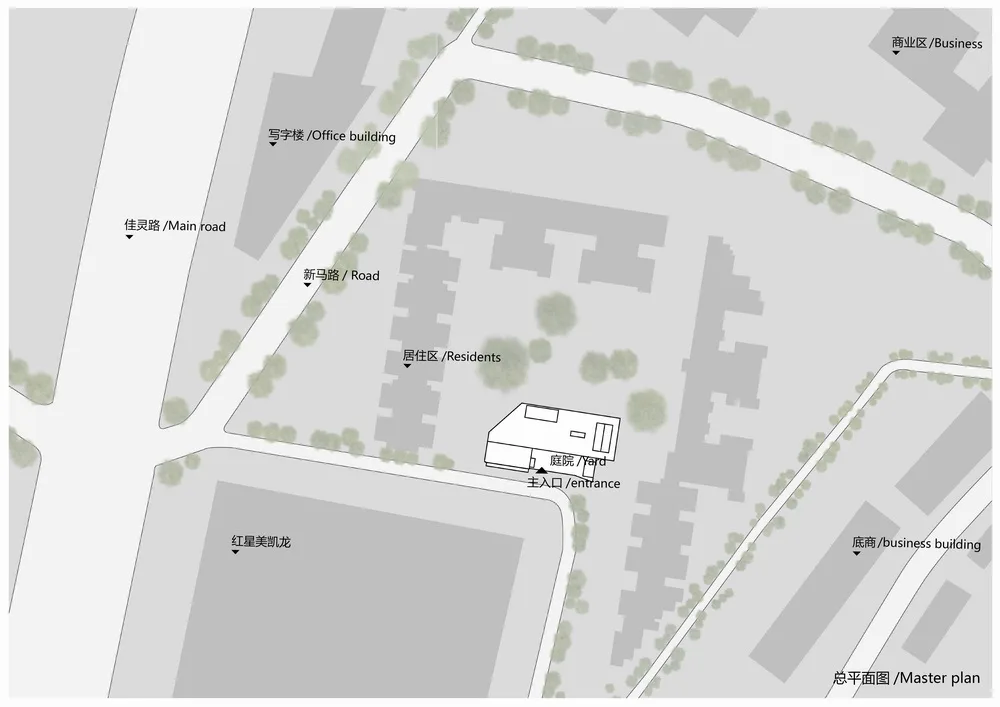
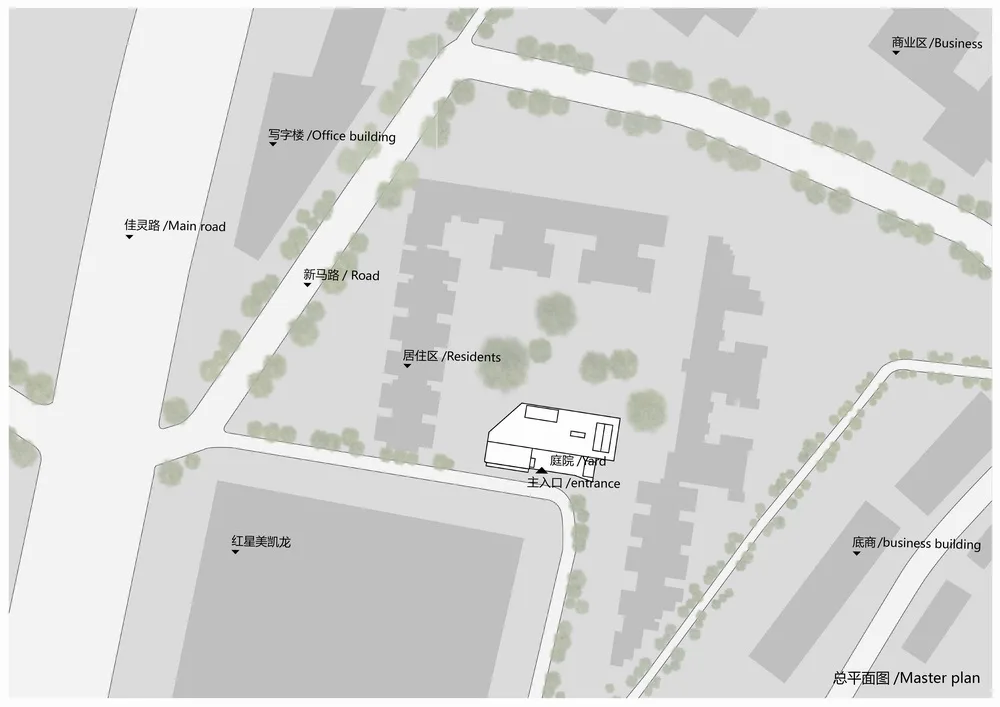
Chunzhai sits quietly at the end of an alley in Chengdu, balancing urban bustle with peaceful tranquility.
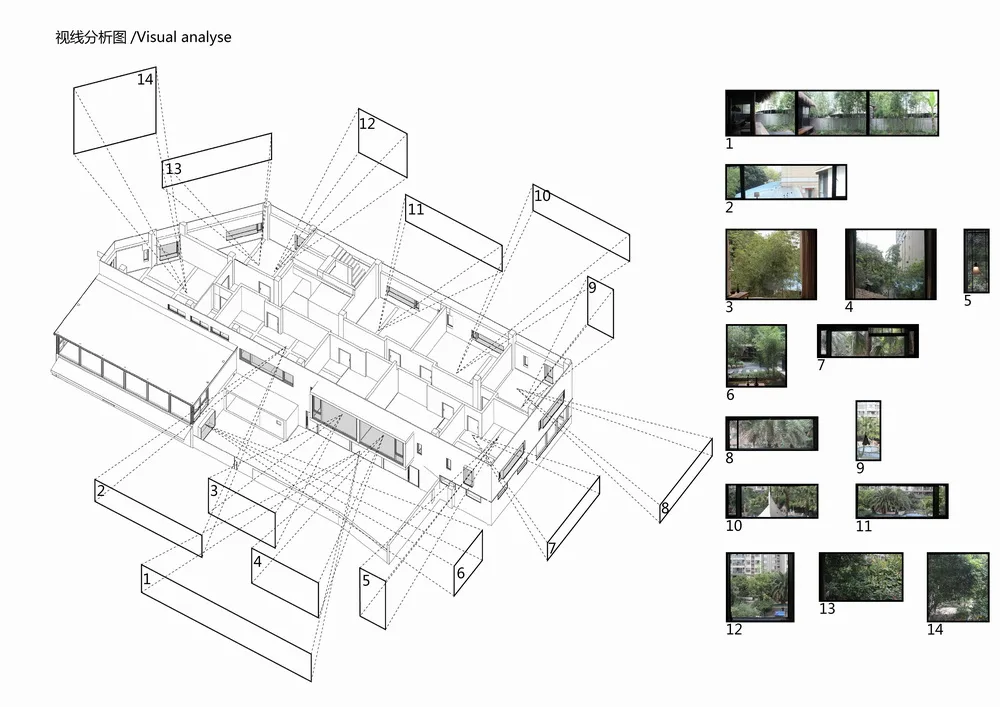
△ Perspective analysis of Chunzhai in Chengdu, creating a mountain and forest experience within the city
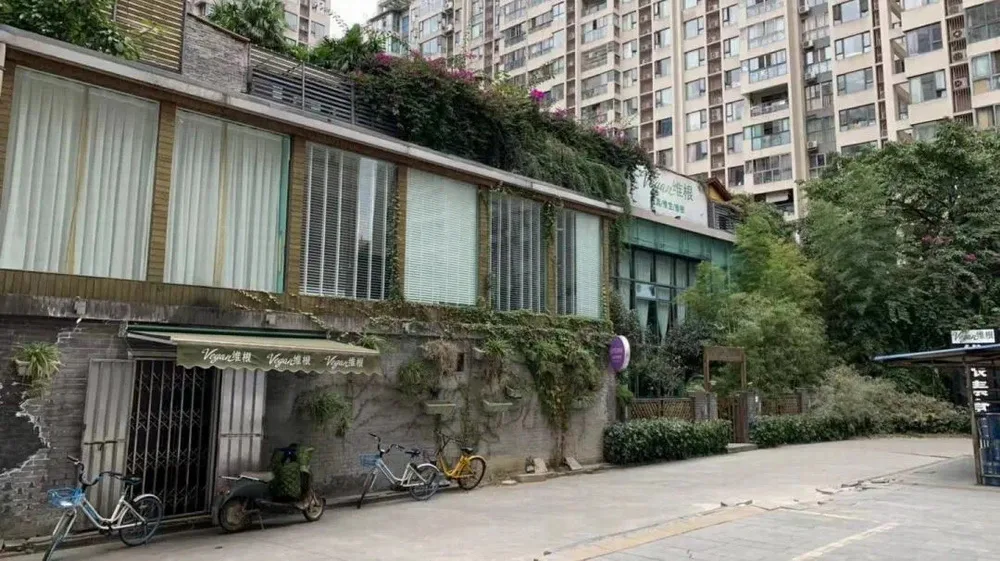
△ Site map of Chunzhai project in Chengdu
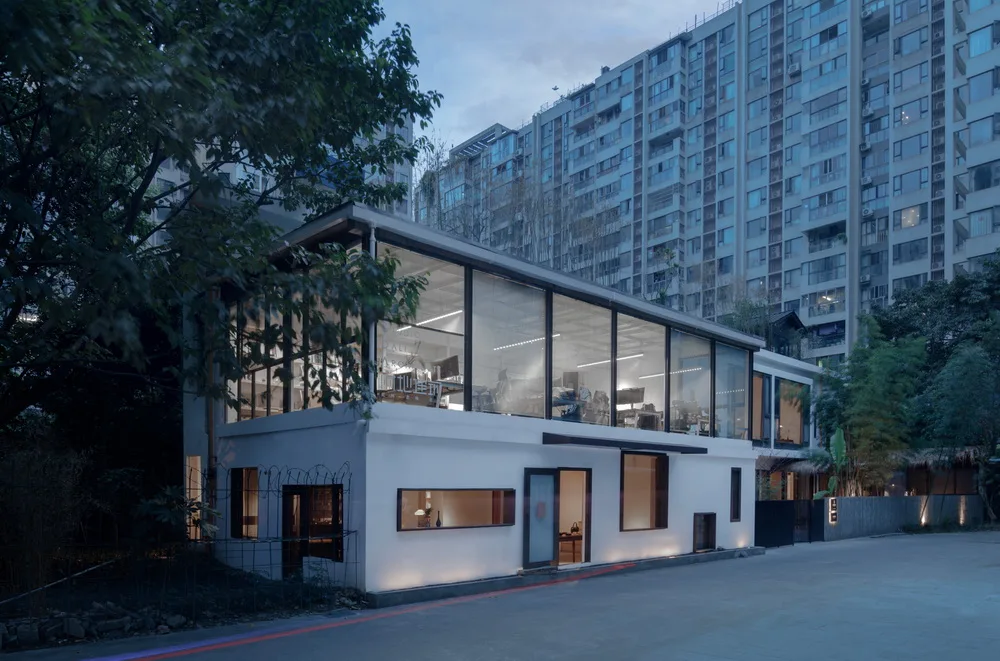
△ Night view of Chunzhai’s southern street in Chengdu © Existence of Architecture – Architectural Photography
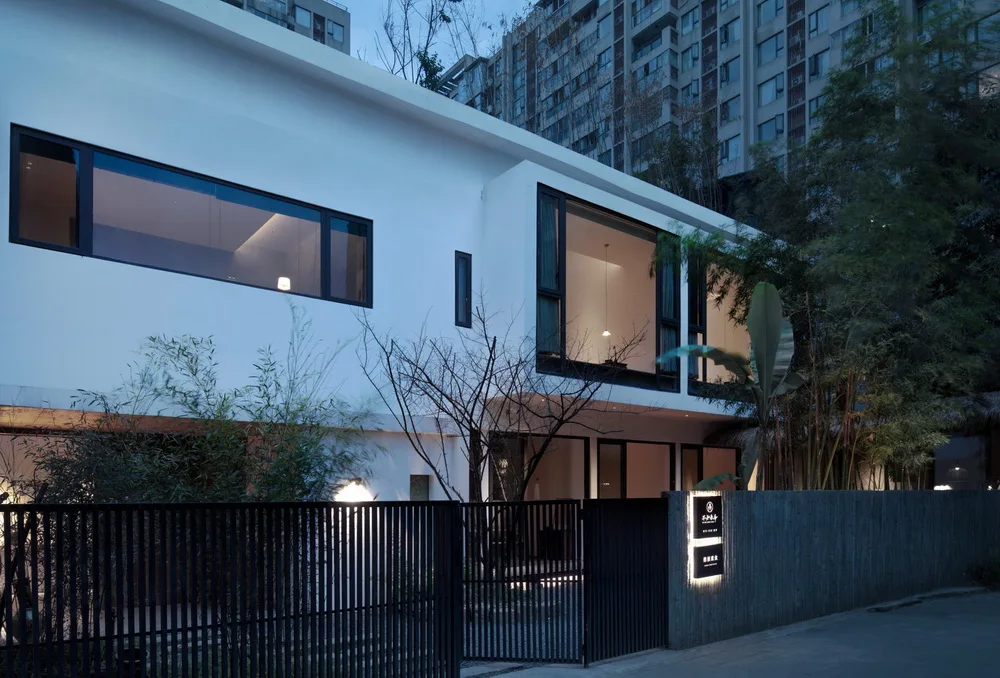
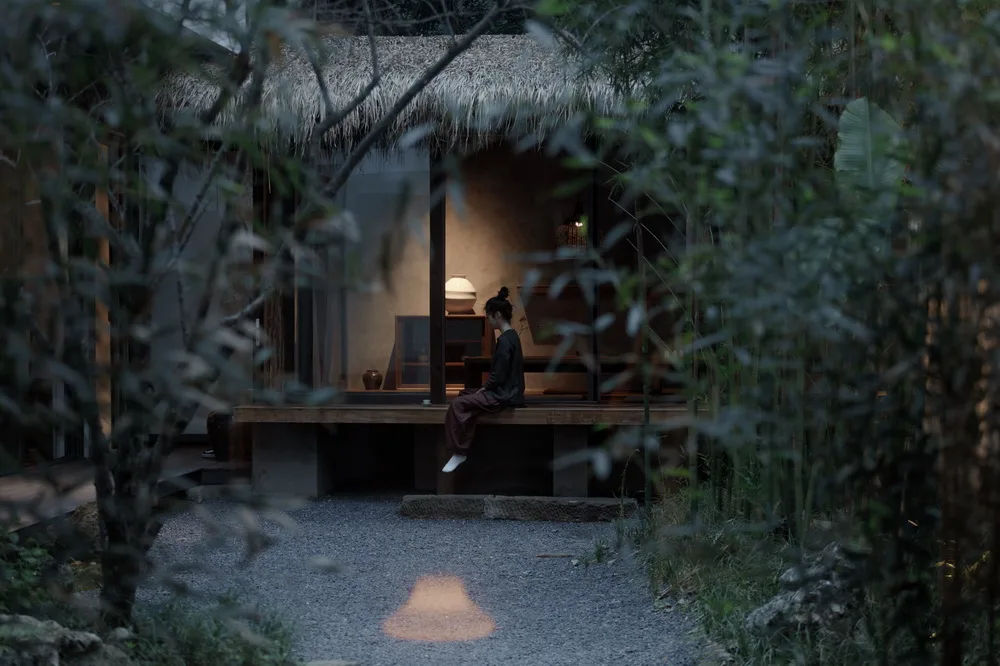
© Existence of Architecture – Architectural Photography
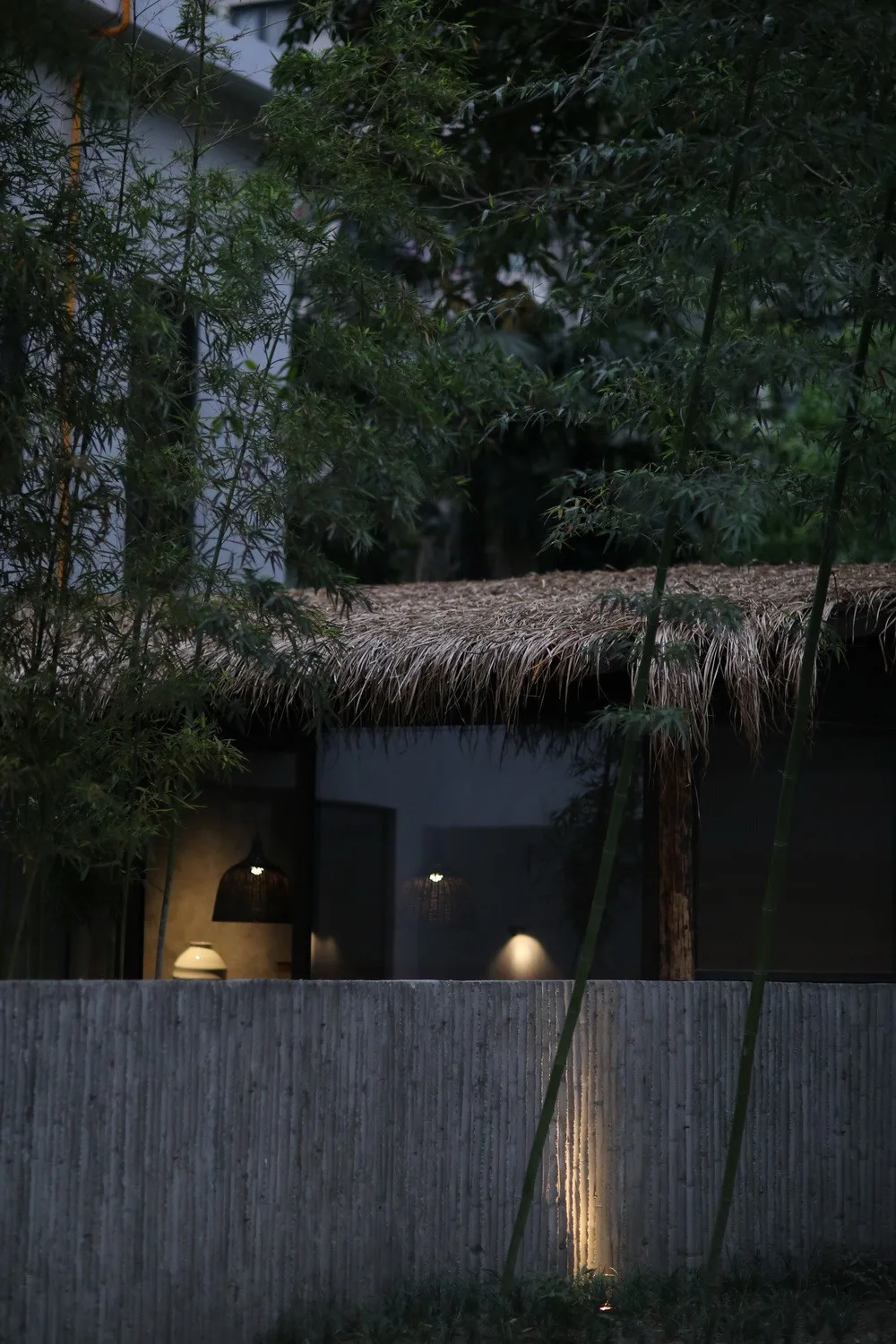
© Unknown
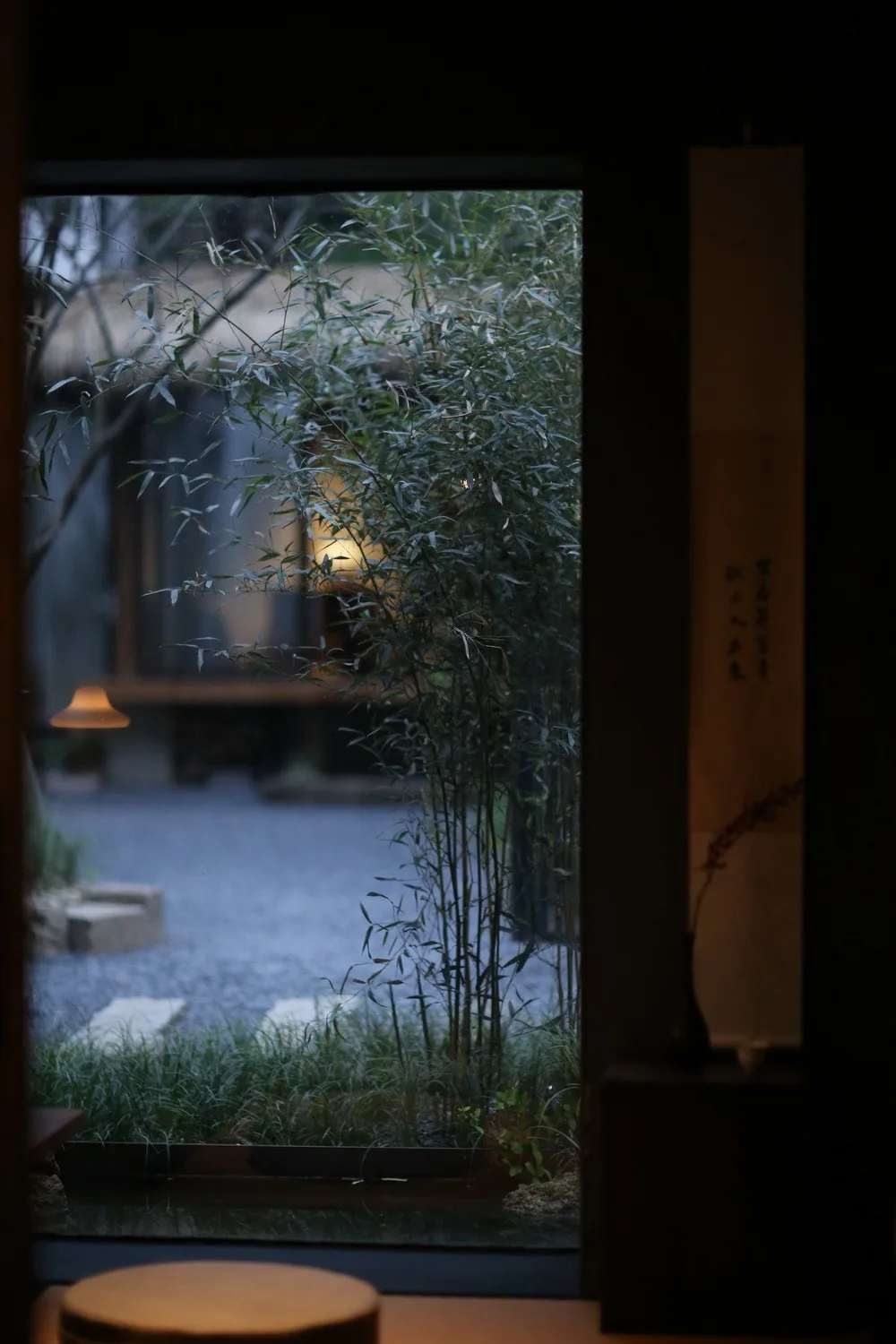
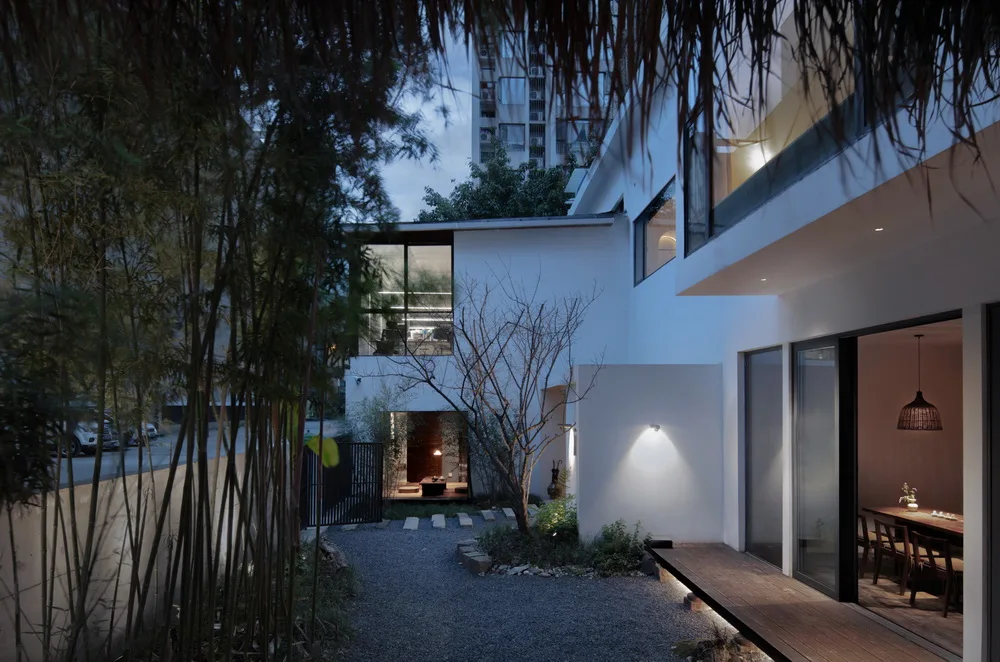
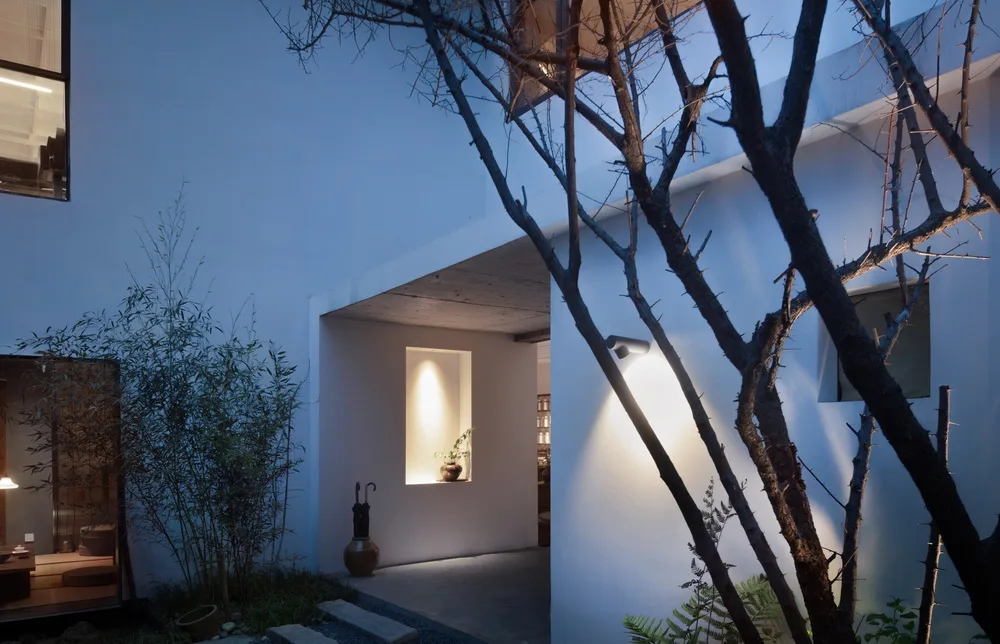
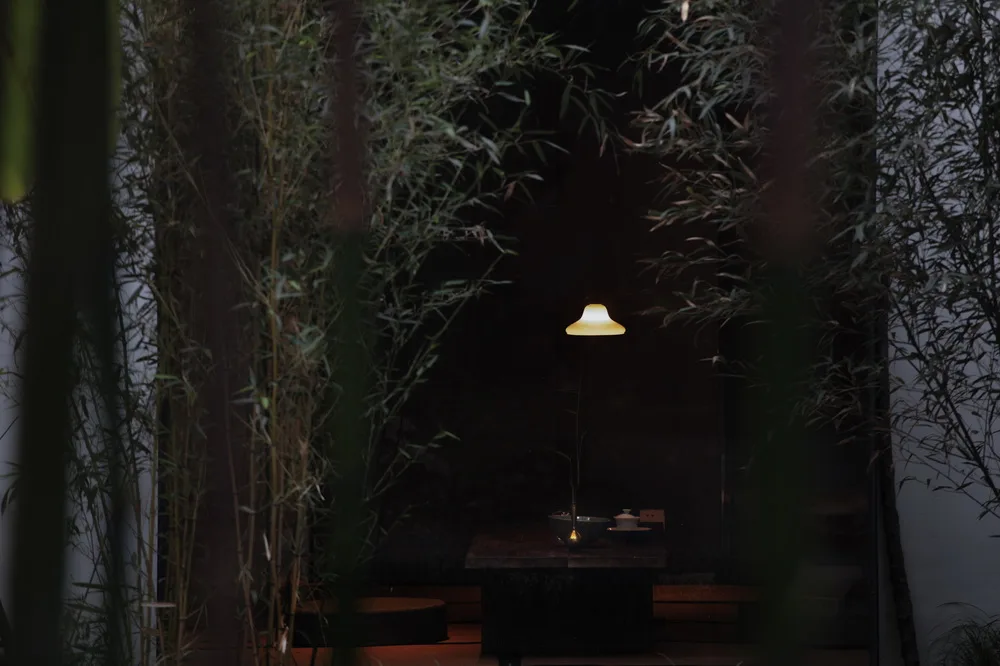
The entrance courtyard was originally filled with a dense bamboo grove that blocked a direct path to the building, softening the overall atmosphere. The courtyard walls are crafted from bamboo-patterned concrete, creating striped textures that play with bamboo shadows. The entrance gate is designed at eye level, creating an ambiguous visual dialogue—welcoming yet reserved—offering an intimate sense of arrival.
Passing through the gate, visitors enter the main entrance where a small tea room overlooks a tranquil water pool. To the right, the thatched hut offers distant views of the mountains across the water. A sheltered area near the entrance provides a resting spot and shelter from rain, enhancing the welcoming atmosphere.
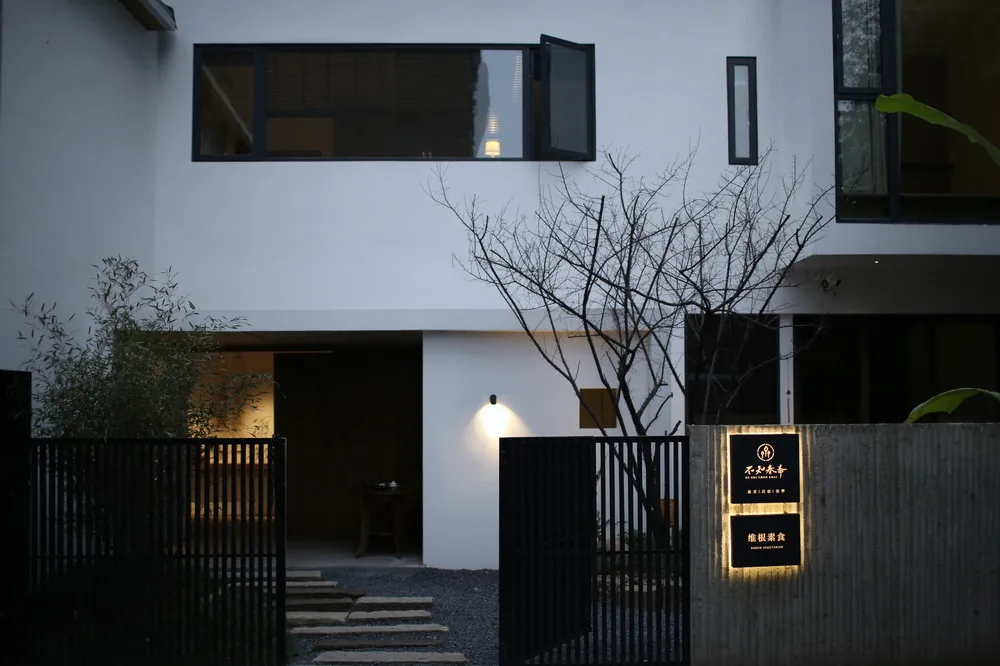
© Unknown
© Existence of Architecture – Architectural Photography
© Unknown
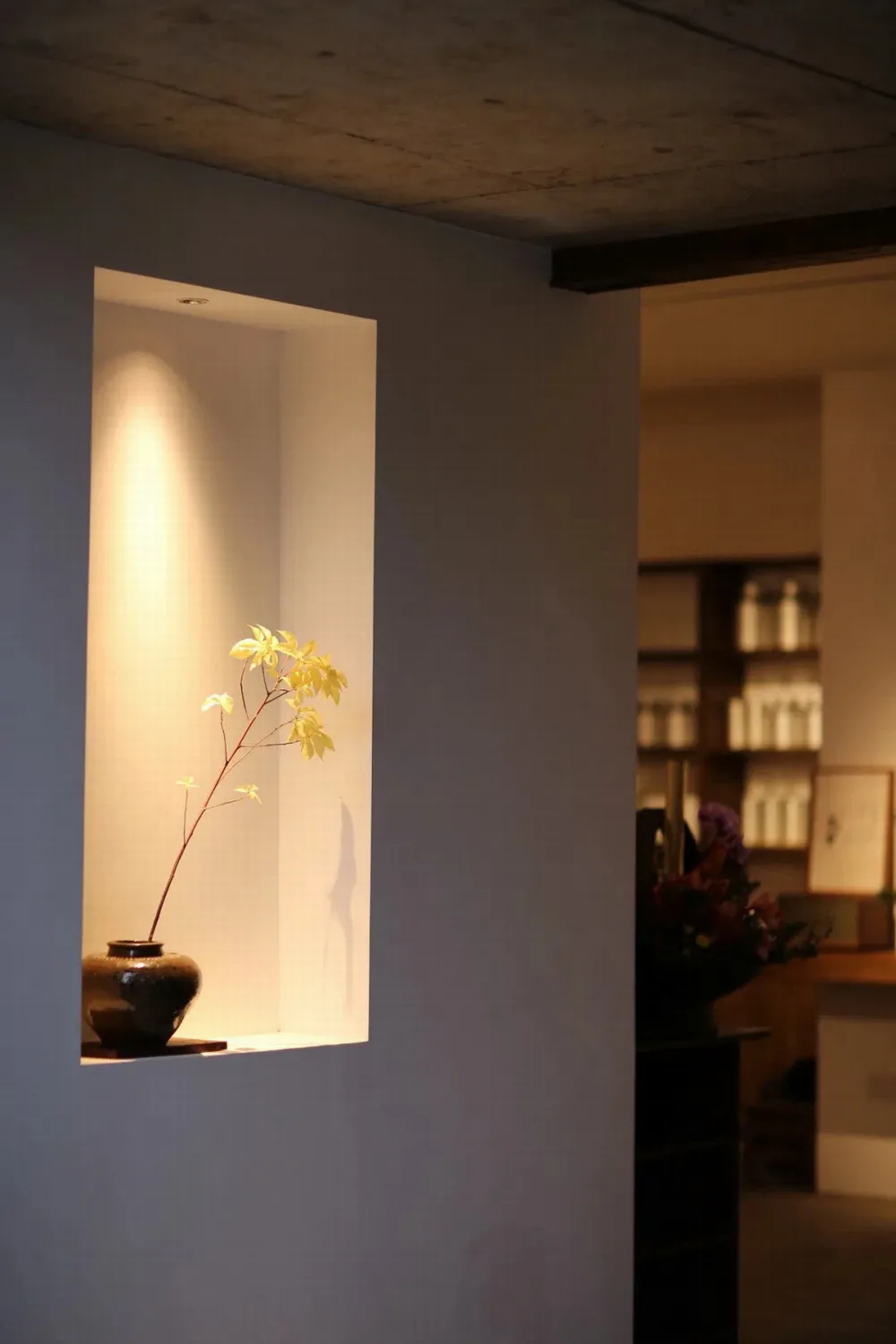
Upon entering through the large wooden door, visitors first encounter a blank wall meant to display current flower arrangements, calligraphy, and paintings. This wall is slightly offset from the entrance to naturally draw the eye deeper into the space. A six-meter-long tea table is positioned centrally along this wall, serving as the heart of the tea house’s service area.
The layout around the tea table and exhibition spaces follows a winding path, encouraging visitors to discover the “scenery along the way.” This design adds a playful flow to the space and thoughtfully integrates lighting. The building’s interior is organized into a long, narrow strip with public spaces alternating on either side of the central axis. Light and sightlines are carefully considered from multiple angles, enabling visitors to enjoy varied views as they move through the space.
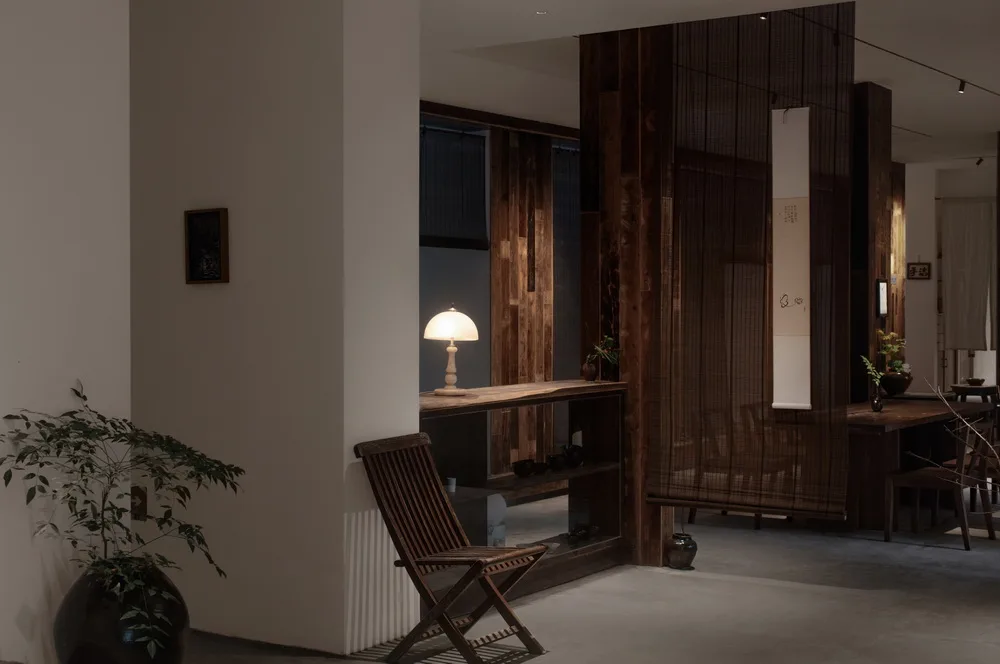
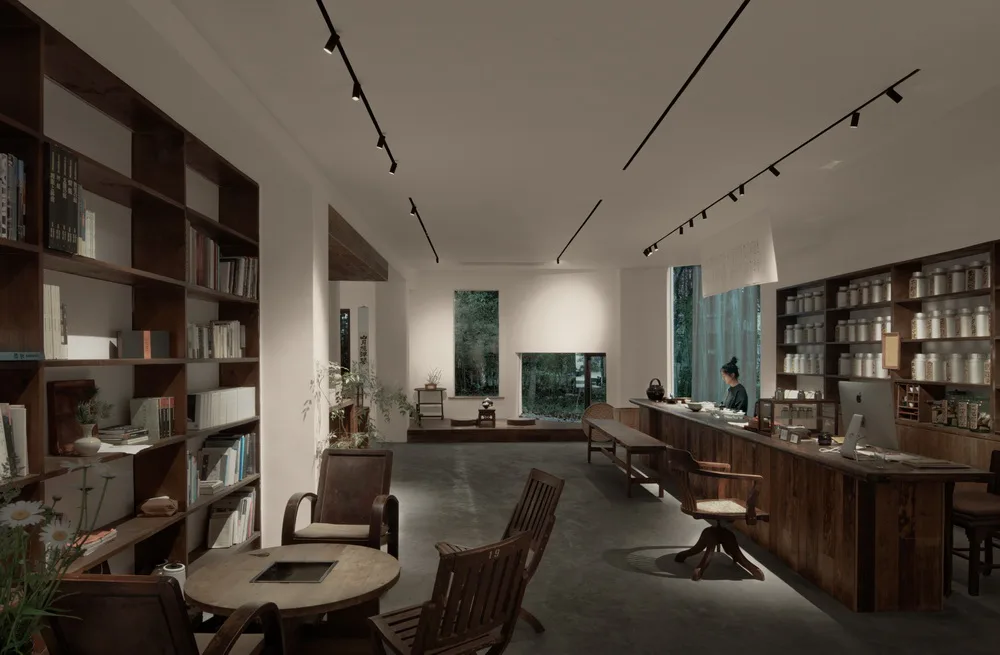
© Existence of Architecture – Architectural Photography
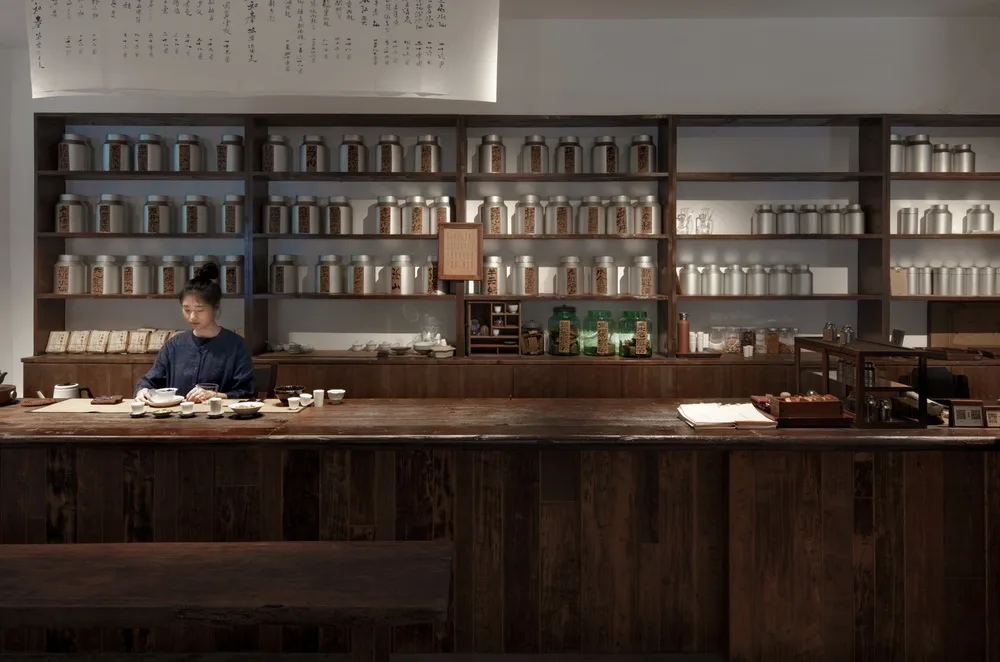
The six-meter-long tea table serves as the central hub of the tea house © Existence of Architecture – Architectural Photography
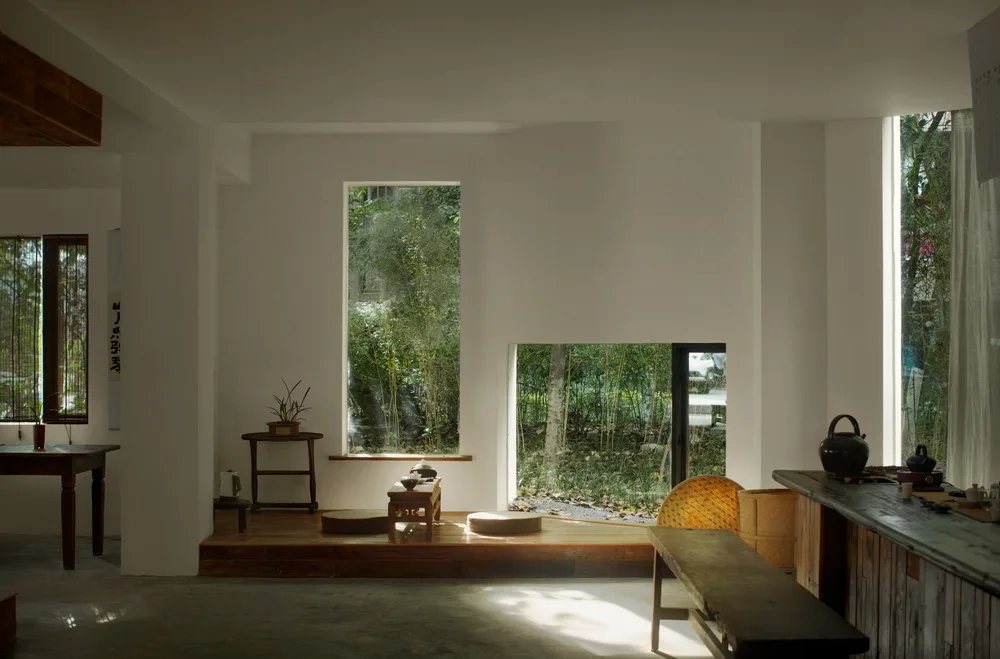
△ The space follows a winding path, enhancing the experience of the scenery along the way © Existence of Architecture – Architectural Photography
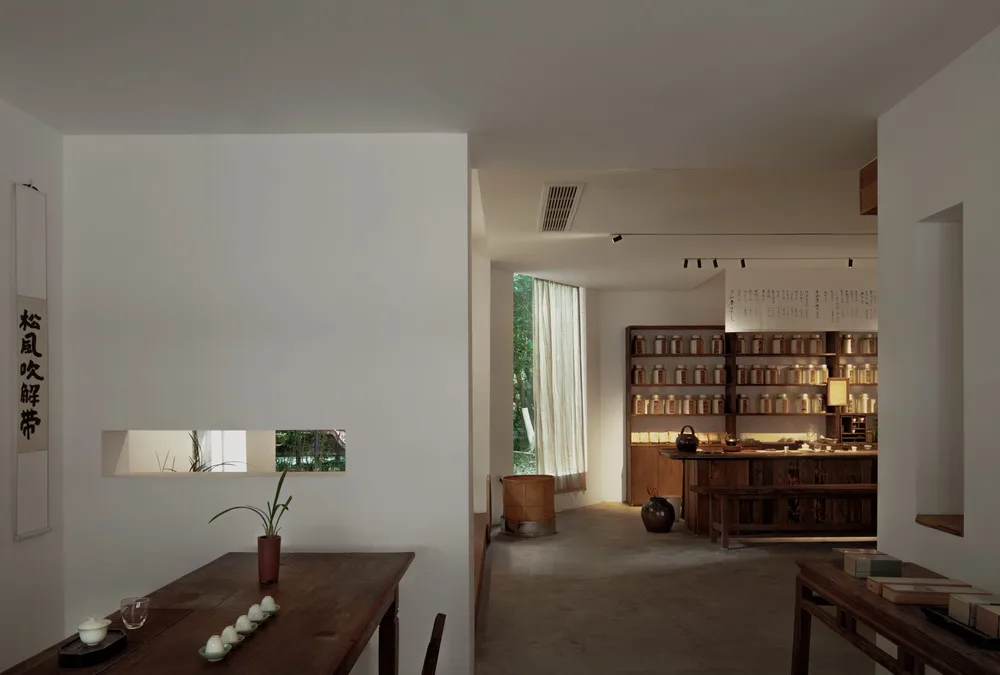
© Existence of Architecture – Architectural Photography
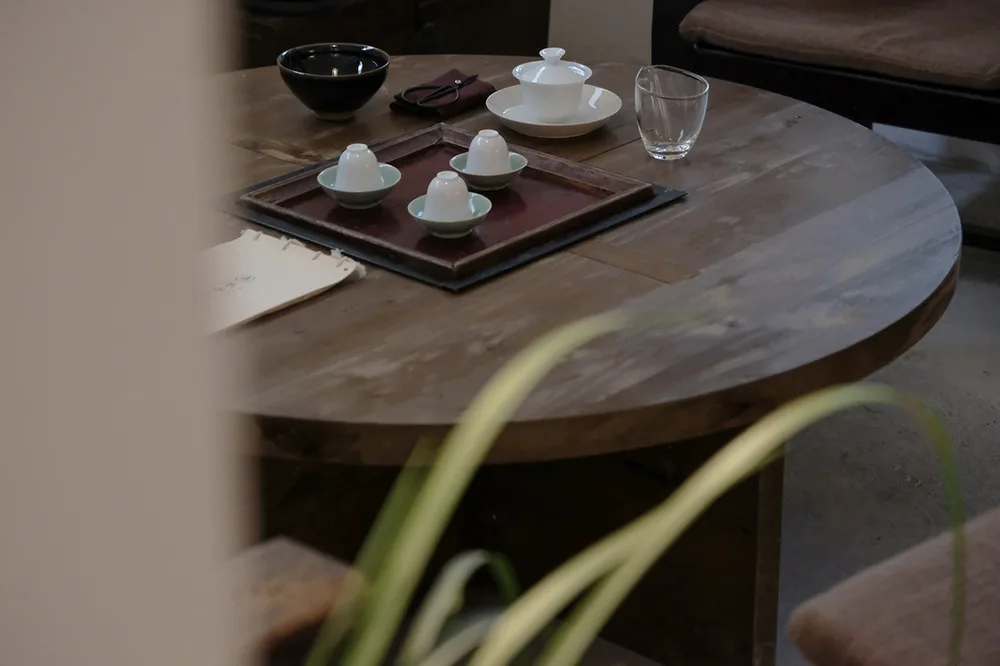
© Unknown
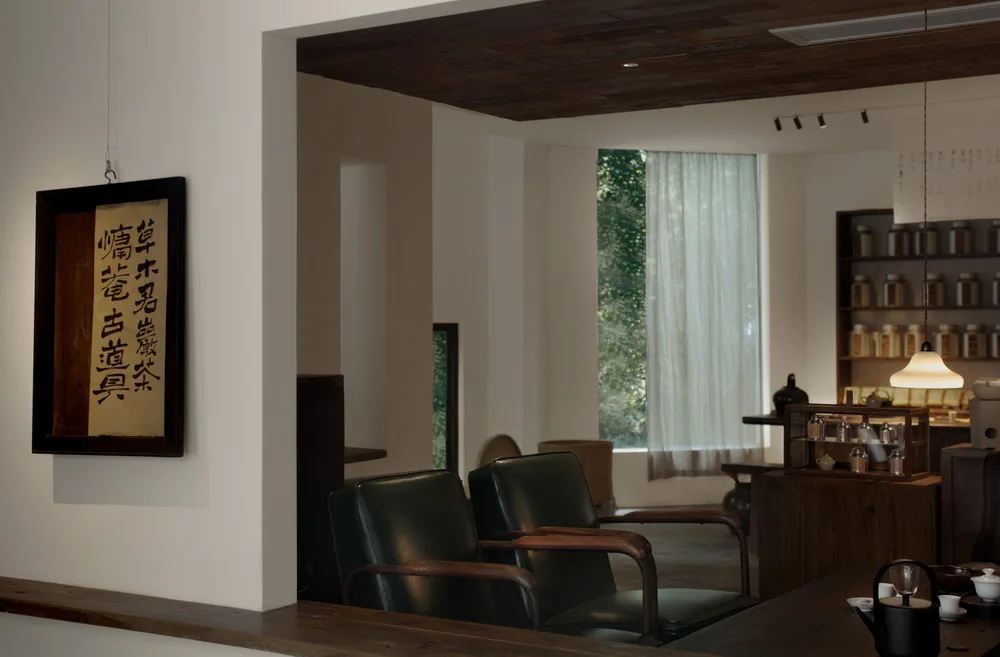
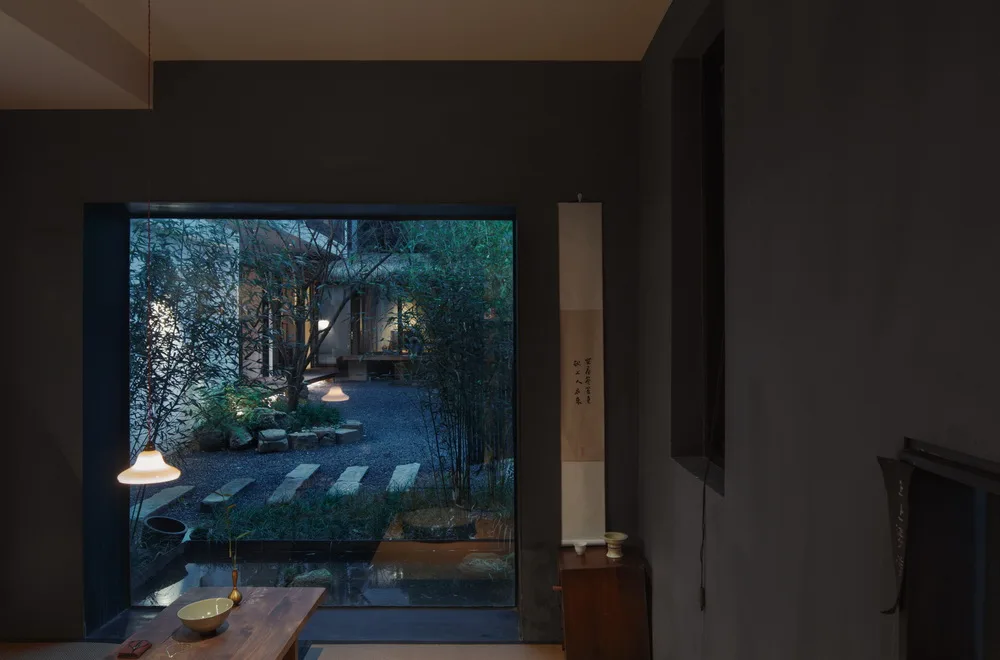
© Existence of Architecture – Architectural Photography
The staircase from the first to the second floor is enclosed by a partition wall that creates the sensation of ascending a winding mountain path, adding an element of surprise and discovery. The second floor features nine guest rooms, each with a unique layout inspired by the nine artistic conceptions of Mount Wuyi, such as “Half Into the Cloud” and “Orange Hidden.”
The design includes a miniature entrance that challenges guests to navigate a short distance to the rest area. About one-third of each room’s interior is dedicated to tea table seating. Windows are strategically placed to direct views toward surrounding trees, bringing the feeling of mountains and forests into the urban environment. An original skylight above the corridor in the guest room area features a water element at the window, allowing glimpses of the sky.
The rooftop garden surrounds this skylight with an open platform, while the rest of the area is densely planted with trees. A winding path weaves through this green oasis, creating a tranquil island within the city.
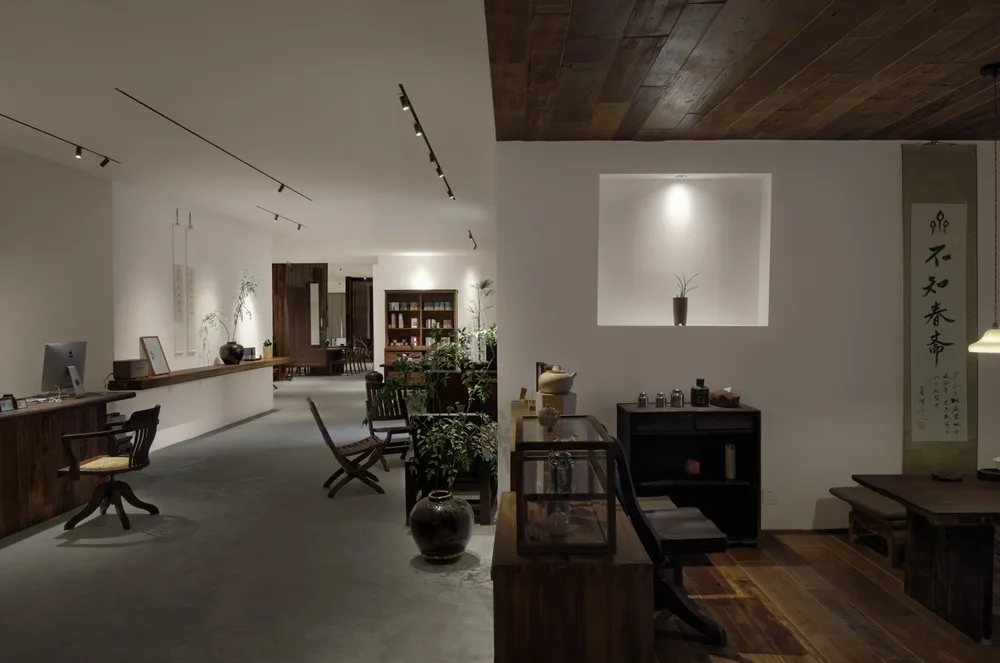
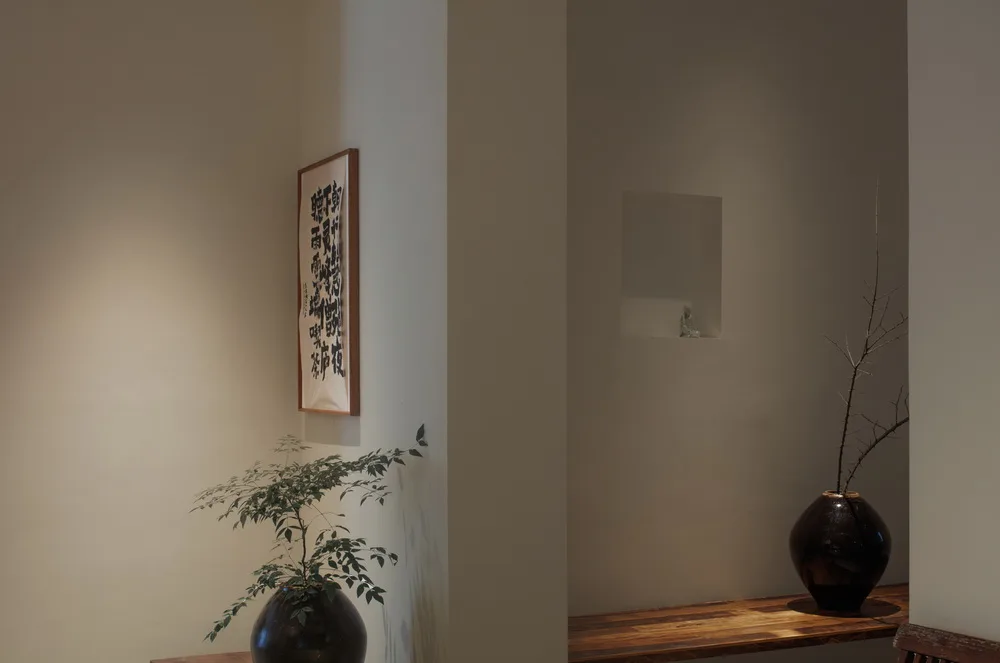
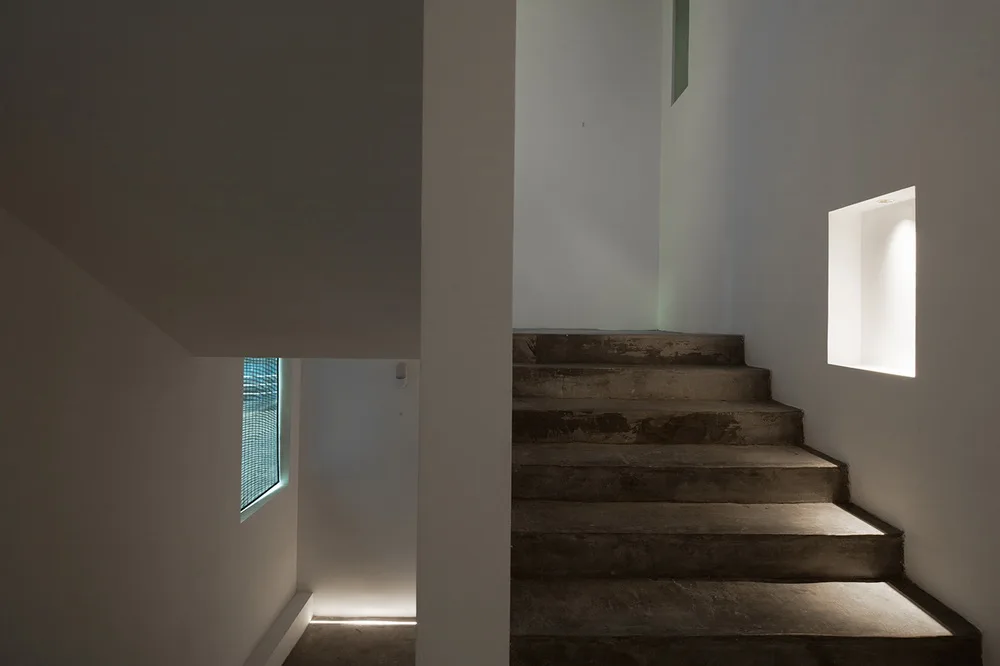
The staircase, designed as a winding mountain path, enhances the journey through the space © Existence of Architecture – Architectural Photography
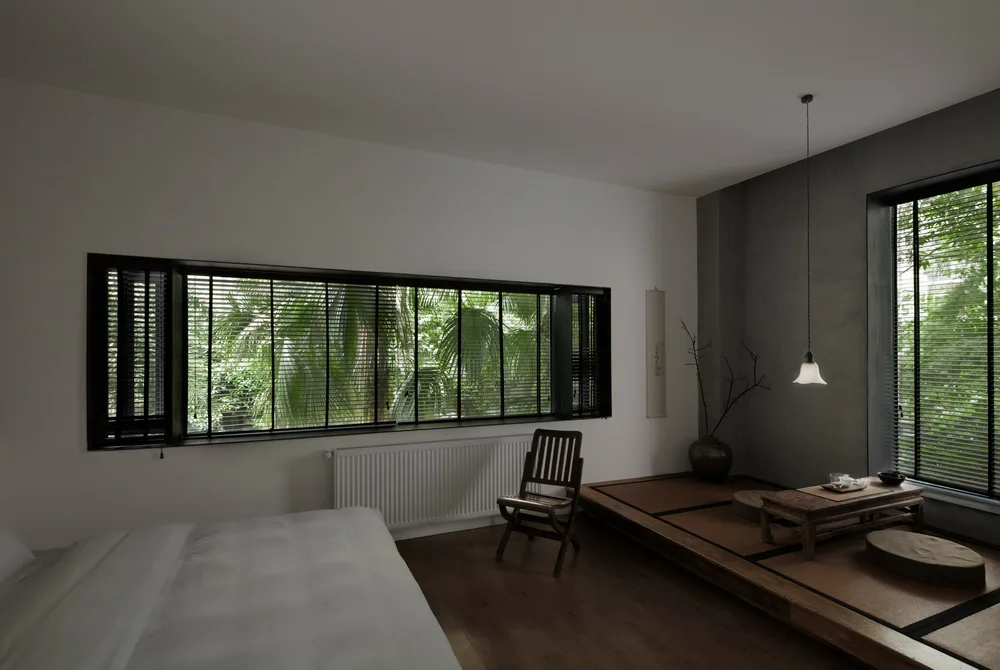
△ Second-floor guest rooms: nine rooms, nine distinctive layouts © Existence of Architecture – Architectural Photography
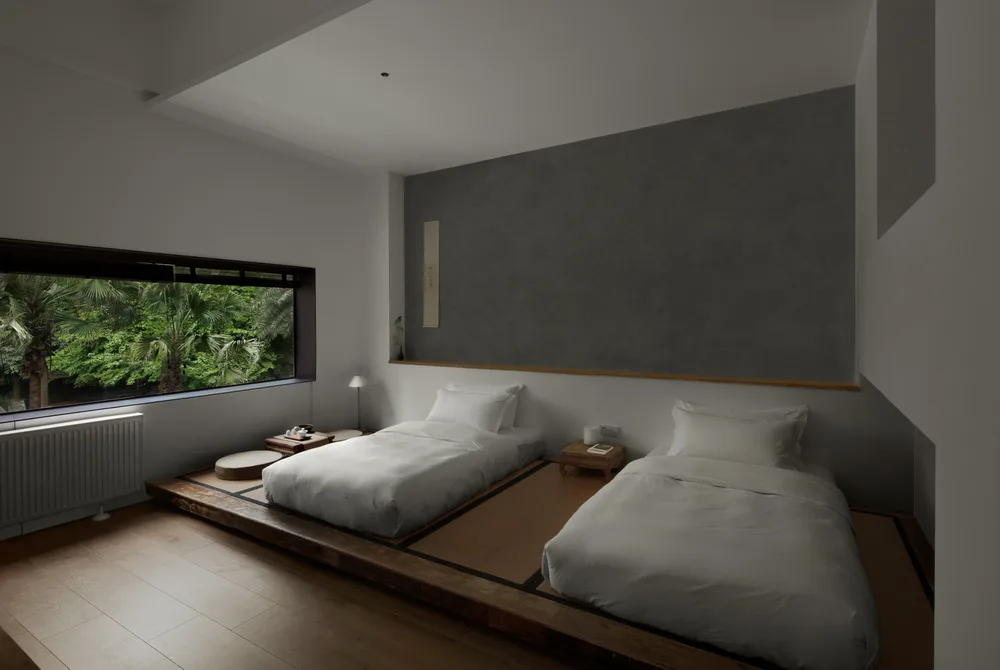
Each room brings in greenery, evoking the feeling of being immersed in nature even within the city © Existence of Architecture – Architectural Photography
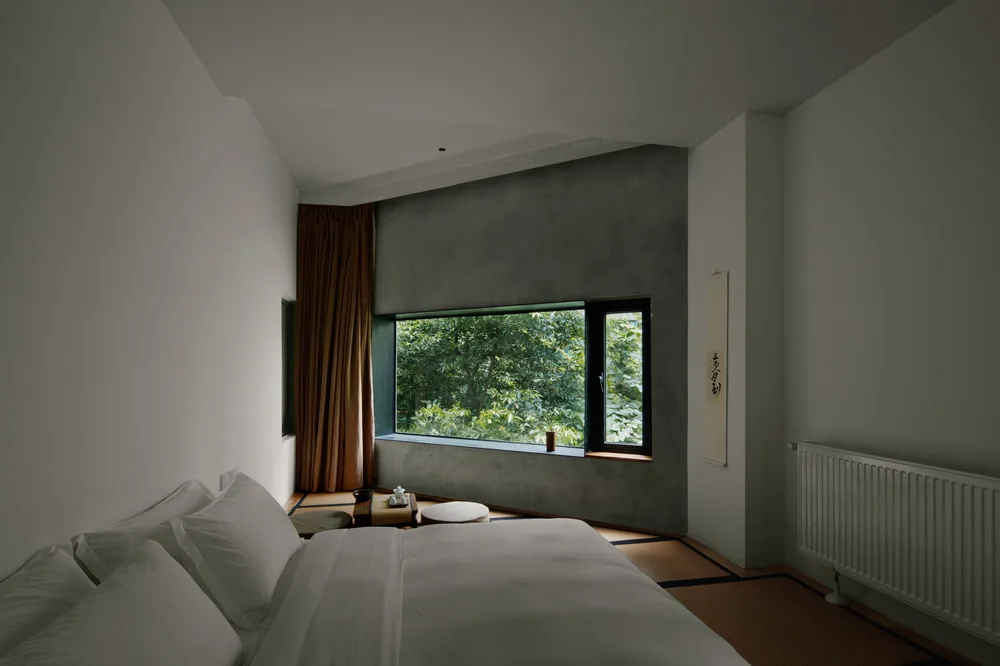
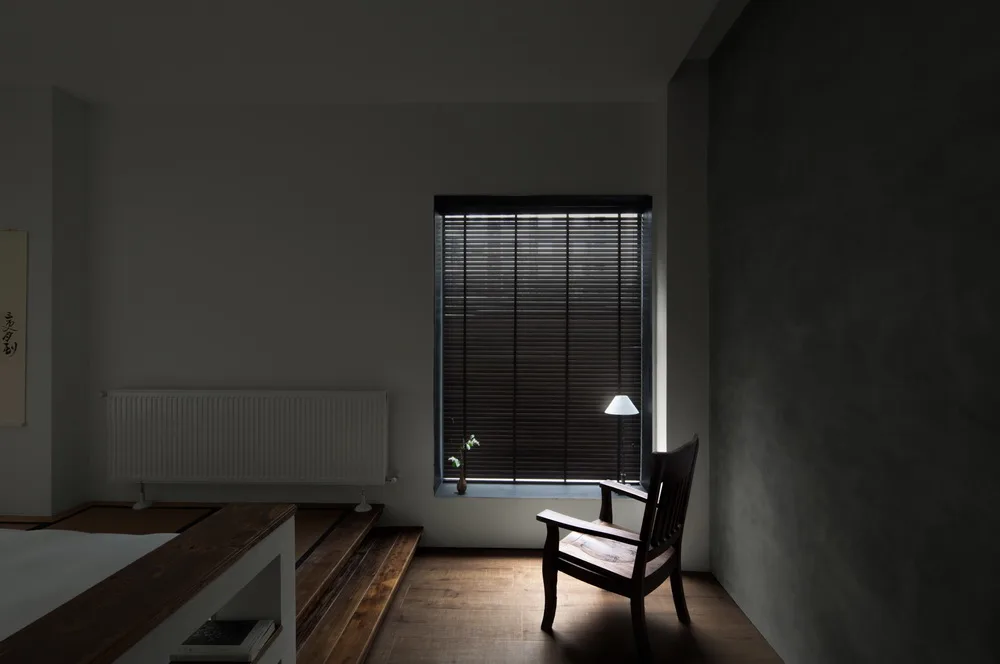
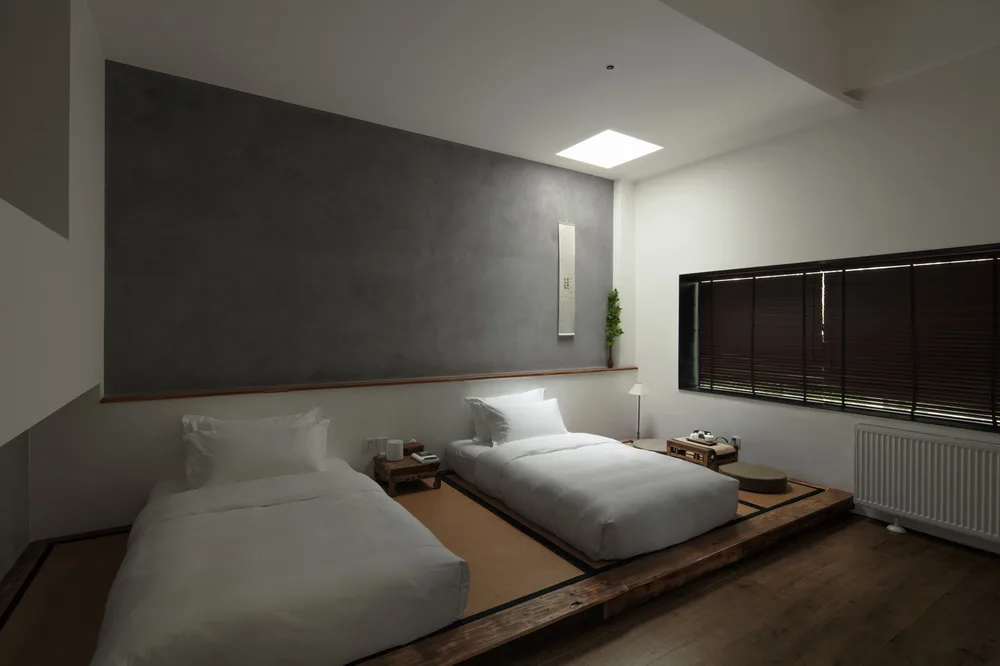
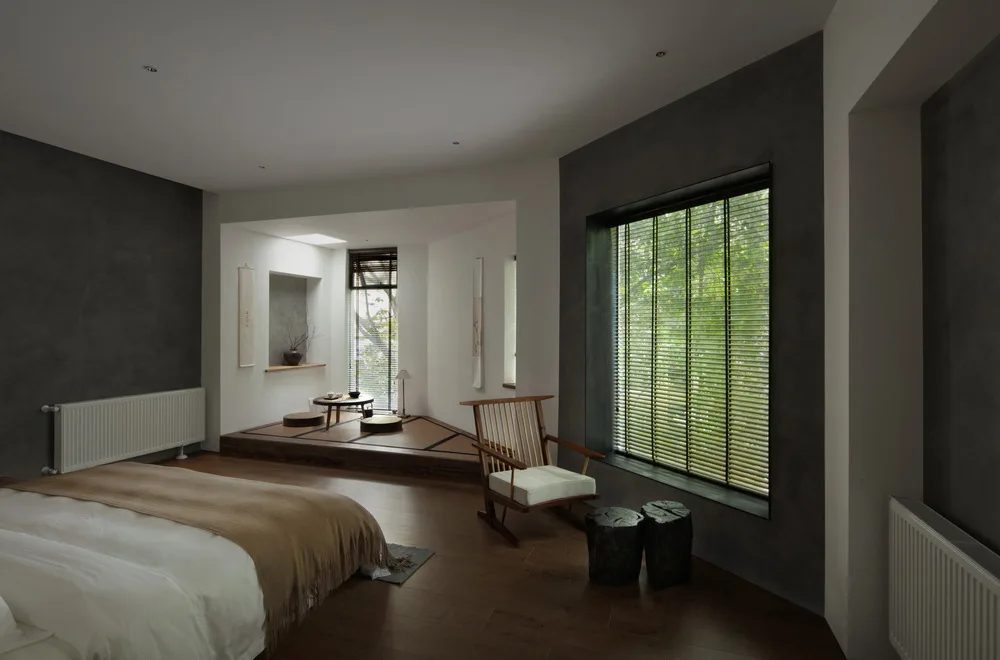
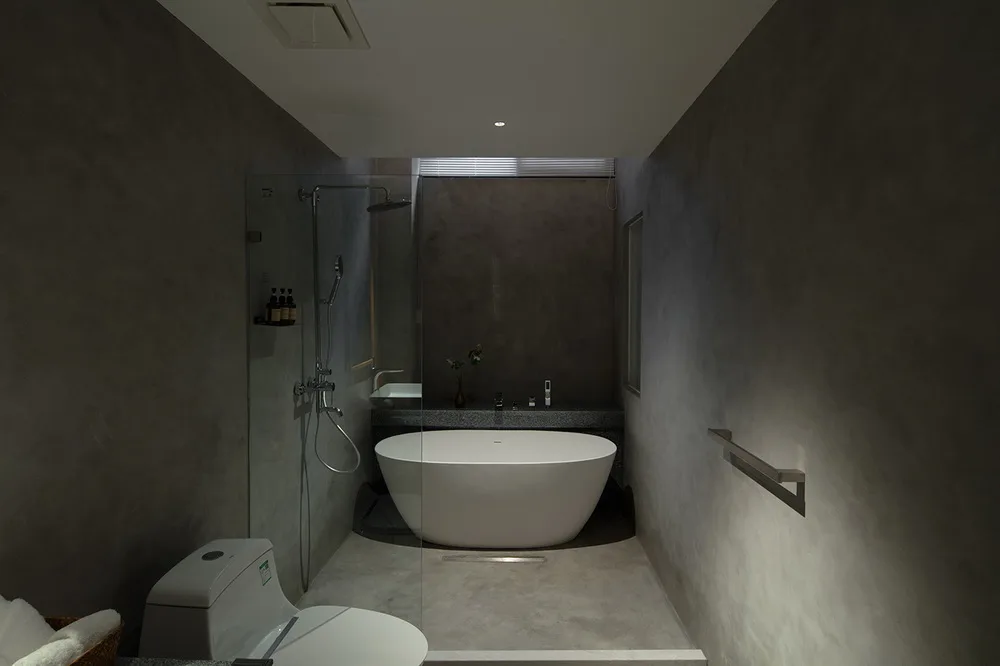
© Existence of Architecture – Architectural Photography
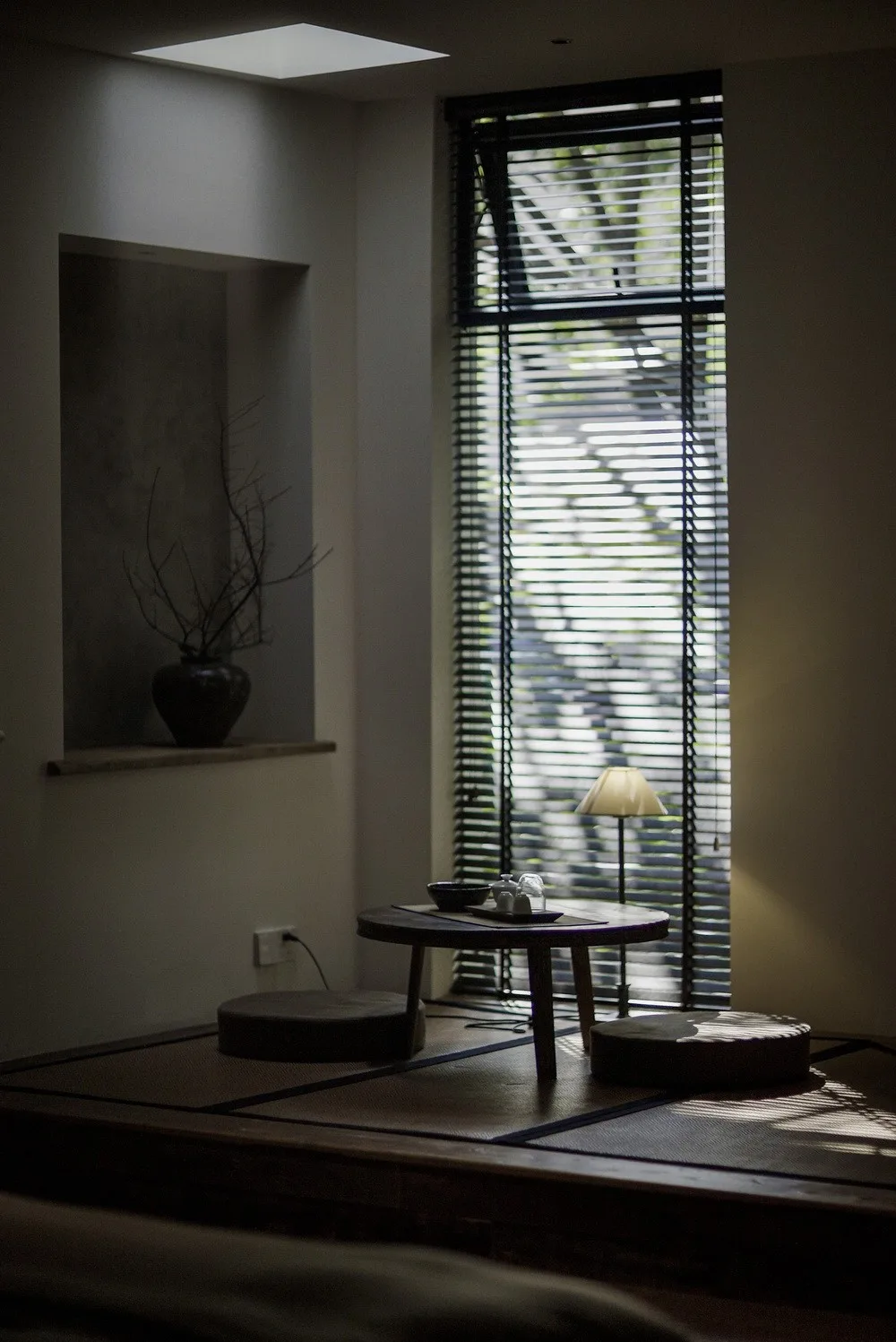
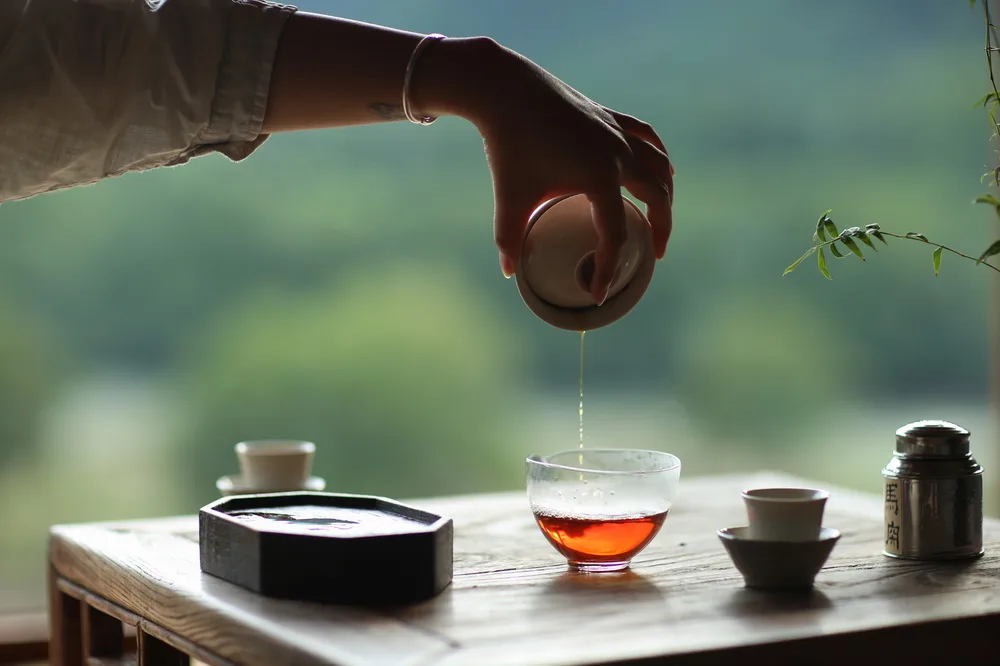
© Unknown
The building incorporates many garden design techniques, aiming to reveal the broader vision through subtle details, much like the experience of drinking tea—shifting flavors and thoughts to reach a subtle realm. The architecture transitions gradually from the urban exterior through courtyards, halls, and inner rooms, allowing visitors to detach from the outside world and find a peaceful, tranquil state.
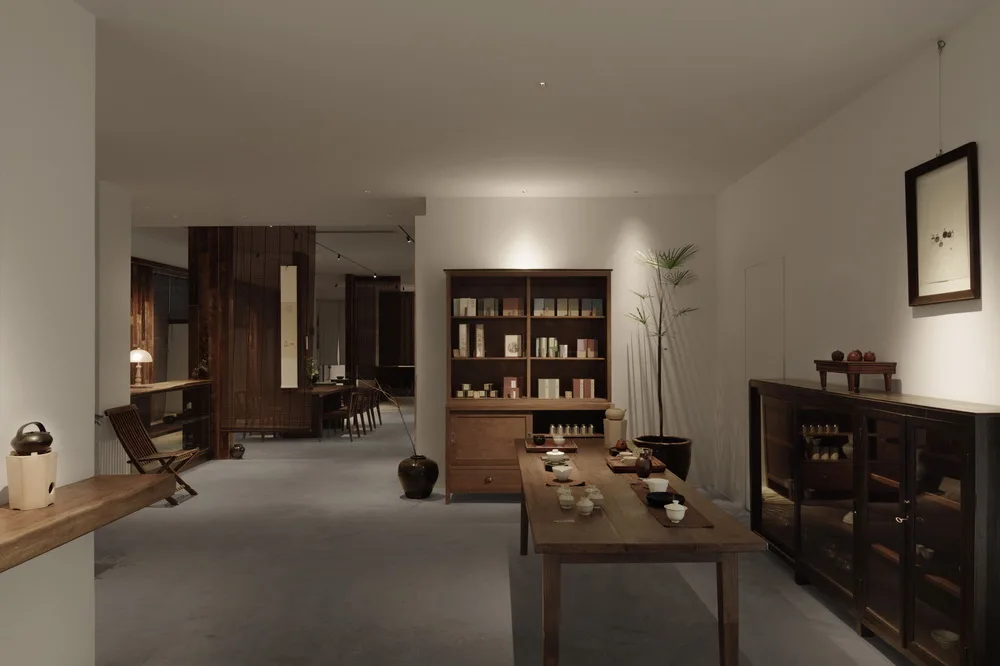
△ Exhibition space on the first floor © Existence of Architecture – Architectural Photography
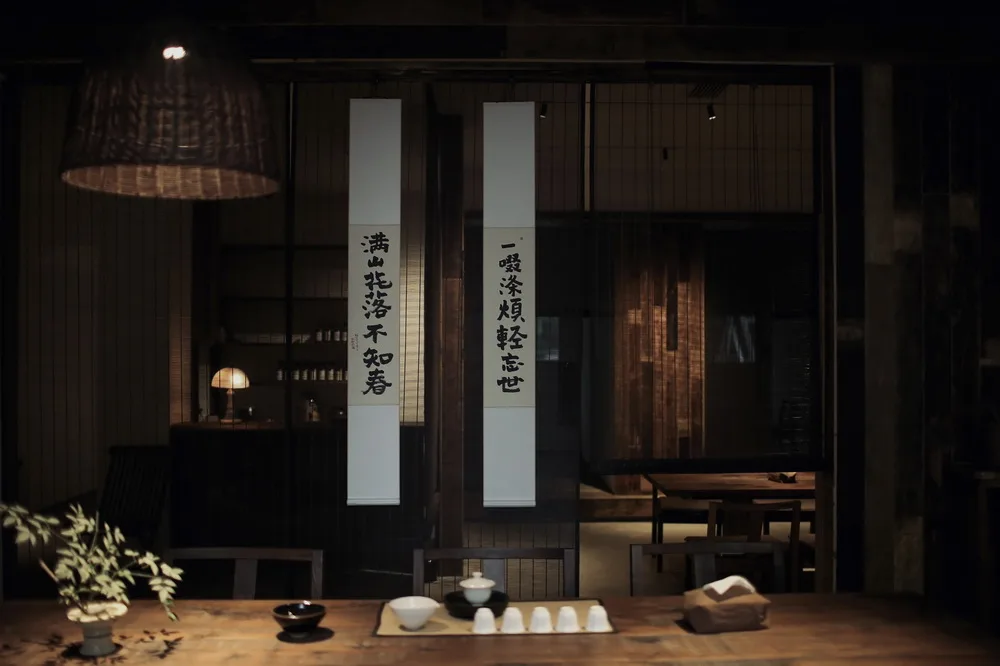
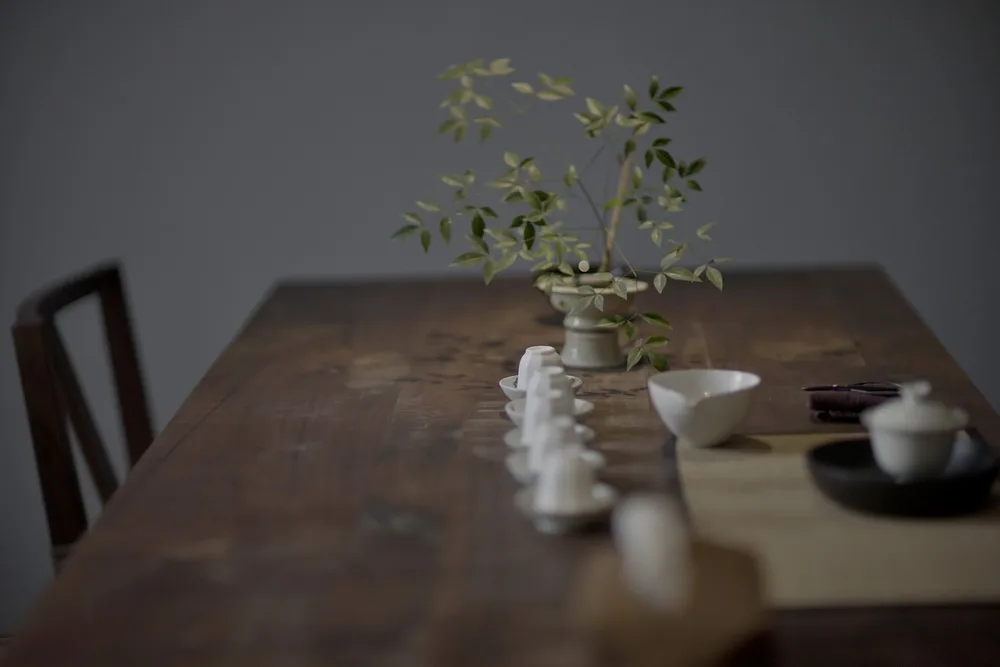
© Unknown
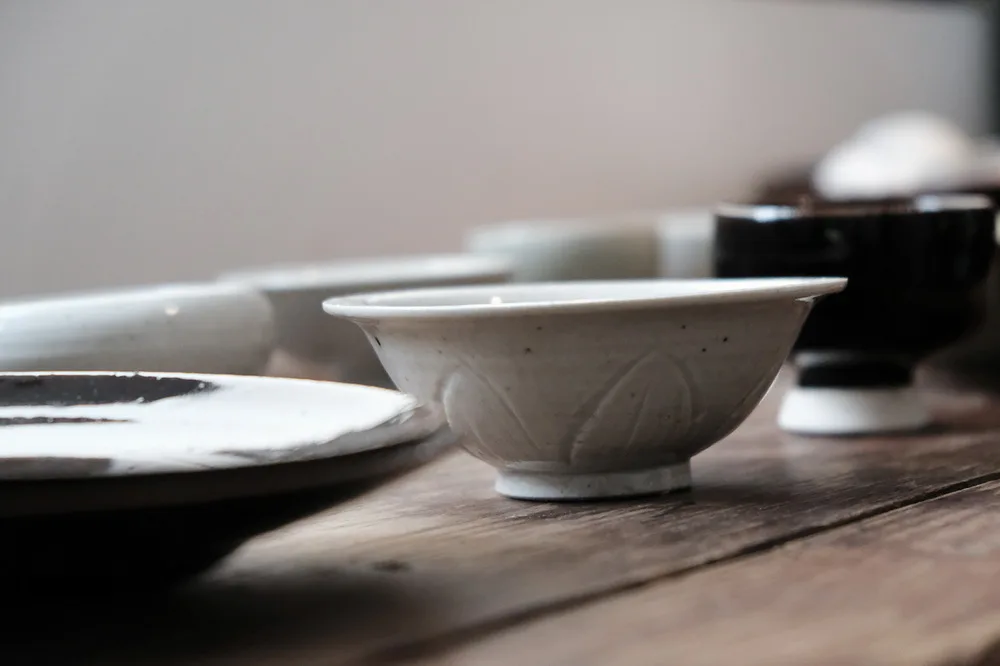
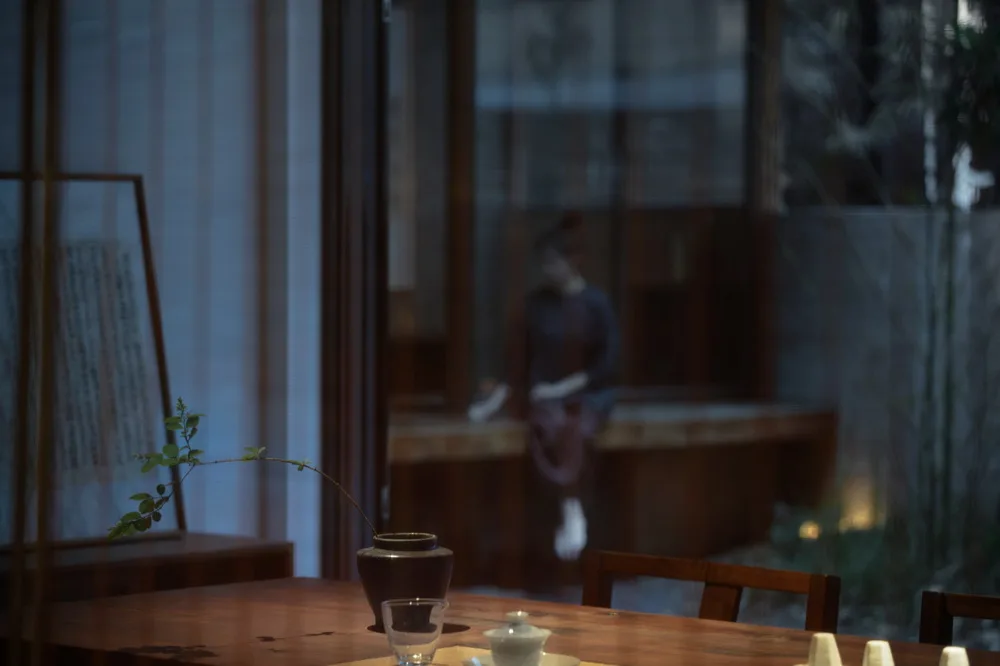
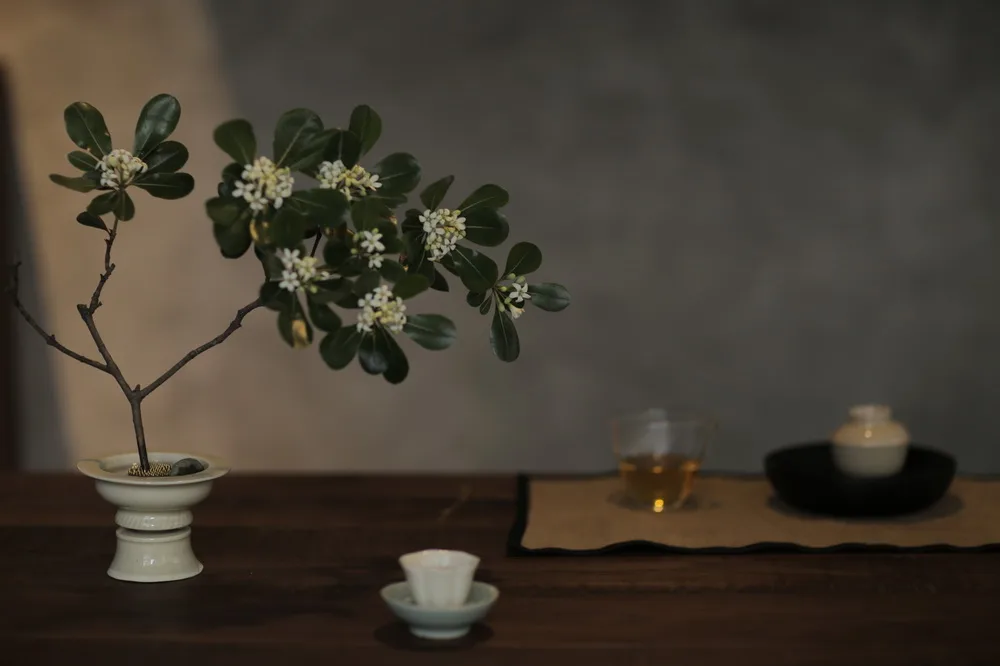
Classical Chinese architecture often emphasizes intangible spatial experiences. For example, couplets can instantly expand psychological space, blending spiritual and physical dimensions. Chunzhai’s design draws from this tradition by thoughtfully integrating art and spatial design from the outset, placing paintings, calligraphy, and objects in meaningful locations to create a non-material sense of space.
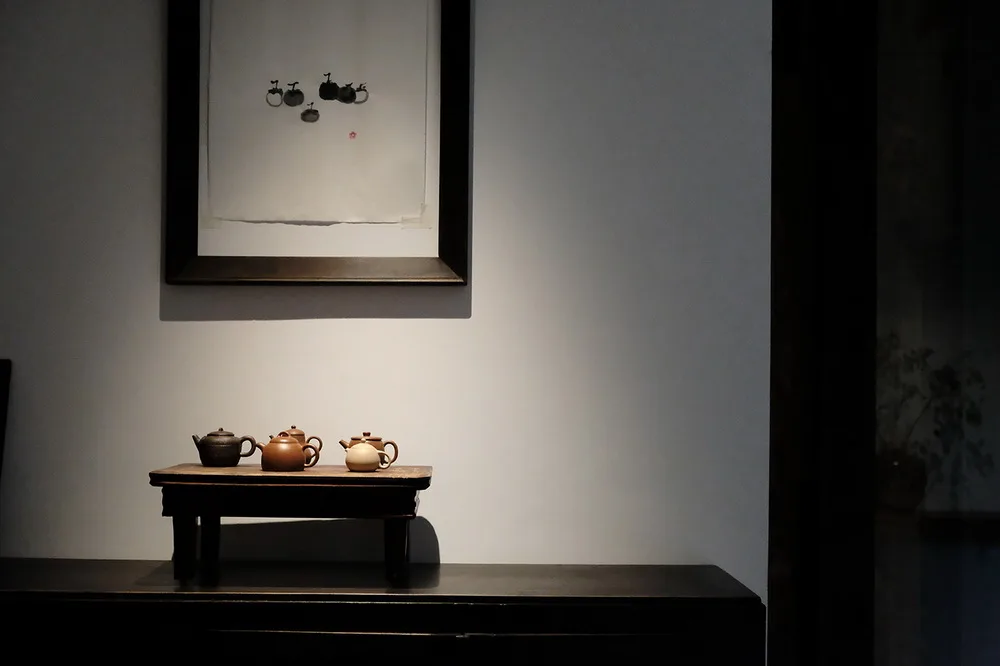
© Unknown
© Existence of Architecture – Architectural Photography
© Unknown
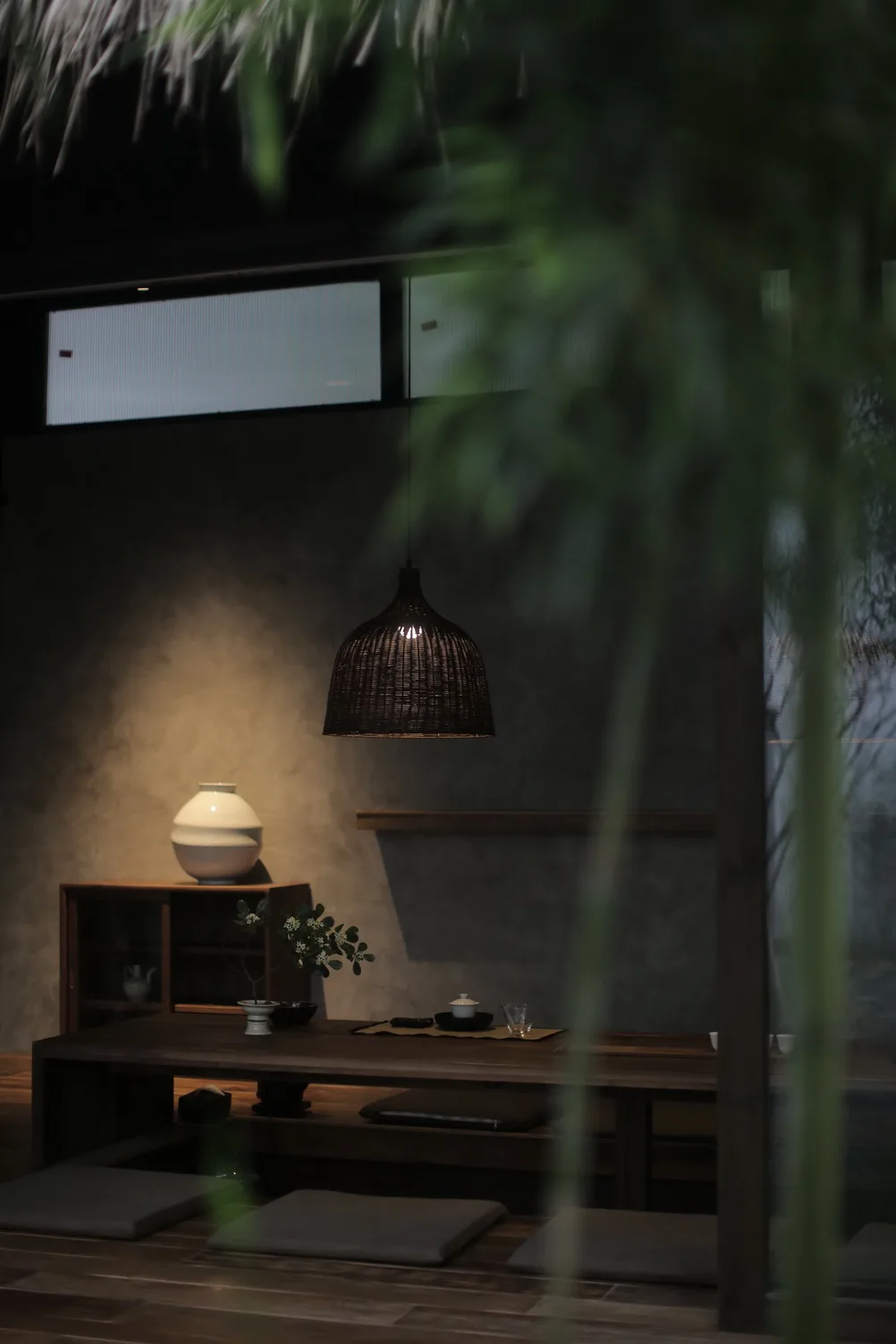
To capture a timeless quality described as “unknown today and tonight,” nine skilled carpenters from Qionglai were brought on-site for two months. They carefully selected, polished, assembled, and oiled old cypress wood sourced from Dayi. The interior furniture incorporates collections from the Nanyang and Republican periods, blending with the aged wood and Caravaggio-style lighting to create a distinctive spatial atmosphere that transports visitors beyond the constraints of time and place.
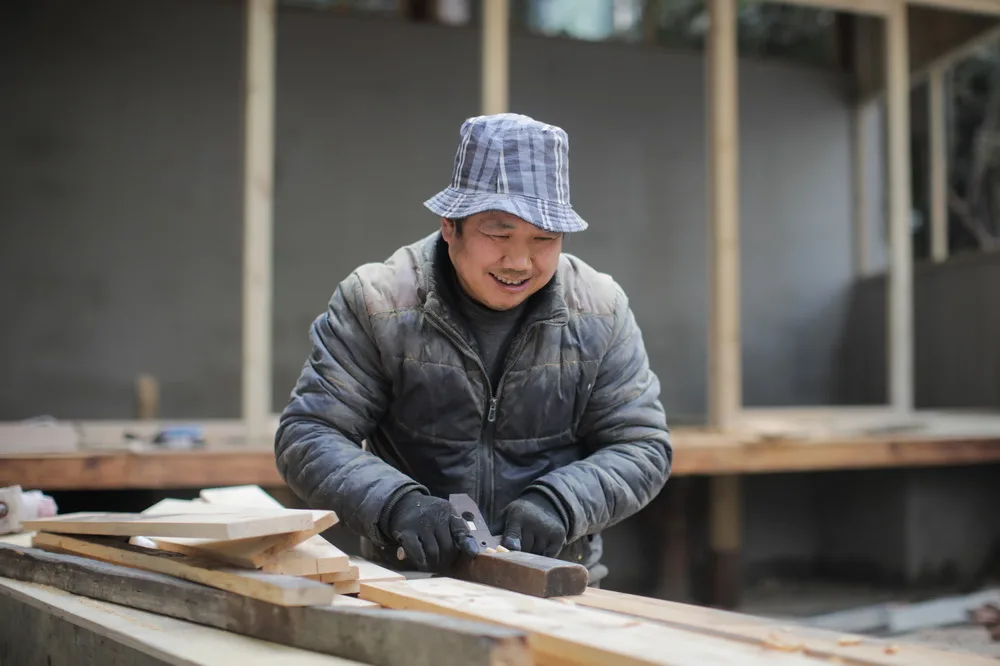
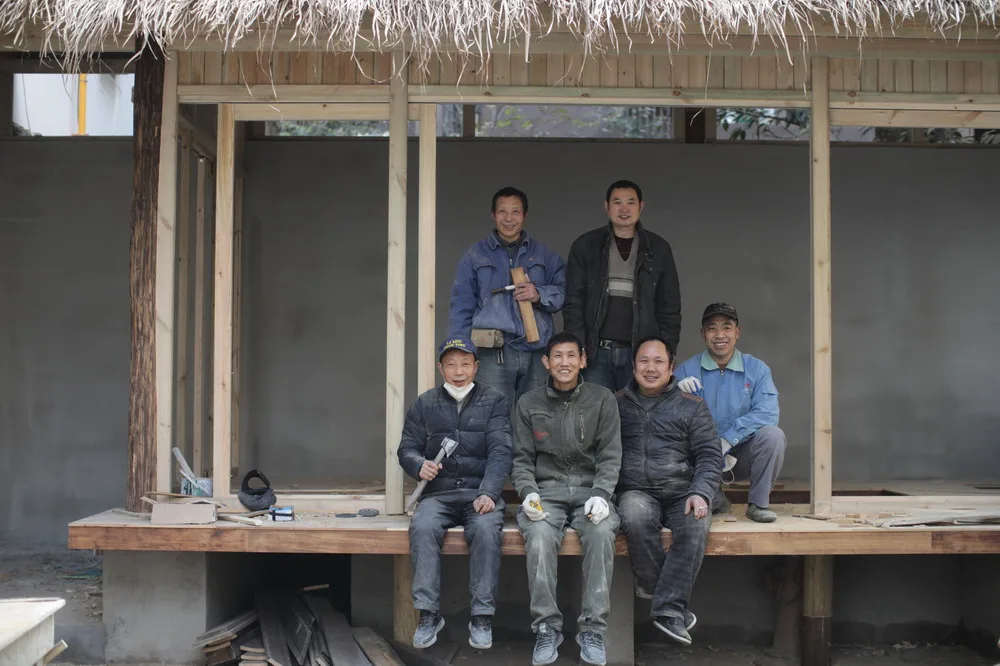
△ Group photo of six carpenters © Unknown
Ultimately, architectural experience is multifaceted. Design should extend beyond spatial dimensions, materials, subtle lighting, and cultural symbols. Architects should embrace freedom and creativity, aiming to touch the depths of the human soul rather than merely stimulating the visual senses.
© Unknown
Notes from Chunzhai:
Architectural experience ultimately transcends the five senses. While the senses describe part of spatial experience, many crucial aspects are intangible and difficult to express. Hence, design targets not only the “tangible” but also the “intangible,” which decisively shapes the temperament and spiritual realm of a space.
A successful design reaches the human soul through “nothingness”—not by direct sensory stimulation but via an intuitive connection between hearts and minds.
Regardless of era, architects’ mission remains to resonate with people amidst commercial fog, chaotic technological embellishments, formal worship, and imported values. They should create spaces that invoke a spiritual meaning beyond individuality and narrow aesthetics, allowing visitors a brief glimpse into a peaceful spiritual world amid the chaos of secular life.
— Li Ye
© Existence of Architecture – Architectural Photography
Technical Drawings
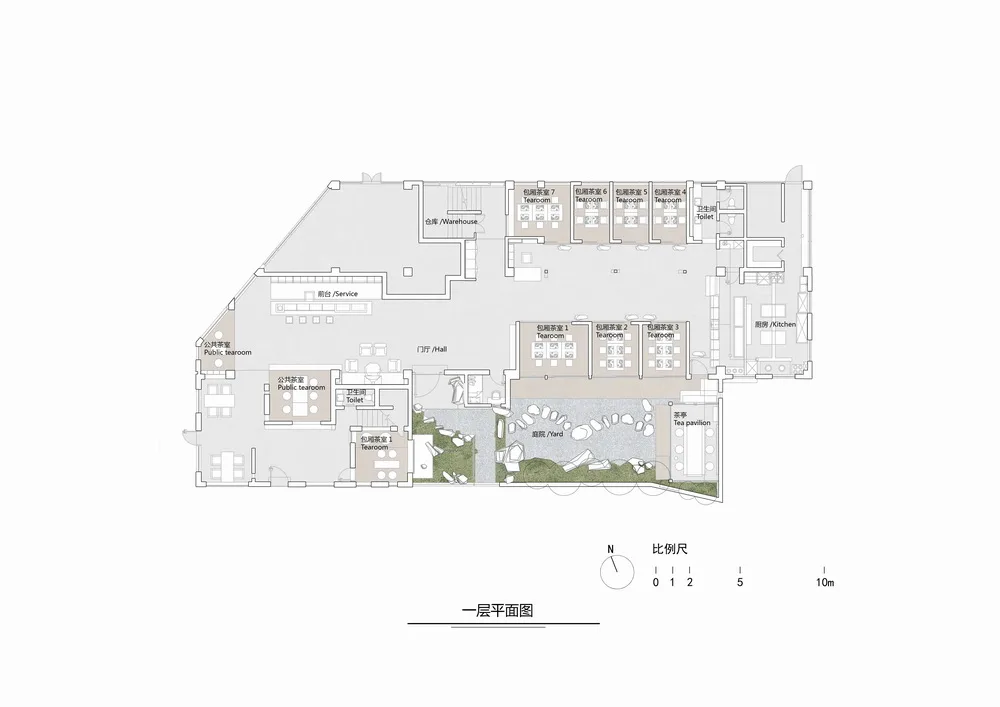
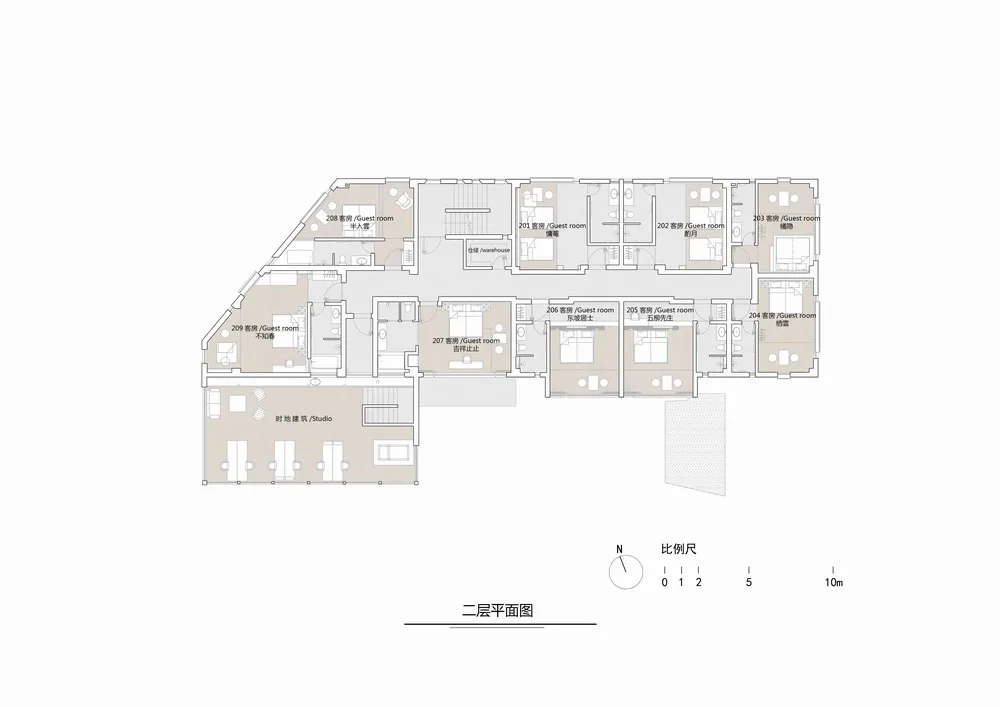
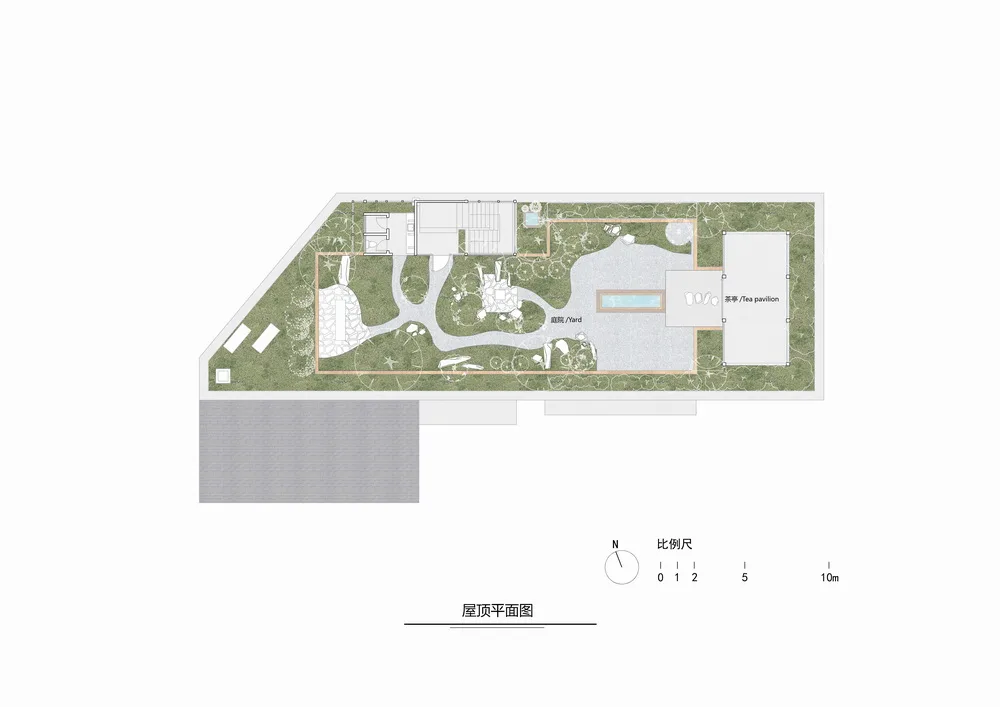
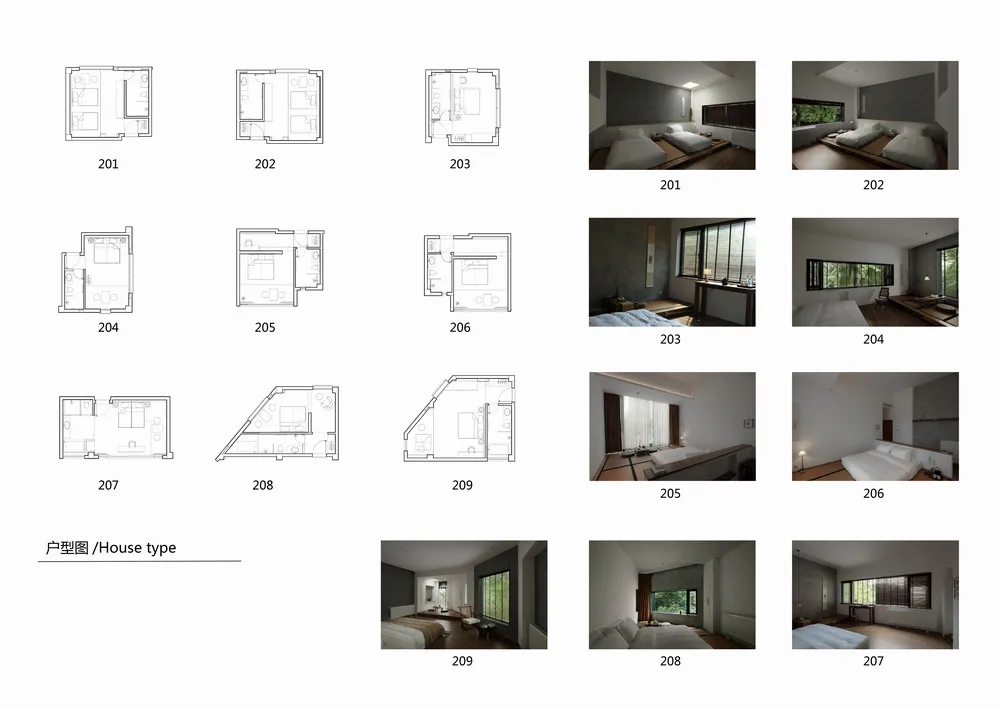
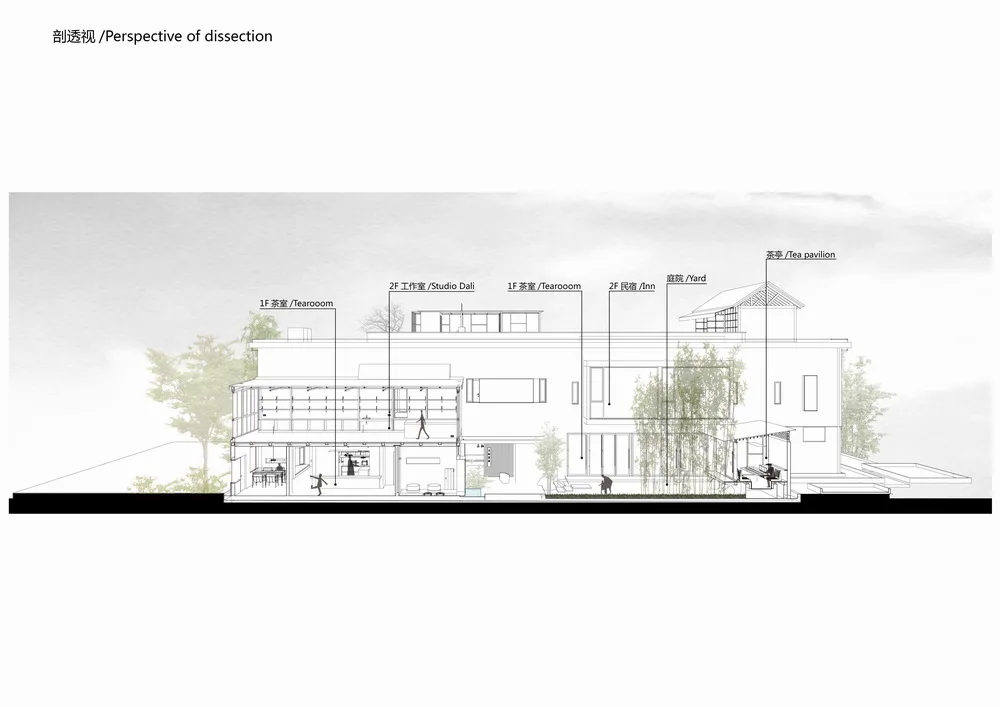
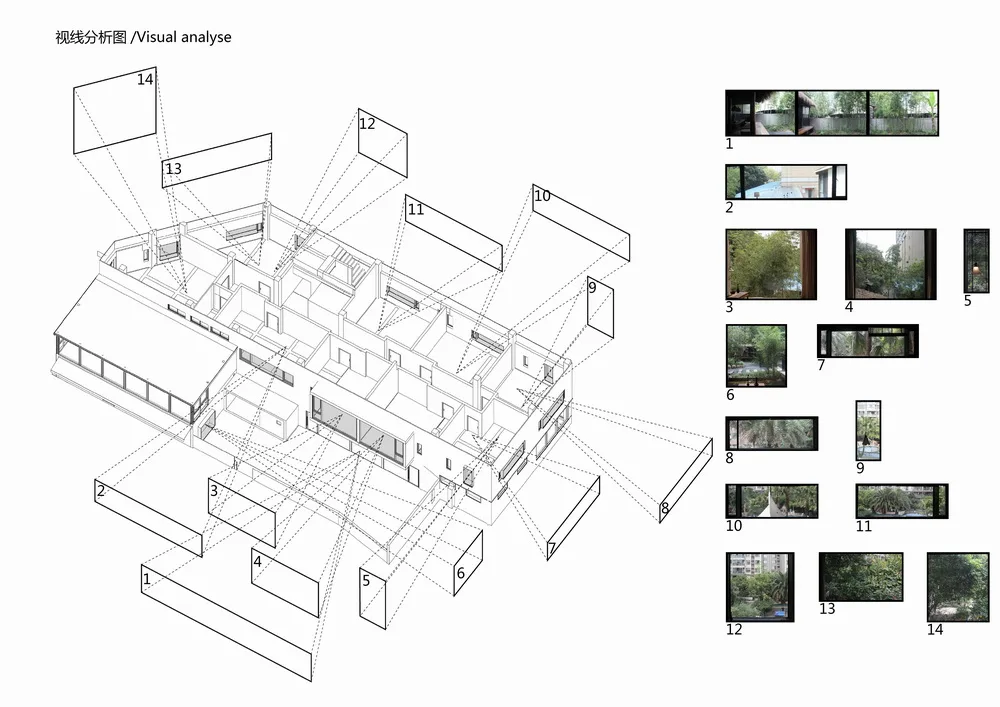
Project Information
Project Name: Chengdu Unknown Spring Studio
Project Type: Public Buildings
Design Unit: Time and Space Architecture Studio
Company Website: WeChat official account: Studio Dali Time and Place Building
Contact Email: lan@studiodali.cn
Lead Architect: Li Ye
Project Manager/Architect: Li Ye
Design Team: Sun Peng, Zeng Xianming
Soft Decoration Design: Qiu Yuewei, Huang Qianwei
Art Design: Owner: Unknown Spring Studio
Project Location: No. 9 Jialing Road, Hongpailou Street, Wuhou District, Chengdu City, Sichuan Province
Building Area: 955.43 square meters
Photography Copyright: Existence of Architecture – Architectural Photography, Unknown Spring Studio
Client: Unknown Chunzhai
Project Cost: Undisclosed
Project Status: Completed and in operation
Design Period: July 2019 – January 2020
Construction Period: October 2019 – January 2021
Main Materials: White latex paint, gray cement paint, old cypress wood, pine board, plain steel plate















Must log in before commenting!
Sign Up