
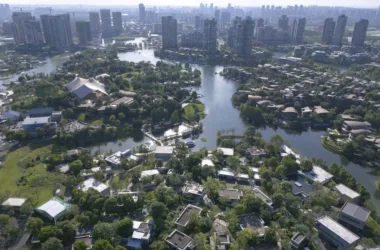
The project is situated in Qingyuan Community, Supo Street, Chengdu, adjacent to Supo Park and nestled within the green belt of Qingyuan Park. It is surrounded by numerous schools. The name “Supo” in Chengdu originates from an ancient bridge known as Supo Bridge.
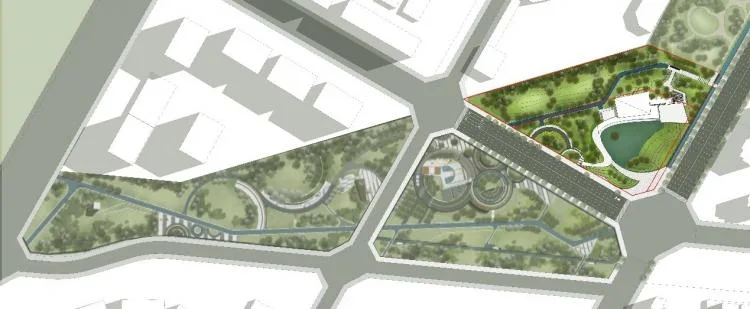
△ General layout plan © Xiaoyin Architecture
Supo Bridge, originally constructed during the Ming Dynasty, was a bluestone arch bridge featuring four openings, three piers, and a long corridor. In the Song and Yuan dynasties, the renowned scholar Su Shi served as a Hanlin academic and delivered lectures at Yangliudi, located south of Chengdu. Out of respect for Su Dongpo, locals renamed the bridge he crossed as Supo Bridge. Although the original Supo Bridge no longer exists, the reverence for Mr. Dongpo remains strong among Chengdu residents. Numerous places in Chengdu still bear the Supo name, including Supo Street Office, Supo Road, Supo Park, and Supo Overpass. As recorded in the “Wenjiang County Annals,” an old poem praises Supo Bridge: “Where is the pavilion where guests gather? The bridge stands empty, and the water flows endlessly.”
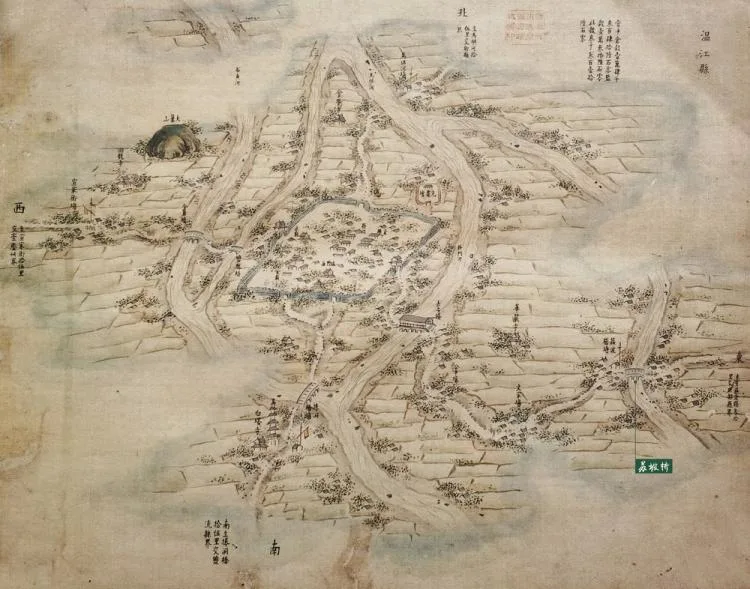
△ Supo Bridge © Dong Bangda (Qing Dynasty) Sichuan Full Map
The architectural concept of this project is inspired by the now-lost Supo Bridge. Specifically, the “corridor bridge” segment of Supo Bridge serves as the architectural motif. The design employs modern architectural language to evoke the shadow and essence of the Supo corridor bridge, inviting reflection and remembrance.
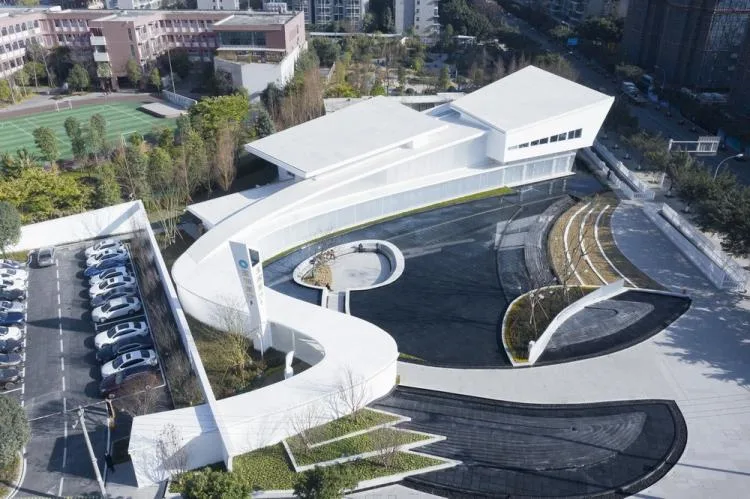
△ Aerial view © Existence of buildings
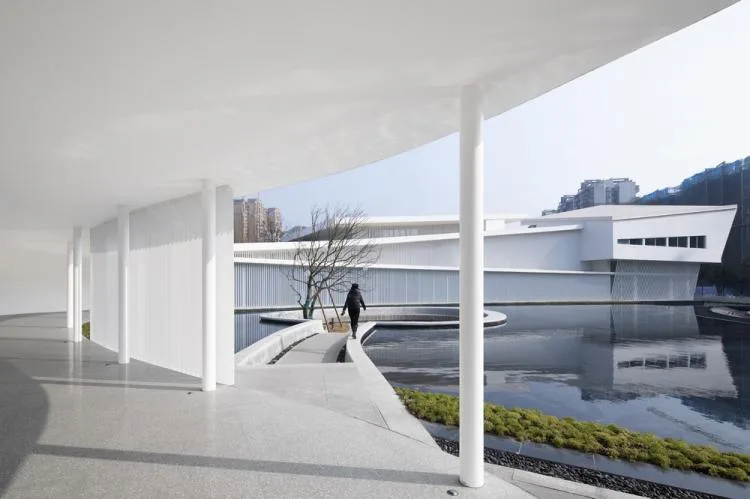
△ Panoramic view of the gallery © Existence of buildings
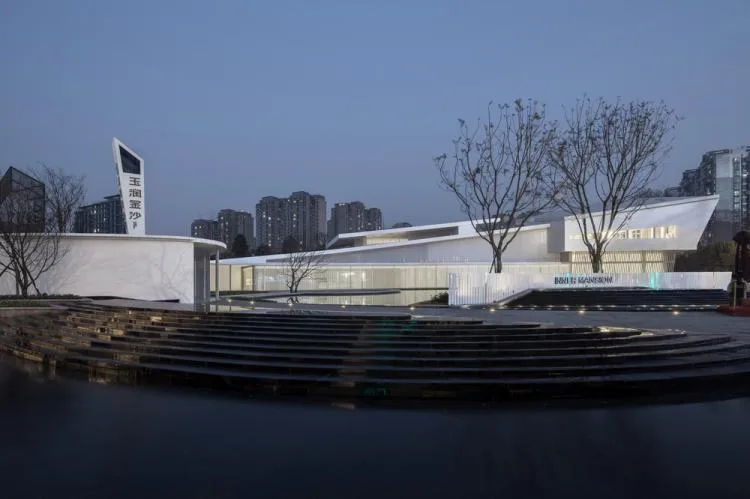
△ Night view of Supo Art Gallery © Existence of buildings
Located in a densely populated area west of Chengdu, the project initially operated as a sales and exhibition center for “Xingcheng Construction · Yurun Jinsha.” Most buildings within a one-kilometer radius are residential developments completed in recent years. Within 500 meters, there are three kindergartens, two primary schools, and two middle schools. The cultural heritage of “Supo Lecture” enriches the area’s intellectual atmosphere. However, the neighboring buildings lack public cultural spaces beyond school premises. Eventually, the building will open to the public as a small art exhibition venue for Qingyuan Community, enhancing the local cultural environment. Together with nearby parks, it will form a compact, mobile small-to-medium-sized amusement park.
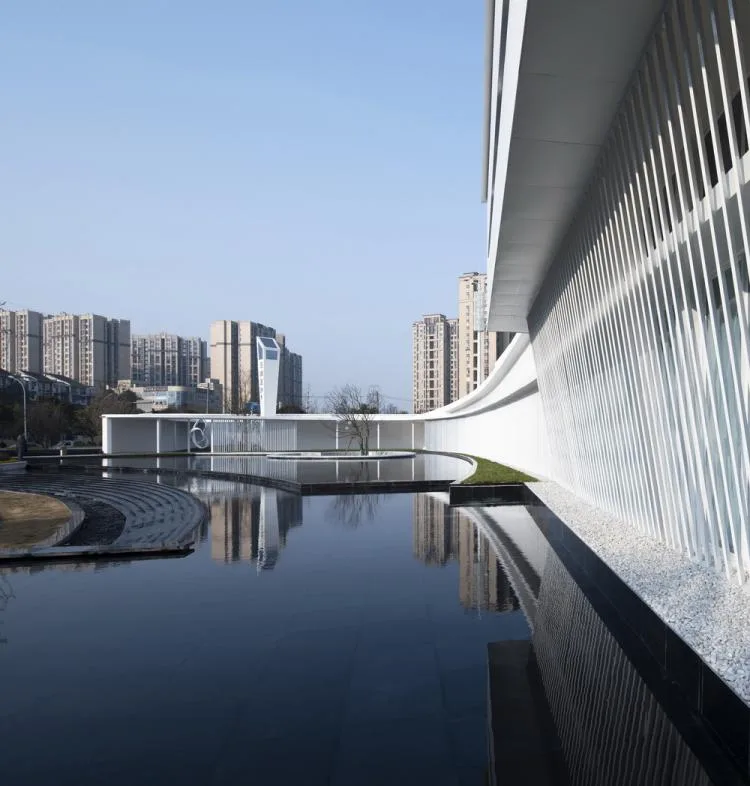
Perspective of the street-facing square © Existence of buildings
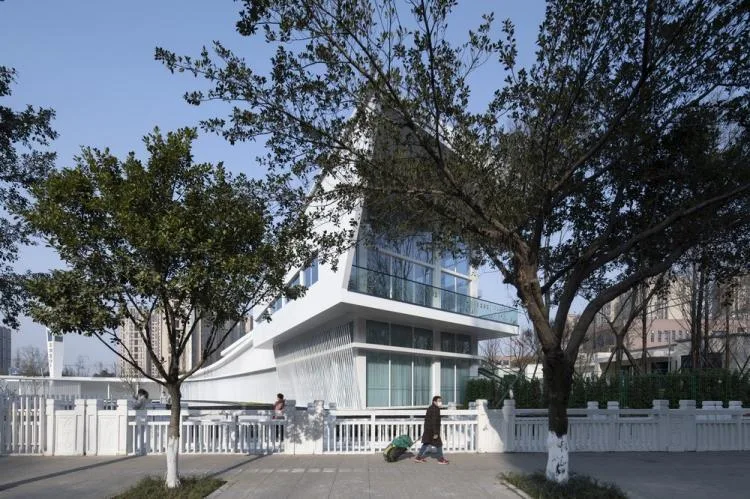
△ Street perspective © Existence of buildings
Guided by principles of economy and environmental sustainability, the project’s functional transformation maintains the existing spatial structure without incurring excessive costs. Early in the design process, the team carefully considered the spatial layout, efficiently planning pedestrian flow for the building’s various functional areas, both current and future. Integrating the team’s architectural imagery theory, a “corridor bridge” concept was developed to fulfill the dual roles of art exhibition and sales display center.
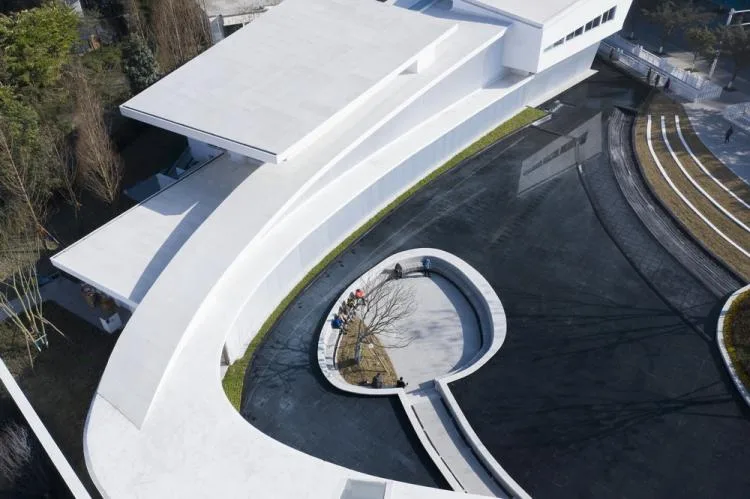
△ Circular inner courtyard © Existence of buildings
The “corridor bridge” architectural imagery softens the building’s appearance, making it less formal and more like a jade belt corridor bridge spanning the site, creatively linking the surrounding street green spaces.
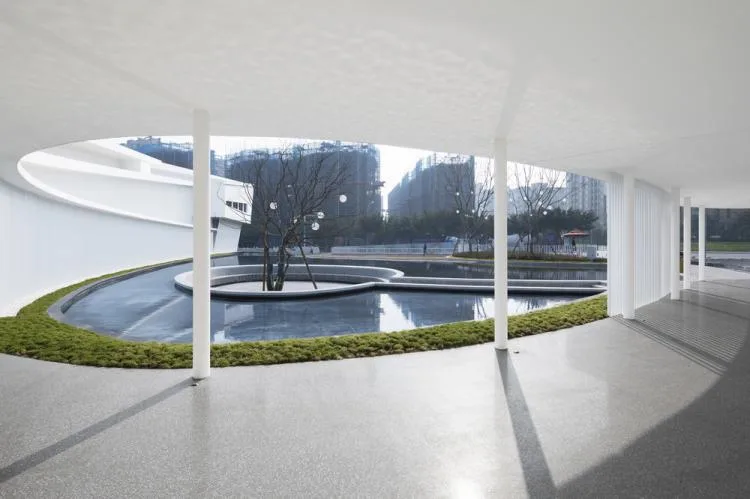
△ Circular inner courtyard © Existence of buildings
As an open public building—distinct from typical enclosed courtyard sales centers—the design embraces surrounding parks and street spaces. The wider areas serve as rooms, integrating multiple functional needs; the narrower sections function as corridors; and the open spaces provide public areas. This arrangement guides visitors during initial sales display functions while maintaining a comfortable “friendly distance” from nearby parks. The design also creates a ceremonial atmosphere, shaping a cultural exhibition space.
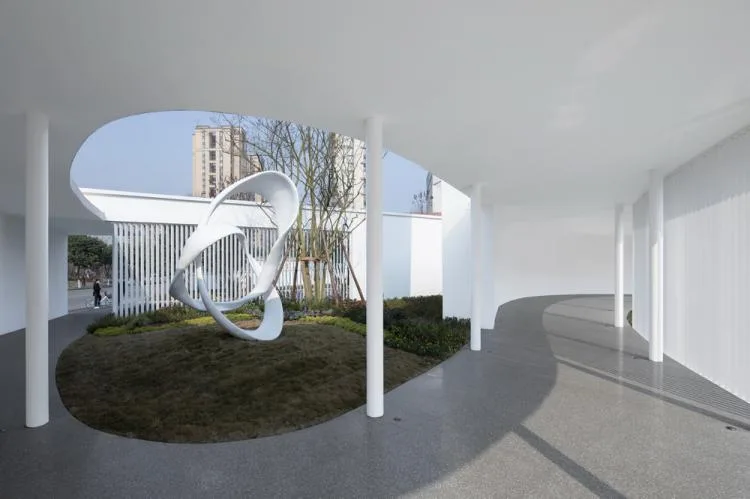
△ Entrance courtyard © Existence of buildings
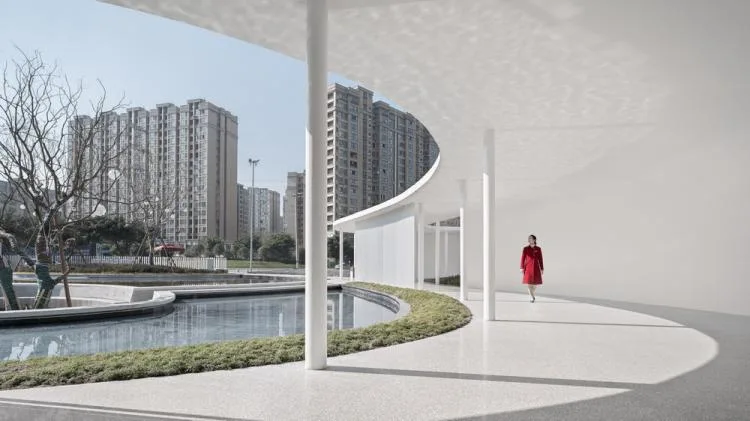
△ Outdoor gallery © InVIEW | Yingyu Image, Xiao Bo
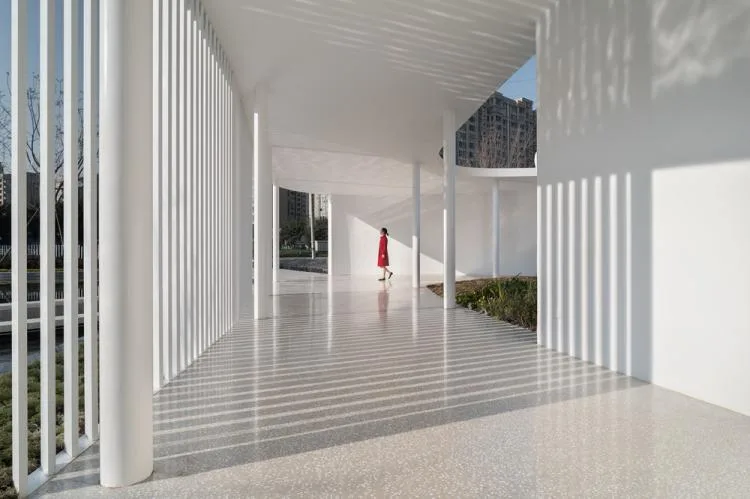
△ Outdoor gallery © InVIEW | Yingyu Image, Xiao Bo
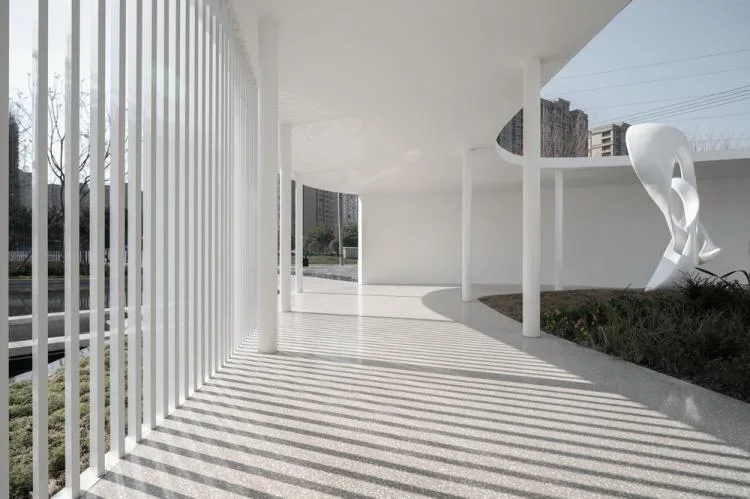
△ Outdoor gallery © InVIEW | Yingyu Image, Xiao Bo
The building appears as several layers of pergolas stacked together, naturally evoking the image of a “corridor bridge.” The facade and interior spaces facing the park on the east side continue this corridor bridge imagery. The building has two floors in total. Besides the indoor staircases and elevators, two additional staircases are positioned on the east facade, forming an aerial corridor bridge connecting both ends. The four large transparent glass windows subtly reference the historical “four holes and three piers” of Supo Bridge.
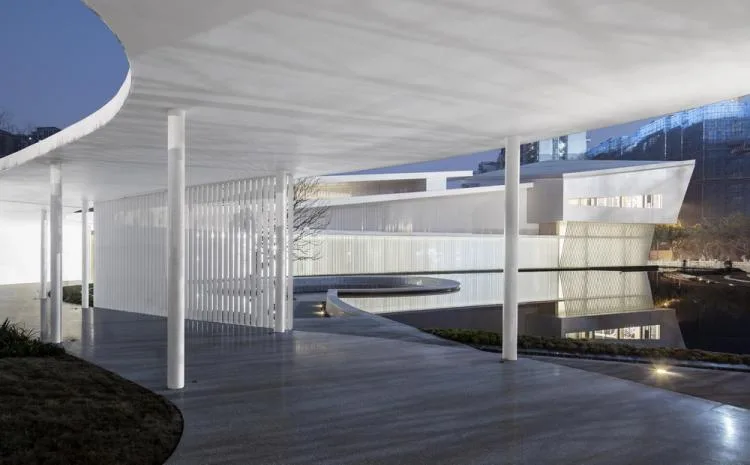
△ Night perspective of exhibition gallery © Existence of buildings
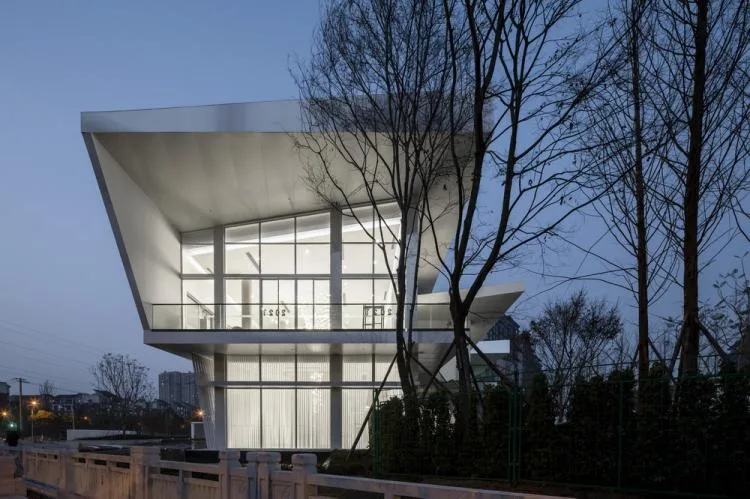
△ Street view perspective at night © Existence of buildings
The dispersed placement of multiple staircases addresses evacuation needs for different areas while providing necessary access points and varied entry and exit options for the building’s functional divisions and operational management.
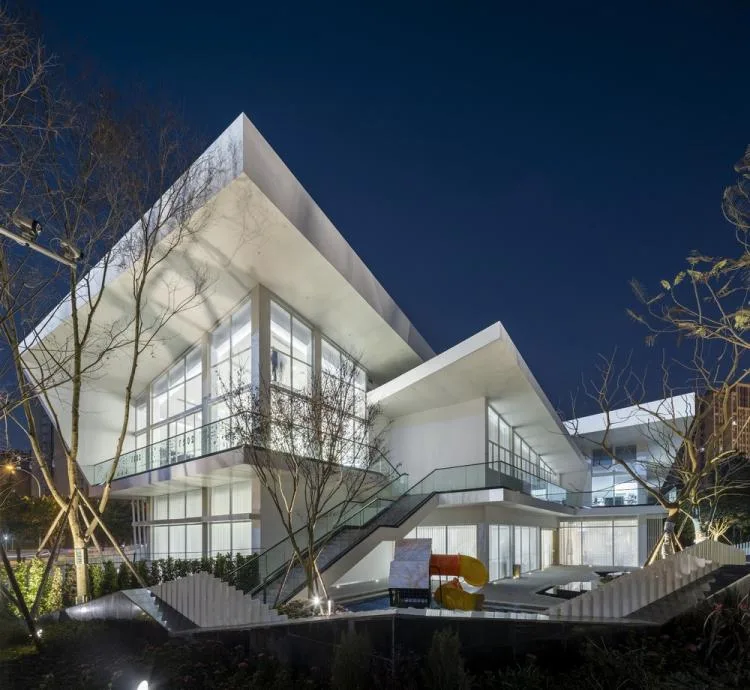
△ Night view of exhibition halls and cafes © Existence of buildings
Inside, the “corridor bridge” creates a height variation on the second floor, corresponding to the differing ceiling heights of spaces below. Suspended ramps are used to bridge these differences, adding a rhythmic visual experience without compromising accessibility.
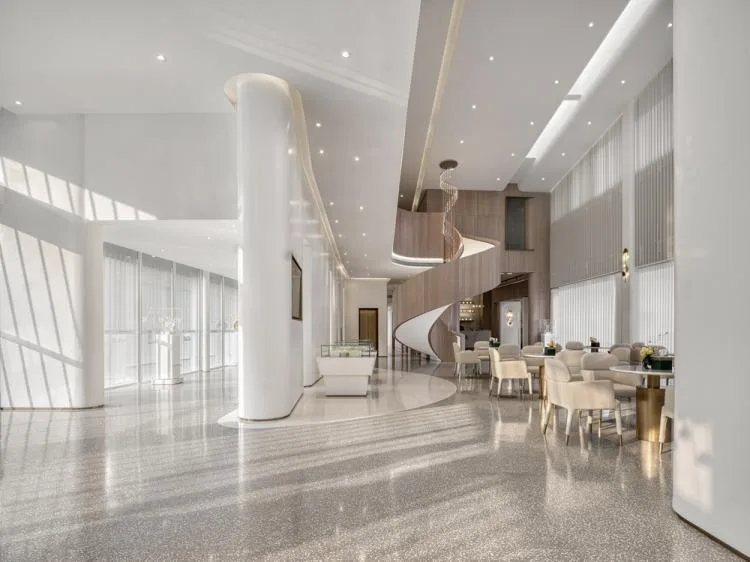
Exhibition hall and coffee shop © InVIEW | Yingyu Image, Xiao Bo
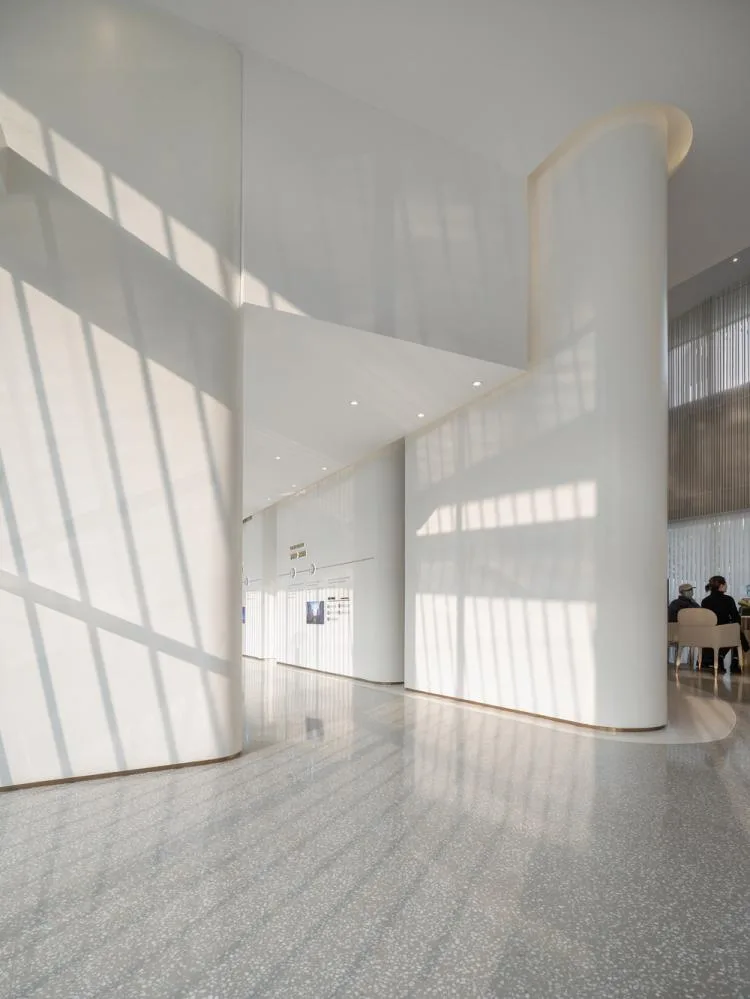
△ Gallery light and shadow © InVIEW | Yingyu Image, Xiao Bo
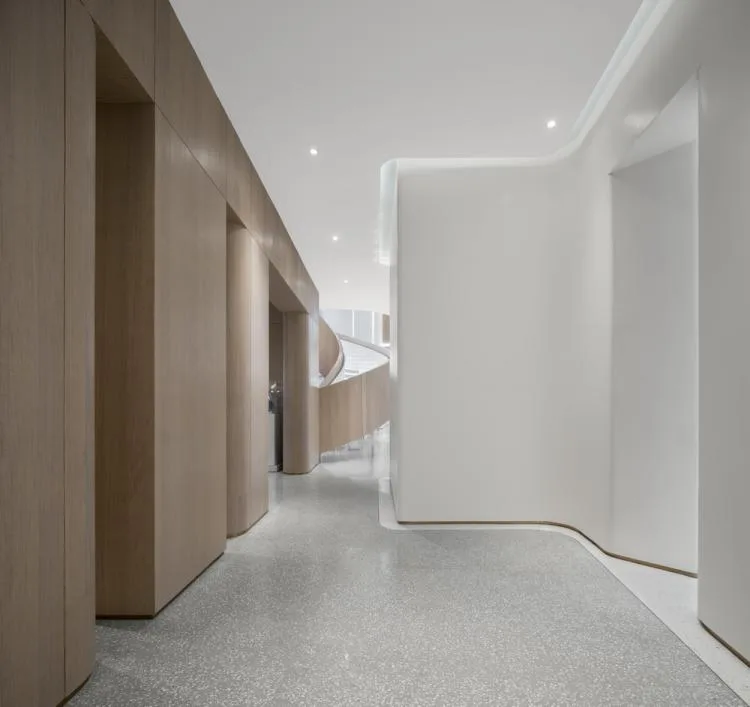
△ Exhibition gallery and hall © InVIEW | Yingyu Image, Xiao Bo
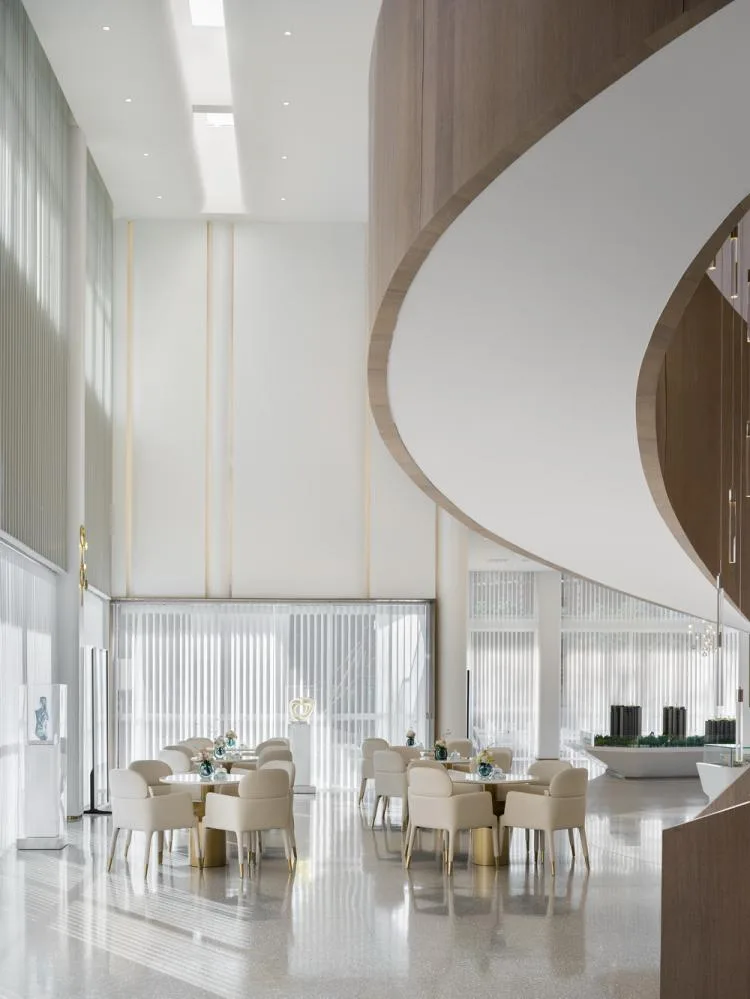
△ Coffee shop © InVIEW | Yingyu Image, Xiao Bo
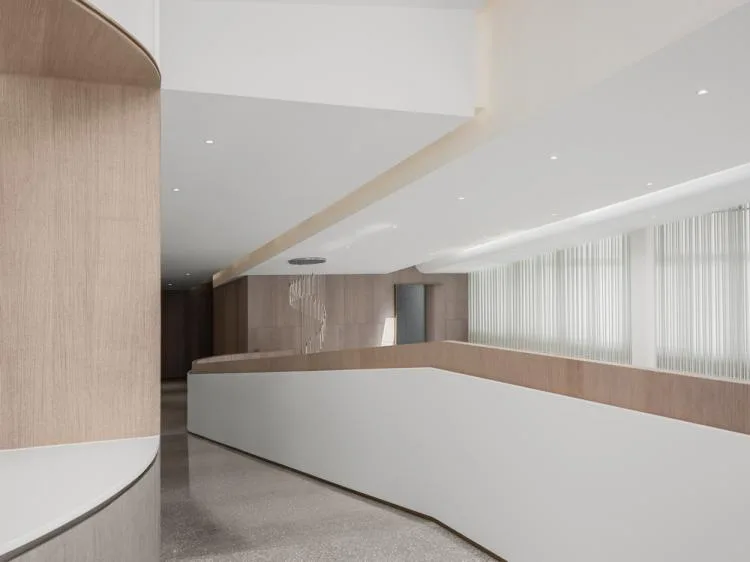
△ Second floor cantilever ramp © InVIEW | Yingyu Image, Xiao Bo
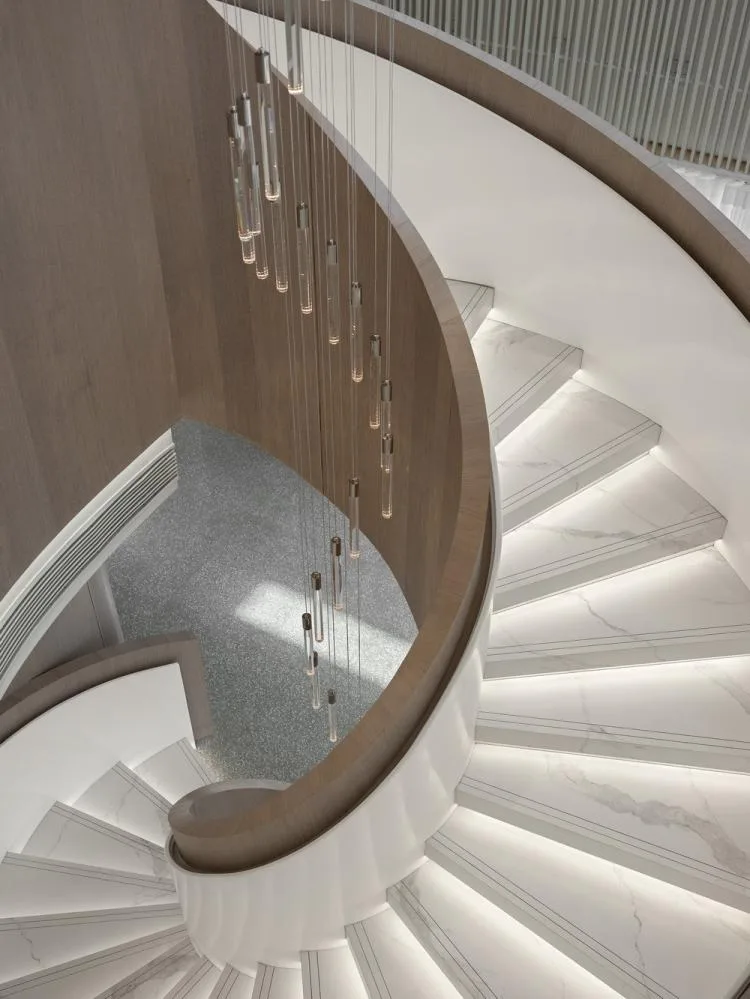
△ Spiral staircase © InVIEW | Yingyu Image, Xiao Bo
The 50-meter semi-outdoor corridor at the entrance and the white grille along the west-facing main road enhance the building’s cohesion while softening its architectural presence. Soft sunlight filters through the grille, mingling with sparkling reflections on the water surface to create a dynamic painting of light and shadow. These elements become part of the exhibit, enriching the space’s atmosphere. The combination of indoor and outdoor spaces forms a 150-meter-long exhibition corridor, accommodating various small-scale art exhibitions and providing a relaxing spot for local residents. Floor-to-ceiling glass walls on the east side facing the park invite nature indoors. This space can support an artistic commercial area, combining leisure activities like book bars, coffee, and tea, organically supporting the daily operation of the art exhibition and addressing common challenges faced by public buildings.
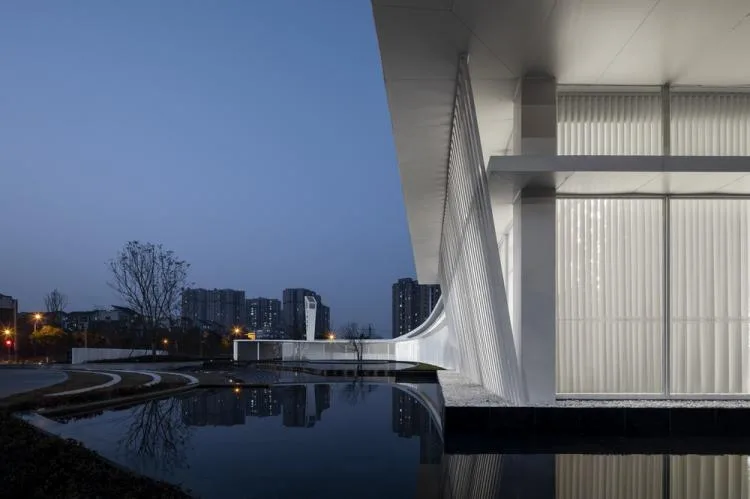
Outdoor gallery night scene © Existence of buildings
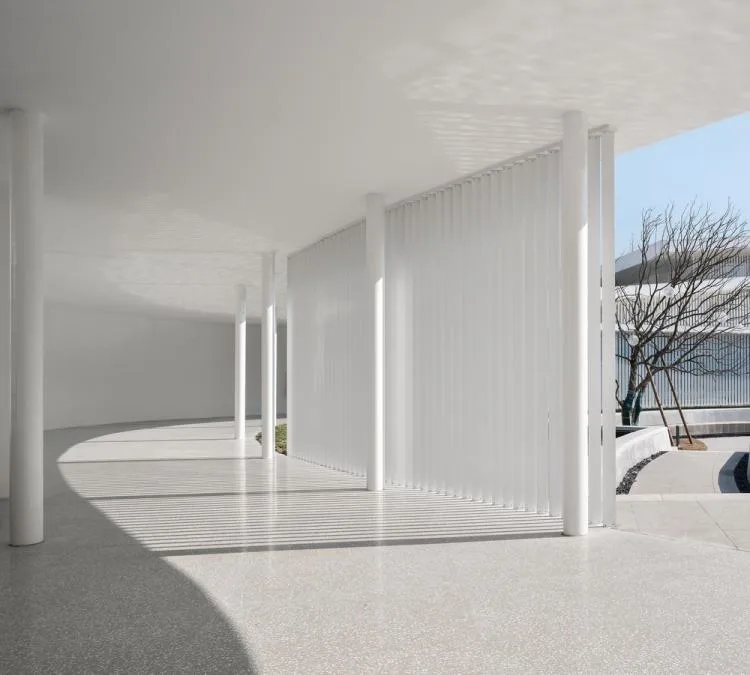
△ Outdoor gallery © InVIEW | Yingyu Image, Xiao Bo
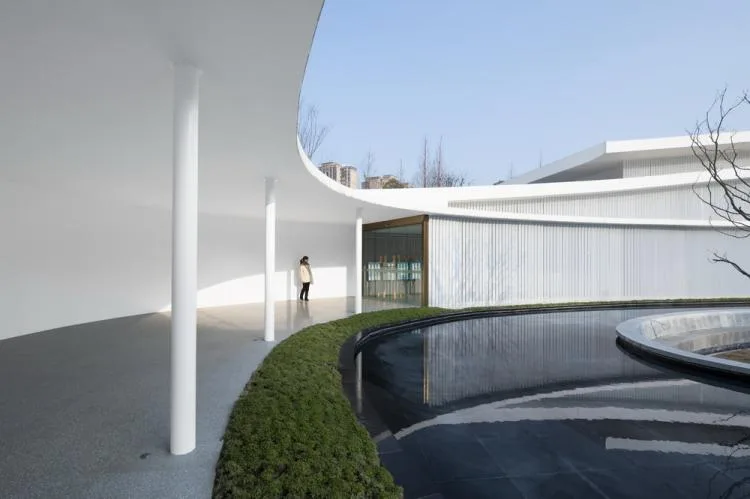
△ Outdoor gallery © Existence of buildings
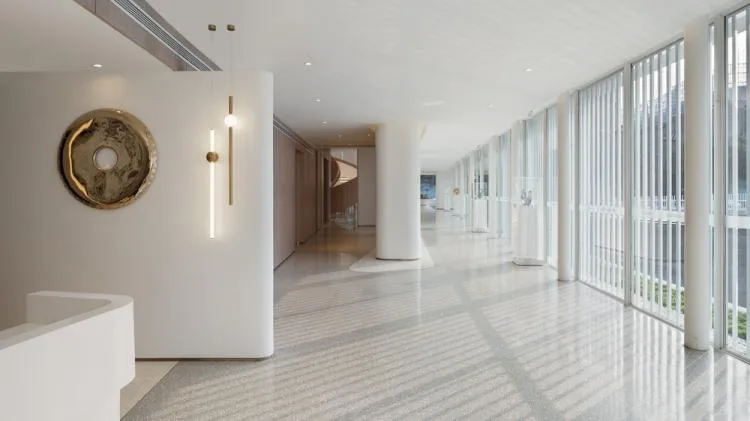
△ Indoor gallery © InVIEW | Yingyu Image, Xiao Bo
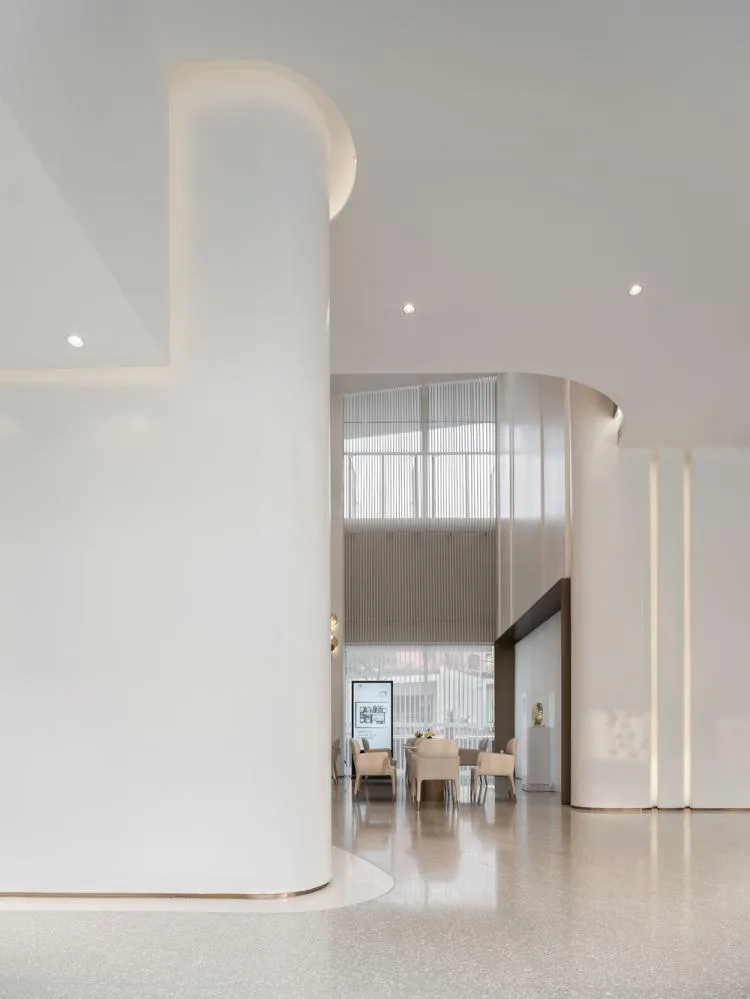
△ Indoor exhibition hall © InVIEW | Yingyu Image, Xiao Bo
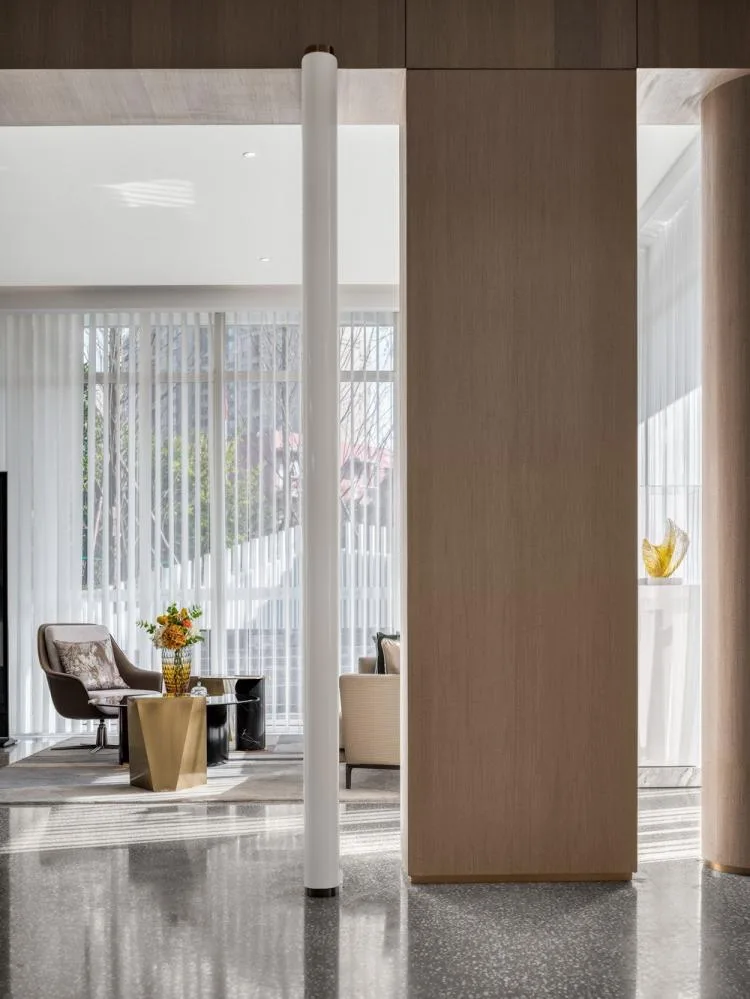
△ Café light and shadow © InVIEW | Yingyu Image, Xiao Bo
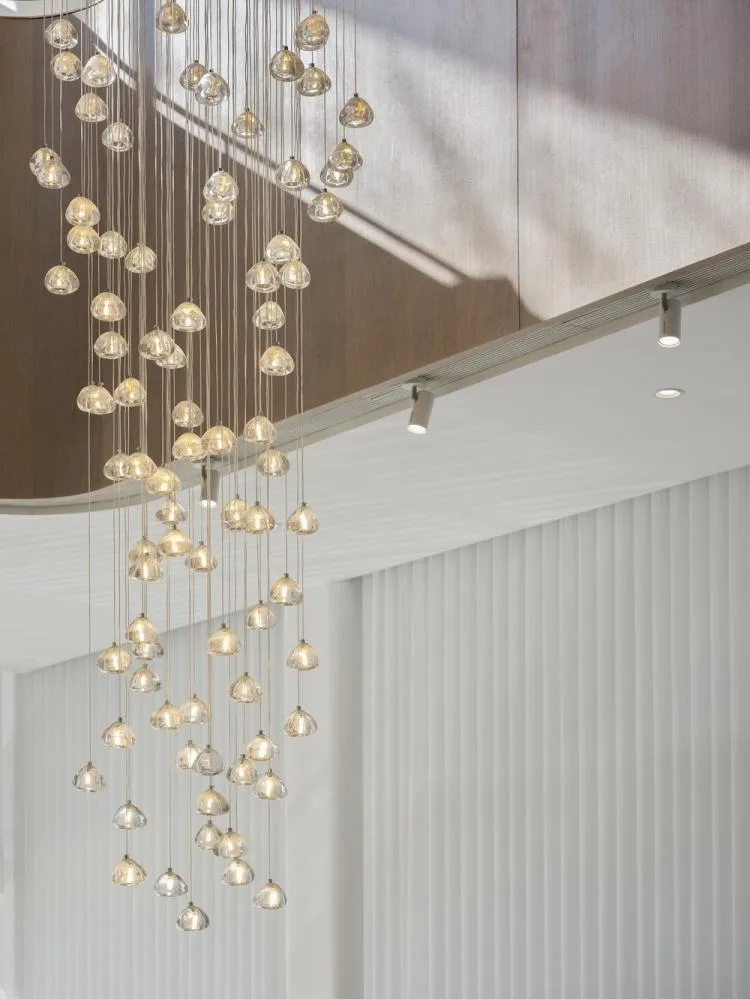
△ Sunroof light and shadow © InVIEW | Yingyu Image, Xiao Bo
Technical Drawings
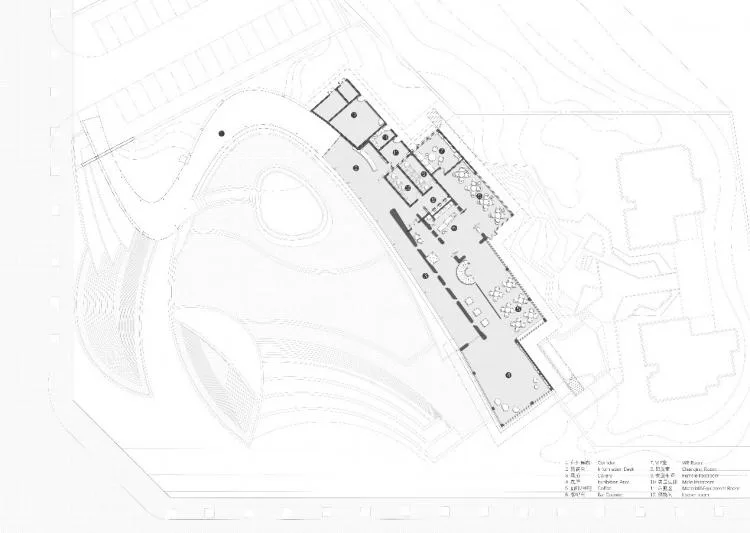
△ First floor plan of Supo Art Gallery © Xiaoyin Architecture
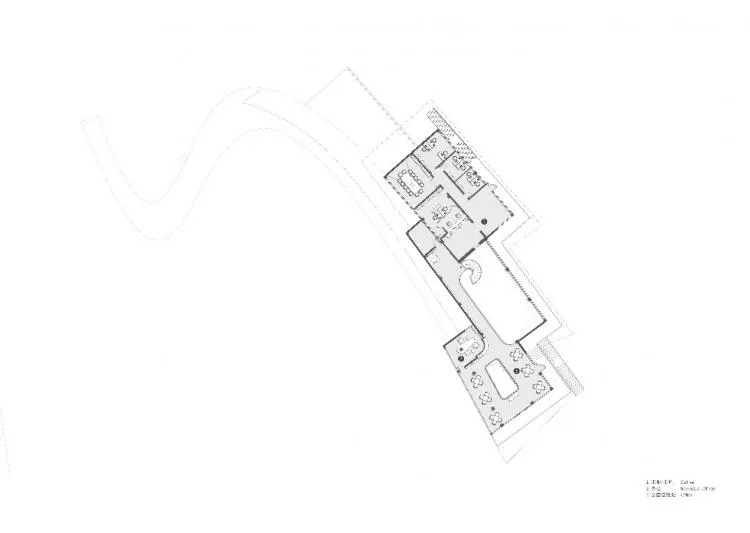
△ Second floor plan of Supo Art Gallery © Xiaoyin Architecture
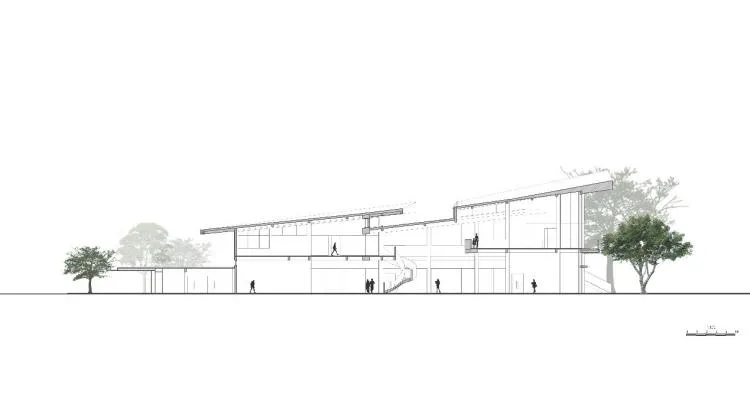
△ Cross-section of Supo Art Gallery © Xiaoyin Architecture
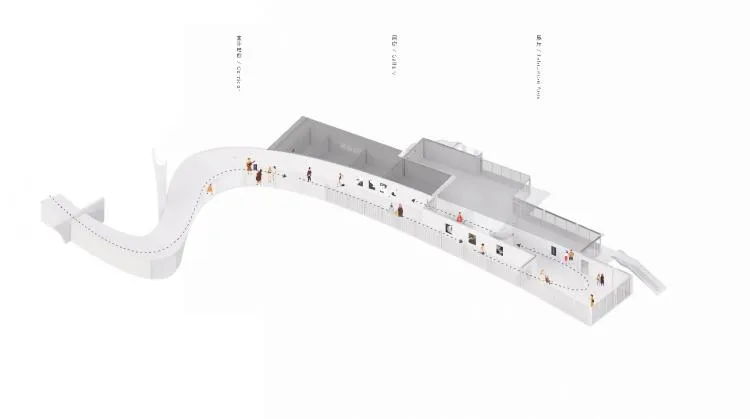
△ Exhibition flow diagram in Supo Art Gallery © Xiaoyin Architecture
Project Information
Project Location: Qingbo Road, Qingyang District, Chengdu City
Building Area: 1,420 square meters
Design Period: January 2020 – April 2020
Main Materials: White cement fiberboard, aluminum panels, aluminum alloy grilles, art paint, gray polished stone slabs
Architectural Design: Archemit
Lead Architects: Pan Youcai, Yang Zhe, Chen Renzhen
Structural Engineer: Du Xu
Design Team: Hu Qinmei, He Yi, Gou Yuanjun, Ge Xiangxin, Liu Xinyue, Liang Guisheng
Construction Drawing Coordination: Sichuan Huasheng Architectural Planning and Design Co., Ltd
Interior Design: LID Wright Construction (Chengdu)
Chief Creative Designers: Xiao Bo and Wang Yi
Soft Decoration Design: Chengdu Casalovich Decoration Engineering Design Co., Ltd
Chief Creative Designer: Tang Guangping
Landscape Design: Chengdu Senna Landscape Design Consulting Co., Ltd
Lead Designer: Meng Fanliang
Owner: Chengdu Xingcheng Construction Real Estate Co., Ltd
Construction Company: Chengdu Construction Engineering Group Co., Ltd
Photography: Architecture in View | Metaphorical Images – Xiao Bo












Must log in before commenting!
Sign Up