
East of the Himalayas lies the Hengduan Mountains region, known for its towering north-south mountain ranges and the famous Three Parallel Rivers. Nestled in the heart of this area is Shangri La, a historic town on the ancient Tea Horse Road. It is a cultural melting pot where diverse ethnic traditions converge, creating a unique and vibrant local atmosphere.
Since Joseph Locke introduced the Hengduan Mountains to the world in the early 20th century, and James Hilton immortalized Shangri La as a Pure Land in his novels, the region has attracted travelers worldwide, drawn by its breathtaking natural scenery and rich folk culture.
Two decades ago, the Baima family opened the Kalakar Tibetan Restaurant on the outskirts of Dukezong Ancient City in Shangri La. The restaurant embraces the philosophy of “opening a warm shop in the ‘warm’ Shangri La, welcoming warm-hearted people.” Their business ethos is grounded in honesty and authentic ingredients, with a modest approach to growth.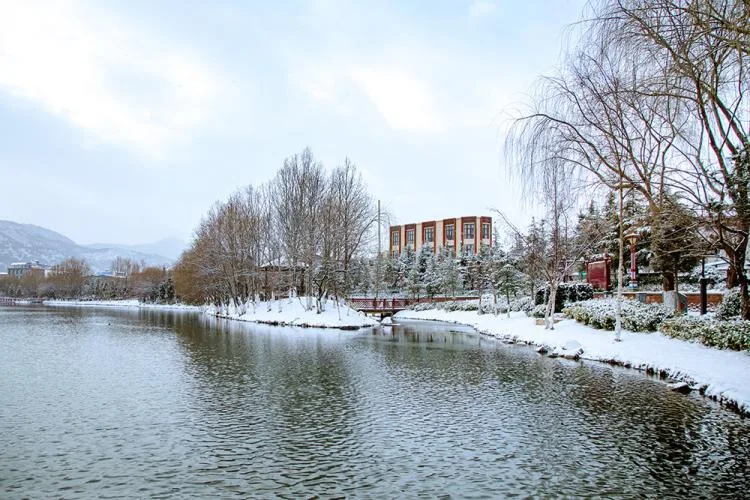
△ View of the building from a distance © Zaxi Peichu
Project Positioning and Planning
Twenty years later, building on the legacy of Baima Karakar, the goal is to highlight Shangri La’s distinctive regional culture through design. The plan is to transform the space into a contemporary, multifunctional restaurant where visitors can enjoy authentic Tibetan cuisine. Additionally, the space is envisioned as a cultural hub, welcoming artists, scholars, and creatives from across Shangri La for gatherings, cultural salons, photography exhibitions, and symposiums. By providing a welcoming, elegant environment enriched with diverse cultural activities, the project aims to foster meaningful cultural exchange and inspiration.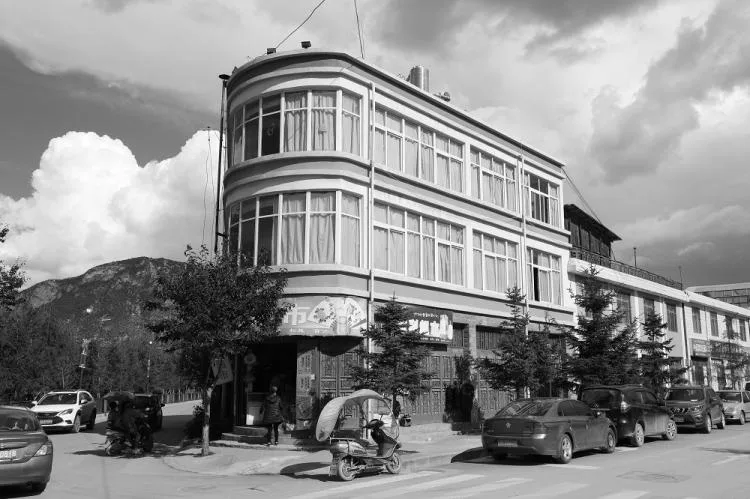
△ Project location © Pingjie Design
Originally established in the 1990s, the venue consists of a three-story restaurant and an adjacent two-story courtyard-style residence. The three-story building was constructed ten years ago, while the neighboring structure, built by the owner, is a brick and concrete building with a façade that clashes with the surrounding cultural environment. It also suffers from poor space utilization and inadequate insulation during winter.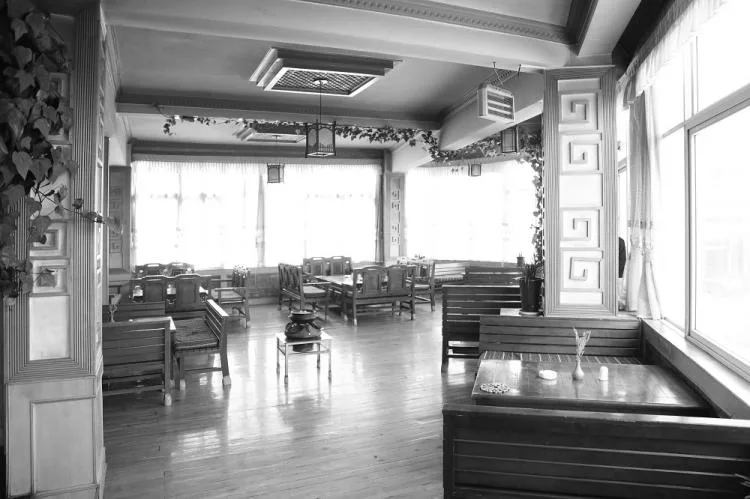
△ Photo of Old Karakar Tibetan Restaurant © Zaxi Peichu
Building Renovation
The project’s challenge is to blend modern architectural techniques with traditional Tibetan cultural features in a region rich with architectural heritage. To achieve this, the design team studied numerous traditional and newly constructed buildings around Shangri La, including Meilijie Mountain and Arukangba Hotel.
Due to local regulations on façade style control and budget constraints, the team abandoned the initial plan for reconstruction based on structural concerns. Instead, the focus shifted to renovating the building’s interior and exterior to enhance local cultural identity and improve indoor environmental quality.
The design consciously moves away from the local tendency to overuse traditional architectural elements and materials at the expense of user comfort. Instead, it emphasizes simplicity, introversion, warmth, and a strong respect for the user experience.
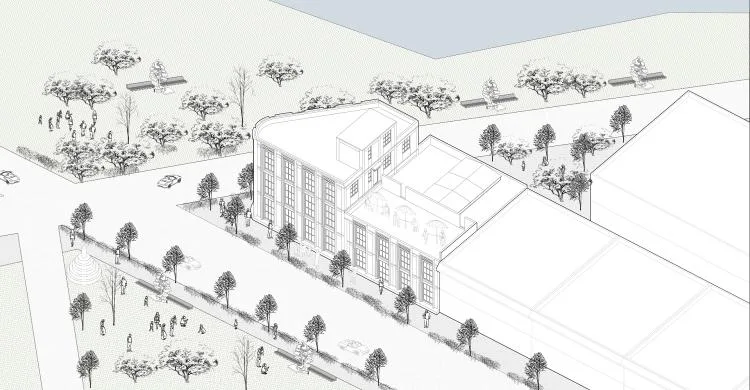
△ Architectural axonometric drawing © Pingjie Design
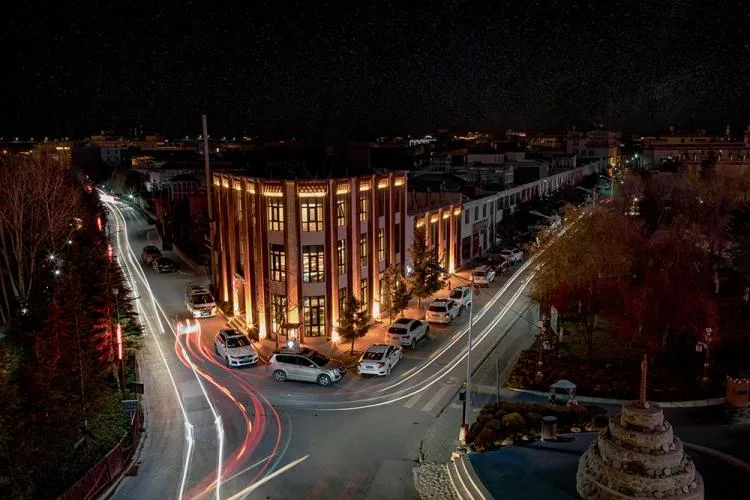
△ Night aerial view © Zaxi Peichu
The façade renovation incorporates traditional Tibetan architectural features, such as nine-grid windows (known as geni) and flying wooden window heads (Basu). Stepped window frames create the layered, rhythmic effect typical of Tibetan doors and windows. To ensure insulation, all windows use double-glazed glass with thickened frames.
Recognizing the challenges of wood durability at high altitudes, the design replaces traditional wooden window frames with corroded folded steel plates. The exterior walls are coated with light rammed earth yellow real stone paint to mimic the rough texture of traditional Tibetan rammed earth walls.
This approach uses modern, locally available, cost-effective materials to evoke the regional architectural memory without simply replicating traditional materials.
For façade lighting, indirect methods using bottom and groove lights enhance material textures and architectural features, avoiding harsh direct lighting.
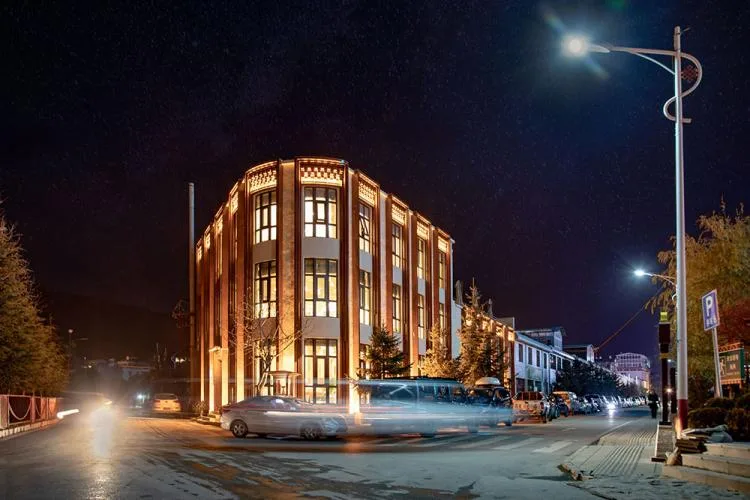
△ Architectural street and night views © Zaxi Peichu
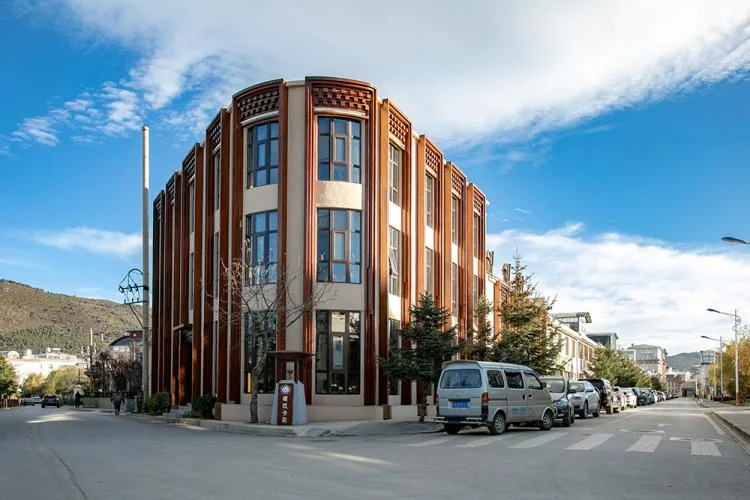
△ Architectural street view © Zaxi Peichu
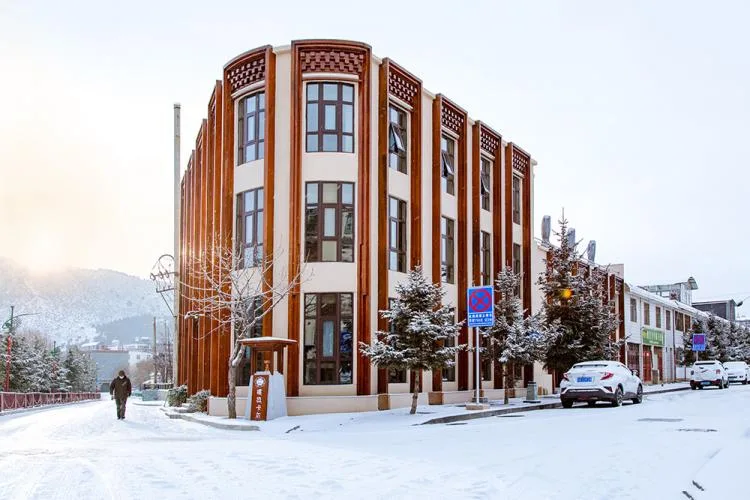
△ Post-snow architectural street view © Zaxi Peichu
Interior Renovation and Design
The interior redesign focuses on expanding usable space, reconfiguring layouts, and improving functionality while enhancing the overall ambiance.
The first floor has been expanded to accommodate new dining styles targeting younger customers, such as butter afternoon tea, self-service Tibetan dishes, and local homemade bars. The second floor retains its original layout, maintaining the bar and open dining areas, with optimizations to improve space utilization. The third floor is transformed into a private dining area, reorganizing circulation and enhancing privacy to accommodate traditional Tibetan dining customs.
The original first floor storefront, which faced the street and was often underutilized, has been opened up to create a more inviting and open space. Structural constraints prevented full wall removal, so doors were added on both sides with steel frames for support, creating a new entrance hall. A secondary entrance was introduced, along with restrooms, making the first floor a fully independent and functional unit.
Kitchen workflow was improved by separating the kitchen exit from the main restaurant entrance, eliminating congestion during peak hours and providing a dedicated foyer for guests.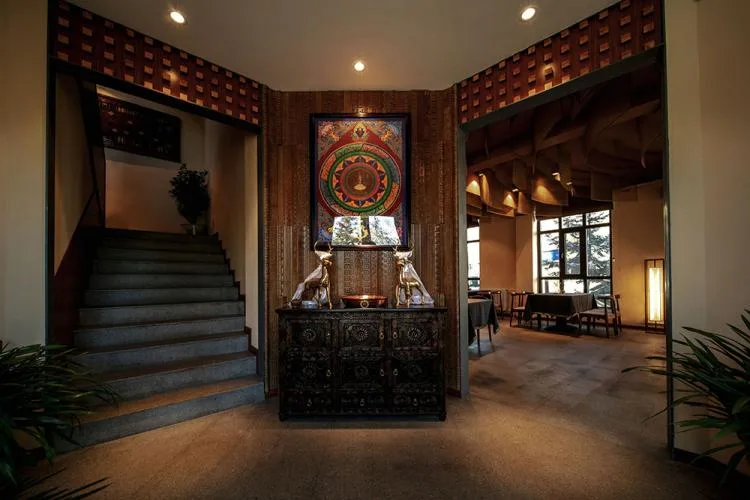
△ Restaurant entrance © Zaxi Peichu
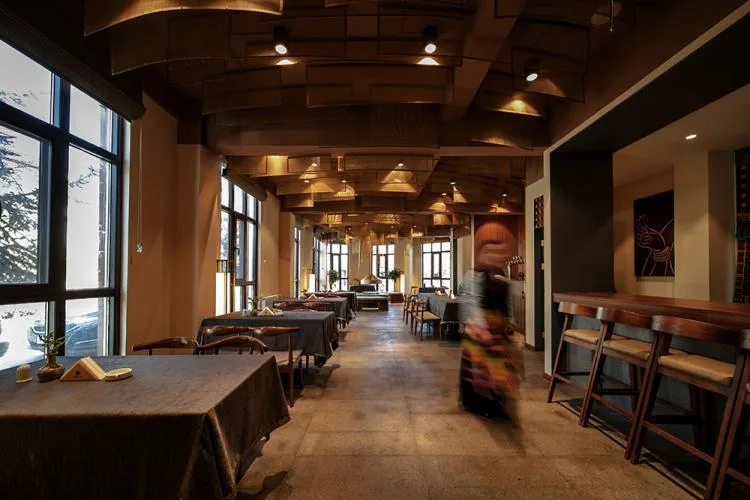
△ First floor restaurant space © Zaxi Peichu
In traditional Tibetan Kangba homes, the fire pit is the heart of daily life. On the first floor’s curved space, the design reinterprets this cultural feature, recreating the intimate atmosphere of gathering around a stove for tea and conversation, reflecting the authentic living scenes of local residents.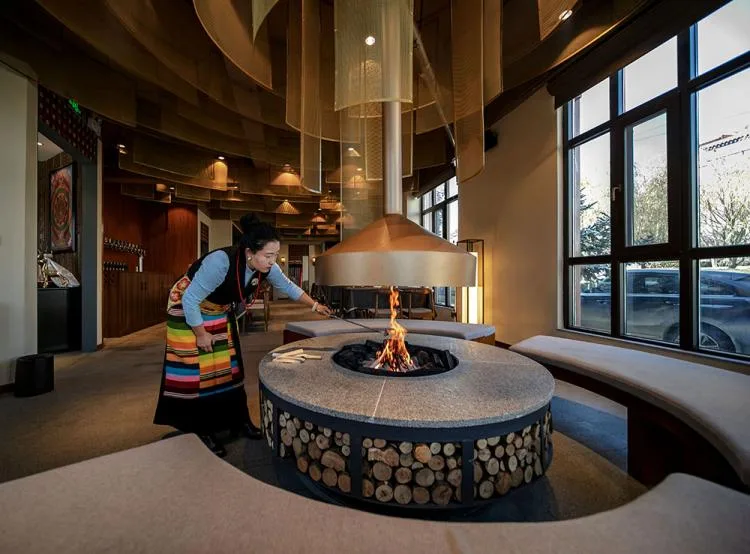
△ Fire pit space © Zaxi Peichu
The original building’s ceiling beams were irregularly placed and posed a design challenge. Inspired by Tibetan prayer flags fluttering and bronze artifacts, the team chose not to conceal the beams with a suspended ceiling. Instead, they installed metal curtains on the first floor, creating curved curtains that radiate outward around the stove, cleverly masking the chaotic beam layout.
The curtains gradually lower in height from the perimeter to the stove, visually connecting the ceiling with the stove hood and integrating the entire space.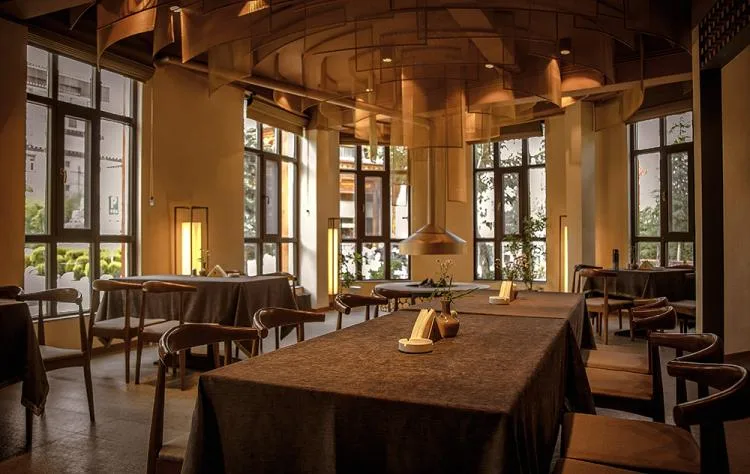
△ First floor restaurant © Zaxi Peichu
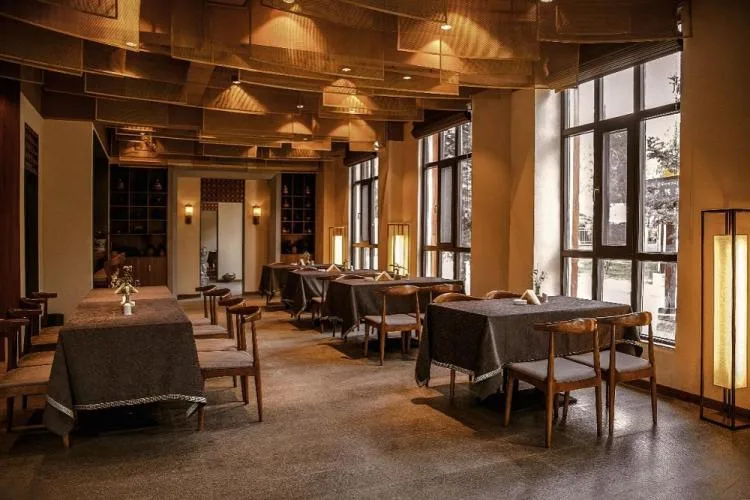
△ First floor restaurant © Zaxi Peichu
The second floor serves as the main dining area, holding many patrons’ fond memories. The renovation preserves the original interior layout as much as possible. To maintain the authentic atmosphere, the same style of tables and chairs was selected.
The dining area features traditional Tibetan low tables and tatami mats, which promote a relaxed, forward-leaning posture, enhancing intimacy. The ceiling design incorporates parallel metal mesh curtains that complement the square layout of Tibetan-style tables and sofas.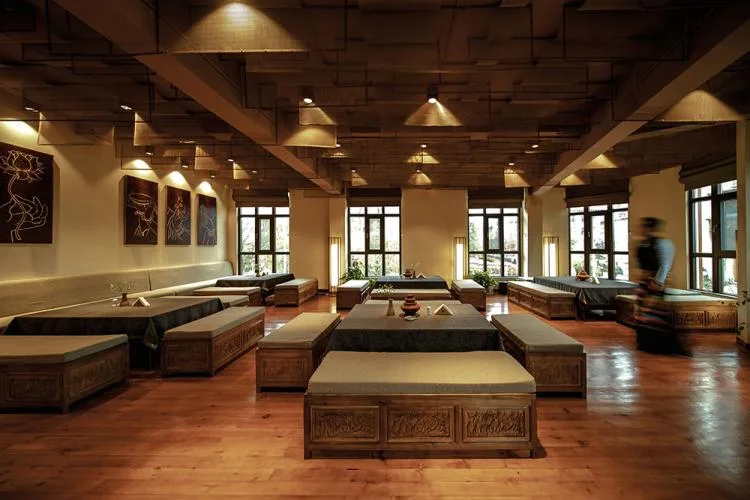
△ Second floor restaurant © Zaxi Peichu
The third floor was previously a relatively private space but lacked sufficient privacy due to the absence of solid partitions. Structural brick walls could not be removed, so steel door frames were added to support new openings. Using a combination of existing walls and new lightweight partitions, the space was divided into three private rooms with rest areas.
A new neutral restroom was added to enhance privacy and eliminate the need for shared facilities between the second and third floors.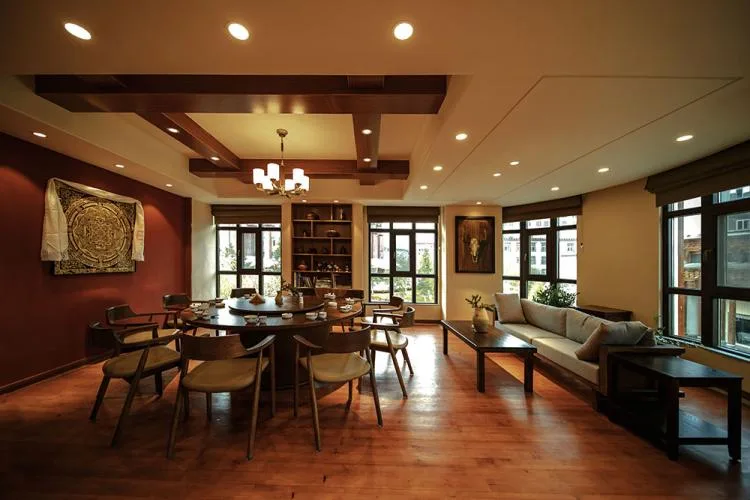
△ Private dining room © Zaxi Peichu
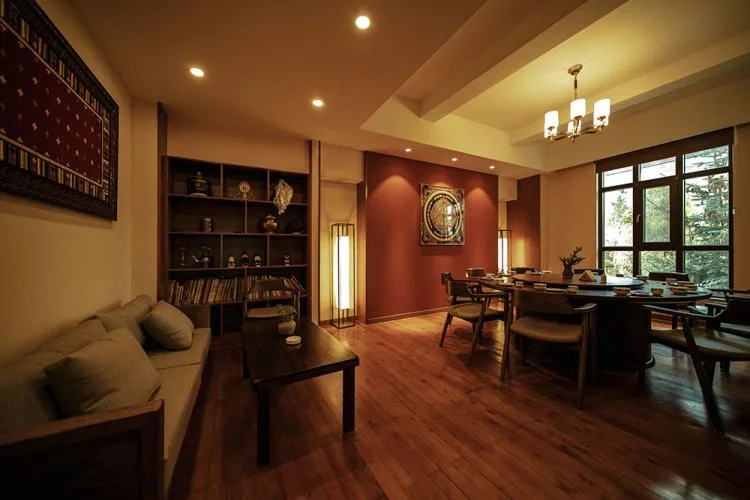
△ Private dining room © Zaxi Peichu
Traditional Tibetan decorative elements are incorporated throughout the interior. Notably, the Tibetan religious painting “Thangka” is prominently displayed as both an artistic and spiritual symbol. Due to their religious significance, thangkas are typically hung for worship.
In the private rooms, red—symbolizing nobility and reverence in Tibetan culture—is used as the background color for thangkas. This background, combined with thoughtful lighting, transforms the thangka into a spatial ornament that honors Tibetan cultural heritage.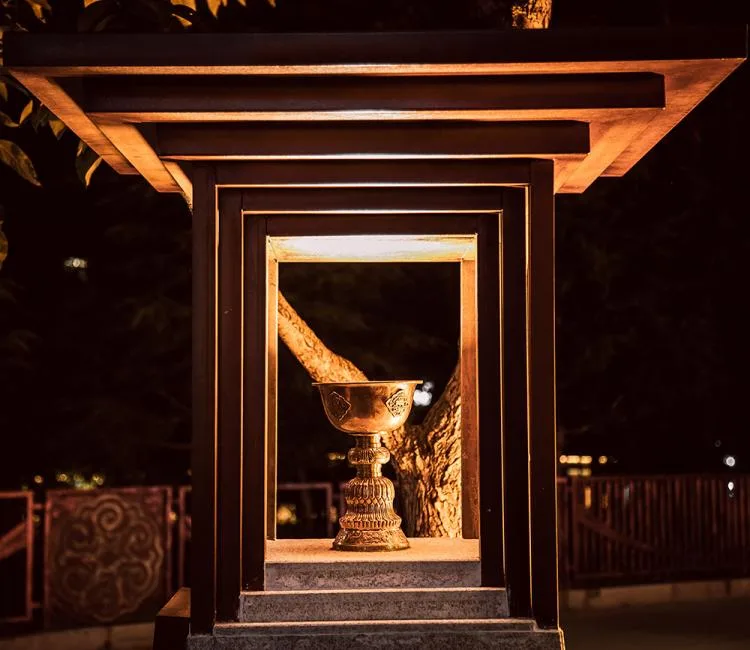
Street side pastry oil lamp © Zaxi Peichu
Located in a Tibetan region, the project was unaffected by the pandemic during construction and was completed in 2020. This renovation draws deeply on the cultural identity of Shangri La’s Tibetan area, offering innovative architectural ideas for new urban developments within the framework of local planning and style regulations.
Stepping inside the restaurant, a warm aroma welcomes visitors. Sitting down, sipping butter tea, savoring yak meat, and tasting tsampa while chatting with friends, one experiences a space filled not with the grandeur of a pilgrimage to Lhasa, but with the simple, authentic warmth of everyday life.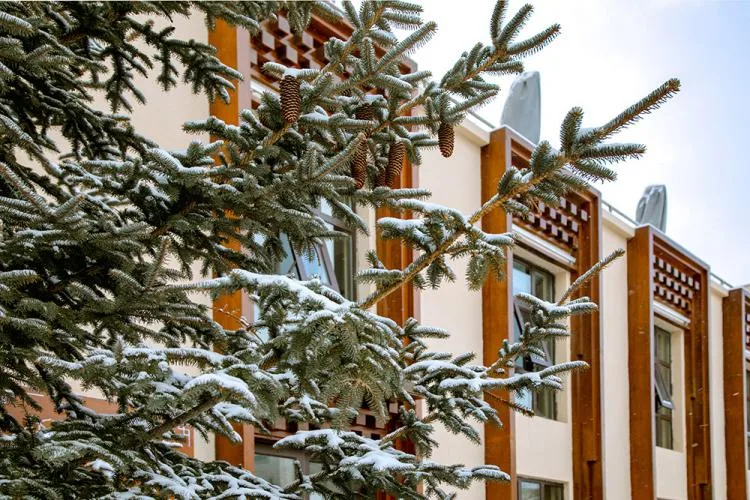
△ Exterior façade details © Zaxi Peichu
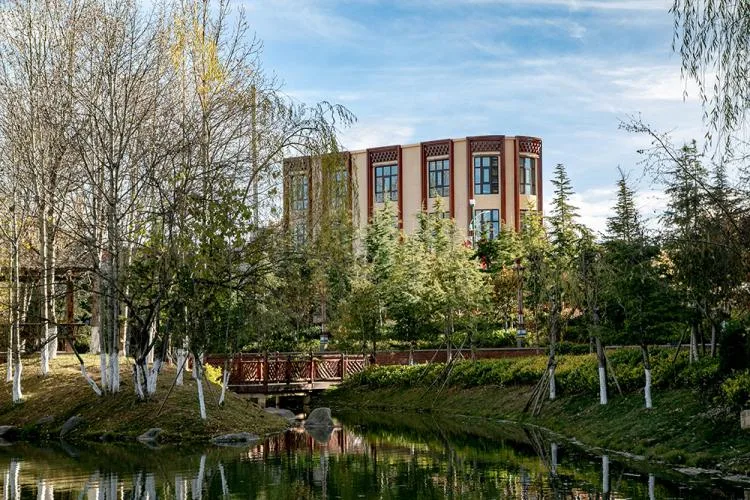
△ Park perspective © Zaxi Peichu
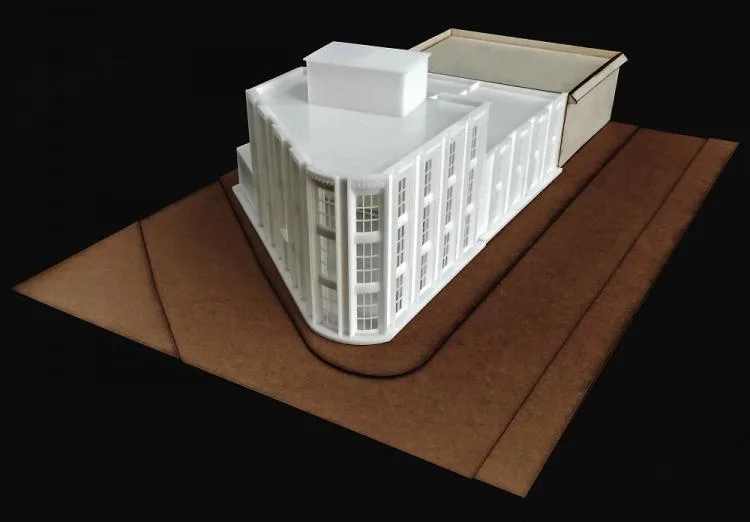
△ Architectural Model © Pingjie Design
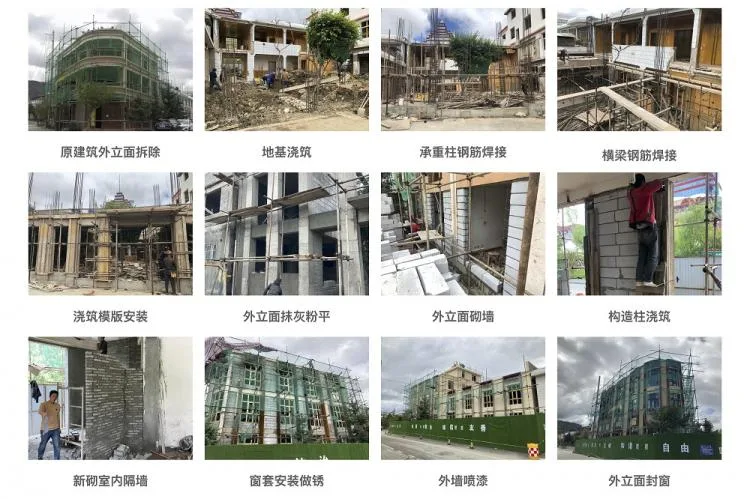
△ Construction process © Zaxi Peichu
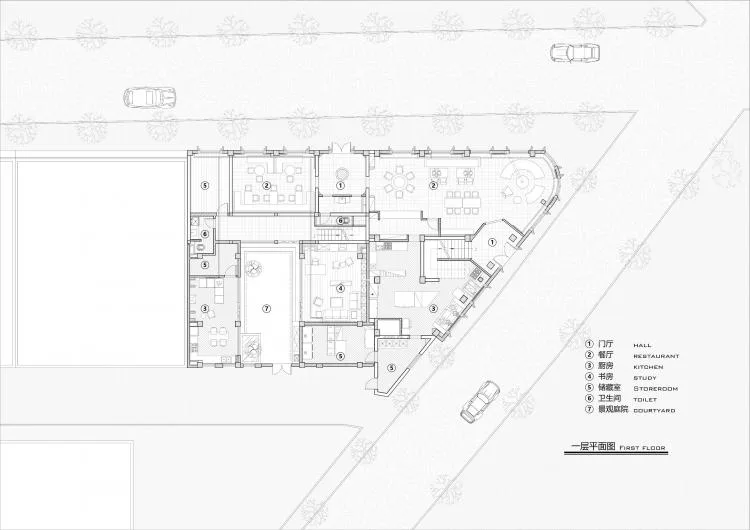
△ First floor plan
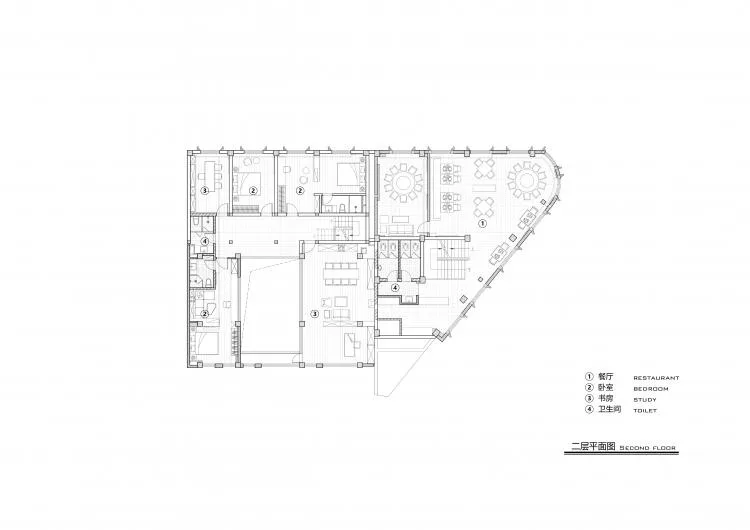
△ Second floor plan
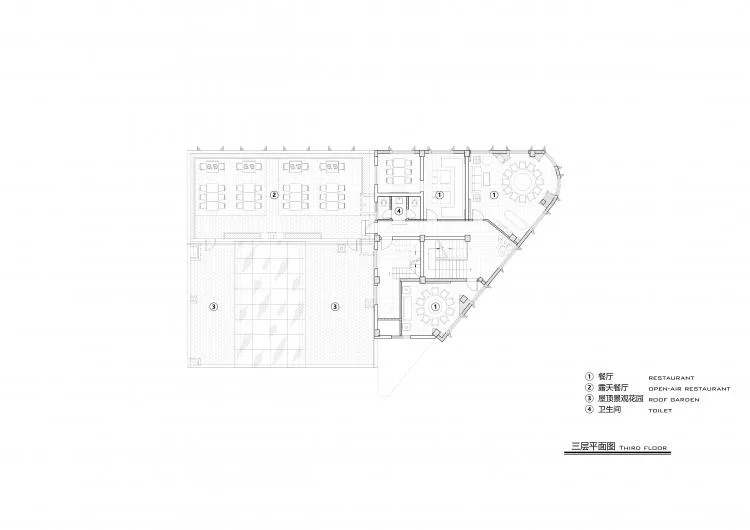
△ Third floor plan
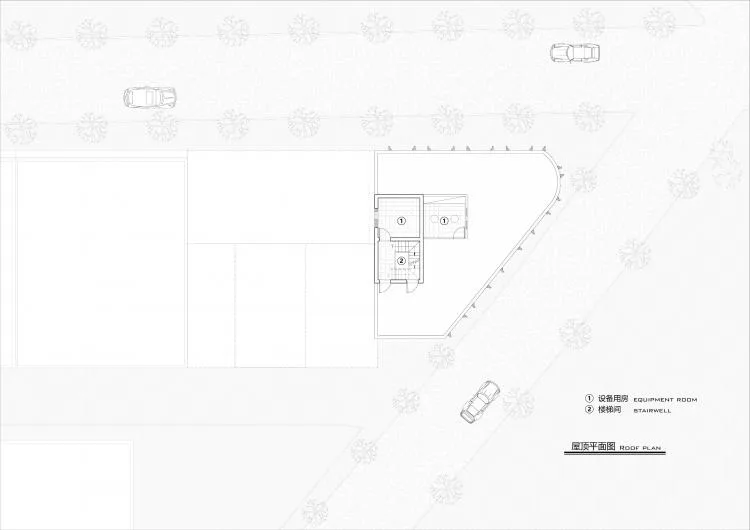
△ Roof plan
Project Information
Project Name: Karakar Tibetan Food Culture Center
Project Type: Building renovation
Location: No. 4 Ankang Lane, Shangri La City, Diqing Tibetan Autonomous Prefecture, Yunnan Province, China
Design Firms: Pingjie Design and Yunnan Fulong Design Firm Co., Ltd.
Project Team: Zhaxi Peichu, Yang Nan, Wang Yitong, Li Zongjian
Company Website: www.parallect-design.com
Contact Email: [email protected]
Status: Completed
Design Period: October 2018 – January 2020
Construction Period: January 2020 – October 2020
Floor Area: 1,000 square meters
Photography: Zaxi Peichu












Must log in before commenting!
Sign Up