
The Plant Protection Building at China Agricultural University is situated on a square plot in the southeast corner of the university’s West Campus in Beijing. Covering a total site area of 14,000 square meters, the building features a construction area of 42,000 square meters. Located adjacent to the Yuanmingyuan Protection Area, the project is subject to strict height restrictions: the building cannot exceed 18 meters in height or more than four floors. These constraints, combined with the limited plot size, create a tightly controlled site.
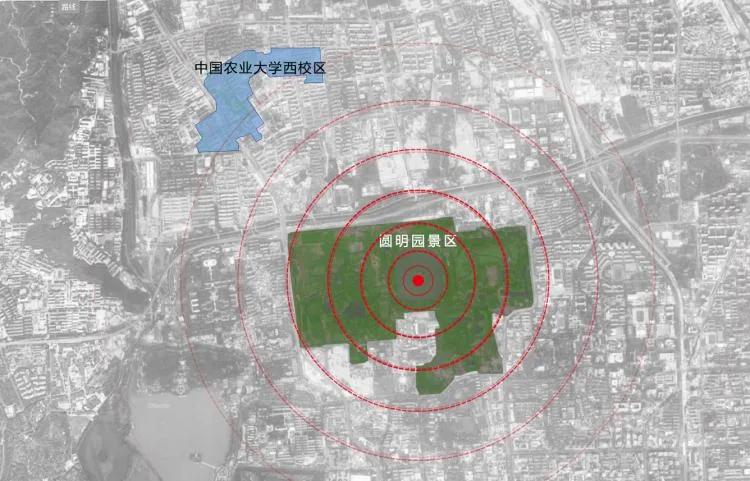
△ The building’s proximity to the Yuanmingyuan Protection Area
New constructions within historic campuses often face numerous restrictions. This project embraces an inward-looking approach, exploring internal spatial configurations tailored to its context. The design creates a fresh architectural identity that not only ensures high-quality spaces but also harmonizes with the existing campus environment, reflecting a clear scientific research character.
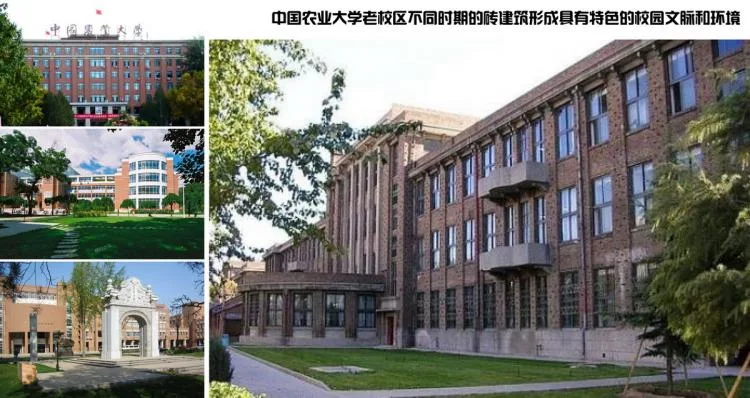
The distinctive brick buildings from different eras create a unique campus context at China Agricultural University.
1. An Inward-Looking “C”-Shaped Layout
The high plot ratio demanded an inward-focused design strategy. The site measures approximately 105 meters east to west and 125 meters north to south. Considering the laboratory depth requirements and surrounding environment, the layout adopts a “C”-shaped plan facing inward. The courtyard side adjacent to the campus is thickened to accommodate large spaces, while the west side opens fully inward. A sunken plaza at the basement level further enhances the courtyard’s sense of enclosure and belonging.
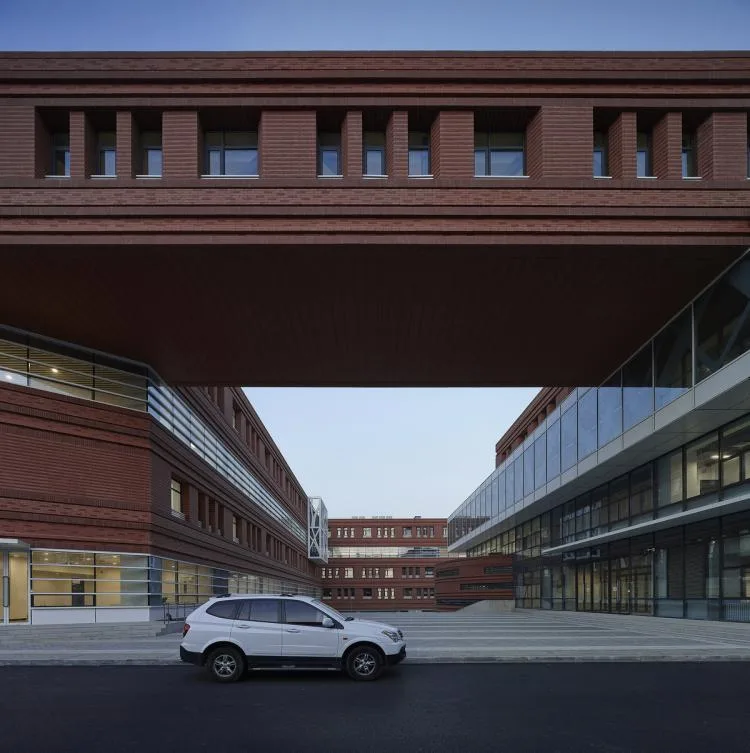
△ Courtyard space open to the interior
The courtyard is rich and dynamic, opening inward. The white square volume serves as a leisure area facing the courtyard, while the circular red brick form houses the lecture hall, starting from the basement level. The interplay of circular and square shapes enriches the internal courtyard space. Variations in height, color (red and white), and solidity versus openness create a vibrant, human-centered architectural atmosphere with a modern scientific research vibe.
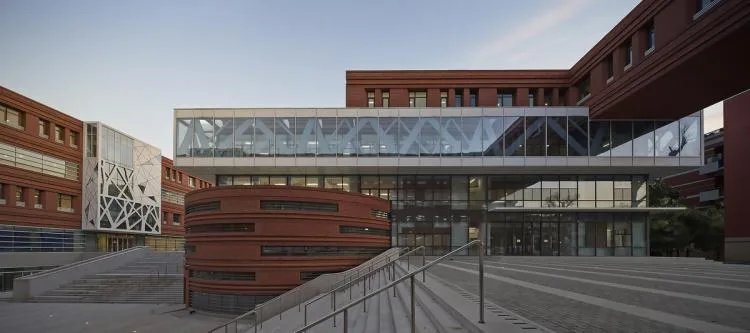
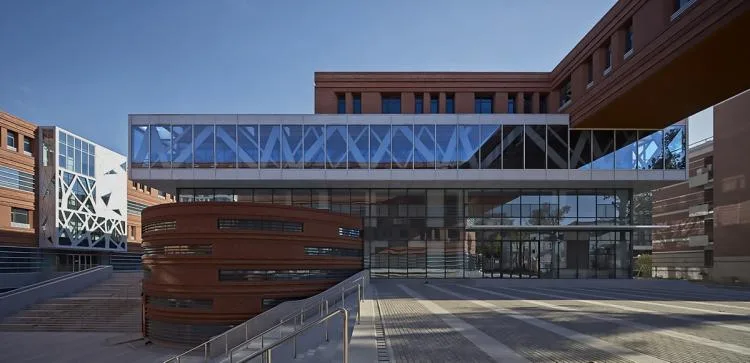
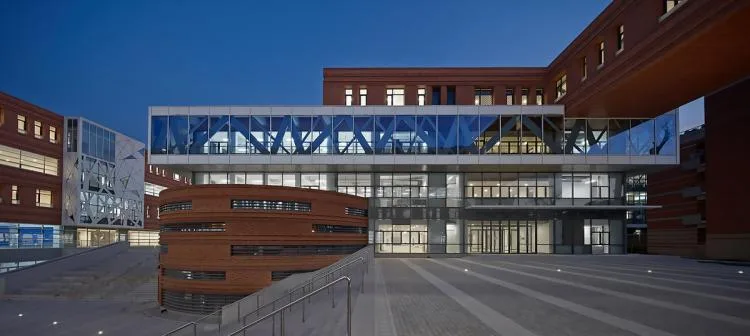
The lecture hall’s overlapping square and circle volumes at morning, afternoon, and night.
2. A Professor-Centered Spatial Arrangement
The design prioritizes high-level research activities centered around professors. By exploring functional combinations inwardly, an optimal spatial arrangement was developed, focusing on the professor as the core. The principal investigator’s (PI) seminar rooms and laboratories are organized around the professor’s office, forming experimental units arranged sequentially along corridors. This setup strengthens the autonomy of each research group, minimizes travel between areas, fosters interaction between professors and students, maximizes professors’ productivity, supports student development, and facilitates team communication.
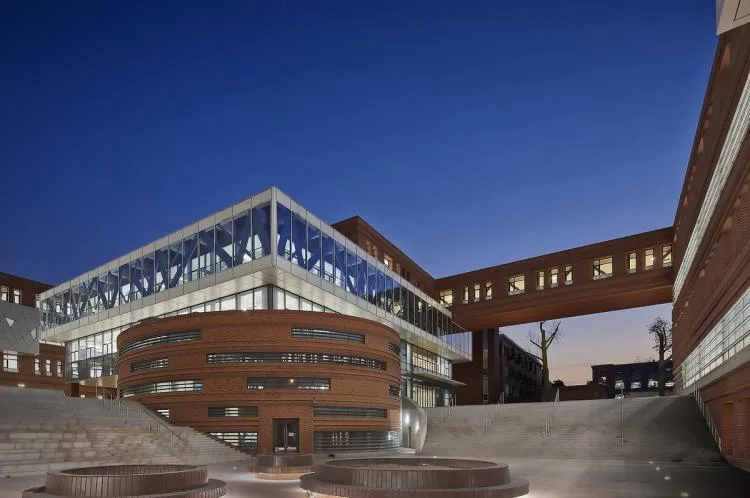
△ Richly layered courtyard space
3. Green Experimental Building Layout Combining Active and Passive Strategies
Experimental teaching facilities often generate various gases, and inadequate ventilation can cause unpleasant odors that affect the research environment. This project explores a green building layout that integrates both active and passive environmental strategies. Green technologies are incorporated to maximize natural light and ventilation, creating a comfortable and healthy indoor environment.
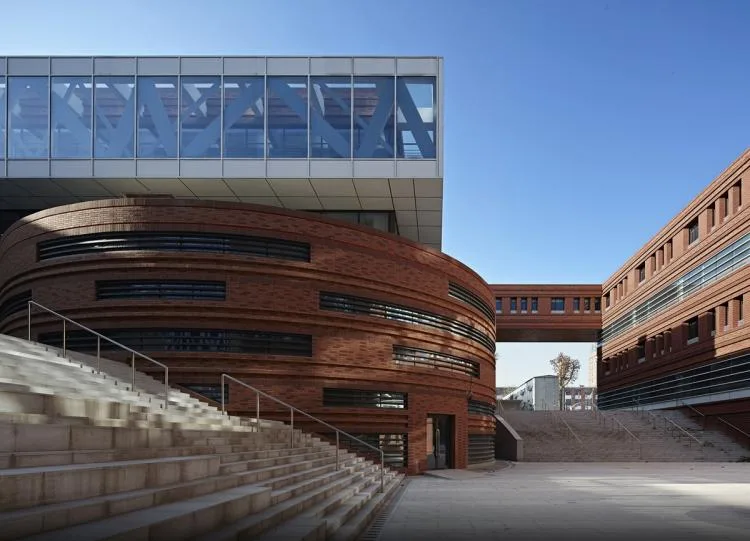
The lecture hall’s overlapping square and circle volumes
A “trumpet-shaped” air guide was integrated facing the prevailing summer winds to channel natural airflow into the building and courtyard. Window openings were optimized, employing narrow slits on facades to improve indoor air circulation. The sunken plaza allows some underground rooms to receive direct daylight, enhancing overall lighting conditions throughout the building.
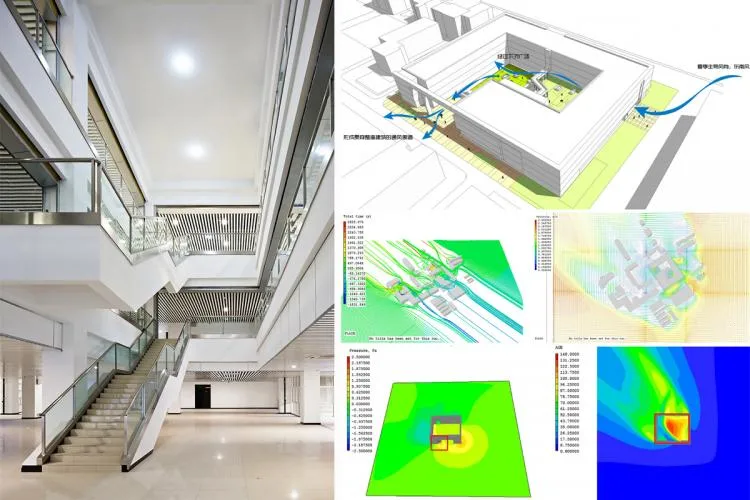
△ Green Building Analysis
4. Introverted Facade Design: The “Dance of Bricks”
The historic campus features long-standing brick buildings from various eras, creating a unique cultural atmosphere. To integrate seamlessly with this context while reflecting both heritage and innovation, the building’s exterior embraces an introverted character. The facade uses face bricks, exploring their potential as decorative elements to enhance texture and depth.
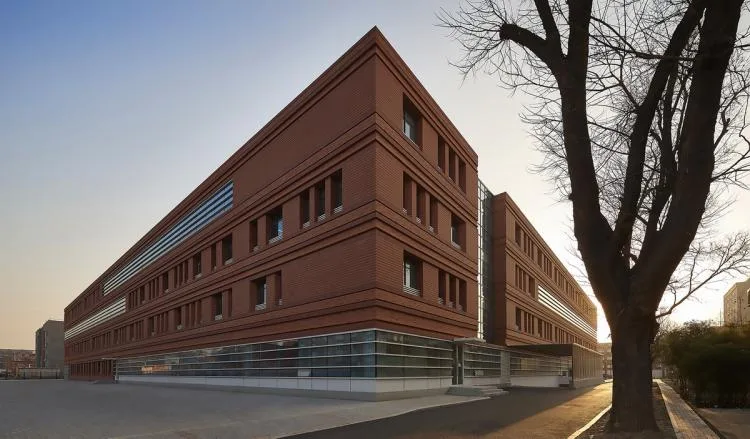
△ The “Dance of Bricks”
The facade features concave and convex brickwork based on brick dimensions. The arrangement adapts to variations in brick width and color depth. This approach transcends the typical flat brick surface, imparting a sense of three-dimensionality and solidity. The entire facade resembles a “dance of bricks,” imbuing the building with rhythm, depth, and vitality.
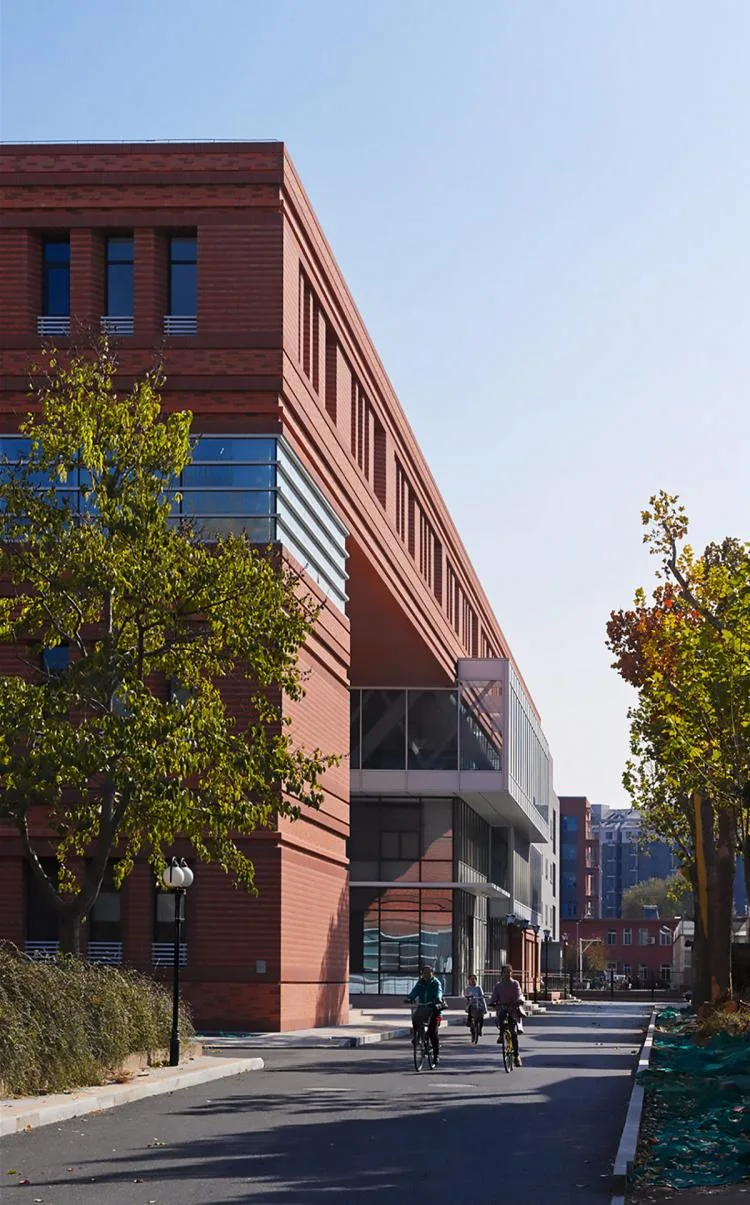
The new building integrates gracefully with the existing campus environment.
The red bricks echo the campus culture, while the “brick dance” gives the new teaching building a distinctive personality, reflecting the contemporary spirit of the experimental facility. This subtle, introverted architectural quality aligns with the scientific ethos of the advanced intellectual community cultivated within.
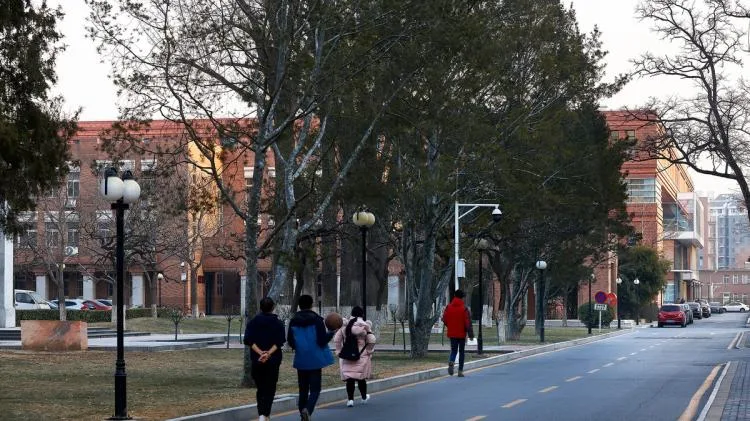
The new and old buildings blend seamlessly, with the existing China Agricultural University building visible on the left.
This project refrains from chasing external flamboyance. Instead, it seeks design inspiration internally—drawing solutions from the environment, functionality, and user needs. The ultimate goal is to enhance the campus space while balancing its historical legacy with future development.
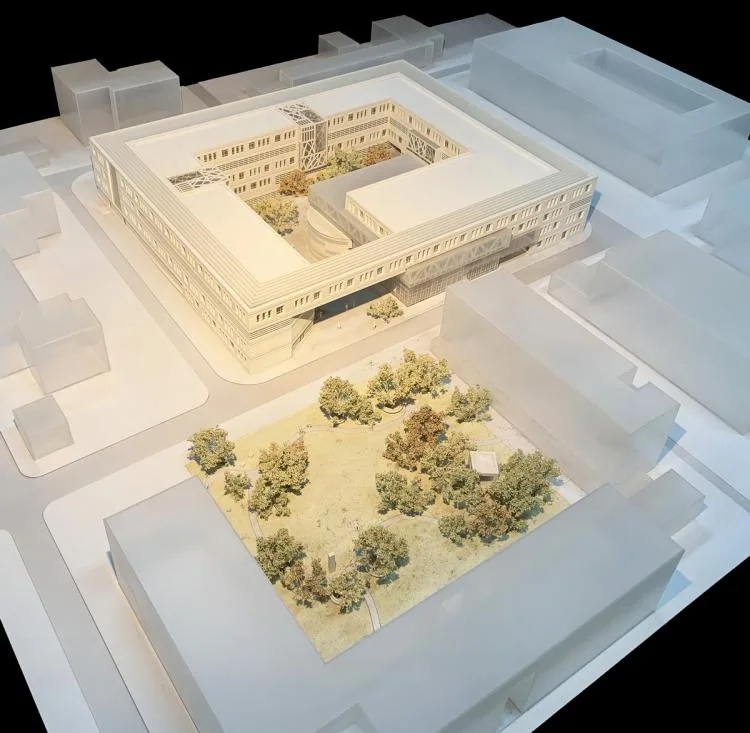
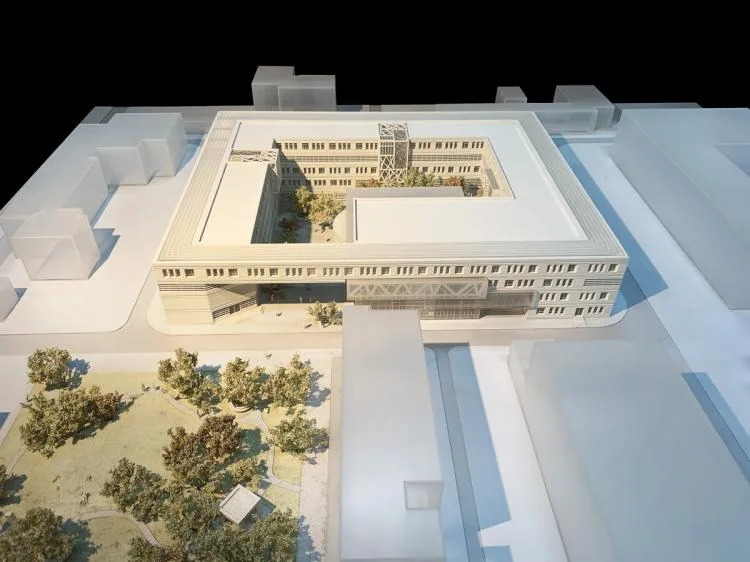
△ Model photographs
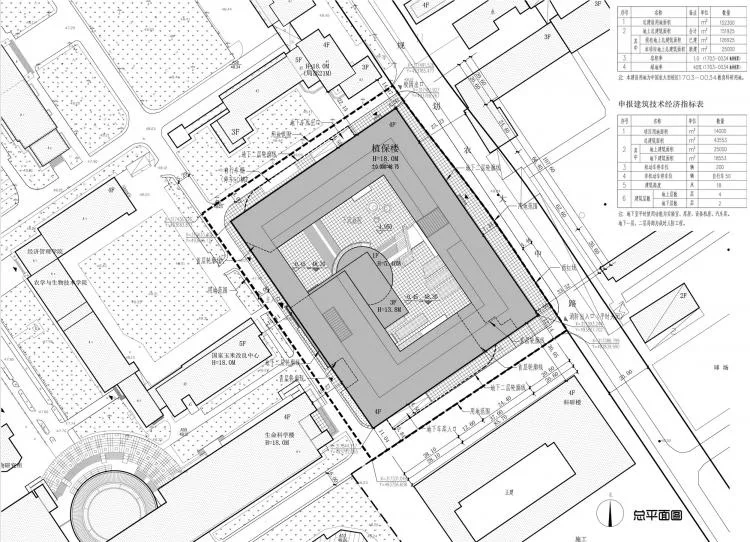
△ General layout plan
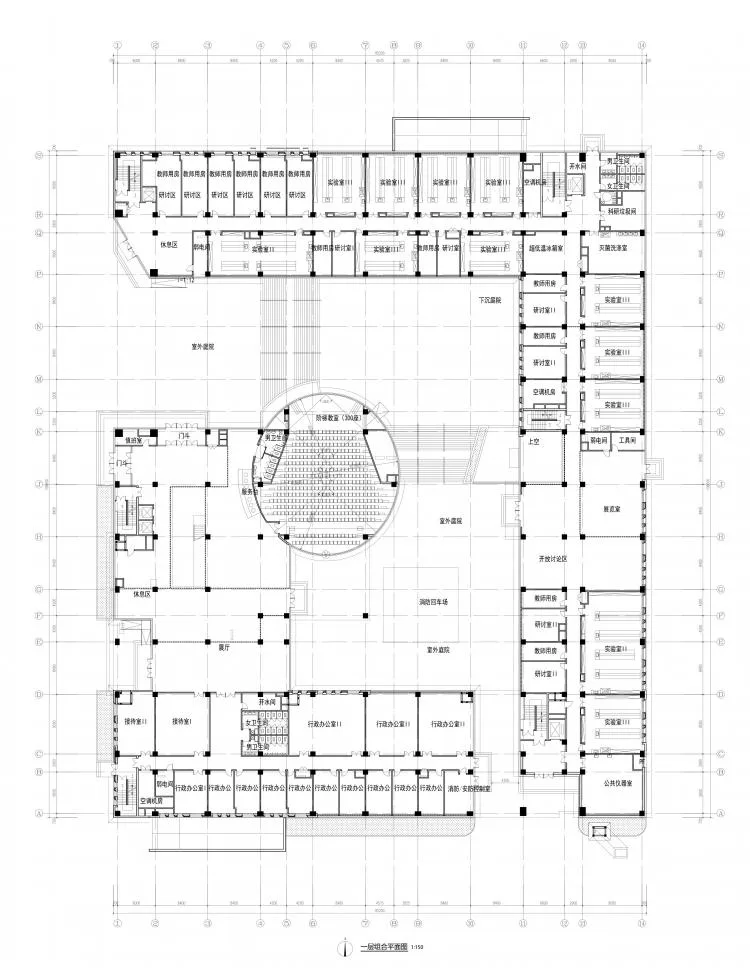
△ First floor plan
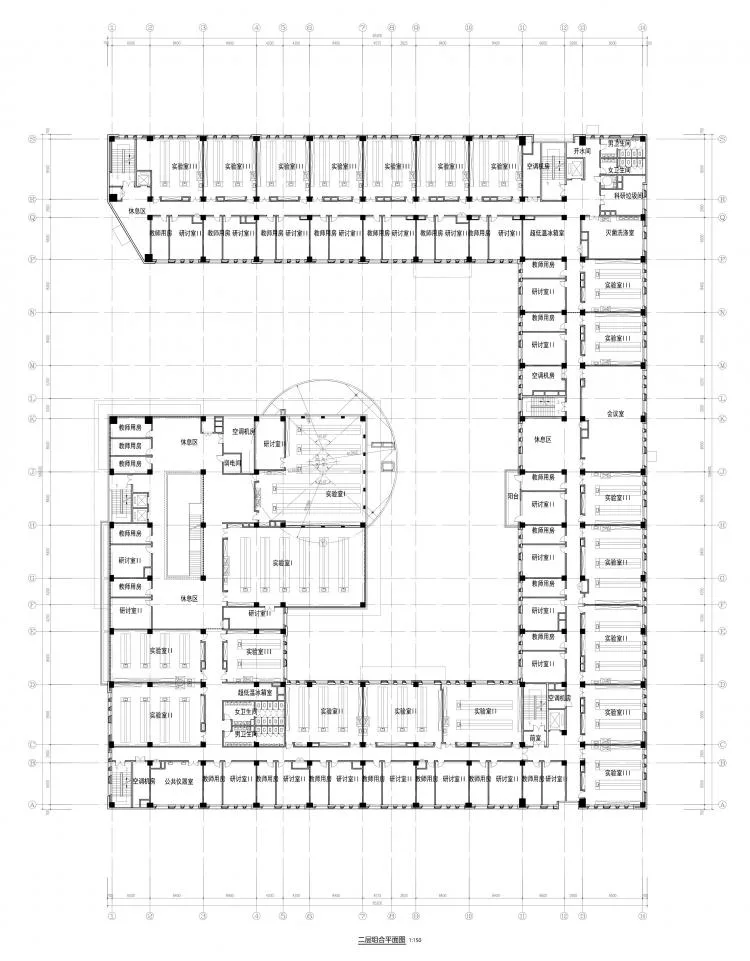
△ Second floor plan
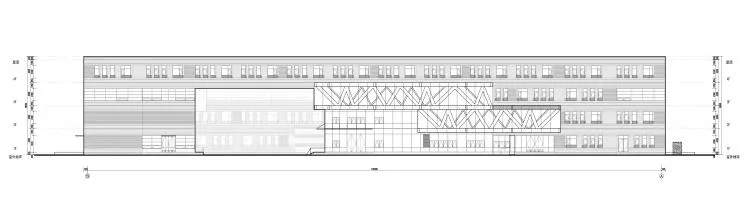
△ Building elevation
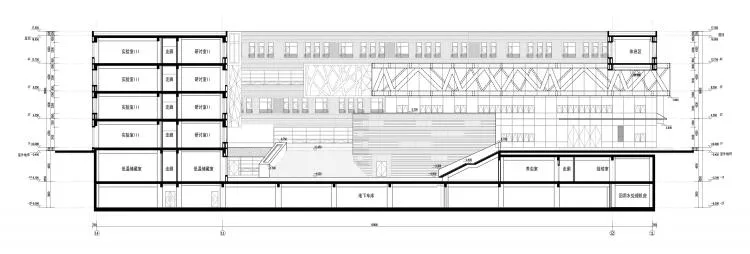
△ Architectural section diagram
Project Information
Project Name: China Agricultural University Plant Protection Building
Location: Beijing, China
Design Firm: Tianjin University Design Institute · Gu Zhihong Studio
Website: https://www.aatu.com.cn/
Contact Email: [email protected]
Address: 806 Tian Da Design Institute, No. 192 Anshan West Road, Nankai District, Tianjin
Design Period: October 2013 – July 2014
Completion Date: May 2018
Floor Area: 42,000 square meters
Project Address: No. 2 Yuanmingyuan West Road, Haidian District, Beijing
Lead Architect: Gu Zhihong
Principal Architect Email: [email protected]
Design Team: Gu Zhihong, Chen Qian, Zhang Jian, Li Xiaoqing, Chi Xiangzheng, Song Ruiqi, Mei Nan, Liang Weijia, Wang Teli
Client: China Agricultural University
Structural Engineer: Tianjin University Design Institute
Construction Contractor: Jiangsu Construction Engineering Group Co., Ltd.
Photographer: Chen Su












Must log in before commenting!
Sign Up