
Yangtze River · Heji
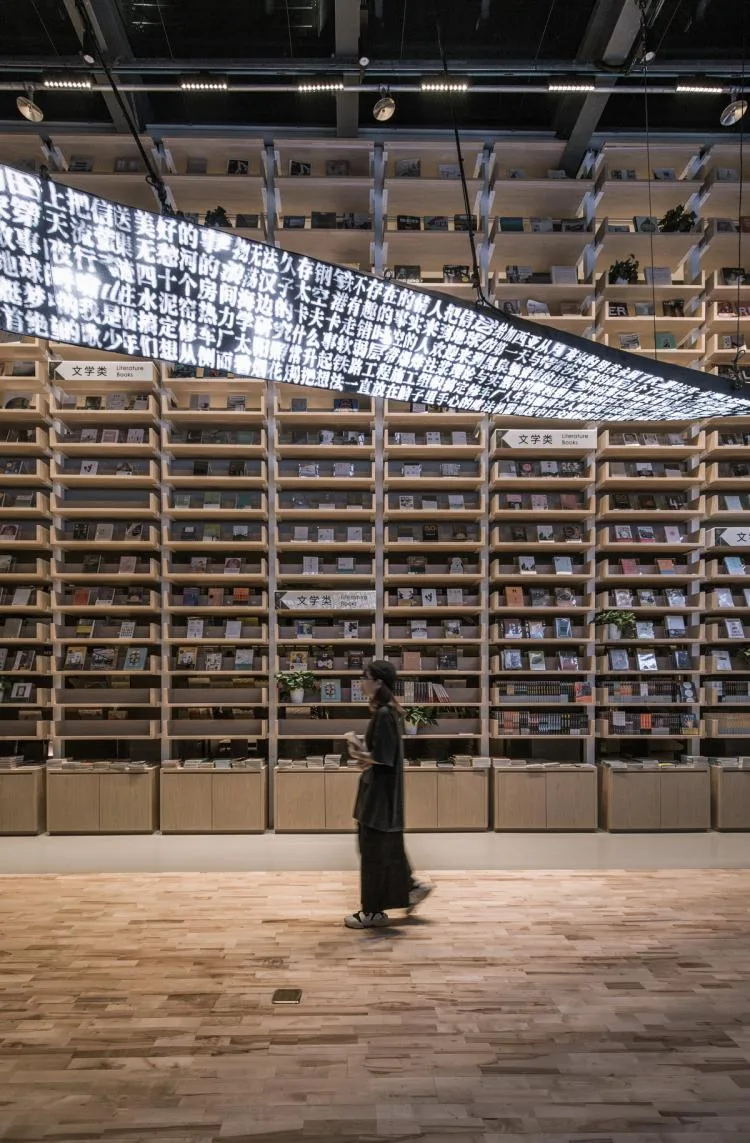
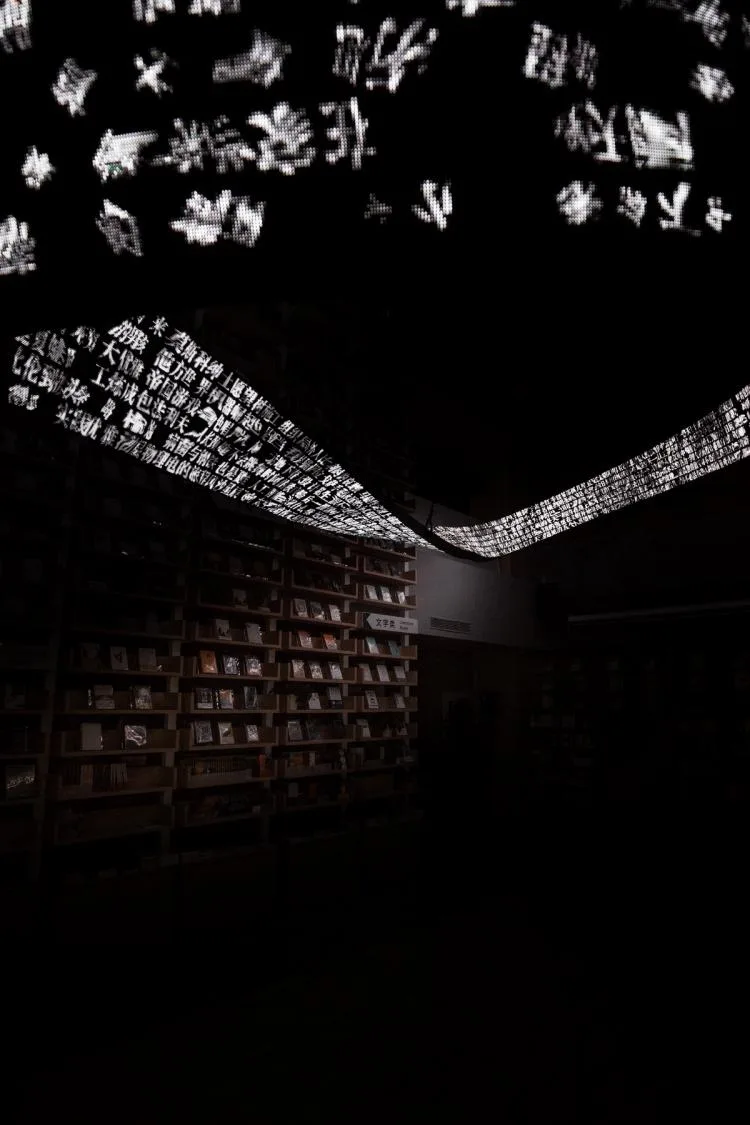
Heji is an experimental cultural brand space created by the Fangsuo Group for urban block centers. The Changjiang Heji location, redesigned by LAD (Reed) Design Firm, began its trial operation in August this year.
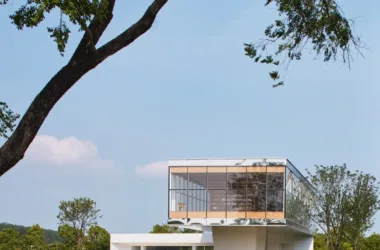
Located at No. 17 Changjiang Middle Road in Hefei City, on the east side of the former Anhui Provincial Party Committee compound, Changjiang Heji occupies a three-story standalone building. Currently, only the two-story space is open to the public, offering a variety of formats including Simplified Chinese and foreign language books, Taiwanese magazines, coffee, lifestyle products with aesthetic appeal, and clothing.
The spirit of integration and harmony introduced by ‘Heji’ transforms this place into much more than a bookstore—it is a public cultural hub, a commercial aesthetic space, and an experimental venue for contemporary urban living.
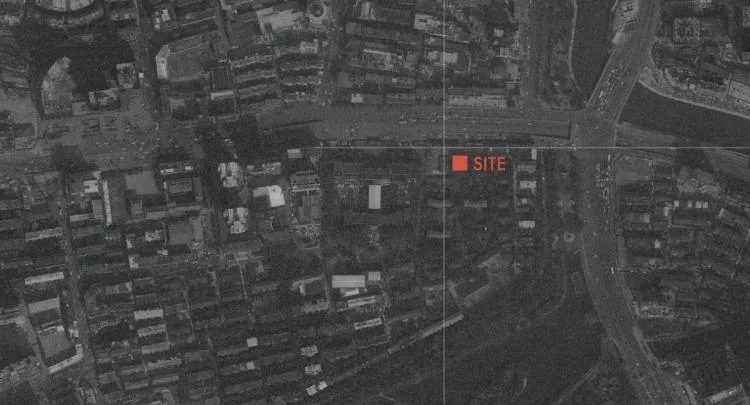
Unlike fading memories, many people still vividly recall Yangtze River Middle Road—once known as “Anhui First Road”.
From the winding paths of the eighth year of Jiaqing, to the deep ruts carved by wheels, to Mao Zedong waving to 100,000 citizens from an open-top car, and to the hundreds-strong shopping queues waiting before stores opened in the morning, the history resonates strongly.
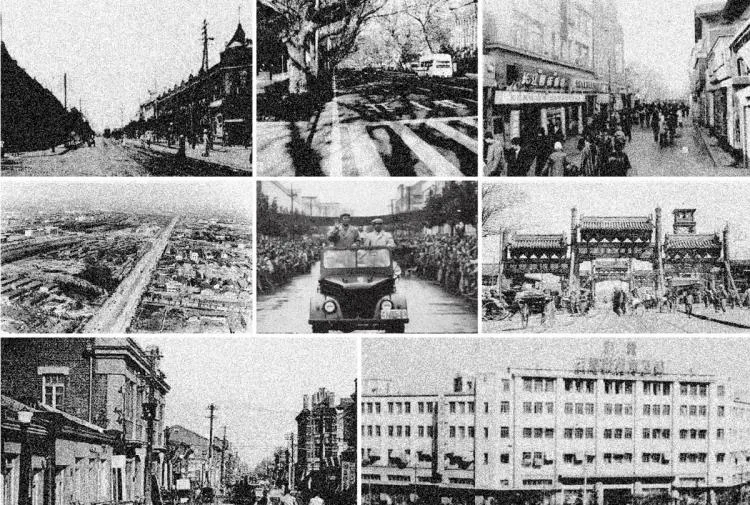
Over more than two centuries, Yangtze River Middle Road has expanded from 5 meters to 25 meters in width, evolving through phases marked by mediocrity, glory, poetry, wine, and fishing.
These fragments of time are cherished, not discarded—they serve as overlapping, harmonious materials for design.
As we shape the space, we also shape time itself. This blend of familiarity and novelty creates a unique temporal perspective belonging to Yangtze River and Heji.
Thus, it offers a refuge from today’s hectic world—a place to soothe chaos and anxiety, a sanctuary for body and mind.
Dreaming in a Bustling City
A Garden Without Vegetation
When we began working with the old building, we found the overall space dull and uninspiring, with scattered variations in ceiling height.
Since books and products are small objects, the space must support them and redefine how visitors explore.
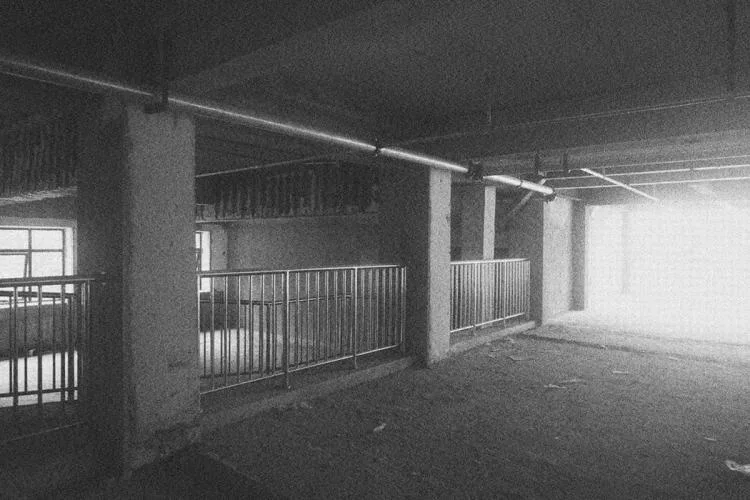
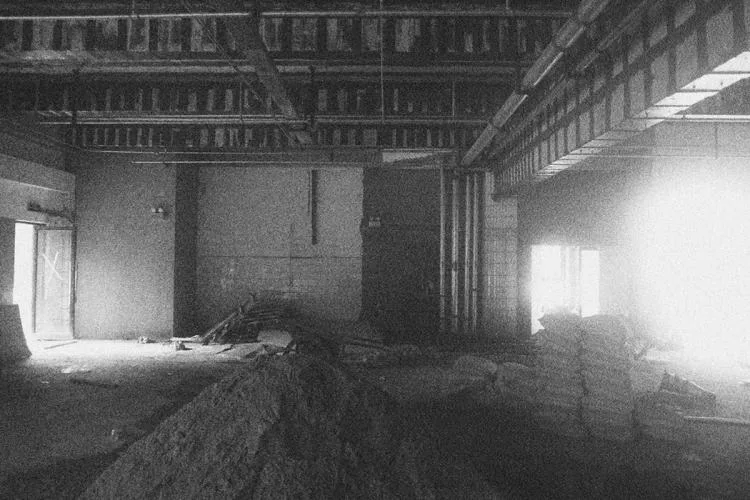
△ Old building space
In China, gardens represent personal worlds within bustling cities. The dynamic interaction between people, architecture, light, shadow, and plants creates a unique context. Tong Yun described gardens poetically as “a garden without plants and trees.”
Gardens are typically composed of localized, interconnected circular paths. Visitors are not fixed in their movement; instead, they are drawn by the scenery, creating a playful exchange between observer and environment.
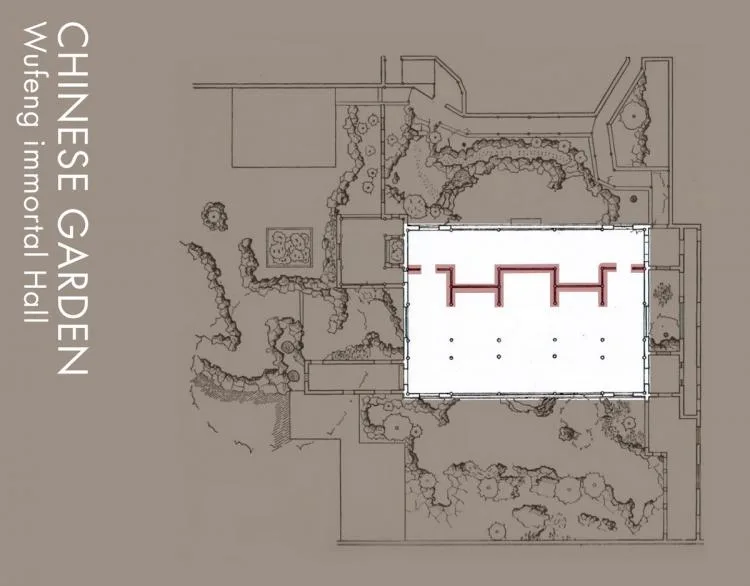
The Wufeng Immortal Hall divides space using screens, evoking the feeling of a deep study—yet the atmosphere remains fluid and open.
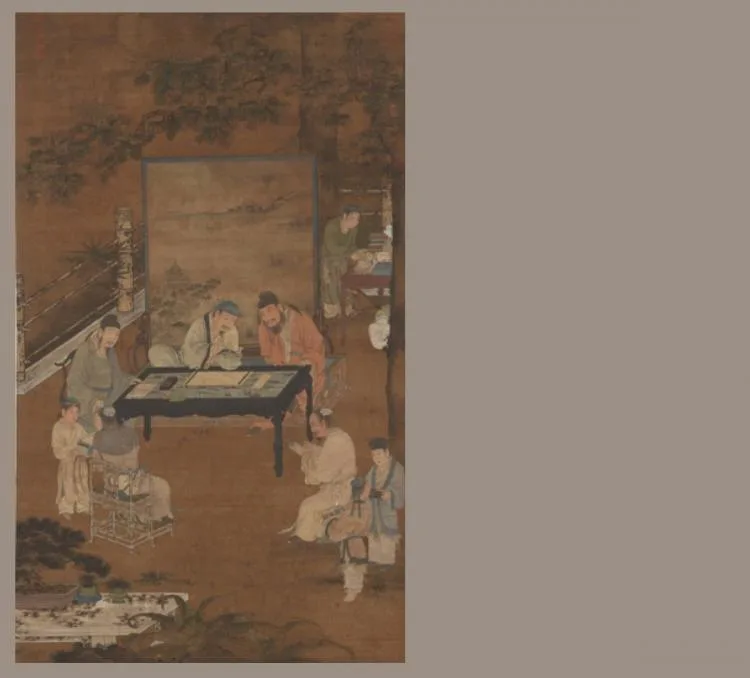
The painting “Eighteen Scholars of the Song Dynasty” features a courtyard screen used to segment space.
Inspired by garden principles, we divided large areas into winding, intricate smaller spaces, applying the grammar of garden design.
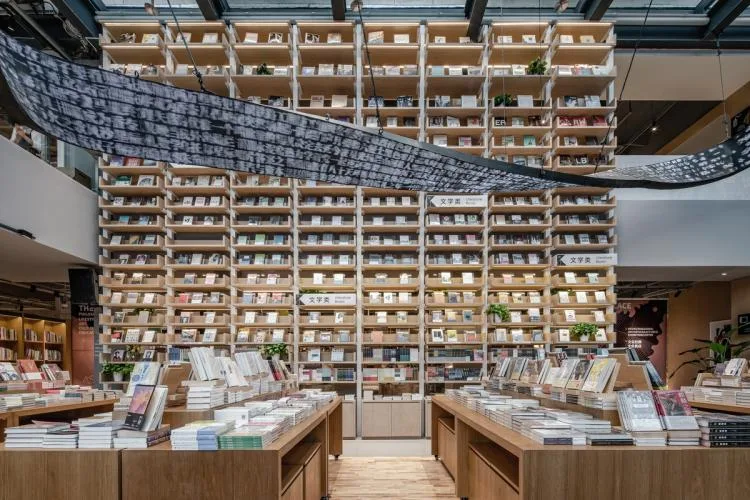
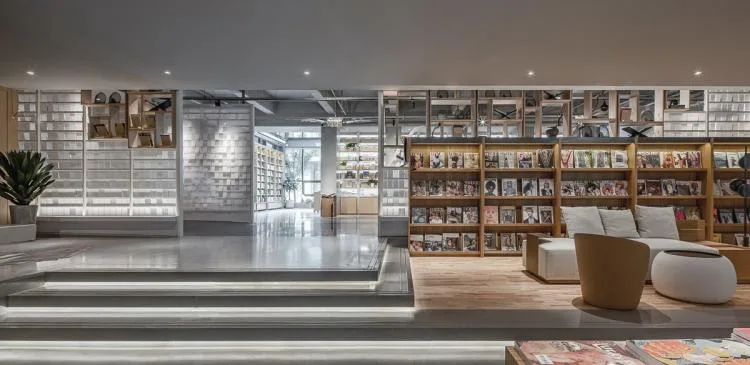
Here, visitors can experience a guided path through the “garden,” yet also take the initiative to explore using their own eyes, embracing the immersive journey of wandering.
Visitors are more than observers; they become active creators of the space in an interactive dialogue between people and place.
Philosophy in the Garden
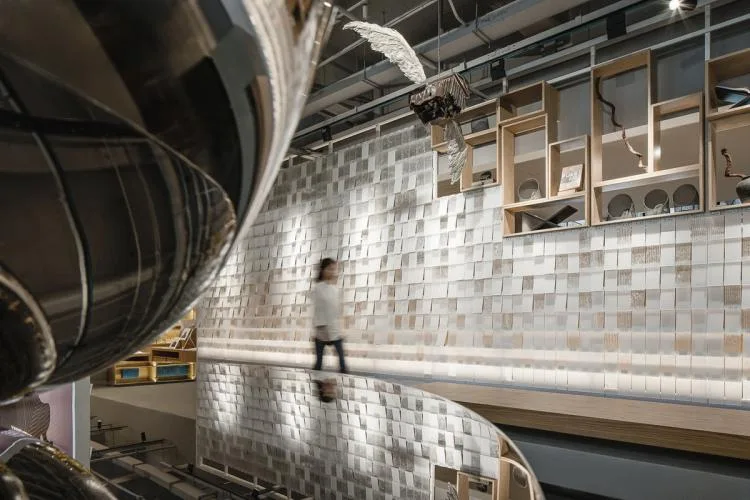
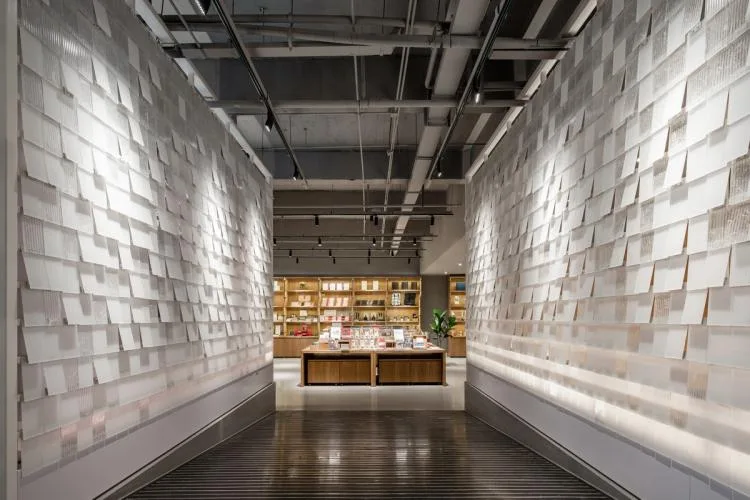
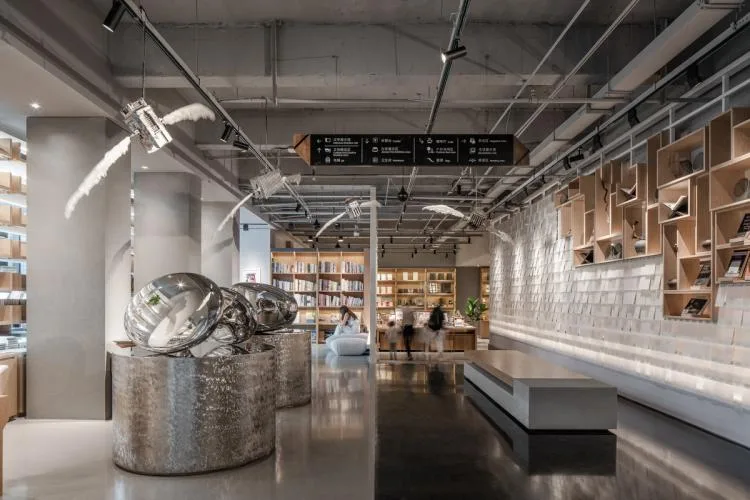
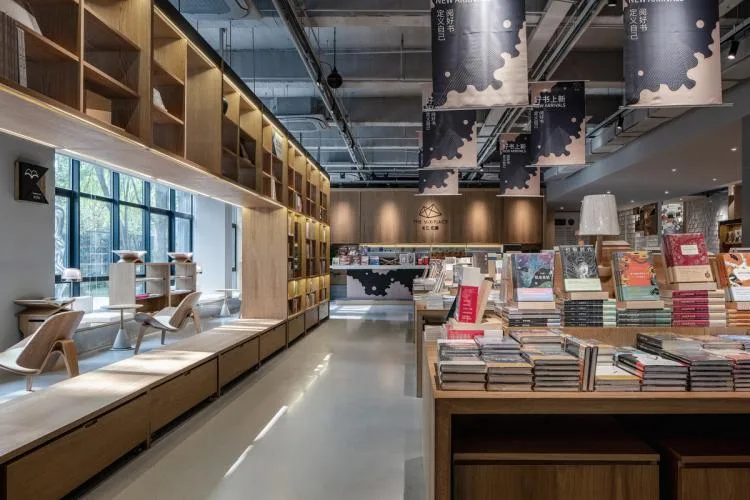
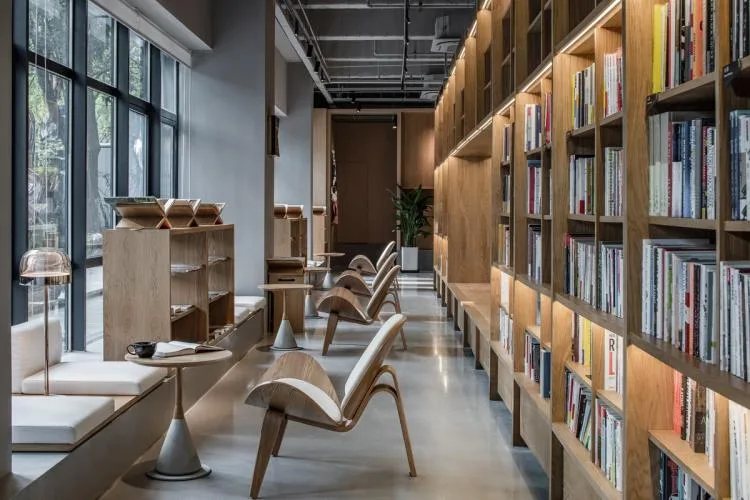
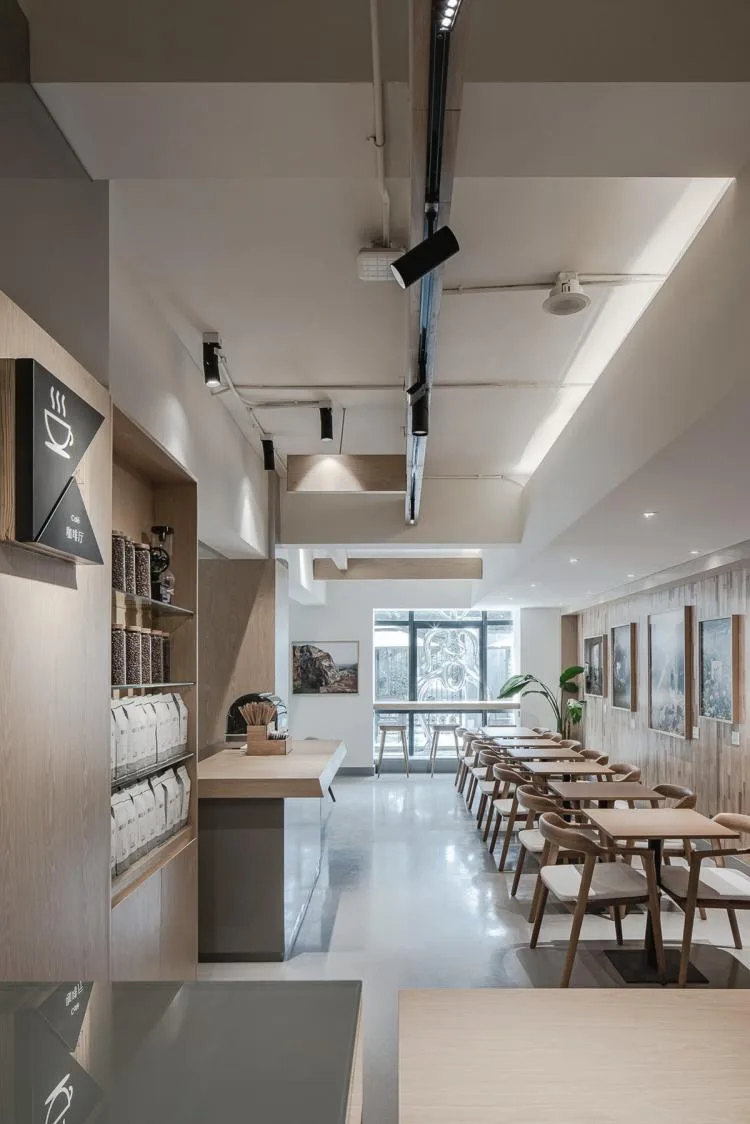
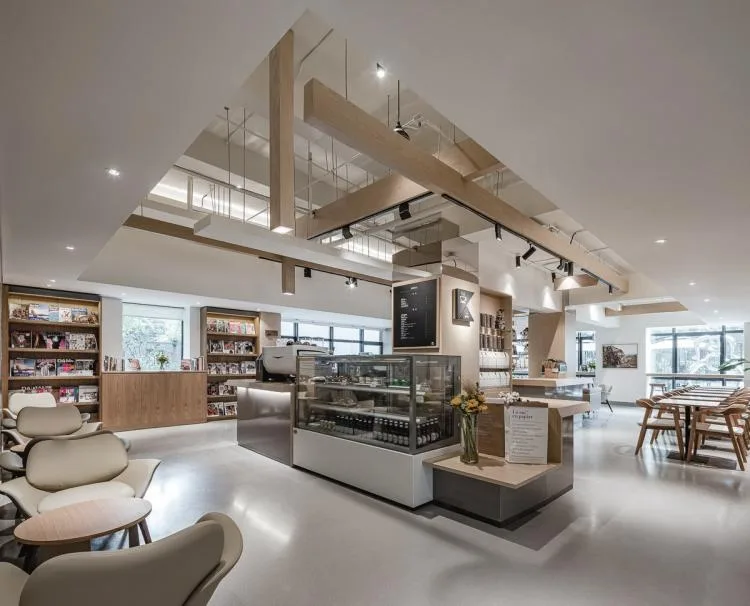
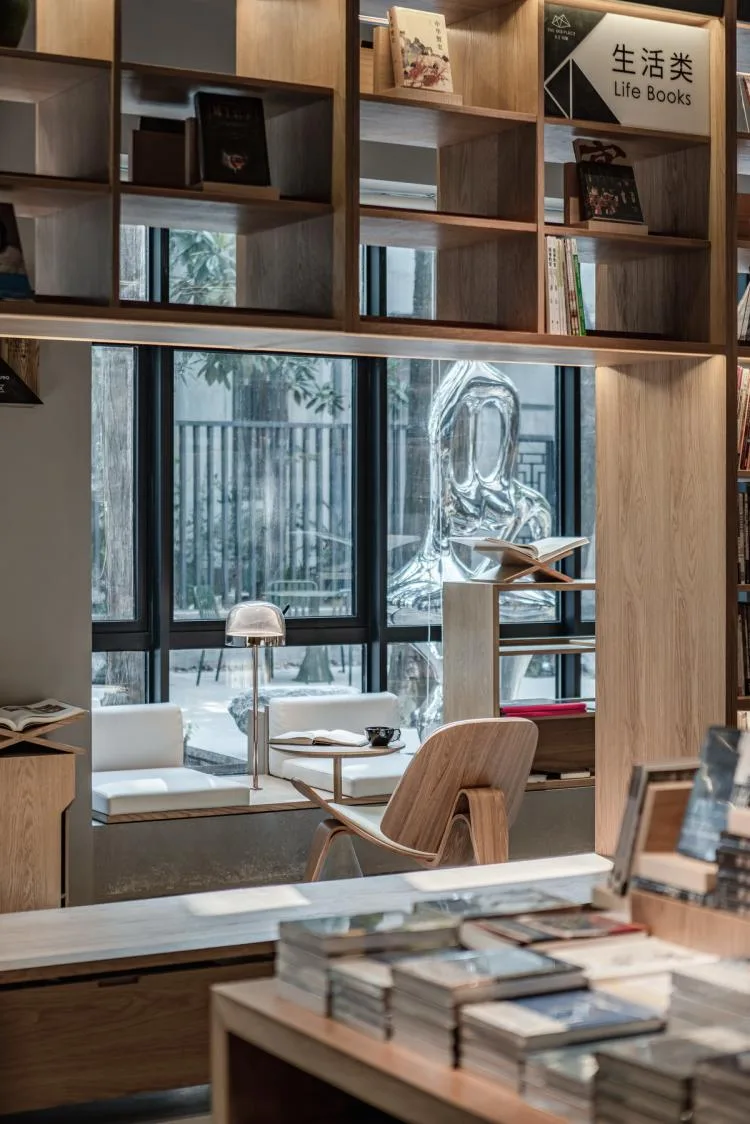
A garden is like a three-dimensional landscape painting, and wandering through it is a dynamic experience—not a flat, linear journey.
We considered the physical movement of visitors throughout the garden, smoothing out sharp changes and creating gentle, flowing slopes for a natural breathing path.
While shopping, visitors pause to take in different perspectives. Elements such as book walls, display platforms, installations, and entrances carry symbolic meanings that blur the line between architecture and landscape within the garden.
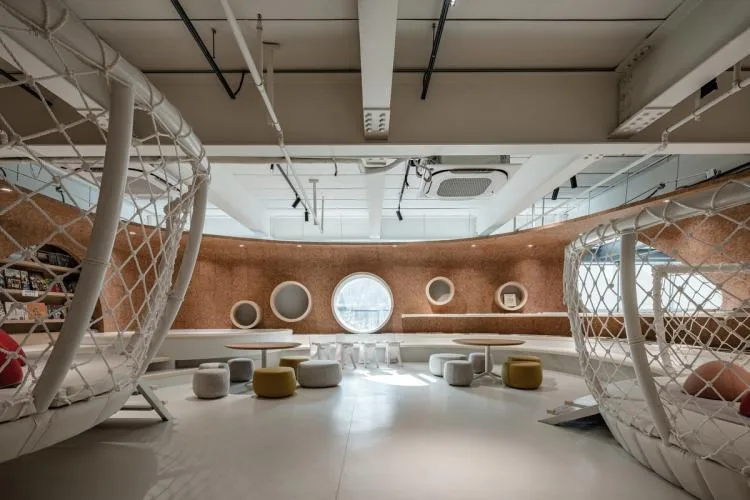
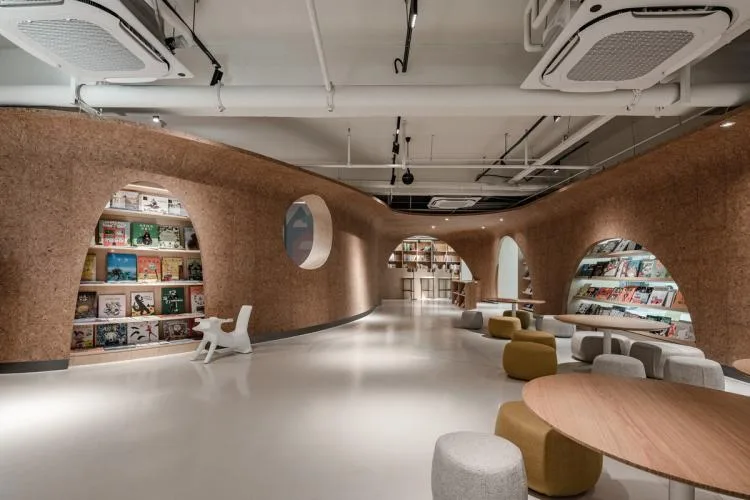
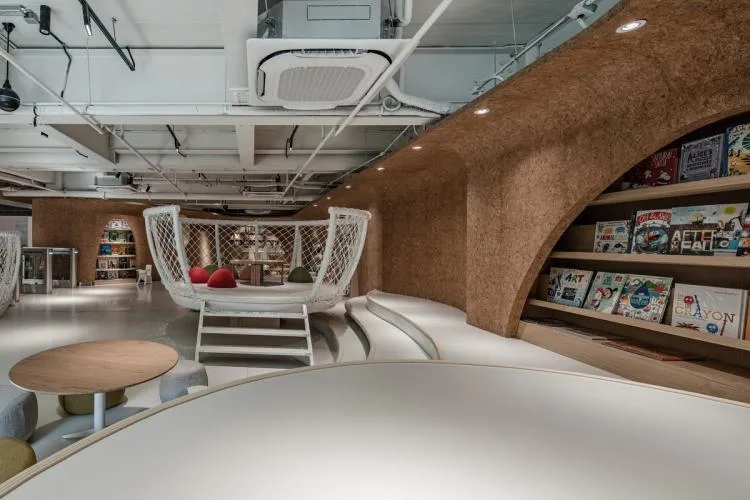
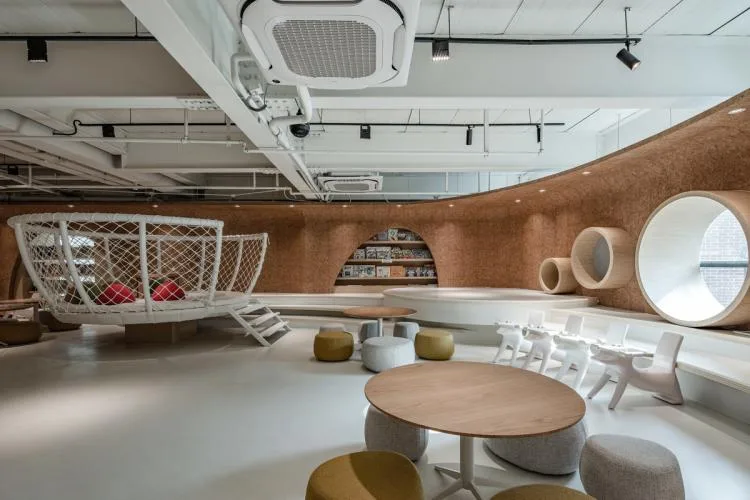
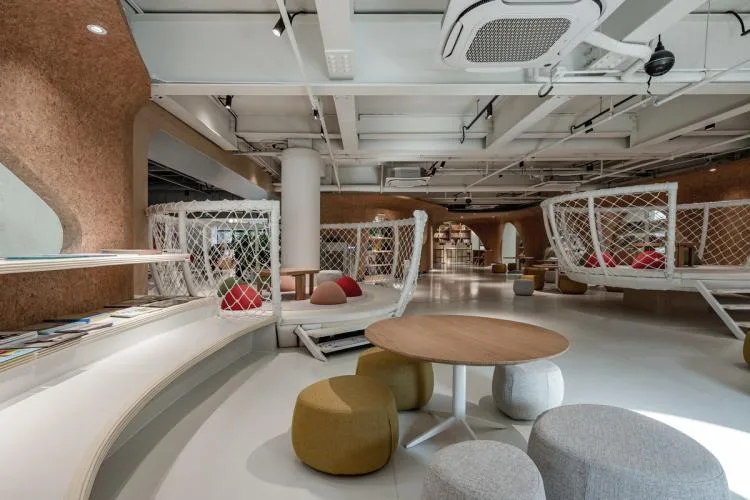
The Yangtze River · Heji as
The Tunnel to the Light of Knowledge
Aristotle considered vision to be humanity’s “noblest sense,” and seeing as a critical means for individuals to understand the world. Ancient Greek philosophers often linked clear vision to knowledge, equating truth with light.
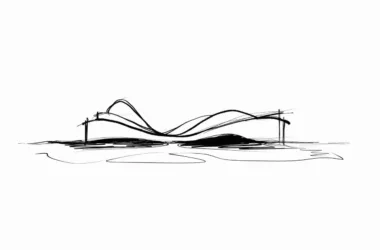
Inspired by this, we imagined light at the project’s outset—drawing from the garden’s concept of something “created by humans, yet blooming as if from the heavens.”
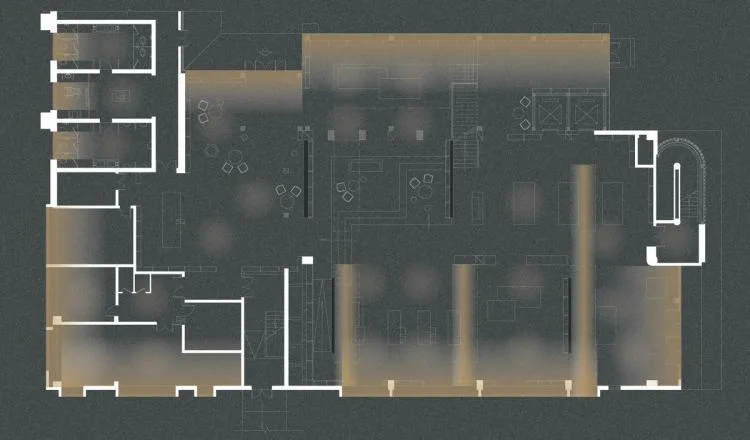
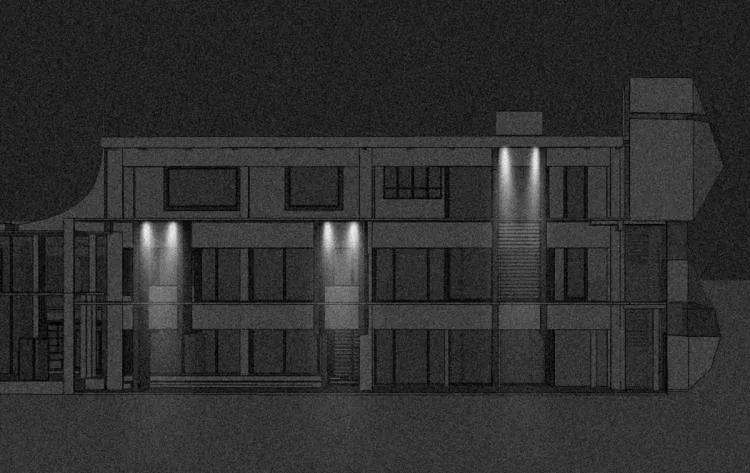
Concept diagram of natural lighting
Our vision represents humanity’s pursuit of beauty, with Yangtze River · Heji acting as a tunnel leading toward that ideal.
As Parasma said, “A good building stimulates multiple senses through materials, light, shadow, and other forms, fostering a spiritual connection to the world and a fuller sense of self.”
This gentle, contemplative tunnel serves as a philosophical path for humans to reflect on themselves and their surroundings—it embodies knowledge itself.
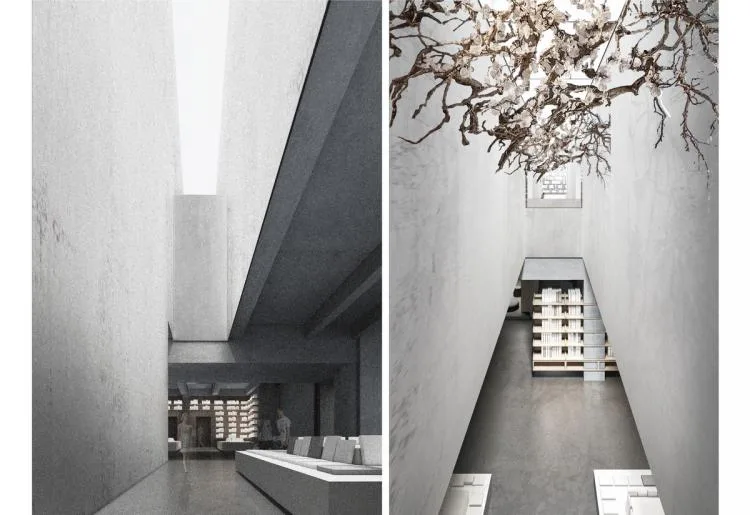
Concept diagram of natural lighting
Although time constraints prevented full implementation during construction, the value of pure imagination remains precious—imagination can become reality, but even when it does not, it enriches the creative process.
Touch with Your Eyes
Architecture as Visual Warmth
Changjiang Heji is an interior project without facade alterations, as the building’s external appearance must remain unchanged to maintain street uniformity.
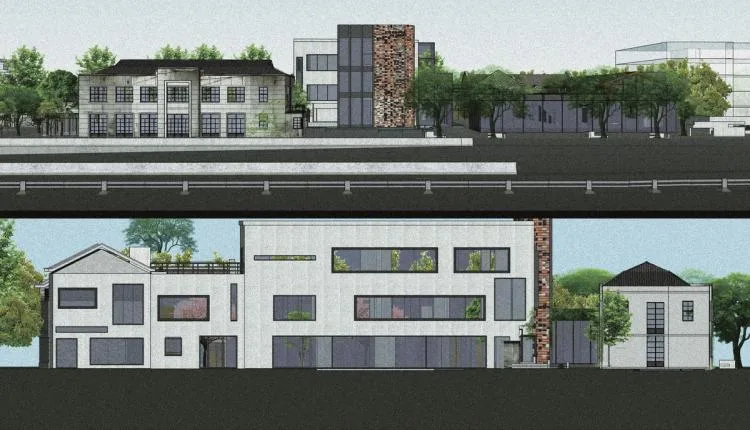
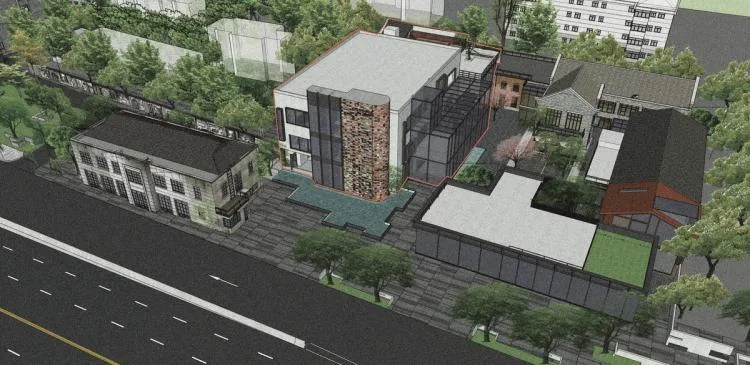
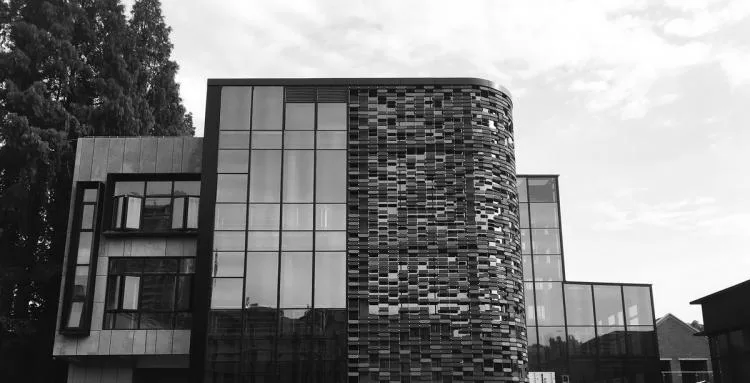
The old building stands on the east side of the former Anhui Provincial Party Committee compound.
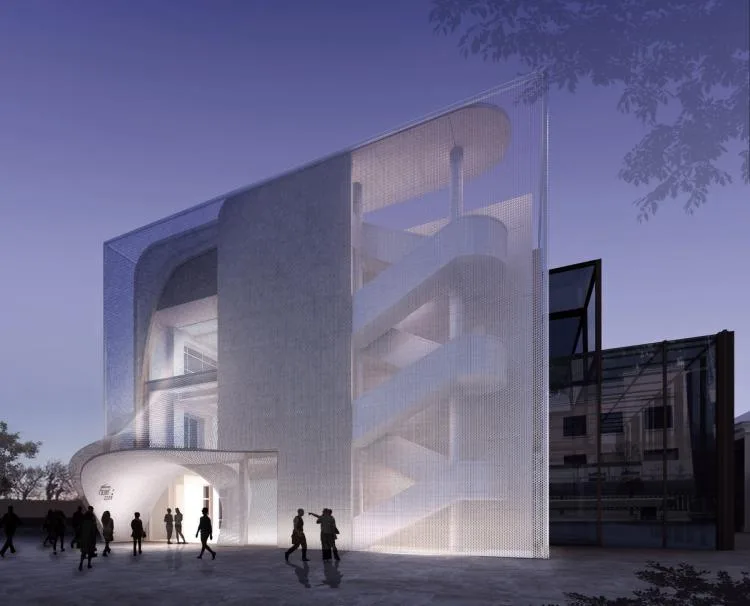
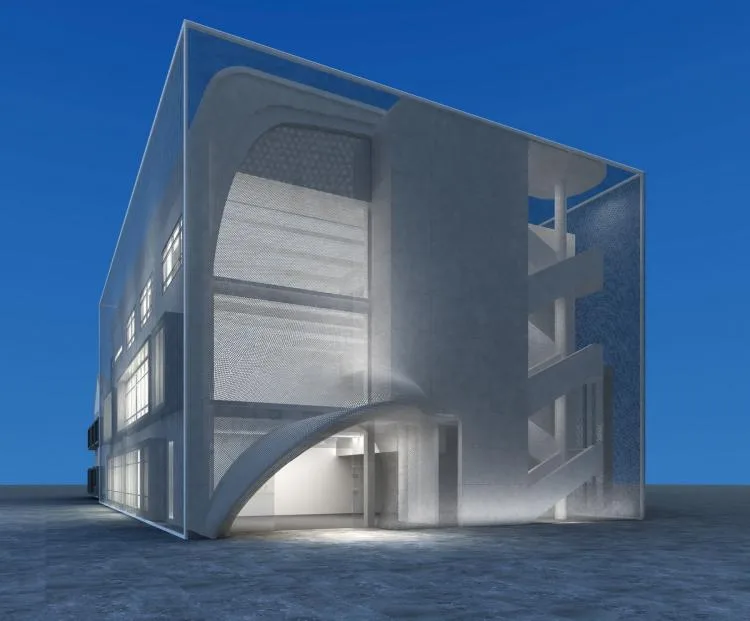
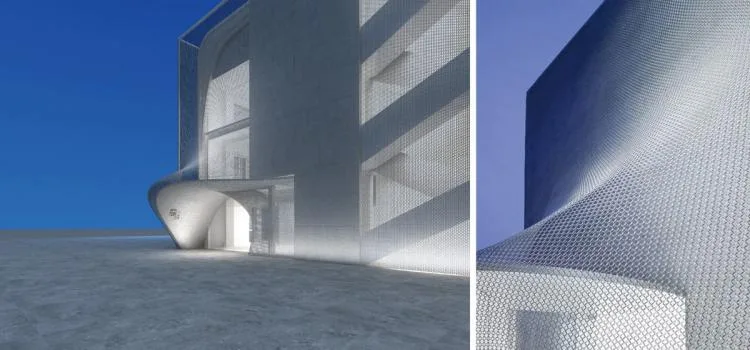
Initially, we imagined the opposite:
Hard perforated steel panels would dissolve the building’s mass, enveloping it gently like rice paper. Soft light would flow between the old structure and a new facade, creating a dynamic dialogue between old and new, while preserving their independence.
In this way, history is embraced and embedded, allowing us to “touch” with our eyes, making architecture a visible warmth in this moment.
Experience the Slow Flow of Time
Let the City See and Understand the Flow of History
When a gardener chooses a homestead, excavates a pond, stacks mountains, carves paths with inscriptions, and surrounds it with walls, they create a secluded “microcosm” separate from the outside world—a self-contained realm.
In such a place, space and time need not follow objective laws.
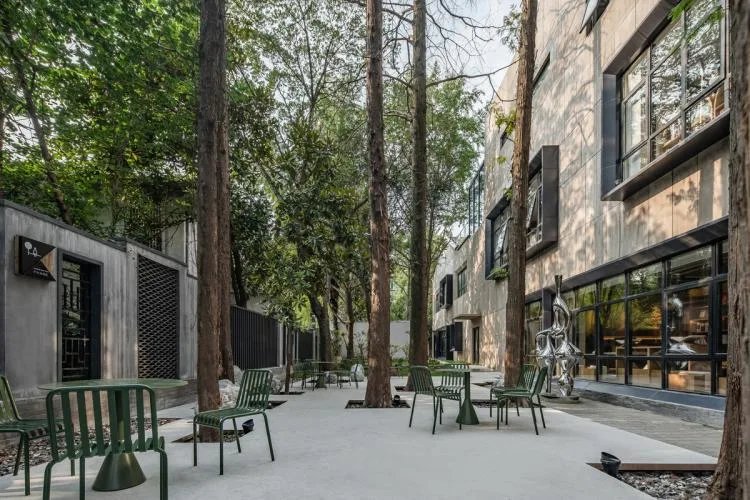
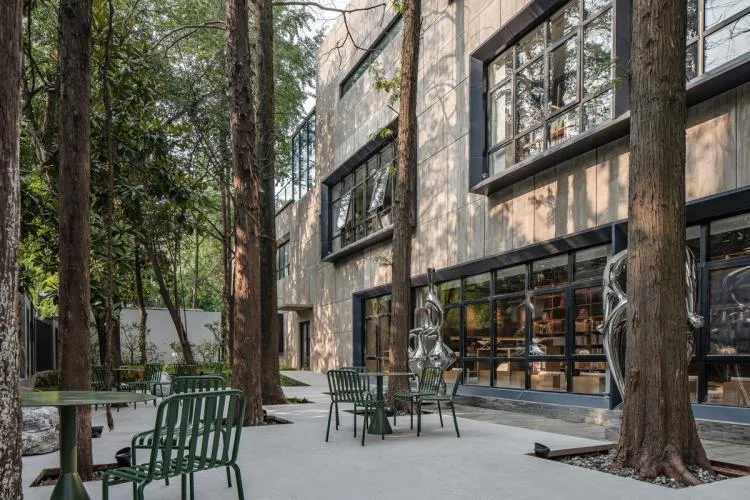
LAD believes that the spirit of Yangtze River · Heji lies in blending ambiguous openness and the uncertainty of time, leaving space open to multiple interpretations.
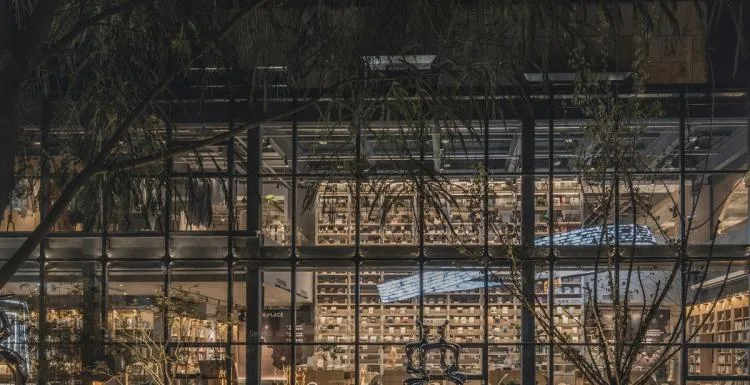
Freed from the constraints of time, visitors can experience its slow flow, allowing the city to witness and understand the passage of history beyond individual time cycles.
Let Yangtze River · Heji become a timeless poem of change and permanence.
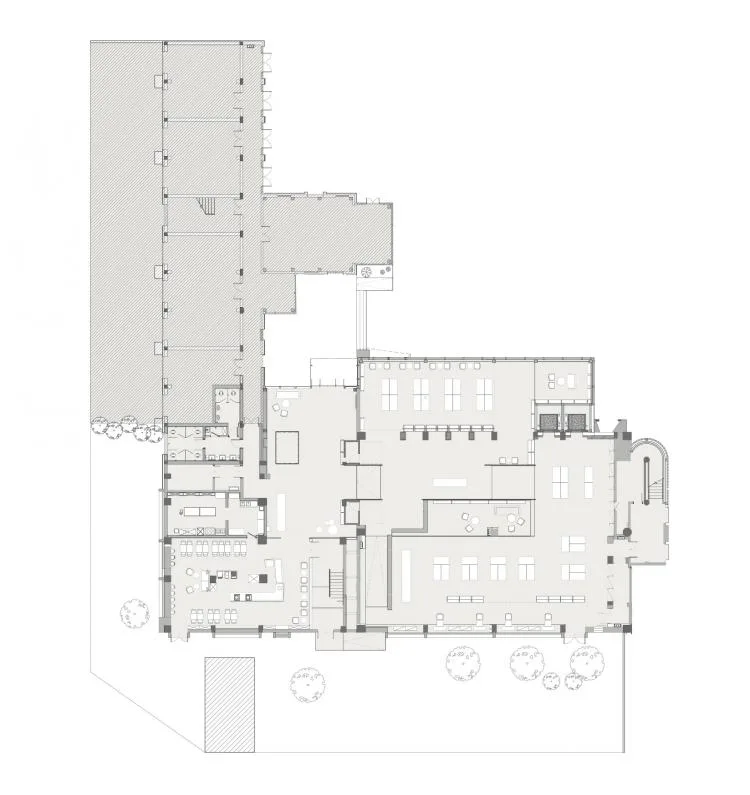
△ First floor plan
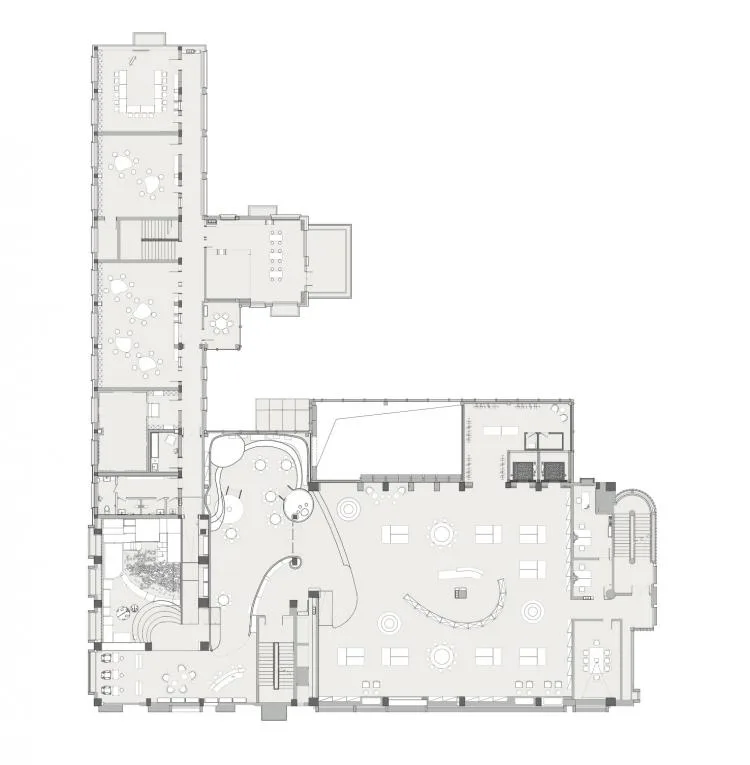
△ Second floor plan
Project Information
Project Name: Changjiang · Heji
Designer: LAD (Reed) Design Firm
Design Director: Li Jingye
Interior Design Director: Zeng Ying
Interior Design Team: Li Zhihua, Liang Minshan, Ye Weixiong, Li Jianbo
Landscape Design Team: Ye Yuanyuan
Location: Hefei, Anhui
Area: 2,591 square meters
Construction Start: August 2020
Photography: WYAP Wenyao Imaging












Must log in before commenting!
Sign Up