
Have you ever experienced a traditional dam feast?
In every village across Sichuan, during Chinese New Year, weddings, funerals, and other important celebrations, the daily “Ba Ba Banquet” takes place. These popular dam feasts are large-scale rural social events that embody cultural memories of joy and sorrow, enthusiastically passed down and preserved within the community.
01
A Practical and Deeply Rooted Need
From ancient times to today, dams have always been integral to rural life in Sichuan. After the 2008 Wenchuan earthquake, many houses in Xiaoshi Village (Cash City Community) collapsed, eliminating much of the space traditionally used for dams. When villagers were resettled into “unit building style” communities, they found comfort but also lost their previous “surplus” space.
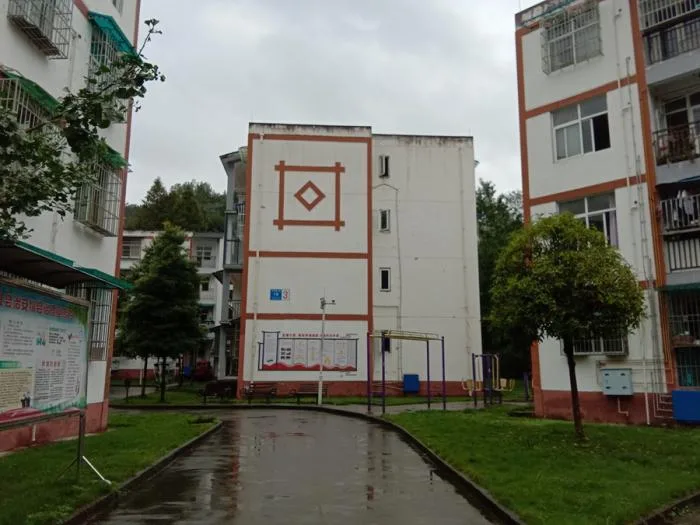
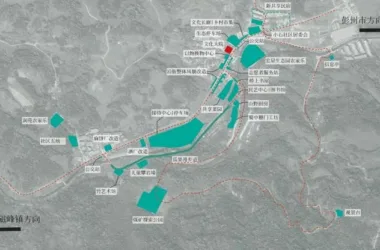
△ Xiaoshi Village Bajiaoyuan Community
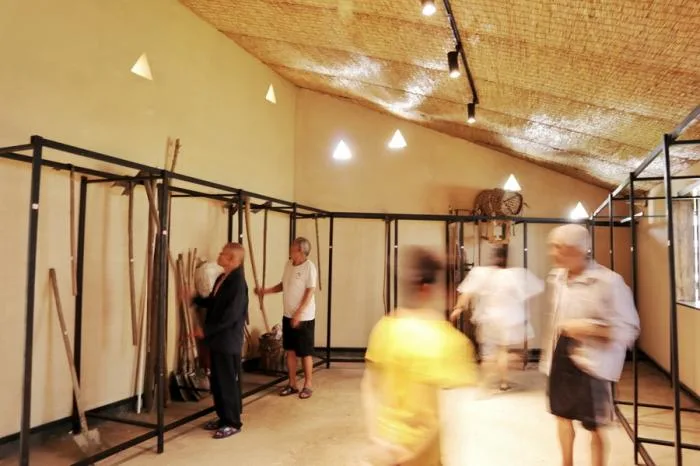
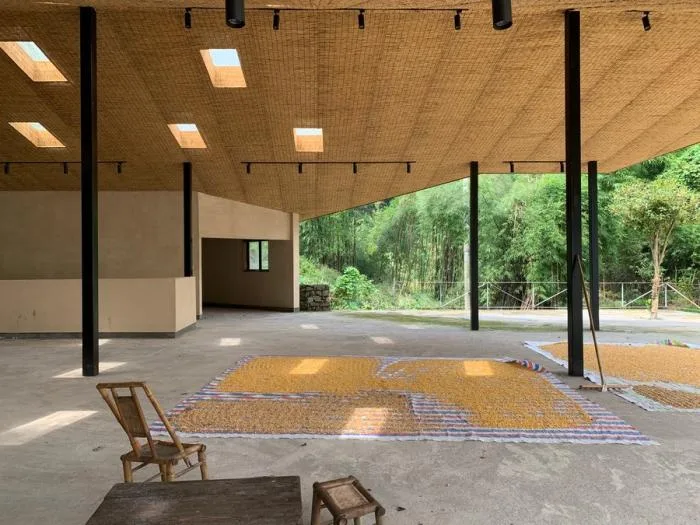
Despite these changes, villagers continue their predominantly agricultural lifestyle. However, current public spaces no longer meet their production and living needs: there is no proper place to store food or dry crops, and sometimes public roads or stairwells are used for drying or storing agricultural tools. Faced with these challenges, the village secretary proposed a solution: villagers need a multipurpose space to accommodate five key functions—storage for agricultural tools and grain, laundry and drying, hosting red and white celebrations, grain drying, and a separate mourning room for funerals.

Grain drying by the roadside
Receiving this “extremely practical” design brief prompted us to reflect on the loss of rural identity amid urbanization. The introduction of “unit building” communities and unfamiliar social interactions have transformed traditional village life, creating a complex conflict between old and new. This mixed-use space accommodates not only daily life, social activities, and agriculture, but also preserves villagers’ emotional ties.
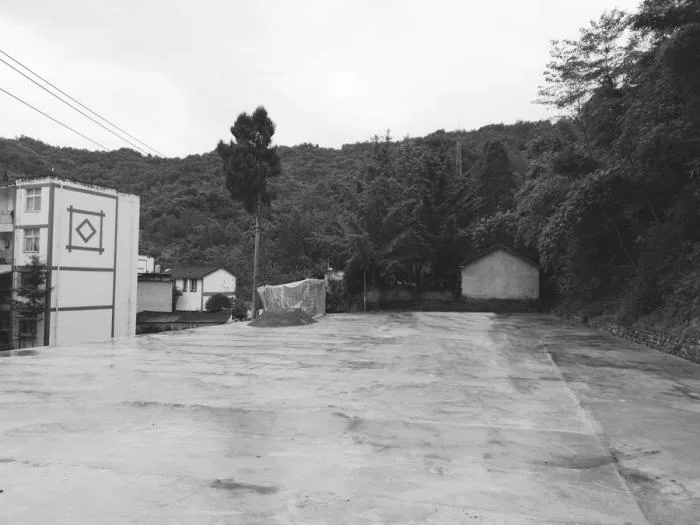
△ Five Unified Original Sites
02
Reviving the Fading “Familiar” Rural Culture through Public Spaces
How can we create a ‘rural emotional container’ that connects villagers, fosters community communication, and preserves cultural heritage? This question guides our ongoing rural construction work.
The “disorderly rural space” observed in Xiaoshi is both unique and widespread. In many villages, public space awareness is low: residents maintain their own yards, but communal spaces are neglected. Despite this, communities still need public spaces for collective events like weddings and funerals.
Traditionally, such activities were supported by public spaces like ancestral halls and temples, governed by established social orders that have now vanished. Meanwhile, no new order or culture has fully taken their place.
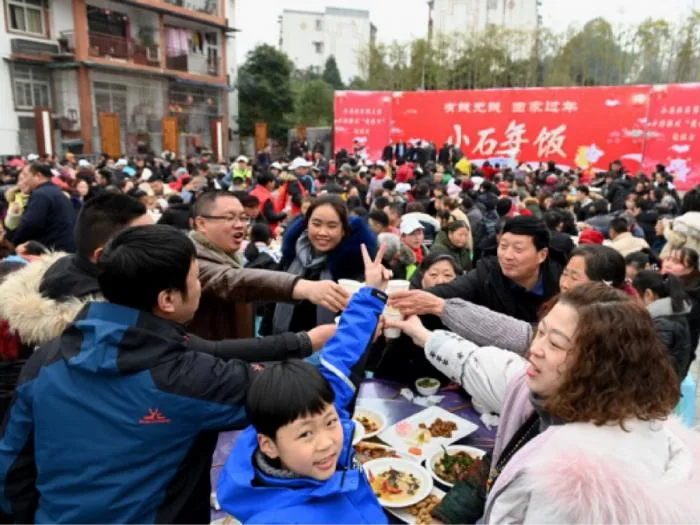
Rural public spaces serve as carriers of traditional order, embodying regional culture and collective memory formed through long-term communal life. They provide cultural consciousness, spiritual strength, and represent important “cultural memory places.”
By creating new public spaces that promote communication, production, customs, and rituals, we aim to foster a collective memory unique to the area. For hollowed-out rural areas like Xiaoshi Village, social memory preserves identifiable cultural forms—local customs, residential styles, and traditions—helping resist the fading of regional identity.
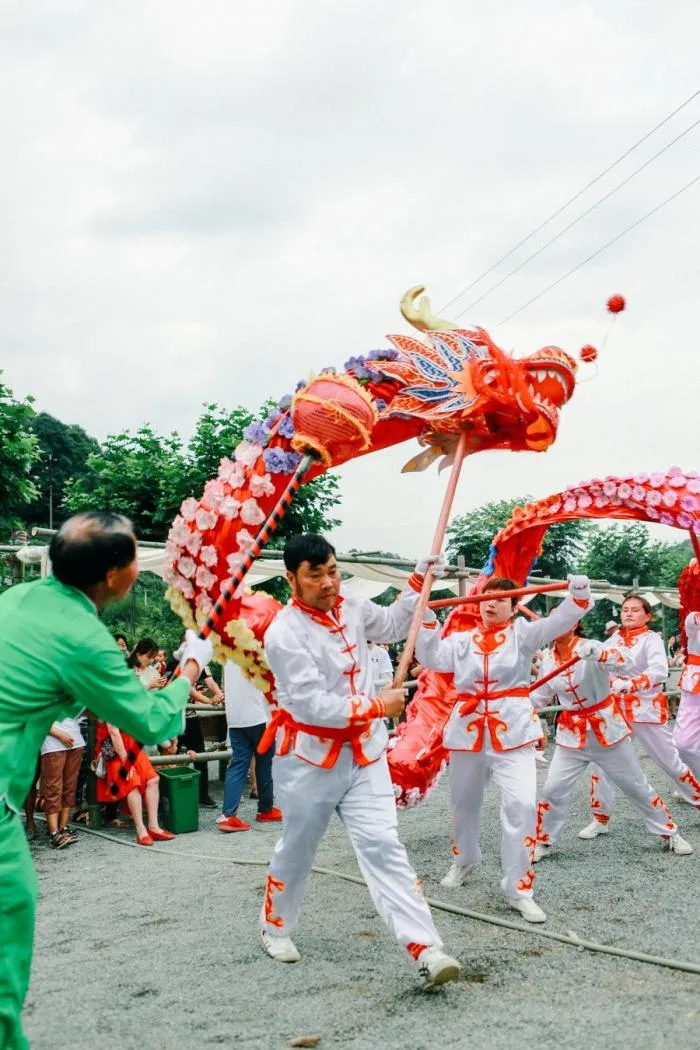
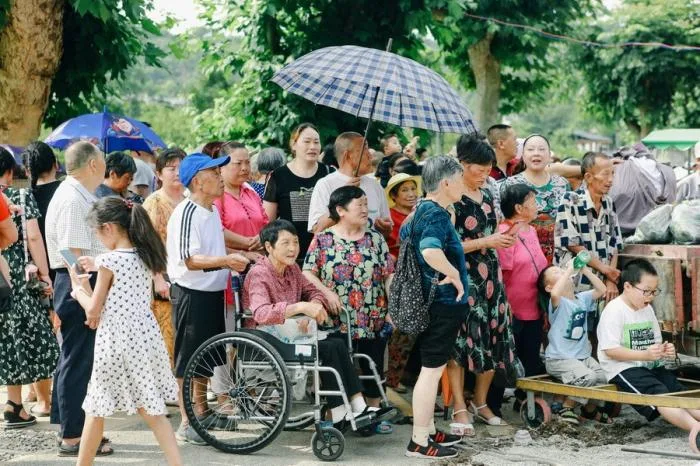
The 2020 Xiaoshi Village Opening Festival revives Dragon Boat Festival customs.
03
Designing with the Landscape: Ridges and Sunlight
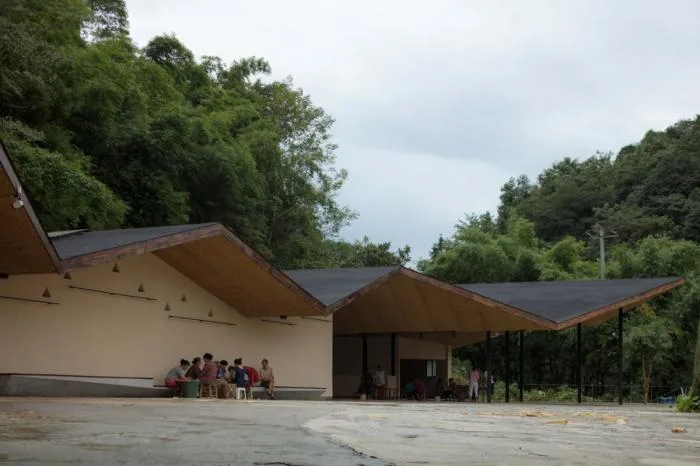
Our designs respond to fundamental needs, selecting five unified sites that meet grain and laundry drying requirements with optimal sunlight exposure. To maximize space for drying and banquets, the building sits close to the mountain, where lush vegetation impacts indoor lighting.
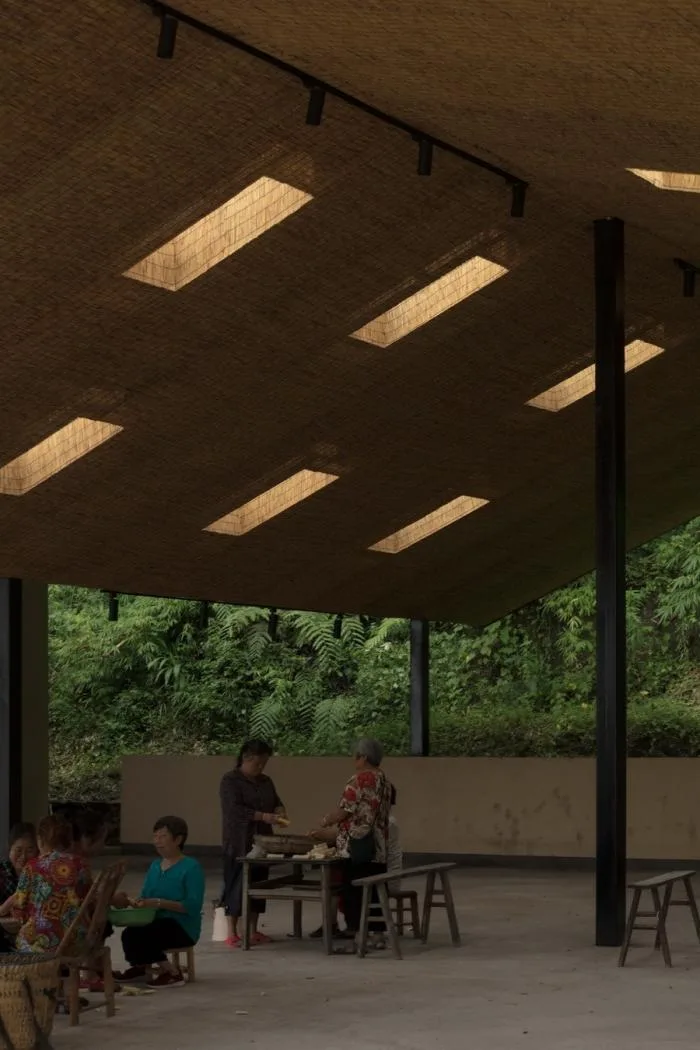
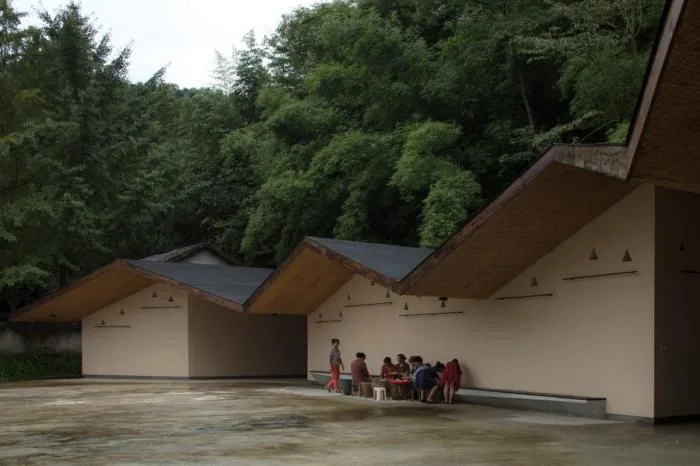
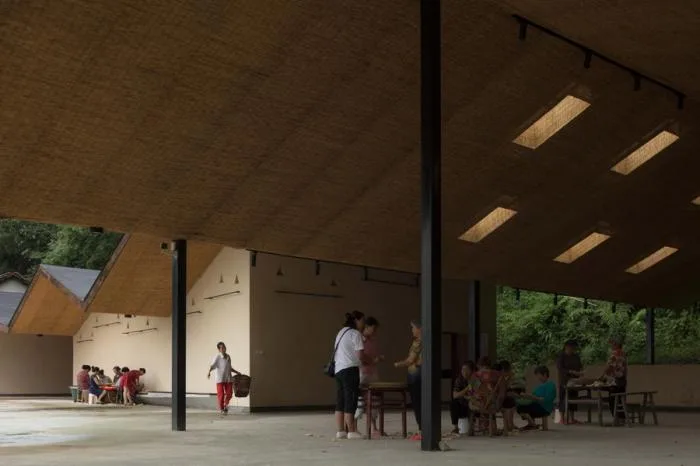
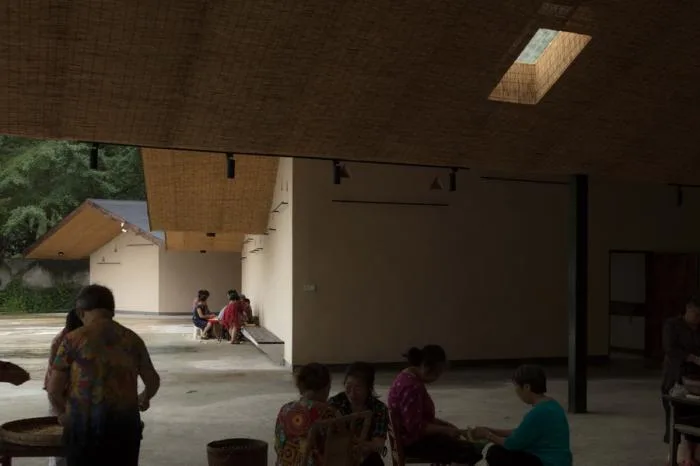
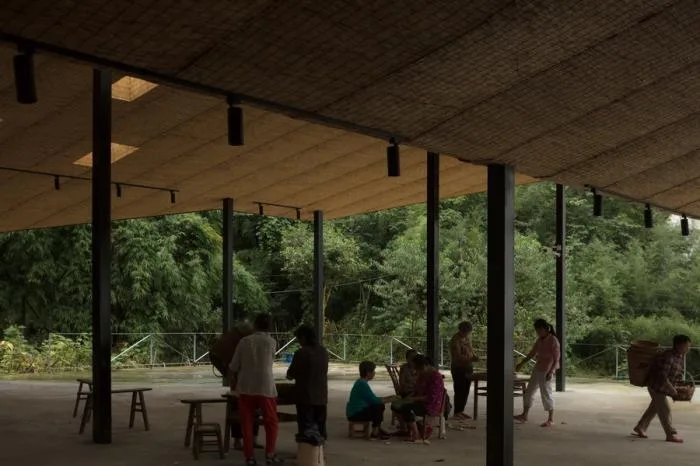
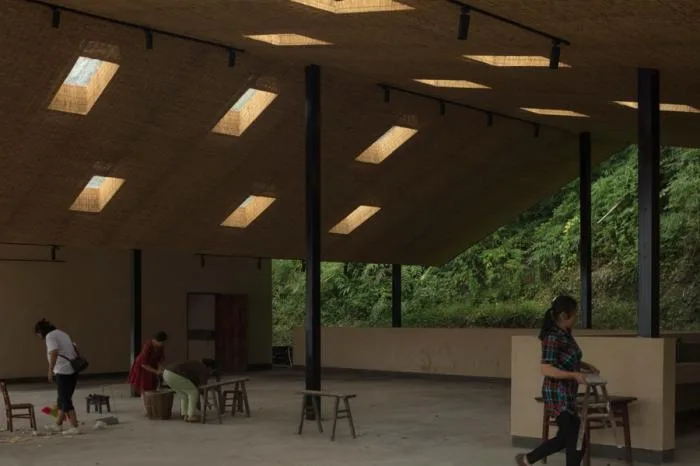
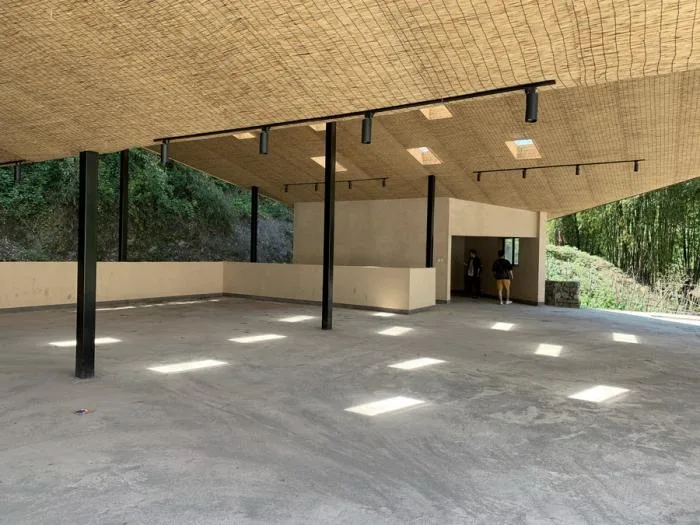
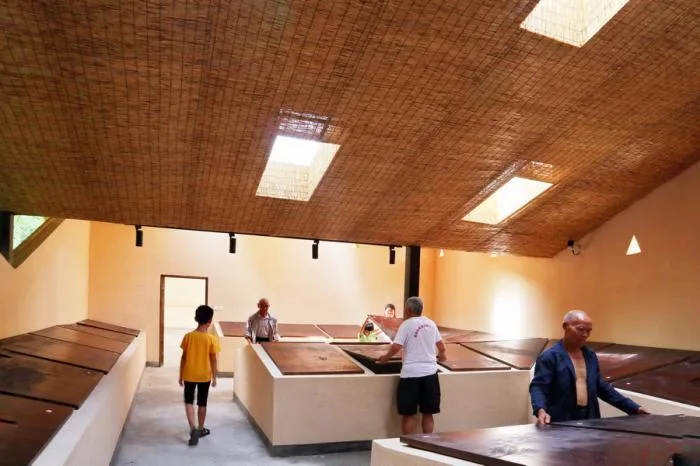
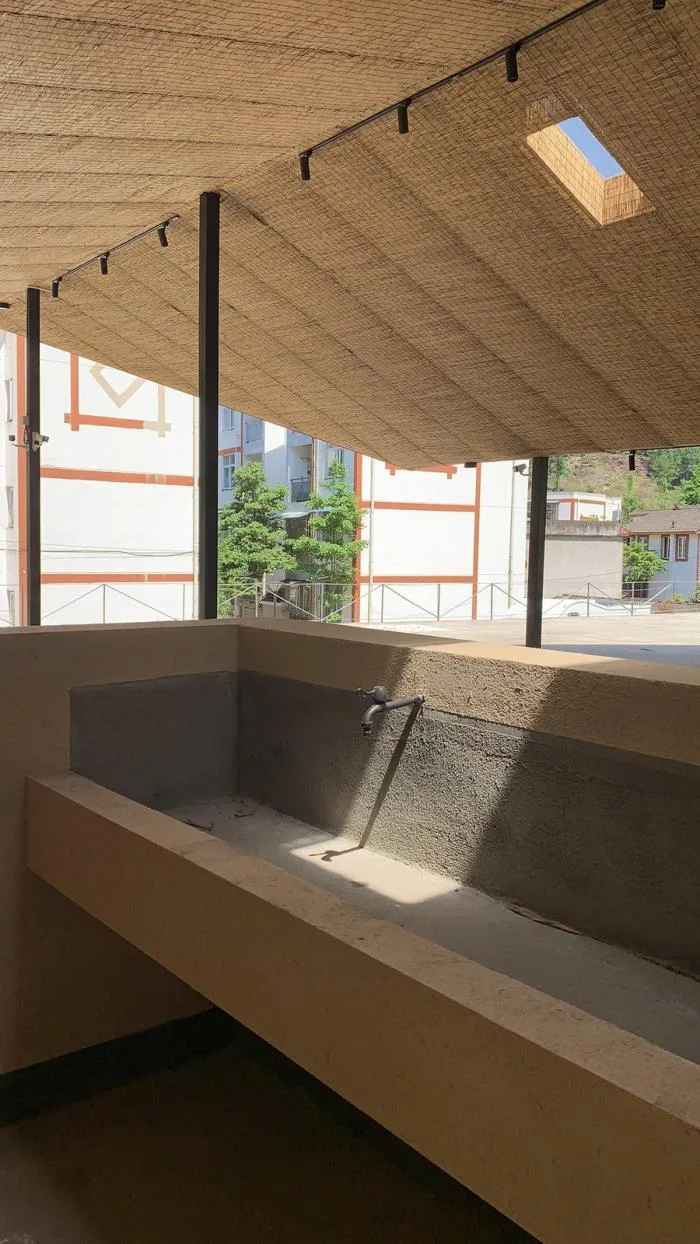
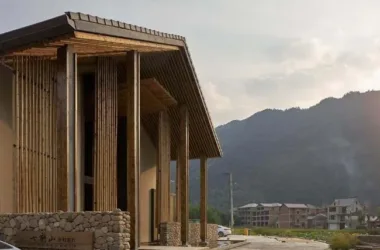
Without artificial methods, windows naturally open along the fold line, allowing daylight to illuminate interiors. From inside, one can look up to the forest canopy and down to sunlight, creating a harmonious interplay of ridges and light.
© Existence of buildings
© Existence of buildings
© Existence of buildings
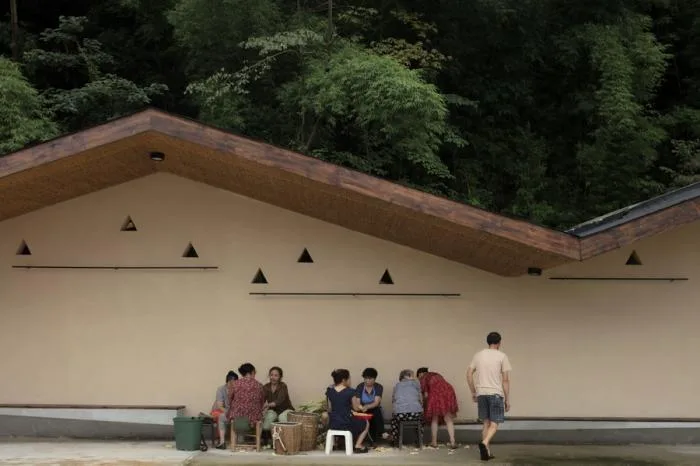
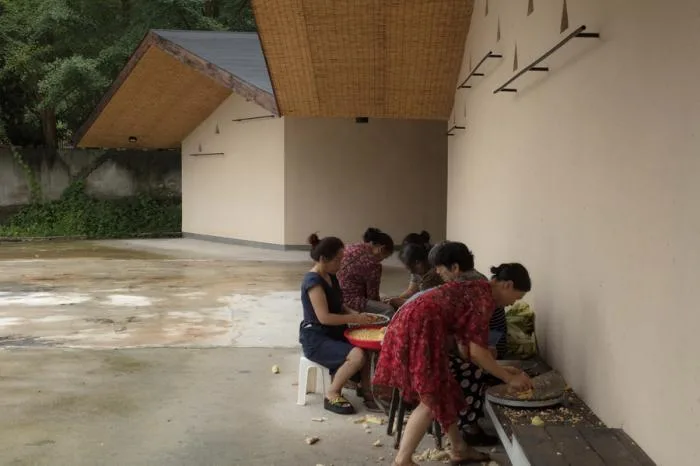
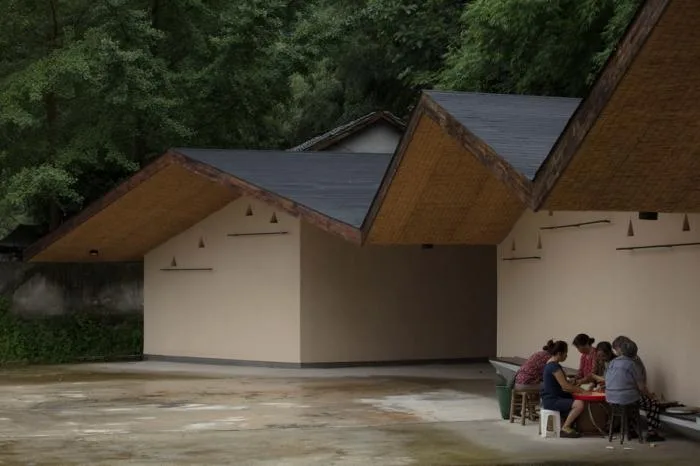
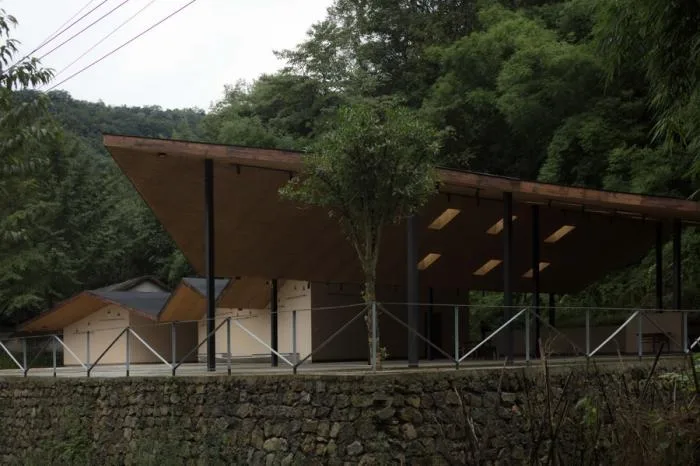
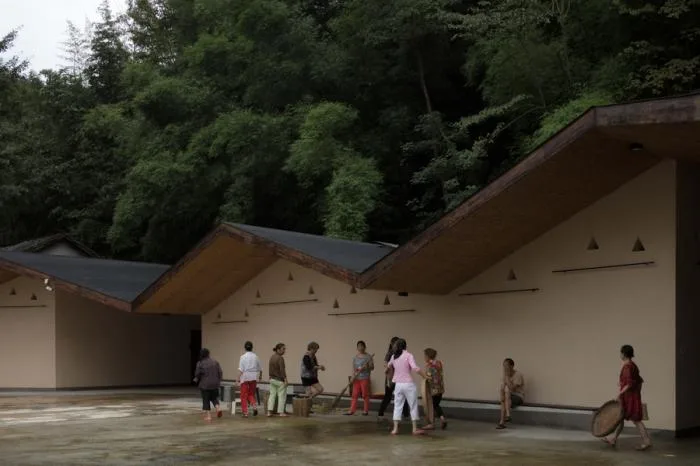
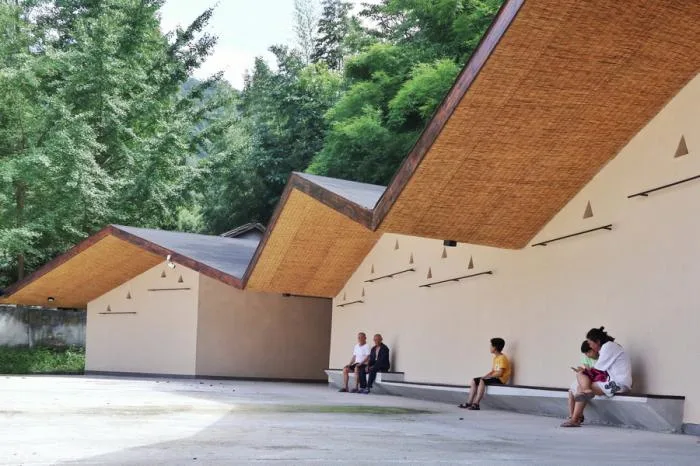
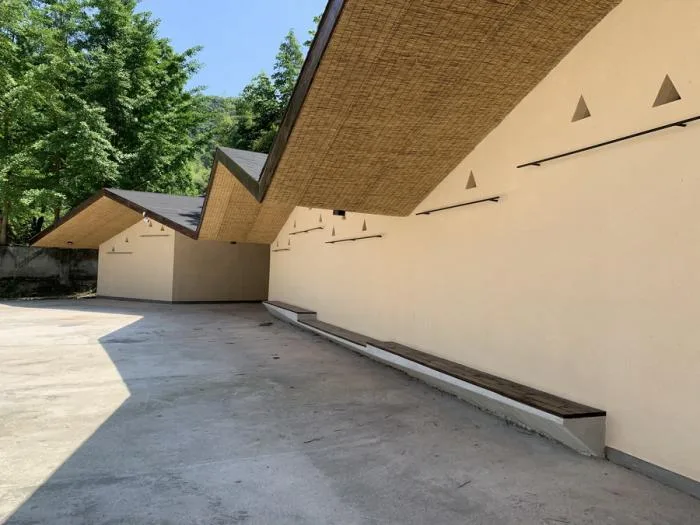
The site borders a mountain and forest, influencing the building’s form. The combination of lines on the floor plan and facade creates a silhouette reminiscent of a mountain ridge seen from the side.
© Existence of buildings
© Existence of buildings
© Photography: Existence of Buildings
© Existence of buildings
© Existence of buildings
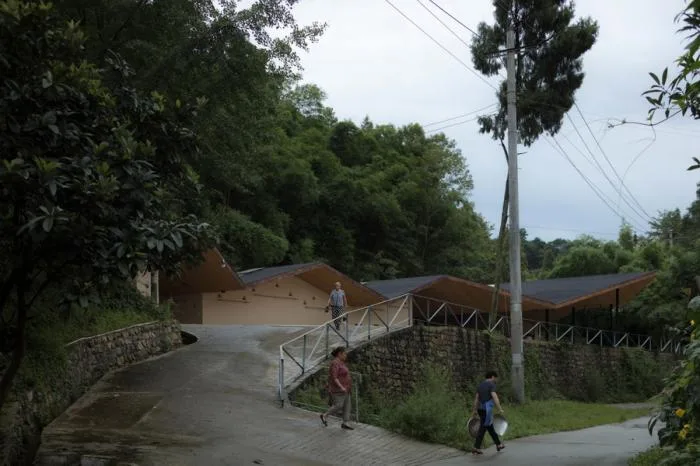
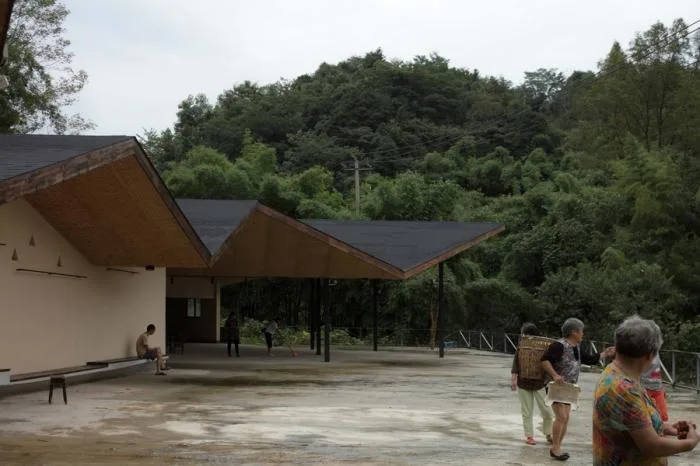
The building is positioned on the south side of the Bajiaoyuan “unit building” community, providing much-needed public space. Facing the nearby green mountains and the community, the structure adopts an open, welcoming form that extends the neighborhood space and encourages villagers to connect with their cultural roots.
© Existence of buildings
© Existence of buildings
© Existence of buildings
© Existence of buildings
© Existence of buildings
© Existence of buildings
Through ongoing interaction with villagers, we learned of local customs, such as the tradition that funeral processions must be one-way without turning back. Adopting a “zigzag” design respects these customs while also organizing functional spaces for barns, farming tools, cleaning ponds, and dams.
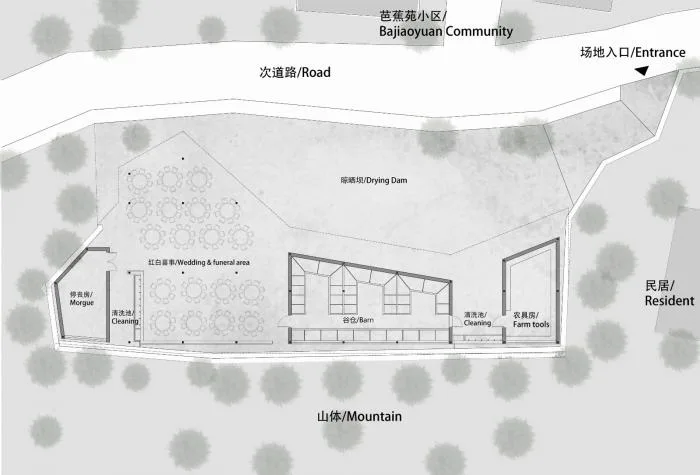
△ Plan view
© Time and Space Architecture
© Time and Space Architecture
© Time and Space Architecture
© Time and Space Architecture
© Time and Space Architecture
One of the biggest challenges in rural construction is cost. In the Five Unified design, functionality comes first, followed by cost efficiency. The roof and structure have been simplified to reduce expenses. Initially, small blue tiles were considered for roofing but were replaced by asphalt tiles to minimize structural load, making the building lighter and more dynamic.
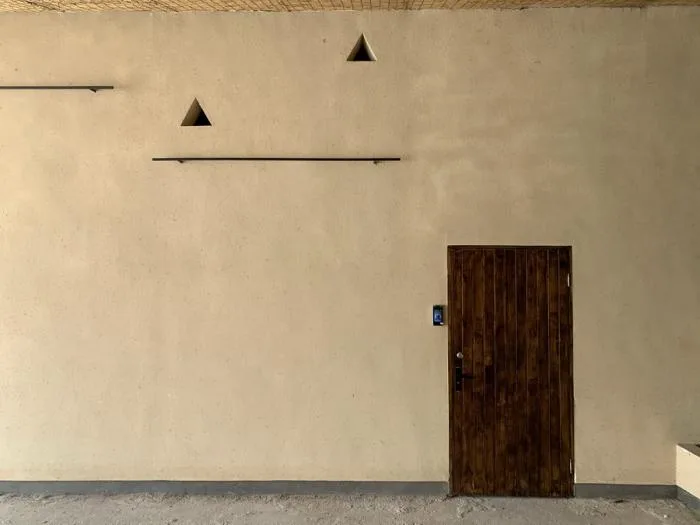
During construction, some adjustments were necessary: stacked stools were replaced with cast-in-place concrete, bamboo ceilings were changed to bamboo mats, and other small components were modified based on site conditions.
© Time and Space Architecture
© Time and Space Architecture
© Time and Space Architecture
04
Modernizing Agricultural Tool Storage with Facial Recognition
Integrating the five unified functions also considered modern lifestyles. The village secretary advocated for infrastructure modernization alongside rural development.
Xiaoshi Village incorporates advanced technology, such as facial recognition systems and smart door locks for accessing agricultural tool and grain storage areas. This innovation secures villagers’ property and bridges the urban-rural infrastructure gap, even leading in some areas.
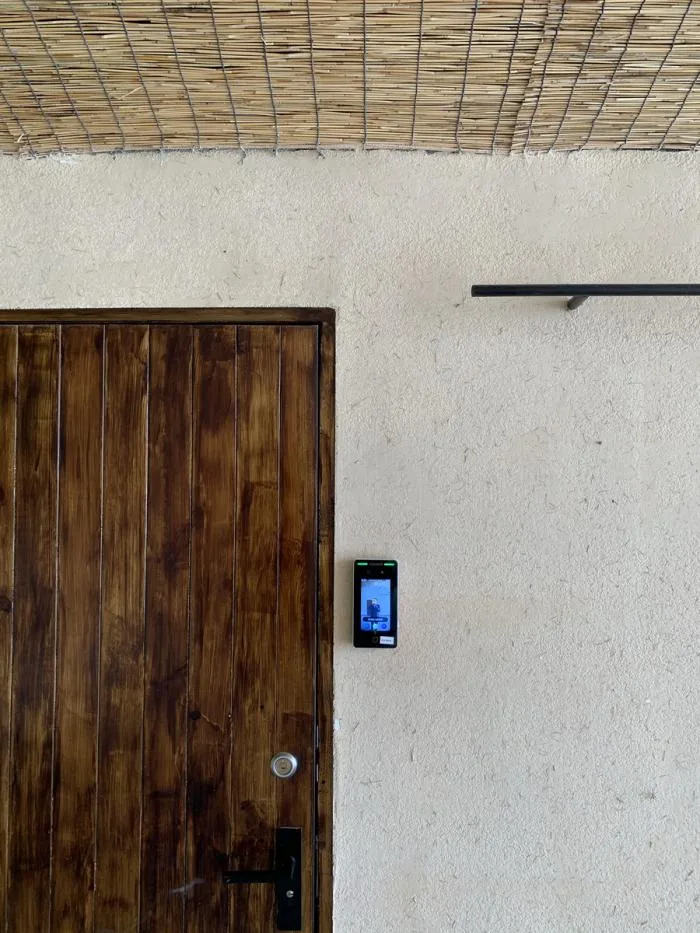
Facial recognition system
Before the Five Unifications project, the village addressed the needs of its aging population by equipping seniors over 80 and severely disabled residents with smart wristbands. These devices allow real-time location tracking on monitors in the cultural courtyard, enabling timely assistance in emergencies.
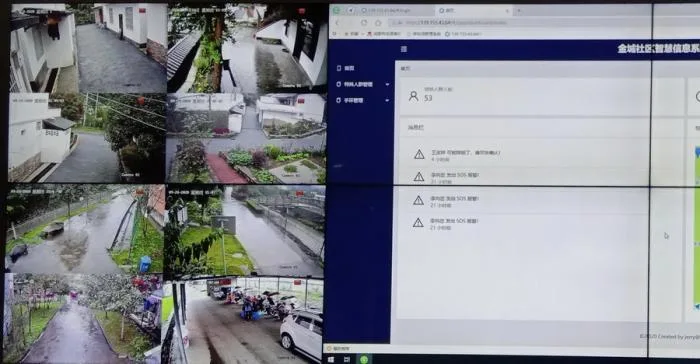
△ Xiaoshi Village Intelligent Equipment
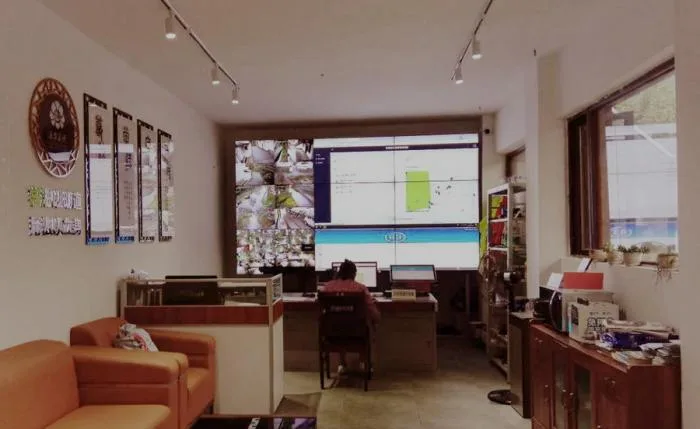
△ Xiaoshi Village Intelligent Equipment
05
From Physical Memory to Cultural Memory
As part of the village’s comprehensive renewal, the Five Unifications project complements the Cultural Courtyard. While the courtyard hosts activities like tea drinking, fitness, and learning, the Five Unifications space integrates villagers’ daily production and life activities.
Here, traditional practices such as grain drying and dam banquets take place, preserving production labor, crafts, customs, and rituals.
The “physical memory” created through these activities becomes a symbolic collective memory passed down through generations within specific spatial settings. This collective memory not only preserves the village’s rural atmosphere but also reflects its inherent rural identity, ensuring the continuity of its cultural vitality.
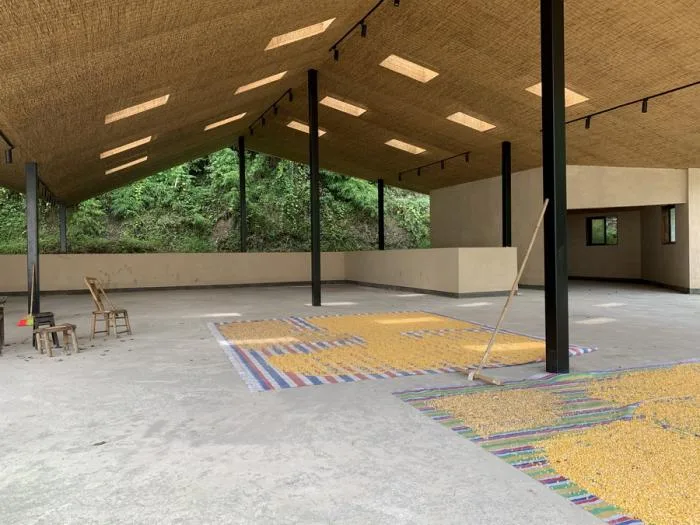
© Time and Space Architecture
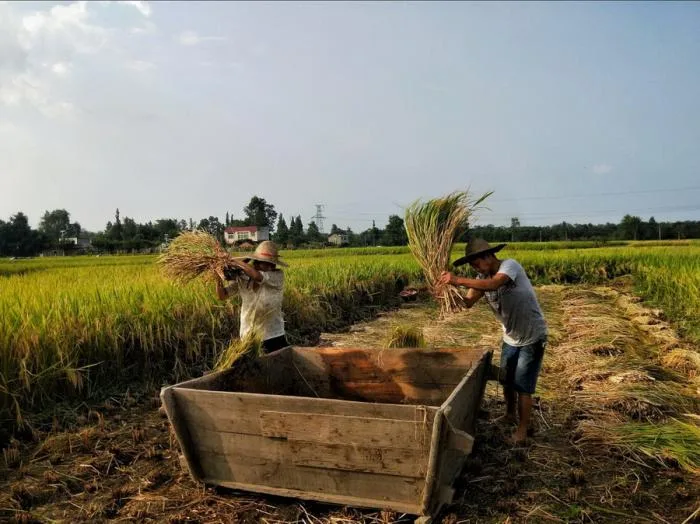
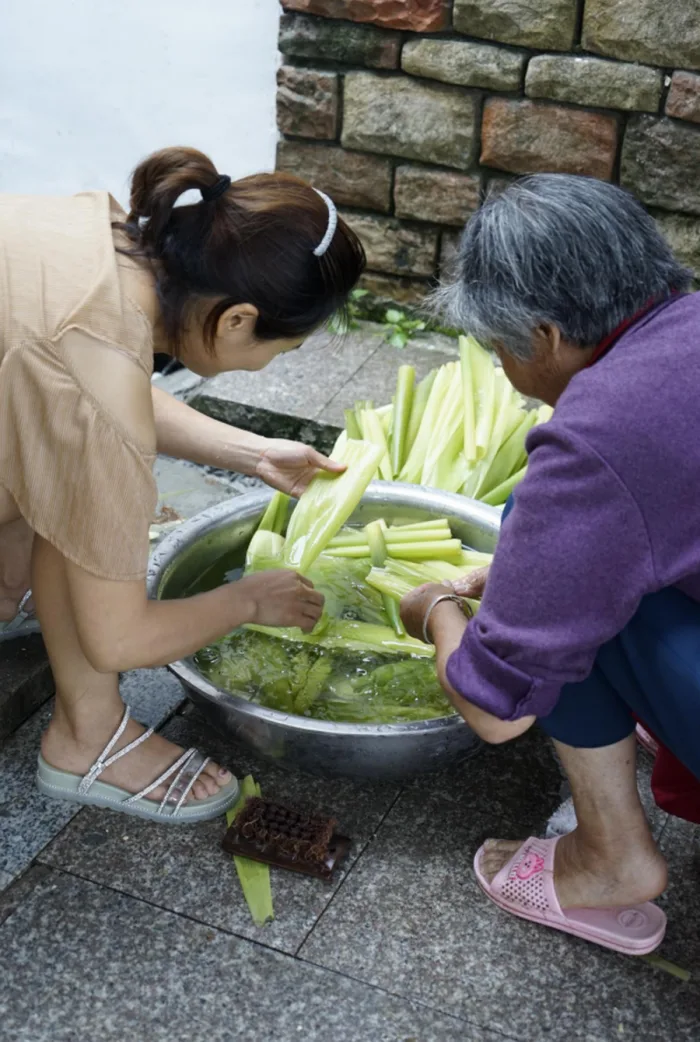


Villagers’ production and daily life in Xiaoshi Village
In the architectural journey of “mining identity features, researching identity recognition, and constructing identity recognition” in Xiaoshi, the Five Unifications project serves as a small yet meaningful experiment in rural space.
Although it may seem simple, the fact that a couple held their wedding here before the building was even completed speaks volumes. As a design team, we hope this project will transcend time and gradually shape Xiaoshi Village’s local cultural identity.
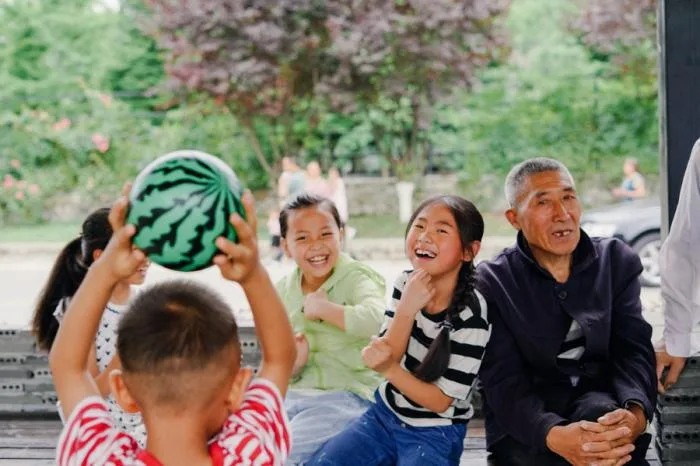
△ Fun for all ages
In China’s complex social landscape, rural development faces diverse challenges. Our approach to village design differs from the trend of orienting rural resources toward urban areas. Instead, we start from villagers’ lives and their community.
Our goal is not to invent new traditions but to discover and inspire the inherent vitality already present. By uncovering existing values and potential, spatial design can plant a seed—a piece of fertile ground—that allows organic growth. Only by letting value emerge naturally can it truly take root in rural communities.
— Li Ye (Director, Time and Space Architecture Design Studio)
Design Drawings
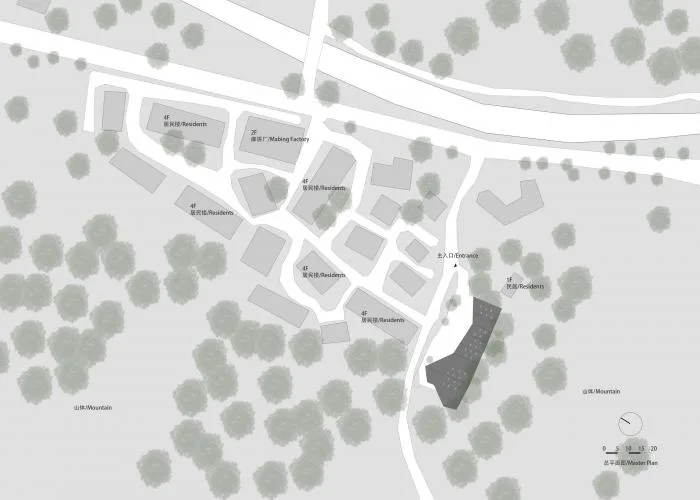
△ General layout plan
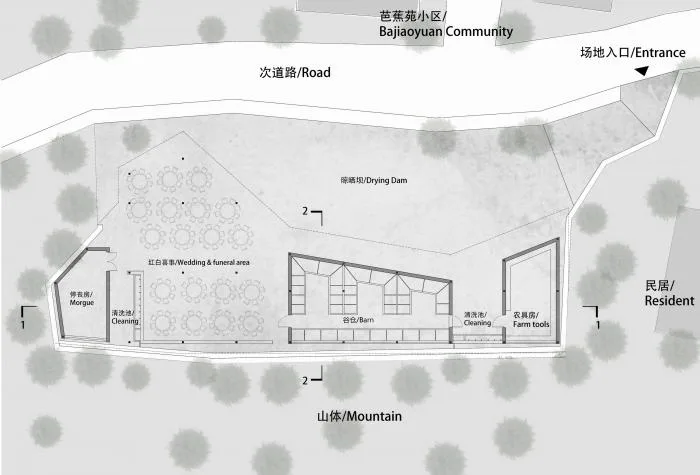
△ First floor plan
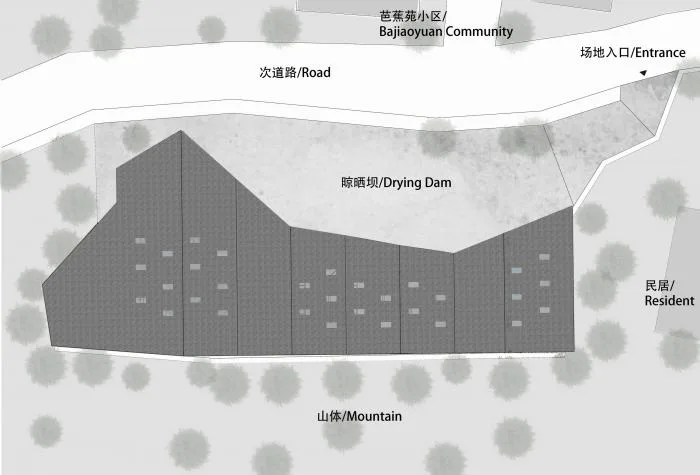
△ Roof plan
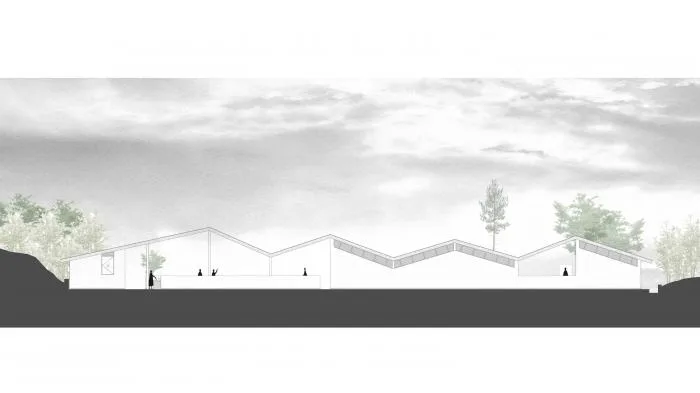
△ Elevation view (mountain-facing)
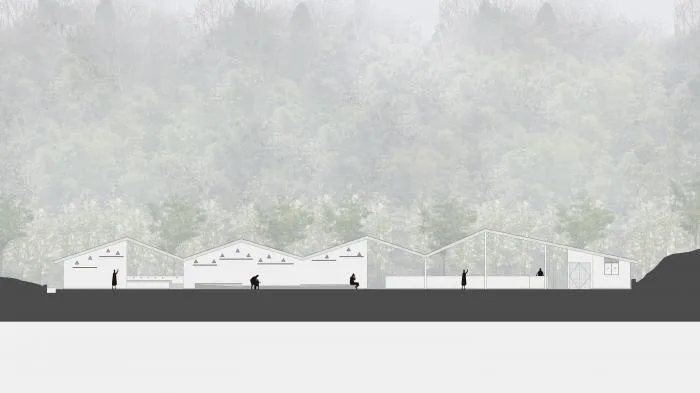
△ Elevation view (near residential area)
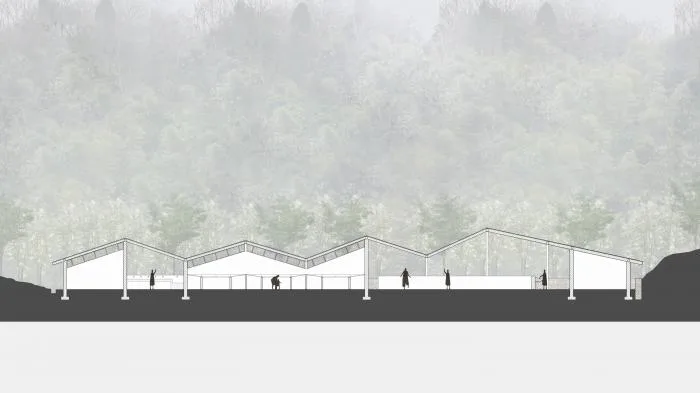
△ Section 1-1
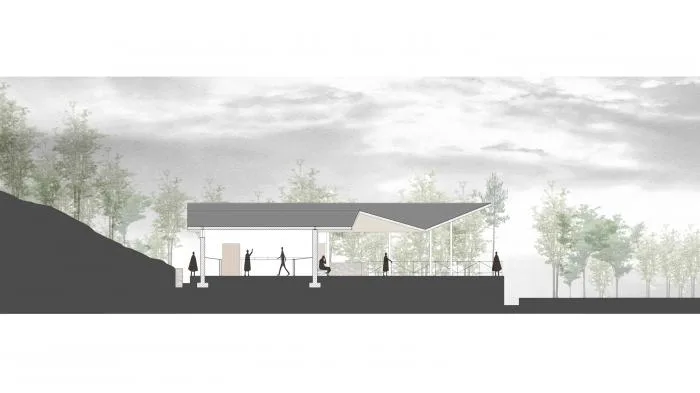
△ Section 2-2
Project Information
Project Name: Five Unified Public Spaces in Jincheng Community
Project Type: Public Buildings
Location: Jincheng Community, Pengzhou City, Sichuan Province
Design Studio: Time and Space Architecture Studio
Lead Architect: Li Ye
Project Manager/Architect: Li Ye
Design Team: Zhang Xun, Yang Lijun
Contact Email: [email protected]
Owner: Jincheng Community, Pengzhou City
Project Cost: 600,000 yuan
Status: Completed
Design Period: July 2019 – August 2019
Construction Period: June 2020
Site Area: 972 square meters
Building Area: 520 square meters
Structural Consultant: Mao Yongqiang
Community Governance Consultant: Yue Fufei
Resident Architects: Zhang Xun, Yang Lijun
Main Materials: Steel structure, straw paint (exterior walls), asphalt tiles, bamboo mats (ceiling)












Must log in before commenting!
Sign Up