
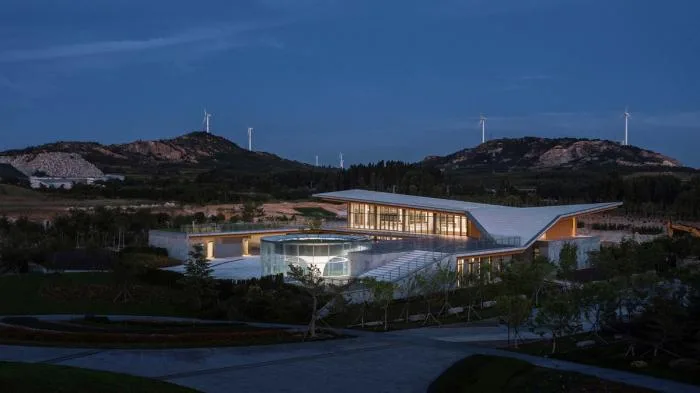
△ Northwest corner night aerial view
Project Background: Revitalizing Abandoned Mines
The Qieshan Mine Garden and its Visitor Center in Qingdao are situated on the site of a quarry that ceased operations in 2017. Decades of mining had severely damaged the soil and vegetation, leaving deep scars on the landscape. Since 2017, with the support of local government environmental initiatives and private investment, the area has undergone several years of ecological restoration. The once-barren land is now covered with thriving greenery, and an ecological park officially opened to the public in 2020.
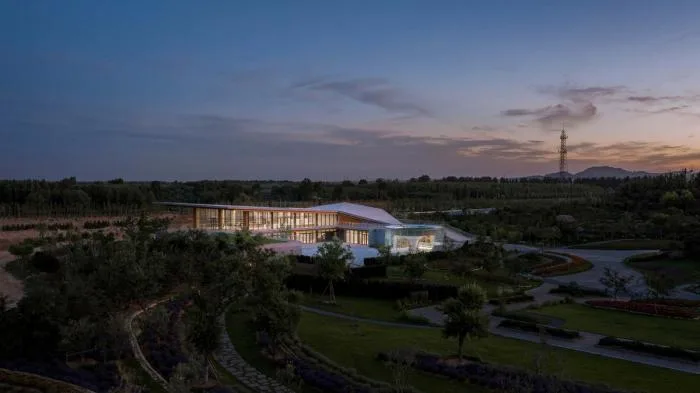
△ Southeast corner night aerial view
Design Concept: Traces of the Earth
The Visitor Center’s design draws inspiration from the “scars of the earth,” aiming to evoke memories of the site’s past ecological damage through a bold and striking architectural language.
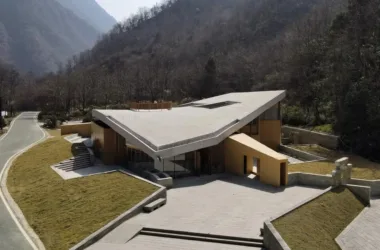
The design features a ‘crack’ beginning at the northern end, with the building rising from the ground and gradually ascending southward to the second floor, culminating in an upward-sloping roof. This continuous roof blurs the boundary between the earth and the built structure, while the horizontally extended volume reflects the expansive wilderness and the layers of underground rock.
On this restored landscape, the architecture tells a poetic story deeply rooted in the earth’s history.
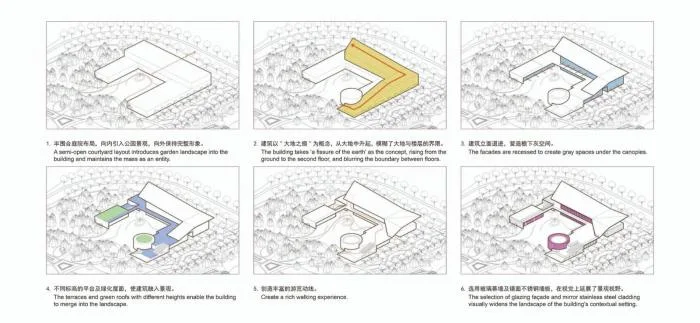
△ Form generation
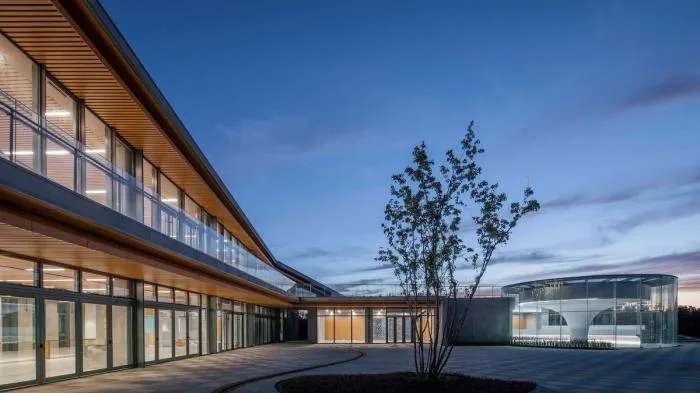
△ Night view of the inner courtyard
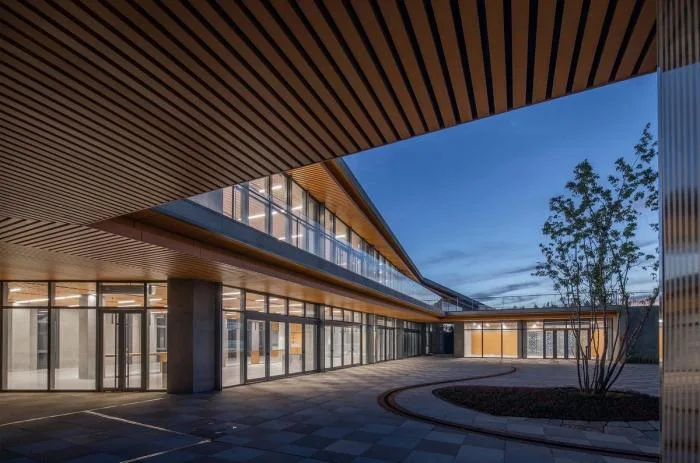
△ Under eaves space and courtyard
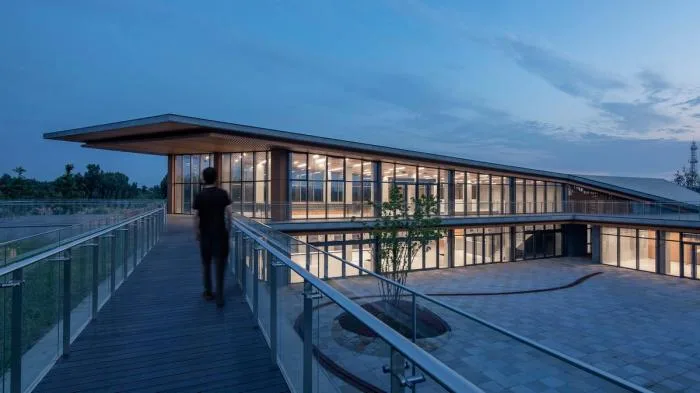
△ View of the courtyard from the second-floor terrace
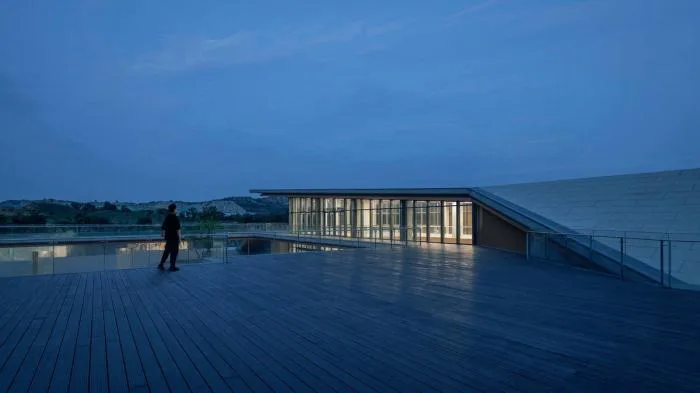
Conceptual Intent: Traces of the Earth
Overall Layout: Semi-Enclosed Courtyard
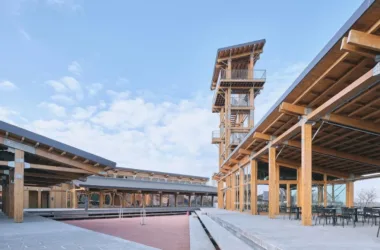
Facing the northern garden landscape, the building is arranged in a semi-enclosed courtyard layout that accommodates daily functions such as dining, retail, exhibitions, restrooms, and park management offices.
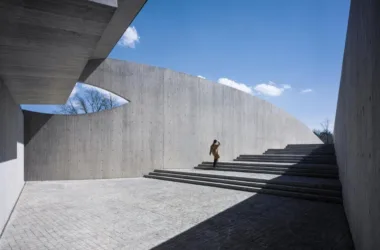
Multiple outdoor corridors, steps, and platforms create a rich pedestrian experience, encouraging visitors to engage naturally with the architecture and offering various vantage points to enjoy the park. The building’s gradual height increase from north to south harmonizes with the garden’s topography.
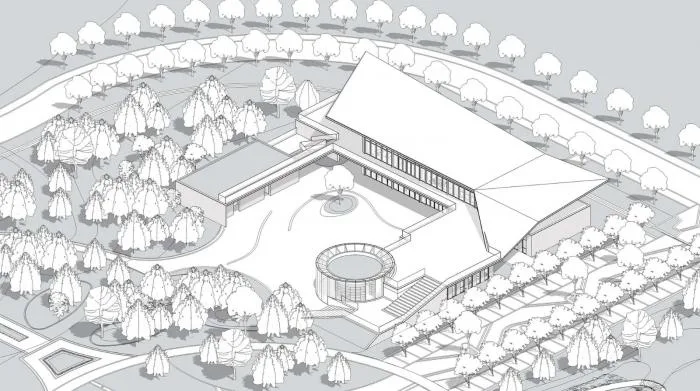
△ Axonometric diagram
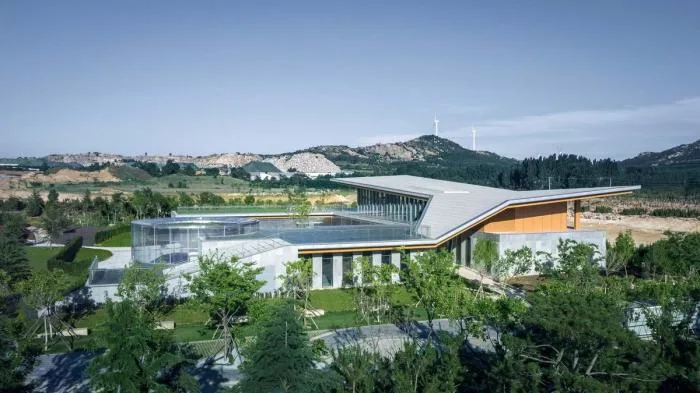
△ Continuous roof fold line
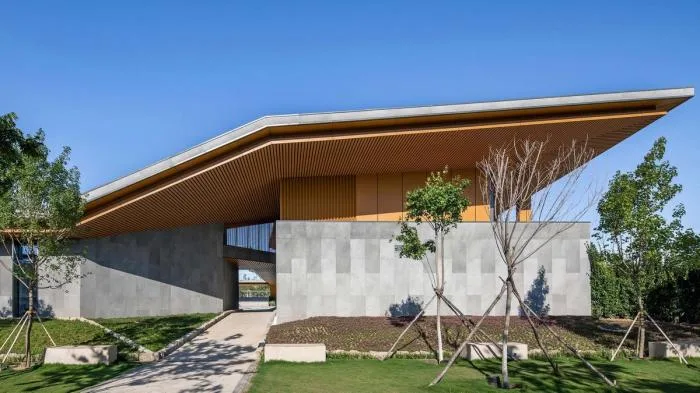
△ West corridor
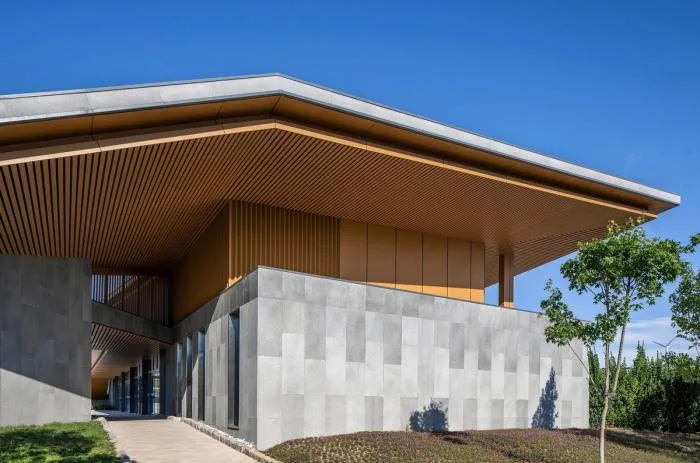
△ Hidden equipment platform
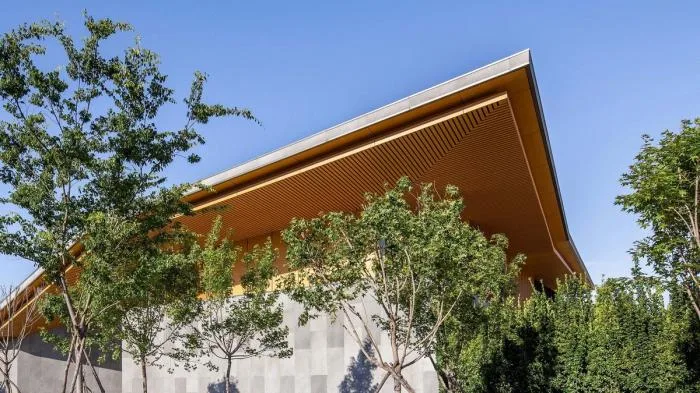
△ Roof corner eaves
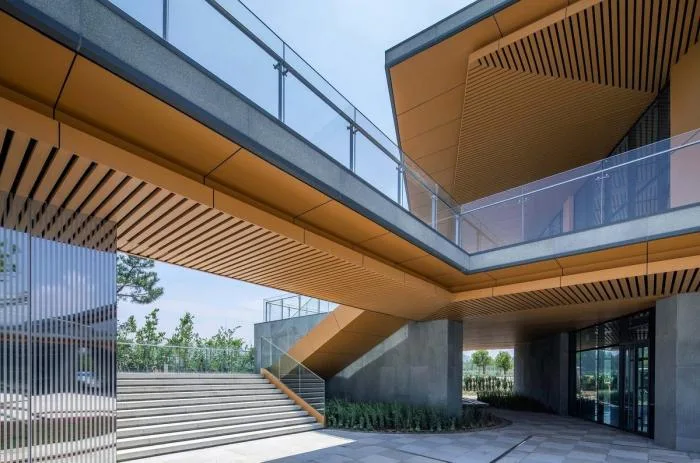
△ Steps leading to the second floor
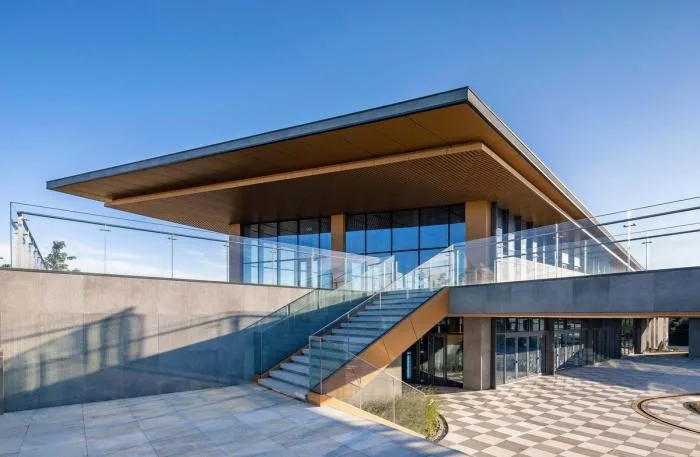
Terraces at varying elevations
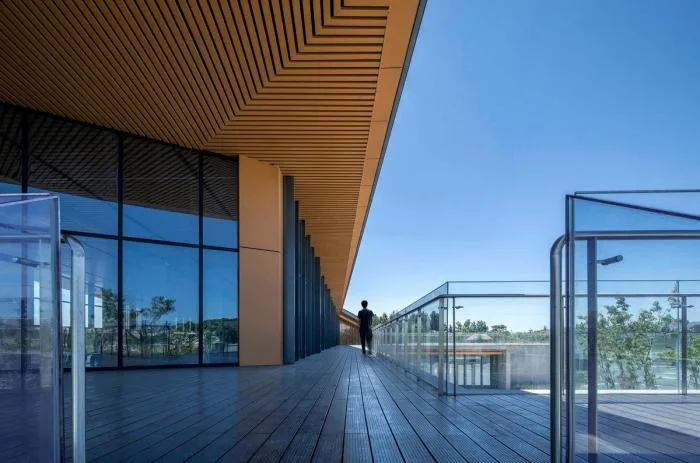
△ Outdoor corridor
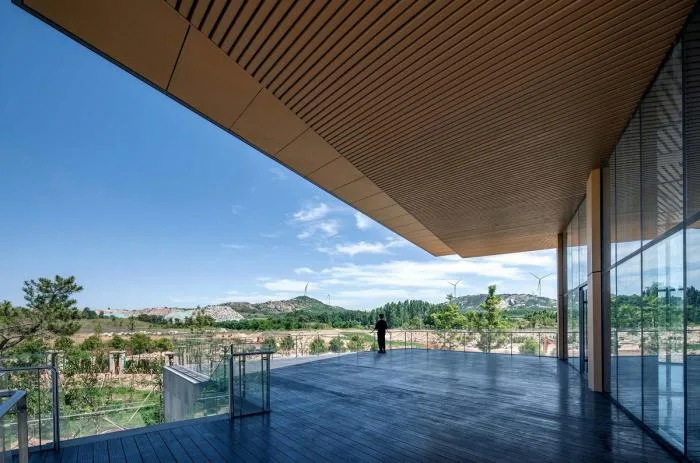
△ Under the eaves space with views of distant mountains
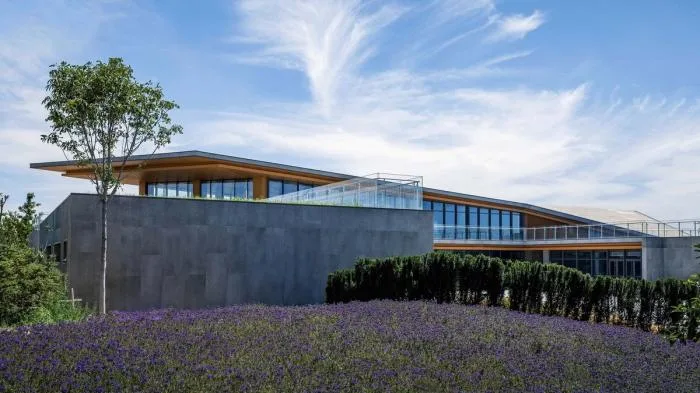
Architecture from a Garden Perspective
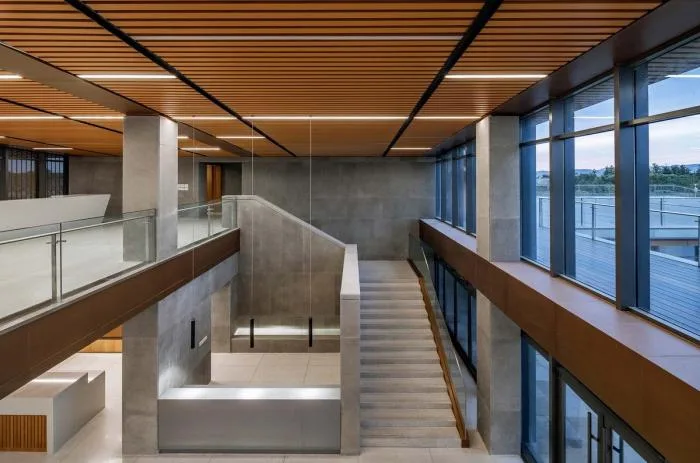
Indoor atrium
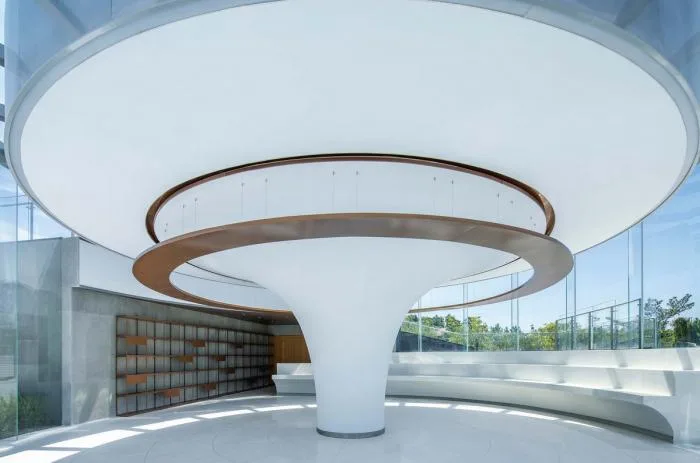
Mushroom-shaped columns in the glass flower rooms
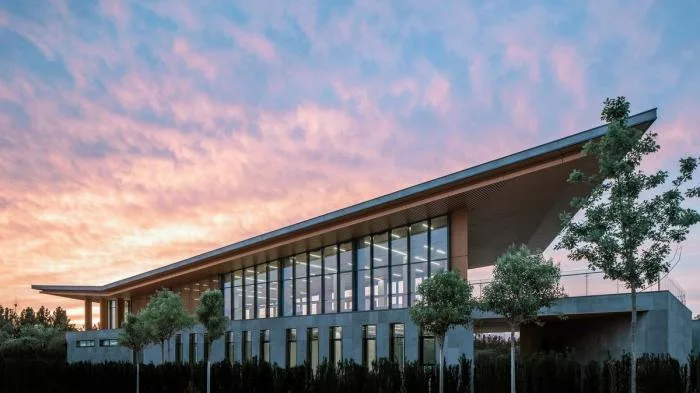
△ Along the southern roadside façade
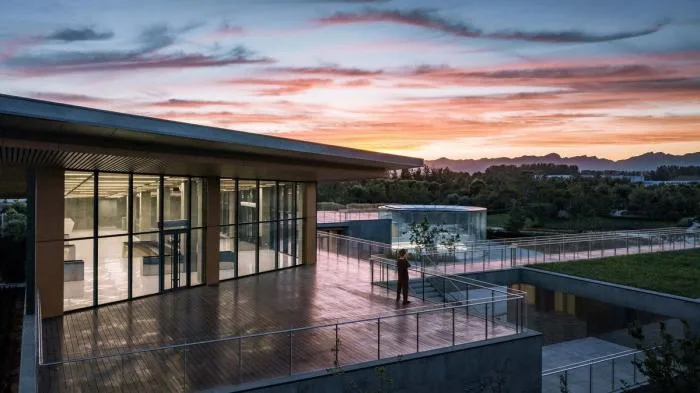
Outdoor terrace and garden
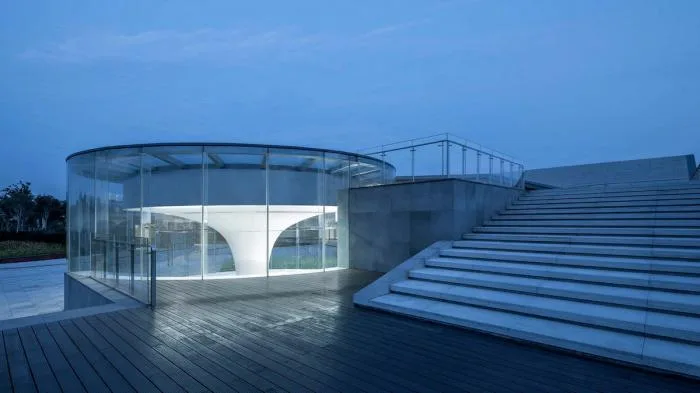
△ Night view of the glass flower house
Design Drawings
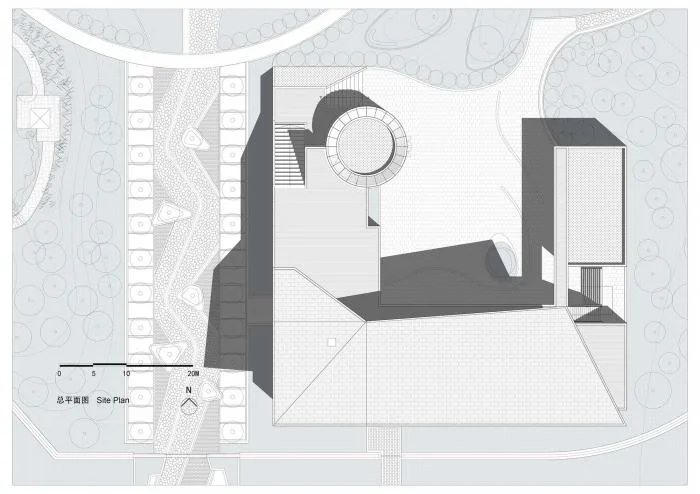
△ General layout plan
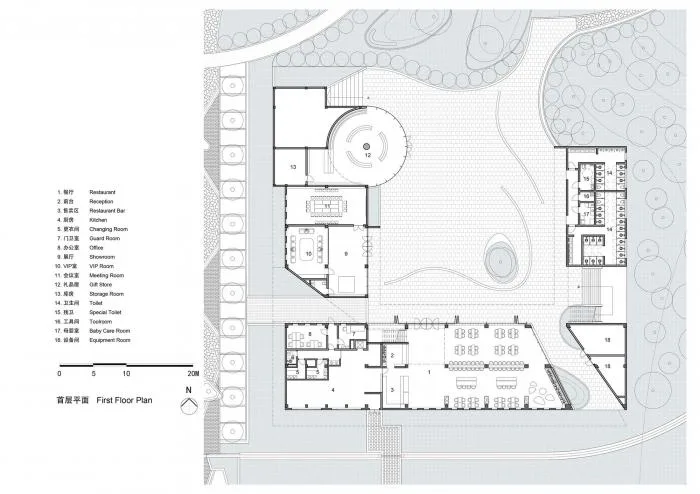
△ First floor plan
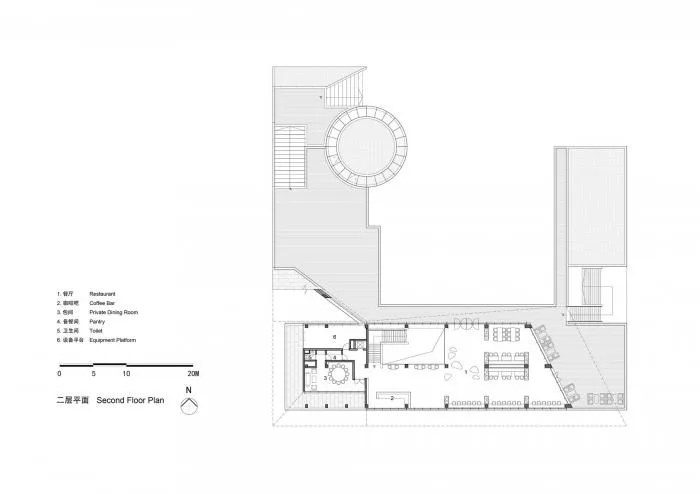
△ Second floor plan
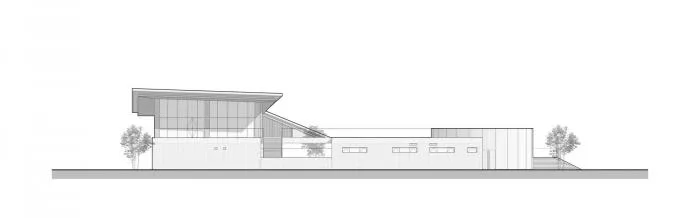
△ East elevation
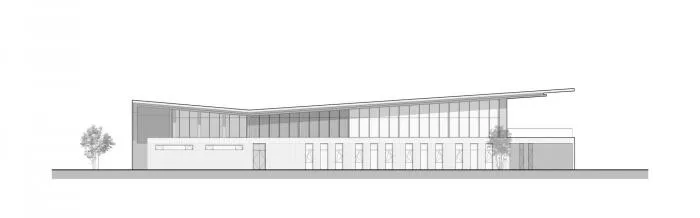
△ South elevation
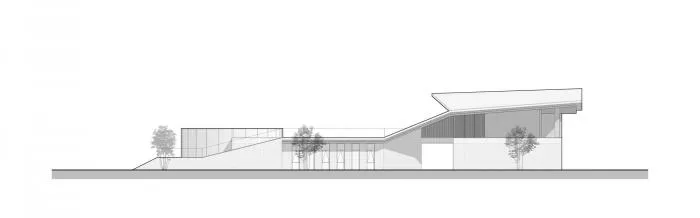
△ West elevation
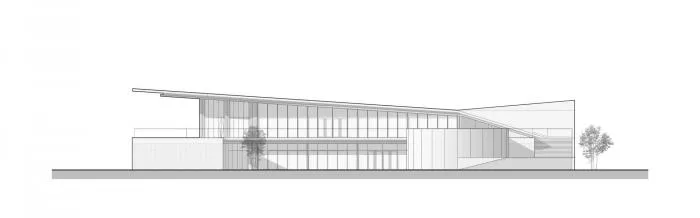
△ North elevation
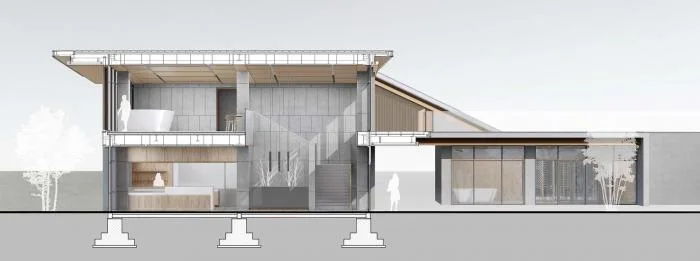
△ Sectional perspective view
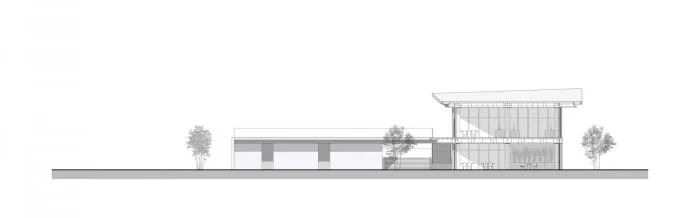
△ Section 1
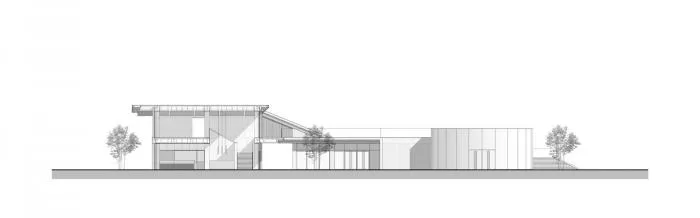
△ Section 2
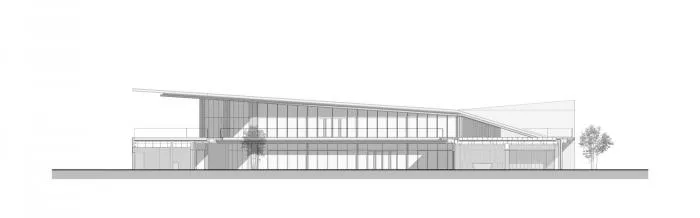
△ Section 3
Project Information
Location: Pingdu, Qingdao, Shandong Province
Project Size: 1,700 square meters
Architectural Design: UUA Architects
Design Team: Li Yongzheng, Li Qizhi, Jiang Teng (Project Architect), Tim Mason, Deng Liang, Lv Yanfeng, Wang Falu, Chen Liye, Wang Wei
Project Owner: Qingdao Baocui Garden Development Co., Ltd.
Collaborator: Qingdao Haichuan Architectural Design Co., Ltd.
Landscape Design: Qingdao Jingge Creative Design Co., Ltd.
Construction: Jiangsu Rulin Construction Engineering Co., Ltd.
Architectural Photography: Jin Weiqi
Design Period: November 2017 – November 2018
Construction Period: November 2018 – May 2020












Must log in before commenting!
Sign Up