
BIM Q&A | What is the Difference Between Drawing Stairs in Revit Using Components vs. Sketching?
When it comes to creating stairs in Revit, I personally prefer using sketches for the overall design because they offer greater control over the construction process.
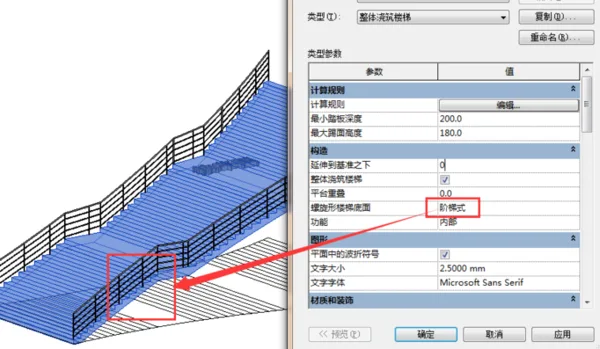
Revit offers two main methods for stair creation: by components and by sketching. Although both methods produce the same staircase styles, the drawing processes differ, and identical parameter settings may yield different results.
Creating stairs by components involves assembling standard stair runs, landings, and support elements. This method works well in both plan and 3D views and is especially convenient for designing regular double-run or triple-run staircases.
On the other hand, sketch-based stair creation requires defining stair runs or drawing stair boundaries directly within the plan view. This approach is particularly useful for designing irregular stairs, as it allows for full customization of the stair’s plan profile.














Must log in before commenting!
Sign Up