
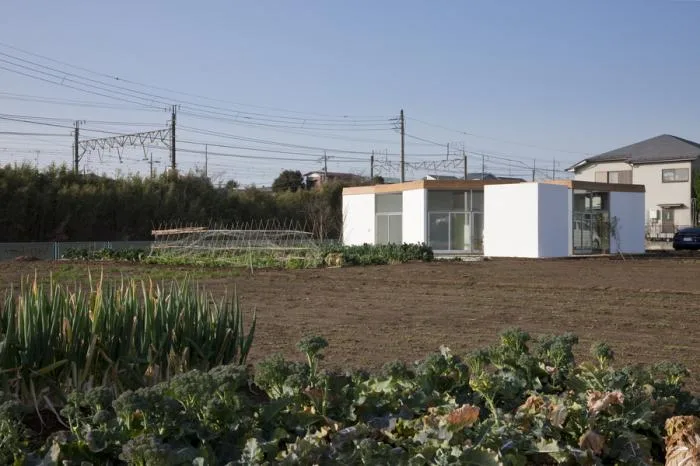
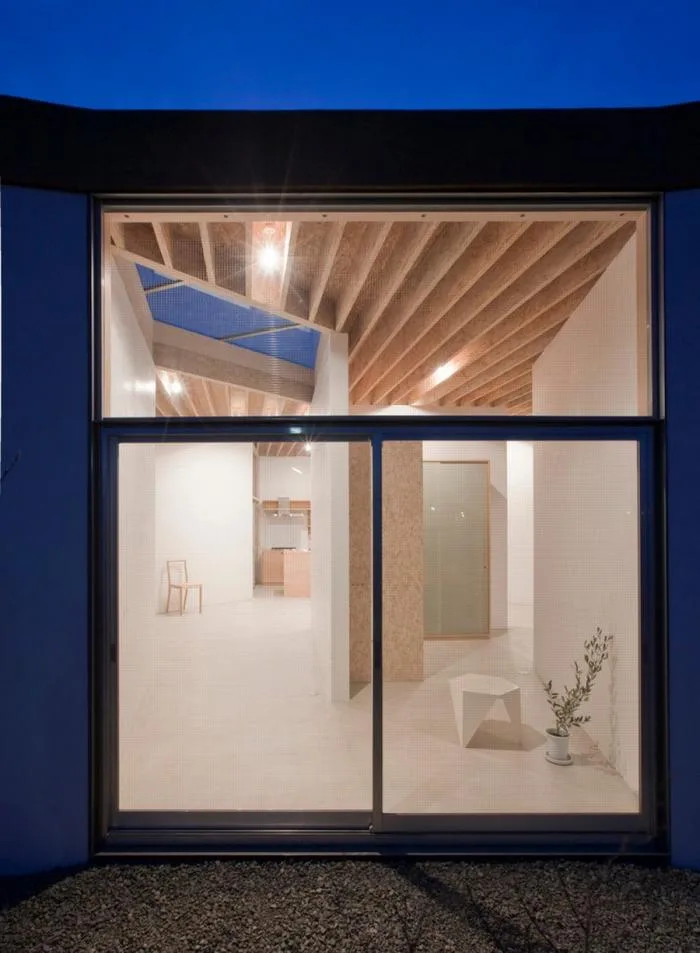
This project was designed for a couple in their 50s who envision this home as their final residence, where they can enjoy a relaxed lifestyle and outdoor activities. Initially, the owners desired a building that reflected traditional Japanese architecture. However, after the architect’s first presentation, they said, “I never imagined living in a house like this, but if possible, we would like our home to feel like this. In this house, we can always sense each other’s presence, maintain a comfortable distance that is neither too close nor lonely, and stay connected with nature.”
These words made the architect realize that, although the project might not visually replicate traditional Japanese architecture, the underlying concepts remain aligned.
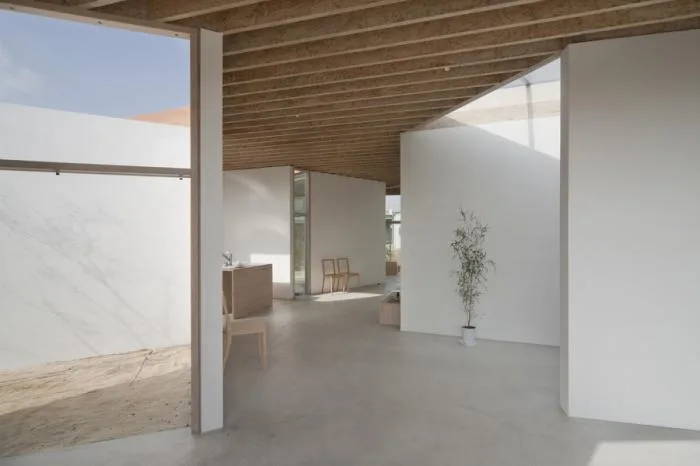
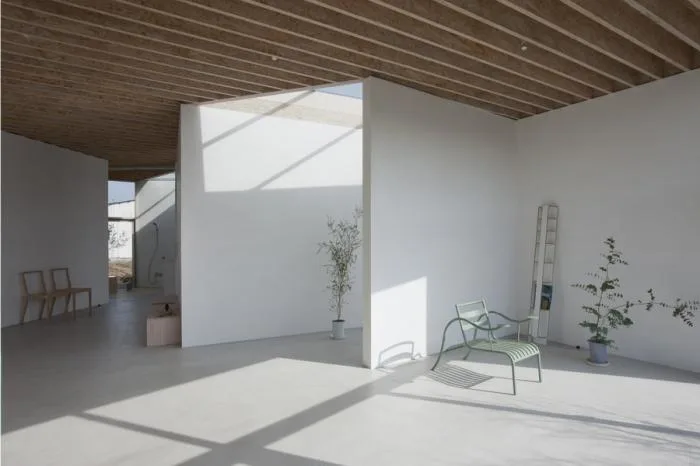
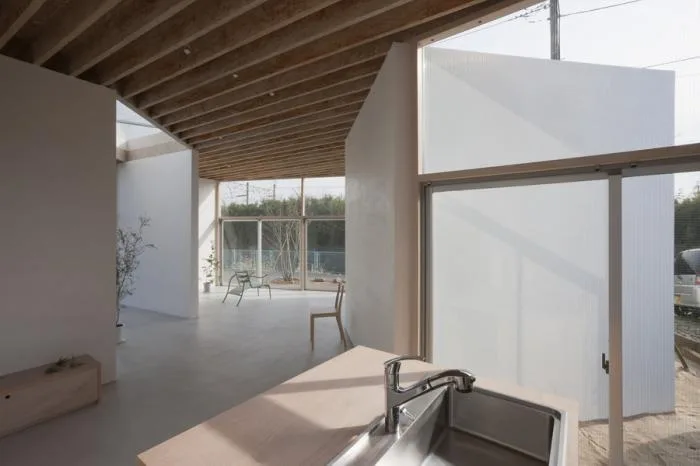
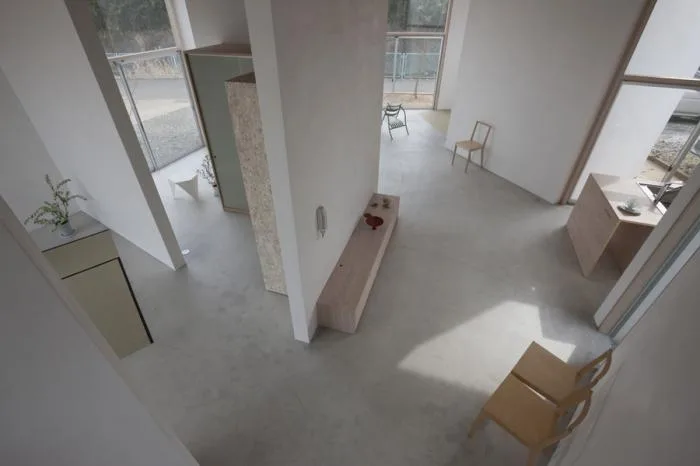
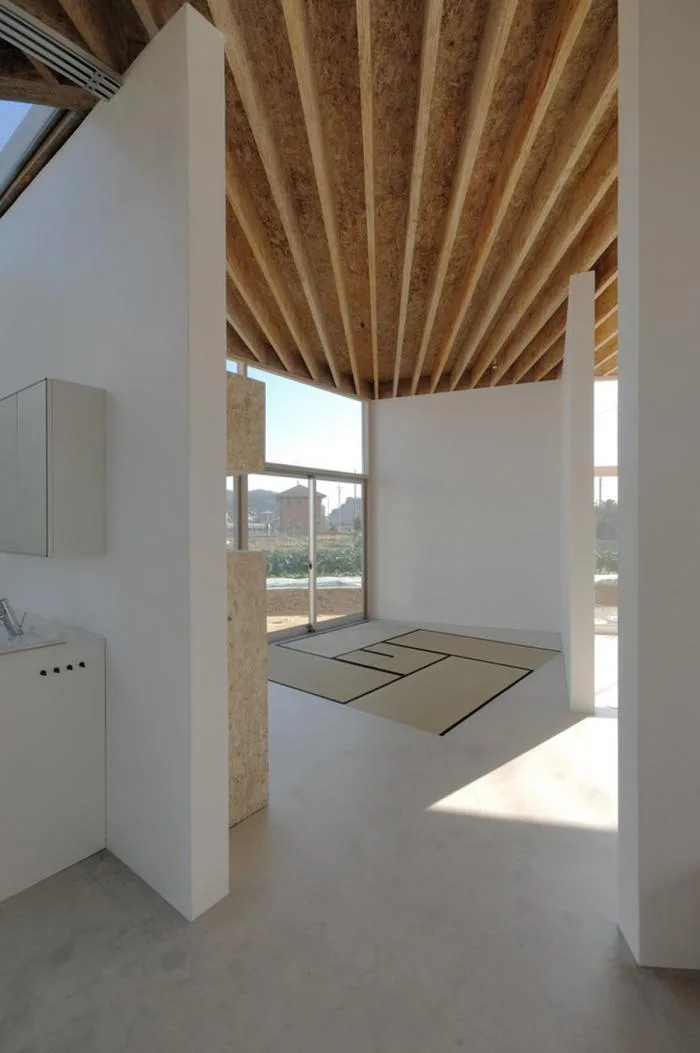
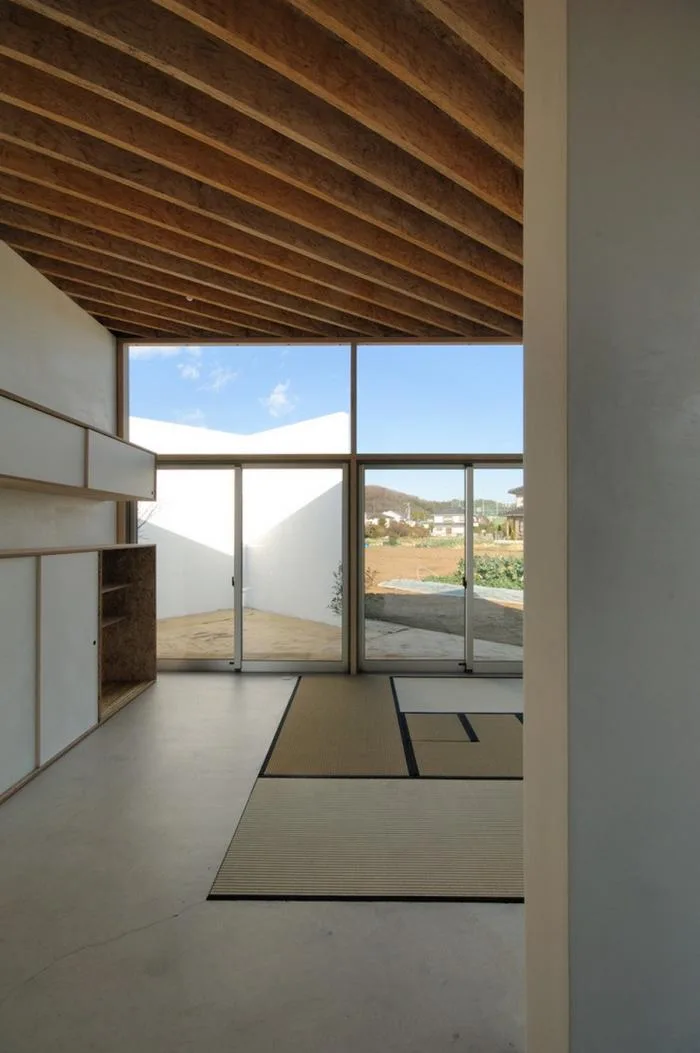
Traditional Japanese architecture does not strictly separate spaces with walls and doors. When sliding doors are open, rooms blend into a shared spatial hierarchy, creating a sense of continuity. The site is located on a former vegetable farm, which the architect transformed into a residential area. Given the site’s many contextual elements, the designer felt that straight lines would not suit the project.
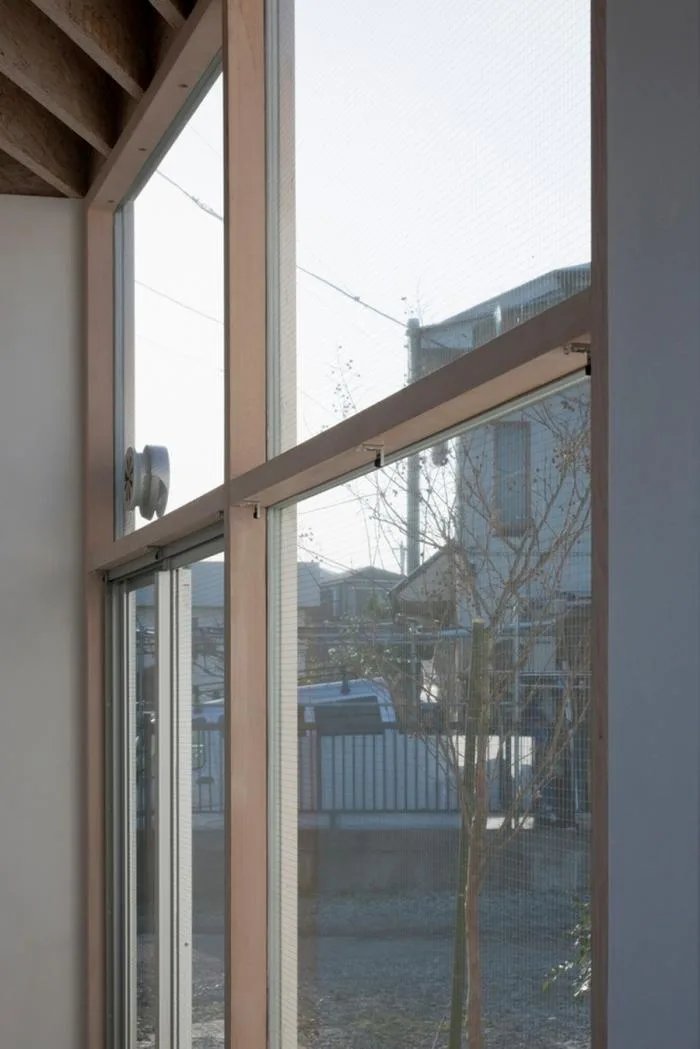
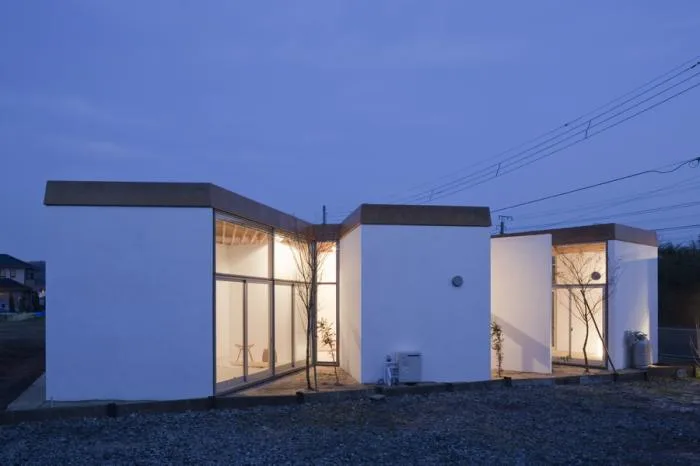
Instead, a flowing, bay-like curve was used to blend the interior and exterior seamlessly. However, this approach made it challenging to define the building’s precise outline. To address this, ten L-shaped flat walls were arranged based on a polar coordinate system, a technique previously used in the architect’s “K House.”
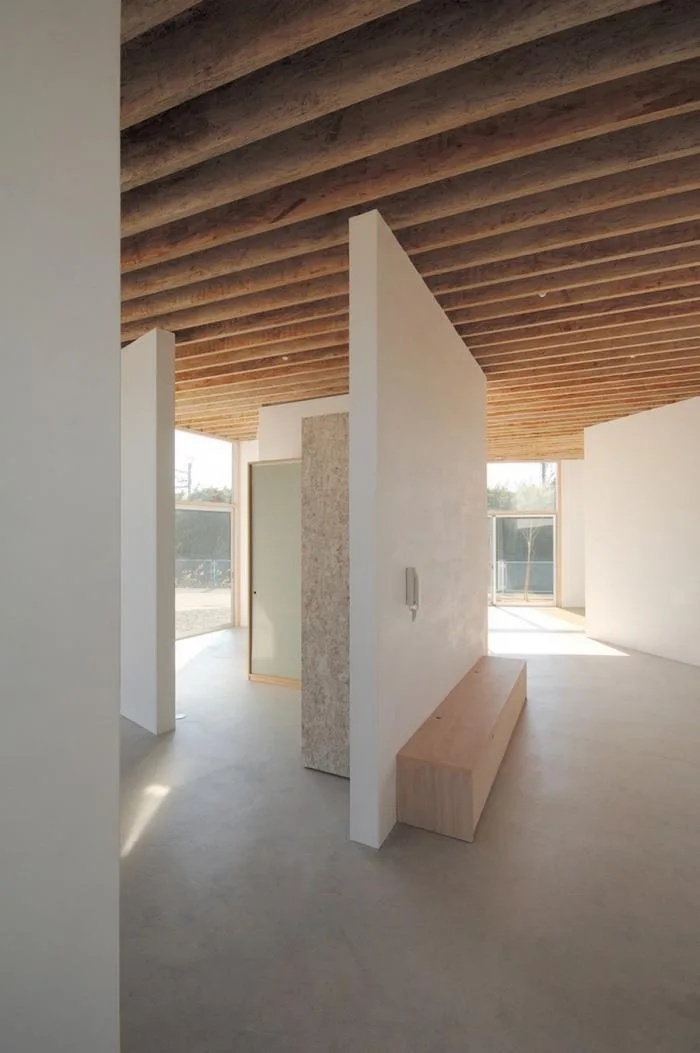
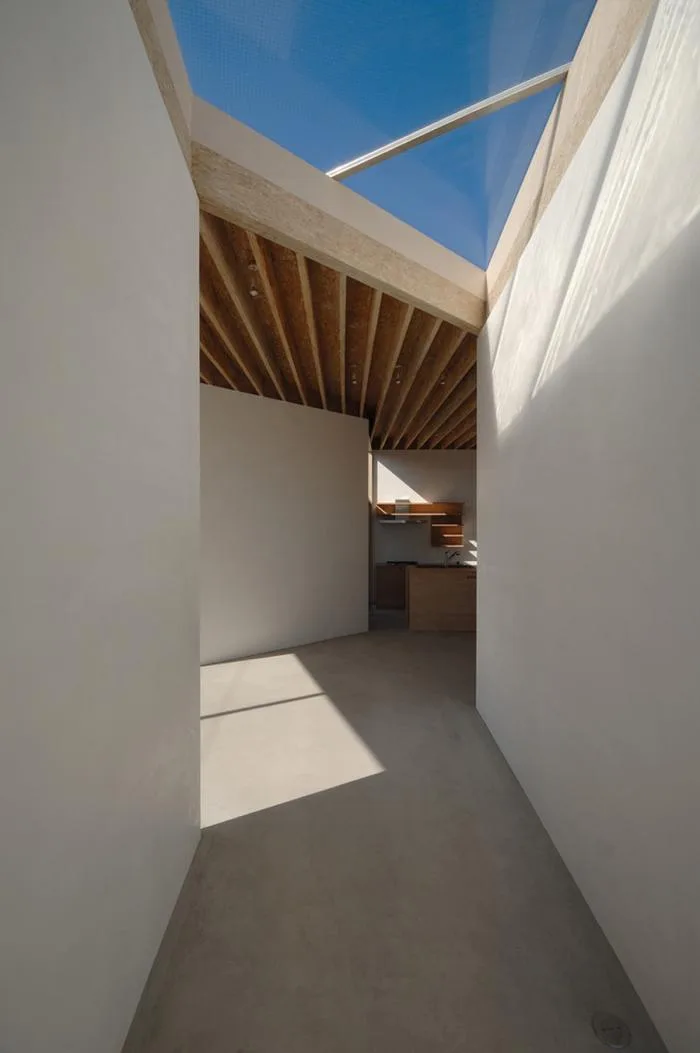
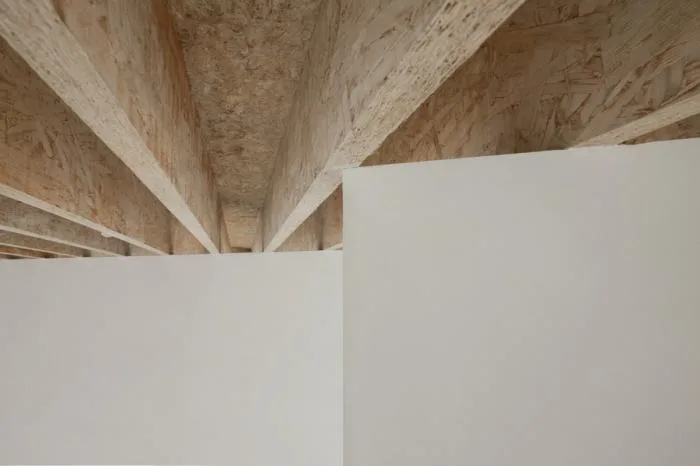
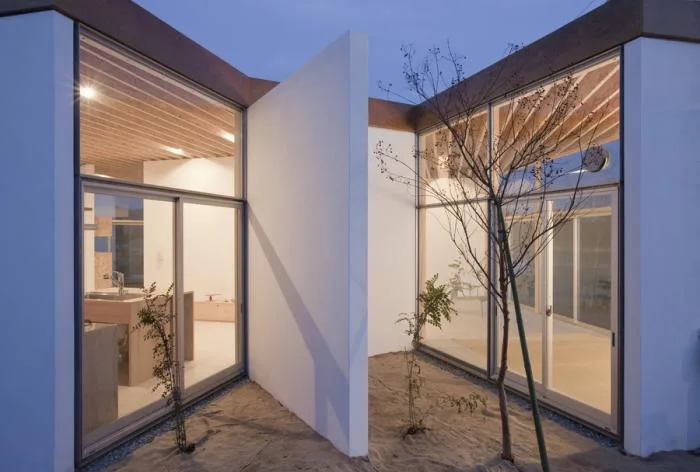
The L-shaped walls feature both exterior and interior corners, enabling simultaneous design of the building’s inside and outside, allowing the two to complement each other.
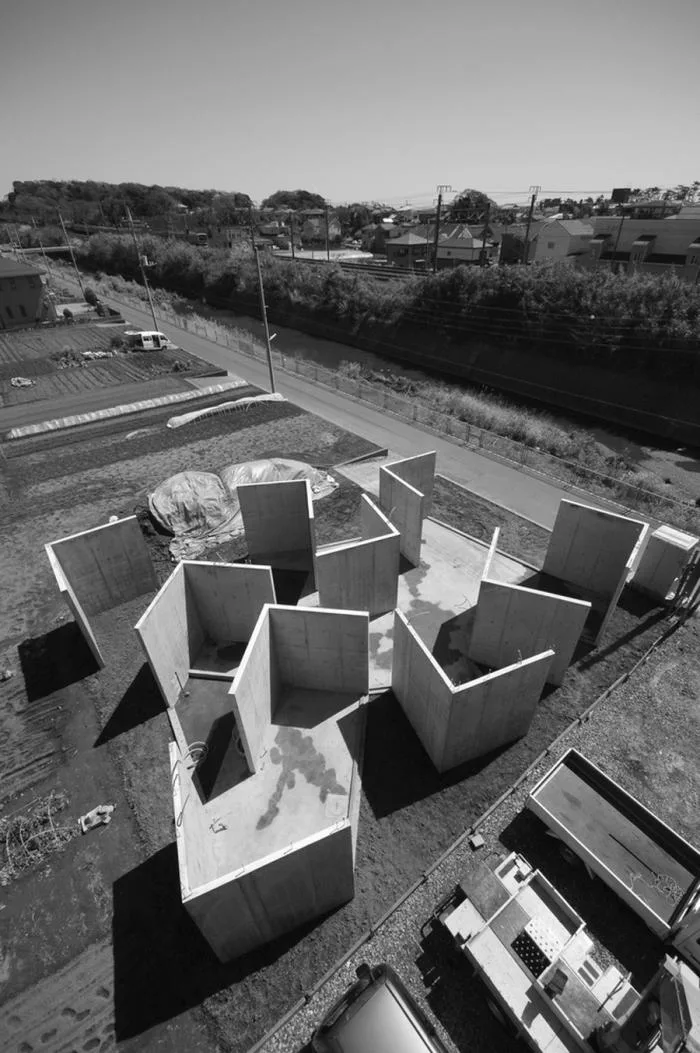
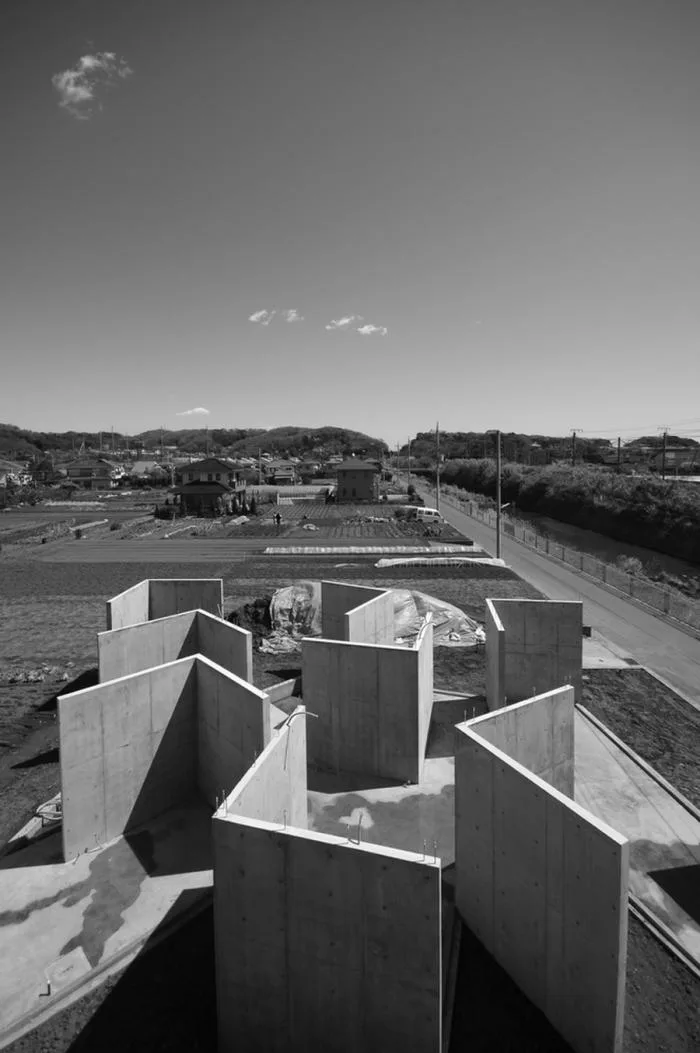
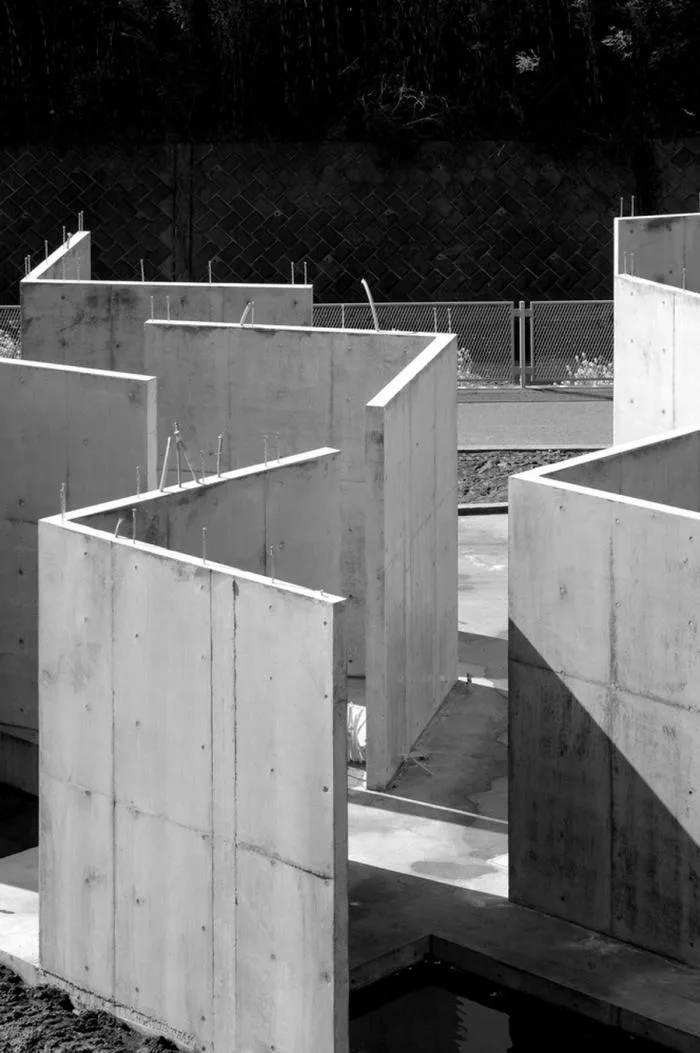
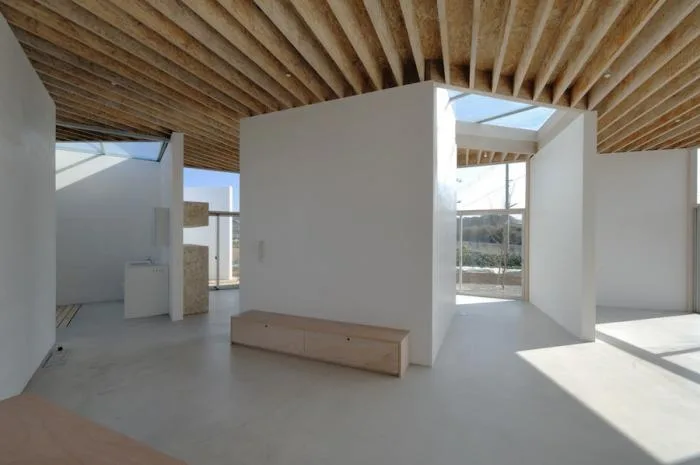
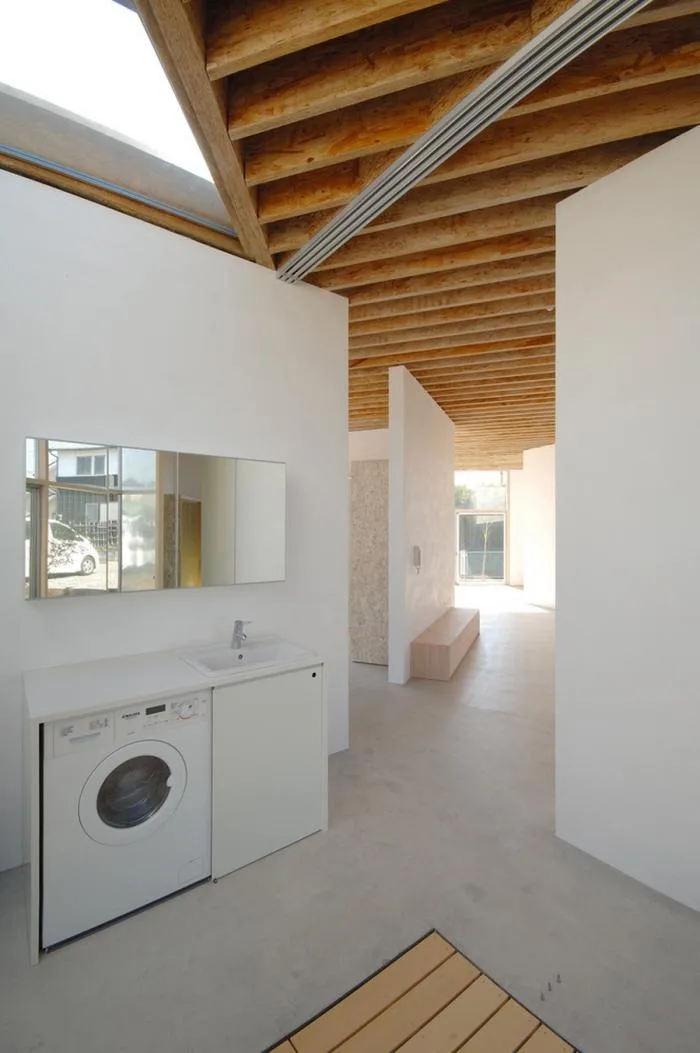
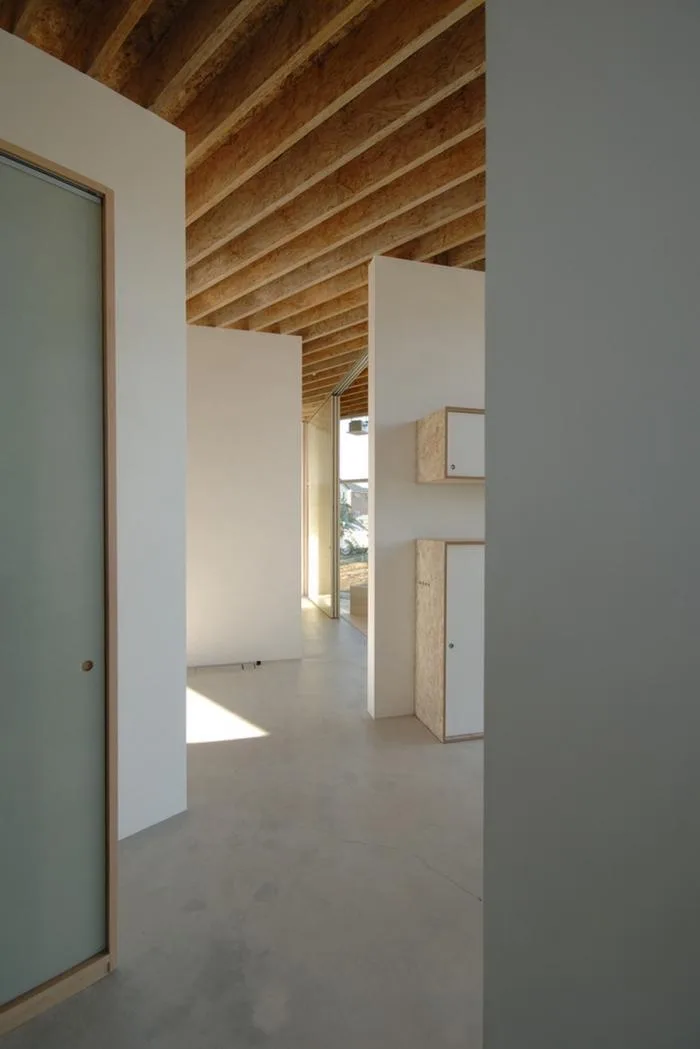
The L-shaped walls create unique viewpoints and continuously layer varied scenes throughout the building. Living in a home composed of independently constructed L-shaped walls offers a different experience compared to traditional houses enclosed by uniform walls.
In the “I Home,” residents can discover their own cozy corners, enjoy scattered views of the outdoors, and still feel connected to others within the home.
Design Drawings
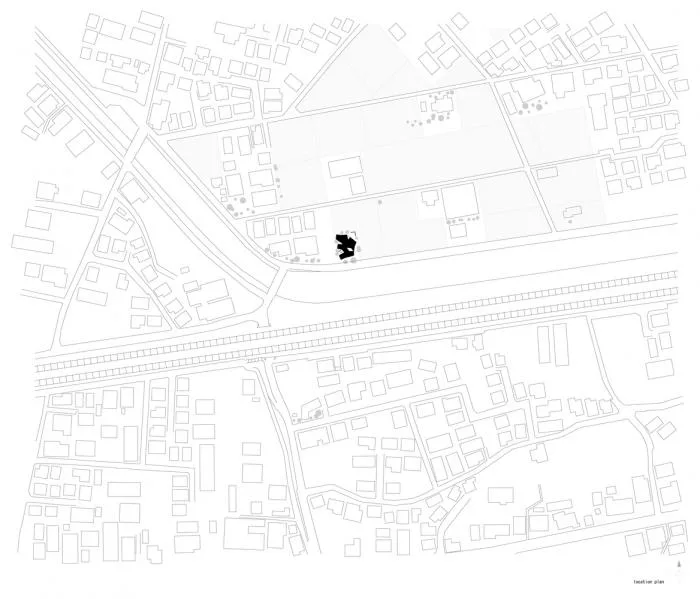
△ Site Plan
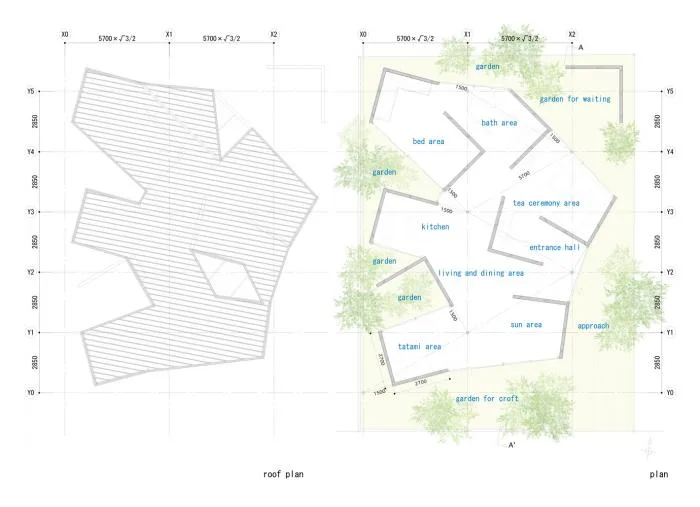
△ Floor Plan
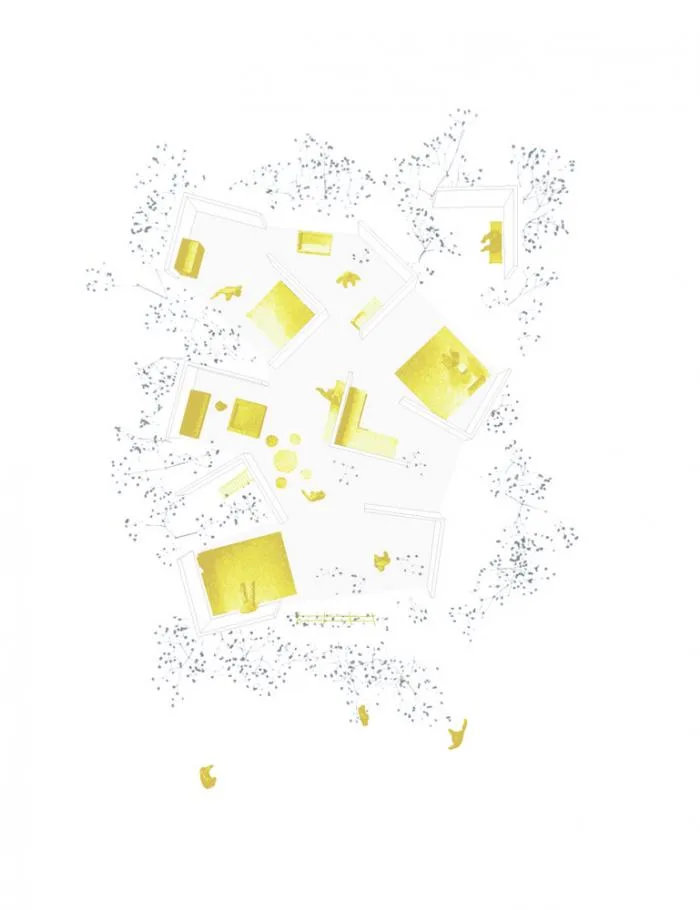
△ Spatial Analysis Diagram
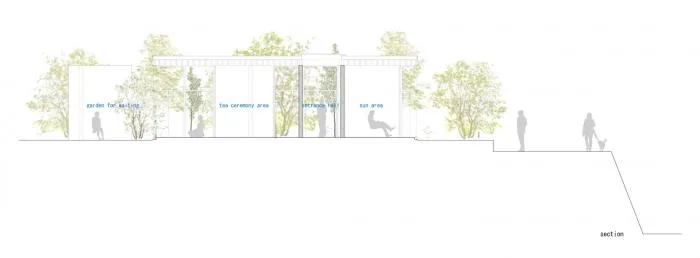
△ Section Diagram
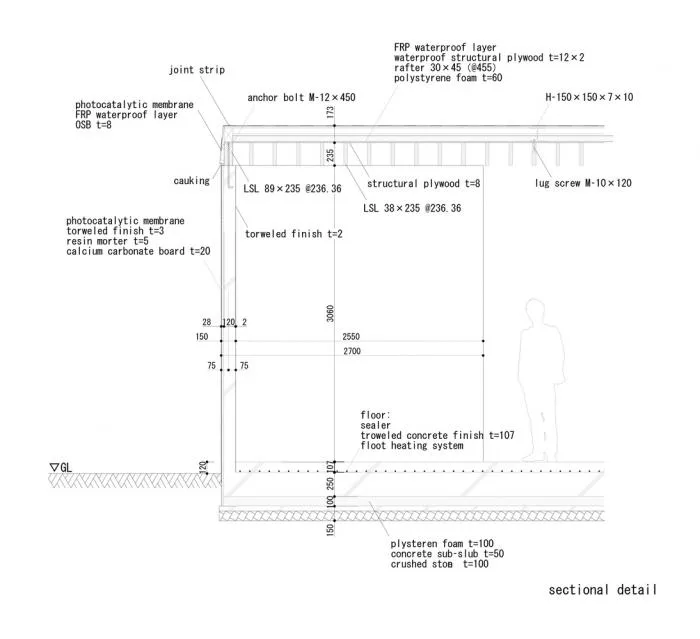
△ Section Details
Project Information
Project type: Detached residential building
Location: Daiki-cho, Japan
Architectural Design: Gong Jingzi Architectural Studio
Area: 108 m²
Year: 2009
Photographer: Jin Hosoya, Shinkenchiku Sha
Lead Architect: Akiko Miya
Structural Engineer: Environmental Structural Design
Environmental Structural Design: ZO Consulting Engineers
Contractor: Yokomizo Koumuten












Must log in before commenting!
Sign Up