
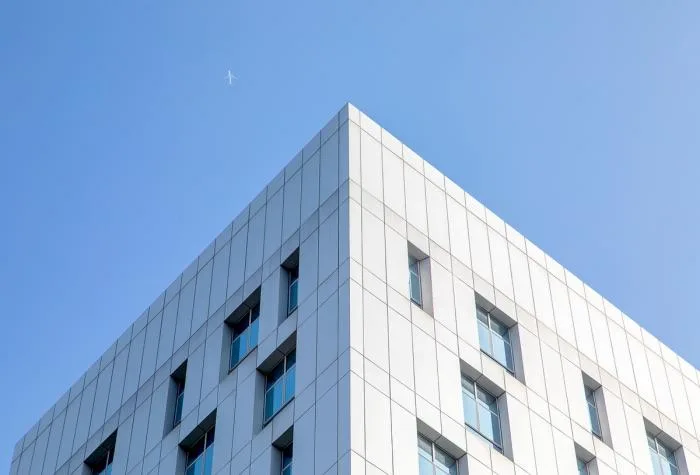
The last decade has witnessed rapid advancements in communication network technology. The completion of the Longhua Communication Hub Building is a testament to this progress, aligning with contemporary developments and driving the modernization of telecommunications in Longhua and across Shenzhen. This facility connects thousands of households to a fully intelligent global telecommunications network.
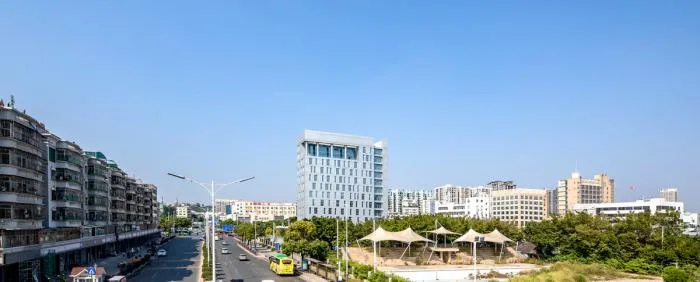
Designed specifically for telecommunications equipment and operations, the building primarily functions as a telecommunications data center, complemented by business halls and offices. When first tasked with the design, the team faced a challenge: how to create a space that accommodates heavy machinery yet remains welcoming and functional for people. Such buildings often carry stigmas of being cold, impersonal, or utilitarian. The goal was to overturn these perceptions, fostering a harmonious coexistence between humans and machines within the space.
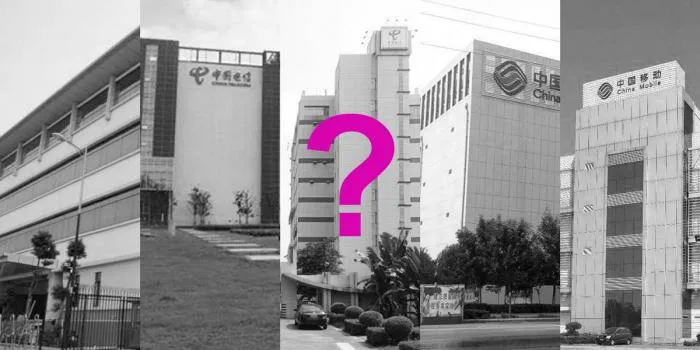
△ Common perceptions of computer rooms
Design Strategy
Located in Guanlan Street, Longhua New District, Shenzhen, the project connects Longhua, Buji, and Guangming streets and borders Dongguan City to the north. It serves as a crucial transportation hub linking Shenzhen with Dongguan, Shantou, and Huizhou. The site was formerly a parking lot, featuring a multi-story telecommunications building to the north and surrounded by lush greenery.
The plan was to develop an information hub building that reflects the spirit of the times and aligns with the corporate image. It aims to address space shortages in the core computer rooms, outsourced call centers, and production management areas of the Longhua Telecom Branch, while also accommodating Shenzhen Telecom’s future comprehensive business needs.
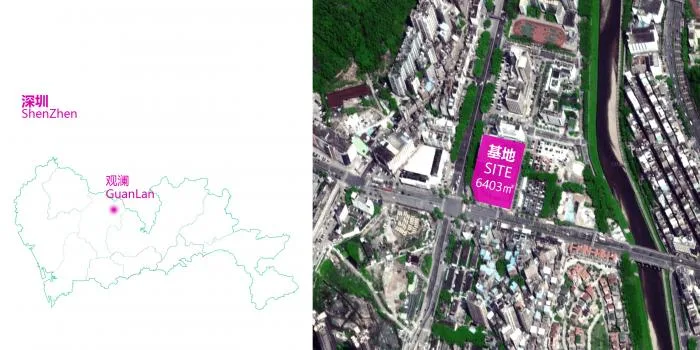
△ Geographic location
Given the building’s specialized functions, its architectural design faced numerous constraints. The challenge was to express China Telecom’s corporate culture and identity effectively within these limits, while achieving a balance of cost-efficiency, practicality, and aesthetic appeal. Additionally, the design needed to harmonize the building with its urban context, optimize available technologies, minimize energy consumption, and reduce future maintenance costs.
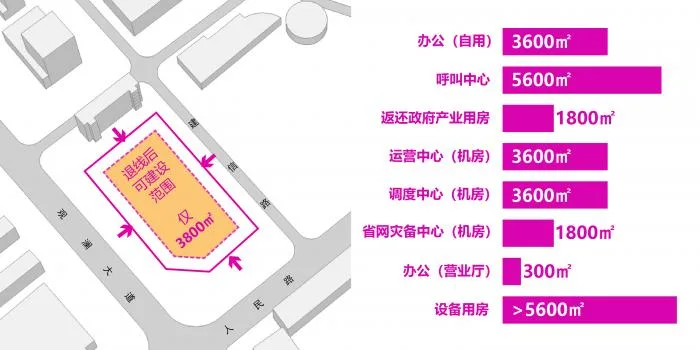
△ Functional analysis
The building’s planned functions include computer rooms, offices, business halls, and equipment rooms. Stacking these diverse areas on a relatively small footprint led to a common challenge for high-density structures:
Organizing Horizontal and Vertical Circulation
The design team began by addressing public access, arranging all functions vertically from bottom to top and then fine-tuning the layout according to each function’s specific needs. This approach differs from typical buildings: for instance, computer rooms—highly private and requiring extensive equipment ducting—are best located on the ground floor.
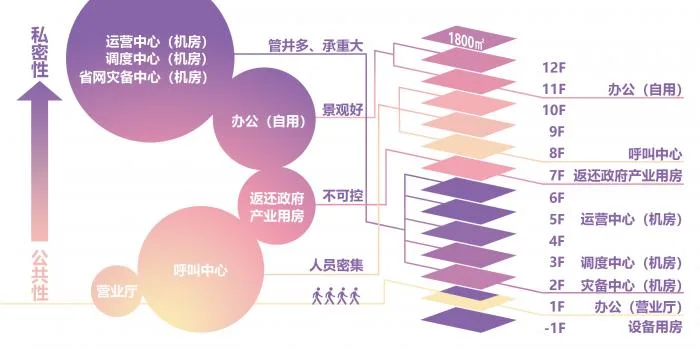
△ Functional requirements
Following this analysis, the public and private zones became somewhat intertwined. To address this, the team divided the core vertical circulation into two separate shafts, creating dual channels that facilitate both emergency evacuation and the building’s multiple management systems. Correspondingly, the first floor features two entrances—one inward-facing and one outward-facing—ensuring the street-facing business hall remains fully accessible without interference.
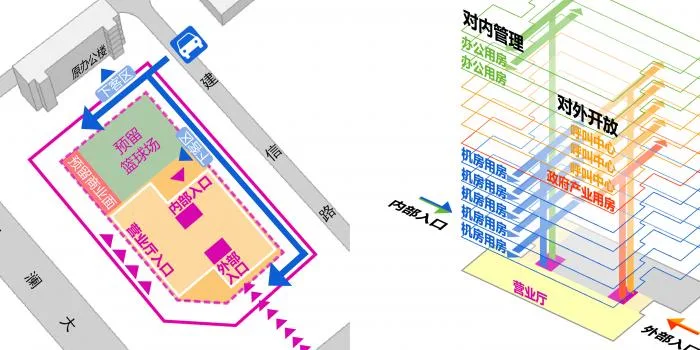
△ Vertical circulation flow
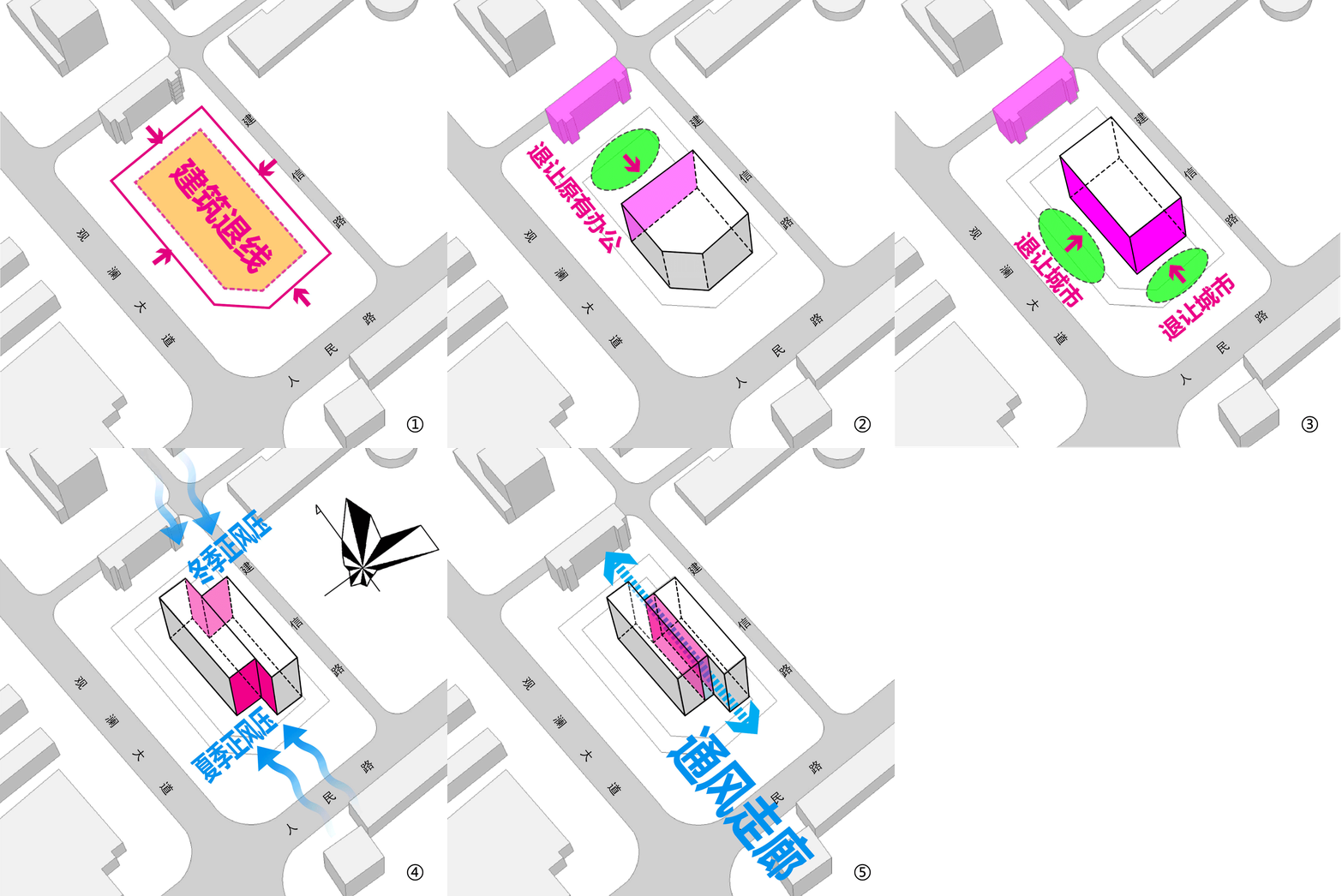
△ Conceptual generation analysis
By this stage, the building’s form began to take shape. The next challenge was the timeless balance between rational design and emotional expression: the building’s exterior texture.
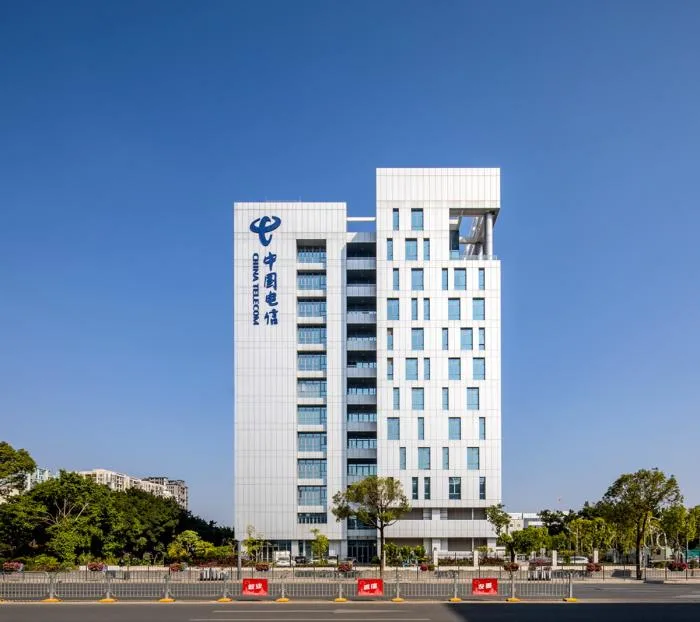
Since this is not a purely “human” building, the design creates a subtle contrast: people desire expansive views, good ventilation, and natural light, while machines require enclosure, security, and controlled temperatures without sunlight interference. However, because of the extensive air conditioning systems, adequate ventilation and air exchange are still essential.
By comparing the ventilation needs of the computer rooms against energy-saving requirements for human comfort, the team determined an optimal ventilation opening ratio of 30%—balancing the minimum humanized energy-saving standard with the computer rooms’ operational needs.
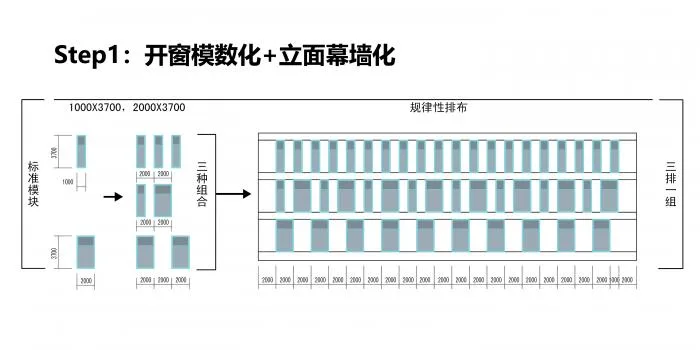
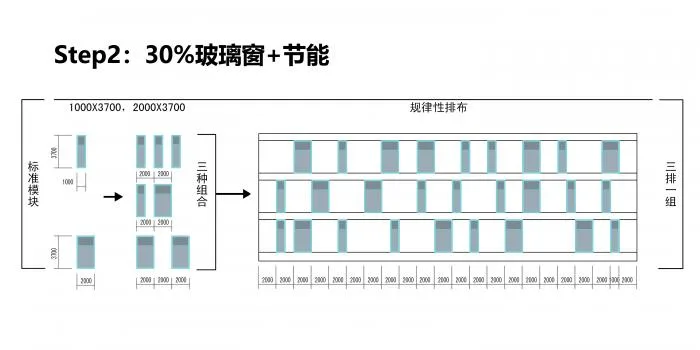
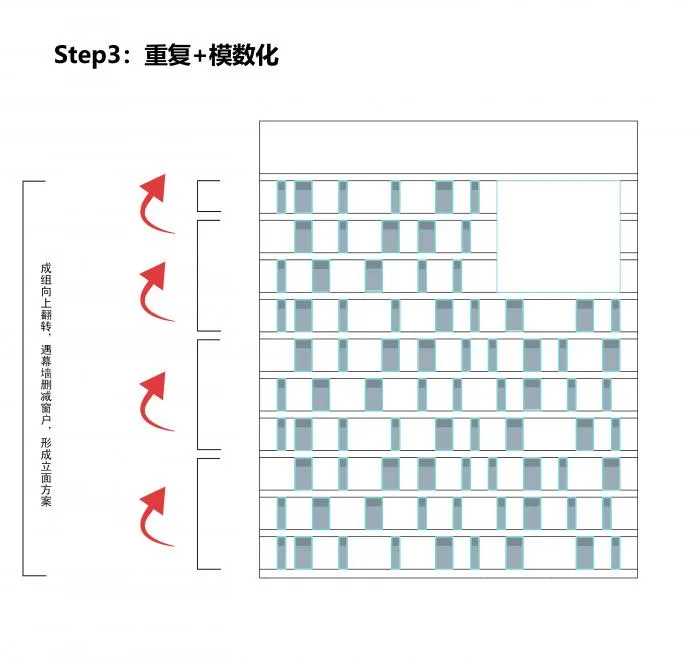
△ Facade development
The facade design was optimized to enhance the glass area on floors occupied by people, creating a more welcoming office environment. On machine floors, openings were arranged proportionally, using a simulated curtain wall divided by windows and walls to seamlessly integrate “human” and “machine” floors into a unified architectural language. Construction costs were controlled within 2,500 yuan per square meter (excluding equipment and interior finishes), significantly reducing overall expenses and future maintenance.
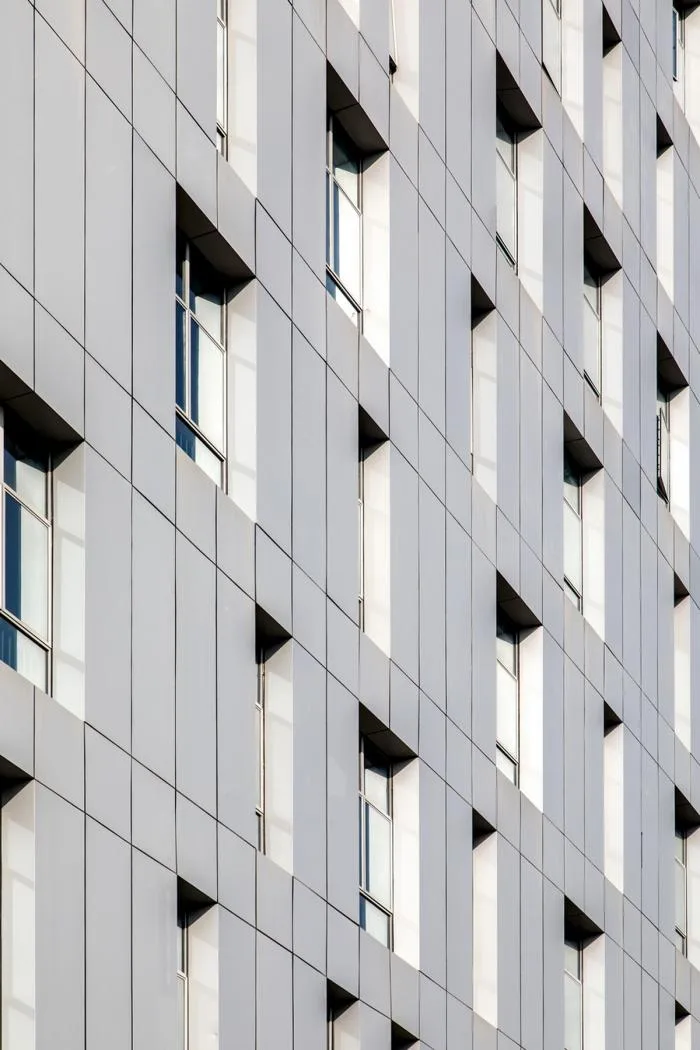
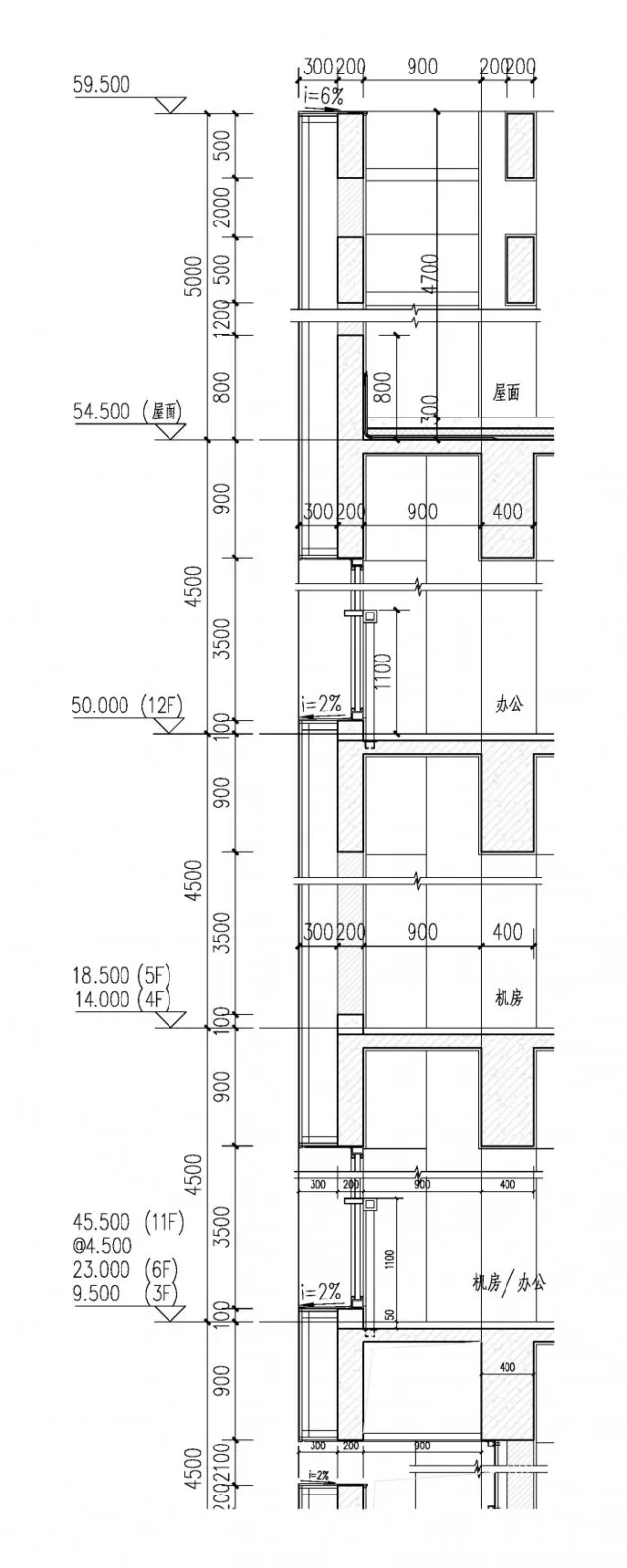
△ Wall detail node
Design General Contracting
Our goal was to dispel the negative stereotypes associated with “computer room” buildings by injecting a positive energy that allows this building to stand proudly in the city center, enhancing the urban landscape for surrounding residents. At the same time, the design ensures that all users—whether human or machine—can access their designated floors without intersecting circulation paths, maintaining harmony within the building.
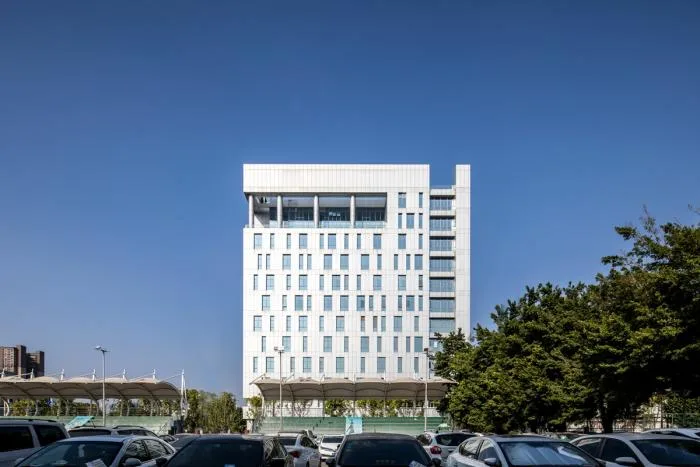
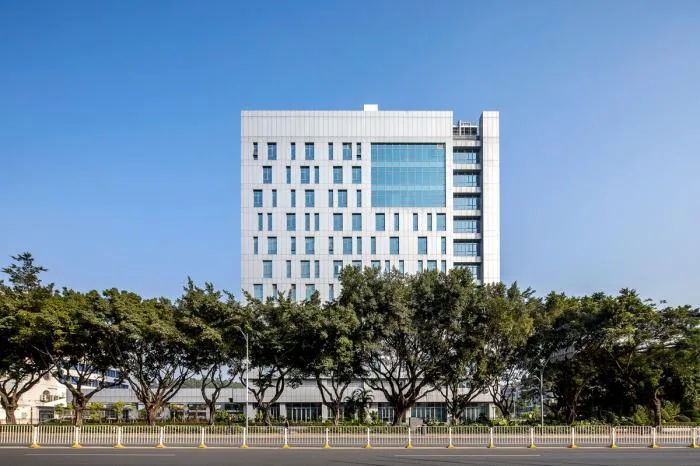
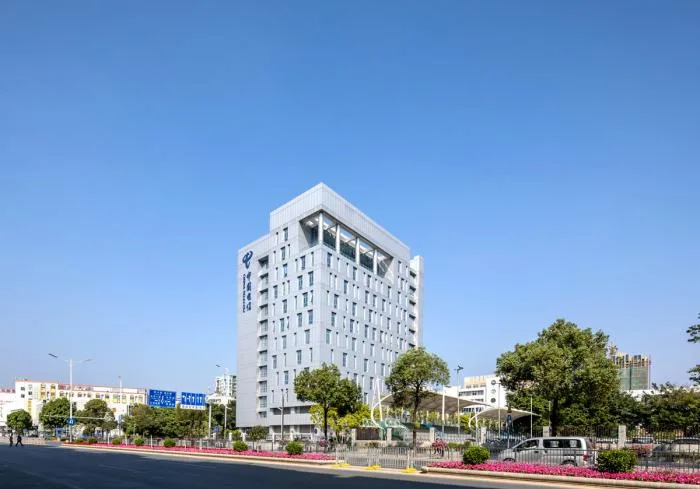
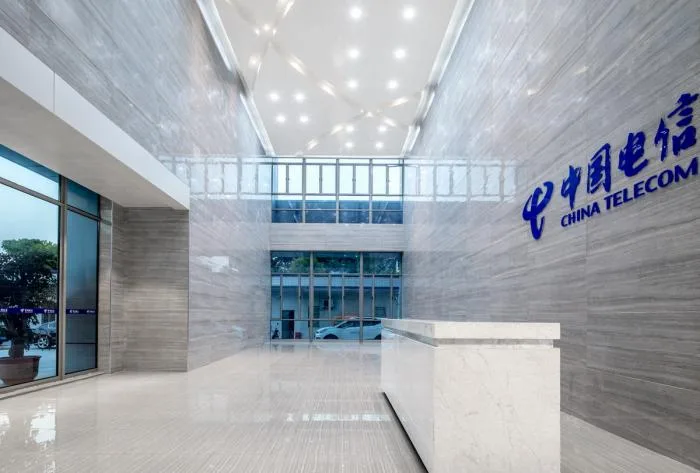
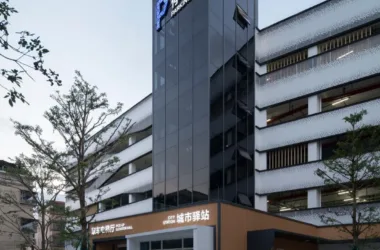
△ Interior real-life photo
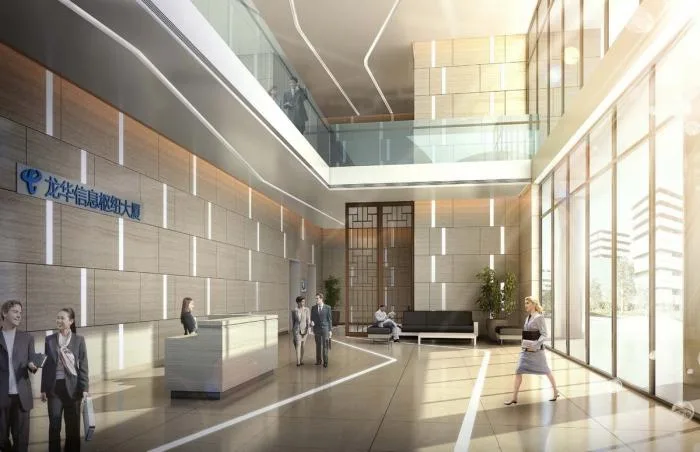
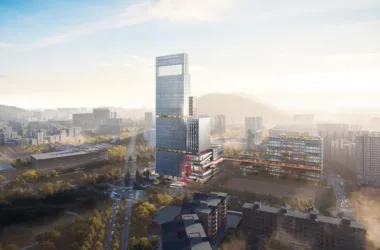
△ Rendering
Notably, amid the nationwide push for EPC (Engineering, Procurement, and Construction) projects, this is Senlei International’s first design-build contract. Senlei International coordinated all aspects of the project, including landscape, public areas, interiors, and curtain walls. Through integrated resource management, we provided comprehensive design services throughout the entire project lifecycle. This unified responsibility approach allowed for better design implementation and improved project outcomes, setting a strong foundation for efficient future developments.
Design Drawings
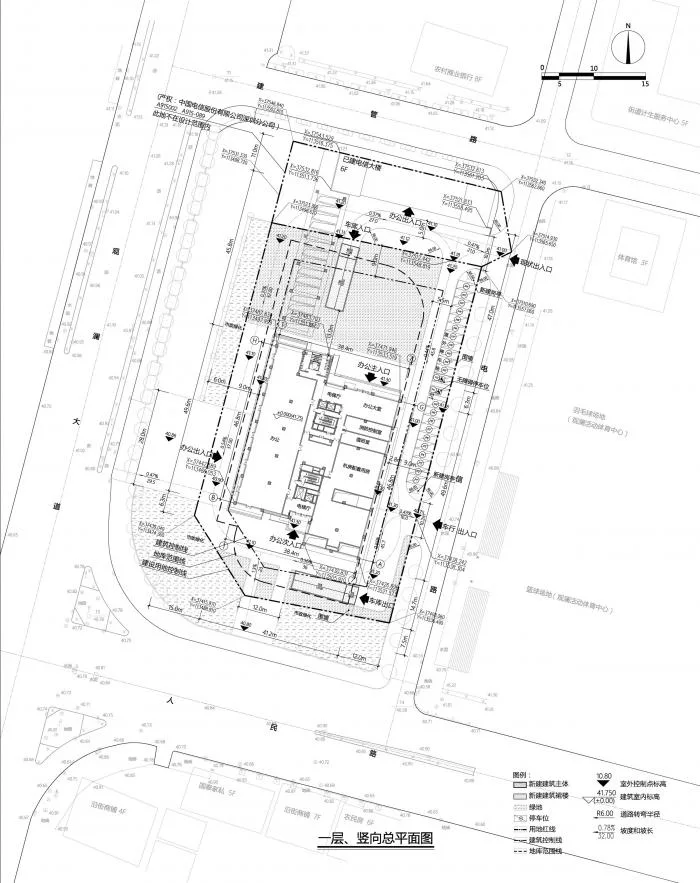
△ First-floor vertical plan
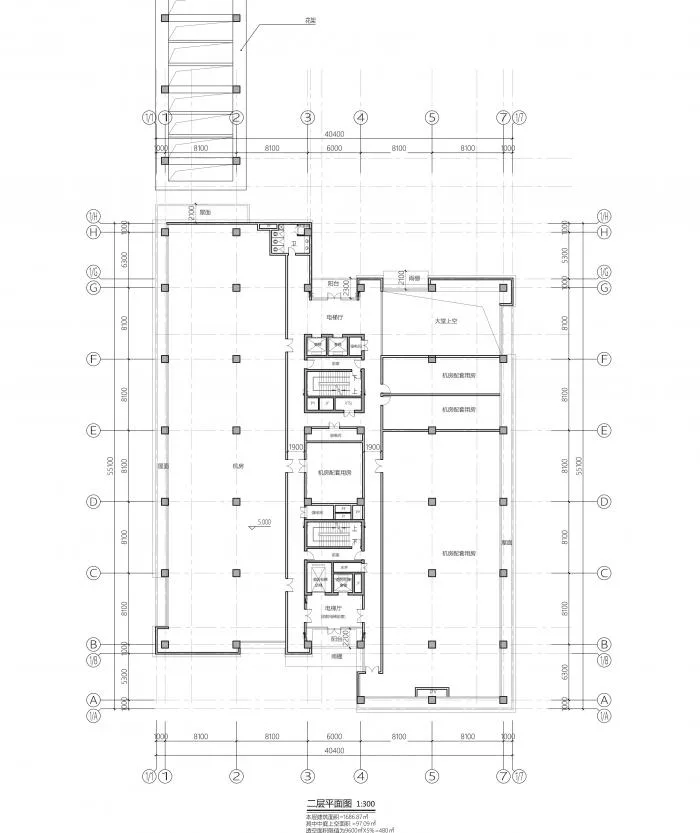
△ Second-floor plan
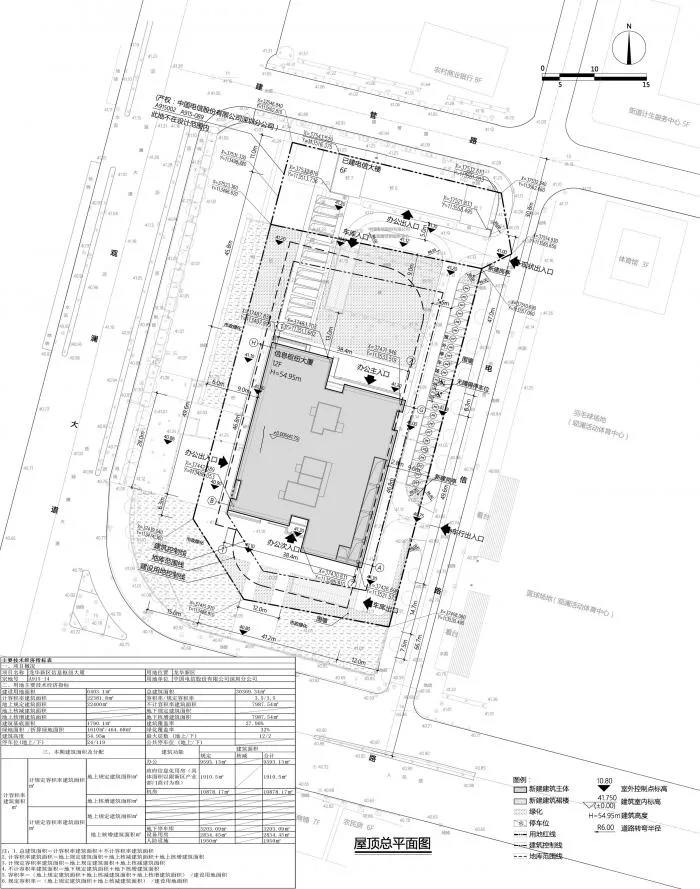
△ Roof overall plan
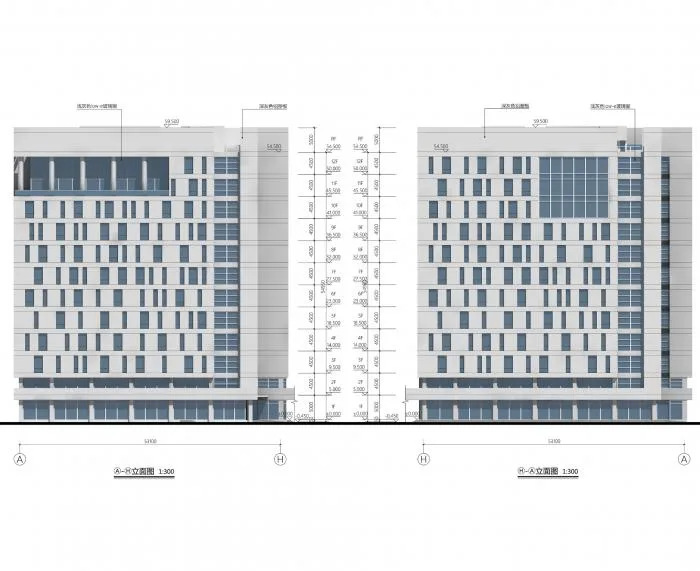
△ Elevation drawing
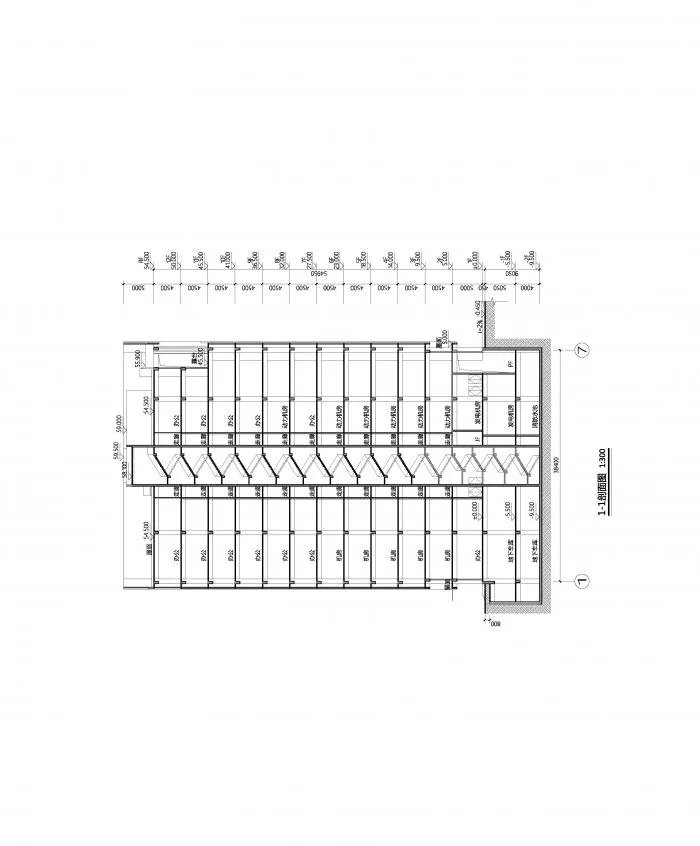
△ Section diagram
Project Information
Project: Longhua Telecom Hub Building, Shenzhen
Location: Intersection of Guanlan Road and Renmin Road, Longhua New District, Shenzhen, Guangdong Province
Site Area: 6,403 square meters
Building Area: 30,400 square meters
Design Period: 2014
Completion Year: 2018
Design Firm: Senlei International
Design Team:
Concept Design: Wu Wei, Wei Ting, Fu Cong, Li Mai, Jiang Sheng
Construction Drawing Architecture: Zhong Futan, Yan Haiqing, Yang Long, Zhao Muzhi, Wei Ting, Fu Cong, Li Mai, Jiang Sheng
Structure: Ke Yibing, Wei Wei, Ye Guicheng, Li Cuiling
Water Supply & Drainage: Lin Linxu, Hu Liu, Ban Yingping, Lan Zeng
Electrical: Jiang Rong, Yu Jian, Luo Yanhua
HVAC: Li Bo, Zhou Wentao, Chen Bingbing, Lin Nanxu
Landscape: Xu Tianle, Fan Ling, Zhang Zhen, Zhu Libing
Owner: China Telecom Shenzhen Branch
General Contractor: Shantou Construction Engineering Corporation












Must log in before commenting!
Sign Up