
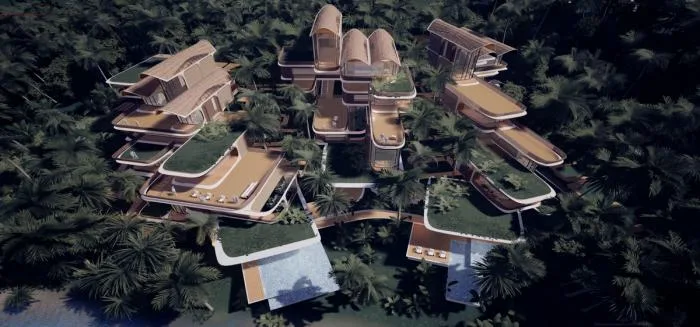
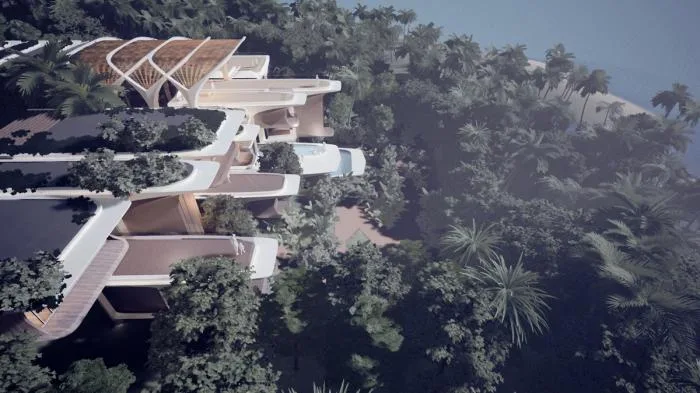
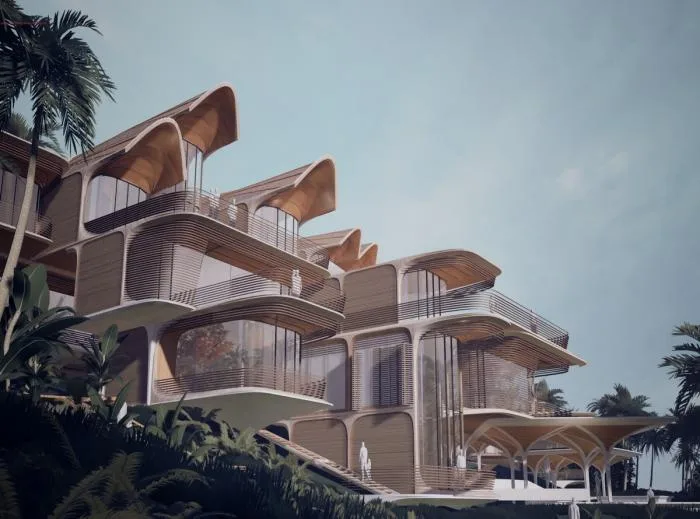
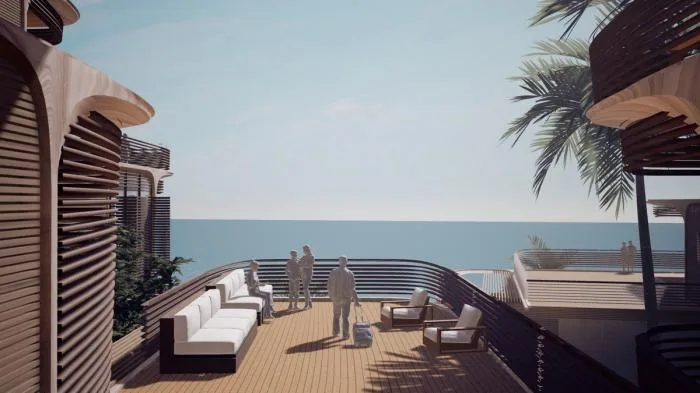
Recently, Zaha Hadid Architects unveiled their residential design plan for Roatan Island. This innovative project was developed in collaboration with AKT II and Hilson Moran. Situated on Roatan Island, the largest island off the coast of Honduras in the Caribbean, the design thoughtfully addresses both ecological and social impacts throughout the planning process.
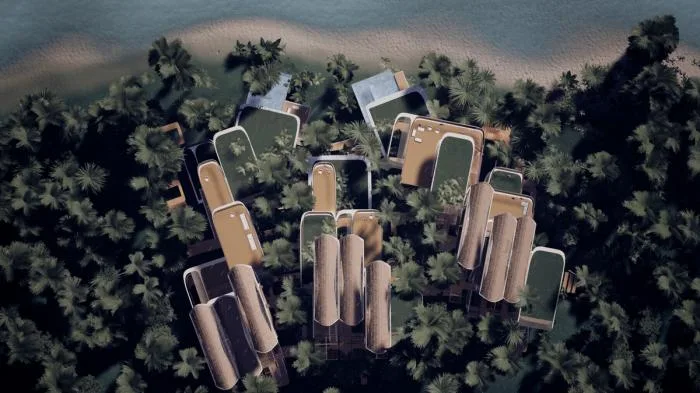
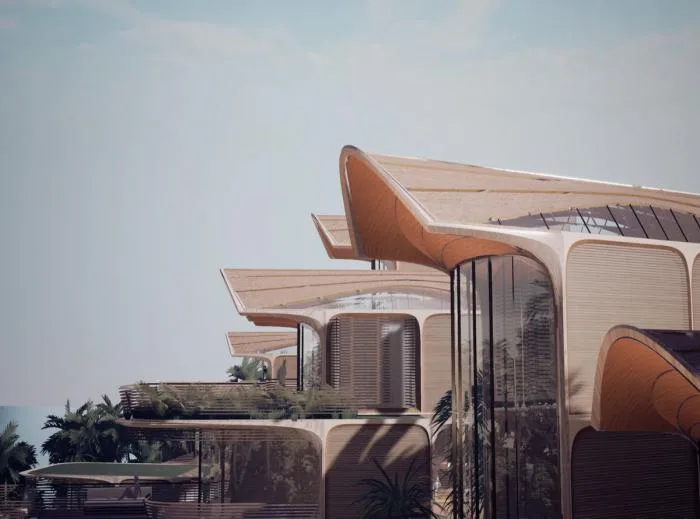
The project aims to establish Roatán Próspera with a cutting-edge digital building platform. As the first economic development center built on the Prospera platform, it is designed to foster local community growth and support the implementation of semi-autonomous regulations. The architects explore the fusion of traditional wooden architecture, spatial organization, and climate adaptability using advanced digital manufacturing technologies tailored to the local context.
They carefully respond to the island’s climate, terrain, and cultural heritage in the residential designs. Extensive use of locally sourced materials promotes the regional economy through raw material processing and manufacturing. Additionally, the team partnered with AKT II to develop a new sustainable timber material, further enhancing the project’s environmental responsibility.
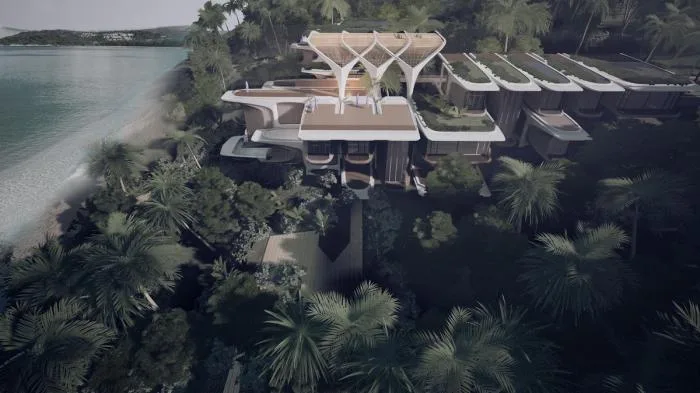
Thanks to digital manufacturing, the architects effectively minimize material waste, pollution, carbon emissions, and energy consumption. Factory prefabrication and modular construction technologies ensure high-quality building standards while perfectly adapting to the local supply chain, transportation, and construction conditions — all within a controlled budget.
This approach also facilitates strong communication between homeowners and the local community, helping the project seamlessly integrate into its environment.
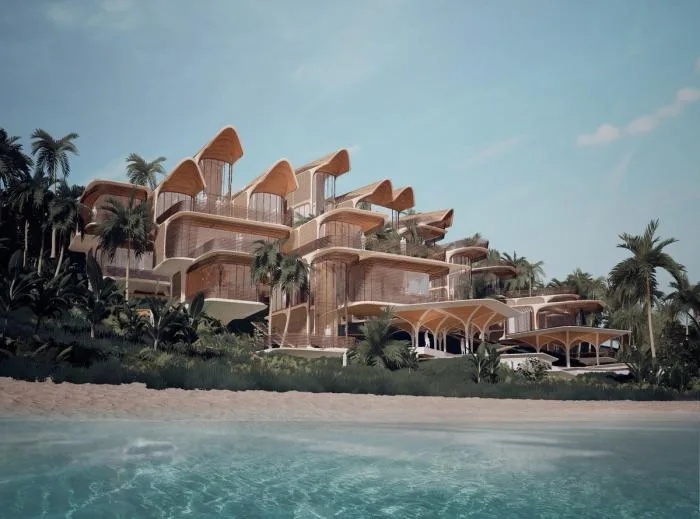
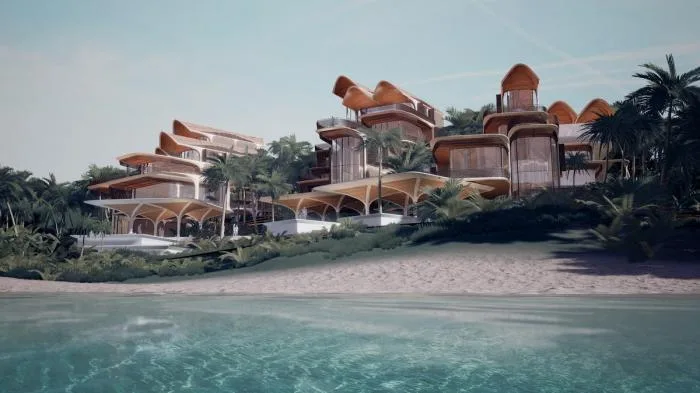
Homeowners benefit from this digital manufacturing technology by accessing customized services through local suppliers. The parametric design software was developed jointly by Zaha Hadid Architects’ computer and design team (ZHCODE) and AKT II’s computer engineering team. This ensures residents can personalize their homes according to their individual preferences and needs.
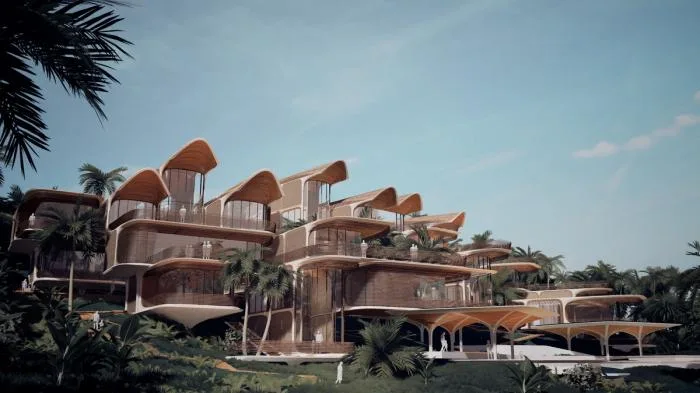
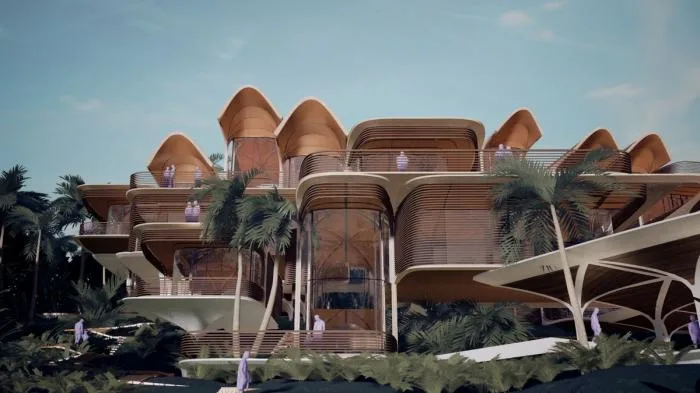
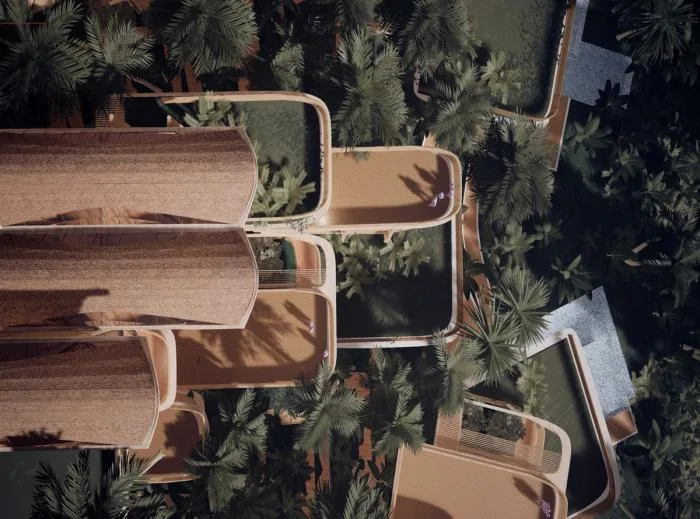
Behind this software platform, homeowners have control over a three-dimensional property, allowing them to manage various volumetric pixels (or blocks) within the space. Residents can select voxel arrangements that best fit their living needs based on specific computational rules.
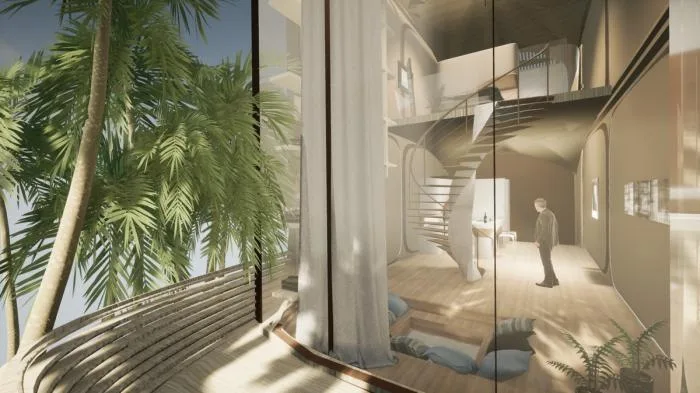
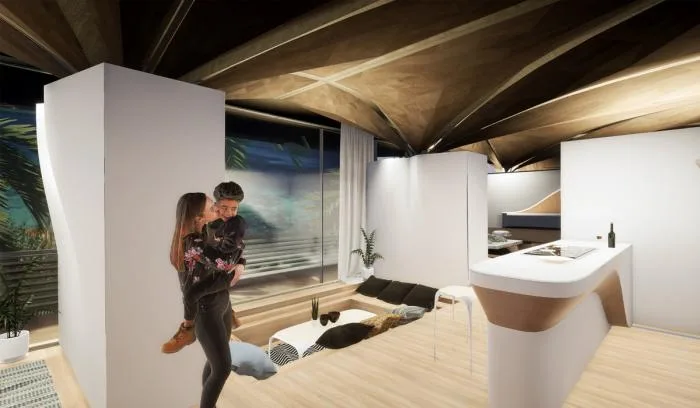
Each block covers a footprint of 35 square meters and stands 4 meters tall. Layout options range from a single integrated room of 35 square meters to a family suite spanning 175 square meters, offering diverse combinations. This system provides homeowners with over 15,000 possible block configurations to create personalized living spaces.
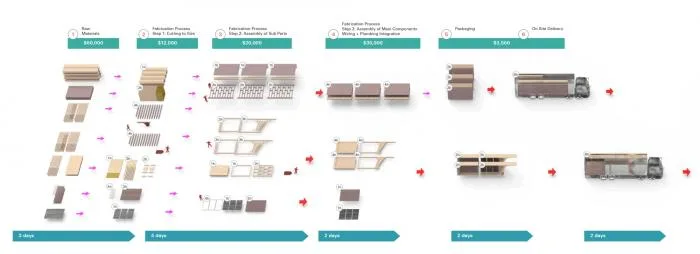
△ Supply Chain Analysis
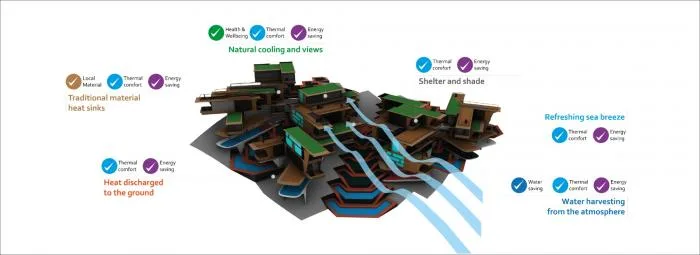
Passive Environment Analysis
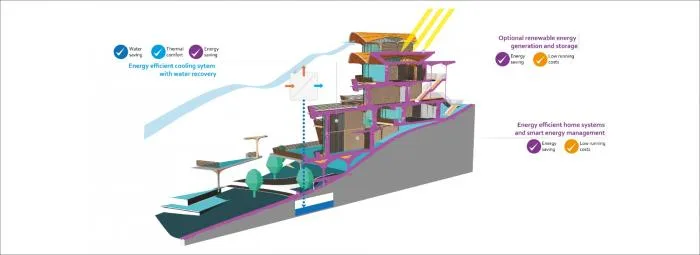
△ Active Environmental Analysis
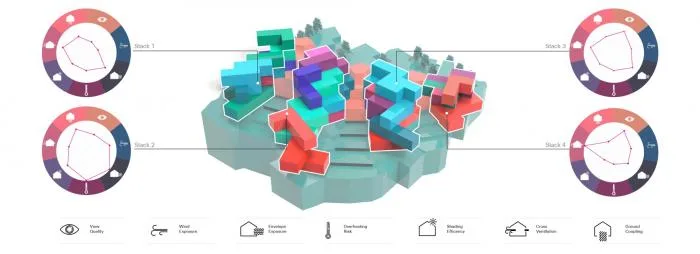
Modular Customization Based on Qualitative Analysis
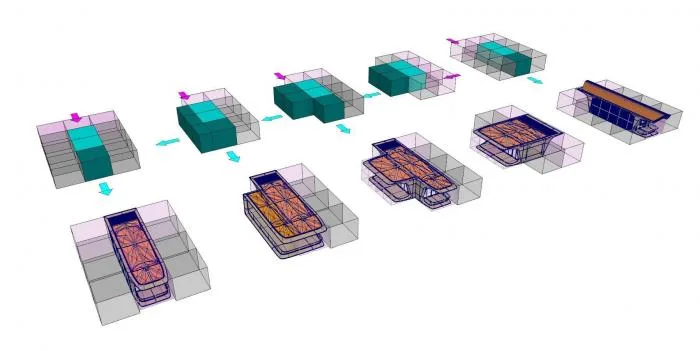
△ Evolution of Residential Units
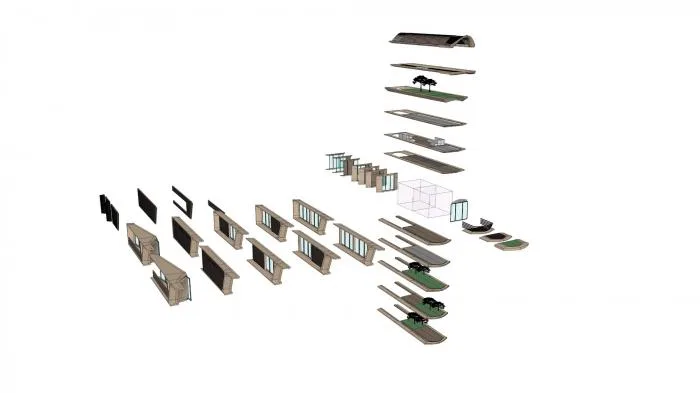
△ Customized Module Analysis
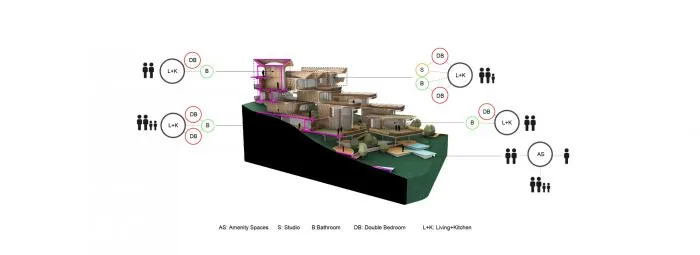
△ Community Architecture
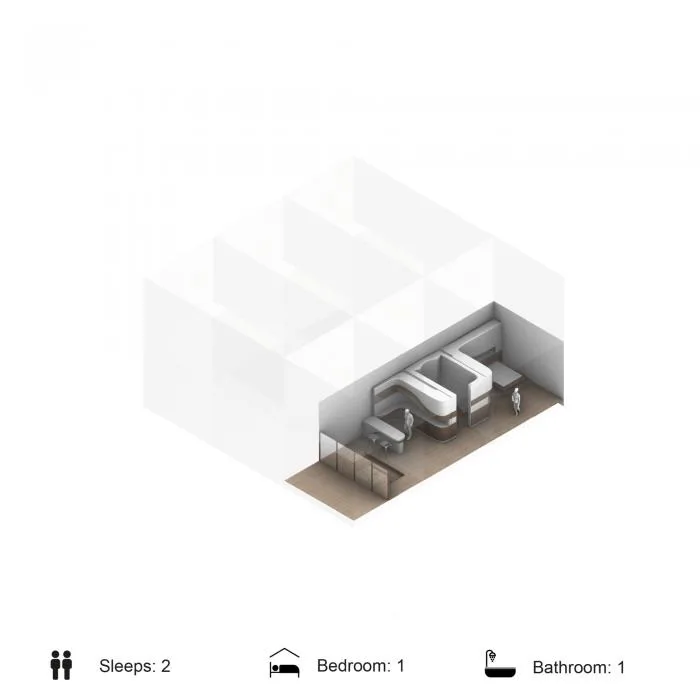
△ Spatial Planning
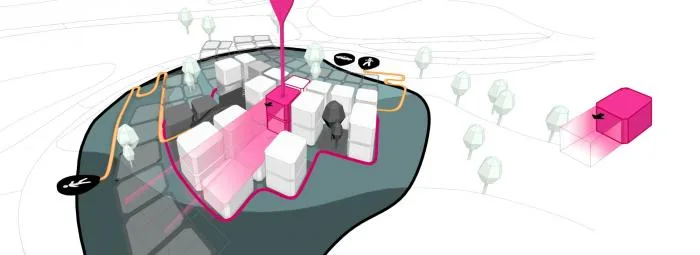
Analysis of Property Rights Allocation












Must log in before commenting!
Sign Up