
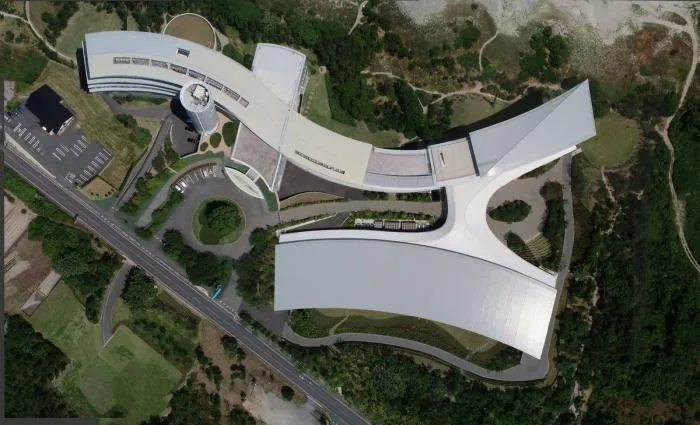
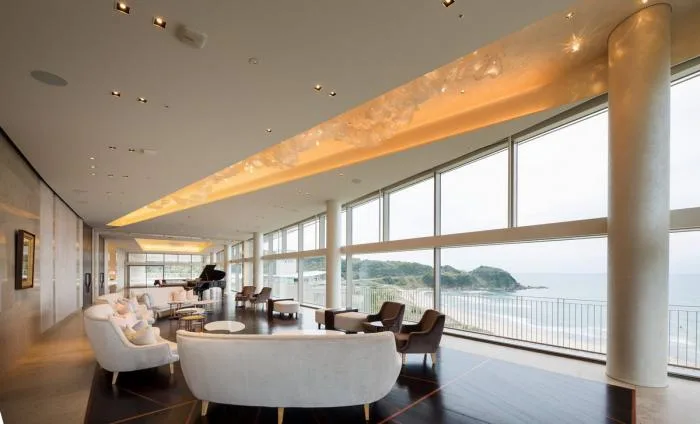
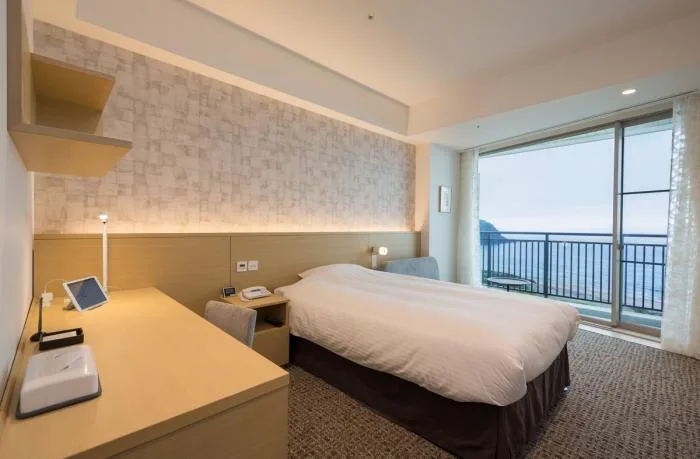
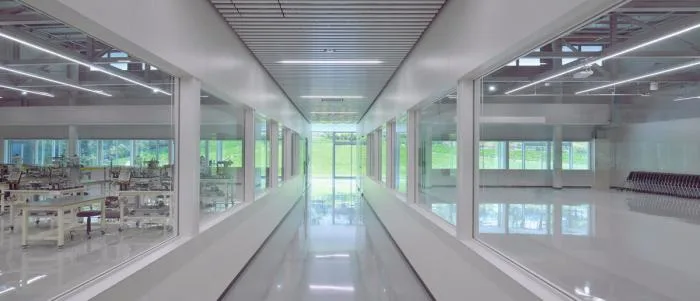
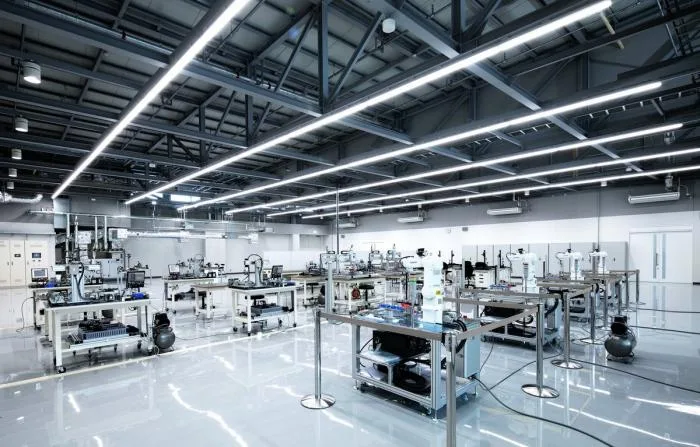
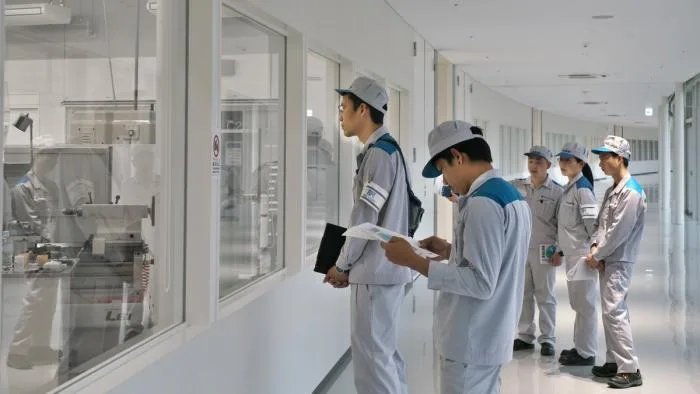
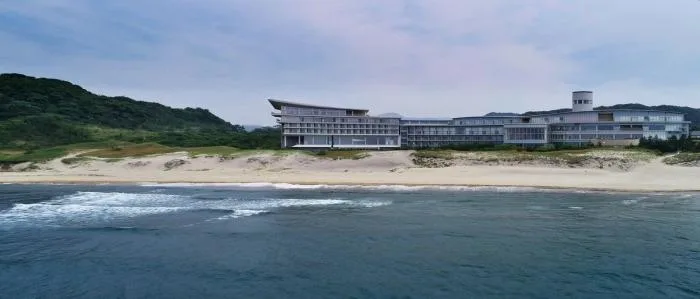
This project involves the expansion of Daikin Industries’ global training center, originally built in 2008. Daikin is a multinational manufacturer specializing in air conditioning. The expansion aims to enhance the overall quality of the facilities, which include skill training workshops, leadership development courses, home entertainment, and VIP reception areas. The existing complex consists of teaching and training spaces, halls, and accommodation, while the expansion adds more skill training areas, lobbies, and expanded lodging facilities.
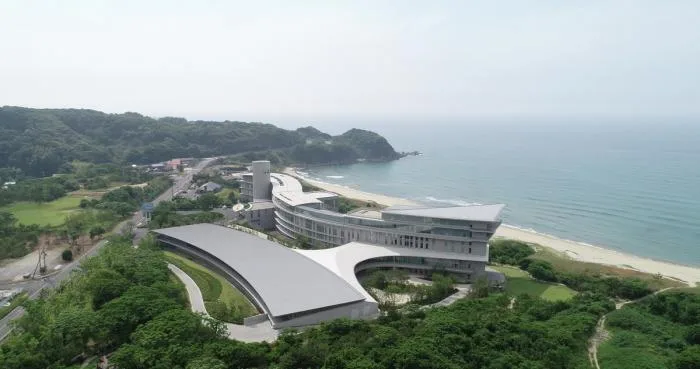
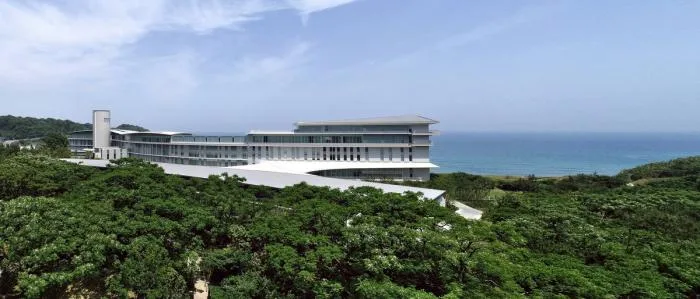
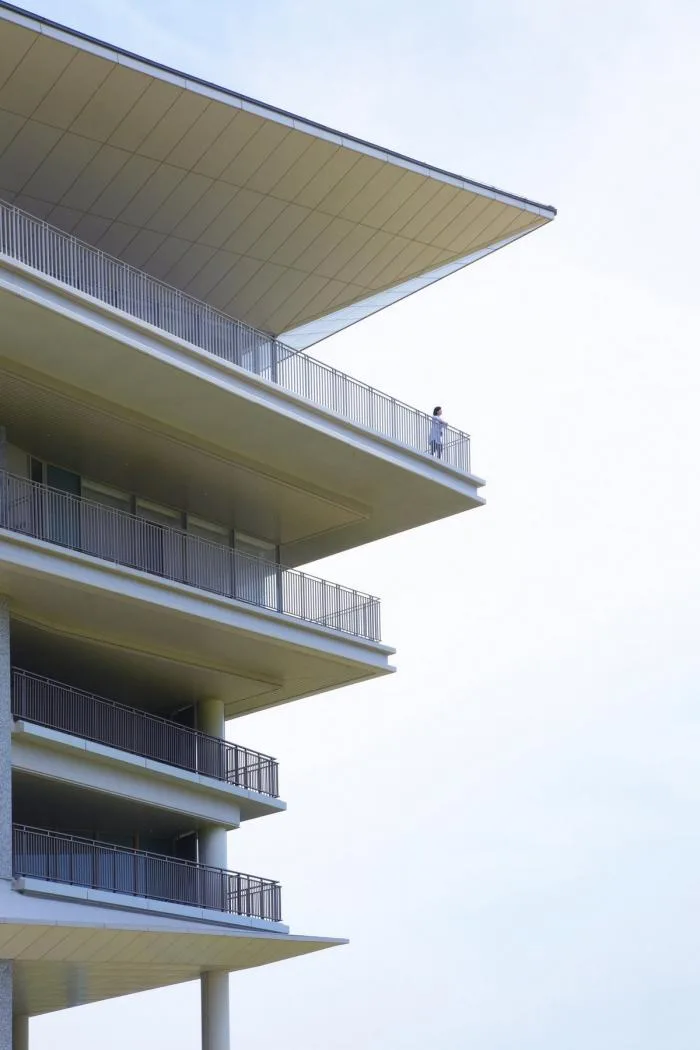
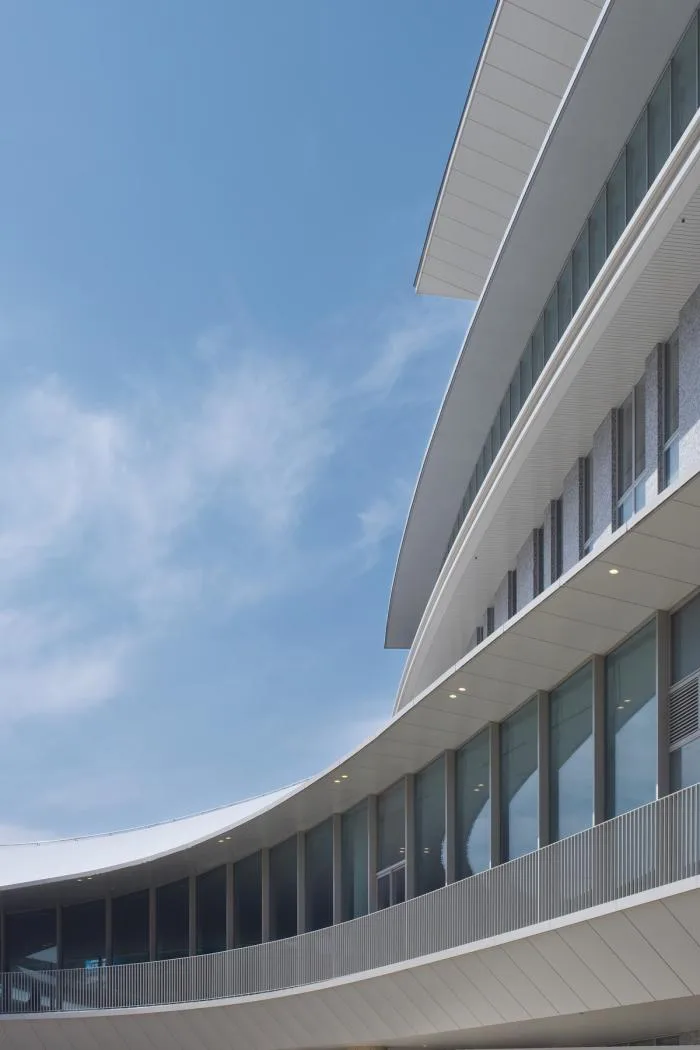
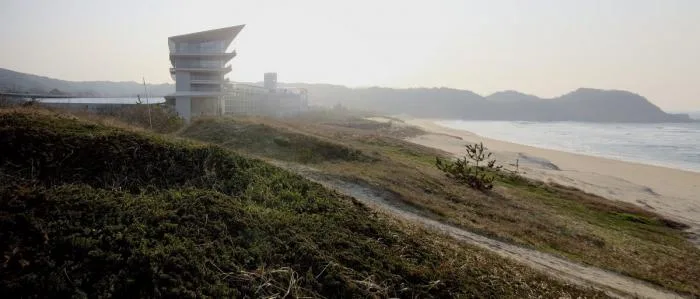
The buildings are situated across existing sand dune terrain, featuring curved shapes that echo the dynamic surroundings and encourage interaction and activity. The design of the expansion was computer-generated, carefully considering the ocean landscape, green spaces, sunlight exposure, and strong sea winds. The lobby serves as a central hub, connecting accommodation, training areas, and social spaces, while also accommodating various events such as international conferences, concerts, and celebrations.
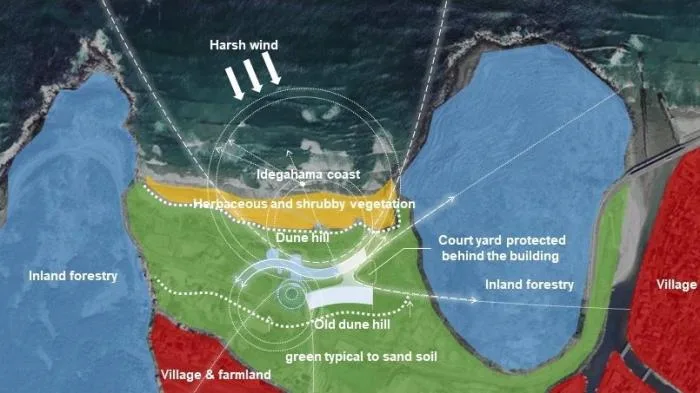
△ Terrain-based site plan
Despite the area’s vulnerability to salt erosion, the building is primarily ventilated year-round with fresh air instead of relying on air conditioning. The design incorporates sensor-controlled air intake and exhaust vents, geothermal heat exchange pits, and thermal storage tanks, all contributing to significant energy savings. Additionally, local air conditioning and scene control devices are installed to accommodate thermal preferences based on cultural diversity or individual comfort, ensuring a pleasant experience in this globalized era.
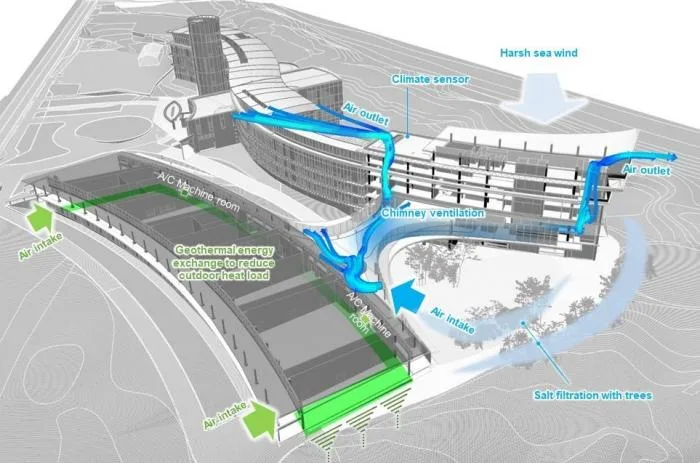
△ Ventilation analysis
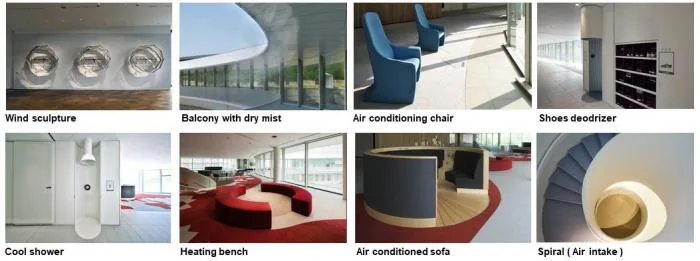
△ Point-type air conditioning unit
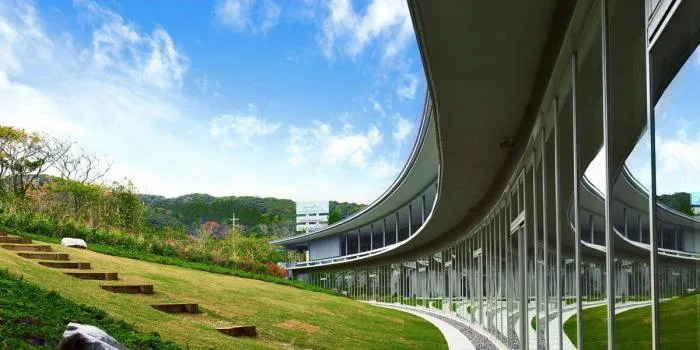
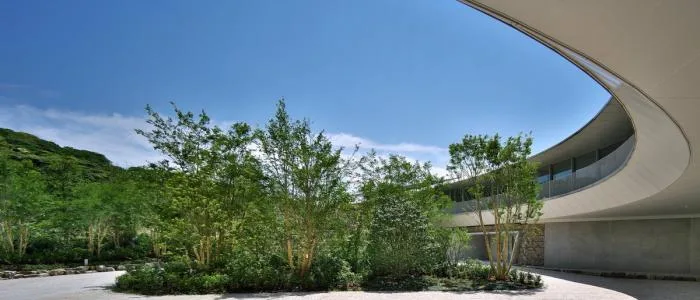
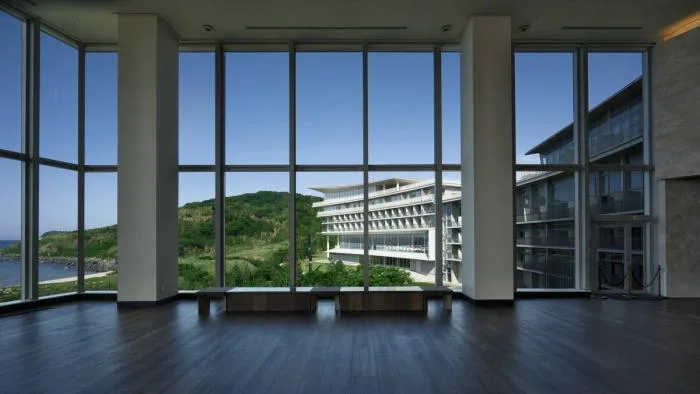
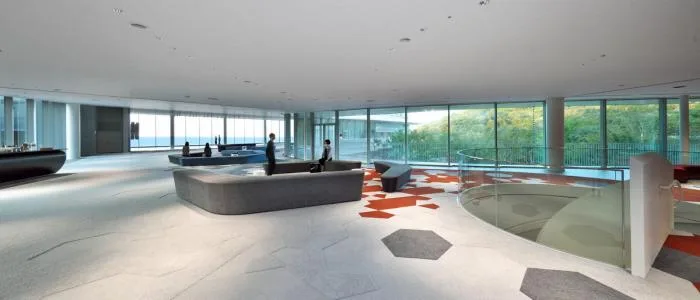
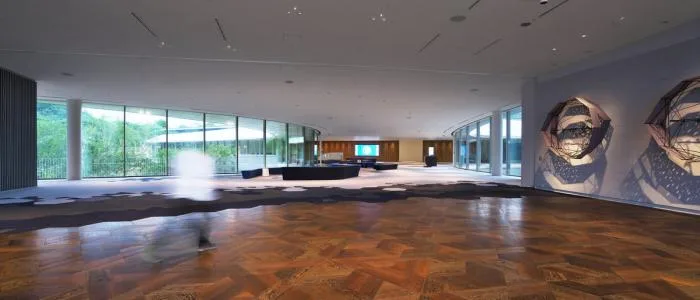
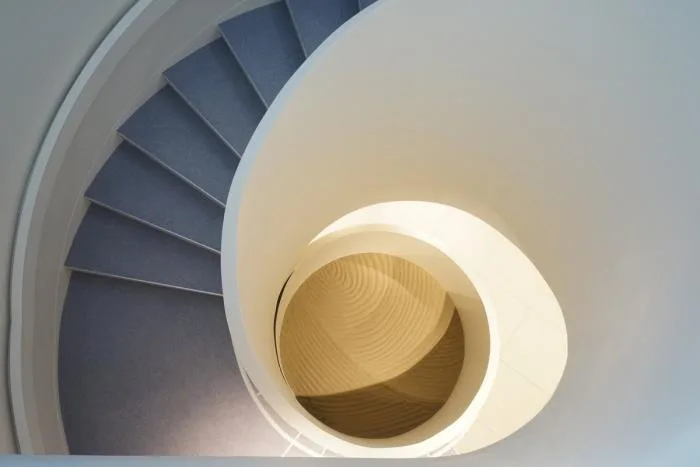
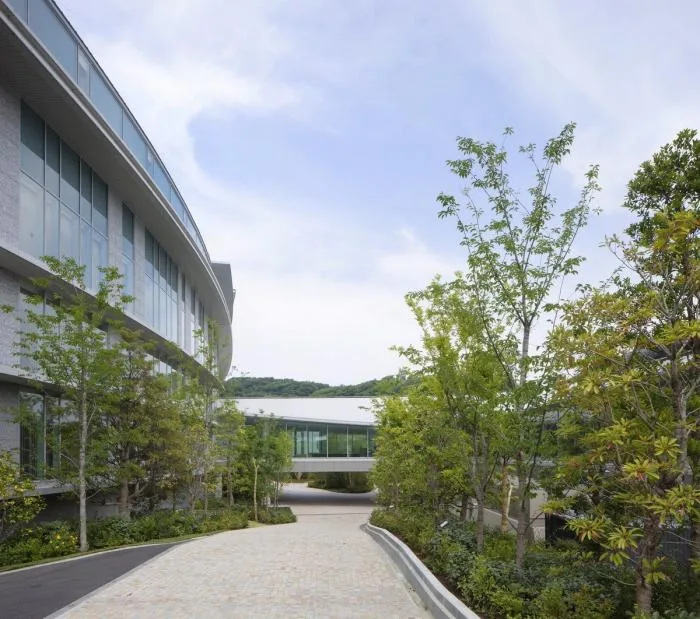
The site was originally typical sand dune terrain in the region. After World War II, windbreak trees were planted to increase arable land. The area has remained uninhabited for a long time. Since the 2008 completion of the existing building, a unique vegetation restoration method suited for sand dune terrain has been implemented, creating an environment with academic research value. Landscape planting is planned through 2022, with ongoing efforts to cultivate a “new atmosphere” that nurtures the environment, technology, and human resources for future generations.
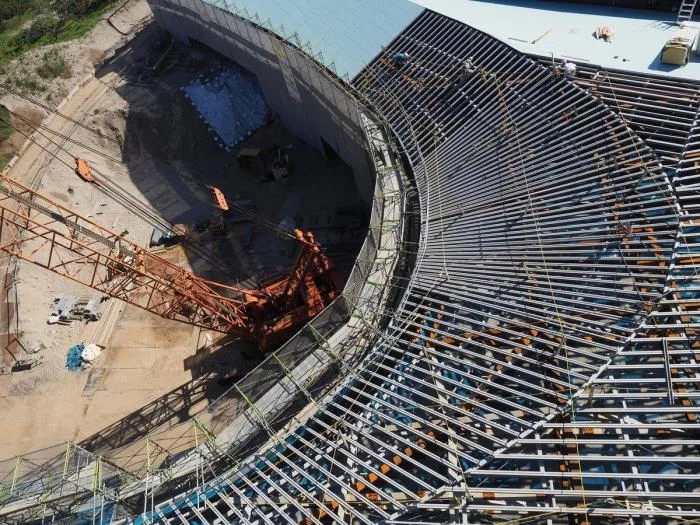
△ Roof construction process
Design Drawings
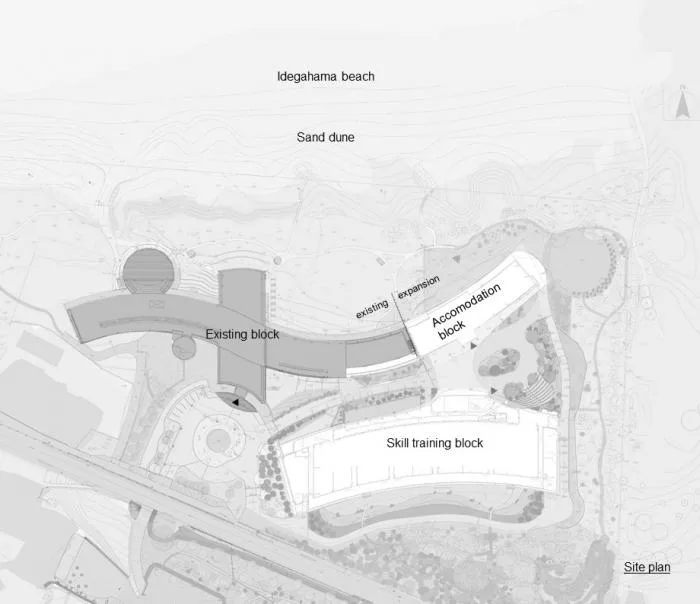
△ General layout plan
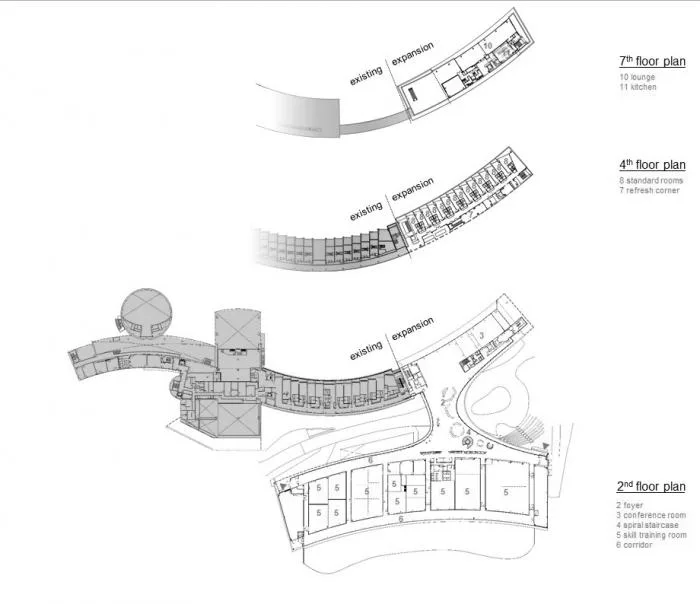
Typical floor plan
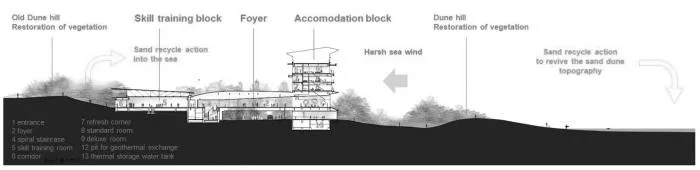
△ Section diagram
Project Information
Project Type: Mixed-Use Building, Office Facilities
Location: Tottori, Japan
Architect: Zhuzhong Engineering Store
Area: 30,402 m²
Year: 2019
Photographers: Kunio Yoshida, Masatomo Sasaki, Takuji Yamamoto, Taizo Furukawa, Hisashi Murase
Manufacturers: YKK AP, ARTERIOR / VORWERK, Asahi Souken, AutoDesk, GANTAN BEAUTY INDUSTRY, Graphisoft, HIRUKAWA METAL, Kitamura Corporation, Lithos Design, McNeel, NYK Systems, Okazaki Wood Working, Real 4, Sekistone, Showa Yotal, Solibri, Solidworks, Syntegrate, TAKASHIMAYA SPACE CREATE, Trimble, +1
Lead Architect: Takuji Yamamoto
Architects: Etsuo Kurata, Masaomi Yonezu, Toshiyuki Katase, Yuuta Mizuno, Kouta Inokuchi, Masaaki Matsuoka, Tadanori Kakimoto, Kenta Horita, Ken Tamura
Client: Daikin Ales Project Team
Engineer: Takashi Kuge
Interior Designers: Haruo Naka, Chikako Harada, Kenta Kamei
Structural Designers: Hisashi Okude, Hideto Tanaka, Takefumi Suzuki
Mechanical & Electrical Design: Toshimichi Kanesaka, Jun Yoshida, Kentarou Oyama
FFE Design: Kaori Ishikawa
Landscape Design: Hideki Yamano
Landscape Construction: Akitoshi Miyase
Lighting Design: Fumiko Suetsugu
Outdoor Sculpture: Carsten Nicolai
Indoor Sculpture: Yoichi Takada












Must log in before commenting!
Sign Up