
In 2004, with support from colleagues at the Wenzhou church, the Jixi Christian Church acquired an old silk factory in Zhiyuan Village, located on the southeast outskirts of Jixi County. After a basic renovation, it became the church’s first worship sanctuary in the area. Despite limited funding that left the building partially restored and unsafe for many years, the congregation continued to grow. A decade later, in 2013, the church decided to demolish the unsafe structure and build a new facility. Upon hearing this news, church members enthusiastically dedicated themselves, initiating the reconstruction project.
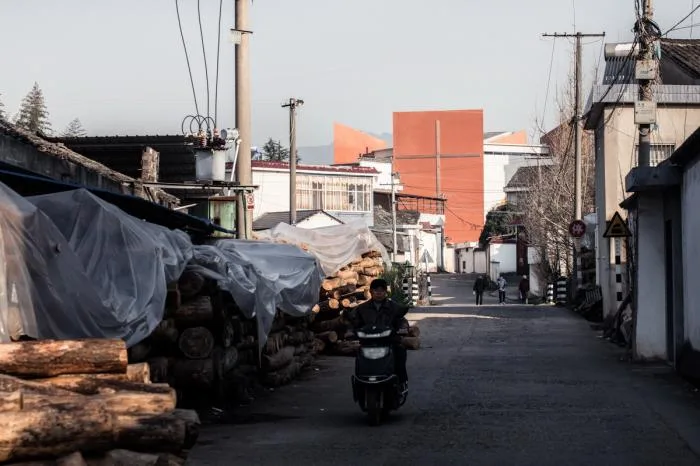
The site is somewhat constrained: a small hill lies to the north, a village road to the west, and a simple wall separates the site from nearby farmers’ homes to the east. To the south, the landscape opens up to farmland and the distant, continuous mountain range along the Jixi River. The base’s irregular shape owes to its proximity to residential buildings. Situated in Jixi, part of the traditional Huizhou region—one of the best preserved areas of traditional Chinese culture—the challenge was to design a new church that maintains its religious identity while fitting the regional context. At the same time, it needed to function as accommodation for the elderly and hold up to a thousand people in the future, all within strict budget limits. These practical considerations made the church’s design and construction particularly challenging.
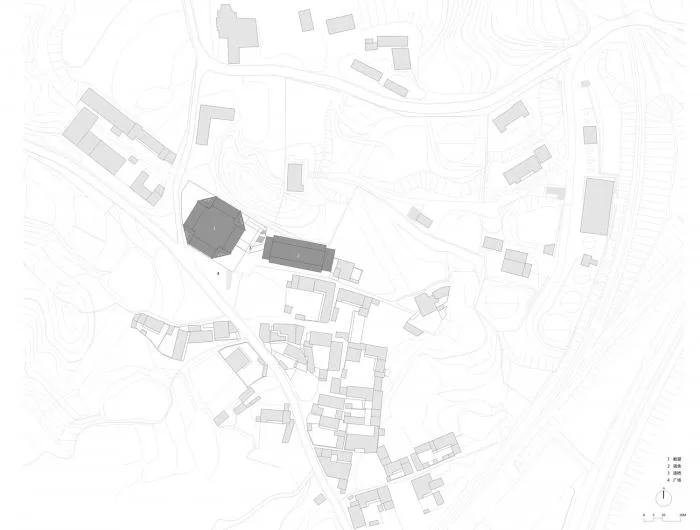
△ General Layout Plan
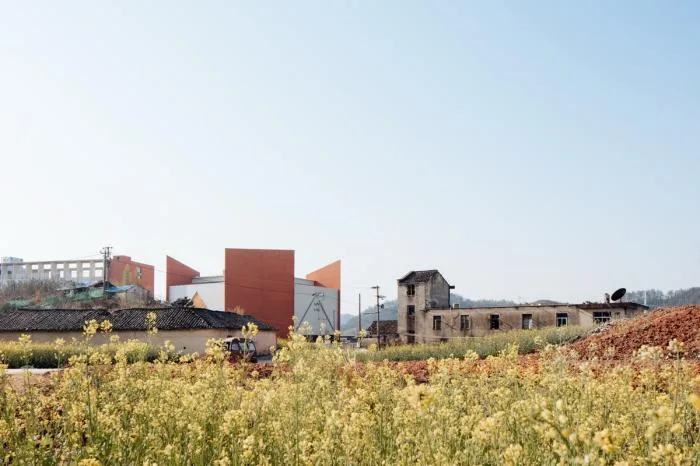
The new church building features a flexible layout: the chapel is positioned near the east side, while apartments for the elderly occupy the narrow west side. To connect these two structures, a circular ramp and an aerial bridge utilize the existing slope between them. Worshippers can ascend the ramp from the courtyard to reach the main chapel entrance.
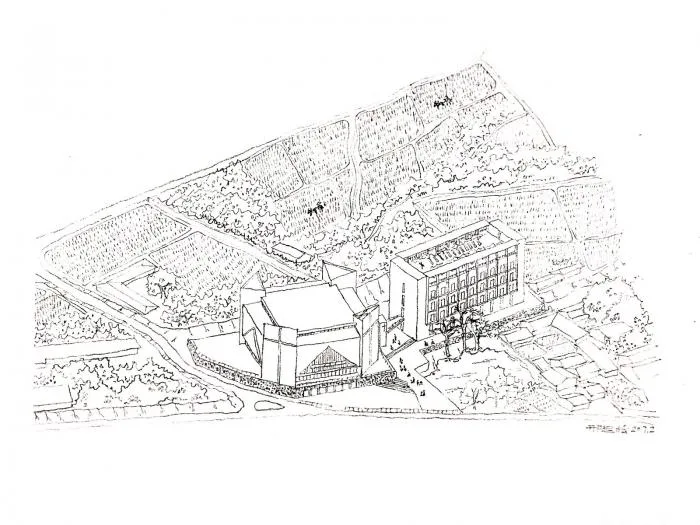
△ Hand-drawn Sketch
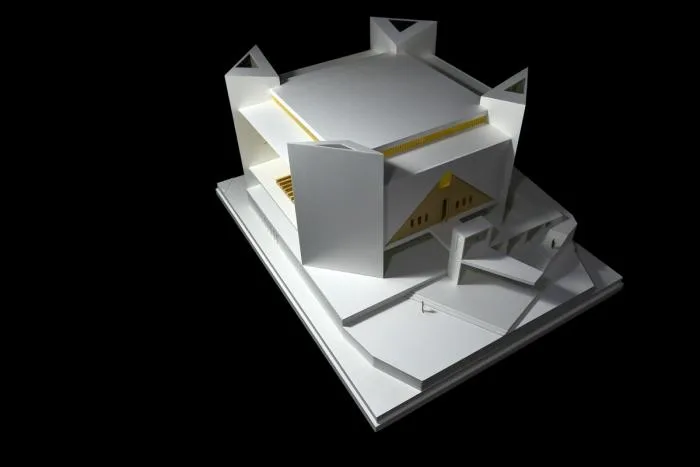
△ Model
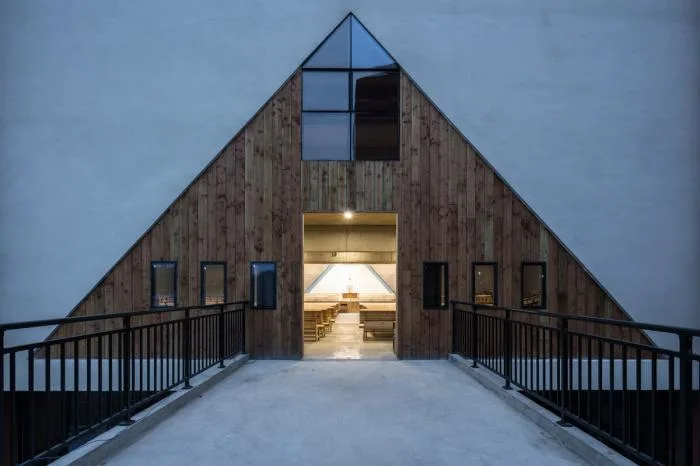
The chapel’s design centers on a square symmetrical floor plan that aligns with the ground platform and matches the site’s elevation. The main structure combines a triangular plane with four corners surrounding a central square. The triangular form not only shapes the space but also supports the church’s main structure. This design meets multiple needs: symmetrical ceremonial areas, a spacious pillarless auditorium, small meditation and reading rooms, rest areas, and evacuation routes. It effectively divides service spaces from those being served, establishing clear spatial organization.
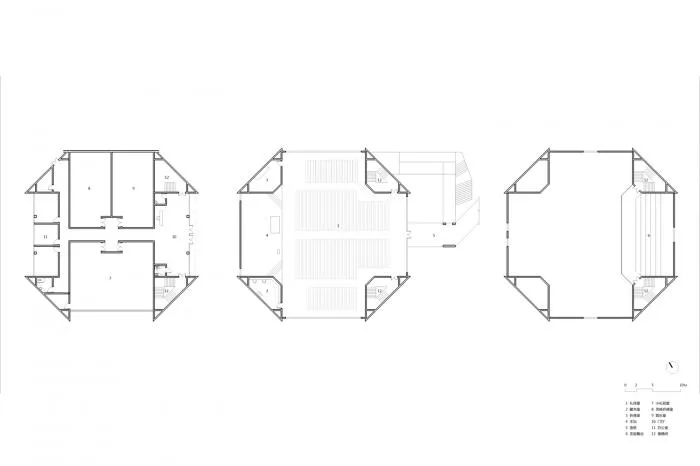
△ Church Floor Plan
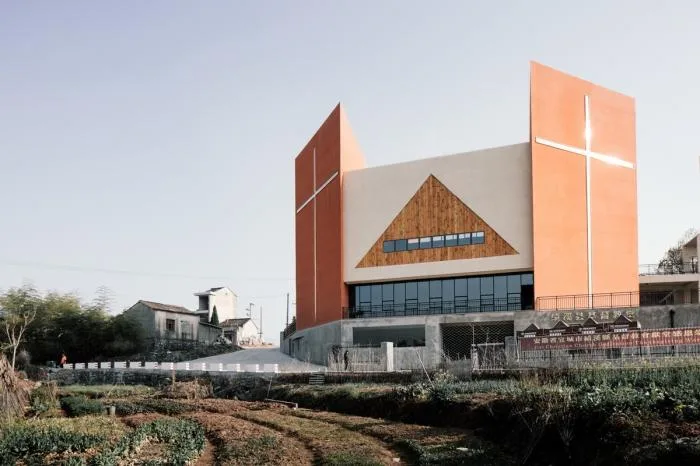
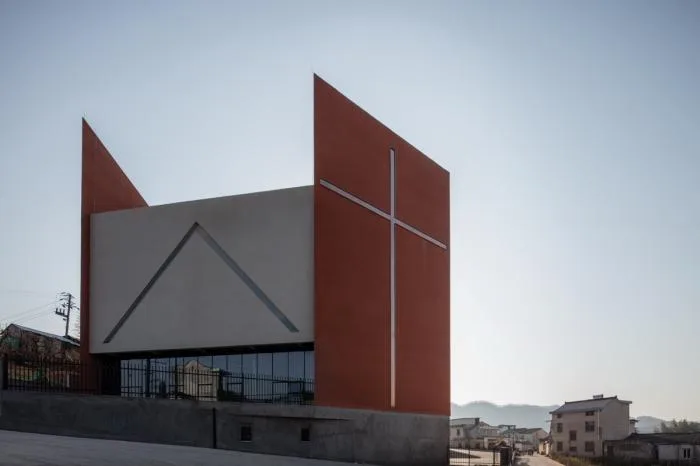
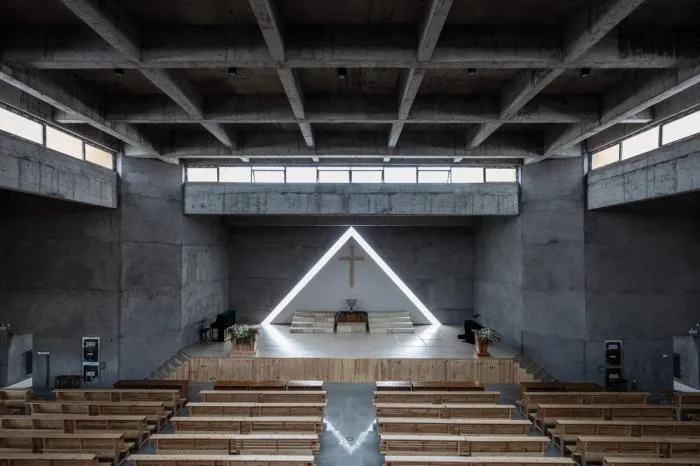
The main building comprises two floors. The first floor houses a small chapel, choir room, spiritual prayer room, and offices. The second floor contains the main chapel hall. The building’s base accommodates parking and equipment rooms. Natural light enters the main worship hall through a 70-centimeter roof elevation difference. A circular skylight defines the clear concrete roof, reinforcing the scale contrast between the center and the four surrounding sides, reminiscent of Huizhou residential halls. The internal structure is openly expressed outside, with four triangular pillars and a central cube supporting each other, evoking a powerful, primal presence.
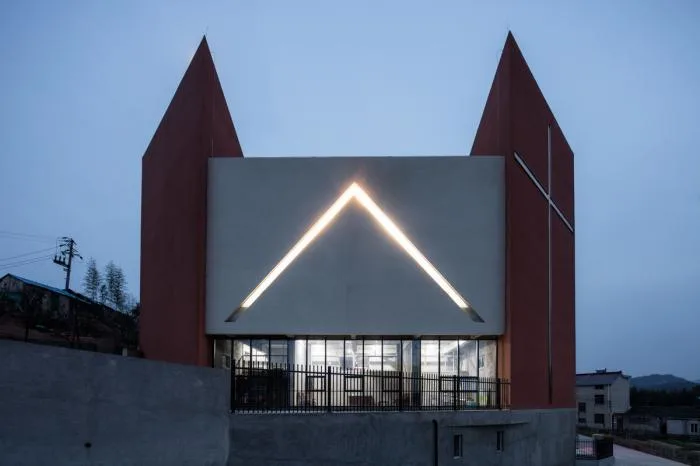
Creating warmth and humanistic care within the constraints of a low-cost, solid building presented a major challenge. We view architecture as a living entity, capable of hearing, seeing, smelling, and touching, and leaving marks of time like life itself. To embody this, vibrant wood is used on touchable surfaces such as exterior walls, doors, windows, chairs, and crosses, bringing natural textures to the building.
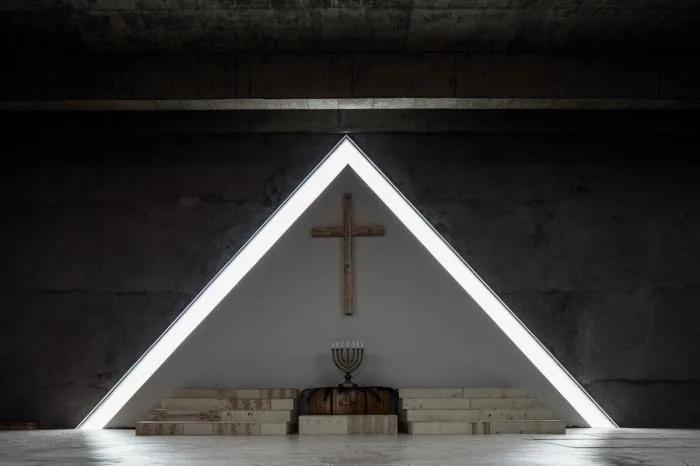
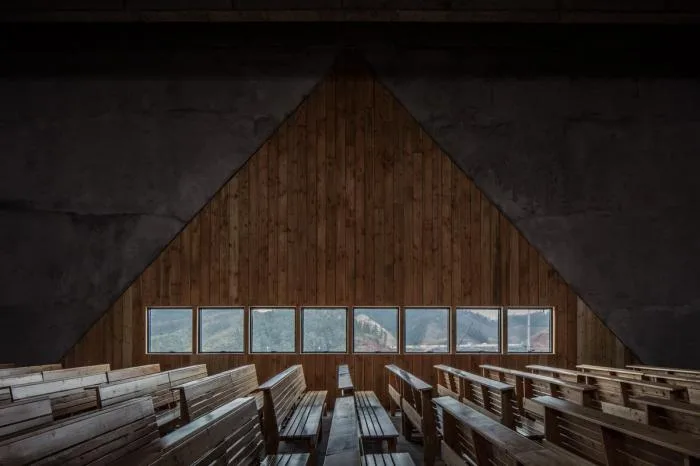
Each of the four triangular openings carries symbolic meaning: the west main altar’s background wall features an inverted V-shaped light seam with white frosted glass, filtering external distractions and introducing pure light that shifts in color over time. Horizontal windows placed 80 cm above the wooden walls on the north and south act as the building’s eyes, framing views of the surrounding mountains, water, and homes, creating a living landscape. The east side houses the main entrance with a tall, sturdy wooden door set into the wooden wall. Outside, a connecting bridge and resting pavilion lead to the elderly residence. Through this door, worshippers remain connected to the sounds and life outside.
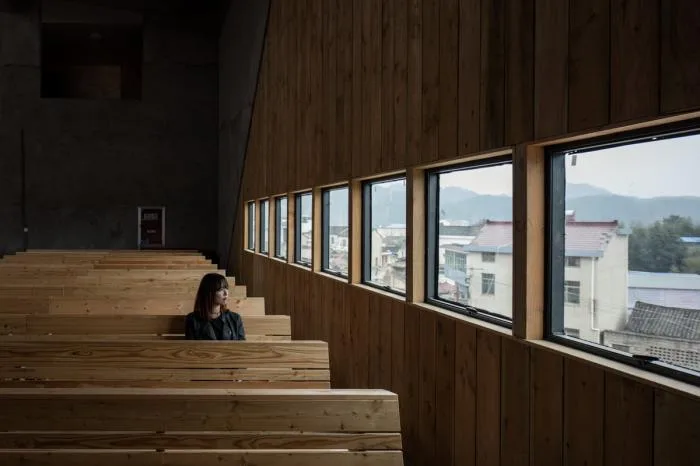
The building’s exterior retains a simple aesthetic, with waterproof coating on the walls—a common feature in Huizhou residential architecture. The dark red color closely matches the red soil surrounding the site, emphasizing the building’s natural connection to its environment. Many subtle design details reflect Jixi Church’s warm care, bridging the divine and the human.
Despite budget limitations, these understated elements form a regional architectural language within a modern context. This approach does not blindly follow form but centers on practical human use, fulfilling new functional needs. It emphasizes micro-connections between architecture and people, evoking memories and emotions through materials and spatial design.
Models and Drawings:
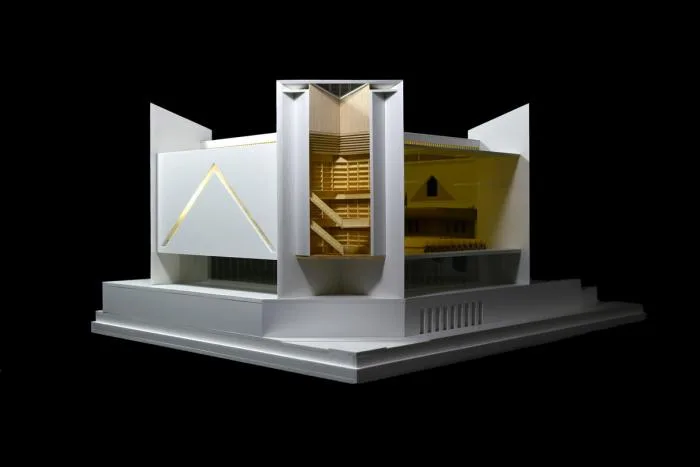
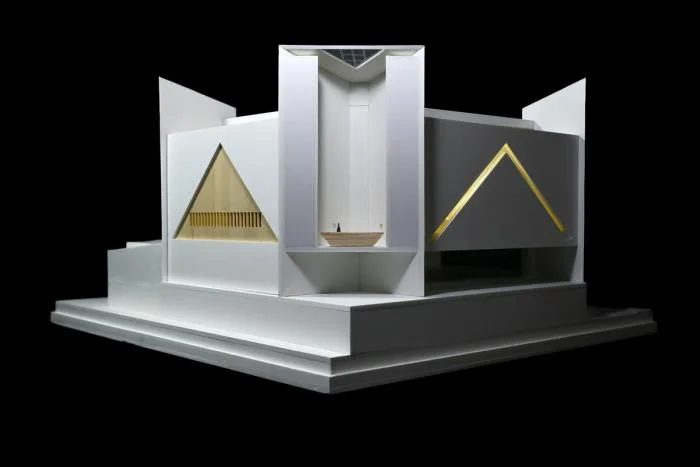
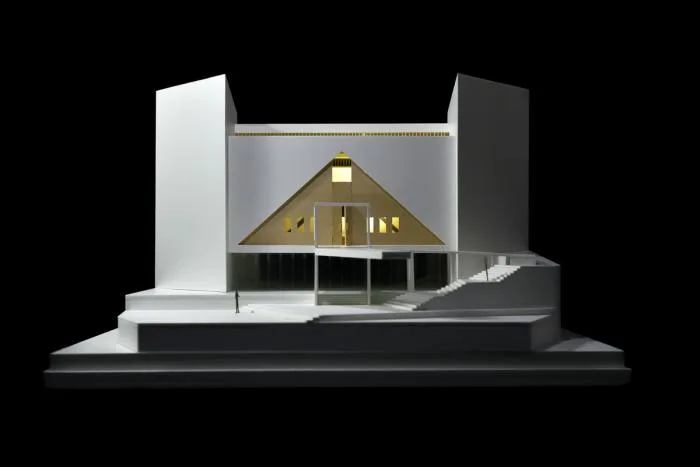

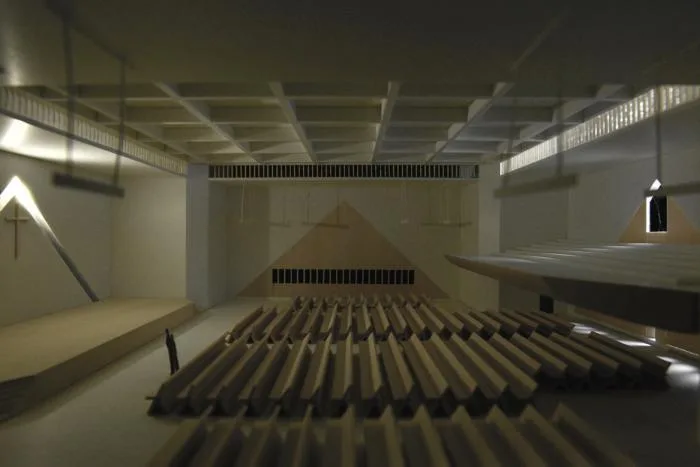
△ Model
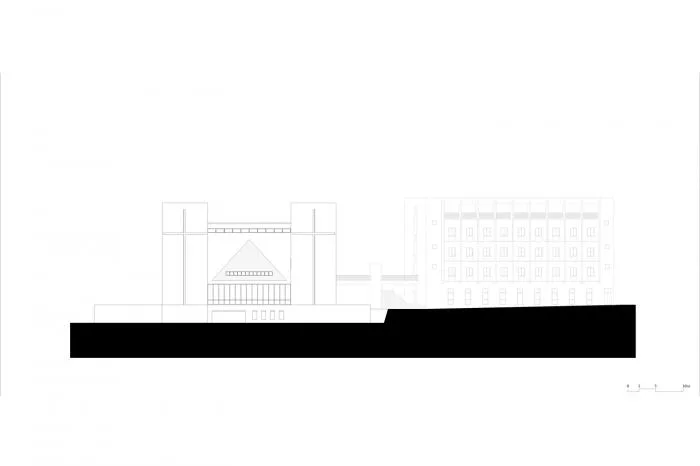
△ Elevation 1
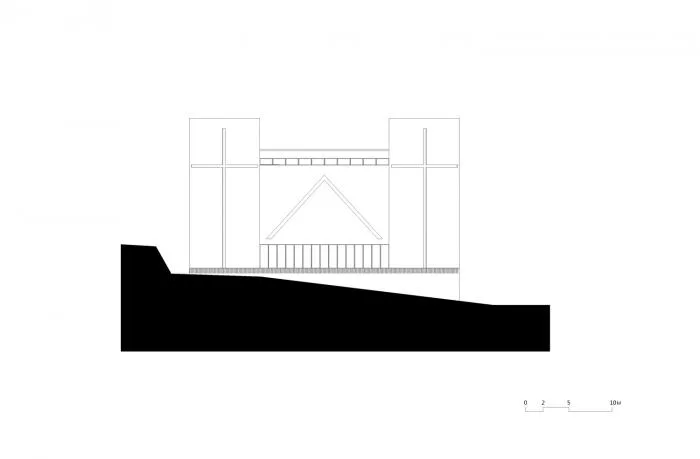
△ Elevation View 2
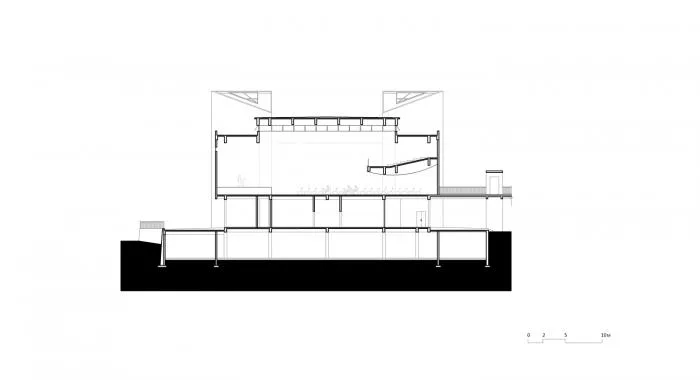
△ Elevation View 3
Project Information
Lead Architect: Xing Di
Structural Design: Gu Hao
Mechanical and Electrical Design: Wuhu Jiuyuan Architectural Design Co., Ltd
Owner: Jixi County Christian Church
Photographer: Sun Haiting
Location: Jixi County, Xuancheng City, Anhui Province
Materials: Concrete, Wood
Type: Religious Architecture
Building Area: 2700 square meters
Project Timeline: 2014–2017












Must log in before commenting!
Sign Up