
Tumbaco Valley has transformed into a well-developed residential area, experiencing significant population growth in recent years. Most valley residents commute to the city for work, turning this region into a suburban extension. This shift has led to longer travel times, traffic congestion, pollution, urban sprawl, and a lack of essential services and amenities.
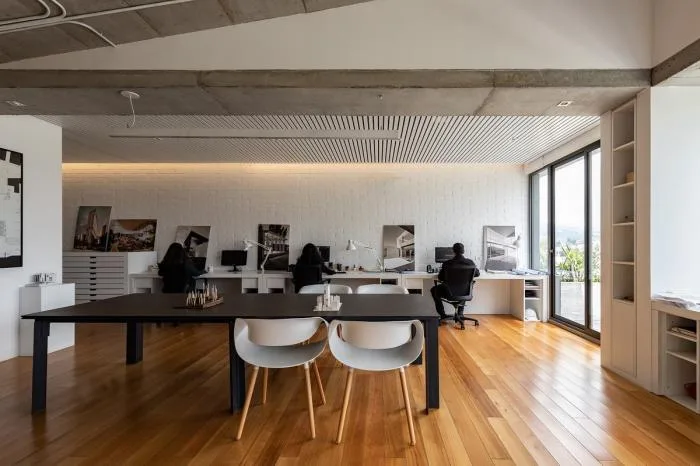
In response, a group of designers initiated this project to address these challenges. They envisioned a hybrid building combining office and residential functions, promoting the idea of working close to home, living and working in harmony with nature, and strengthening the connection to the city.
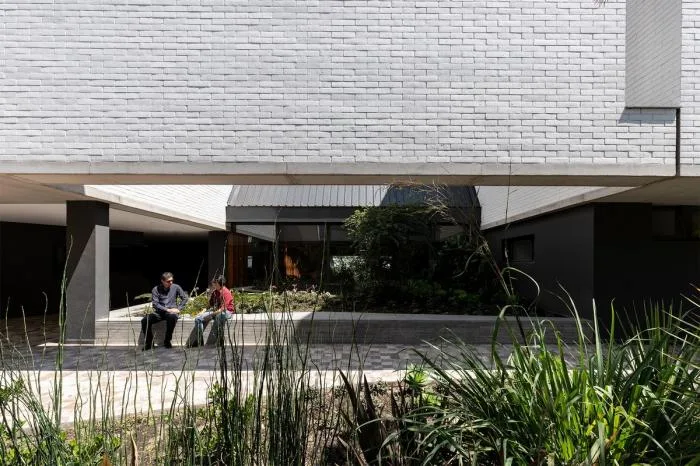
Site and Natural Heritage
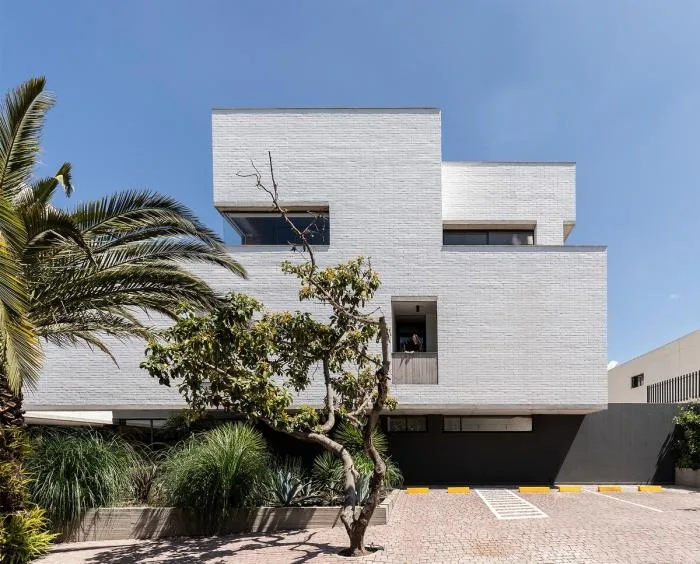
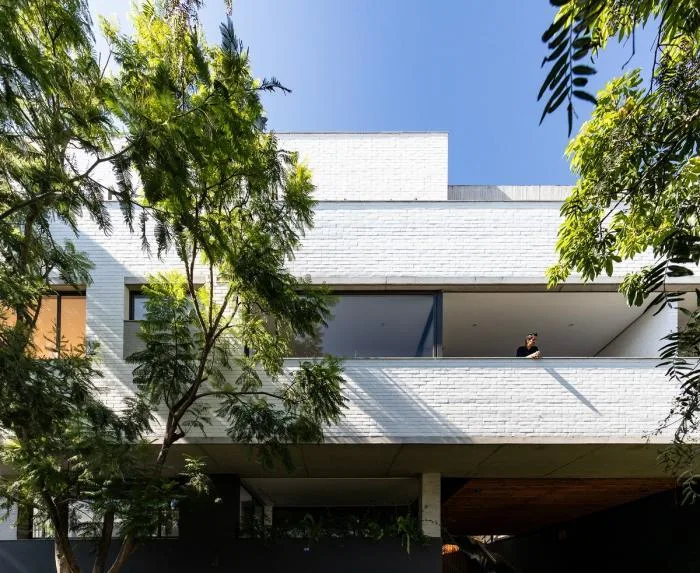
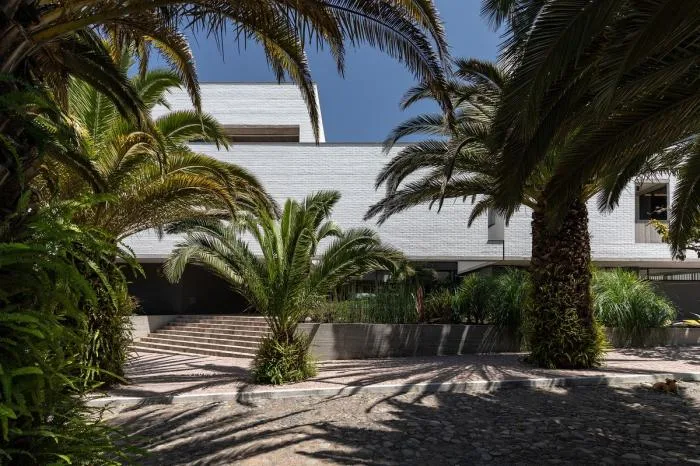
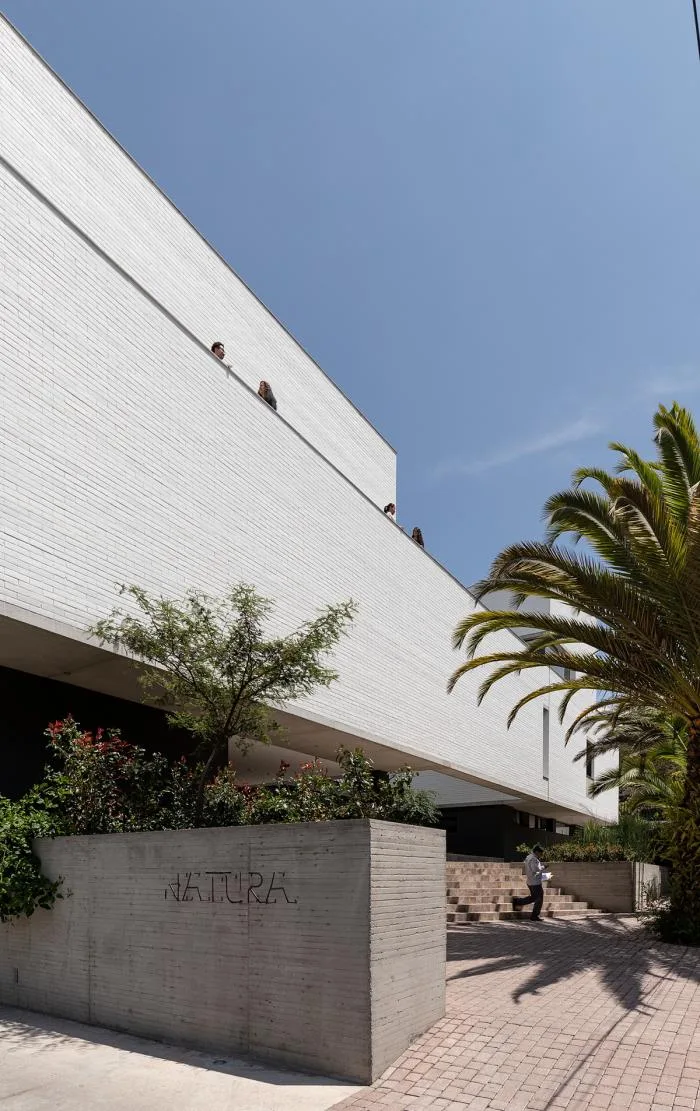
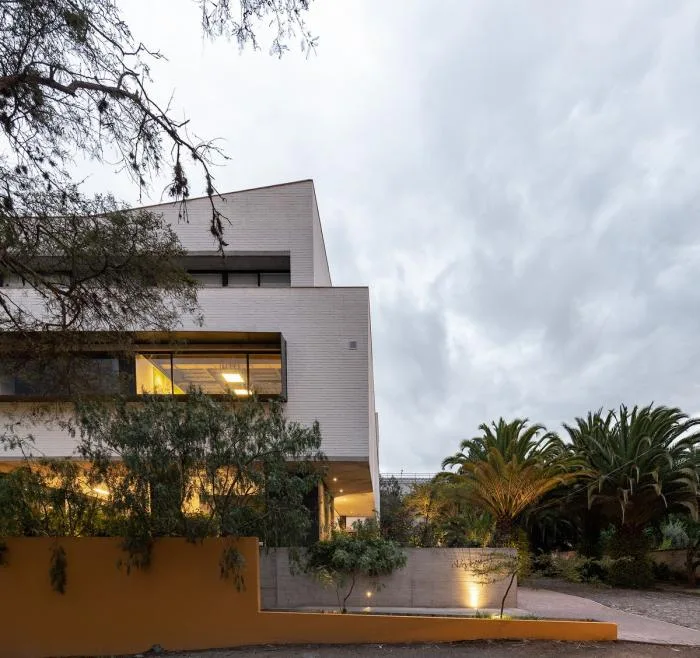
The site contains significant natural heritage, including mature trees such as Sapo, Jacaranda, Acacia, adzuki beans, and avocado trees that have stood for decades. The tranquil surroundings are currently in a phase of development consolidation. The Natura project aims to blend seamlessly into this environment, minimizing light pollution and gently drawing attention to its presence.
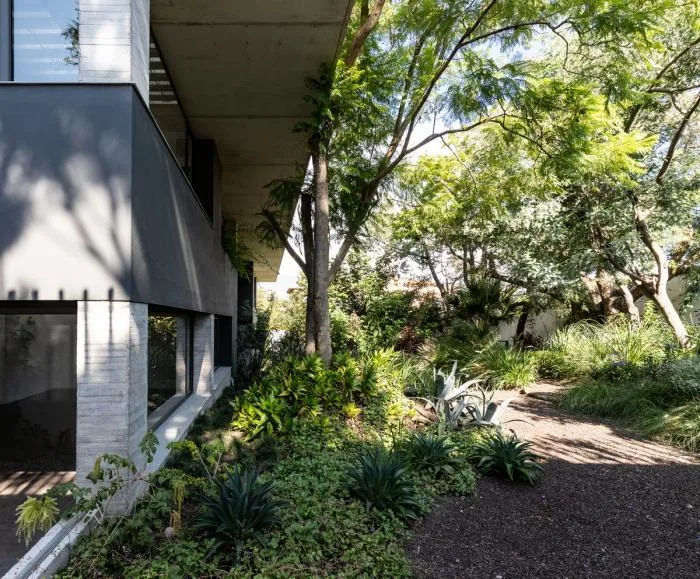
Site Selection and Terrain
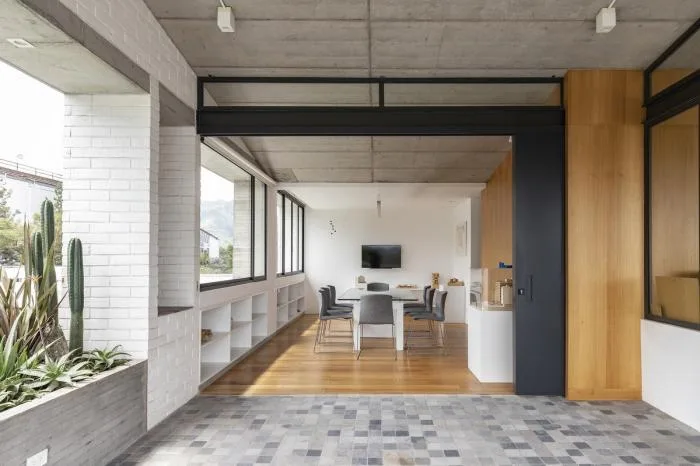
The building’s location was carefully selected based on the presence of existing trees, most of which are situated around the site’s perimeter. The structures are positioned centrally, allowing ample space for the trees to remain undisturbed, with open areas on all sides.
Trees that could not be preserved in place were temporarily relocated to a greenhouse until their final positioning was determined. The design includes a spacious central hall that serves as the core of the office area.
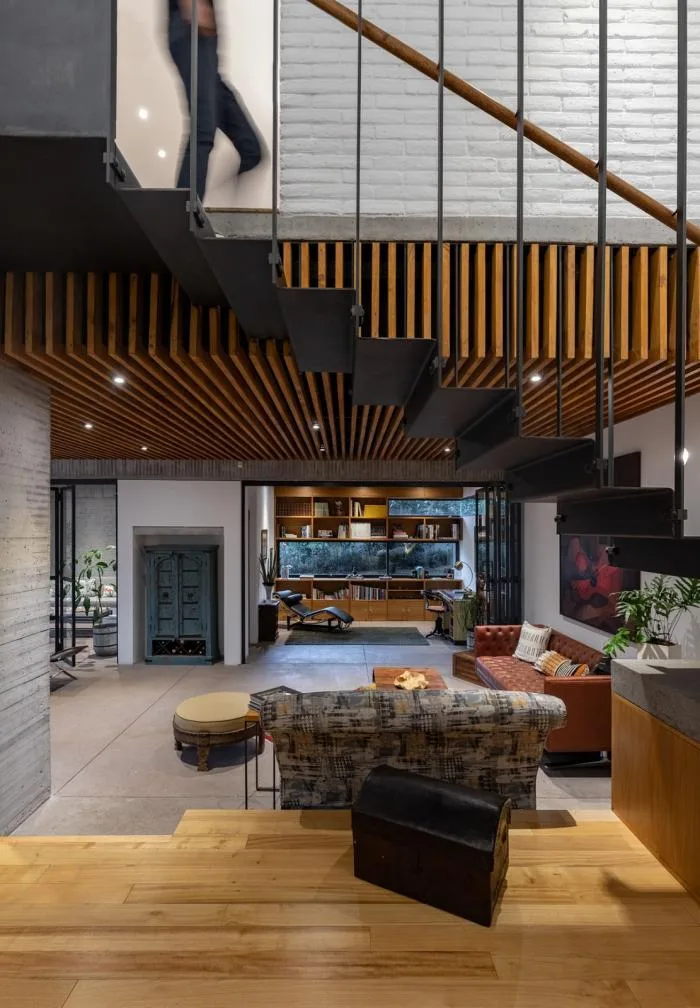
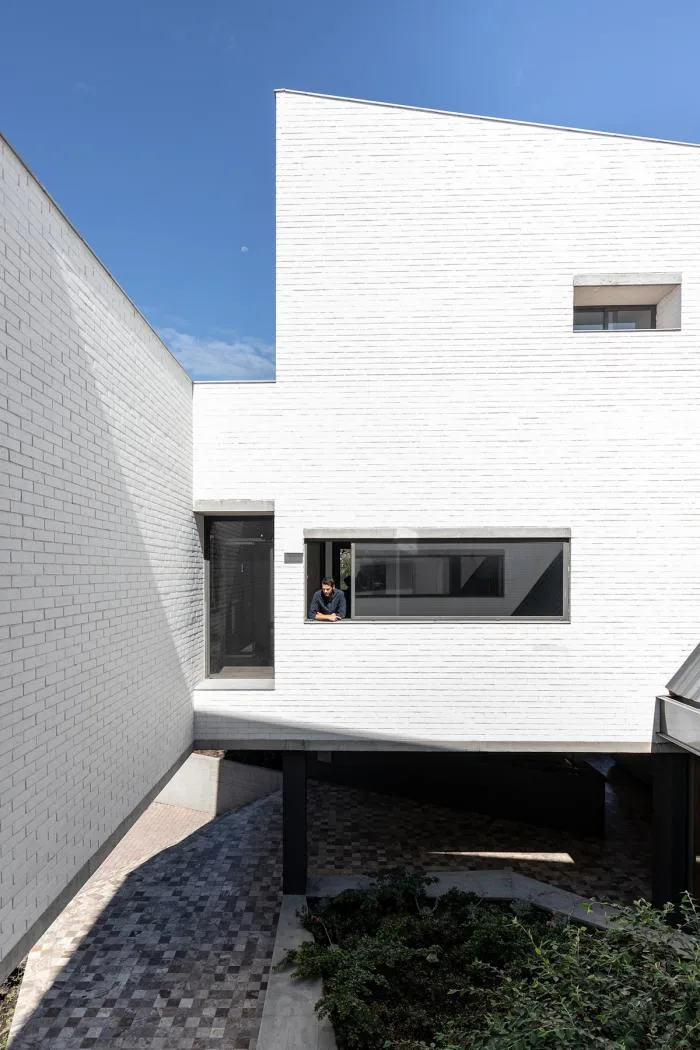
The site has a natural downward slope, and the building’s cross-section follows the terrain’s contours. This approach protects existing vegetation and creates a series of spaces at varying heights, offering unique circulation routes and experiences.
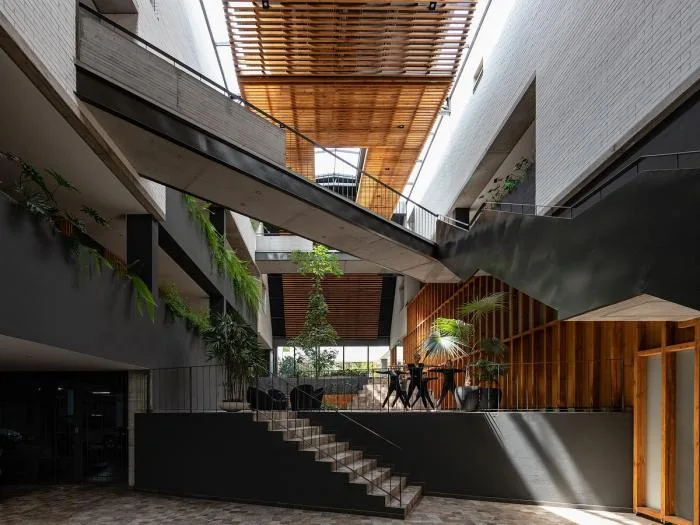
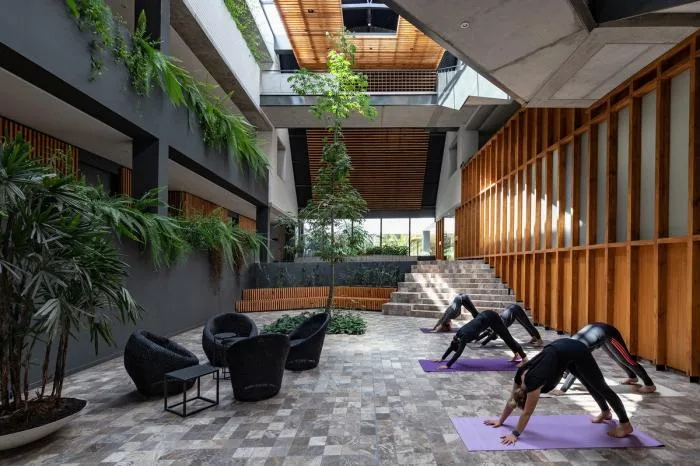
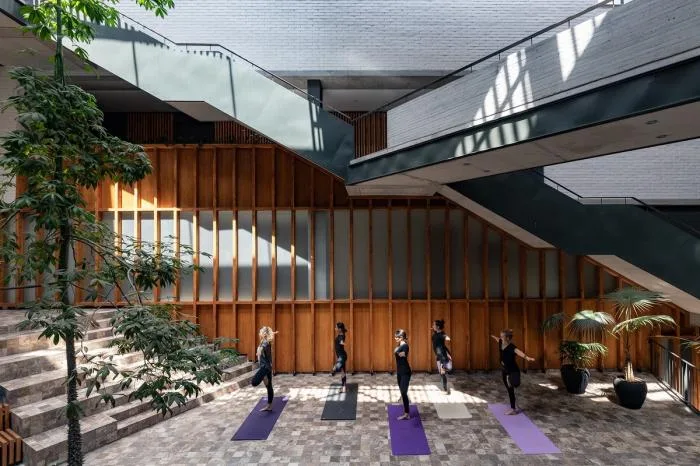
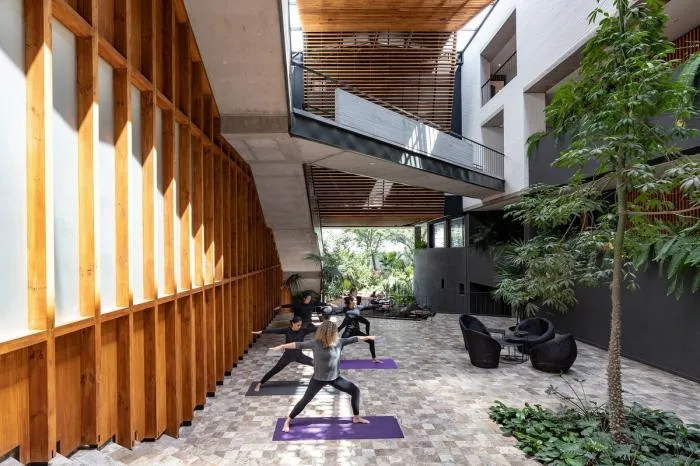
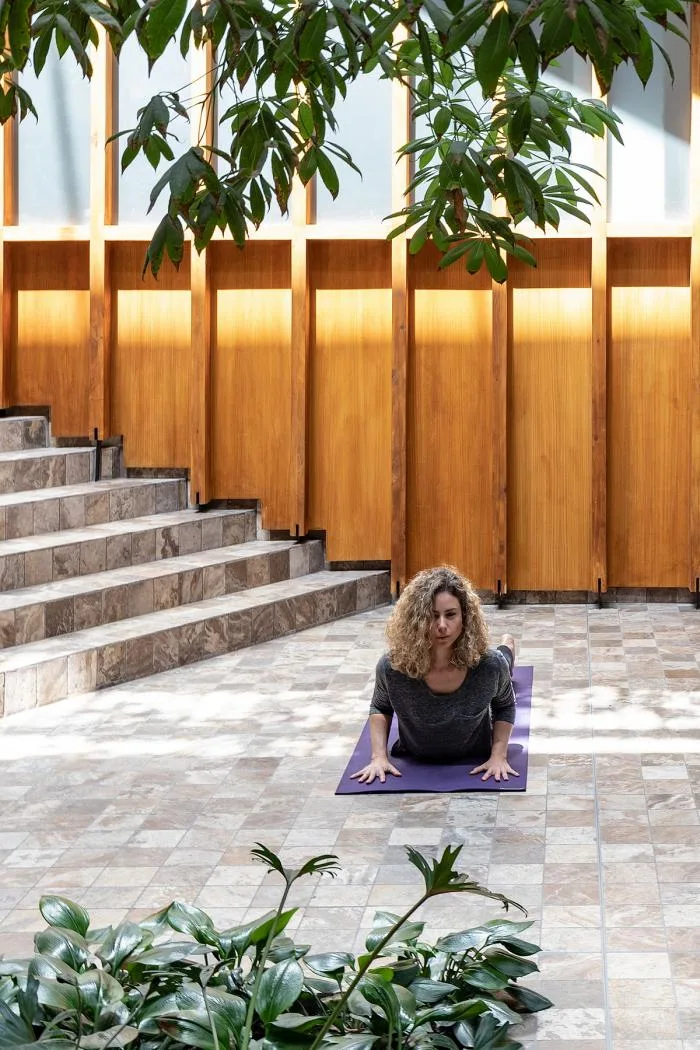
In today’s cities, buildings often rise tall and isolated from the streets, with people disconnected due to long commutes, leading to a sense of anxiety. Natura seeks to counter this by inviting people inside and encouraging exploration of the architecture itself.
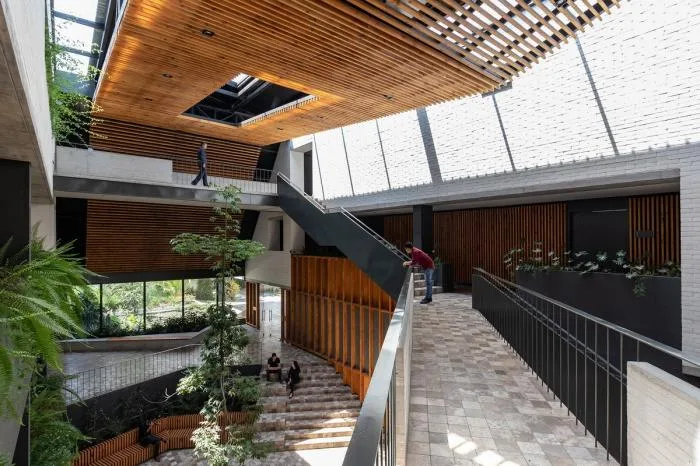
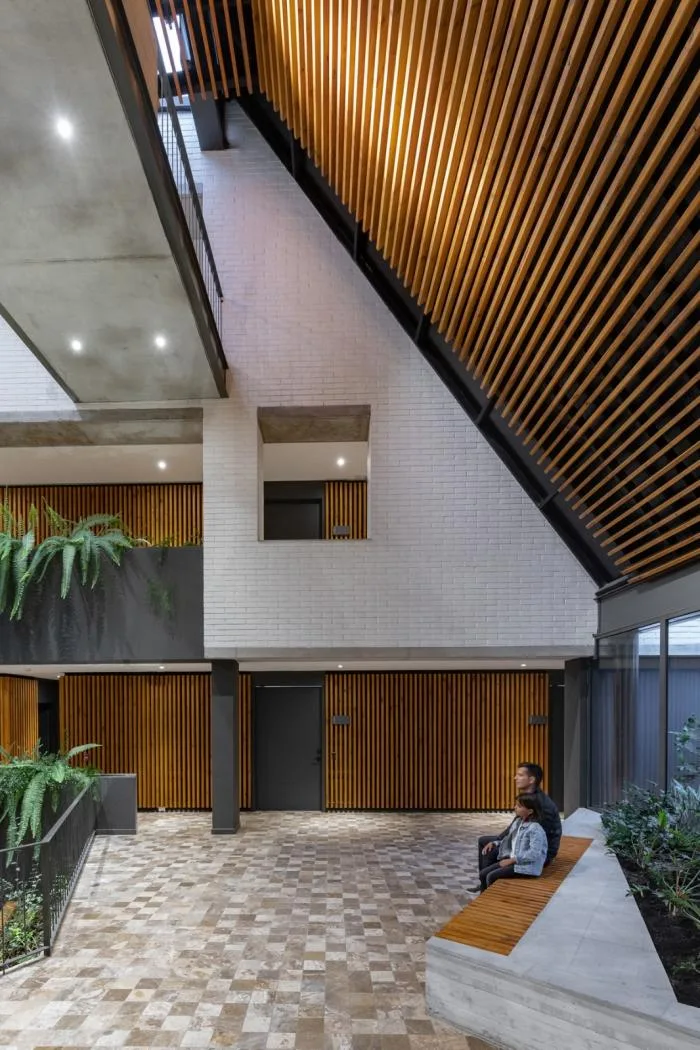
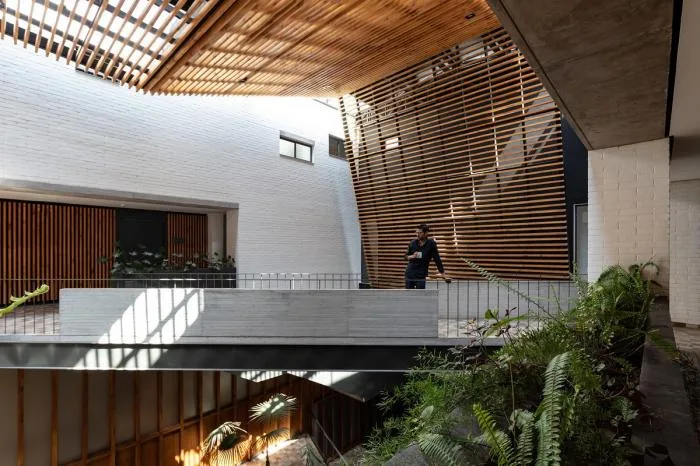
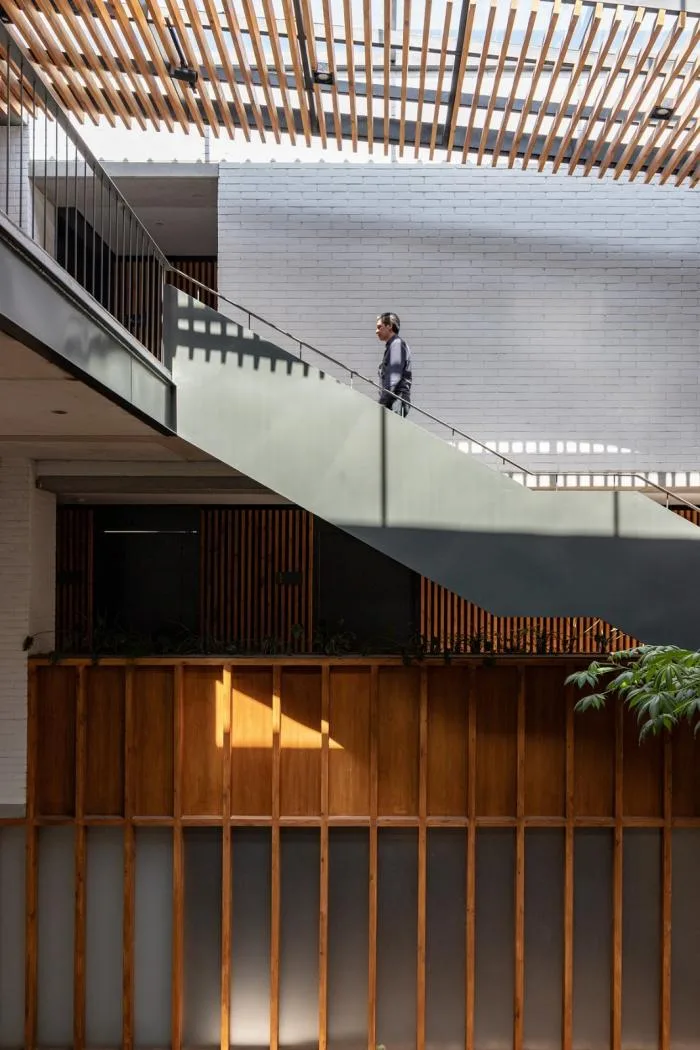
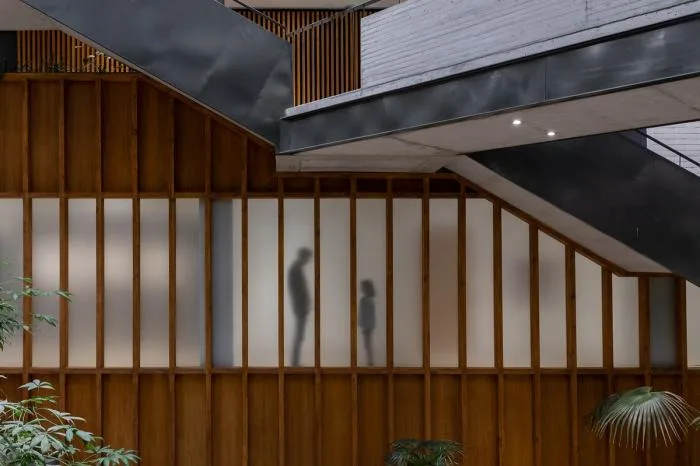
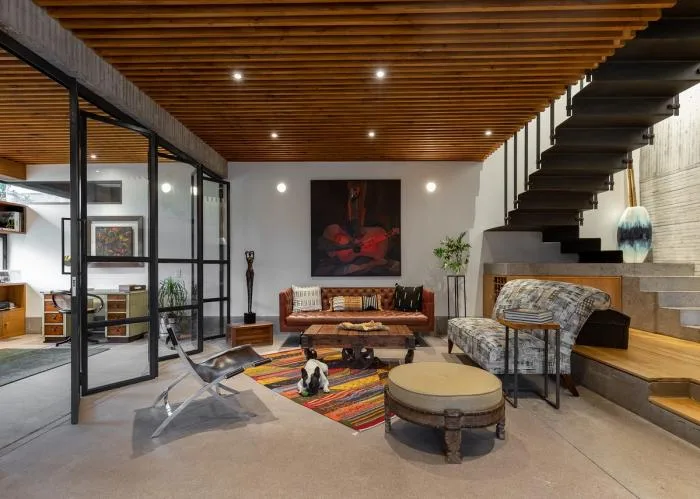
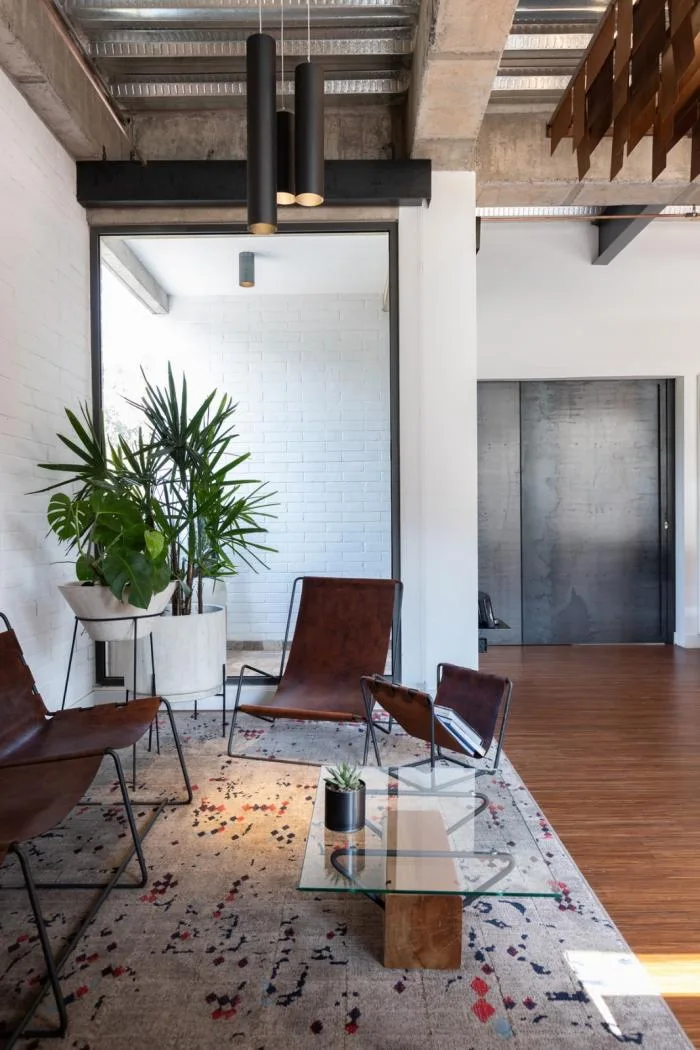
The building features a horizontal “decorative strip” that marks entrances, stairways, and facades. Passing through this narrow, single-story corridor, visitors enter a spacious central hall. This hall acts as the heart of the building, connecting different paths and fostering encounters among users.
Moreover, the design bridges private and public spaces, creating physical, visual, auditory, and sensory connections between indoor and outdoor environments. Recognizing architecture’s impact on society, the space is multifunctional—serving as a hub for exhibitions, health, culture, and the arts.
Night View of the Buildings
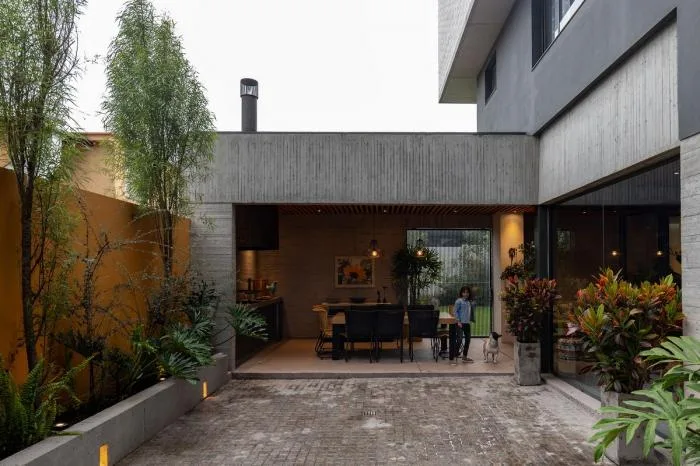
Partial Construction Phase
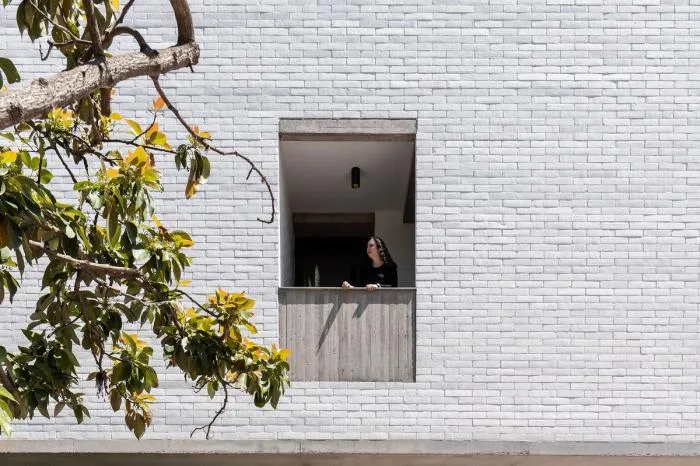
Design Drawings
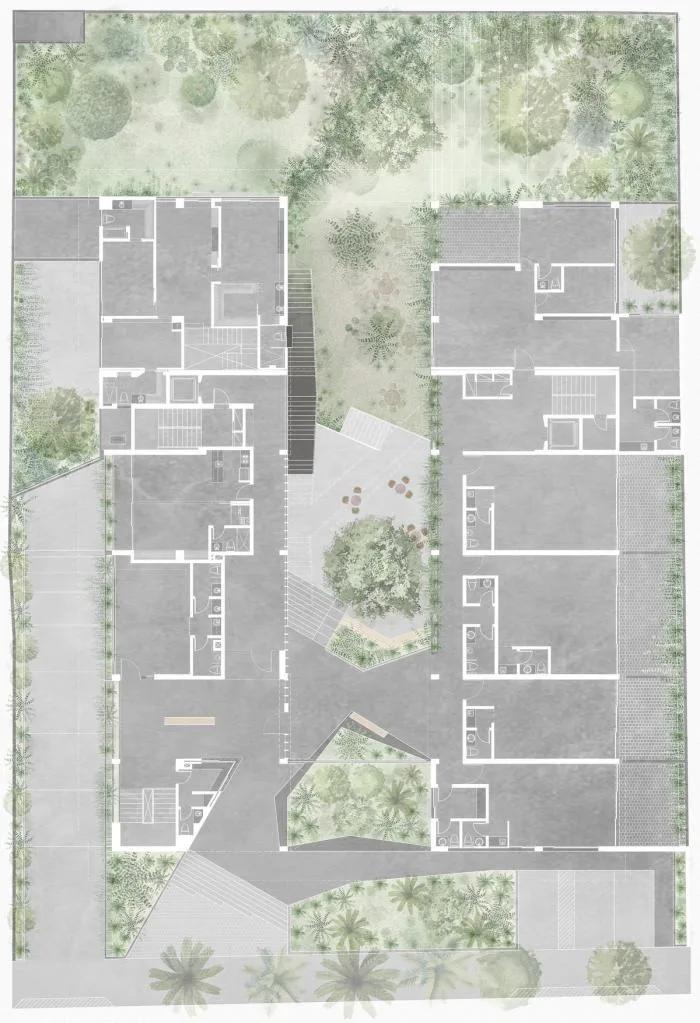
△ Plan View
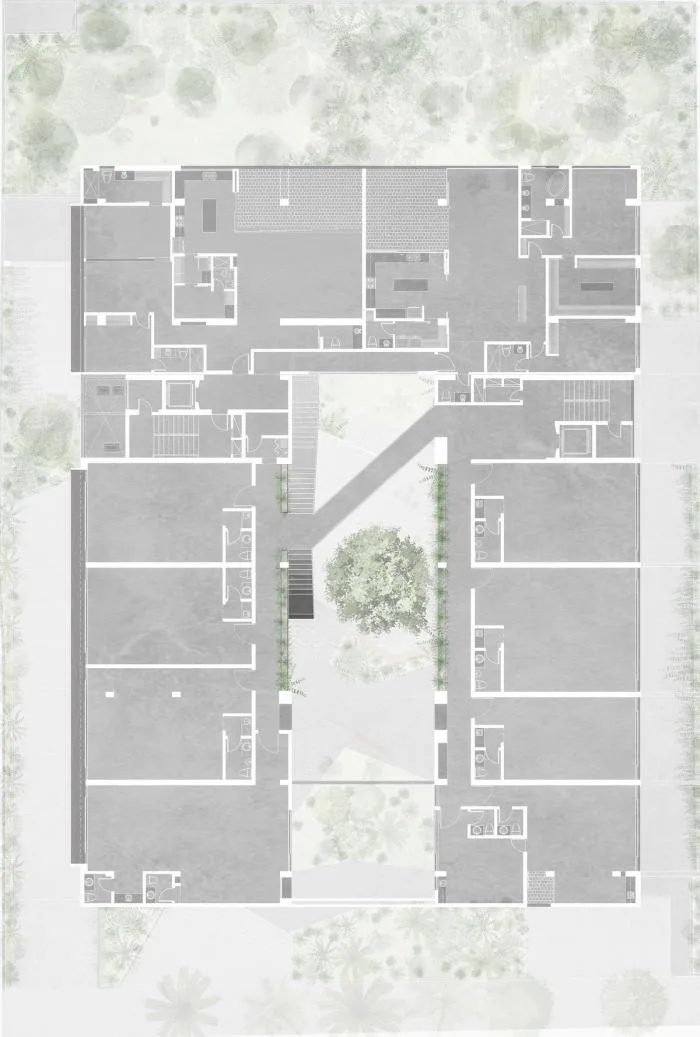
△ Plan View
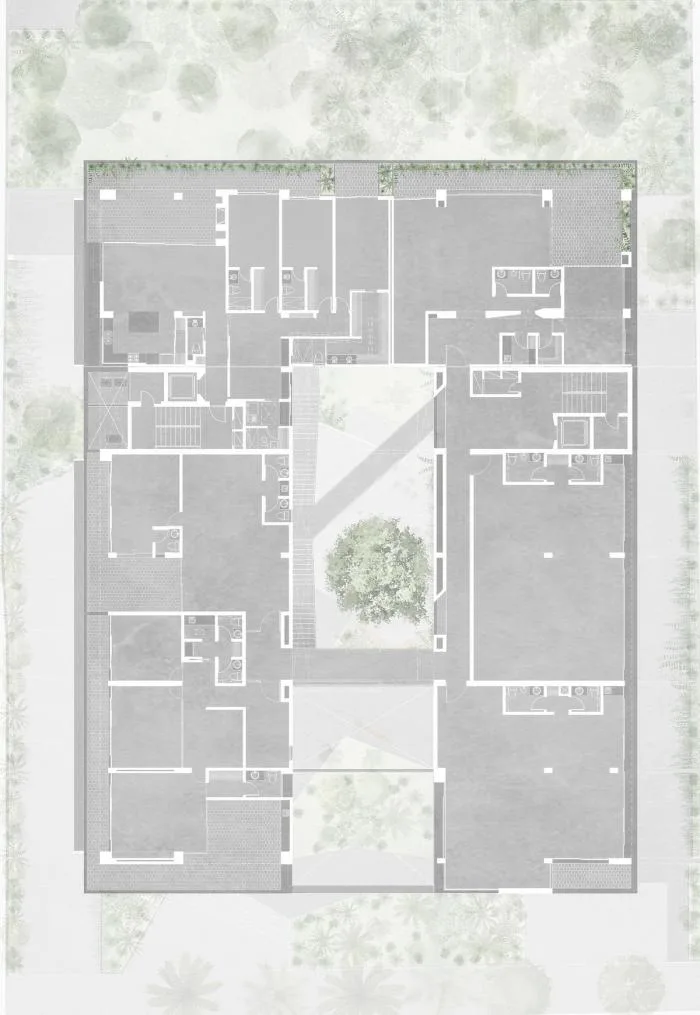
△ Plan View
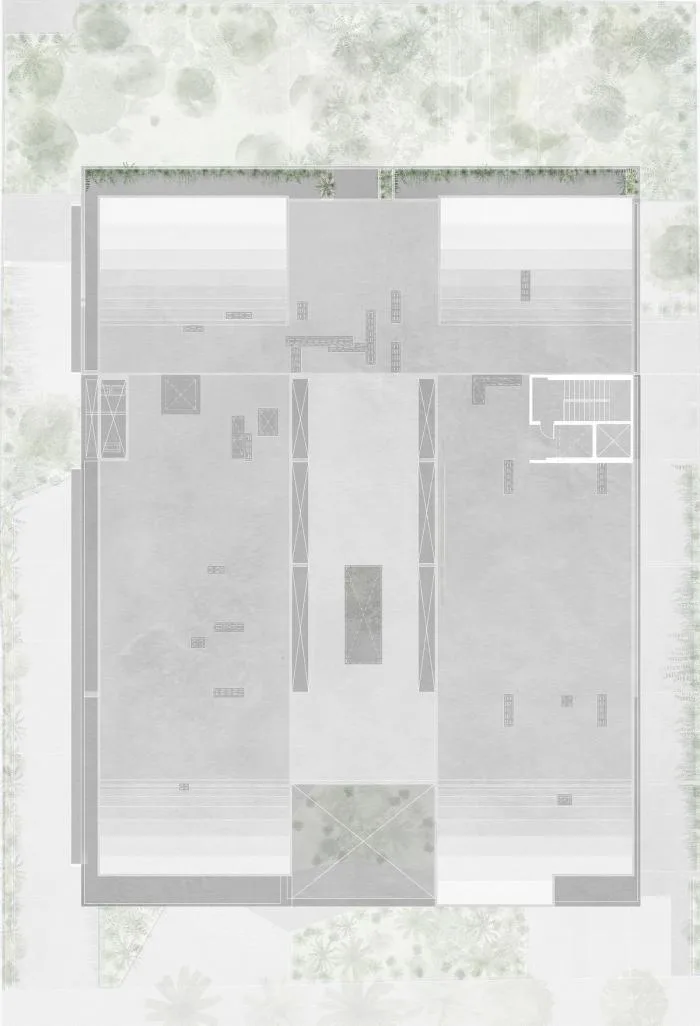
△ Plan View
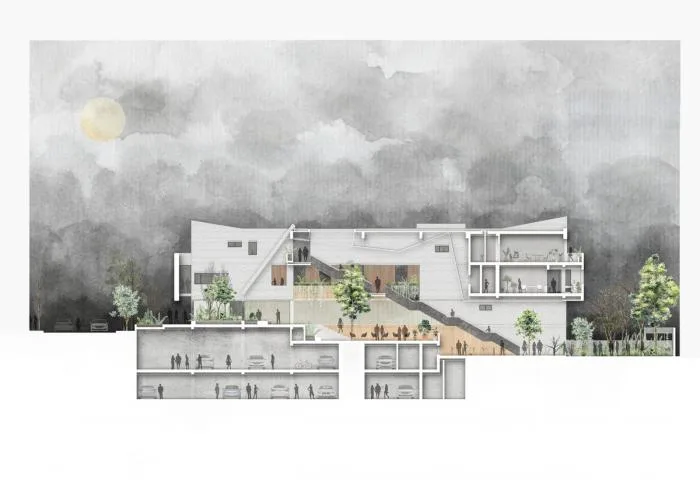
△ Sectional Perspective
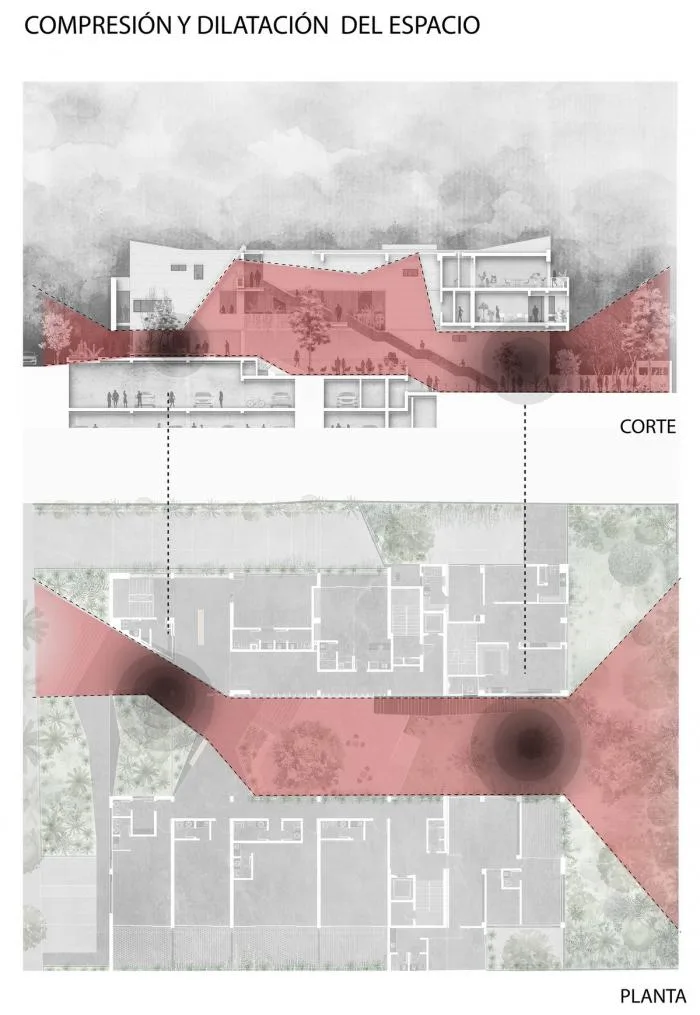
△ Section Diagram
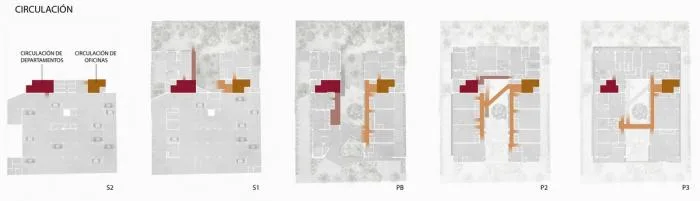
△ Streamline Analysis
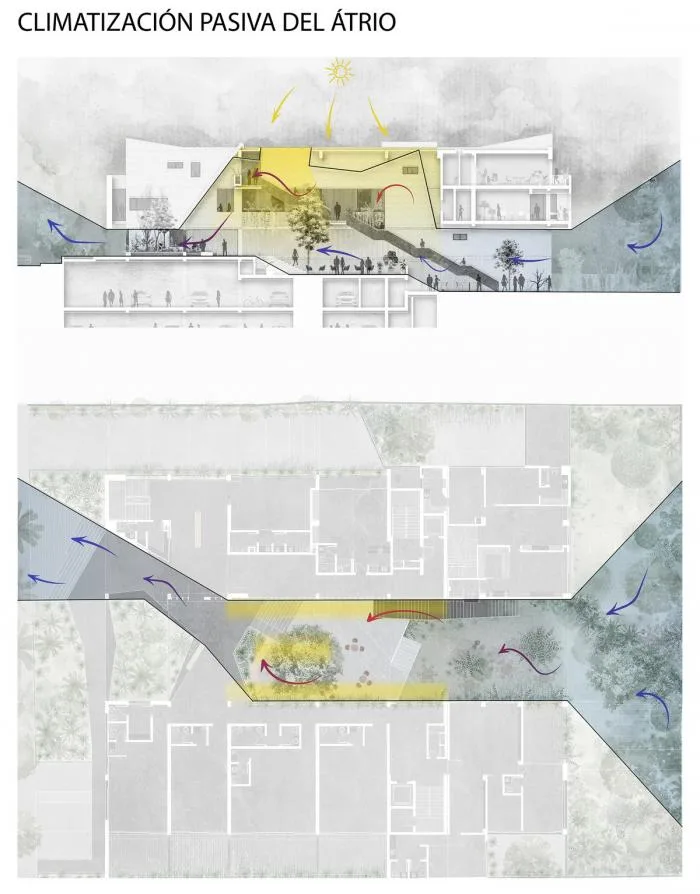
△ Climate Analysis
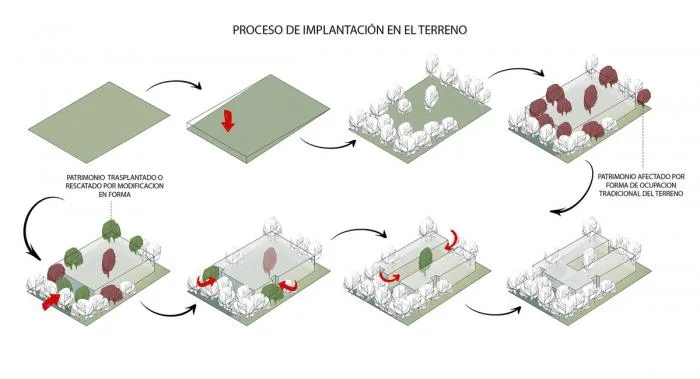
△ Planting Platform Analysis
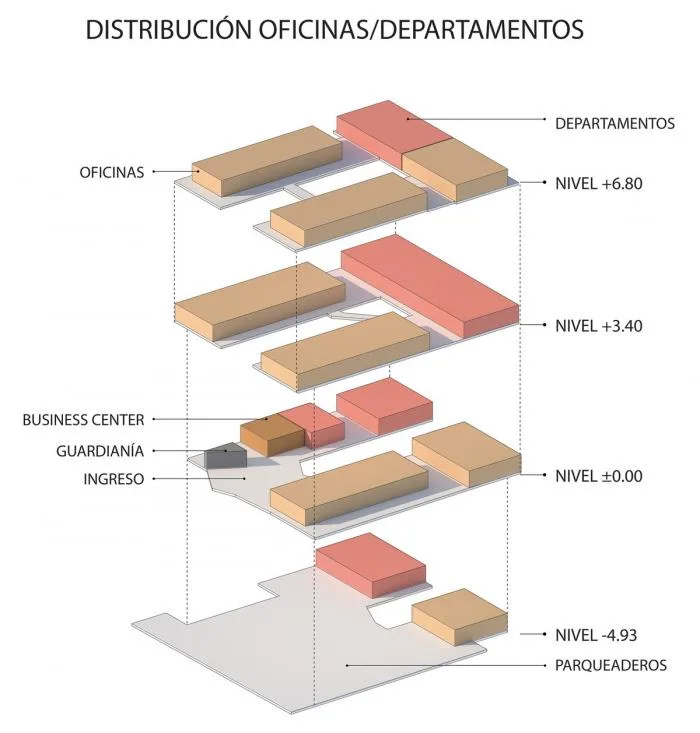
△ Office and Apartment Functional Zoning
Project Information
Project Type: Apartment and Office Facilities
Location: Tumbaco, Ecuador
Architectural Design: Diez+Muller Arquitectos
Area: 6,841 m²
Year: 2019
Photographer: JAG Studio
Lead Architects: Felipe Muller, Gonzalo Diez, Alvaro Borrero, Hugo Navarrete, Paola Picciolo
Construction: Diego Cueva
Construction Supervisor: Carlos Sarzosa
Landscape Design: Clemencia Echavarría












Must log in before commenting!
Sign Up