
© PL-T Architecture Firm
© PL-T Architecture Firm
The non-governmental organizations Radefoundation and Madanfo have announced the launch of the “Timaab Kindergarten” architectural competition, aiming to establish a dedicated space for children in Timaab to attend classes.
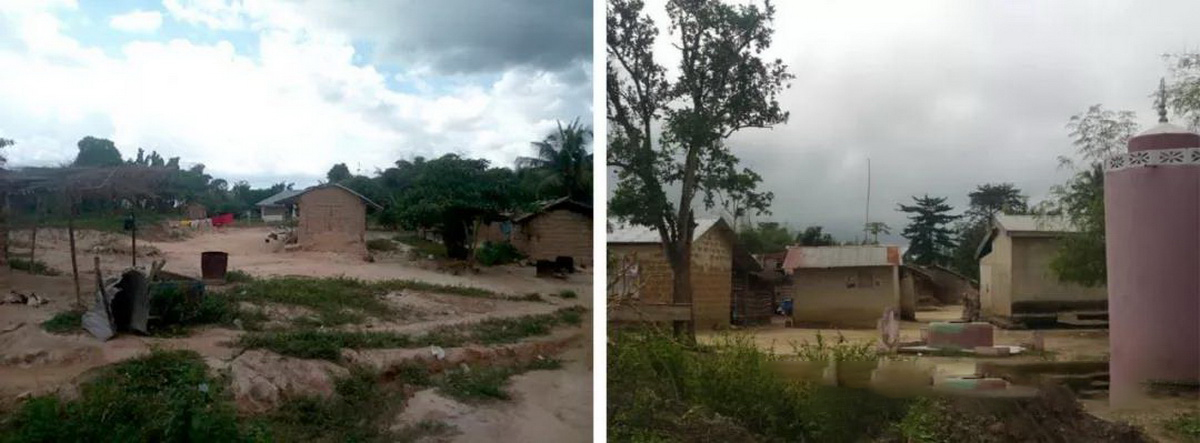
Located in the small rural village of Timaab in Ghana’s Asanti region, this project serves a community steeped in history. The Ashanti ethnic group, native to this area since the 13th century, constitutes most of the region’s 2.5 million residents as of 2016, with half living in rural settings. Timaab itself has over 1,000 inhabitants, mostly low-income farmers, scattered across a low-density area.
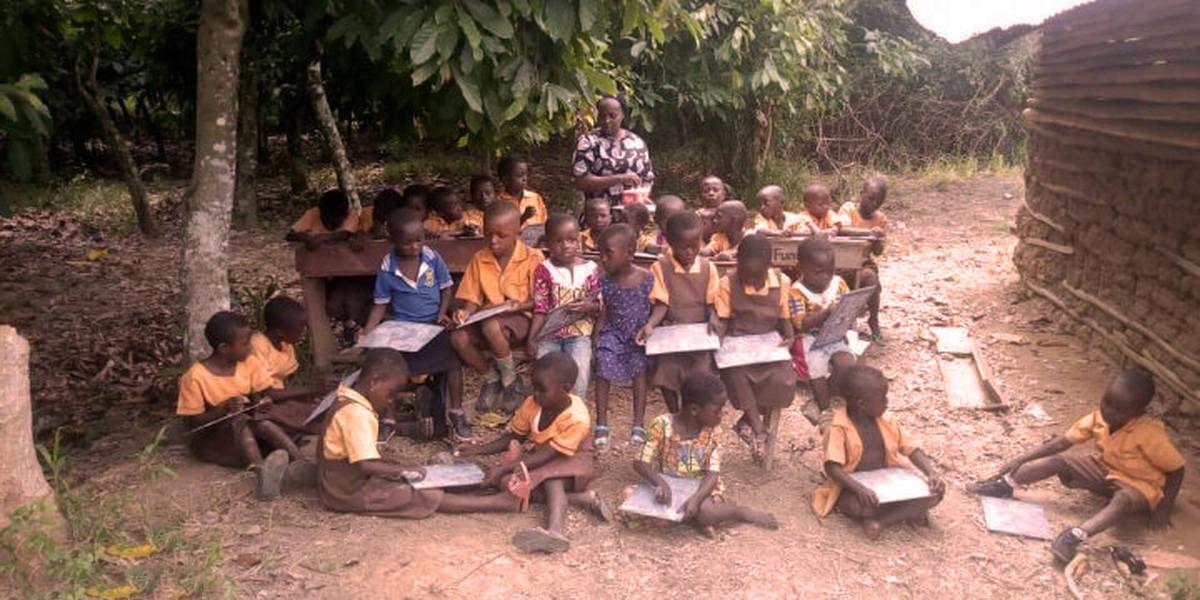
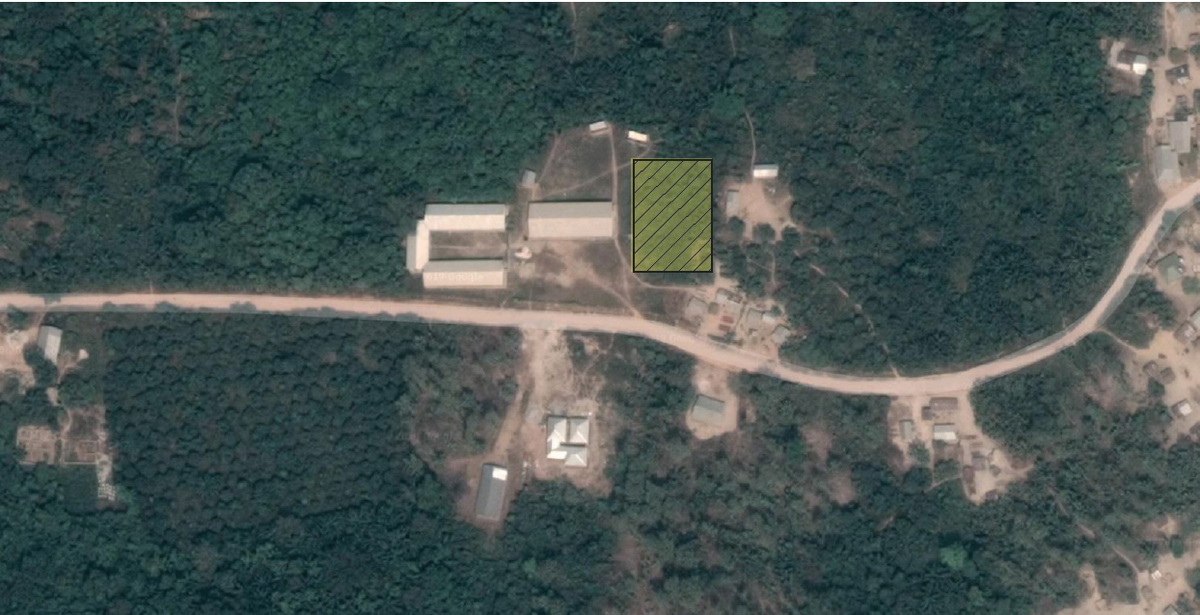
While the village has a primary school (located at 6°37’35.4″N 1°24’59.1″W according to Google Maps) offering education from kindergarten through high school, it lacks classrooms suitable for all grade levels. Currently, about 100 kindergarten students must attend classes outdoors under trees.
© PL-T Architecture Firm

© PL-T Architecture Firm
© PL-T Architecture Firm
Design Concept | Approach

© PL-T Architecture Firm
① Site Selection
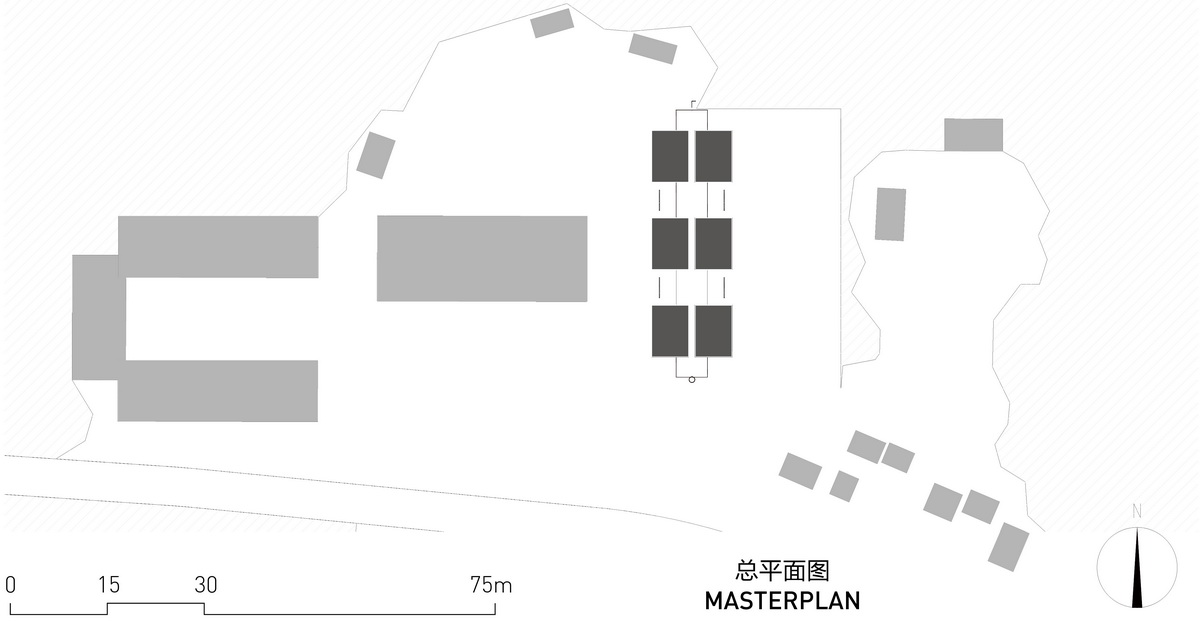
Taking into account site conditions and cost efficiency, the buildings are situated on the west side of the site, rather than occupying the entire area. This strategy preserves open space, which serves as a temporary construction area and creates a flexible natural activity zone adjacent to surrounding forests. The new structures, together with the existing school buildings, form a semi-enclosed courtyard, providing students of various grades a communal space to gather and interact.
© PL-T Architecture Firm
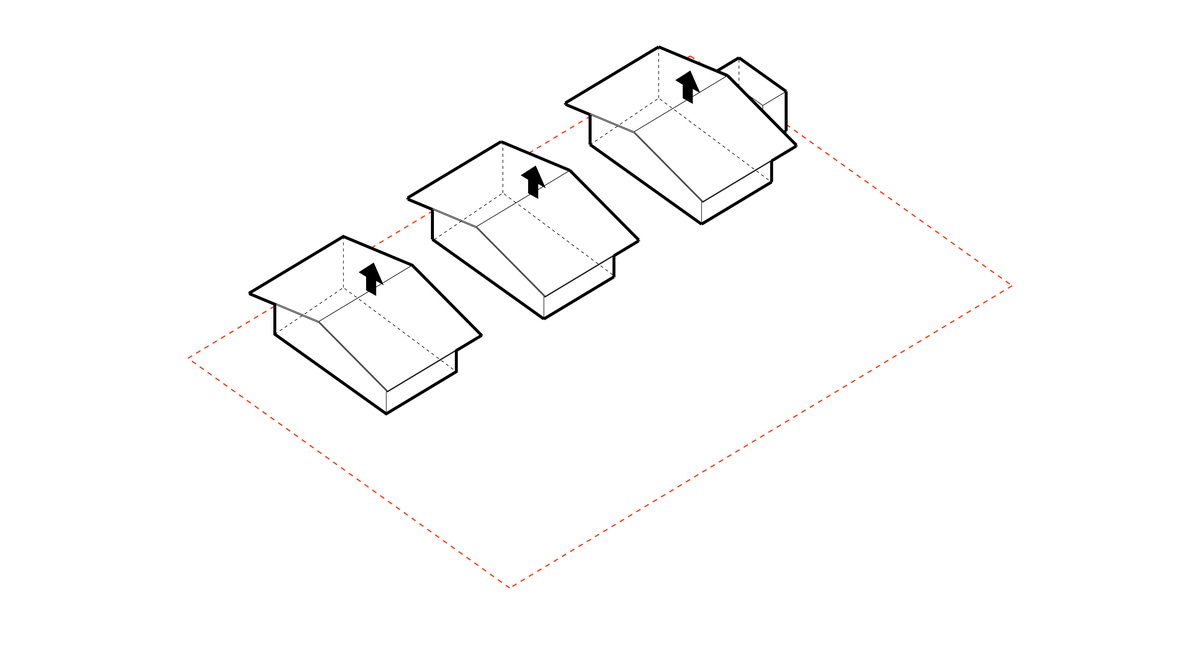
② Building Arrangement
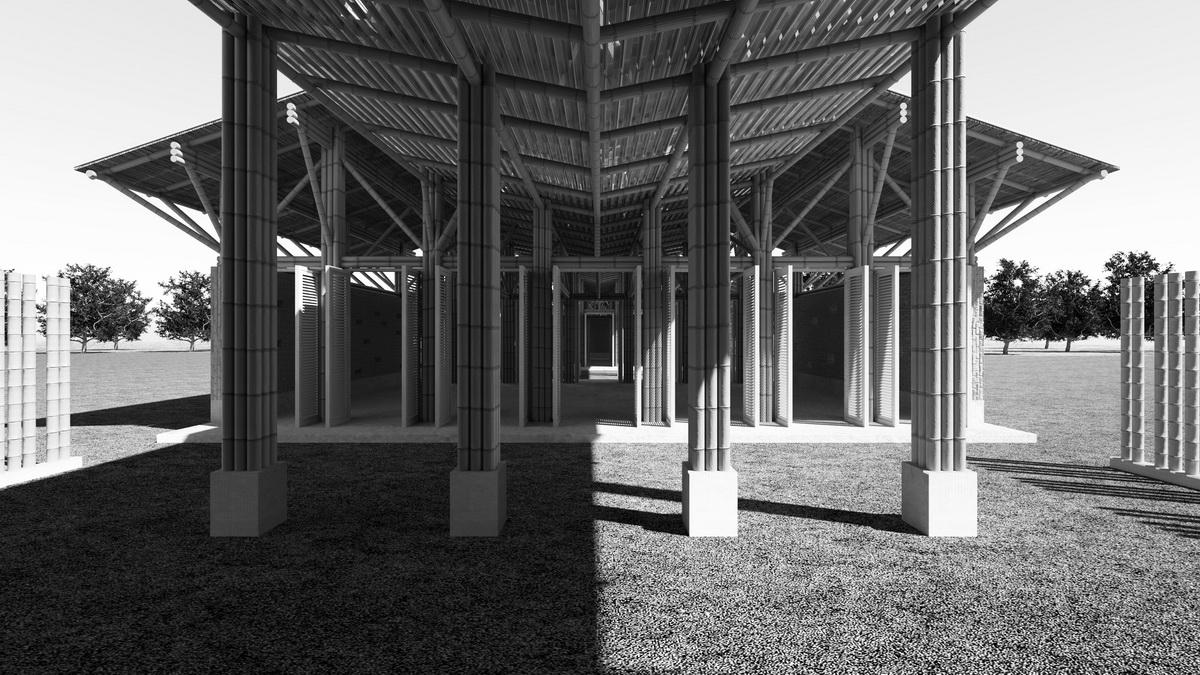
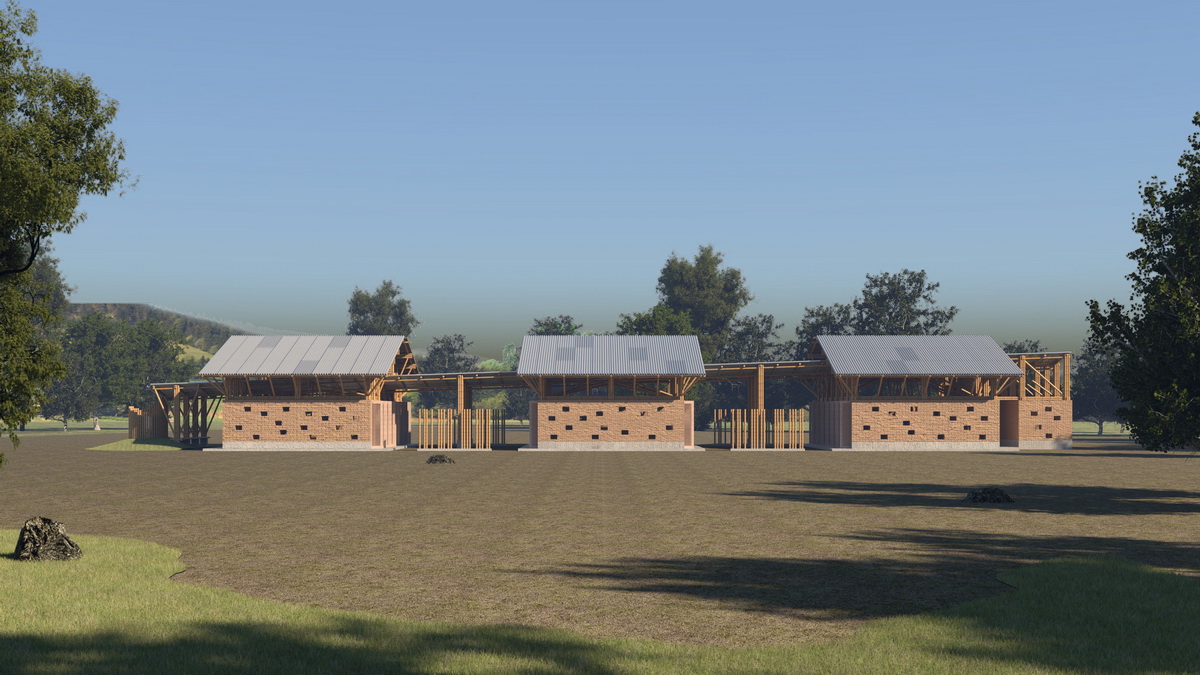
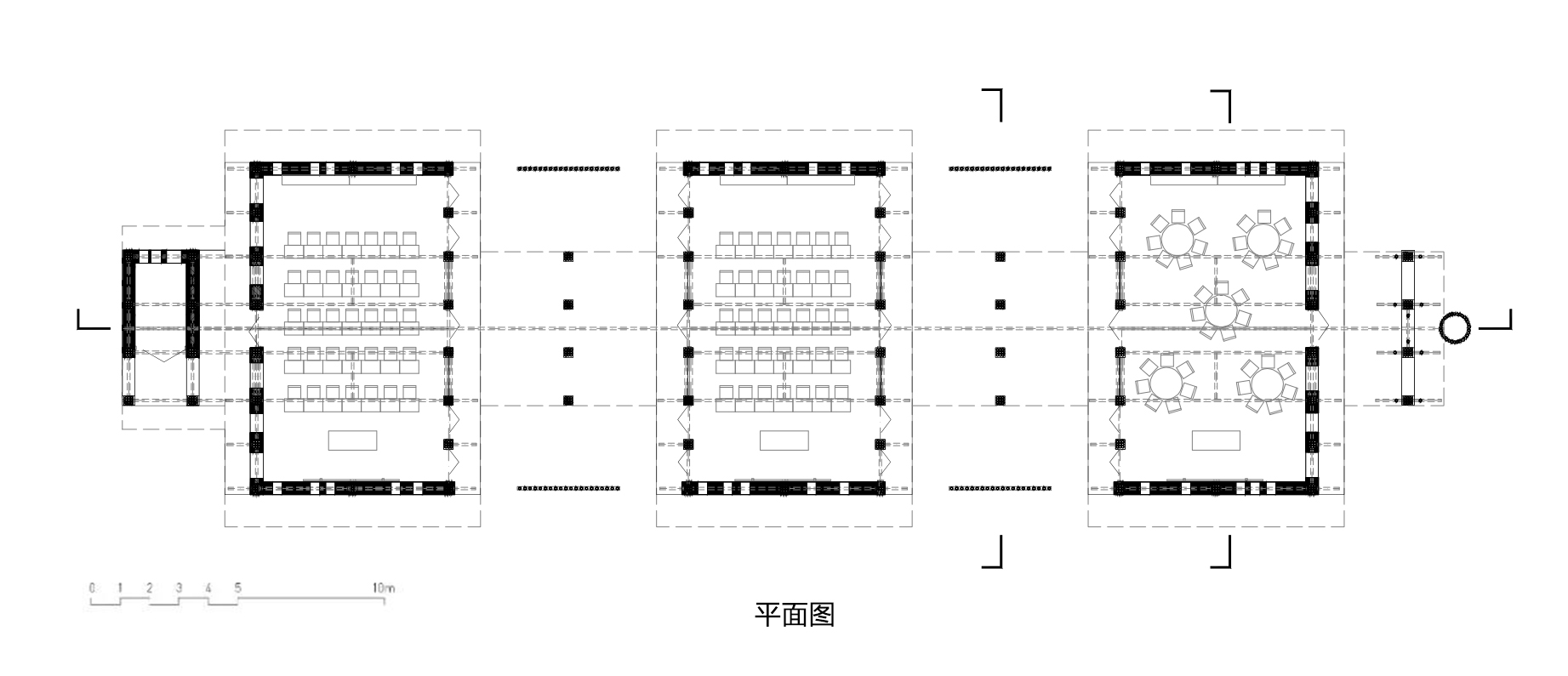
Three distinct teaching spaces are designed as independent volumes, forming a small cluster. This modular layout allows different design teams to express their creativity freely, fostering collaboration in building the school and addressing the organizing committee’s requirements.
© PL-T Architecture Firm
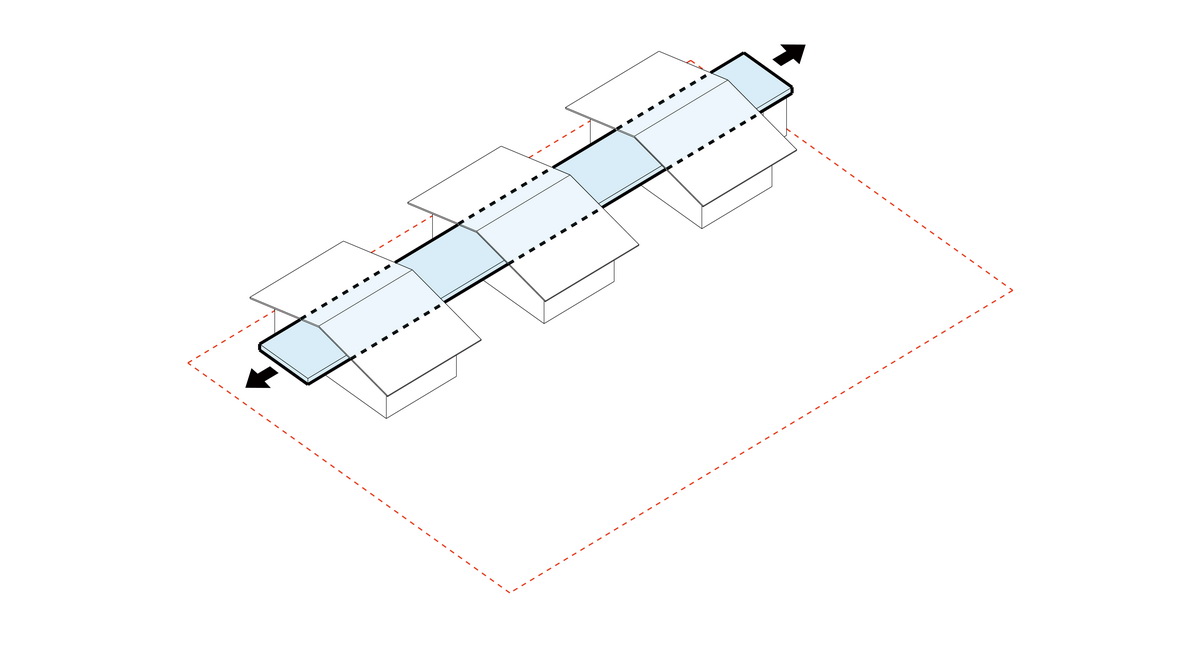
③ Series Connection
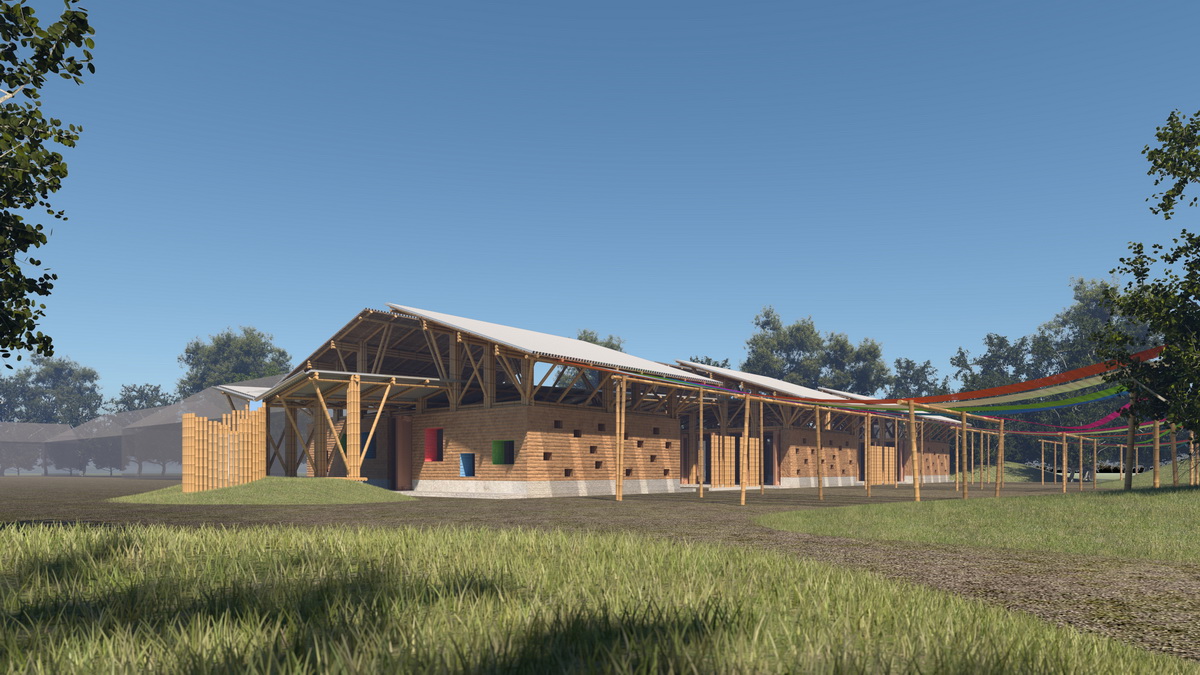
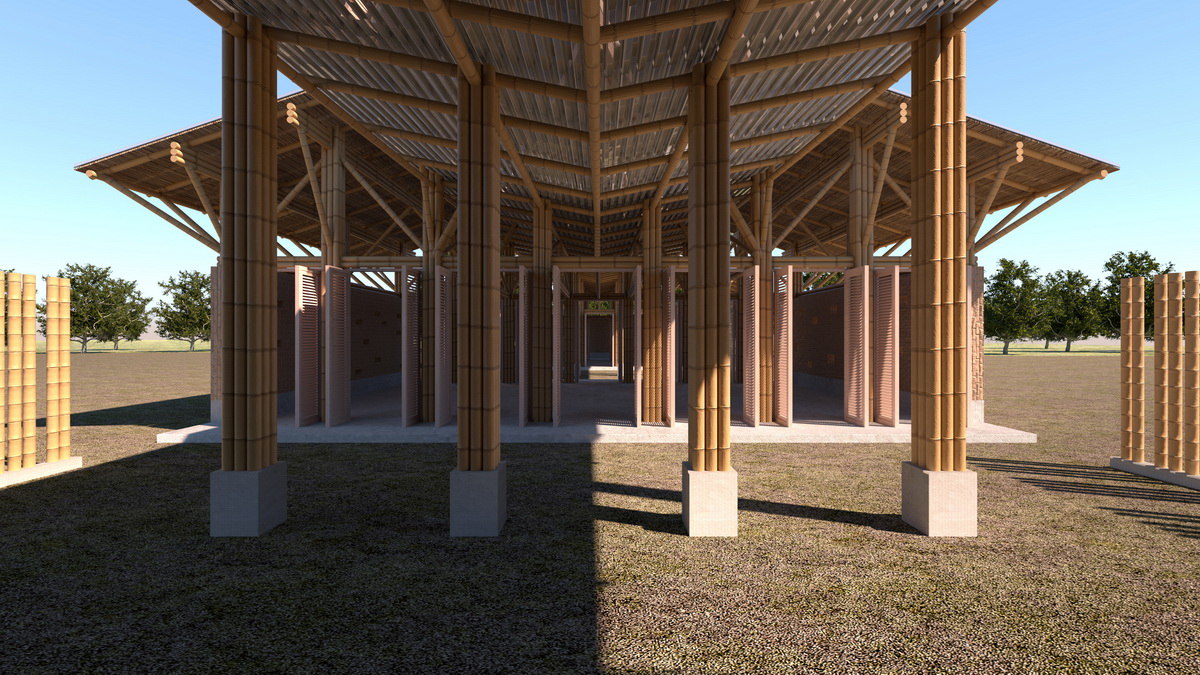
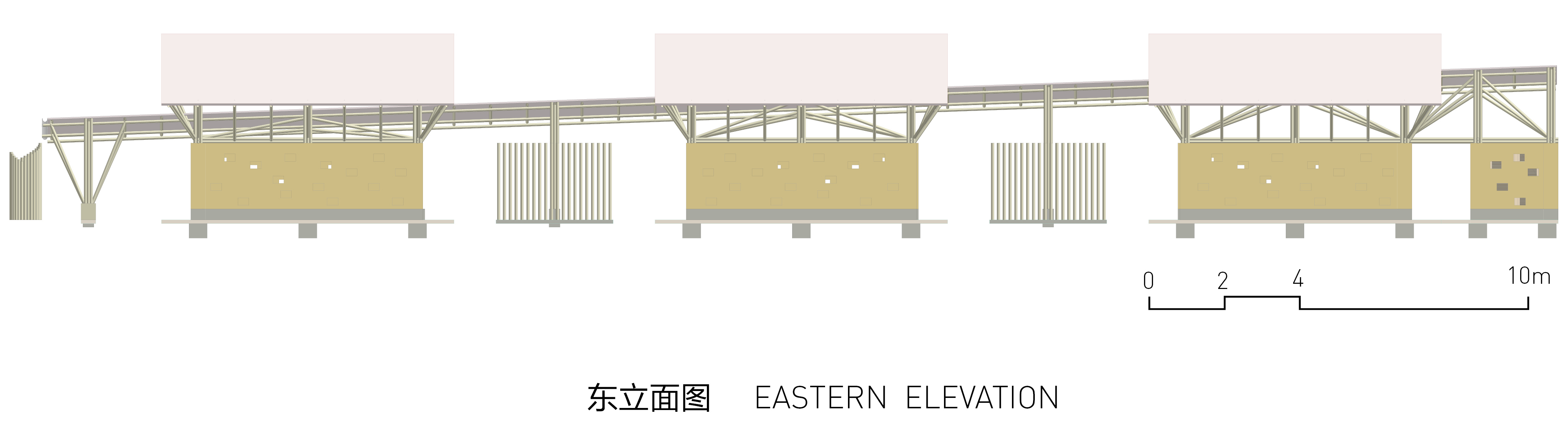
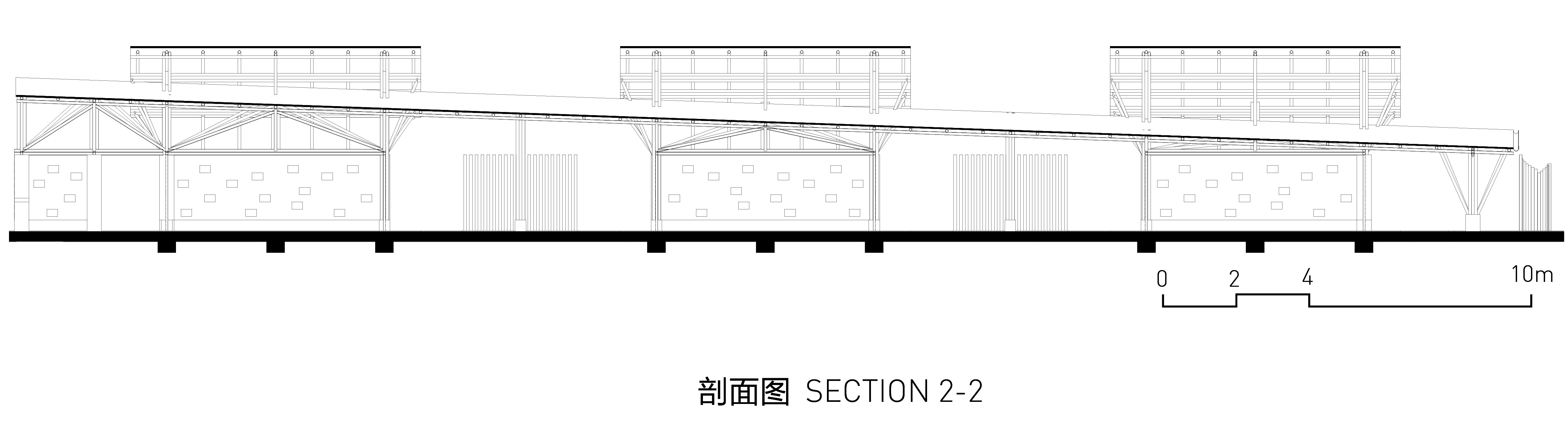
Innovating beyond traditional sloped roof rainwater collection, wider drainage channels have been designed to direct rainwater efficiently. These channels also serve as a secondary linear roof connecting the three separate teaching spaces into a cohesive whole. The slope and scale of these channels influence the height of each classroom, creating spatial dimensions appropriate for students of varying ages. Additionally, this design enhances natural lighting, ventilation, and shading throughout the buildings.
© PL-T Architecture Firm
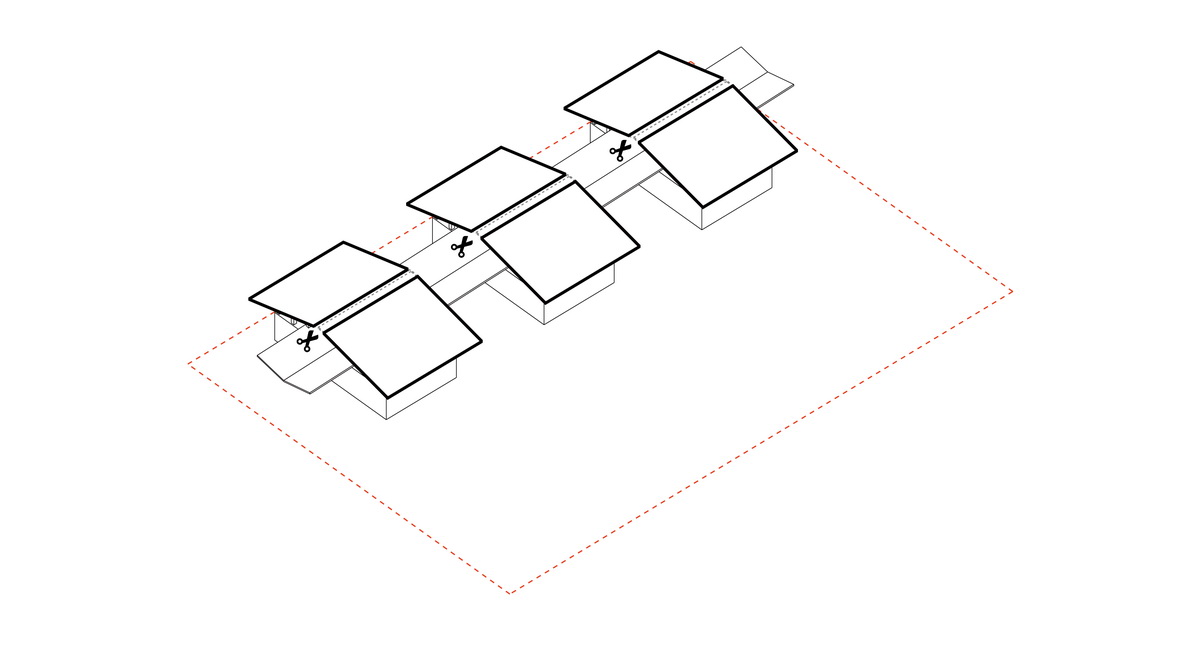
④ Open Roof Design
The secondary linear roof allows the outermost sloped roofs to open from the ridge. This open roof design improves rainwater collection, maximizes natural light and ventilation in classrooms, reduces heat radiation, and encourages air circulation. It also provides diffuse reflected light inside. From a planning perspective, the open roof reduces the building’s overall footprint, creating a small-scale complex harmonious with neighboring villages.
© PL-T Architecture Firm
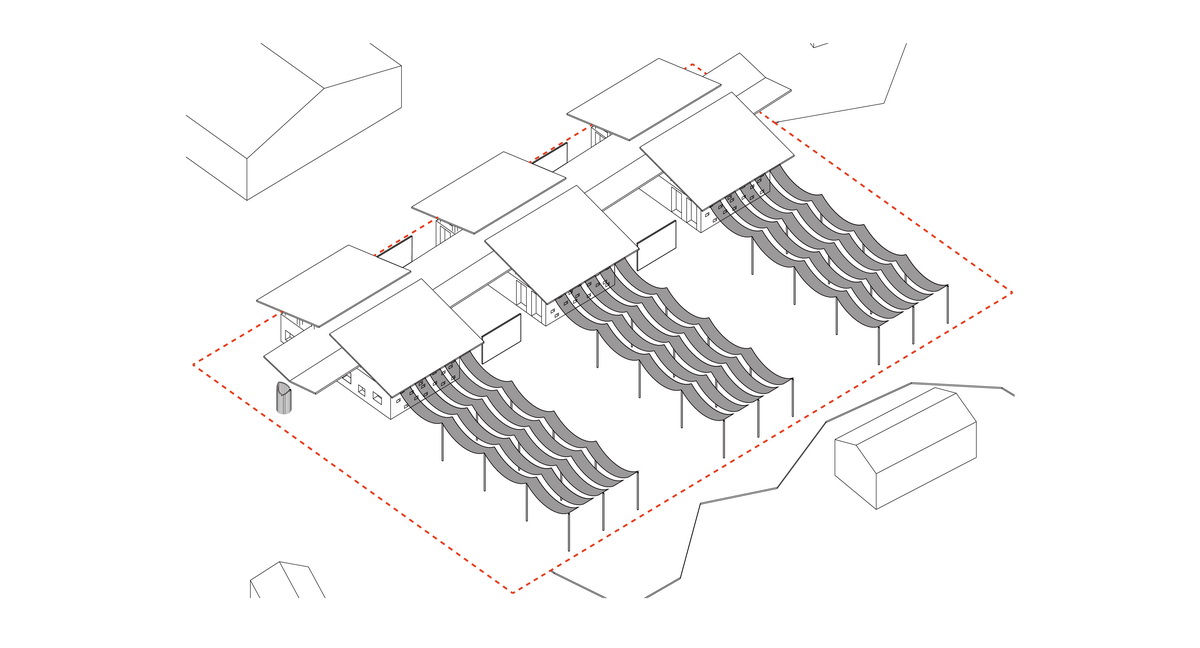
⑤ Shared Spaces
The open areas, including handwashing stations and outdoor activity zones, serve not only the kindergarten but also the existing school and the wider village community. These outdoor spaces can be enhanced with engaging installations, using local colored canvas to create shaded gray spaces, enriching the variety and usability of the environment.
© PL-T Architecture Firm
© PL-T Architecture Firm
© PL-T Architecture Firm
Adaptive Spaces | Flexibility
School space, © PL-T Architecture Firm

Village Activity Center (July–August), © PL-T Architecture Firm
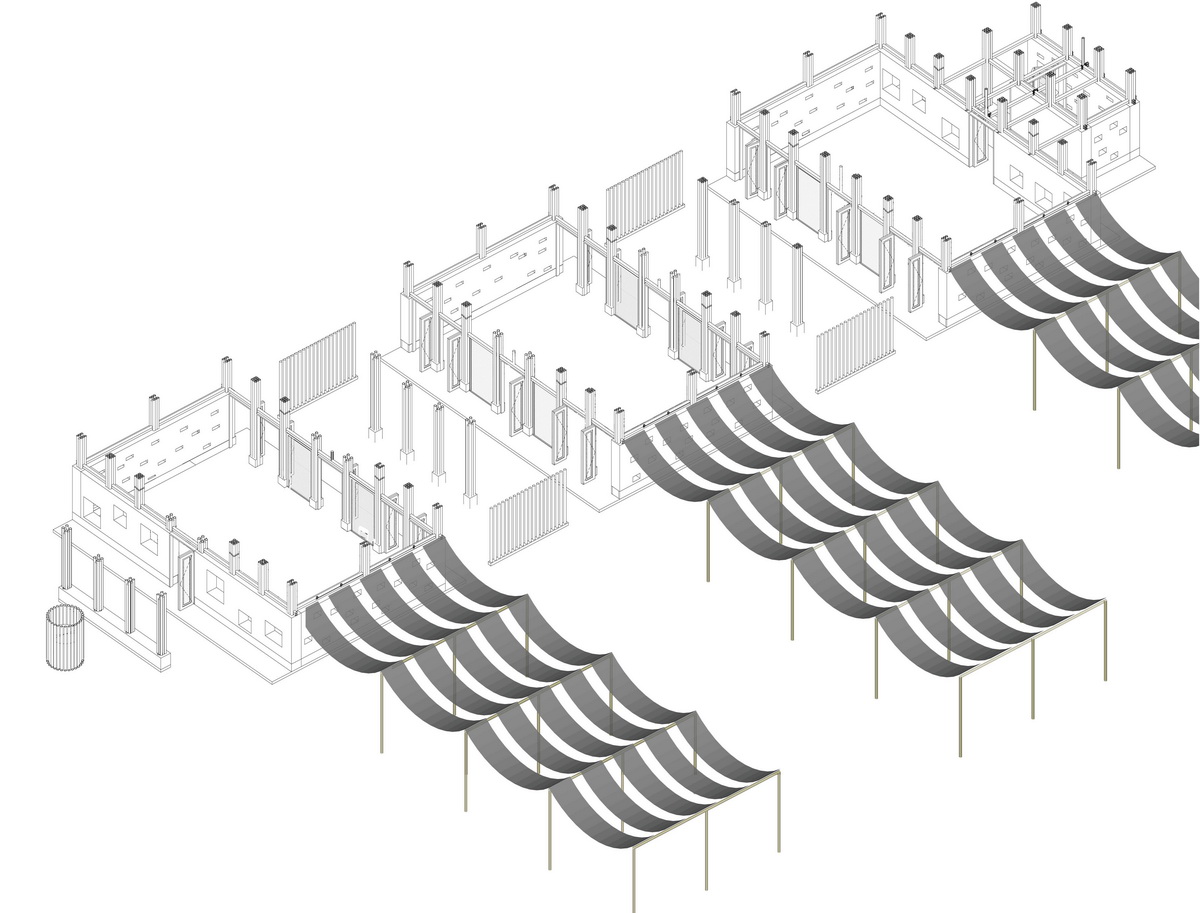
Temporary installation, © PL-T Architecture Firm
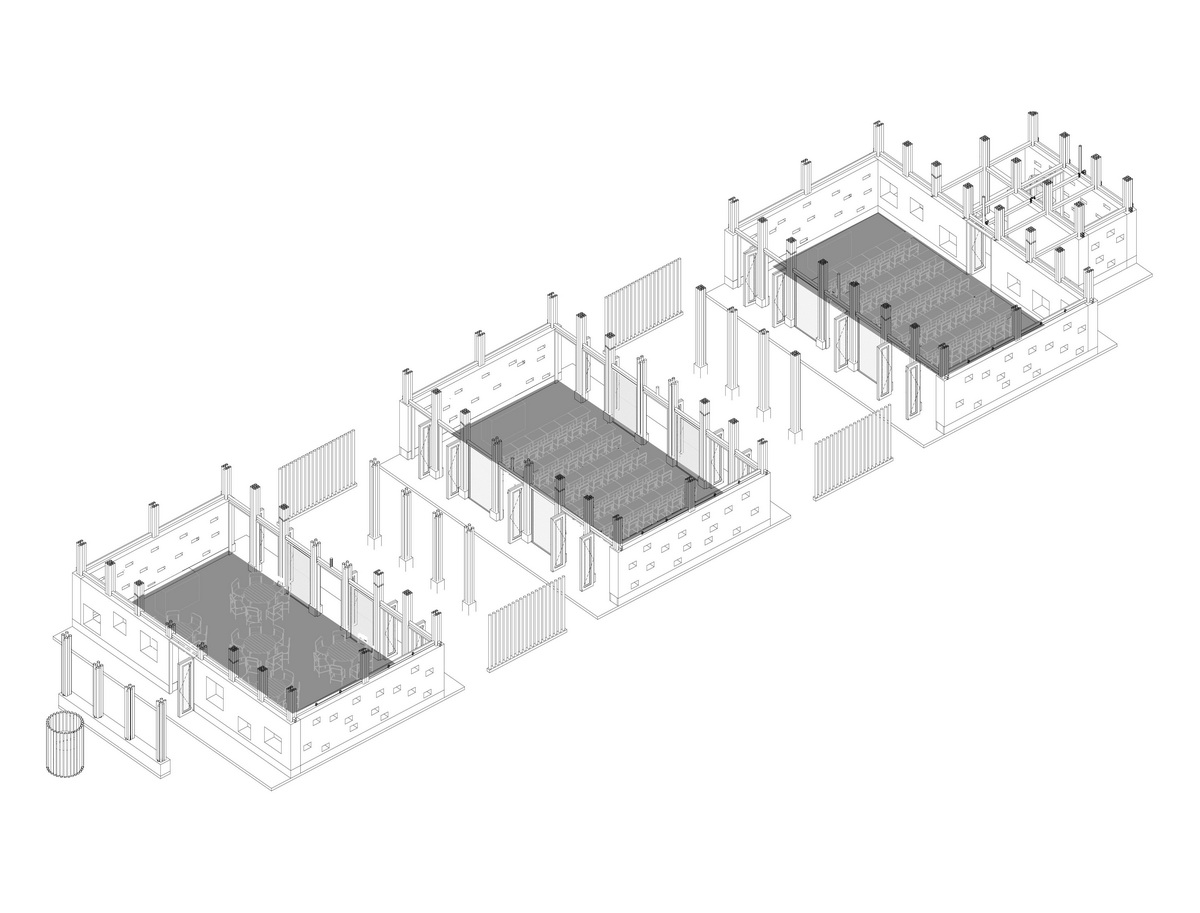
The design offers a spatial layout that can transform and evolve over time. When the louvers on the north and south sides are closed, the kindergarten consists of three separate teaching rooms. Opening these louvered doors converts the entire facility into a large gathering space. The drainage channels running through the classrooms unify indoor and outdoor areas, enhancing connectivity.
When classes are not in session, the space can be repurposed as a rural activity center. Entrances on the north and south sides serve as access points to this village hub. The three classrooms can be divided into six distinct activity zones alongside the central drainage channel. Other entrances function as emergency exits, ensuring safety.
Temporary outdoor structures, made from local materials like bamboo and colored canvas, provide shaded, practical spaces for both students and villagers. These installations extend the indoor environment into the outdoors, fostering community engagement.

© PL-T Architecture Firm
The slope and scale of the drainage channels influence the height of the three educational spaces, tailoring spatial perception to students of different ages.
Rainwater Drainage | Collection System
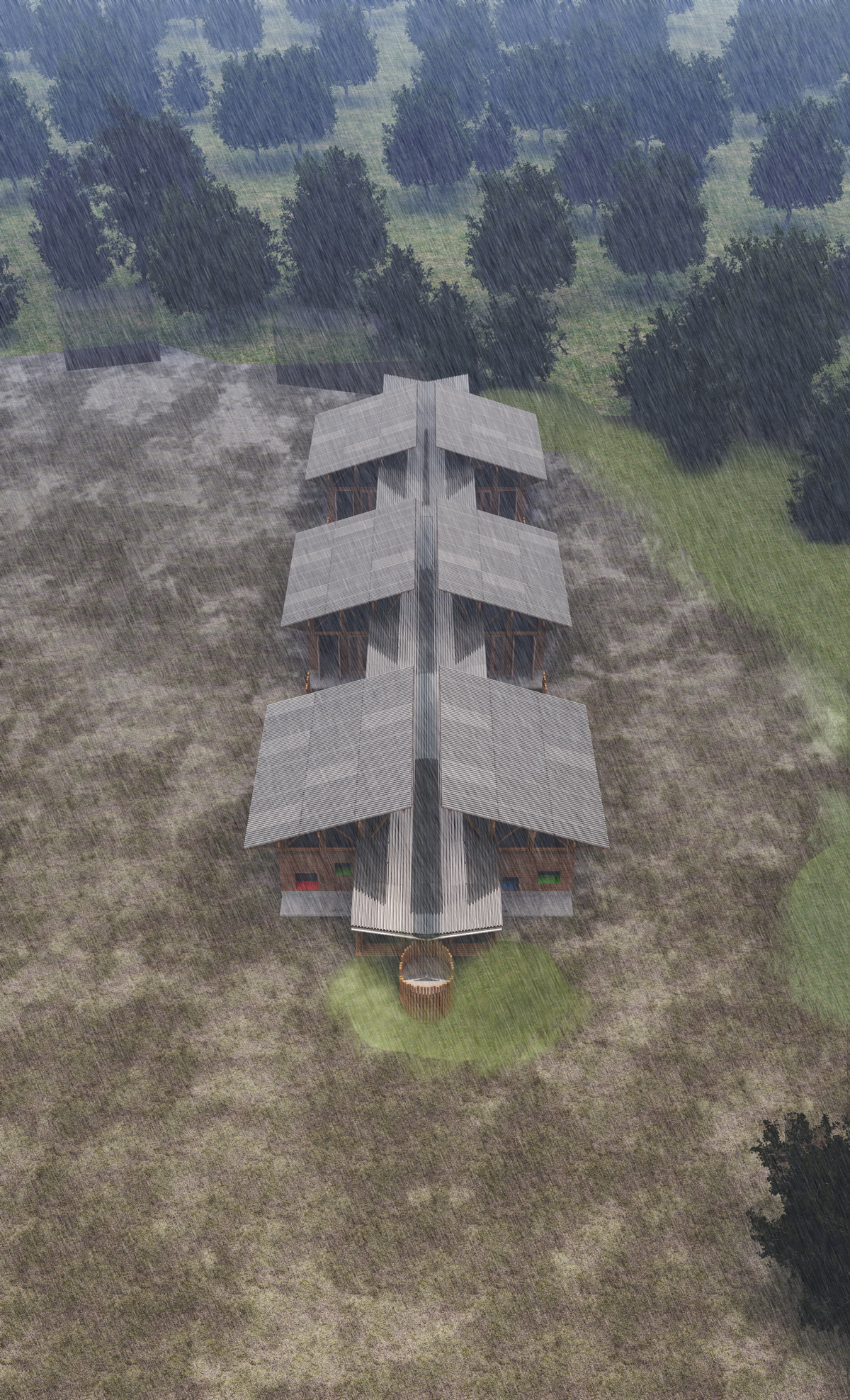
© PL-T Architecture Firm
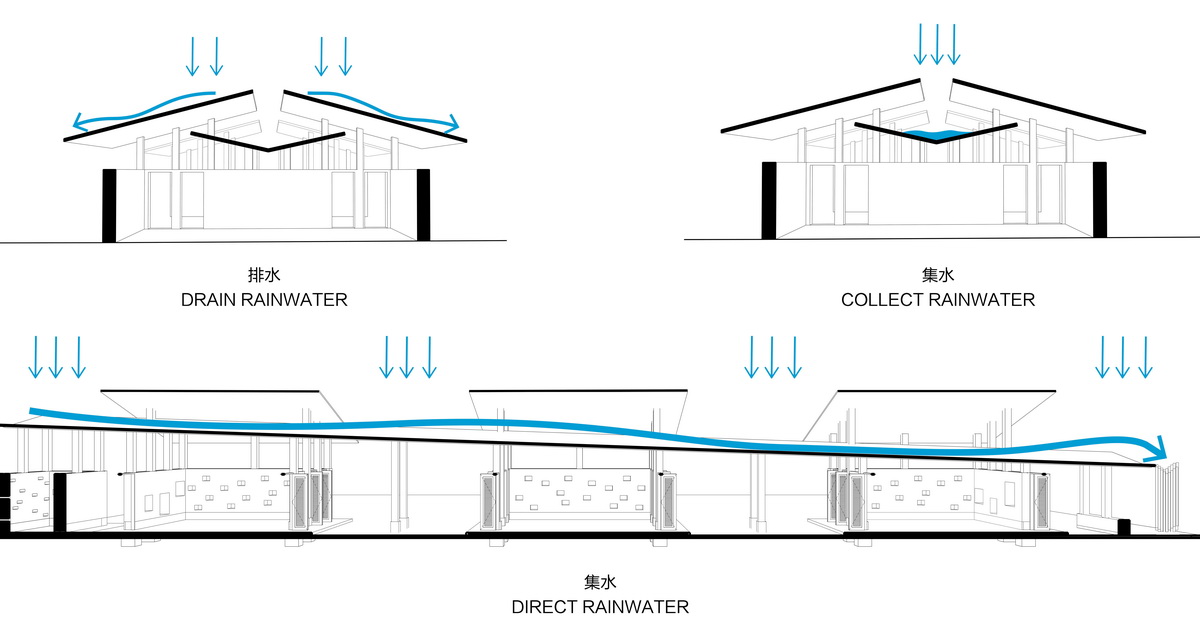
© PL-T Architecture Firm
Lighting | Ventilation
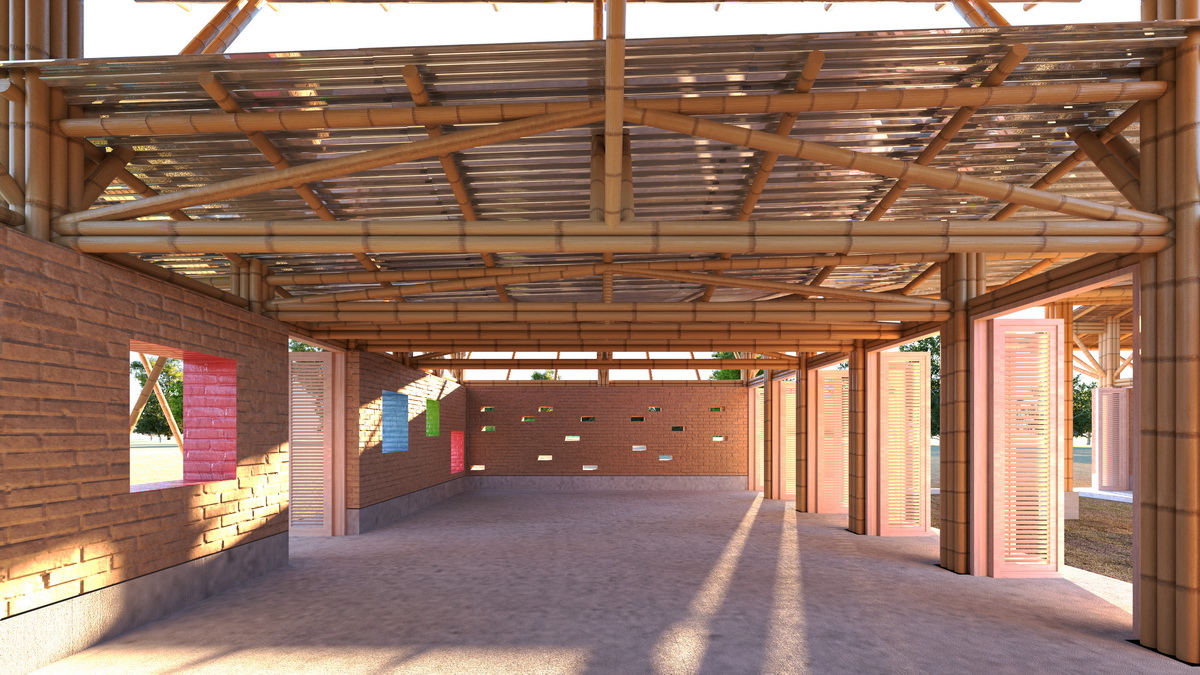
© PL-T Architecture Firm
© PL-T Architecture Firm

© PL-T Architecture Firm
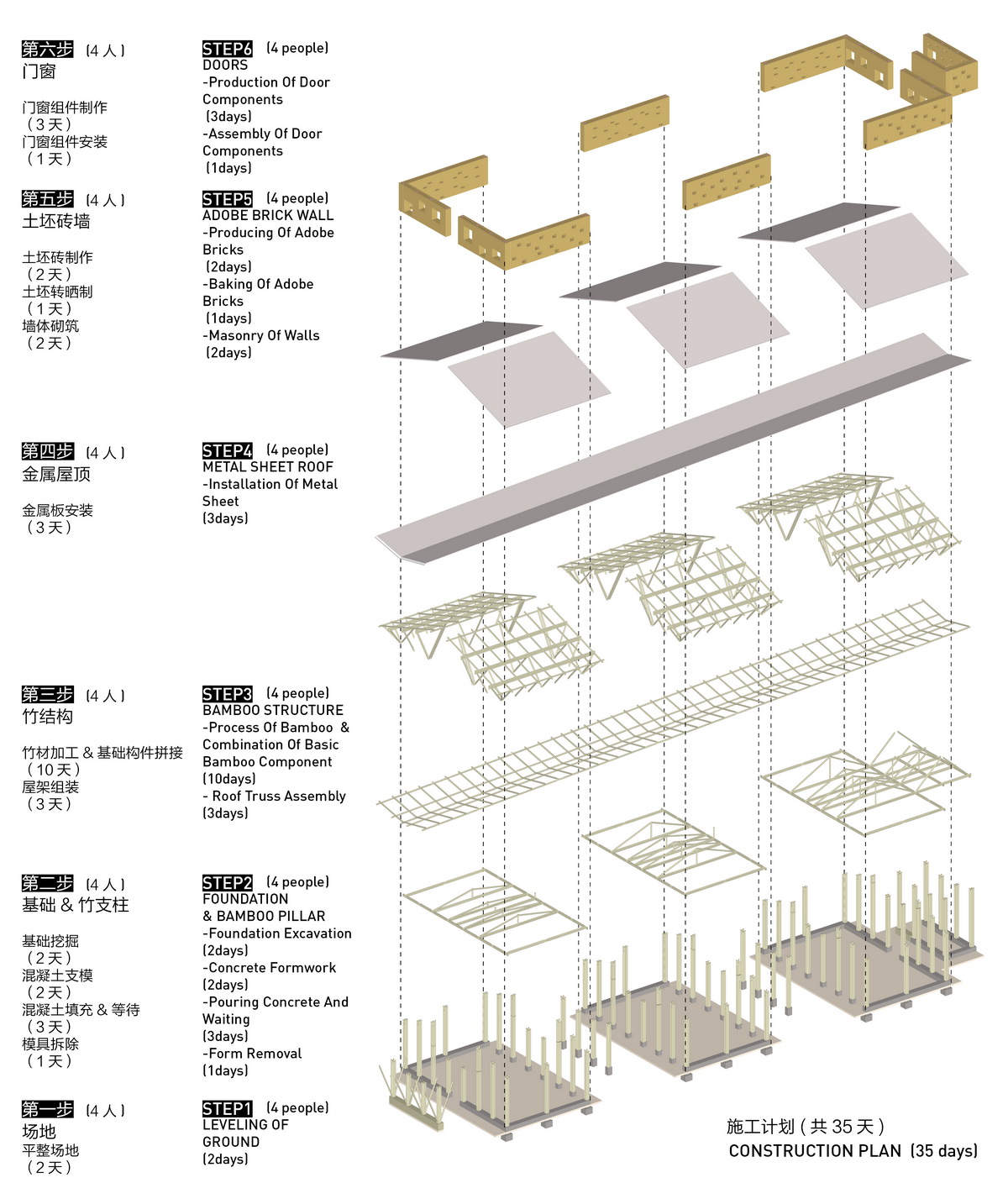
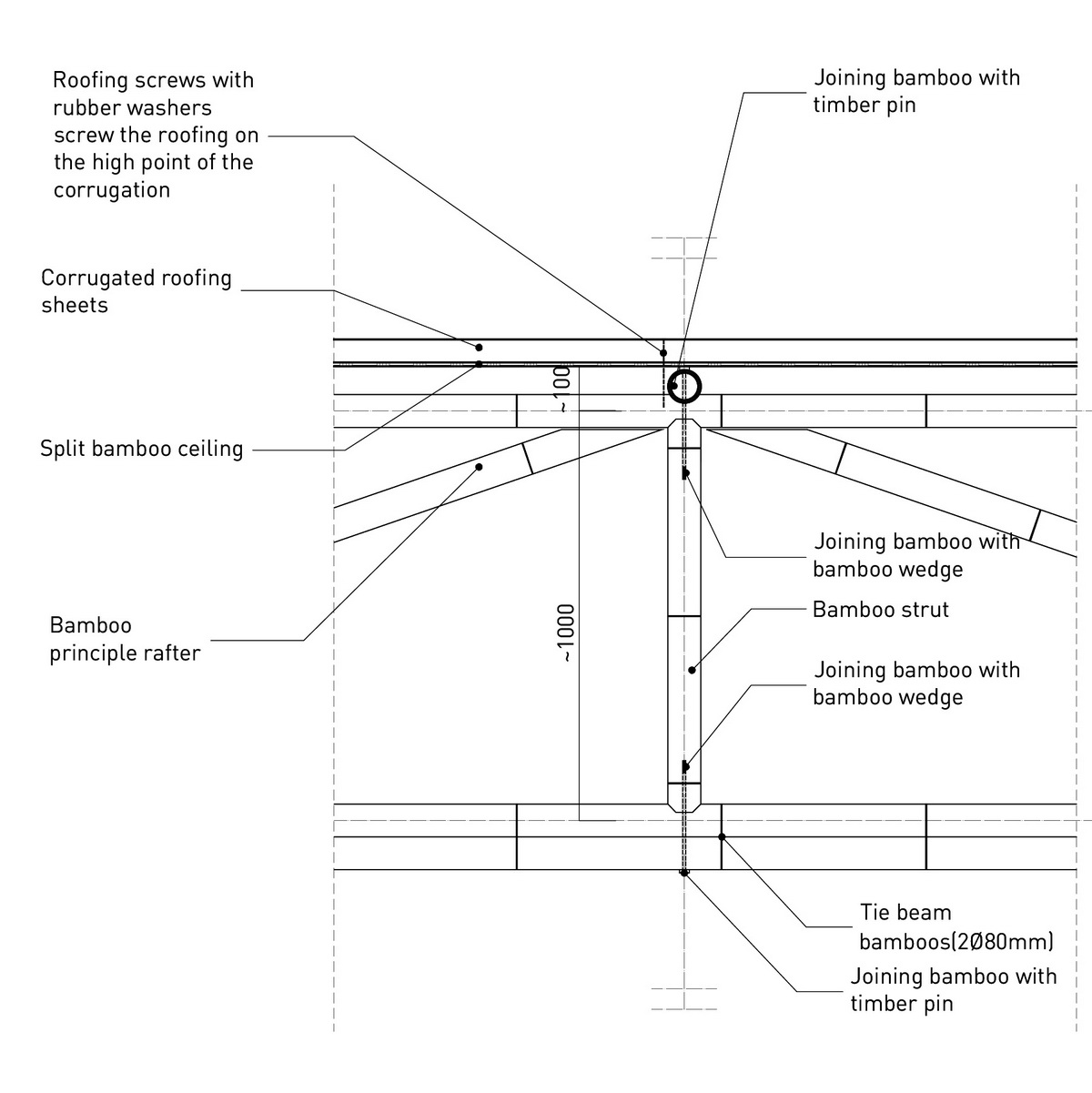
Construction Process | Build
© PL-T Architecture Firm

© PL-T Architecture Firm

© PL-T Architecture Firm
© PL-T Architecture Firm
Technical Drawings
© PL-T Architecture Firm
© PL-T Architecture Firm
© PL-T Architecture Firm
Project Details
Project Name: Sink House
Lead Designer: Wang Jianfeng
Team Members: Li Fei, Su Rui, Zhang Chenglan, Wang Jing (Senior Engineer, Zurich), Pan Yuena
Location: Timaab Village, Ghana, Africa
Completion Year: 2019












Must log in before commenting!
Sign Up