
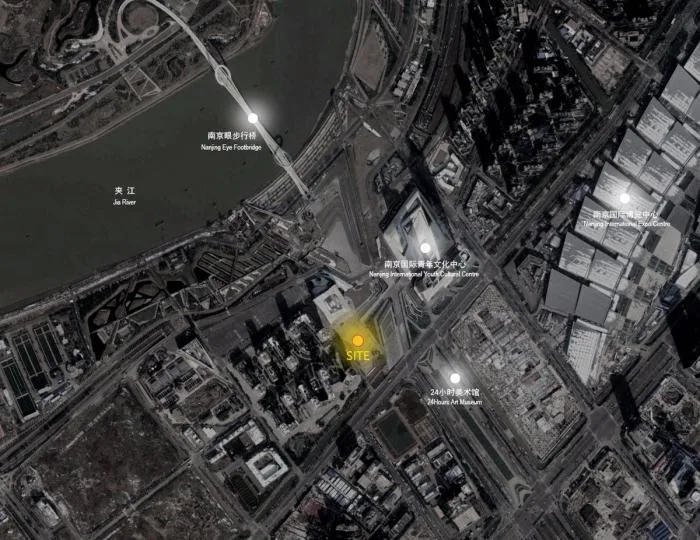
▲ Site Plan
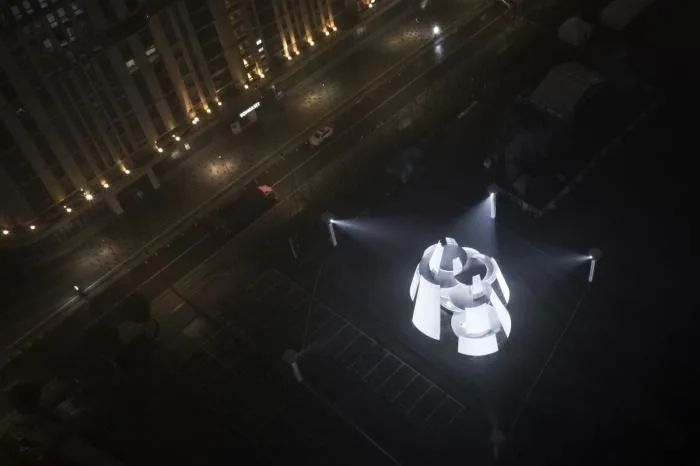
The Time Tower, a large-scale installation designed by architect Zhu Xiaodi, was an integral part of artist Bing Yi’s cross-media project during the 2020 Nanjing Youth Olympic Light Art Lantern Festival. Unveiled on December 27, 2019, along the cultural axis of the Nanjing Youth Olympic Games, it quickly became the festival’s iconic symbol.
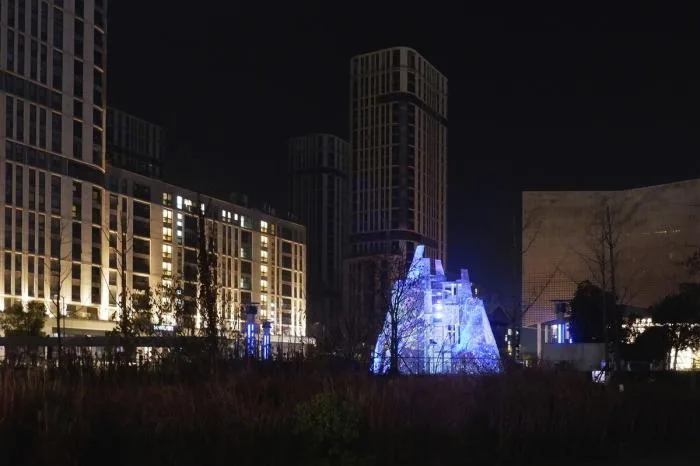
In Chinese culture, the concept of time extends beyond the simple Gregorian calendar. Ancient people observed the cycles of day and night and the changing seasons to develop a profound understanding of time and space. They focused on how environmental changes affected human life, reflecting on the meaning and value of existence between heaven and earth. This perspective inspired countless poems and writings mourning the passage of time, which continue to shape the cultural identity and spiritual worldview of the Chinese people.
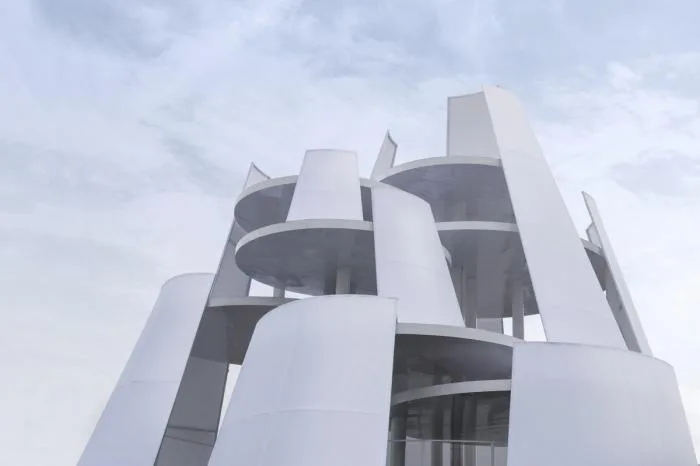
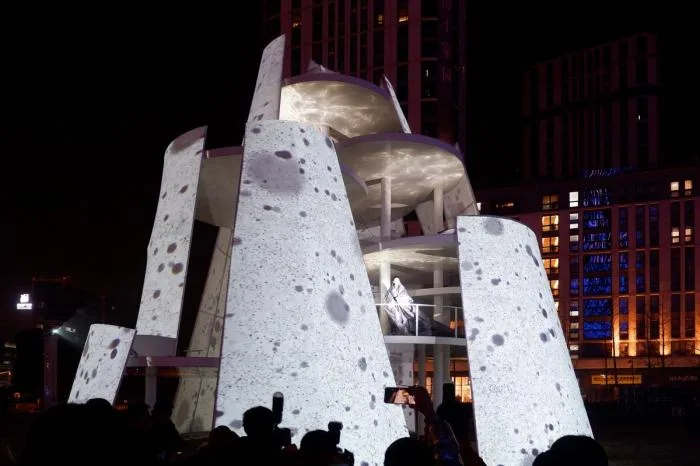
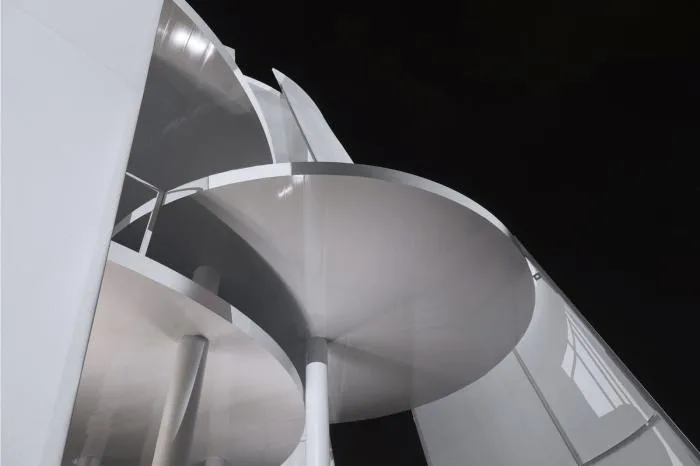
Exploring this profound theme of time through a physical medium, the Time Tower features a three-dimensional structure composed of multiple layers of disks that vary in size. These disks connect to screens of different dimensions surrounding the tower, creating a complex, interwoven spatial relationship. This design transforms tangible forms into abstract spatial expressions. Bathed in sunlight by day and illuminated by lights at night, the tower produces dynamic light and shadow effects, evoking a dreamlike atmosphere. It offers visitors a continuous and immersive visual experience that transitions from space into time, inviting them to look upward toward the infinite sky and sense the power of time and space.
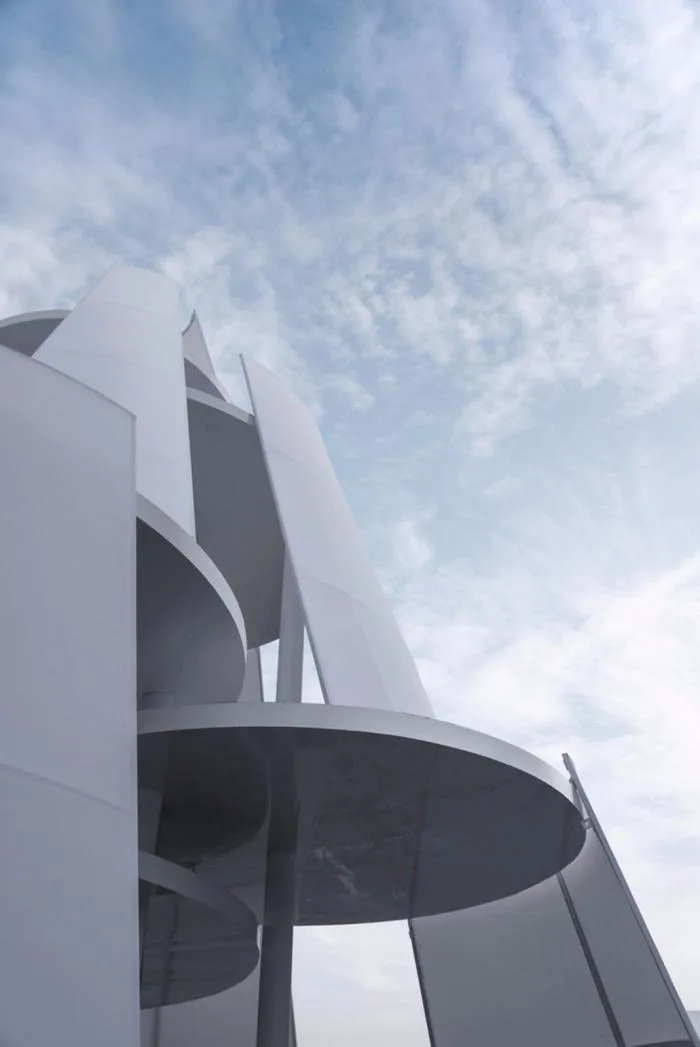
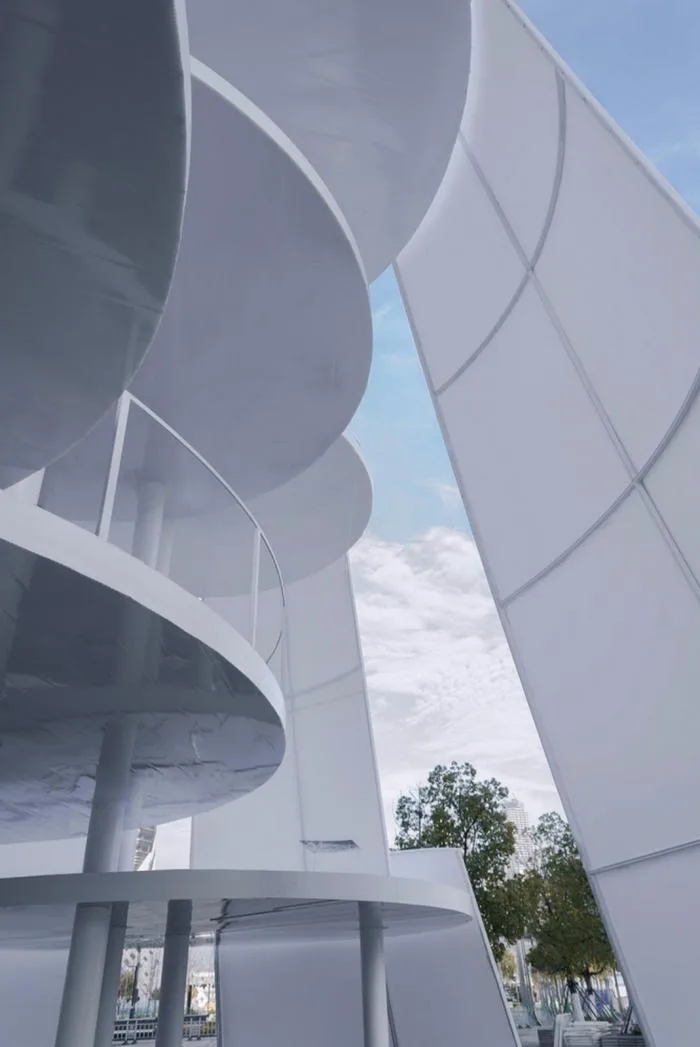
Surrounding the Time Tower, five sets of state-of-the-art projectors precisely display visual content onto screens of varying sizes and orientations. This technology supports the flawless presentation of Bing Yi’s cross-media artworks. Additionally, the lighting within the tower is synchronized with the external displays, creating a magnificent and cohesive artistic effect that amplifies the tower’s presence.
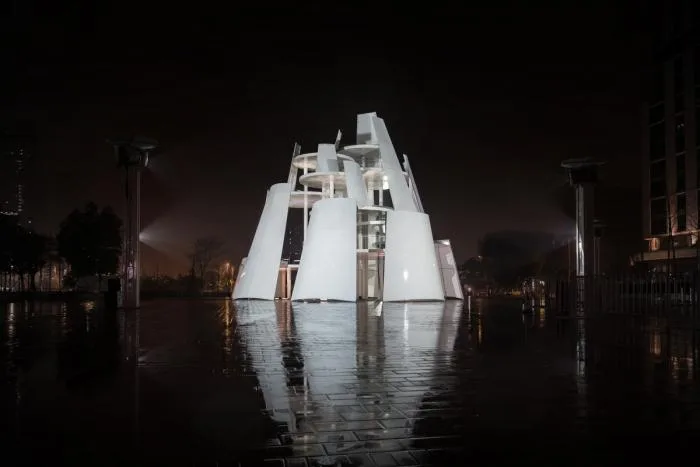
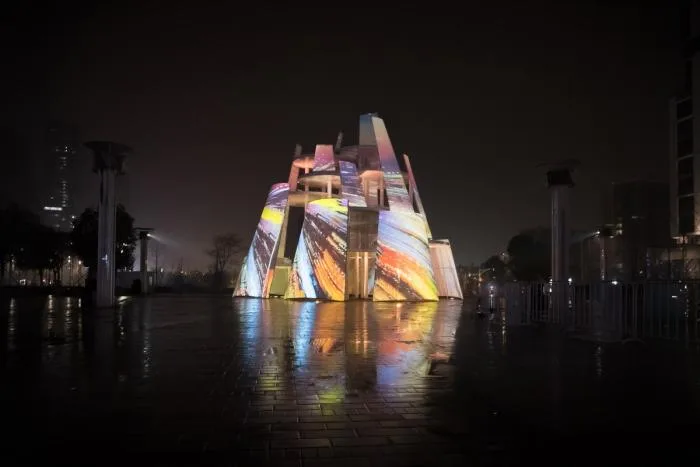
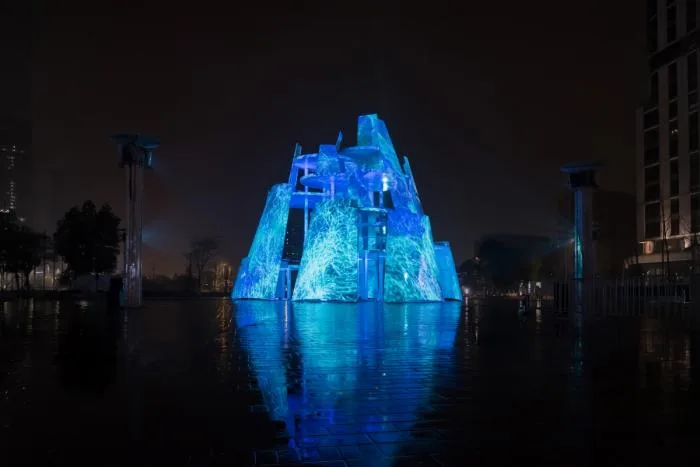
The Time Tower is a “light building” that uses light and information flow as its medium. Its creative concept centers on pure light language, aiming to transform architecture into a living entity of light. This approach brings to life the poetic and philosophical ideas of time and light—typically intangible experiences—by making them visible and tangible. As a multimedia structure, the Time Tower integrates various traditional architectural forms such as pavilions, stages, and exhibition spaces, serving as a versatile cultural venue for tourism, performances, broadcasting, and exhibitions.
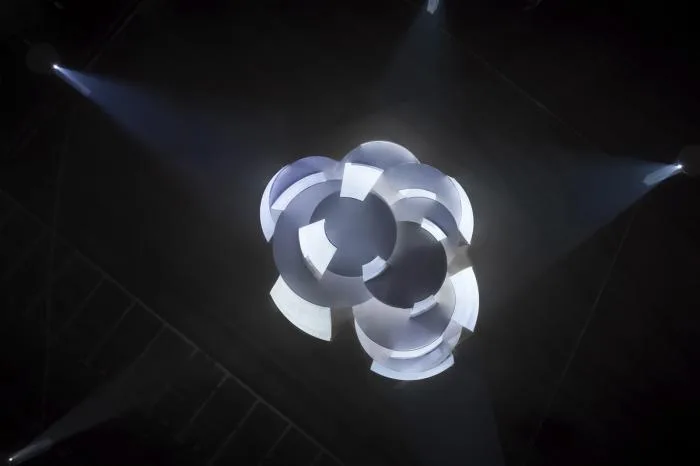
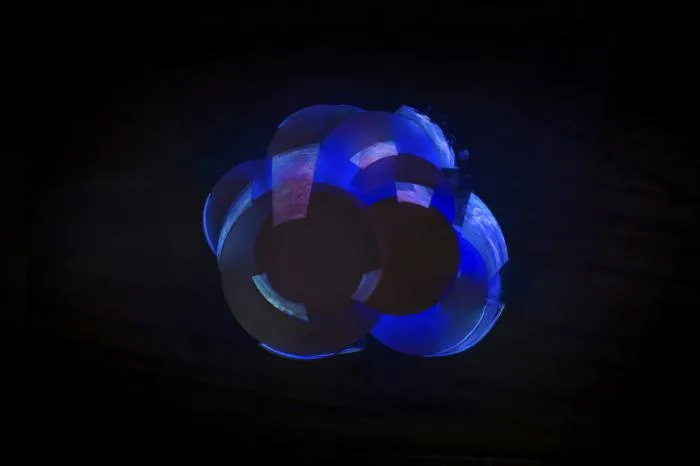
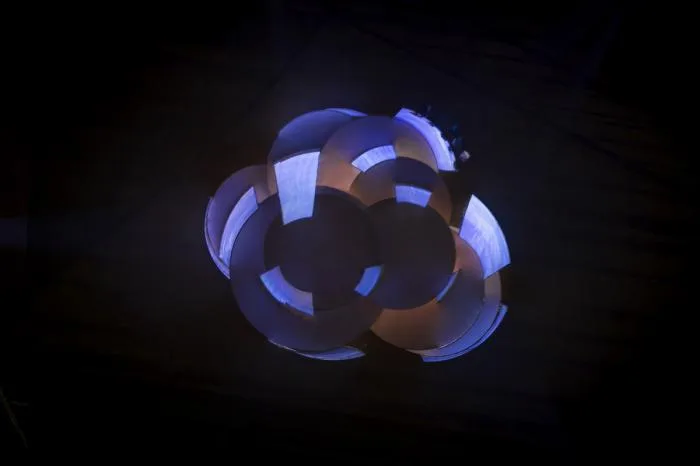
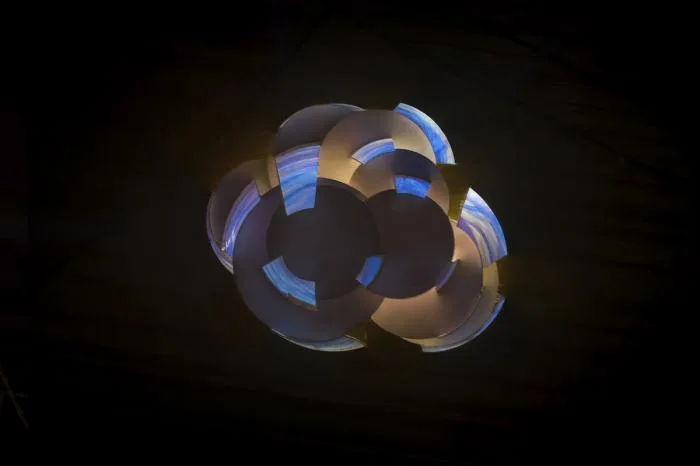
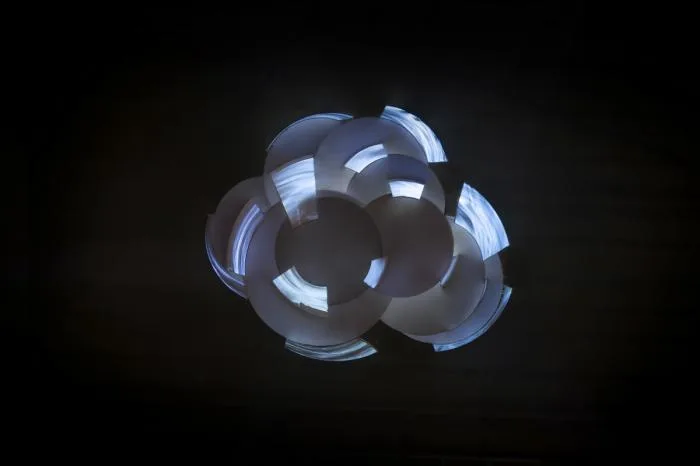
Each person who observes the Time Tower from a distance, appreciates it up close, steps inside, or climbs it, experiences unique feelings and gains a renewed perspective on time and life itself.
Project Drawings
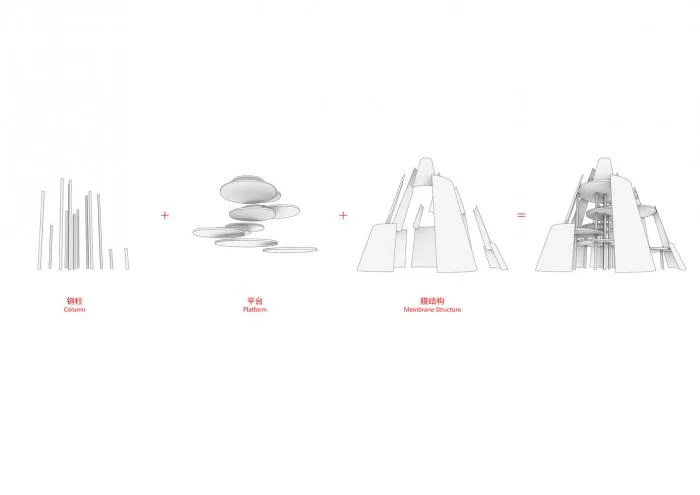
▲ Analysis Chart
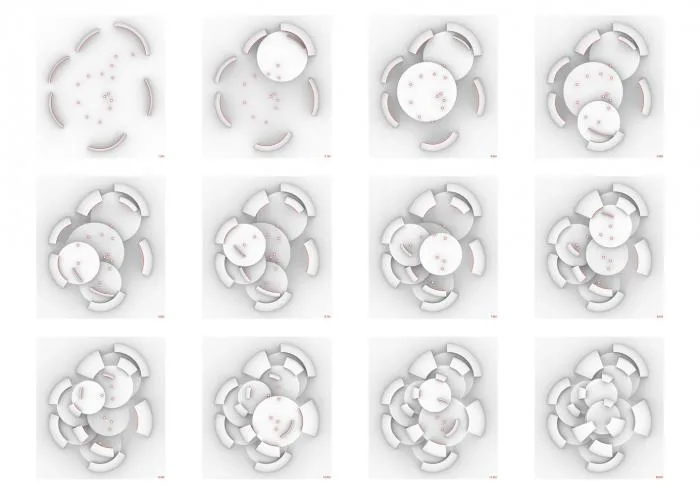
▲ Floor Plan Analysis
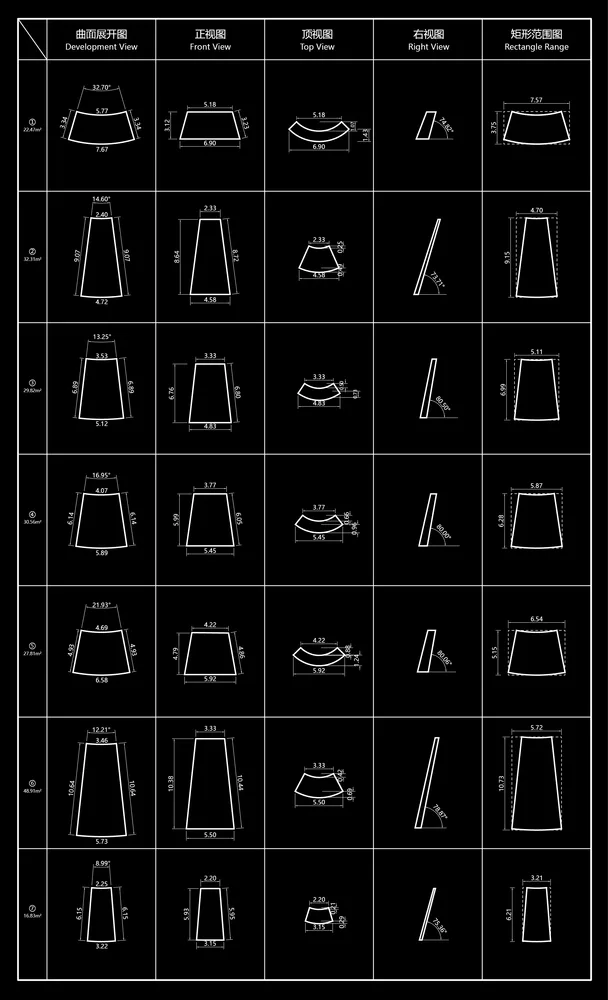
▲ Curtain Wall Dimensions
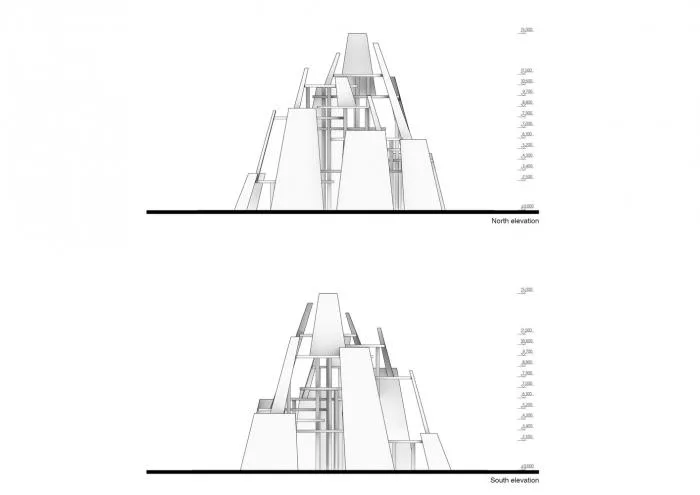
▲ Elevation View
Project Information
Location: Nanjing, China
Architectural Design: Zhu Xiaodi Studio · BIAD
Area: 470.0 m²
Year: 2019
Lead Architect: Zhu Xiaodi
Design Team: Zhao Xu, Ma Yuedong, Zhang Tao
Collaborative Artist: Bing Yi
Steel Structure Consultant: BIAD 4A7 Studio
Steel Structure Construction: Nanjing Ningsheng Steel Structure Engineering Co., Ltd
Architectural Lighting Design: Guanghu Purui Lighting Design Co., Ltd
Lighting Engineering: Longteng Lighting Group
On-site Technical Director: Zheng Yanbing
Manufacturers: Jiangsu Kecai Media Advertising Decoration, LONGT Lighting Group, Nanjing Ningsheng Steel Structure Engineering
Chief Planner: Wang Xiaolan
Photographers: Zhang Zhepong, Zhao Xu












Must log in before commenting!
Sign Up