
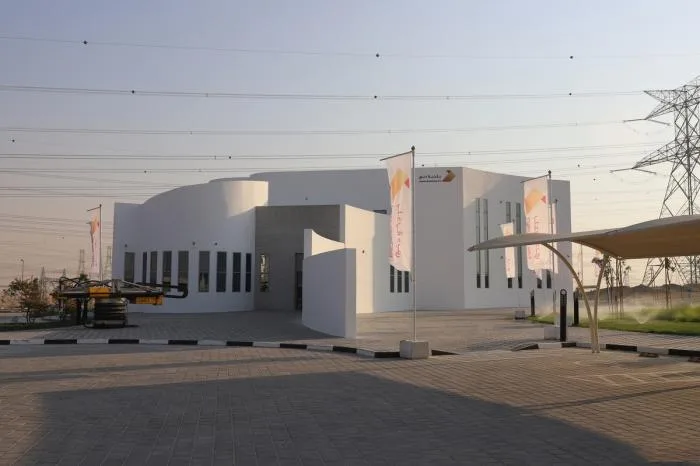
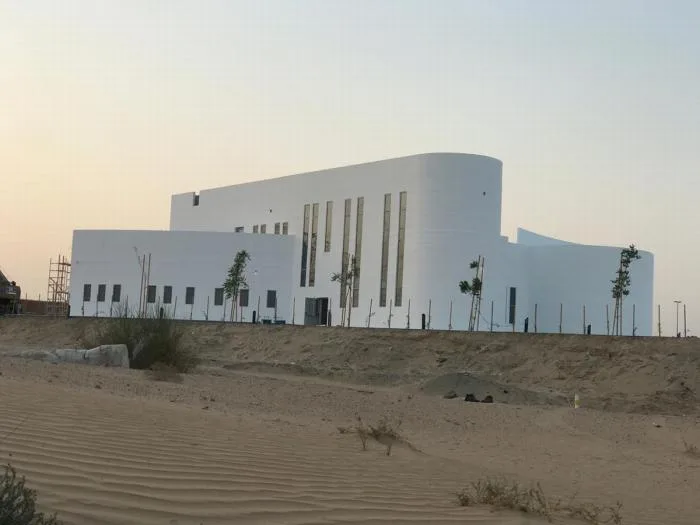
The Dubai Municipality building is set to become the world’s largest 3D printed building upon completion. Standing 9.5 meters tall and covering a project area of 640 square meters, this landmark structure was designed and constructed by Apis Cor, a US-based company. The building was printed directly on site using advanced 3D printing technology.
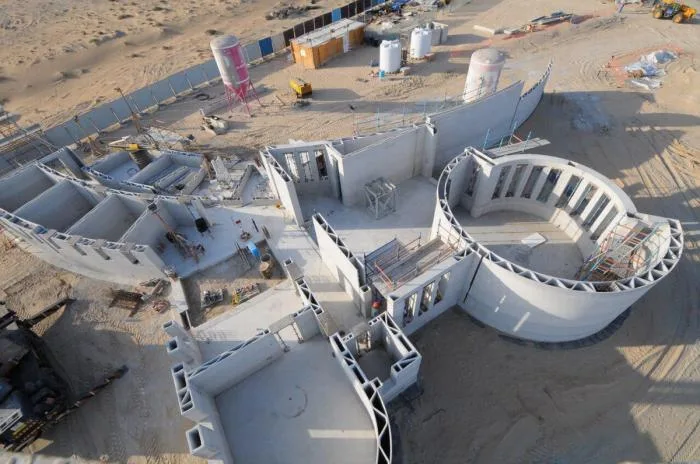
Apis Cor pioneered the development of specialized 3D printing equipment for the construction industry. They successfully completed the 3D printed wall structure of this two-story administrative building for Dubai Municipality. Their innovative 3D printer enables on-site construction of building structures without requiring any additional assembly. Covering over 640 square meters, this project surpasses the maximum static printing area of Apis Cor’s 3D printer.
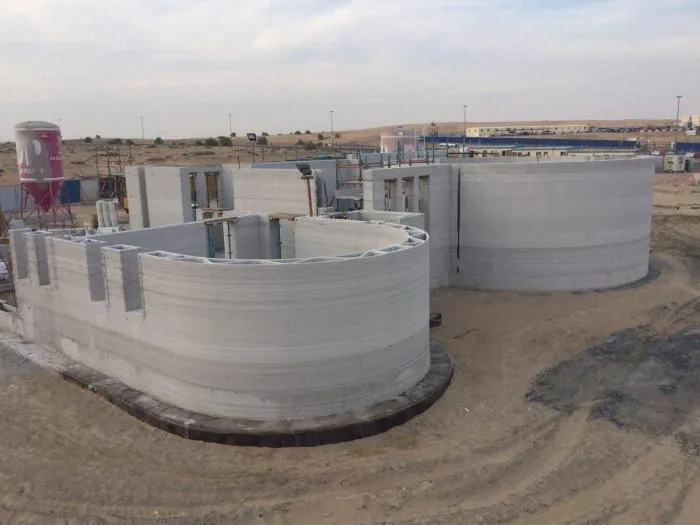
The movable 3D printer is mounted on a crane, allowing it to move and cover the entire construction site. This mobility is essential to work within the building’s expansive area, which exceeds the printer’s standard range. Remarkably, the entire wall printing process requires only three workers supported by the machinery. Apis Cor’s printer also excels in harsh environmental conditions, having undergone extensive on-site testing to ensure material production and equipment reliability in challenging weather.
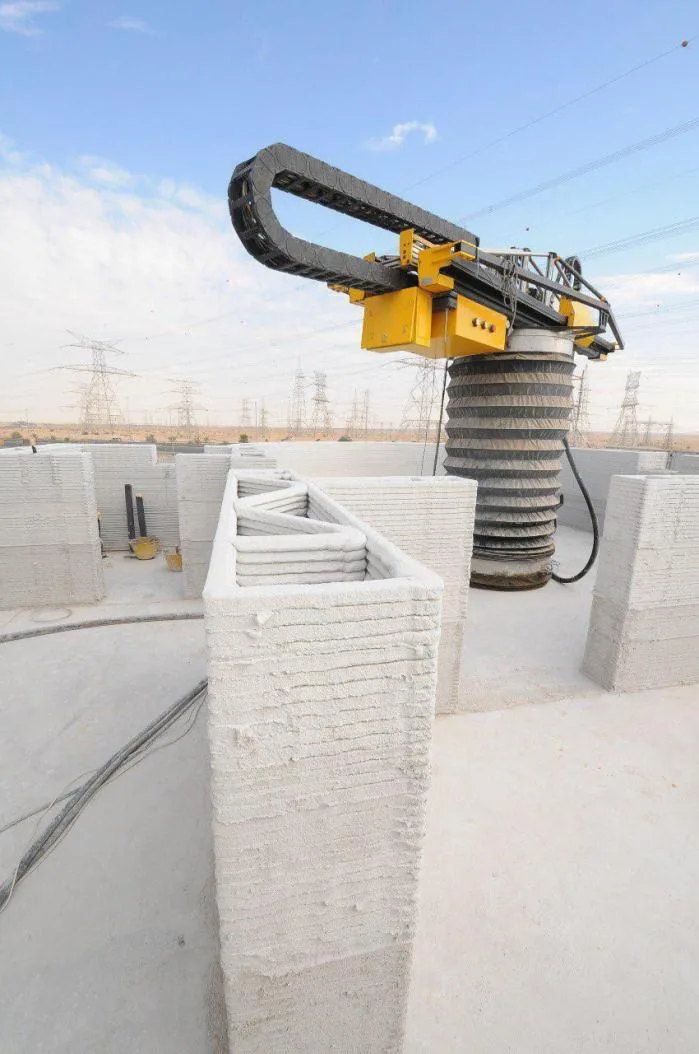
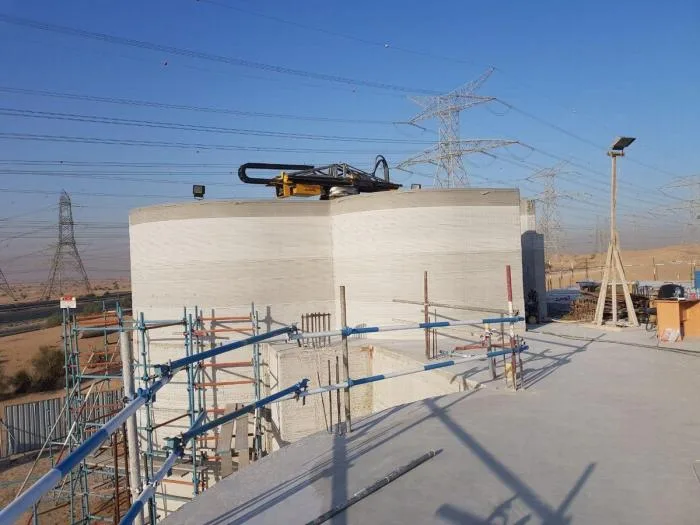
3D printing technology for architecture is still in its early stages of rapid development. Apis Cor has invested significant research efforts to make this technology viable for large-scale projects. The collaboration with Dubai Municipality has been invaluable, offering unique insights and practical experience. This partnership has paved the way for enhancements to their 3D printer, resulting in a new model that is more reliable and twice as fast as its predecessor. Additionally, the project facilitated testing and improvement of hybrid materials developed for their proprietary 3D printing process, marking a major advancement for concrete 3D printing.
— Nikita Cheniuntai, CEO and Founder of Apis Cor
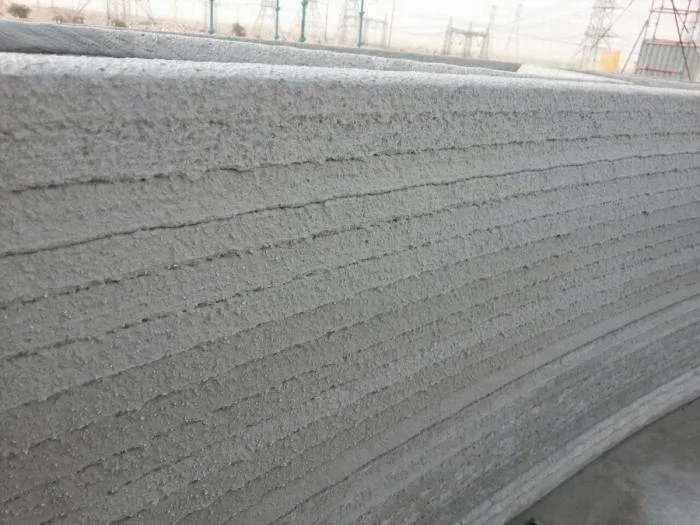
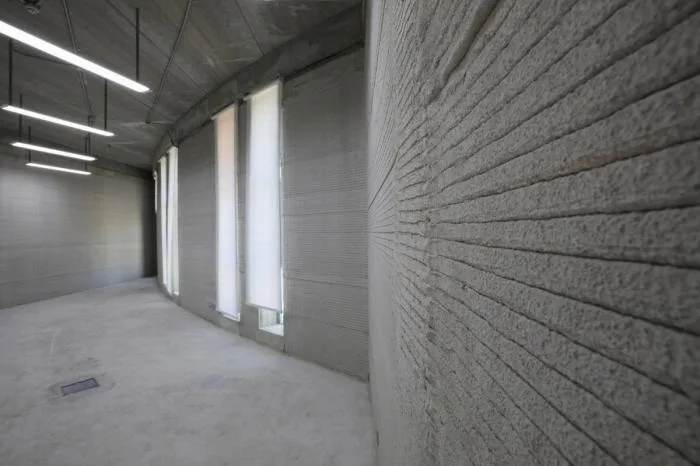
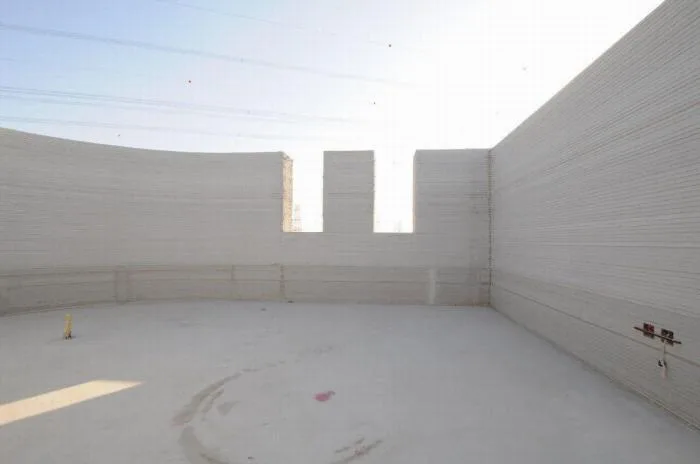
The foundation of the building follows traditional construction methods. However, the walls are 3D printed and reinforced by manually placing steel bars and filling column molds with conventional concrete. The 3D printing material used is a gypsum-based mixture developed by Apis Cor and produced locally for this project.
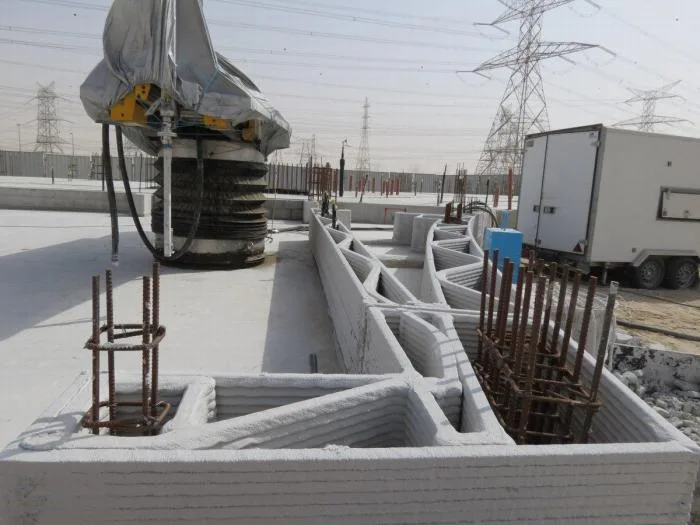
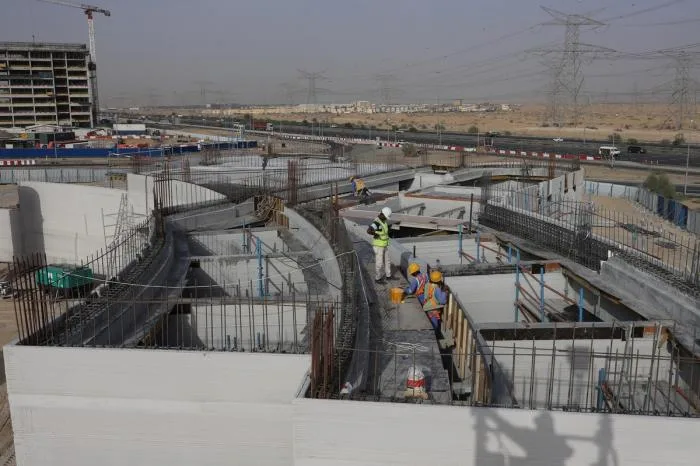
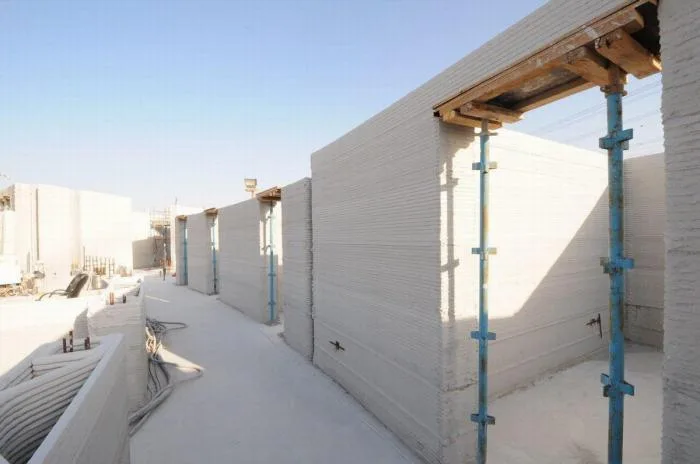
Construction Progress Photos
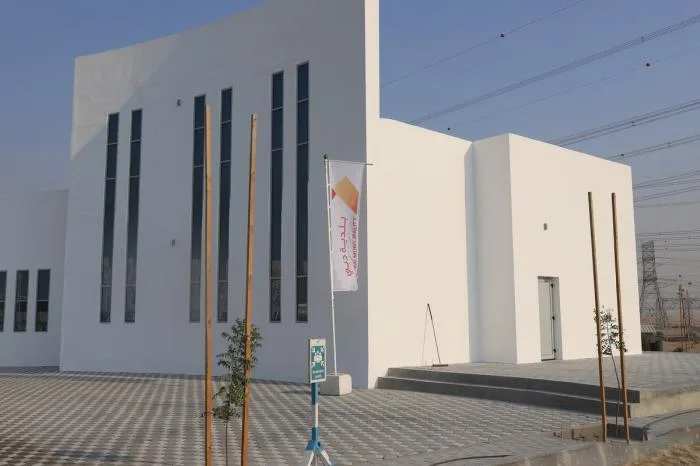
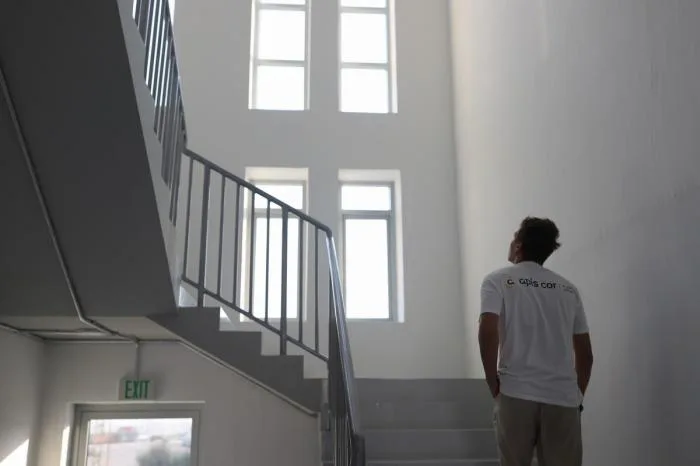
Note: All images courtesy of Apis Cor













Must log in before commenting!
Sign Up