
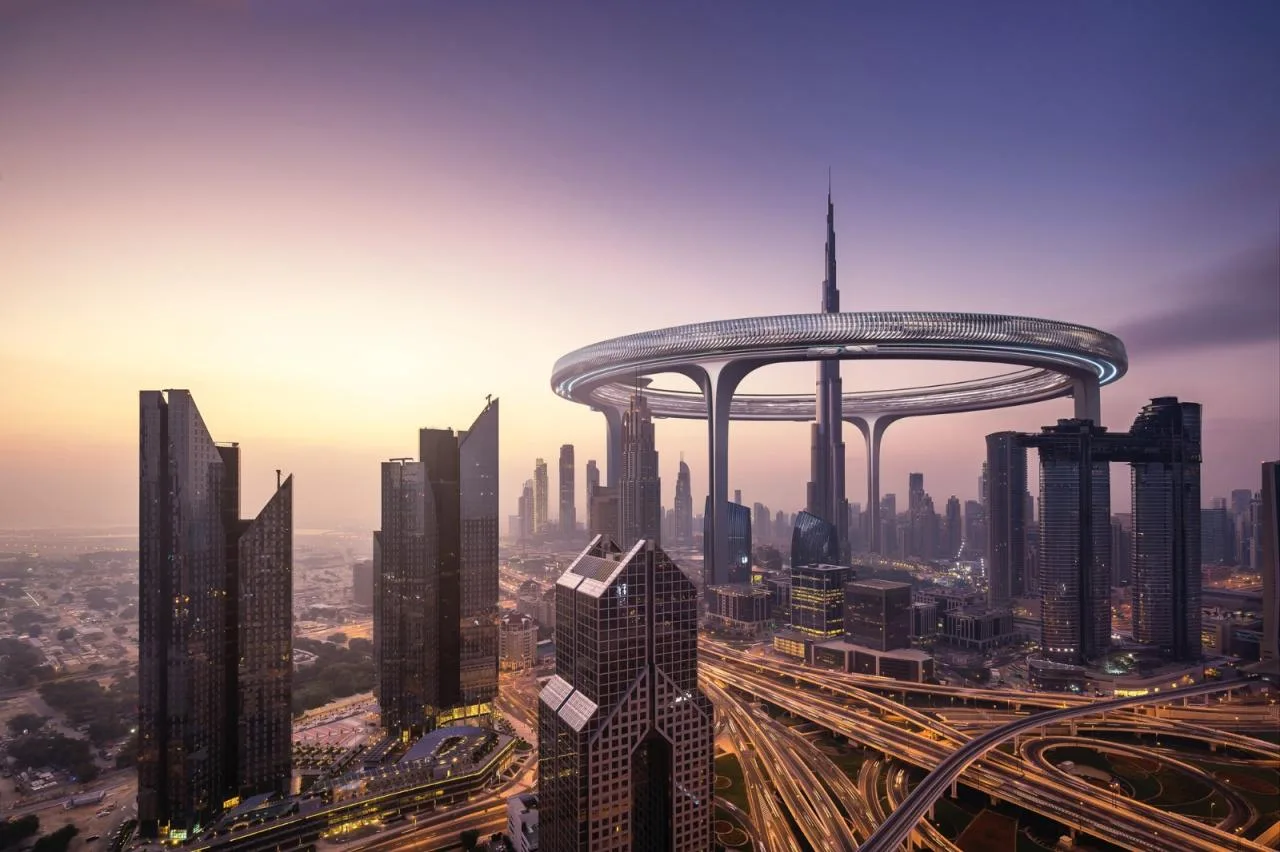
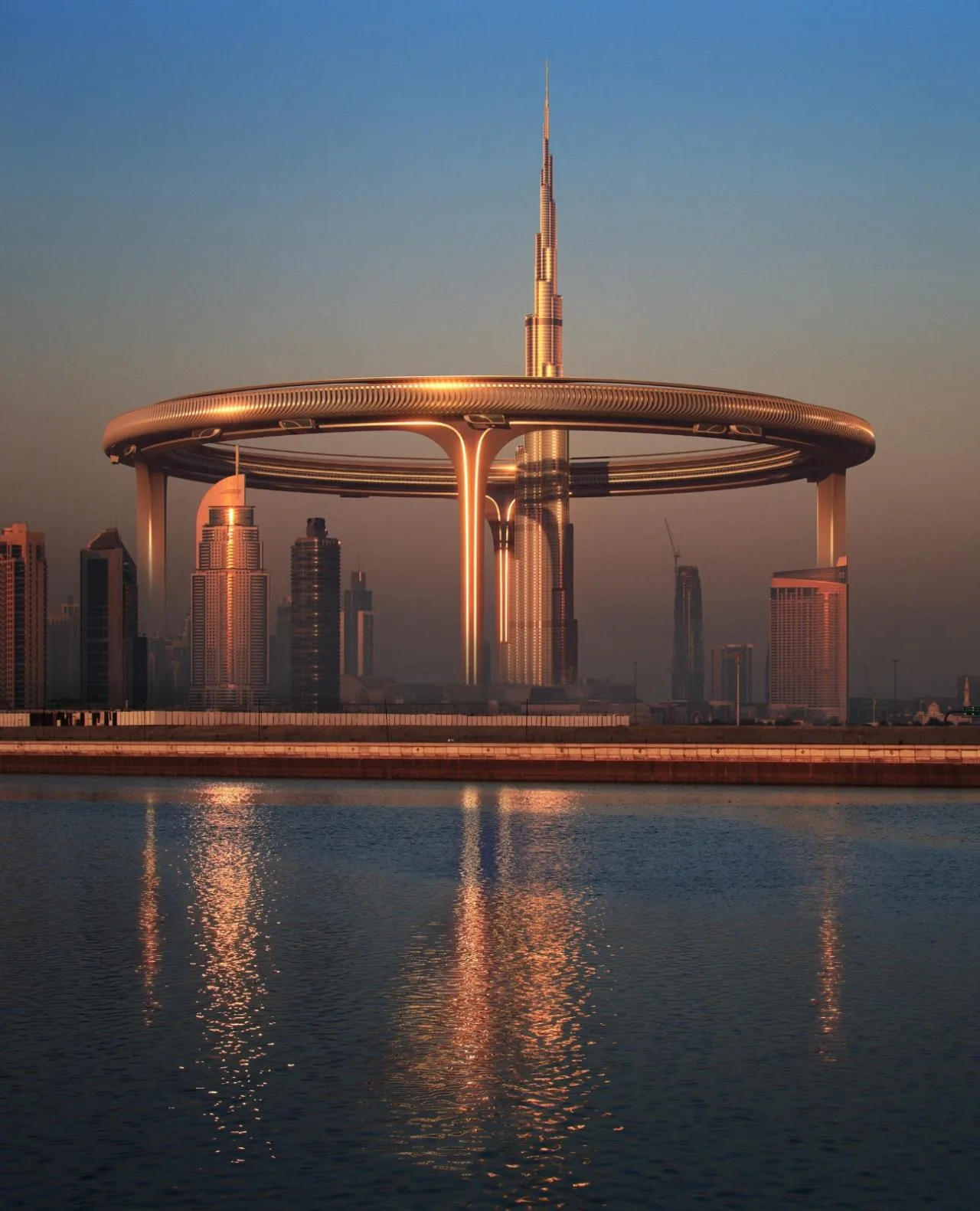
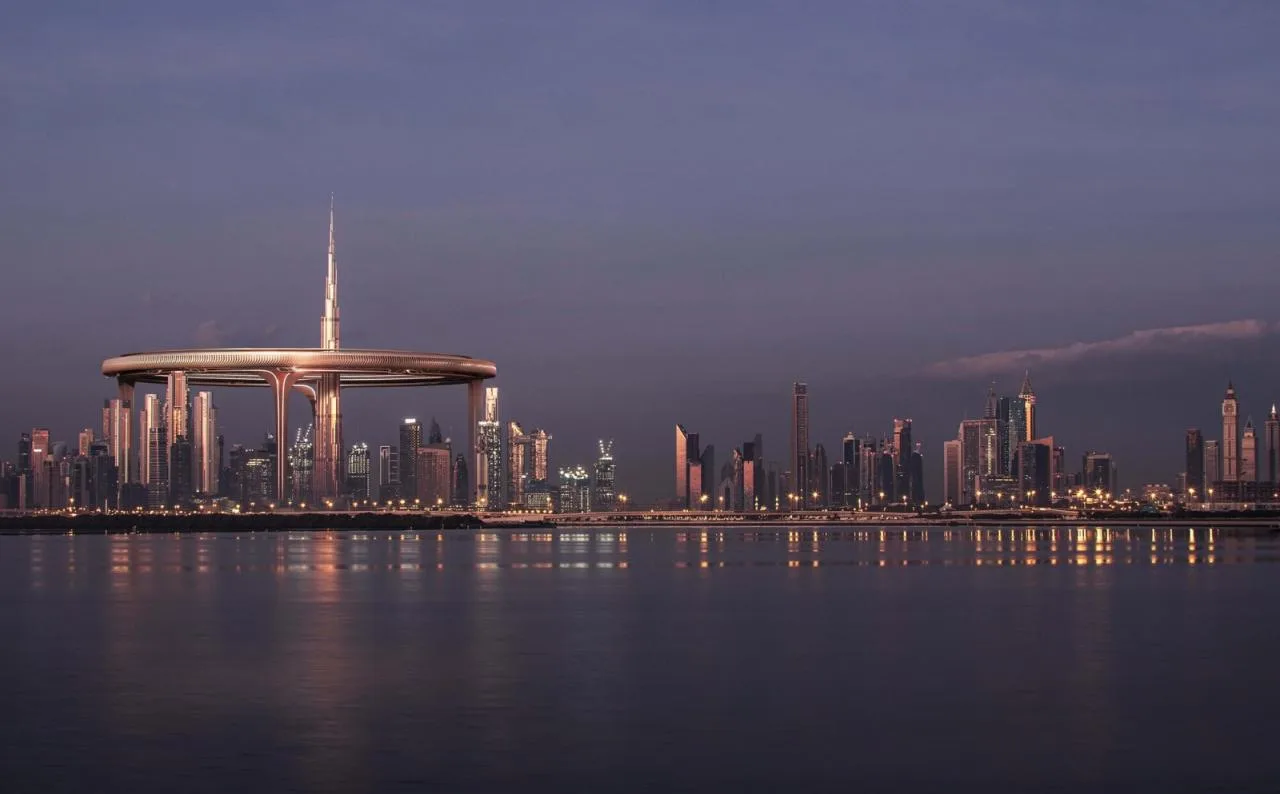
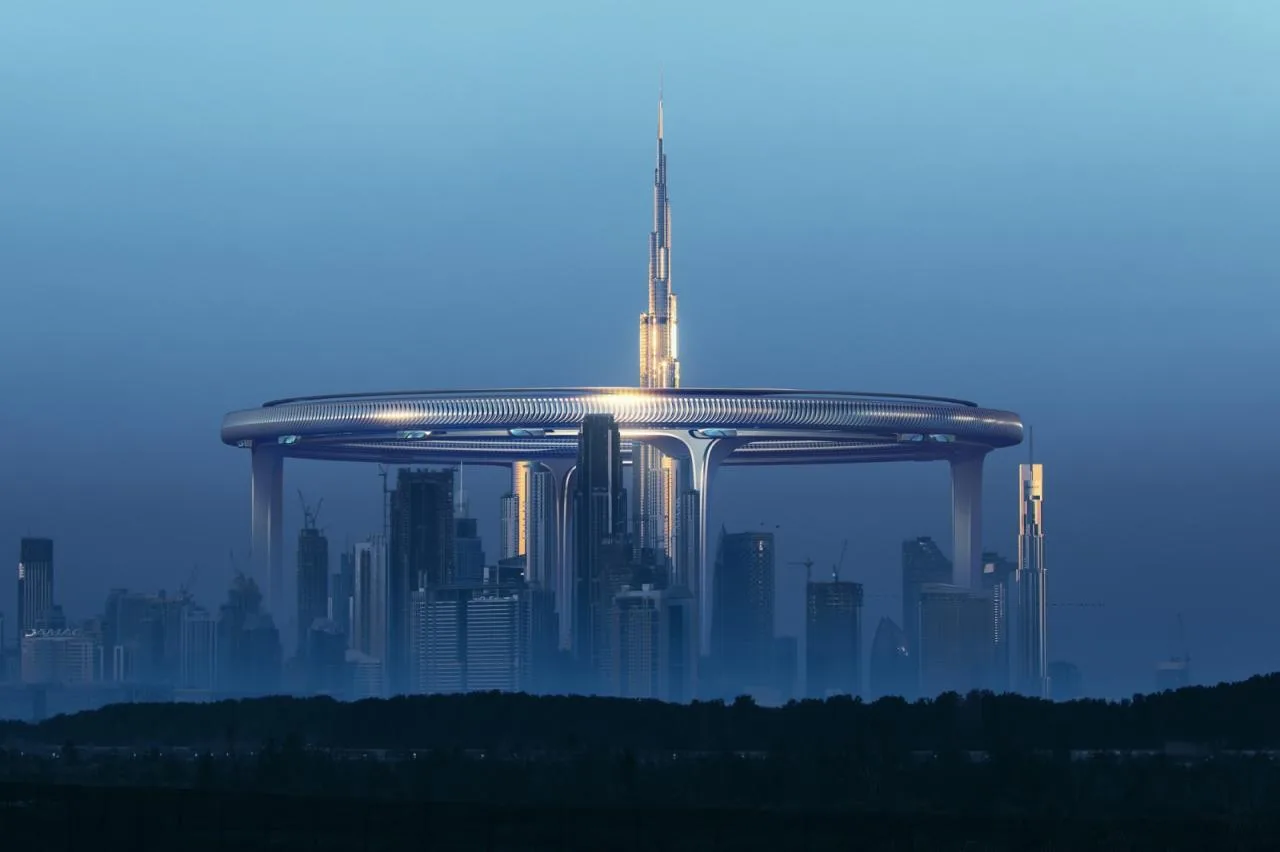
Dubai-based architecture firm ZNera Space has envisioned a groundbreaking landmark for the city: a “connected metropolis” that encircles the Burj Khalifa, symbolizing green living and nature. Named the Downtown Circle, this project plans to build a 3-kilometer-long circular structure around the world’s tallest freestanding building at an elevation of 550 meters. It challenges the traditional isolated skyscraper urban model, proposing a shift towards more human-centered development that integrates natural elements and offers diverse public spaces.
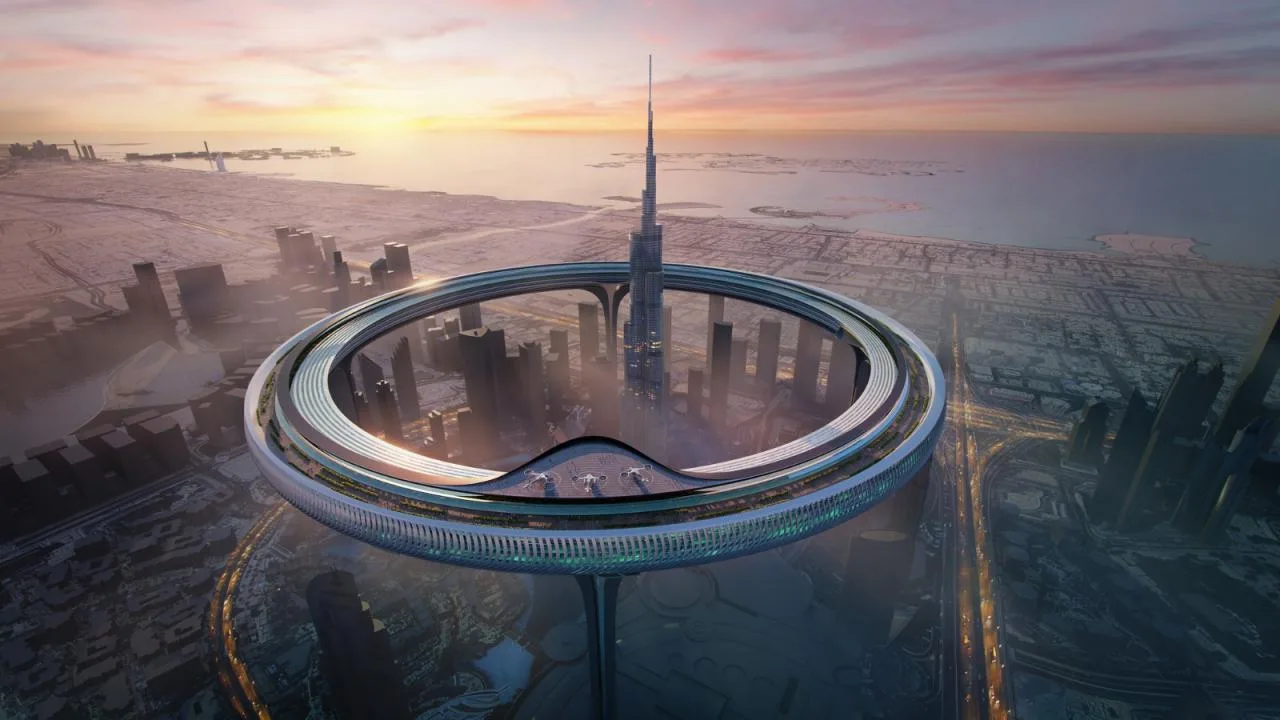
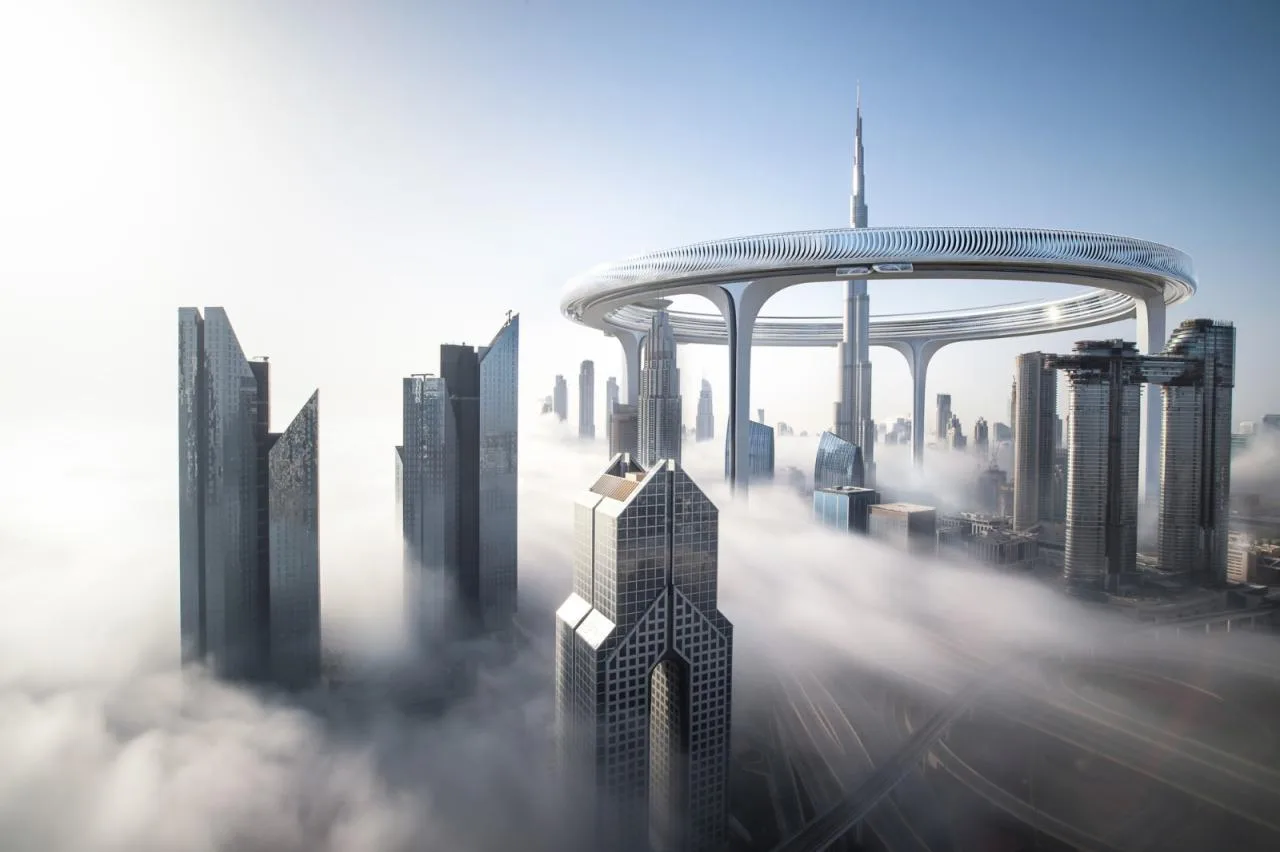
This initiative responds to ongoing global population growth and explores the evolving urban center typology marked by skyscraper clusters, especially in rapidly urbanizing cities like Dubai. The 550-meter-tall ring offers a unique alternative to the typical disconnected high-rise developments found in many metropolitan areas.
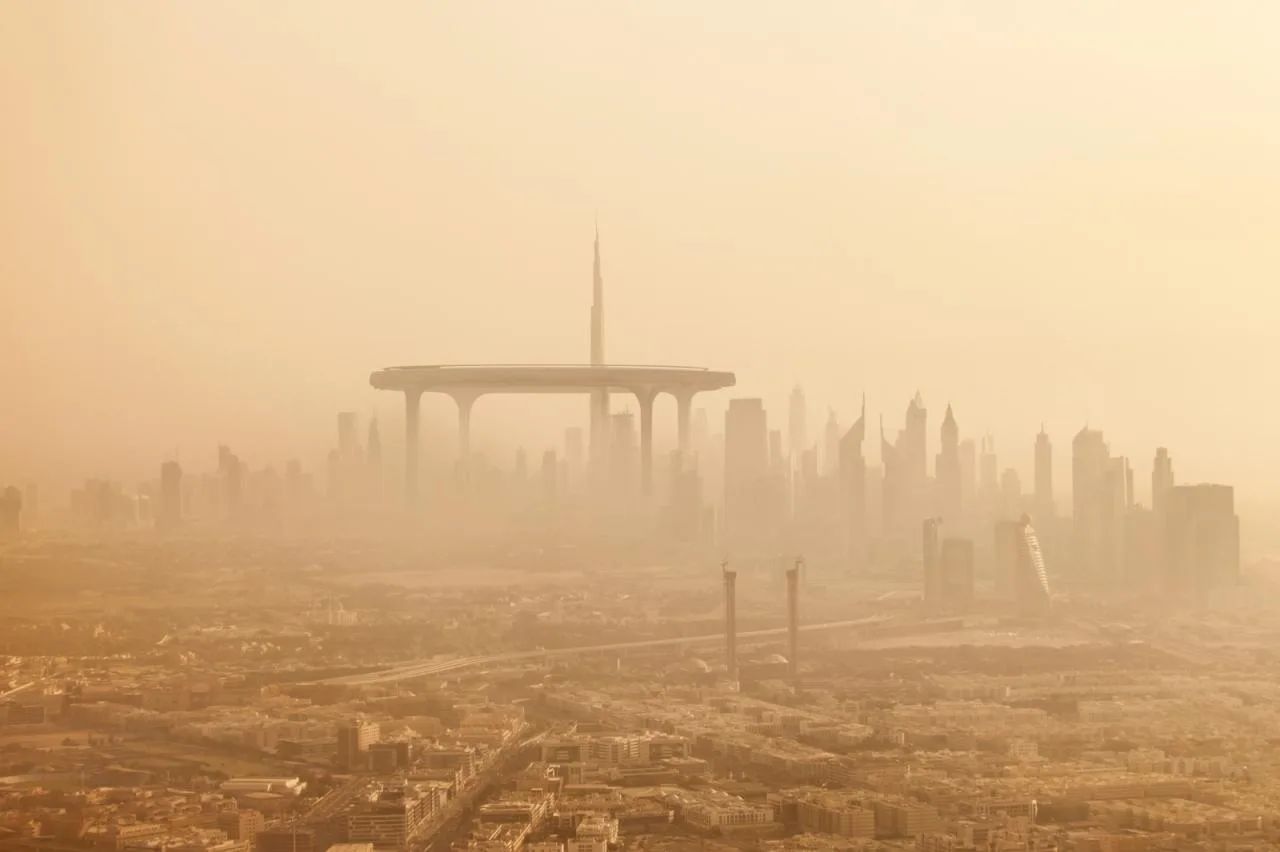
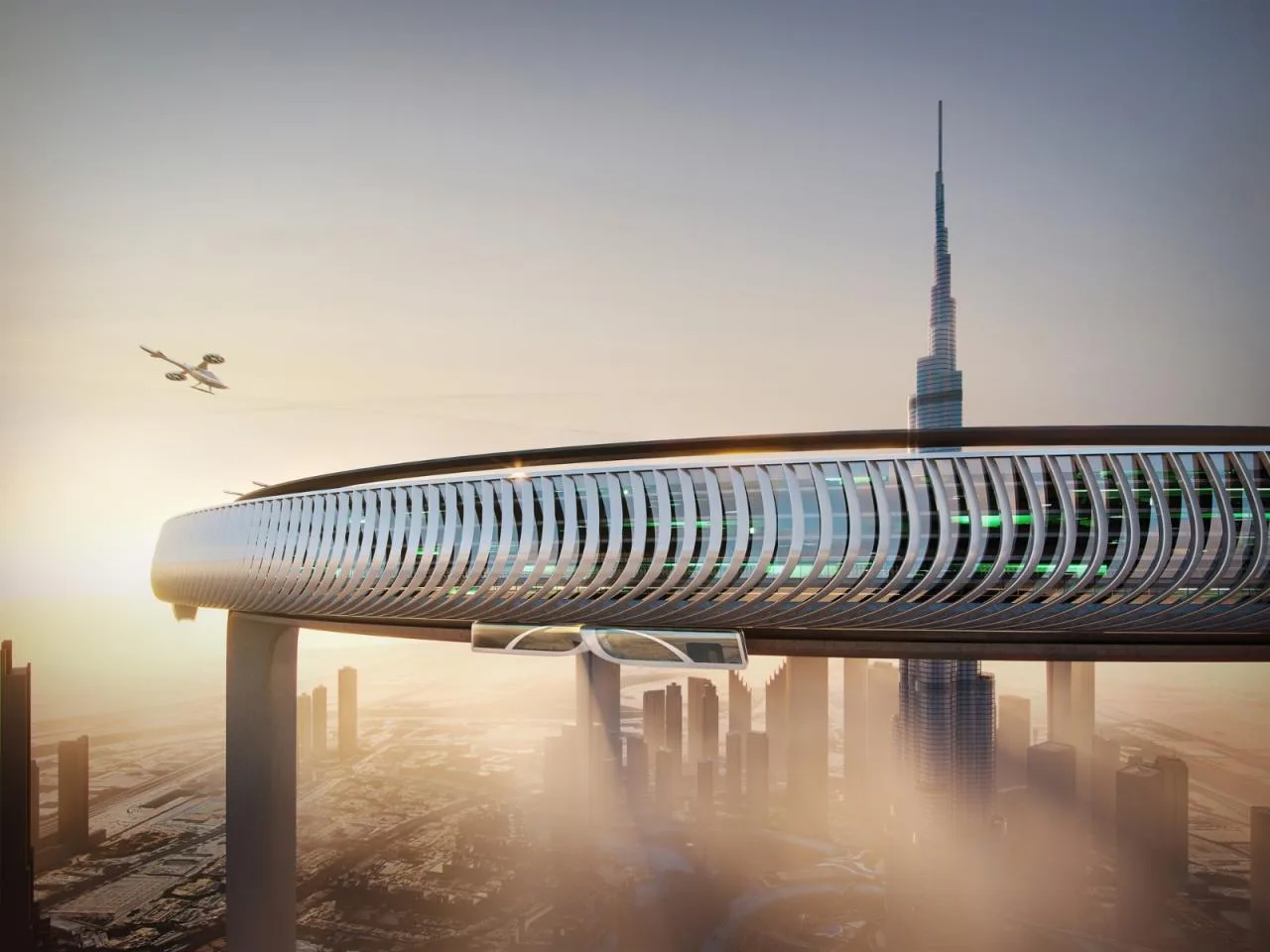
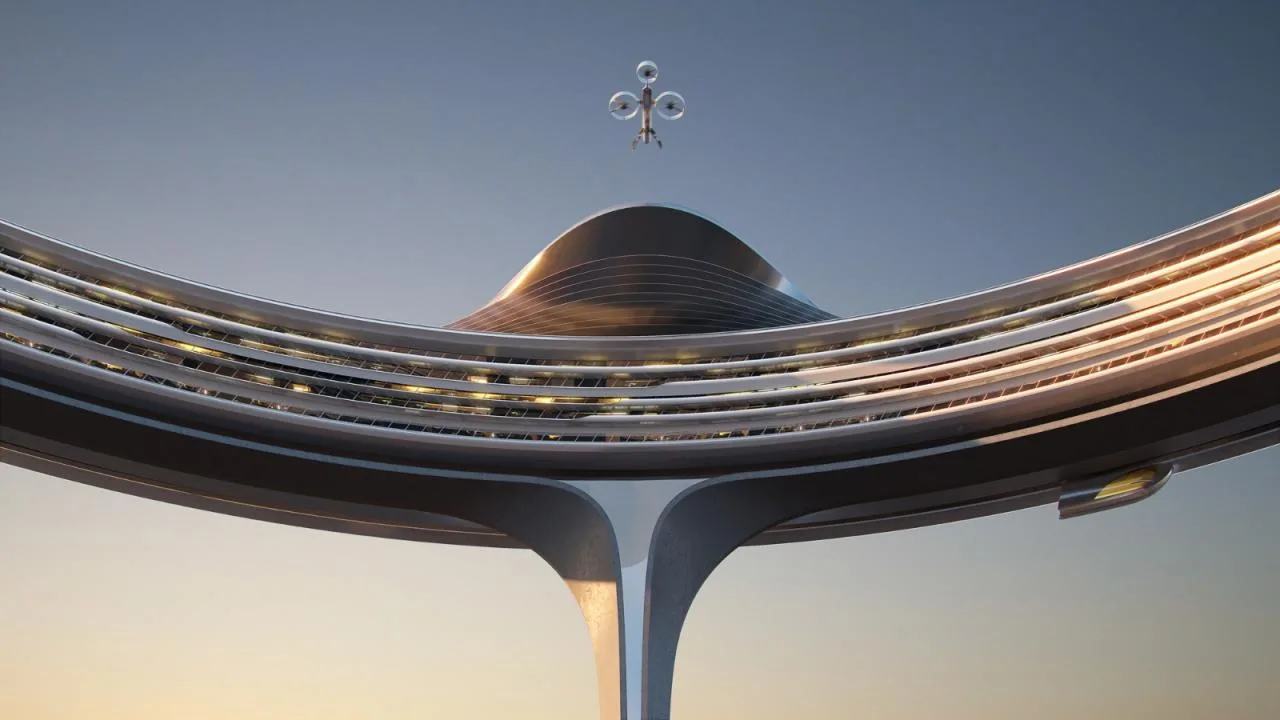
The colossal “giant ring” will span 3 kilometers around the Burj Khalifa with a central spine called the “Skypark,” offering panoramic city views and fresh air. The large-scale project is divided into smaller modules, creating a variety of spaces that cater to public, commercial, and cultural needs. It will also feature diverse office and residential options, including large offices, live-work units, lofts, townhouses, and multi-story homes.
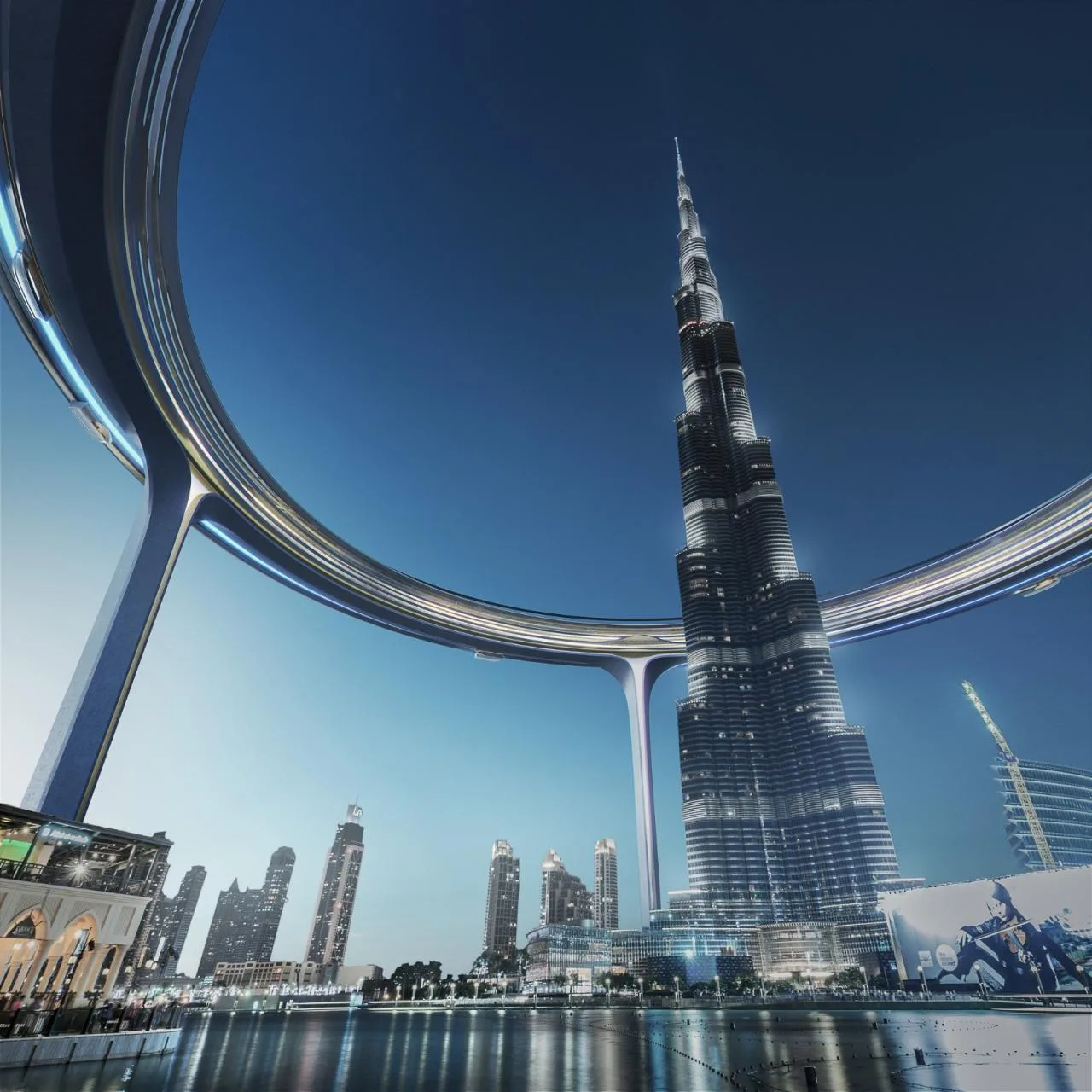
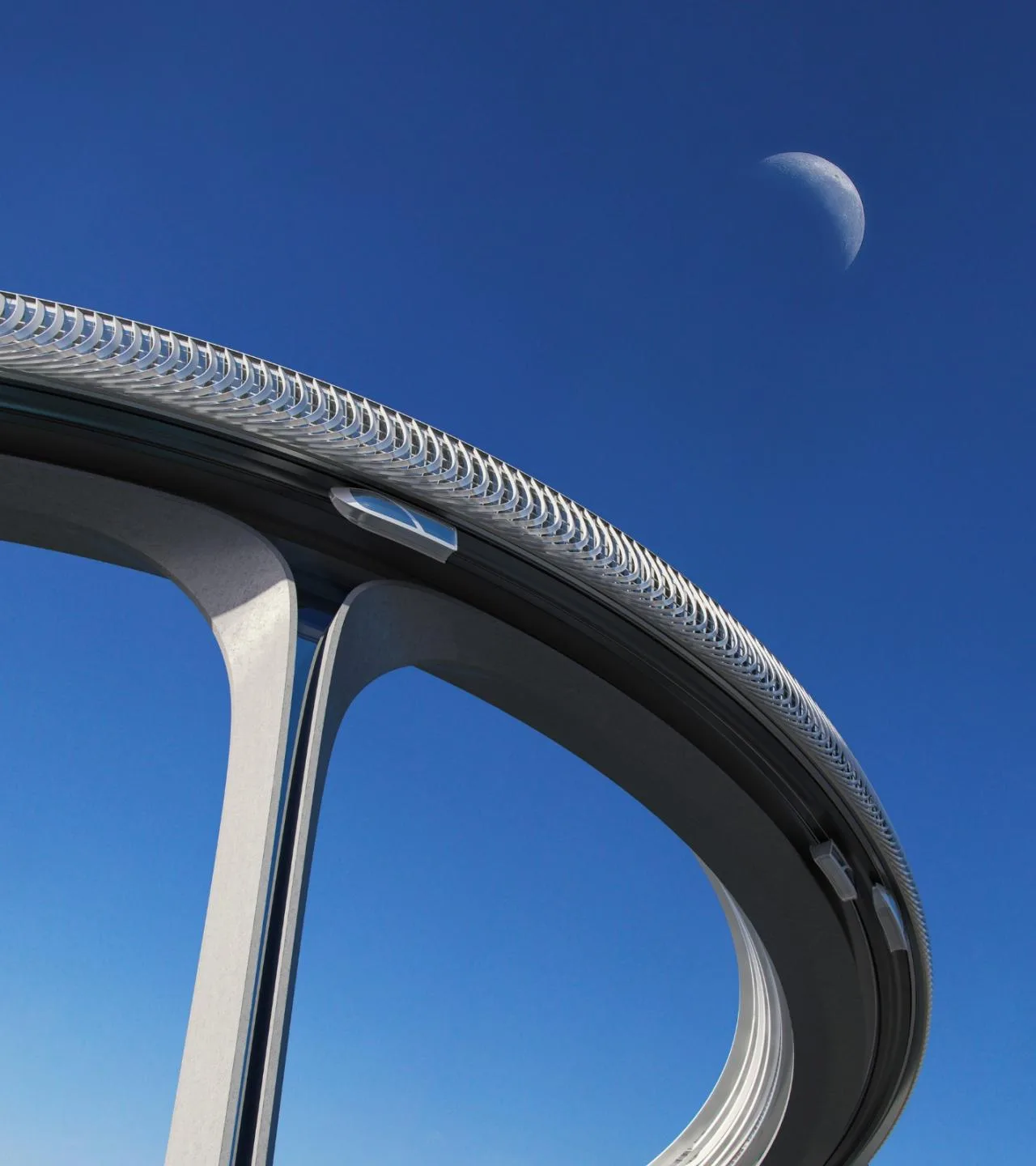
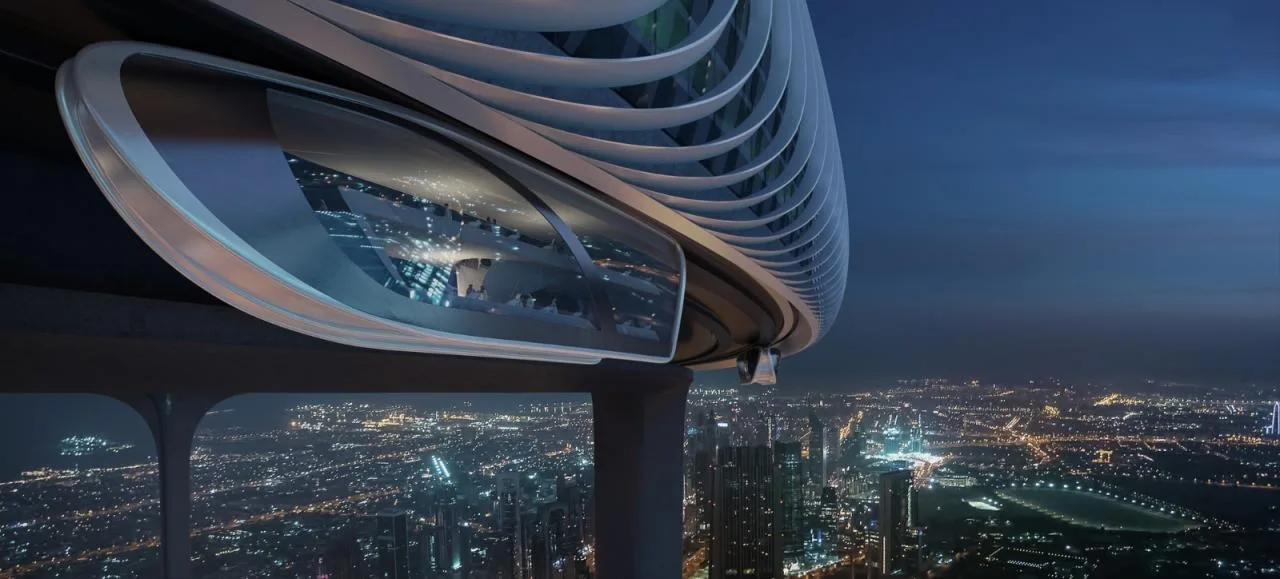
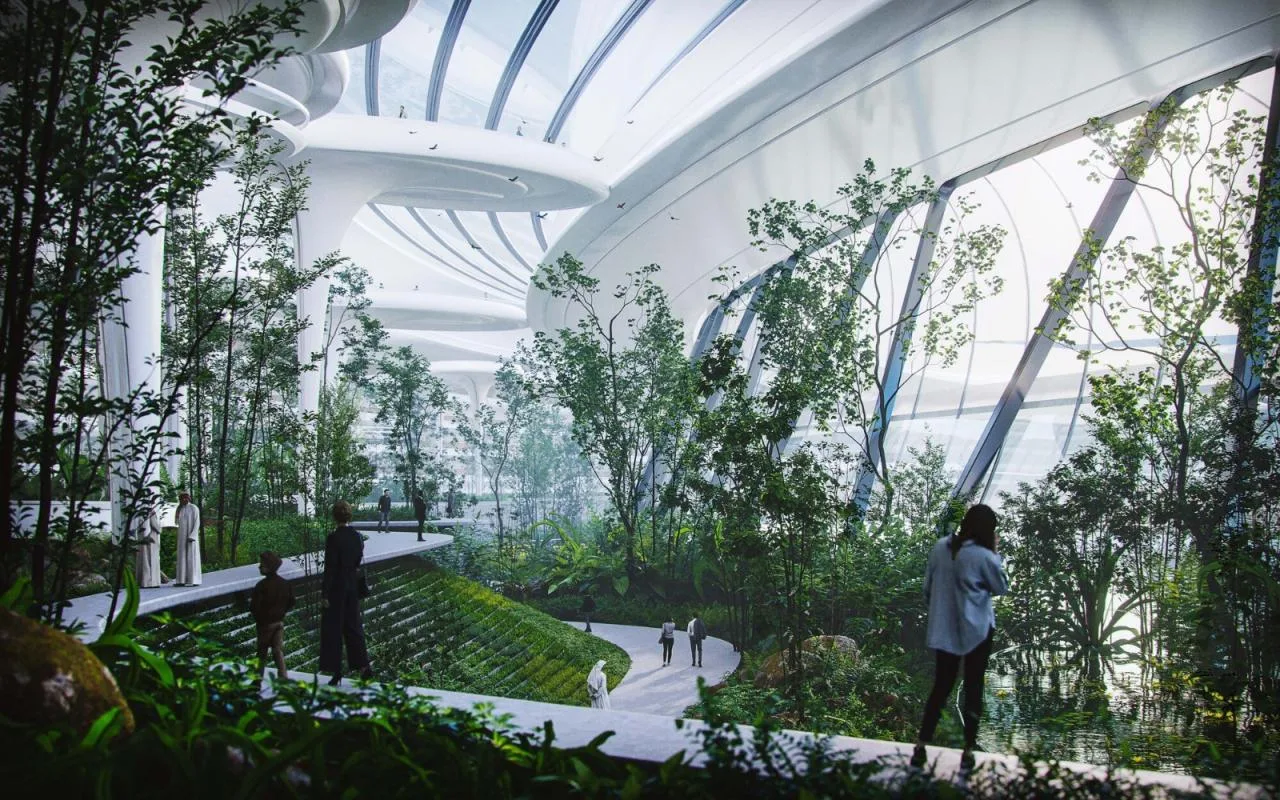
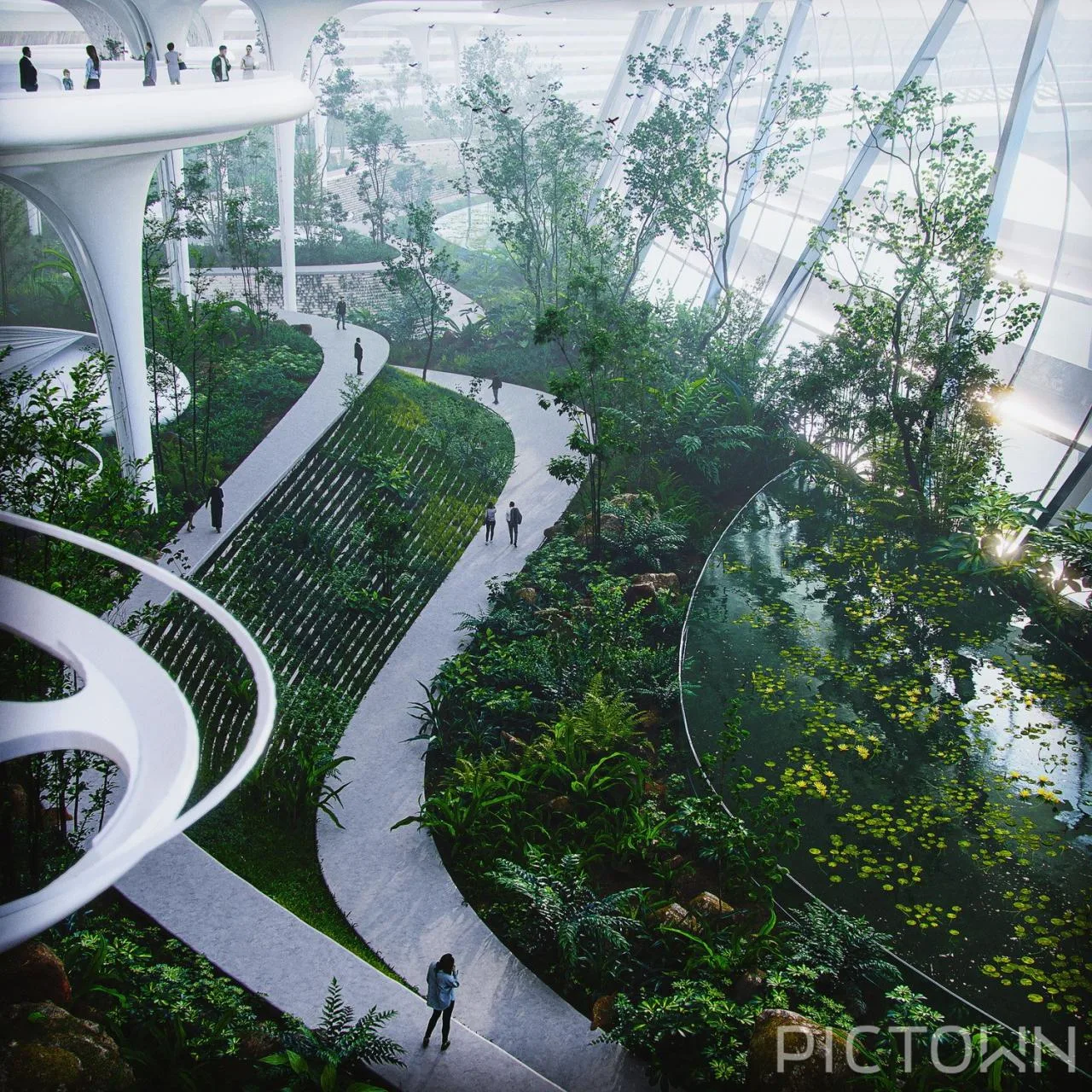
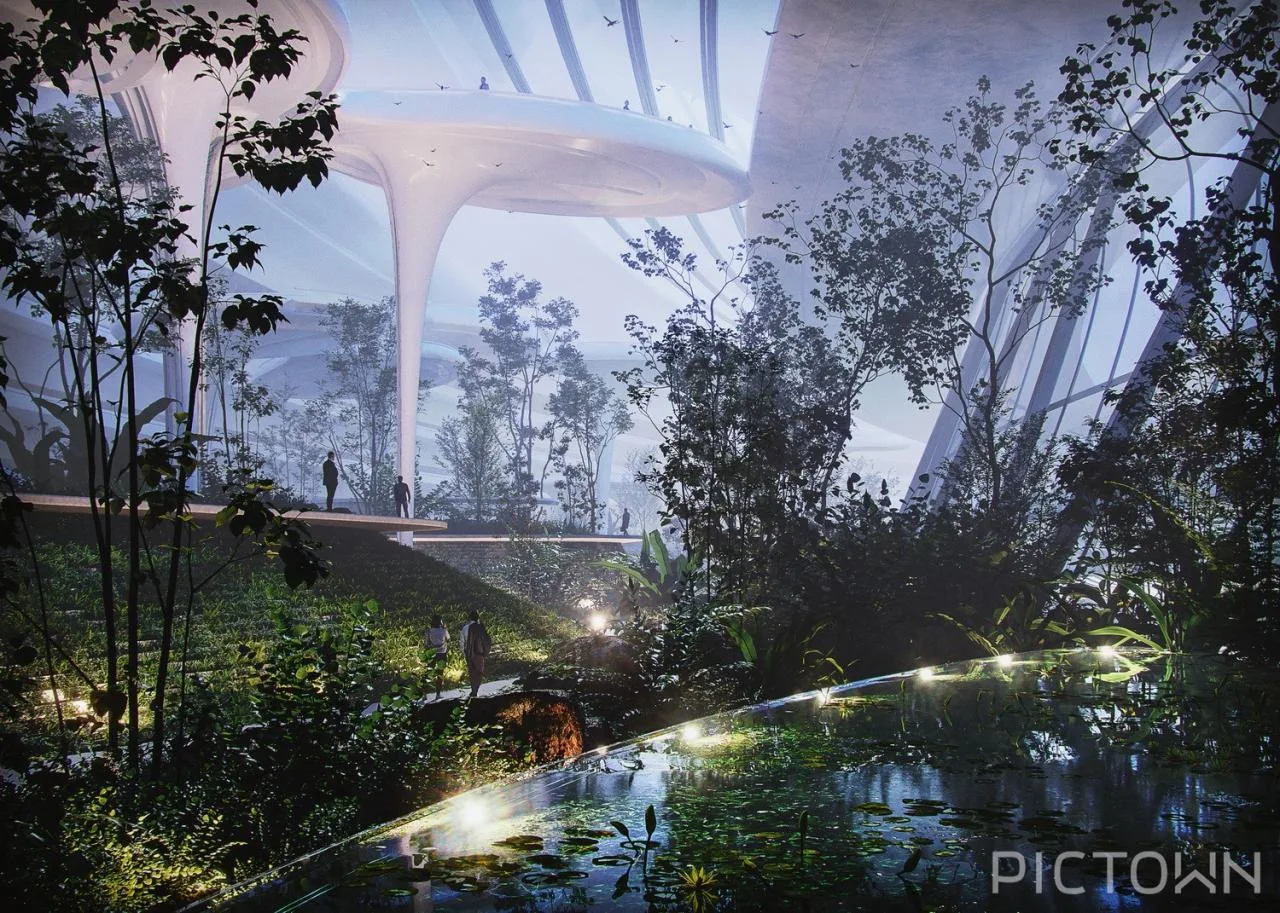
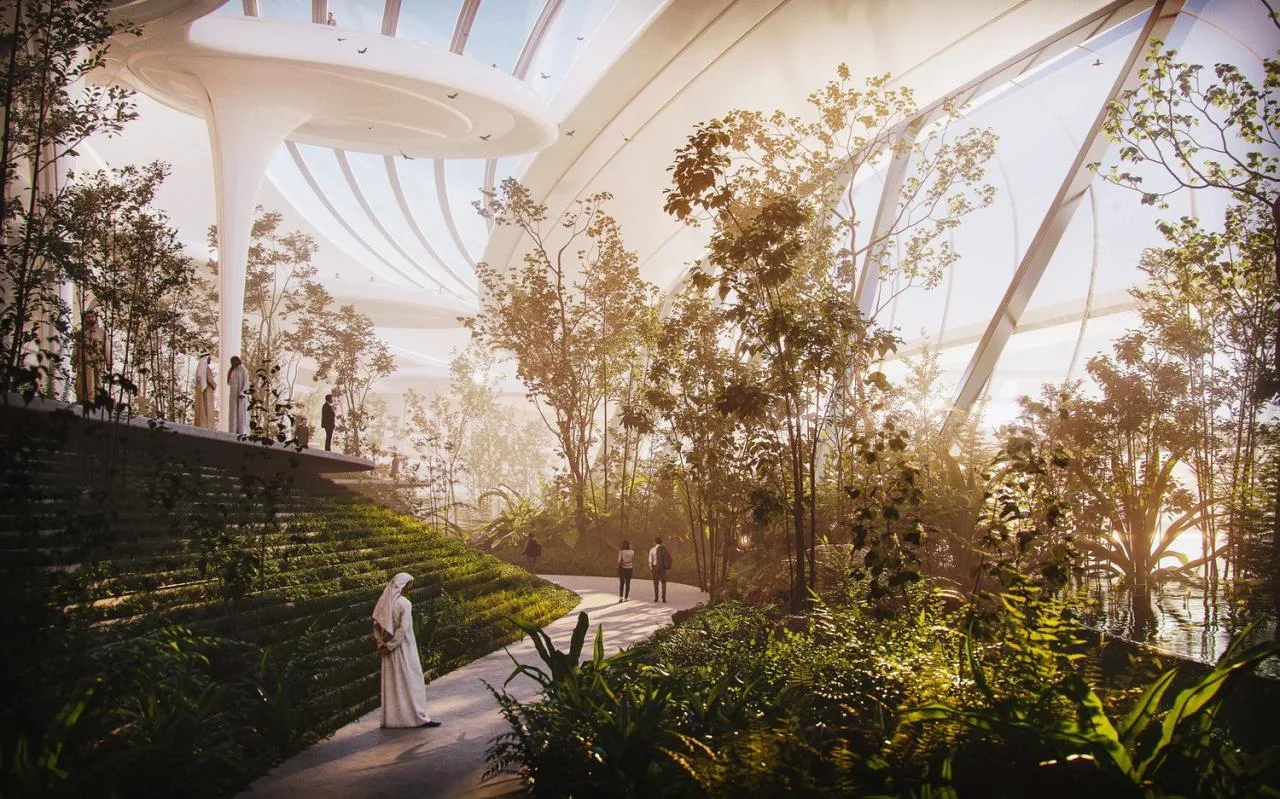
The Urban Center Ring aims to create a sustainable, self-sufficient vertical urban environment that efficiently serves as a vibrant urban core while giving back to nature. The structure consists mainly of two interconnected rings linked by a continuous green belt called the “Sky Park.” Bathed in natural light, the Sky Park will connect offices and research centers across multiple floors, forming a three-dimensional green ecosystem suspended in the air.
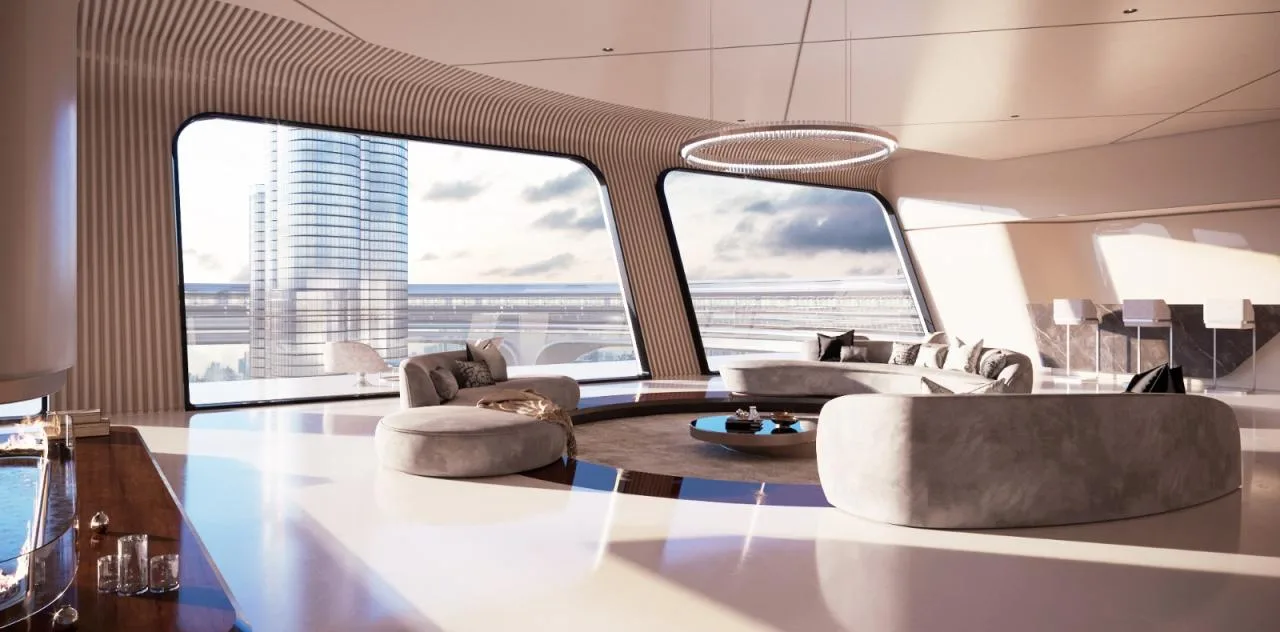
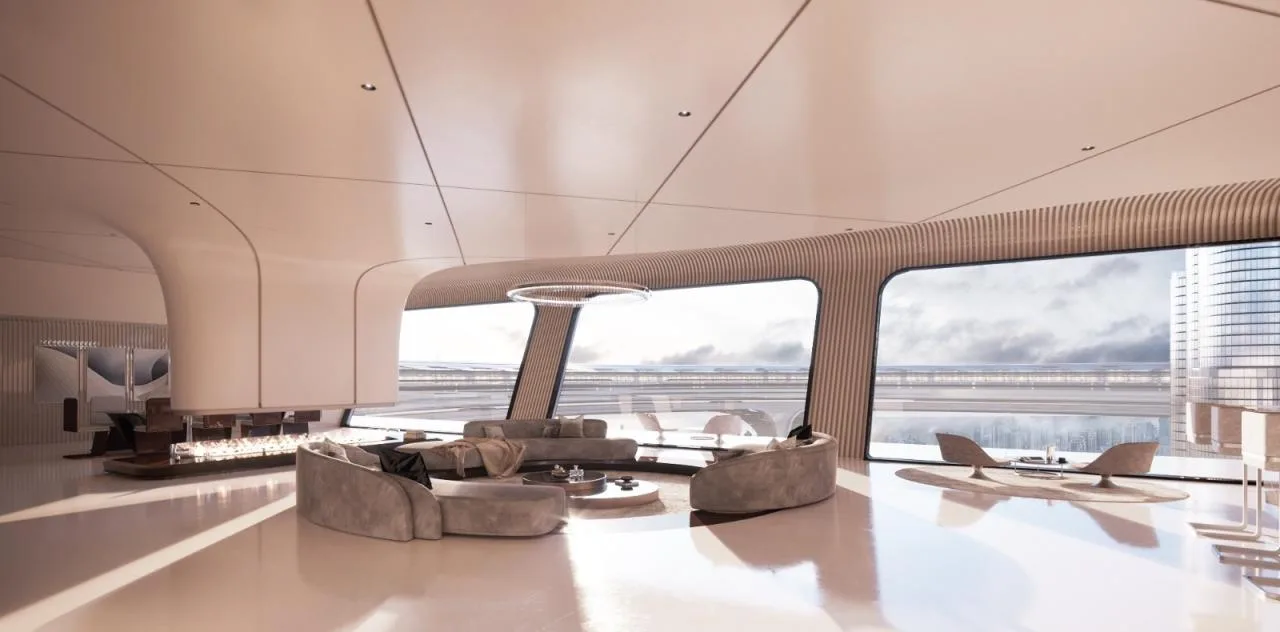
The “urban center ring” concept reflects a global search among architects for a new mixed-use urban development model that combines high-density urban fabric with lush greenery, dynamic urban functions, and excellent user experience. It also addresses climate protection and sustainable building practices. The Sky Park will recreate various climates, allowing visitors to experience ecological environments such as canyons, sand dunes, and forests filled with diverse plant species. This green ecosystem will include swamps, waterfalls, tropical rainforests, digital caves, fruit trees, colorful flowers, and varied wildlife.
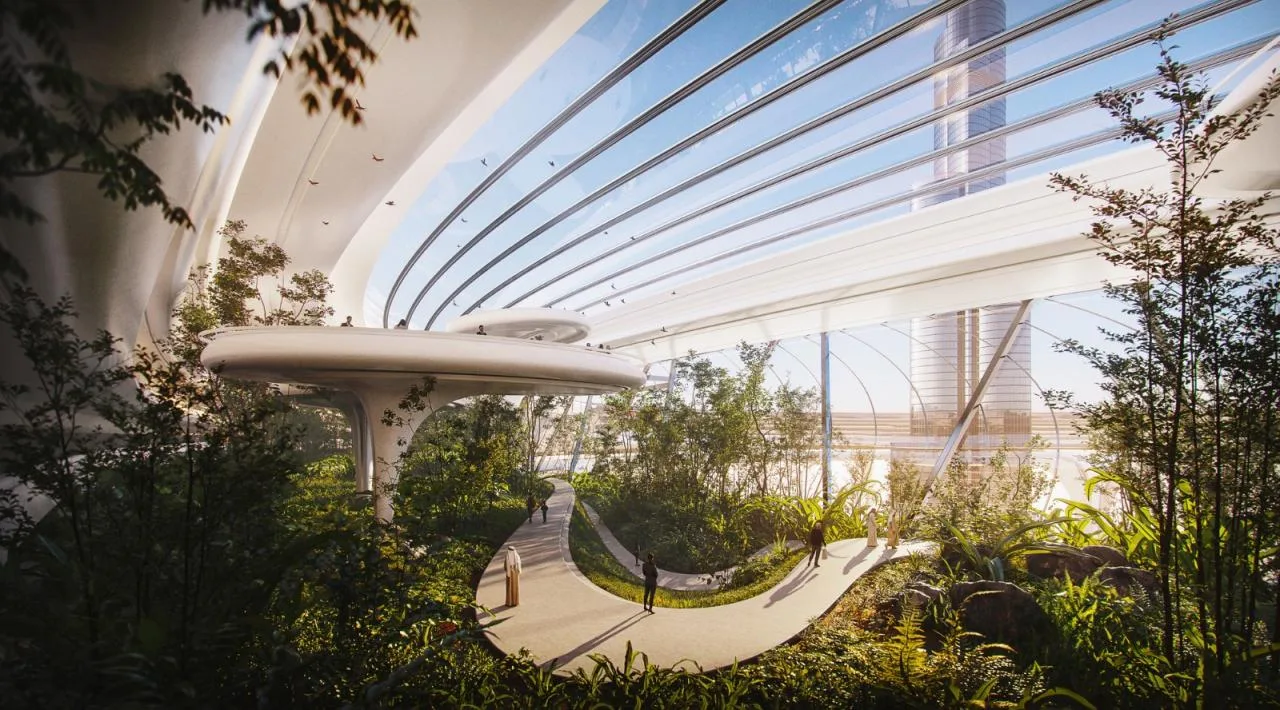
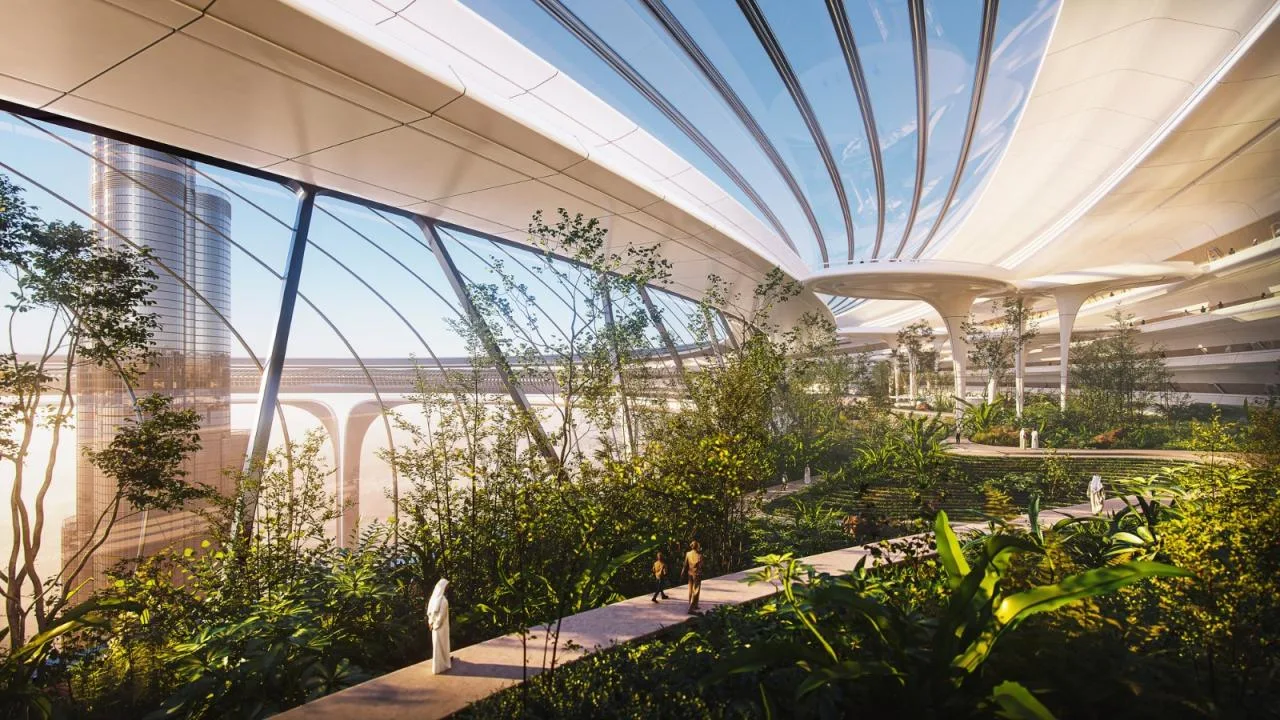
To support environmental sustainability, the design includes rainwater harvesting and solar energy collection systems. Beyond energy efficiency, the structure will capture carbon, filter air pollutants, and serve as a habitat for wild plants and food production. The Sky Park will offer residents direct access to nature, promoting healthier lifestyles through outdoor recreation. Additionally, the architecture addresses challenges posed by coastal development and rising sea levels by exploring innovative urban forms designed to mitigate environmental threats.
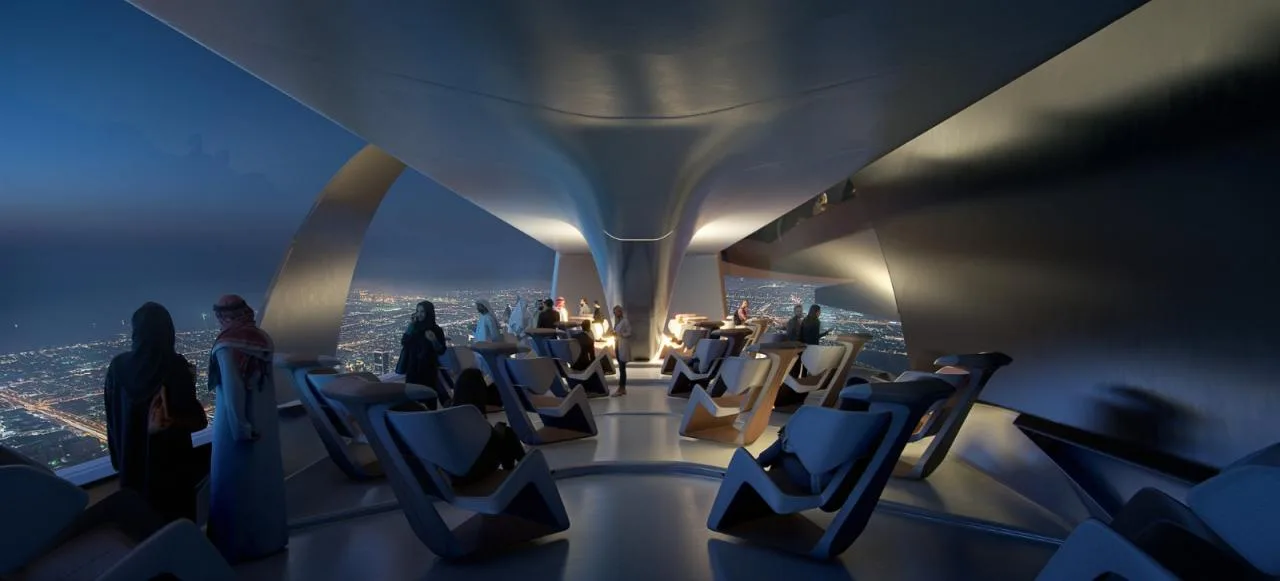
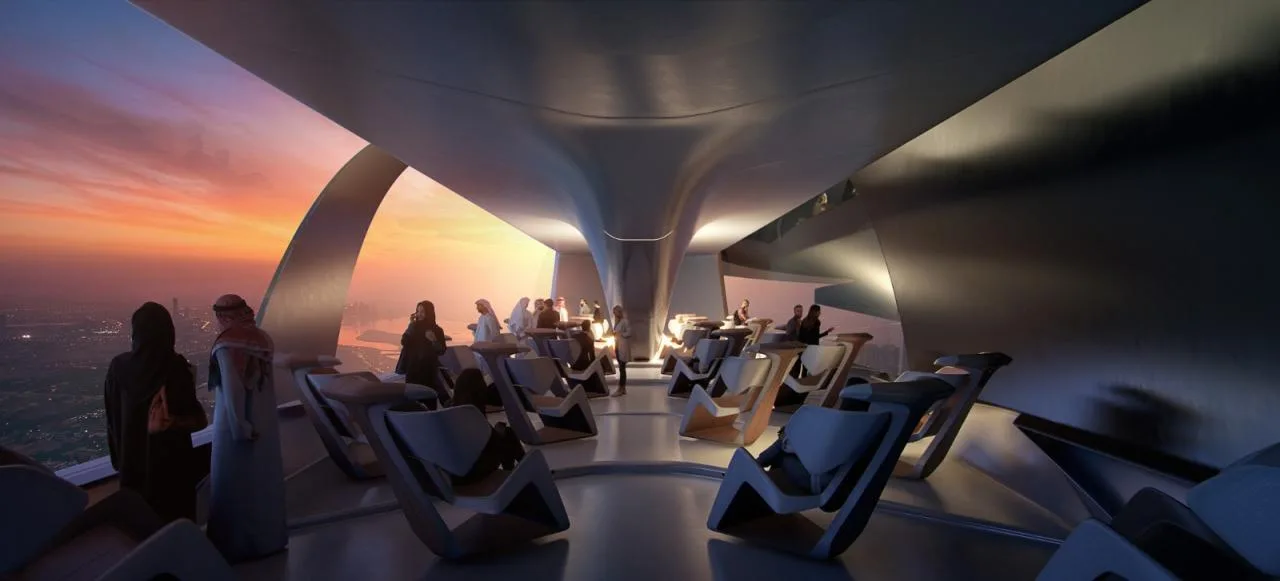
For transportation, a network of suspended pods will carry passengers between nodes along the ring. These cabins, capable of holding 20 people, will travel on a railway system beneath the structure. Passengers will board and disembark on the outer ring, with connections to the main elevator core via pressurized cabins. These advanced pods can reach speeds up to 100 kilometers per hour, offering 360-degree panoramic views of the city from 500 meters above ground.
Project Information
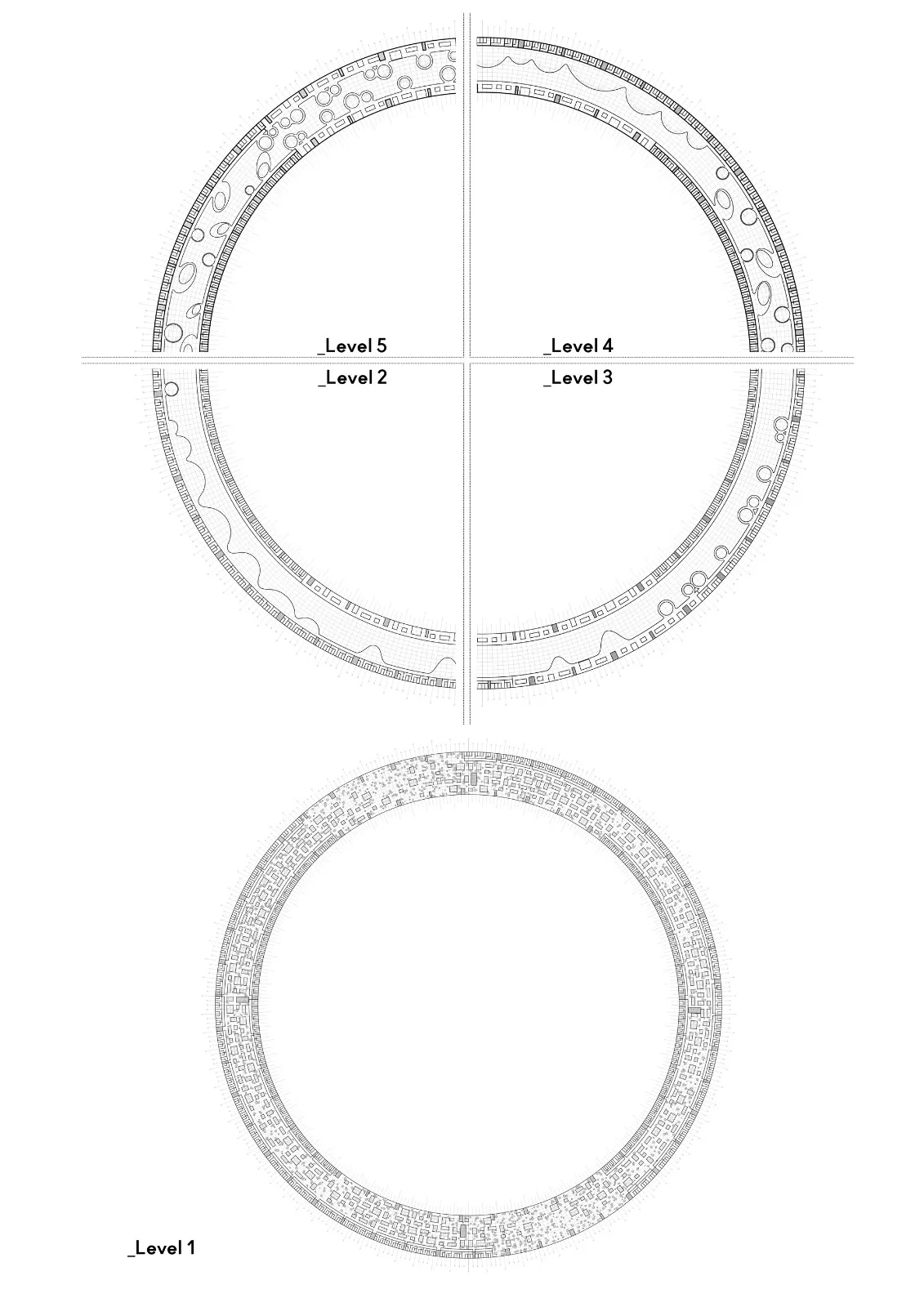
△ Plan view
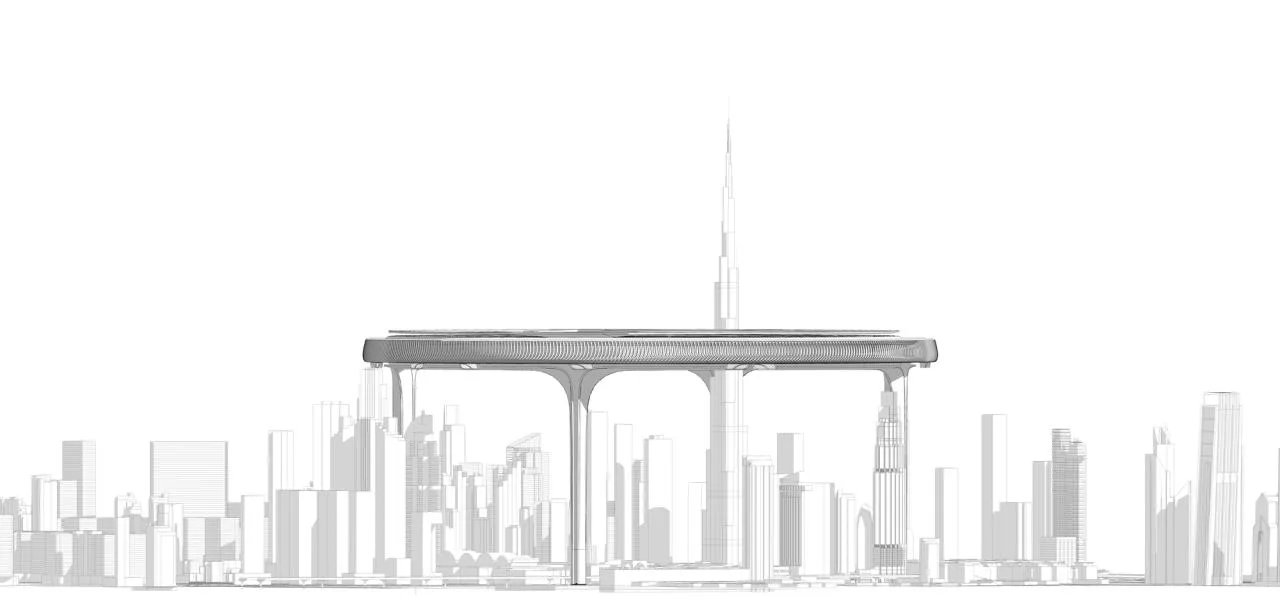
△ Elevation drawing
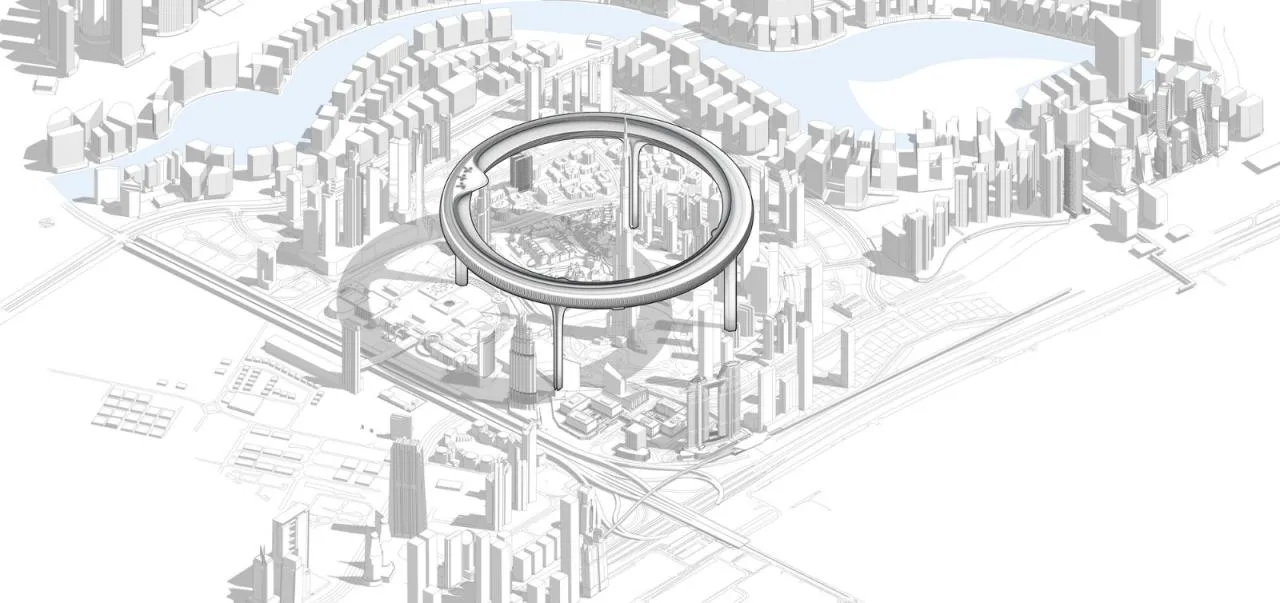
△ Model diagram













Must log in before commenting!
Sign Up