
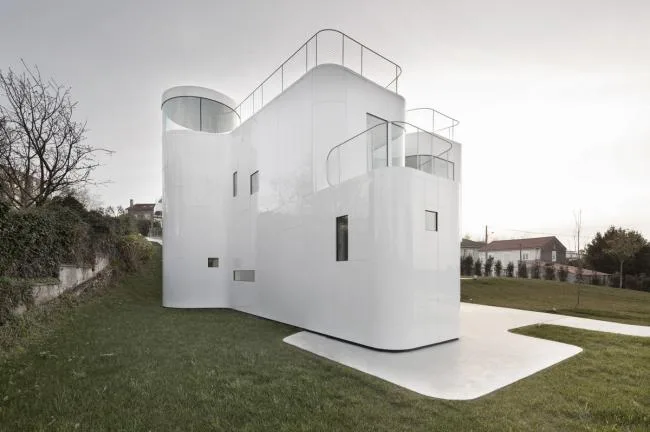
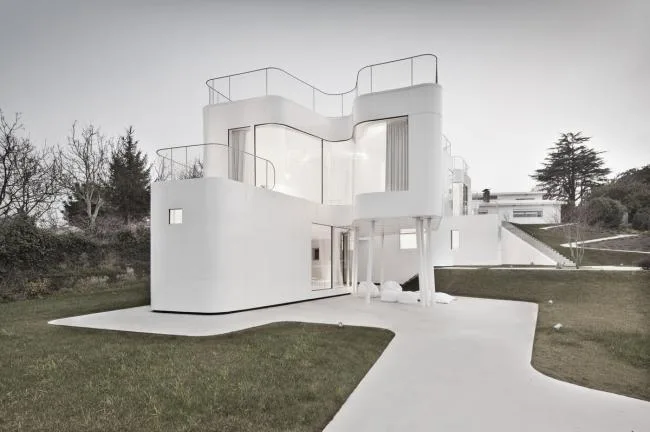
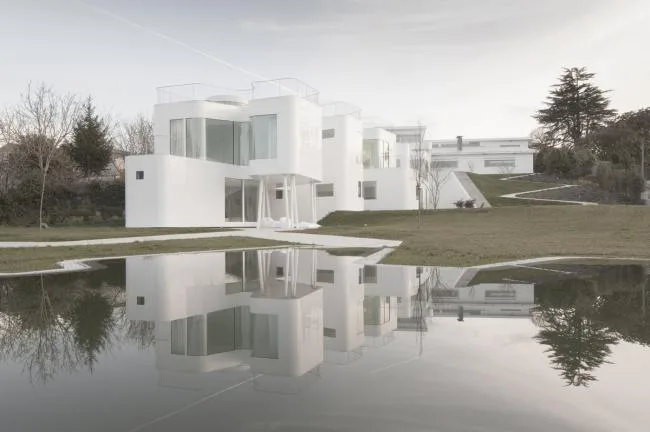
V Residence is a comprehensive restoration, renovation, and expansion project of houses originally built in the early 1960s. The homeowner’s family has been vacationing here for nearly 50 years. As the family grew, the existing layout could no longer accommodate their current and future needs.
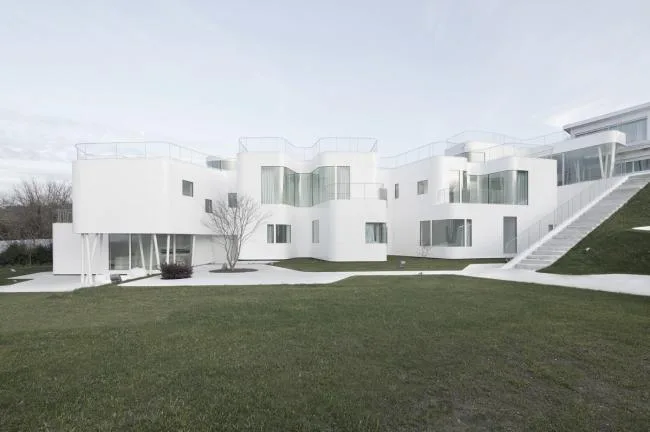
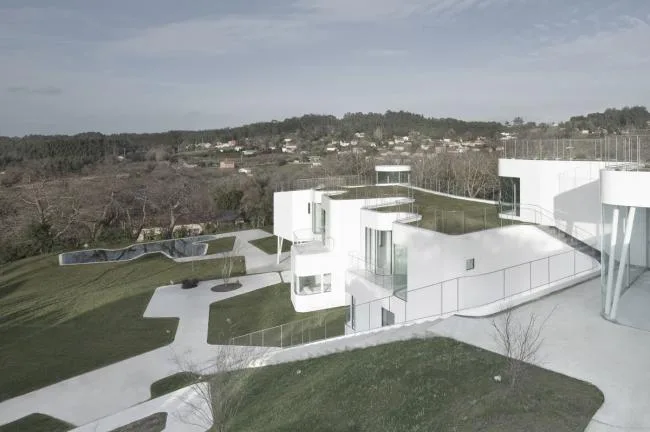
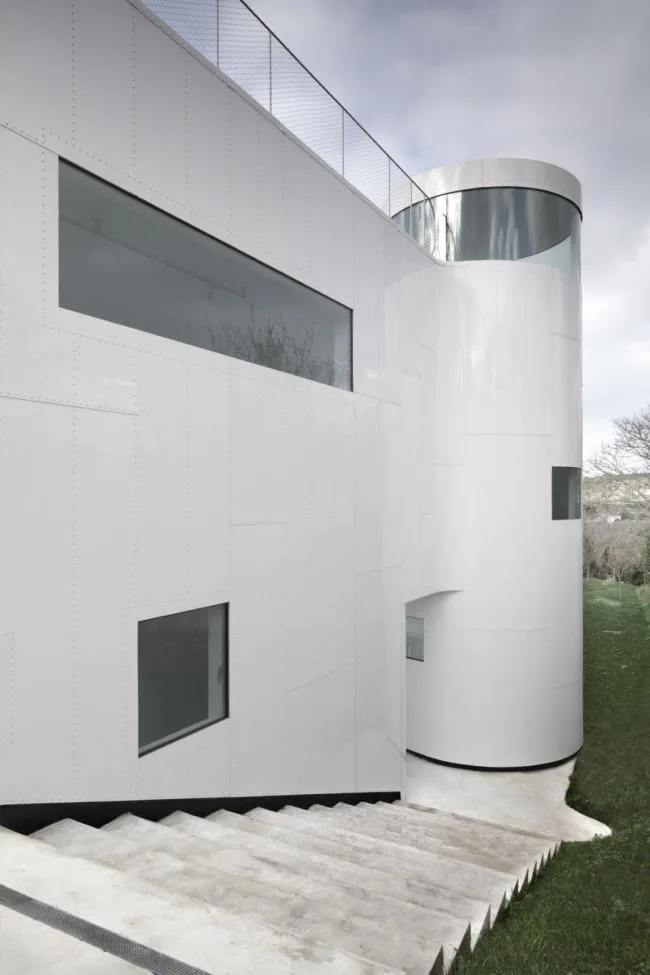
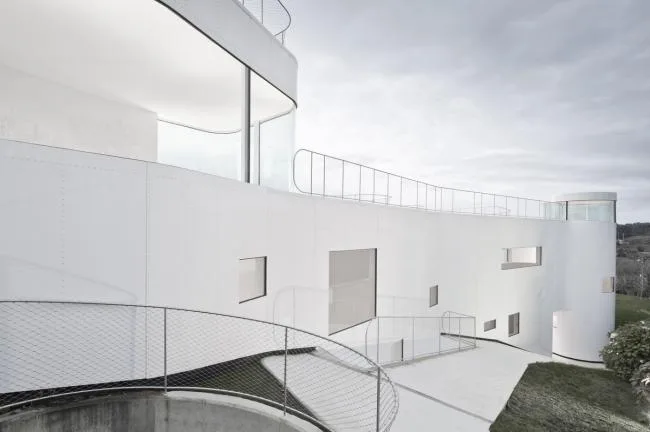
The main goal of this design was to create a space where three generations of the family can enjoy their holidays together. To achieve this, the house was renovated to serve the second and third generations, adding a new wing connected to the original building on the northeast side. The roof of the new structure doubles as a private garden for the old house, and the landscaping respects the original terrain and topography.
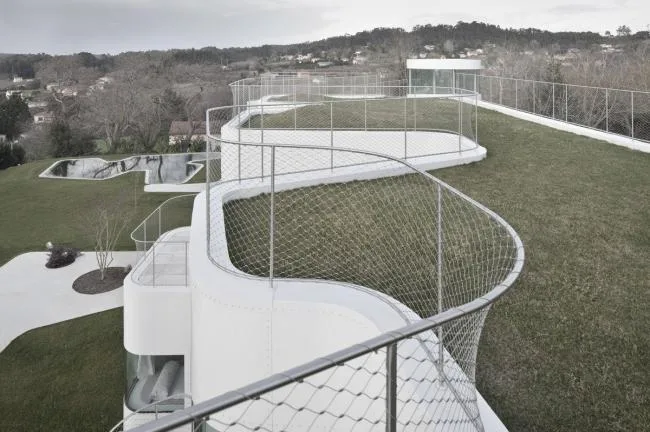
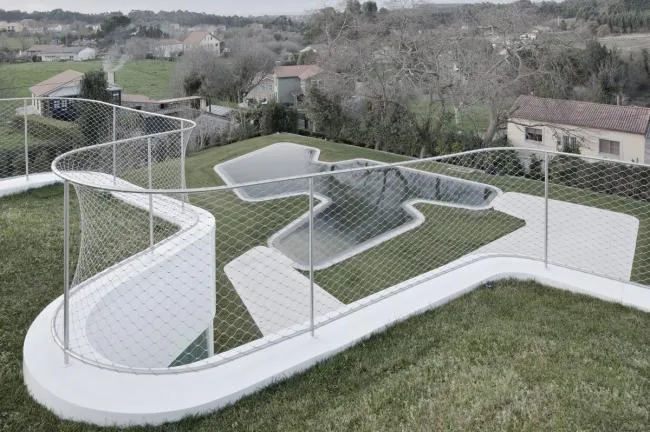
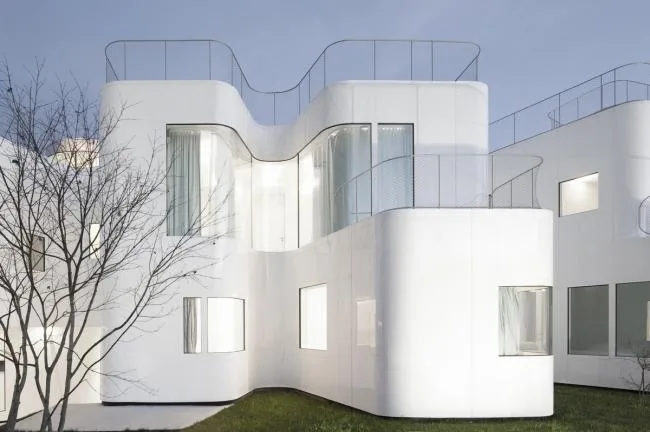
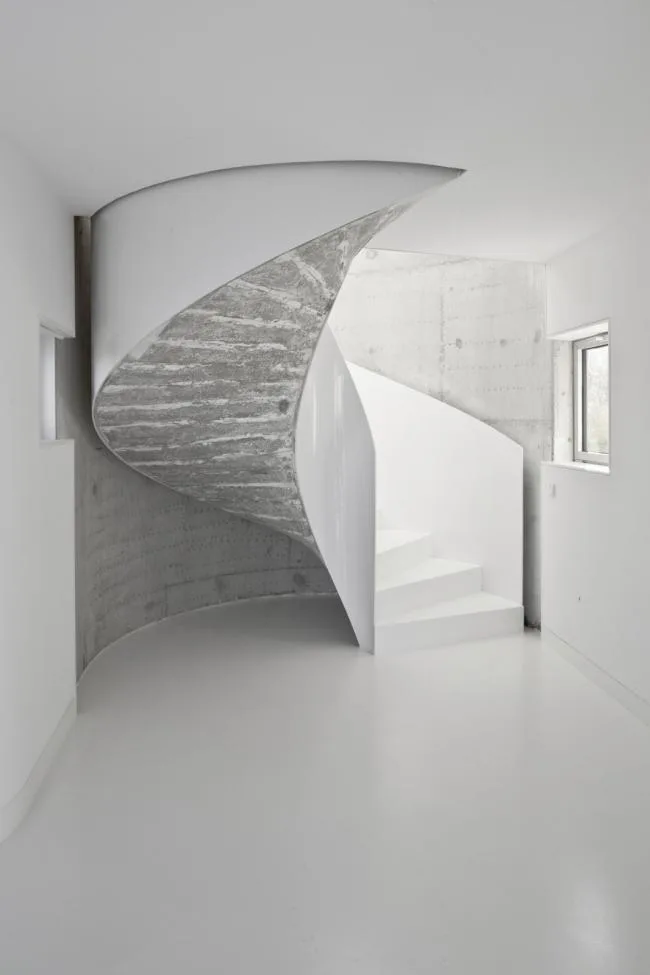
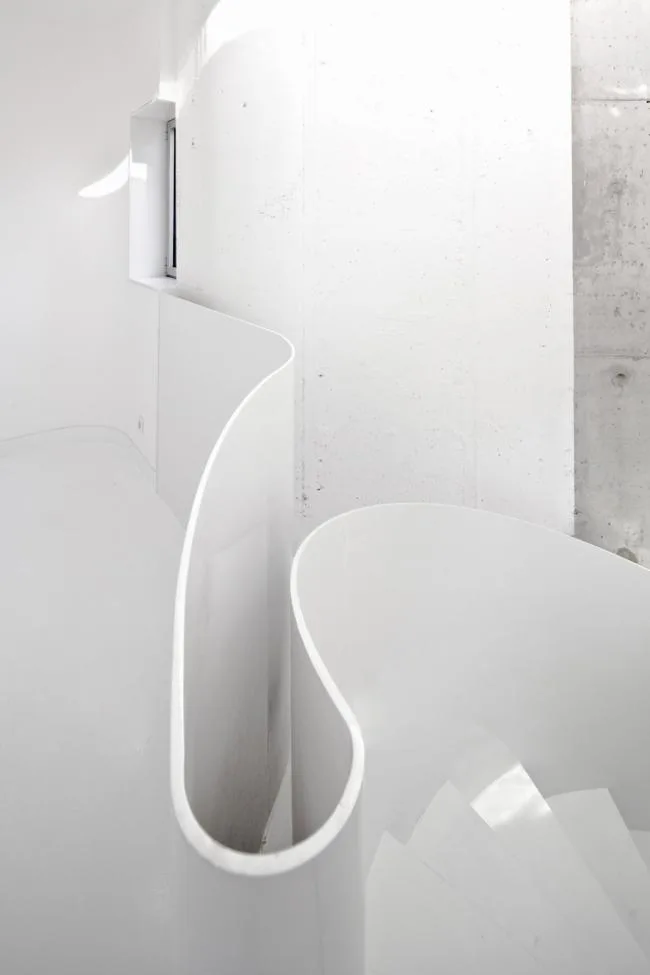
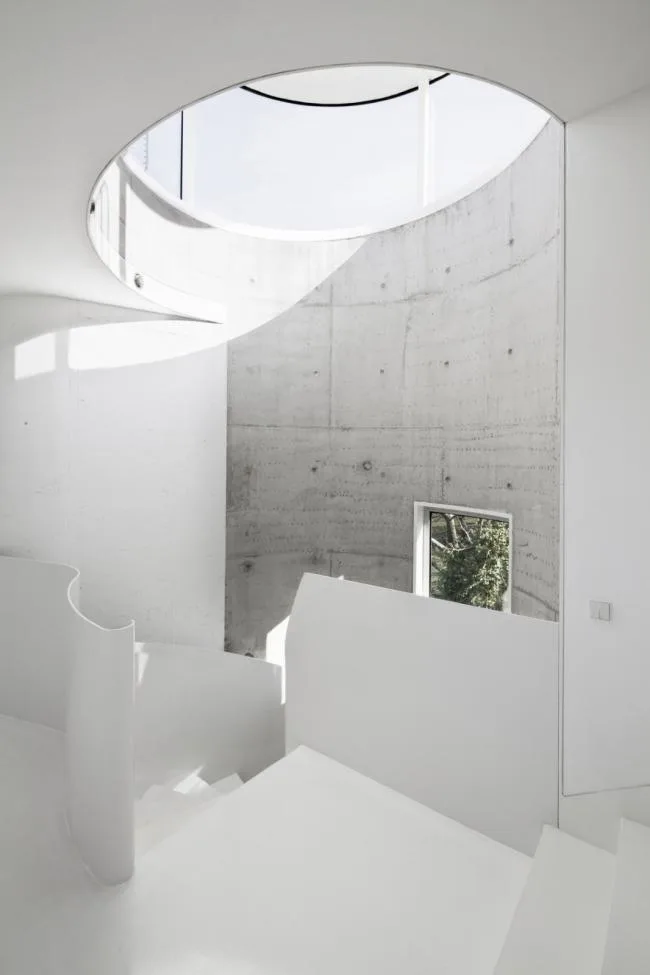
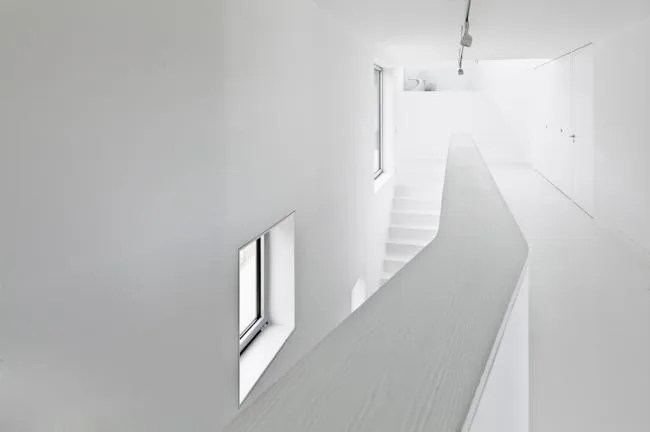
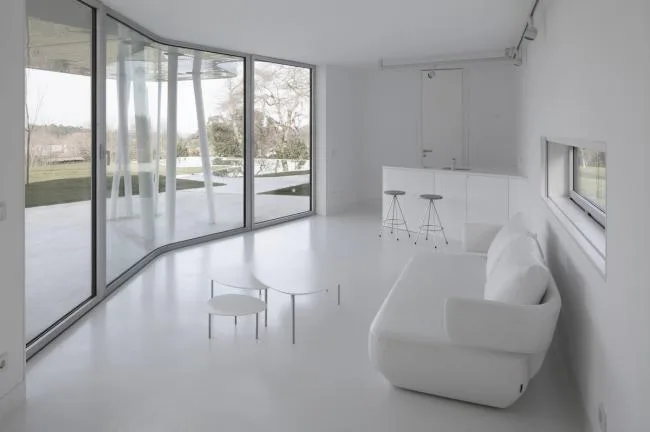
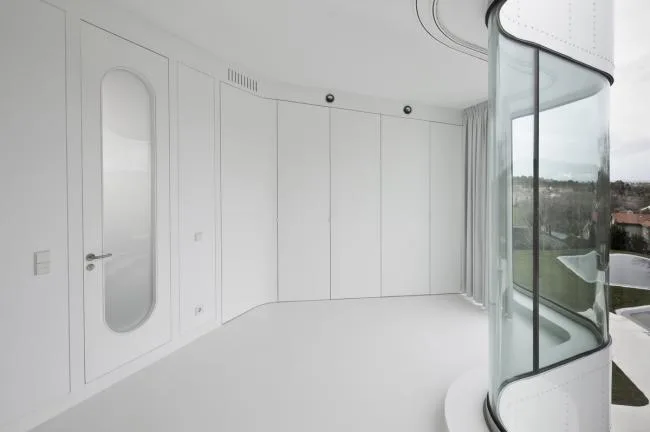
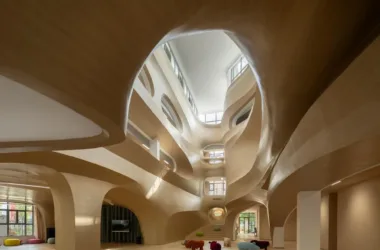
The original house functions as a communal space for the family, facilitating social interaction while serving as the first generation’s bedroom area. Each family member enjoys independence, yet the layout encourages shared communication. The multi-layered wall system, uniquely designed, not only supports the structure but also acts as insulation against the outdoor environment. Its winding, twisting form accommodates a variety of activities within the home.
Space here is defined through the extension of spacetime, with the material adapting topologically to all that occurs within it. The new structure’s exterior presents a seamless, neutral facade, free of edges, vivid colors, or textures — a subtle container where life and daily activities take center stage.
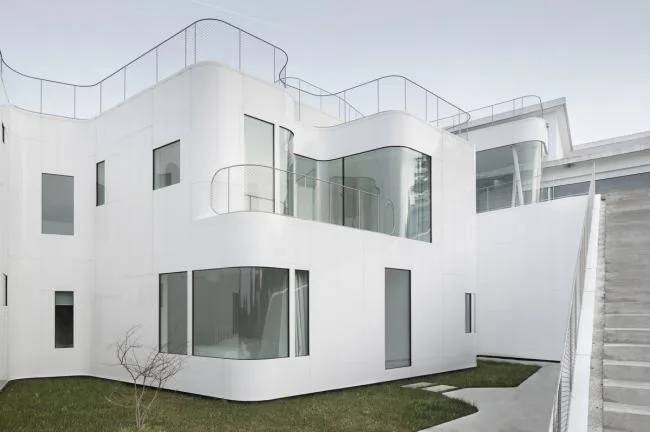
Environmental Strategy
This project incorporates an effective energy-environment matching strategy, focusing on the balance between energy use and specialized building design. This approach significantly lowers maintenance costs and enhances the building’s overall energy efficiency.
Insulation and thermal inertia components are placed on the building’s exterior. The concentrated horticultural system integrates the building with the existing ecosystem, providing an extensive additional insulation layer that offers both thermal and sound insulation. Furthermore, the concrete slabs contribute extra thermal inertia.
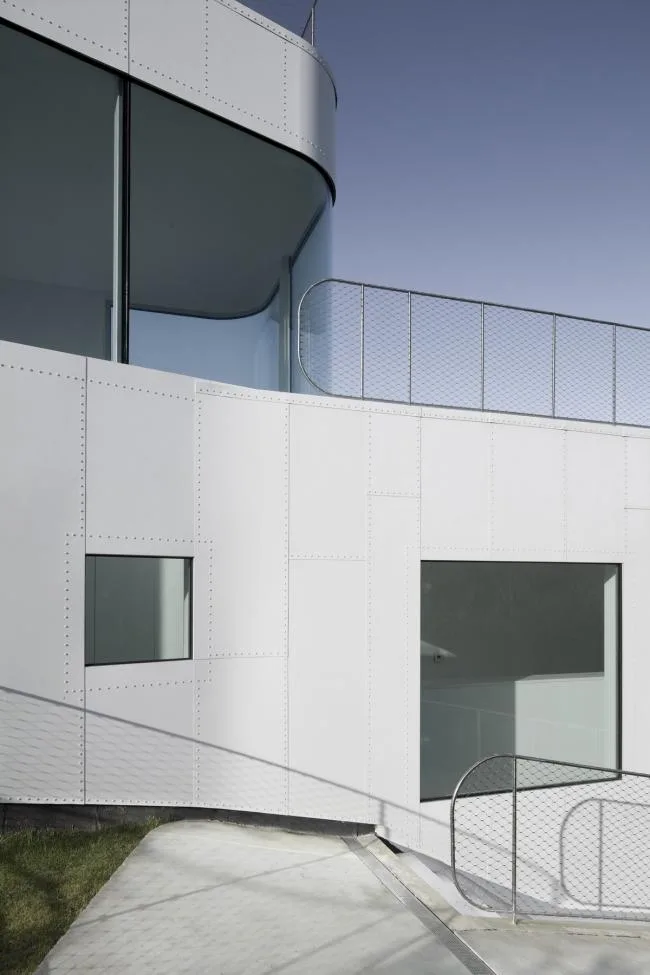
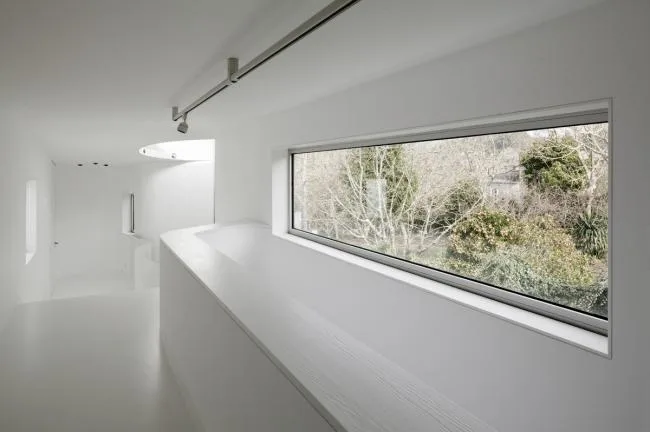
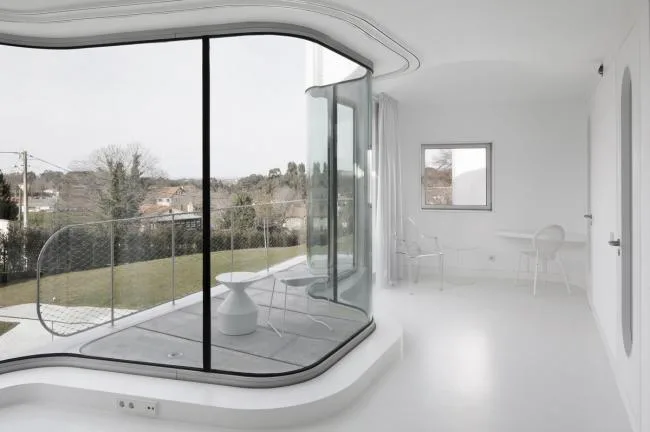
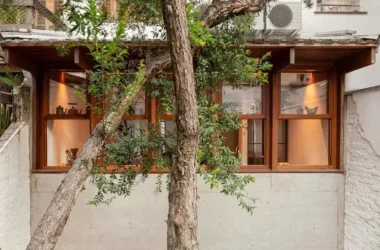
The design incorporates a natural heating system inspired by Coru ñ a style windows. However, it reinterprets the traditional glass colonnade by adjusting the openings to maximize natural light penetration. This greenhouse effect creates an ideal example of energy sustainability within Coru ñ a-style architecture. Additionally, the residence is equipped with a vacuum tube solar heating system, dramatically reducing reliance on conventional fuels.
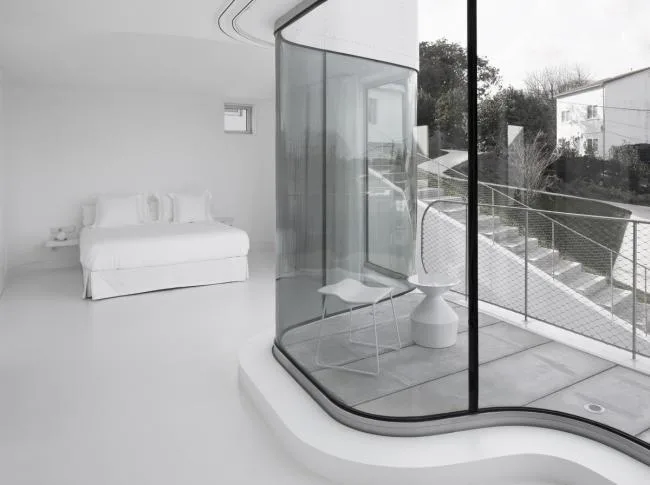
Project Drawings
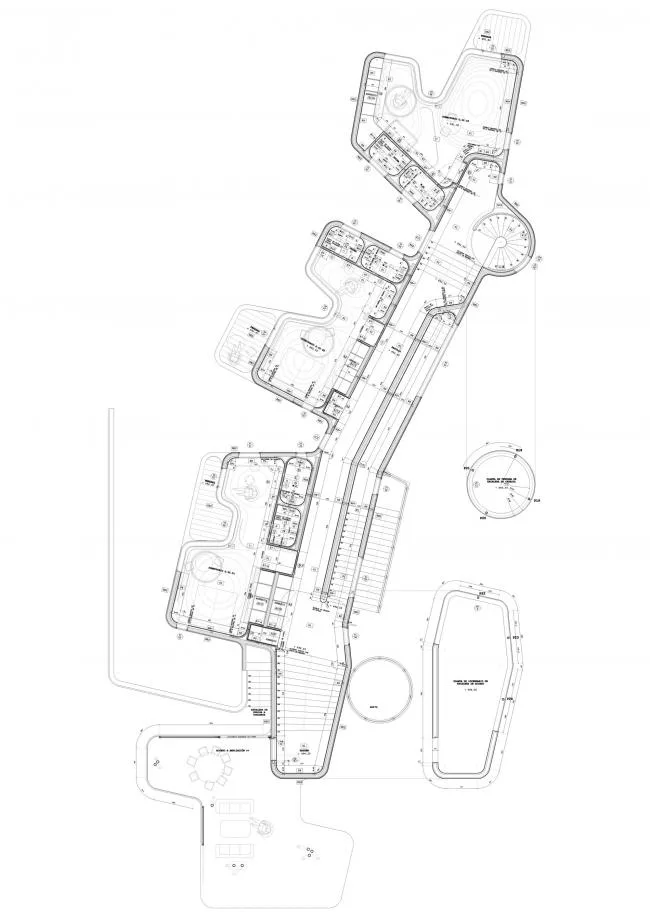
▲ Plan View
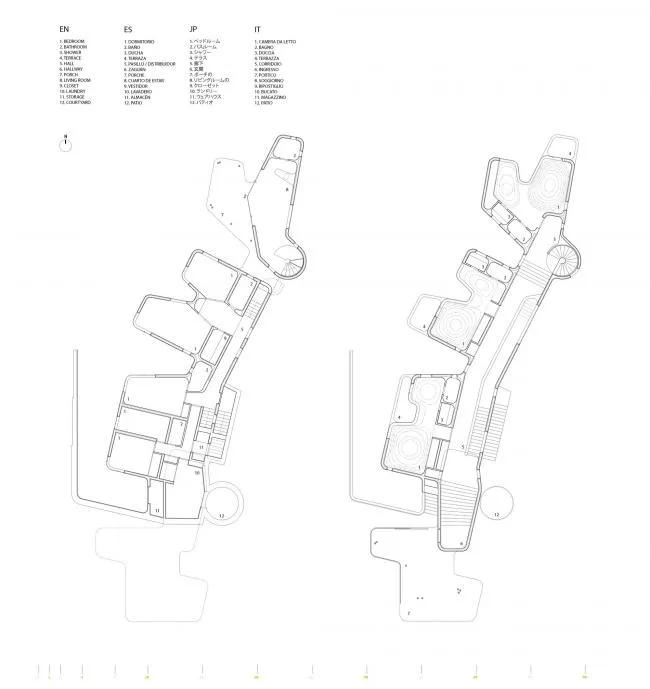
▲ Plan View
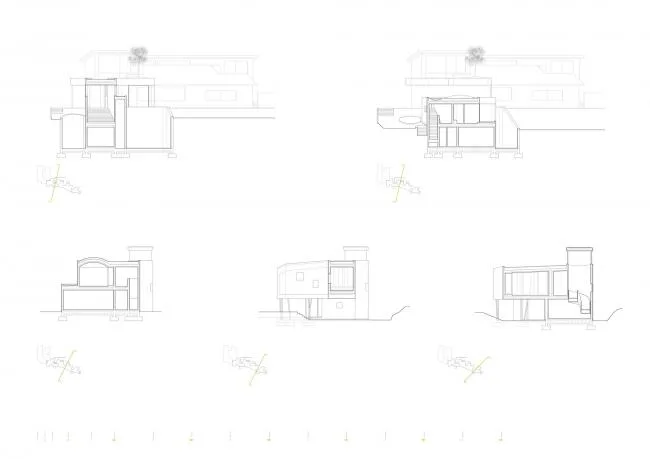
▲ Sectional View
Project Information
Project Type: Independent Residential Building
Project Location: Oleiros, Spain
Architect: Dosis
Photographer: Alberto Bandín
Manufacturer: Cricursa
Lead Architects: Ignacio Peydro, Isabel Collado
Design Team: Pilar González Ariza, Fernando Alonso Tuero, Borja Comendeiro, Valentina Micucci, Federica Fiacchini, Rubén Guerrero, Adrián Jabonero, Jonathan Renier
Structure: Jorge Conde
Equipment Engineers: Rafael Ursulo, Carlos Ursulo
Quality Monitoring: Raúl Pichel












Must log in before commenting!
Sign Up