

Prefabricated buildings are rapidly gaining market share, largely driven by government commitments to creating an ecological and sustainable environment. While prefabricated construction in China still requires extensive exploration and research, the path forward is promising. The rich history and achievements of prefabricated construction in many foreign countries offer valuable lessons that China can draw upon. In this article, we summarize the characteristics, accomplishments, and advanced concepts from several countries to inform the development of prefabricated buildings in China.
1. Japan
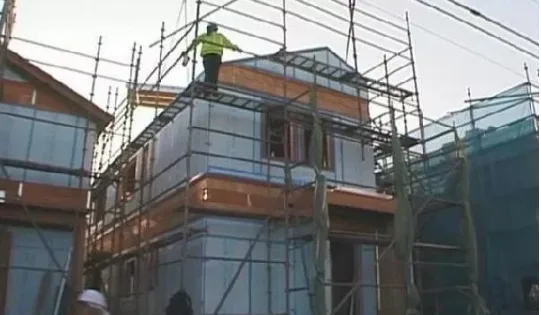
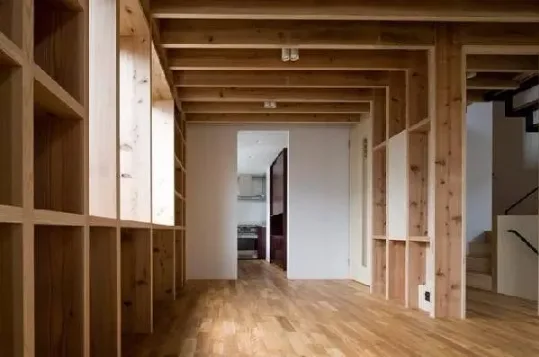
Japan introduced the concept of prefabricated housing as early as 1968. Situated in an earthquake-prone region, Japan places high importance on seismic resistance. They employ prefabricated concrete seismic isolation technology, supported by government legislation to ensure construction quality. Currently, Japan’s prefabricated buildings consist of about 41% wooden structures, 38% steel, and 20% reinforced concrete.
Japan’s success in prefabricated construction stems largely from strong government involvement. Clear five-year housing construction plans have driven industrialized housing development. Strict regulations ensure market quality, while specialized agencies, such as the Housing Division Wooden Housing Revitalization Office under the Ministry of Land, Infrastructure, Transport and Tourism, promote industry standardization and innovation. Major corporations actively lead technological advancements, while enterprise norms and process standards provide benchmarks that foster a complete industrial chain and collaborative growth within the sector.
2. Germany
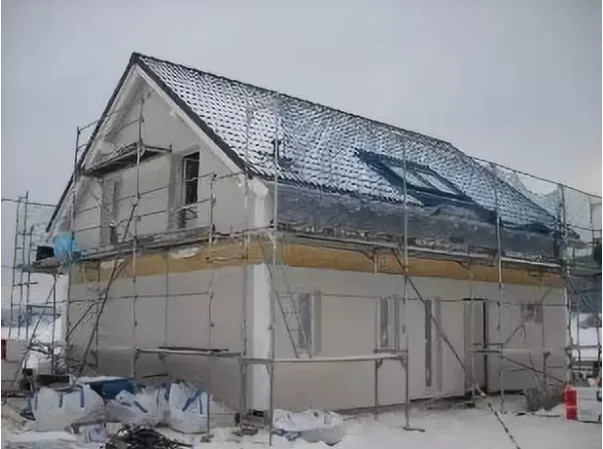

Germany is known for its rigorous approach to industrialization, which extends deeply into its construction industry. The country relentlessly pursues process standardization and mechanization to maximize efficiency. Germany is at the forefront of research and development for precast concrete (PC) prefabricated products and materials. It currently leads the world in reducing building energy consumption and has recently promoted the development of zero-energy passive houses.
Prefabricated buildings in Germany mainly consist of steel and wood structures. Supported by collaboration among universities, research institutions, and enterprises, Germany has developed a robust industry chain for prefabricated and assembled buildings. This includes integrated systems for construction, structural engineering, plumbing, and electrical installations. Close cooperation between construction firms and equipment suppliers has allowed Germany to overcome fixed module size limitations, fully embracing industrialization requirements with advanced machinery, materials, and logistics.
The German experience highlights the critical role of establishing industry standards and specifications. Their technical guidelines not only meet comprehensive building requirements but also address production and installation needs. Encouraging research into diverse prefabricated building technologies remains essential to developing a universal system that supports large-scale production, improves efficiency, and reduces costs.
3. United States
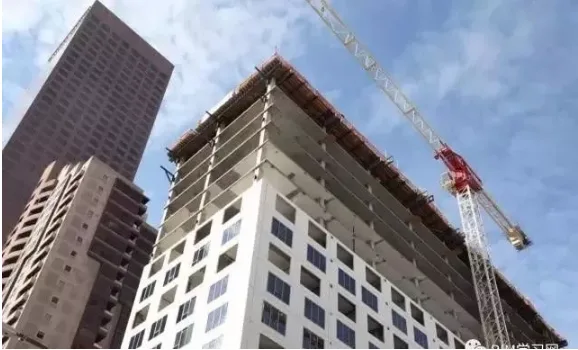

Professor Kevin Woolf, Vice President of the International Federation of Building Services (ICBO), states, “The United States has developed a mature market for prefabricated residential buildings (industrialized construction). Standardization, serialization, and commercialization of prefabricated components are nearly 100% complete.” Consumers can select products from catalogues that offer excellent structural performance, versatility, and ease of mechanical production.
The US prefabricated housing market benefits from a unique industrial chain. The main residential buildings are low-rise steel and wood prefab homes, focusing on comfort and customization. Unlike some other countries, the US does not deliver unfinished houses; instead, fully prefabricated and decorated homes are common.
The US construction industry is fully commercialized, supported by comprehensive regulatory standards such as the BL quality certification system. Large construction companies frequently engage in mergers, acquisitions, or partnerships, purchasing significant numbers of residential properties to expand scale and achieve cost reductions through economies of scale.
Responsible Editor: Shi Dandan














Must log in before commenting!
Sign Up