
The rapid development of aluminum alloy formwork technology in construction is driven by two key advantages.
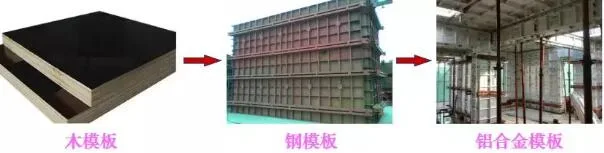
1. Superior Technical Quality
Aluminum alloy formwork offers excellent rigidity and strong load-bearing capacity. With reinforcement, it effectively prevents mold bursting and leakage.
This system ensures precise dimensional control of concrete components, resulting in smooth, even surfaces that can achieve a finished or fair-faced concrete appearance.
The joints between aluminum alloy formwork panels are minimal, eliminating grout leakage and mold expansion problems commonly seen with wooden formwork.
2. Safety and Efficiency
Manual handling eliminates safety risks associated with setting up unloading platforms.
Using aluminum alloy formwork reduces the number of steel pipes required, improving personnel access and evacuation routes. It also offers better fire resistance compared to traditional wooden formwork.
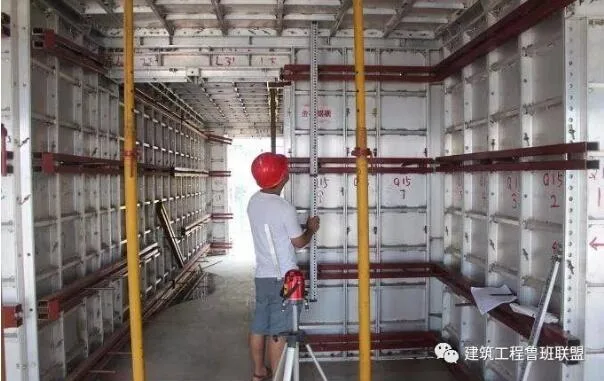
Improving Construction Quality of Aluminum Alloy Formwork
Using the residential project by China Construction Third Engineering Bureau as a case study, this article reviews effective approaches to prevent and control two major quality issues in aluminum alloy formwork concrete: surface bubbles and wall corner rot.
The project employs early removal construction technology with aluminum alloy formwork. The quality and appearance of the concrete directly impact the overall engineering quality, while also allowing for plaster-free finishes, reducing construction time, and lowering costs. Poor concrete forming quality, however, can significantly affect both cost and schedule.
After thorough inspection of the concrete structure, two primary defects were identified: bubble formation on the surface and rot at wall corners.
Surface Bubbles

Wall Corner Rot
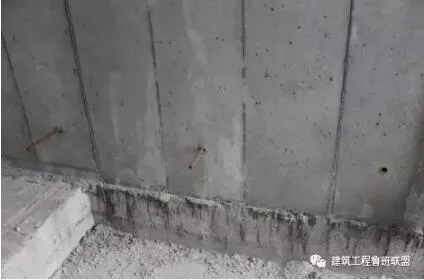
Root Cause Analysis from Five Perspectives: People, Materials, Machinery, Methods, and Environment

Correlation Diagram of Cause Analysis
Verification identified three main causes of the quality defects:
1. Unreasonable concrete mix design: Without air-entraining agents, bubbles cannot be eliminated once formed.
2. Issues with the release agent: The quality of the release agent significantly impacts bubble formation.
3. Improper formwork construction methods: Poor reinforcement techniques lead to corner rot in concrete.
Targeted Solutions Implemented
1. The concrete mix was optimized through laboratory testing to prevent segregation during pouring, which can cause corner rot. Air-entraining agents were added to minimize surface bubbles and ensure high-quality concrete formation.
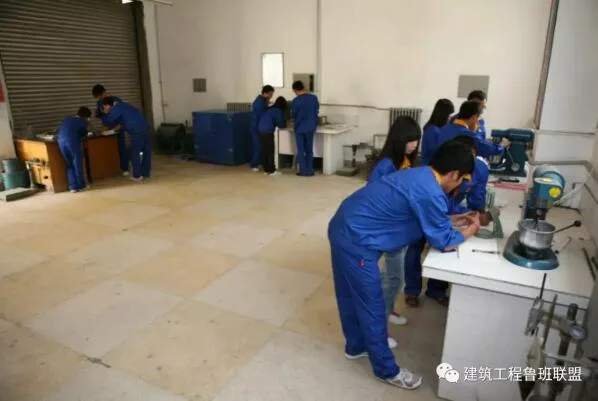
Optimizing the mix by adding air-entraining agents improves surface quality.
2. Oil-based release agents combined with innovative embedded wax board technology were introduced to prevent bubbles and rough surfaces, enhancing the concrete’s appearance.
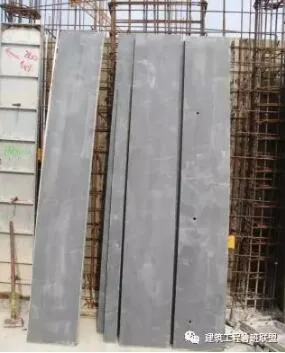
Applying embedded wax board technology modifies the aluminum alloy formwork to ensure superior molding quality.
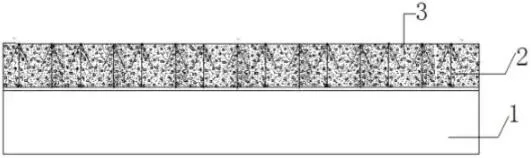
1. Aluminum alloy template, 2. Embedded layer, 3. Wax-based composite material layer
The wax layer replaces traditional mold release agents, creating a barrier between the aluminum formwork and concrete to prevent direct contact and bubble formation.
3. Reliable reinforcement methods were adopted to restrict deformation of the side formwork. A system of inspections, acceptance checks, and dedicated personnel for mold monitoring was implemented.
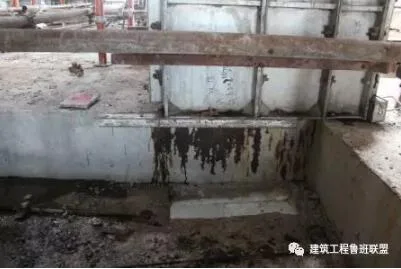
Corner aluminum reinforcements were installed at the base to address leakage issues.
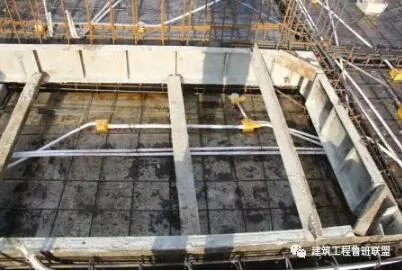
To prevent displacement at the drop plate, formwork corners were reinforced and steel bars were welded to ensure structural alignment.
Results
The quality pass rate for aluminum alloy formwork concrete (including integrated decoration) has improved significantly.
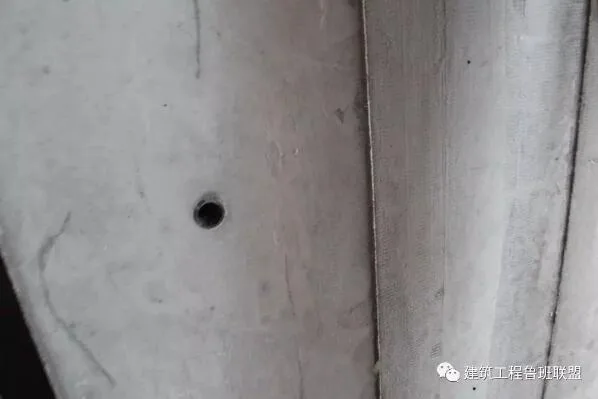
Forming results using the wax embedding technology.
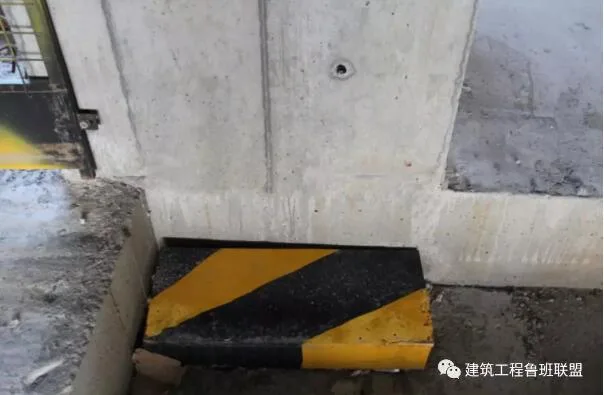
The issue of corner rot in aluminum alloy formwork concrete walls has been greatly reduced.
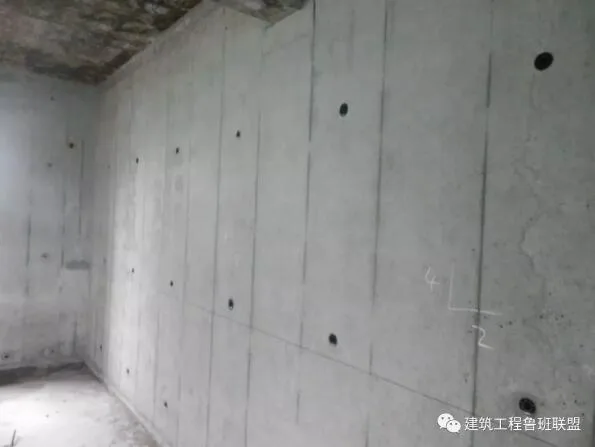
The overall quality of the concrete structure is excellent.















Must log in before commenting!
Sign Up